Piston.my

Latest News

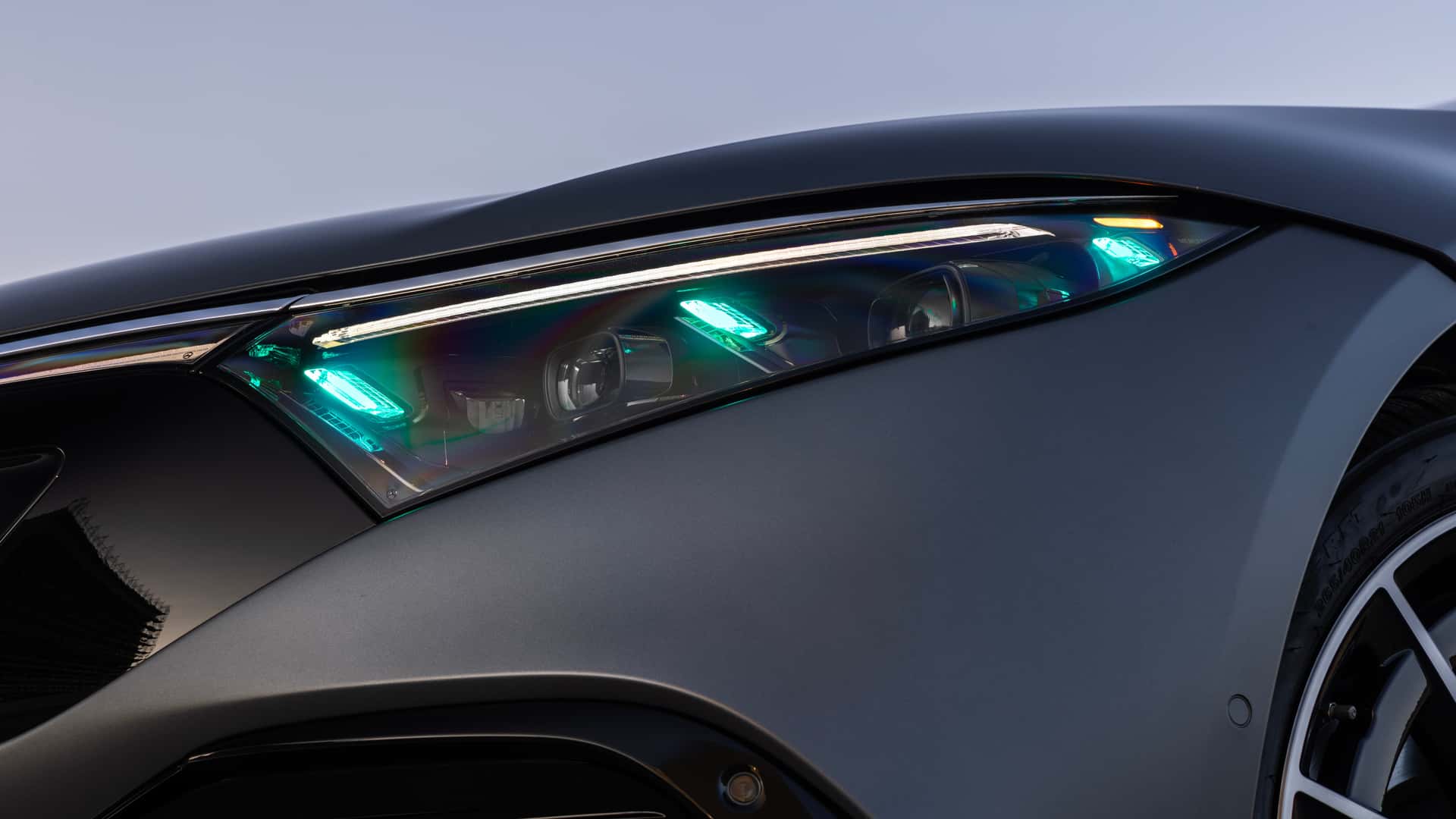
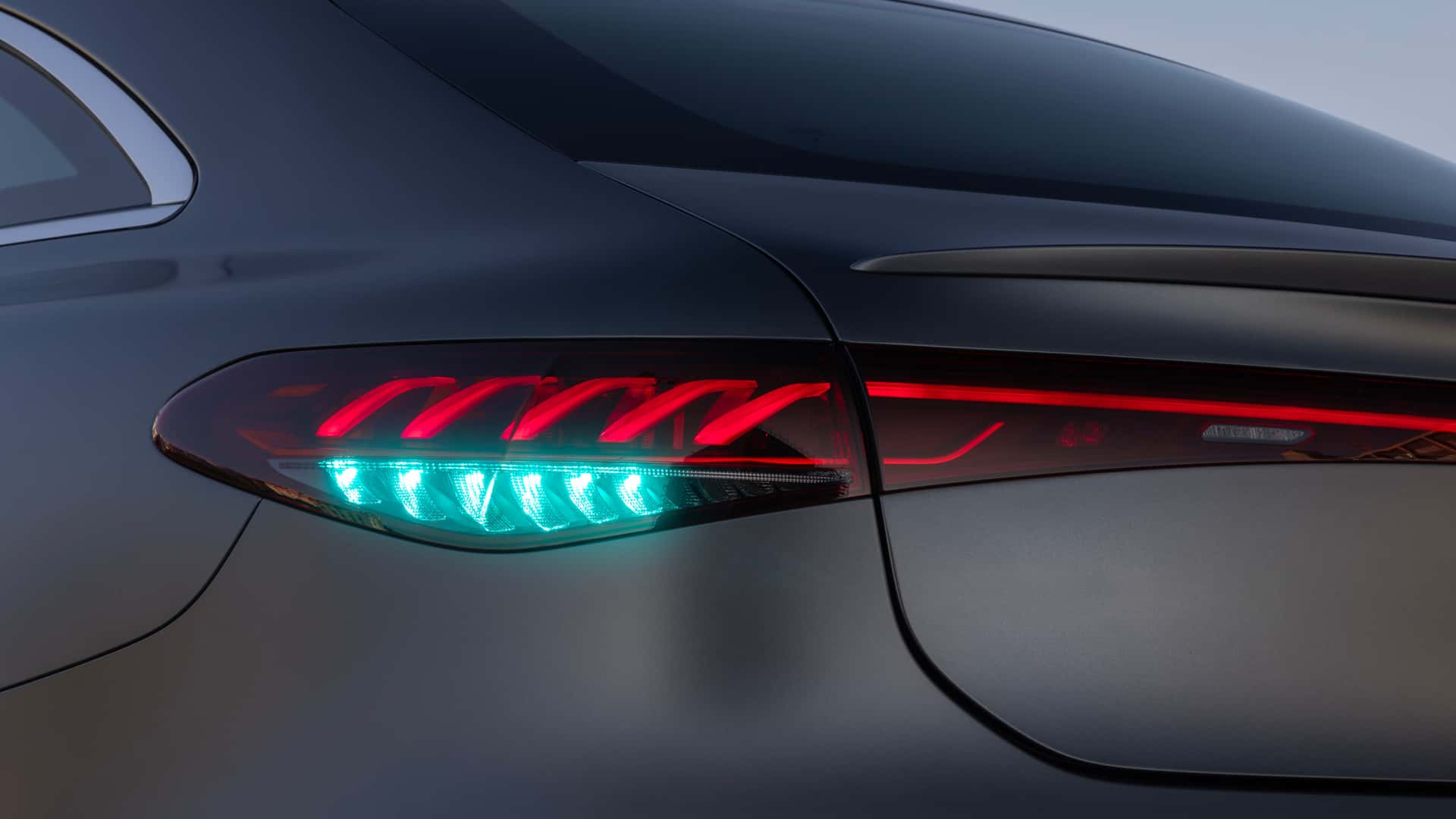
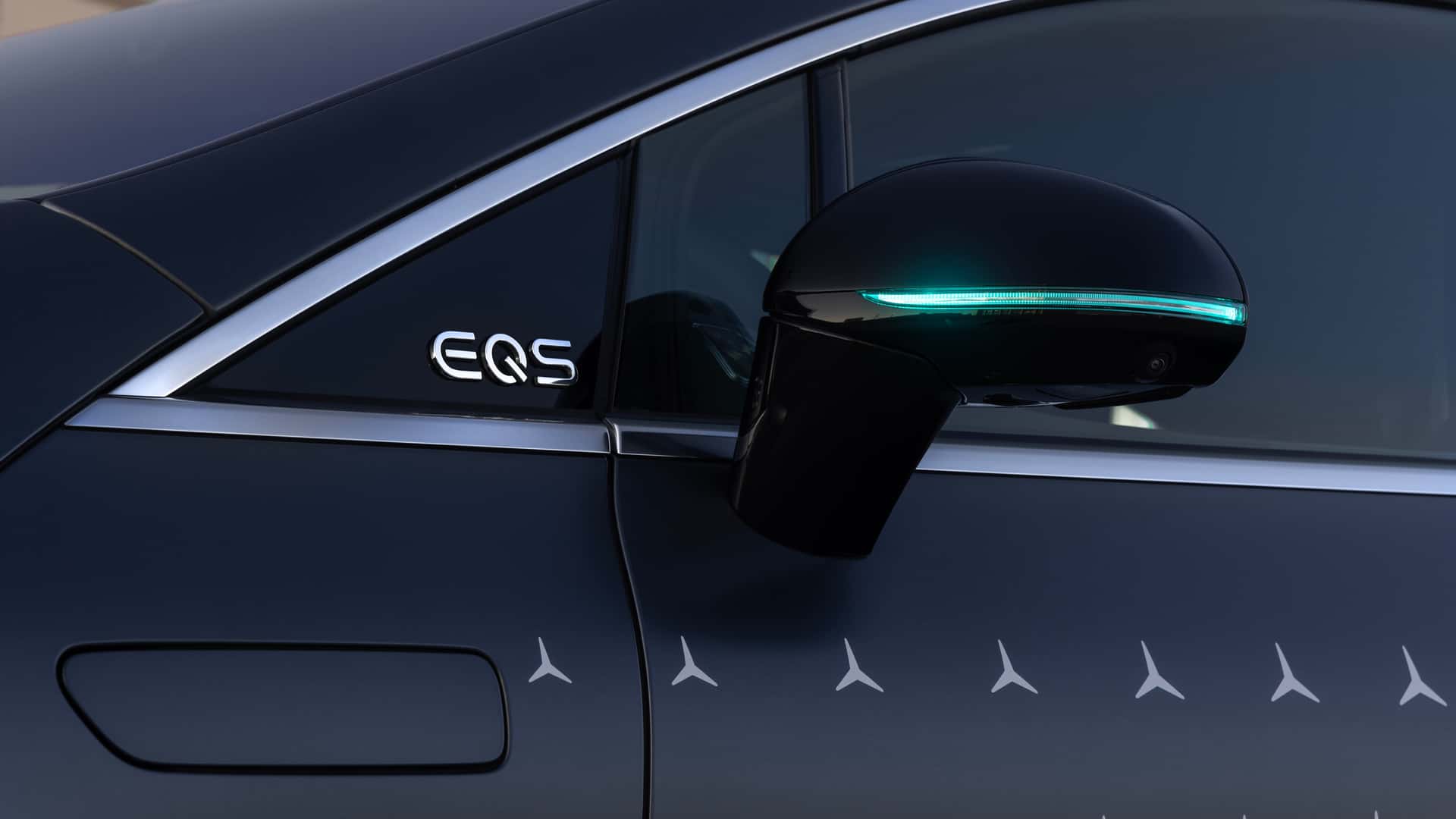
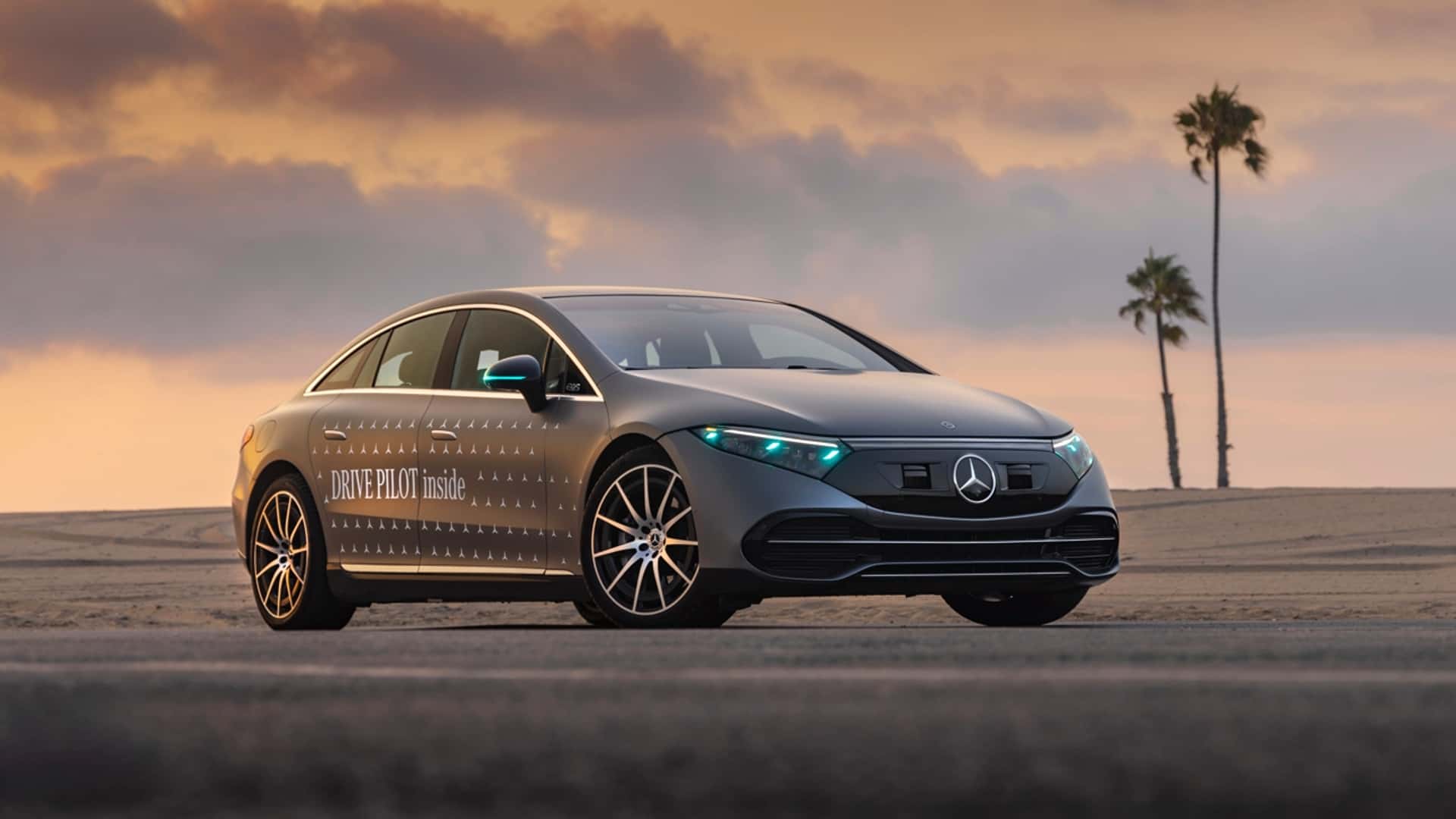
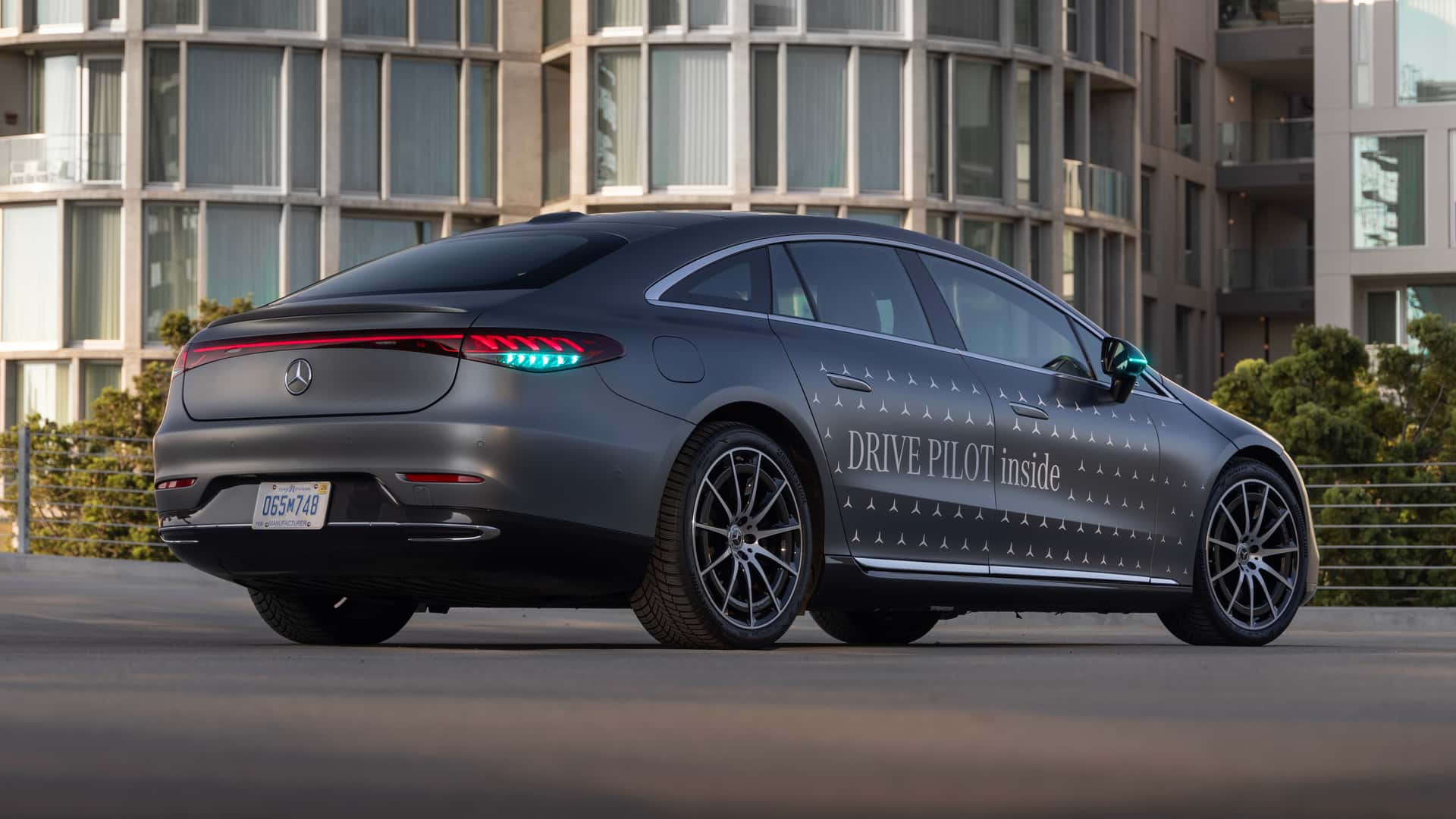
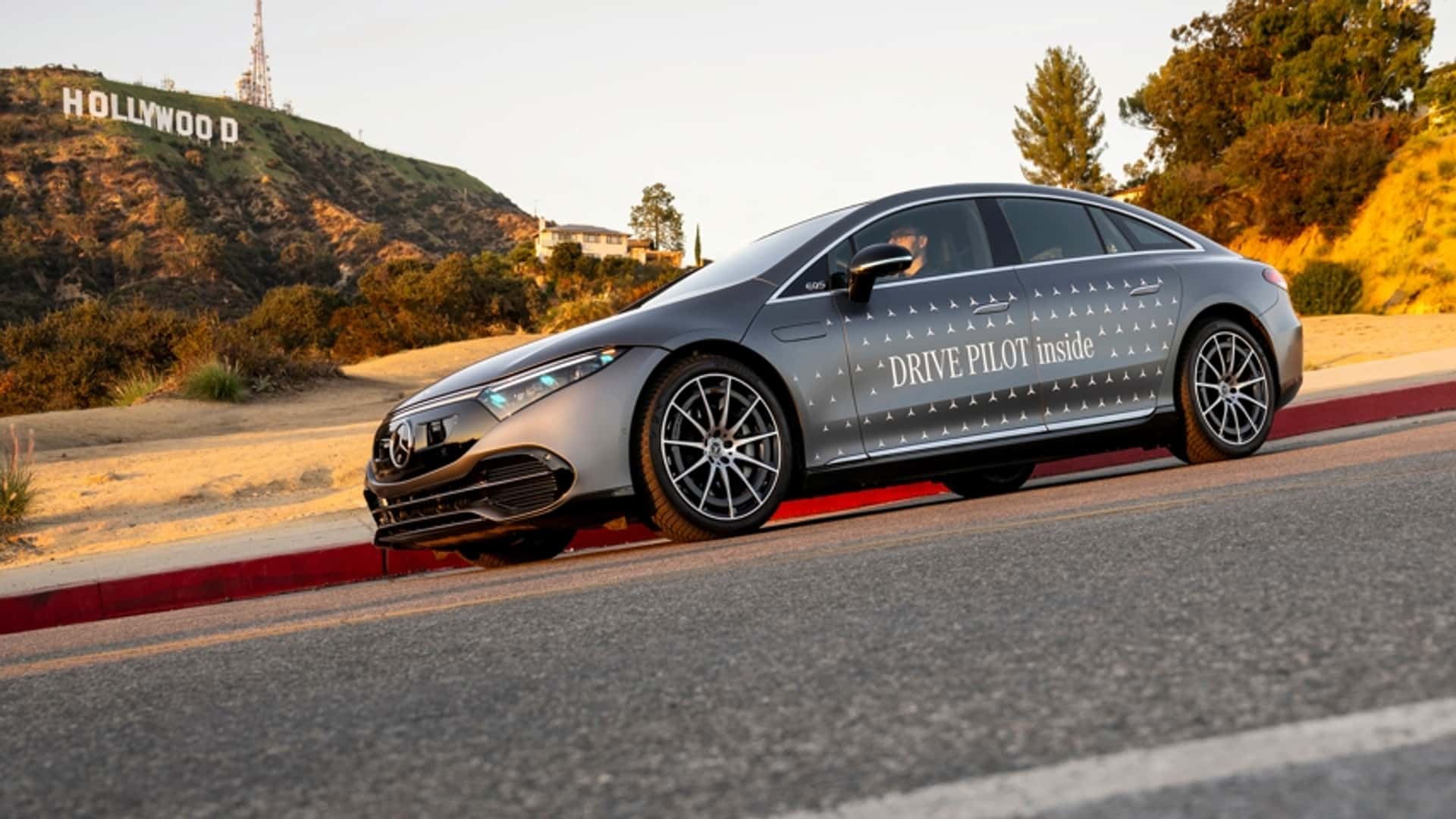
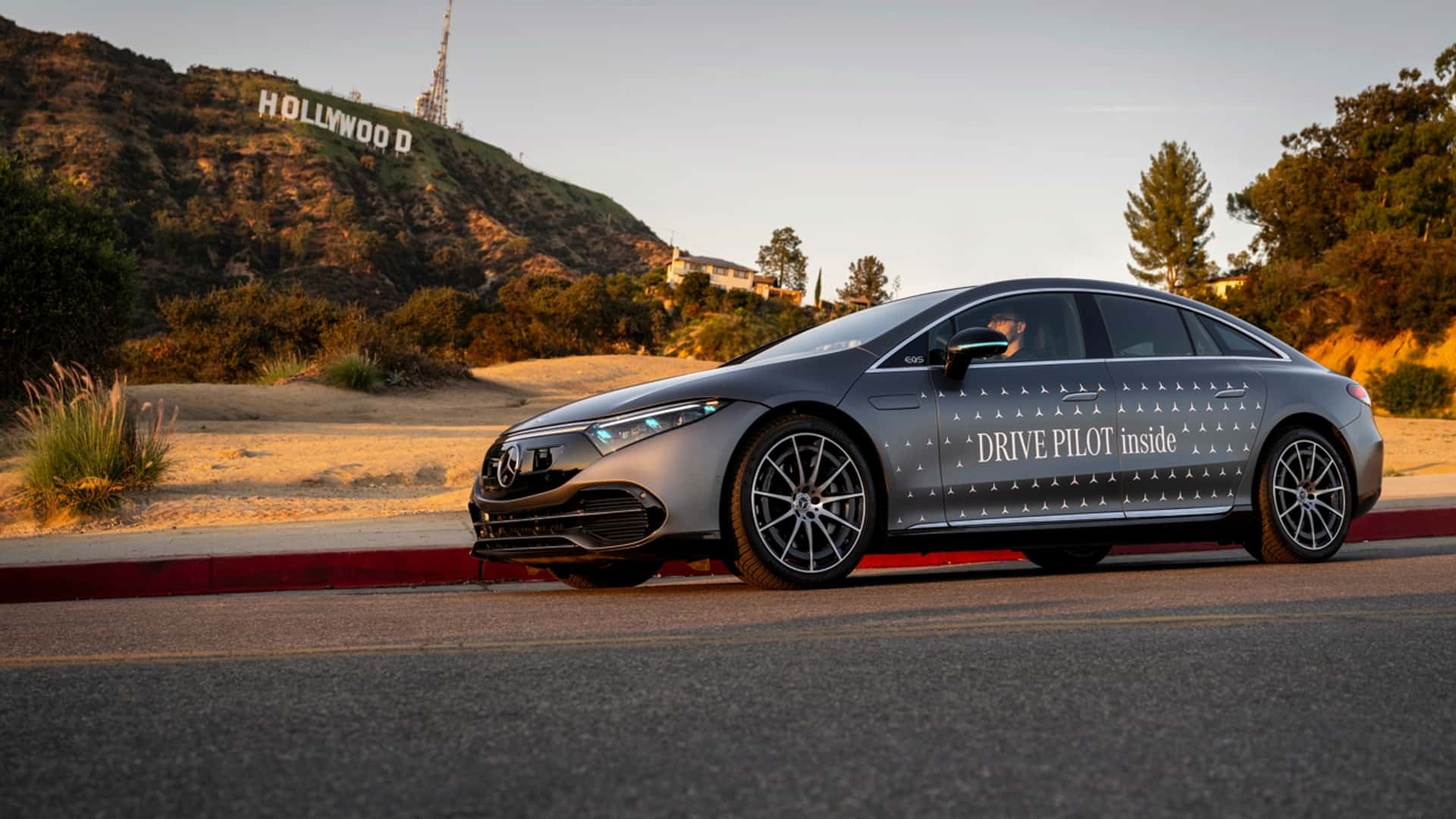
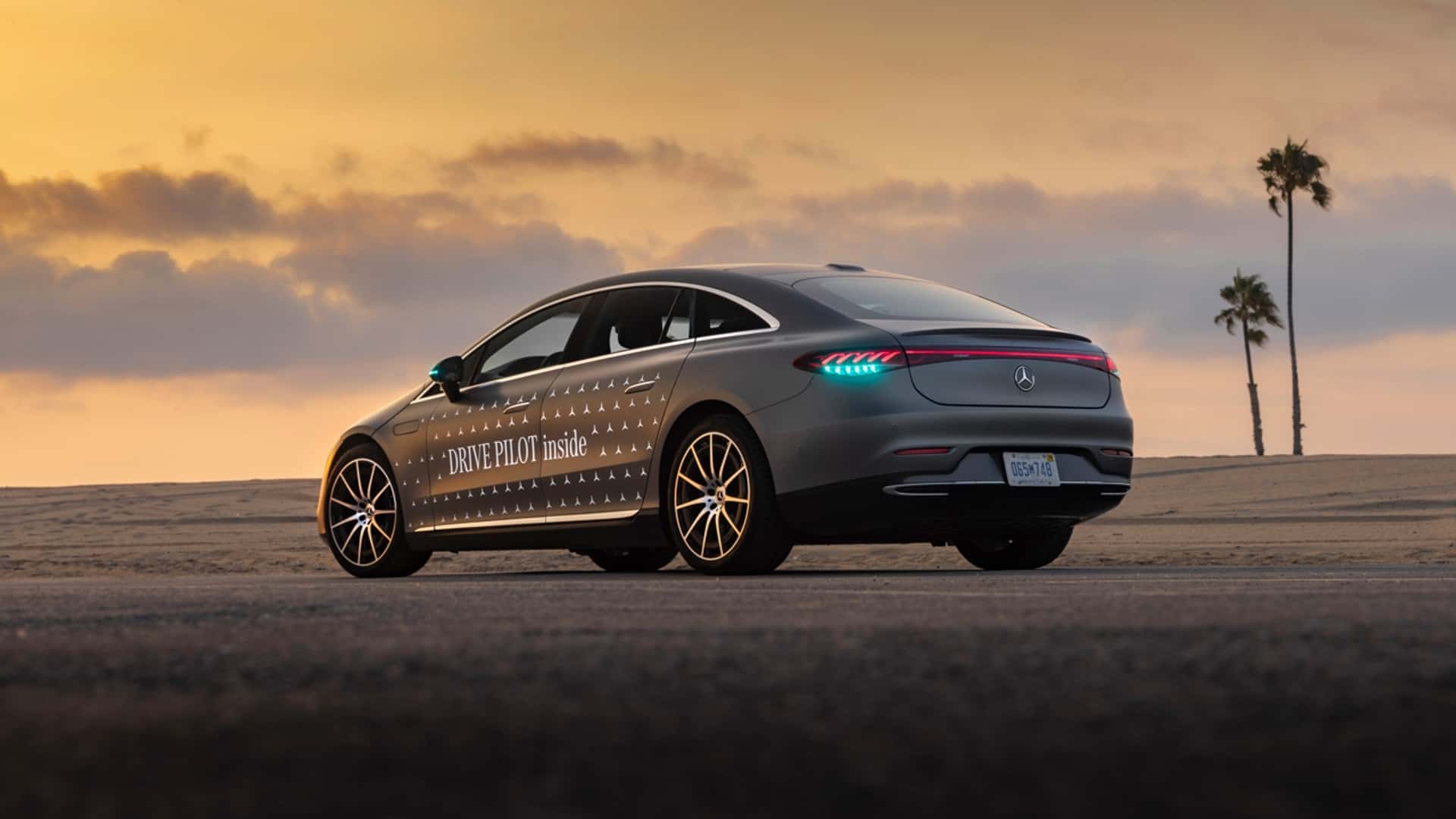
Mercedes-Benz has achieved a significant milestone by becoming the first automaker globally to obtain permits for special exterior marker lights for automated driving in California and Nevada. The permits allow testing vehicles to incorporate these lights for a two-year period in California, while in Nevada, they extend to production vehicles until modifications in statutes occur, with validity until the model year 2026.

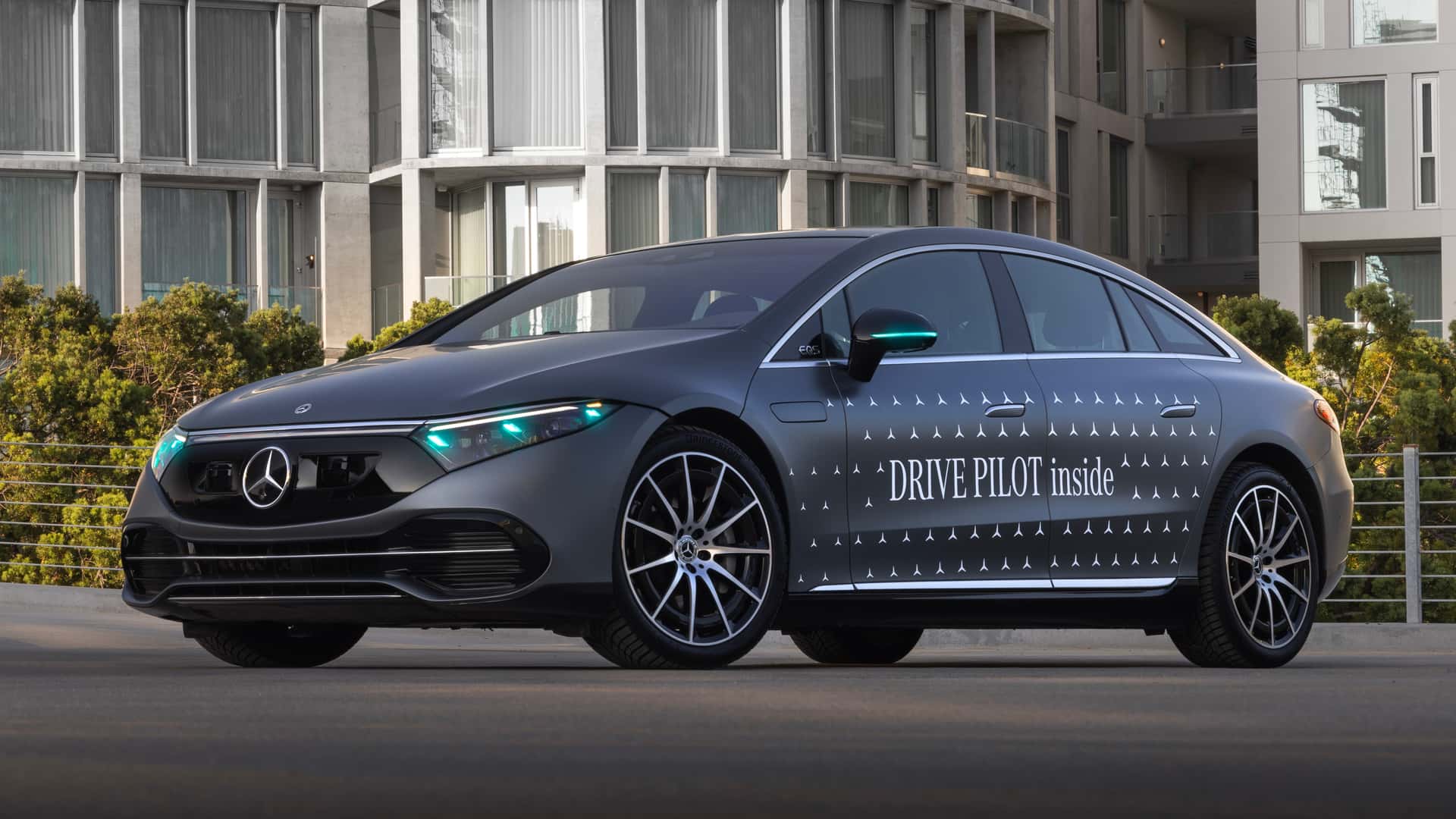
These distinctive turquoise-coloured marker lights, integrated into the front and rear lights, as well as the outer mirrors of testing vehicles, serve a vital role in enhancing public acceptance of automated driving and reinforcing road safety. By indicating the status of the automated driving system, these lights facilitate communication with other road users and assist law enforcement.

The initial application of these marker lights will be with Drive Pilot, recognised as the world’s first Level 3 system for conditionally automated driving with international type approval. Having obtained certification in Germany in 2021 and subsequently in Nevada and California in 2023, Drive Pilot is already available for ordering in Germany.

The choice of turquoise for these marker lights is deliberate, aiming for optimal visibility for rapid detection by other road users. Mercedes-Benz intends to standardise the use of turquoise, contributing to a universal understanding and acceptance of this innovative technology. This development marks a significant step toward the integration of automated driving systems into mainstream road usage.

In an unexpected move, Kia Canada is reportedly holding off on delivering new vehicles ordered by Canadian customers until 2024. This decision appears to be motivated by a desire to control wholesale and retail performance in 2023, preventing the company from looking overly successful in its corporate office in South Korea.

Details of this strategy emerged from a leaked video call on November 17, involving a Kia Canada regional manager and various dealership representatives. The manager stated that amid a global slowdown, Kia Canada aims to avoid showing high overachievement in 2023 to better negotiate a favourable marketing budget from the global office for the following year.

While this approach might benefit Kia Canada in terms of budget allocation, it has raised concerns and criticisms. Customers who placed orders now face delays of weeks or even months, and dealers and sales staff, often working on commission, may experience financial consequences. Since customer orders and deposits don’t translate to sales until the vehicle is delivered, this decision could impact their income.

(more…)

In response to increasing attacks by Yemen’s Iran-backed Houthi rebels due to Israel’s conflict with Hamas, merchant ships in the Red Sea are reportedly turning off tracking signals to avoid being targeted.

The Red Sea serves as a crucial trade route, connecting Europe and Asia via the Suez Canal. Approximately 12% of global trade passes through this region, according to the CEO of the German Shipowners’ Association.

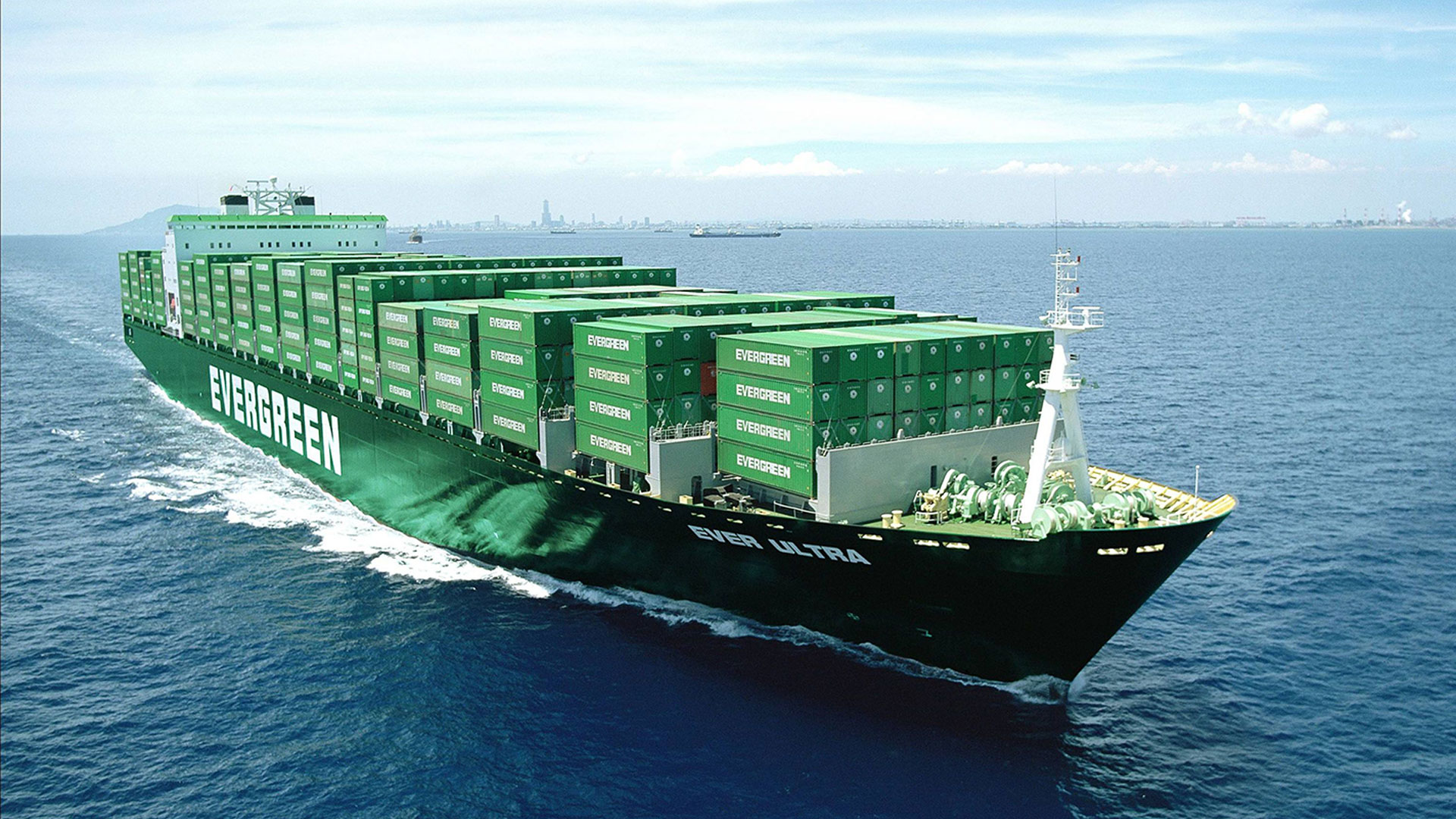
Facing the threat of attacks, several container ships have opted to conceal their locations, with some broadcasting their destination as “ARMED GUARD ON BOARD,” as indicated by tracking websites. The Houthi rebels have targeted commercial vessels with drones and ballistic missiles, causing damage and prompting major shippers like BP, Evergreen, and Maersk to either reroute vessels or pause shipments.

(more…)

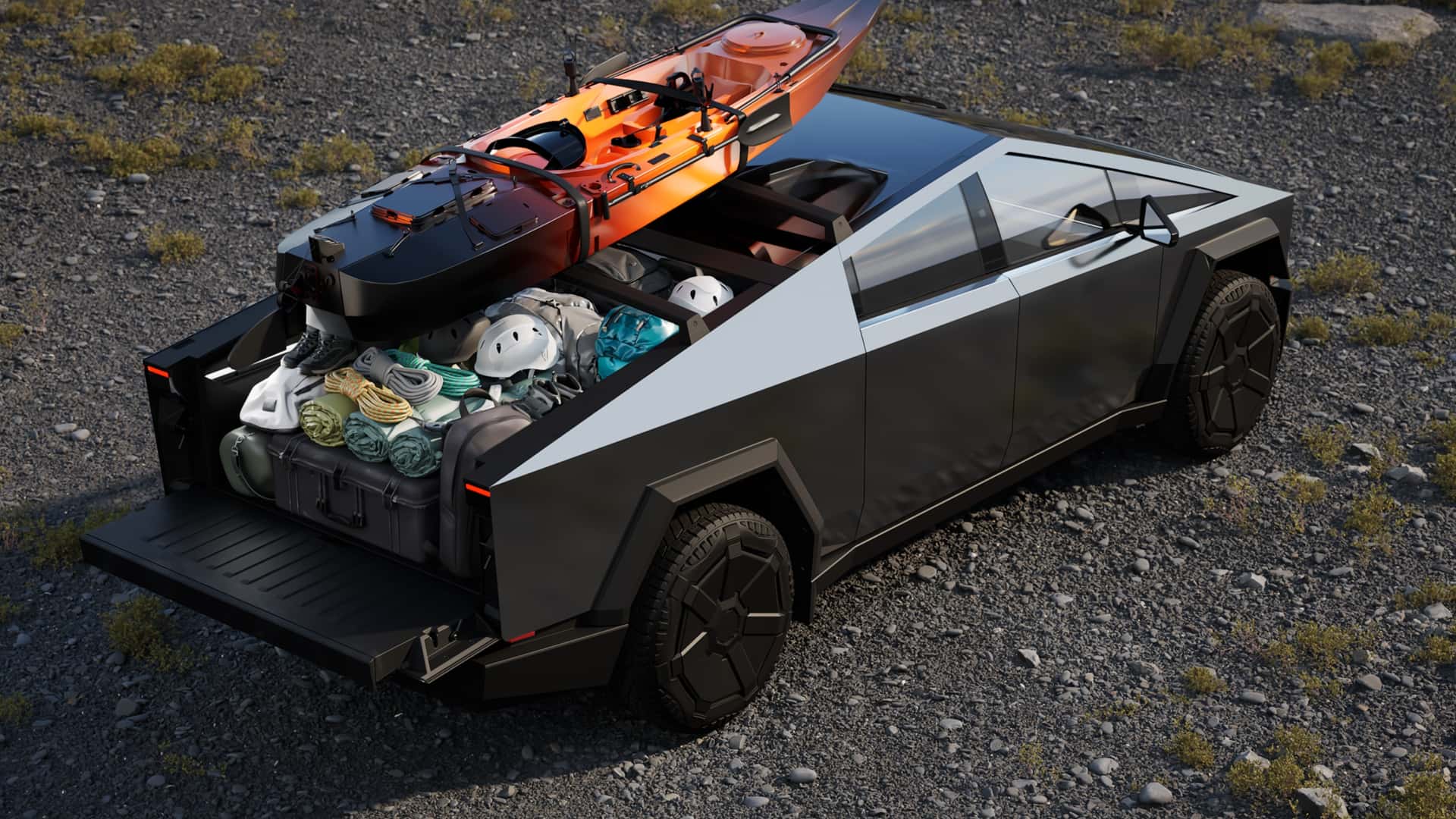
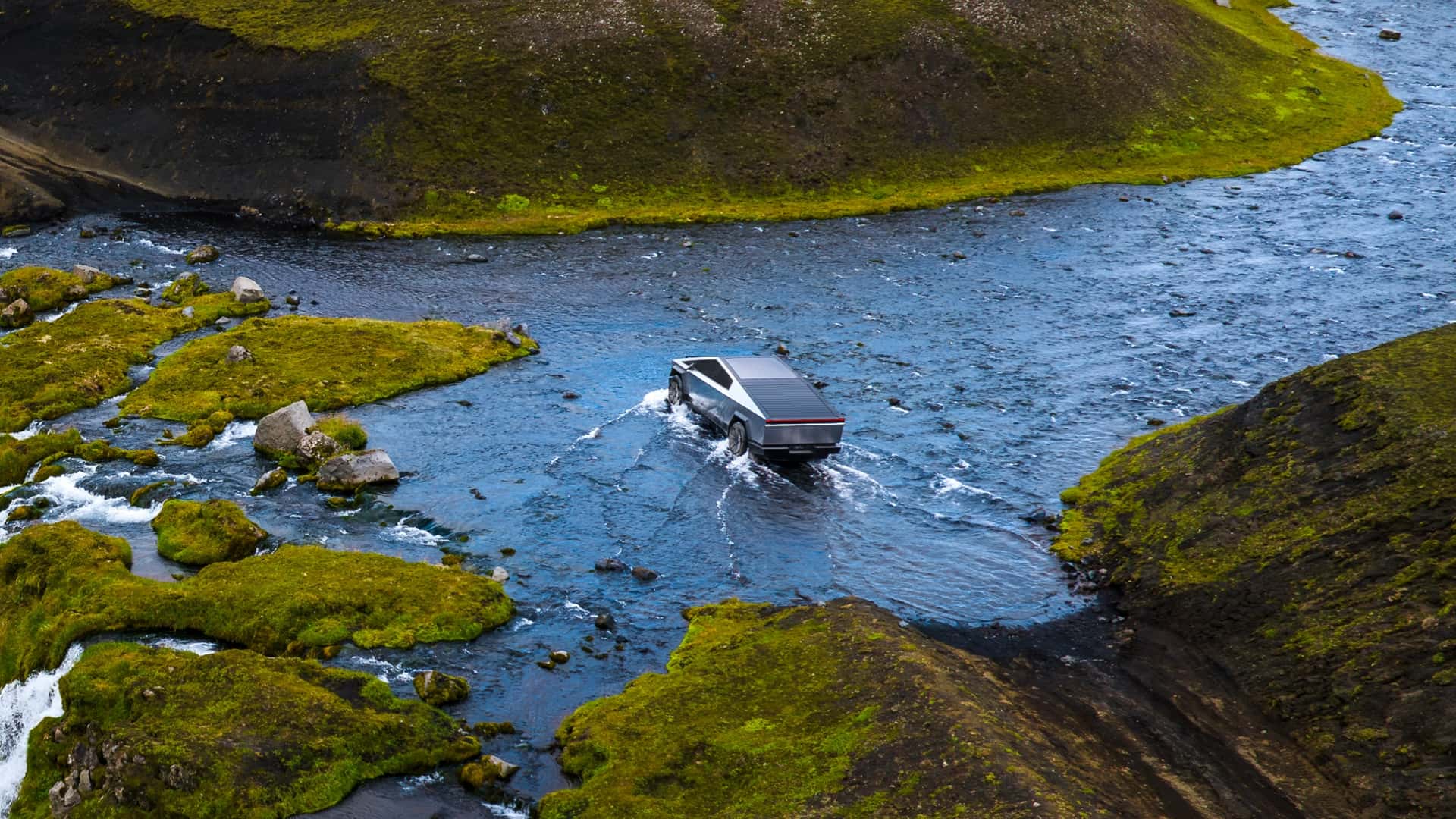
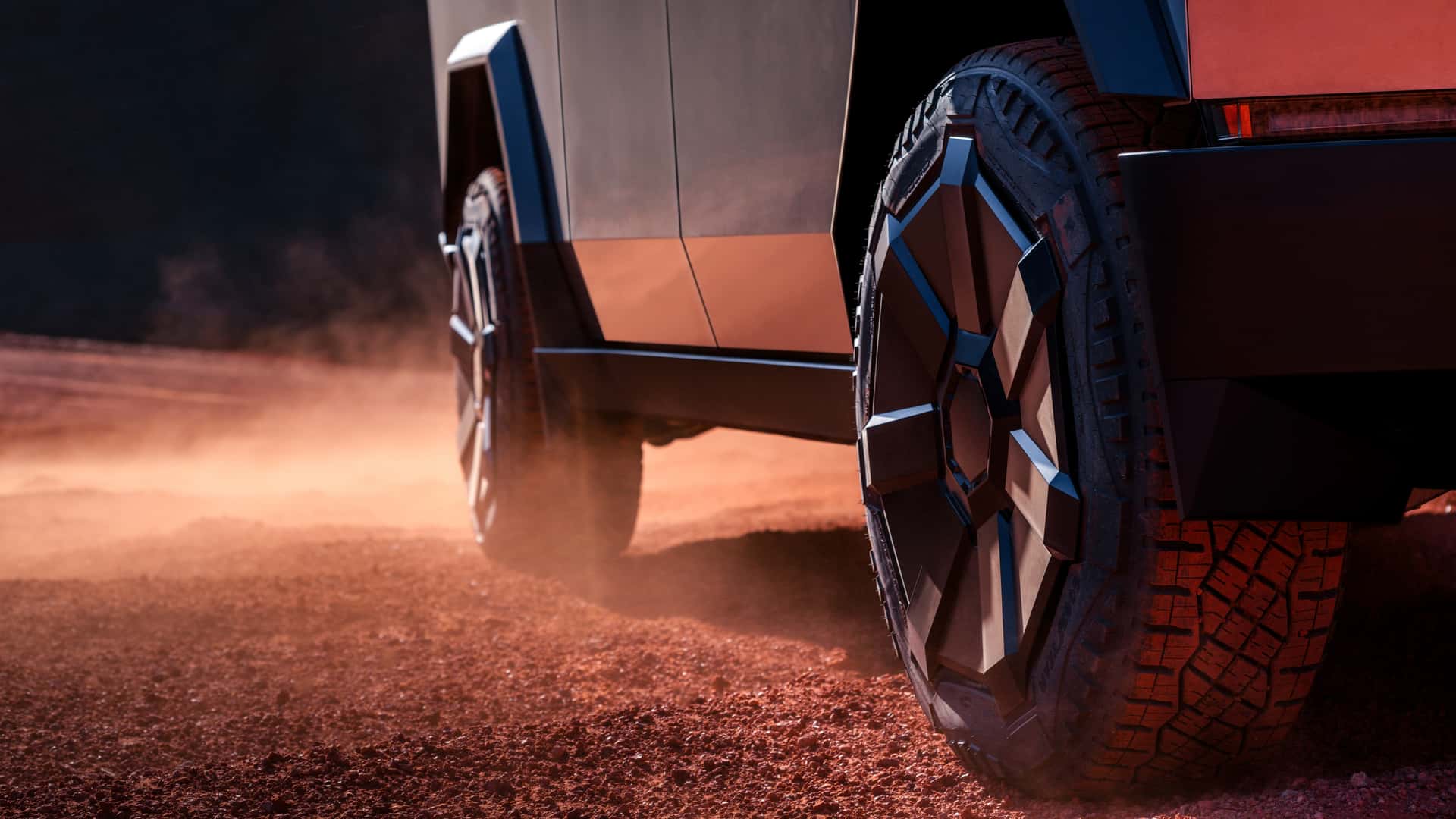
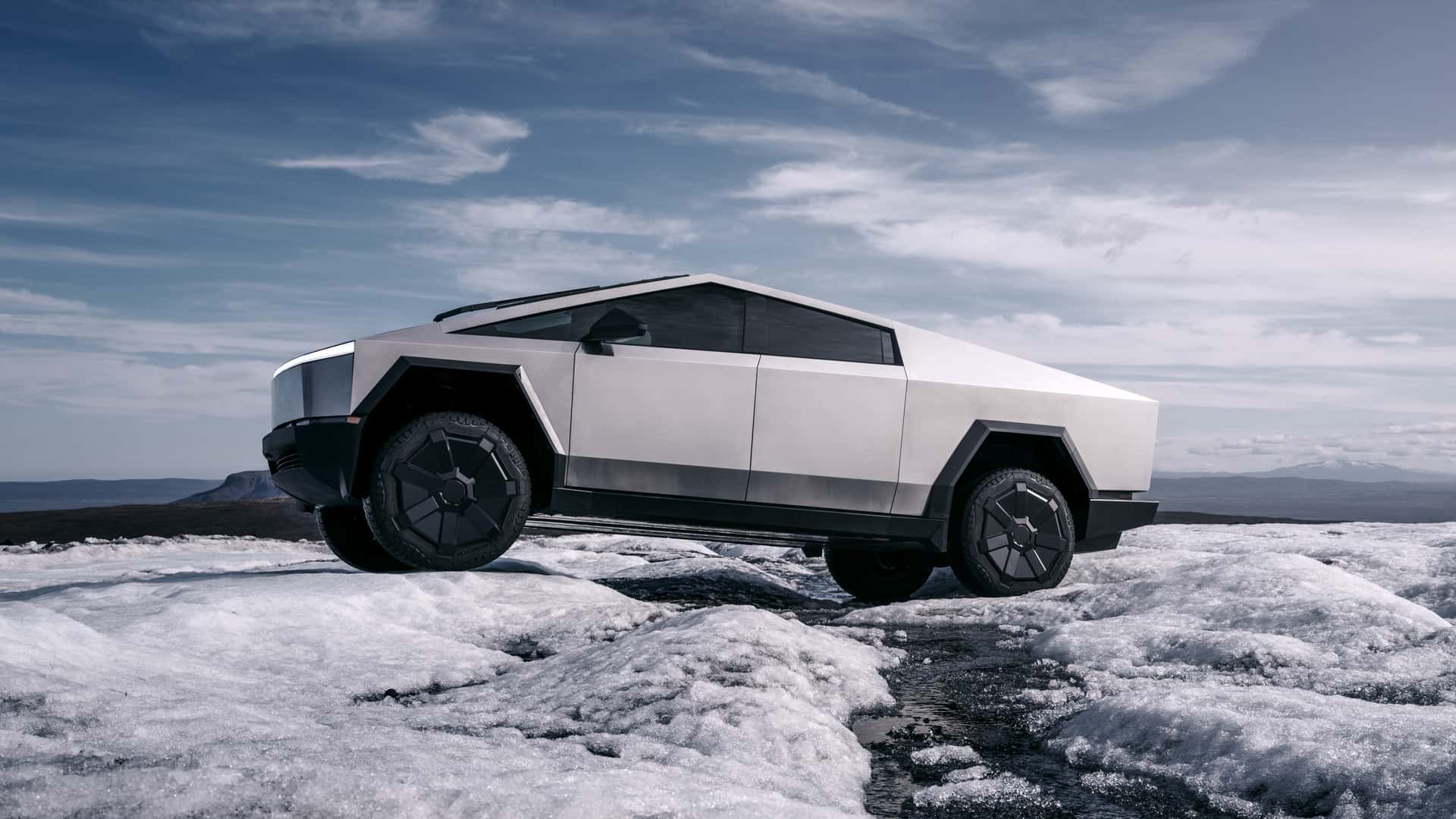
Elon Musk, CEO of Tesla, recently announced on his social media platform, X, that Tesla plans to introduce a package for the Cybertruck, turning it into an amphibious vehicle capable of navigating at least 100 meters of water.

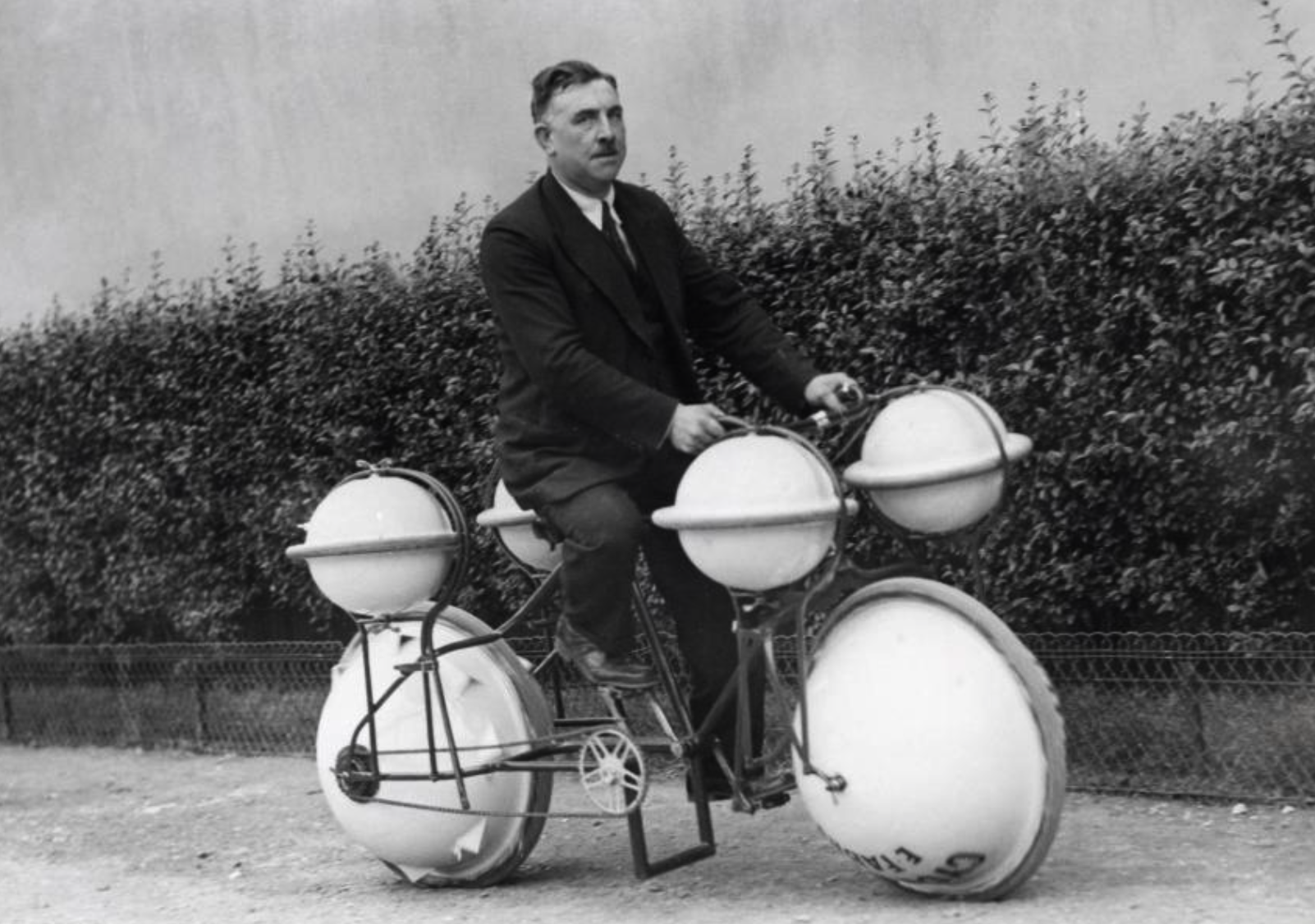
An amphibious vehicle is a type of transportation that is designed to operate both on land and in water. These vehicles have features that allow them to seamlessly transition between terrestrial and aquatic environments. Amphibious vehicles come in various forms such as amphibious bicycles, ATVs, cars, buses, trucks, railway vehicles, combat vehicles and hovercraft.

Amphibious bicycle back in 1932

Musk’s statement follows discussions on Jay Leno’s Garage, where Tesla’s head of design, Franz von Holzhausen, and vice president of vehicle engineering, Lars Moravy, shared insights into the Cybertruck’s capabilities. Moravy suggested that the vehicle almost floats, and with some added buoyancy, an outboard motor could be installed.

Embracing Moravy’s idea, Musk stated that Tesla will offer a modification package for the Cybertruck, requiring minimal upgrades to the cabin door seals. While the accuracy of Musk’s claim about the Cybertruck’s seaworthiness remains uncertain, it aligns with Musk’s longstanding fascination with the concept. Musk previously expressed interest in having the Cybertruck make a water crossing between SpaceX’s Starbase and South Padre Island, Texas.

The timeline for this modification package remains unclear, and Musk’s announcement did not specify if development was underway before his social media post. Some social media users expressed skepticism, suggesting that the Cybertruck could potentially serve as a submarine but humorously adding that it might then transform into a “coffin.”

(more…)

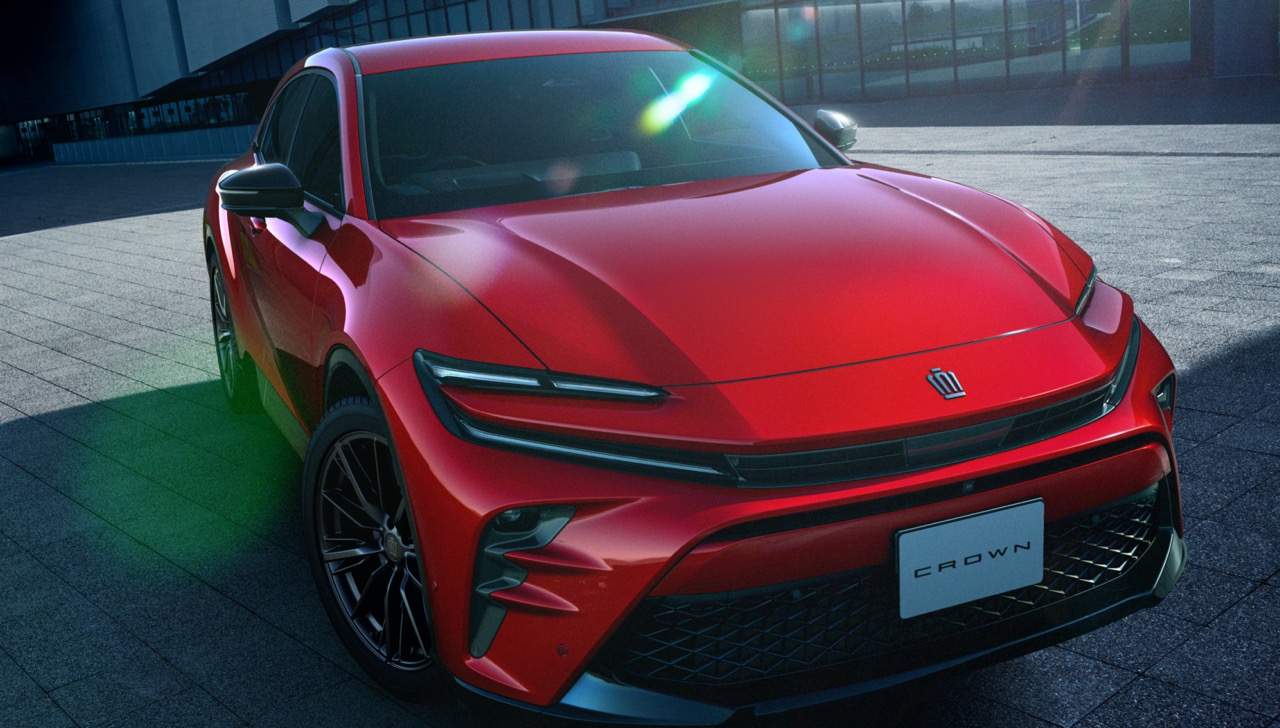
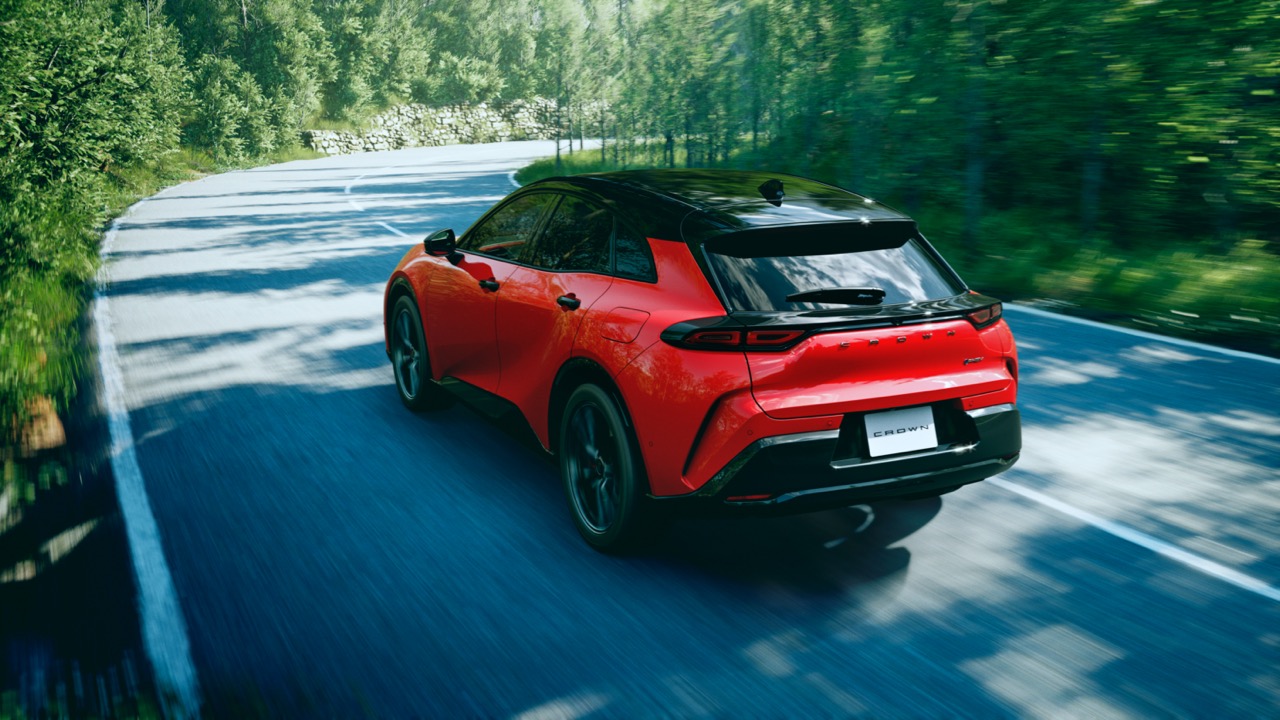
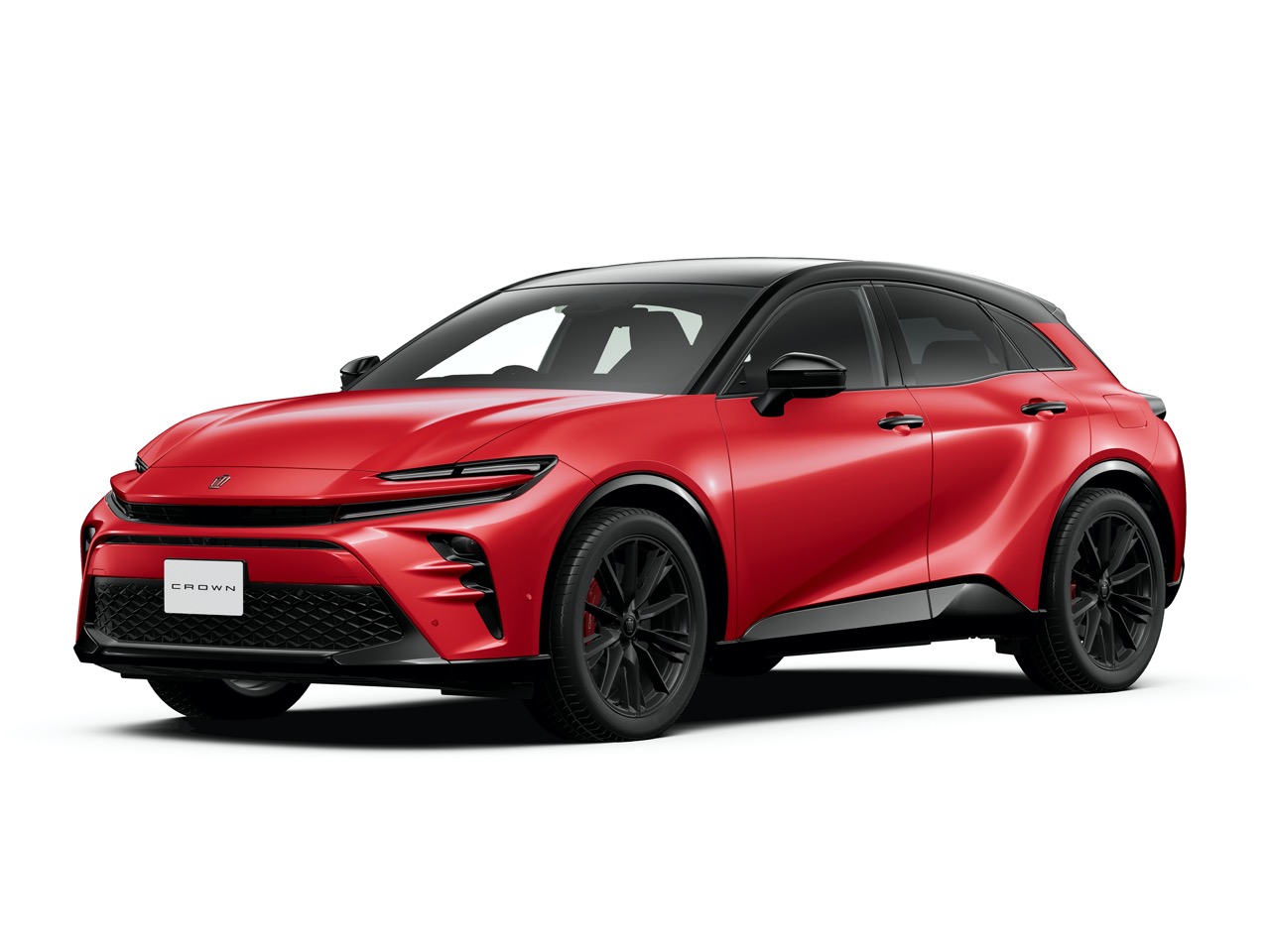
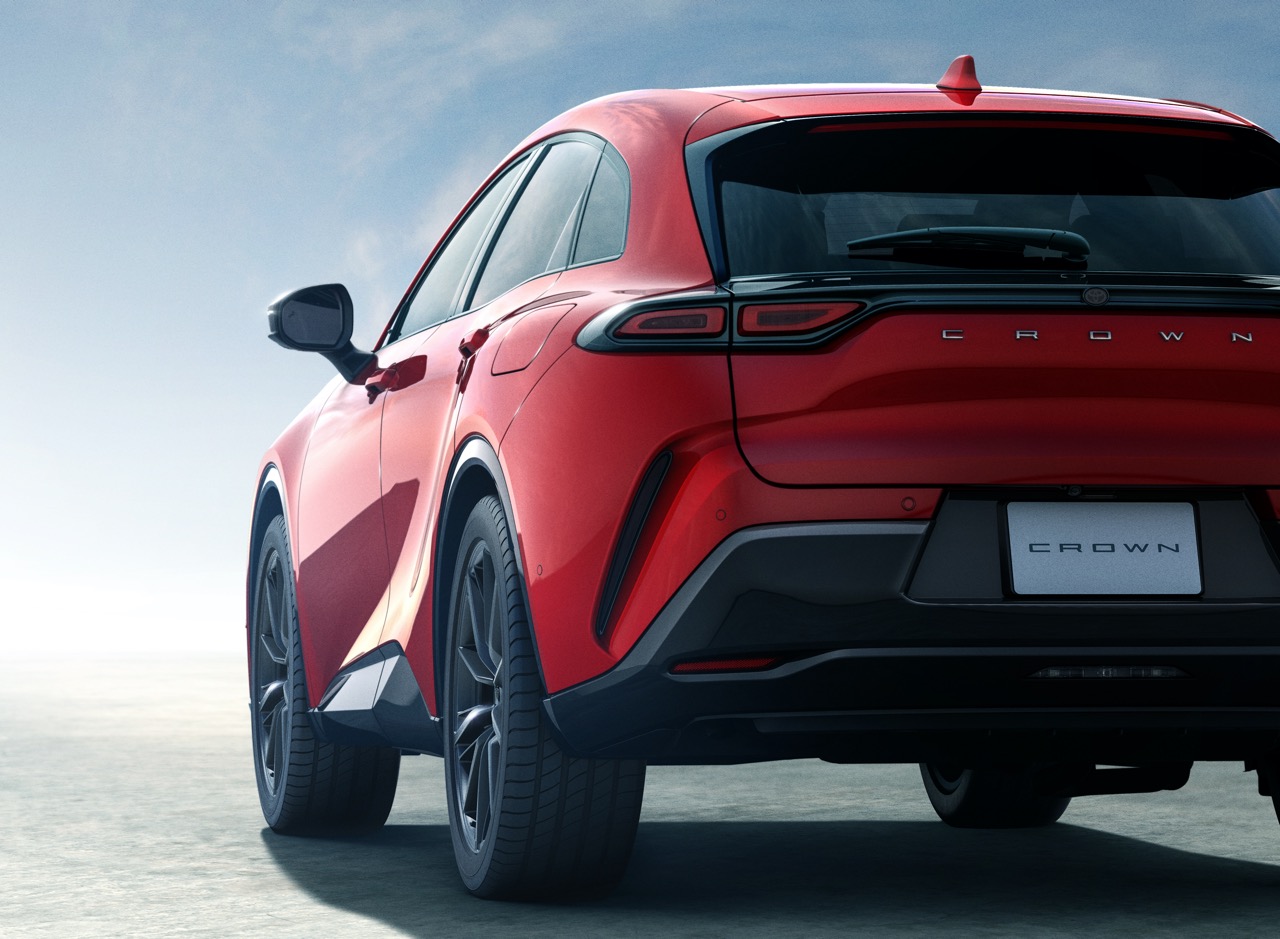
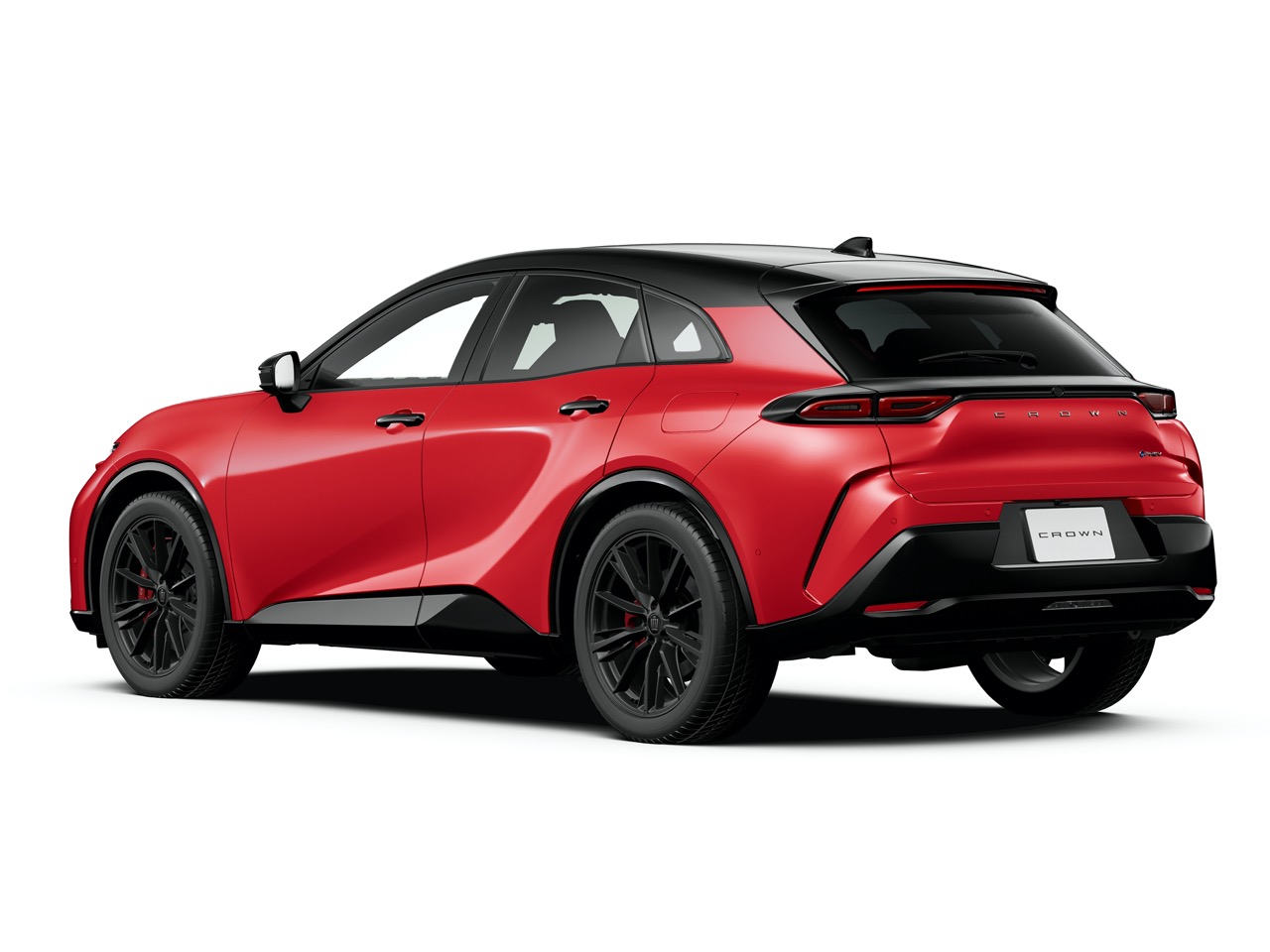
In a pioneering move toward a sustainable automotive future, Toyota Motor Corporation has introduced the Crown Sport Plug-in Hybrid Electric Vehicle (PHEV) to the Japanese market, seamlessly blending advanced technology with a sporty design ethos.

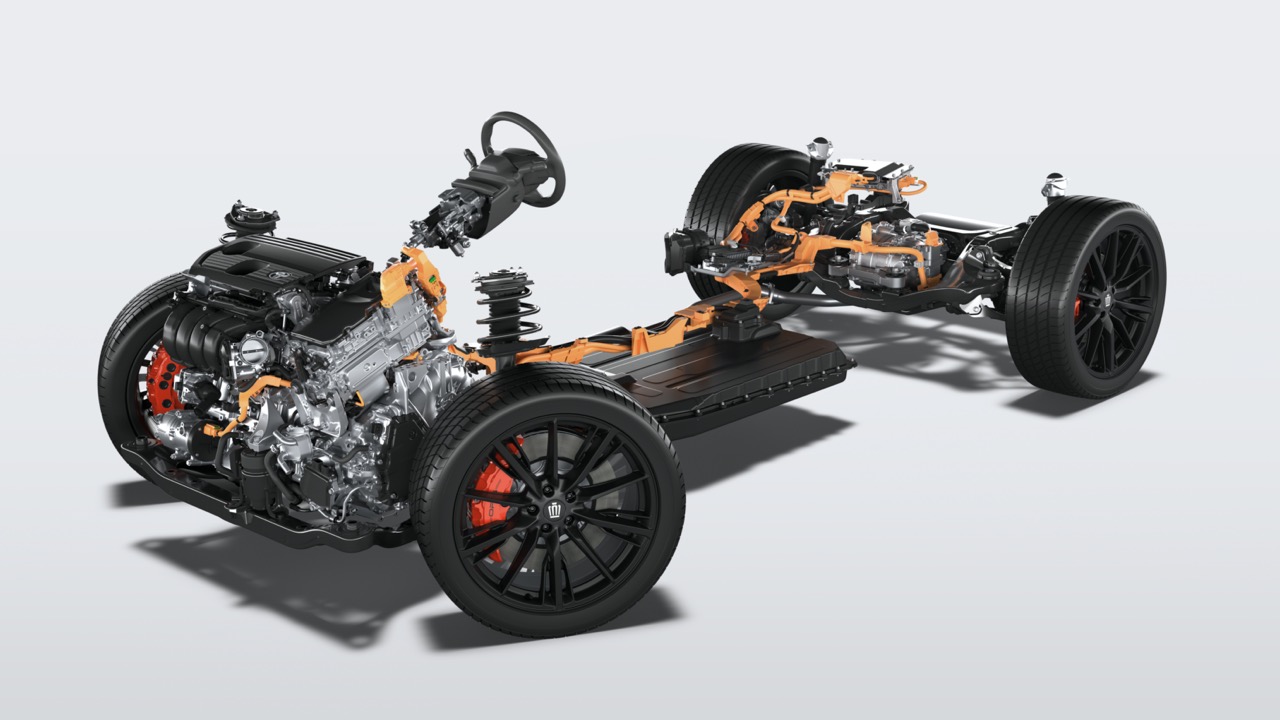
The Crown Sport PHEV features a high-output density drive motor, providing a maximum system output of 306PS. It features a Series Parallel Hybrid with reduction gear (A25A-FXS 2.5-liter Dynamic Force Engine). This cutting-edge motor ensures seamless and powerful acceleration, setting a new standard in hybrid performance.

Positioned strategically beneath the vehicle’s floor, the large-capacity lithium-ion battery delivers a Battery Electric Vehicle (BEV)-mode cruising range suitable for daily use without compromising interior space. A fully charged battery provides a BEV-mode range of 90km and a hybrid-mode fuel economy of 20.3km/L, resulting in an impressive total cruising range of 1,200km or more.

To enhance driving stability, Toyota has incorporated the advanced E-Four electric 4WD system, distributing power to all four wheels. This system not only improves stability but also ensures control in various driving conditions, including cornering and adverse weather.

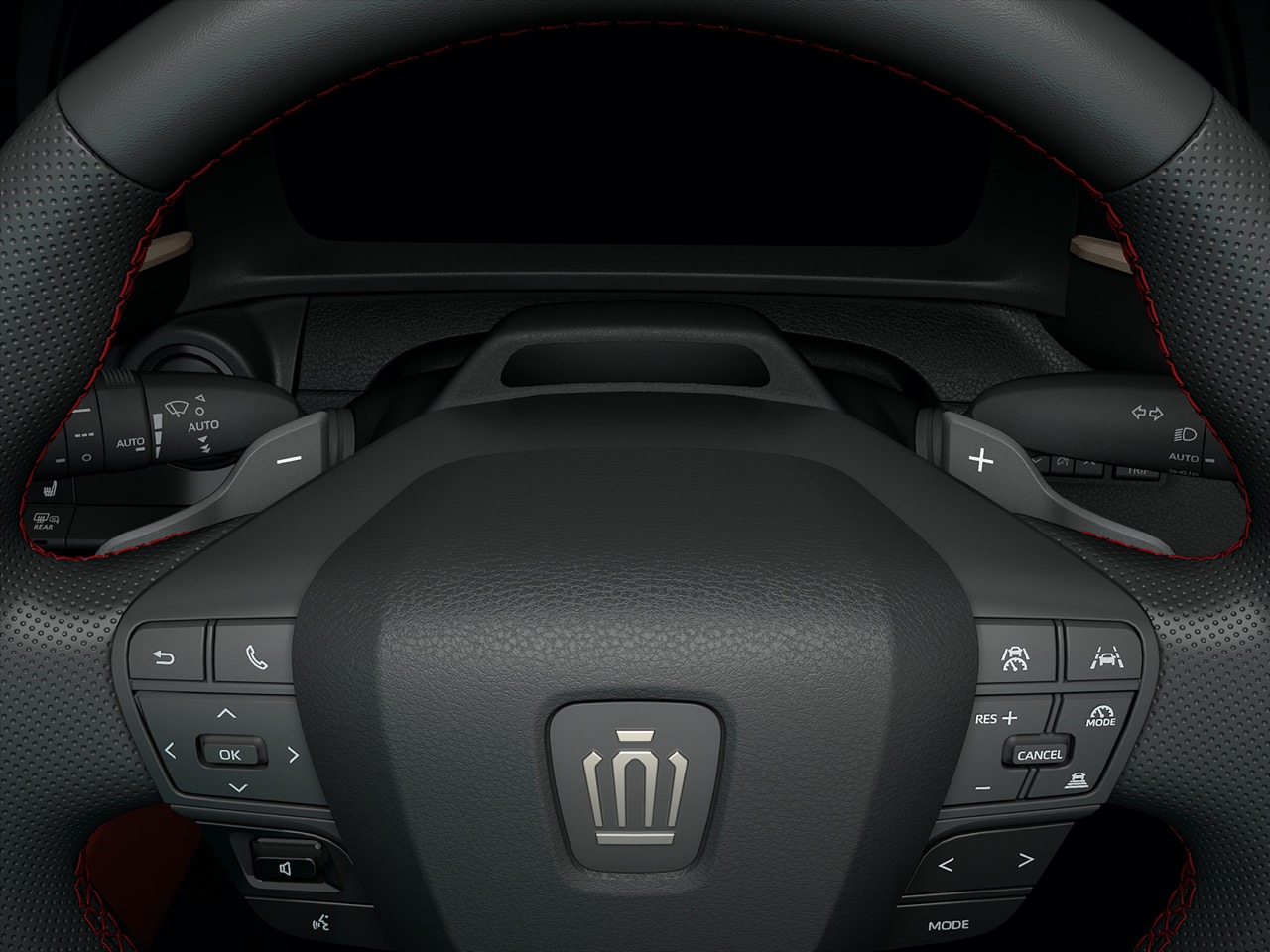
The Crown Sport PHEV ensures optimal body rigidity balance with added braces to the floor tunnel. The Adaptive Variable Suspension (AVS) system, along with paddle shifters, delivers a smooth and planted ride, allowing for seamless gear shifts.

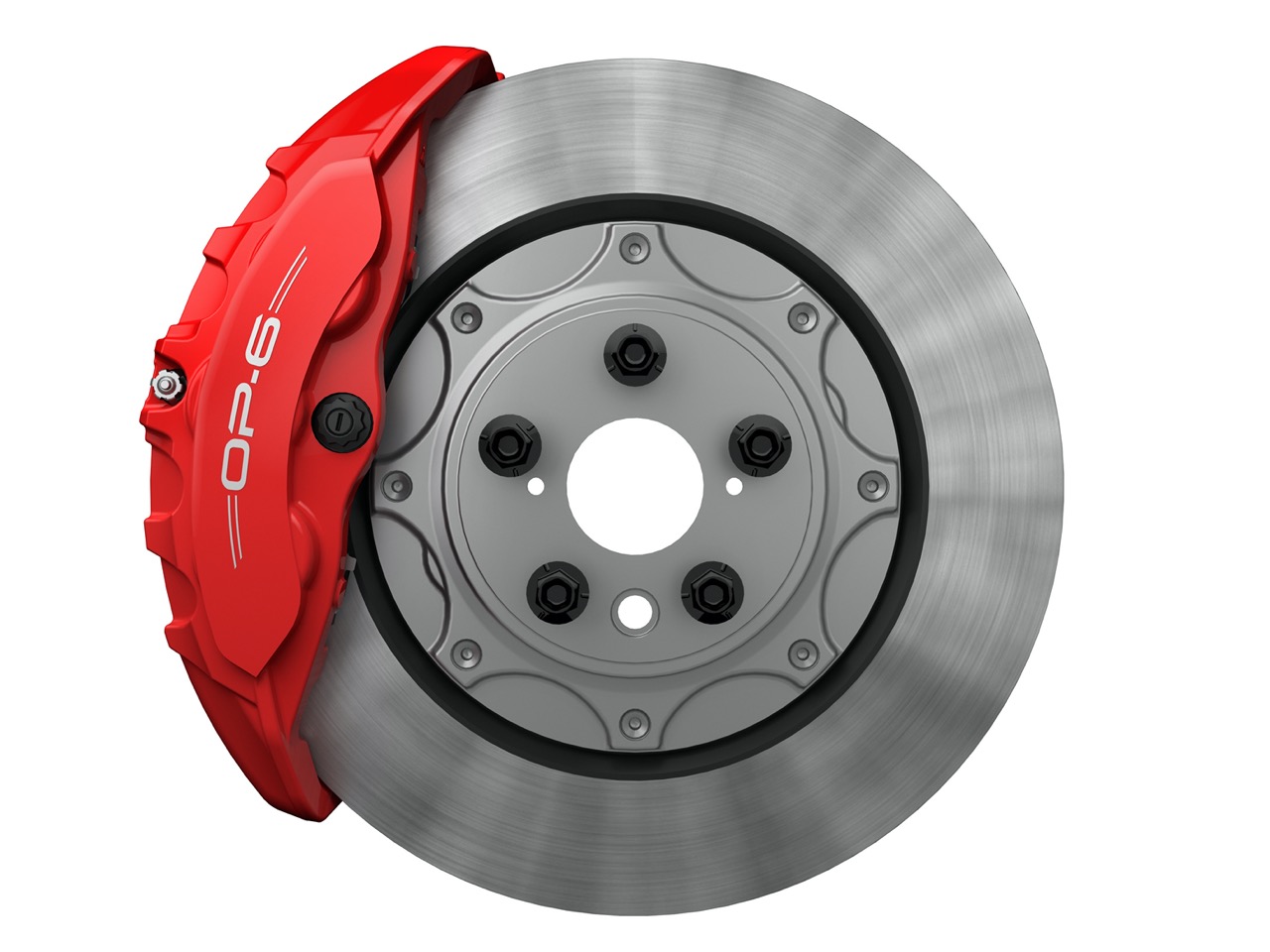
Equipped with a performance-oriented braking system, the vehicle features 20-inch ventilated disc brakes and exclusive six-piston callipers for enhanced stopping power and a sporty exterior aesthetic.

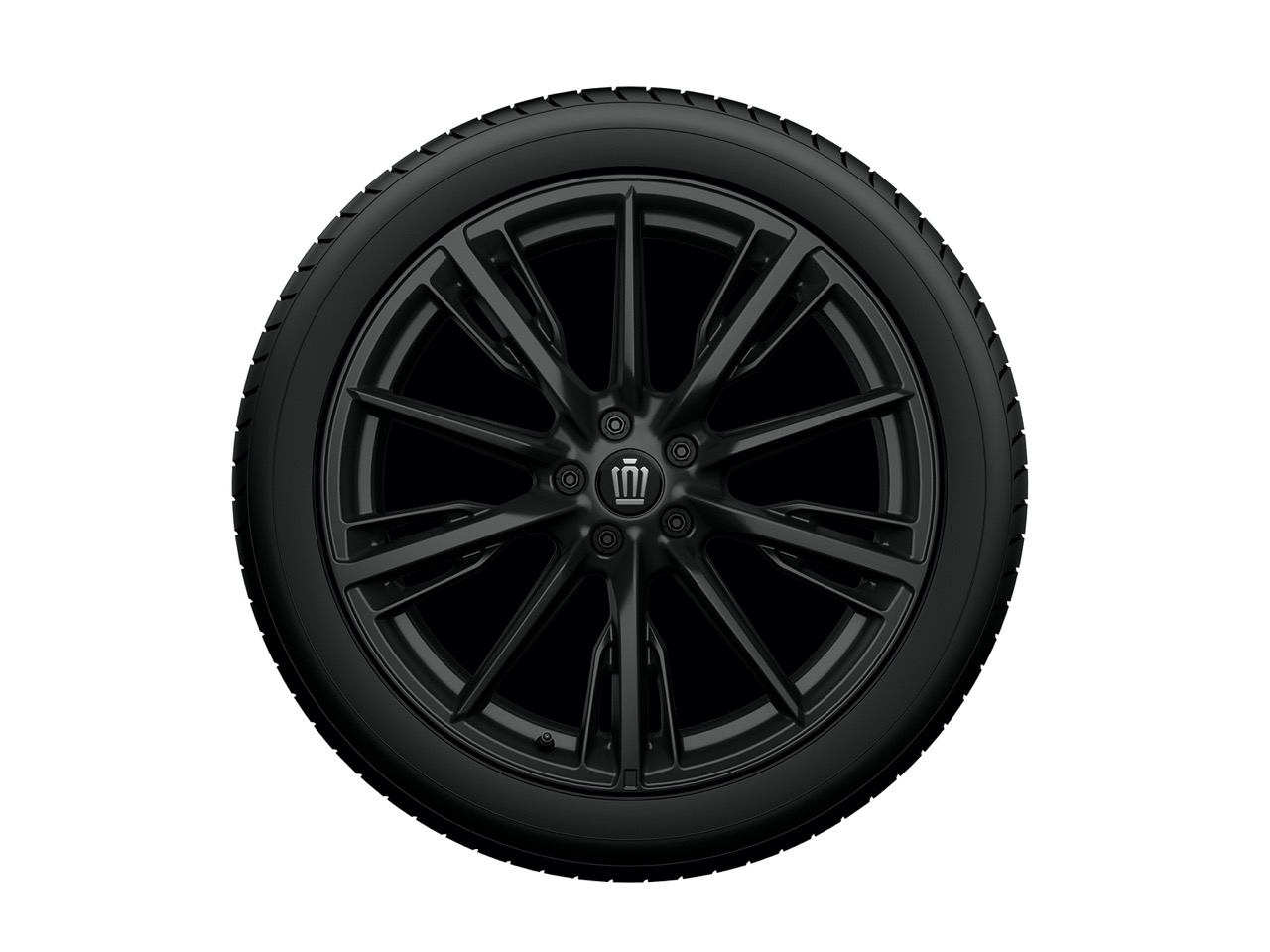
With its 21-inch large-diameter, wide tires and distinctive triple spokes on black aluminium wheels, the Crown Sport PHEV boasts a sporty and luxurious exterior design, appealing to drivers seeking a dynamic yet sophisticated look.

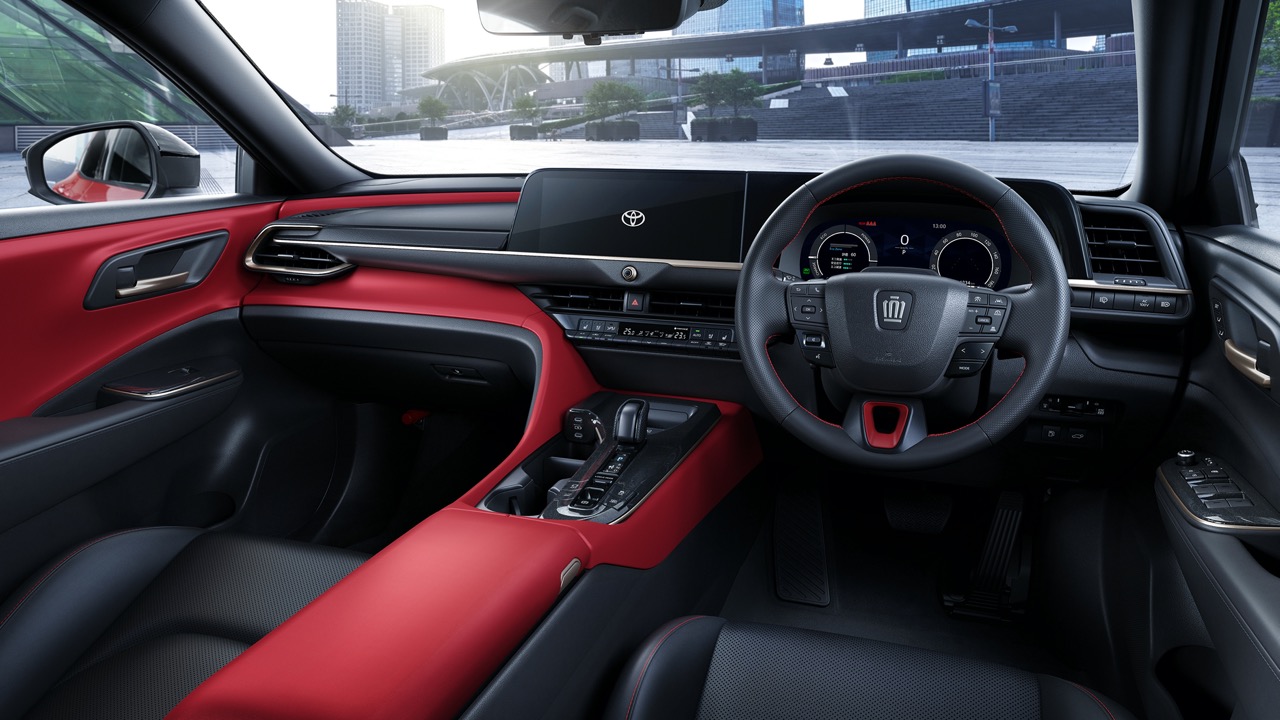
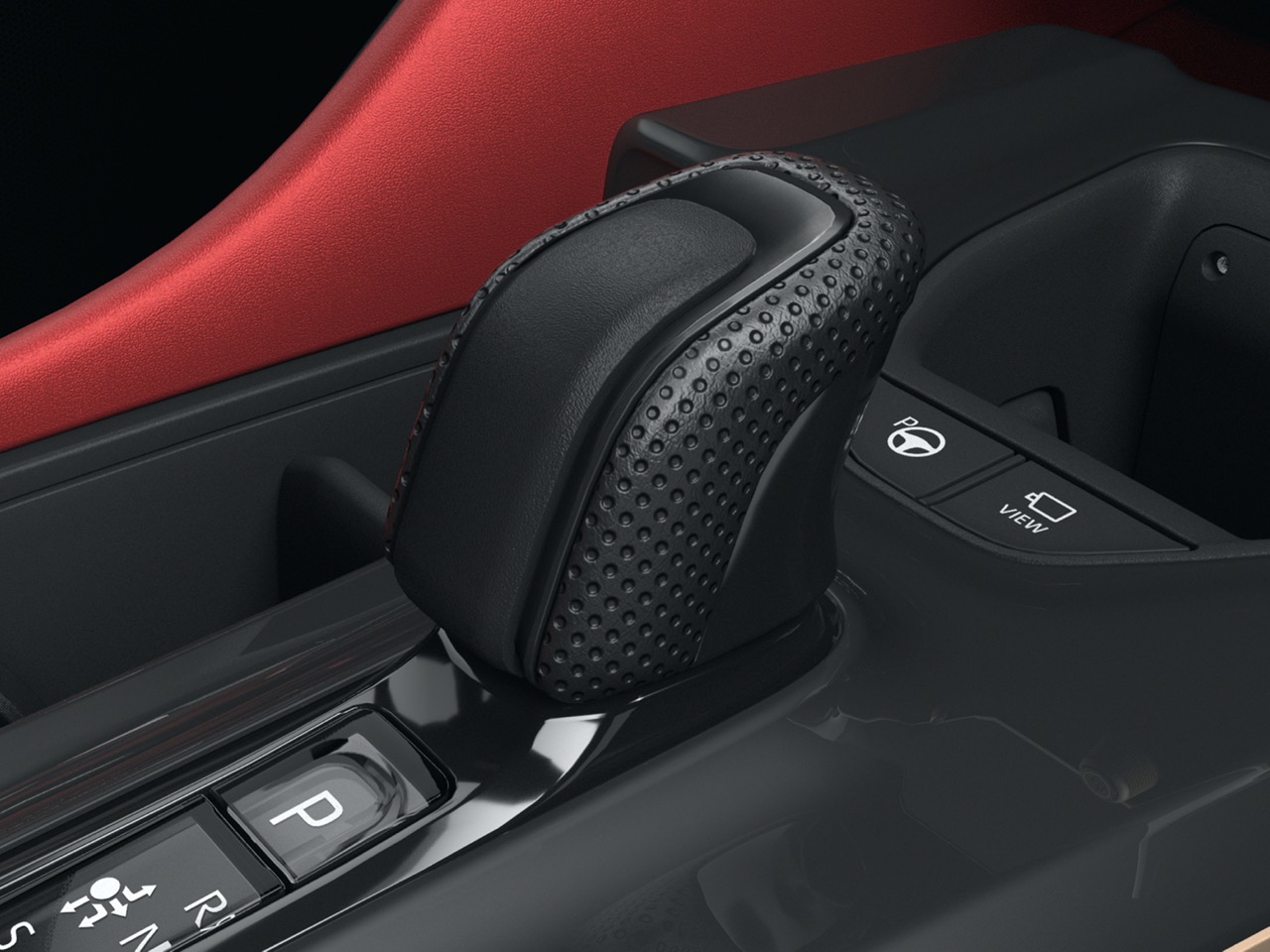
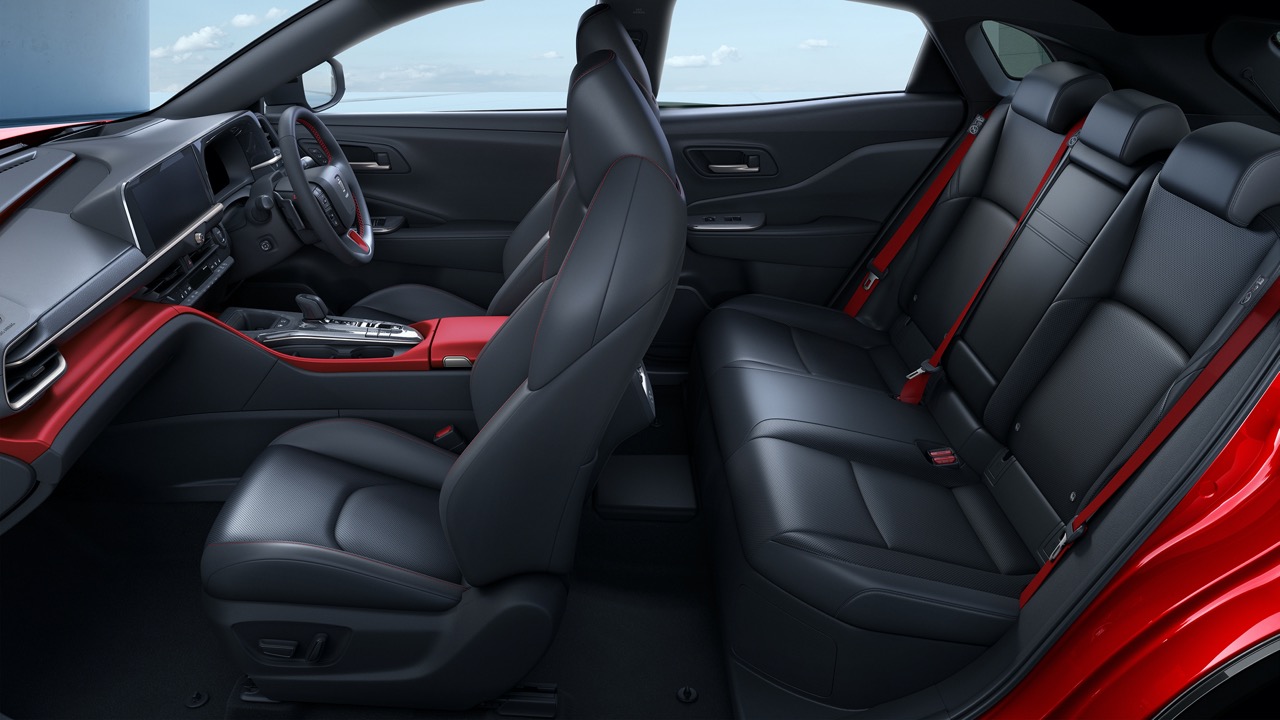
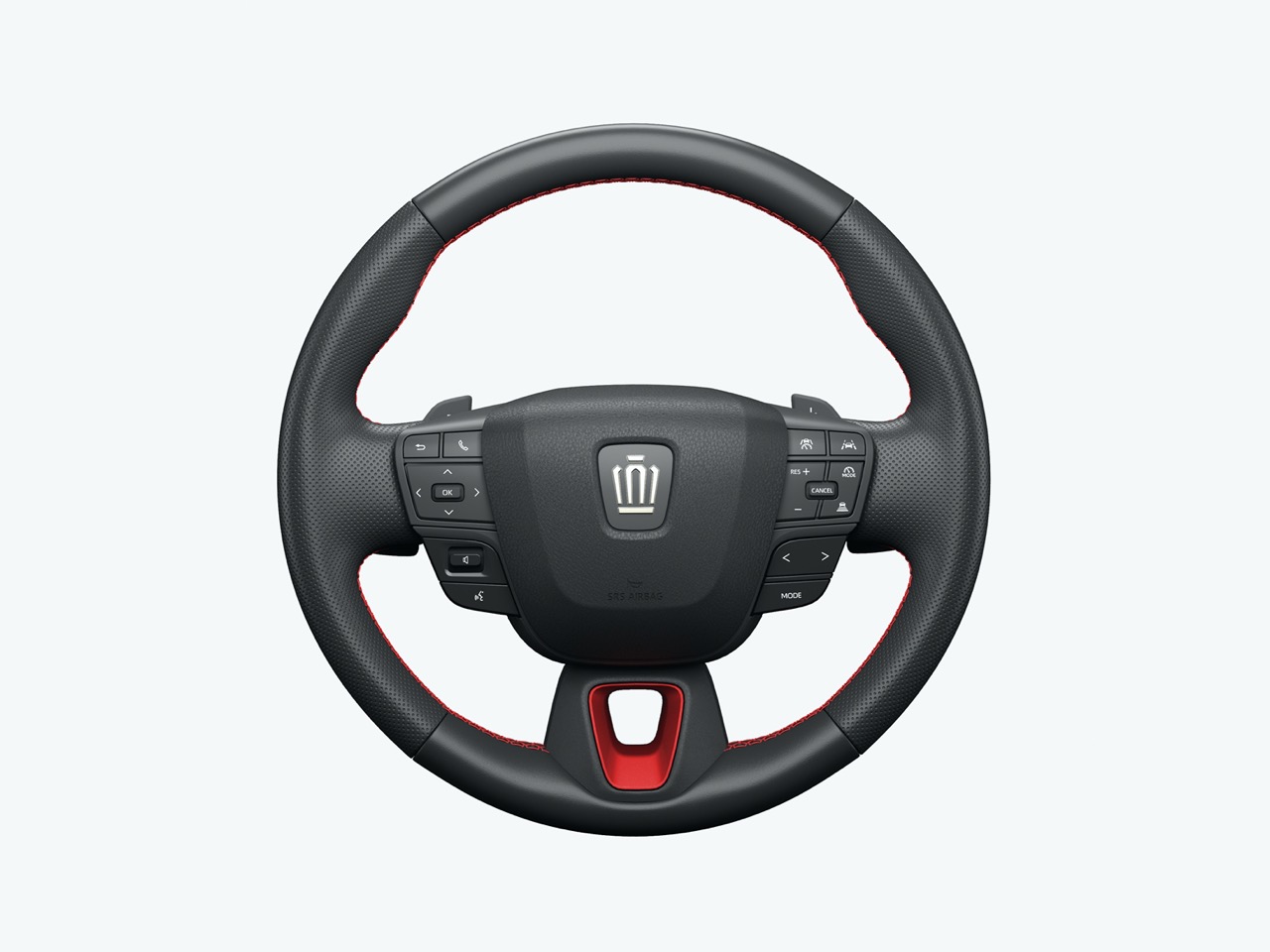
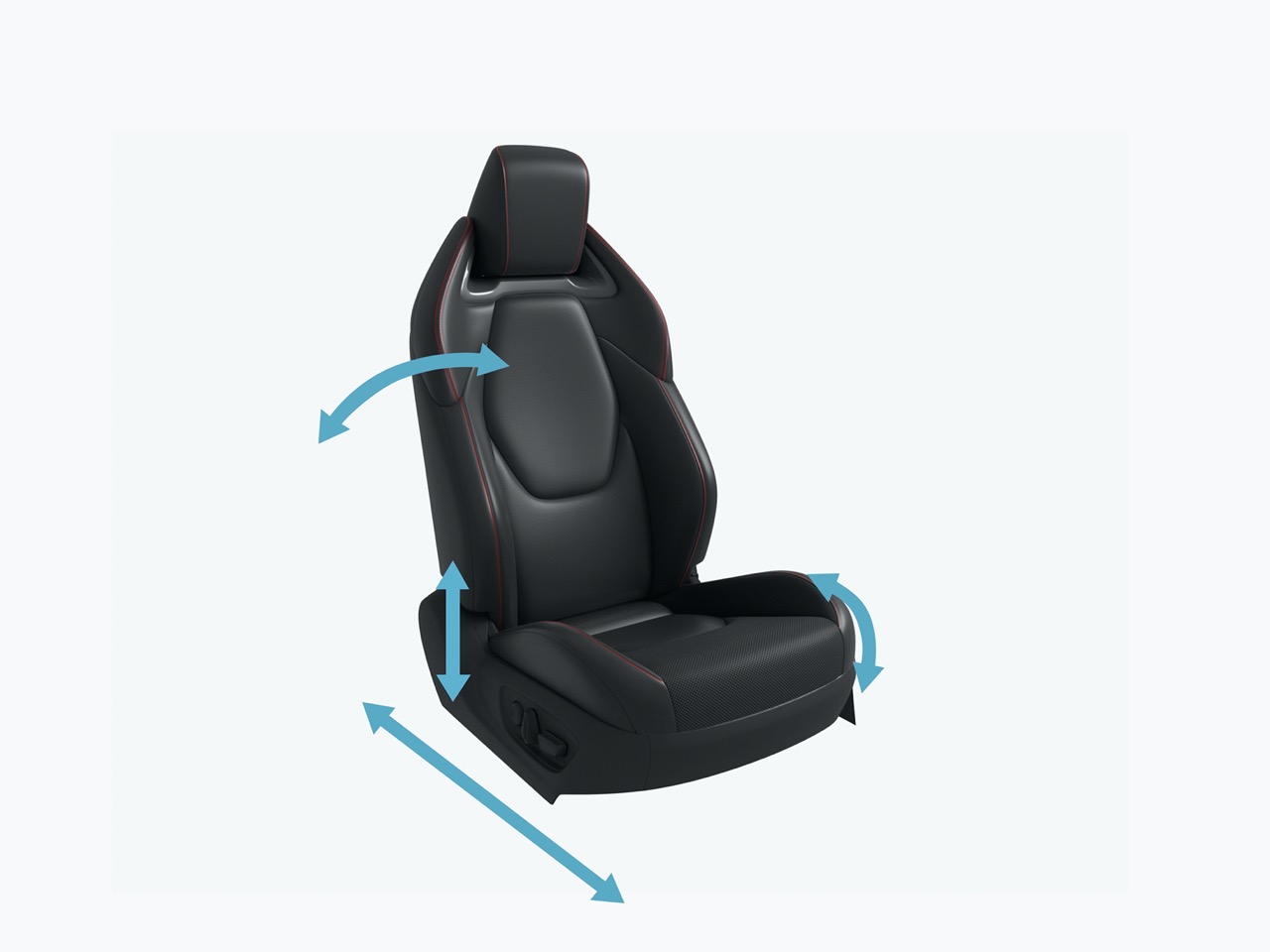
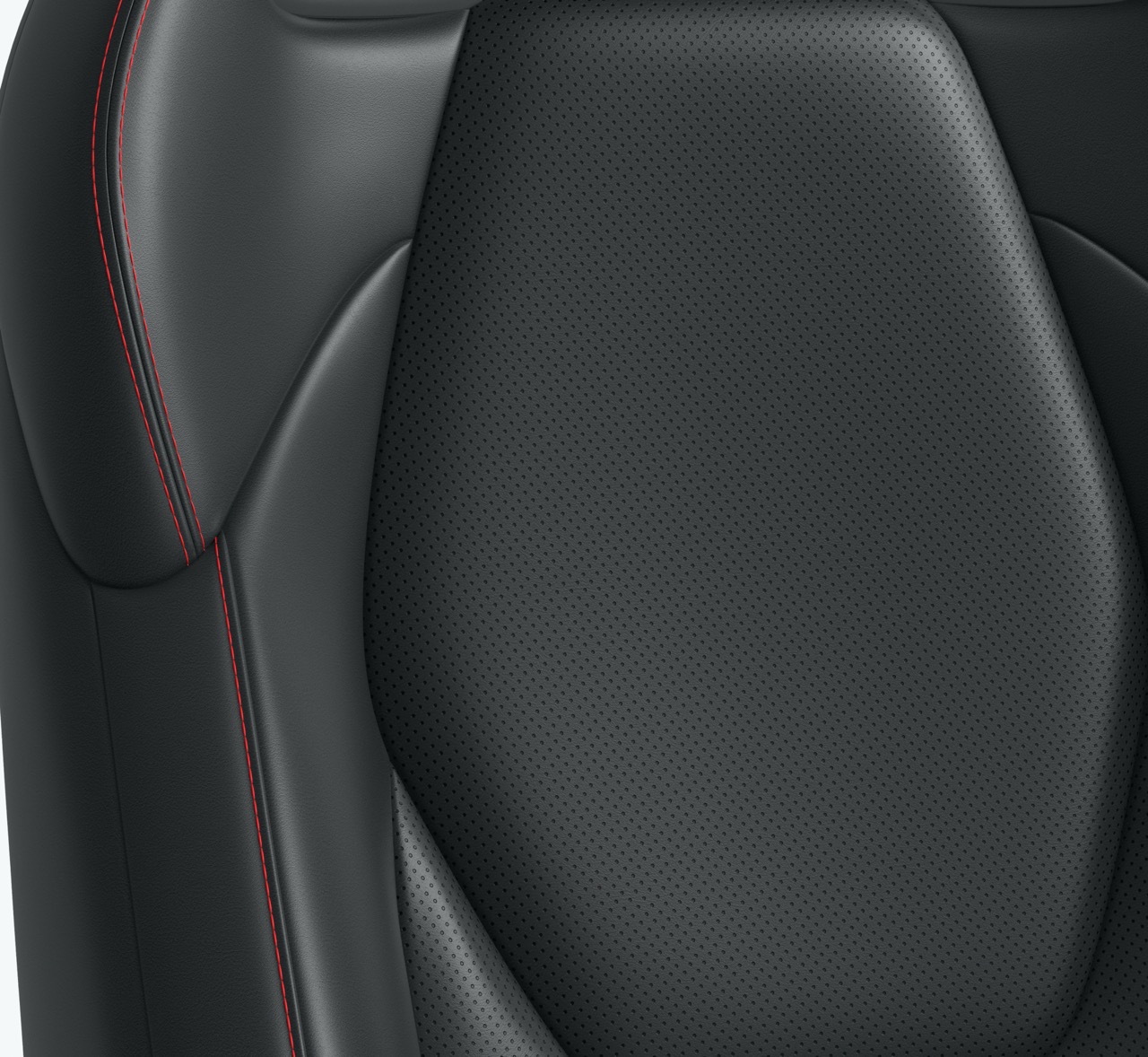
The interior adopts a black and red asymmetrical colour scheme, injecting excitement into the driving experience. Sports seats with red stitching provide firm support for the driver, enhancing the overall thrill of driving.

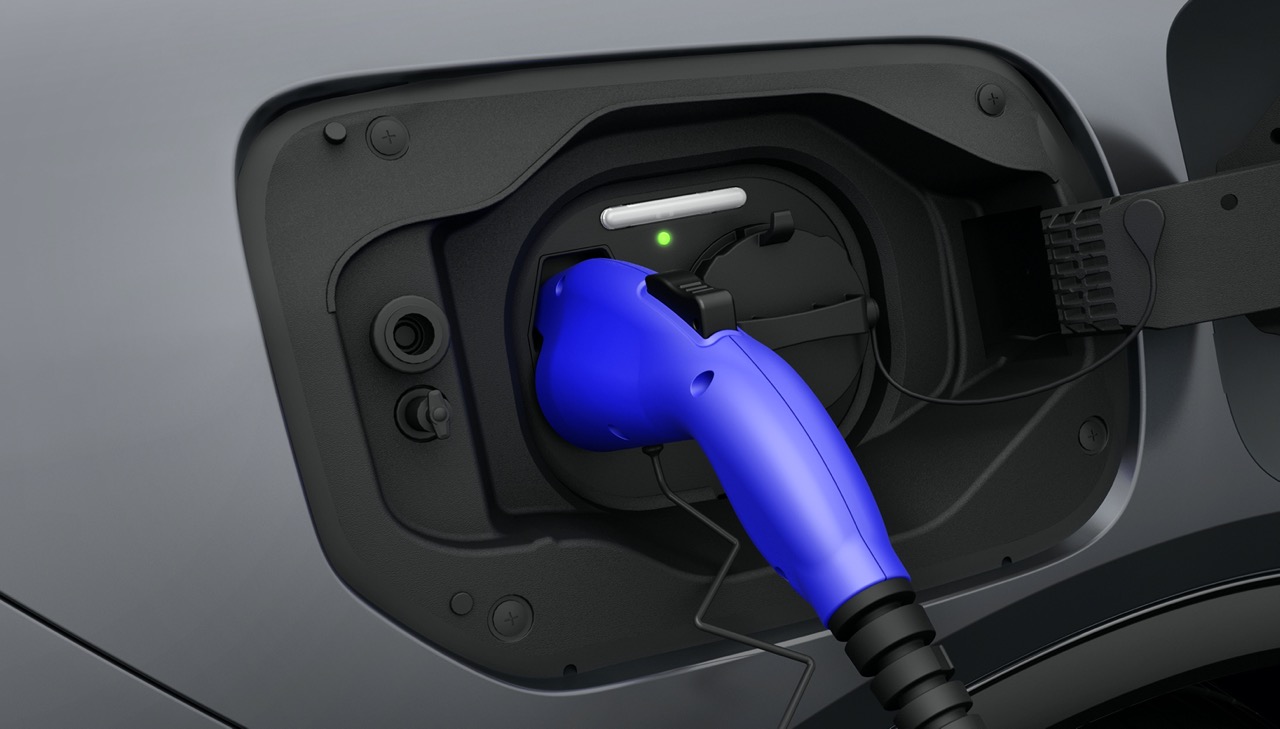
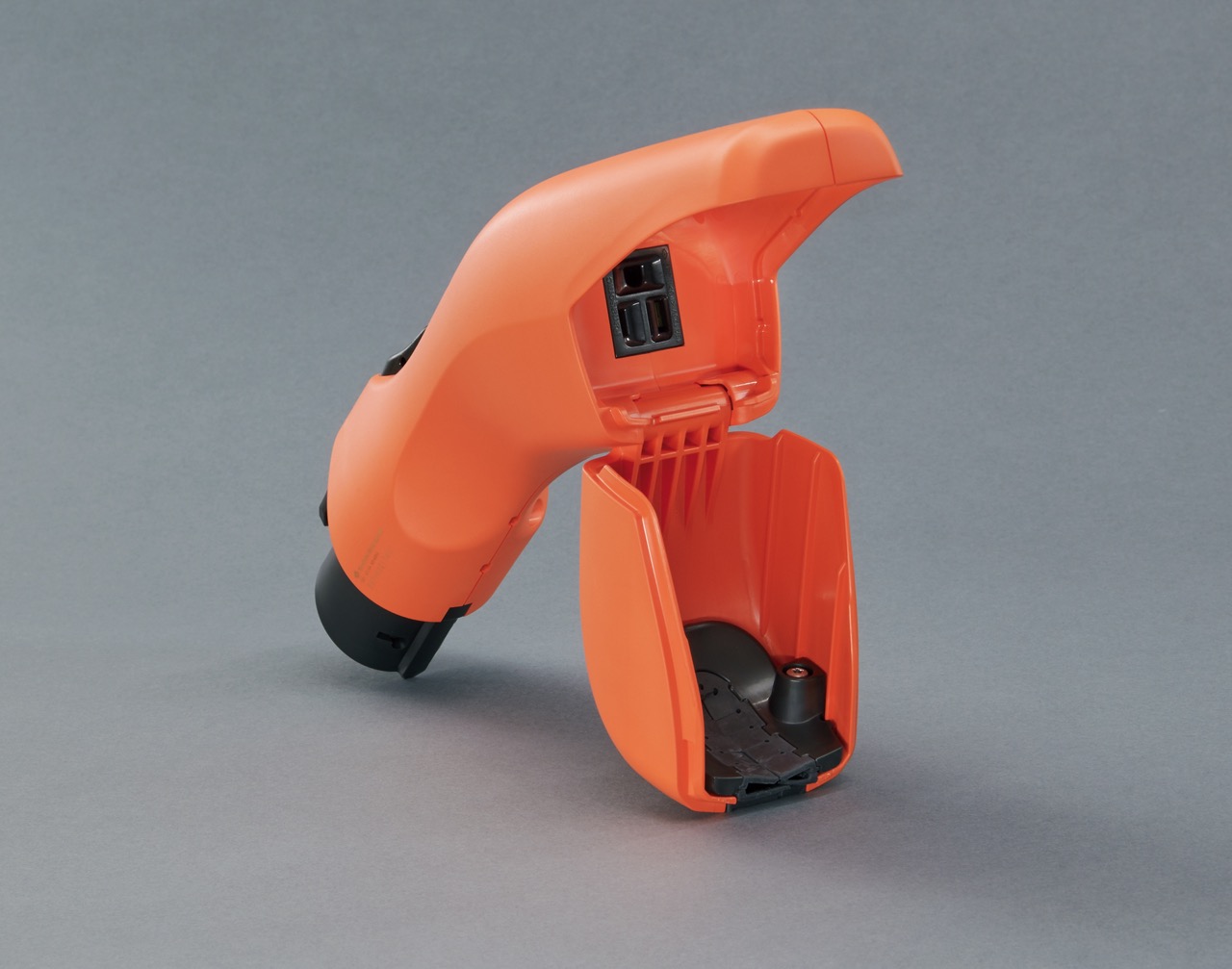
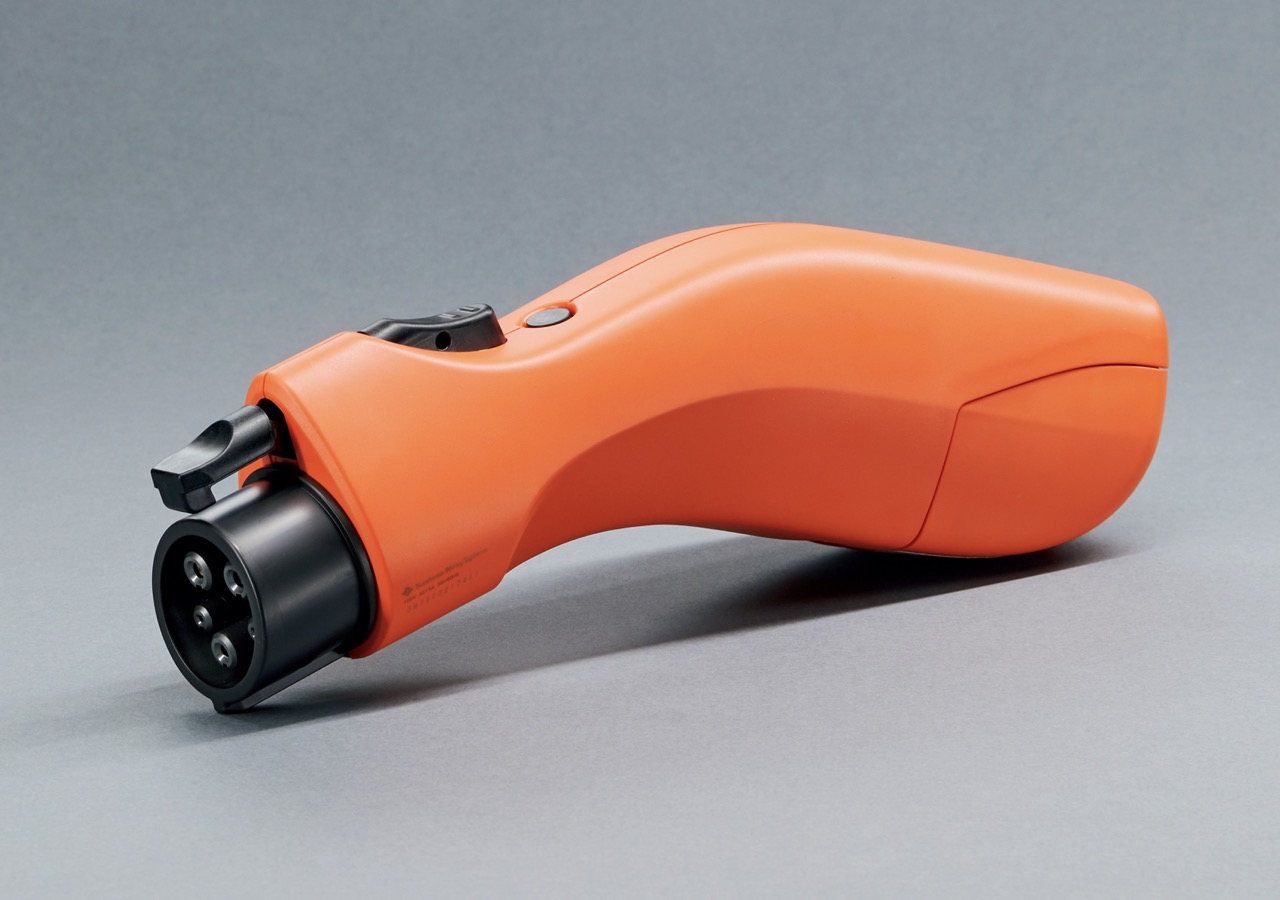
The Crown Sport PHEV supports both standard and rapid charging functions, with the rapid charging capability reaching 80% battery capacity in approximately 38 minutes. Additionally, the innovative Vehicle to Home (V2H) system allows the Crown Sport PHEV to supply stored electricity to the home during blackouts or emergencies.

Toyota’s Crown Sport PHEV represents a revolutionary fusion of performance, cutting-edge technology, and environmental consciousness, catering to drivers who seek a dynamic driving experience without compromising on hybrid efficiency. This model marks a significant step toward Toyota’s commitment to a sustainable and electrified automotive future.

In Japan, it is priced at ¥7,650,000 (RM247,627).

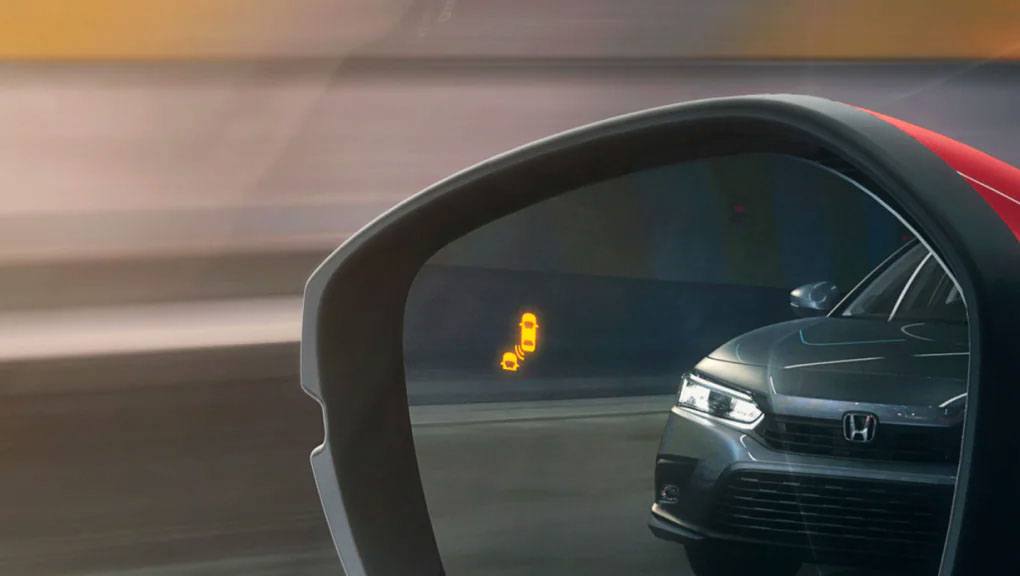
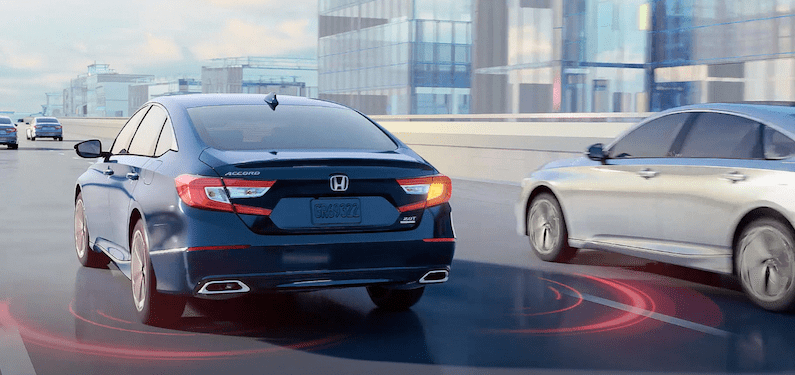
The Blind Spot Monitoring system is arguably one of the must have safety systems in modern cars.

It works by using ultrasonic sensors embedded in the side or at the bottom of a vehicle’s rear bumper to detect other vehicles present in the blind spot. This then alerts the driver either through visual or auditory alerts.
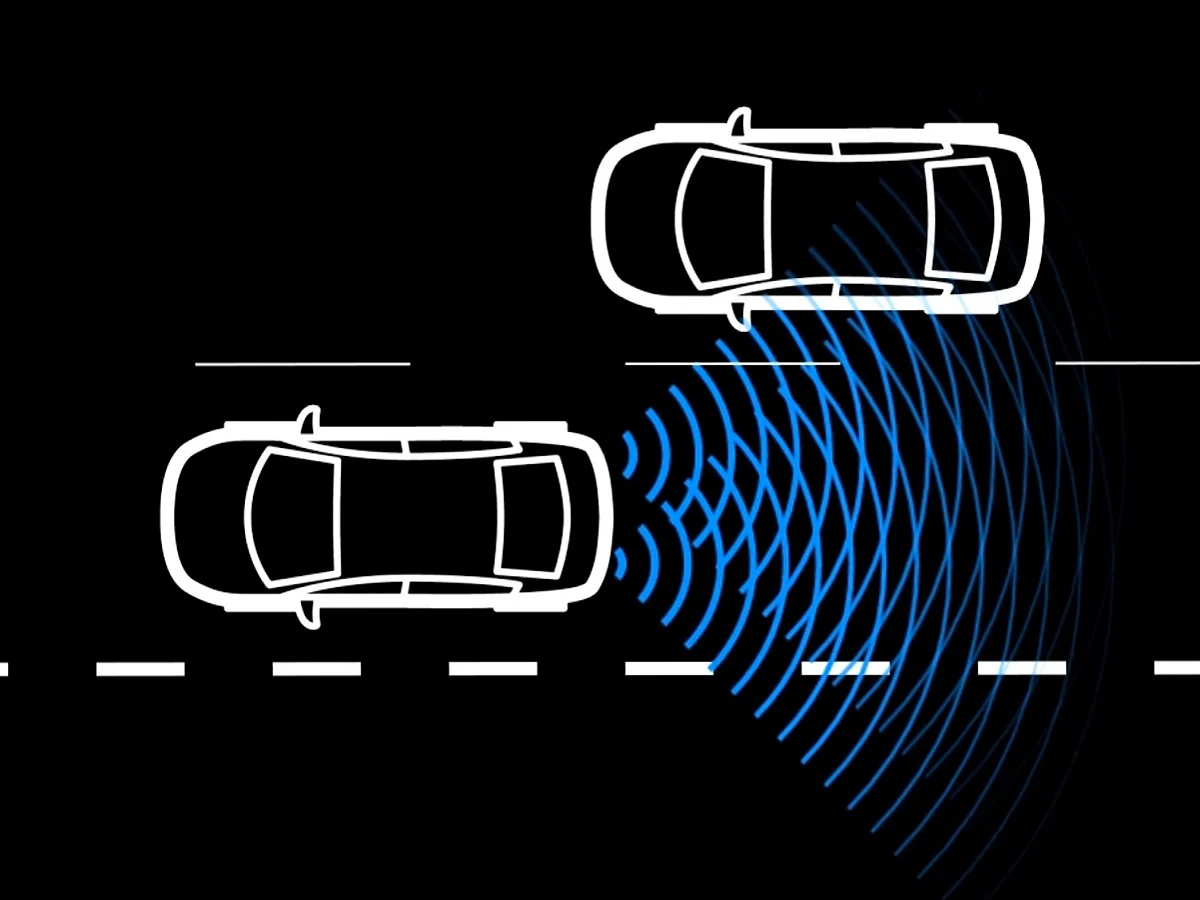
Some systems also use side-mounted cameras which are mounted in the side view mirrors.

The Blind Spot Monitoring system was developed by Volvo who first called it BLIS, and was first shown in the Volvo Safety Concept car (SCC) in 2001 (shown below).
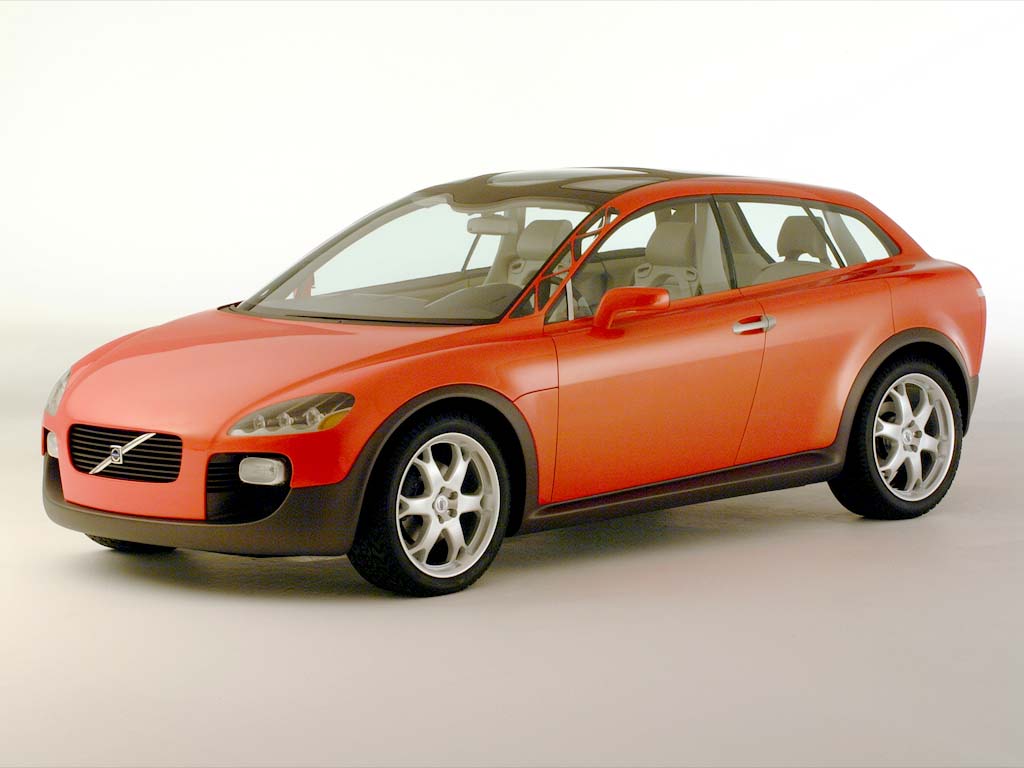
It was later shown again at the 2004 North American International Auto Show in Detroit, Michigan and was available as an option on the XC70 wagon and the S60 sedan of the same year.

These days the Blind Spot Monitoring system (BSM) is available in a number of cars as well as the likes of the Perodua Myvi and the Axia.
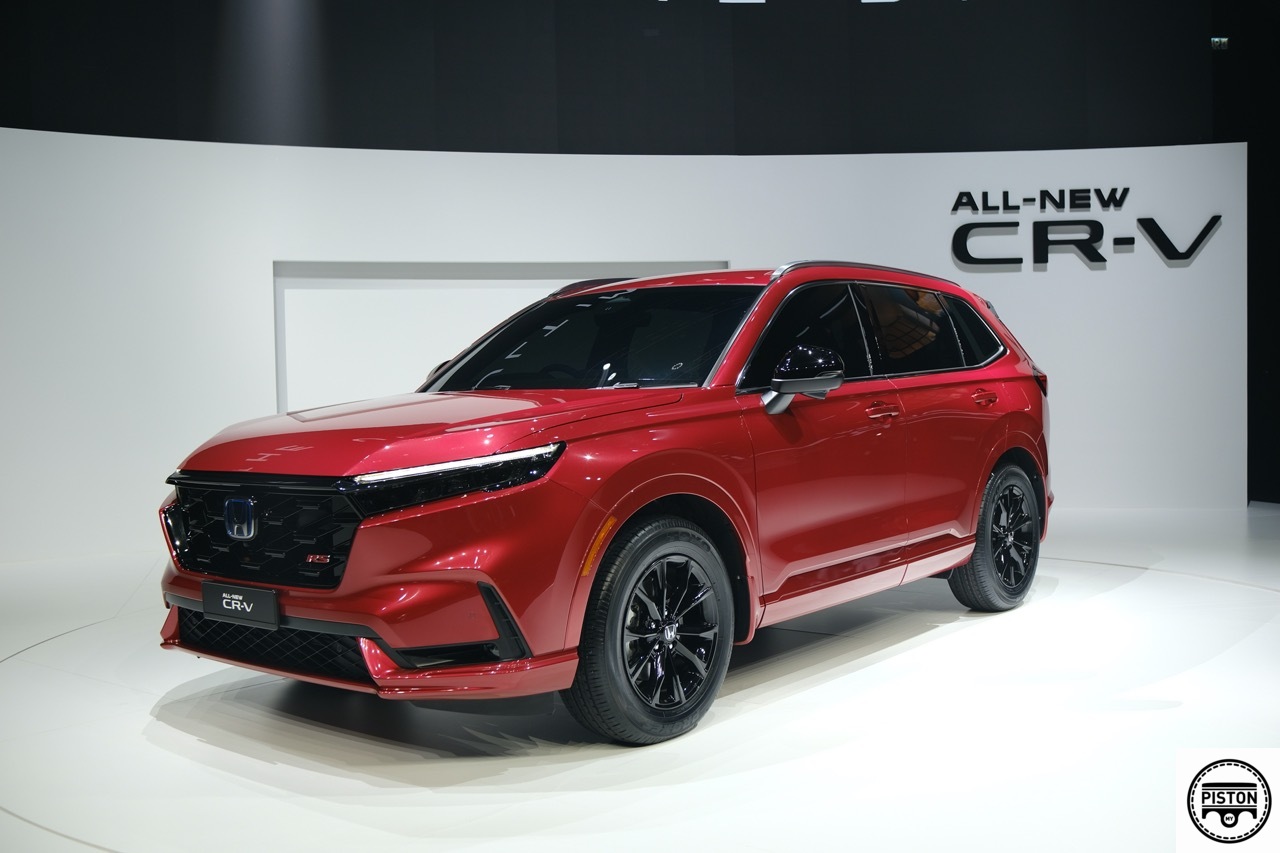
Curiously though, Honda cars in Malaysia have been sold with an alternative system to BSM called the Lane Watch System (LWS).

The LWS has the same objective as the BSM system where it alerts the driver of obstacles in the blind spot of the car.

However, it works by using a camera placed on the left side mirror (seen below) and then displays a video image of the left rear quarter of the car.
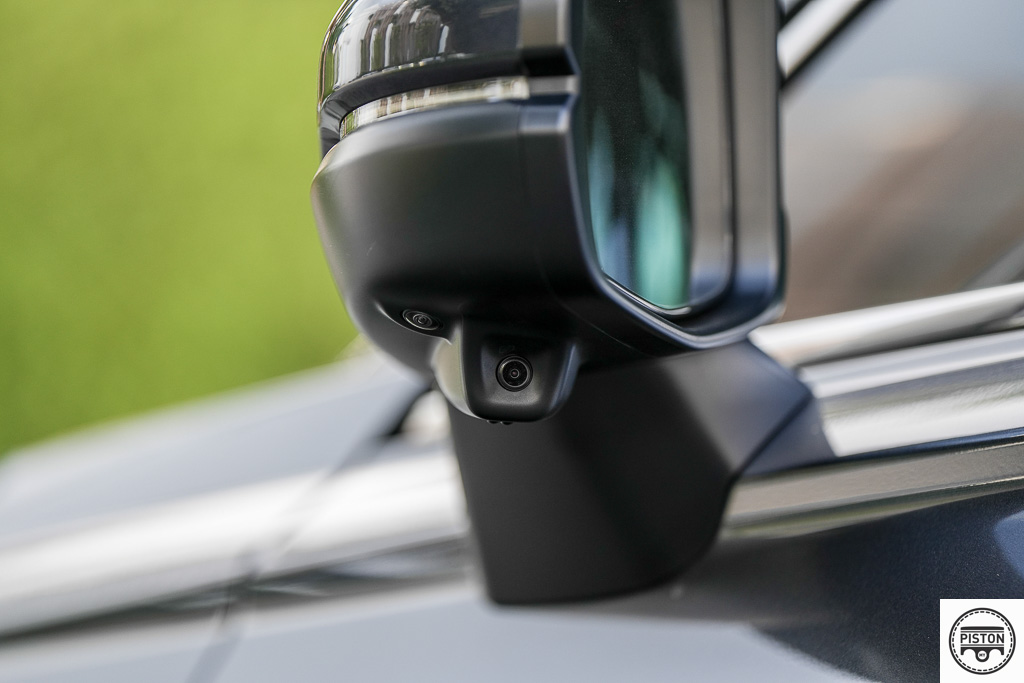
This only works when the turn signal is used or when a button placed on the turn signal stalk is pressed. There is no other visual nor auditory alert and neither does it alert you of other vehicles on the right side of the car.

And the other problem is that it only works best during the day when the sun is shinning at its brightest, as can be seen in the image below. This is because the camera that is used sends back a grainy image onto the centrally-placed monitor that often also shows the GPS map.
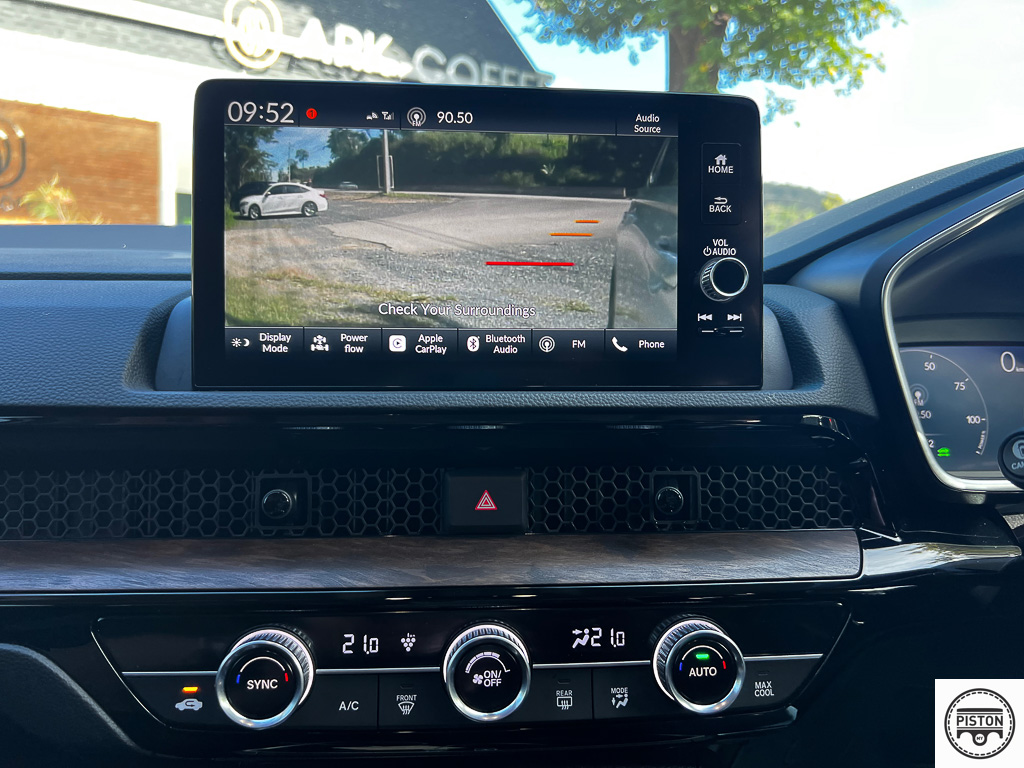
It does not work well in low light conditions, at night, or worse, in the torrential Malaysian monsoon rain where barely anything can be seen at all.

Often times, two motorcycles riding side by side at night can be misinterpreted as a single car.

Curiously though, Honda does offer Blind Spot Monitoring system in other markets, just not in Malaysia. Not yet at least.
We recently got the chance to ask why this is so during a private media interview with Eisuke Sato, the Large Project Leader of the newly launched sixth-generation Honda CRV. Sato-san flew in from Japan for the Malaysian introduction of the new CRV.
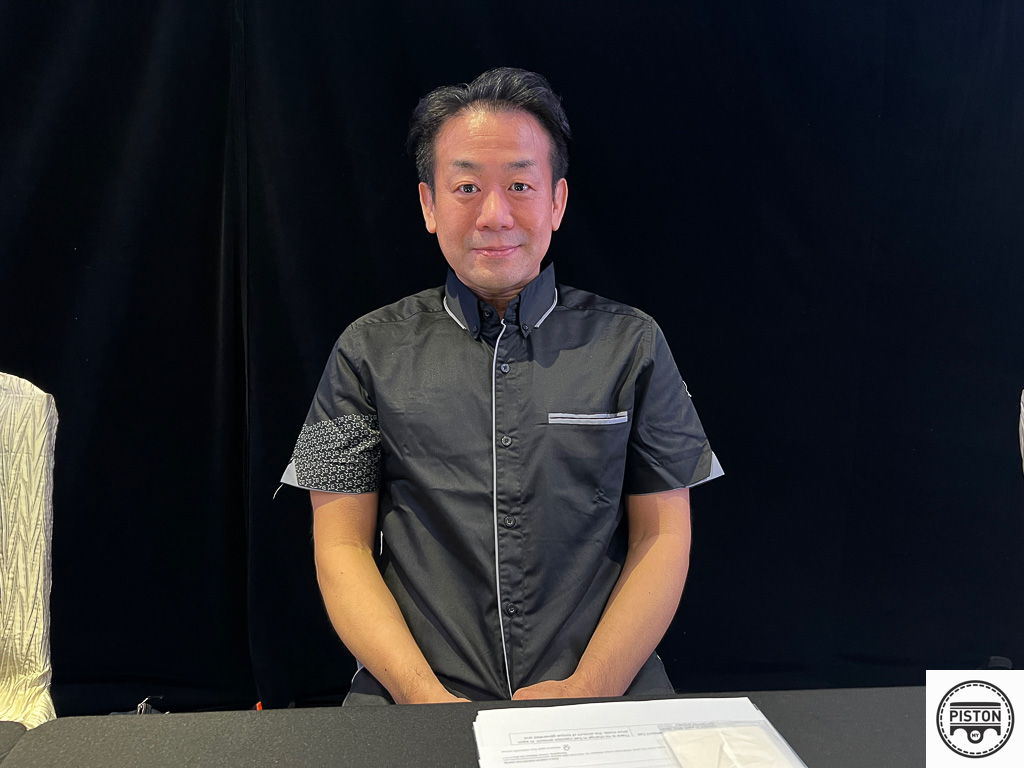
When asked by Piston.my on why Malaysian Honda’s still use Lane Watch rather than the Blind Spot Monitoring system, Sato-san said, “In other regions, we do apply BSM and in the CRV globally, we do apply BSM as well.”

“However, specifically in Asian and in Malaysia, we consider how motorcycles are often used and we believe that Lane Watch is more effective.”

“Because Lane Watch can actually visualise where a motorcycle is and how many motorcycles there are, the Lane Watch system can provide for more accurate information for drivers.”
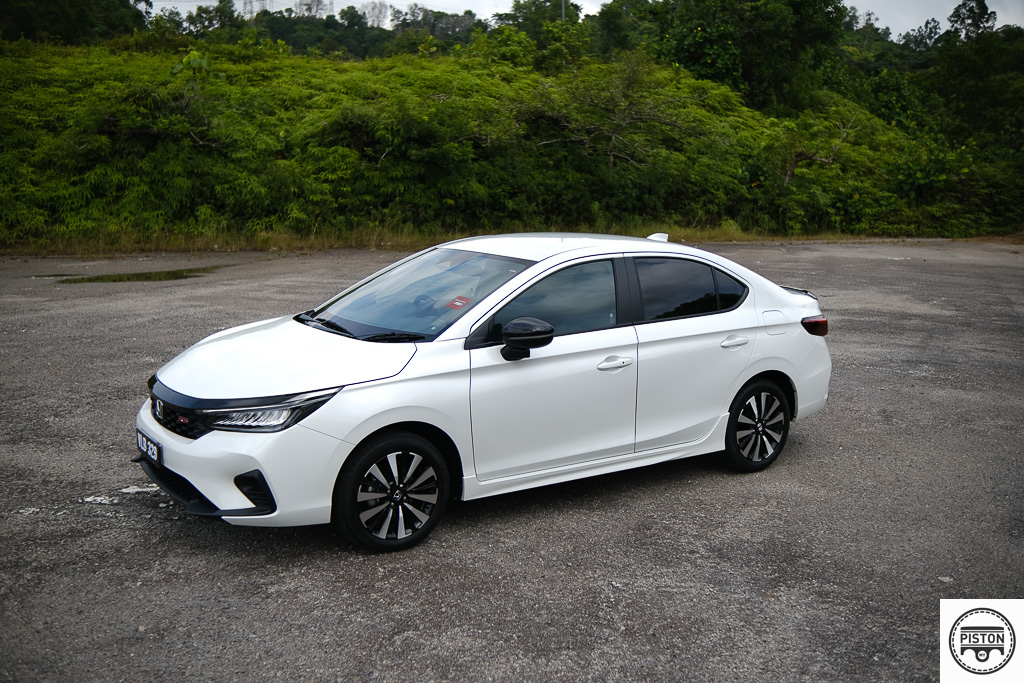
When asked about the grainy image and how the use of a high-definition camera would probably make the system more effective, Sato-san replied, “If we look at competitors, there are those who utilise higher-definition cameras but we did verify and confirm that the current spec used in the CRV is sufficient to capture the presence of motorcycles.”

“We also do understand that in dark situations and when it is raining drivers will need more visibility, so we will continue monitoring the situation and will consider an upgrade for the next models,” he added.
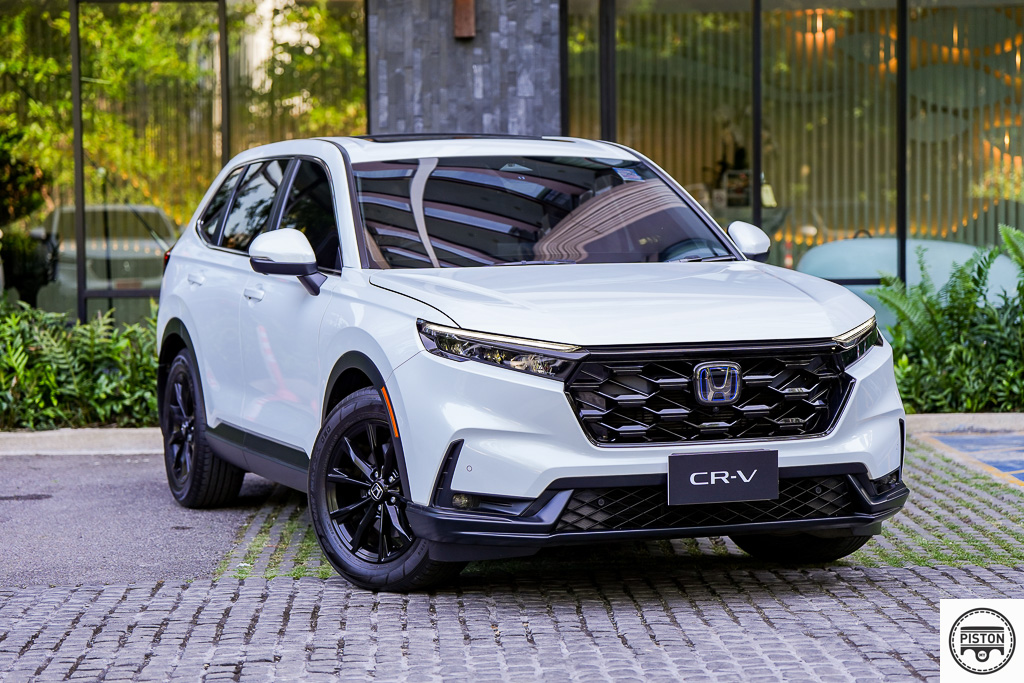
There is no doubt that Blind Spot Monitoring system works better in low light and in bad weather, and it is great that Honda Malaysia has an ear on the ground and listens to feedback.

So will we see the Blind Spot Monitoring system making an appearance in upcoming models. If there’s anything we took away from that interview, we can confidently say yes, it is just a matter of time.

Archive

Follow us on Facebook

Follow us on YouTube