
Piston.my

government

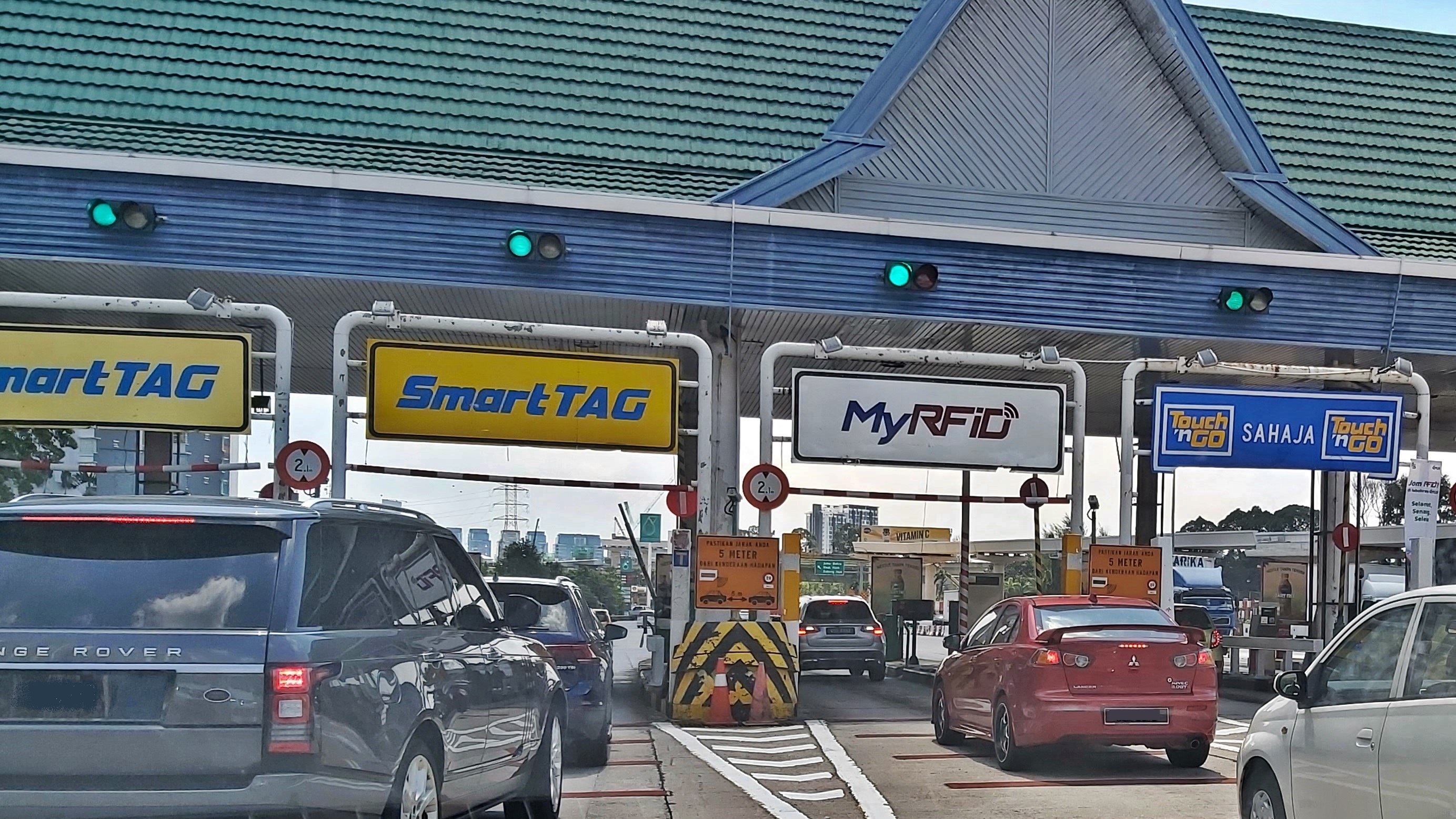
Private vehicle owners narrowly avoided a toll increase ranging from 79% to 83% across 10 major highways this year, following a government decision to delay the scheduled rate hike. Without the postponement, Class 1 vehicle users—comprising private car drivers—would have faced daily toll charges of between RM0.50 and RM4.56, potentially amounting to RM136 monthly or RM1,632 annually for individuals commuting 20 days a month.

According to The Star, Works Minister Datuk Seri Alexander Nanta Linggi confirmed the projected figures during Minister’s Question Time in the Dewan Rakyat on Tuesday, 29 July. He noted that the deferral was intended to provide immediate financial relief, particularly for those who rely on tolled routes for daily travel. The decision to suspend the increase is seen as part of broader government efforts to manage cost-of-living pressures affecting the rakyat.

The 10 highways affected by the postponed toll adjustments include the Cheras-Kajang Expressway (Grandsaga), Kuala Lumpur-Kuala Selangor Expressway (Latar), New North Klang Straits Bypass (NNKSB), Senai-Desaru Expressway (SDE), East Coast Expressway Phase 2 (LPT2), South Klang Valley Expressway (SKVE), Sultan Abdul Halim Mu’adzam Shah Bridge (JSAHMS), Duta-Ulu Kelang Expressway (DUKE), Maju Expressway (MEX), and the Butterworth Outer Ring Road (LLB).
(more…)

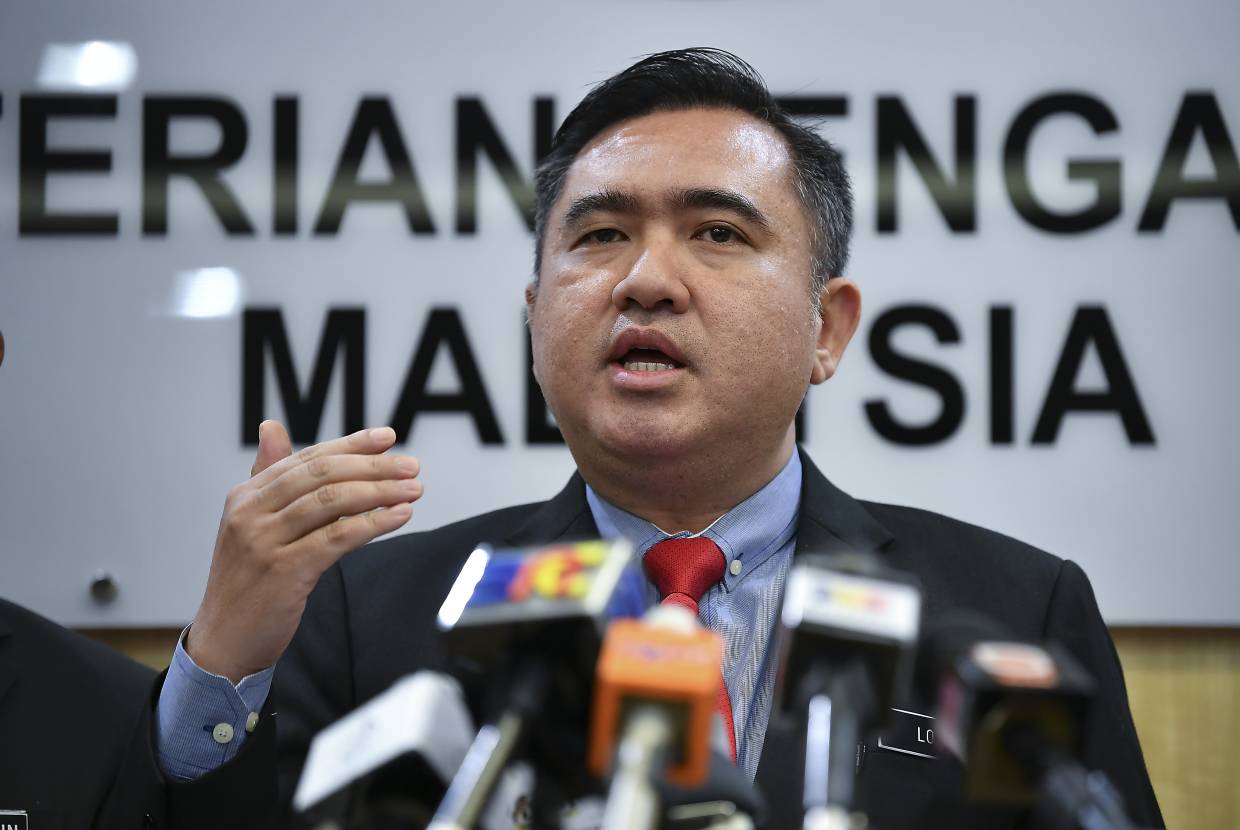
The Cabinet Committee on Road Safety and Congestion (JK-MKKJR) has approved a proposal to establish a dedicated funding mechanism aimed at enhancing road safety, according to Transport Minister Anthony Loke.

Speaking at a press conference following the committee meeting today, Loke revealed that the initiative will involve allocating 50 per cent of revenue collected through fines under the Automated Awareness Safety System (AWAS) to the Ministry of Transport (MOT). The funds will be used to implement key safety measures, including the installation of lighting at accident-prone areas along highways.

“One of the immediate actions we will take is installing lights in accident hotspots,” Loke said. “We hope this creates a more sustainable stream of funding so that we can introduce preventive measures to mitigate road accident risks.”

(more…)

Despite efforts to rationalise diesel subsidies, the government continues to shoulder a substantial burden, amounting to RM10 billion annually, as disclosed by the Finance Ministry in a parliamentary written reply.

Breakdown of Subsidies

According to NST, the ministry revealed that this annual subsidy includes RM4 billion earmarked for the public transport and logistics sectors. Diesel prices are maintained at RM1.88 per litre for 10 types of public transport vehicles and RM2.15 per litre for 23 types of logistics vehicles.

In addition, RM3.3 billion is allocated for diesel users in Sabah and Sarawak, who benefit from the RM2.15 per litre rate. Fishermen receive RM1.2 billion in subsidies, with diesel priced at RM1.65 per litre. Another RM1.8 billion is provided through the cash assistance programmes Budi Individu and Budi Agri-Komoditi.

(more…)

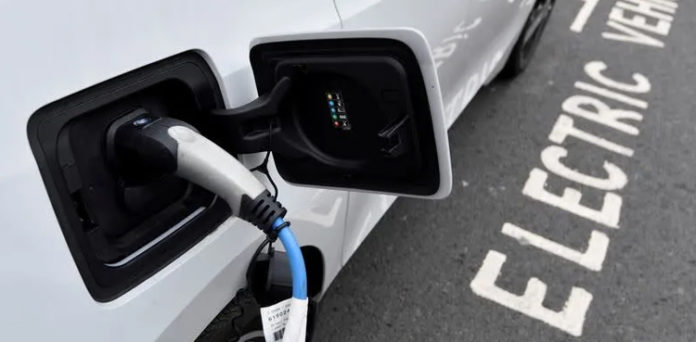
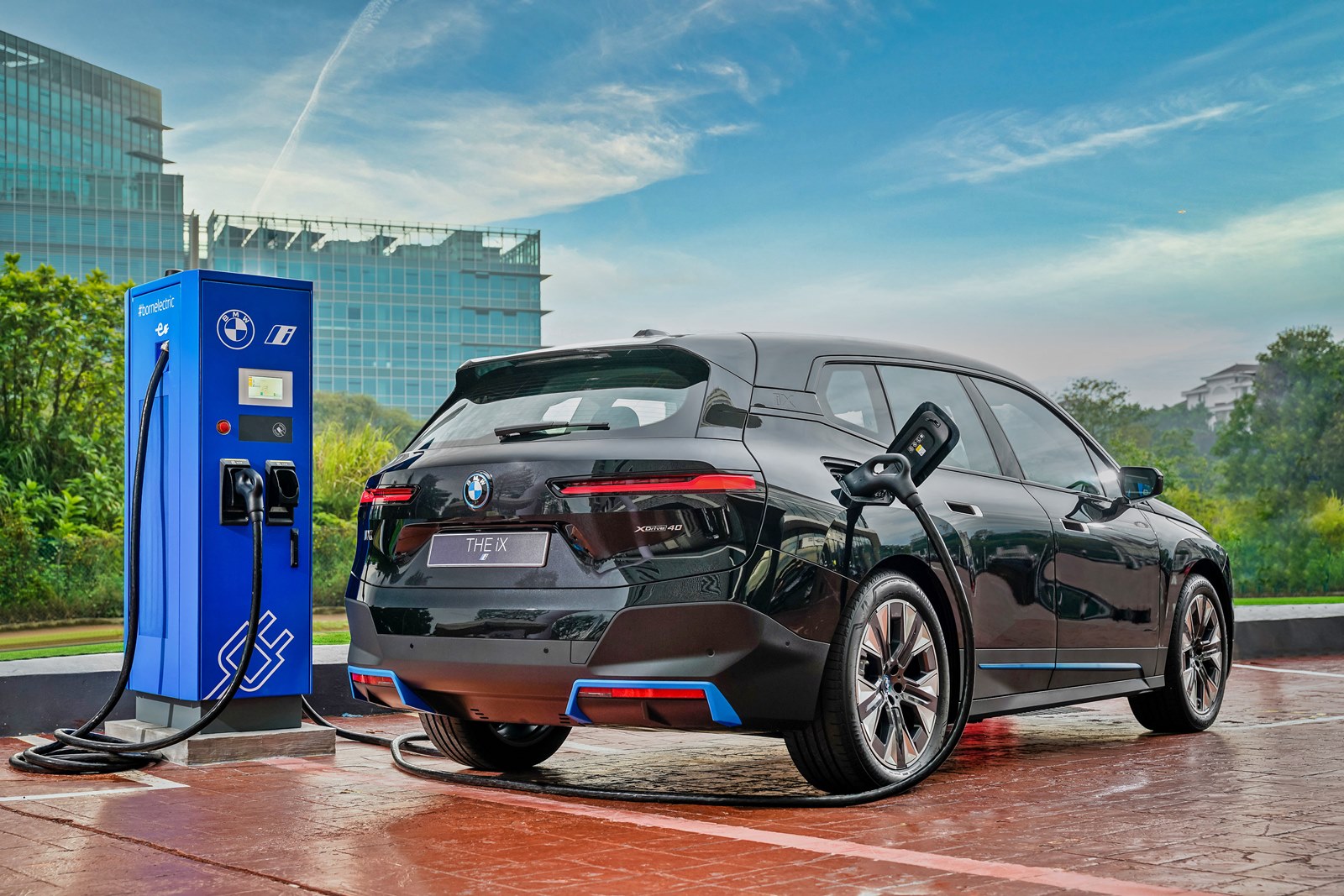
The government is emphasising the development of the electric vehicle (EV) sector as a significant sub-sector within the New Industrial Master Plan 2030 (NIMP 2030). Deputy Investment, Trade, and Industry Minister Liew Chin Tong stated that policies concerning EVs would be regularly reviewed to bolster the sector’s growth.

According to Bernama, to support the EV sector’s progress, a National EV Steering Committee (NEVSC) meeting will be convened soon. Additionally, plans include the initiation of EV’s Technical and Vocational Education and Training (TVET) programs in early 2024.

(more…)

Government continues tax exemption towards Mercedes-Benz Malaysia for hybrid vehicles. (more…)

Archive

Follow us on Facebook

Follow us on YouTube