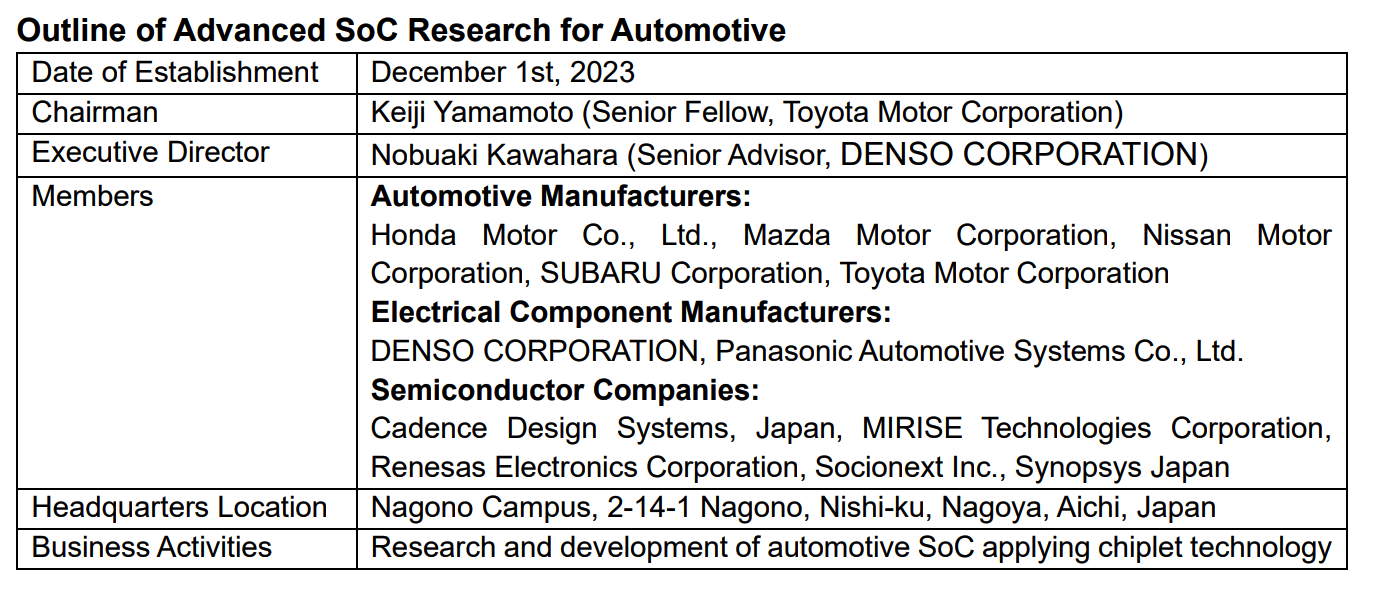
In a significant collaborative effort, twelve leading companies from the automotive, electrical component, and semiconductor sectors joined hands to establish the “Advanced SoC Research for Automotive” (ASRA) on December 1st. The primary goal of ASRA is to conduct research and development for high-performance digital semiconductors, specifically System on Chip (SoC), intended for use in automobiles.
Participating Companies:
Automotive Manufacturers: Honda Motor Co., Ltd., Mazda Motor Corporation, Nissan Motor Corporation, SUBARU Corporation, Toyota Motor Corporation
Electrical Component Manufacturers: Denso Corporation, Panasonic Automotive Systems Co., Ltd.
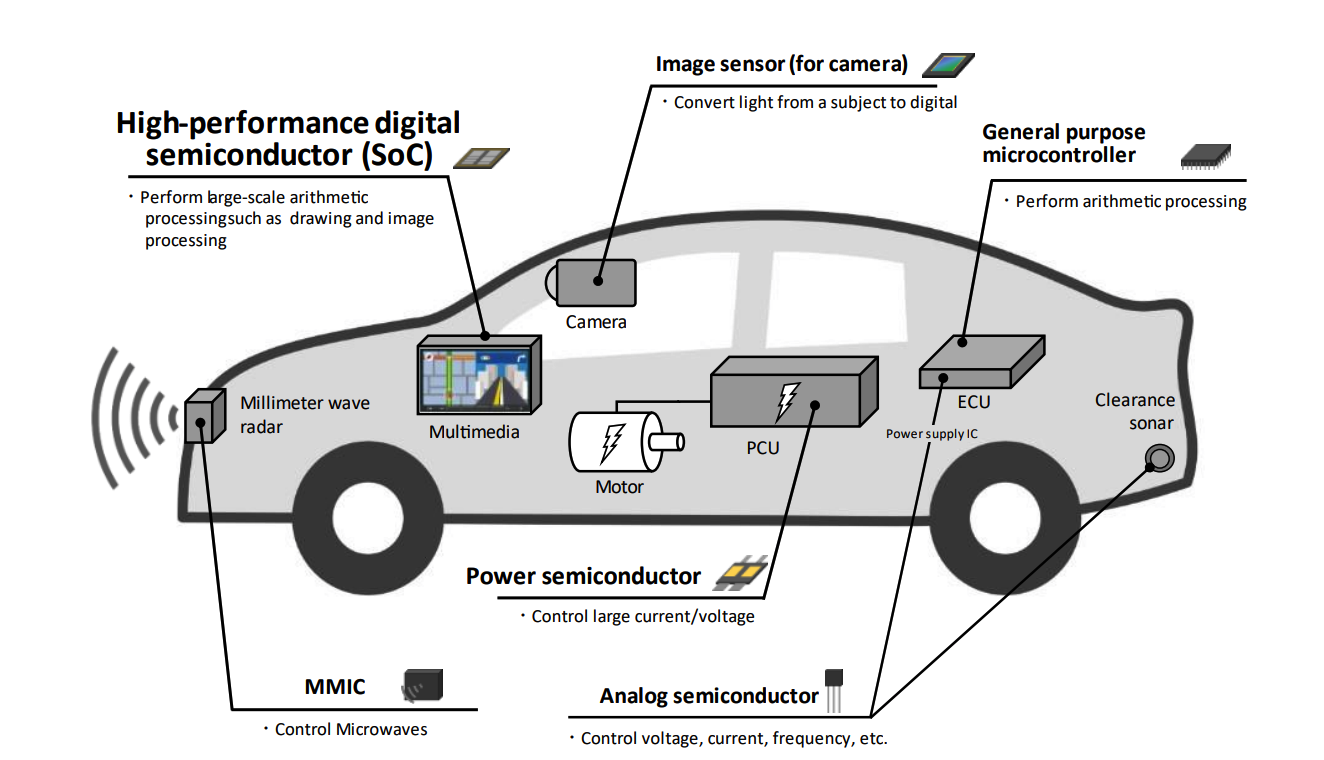
Given that modern automobiles utilise approximately 1,000 semiconductors, with varied applications, SoCs are particularly crucial for autonomous driving technology and multimedia systems. These applications demand cutting-edge semiconductor technology to achieve advanced computing power.
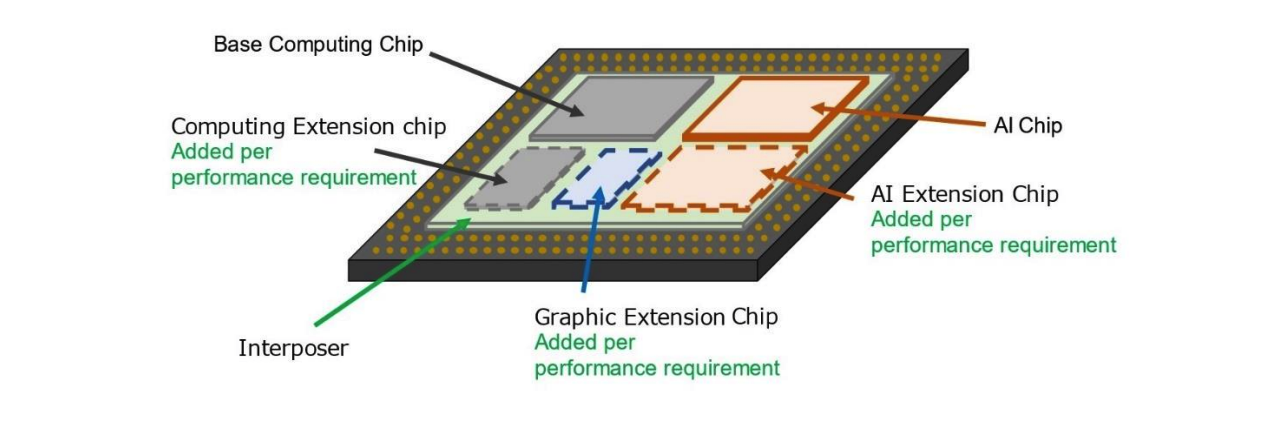
ASRA, with a focus on achieving high levels of safety and reliability required for automotive applications, will be spearheaded by automakers. The collaboration aims to leverage the combined technological and experiential knowledge of electrical components and semiconductor companies. The consortium plans to explore chiplet technology for SoCs, combining different semiconductor types.
Advantages of Chiplet Technology Include:
Higher performance and multifunctionality
Higher yield chips
Timely commercialisation of SoCs tailored to end-user (automotive companies) requirements
ASRA has set ambitious goals, aiming to establish in-vehicle chiplet technology by 2028 and intends to install SoCs in mass-produced vehicles from 2030 onward. By capitalising on Japan’s technological capabilities and extensive experience in automotive, electrical components, and semiconductors, ASRA plans to collaborate with industry, government, and academia to position itself as a world-leading technology research group.
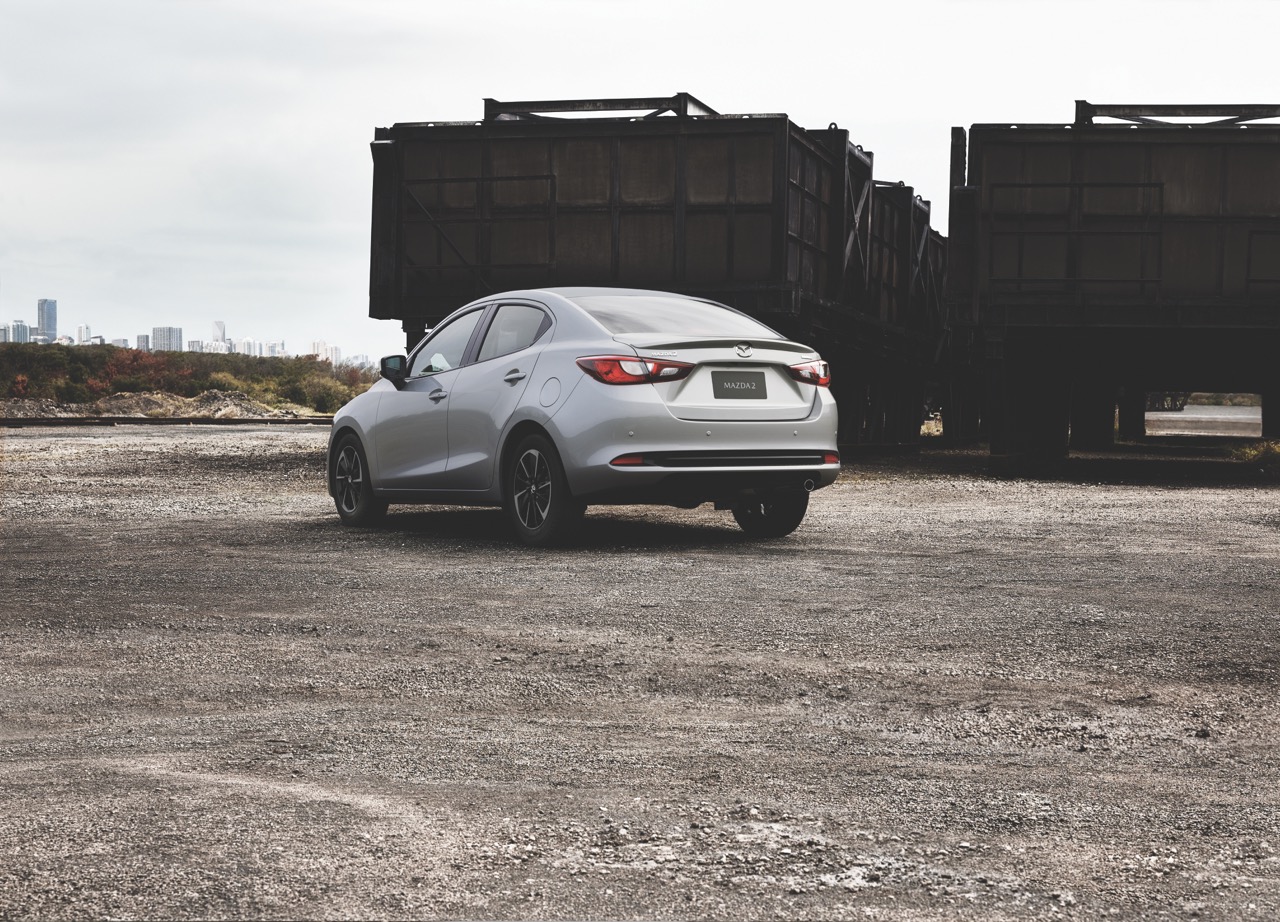
Bermaz Motor telah memperkenalkan rangkaian model Mazda2 yang telah dipertingkatkan, menggabungkan ciri-ciri yang diperkemaskan dengan reka bentuk bergaya. Terinspirasi oleh tema reka bentuk Evolved Kodo: Soul of Motion, Mazda2 memancarkan keyakinan, gaya, dan kualiti dari setiap sudut. Kenderaan ini mempunyai gril hadapan yang direka semula dengan sayap istimewa Mazda.
Peningkatan luaran termasuk gril hitam bersarang dengan aksen merah dan reka bentuk bumper yang licin. Digandingkan dengan rim Alokon 16 inci Hitam dan Krom, Mazda2 menampilkan penampilan yang sporty dan kontras. Kenderaan ini merangkumi ciri-ciri yang mudah seperti Lampu Hadapan dengan fungsi Auto On/Off, Pengesan Hujan, dan Cermin rearview Autofold.
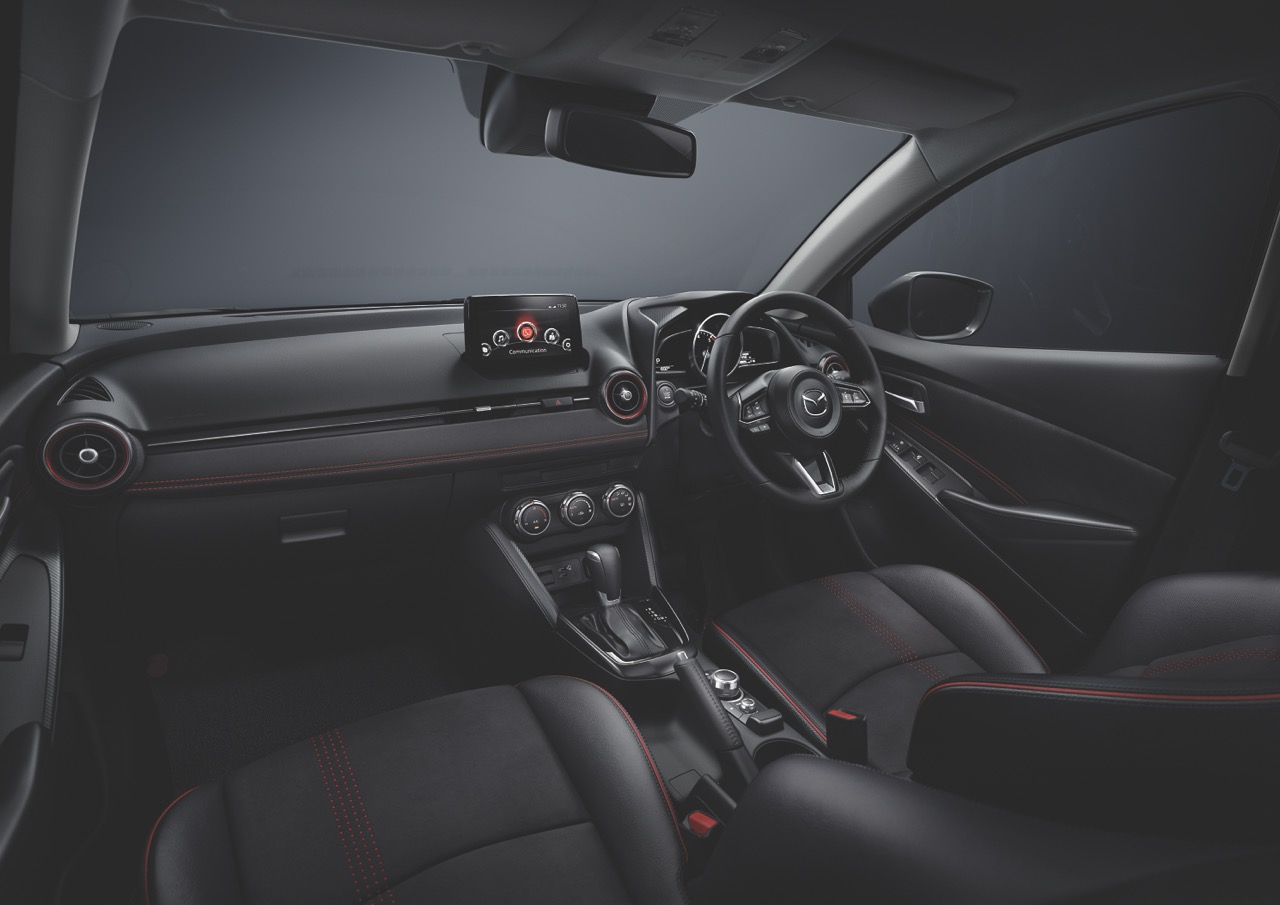
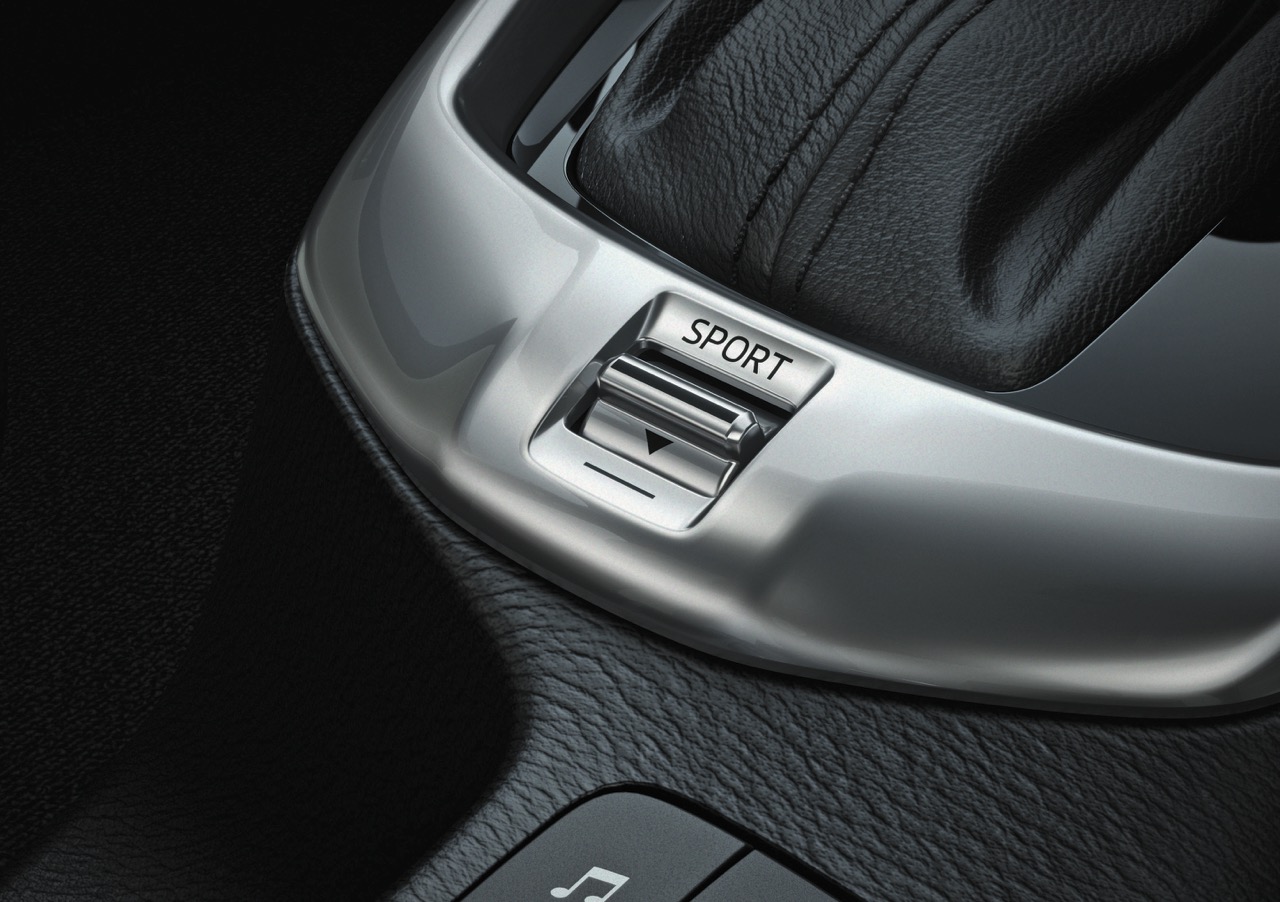
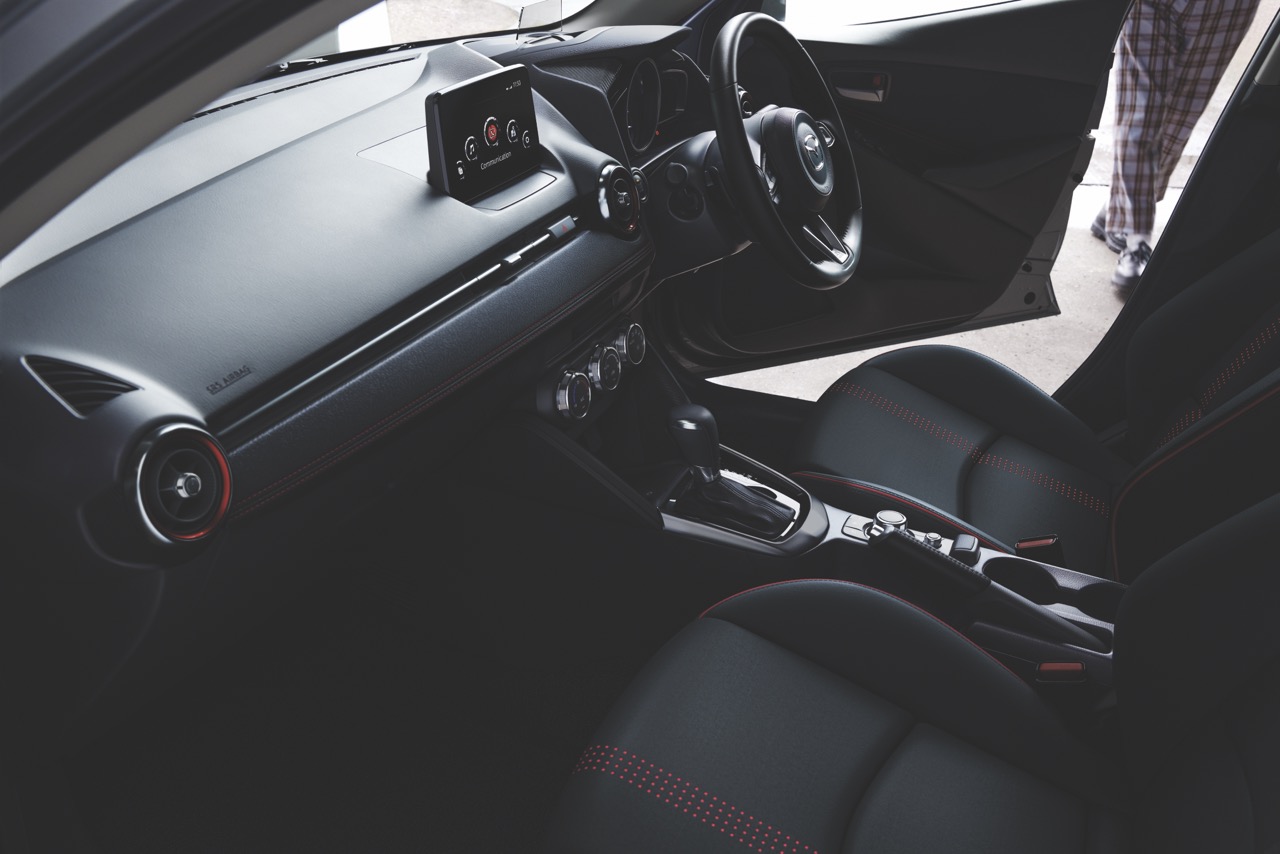
Di dalam, Mazda2 kini dilengkapi dengan Cermin Pandang Belakang Auto-Dimming, mengurangkan silau daripada lampu belakang. Penambahan fungsi Cruise Control membolehkan pemandu mengekalkan kelajuan yang telah ditetapkan tanpa selalu menggunakan pedal minyak. Reka bentuk dalaman menjadi lebih berkelas dengan hiasan hitam pada papan pemuka dan tempat duduk kulit sintetik hitam dan suede dengan Jahitan Merah.
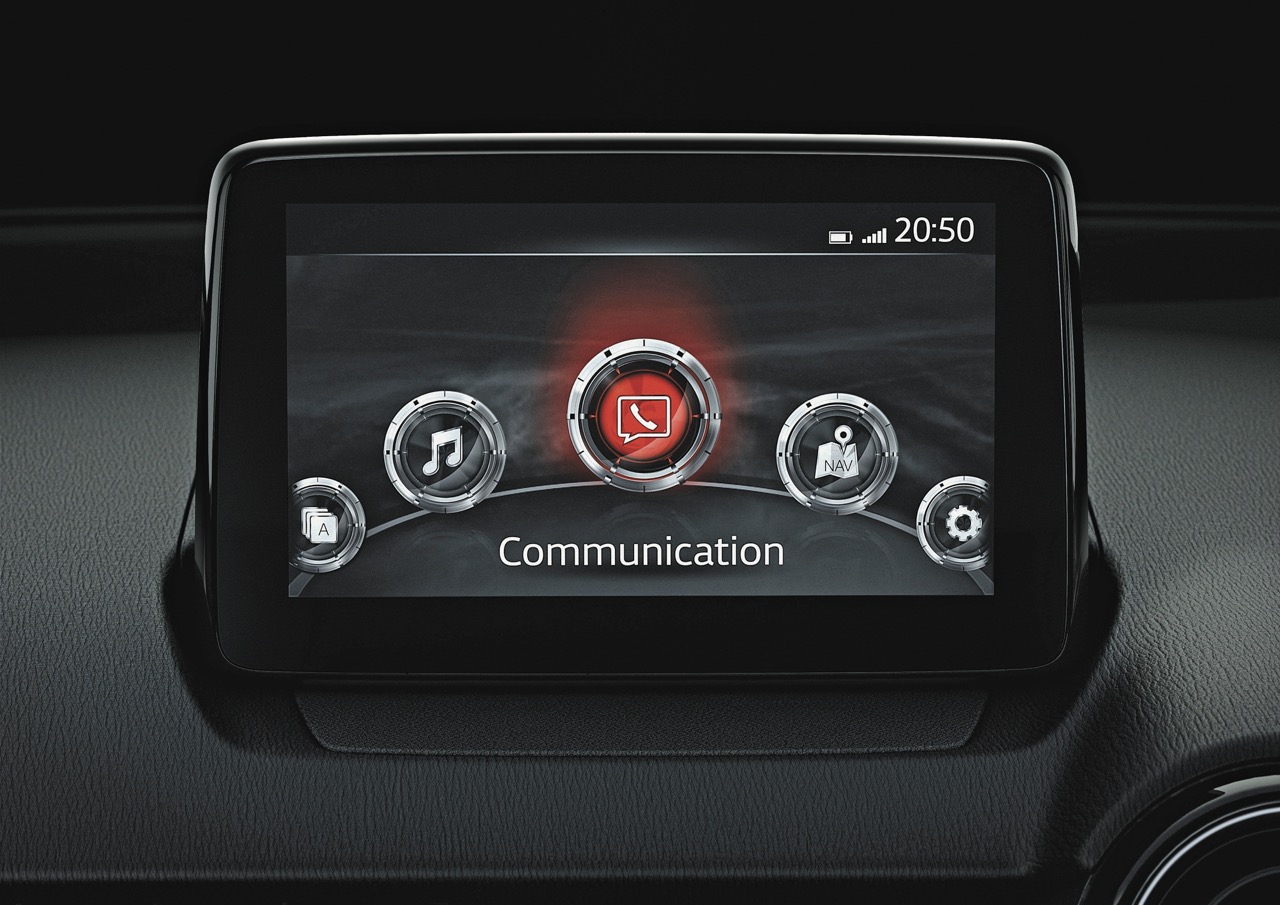
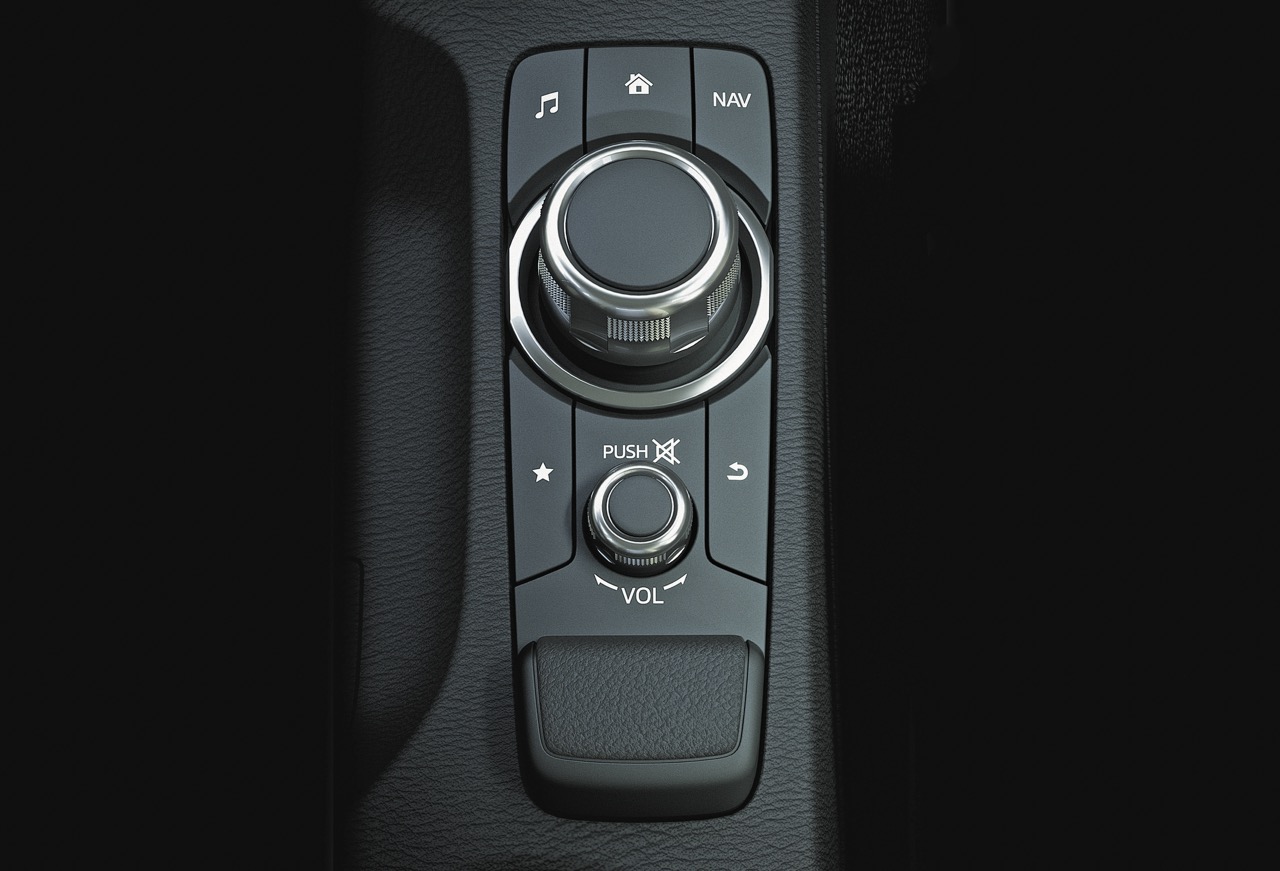
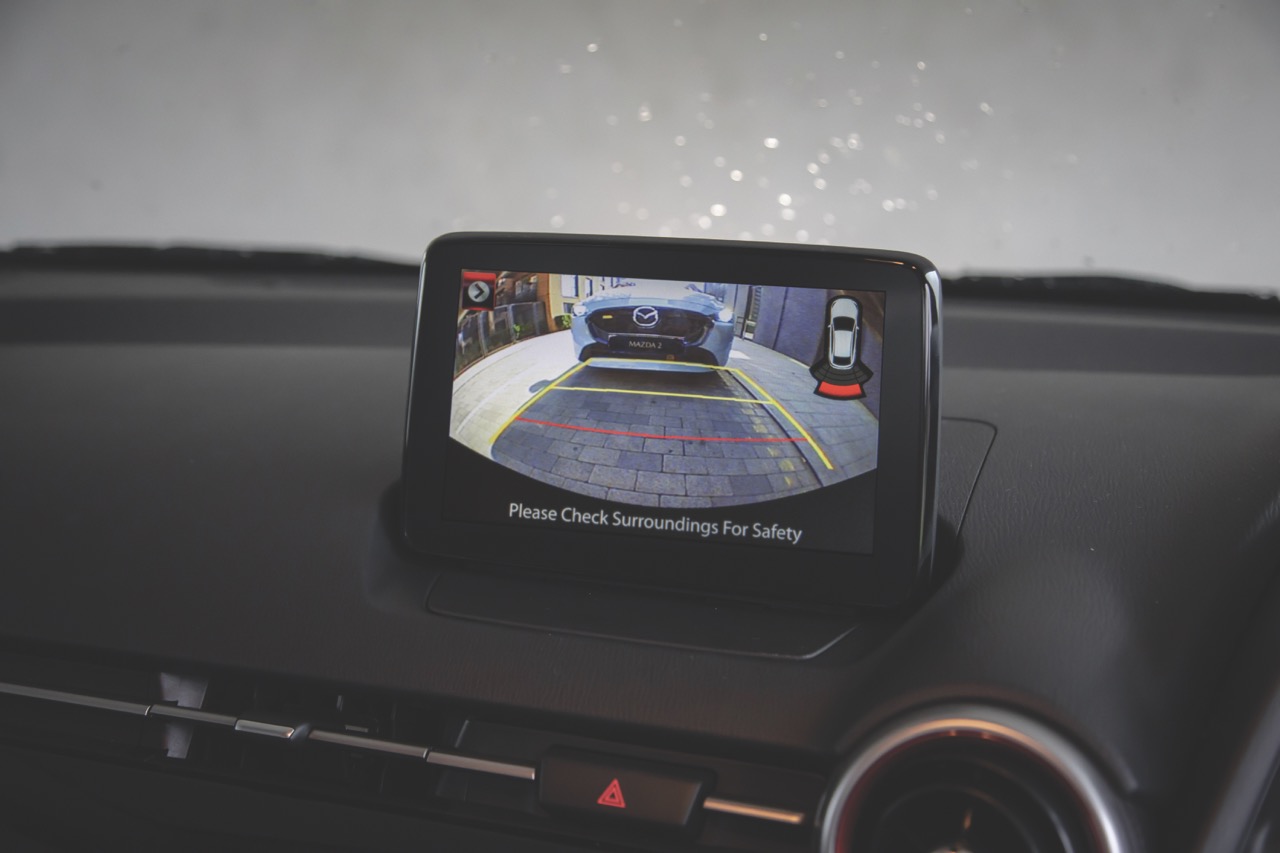
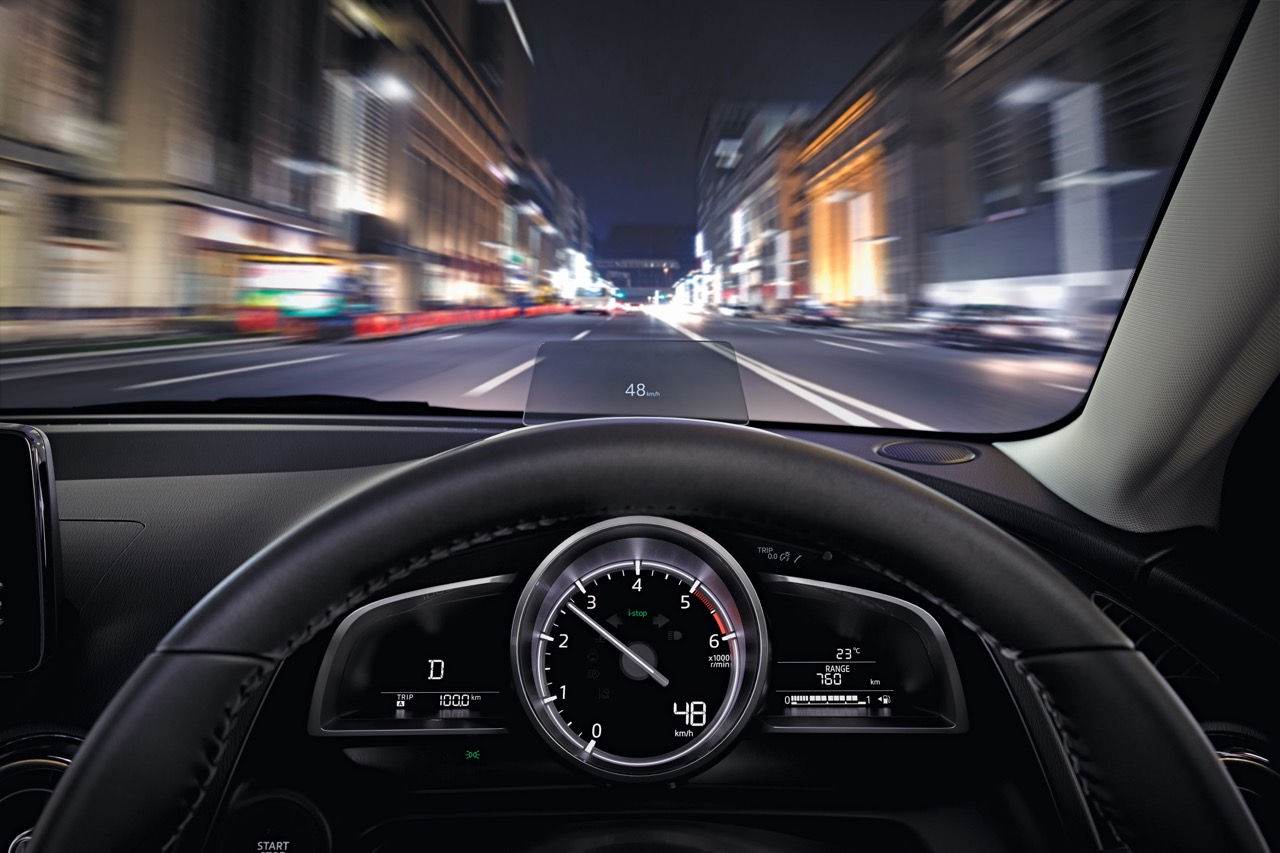
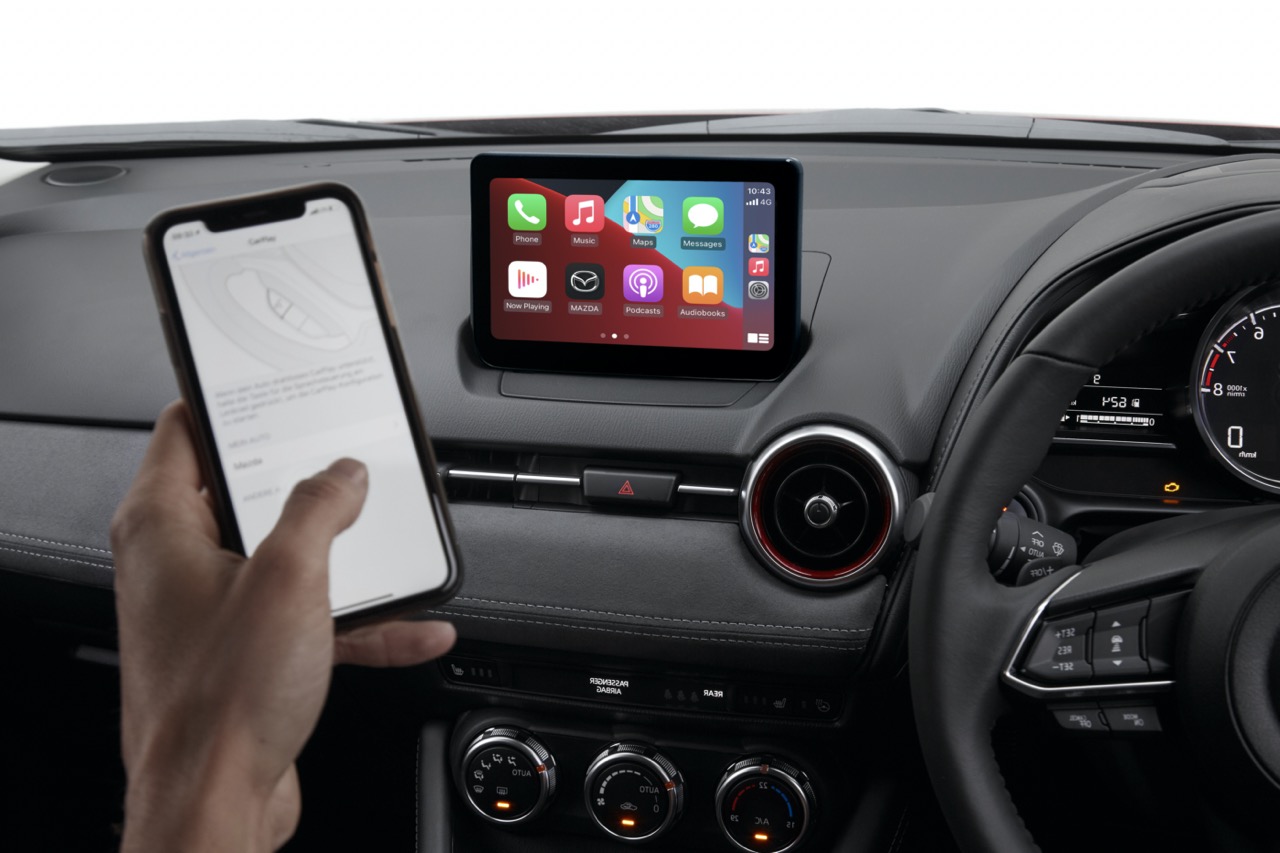
Mengekalkan pendekatan pemandu berpusat, model Mazda2 1.5L High Sedan dan Hatchback mengekalkan ciri-ciri penting seperti lampu hadapan LED dan keserasian Apple Carplay dan Android Auto yang lancar melalui Sistem Infotainment 7 inci. Kenderaan memberi keutamaan kepada keselamatan dengan sistem bantuan pemandu canggih i-Activsense.
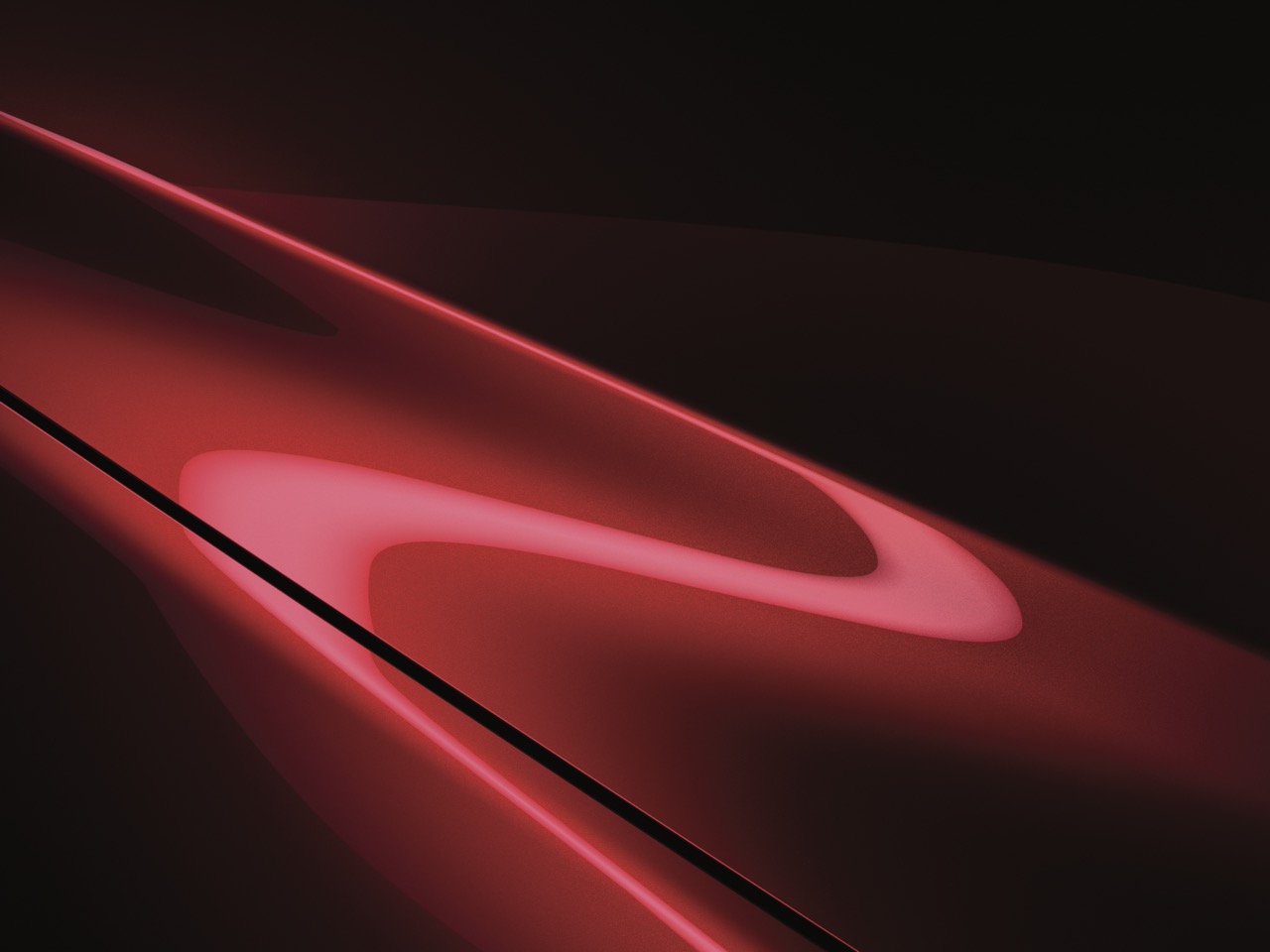
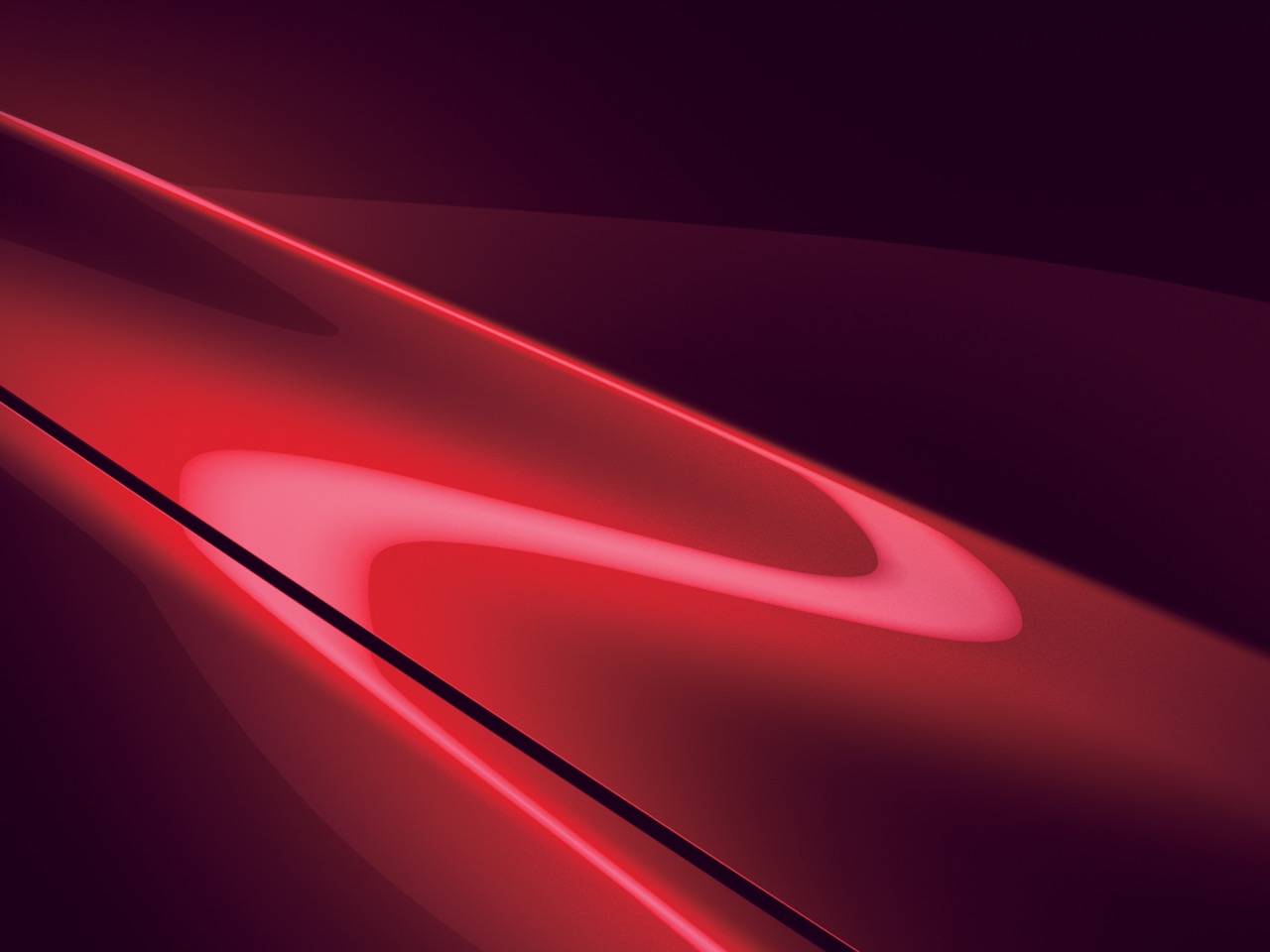
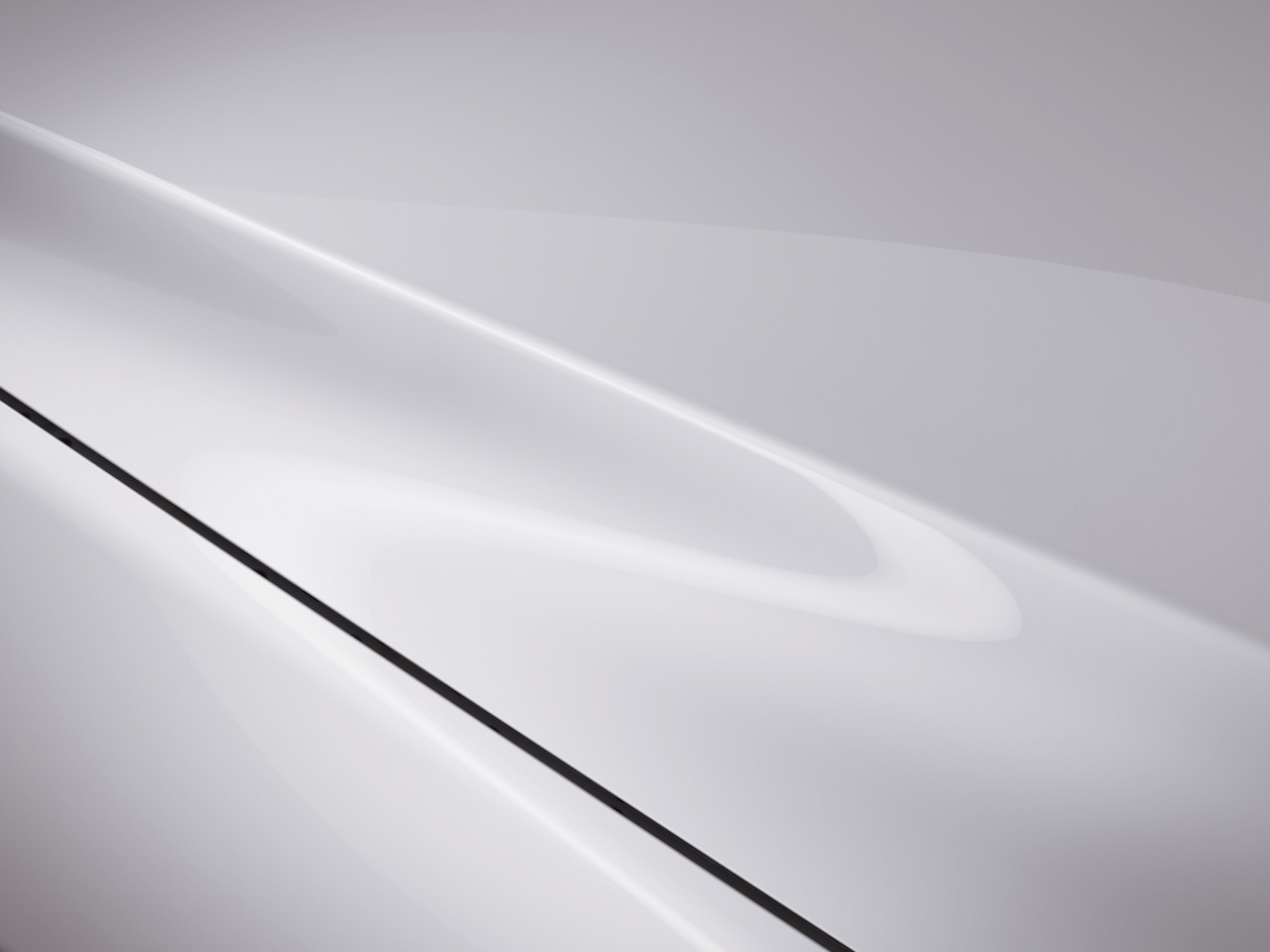
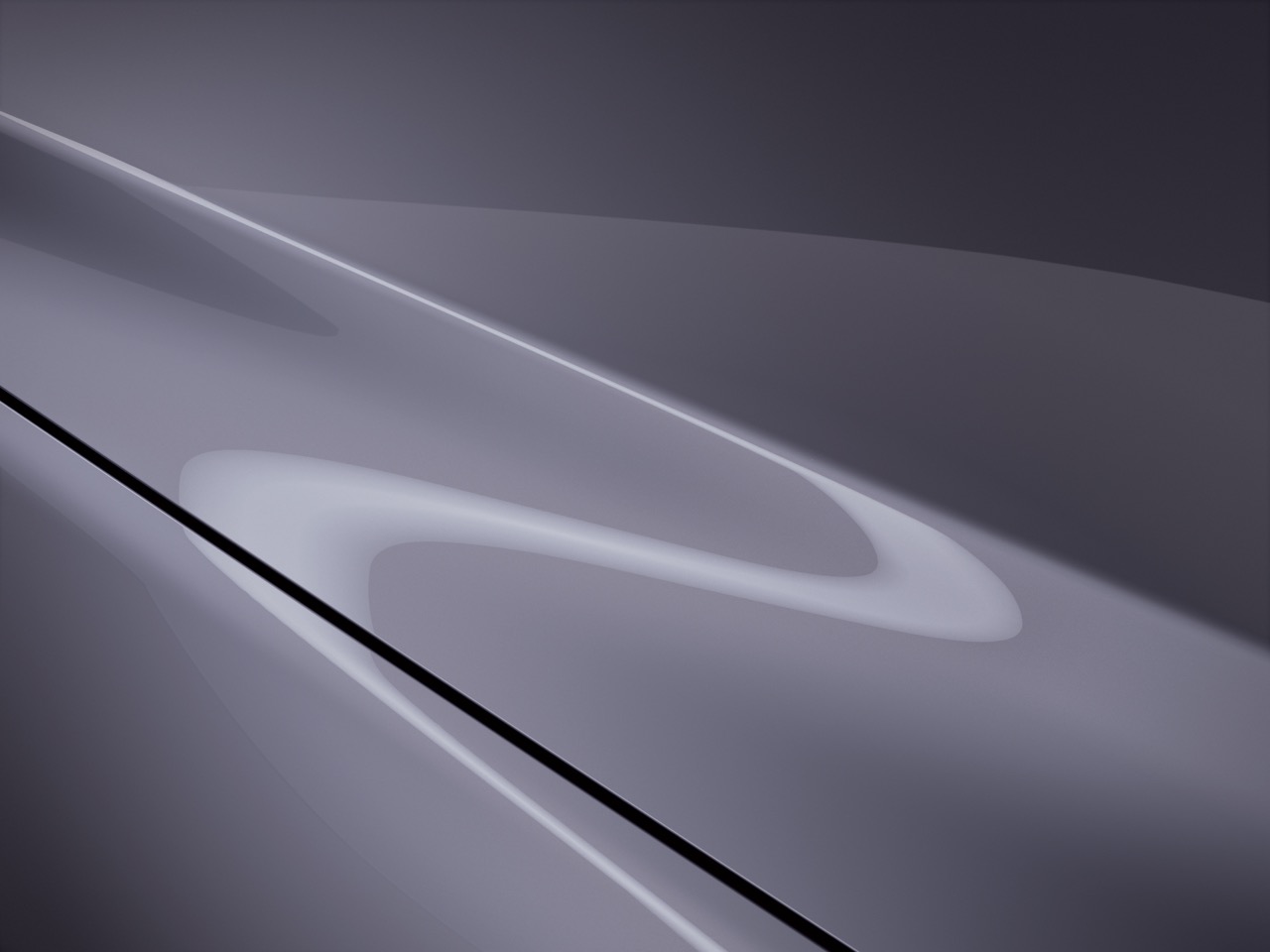
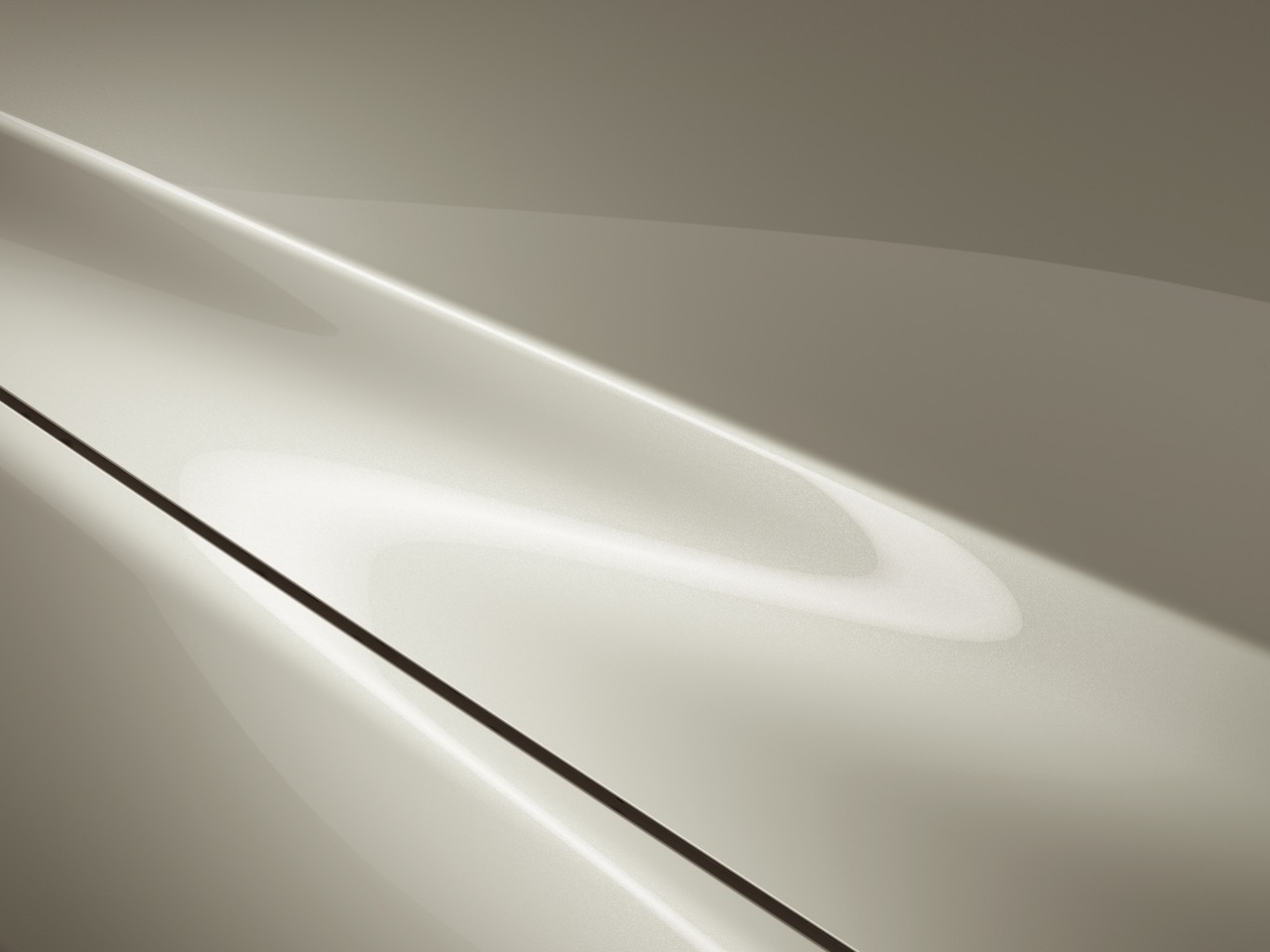
Rangkaian Mazda2 menawarkan palet warna yang mencolok, termasuk pilihan seperti Snowflake White Pearl, Soul Red Crystal, Platinum Quartz, Polymetal Gray (hanya varian Hatchback), AirStream Blue (hanya varian Hatchback), dan Aero Gray yang baru diperkenalkan (hanya varian Sedan).
Sebagai model Completely Built-Up (CBU) dari Thailand, Mazda2 bermula pada harga yang menarik iaitu RM 108,670. Tempahan untuk kenderaan ini kini dibuka, dan ia dilengkapi dengan Jaminan Pengeluar 5 tahun yang kukuh dan Penyelenggaraan Percuma 5 tahun, termasuk buruh, bahagian, dan pelincir selama lima tahun atau 100,000km, memberikan ketenangan kepada pelanggan.
MAZDA2 1.5L SEDAN / HATCHBACK
RM 108,670.00
MAZDA2 1.5L SEDAN / HATCHBACK (SOUL RED CRYSTAL SAHAJA)
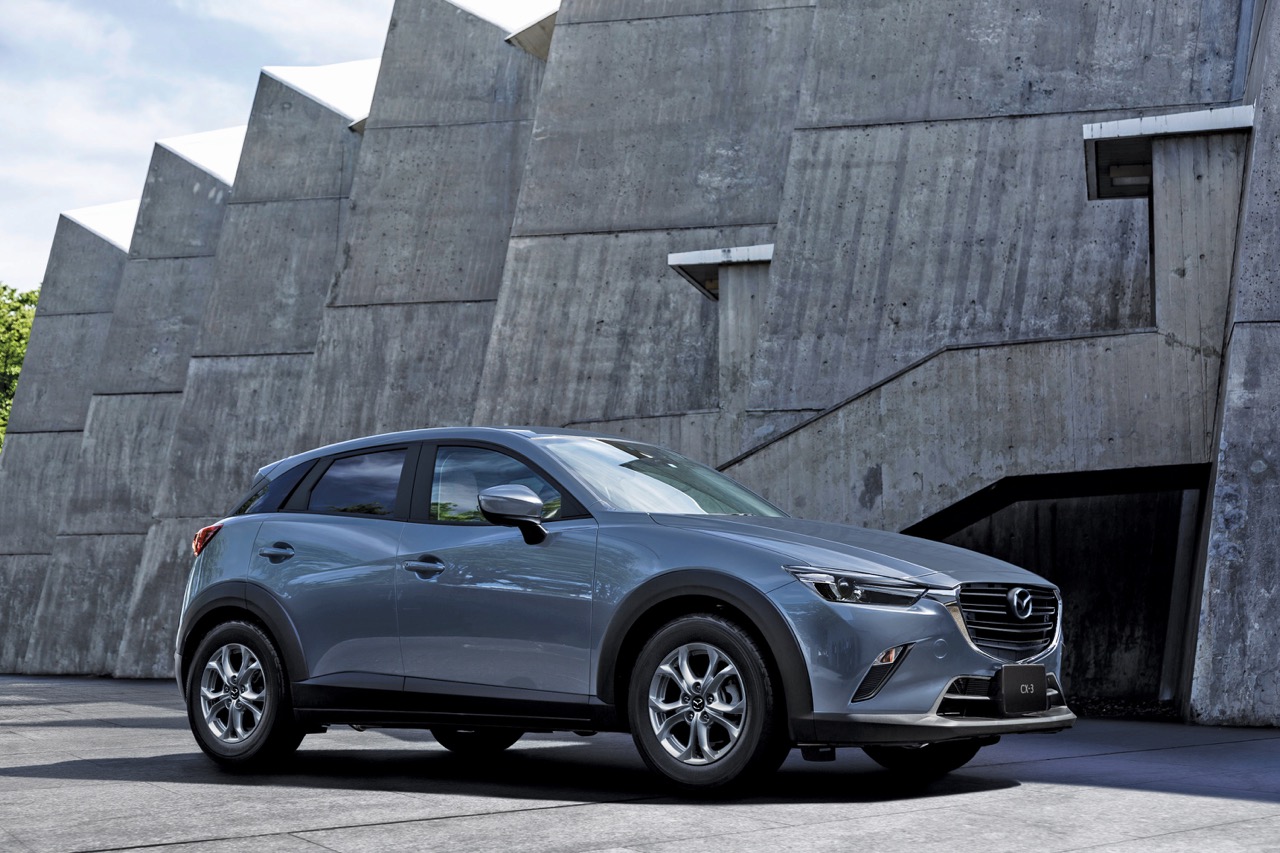
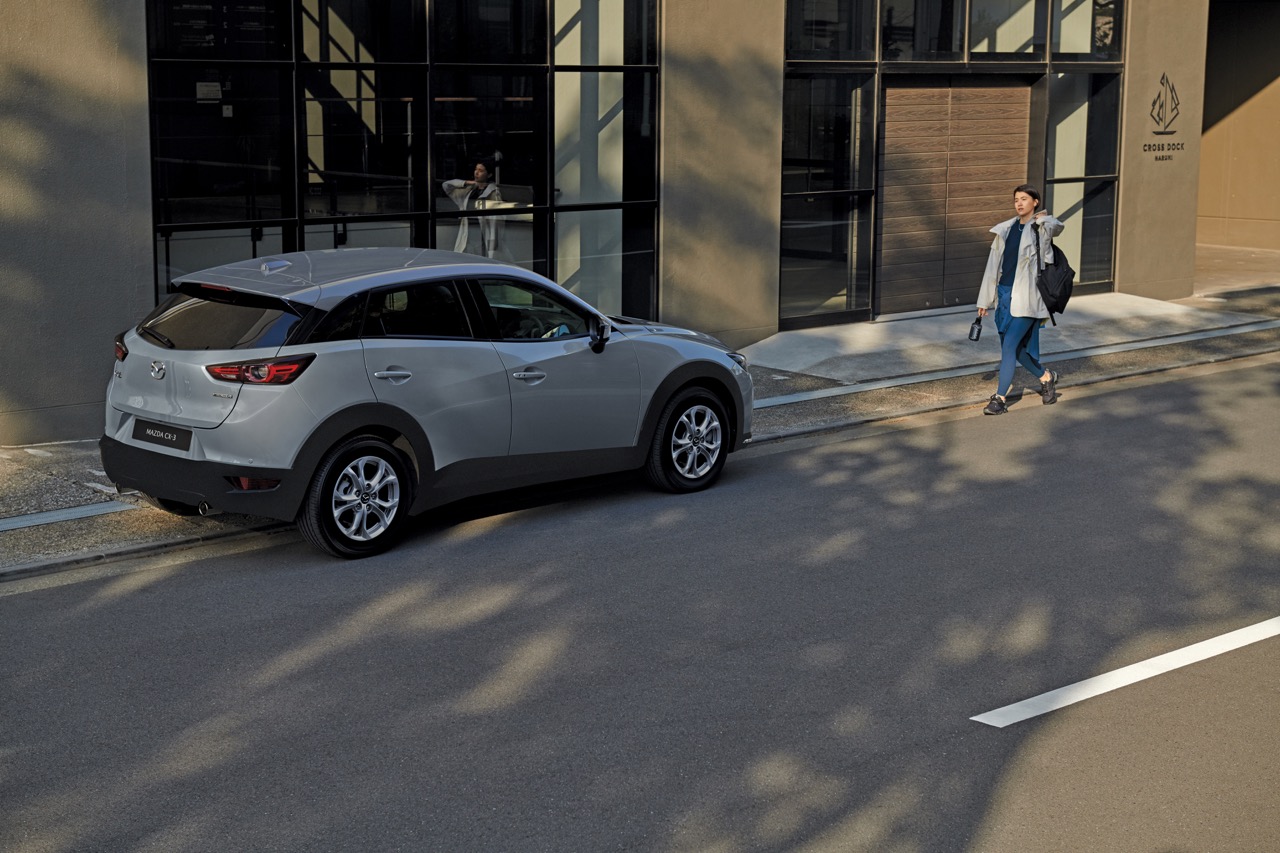
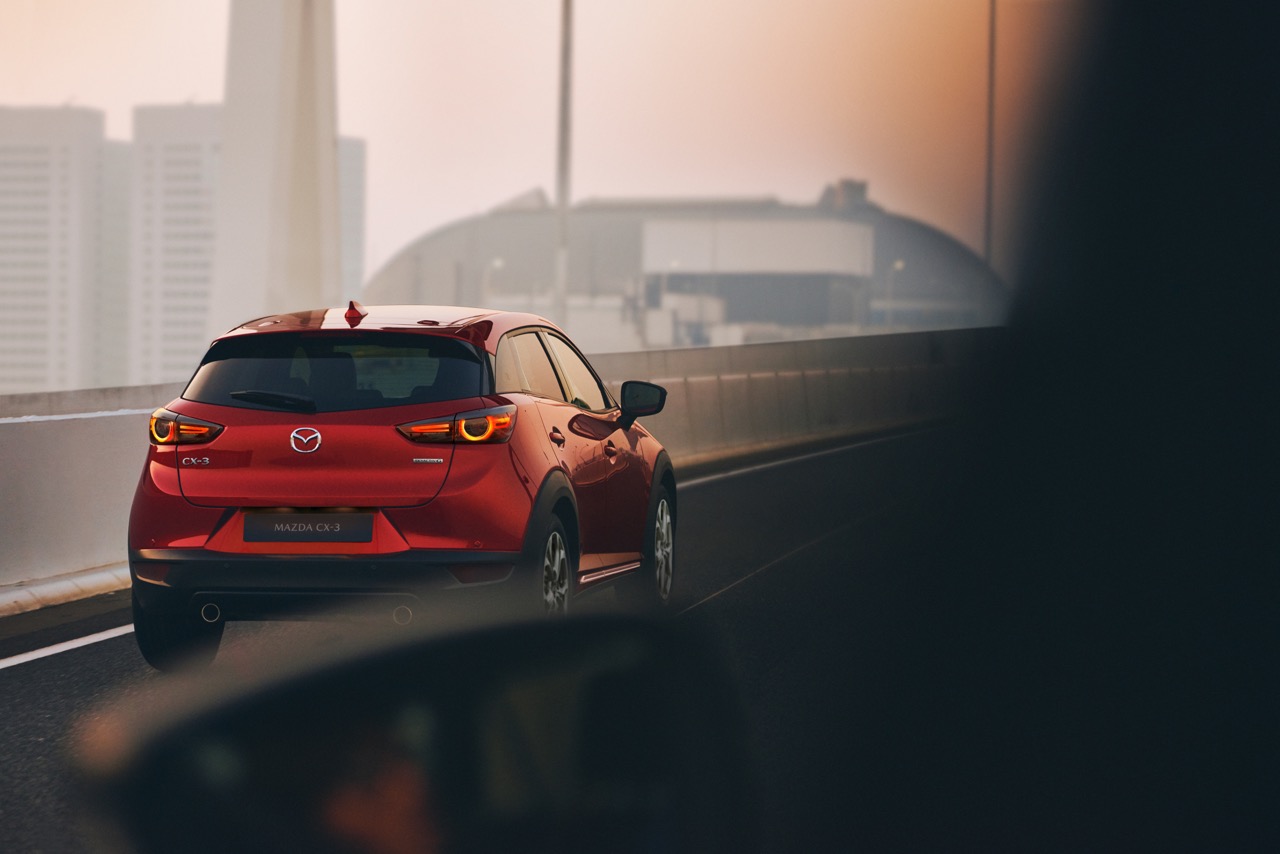
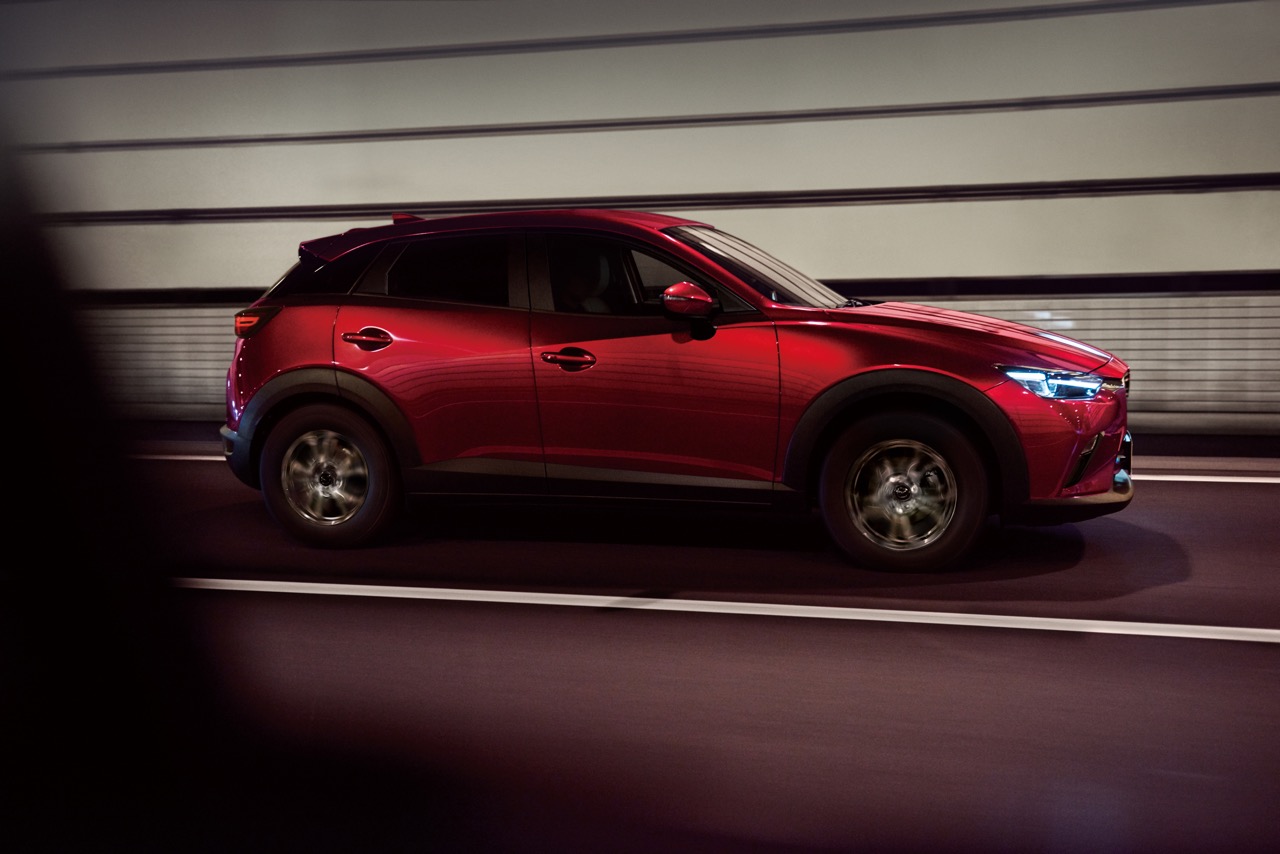
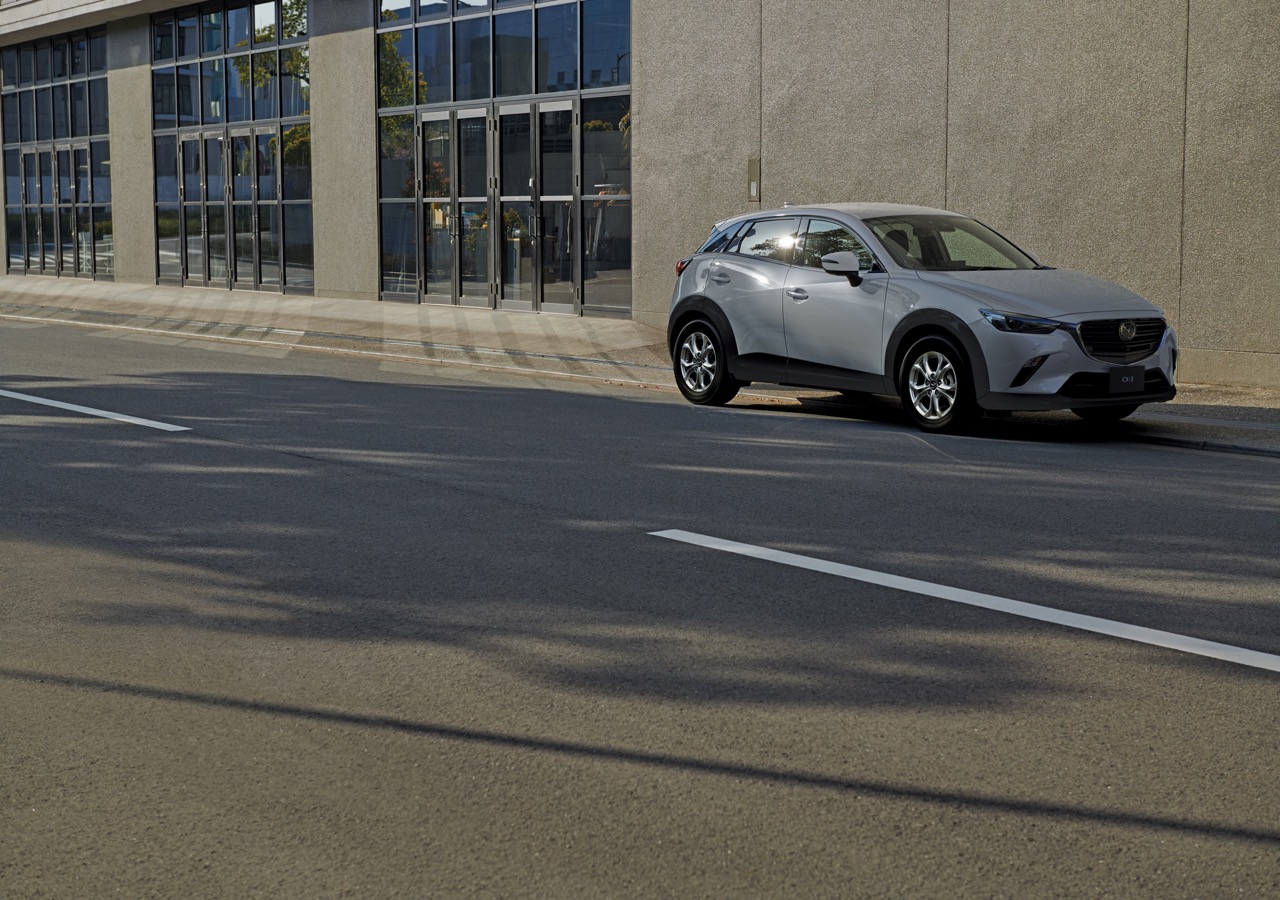
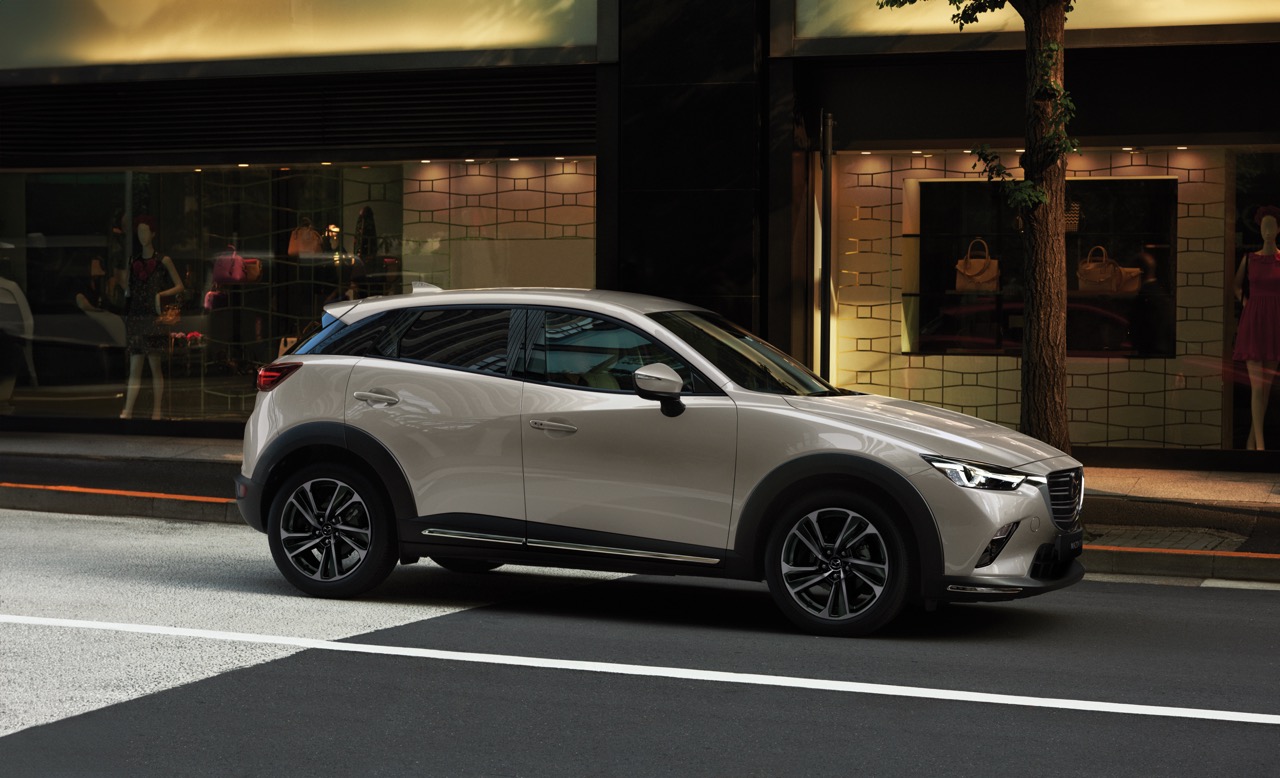
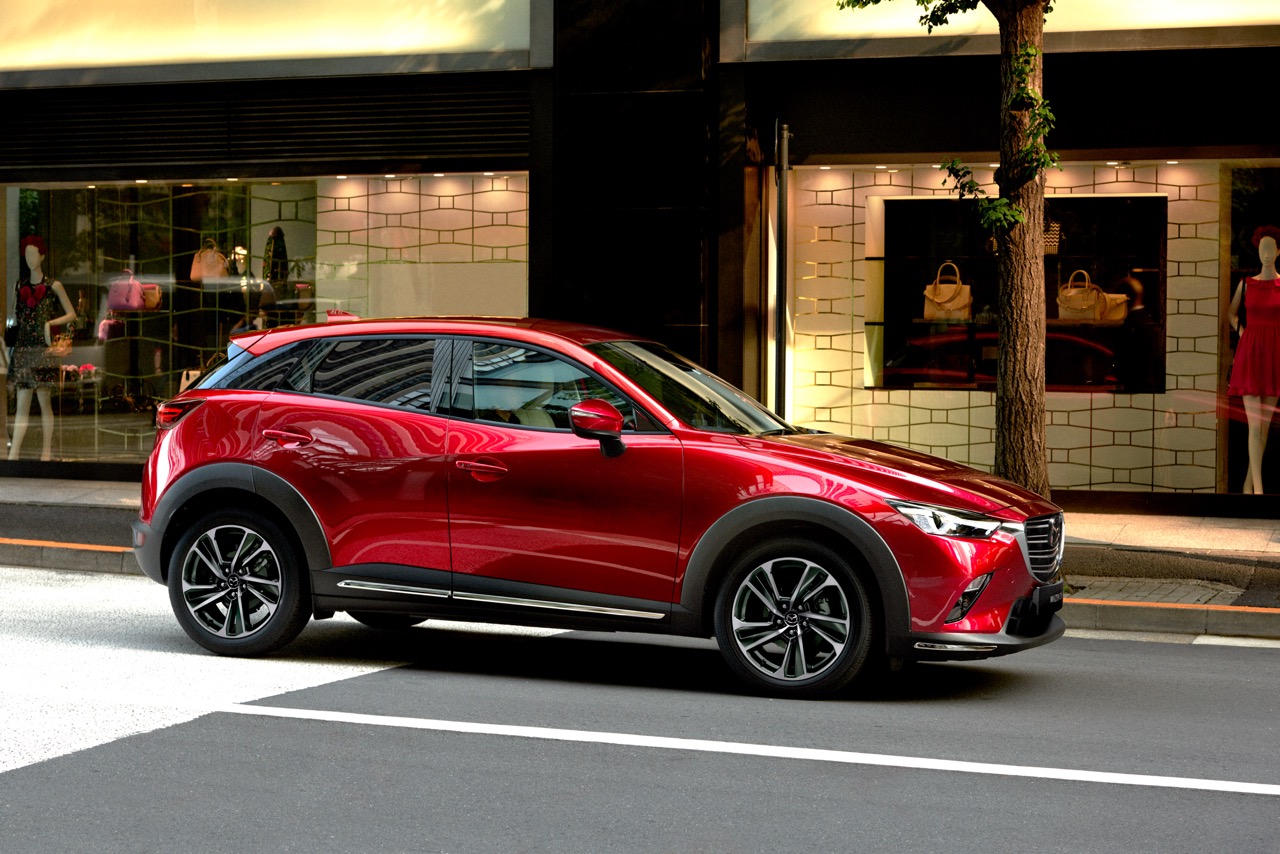
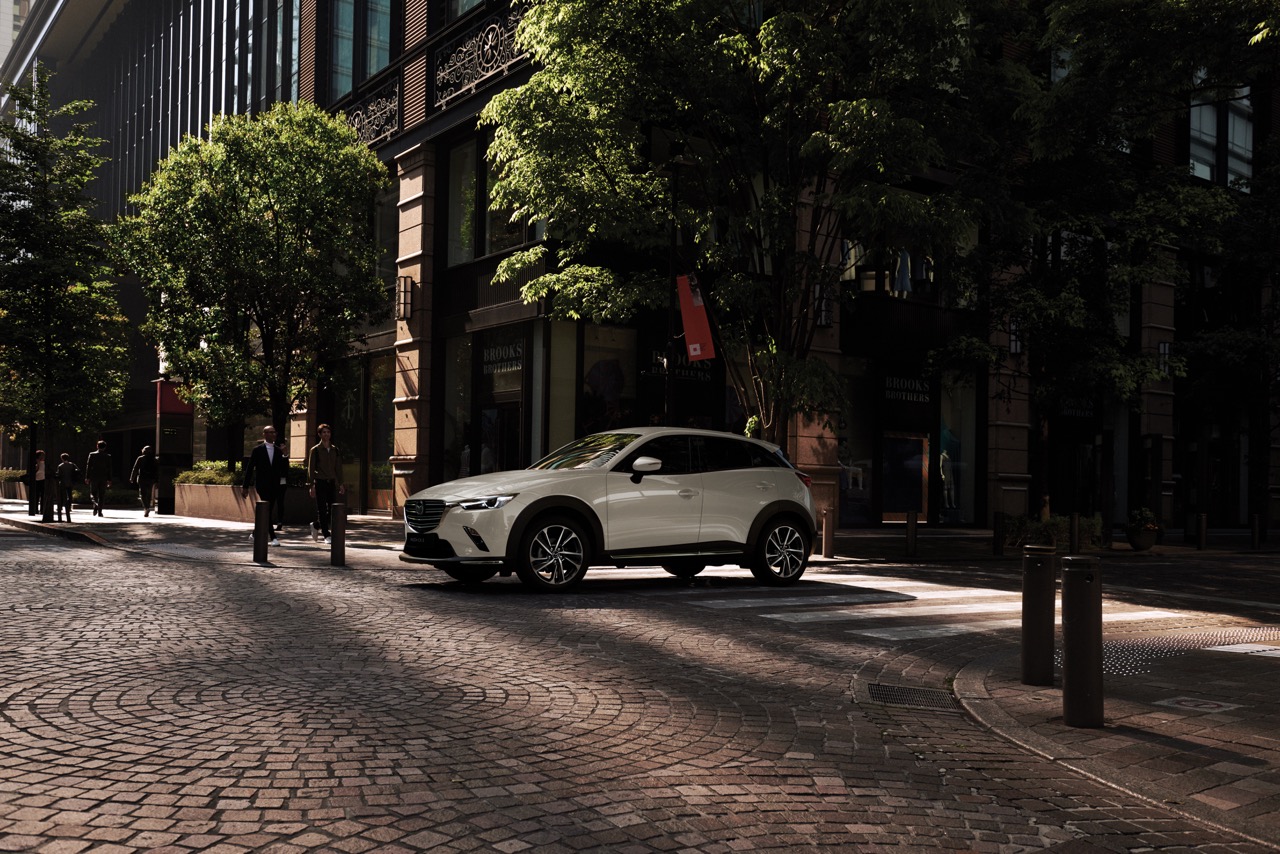
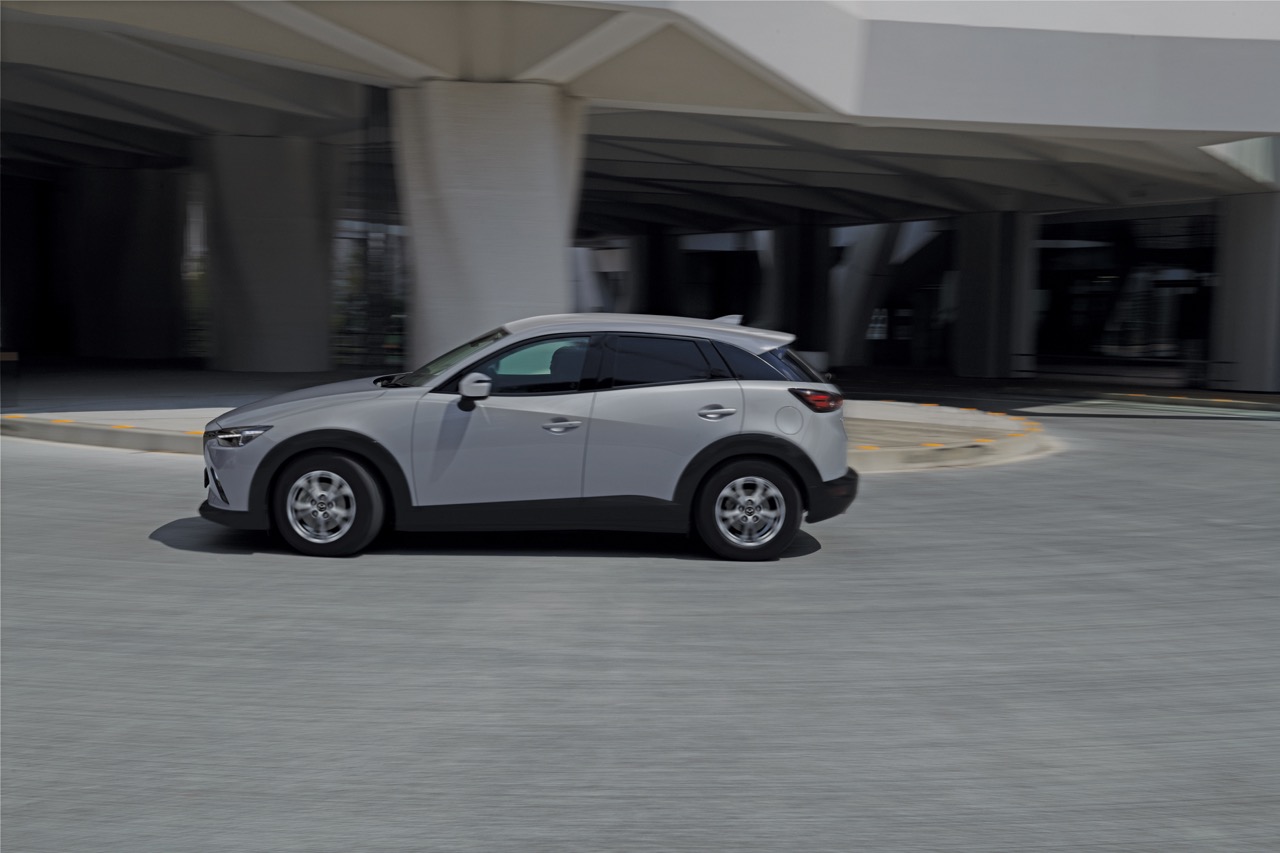
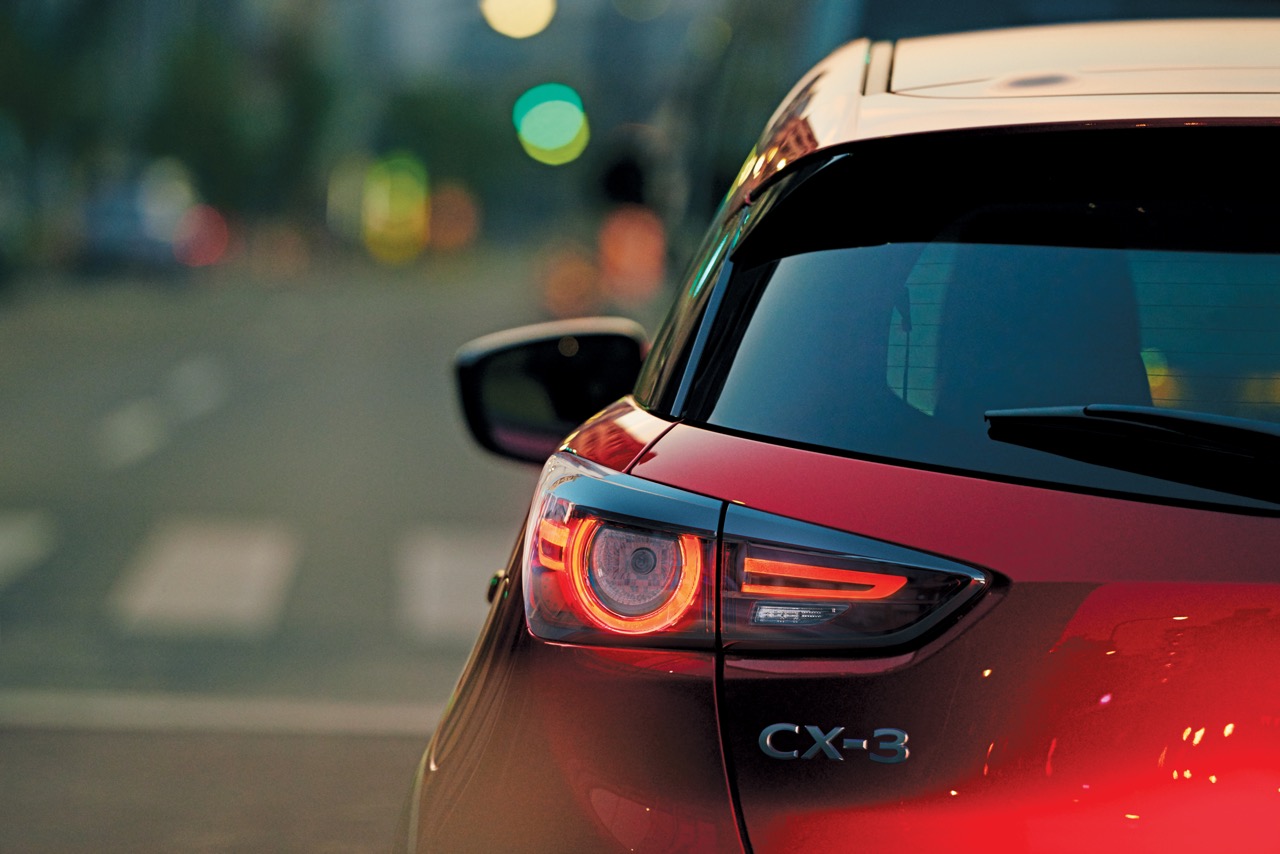
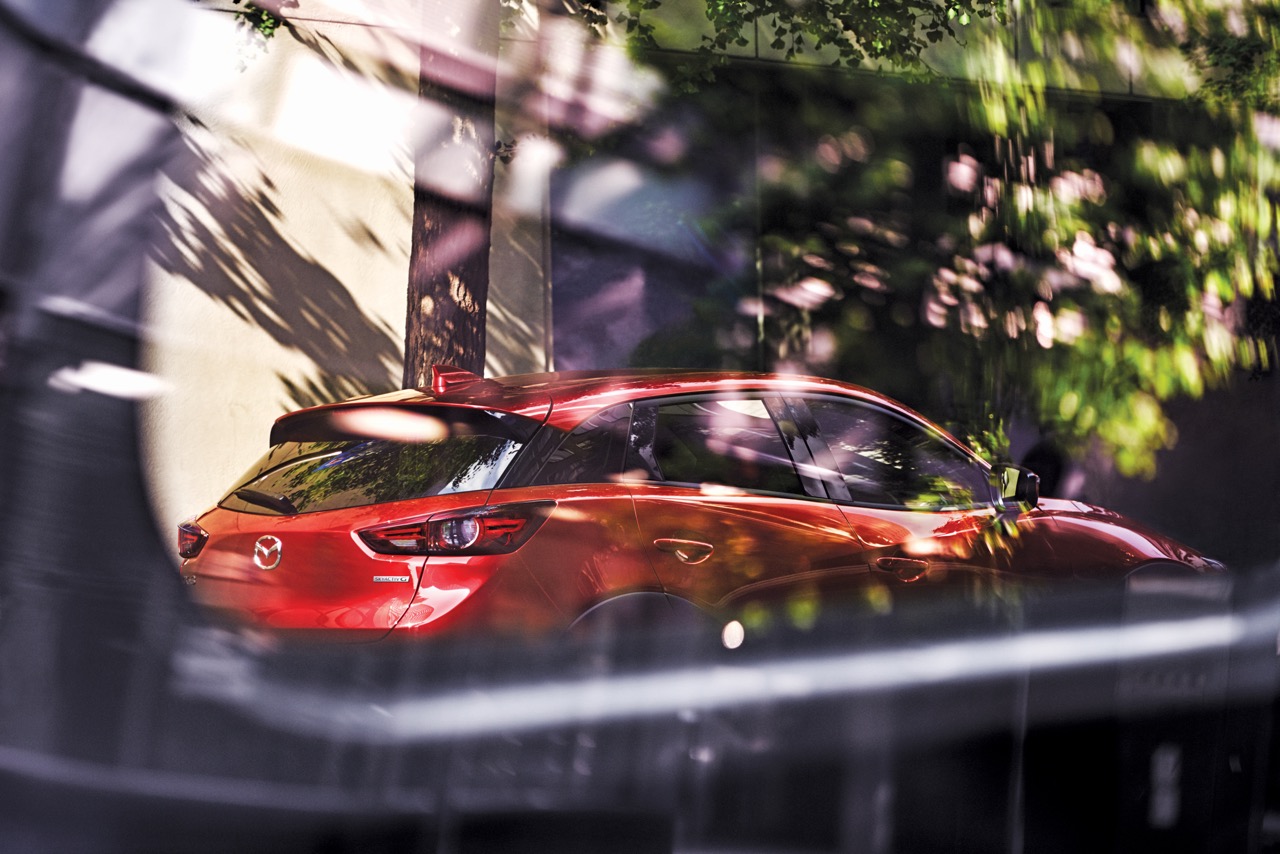
Bermaz Motor telah memperkenalkan rangkaian model Mazda CX-3 yang telah dipertingkatkan, membawa ciri-ciri baru dan pengemaskinian gaya.
Versi CX-3 1.5L Plus dan 2.0L Plus telah ditingkatkan dengan lampu hadapan LED, Lampu Daytime Running LED, Cermin Pandang Luar yang Auto Lipat, dan Sensor Parkir Belakang untuk peningkatan kesedaran semasa memandu. Varian 2.0L High kini menampilkan rim aloi rekaan baru untuk penampilan luaran yang lebih segar.
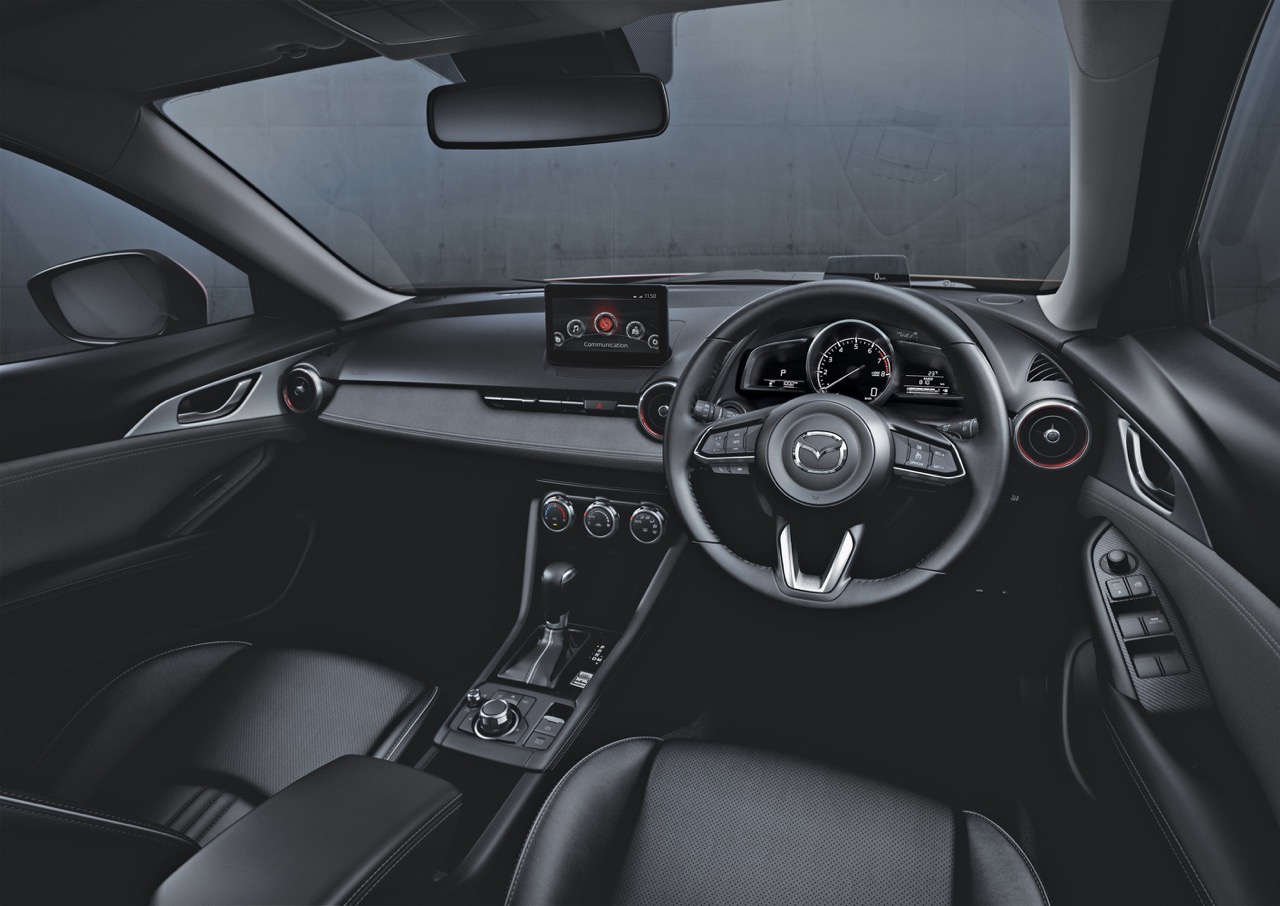
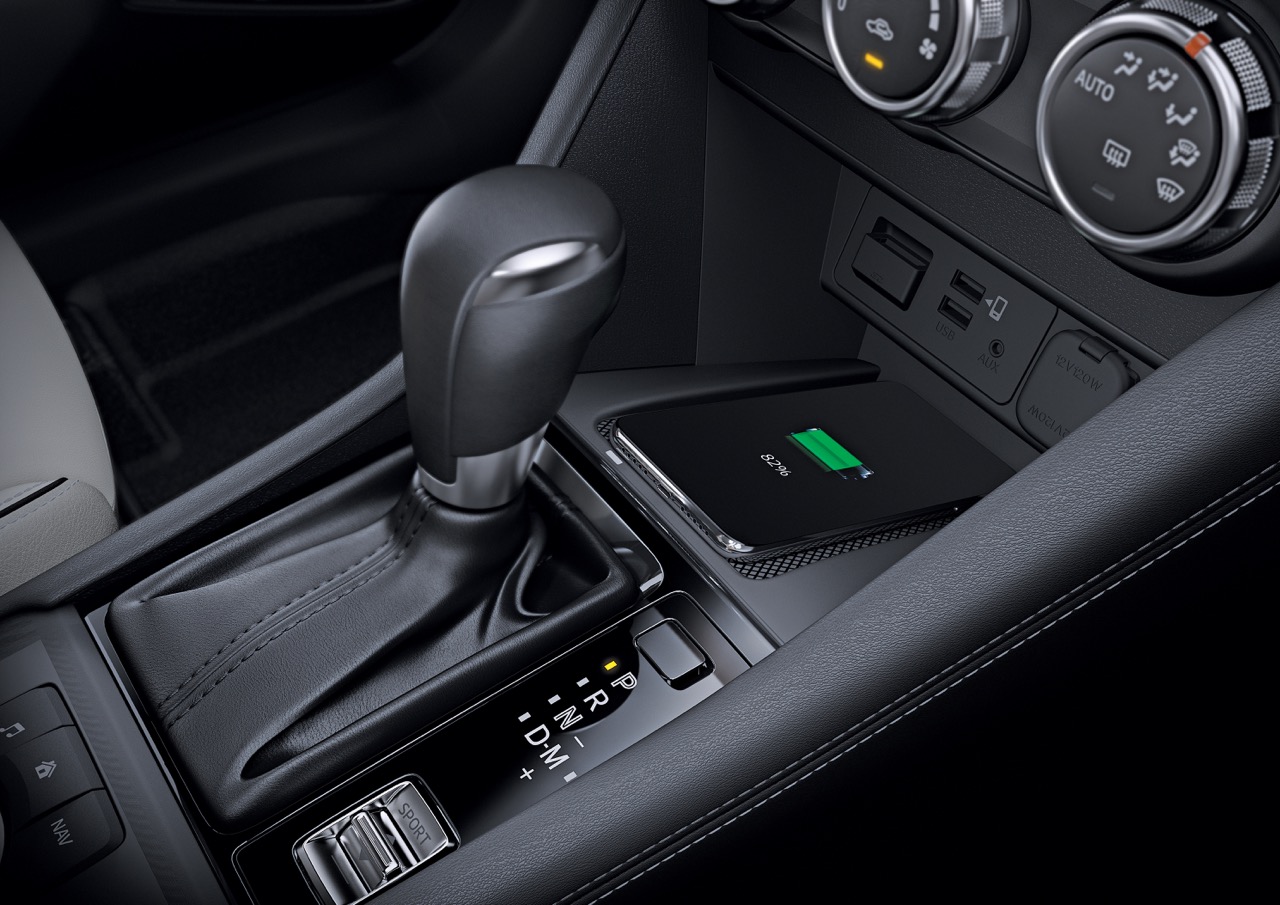
Di dalam kenderaan, penambahbaikan termasuk pemacu paddle dan Apple CarPlay Tanpa Wayar, yang boleh diakses melalui paparan hiburan Mazda Connect 8 inci, menjadikan sambungan lebih lancar.
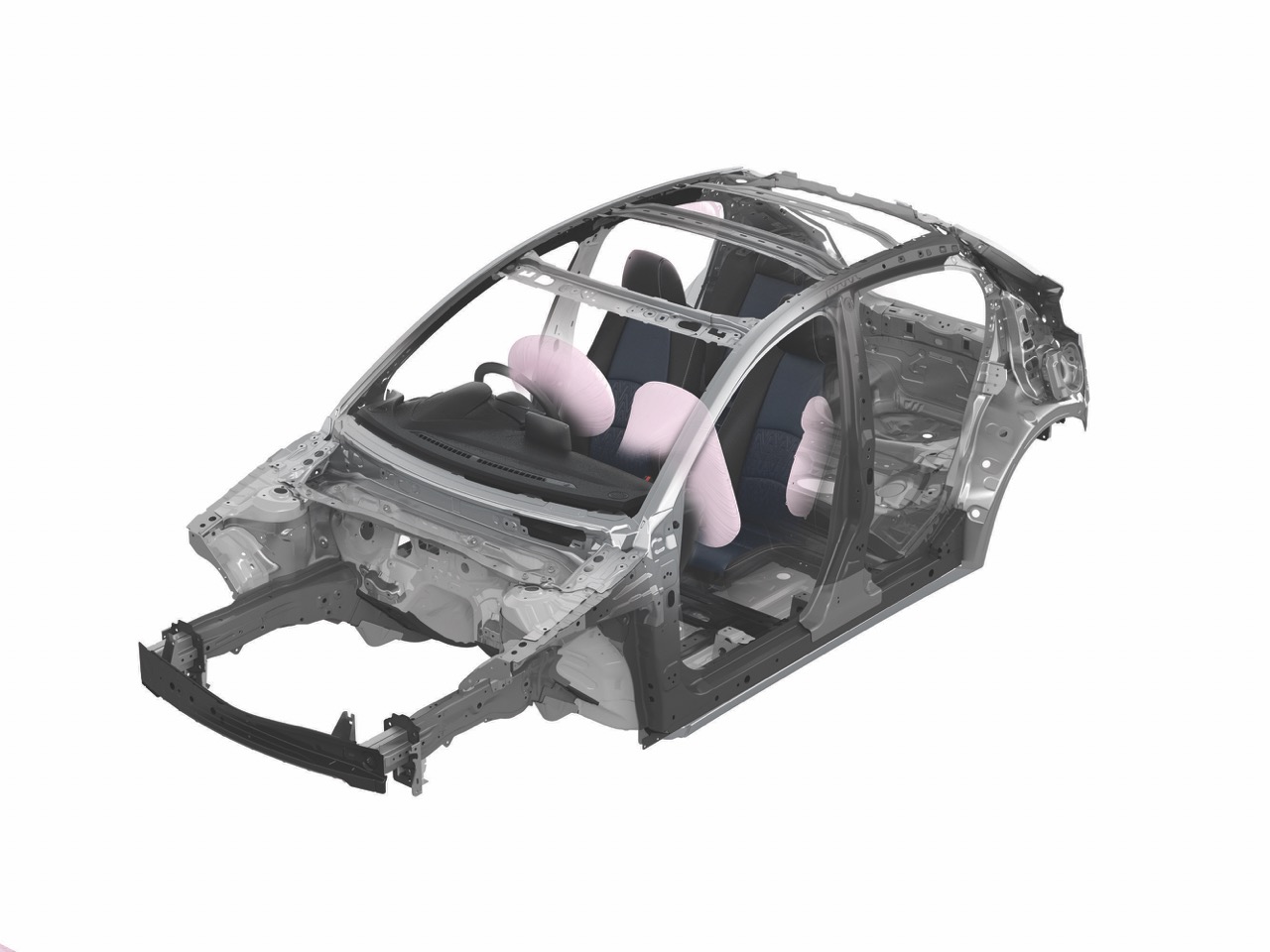
Dari segi keselamatan, model-model CX-3 1.5L Plus dan 2.0L Plus kini dilengkapi dengan empat Airbag SRS tambahan, menjadikan jumlah keseluruhan 6 airbag. Model-model ini turut dilengkapi dengan ciri keselamatan i-Activsense seperti High Beam Control (HBC), Blind Spot Monitoring (BSM), Rear Cross Traffic Alert (RCTA), Lane Departure Warning System (LDWS), dan Smart City Brake Support (SCBS). Ciri-ciri keselamatan ini, yang diperkenalkan dalam varian Mazda CX-3 2.0L High 2022, meningkatkan keselamatan pemandu dan penumpang.
Pilihan warna untuk Mazda CX-3 kini termasuk Aero Gray yang baru ditambah, memperluas jumlah pilihan warna kepada tujuh. Model-model ini boleh didapati dalam Snowflake White Pearl, Jet Black, Machine Gray, Polymetal Gray, Soul Red Crystal, dan Platinum Quartz (eksklusif untuk varian 2.0L High).
Mazda CX-3 baru ini dibawa masuk dari Thailand dan bermula pada harga RM115,720.00. Tempahan untuk model yang diperkemaskinikan kini dibuka, dan kenderaan ini dilengkapi dengan Jaminan Pengeluar 5 tahun dan Penyelenggaraan Percuma 5 tahun (kecuali BT-50) mengikut standard pengeluar, termasuk buruh, bahagian, dan pelincir. Kedua-dua Jaminan Pengeluar dan Penyelenggaraan Percuma berlangsung selama lima tahun atau 100,000km, bergantung kepada yang mana yang tercapai lebih dahulu.
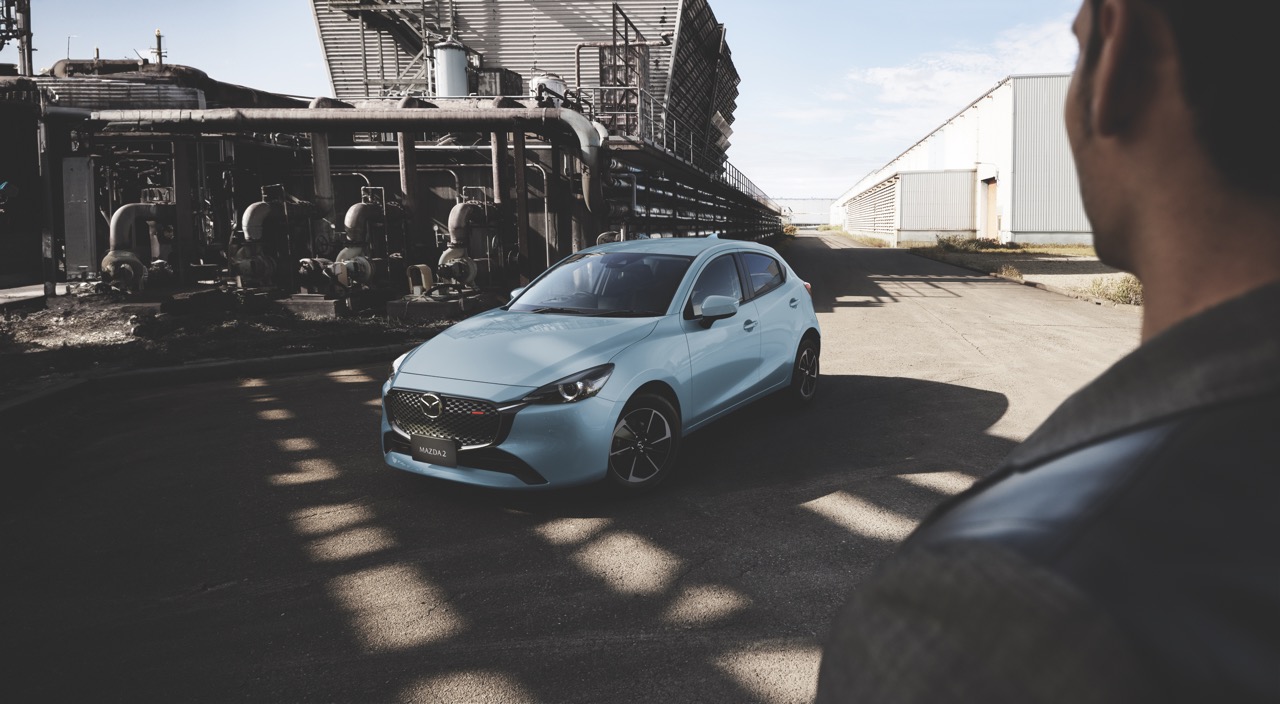
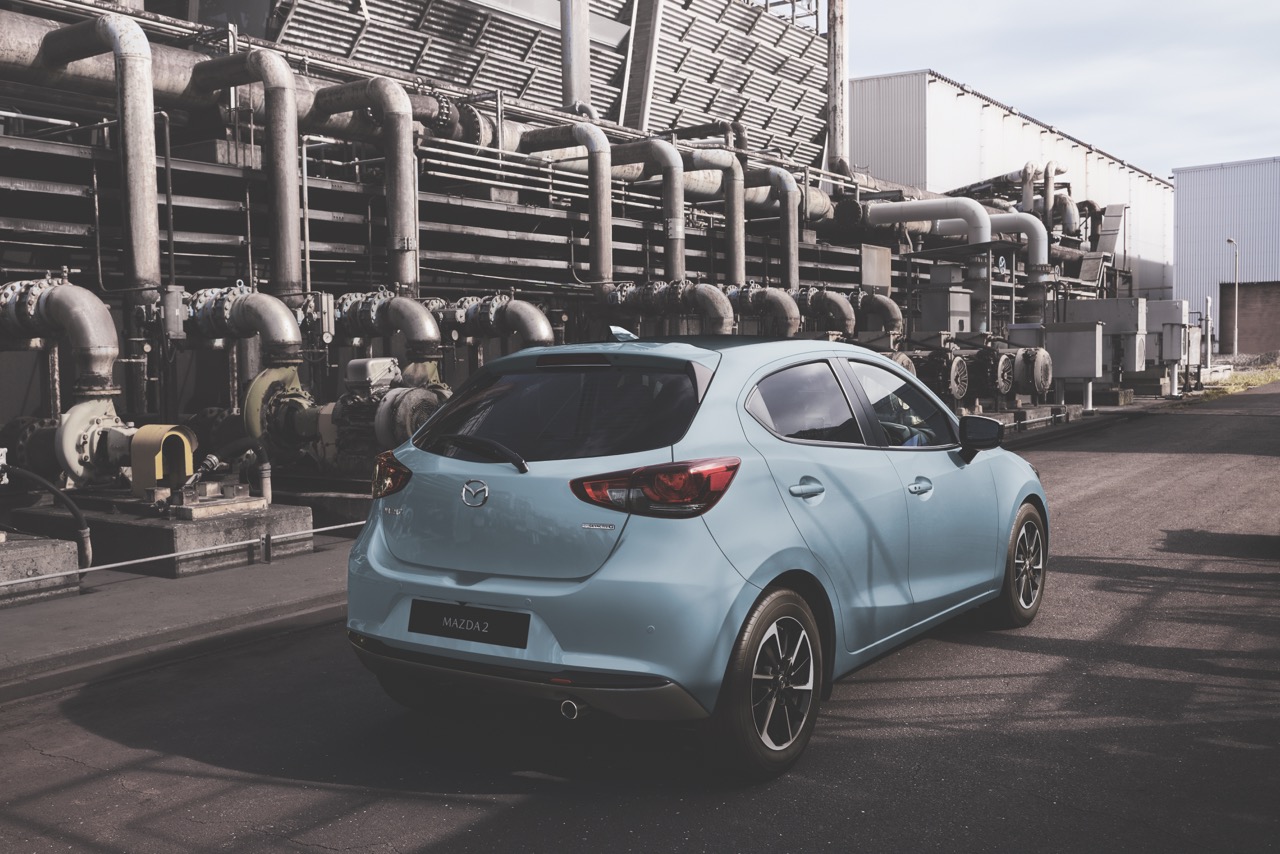
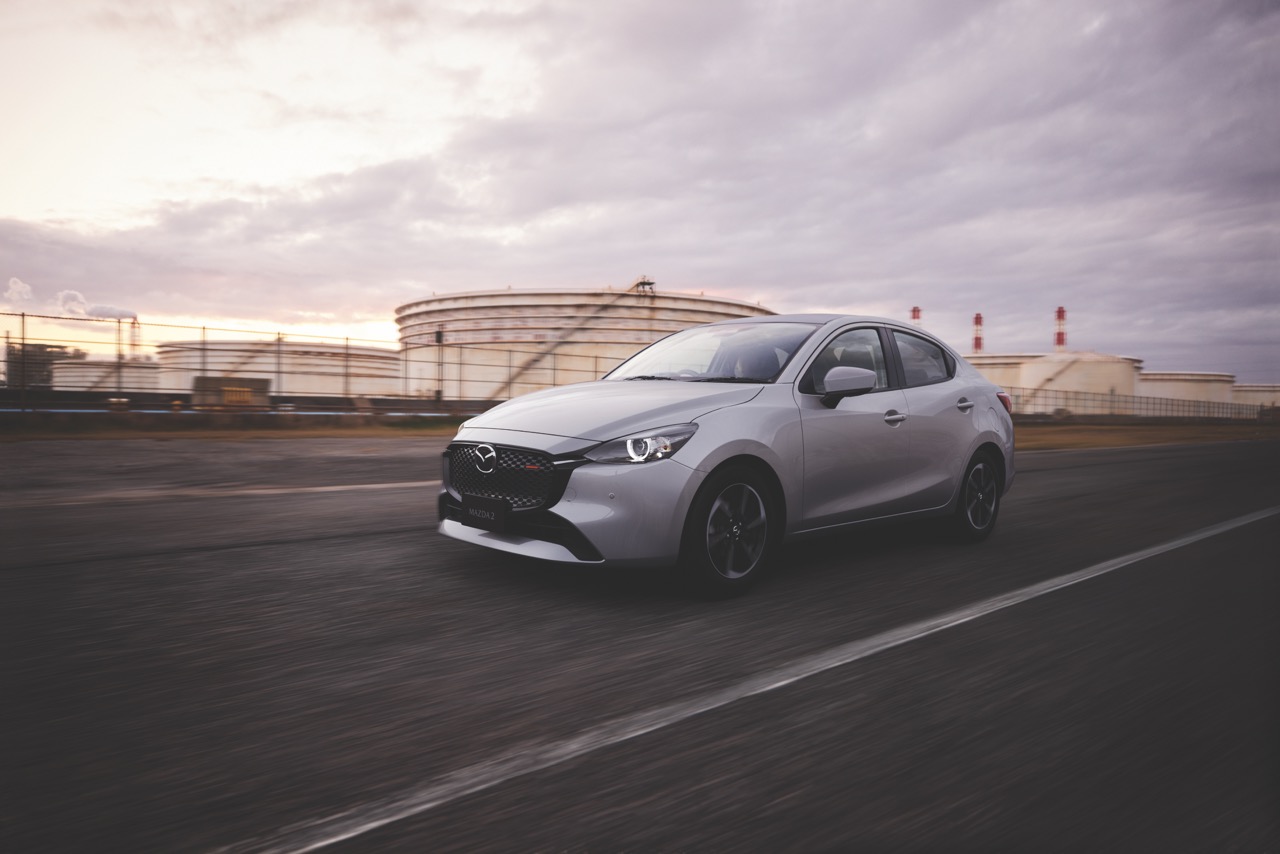
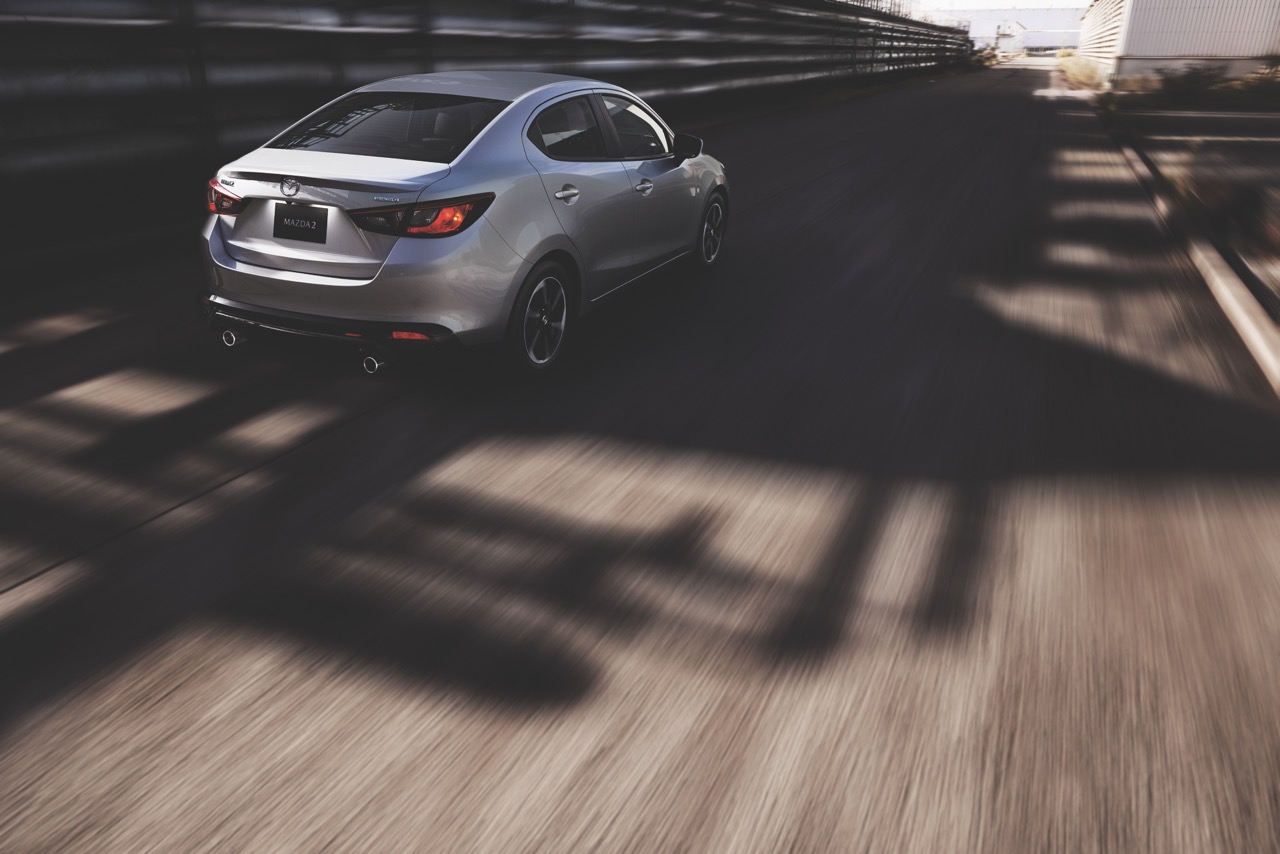
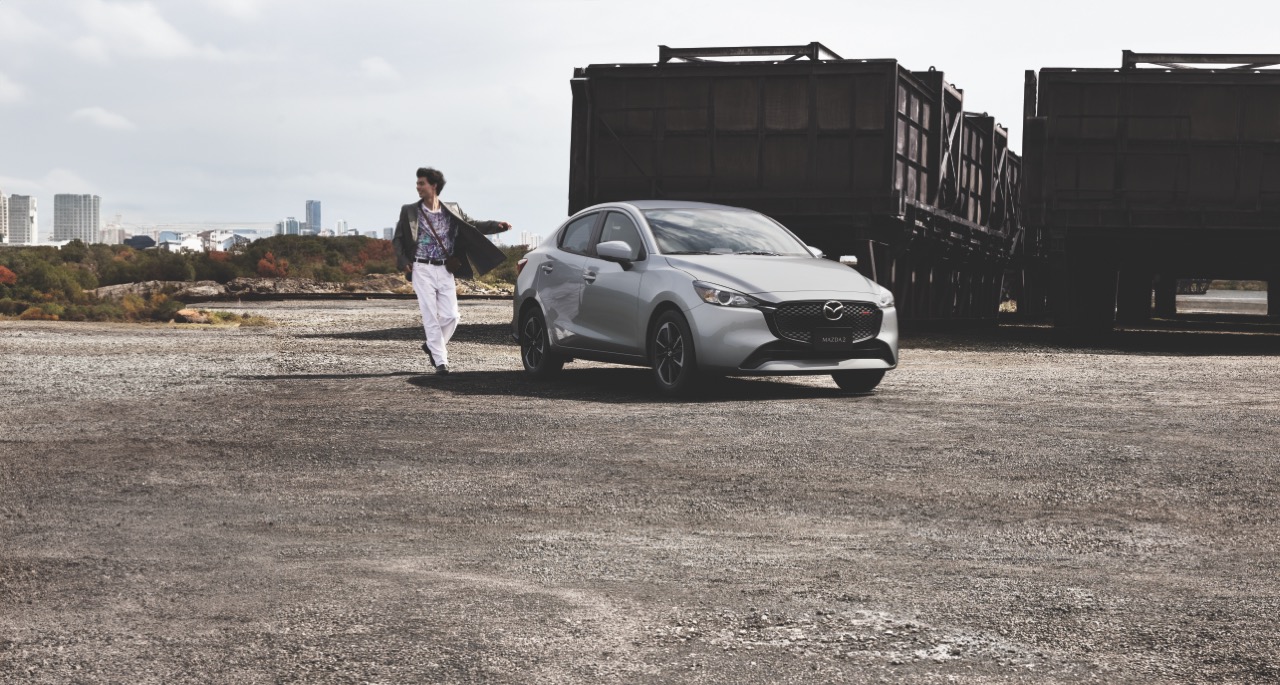
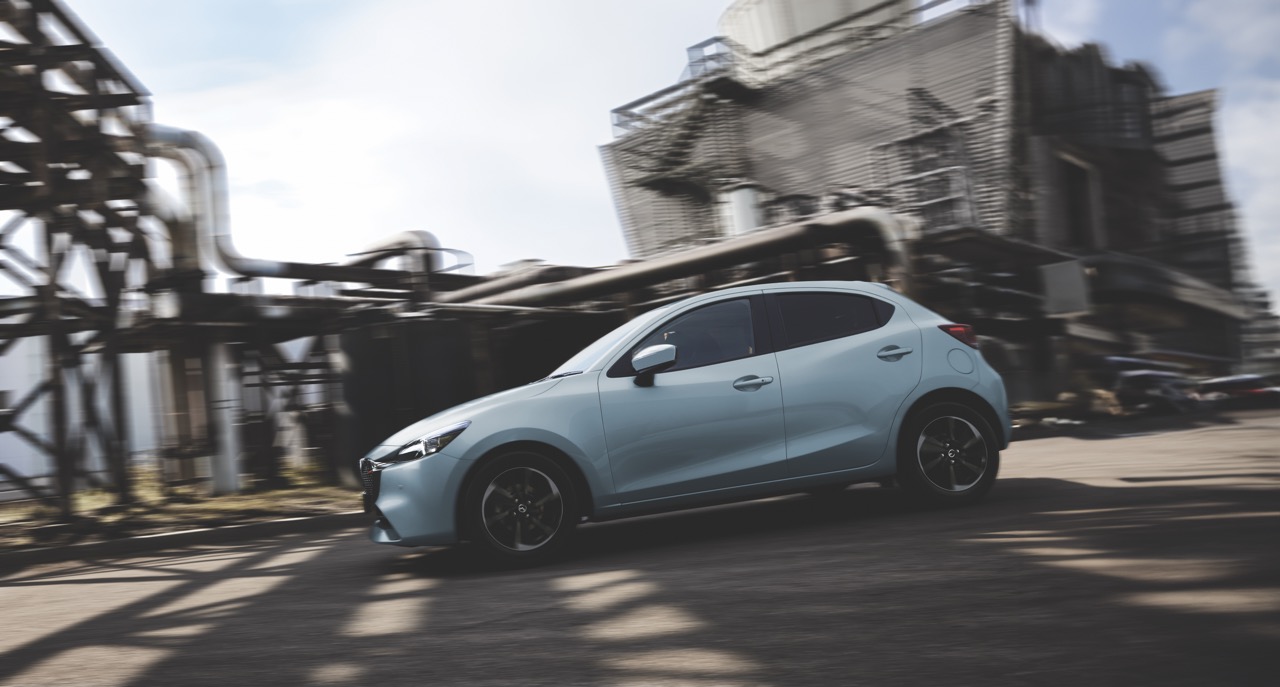
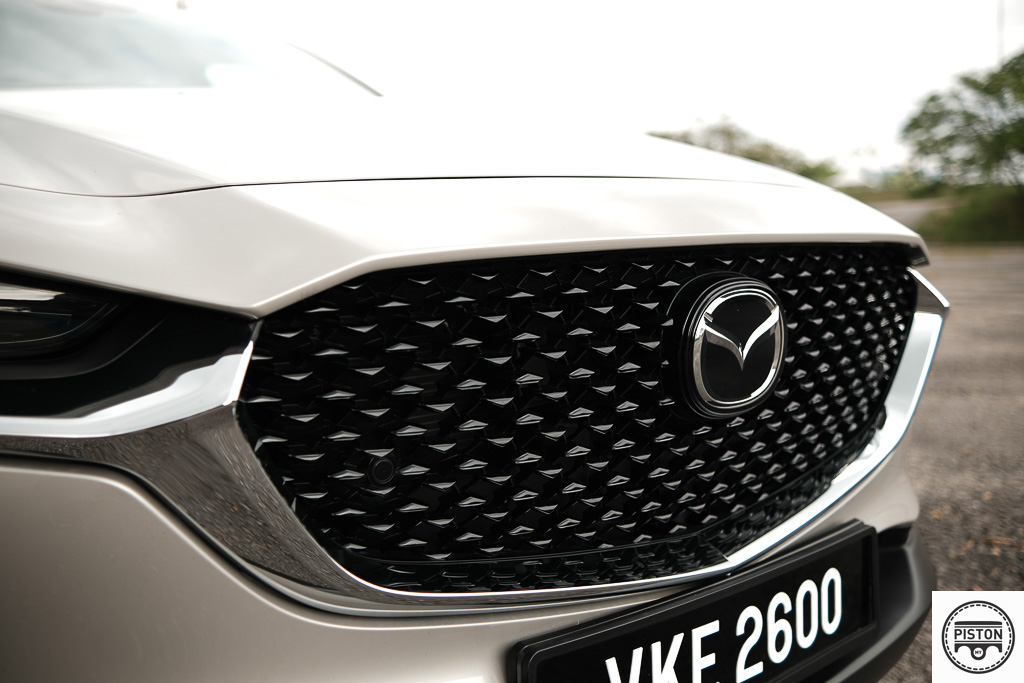
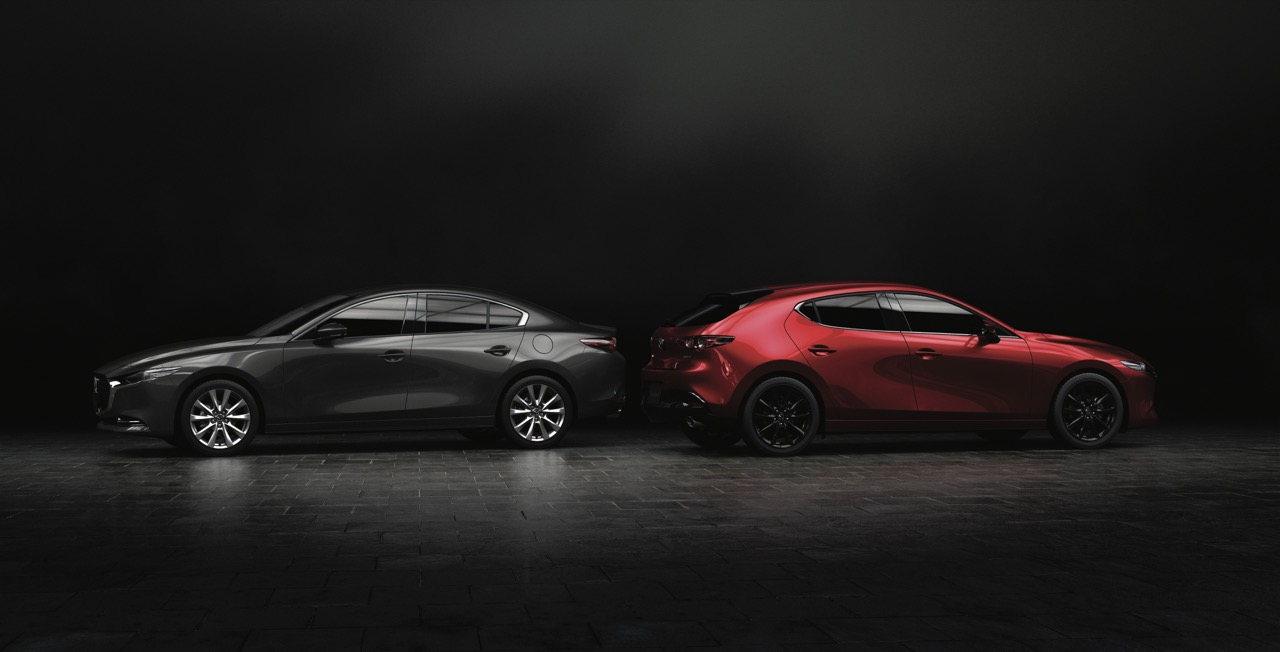
Bermaz Motor has introduced an upgraded lineup of Mazda2 models, showcasing a fusion of enhanced features and stylish design. Drawing inspiration from the Evolved Kodo: Soul of Motion design theme, the Mazda2 exudes confidence, style, and quality from every angle. The car features a redesigned front grille, incorporating Mazda’s signature wing, imparting an elegant and sporty aesthetic.
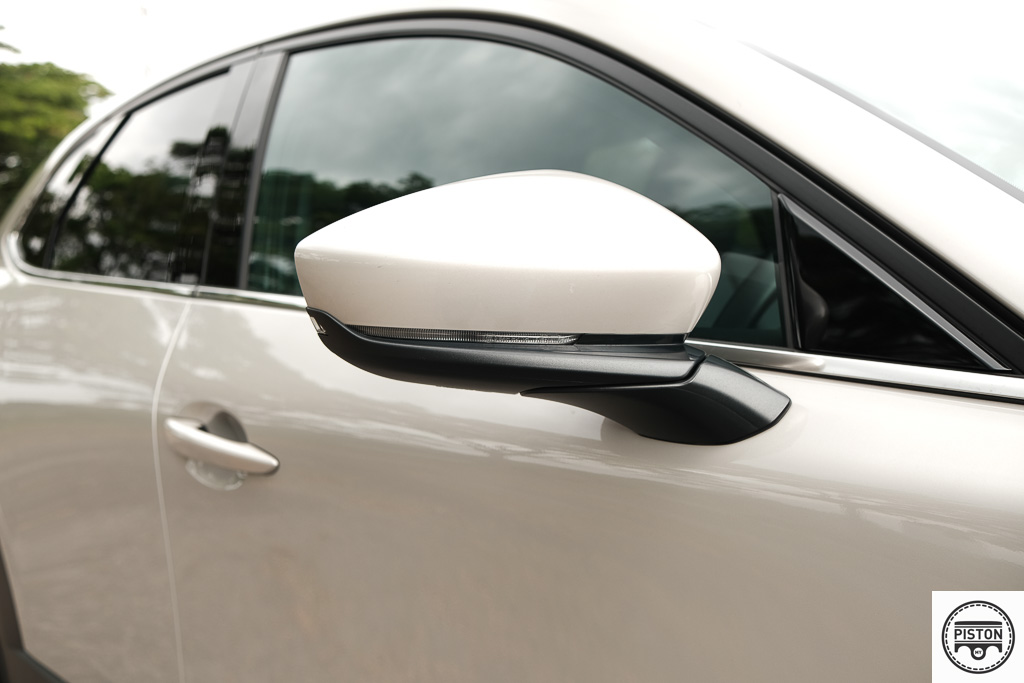
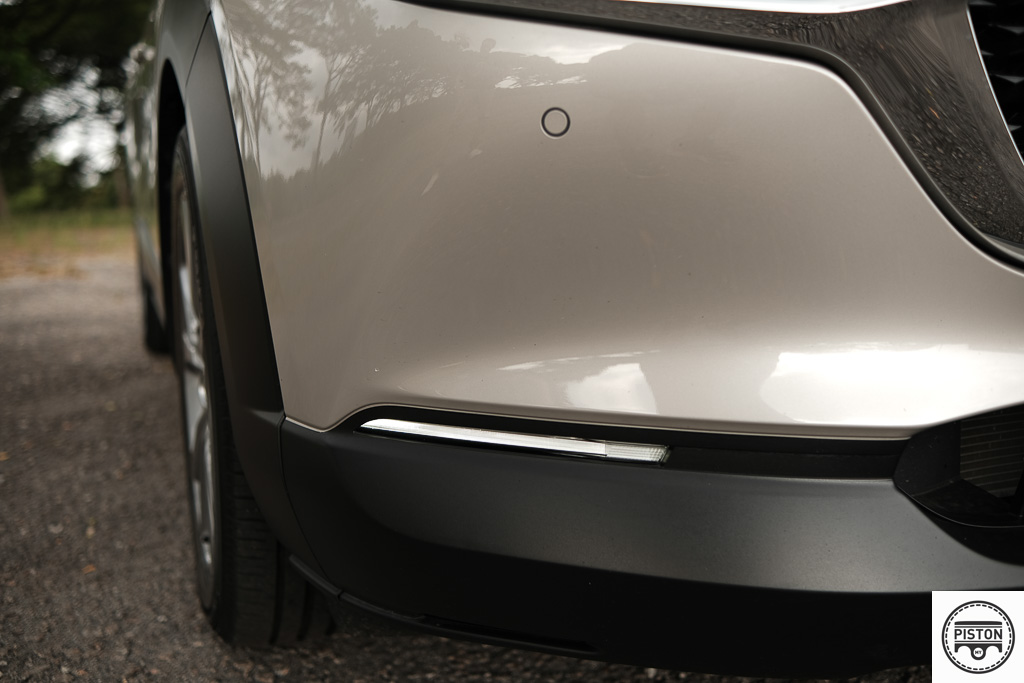
The exterior enhancements include a black honeycomb grille with a red accent and a sleek bumper design. Complemented by 16-inch Black and chrome Alloy wheels, the Mazda2 exhibits a sporty and contrasting appearance. The car incorporates convenient features such as Front Headlights with Auto On/Off function, Rain Sensing Windshield Wipers, and Autofold Outer Rearview Mirrors.
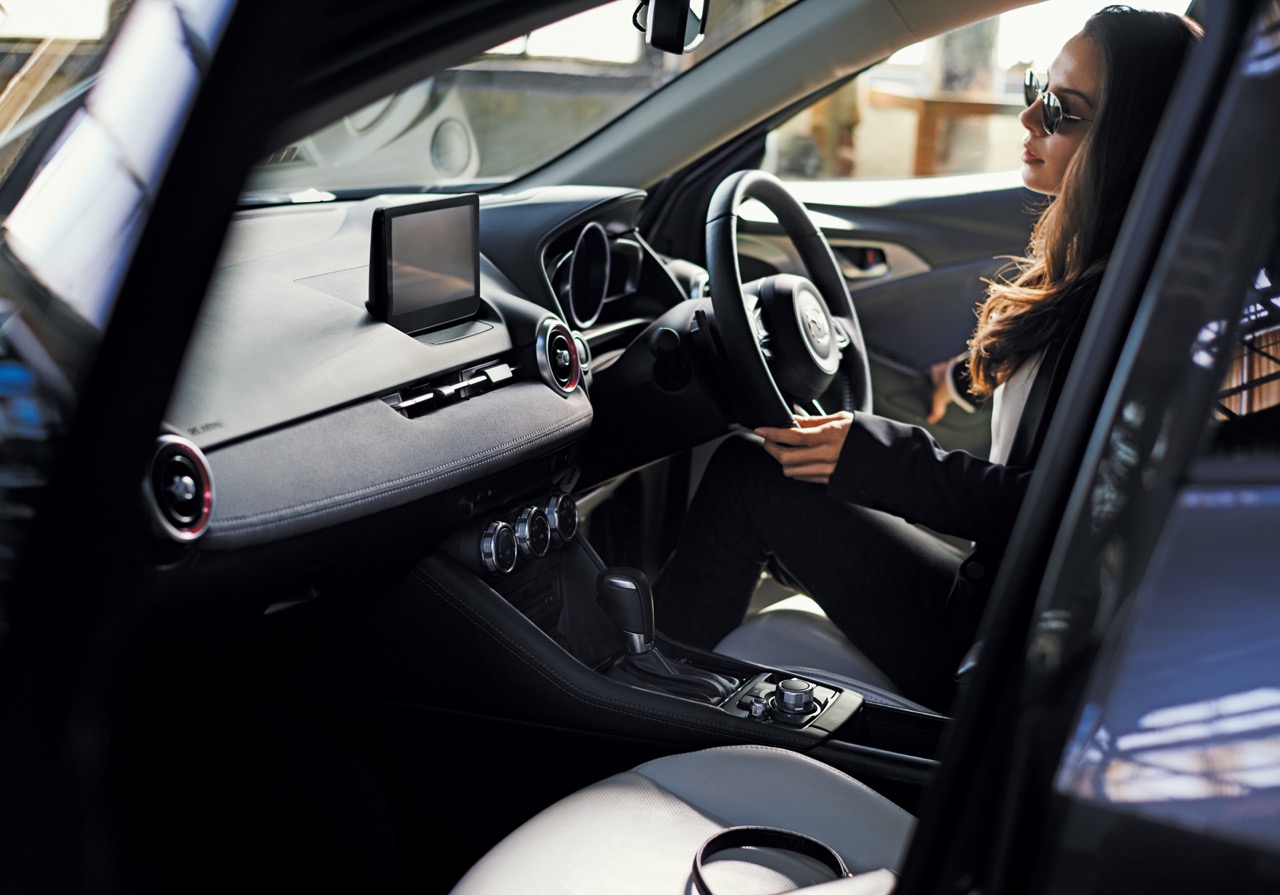
Moving to the interior, the Mazda2 now boasts an Auto-Dimming Rear View Mirror, effectively reducing glare from headlights at the rear. The inclusion of Cruise Control functionality allows the driver to effortlessly maintain a preset speed without continuous accelerator use. The interior receives a touch of sophistication with black dashboard trims and Black Leatherette and suede seats adorned with Red Stitching.
Continuing its driver-centric approach, Mazda2 1.5L High Sedan and Hatchback models retain essential features like front LED headlamps and seamless Apple Carplay and Android Auto compatibility accessible through the 7-inch Infotainment System. The car prioritises safety with the inclusion of i-Activsense advanced driver-assist systems.
The Mazda2 lineup offers a vibrant color palette, including timeless options like Snowflake White Pearl and Soul Red Crystal, along with Platinum Quartz, Polymetal Gray (Hatchback variant only), AirStream Blue (Hatchback variant only), and the newly introduced Aero Gray (Sedan variant only).
Sourced as Completely Built-Up (CBU) from Thailand, the Mazda2 starts at an attractive price point of RM 108,670. The car is now open for bookings, accompanied by a robust 5-year Manufacturer’s Warranty and 5-year Free Maintenance, covering labor, parts, and lubricants for five years or 100,000km, providing customers with peace of mind.
The enhanced Mazda2 lineup aims to deliver a refined driving experience, seamlessly blending style, comfort, and advanced technology for discerning customers.
MAZDA2 1.5L SEDAN / HATCHBACK
RM 108,670.00
MAZDA2 1.5L SEDAN / HATCHBACK (SOUL RED CRYSTAL ONLY)
Bermaz Motor has unveiled an upgraded lineup of Mazda CX-3 models, introducing new features and styling enhancements.
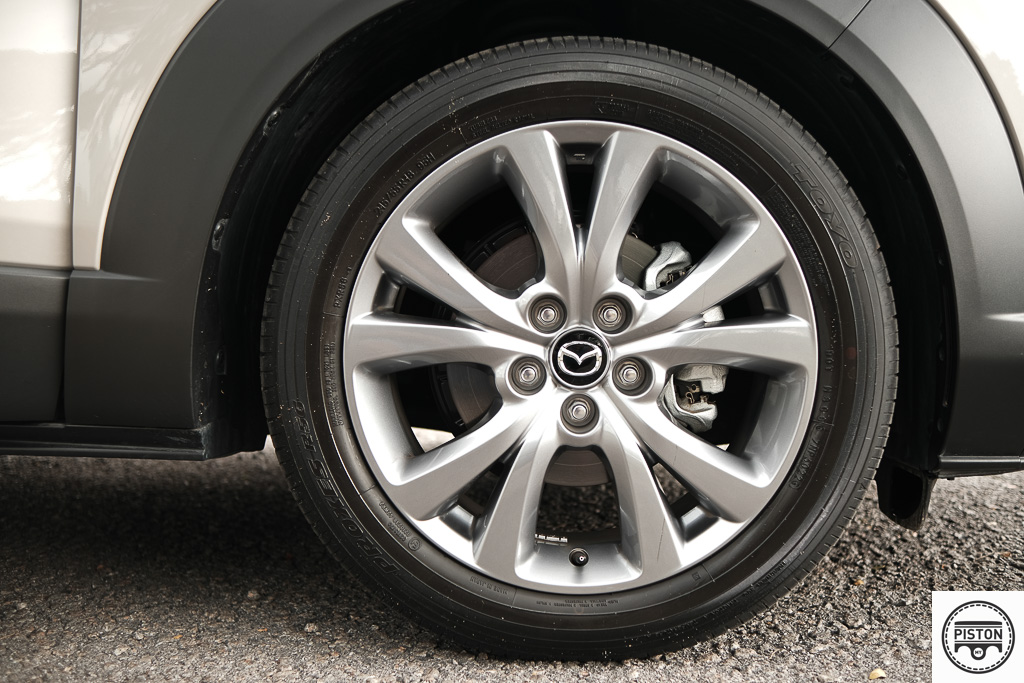
The CX-3 1.5L Plus and 2.0L Plus variants showcase improvements, including LED headlights, LED Daytime Running Lights, Autofold Outer Rearview Mirrors, and Rear Parking Sensors to enhance driver awareness. The 2.0L High variant boasts new design alloy wheels for a refreshed exterior look.
Interior upgrades feature paddle shifters and Wireless Apple CarPlay, accessible through the 8-inch Mazda Connect infotainment display, enhancing connectivity.
In terms of safety, the CX-3 1.5L Plus and 2.0L Plus variants now come equipped with four additional SRS Airbags, bringing the total to 6 airbags. These models also incorporate i-Activsense safety features, including High Beam Control (HBC), Blind Spot Monitoring (BSM), Rear Cross Traffic Alert (RCTA), Lane Departure Warning System (LDWS), and Smart City Brake Support (SCBS). Previously introduced in the 2022 Mazda CX-3 2.0L High variant, these safety features contribute to an enhanced safety profile for drivers and passengers alike.
Additionally, the color palette for the Mazda CX-3 includes a newly added Aero Gray, expanding the total color options to seven. The models are available in Snowflake White Pearl, Jet Black, Machine Gray, Polymetal Gray, Soul Red Crystal, and Platinum Quartz (exclusive to the 2.0L High variant).
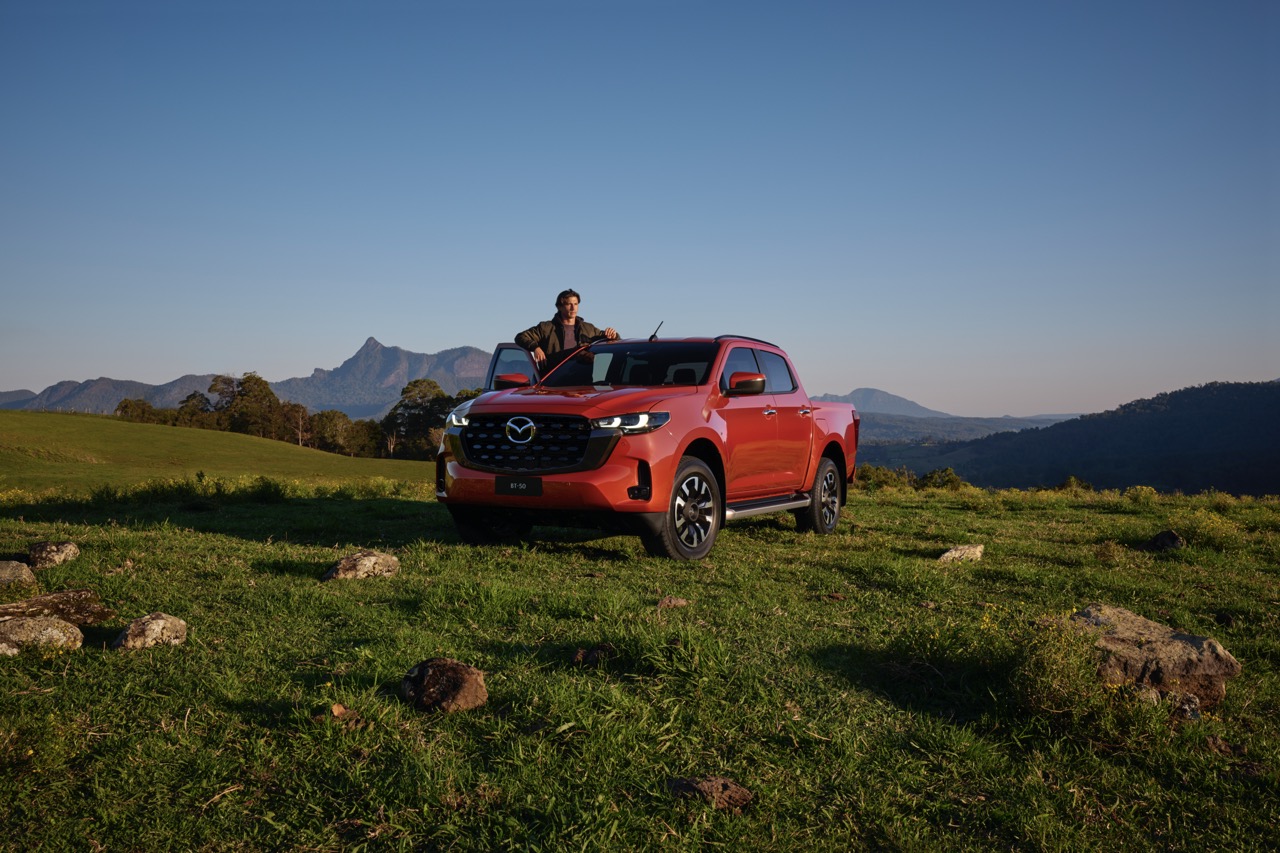
The New Mazda CX-3 is sourced from Thailand and is priced starting from RM 115,720.00. Bookings for the upgraded models are officially open, and the vehicles come with a 5-year Manufacturer’s Warranty and 5-year Free Maintenance (except BT-50) according to the manufacturer’s standards, inclusive of labor, parts, and lubricants. Both the Manufacturer Warranty and Free Maintenance have a coverage period of five years or 100,000km, whichever comes first.
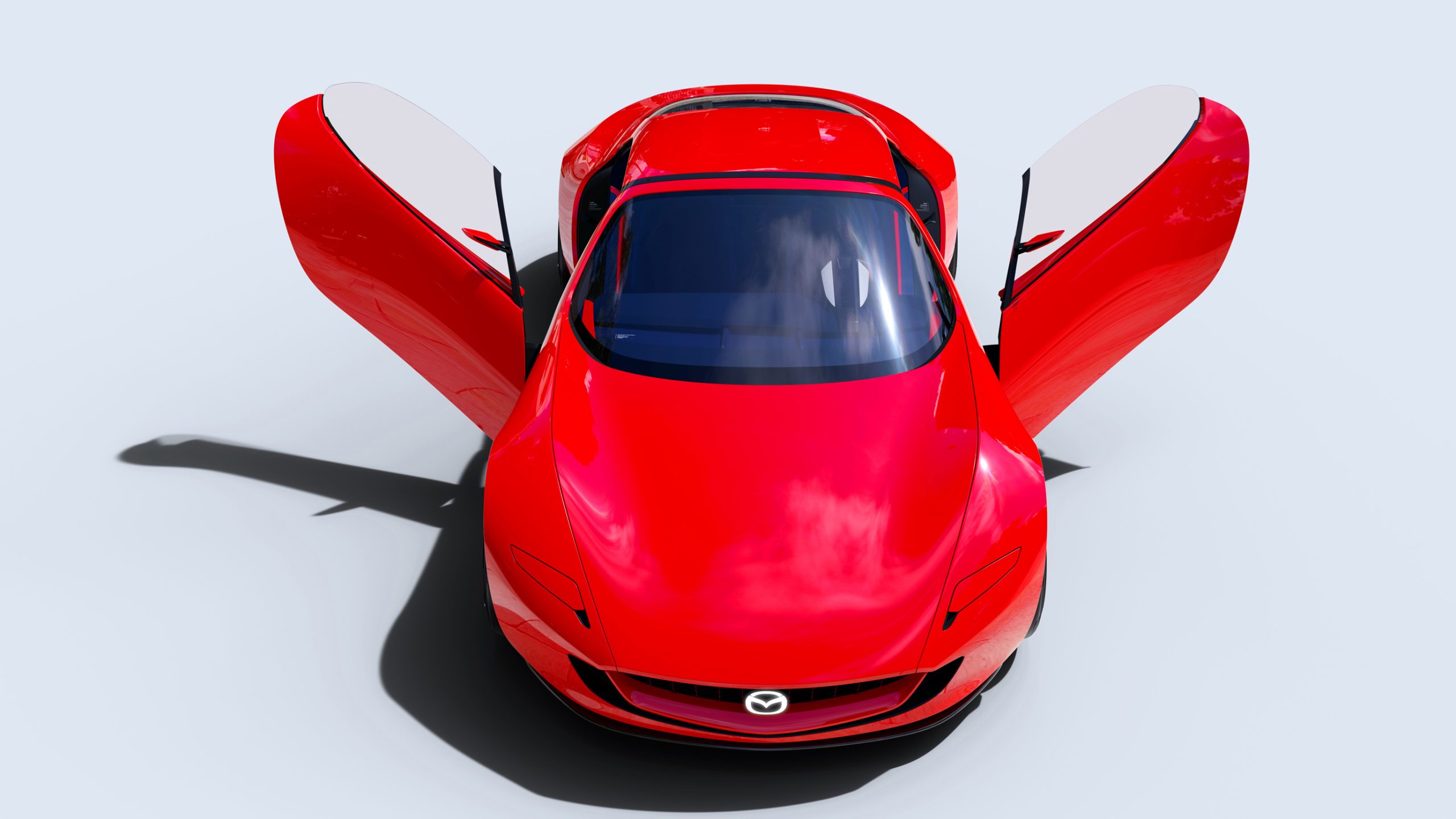
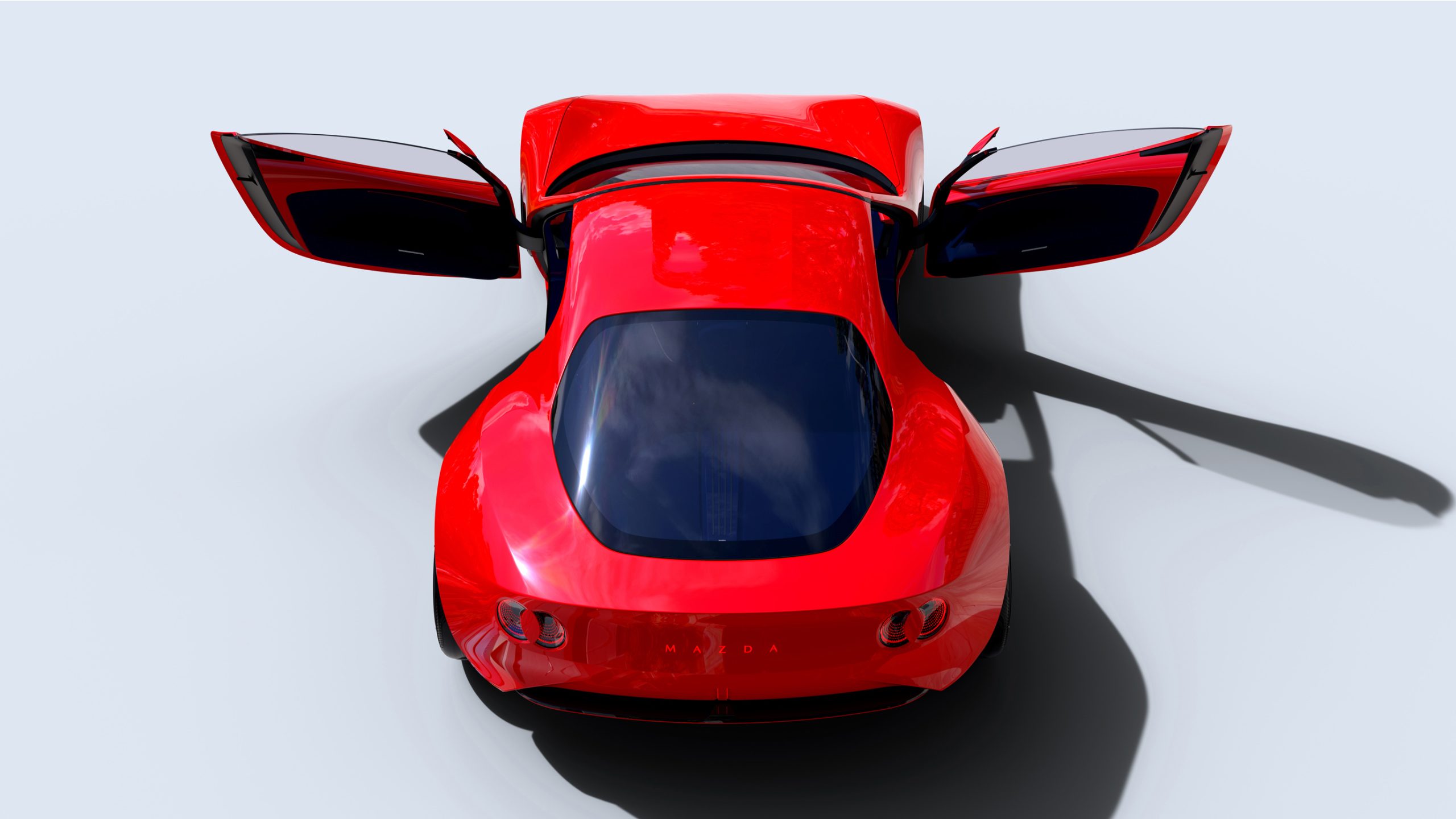
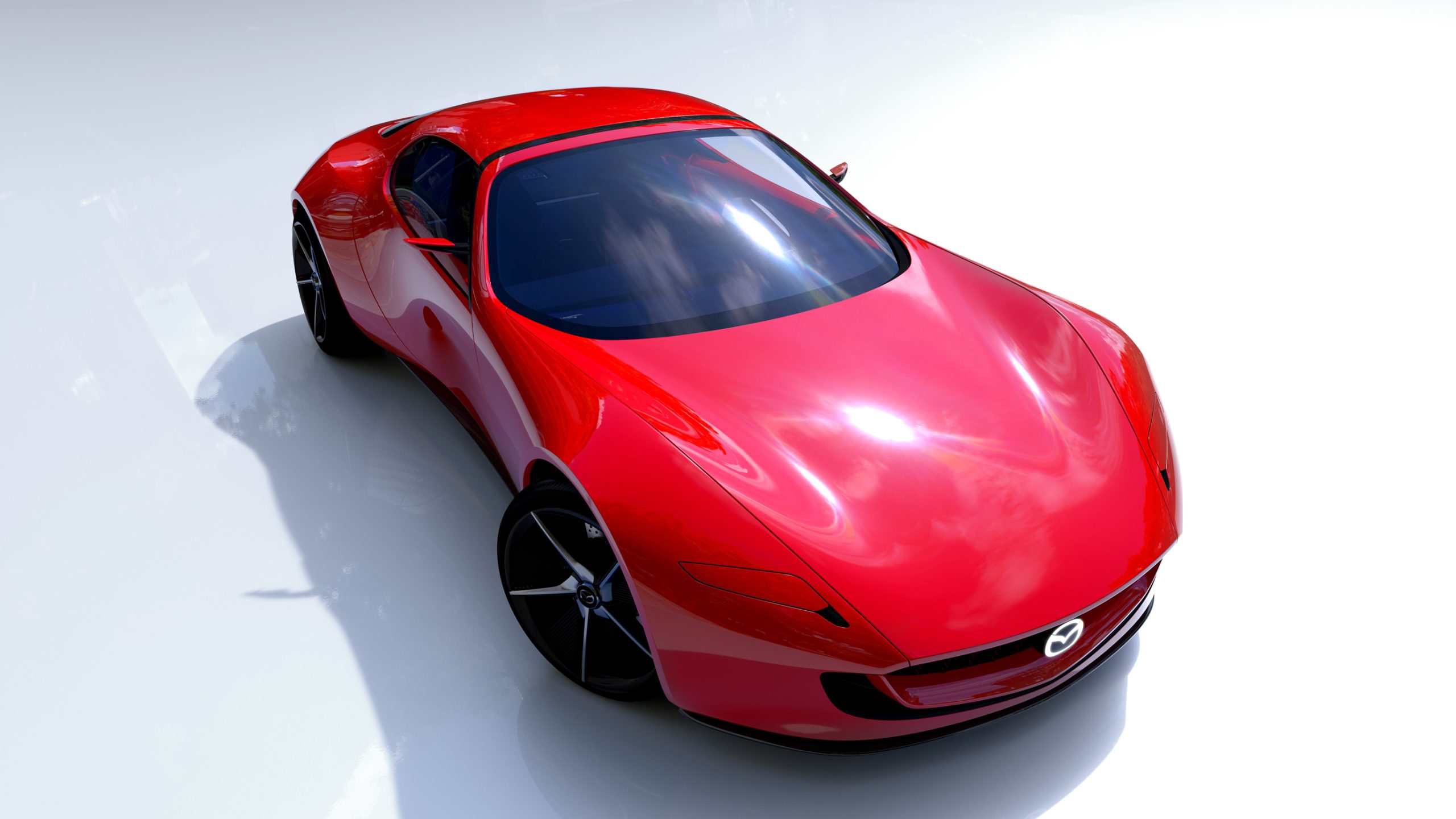
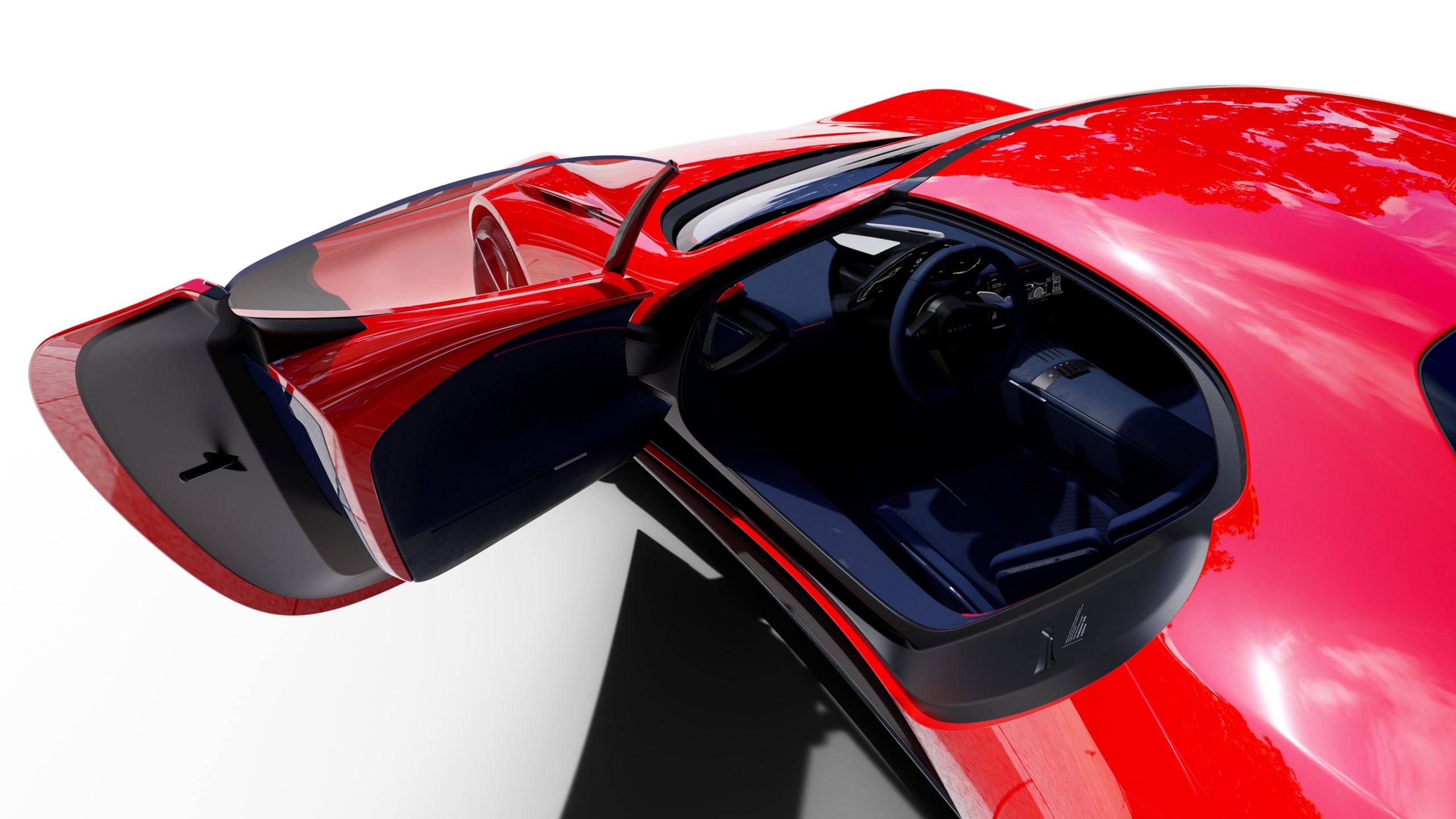
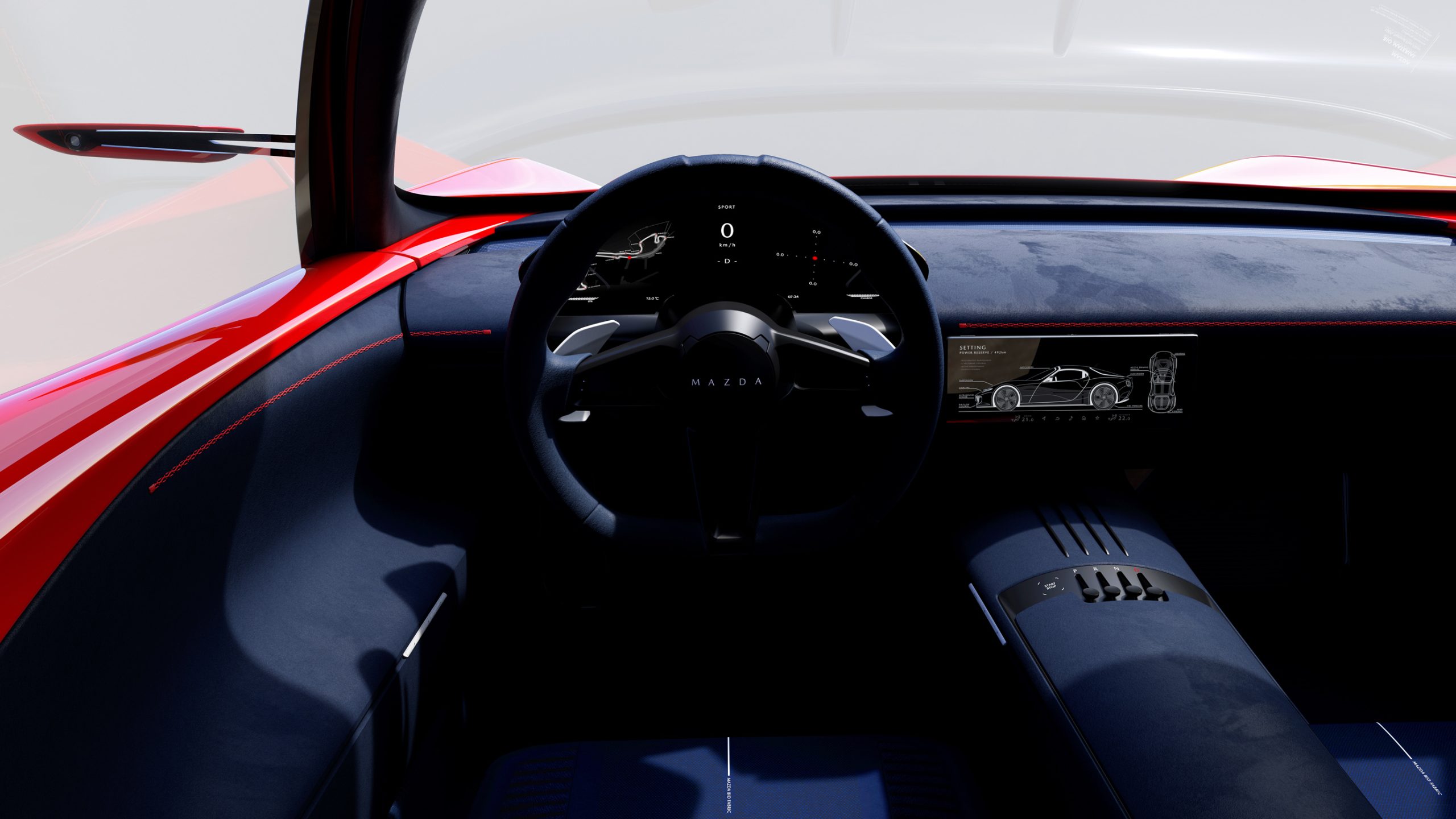
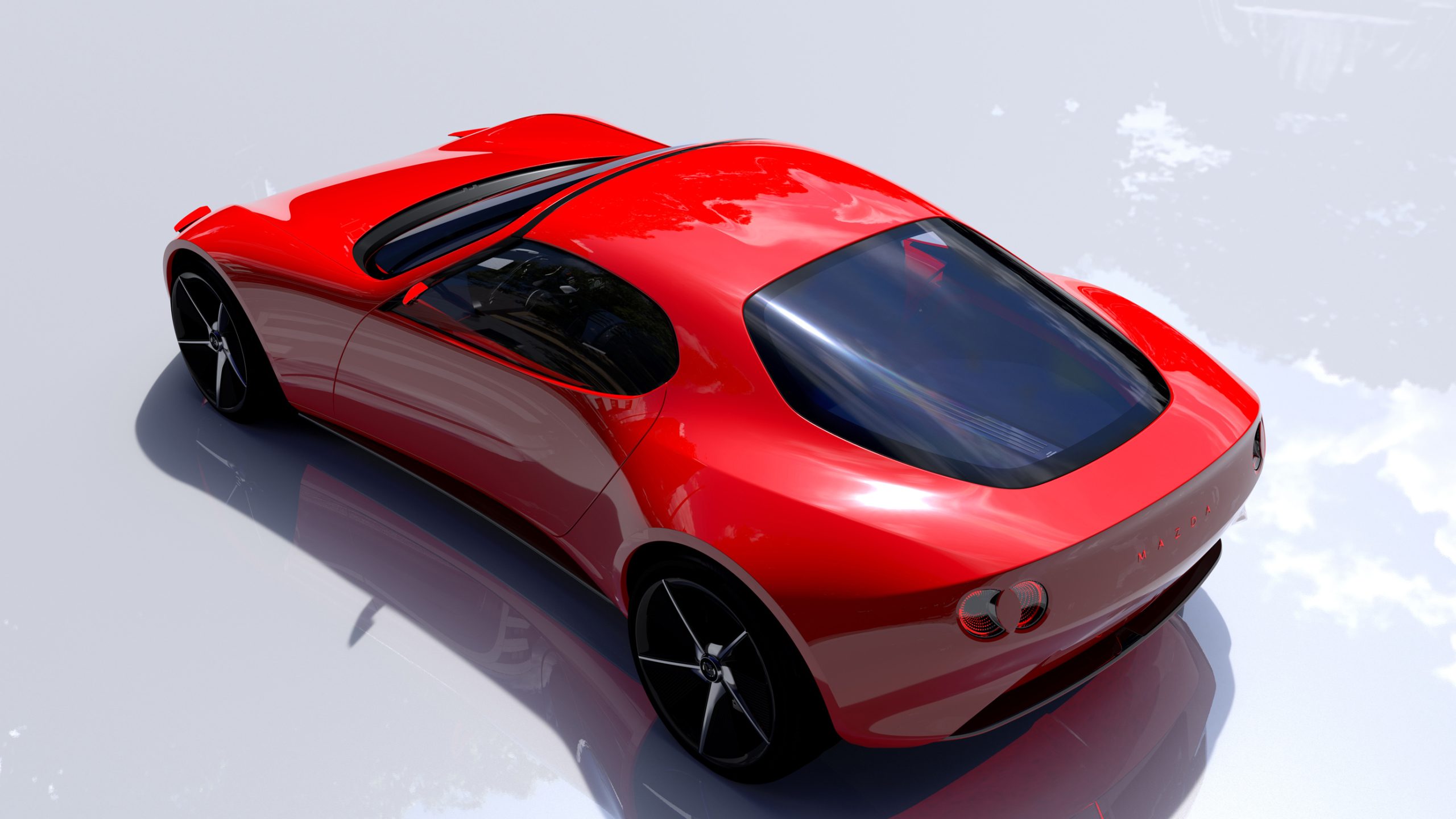
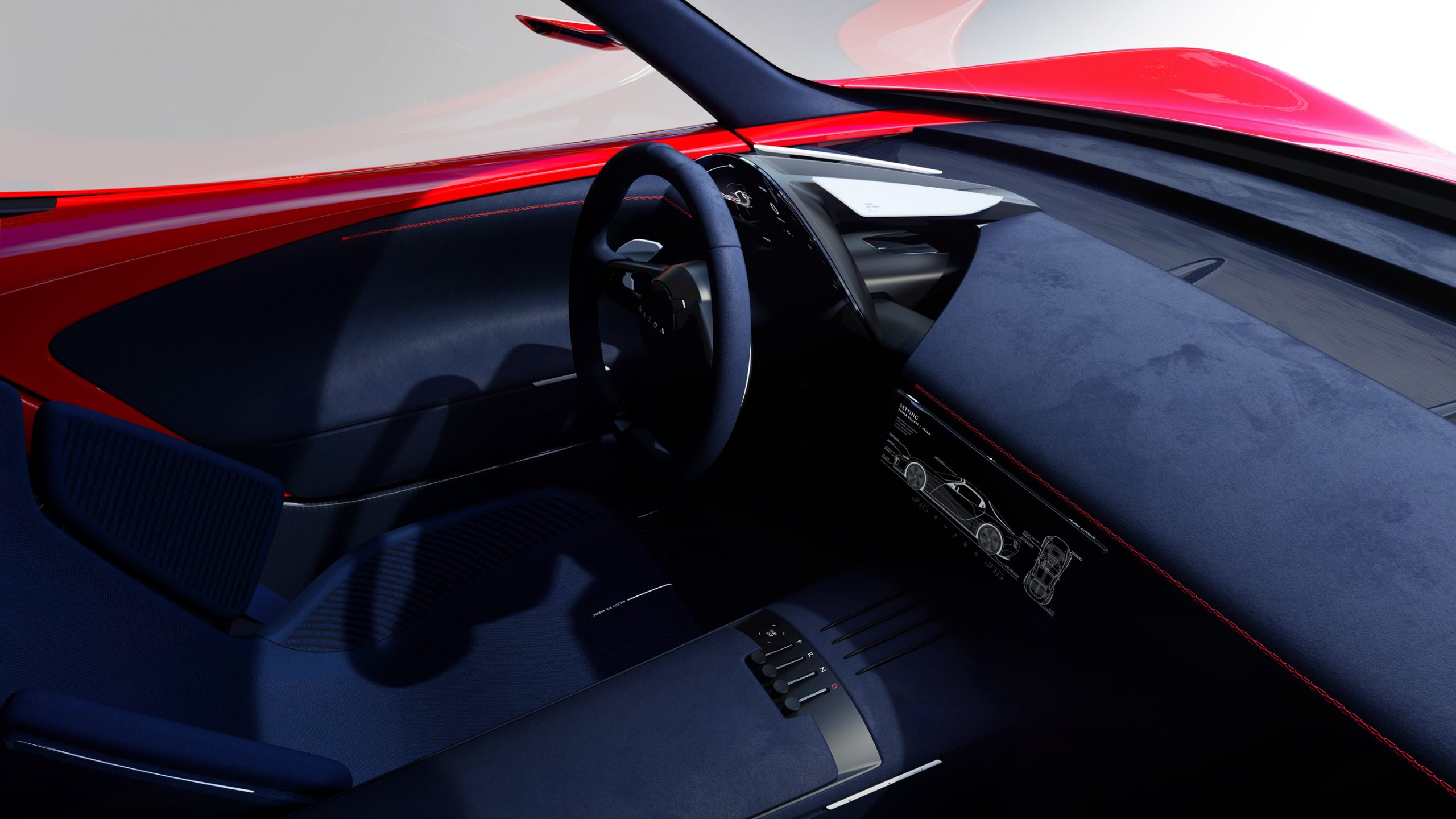
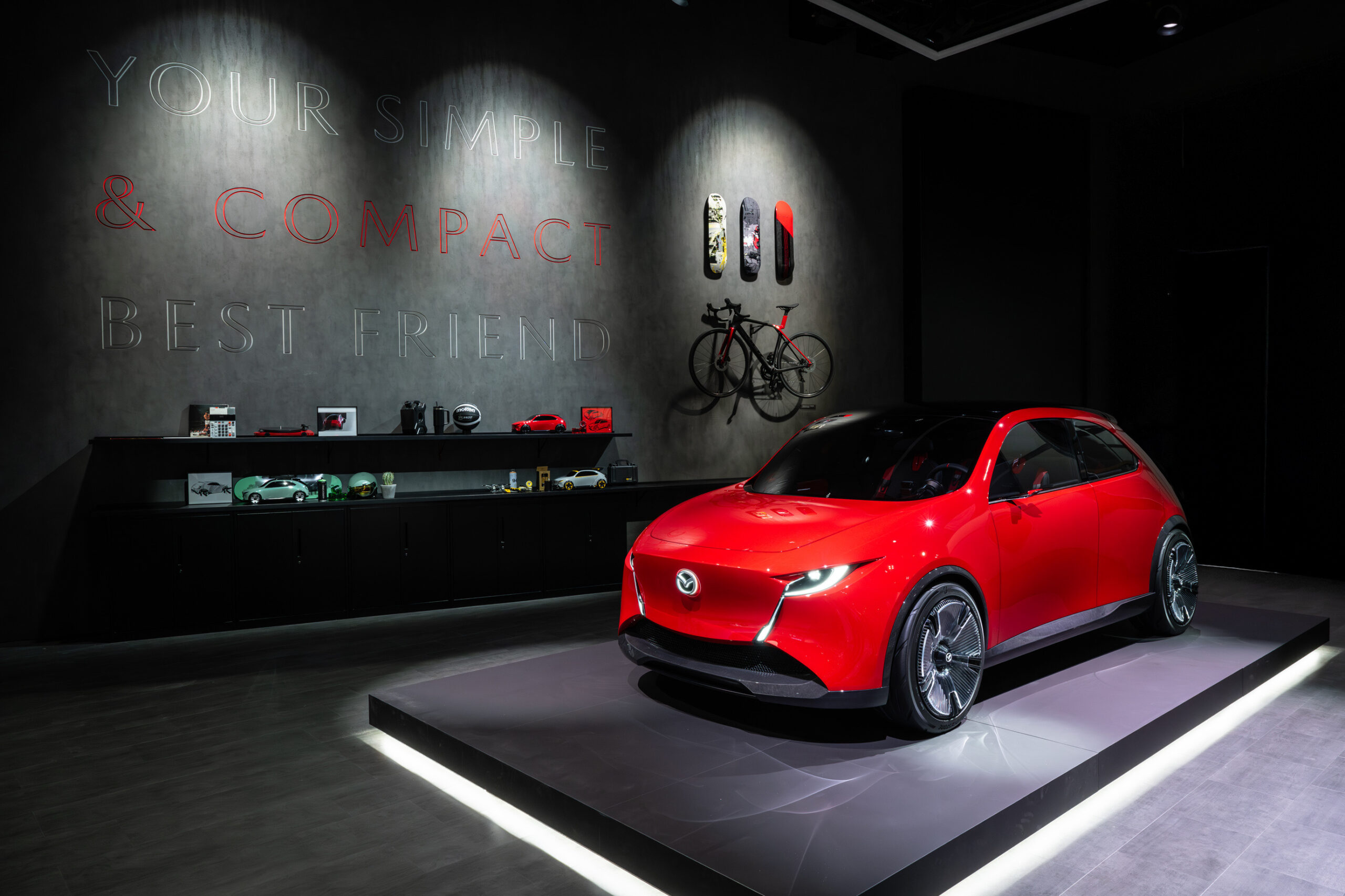
Mazda Motor Corporation has debuted its new concept car, the Mazda Iconic SP, for the first time at the Japan Mobility Show 2023. This concept is designed as a compact sports car, tailored to adapt to the evolving era while resonating with customers who have a passion for cars and seek the pure joy of driving.
The Mazda Iconic SP introduces a cutting-edge powertrain, featuring Mazda’s distinctive two-rotor rotary EV system, which remains compact and offers versatile layout flexibility. This design choice ensures a low centre of gravity, thereby enhancing driving performance. The vehicle’s batteries are charged using a recyclable energy source, and a two-rotor rotary engine, utilised for power generation, is powered by carbon-neutral fuel. The striking Viola Red colour highlights the concept model, embodying Mazda’s corporate philosophy of “enriching life-in-motion for those we serve.”
Mazda aimed for proportions with a low centre of gravity, creating the impression of excellent driving performance. The innovative approach of placing the lightweight and compact rotary engine in the car’s centre results in a low hood.
The two-rotor rotary EV system, employing a highly scalable rotary engine capable of burning various fuels like hydrogen, generates electricity using carbon-neutral fuel. When the battery is charged with electricity from renewable sources, driving in a nearly carbon-neutral state becomes possible.
High output from the two-rotor rotary EV system, combined with a low centre of gravity, a weight distribution ratio of about 50:50, and low proportions, deliver excellent driving performance. Despite its sports car classification, the vehicle can serve as a power source during outdoor activities and during disasters.
The exterior body colour, Viola Red, was meticulously developed to reflect Mazda’s commitment to “cherishing the colour red” and aligns with the corporate philosophy of “enriching life-in-motion for those we serve.” The goal was to create a vivid colour with shaded elements accentuating its shape.
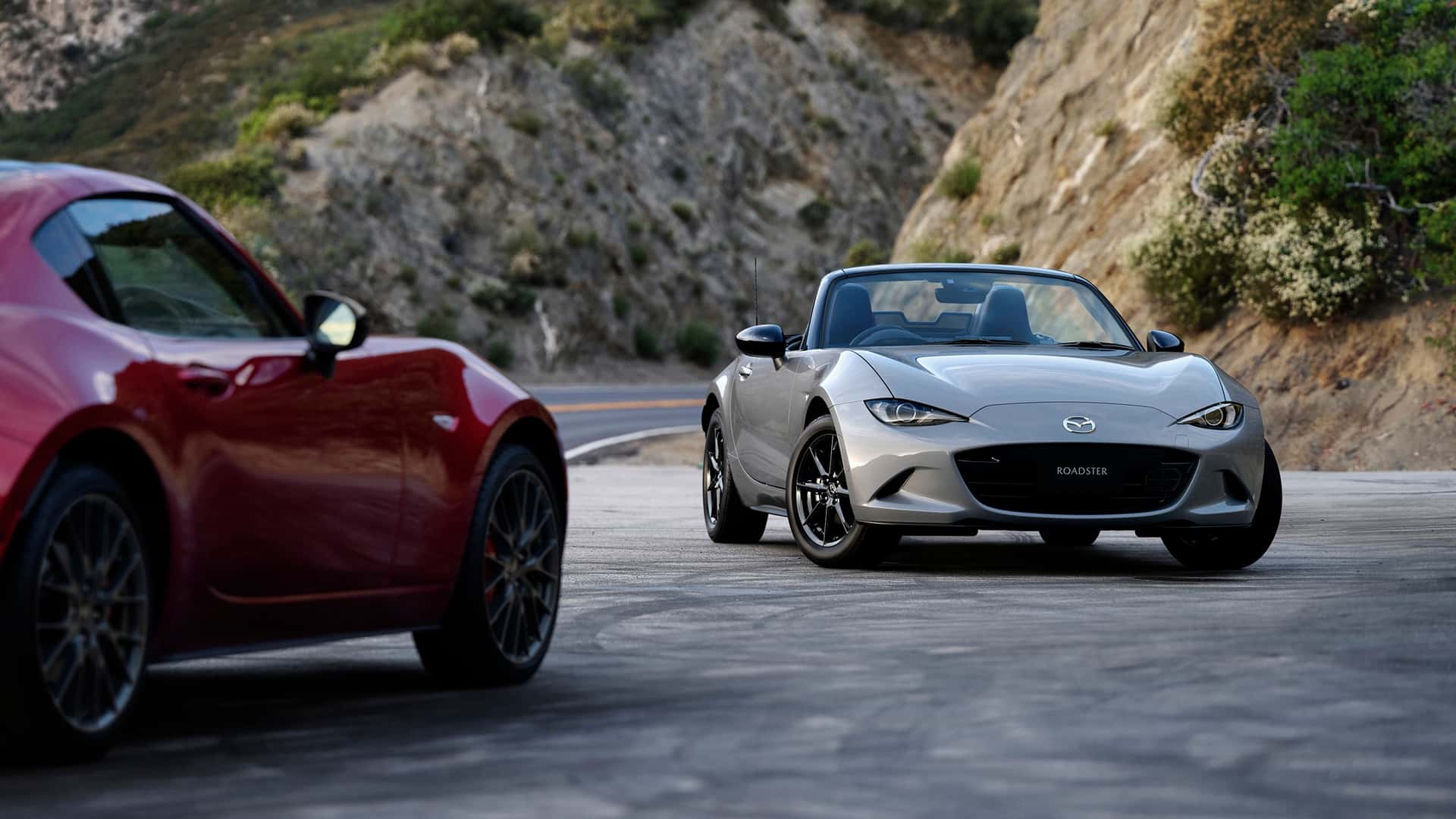
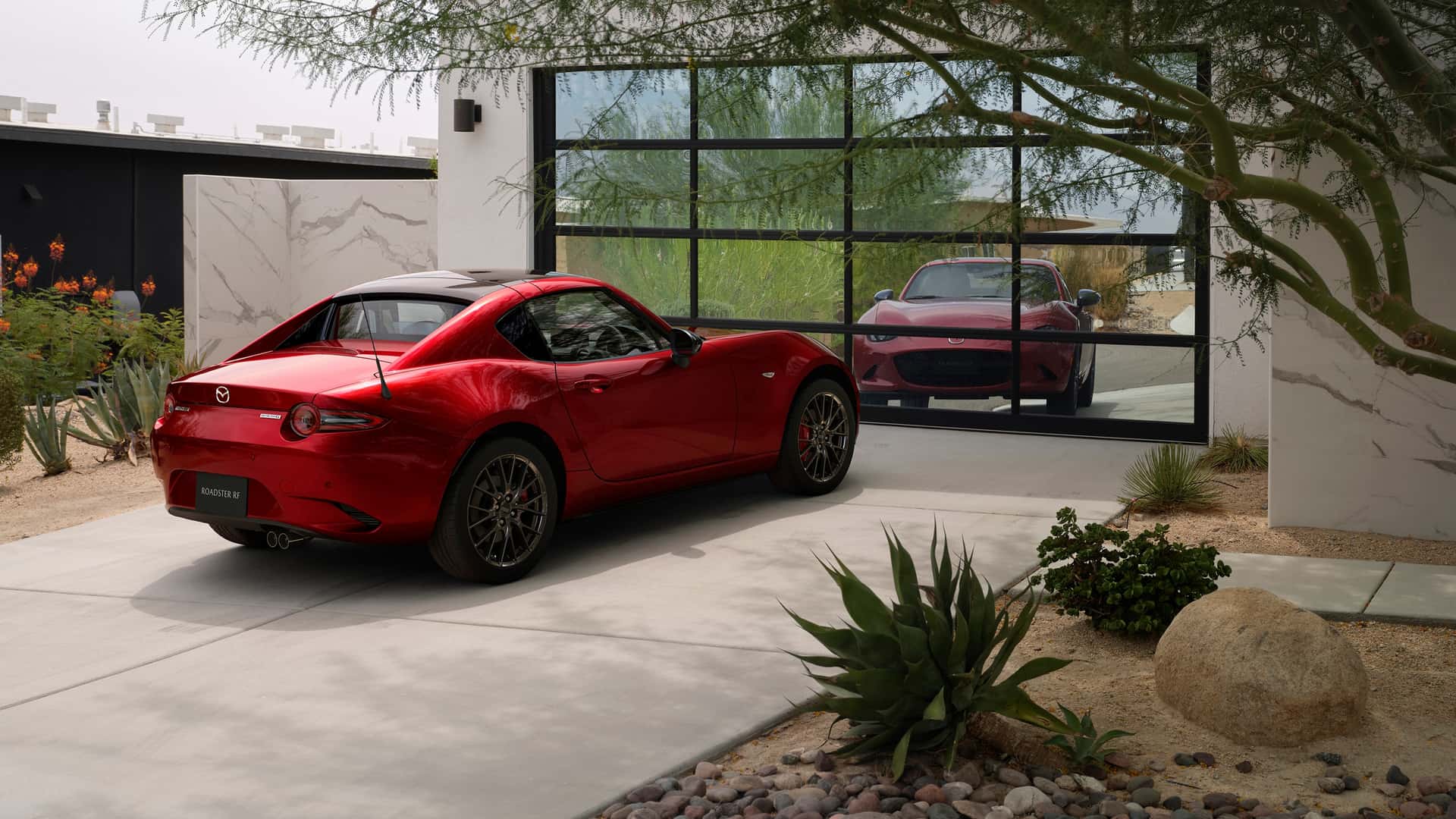
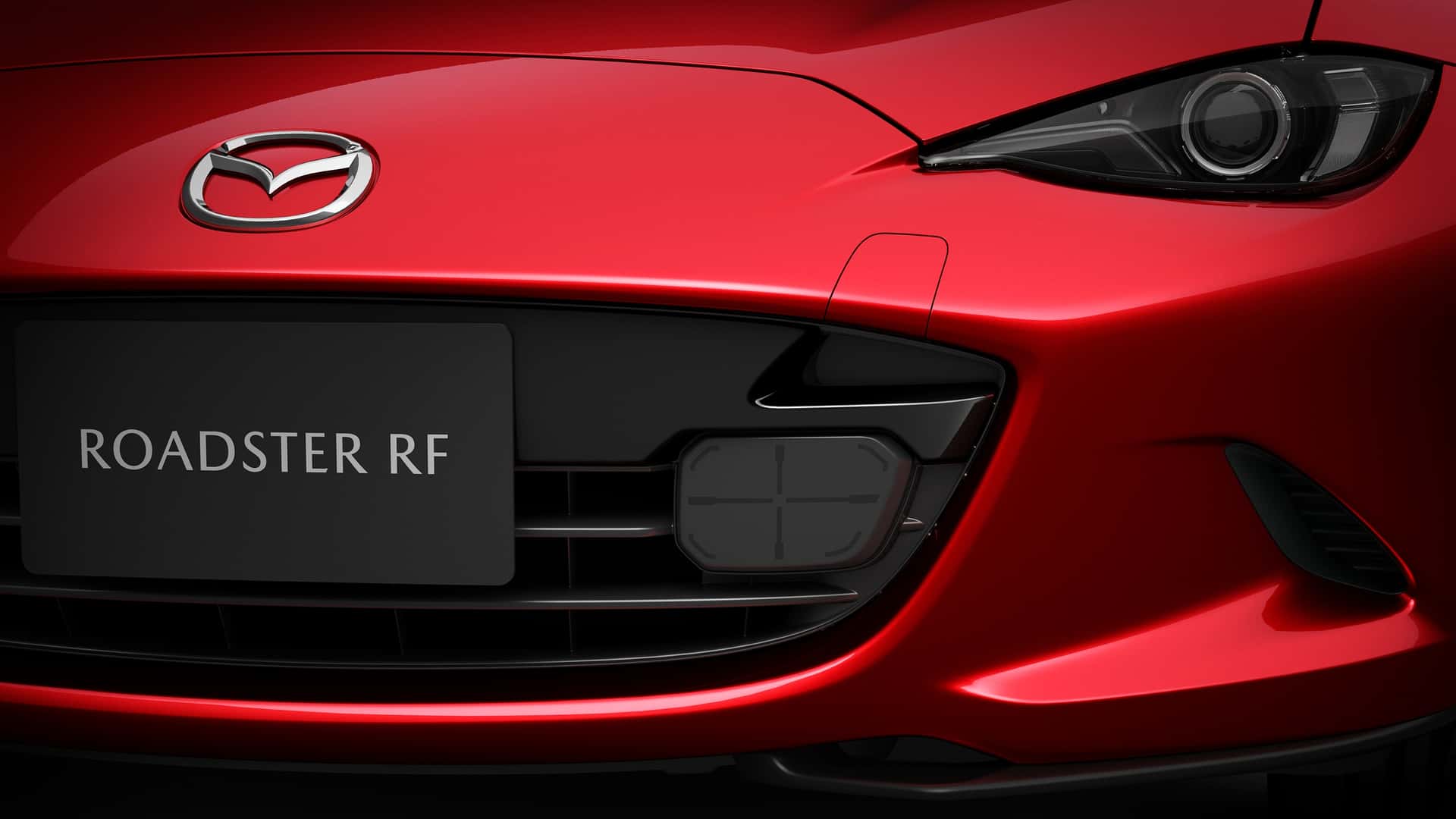
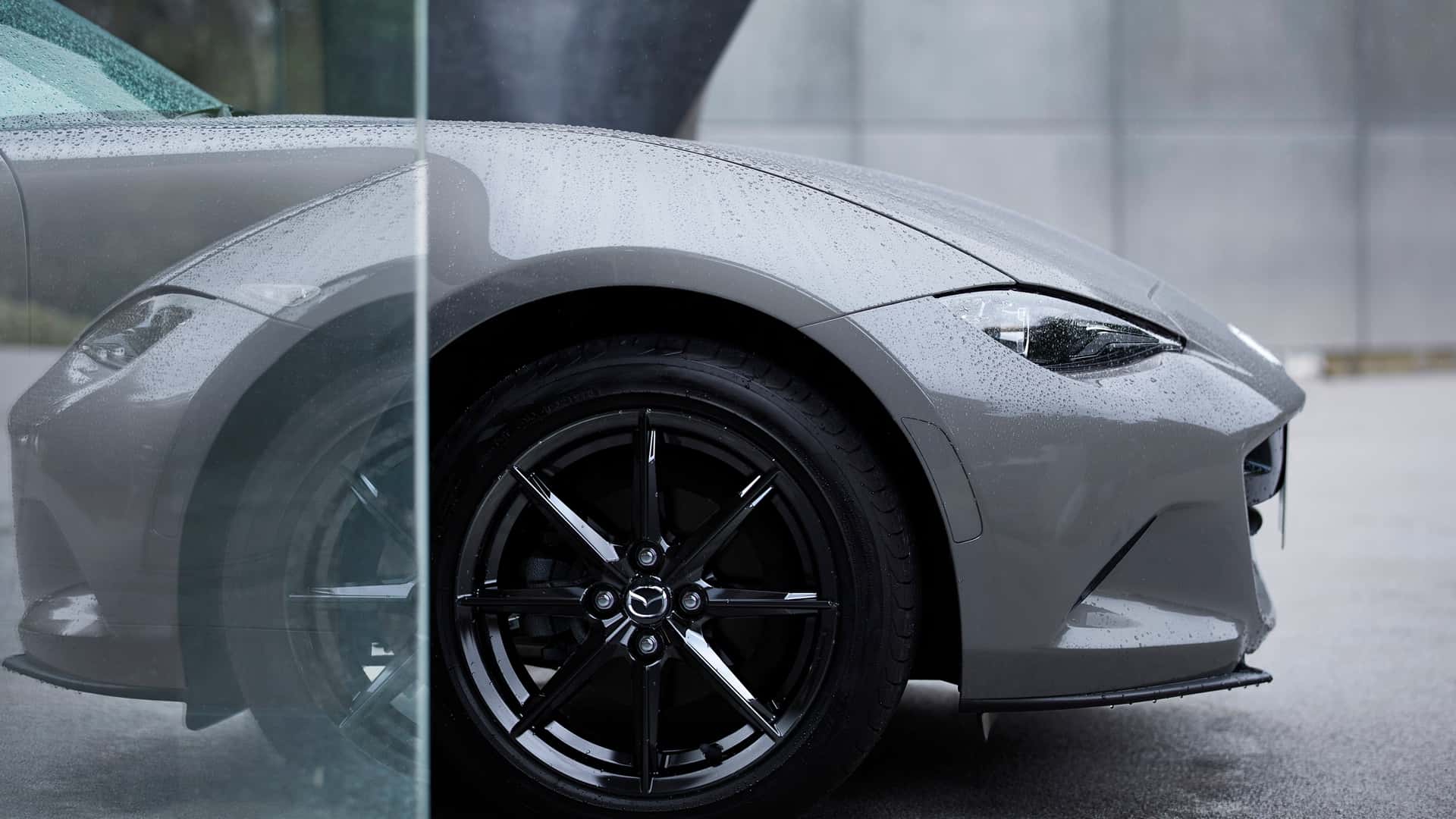
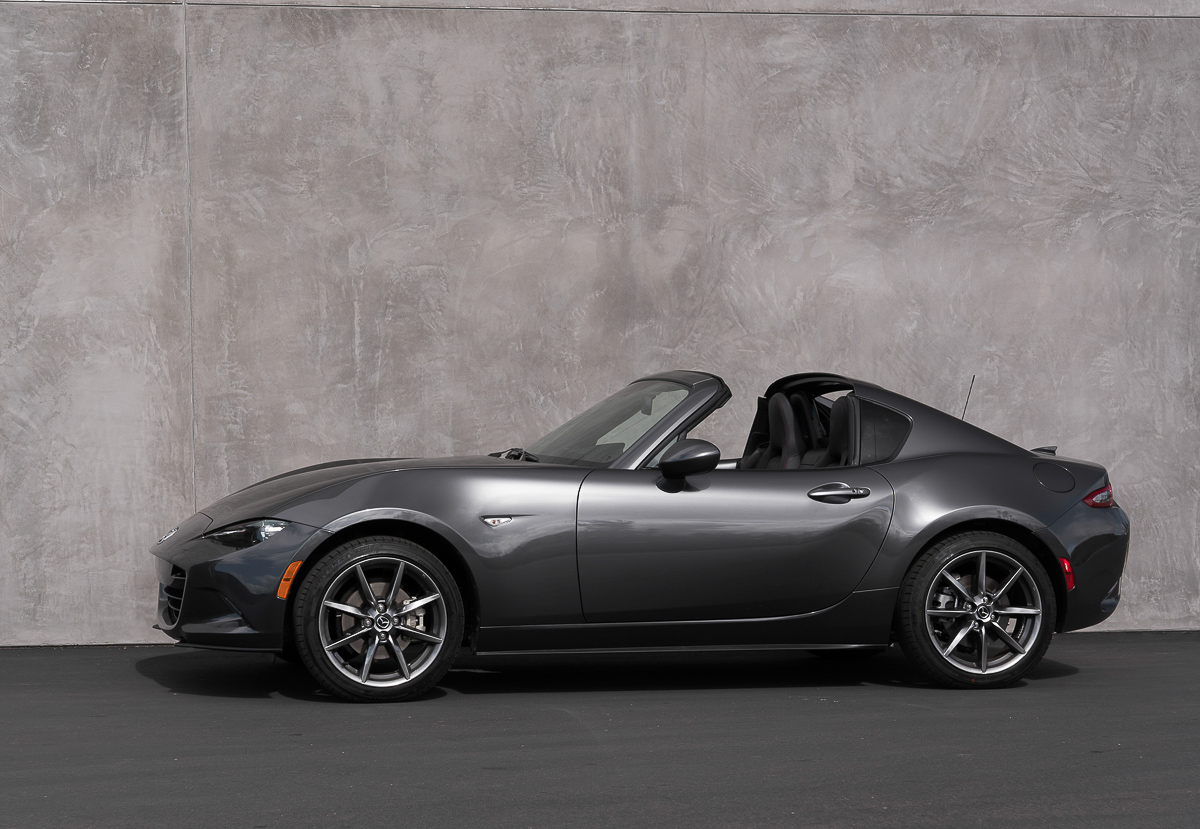
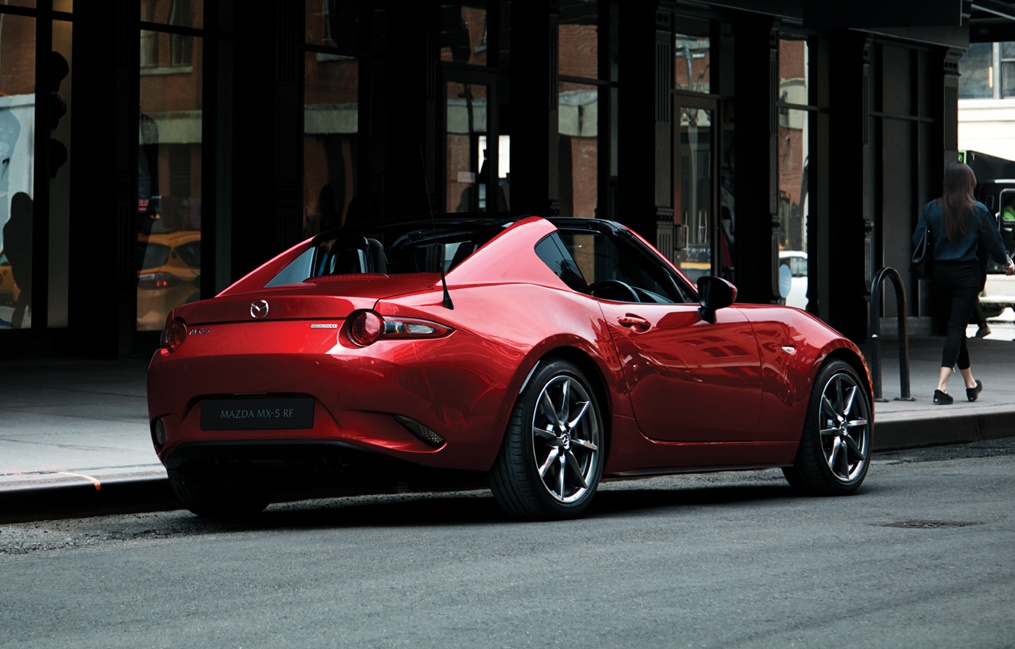
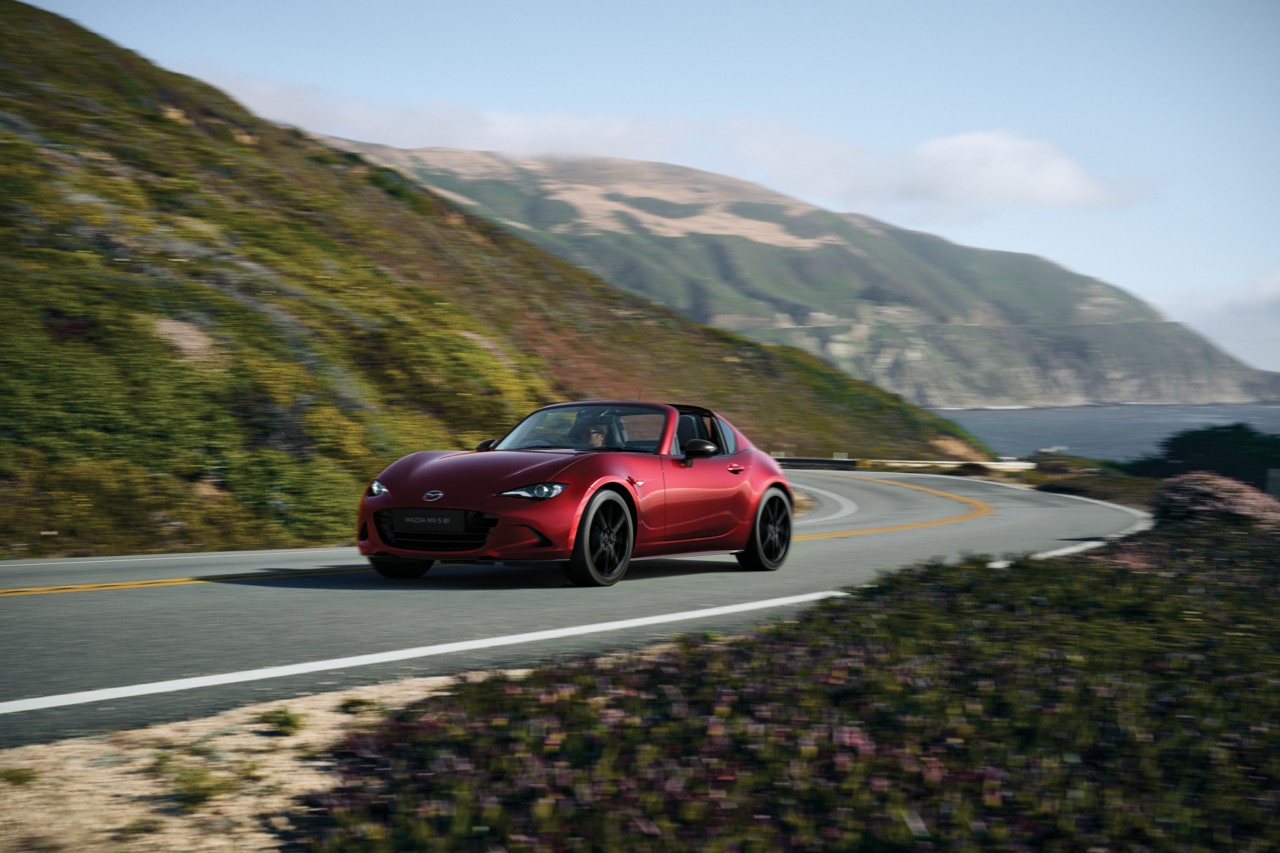
Mazda has unveiled the highly anticipated 2024 MX-5 Miata, also known as Roadster/Roadster RF in Japan. Referred to as the “ND3,” this latest iteration follows the successful 2019 update (ND2) and brings a plethora of enhancements and modernisations to this beloved convertible sports car.
Design and Exterior Upgrades
The 2024 Miata showcases brand-new LED headlights that seamlessly integrate the daytime running lights, a departure from the previous design where these lights were housed in the bumper. The taillights have also undergone subtle updates, and LEDs are now employed throughout, including for the turn signals. Notably, a radar sensor for adaptive cruise control with Smart Brake Support is now discreetly placed on the front grille’s left side.
The addition of the Aero Gray Metallic paint and new wheel designs available in 16- and 17-inch sizes further elevates the aesthetic appeal. These upgrades, coupled with improved safety features, are expected to be rolled out globally in the near future.
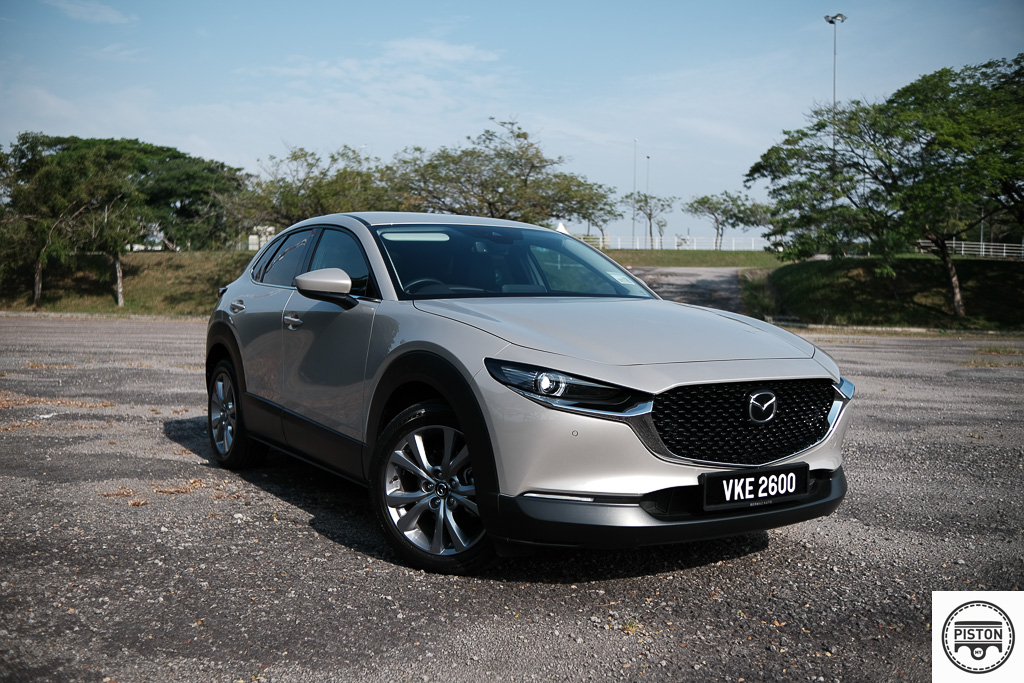
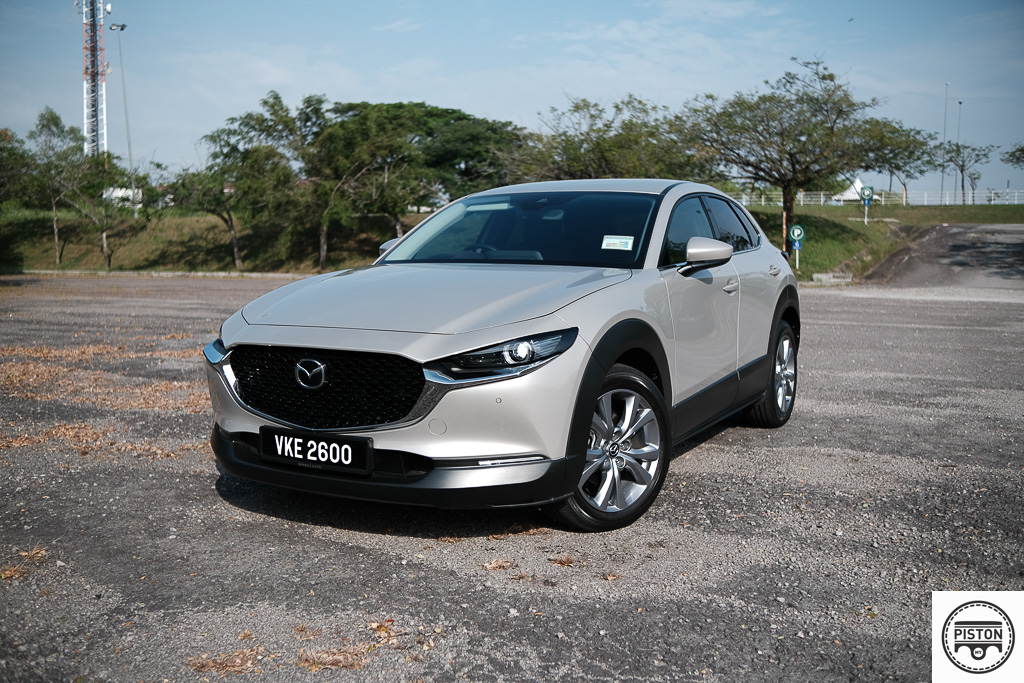
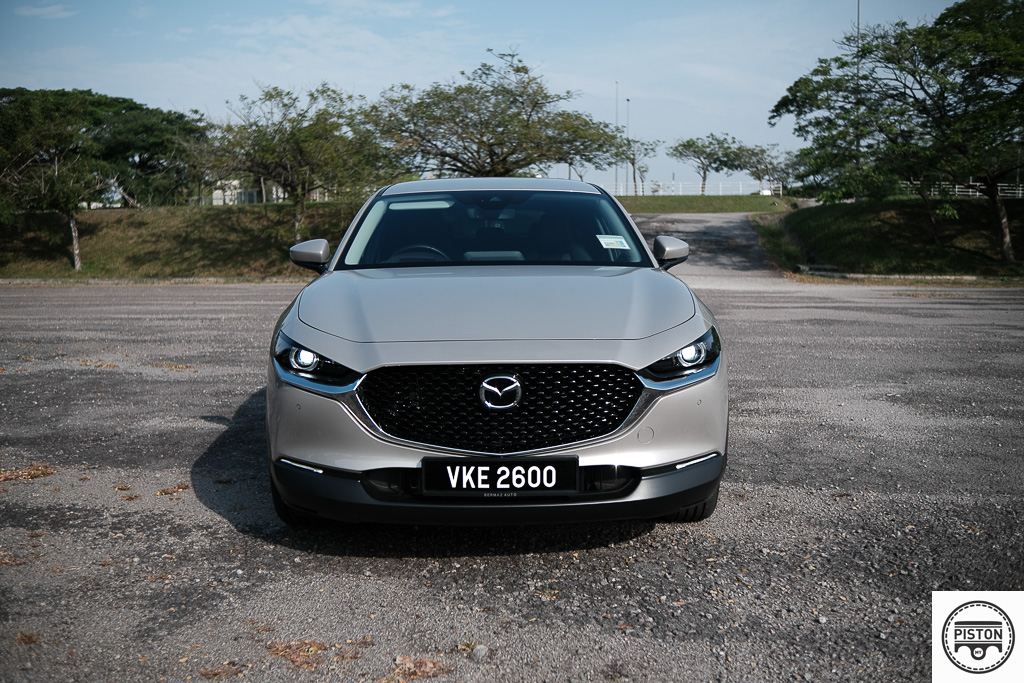
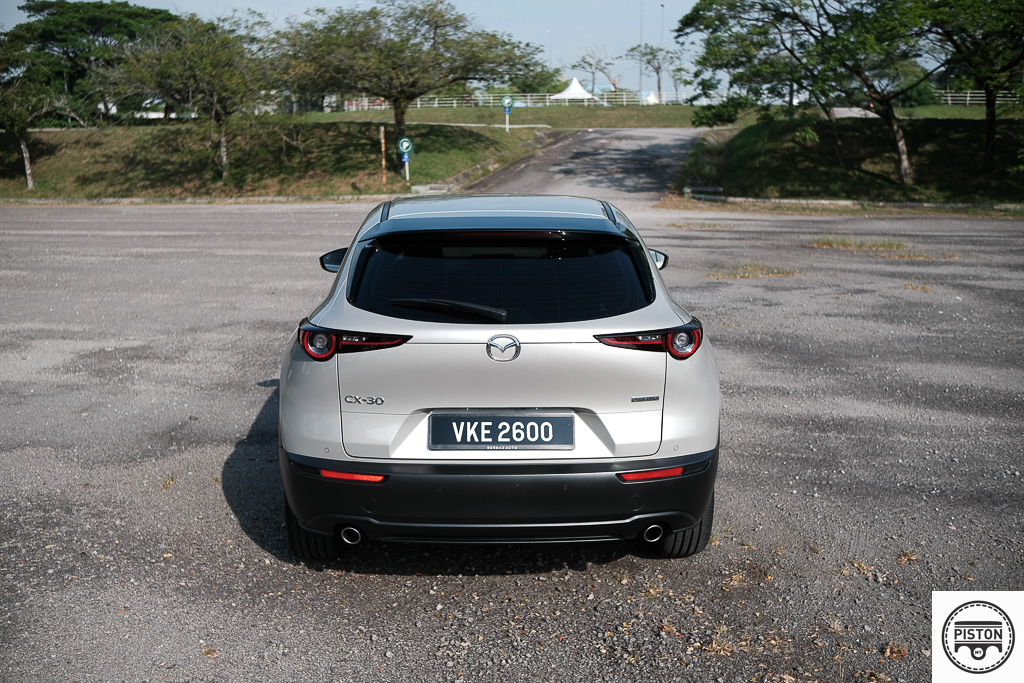
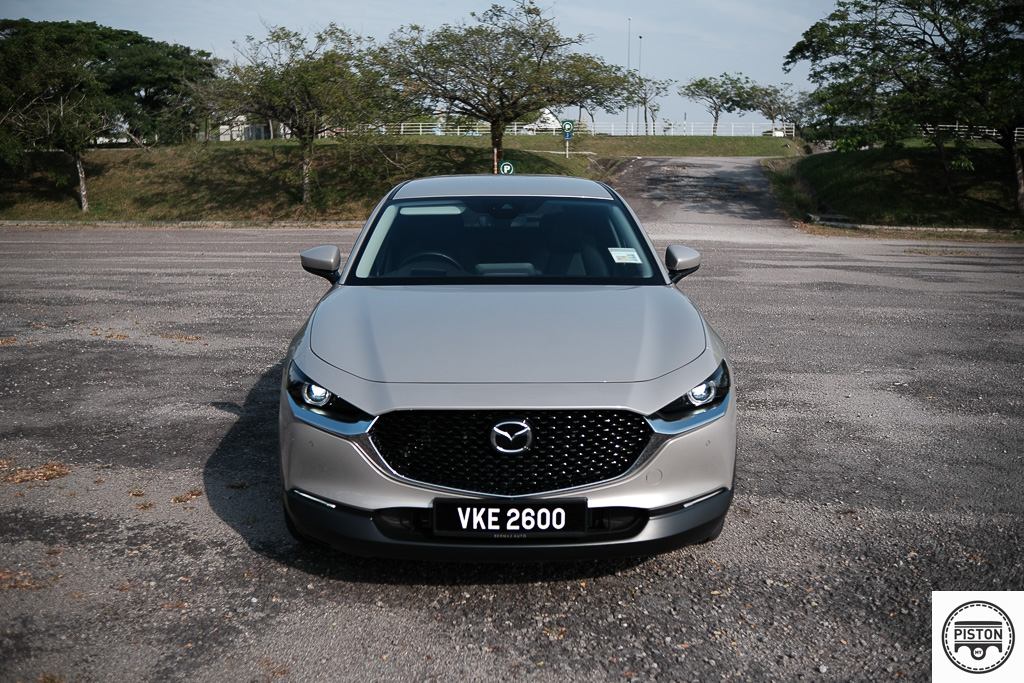
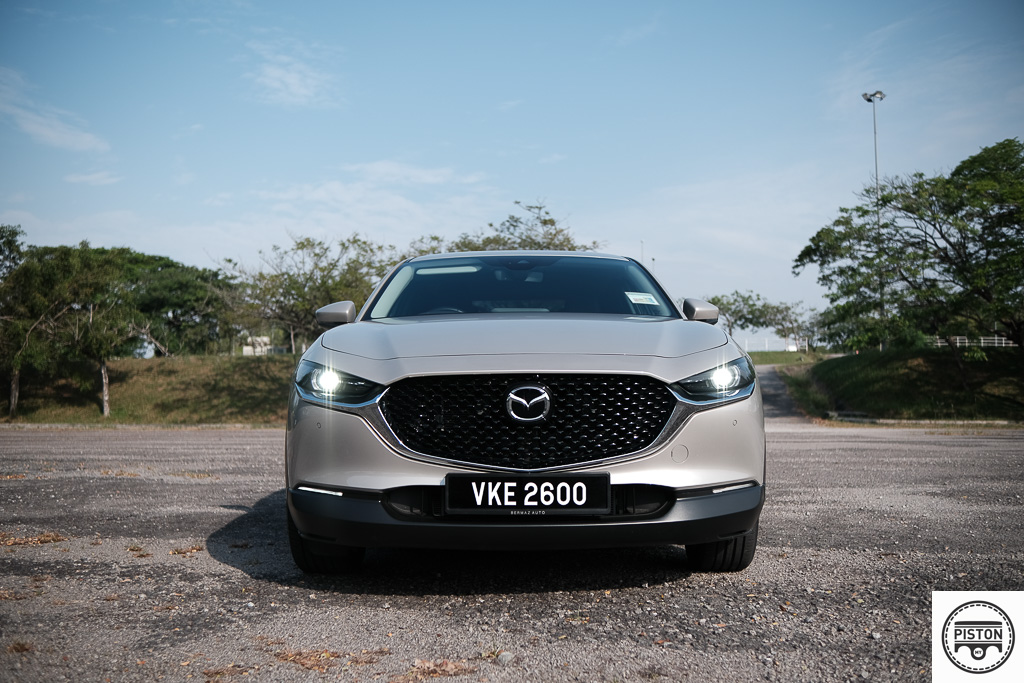
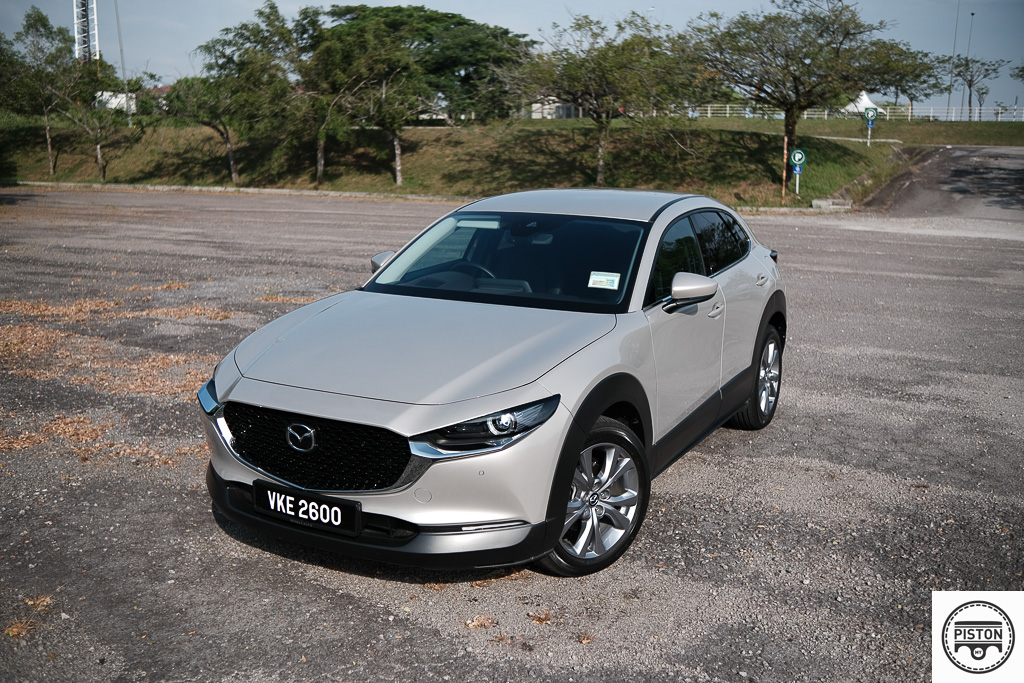
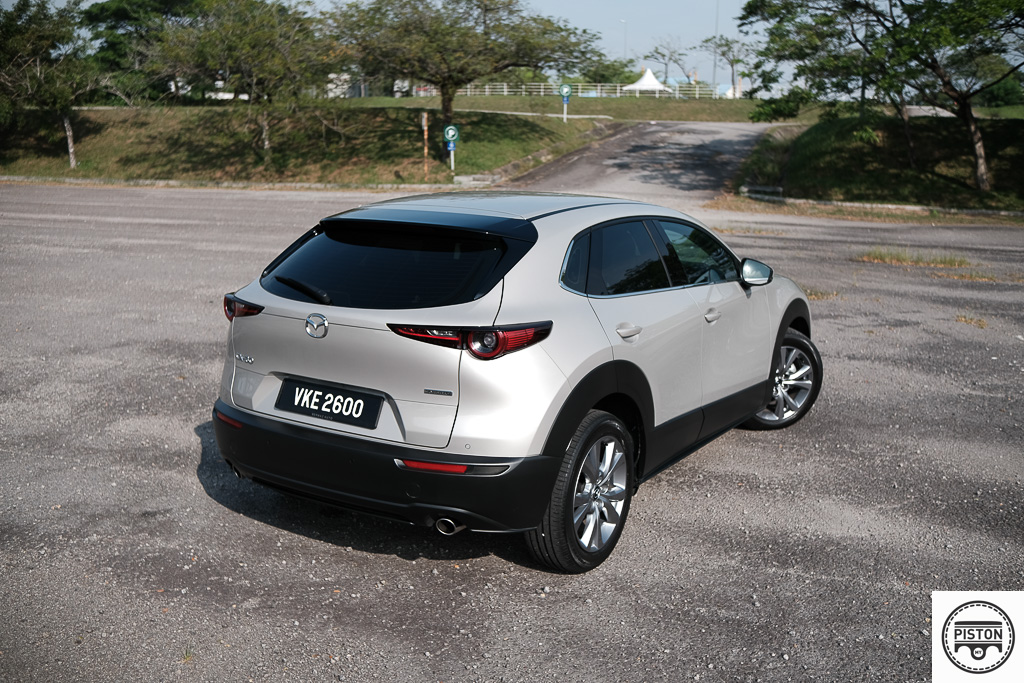
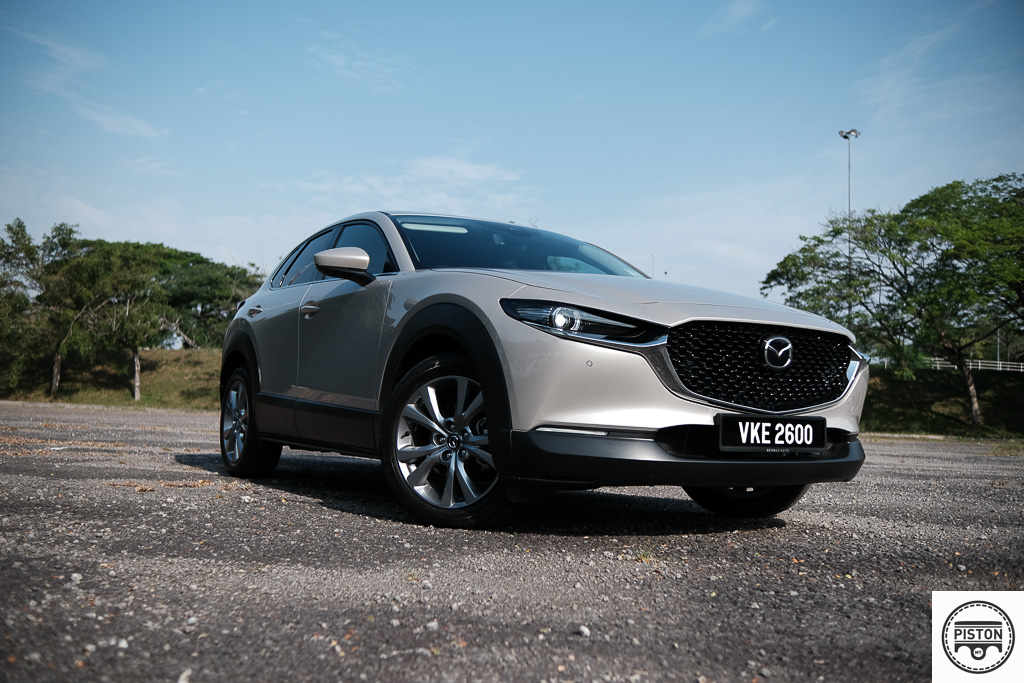
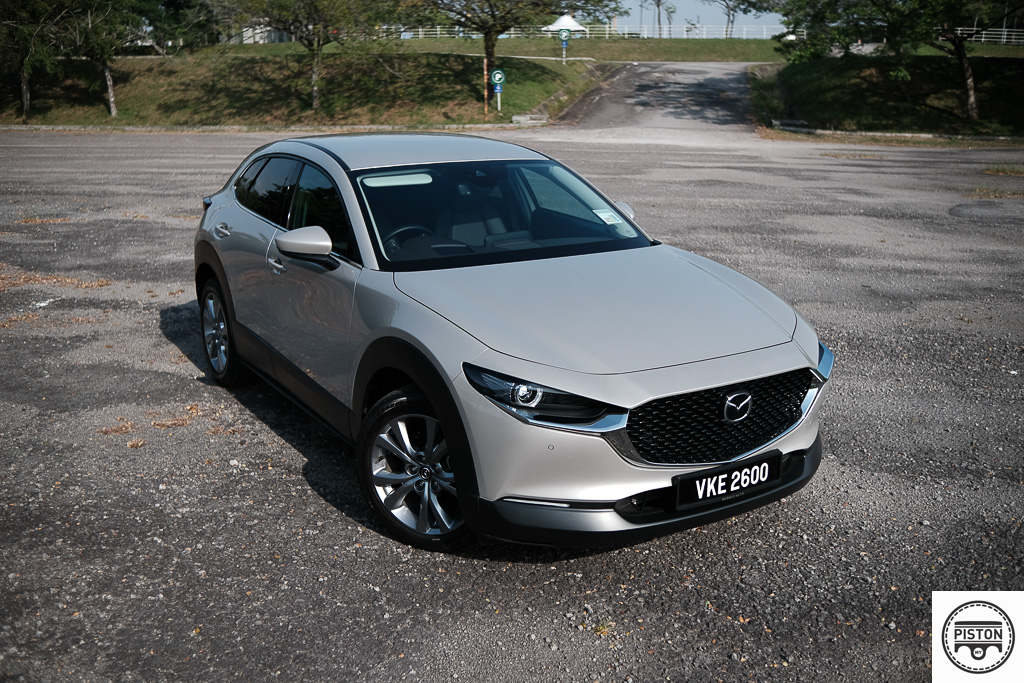
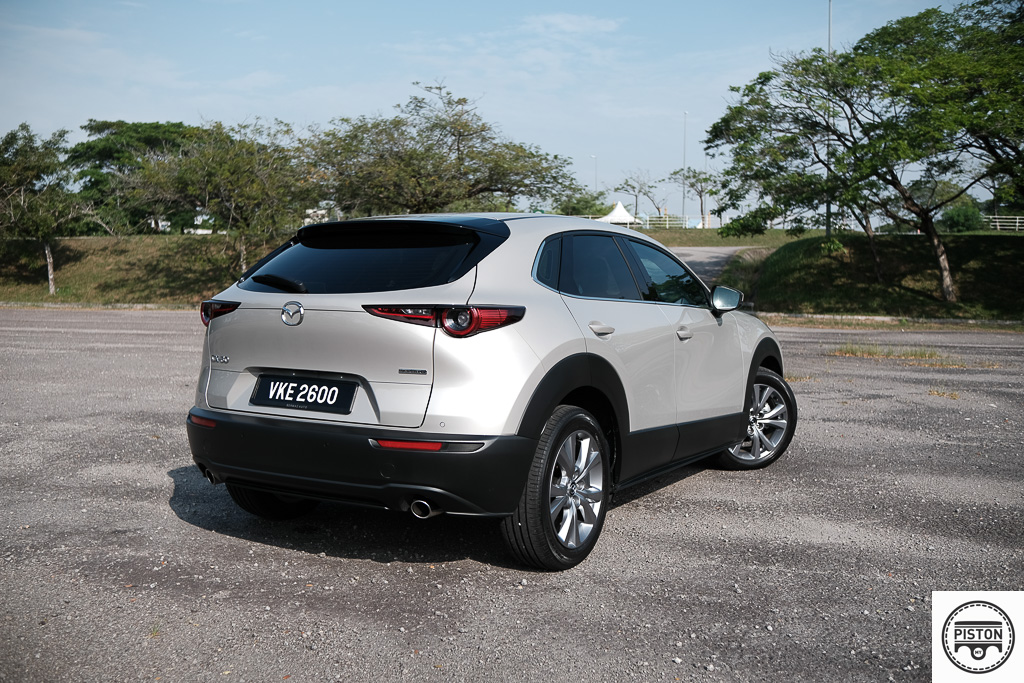
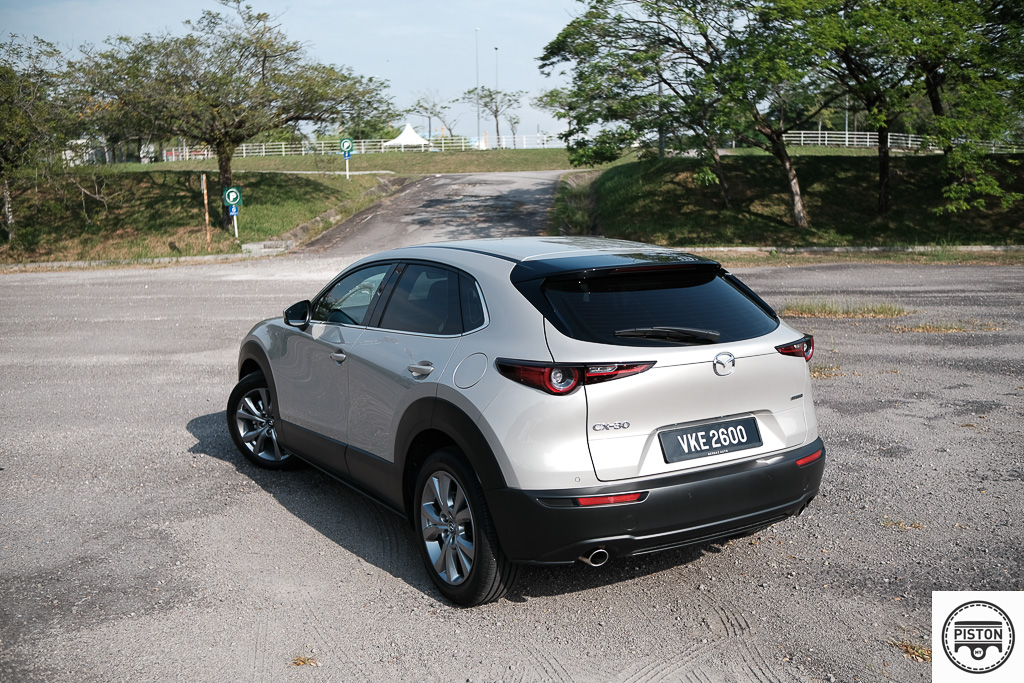
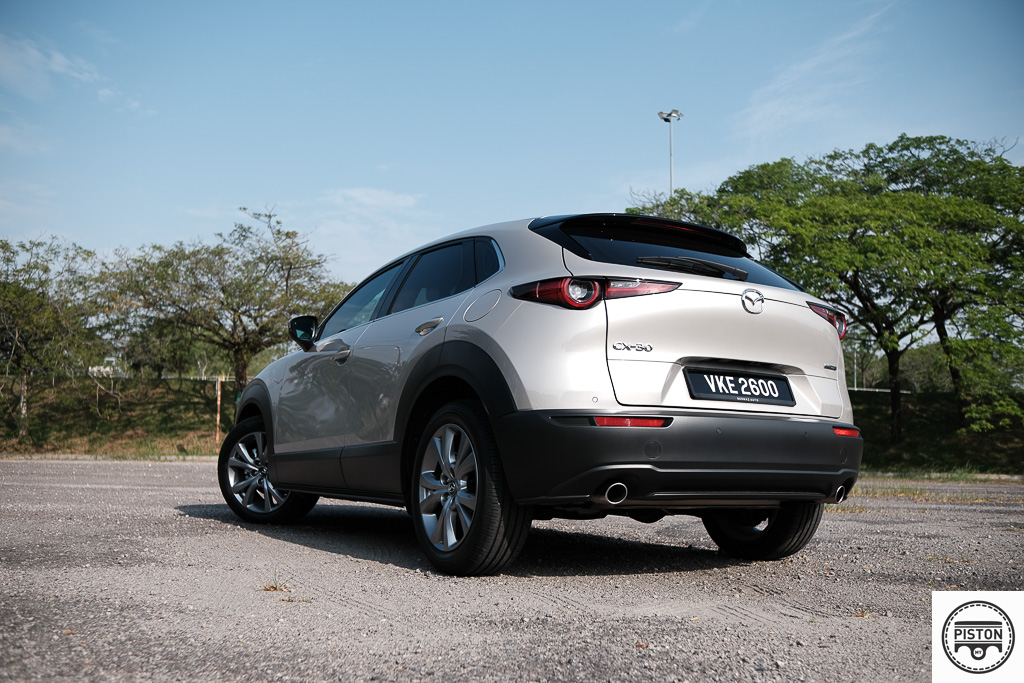
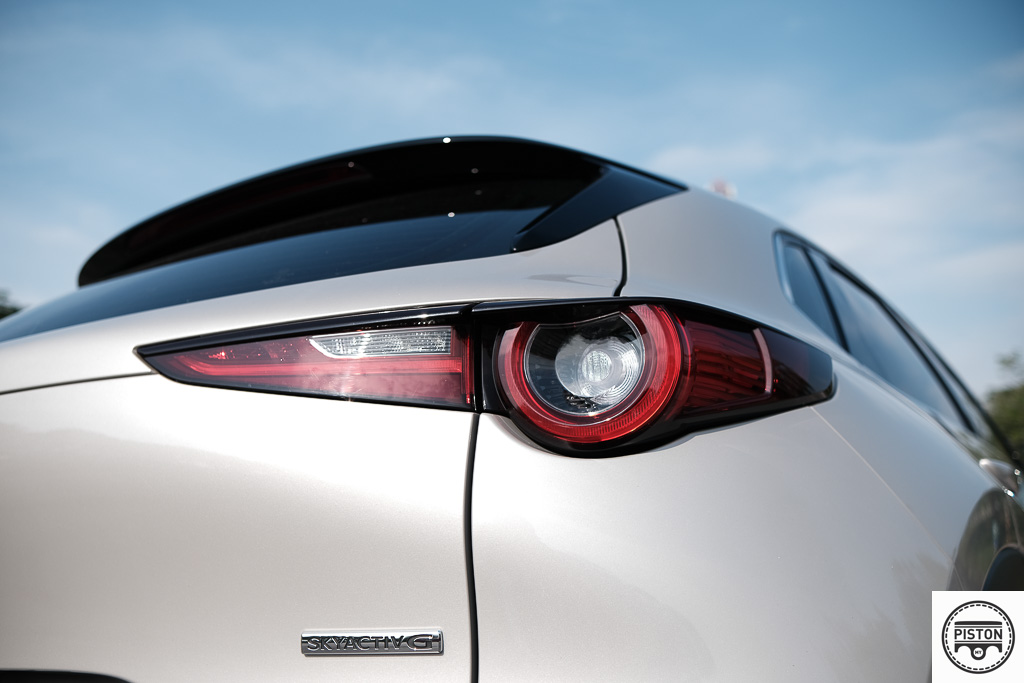
The Mazda CX-30 was introduced in 2019 as a model that sits in between the CX-3 and the CX-5. This made good sense for those who found the CX-3 to be too small and the CX-5 to be too big.
And before you ask why Mazda didn’t simply call it the CX-4, well the company already has a CX-4 model in its line-up but that is a China specific model. So to avoid confusion, it chose the easier route of calling the new model the CX-30 instead.
But why does the CX-30 need to exist at all when there is already a small SUV in Mazda’s line-up? The CX-3 is a small SUV while the CX-5 is better suited for family’s, so Mazda thought there may be room in between the models. And they may have been right.
But there’s the small issue of price. There are four variants of the CX-30 on offer, with prices starting from RM131,409 for the entry level model, up to RM161,409 for the flagship model. The model we tested here is the second best and is called the High+ (pronounced as high plus). It is priced at RM159,409, which may be a little difficult to stomach for such a small car.
However, Mazdas have never been known to be cheap, in the past two decades at least. They have however been known to be well-built, well-specified and well-engineered. And that is what the CX-30 has to offer.
But why would you want to spend so much on a small car when there are others that offer so much more for less? Cars like the Mazda CX-5, Honda HRV, Toyota Corolla Cross and even the Proton X70 are probably better buys in terms of spaciousness and overall features.
But that would be missing the point of the Mazda CX-30.
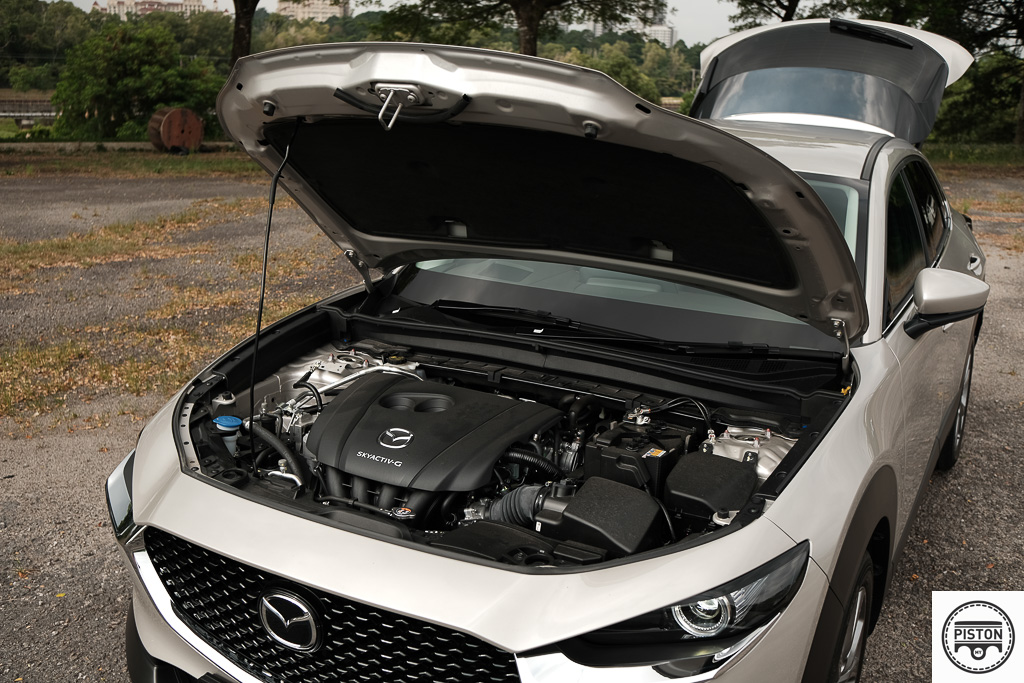
The Mazda may be small, but it packs a mighty punch. Newer generation Mazdas are some of the nicest cars to drive thanks to a technology called G-Vector Control (GVC).
But before delving deeper into the tech, it is worth noting that Mazda is a car company for enthusiasts, and builds cars that focus as much on driving pleasure as it does on passenger comfort and safety. Let’s not forget that this is the same car company that has built some of the greatest cars in the history of the automobile, cars like the MX-5 and RX-7.
At the very core of every Mazda built is the principle of ‘Jinba Ittai’ – the unison of horse and rider coming together as one. This is to give the rider complete control of the horse through the reins. And in a Mazda, the control comes through the steering wheel and tech like GVC.
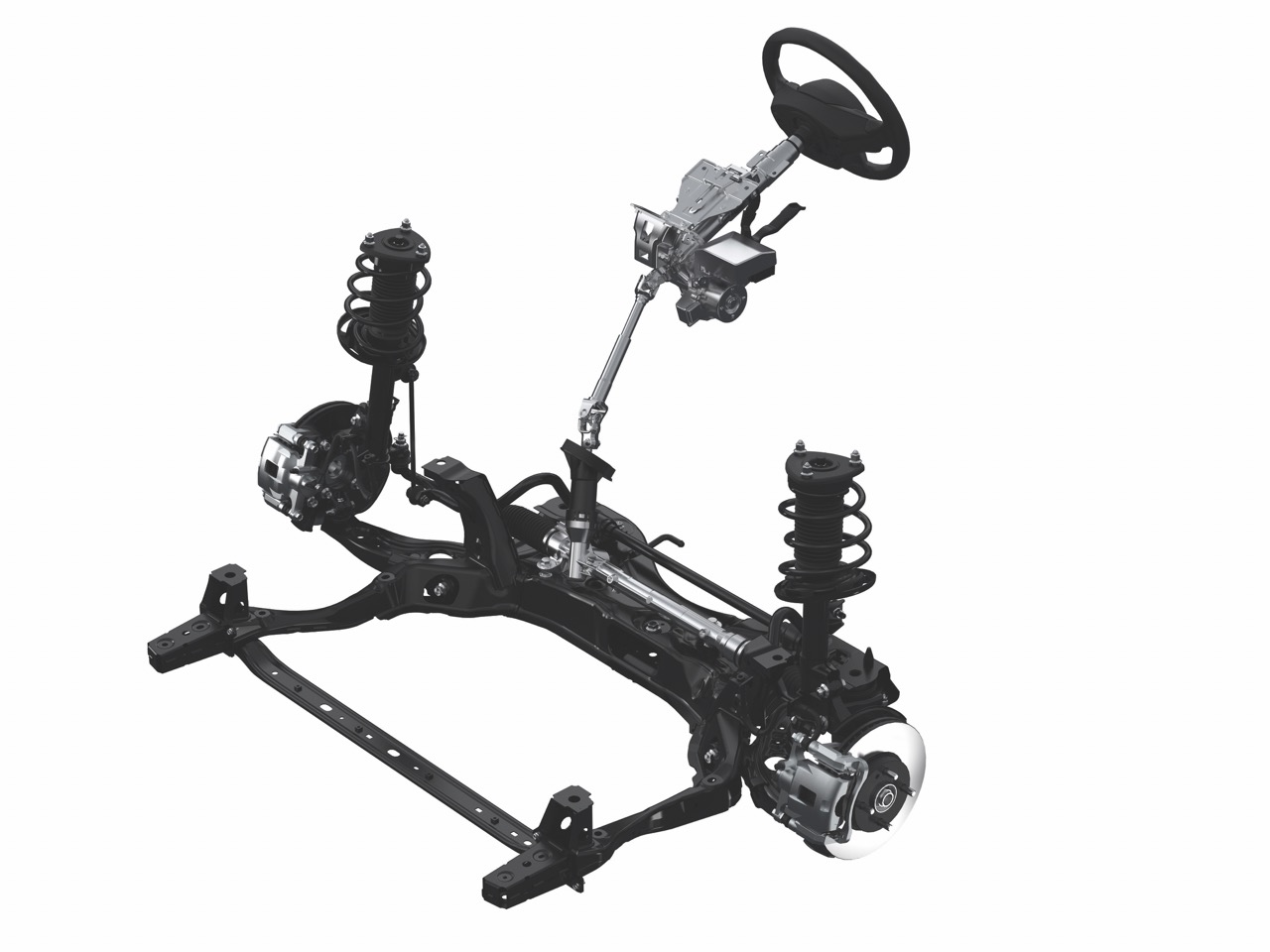
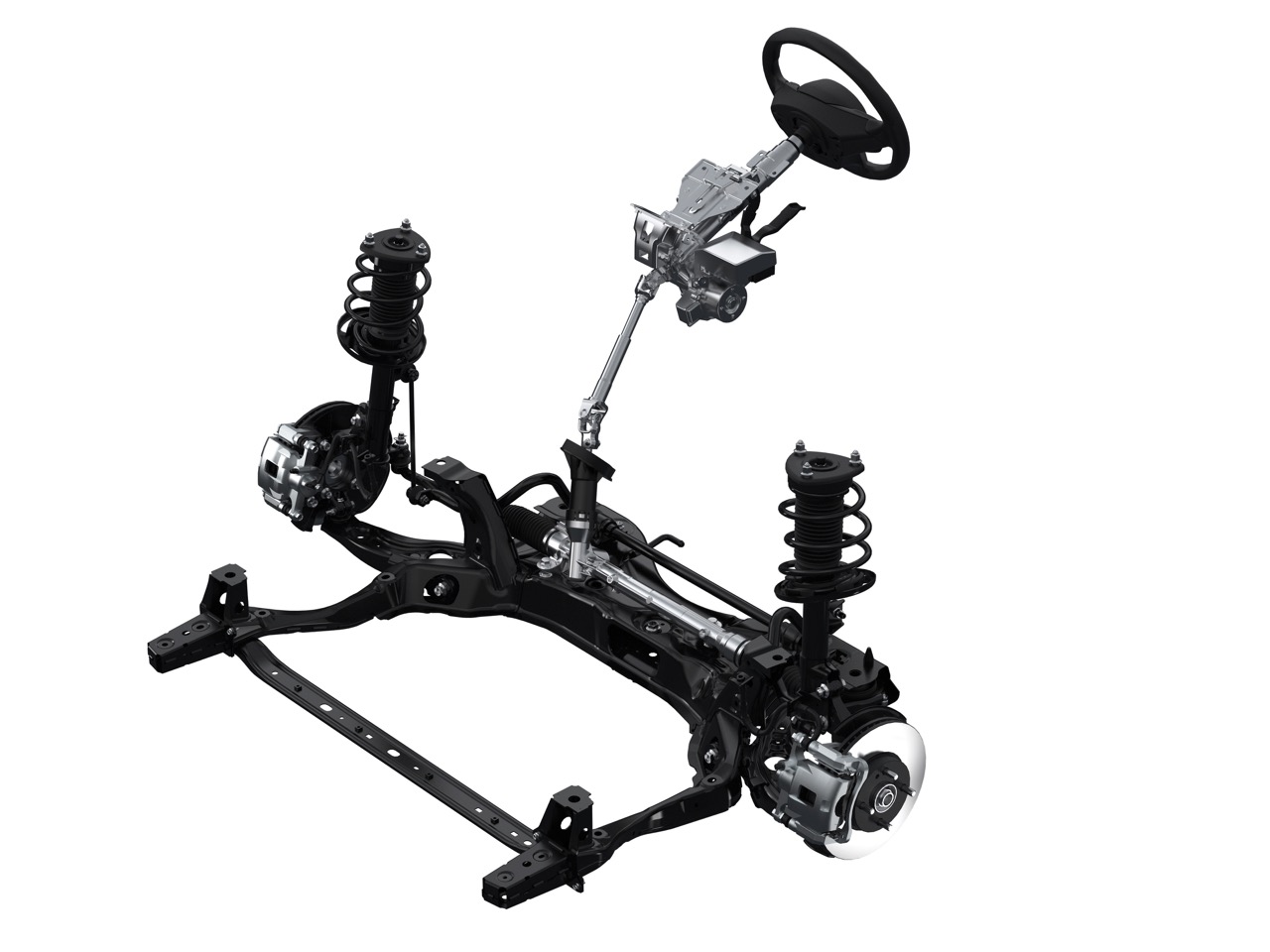
The engineering behind the system is mind blowing, complex and will need an entire article by itself to explain. But for simplicity’s sake, the system works by maximizing steering input, making the car feel sharper and more eager to turn in. This also means that you only need minimal steering input to achieve the same result as you would in a car without GVC. The result is a car that feels more agile and responds to every input from the driver instantaneously.
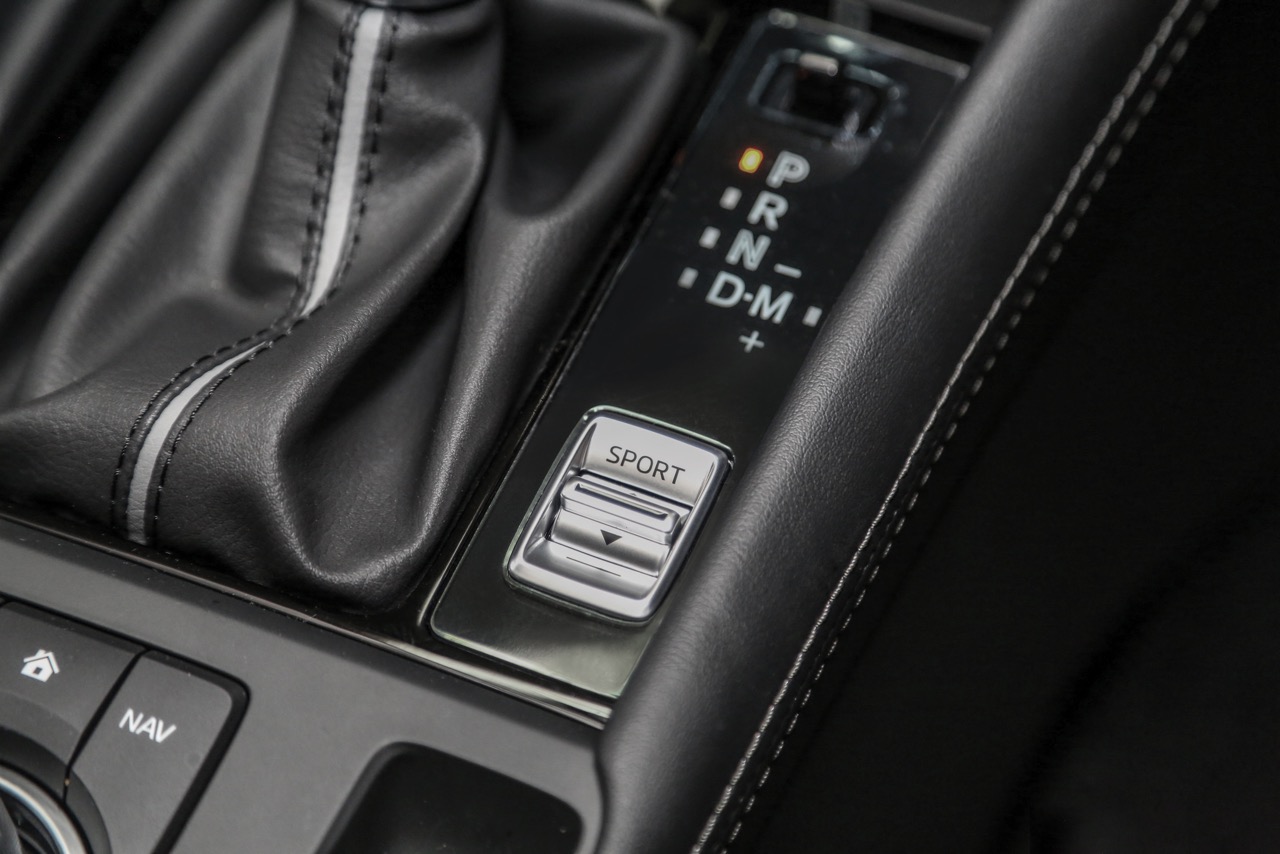
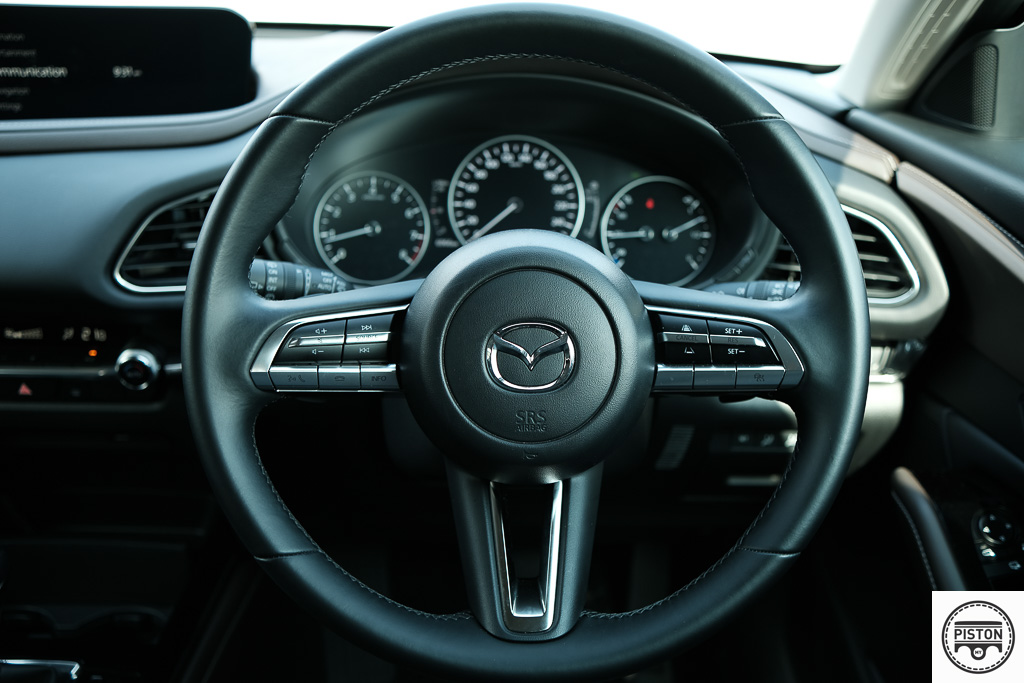
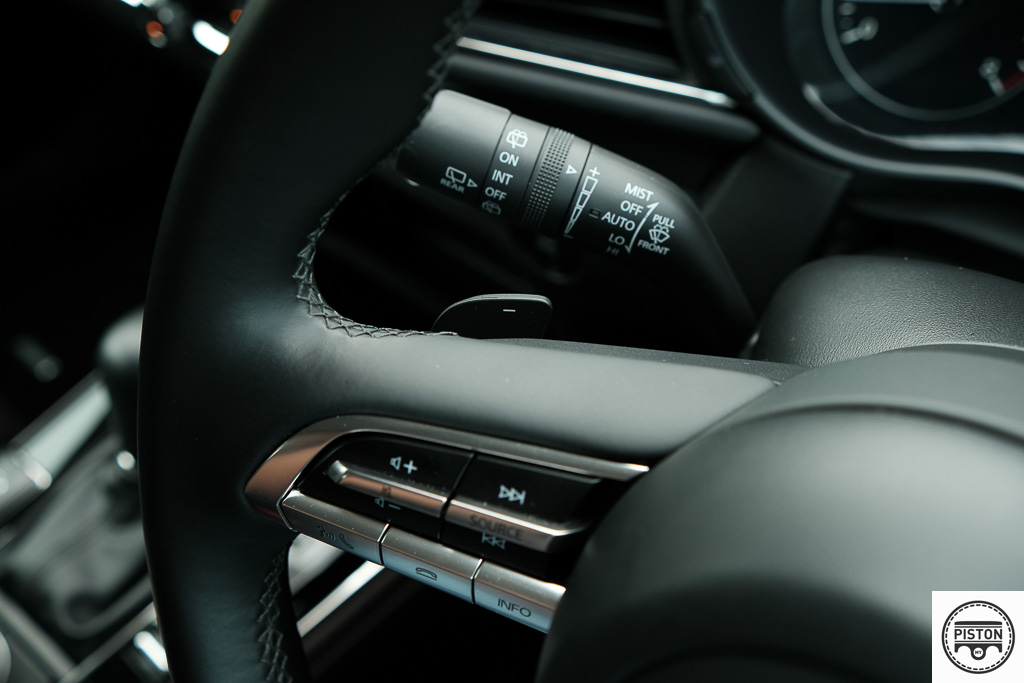
The CX-30 High+ model also comes with steering mounted shifter pedals. This further adds to the sporty character of the CX-30 – giving you absolute control over the powertrain of the car and letting you decide which gear you want to be in when you go into full attack mode.
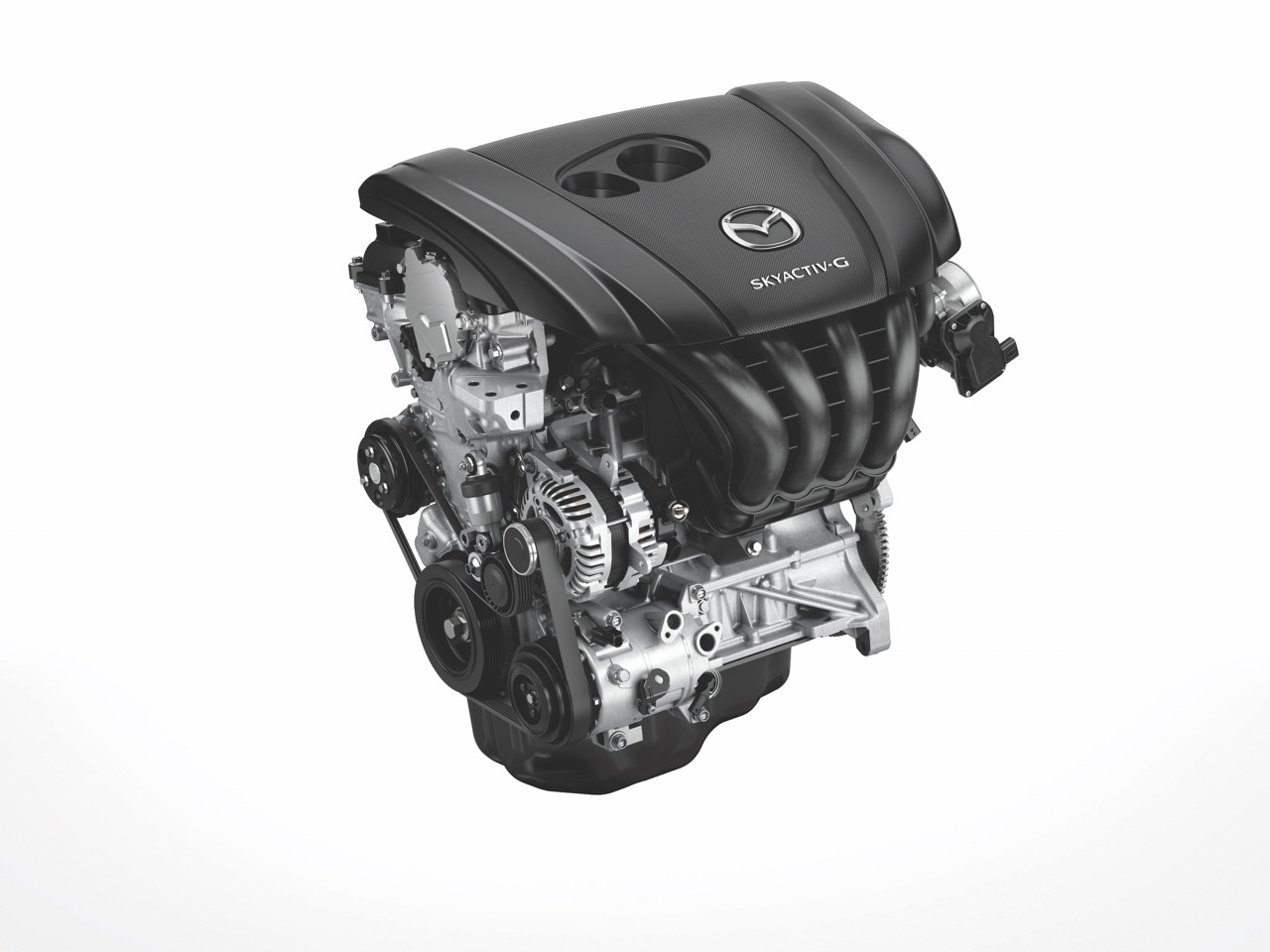
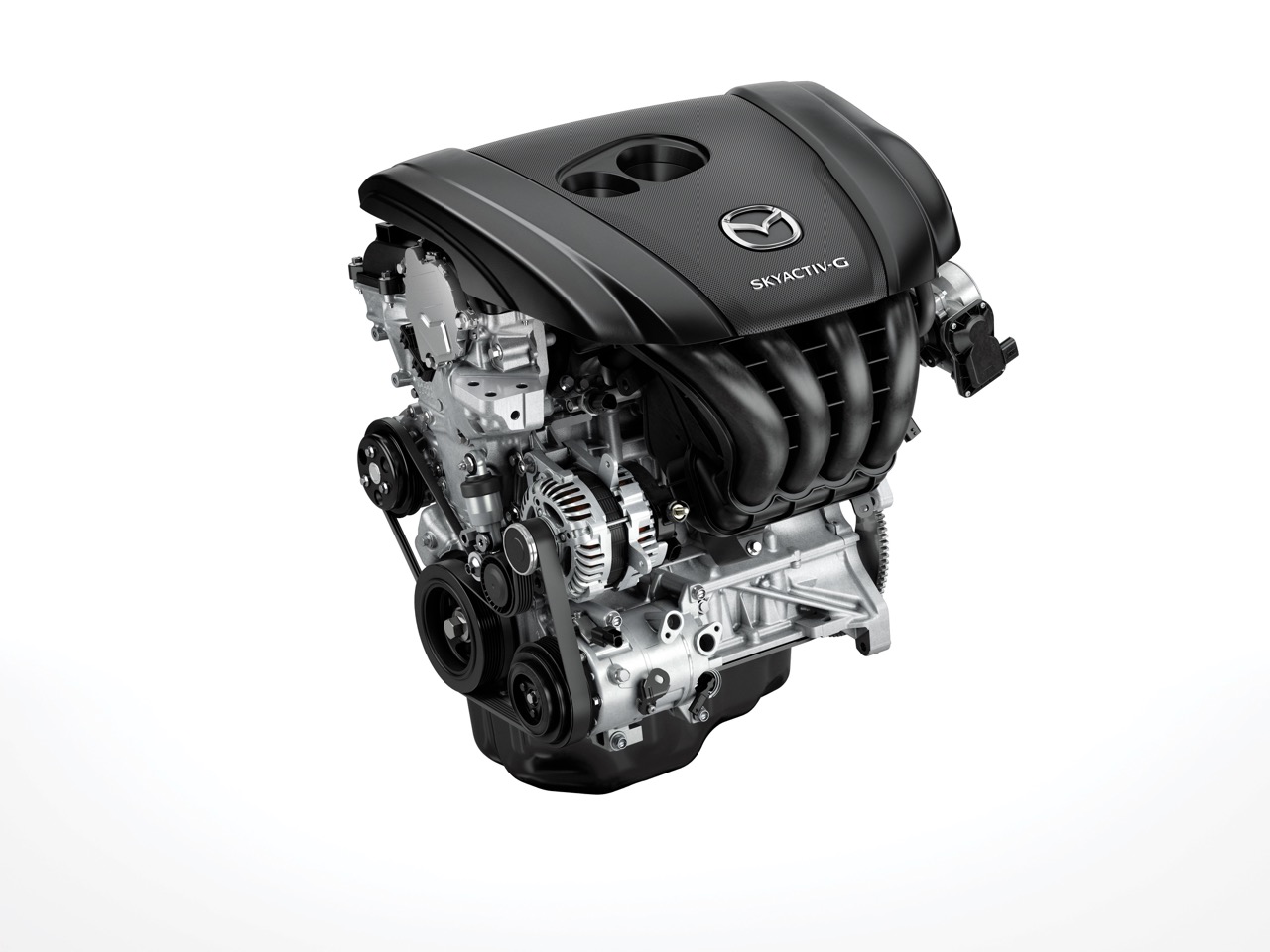
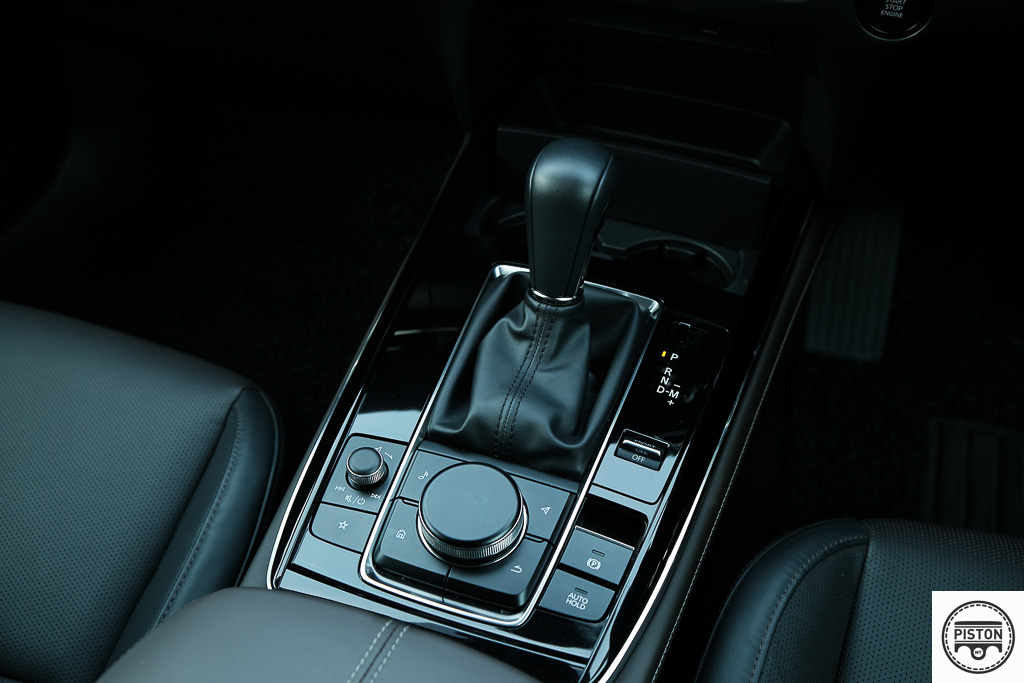
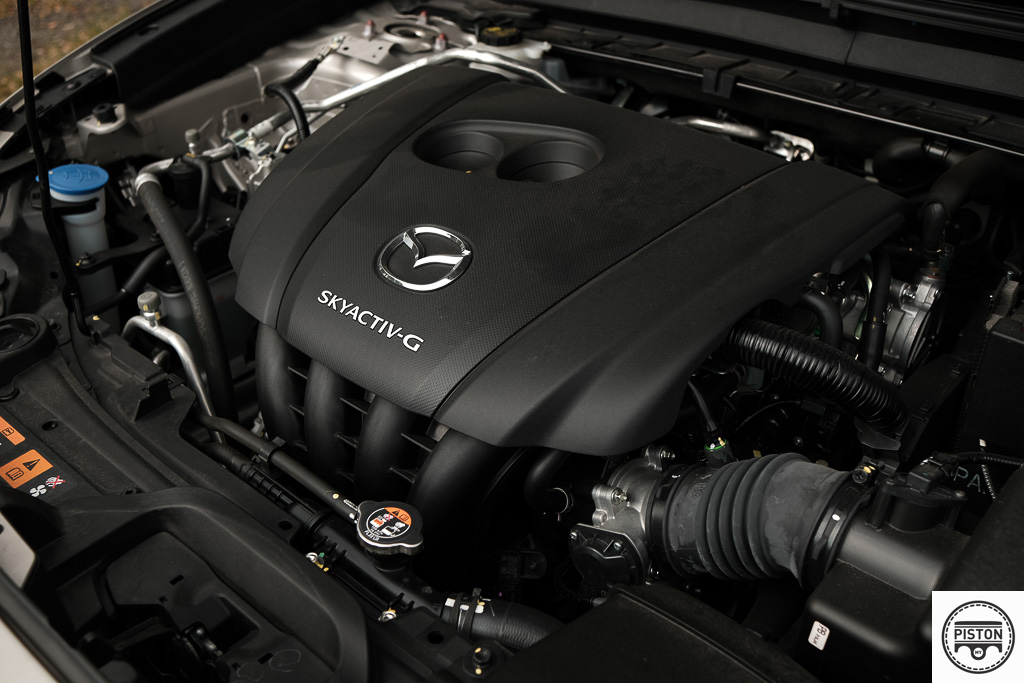
Having said that though, the power figures are not exactly that impressive. The 2.0-litre engine makes 162hp at 6000 rpm and 213Nm of torque at 4000rpm. Power is sent to the front wheels through a six-speed automatic gearbox.
Power delivery takes time as is typical of a naturally-aspirated engine. Since most of the power is made at the upper end of the rpm bandwidth, you have to wring out the engine and wait for it to come alive.
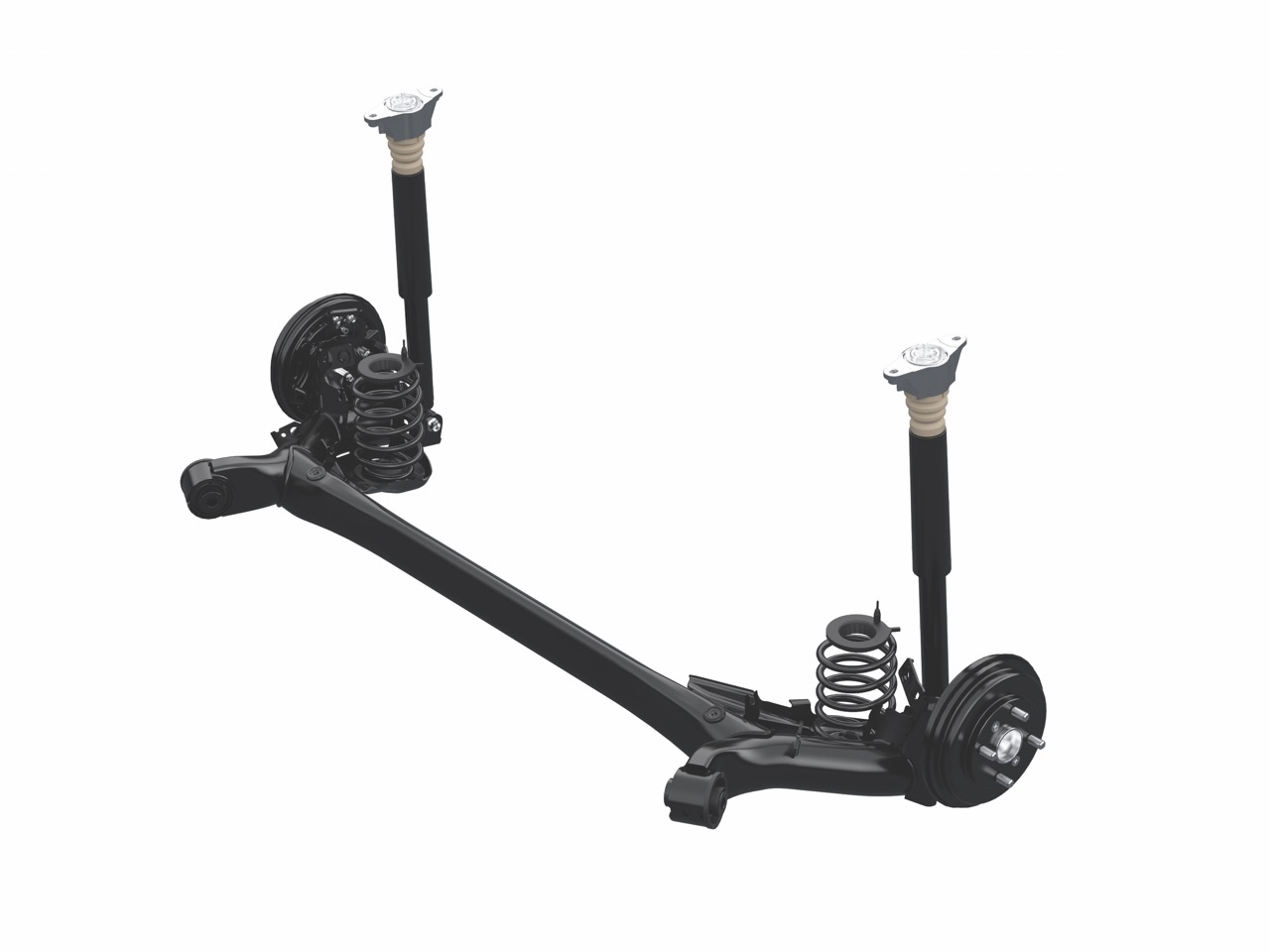
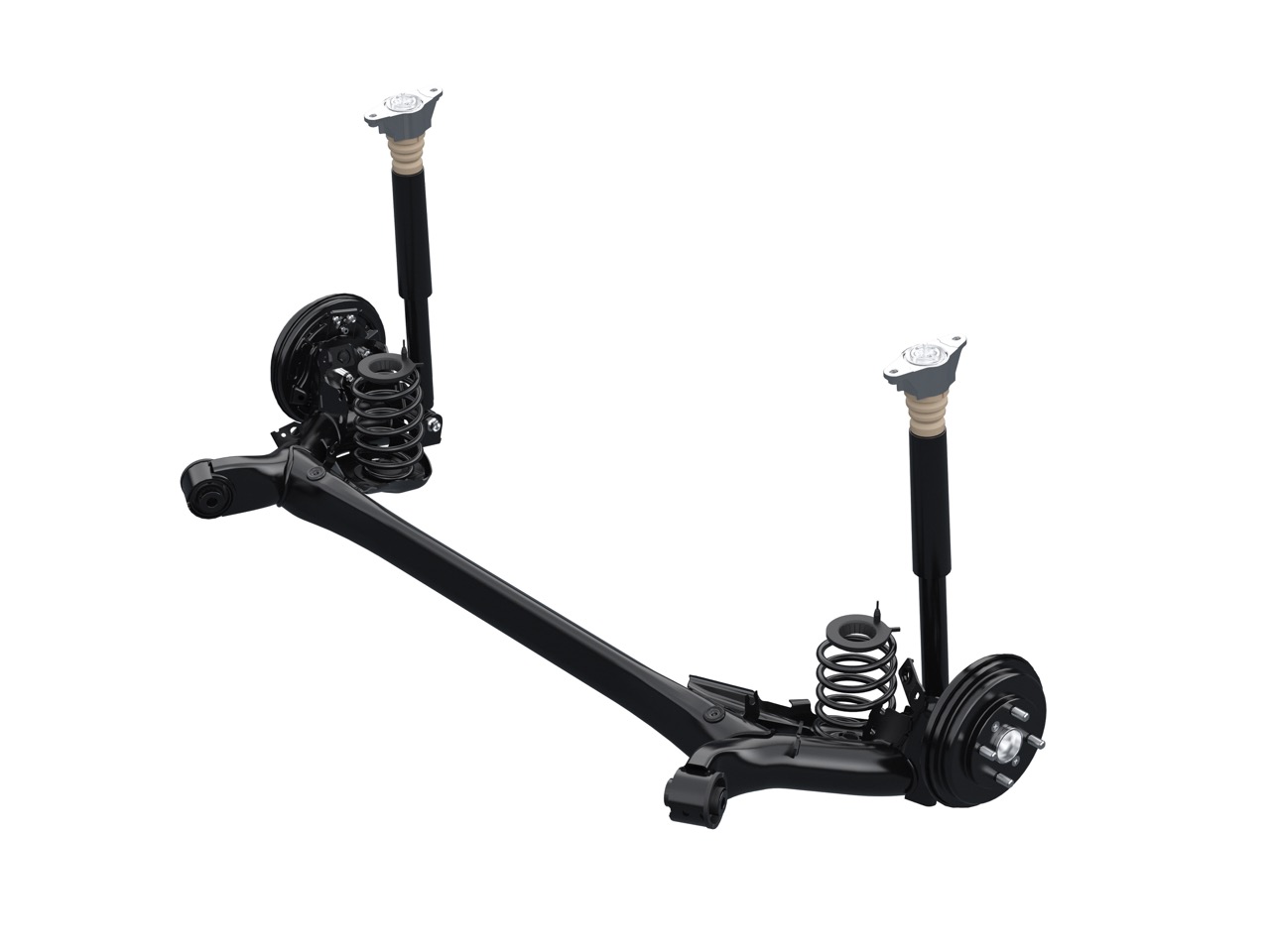
But when it does come alive, that is where the CX-30 is at its finest. The combination of power and control makes it quite fun in corners. However, that joy is quickly let down by the torsion beam rear suspension that makes the rear feel unsettled.
On that point though, the CX-30 is not exactly a sports car, though it def feels great to drive, it does a better job as a daily commuter that keeps its occupants comfortable.
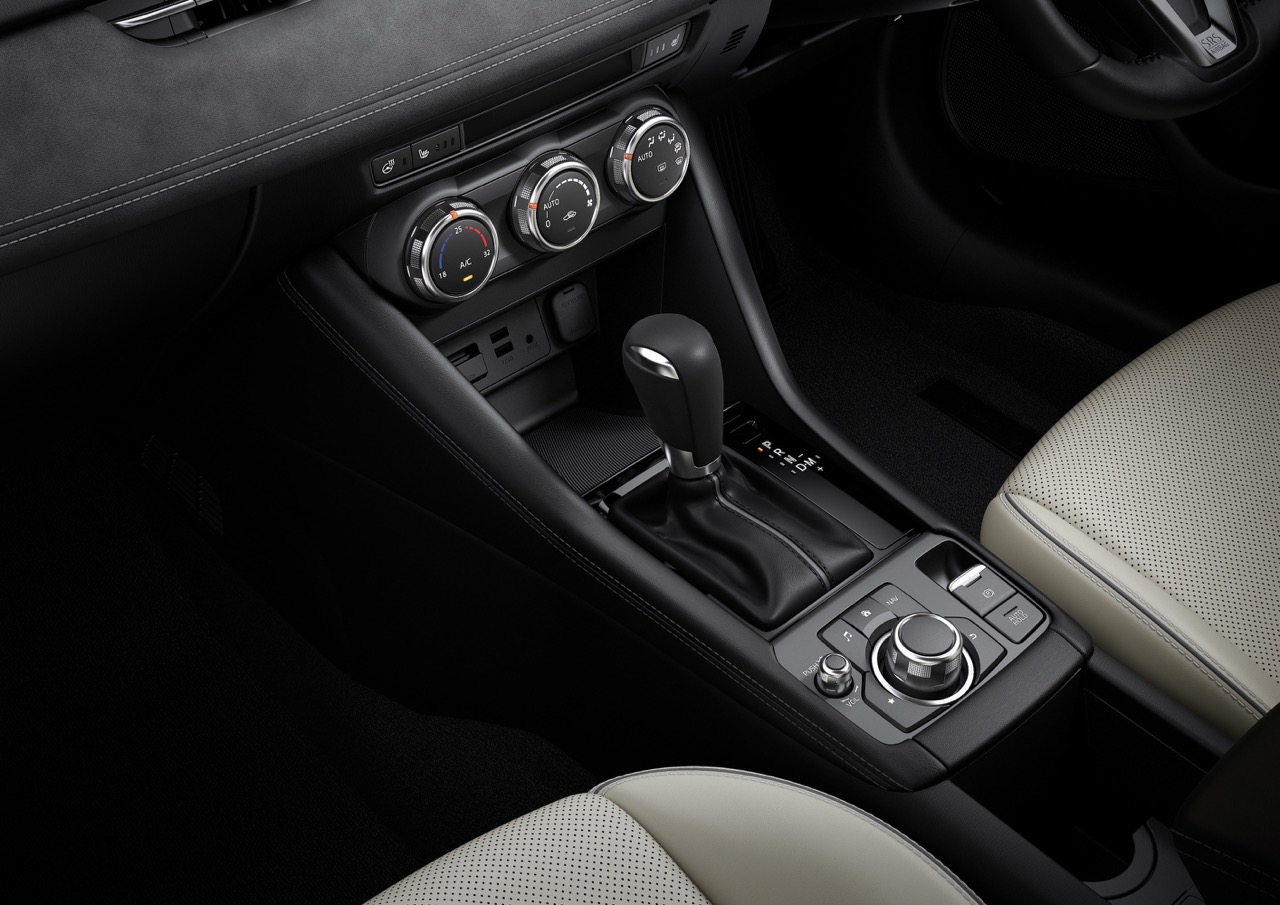
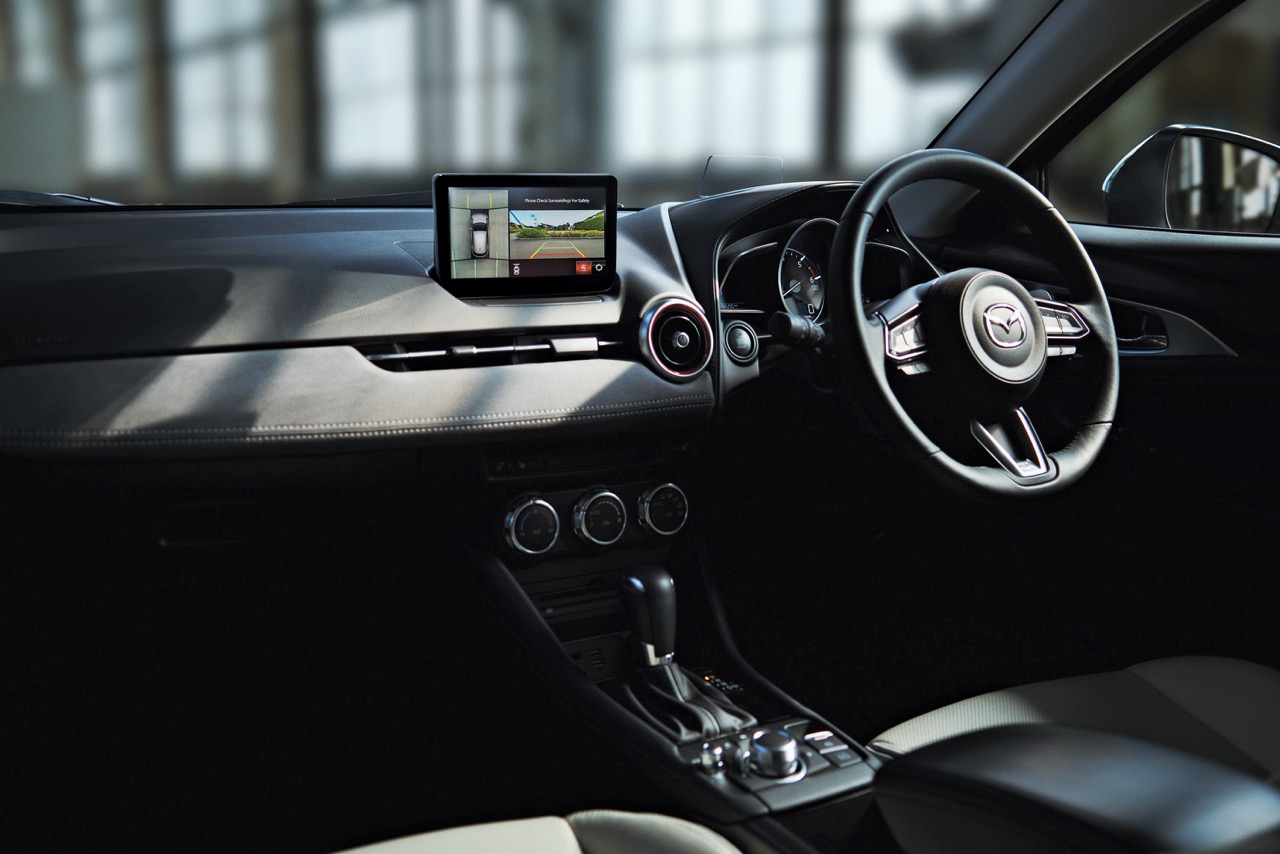
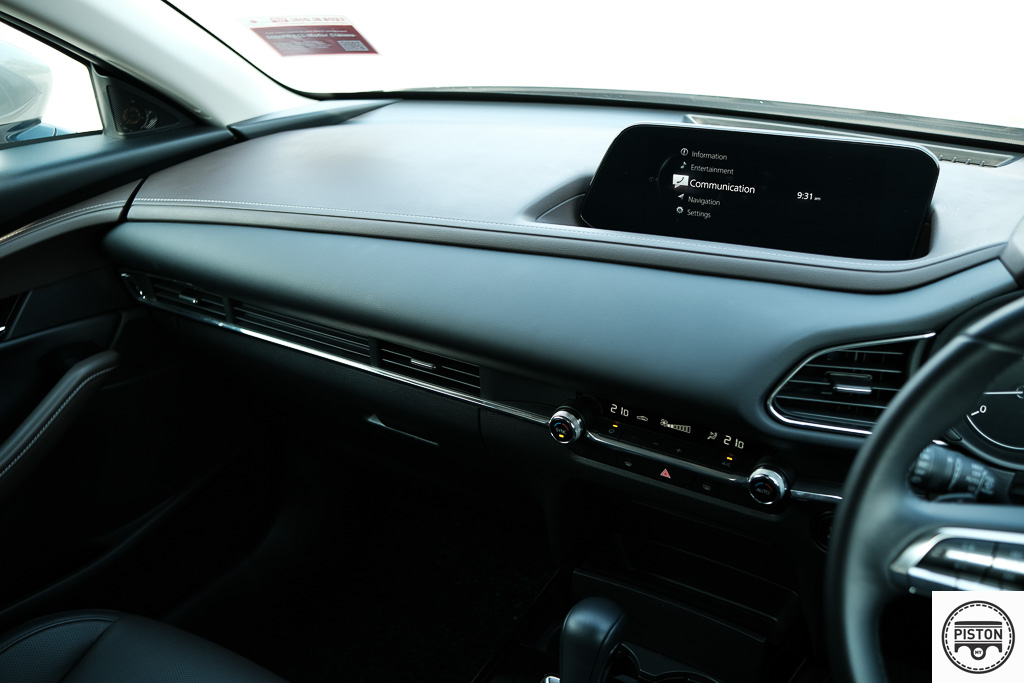
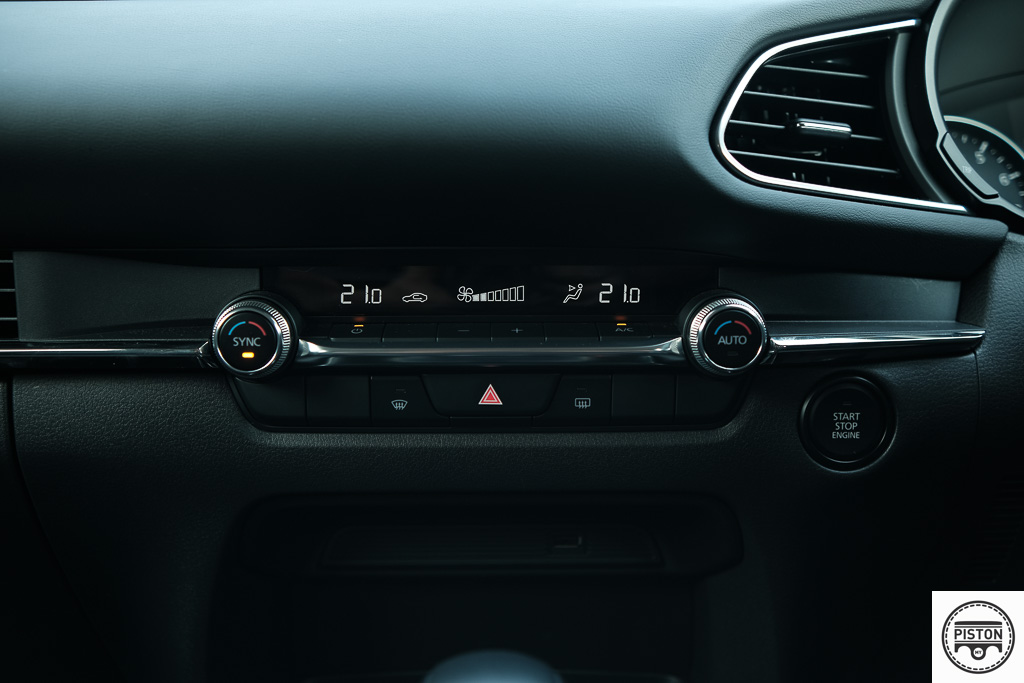
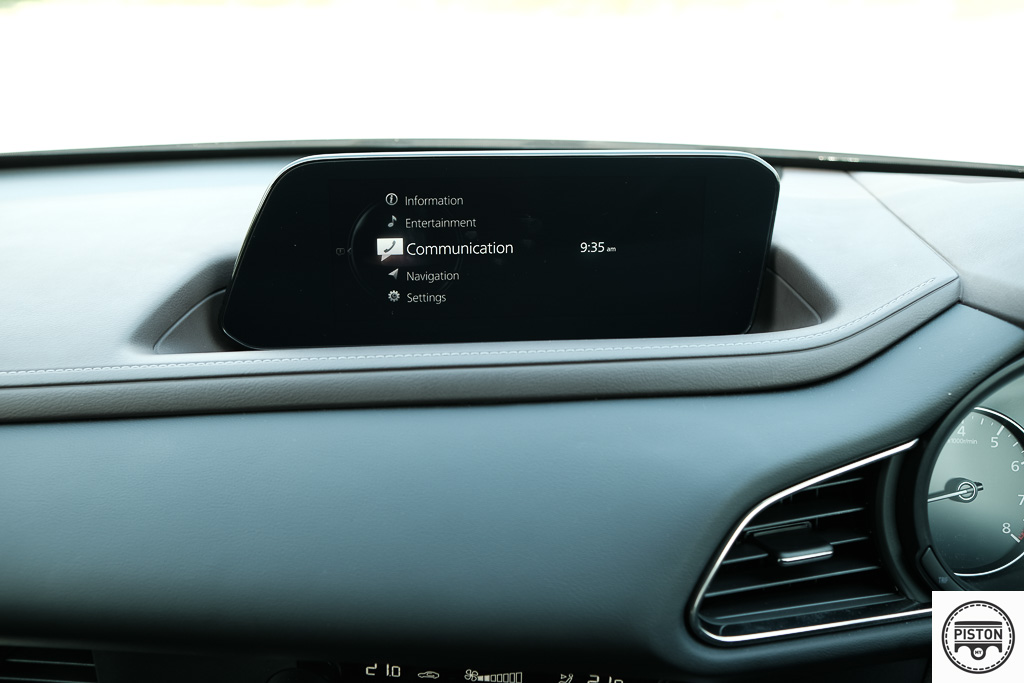
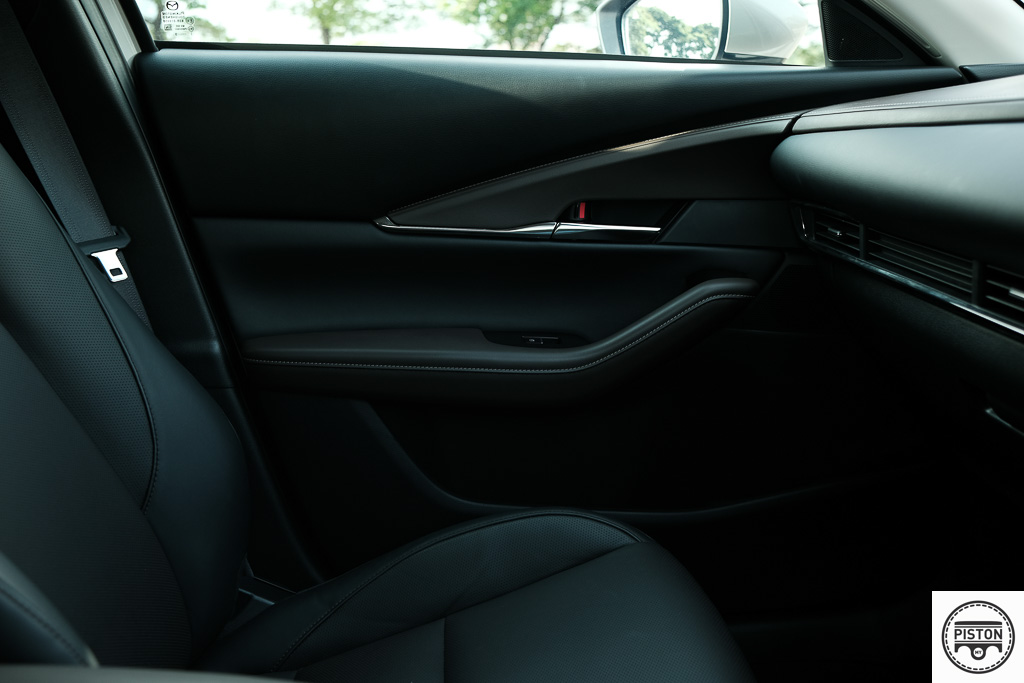
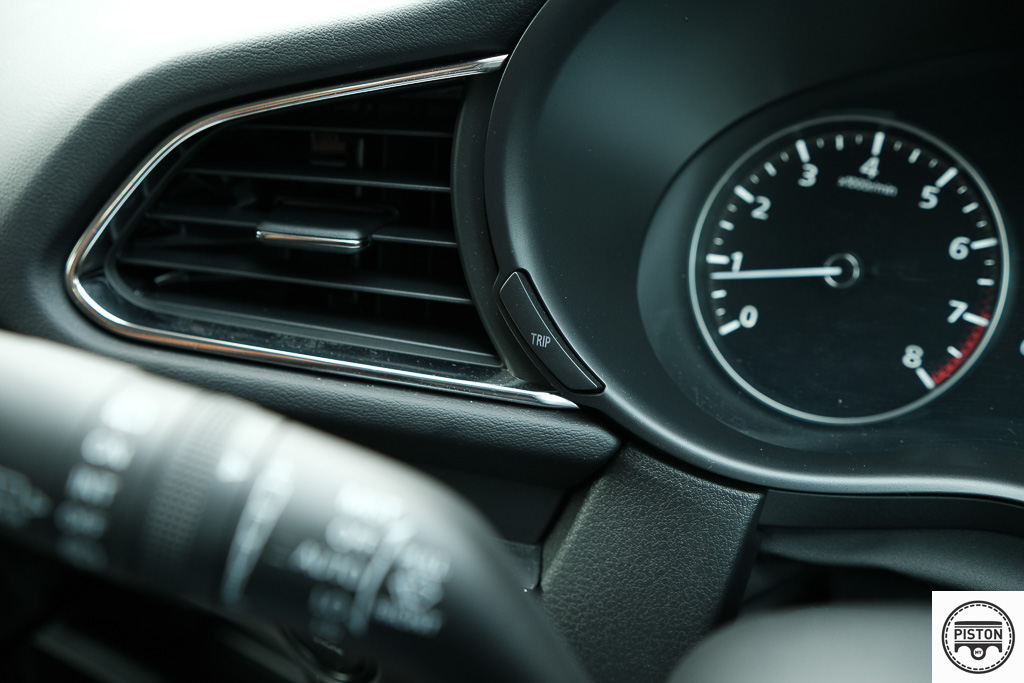
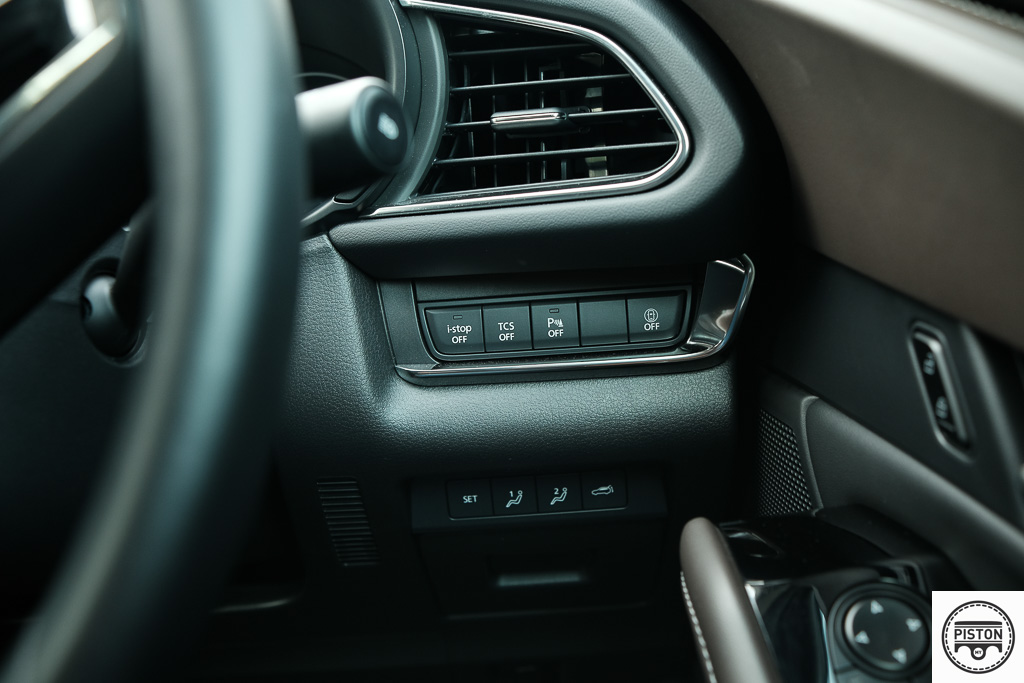
If you’re not familiar with Mazda cars, the interior might feel a little understated and minimalist. The interior of the CX-30 is the same. It is devoid of anything that will take your breath away.
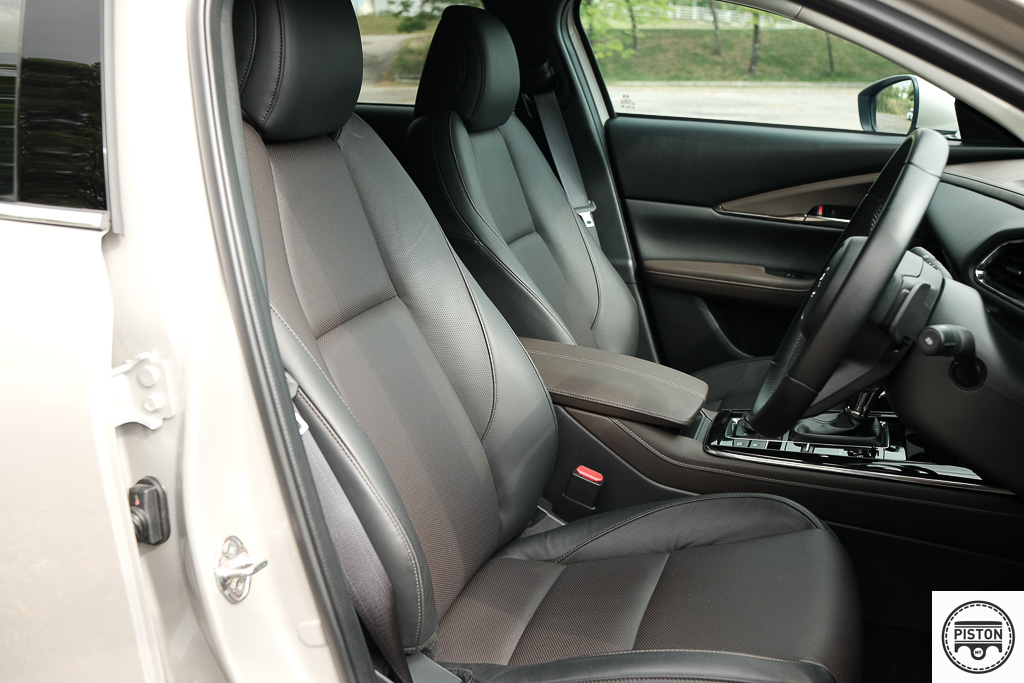
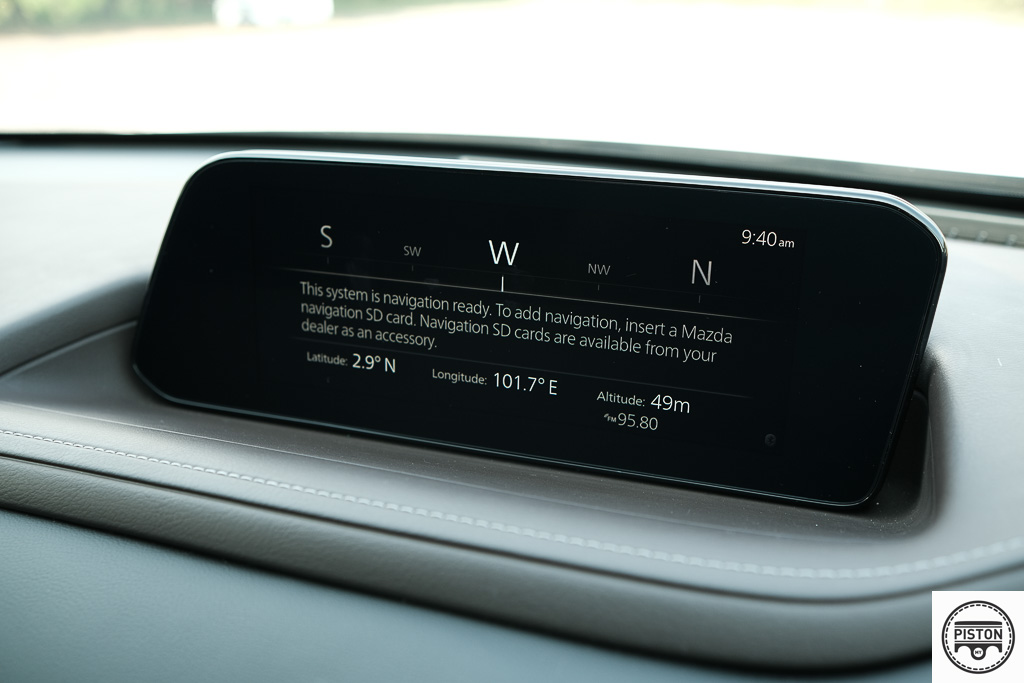
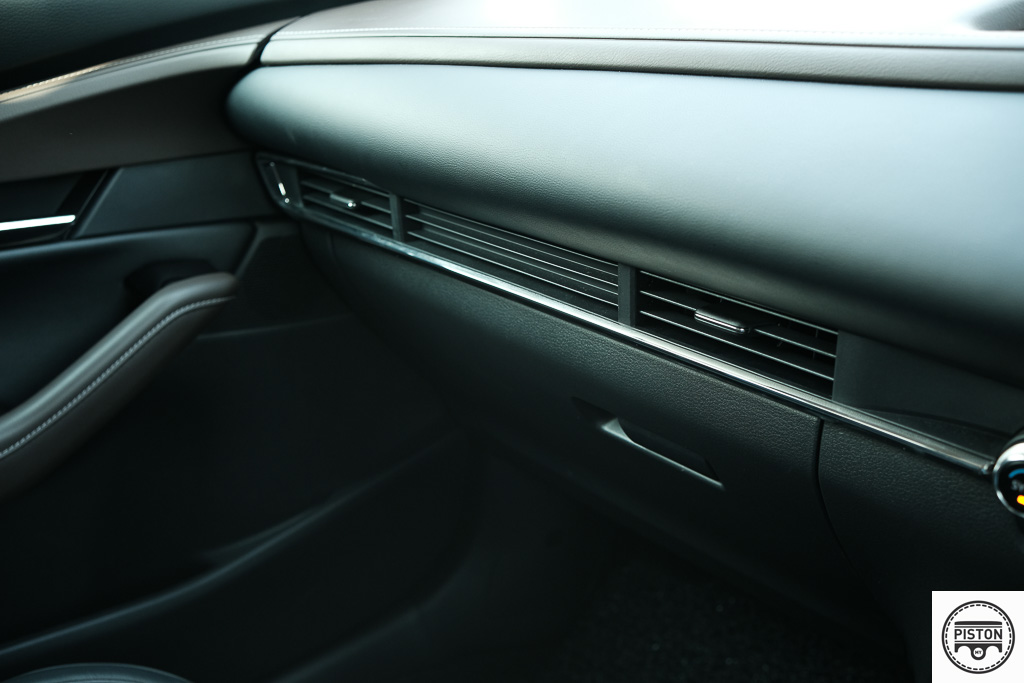
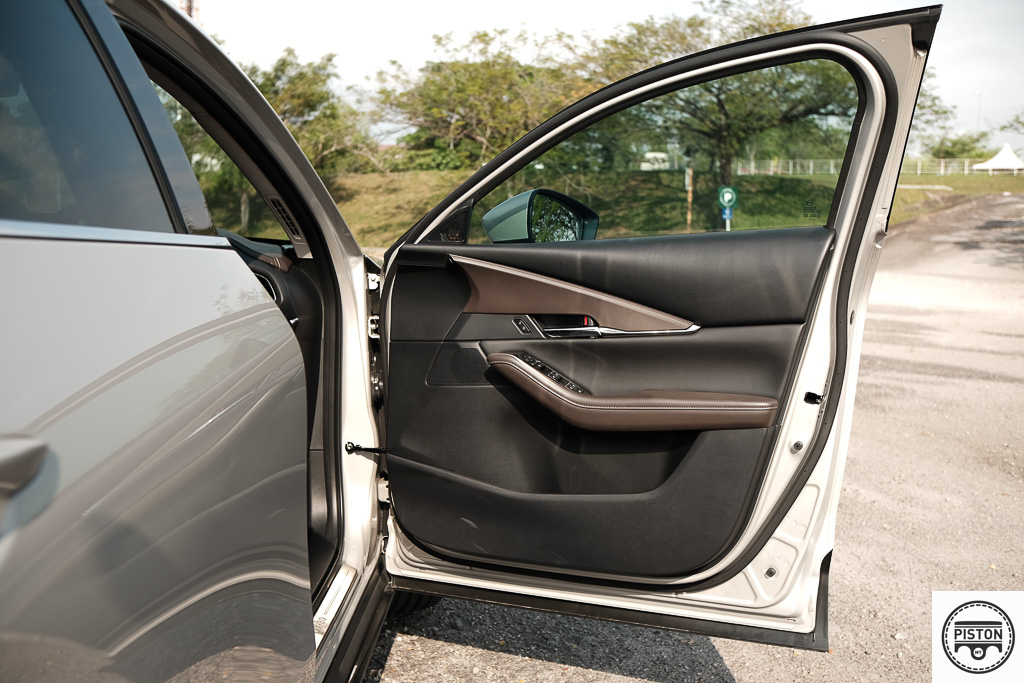
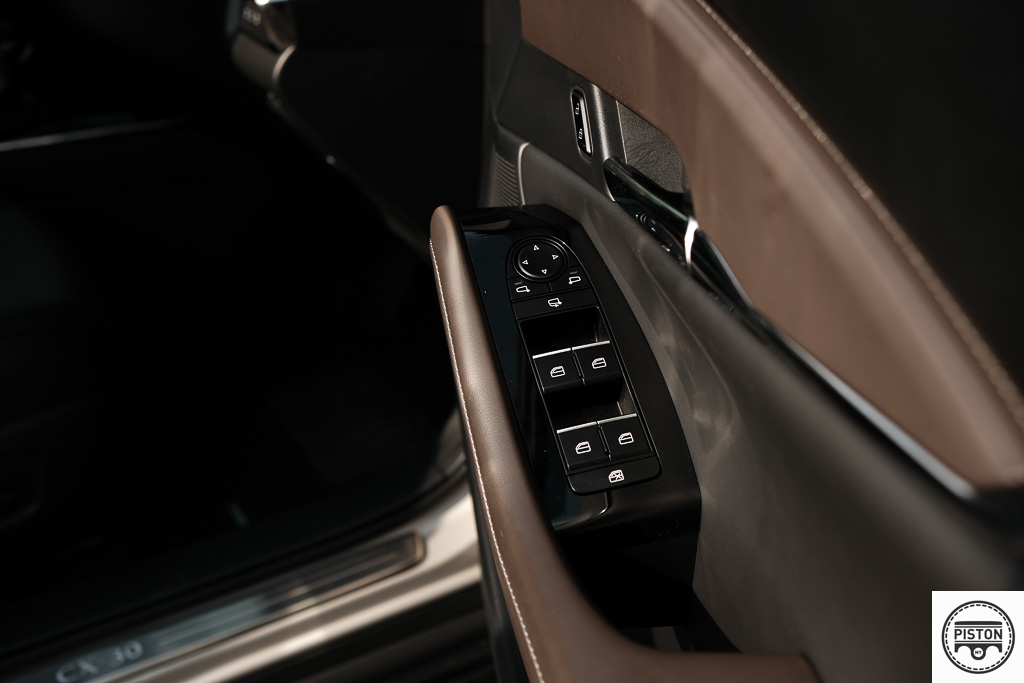
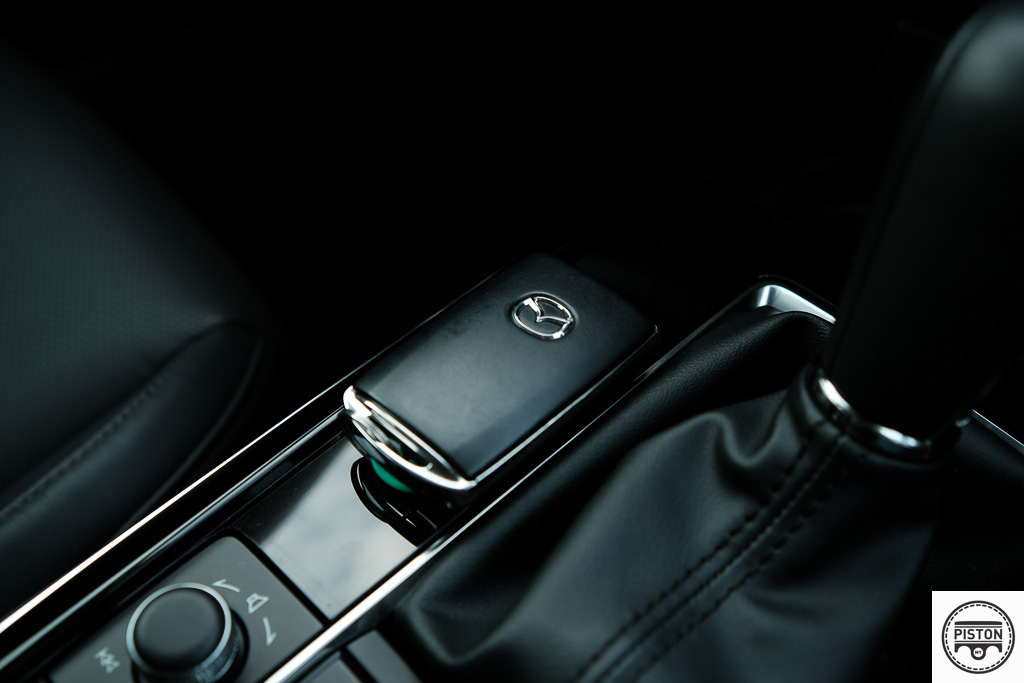
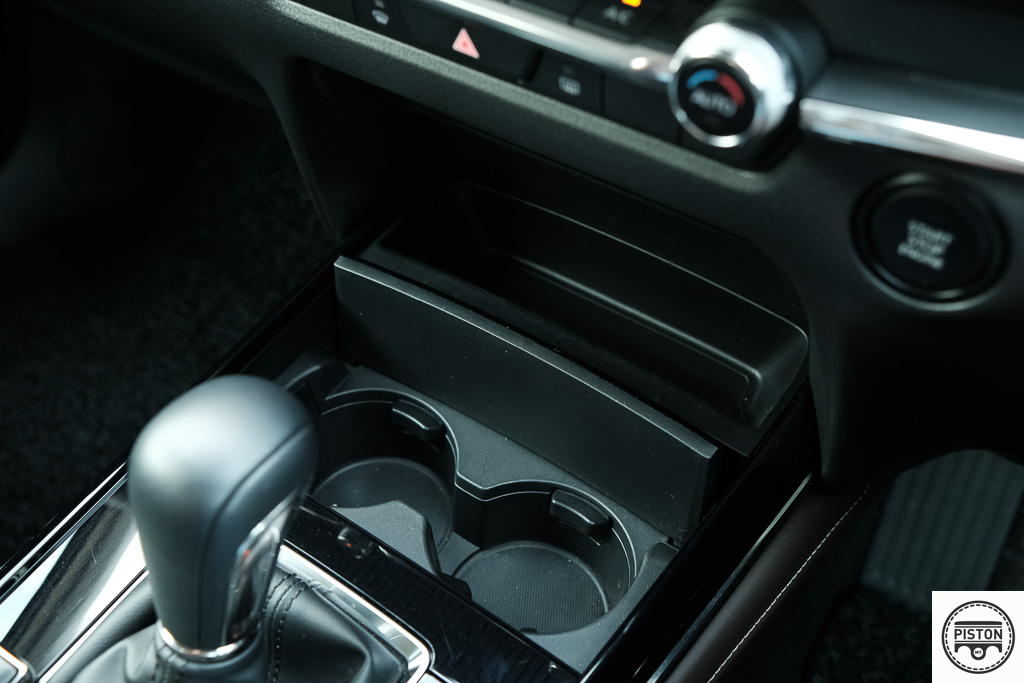
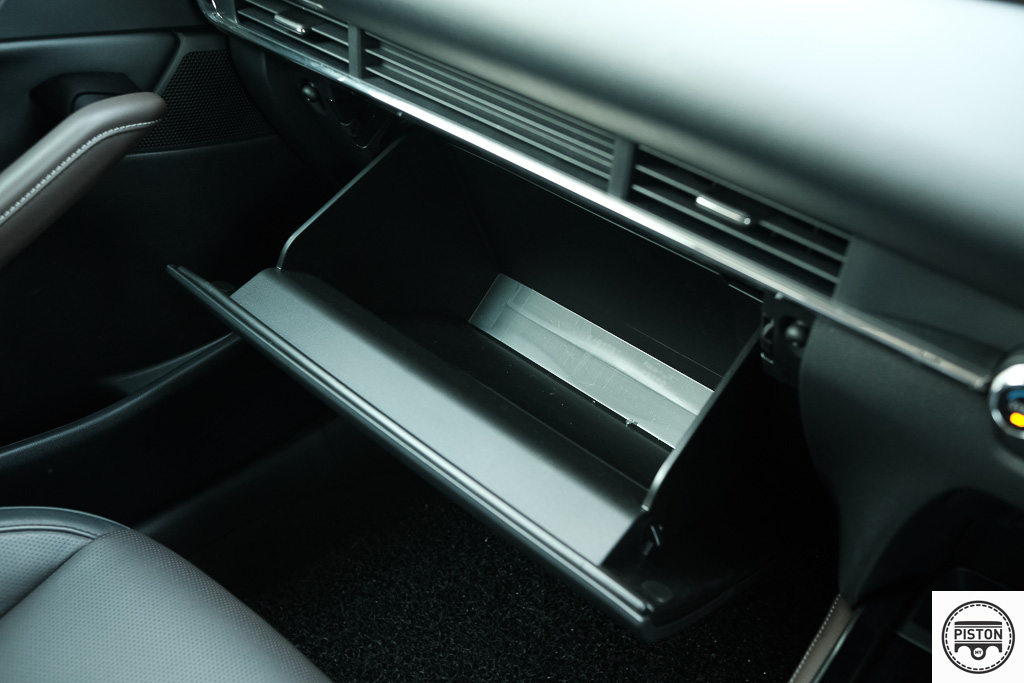
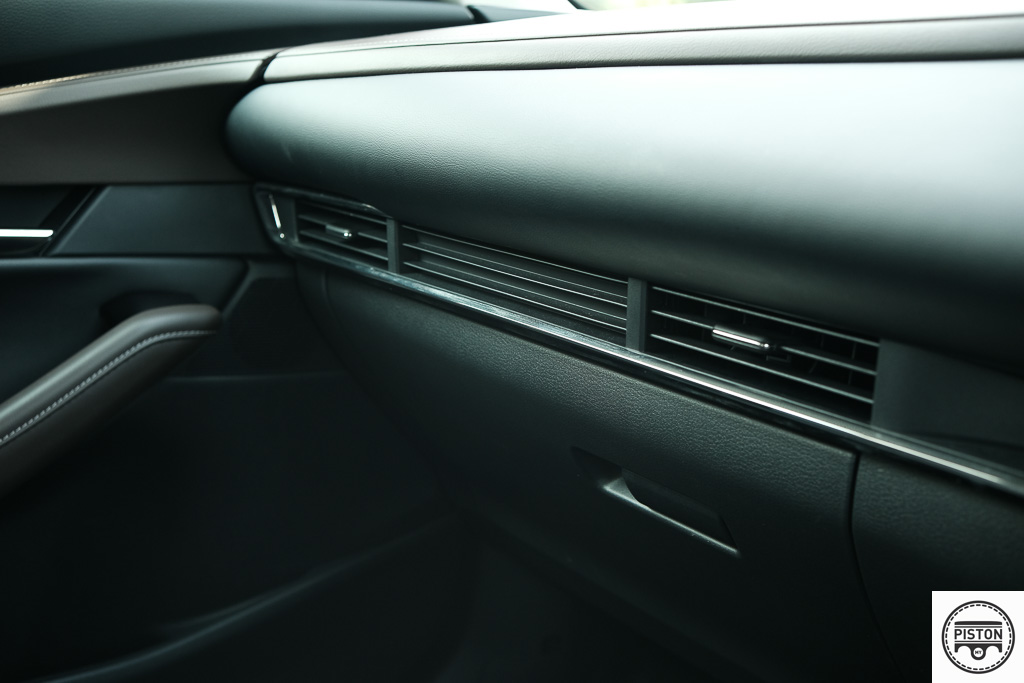
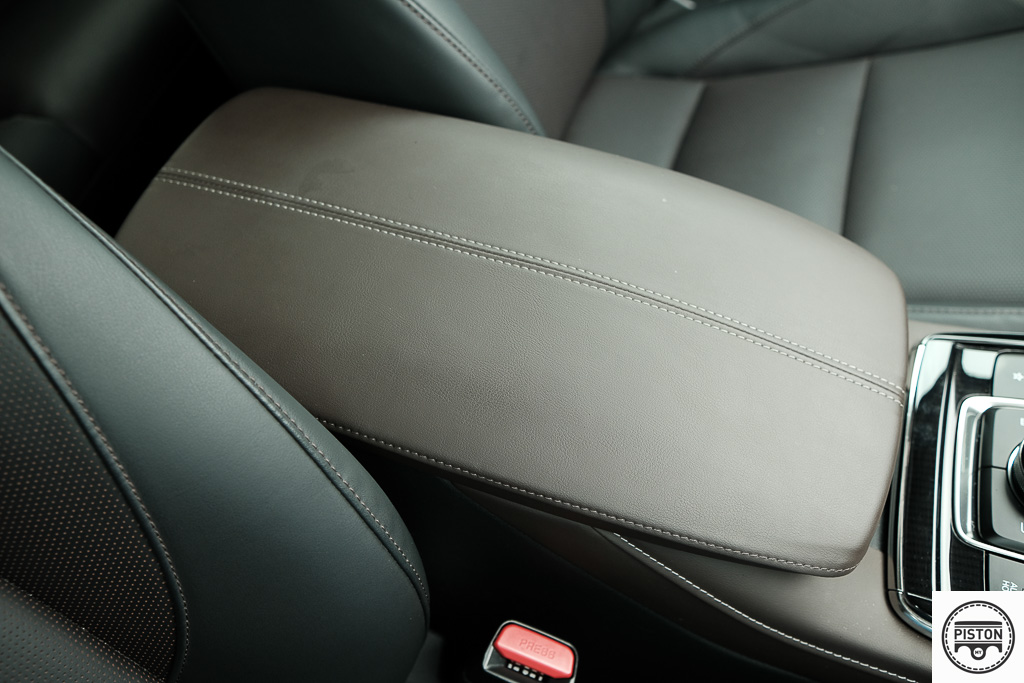
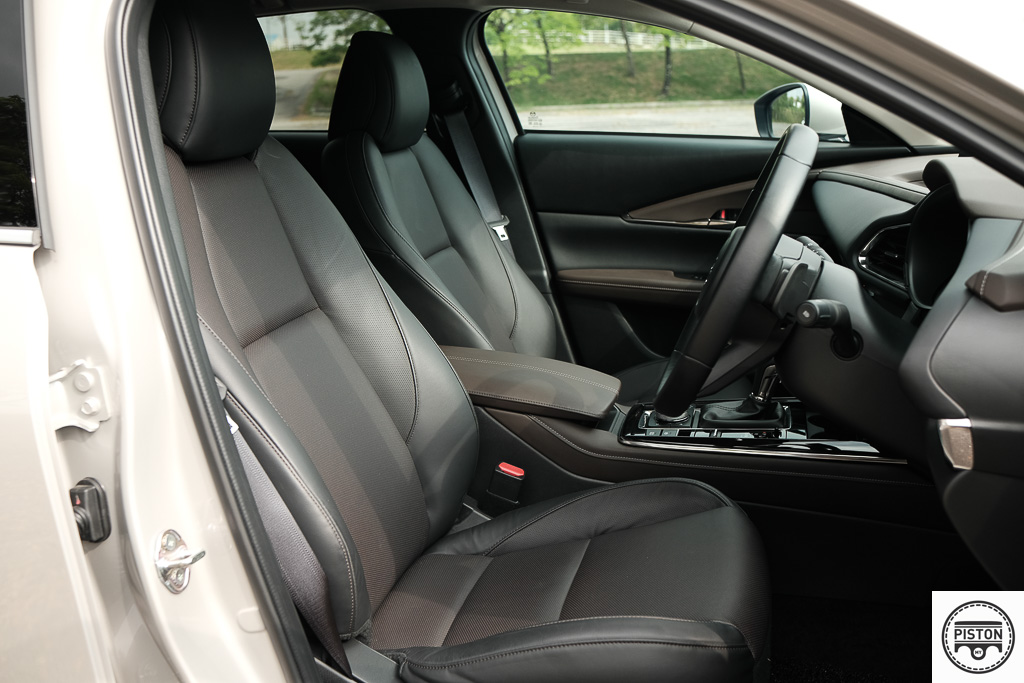
Instead, what you get is a purposeful interior that prioritises the important things. The quality though is top notch. There’s plush leather and soft touch plastics everywhere around the interior, and this makes the interior feel more expensive than what it actually is.
The seats are comfortable and supportive, and space is especially impressive for the front passengers. While the CX-3 can feel cramped, the CX-30 feels generous in terms of spaciousness.
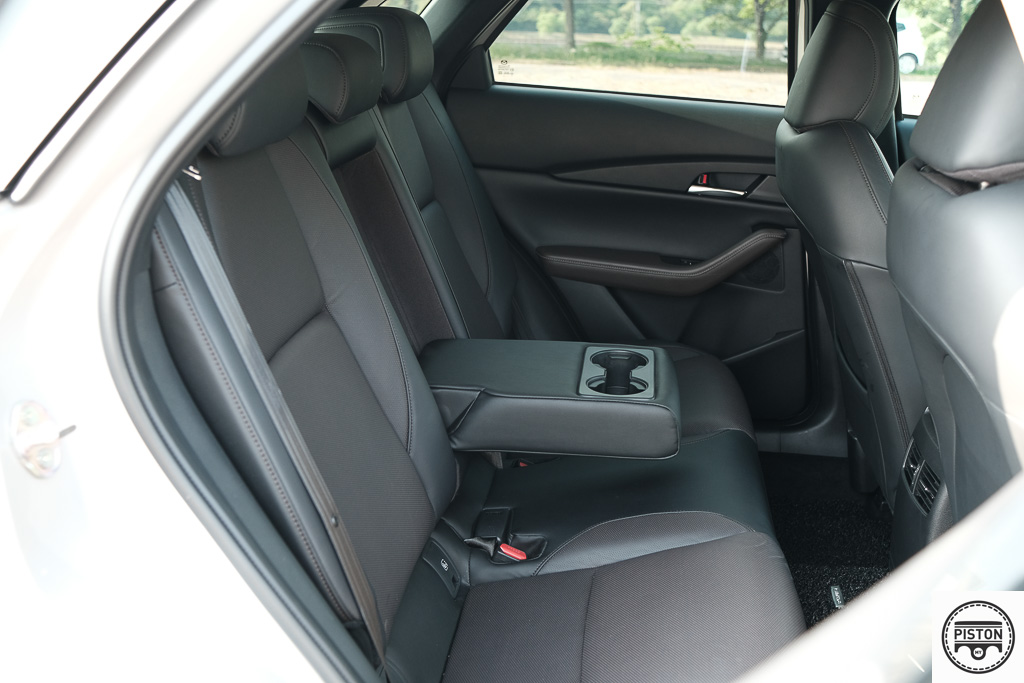
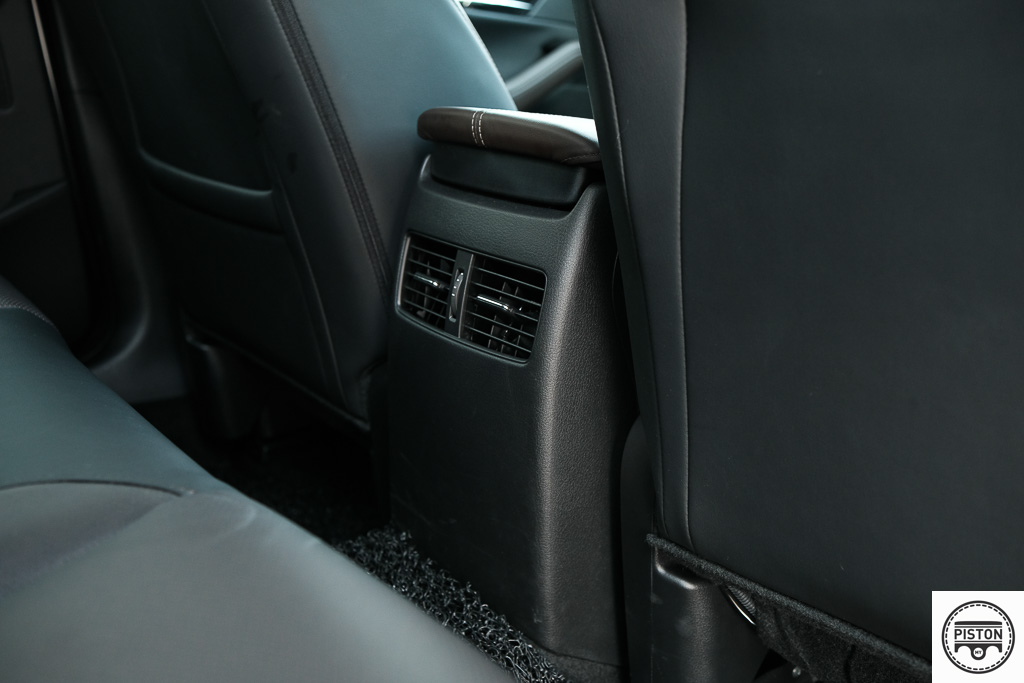
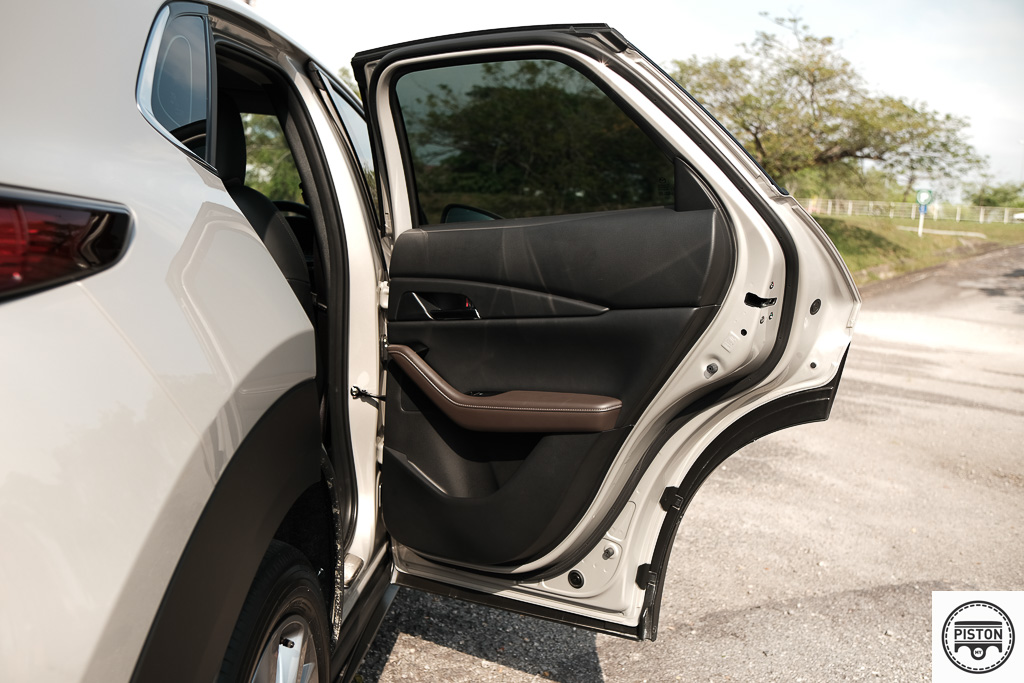
The rear seats though still feel cramped. Taller passengers will be hard done to be comfortable and even toddlers in their Isofix mounted child seats may find their legs sandwiched in between the front seats.
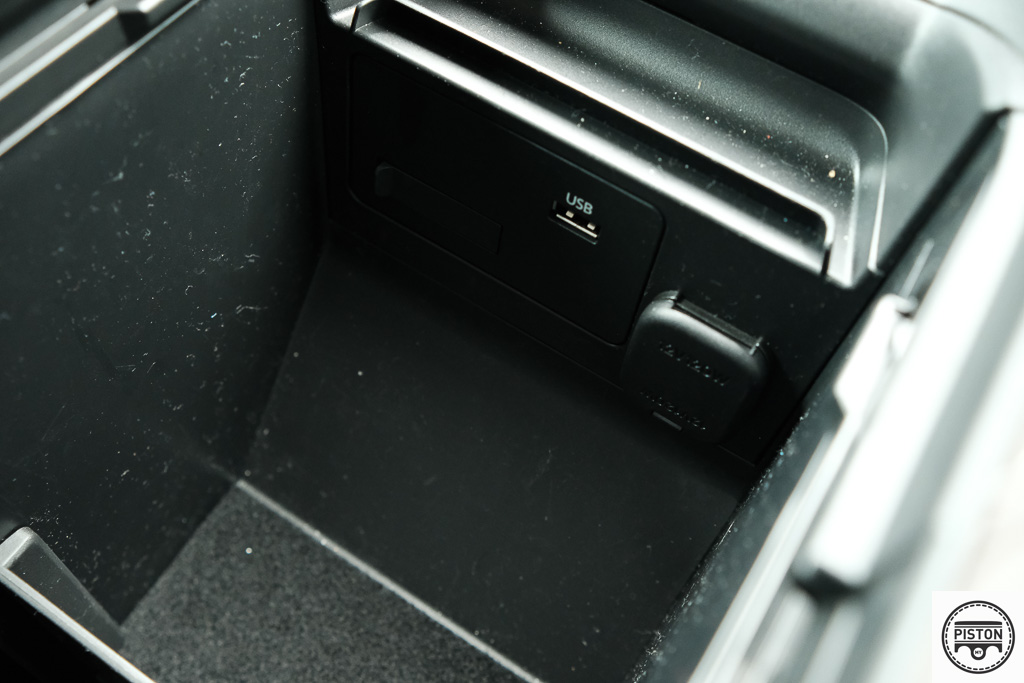
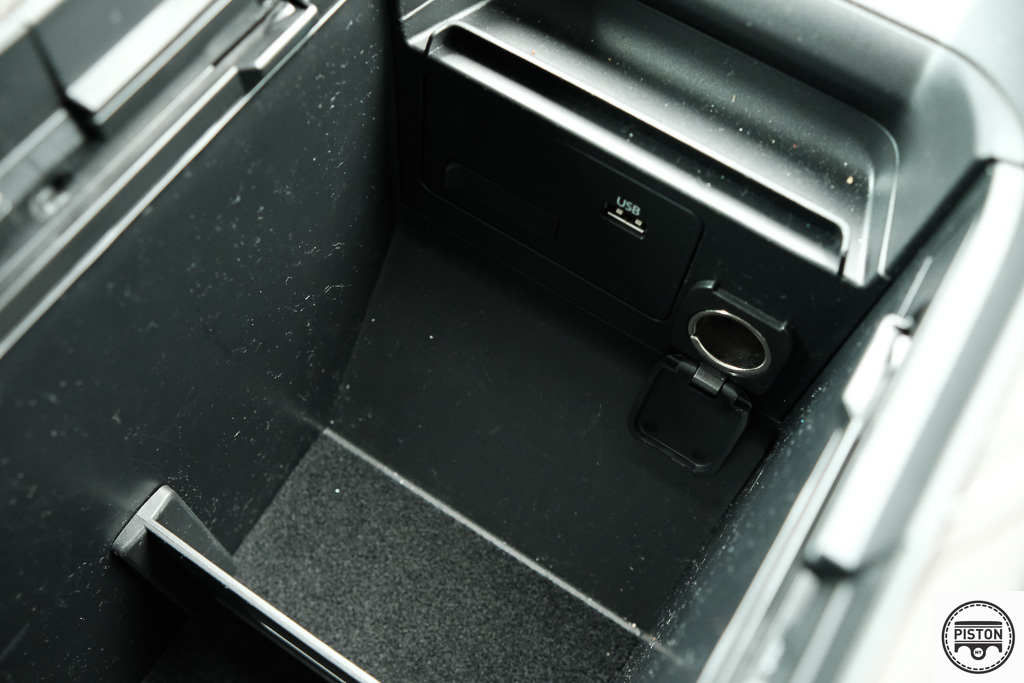
To top it off, there is no USB port for rear passengers, not even an auxiliary power outlet.
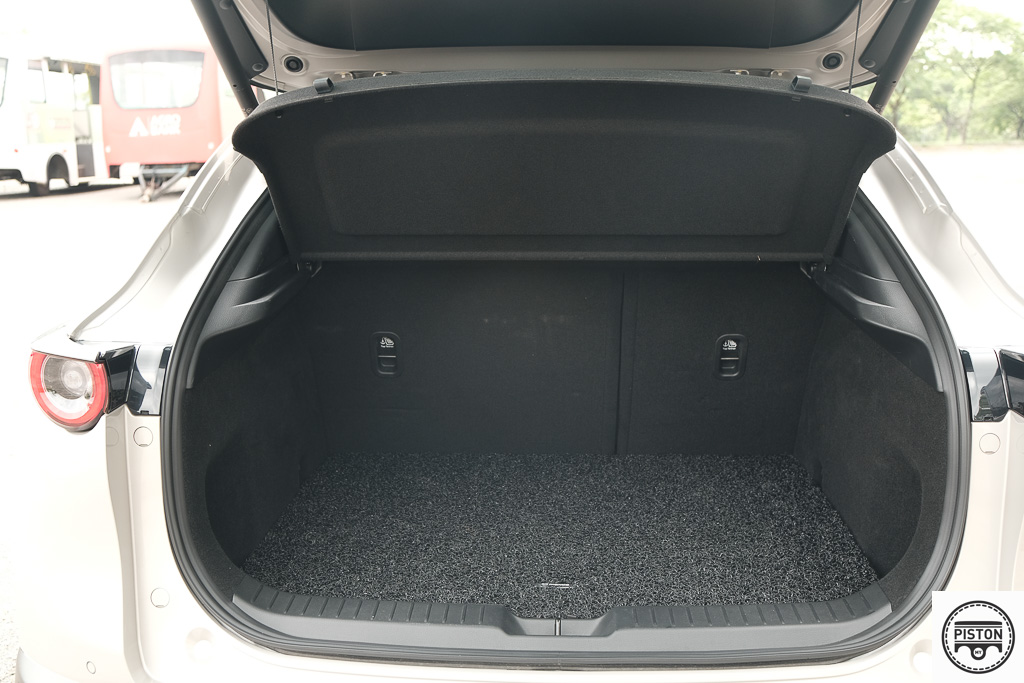
And there in lays the problem with the CX-30. It may be a good-looking car that is fun to drive with a decent powertrain. But it is an expensive small SUV and does not quite prioritise the utility part of an SUV with its small-ish interior.
In fact, its sibling the Mazda CX-5 2.0G High may be the better buy than the CX-30 High+ from within Mazda Malaysia’s own stable of cars. The CX-5 2.0G High costs a little under RM157,000 and it has most of what the CX-30 High+ has to offer, including spaciousness.
Just like the CX-30, the CX-5 too is a fun car to drive and because of the taller ride height, it might just be better to drive for those who need to prioritise spaciousness, i.e. families.
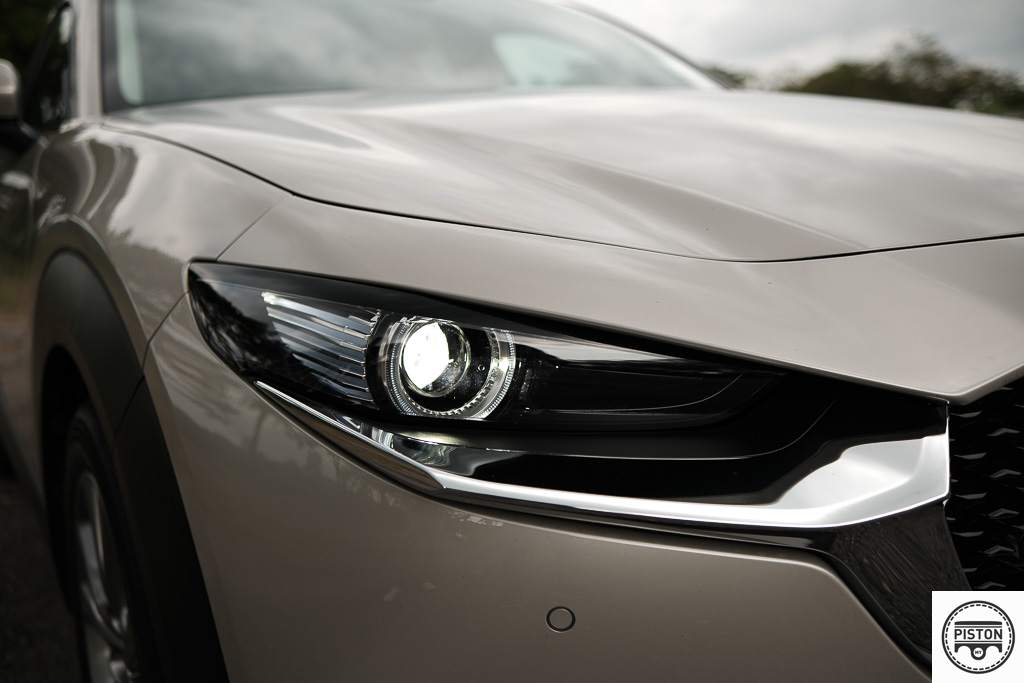
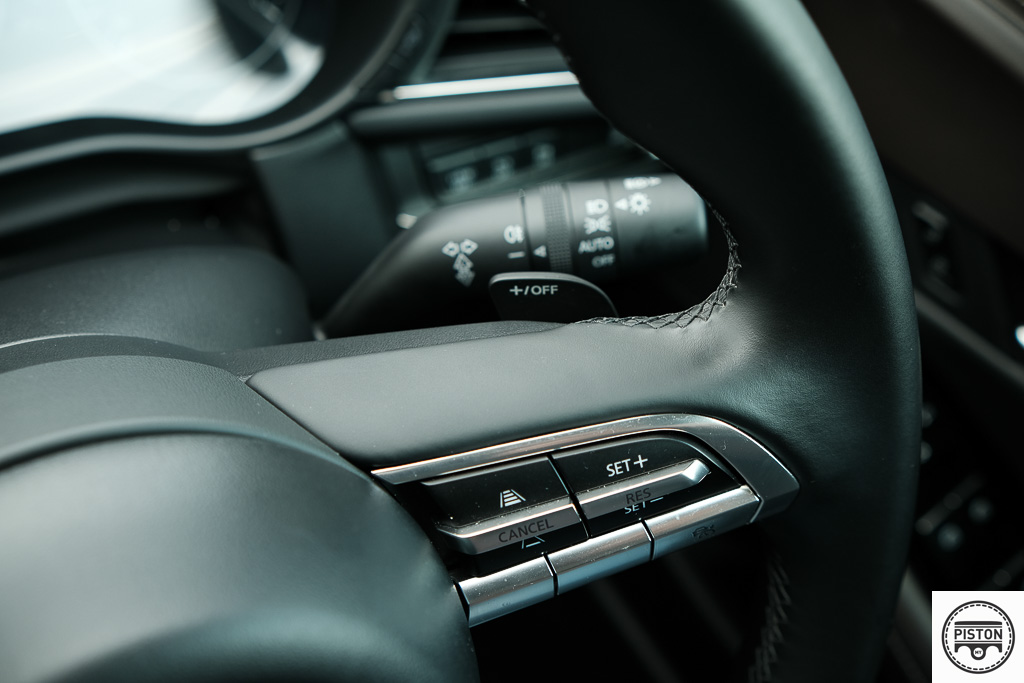
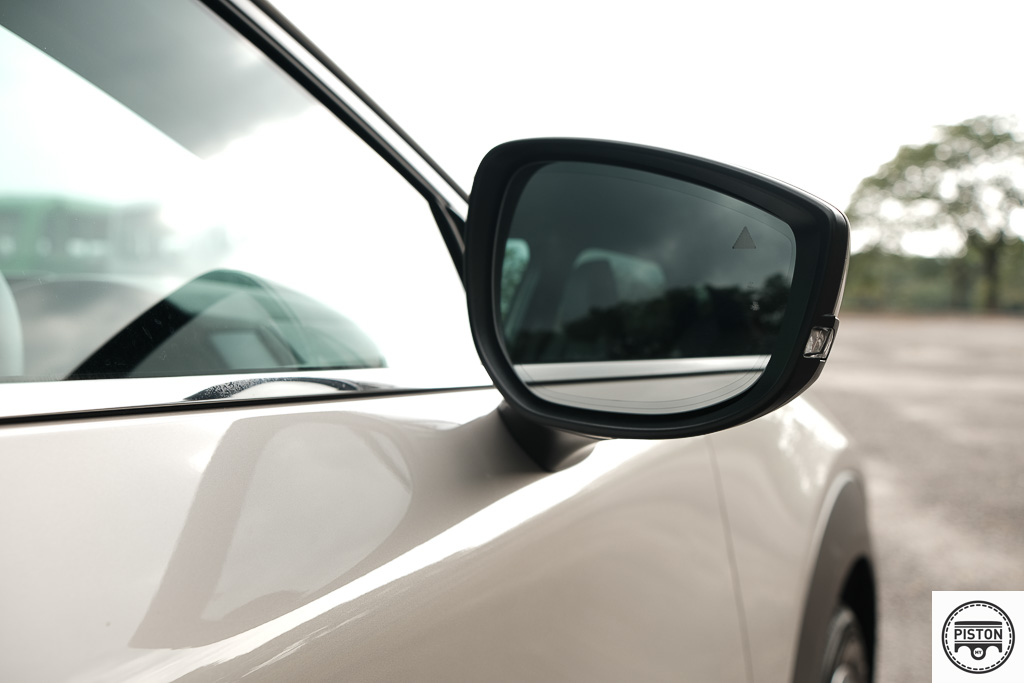
However, in defense of the CX-30 High+, it does come with quite an impressive list of features such as an adaptive front-light system and adaptive LED headlamps that turns the light according to the angle of the steering wheel, there’s also a complete Advanced Safety Technologies that include adaptive cruise control, lane departure warning, blind spot monitoring and a lot more. All designed to keep the driver and passenger safe in all situations.
So if the CX-30 High+ picks your curiosity but you find it expensive, perhaps the price of the entry level Standard model may be easier to digest. It does not have all that the High+ variant has to offer, but it is RM20,000 cheaper. Perhaps that might be the model to consider if the CX-30 is what whets your appetite. Otherwise, the CX-5 is the better buy.
Specifications
Engine: 2.0-litre, DOHC, 16-Valve, 4-Cylinder with VVT
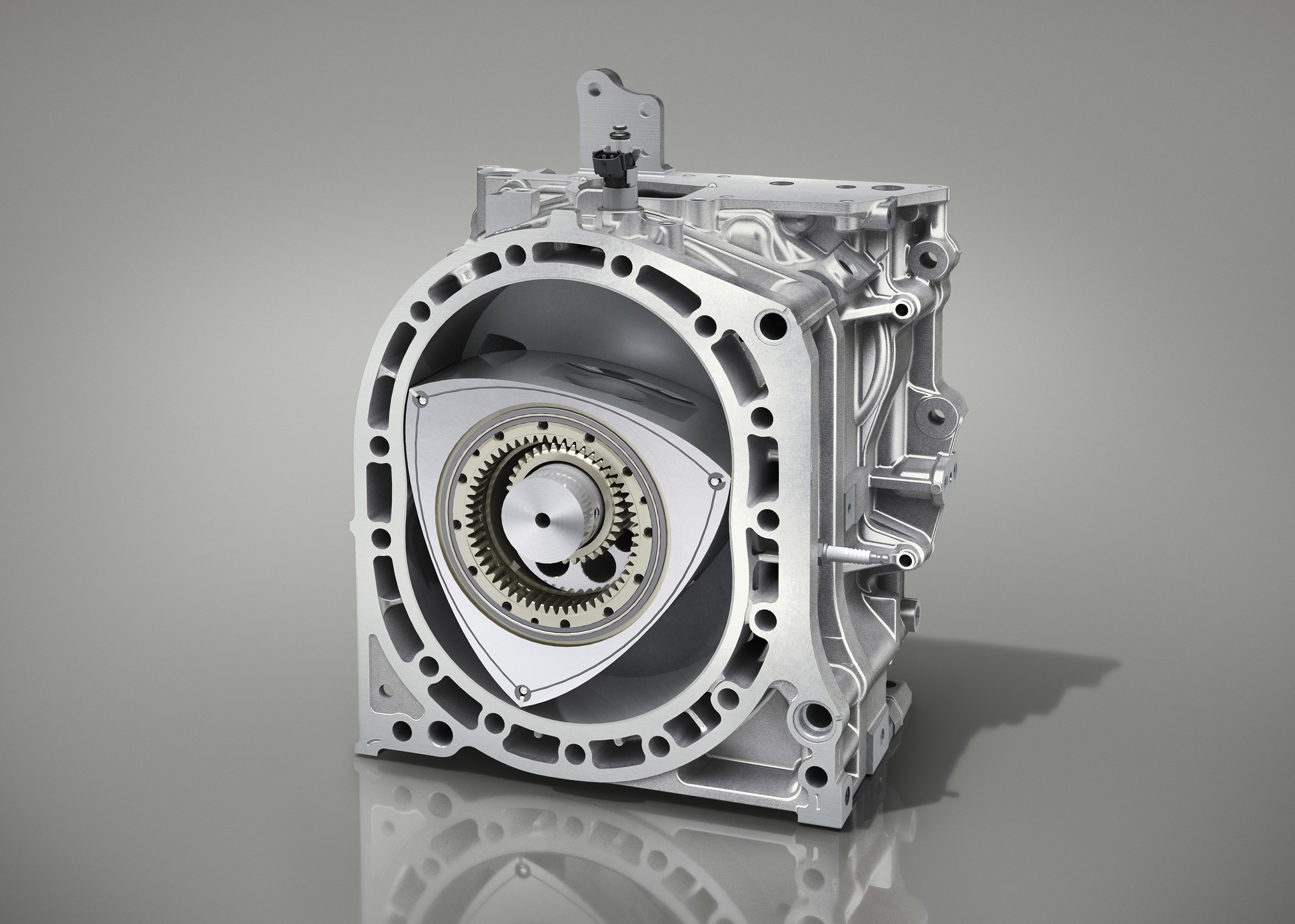
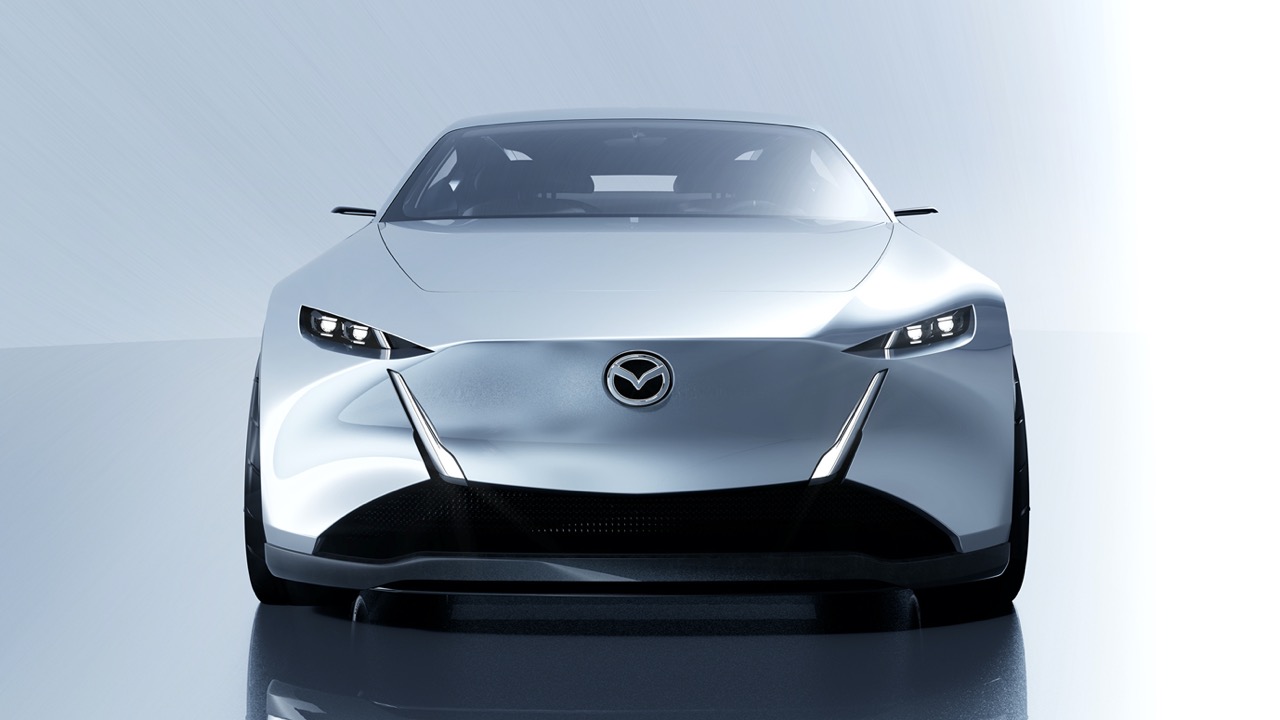
A hybrid powertrain system for a potential future sports car has been patented by Mazda with the United States Patent Office (USPTO). A rotary engine, three electric motors, and a bank of interchangeable batteries are all described in the patent as part of the system. This innovative technique promises to increase the car’s range while preserving its lightweight construction.
In 1967, Mazda became the first carmaker to mass-produce rotary engines. These lightweight yet powerful engines aided the firm, which was producing 300,000 automobiles per year at the time, in gaining admirers all over the world.
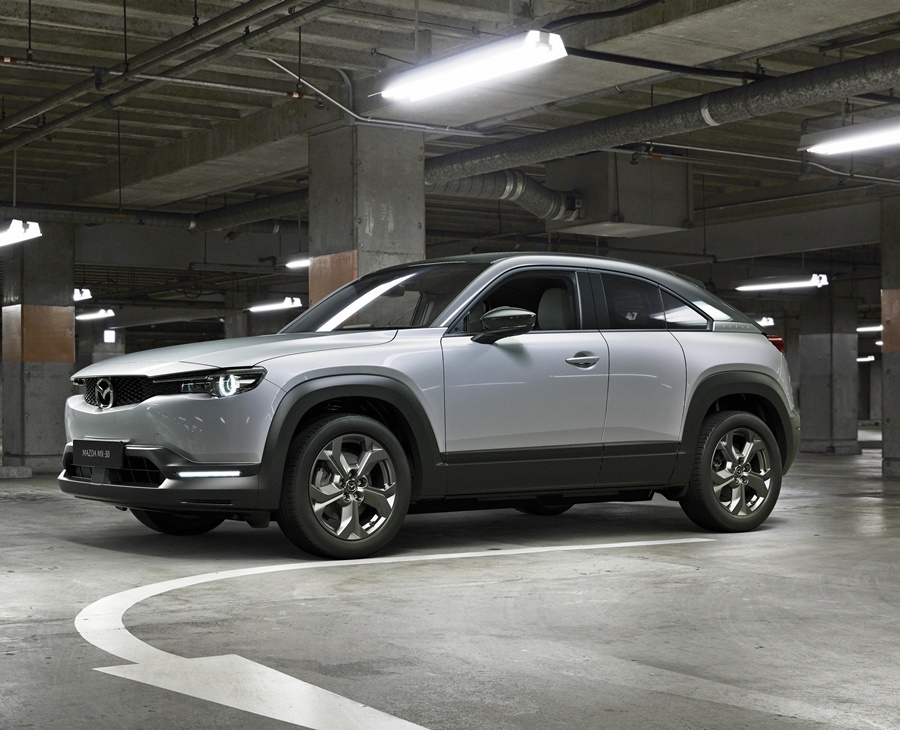
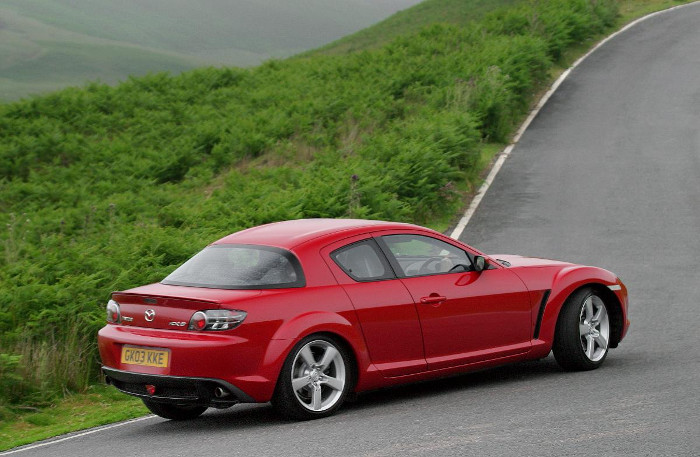
The Mazda RX-8 was the last model that featured a 13B rotary engine, and manufacturing ended in 2012. However, for the first time in 11 years, the legendary rotary engine has found fresh life as a generator for a new plug-in hybrid car.

 ASRA, with a focus on achieving high levels of safety and reliability required for automotive applications, will be spearheaded by automakers. The collaboration aims to leverage the combined technological and experiential knowledge of electrical components and semiconductor companies. The consortium plans to explore chiplet technology for SoCs, combining different semiconductor types.