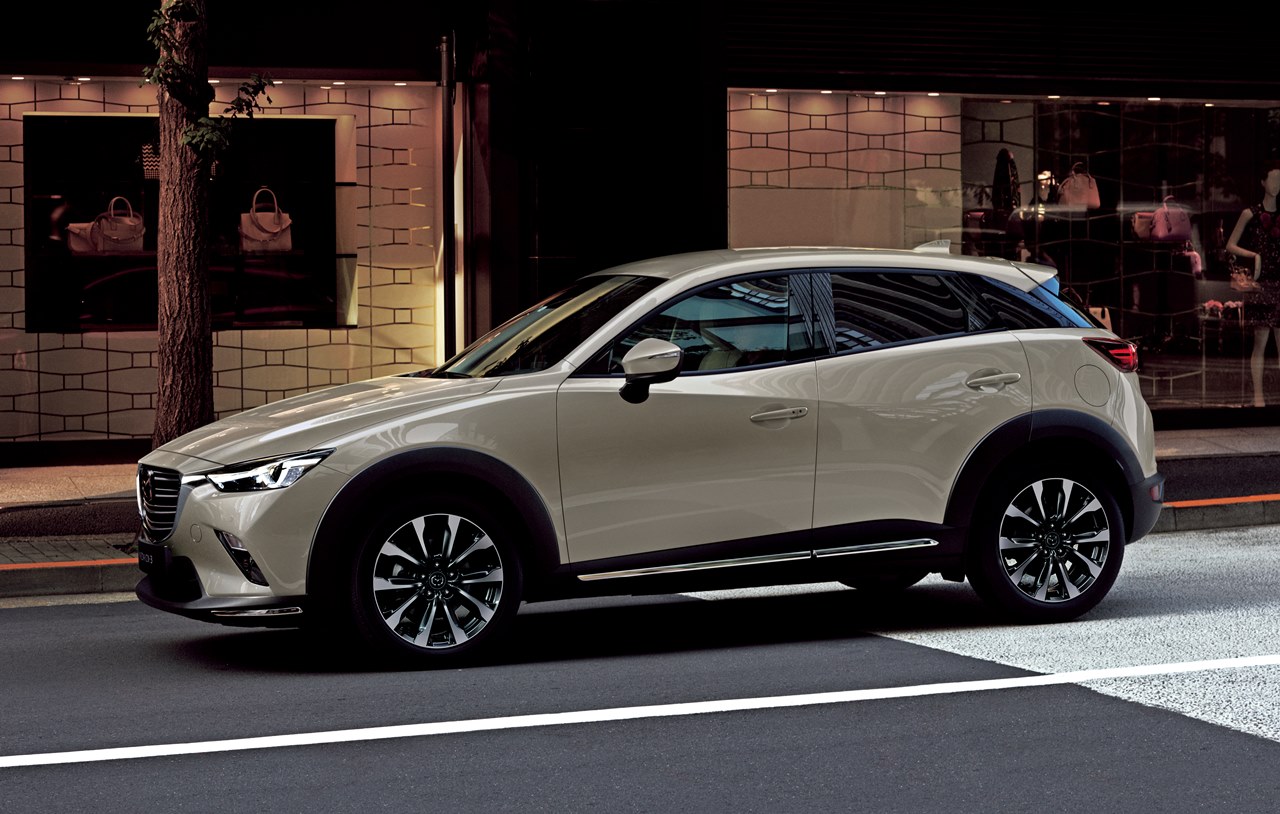
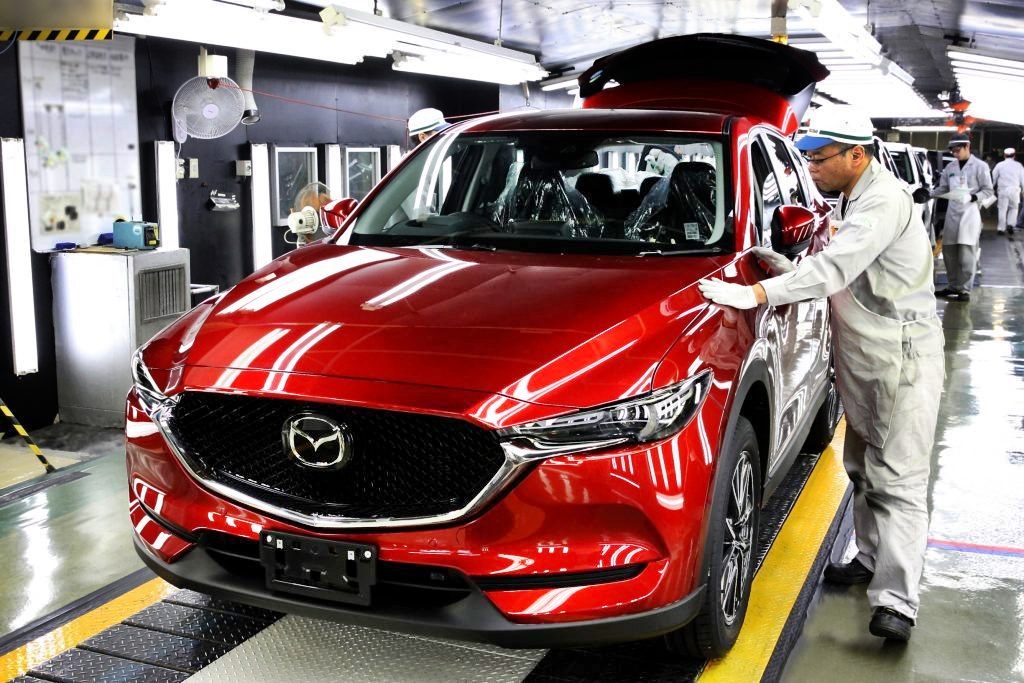
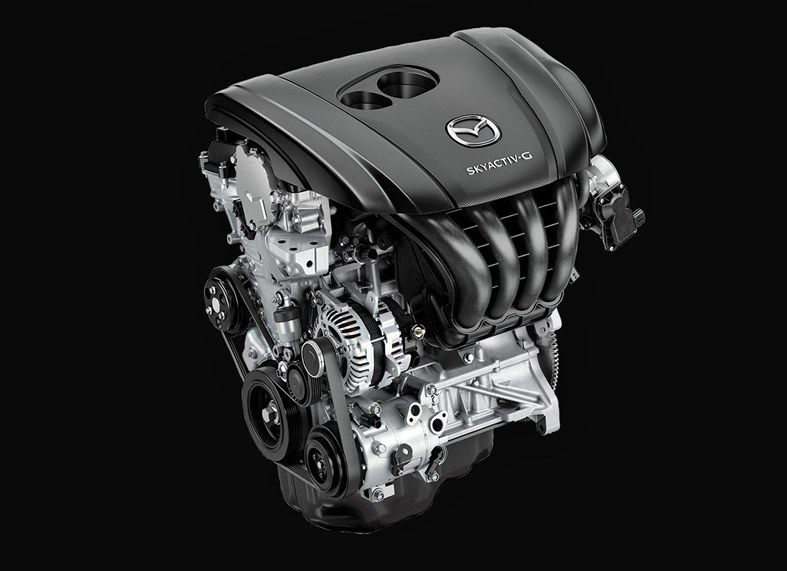
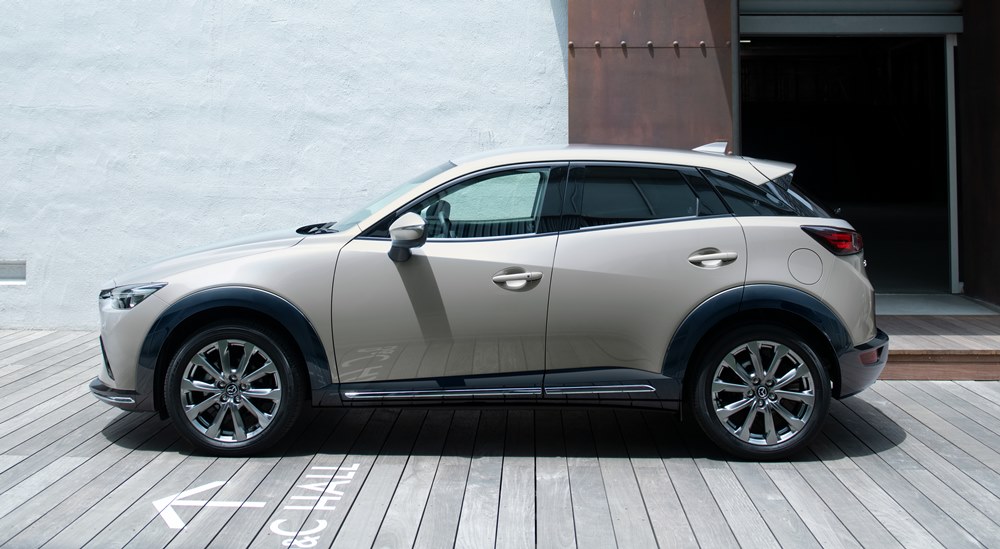
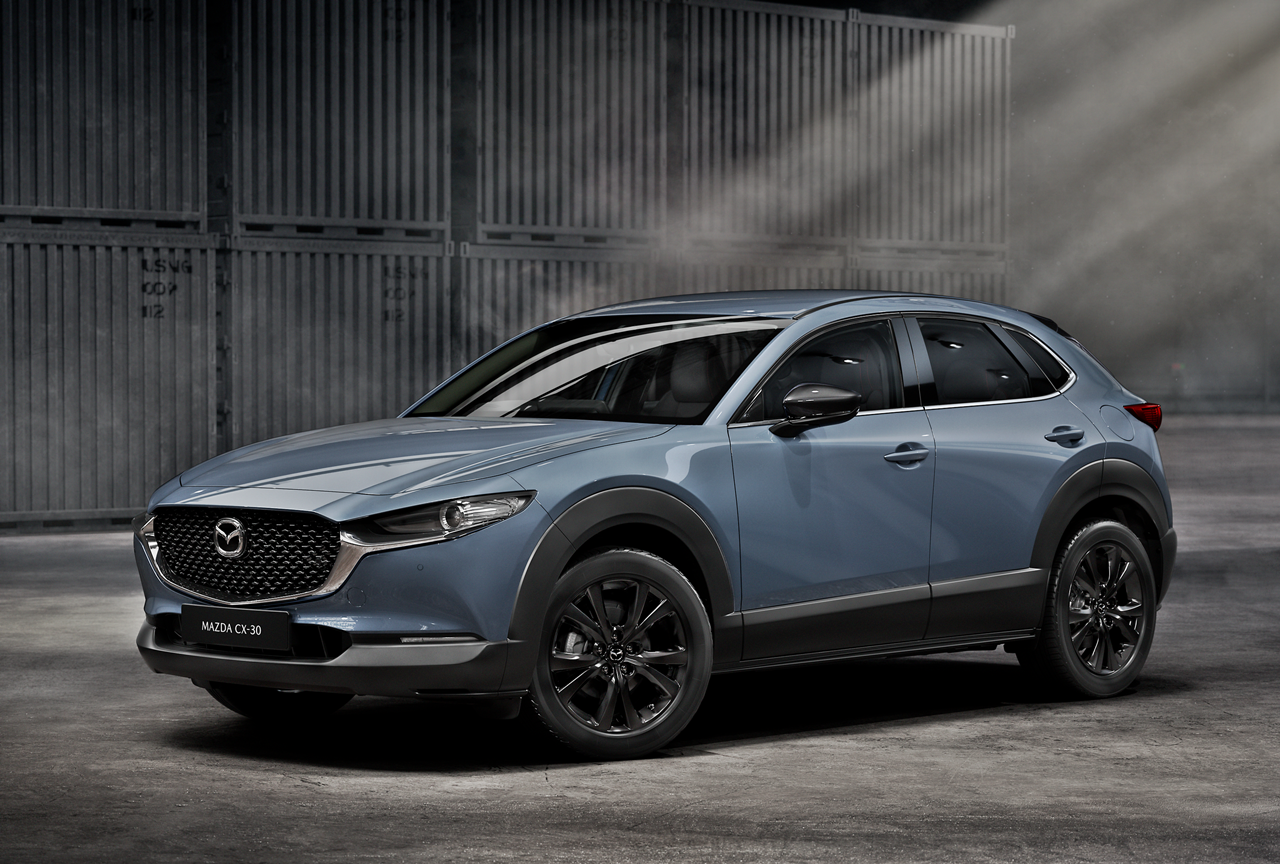
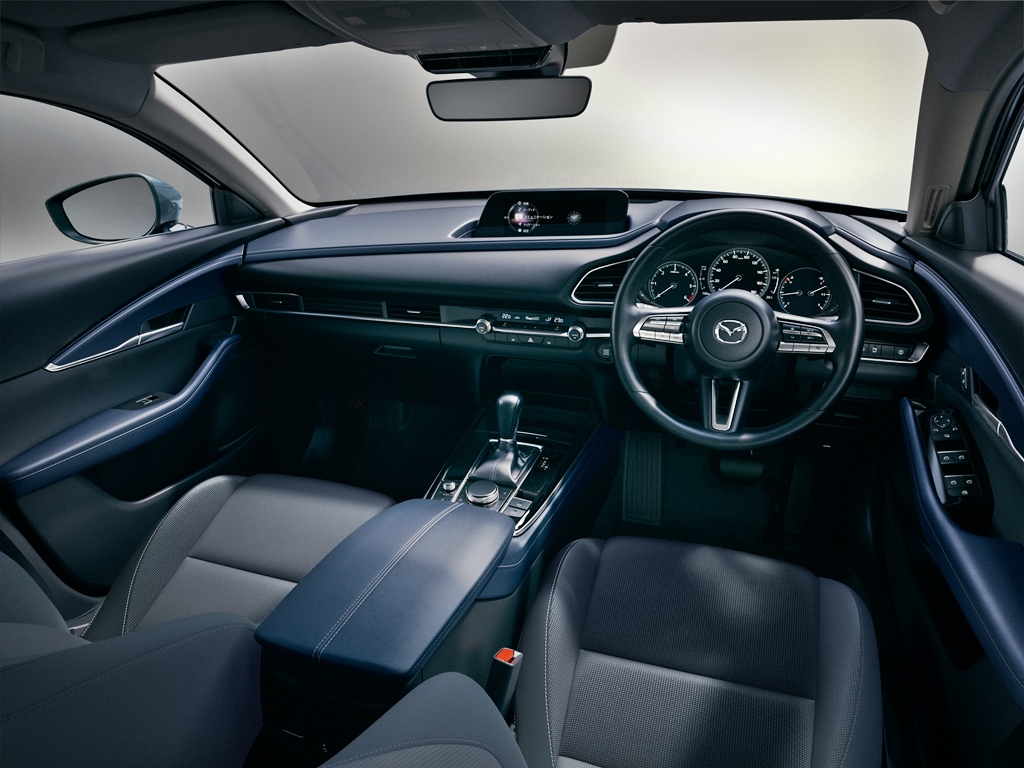
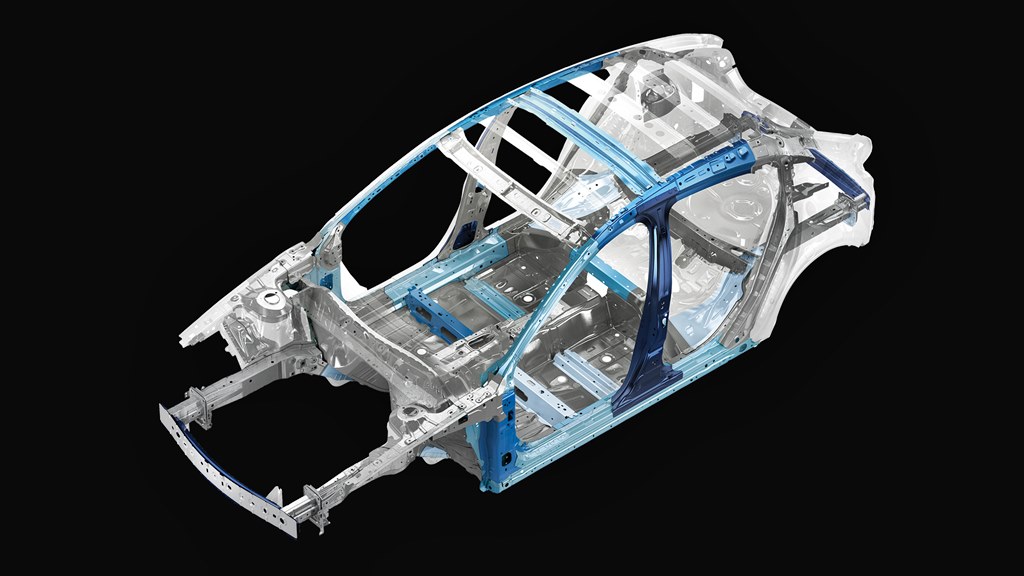
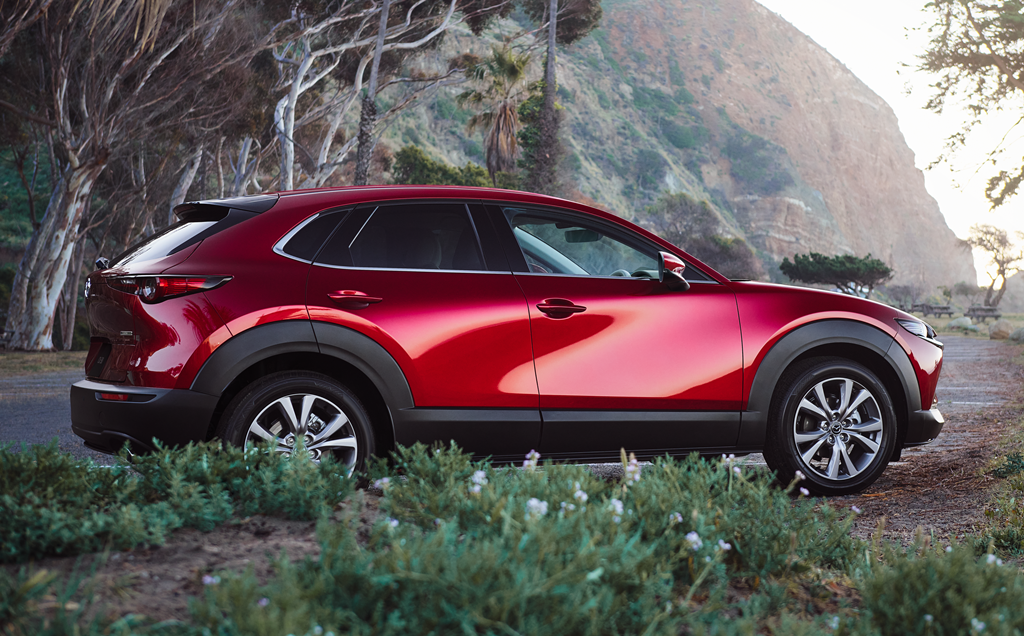
Bermaz Motor is accepting bookings for the latest Core variants of the Mazda CX-3 with a choice of two SKYACTIV-G petrol engines – 1.5 litres and 2.0 litres. The model is imported from the Auto Alliance factory in Rayong, Thailand, with the engines also being manufactured at the nearby Mazda Powertrain Manufacturing Thailand plant.
Prices (without Insurance) for the 2 versions are RM107,870 for the CX-3 1.5 and RM118,159 for the CX-3 2.0. Both SUVs have 6-speed SKYACTIV-Drive automatic transmissions. Only front-wheel drive is available.
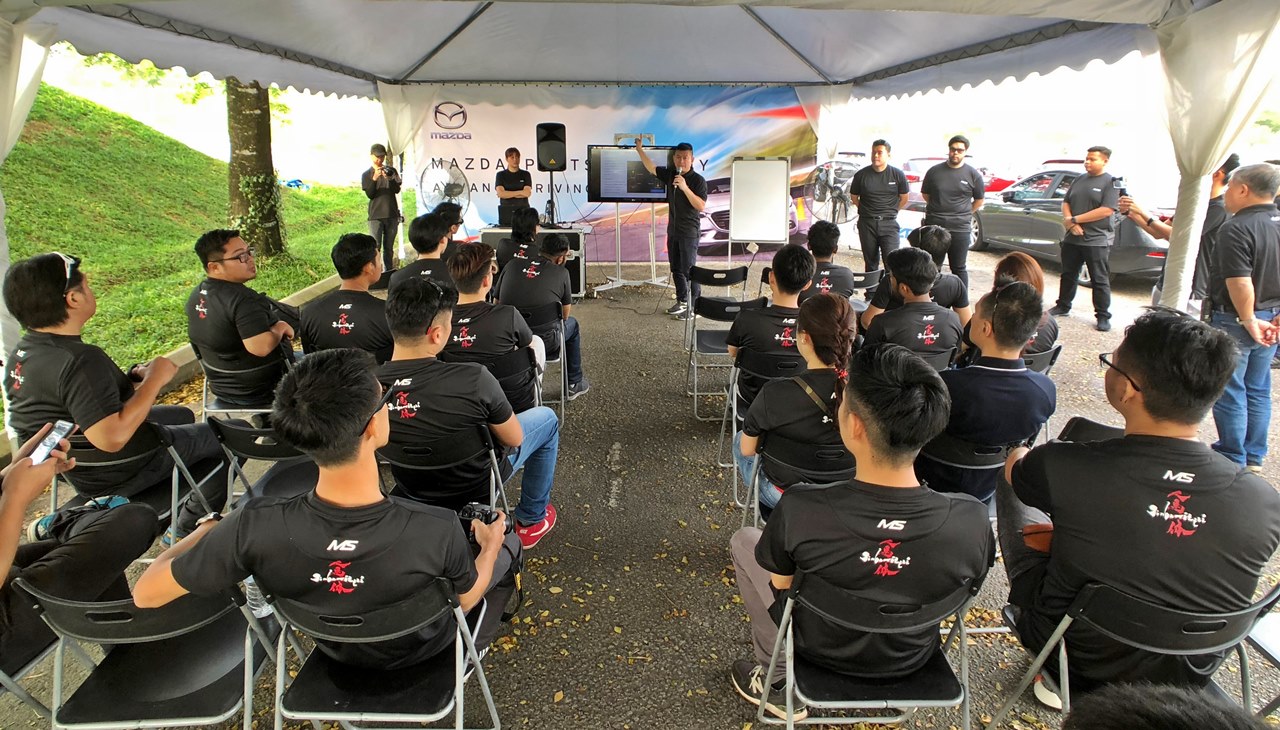
After a period of inactivity due to the COVID-19 pandemic, the MazdaSports Academy is revving up again to show Mazda owners the potential of their cars, and teach them safer and more enjoyable driving. The academy was established in 2018 by Bermaz Motor, the distributor of Mazda vehicles in Malaysia.
The syllabus has been developed by the Bermaz MazdaSports division (formed in 2016), which handles vehicle development, parts and accessories development as well as experience programs for customers.
While there are various training modules, the coming course for Mazda owners will focus on advanced driving. Participants will be shown the potential of their cars (and SUVs), especially how jinba-ittai can help them to be better drivers and enjoy driving. Jinba-ittai is a Japanese term that refers to the unity between a ride and his horse, enabling movements with precision and confidence. This quality is a key feature of every Mazda model.
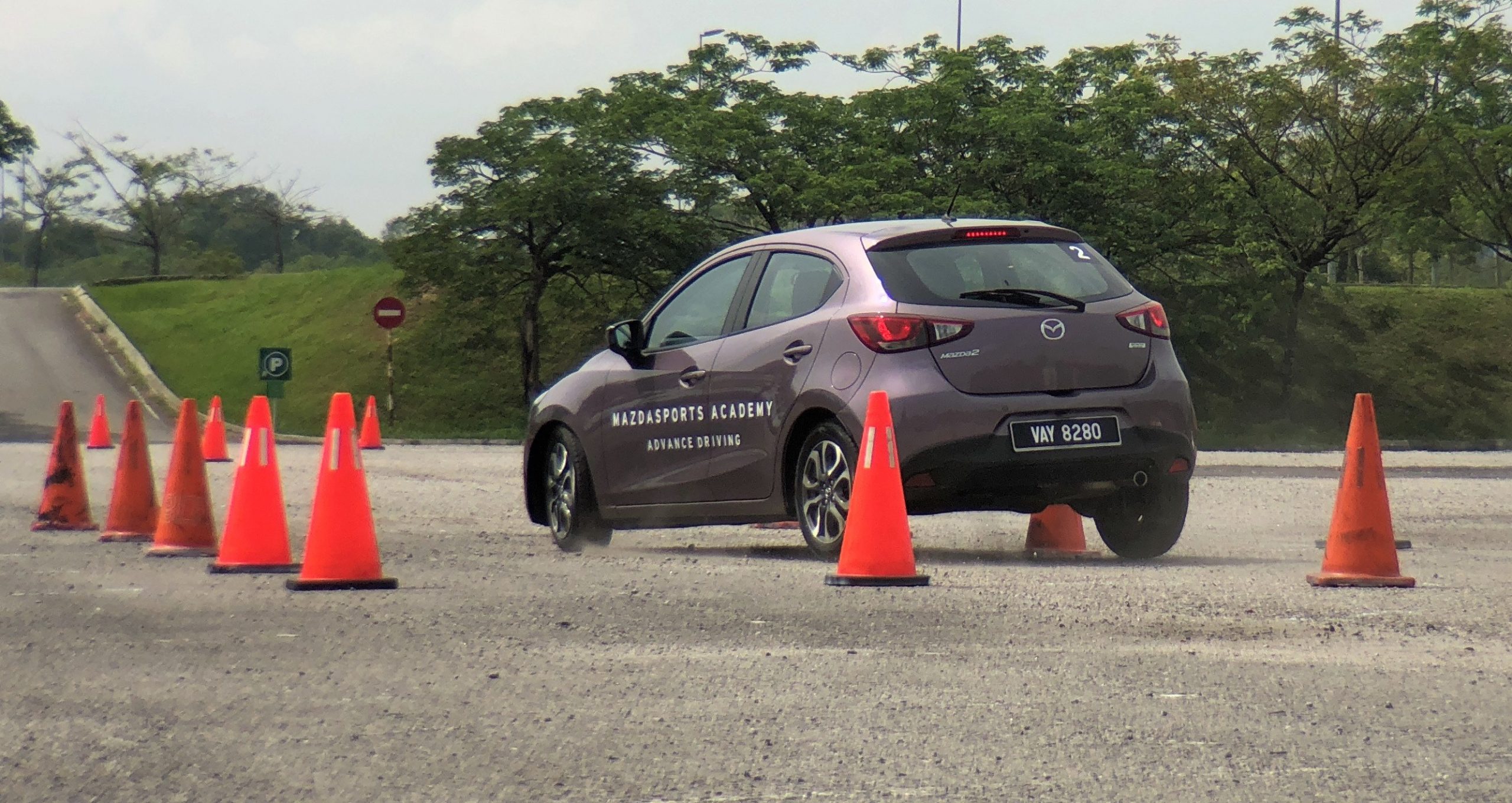
While some other advanced driving courses provide vehicles for participants, the Mazda one requires them to use their own vehicles. This is actually better as they will be familiar with the vehicle, and they will also be using what they learn on the vehicle they have trained in.
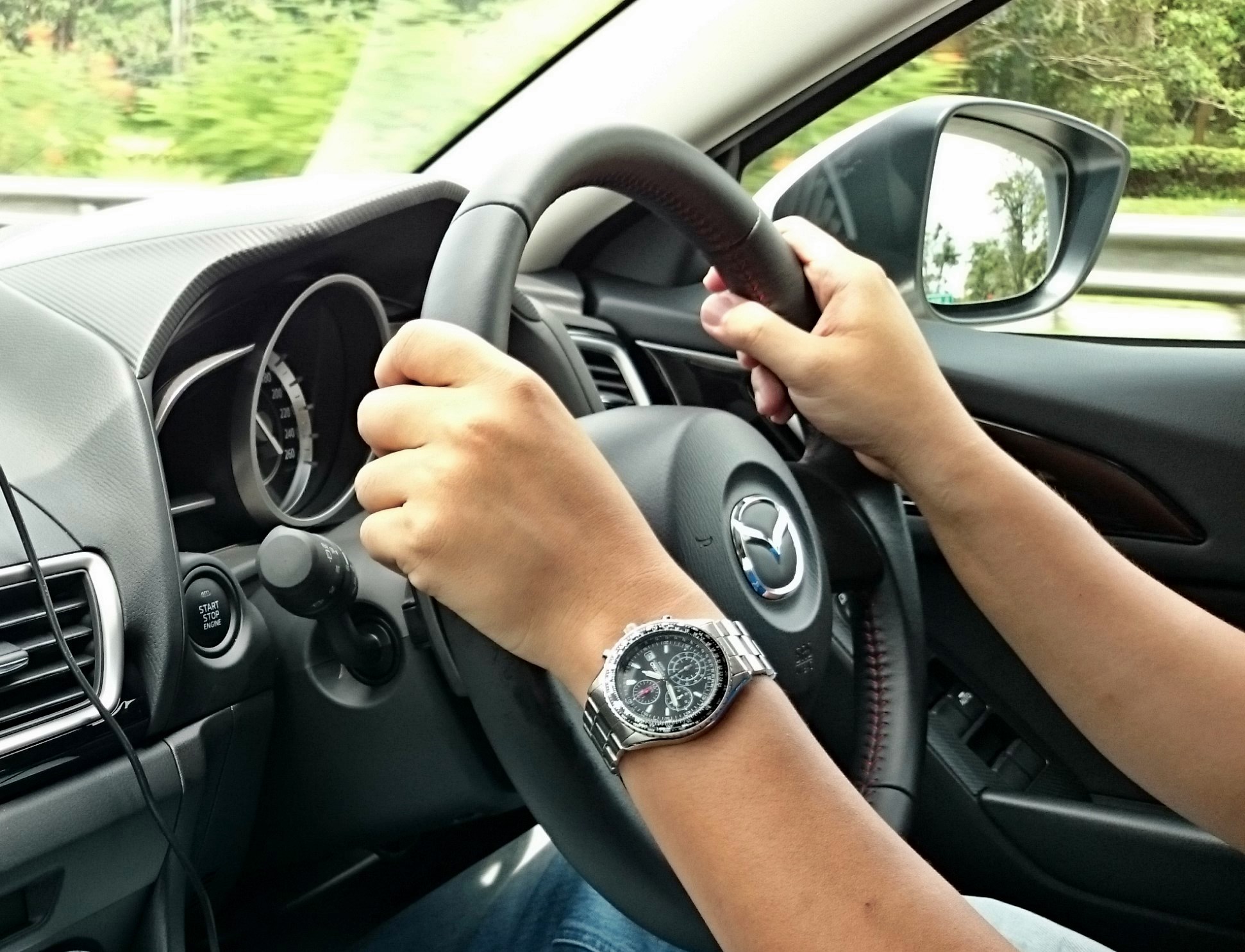
Generally, most people who attend advanced driving courses feel that they do benefit from what they are taught. Some of it may seem boring – like seating position and how to hold the steering wheel – but these are important fundamentals that must become second nature. They can make crucial differences to how well the car is handled and how effectively a driver can respond to an emergency situation.
Mazda’s SKYACTIV vehicle technologies – like G-Vectoring Control (GVC) – contribute to better dynamic performance but many owners may not fully appreciate how this helps them when driving. At the course, they will be able to gain better understanding of this innovative technology that improves chassis performance by controlling the engine output. Since 2016, GVC has been improved and GVC Plus, available in some of the newer models, enhances vehicle smoothness and handling during cornering.
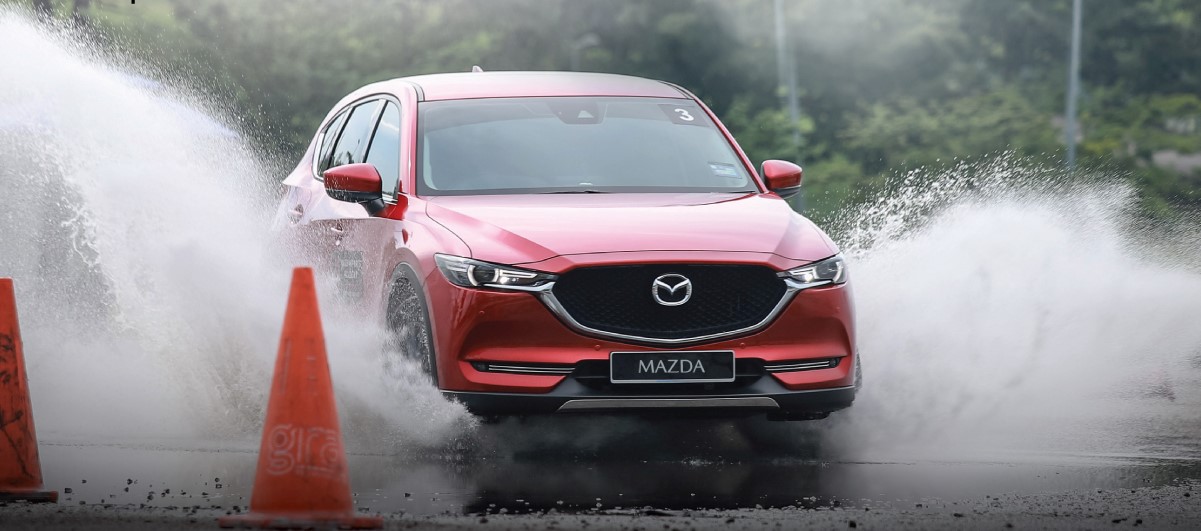
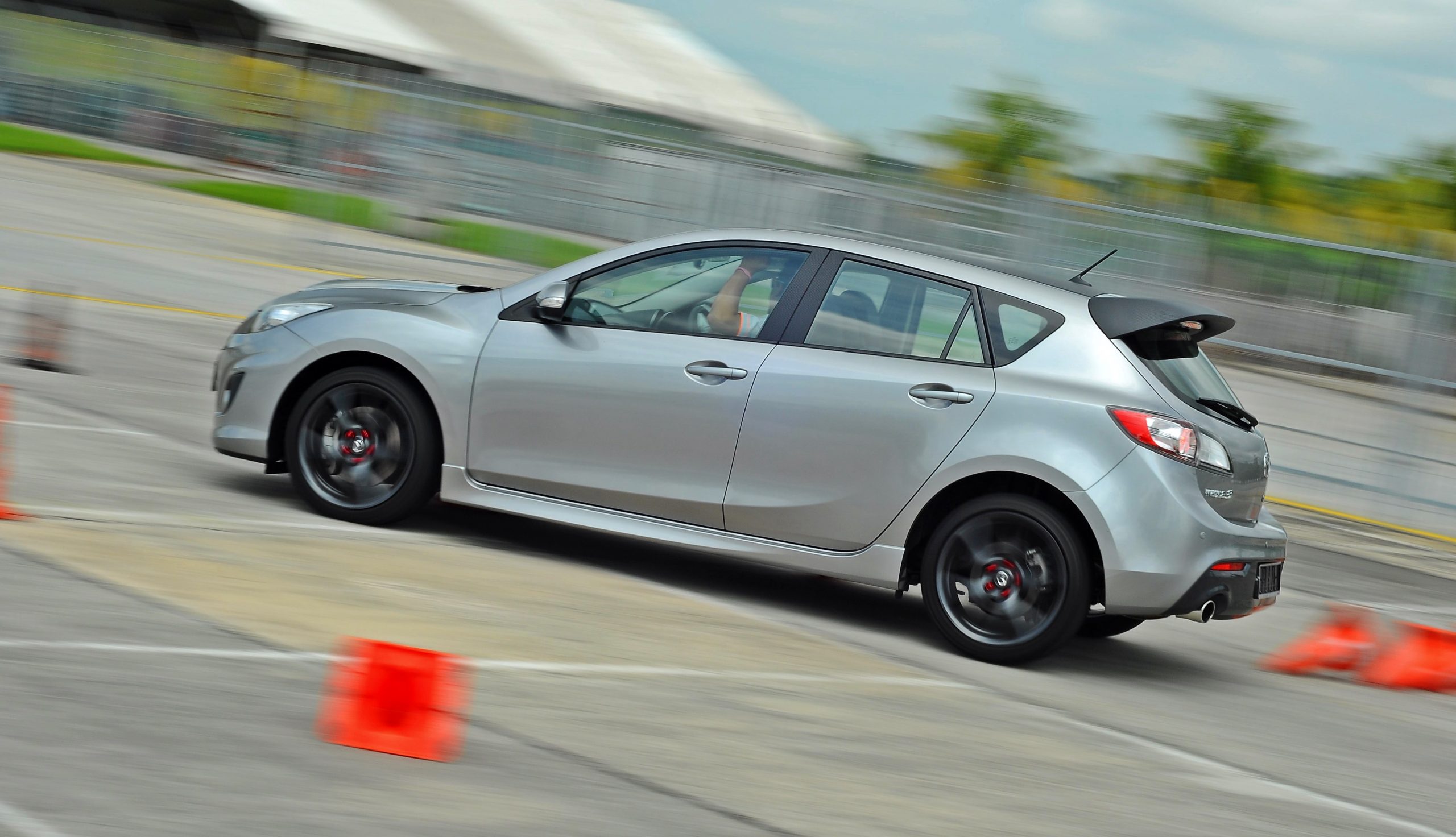
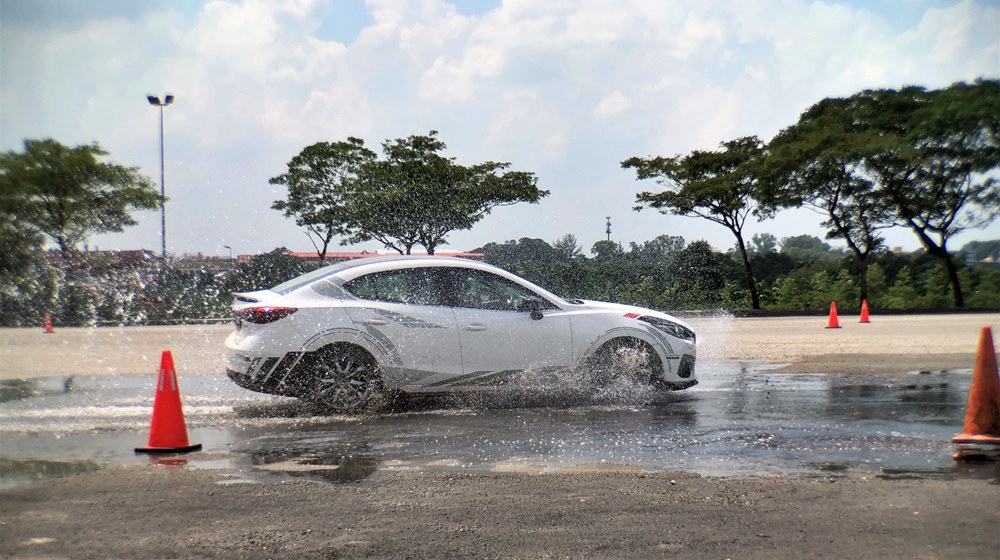
Such advanced courses also enable participants to experience things like skids and slides in a safe and controlled environment. Apart from knowing what these conditions feel like, they are also taught how to recover from them or to control the car on wet and slippery surfaces.
We’re not sure if this course will have it but usually, there will be a competition (like a slalom) at the end of the day and there may be prizes. Certainly, all participants would receive a certificate of participation when they complete the course.
If you’re interested in attending the course, these are the requirements and conditions:
For owners of Mazda vehicles (except Mazda BT-50 and MPVs models).
All participants have to use their own vehicle.
Participants must be 18 years old and above, and have a valid driving license.
There is a commitment/registration fee of RM100 per vehicle.
Each vehicle is limited to 1 participant only. First come, first served basis.
Each entry is valid for 1 day only. Participants can choose one of these dates: August 27 or August 28, 2022.
The course will be held at MAEPS in Serdang which is outside Kuala Lumpur (on the way to Putrajaya). It will be held from 8:30 am to 5 pm on both days.
Registration can be done online by clicking on this link.
UPDATE ON AUGUST 13 2022: All places for the two sessions have been taken. Look out for future courses.
Contrary to whatever you make think, the internal combustion engine that Rudolf Diesel invented in the late 19th century is not ready to go into the history books yet. The engine named after him that has powered millions of vehicles – and not just motor vehicles – for more than 100 years may have gained a bad reputation at various times in its life, but its robustness and fuel efficiency have made it the preferred choice for commercial vehicles.
The introduction of the commonrail high-pressure fuel delivery system 20 years ago made it more popular for passenger vehicles as it enhanced performance and various solutions were found to reduce its ‘dirty’ image (although ‘dieselgate’ was damaging). Nevertheless, today’s diesel engines, mostly with turbochargers boosting output, are still popular powerplants for vehicles like pick-up trucks and SUVs in the passenger-carrying category.
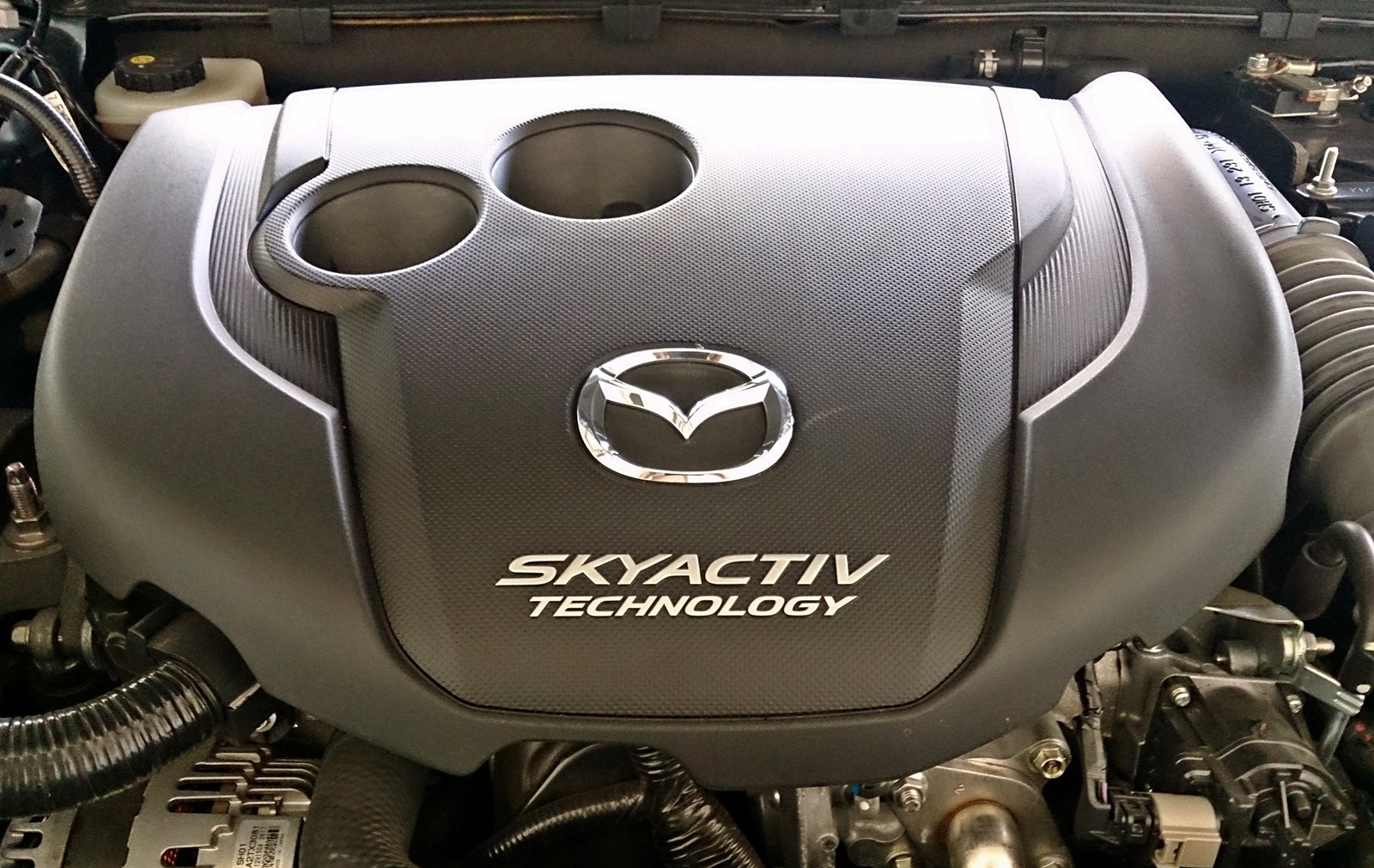
Mazda began developing its SKYACTIV technologies over 10 years ago to raise fuel efficiency and engine output, and it has been constantly upgrading the technologies which are applicable to both petrol and diesel powerplants.
Mazda has been one of the diesel ‘loyalists’ and used its long engineering expertise to develop powerful, clean and efficient engines as part of the SKYACTIV powertrain family. Like some other Japanese carmakers, Mazda believes that a multi-solution approach is more suitable in the quest to reducing emissions to address climate change. Not all countries will be able to switch to electric vehicles at the same pace and some may still require combustion engines or hybrids, at least.
It has therefore not given up further development on combustion engines, pushing to the limits of the envelope to achieve lower emissions and better performance. It has now revealed an all-new e-SKYACTIV-D diesel engine which will be added to the Mazda CX-60 line-up in 2023.
Super-clean diesel engine
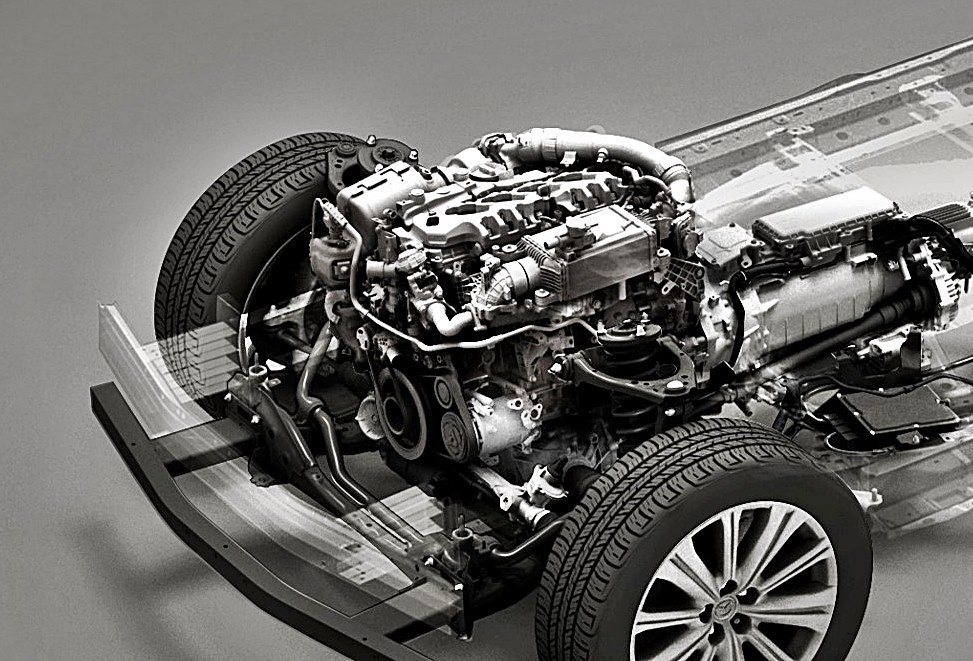
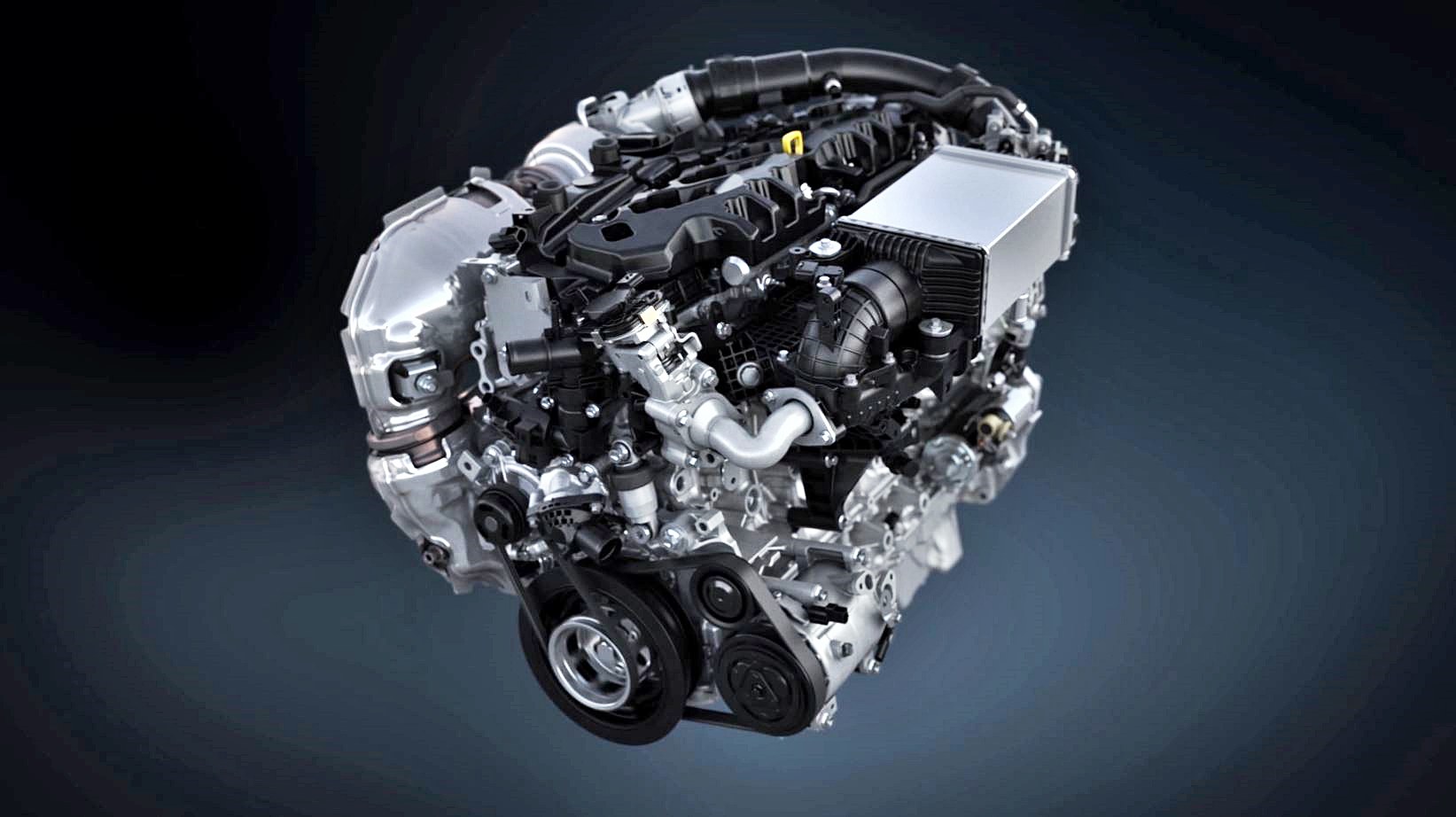
The new diesel engine is a Mazda first – a 3.3-litre unit that features Distribution-Controlled Partially Premixed Compression Ignition (DCPCI) Technology. This highly innovative advanced combustion technology makes the new e-SKYACTIV-D one of the cleanest diesel engines in the world, achieving a thermal efficiency of over 40%.
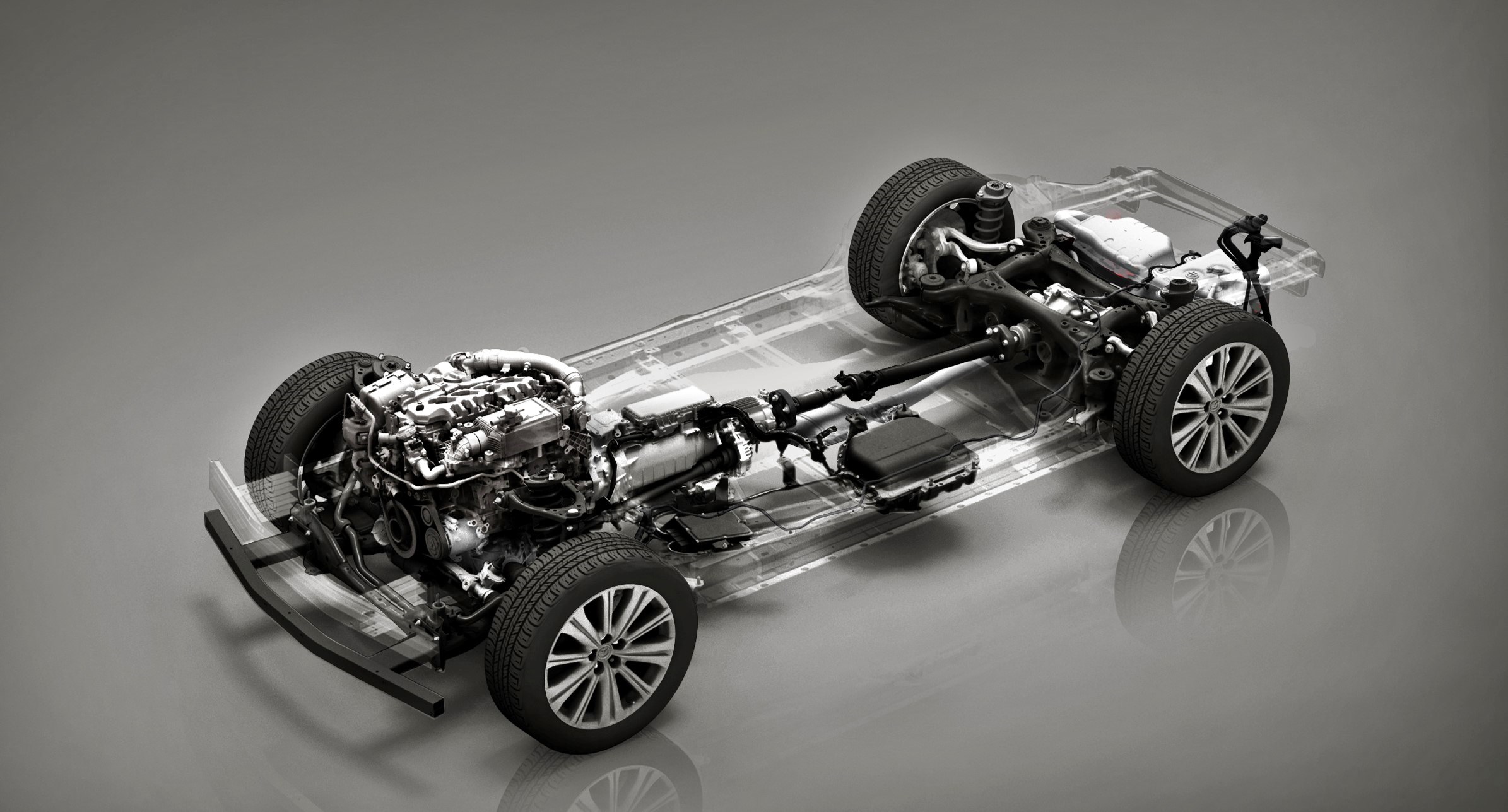
Developed using the ‘right sizing’ concept which optimises displacement to improve both fuel and power efficiency, the 3283 cc longitudinally installed commonrail electric direct injection 6-cylinder engine will have two power output levels: 200 ps and 254 ps. Depending on the model variant, there will be either 2-wheel drive or all-wheel drive.
Uses 48V hybrid boost system
The engine uses a new 48V Mazda M Hybrid Boost system to combine high output with excellent fuel economy. Together with the DCPCI technology, engine efficiency, emissions and fuel economy are improved. These contribute significantly to greater driving range, better performance and yet lower fuel consumption and low emissions.
6-cylinder engines are inherently smooth due to their ‘perfect balance’, which will contribute to drive enjoyment. The engine’s high torque delivery gives strong pulling power, even with a 2,500-kg trailer. Though it has a larger displacement and more cylinder, the e-SKYACTIV-D’s lightweight construction makes it weigh not more than the 2.2-litre Mazda SKYACTIV-D 4-cylinder turbodiesel engine used in the CX-5.
More new powertrains coming
In total, Mazda is launching 5 new electrified products in the next 3 years that feature its multi-solution platform architecture. These will include an in-line straight-six 3-litre e-SKYACTIV petrol engine and an e-Skyactiv PHEV. For the European market, the launch of the new CX-60 will take Mazda further forward in its fleet’s emission reduction to become entirely carbon-neutral by 2050. After 2025, the company will launch its brand new SKYACTIV EV Scalable Architecture which will allow Mazda to efficiently build electric cars of all sizes using one common platform.
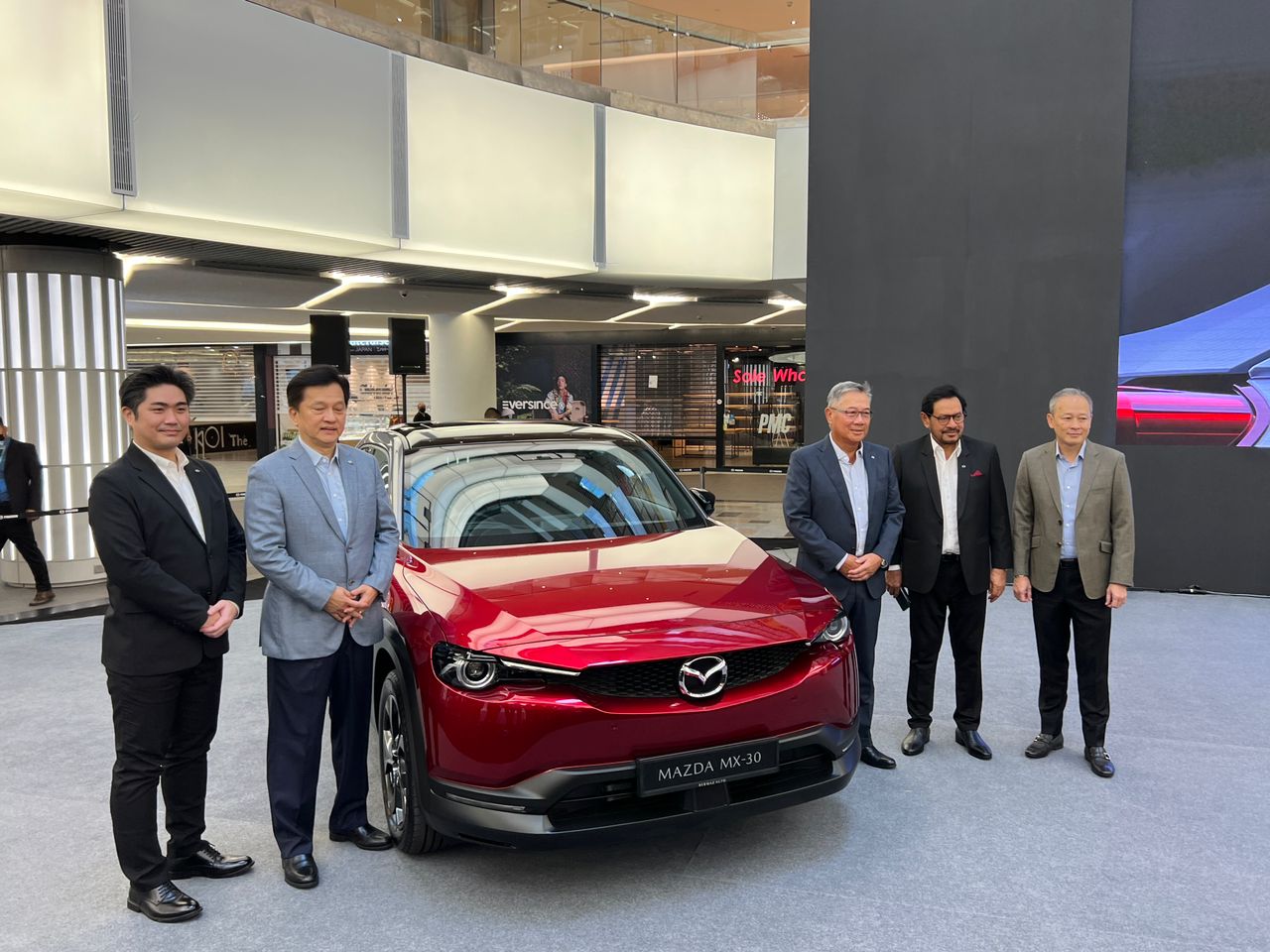
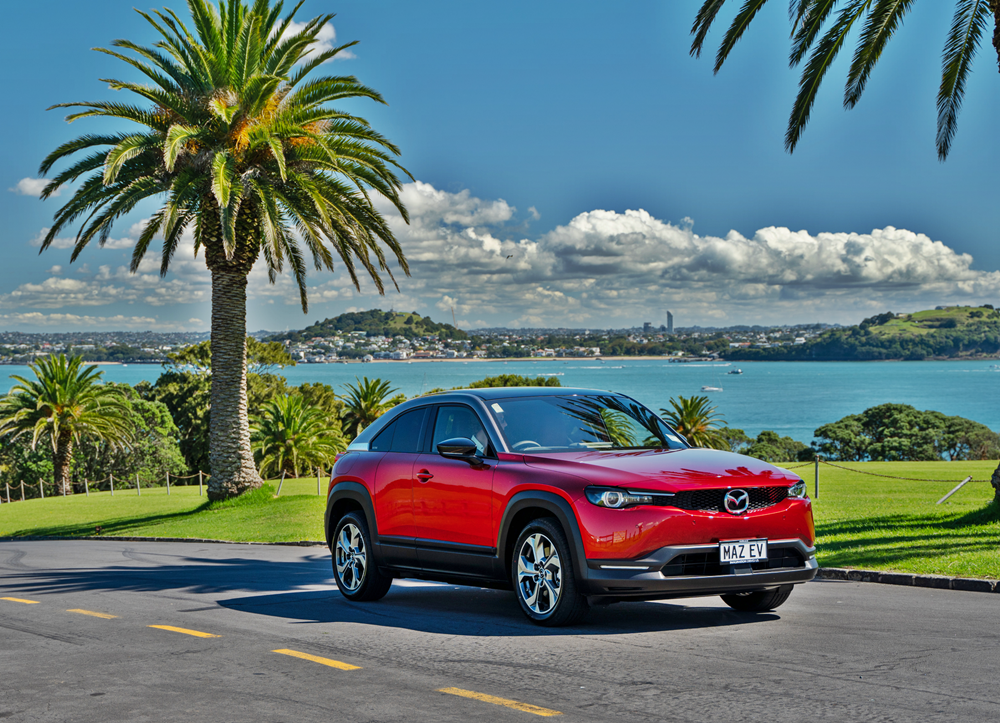
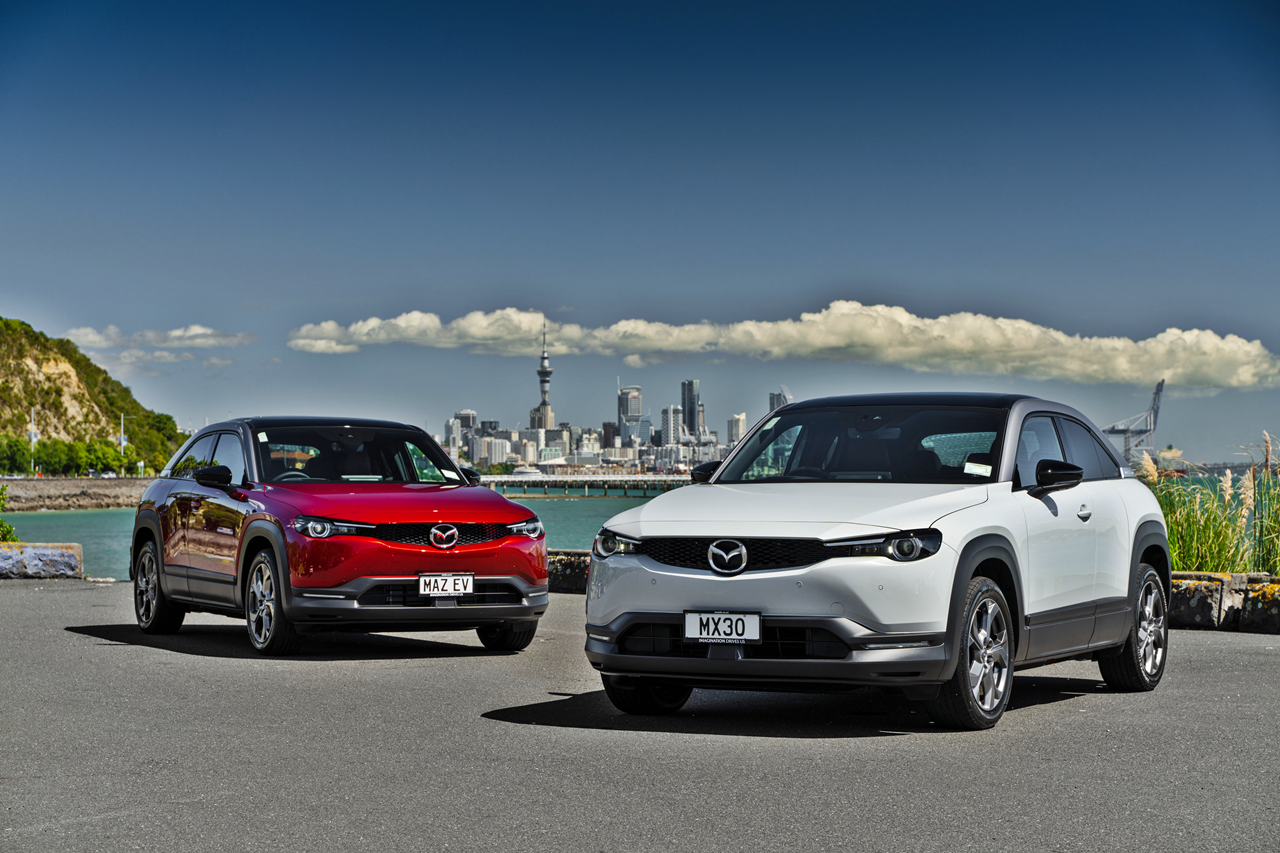
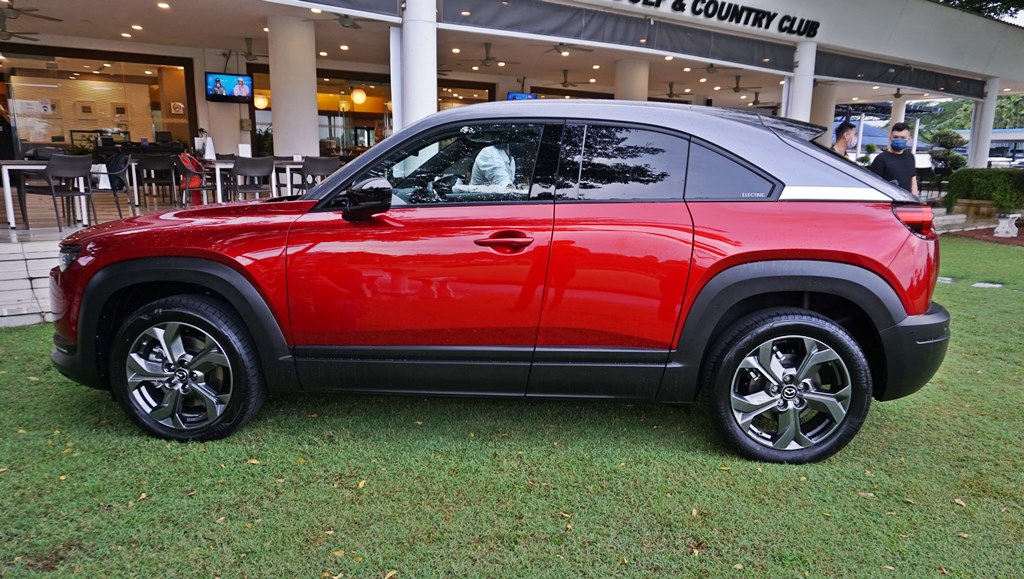
After giving the Malaysia media a preview in April, Bermaz Motor Trading is now introducing the new Mazda MX-30 to the Malaysian public. The model, Mazda’s first battery-electric vehicle (BEV), is priced from RM198,780 and bookings are accepted at the Mazda Flagship showroom in Glenmarie, Selangor.
The development of the MX-30 is part of the company’s Sustainable Zoom-Zoom 2030 vision of achieving carbon neutrality. The carmaker has also taken a different approach with performance (acceleration, top speed, range) not being the main focus but practicality and urban usage. This approach has helped to manage the costs which are still high for BEVs. (more…)
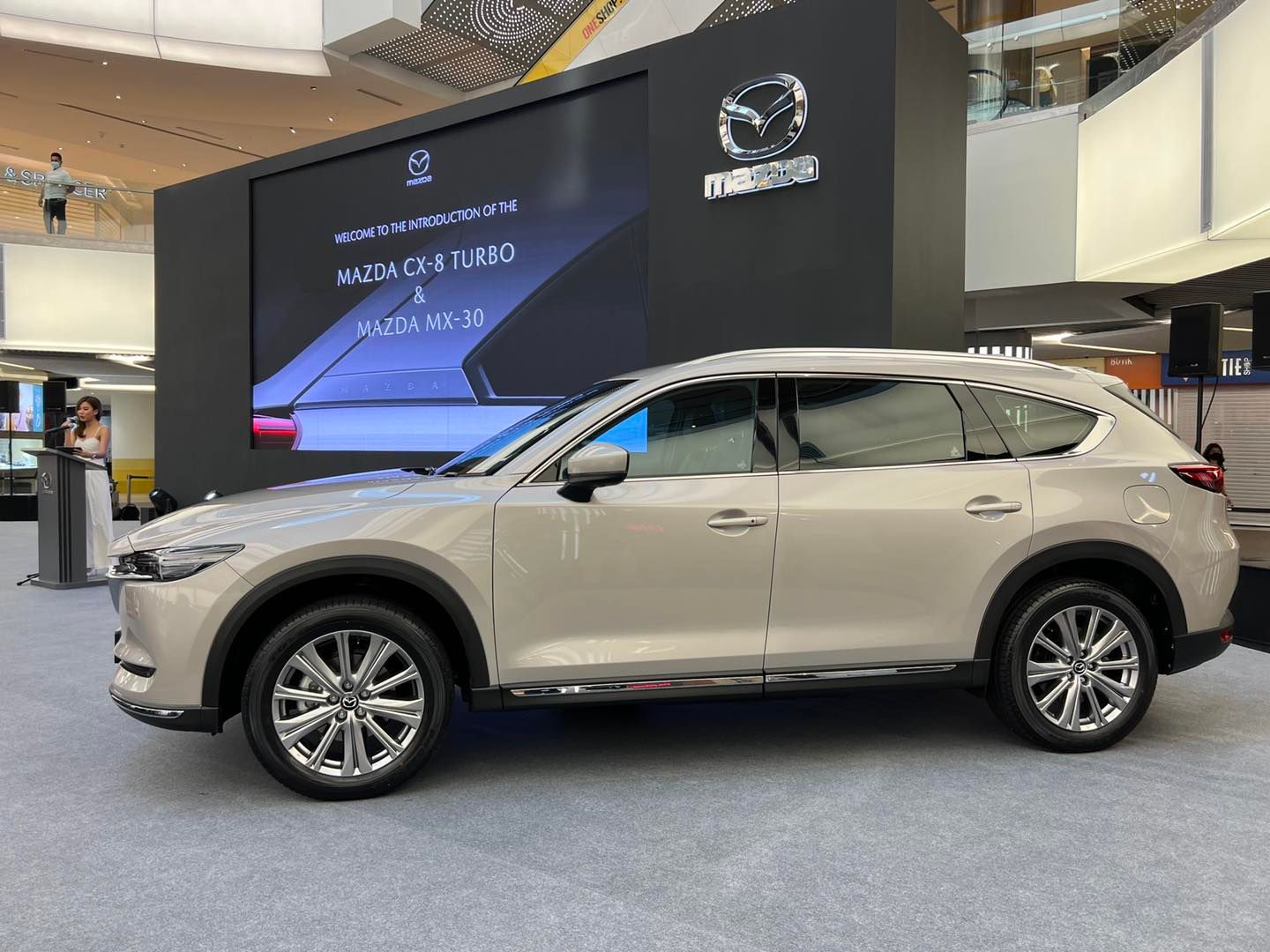
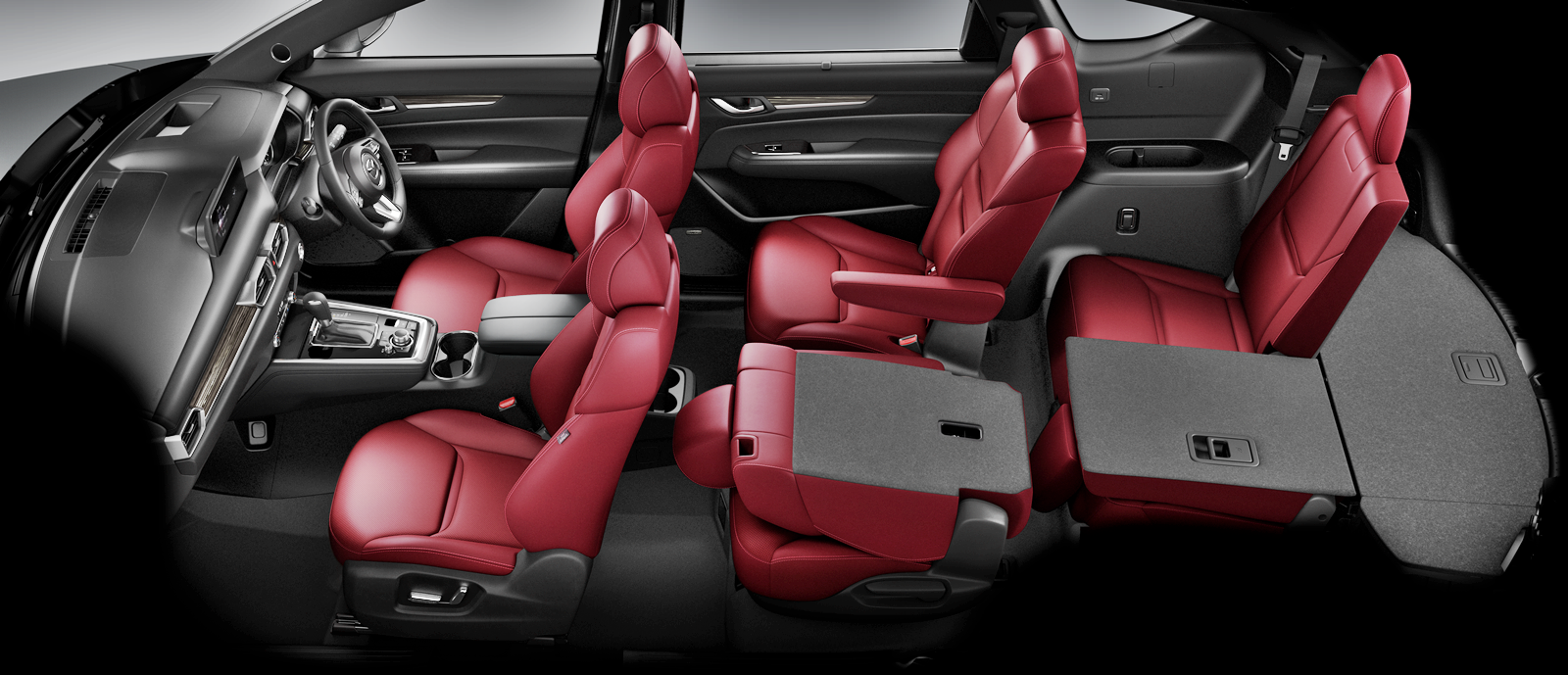
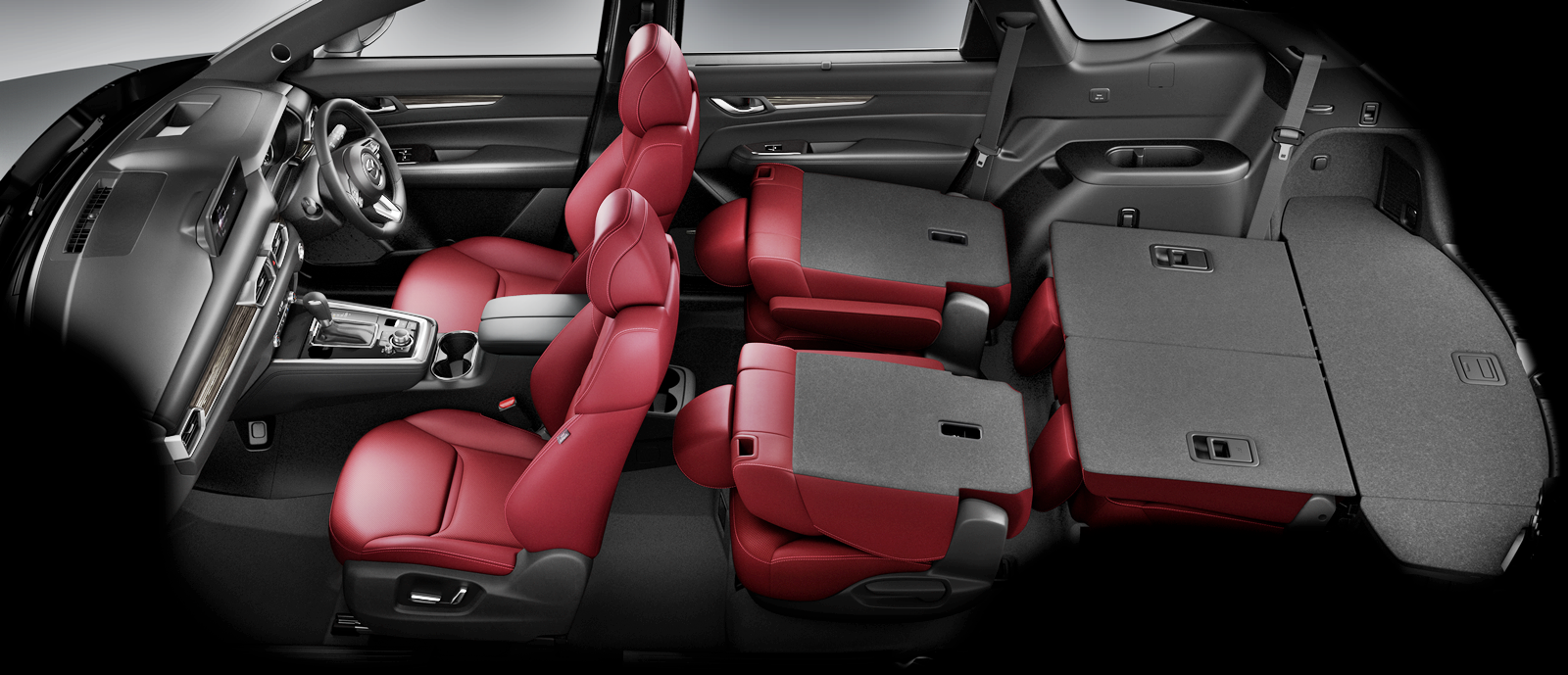
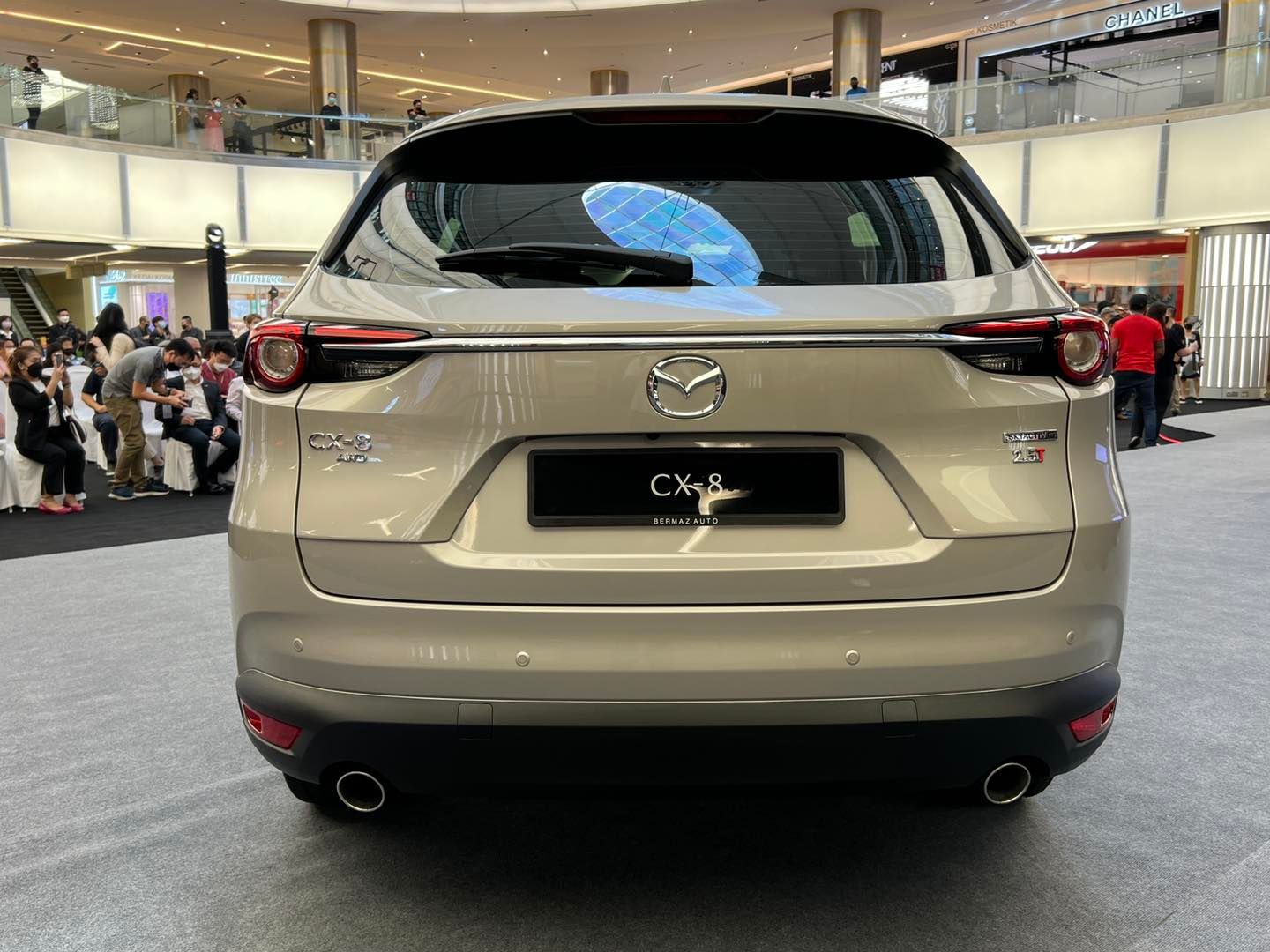
The CX-8 joined the Mazda range offered by Bermaz Motor in 2019 and like the CX-5 below it and the CX-9 above, it found its own niche in the competitive SUV segment. With 3 rows, it provided the extra seating space which was required by some customers that the CX-5 could not offer. And being assembled locally at the Inokom plant in Kedah, it could be priced competitively.
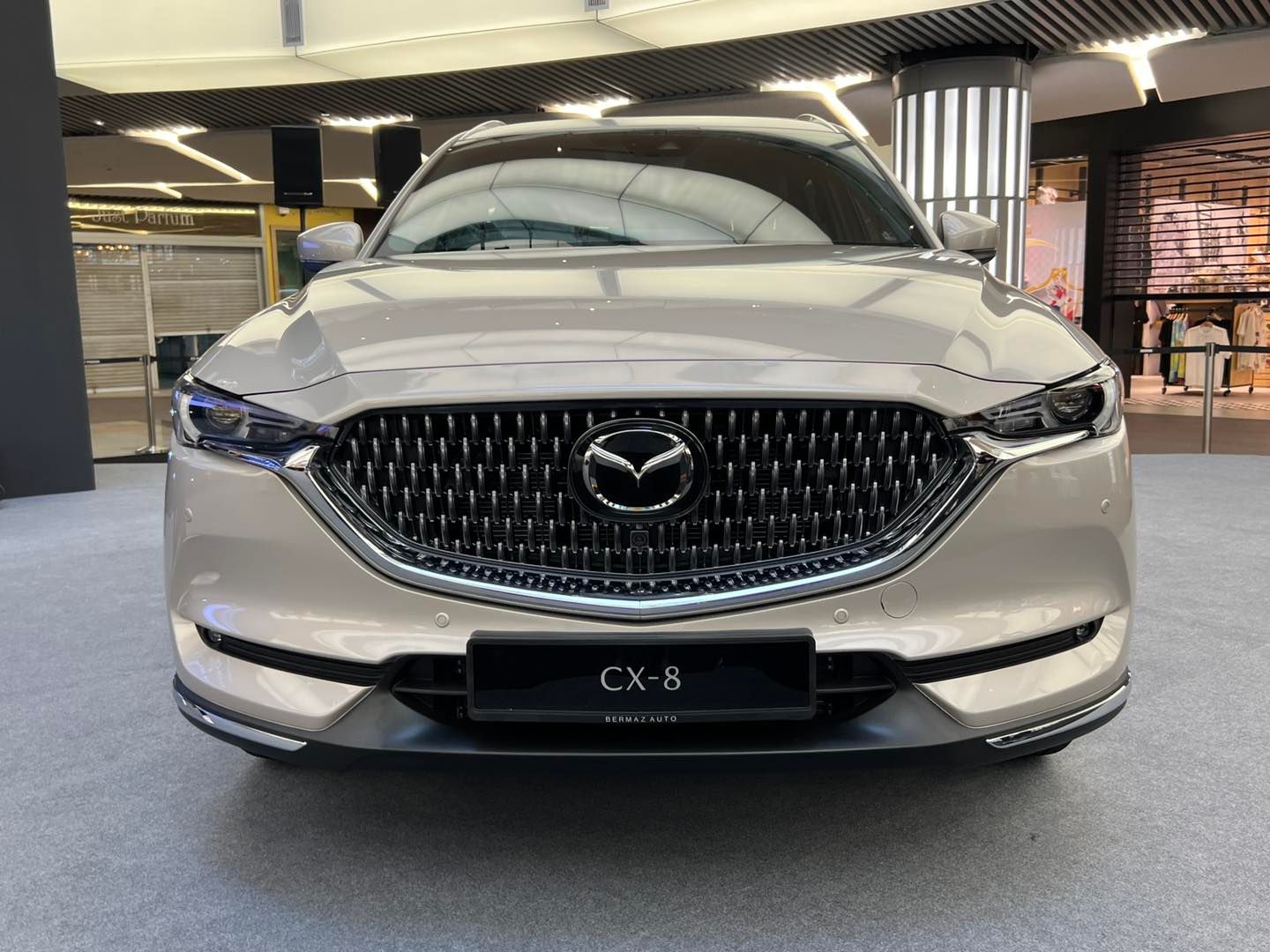
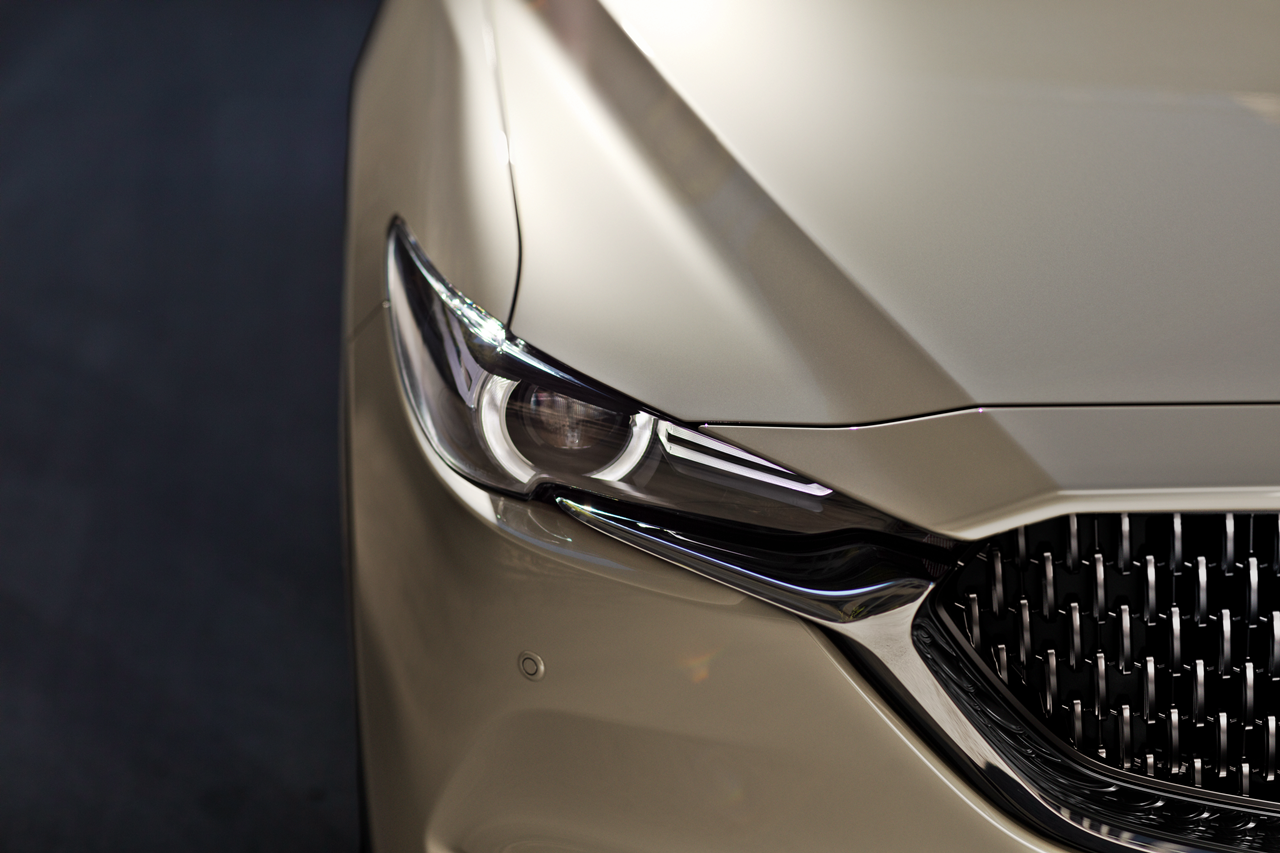
Today, the updated CX-8 made its debut with the usual enhancements that products in the middle of their generation received. The overall design with KODO: Soul of Motion philosophy is retained but the front grille has been revised a bit to present a strong, mature and dignified presence. LED headlamps are also fitted and give a visual signature.
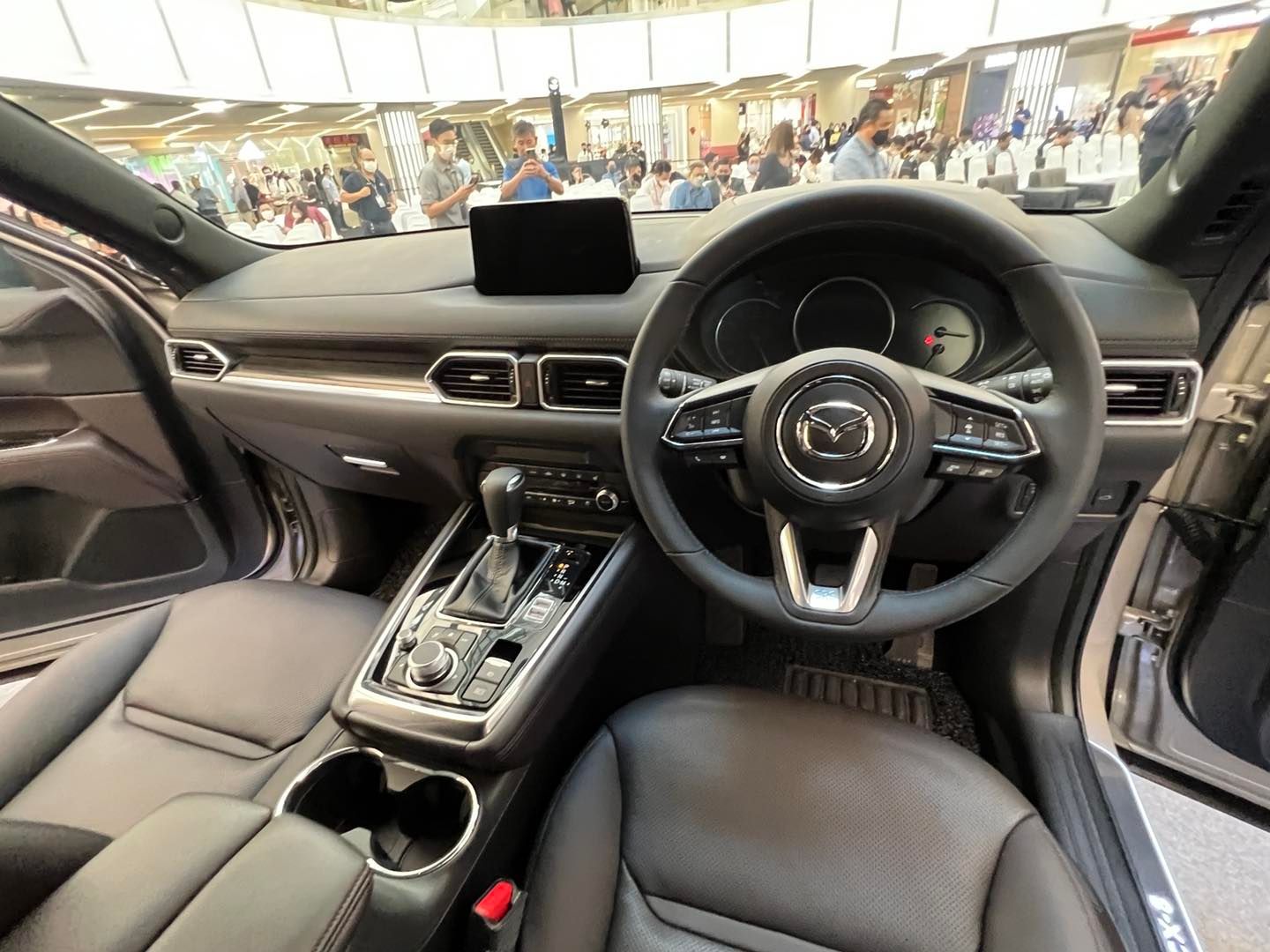
The 3-row cabin retains all the comfort and convenience features with the more premium features now becoming standard. These include the 7-inch instrument panel display, 6-way power seat for front passenger, handsfree power tailgate and auto-folding mirrors, along with additional USB ports for the passengers in the third row. There are also LED interior lamps as well as a wireless charger and wireless Apple Carplay which is accessible through the 8-inch Mazda Connect Infotainment display.
The CX-8 Mid and High variants get updated leather upholstery for the seats in black, while the 2.5L High Plus variants retain the Nappa leather in Deep Red. For added comfort, the front seats have an internal ventilation as well as heating functions.
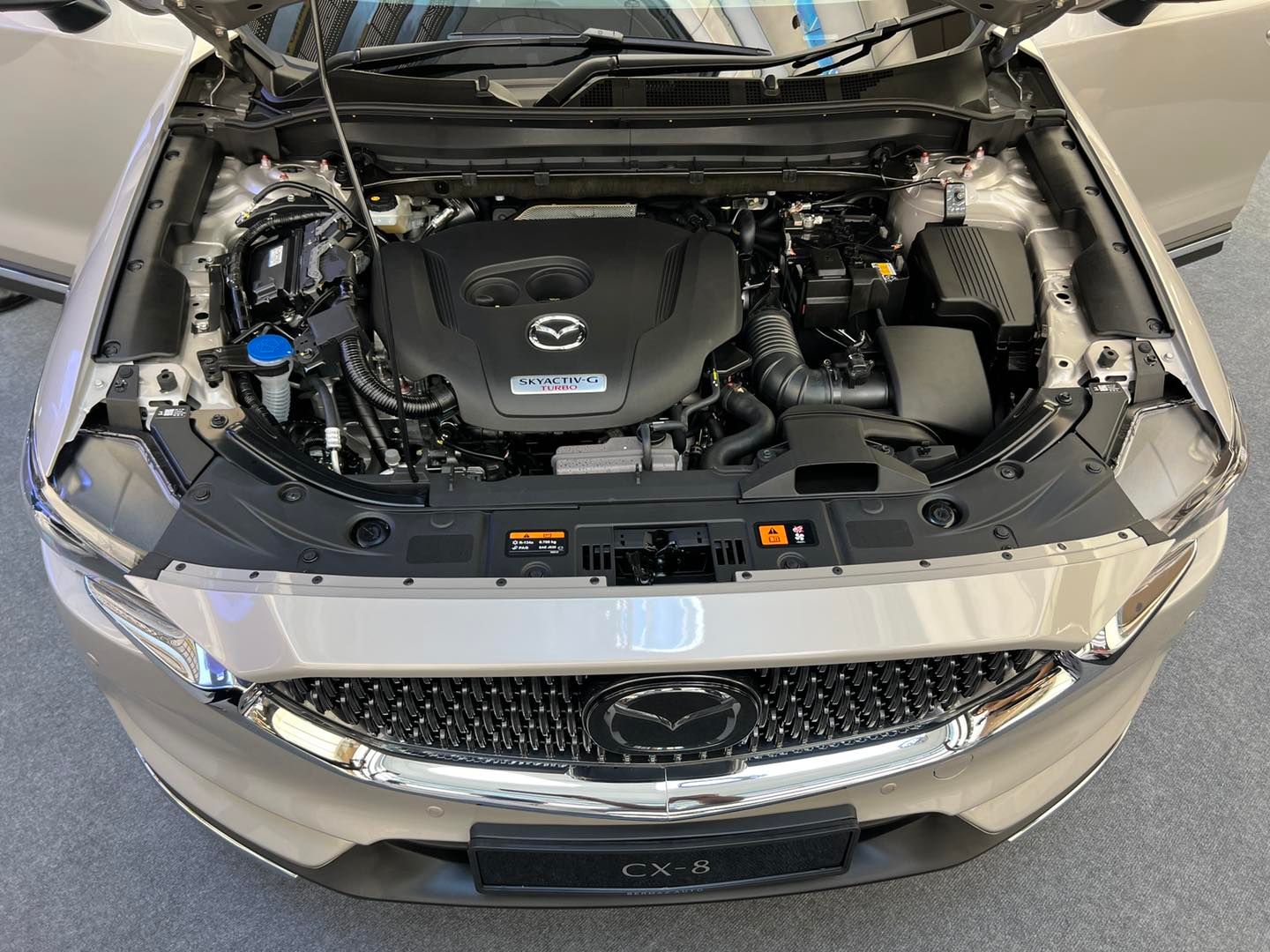
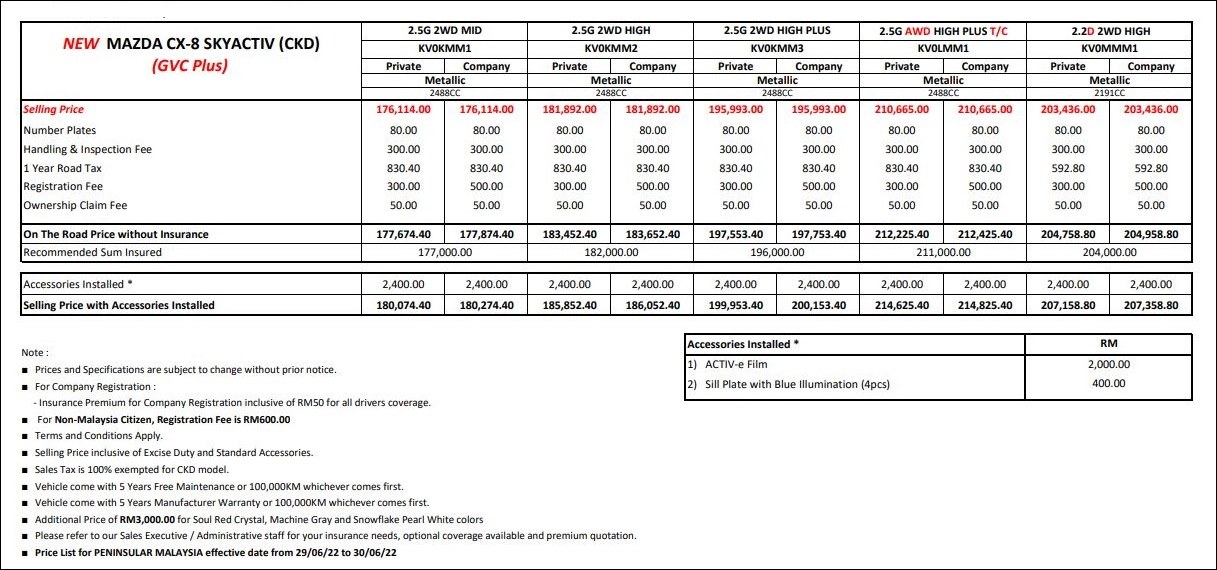
Customers can choose from 5 variants, three of which have the SKYACTIV-G 2.5-litre 4-cylinder petrol engine (192 ps/258 Nm) and one with a 2.2-litre 4-cylinder turbodiesel engine( ps/Nm). A powerful new engine is also offered in one variant and this is the turbocharged version of the SKYACTIV-G 2.5 which produces 228 ps/420 Nm. All variants are paired with the efficient SKYACTIV-DRIVE 6-speed torque converter automatic transmission with manual shift mode.
The drivetrains are front-wheel drive but there is now a new variant with All-Wheel drive (AWD) as well and only this variant has the turbocharged engine. At the same time, the turbodiesel variant which used to have AWD is now 2WD. Mazda’s AWD system is advanced and intelligent to allocate power to specific wheels to improve stability and grip on slippery surfaces. However, all variants of the CX-8 also have G-Vectoring Control Plus (GVC Plus) and this too controls and stabilises vehicle behaviour at high speed when cornering. GVC Plus uses braking force on the outside wheels to counteract undesirable vehicle movement.
Mazda’s i-Activsense integrated safety suite has been updated and drivers can now enjoy safer motoring with the newly added Adaptive Front-lighting System, High Beam Control, front and rear Smart Brake Support, and Mazda Radar Cruise Control with stop/go (meaning the system operates down to standstill).
Colour choices for the 2022 CX-8 are Soul Red Crystal, Machine Gray, Snowflake White Pearl, Deep Crystal Blue, Jet Black and Platinum Quartz and Polymetal Gray, the last two being new additions.
Mazda vehicles distributed by Bermaz Motor come with a 5-year manufacturer warranty or maximum of 100,000 kms after original registration. Additionally, owners get 5 years of free scheduled maintenance (except for the BT-50), inclusive of labour, parts and lubricants. Both Manufacturer Warranty and Free Maintenance have a coverage period of five years and a mileage limit of 100,000km, whichever comes first.
To know more about the new CX-8 range and other Mazda models, or to locate an authorised showroom in Malaysia, visit www.mazda.com.my.
Design has been a major selling feature of Mazda vehicles for some time, with the ‘KODO – Soul of Motion’ design language being used for all current models. Because Mazda designers believe that colour is an element of form, they have also developed some special exterior colours that accentuate the dynamic and delicate expression of the designs.
The first of these colours was Soul Red, which has a unique mix of translucence and depth. Red has been often used on Mazda models and the colour has deep roots in Japanese culture. It denotes strength, passion and is even used to depict the sun in the Japanese national flag.
Soul Red Crystal (above) is evolved from the original Soul Red which was the first premium signature colour. The second signature colour is Machine Grey (below).
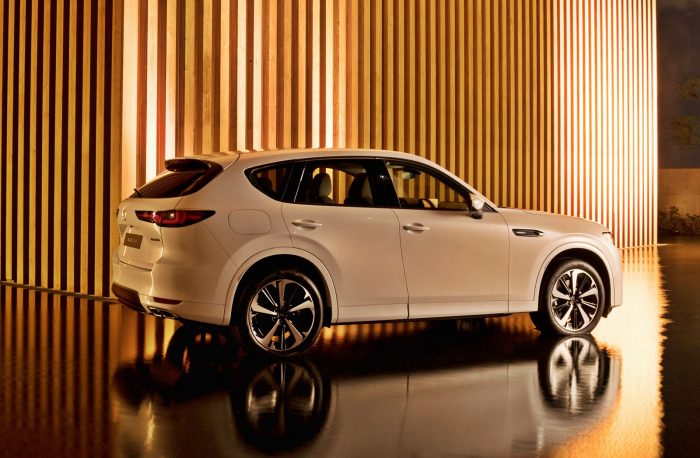
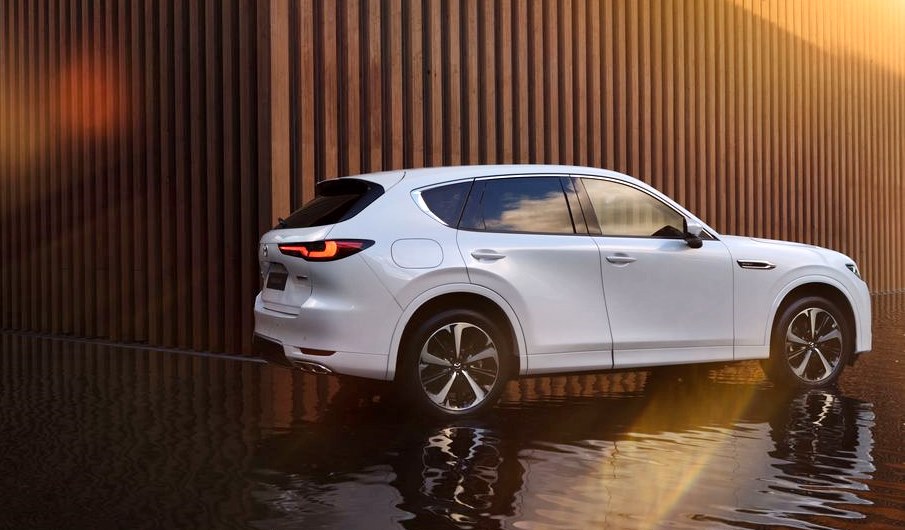
Soul Red evolved into Soul Red Crystal, adding another level of vividness and depth, while Machine Grey was also introduced as another premium signature colour. Later this year, Mazda will introduce the third signature colour – Rhodium White – with the all-new Mazda CX-60 being the first model to have it as an option.
Pure white inspired by Japanese aesthetics
Rhodium White is a pure white inspired by Japanese aesthetics, finding beauty in simplicity and the absence of superfluous elements. Furthermore, the paint’s fine grain accentuates the shadows on the surface of the vehicle complementing the metallic texture of the finish.
Takuminuri paint technology
Like the first two colours, Rhodium White was created and applied using Mazda’s unique Takuminuri paint technology, which translates to English as ‘paint by master craftsman’. The technology creates colours with rich depth and radiance while also reducing the environmental impact of the painting process in keeping with the brand’s long-term Sustainable Zoom-Zoom 2030 vision.
Cutting-edge painting robots use data obtained through simulation painting with Mazda’s best craftsmen to replicate traditional techniques to give mass-production vehicles a precise, high-quality and hand-sprayed finish.
While developing Rhodium White, Mazda was able to take Takuminuri to new heights, successfully mass producing an expressive finish using only 3 layers: a clear layer, a reflective layer and the coloured layer. This coloured layer provides a newly developed white pigment that delivers a silky smooth, fine-grain white. As standard practice with white paints, the undercoat tends to show through, and the clear coat is generally thicker than for other tonalities.
More environment-friendly process
Rhodium White, however, uses a newly developed pigment which Mazda was able to reduce the thickness of the clear coat by up to 30%. This contributes to a more efficient use of resources and a reduction of CO2 emissions during the production process.
Extremely thin layers
Mazda uses a method in which paint containing ultra-thin, high luminance aluminium flakes are applied meticulously to achieve a uniform thickness and which then dramatically shrink in volume during the drying process for the reflective layer. The result is an extremely thin reflective layer of approximately 0.5 microns or about 7% of the thickness of a typical reflective layer.
In addition, a hand-painted like finish with the aluminium flakes smoothly aligned at regular intervals in the reflective layer is achieved. The entire surface gleams when exposed to light and displays a realistic metallic texture. Individual aluminium flakes are distributed evenly and parallel to the undulations of the body surface, producing a glossy and shaded appearance when touched by light despite the brightness of Rhodium White.
While the major carmakers have been unveiling new battery-electric vehicles (BEVs) one after another in recent months (two models within the same day sometimes), Mazda seems to have been quiet in that area. In fact, it appears that the company is not making a big push into electrification in support of the efforts to address climate change.
But that’s not really the case as Mazda, like other companies in the auto industry, is just as committed to achieving carbon-neutrality in future. However, it does not want to just develop electric vehicles and consider its commitment fulfilled but looks at the ‘bigger picture’. BEVs may be the way to quickly reduce emissions of carbon dioxide that causes global warming but if the electricity used to charge them is not produced sustainably, then the emissions are merely moved to power stations, many of which run on coal… another fossil fuel.
Multi-solution approach
This is why Mazda, like some other carmakers, is looking at a multi-solution approach which has a mix of combustion engines (made more efficient) as well as electrified powertrains. It also takes into account the different stages of development in each country as not every country on the planet will be able to switch to BEVs at a similar pace. There are issues of supporting infrastructure and even more importantly, the cost of BEVs which need to become lower before they can be easily adopted.
Nevertheless, Mazda is still developing BEVs and its first one is the MX-30 which has been developed as part of the company’s Sustainable Zoom-Zoom 2030 vision of achieving carbon neutrality. Typically Mazda, the MX-30, while being a BEV, has been developed along different lines that are not so much performance-focussed but more towards practicality and urban usage.
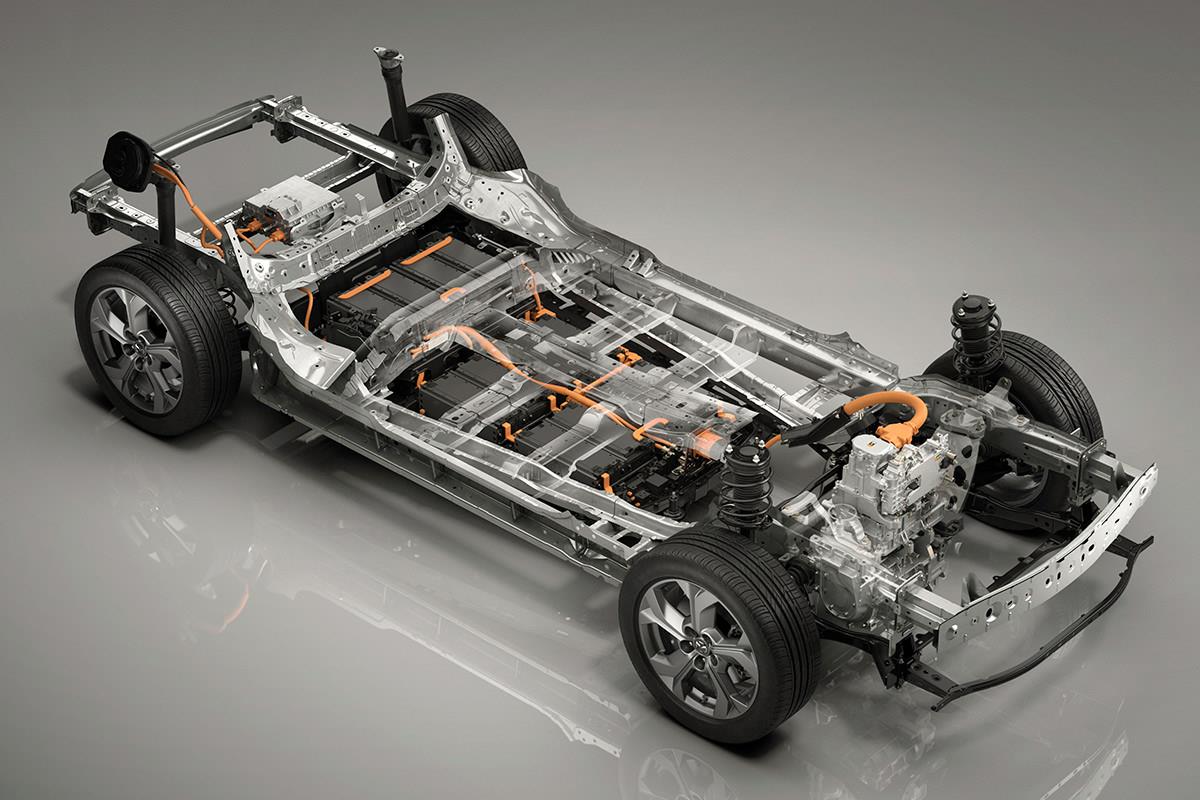
Lots of space in the engine bay, enough to add a small rotary engine to use as a range-extender (an idea which Mazda is working on).
Smaller battery capacity
The MX-30 uses e-SKYACTIV electric-drive technology with a single-motor powertrain having an output of 107 kW (143 hp)/271Nm. Powering the motor is a 35.5 kWh lithium-ion battery pack which is somewhat smaller in capacity than other BEVs which have been unveiled lately. Because of its smaller capacity, the range claimed is up to 199 kms which sounds a bit on the low side.
Mazda’s explanation for installing a battery with less capacity than others is to reduce the cost, since battery packs account for a large part of the cost of a BEV. So the engineers have tried to balance cost and range and they feel that, for its intended role as urban transport, 199 kms should be adequate. The added advantage of a smaller battery pack is less weight, and keeping weight down is very important for an electric vehicle.
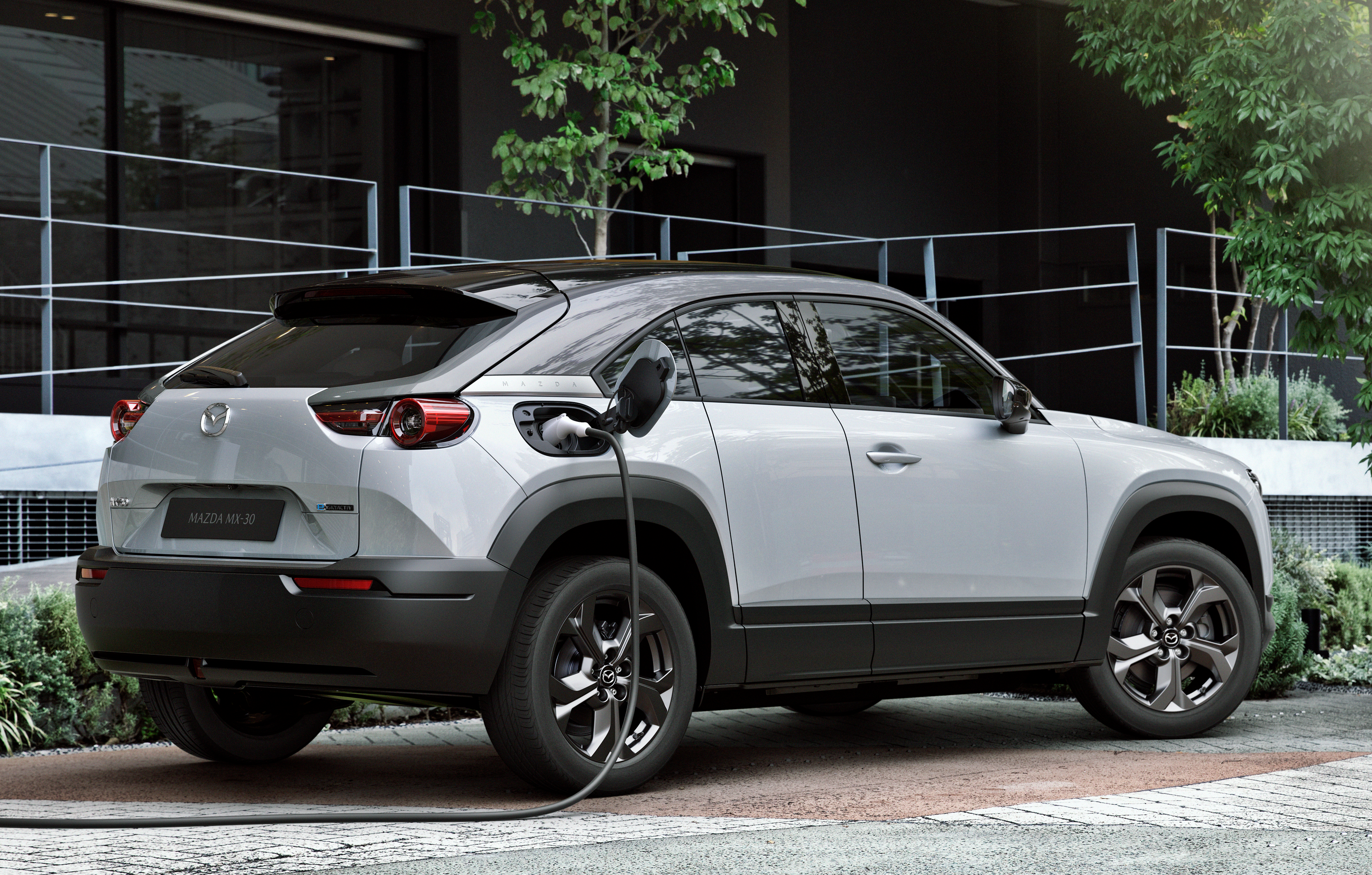
The charging can be done at home using a normal wall socket and can take up to 12 hours if the battery pack is totally empty. If a more powerful charger is installed, then the process will be faster and as short as 31 minutes. But from a practical point of view, the 12-hour time may not actually be the case unless the owner uses up all the energy. In practice, it could be like how you recharge your mobilephone – if you do so when the battery pack is at 50%, then it may take just a few hours. And as you might not have used up all the capacity during the day, there is definitely going to be some remainder at night, which will means less recharging time is necessary.
Different driving character
The character of the MX-30 on the move is also said to be unlike most BEVs. According to Dato’ Sri Ben Yeoh, Executive Chairman of Bermaz Auto, who has driven the car, its acceleration does not have the strong surge when moving off, which can sometimes be unpleasant. It’s a more progressive acceleration and this has been deliberate to give more enjoyable driving. “The other electric vehicles are more high performance-biased with strong torque from the motors but the idea behind the MX-30 is more towards driving pleasure and at the same time, eliminating the necessity of visiting a petrol station to refuel,” he explained.
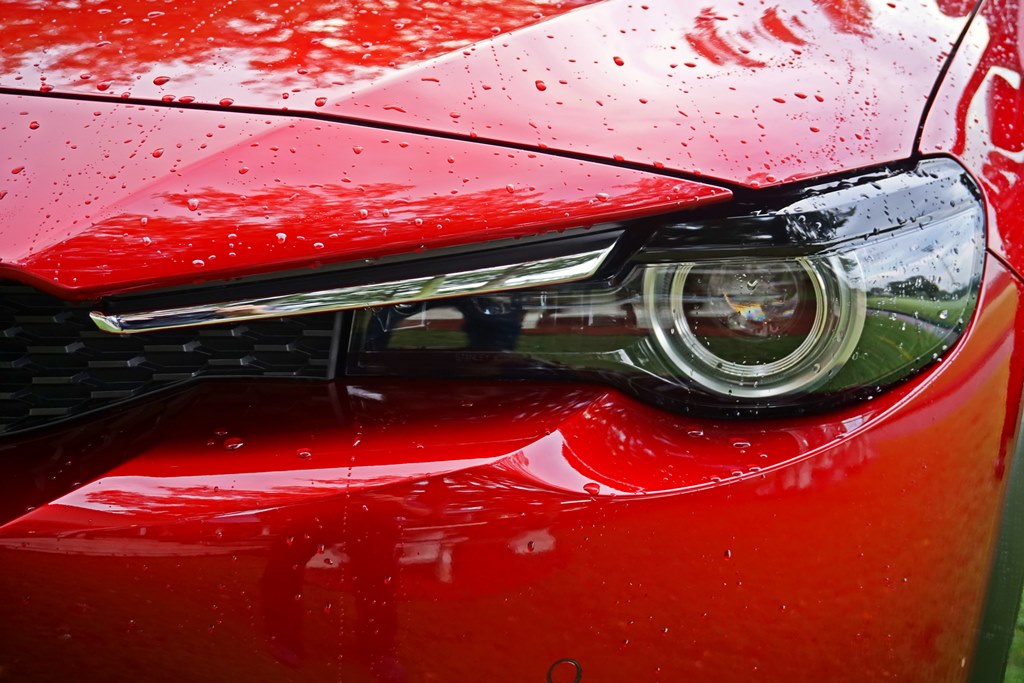
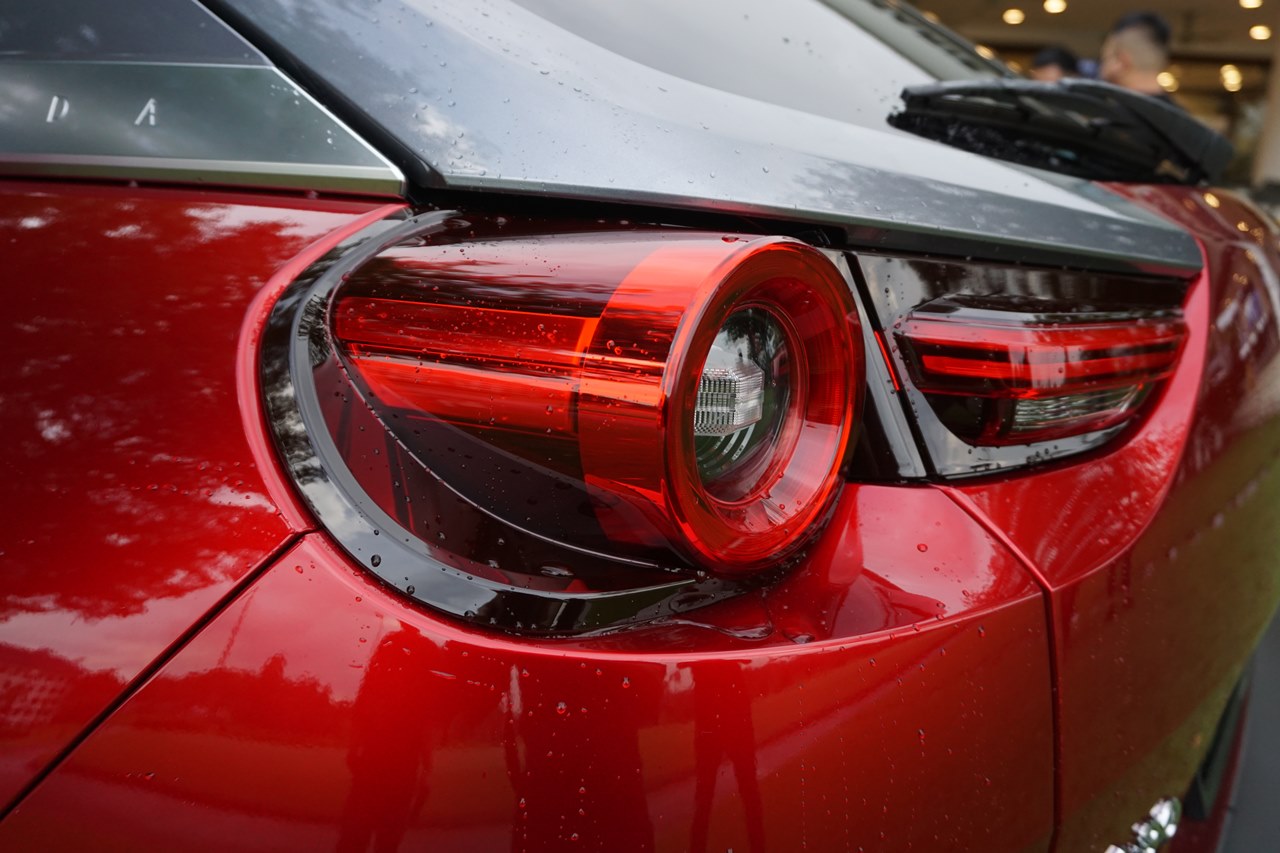
Although it is not intended to be performance-oriented, the MX-30 has sporty looks with a distinctive appearance. It doesn’t look like other Mazda models and has a new expression for the KODO – Soul of Motion design language that is used for other models.
‘Freestyle’ doors
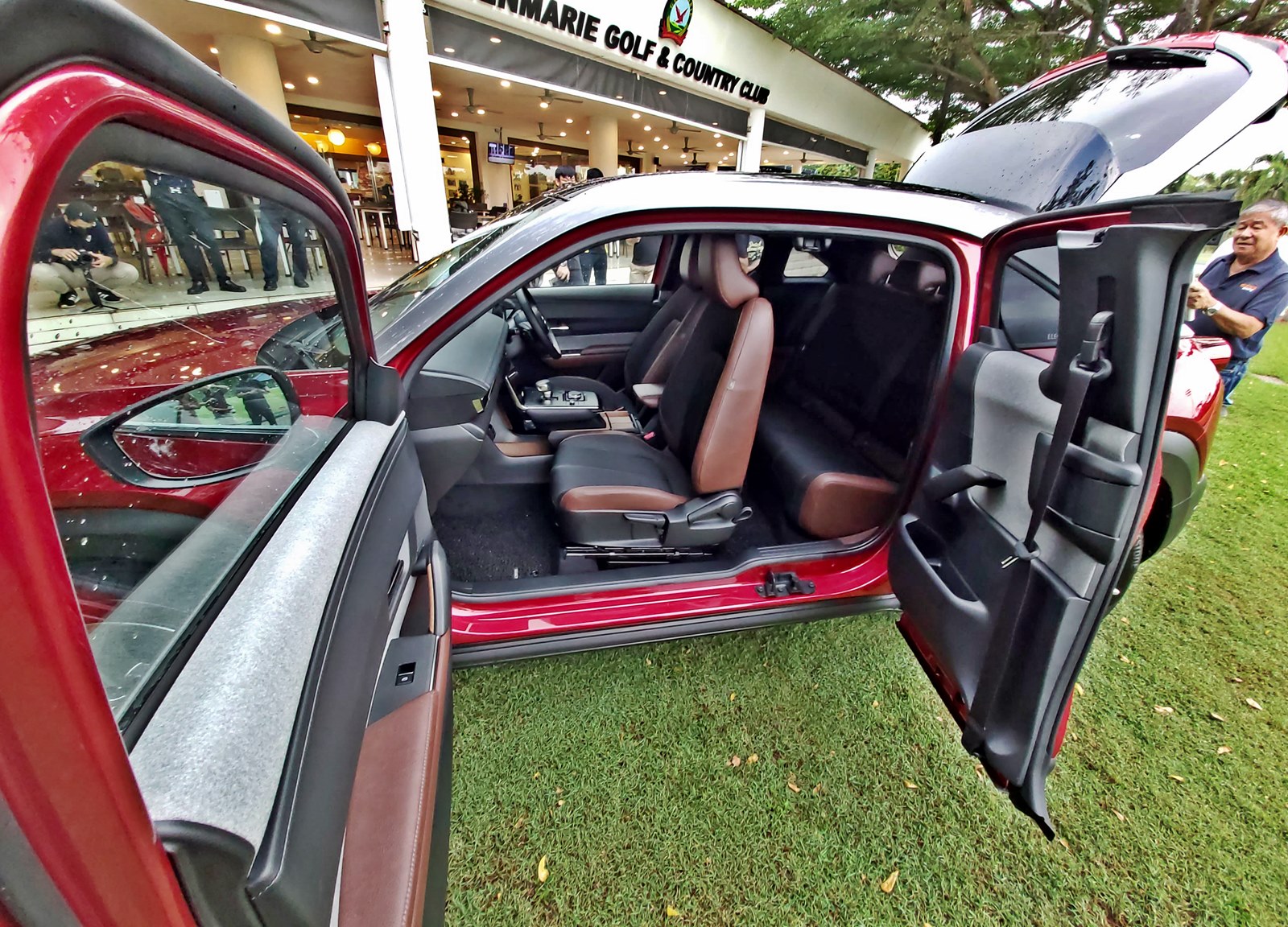
An interesting (but not unique) feature is the opening of the doors. The rear door is not hinged from the middle pillar (which does not exist) and is instead hinged on the body side towards the rear. When both doors are open, there is a wide entry space to the front and rear seats. This has been done before on the RX-8 and also used for some versions of Mazda pick-up trucks.
While some carmakers call them ‘freestyle doors’, such doors have been referred to as ‘suicide doors’ because, in earlier years when locking mechanisms were not so reliable or doors didn’t close properly, they could sometimes open by themselves. That would be dangerous when the car was moving fast as someone could fall out! However, with today’s stringent safety regulations and crash tests, the doors should remain properly locked and closed. After all, Rolls-Royce also has such doors on its cars.
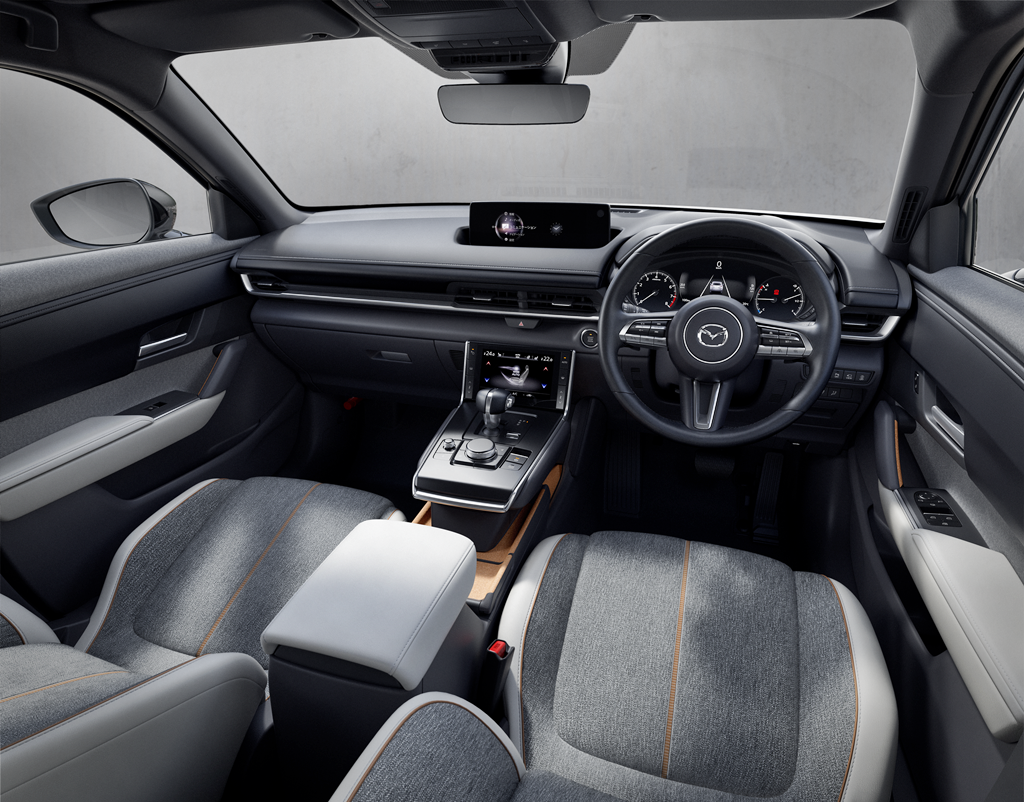
As the exterior proportions would suggest, the MX-30’s cabin is compact. The dashboard is a clean surface with obvious minimalism as its concept. Like most other Mazda models, there is a vertical tablet-like display in the middle which provides infotainment information and management is either by touch or using the rotary knob on the centre console.
Sustainable, recyclable materials
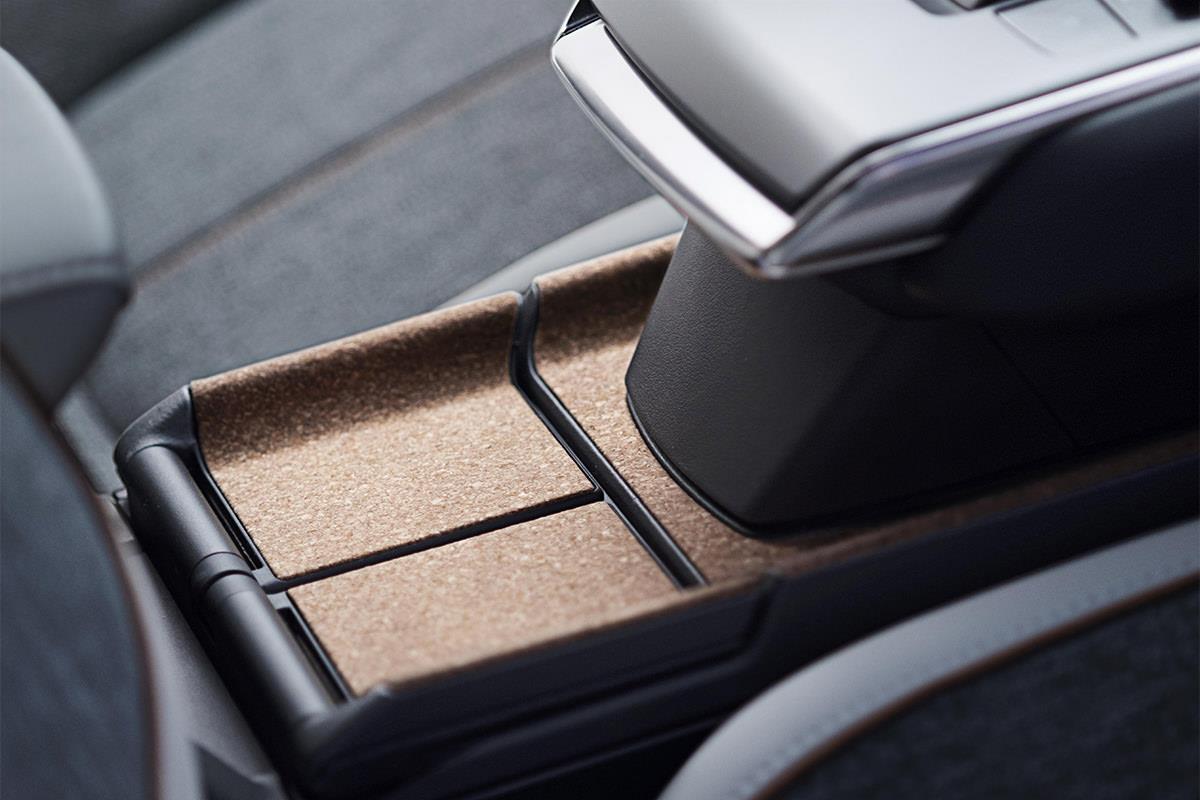
In pursuing the sustainability approach, many of the materials used for the MX-30 are eco-friendly and can be recycled. The material for the trim panels around the floating centre console is an example. It is from cork, one of man’s oldest construction materials. The environmental footprint of the cork used for the MX-30 is reduced further by using leftovers from the production of cork stoppers for wine bottles. The inherent characteristics of cork are very useful for automotive interior applications where materials will often be in use for many years. It is virtually impermeable to liquids and gases and shows a high friction-resistance. This is due to the special honeycomb cell structure of cork, as well as a substance called suberin, which makes up about 45% of the material. Naturally hydrophobic, it acts as a sealant against water penetration and other liquids.
Besides being environmentally-sourced, cork is also historically special to Mazda because the company was known as Toyo Cork Kogyo Corporation and manufactured cork in its earlier years.
Bermaz Motor intends to offer the MX-30 for sale later in the year (from the fourth quarter) and sees it as an offering for those early adopters who like the idea of electrically-powered cars. The price is not confirmed yet although Dato’ Sri Yeoh said that it will be not more than RM200,000. He added that BEVs are currently expensive to produce and even with the full exemption of import duties and taxes, the retail price will still not be able to be below RM150,000 for a properly built BEV.
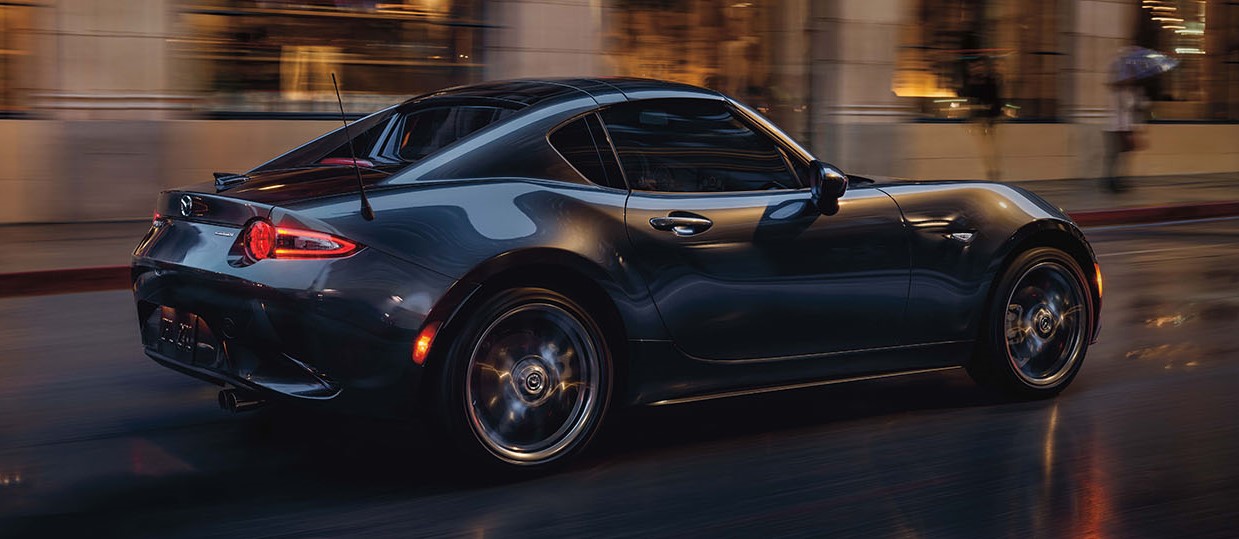
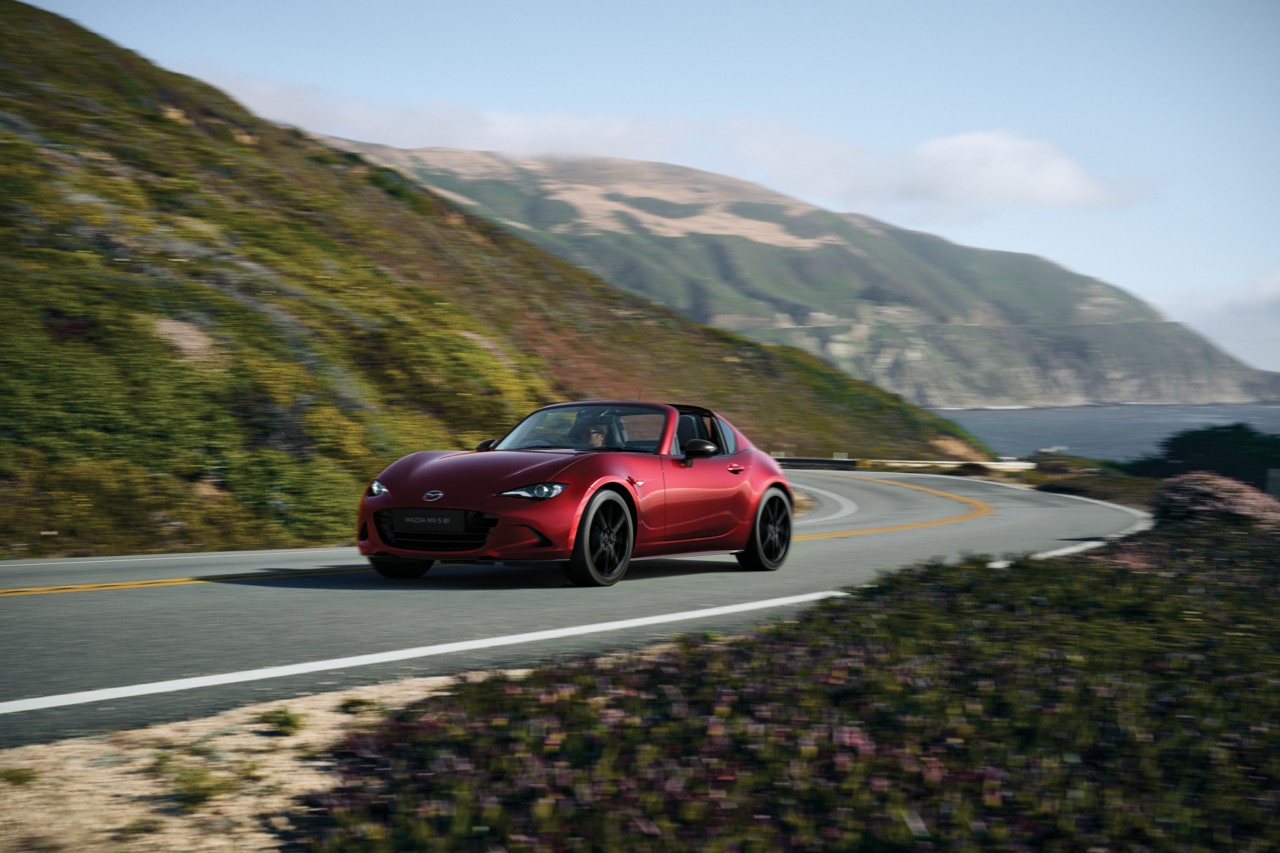
‘Jinba-ittai’ – the unity between a horse and its rider – is something which Mazda engineers make sure is in every model that the company sells. It’s what makes a Mazda enjoyable to drive and the MX-5 Miata shows it best. Yet, in the spirit of kaizen (Japanese for constant improvement), the engineers believe they can make it still better and for the 2022 model, they have given attention to reducing body roll further.
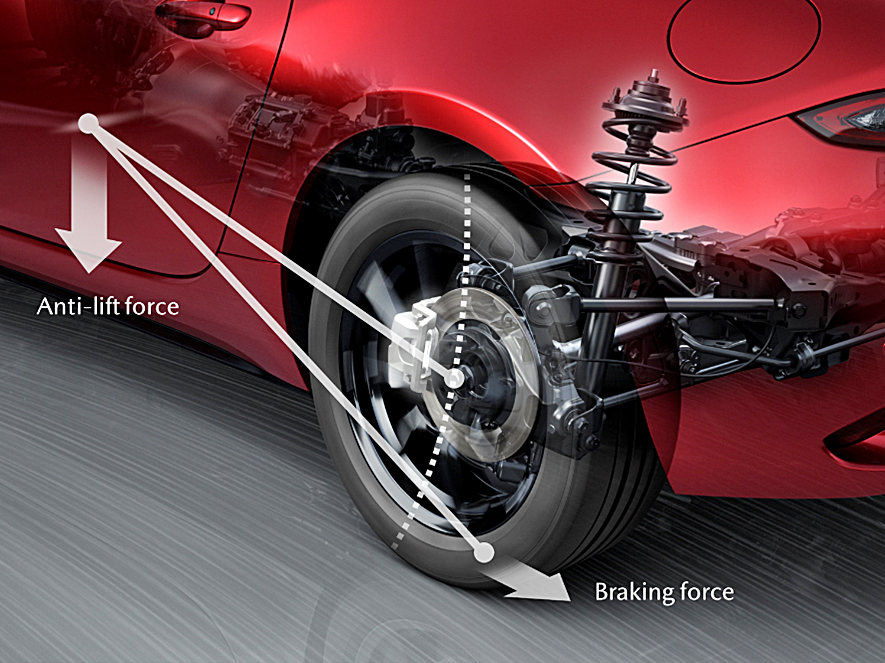
Body roll can be good as well as bad, and it does in some ways provide the driver with feedback during fast cornering. To reduce the roll and achieve a flatter cornering attitude, the engineers have come up with a new system called Kinematic Posture Control (KPC), which uses braking to reduce body roll. While it uses braking forces like torque vectoring, it works on a different principle to generate a downward pull on the inside rear suspension.
This ‘anti-lift’ force pulls the car’s body down when the brakes are applied, thereby suppressing roll and optimising the posture when cornering. This takes into account the rear suspension control arms swinging rearwards while rising as the suspension compresses. Likewise, when the suspension moves towards the back, which happens under braking, it also moves upwards.
The difference between KPC and torque vectoring is that KPC does not rely on driver input to react. It functions when it senses the difference in speed between the two rear wheels while going round a curve. This enhanced stability, especially when cornering hard and fast, makes the MX-5’s handling even better while also improving ride comfort.
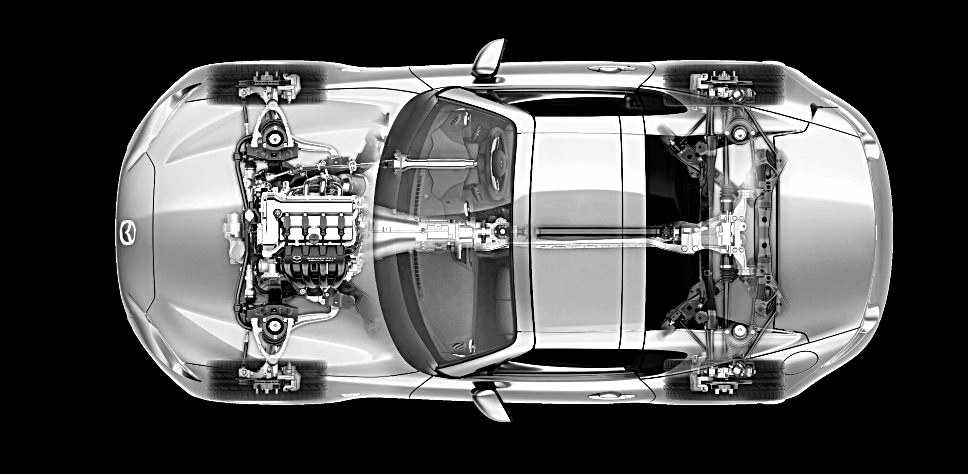
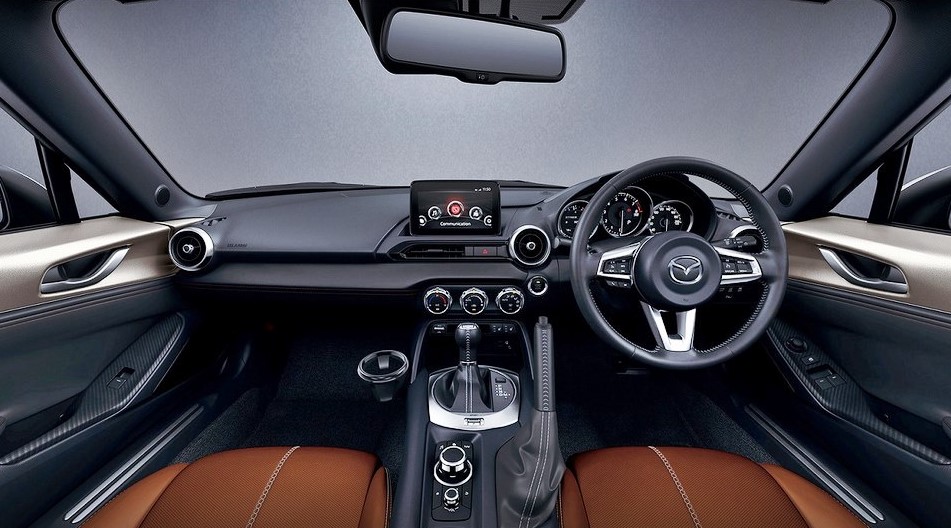
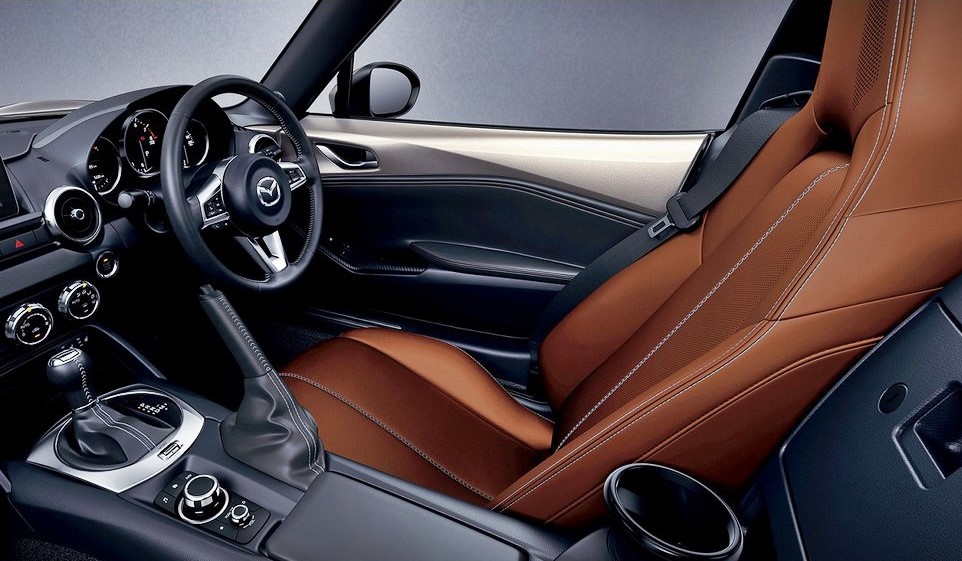
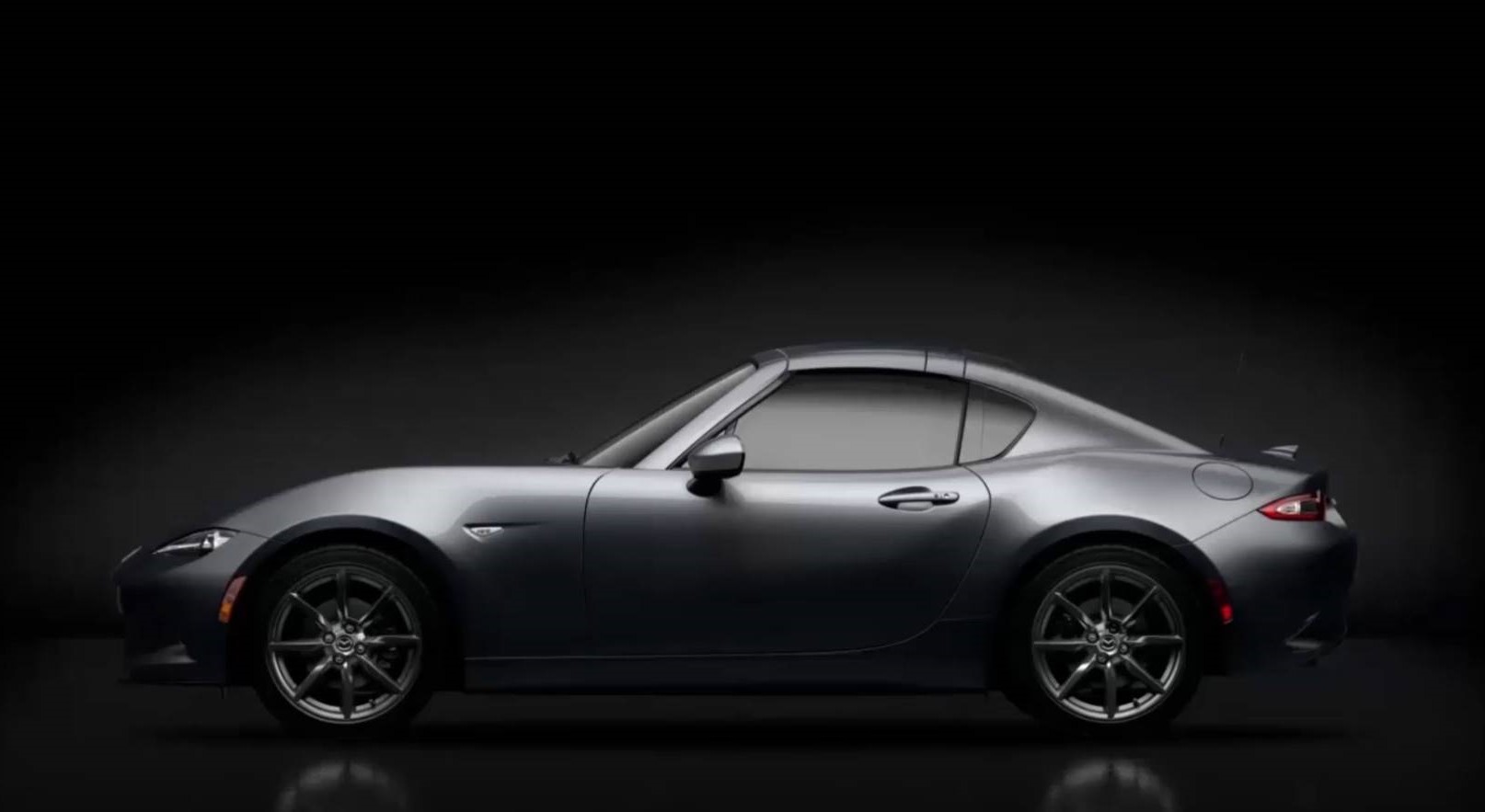
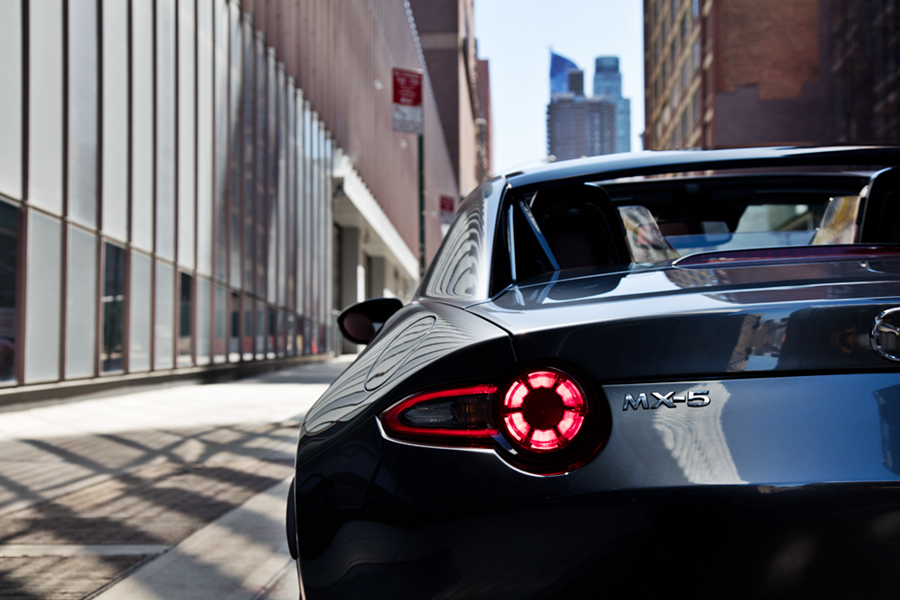
Apart from KPC, which doesn’t add any weight, the latest MX-5 RF has the same specs and features as last year’s model. The rear-wheel drive roadster is powered by the proven SKYACTIV-G 2-litre engine with a 181 bhp/205 Nm output. Customers have a choice of 6-speed automatic or manual transmission, with the latter having a top speed of 220 km/h, 20 km/h more than the automatic.
Mazda’s suite of active safety systems is known as i-Activsense and consists of Adaptive LED Headlights, Blind Spot Monitoring, Rear Cross-Traffic Alert, Driver Attention Alert and Lane Departure Warning. There is also Smart City Brake Support which is an autonomous emergency braking system that uses a laser sensor mounted at the top of the windscreen. The brakes will be applied automatically if the driver does not take the right action when a frontal collision is likely.
The 6 colour choices are Soul Red Crystal, Machine Gray, Snowflake White Pearl, Polymetal Gray, Deep Crystal Blue and Jet Black. Pricing starts from RM265,964 (with 50% Sales Tax Reduction until June 30, 2022). Warranty coverage is for 5 years/100,000 kms (whichever occurs first after registration) and Bermaz also includes free scheduled maintenance for the first 5 years (or maximum of 100,000 kms).
To know more about the MX-5 RF and other Mazda models in Malaysia, visit www.mazda.com.my.
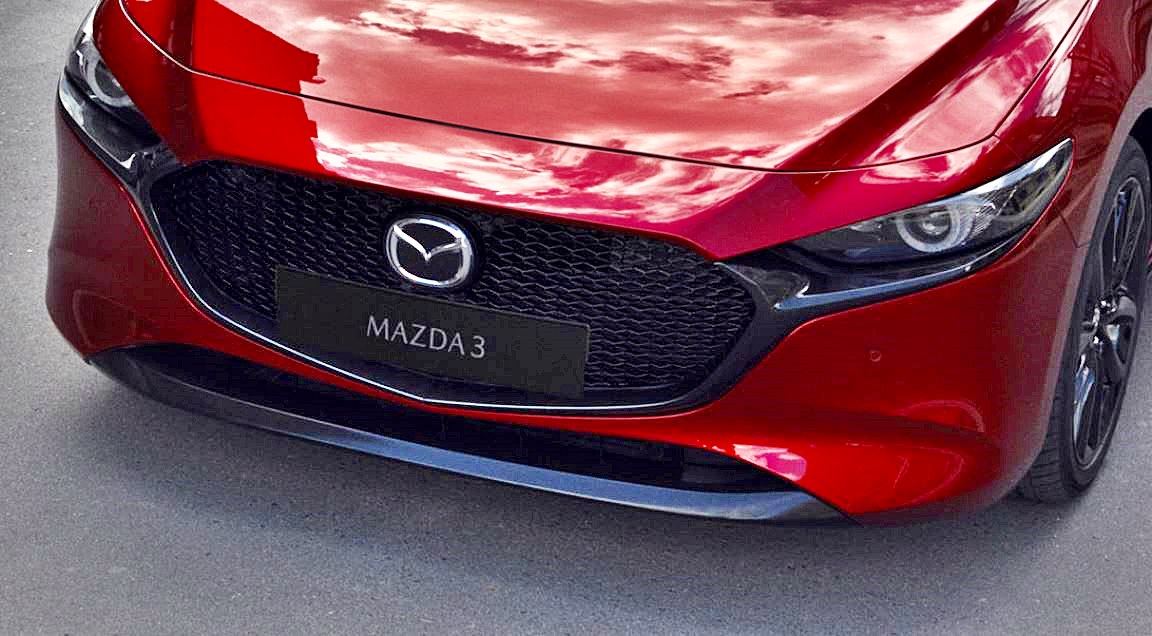
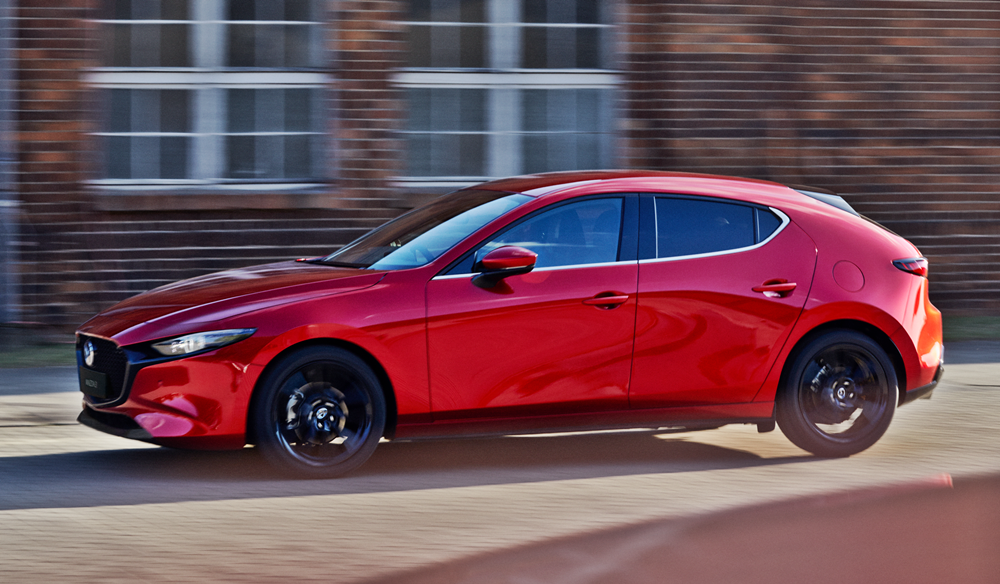
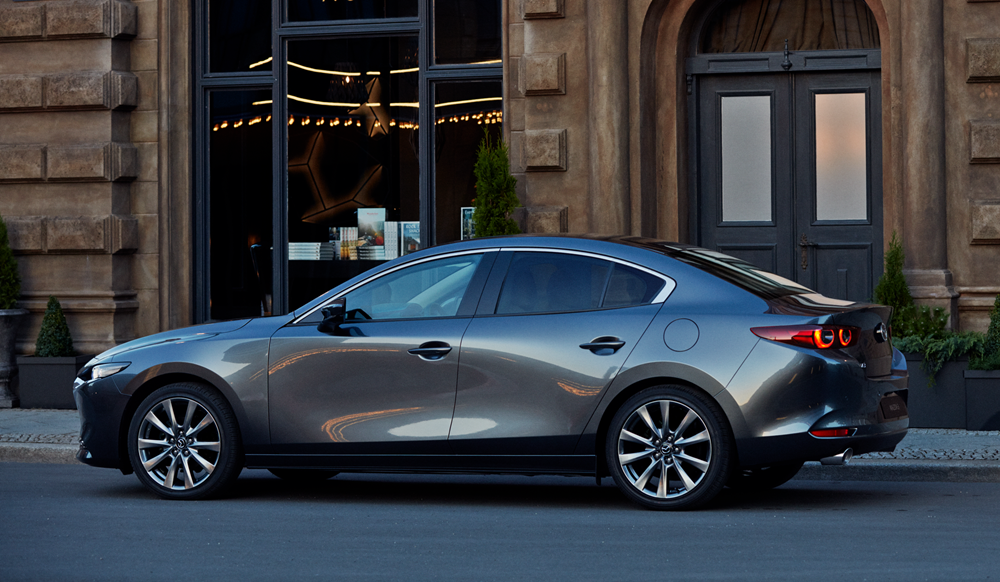
Bermaz Motor has announced that the 2022 Mazda3, CX-3 and CX-30 models are now available in Malaysia. All three are imported from Mazda factories in Japan and come with feature upgrades, with a special versions of the Mazda3 and CX-30 also being offered.
Mazda3
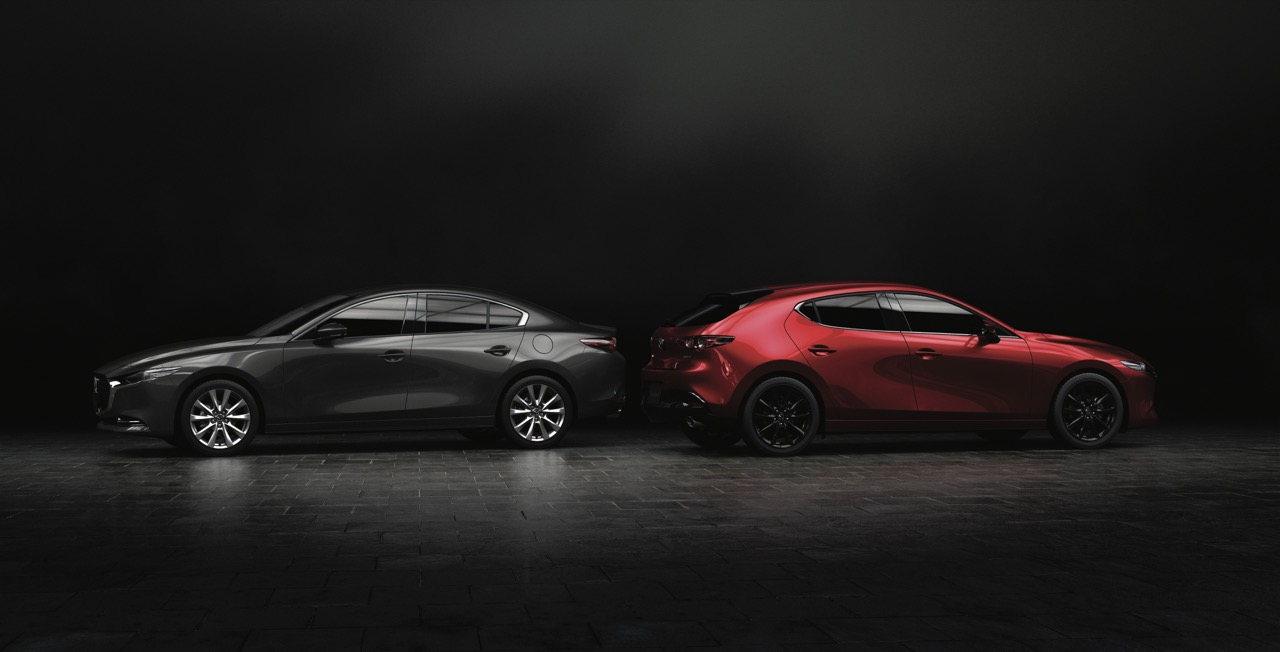
The model that was developed from the Kai concept car of 2017 is available with 1.5-litre and 2-litre SKYACTIV engines and sedan as well as liftback bodystyles. For 2022, the models get improved connectivity with Apple CarPlay and Android Auto installed. This allows favourite apps from the smartphone to be interfaced with the infotainment system which is managed by an 8.8 touchscreen on the dashboard.
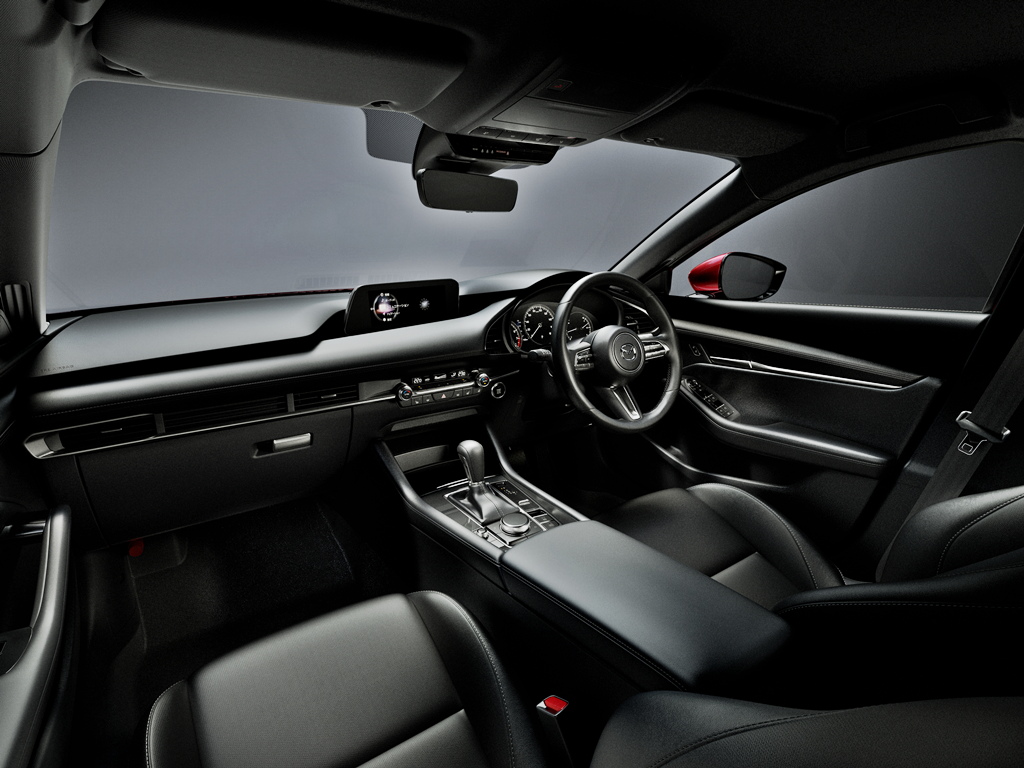
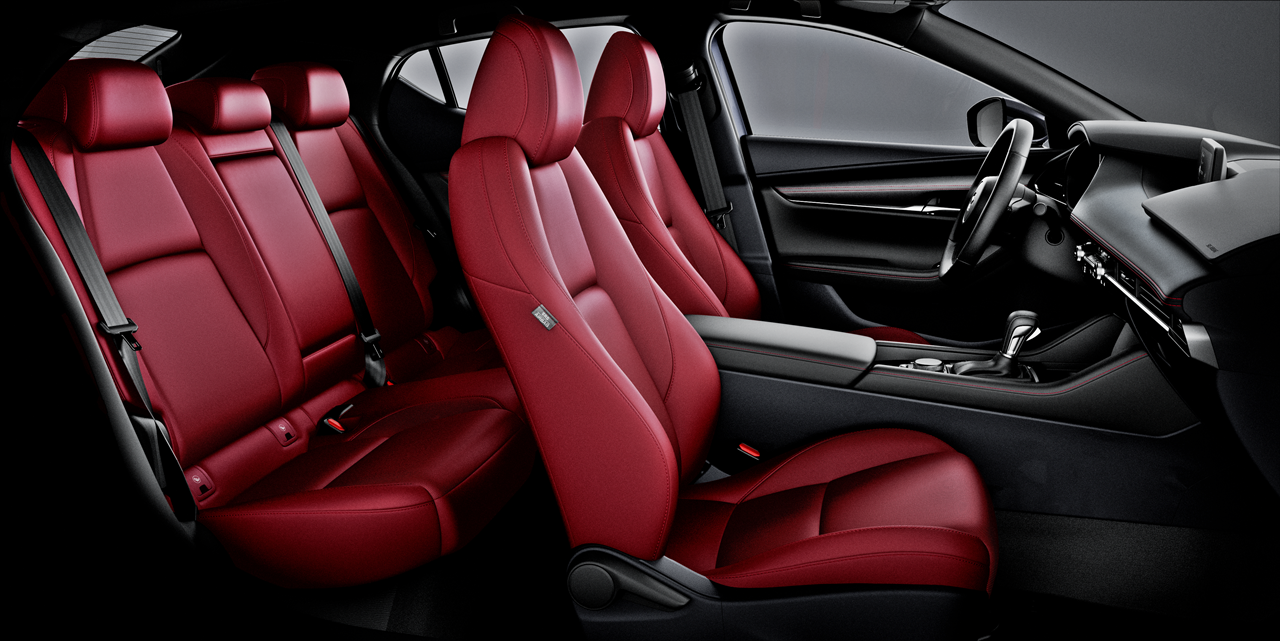
A special version known as the ‘Ignition Edition’ is also available but only for the 2-litre liftback variant. While the rest of the Mazda3 range has a choice of 7 colours, the Ignite Edition is only available in Polymetal Grey. The model also has distinctive gloss black door mirror covers and the 18-inch alloy wheels are finished in metallic black. Inside, the Ignite Edition has exclusive, burgundy-coloured leather upholstery which gives a classy touch.
The Ignite Edition comes with the latest i-Activsense active safety system with driver assistance features such as Front Cross Traffic Alert, Driver Attention Alert, and Driver Monitoring as well as Cruising & Traffic Support (CTS). For easier manoeuvring, especially in tight parking spaces, there is a 360o View Monitor to help the driver see the areas on all sides of the car.
The latest Mazda3 prices start from RM138,660 (excluding insurance) and until June 30, 2022, half of the sales tax applicable is exempted by the government.
Mazda CX-3
The CX3 crossover SUV retains the same compact proportions that are ideal for the urban jungle. Under the skin is the SKYACTIV-vehicle Architecture which gives the CX-3 the same jinba-ittai (the unity between ride and horse) character that every Mazda has. It is powered by a 2-litre 154 bhp/206 Nm SKYACTIV-G engine that is mated to a 6-speed SKYACTIV-DRIVE transmission sending power to the front wheels.
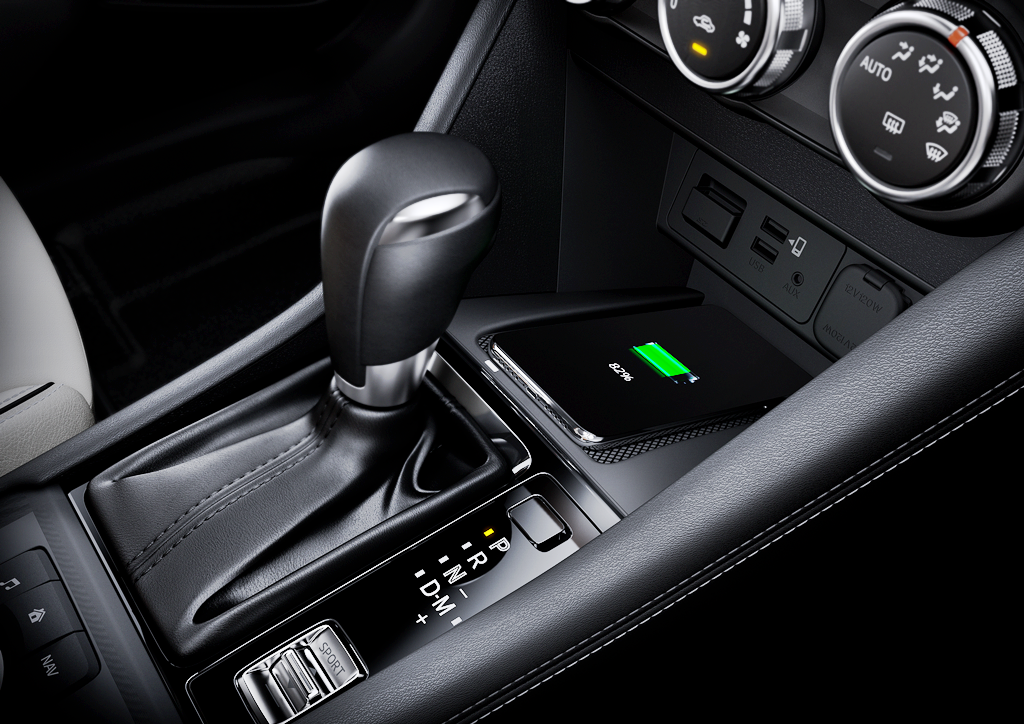
Updates for the 2022 model are wireless Apple Carplay along with Android Auto for smartphone connectivity and also a Qi Wireless Charger for compatible smartphones. The infotainment system has an 8-inch capacitive touchscreen with a bright clear display. Also added is a 360o View Monitor to give the driver a better idea of the surroundings. A seatbelt reminder is now installed for all seats, especially useful as rear passengers must also be belted up by law.
Bookings are now accepted with the price starting from RM131,929 (excluding insurance and with 50% sales tax until June 30, 2022). Customers can choose from 6 colours – Soul Red Crystal, Machine Gray, Snowflake White Pearl, Polymetal Gray, Deep Crystal Blue and the new Platinum Quartz Metallic.
Mazda CX-30
The CX-30 has received some updating with connectivity improvements that allow for smartphones to interface with the infotainment system using Apple CarPlay and Android Auto. The 8.8-inch touchscreen functions as a command centre to make various selections and adjustments.
Additionally, there are two ‘Ignite Edition’ variants added with a choice of FWD or AWD. Like the Mazda3 Ignite Edition, they come with black door mirrors (auto-folding) and black 18-inch alloy wheels. The interior has burgundy-themed upholstery on the seats with black interior trim. Also includes is a 360o View Monitor which uses the central display.
The CX-30, which has i-Activsense, has scored full marks in Euro NCAP stringent evaluations. In fact, it was one of the models to score the highest-ever rating in the Adult Occupancy Protection assessment. It also performed impressively in the other categories such as Child Occupant Protection, Vulnerable Road User (pedestrian safety) and Safety Assist.
The latest CX-30 (High Spec upwards) has a full suite of i-Activsense features and Front Cross Traffic Alert, Driver Attention Alert with Driver Monitoring and Cruising & Traffic Support are also added for the ‘Ignite Edition’.
There are 7 colour choices for the CX-30 which is priced from RM145,759 (without insurance/50% sales tax until June 30, 2022).
All new Mazda vehicles (except for the BT-50 pick-up truck) come with a 5-year/100,000 km manufacturer’s warranty and during the first 5 years (or 100,000 kms) after registration, owners can enjoy free scheduled maintenance.
Mazda’s SUV range (discounting the Mazda Tribute which was jointly developed with Ford’s first Escape) started off with single-digit numbers – CX-3, CX-5, CX-7 and CX-9 (the CX-30 being an exception) – and last year, the carmaker announced that its new generation of SUVs would have double-digit designations. And these would be more premium, in line with Mazda’s aspirations to move further upmarket.
We were told that from 2021 to 2024, there will be no less than 5 new SUV models and their designations were even revealed: CX-50, CX-60, CX-70 and CX-90. The CX-50, not intended as an immediate replacement for the CX-5, appeared last November and is intended primarily for the North American market where it is now being built as well.
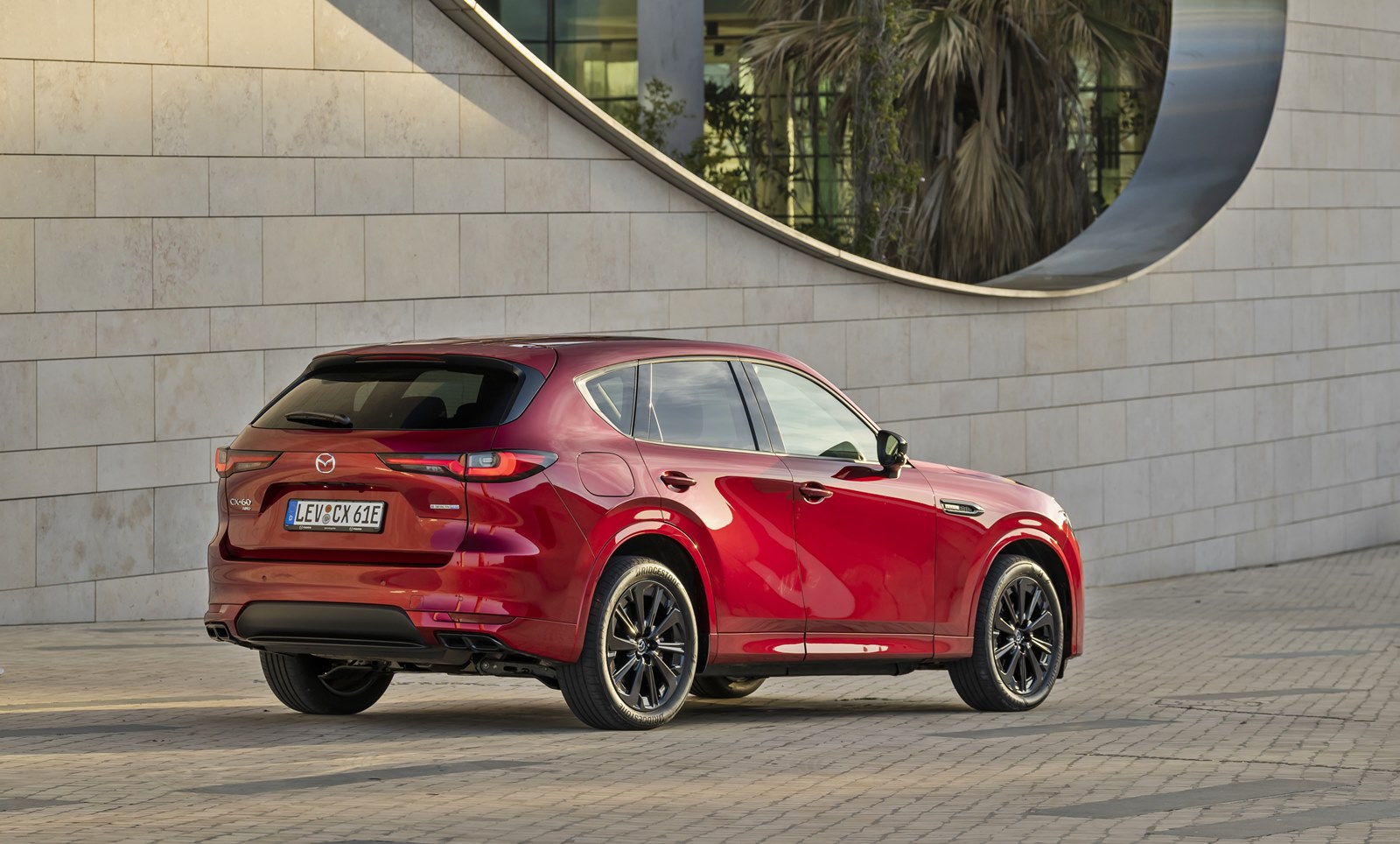
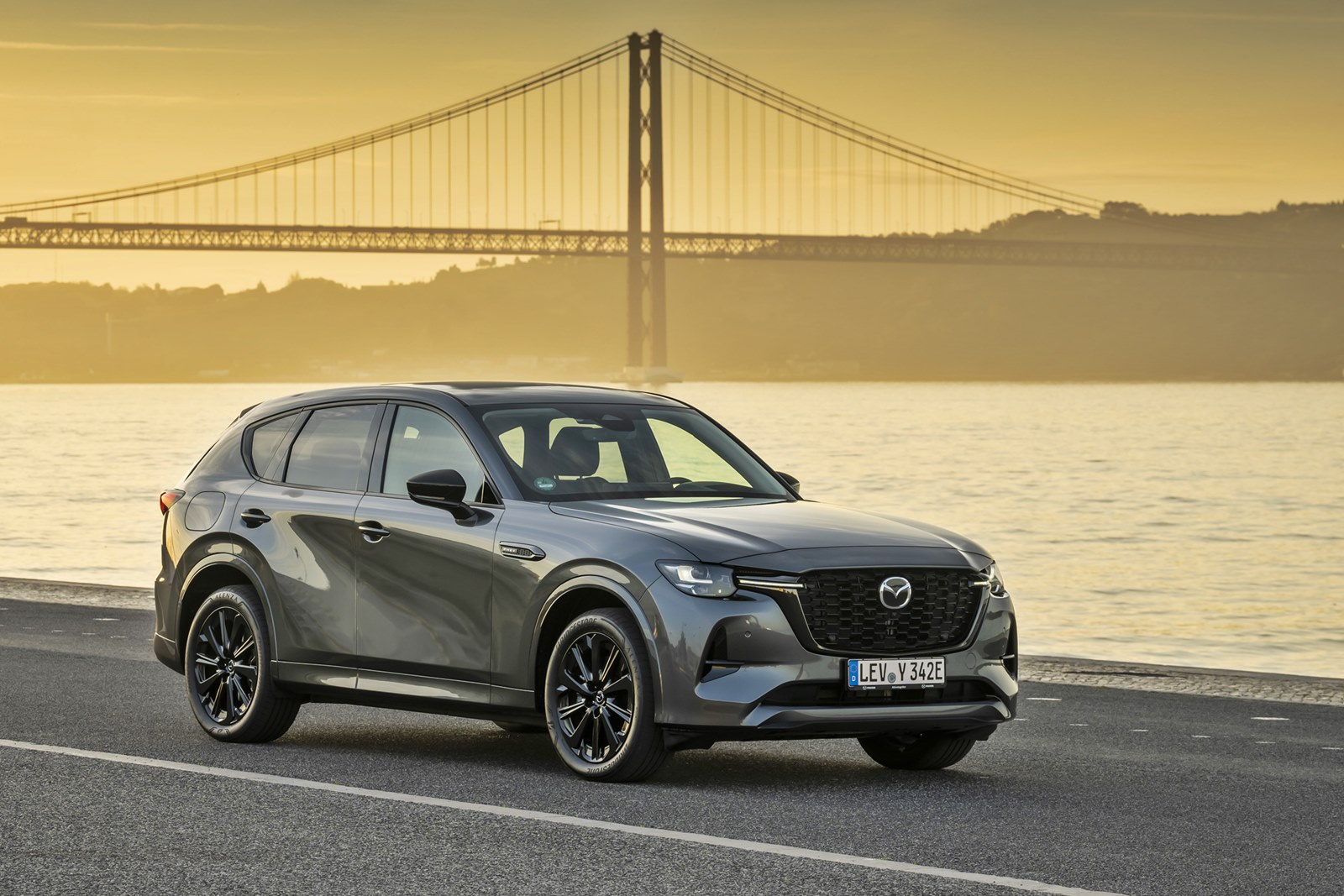
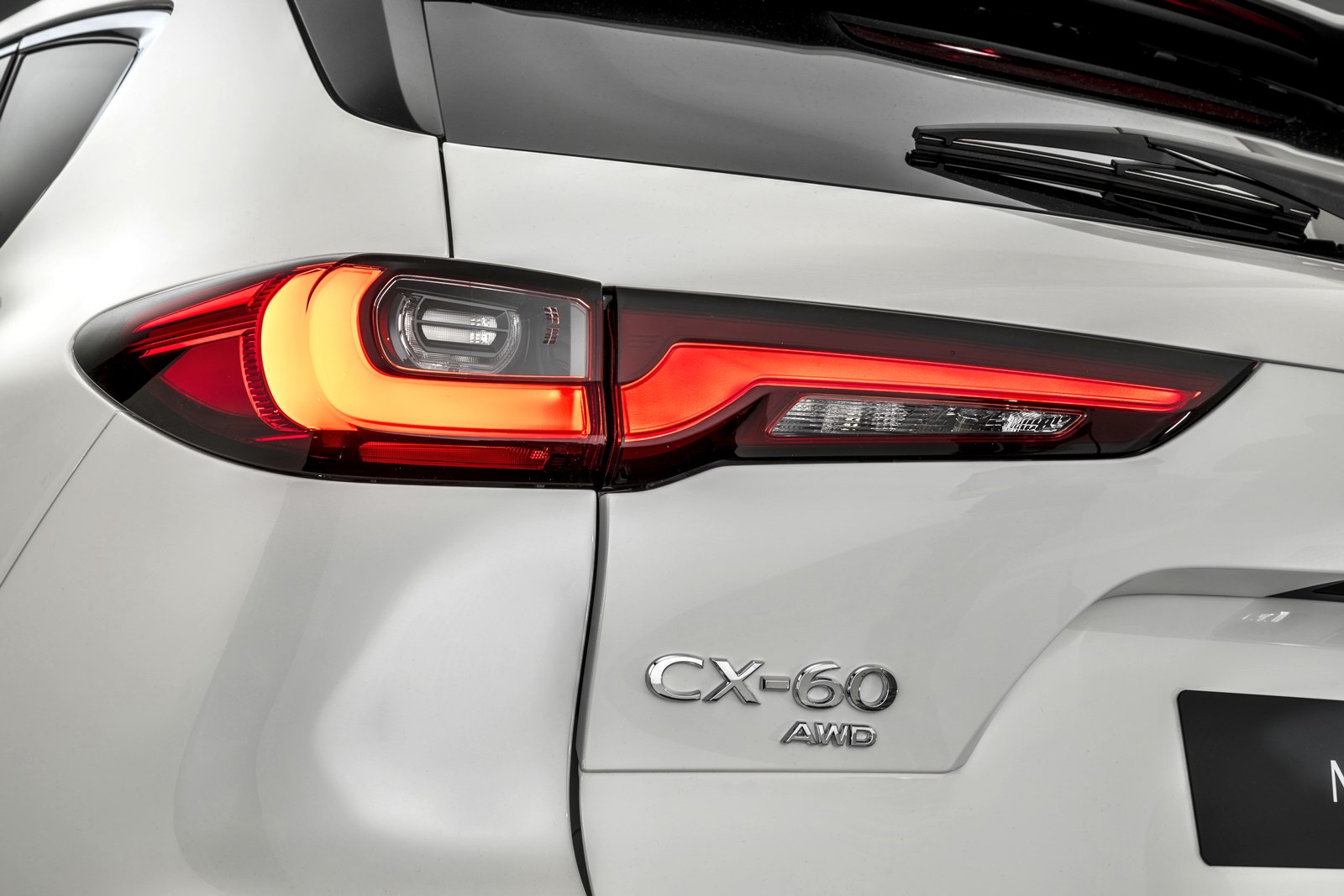
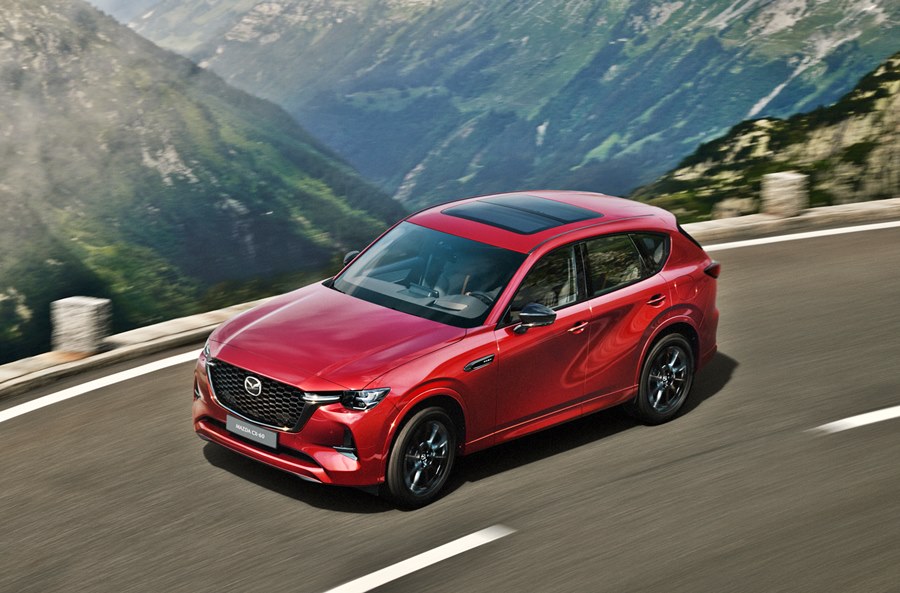
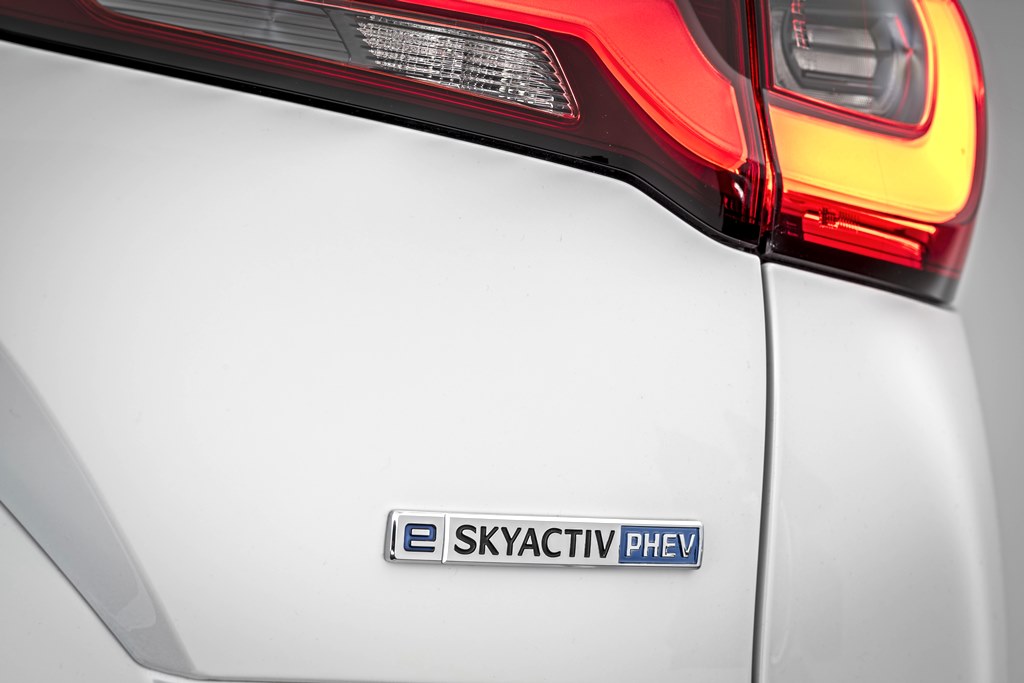
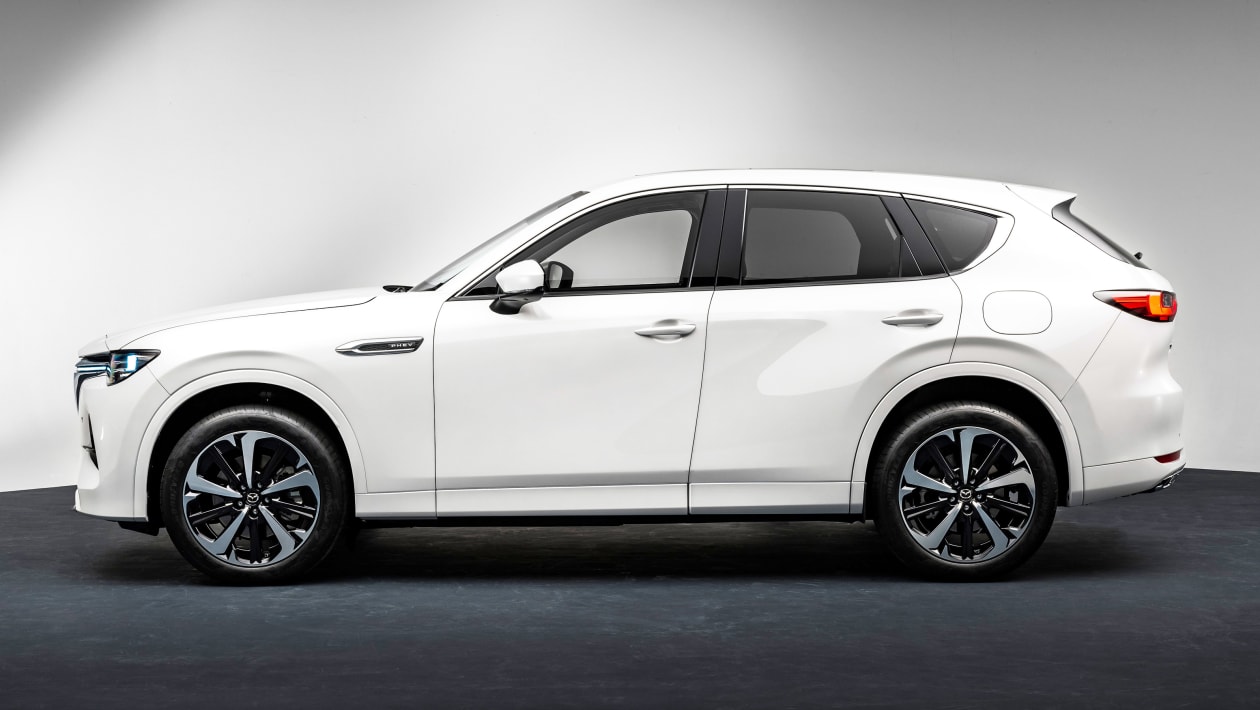
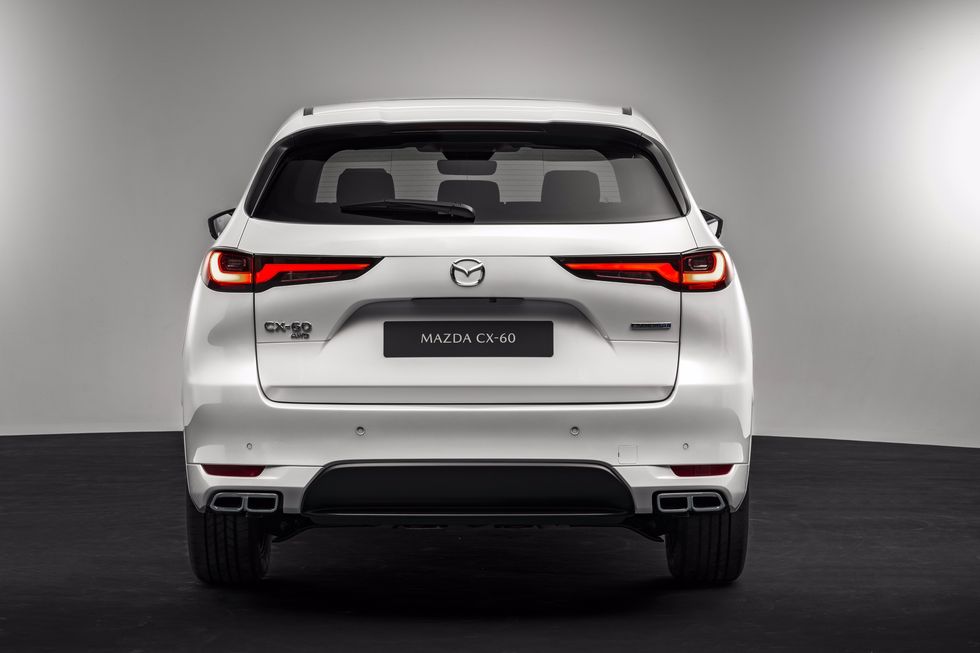
Now comes the CX-60 which is Mazda’s first plug-in hybrid electric vehicle (PHEV) and aimed largely at Europe. It’s not the company’s first hybrid as there has been a Mazda3 with a SKYACTIV HEV engine sold in Japan for many years. That hybrid drew on Toyota’s hybrid technology and with the association deepening in recent times, it is likely that this new PHEV may have been developed with some of Toyota’s long experience.
Most powerful Mazda production model to date
The PHEV powertrain has a SKYACTIV 2.5-litre petrol engine and a 100 kW electric motor powered by a 17.8 kWh high-capacity battery pack. With an output of 327 ps/500 Nm, it is the most powerful powertrain Mazda has offered in a production vehicle for sale to the public. Claimed 0 to 100 km/h performance is 5.8 seconds, with a range of up to 68 kms on just electricity in city driving conditions.
A new 8-speed automatic transmission and Mazda’s i-Activ All-Wheel Drive system delivers power to all four wheels, with Mazda Intelligent Drive Select (Mi-Drive) offering 5 different drive modes. Recharging is said to be within 4 hours using an ordinary power outlet.
Later, the CX-60 will also be available with two new engines for the PHEV powertrain – a new generation straight-six 3-litre e-SKYACTIV X petrol unit and a 3.3-litre SKYACTIV-D diesel. Together with the new engines and 48V technology, Mazda will also introduce a RWD version of the SUV. A bigger 3-row model, the CX-80, will be added to the range within the next two years.
Typically high standard of vehicle dynamics
With its emphasis on jinba-ittai (the unity between a horse and its rider) for all its models. It would be surprising to find the CX-60 also having impressive vehicle dynamics. Compatible with the CX-60’s longitudinal front-engine rear-wheel drive mechanical layout, Mazda’s SKYACTIV Scalable Architecture is matched to high bodyshell rigidity and a double wishbone front and multi-link rear suspension set-up.
Additionally, the CX-60 also has Mazda’s Kinetic Posture Control technology which further stabilises vehicle posture when cornering by braking the inside rear wheel to mitigate roll and the draw the car body downwards, while positioning the high-voltage battery between the front and rear axles and as low as possible, further helps the CX-60’s centre of gravity and stability. This is probably an evolution of the G-Vectoring Control (GVC) chassis technologies developed some years back and used in many models today.
KODO design maintained
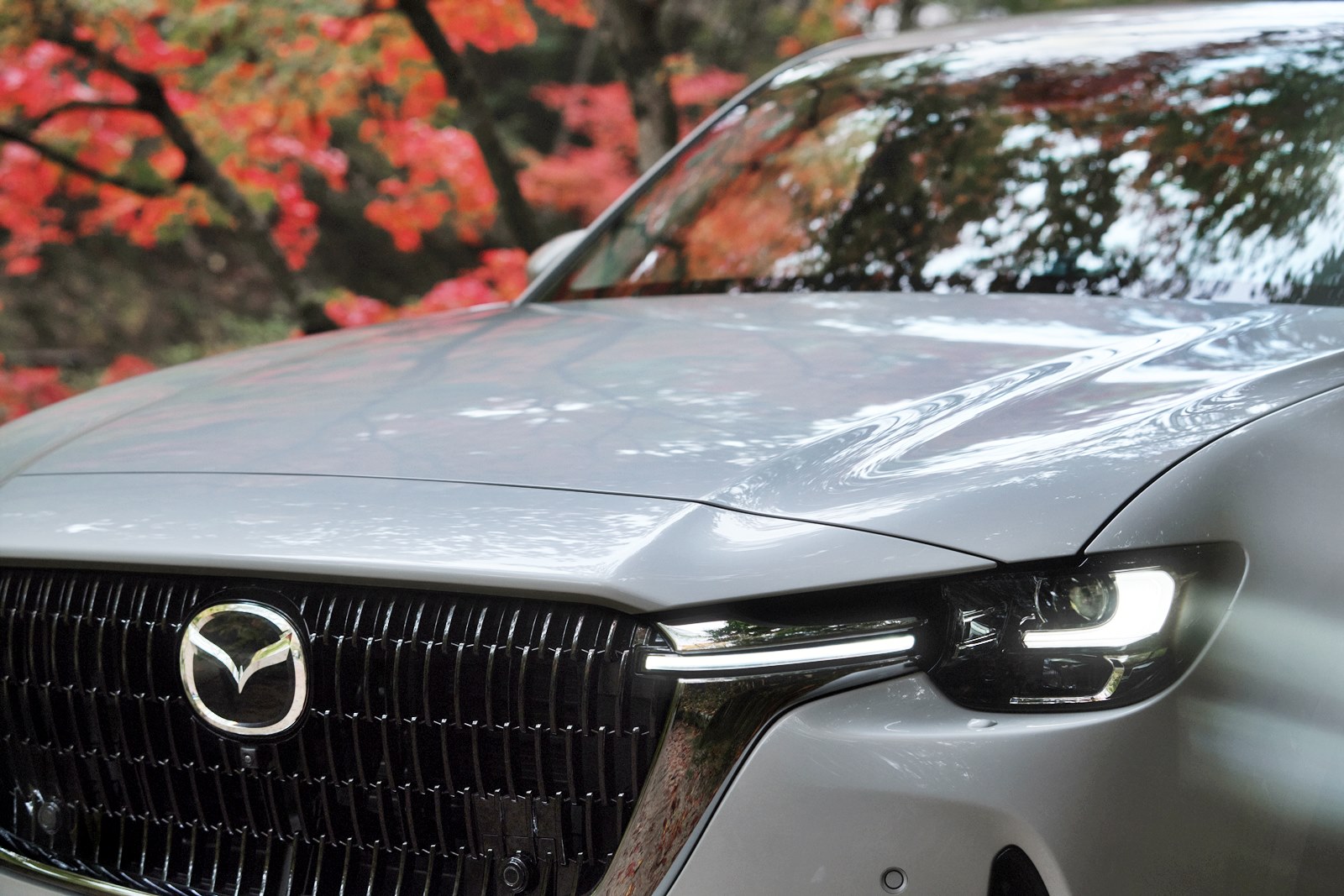
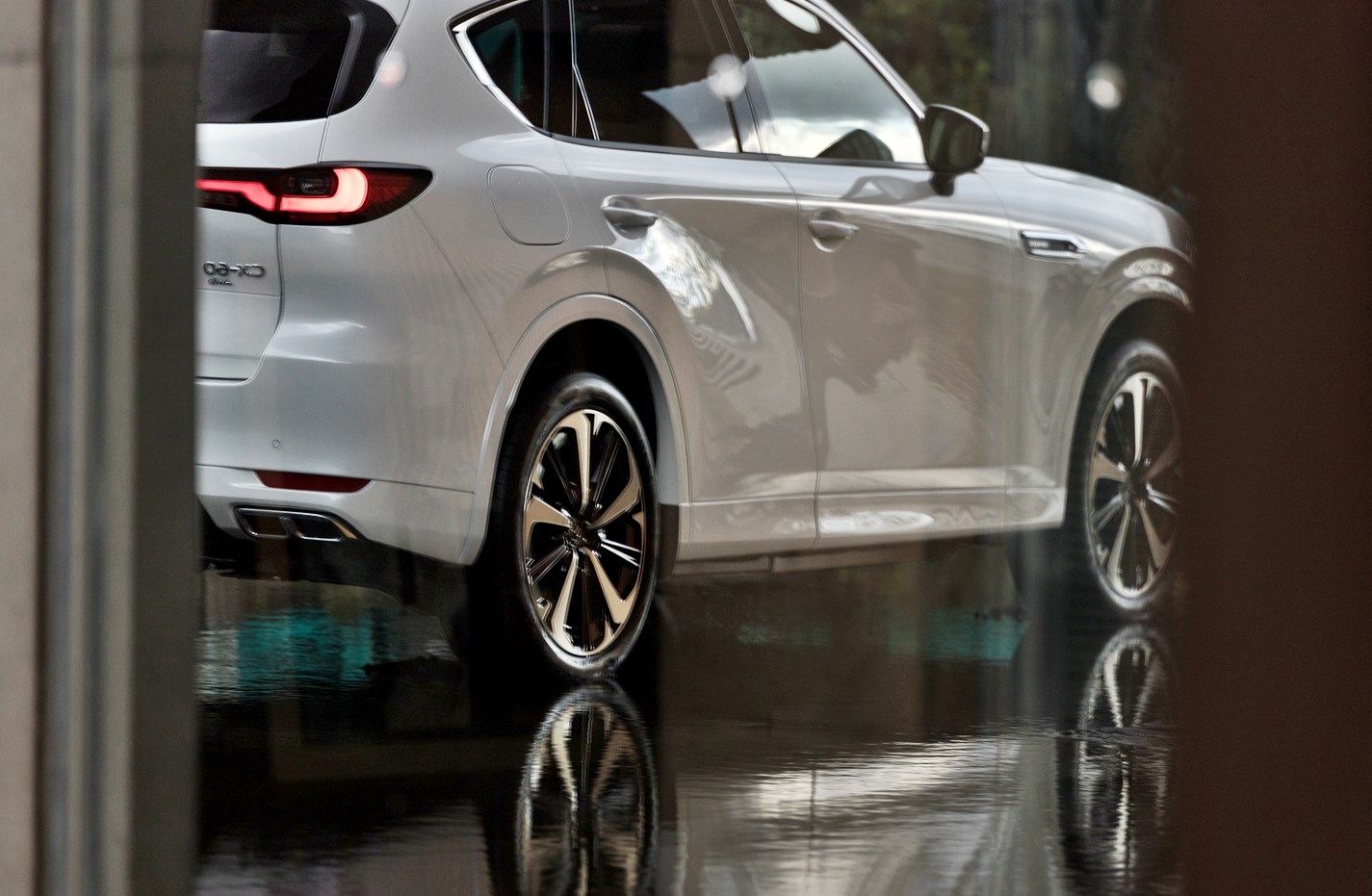
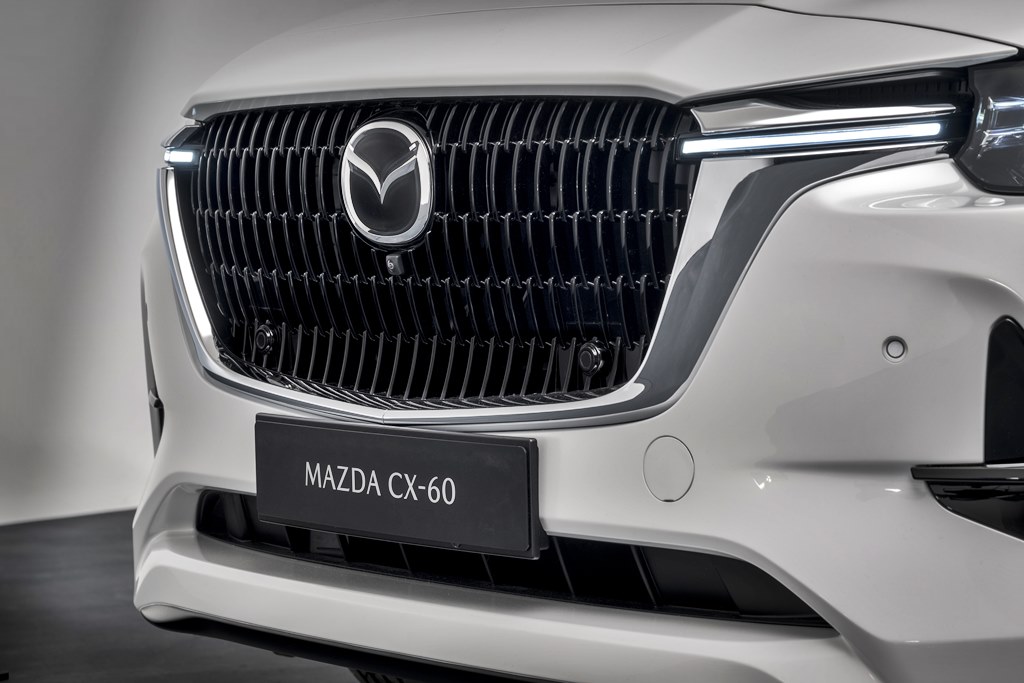
The appearance of the CX-60 seems to have a bit of the CX-5, which is not unusual since the KODO design language is still being used. The grille has the familiar shape seen on other Mazdas but differs in detailing, while the body surfacing is masterfully done to exploit the flow of light across the body.
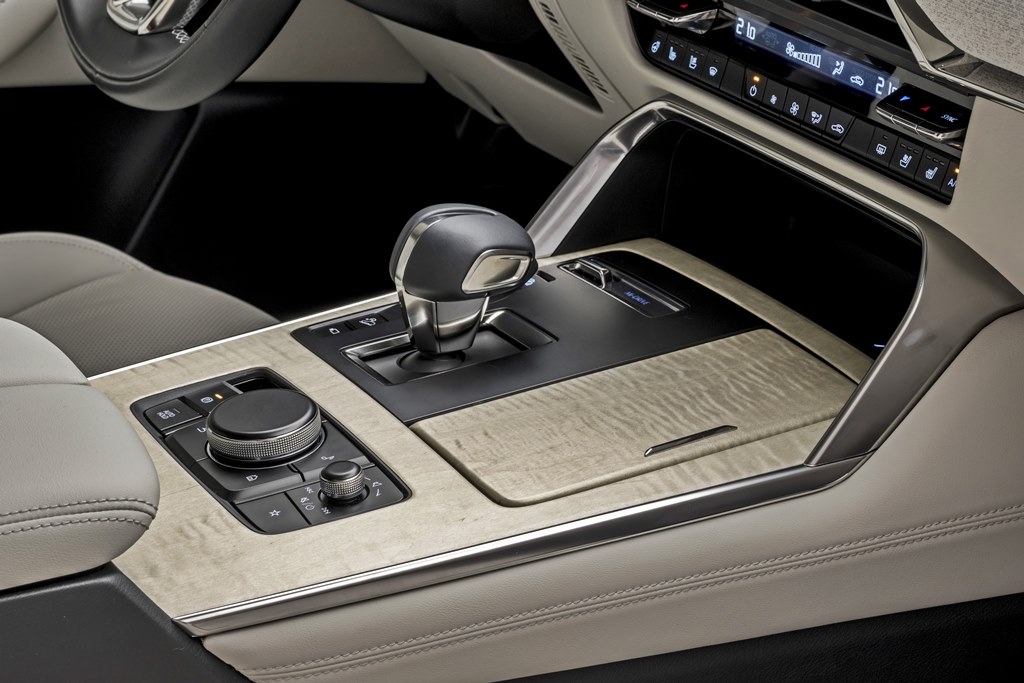
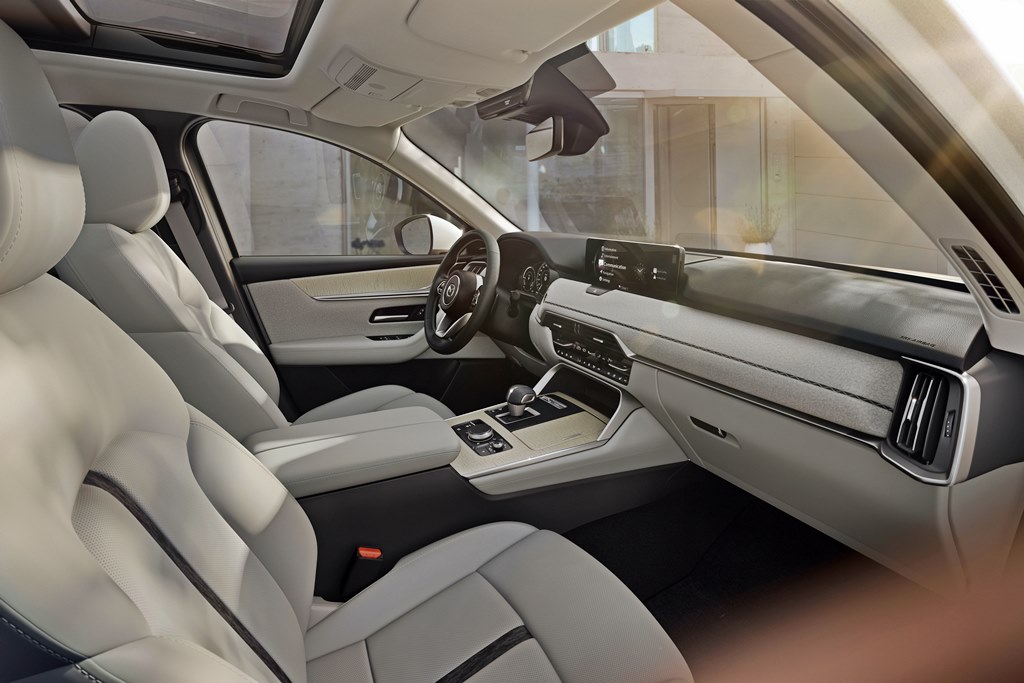
Besides design, Mazdas has always given craftsmanship a top priority in its products and for the CX-60, the very highest standards of craftmanship combined with new technologies and human-centric ergonomics to deliver a premium interior rooted in Japanese heritage.
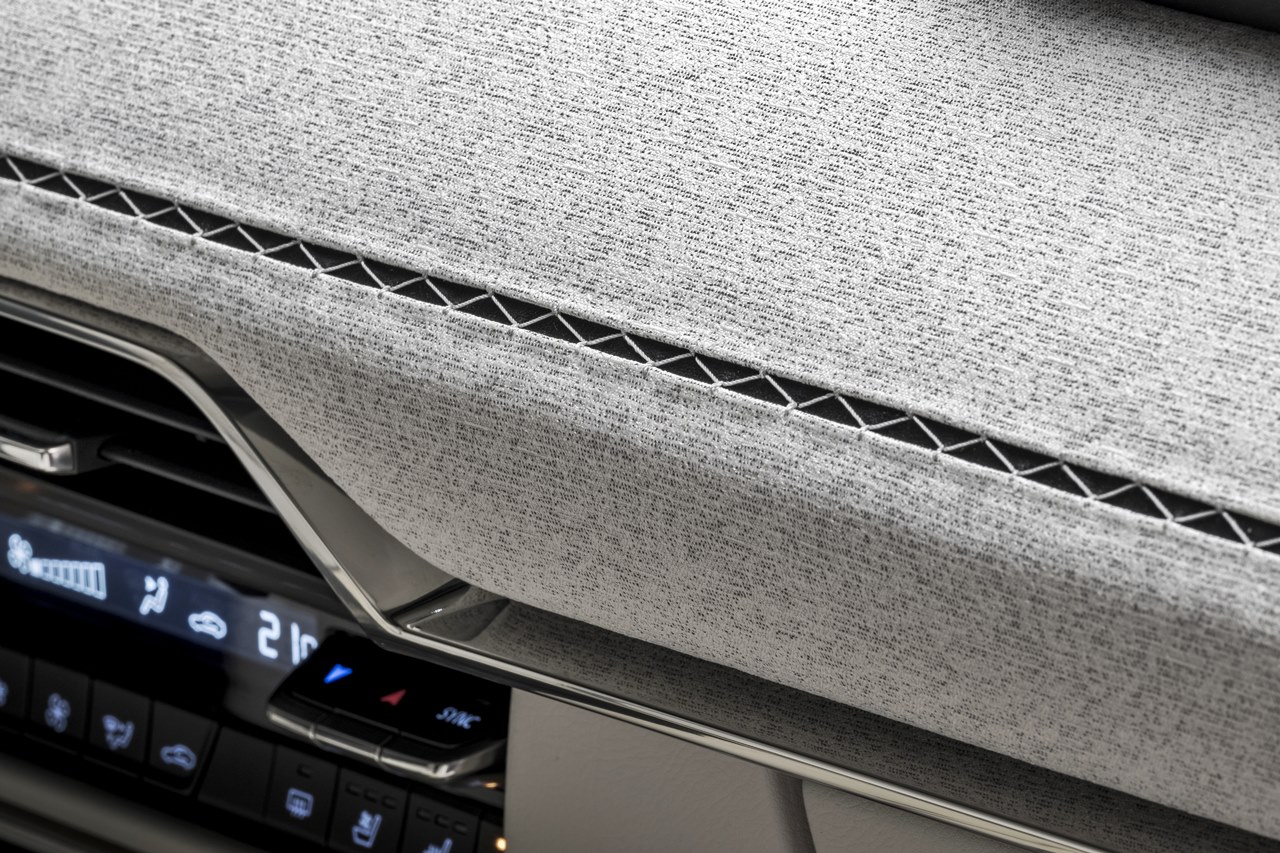
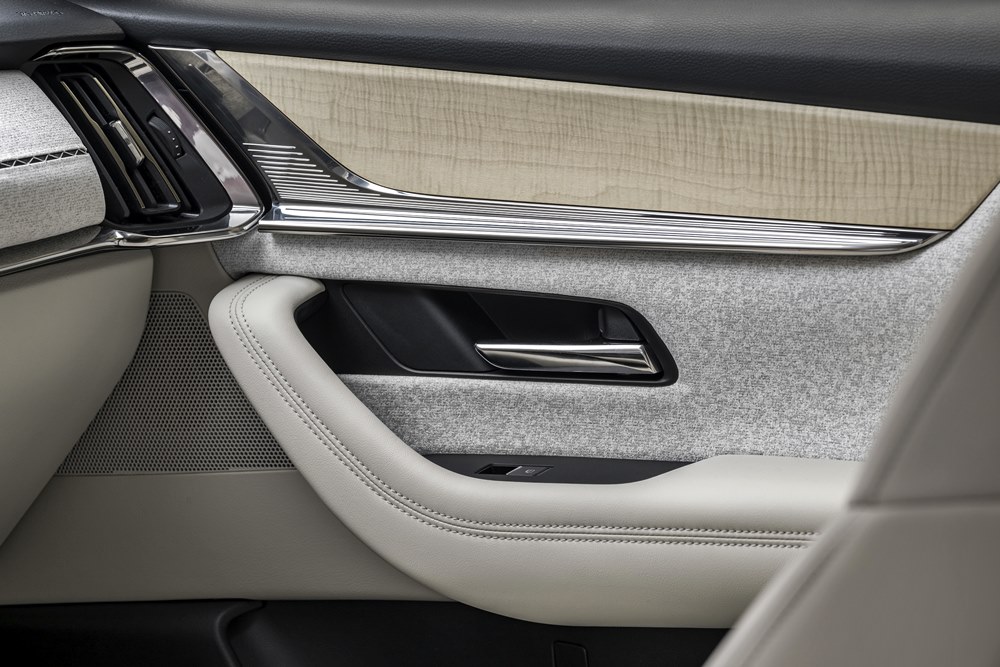
The elegant, premium quality interior design introduces the ideas of Kaichou – an element of disruption which mixes different materials and textures. With the flagship Takumi version, materials such as maple wood, nappa leather combine with uniquely worked Japanese textiles and chrome details, and Musubu – the art of binding which was the inspiration for a specially detailed instrument panel stitching.
The treatment of the maple wood trim reflects the Japanese aesthetic of Hacho – asymmetrical balance, or intentional unevenness. The woven fabrics’ diverse patterns and yarns respond sensitively to changes in light, and a Japanese stitching technique called Kakenui creates ‘hanging stitching’ seams with spaces between the trim fabrics revealing a glimpse of the material beneath.
An innovative feature for some variants is the Mazda Driver Personalisation System> This can recognise the occupant of the driver’s seat via facial recognition and automatically make adjustments – seat position, steering wheel, mirrors, Head-up Display, even the sound and climate control settings – to fit their physique as well as their personal preferences. Whether this is a practical approach remains to be seen as there are some people who have unusual ways of sitting!
How will Mazda’s CX range evolve?
How the Mazda range will look by the end of the decade can’t be determined yet. The company has often said that it wants to move upmarket and has progressively given its products a noticeably more premium image. Having the new double-digit range of more premium models sold together with the existing single-digit models may be a way to see whether they can move into – and stay – in the upper level of the market.
But for sure, they will eventually rationalise their range one way or another because, as one senior executive explained some years ago, Mazda is not very big and its volumes do not allow it to have too much variety. It has been careful to choose models and segments to compete in, avoiding fragmentation that is inefficient. And it has done that well so far…
Visit www.mazda.com.my to know more about Mazda models available in Malaysia