Kerajaan Malaysia memperuntukkan hampir RM15.5 juta setahun bagi mengendalikan dan menyelenggara Automated Awareness Safety System (AwAS), menurut Menteri Pengangkutan, Anthony Loke. Peruntukan ini meliputi pelbagai kos, termasuk servis kamera, penyelenggaraan sistem, dan pencetakan saman yang dikeluarkan di bawah program tersebut.
Menurut data daripada Institut Penyelidikan Keselamatan Jalan Raya Malaysia (MIROS), pelaburan ini membuahkan hasil positif. Kajian MIROS bagi tempoh 2014 hingga 2018 mendapati kehadiran kamera AwAS meningkatkan Persepsi Tertangkap (POBC) sehingga 99 peratus di lokasi penguatkuasaan. Peningkatan ini menunjukkan bahawa pemandu jauh lebih cenderung mematuhi undang-undang jalan raya apabila mengetahui mereka sedang dipantau secara aktif.
Maklumat ini didedahkan dalam jawapan bertulis di Parlimen kepada Mohd Hasnizan Harun, Ahli Parlimen Hulu Selangor, yang meminta pecahan kos berkaitan Sistem Penguatkuasaan Automatik (AES) — pendahulu kepada AwAS — serta penilaian keberkesanannya dalam mengurangkan kesalahan jalan raya.
The Malaysian government allocates nearly RM15.5 million each year to operate and maintain the Automated Awareness Safety System (AwAS), according to Transport Minister Anthony Loke. The figure covers a wide range of expenses, including camera servicing, system upkeep, and the printing of summonses issued under the programme.
Data from the Malaysian Institute of Road Safety Research (MIROS) suggests that the investment is paying off. Between 2014 and 2018, MIROS found that the presence of AwAS cameras increased the “Perception of Being Caught” (POBC) by as much as 99 per cent at enforcement locations. This high rate of compliance indicates that motorists are far more likely to obey traffic laws when they know cameras are actively monitoring.
The details were provided in a written parliamentary reply to Mohd Hasnizan Harun, the Member of Parliament for Hulu Selangor, who had asked for a breakdown of costs related to the Automated Enforcement System (AES), the forerunner to AwAS, as well as its effectiveness in reducing traffic offences.
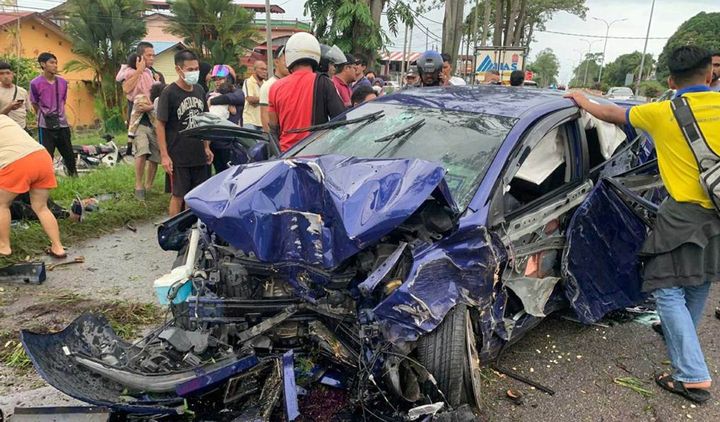
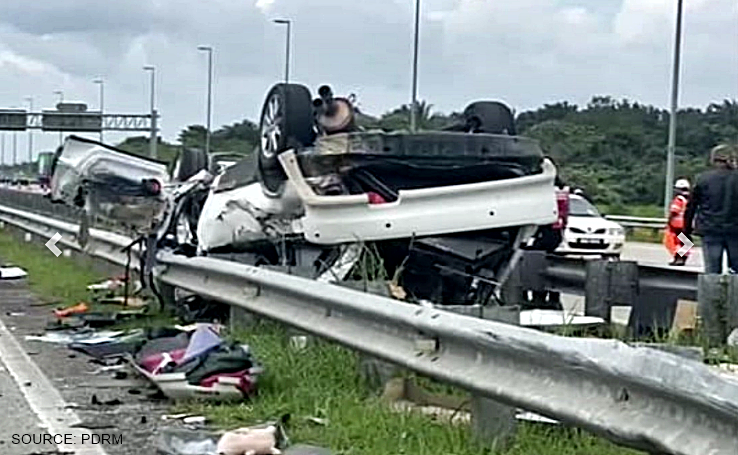
Majoriti kemalangan jalan raya di Malaysia berpunca daripada tingkah laku pengguna jalan raya, bukannya kerosakan infrastruktur, demikian menurut Menteri Kerja Raya, Datuk Seri Alexander Nanta Linggi yang memetik data terkini daripada Institut Penyelidikan Keselamatan Jalan Raya Malaysia (MIROS).
Berdasarkan laporan yang dikongsikan oleh Malay Mail, Nanta mendedahkan bahawa lebih 80 peratus kemalangan lalu lintas berlaku akibat faktor manusia, khususnya kecuaian dan gangguan semasa memandu. Sebaliknya, hanya antara 12 hingga 13 peratus daripada kes tersebut dikaitkan dengan faktor infrastruktur jalan, seperti permukaan jalan yang rosak atau keadaan cuaca yang buruk.
Daripada lebih 500,000 kes kemalangan yang dicatatkan, sebanyak 12,000 kes melibatkan kecederaan serius, manakala kira-kira 6,000 kematian telah direkodkan. Lebih membimbangkan, penunggang motosikal sahaja menyumbang sekitar 4,000 kematian, menjadikan mereka golongan paling terdedah di jalan raya.
The vast majority of road accidents in Malaysia are the result of human behaviour rather than faulty infrastructure, according to Works Minister Datuk Seri Alexander Nanta Linggi, who cited recent data from the Malaysian Institute of Road Safety Research (MIROS).
According to Malay Mail, Nanta revealed that over 80 per cent of traffic incidents stem from driver-related factors, such as recklessness and distraction, while only 12 to 13 per cent are attributed to road conditions, including surface damage or inclement weather. Out of more than 500,000 recorded accident cases, 12,000 resulted in serious injuries, while 6,000 ended in fatalities, with motorcyclists accounting for approximately 4,000 of those deaths.
Nanta raised concerns over a prevailing public narrative that often attributes accidents to infrastructure shortcomings. He emphasised that although damaged roads exist throughout the country’s extensive federal road network, spanning over 20,000 kilometres, such issues are seldom the root cause of major crashes.
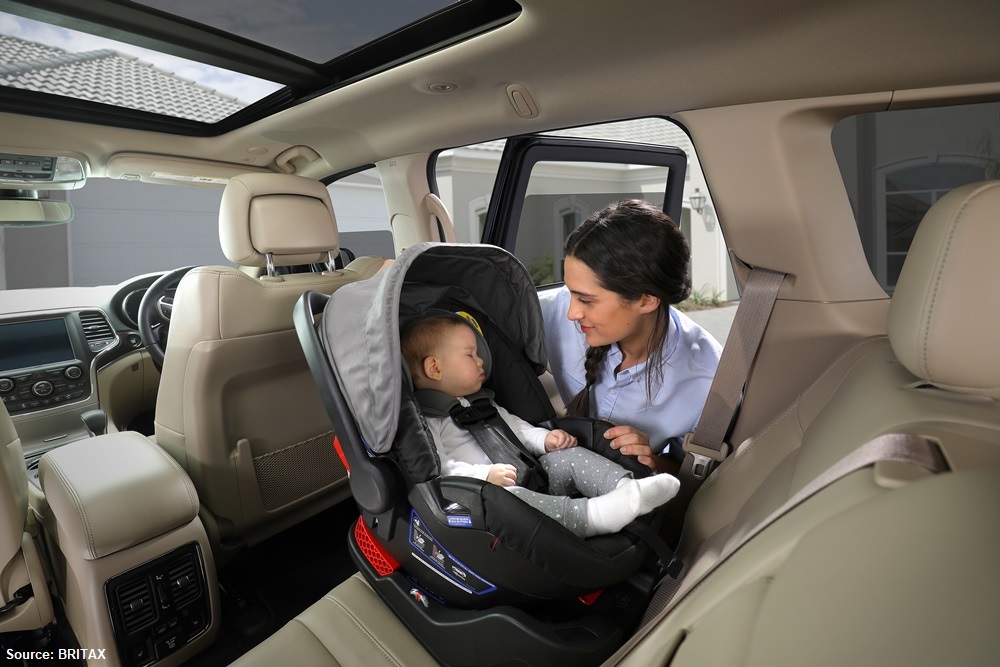
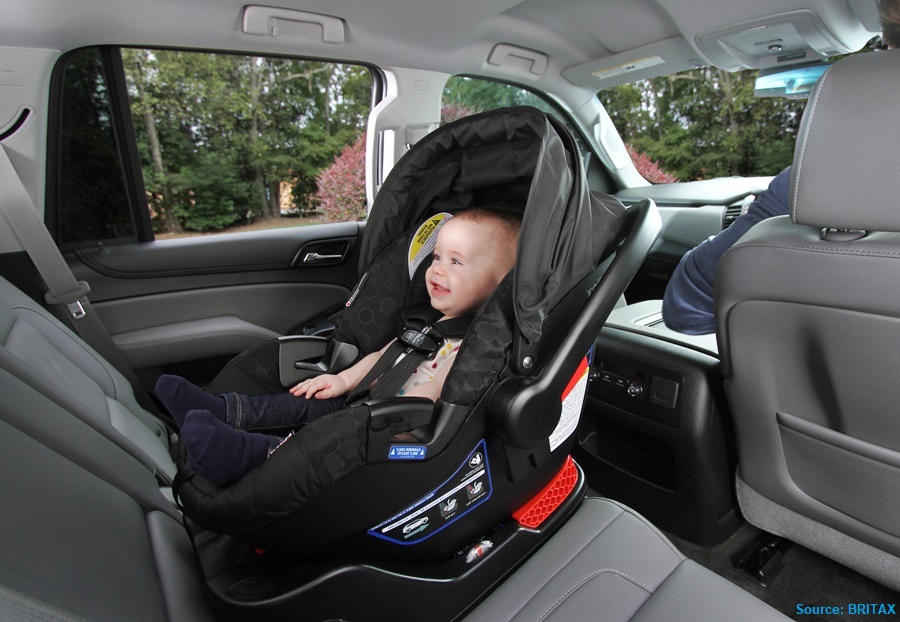
Kementerian Pengangkutan Malaysia sedang membangunkan sistem baharu yang dipanggil MyCINTA, dengan tujuan untuk mencegah kejadian kanak-kanak ditinggalkan tanpa pengawasan di dalam kenderaan. Menteri Pengangkutan Anthony Loke mengumumkan bahawa sistem ini, yang diterajui oleh Institut Penyelidikan Keselamatan Jalan Raya Malaysia (MIROS), sedang menjalani penambahbaikan untuk meningkatkan keupayaan perkakasan dan pengaturcaraannya, dengan sasaran penyelesaian ditetapkan untuk tahun 2024-2025.
Pembangunan dan Pengujian Sistem
Menurut Menteri Loke, sistem MyCINTA dijangka melengkapkan proses penghalusan reka bentuk menjelang 2024-2025 untuk memastikan keberkesanan dan kebolehpercayaan sistem. Penghalusan reka bentuk ini akan diikuti oleh ujian yang ketat untuk memastikan pematuhan dengan standard dan peraturan keselamatan, jaminan kualiti, dan pensijilan yang diperlukan sebelum sistem boleh dilaksanakan secara meluas.
Prototaip dan Kefungsian
Prototaip MyCINTA telah dilancarkan pada tahun 2023 dengan kerjasama antara Kementerian Pengangkutan dan MIROS. Sistem ini direka untuk mengesan kehadiran kanak-kanak di dalam kenderaan setelah enjin dimatikan. Jika kehadiran kanak-kanak dikesan, amaran automatik akan dihantar kepada pemandu atau kenalan kecemasan melalui panggilan telefon atau pemberitahuan aplikasi.
Kepentingan dan Statistik
Pembangunan MyCINTA adalah tindak balas terhadap jumlah insiden yang membimbangkan melibatkan kanak-kanak tertinggal di dalam kereta. Sejak tahun 2020, terdapat 14 kes seumpama ini dilaporkan oleh pihak polis. Dengan pelaksanaan MyCINTA, kerajaan berharap dapat mengurangkan kejadian ini dengan menyediakan makluman yang tepat pada masanya dan memastikan keselamatan kanak-kanak.
Kesimpulan
Inisiatif Kementerian Pengangkutan ini mencerminkan pendekatan proaktif terhadap keselamatan kanak-kanak, memanfaatkan teknologi untuk mencegah tragedi yang boleh dielakkan. Semasa sistem MyCINTA bergerak melalui fasa pembangunannya, ia berjanji untuk menjadi alat yang berharga dalam menjaga kesejahteraan kanak-kanak di Malaysia.
It has come to a point where to address the tragic issue of children being left unattended in vehicles, the Transport Ministry is developing a new system called MyCINTA, announced Transport Minister Anthony Loke.
The MyCINTA system, spearheaded by the Malaysian Institute of Road Safety Research (MIROS), aims to prevent such incidents through advanced tracking and alerting technology. According to Minister Loke, the system is undergoing a refinement process to enhance its hardware and programming capabilities, with a target completion date set for 2024-2025.
System Development and Testing
“The target for 2024-2025 in relation to the MyCINTA system is to complete the design refinement process to increase the system’s capabilities in terms of hardware and programming,” stated Loke, according to The Star. The refinement phase is crucial for ensuring the system’s effectiveness and reliability.
The winding road up to the Genting Highlands resort complex on the border between Selangor and Pahang is well known by Malaysians (and even Singaporeans). For drivers, it is a challenging drive and being able to drive up is ‘test’ of a car.
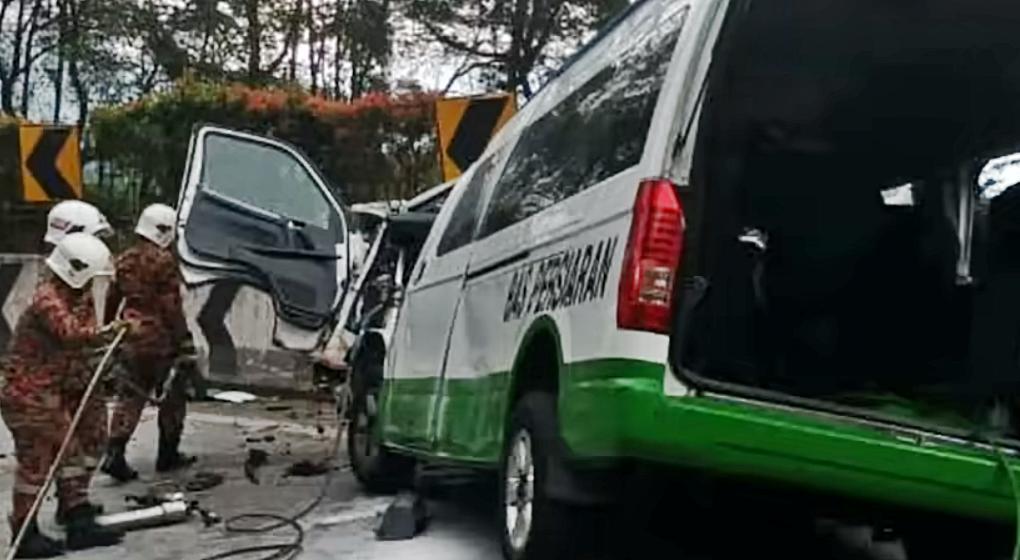
But for the families and friends of a group of tourists who travelled along that road recently, it will bring memories of a tragedy. They were involved in an accident when the van they were in crashed into the concrete divider, with 6 of the passengers being killed right away. A seventh person who was the co-driver, died later in hospital.
According to the police, the group was returning to Penang from Genting Highlands when the driver lost control of the van at a bend near Km 4.8 and it crashed into the divider. The impact was severe at the front and killed the driver, and caused serious injuries to the co-driver. It is not known how four of the passengers died and whether everyone had seatbelts on.
Visit www.bhpetrol.com.my to find out more about other promotions at BHPetromart.
With restrictions in many countries due to the COVID-19 pandemic, event organisers have found it difficult to have the usual live events since there are social distancing requirements and invited guests may have concerns about being in a crowded environment. Nevertheless, the pandemic should not be allowed to impact our lives so greatly that annual events cannot be held at all, and the solution has been to have them online.
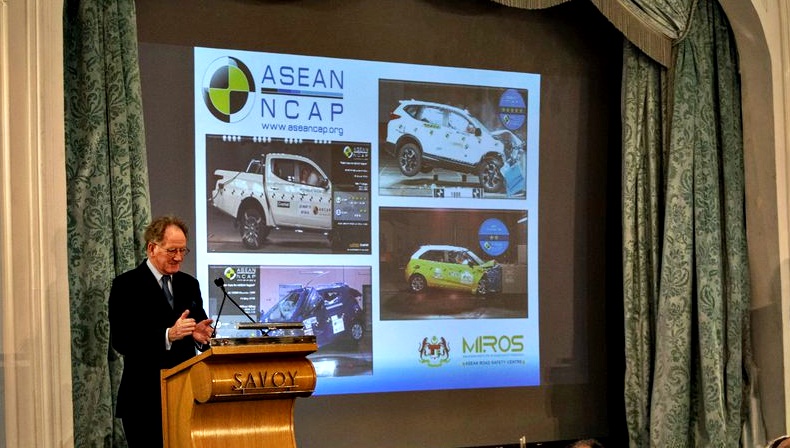
Many companies have been doing this and so has ASEAN NCAP for its 4th Grand Prix Awards announcement. ASEAN NCAP is the New Car Assessment Programme for Southeast Asian Countries, a regional organisation affiliated to Global NCAP which was initiated and established by the Malaysian Institute of Road Safety Research (MIROS) in response to the UN’s Decade of Action for Road Safety.
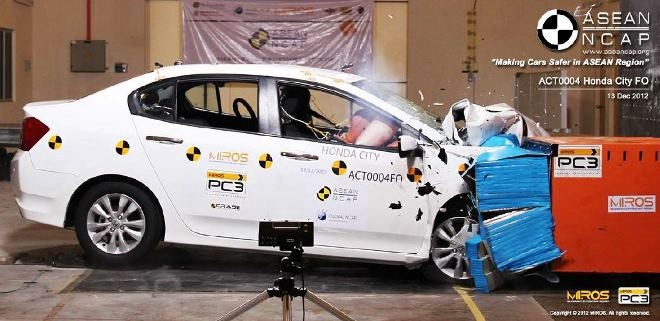
In 2012, the City was among the very first cars tested by ASEAN NCAP at its crash-test facility in Melaka.
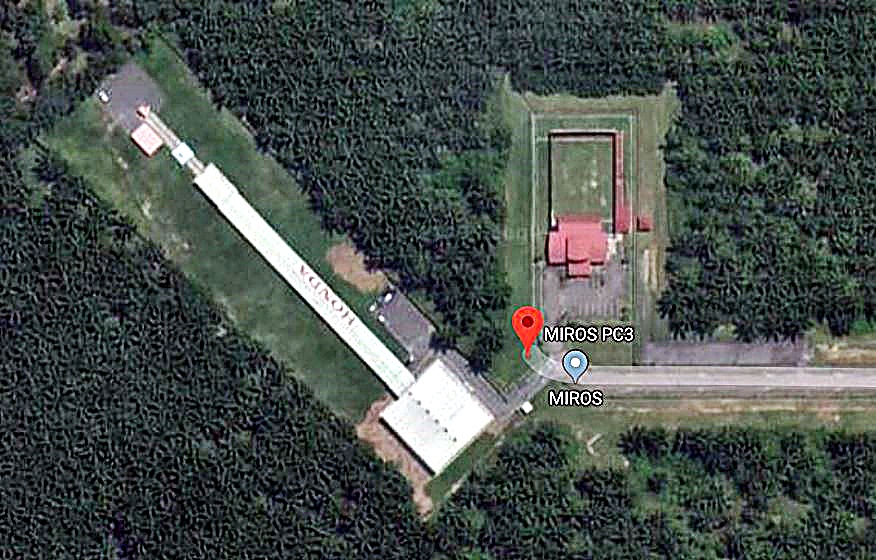
Aerial view of ASEAN NCAP’s facility in Melaka, one of the sites where crash tests are conducted.
The ASEAN NCAP Grand Prix Awards event recognizes and commemorates high achievers in car safety in the ASEAN region. The event was first held in 2014 in Sarawak, followed by the second in 2016 in Kuala Lumpur, and the third was held in Indonesia in 2018.
Two main awards
The 4th edition was initially planned in 2020 but due to COVID-19 pandemic, it had to be postponed to February 2021. There are two main awards given out – the Excellent Award and the Best Safety Performance Award – which have a number of categories each.
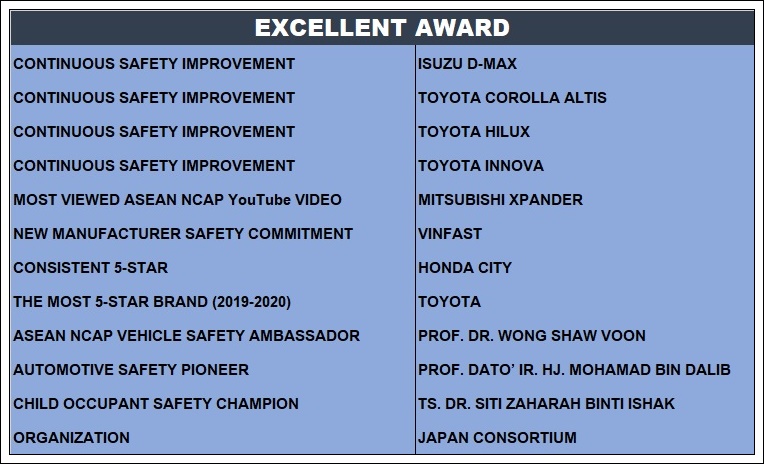
Under the Excellent Award, 12 winners were identified in which the award criteria were for the company/vehicle/organization/individual that contributed towards the improvement of vehicle safety in the ASEAN market.
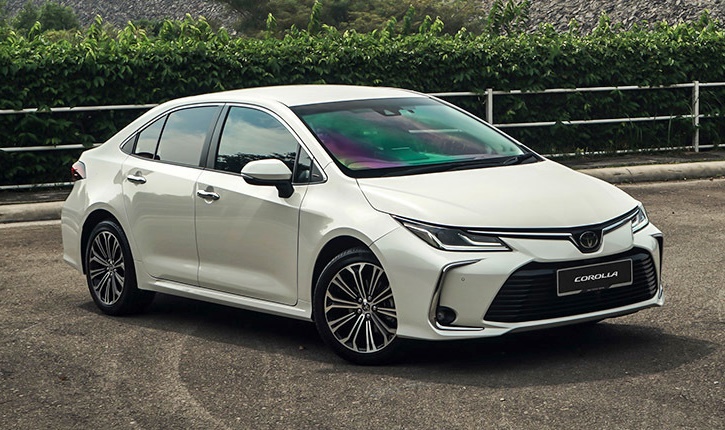
Toyota Corolla Altis – one of the models which contributed to the carmaker receiving the most 5-star awards since 2019.
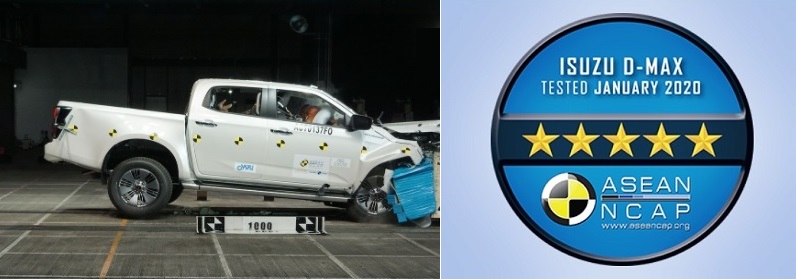
Latest Isuzu D-MAX recognised for Continuous Safety Improvement.
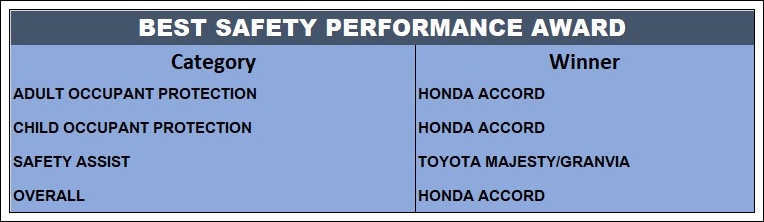
As for the Best Safety Performance Award, there were 4 categories and selection was based on the highest scoring points during the 2019-2020 assessments.
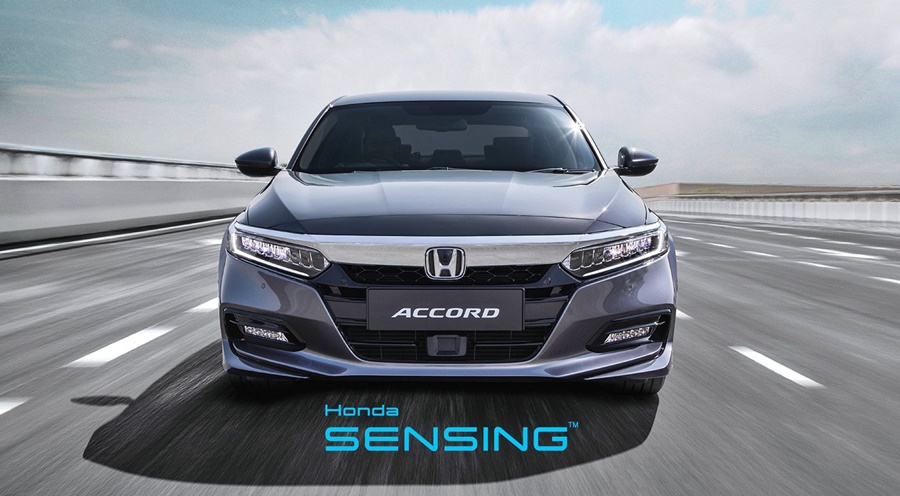
Top scores in occupant protection made the Honda Accord stand out for safety performance.
Commenting on the awards, ASEAN NCAP Secretary-General and Acting Chairman, Adjunct Prof. Ir. Ts. Dr. Khairil Anwar Abu Kassim (also MIROS Director-General) said: “Over the years, we saw great efforts have been put forward by vehicle manufacturers to ensure their vehicles are offered with the best safety features for the road-users. As such, the awards will provide them with a competitive edge against other models that do not offer such safety technologies albeit better passive safety technologies or advanced safety assist.”
Recognition for individuals and organizations
“Furthermore, as ASEAN NCAP has been in existence for 10 years now, we would like to recognize not only vehicle models but also organizations or individuals who have worked hand-in-hand with ASEAN NCAP and continuously strived to ensure the significance of vehicle safety. I look forward to work together with these important individuals and organizations as well future vehicle models under the new ASEAN NCAP assessment protocol for 2021-2025,” he added.
To know more about ASEAN NCAP and read the reports of the various models it has assessed, visit www.aseancap.org.
The New Car Assessment Program for Southeast Asian Countries (ASEAN NCAP) assessment protocol for 2021-2025, introduced in Indonesia last year, has four pillars of assessment. These are Adult Occupant Protection (AOP), Child Occupant Protection (COP), Safety Assist (SA) and Motorcyclist Safety (MS).
Under the SA domain, ASEAN NCAP will be assessing the effectiveness of Autonomous Emergency Braking (AEB) systems installed in vehicles. This new development mirrors the progression in assessment procedures and aspects that older organizations such as Euro NCAP.
What is AEB?
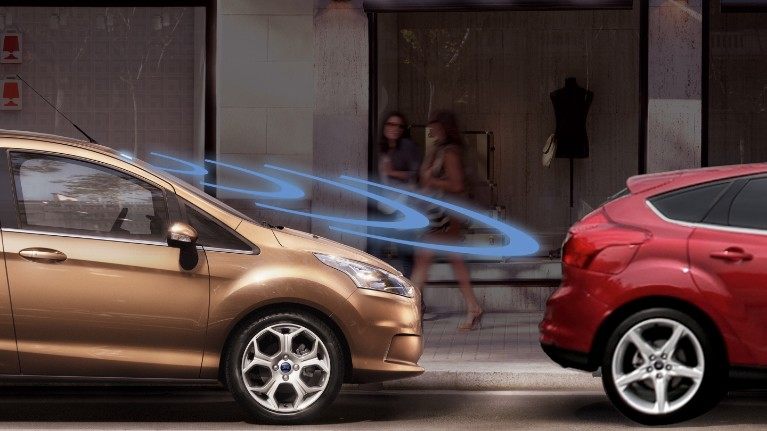
AEB is a braking system that is applied automatically by the vehicle in response to the detection of a likely collision in order to reduce the vehicle speed and potentially avoid such collision, or reduce the effects of the impact. Detection is by camera and radar and over the years, the ability to recognise different forms has improved, increasing its effectiveness.
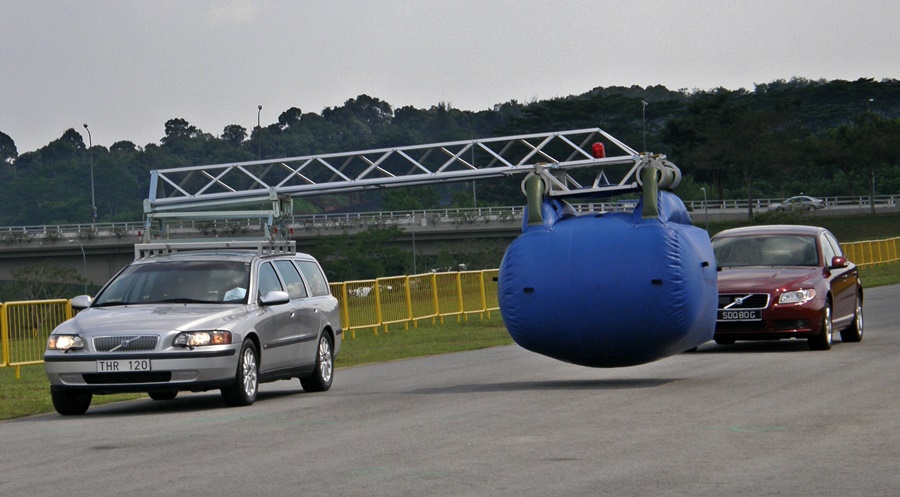
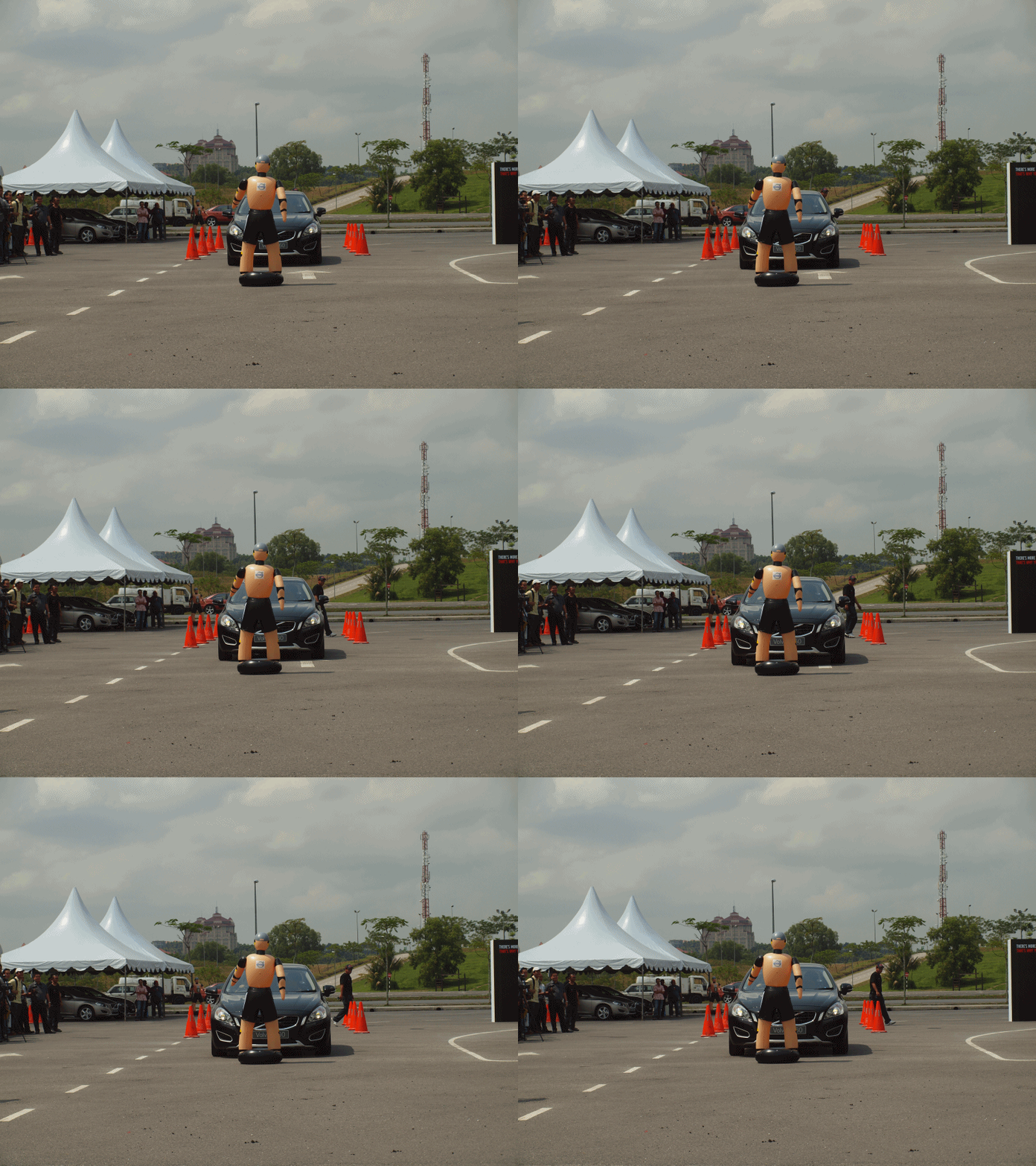
The S80 was the first Volvo model to have AEB in 2007 and it was demonstrated using this procedure (above). In 2011, the S60 was the first model sold in Malaysia with AEB (below).
Available in Malaysia since 2011
The system began appearing in models from Mercedes-Benz, Toyota and Volvo in the early 2000s and thereafter began to spread throughout the industry. Initially, due to the cost of AEB, it was offered on high-end models but eventually, as costs came down, lower-priced models like the Ford Focus began to have it. Today, even cars like the Perodua Myvi have AEB. The first car with AEB in Malaysia was the Volvo S60 launched in 2011.
ASEAN NCAP will be assessing two types of AEB systems under the upcoming protocol – AEB City and AEB Inter-Urban. With the new protocol set to commence this coming January 2021, ASEAN NCAP is preparing to strengthen its capacity and capability in the area of testing the effectiveness of AEB systems. This is a significant milestone in ASEAN NCAP assessment as currently (under the 2017-2020 protocol), the assessed vehicle only receives points based on the availability of the system inside the vehicle.
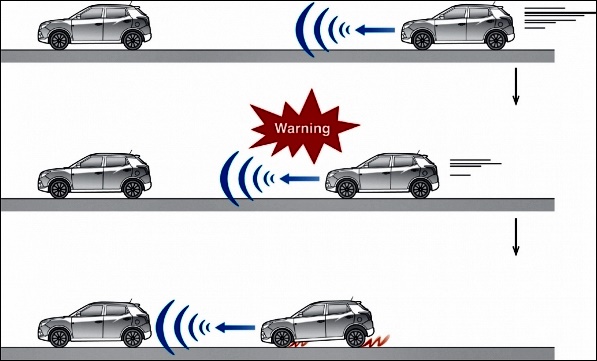
How AEB works: Cameras and radar scan the road ahead and if a vehicle is detected, the system will warn the driver. If the driver does not act in time by braking or slowing down, the brakes will be activated automatically.
The assessments will cover the following:
Effectiveness of AEB City system in a car-to-car rear stationary scenario by driving the vehicle forward at a speed of 10 – 60 km/h towards another stationary vehicle.
Effectiveness of AEB Inter-Urban system in a car-to-car rear moving scenario by driving the vehicle forward at a speed of 30 – 60 km/h towards another vehicle that is travelling at constant speed.
Development testing
Recently, the organization conducted AEB development testing over two days at Bandar Malaysia in Kuala Lumpur where there is a discussed runway as it was formerly an airbase for the TUDM. This follows the first development test held in 2018 in which ASEAN NCAP tested the effectiveness of blind spot technology fitted in vehicles in order to detect the presence of motorcyclists riding at the blind spot zone of a moving vehicle.
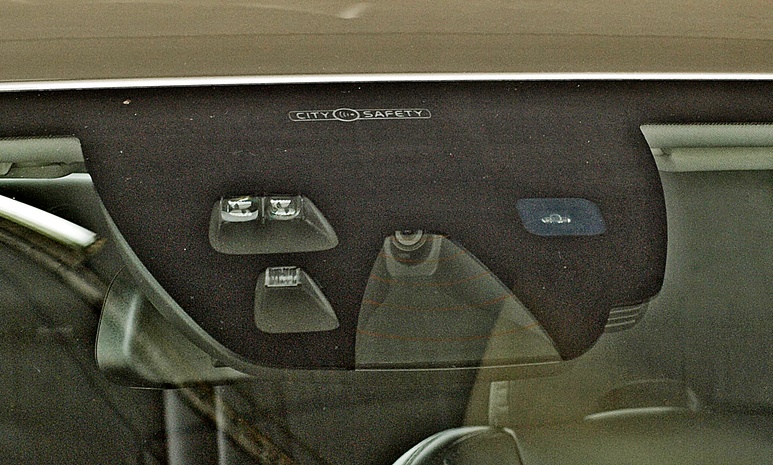
Cameras at the top of the windscreen scan the road ahead to detect other vehicles.
“I am proud that ASEAN NCAP with the support from MIROS has successfully organized this development test in our effort to enhance our capacity and capability in AEB testing. This is part of our preparation to conduct such assessment for the new 2021-2025 protocol,” said Adjunct Prof. Ir. Dr. Khairil Anwar Abu Kassim, the new Director-General of MIROS (Malaysian Institute of Road Safety Research). He is also Secretary-General and Acting Chairman of ASEAN NCAP.
“As other technologies such as AEB becomes more mature, it is timely that we perform the actual physical assessment of the system and elevate our current assessment from just rewarding points on its availability in the vehicle,” he added.
“As the new MIROS D-G, I would like to thank the manufacturers who are involved in providing their vehicles for this development test. We are grateful for their support and willingness to participate in this test to ensure that the systems equipped in their vehicles are at the best performance. Their commitment in safety is commendable and we hope other manufacturers will follow suit in the near future. With the requirement on the effectiveness of AEB fitment under the new ASEAN NCAP protocol, we are making safety a priority, not a luxury,” Adjunct Prof. Ir. Dr. Khairil Anwar stressed.
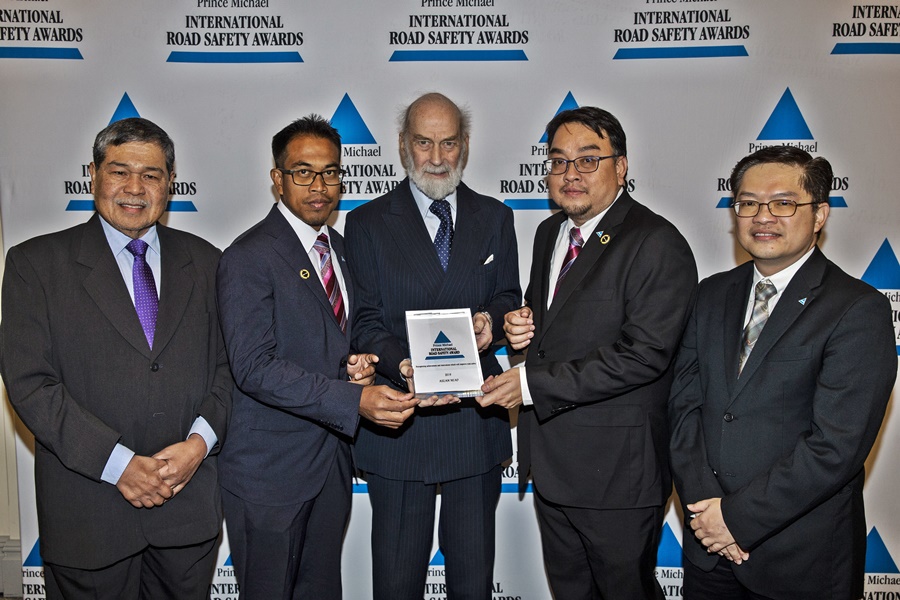
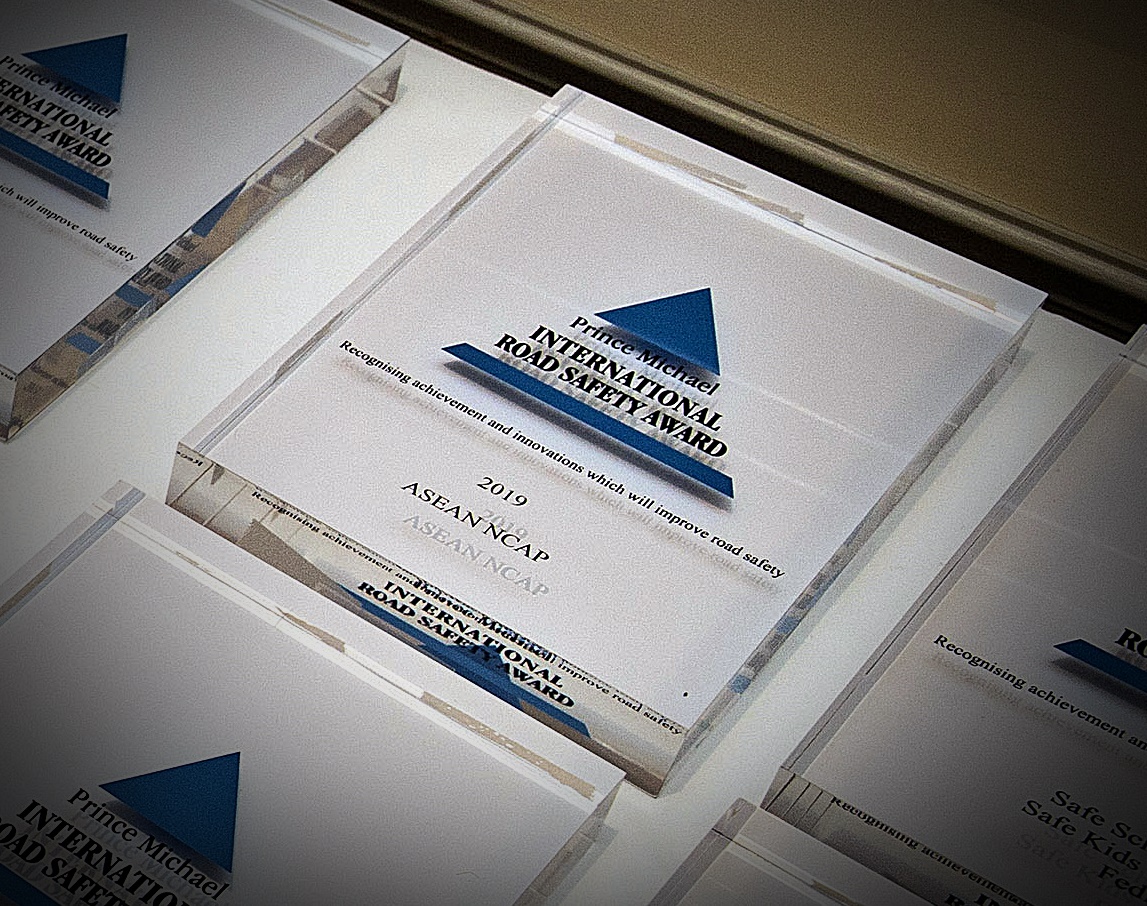
Besides PLUS Berhad, ASEAN NCAP – the New Car Assessment Program for Southeast Asian Countries – was also a recipient of the 2019 Prince Michael International Road Safety Awards. The awards programme, which has been ongoing since 1987, recognises achievement and innovation which will improve road safety. They are given to businesses or organisations which have developed initiatives or products that have made an outstanding contribution to the safety of the world’s roads.
ASEAN NCAP’s representatives, Ir. Dr. Khairil Anwar Abu Kassim (second from right) and Yahaya Ahmad (second from left) received the award from Prince Michael of Kent in London recently.
The award for ASEAN NCAP is related to Vehicle Safety and recognises the aims to elevate vehicle safety standards, raise consumer awareness, and build a market for safety across South East Asia. ASEAN NCAP, hosted by the Malaysian Institute for Road Safety Research (MIROS), achieved a major legislative achievement: from March 1, 2020, all manufacturers selling vehicles in Malaysia will be required to display an ASEAN NCAP safety rating label for all passenger cars.
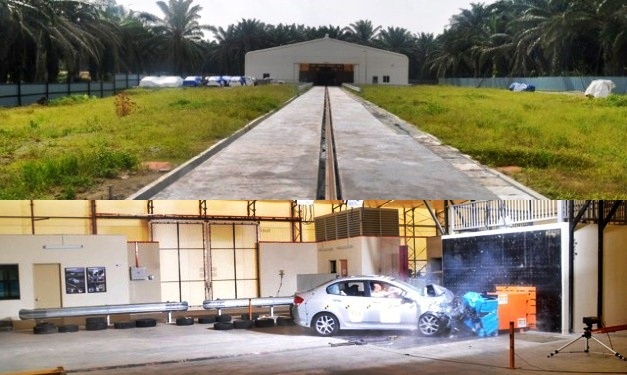
ASEAN NCAP has had its own crash test laboratory (referred to as PC3) since 2012 and has conducted some 100 tests which involve 90% of the models sold in the market. One in ten cars in the region now have been rated and 90% of the cars are rated 4 or the maximum of 5 stars.
ASEAN NCAP has its own crash test facility in Melaka and has tested some 100 models, especially popular ones like the Honda City (below)
Commenting on the award, MIROS Director-General and ASEAN NCAP Chairperson, Dr. Siti Zaharah Ishak said: “We are pleased and honoured to be recognised as one of the winners for this distinguished award. As an independent body assessing the safety performance of new vehicles in an emerging market like the South East Asian countries, ASEAN NCAP has made notable achievements in the vehicle safety area. One significant impact is that we are able to increase vehicle safety information to the consumers through the assessments that we conducted for new vehicles that are sold in the region.”
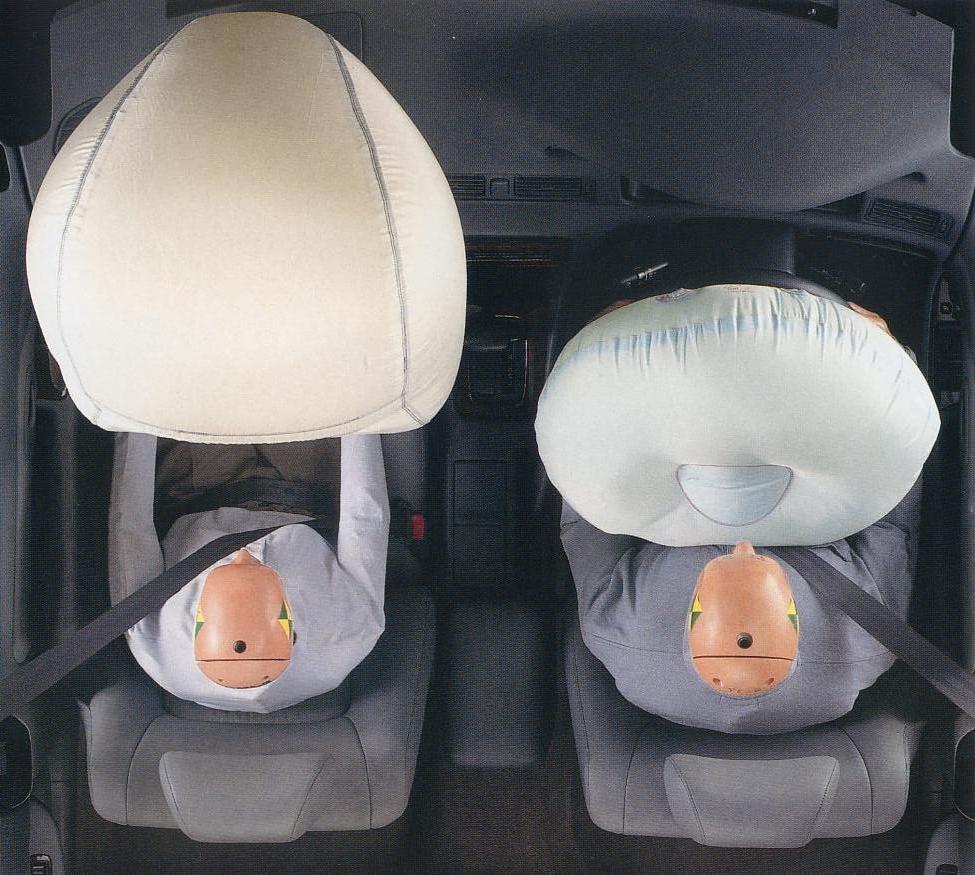
“Furthermore, through these assessments, we have successfully amplified the safety level of vehicles sold in the region such as having minimum double airbags as standard, seatbelt reminder systems and also electronic stability control as a standard fitment. This award marks a significant step in our journey towards reducing the high number fatalities due to road crashes in this region,” she said.
Thanks to the efforts of ASEAN NCAP, more safety equipment and features have become standard in models sold in ASEAN markets.
Other than performing assessments on new vehicles, ASEAN NCAP is also committed to work in areas that enhance the vehicle safety assessment such as positive engagement with relevant stakeholders. “I am confident this award will be a driving force for us to continue culminating in the reduction of vehicles with unsatisfactory safety levels in the South East Asia region,” added MIROS Director of Vehicle Safety and Biomechanics Research Centre and ASEAN NCAP Secretary-General, Adjunct Prof. Ir. Dr. Khairil Anwar Abu Kassim.