Piston.my

Perodua

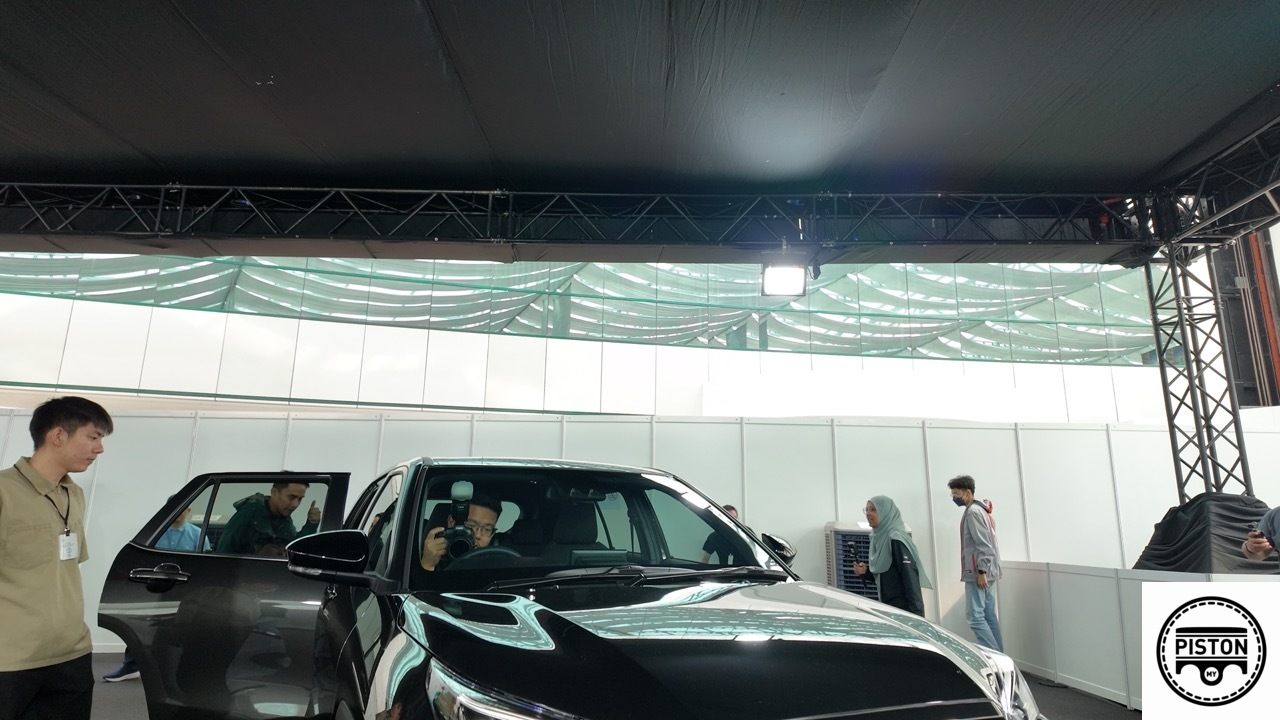
Now that the storm has somewhat settled, let’s talk about the Perodua QV-E pragmatically.

Did Perodua really mess it up?
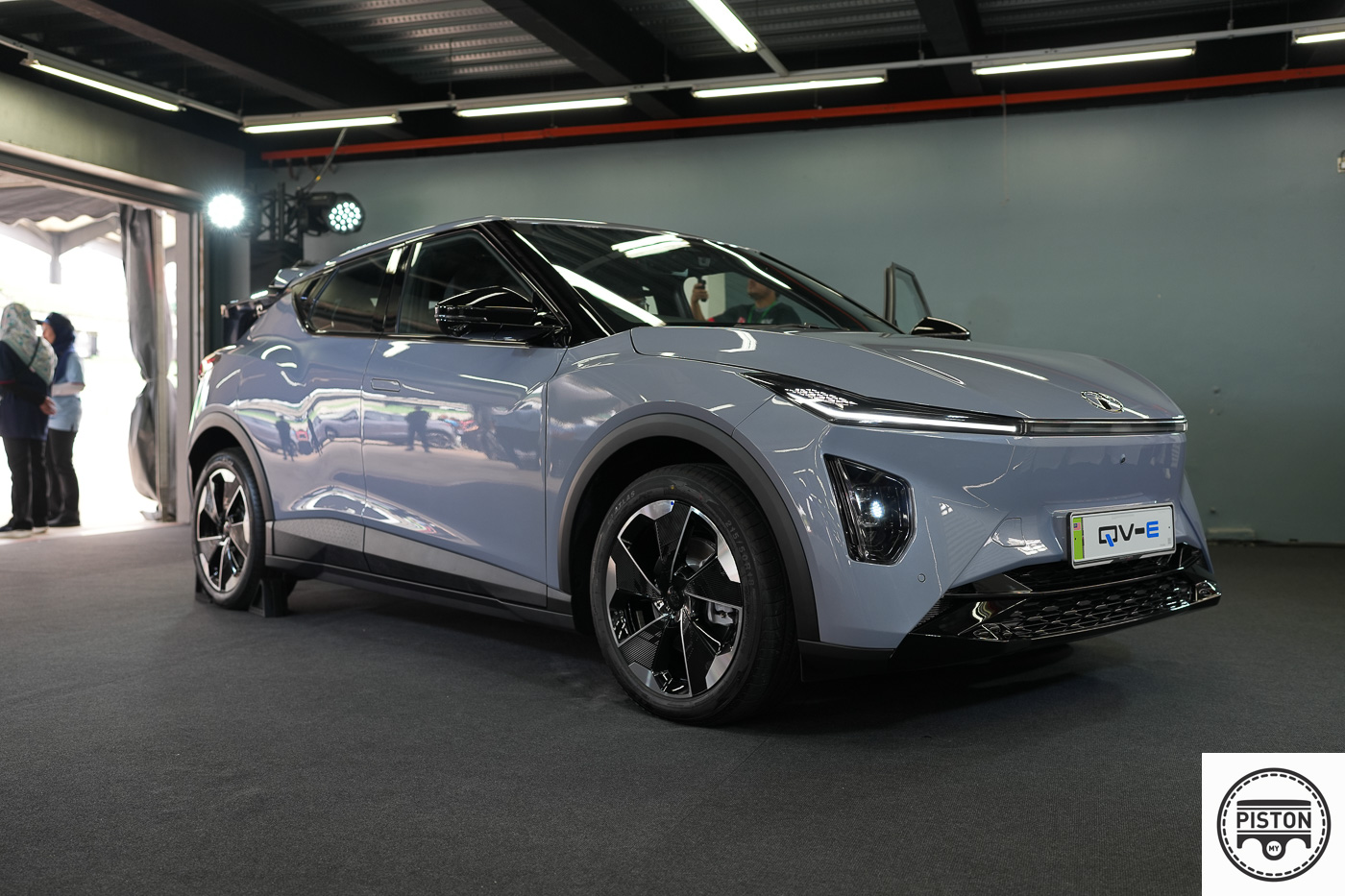
Up until the mandate from the government, Perodua did not have any plans of its own to build its own EV. Whether this was discussed in boardrooms, I am not privy to that, but nothing was announced to the media nor public.

The mandate from the government under the New Industrial Master Plan 2030 (NIMP 2030) was clear though, Perodua was given the champion’s role among local automotive manufacturers to accelerate the growth of the local EV ecosystem.

It had a strict deadline too. Perodua had to introduce its EV by 2025. A cold, hard two years.
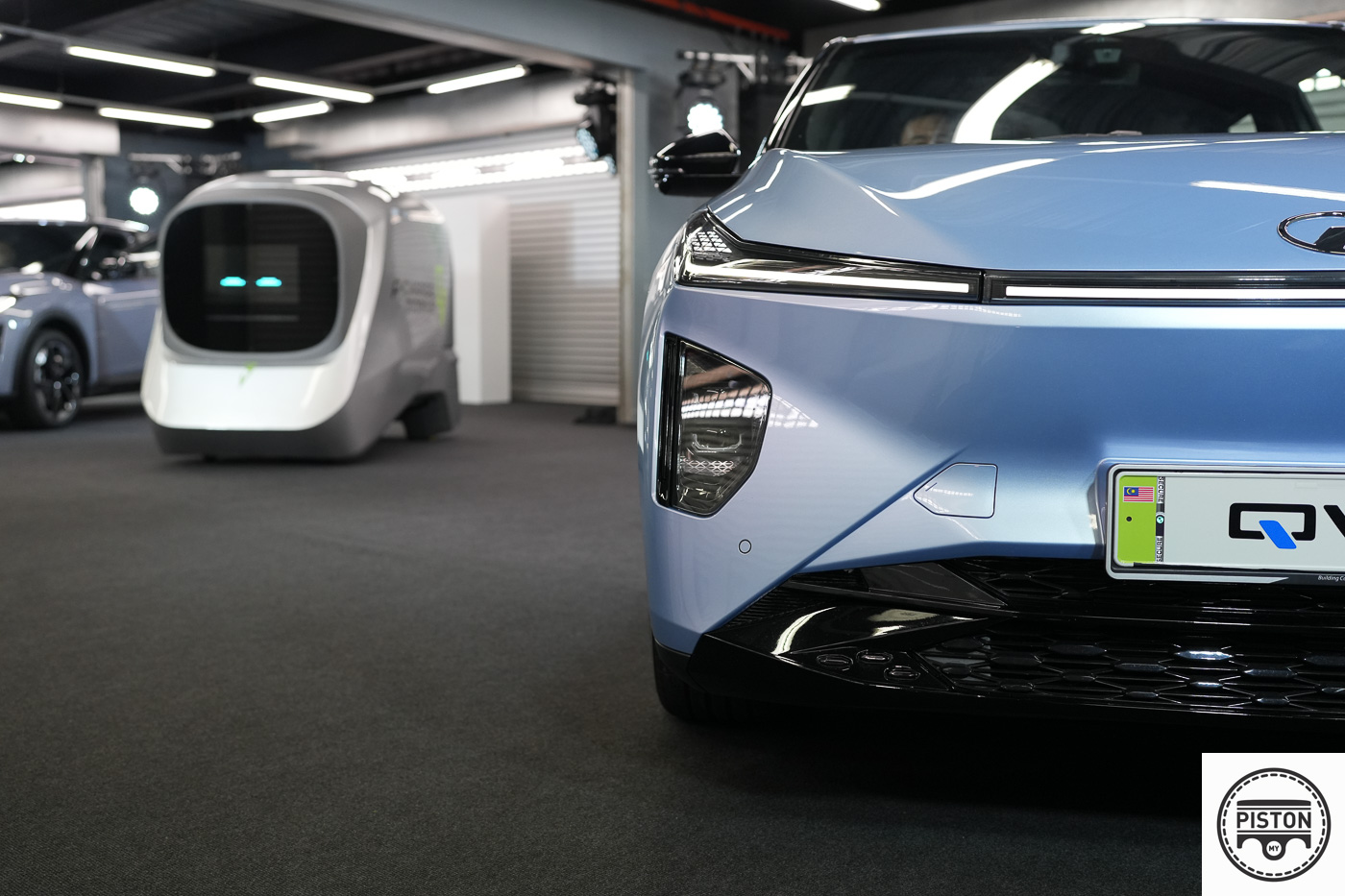
And there was a strict price ceiling, Perodua’s price ceiling had to be under RM100,000.

All things considered, and from what I saw with the QV-E, Perodua did not mess it up. Not. One. Bit.

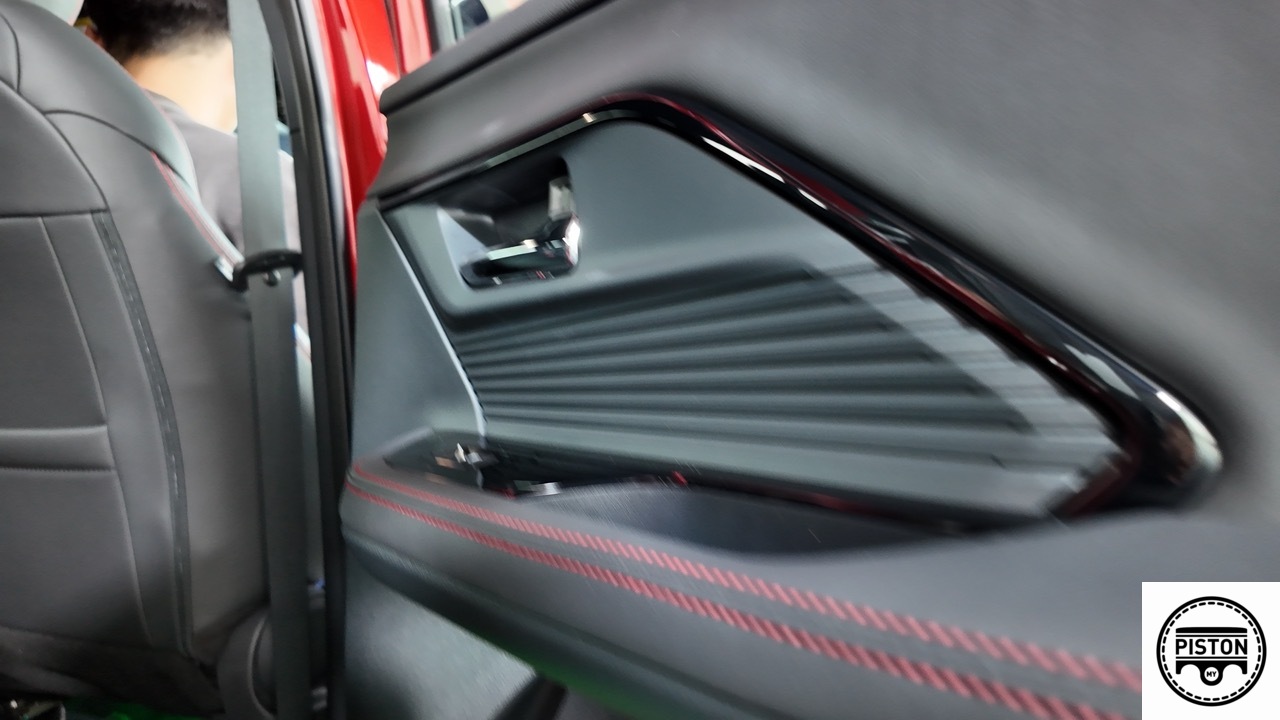
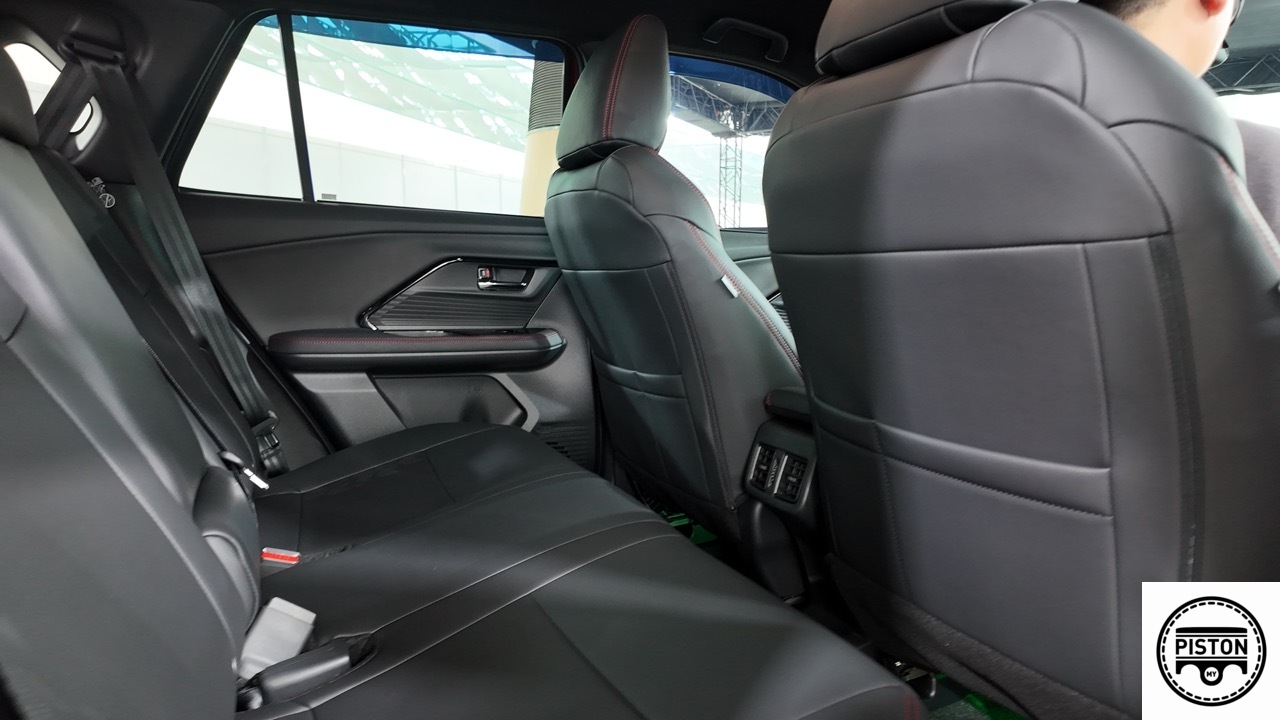
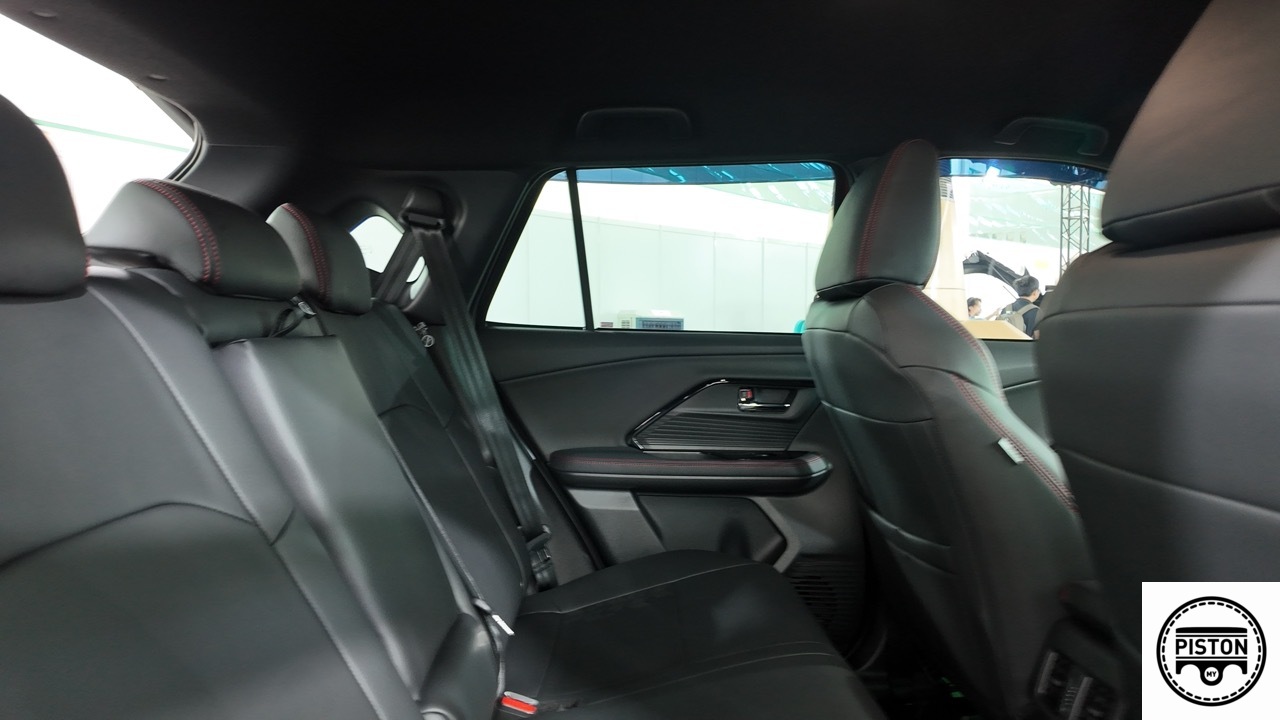
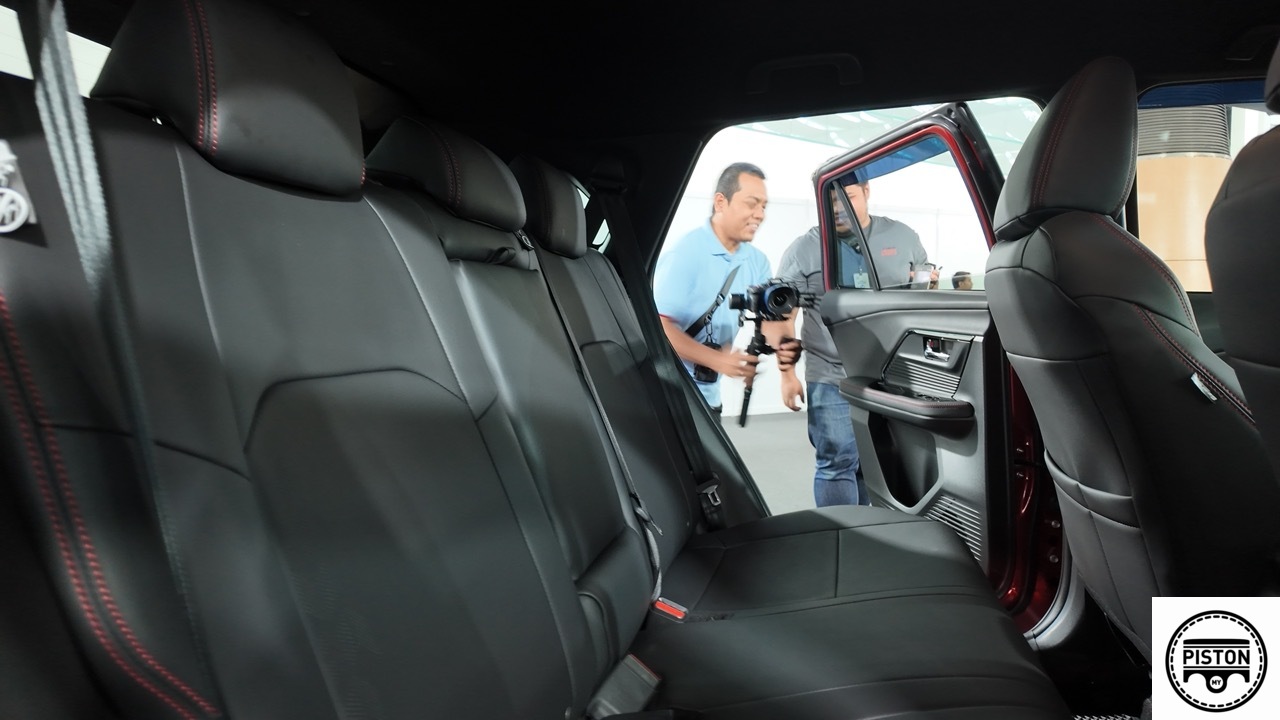
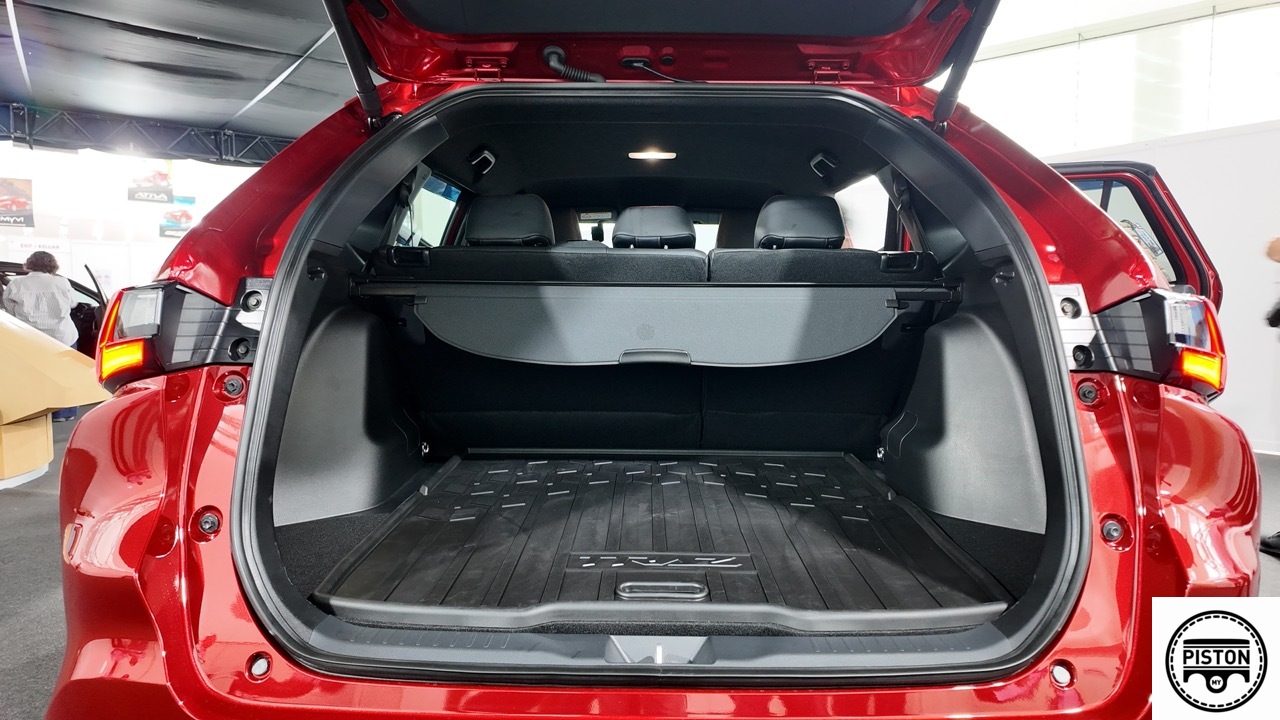
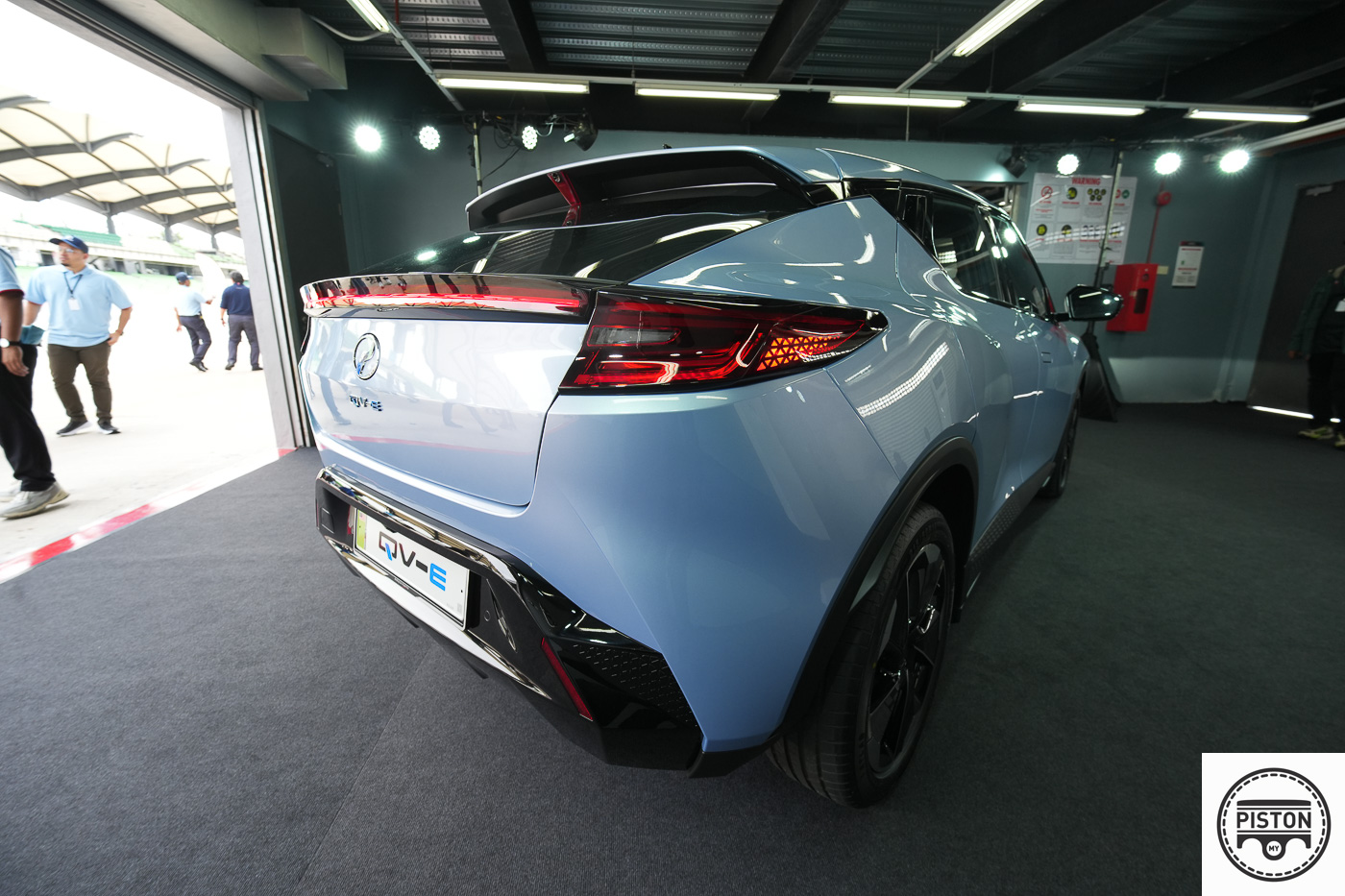
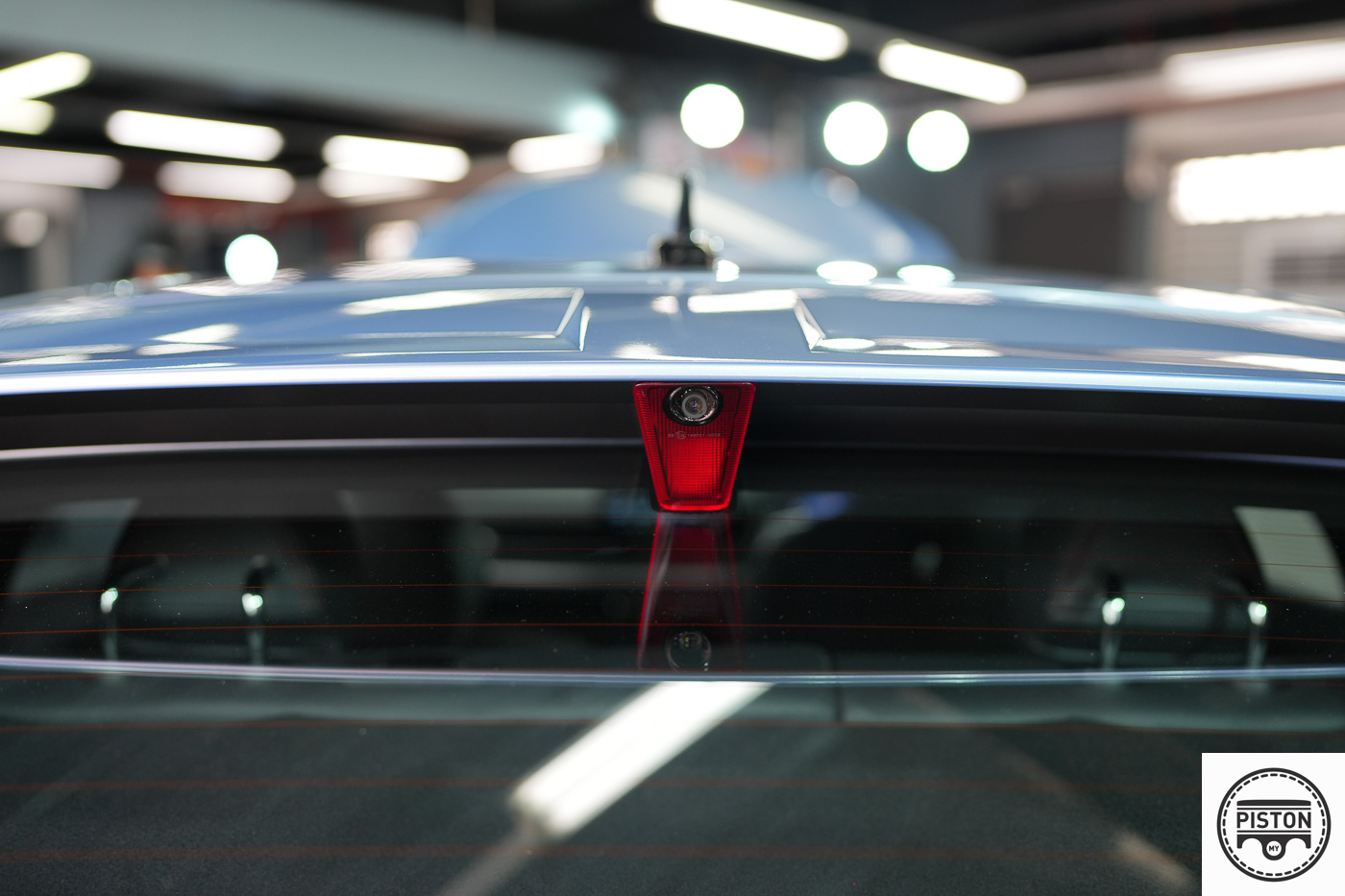
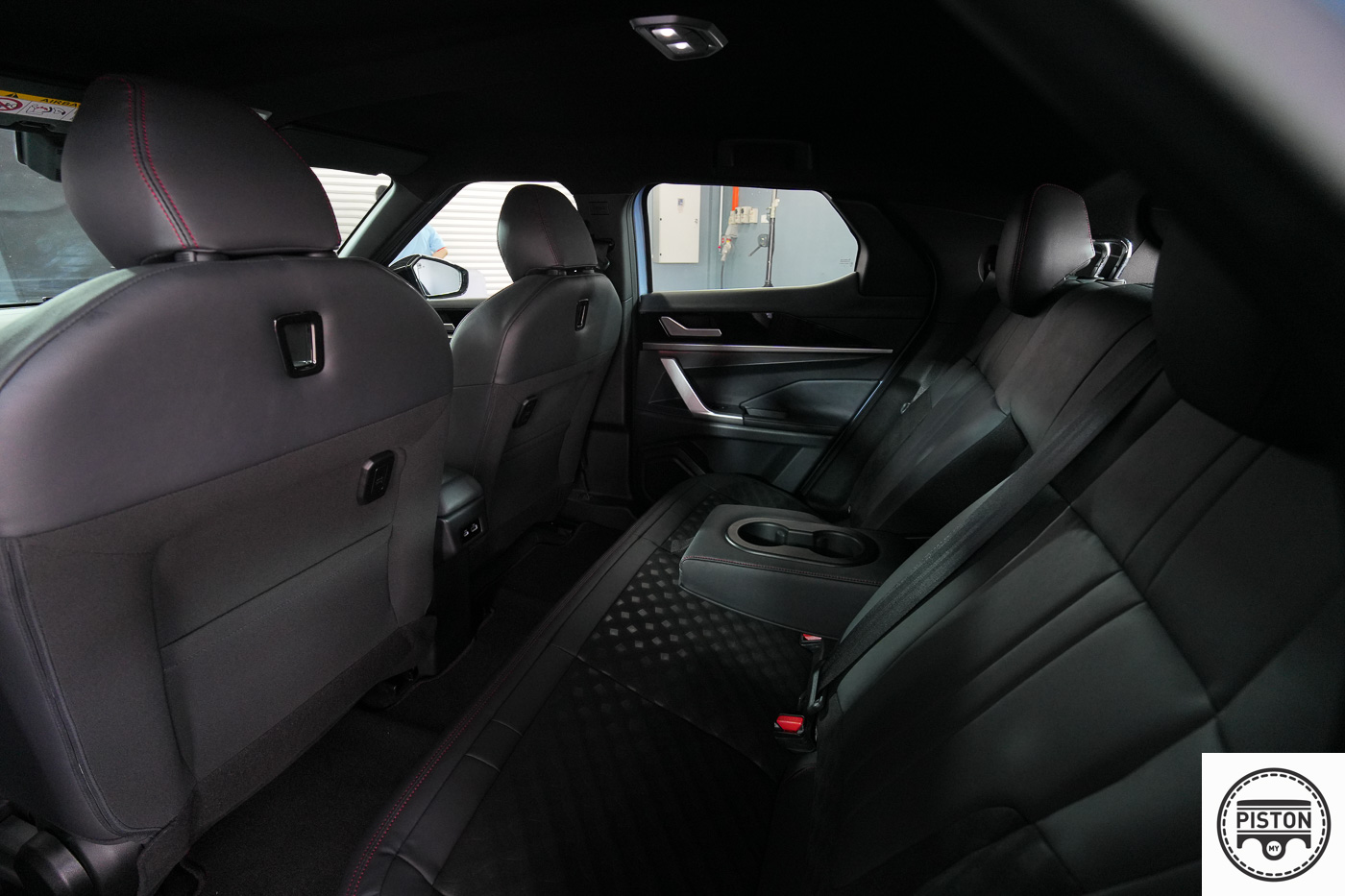
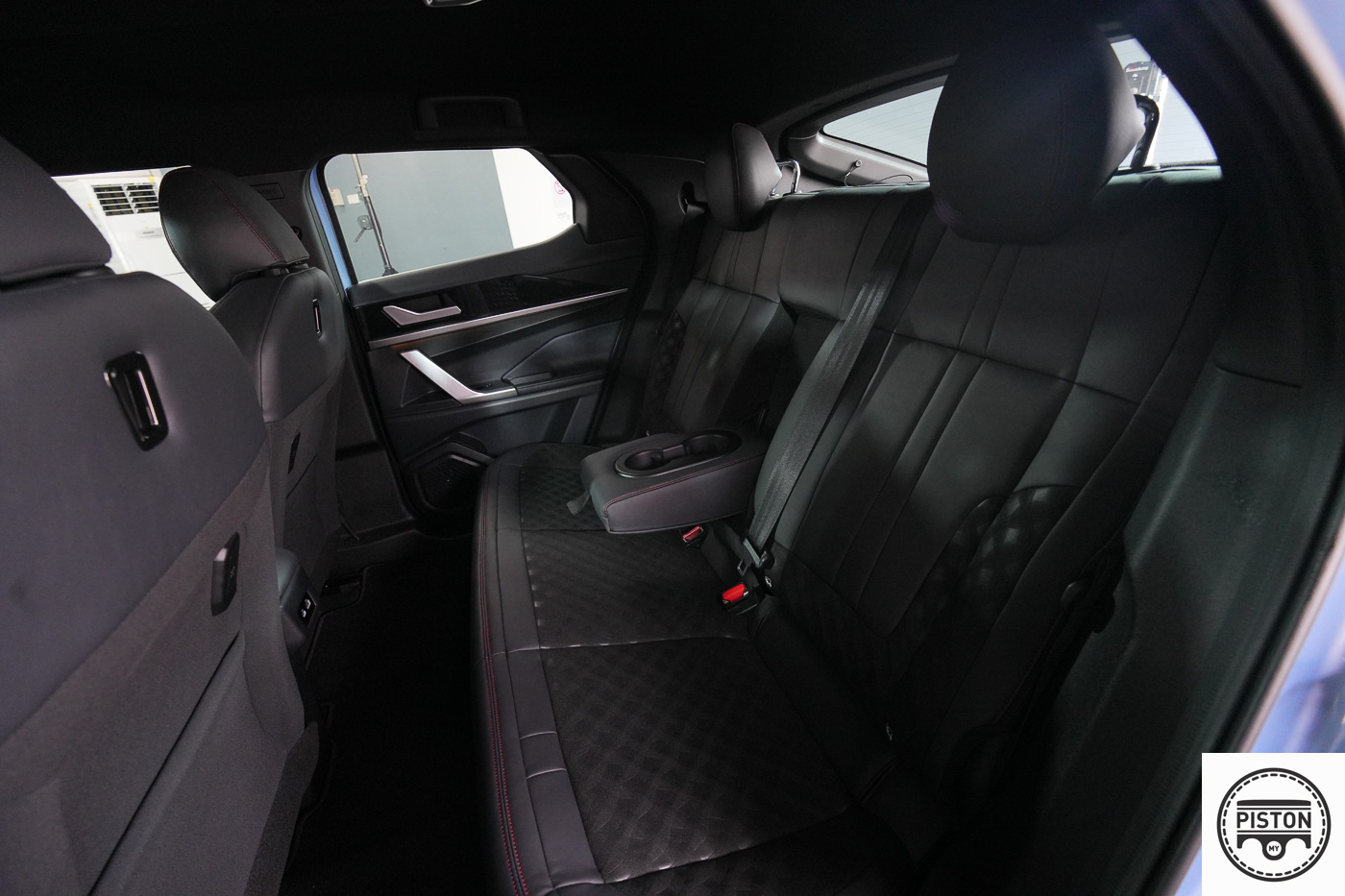
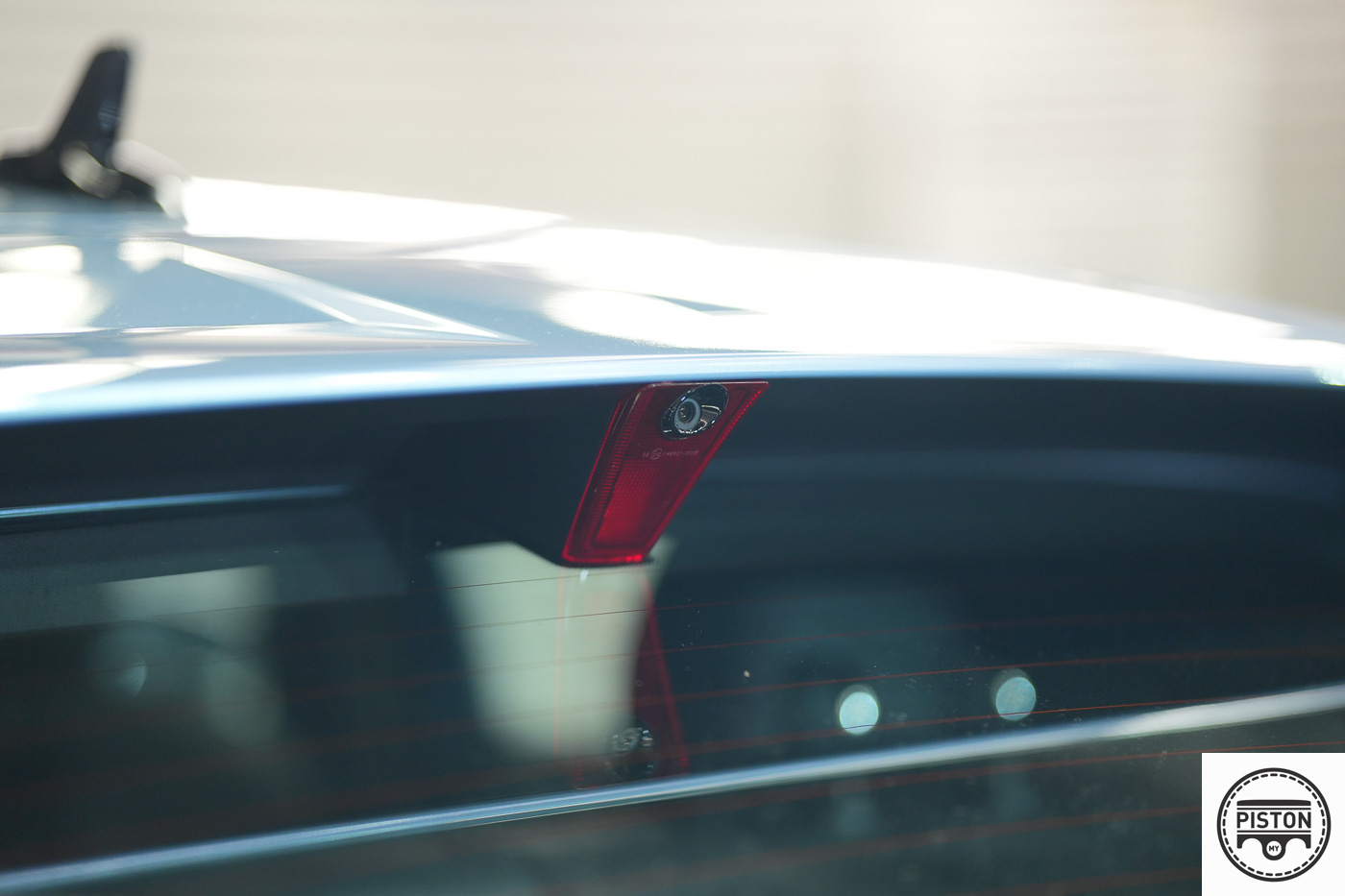
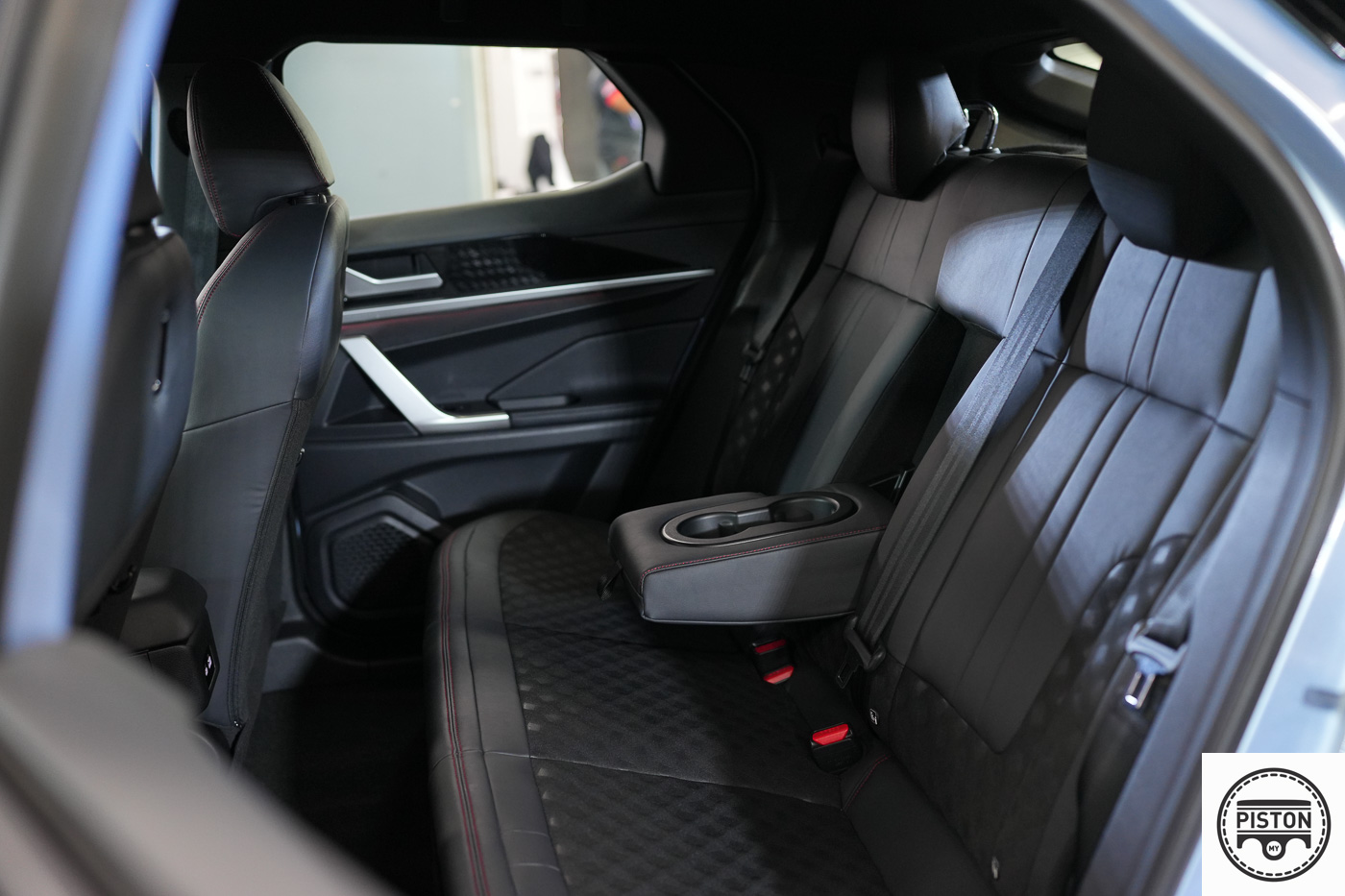
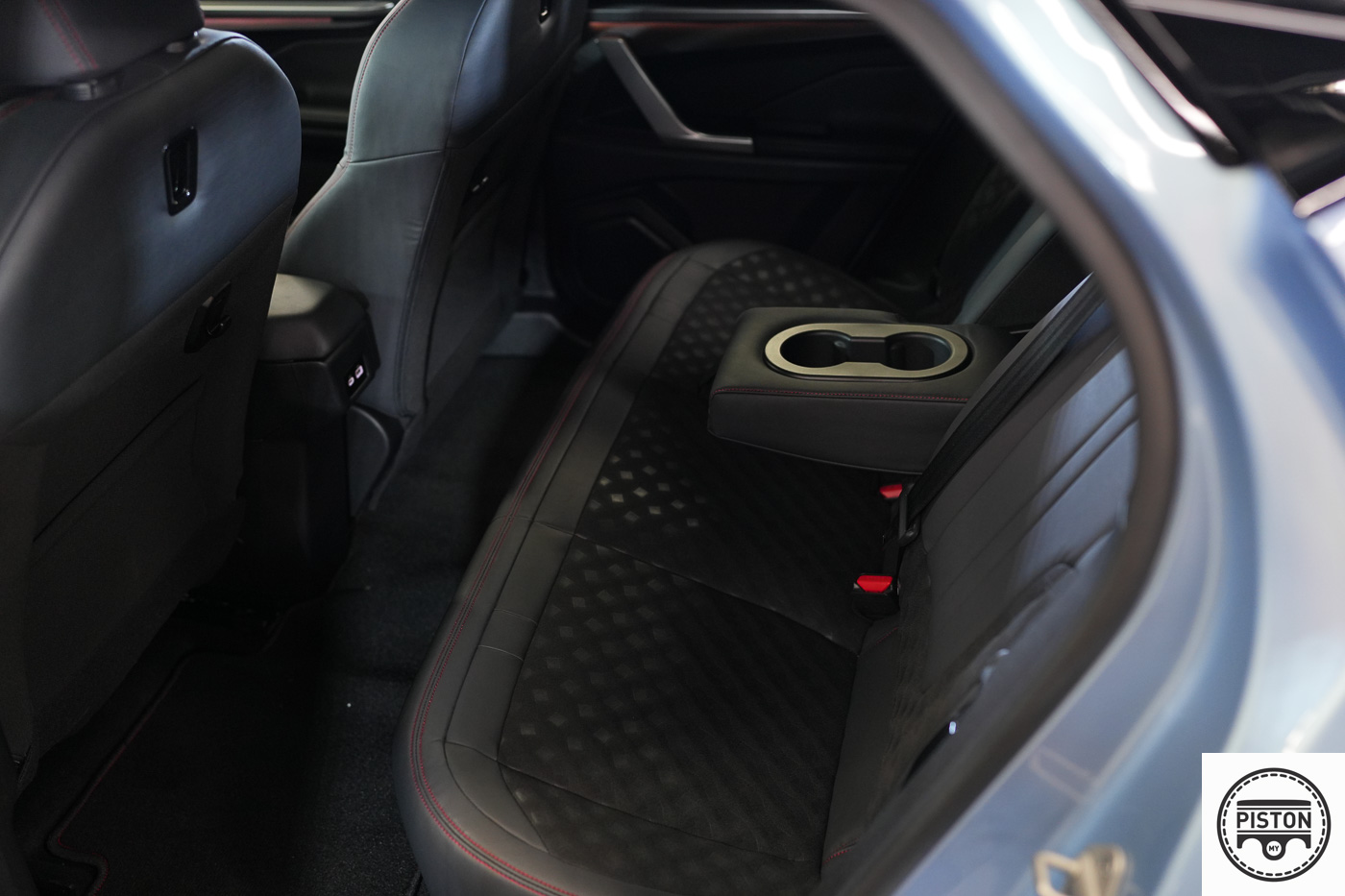
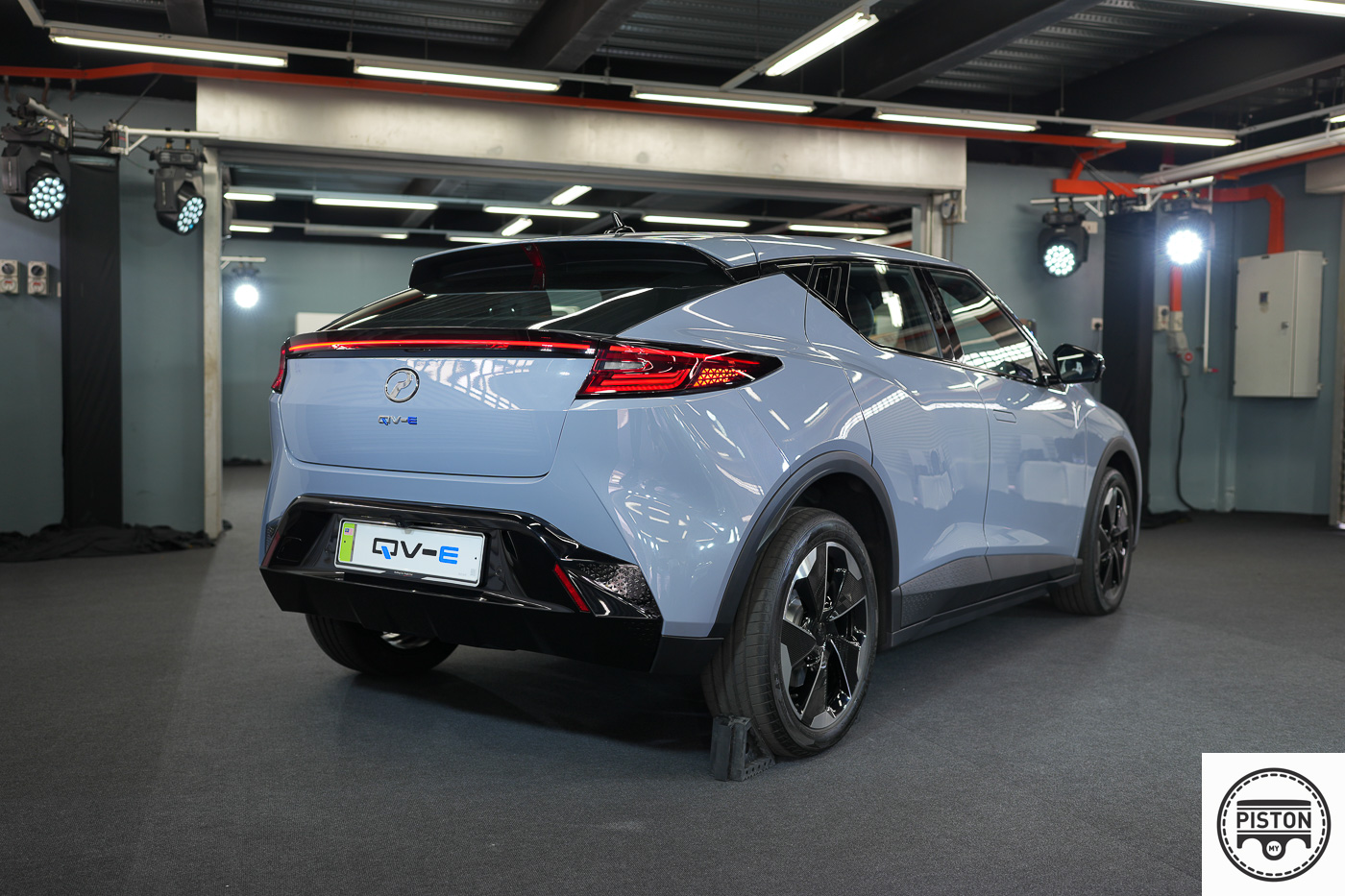
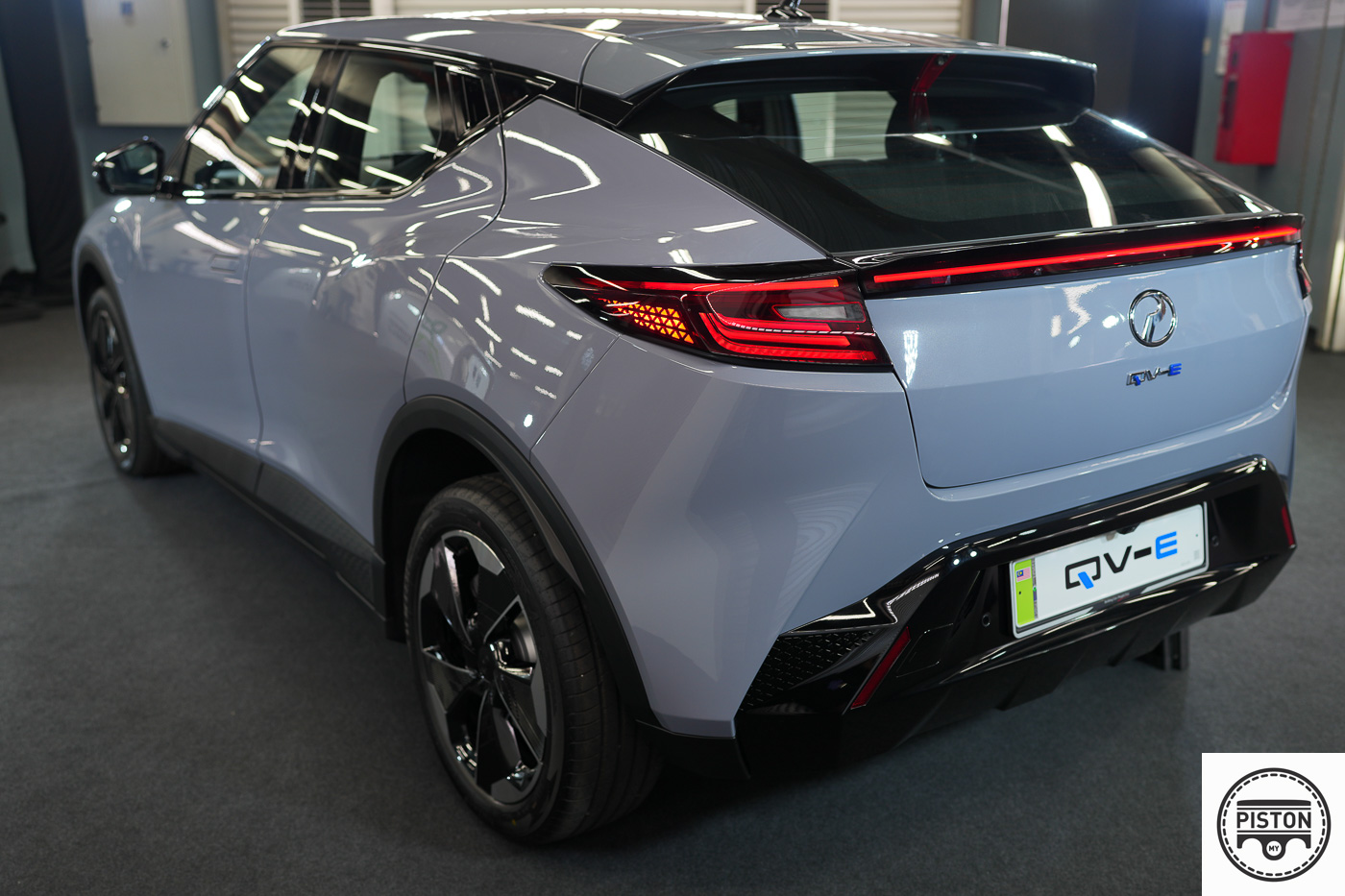
Sure, the QV-E is far from perfect; the rear legroom is cramped. It also feels claustrophobic because of the small rear window and gigantic c-pillar.

Perodua also missed an opportunity to install rear air-conditioning vents, which is a pity because they built this car from the ground up and we live in a country where it can get more than just hot.
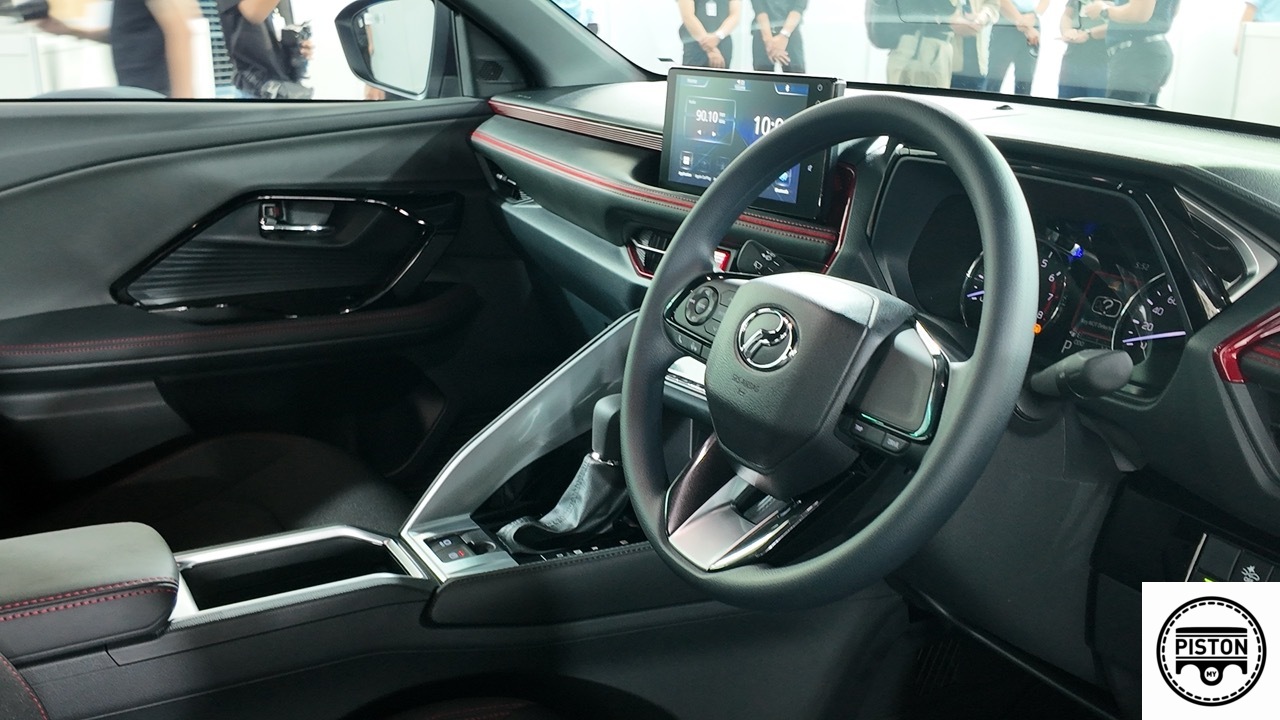
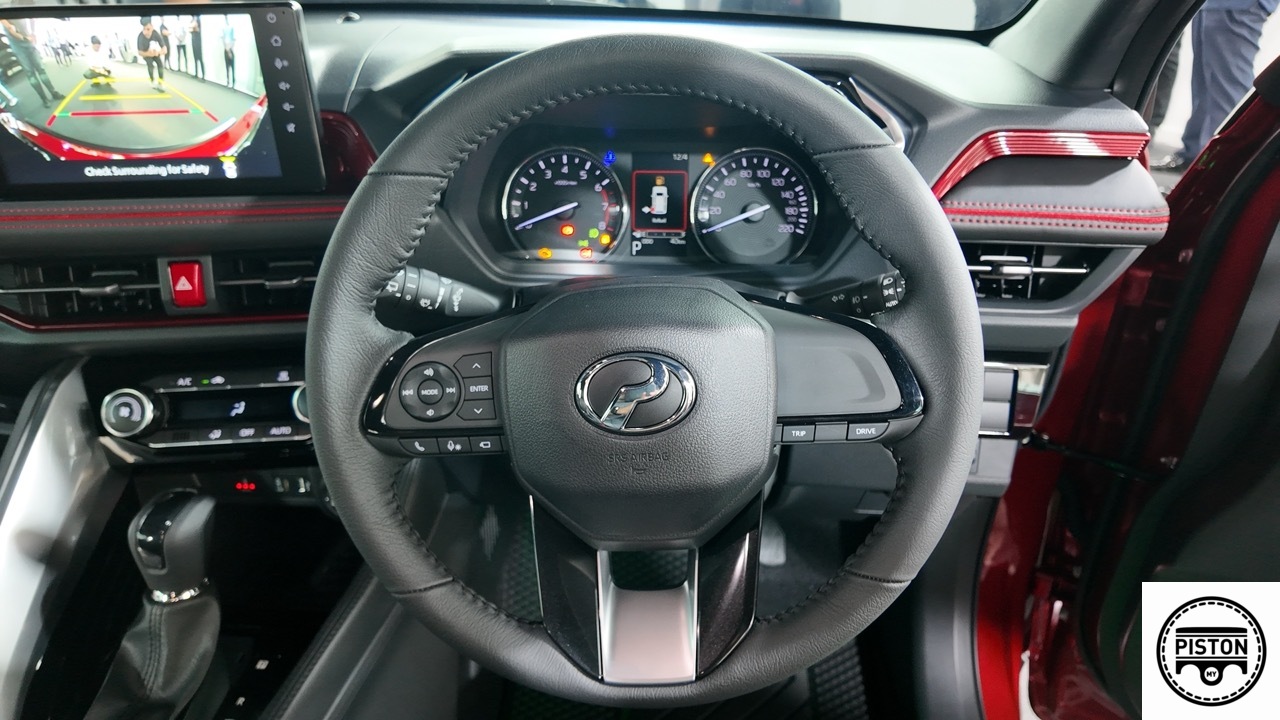
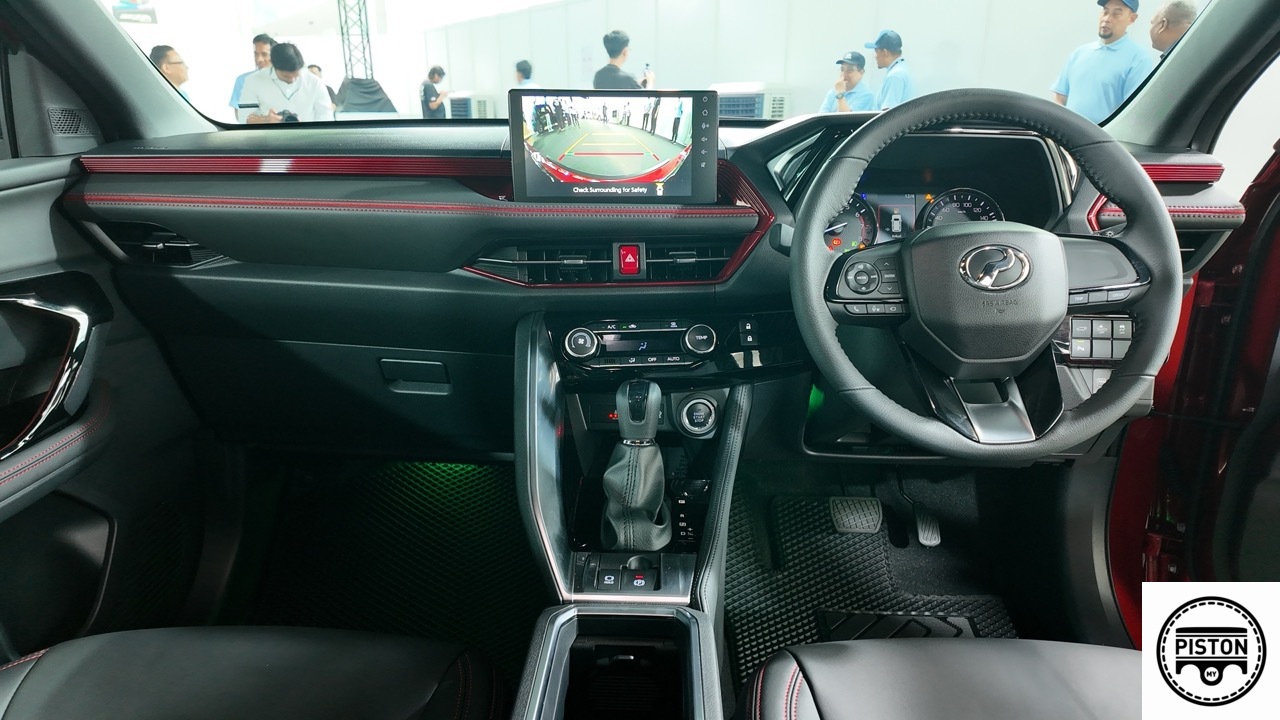
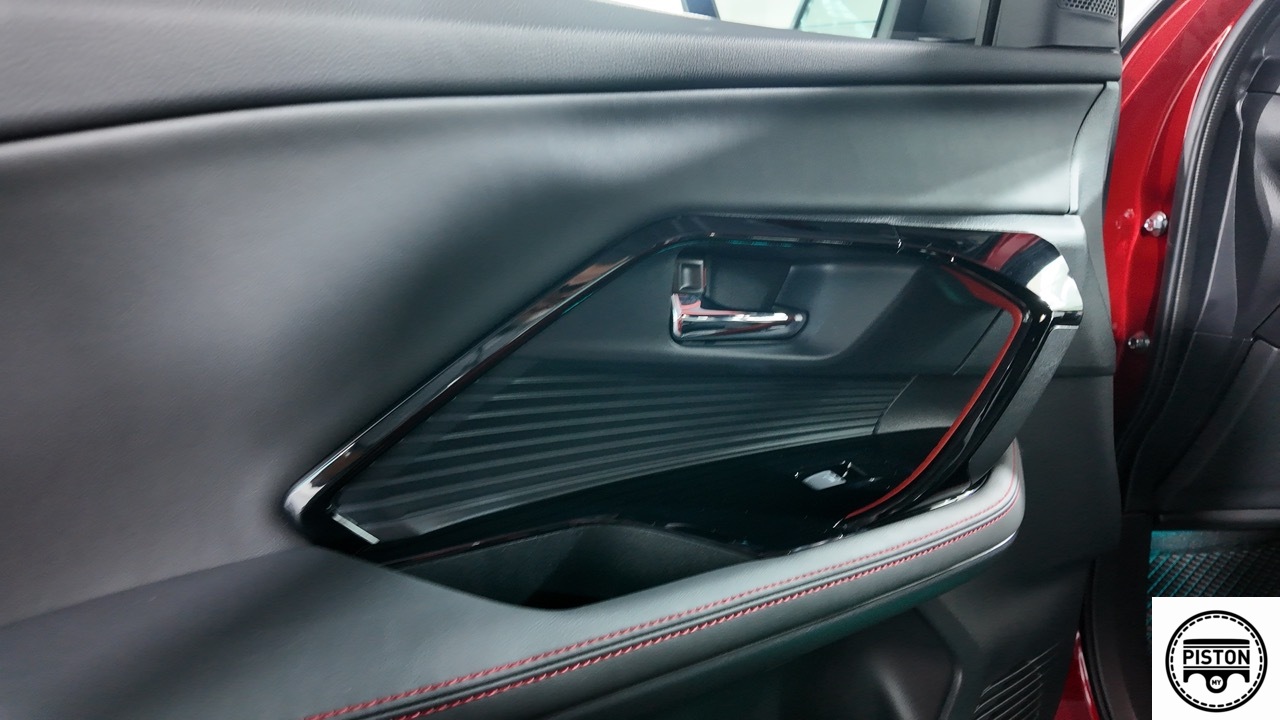
Some also say the interior feels cheap, but I don’t mind it.

I think the QV-E is a fantastic first effort from Perodua.

Keep in mind that Perodua has never built a car entirely of its own, not publicly at least. In its 32 years of existence, the QV-E is Perodua’s first 100% Perodua.

It is a brilliant first effort.
And before you chastise the QV-E as not entirely a Malaysian product simply because there was knowledge transfer from Magna Steyr, and components from BYD and Shanghai Electric, I would like you to name one car maker who builds everything by themselves.

And I mean everything from the seats to every single component of a car.

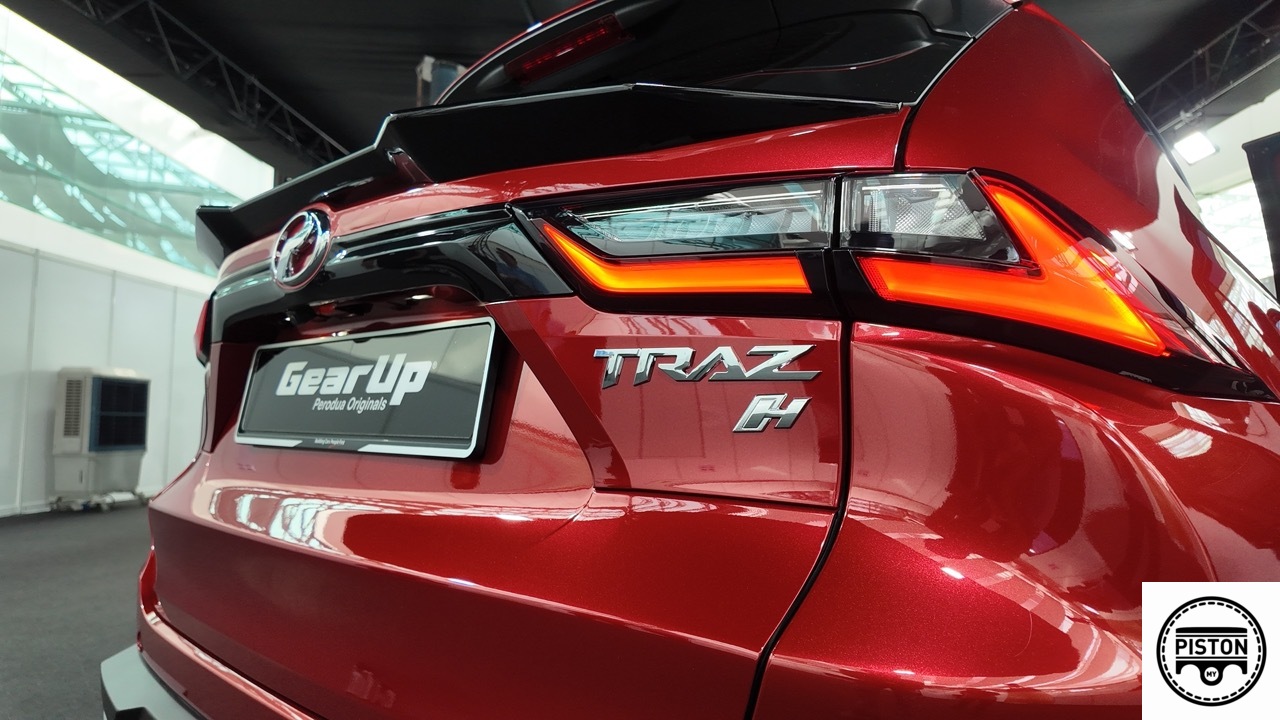
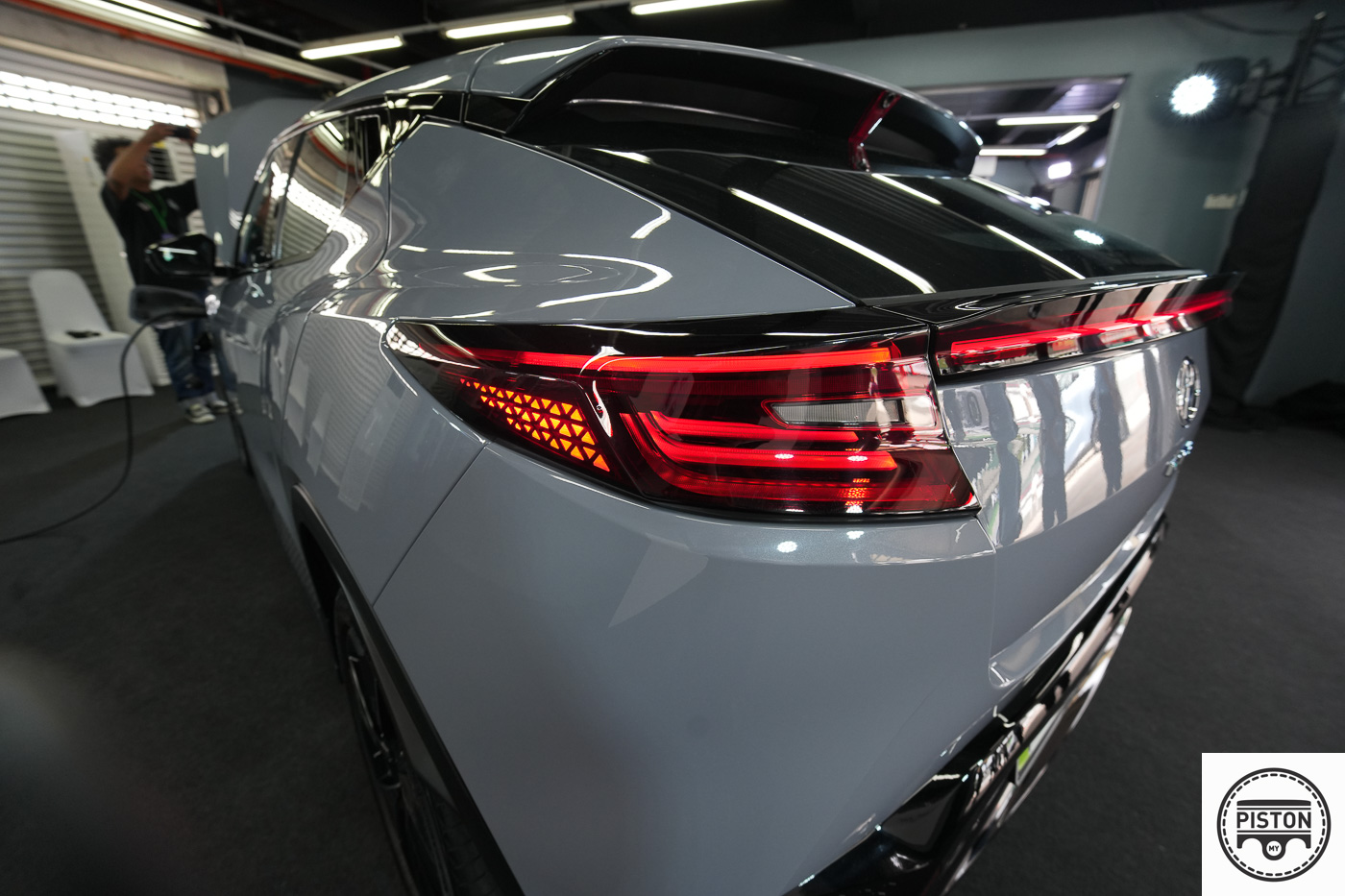
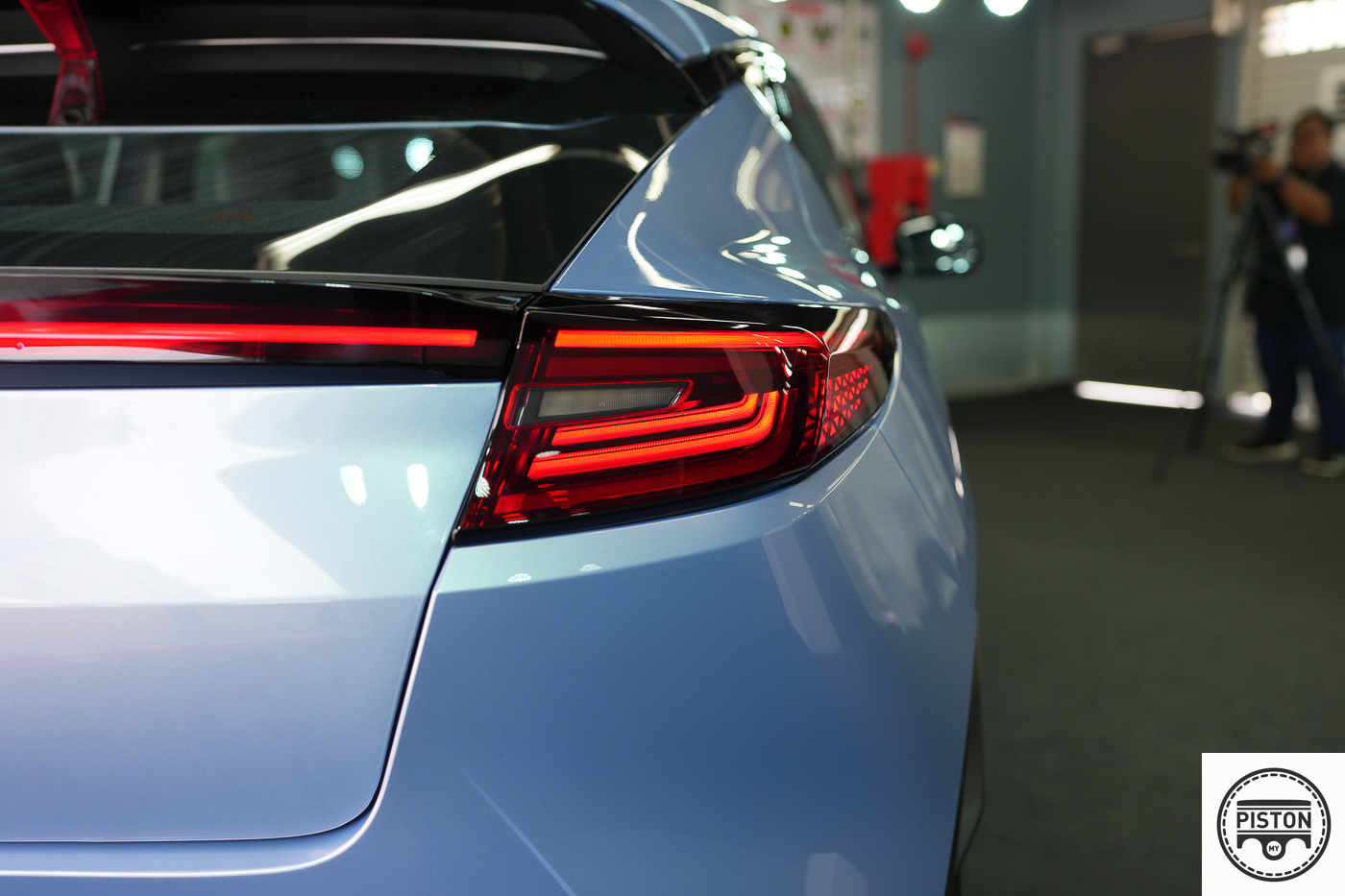
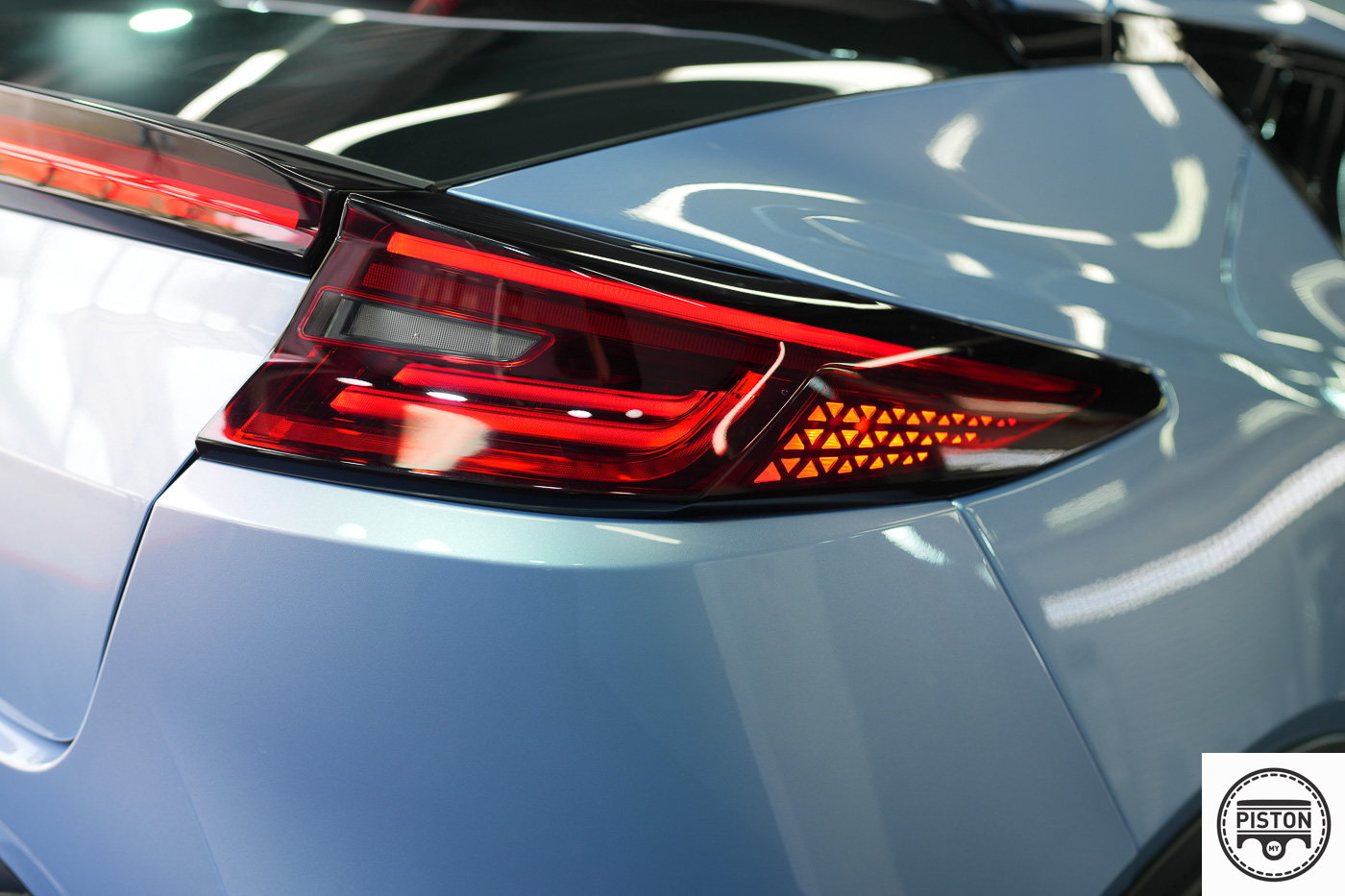
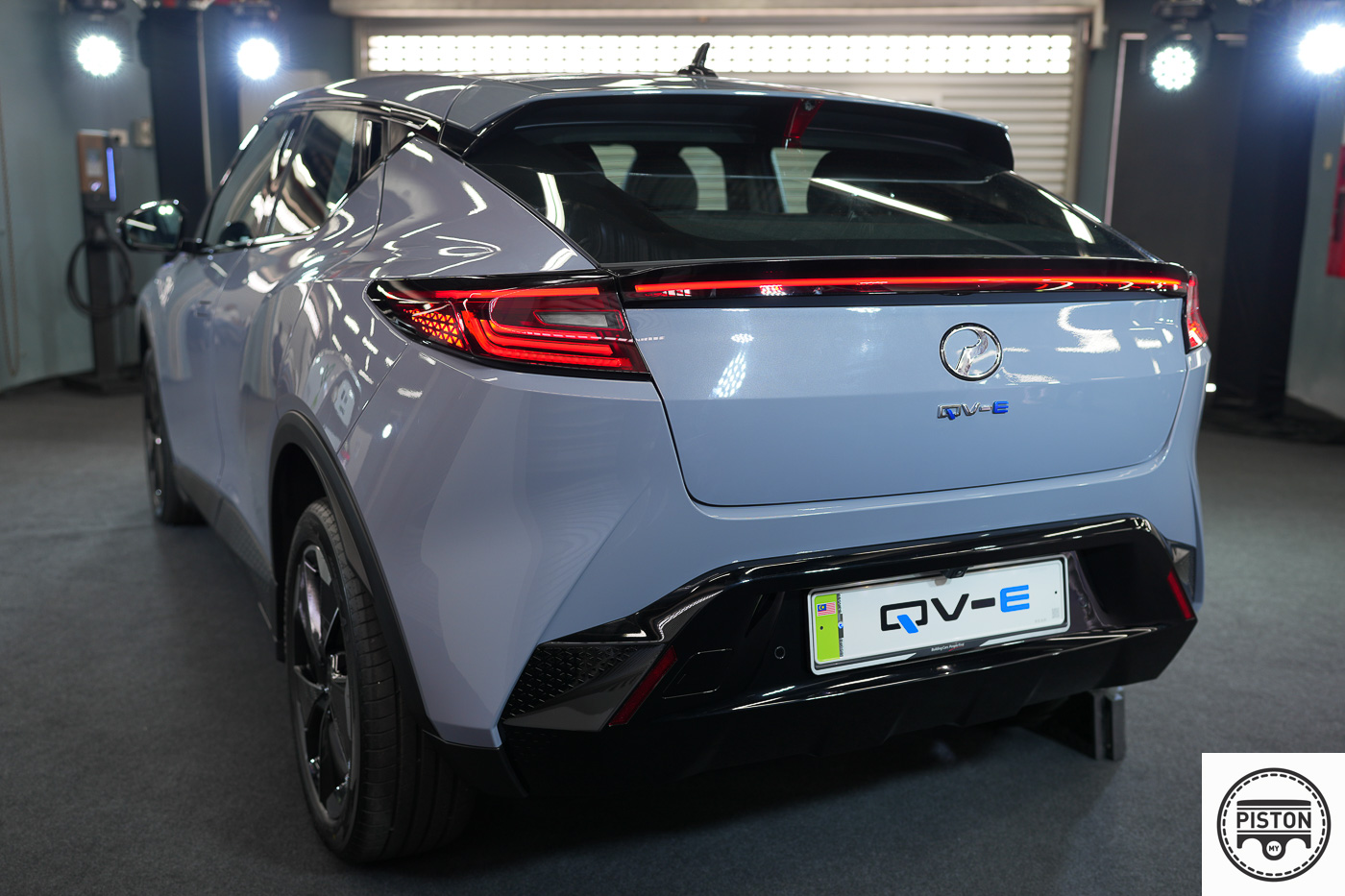
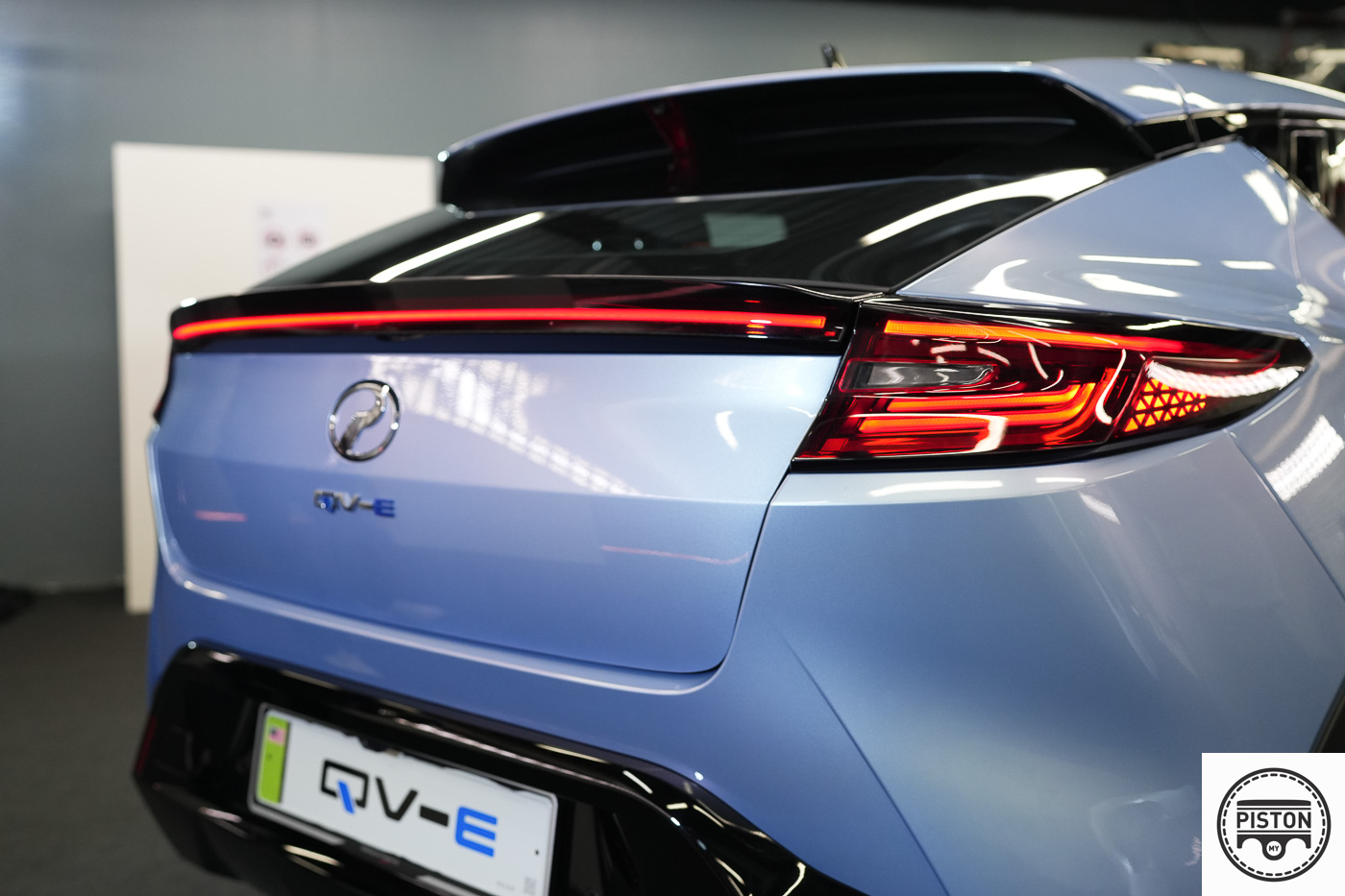
Some say the styling of the Perodua is not entirely original. Audi started with light bars at the rear of cars, don’t all cars have them now? Does that mean they are all unoriginal?

So where did it all go catastrophically wrong? What warrants netizens, key opinion leaders and such to aim their arsenal of keyboards at Perodua?

The Battery as a Service (BaaS) programme is what Perodua did. Simply said it was the straw that broke the back of a very fine camel.

During the product presentation for selected members of the media, a Perodua spokesperson said that they wanted to address three key concerns among EV buyers – resale value, battery degradation and high entry price.

And that is how BaaS came about. What Perodua perhaps did not expect was the very public backlash.

People did not see the point in paying monthly rental for a battery that they ultimately will not own. Even if Perodua provided a lifetime warranty on it and would replace it for free in just under 30 minutes if the state of health of the battery falls below 70%.

The public just does not seem to care about that. If they have paid for it, they want to own it. If the state of health of the battery falls below 70%, they want to deal with it in their own way.
The other thing was Perodua wants to be able to track the whereabout of the battery since it owns it. None of us like being tracked admittedly so that’s another nail in the coffin.

And then there is the remote disabling of a car, and this part I don’t understand the backlash.

Opinions posted online say that Perodua should not be able to disable the car even if payment for the battery is not made. But why would you not pay for it in the first place?

And if you can’t afford to pay for it already, shouldn’t you sell the car and reassess your finances?
There is also the case of the car being used for Syariah compliant purposes. Or so it may seem.

This was initially the source of many unwarranted jokes online with some saying that that meant they could not carry non-halal items since the car needed to be “syariah compliant”. But this is all nonsense and childish.

Perodua clarified that the BaaS programme itself is Syariah Compliant and operates on the Islamic concept of Ijarah.
Bank Negara defines Ijarah as a “type of lease that literally means the compensate and to give something on rent”. You can read the entire definition on Bank Negara’s website.

So based on this concept, Perodua as the owner of the battery, leases out the battery to the interested party at an agreed rental rate over an agreed lease period. The battery remains the property of Perodua while the leaser has the right of use (usufruct) of the battery.

At the end of the nine year period, the leaser may return the battery to Perodua or extend the leaser period of the battery for a secondary term.

And this is where the issue lays.
How can the person who has bought the car return the battery? Does that not render the car useless?

So that means the owner has no choice but to extend the lease period.

There are mentions that the owner can continue using the battery past the nine-year agreement period, but there is no such mention in Perodua’s Product Disclosure Sheet which it shared together with its clarification of the Syariah Compliance issue on its social media channels.

The disclosure sheet only mentions two possible scenarios once the lease term ends.
So did Perodua mess up then?

I maintain that Perodua did not mess up on the car, perhaps the execution of the BaaS. It’s a noble idea that offloads the headache of battery degradation but perhaps it is a little ahead of its time as no one is really talking about that at the moment. And you really can’t fix a problem that is not affecting the masses .. as yet.

Also, perhaps include another option for owner’s to continue using the battery for as long as they want, they did after all pay for it, and the car does belong to them. If they want to drive it till it no longer moves, let them.
But the QV-E is surely a great first try from Perodua. The platform it is built on is a modular one and can be shortened for smaller cars and elongated for bigger cars, so this chapter is not over for Perodua, it is just the beginning, and I am sure Perodua will learn from this and come back stronger.
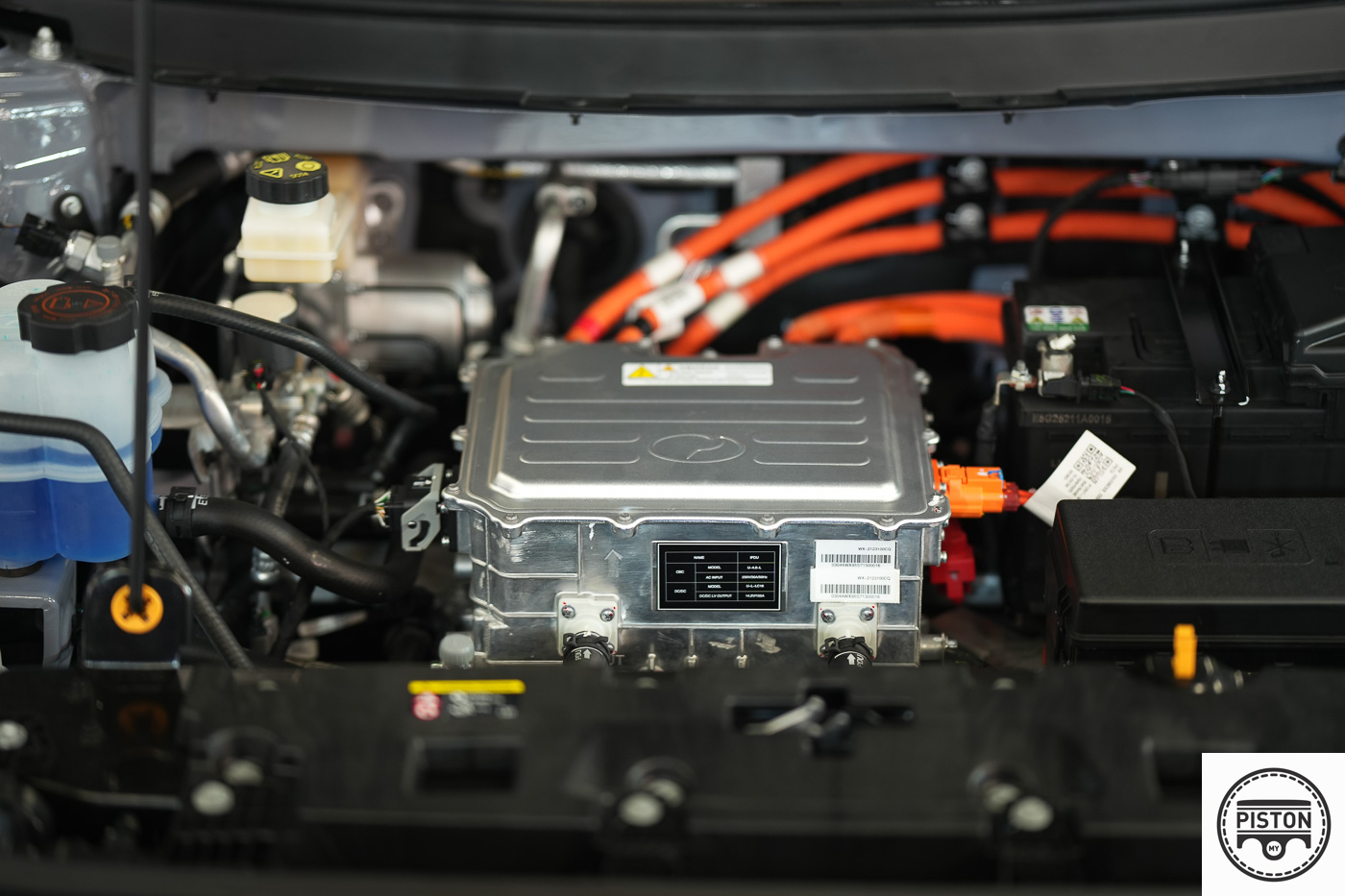
Perhaps allow owners to own the battery outright? If they want to deal with degradation, then let them.

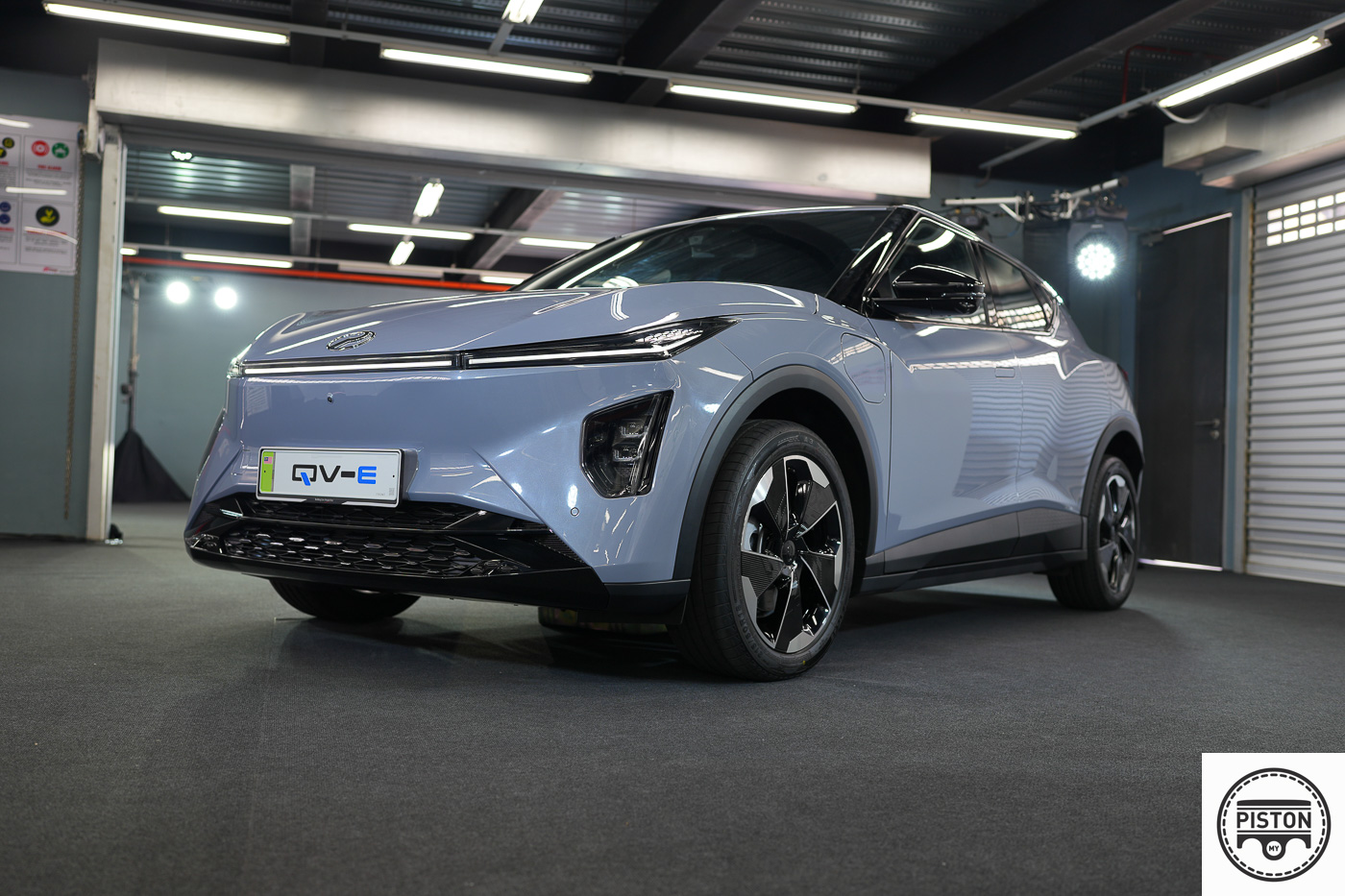
Perodua has taken a major step into the electric era with the launch of the QV-E, its first battery-powered model, priced at RM80,000 before insurance and without the battery. The new hatchback is the centrepiece of the carmaker’s long-term plan to build a homegrown EV ecosystem, beginning with a vehicle that was designed, engineered and produced almost entirely in Malaysia.

The project required RM800 million in investment and is being built at the company’s newly established Smart Mobility Plant.

Production is starting modestly at 500 units a month, though Perodua expects output to ramp up to 3,000 units monthly by the third quarter of 2026 once supply chains and vendor readiness reach the next phase of industrialisation.

Internally, the QV-E is described as a showcase of what Perodua believes a national EV should be: practical, safe and accessible, yet built with enough technology to remain competitive as electric cars become more widely adopted in the country.

The model runs on a 52.5 kWh Lithium Iron Phosphate battery and can travel up to 445km on the NEDC cycle, though the real-world figure will naturally depend on driving behaviour, temperature and terrain. Perodua has equipped the QV-E with a broad set of safety features, with one of the most significant being a Child Presence Detection system.
Using millimetre-wave sensing, the system can pick up breathing and micro-movements in the second row and the footwell, even through blankets, and continues to work in extreme temperatures or complete darkness. A three-stage warning sequence activates if a child or pet is left behind, escalating from hazards and SMS alerts to repeated audible warnings.

Perodua says the development of the QV-E reflects a wider national effort. The New Industrial Master Plan 2030, announced by the Prime Minister in 2023, gave the company the task of leading Malaysia’s EV ecosystem. With support from the Ministry of Investment, Trade and Industry (MITI) and other government agencies, Perodua managed to complete the car in just 28 months.
More than 50 local suppliers are already involved in the project, with plans to increase the number to 70 by 2030, pushing localisation beyond 70 per cent.

The QV-E targets middle-income households and families looking for a daily commuter or a second car for short trips. To reduce long-term ownership anxiety, Perodua has introduced a battery leasing method called Battery-as-a-Service. Buyers pay only for the car, while Perodua retains ownership of the battery, which is leased monthly under a Shariah-compliant arrangement.

The idea is to lower the entry price, maintain stronger resale values, and remove the fear of expensive battery replacements. The leased battery carries a warranty for the full nine-year duration and is insured by Perodua. Each vehicle comes with a dedicated tracker for the battery, allowing the company to locate it even if the car is abandoned or the main power is depleted, ensuring proper end-of-life management and preventing environmental risks.

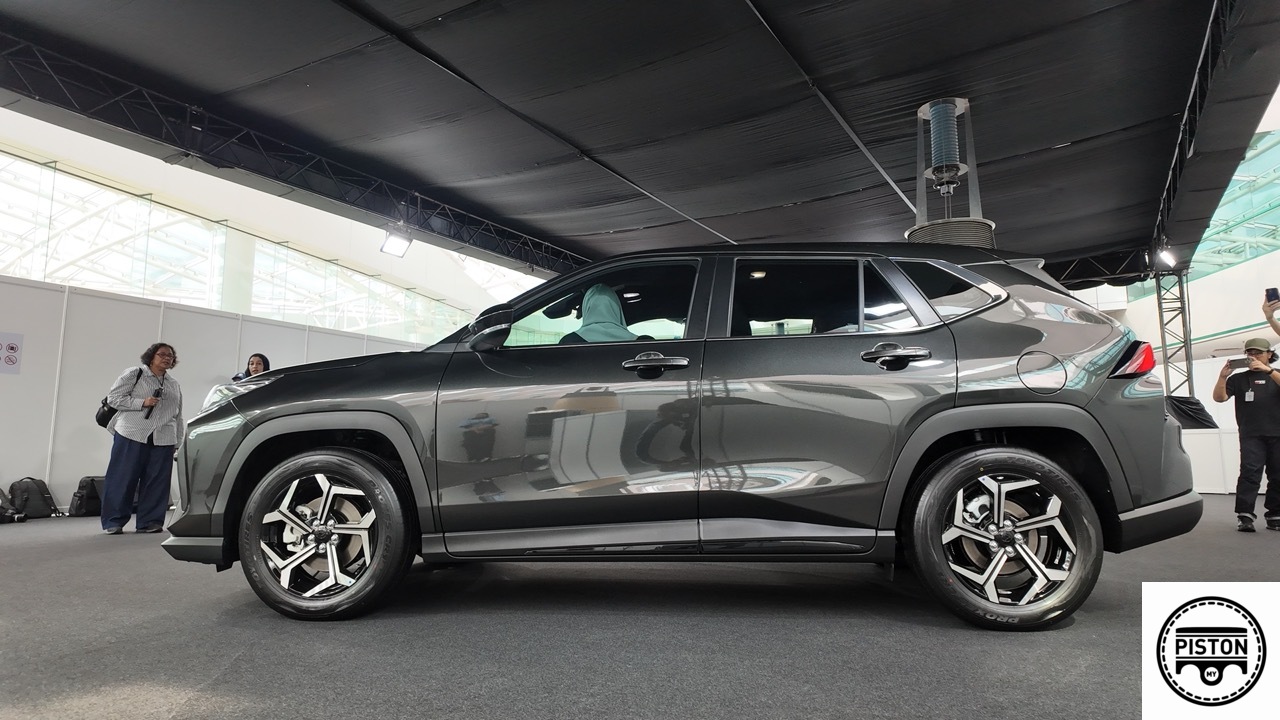
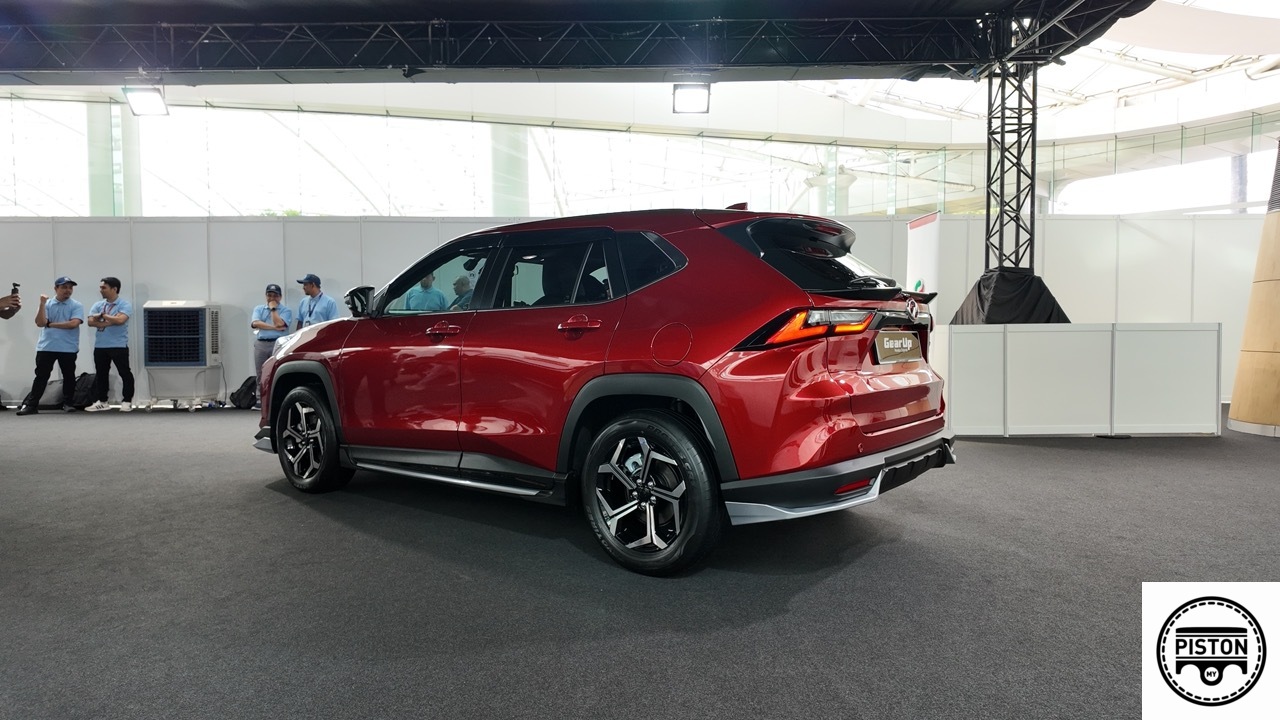
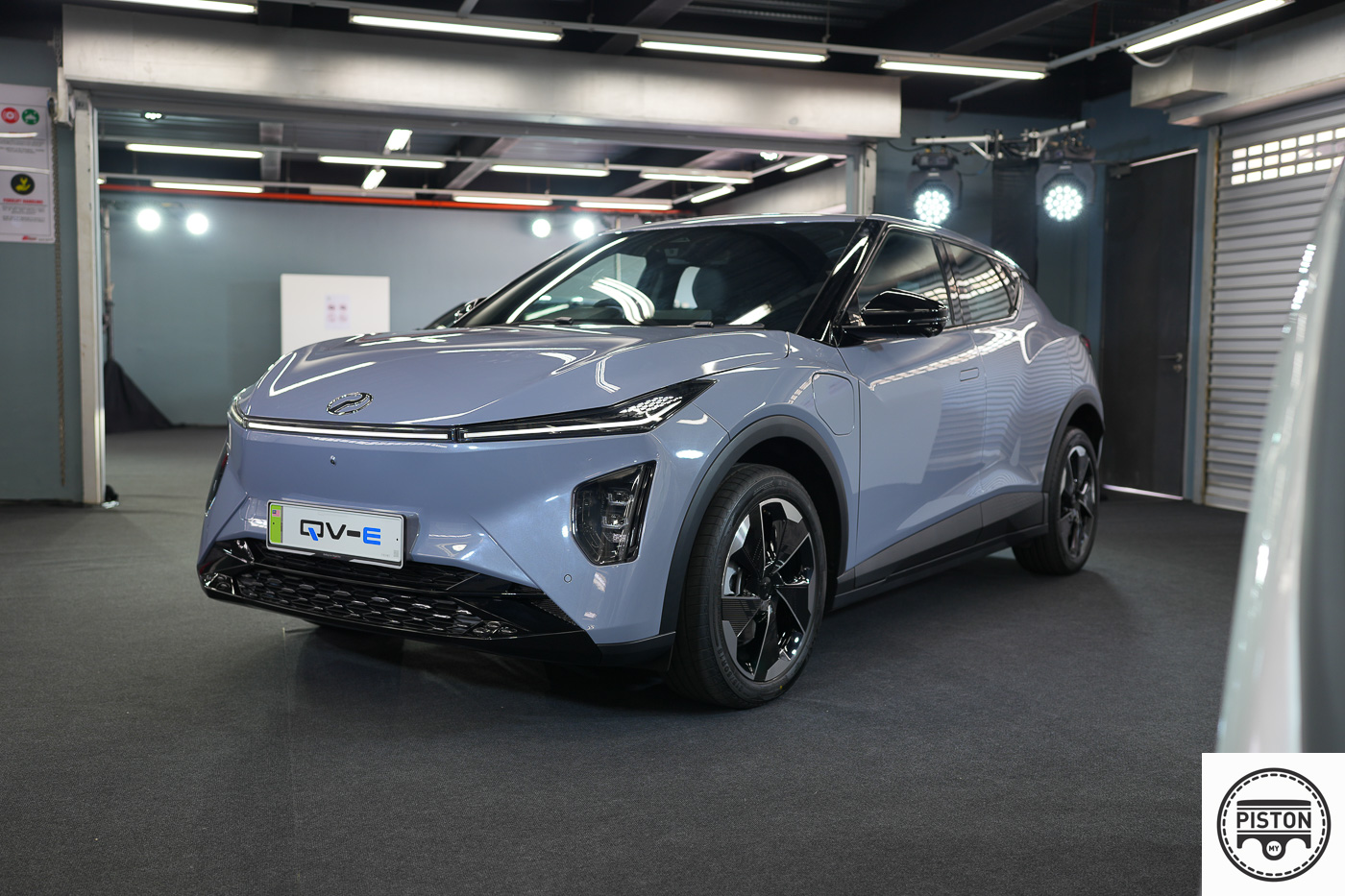
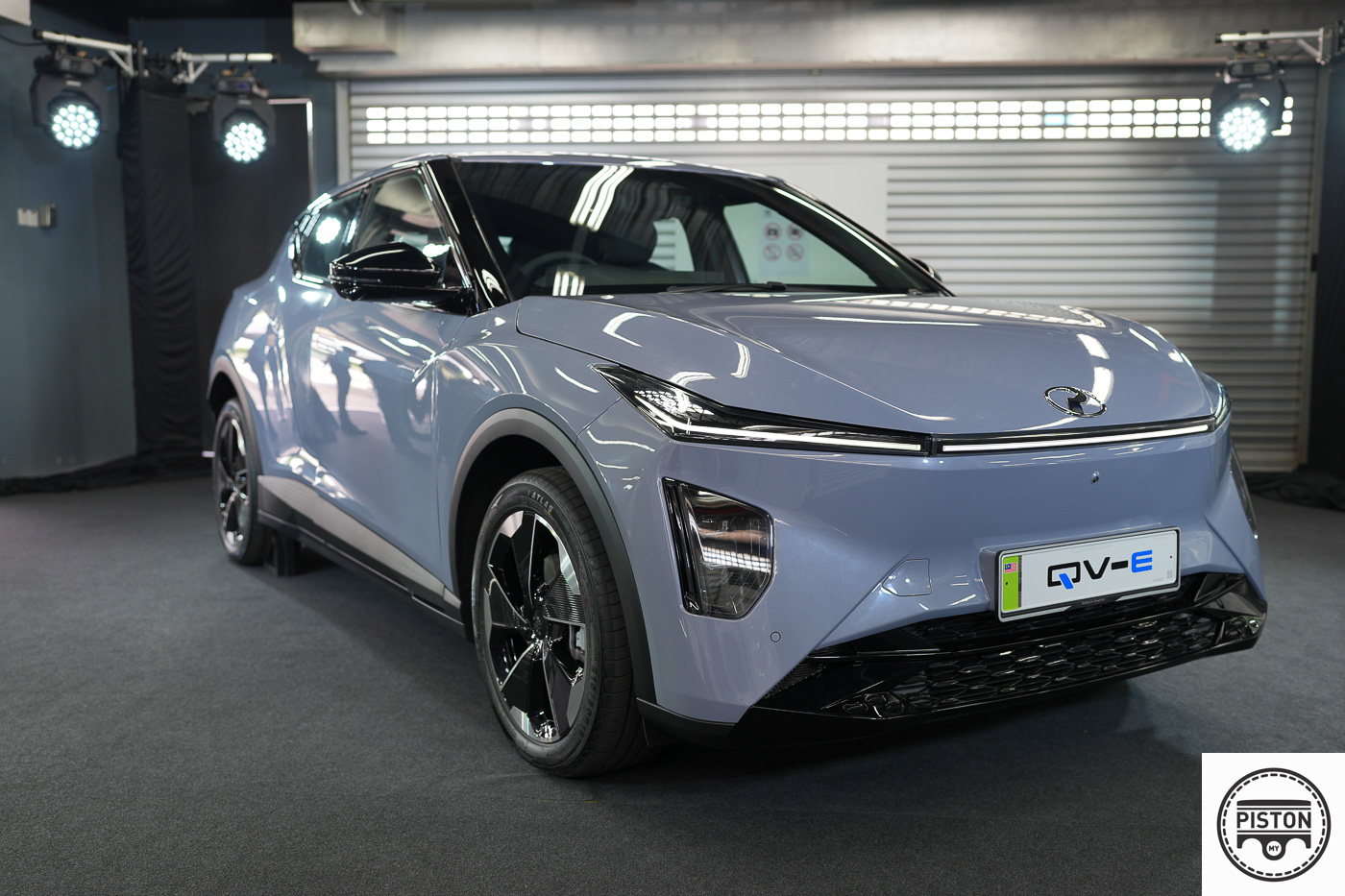
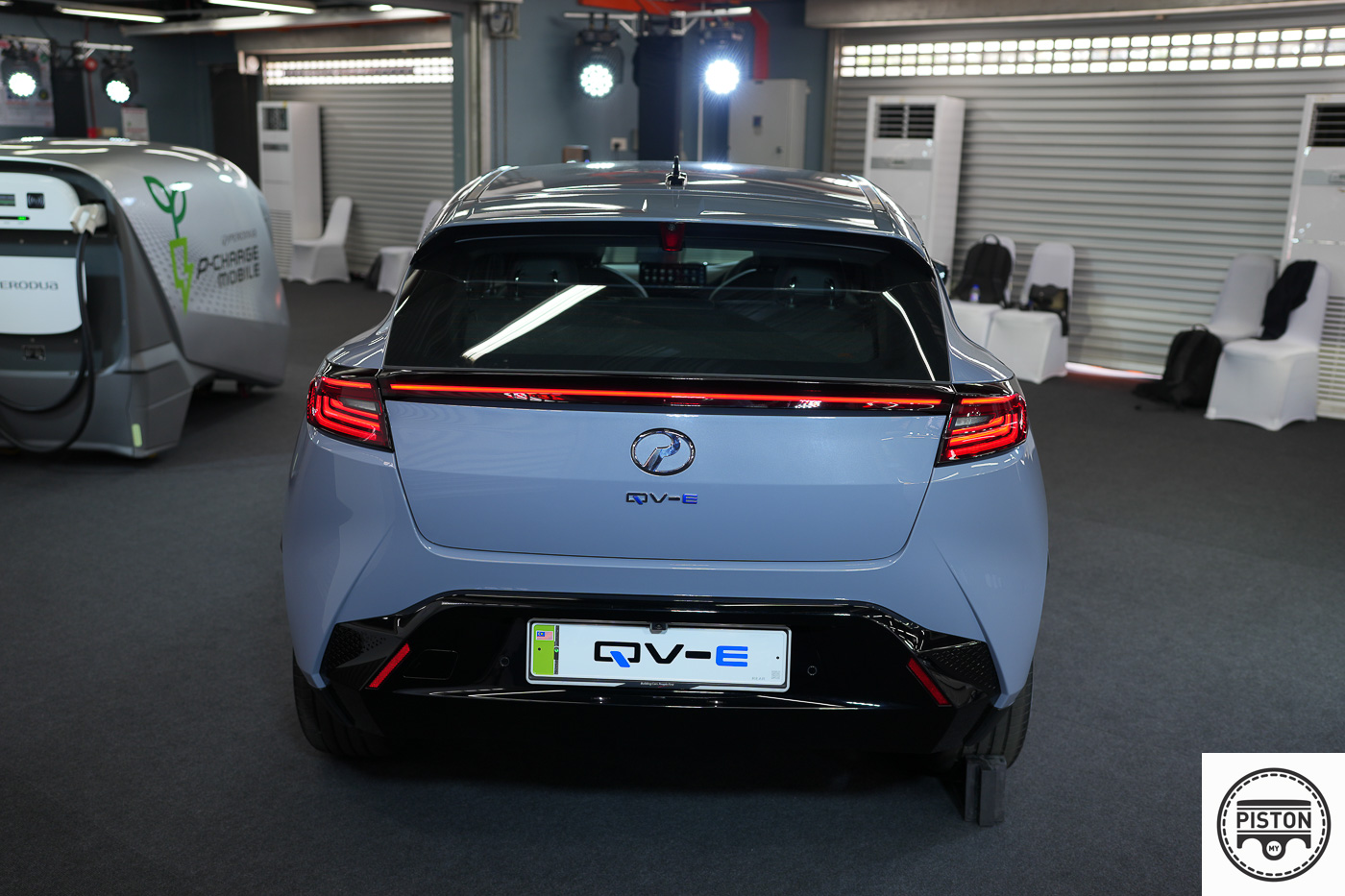
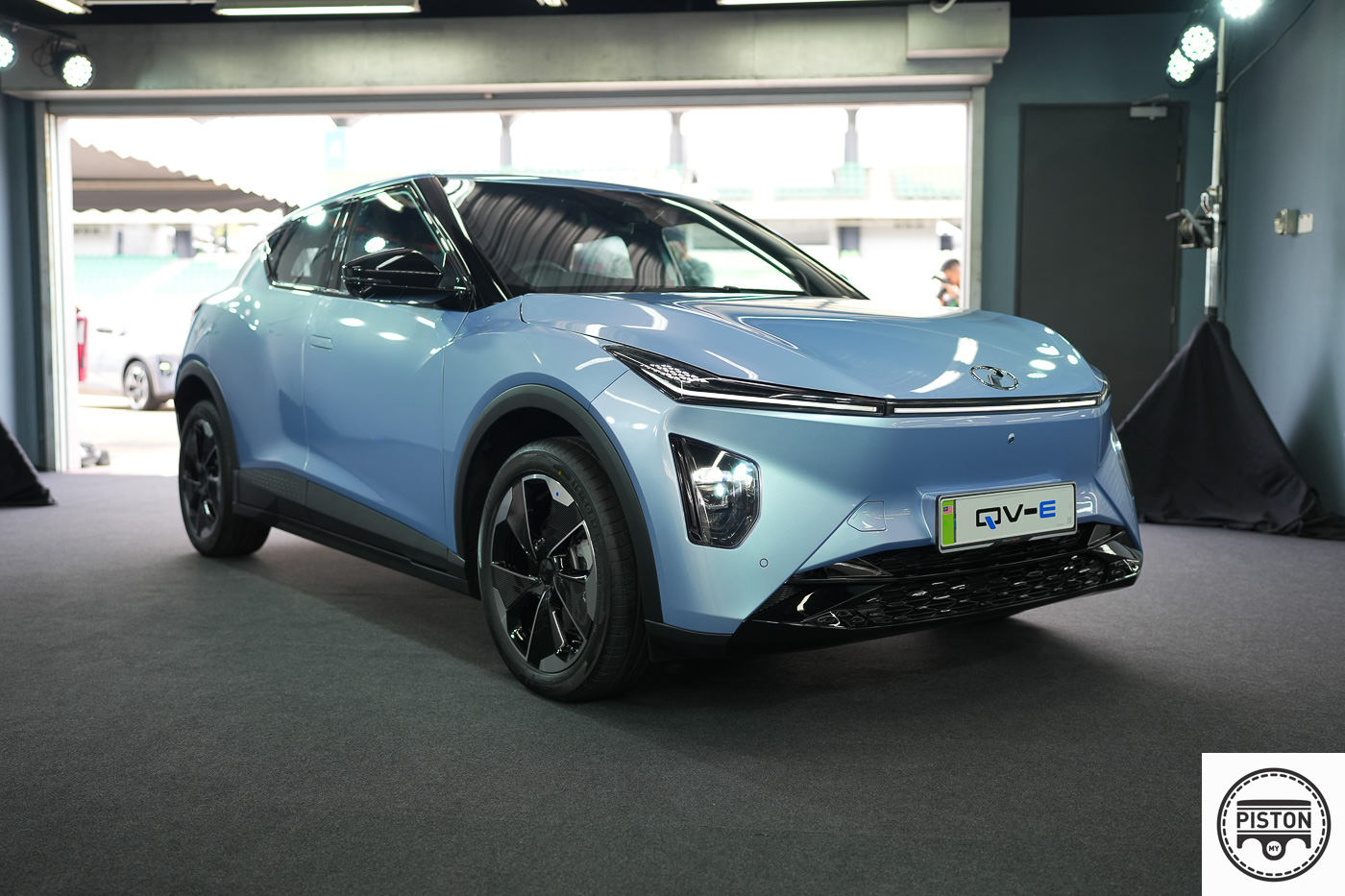
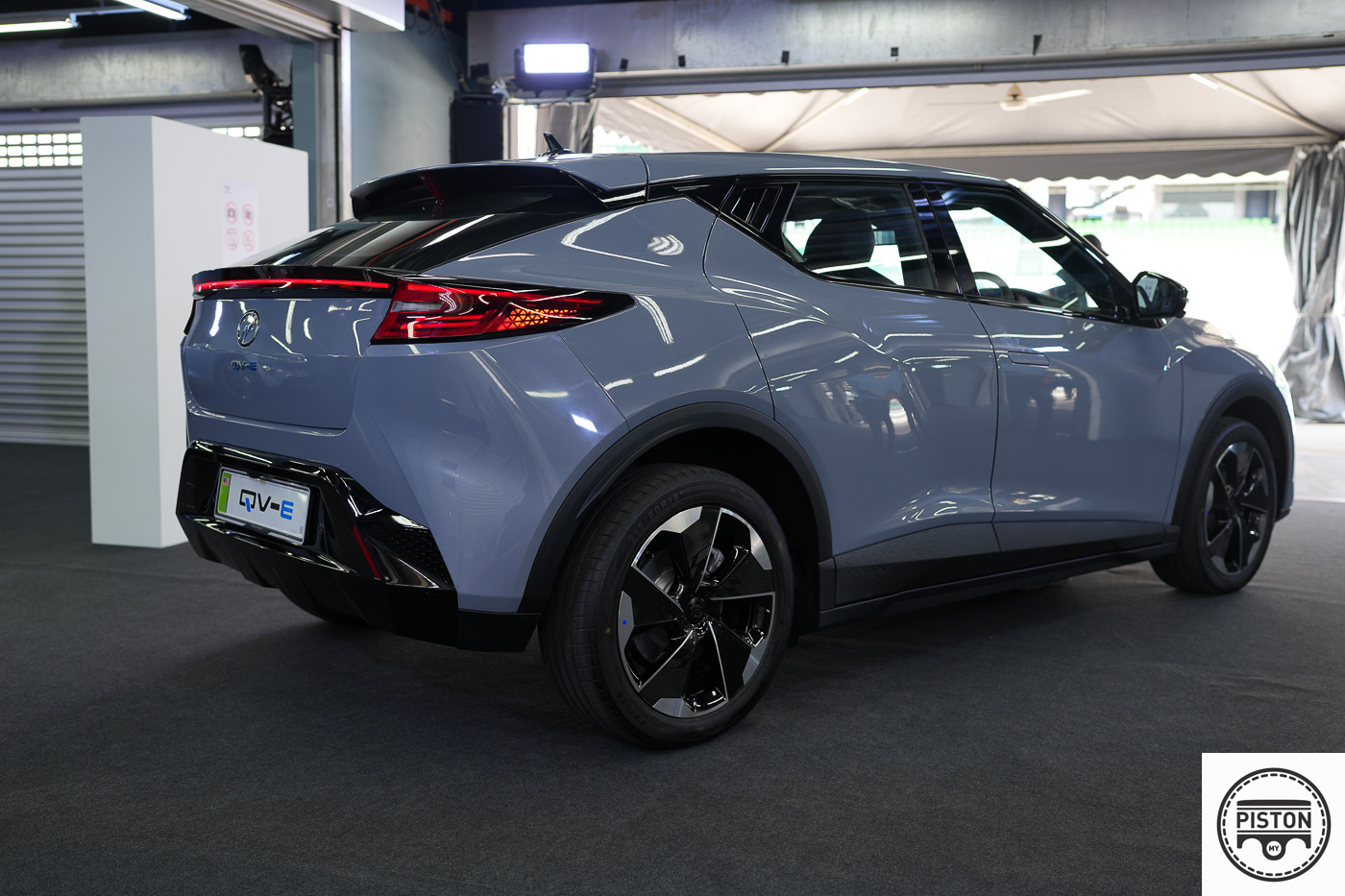
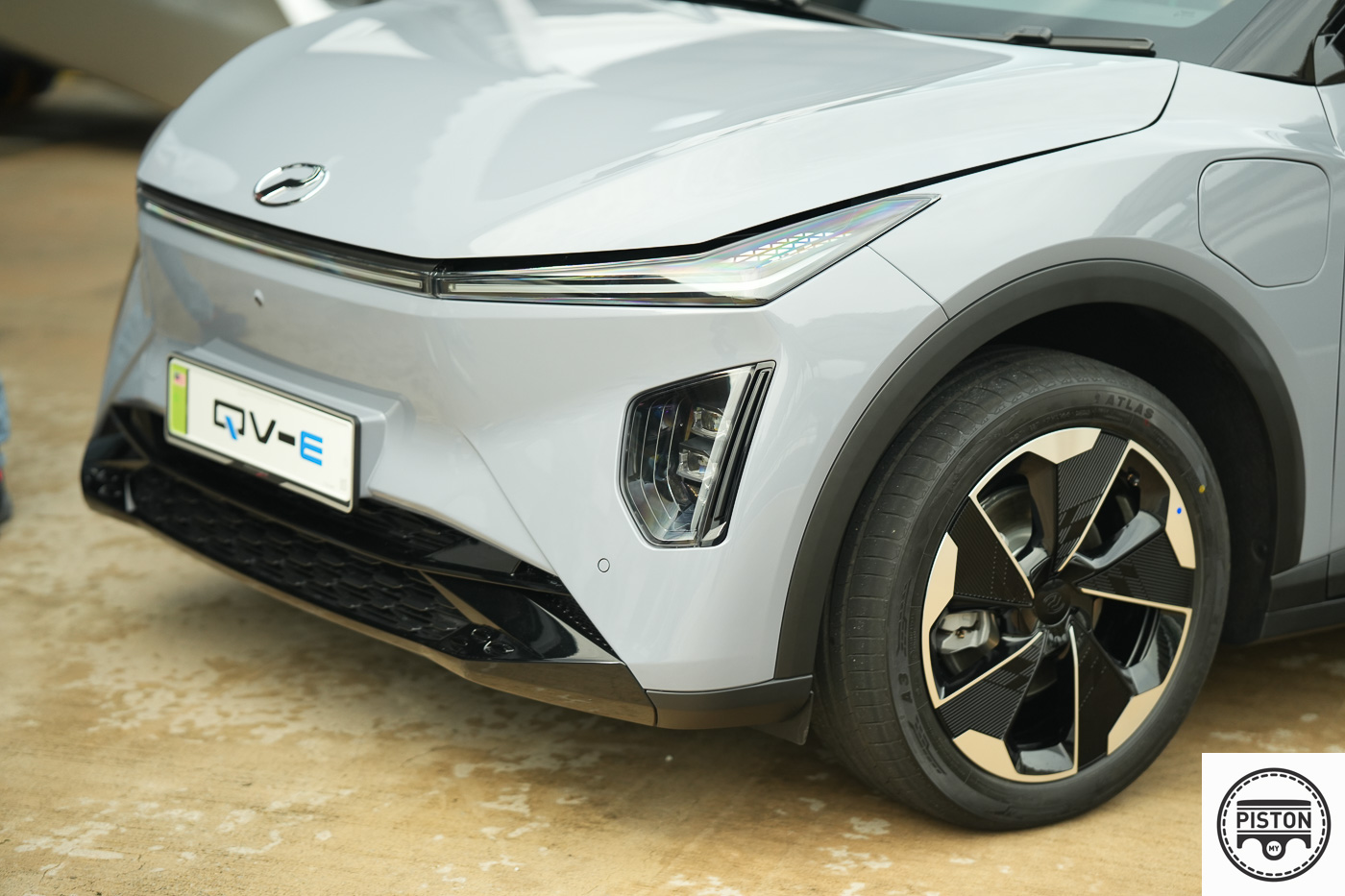
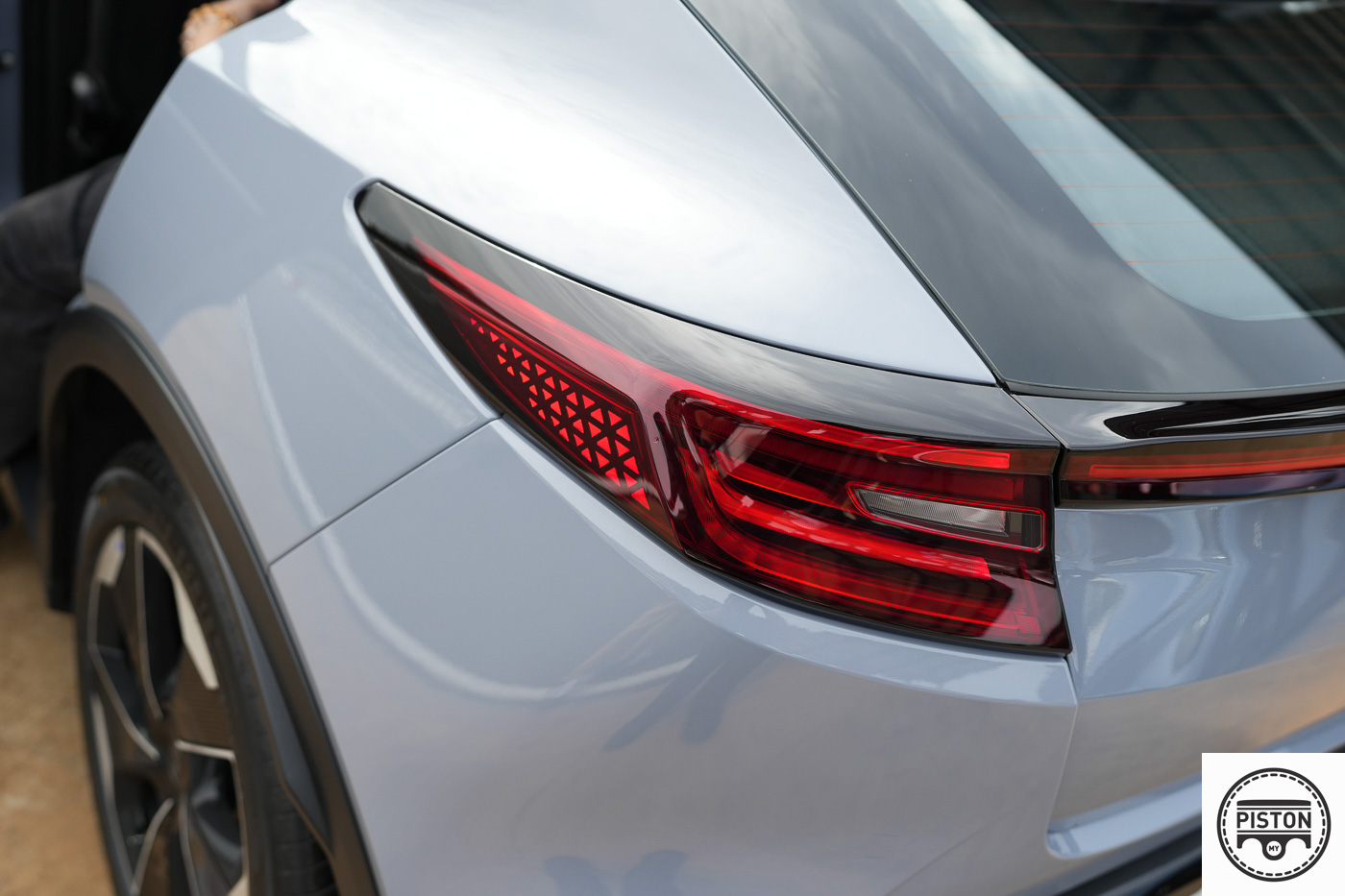
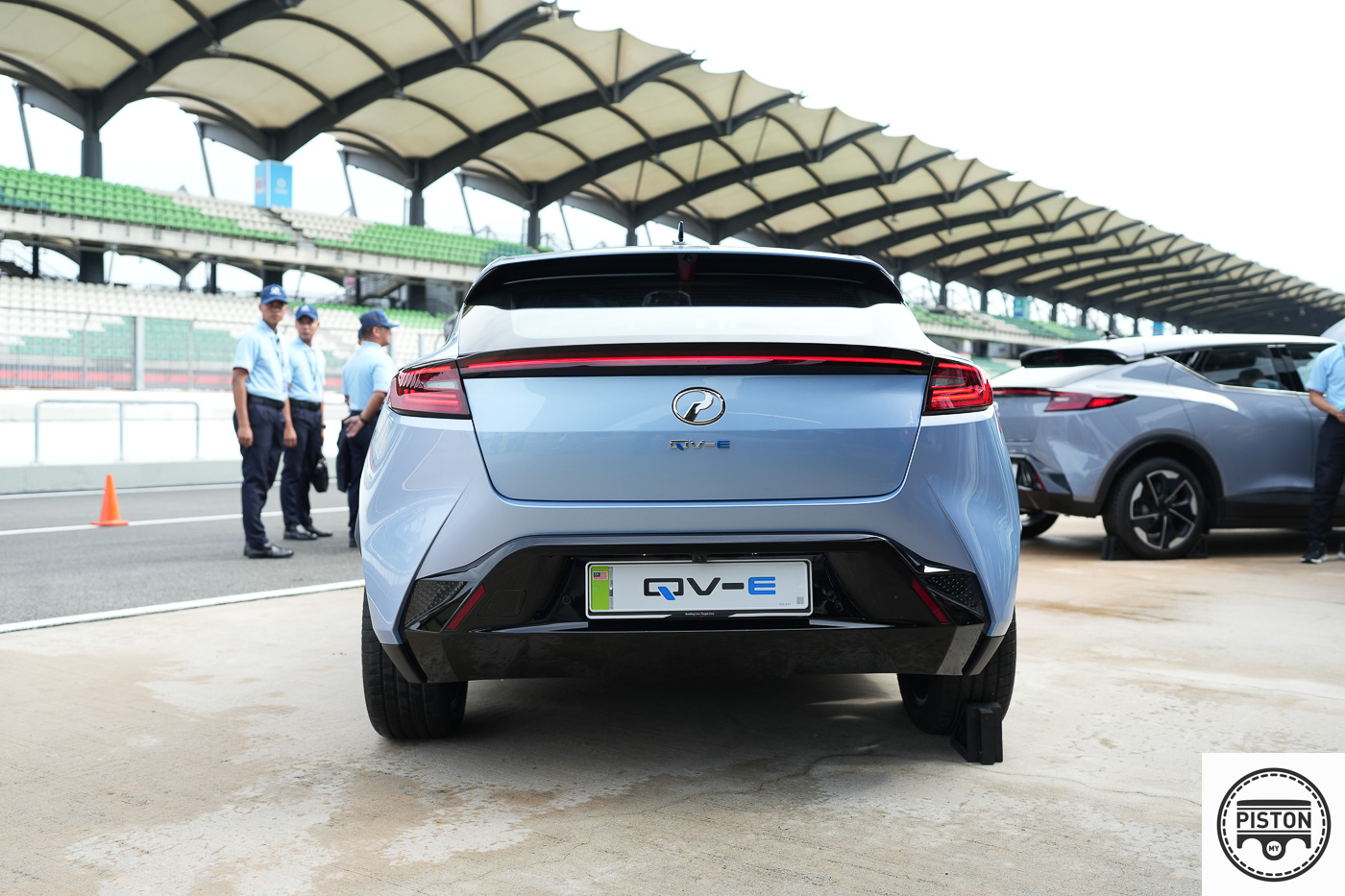
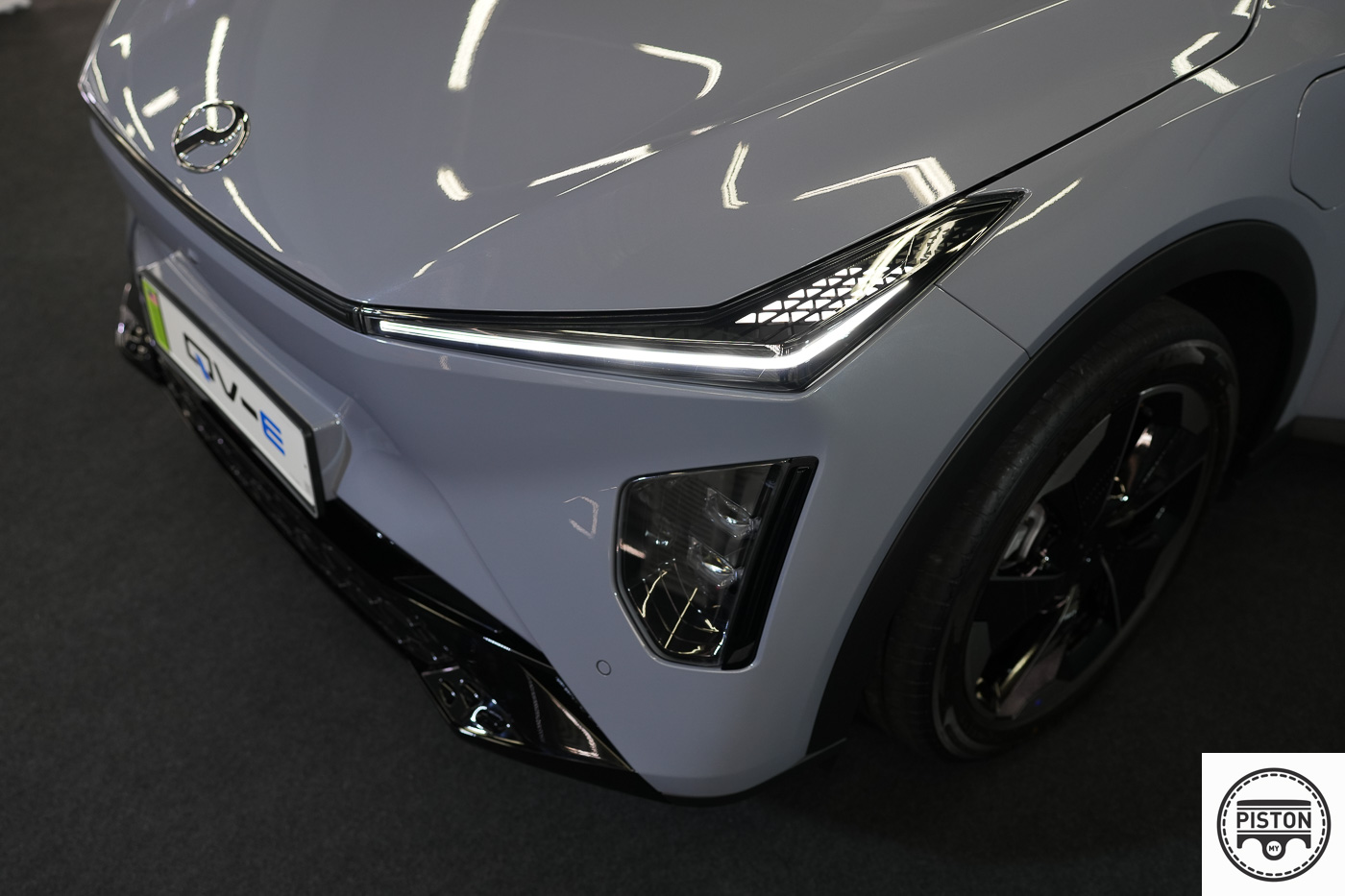
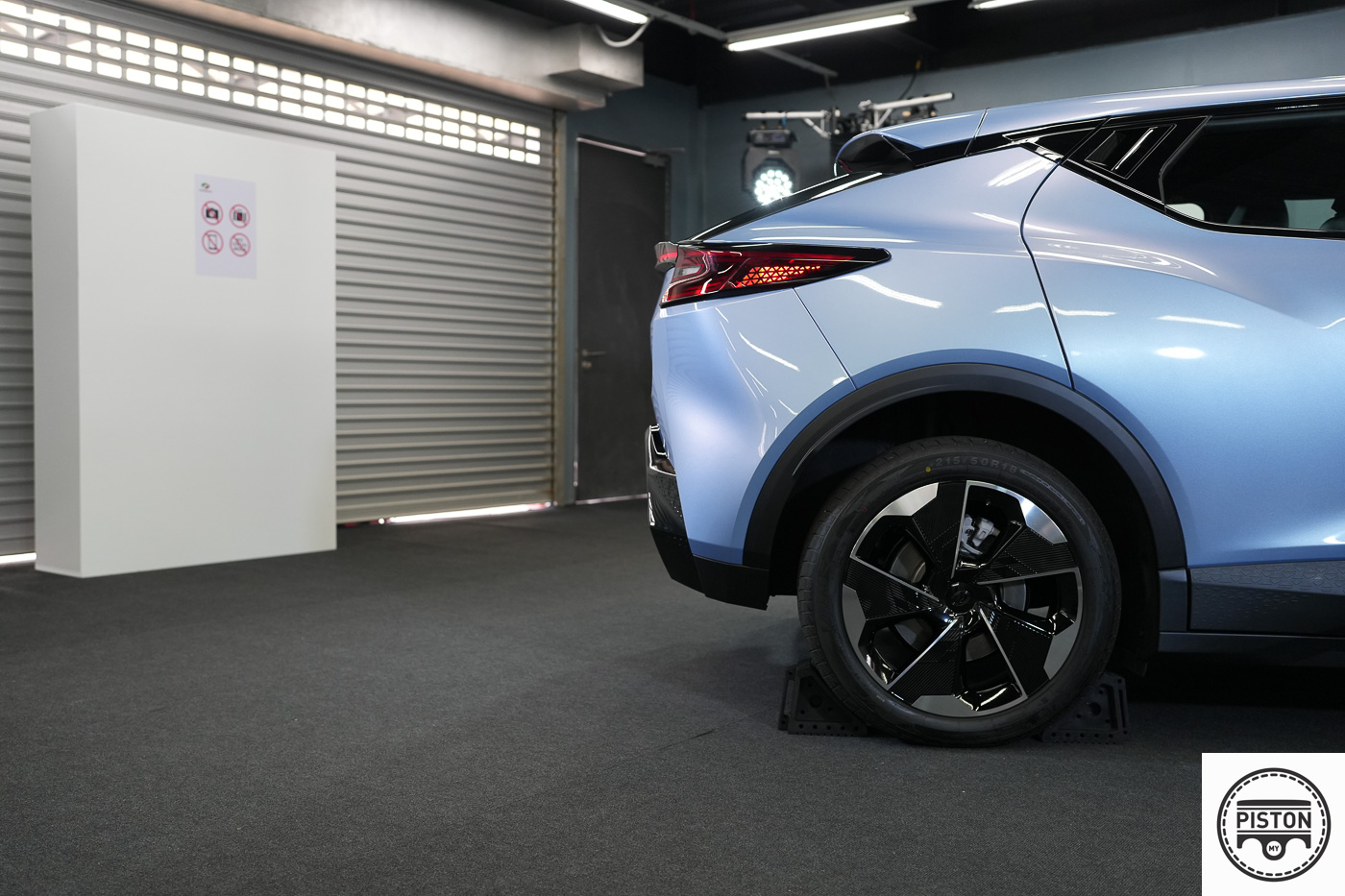
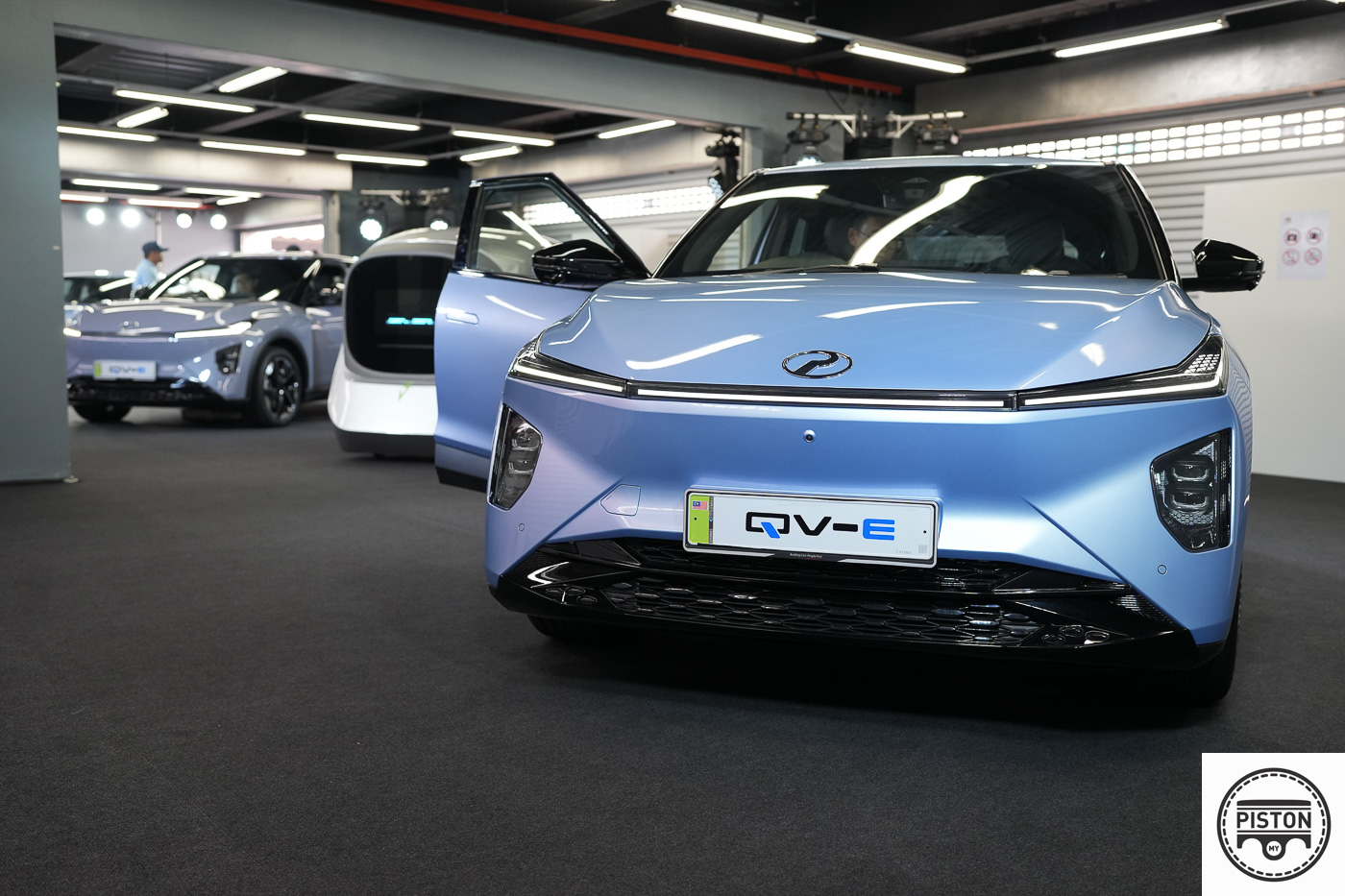
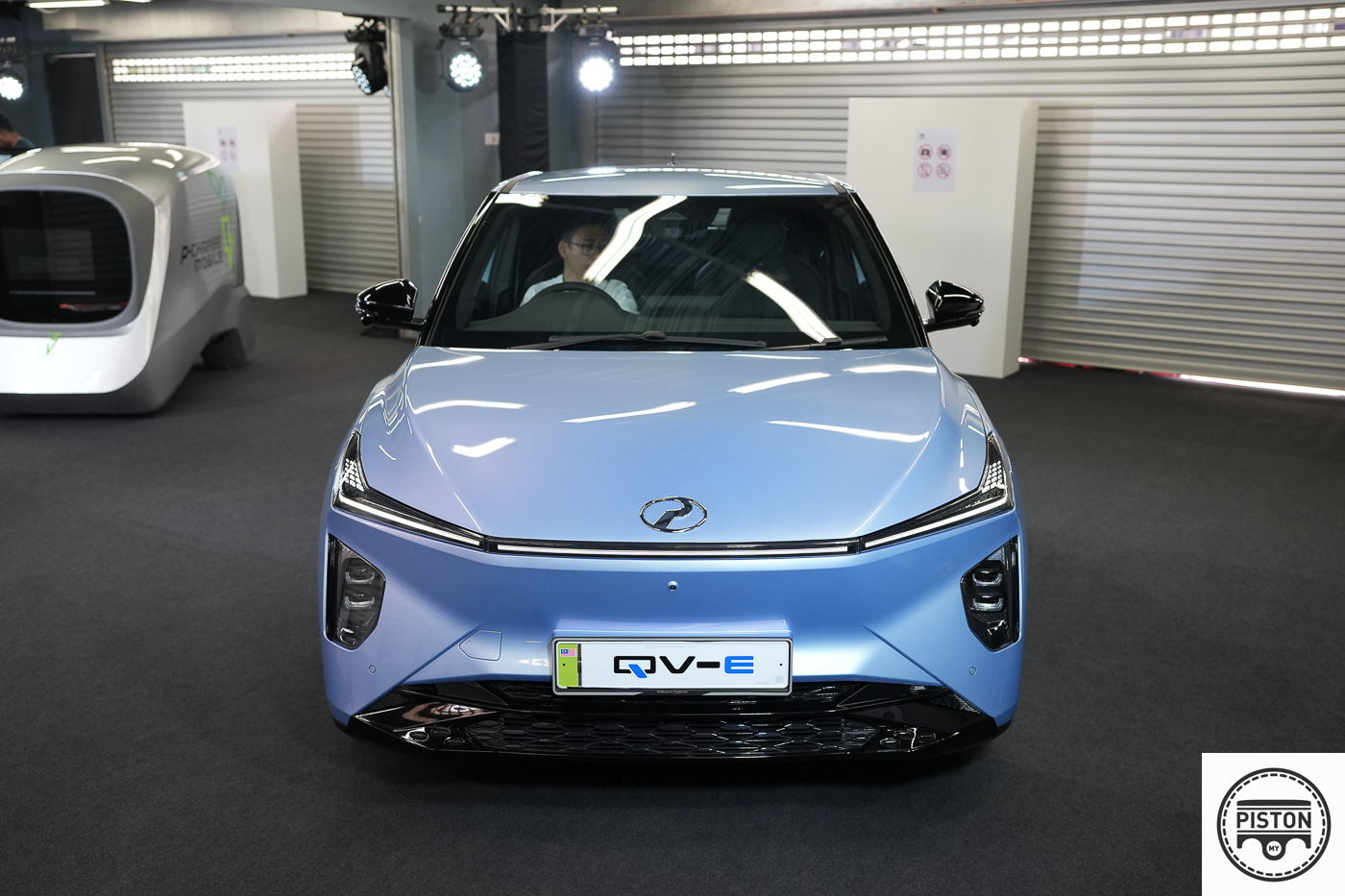
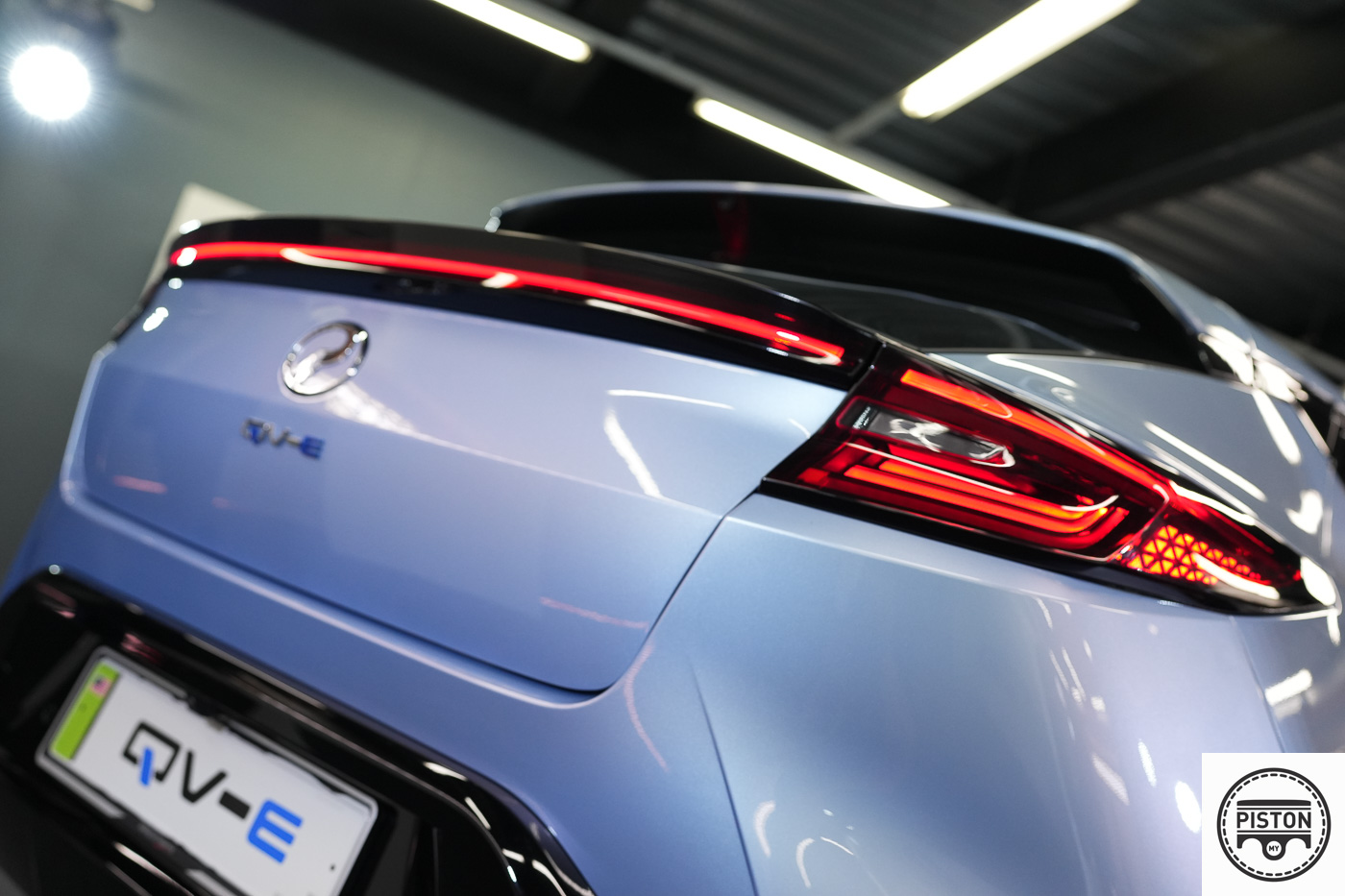
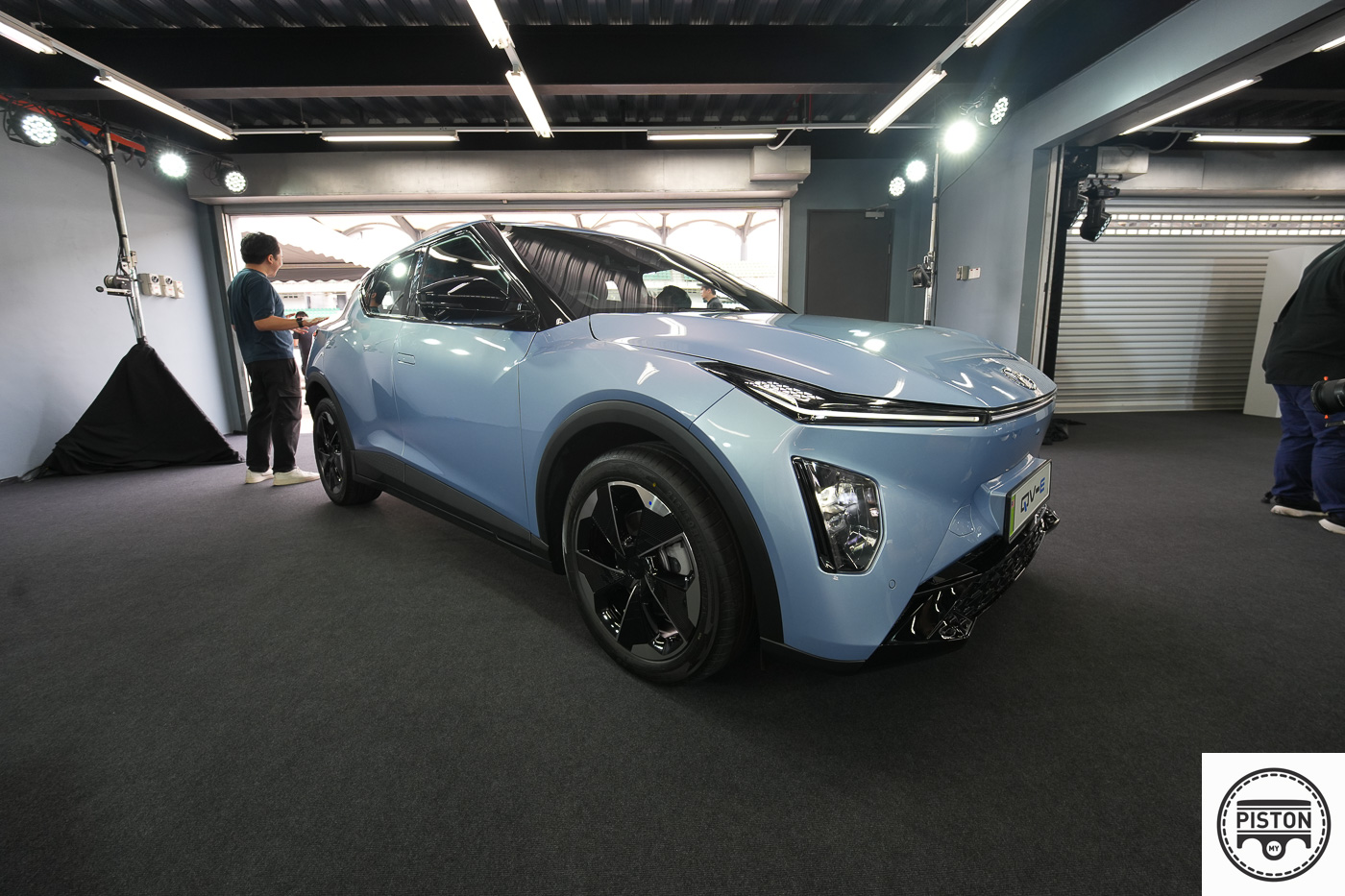
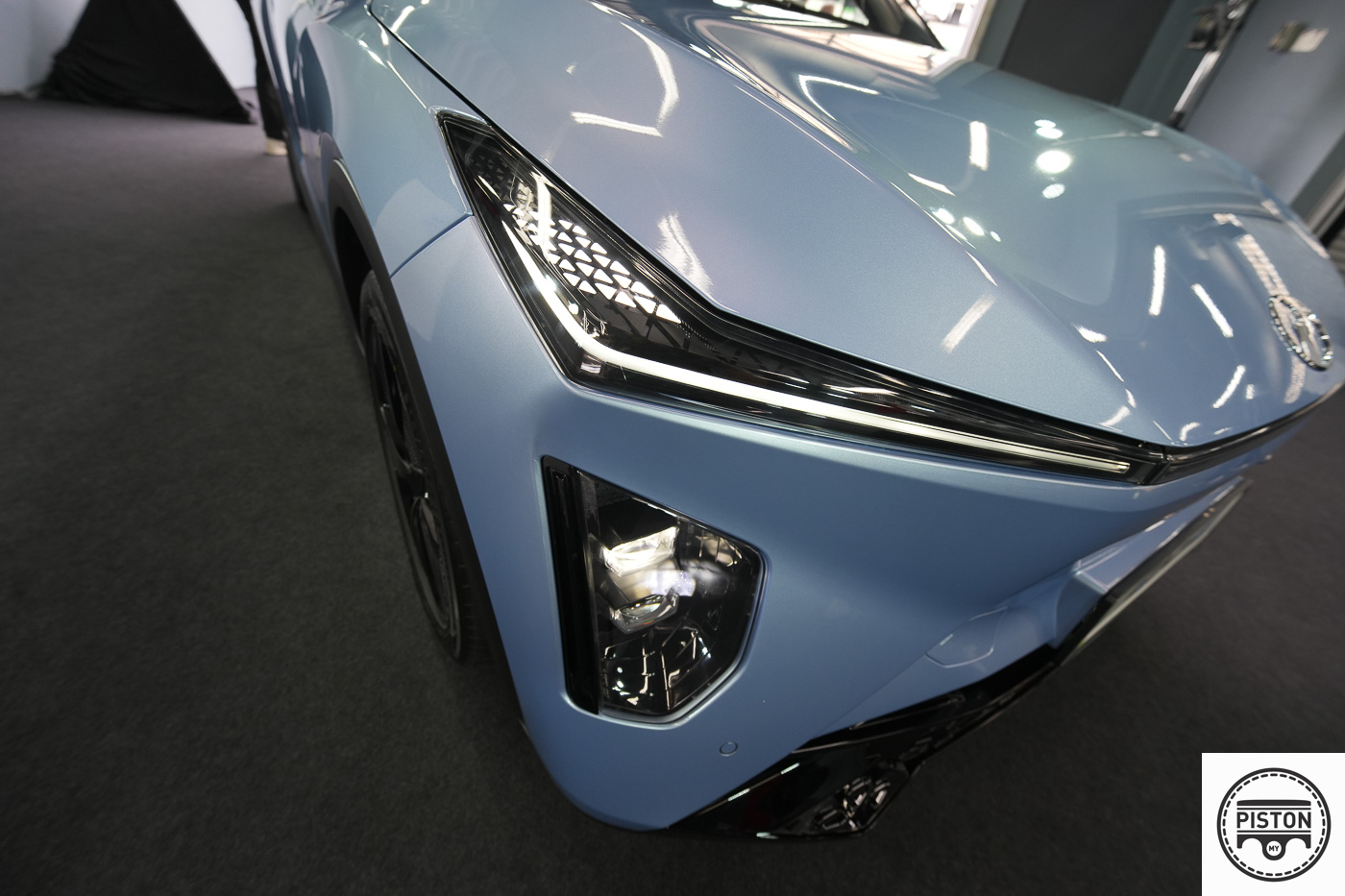
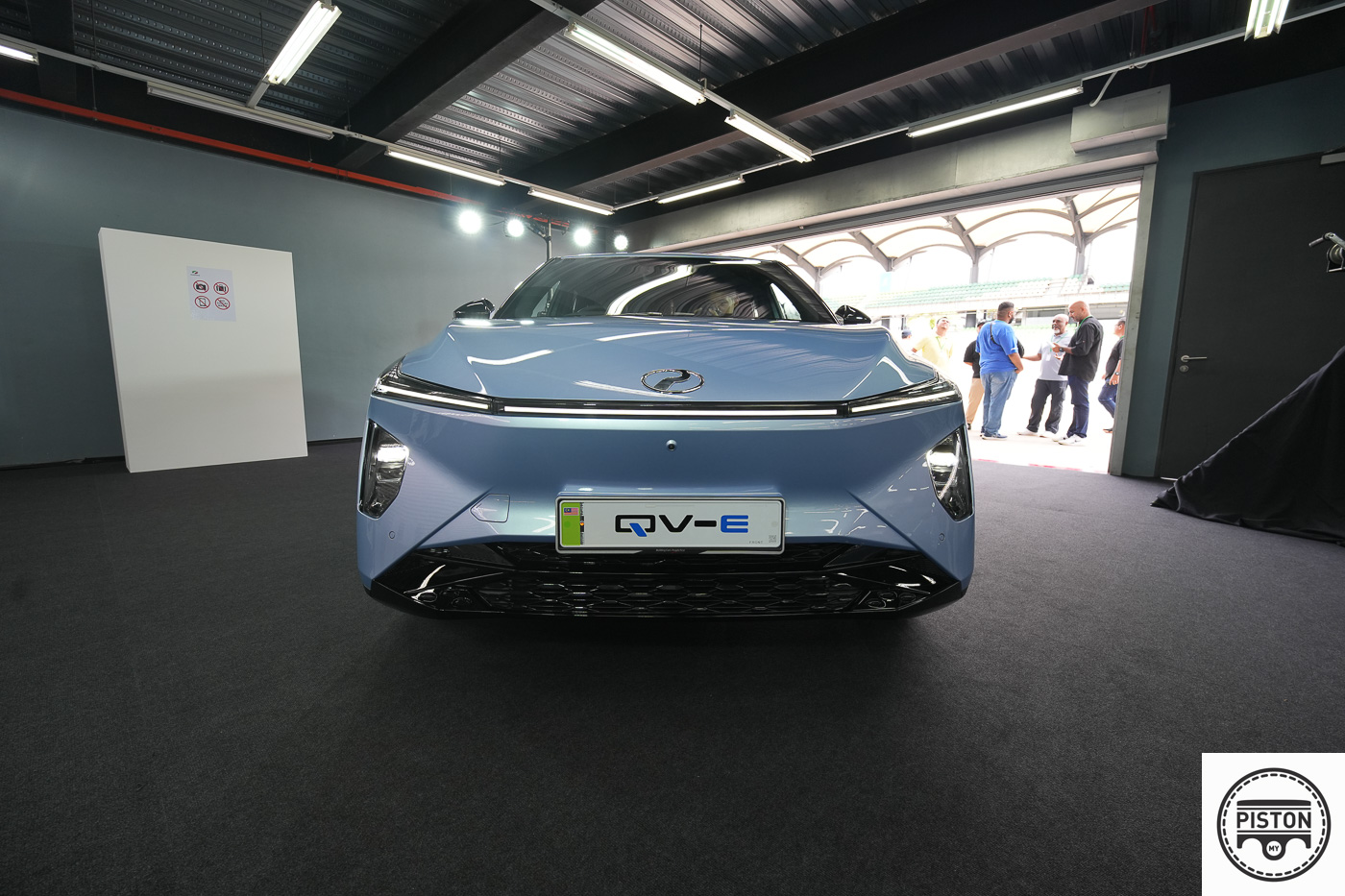
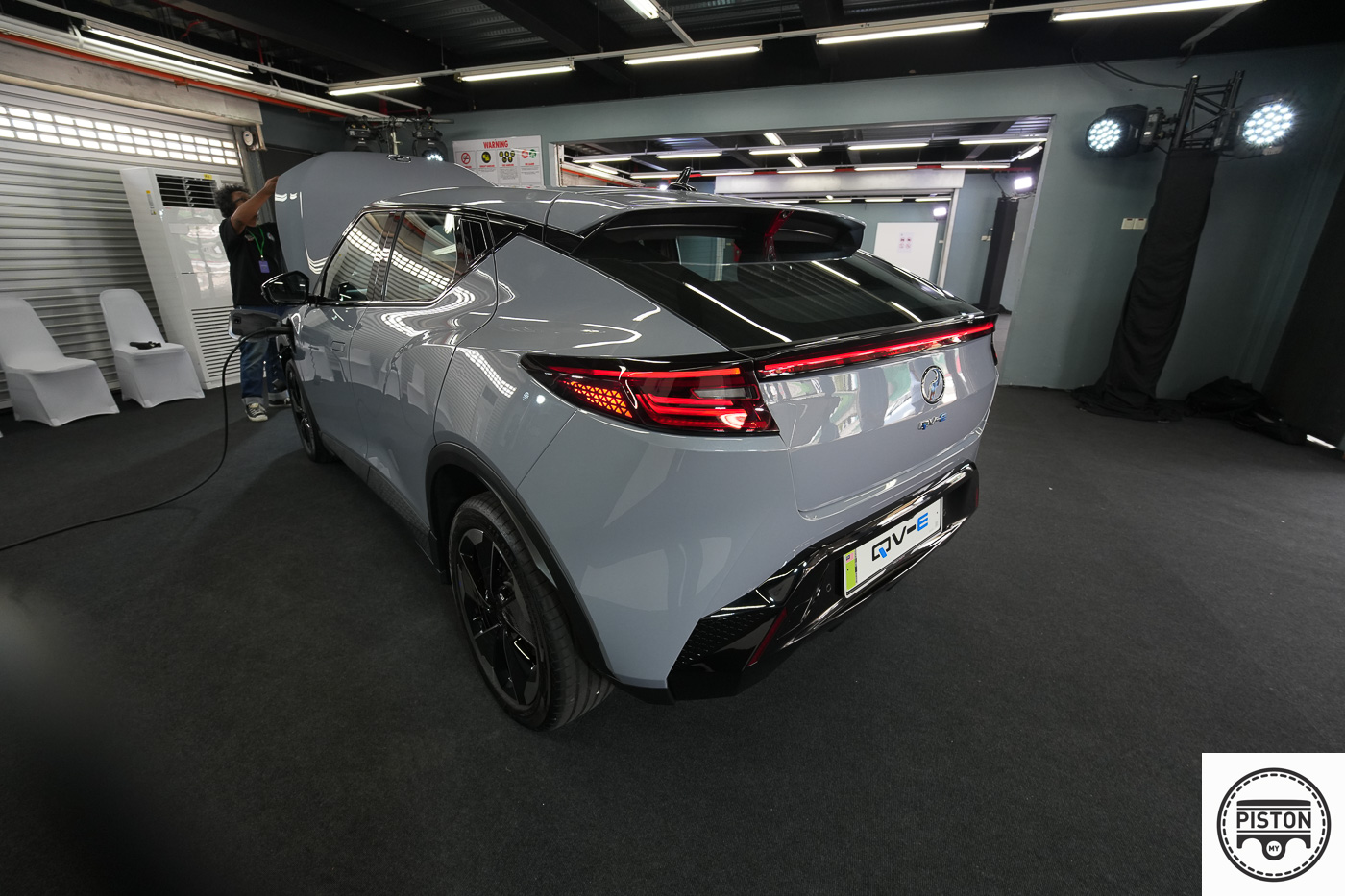
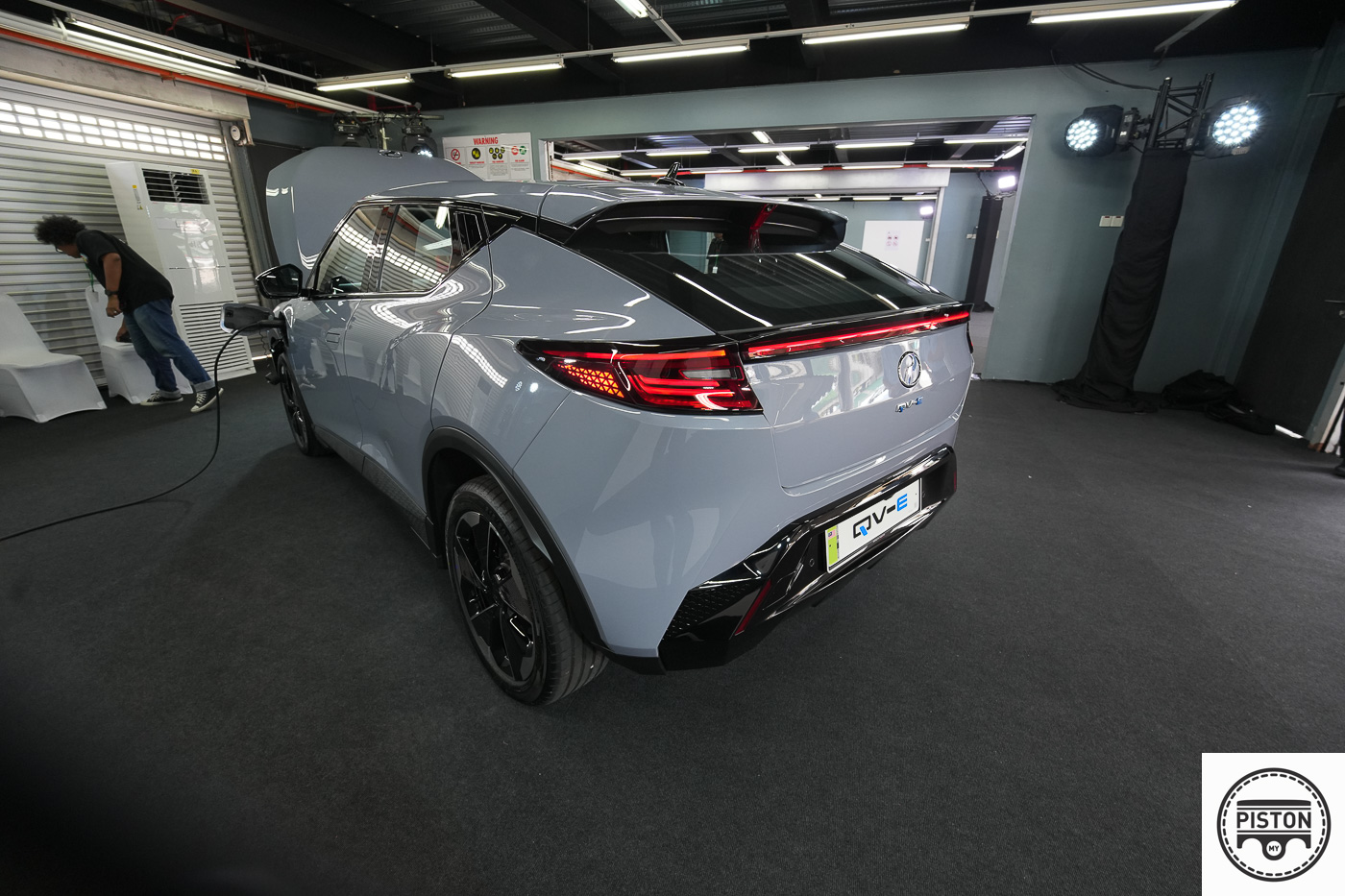
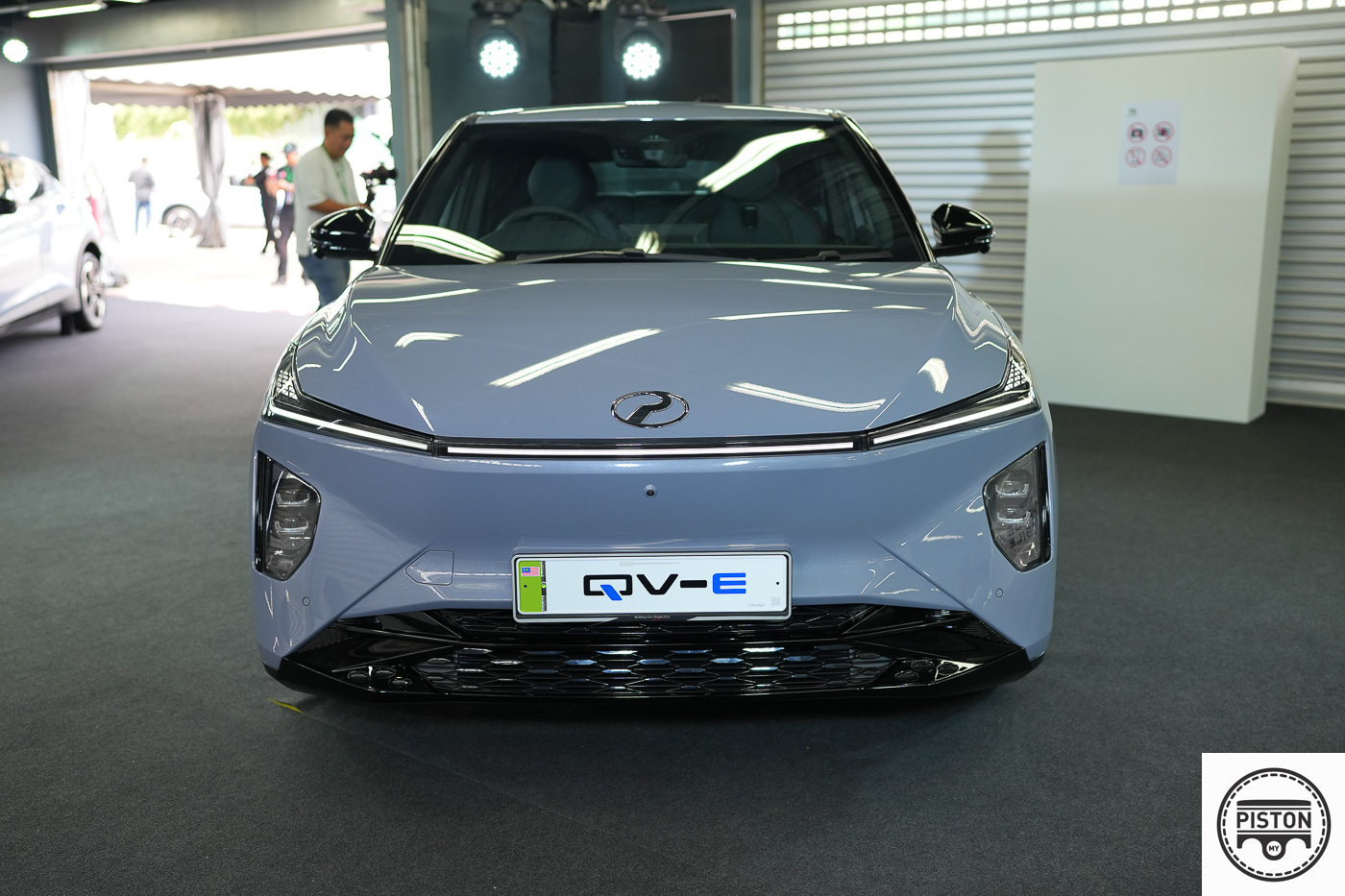
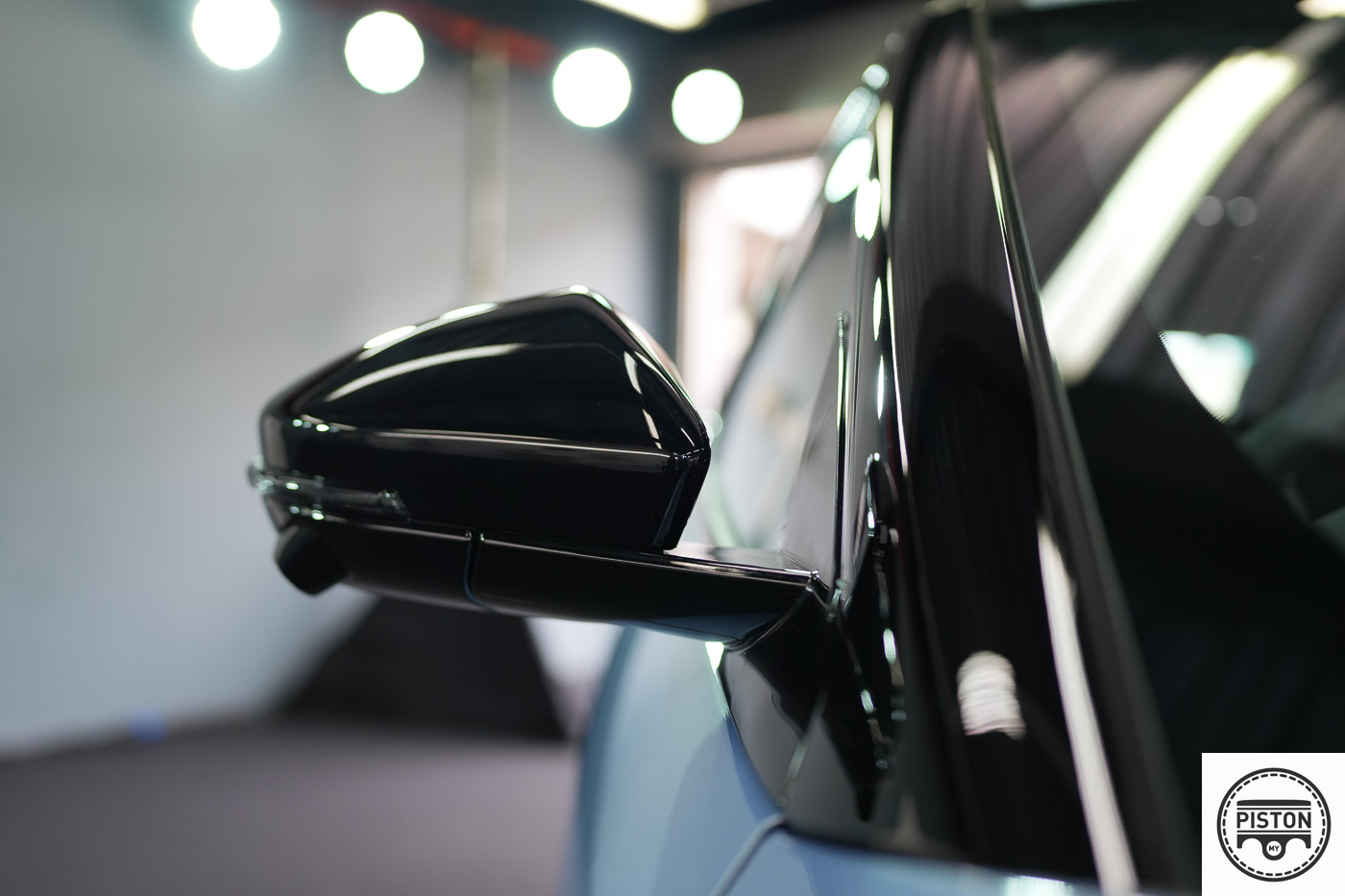
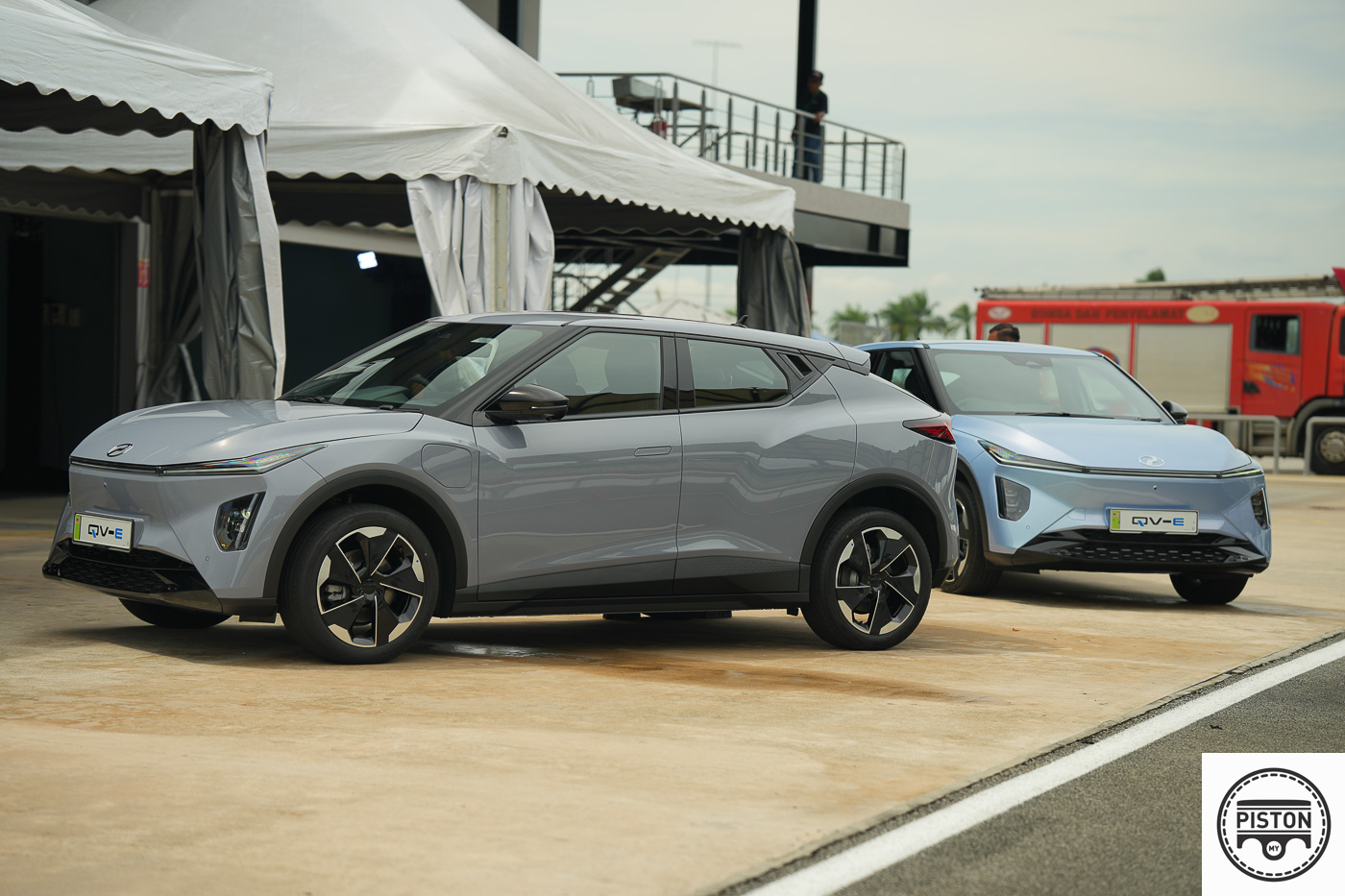
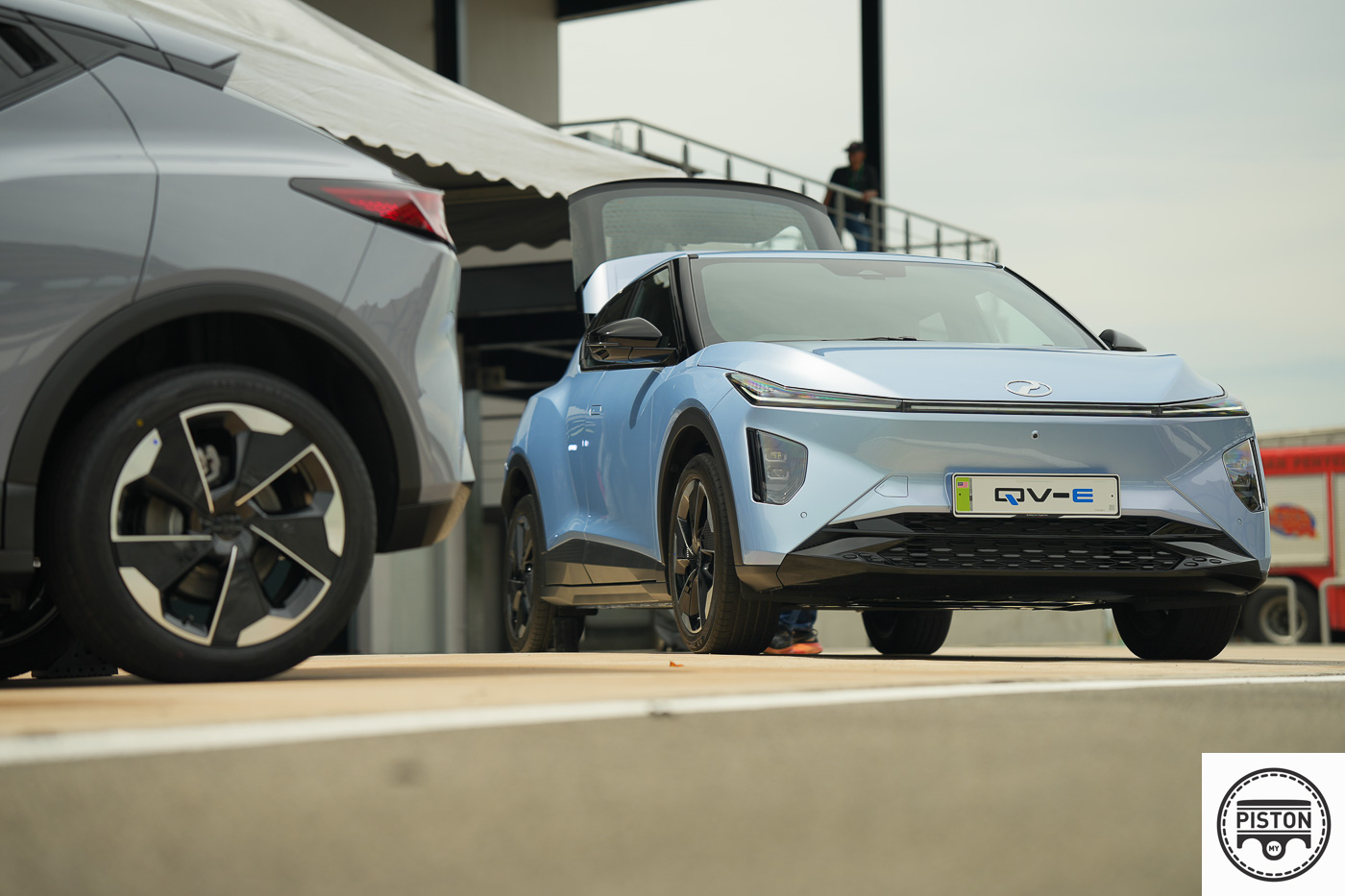
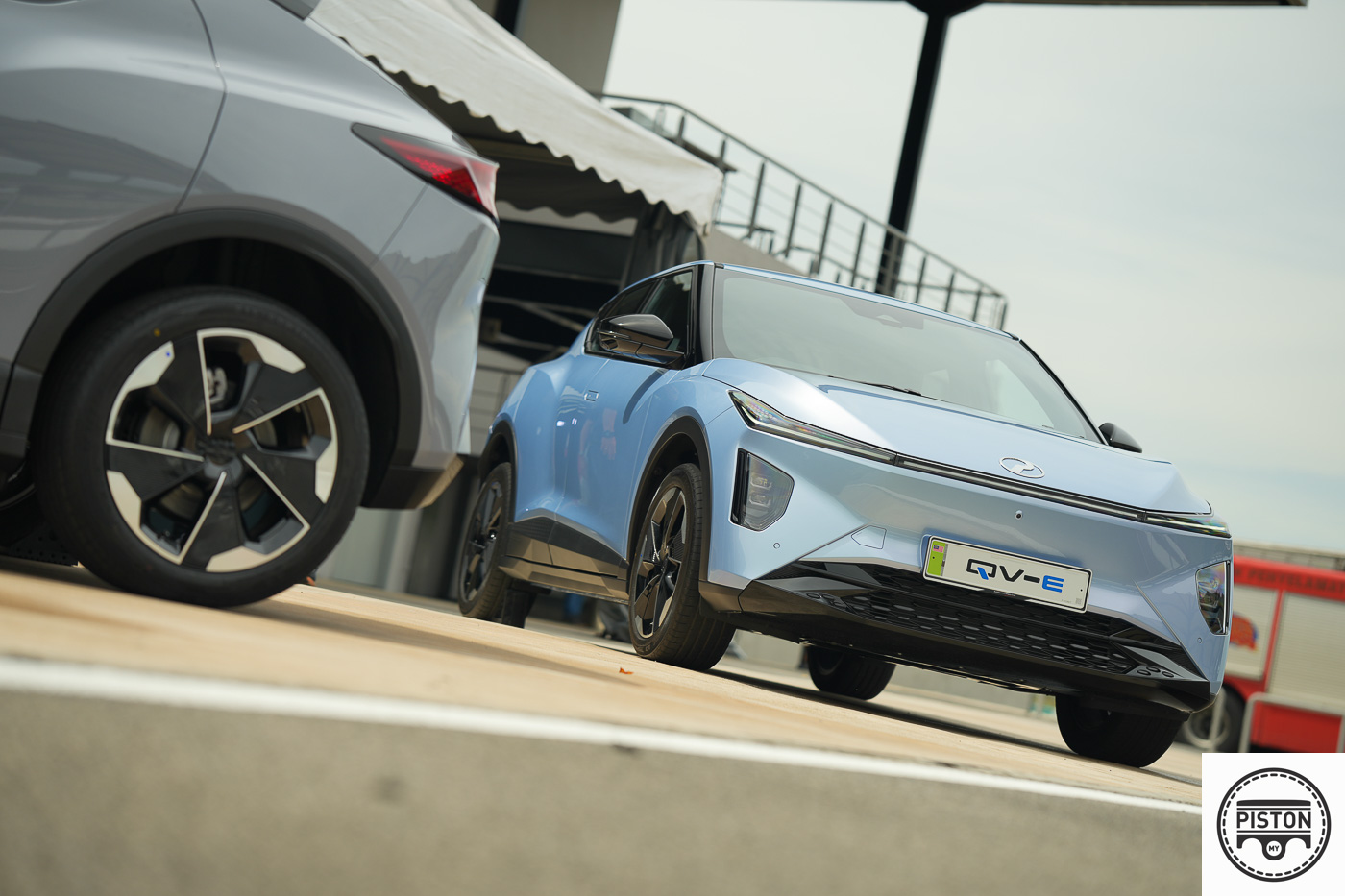
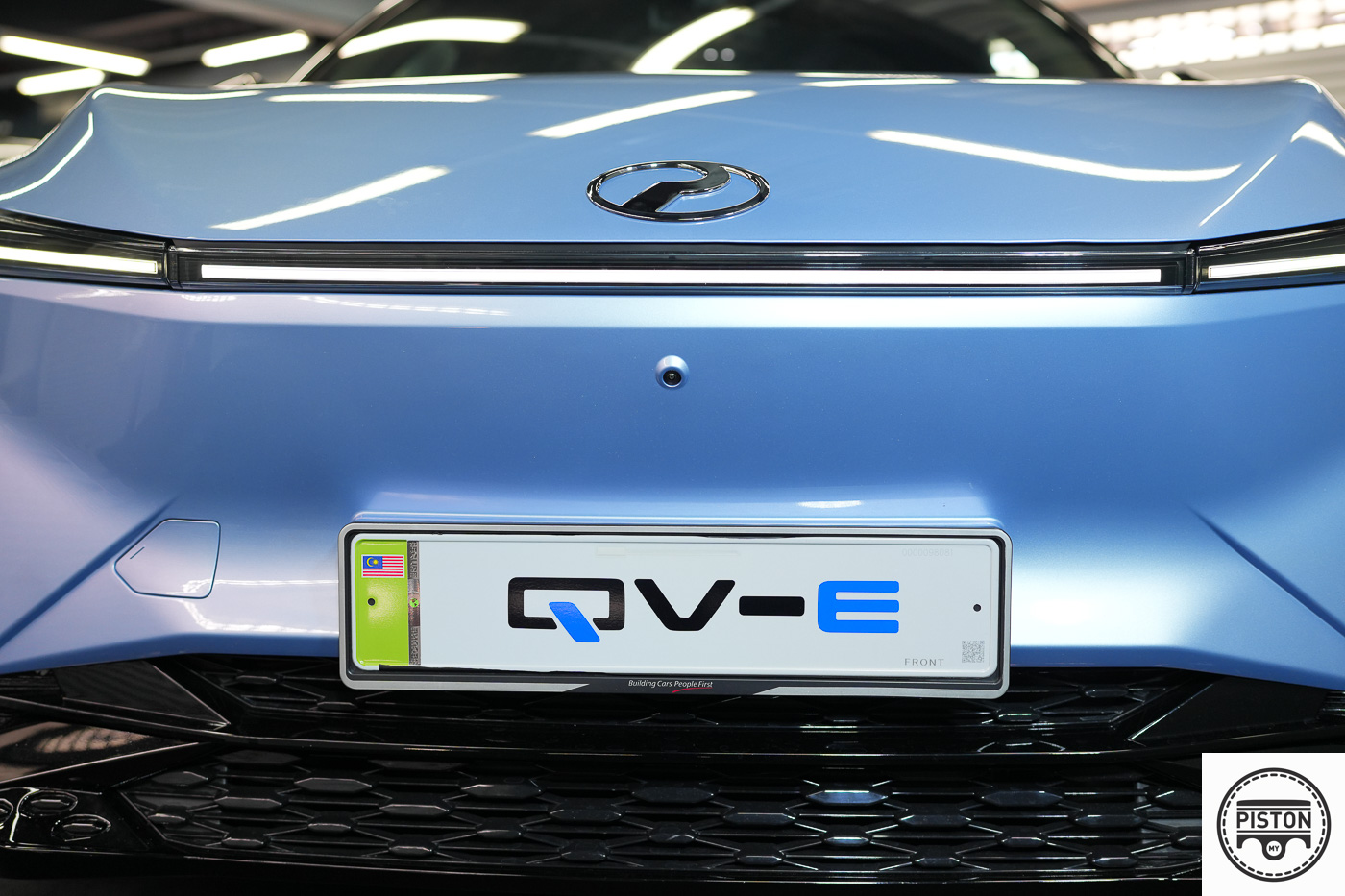
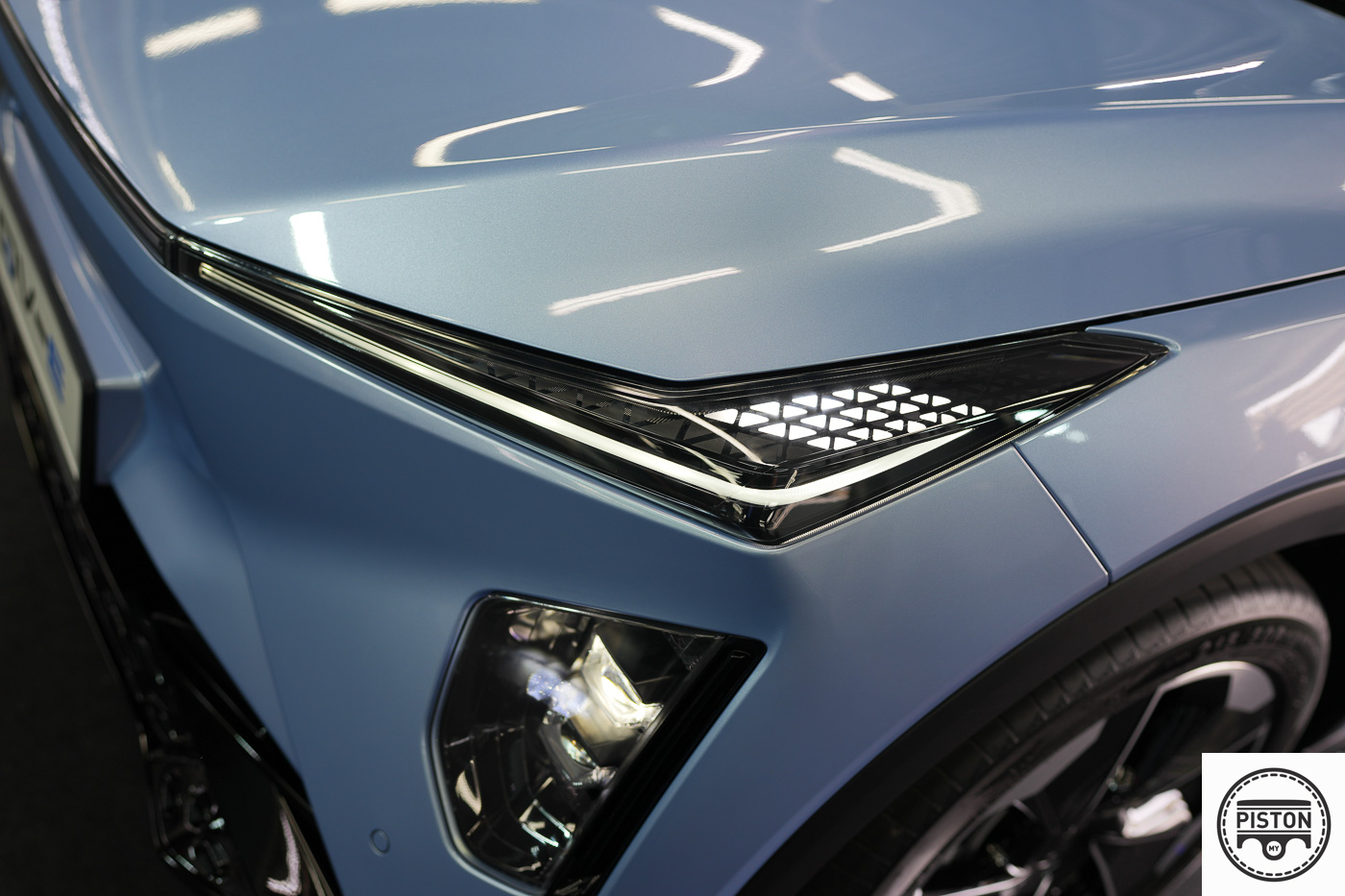
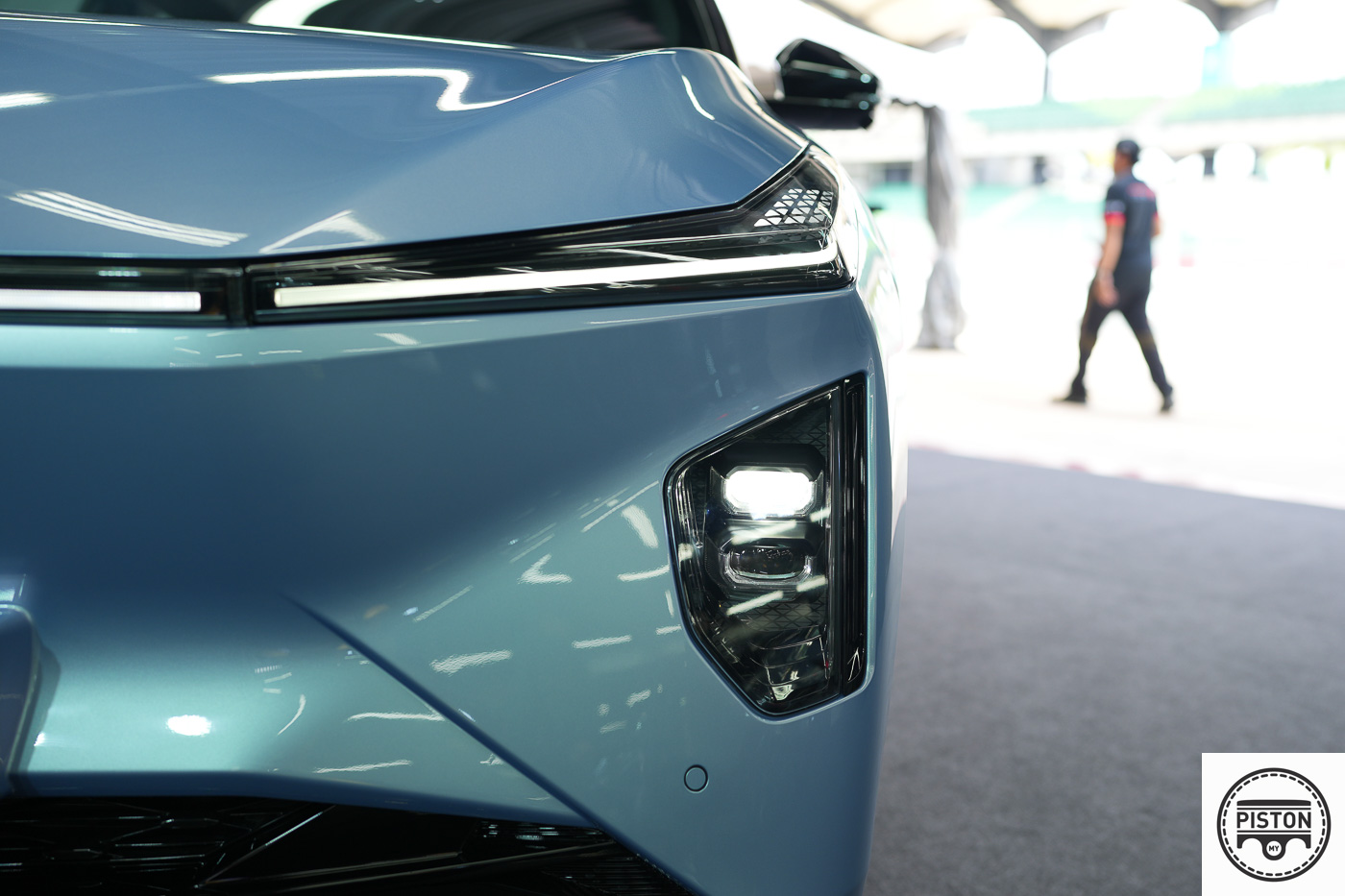
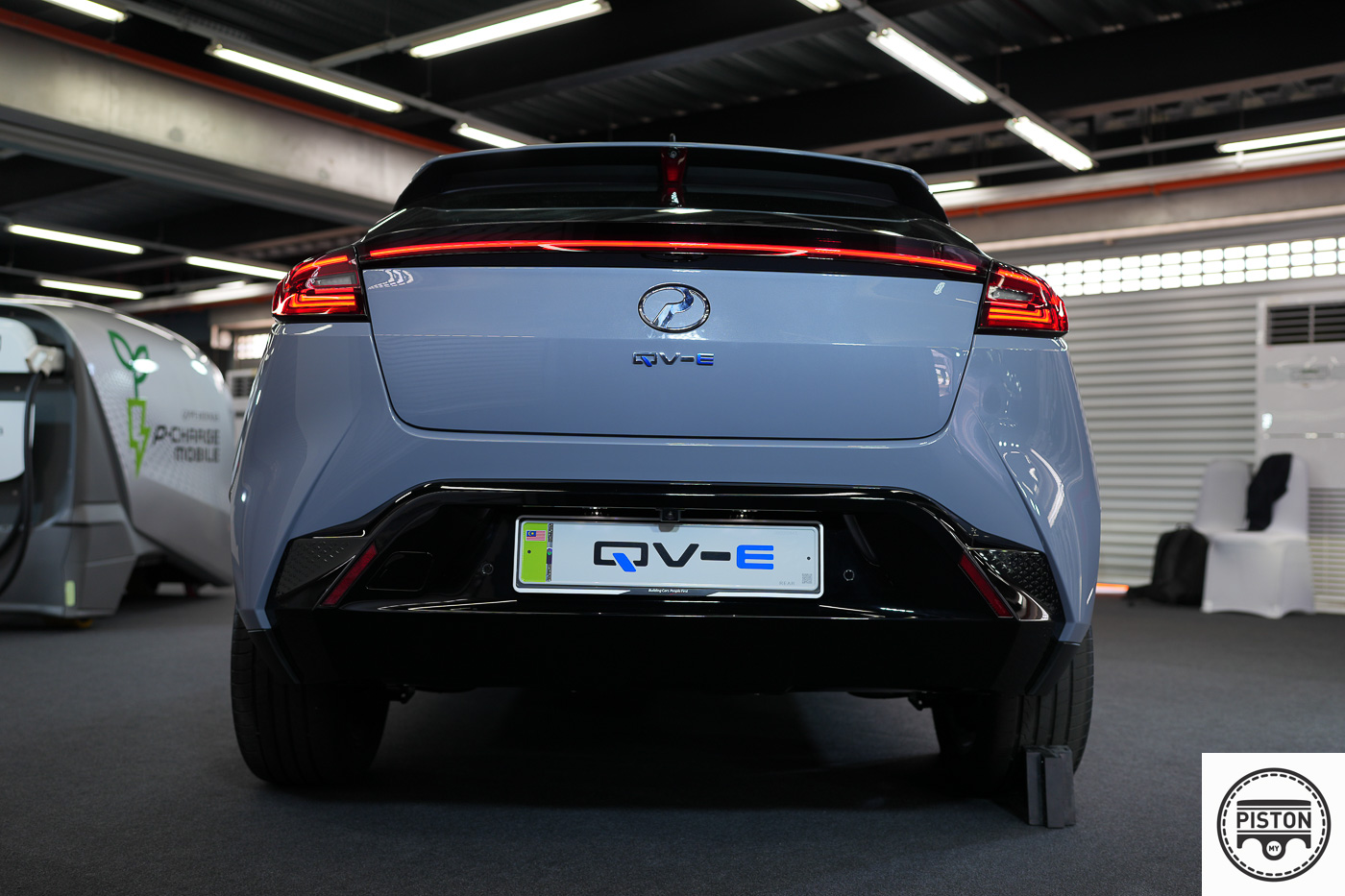
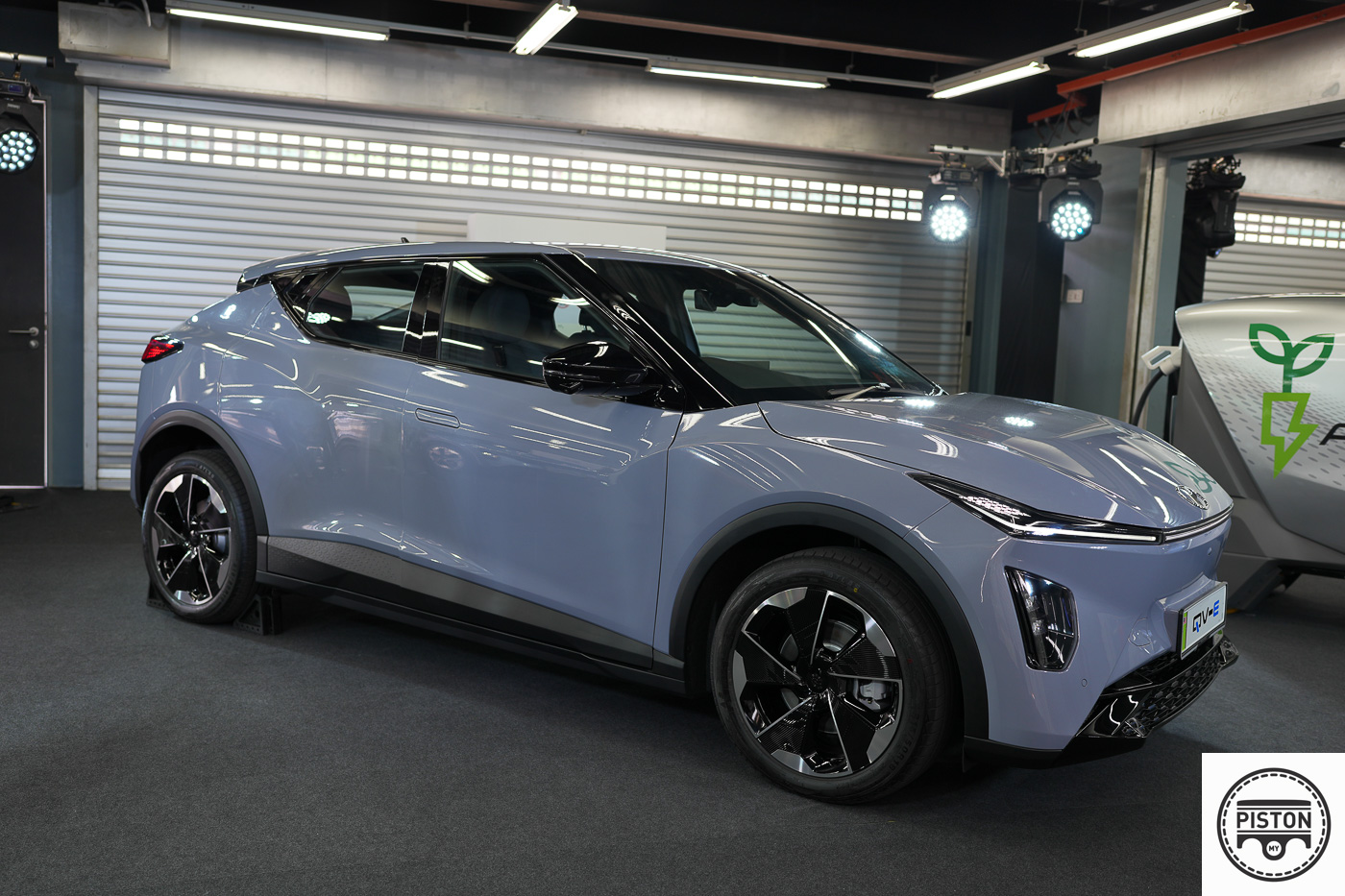
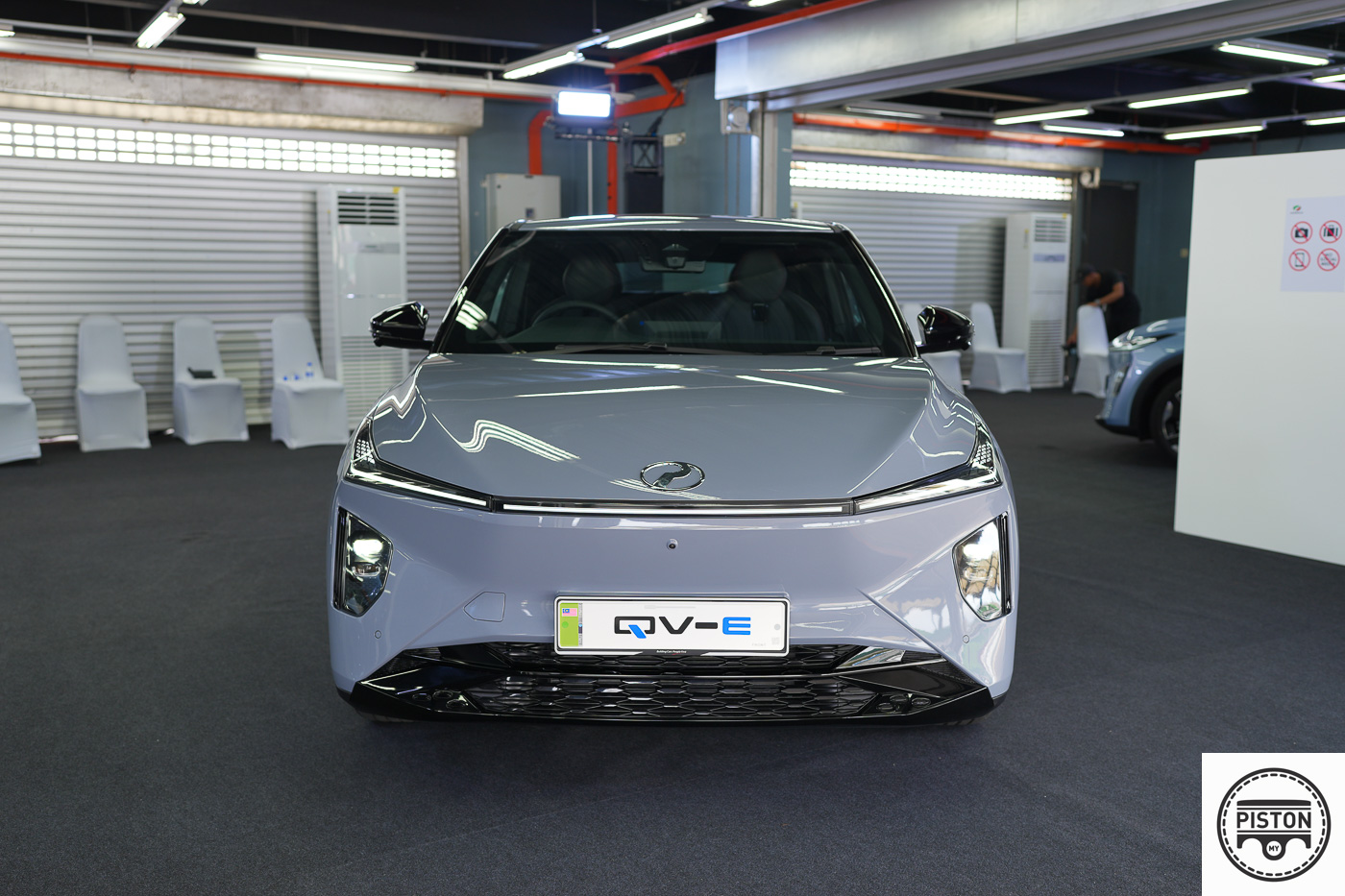
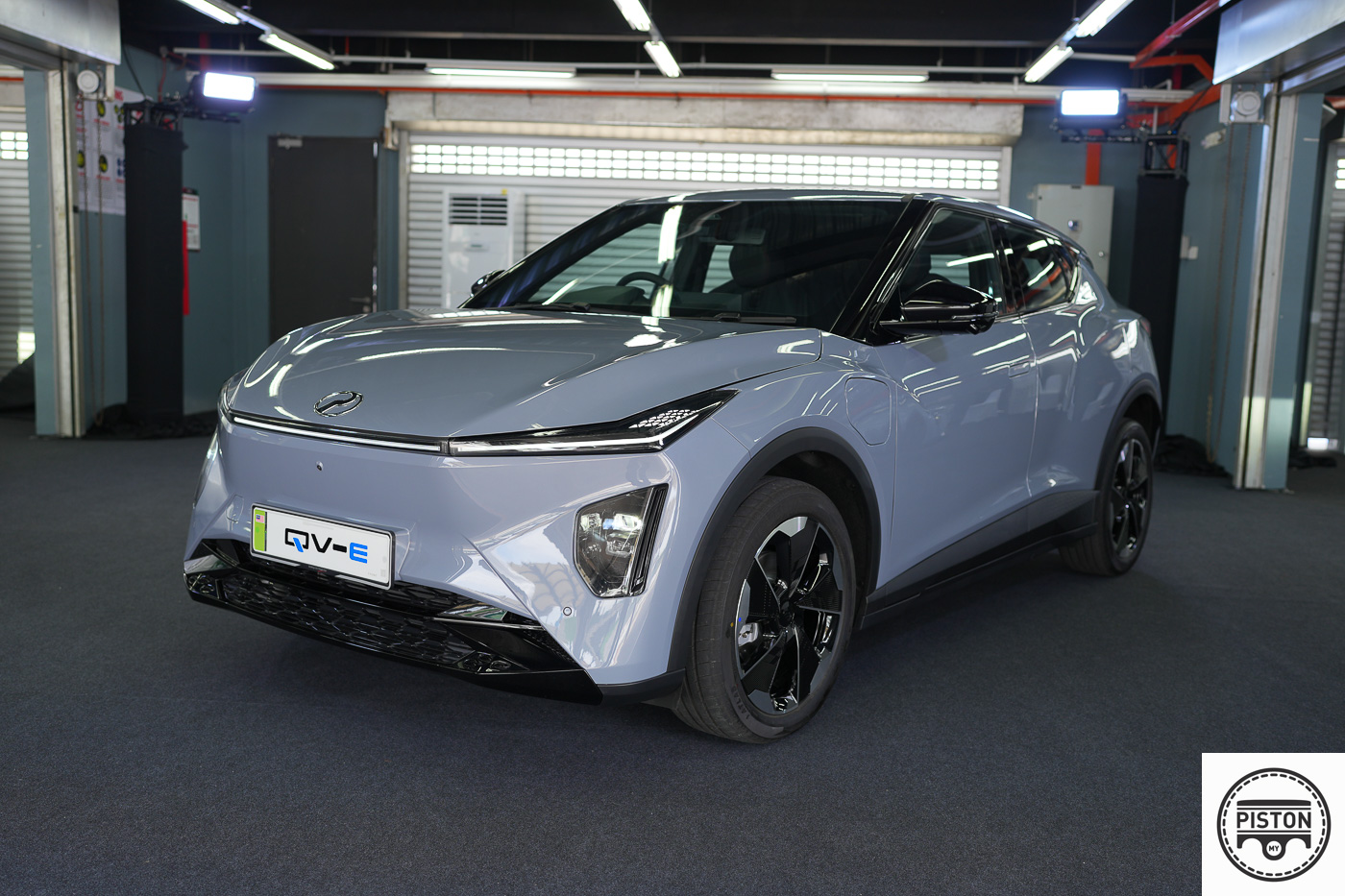
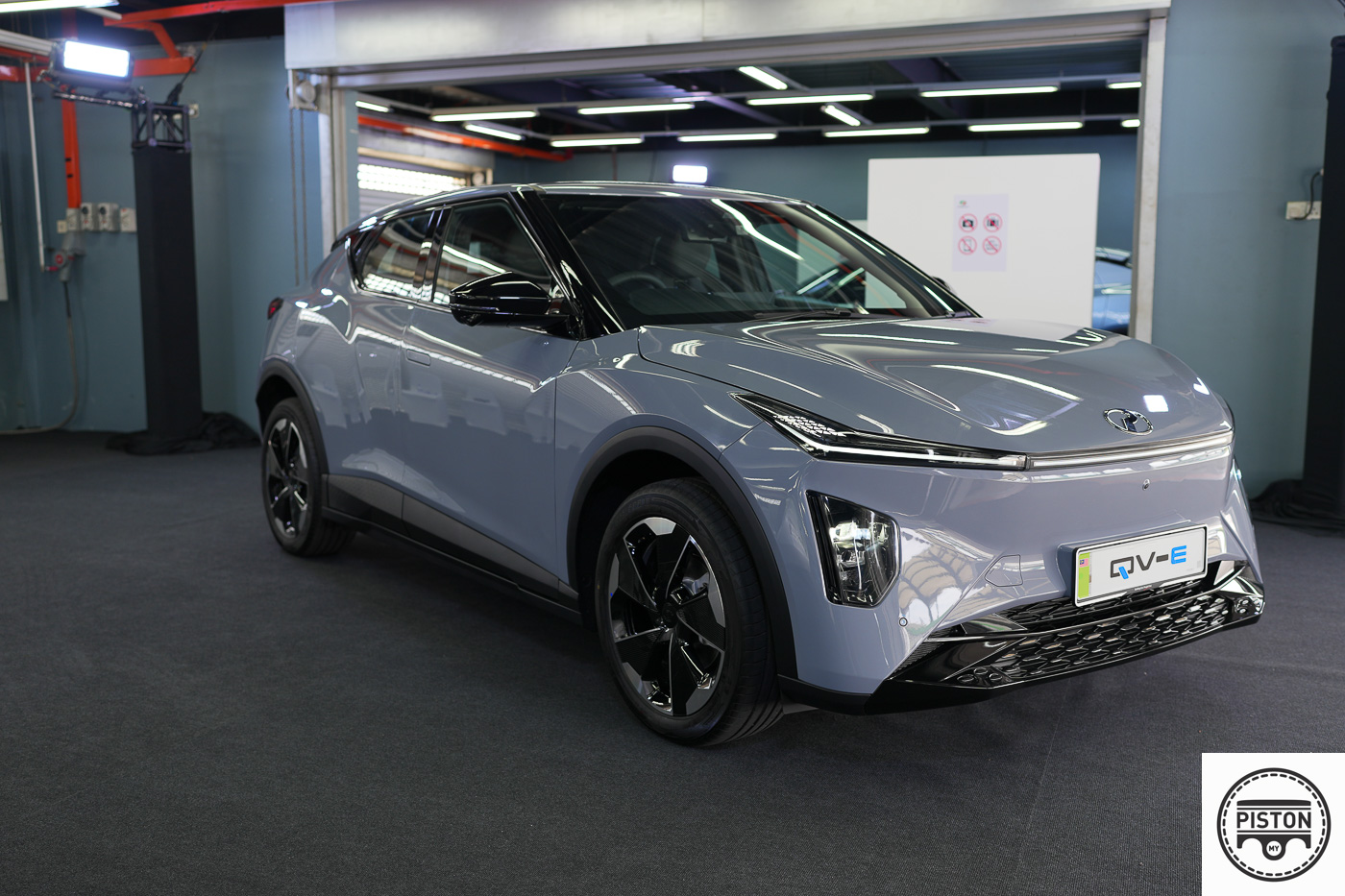
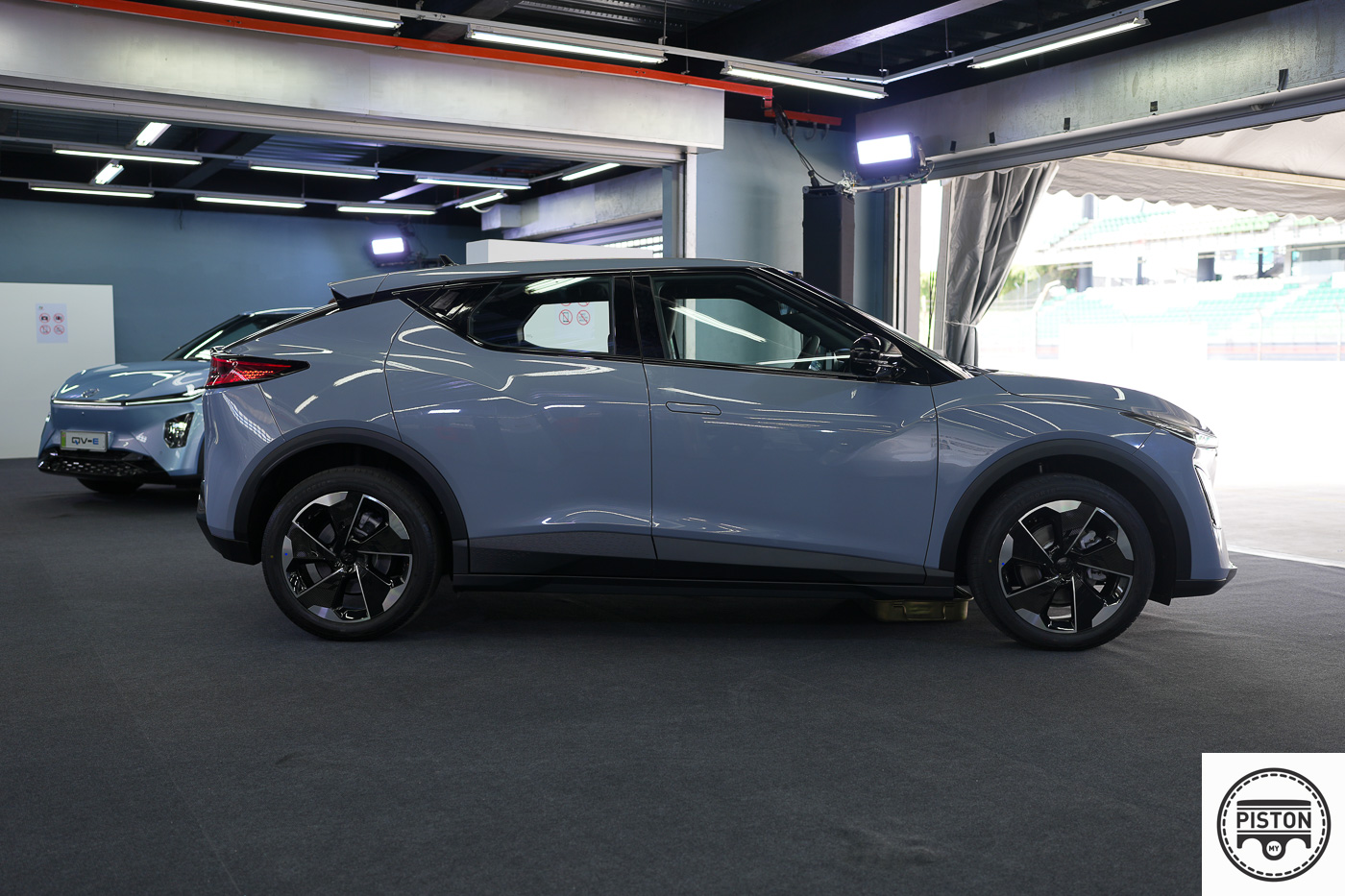
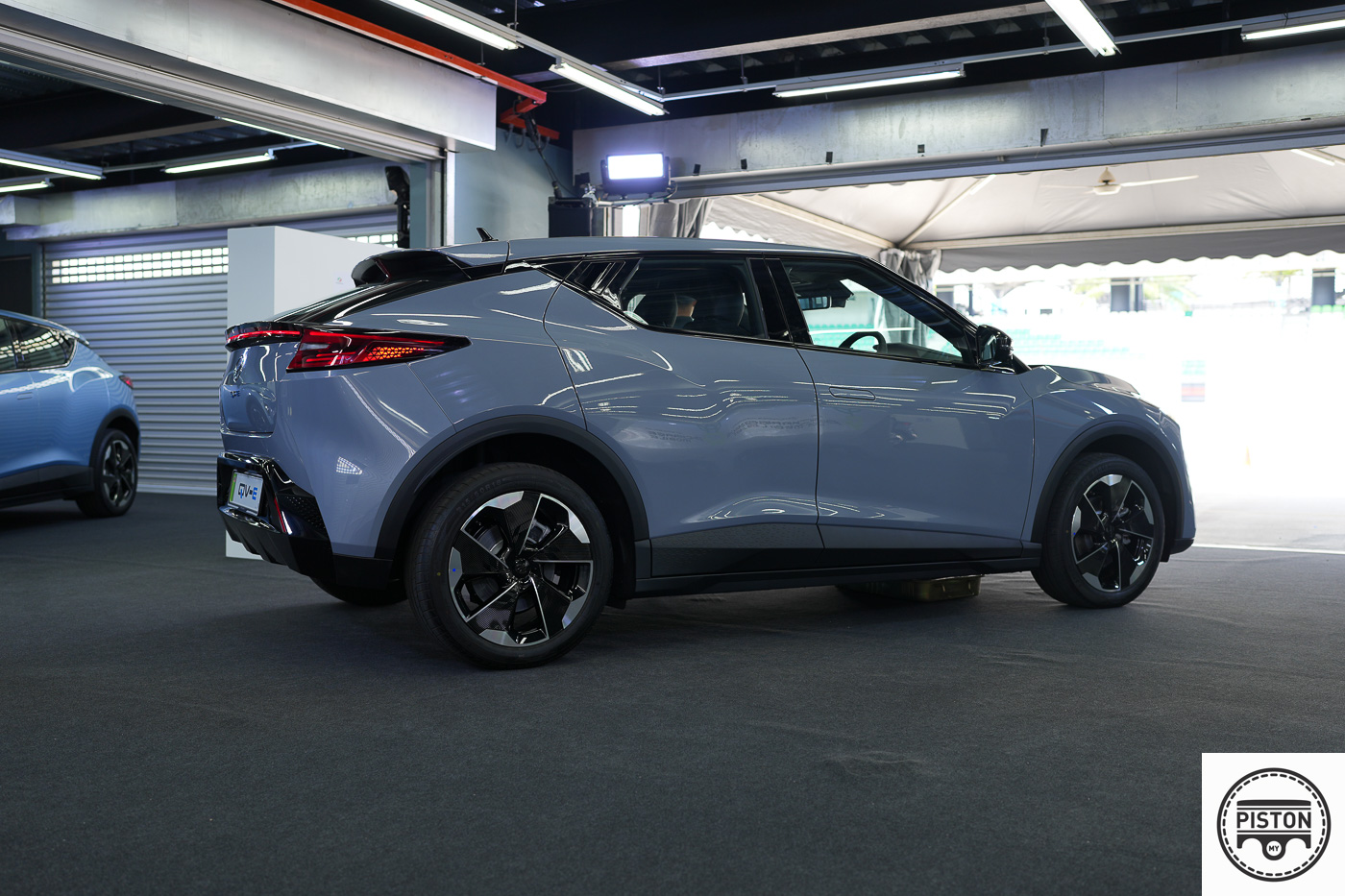
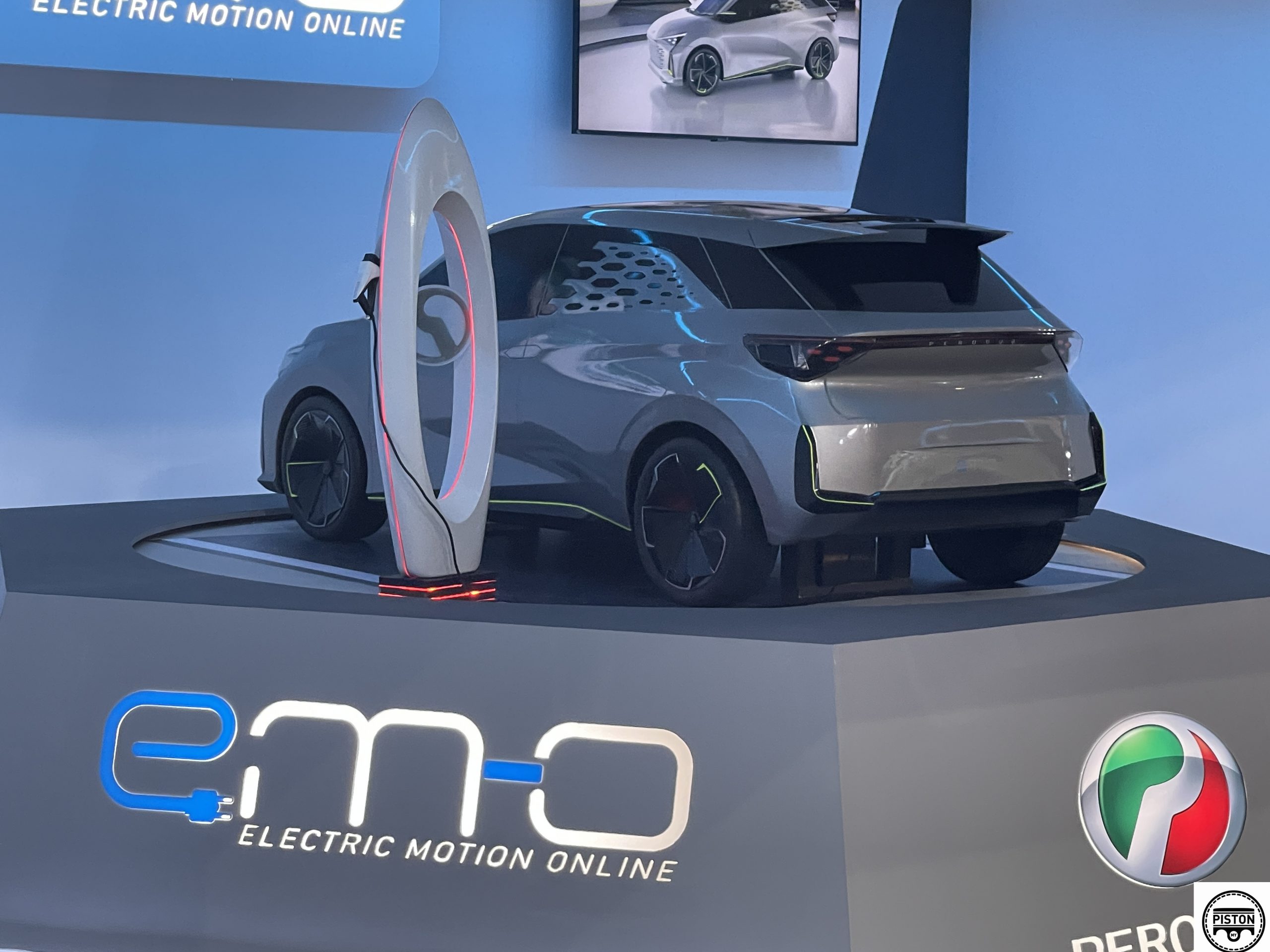
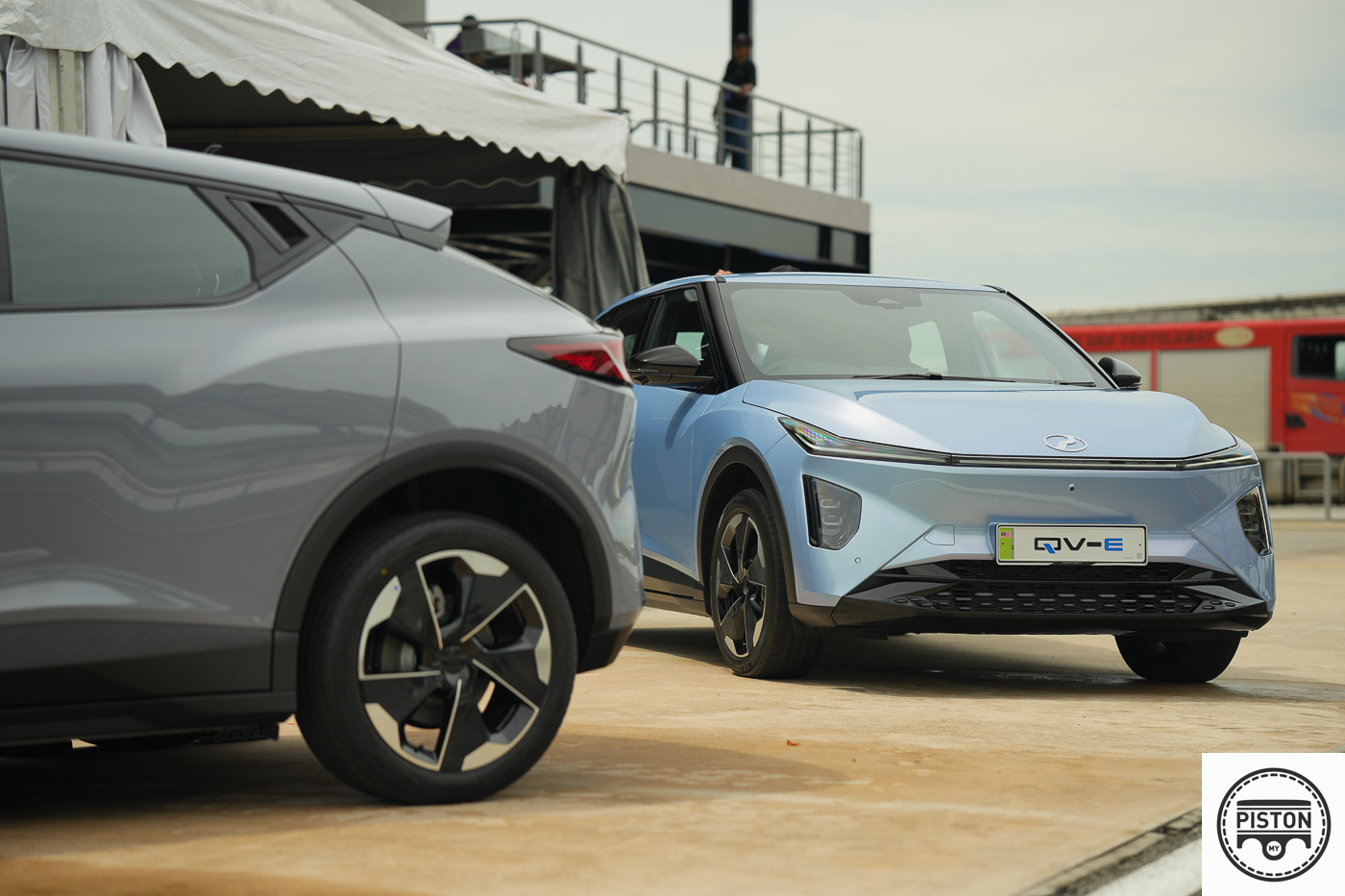
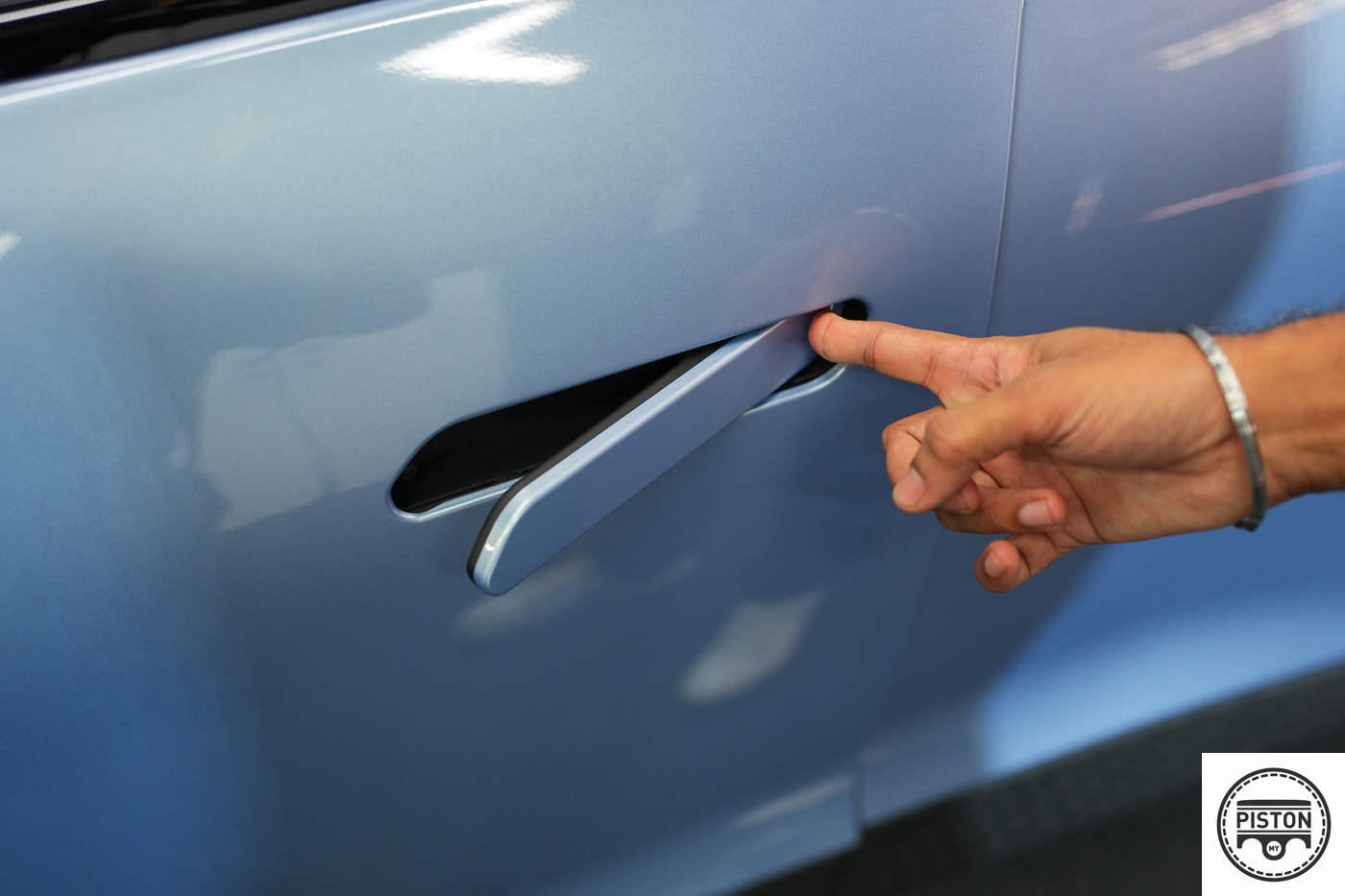
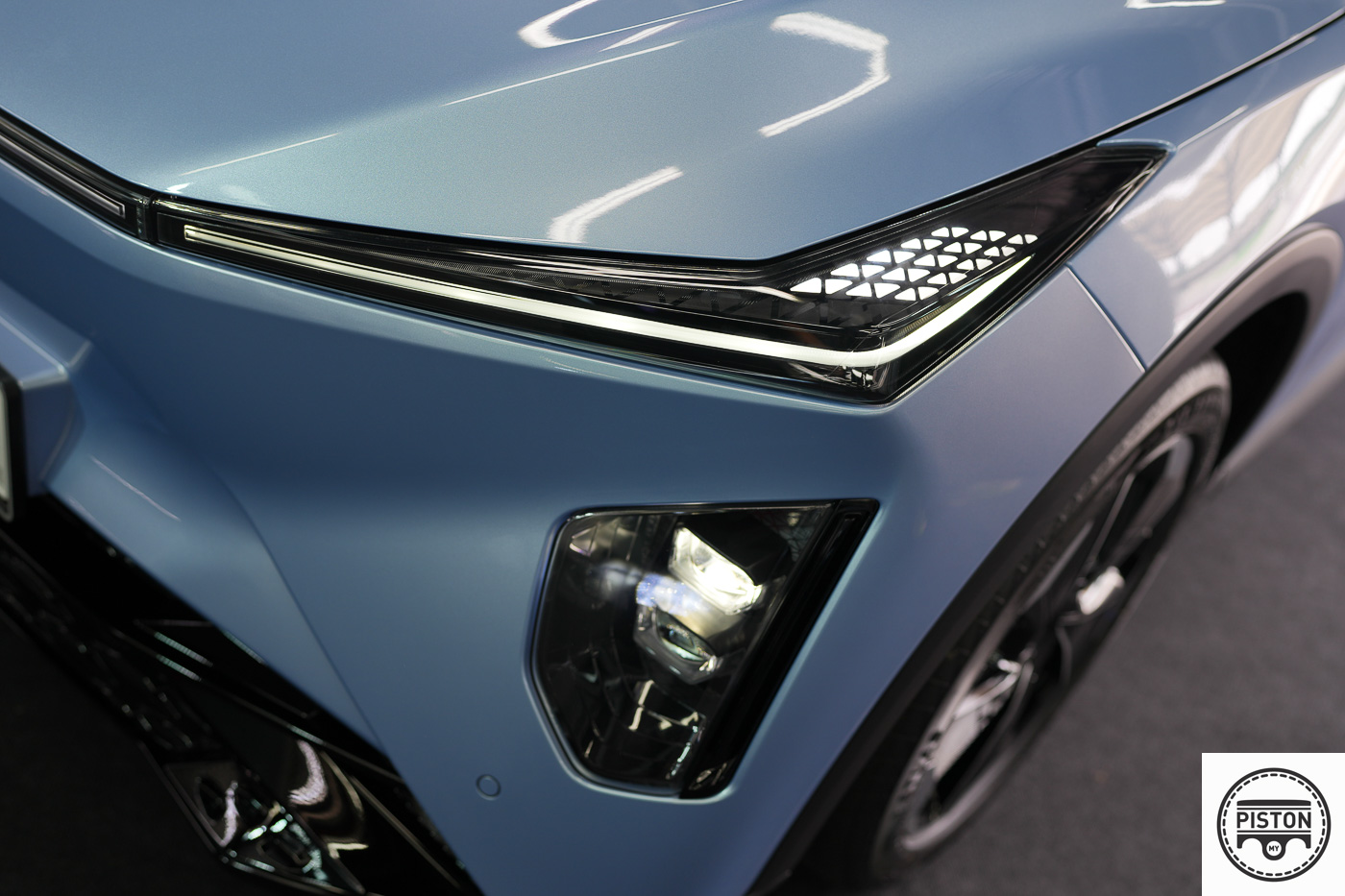
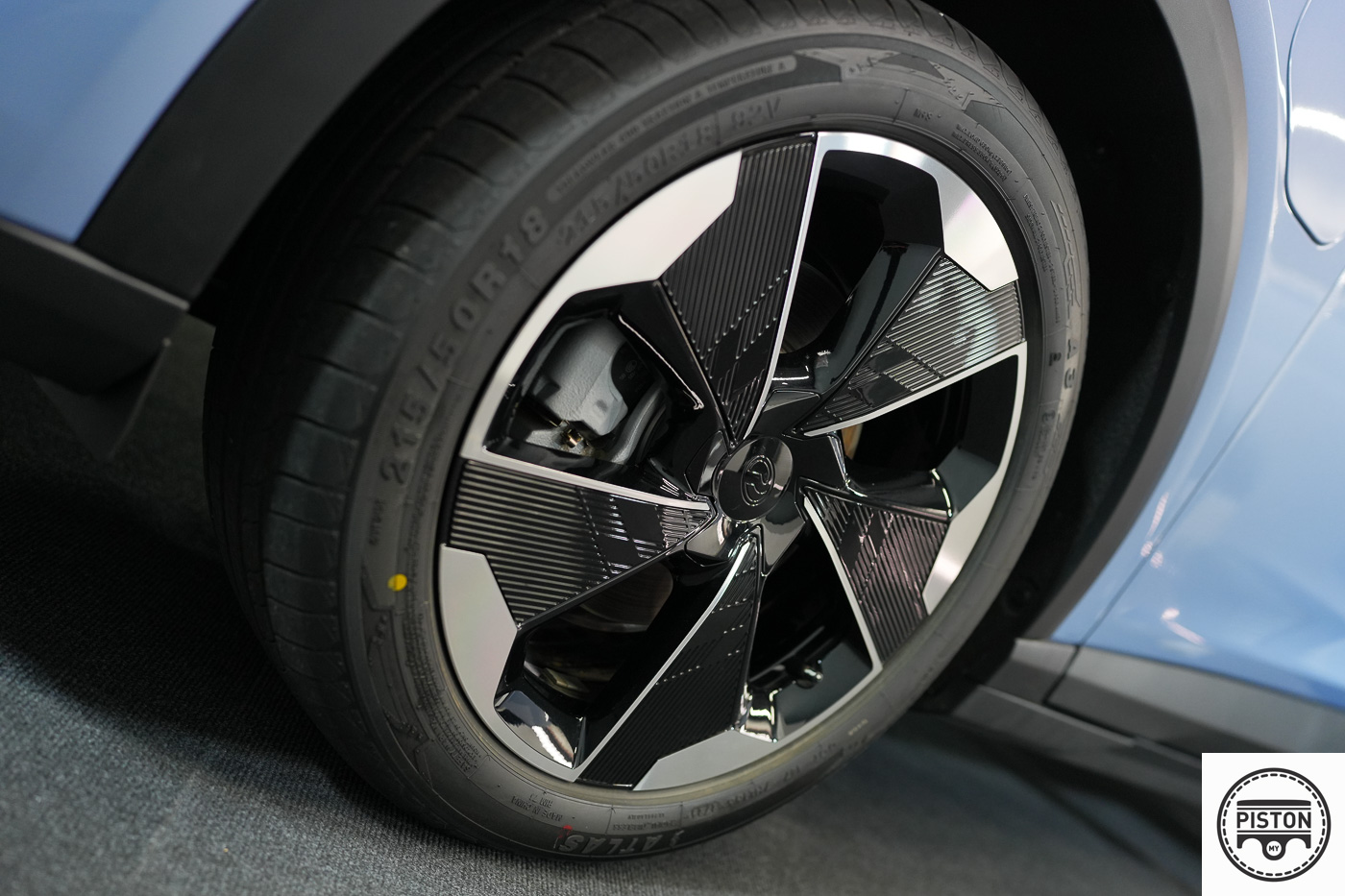
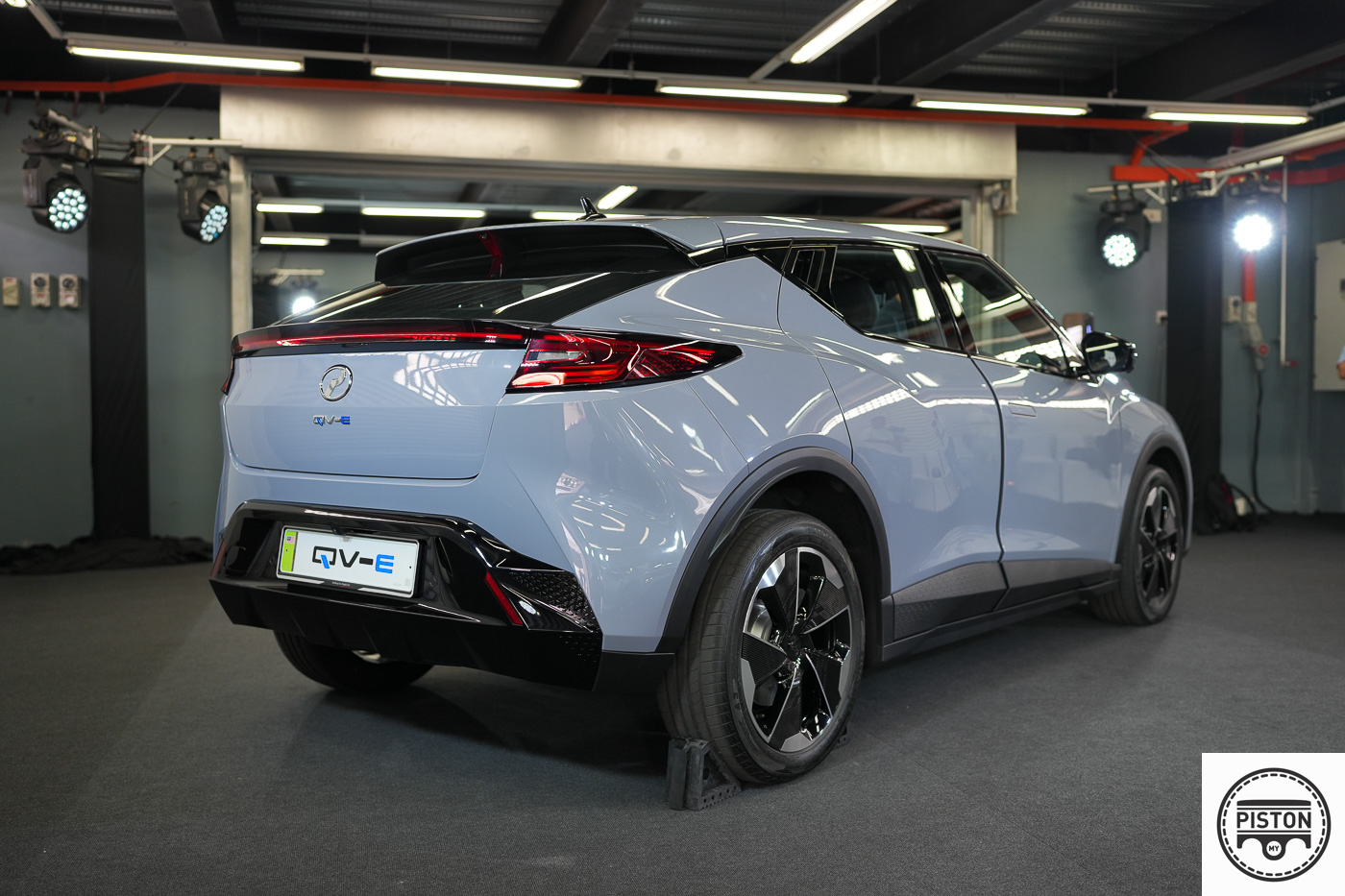
As for the design, Perodua has given the QV-E a clean, modern shape with a confident rear end and a smooth sportback-style profile. The horizontal lighting at both ends emphasises the car’s width, and flush door handles help achieve a sleeker look. Two colours are offered at launch, Ice Blue and Caviar Grey, chosen to represent a more premium EV identity.

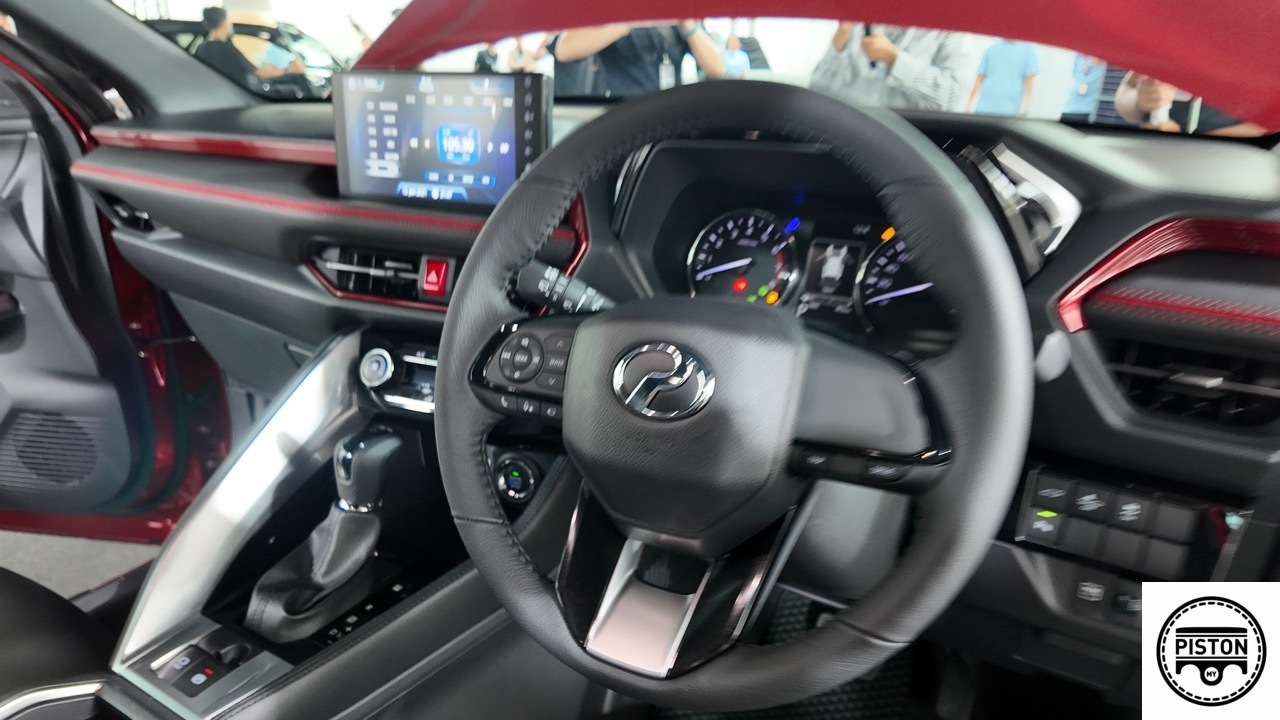
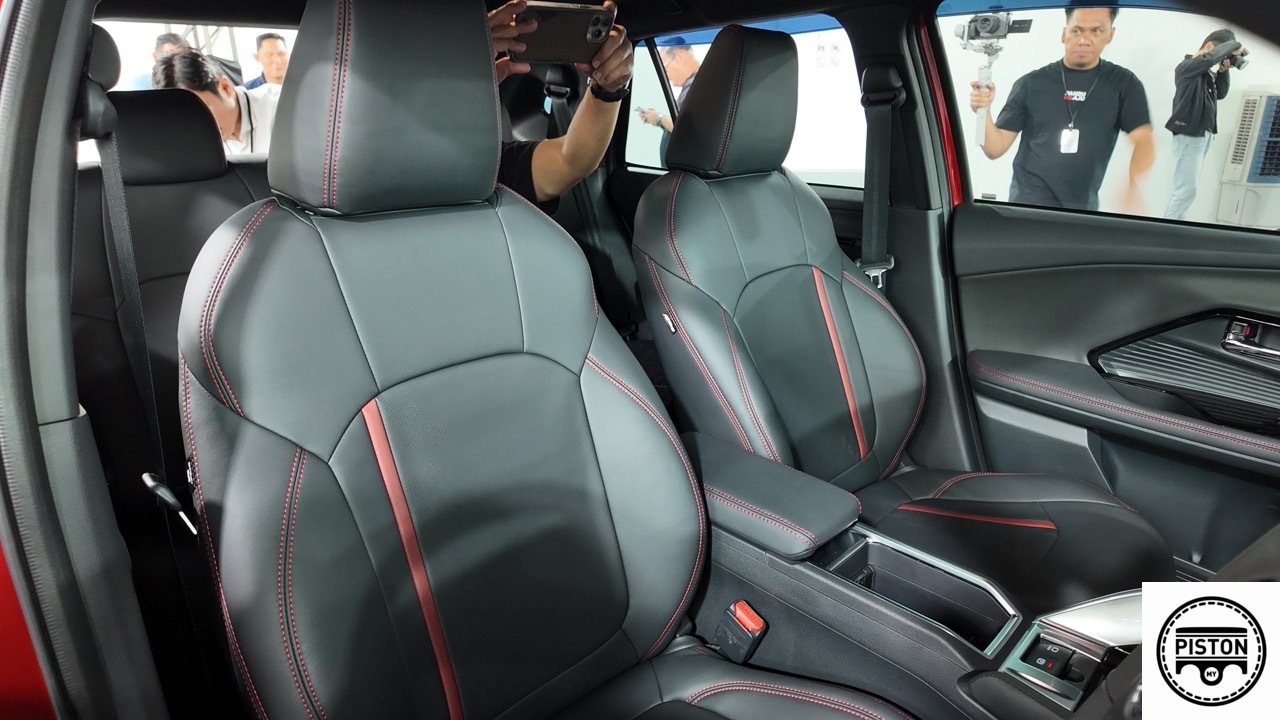
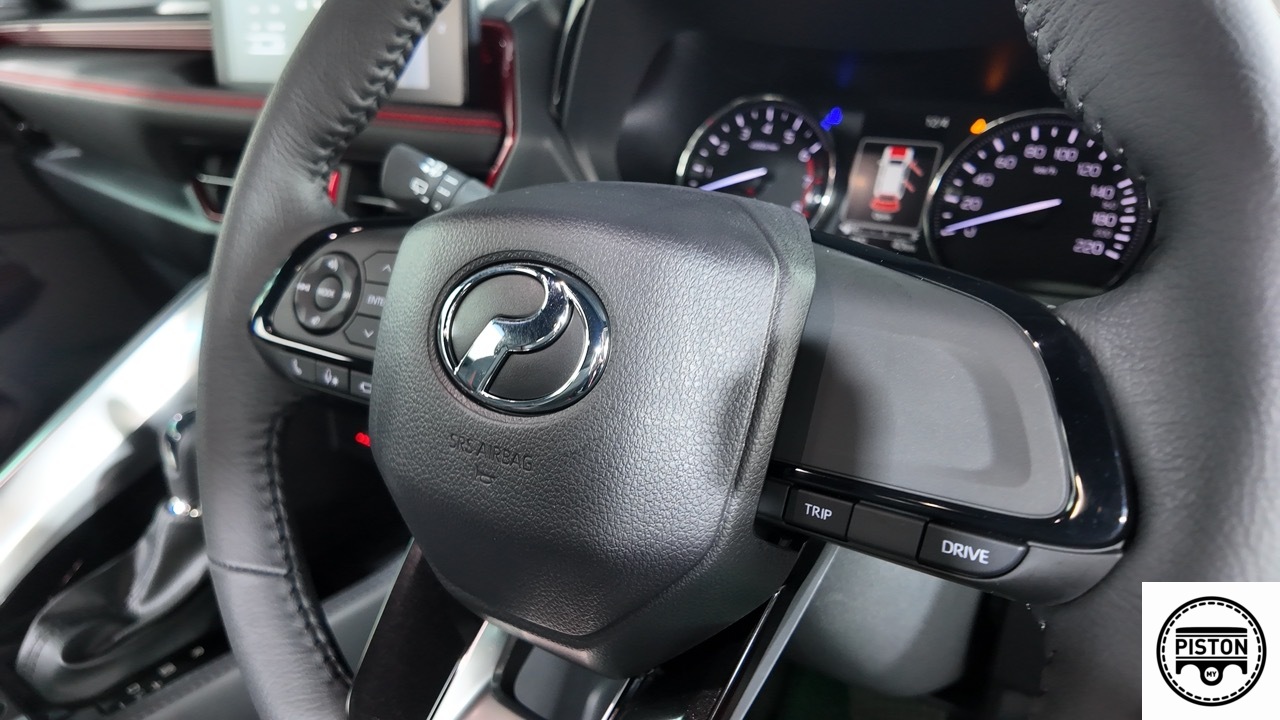
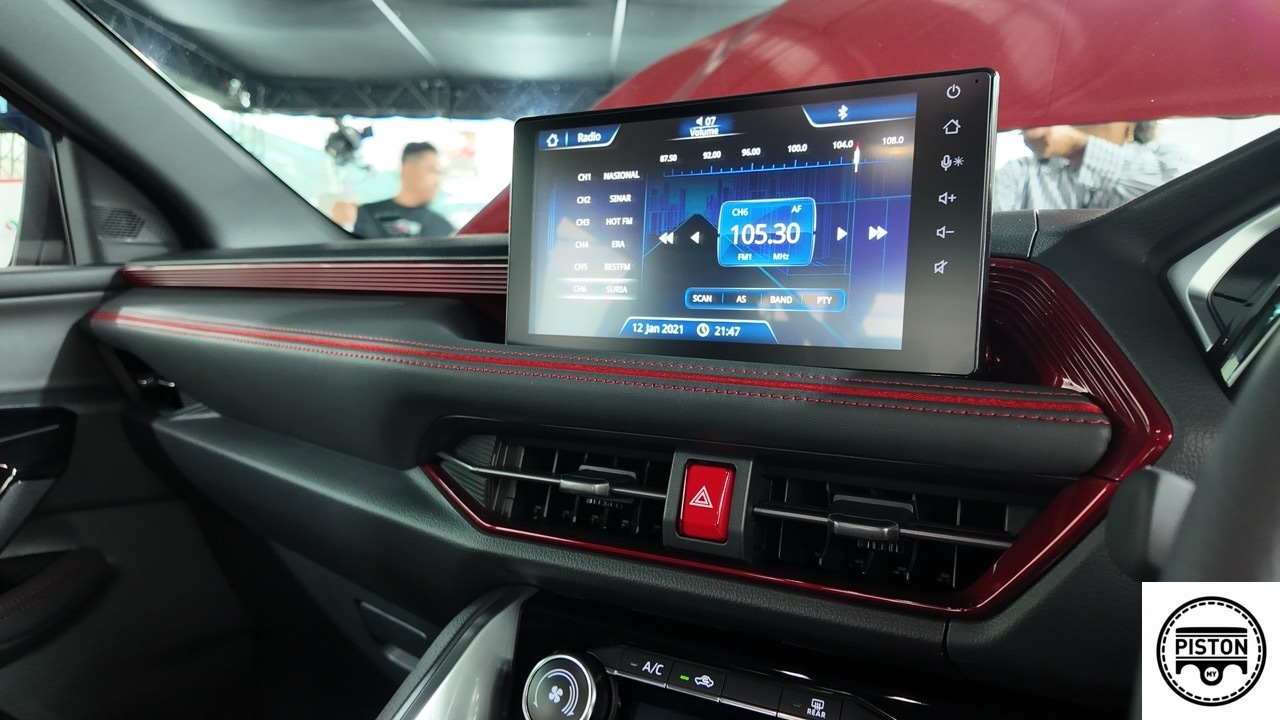
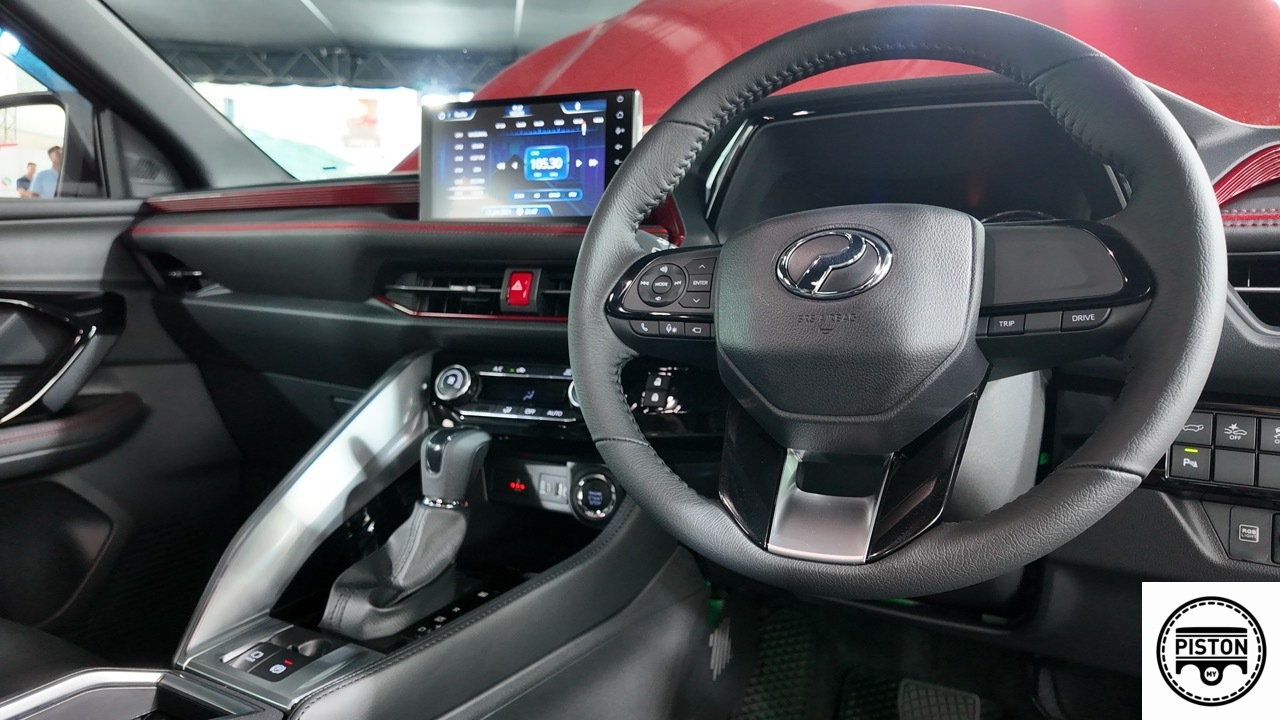
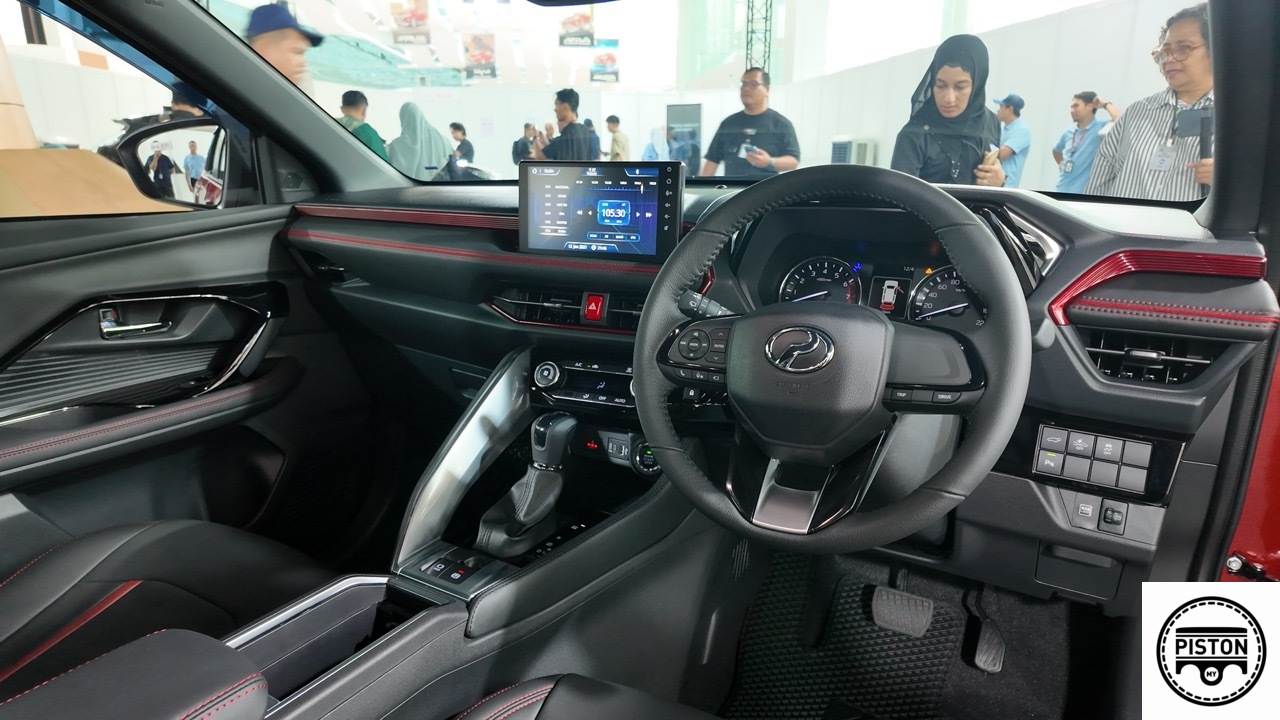
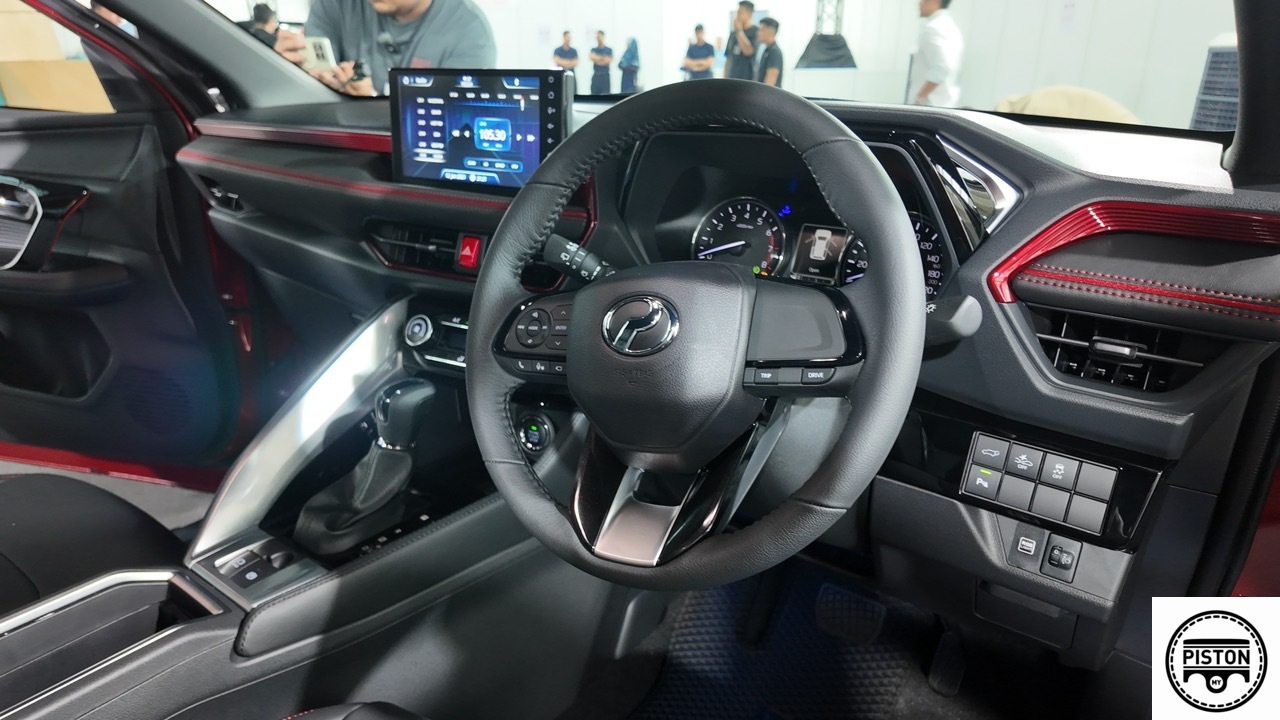
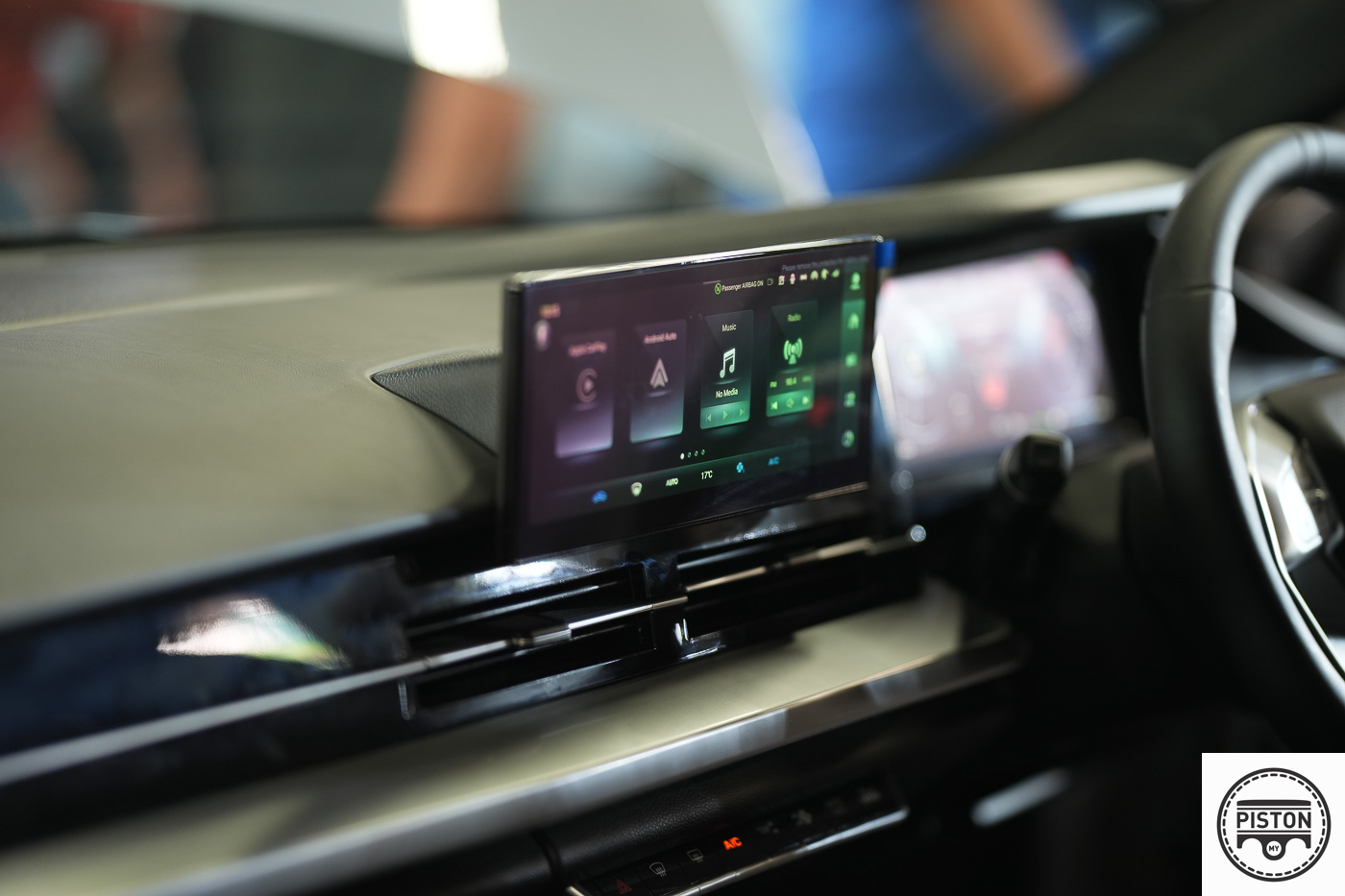
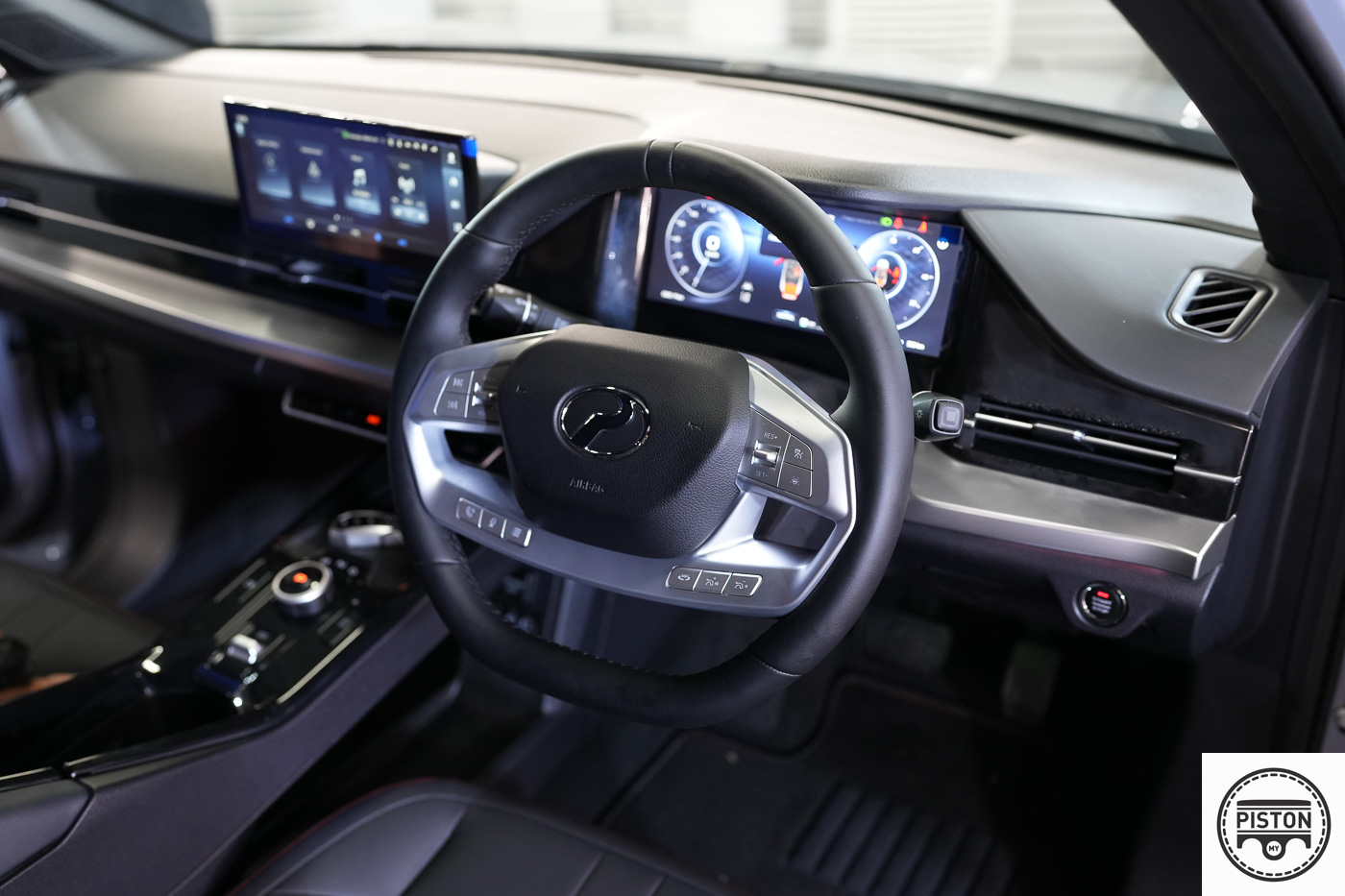
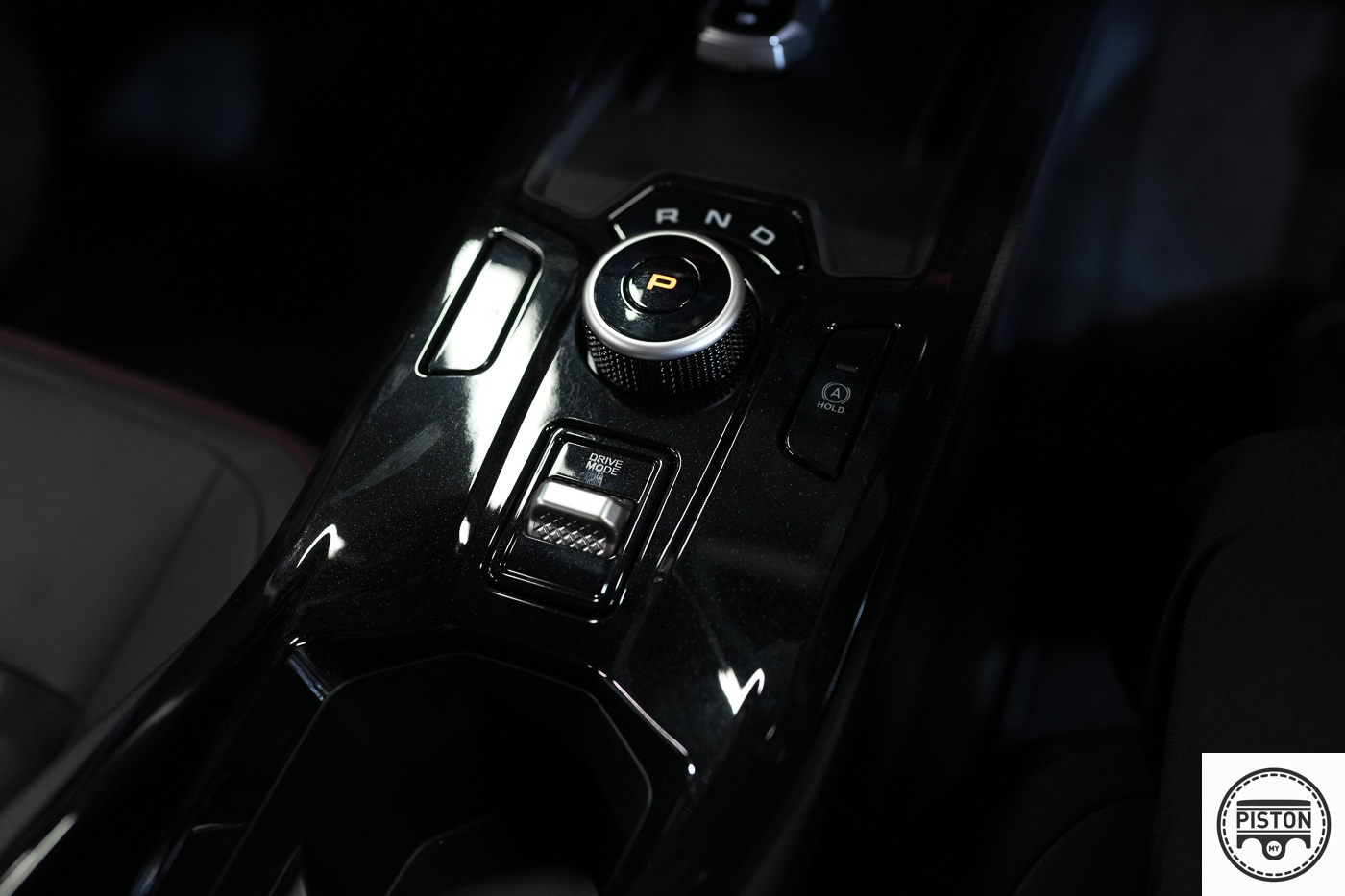
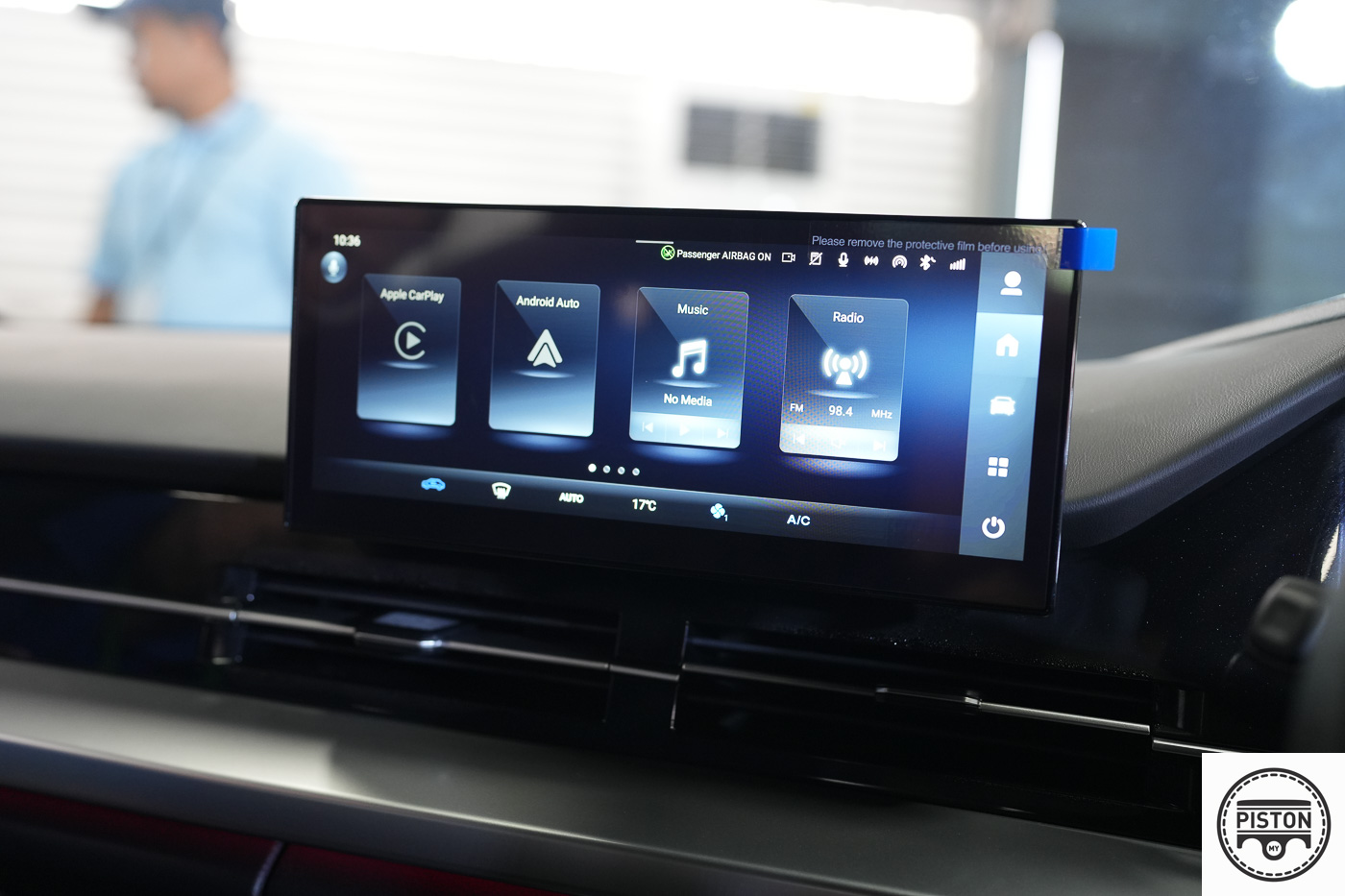
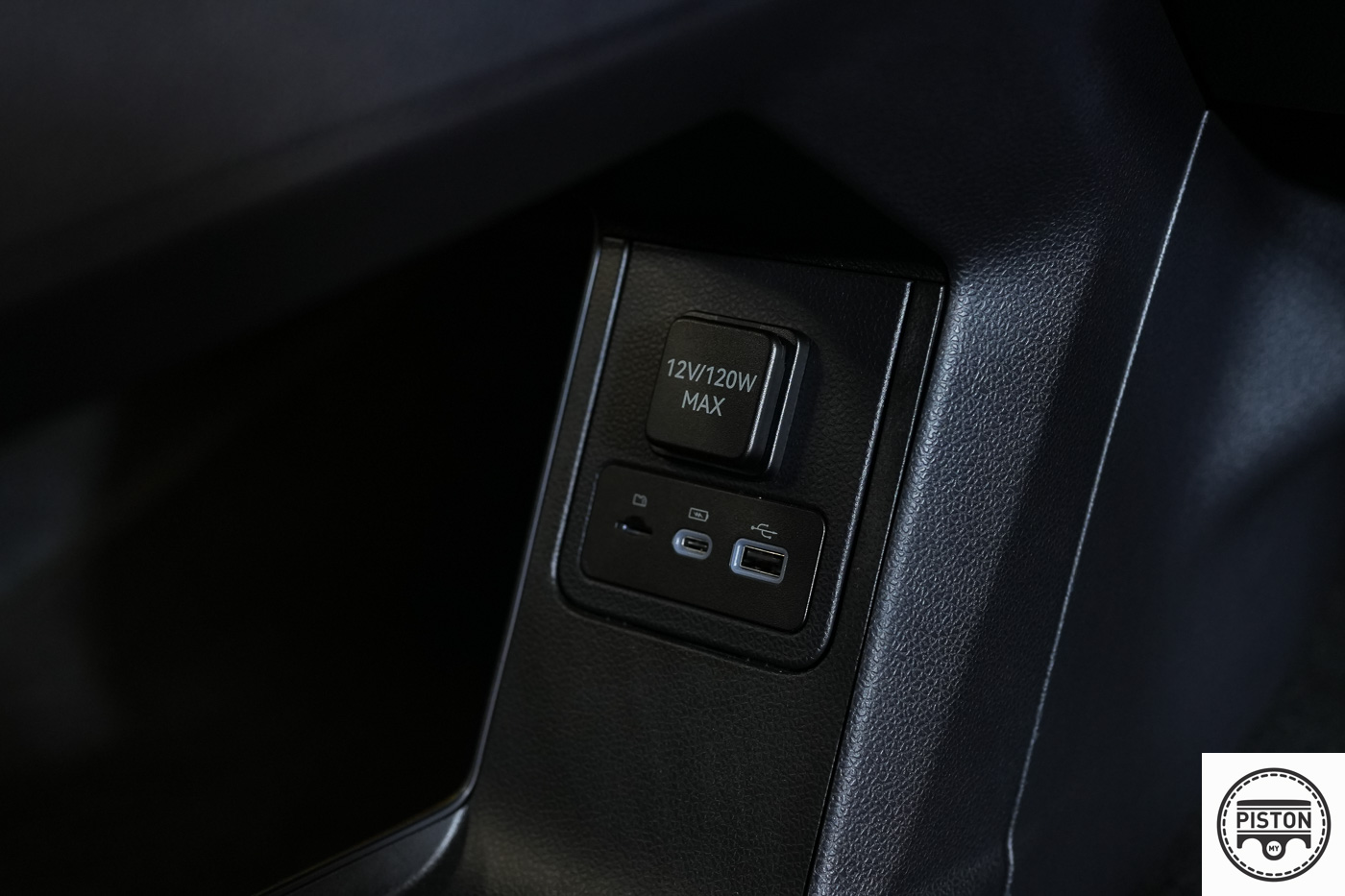
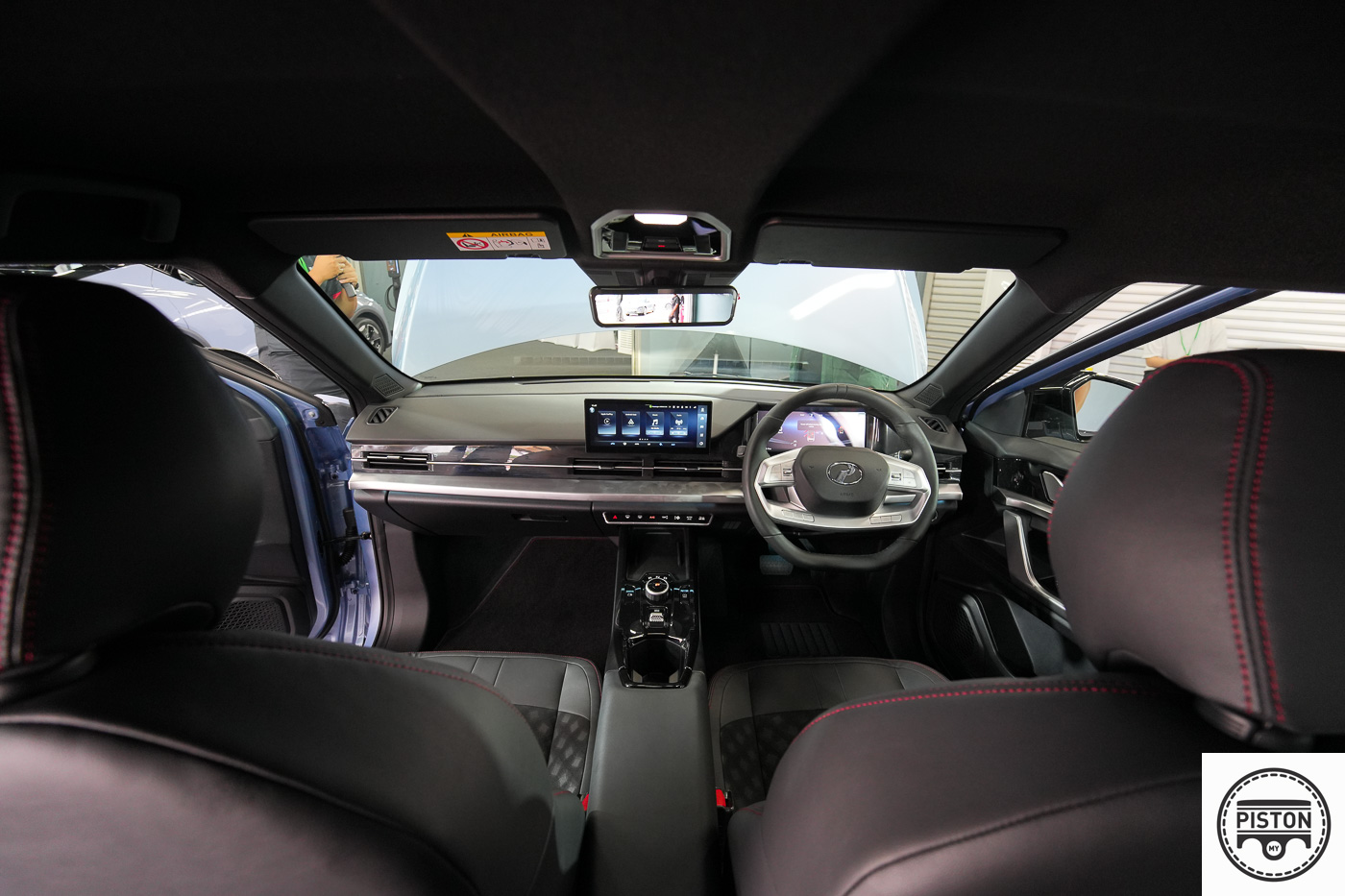
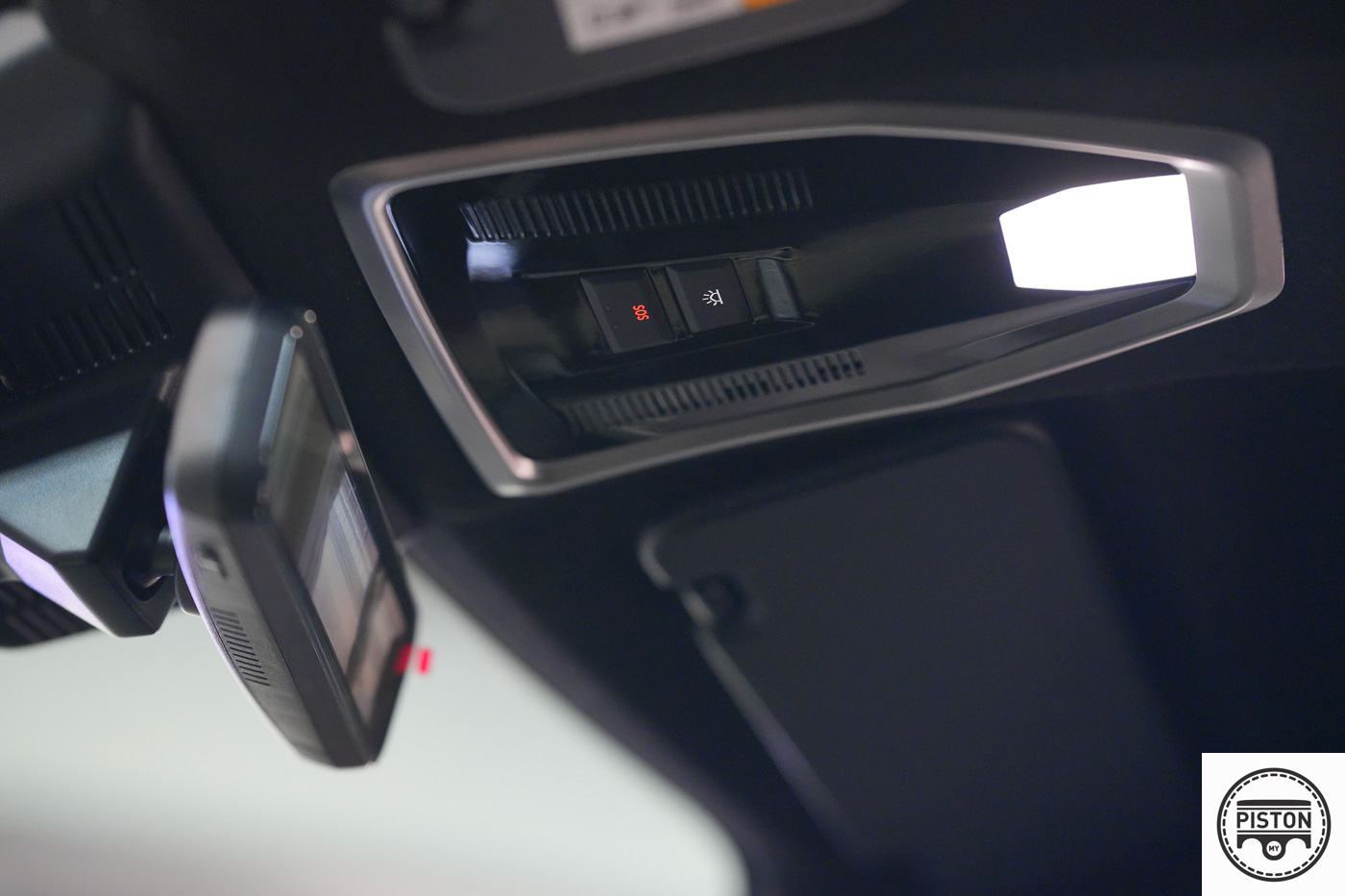
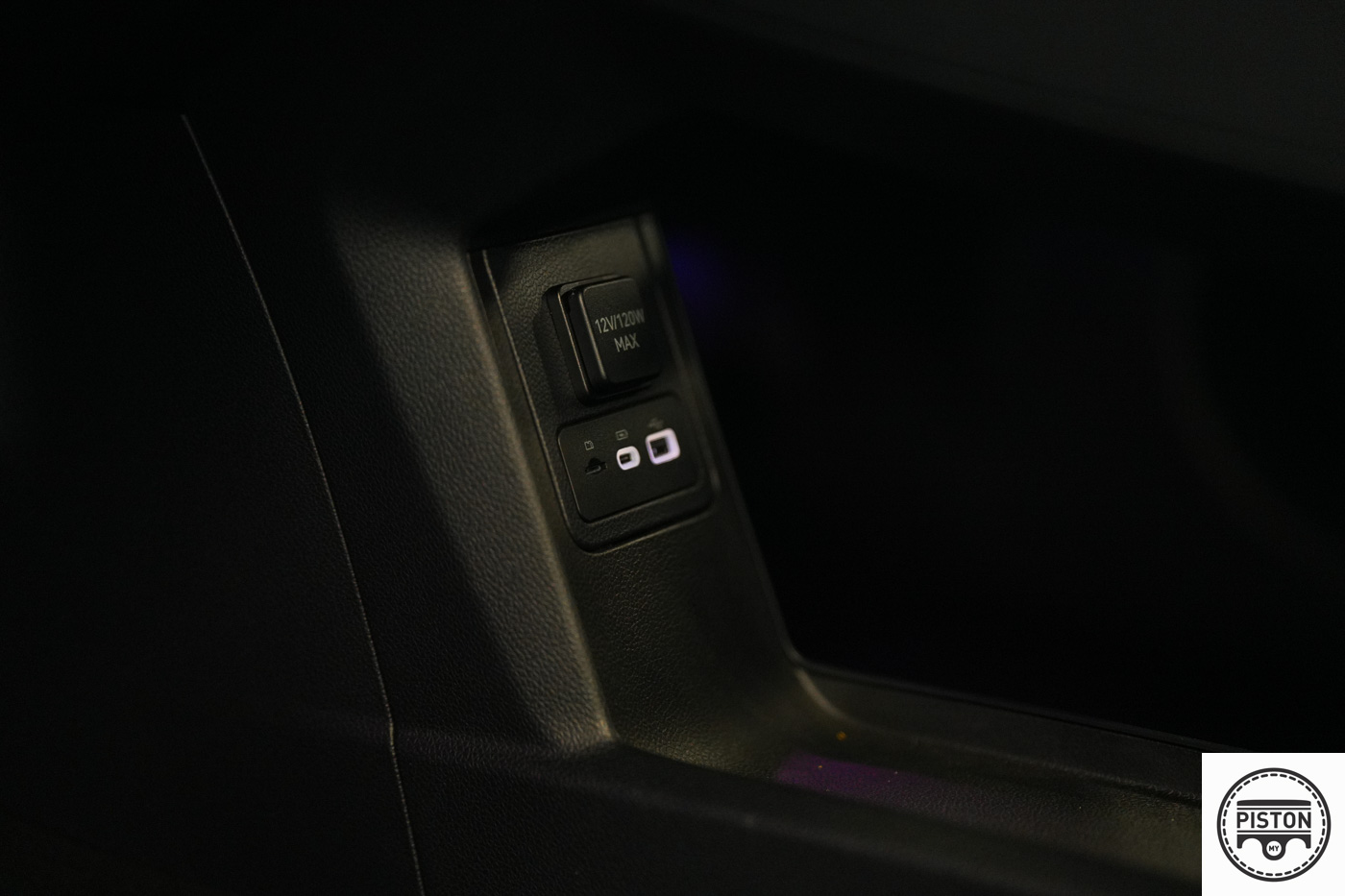
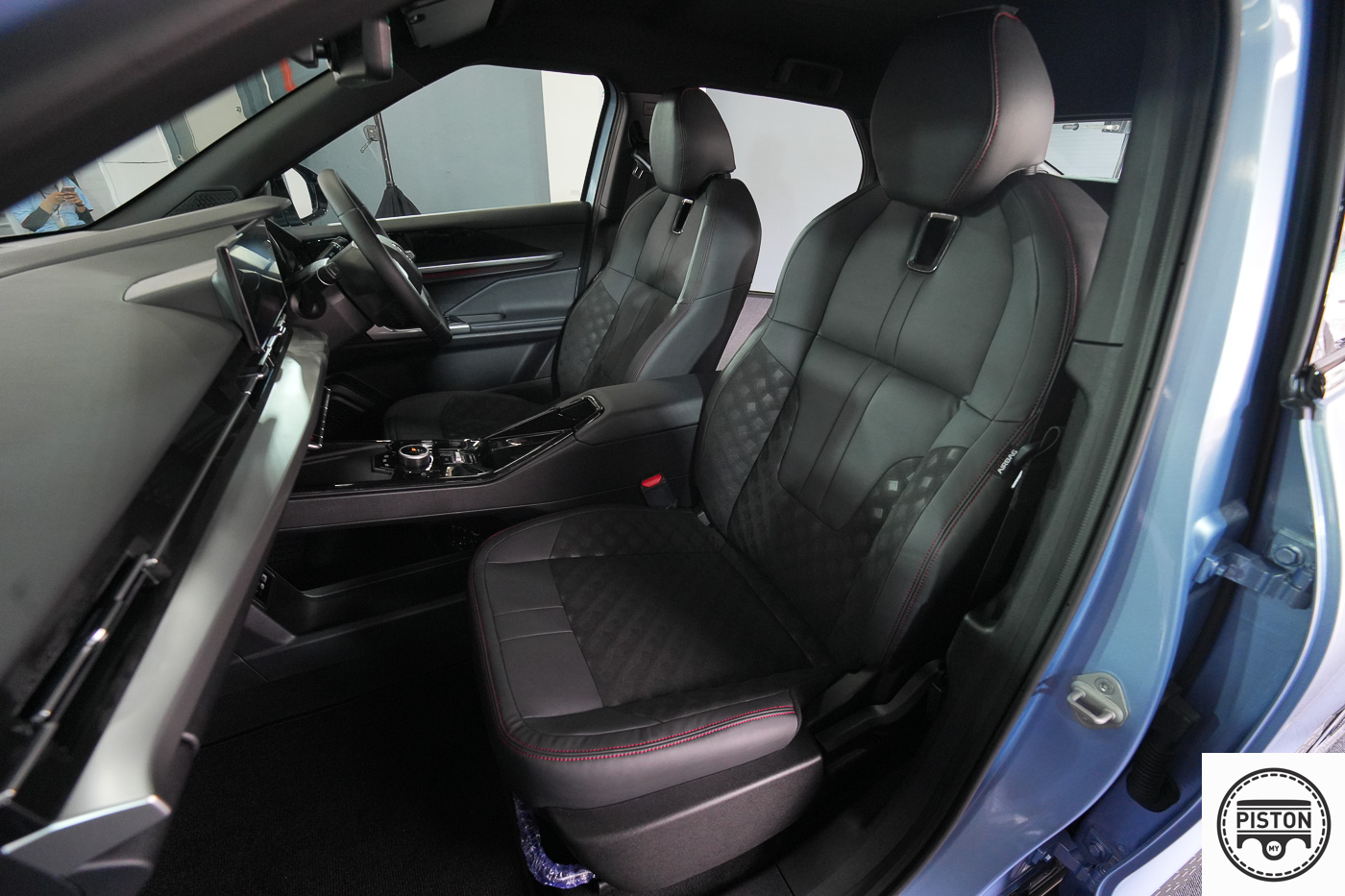
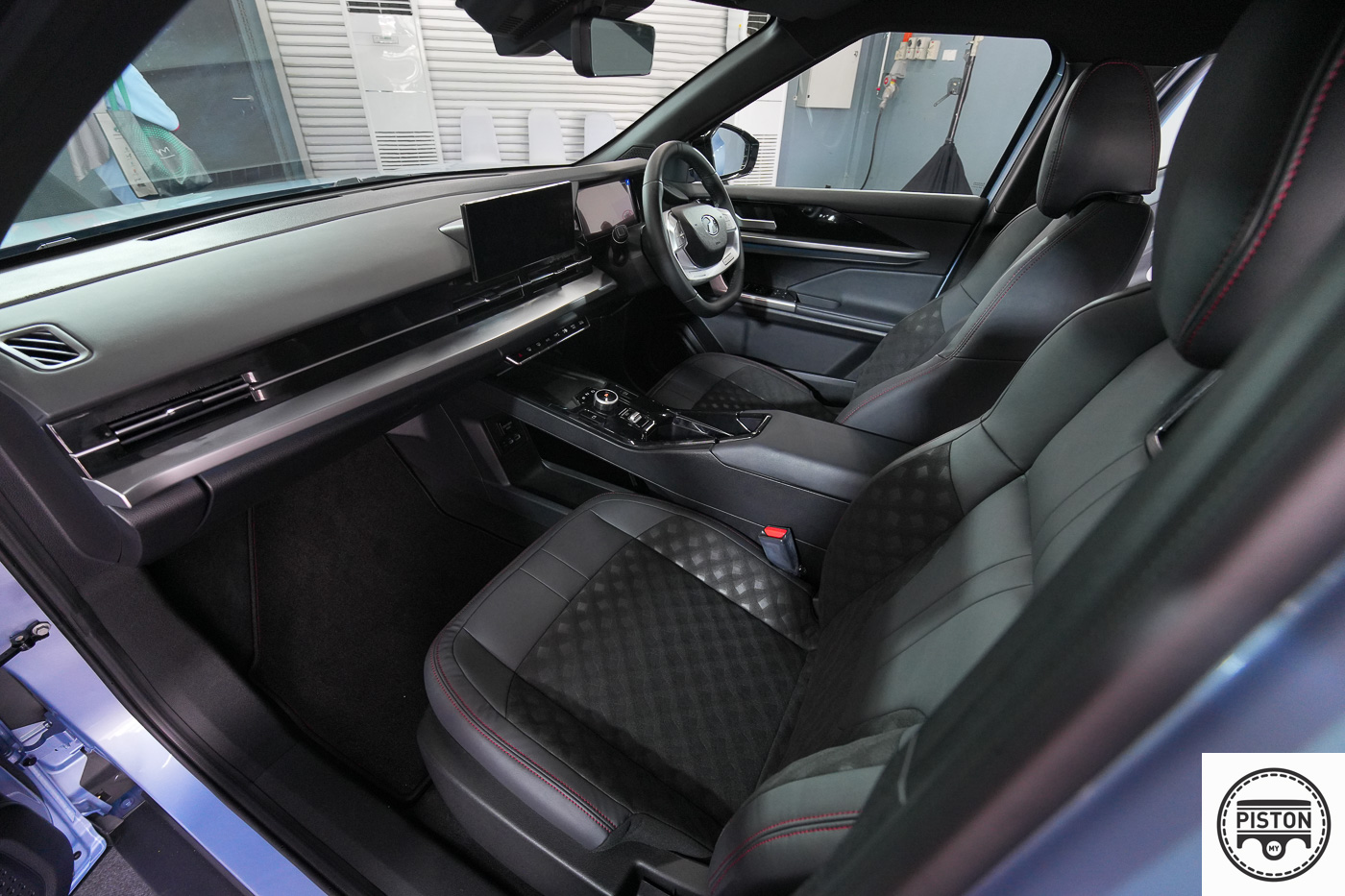
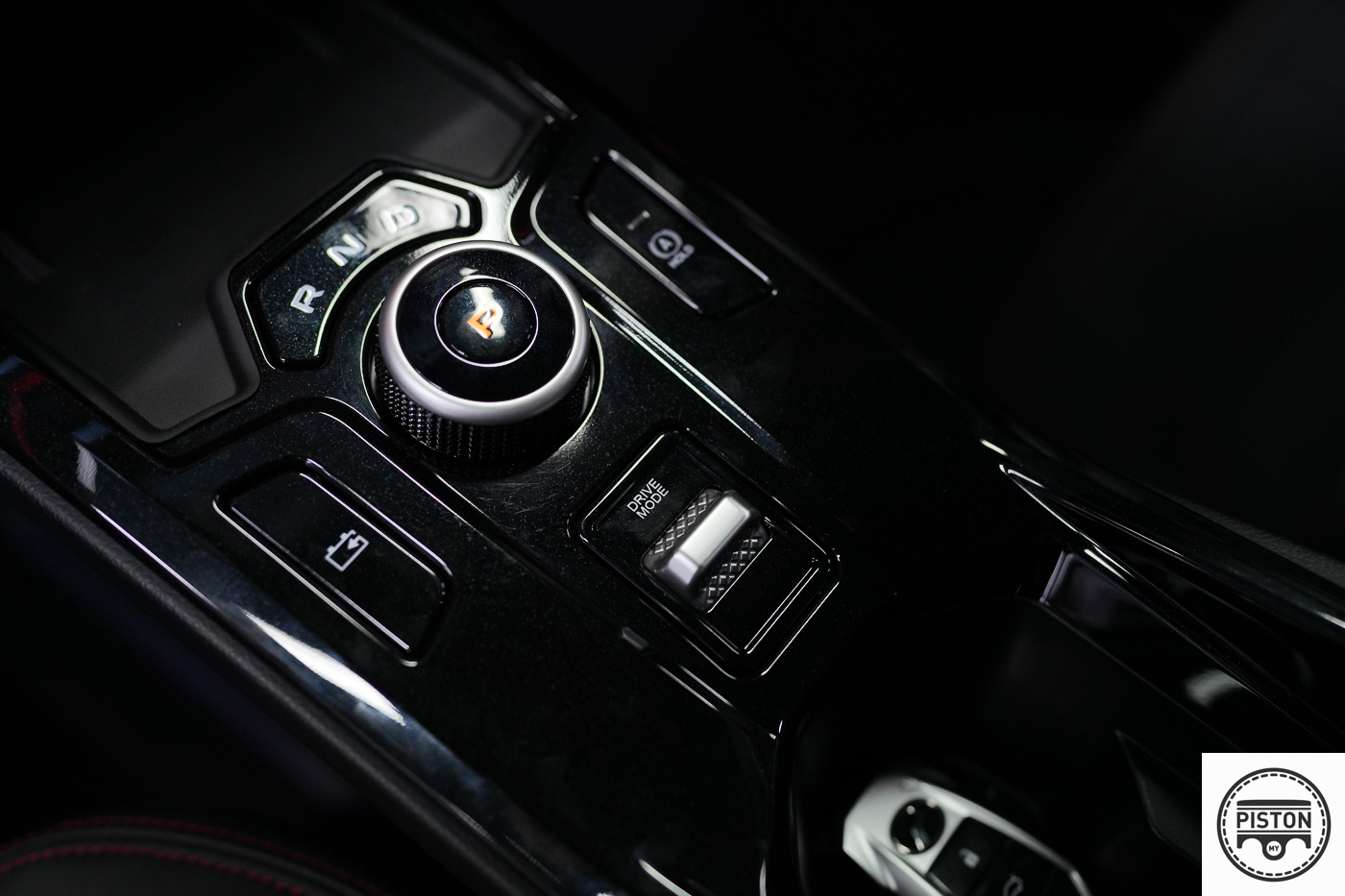
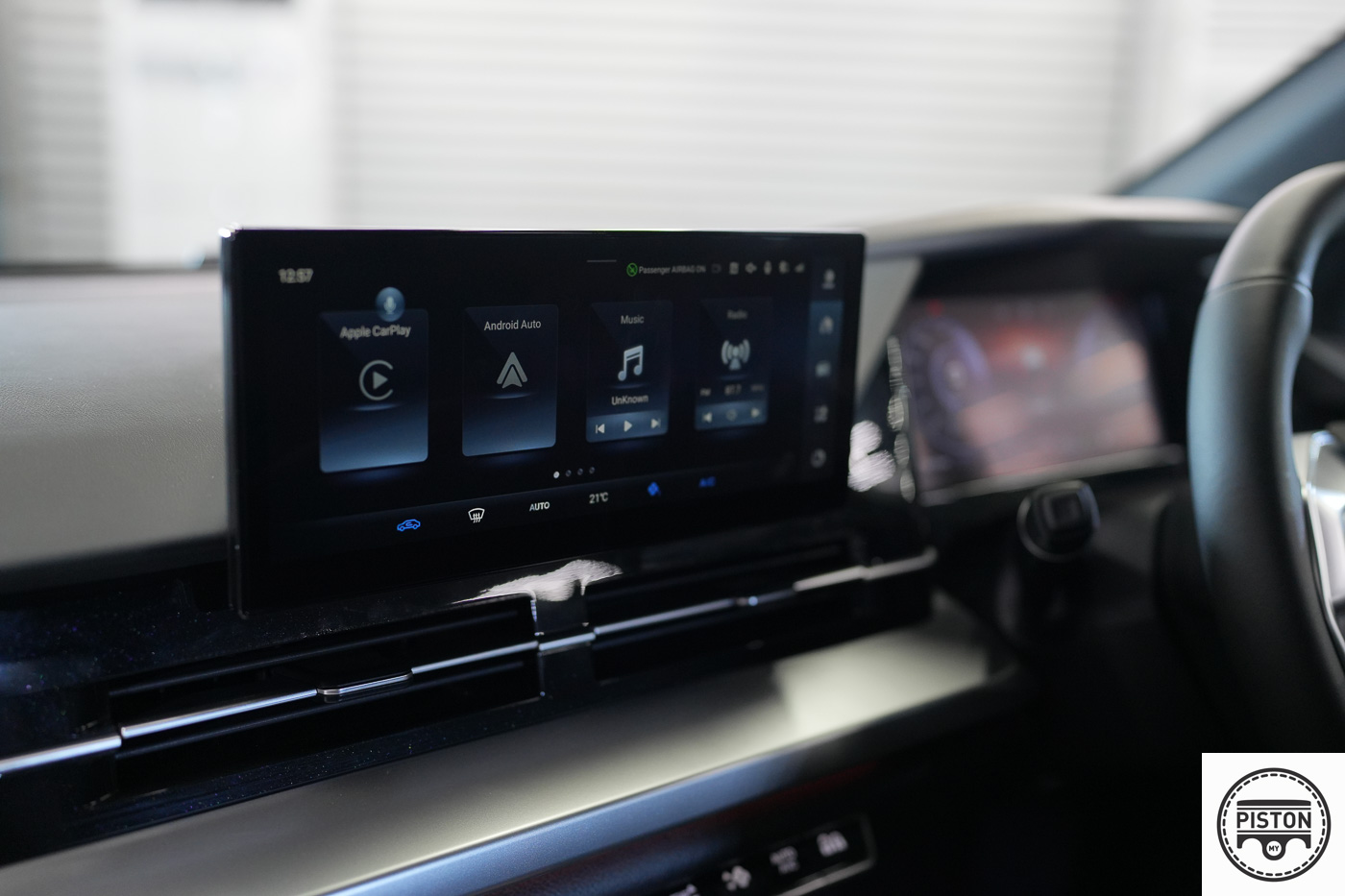
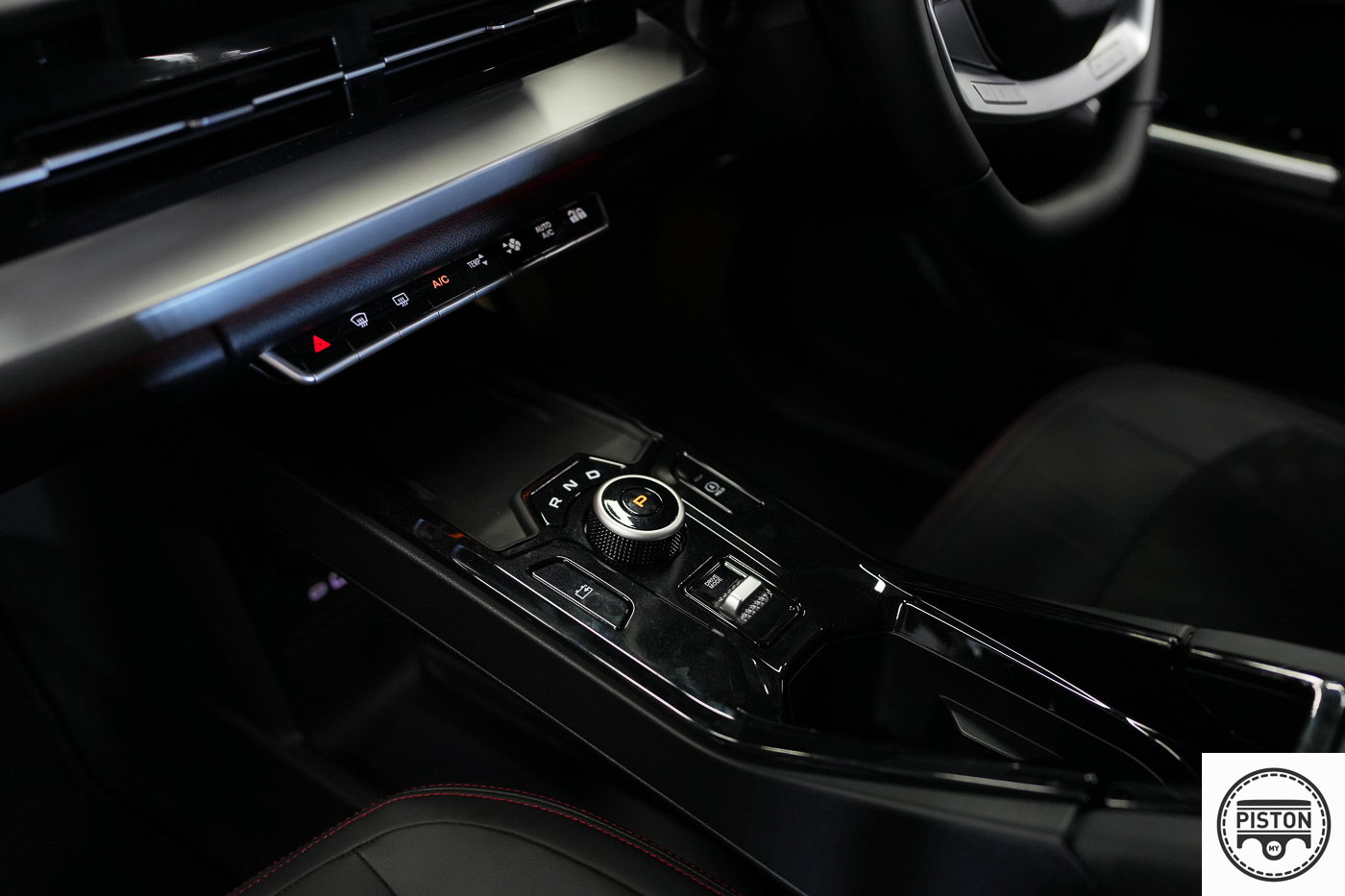
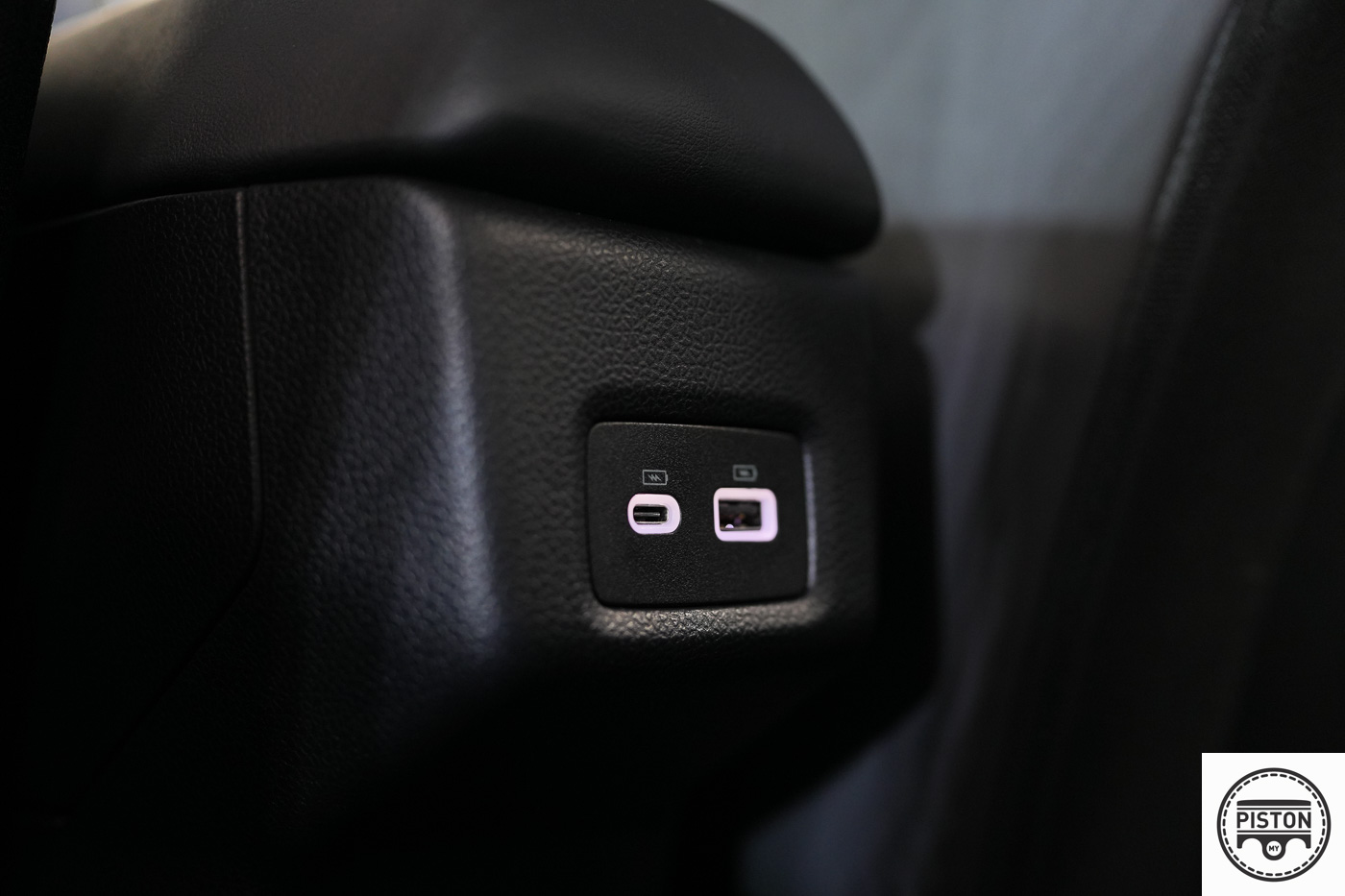
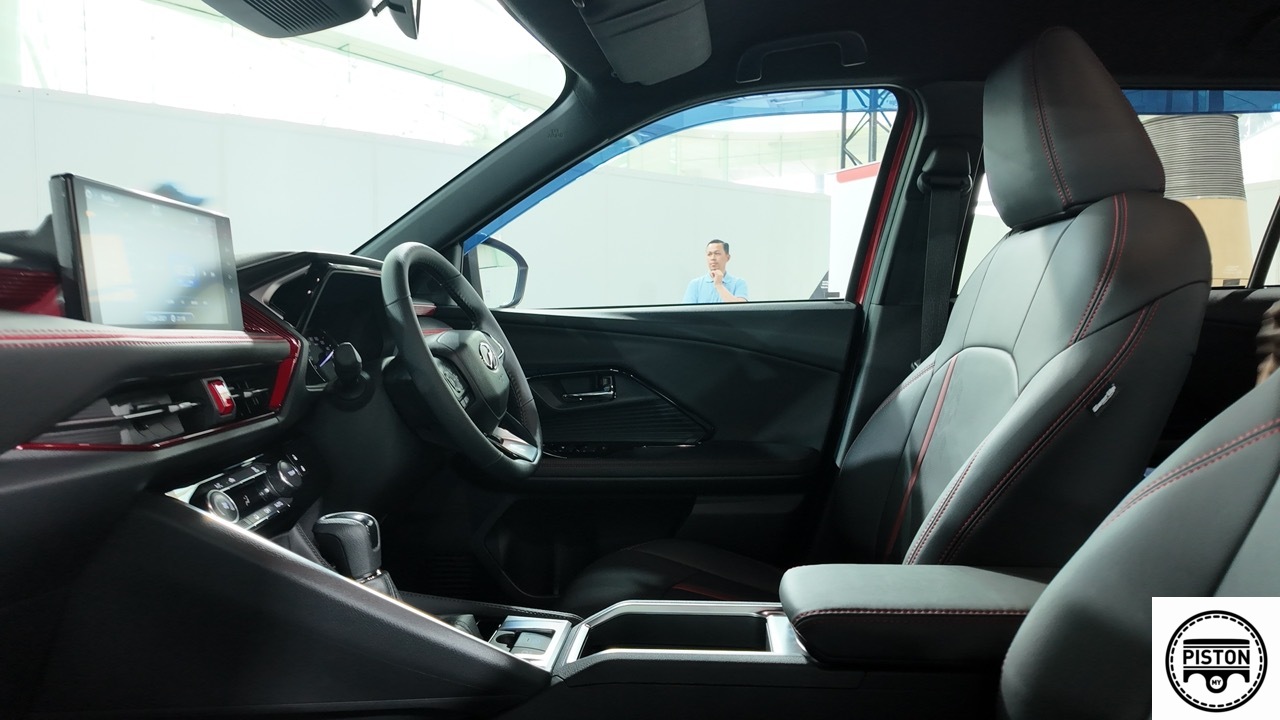
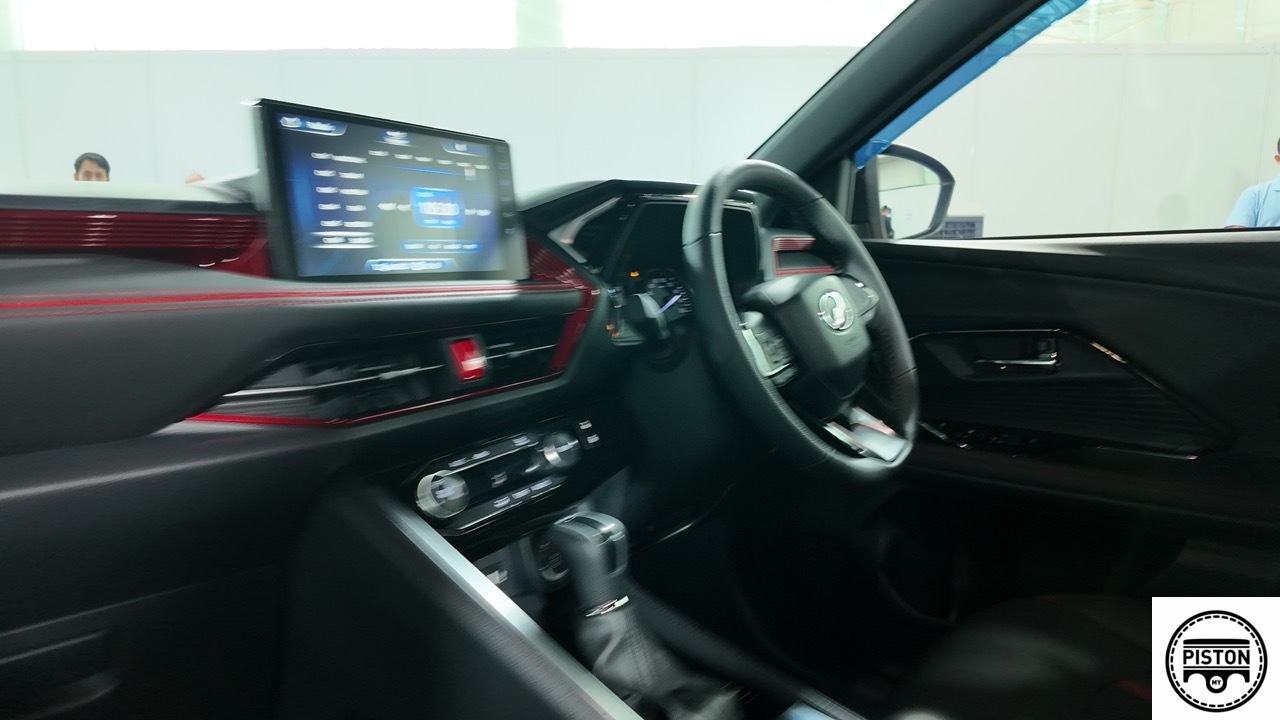
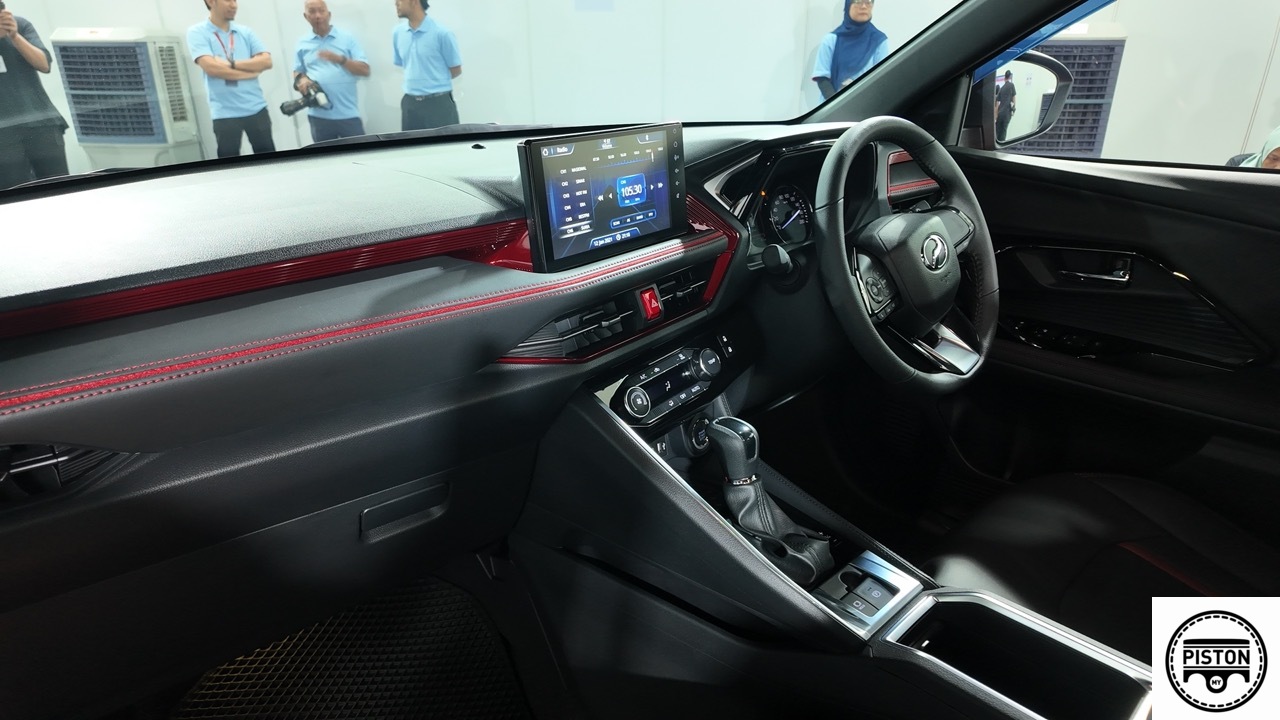
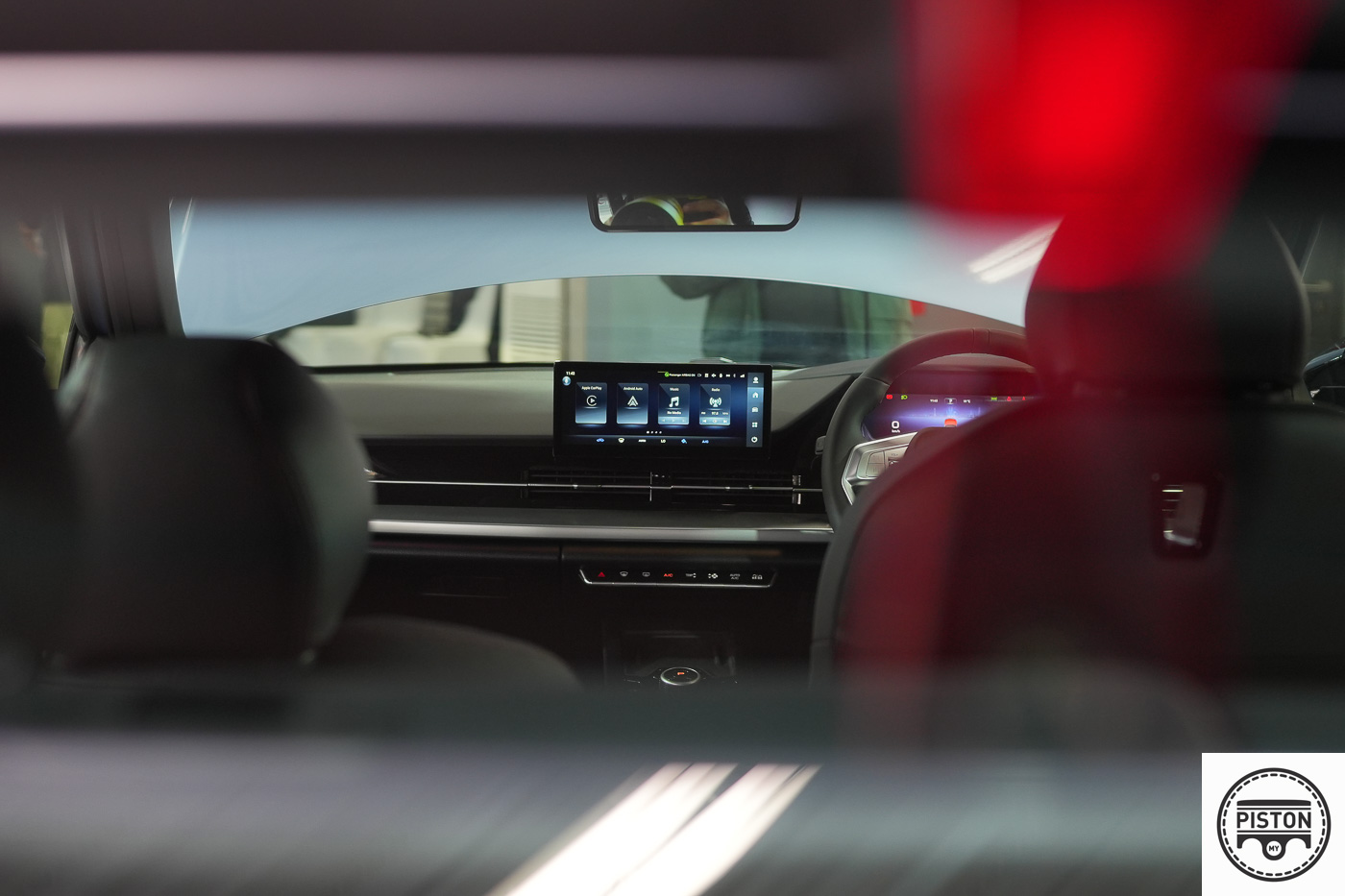
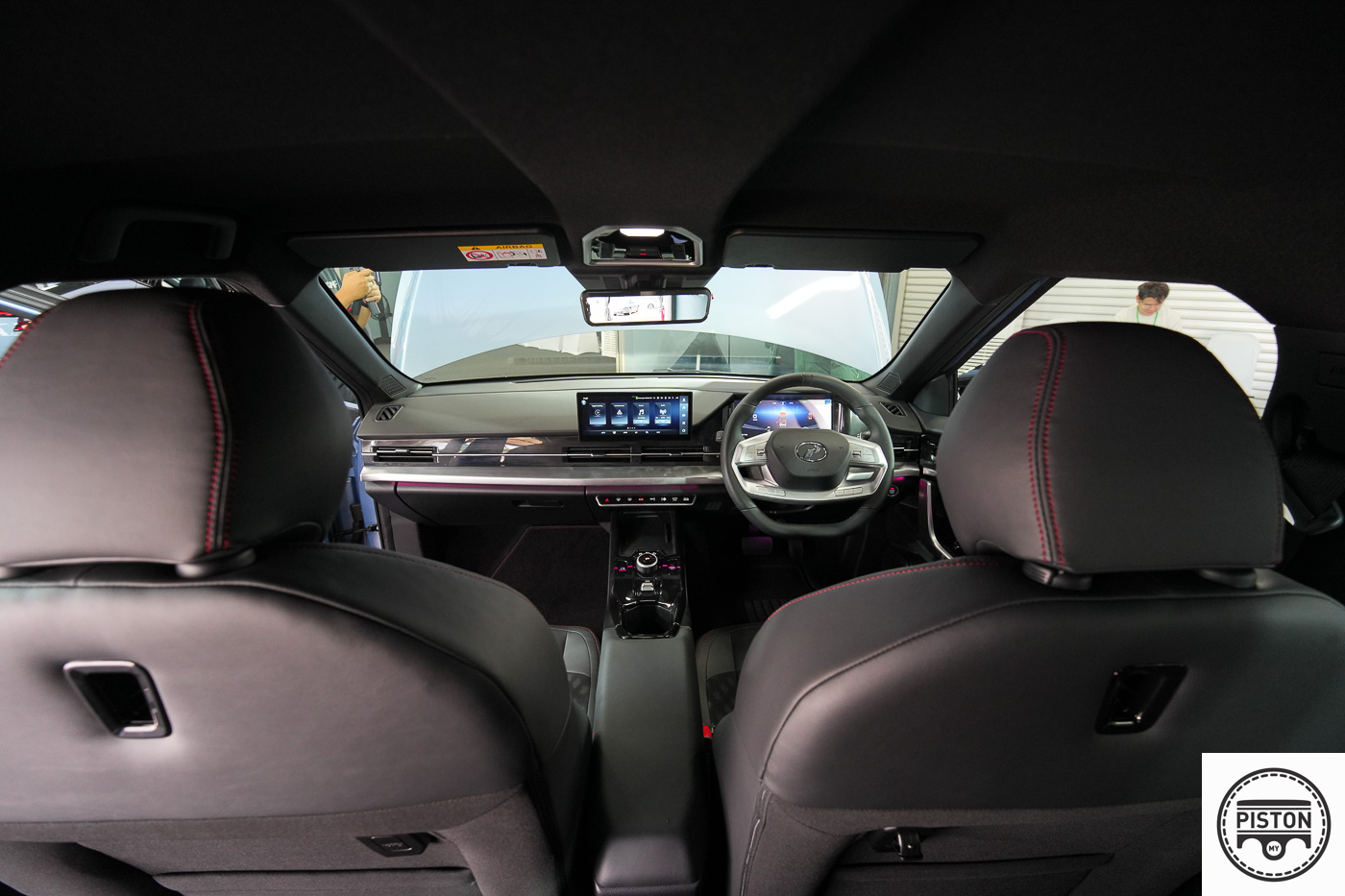
Inside, the cabin adopts a sporty, horizontal layout with a floating centre console and additional storage underneath. A digital instrument cluster works alongside a 10.25-inch infotainment display that supports wireless Apple CarPlay and Android Auto. Equipment includes a rotary gear selector, a wireless charger, ambient lighting, powered driver’s seat, a digital rear-view mirror and a set of semi-leather seats.

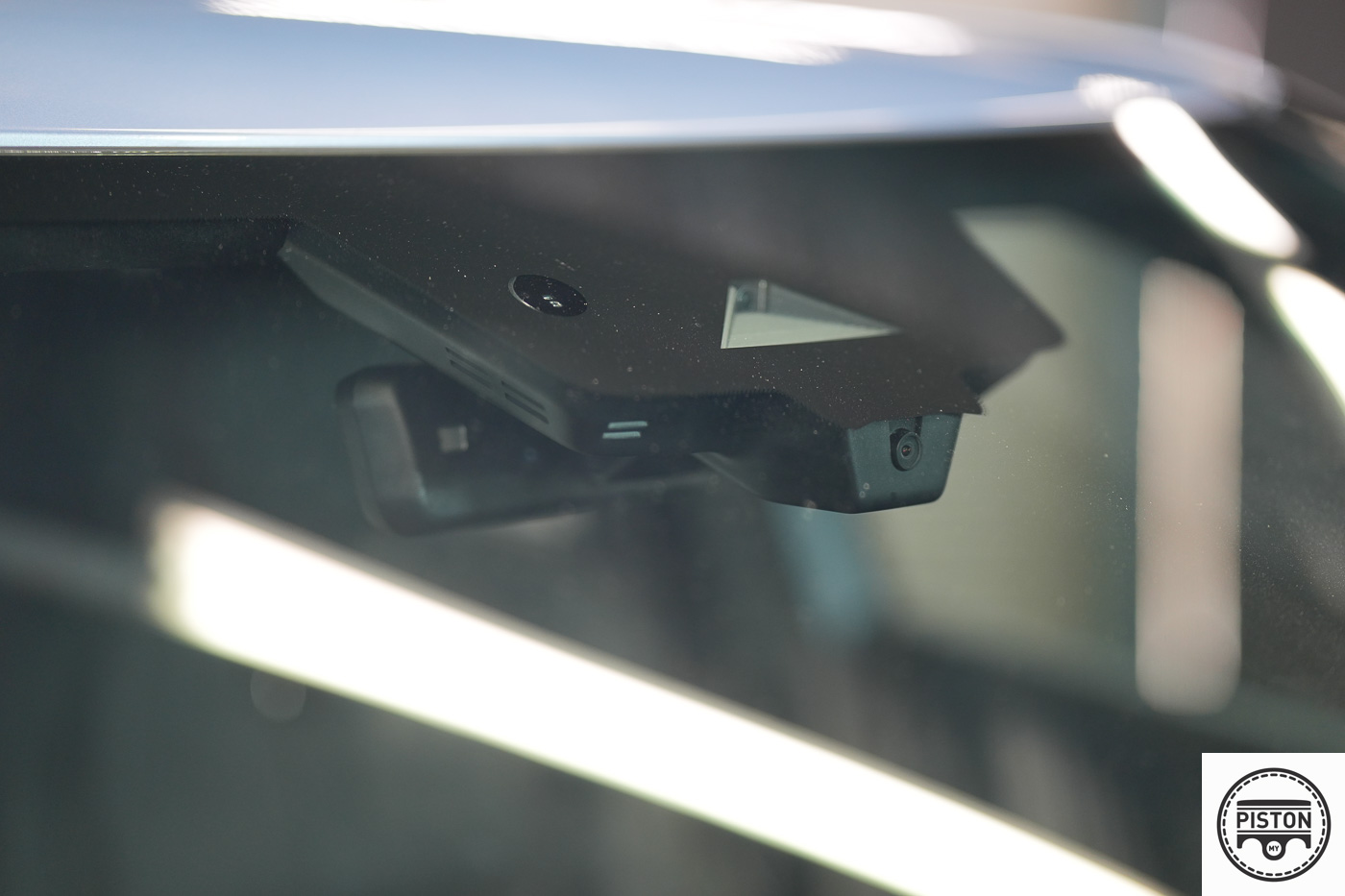
The QV-E also features SOS emergency services, telematics integration, and a range of driver-assistance technologies such as Adaptive Cruise Control, Highway Assist, Traffic Jam Assist, Autonomous Emergency Braking, Blind Spot Detection, Lane Keeping functions and a full suite of passive safety systems.

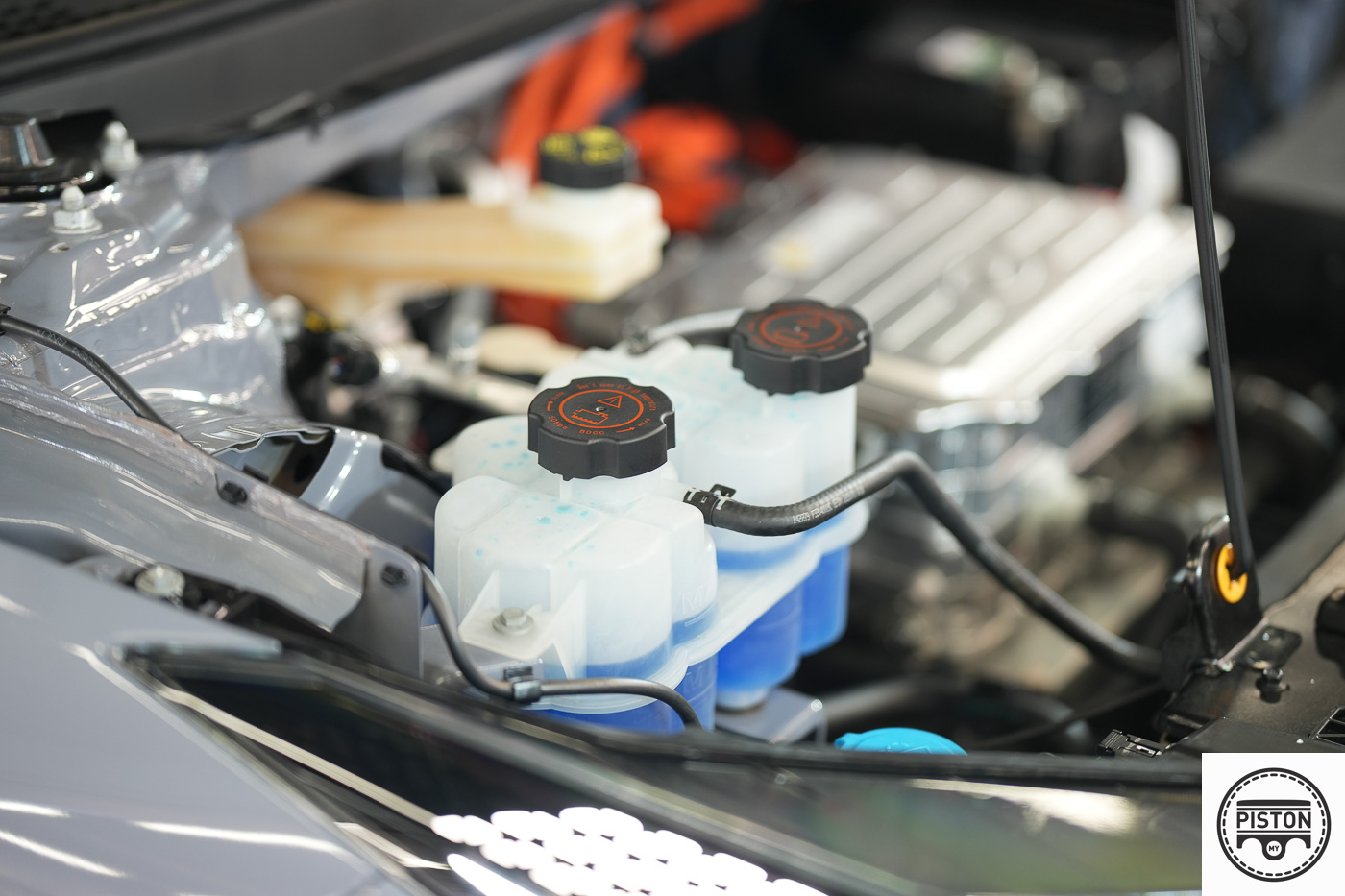
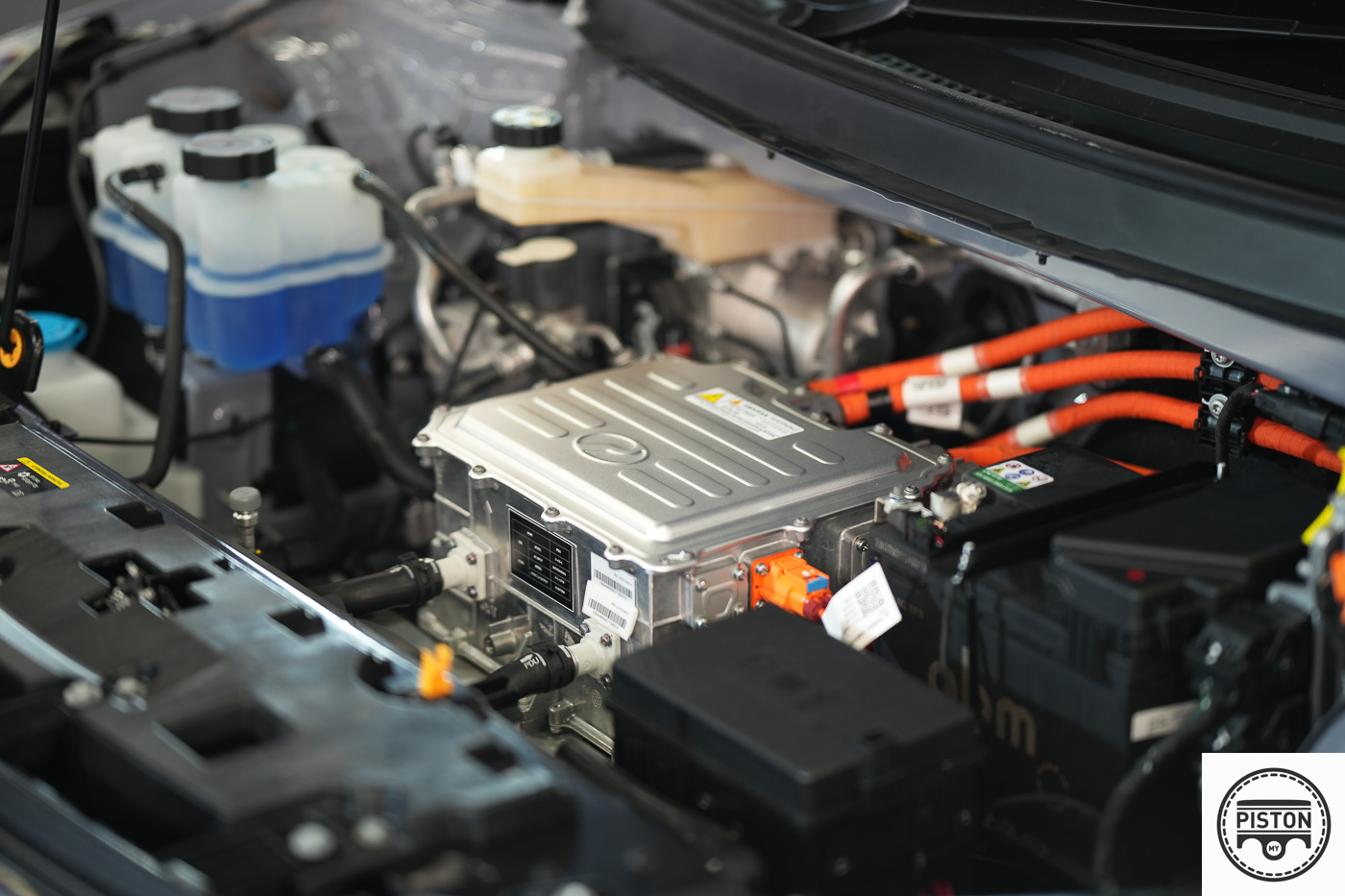
The vehicle sits on an all-new platform co-developed with Magna Steyr, designed to accommodate future A- and B-segment models with the possibility of hybrid or range-extended EV variants. Under the floor sits the 405.7 kg CATL LFP battery pack, rated IP68 and IP69 for water and dust resistance, and liquid-cooled for stability in Malaysia’s hot climate. A 201hp front motor produces 285Nm of torque, allowing the QV-E to reach 100km/h in 7.5 seconds in Sport mode and achieve a top speed of 165km/h.

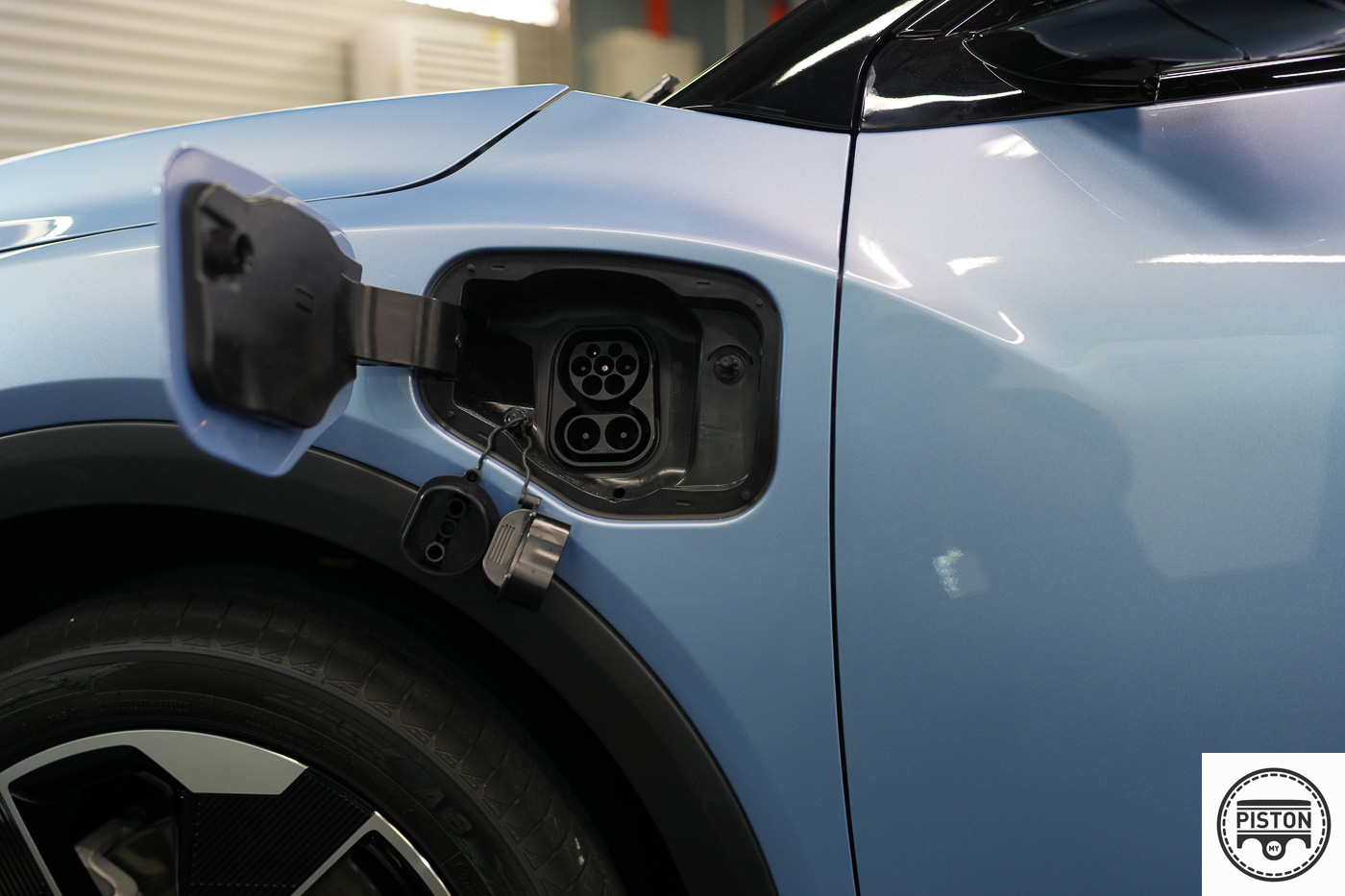
Charging is managed via a 6.6 kW AC system that fills the pack in eight hours, while a 60 kW DC charger can replenish 30 to 80 per cent in around 30 minutes. Vehicle-to-load functionality is also included.

Perodua believes the QV-E represents more than just its entry into electric mobility. The company sees it as a milestone that Malaysians can claim as their own, given the amount of local design, testing and component development behind it.

Sales will begin at selected Perodua outlets, with the company expecting interest from buyers ready to embrace electrification without departing from the affordability and usability the brand is known for.

Perodua melangkah ke fasa penting dalam transformasinya dengan pelancaran QV-E, kenderaan elektrik (EV) pertama keluaran syarikat itu yang dibangunkan sebagai model bateri penuh. Ditawarkan pada harga RM80,000 sebelum insurans dan tanpa bateri, QV-E menjadi asas kepada usaha jangka panjang Perodua untuk membina sebuah ekosistem EV yang menyeluruh, dibangunkan, direkayasa dan dihasilkan hampir sepenuhnya di Malaysia.

Projek QV-E memerlukan pelaburan besar bernilai RM800 juta dan dipasang di Loji Mobiliti Pintar Perodua yang baharu. Pengeluaran bermula secara sederhana pada 500 unit sebulan dengan sasaran untuk meningkatkan kapasiti sehingga 3,000 unit sebulan menjelang suku ketiga 2026 apabila rantaian bekalan serta kesiapsiagaan vendor mencapai tahap perindustrian yang lebih mapan.

Di peringkat dalaman, QV-E dilihat oleh Perodua sebagai gambaran lengkap mengenai apa yang sepatutnya menjadi EV nasional: praktikal, selamat, mudah dimiliki dan dilengkapkan teknologi yang mencukupi untuk kekal kompetitif dalam pasaran EV yang semakin berkembang di Malaysia.

QV-E dipacu oleh bateri Lithium Iron Phosphate (LFP) 52.5 kWh yang menawarkan jarak pemanduan sehingga 445km berdasarkan kitaran NEDC. Jarak sebenar akan bergantung kepada keadaan cuaca, cara pemanduan dan jenis laluan. Dari sudut keselamatan, Perodua memperkenalkan beberapa teknologi baharu, termasuk sistem Pengesanan Kehadiran Kanak-kanak berasaskan penderiaan gelombang milimeter.

Sistem ini mampu mengesan pernafasan dan pergerakan halus di tempat duduk baris kedua — walaupun di bawah selimut — serta berfungsi dalam keadaan gelap dan suhu ekstrem. Ia akan mengaktifkan amaran tiga peringkat berbeza jika terdapat kanak-kanak atau haiwan peliharaan tertinggal di dalam kereta.
Pembangunan QV-E turut diselarikan dengan matlamat negara. Di bawah Pelan Induk Perindustrian Baharu 2030 yang diumumkan Perdana Menteri pada 2023, Perodua diberi mandat untuk menerajui pembangunan ekosistem EV tempatan.

Dengan sokongan MITI serta agensi kerajaan lain, Perodua berjaya menyiapkan model ini dalam hanya 28 bulan. Lebih 50 pembekal tempatan terlibat ketika ini, dengan sasaran meningkat kepada 70 menjelang 2030, sekaligus meningkatkan kadar penyetempatan melebihi 70 peratus.

QV-E disasarkan kepada keluarga dan isi rumah berpendapatan sederhana yang memerlukan kereta ulang-alik harian atau kenderaan kedua untuk perjalanan dekat. Bagi meredakan kebimbangan terhadap kos pemilikan jangka panjang, Perodua memperkenalkan sistem pajakan bateri melalui konsep Battery-as-a-Service. Dalam kaedah ini, pembeli hanya membayar harga kereta, manakala bateri kekal dimiliki Perodua dan dipajak secara bulanan di bawah struktur patuh Syariah.

Pendekatan ini bukan sahaja merendahkan kos permulaan, malah mengekalkan nilai jualan semula yang lebih stabil dan menghapuskan kebimbangan tentang kos penggantian bateri. Bateri pajakan dilindungi jaminan selama sembilan tahun penuh serta insurans, dan setiap unit kenderaan dilengkapi penjejak khusus bagi memastikan bateri dapat dikesan walaupun kereta ditinggalkan atau kehabisan kuasa.

Reka bentuk QV-E memaparkan imej moden dan ringkas, dengan bahagian belakang yang tegap serta profil sportback yang kemas. Lampu mendatar di depan dan belakang menonjolkan lebar kenderaan, manakala pemegang pintu rata memberi penampilan lebih bersih dan aerodinamik. Model ini ditawarkan dalam dua pilihan warna permulaan: Biru Ais dan Kelabu Caviar, kedua-duanya dipilih untuk memberikan identiti EV yang lebih premium.
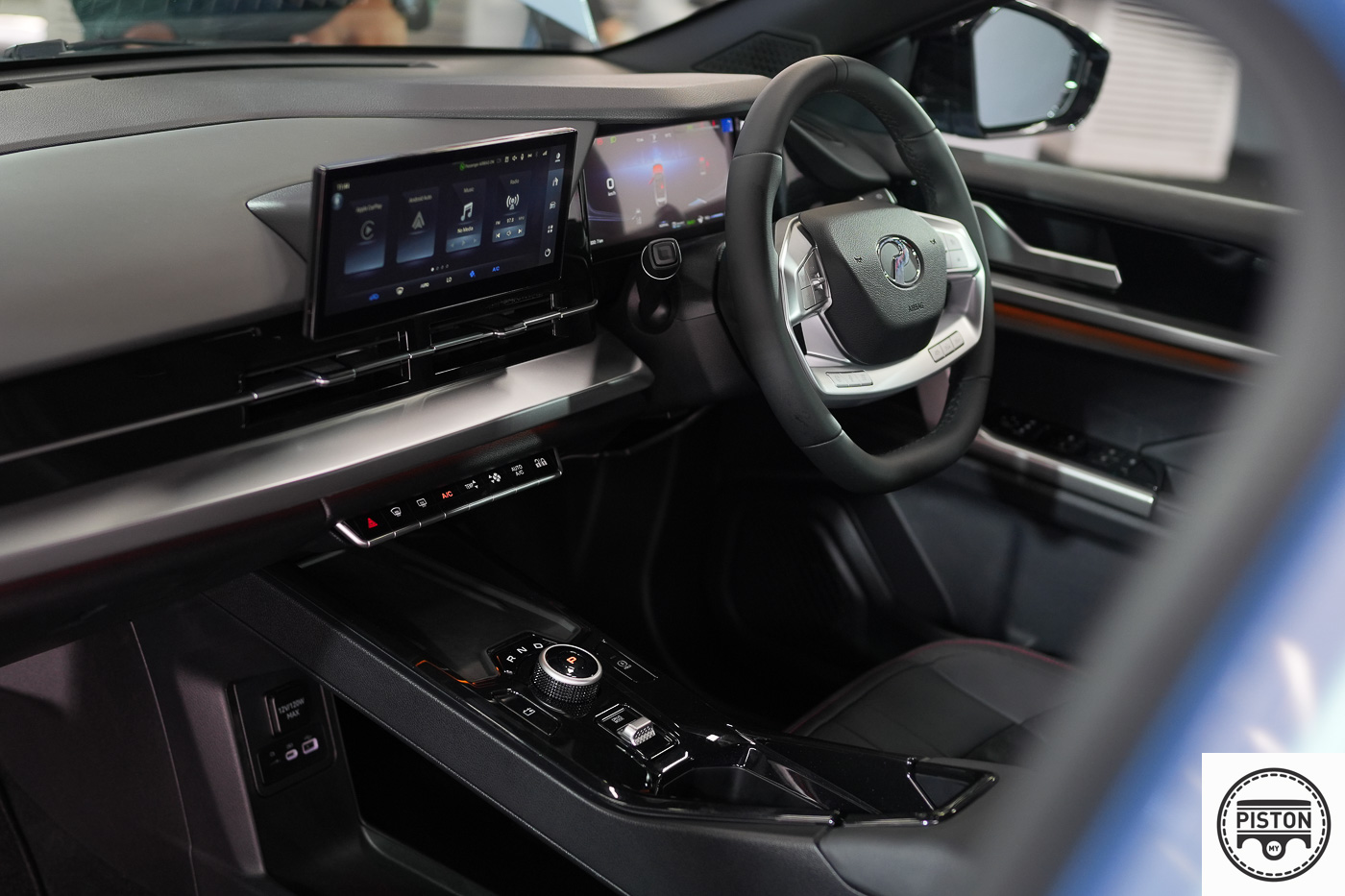
Bahagian dalaman pula menampilkan pendekatan rekaan mendatar dengan konsol tengah terapung serta ruang simpanan tambahan di bawahnya. QV-E turut dilengkapi kluster instrumen digital, paparan infotainment 10.25 inci dengan sokongan Apple CarPlay dan Android Auto tanpa wayar, pemilih gear berputar, pengecas tanpa wayar, pencahayaan ambien, tempat duduk pemandu berkuasa, cermin pandang belakang digital dan tempat duduk separa kulit.
Dari segi keselamatan dan teknologi pemanduan, QV-E dilengkapi rangkaian sistem bantuan pemandu termasuk Kawalan Jelajah Adaptif, Bantuan Lebuhraya, Bantuan Kesesakan Lalu Lintas, Brek Kecemasan Autonomi, Pengesanan Titik Buta, Pengekalan Lorong dan sistem keselamatan pasif lengkap. Kenderaan ini dibina atas platform serba baharu yang dibangunkan bersama Magna Steyr, direka untuk menyokong model segmen A dan B masa hadapan termasuk kemungkinan varian hibrid atau jarak lanjutan.

Bateri CATL LFP seberat 405.7 kg dengan penarafan IP68 dan IP69 dipasang di bawah lantai dan disejukkan cecair untuk prestasi lebih stabil dalam cuaca panas Malaysia. Motor hadapan 201 hp menghasilkan 285 Nm tork, membolehkan pecutan 0–100 km/j dalam 7.5 saat dalam mod Sukan serta kelajuan maksimum 165 km/j.

Pengecasan AC 6.6 kW mengambil masa kira-kira lapan jam, manakala pengecasan pantas DC 60 kW boleh mengisi dari 30 hingga 80 peratus dalam sekitar 30 minit. Fungsi kenderaan-ke-beban (vehicle-to-load) turut tersedia.

Perodua yakin QV-E adalah lebih daripada sekadar permulaan pengeluar itu dalam dunia mobiliti elektrik; ia dilihat sebagai pencapaian negara, hasil penyelidikan dan pembangunan tempatan yang meluas. Model ini akan mula dijual di cawangan terpilih, dengan jangkaan minat tinggi daripada pembeli yang mahu beralih kepada elektrifikasi tanpa mengorbankan kemampuan dan praktikaliti — ciri utama yang menjadikan Perodua pilihan rakyat Malaysia.

Perusahaan Otomobil Kedua Sdn Bhd (Perodua) kini bersiap sedia untuk memperkenalkan kenderaan elektrik (EV) pertamanya yang memenuhi piawaian nasional menjelang akhir bulan ini, menandakan satu pencapaian penting dalam sejarah industri automotif Malaysia.

Perdana Menteri, Datuk Seri Anwar Ibrahim, mengesahkan pelancaran tersebut semasa sesi lawatan dan pertemuan beliau bersama warga kerja Perodua baru-baru ini. Sebagai Perdana Menteri dan Menteri Kewangan, beliau menegaskan bahawa pembangunan EV ini bukan sekadar memperkenalkan produk baharu, tetapi juga mencerminkan aspirasi besar negara dalam melaksanakan Agenda Nasional ke arah mobiliti hijau dan ekonomi mampan.

Anwar menjelaskan bahawa EV pertama Perodua ini dibangunkan bagi menyokong matlamat ekonomi serta alam sekitar negara, dengan penekanan terhadap kemampuan milik rakyat Malaysia. Katanya, model tersebut bukan sahaja akan ditawarkan pada harga berpatutan, malah direka khusus untuk memenuhi keperluan pengguna tempatan sambil memperkukuh industri automotif nasional.

(more…)

Perusahaan Otomobil Kedua Sdn Bhd (Perodua) is preparing to introduce its first electric vehicle (EV) that meets national standards by the end of this month, marking a significant milestone in Malaysia’s automotive journey.

Prime Minister Datuk Seri Anwar Ibrahim confirmed the upcoming launch during his visit and engagement session with Perodua employees. As both the Prime Minister and Finance Minister, Anwar highlighted that this locally developed EV represents more than just a new product—it reflects Malaysia’s broader ambition to drive forward its National Agenda.

He explained that the upcoming Perodua EV has been designed to align with the country’s economic and environmental objectives. According to him, the car will not only be affordable but will also serve as a model that caters to the needs of Malaysians while strengthening the national economy.

(more…)

The Perodua Suppliers Association (P2SA) and the Perodua Dealers’ Association (PDA) have strengthened their positions in the automotive ecosystem, riding on Perodua’s record-breaking performance in 2024.

“Over the past couple of years, Perodua has procured tens of billions of Ringgit worth of automotive components from our members, marking the highest purchase volume in our history,” said P2SA President Musa Zahidin Tan Sri Ahmad Zaidee.

These significant investments have empowered P2SA members to reinvest and expand their operations, enhancing economies of scale and bolstering competitiveness amid rising external costs.

Supporting Record Production Levels

Musa commended Perodua’s transparent communication and support, which enabled P2SA members to meet the automaker’s unprecedented production achievement of 368,100 vehicles in 2024.

“The prompt payments, clear directions, and open discussions provided by Perodua allowed us to exceed our own expectations and support the highest production levels we’ve ever seen,” he noted.

(more…)

Perodua mencatat jualan sebanyak 358,102 unit kenderaan bagi tahun 2024, iaitu rekod pendaftaran tertinggi dengan peningkatan sebanyak 8.4% mengatasi pencapaian pada tahun 2023 iaitu 330,325 unit kenderaan.

Bagi aspek pengeluaran, Perodua mengeluarkan 368,100 kenderaan pada 2024, yang juga jumlah pengeluaran tertinggi sepanjang 30 tahun operasi jualannya, dengan peningkatan sebanyak 7.2 % daripada 343,400 yang dicatatkan pada 2023.

“Kami telah mengatasi kapasiti asal kami sebanyak 320,000 unit dan ia menunjukkan penyelarasan yang telah dilaksanakan secara dinamik dalam memenuhi objektif bersama. Pencapaian ini menunjukkan potensi sebenar kami dan akan menjadi penanda aras bagi industri untuk tempoh beberapa tahun akan datang,” kata Presiden dan Ketua Pegawai Eksekutif Perodua Dato’ Sri Zainal Abidin Ahmad.

“Pencapaian ini juga membuktikan bahawa kualiti dan kuantiti boleh bergerak seiring jika semua pihak berkomunikasi dan berkoordinasi dengan baik. Untuk itu, kami ingin berterima kasih kepada kakitangan kami kerana telah membuktikan kita boleh melakukan lebih daripada apa yang dijangka.

(more…)

Perodua has set a new benchmark in its 30-year history, achieving its highest-ever sales and production records in 2024. The company sold an impressive 358,102 vehicles, surpassing its previous record of 330,325 vehicles in 2023—an 8.4% increase.

The automaker also achieved its highest production volume, manufacturing 368,100 vehicles, a 7.2% jump from the 343,400 units produced in 2023. This accomplishment reflects Perodua’s dynamic coordination and ability to surpass its installed capacity of 320,000 units, solidifying its position as a benchmark in the automotive industry.

Remarkable Growth Amidst Industry Challenges

Perodua President and CEO, Dato’ Sri Zainal Abidin Ahmad, credited the company’s success to its synchronized efforts and commitment to quality. “This achievement shows our true potential and sets a benchmark for the industry in the years to come,” he said, thanking staff for their dedication.

(more…)

Telekom Malaysia (TM) telah mengumumkan kerjasama strategik dengan Perodua dalam memajukan pembangunan kenderaan elektrik (EV), inovasi digital, dan pertumbuhan lestari, sejajar dengan visi Malaysia untuk mewujudkan sektor automotif bernilai tinggi dan berdaya saing di bawah Pelan Induk Perindustrian Baharu 2030 (NIMP 2030).

Kerjasama ini dirasmikan melalui majlis menandatangani perjanjian di antara Amar Huzaimi Md. Deris, Ketua Pegawai Eksekutif Kumpulan TM, dan Dato’ Sri Zainal Abidin Ahmad, Presiden dan Ketua Pegawai Eksekutif Perodua. Kolaborasi ini meliputi empat bidang strategik, iaitu: Rangkaian Sambungan Hiper (Hyperconnected Network), Kemajuan Teknologi Digital, Peningkatan Pengalaman Pelanggan, dan Kelestarian Alam Sekitar.

TM, melalui TM One, cabang perniagaann untuk sektor perusahaan dan kerajaan, berhasrat menaik taraf infrastruktur Perodua dengan menyediakan sambungan tetap dan tanpa wayar, termasuk penyelesaian SD-WAN untuk rangkaian pengedar, rangkaian 5G persendirian untuk aplikasi automotif, dan teknologi pembuatan pintar untuk meningkatkan kecekapan pengeluaran.

(more…)

Telekom Malaysia (TM) and Perodua have entered a groundbreaking strategic partnership to accelerate electric vehicle (EV) development, digital innovation, and sustainable practices in Malaysia. This collaboration aligns with the objectives of Malaysia’s New Industrial Master Plan 2030 (NIMP 2030), which seeks to establish a high-value and competitive automotive sector.

The partnership was formalised during a signing ceremony between TM’s Group Chief Executive Officer Amar Huzaimi Md. Deris and Perodua’s President and CEO Dato’ Sri Zainal Abidin Ahmad, focuses on four key areas: Hyperconnected Network, Advancing Digital Technology, Enriching Customer Experience, and Environmental Sustainability.

(more…)

Archive

Follow us on Facebook

Follow us on YouTube