Piston.my

SUV

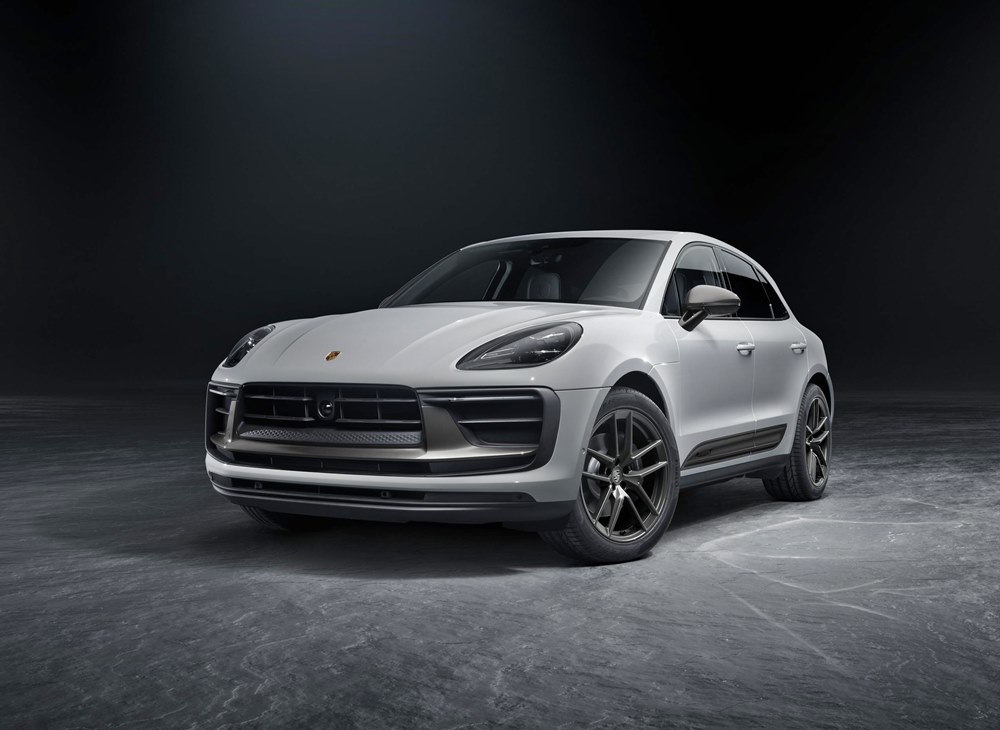
Porsche is set to introduce a new petrol-powered crossover by 2028, following the discontinuation of the first-generation Macan in Europe. The move comes amid tightening safety regulations and a reassessment of market demand for electric vehicles.

The original Macan was withdrawn from the European market in 2024 due to its failure to comply with the updated General Safety Regulation (GSR2), which came into effect in July. While the model will continue to be sold in markets not subject to these rules, global production is expected to cease in 2026, bringing the chapter on Porsche’s best-selling compact SUV to a close.

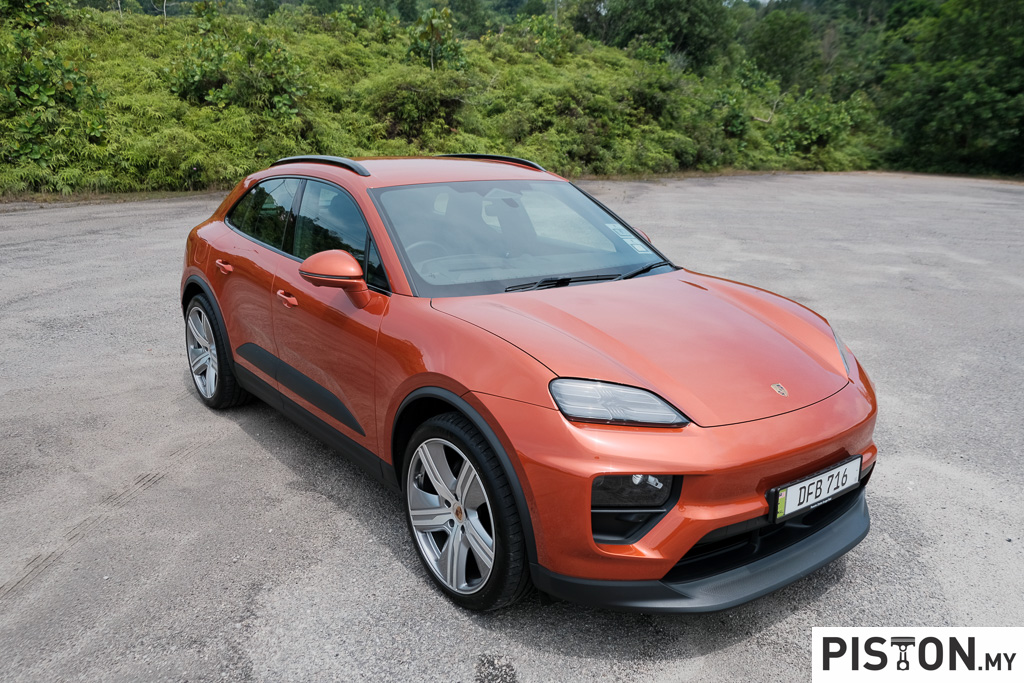
During the first-half earnings call for 2025, Porsche CEO Oliver Blume confirmed that the company has fast-tracked development of an entirely new combustion-engine crossover. He described the upcoming vehicle as a model that will be unmistakably Porsche, aimed at the same segment as the outgoing Macan but distinctly different from the forthcoming all-electric Macan.

Macan EV

Blume emphasised that the development timeline is being condensed to ensure the new SUV reaches showrooms within three years. Although specific technical details were not disclosed, the swift turnaround suggests Porsche may leverage Volkswagen Group’s Premium Platform Combustion (PPC) architecture. This is the same platform underpinning the latest Audi Q5, a vehicle that has already debuted with petrol, diesel, and hybrid powertrains.

(more…)

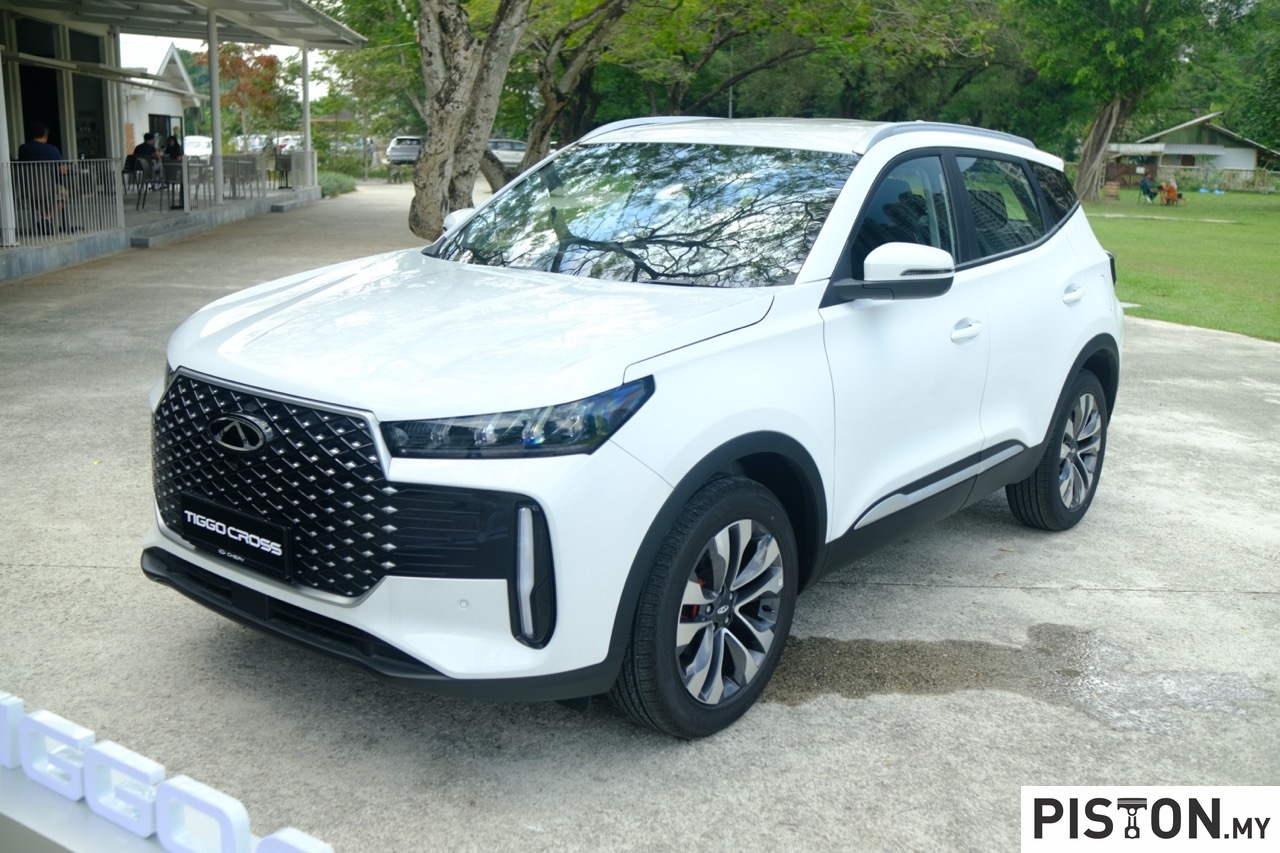
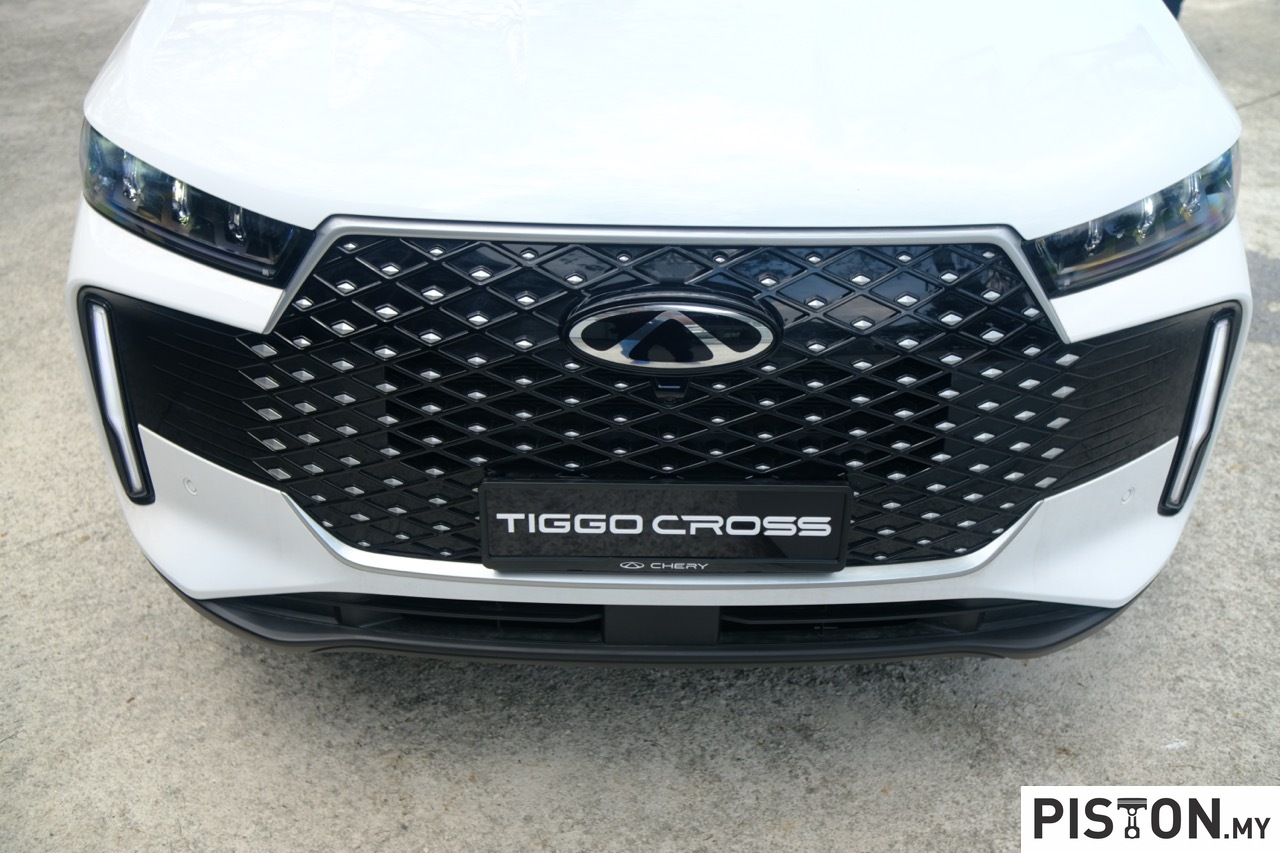
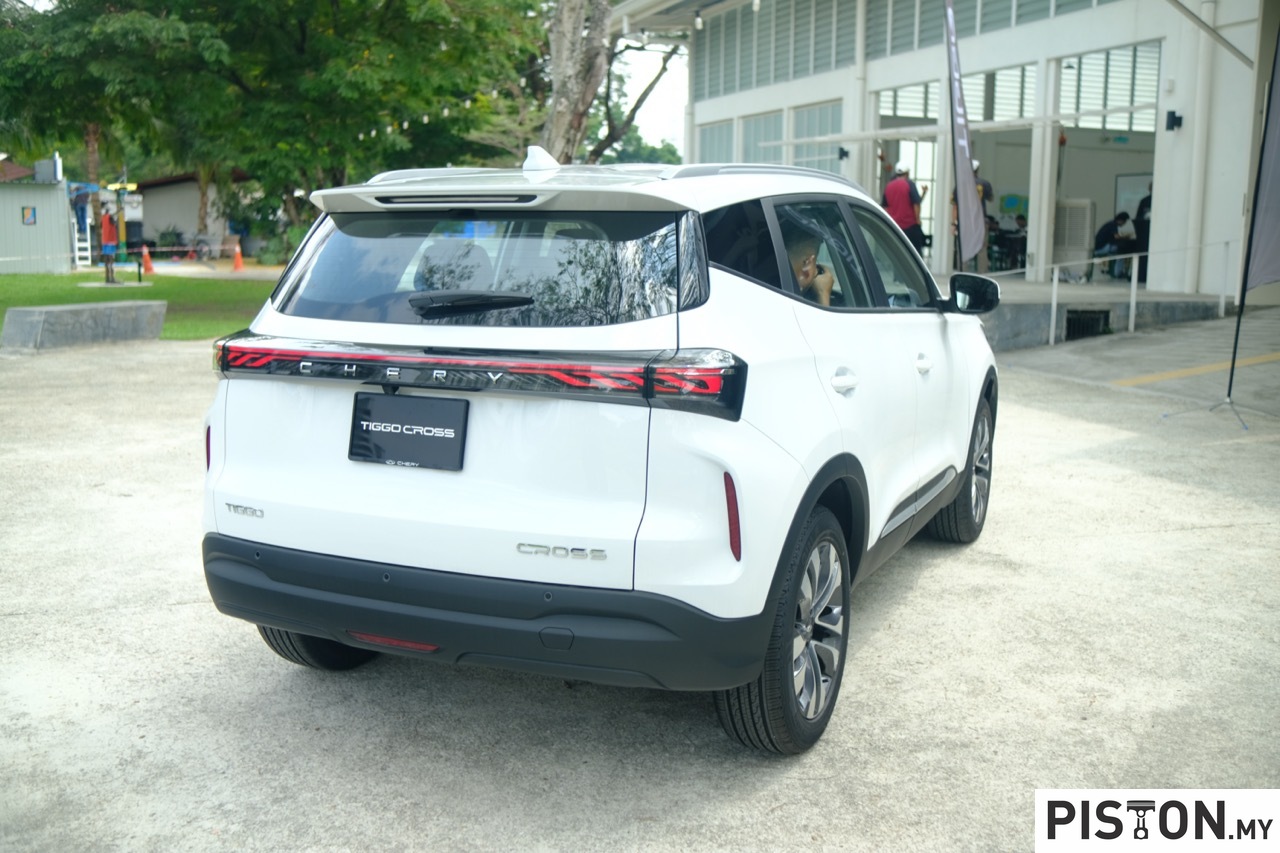
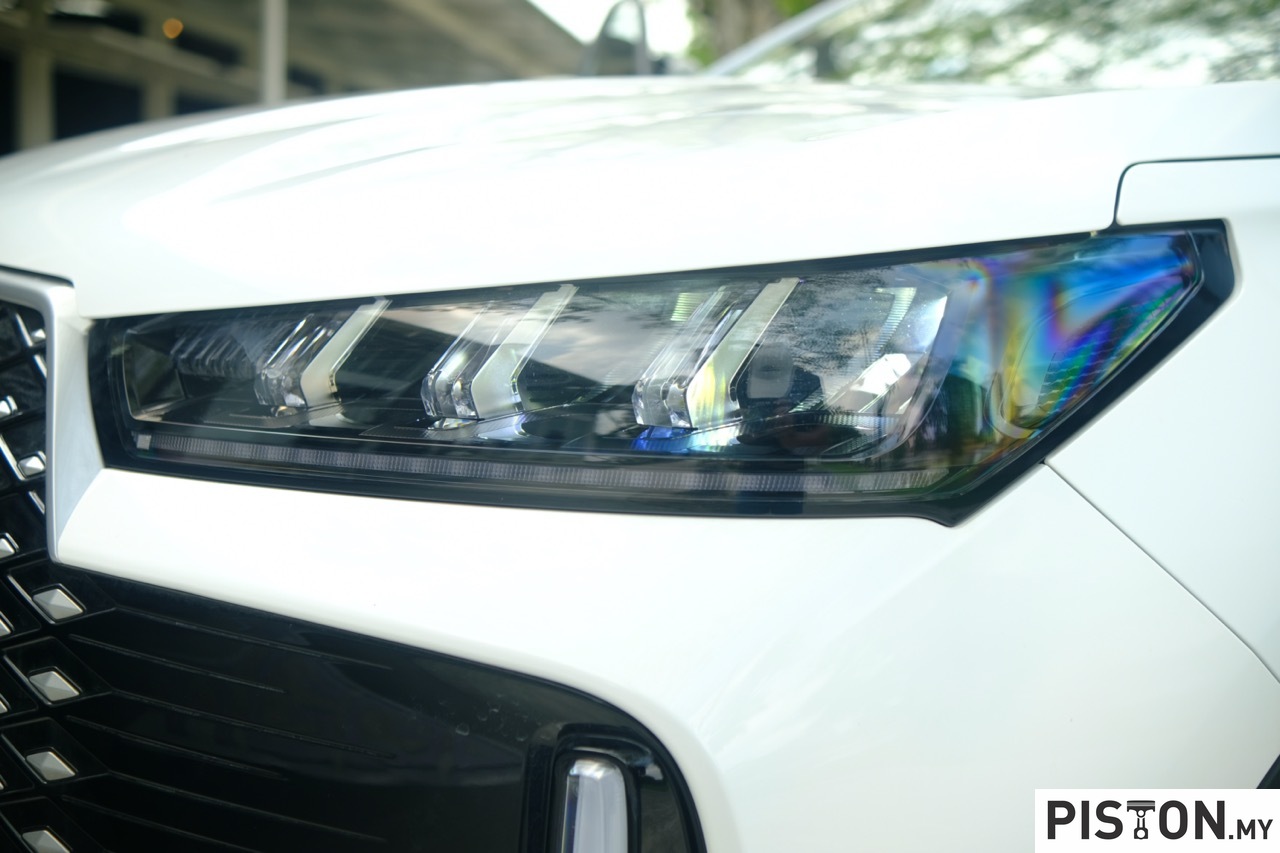
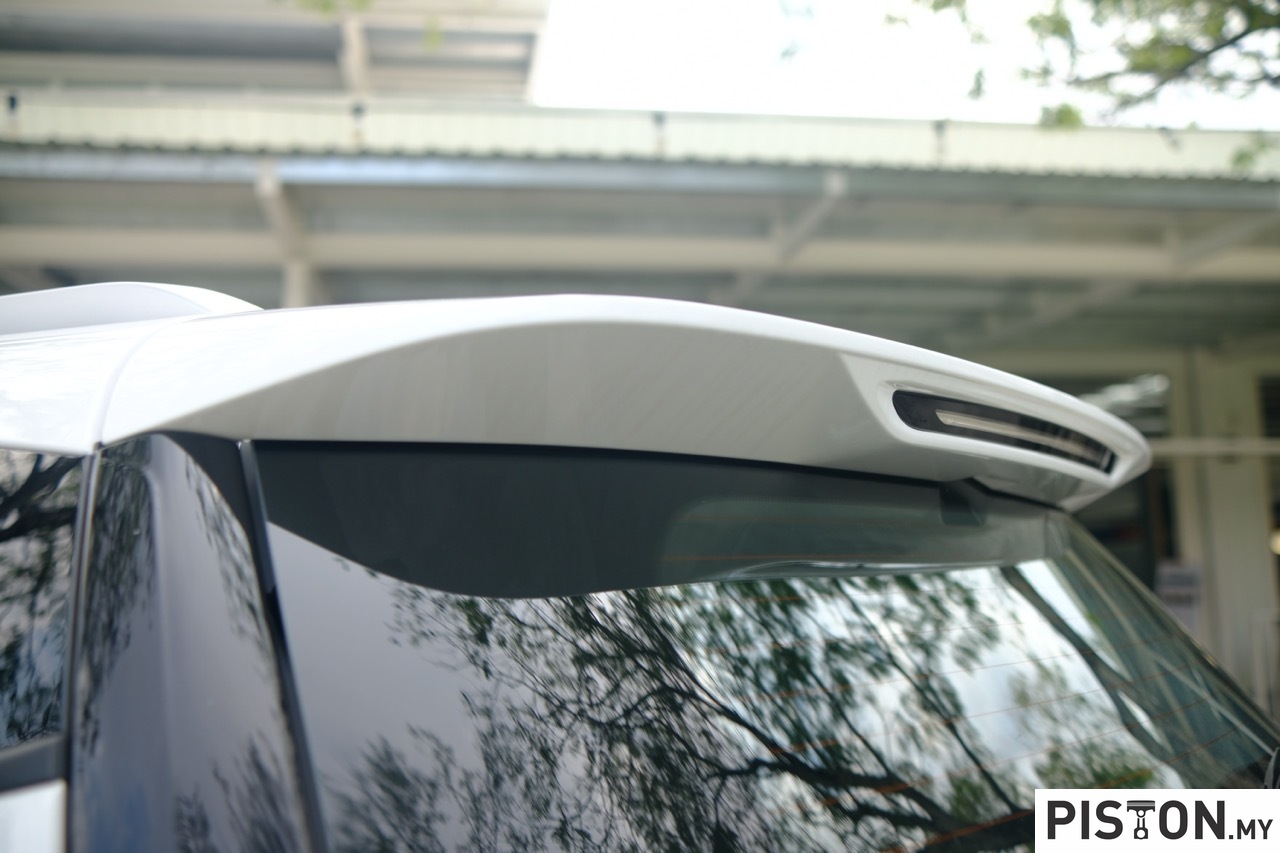
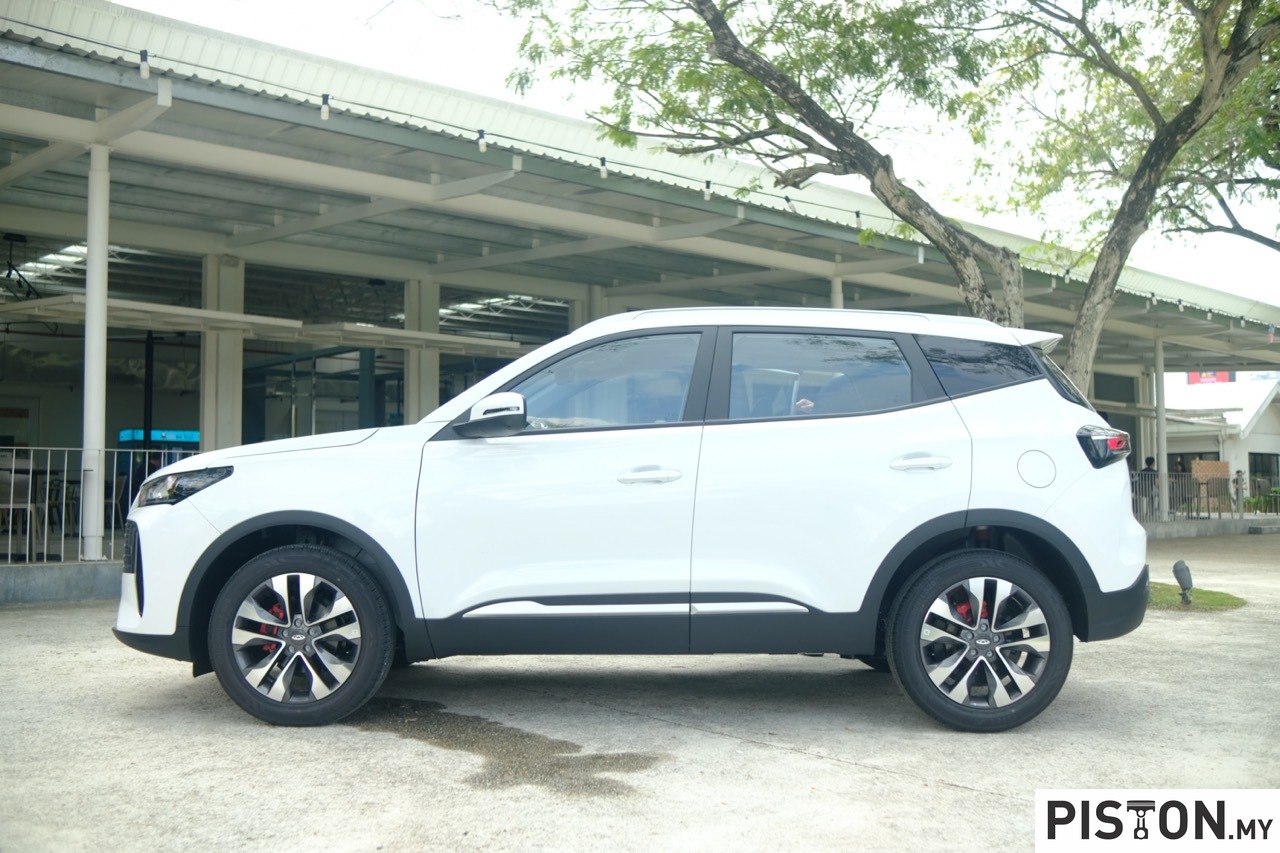
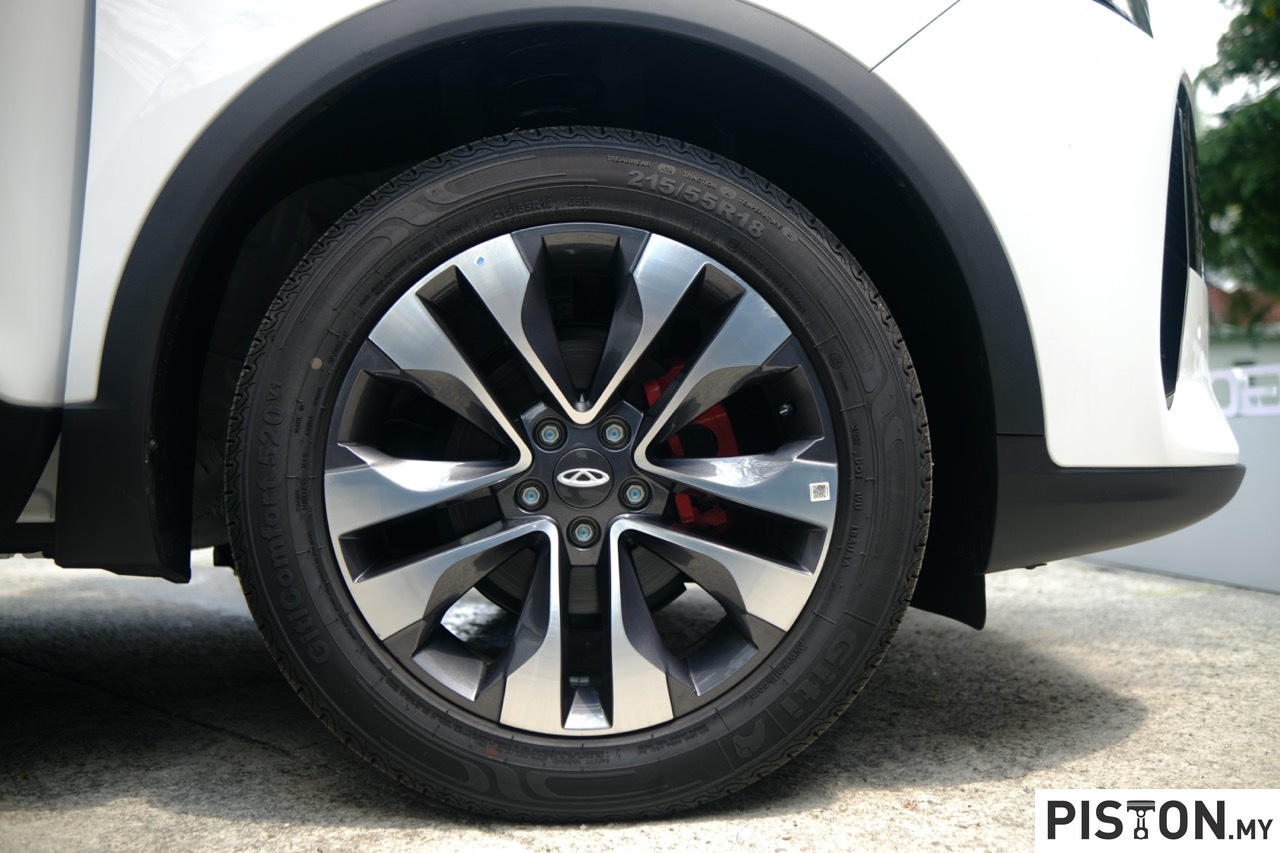
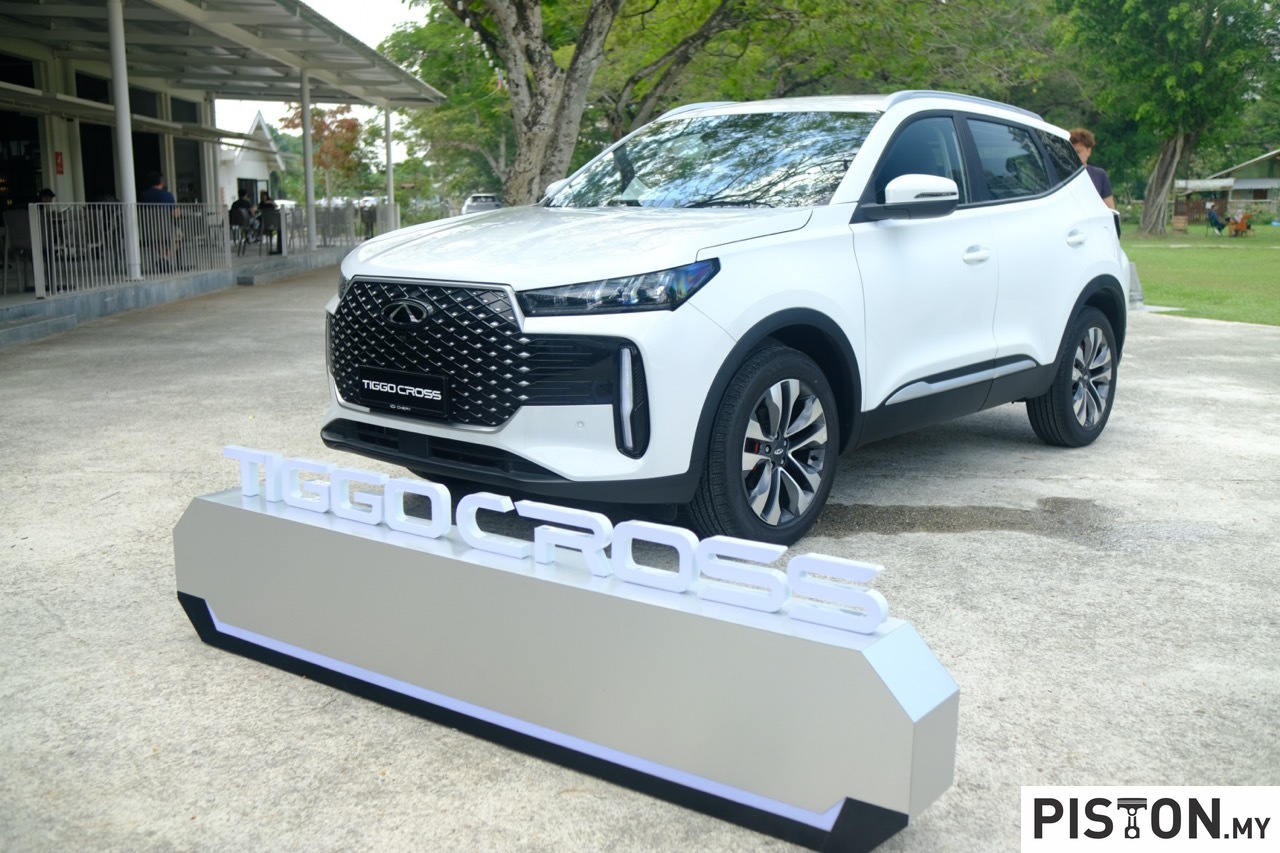
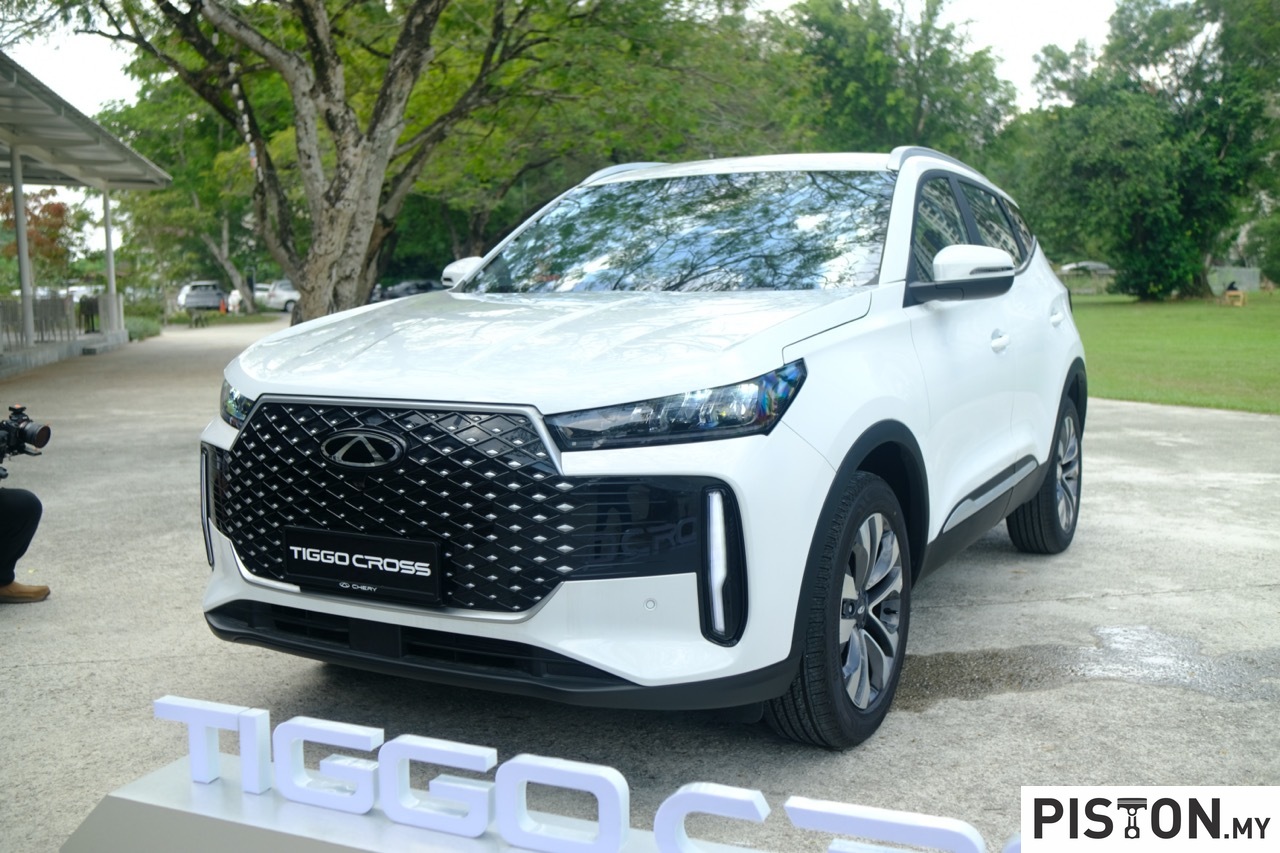
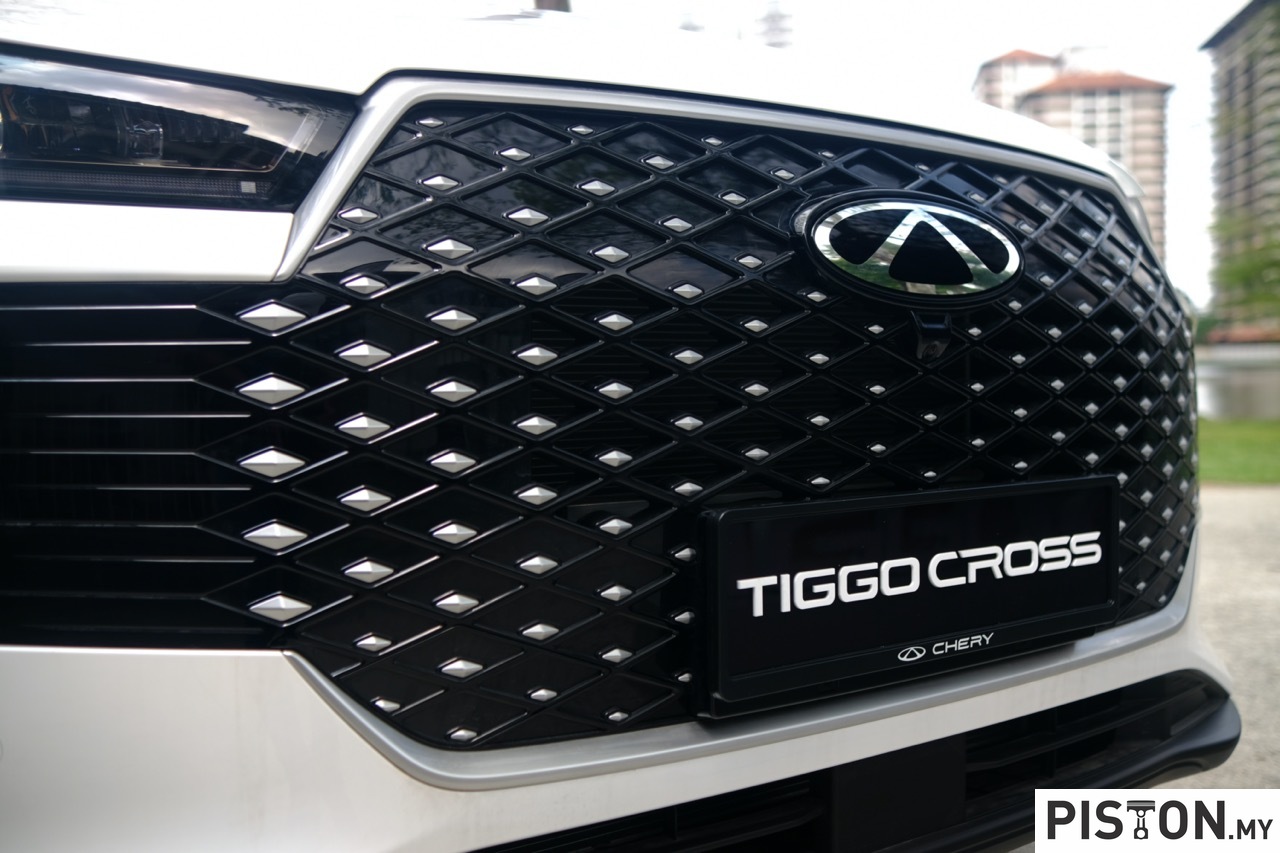
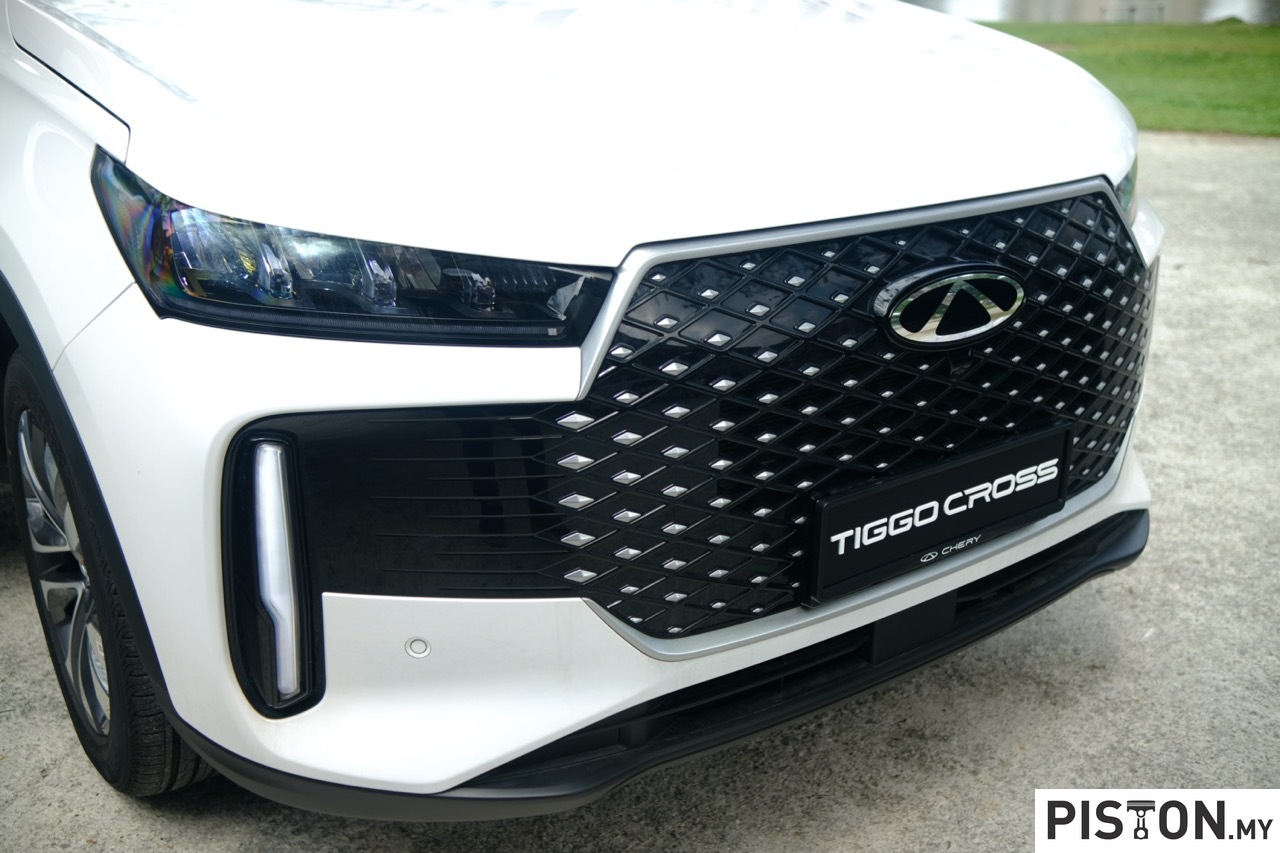
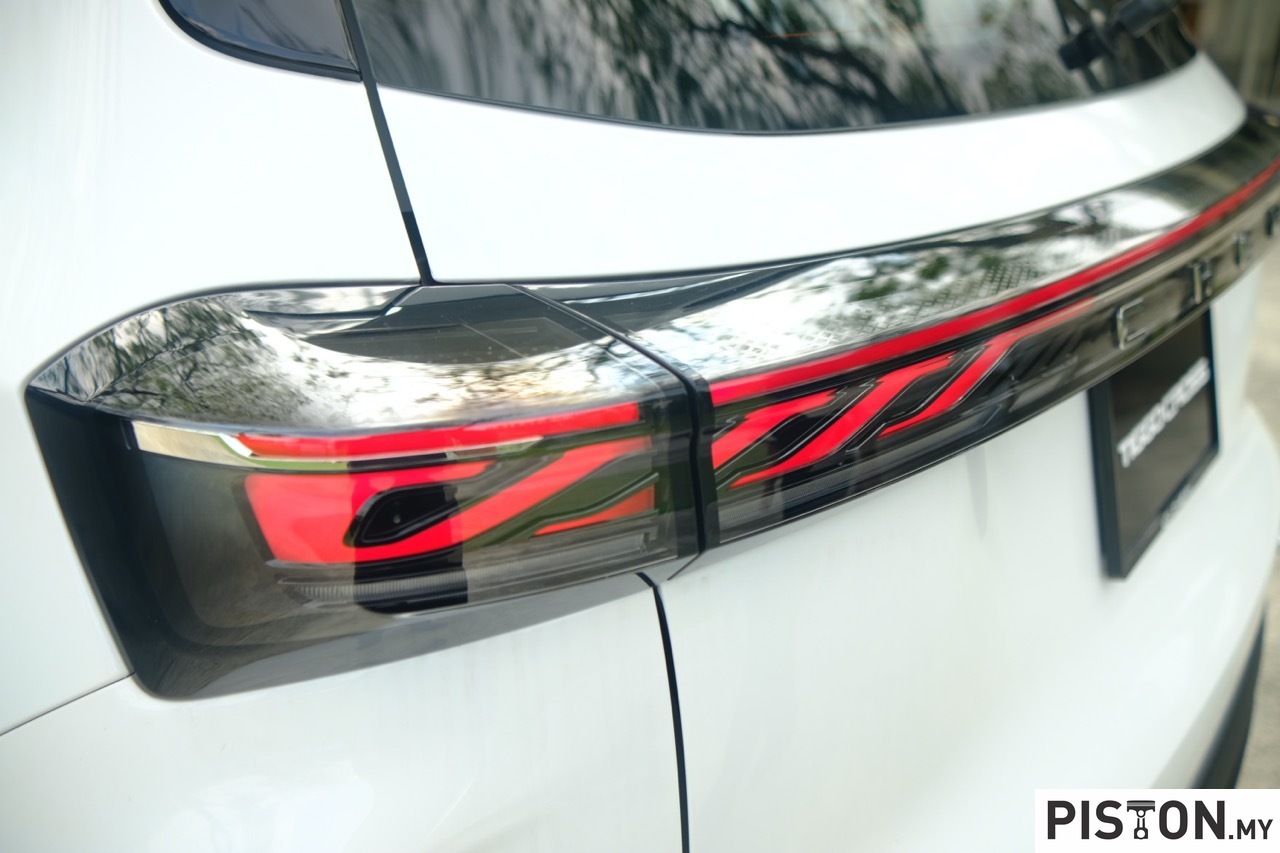
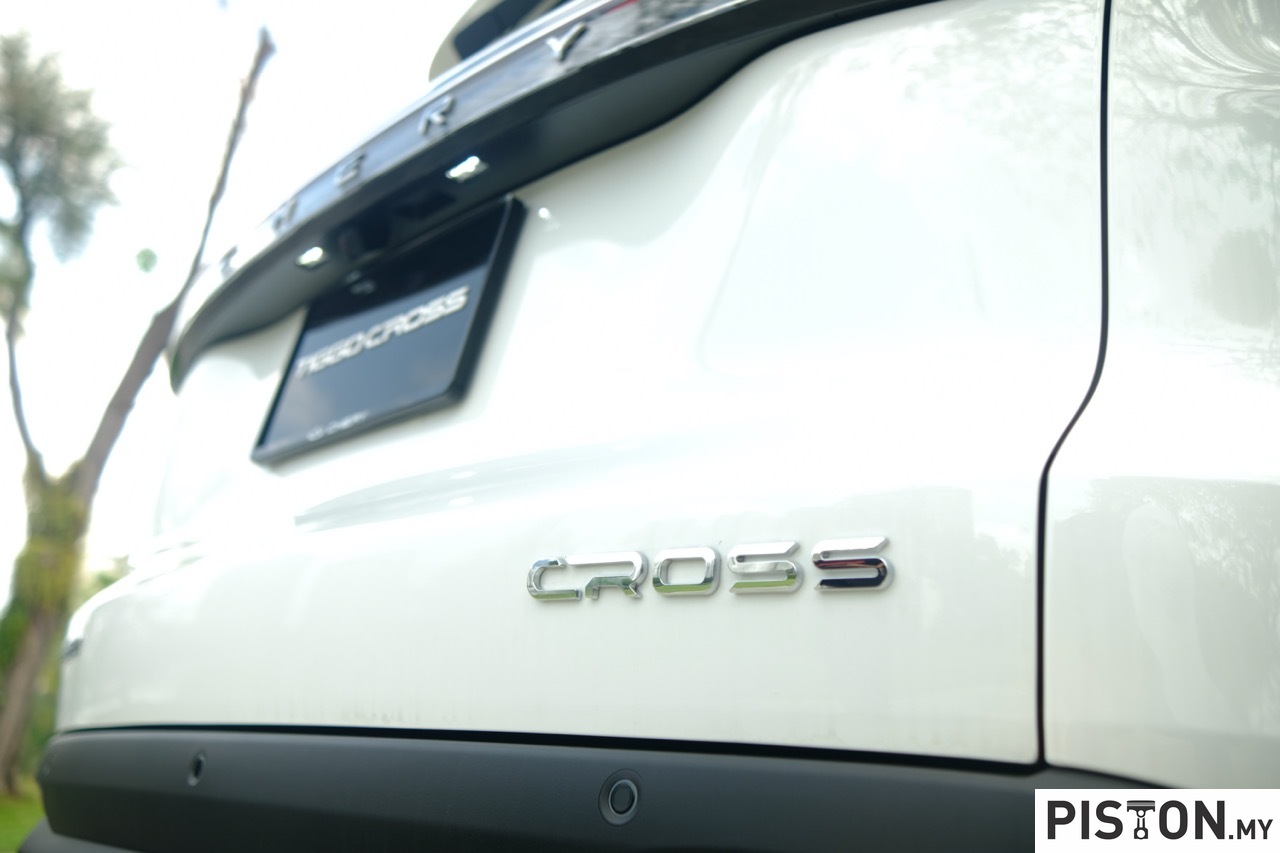
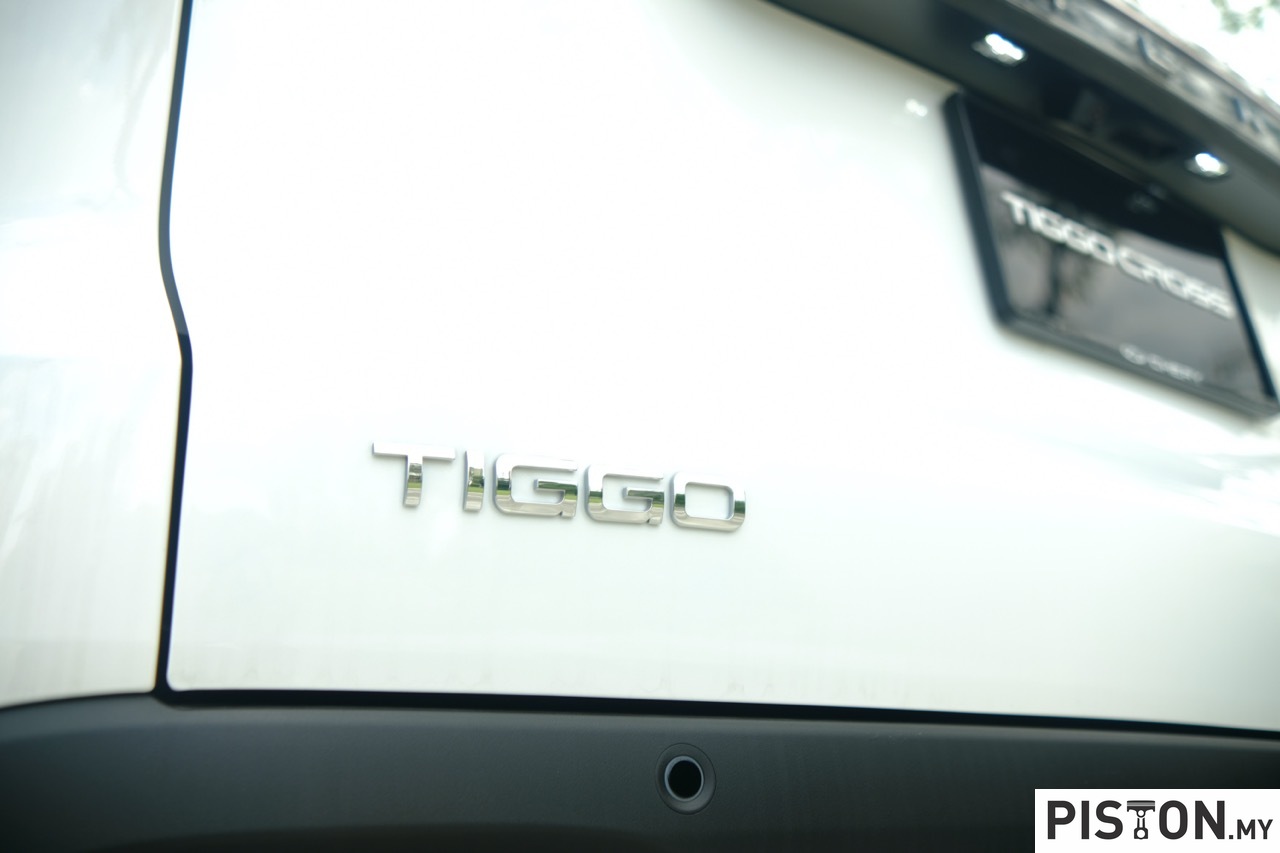
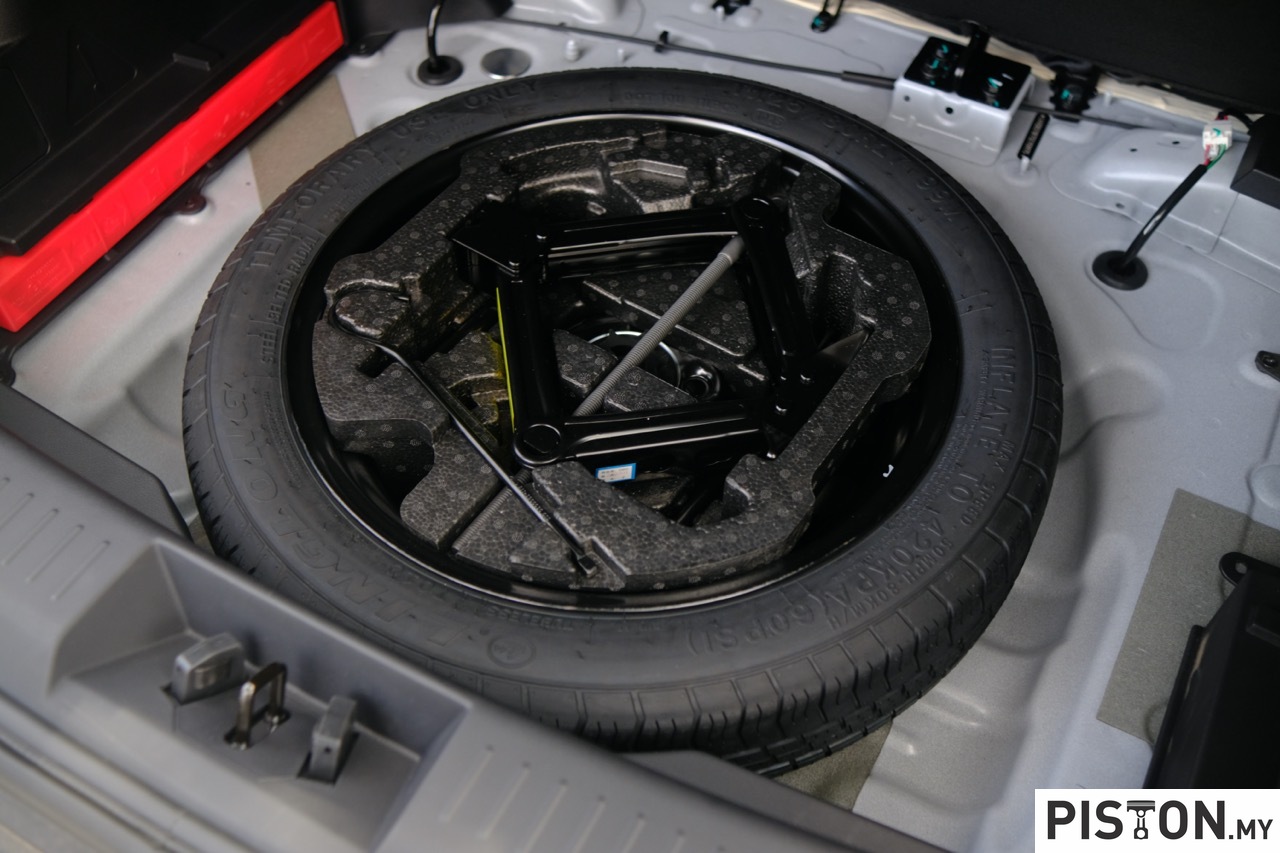
Chery Malaysia shook up the local market recently with the introduction of the Tiggo Cross. 

Two variants were introduced:

  1. Chery Tiggo Cross Hybrid CSH, priced at RMRM99,800. 
  2. Chery Tiggo Cross 1.5 Turbo, priced at RM88,800. 

Competing in the Malaysian market, the Chery Tiggo Cross is a game changer not only due to its price but also the technologies that it has to offer. It has amassed 1,000 bookings in just two days, but what makes it so popular? 

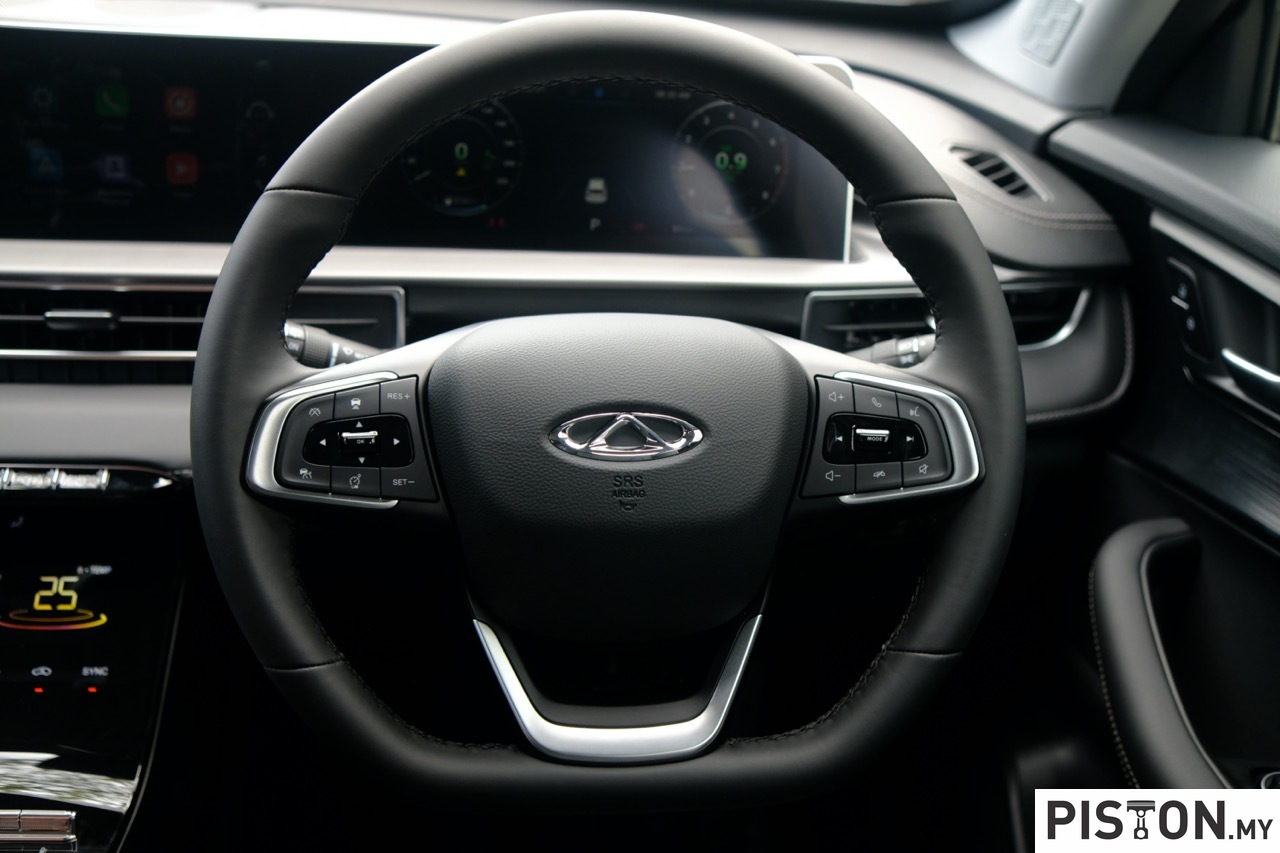
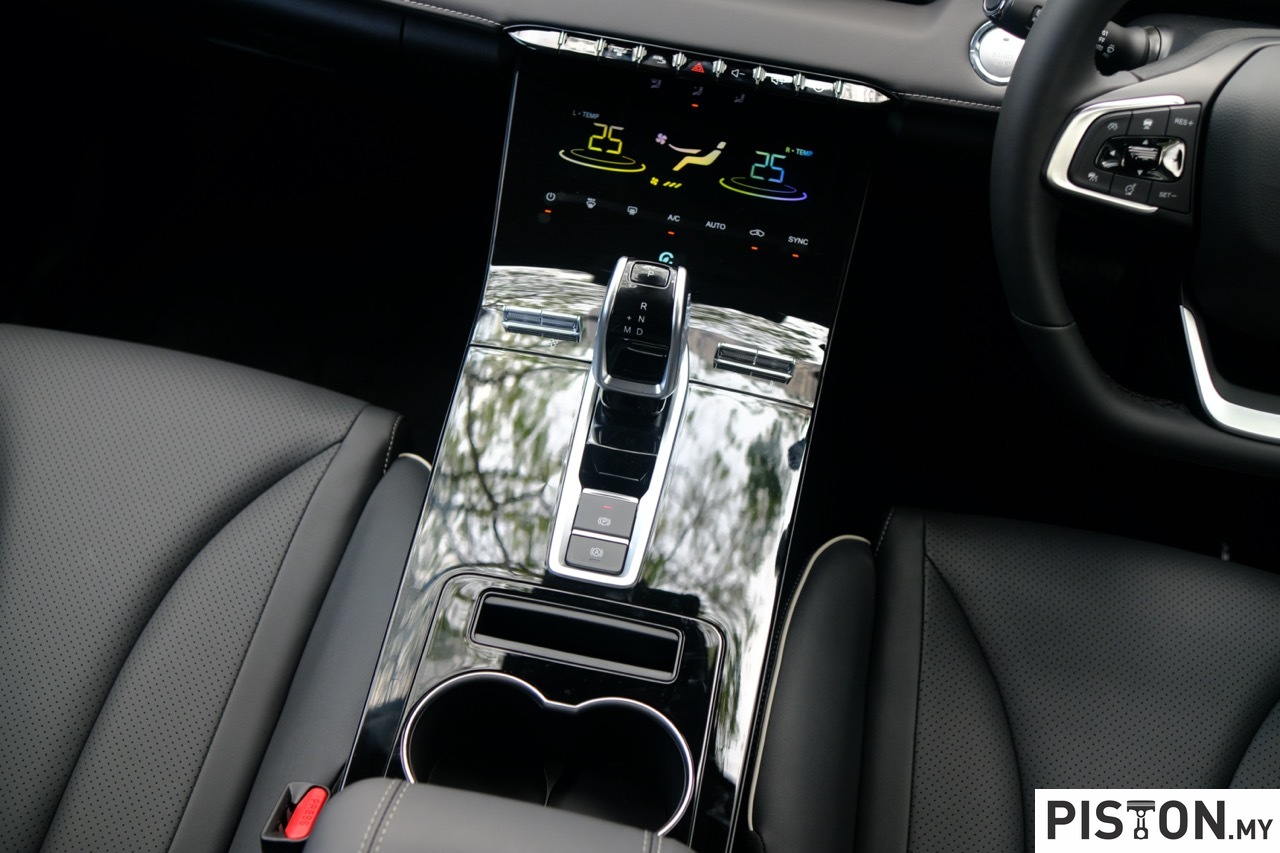
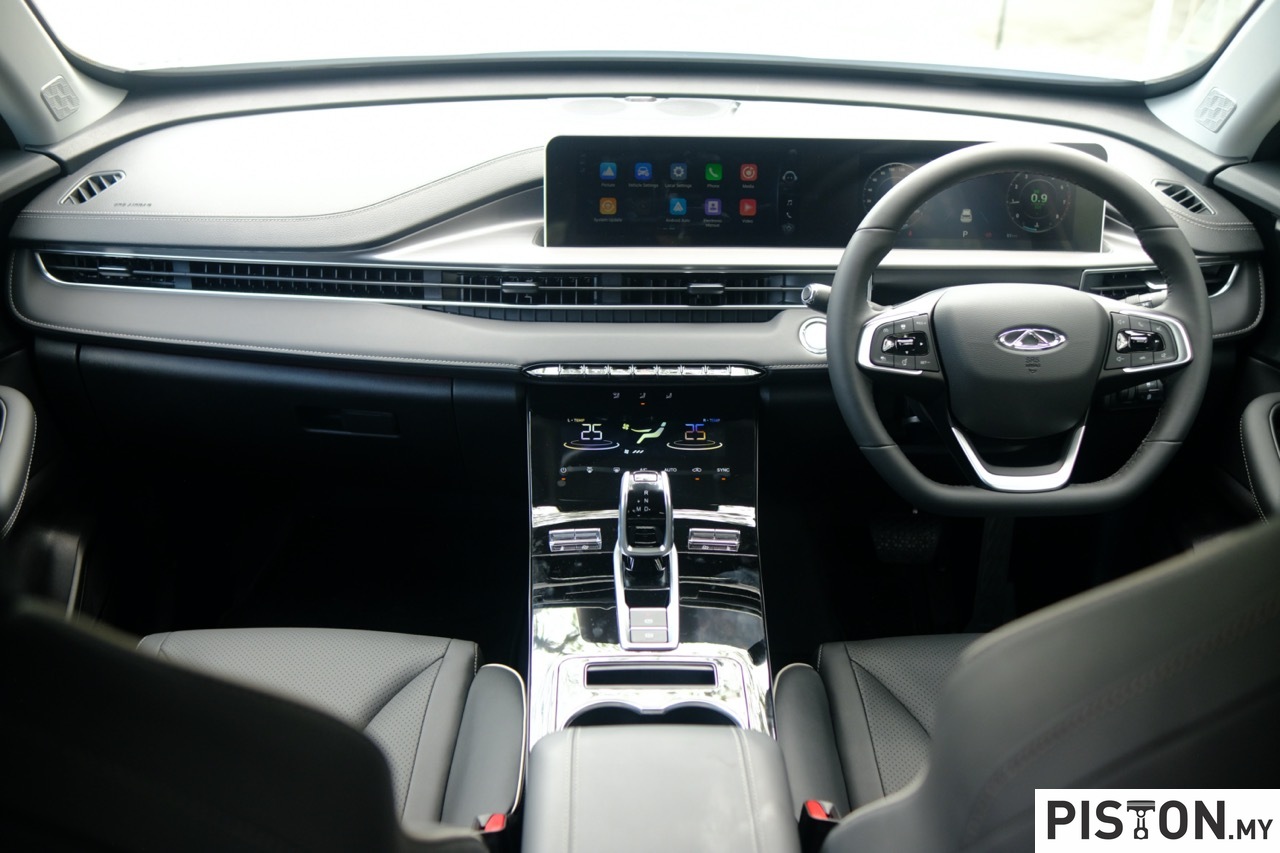
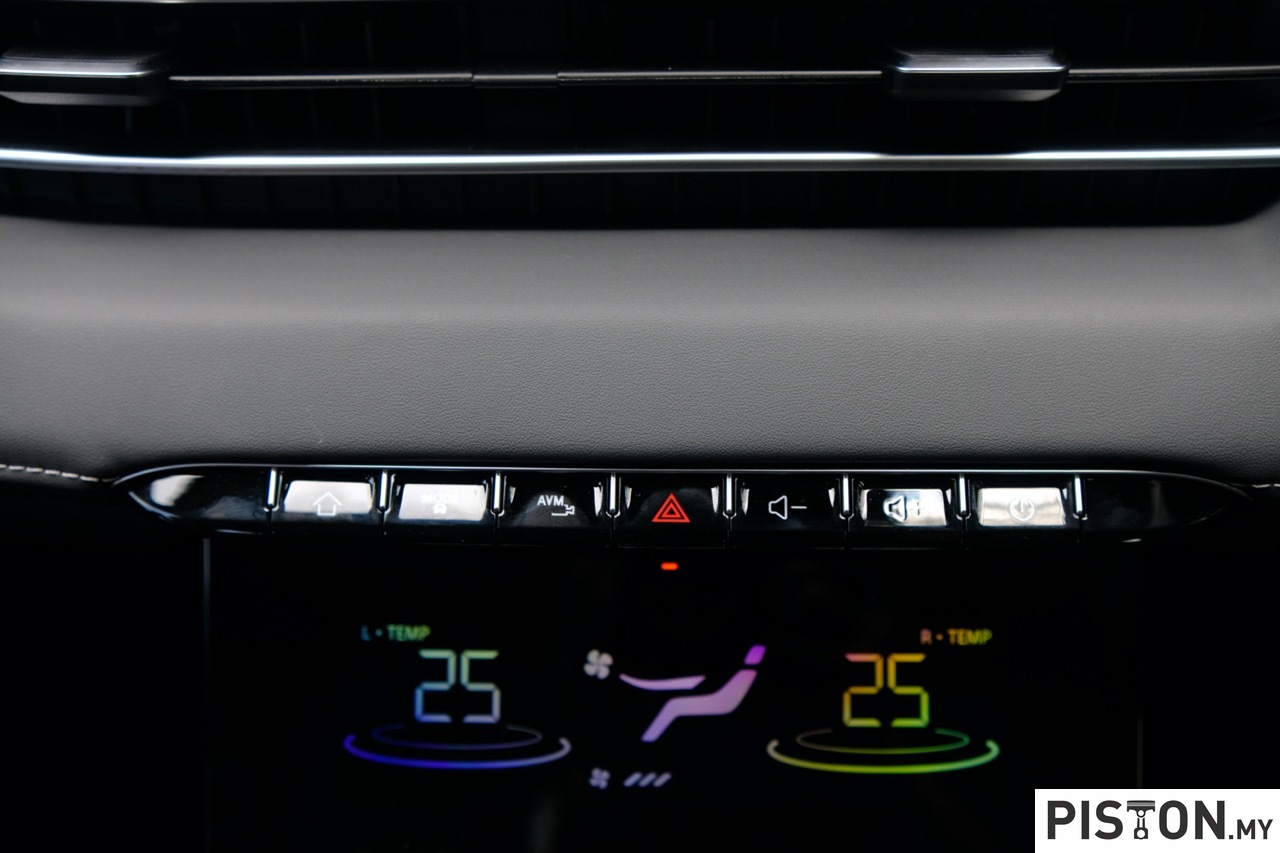
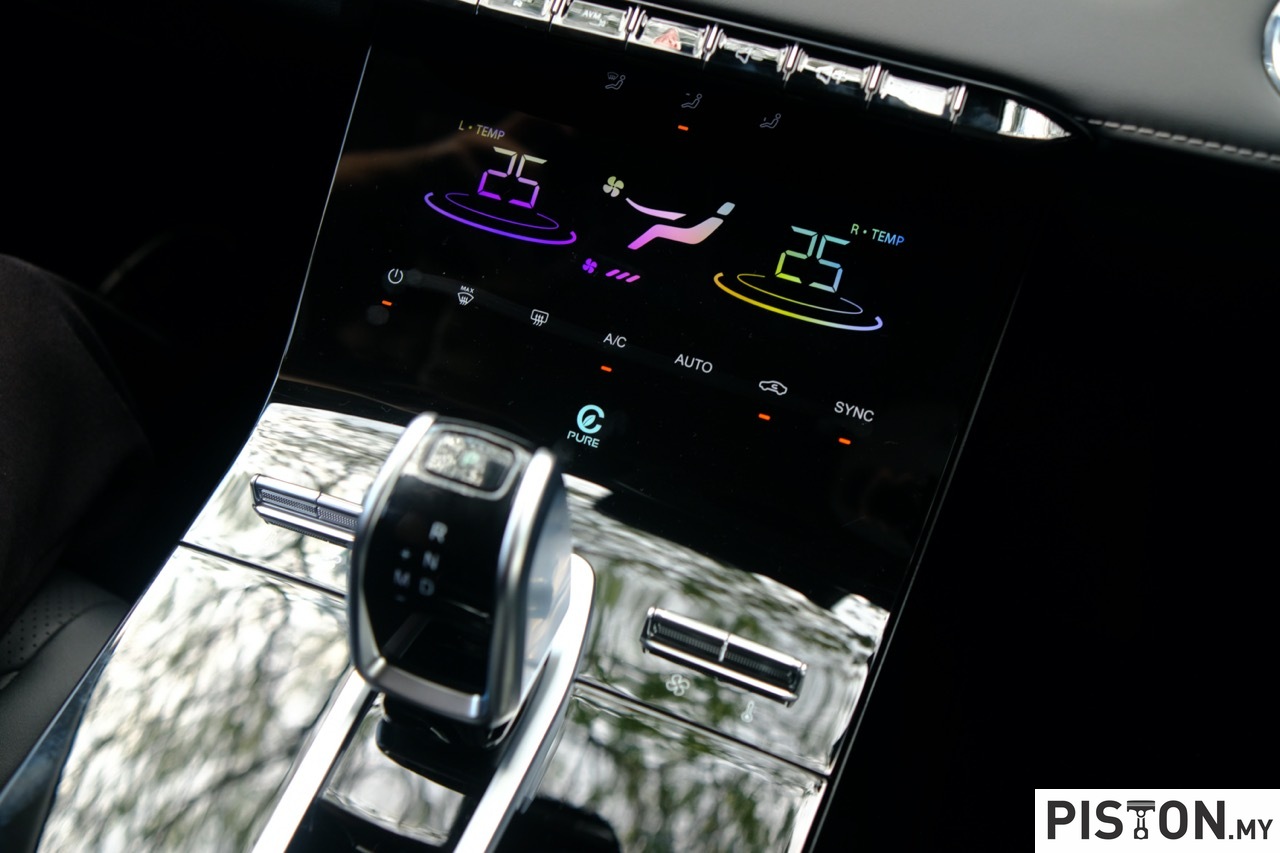
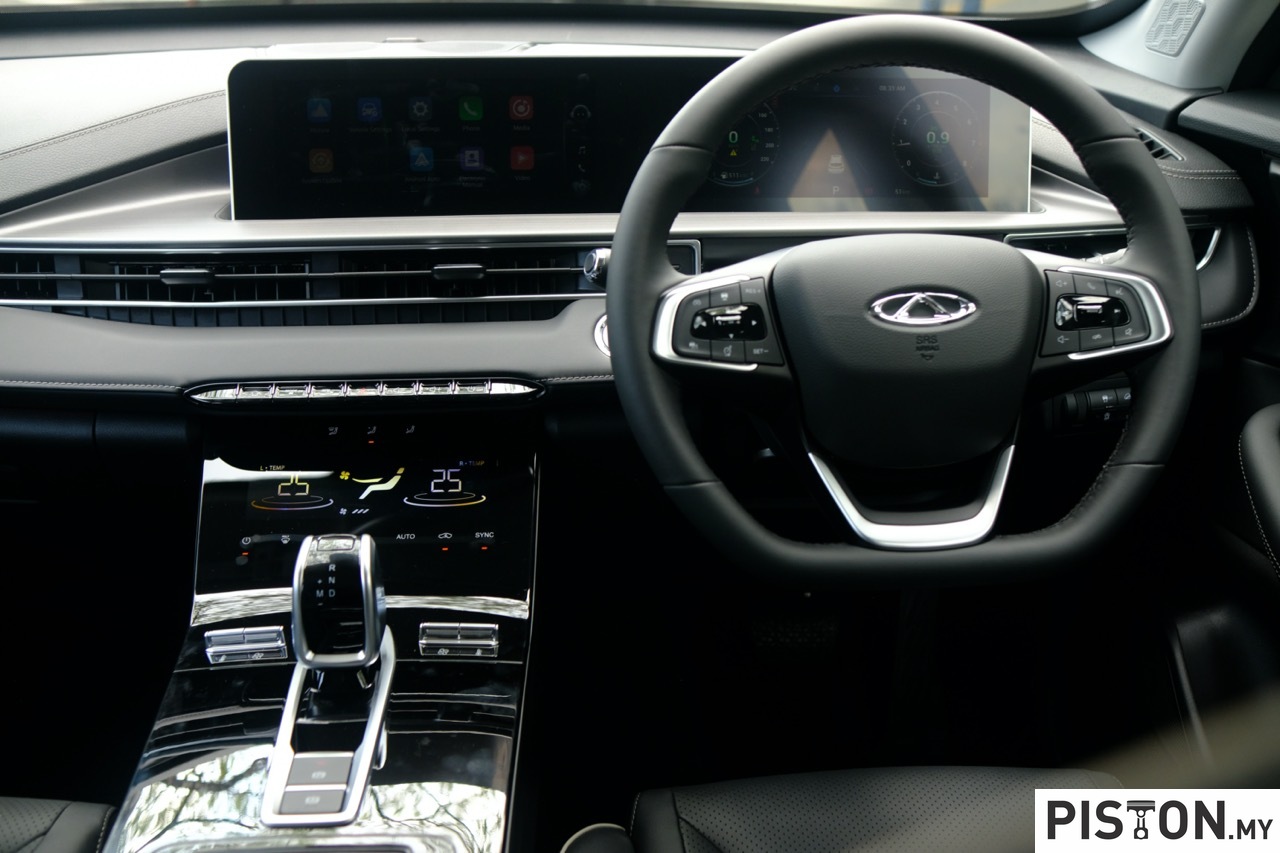
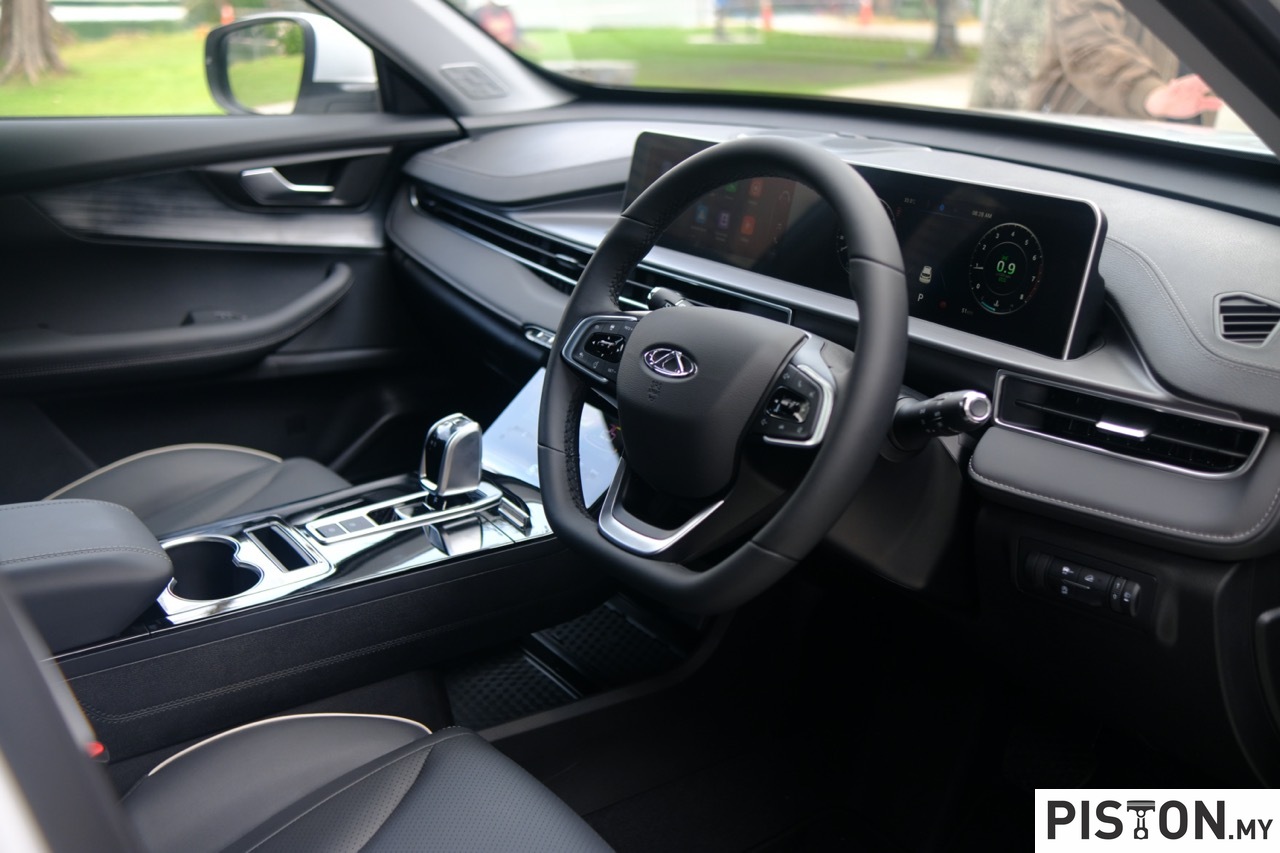
Some of the technologies that are offered as standard for both variants include a 360-degree Panoramic Camera, a 15-watt wireless charger, dual-zone climate control, an electric driver’s seat, Apple CarPlay, Android Auto, as well as a large 10.25-inch infotainment screen and a digital instrument cluster of equal size. 

However, the top-of-the-line variant comes packed with 16 intelligent Advanced Driver Assistance Systems. 

Some of the systems include:

  1. Blind Spot Monitoring – Alerts the driver about vehicles in blind spots. 
  2. Autonomous Emergency Braking – Intervenes in emergency situations by automatically applying brakes. 
  3. Intelligent Headlight Control – Adjusts headlights automatically so as not to blind oncoming traffic. 
  4. Forward Collision Warning – Warns the driver of a potential frontal collision.
  5. Lane Departure Warning – Warns the driver when the car drifts into a different lane. 
  6. Adaptive Cruise Control – Maintains a predetermined speed by automatically braking and accelerating. 
  7. Rear Collision Warning – Warns the driver of oncoming vehicles behind the car, particularly when reversing. 
  8. Lane Change Assist – Monitors traffic behind the vehicle and alerts the driver with audio-visual cues to help with safe overtaking. 

The Chery Tiggo Cross 1.5 Hybrid CSH also offers seven airbags for comprehensive safety and protection. 

However, the cherry on this Chery is the fact that the Tiggo Cross earned a five-star Safety Rating at the Australasian New Car Assessment Program (ANCAP), the independent voice on vehicle safety for Australia and New Zealand. 

But that is not the only reason why the Chery Tiggo Cross has become such a darling among car buyers; it is the hybrid technology that it has to offer as well. 

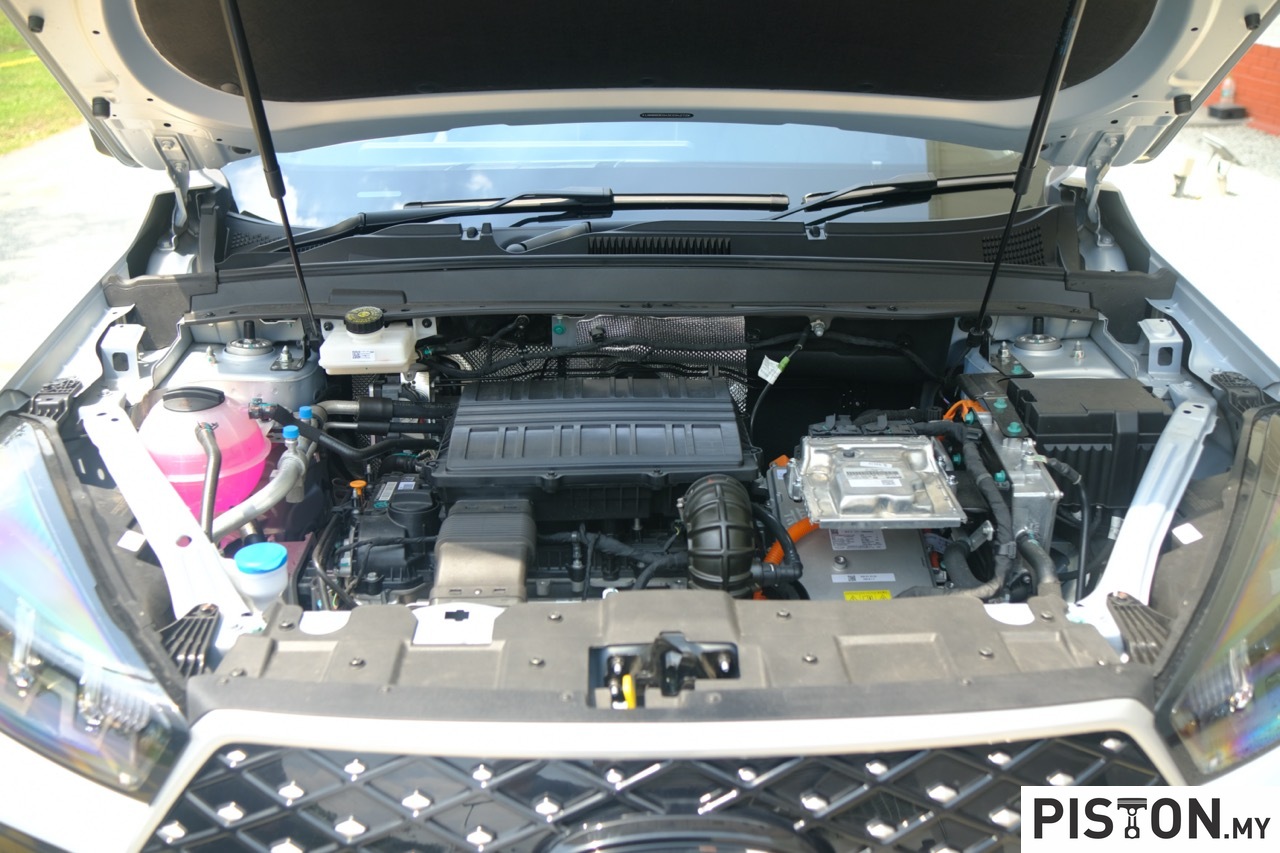
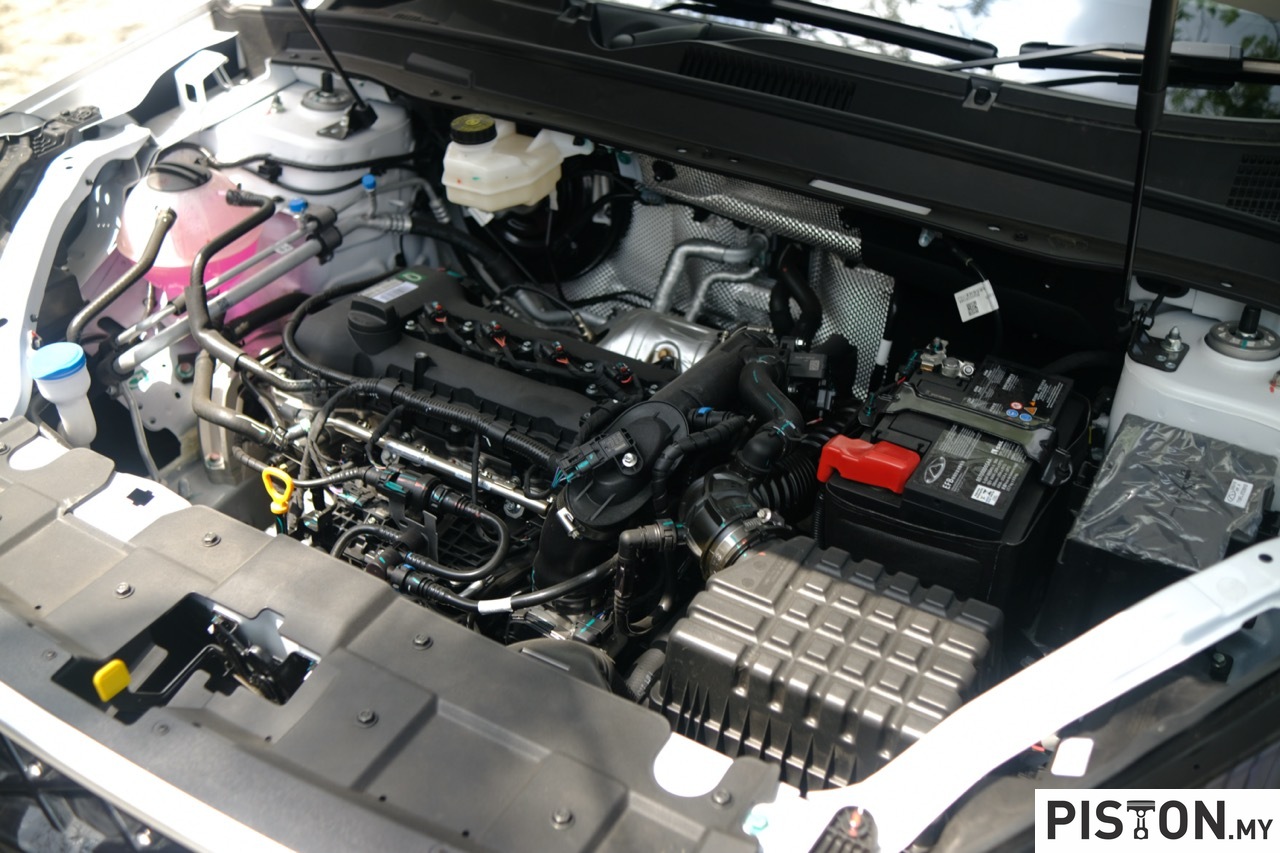
Called the Chery Super Hybrid (CSH), the tech represents Chery’s proprietary cutting-edge hybrid powertrain technology, engineered for a cleaner and more efficient drive. 

The system works by combining an internal combustion engine with electric motors as well as a battery management system. 

Combined, this system offers class-leading fuel economy, lower emissions, as well as impressive driving dynamics. 

The technology is the result of two decades of advancement by a global R&D system that includes eight centres, 300 laboratories and 30,000 R&D professionals. In fact, in its current fifth-generation form, the CSH system sets a new global benchmark with thermal efficiency exceeding 44.5%. 

That is quite phenomenal considering that conventional petrol engines operate at a peak thermal efficiency of only 25-35% while some of the competitor hybrid systems are only able to offer 40-43% thermal efficiency. 

By now, the question at the back of your mind would probably be, “but how does it work?” 

The CSH system works by intelligently switching between several drive modes automatically, depending on driver demand and driving load:

For example, in Pure Electric drive mode, such as at low speed and when the battery has sufficient charge, the Tiggo Cross is driven purely by the electric motor. 

The engine is completely switched off, providing the driver with a silent, zero-emission driving experience. 

Then there is the Series Hybrid mode, which works when the battery charge is low or at moderate speeds. This is when the engine acts as a generator and provides electricity to the motors. 

The engine does not provide drive to the wheels but runs at its most optimal RPM to generate electricity for the motors. Similar to a range-extender, and consumes very little fuel in return.

Further to that, there is the Parallel Hybrid mode. This is when both the engine and electric motors work concurrently to provide power to the wheels, such as at high speed or during acceleration. This is the primary mode during highway driving or overtaking. 

But at really high speed, such as when cruising on the highway, the Engine Direct Drive mode kicks in and drives the wheels directly, bypassing the electric motors. But when needed, the electric motors can still provide a boost. 

What about recharging, though? You might wonder. The Chery Tiggo Cross 1.5 Hybrid CSH uses regenerative braking that recharges the battery during deceleration or when braking. 

The Chery Super Hybrid System is the company’s core technology for its new energy vehicles, and now, with prices starting from just under RM100,000, the technology is available to more car buyers, in turn playing a part in reducing global emissions. 

Our short drive experience with the car revealed an impressive refinement level, and in the hybrid variant, the overall performance, such as acceleration, was fantastic to say the least. 

In fact, we found that the hybrid variant was smoother with fewer vibrations in the cabin as well. 

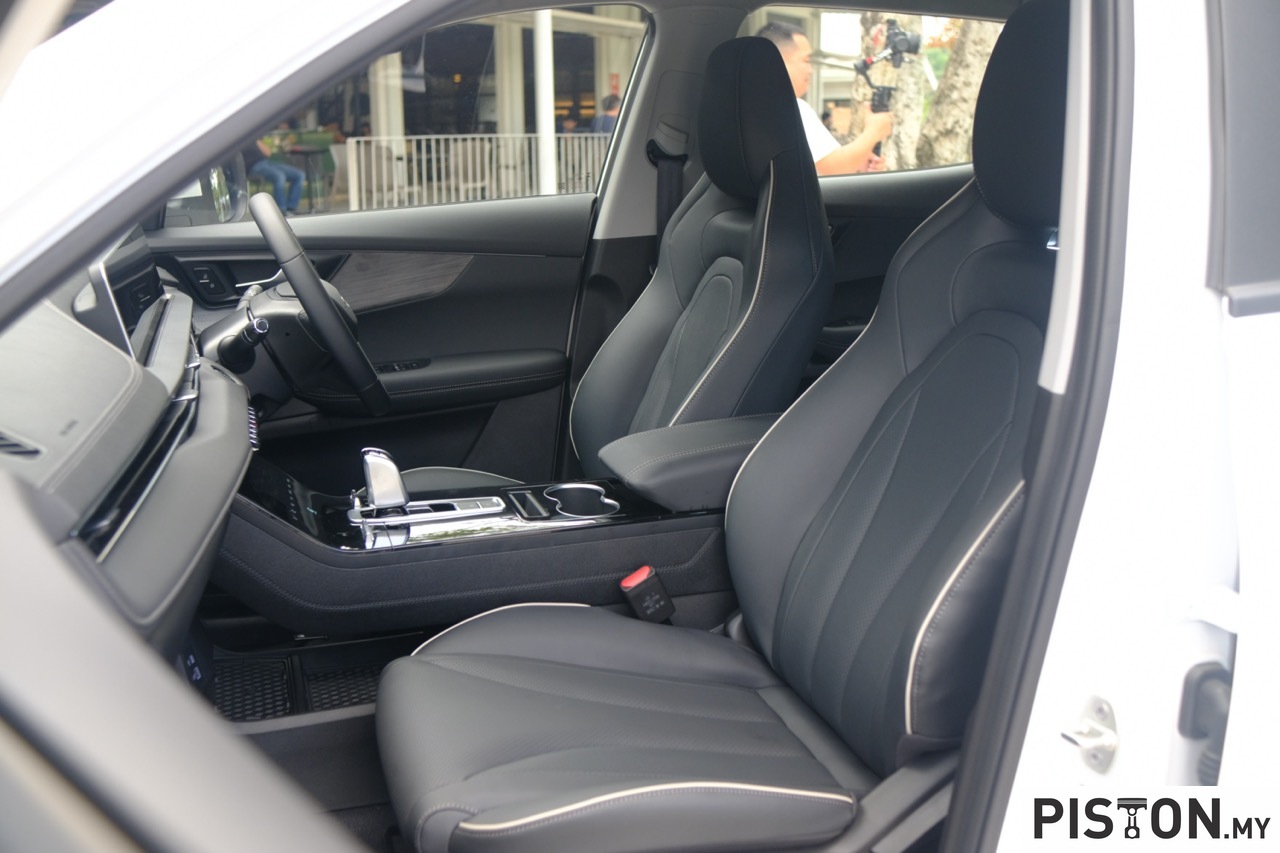
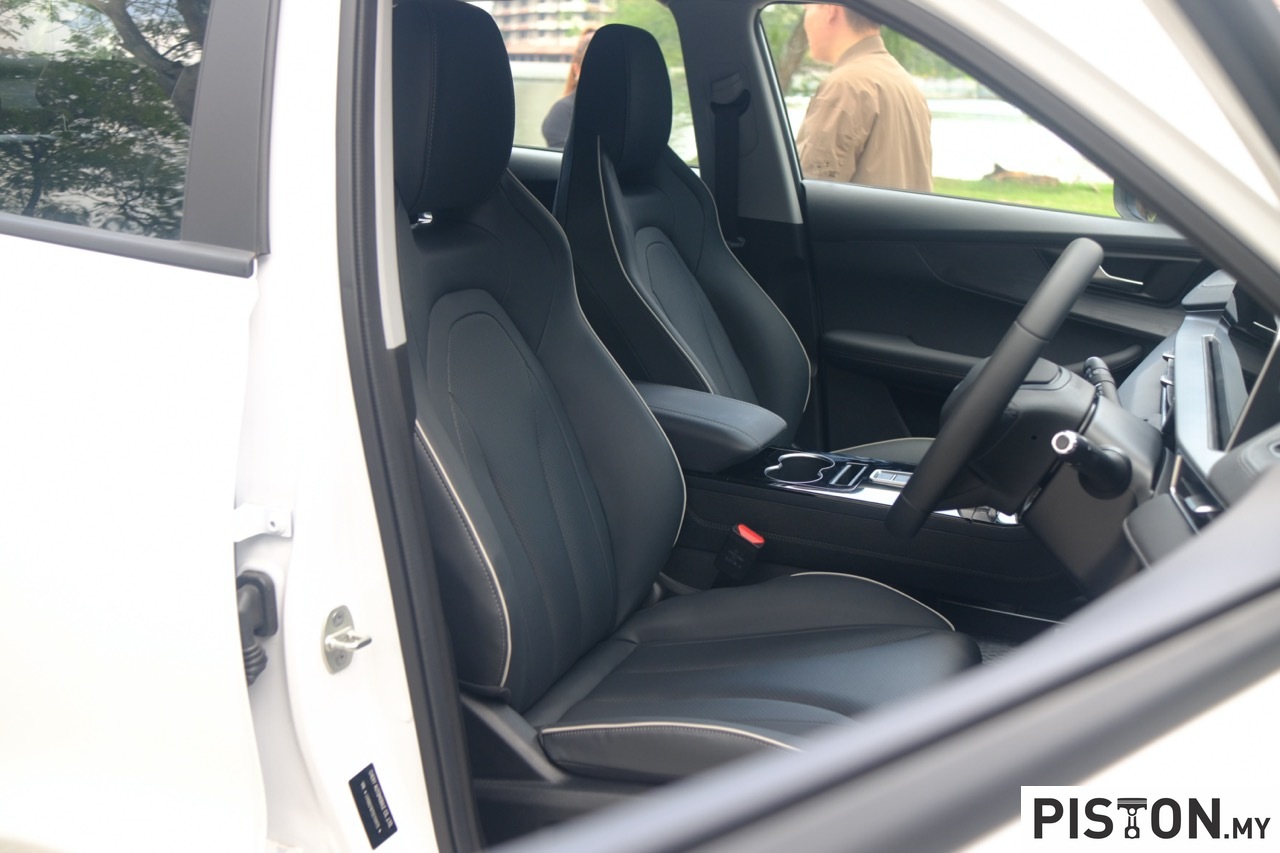
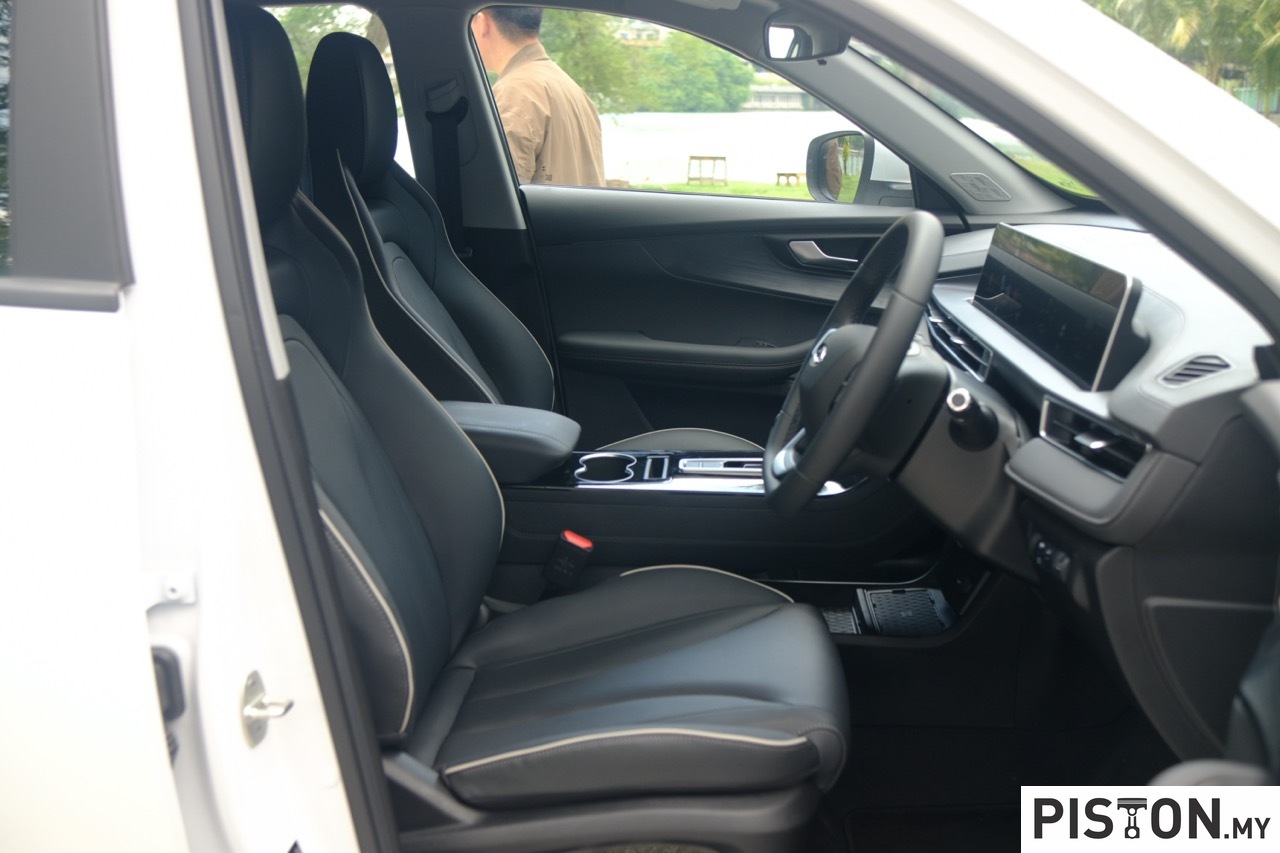
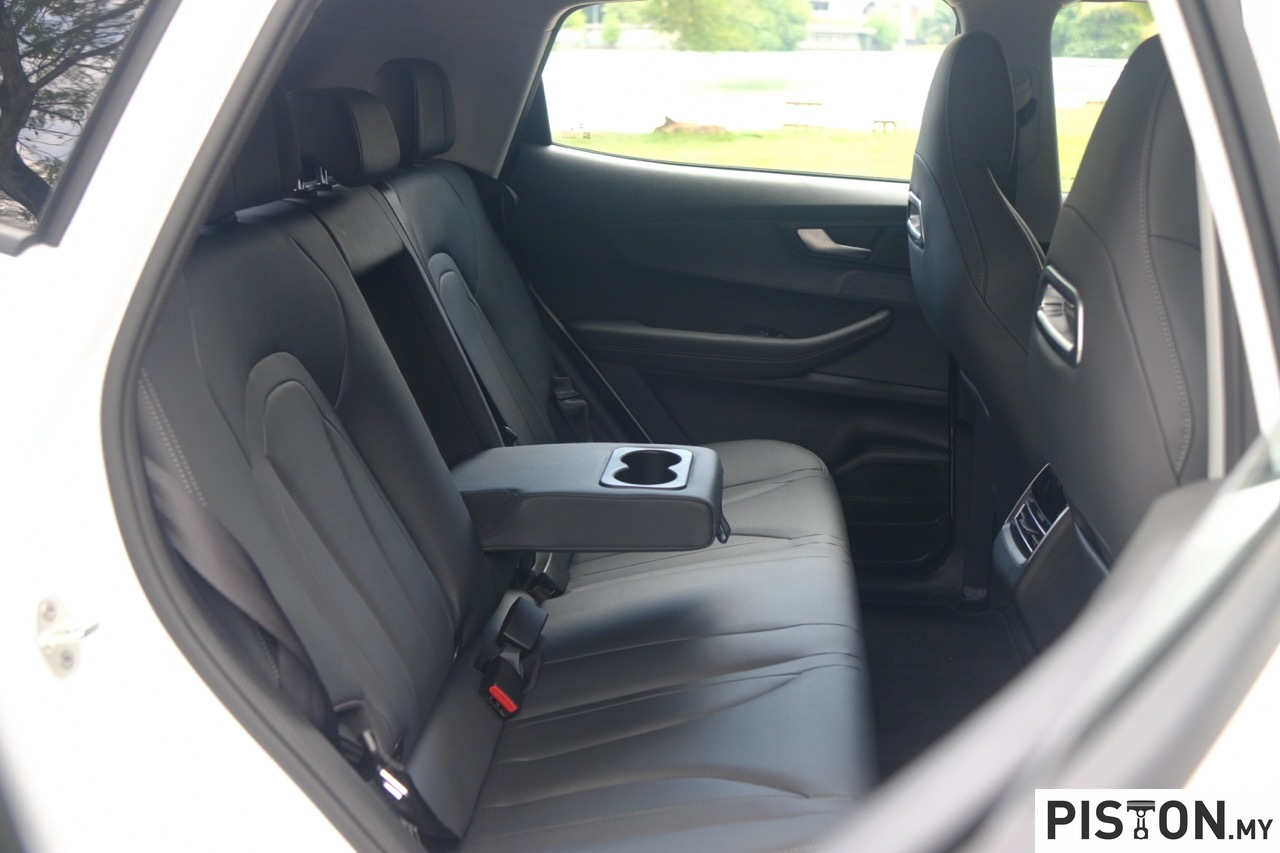
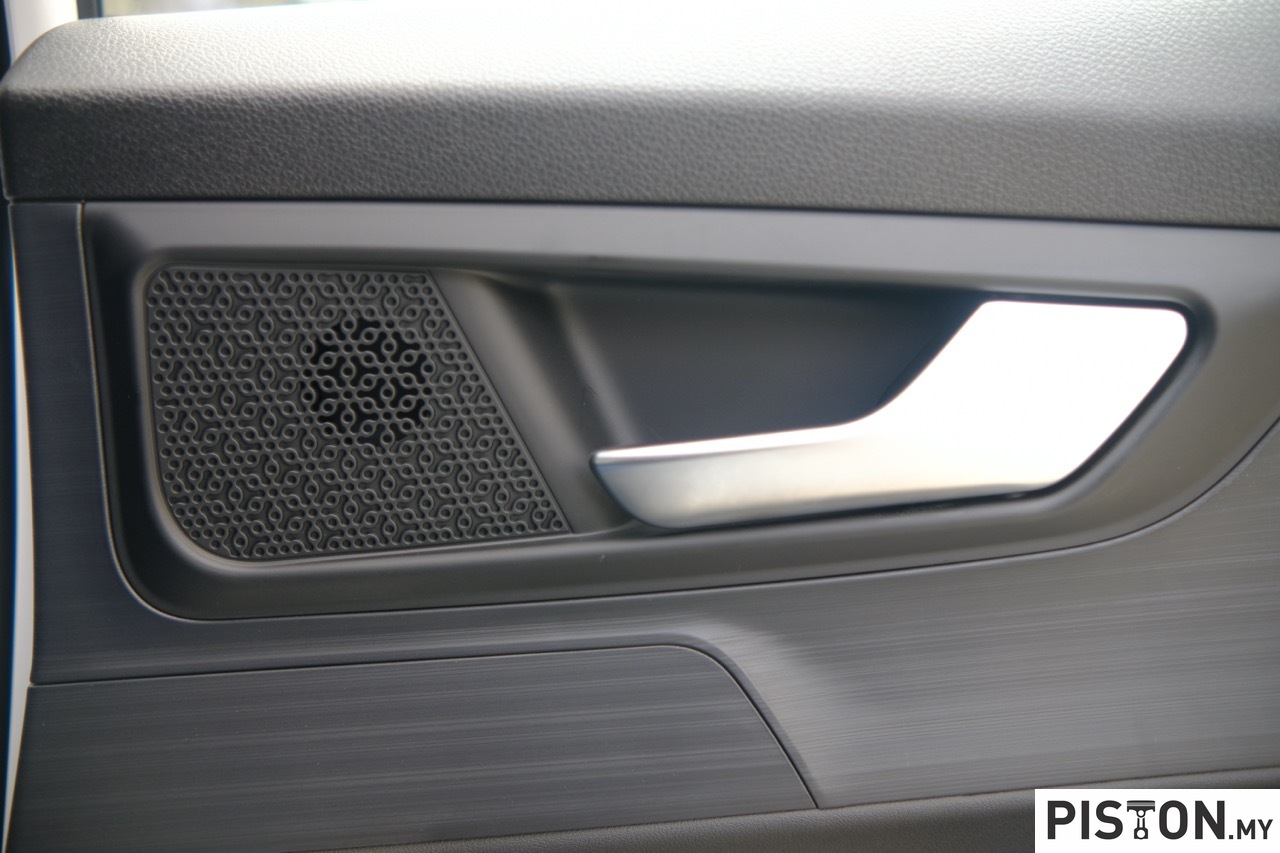
Speaking of the cabin, space was generous in all seats, and equipment levels match that of more expensive cars as well.

Very few cars deserve the term game changer, but the Chery Tiggo Cross is definitely one of them.

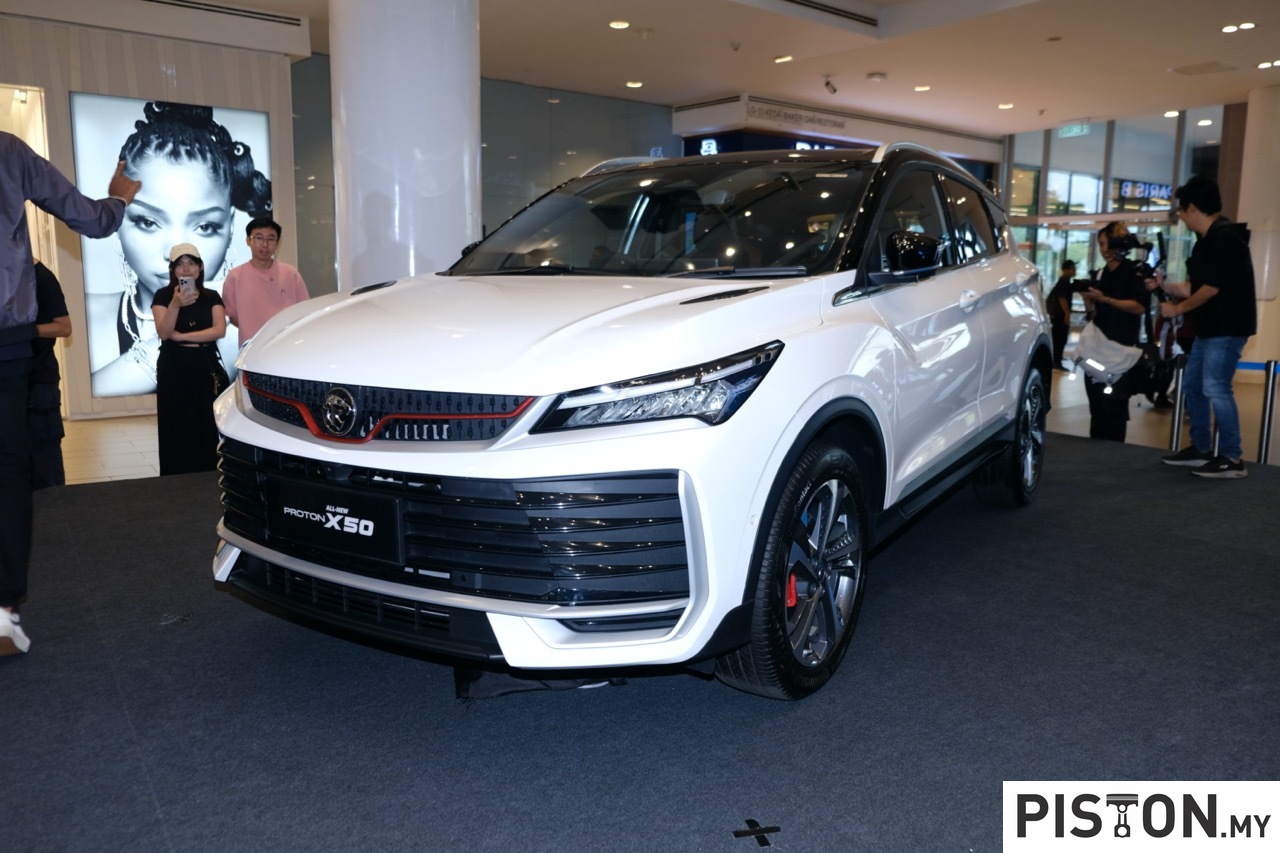
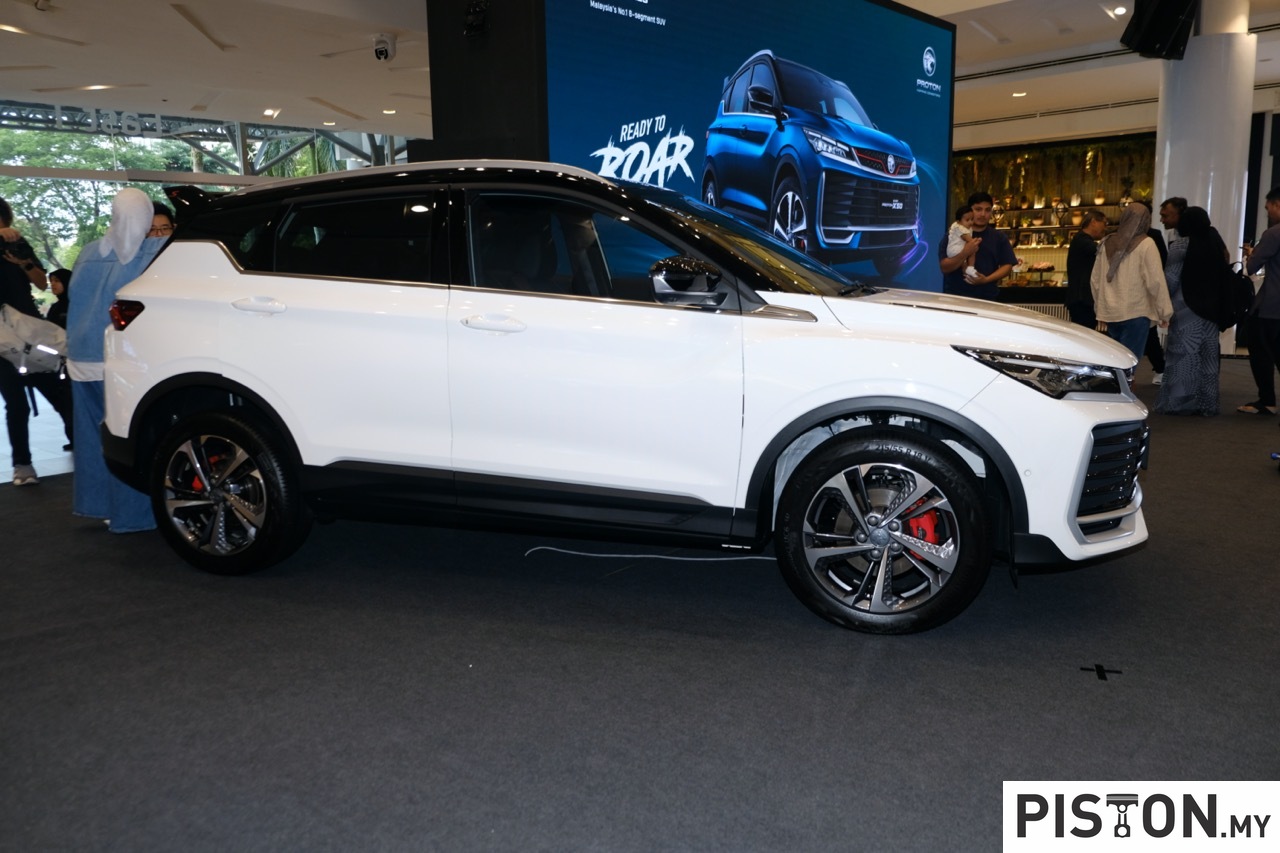
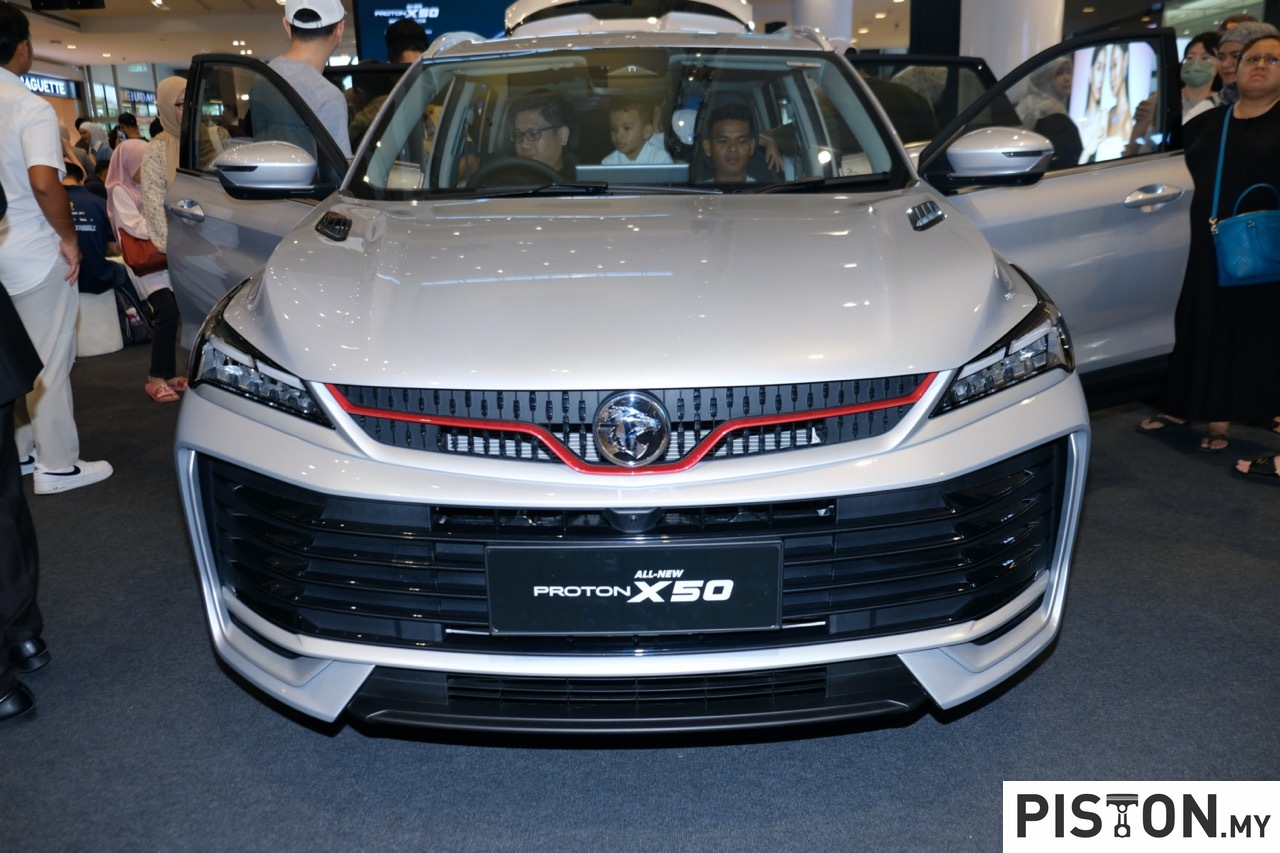
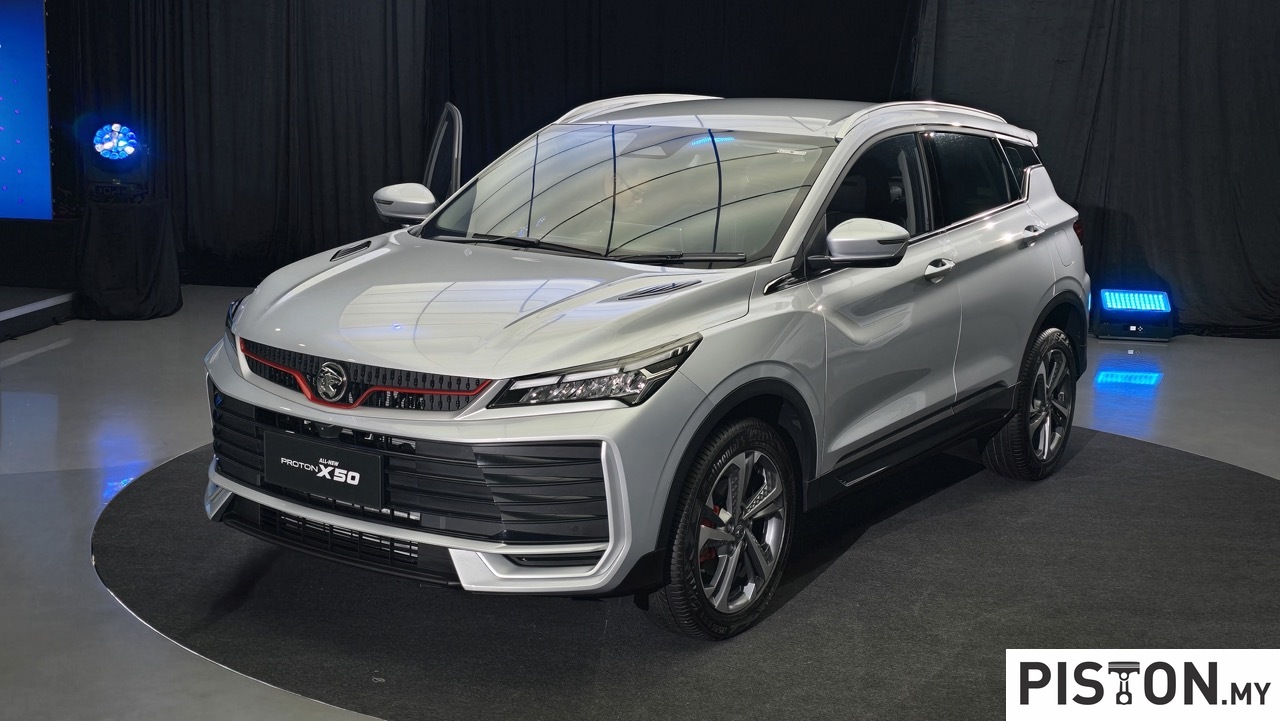
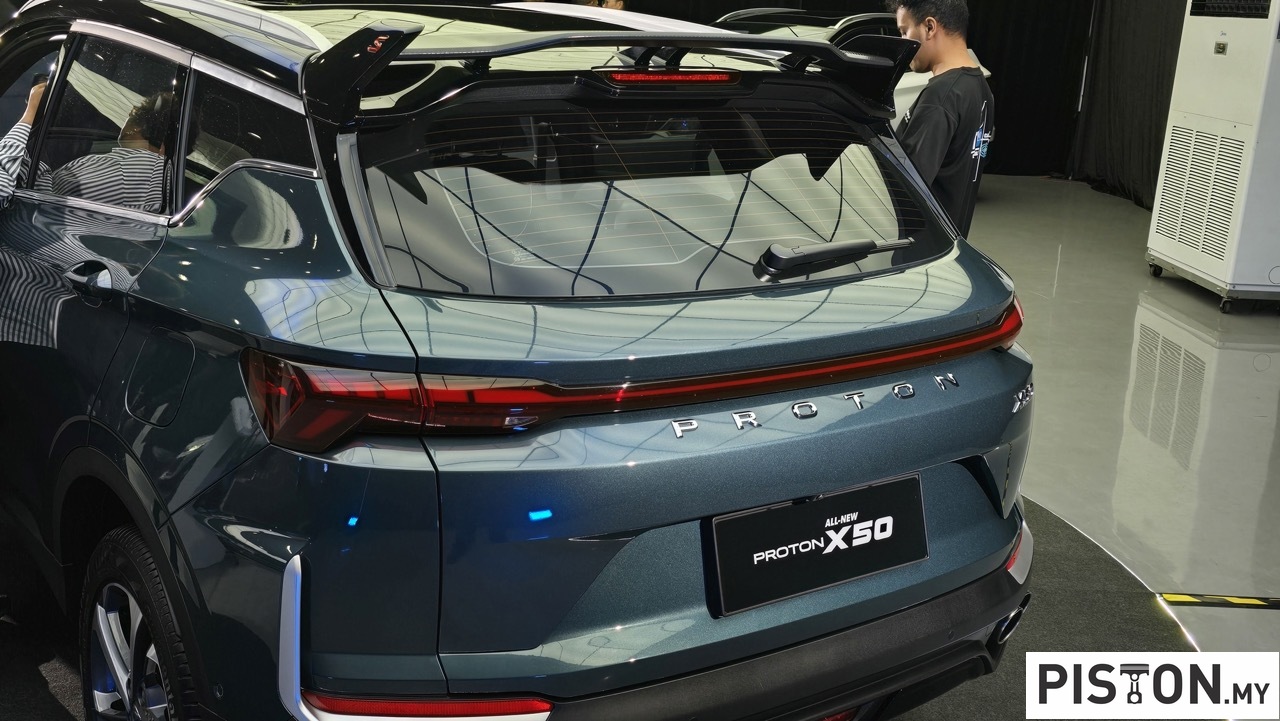
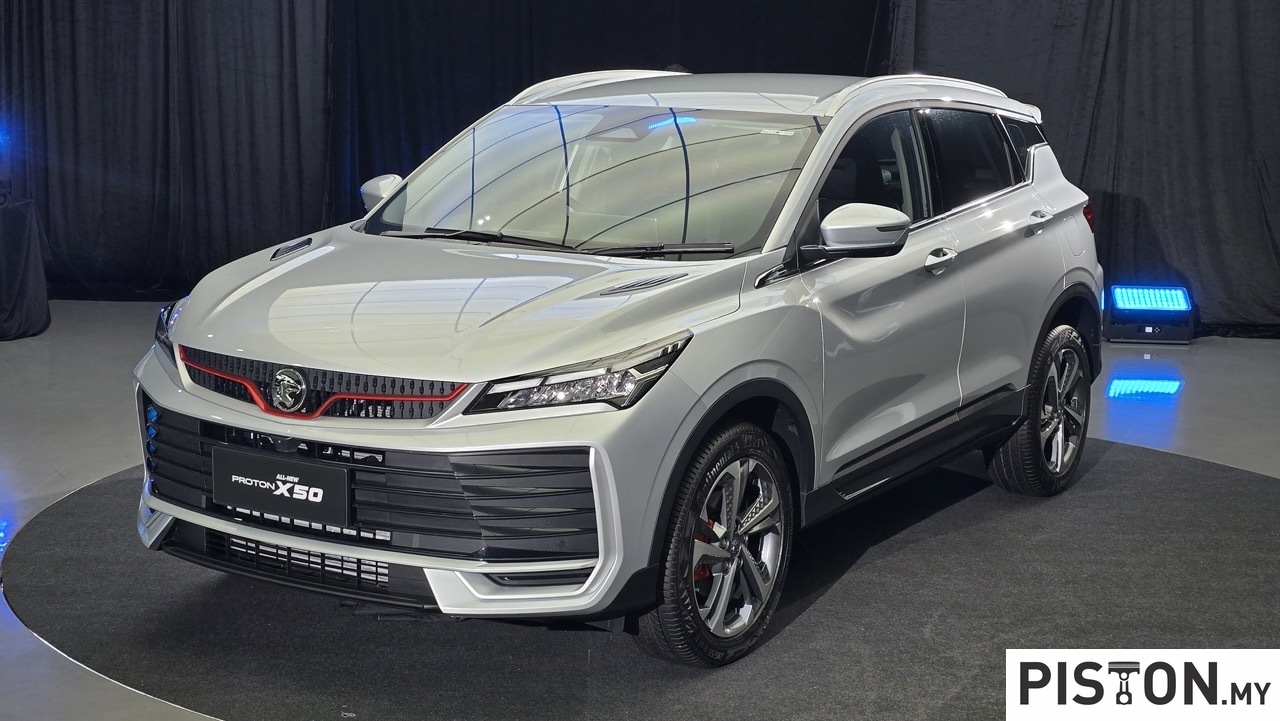
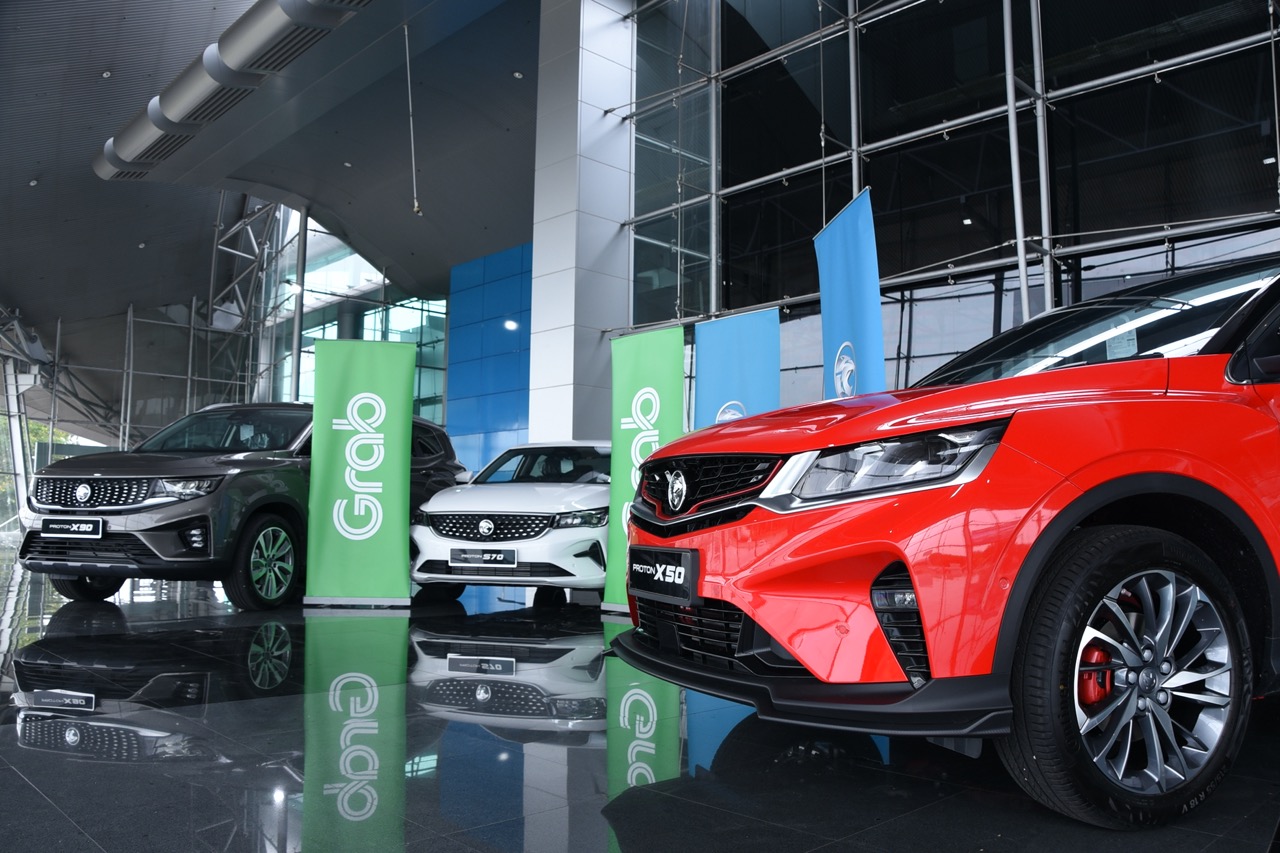
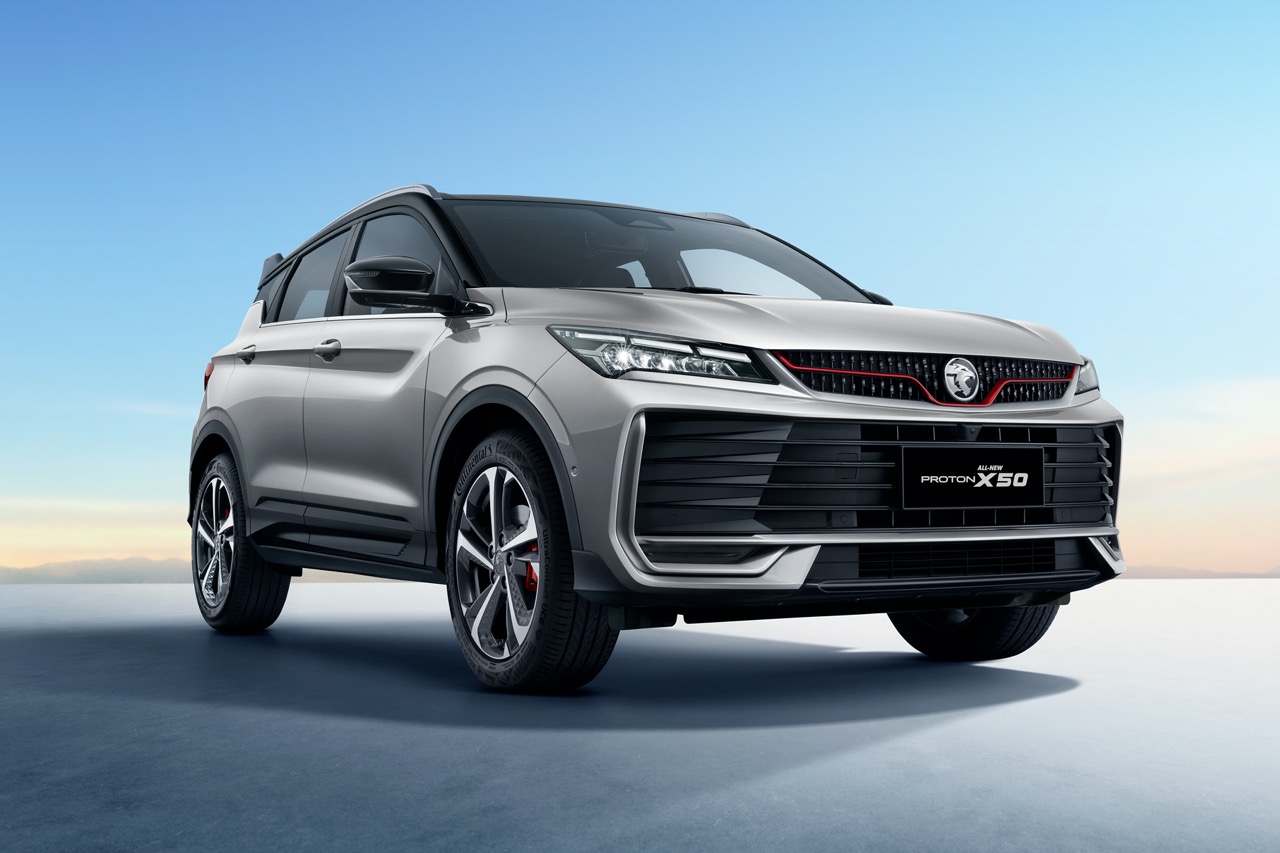
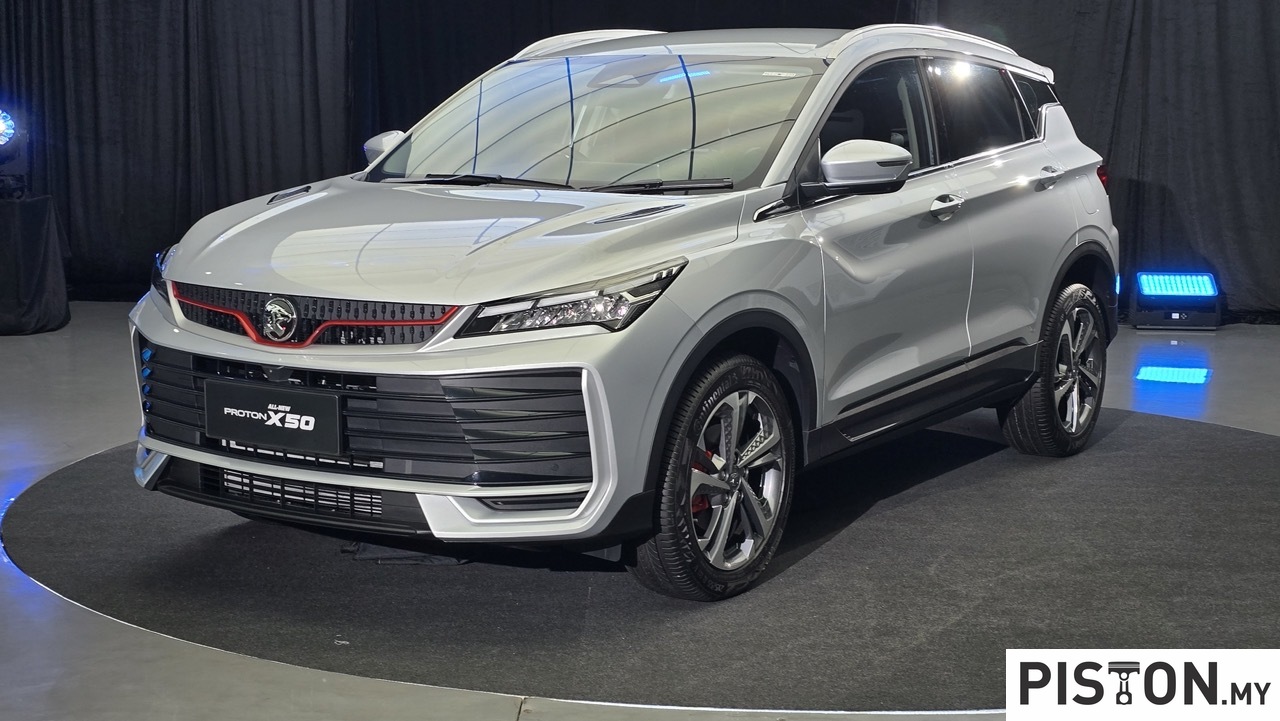
Proton secara rasmi telah melancarkan Proton X50 serba baharu, menandakan satu lagi langkah berani dalam usaha syarikat untuk terus mengukuhkan kedudukannya dalam segmen SUV bersaiz sederhana. Model ini merupakan kesinambungan daripada kejayaan X50 generasi pertama yang mula diperkenalkan pada Oktober 2020 dan telah mencatatkan lebih 134,000 unit terjual, menjadikannya antara SUV paling laris di Malaysia.

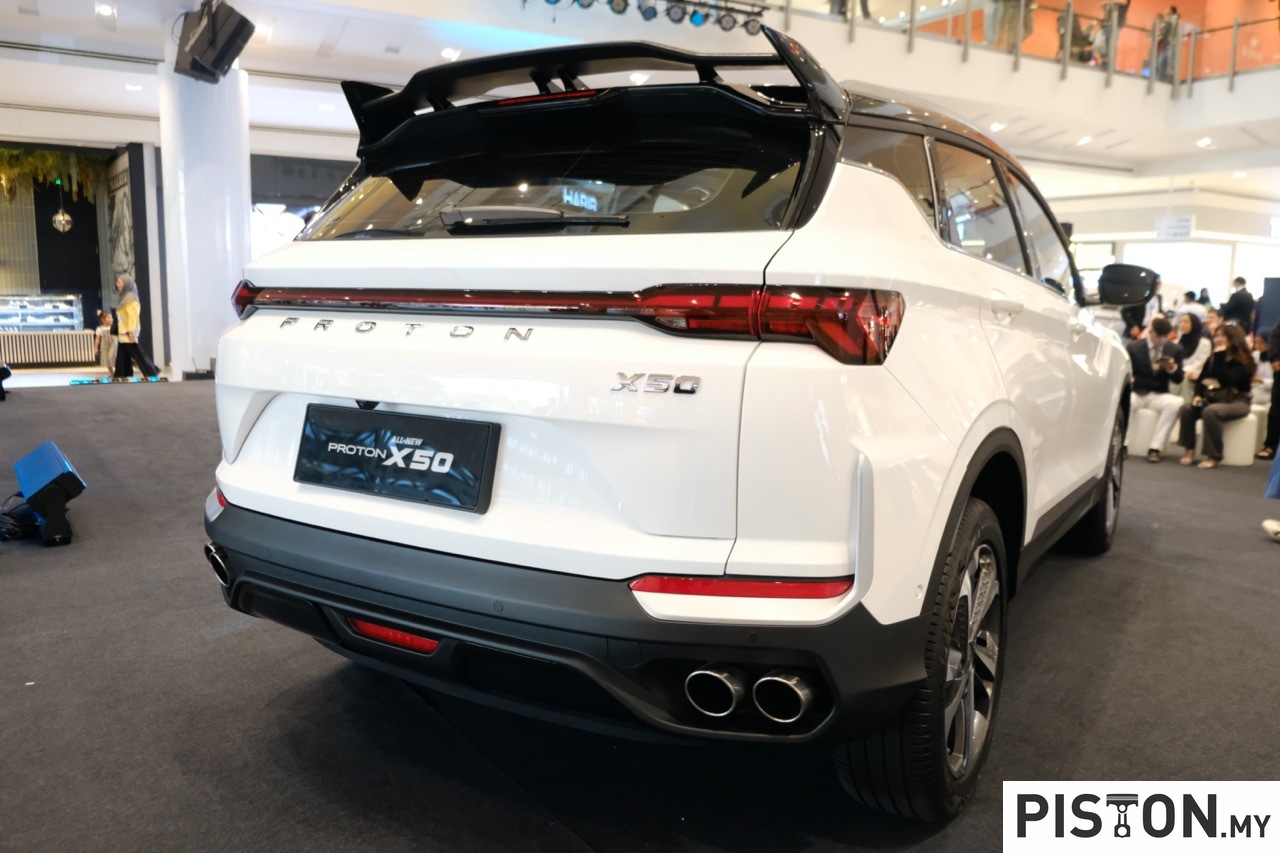
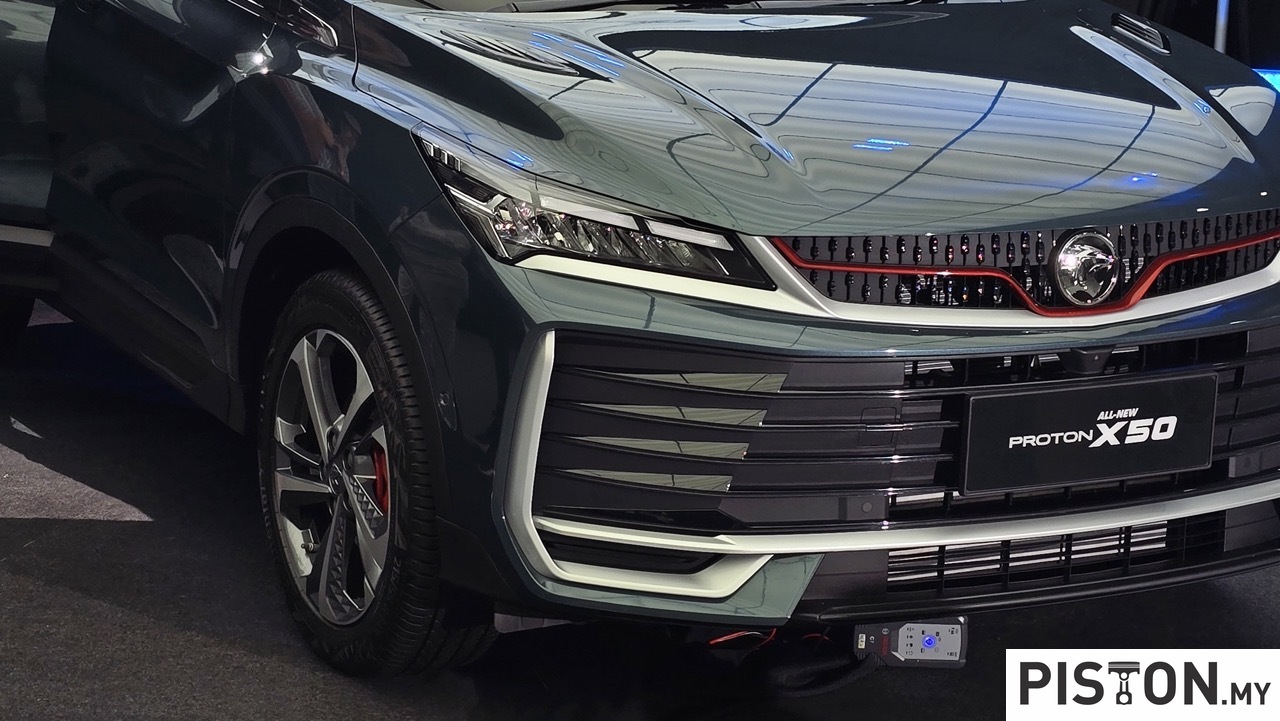
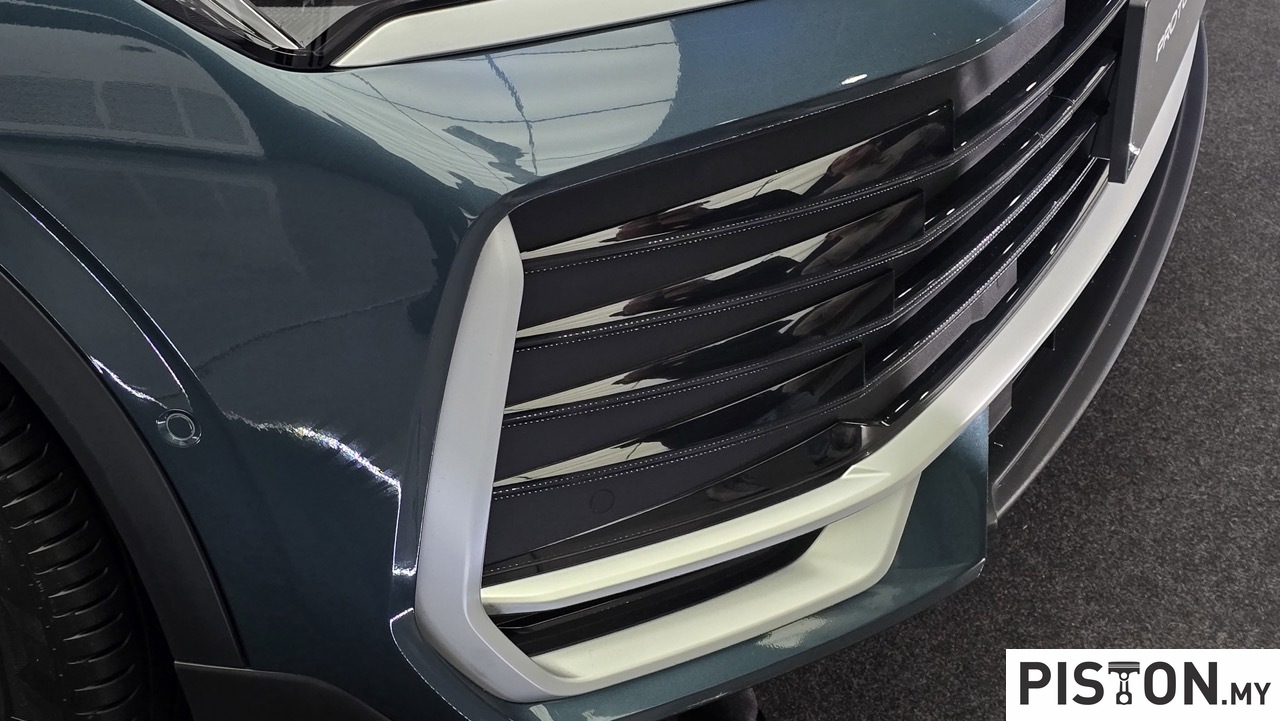
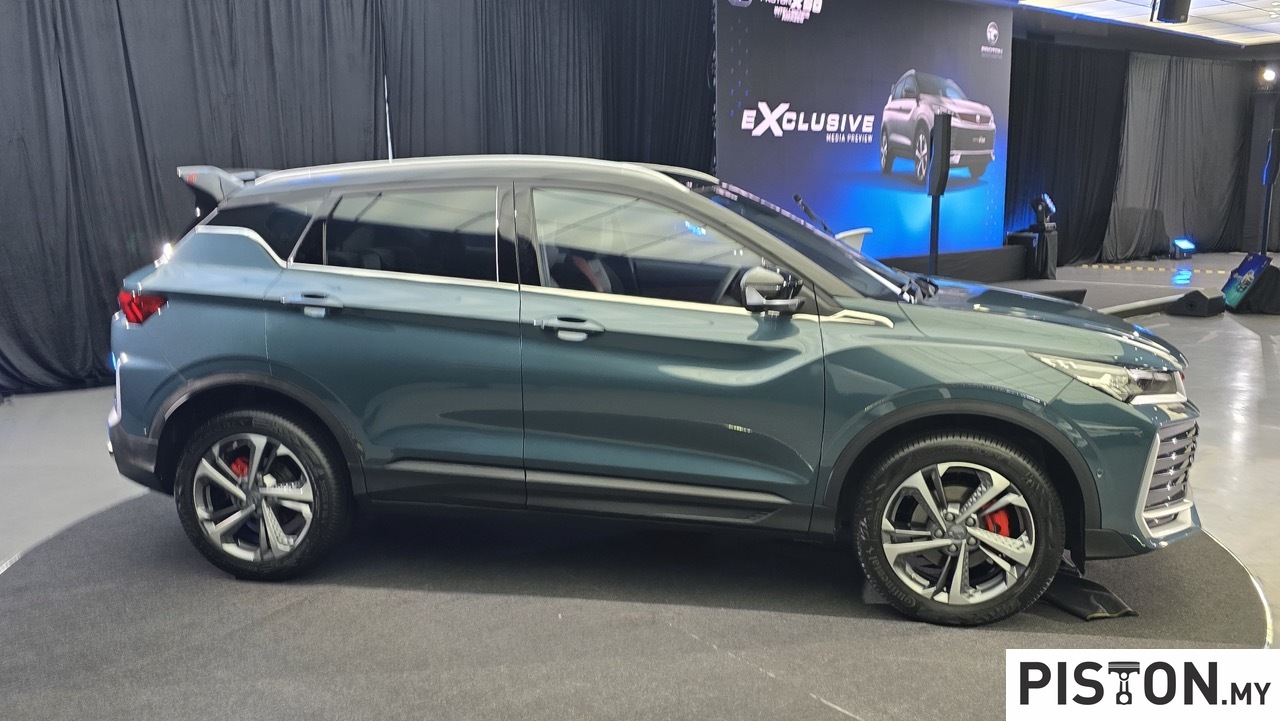
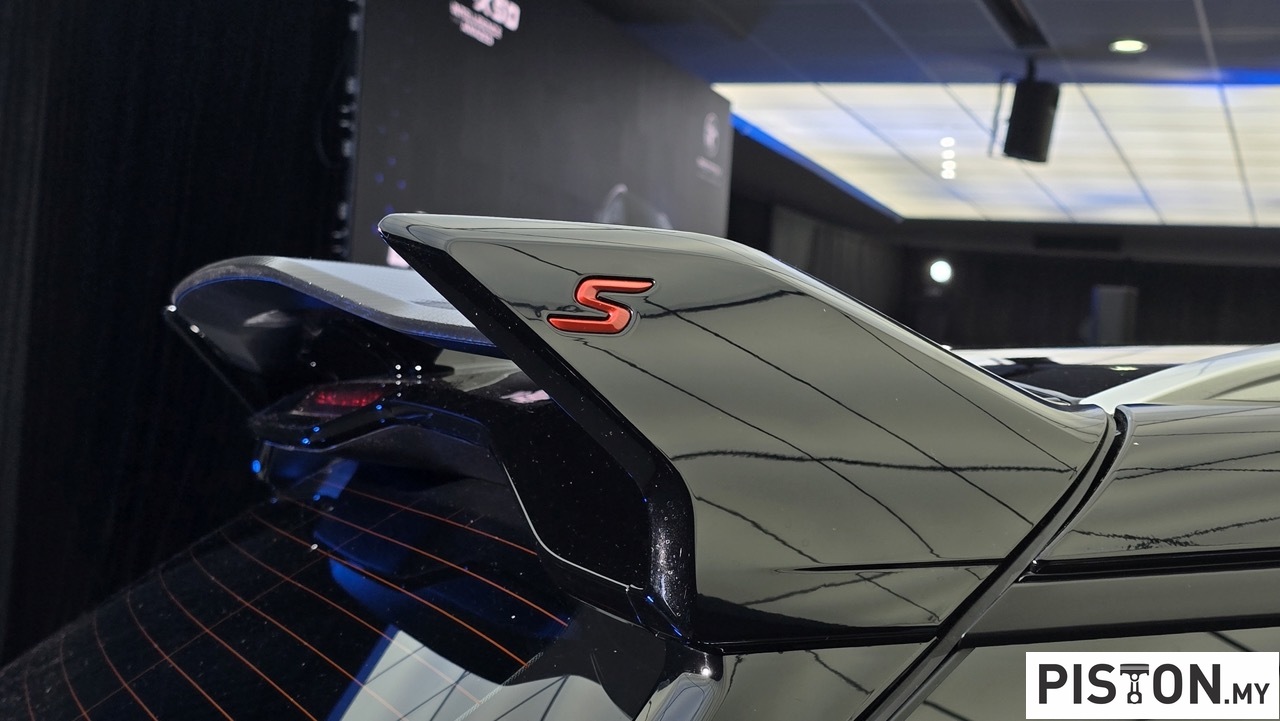
Reka bentuk X50 baharu memperlihatkan perubahan menyeluruh dari segi estetik dan kejuruteraan. Luaran kenderaan ini kini tampil dengan gaya yang lebih sporty dan moden, menampilkan gril dan bampar hadapan yang direka semula, spoiler belakang aerodinamik, serta sistem ekzos empat keluar yang menyerlahkan gaya agresif SUV ini.

Penampilan ini diperkemaskan lagi dengan pilihan warna dua tona yang lebih segar, termasuk penambahan warna baharu Teal Bayou Green yang bergaya. Warna klasik seperti Snow White, Passion Red, Jet Grey dan Armor Silver juga dikekalkan bagi mengekalkan daya tarikan kepada pelbagai jenis pembeli.

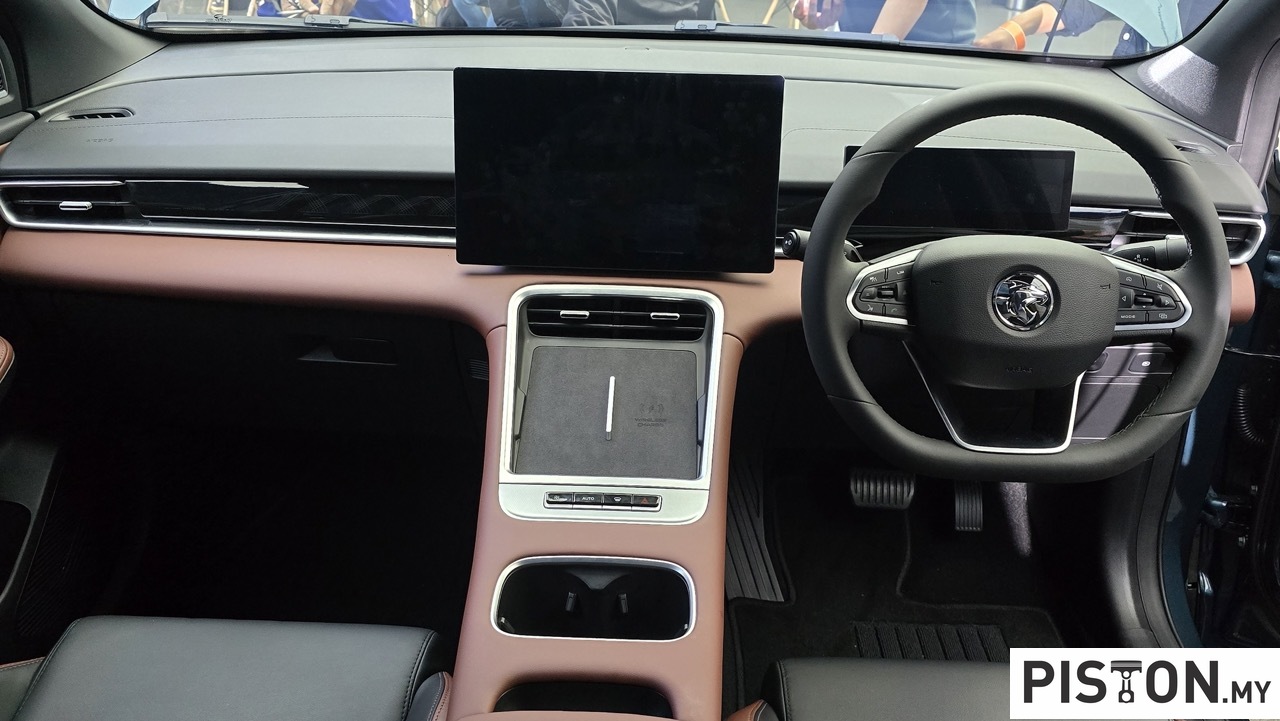
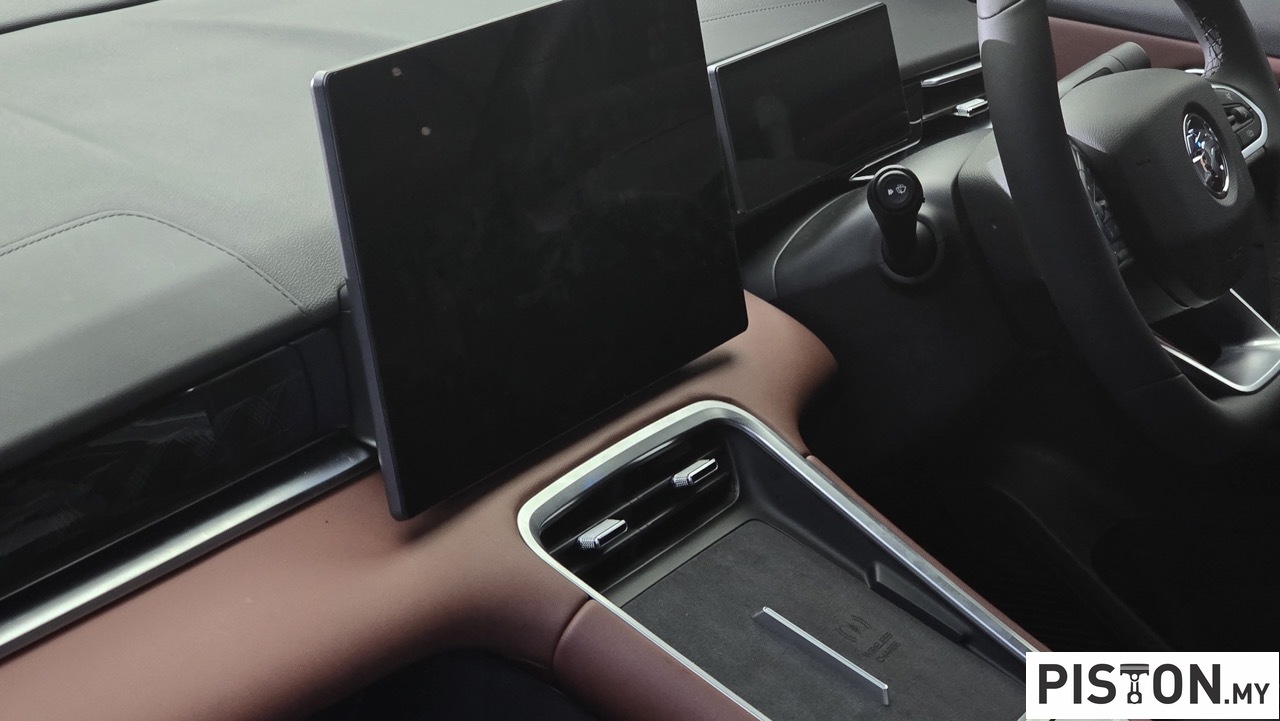
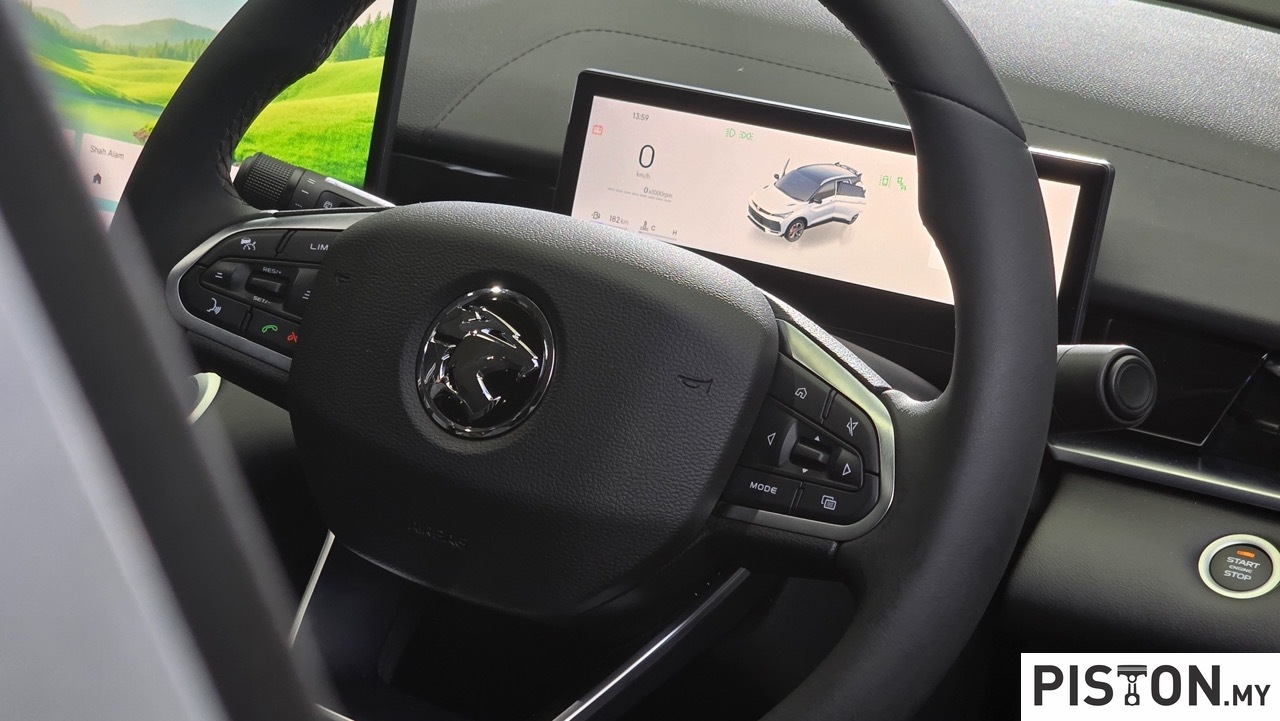
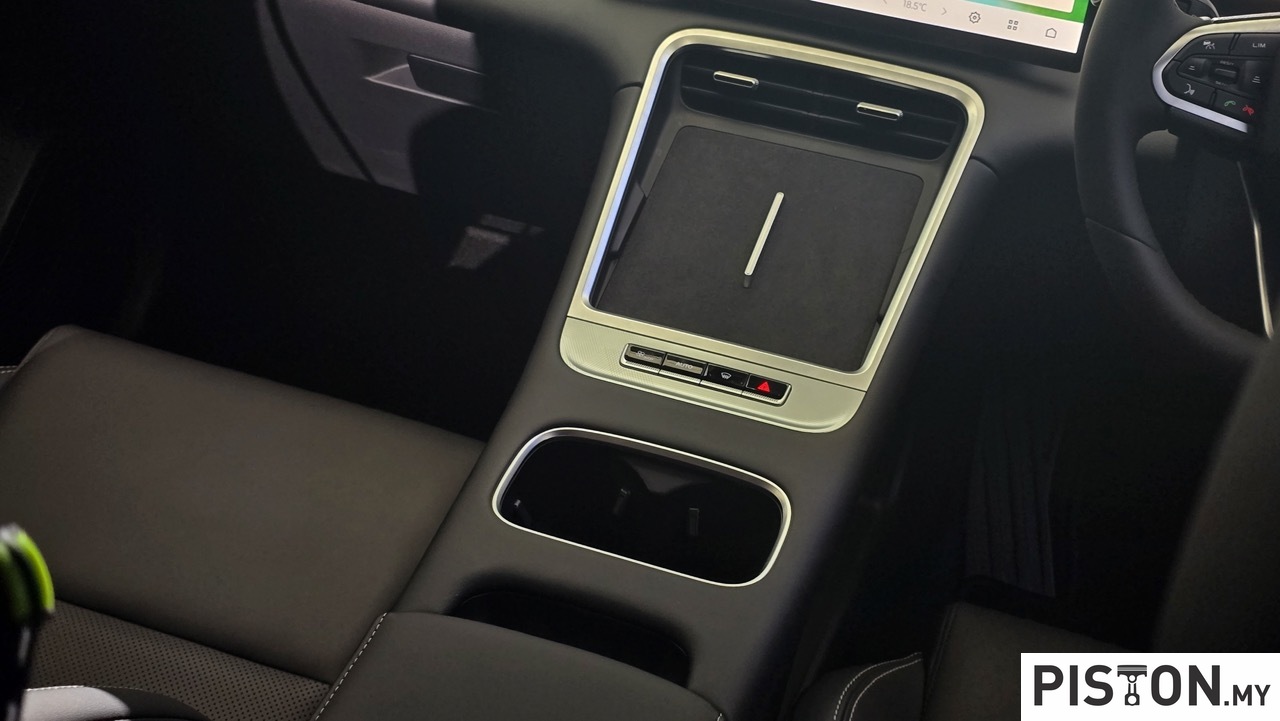
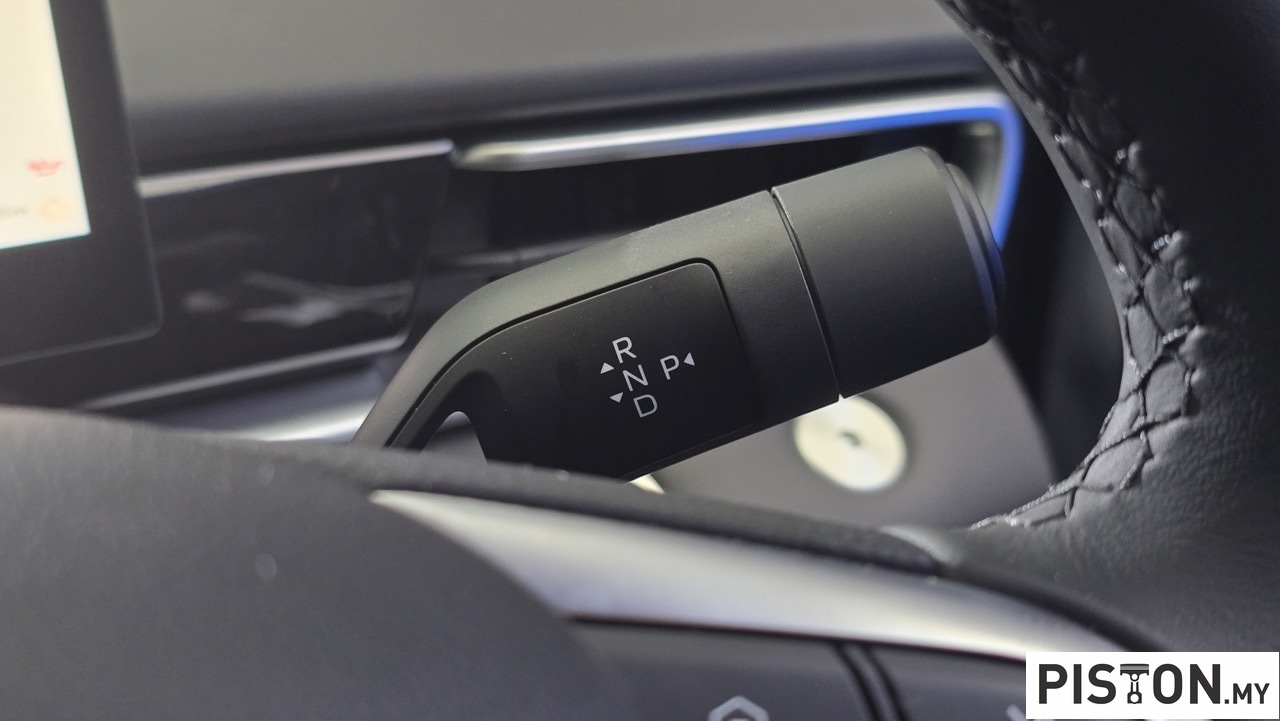
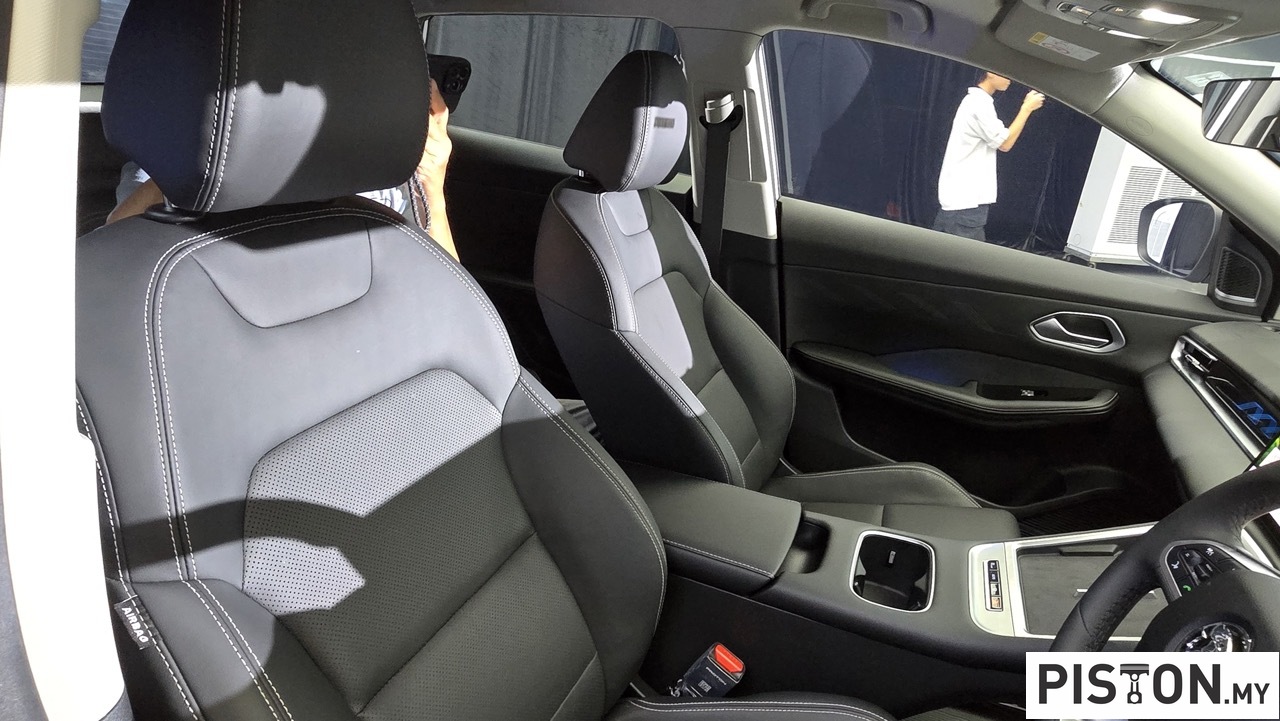
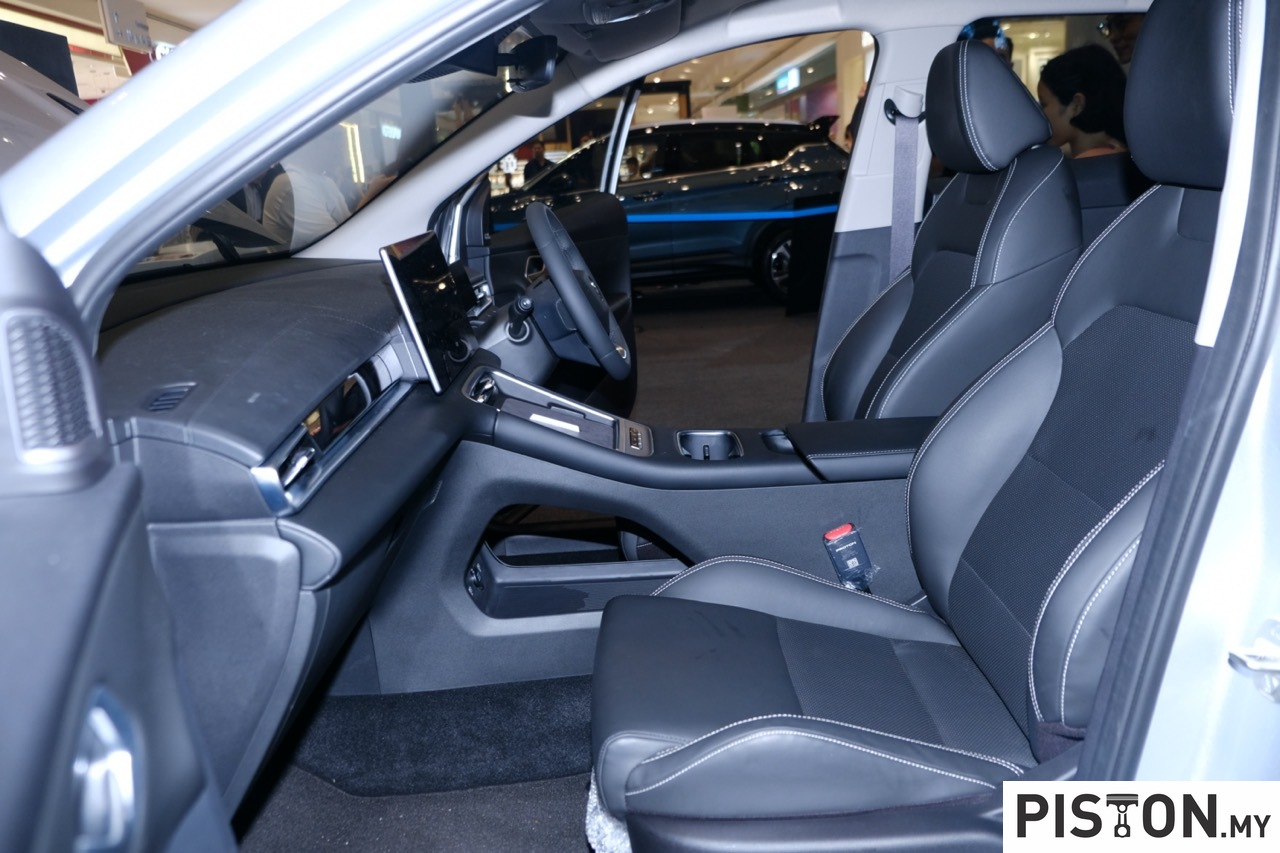
Di bahagian dalam, Proton memberikan sentuhan mewah yang ketara. Kabin kini menggunakan bahan sentuhan lembut, dilengkapi dengan konsol lantai terapung dan tuil gear gaya mewah yang menyerlahkan suasana moden dan eksklusif. Salah satu ciri baharu yang mencuri tumpuan ialah pencahayaan ambien dengan 72 pilihan warna yang bergerak mengikut rentak muzik, membolehkan suasana kabin diubah mengikut citarasa pengguna.

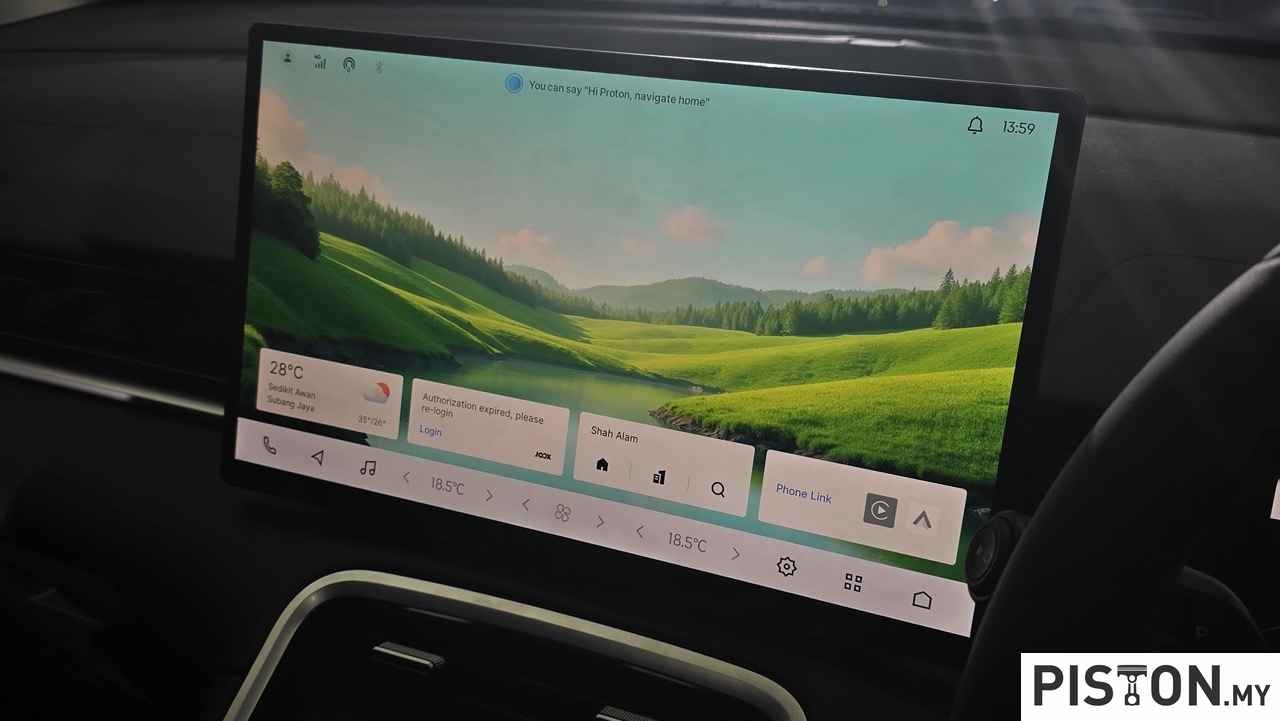
Dalam aspek teknologi, X50 serba baharu kini dilengkapi skrin infotainmen sentuh berukuran 14.6 inci yang menyokong sambungan penuh Android Auto dan Apple CarPlay. Sistem ini turut disokong oleh ciri pengecaman suara dalam Bahasa Melayu, menunjukkan komitmen Proton dalam menyediakan pengalaman pemanduan yang lebih mesra pengguna tempatan. Di samping itu, aplikasi Proton Link 2.0 yang telah dipertingkat membolehkan pengguna menghidupkan enjin dan pendingin hawa dari jauh, menyemak status kenderaan secara langsung serta menetapkan temu janji servis terus daripada telefon pintar.

Dari segi keselamatan, Proton menambah baik lagi pencapaian penarafan lima bintang ASEAN NCAP X50 terdahulu dengan memperkenalkan Sistem Bantuan Pemandu Lanjutan (ADAS) Tahap 2 yang lebih canggih. Turut diperkenalkan ialah Sistem Radar Sisi Belakang (RSRS) baharu yang membantu mengurangkan risiko di kawasan titik buta, serta sistem Auto Park Assist yang ditambah baik bagi memudahkan parkir di ruang sempit.

Kamera HD 360 darjah generasi baharu juga ditawarkan, termasuk pandangan ‘lutsinar’ 180 darjah di bawah kenderaan—ciri yang amat berguna untuk situasi parkir yang mencabar.

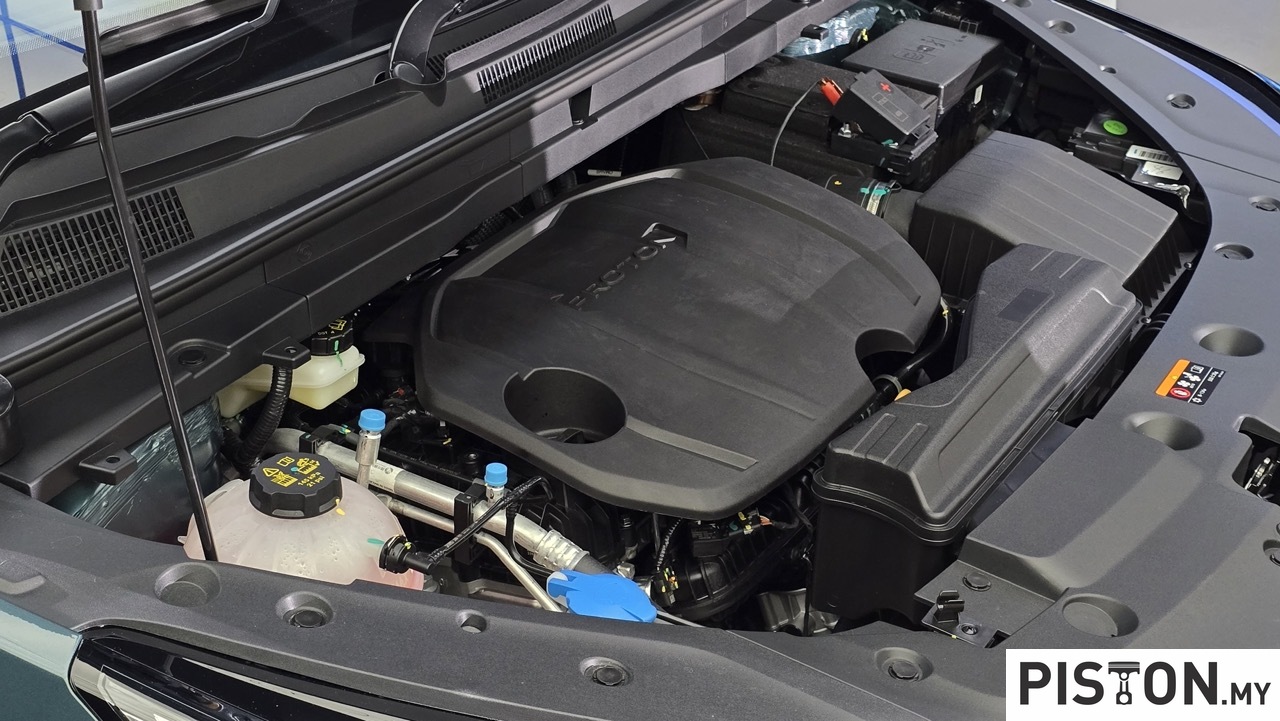
Untuk prestasi, Proton X50 baharu dipacu oleh enjin 1.5 liter i-GT pengecas turbo empat silinder yang menjana kuasa maksimum 181PS dan tork 290Nm. Dipadankan dengan transmisi klac berkembar tujuh kelajuan, SUV ini mampu memecut dari 0 hingga 100km/j dalam hanya 7.6 saat—iaitu 0.3 saat lebih pantas berbanding versi terdahulu. Walaupun lebih berkuasa, model ini juga mencatat penjimatan bahan api yang lebih baik, dengan peningkatan kecekapan sebanyak 4.7%, menjadikannya lebih menjimatkan untuk kegunaan harian.

Harga rasmi untuk Proton X50 serba baharu bermula daripada RM89,800 untuk varian eksekutif, RM101,800 untuk varian premium dan RM113,300 untuk varian flagship .

10,000 pelanggan pertama mendapat rebat tunai RM4,000!

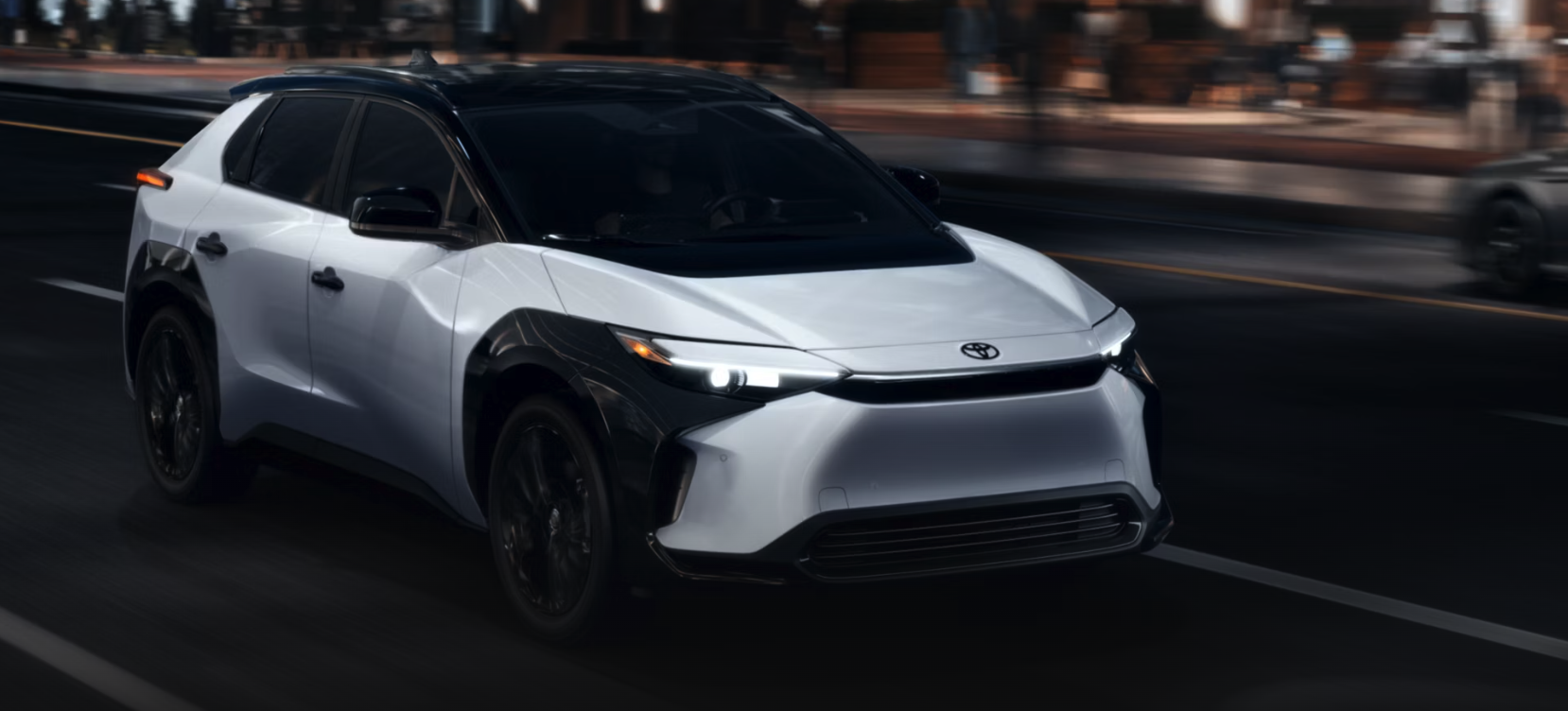
Toyota Motor has officially announced its plans to begin electric vehicle (EV) production in Indonesia within 2025, marking a major strategic shift in the company’s regional manufacturing operations. This move aligns with Indonesia’s government-led push to accelerate EV adoption through generous tax incentives for locally assembled electric cars.

As part of this expansion, Toyota will start assembling its bZ4X all-electric SUV in Indonesia. This decision places the Southeast Asian nation alongside Japan and China as one of only three global manufacturing locations for the bZ4X. The company also confirmed it will begin production of electric pickup trucks in Thailand later this year, reinforcing its commitment to electrifying its commercial and passenger vehicle offerings in the region.

Toyota’s long-standing presence in Indonesia, where it commands over 30% of the automotive market, has previously been centred around hybrid vehicle manufacturing. However, this latest development marks Toyota’s first foray into full EV assembly in the country, positioning it in direct competition with a wave of Chinese manufacturers that have recently entered the Indonesian EV sector.

(more…)

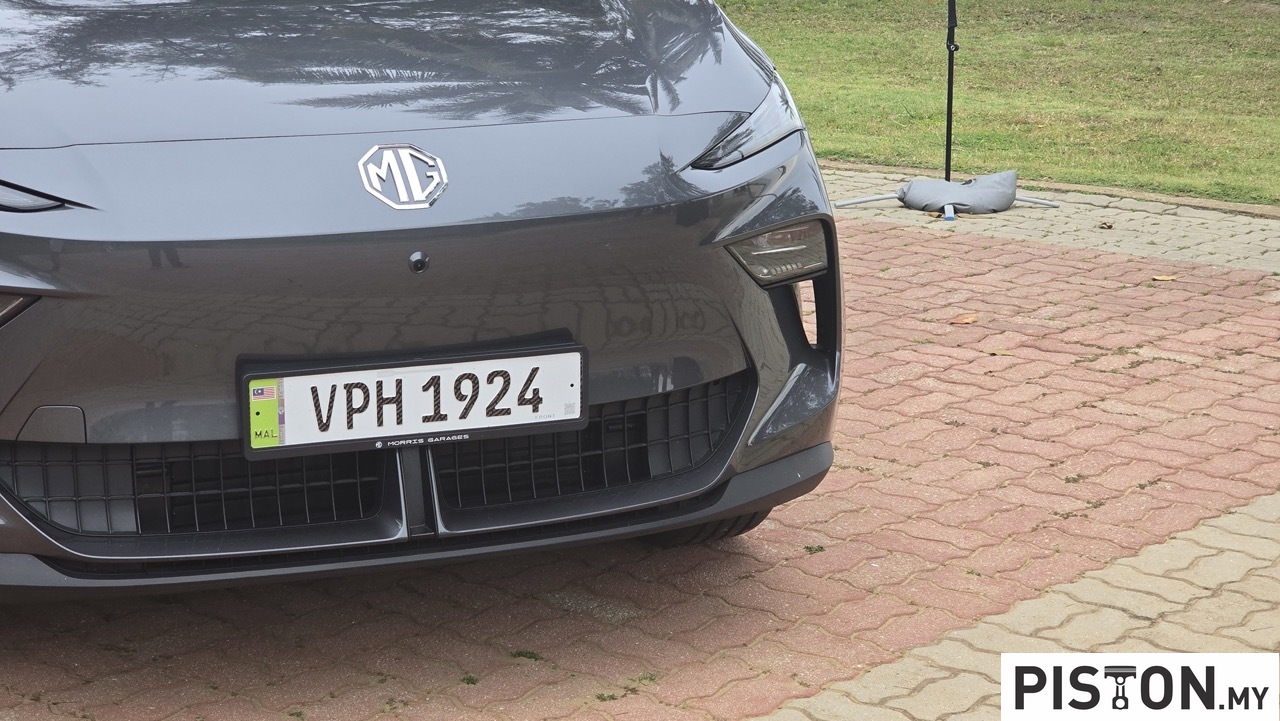
Officially established in 1924, Morris Garages, better known as MG, quickly gained a reputation for producing affordable, lightweight sports cars. Iconic models such as the MG TC, MGB, and MG Midget made the brand a household name, particularly in post-war Britain, and helped define the image of the affordable British sports car worldwide.

Over the decades, MG changed hands multiple times. It became part of the Morris Motor Company in 1935, merged into the British Motor Corporation (BMC) in 1952, and later joined British Leyland in 1968, a group that struggled financially for years. 

MG car production ceased in 1980, although the brand was occasionally revived throughout the 1990s and early 2000s under various ownerships, including the Rover Group and MG Rover. However, in 2005, MG Rover collapsed, leaving the brand’s future uncertain.
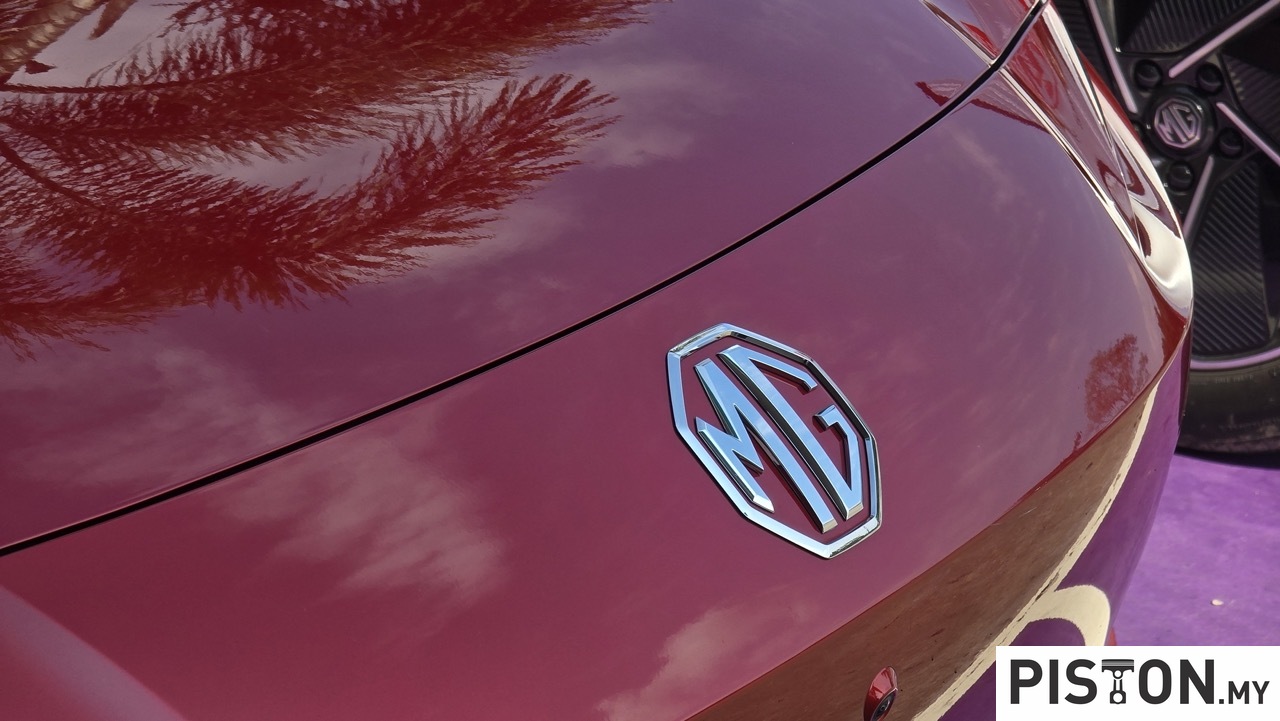
Following the bankruptcy, two major Chinese carmakers, Nanjing Automobile Group and SAIC Motor Corporation, expressed interest in acquiring MG’s assets. That same year, Nanjing Automobile successfully purchased MG Rover’s assets, including the MG brand and the historic Longbridge factory in Birmingham, England. 

In 2007, SAIC Motor, China’s largest automaker, merged with Nanjing Automobile, effectively taking full control of MG and its legacy. SAIC maintained a British presence by continuing limited research and development at the Longbridge site.
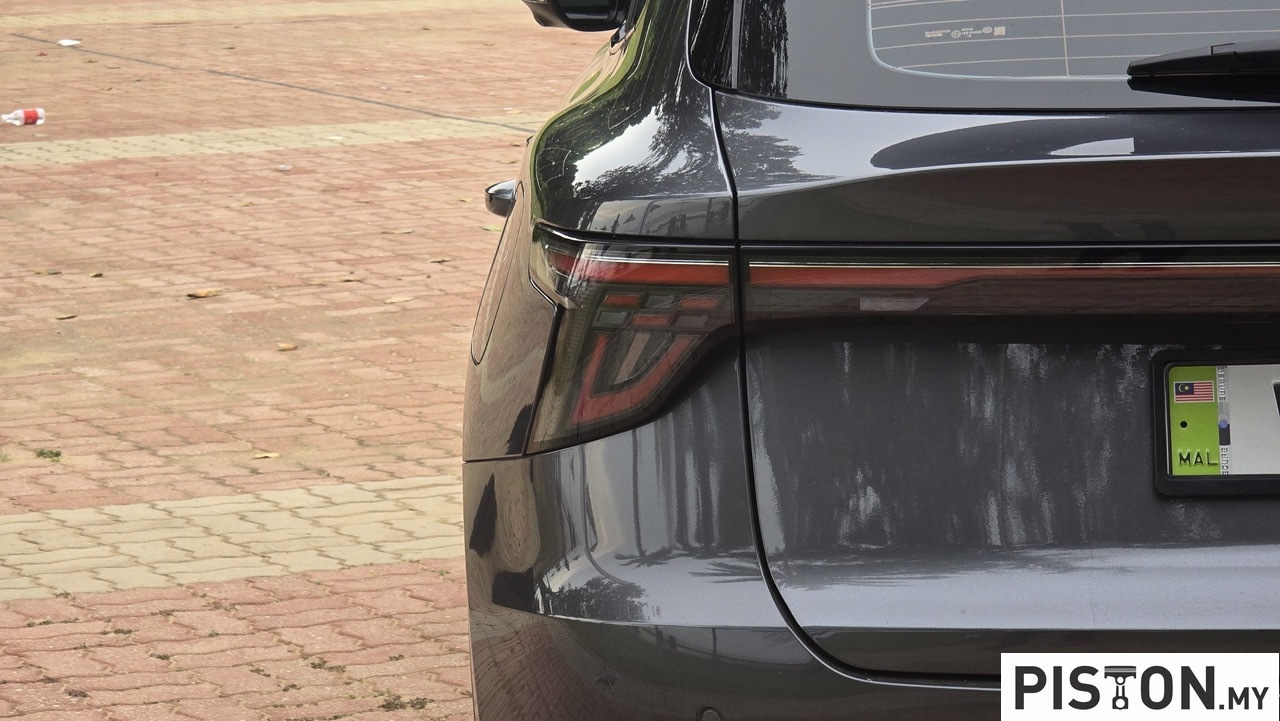
Under SAIC’s leadership, MG underwent a complete transformation. The brand moved away from its classic roadsters and adopted a modern product lineup focused on SUVs, family cars, and electric vehicles. 

Notable models include the MG ZS and ZS EV, the MG HS, the all-electric MG4 hatchback, and the Cyberster roadster, reviving MG’s sporty heritage in electrified form. 
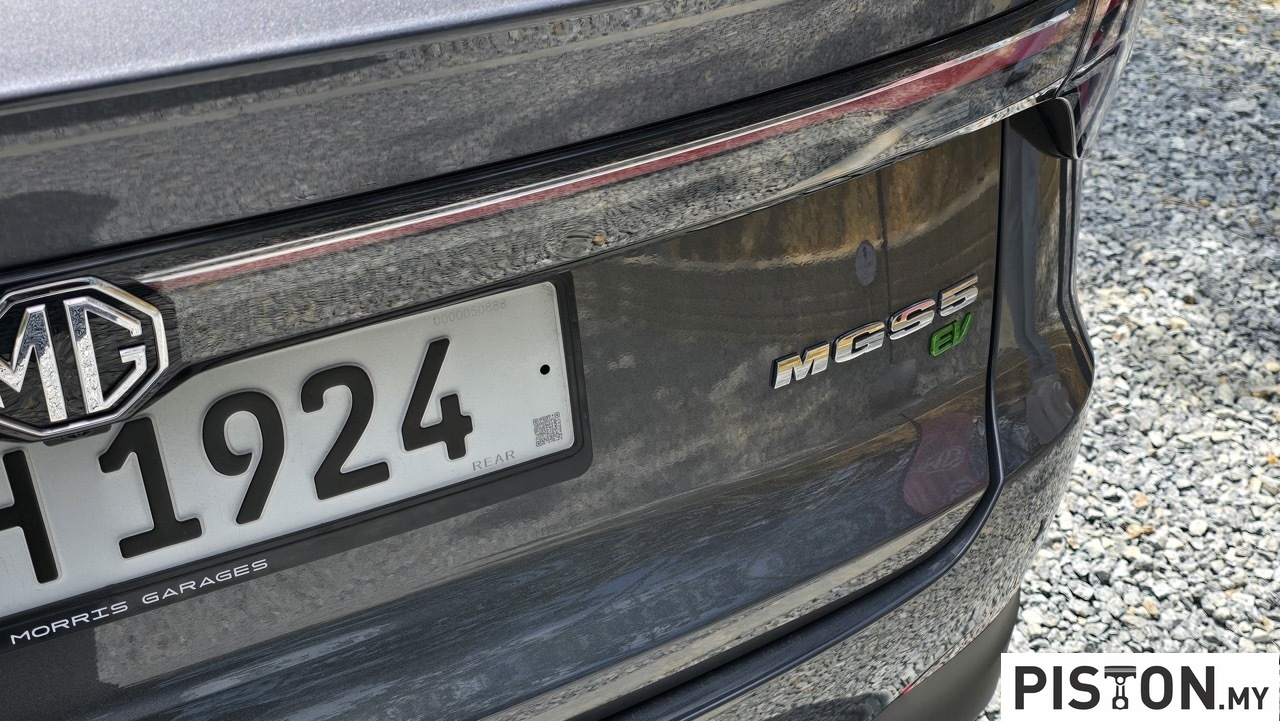
With this new direction, MG has expanded into multiple global markets, including the UK, Europe, Australia, the Middle East, and Southeast Asia.

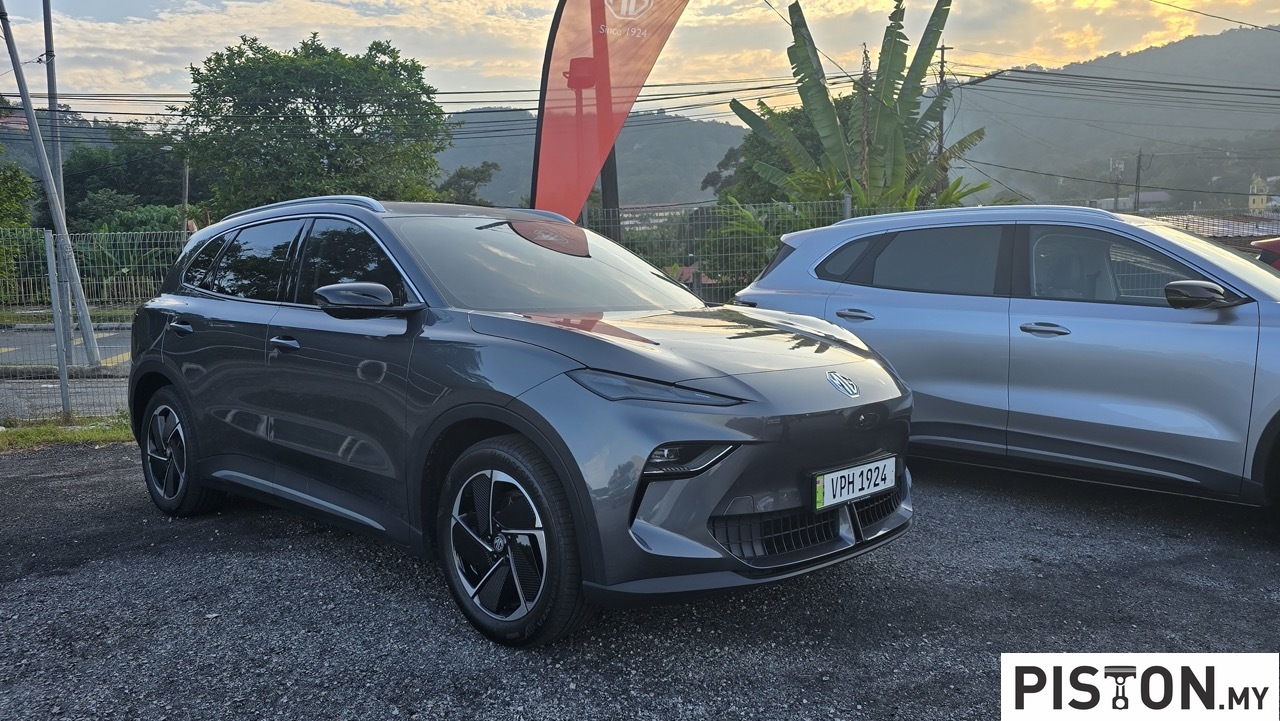
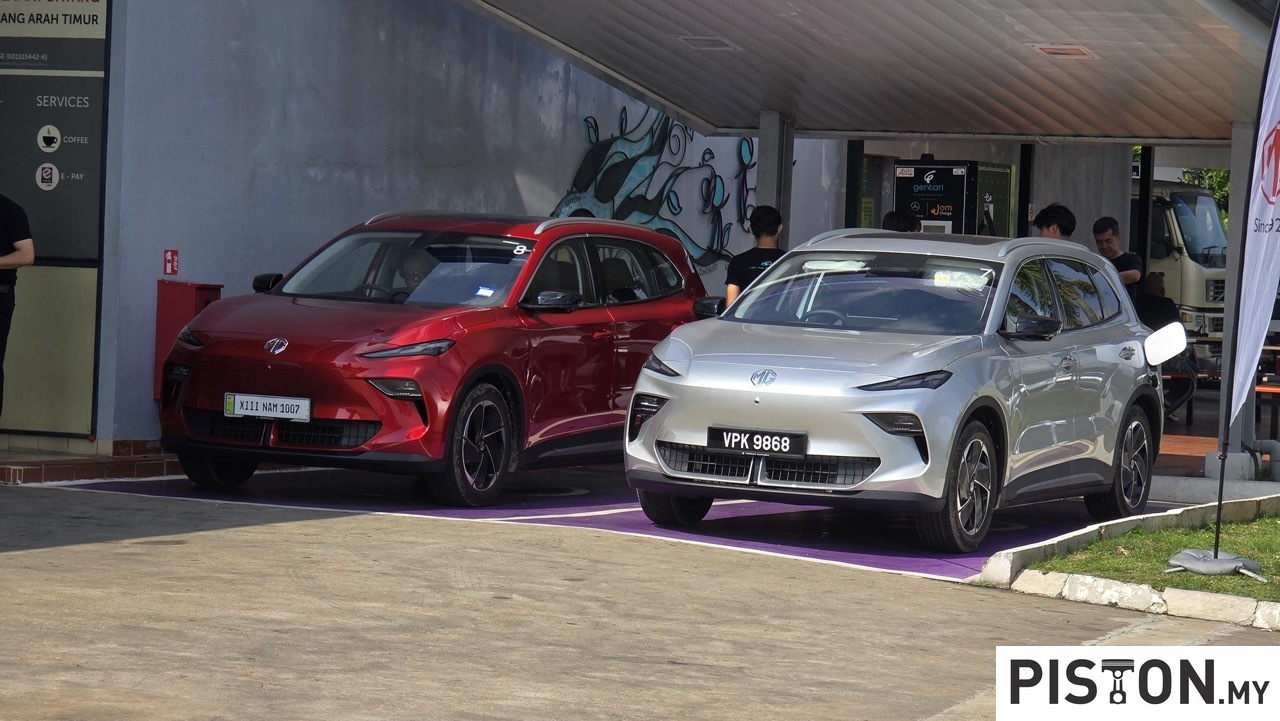
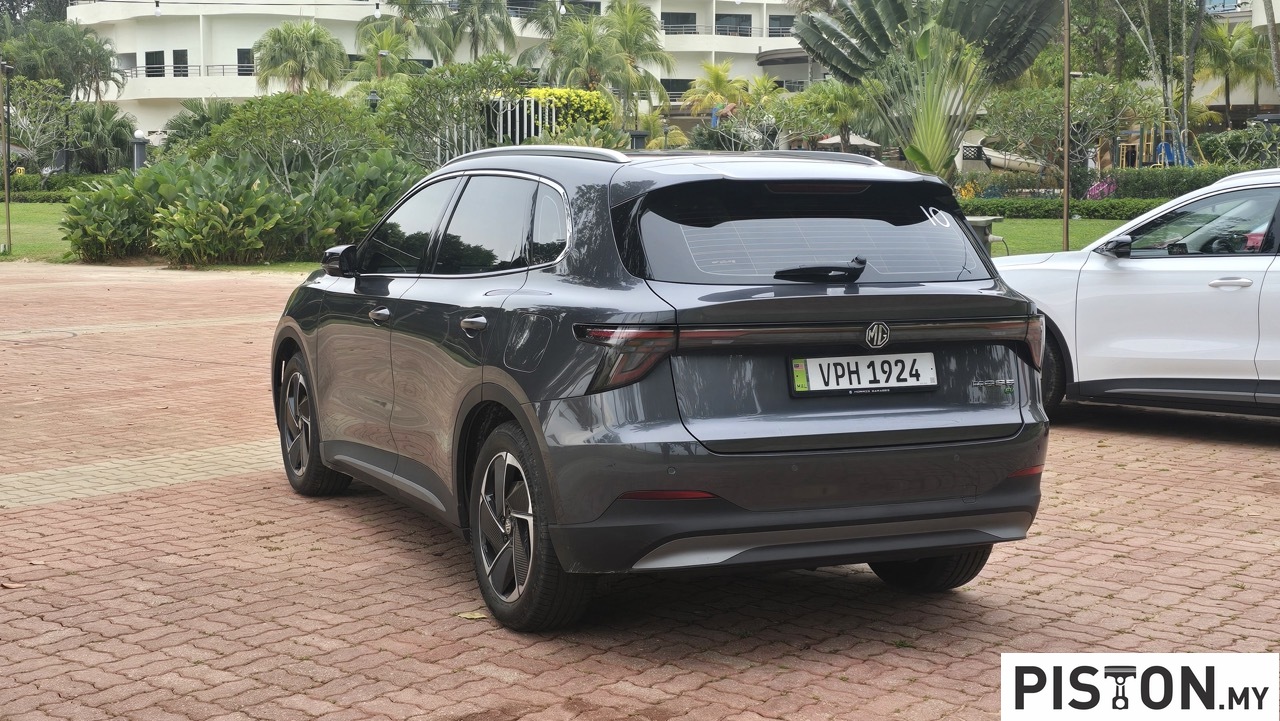
In May 2025, MG Malaysia formally announced the retail price of its all-electric MGS5 EV, setting it at RM115,900 for the COM variant, RM125,900 for the COM Long Range, and RM135,900 for the LUX Long Range. 
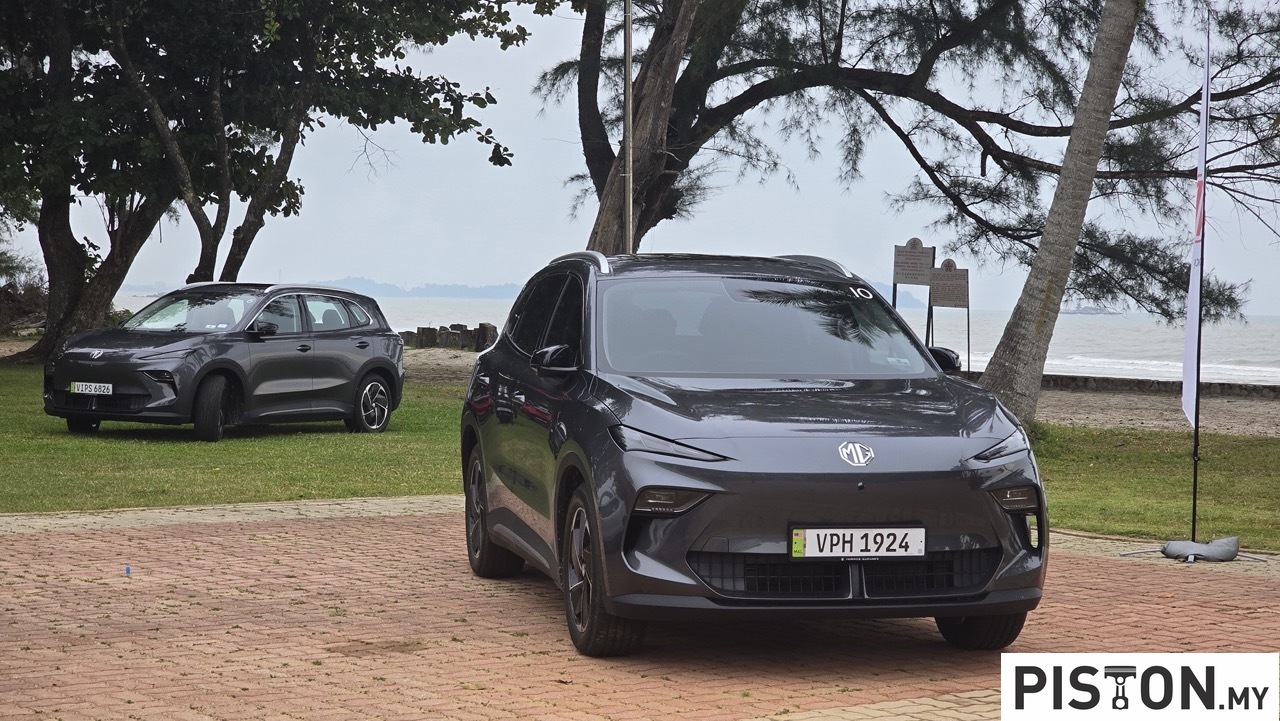
This came shortly after its public debut at the Malaysia Autoshow 2025, where the company initially hinted at a starting price of RM115,000 and offered exclusive incentives to early adopters.

Fast Charging at Its Finest

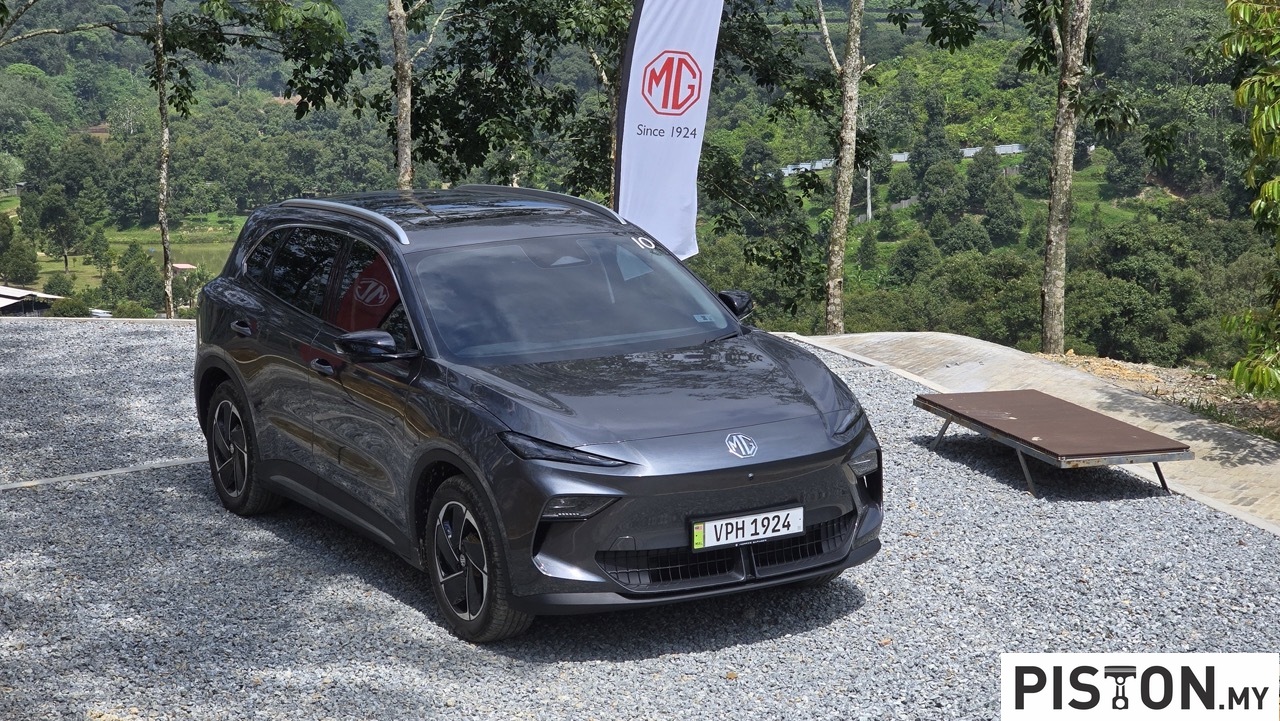
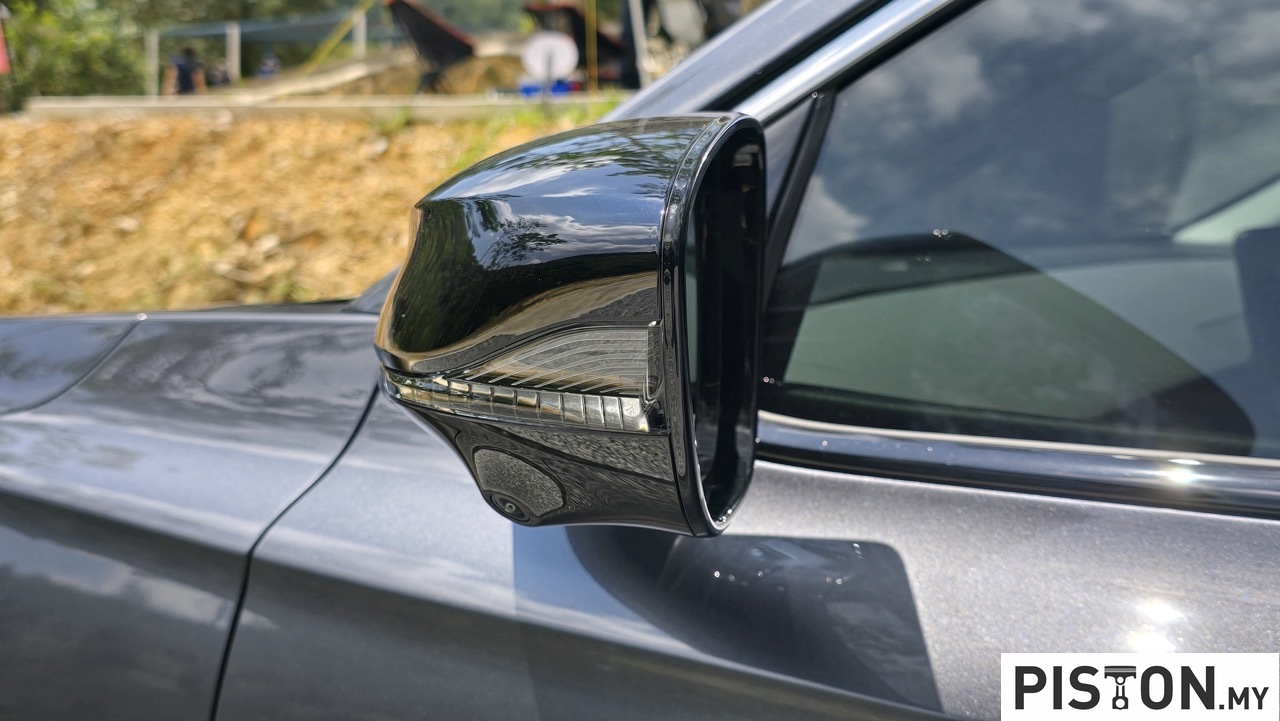
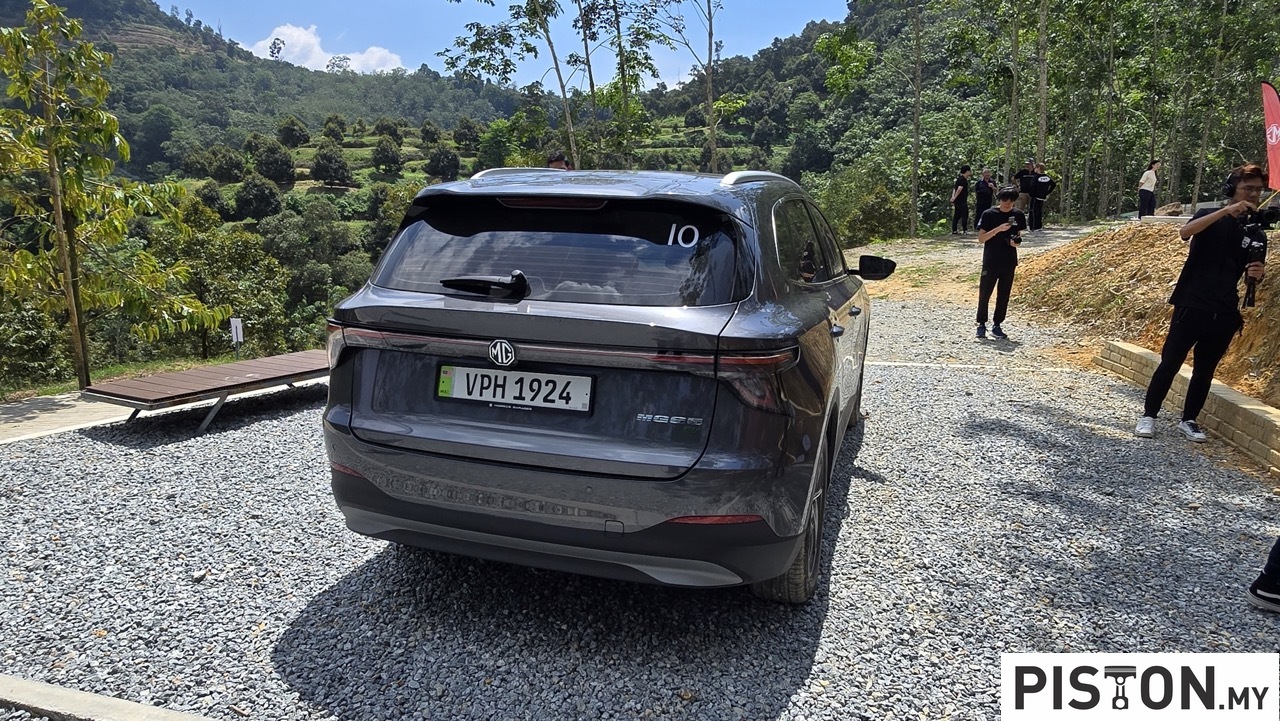
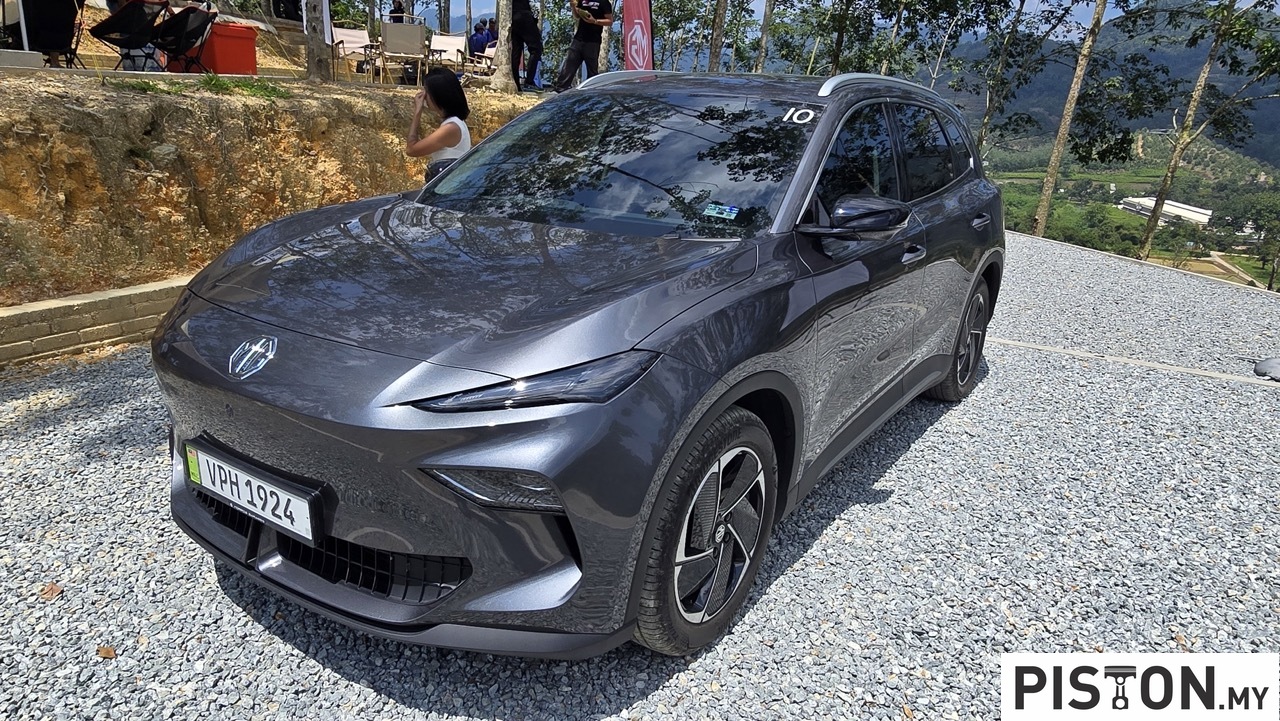
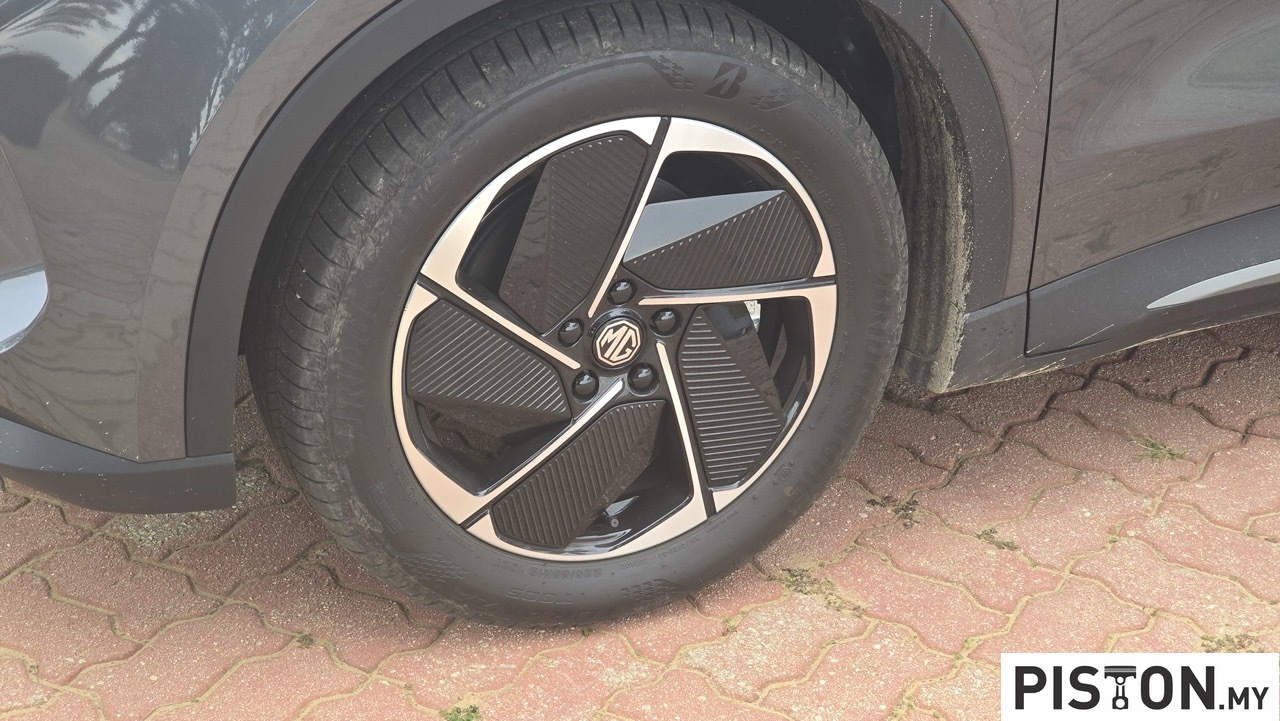
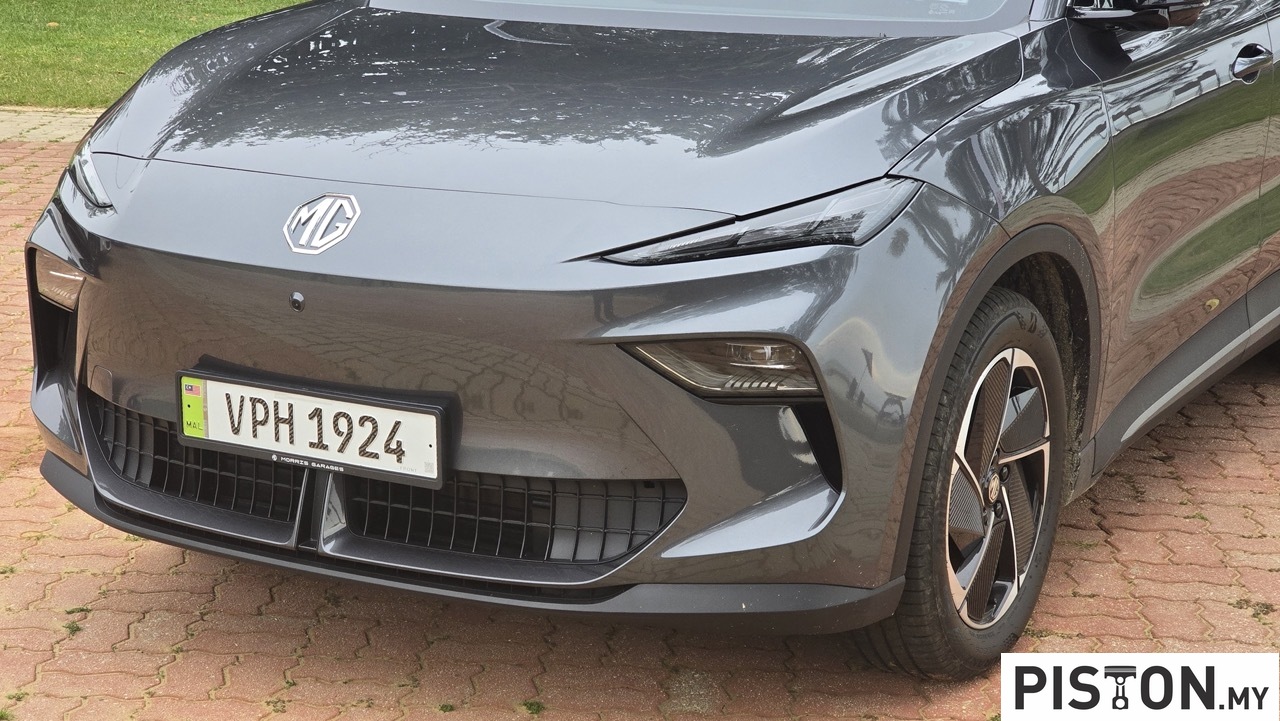
The MGS5 EV is available in three trim levels: COM, COM Long Range, and LUX Long Range. The LUX variant comes with a 62 kWh battery and delivers a claimed range of up to 430 km. On paper, these are impressive numbers, but we wanted to put them to the test in the real world.
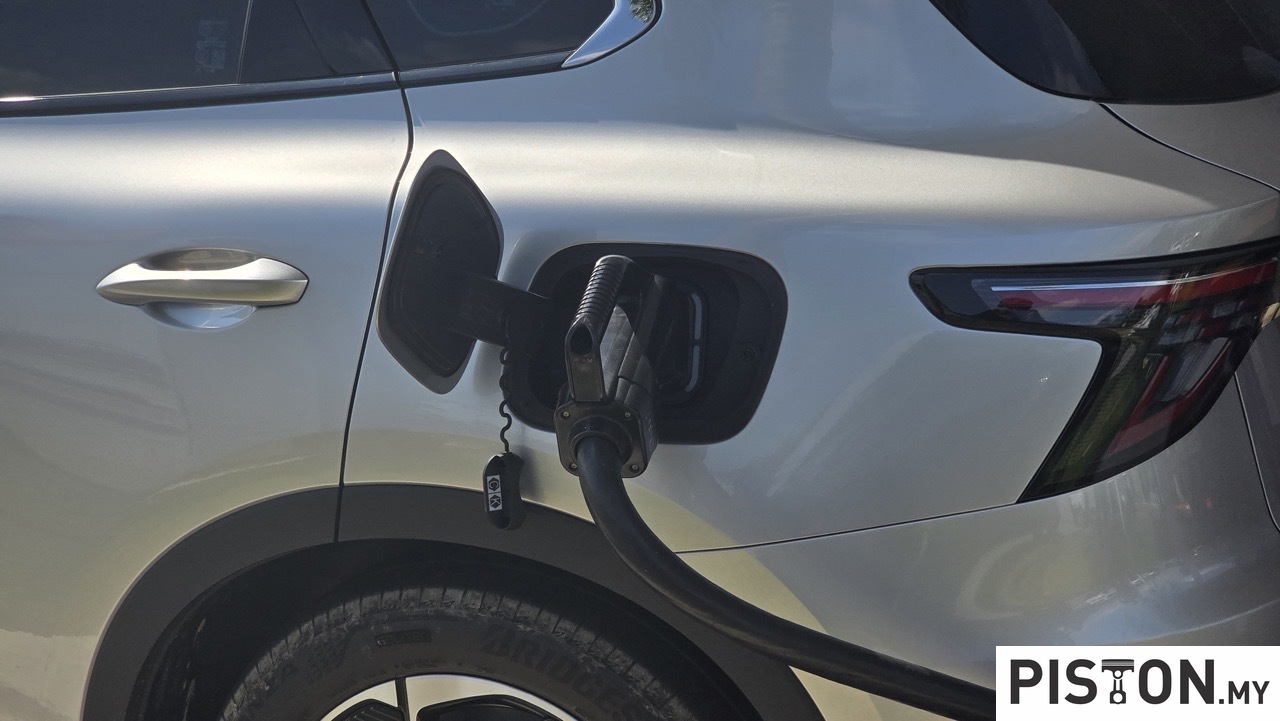
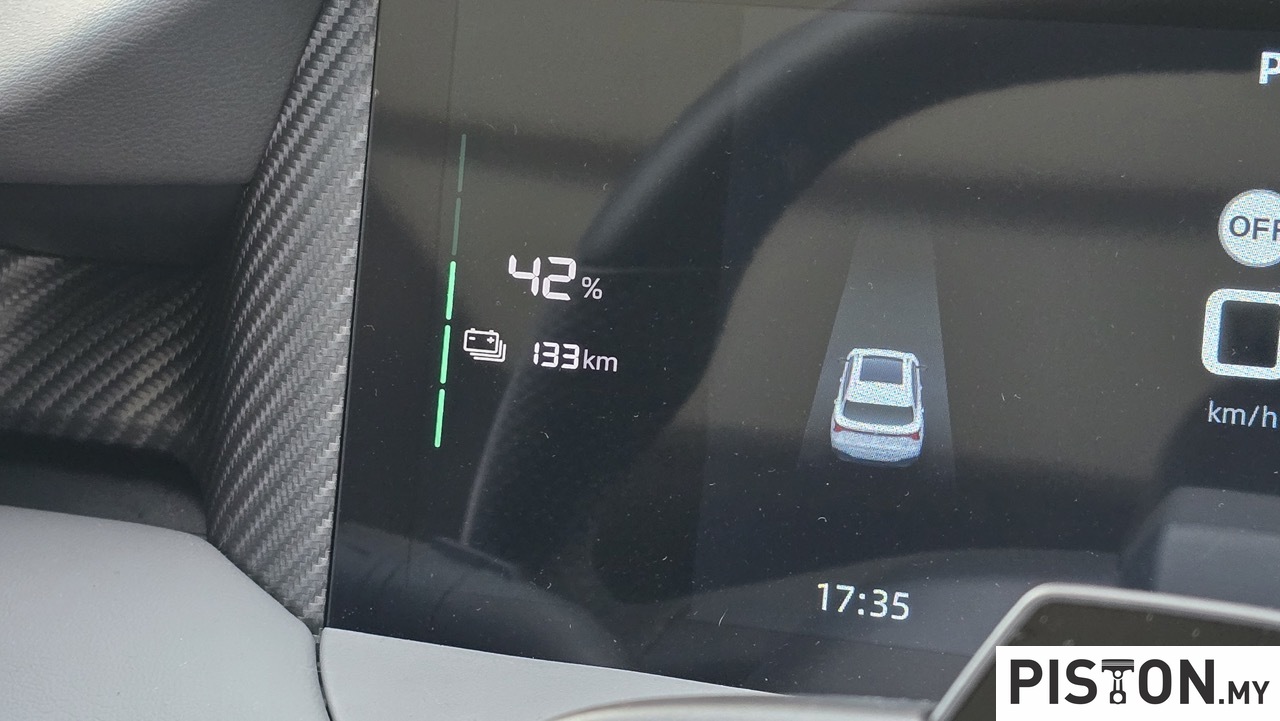
We set out on a drive from Kuala Lumpur to Kuantan, Pahang, a journey of around 263km, typically taking three hours. When we started the trip, the battery was at over 90%, and the system indicated a 400km range. This led us to believe that with a full charge, it could indeed achieve the stated 430km.
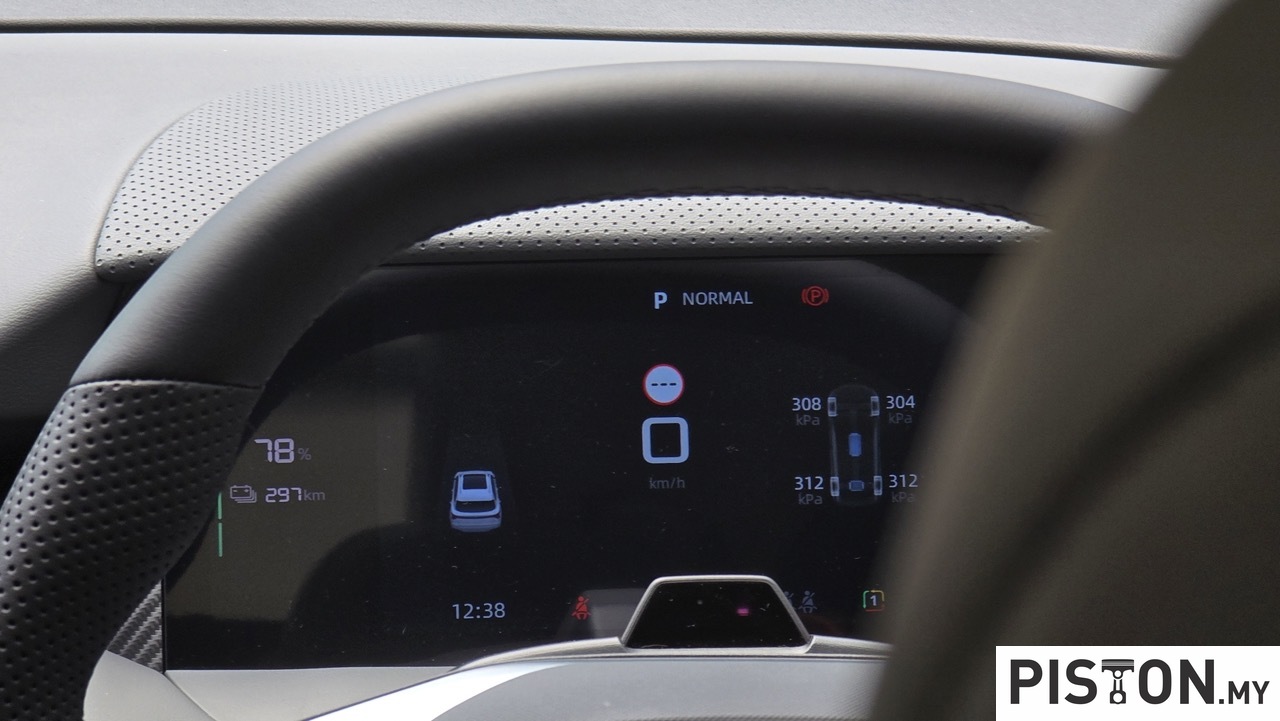
What we didn’t account for, however, were our unscheduled stops, including lunch and a visit to GLO Durian Farm, which made a quick charging session necessary. 

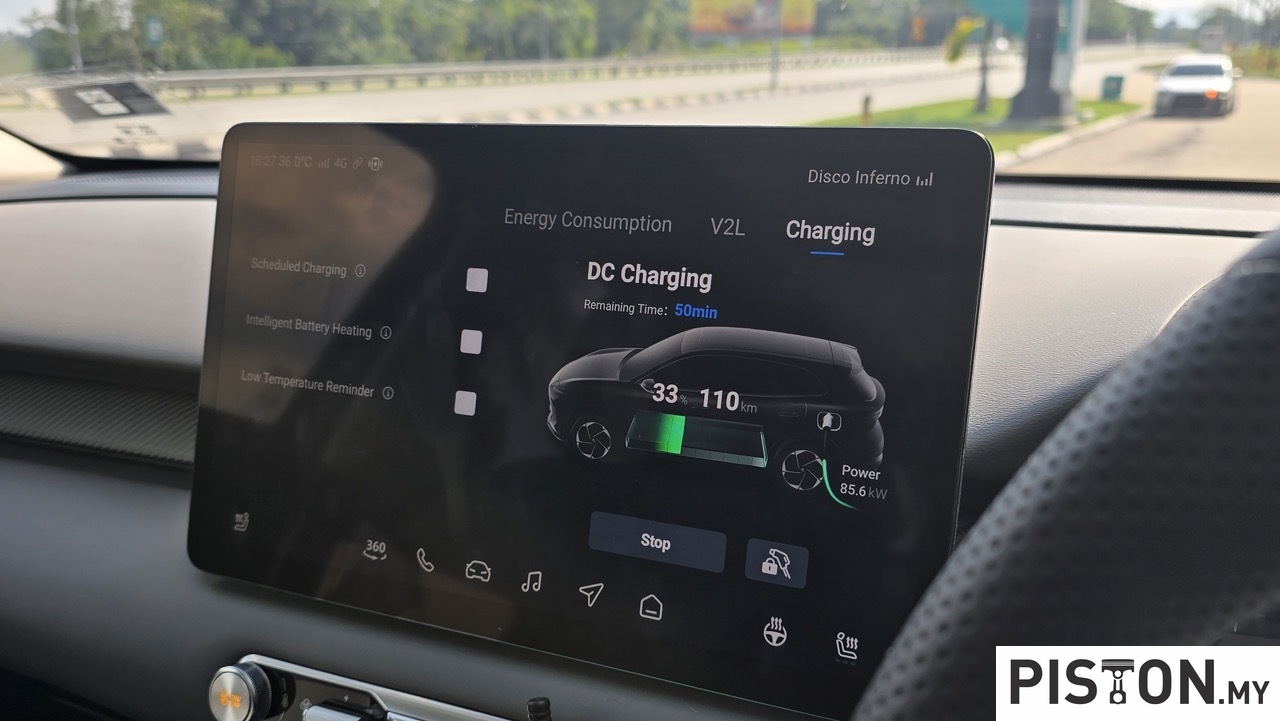
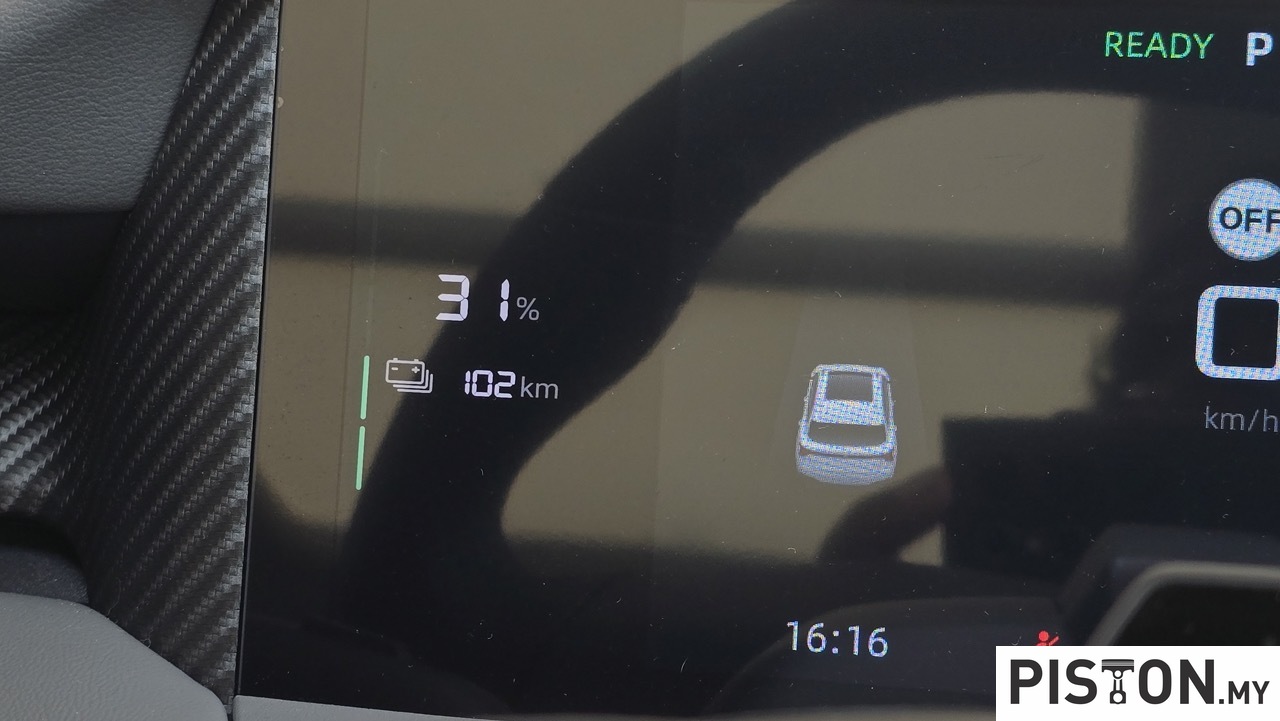
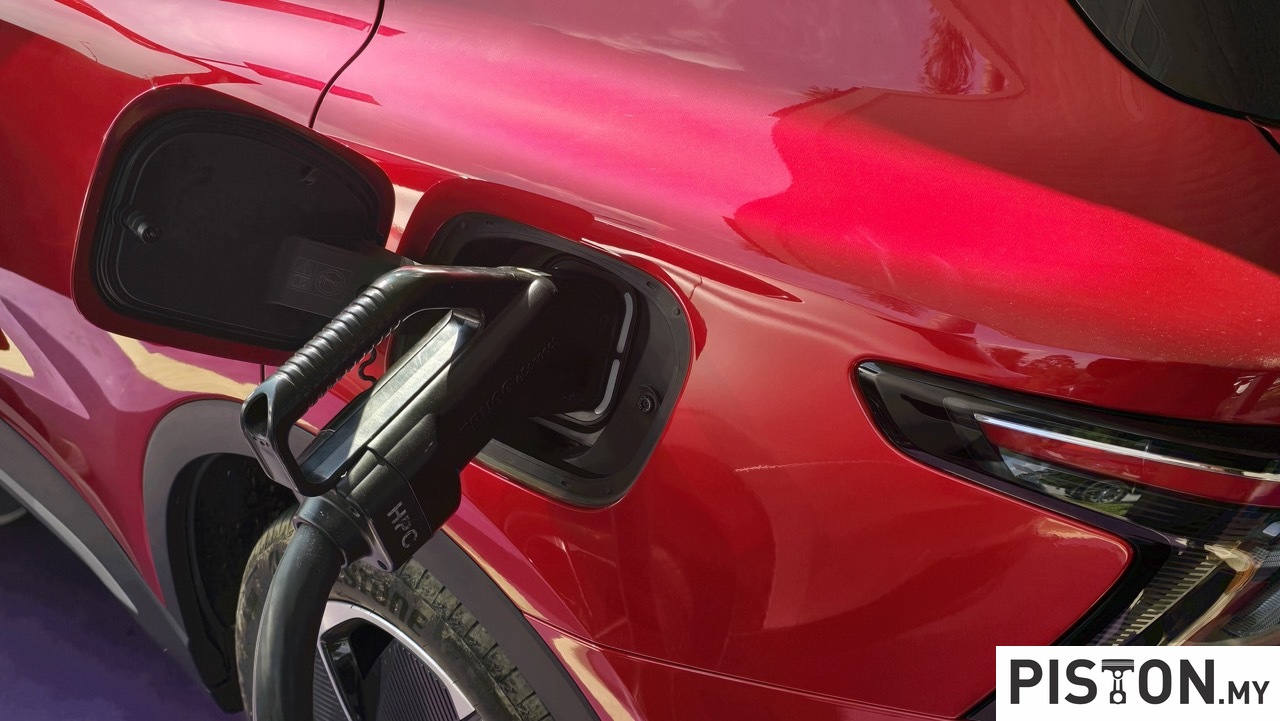
Fortunately, the MGS5 EV supports DC fast charging, capable of going from 10% to 80% in just 24 minutes. When we stopped to charge at around 30% battery, it took only 15 minutes to reach 80%, more than enough to shoot us to our final destination (no pun intended).
For those looking to maximise range, the car offers adjustable regenerative braking settings. This proved incredibly helpful on our return journey to Kuala Lumpur, where energy conservation was critical.

Power and Precision

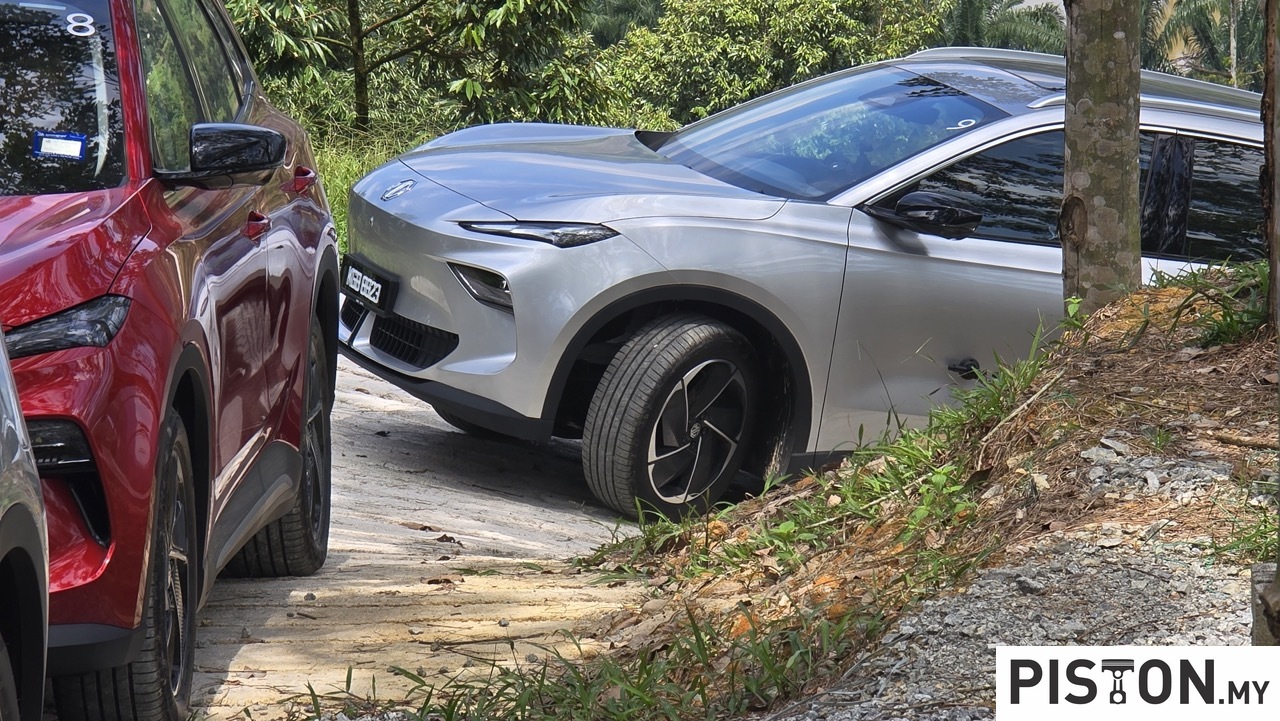
Our route to GLO Durian Farm took us through steep, off-road terrain riddled with mud, gravel, and uneven surfaces. Initially, we were skeptical of the MGS5 EV’s ability to handle such conditions. Despite being a rear-wheel drive SUV, the vehicle surprised us by climbing the hill with remarkable ease and stability.
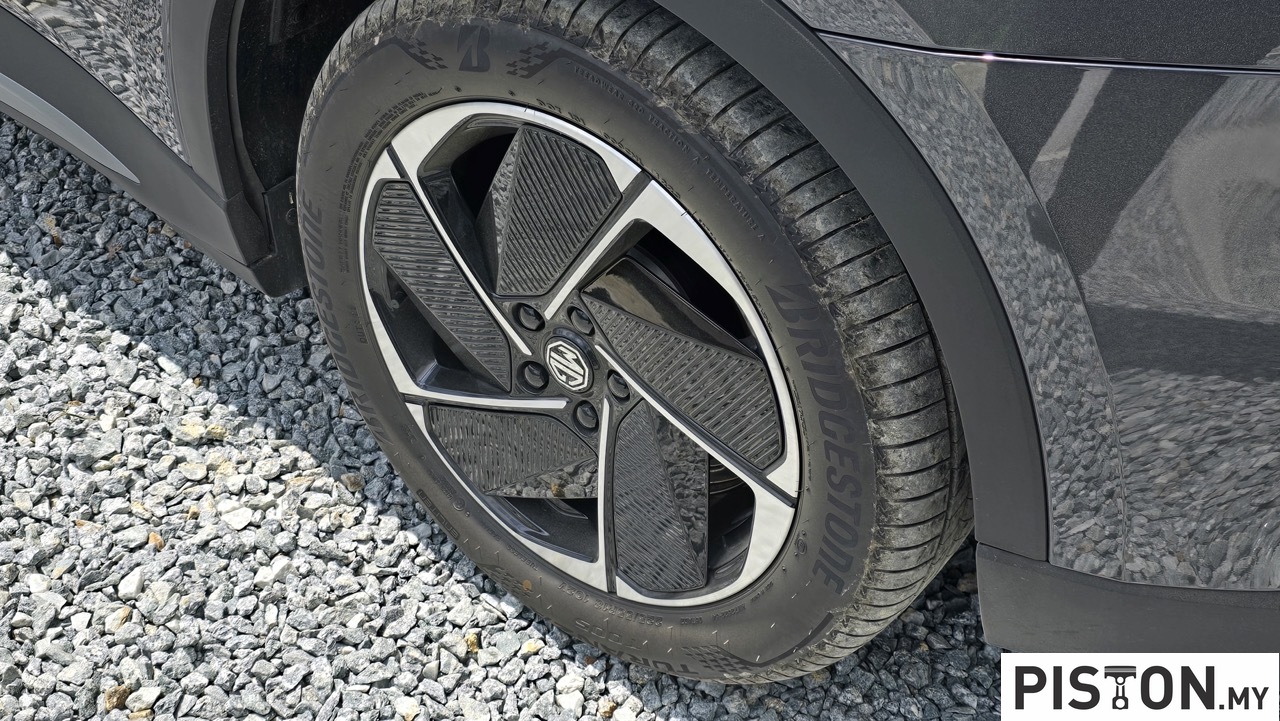
The MGS5 EV features a rear-wheel drive layout with a five-link independent rear suspension, providing confident and composed handling. Its DP-EPS electronic steering system and XDS cornering dynamic control further contribute to agile maneuverability. The 47:53 front-to-rear weight distribution enhances overall balance, making it surprisingly capable on challenging surfaces.
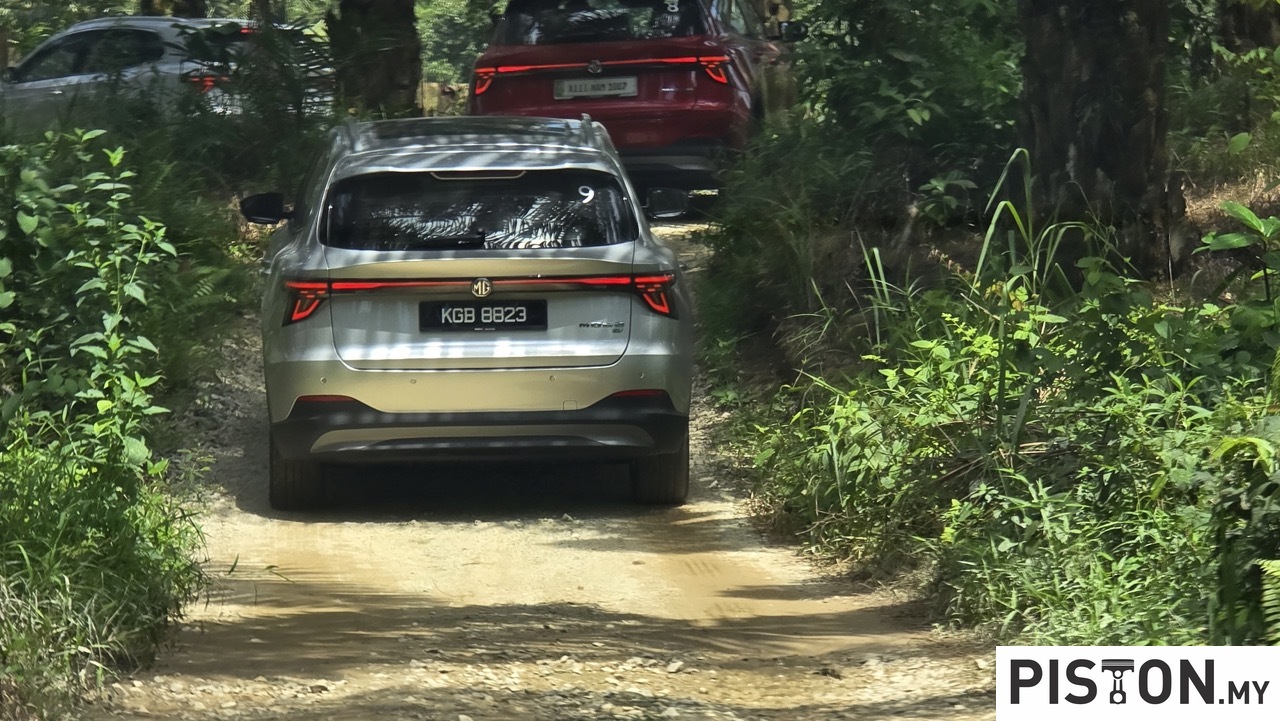
Performance-wise, the MGS5 EV delivers 170PS and 250Nm of torque, with a 0-100km/h time of 8.0 seconds, more than adequate for a family SUV. On the highway, the car feels far from sluggish. It does not have the instant torque jolt of more aggressive EVs, it delivers a smooth power curve and reaches a top speed of 175km/h, which is impressive for its segment.

Stability and Safety

Even at high speeds, the MGS5 EV maintains impressive stability and comfort. It is engineered to meet Euro NCAP five-star safety standards, with a cage-like structure made from 77% high-strength steel and up to 47% ultra-high-strength steel. 
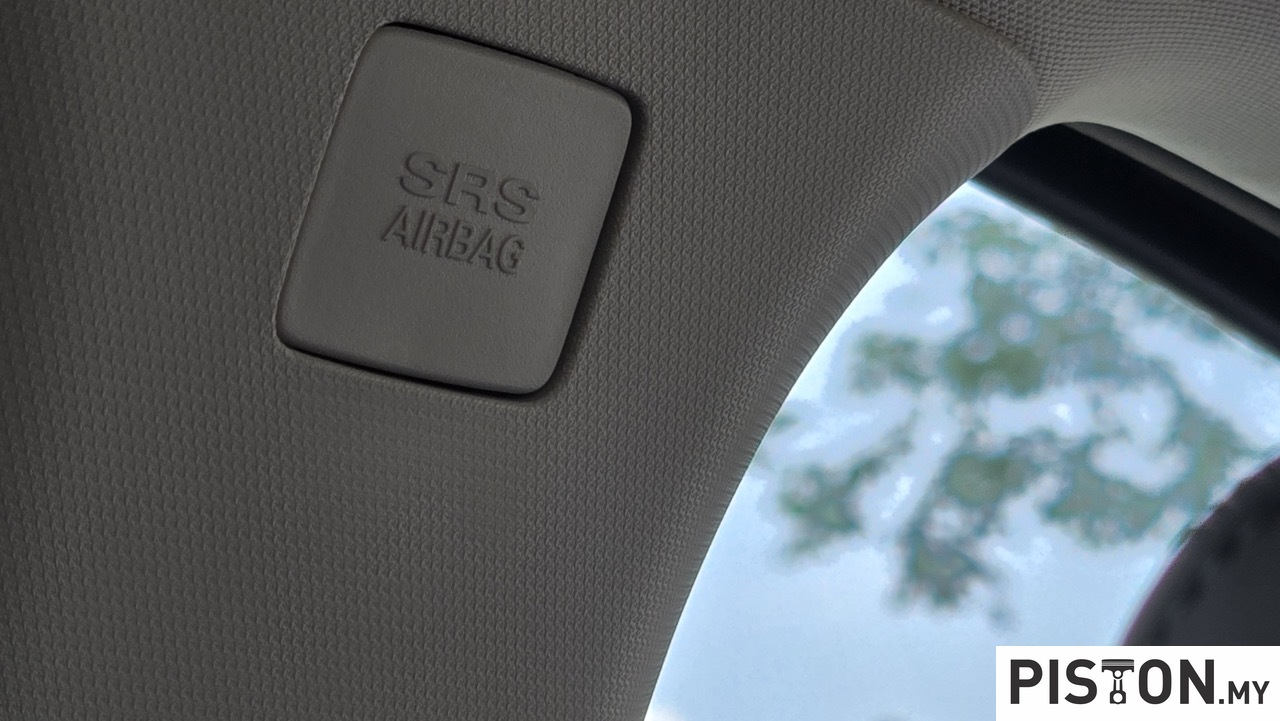
Reinforced crash beams and a hot-formed cross beam provide additional protection for both occupants and the battery.
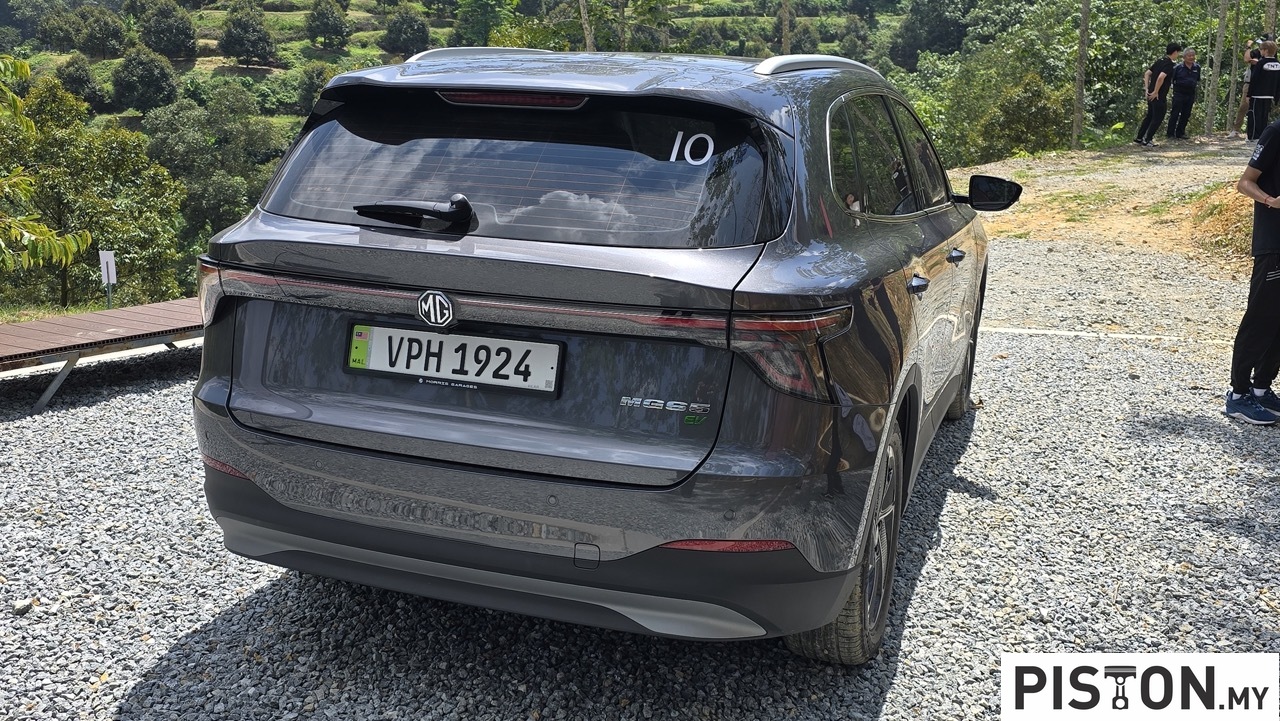
In terms of active safety, the MGS5 EV is equipped with 16 ADAS (Advanced Driver Assistance System) sub-functions, covering a wide range of driving scenarios. These include Forward Collision Warning (FCW), Automatic Emergency Braking (AEB), Intelligent Headlamp Control (IHC), Adaptive Cruise Control (ACC), Traffic Jam Assist (TJA), and various lane-keeping and driver-monitoring systems.

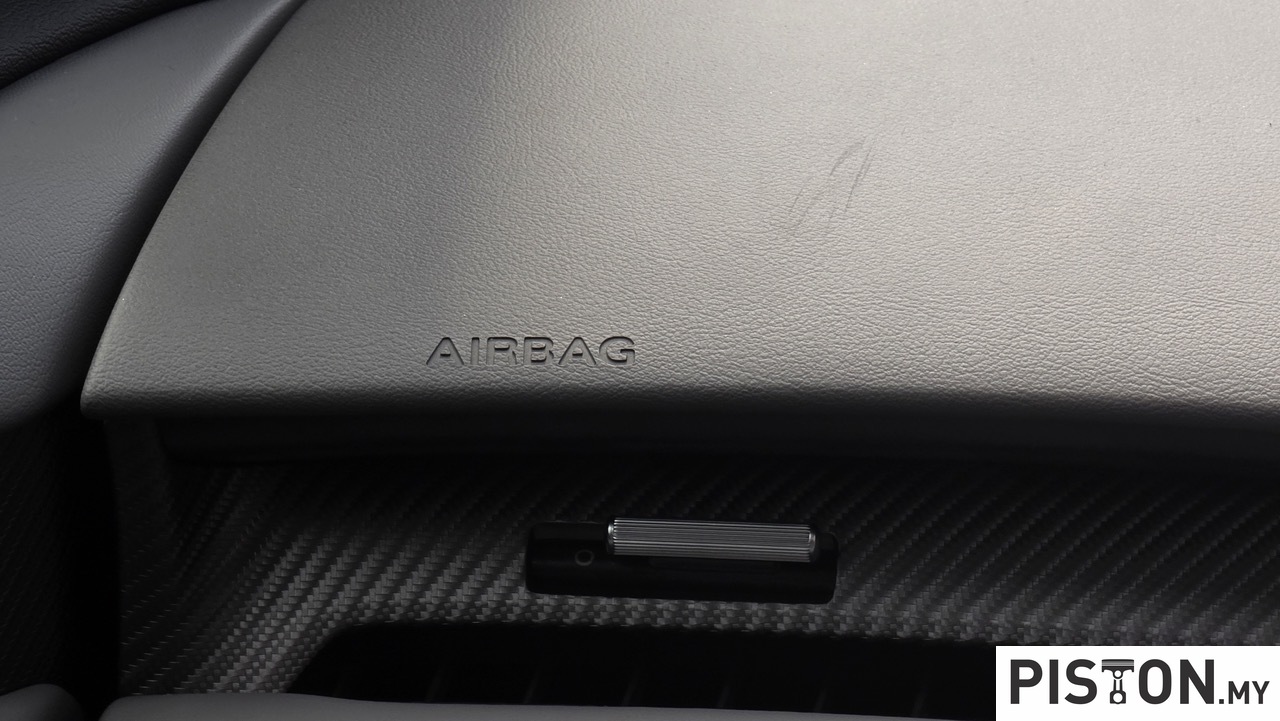
For passive safety, the vehicle includes seven airbags as standard, including a centre airbag that enhances occupant protection in the event of a side impact.
Physical Controls in a Digital Age

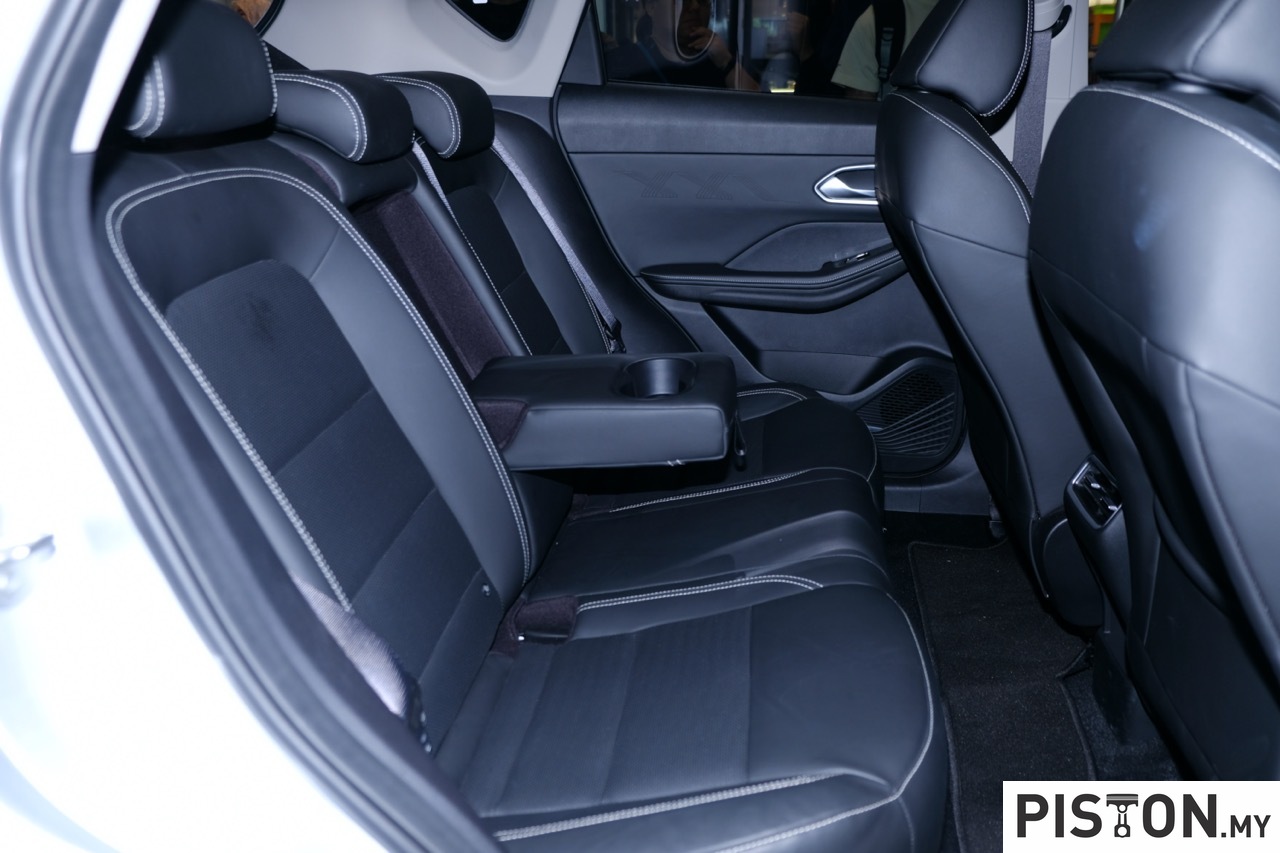
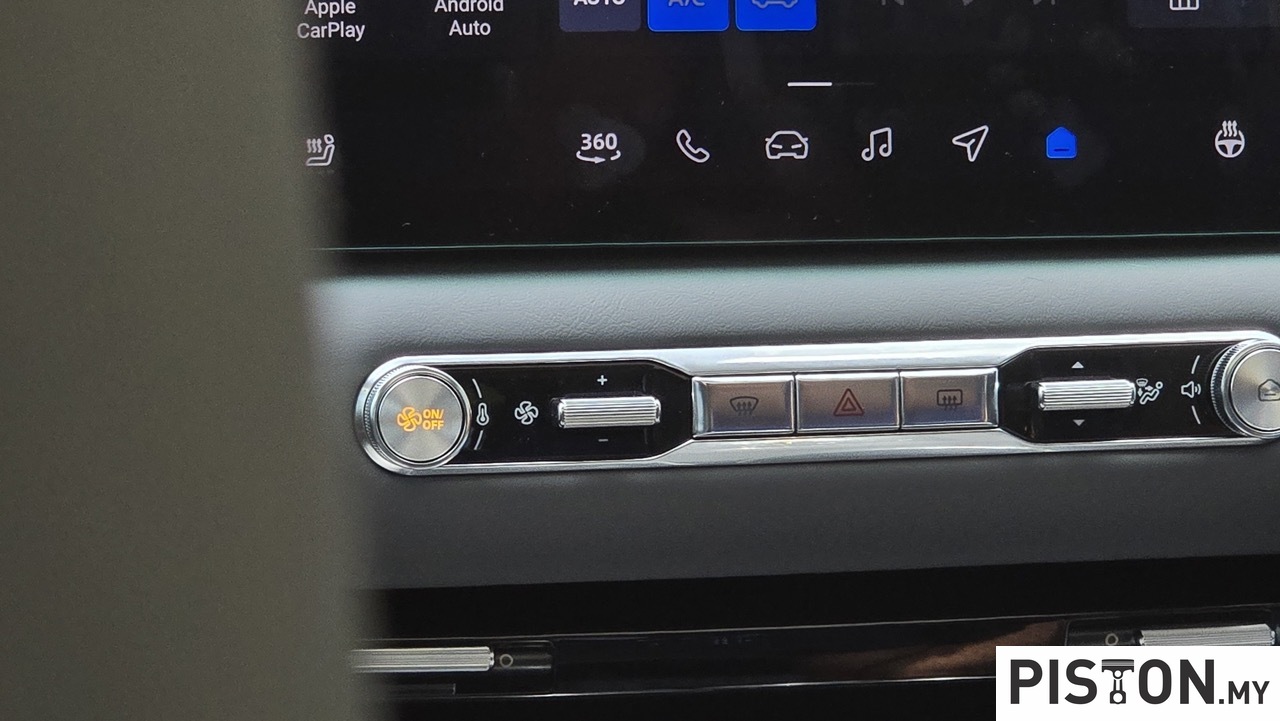
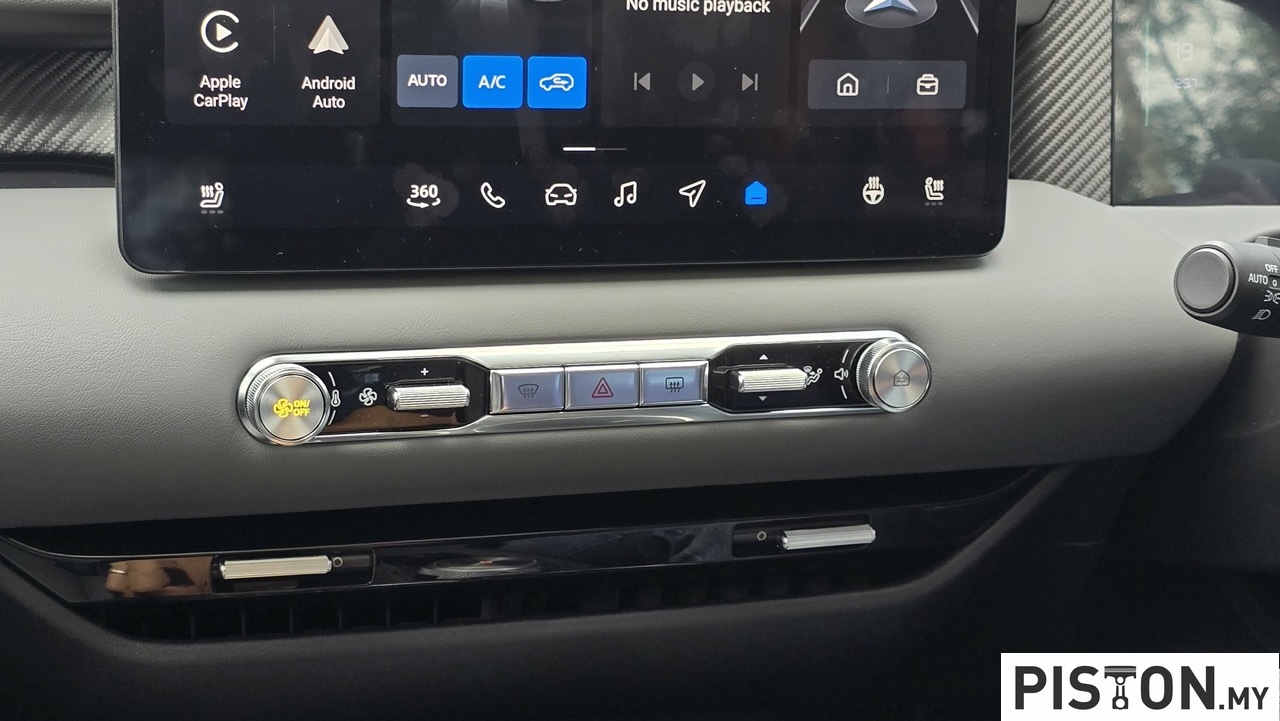
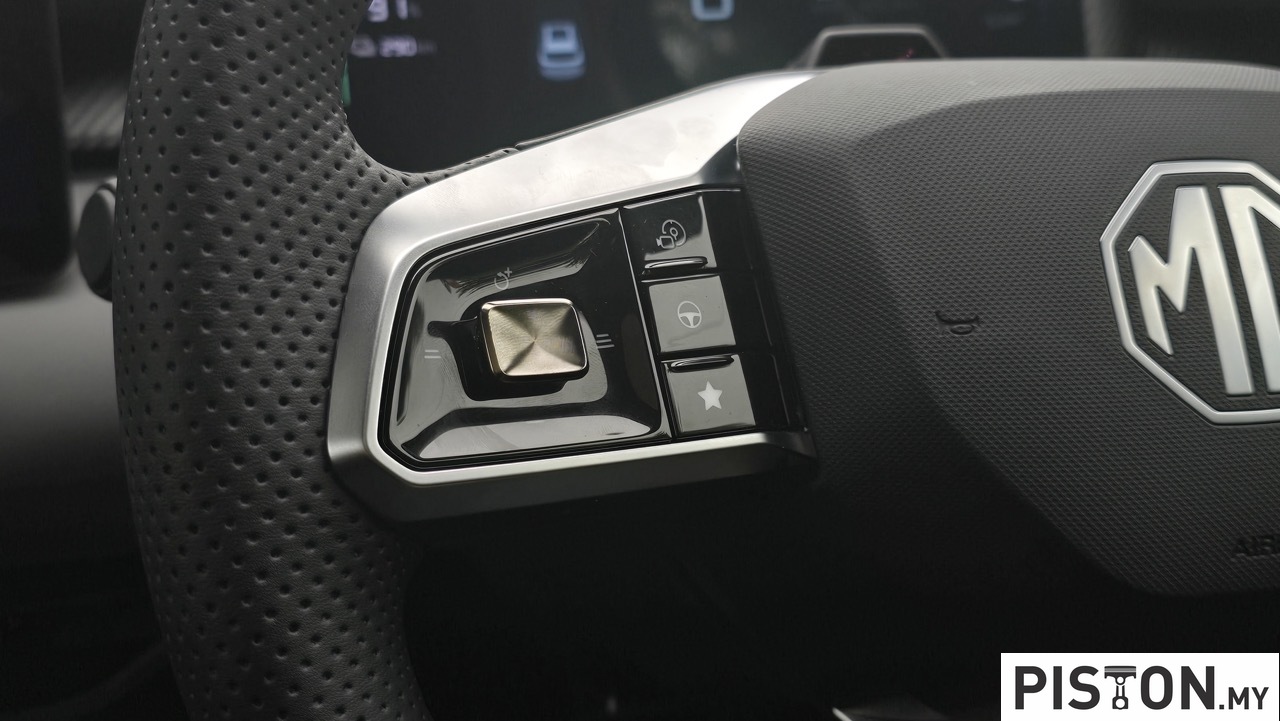
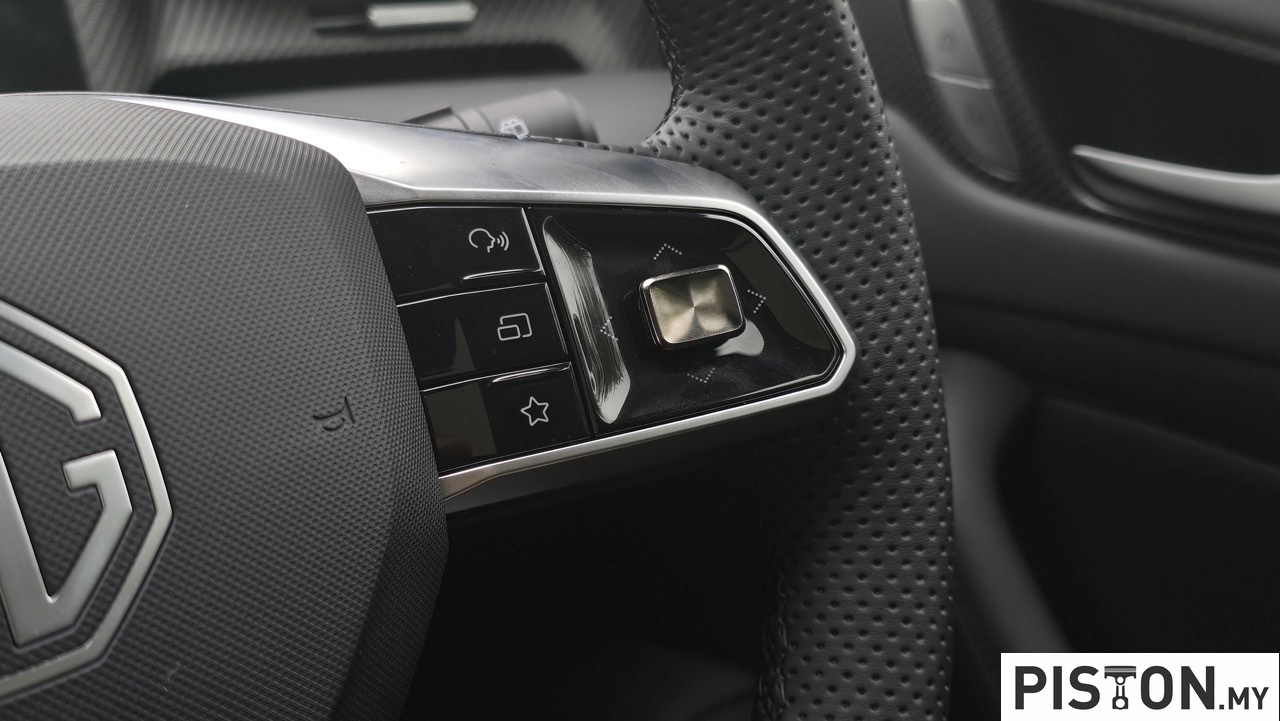
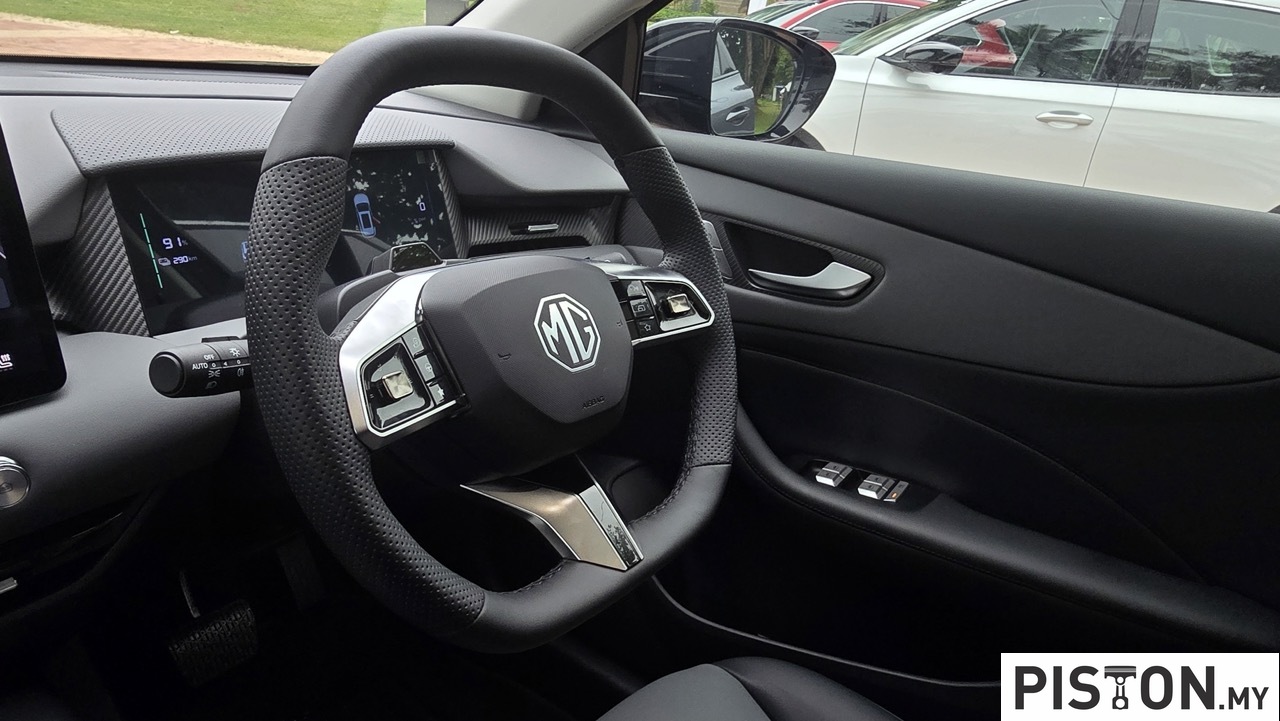
While most modern EVs rely solely on touchscreen controls, even for basic functions like adjusting air-conditioning, the MGS5 EV stands out by including physical buttons and switches. This not only improves ease of use but also reduces driver distraction.

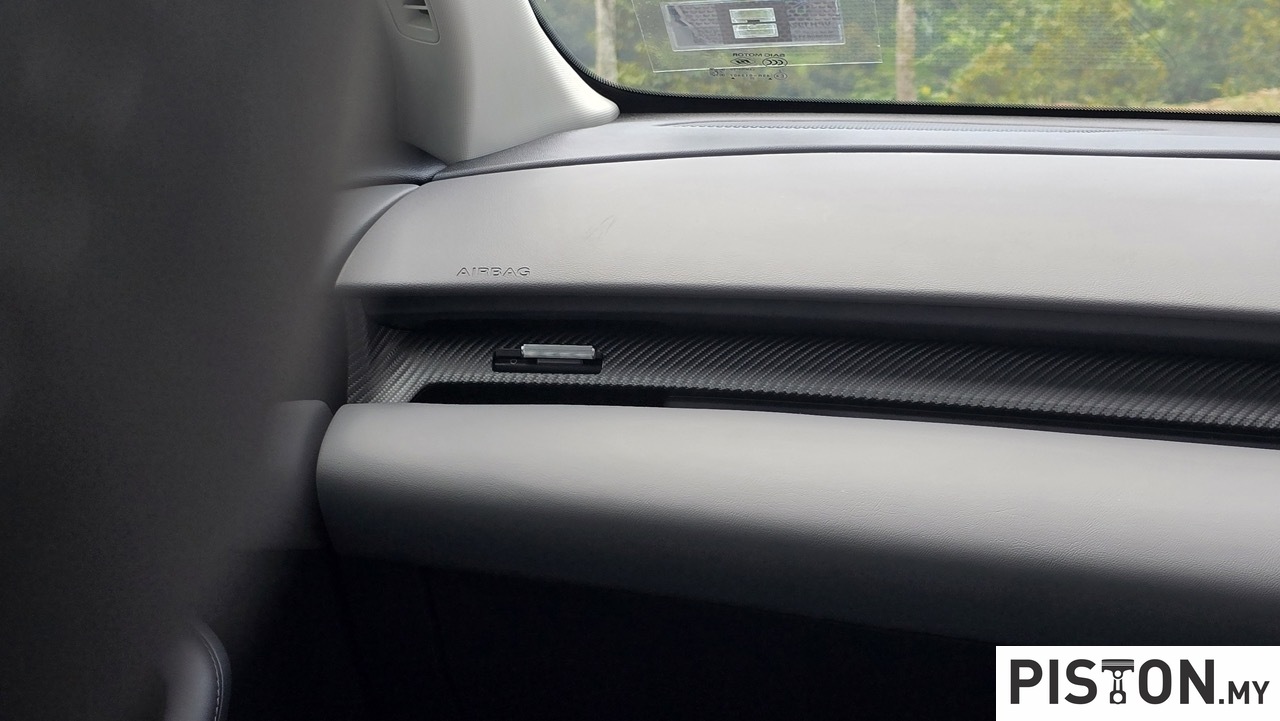
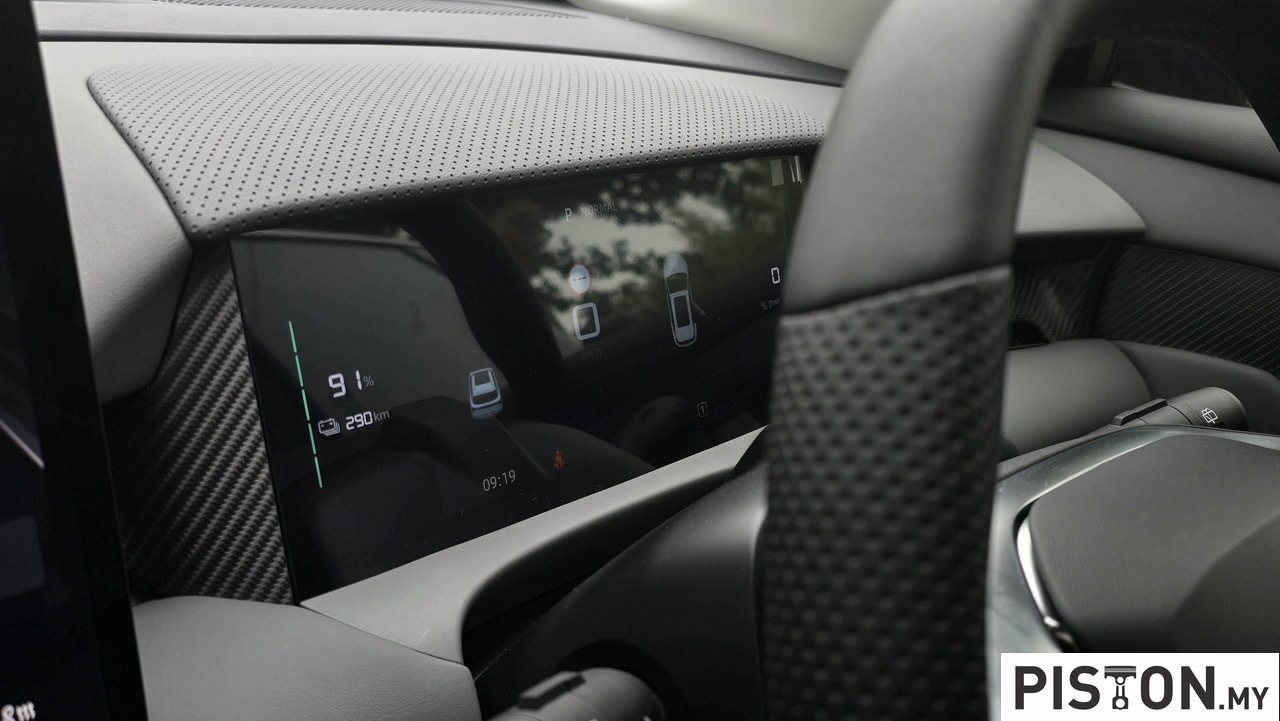
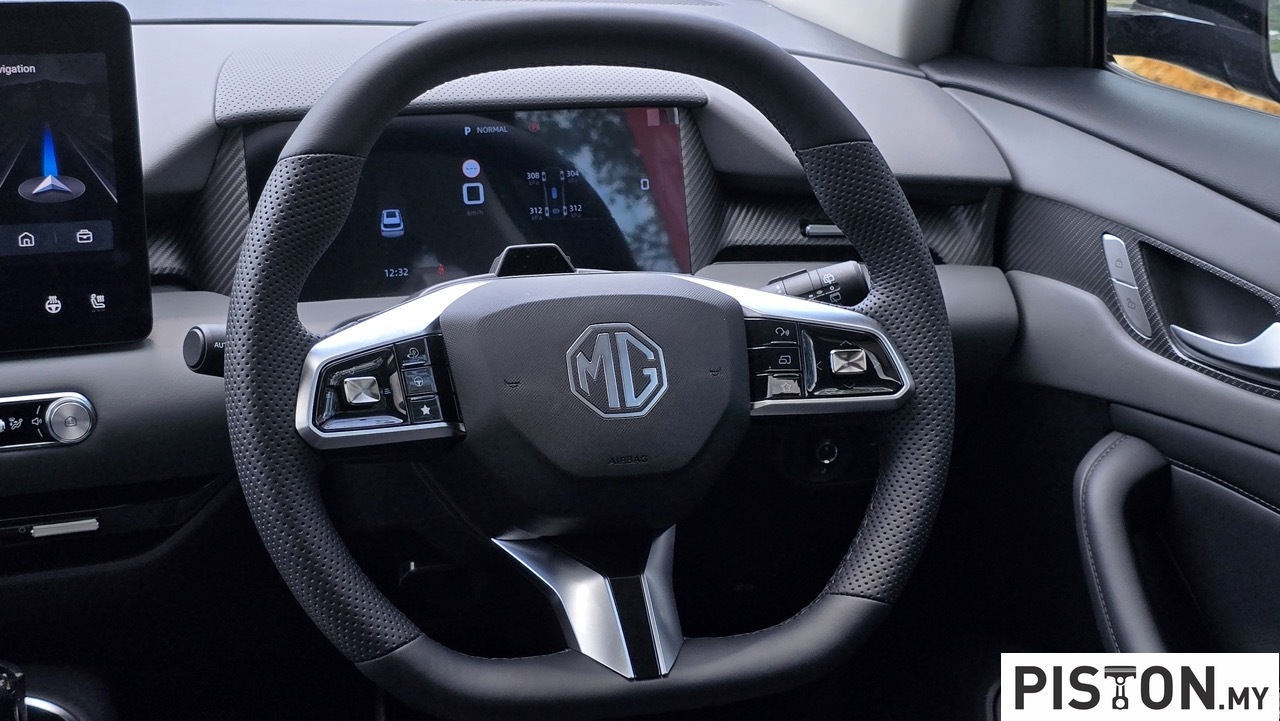
The interior features a 12.8-inch central touchscreen, a layered dashboard design, and a clearly laid-out physical control panel. 
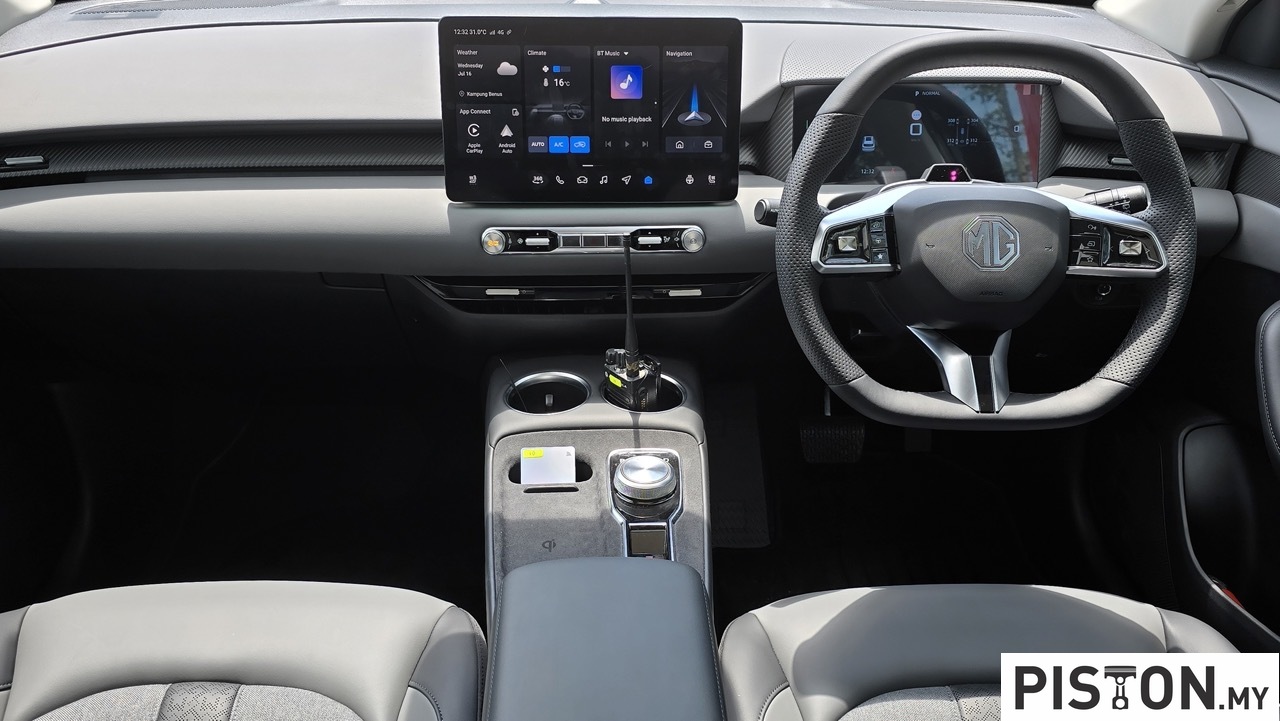
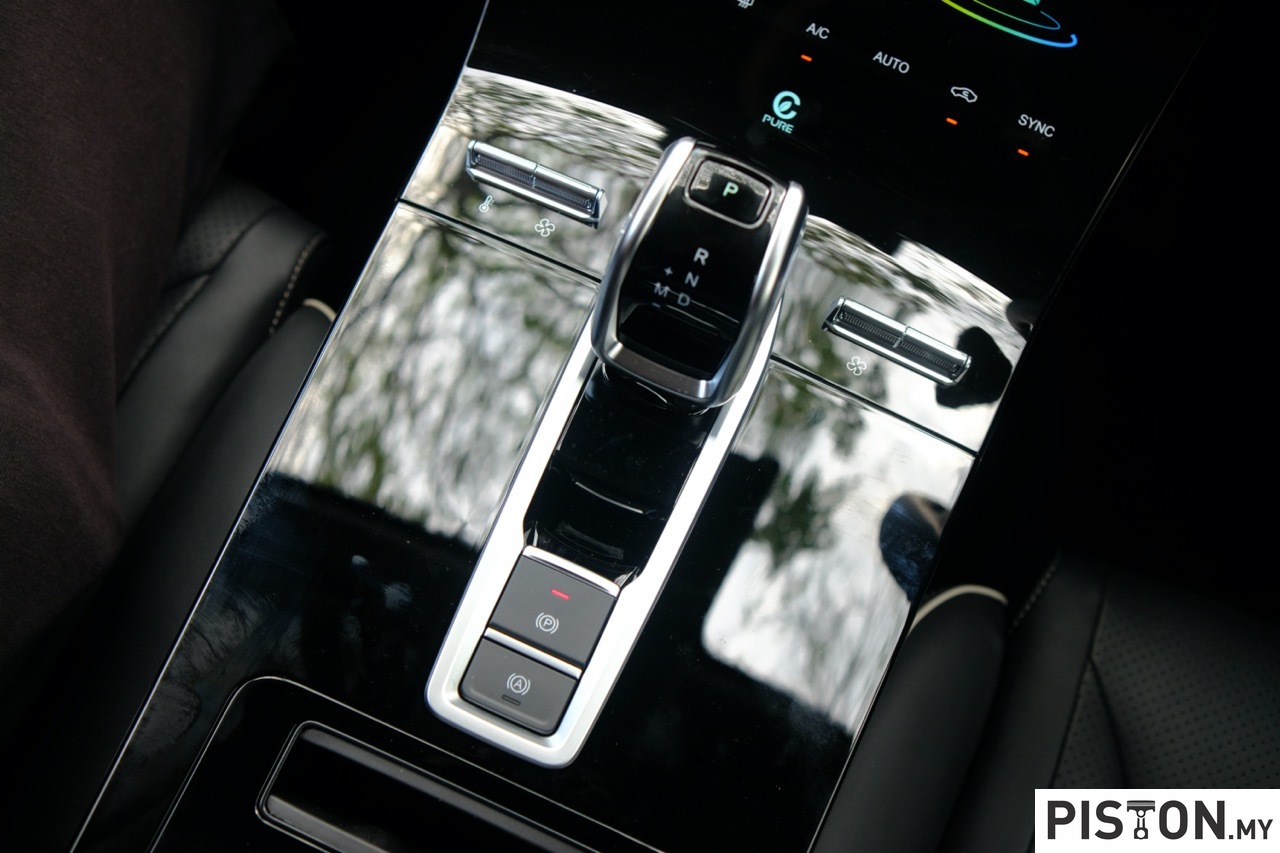
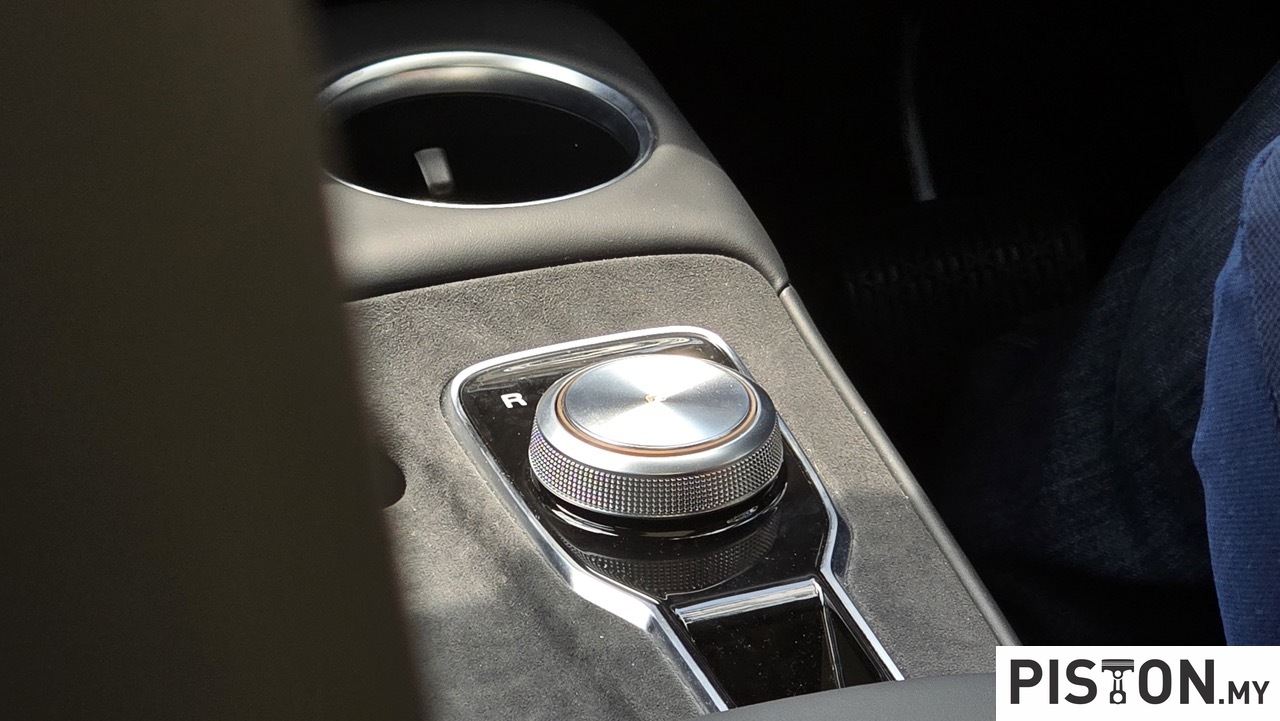
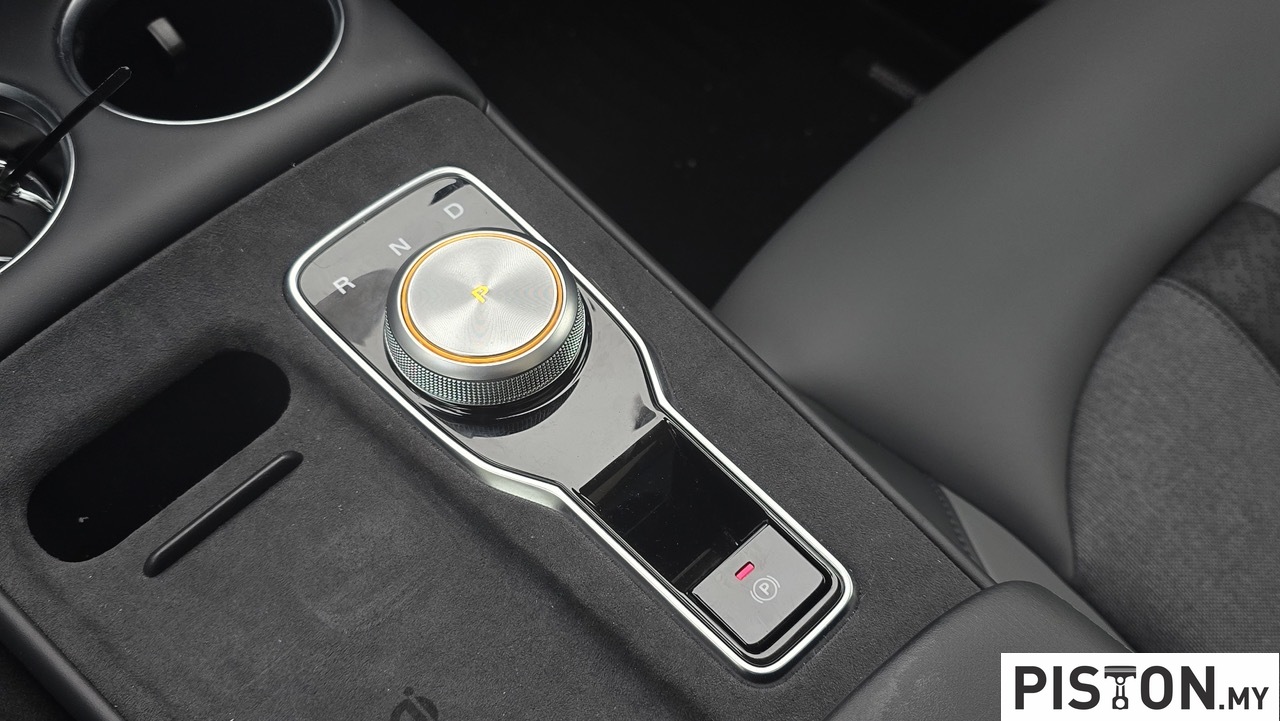
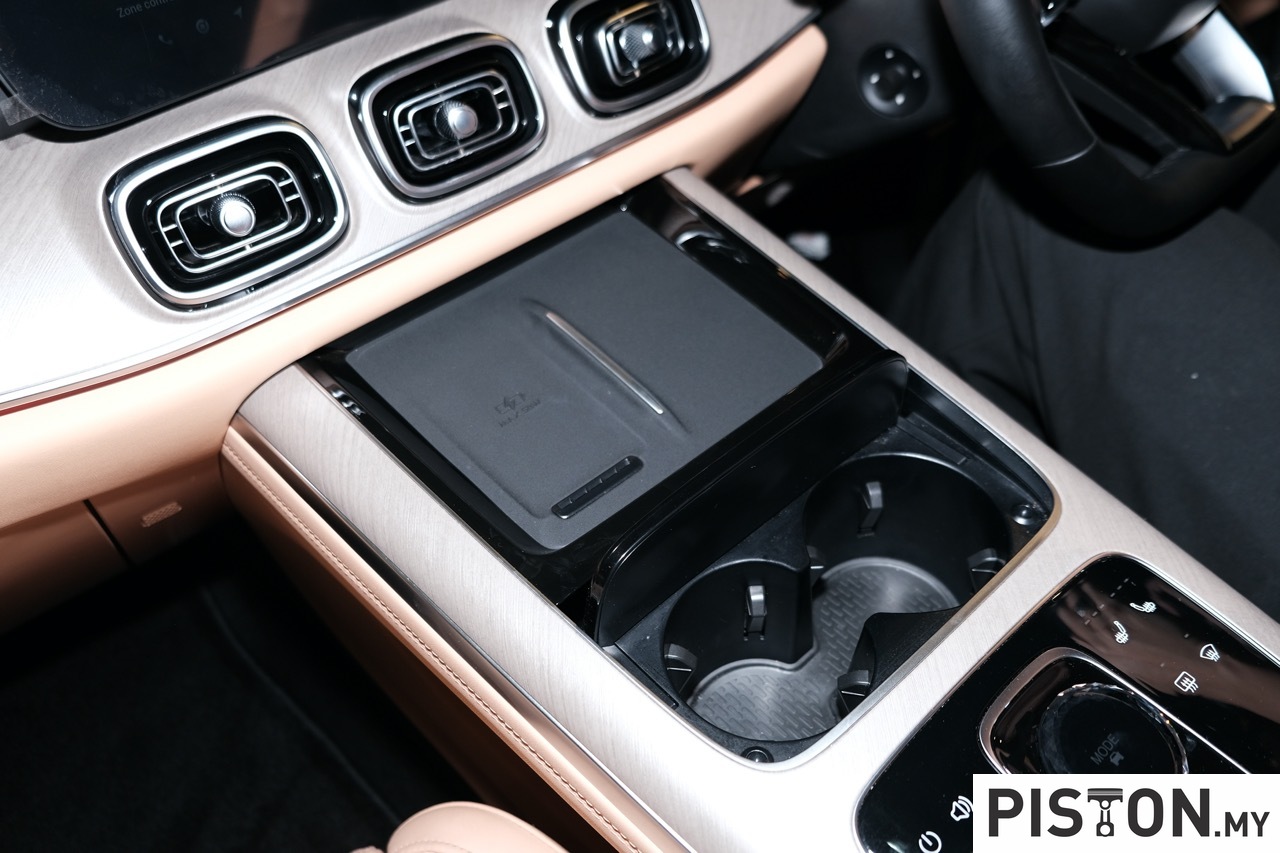
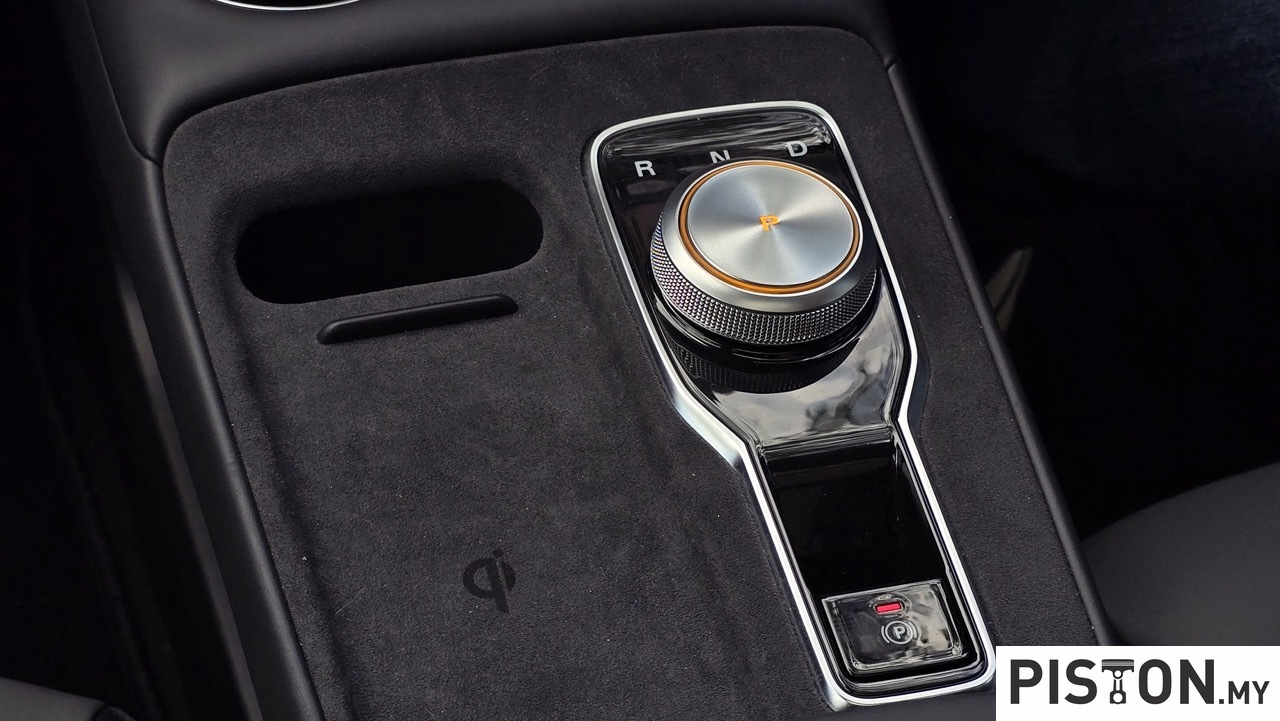
It is equipped with a flat-top-and-bottom 3-spoke steering wheel, a 10.25-inch digital instrument cluster, a rotary gear knob, and a wireless charging pad.
The Voice You’ll Never Forget

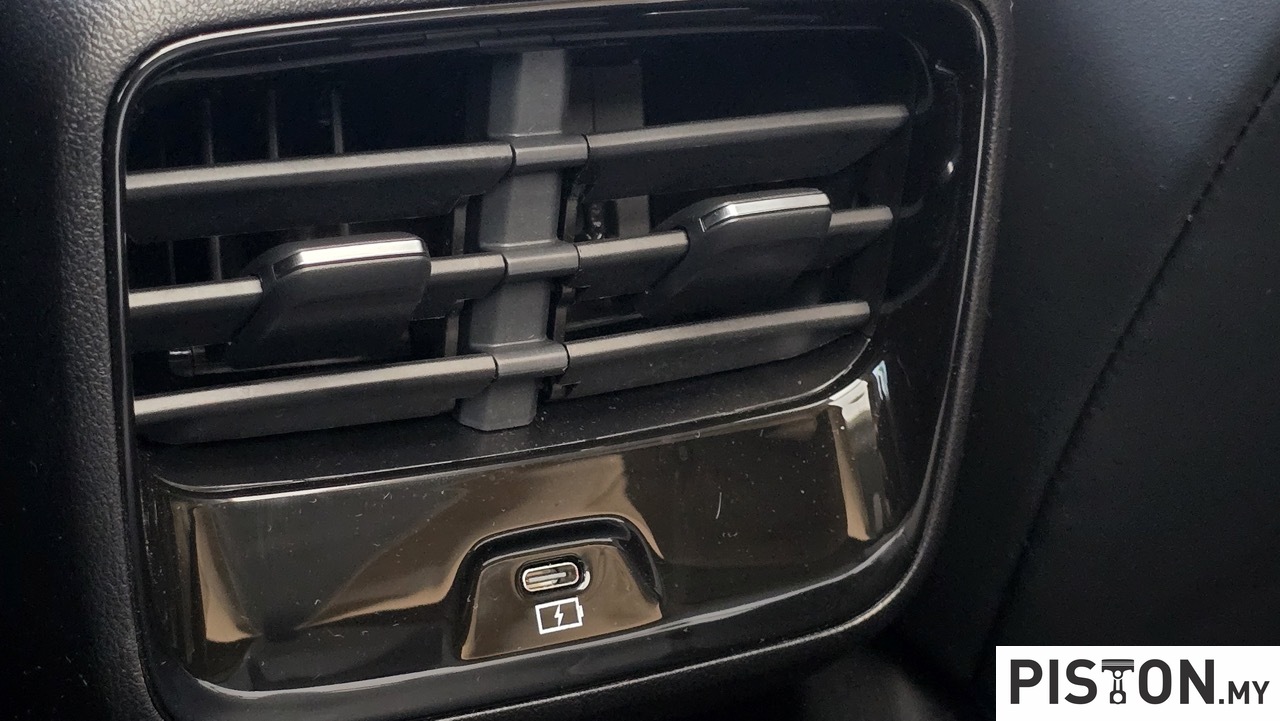
Not everything is perfect. The wireless charging pad was somewhat slow and tended to overheat the phone. Using the USB ports located under the armrest proved more efficient.
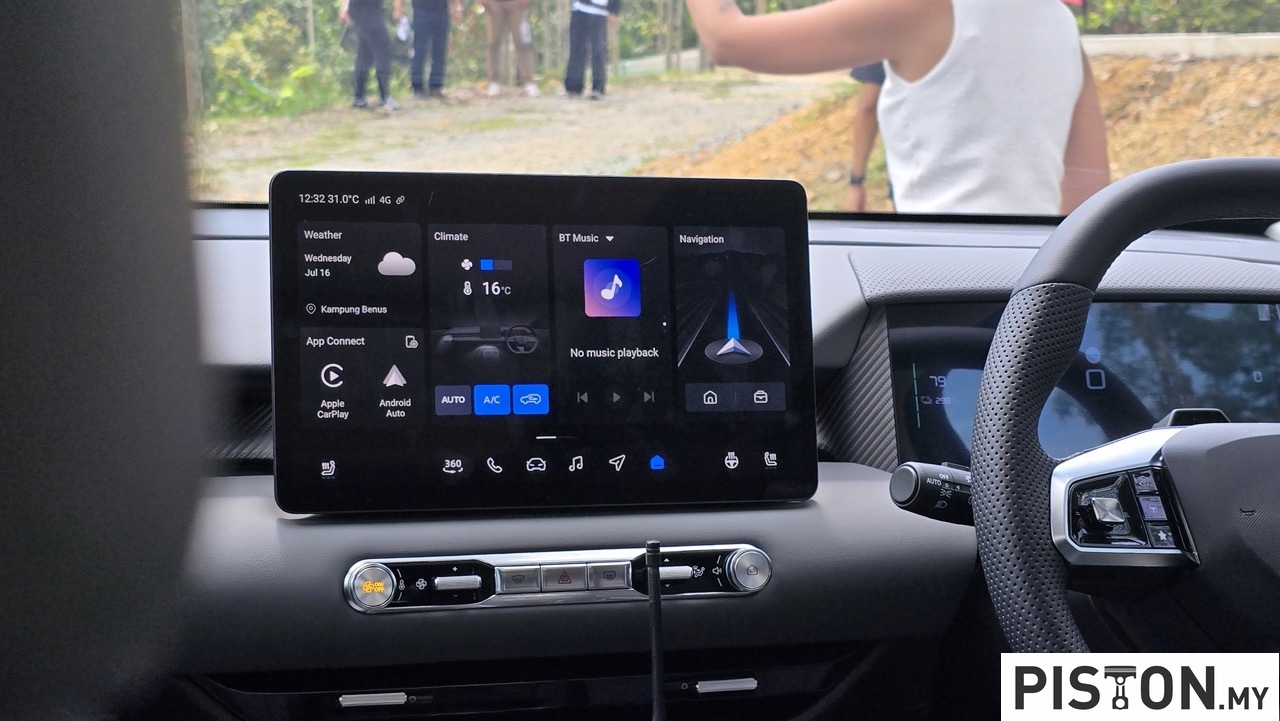
But the most frustrating thing with the car during our journey was the speed limit warning chime. This audible alert triggered every two minutes, and there was no way to disable it. MG has since confirmed that an upcoming software update will allow users to mute this feature, something we look forward to, as the repeated warnings became quite bothersome over a long trip.

Worth the Extra Ringgit?

At RM135,900 for the top-spec LUX Long Range, the MGS5 EV is slightly more expensive than some competitors. However, considering the well-rounded feature set, thoughtful design, and impressive performance, the added cost feels justified. 
You’re not just paying for an electric vehicle; you’re paying for comfort, usability, and peace of mind on the road.

Specifications:

MGS5 EV LUX Long Range

Price: RM135,900

Motors: Single Rear Motor

Power: 170PS and 250Nm

Battery: 62 kWh Blade LFP

Range: 430km (WLTP)

Charging: 150kW DC / 7kW AC

We like: Physical controls

We don’t like: Speed limit warning

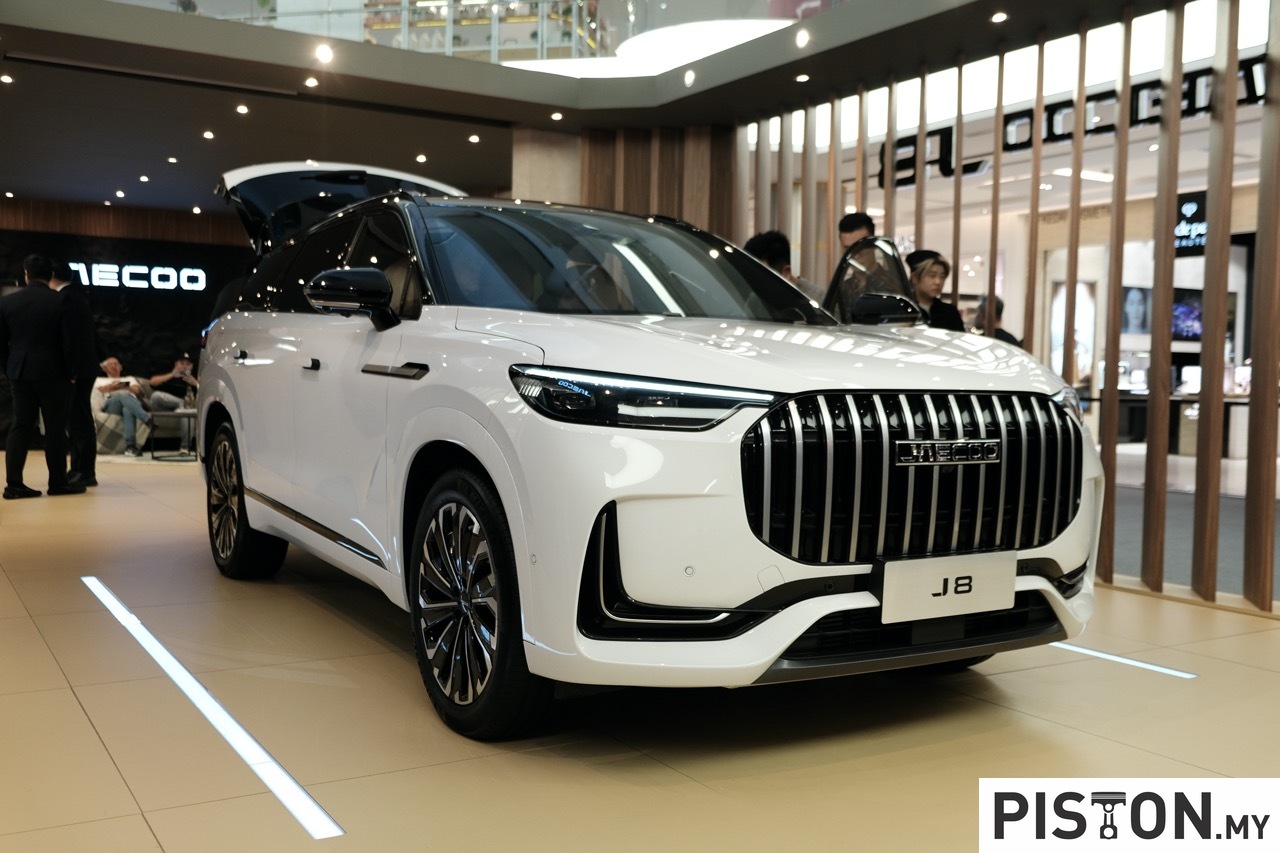
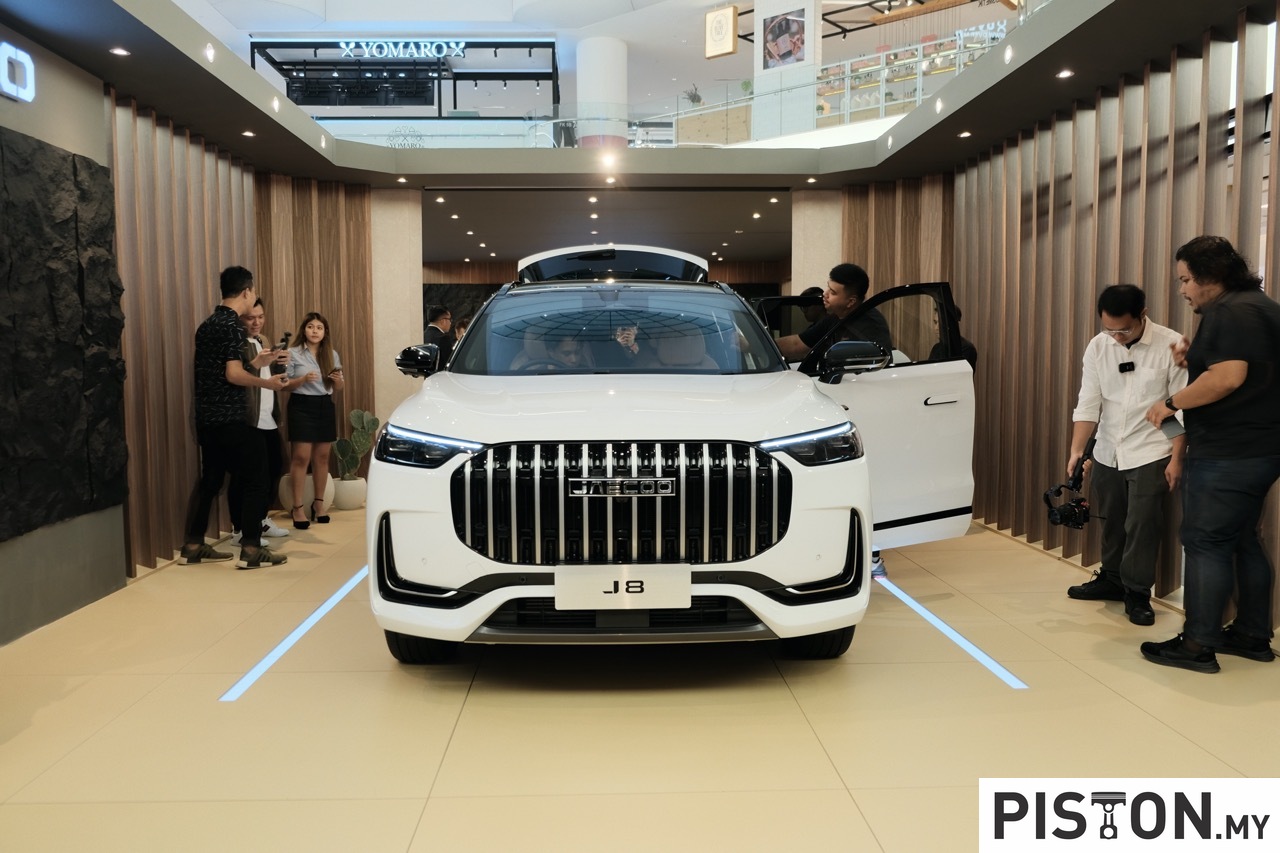
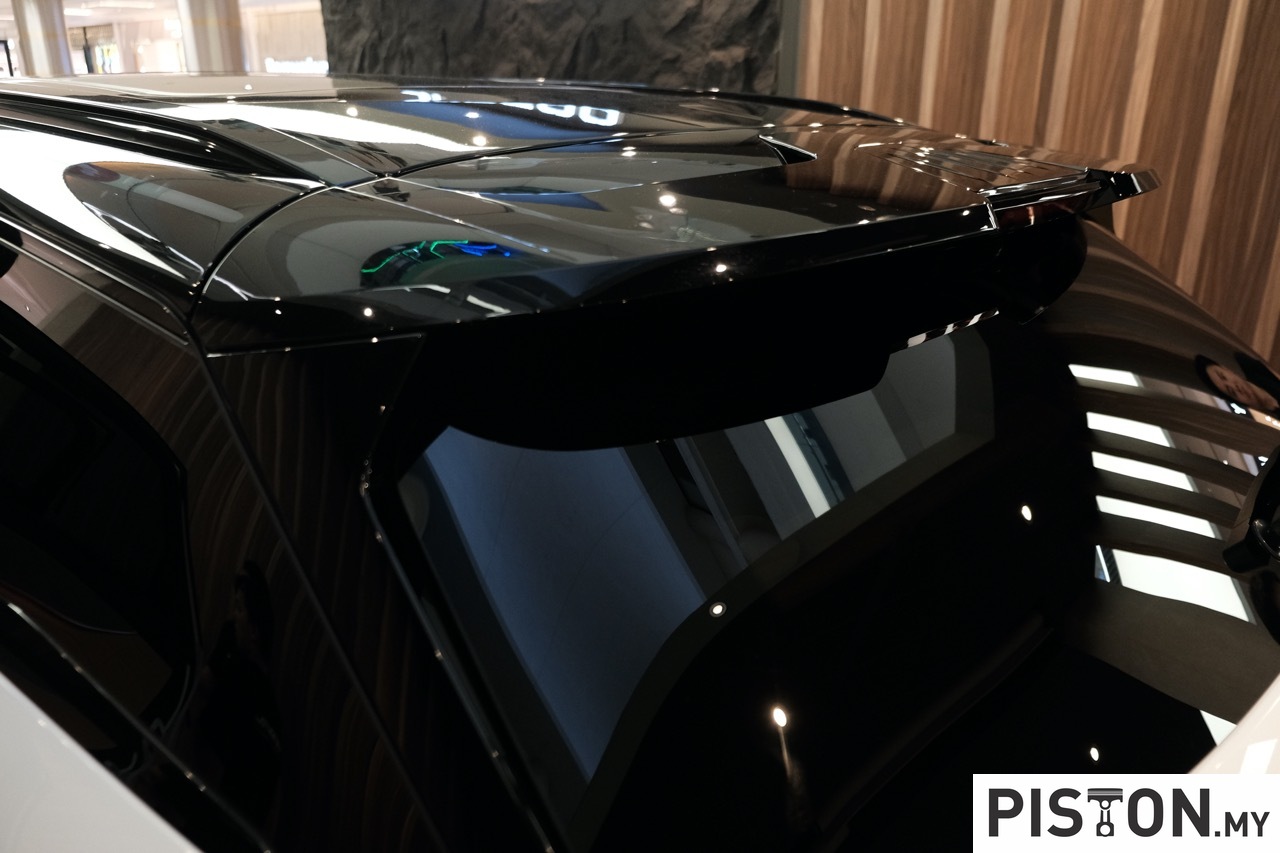
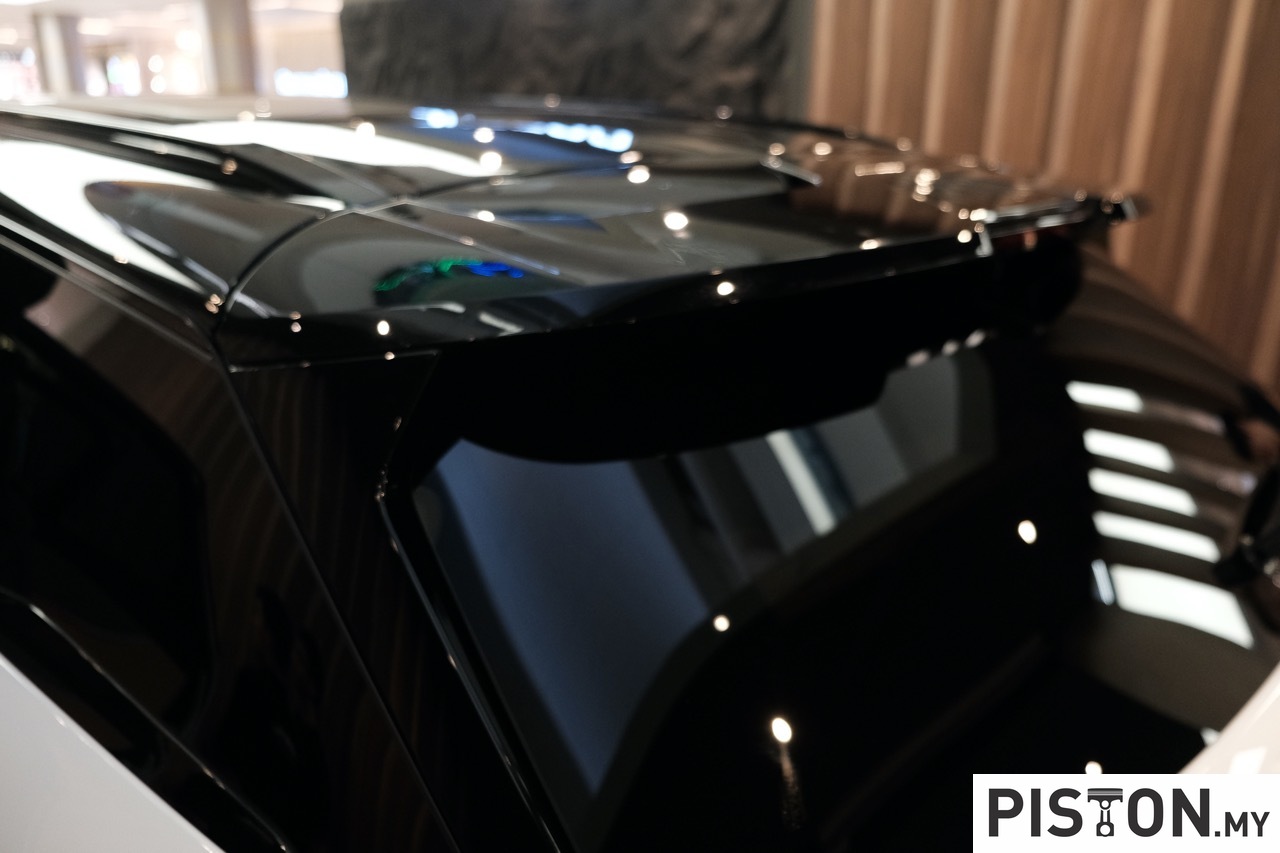
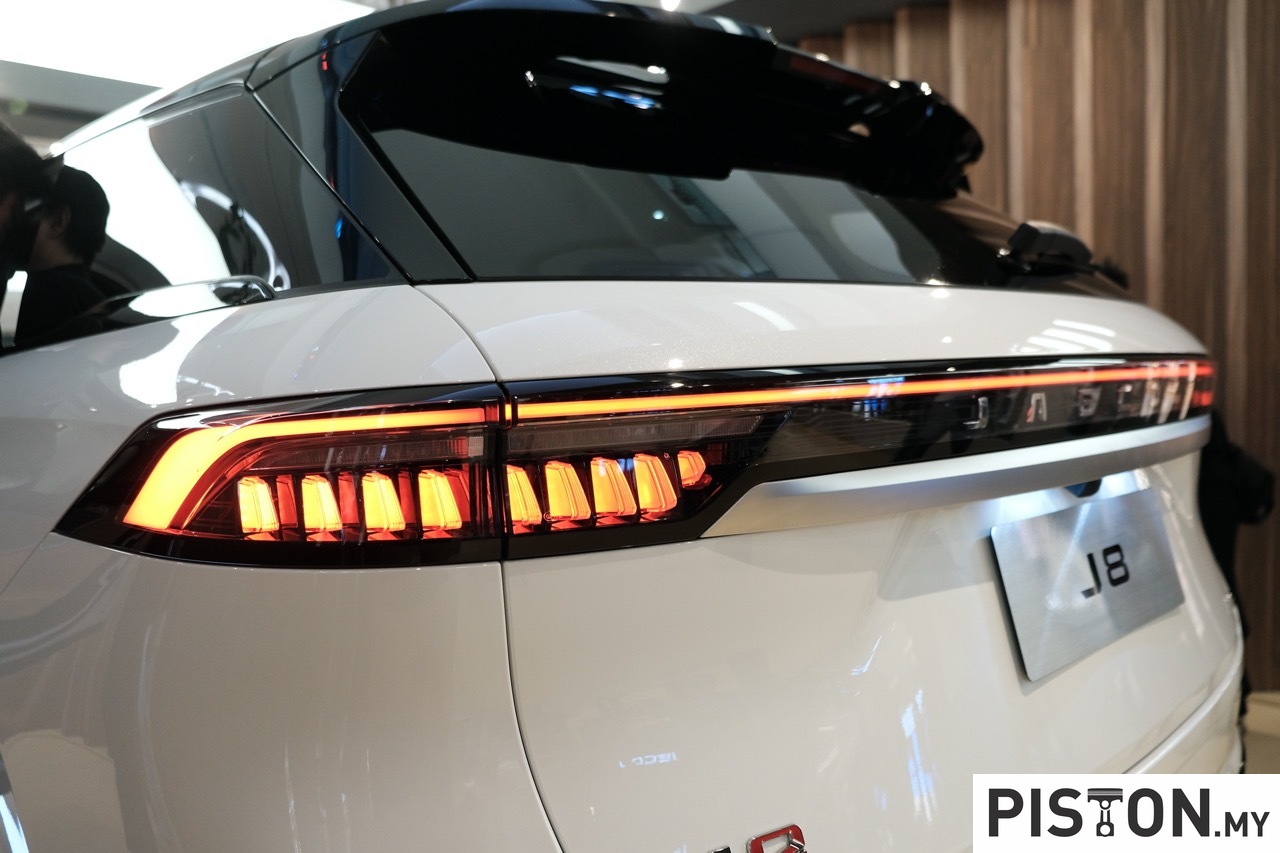
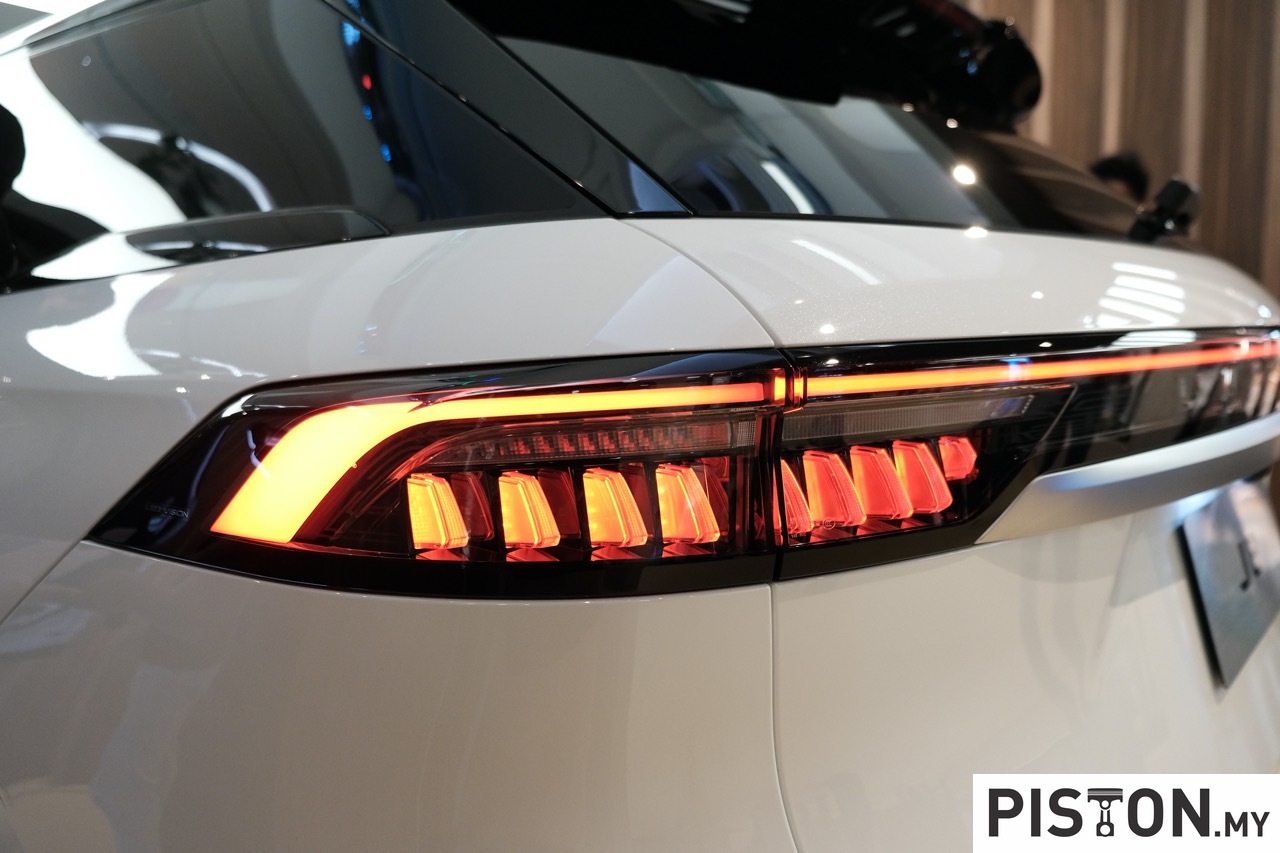
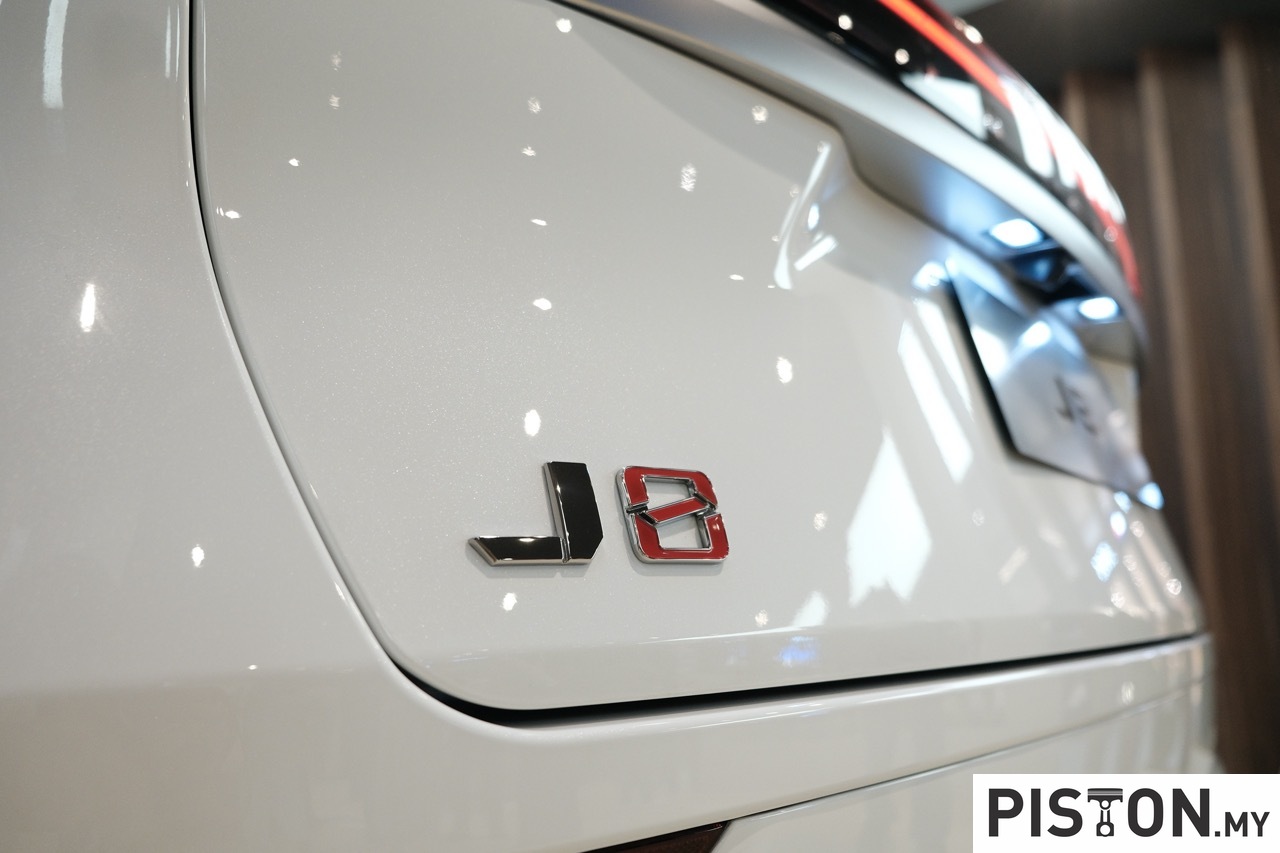
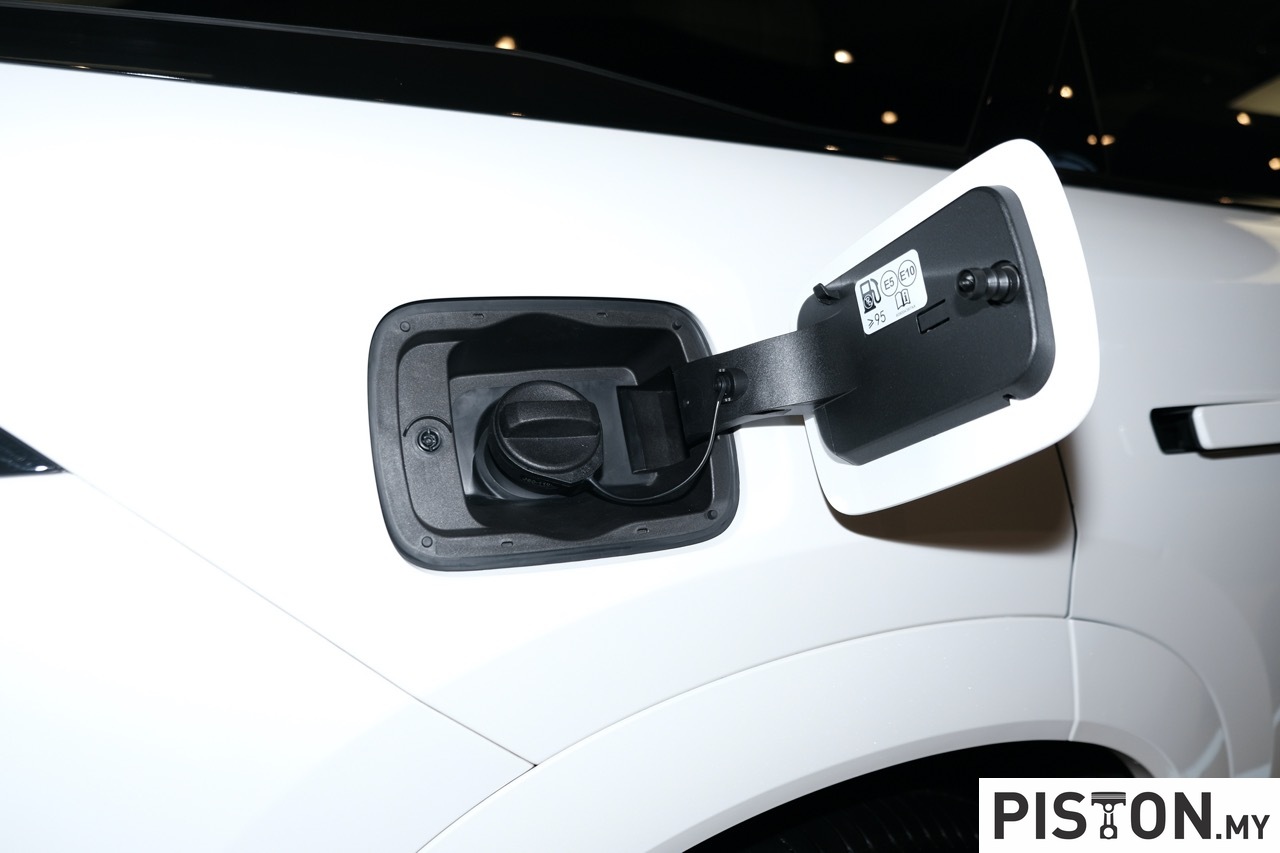
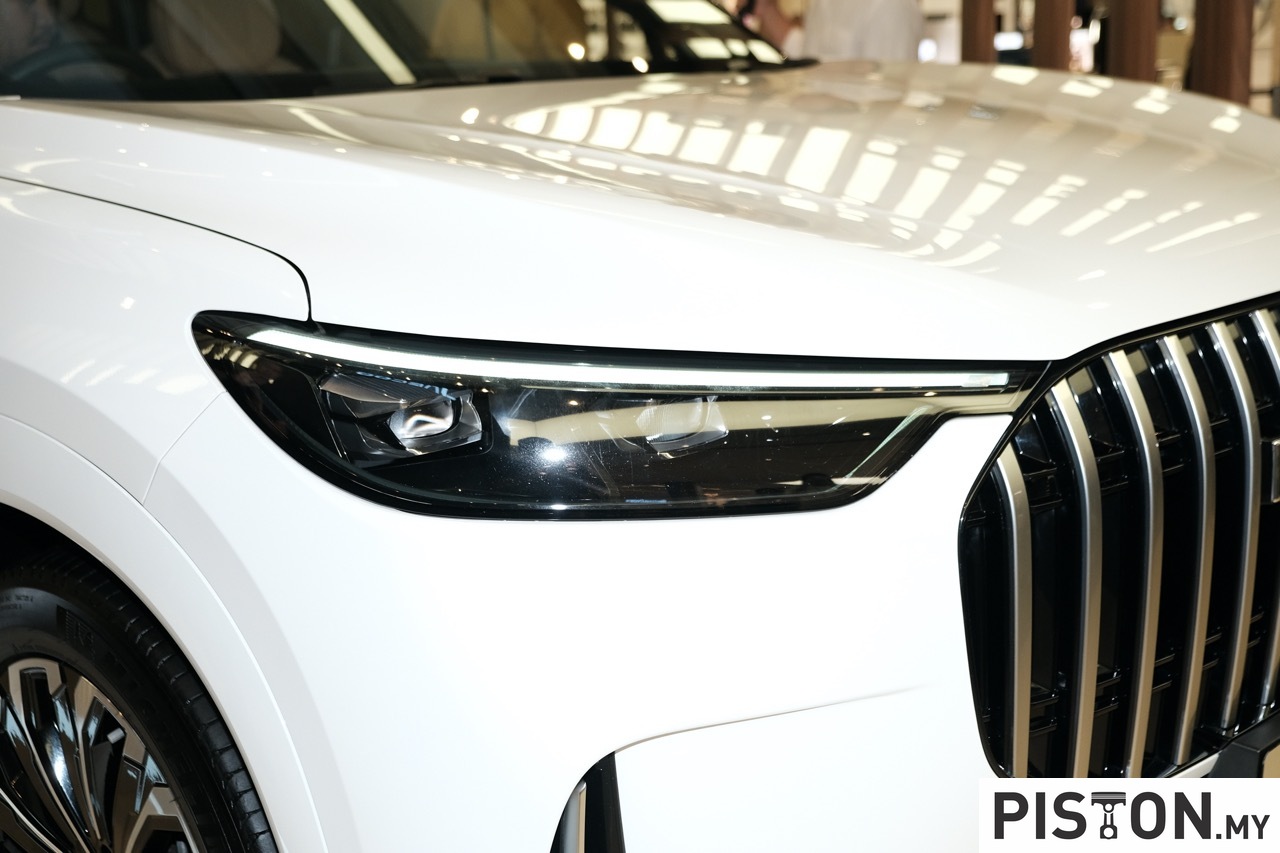
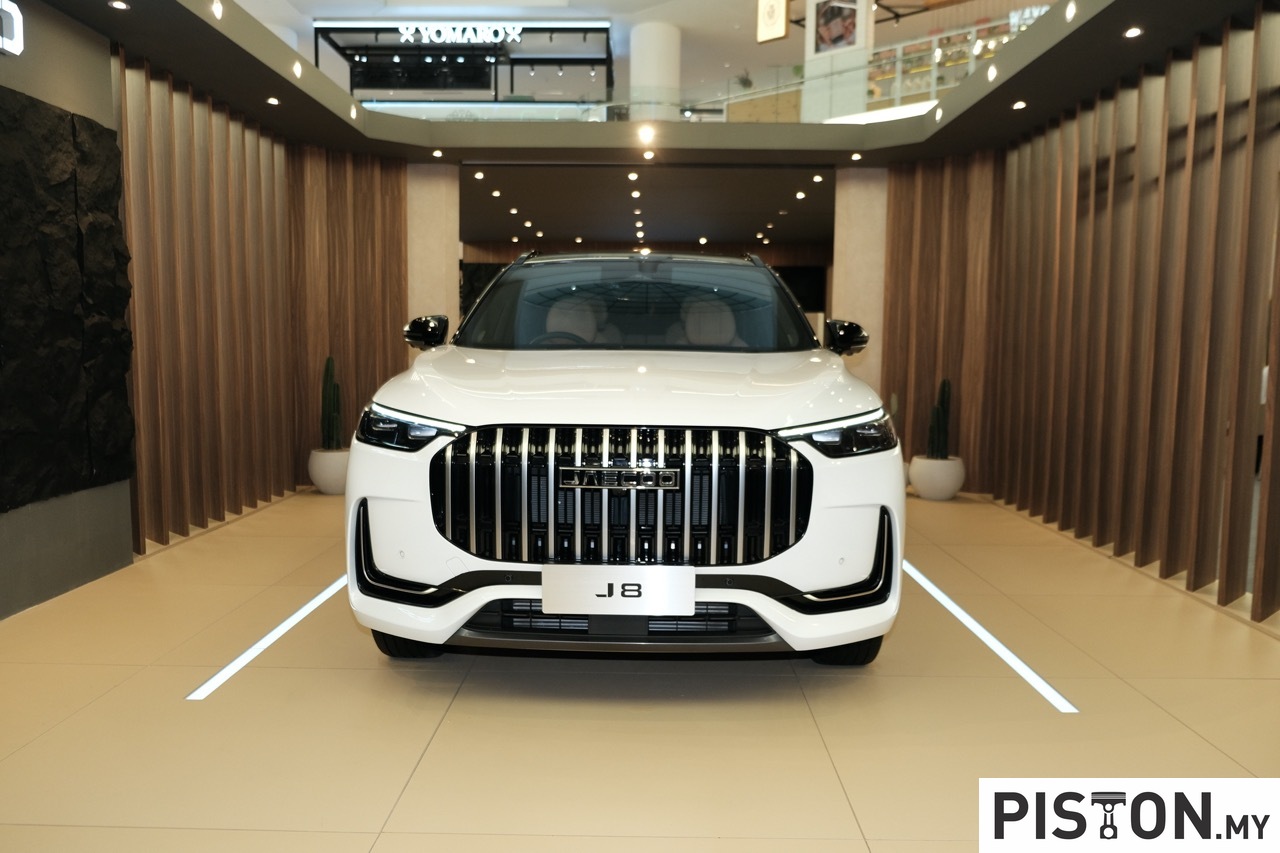
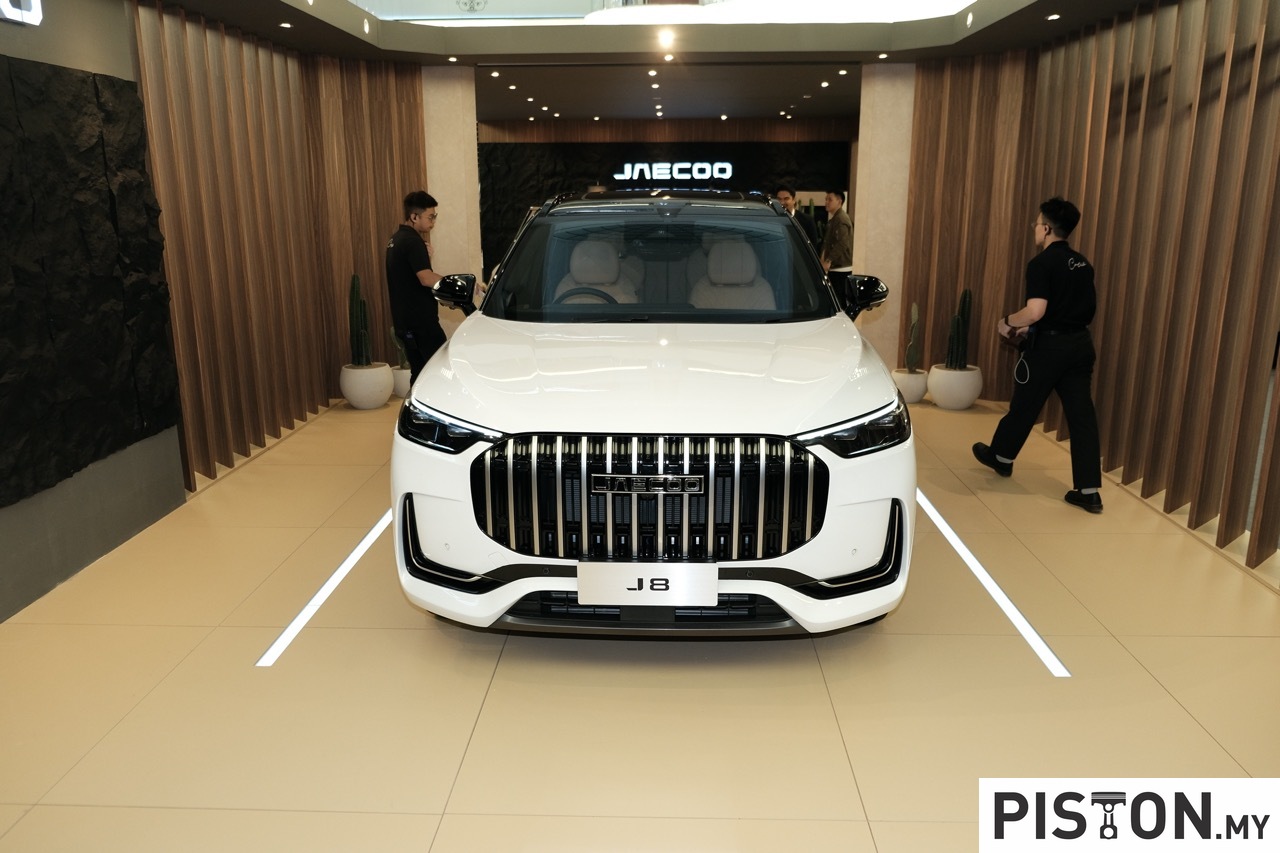
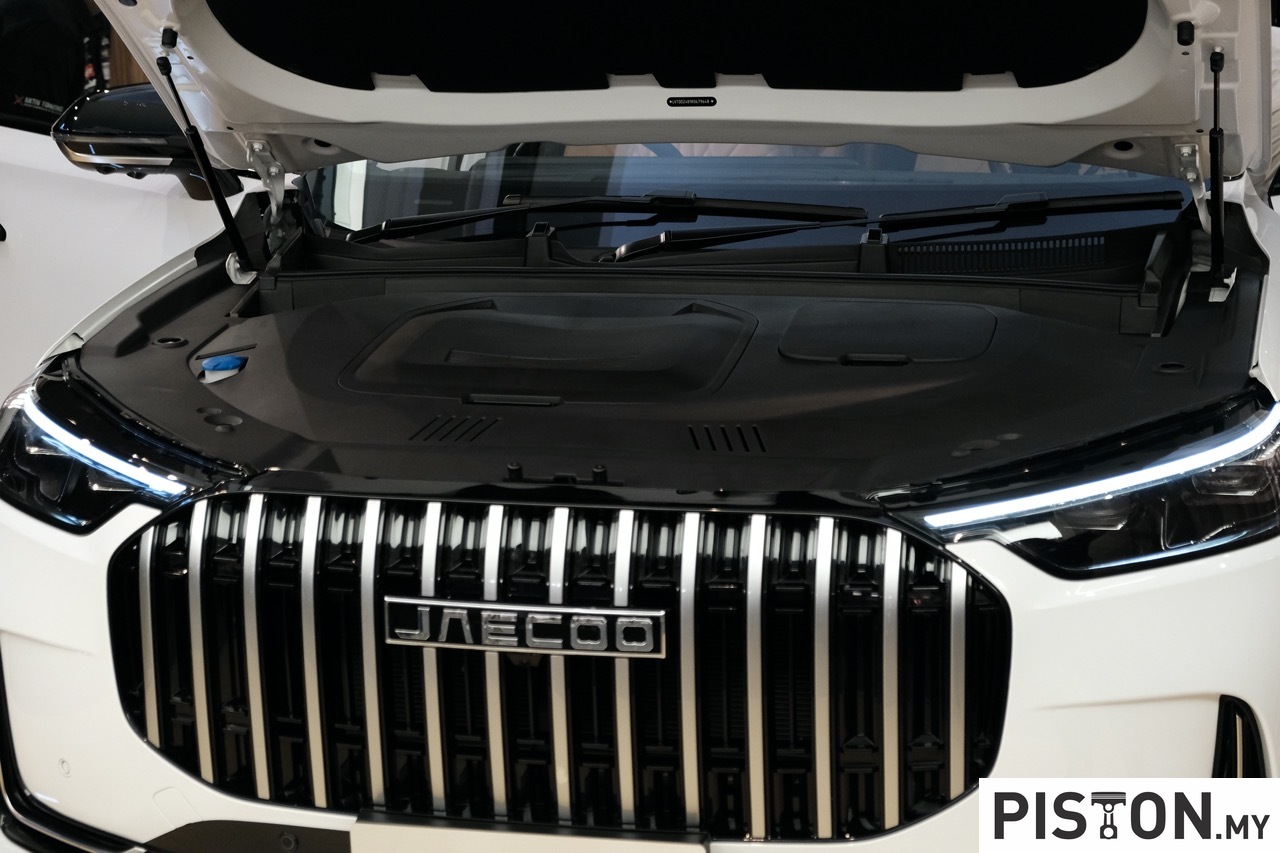
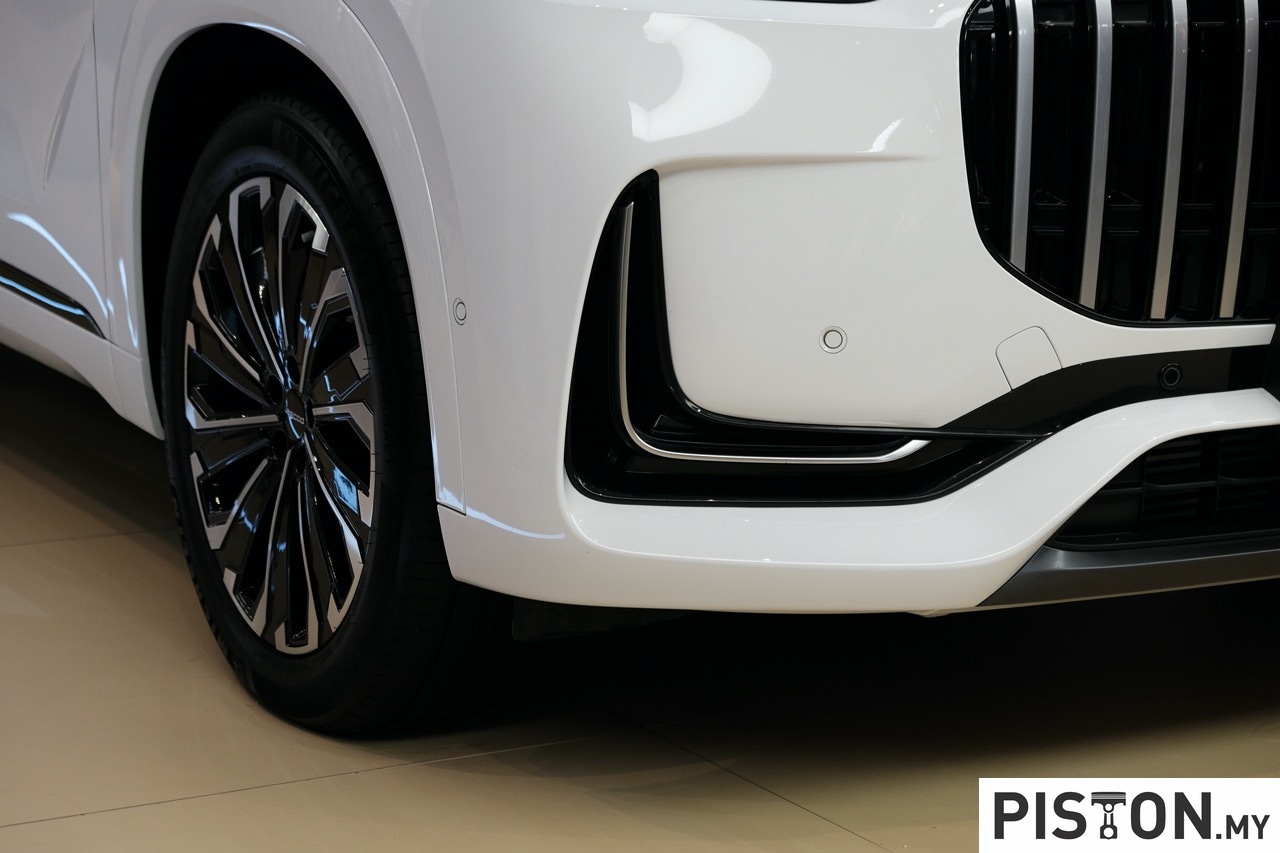
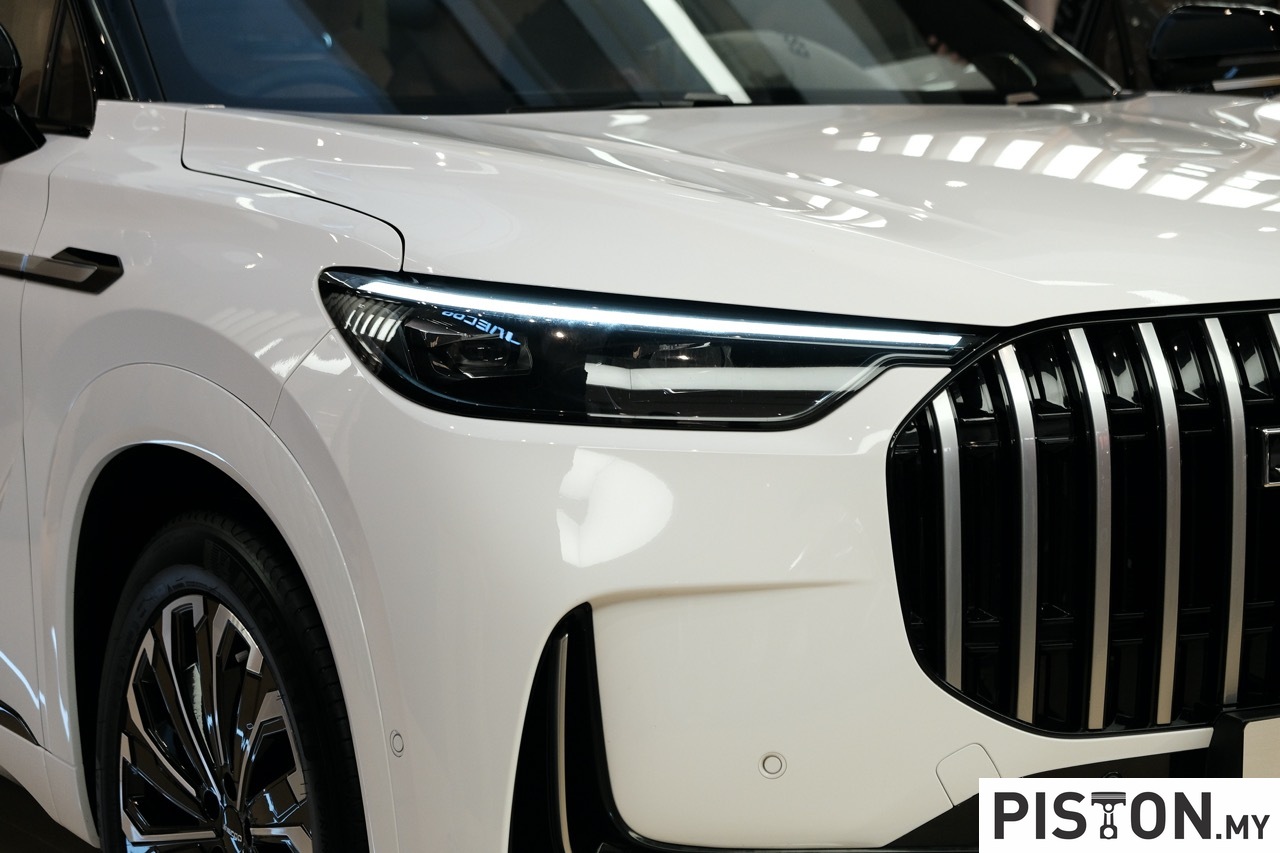
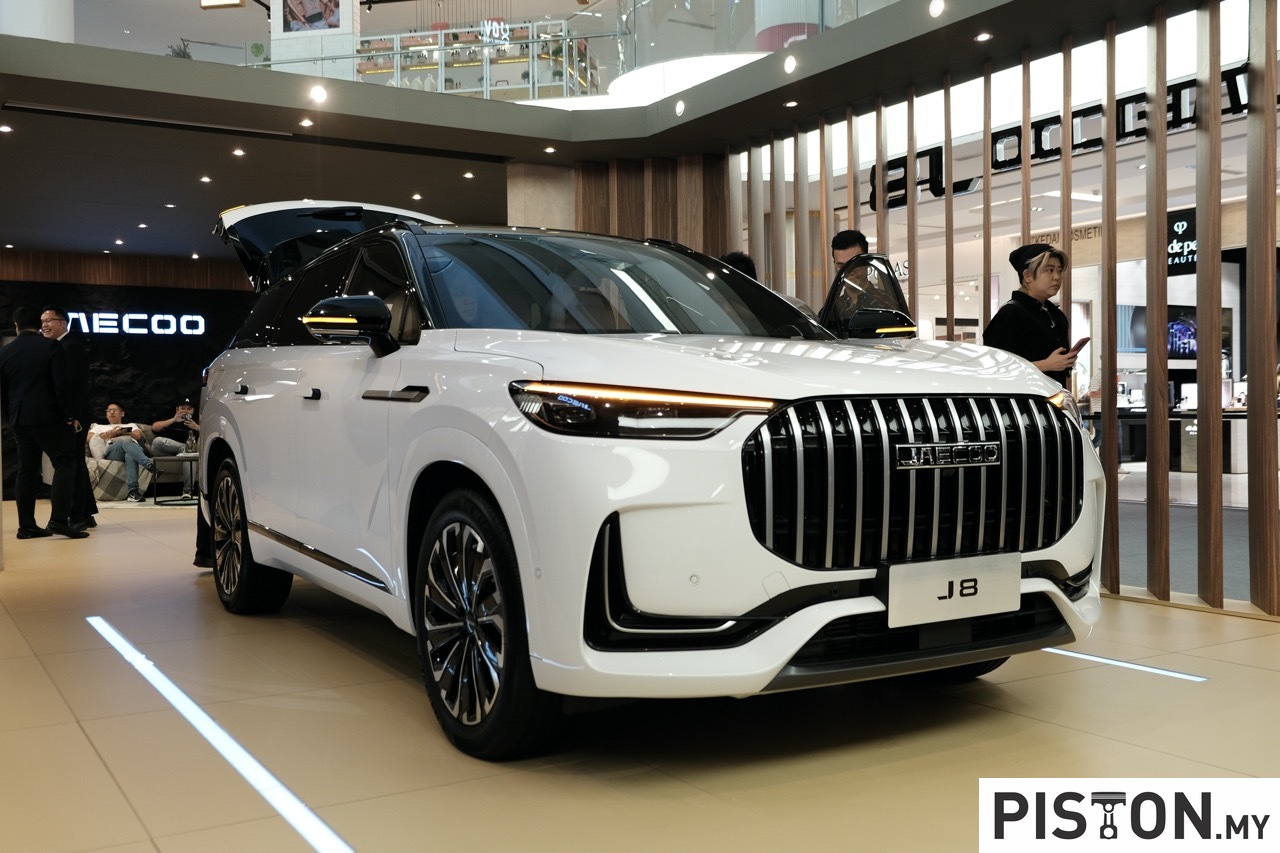
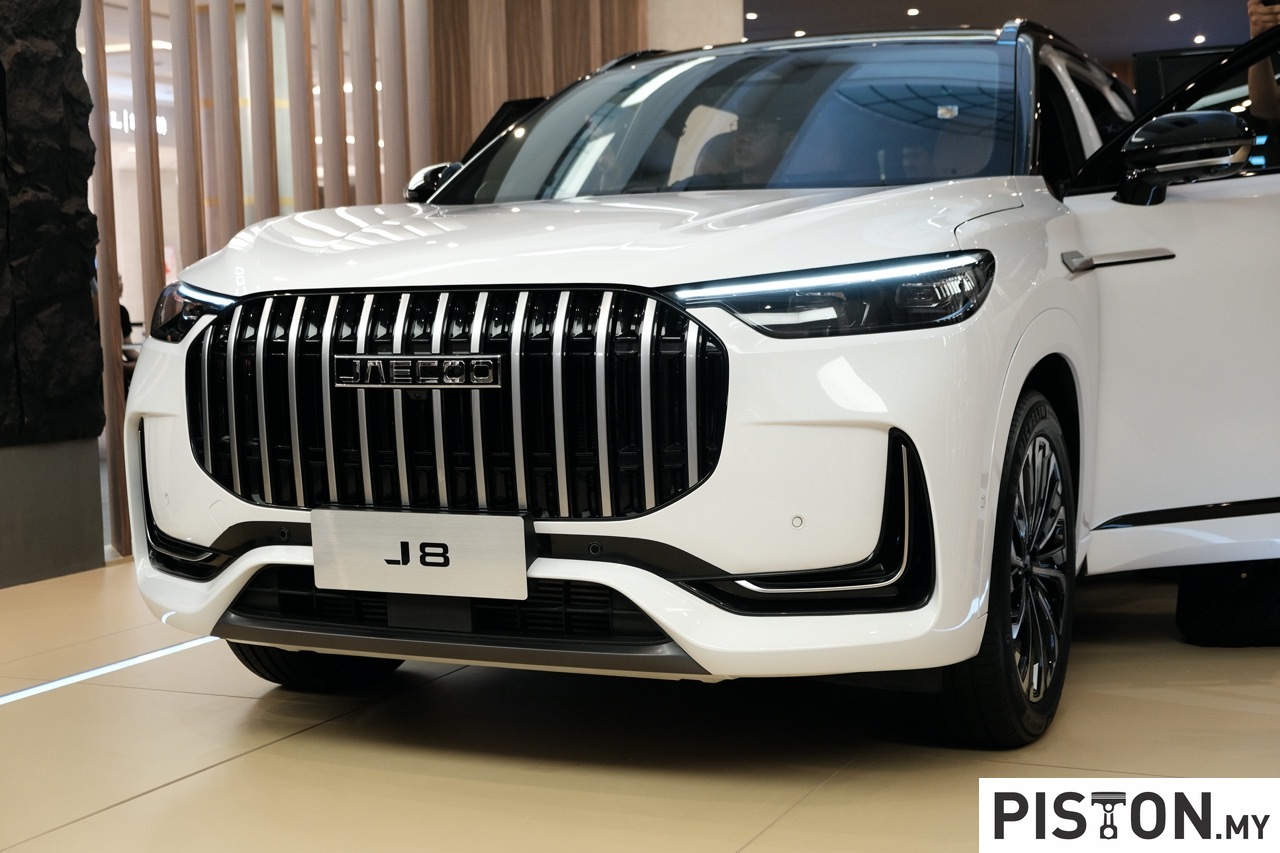
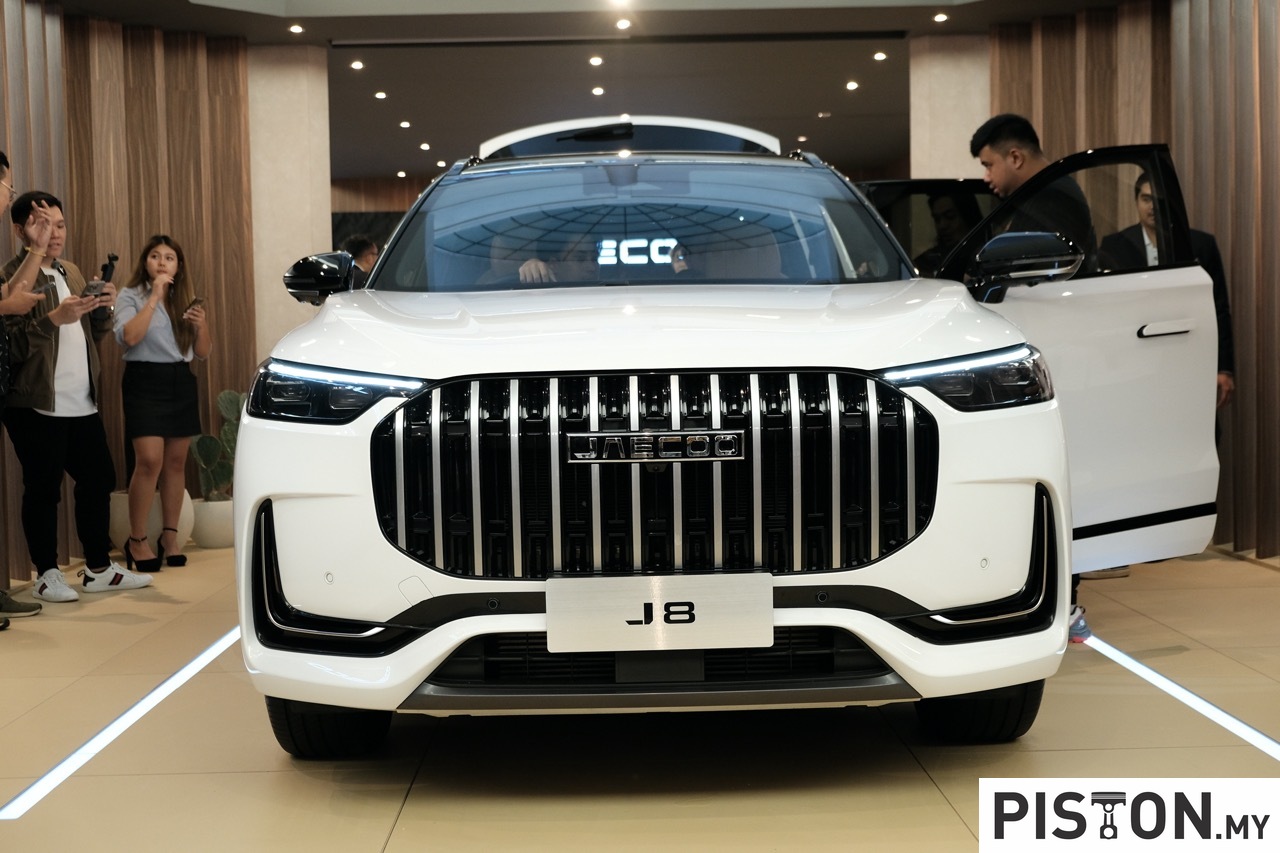
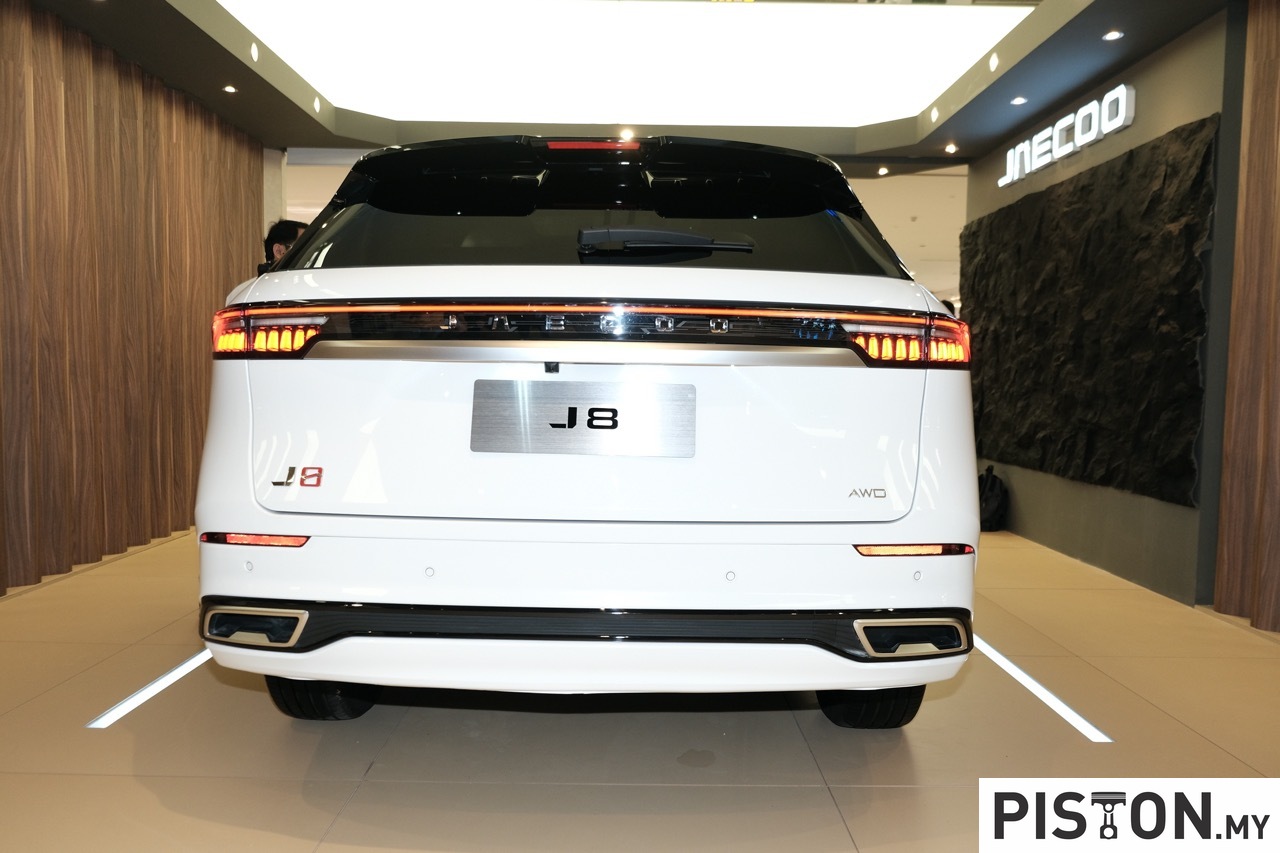
Jaecoo Malaysia has launched its latest model, the Jaecoo J8, strengthening its position as a rising contender in the SUV segment. As the fourth addition to the brand’s local portfolio, the new flagship model is engineered to deliver a blend of luxury and off-road capability.

The Jaecoo J8 is powered by a 2.0-litre turbocharged direct-injection inline-four engine, generating 246hp and 385Nm of torque. Mated to an eight-speed automatic transmission and twin exhaust outlets, the powertrain promises both responsiveness and efficiency, underscoring the vehicle’s dual-purpose design for both city driving and more demanding terrains.

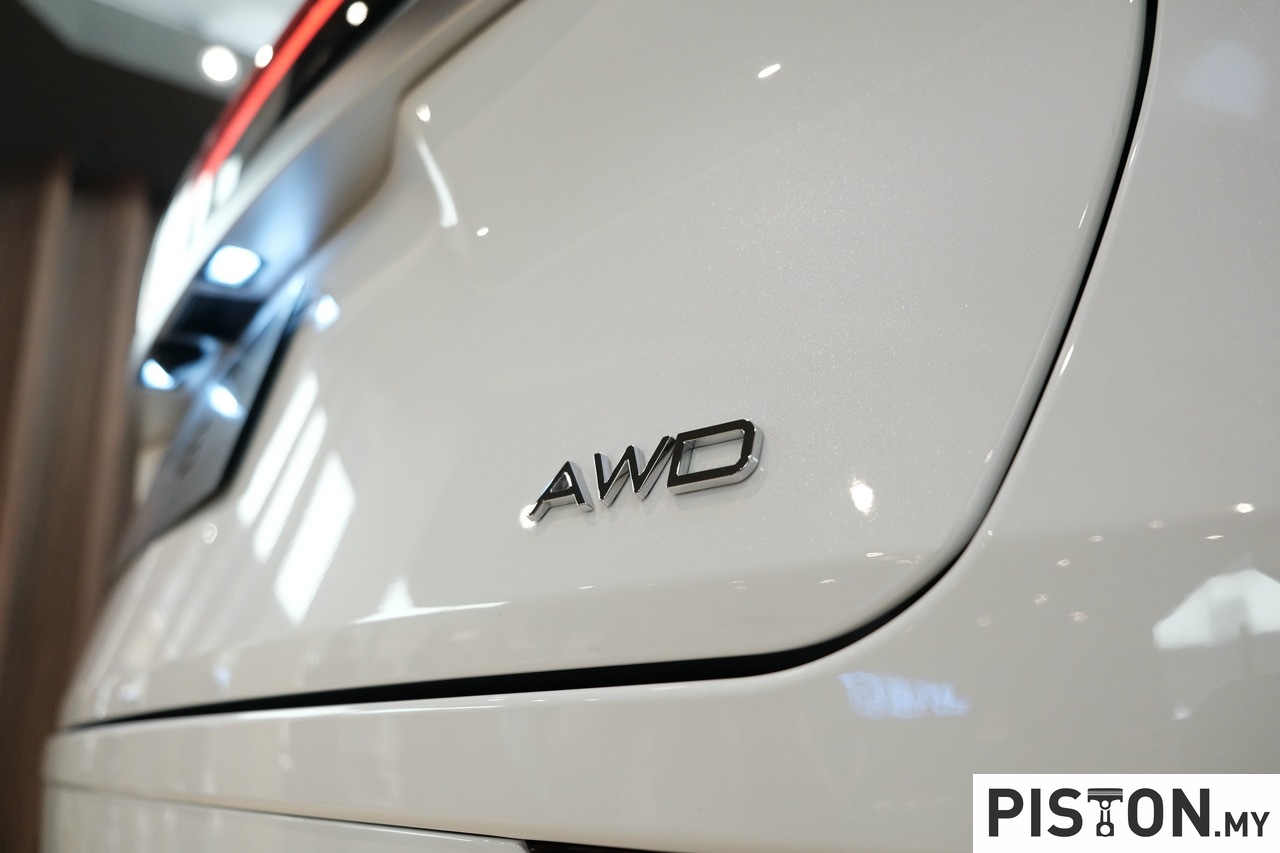
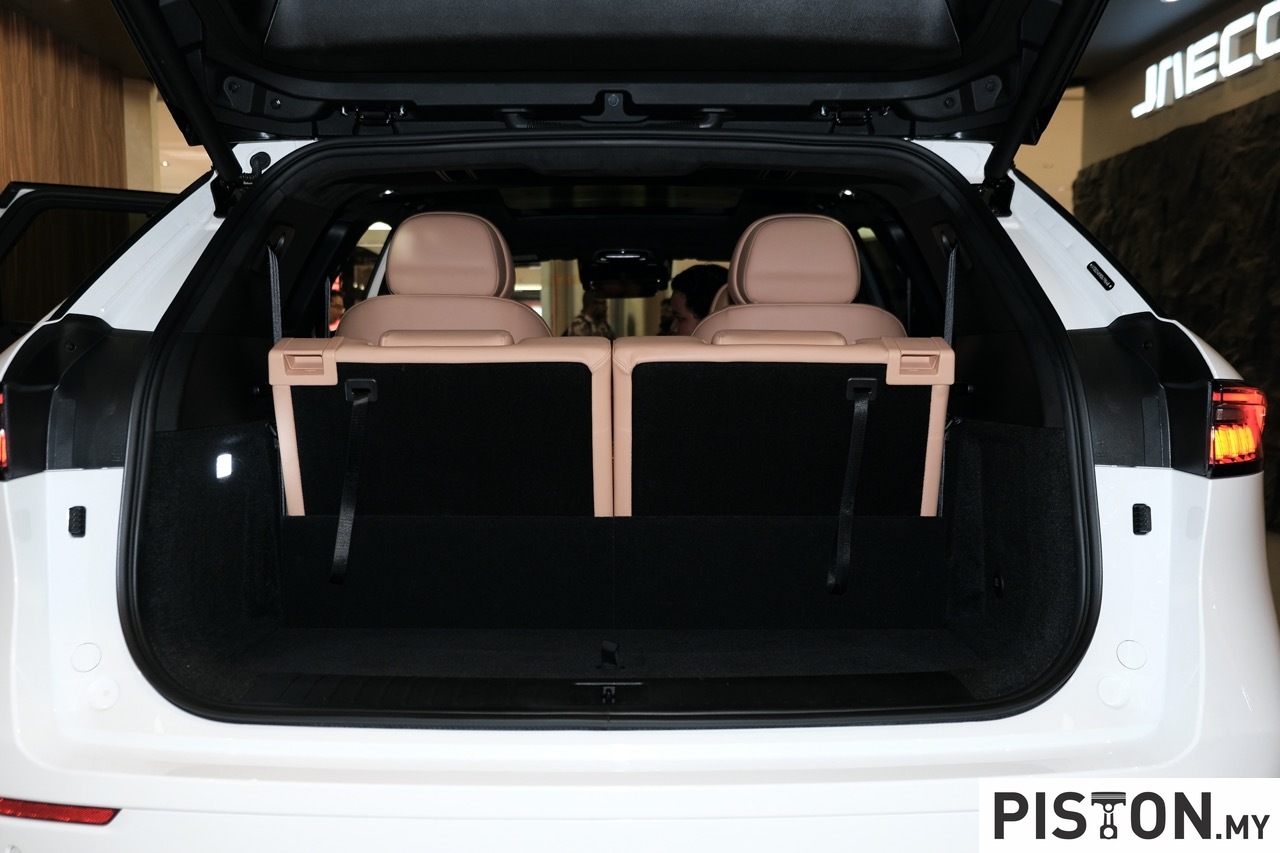
Buyers will have the choice between two distinct variants. The Two-Wheel Drive (2WD) version, configured with five seats, offers ample boot space at 738 litres, catering to families and individuals seeking everyday practicality. The All-Wheel Drive (AWD) variant, on the other hand, introduces a more rugged six-seater configuration, enhanced by Jaecoo’s Continuous Damping Control (CDC) suspension system, which adapts to changing road conditions for improved ride quality. The AWD version is also capable of handling harsher environments, with a wading depth of up to 450mm, highlighting its off-road credentials.

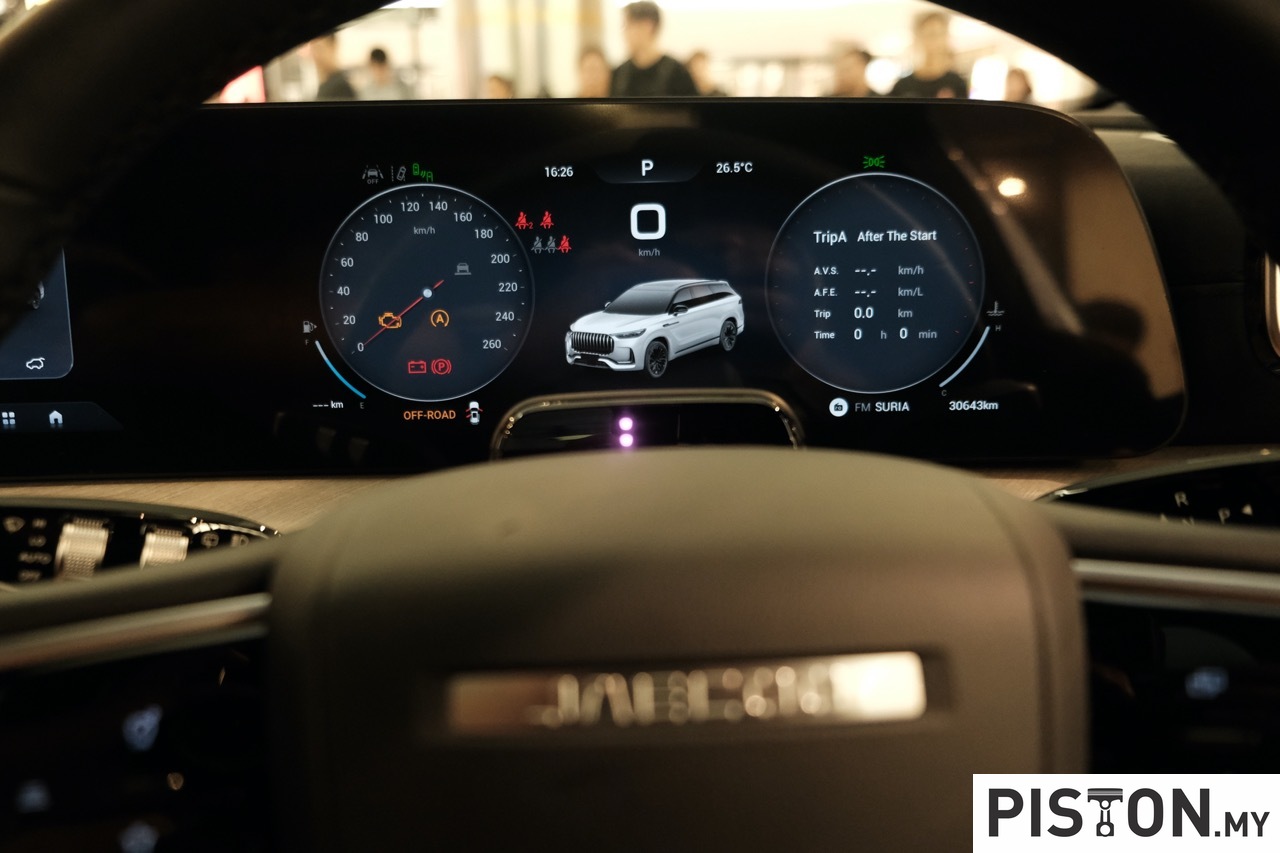
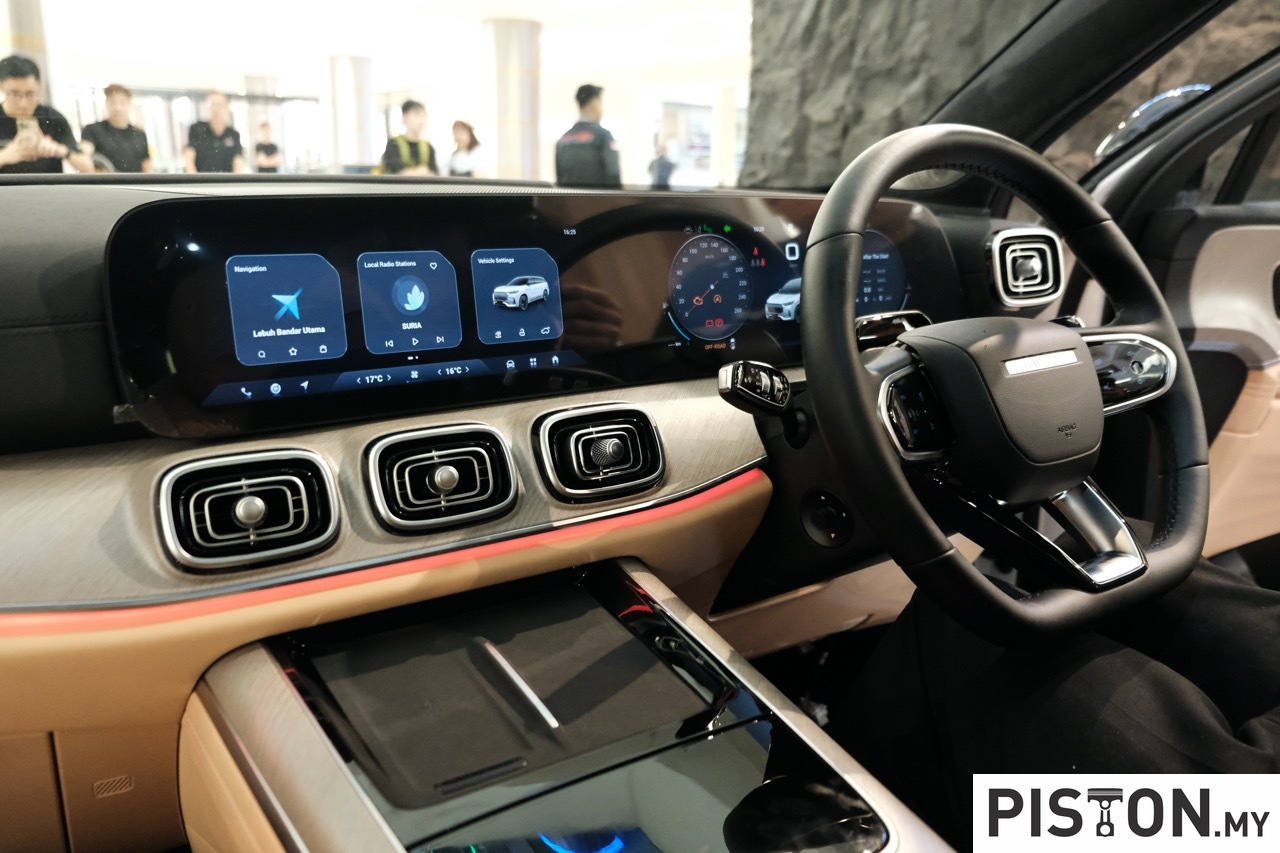
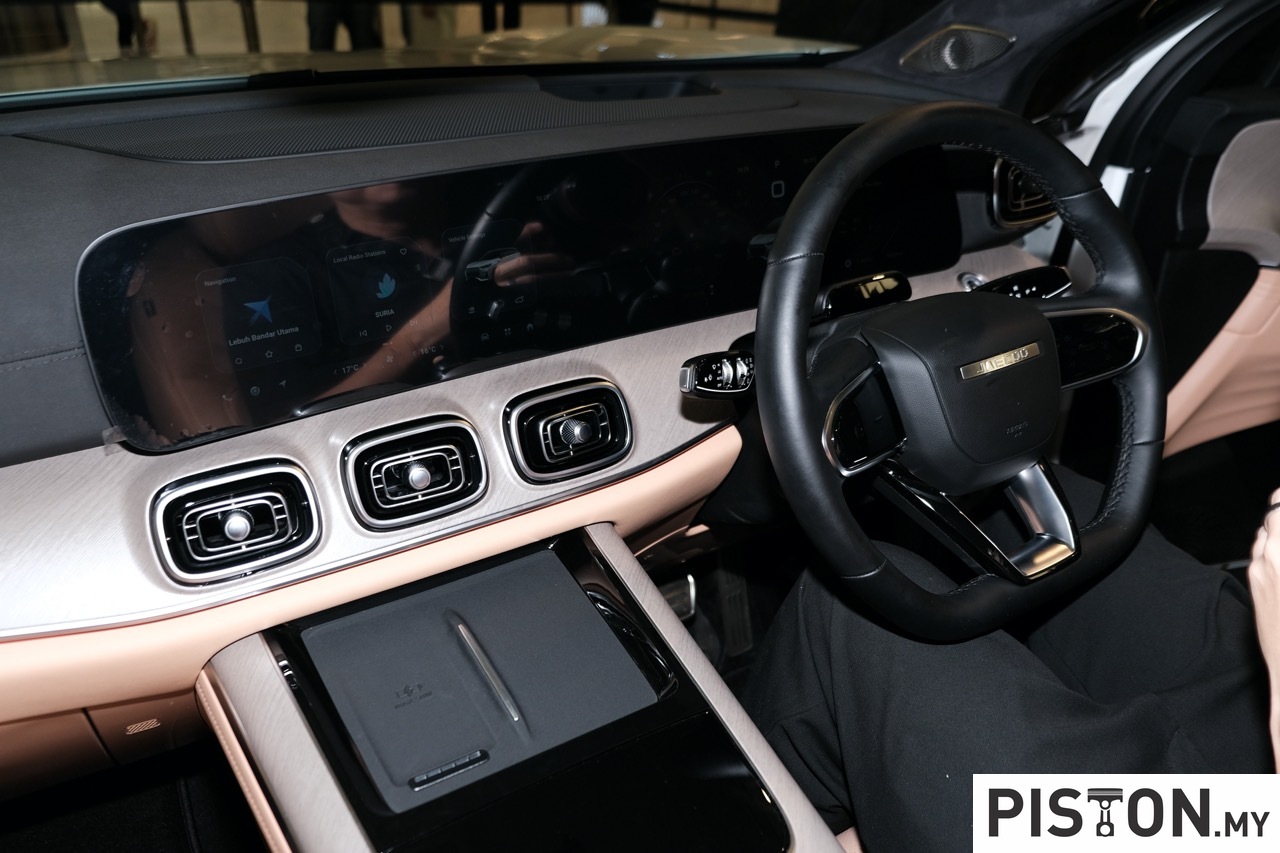
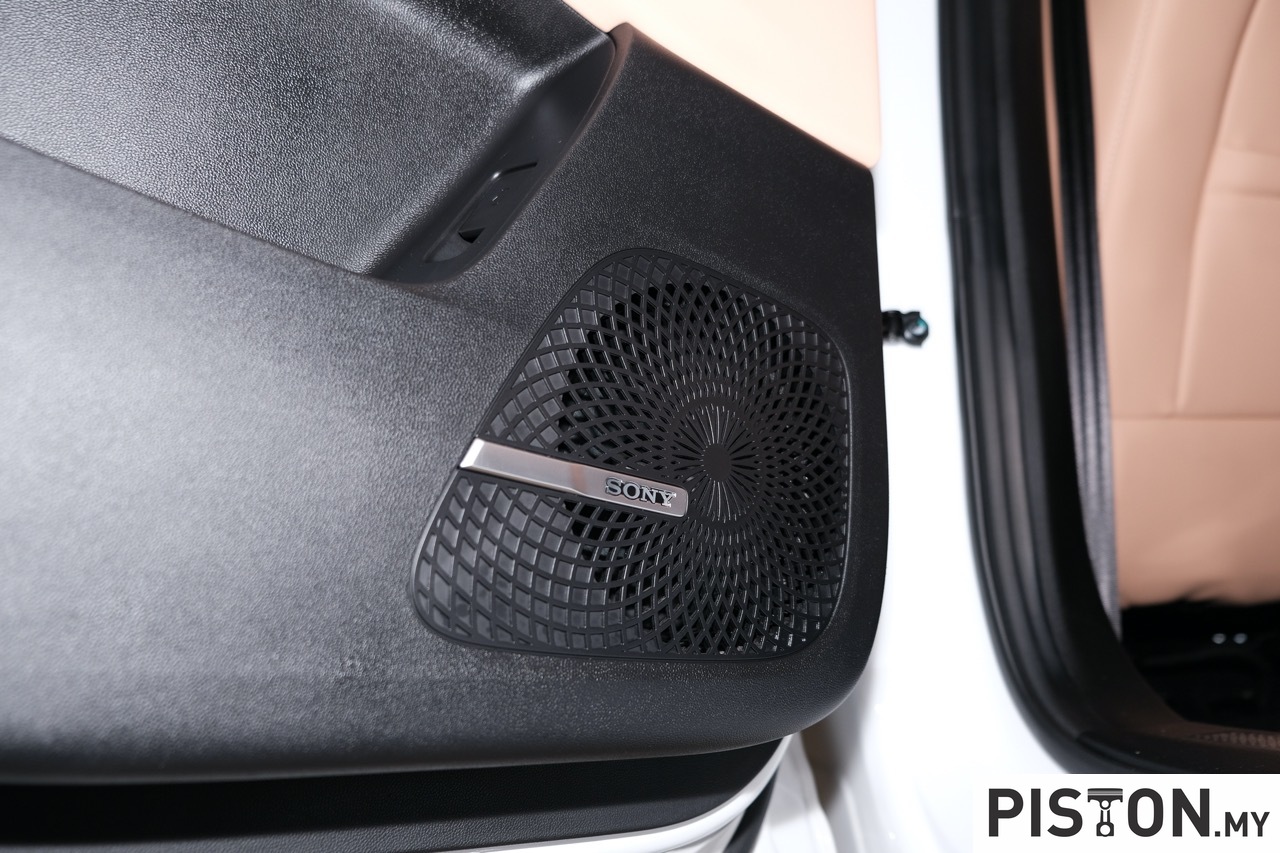
Inside, the Jaecoo J8 is equipped with advanced technology and comfort-focused features that elevate the driving experience. Both variants come equipped with a 12.3-inch media display and a 540-degree panoramic camera system, providing superior visibility and convenience. The 2WD model is furnished with a 12-speaker Sony audio system, ambient interior lighting, and faux leather upholstery, in addition to six airbags to ensure occupant safety.

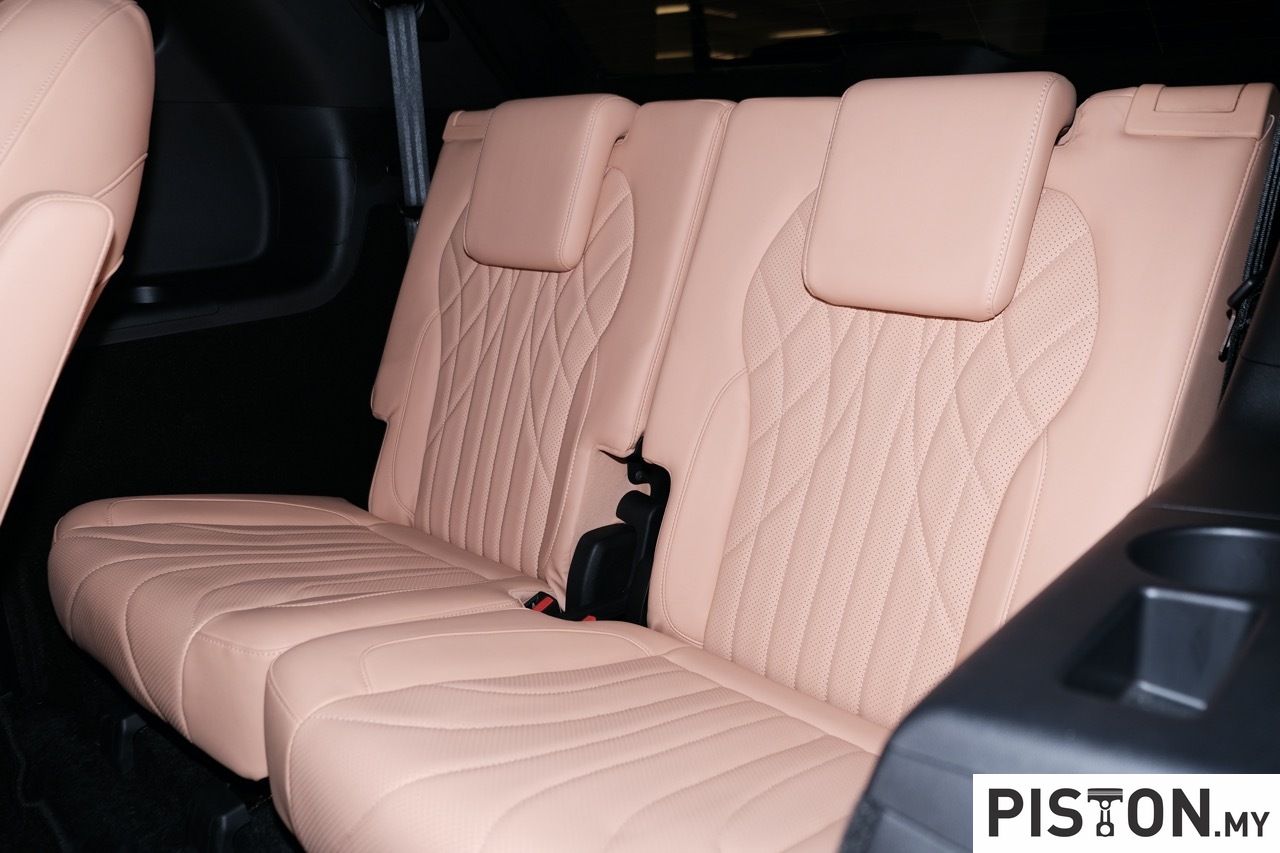
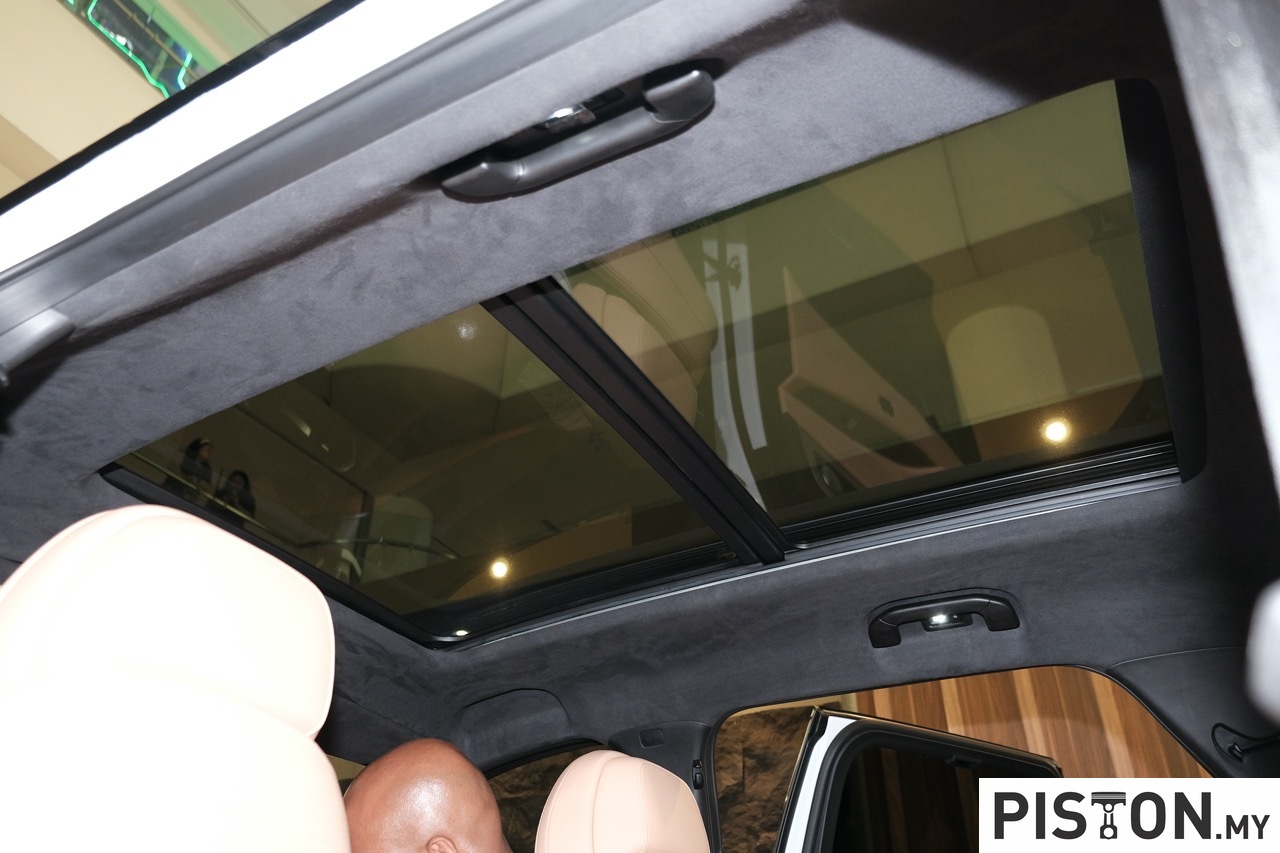
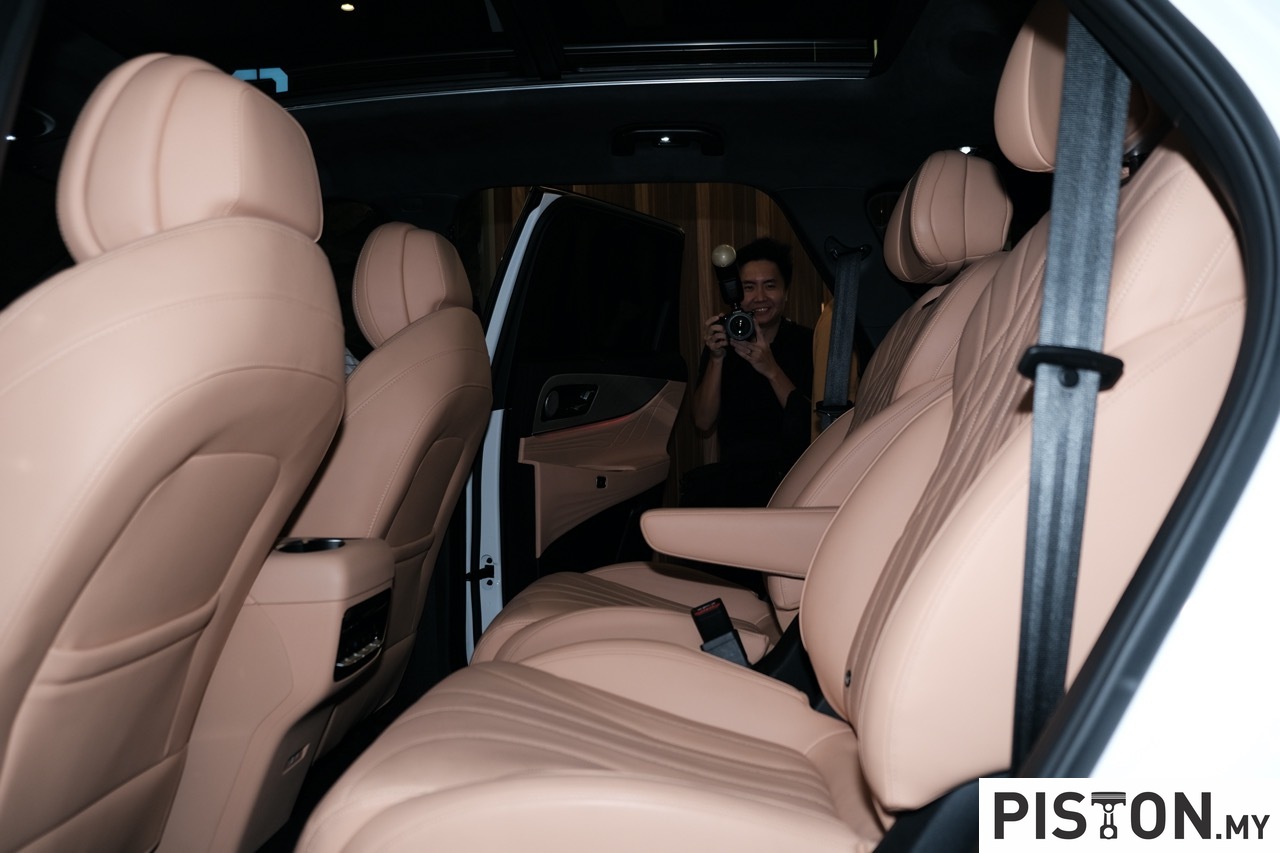
The AWD variant takes the luxury offering further with a 14-speaker Sony system that includes headrest speakers, as well as 10 airbags for heightened safety assurance. It also adds premium touches such as genuine leather seats, suede interior panels, powered door operations, and an integrated automatic fragrance system.

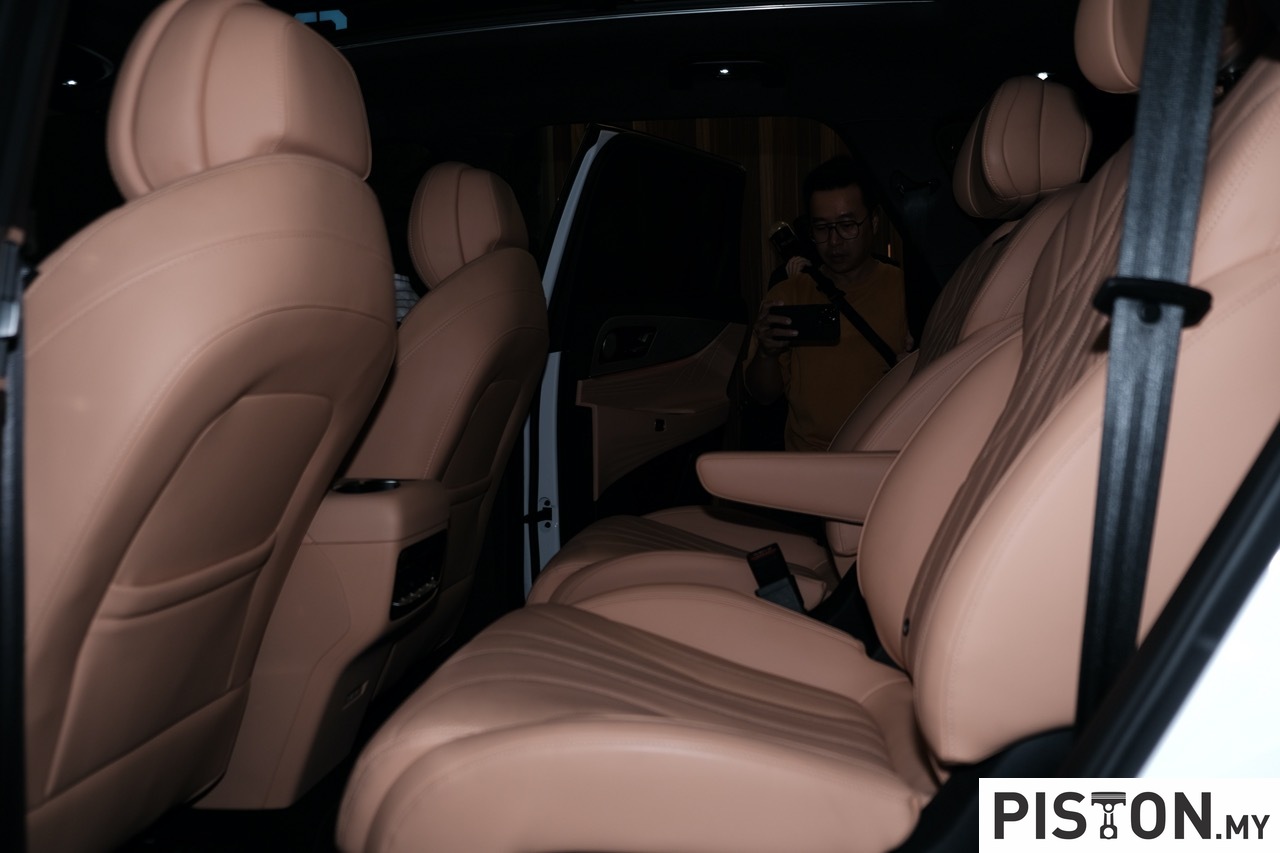
Convenience is enhanced across the board with features such as Near Field Communication (NFC) for contactless vehicle access, ventilated front seats, a built-in digital video recorder (DVR), and automatic parking assistance. Passenger comfort receives a further boost through electronically adjustable front and second-row seats, which come with built-in massage functions and privacy-enhancing curtain shades, particularly in the AWD model.

Jaecoo Malaysia has priced the J8 competitively, with the 2WD variant retailing at RM178,800 and the AWD six-seater version at RM198,800. The 2WD version is available in understated single-tone finishes, including Carbon Crystal Black, Khaki White, and Olive Grey. In contrast, the AWD variant offers a bolder appearance through dual-tone colour schemes of the same hues.

It comes with seven years vehicle warranty or 150,000km, or whichever comes first. For bookings placed up to 21 July 2025, you get one year free insurance coverage, 10 years engine warranty or unlimited kilometres, whichever comes first.

With the introduction of the J8, Jaecoo aims to attract discerning buyers seeking a premium SUV that does not compromise on performance, comfort, or versatility. The model’s launch reflects Jaecoo Malaysia’s continued commitment to delivering high-value vehicles that meet the evolving demands of the local market.
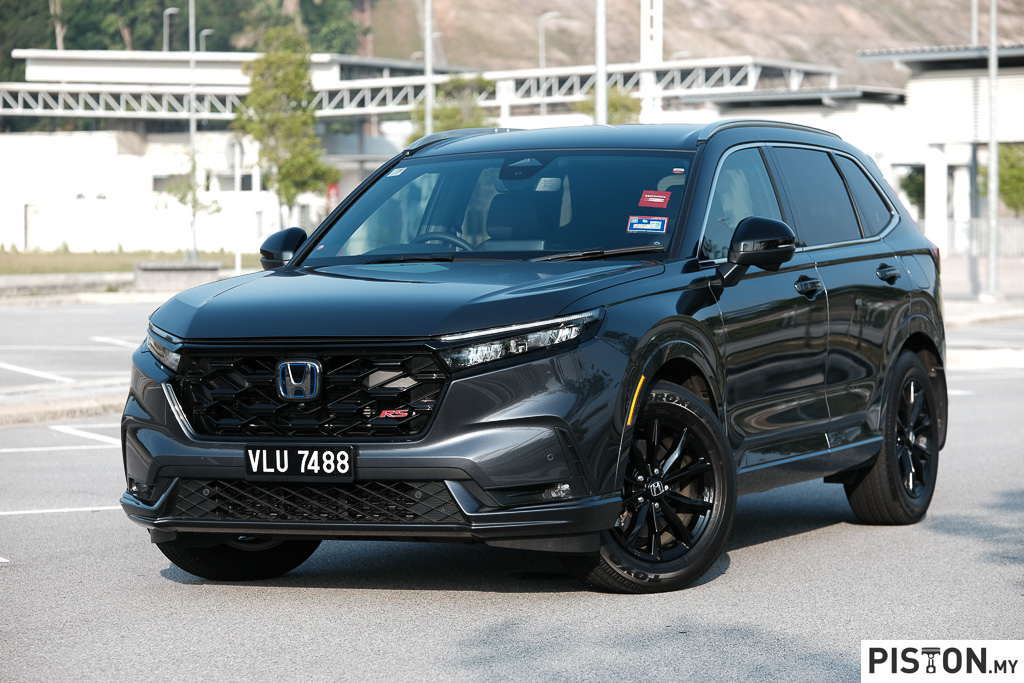
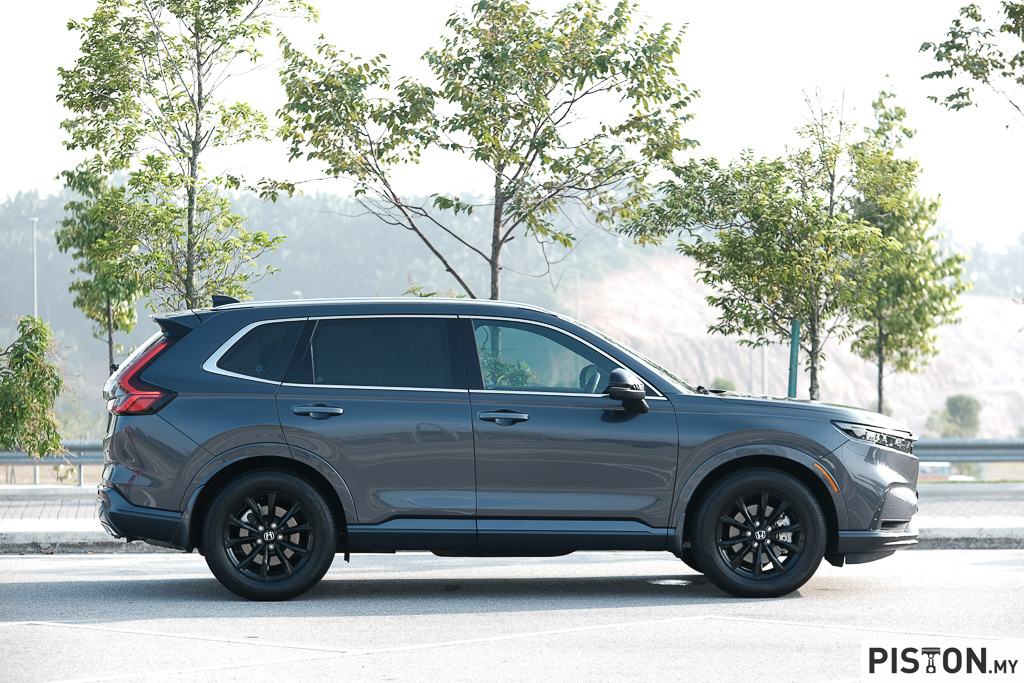
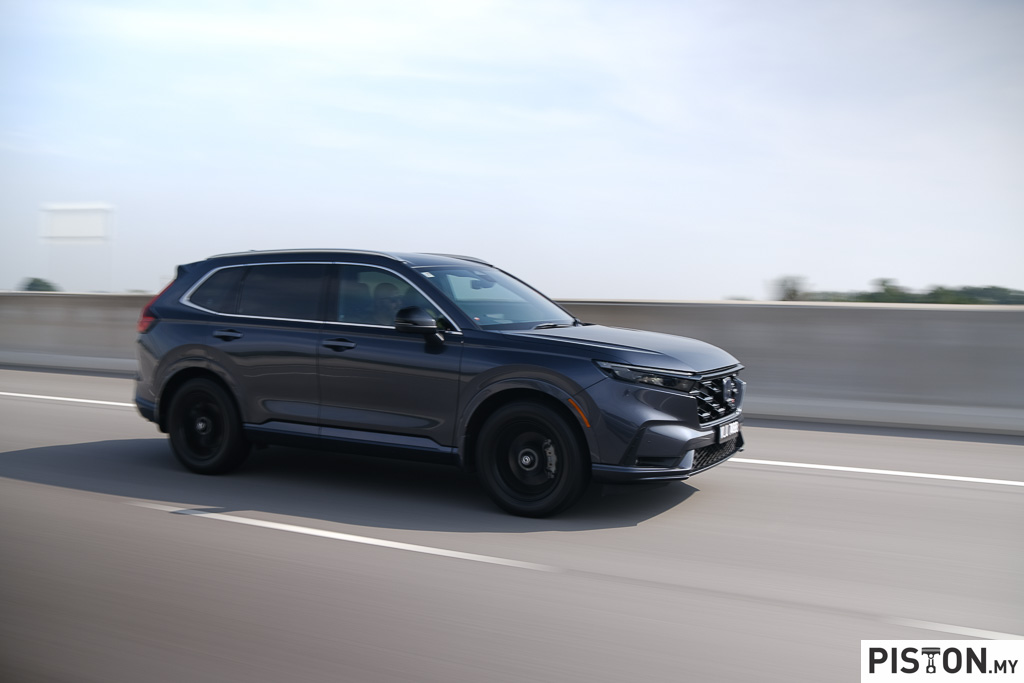
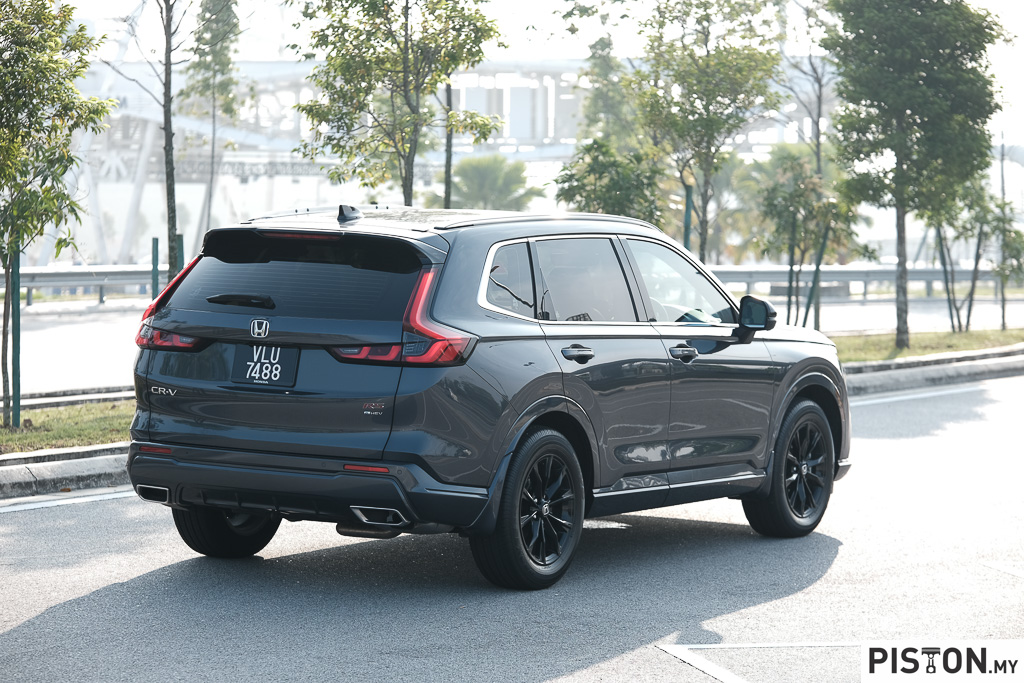
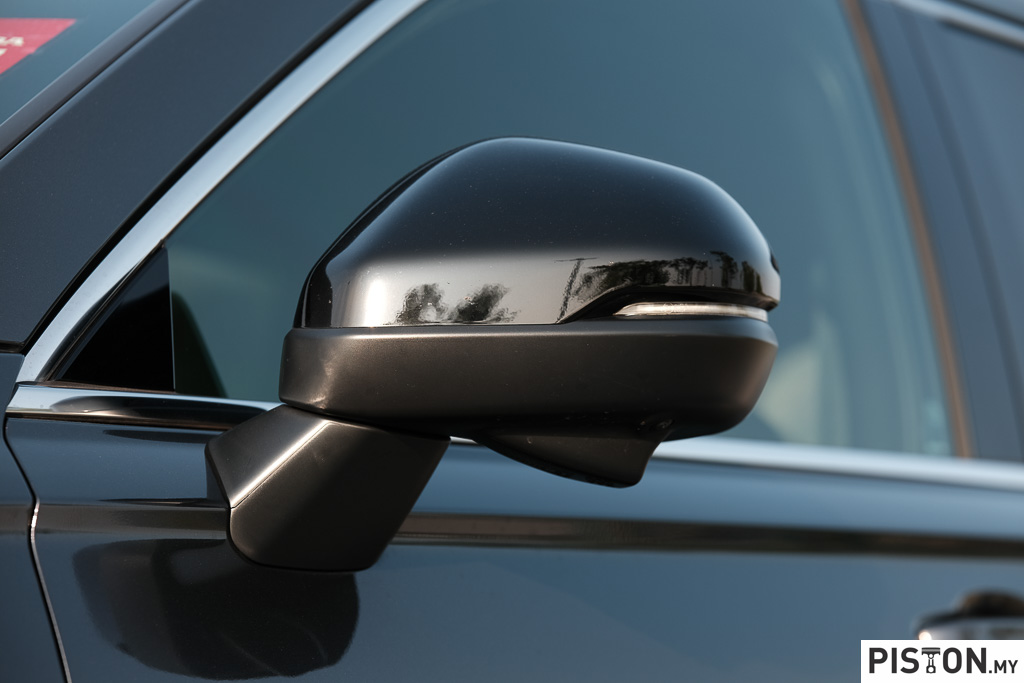
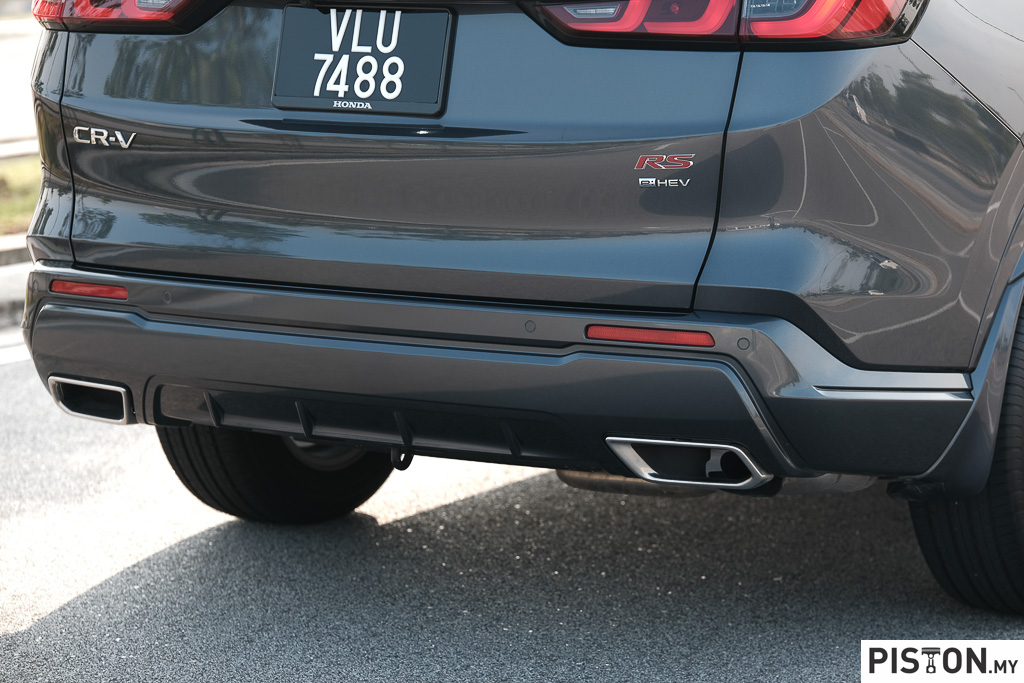
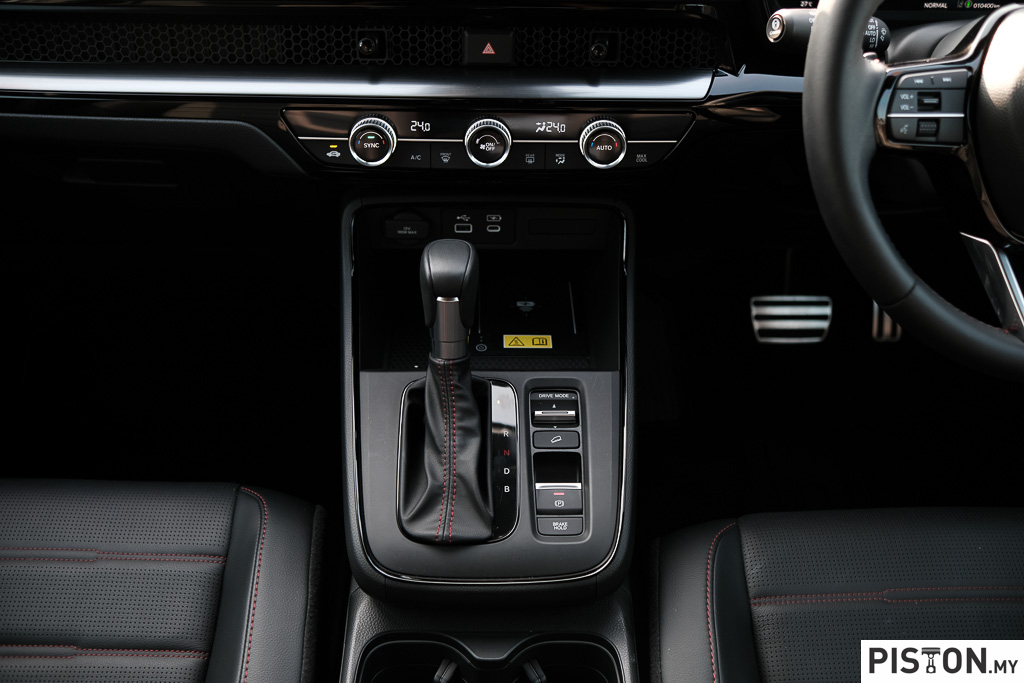
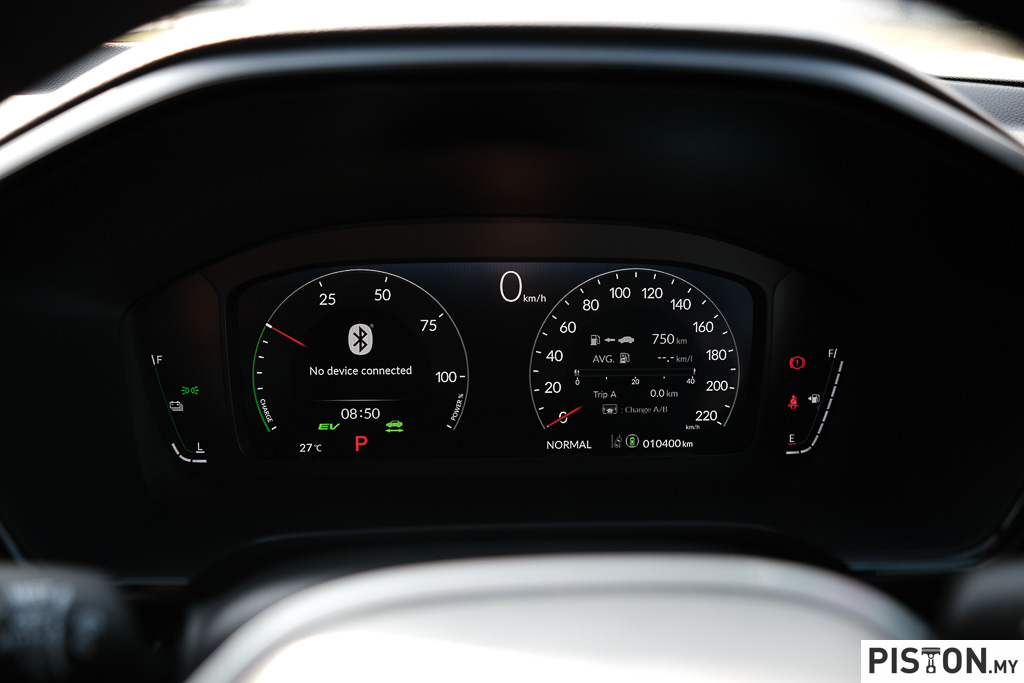
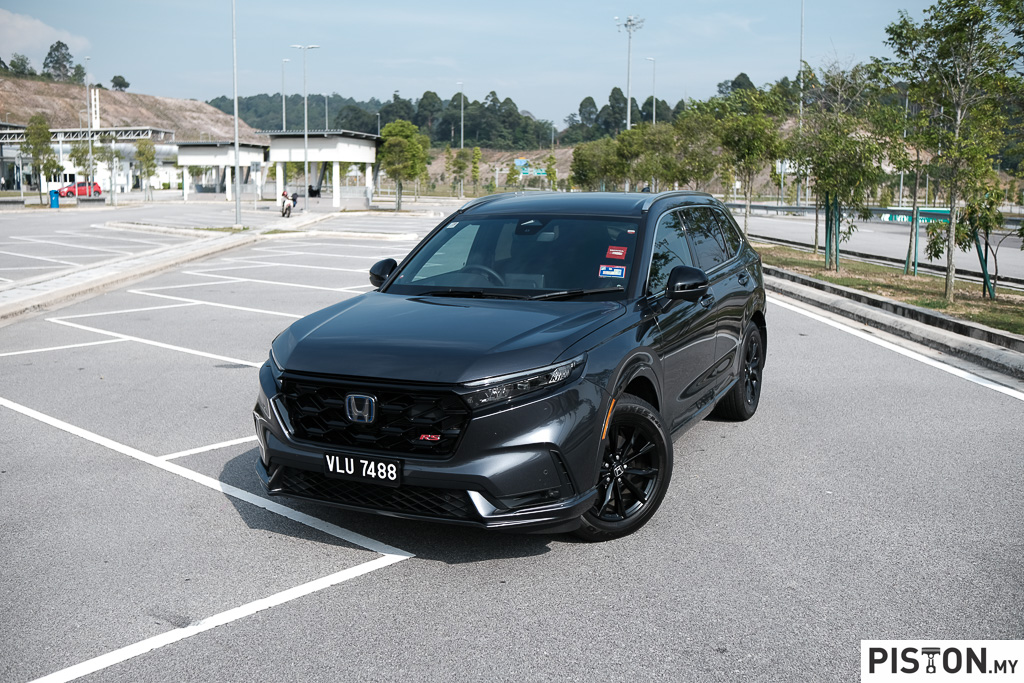
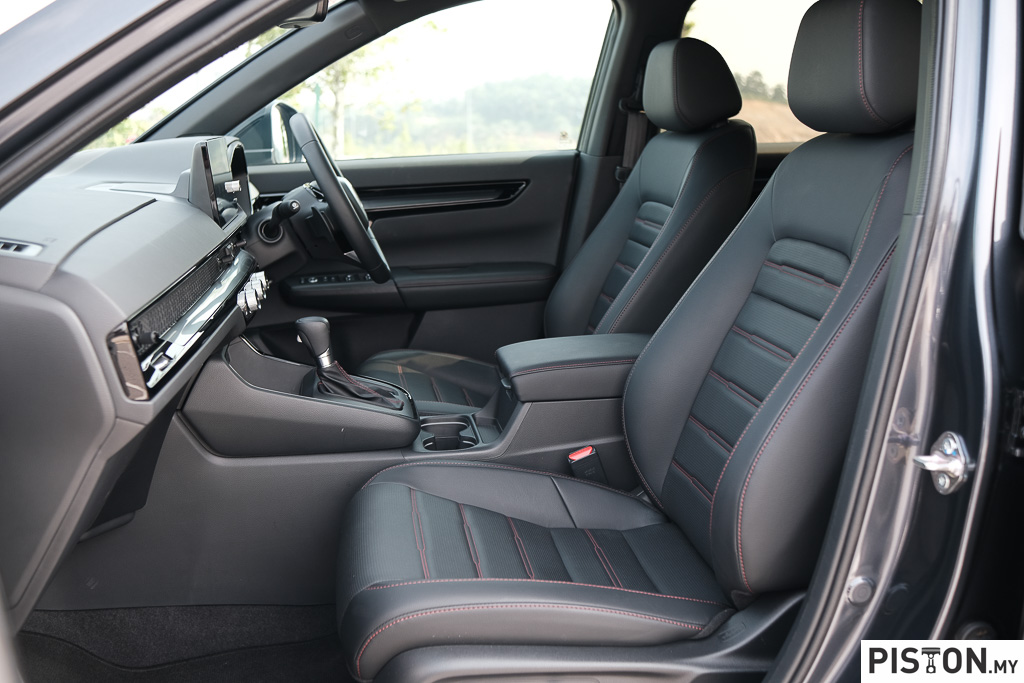
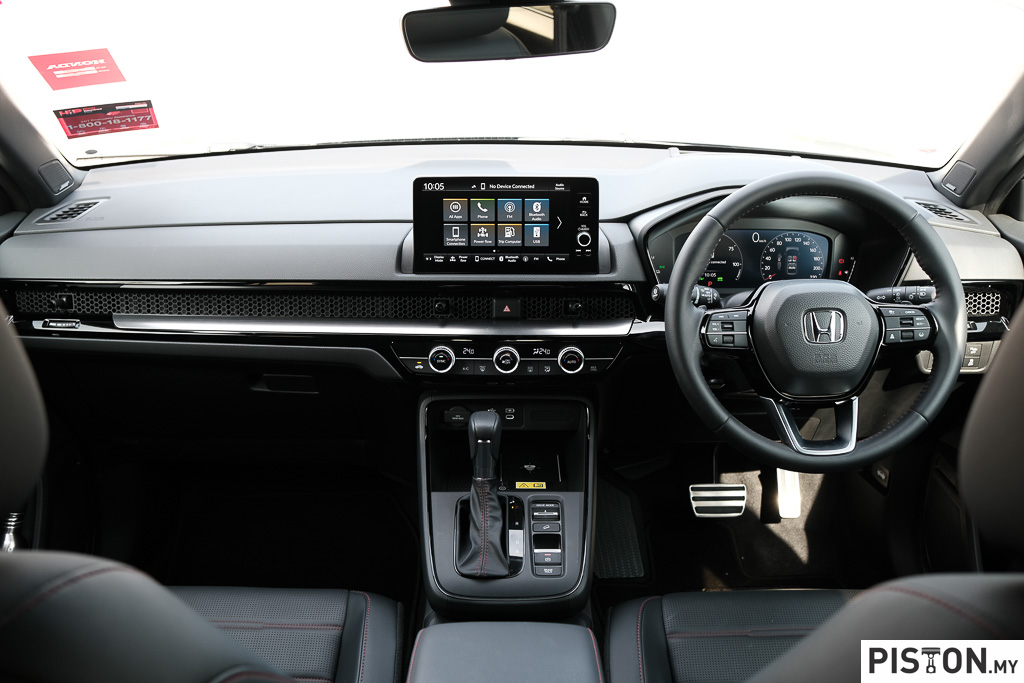
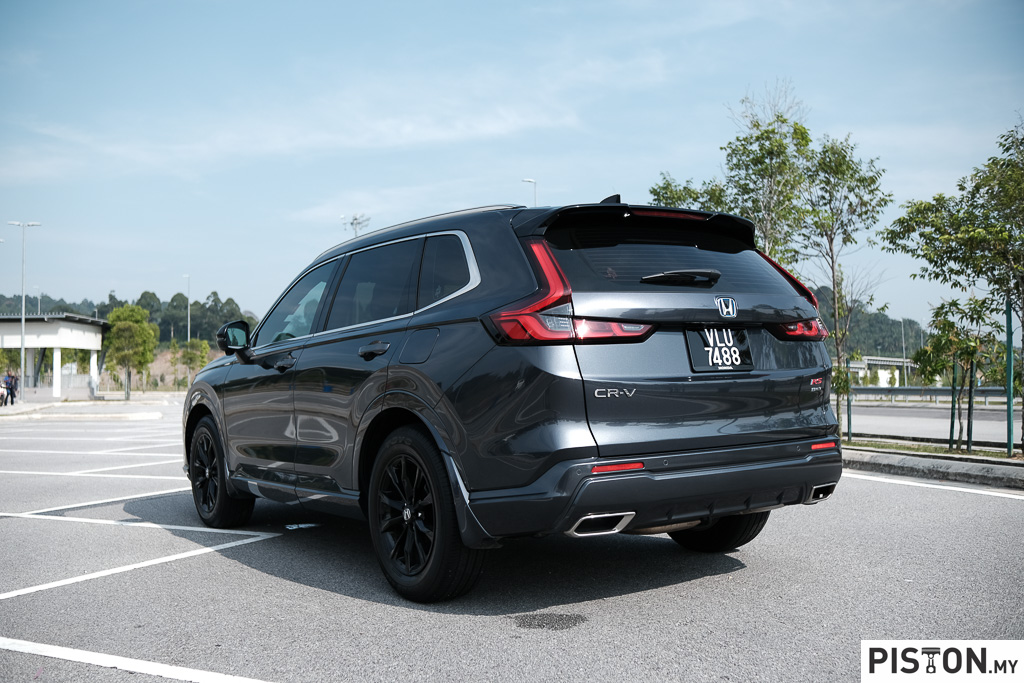
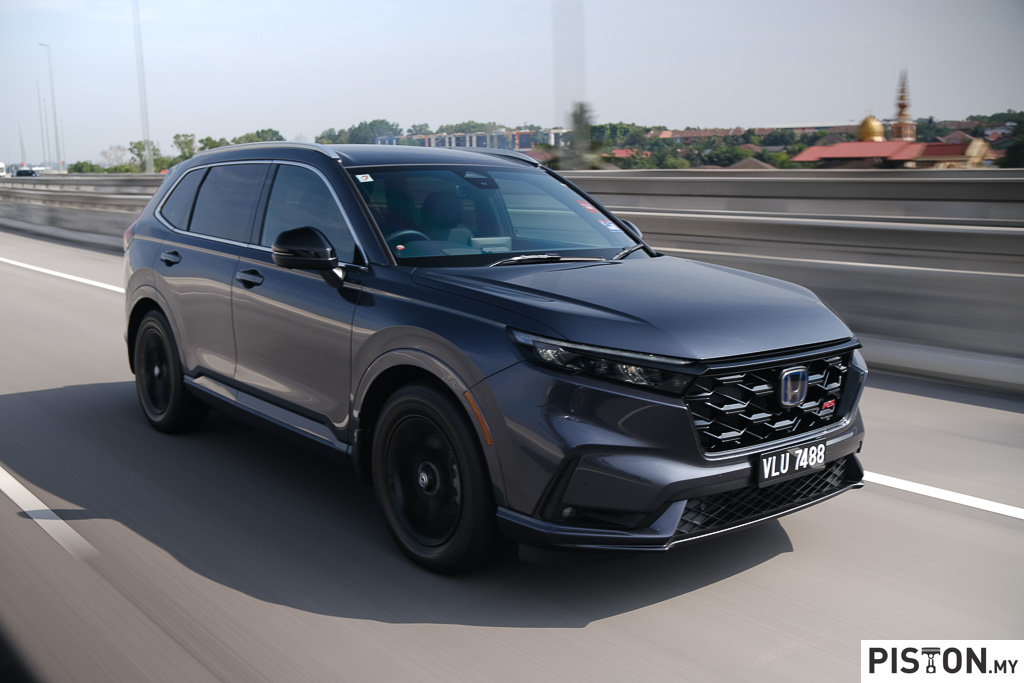
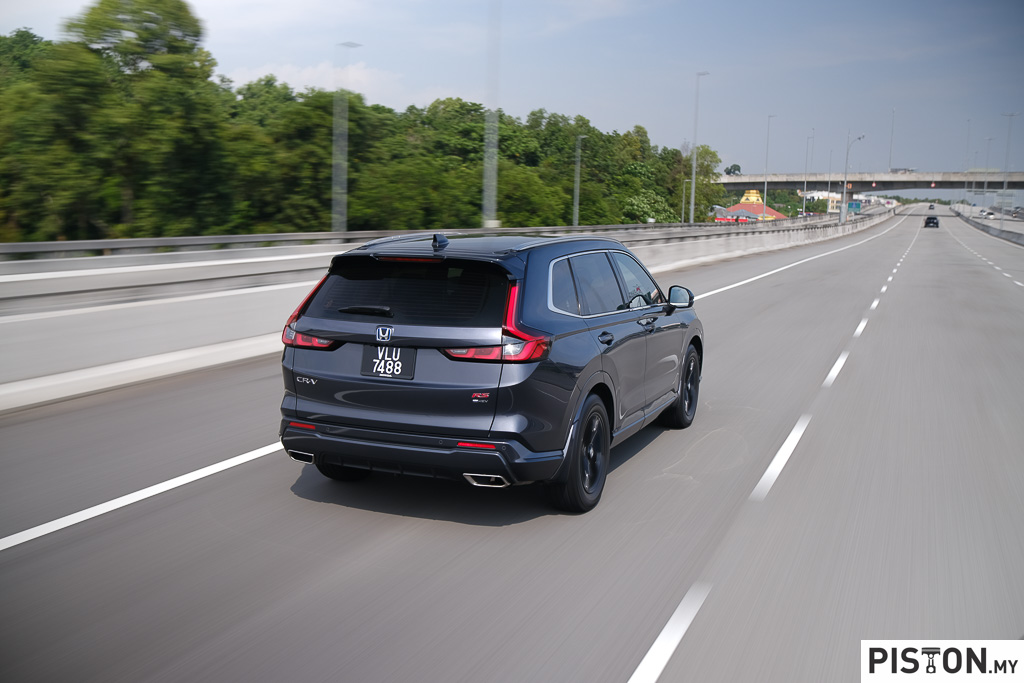
Sejak bertahun-tahun lamanya, Honda CR-V telah berjaya mengukuhkan kedudukannya sebagai pilihan utama dalam kalangan pembeli kereta di Malaysia yang menginginkan sebuah SUV yang luas dan praktikal. Sejak ia mula diperkenalkan pada tahun 1997, model ini telah memasuki hampir setengah juta kediaman di seluruh negara — mungkin lebih.

Tidak sukar untuk memahami mengapa CR-V begitu popular. Ia menawarkan gabungan keselesaan, kepraktisan dan ciri-ciri moden yang memikat. Sepanjang perjalanannya, CR-V telah berdepan dengan saingan yang semakin sengit. Pada awalnya, persaingan datang daripada jenama Jepun lain seperti Toyota RAV4, Nissan X-Trail, Subaru Forester dan Suzuki Grand Vitara. Kemudian, pengeluar Korea seperti Hyundai Tucson dan Kia Sportage menyertai perlumbaan, diikuti oleh wakil Amerika dengan Ford Escape dan Chevrolet Captiva.

Persaingan terus meningkat apabila Mazda memperkenalkan CX-7, Mitsubishi dengan Outlander dan ASX, serta kemasukan jenama Eropah seperti Volkswagen Tiguan dan Peugeot 3008. Kini, dengan kehadiran model-model seperti Proton X70 serta SUV dari China seperti Chery, Tiggo 7 dan Haval H6, pasaran SUV menjadi semakin padat. Dalam landskap yang penuh dengan pilihan ini, Honda CR-V terus membuktikan nilainya.

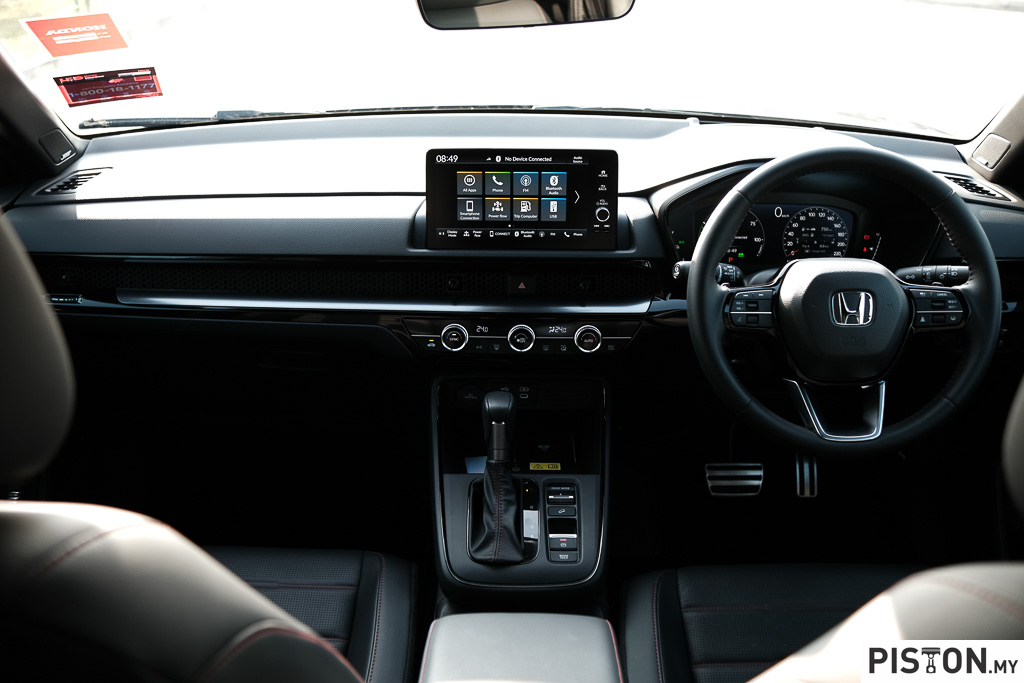
Jika anda sedang mempertimbangkan SUV, berikut adalah lima sebab utama mengapa Honda CR-V RS e:HEV patut berada dalam senarai teratas anda:

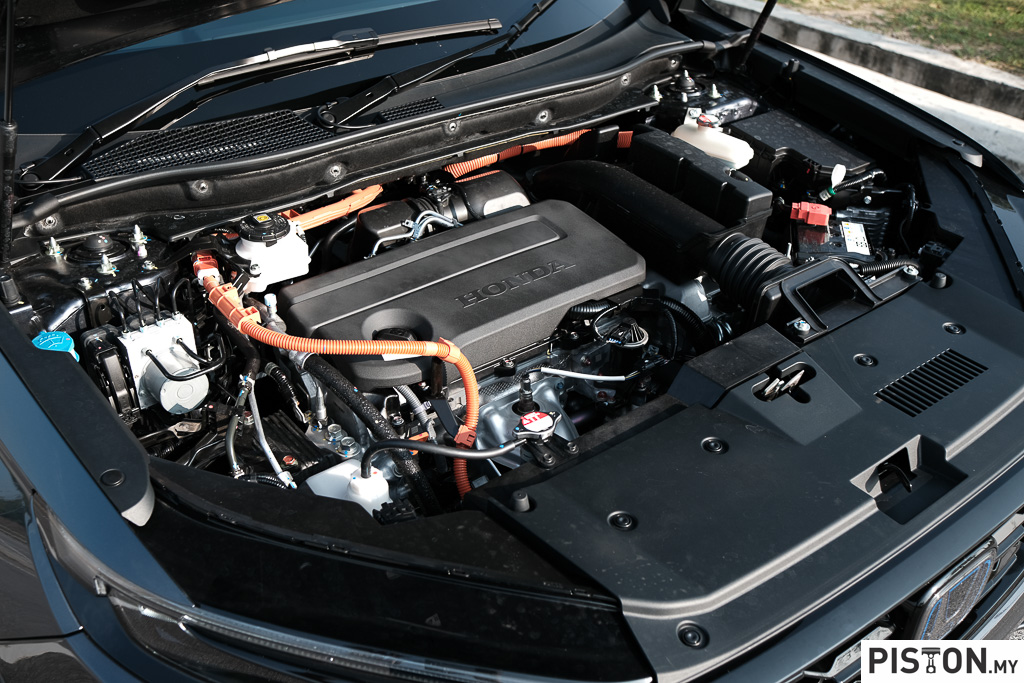
1. Kecekapan Penggunaan Bahan Api
Honda CR-V RS e:HEV benar-benar menonjol dari segi kecekapan. Honda Malaysia mendakwa bahawa varian hibrid ini mampu mencatat penggunaan bahan api sekitar 20km bagi setiap liter. Ujian awal tahun ini mengesahkan kecekapan itu dengan pencapaian 19.8km seliter — angka yang sangat hampir dan cukup mengagumkan. Dalam era di mana kos sara hidup semakin meningkat, kecekapan seperti ini tentunya melegakan pemilik.

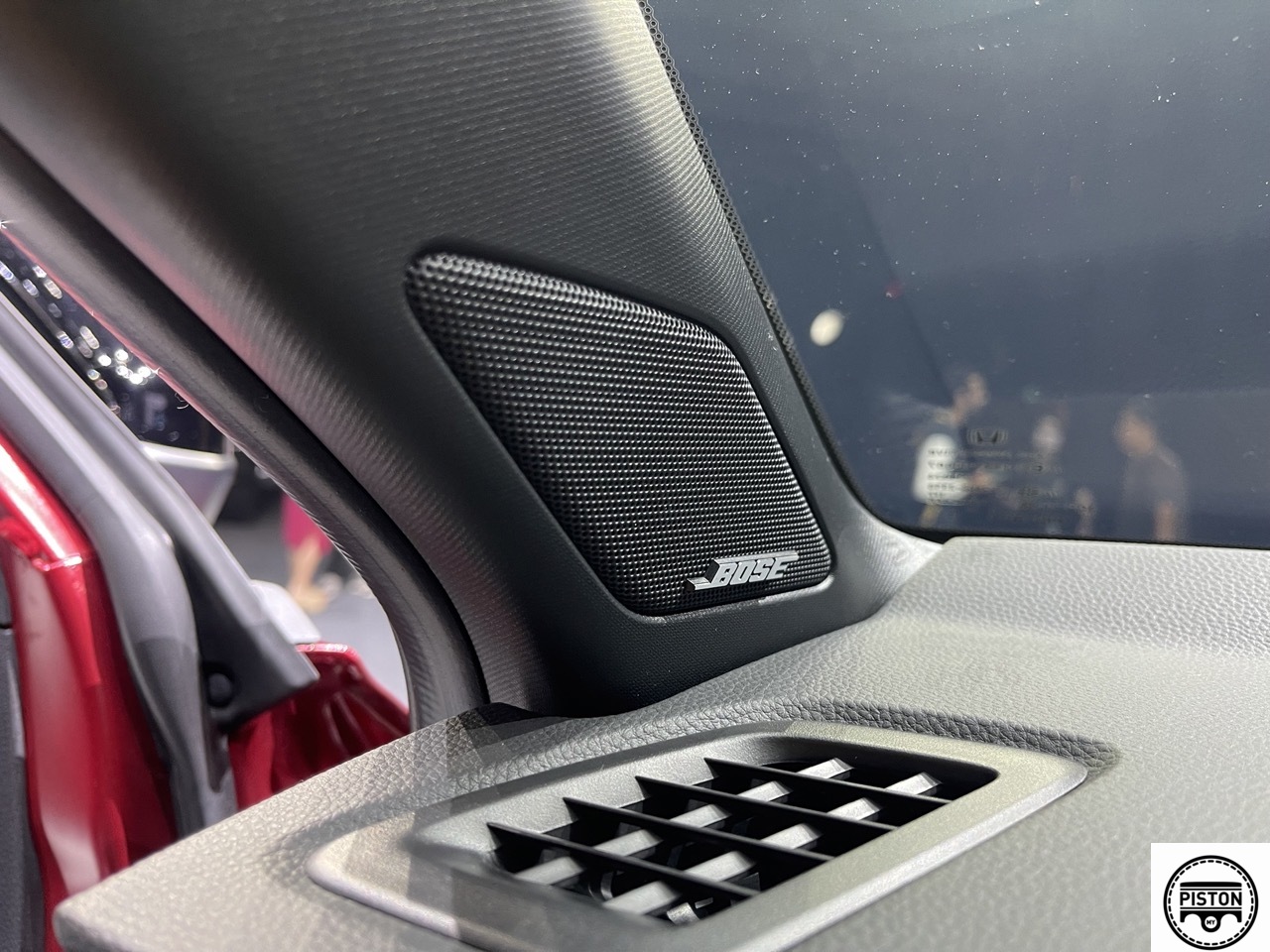
2. Sistem Audio BOSE yang Premium
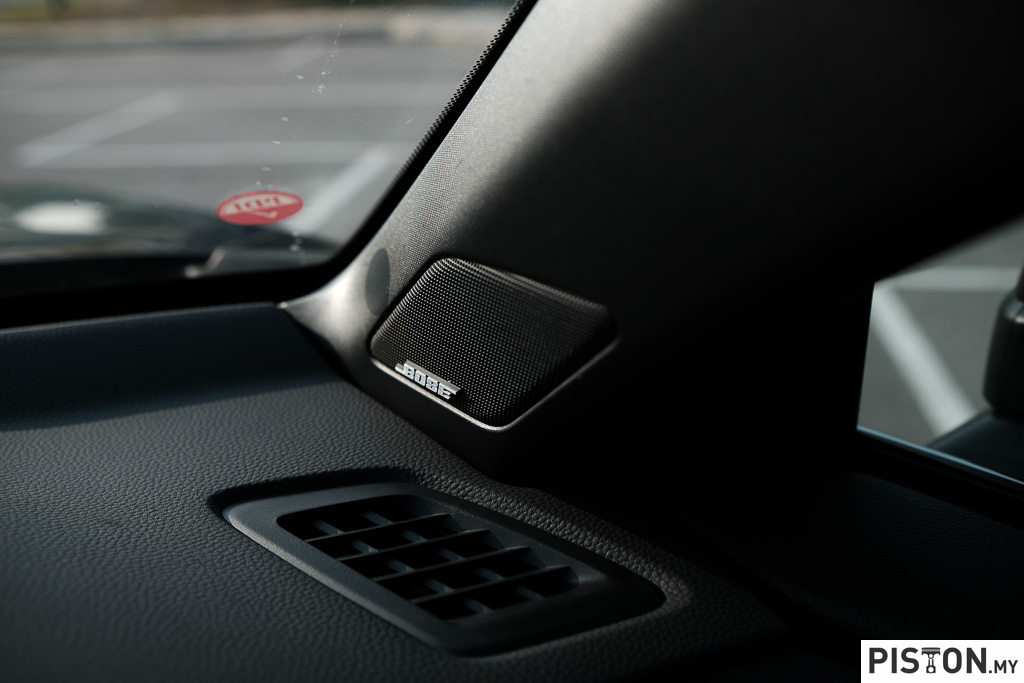
Sistem audio berkualiti adalah sesuatu yang tidak seharusnya dipandang ringan. Walaupun ramai pembuat kereta kini menawarkan sambungan seperti Apple CarPlay dan Android Auto, tidak banyak yang memberikan sistem audio yang benar-benar memuaskan. CR-V RS e:HEV hadir dengan sistem bunyi BOSE yang sebelum ini hanya ditawarkan dalam kereta mewah. Kualiti bunyinya memukau dan jelas — satu pujian buat Honda kerana menawarkan ciri sebegini dalam model ini.

3. Penghalusan Kabin
Satu lagi kelebihan CR-V ialah ketenangan kabinnya. Tiada bunyi angin atau tayar yang mengganggu — satu aspek penting yang sering diabaikan pembeli sehingga mereka mengalaminya sendiri. CR-V menggunakan dua teknologi utama: resonator roda dan pembatalan bunyi aktif (Active Noise Cancellation). Resonator menyerap getaran dan bunyi, manakala sistem pembatalan bunyi aktif mengeluarkan frekuensi bertentangan bagi meneutralkan bunyi luar. Hasilnya? Satu pengalaman pemanduan yang senyap dan selesa.

4. Dinamik Pemanduan yang Unggul
Salah satu kekuatan utama Honda ialah keupayaan pemanduan. Walaupun terdapat banyak pesaing baharu dalam pasaran SUV, tidak ramai yang mampu menandingi keseronokan dan ketepatan pemanduan yang ditawarkan oleh Honda. Stereng CR-V responsif dan tepat — tanpa sebarang ‘titik mati’ yang menjengkelkan. Ia memberikan keyakinan dan keselesaan kepada pemandu. Sesi pandu uji di bilik pameran Honda akan cukup untuk membuktikan keistimewaan ini.

5. Ciri Keselamatan Honda Sensing
Honda Sensing ialah pakej keselamatan pintar yang komprehensif. Ia merangkumi sistem seperti Amaran Perlanggaran Hadapan, Sistem Brek Pencegahan Perlanggaran, Amaran Keluar Lorong, dan Kawalan Pelayaran Adaptif dengan keupayaan berhenti dan mula secara automatik. Varian RS e:HEV turut dilengkapi dengan Adaptive Driving Beam — teknologi pintar yang melaras pancaran lampu tinggi secara automatik bagi mengelakkan menyilaukan pemandu lain. Ini membuktikan bahawa keselamatan benar-benar menjadi keutamaan dalam CR-V.

Masa Terbaik untuk Membeli CR-V
Dengan semua kelebihan ini, Honda CR-V kekal sebagai pilihan kukuh dalam pasaran SUV. Dan sekarang, Honda Malaysia memperhebatkan lagi penawarannya dengan kempen Bonanza Pertengahan Tahun yang memberikan ganjaran bernilai sehingga RM13,000* — termasuk rebat tunai RM10,000* dan baucar servis RM3,000*. Tawaran ini sah sehingga 31 Julai 2025.

Jika anda sedang mencari SUV yang besar, canggih dan efisien di bawah RM200,000, maka Honda CR-V RS e:HEV adalah jawapan yang tepat.

*Tertakluk kepada terma dan syarat.

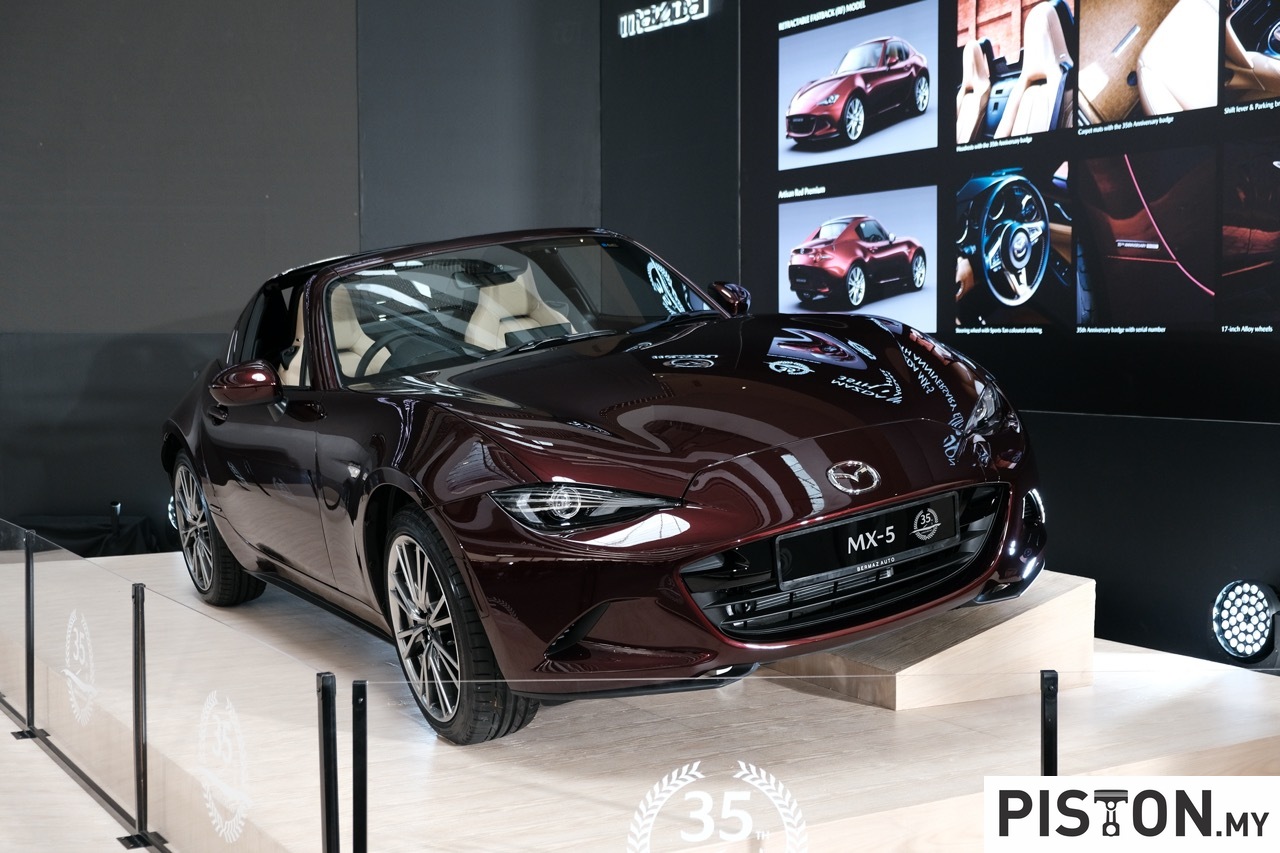
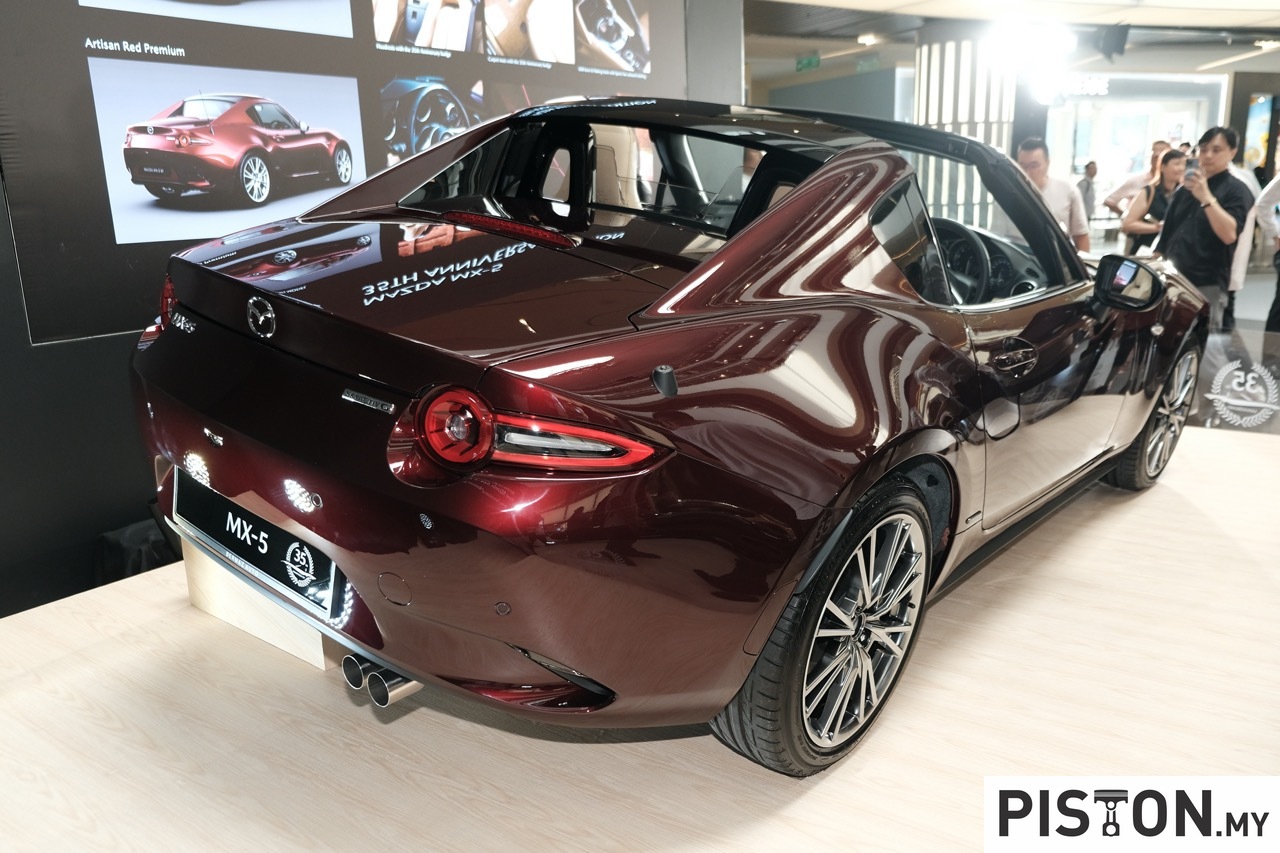
As the 2026 Mazda CX-5 makes its global debut, attention has quickly turned from the brand’s best-selling crossover to what lies ahead for its sports car lineup. While the launch of the new-generation CX-5 will likely continue Mazda’s strong commercial performance in the SUV market, the marque’s sporting future remains a key point of interest for enthusiasts and brand loyalists alike.

In an exclusive discussion with The Drive, Stefan Meisterfeld, Vice President of Strategic Planning for Mazda North America, offered insight into the company’s stance on performance-oriented models. Meisterfeld emphasised that sports cars remain integral to Mazda’s identity, describing them as “critical” to the brand’s overall strategy. He acknowledged the diversity of Mazda’s customer base, stating that the company aims to meet varying emotional and functional needs, which includes retaining a strong connection to its sporty roots.
While the MX-5 Miata continues to hold a special place in Mazda’s portfolio, Meisterfeld’s comments suggest that the company’s future plans could go beyond the iconic roadster. Notably, he made a distinction between “the MX-5 and sports cars in general,” potentially signalling openness to expanding the sports car range.

(more…)

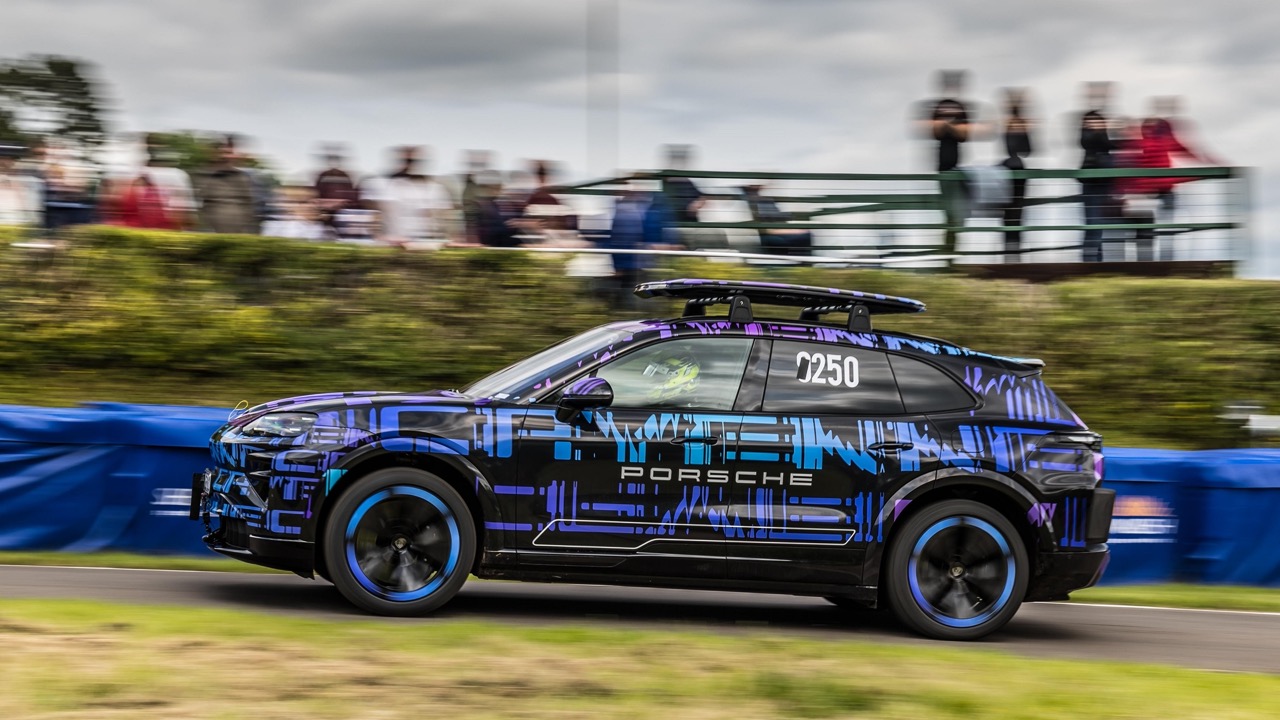
Porsche’s upcoming all-electric Cayenne has begun to make headlines even before its official debut, as the German marque puts a near-production prototype through its paces in a series of global tests. The new SUV is currently undergoing fine-tuning and validation, but already it has demonstrated record-setting performance and remarkable day-to-day usability in a string of early public appearances.

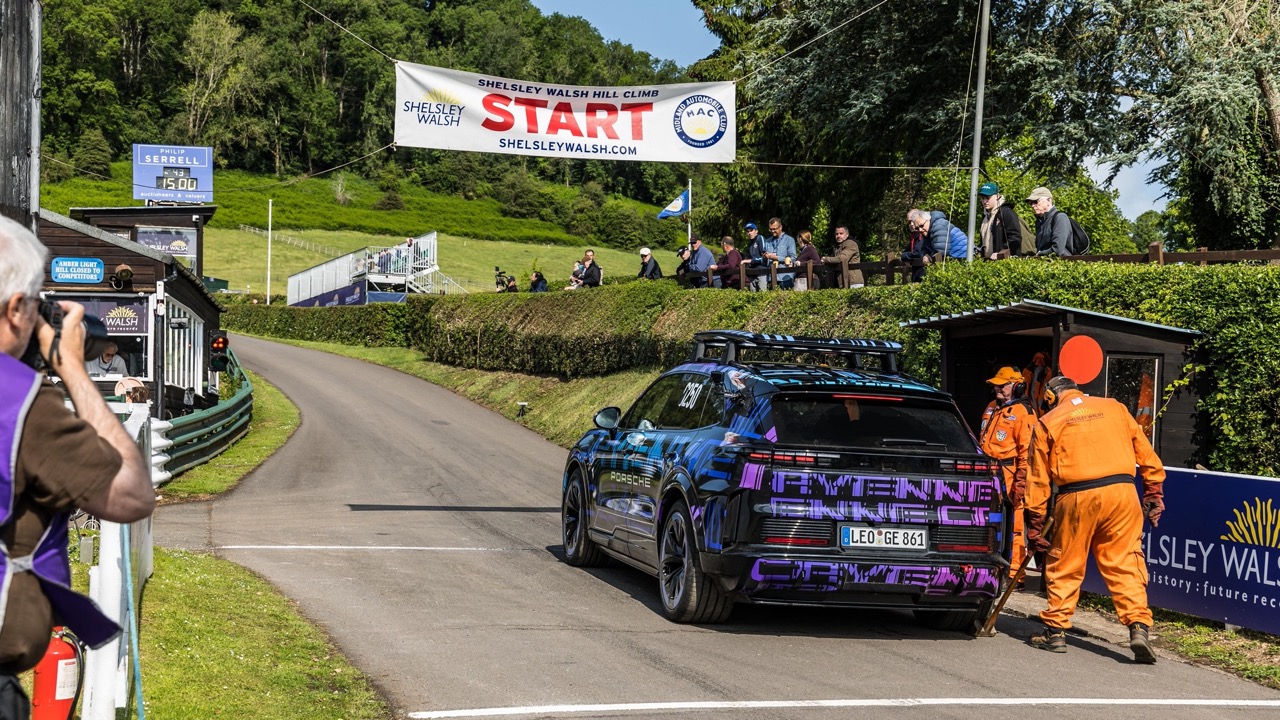
One of the most striking showcases took place at the historic Shelsley Walsh hill climb in England. There, as part of a film production, Porsche sent its camouflaged electric SUV up the narrow and demanding course, where it went on to break the previous record for a sport utility vehicle by more than four seconds. Gabriela Jílková, a simulator and development driver with the TAG Heuer Porsche Formula E Team, piloted the vehicle up the 914-metre course, which features gradients of up to 16.7 per cent and is just 3.5 metres wide at certain points. On her first attempt, she completed the climb in 31.28 seconds, setting a new benchmark for SUVs at the century-old motorsport venue.

Jílková noted that despite the unforgiving nature of the course—with minimal room for error and no run-off zones—the prototype’s advanced chassis and suspension provided outstanding stability and responsiveness. Her confidence in the vehicle’s handling, even under extreme conditions, underscored the dynamic capability Porsche is building into its electric Cayenne.

(more…)

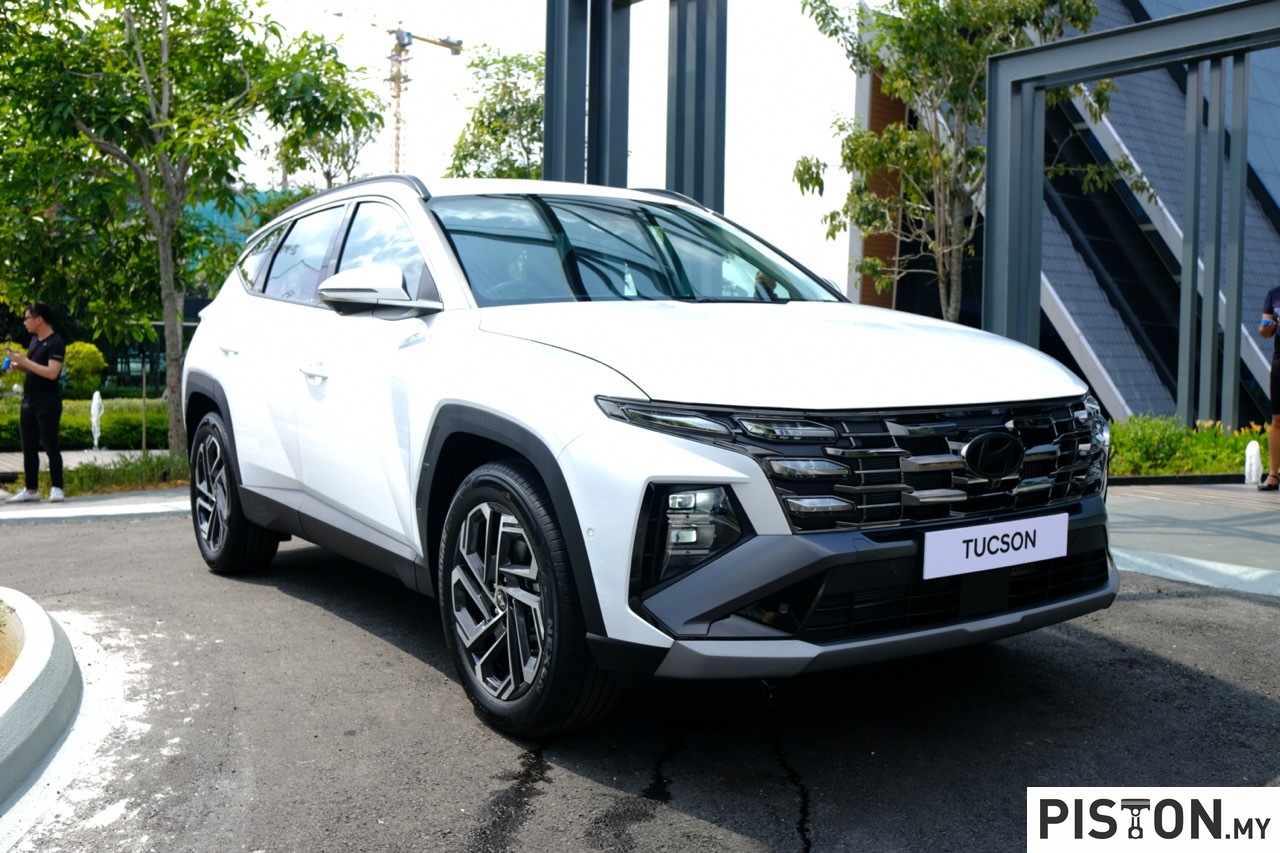
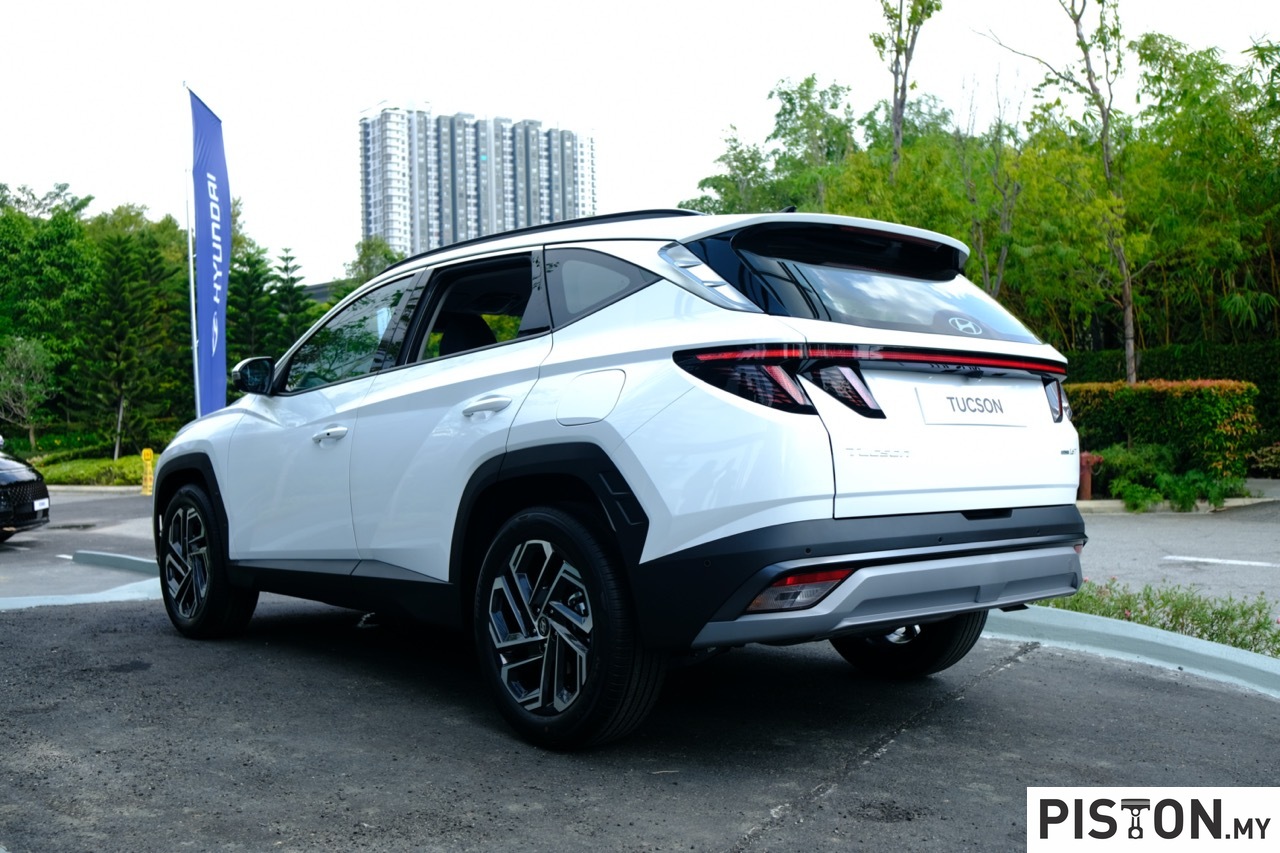
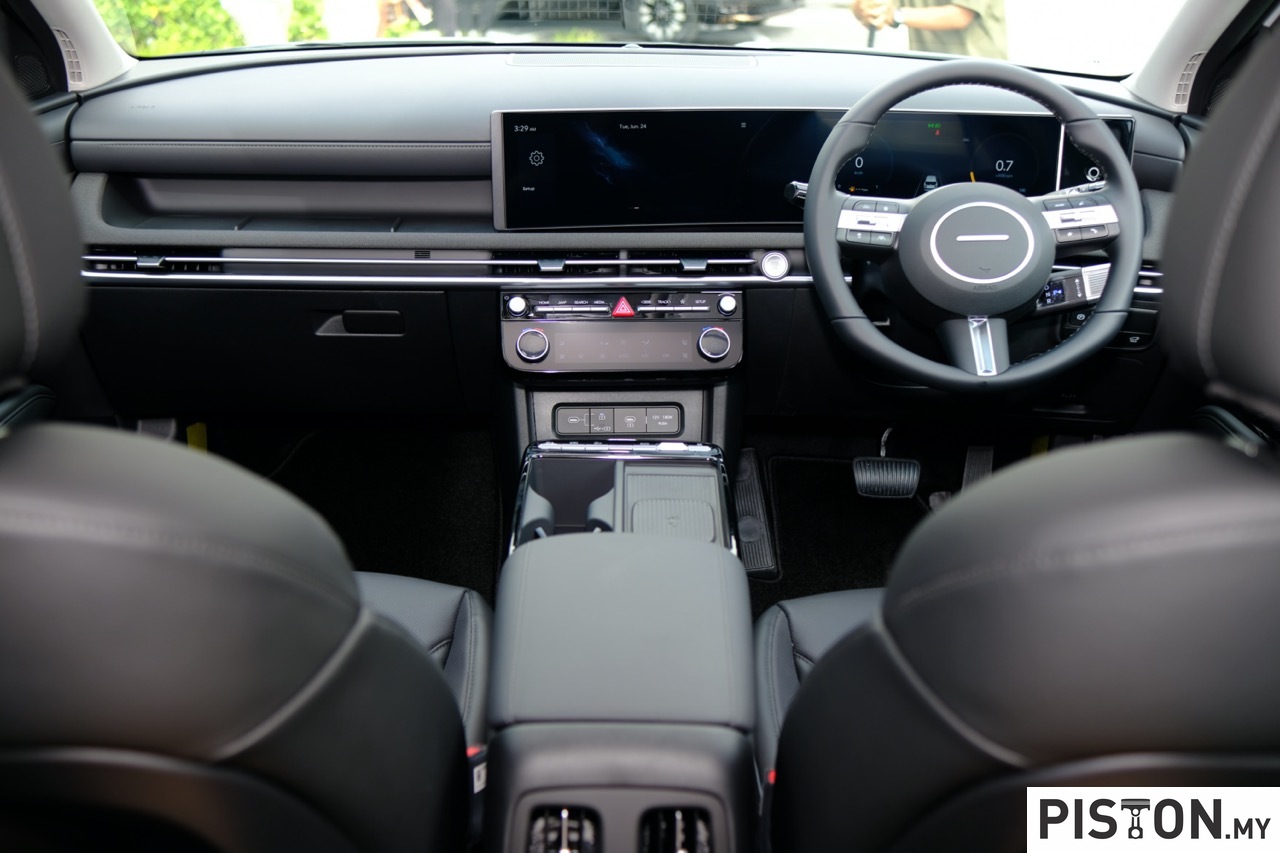
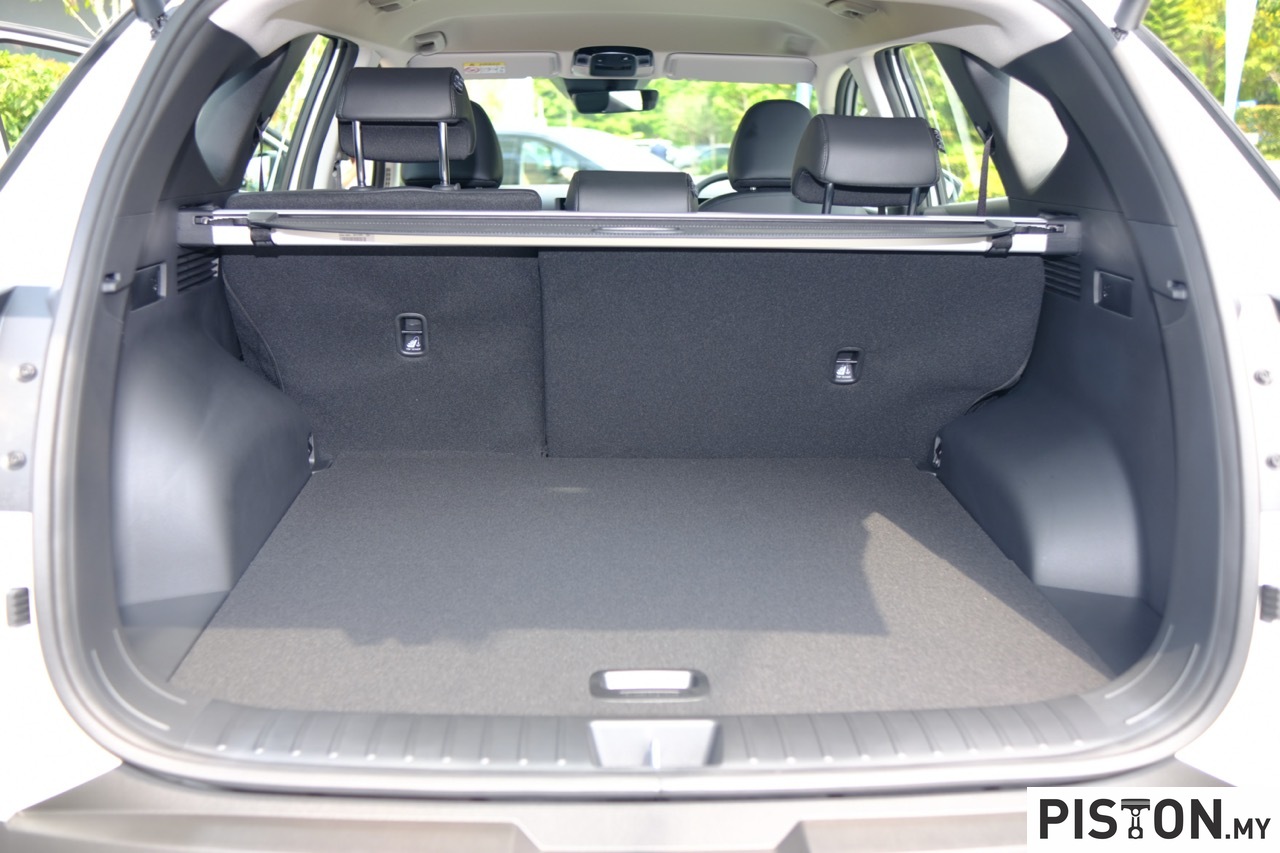
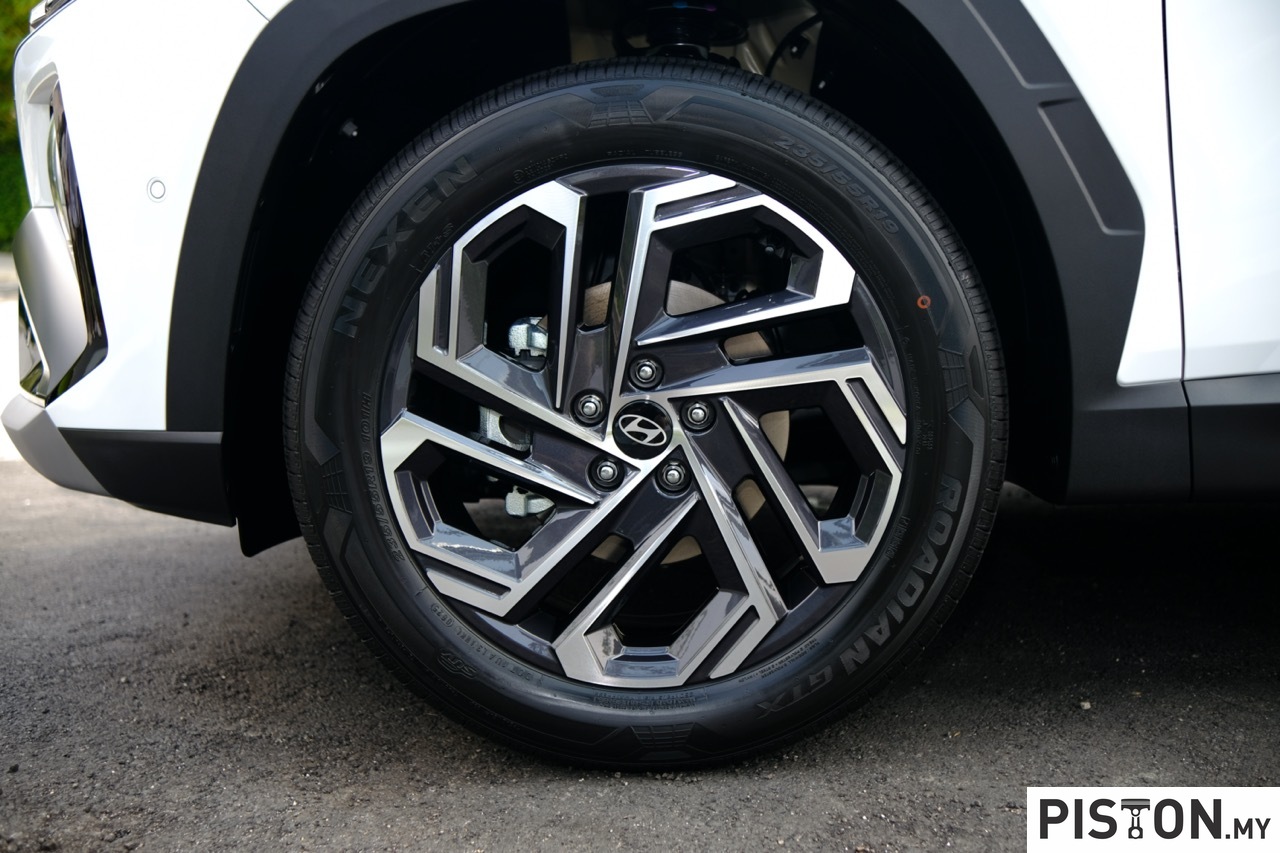
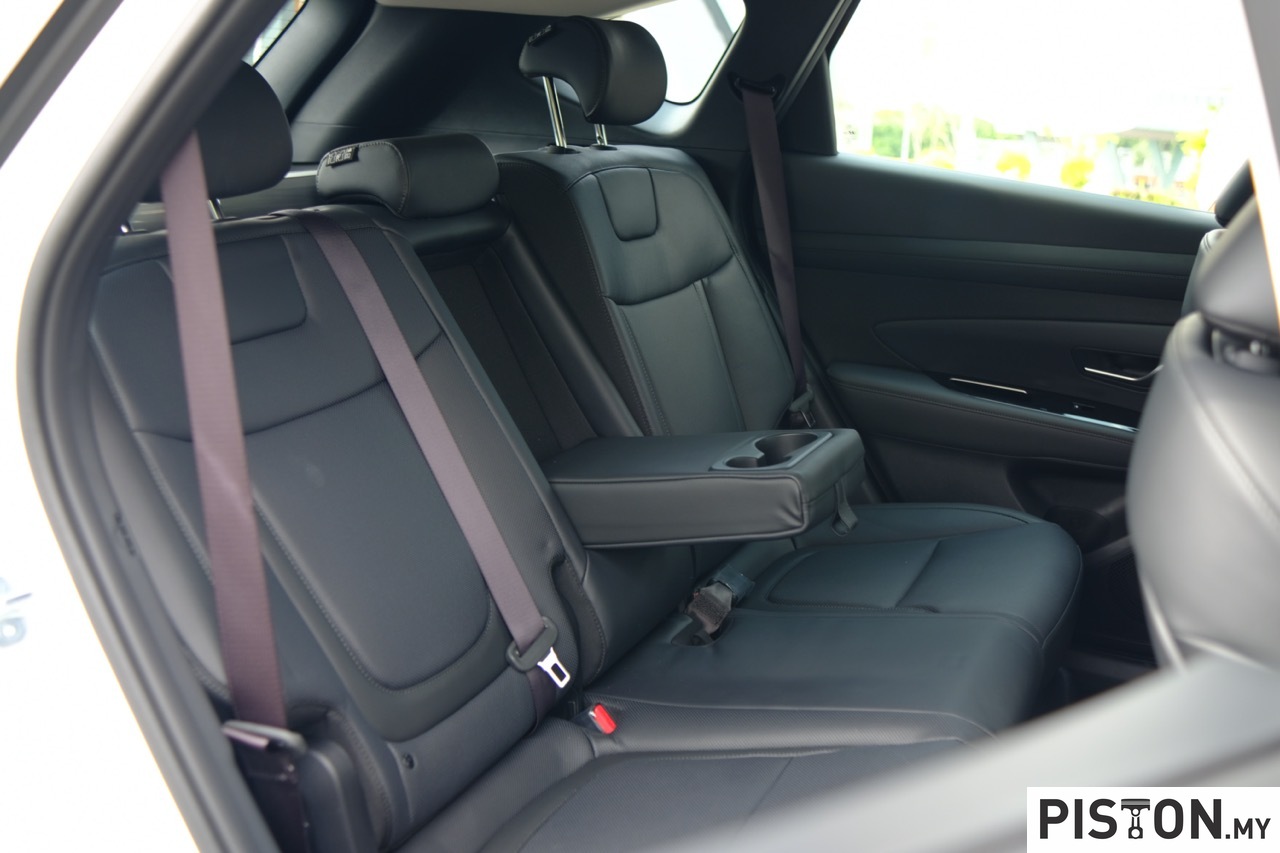
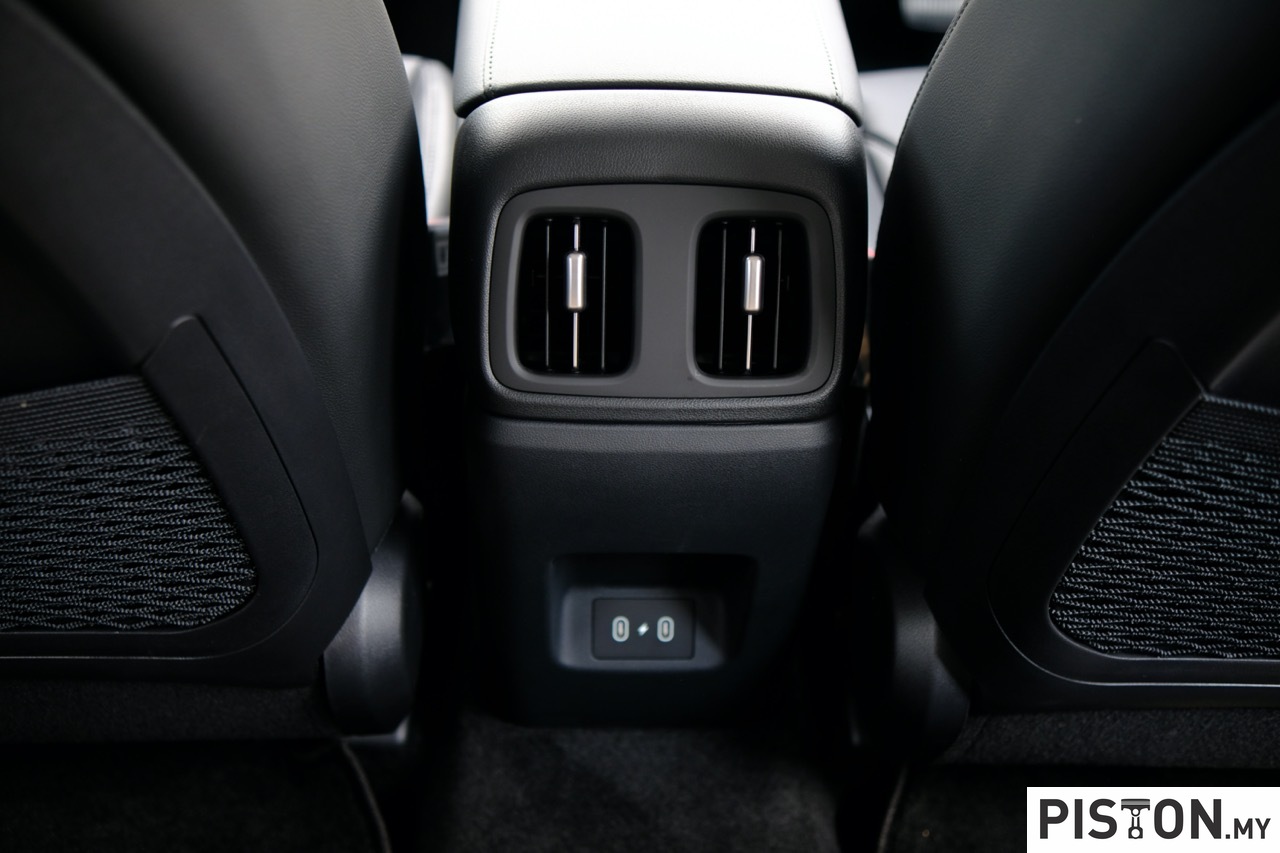
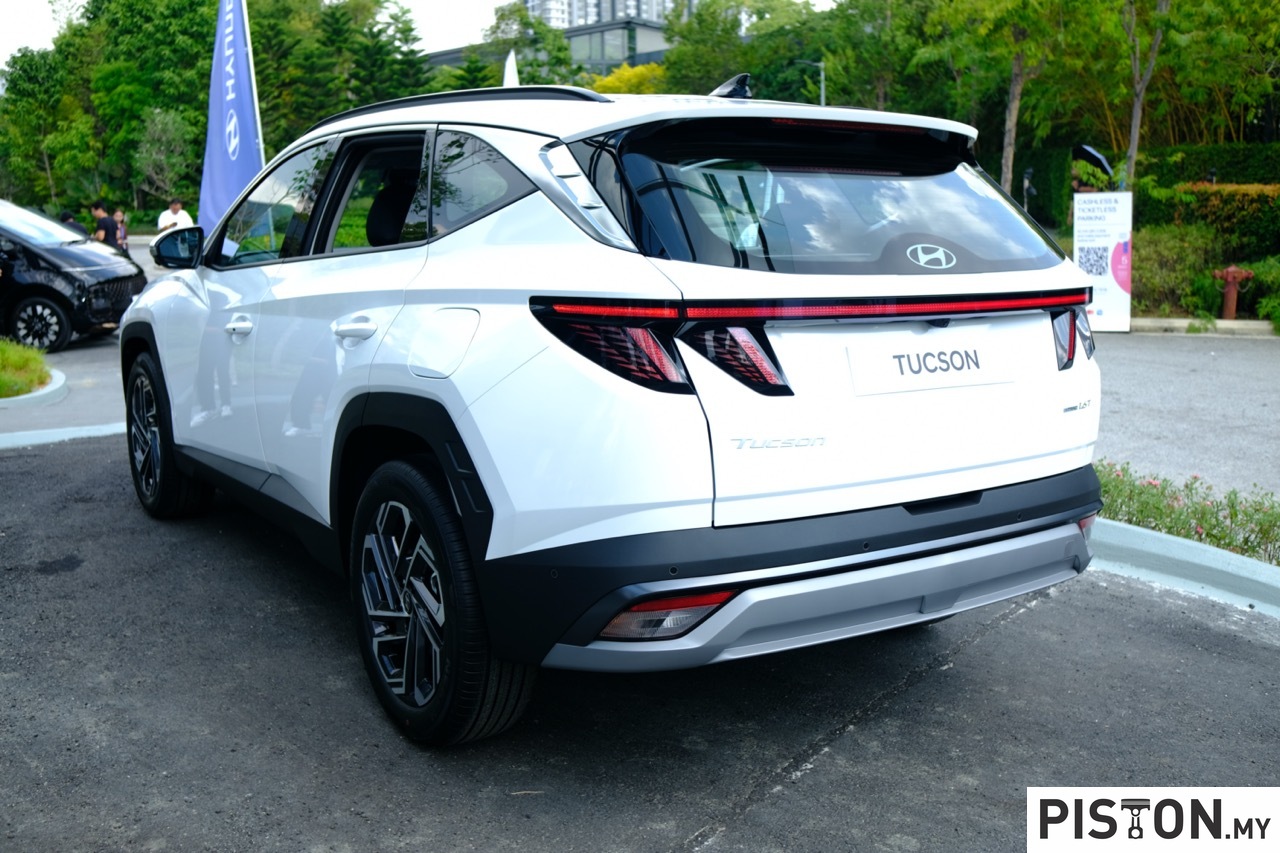
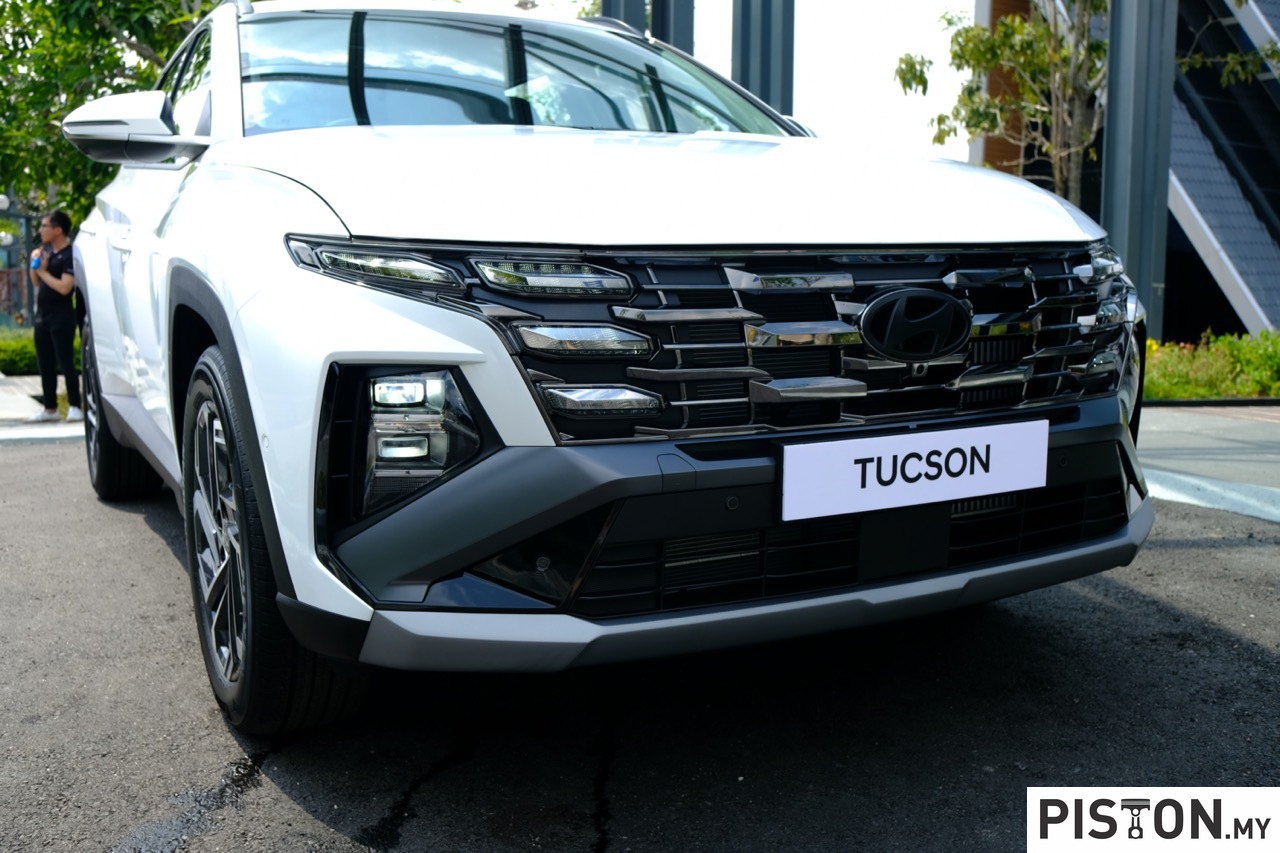
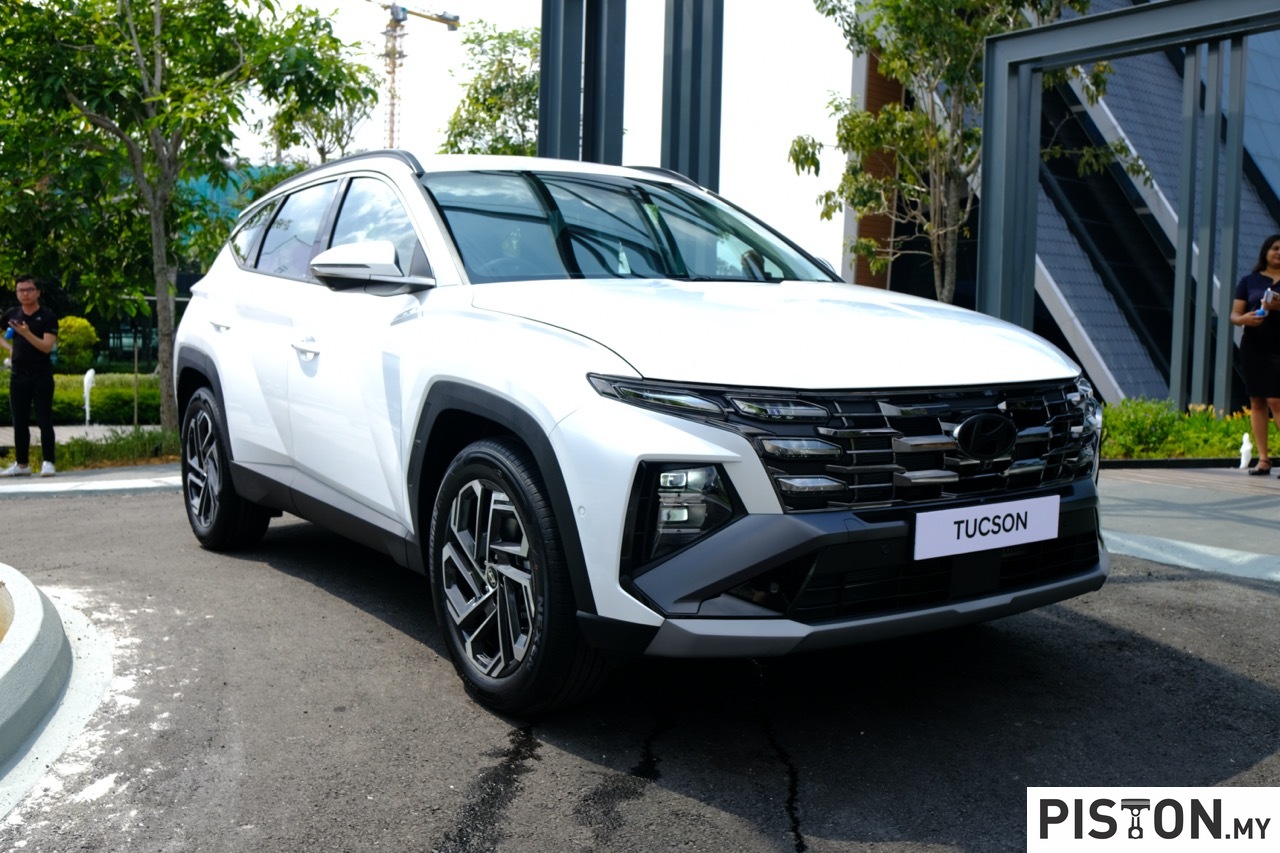
Hyundai Motor Malaysia has officially launched the latest iteration of its popular Tucson SUV, following a preview last month. More than just a routine refresh, the updated Tucson signals a bold move by Hyundai to redefine the standards of the C-segment SUV, bringing together a sleek new design, an upgraded interior, a wider engine line-up, and, for the first time in Malaysia, a hybrid variant.

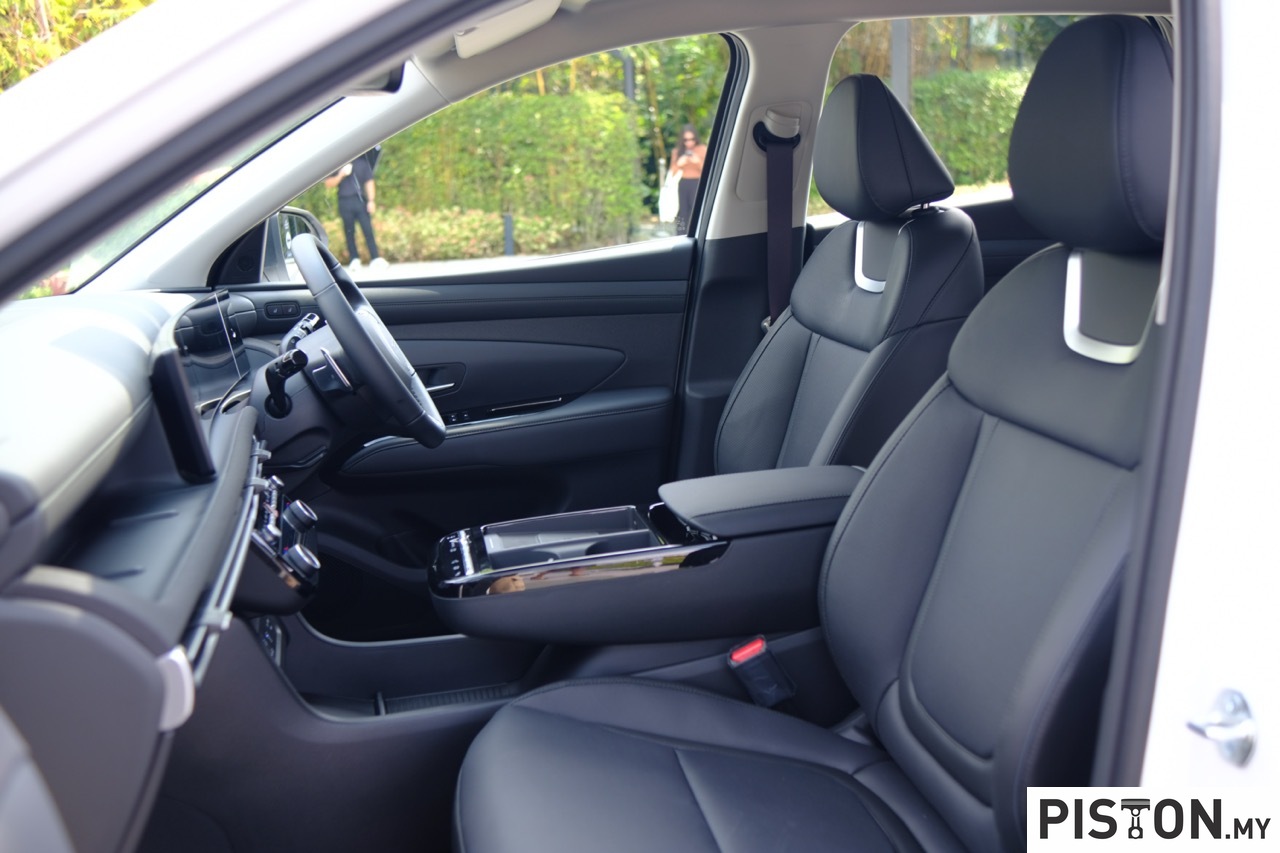
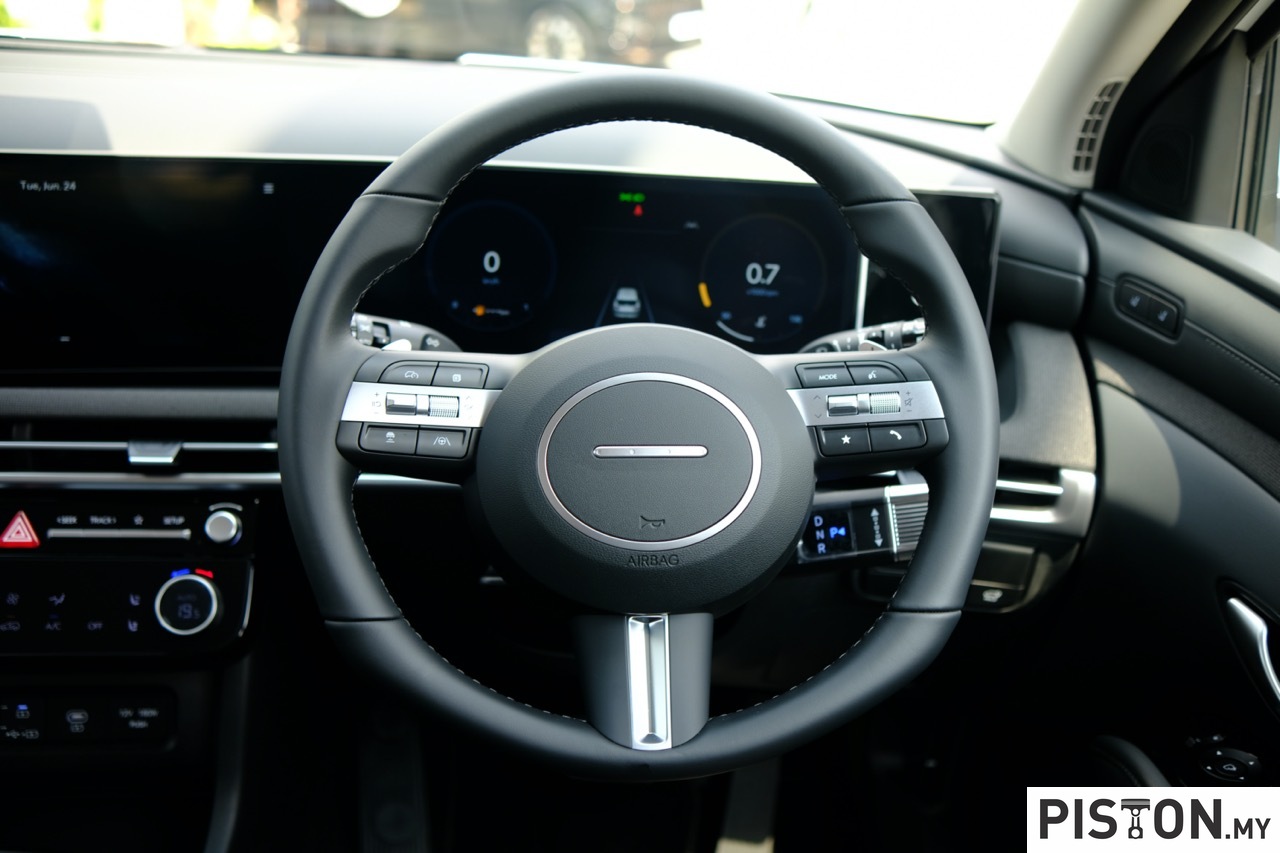
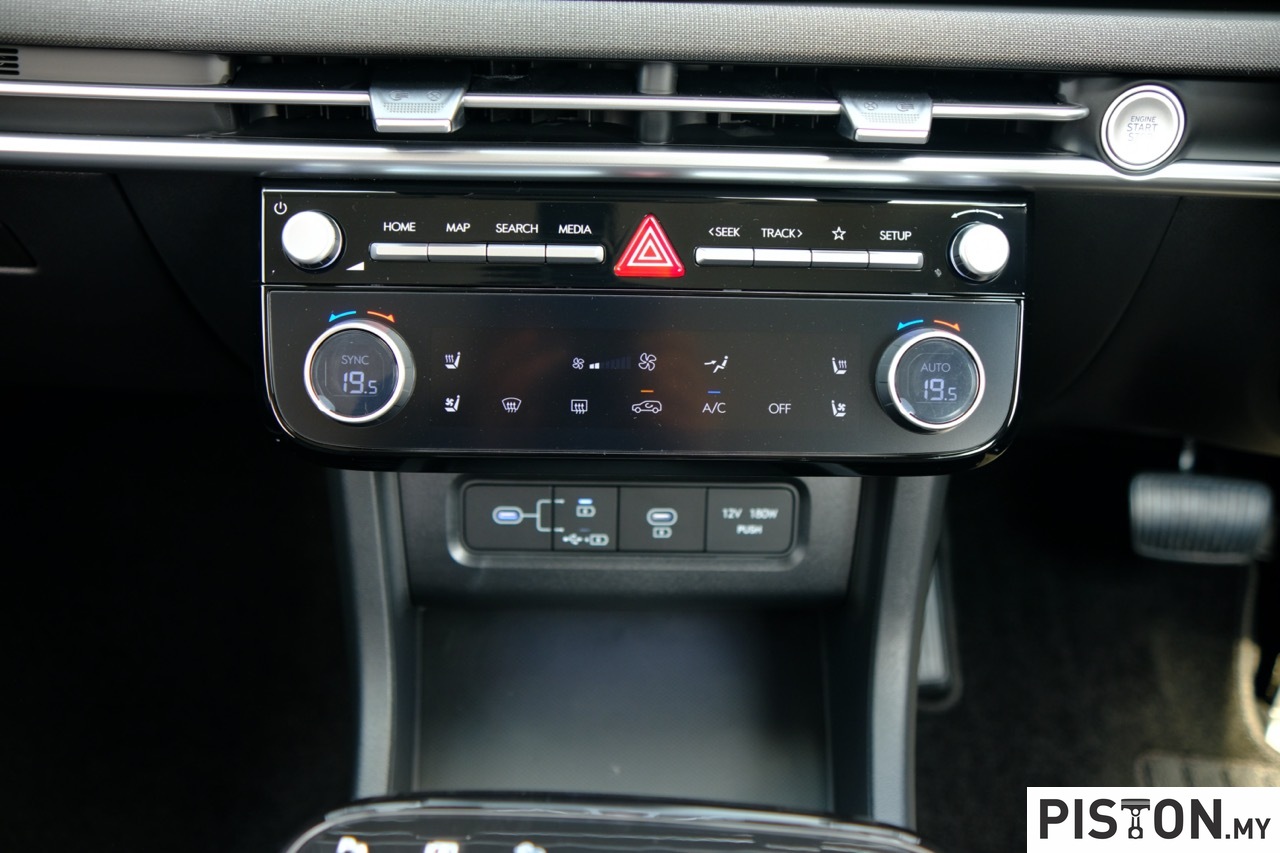
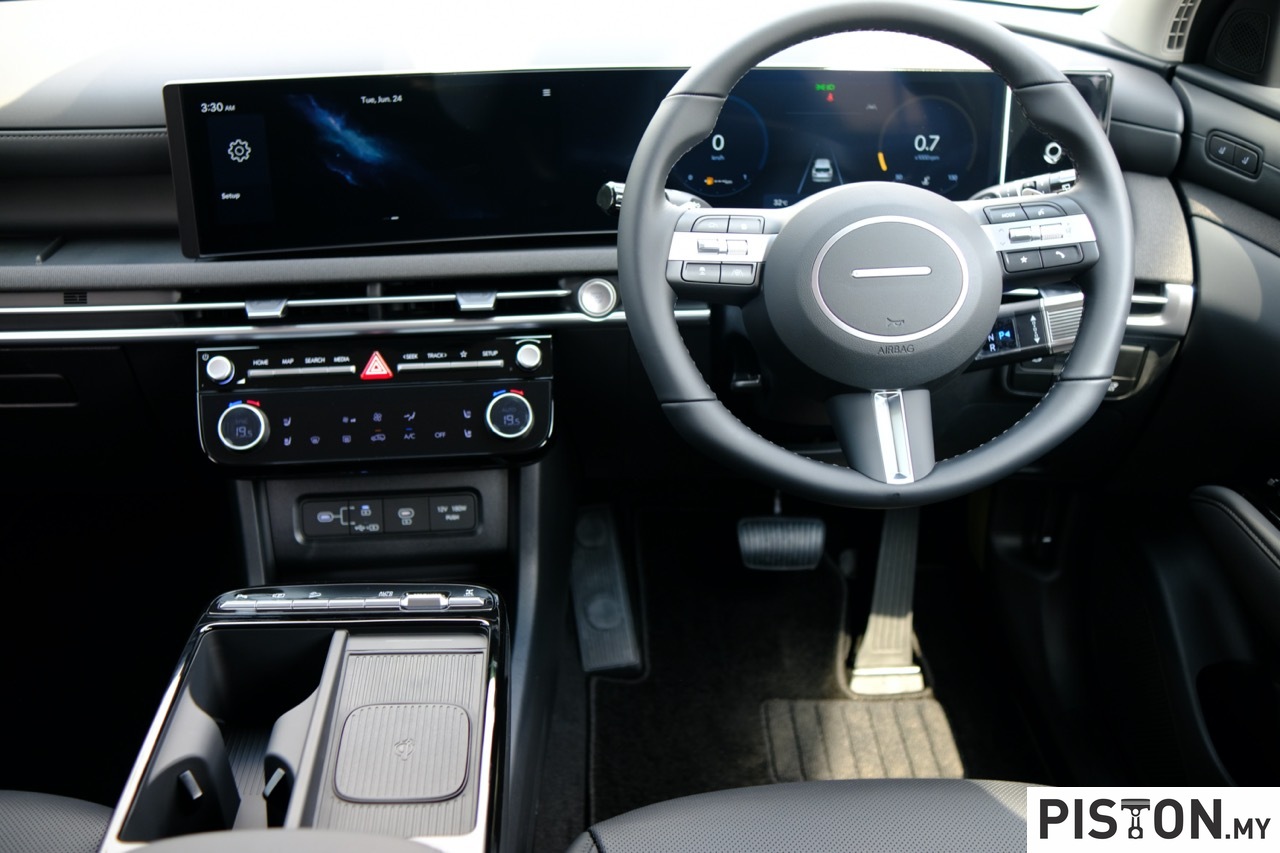
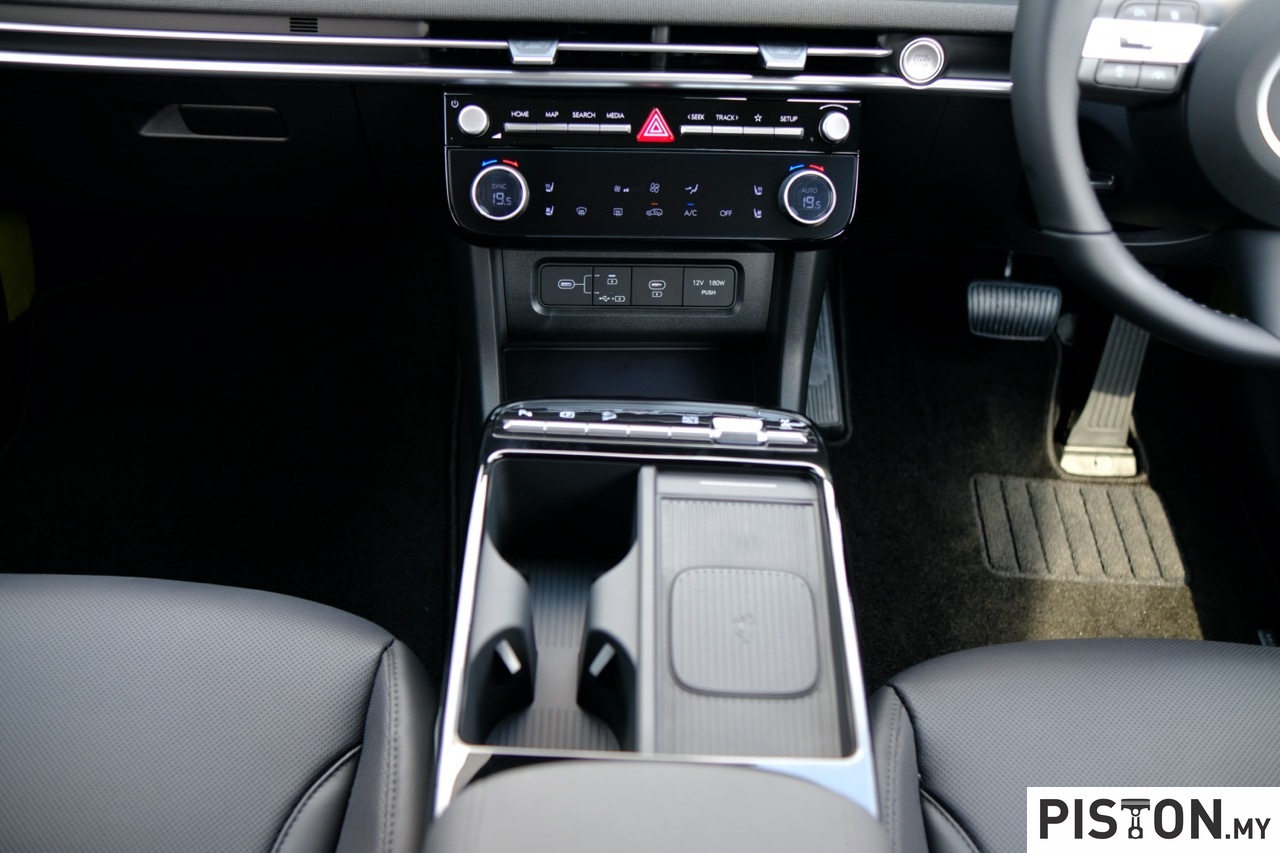
The new Tucson introduces a redesigned cabin that reflects Hyundai’s push towards a more connected and sophisticated driving environment. Taking centre stage is a panoramic curved 12.3-inch HD display that integrates seamlessly into the dashboard, blending digital clarity with modern aesthetics. Premium materials such as gloss black surfaces and alloy-effect trim give the cabin a contemporary polish, while enhancements to the centre console, door panels, and steering wheel elevate the sense of comfort and craftsmanship.

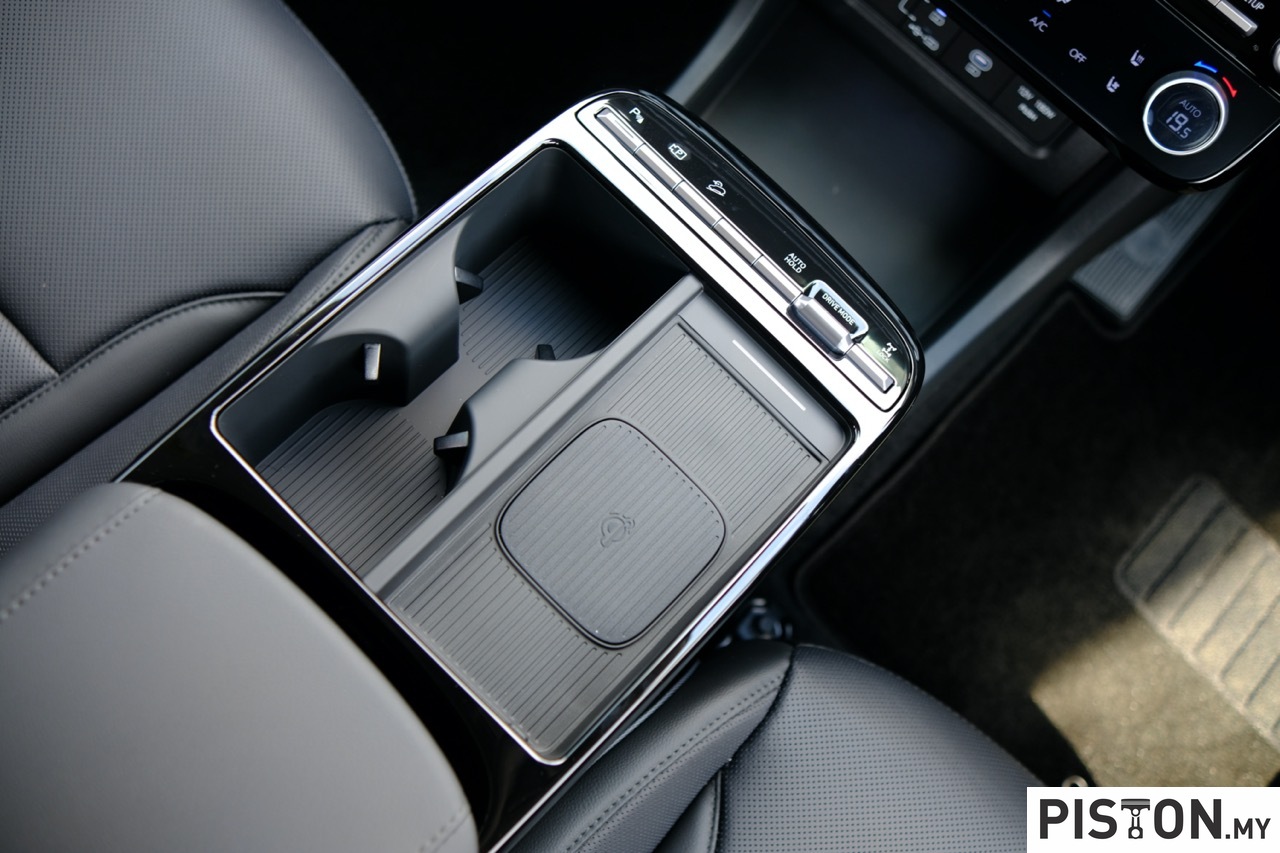
In the higher-grade Prime and Prestige trims, Hyundai has added leather upholstery, a wireless charging pad, and an auto-dimming rear-view mirror. These additions highlight the brand’s attention to everyday driver convenience and refinement.

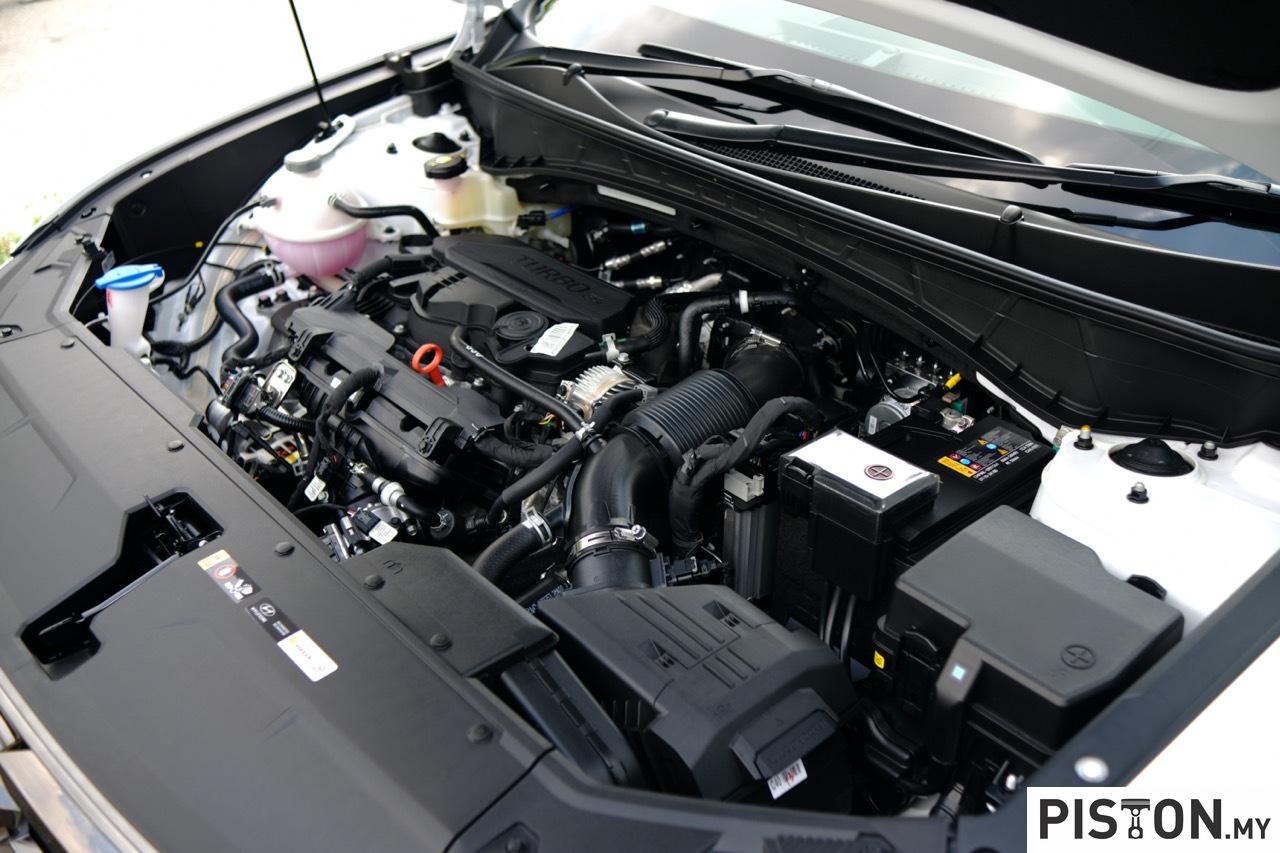
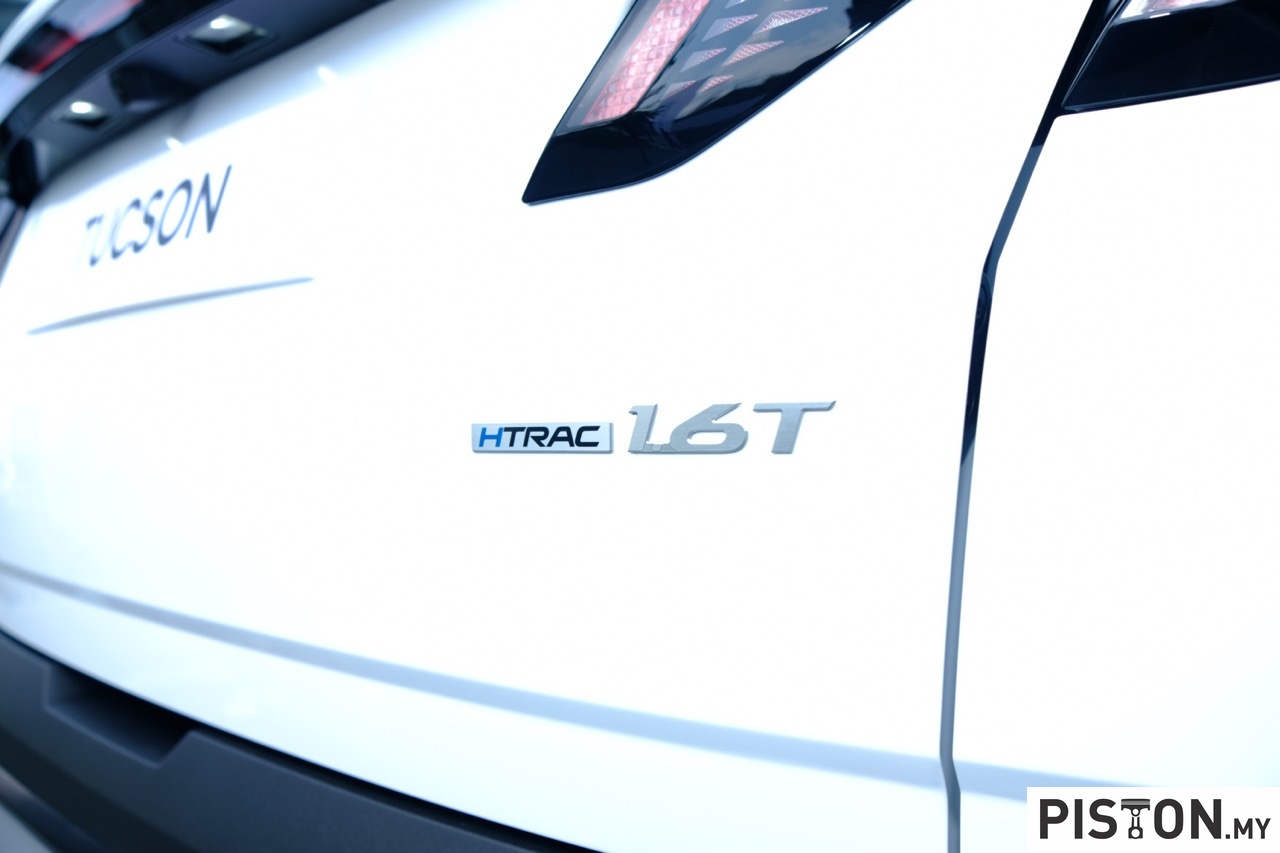
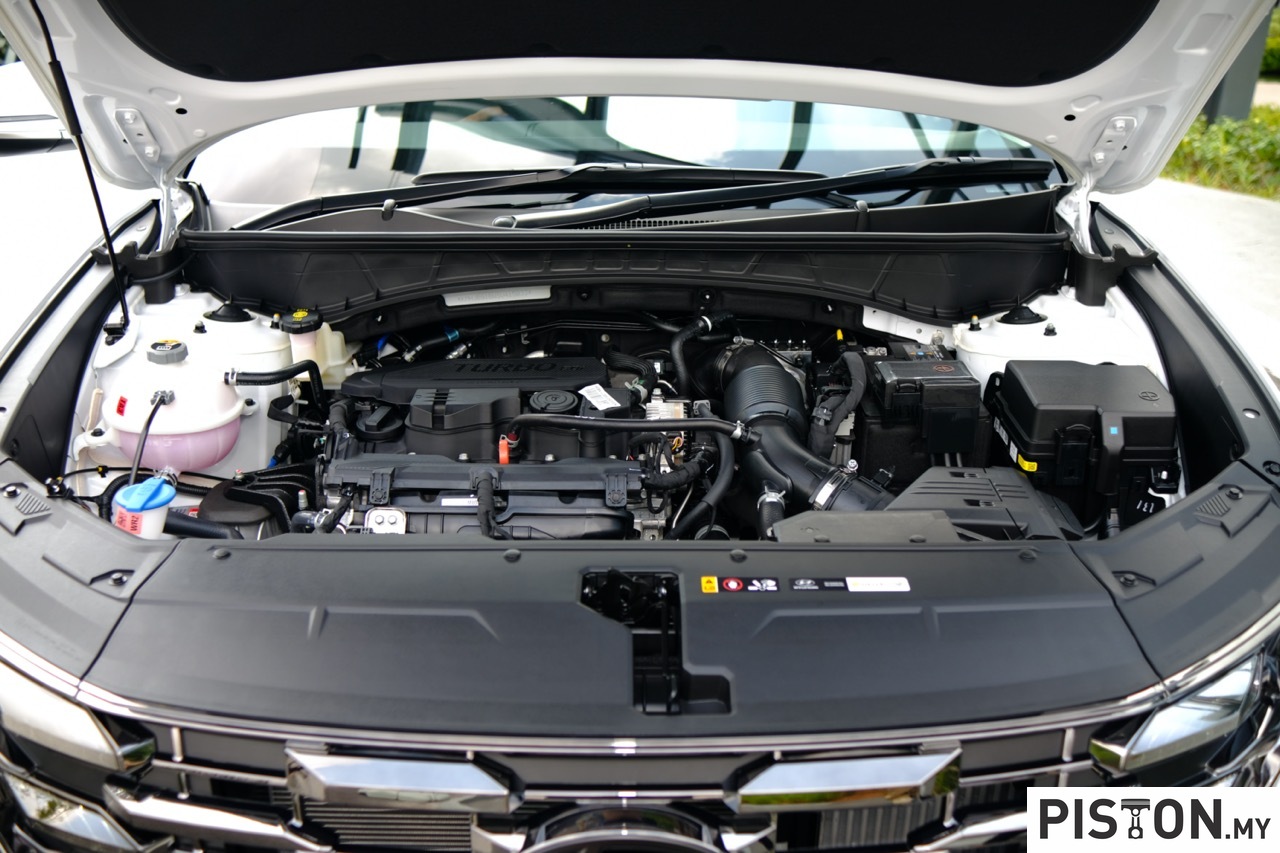
Powertrain options now cater to a broader spectrum of drivers. The entry-level Style variant features a 2.0-litre naturally aspirated petrol engine that delivers 156PS and 192Nm of torque, coupled to a 6-speed automatic transmission. For those seeking greater responsiveness, the Prime and Prestige models offer a 1.6-litre turbocharged engine that generates 180PS and 264Nm, mated to a 7-speed dual-clutch transmission.

In a significant step forward, Hyundai has also introduced a hybrid version under the Prestige badge. This model pairs the same 1.6-litre turbocharged engine with an electric motor, resulting in a combined output of 235PS. Power is delivered via a conventional 6-speed automatic gearbox, and the inclusion of all-wheel drive ensures enhanced traction and flexibility for varied road conditions, appealing to buyers who want performance and efficiency without compromise.

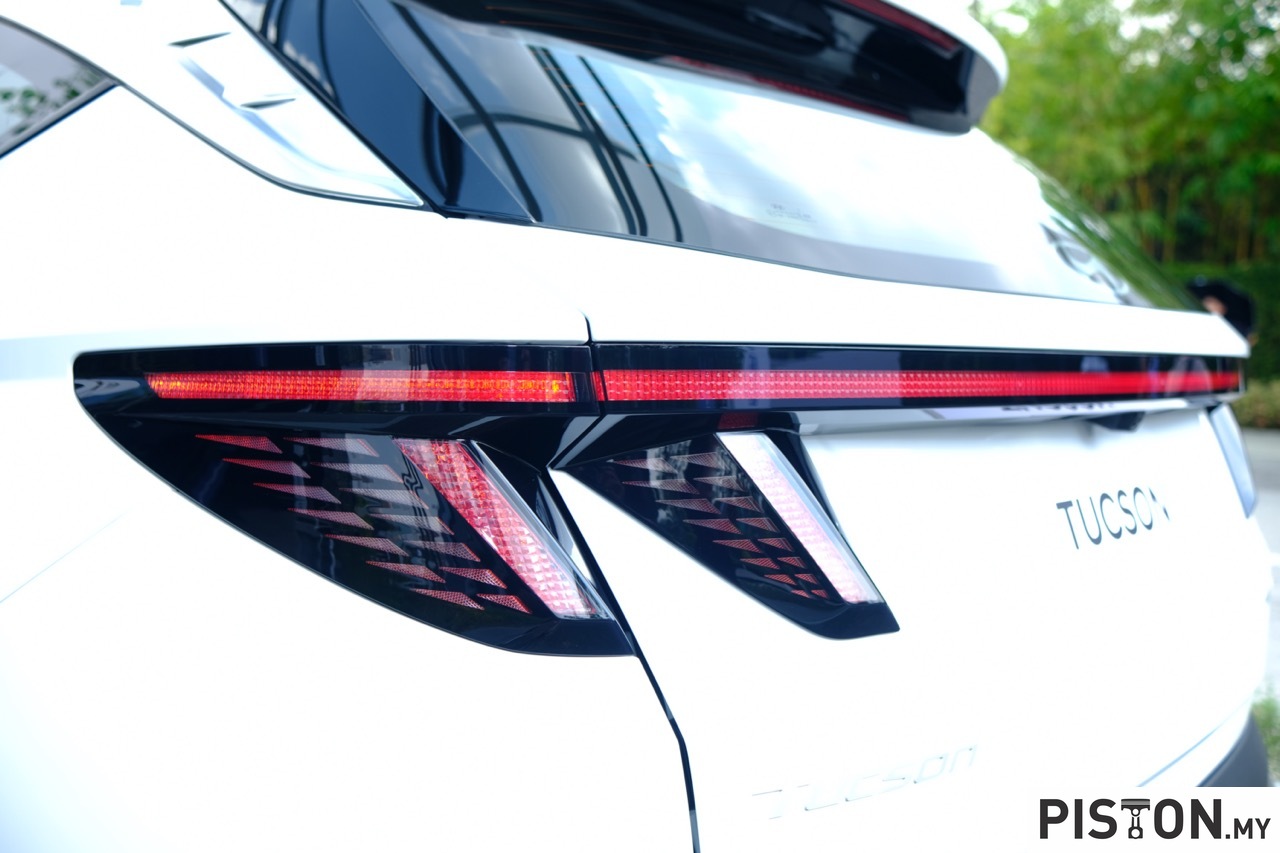
Externally, the new Tucson makes a strong visual impression. The front end is dominated by Hyundai’s Parametric Jewel Lighting integrated into the sharply styled radiator grille. Design refinements continue to the rear, where a neatly concealed rear wiper and a restyled emblem further distinguish the SUV’s bold silhouette. Fuel tank capacities vary slightly by variant, with petrol models offering 54 litres, while the hybrid model carries a 52-litre tank.

Hyundai has also placed significant emphasis on safety. Most advanced safety systems are available from the Prime trim upwards, regardless of powertrain. These include Forward Collision-Avoidance Assist with junction turning capability, Blind-Spot Collision-Avoidance Assist, and Smart Cruise Control that adapts to the flow of traffic. Additional features such as Lane Keeping Assist, Lane Following Assist, and Rear Cross-Traffic Collision-Avoidance are standard in the upper variants.
Prestige models benefit from an even more comprehensive safety suite. A Blind-Spot View Monitor projects live footage of blind spots onto the display when the turn signal is activated, while the Surround View Monitor offers a 360-degree overhead view to assist with parking in tight spaces.
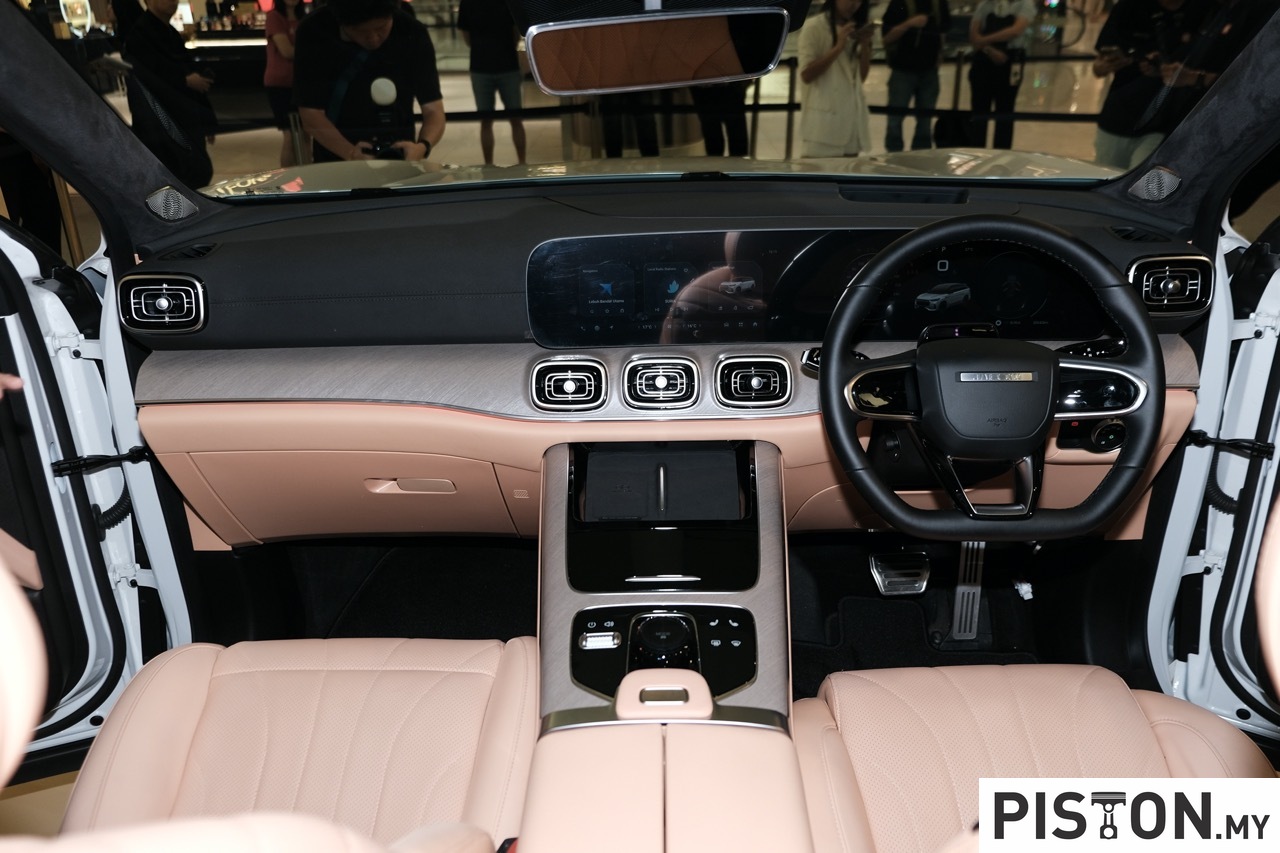
With this launch, Hyundai has delivered a compelling package in the new Tucson—balancing innovation, performance, and premium features. The introduction of the hybrid variant further solidifies the brand’s commitment to sustainability, while its tech-rich interior and cutting-edge safety systems ensure the Tucson remains a strong contender in its segment.

For the pricing, the new Tucson 2.0 Style is priced at RM143,888, the 1.6T Prime at RM164,888, the 1.6T Prestige at RM186,888 and the HEV Prestige at RM197,888.

For all customers, the SUV comes with an eight year, 160,000km vehicle warranty. Exclusive for the first 100 customers is an eight time free service for parts and labour.

Archive

Follow us on Facebook

Follow us on YouTube