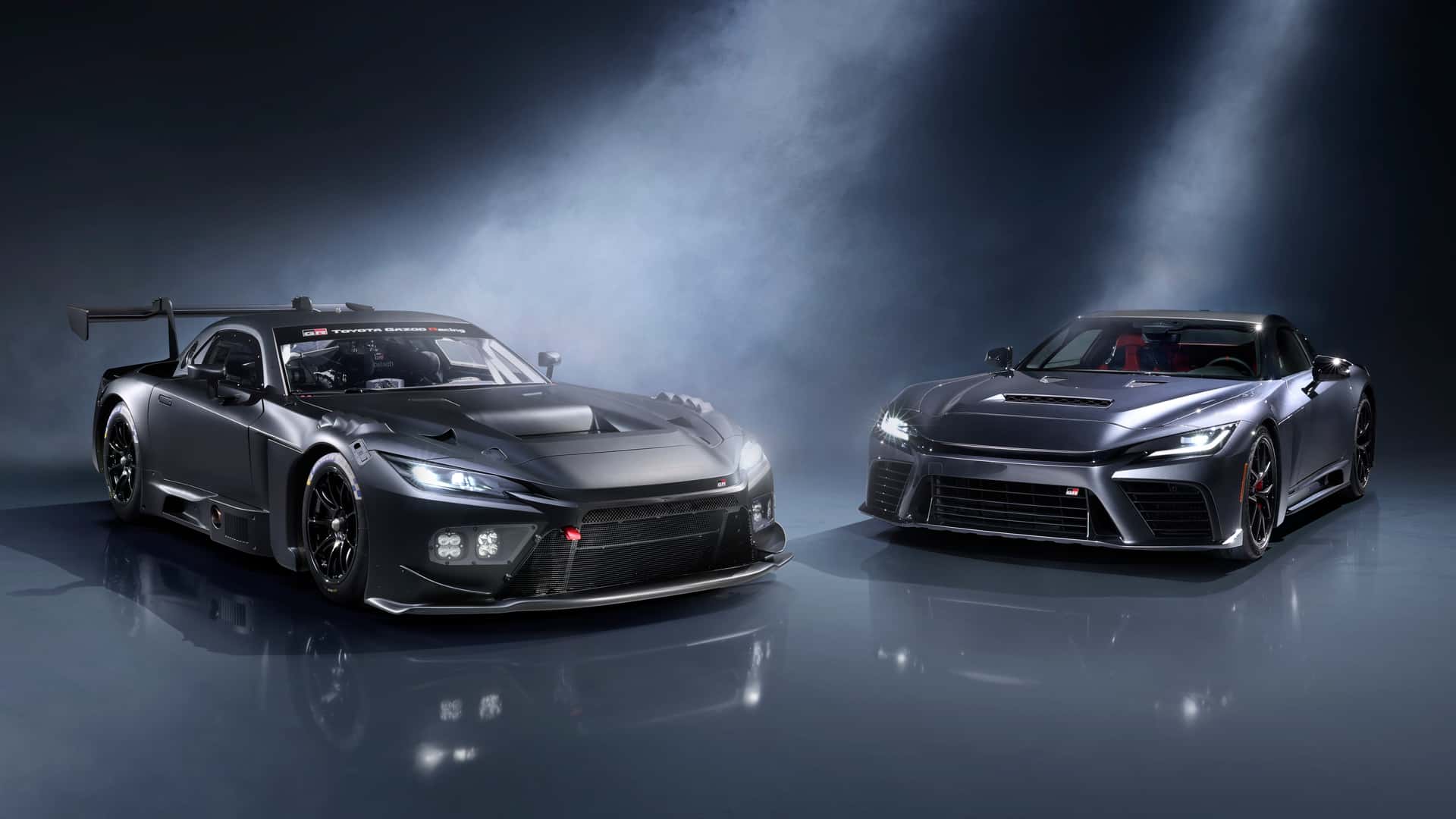
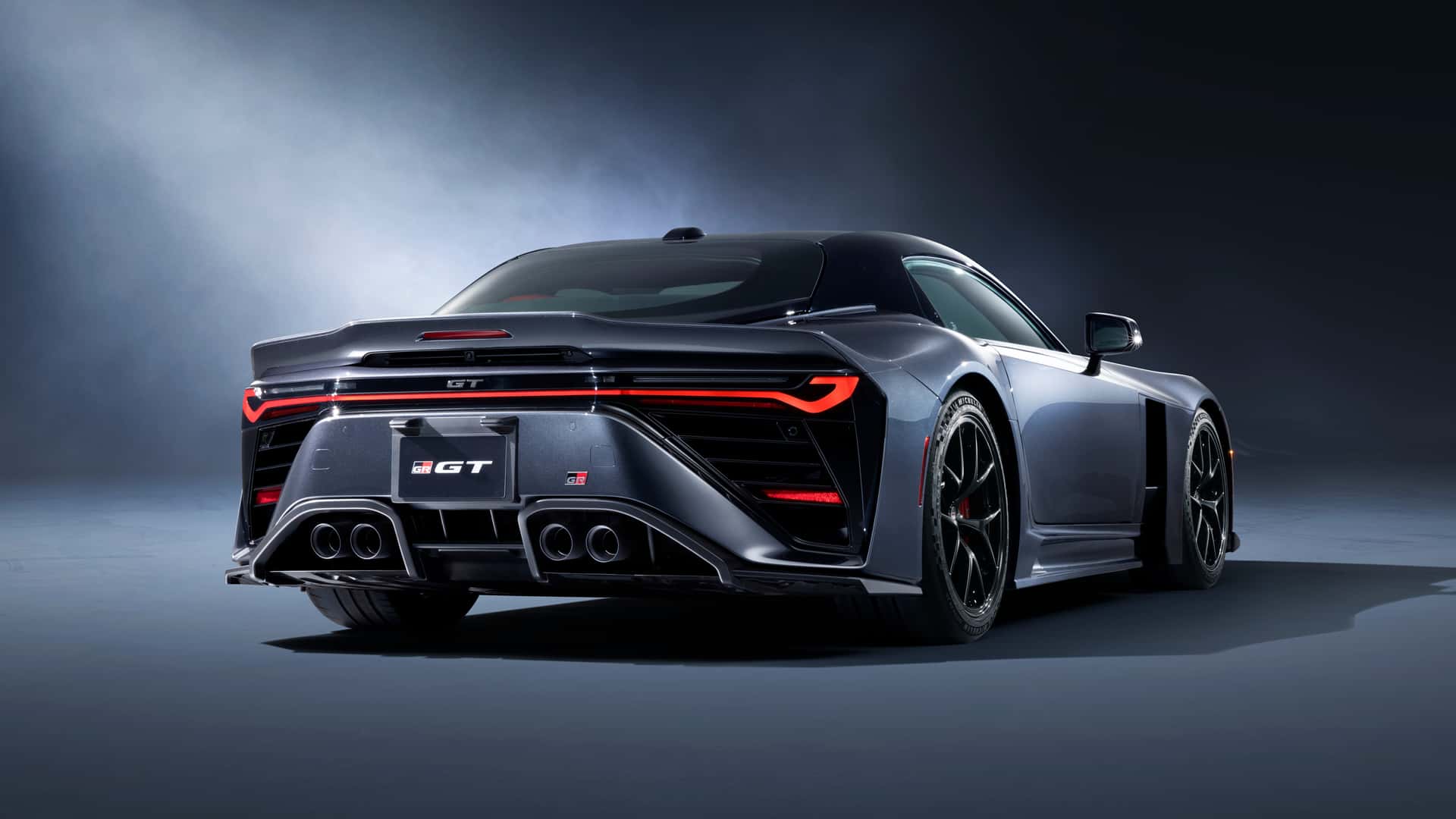
Toyota has announced its latest high-performance model, the GR GT, describing it as a road-legal machine shaped by motorsport engineering. It follows a lineage that began with the Toyota 2000GT and continued decades later with the Lexus LFA, marking a new milestone for the brand’s performance arm, Gazoo Racing.
Development of the GR GT was guided by three priorities: achieving a very low centre of gravity, reducing overall weight, and creating a rigid structure to support aerodynamic efficiency. Early figures suggest Toyota has committed to these goals. The car is expected to produce at least 640hp, its centre of gravity sits strikingly low, and the structure uses Toyota’s first all-aluminium frame to keep weight down.
Power comes from a newly developed twin-turbo V8 paired with a single electric motor mounted within the transaxle. Toyota is targeting a minimum of 640hp and 850Nm of torque, all channelled to the rear wheels through an eight-speed automatic gearbox. Toyota stresses that these figures represent baseline targets for the prototype, hinting that the production version may exceed them.
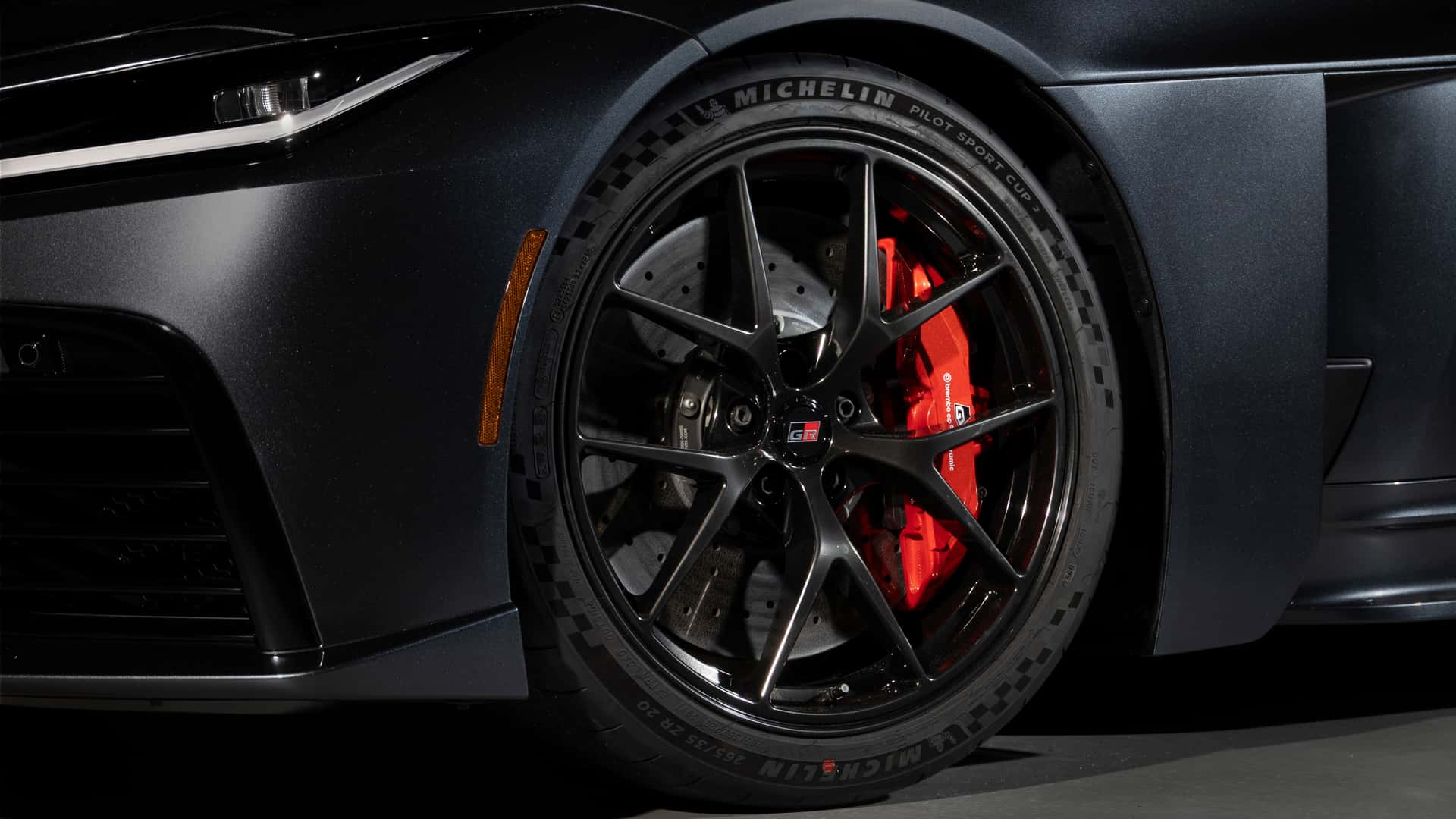
The GR GT’s chassis marks a first for Toyota: a fully aluminium frame, combined with exterior panels made from aluminium and carbon fibre-reinforced plastic. The focus on weight reduction brings a series of benefits, including improved stability, sharper responses, and more effective aerodynamics. Carbon-ceramic brakes and 20-inch wheels wrapped in Michelin Pilot Sport Cup 2 tyres—325-section at the rear—complete the package.
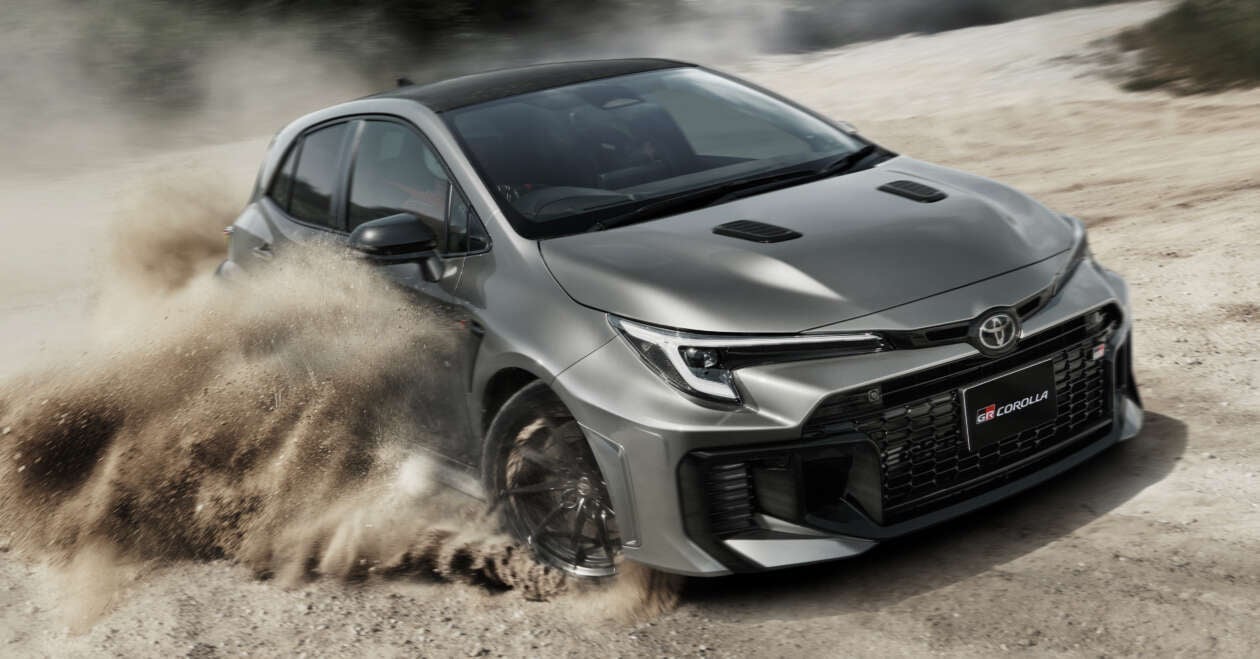
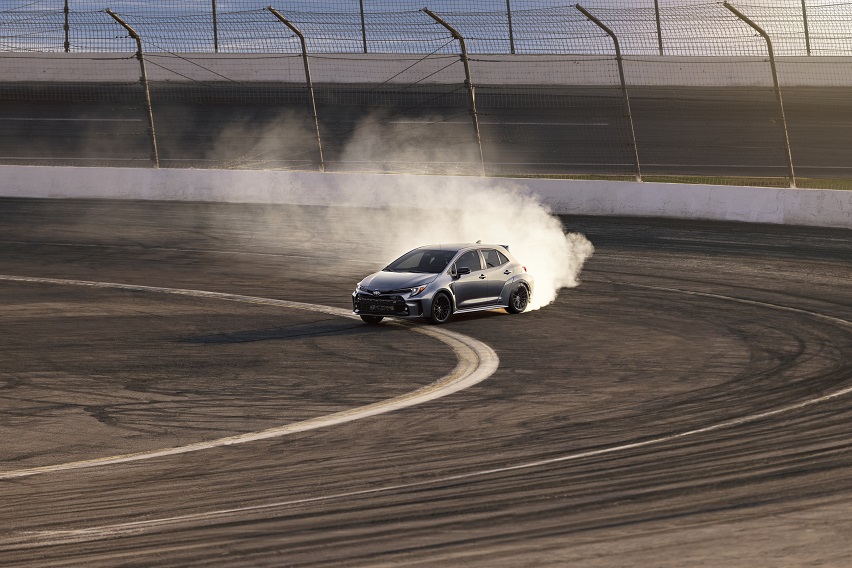
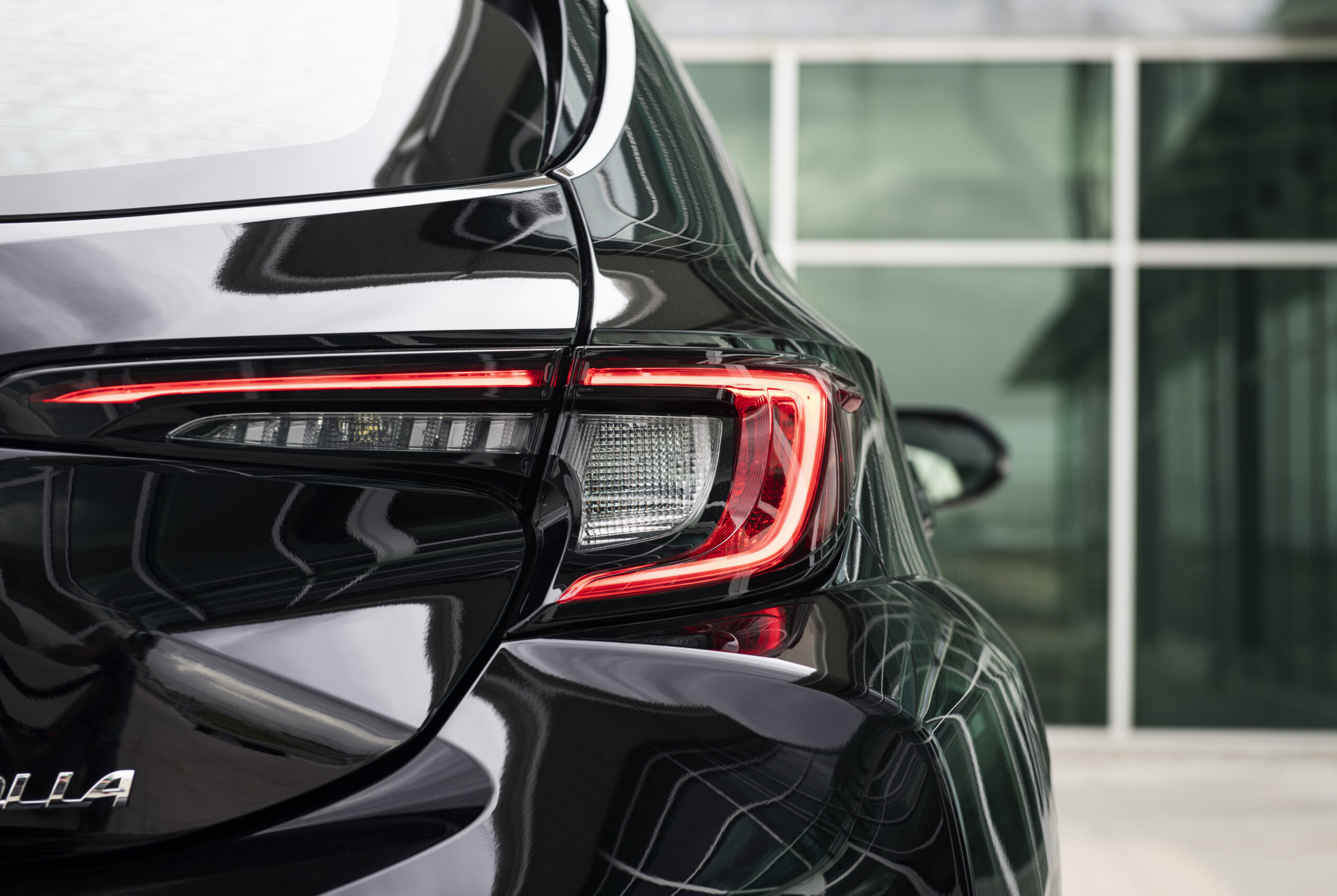
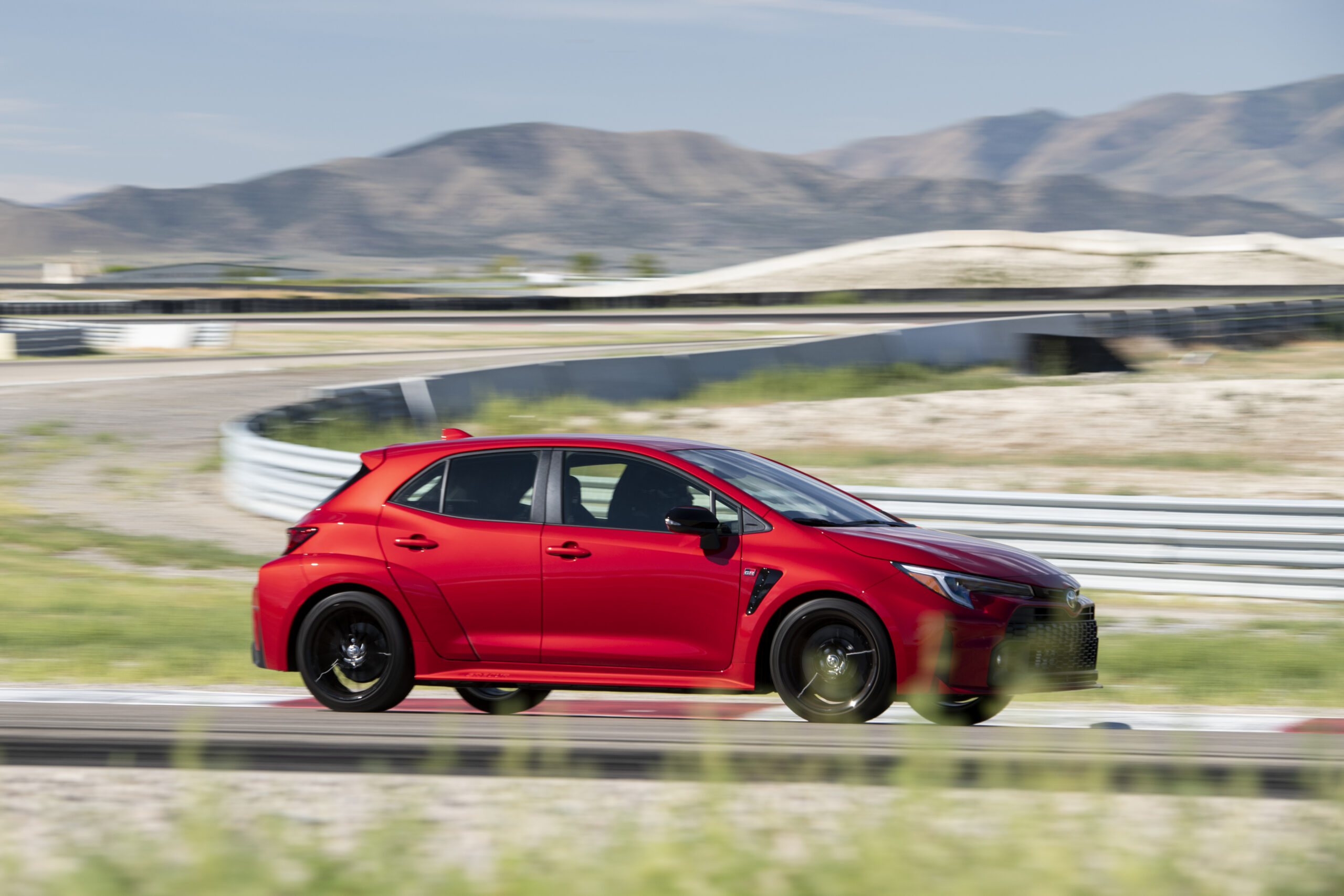
Toyota Gazoo Racing (TGR) telah memperkenalkan versi terkini GR Corolla, dengan tempahan kini dibuka di pengedar Toyota di Jepun menjelang pelancaran rasmi pada 3 November. Model hot hatch ini menerima pelbagai penambahbaikan dari segi struktur, sistem penyejukan, serta pengalaman pemanduan, menjadikannya lebih mantap berbanding edisi sebelumnya.
Naik Taraf Struktur dan Penyejukan
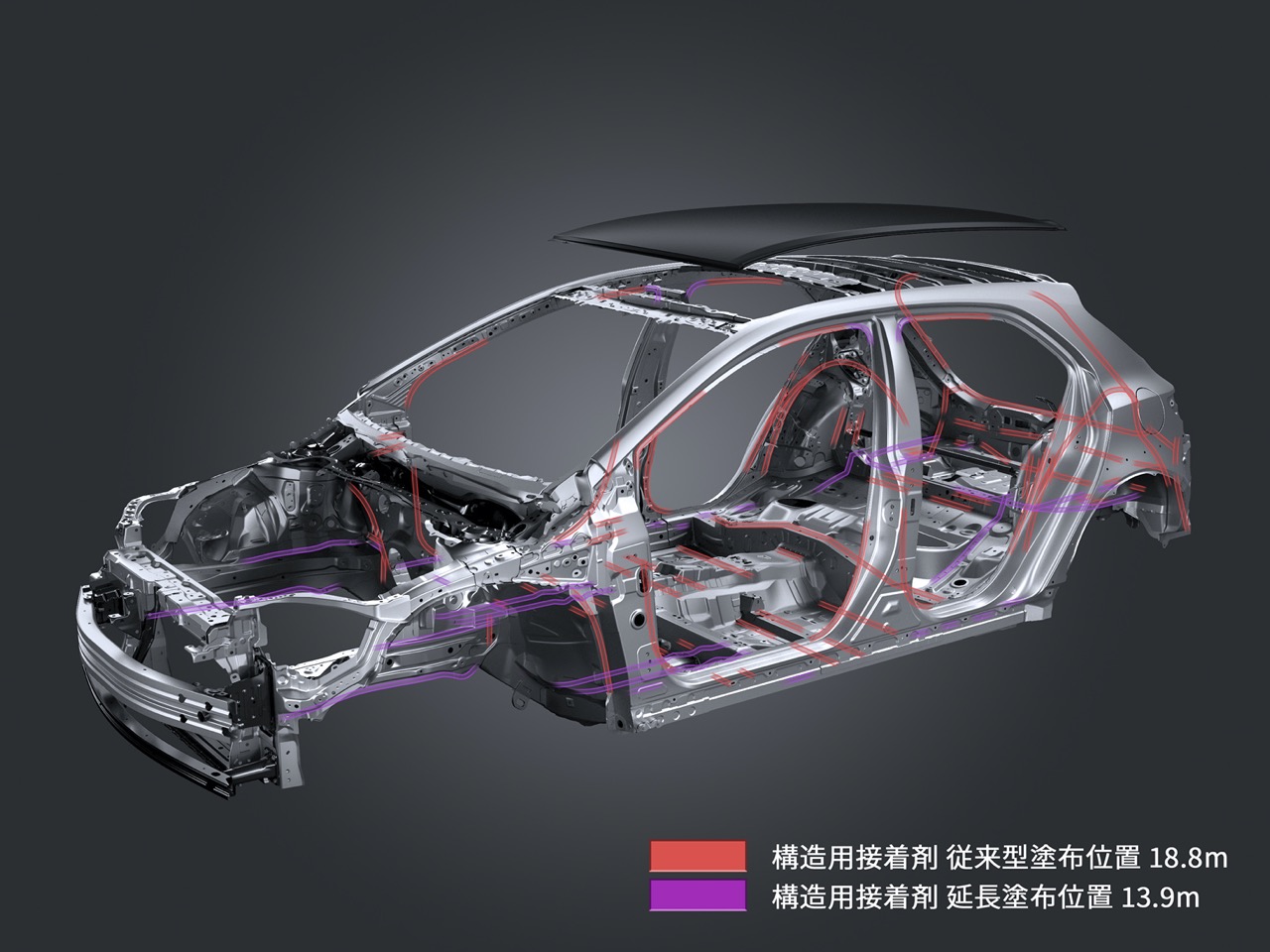
GR Corolla baharu kini lebih tegar hasil penggunaan pelekat struktur sepanjang 32.7 meter pada casis – tambahan hampir 14 meter berbanding model terdahulu. Bahagian yang diperkukuh termasuk kawasan hadapan, lantai, dan ruang roda belakang. Naik taraf ini meningkatkan kekuatan badan tanpa menambah berat berlebihan, sekaligus memastikan kestabilan sama ada di jalan raya mahupun di litar.
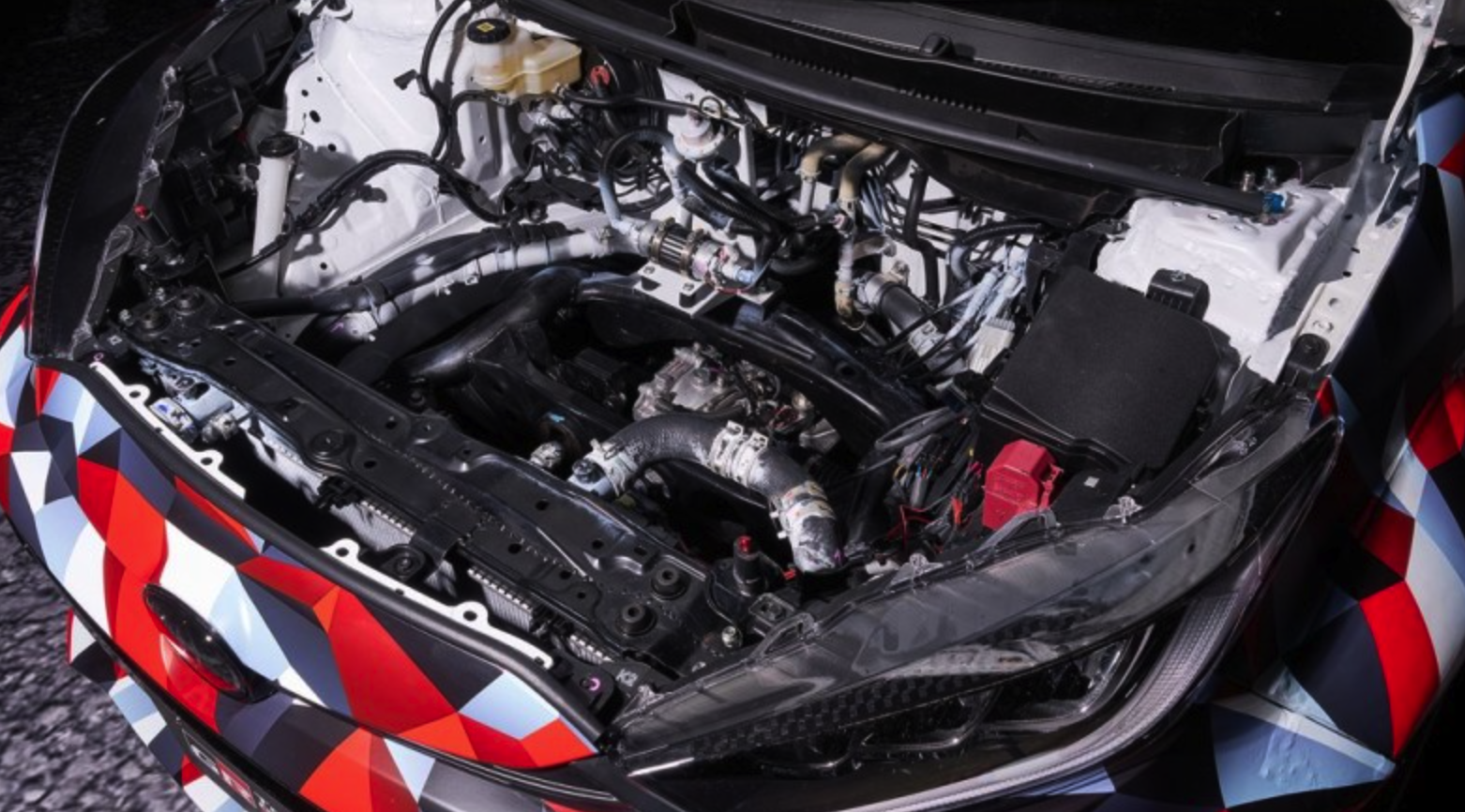
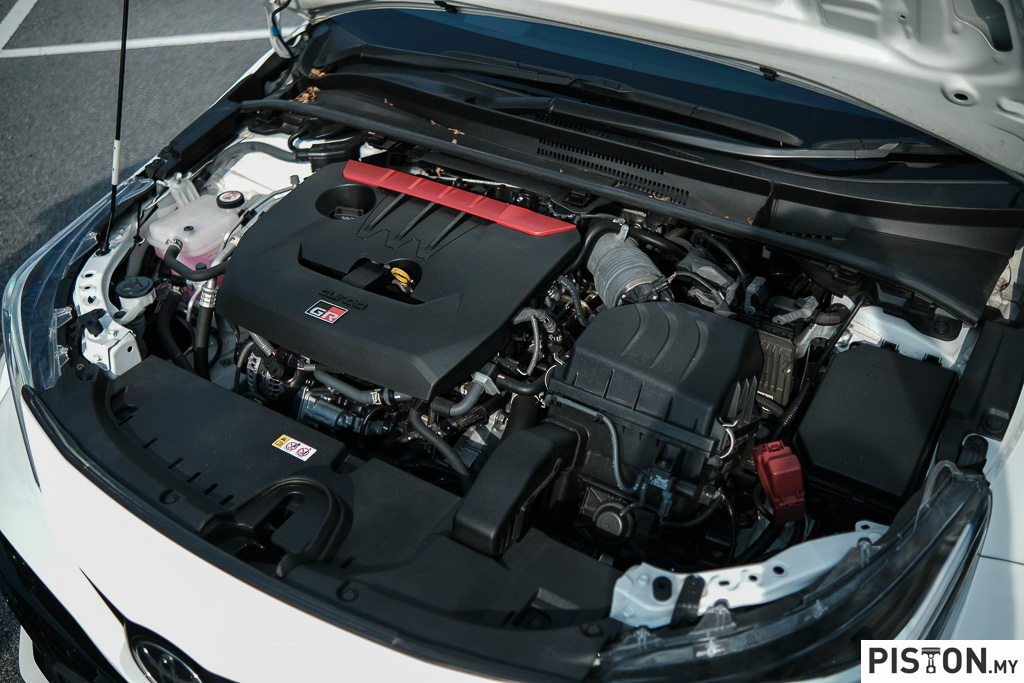
Bagi mengekalkan prestasi enjin di bawah beban tinggi, Toyota menambah saluran penyejuk berkelajuan tinggi pada sistem pengambilan udara. Saluran ini menarik udara sejuk terus dari gril hadapan untuk menurunkan suhu kemasukan, memastikan enjin 1.6 liter turbo G16E-GTS terus konsisten menghasilkan kuasa maksimum walaupun ketika pemanduan agresif.
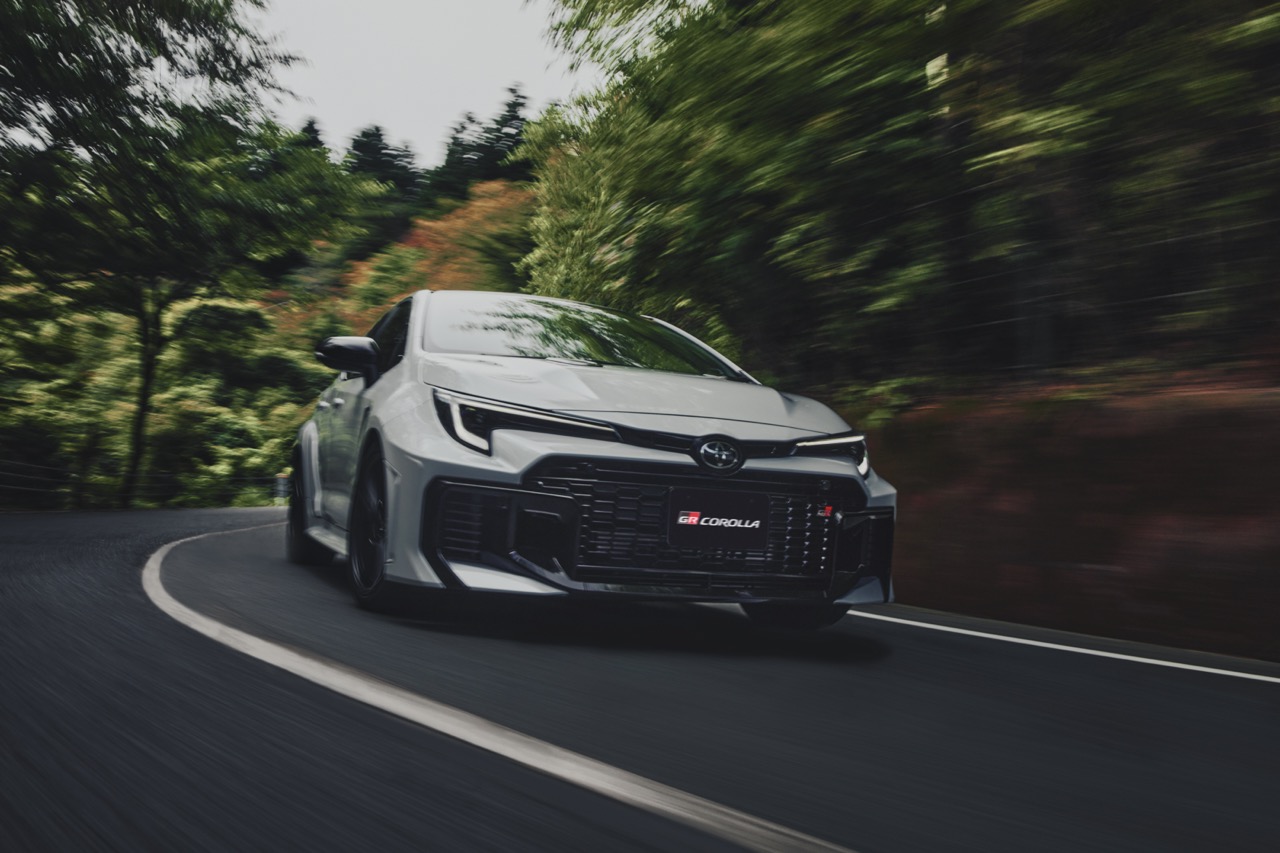
Toyota Gazoo Racing (TGR) has introduced an updated version of the GR Corolla, with orders now available at Toyota dealers in Japan, ahead of sales commencing on November 3.
Structural and Cooling Upgrades
The revised GR Corolla comes with a stiffer body and improved intake cooling. Structural adhesive now extends to 32.7 metres of the chassis—almost 14 metres more than before—mainly around the front, floor, and rear wheel wells. This makes the body more rigid without adding significant weight, helping the car remain composed whether on city streets or race circuits.
To ensure stable performance under heavy load, Toyota has added a high-speed cooling duct to the intake system. By pulling cool air directly from the grille, the duct lowers intake temperatures during sustained hard driving, keeping the 1.6-litre G16E-GTS turbo engine performing consistently at full output.
Toyota terus menunjukkan komitmen dalam meningkatkan model prestasinya apabila GR Yaris menerima kemas kini menyeluruh bagi tahun 2025, lima tahun selepas model berasaskan rali ini mula diperkenalkan. Selepas menerima penampilan baharu pada awal 2024, evolusi terkini memperkenalkan pelbagai penambahbaikan dari segi aerodinamik, aspek mekanikal dan sistem keselamatan, sekali gus mengukuhkan kedudukan GR Yaris sebagai antara hatchback prestasi terbaik dalam segmennya.
Antara pembaharuan paling menonjol ialah sayap belakang baharu yang boleh dilaraskan, direka khusus untuk meningkatkan kestabilan pada kelajuan tinggi serta kecekapan sistem brek. Sayap ini merupakan sebahagian daripada kit badan enam keping yang dibangunkan khas untuk pemanduan di litar. Toyota turut memberi tumpuan terhadap pengoptimuman aerodinamik keseluruhan kenderaan, mengambil inspirasi daripada model edisi terhad GRMN.
Toyota terus memperkembangkan teknologi hibridnya dalam segmen kenderaan berprestasi tinggi menerusi sub-jenama Gazoo Racing (GR). Langkah ini diambil bagi memastikan pematuhan terhadap peraturan pelepasan global yang semakin ketat tanpa mengorbankan prestasi. Menurut laporan terkini, model kereta sport GR generasi akan datang bakal dilengkapi dengan rangkaian kuasa hibrid yang dibangunkan daripada enjin baharu yang sedang menjalani ujian intensif.
Enjin Baharu G20E sebagai Teras Pembangunan
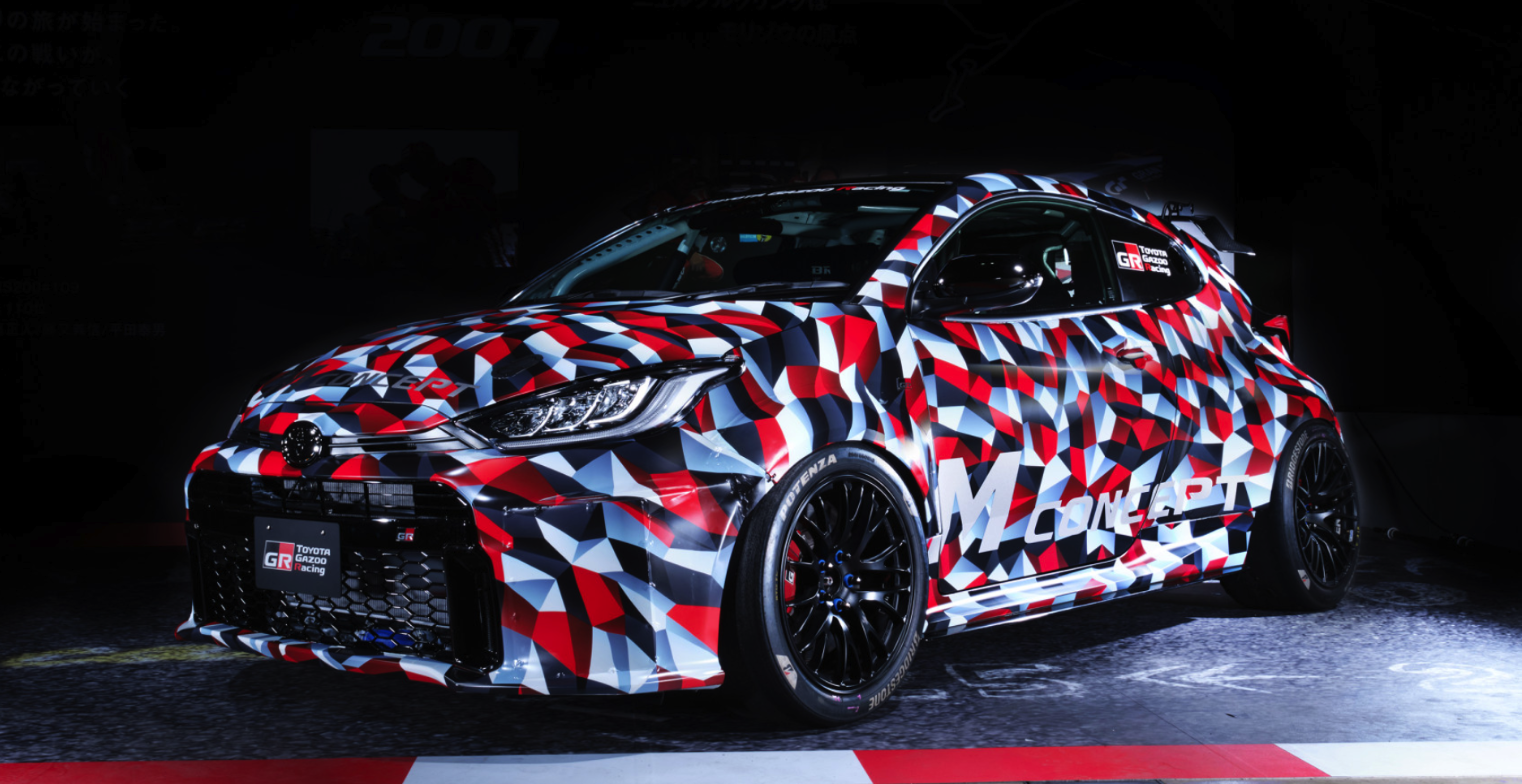
Fokus utama dalam pembangunan ini adalah enjin pengecas turbo empat silinder 2.0 liter yang baru direka, dikenali dengan kod G20E. Enjin ini pertama kali diperkenalkan dalam Konsep GR Yaris M yang menampilkan enjin tengah dan dibangunkan untuk menyokong konfigurasi hibrid plug-in serta hibrid ringan.
Toyota telah mengoptimumkan G20E dengan lejang omboh yang lebih pendek, menjadikannya lebih padat dan ringan berbanding enjin konvensional. Walaupun spesifikasi rasmi masih belum diumumkan, sumber industri menjangkakan bahawa versi jalan raya enjin ini mampu menghasilkan lebih 400hp dan 500Nm tork. Dalam aplikasi sukan permotoran pula, kuasa enjin ini dijangka melebihi 600hp.
Toyota mengukuhkan komitmennya untuk mengekalkan pengalaman pemanduan menerusi penggunaan transmisi manual, bagi memastikan peminat setia yang mengutamakan kawalan penuh dalam penukaran gear terus menikmati pilihan ini dalam barisan model mereka.
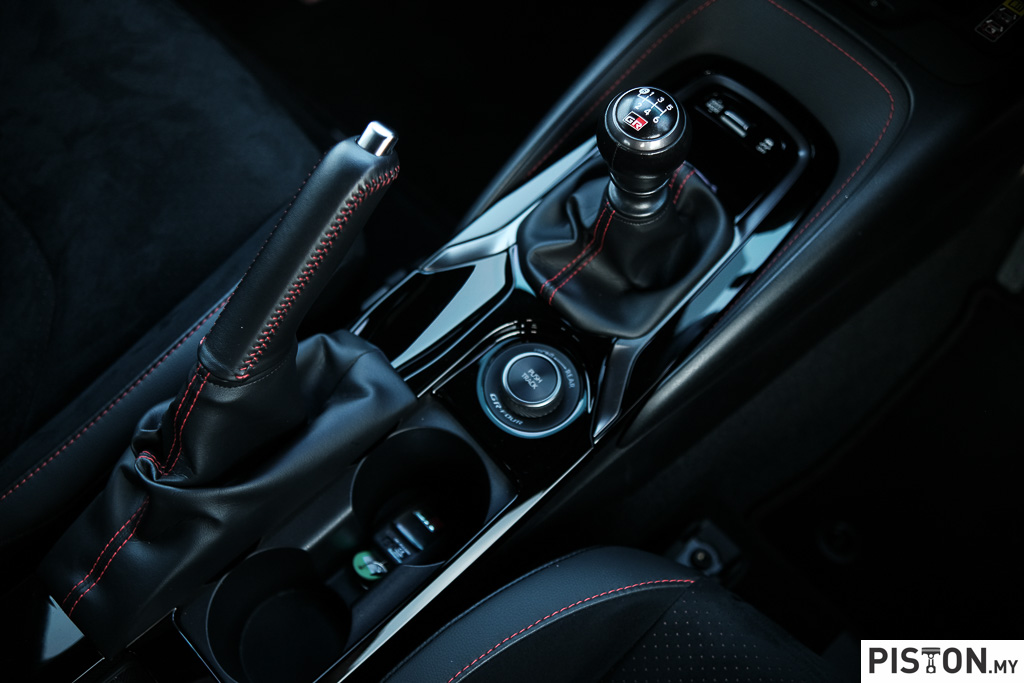
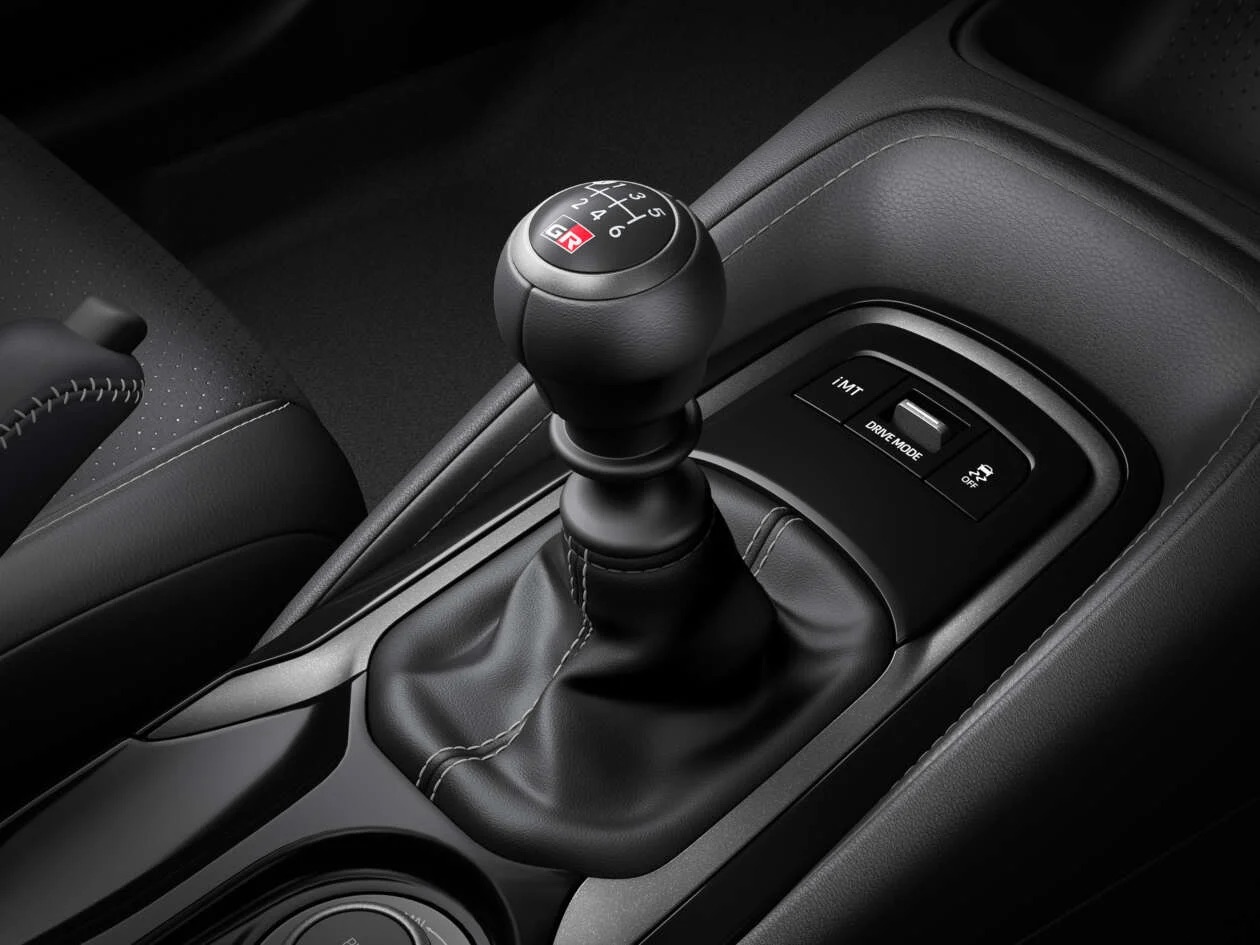
Ketika ini, model seperti GR86, GR Supra, GR Yaris dan GR Corolla hadir dengan pilihan transmisi manual enam kelajuan, dipadankan secara eksklusif bersama enjin pembakaran dalaman berkuasa petrol. Toyota menegaskan bahawa tiada perancangan untuk meninggalkan formula tradisional ini dalam masa terdekat, malah terus memberi fokus terhadap memenuhi kehendak pemandu sejati yang mengutamakan keterlibatan pemanduan maksimum.
Naib Presiden Jualan dan Pemasaran Toyota Australia, Sean Hanley, turut mengesahkan dedikasi berterusan Toyota dalam menyediakan kenderaan berorientasikan peminat. Menurut beliau, permintaan terhadap kereta prestasi tinggi dengan transmisi manual kekal kukuh meskipun dalam era elektrifikasi yang semakin berkembang.
“Masih wujud ruang untuk memuaskan hati pencinta kereta berprestasi tegar,” ujar Hanley. “Enjin pembakaran dalaman dan transmisi manual akan terus bertahan dalam tempoh yang panjang.”
Toyota remains committed to preserving the manual transmission experience, ensuring that enthusiasts who prefer the tactile engagement of self-shifting gears can continue to find it in the brand’s lineup. Currently, models such as the GR86, GR Supra, GR Yaris, and GR Corolla all feature six-speed manual transmissions paired exclusively with petrol power. For now, Toyota has no plans to abandon this formula, with a strong focus on catering to driving purists.
According to reports, Sean Hanley, Toyota Australia’s Vice President of Sales and Marketing, reaffirmed the brand’s dedication to delivering enthusiast-oriented vehicles. Hanley expressed confidence in the ongoing demand for cars that prioritise driving engagement, especially those powered by internal combustion engines with manual gearboxes.
“There is still room to satisfy dyed-in-the-wool performance car lovers,” Hanley said, emphasising that combustion engines and manual transmissions “will be around for a long, long time.”
Hanley made it clear that Toyota’s performance-oriented GR sub-brand will continue to lead the charge in this space. With an existing portfolio already offering several manual-equipped models, GR remains the natural home for future petrol-powered performance cars. Hanley hinted at exciting developments within the GR lineup, referencing the Yaris M Concept, which features a mid-engine configuration. This concept has fuelled speculation that Toyota could soon revive the legendary MR2, signalling perhaps the most promising indication of its return in recent years.
There are a handful of cars that have come to define the enthusiasts of the 80s and 90s, and among the Skyline’s, Evolution’s and Impreza’s is the Supra.
Of course there are others as well such as the Mazda RX7 and Honda NSX, but one could argue that the four mentioned above are the ‘four heavenly kings’ of the era.
The Nissan Skyline needs no introduction and even the most self-confident Ferrari or Porsche driver will overtake one with caution. You don’t ever risk upsetting Godzilla, which, for the unaware, is what the Skyline GT-R is fondly known as.
The Skyline GT-R even dominated race series in Japan, America and in Europe. It was so quick that there are instances of race officials having to force the car to carry weight ballasts of up to 140kg just so that the competition had a chance of winning. Such bending of rules would have made the Verstappens proud.
The Mitsubishi Evolution and the Subaru Impreza made their name in the amazing world of rallying. In the hands of such legends as Colin McRae and Petter Solberg (among many others of course), Subaru was nearly untouchable in the World Rally Championship.
But Mitsubishi gave them a proper headache with the three-diamond marque having had its fair share of legends behind the wheel as well, such as Ari Vatanen and Tommi Makinen.
The Toyota Supra also made its name in motorsport but just like the Skyline, it competed in track events rather than in rallying. Though there have been instances where the Supra competed in rallying, however, it made a name for itself in sports car racing, particularly in the Japanese GT Championship, Super GT and even the iconic 24 hours of Le Mans.
The iconic sports car was born in 1978 as the Celica Supra. It got its name from the Toyota Celica, from which it also received its design inspiration. However, the Supra that gripped the world is the fourth-generation model which enthusiasts know as the Supra A80.
Despite its capabilities, the model was immortalised by pop culture when it appeared in the first instalment of the Fast & Furious movie franchise back in 2001. In the hands of Brian O’Conner (played by the late Paul Walker), the modified Supra out dragged and outclassed a Ferrari 355, and that not only sealed the Supra’s reputation, but also introduced it to a whole new generation of fans.
The fourth-generation Supra, or Mk4, was one of the finest sports car the world had ever seen, and just like the Nissan Skyline GT-R, it could do no wrong. Until the fifth-generation model was introduced in 2019, which is when all hell broke loose and the Supra went from the darling of sports cars, to arguably the most hated.
The fifth-generation Supra has been the subject of taunts, jokes and online hate ever since it was introduced. The negativity does not stem from the car or how it drives, in fact it drives rather nicely, and the design has aged quite well. But the hate stems from what underpins the car rather than the car itself.
Fans loved for the Supra for its design, the powertrain and of course, its performance. All of which was engineered and built in-house by Toyota.
And this is where the hate for the fifth-generation model stems from, the fact that it is not entirely made by Toyota but is a result of a collaboration between BMW and Toyota. The underbody for the Supra, the drivetrain, the electronics and even the interior fittings are all BMW. Only the design of the car and some of the performance bits are by Toyota.
In the modern world where billions are needed to create an entirely new model from scratch, it is quite understandable why Toyota would take that route. But for the enthusiast and keyboard warriors at home, it does not make sense. For some of them, it is more of a “make it a pure Toyota, or don’t make it at all”.
And after driving it quite extensively, I can see where the irritation comes from.
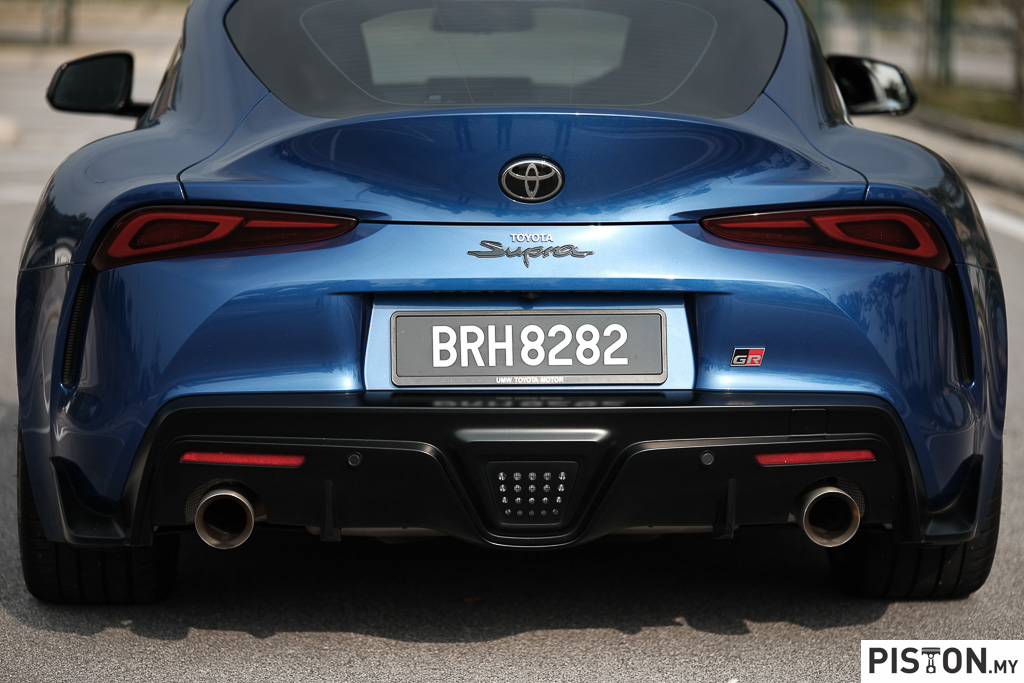
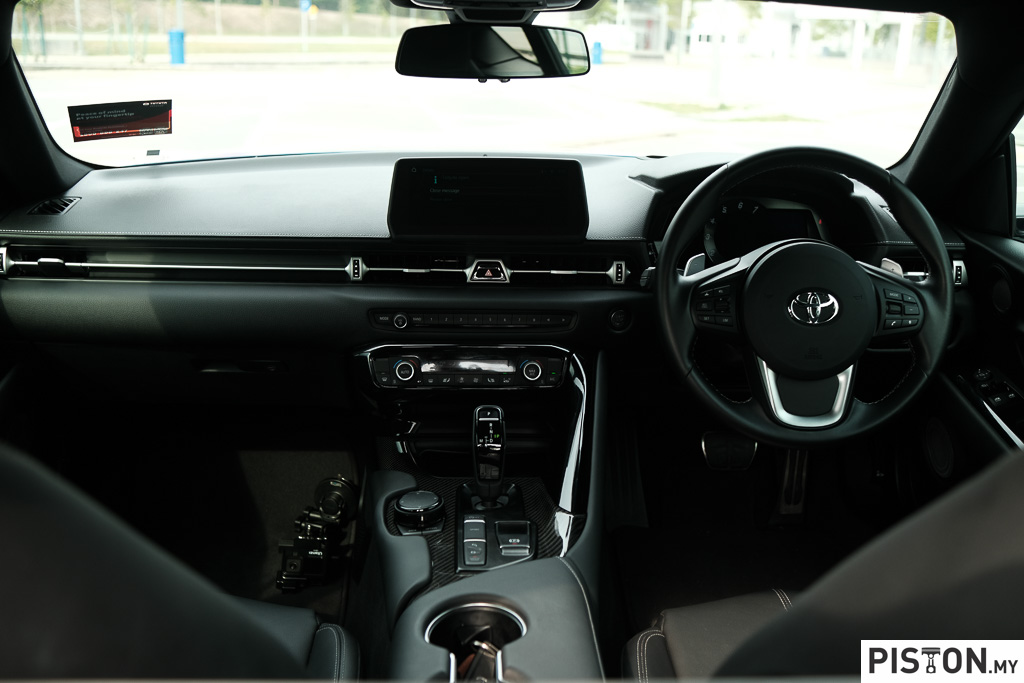
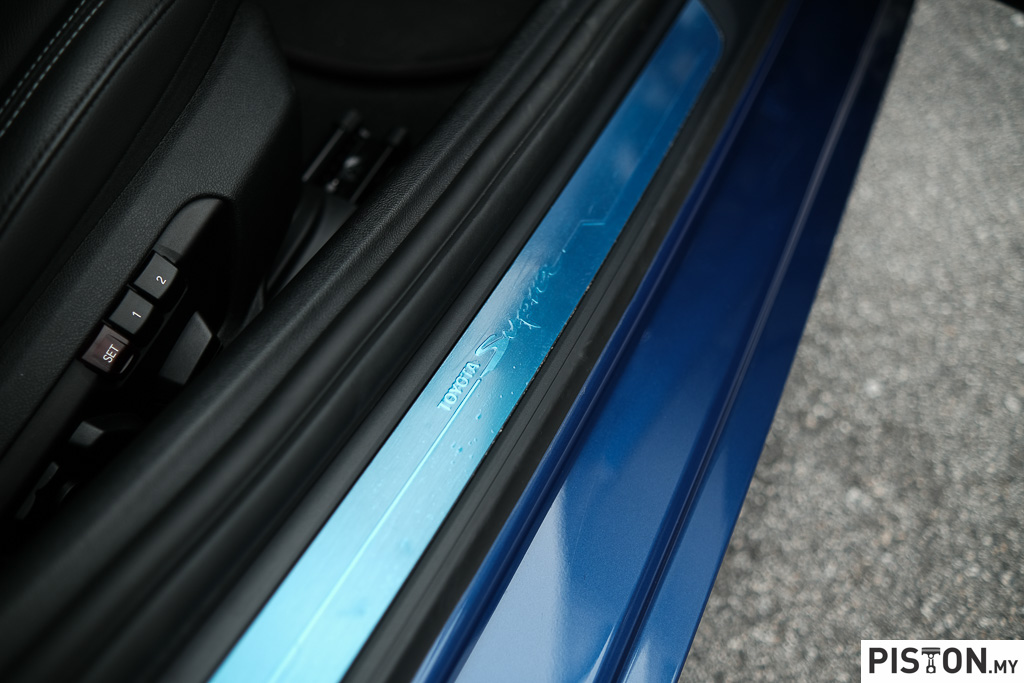
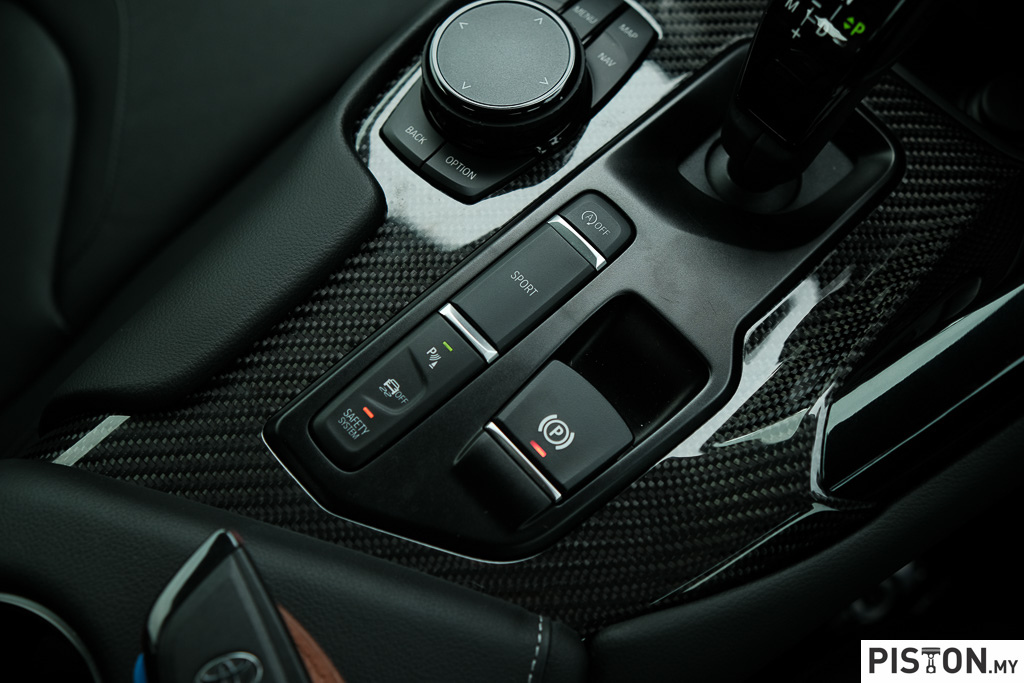
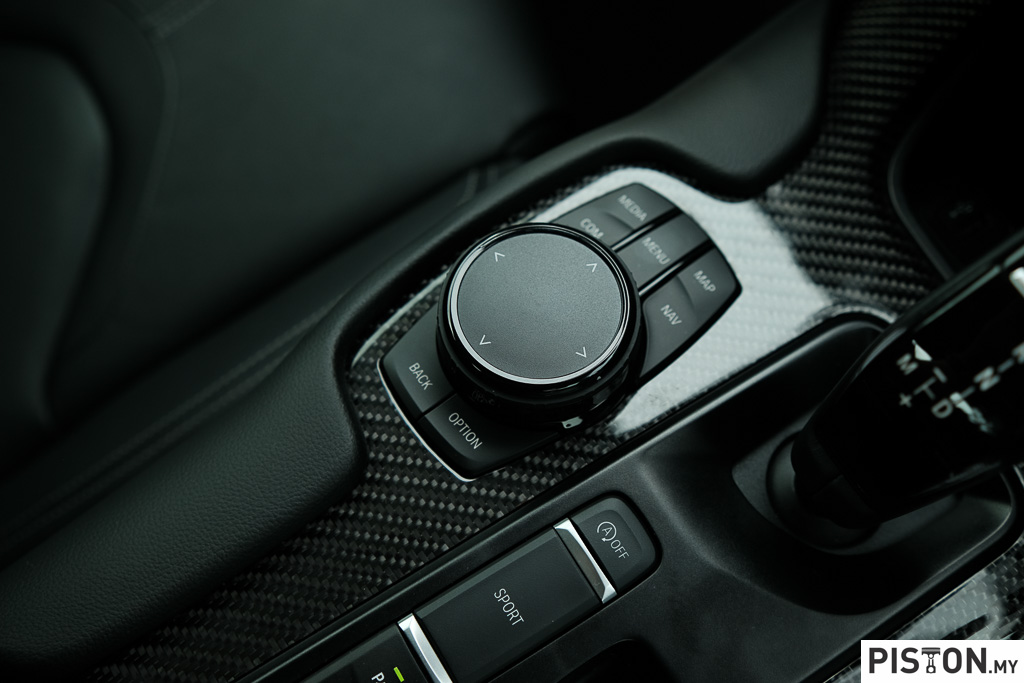
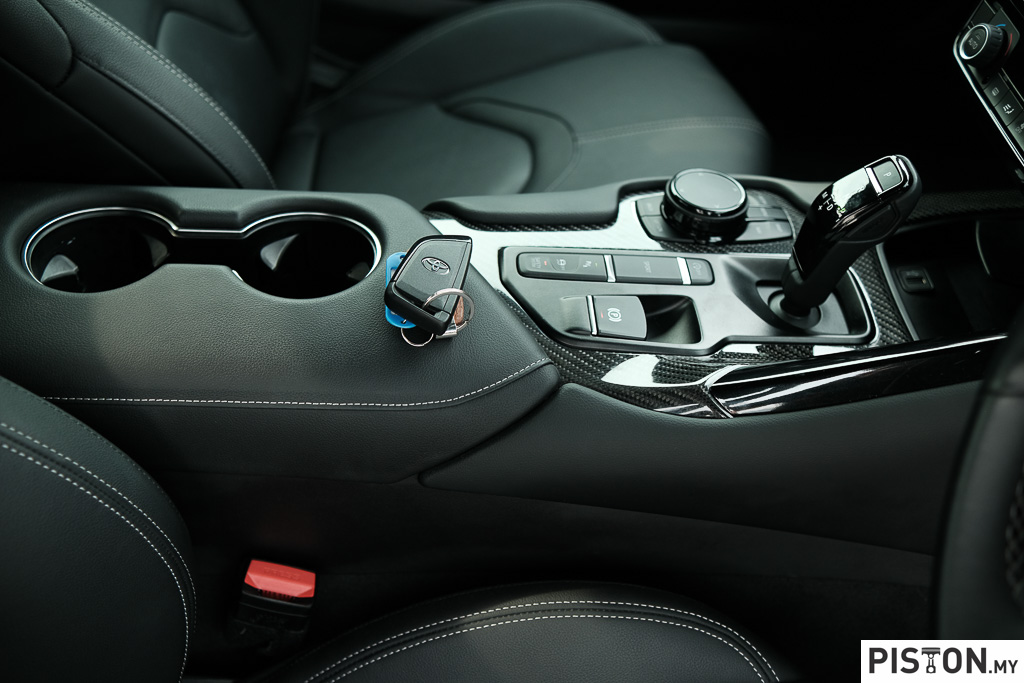
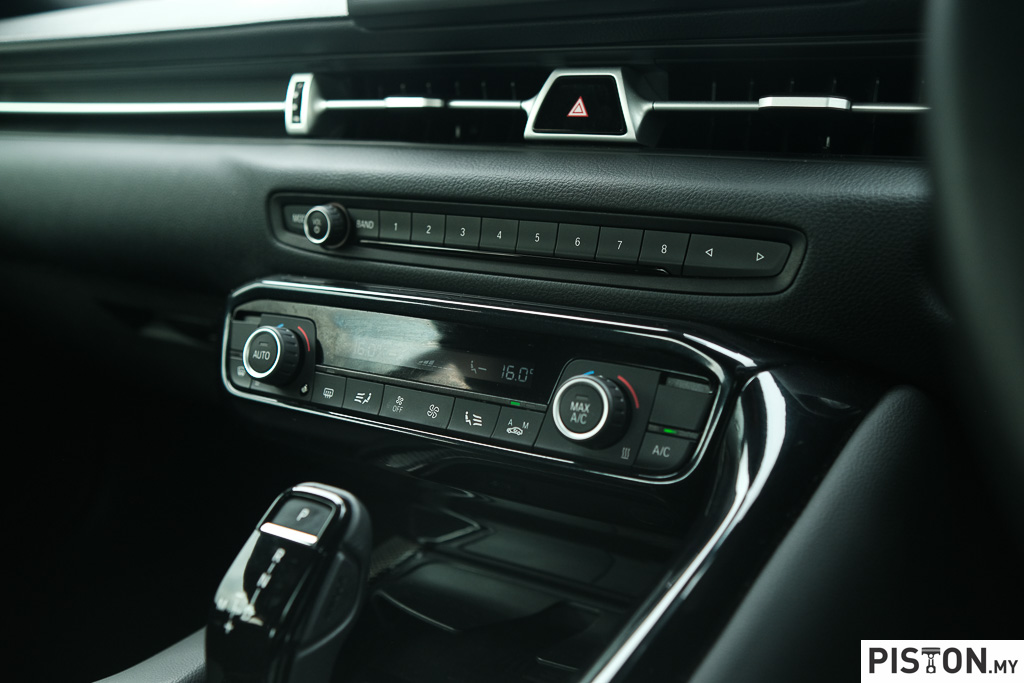
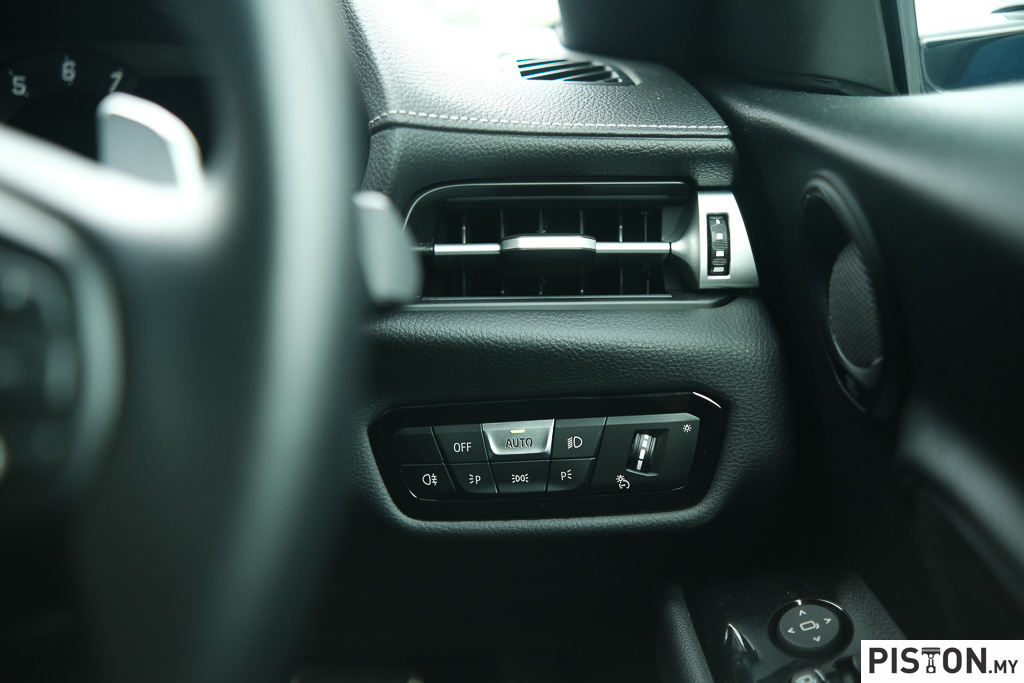
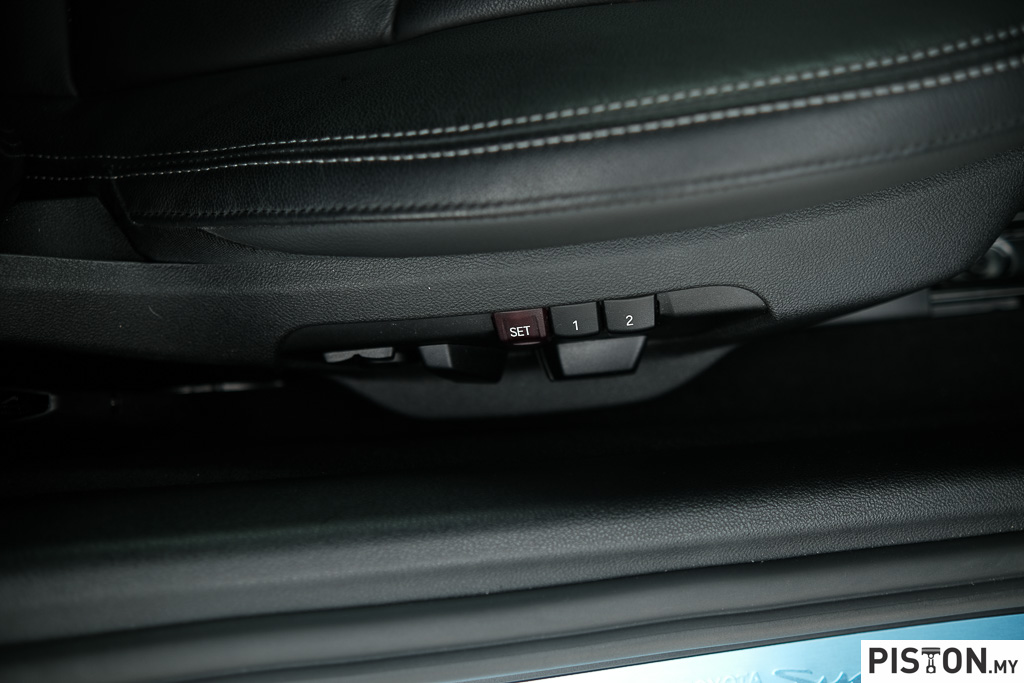
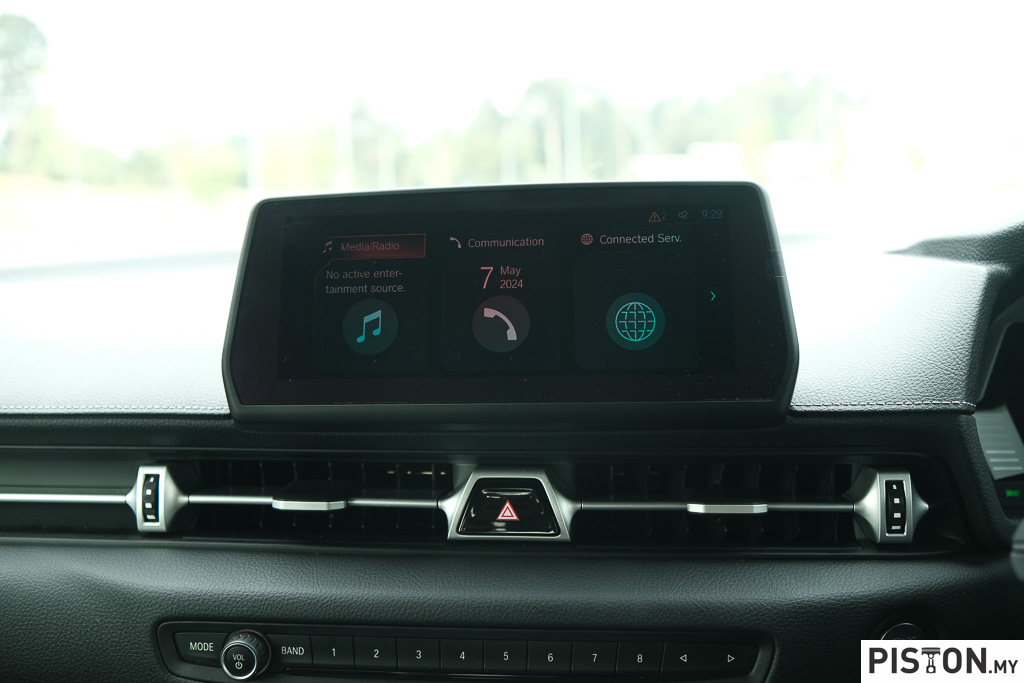
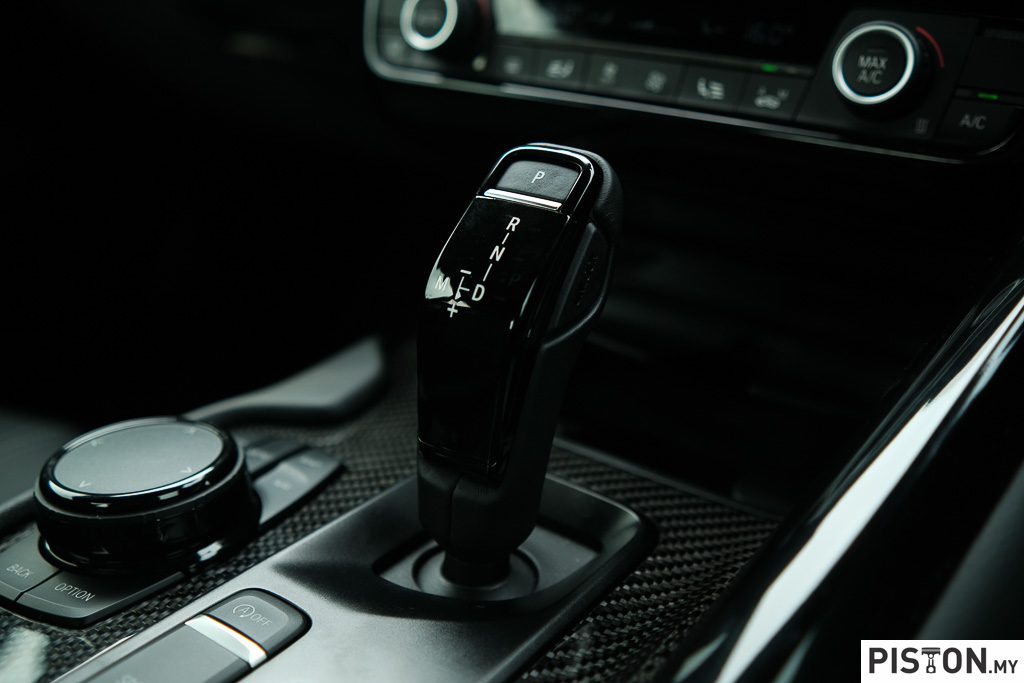
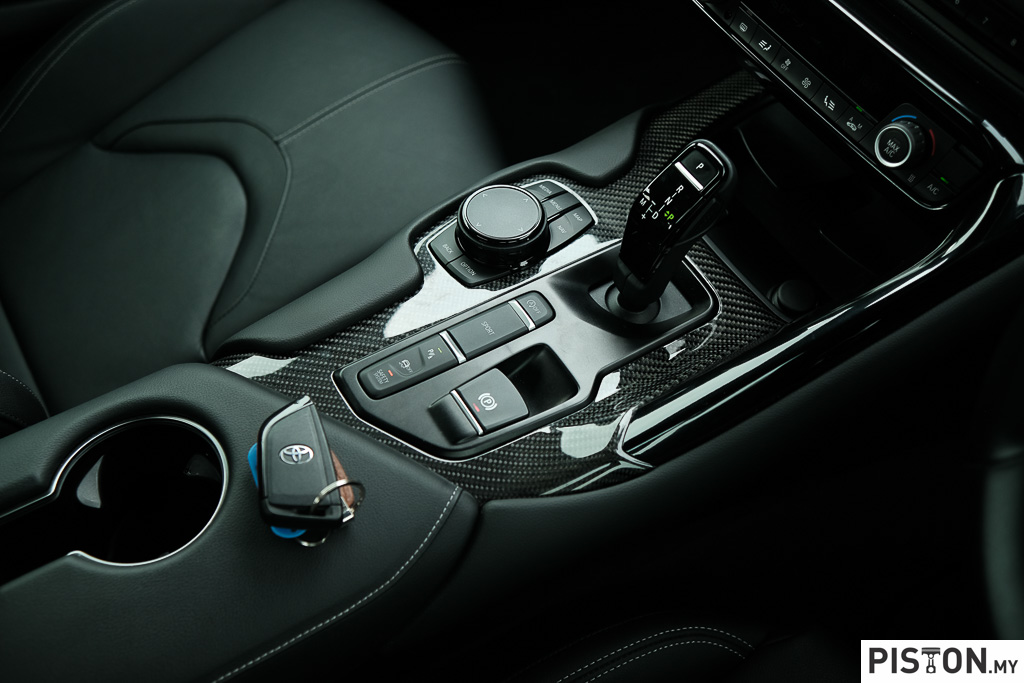
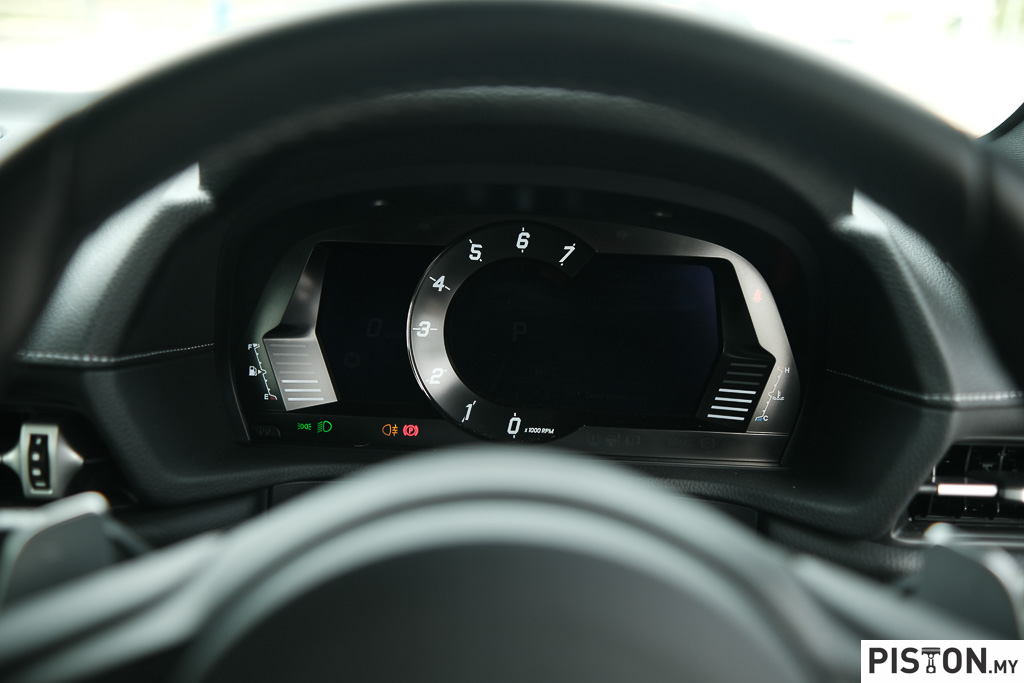
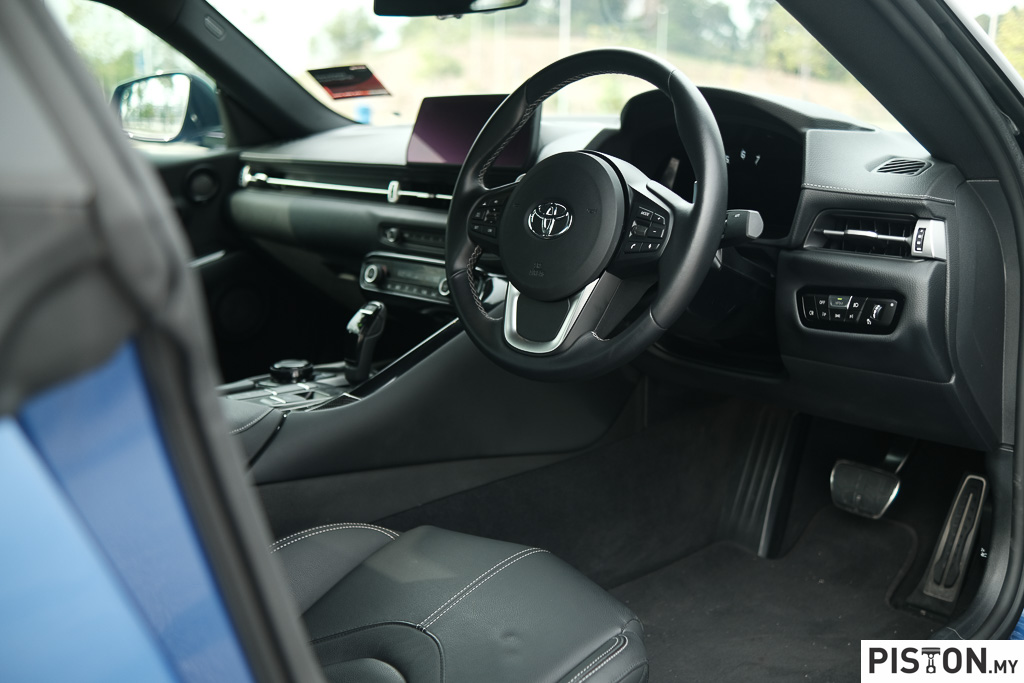
Toyota did very little to mask BMW’s presence around the car. You can spot BMW logos around the engine bay without breaking a sweat, the entire dashboard is identical to a Z4, the gear shifter and even the seats and their memory switches are by BMW.
Some argue that buyers are effectively paying for an over glorified BMW Z4, which curiously is built alongside the Supra in Austria by Magna Steyr.
However, it has been five years since the fifth-generation Supra was launched, and though there is still some glimmers of hate online in forums and comment sections, the Supra may just be starting to win some hearts.
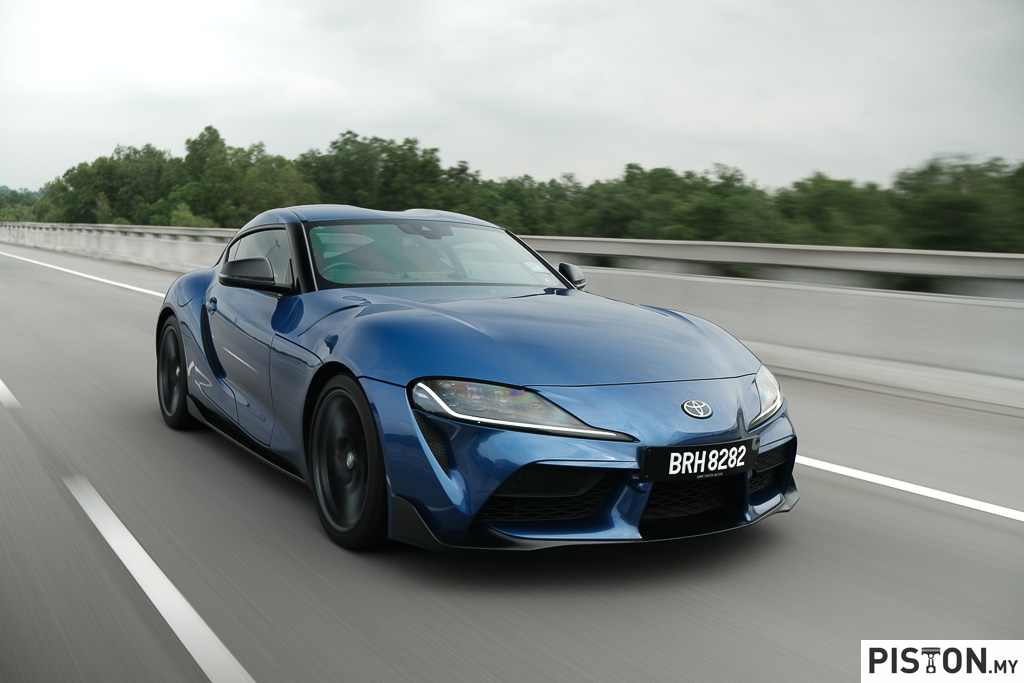
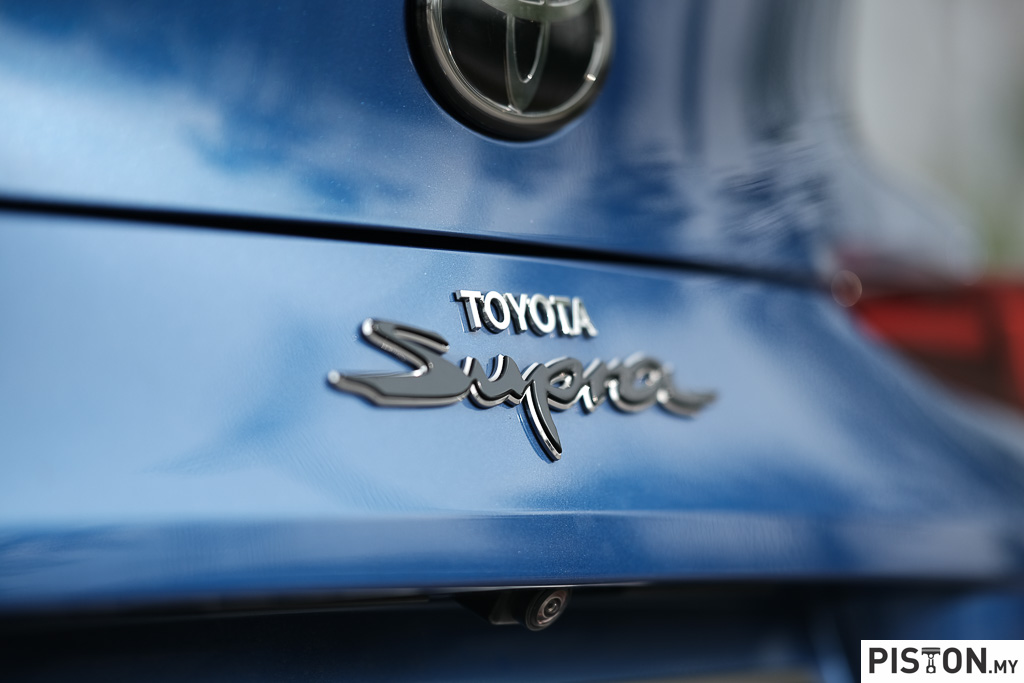
The GR Supra is the second coming of the fifth-generation Supra, and while the first was available with a two and 3.0-litre straight-six engine, the GR is only available with the six pot engine but now offers a choice of manual or automatic transmission.
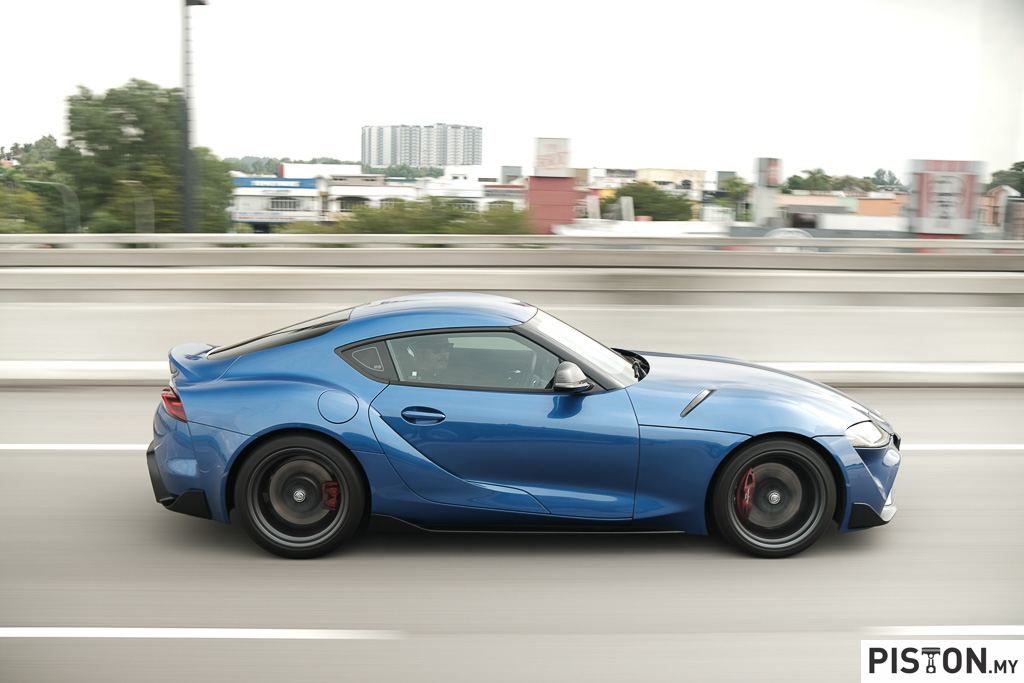
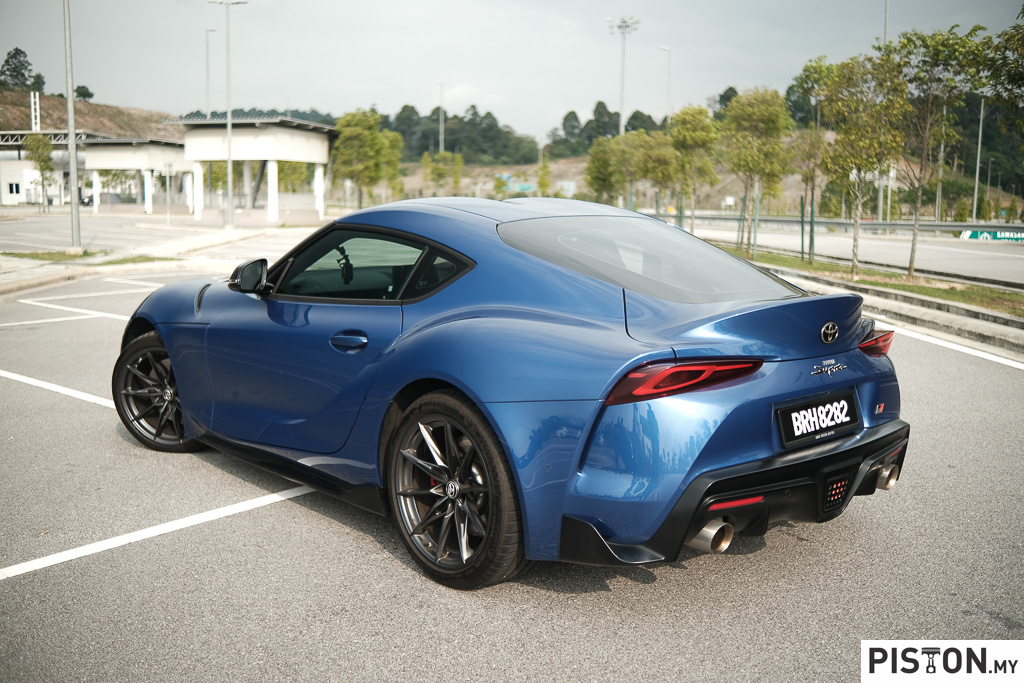
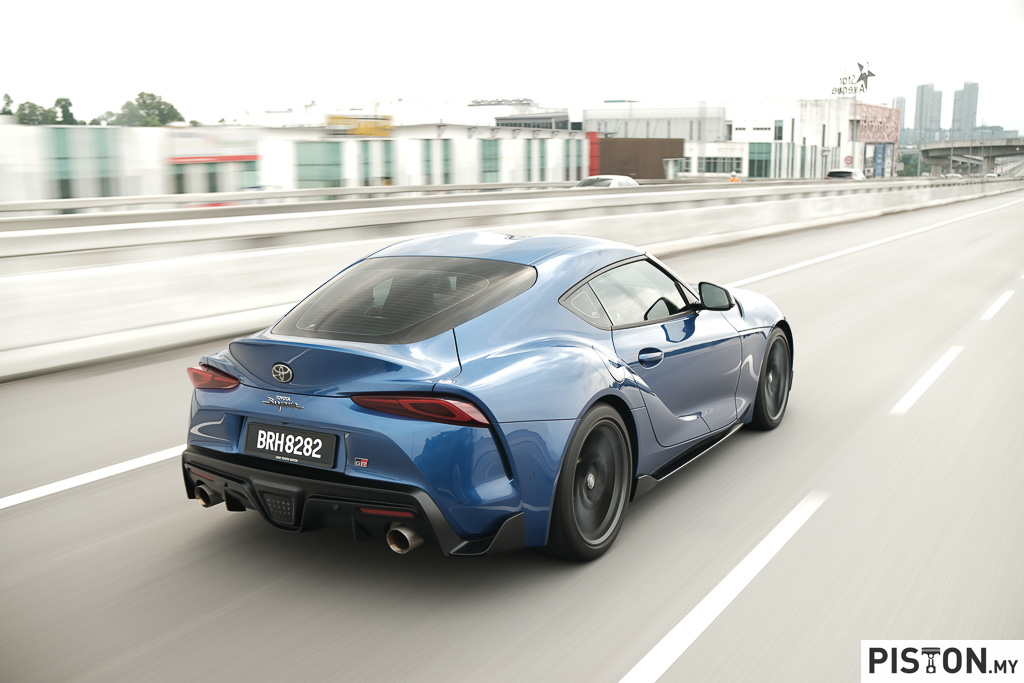
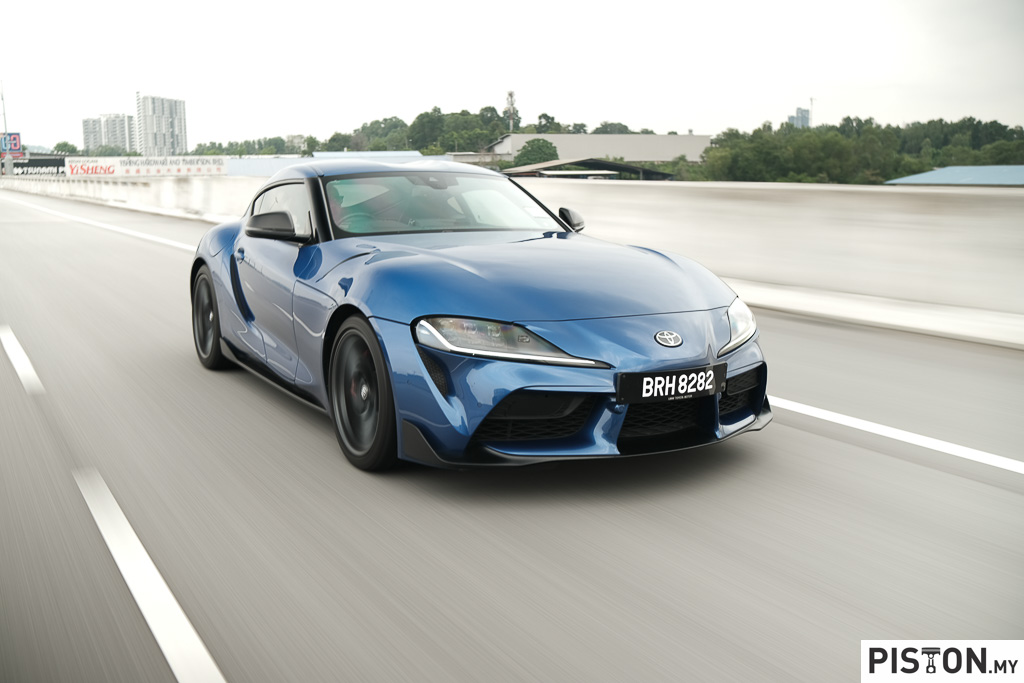
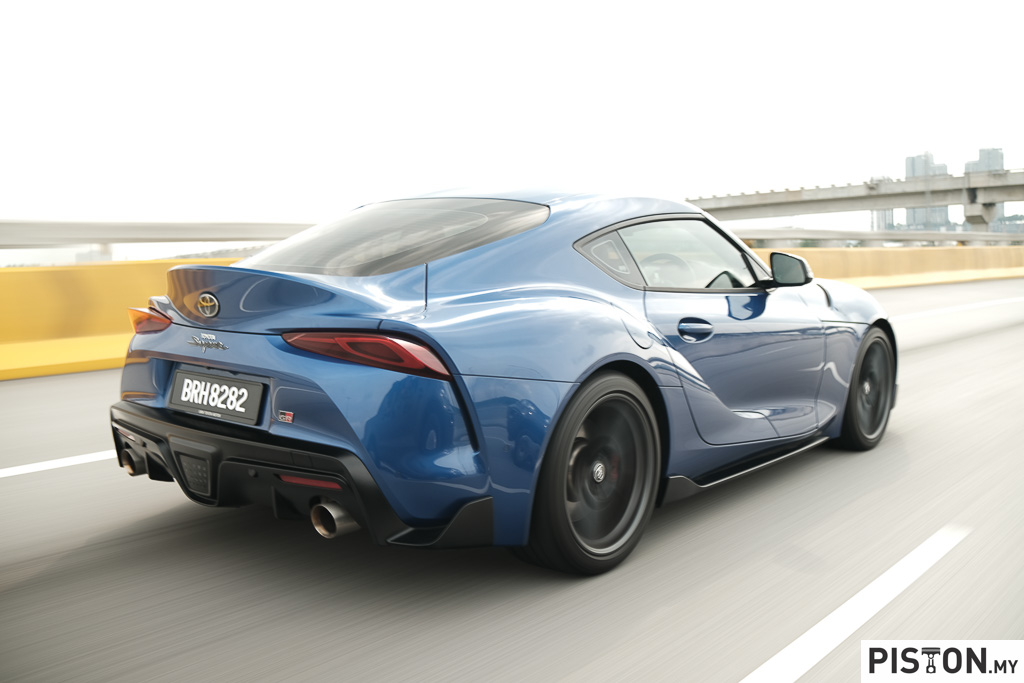
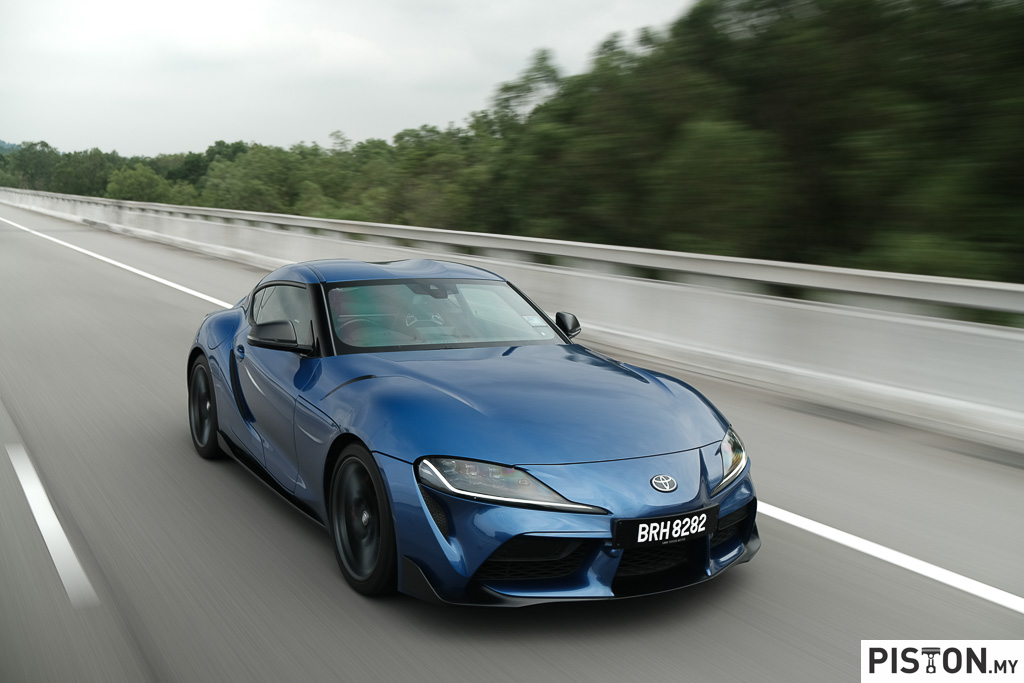
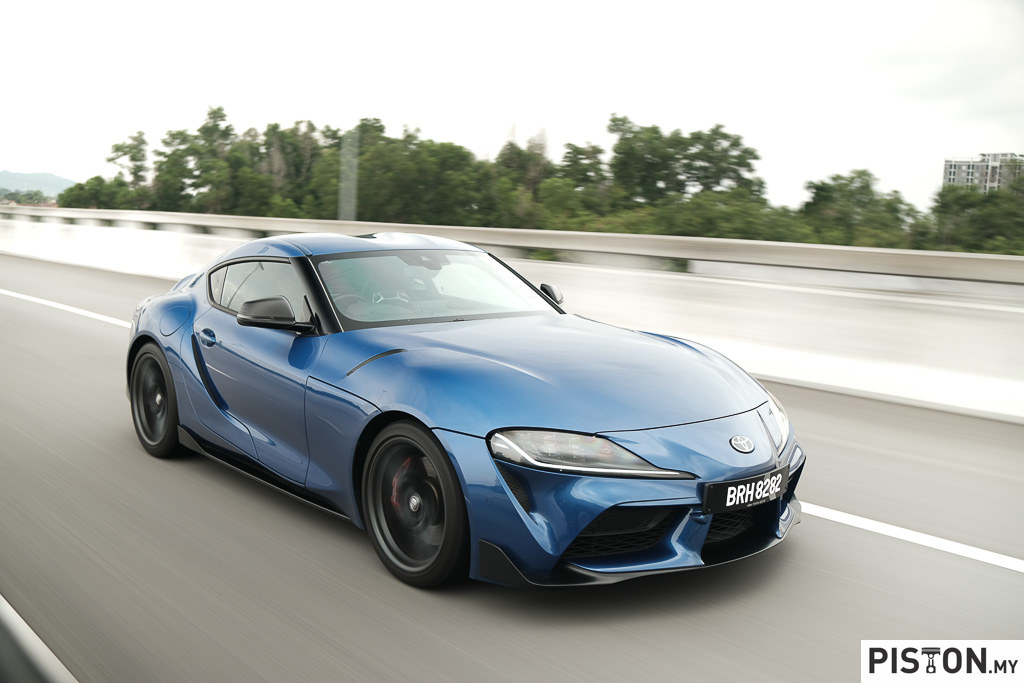
I recently drove the automatic version of the GR Supra, and I believe people should just get over the fact that it is a BMW in a Toyota suit. Because it is not just a suit, it is an MMA fighter in a sharp suit. For all you movie buffs, think of it as Jason Statham in the Transporter movies.
When I first drove the Supra some years ago, the design was not to my liking. It was too outlandish, and my mind kept thinking about the fourth-generation Supra and tried hard to find some connection between the two. There isn’t, and that led to some disappointment.
This time, I tried to forget that it was a Supra or a BMW underneath and approached it for what it is – a modern sports car. And it began to make sense.
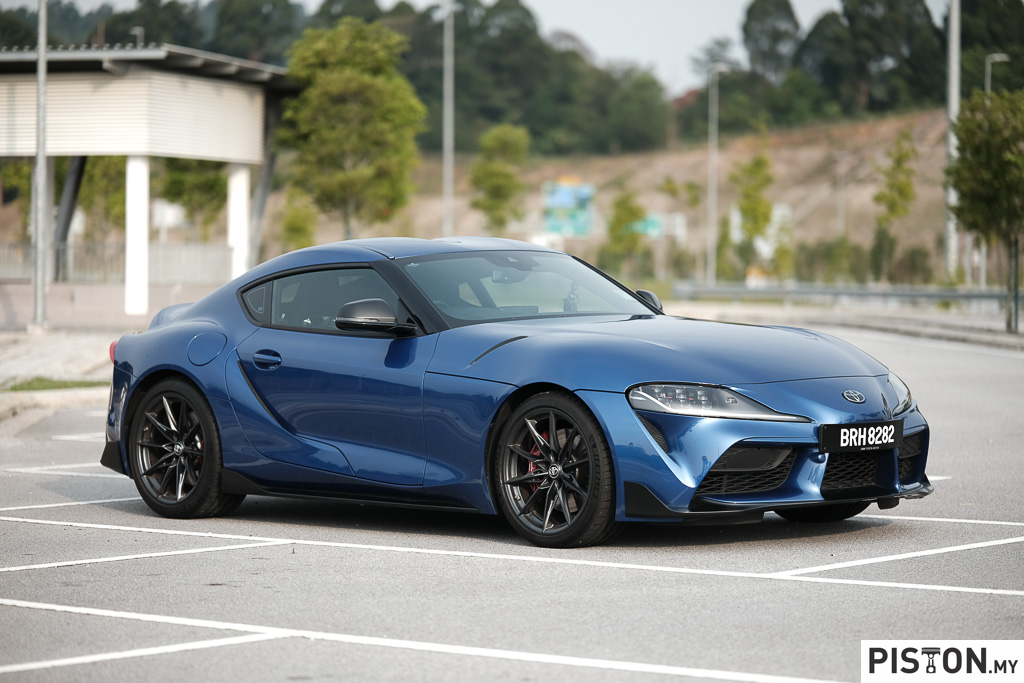
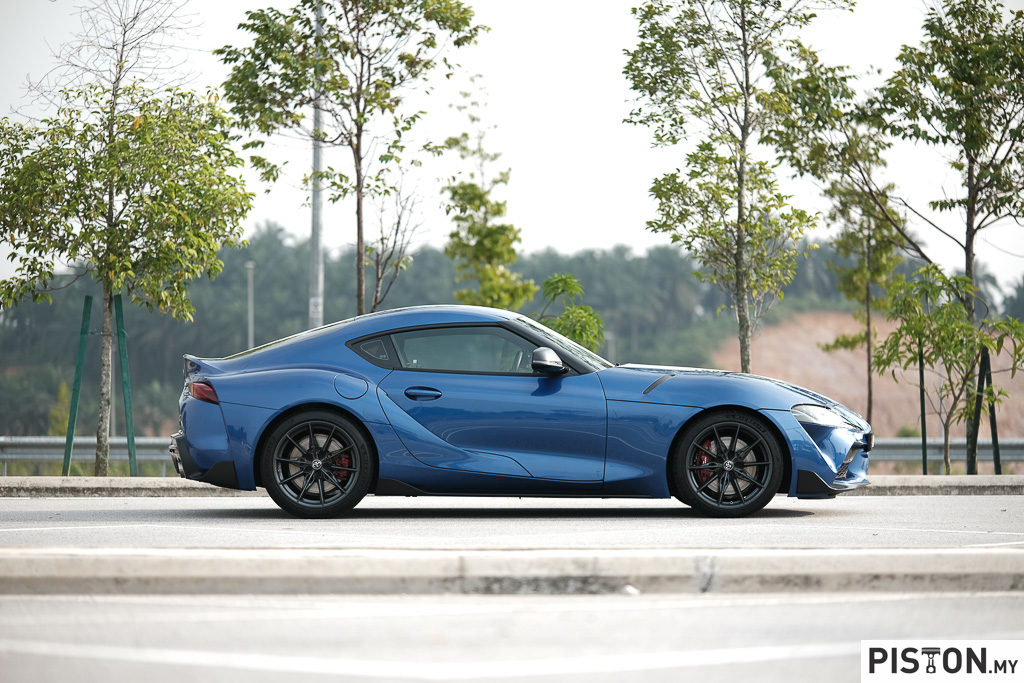
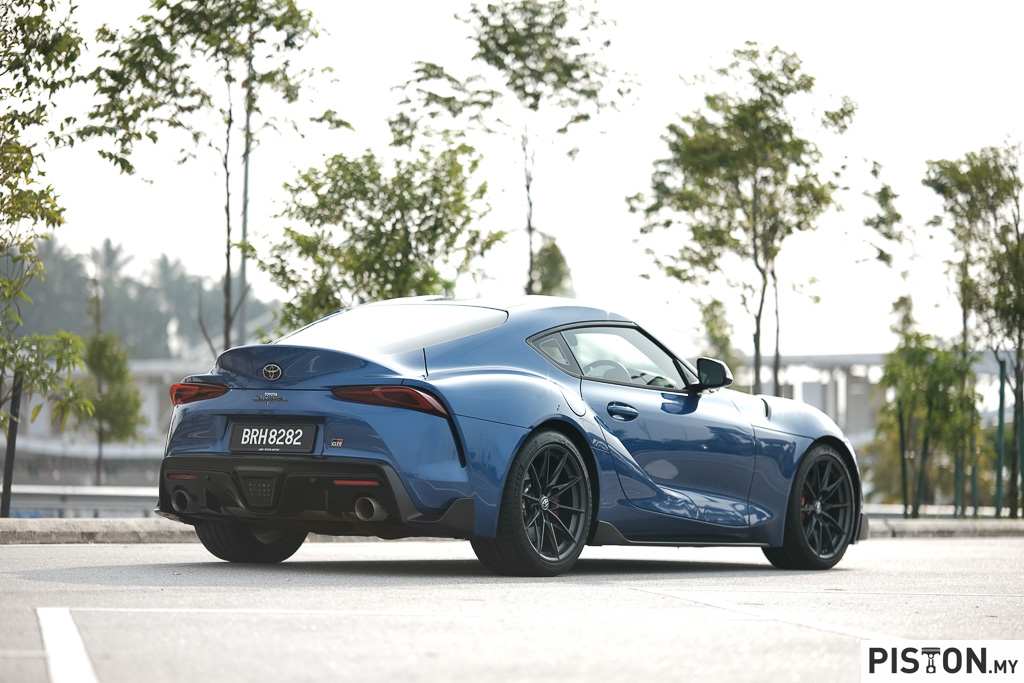
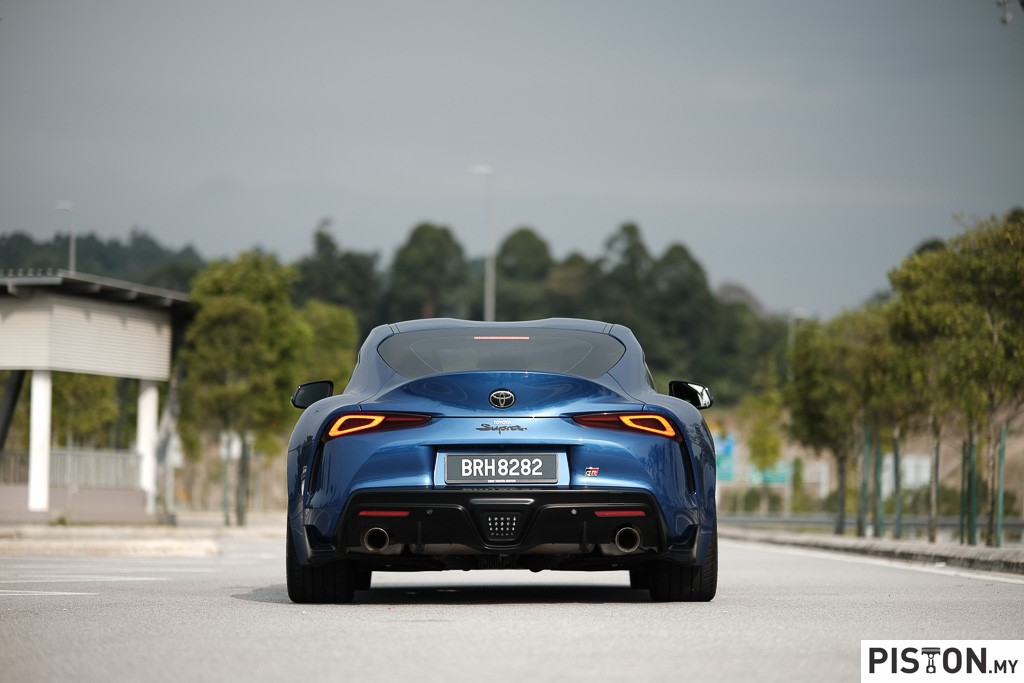
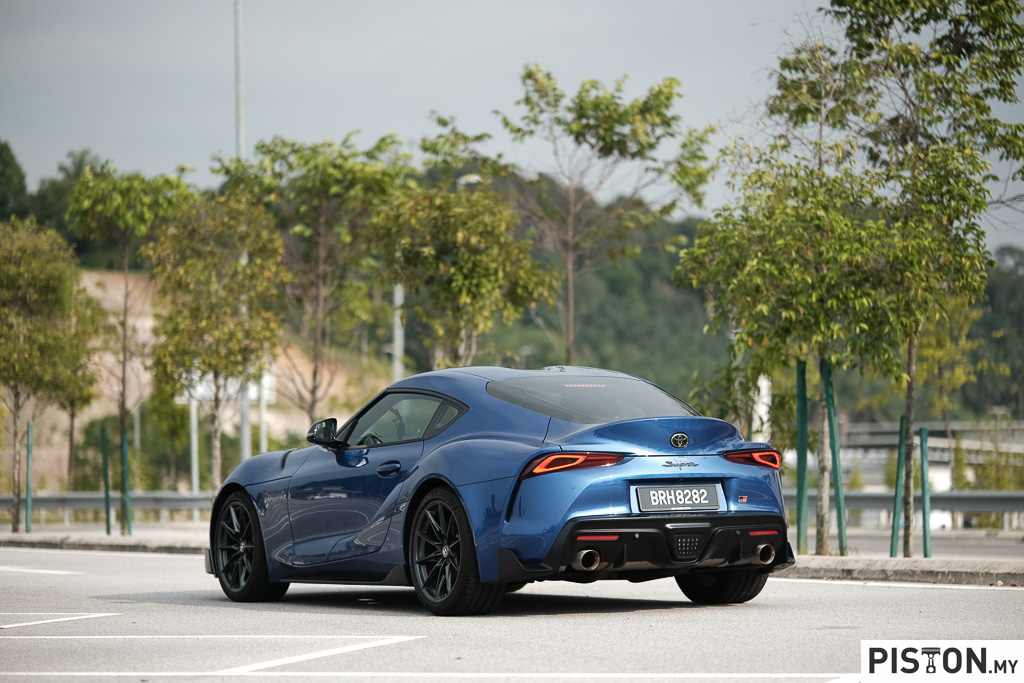
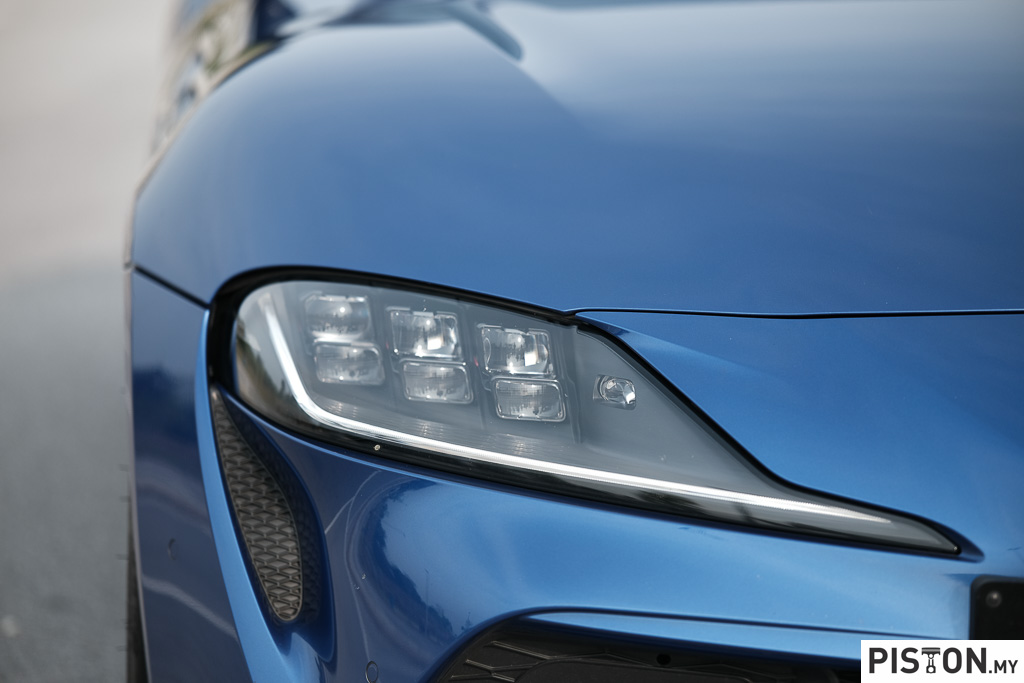
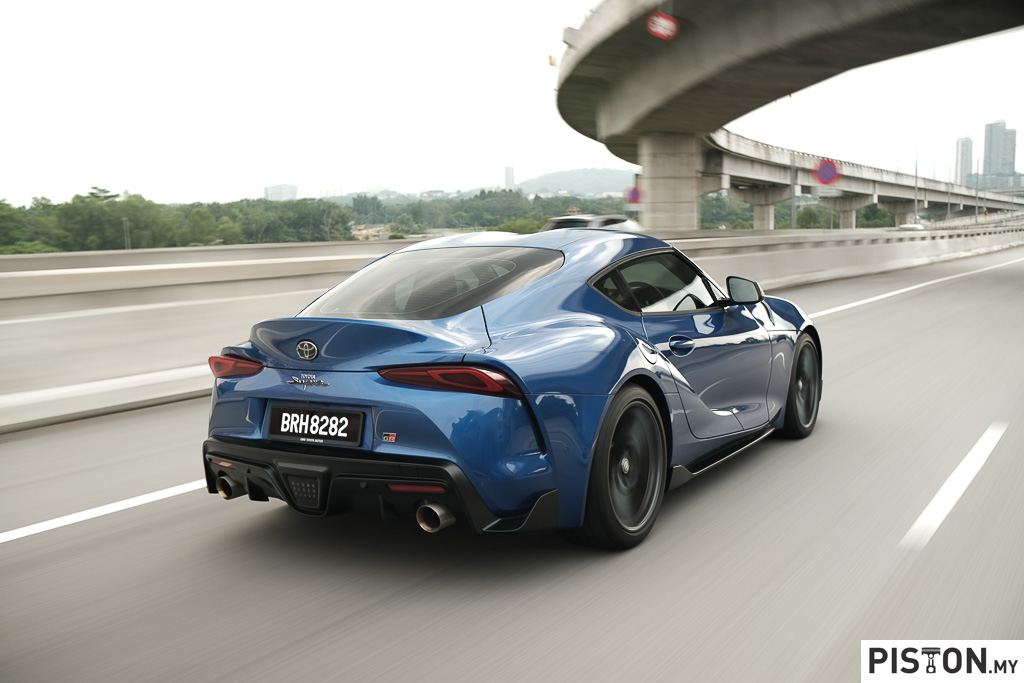
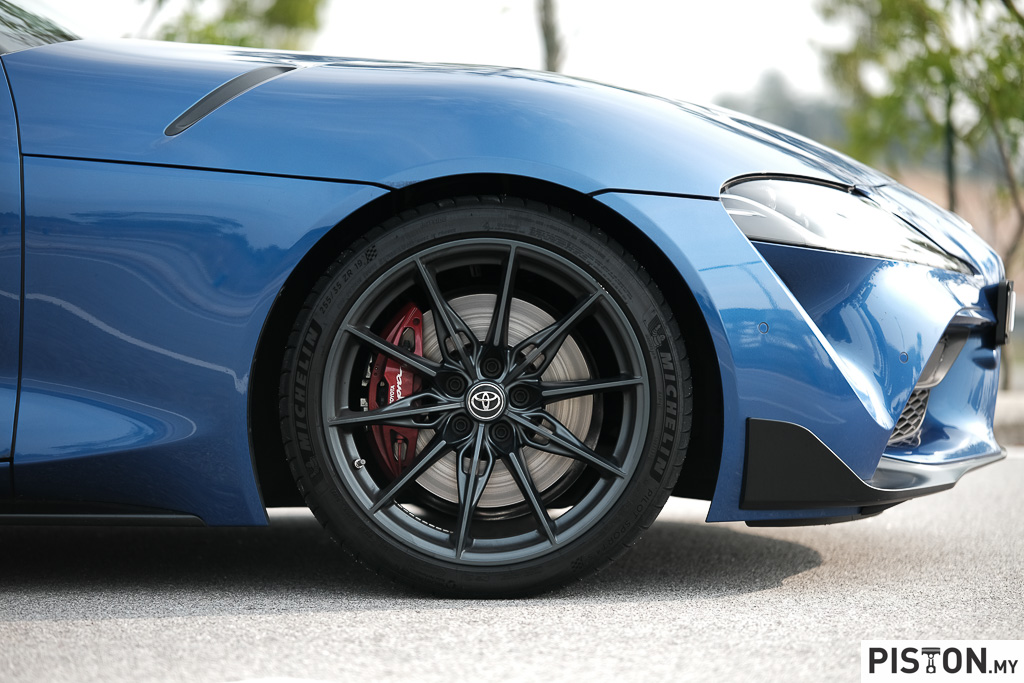
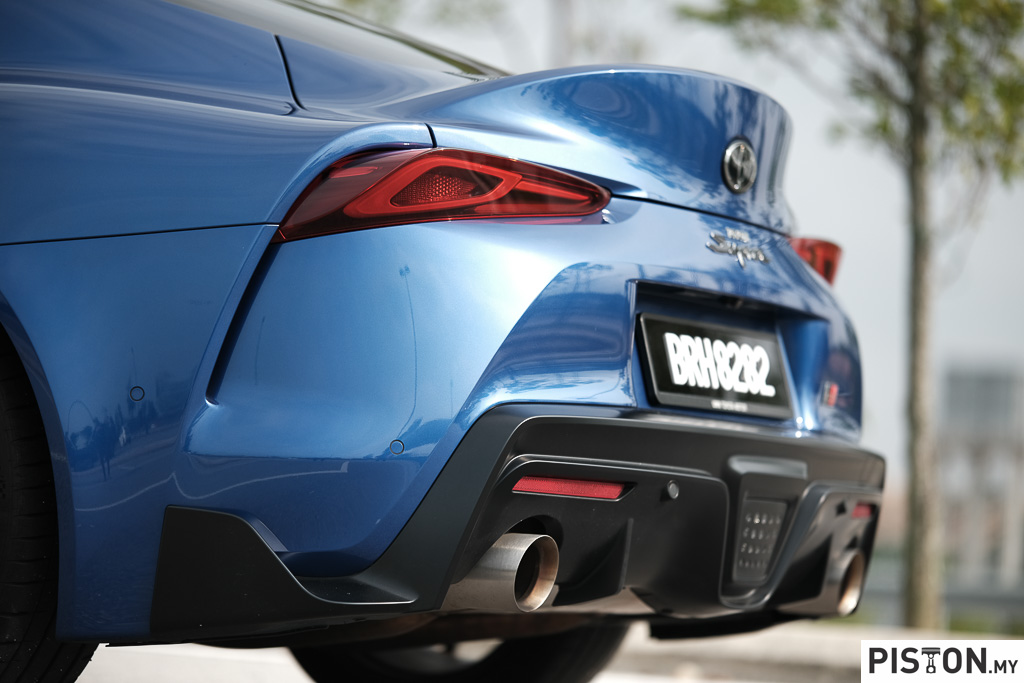
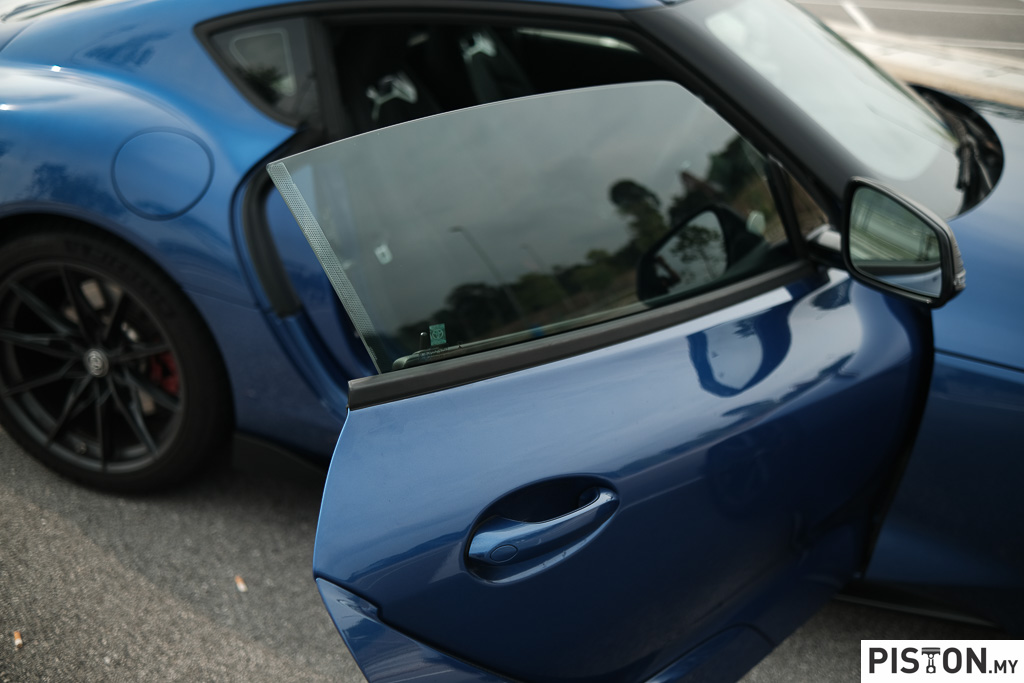
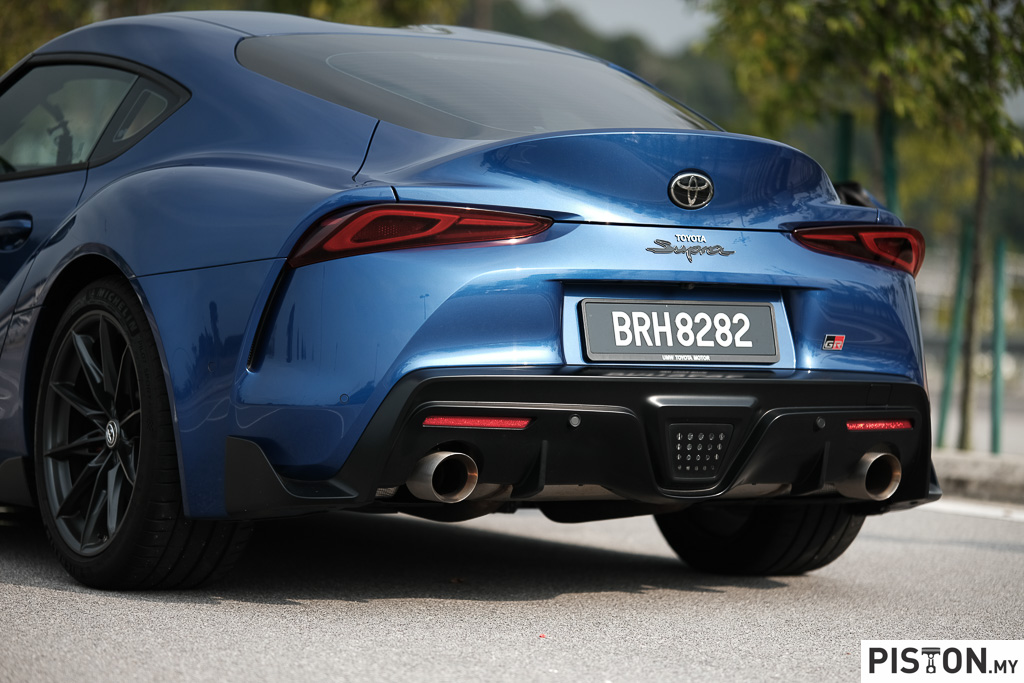
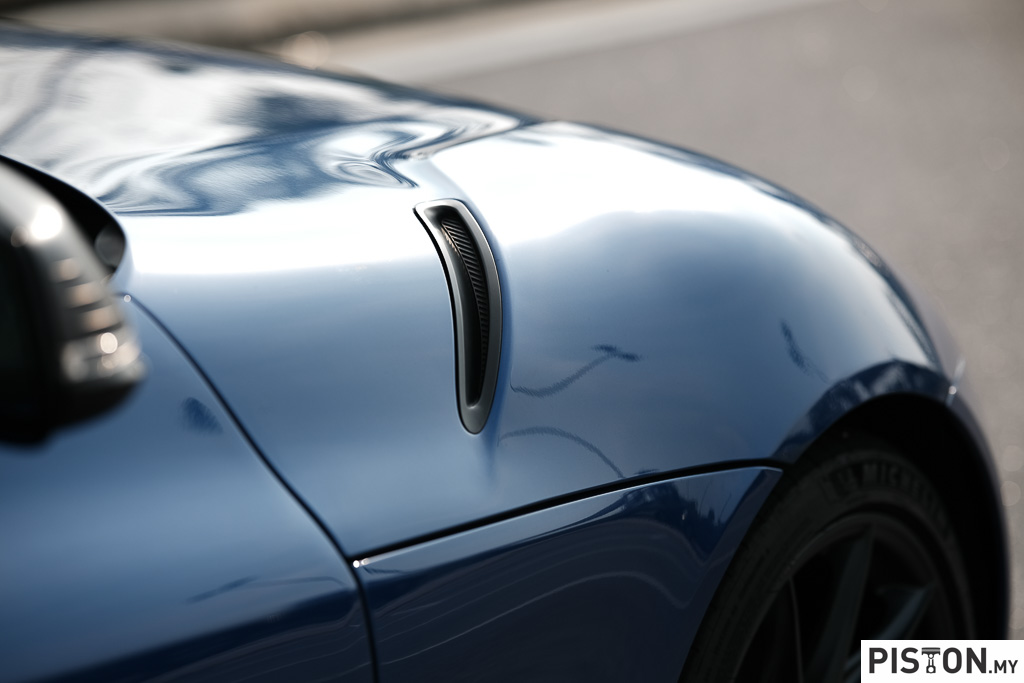
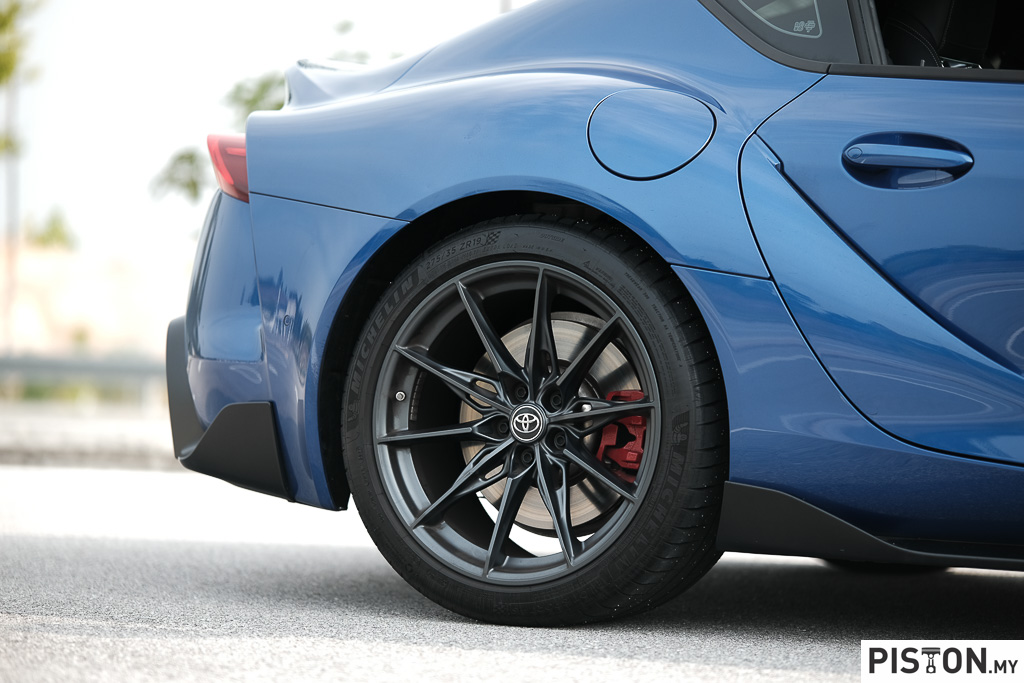
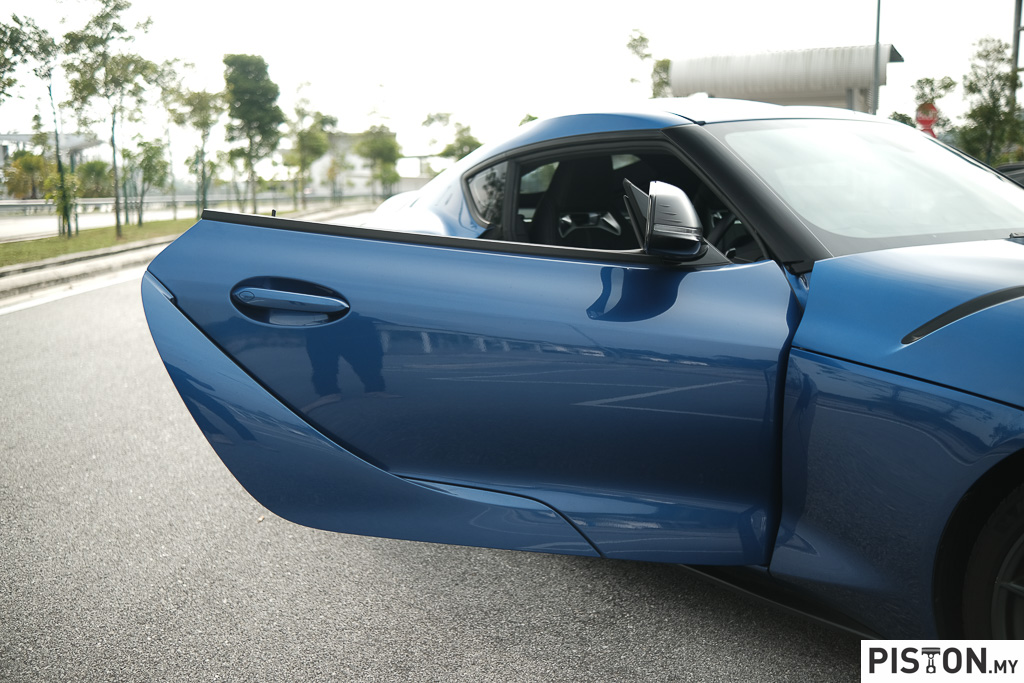
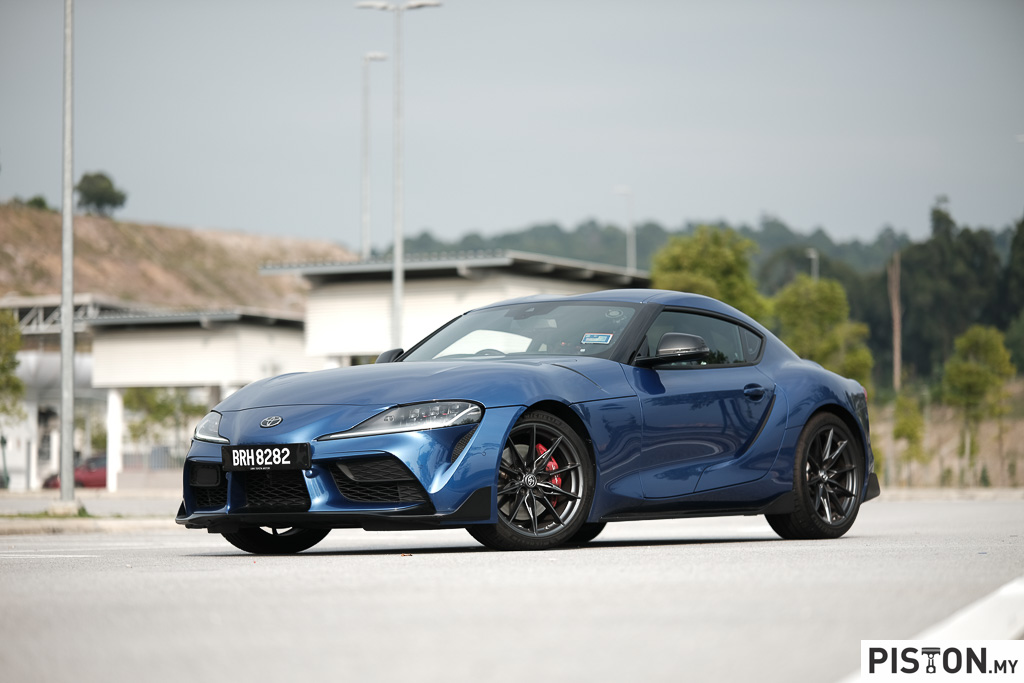
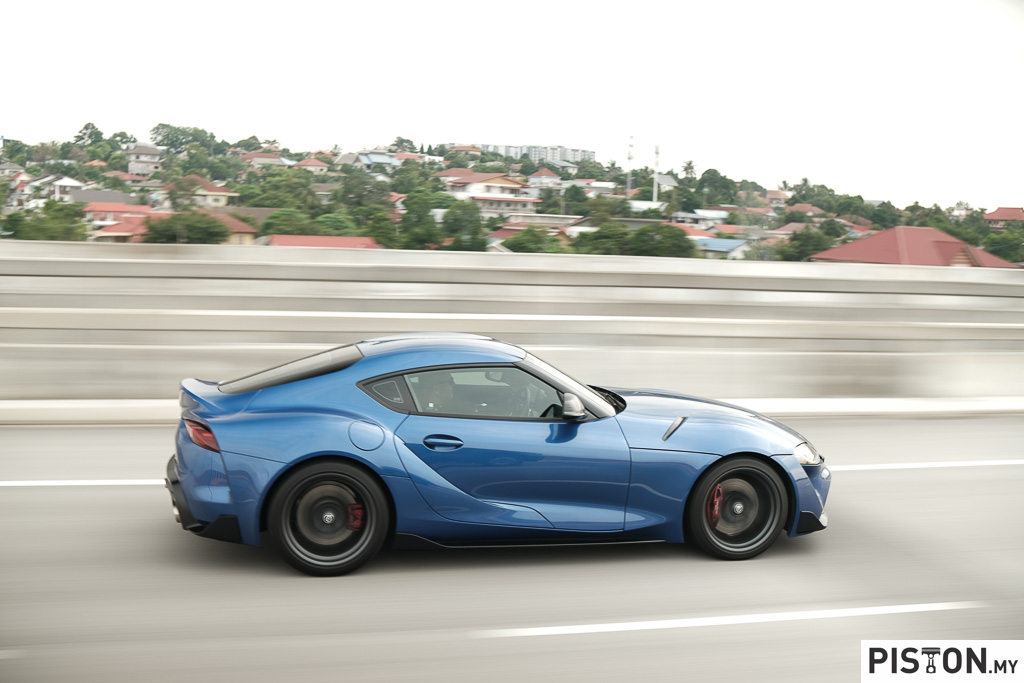
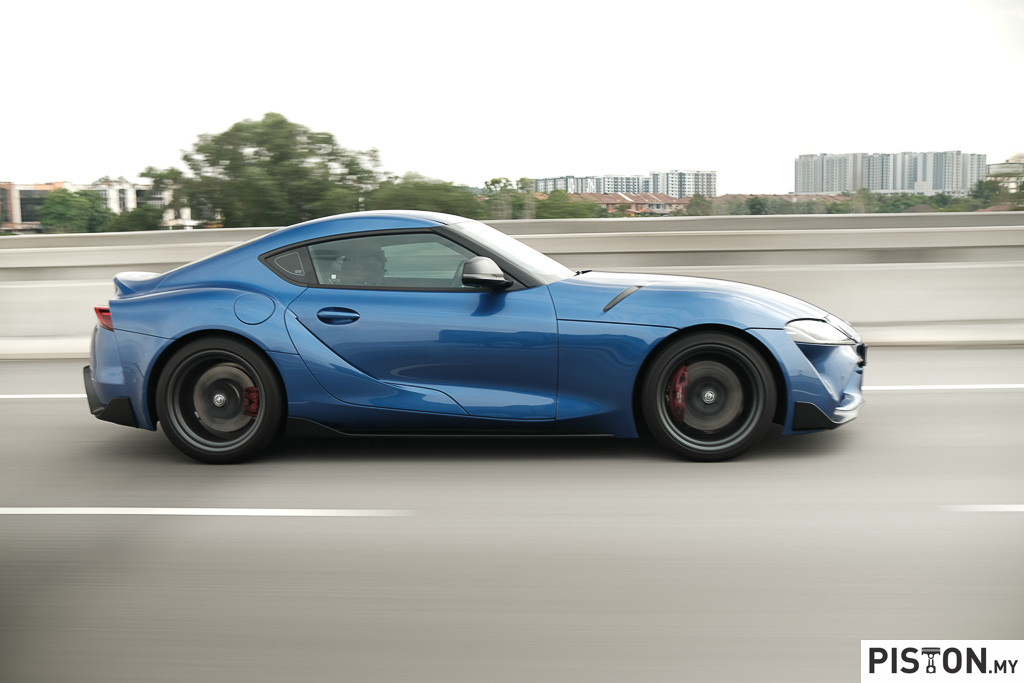
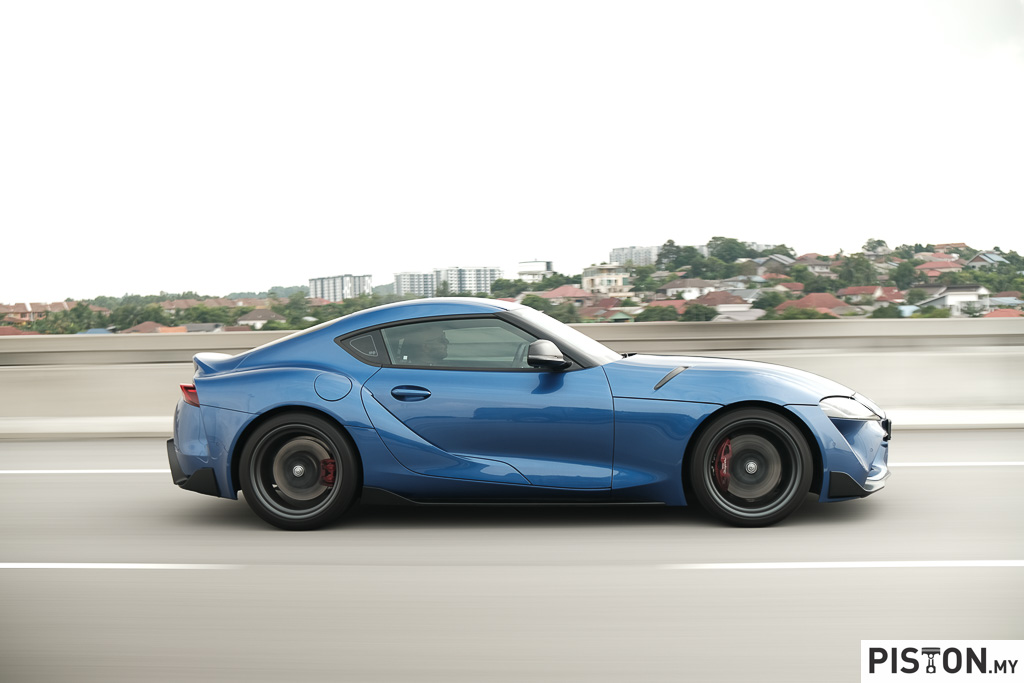
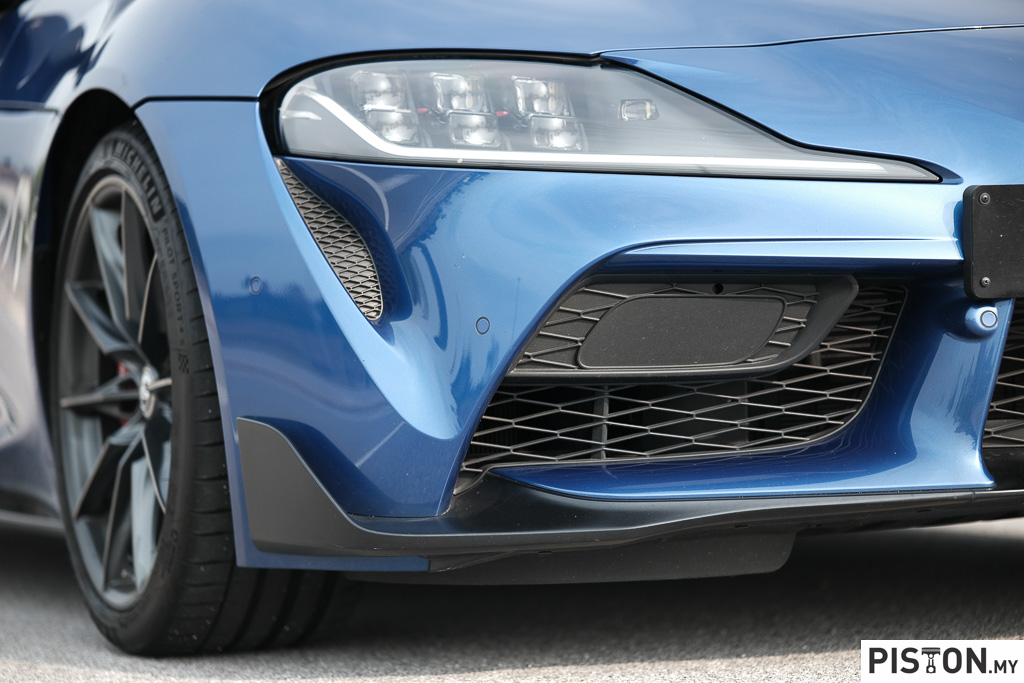
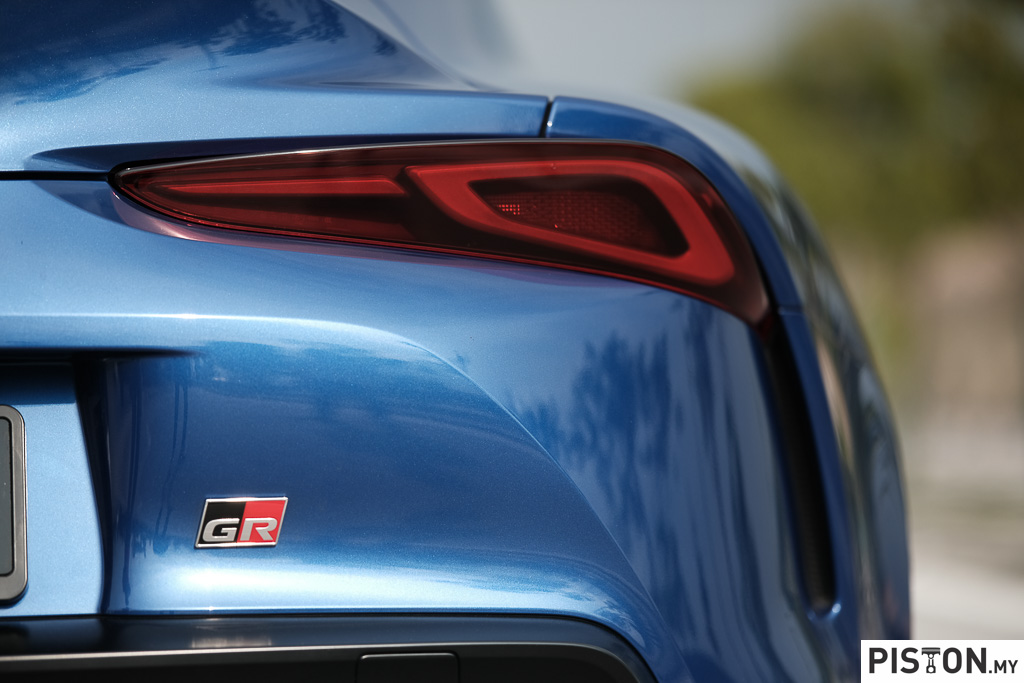
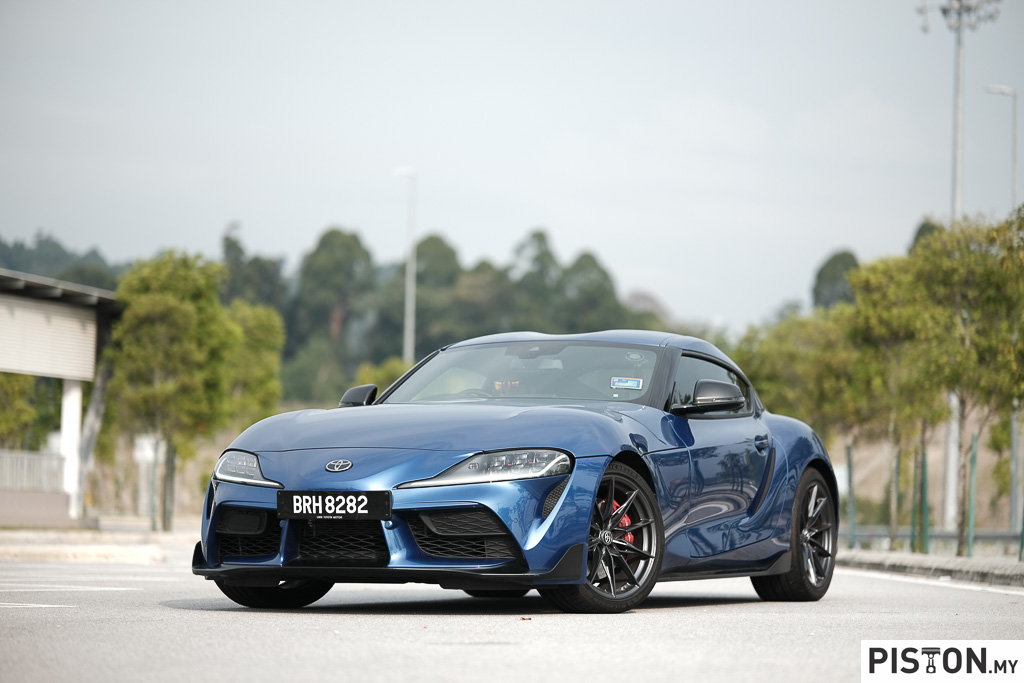
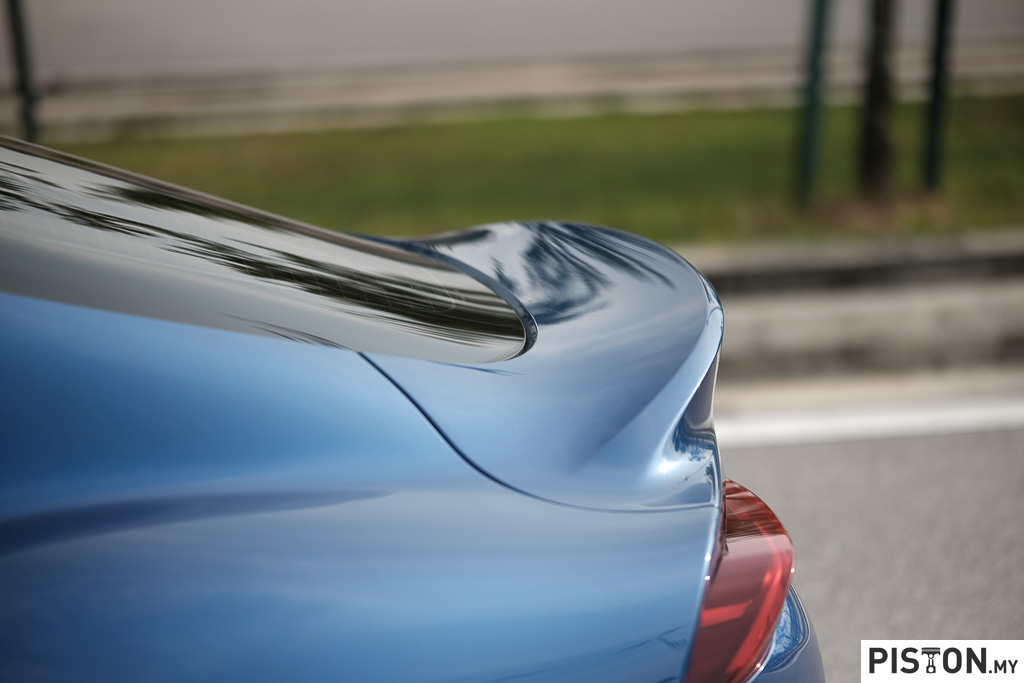
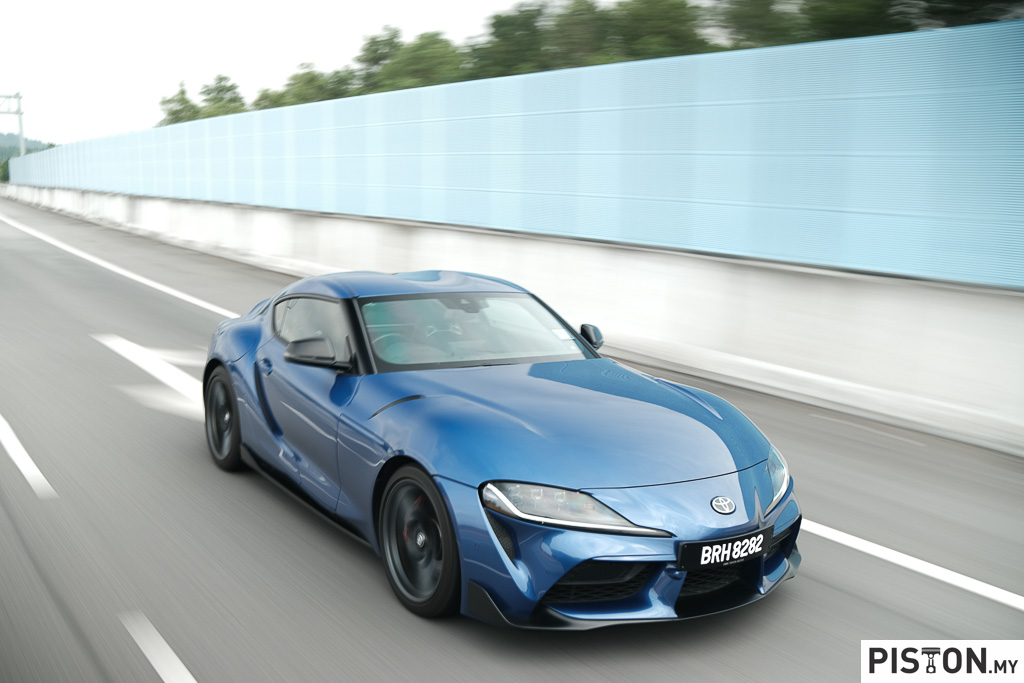
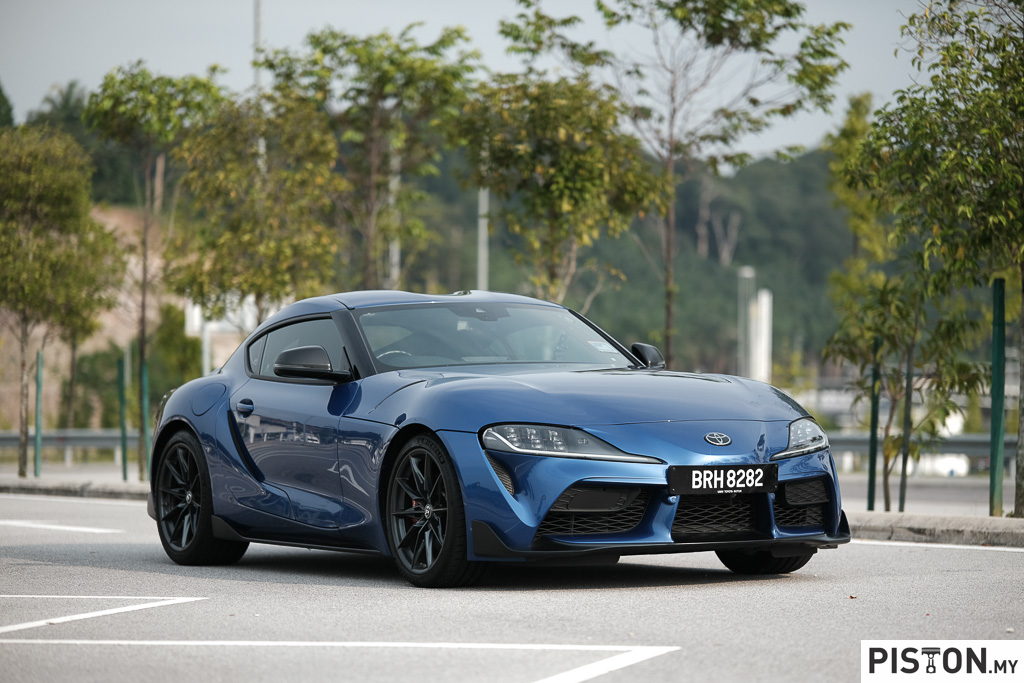
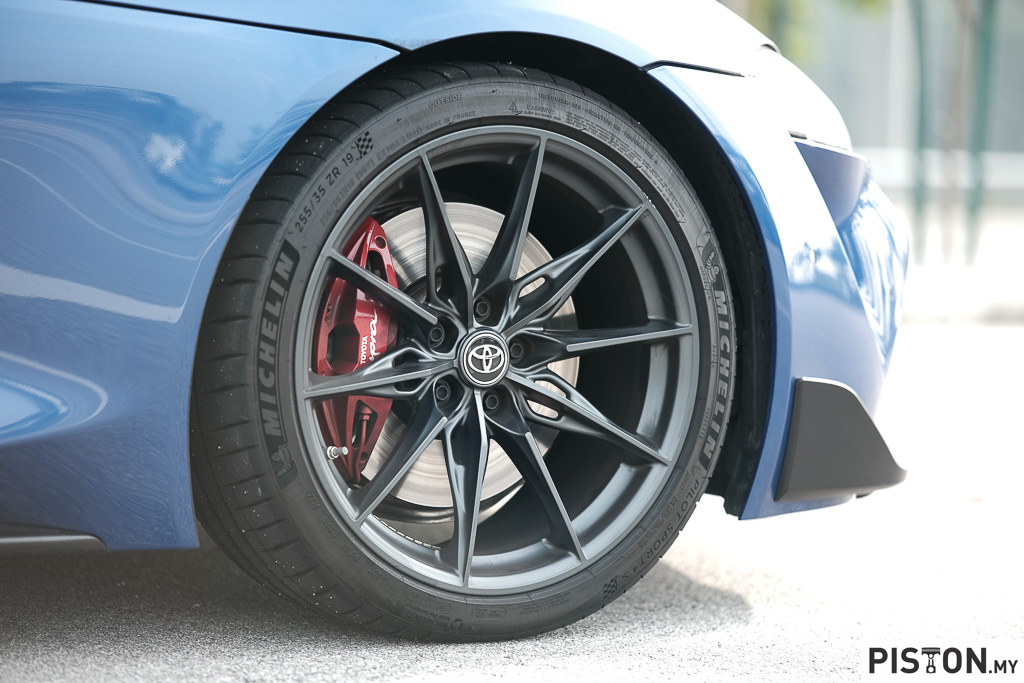
The design, though unchanged, is still rather outlandish, but the Dawn Blue Metallic colour that you see here is just the right colour for the Supra’s curves. The blacked out 19-inch wheels suits the car as well, and are 1.2kg lighter at all four corners to reduce un-sprung weight, giving the GR Supra more ferocious acceleration than before. The car now sees off the 0-100kmh sprint in 4.1 seconds, which is faster than its German cousin.
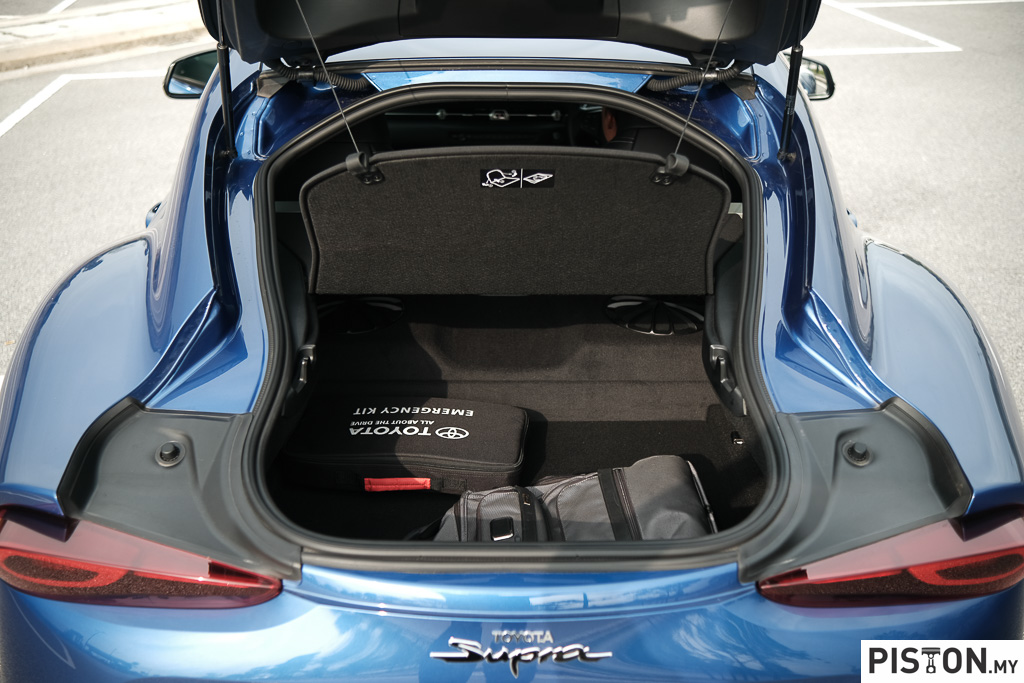
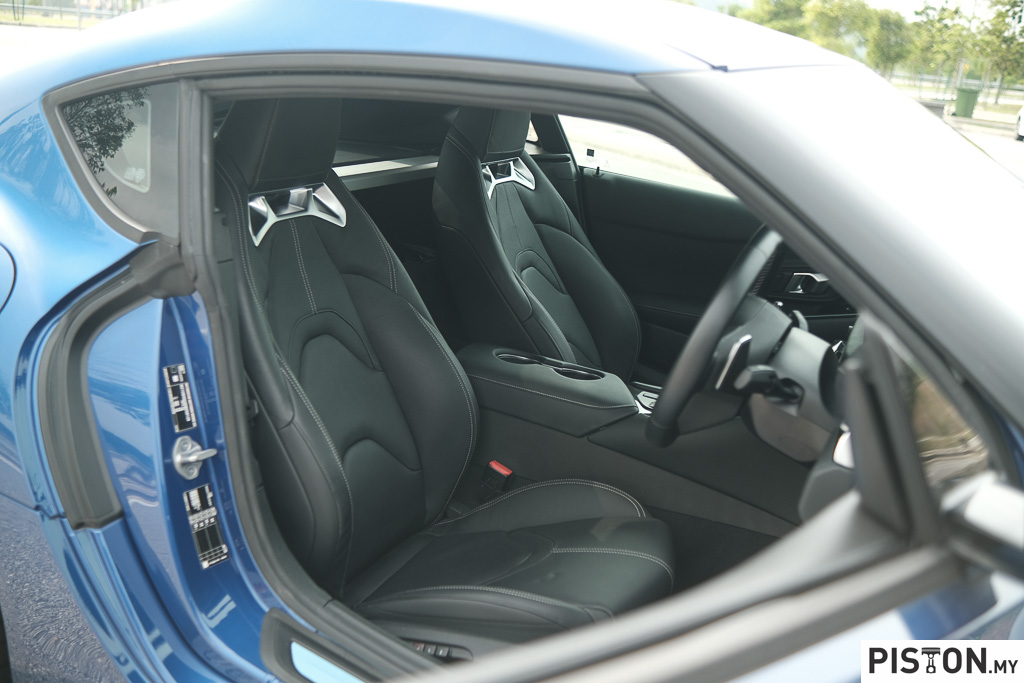
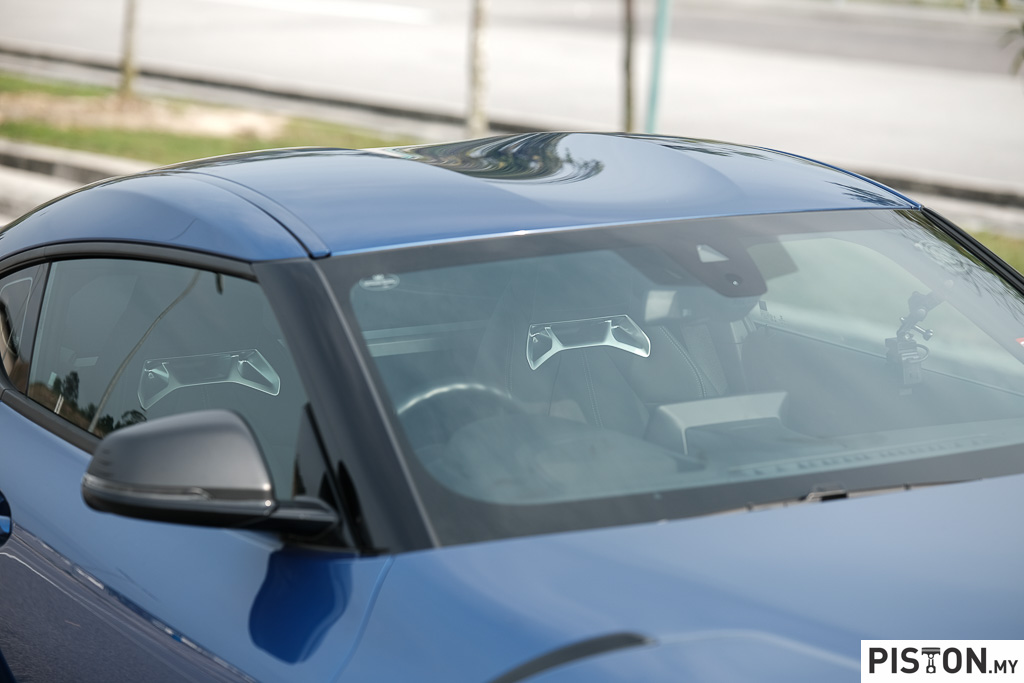
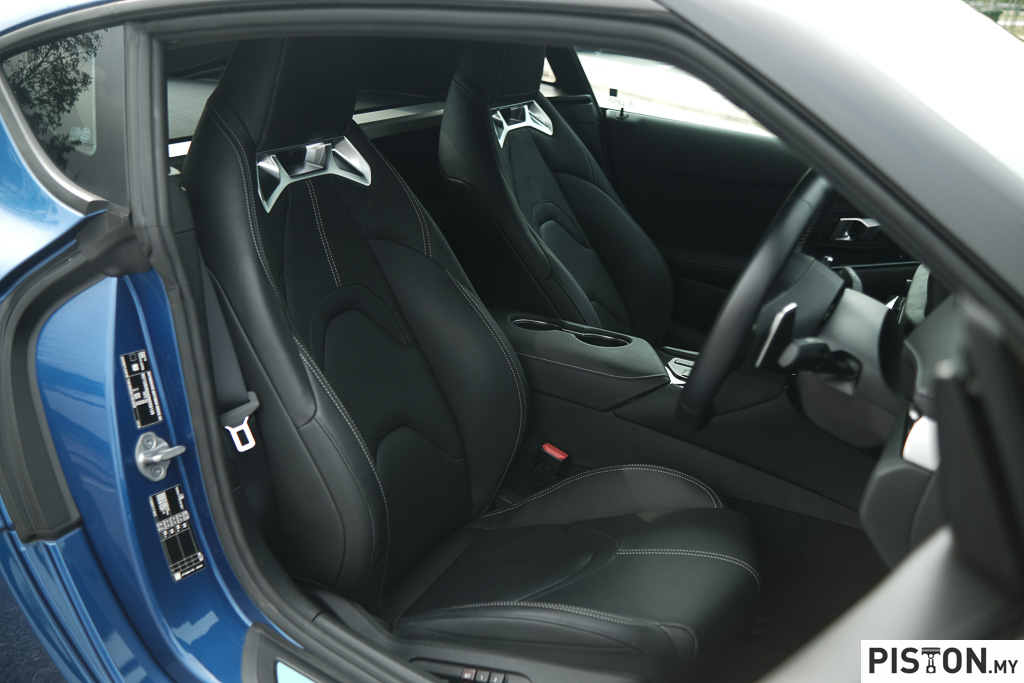
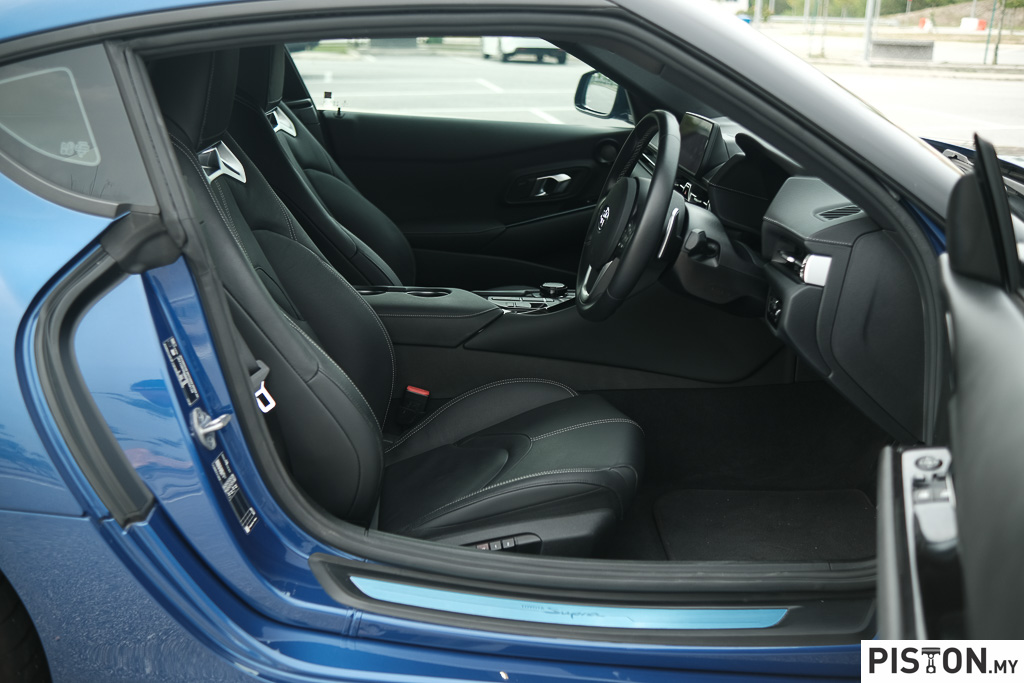
The interior feels small and cramped, and taller drivers may find it difficult to get in and out of. But once inside, the sitting position is spot on, and you feel like your spine has been livewired to the car. That is something that I love, particularly the GT style driving position with the long front end.
But the interior is small, it does not have space to store something as simple as a smart tag. You could keep it in the glove compartment but that is quite a stretch away. Mix that up with storage for your phone and the cables to charge your devices, and suddenly the interior feels too cluttered. And that wreaks havoc for my OCD.
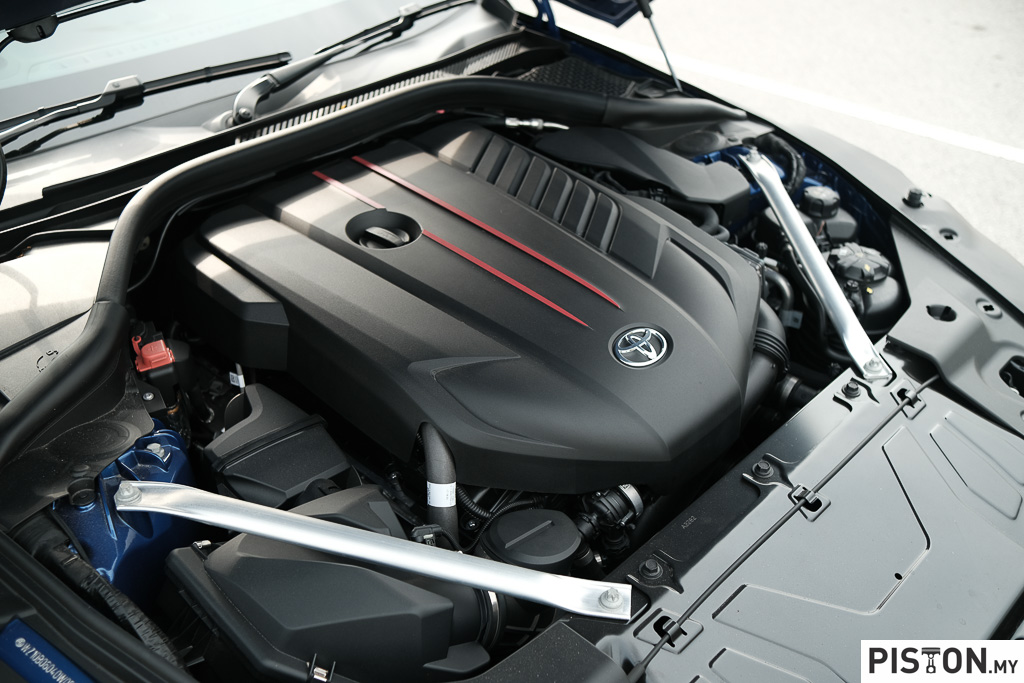
All that disappears as soon as you start the car and listen to the sweet melody of the 3.0-litre, inline six-cylinder turbocharged engine. It is a sound that is slowly being relegated to the ages of history, so I always allowed myself a minute or two to properly absorb it. You know, in case I wake up tomorrow to find that the Europeans have decided that anything more than four-cylinders are bad for their earth worms and have had no other choice but to introduce an overnight ban on new multi-cylindered engines.
The world is a weird place these days, so multi-cylindered engines are a great way of reconnecting with the good old days.
The engine creates 388PS and 500Nm of torque, which may not seem like much, but the joy is in the way the power is delivered. The steering wheel feels alive in your hands with tiny nuggets of information telling your palms exactly what is happening with the tyres at ground zero.
The suspension is also remarkably clinical, and the car reacts to every twitch of the steering wheel. However, your spine also picks up on all the tiny bumps, dips and ruts that litters our roads. You can say that that is the character of a sports suspension and I would agree with you, but when you’re a 40-year-old with a back problem, that is not a lot of fun.
Performance is, simply put, brilliant. It is not blinding or mind numbing, and the fact is some EV’s with their lightning quick sub-four second acceleration might put you to shame. But the car comes alive in the corners with its perfect 50:50 weight distribution. That means that you can dive late into corners and get on the power early without risking any under or oversteer. In the right hands and on the right roads, the GR Supra could put some supercars to shame. Particularly some fast EV’s like a Tesla Model 3 Performance.
And that is the point of the GR Supra. You may not like how it came about or how it looks like, but when it comes to driving it, the driving experience is still intoxicating, like that of the original Supra. Different of course but still intoxicating.
Having said that, just like the Supra’s of the past, the fifth-generation Supra is already proving its worth in motorsports around the world. In fact, it is not only racing, but it is also winning entire championships, and though haters may not like it, but the new GR Supra is definitely making its ancestors proud.
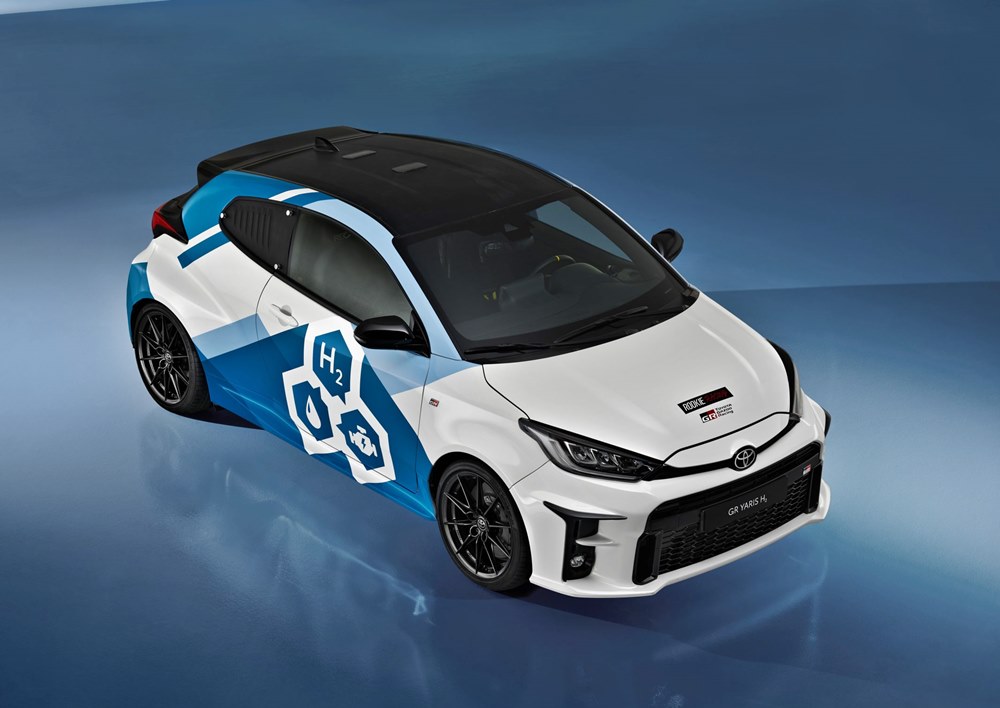
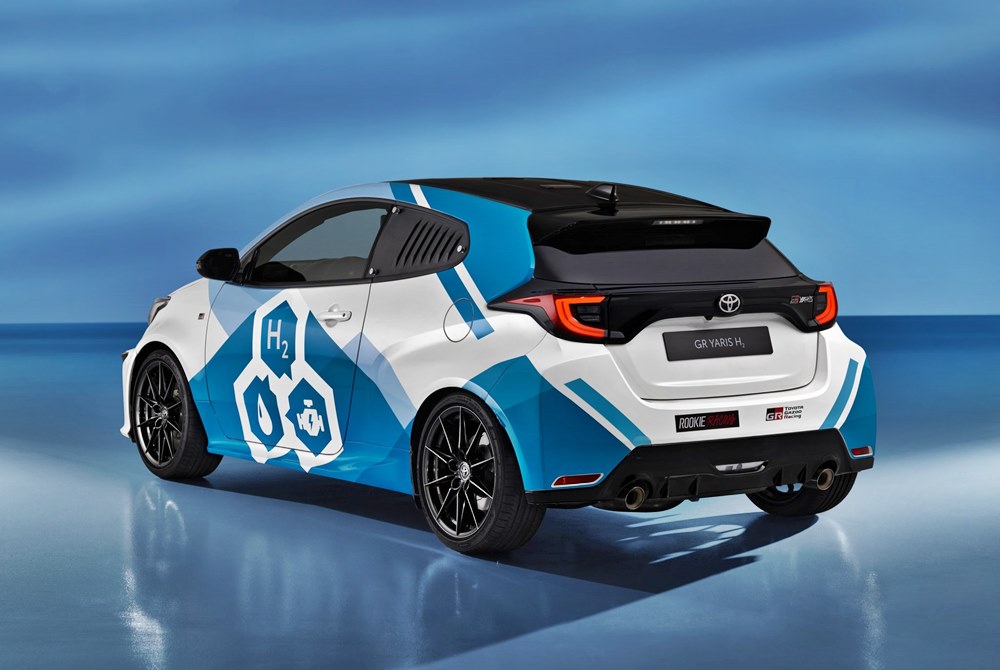
In a bold stance against the prevailing shift towards electric vehicles, Toyota’s Gazoo Racing division expresses unwavering confidence in the future of hydrogen combustion engines. Masahito Watanabe, Head of Gazoo Racing, asserts that internal combustion engines, particularly those powered by hydrogen, can coexist with the growing trend of electrification.
Watanabe highlighted that the internal combustion engine, specifically through hydrogen combustion, still holds untapped potential in the pursuit of zero-emission vehicles. He emphasised the commitment to exploring diverse technologies rather than succumbing to complete electrification. However, he acknowledged a significant obstacle: the lack of infrastructure for hydrogen vehicles, hindering enthusiasts who seek easy access to filling stations.
The Toyota Gazoo Racing team is upping the ante on the already high-performing GR Corolla for 2024. They’re bringing back the sought-after Circuit Edition for another year, offering it in a striking Blue Flame paint colour. Additionally, they’re introducing a new GR Corolla Premium Grade, elevating the model’s features with high-performance components as standard for enthusiasts.
The GR Corolla has received an overwhelming response, capturing a passion for driving. The new Premium Grade maintains the focus on the driving experience. It comes with dual LSD (Limited Slip Differential) to maximise traction and torque distribution during cornering. Brake cooling ducts come standard, and the interior receives an upgrade with heated seats, a heated steering wheel, front/rear parking sensors, JBL Premium Audio, and a wireless cell phone charger.
For 2024, the Circuit Edition will be available in Blue Flame and Ice Cap colours. It features standard black forged aluminium 18-inch BBS wheels, reducing weight for an even more agile model. The Circuit Edition also boasts a bulge hood, forged carbon fibre roof, gloss black high-mounted rear spoiler, black side rocker graphics, a leather-wrapped shift knob with a blue sightline, and a forged carbon fibre accent on the shifter top plate.