Piston.my

Latest News

BHPetrol RON95 Euro4M

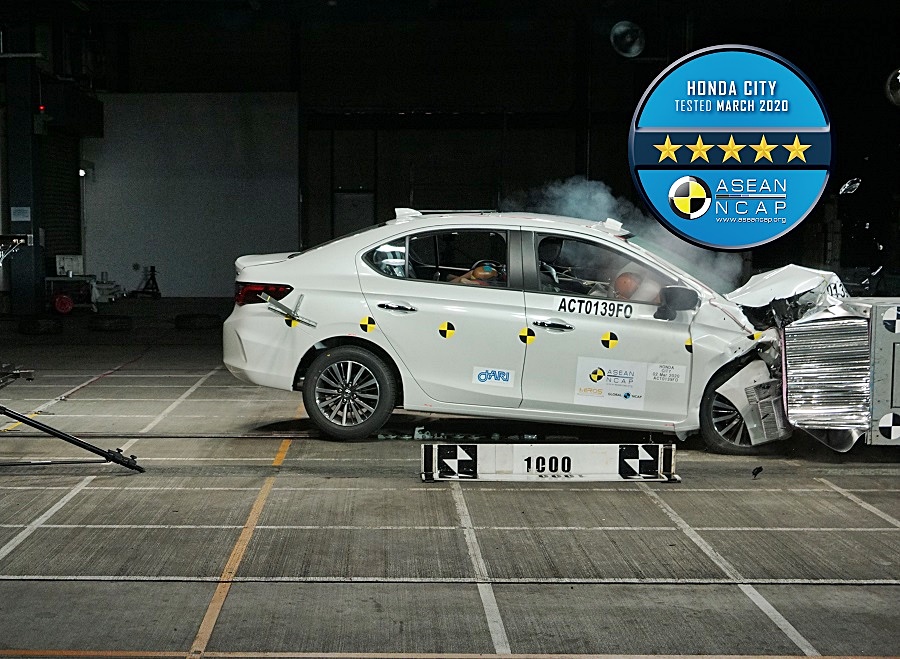
ASEAN NCAP, which runs the New Car Assessment Programme for Southeast Asian Countries, has released its assessment on the latest Honda City. This is the third assessment that ASEAN NCAP has performed on the model, the first two being in 2012 and 2014. In fact, the model was one of the very first to be crash-tested by ASEAN NCAP at its facility in Melaka. However, for the 2020 model, the testing was conducted by the Japan Automobile Research Institute (JARI), a partner of ASEAN NCAP.

The 2020 City (Thai market version) showed an outstanding result under the current 2017-2020 assessment. The sedan obtained an overall score of 86.54 points which qualified it for the maximum 5-Star ASEAN NCAP rating.
2020 Honda City ASEAN NCAP
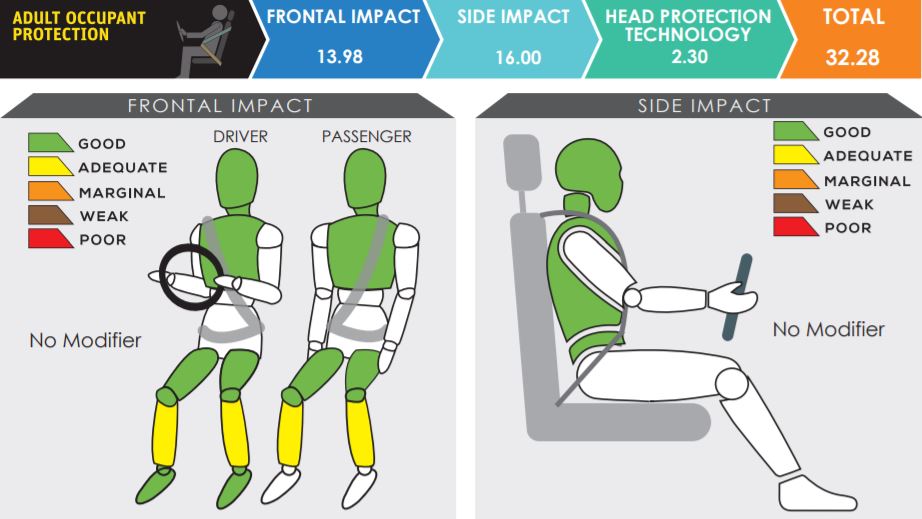
ASEAN NCAP’s assessment of Adult Occupant Protection at the front.

For each assessed category from this accumulated score, the City received 44.83 points for the Adult Occupant Protection (AOP) category, 22.82 points for Child Occupant Protection (COP) and 18.89 points for Safety Assist Technologies (SATs).

The new sedan has a standard fitment of 4 airbags, Seatbelt Reminder System (SBR) for both of its frontal occupants and Electronic Stability Control (ESC) across all its variants. An Emergency Stop Signal technology is also available in the current City variant that is launched and sold in the Thai market either as standard or optional fitment. Nevertheless, all the safety assist technologies assessed by ASEAN NCAP will be available either as standard or as an option in all the variants that will be available in several countries across South East Asia.

In addition, the City will have Blind Spot Visualization (BSV) technology in variants that are available in certain markets. The BSV is fitted on the passenger side of the vehicle.
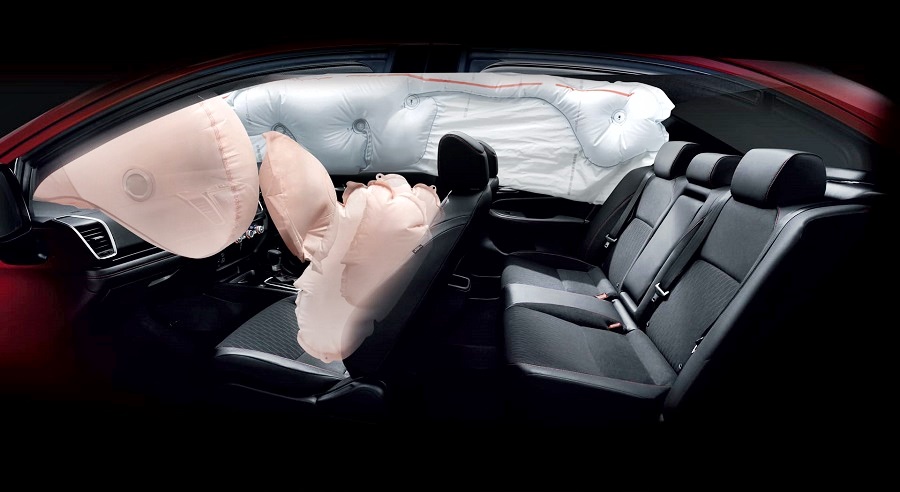
2020 Honda City ASEAN NCAP

“We are excited to have another 5-Star car in the line-up of ASEAN NCAP assessed vehicles. Although the City was assessed twice prior to this, we can see there have been significant improvements in the number of safety technologies that are equipped in this new model as a standard fitment. I am also pleased that, in addition to the existing safety assist technologies ASEAN NCAP is assessing which will be available in variants that will be launched soon, Honda has also added Emergency Stop Signal technology that consumers will benefit in mitigating any unwanted collision,” said MIROS Director-General and ASEAN NCAP Chairperson, Ts. Dr. Siti Zaharah Ishak.

“The Honda City has shown consistent 5-Star performances since it was assessed in 2012. The pre-requisite that ASEAN NCAP set in 2014 -2016 assessment in which variants that are fitted with ESC and SBR for both frontal occupants are eligible for 5-Star AOP rating, provided that the model scored within the 5-Star scoring range, was a significant impact towards the development of upcoming models. By having the pre-requisite, manufacturers are well prepared by including the ASEAN NCAP core criteria under the 2017-2020 assessment into some of the model’s variants,” explained ASEAN NCAP Secretary-General, Professor (Adjunct) Ir. Dr. Khairil Anwar Abu Kassim.

“Most importantly, manufacturers like Honda have now equipped these important passive and active safety technologies in their models as standard fitment in order to make their cars safer for the benefit of road users,” he added.

Honda ASEAN NCAP
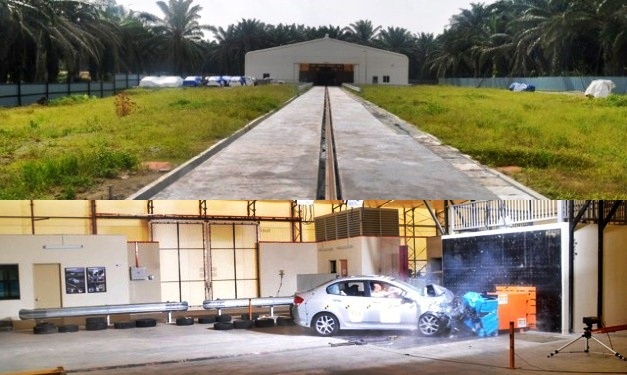
In 2012, the City was among the very first cars tested by ASEAN NCAP at its crash-test facility in Melaka.

5th generation Honda City has world premiere in Thailand

PISTON.MY

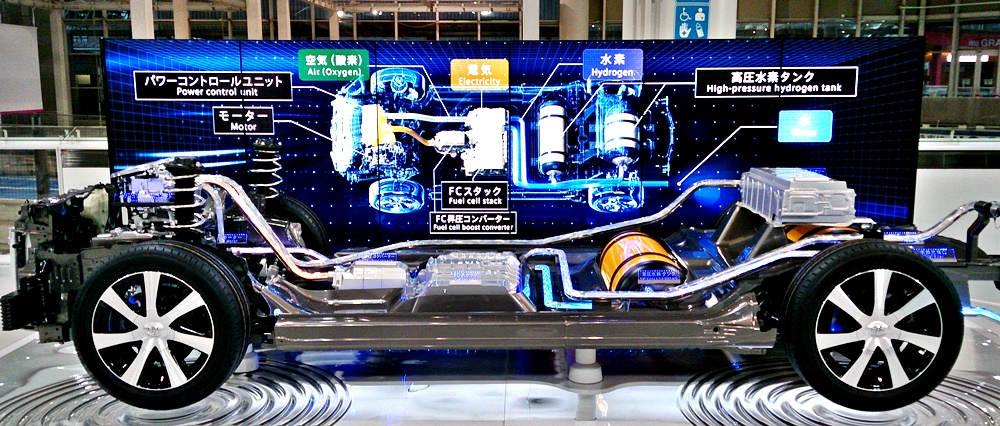
Besides collaborating on the BMWZ4 and Toyota Supra, the BMW Group and Toyota have been working together on fuel cell technology. As Toyota has already commercialised a fuel cell vehicle (the Mirai), it can offer a good deal of knowledge and information to developing the alternative powertrain technology.

“We are convinced that various alternative powertrain systems will exist alongside one another in future, as there is no single solution that addresses the full spectrum of customers’ mobility requirements worldwide. The hydrogen fuel cell technology could quite feasibly become the fourth pillar of our powertrain portfolio in the long term. The upper-end models in our extremely popular X family would make particularly suitable candidates here,” said Klaus Frohlich, Member of the Board of Management of BMW AG, Research and Development.

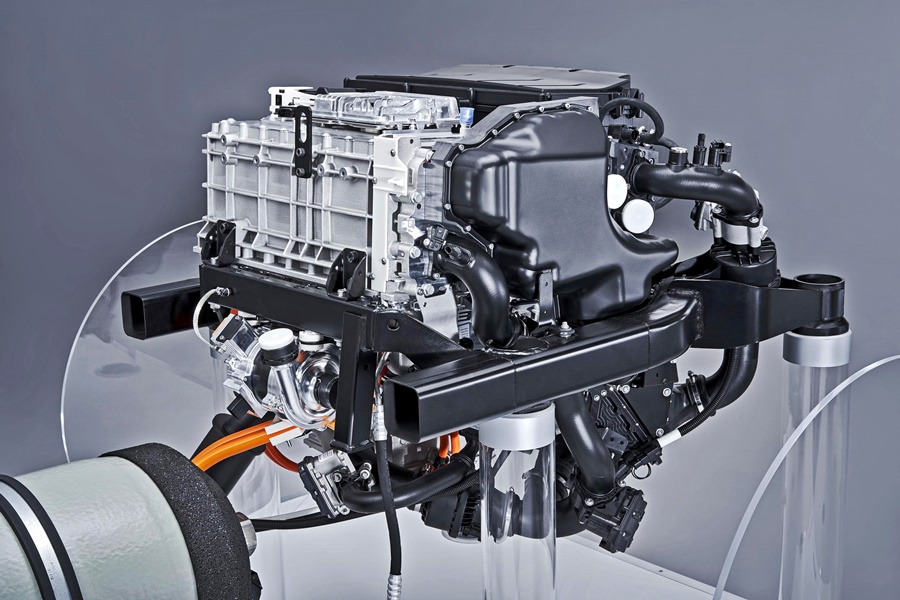
The BMW Group has been working with Toyota on fuel cell technology since 2013. Now it can offer the first virtual insights into the powertrain system for the BMW i Hydrogen NEXT.

BMW Toyota hydrogen fuel cell technology

Future prospects
Although the BMW Group has no doubt as to the long-term potential of fuel cell powertrain systems, it will be some time before the company offers its customers a production car powered by hydrogen fuel cell technology. This is primarily due to the fact that the right framework conditions are not yet in place.

“In our view, hydrogen as energy carrier must first be produced in sufficient quantities at a competitive price using green electricity. Hydrogen will then be used primarily in applications that cannot be directly electrified, such as long-distance heavy-duty transport,” said Frohlich.

The requisite infrastructure, such as an extensive Europe-wide network of hydrogen filling stations, is also lacking at present. However, the BMW Group is pressing ahead with its development work in the field of hydrogen fuel cell technology. The company is using the time until the infrastructure and sustainably produced hydrogen supply are in place to substantially reduce the cost of manufacturing the powertrain system.

Initial technical details
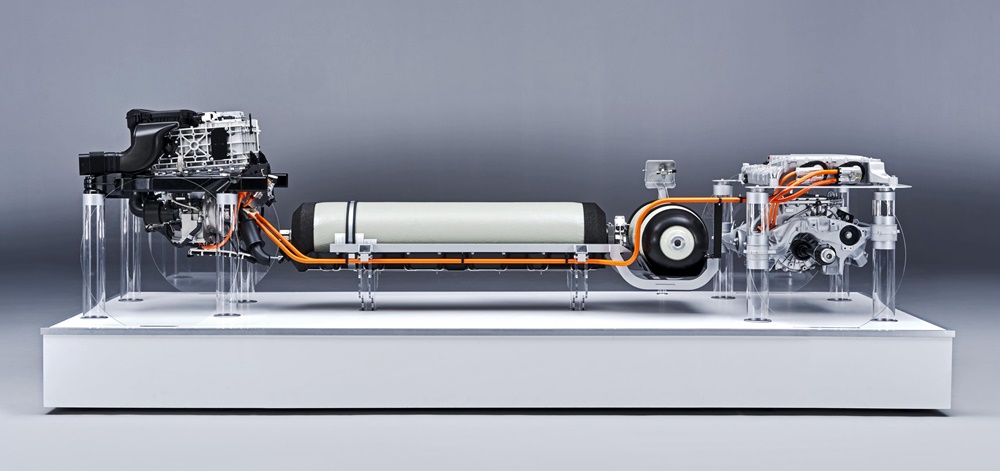
The fuel cell system for the powertrain for the BMW i Hydrogen NEXT generates up to 125 kW (170 bhp) of electric energy from the chemical reaction between hydrogen and oxygen from the ambient air. The vehicle emits nothing but water vapour. The electric converter located underneath the fuel cell adapts the voltage level to that of both the electric powertrain and the peak power battery, which is fed by brake energy as well as the energy from the fuel cell.

BMW Toyota hydrogen fuel cell technology
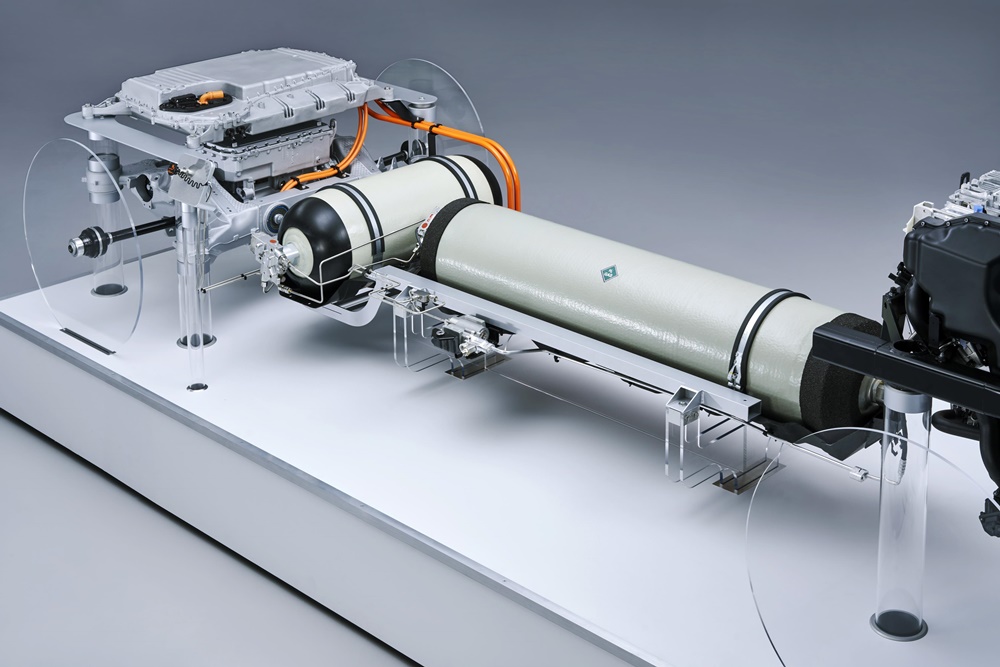
The two high-pressure tanks to store hydrogen can be filled up within a few minutes.

The vehicle also accommodates a pair of tanks that can together hold 6 kgs of hydrogen. Refuelling only takes 3 to 4 minutes and the capacity of the tanks gives a long range of travel.

The fifth-generation eDrive unit set to make its debut in the BMW iX3 is also fully integrated into the BMW i Hydrogen NEXT. This hydrogen fuel cell electric powertrain will go through a pilot run in a small batch of SUVs based on the current BMW X5 that the BMW Group plans to present in 2022. However, volume production with hydrogen fuel cell technology will only start in the second half of this decade, at the earliest. That too will depend on the global market conditions and requirements.

Toyota Mirai FCV
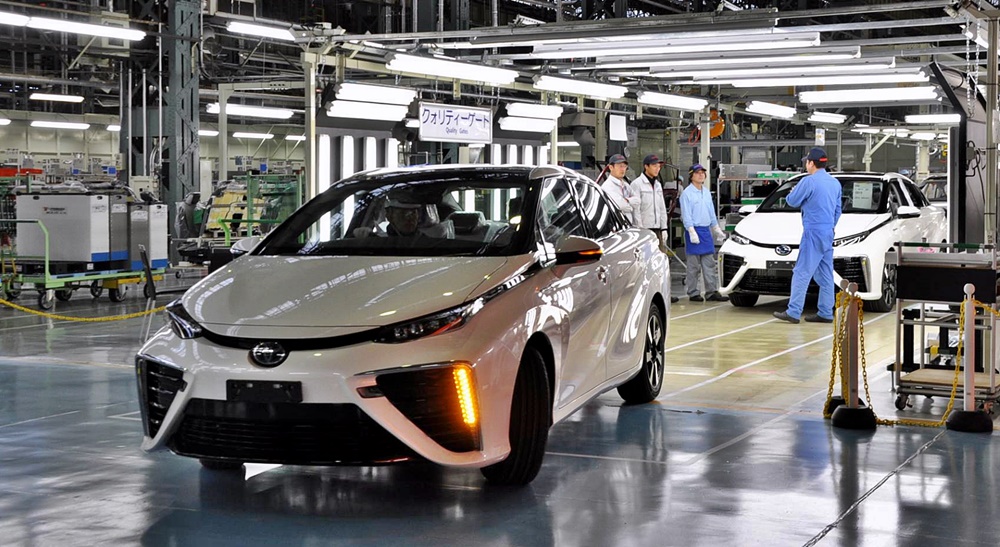
Toyota’s hydrogen fuel cell system already in use in the Mirai.
Toyota Mirai
The Mirai FCV has been on sale since 2014 in selected markets. A second generation has already been developed and will be launched at the end of this year.

Collaboration with Toyota
Besides partnering with the Japanese carmaker on the development and industrialisation of fuel cell technology for the mass market, the two companies are also founding members of the Hydrogen Council. A wealth of other leading companies in the energy, transport and industrial sectors have joined the Hydrogen Council since 2017, swelling its ranks to over 80 members. The BMW Group’s participation in the research project BRYSON (a German acronym for ‘space-efficient hydrogen storage tanks with optimised usability’) underlines its faith in the future viability and potential of hydrogen fuel cell technology.

Toyota to start selling second generation of Mirai hydrogen fuel-cell vehicle in late 2020

PISTON.MY

BHPetrol RON95 Euro4M

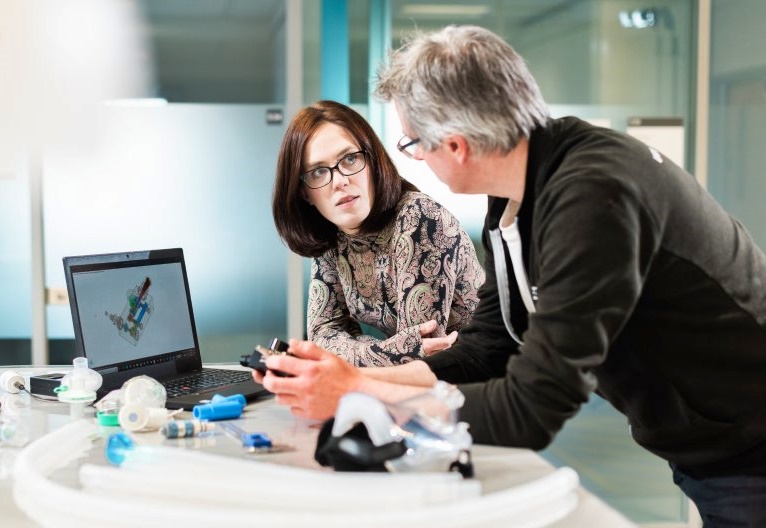
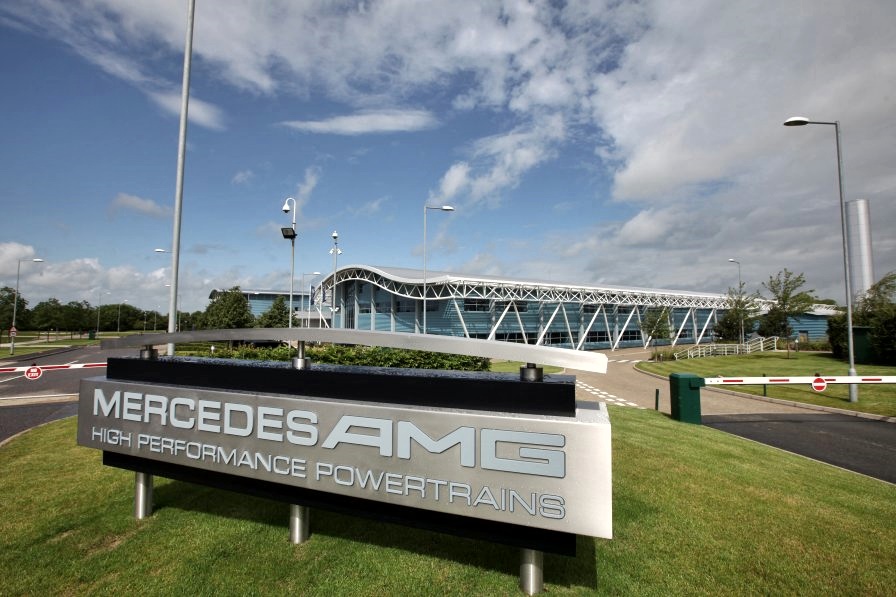
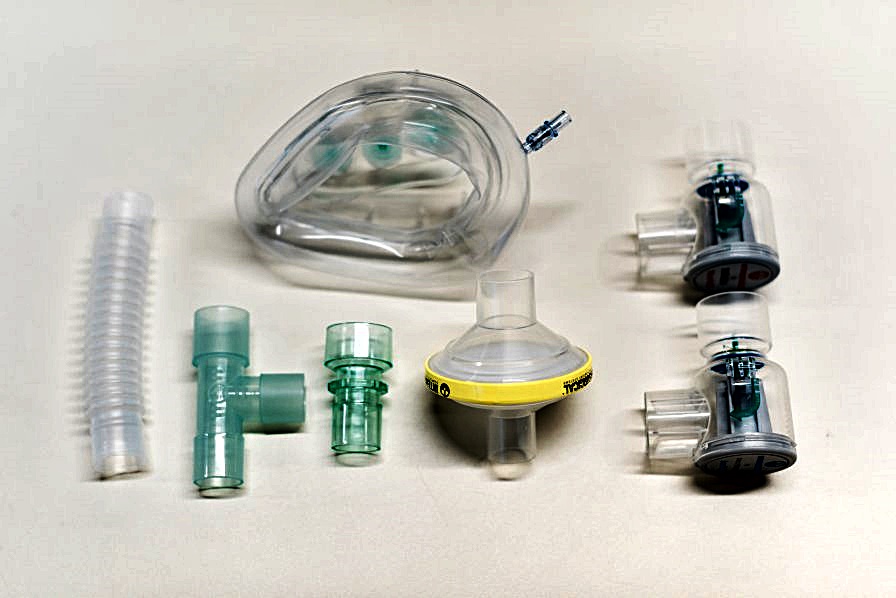
A breathing aid that can help keep COVID-19 patients out of intensive care, adapted by mechanical engineers at University College London (UCL) and clinicians at UCL Hospital (UCLH) working with Mercedes-AMG High Performance Powertrains (Mercedes-AMG HPP), has been approved for use in the Britain’s National Health Service (NHS).

The breathing aid, known as Continuous Positive Airway Pressure (CPAP), has been used extensively in hospitals in Italy and China to help COVID-19 patients with serious lung infections to breathe more easily when oxygen alone is insufficient.

Since March 18, engineers at UCL and HPP and clinicians at UCLH have been working round the clock at UCL’s engineering hub MechSpace to reverse engineer a device that can be produced rapidly by the thousands. It was produced within a rapid timeframe – fewer than 100 hours from the initial meeting to production of the first device. 100 devices are to be delivered to UCLH for clinical trials, with rapid roll-out to hospitals around the country ahead of the predicted surge of hospital admissions.

Mercedes-AMG HPP

Andy Cowell, MD of Mercedes-AMG High Performance Powertrains, said: “The Formula One community has shown an impressive response to the call for support, coming together in the ‘Project Pitlane’ collective to support the national need at this time across a number of different projects. We have been proud to put our resources at the service of UCL to deliver the CPAP project to the highest standards and in the fastest possible timeframe.”

‘Project Pitlane’ is a collective of UK-based Formula 1 teams and their respective technology arms coordinating a response to the UK government’s call for assistance with the manufacture of medical devices. It will pool the resources and capabilities of its member teams, focusing on the core skills of the F1 industry: rapid design, prototype manufacture, test and skilled assembly. F1’s ability to respond rapidly to engineering and technological challenges allows the group to add value to the wider engineering industry’s response.

Mercedes-AMG HPP is responsible for the development of the powertrains in the F1 racing cars. It has considerable depth of expertise in both hardware and software across all elements of the Formula 1 hybrid Power Unit.

Mercedes-AMG HPP

The collaboration demonstrates the way that universities, the NHS and industry are coming together to help the national response in Britain to the coronavirus outbreak by providing vital technologies to the NHS which can enable them to care for patients who require respiratory support. Reports from Italy indicate that approximately 50% of patients given CPAP have avoided the need for invasive mechanical ventilation. However, such devices are in short supply in UK hospitals.

UCLH critical care consultant Professor Mervyn Singer (UCL Medicine) said: “These devices will help to save lives by ensuring that ventilators, a limited resource, are used only for the most severely ill. “While they will be tested at UCLH first, we hope they will make a real difference to hospitals across the UK by reducing demand on intensive care staff and beds, as well as helping patients recover without the need for more invasive ventilation.”

Mercedes-AMG HPP

CPAP machines are routinely used by the NHS to support patients in hospital or at home with breathing difficulties. They work by pushing an air-oxygen mix into the mouth and nose at a continuous rate, keeping airways open and increasing the amount of oxygen entering the lungs. Invasive ventilators deliver breaths directly into the lungs, but require heavy sedation and connection to a tube placed into the patient’s trachea (windpipe).

StayAtHome

Why you should Stay Apart

Social distancing

PISTON.MY

BHPetrol RON95 Euro4M

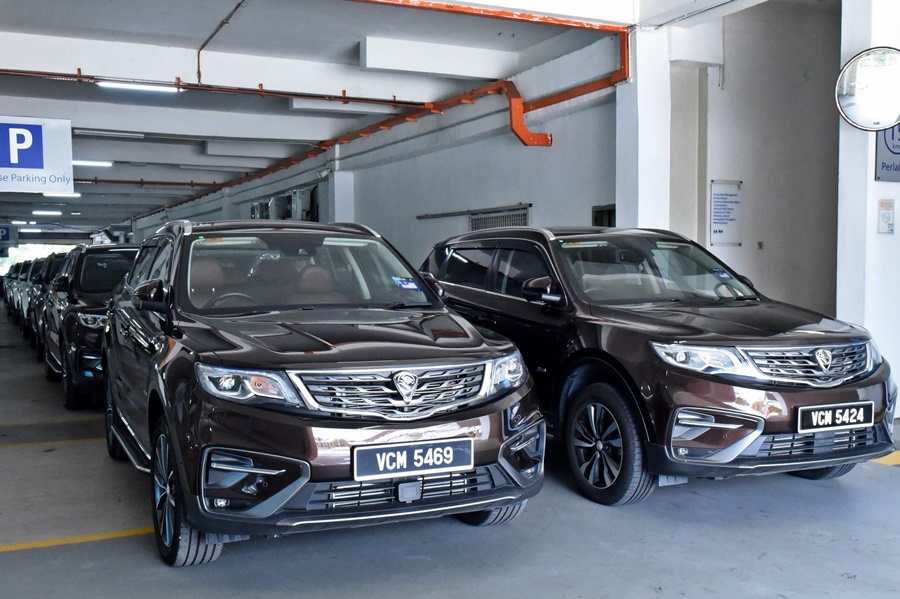
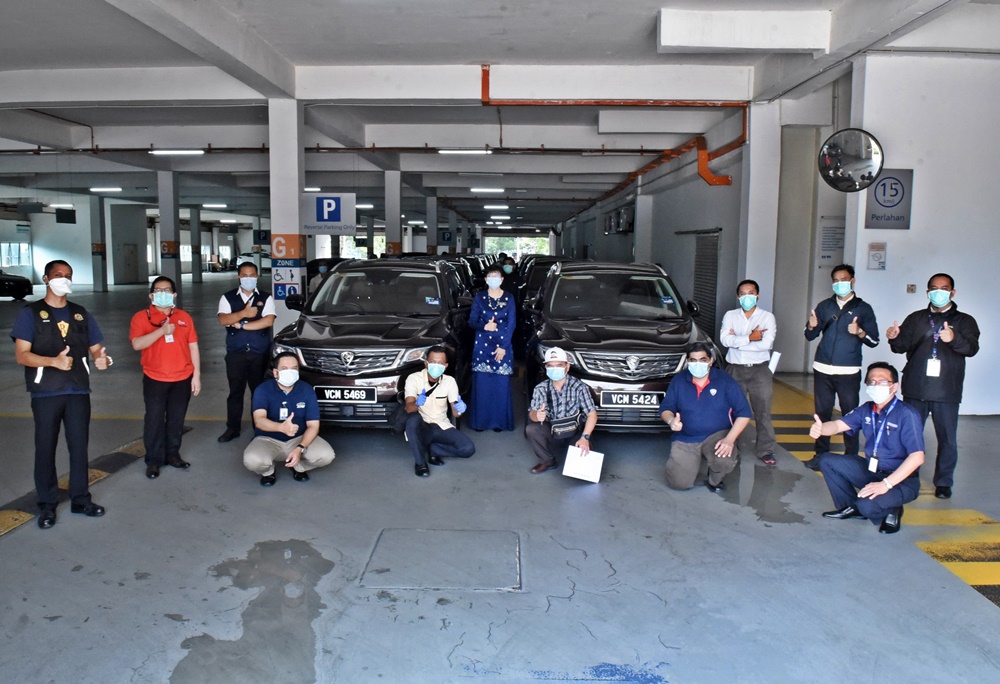
Like Geely Auto, its sister company in the Zhejiang Geely Holding Group, Proton has also been contributing to the fight against the COVID-19 coronavirus. With the frontliners being the vital force in this battle, Proton has provided 50 vehicles to the Malaysian Ministry of Health for its use.

The vehicles, all Proton X70s, will primarily be used to ferry medical workers to and from work as well as to any hotspots in the country in need of urgent attention.

PROTON and KKM staff

Meanwhile, the carmaker has also provided vehicle owners with some tips on what to do with their vehicles which may have remained unused for up to 28 days due to the Movement Control Order (MCO) which began on March 18 and is set to end on April 14.

Here are 4 tips from Proton that you can carry out at your home:

Stay charged up
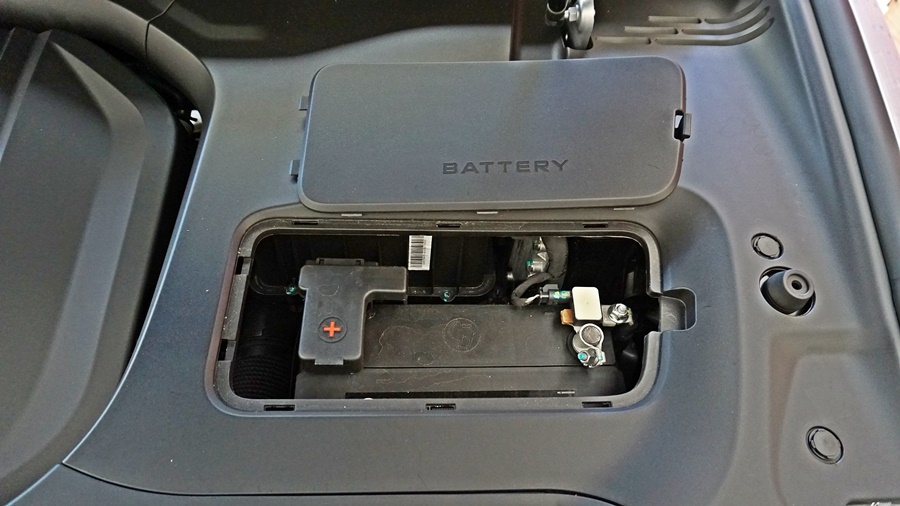
While technology has progressed since the early years of automobile production, one fact remains – a vehicle engine needs to be started periodically (the recommended period is every 7 days) in order to maintain functionality. This particularly applies to the battery which stores electricity that is used to start the engine and provide electrical power to also power systems.

Battery

If the engine is not run frequently, the alternator is unable to charge the battery and it will lose its energy. To avoid this, start your vehicle’s engine and keep it running for 10 minutes to allow the alternator to recharge the battery.

Run only the engine during those 10 minutes and keep all other systems off. If your vehicle is not parked without your home compound, do remember to lock it when you have finished!

Keep the pressure up
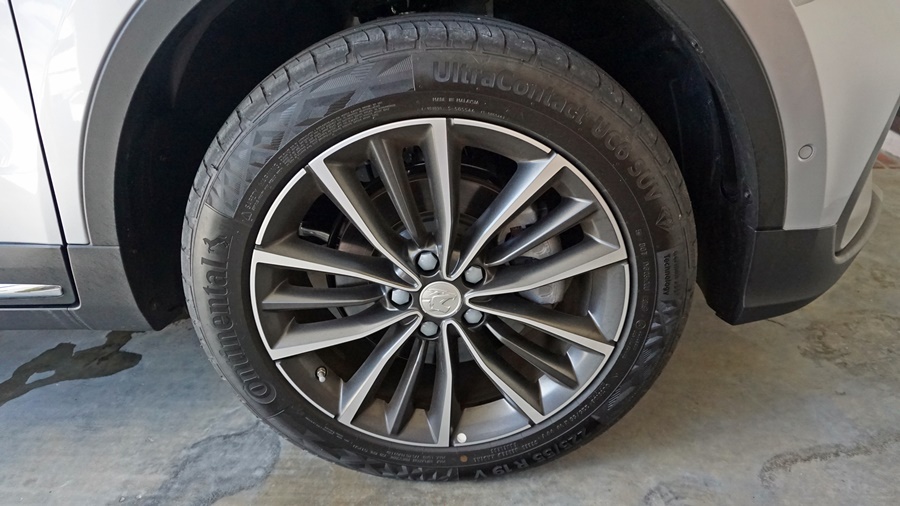
Tyre pressures should be checked bi-weekly to ensure they are at the recommended levels. To know what the right pressure is, you can refer to the Owner’s Manual or the sticker that is usually found on inside face of the door pillar next to the driver’s seat.

Then check the pressures of all tyres using a tyre pressure gauge. If you have an X70, you can also use the Tyre Pressure Monitoring System display to see the pressures. Should the pressures be lower than recommended, go to the nearest petrol station to get them to the right pressure.

Tyres

Additionally, leaving your vehicle parked in the same spot for several days could result in flat spots on your tyres. Eventually, the tyre will lose its circular shape which can cause vibrations to be transmitted through the steering wheel when driving, even on smooth roads. To avoid this, move your vehicle forwards or backwards when you’re charging the vehicle’s battery.

Remember the wipers
If your vehicle is going to be parked in the open under the sun for this extended period, it’s good practice to keep windscreen wipers lifted up. The glass can get very hot under the sun and the heat transfer from the glass as well as prolonged exposure to UV rays will cause the wiper blades to harden, making them less effective.

Wipers

Dashboard

Keep the inside sanitized
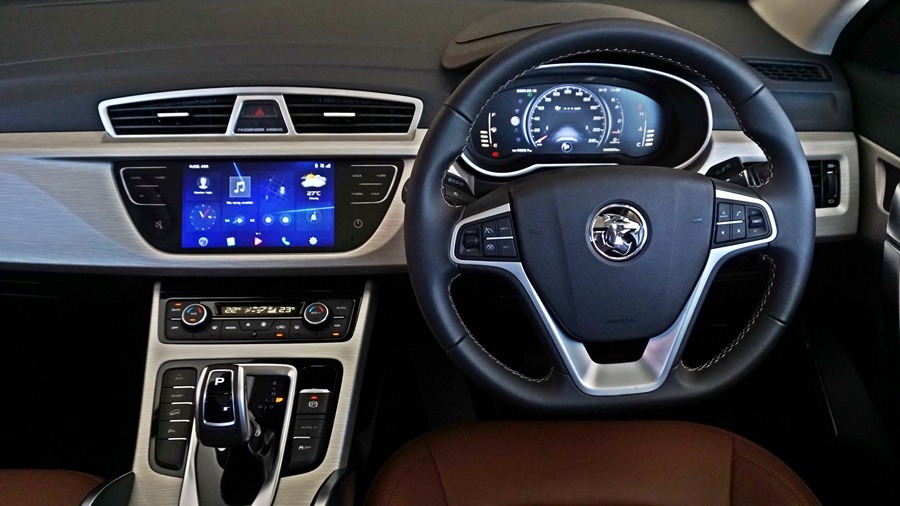
Especially at this time, hygiene is vital and it’s a good idea to practise sanitising your hands and the surfaces you’ve touched, particularly in your vehicle. After each journey, make sure you use some disinfectant to wipe surfaces like the steering wheel, door handles, window switches and gear lever. If you have an audio system with a touchscreen, mist some disinfectant onto a soft cloth and gently wipe the surface. Take extra care not to overdo it as too much moisture could damage the vehicle’s equipment surface.

2020 Proton X70 – lower prices, extra features and now assembled in Malaysia

StayAtHome

Social distancing

BHPetrol RON95 Euro4M

Even with the COVID-19 pandemic on, Genesis (Hyundai Motor’s luxury division) has not postponed one of the major activities it would have planned long before the pandemic started: the launch of its all-new G80 executive sedan. The original plan may have been to have the global debut in America but since that is not practical or appropriate anymore, the company did its world premiere online.

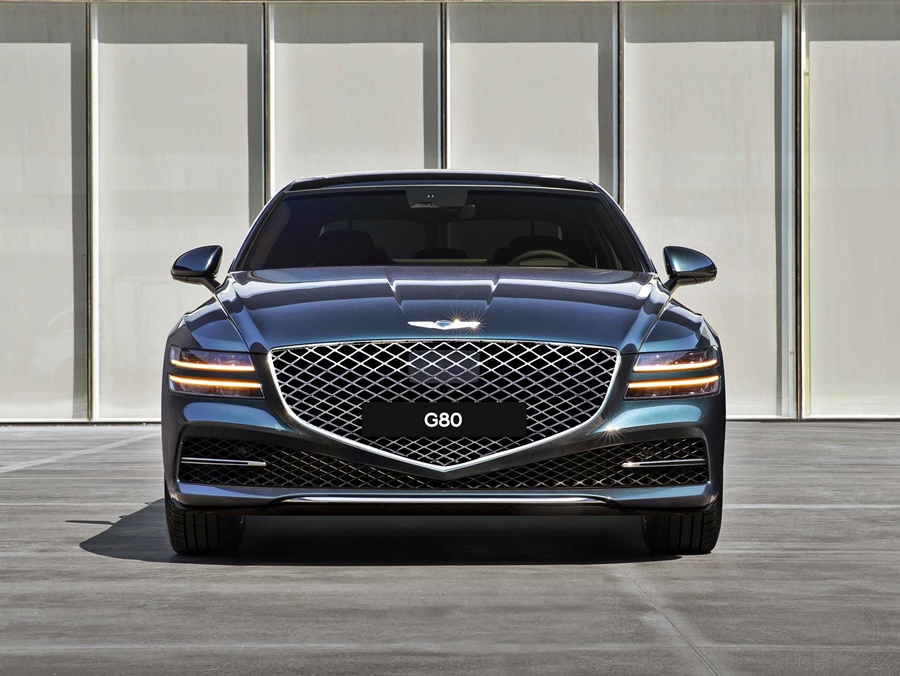
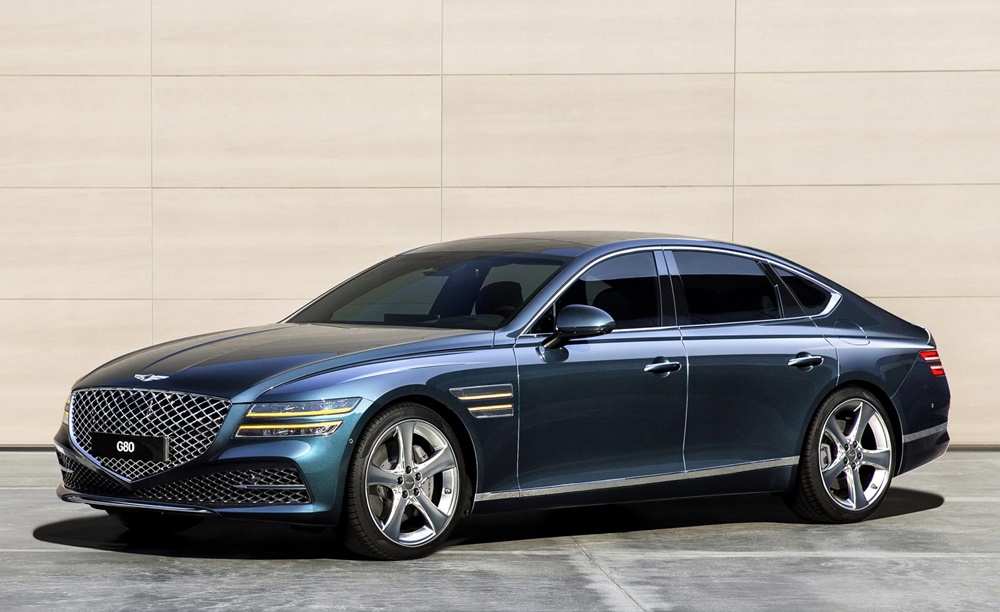
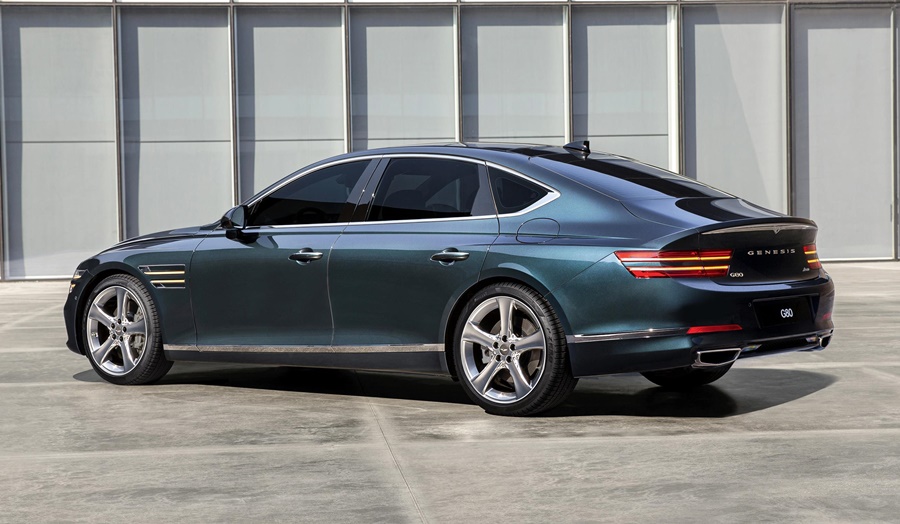
The new G80 enters it third generation with this model that is the centrepiece of the Genesis range. This time, its athletic and elegant characteristics represent the clearest interpretation yet of the brand identity.

2020 Genesis G80

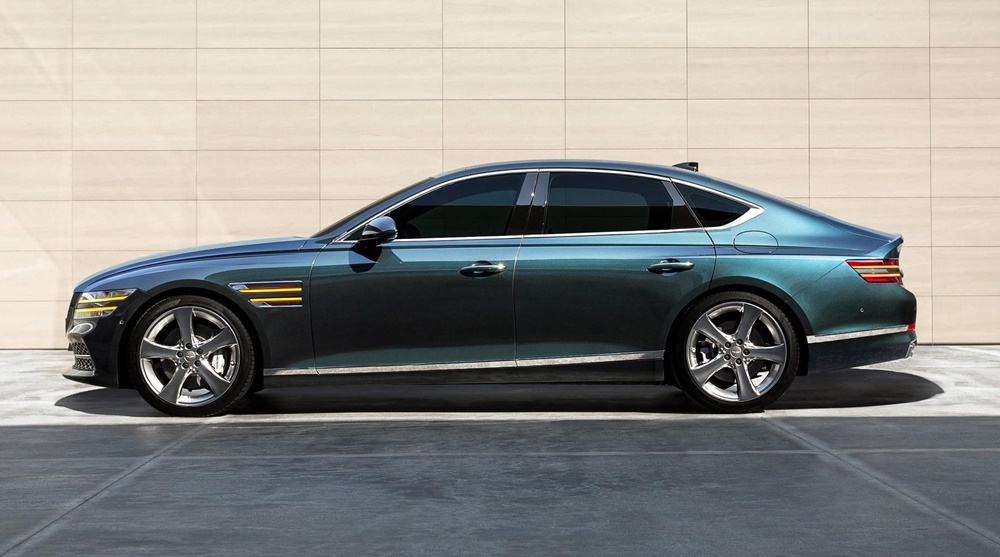
On the side is the Parabolic Line, a design feature which begins at the front Quad Lamp and gradually runs lower to the rear through the top of the doo. Inspired by the elegant look of several venerable classic cars, this elegant line is counter-balanced by athletic ‘power lines’ emphasizing the strength of fender volume and the upfitted 20-inch wheels.

In addition, the chrome trim beginning from behind the front wheels stretches out along at the bottom of the door, crosses the side sills and swells upwards to the rear, strengthening forward visual motion.

2020 Genesis G80


Panoramic ambience
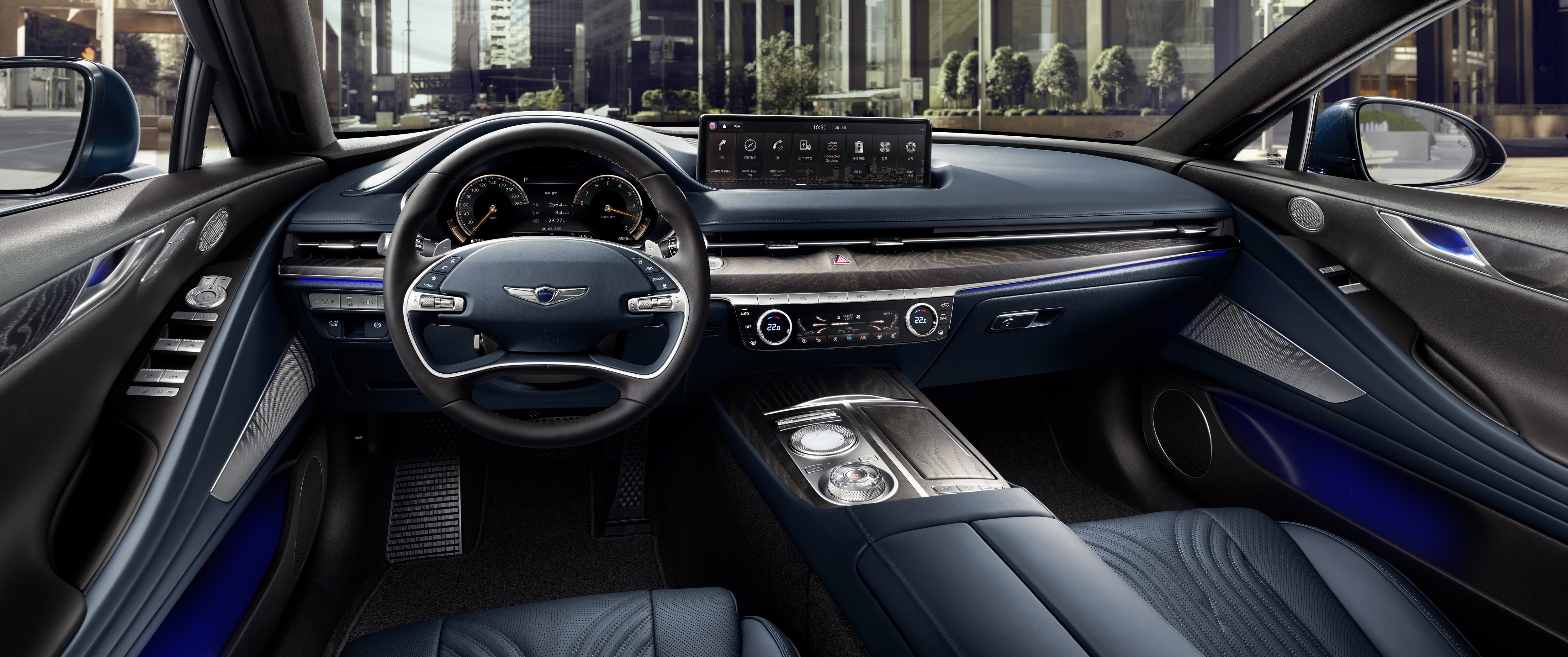
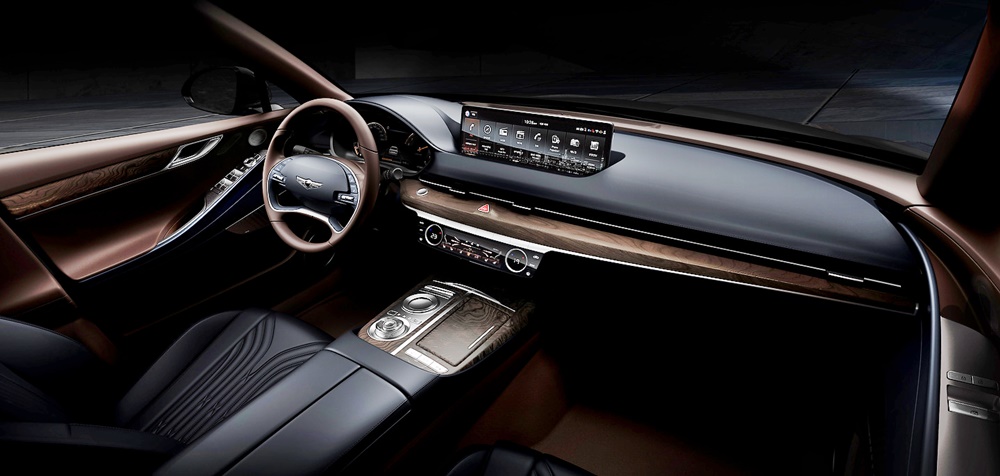
Within the spacious cabin, the steering wheel and sleek, thin air vents run across the passenger compartment splitting it into the panoramic area above and the control area below. The number of hard buttons and switches was intentionally kept to a minimum, both for aesthetic purposes and ease of use.

In the panoramic area, a heads-up display, 12.3-inch cluster and 14.5-inch infotainment system display necessary information while driving. The control area is equipped with an intuitive suite of interfaces to allow management of the various systems easily and safely.

2020 Genesis G80

The 12.3-inch 3D cluster recognizes the driver’s eyes and provides various driving information and can also be converted to 2D screens on the driver’s preference. The driver’s seat is equipped with an ergo motion seat function featuring seven air cells, which enables optimum seating for each driving mode and reduces fatigue via a stretching mode and automatic posture correction functions.

2020 Genesis G80

Solid foundation with powertrain innovations
The new G80 sits on a brand-exclusive, third-generation, rear-wheel drive platform with a design that lowers the body and the centre of gravity. This new platform makes possible a wider cabin while improving driving stability.

The use of lightweight materials was as extensive as possible, with aluminium used for about 19% of the bodyshell. This helps to reduce the overall weight by 125 kgs, compared to the previous generation, increasing fuel efficiency and performance.

Engineered for world markets
Three engine options are available, depending on the market – a 2.5-litre turbocharged 4-cylinder (304 ps/422 Nm); 3.5-litre turbocharged V6 (380 ps/530 Nm); and a 4-cylinder turbodiesel with a 2.2-litre displacement (210 ps/441 Nm).

Understanding that performance doesn’t mean acceleration to everybody, the Genesis engineers focussed on lowering NVH (noise, vibration and harshness). Acoustic glass is utilized for the windshield and all doors and improved door sealing, new engine compartment sound insulation and resonant sound-reducing wheels ensure interior quietness. In addition, the Electronically Controlled Suspension with Road Preview enhances ride quality by reducing road impacts using information supplied through the front camera.

2020 Genesis G80

Advanced safety technology
In addition to the safety platform integrating communications between around 40 controllers in real-time to help ensure the right response in various scenario, the new G80 introduces state-of-the-art advanced driver-assistance systems (ADAS). These are Highway Driving Assist II, Smart Cruise Control with Machine Learning, Pre-active Safety Seat, Forward Collision-Avoidance Assist, and Blind-Spot Collision Avoidance Assist.  No less than 10 airbags are located around the cabin, including a centre airbag (between the front seat occupants) that helps prevent secondary contact between occupants in a side impact.

Depending on how the pandemic situation goes, the original plan was to begin export sales and deliveries during the fourth quarter of the year. However, if suppliers and factories have extended shutdowns, the schedule may be changed.
First SUV in Genesis range targeted at North American market

PISTON.MY

Social distancing

StayAtHome


BHPetrol RON95 Euro4M

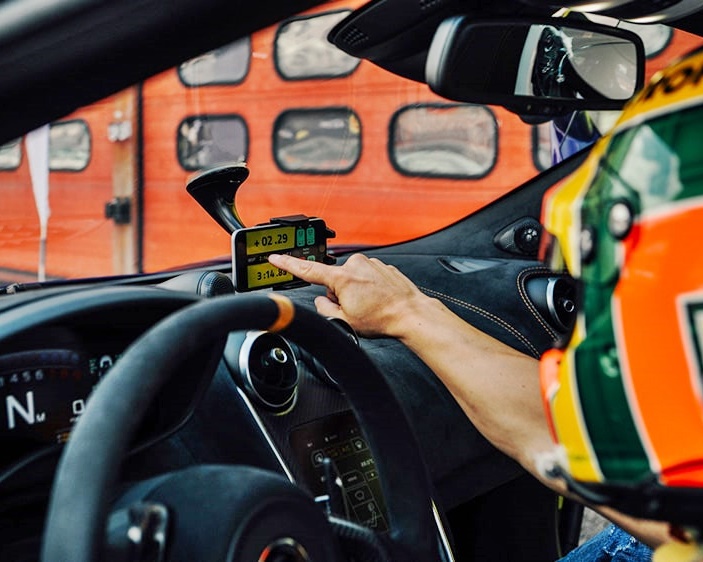
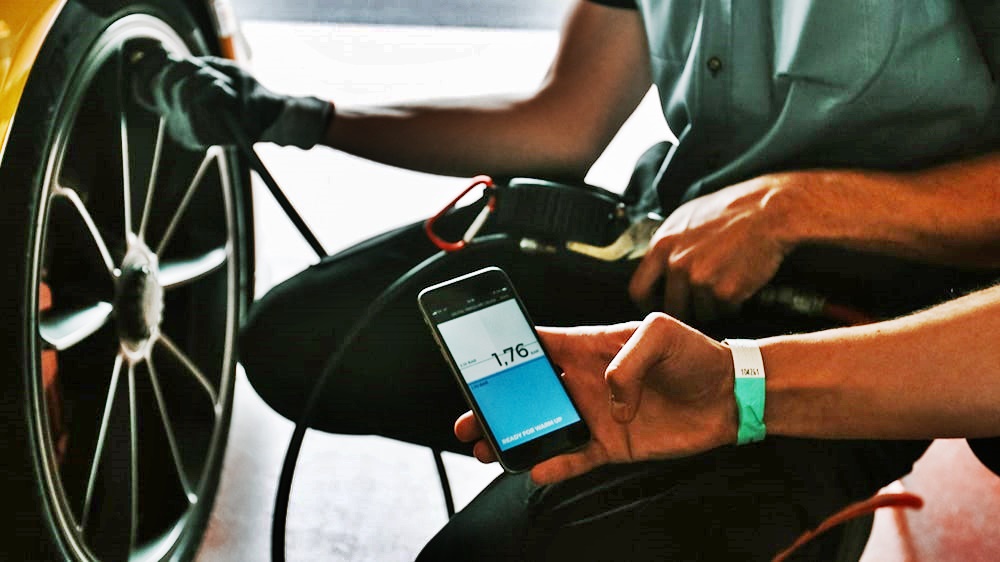
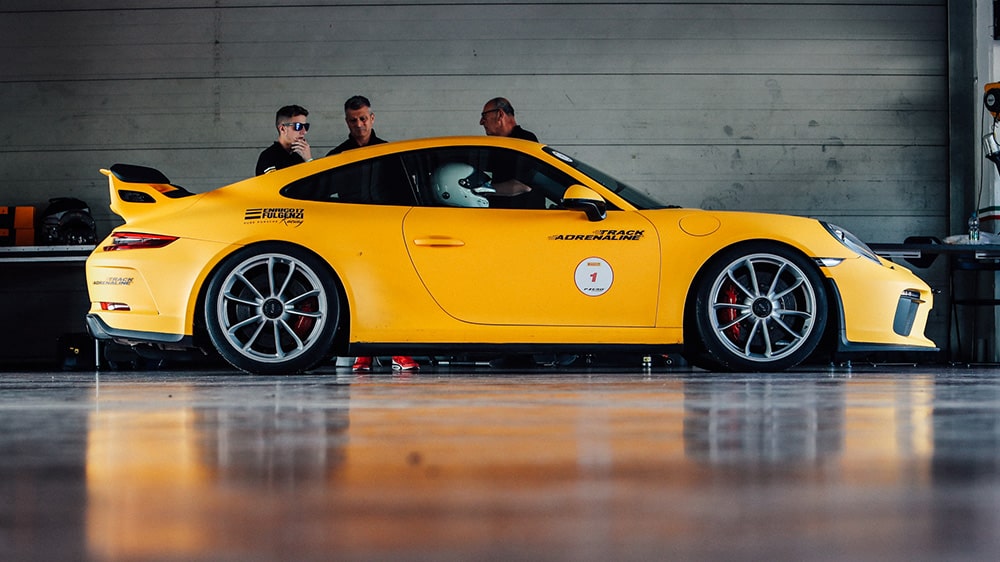
Track Adrenaline, a system from Pirelli, gives track day enthusiasts and driving schools a way analyse their driving style. At the same time, they can also learn how to best to manage tyres as sensors assess the conditions of the tyres such as pressure and temperature.

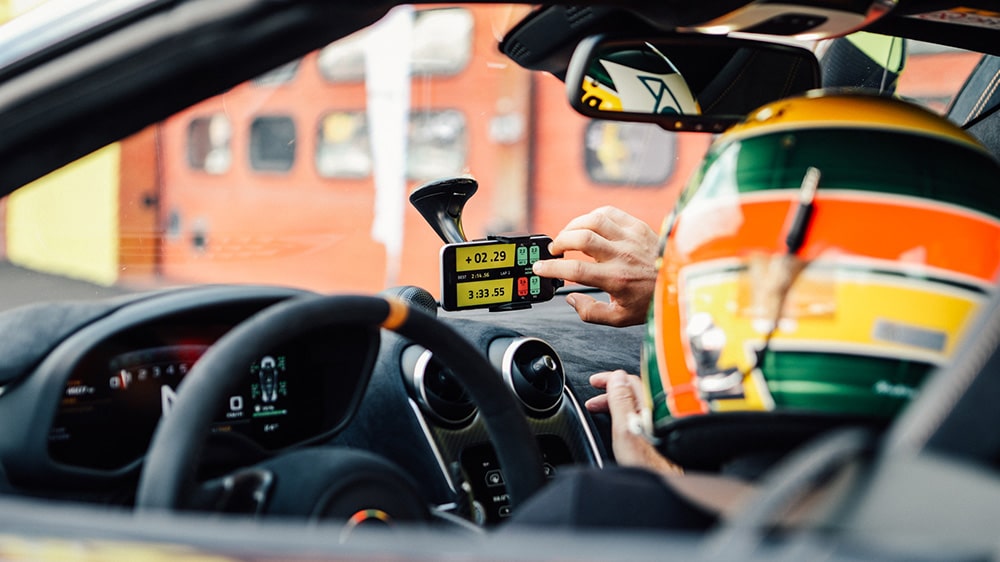
Track Adrenaline includes a high-precision GPS and an App which – thanks to ‘replay’ and ‘analysis’ functions – suggests how to improve performance on the track and get the best out of the tyres. In addition, a LIVE VIEW function is available for the passenger, if present.

The system comprises three main elements: a small portable central control unit which can be easily installed inside the vehicle; the Track Adrenaline App which can be downloaded for free onto compatible iPhones; and the P Zero Trofeo R tyres, already available in 7 sizes with the sensors installed in the internal lining of the carcass.

Pirelli Track Adrenaline system

Constant monitoring of tyre conditions
Before starting a drive, Track Adrenaline provides an overview of the condition of the tyres in a practical and rapid manner and, thanks to the digital manometer, configure the ideal set-up. During the drive, Track Adrenaline saves the information about the condition of the tyres and, at the same time, combines the data received from them with the telemetric information captured by the control unit.

This GPS module guarantees precision in the tracking and definition of trajectories as well as time measurements. Furthermore, the system’s database includes the principal race circuits so that the GPS can identify the track which is about to be tackled, including the position of the finishing line and of the split points.

The control unit, linked via wi-fi to the App, offers the experience of an extremely high-performance timer with telemetric data and real-time analysis of the session on the track. This includes the lap time, intermediate timings, expected time difference and the lap producing the best recorded time.

Pirelli Track Adrenaline system

Real-time guidance
On those occasions in which the driver is accompanied by a passenger, the LIVE VIEW function can also be used. Short and instant messages such as ‘WARM UP!’, ‘PUSH NOW!’, ‘COOL DOWN!’, ‘RESTORE PRESSURE!’, ‘BOX BOX BOX!’ associated with a simple colour code, enable the passenger to provide guidance to the driver.
Pirelli Track Adrenaline system

From track to sofa
Once the day at the track has finished, all the data gathered during the session is saved to the appropriate cloud and accessed at any time. The App also contains a ‘My Garage’ area where users can register all the cars for which they use Track Adrenaline and thus always have easy access to the particulars of their vehicles, the measurements of the tyres and the results of all the performances so that these can be compared with each other.

Pirelli to be sole tyre-supplier for FIA World Rally Championship

PISTON.MY

StayAtHome

Social distancing

Archive

Follow us on Facebook

Follow us on YouTube