


Piston.my

Latest News

The new company formed by the merger of Fiat Chrysler Automobiles (FCA) and the PSA Group will see 14 brands – mainly European – coming under one group. That’s a lot of brands to manage and in an age when economies of scale are paramount, there’s the big question mark of whether some brands will be discontinued. Or if they are retained, will they lose their uniqueness and be just badge-engineered products that are needed for certain regions where the brand has been popular?

Carlos Tavares (currently PSA’s chief), who will be the CEO of the new combined company, has said that no brand will be axed while acknowledging that it will be a challenge to manage so many brands. But these are early days and the new company has not even started business; once the new management starts to look at the numbers and formulates long-term plans, it may be necessary to make the hard decisions and cut off some brands that just cannot deliver revenues.
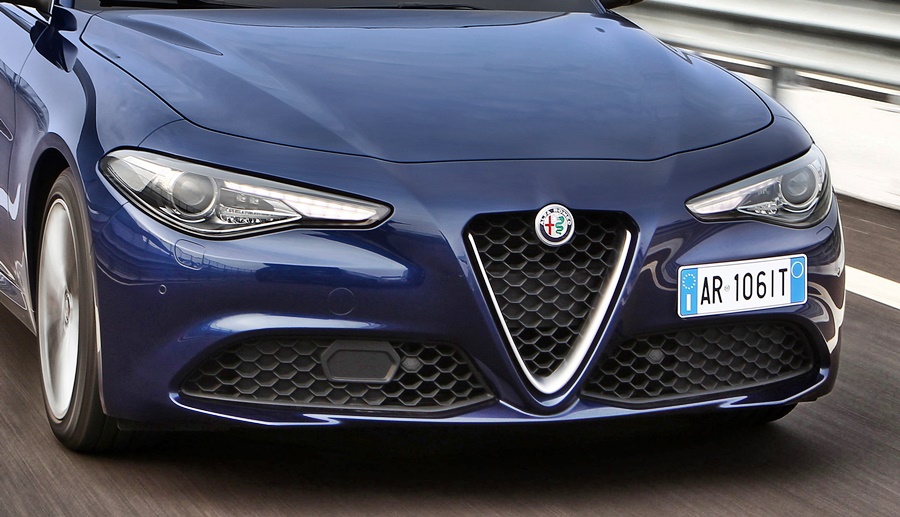
Alfa Romeo

A struggle to be kept in existence
One brand that many worry about is Alfa Romeo. The sporty Italian brand has a history spanning over 100 years and has a strong following of alfisti all over the world. Fiat acquired it in 1986 but struggled to get it to make money for the past 20 years. When former FCA CEO Sergio Marchionne was alive, he tried to boost the brand but three efforts still failed. His successor, Mike Manley, was less sentimental about the brand and had announced decreased investments for it.

There is a glimmer of hope for Alfa Romeo though, simply because 61-year old Tavares is a true car guy. His first job after university was as a test driver at Renault and apart from a strong  personal interest in cars, he also goes racing on many weekends (though that may have to be sacrificed in future). So while he is also known as a cost-cutter like his former boss (Carlos Ghosn), he may well make a decision ‘from the heart’ and keep the Italian brand going somehow.
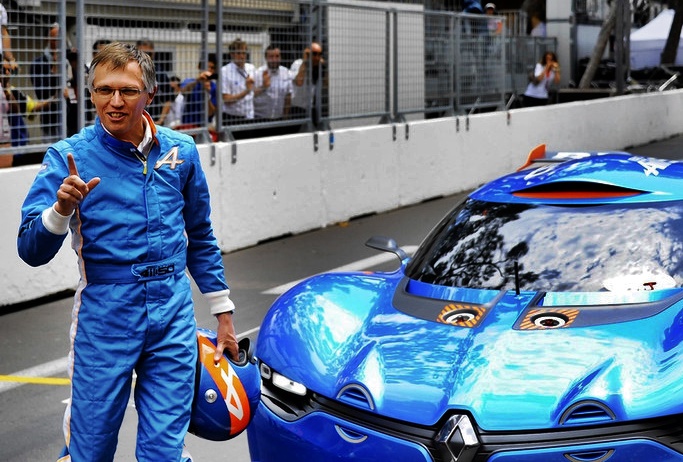
Carlos Tavares
Carlos Tavares, who will be the CEO of the new combined company, is a real car-guy. And like Akio Toyoda, he also goes racing!

Trying unconventional ideas like the SZ
He may look at unconventional ideas to breathe new life into Alfa Romeo, as Vittorio Ghidella, President of Fiat in 1986, did when he initiated the ‘Experimental Sportscar, 3.0 litre engine (ES30) project. Ghidella specified a puristic coupe with the sporty performance and sensational design as the target for the development contract.
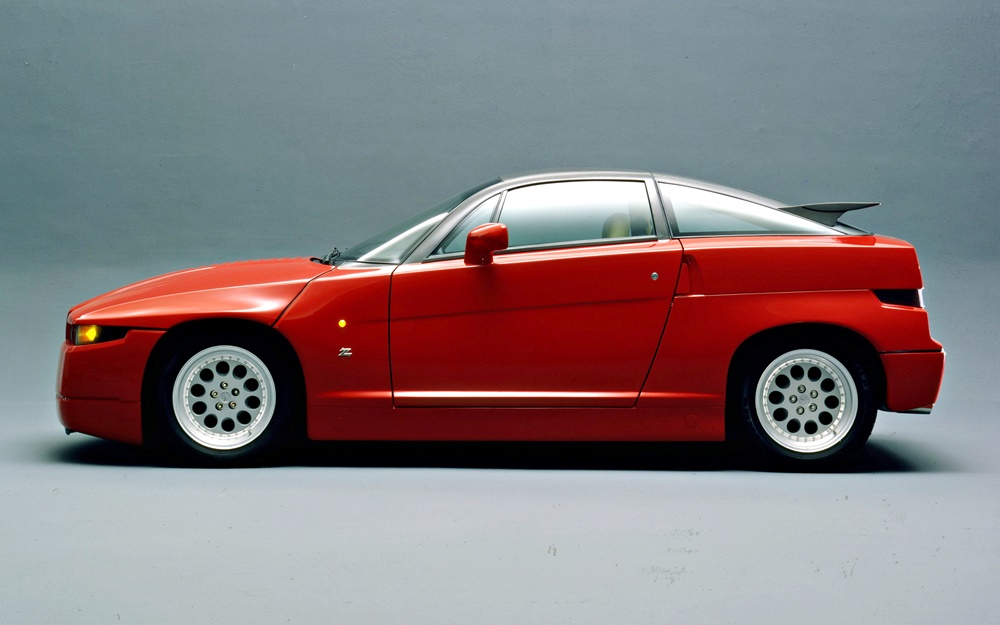
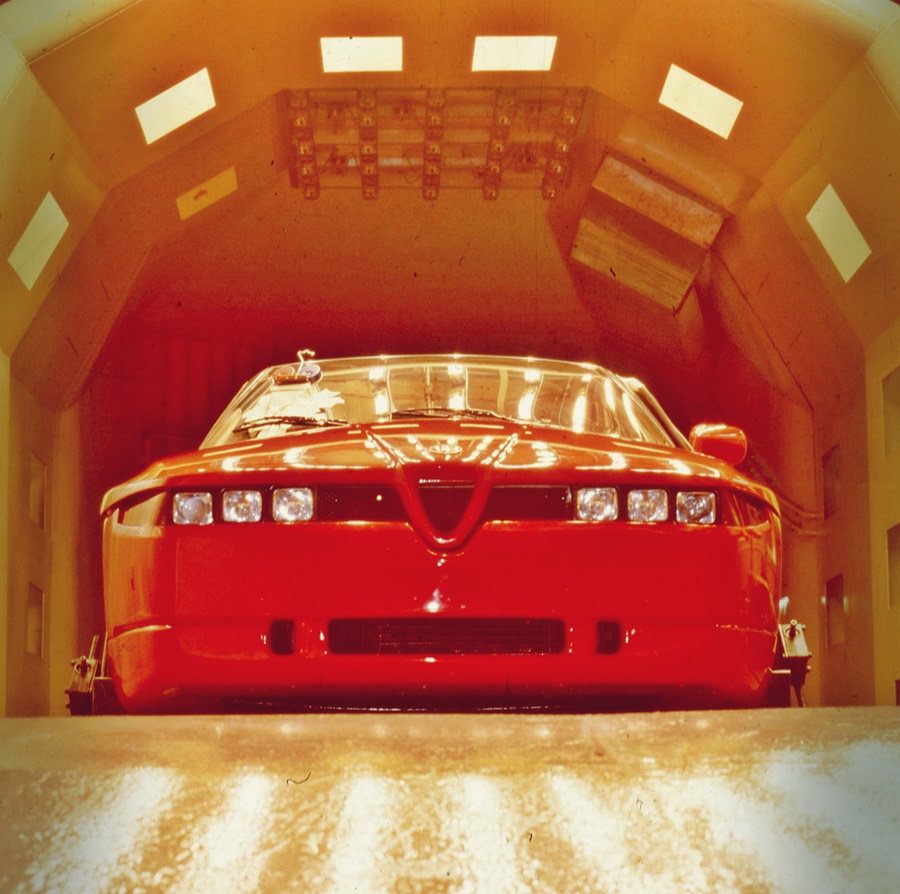
Alfa Romeo SZ 1987

Three teams took care of the second point of the task description in parallel – the Alfa Romeo design department, Fiat Centro Stile and design studio Zagato (responsible for some of the most spectacular and most successful models from Alfa Romeo in racing). This team of three was also given a low weight and the most efficient aerodynamics including ground effect possible, as in a Formula 1 racing car, which was supposed to suck the finished model onto the road through the wind.

The result was an avant-garde design with narrow, square triple headlights, a distinctive wedge shape with a high beltline and a short hatchback. The ES30 was undoubtedly the most radical thing there was at the time as a production vehicle. The coupe corresponded entirely to the aesthetics at the time of Italian design in furniture and fashion.
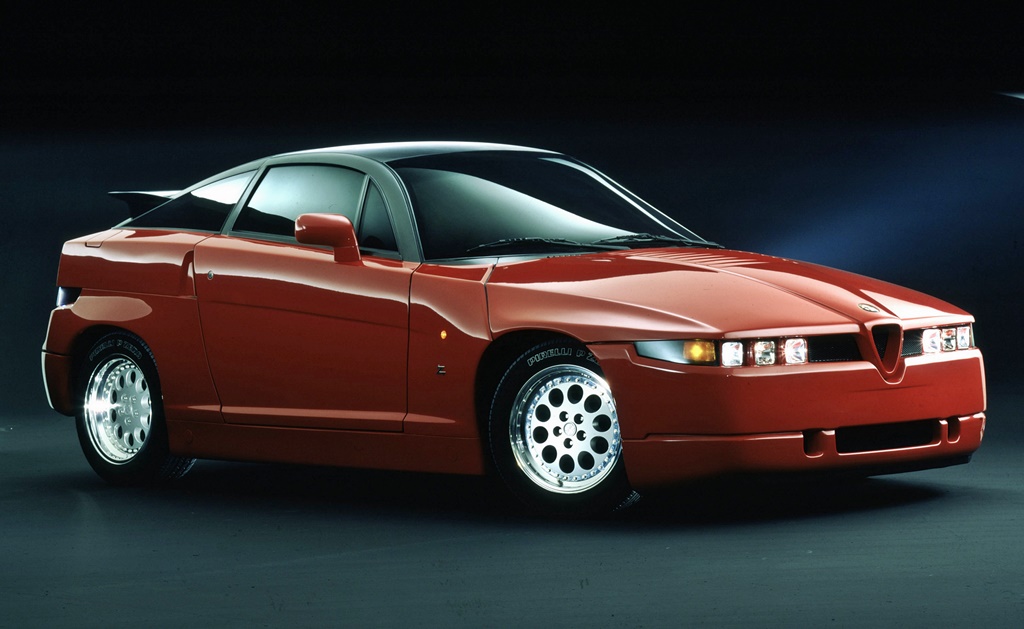
Alfa Romeo SZ 1987

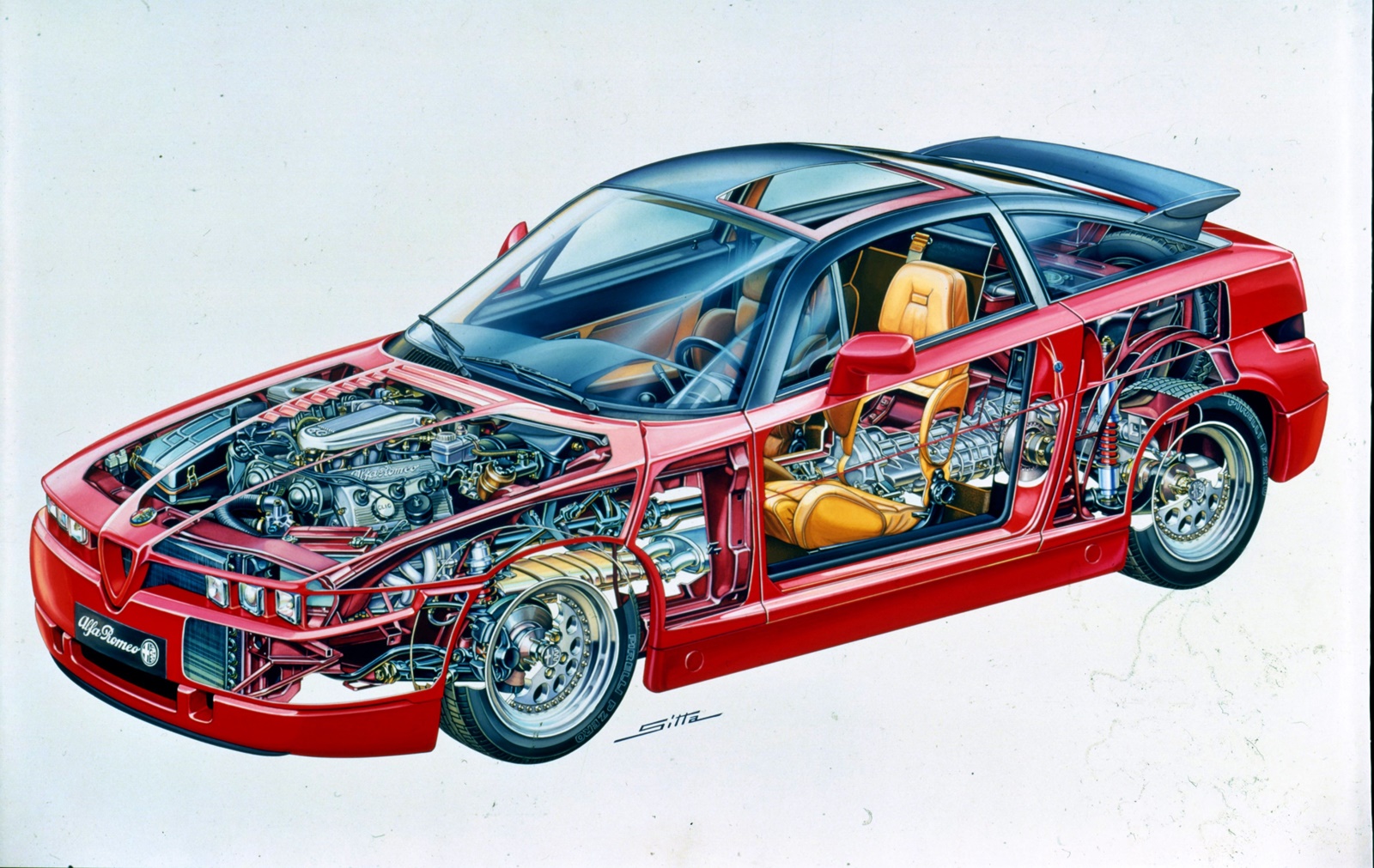
The elaborate body was made of a glassfibre-reinforced synthetic resin. A new process ensured a particularly smooth surface. A steel skeleton served as the load-bearing structure, which, in addition to high torsional rigidity, also guaranteed low weight. The light metal aluminium was used for the roof skin. The finished car would finally weigh a comparatively low 1,256 kgs.

The drag coefficient of 0.30 was also excellent for the time. Wind tunnel tests indicated a top speed of 245 km/h and a time of 7.5 seconds for the sprint from 0 to 100 km/h. In order to achieve the required ground effect, however, the body had to have such a low ground clearance (around 6 cm) that it would have led to problems with, for example, driveways. The solution was an electrical level control, with the help of which the body could be raised by 5 cm when necessary.

Alfa Romeo 75 technology
As the other requirement was to keep the development costs low, the team used the proven technology of the Alfa Romeo 75. However, the chassis with the gearbox on the rear axle (transaxle design) was in some places know-how the Alfa Romeo racing department adapted to the desired performance. The torsion spring bars on the front axle gave way to conventional McPherson struts, stiff Uniball joints instead of the conventional rubber elements, eliminating inherent movements in the chassis.
Alfa Romeo SZ 1987

The technicians selected the V6 petrol engine with 3 litres displacement from the 75 America model as the drive source. They increased its output to 210 bhp through sharper camshafts and newly programmed engine electronics (Bosch Motronic).

Zagato even developed a racing version of the ES30, which appeared in its own one-make cup in 1993 as part of some Formula 1 races. But the comfortable driving behaviour also proved itself in everyday life, even long tours were a pleasure in the two-seater coupe.

After just 19 months of development, just in time for the planned world premiere at the Geneva Motor Show in March 1989, the ES30 project was ready for production. Since production at Zagato was to take place in the Milan suburb of Rho, the company remembered a legendary combination of letters – SZ for ‘Sprint Zagato’. Despite the relatively high base price, 1,036 cars were sold between 1989 and 1993.

PISTON.MY

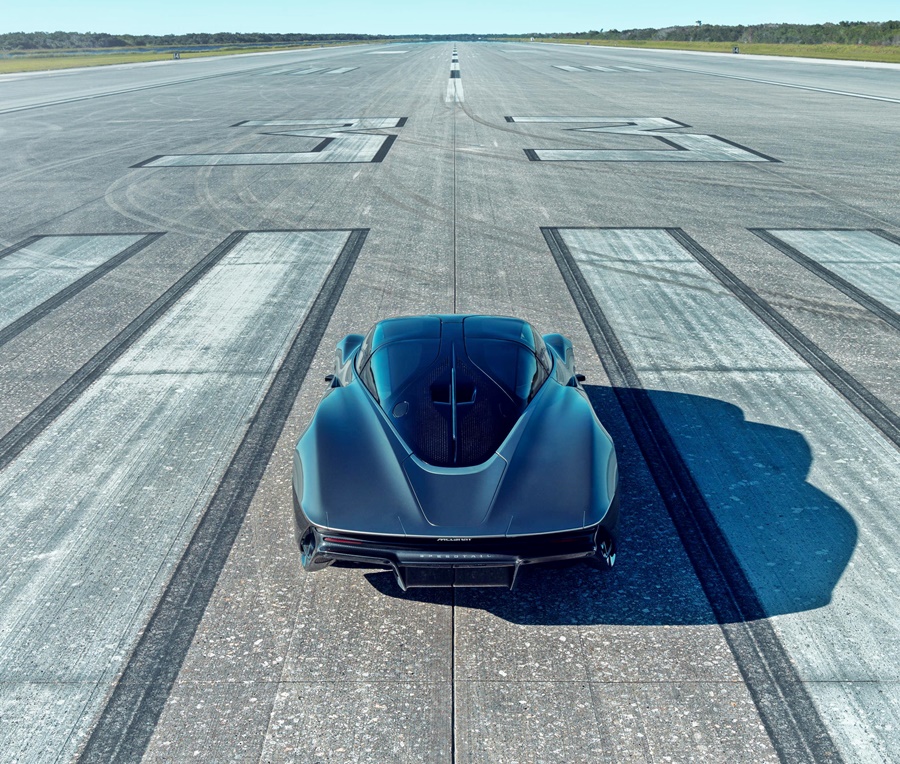
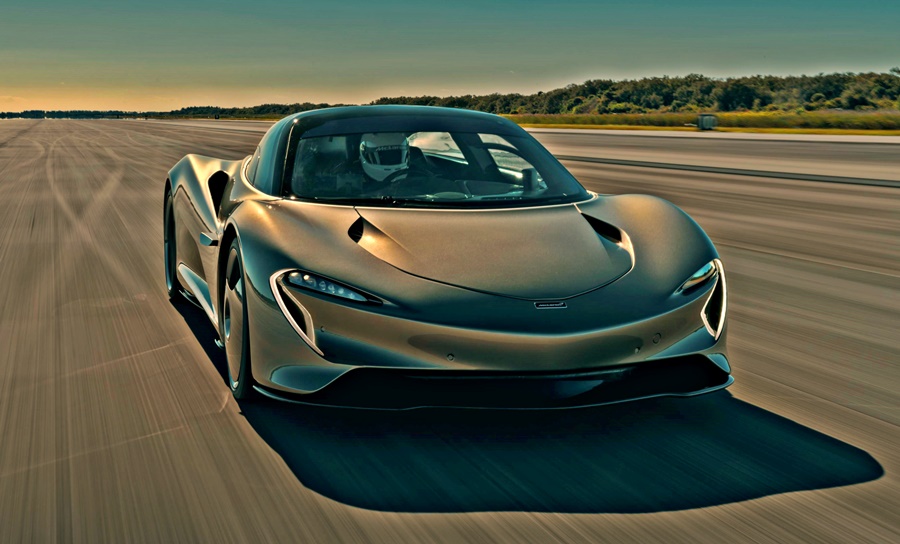
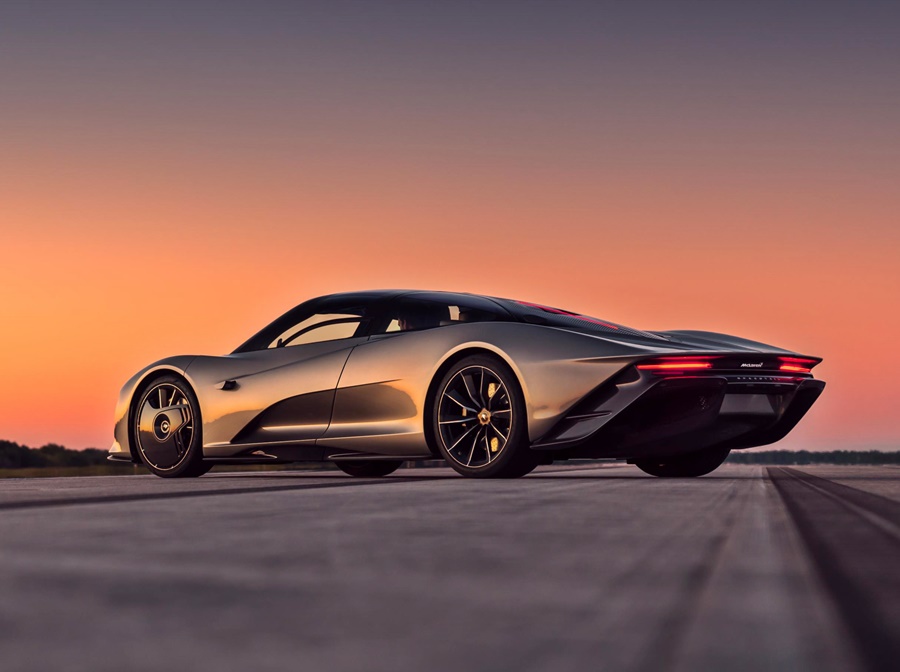
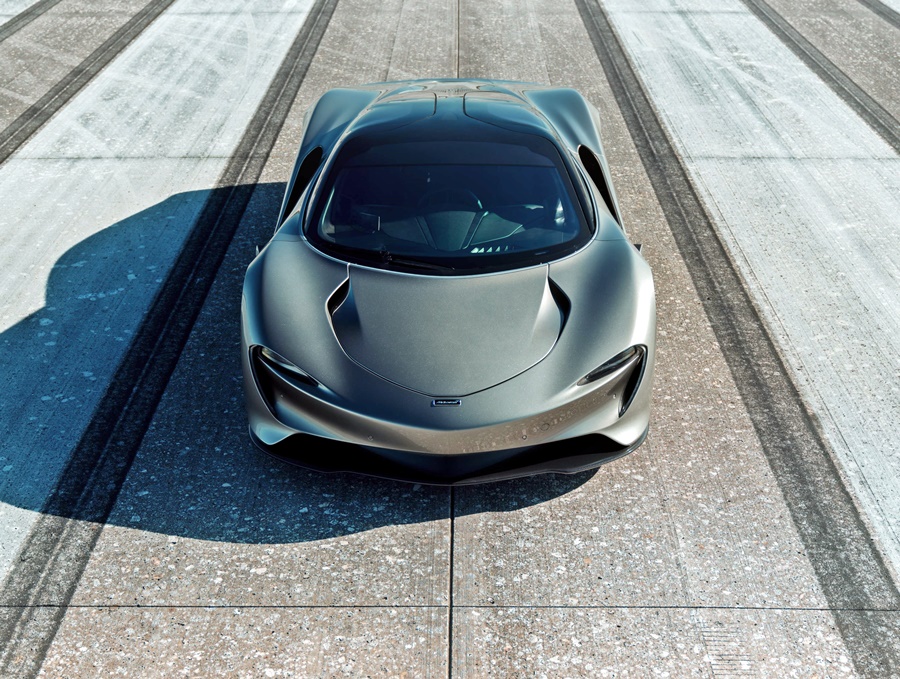
The dynamic development programme for the fastest and most technically advanced McLaren ever ended with McLaren chief test driver, Kenny Brack, taking the new Speedtail up to its maximum speed of 403 km/h at the Kennedy Space Centre in Florida, USA.
McLaren Speedtail Hypercar
The final high-speed tests were done on the runway that the space shuttles landed on.

McLaren Speedtail Hypercar

McLaren Speedtail Hypercar

The final high-speed tests in the ground-breaking hypercar’s extensive engineering validation process saw Speedtail prototype designated ‘XP2’ reach its maximum speed more than 30 times on the space shuttle landing runway. The exercise concluded a programme of high-speed running carried out at multiple test facilities worldwide, including Idiada in Spain and Papenburg in Germany.

“It’s fitting that the Speedtail’s high-speed test programme concluded with multiple maximum-speed runs at a location strongly associated with pushing the boundaries of extreme performance and engineering excellence,” said McLaren Automotive CEO, Mike Flewitt. “The Speedtail is a truly extraordinary car that epitomises McLaren’s pioneering spirit and perfectly illustrates our determination to continue to set new benchmarks for supercar and hypercar performance.”

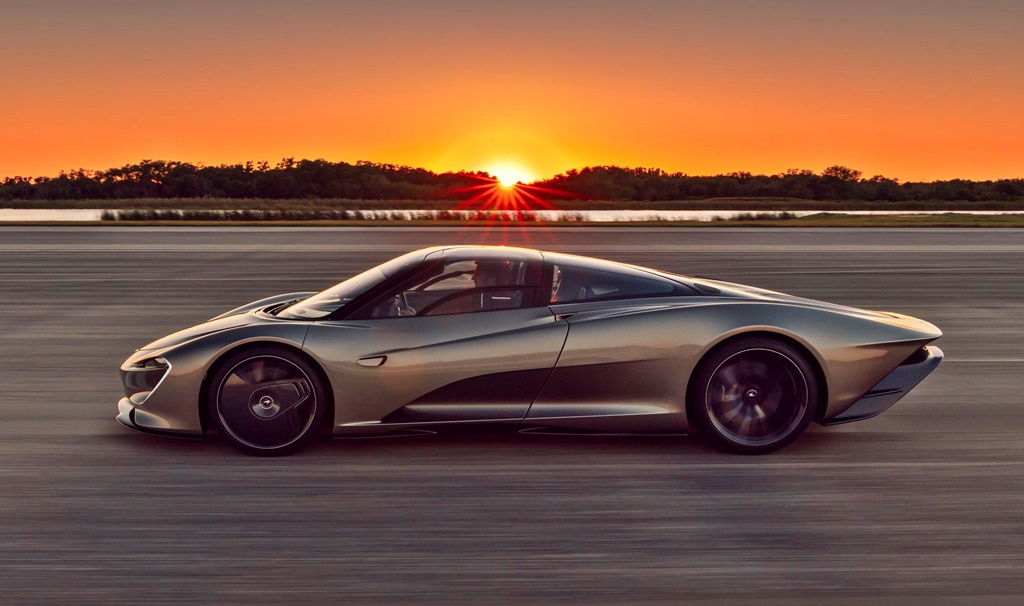
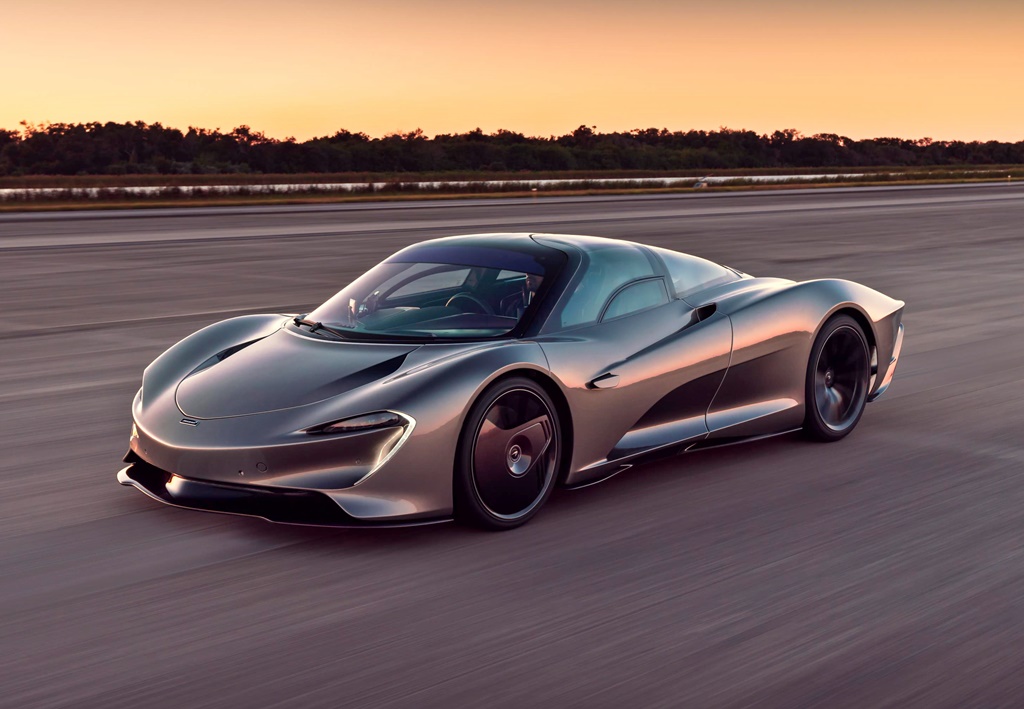
Blending sleek and seamless beauty with pioneering technologies and truly remarkable performance, the Speedtail sits at the pinnacle of the McLaren Ultimate Series. At almost 5.2 metres long, the carbonfibre-bodied 3-seat Hyper GT is the most aerodynamically drag-efficient McLaren ever and a showcase for the brand’s expertise in lightweight engineering.

McLaren Speedtail Hypercar

1,070 ps, 1,150 Nm, 0 – 300 km/h in less than 13 seconds
The Speedtail’s petrol-electric hybrid powertrain delivers the greatest power and torque of any McLaren road car, with a combined 1,070 ps and 1,150 Nm. The straight-line acceleration and maximum speed of the car set new benchmarks for McLaren, with 0 – 300 km/h achieved in less than 13 seconds and a maximum speed reached of 403 km/h.

McLaren Speedtail Hypercar

The McLaren-developed battery pack has a power density of 5.2 kW/kg, said to be the best power-to-weight ratio of any automotive high voltage battery system. The batteries constantly self-charge when the Speedtail is driven – there is no ‘plug-in’ element – however, a wireless charging pad that trickle-charges and maintains the battery’s status when the vehicle is not in use is also included as standard.

McLaren Speedtail Hypercar

The first of 106 Speedtails that will be hand-assembled to customer order has now commenced at the McLaren Production Centre in the UK, with deliveries scheduled from February 2020. Each customer will pay more than US$2.25 million (equivalent to RM9.32 million today) which is the base price for the car before personalisation.

This is the 800hp McLaren Elva – no roof, windscreen or windows!

PISTON.MY


Ever since the Mazda CX-30 made its debut at the Geneva Motor Show in March this year, Mazda fans in Malaysia have been eagerly awaiting its introduction in the market. Initially, Bermaz Motor, which distributes Mazda vehicles, was non-committal about whether it would include the CX-30 in its already wide range of models. Probably it was still negotiating the price with the factory as the model would be imported in CBU (completely built-up) form.

Local assembly – which can make the price more attractive – was not out of the question, but it’s always a matter of whether there’s enough volume to justify the investment. It is possible since Mazda Malaysia – the Mazda-owned assembly facility in Kulim, Kedah – is already exporting some of its output to Thailand and the Philippines. So the ‘magic number could be achieved with the combined volume for the three markets.

2020 Mazda CX-30 SKYACTIV-D

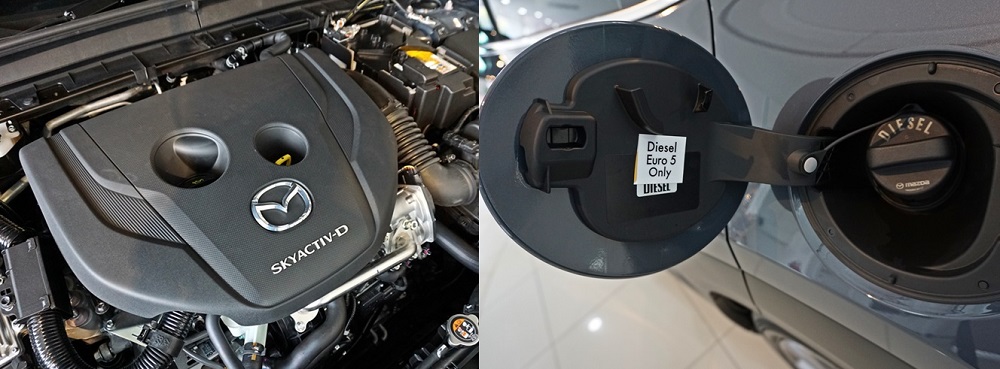
For now, the CX-30 will come from Japan and as reported last month, three variants will be offered. Two will have the 2-litre SKYACTIV-G petrol engine (163 bhp/213 Nm) and one will have a 1.8-litre SKYACTIV-D turbodiesel engine (114 bhp/270 Nm). Bermaz Motor must be more assured that owners of the CX-30 Turbodiesel won’t be inconvenienced having to look for stations selling diesel of the Euro5 grade, which is required for the engine. Some years back, the company was hesitant because the number of stations was limited but now all the brands sell Euro5 so it is readily available and customers shouldn’t be inconvenienced.

2020 Mazda CX-30 SKYACTIV-D

As announced earlier, the base CX-30 is priced at RM143,119.20 while the better-equipped CX-30 High is RM164,119.20. The CX-30 with the SKYACTIV-D engine is priced at RM173,027.70 which is on the high side but the SKYACTIV-D engine technology is pretty advanced and refined, and impressed everyone who has had a chance to experience its performance in other models. All prices don’t include insurance premiums and are for registration in Peninsular Malaysia.

Customers can order the SUV in Snowflake White Pearl, Soul Red Crystal, Machine Gray, Polymetal Gray, Deep Crystal Blue, Sonic Silver, Titanium Flash and Jet Black.

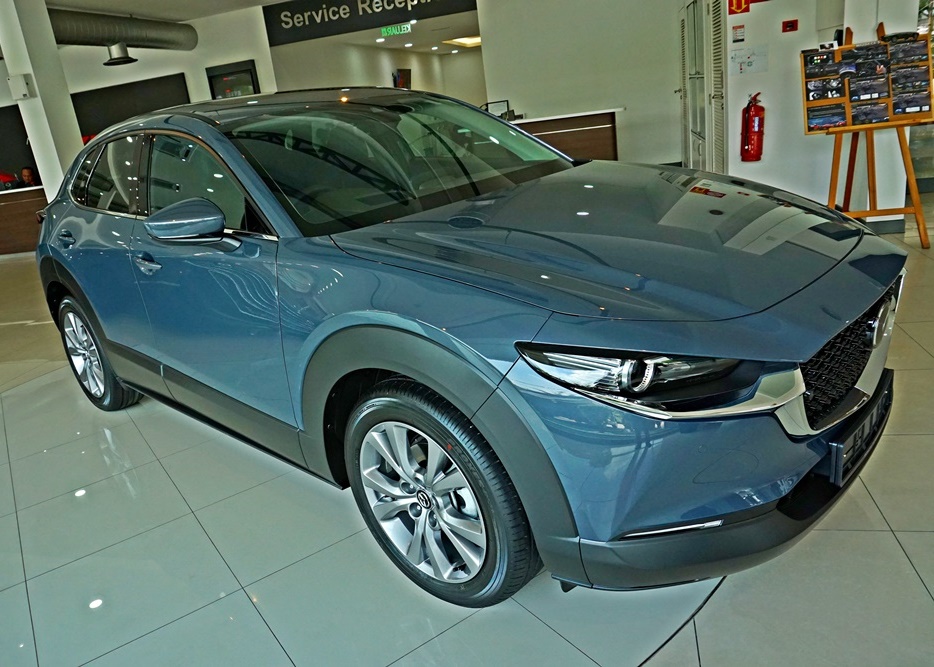
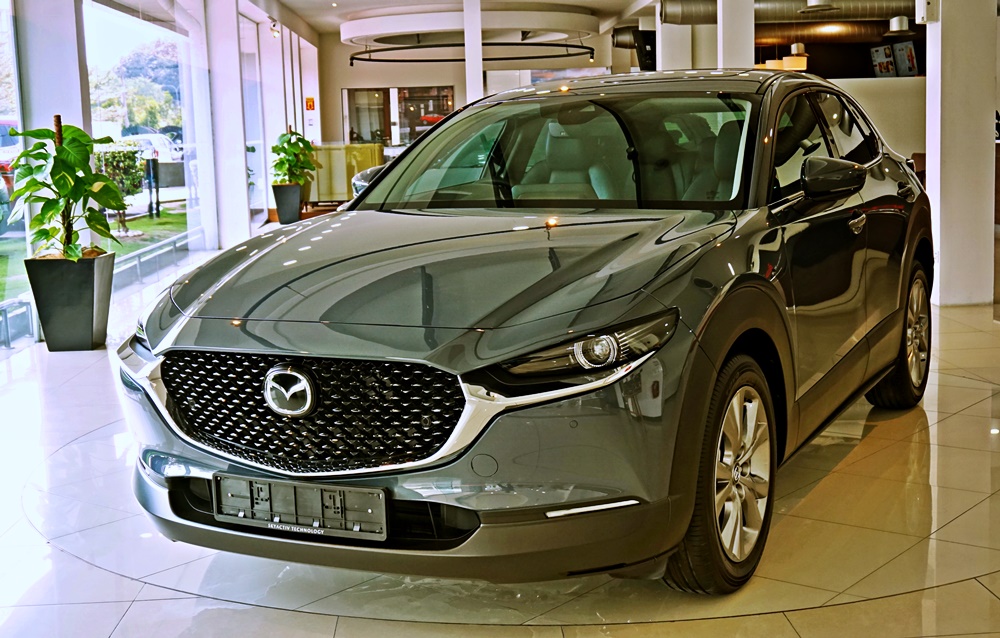
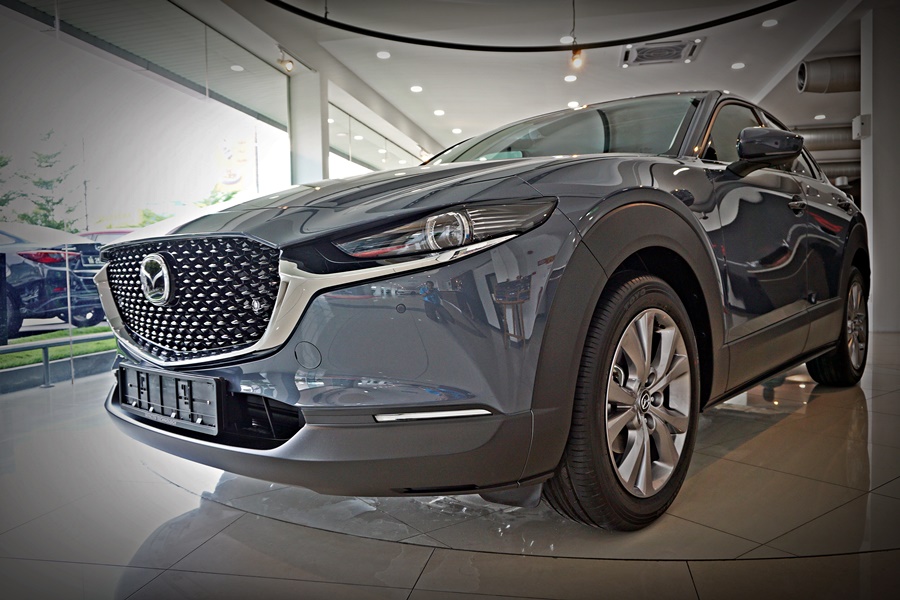
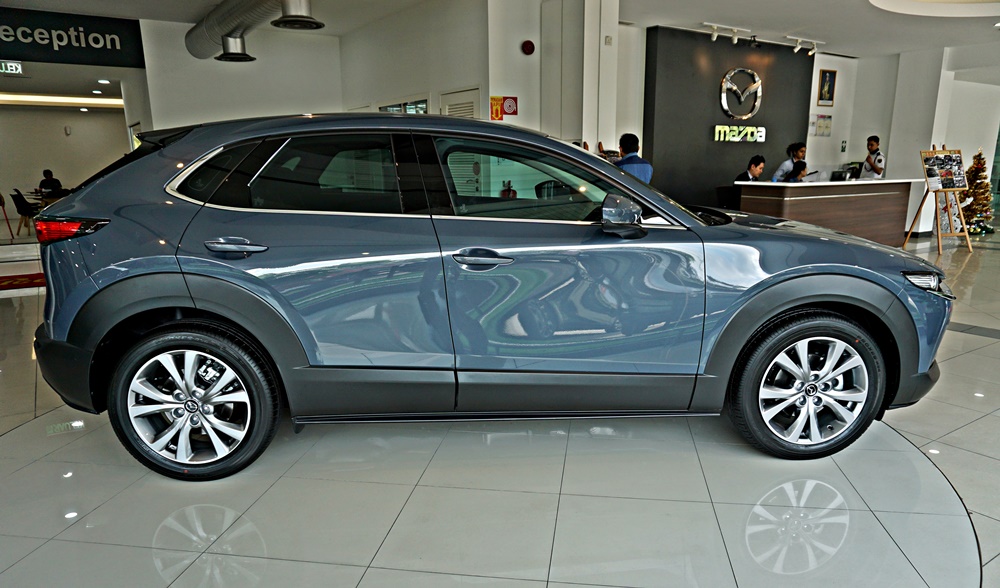
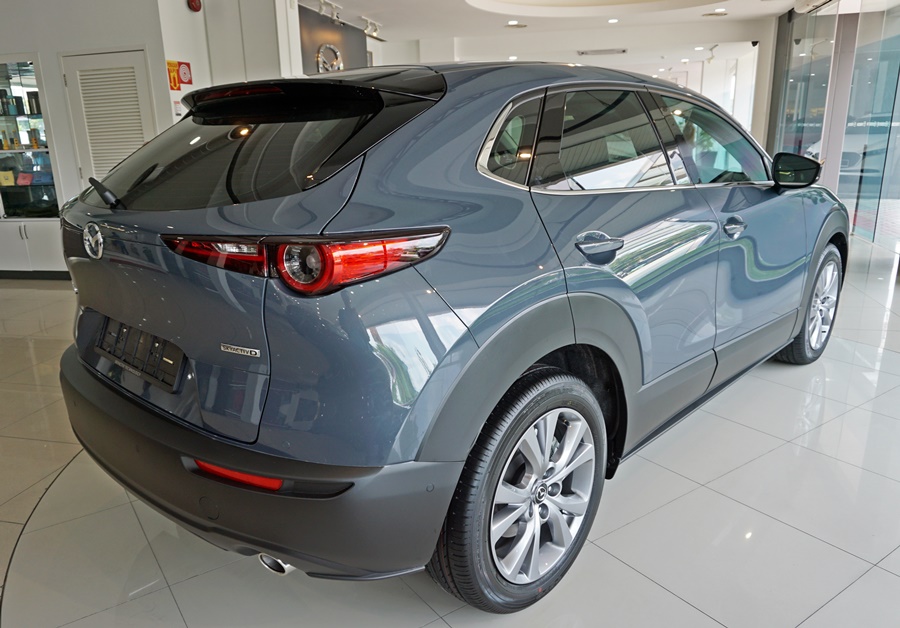
Bermaz Motor is displaying the CX-30 at its showrooms in Petaling Jaya and Glenmarie, Selangor, and we popped by to take a closer look. The unit we saw in the PJ showroom was the turbodiesel version and the first impression of the evolved KODO design language was how it has become so ‘matured’. The grille has gone through various forms but this latest one has an intricacy that draws the eyes to it. Clearly, Mazda’s designers treat each model as a work of art and even shape the body panels in such a way that light falling on them (and the shadows created) is stylistically distributed, flowing different depending on where you look from.

2020 Mazda CX-30 SKYACTIV-D

2020 Mazda CX-30 SKYACTIV-D

Size-wise, the CX-30 is positioned between the CX-3 and CX-5 (there is a CX-4 but it is exclusively for China) and for those who have found the CX-3 cramped, you now have a new choice. The styling elements are closer to the CX-5 than the CX-3 but then again, the latest CX-5 itself has the more mature KODO design features.

2020 Mazda CX-30 SKYACTIV-D

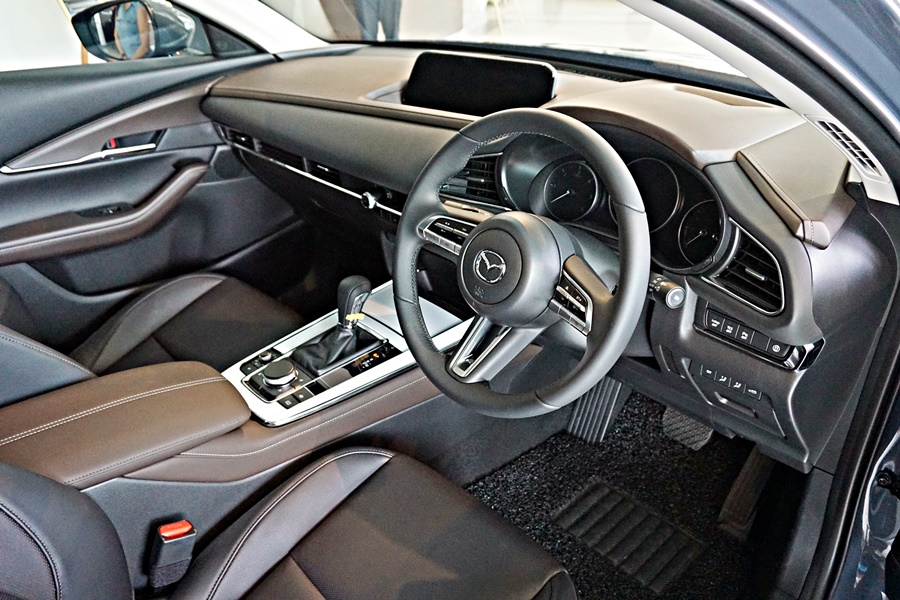
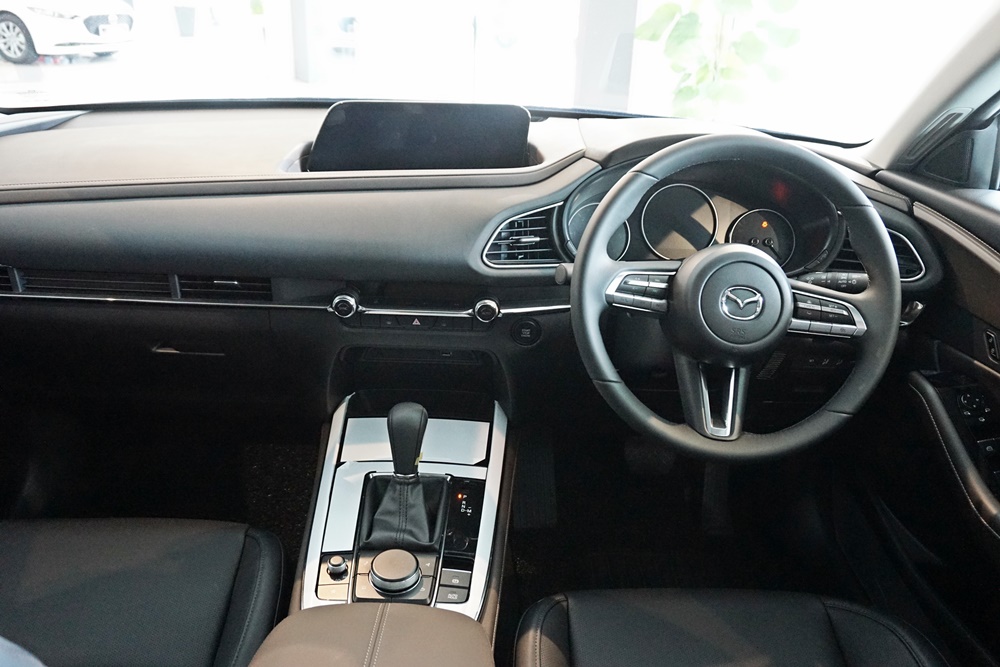
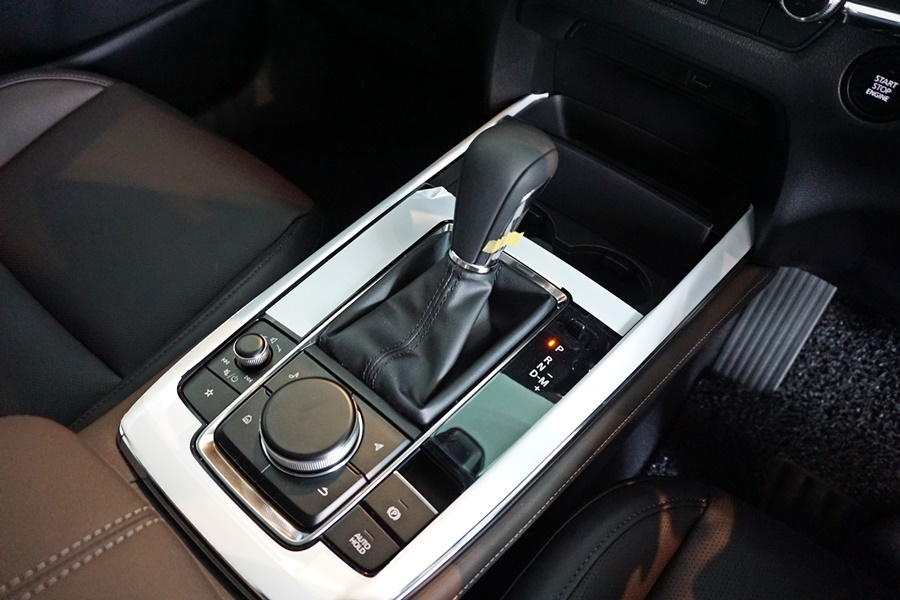
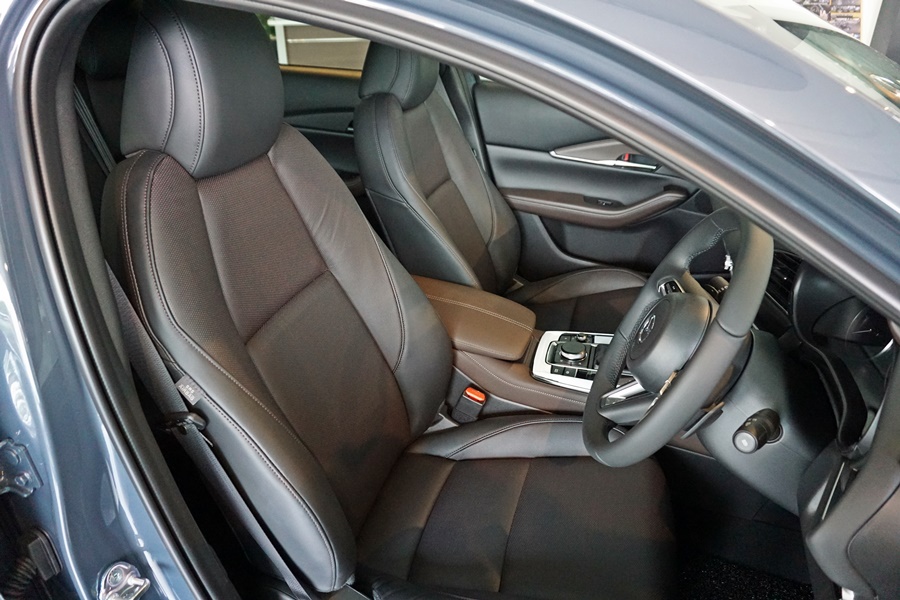
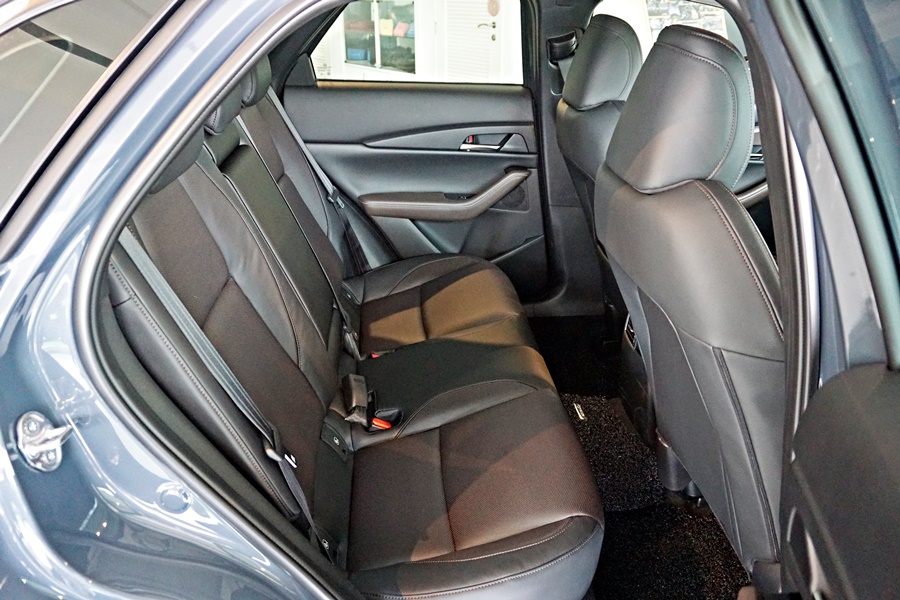
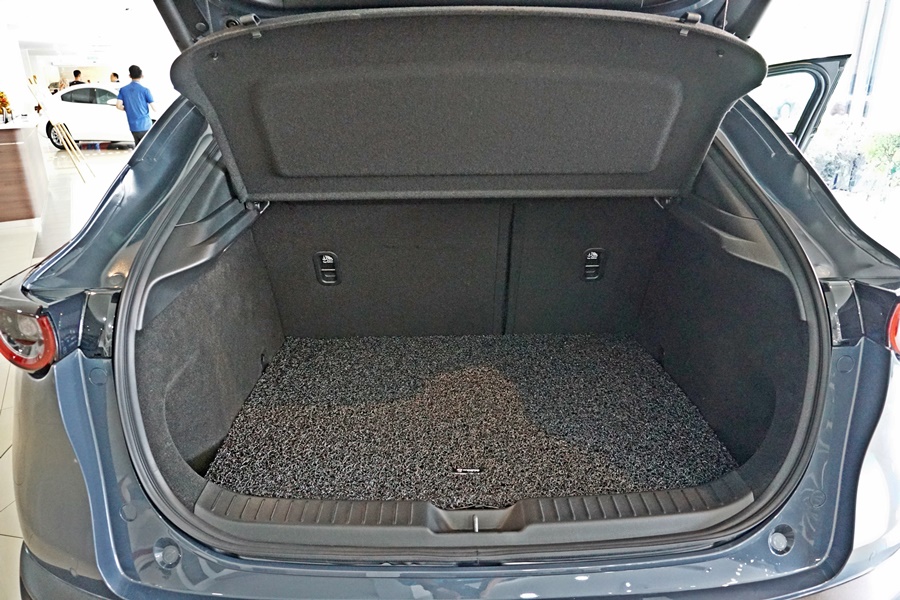
Inside, the CX-30’s cabin is yet another example of how Mazda is shaping itself as a premium brand. The change began with the previous Mazda3 and it shows itself in the materials and quality of finish, besides an extensive features list. Even the lowest priced version comes with a sunroof and head-up display although it doesn’t have leather upholstery for the seats.

2020 Mazda CX-30 SKYACTIV-D

2020 Mazda CX-30 SKYACTIV-D

2020 Mazda CX-30 SKYACTIV-D

2020 Mazda CX-30 SKYACTIV-D

2020 Mazda CX-30 SKYACTIV-D

The Mazda Connect Infotainment system is compatible with Apple CarPlay and Android Auto with the 8.8-inch colour display nicely slotted into a tray on top of the dashboard. The dashboard itself is minimalist in concept, keeping things simple for the driver to devote more attention to the drive.

2020 Mazda CX-30 SKYACTIV-D

The CX-30 has been tested by EuroNCAP and the version evaluated in Europe has scored the highest rating ever. The package of safety technologies applicable to all version is fairly extensive – including the Mazda G-Vectoring Control Plus Technology (GVC+) but the High versions also get an Adaptive Front-Lighting System, High Beam Control, Blind Spot Monitoring, and Radar Cruise Control.

As it’s the holiday period this week, why not drop by at one of the showrooms and check out the CX-30 yourself. If you love it, then you can book one and get it in 2020. That would be a great way to start a new year!

Visit www.mazda.com.my for updates on the CX-30 and when it will be launched in Malaysia.

2019 Mazda CX-30 now available for booking – From RM143,119

PISTON.MY

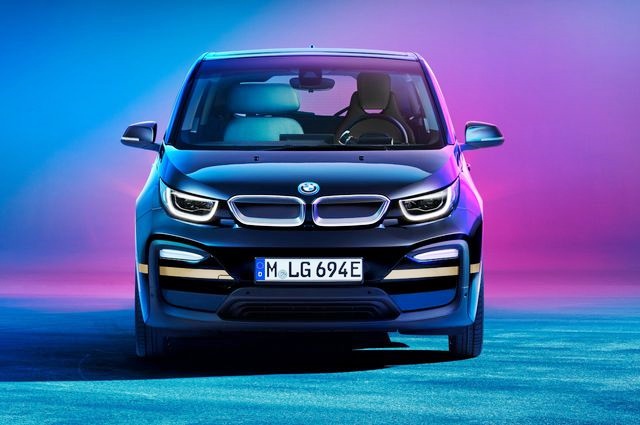
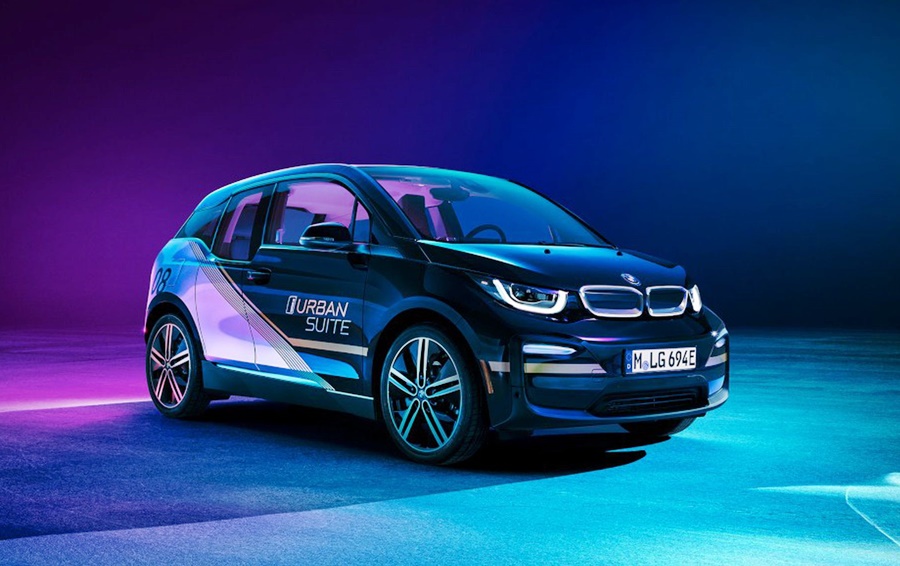
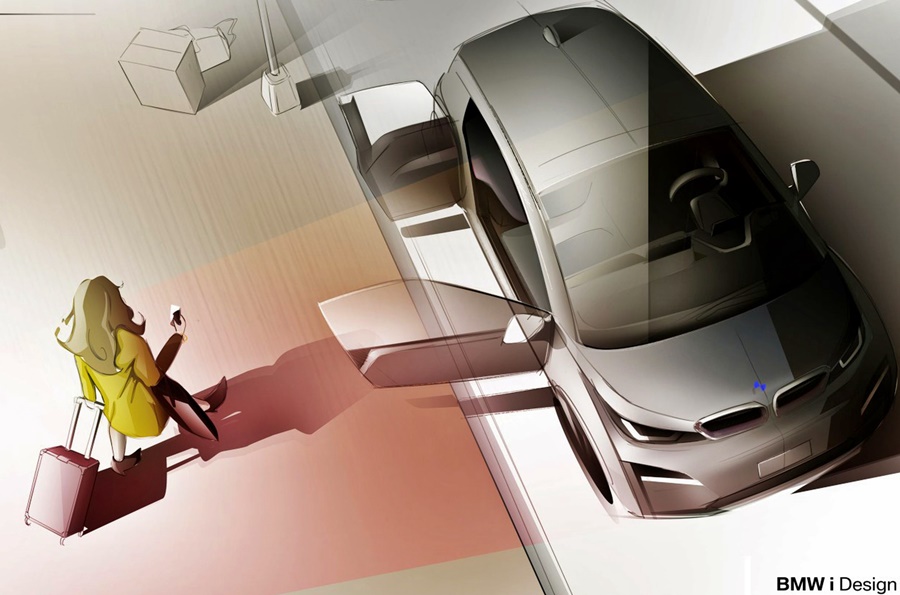
For the past 7 years, the BMW i3 has played the role of an ‘ambassador’ for pure electric driving pleasure, sustainability and intelligent connectivity in urban areas. These qualities have helped to make it the world’s best-selling electric car in the premium compact segment. Soon, at the coming CES (Consumer Electronic Show) in Las Vegas, the BMW Group will show a mobility experience tailored entirely to the passenger’s individual needs – the BMW i3 Urban Suite.

BMW i3 Urban Suite CES 2020

BMW i3 Urban Suite CES 2020

Transformed i3 interior
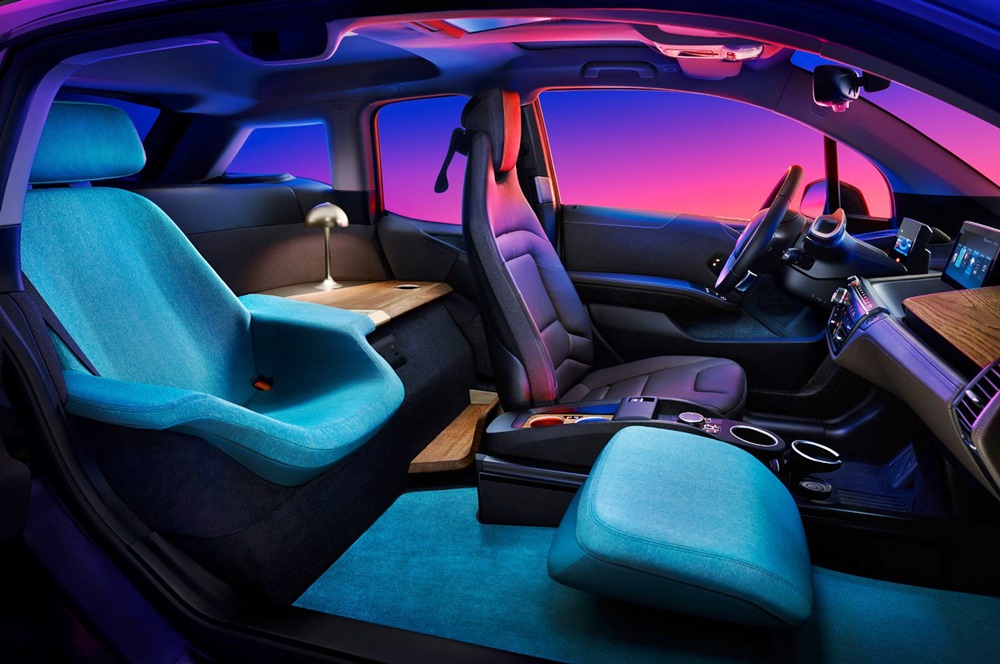
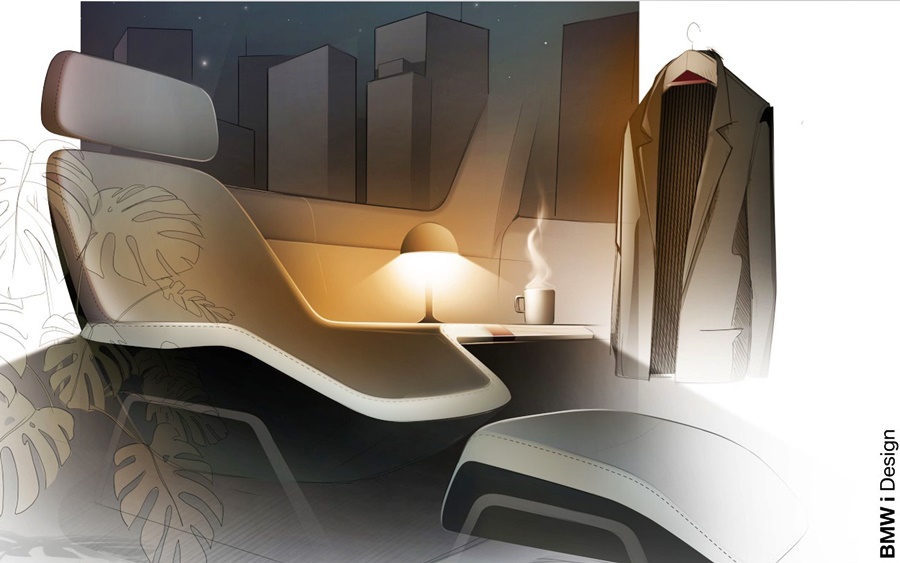
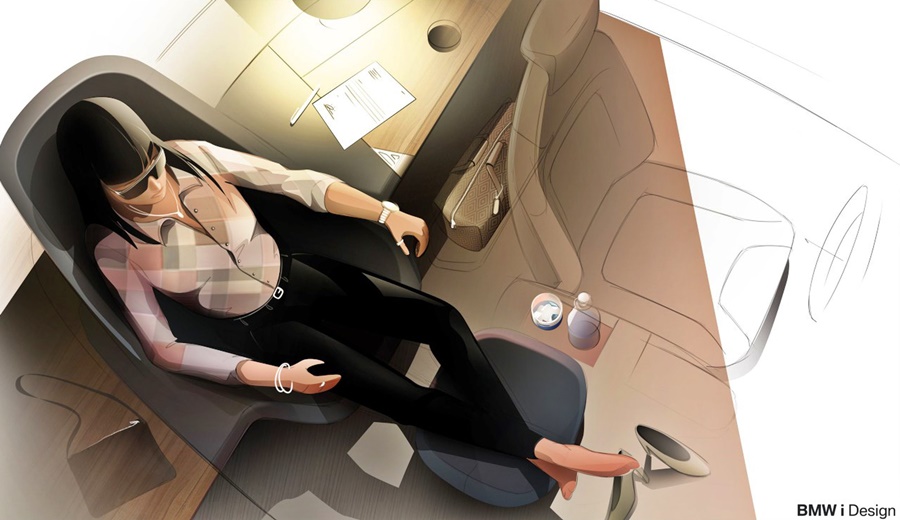
To achieve this, a standard BMW i3 underwent a complete transformation (with only the driver’s seat and dashboard left untouched) so that its interior now has the relaxed feel of a boutique hotel. The aim was to create an inviting space with a high feel-good factor in which to spend time – the perfect place for relaxing, enjoying in-car entertainment or focusing on work in a laid-back setting.

The changes made include, among other things, the installation of a large, comfortable seat with footrest, a screen that flips down from the headliner, and a personal Sound Zone.

BMW i3 Urban Suite CES 2020

Sustainable mobility
The i3 Urban Suite also represents a logical step forward in the BMW Group’s commitment to sustainable mobility. The car is underpinned by a holistic approach to making responsible use of resources, encompassing the powertrain with zero local emissions, the careful selection of materials and the production processes involved.

BMW i3 Urban Suite CES 2020

Fabrics containing recycled materials therefore come together with certified wood and olive-tanned leather, while the floormats are made from recyclable materials that can be fed back into the materials cycle, as per circular economy principles.

In preparation for the CES, a fleet of standard i3 EVs were converted into Urban Suites in Munich and then shipped to Las Vegas where they can also be seen moving around the streets of the city that regards itself as the ‘Entertainment Capital of the World’. Indeed, anyone wishing to be chauffeur-driven to their desired destination can use a special app to hail one of the i3 Urban Suites.

BMW i3 Urban Suite CES 2020

The car will offer its passenger a first-hand experience of the BMW Group’s innovative and sustainable mobility concept, while clearly demonstrating that luxury travel in the future will have nothing to do with vehicle size.

The i3 is part of the BMW i family which is a comprehensive concept for sustainable mobility. The i3 with eDrive is designed especially for cities with restrictions for certain vehicles. The i3s impresses with its brisk acceleration, from low speed or even from standstill – and with a high-voltage lithium-ion battery with an everyday range claimed to be up to 260 kms. Currently, the i3s being sold in Malaysia is priced at RM278,800 (excluding insurance).

All-electric BMW i3s now available – RM278,800

PISTON.MY

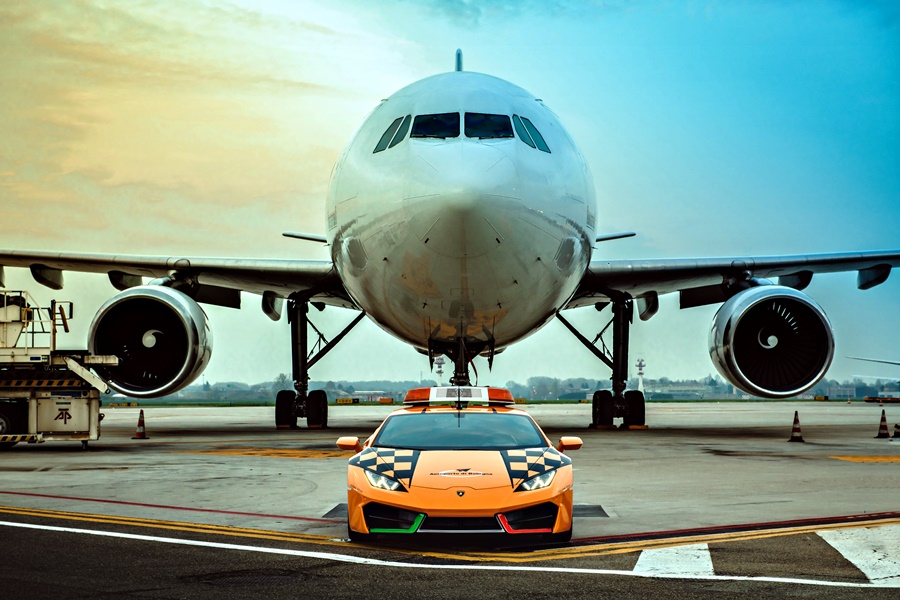
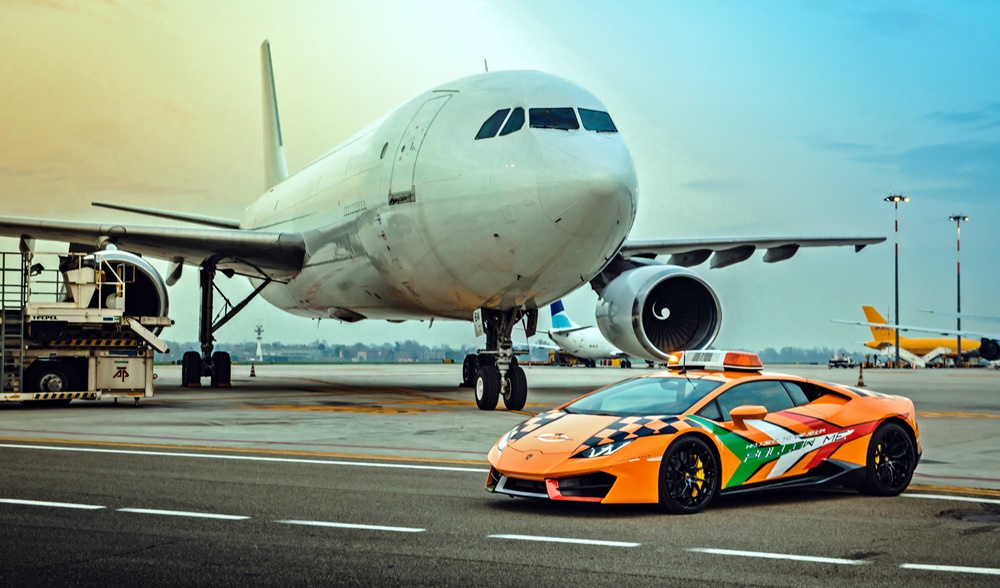
It seems like such a waste for a Lamborghini to be assigned to do duty as a ‘Follow-Me’ car at an airport. Such vehicles usually have to travel at a low speed and guide aircraft to their parking bays or to taxi to the runway for take-off. Needless to say, the aircraft travel slowly so the car also has to do likewise and not be too far ahead.

Apparently, Automobili Lamborghini has had an arrangement with Guglielmo Marconi Airport, an international airport located in Bologna which is adjacent to Sant’Agata Bolognese, Lamborghini’s home in Italy.

Lamborghini Huracan RWD Follow-Me Car

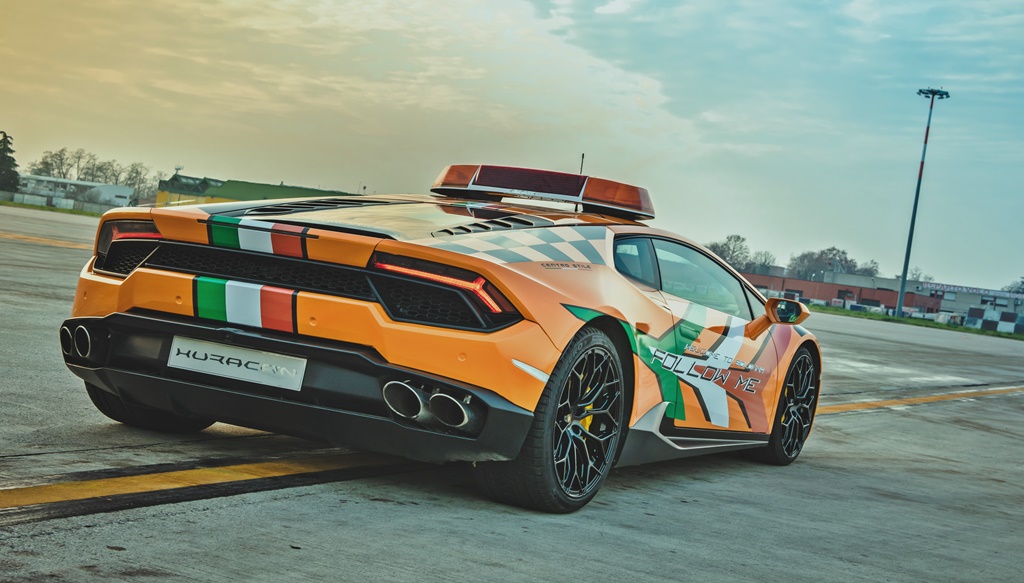
This is the sixth collaboration between the airport and the carmaker and this time, Lamborghini has supplied a Huracan RWD for the job. The supercar has a 5.2-litre naturally-aspirated V10 engine which develops 580 ps to give it the ability to reach a top speed over 300 km/h. But that capability is wasted since the aircraft typically taxi at no more than 35 km/h…

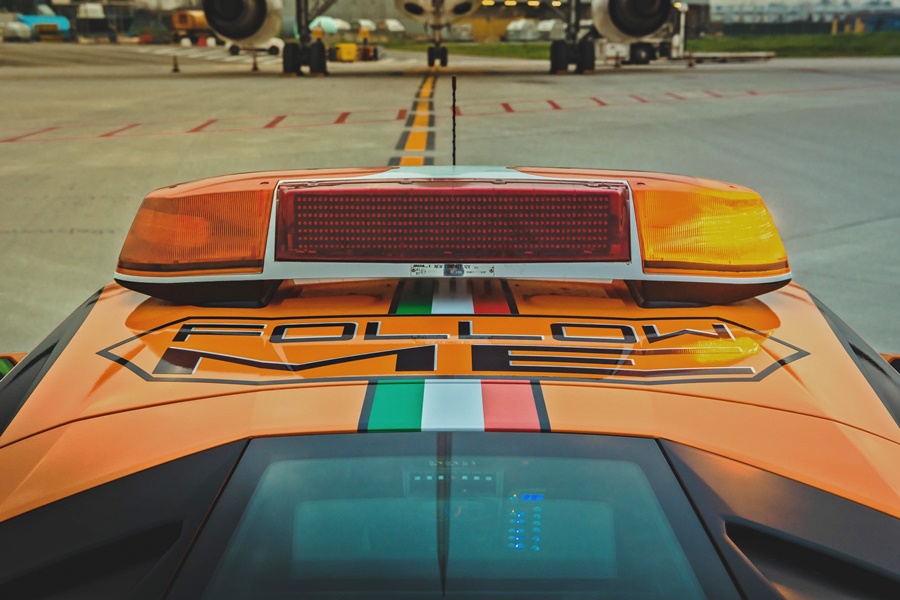
Obviously, it’s a promotional thing for Lamborghini and the car sports a very special livery designed by Lamborghini Centro Stile. The orange body features graphics depicting the typical machines maneuvering in the airport areas, and the exterior is enhanced by the Italian flag on both doors, roof, front and rear intakes.

Lamborghini Huracan RWD Follow-Me Car

Lamborghini Huracan RWD Follow-Me Car

Like the other considerably less powerful Follow-Me vehicles at airports, the Huracan RWD has an orange light-bar on the roof and distinctive stickers that say “Follow me”. The car is also fitted with communications gear to stay in touch with the control tower and get instructions.

Click here for other news and articles about Lamborghini at PISTON.MY.

PISTON.MY

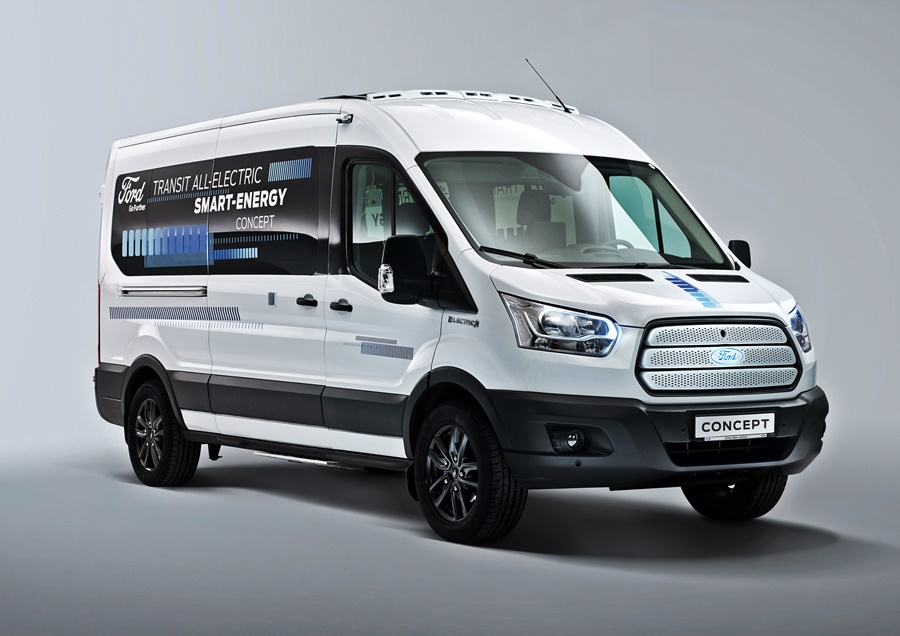
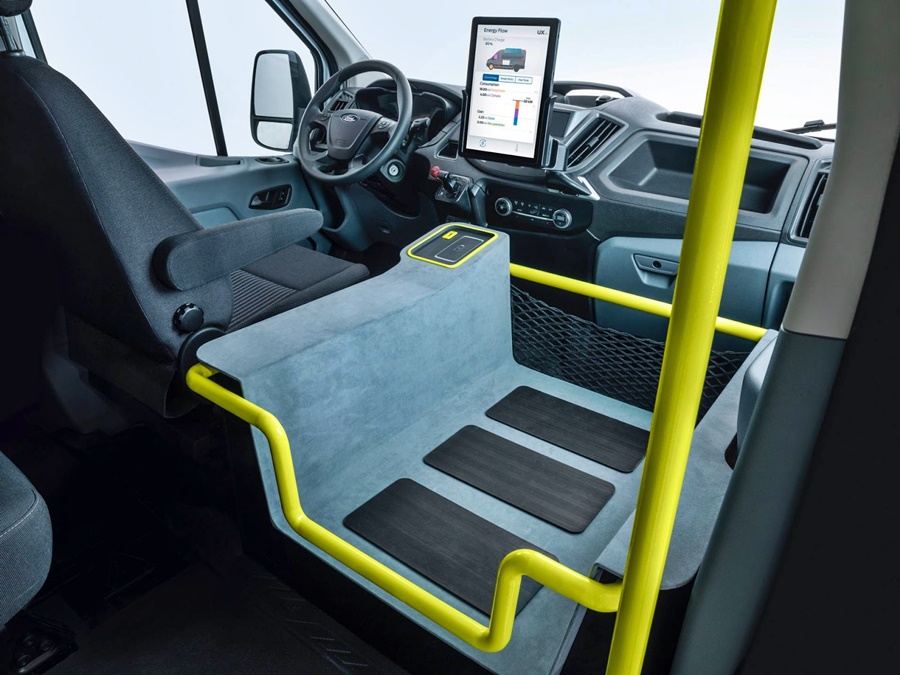
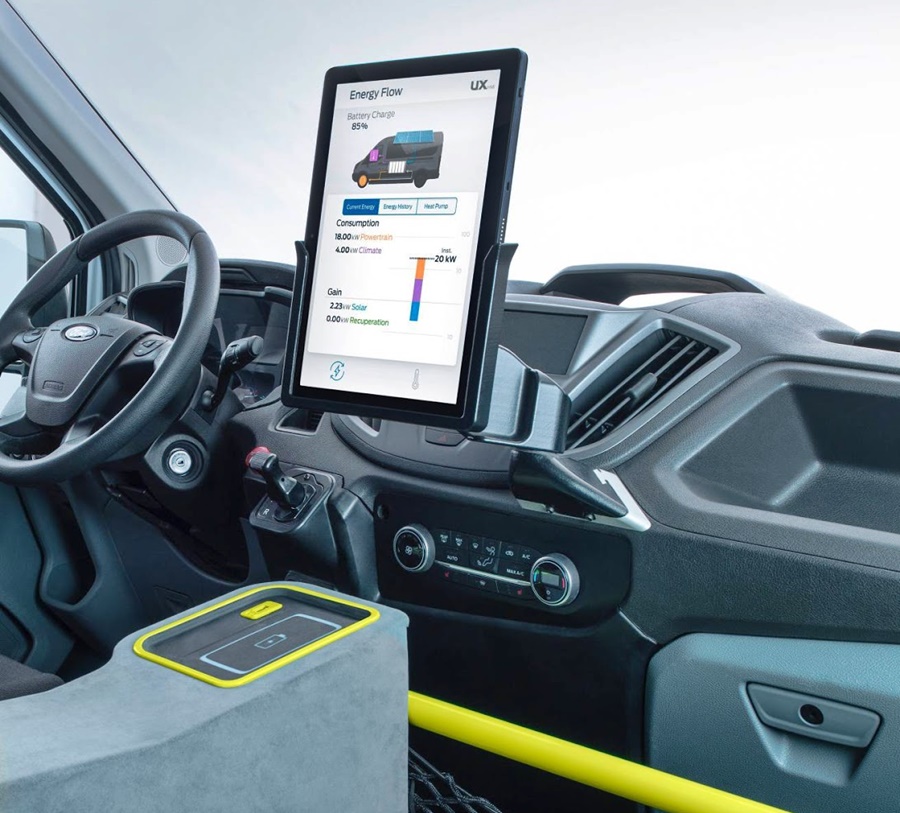
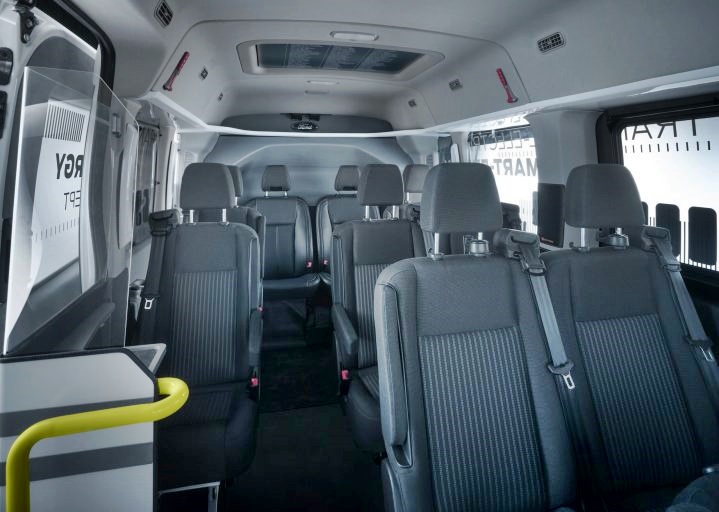
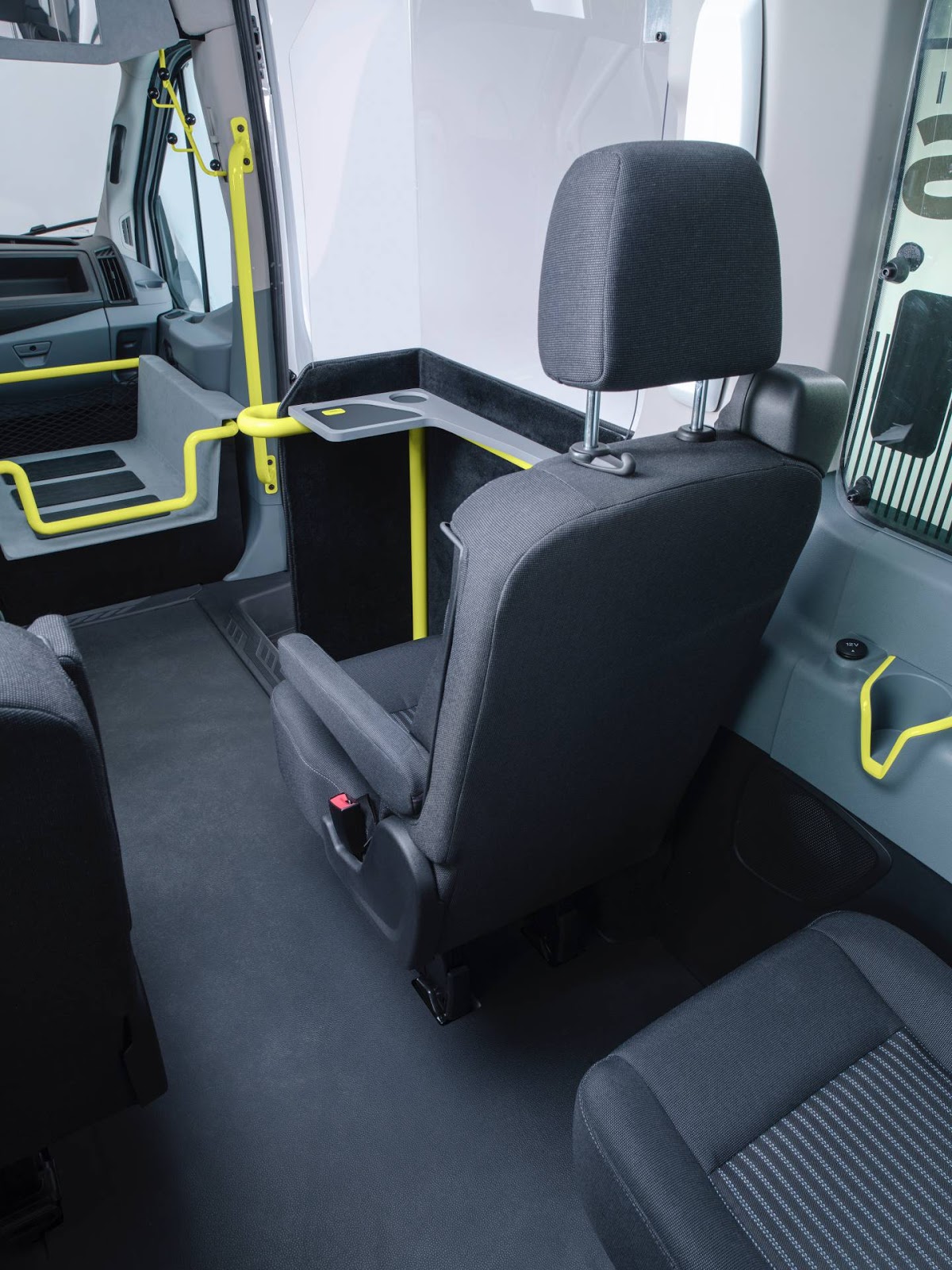
Ford Motor Company has revealed the new Transit Smart Energy Concept – a one-of-a-kind 10-seater minibus which is helping the automaker explore solutions for maximising the energy efficiency and driving range of electrified vehicles. However, the distance that drivers can travel on a single charge of a battery-electric vehicle (BEV) continues to be greatly impacted by the use of cabin heating features.

Research has showed that using the climate control system in a BEV can reduce the driving range by up to 50% in cold weather. Perhaps the same also applies in hot weather though there would be different issues creating the same drawback.

Ford Transit Smart Energy Concept

Challenges to energy usage
Compared to goods transport vehicles, multi-occupant vehicles such as minibuses require significantly more energy to create a comfortable temperature for occupants. The energy is provided by the high-voltage battery, presenting a significant challenge to the vehicle’s driving range. In vehicles with combustion engines, an engine-drive compressor is used as a separate pump for coolant.

Demonstrated recently, the fully-functioning, all-electric Transit Smart Energy Concept delivers 150 kms driving range from a 4-hour charge, supported by energy-saving and energy-generating innovations from solar panels to powertrain heat recovery systems.

“With frequent door openings, a large space to keep at comfortable temperatures, and a big payload to carry, a minibus presents the toughest challenge for maximising battery-electric vehicle range, and that’s exactly why we chose it for our new Transit Smart Energy Concept,” said Kilian Vas, Project Leader, Vehicle Architecture, Ford of Europe. “By developing this concept we’ve found a number of clever ways to save energy which could help further improve the electrified vehicle experience for customers in the future.”

Ford Transit Smart Energy Concept

Innovations that enhance energy efficiency
The Transit Smart Energy Concept uses the same drivetrain technology as the StreetScooter WORK XL commercial vehicle, and a Transit chassis fitted with a battery-electric drivetrain for zero-emissions driving. Innovations which enhance energy efficiency and driving range being tested for the first time include:

♦ An innovative heat pump system which utilises waste heat from the drivetrain components, the outside air, and the air within the cabin to reduce heating system energy usage by up to 65%, resulting in a range extension of 20%.;

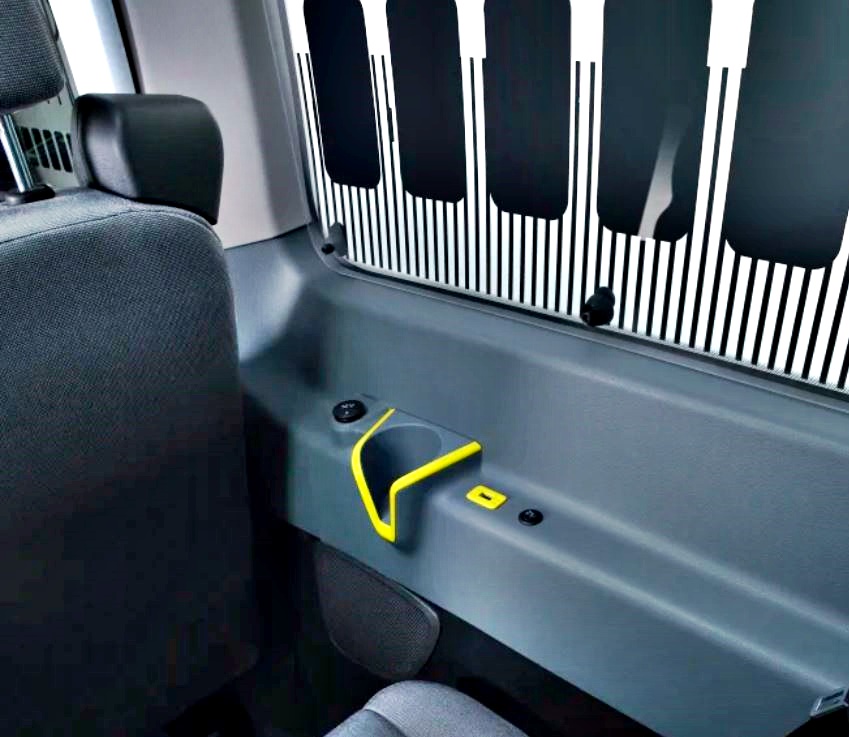
♦ A power sliding door which opens halfway to reduce heat loss and can be activated by the passenger using a smart device. The heating, ventilation, and air-conditioning blower is automatically deactivated when the door is open;

Ford Transit Smart Energy Concept

Ford Transit Smart Energy Concept

♦ Heated business-class passenger seats and surfaces which enable passengers to control their local temperature, reducing the energy required for the large cabin;

♦ 6 roof-mounted solar panels which charge a 12V battery for powering seat heating, cabin lighting, and on-board electrical systems, including wireless charging for passenger mobile devices;

♦ A polycarbonate divider between the passenger door and seating area, which further reduces heat loss as passengers enter and exit, and protects passengers from external elements;

Ford Transit Smart Energy Concept

♦ Ventilated double-glazed windows which reduce cold contact surfaces, and insulate against heat loss; and

♦ An insulated rear floor and roof which further reduce cabin heat loss.

Colours can also help to go further!
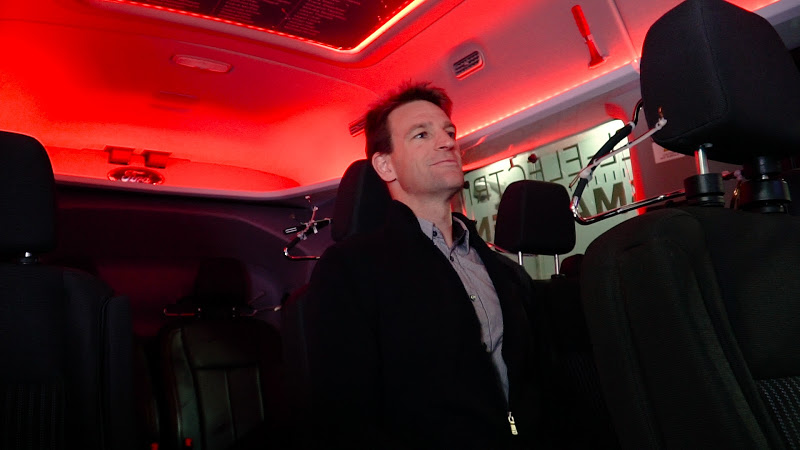
Mood lighting which adjusts according to cabin temperature – red for warmth and blue for cooling – subliminally influencing passengers’ perception of cabin temperature. Experts claim colour choices can influence our mood, our responses… even how many likes we get on social media! Now Ford is exploring how matching the right colour to different driving situations could extend electric vehicle range.

The ambient lighting makes passengers feel warmer (with red lights) or cooler (with blue lights). This helps take the strain from the climate control system so that energy saved can instead be used to cover more kilometres.

Ford Transit Smart Energy Concept

In a trial simulating a winter’s day of 0° C and a summer’s day of 30° C, passengers were subjected to rate their level of comfort based on feeling too hot or too cold. In both cases, the ambient lighting resulted in reducing the power usage of the climate system: by 3.3% for cooling and 2.5% for heating.

“Our exposure to colour can change our mood in all sorts of ways. Here it is simply a case of using red ambient lighting inside the car to make people feel warmer and blue ambient lighting to make people feel cooler. Reducing the burden on the aircon could make a significant difference to extending vehicle range,” explained Lioba Muller, Lighting Team Engineer, Vehicle Architecture at Ford of Europe.

Visit www.sdacford.com.my to know more about Ford models available in Malaysia.

Your future Ford will have parts made from coffee bean skins!

PISTON.MY

Archive

Follow us on Facebook

Follow us on YouTube