

Piston.my

English

Bugatti has completed production of the Bolide, bringing the second-to-last chapter of its W-16 engine legacy to a close. The final example — number 40 of 40 — has now left the factory in Molsheim, marking the end of the extreme, track-only hypercar’s build run. The customer travelled to northeastern France to take delivery directly from Bugatti’s headquarters.

The final Bolide belongs to a long-time Bugatti collector who already owns several notable models, including a classic Type 35 — the brand’s landmark racing car from the 1920s — and the last-ever Veyron Grand Sport. The buyer paid €4 million for the Bolide, a machine designed solely for circuit use and therefore not eligible for road registration.

Both the customer’s Veyron and Bolide share a coordinated specification, featuring a Black Blue and Special Blue Lyonnais exterior paired with a Lake Blue Alcantara interior. The configuration is striking enough to raise the question of whether any buyers might explore road-legal conversions. British engineering specialist Lanzante has already announced plans to work on such a transformation for at least one Bolide.

(more…)

Kia Corporation and Bermaz Auto Berhad have formally concluded their four-year strategic partnership, bringing an end to the arrangement under which Bermaz, through Dinamikjaya Motors Sdn Bhd, served as the sole distributor of Kia vehicles and parts in Malaysia. The agreement signed between Kia and Dinamikjaya Motors confirms that Kia will resume full control of its Malaysian operations, marking the start of a new phase for the brand in the country.

Kia Asia Pacific President and CEO, Ki Seok Ahn, said the company is ready to rebuild its presence in Malaysia with a renewed focus on innovation and customer engagement. He stated that Kia intends to strengthen how customers experience the brand while supporting Malaysia’s automotive sector and broader economy. According to him, Kia’s long-term commitment remains aligned with its “Movement That Inspires” vision, with an emphasis on driving sustainable mobility and creating new forms of interaction with the brand.
From 1 January 2026, Kia will adopt a direct principal-led business model in Malaysia. This change shifts responsibility for brand representation, marketing, sales, customer experience and training directly to Kia. The company views this structural move as an opportunity not only to refine its position in Malaysia but also to influence its broader growth strategy within the ASEAN region.

(more…)

Audi has added a new three-litre V6 diesel engine to the Q5 and A6 ranges, producing 299 PS and 580 Nm of torque. This version of the engine marks the first time the brand has paired its MHEV plus system with an electrically powered compressor, creating a more responsive and efficient setup than previous diesel units. Orders for models equipped with the V6 TDI quattro are now open.

The MHEV plus system builds on Audi’s earlier mild-hybrid technology by bringing together a belt alternator starter, a powertrain generator and a lithium iron phosphate battery. The belt alternator starter starts the engine and supplies energy to the battery, while the powertrain generator enables short periods of fully electric driving in low-speed or steady-flow traffic.

It also delivers an additional 230 Nm of torque and up to 24 PS when setting off or overtaking, and it recovers up to 25 kW of energy when braking.

For the first time, Audi has paired this hybrid setup with an electrically powered compressor. This addition plays a key role in both the charging system and the engine’s combustion strategy. Working alongside the turbocharger in a two-stage system, it improves response at low engine speeds and helps balance strong performance with reduced fuel consumption. The combination of the new compressor, the belt alternator starter and the powertrain generator gives the V6 TDI strong acceleration whether starting from rest, joining faster traffic or cruising at higher speeds.

The electrically powered compressor addresses turbo lag by supplying immediate boost, allowing the engine to produce high torque even at low revs. Audi says the improved response is clear during the first moments of acceleration, with the car covering noticeably more distance in the same time than the earlier V6 TDI. As the engine increases its revs, the belt alternator starter provides support, the powertrain generator contributes torque and the compressor increases boost pressure almost instantly. Together, these elements create a more direct and confident driving feel.

Compared with earlier Audi models that used an electrically powered compressor, such as the S4 and SQ5, the latest version operates across the full engine speed range rather than within a narrow band. A redesigned airflow system and a more advanced permanent-magnet synchronous motor have widened its operating window and improved efficiency.

The compressor wheel can reach 90,000 rpm in around 250 milliseconds, almost 40 per cent faster than before, helping build the maximum boost pressure of 3.6 bar nearly a second quicker than the outgoing engine. Audi notes that the result is acceleration similar in immediacy to that of an electric motor.

The new V6 TDI is also compatible with HVO 100, a renewable diesel that meets European standard EN 15940 and is identified by an XTL label on the fuel cap. HVO, made from waste oils and by-products from the food and agriculture sectors, can reduce CO₂ emissions by 70 to 95 per cent compared with fossil diesel.

It can be blended with standard diesel or used on its own. Audi now fills new vehicles, leaving its Ingolstadt and Neckarsulm plants with HVO fuel, highlighting its move towards lower-carbon operation even before customer use.

With the introduction of its latest electrified diesel, Audi is aiming to deliver improved efficiency, stronger everyday performance and wider fuel flexibility—while keeping conventional engines relevant within a changing emissions landscape.

Zhengzhou Nissan has launched its all-new Frontier Pro series of pickup trucks, marking the first time a Nissan model has been fully designed, developed and built in China with plans for global distribution. The price for the new Frontier Pro line-up ranges from roughly RM 114,240 to RM 132,480, while the plug-in hybrid electric vehicle (PHEV) variant is priced between around RM 127,680 and RM 168,000.

The Frontier Pro delivers a striking presence, measuring 5,520 mm long, 1,960 mm wide and 1,950 mm tall, riding on a 3,300 mm wheelbase, which makes it wider and taller than the Nissan Navara. Its cargo bed offers substantial carrying capacity, measuring 1,520 mm in length, 1,600 mm in width and 490 mm in depth. Some variants also offer a convenient electric soft-down tailgate for easier loading and unloading.

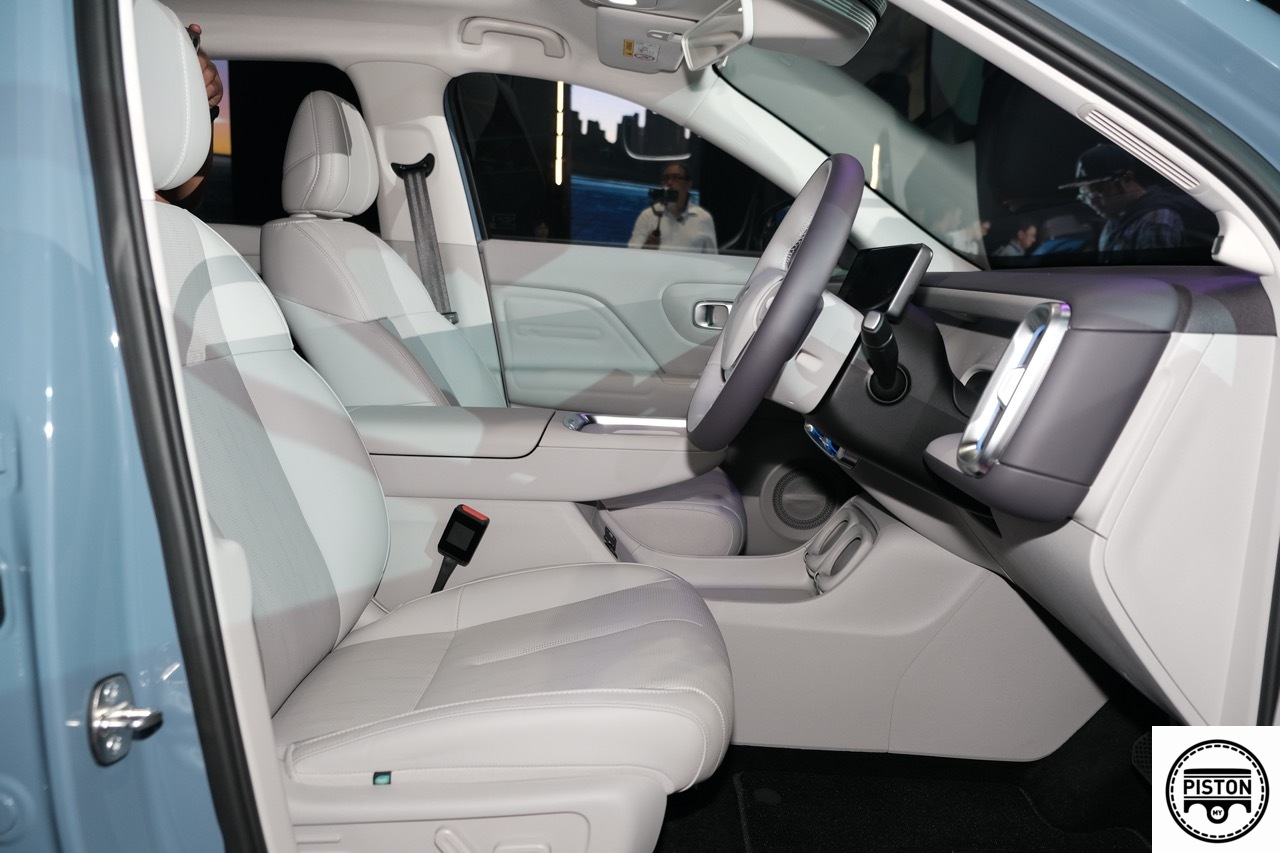
Inside the cabin, Nissan has combined modern amenities with rugged practicality. A digital instrument panel sits alongside a large central touchscreen, and a row of traditional buttons remains on the centre console for ease of use. The interior materials aim high, featuring soft-touch surfaces paired with a 12-speaker JLA audio system for a comfortable and refined driving environment.
(more…)

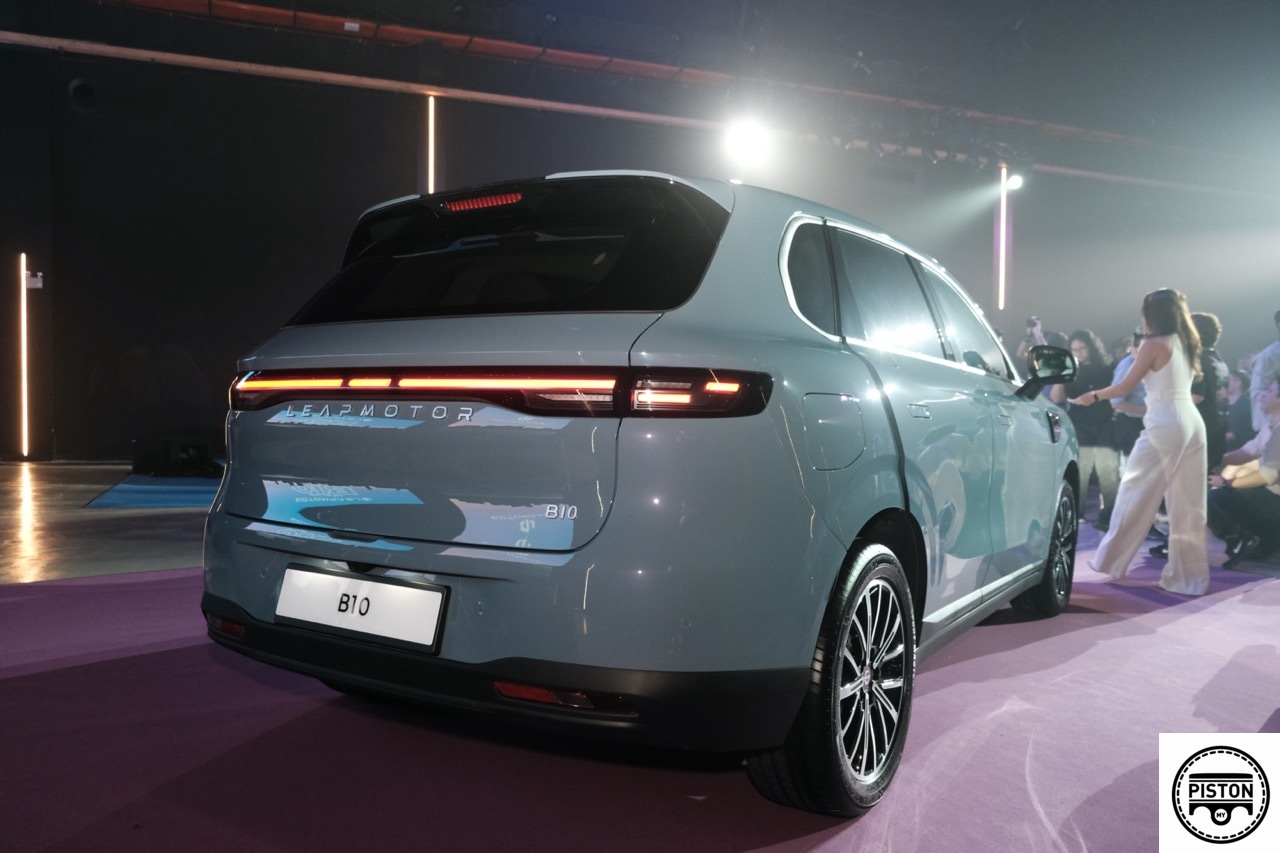
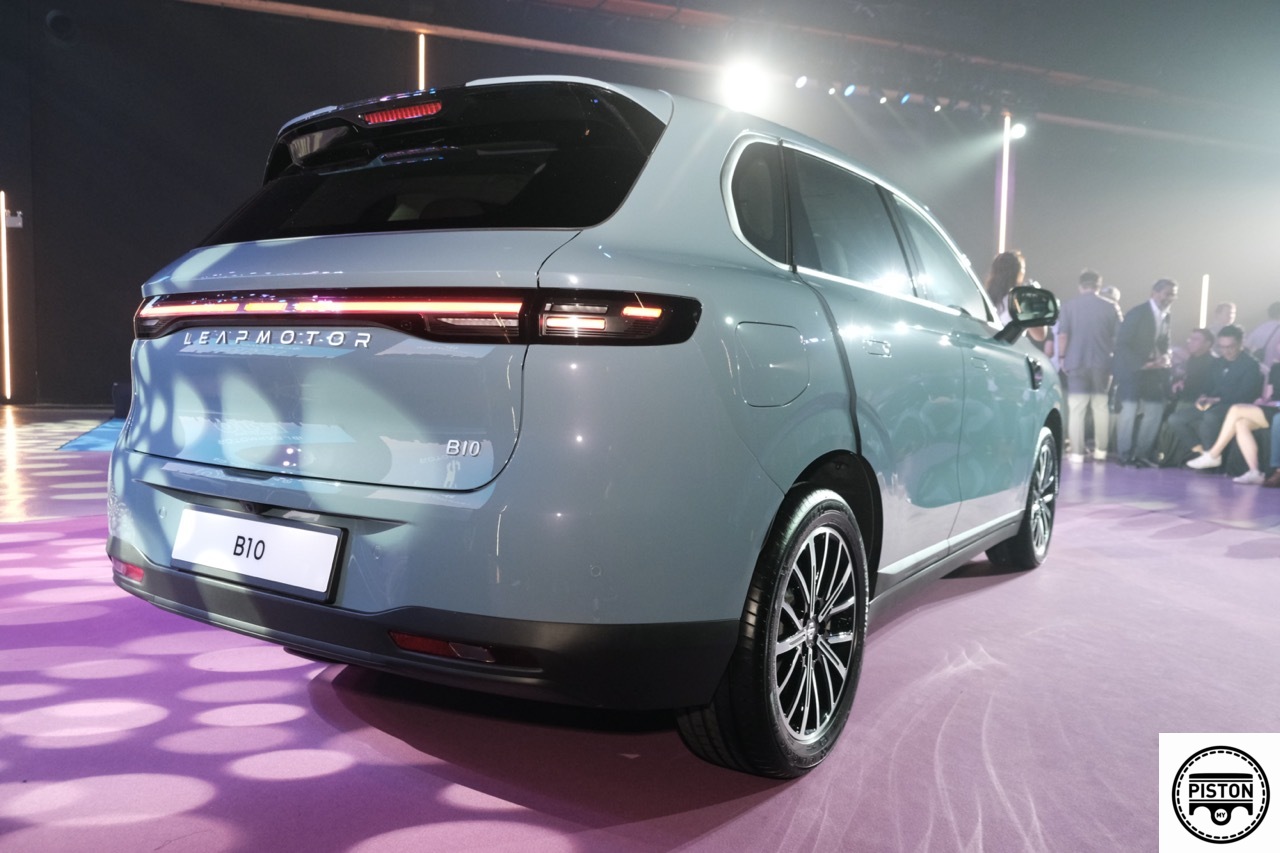
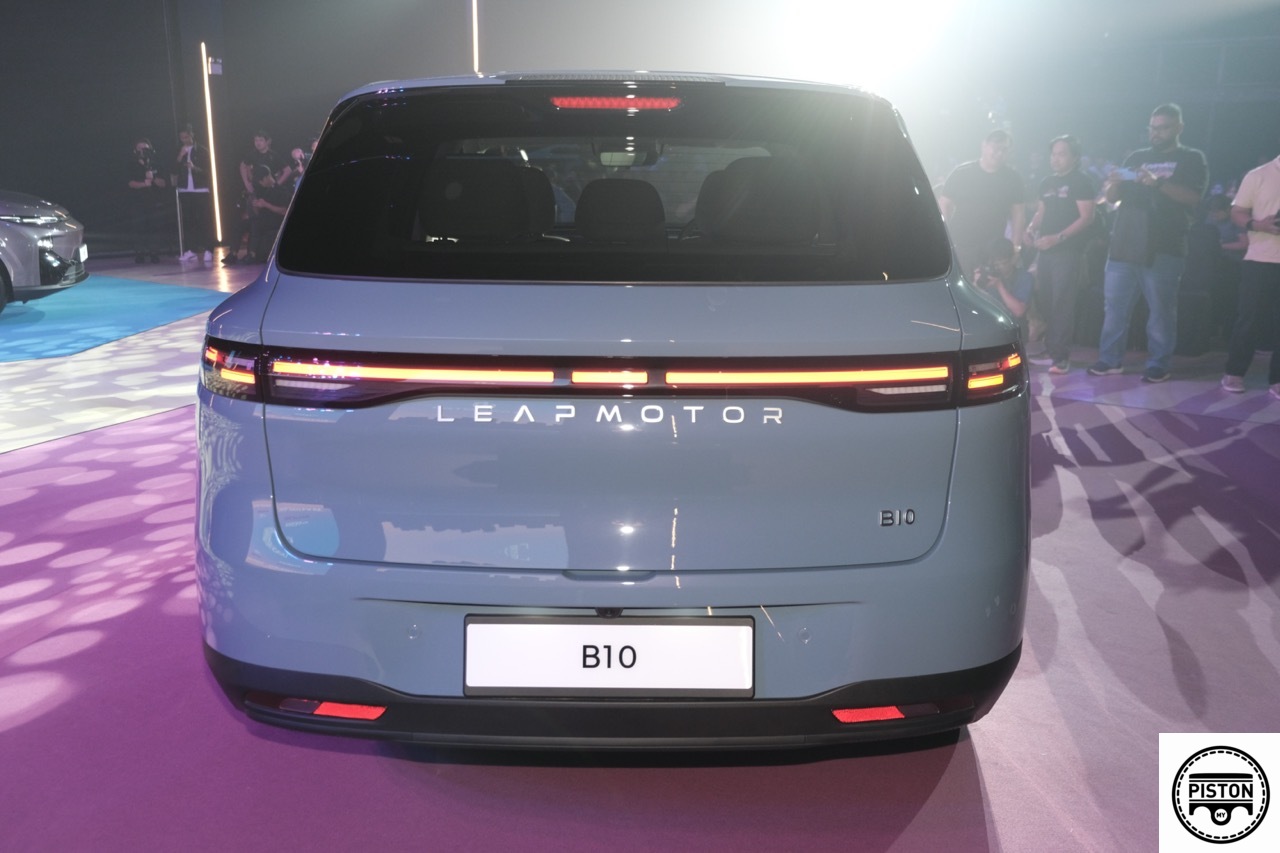
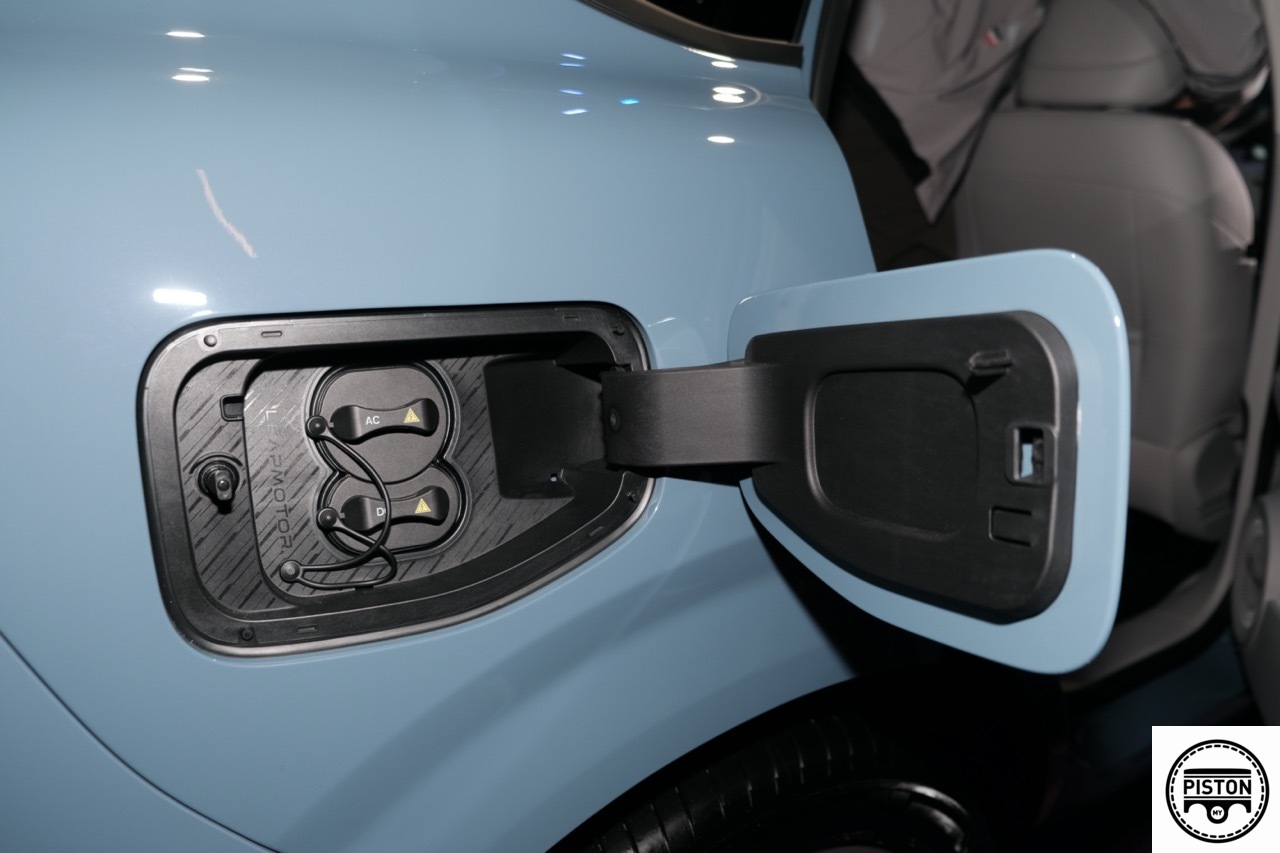
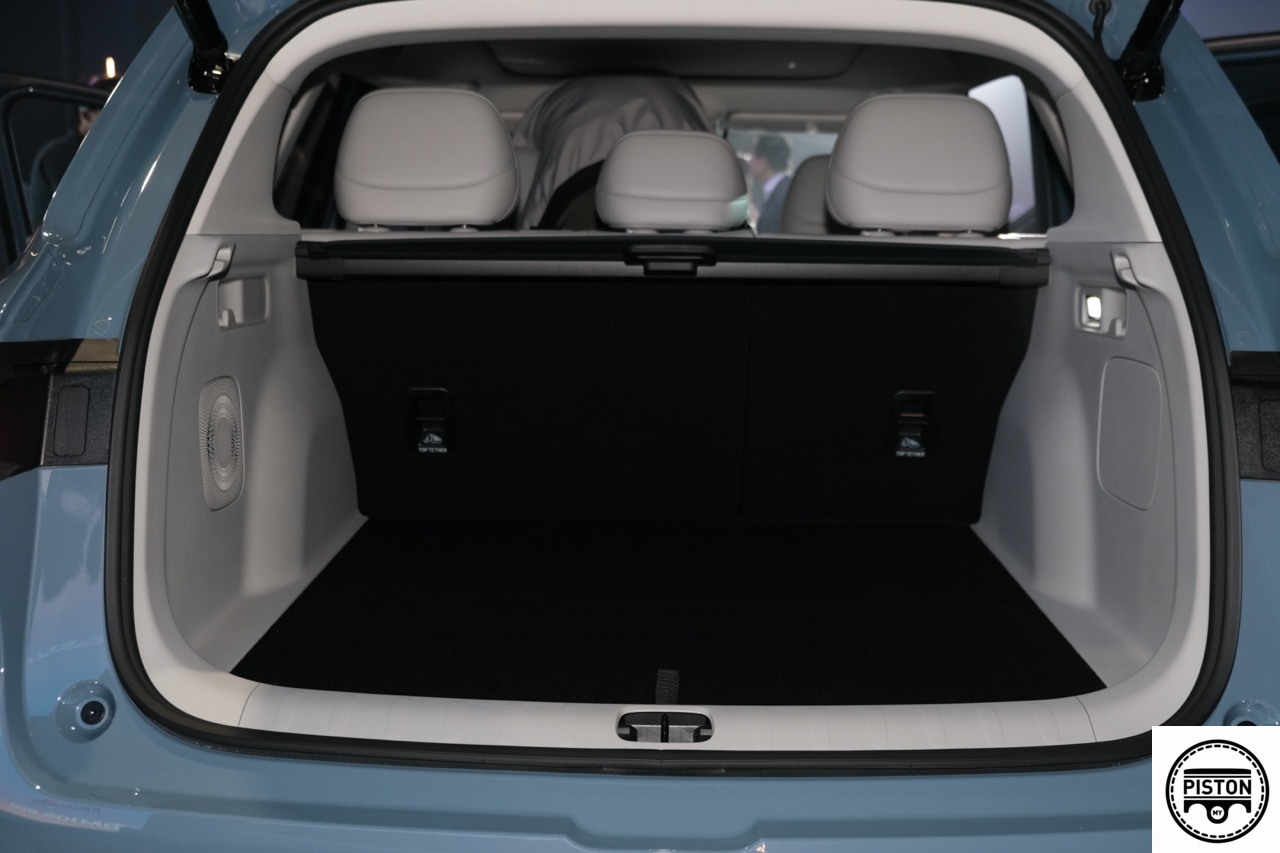
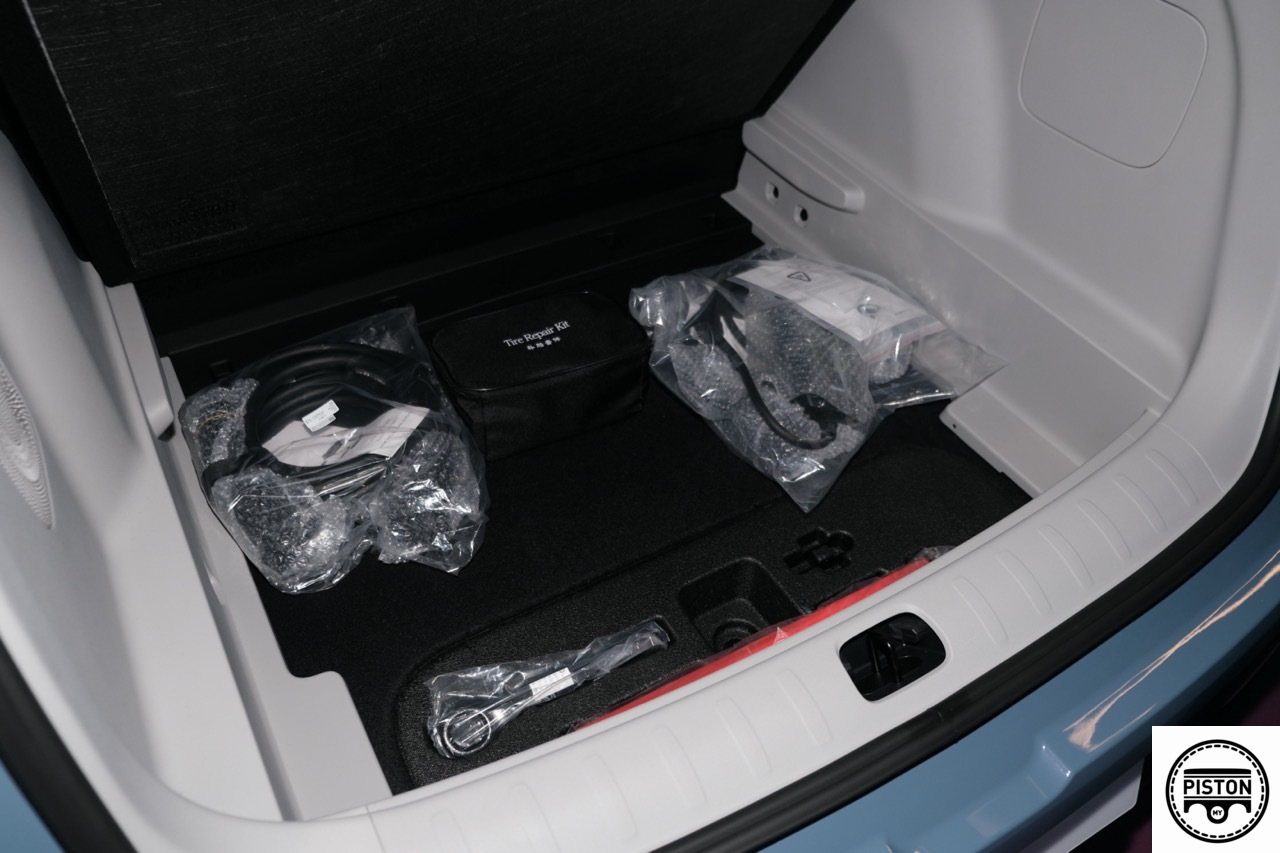
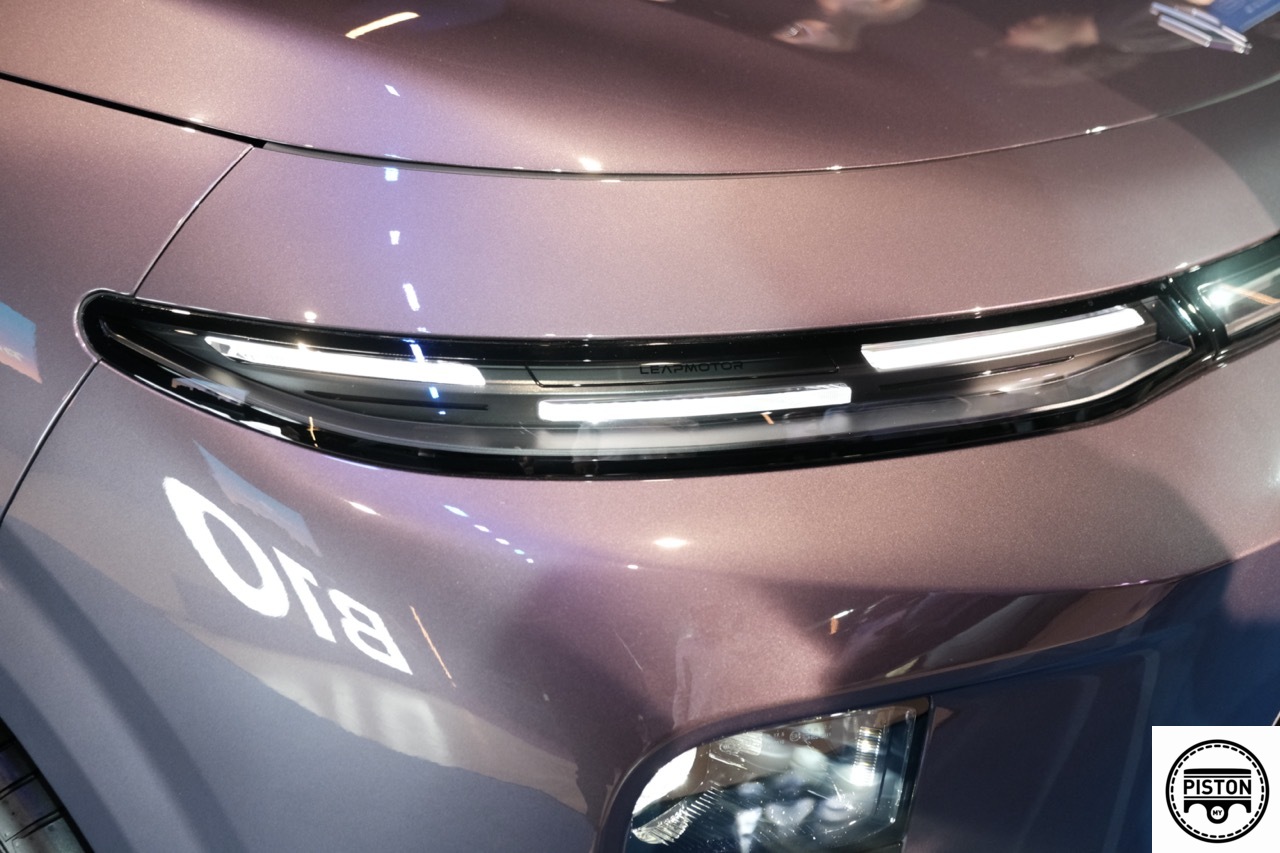
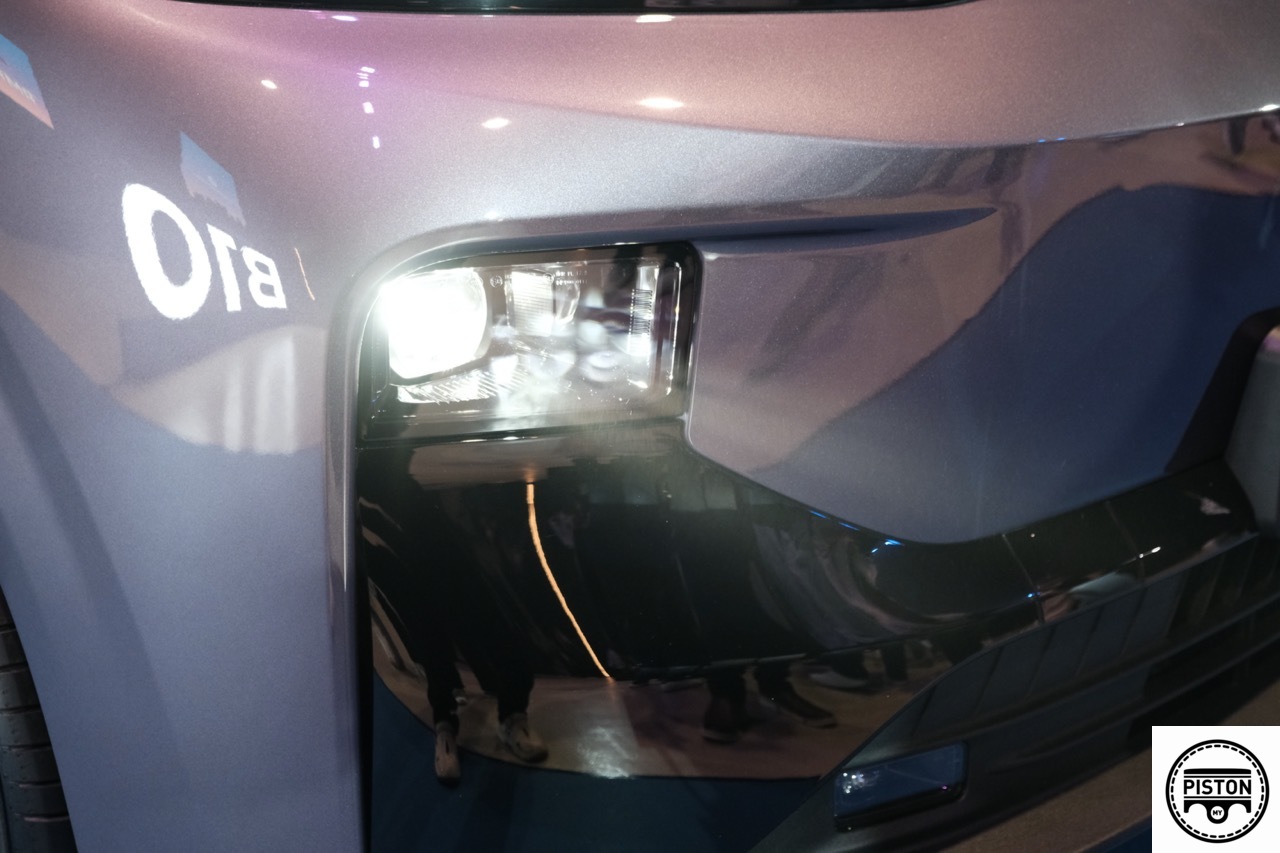
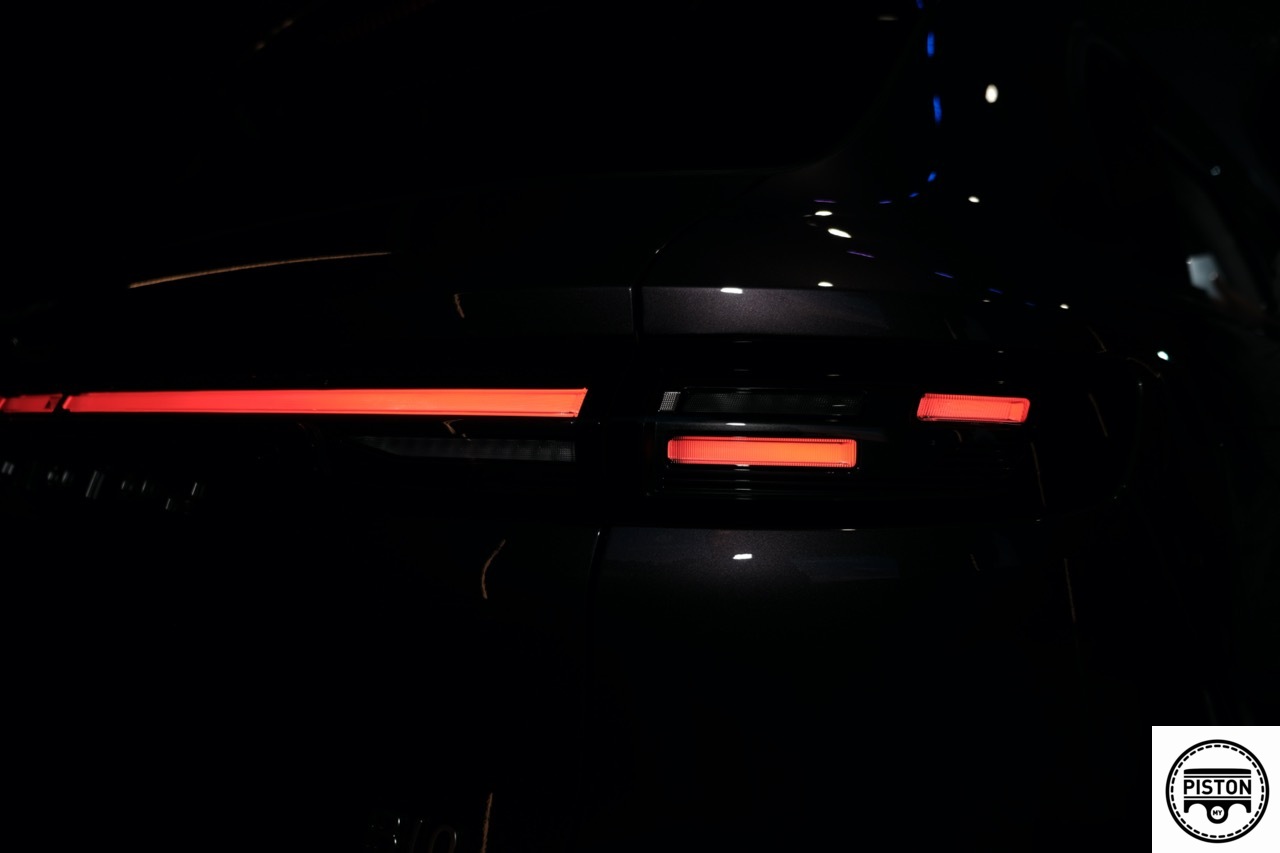
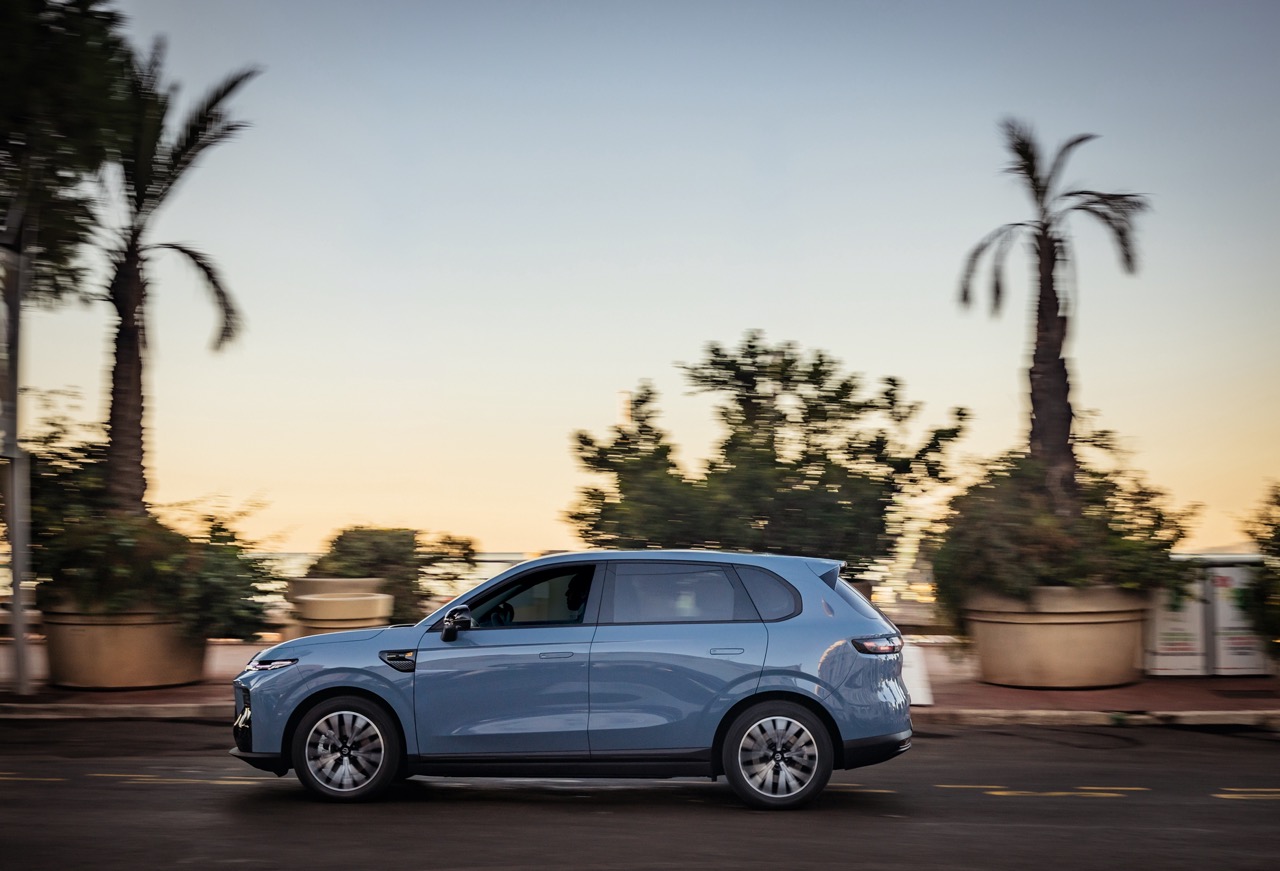
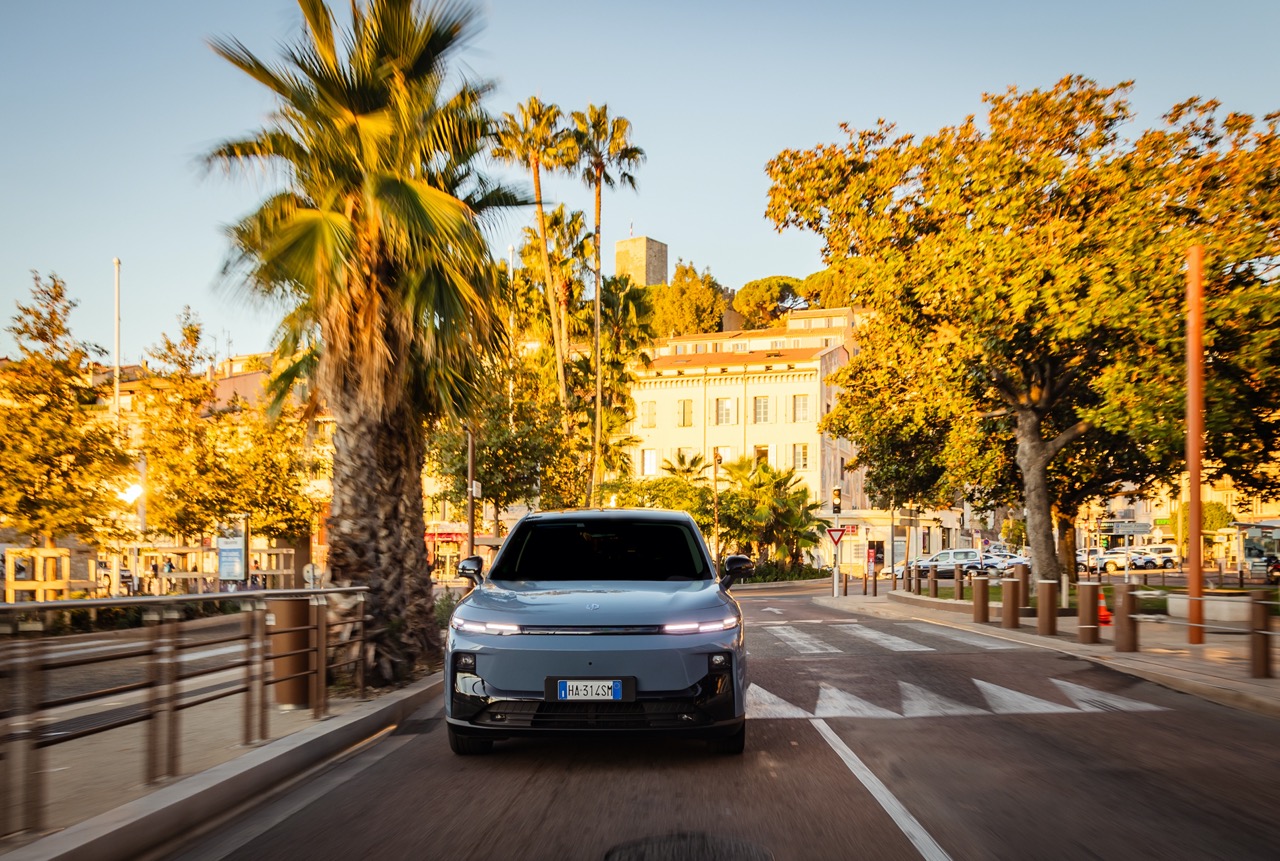
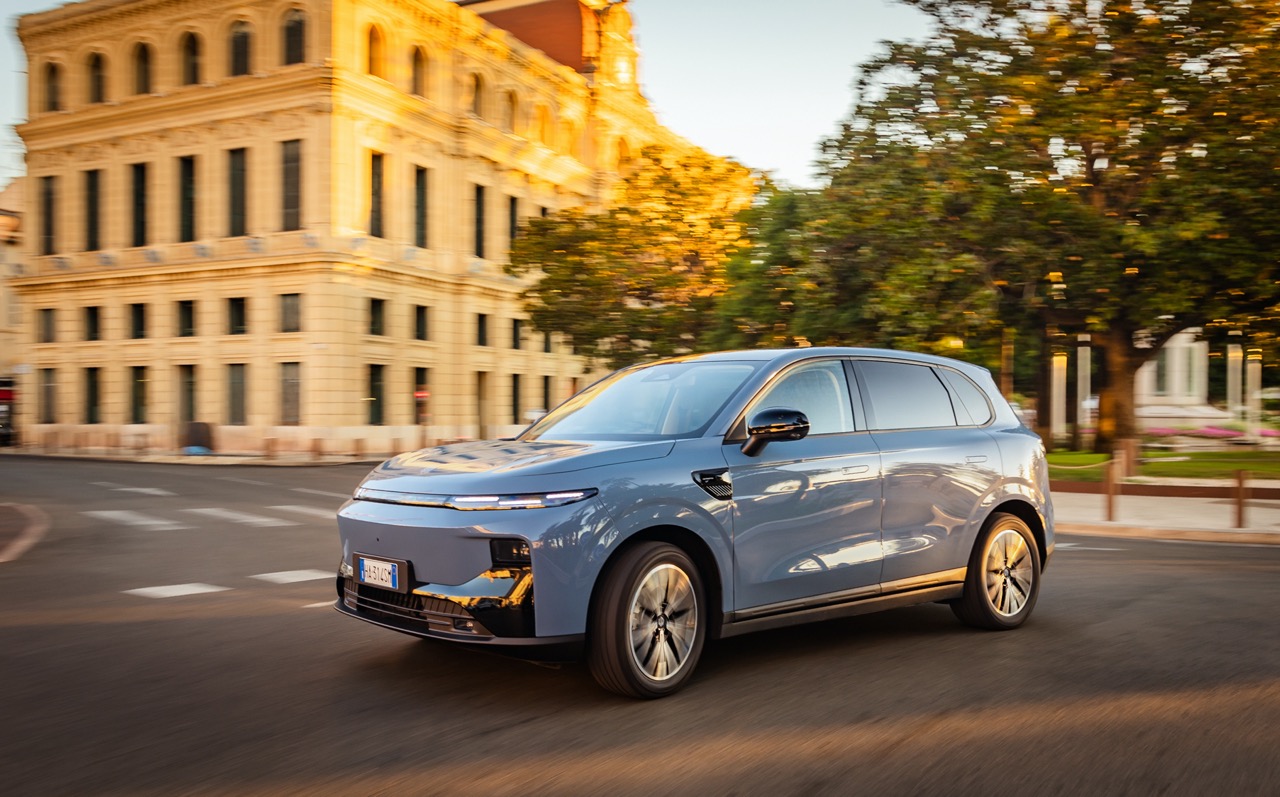
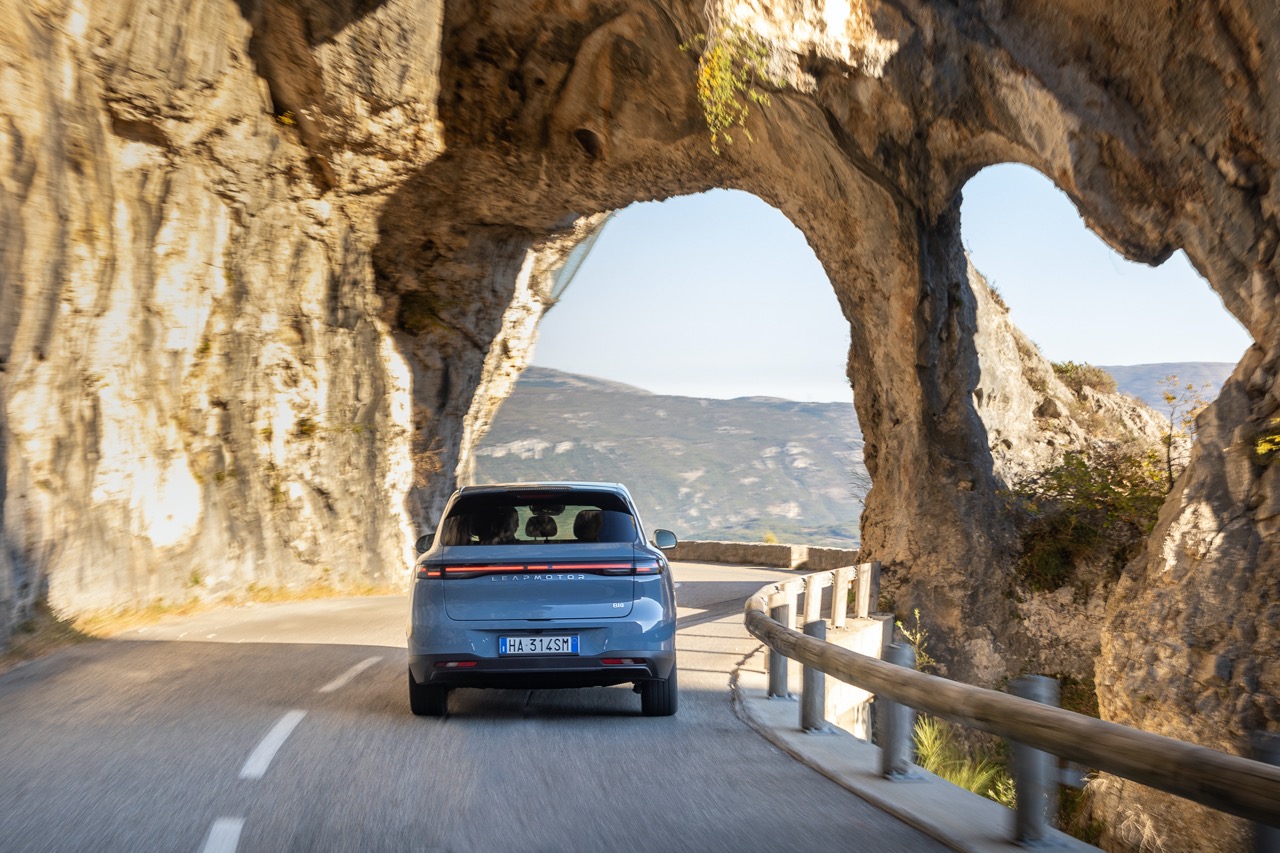
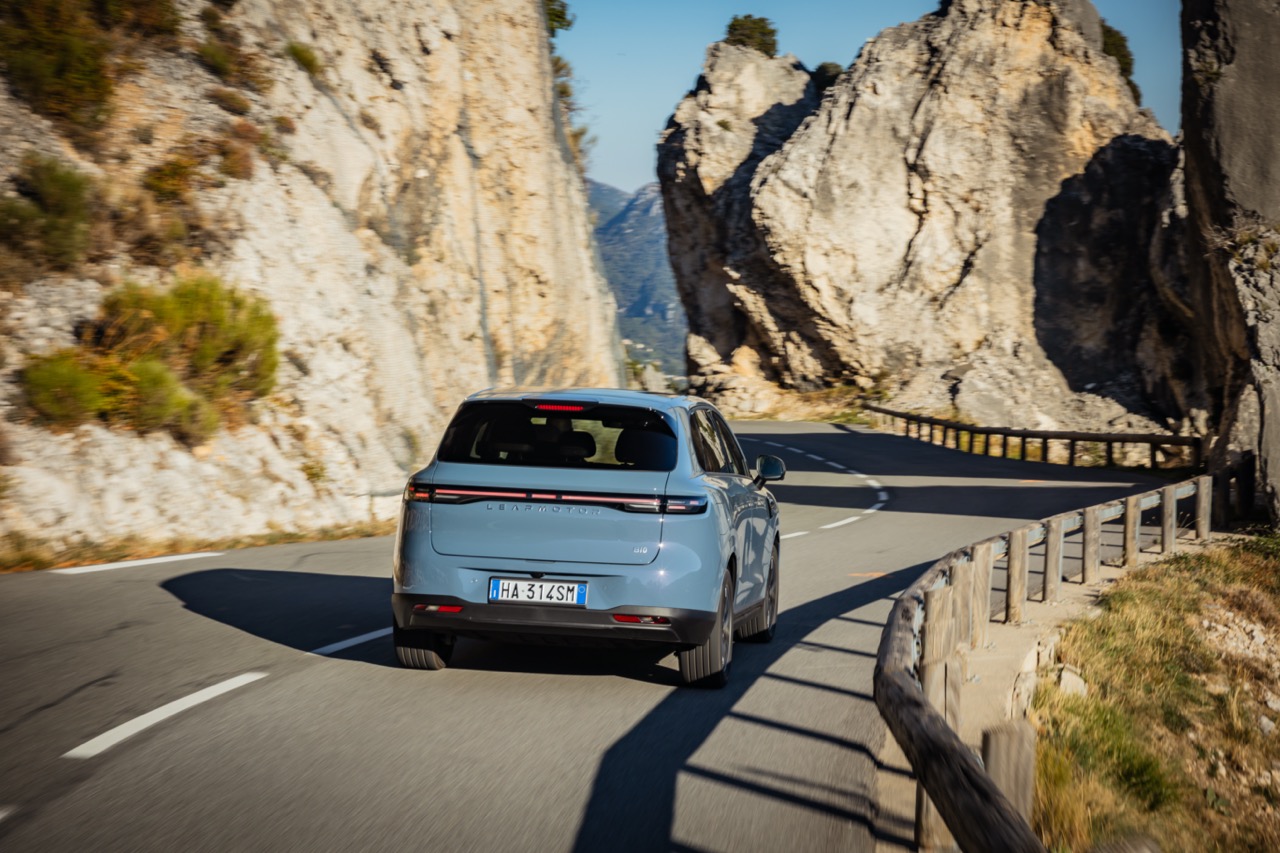
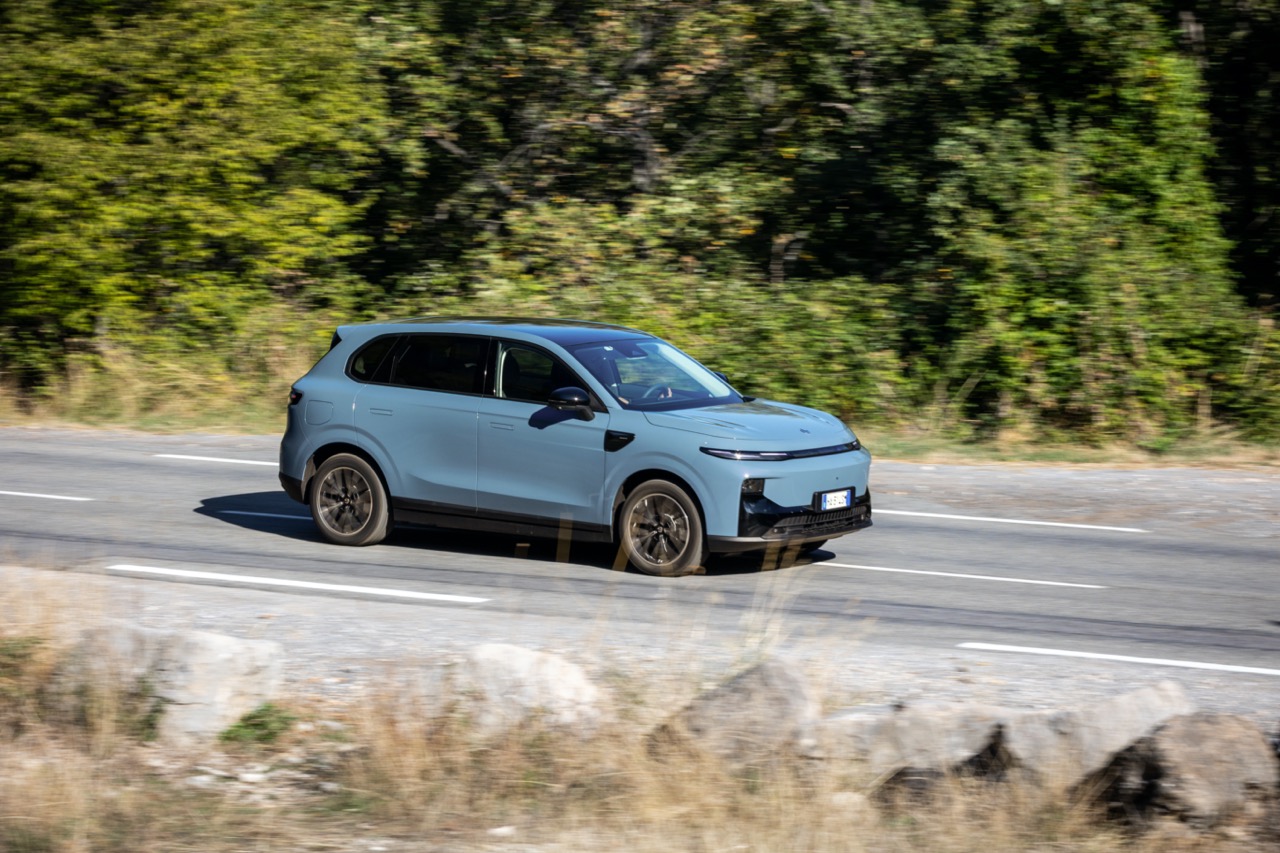
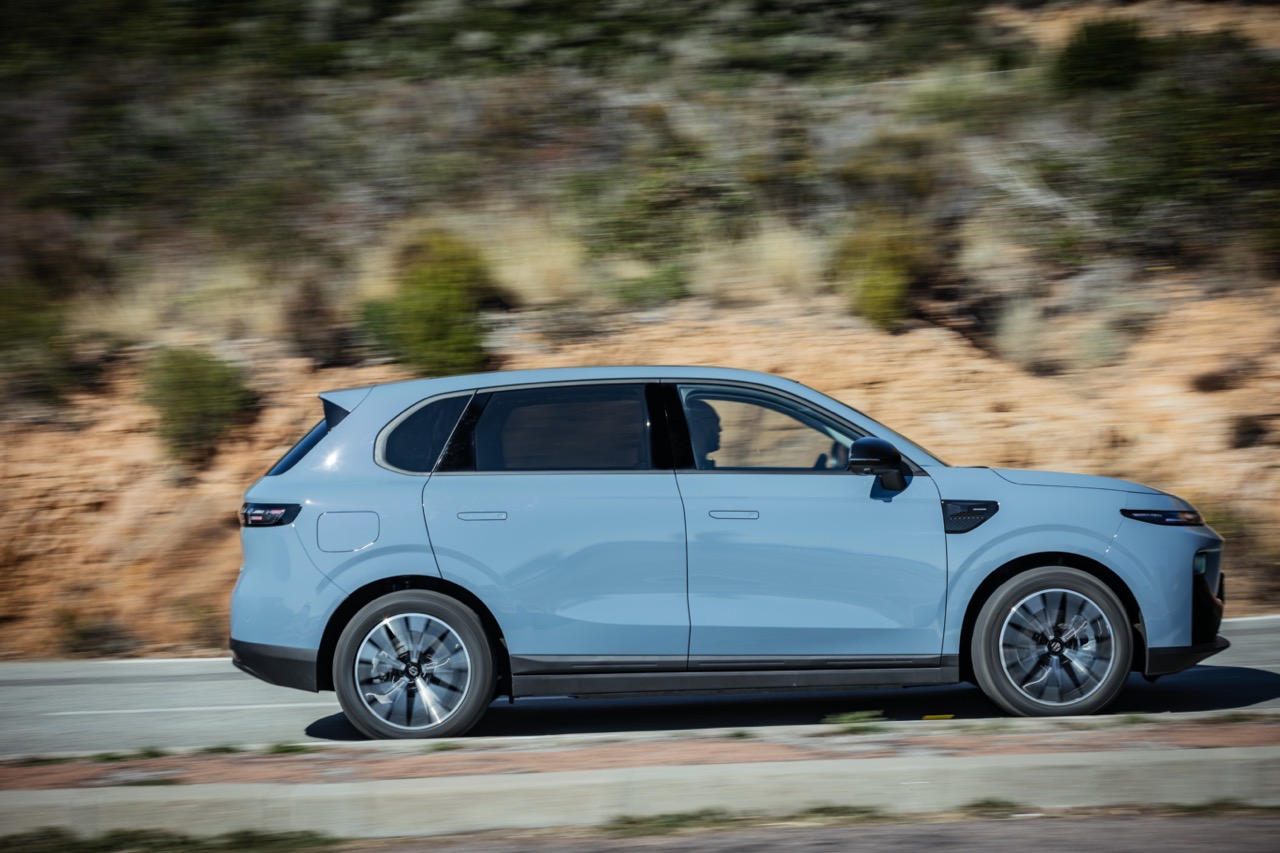
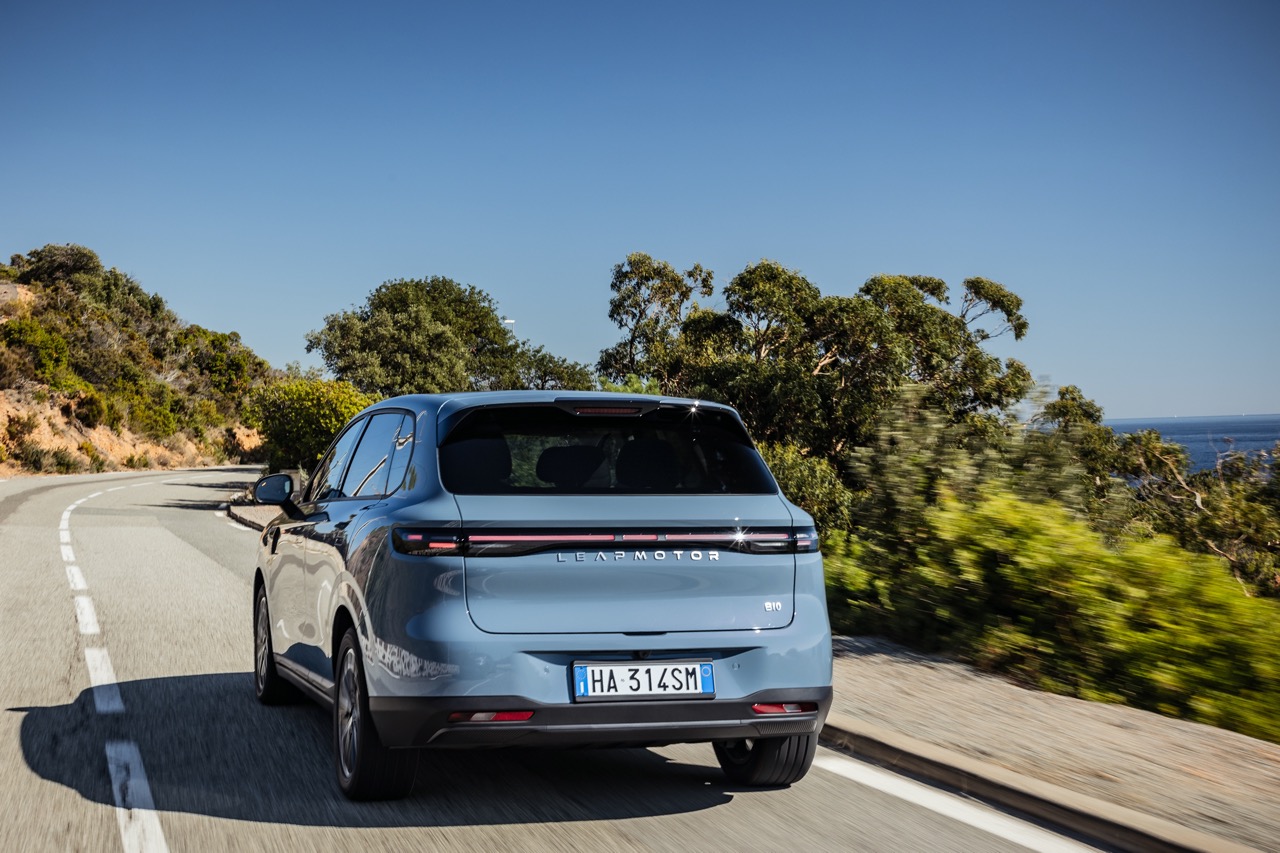
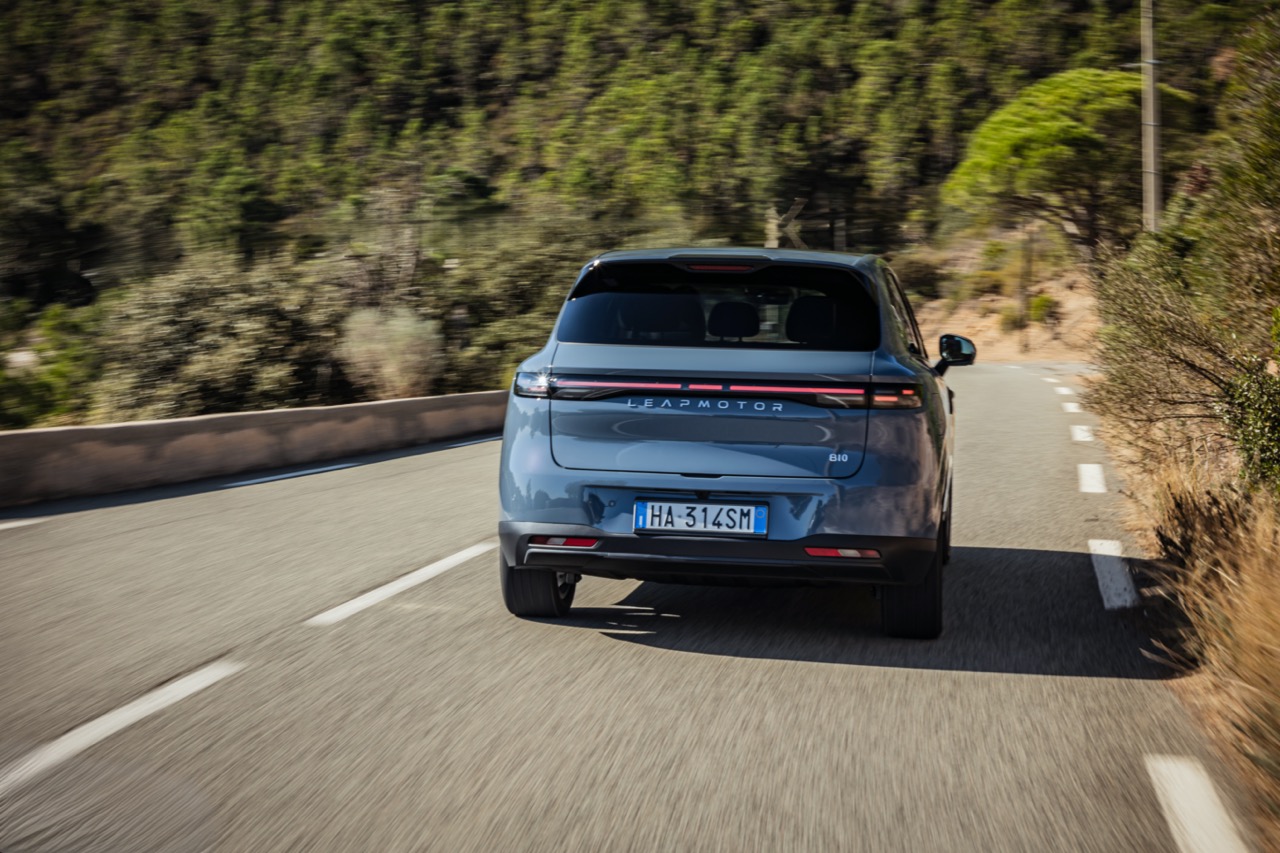
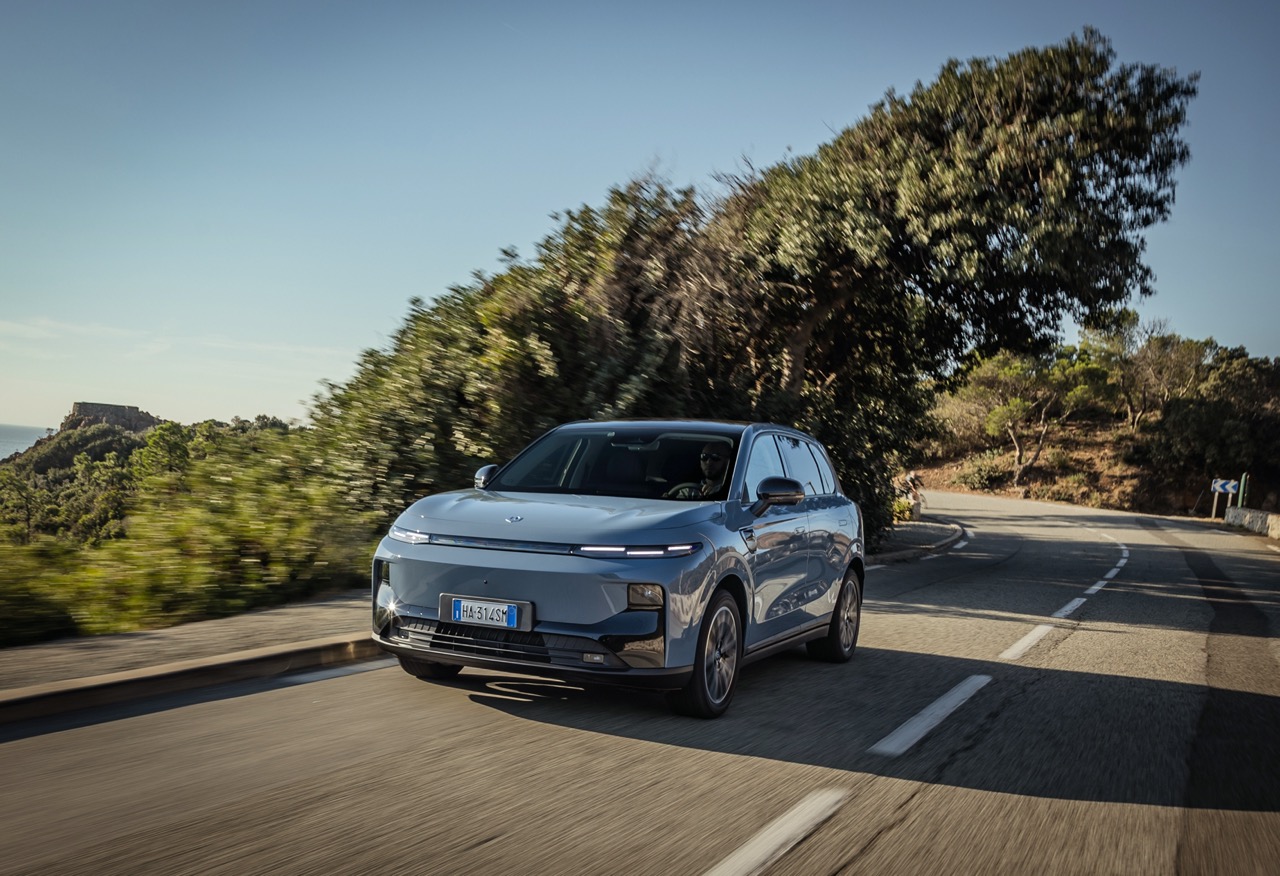
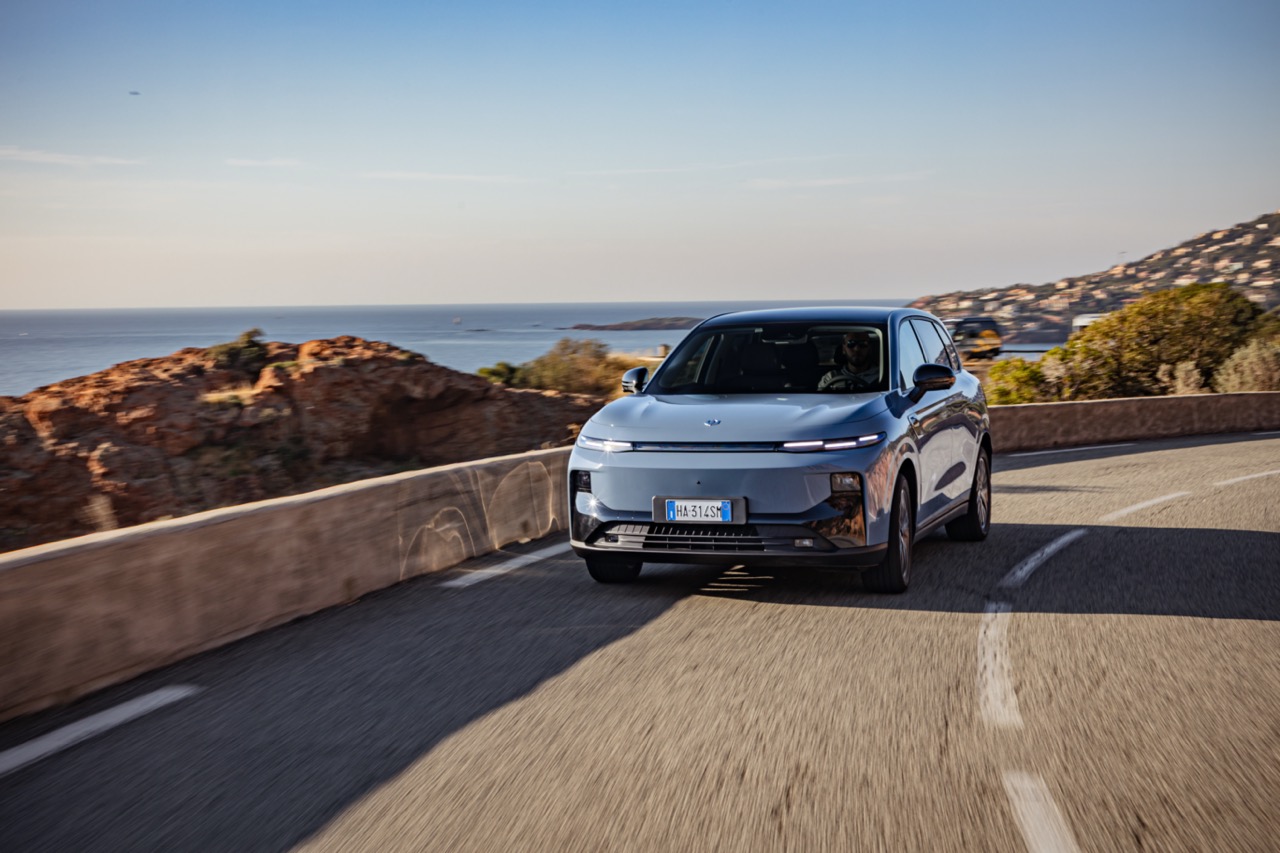
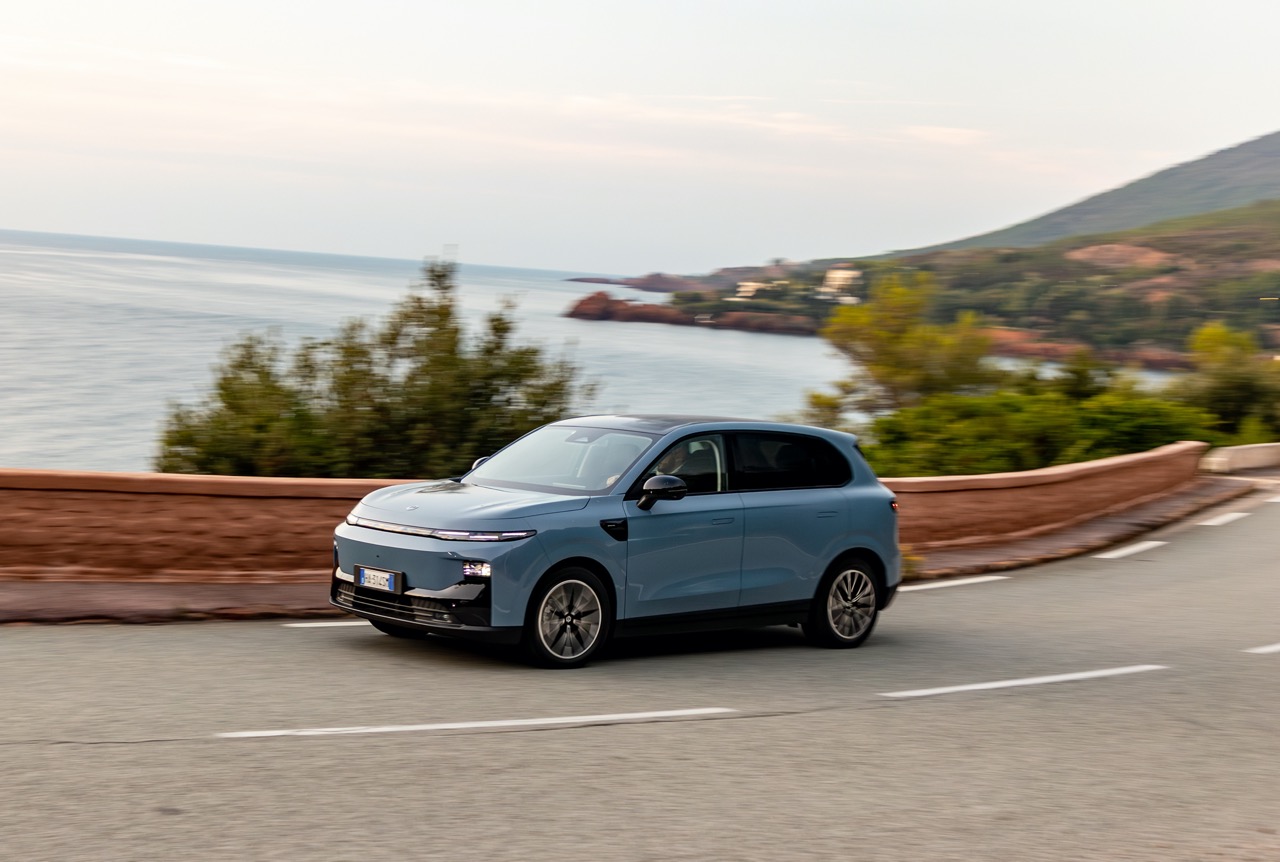
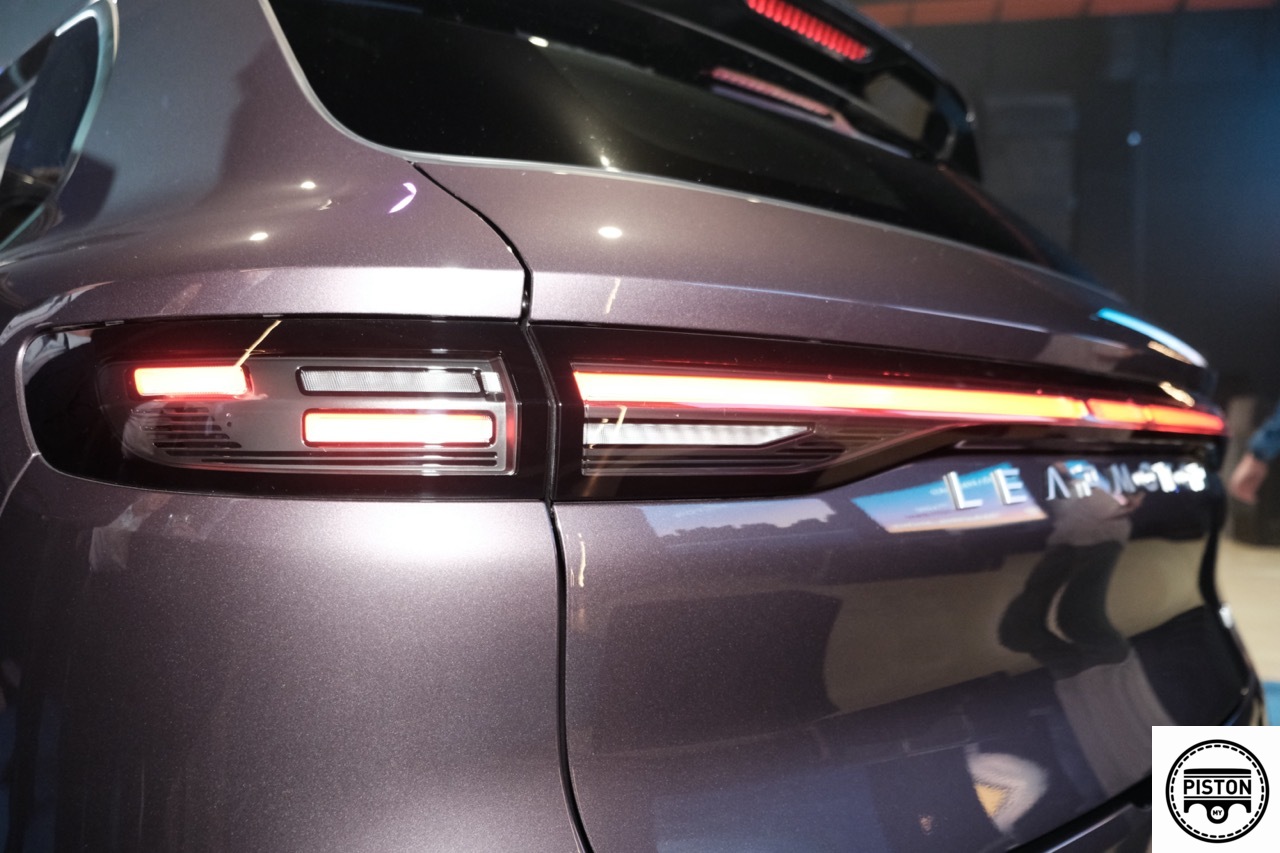
Leapmotor has unveiled its latest compact electric hatchback, the B05 — known in China as the Lafa5 — with five trim levels designed to meet varied budgets and driving needs. The model starts with the 515 Plus at 97,800 yuan (about USD 13,800), while the top-end 605 Max fetches 121,800 yuan. Early buyers benefit from a roughly 5,000 yuan discount across the line-up.

Built on the LEAP 3.5 platform, the B05 measures 4,430 mm in length, 1,880 mm in width and 1,520 mm in height, riding on a 2,735 mm wheelbase, similar in size to the smart #3. Buyers can choose between two battery configurations — a 56.2 kWh pack for a CLTC-rated 515 km range, or a 67.1 kWh pack for 605 km. Both use a rear-mounted electric motor, available in outputs of 177hp or 215hp.

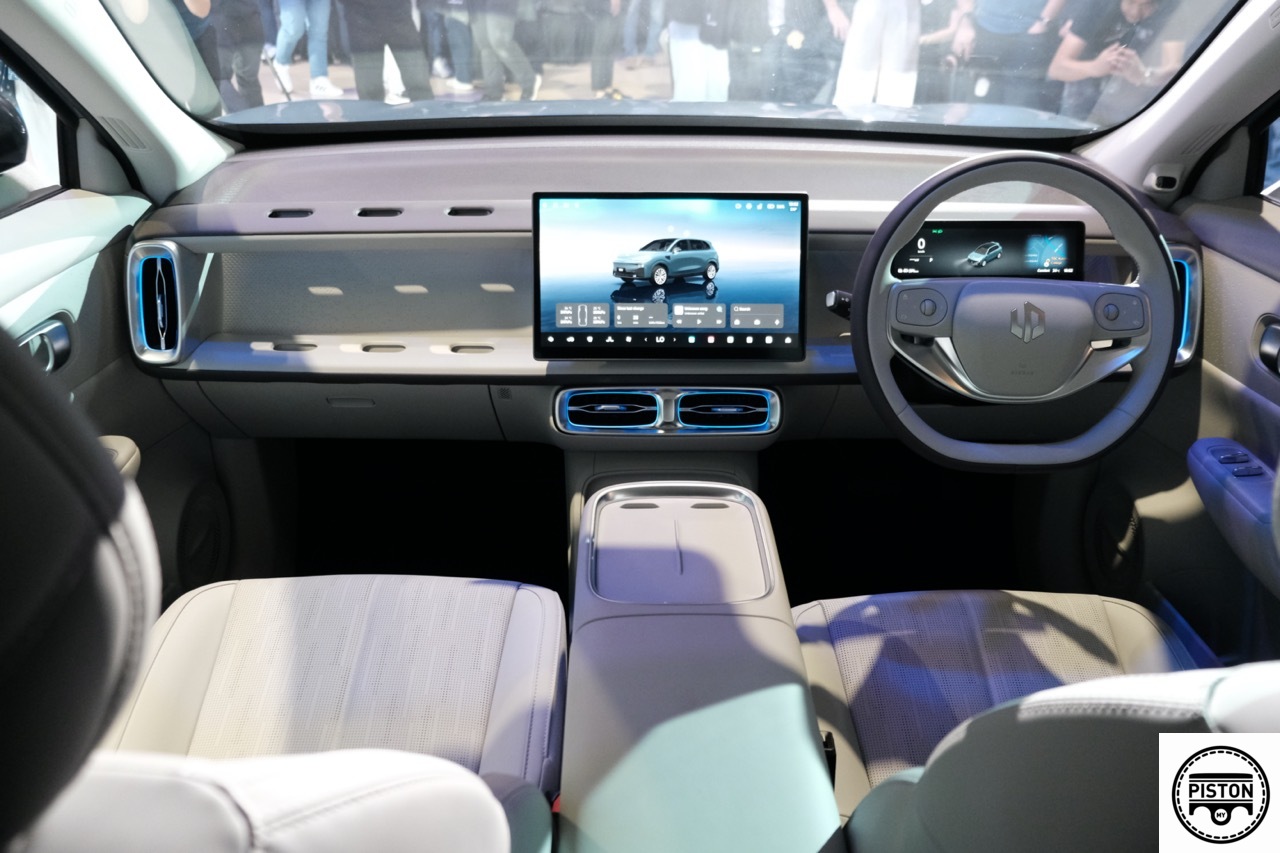
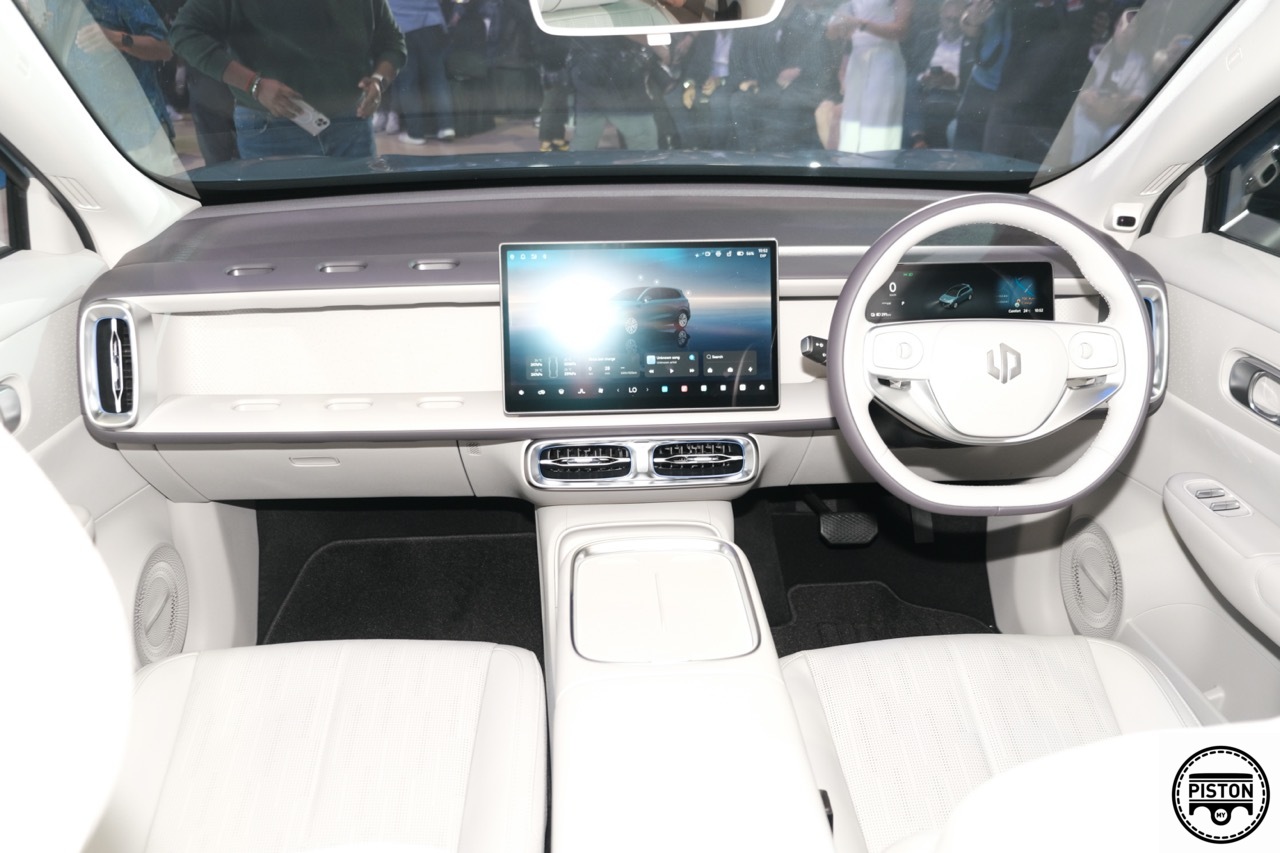
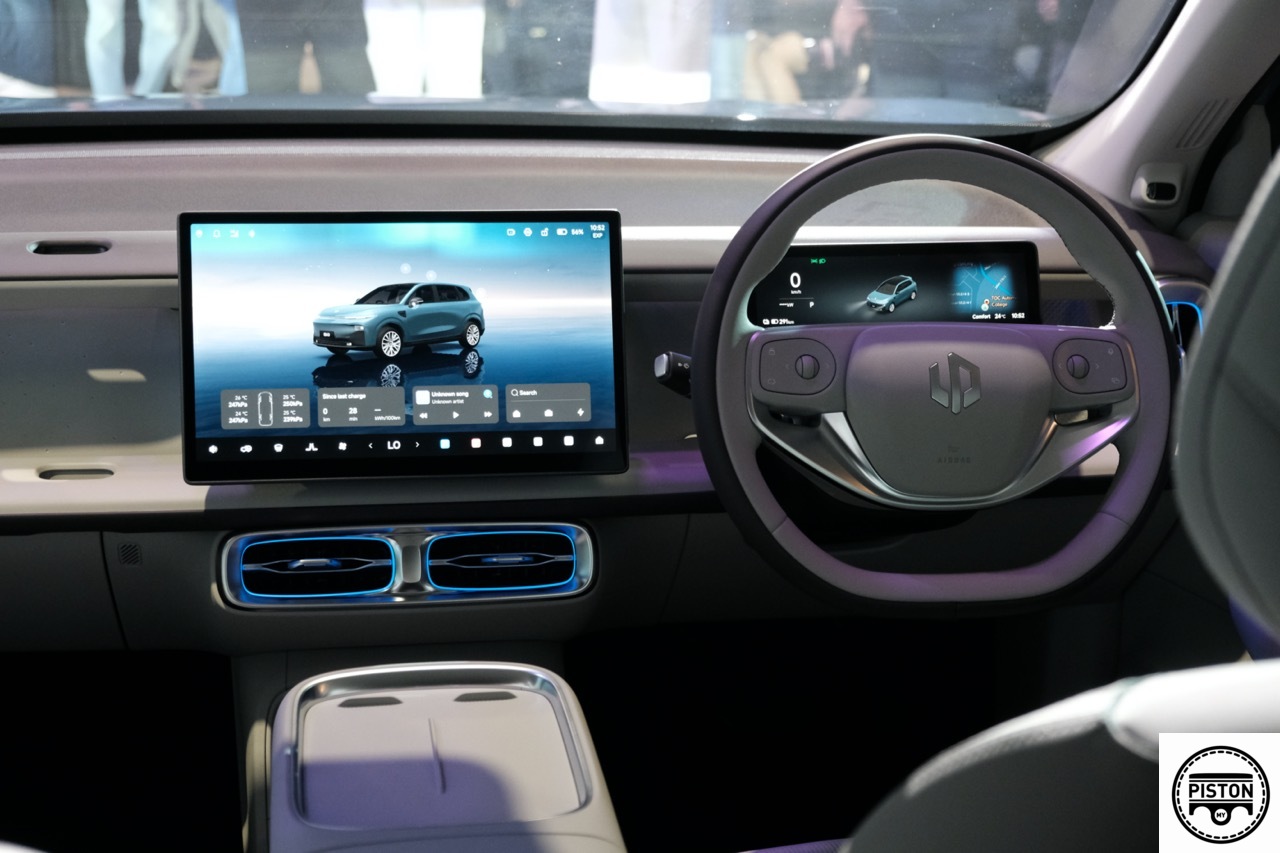
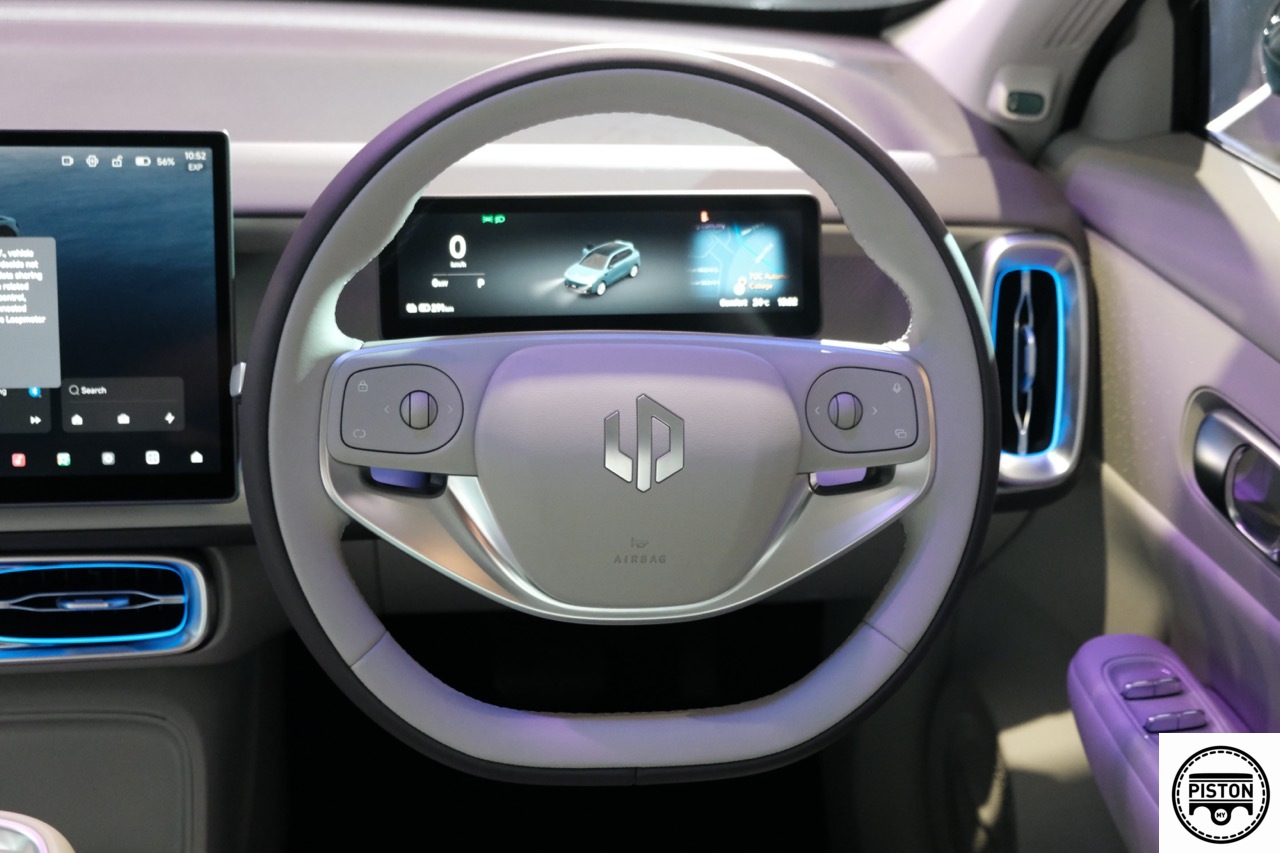
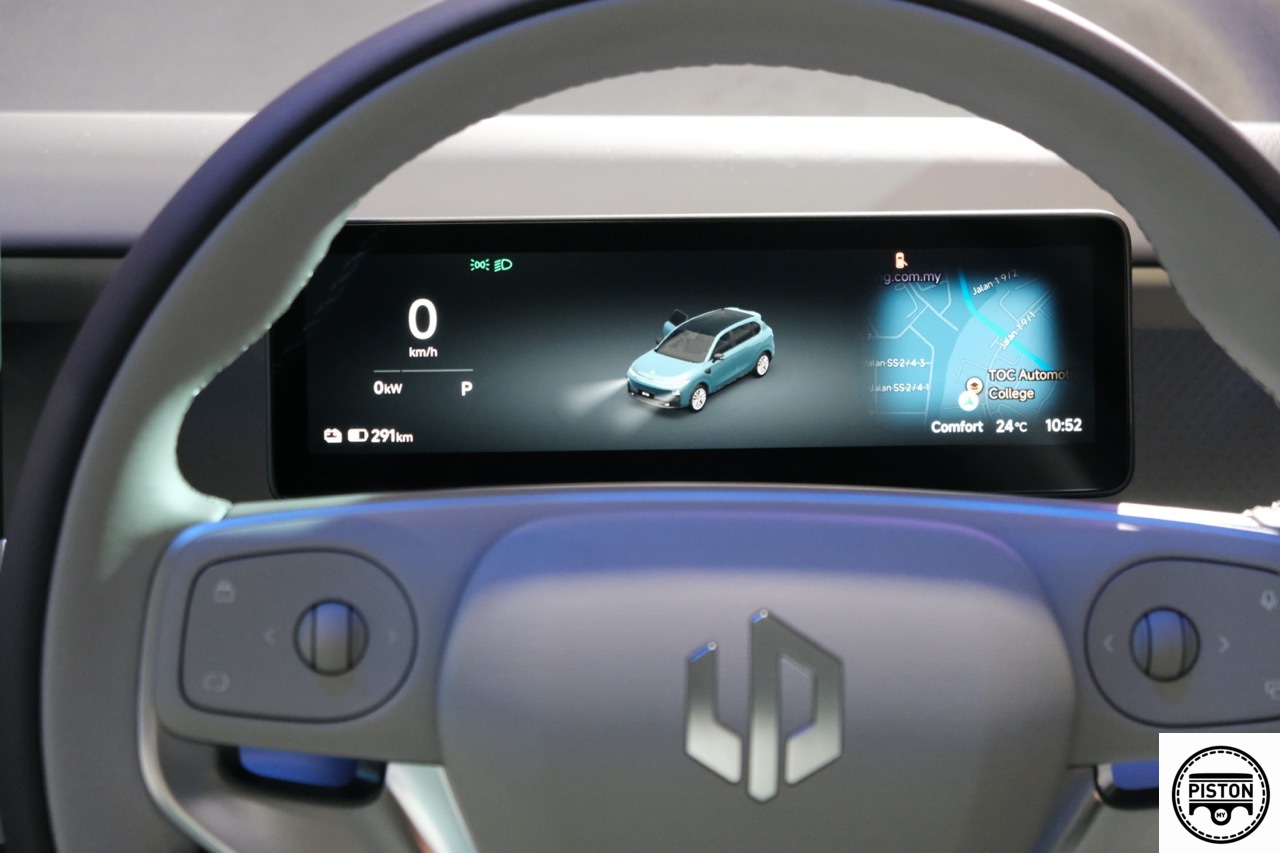
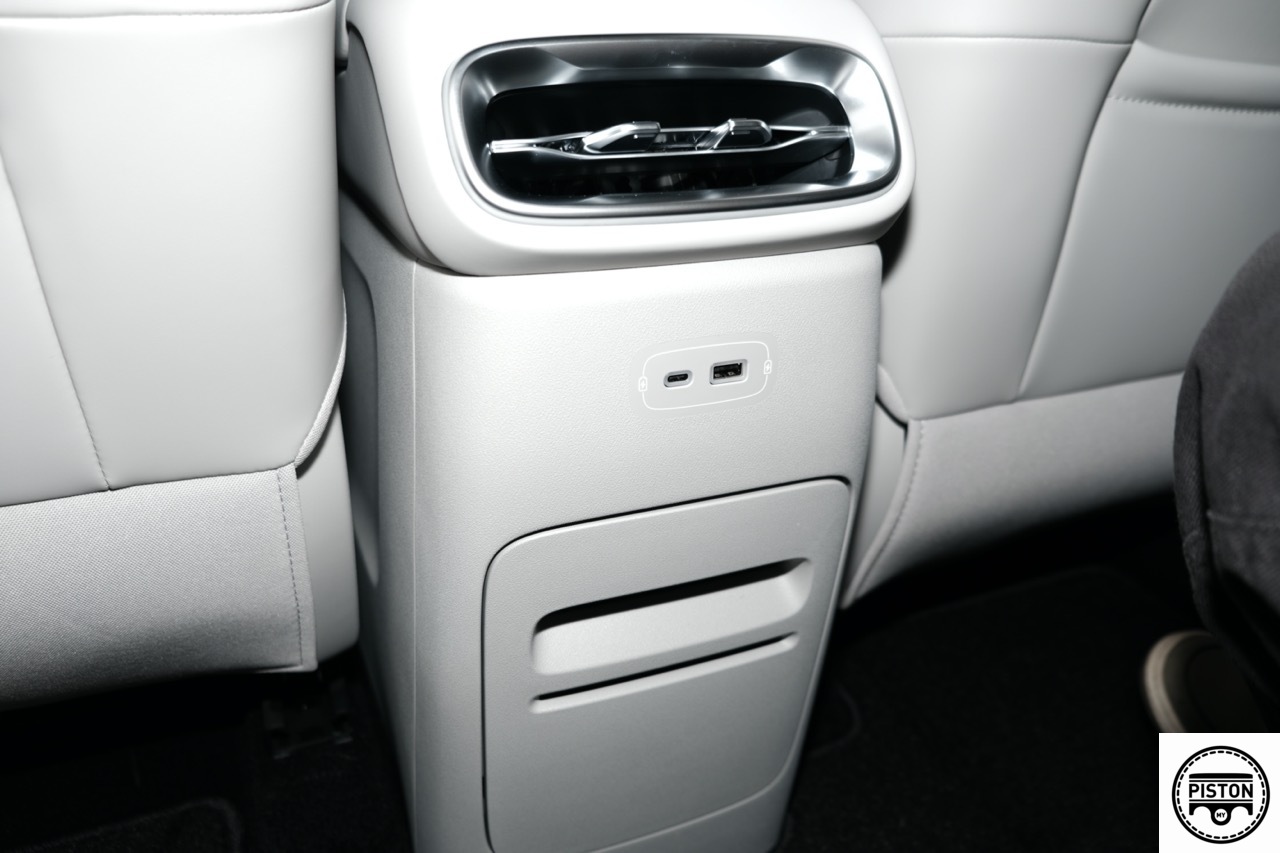
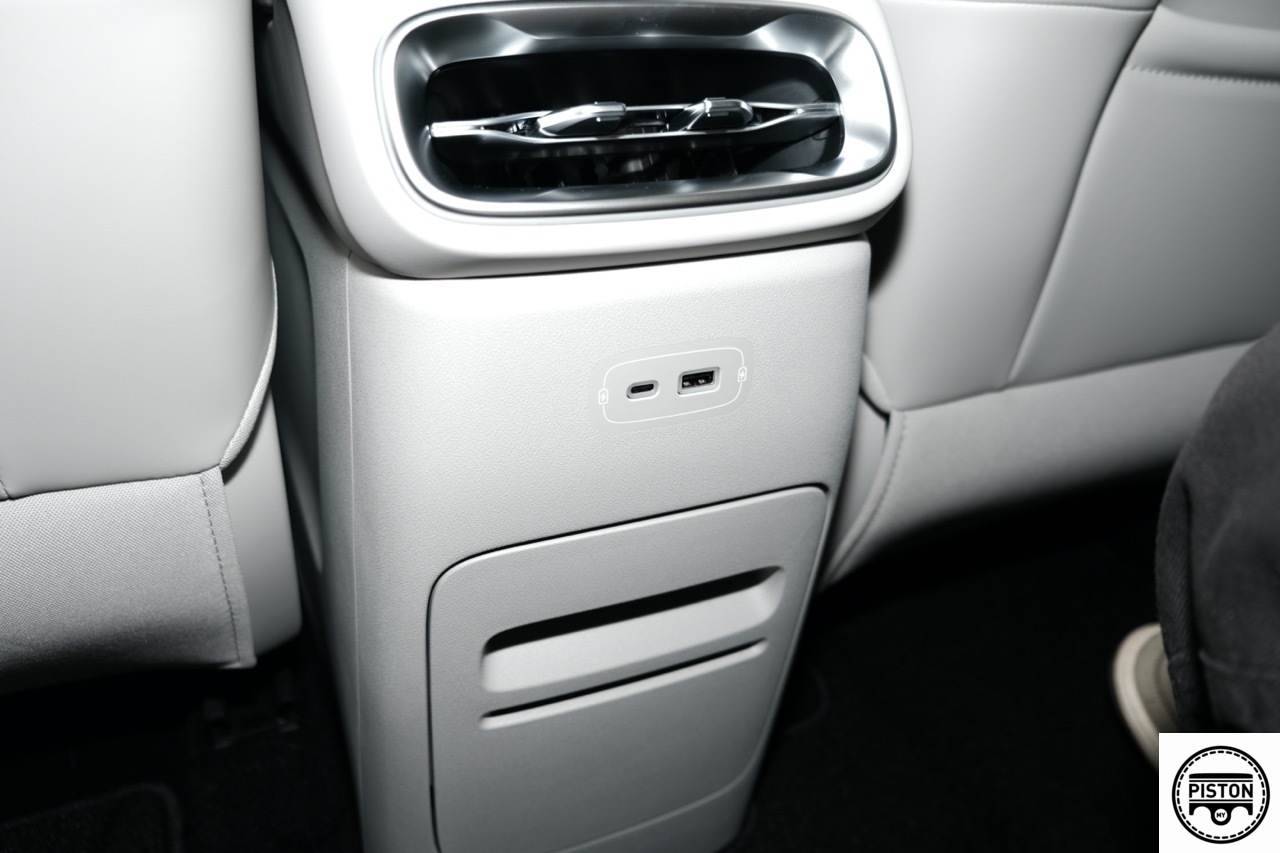
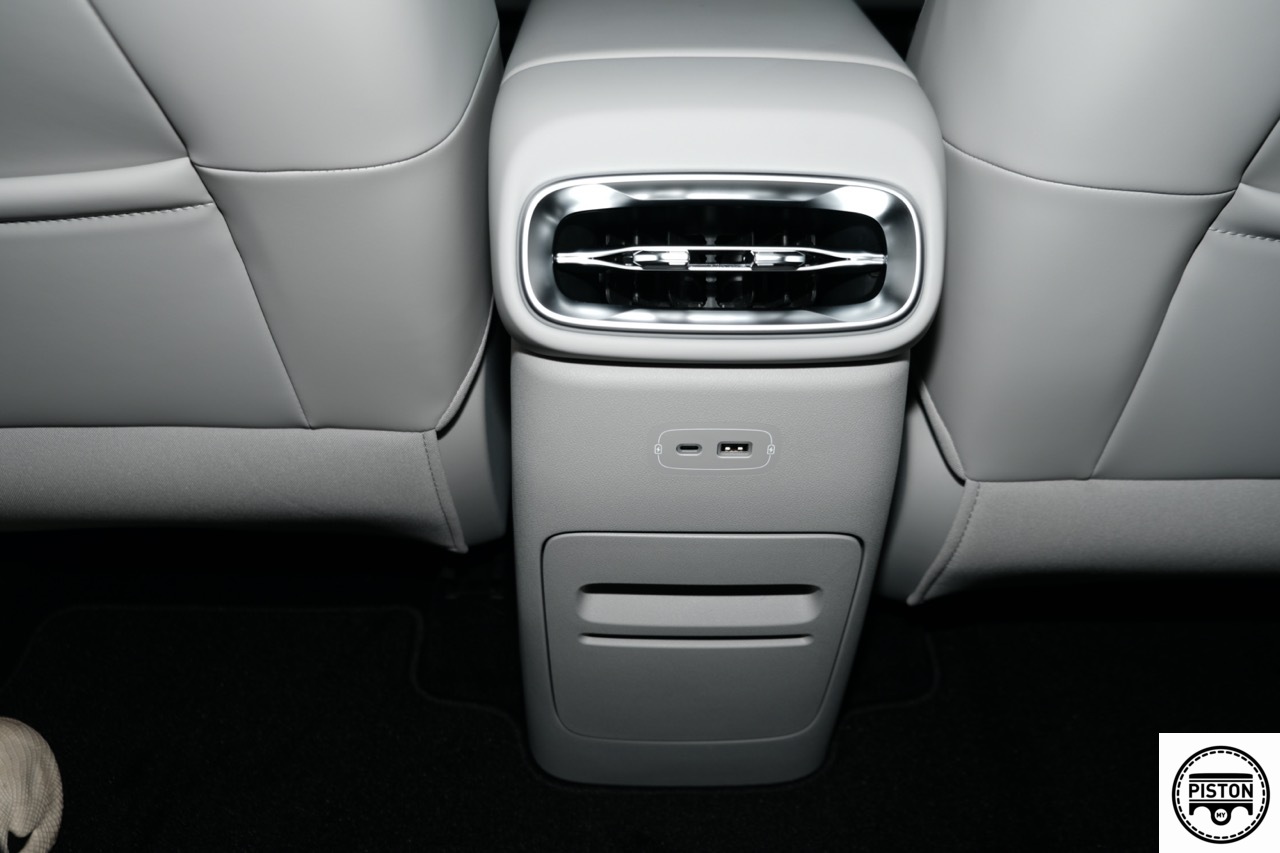
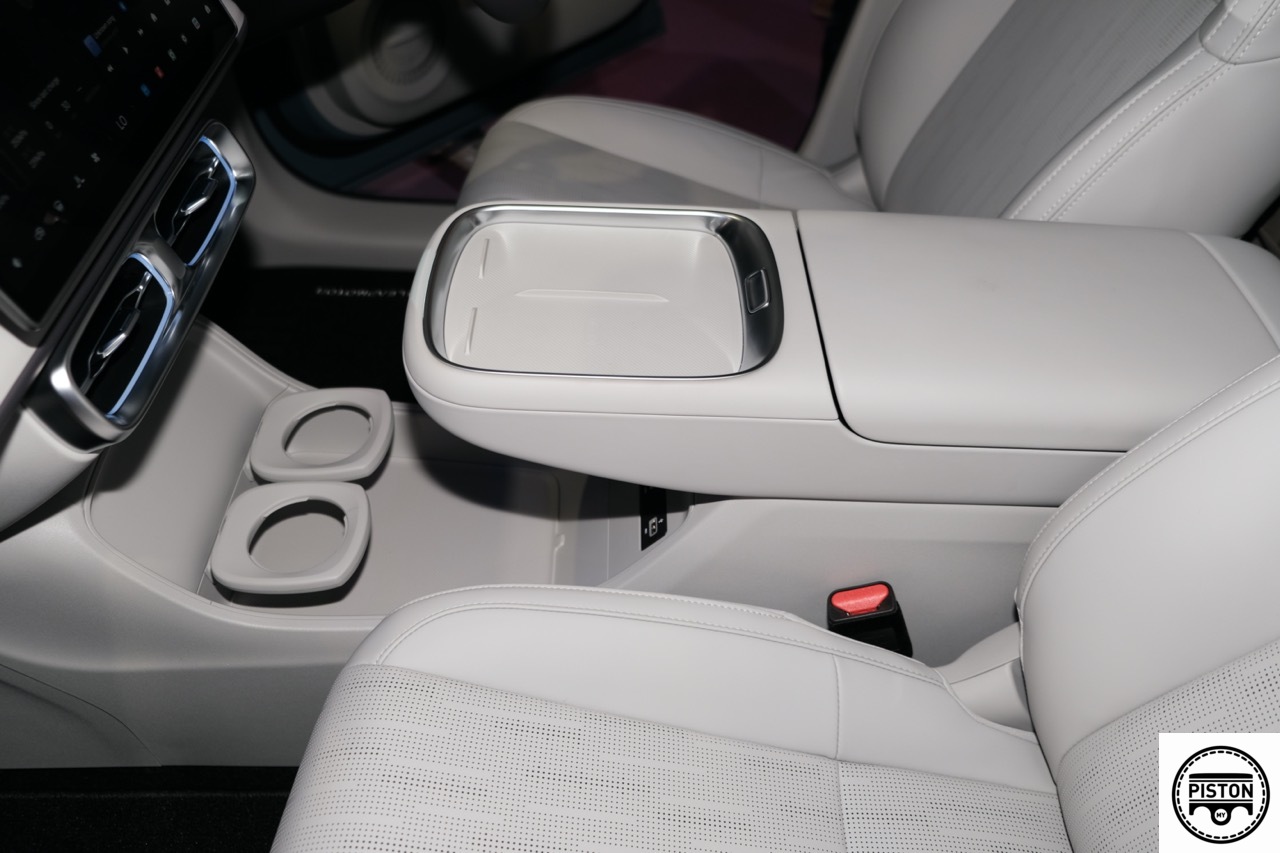
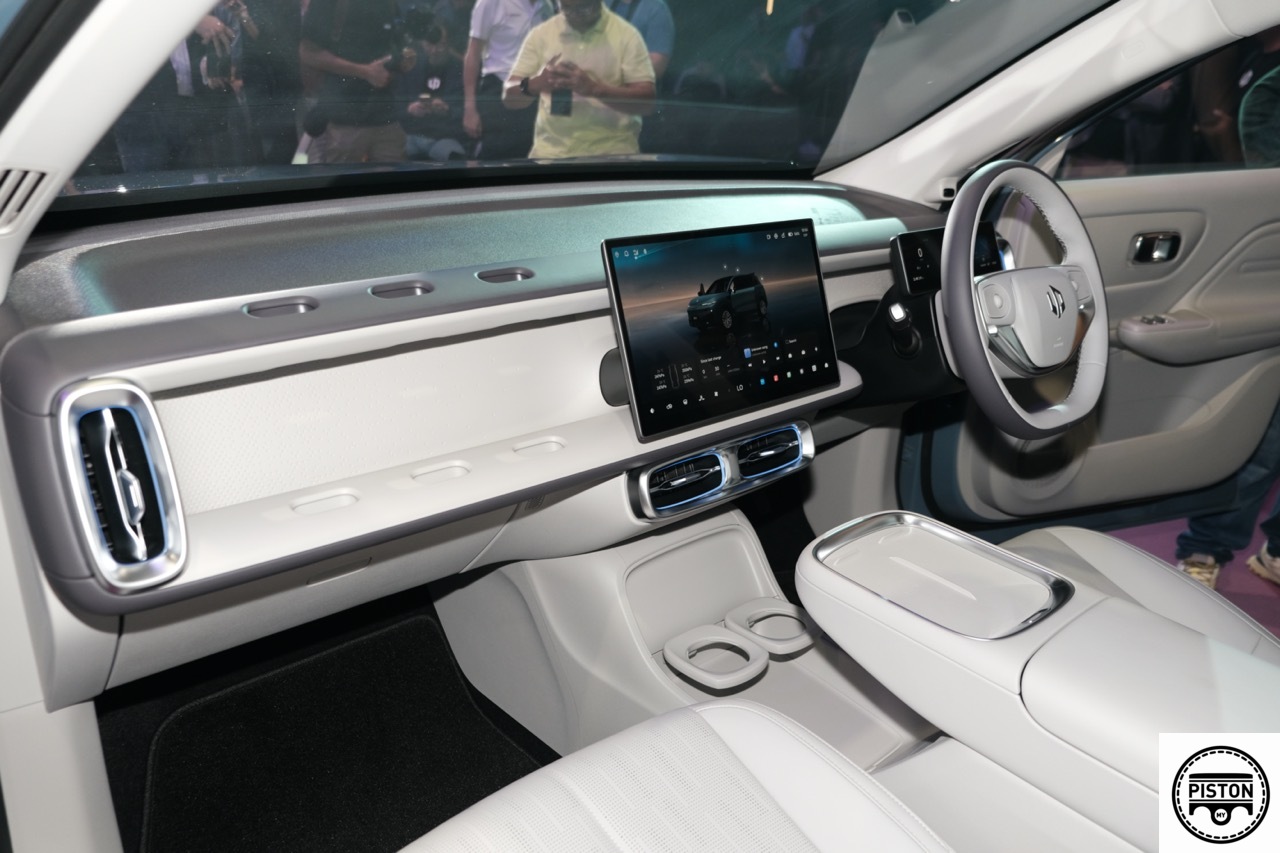
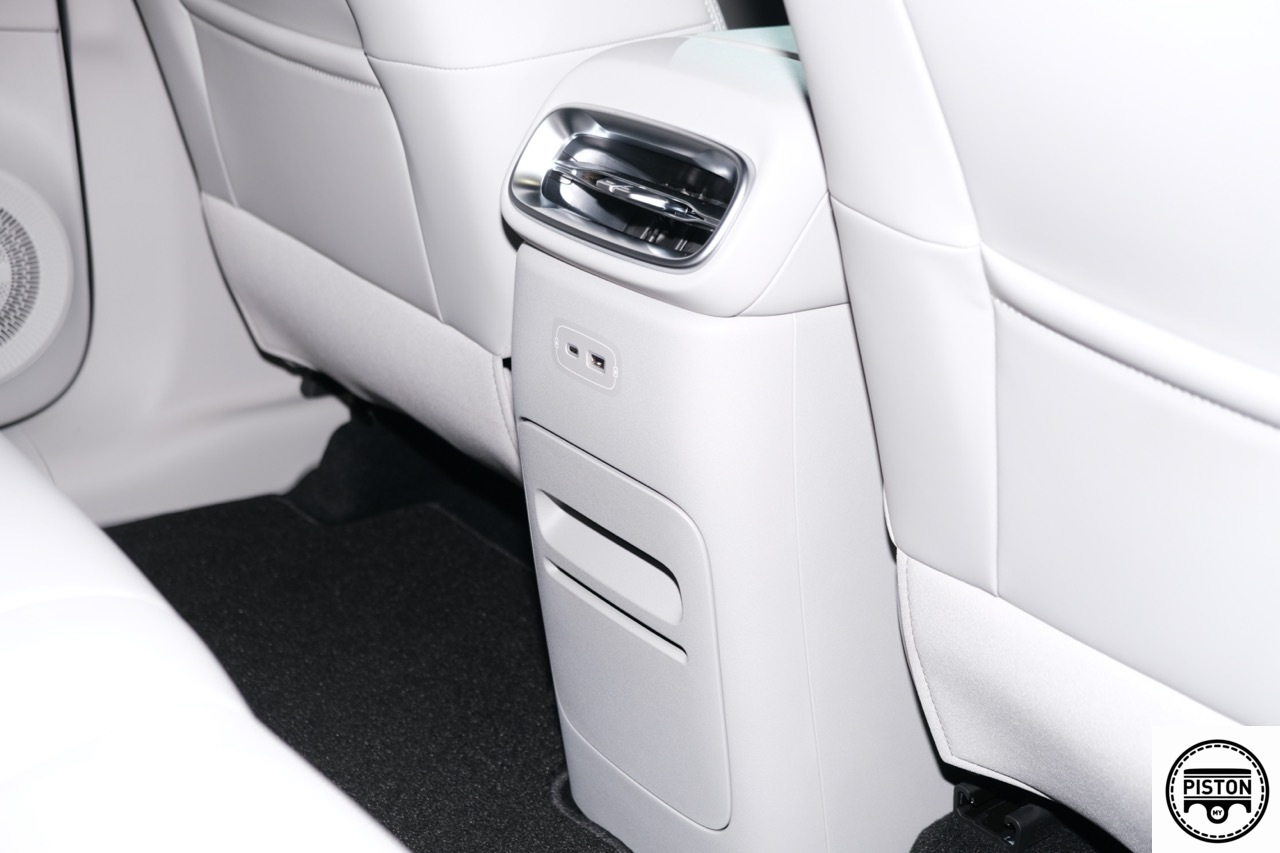
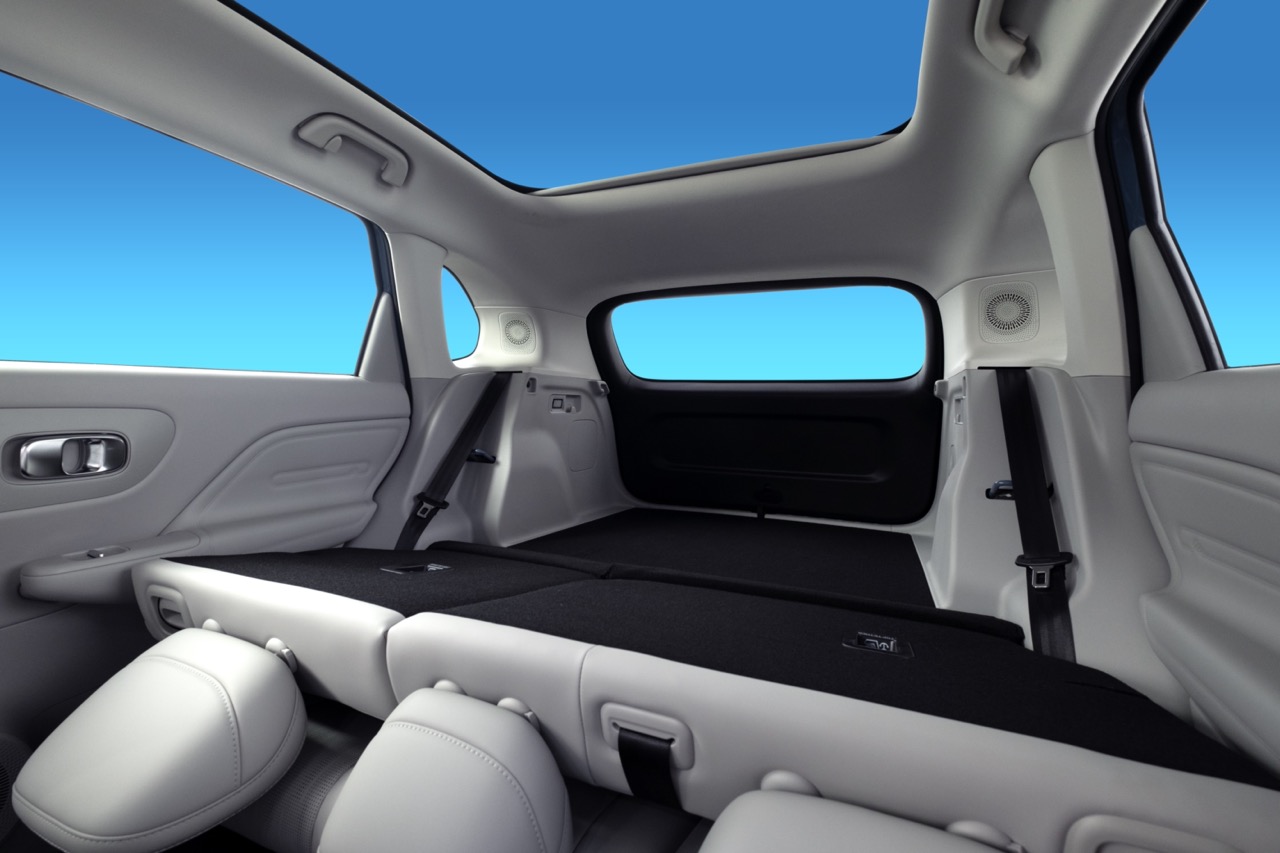
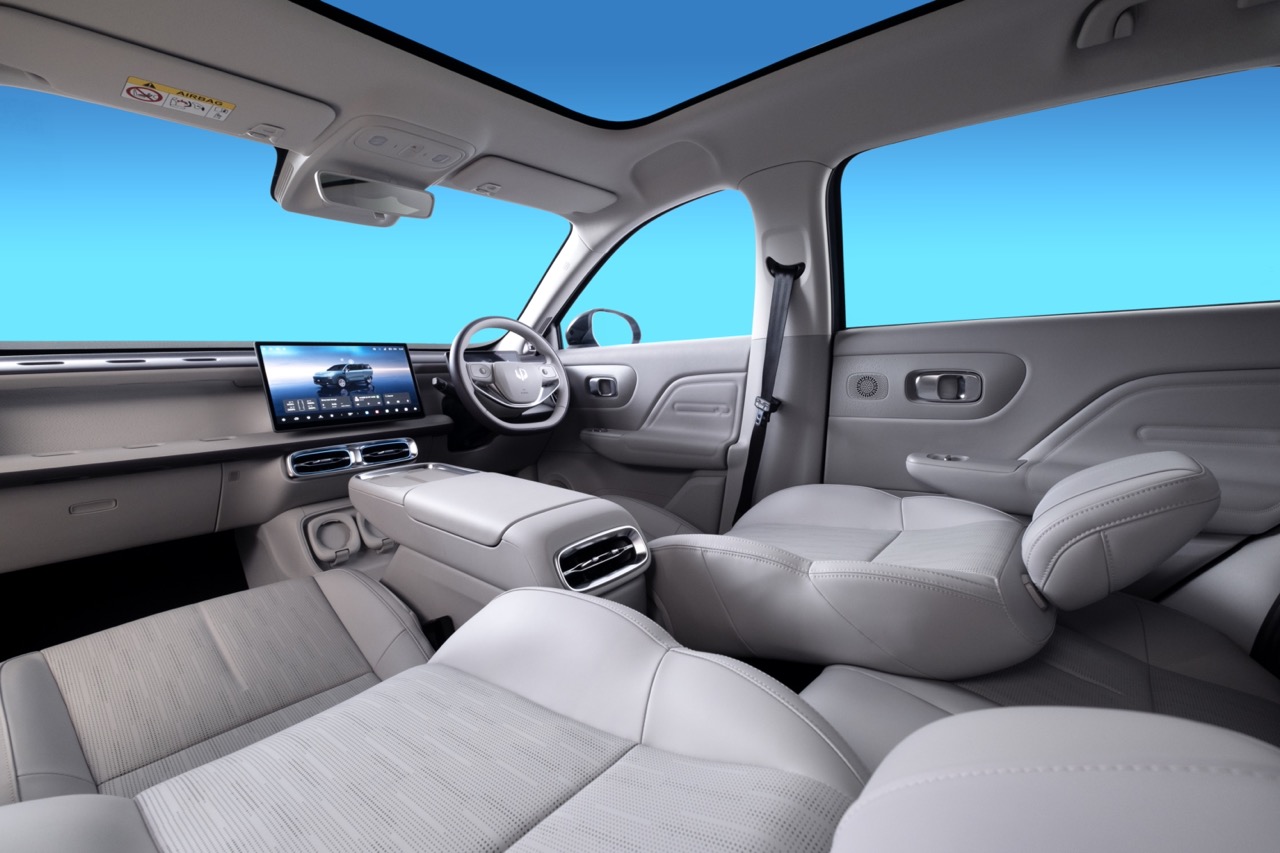
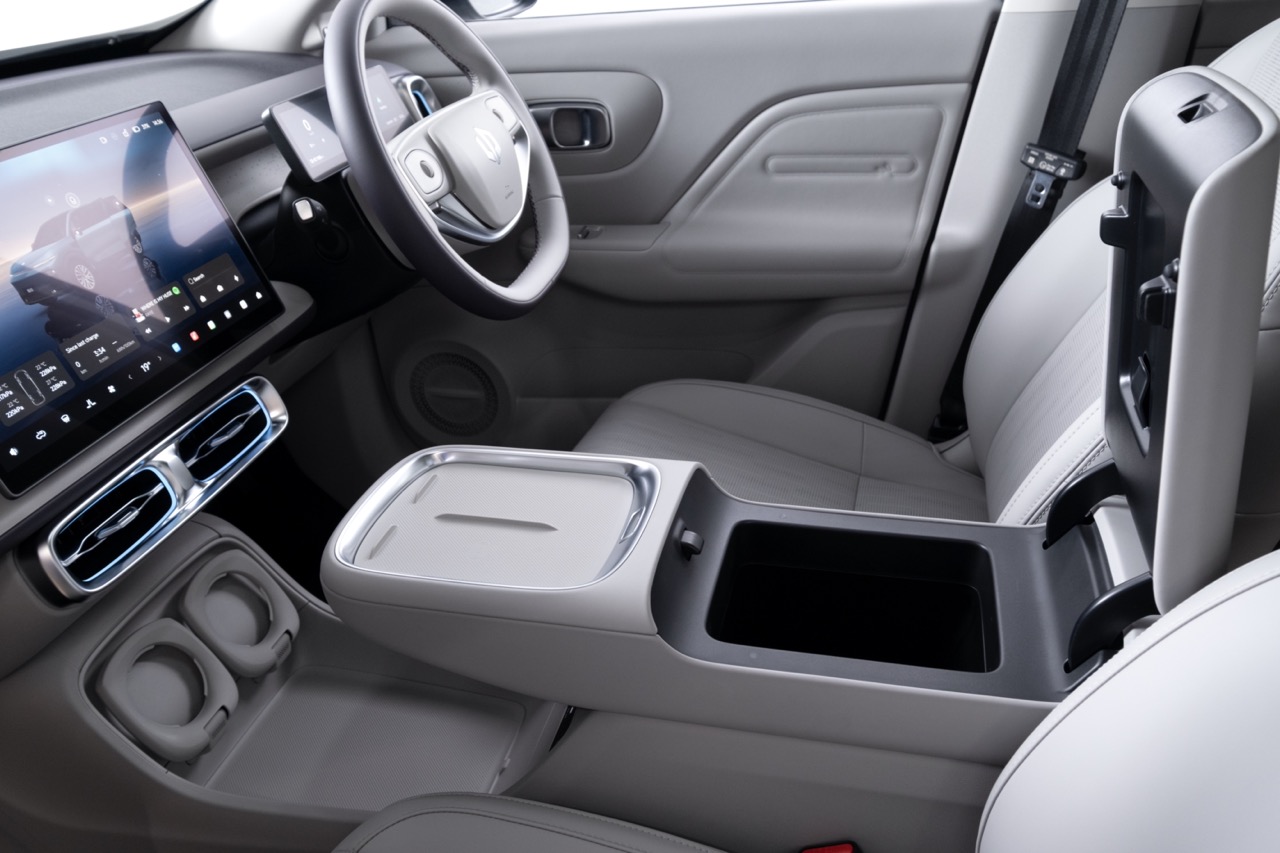
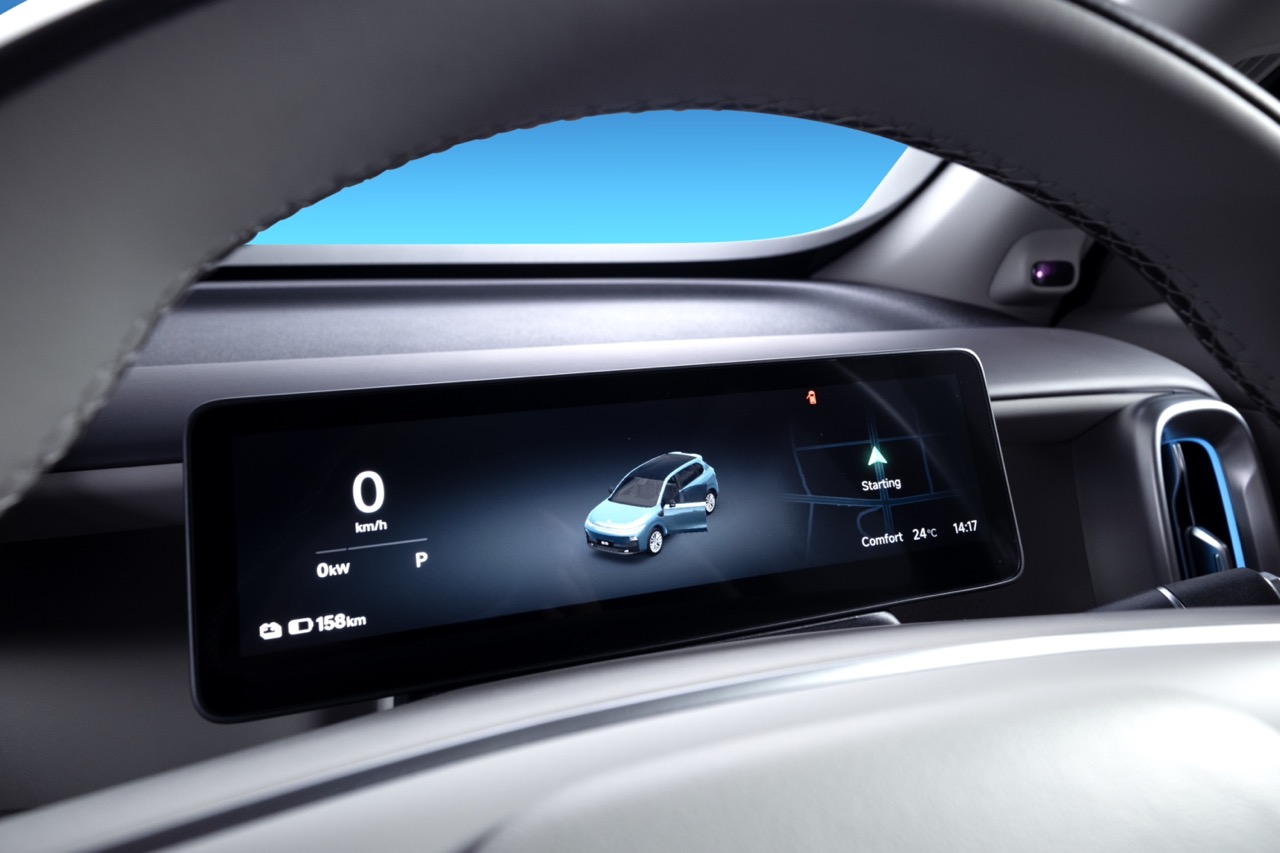
Inside, the B05 offers a modern cabin complete with an 8.8-inch digital instrument cluster and a 14.6-inch 2.5K central touchscreen running Leapmotor OS 4.0 Plus on a Snapdragon-based processor. Depending on trim, equipment may include ventilated and heated seats, a panoramic roof, 256-colour ambient lighting, wireless charging built into a cleverly designed “magic expansion island” centre console, and upholstery spanning fabric, faux-suede, or Nappa leather.

(more…)

Proton has officially launched the all-new Saga, marking the start of a new chapter for one of Malaysia’s most recognisable cars. For more than forty years, the Proton Saga has been a familiar presence on Malaysian roads, with over 2.1 million units sold globally since its 1985 debut.

It remains Proton’s most popular and enduring model, a role it continues to build on with this fourth-generation version.

The 2025 Proton Saga arrives with a new powertrain configuration. It is now equipped with a 1.5-litre i-GT engine that produces 120 PS and 150 Nm, paired with a CVT for improved smoothness and refinement. The more affordable variants retain the 4-speed automatic gearbox. Proton says the updates deliver better response and overall efficiency.
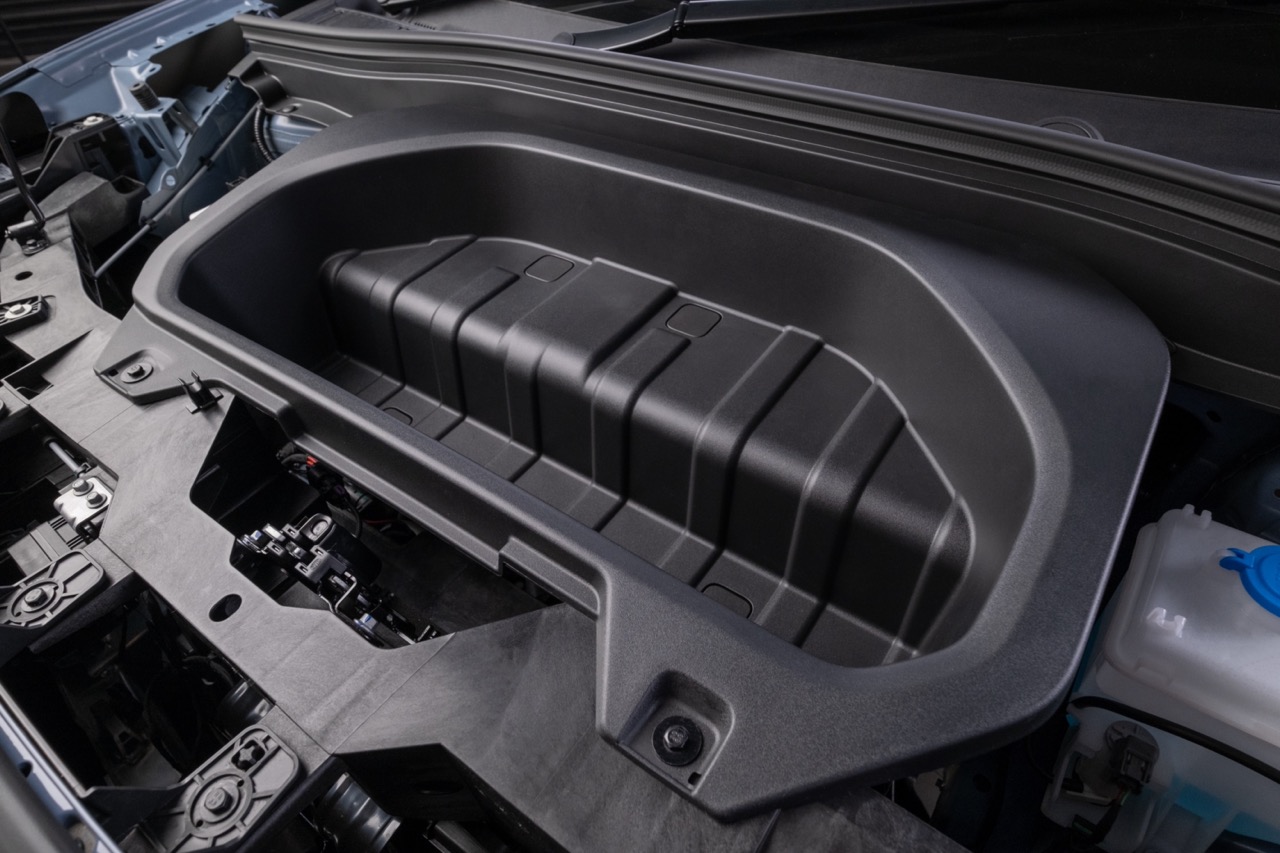
The exterior has been completely redesigned. The latest model features a sculpted bonnet, a revised front grille with Proton’s “Sulaman Songket” motif, full LED projector headlamps with DRLs, and a new LED tail light bar inspired by the Proton X50. New 15-inch alloy wheels, offered in both two-tone and single-tone designs, complete the updated look.

Safety has been significantly upgraded. The Saga now includes Advanced Driver Assistance Systems (ADAS), six airbags, and additional structural reinforcements such as a strengthened front seat cross-member and reinforced centre pillars. Key features include Front Collision Warning, Front Departure Alert, Intelligent High Beam Control and Lane Departure Warning.

The new Saga also becomes Malaysia’s first A-segment model to earn ASEAN NCAP recognition for passing the Autonomous Emergency Braking (AEB) Motorcyclist Test. It is further supported by Door Opening Warning, Rear Collision Warning, Lane Change Assist and Rear Cross Traffic Alert.
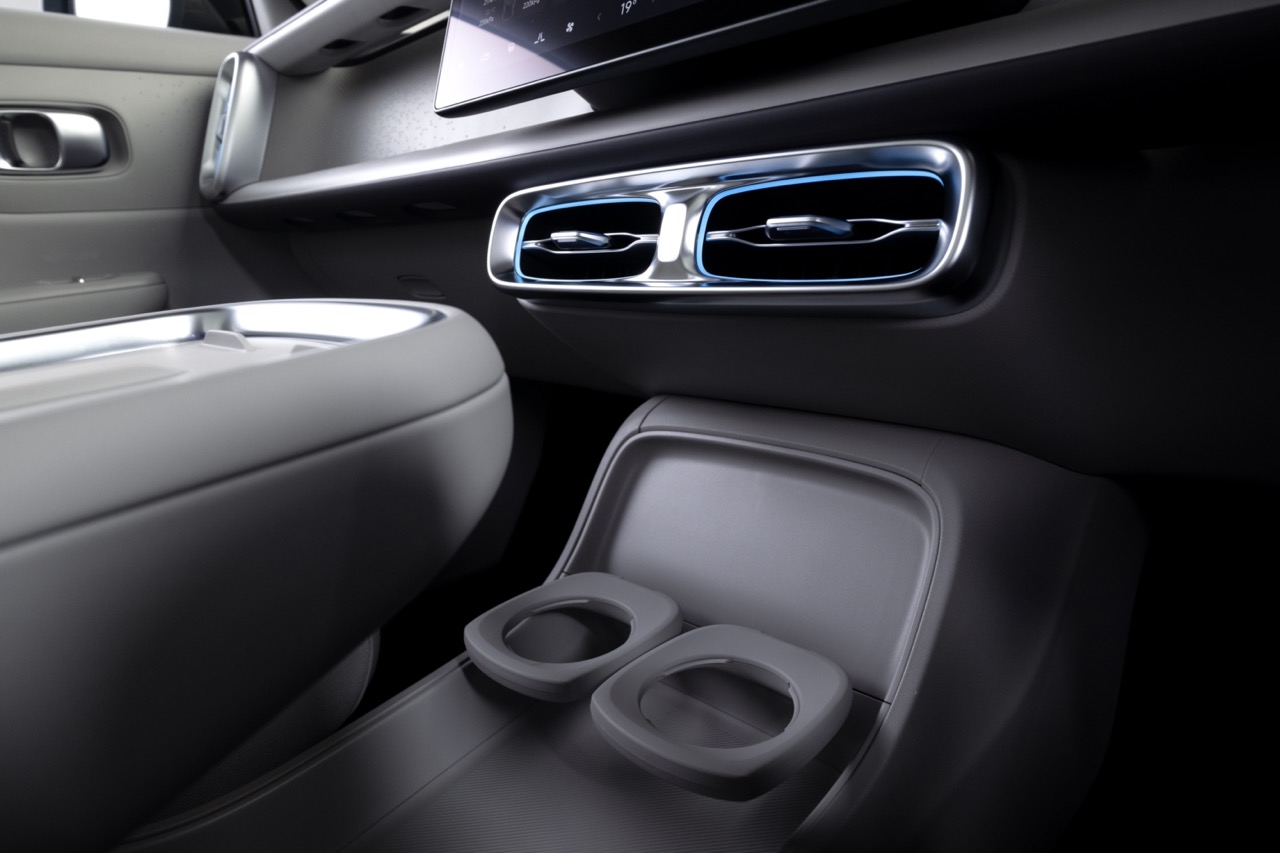
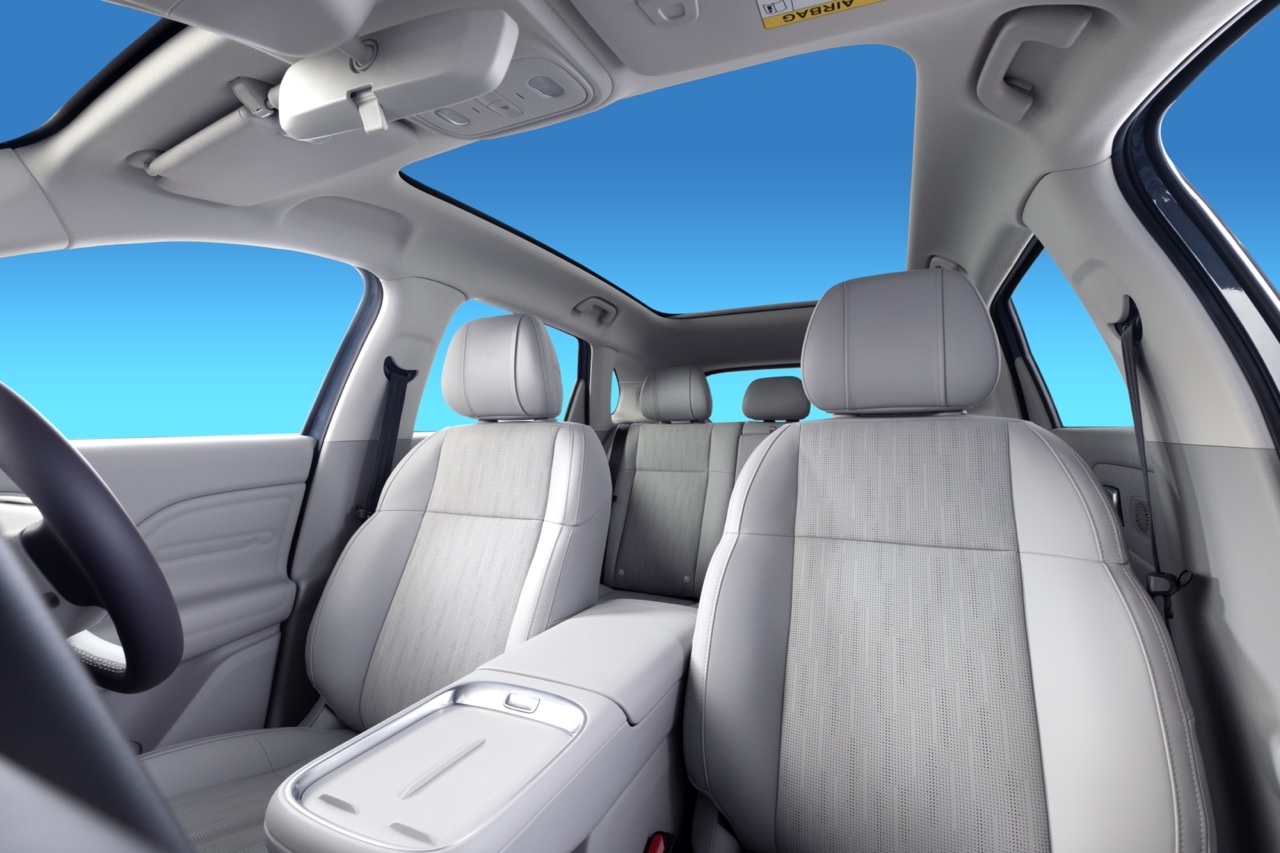
Inside, the cabin receives a notable uplift in both technology and design. The dashboard now houses a 16-inch dual-screen layout that combines a 9-inch infotainment display with a 7-inch digital instrument cluster. Wireless Apple CarPlay and Android Auto are included as standard.

Other design details include a flat-bottom electric power steering wheel, “Congkak”-inspired air vents and wave-pattern elements inspired by Malaysian coastlines. Two new colours—Marine Blue and Space Grey—join the range.

Prices for the 2025 Proton Saga start from RM38,990 for the Standard variant, RM44,990 for the Executive and RM49,990 for the Premium variant.
For the units registered before 31 December 2025, get a special launch rebate of RM1,000.

iCAUR Malaysia has expanded its electric SUV line-up with the launch of the new iCAUR V23, a model designed to strengthen the brand’s presence in the country’s increasingly competitive EV market. It follows the earlier arrival of the iCAUR 03, but this time the company is leaning into nostalgia, shaping its new C-segment SUV with cues from old-school off-roaders while pairing that look with modern performance and safety technology.

Despite its compact footprint, the V23 carries noticeably bold proportions. It measures 4,220 mm in length, 1,915 mm in width, and 1,845 mm in height, with a 2,735 mm wheelbase that gives it the stance of a true adventure-ready SUV, whether navigating the city or heading into rougher terrain.

Two powertrain choices are available. The rear-wheel-drive version uses a single motor producing 136 PS and 180 Nm, paired with a 59.9 kWh LFP battery. The more powerful intelligent all-wheel-drive model adds a front motor for a combined 211 PS and 292 Nm, supported by a larger 81.8 kWh NMC battery. Range remains a strong selling point for both, with the 2WD rated at 401 km on the NEDC cycle and the iWD stretching that to 501 km.

(more…)

The Hyundai Ioniq 5 N has earned a strong reputation as one of the first electric cars designed with enthusiastic drivers in mind. Its capabilities have not gone unnoticed by Porsche, which is now benchmarking its next-generation all-electric 718 sports car against Hyundai’s high-performance EV, according to a report by Drive.

Frank Moser, Porsche’s Vice President for the 718 and 911 model lines, said he was impressed after several drives in the Ioniq 5 N. He described it as a vehicle from which Porsche has “learnt a lot,” calling its development “really, really good.” His praise was echoed internally by Andreas Preuninger, Porsche’s Director of the GT Programme. Moser recalled taking a drive with Preuninger and noted that his colleague reacted with a simple “wow” when experiencing the N Grin Boost mode.

Porsche is now considering adopting some ideas from Hyundai’s approach. Moser acknowledged that the brand is exploring features similar to Hyundai’s ‘N e-shift’, which mimics the sensation of an eight-speed dual-clutch gearbox, and ‘N Active Sound+’, which offers a range of synthesised driving sounds. However, he stressed that Porsche would tailor the system to its own identity if it moves forward with the concept.

(more…)

Land Rover has pulled the covers off a hardcore new version of the Defender, engineered specifically to take on the 2026 World Rally-Raid Championship and the famously punishing Dakar Rally. The model, officially named the Defender Dakar D7X-R, will compete in the “Stock” category and will be led by 14-time Dakar champion Stéphane Peterhansel, who takes on driving duties for the team.

Although the D7X-R is based on the already formidable Defender Octa, the rally variant has been pushed even further within the limits allowed by competition regulations. The body structure has been reinforced, cooling has been improved to cope with the extreme desert heat, and additional underbody protection has been fitted to cope with continuous impact and rough terrain.

The exterior leaves no doubt about its purpose. The car wears pronounced fender extensions, heavily cut bumpers and a vented bonnet, along with a larger air intake and twin snorkels designed for deep sand and dust. A full LED light bar on the roof is fitted for night stages, and the usual tailgate-mounted spare wheel has been deleted to shave weight. It also adopts a striking “Geopalette” livery inspired by desert landscapes.

(more…)

BMW is closing the chapter on one of its most recognisable modern roadsters with the introduction of the Z4 Final Edition. This limited-run version marks the last opportunity for customers to order a new Z4 before production ends in March 2026. Since its debut in 2002, the Z4 has built a strong following through its mix of distinctive styling, open-top driving and sharp handling. The Final Edition is designed as a closing tribute to the model, offering exclusive exterior and interior details that set it apart from the standard range.

The Final Edition will be available for order only for a short period beginning in late January 2026, giving interested buyers a narrow window to secure one of the last examples.

A key feature of the Final Edition is its exclusive Frozen Matt Black paintwork, a finish offered only on this farewell model. Paired with the standard M High-gloss Shadowline trim, the colour highlights the Z4’s lines and gives the car a more assertive presence. Buyers can still choose from the regular Z4 colour palette at no extra cost. The edition also includes High-gloss Red M Sport brakes, which provide both strong stopping power and a visual flourish behind the wheels.

Inside, the Final Edition is defined by red contrast stitching running across the dashboard, centre console, door panels and the M Sport seats trimmed in Vernasca leather and Alcantara. The M Alcantara steering wheel carries matching stitching, reinforcing the roadster’s sport-focused character. Specially engraved door sill plates complete the interior adjustments unique to this edition.

The Final Edition treatment is offered across the full Z4 line-up. It is available for the 197hp sDrive20i, the 258hp sDrive30i, and the flagship 340hp Z4 M40i. The package is priced at €4,200 (around RM20,012) for models that already include the M Sport package as standard. For the sDrive20i, which does not come with the M Sport package, the total cost rises to €7,400 (around RM35,259), as the M Sport kit is added to the vehicle along with the Final Edition features.

The Z4’s place in BMW’s history goes back to 2002, when the first-generation model was introduced as the successor to the Z3. With a long bonnet, short tail and low seating position ahead of the rear axle, it delivered the classic roadster experience with impressive chassis rigidity and 50:50 weight distribution. The range-topping Z4 M Roadster used the same 340hp straight-six engine as the contemporary M3 and could reach 100 km/h in 5.0 seconds.

The second-generation Z4 arrived in 2008, introducing a major change with its retractable aluminium hardtop, which transformed the car from roadster to coupé at the press of a button. The folding roof broadened the model’s usability while maintaining the proportions and driving character that defined the nameplate. This generation also brought the Z4 into the era of BMW’s iDrive system and offered improved cabin space.

The current and third-generation Z4 made its global debut in 2018 at Pebble Beach. It returned to a fabric soft-top roof, paired with a more focused interior design and updated driver assistance and connectivity features. Its flagship variant, the Z4 M40i, is powered by a 3.0-litre straight-six with M TwinPower Turbo technology. Since 2024, BMW has also offered a manual transmission option in the Pure Impulse Edition. The Final Edition now acts as the final chapter for this generation and the Z4 line as a whole.

With production ending in 2026, the Z4 Final Edition stands as a last chance to own a version of BMW’s long-running roadster—one that highlights the model’s design heritage while marking the end of its story.

Archive

Follow us on Facebook

Follow us on YouTube