Piston.my

English

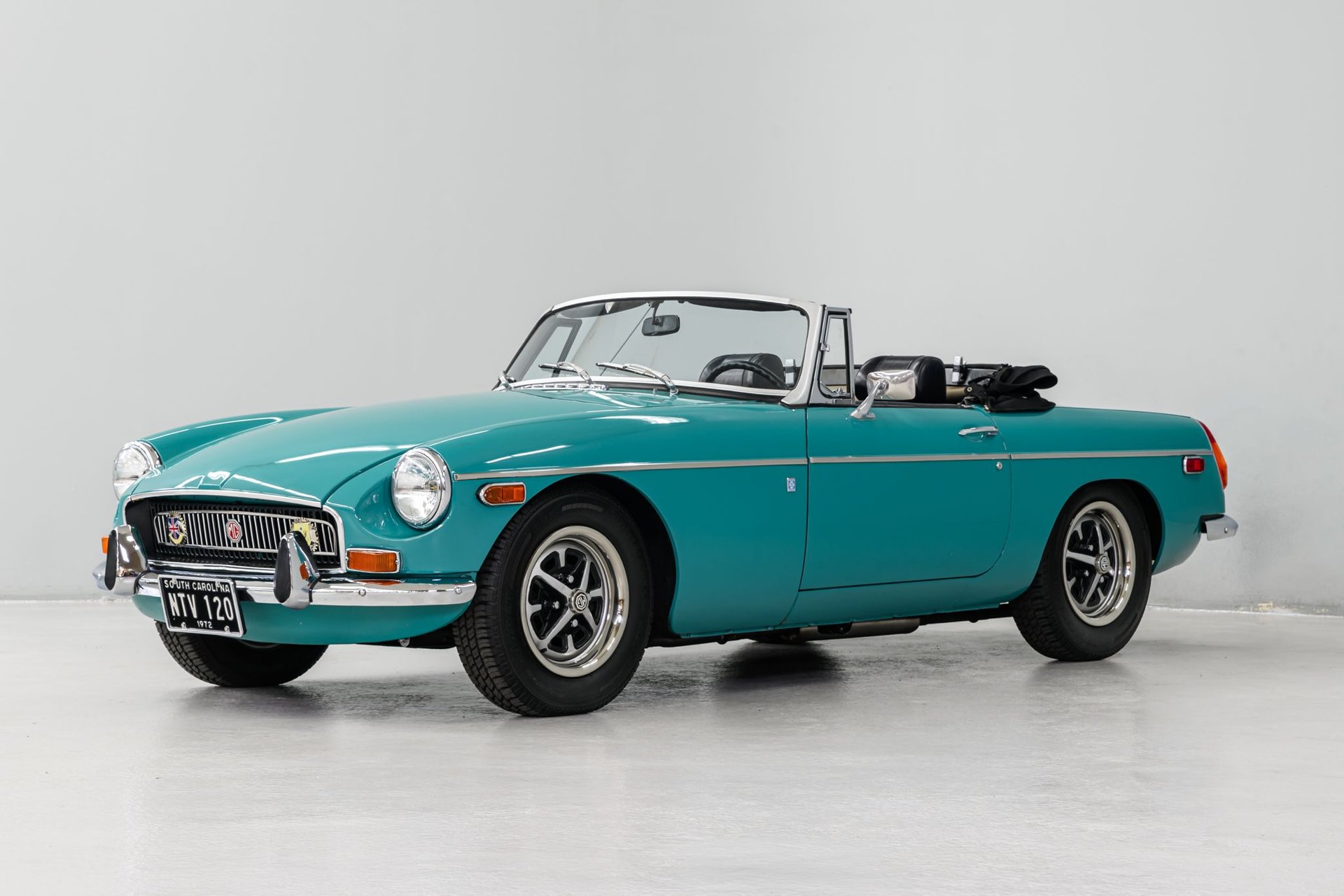
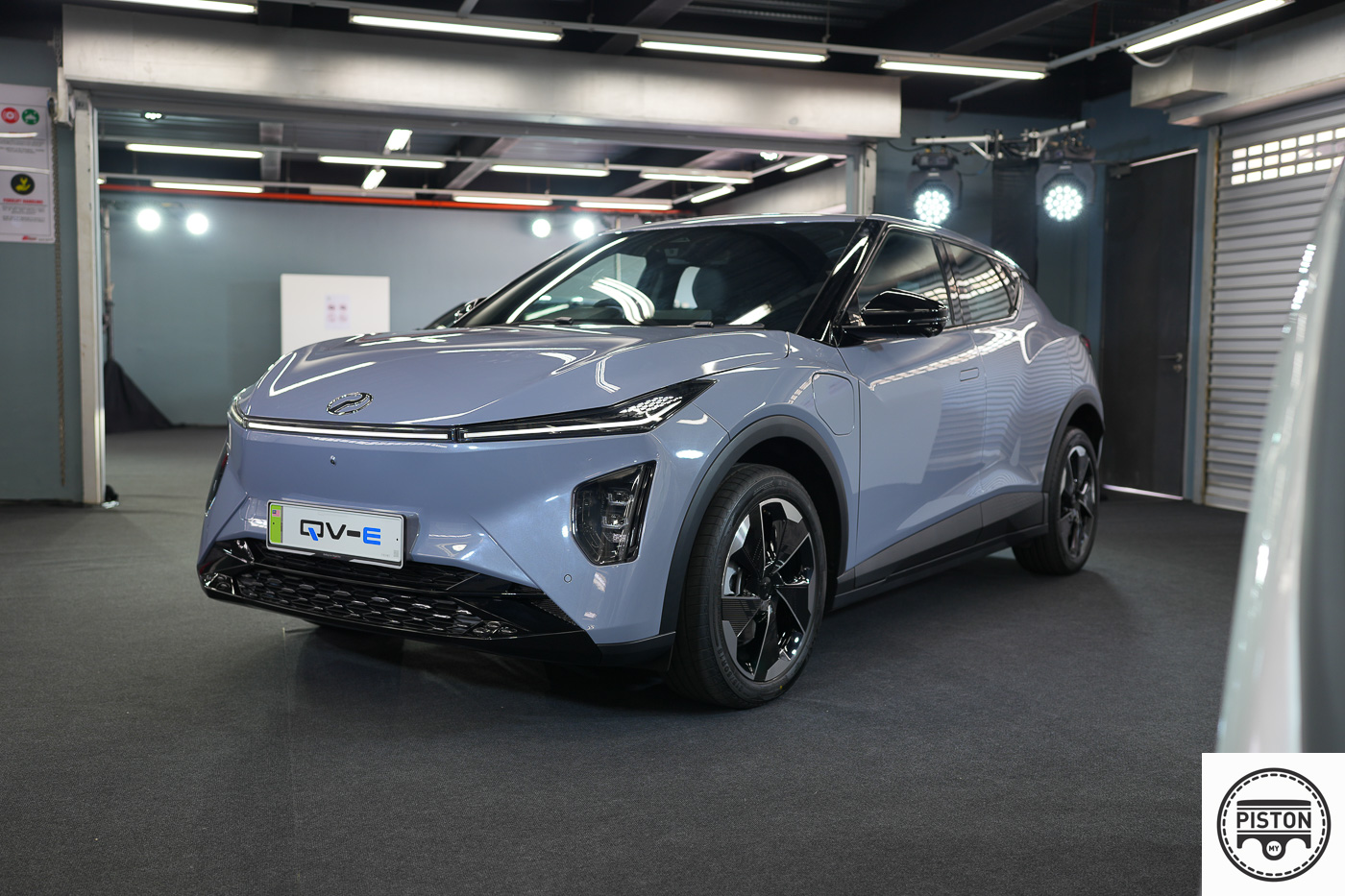
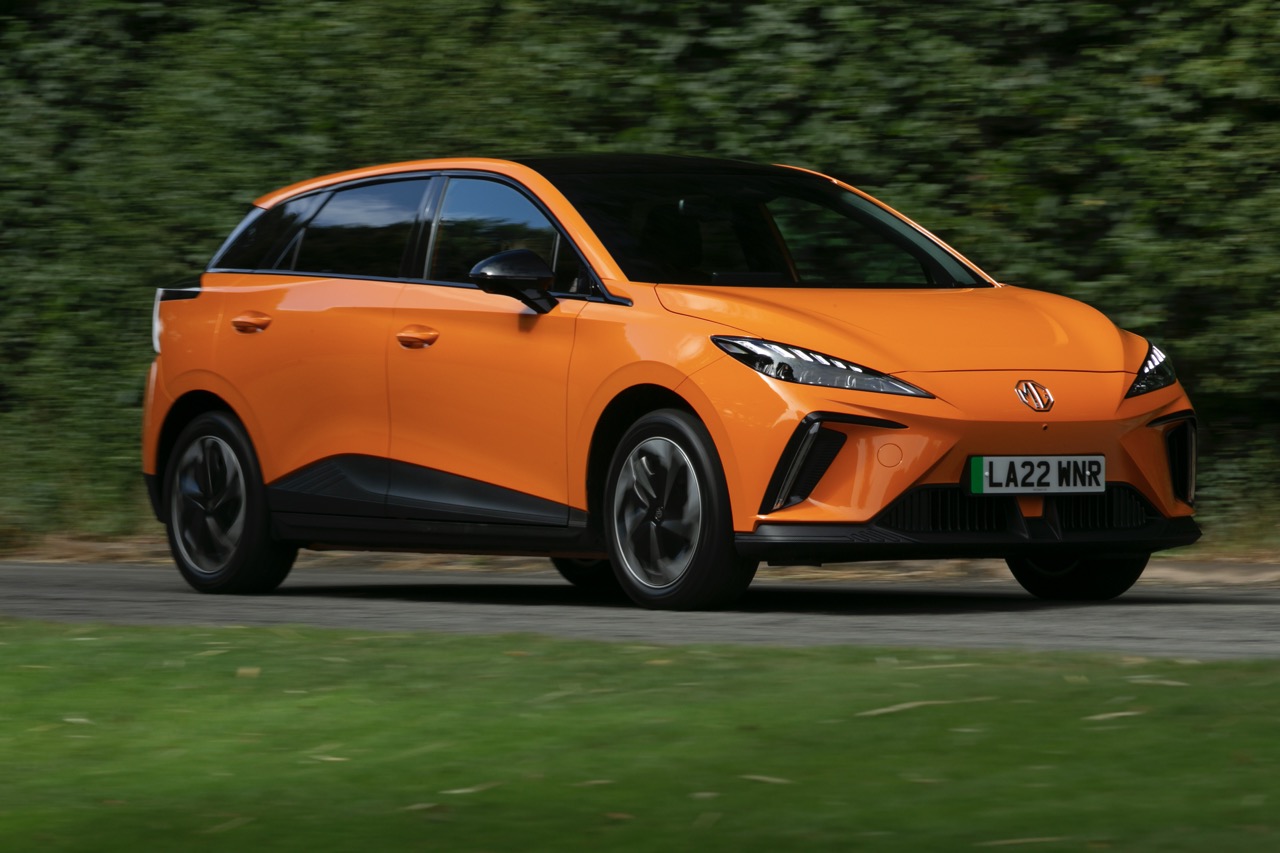
Depending on your age, you may or may not have heard of the MG brand. It is widely regarded as one of the most iconic automotive brands and has been around since the 1920s.

The British marque, arguably as iconic as Jaguar, was once known for its lightweight open-top two-wheel sports cars, and is one of a must have brand for any self-respecting classic car collector.

MG may be a classic brand and it was in Malaysia for many years even before independence, but these days the brand is no longer the same as what we know it.

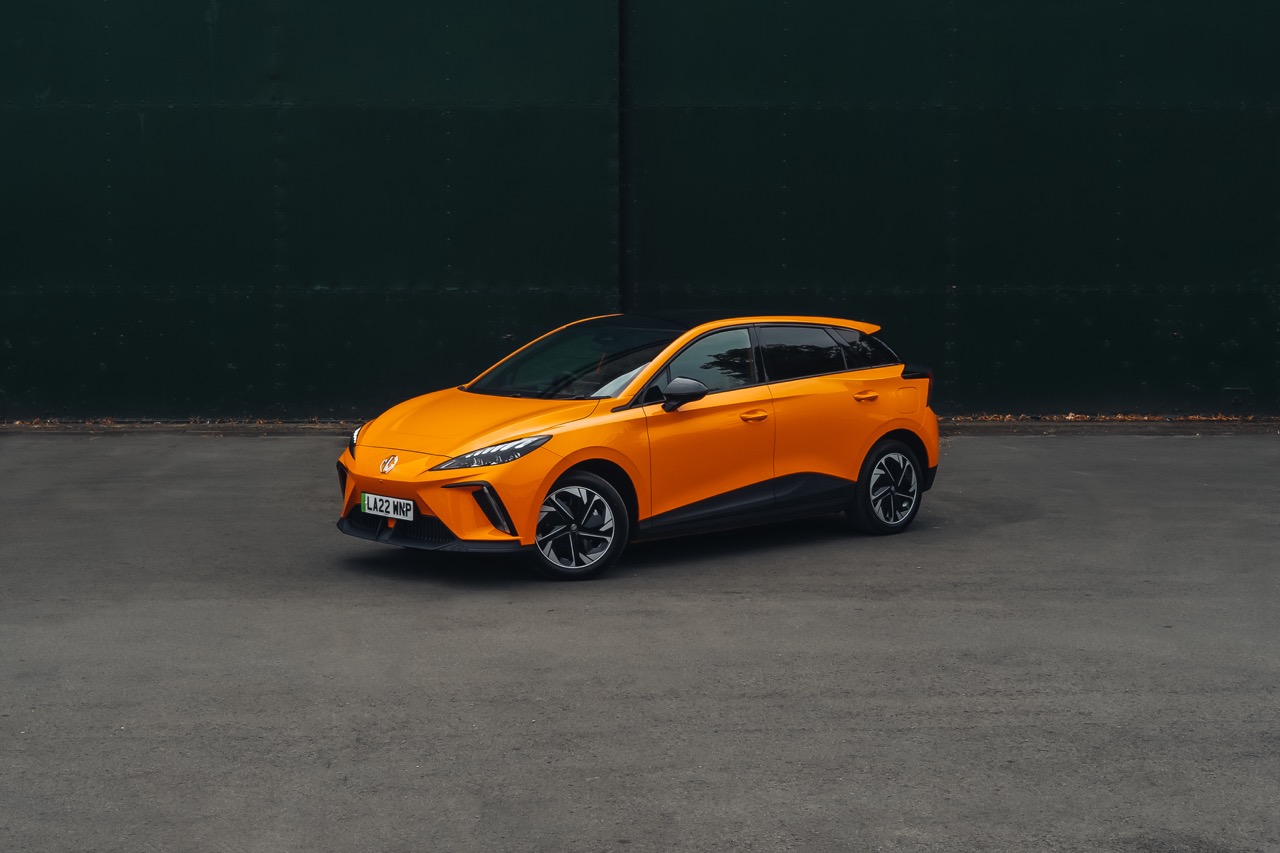
MG is now owned by Shanghai Automotive Industry Corporation (SAIC), a Chinese state owned company, and has a strong presence in many markets. However, despite its popularity in markets such as Thailand, it has been absent from Malaysia.

Not for long though.

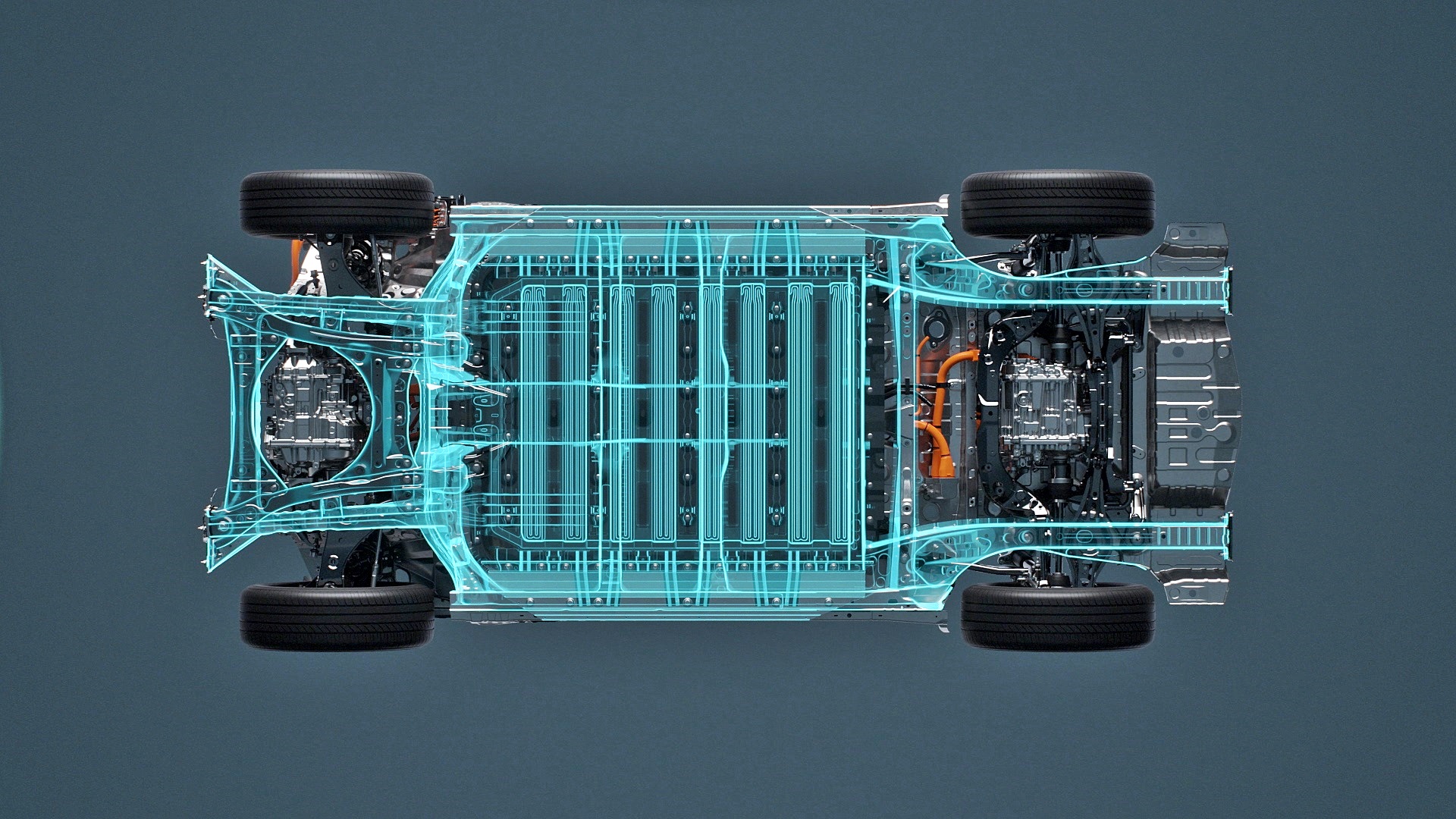
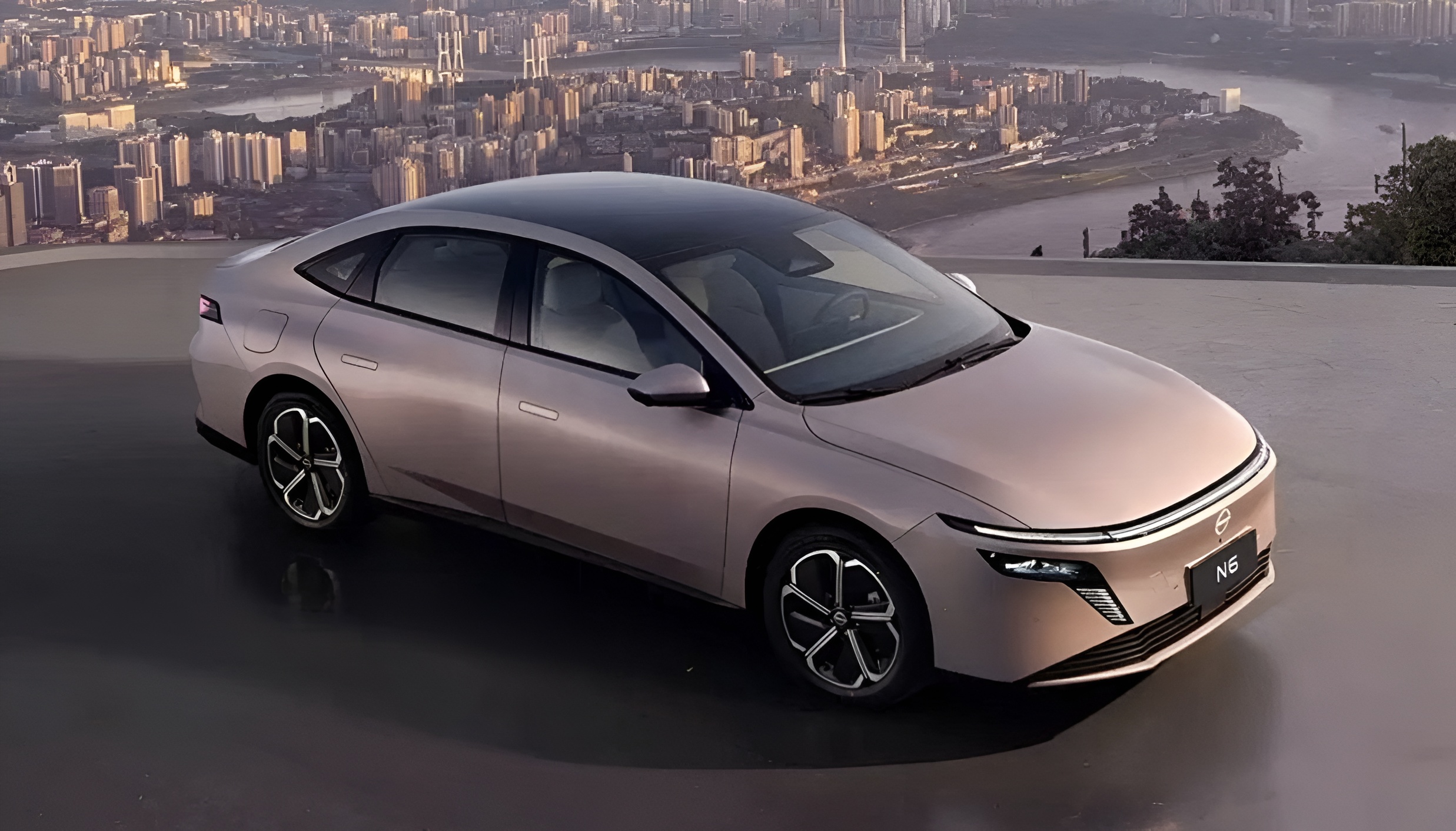
There have been spyshots of some EV models testing in Malaysia, and there are growing rumours that the brand is making a strong comeback into our market, and soon! (more…)

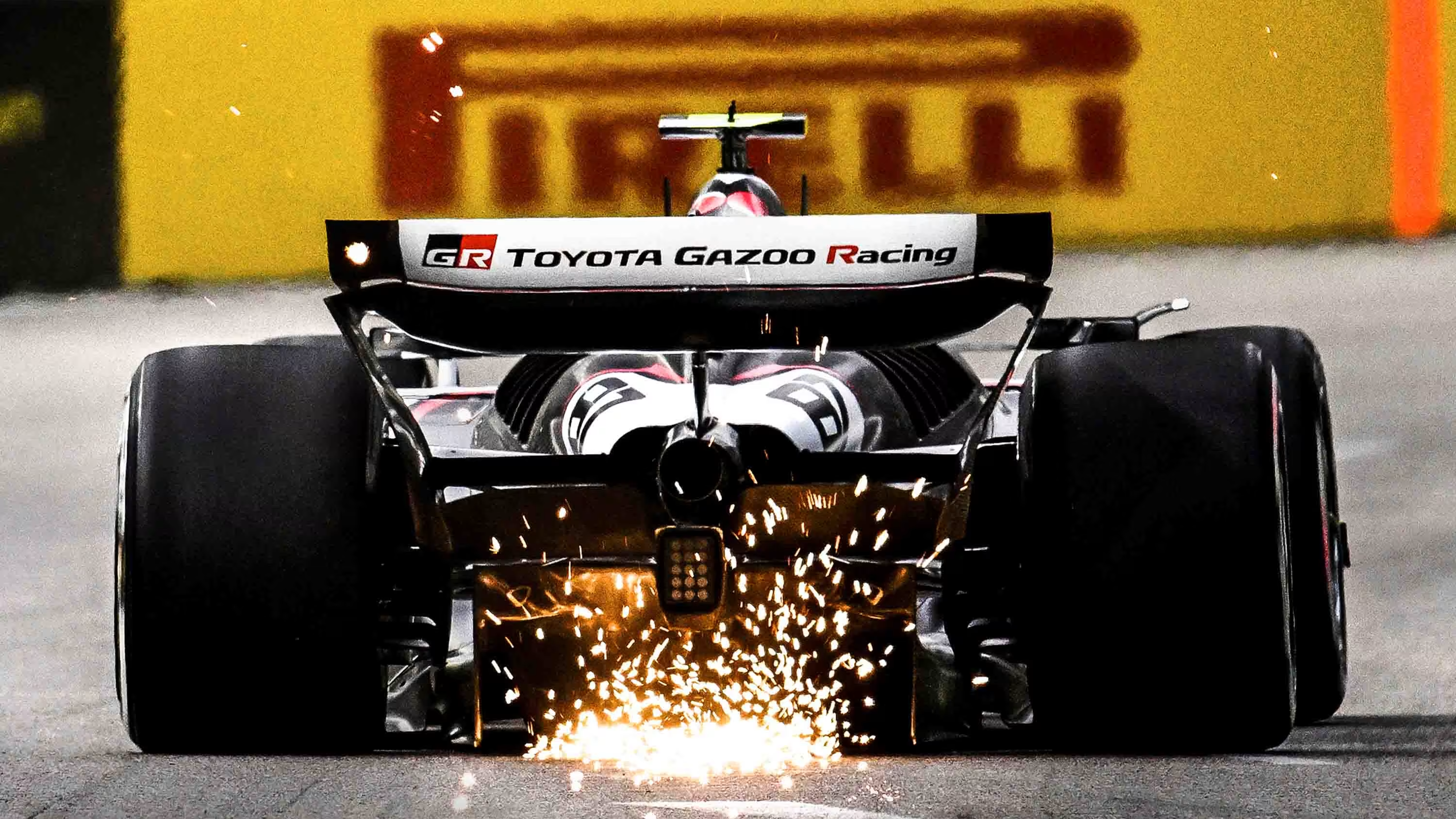
Akio Toyoda, the head of Toyota, the world’s largest automaker, has once again expressed scepticism about a complete transition to exclusively electric vehicles (EVs). While promoting a potential role for hydrogen and biofuels, Toyoda emphasized the need for more diversity in future automotive fuels.

“Frankly, (electric vehicles) are not the only way to achieve the world’s carbon neutrality goals,” remarked Mr. Toyoda, who believes there is a silent majority of consumers and carmakers who share these doubts but are hesitant to voice them due to the prevailing trend in favour of EVs.

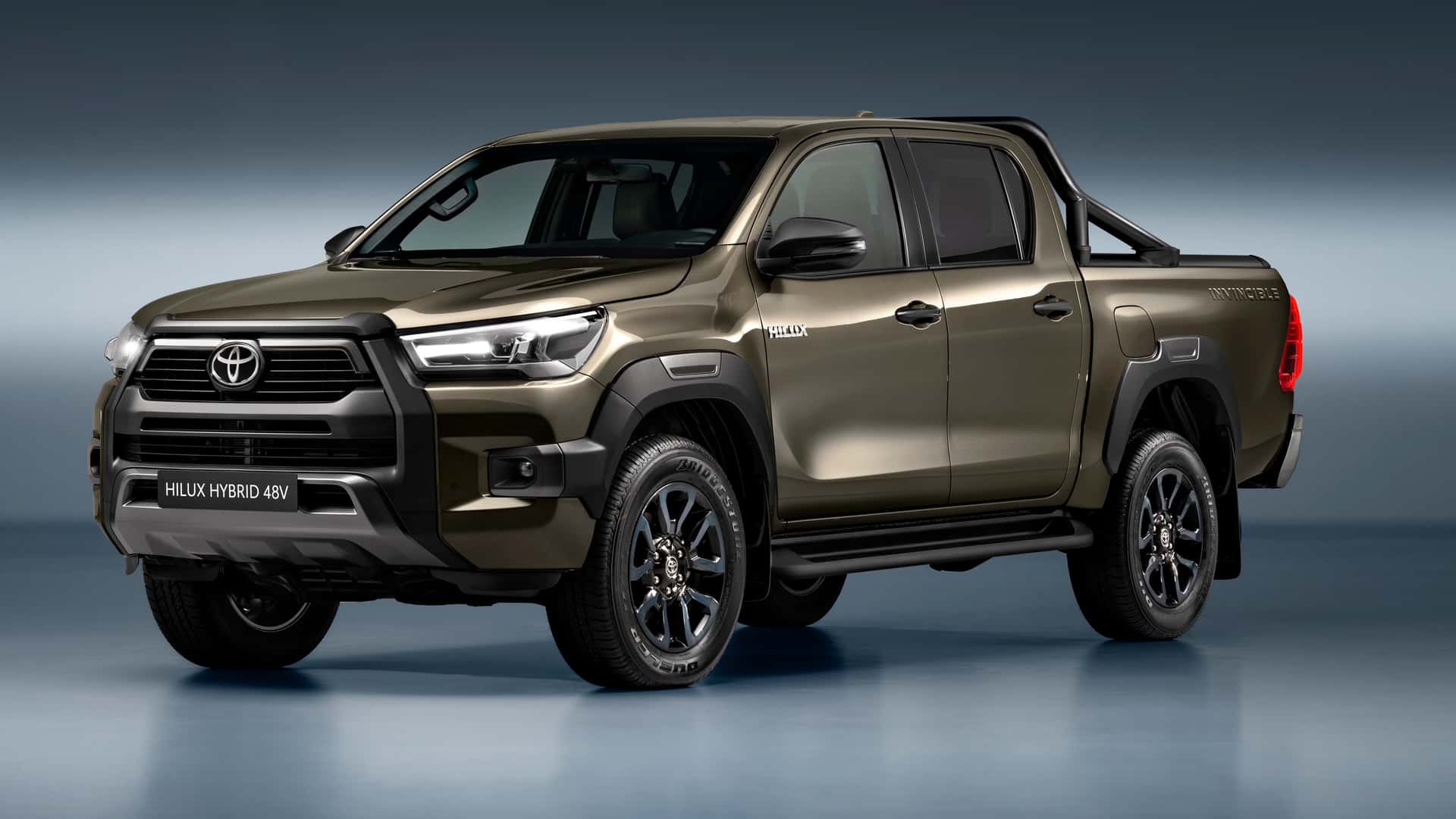
Speaking at the unveiling of a battery-electric Hilux ute in Thailand, Toyoda stressed his preference for exploring multiple options, including emission-free synthetic fuels and hydrogen. He sees hydrogen as a promising technology for the future, alongside battery electric vehicles.

“Let me correctly explain Toyota’s position. I would like you to think of Toyota as a department store offering every available powertrain,” Toyoda stated. He argued that customer preferences are diverse, ranging from EV owners to those without access to charging facilities and limiting options to a single product would diminish the overall value of the automotive market.

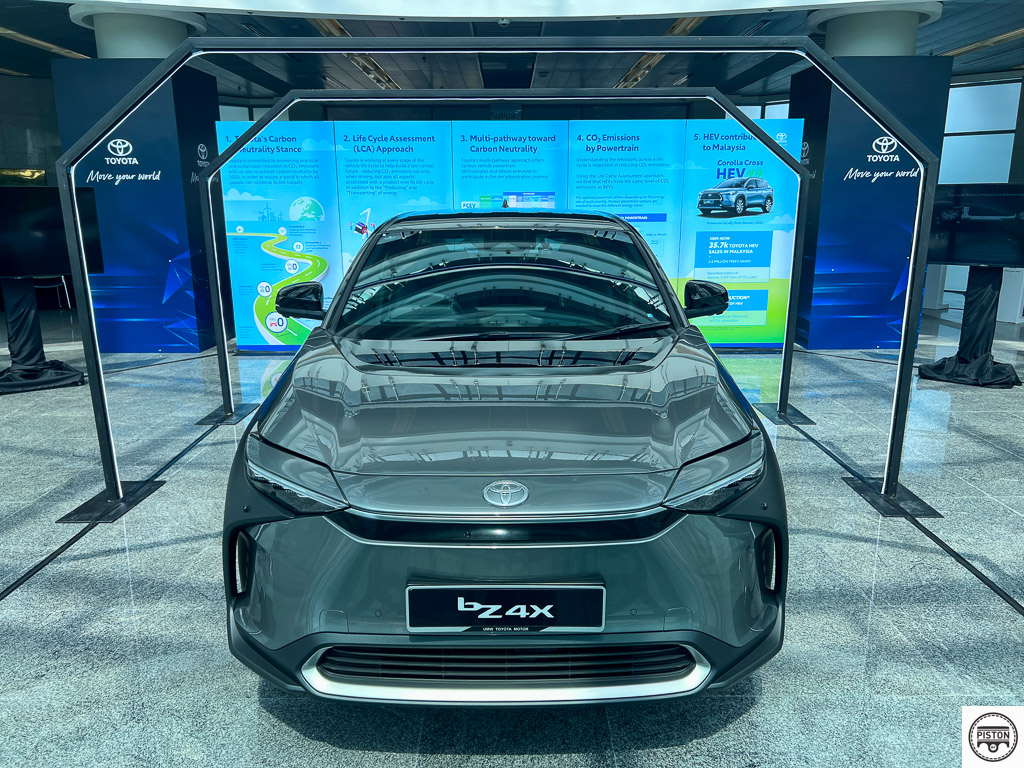
While Toyota has been a pioneer in hybrid technology with models like the Prius and the Mirai, which run on hydrogen fuel cells, the company recently introduced its first battery-electric model, the bZ4X, in 2022.

Toyoda also defended Toyota’s commitment to electrification, outlining the company’s goal to achieve sales of 3.5 million electric vehicles by 2030. He underscored Toyota’s global reach and vision of providing mobility for all, stating, “Our philosophy is that we want to leave no one behind.”

Expressing skepticism about the timelines set for the full electrification of the automotive industry, Toyoda urged a realistic approach considering societal readiness and infrastructure development. He emphasised that the transition to electric vehicles might take longer than portrayed by the media and drew parallels with the delayed realisation of fully autonomous cars.

In a landscape dominated by the push towards EVs, Toyota, under Toyoda’s leadership, continues to champion a diversified approach to fuel technologies, maintaining a commitment to various options beyond electric vehicles.

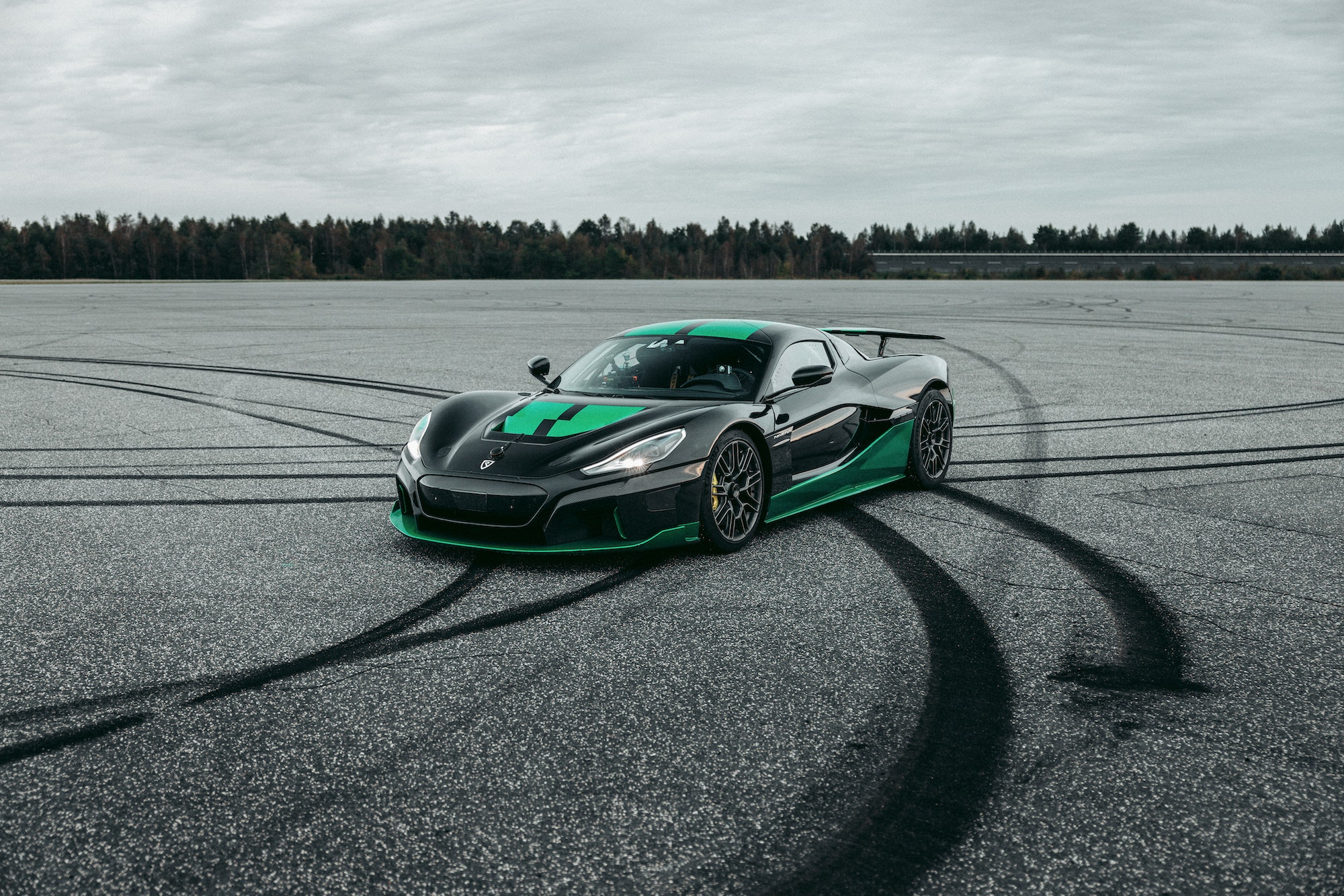
In a bold departure from conventional electric vehicle (EV) technology, Rimac, the renowned supercar manufacturer, is spearheading a groundbreaking exploration into the untapped potential of harnessing electricity from liquid fuels. Founder Mate Rimac is at the forefront of this paradigm shift, envisioning a future where electric drivetrains draw power from unconventional sources like diesel.

Rimac’s avant-garde strategy hinges on the application of nanotubes to superheat a variety of liquid fuels, heralding a new era in electricity generation that could potentially replace traditional batteries in EV drivetrains. Preliminary projections for this revolutionary method point towards an anticipated efficiency of 80%, a notable leap from the 30% average associated with internal combustion engines. Beyond efficiency gains, the technology stands to significantly reduce CO2 emissions, aligning with global initiatives to combat climate change.

The transformative impact of Rimac’s technology extends beyond its environmental implications, promising to redefine the design and performance benchmarks of sports cars. By eliminating the need for heavy batteries, Rimac’s approach brings substantial benefits in terms of weight and packaging, facilitating a more streamlined and efficient design. Founder Mate Rimac envisions this technology as a transformative element for sports cars, poised to elevate performance standards while seamlessly aligning with sustainability goals.

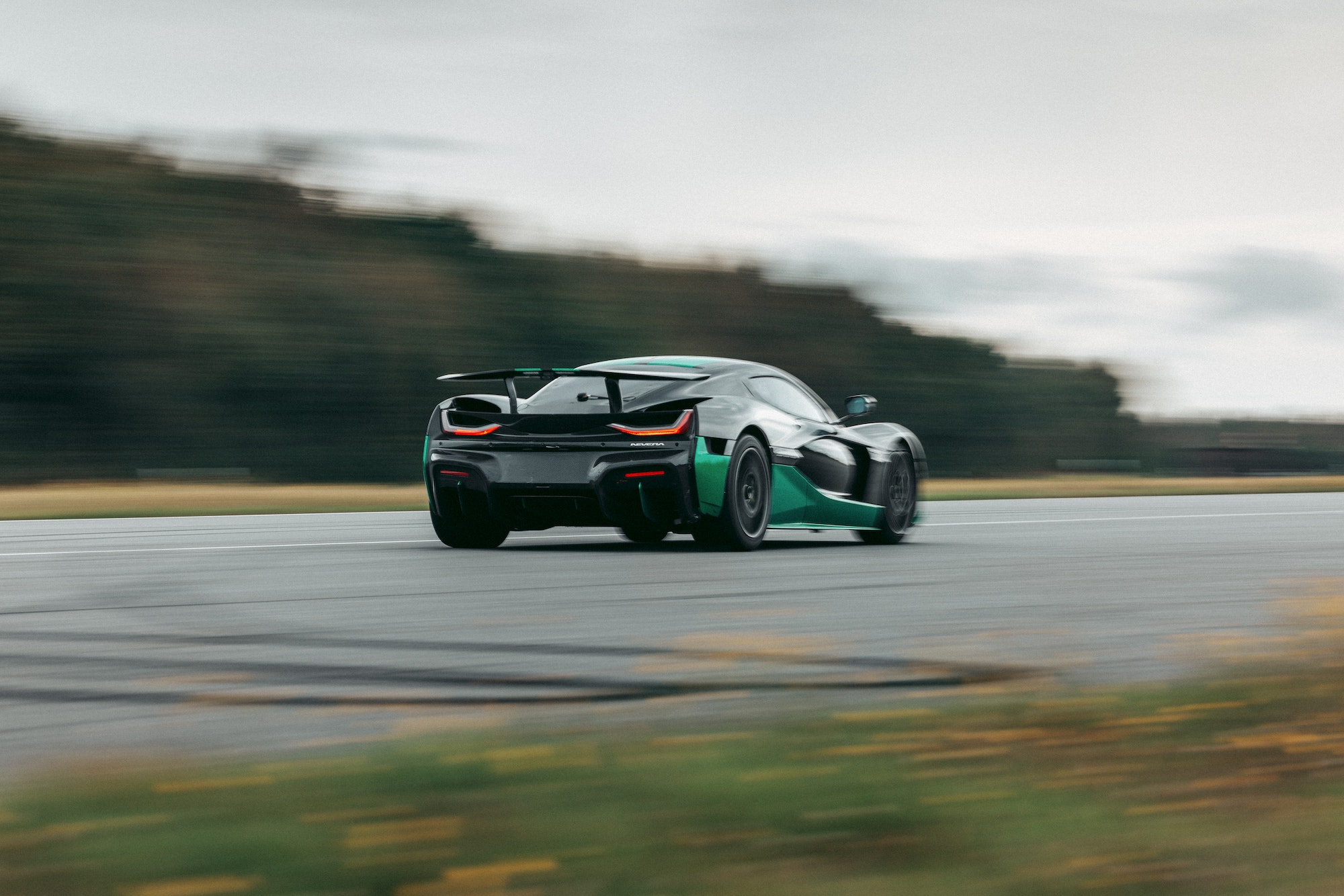
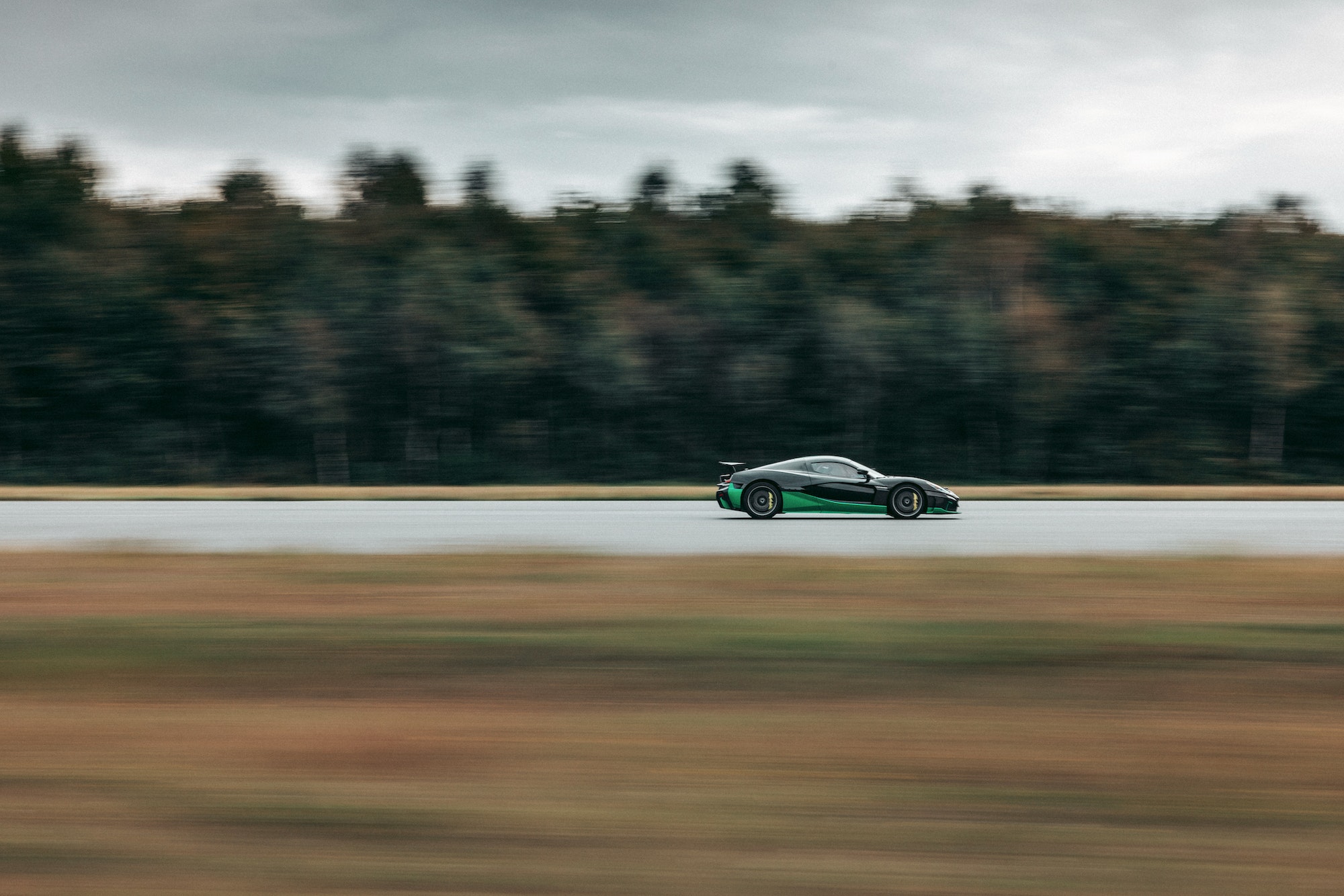
Despite the recent triumph of Rimac’s flagship model, the Nevera EV, which secured a Guinness World Record for the fastest reverse speed, the company remains steadfast in its commitment to pushing the boundaries of EV technology.

Rimac’s foray into harnessing electricity from liquid fuels not only showcases their commitment to innovation but also sets the stage for a paradigm shift in the EV industry. As the automotive landscape continues to evolve, Rimac stands as a trailblazer, redefining what is possible in the realm of electric mobility.

In the aftermath of the New Year’s Day earthquake that struck Japan’s western coast, Toyota Motor announced its decision to restart operations at its Japanese vehicle plants on Monday. However, the company has stipulated that a separate determination will be made concerning operations from January 15, considering the ongoing aftershocks and the impact on suppliers.

The earthquake, with a magnitude of 7.6, left a devastating impact on Japan’s western regions, particularly the Noto peninsula, resulting in over 100 confirmed fatalities and more than 200 people still missing. As the affected areas grapple with the aftermath, Toyota aims to cautiously resume its operations while prioritising the safety and well-being of its employees and stakeholders.

Toyota President Koji Sato addressed the challenges faced by the company, stating that they are actively working to understand the intricate supply chain situation. Notably, suppliers Aisin and Sumitomo Electric suffered damage from the earthquake, contributing to the complexities in the manufacturing landscape.

(more…)

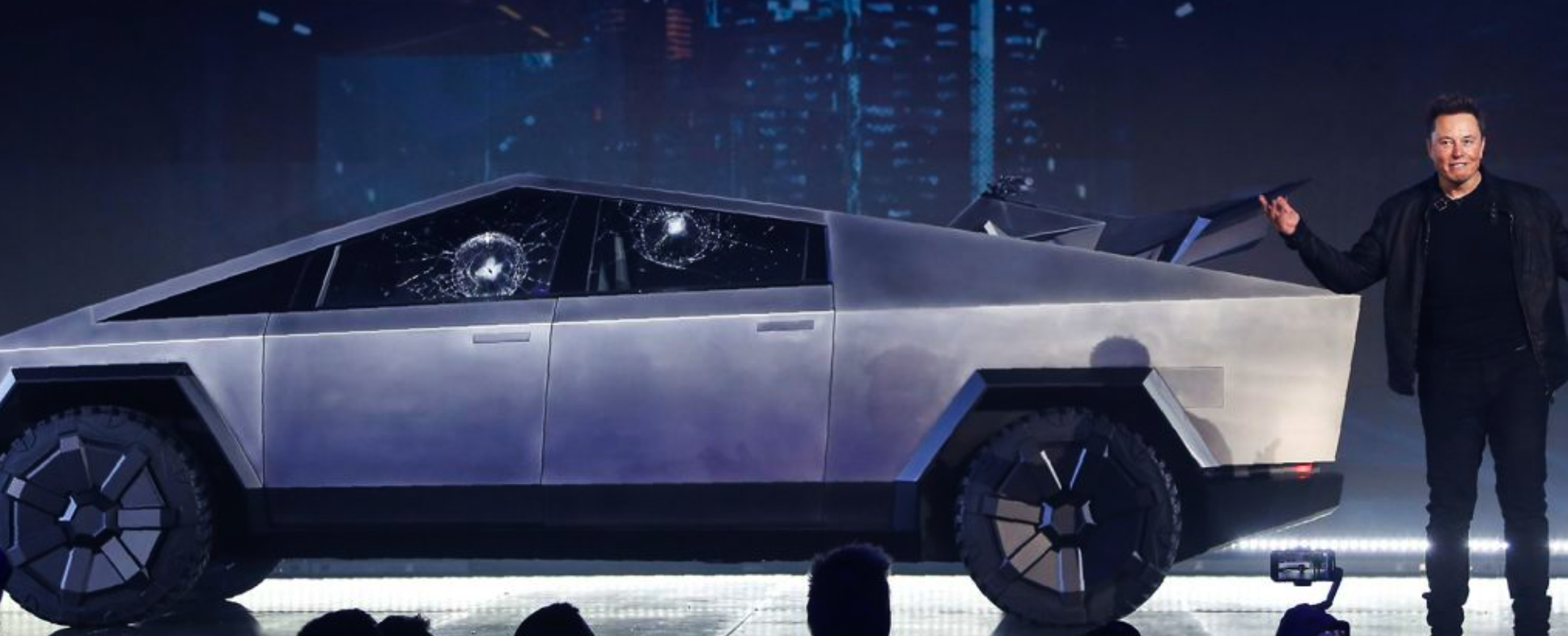
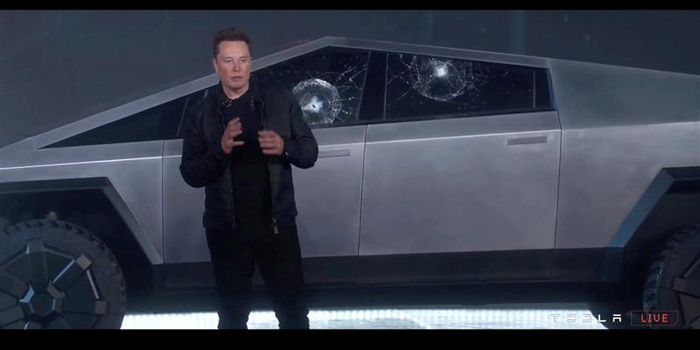
In a humorous turn of events, Tesla has transformed a memorable 2019 mishap into a unique accessory for its Cybertruck owners. During the initial unveiling of the Cybertruck, Tesla’s Chief Designer, Franz von Holzhausen, attempted to showcase the vehicle’s shatterproof windows by throwing a metal ball at them. To everyone’s surprise, the supposedly unbreakable windows cracked.

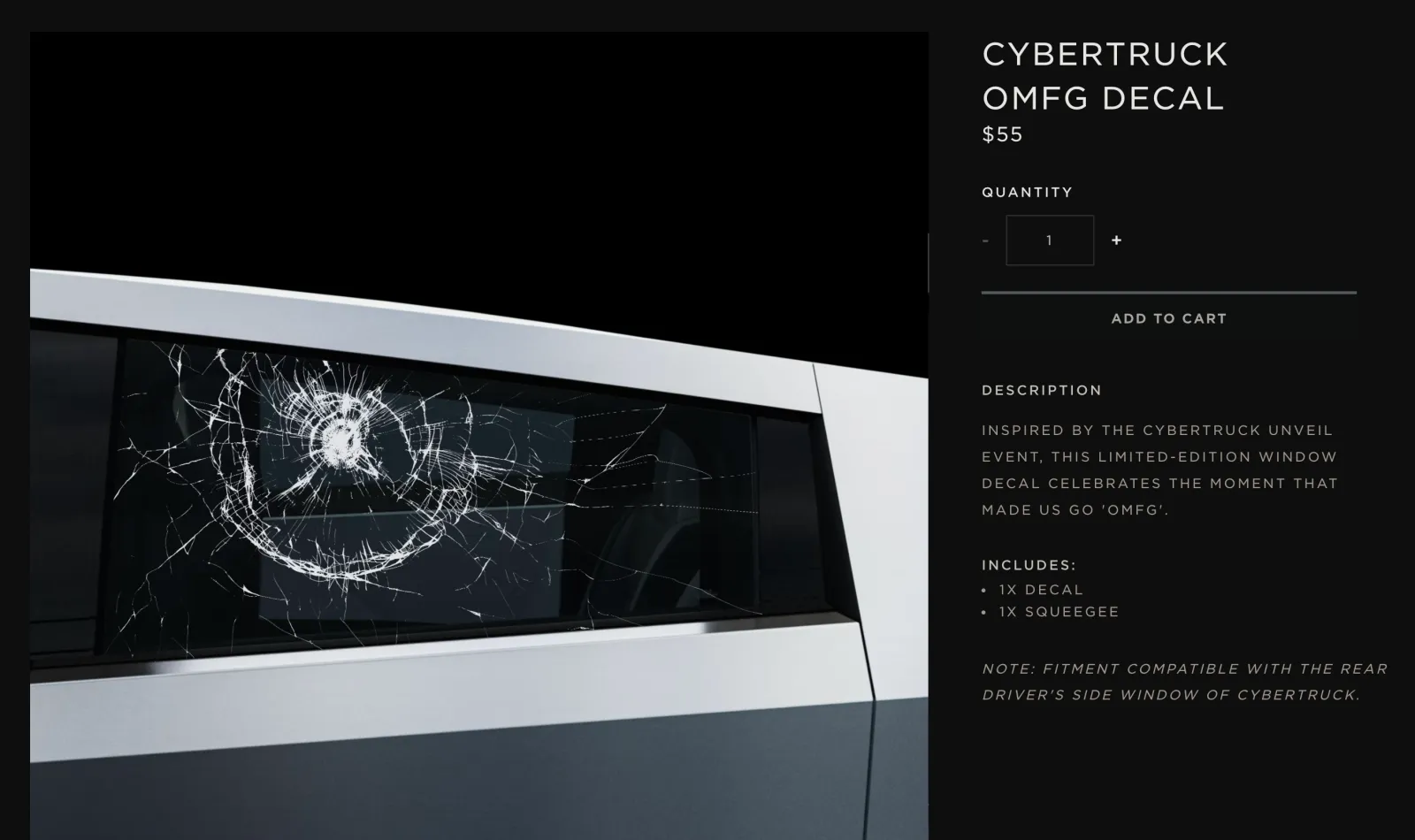
Elon Musk’s reaction at the time, “Well, maybe that was a little too hard,” quickly became a viral moment. Now, Tesla has decided to embrace the incident by offering an exclusive “broken glass” sticker specifically designed for the Cybertruck’s rear driver-side window, where the real-life cracks occurred.

Priced at $55 (RM256), the sticker serves as a lighthearted nod to the infamous window demonstration gone awry. Despite its seemingly steep price, the sticker has quickly sold out, with Tesla not disclosing the exact quantity made available.

The Cybertruck, known for its unconventional design and robust features, has become a symbol of Tesla’s innovation. The window sticker, showcasing the cracked glass pattern, is positioned on the rear side window, ensuring it doesn’t obstruct the driver’s view for safety reasons.

During the recent Cybertruck delivery event, von Holzhausen recreated the infamous window test, this time with a seemingly gentler throw that did not result in any cracks. While the sticker is undoubtedly a playful addition to the Cybertruck accessory lineup, it’s just one of many items available on Tesla’s official website.

Aside from the broken glass sticker, Cybertruck owners can choose from a range of accessories, including a tailgate ramp, cargo rails, and a $3,000 (RM13,963) tent designed to seamlessly integrate with the truck bed. Prices for the Cybertruck itself start at approximately $61,000 (RM283,924) for the two-wheel-drive version and extend to over $100,000 (RM465,450) for the high-performance four-wheel-drive variant dubbed the Cyberbeast. Tesla continues to leverage the Cybertruck’s unique characteristics, turning even unexpected events into opportunities for creativity and engagement with its community of owners and enthusiasts.

A strong public demand for the implementation of a Lemon Law in Malaysia has surfaced, driven by a recent survey by Sinar and concerns regarding consumer rights in the automotive industry. The proposed law, already in place in several countries, aims to protect car buyers from financial burdens arising from faulty vehicles within the warranty period.

According to a report by Sinar Daily, Dr Mohd Shahremy Ikmal Shahbudin, a senior lecturer at Universiti Sains Malaysia, emphasised the comprehensive protection the law offers to vehicle buyers, ensuring their long-term use satisfaction. He noted that such laws incentivise manufacturers to continually enhance the quality and productivity of their products.

Hakshey Kumar Jeya Brakash, a private sector employee, highlighted the importance of Lemon Law in making consumers aware of their rights and protecting them from unscrupulous sellers. The law would enable consumers to receive equivalent replacement vehicles or refunds if the product is damaged within the warranty period.

Nurain Hafizah Mohamed, a clerk, advocated for Malaysia to follow the lead of countries like Singapore, the Philippines, South Korea, China, and Japan, which have successfully implemented Lemon Laws. She pointed to recent issues, such as the Perodua Bezza case, as instances where consumer rights need stronger protection and urged Malaysian authorities to implement the law promptly.

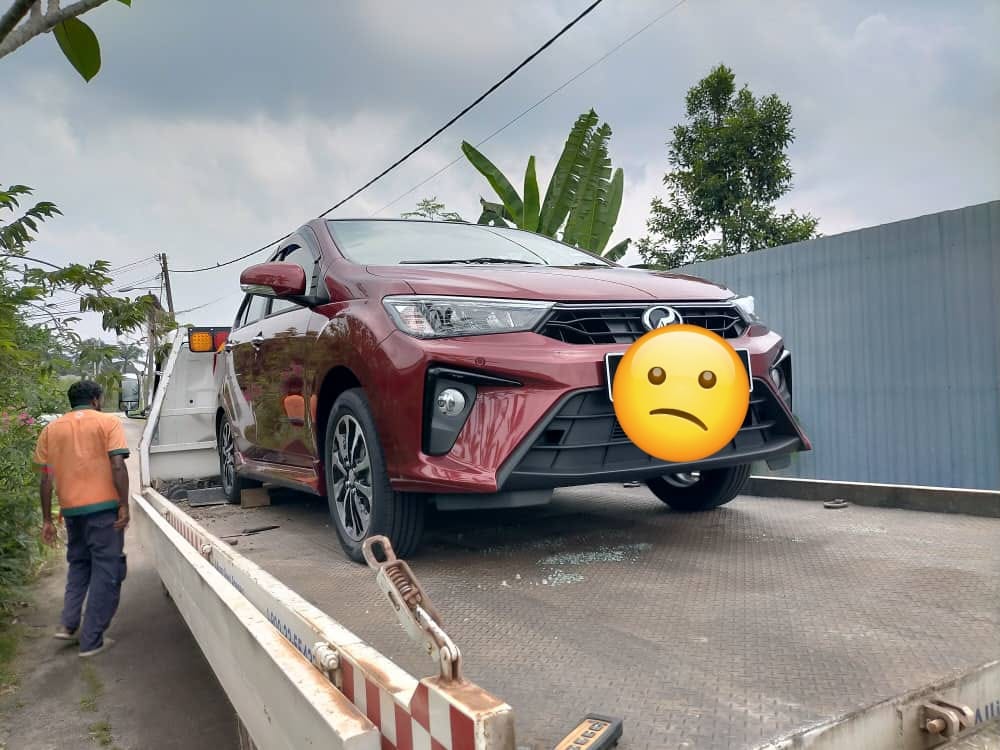
Following a publicised complaint by a clerk in Segamat, Nagakanni Subramaniam, about issues with her Perodua Bezza, the car manufacturer, Perusahaan Otomobil Kedua Sdn Bhd (Perodua), has agreed to repurchase the car at its full price. Nagakanni, who purchased the car on October 17 from a Segamat dealership, had previously expressed dissatisfaction on social media, highlighting that she was still required to make monthly payments despite the car being stranded at the service centre due to damages.

In response, Perodua issued a statement explaining that the engine damage was caused by contaminants like sugar in the engine compartment. However, the company assured that they prioritised resolving the issue and denied claims that no action was taken to address the matter.

Now, with Perodua’s decision to repurchase the Bezza at its full price, Nagakanni no longer has to make monthly payments and previous payments will be refunded. Perodua has also given her the option to purchase a second car at the same monthly loan rate or decline the offer and choose a different car, with a seven-day window to make a decision. Nagakanni expressed gratitude for Perodua’s decision and also thanked netizens for their significant support in asserting her rights as a consumer. The post garnered positive reactions from satisfied netizens who applauded the unity displayed by the community in supporting Nagakanni.

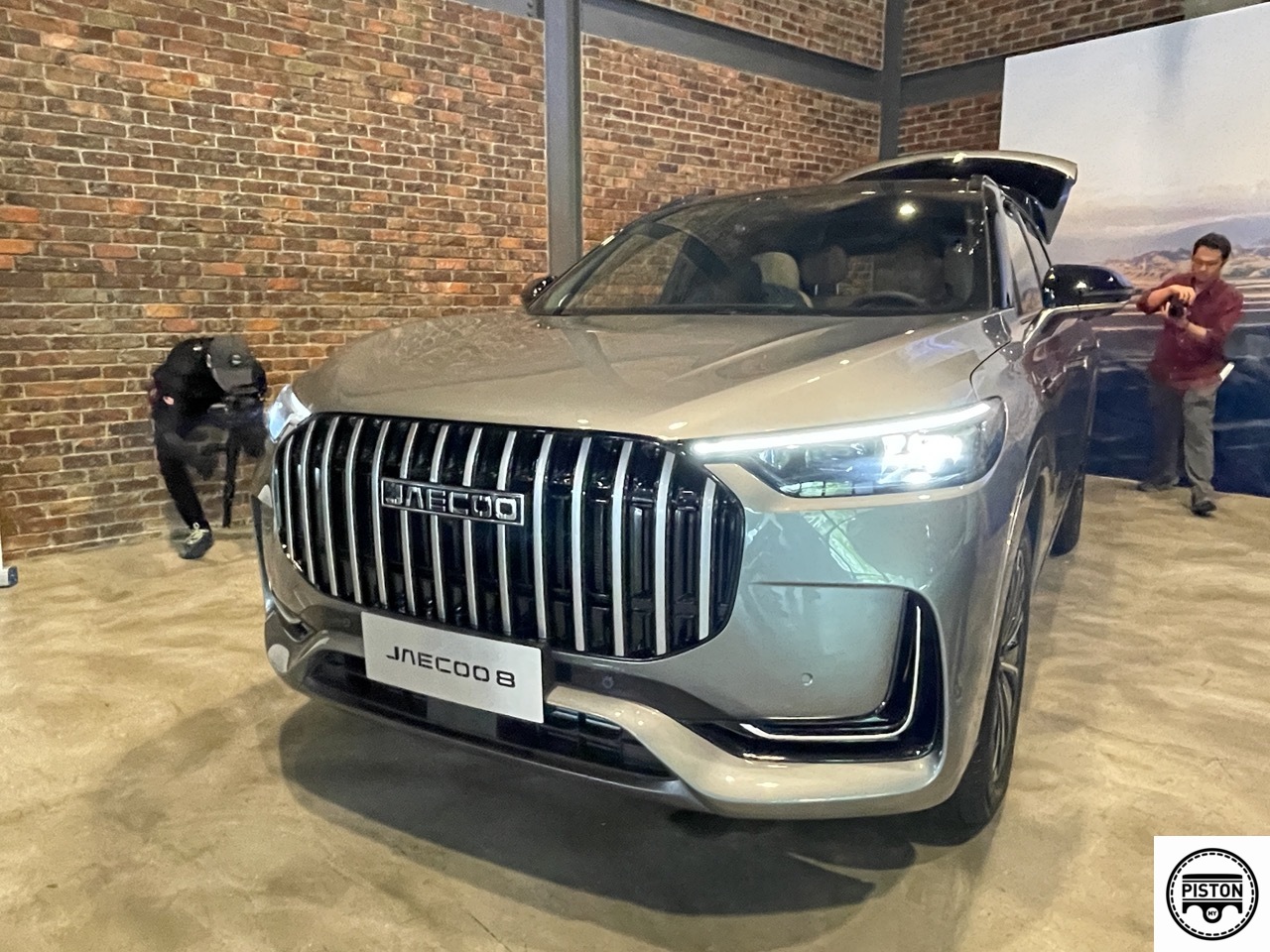
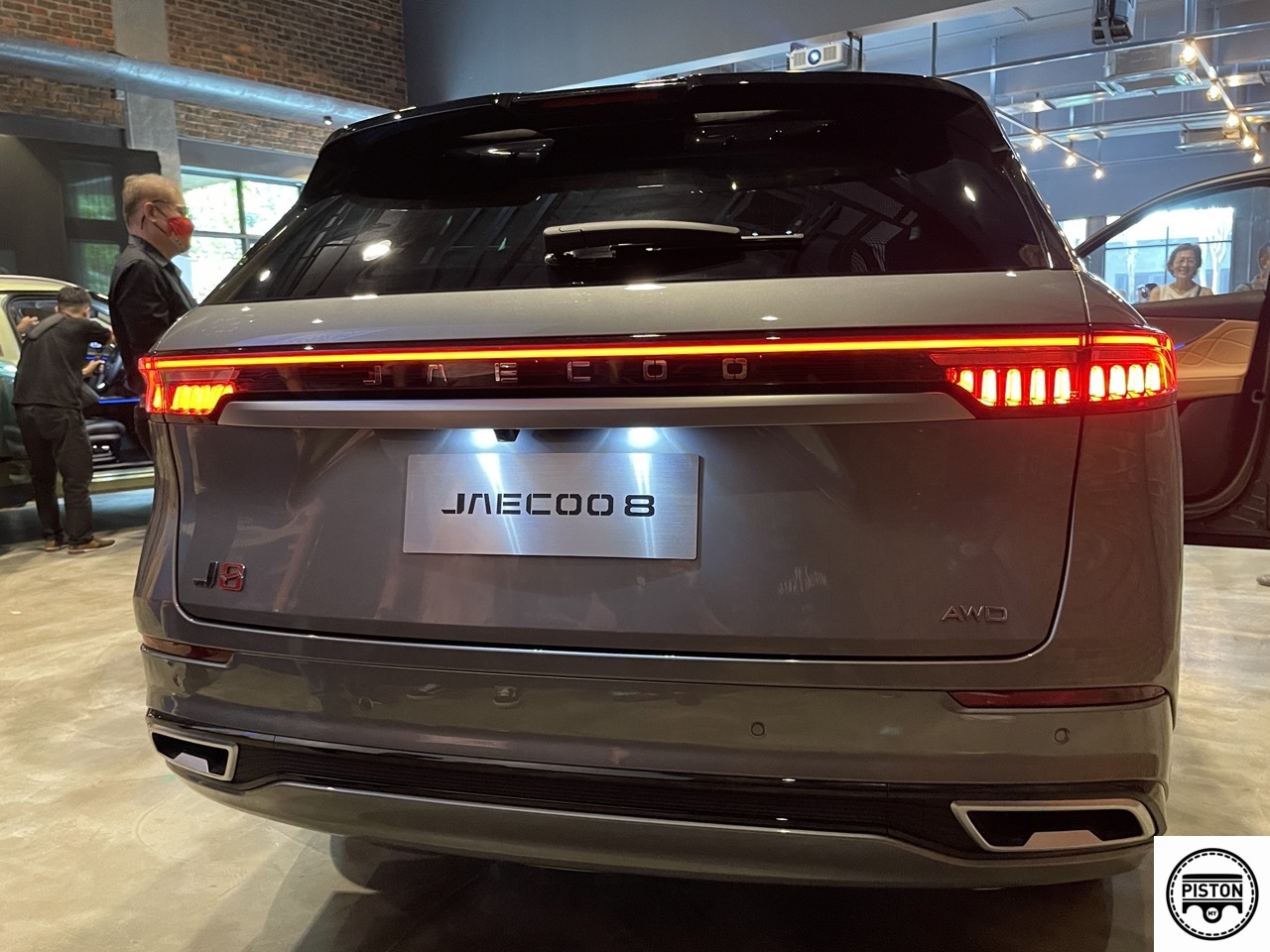
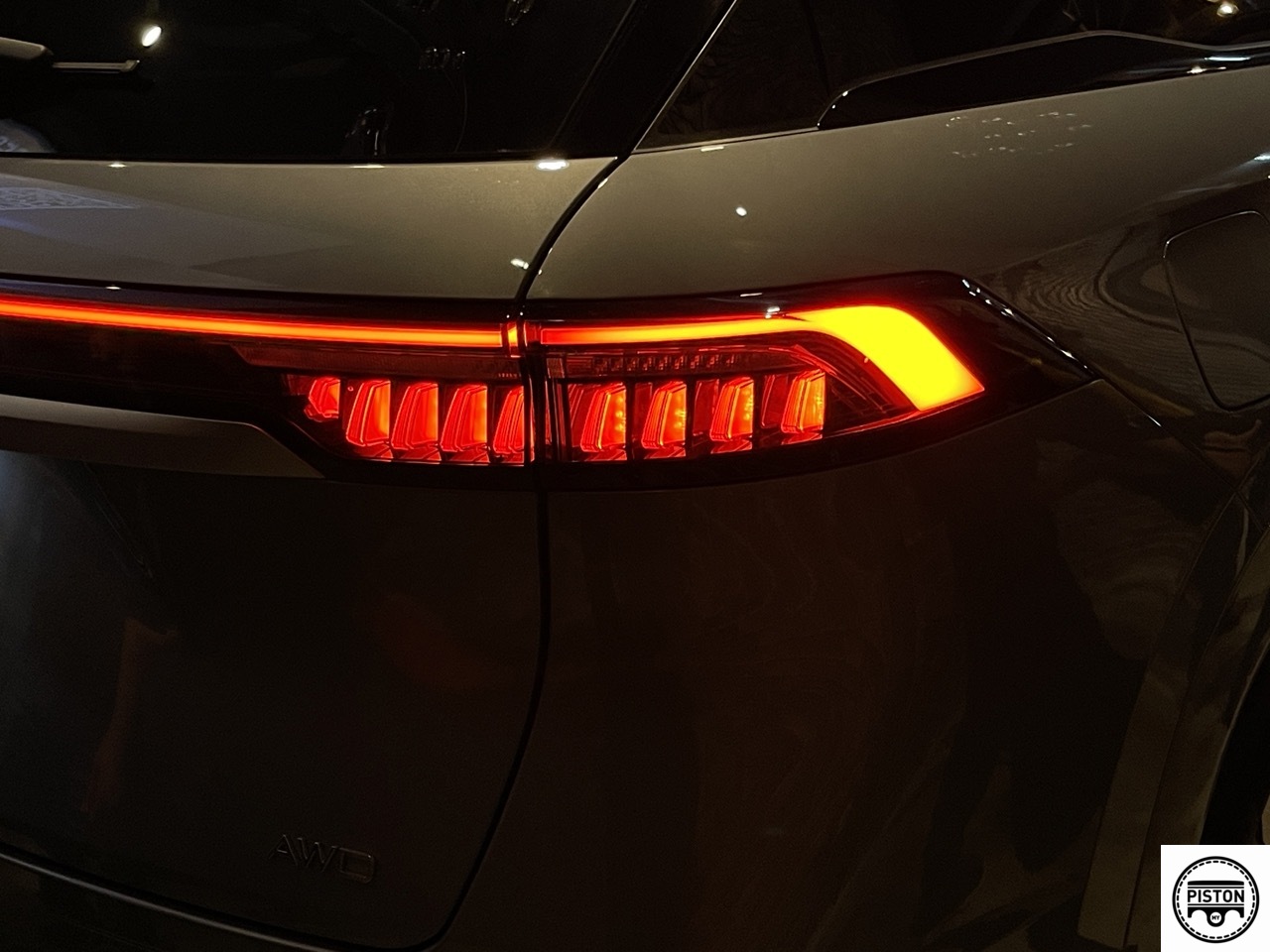
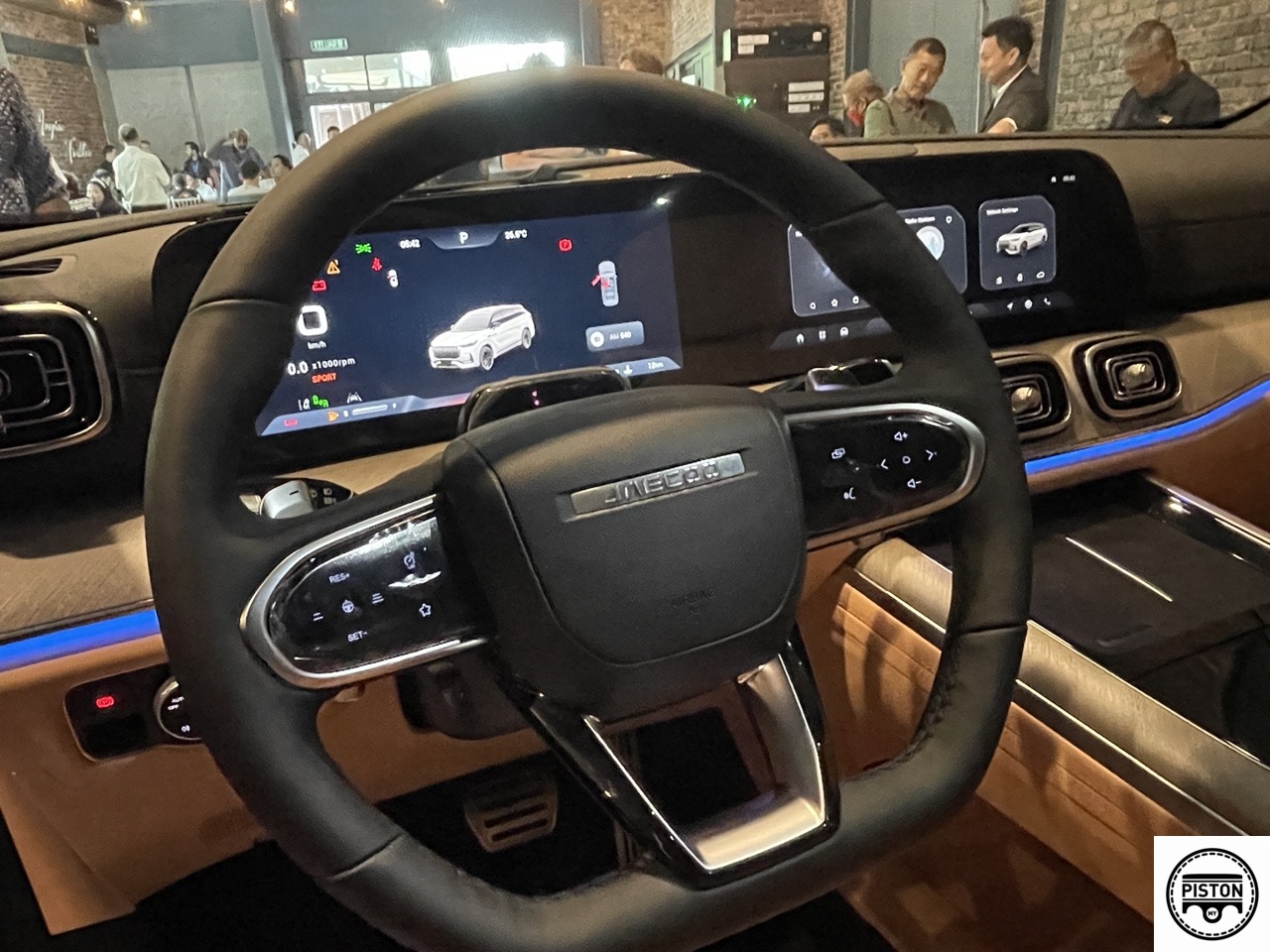
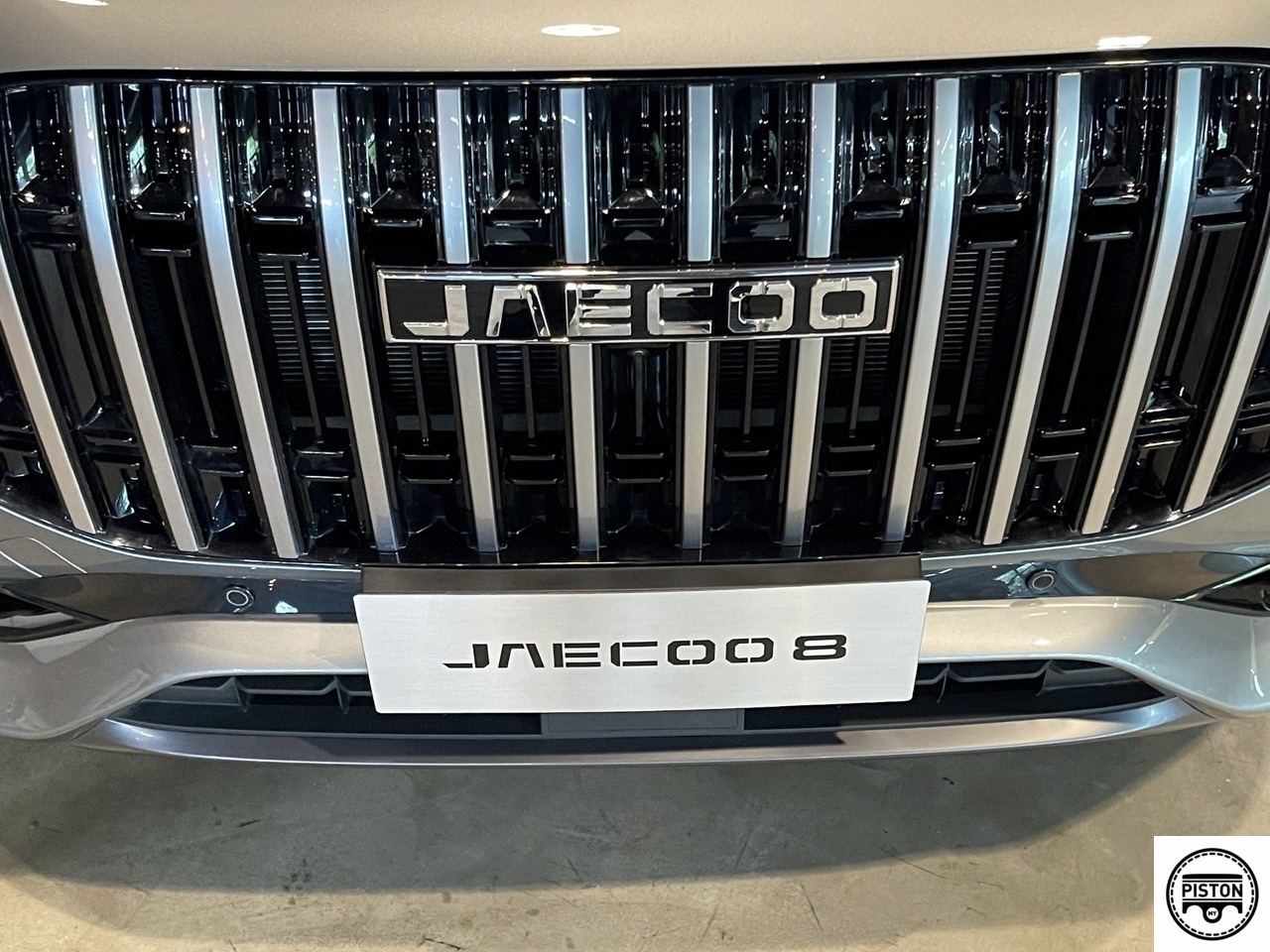
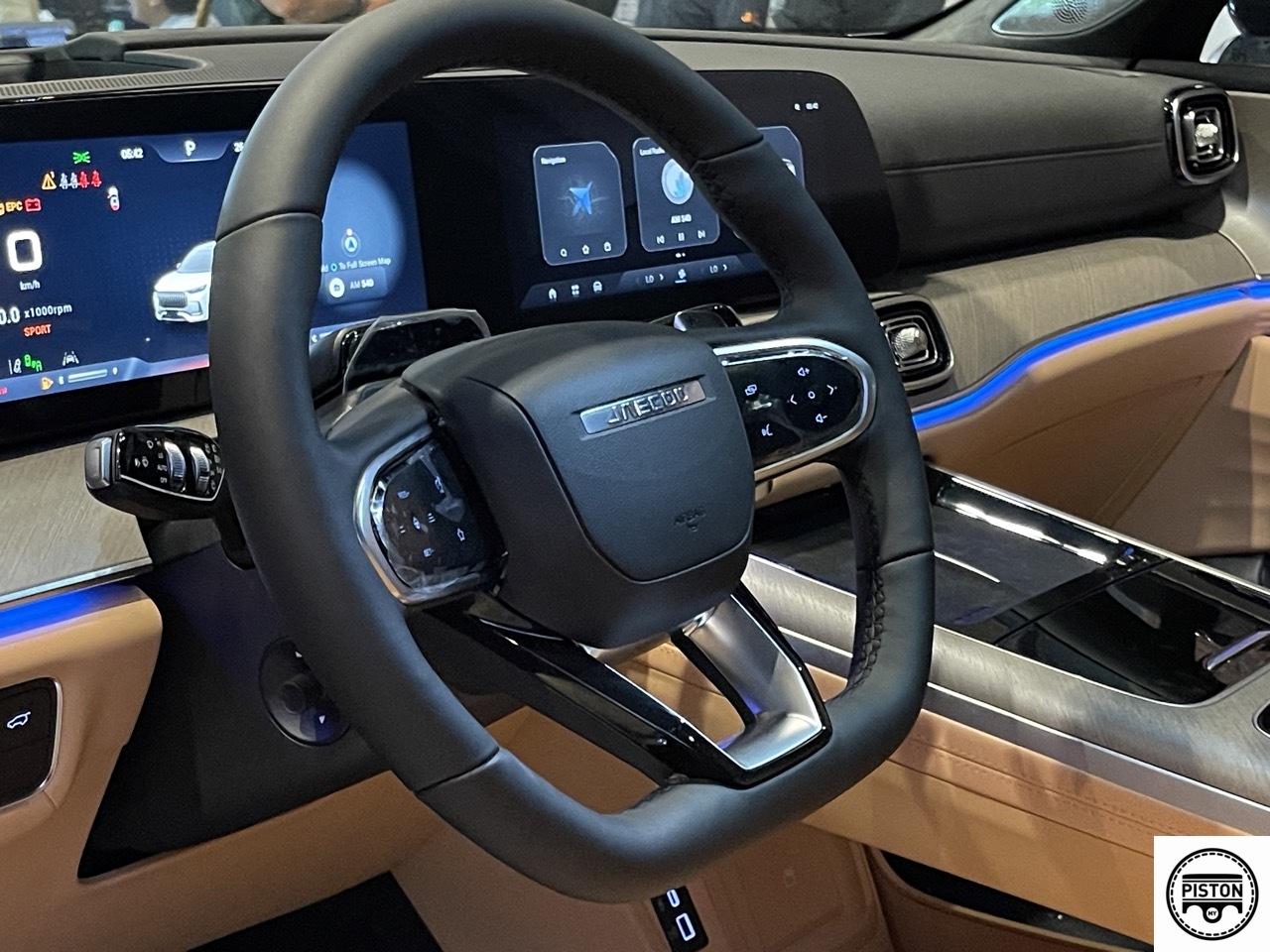
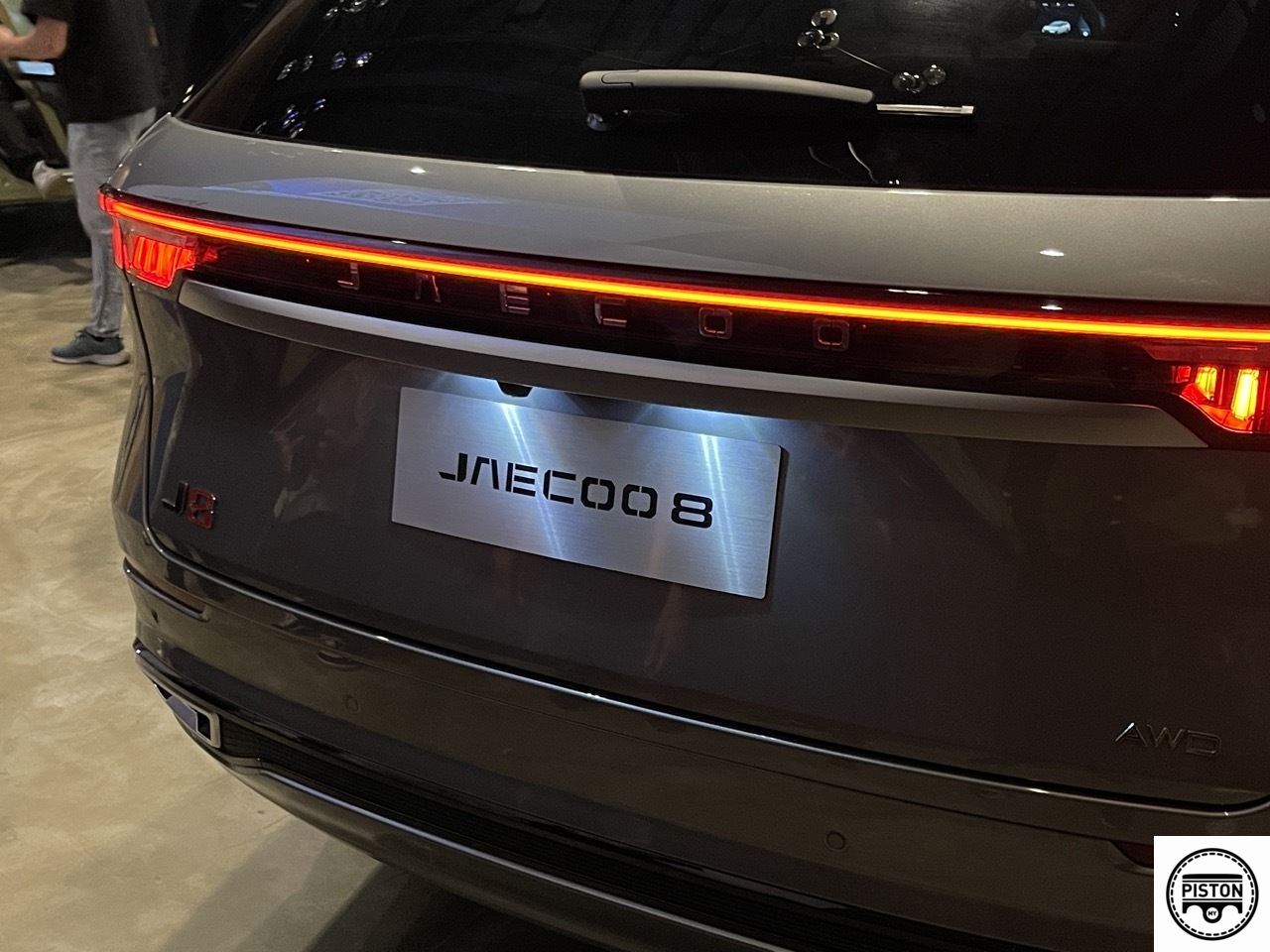
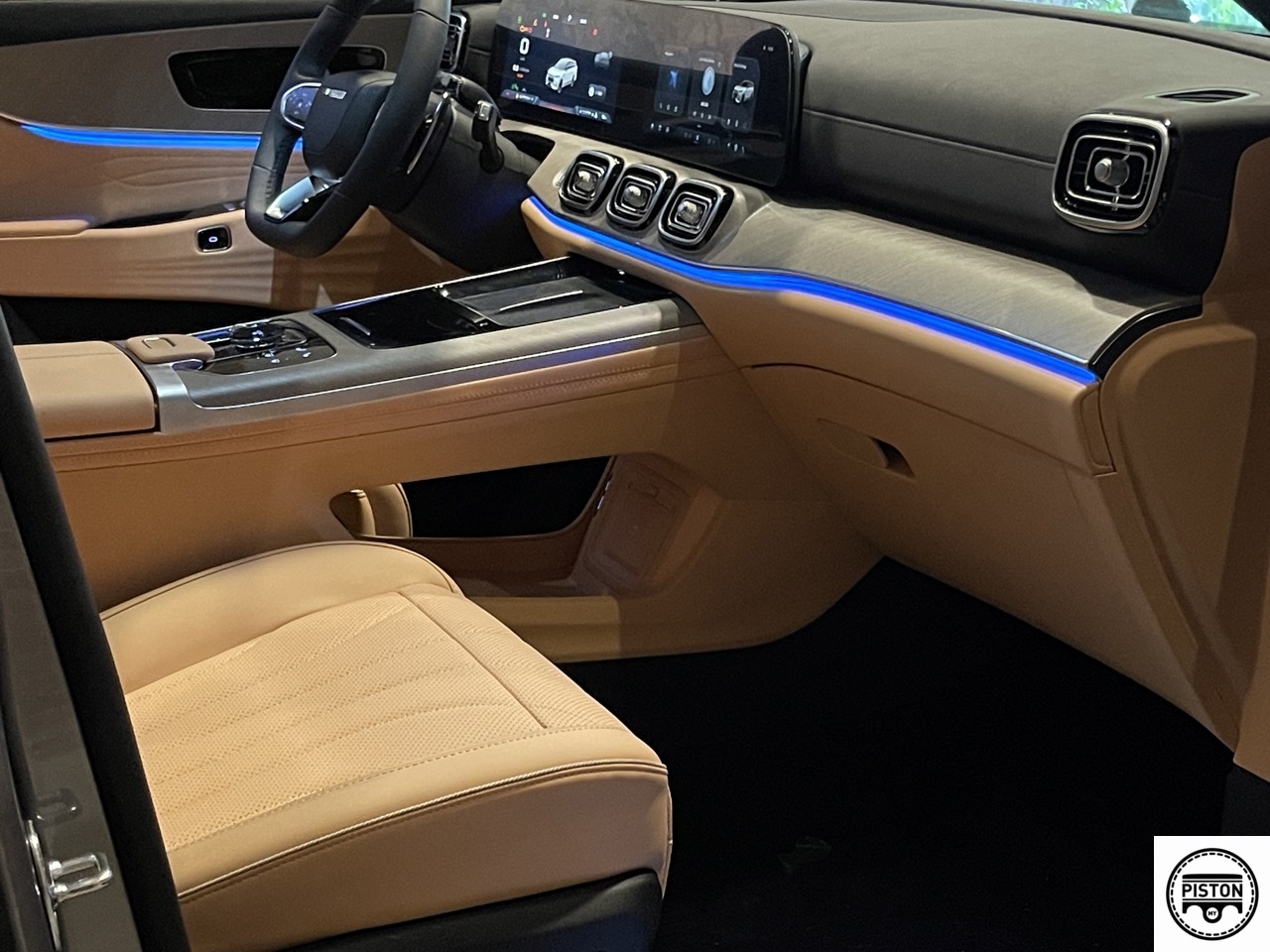
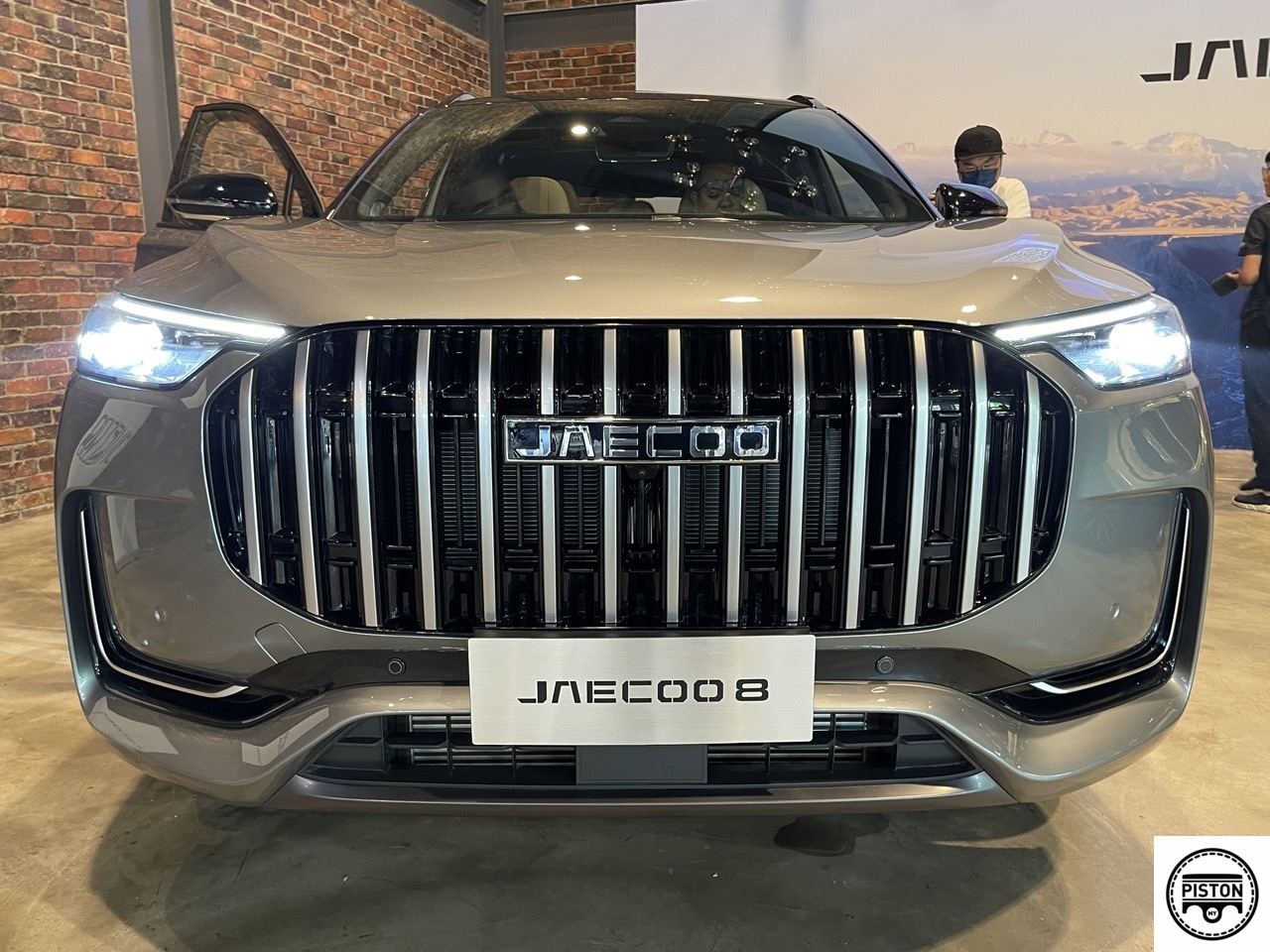
Jaecoo Malaysia showcased the Jaecoo J8 alongside the Jaecoo J7. The J8 was revealed in Doha, Qatar, in October last year in both two- and three-row seating configurations, depending on the market.

This SUV measures at 4,820mm in length, 1,699mm in height, and 1,930 mm in width, with a wheelbase of 2,820mm, making it slightly larger than the J7.

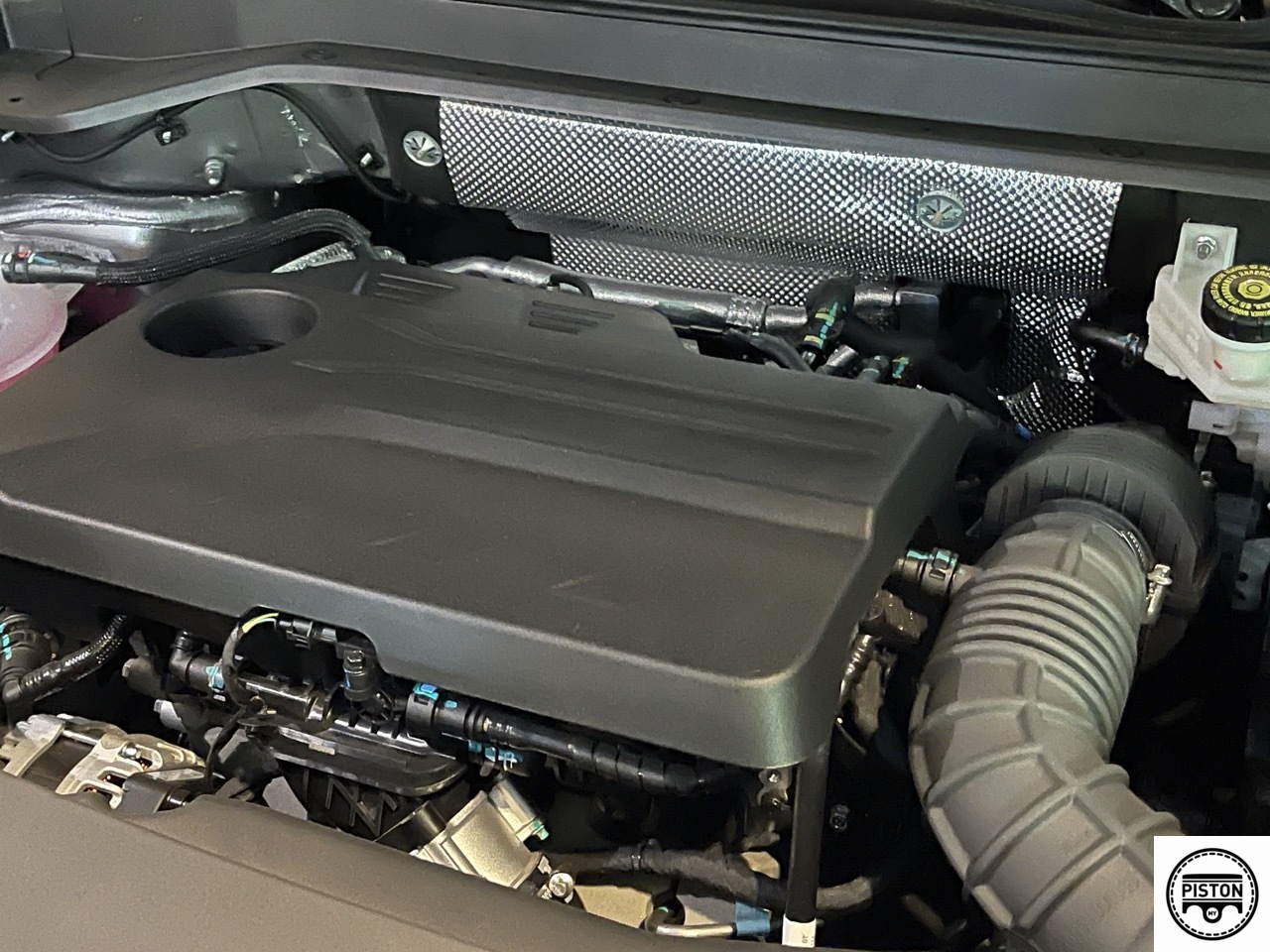
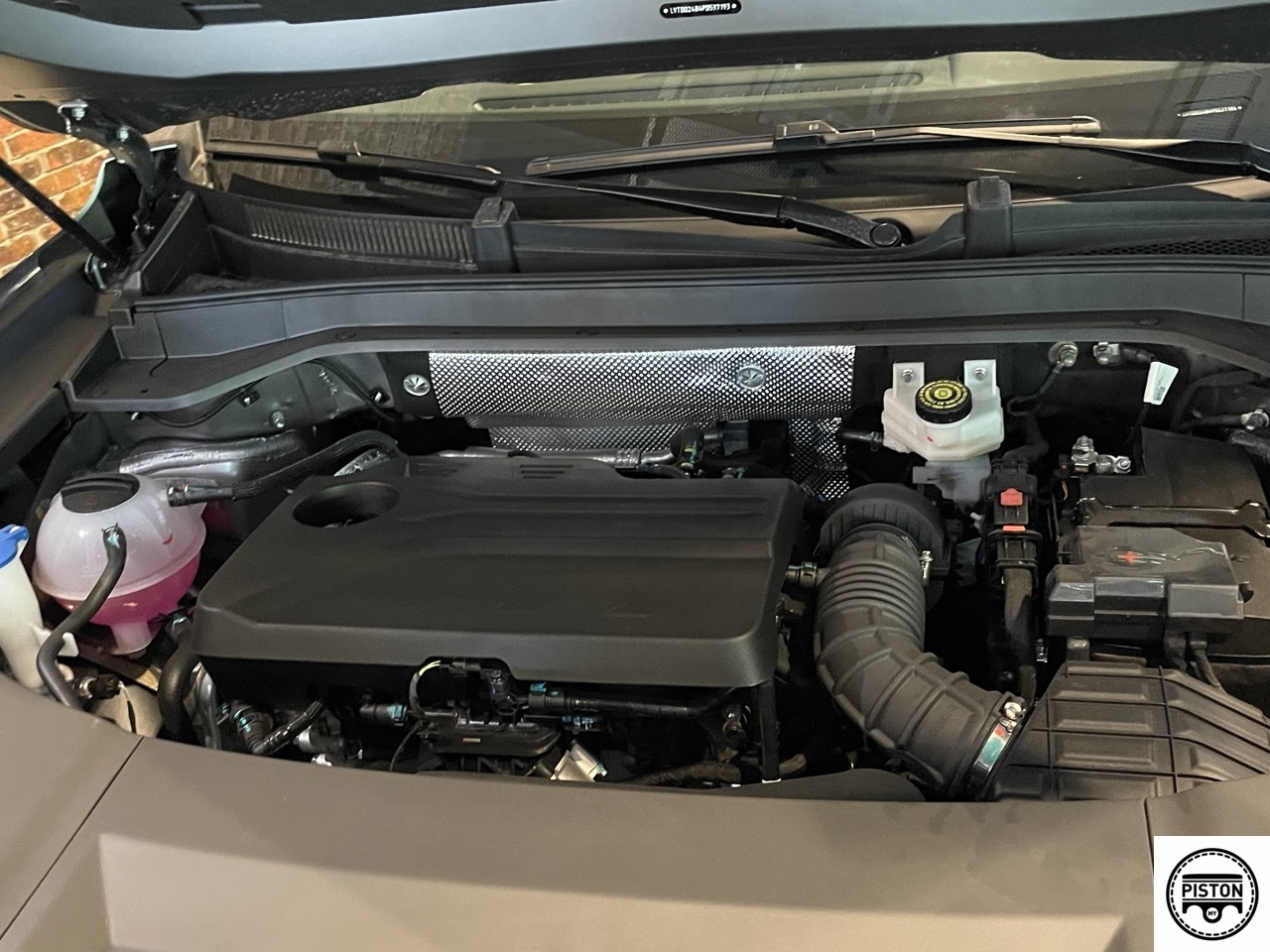
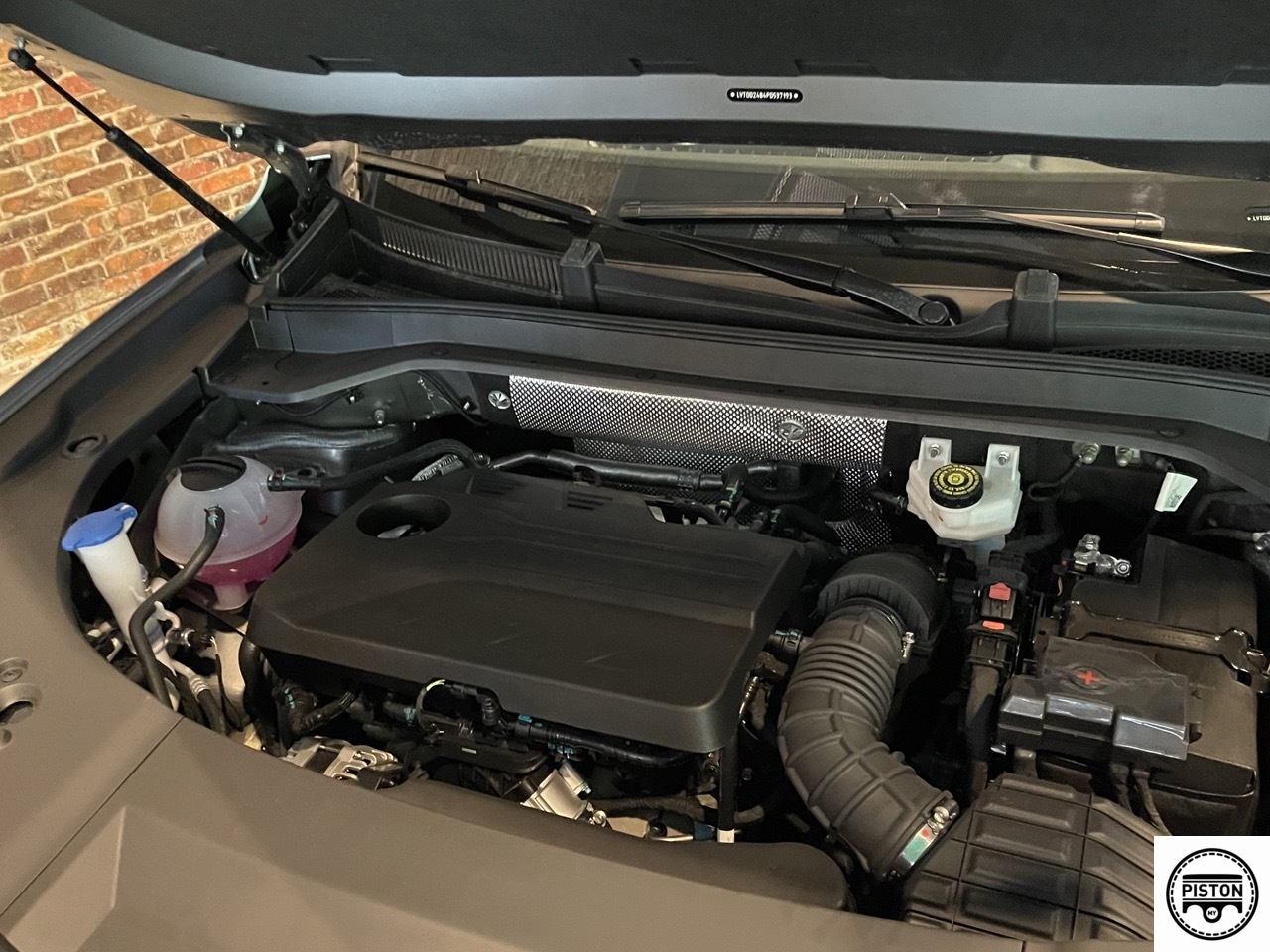
Under the hood, the J8 packs a 2.0-litre turbocharged inline-four petrol engine producing 245hp and 385Nm of torque. This powerplant is mated to a seven-speed dual-clutch transmission, and buyers can choose between front-wheel drive and all-wheel drive options.

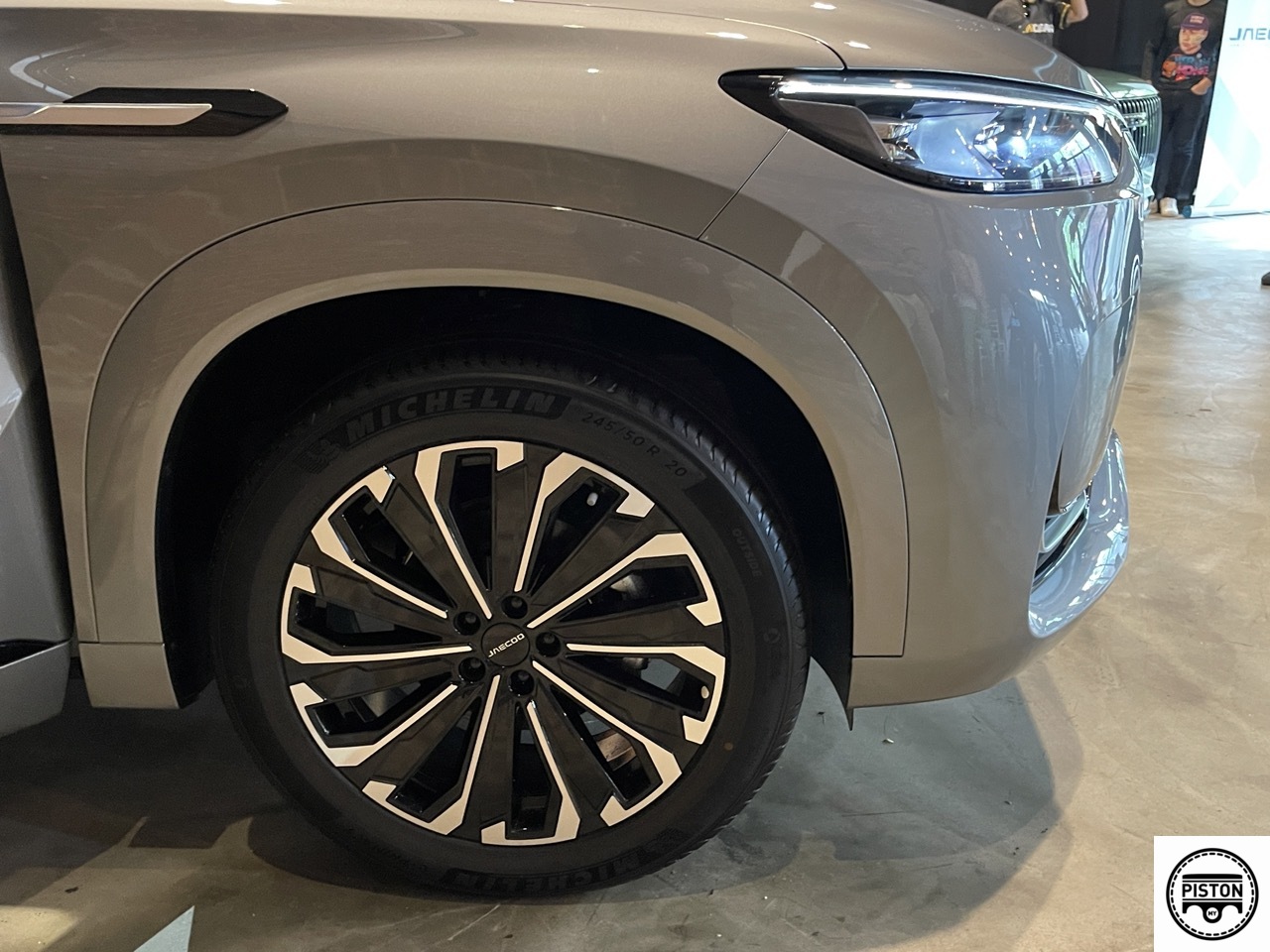
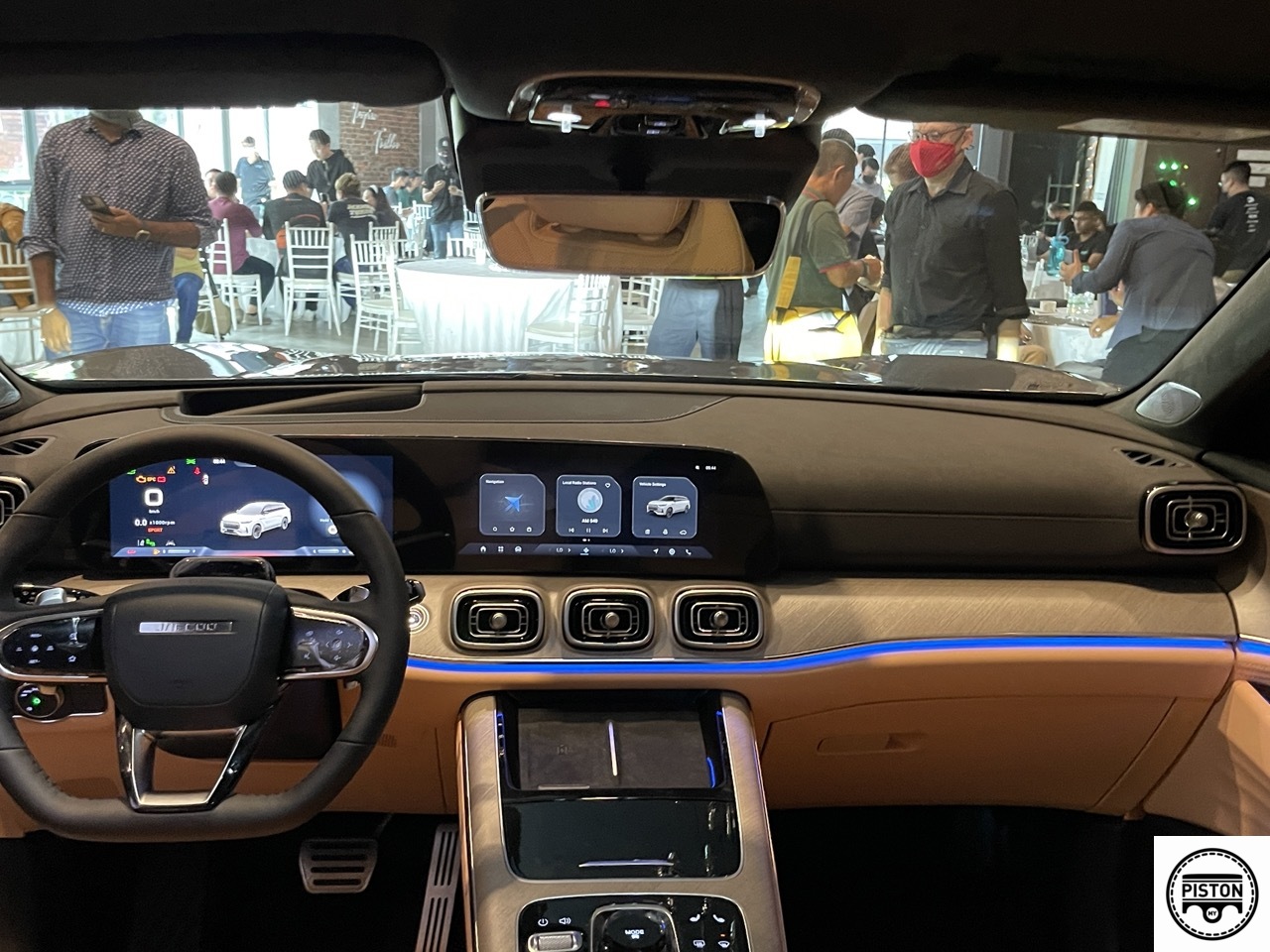
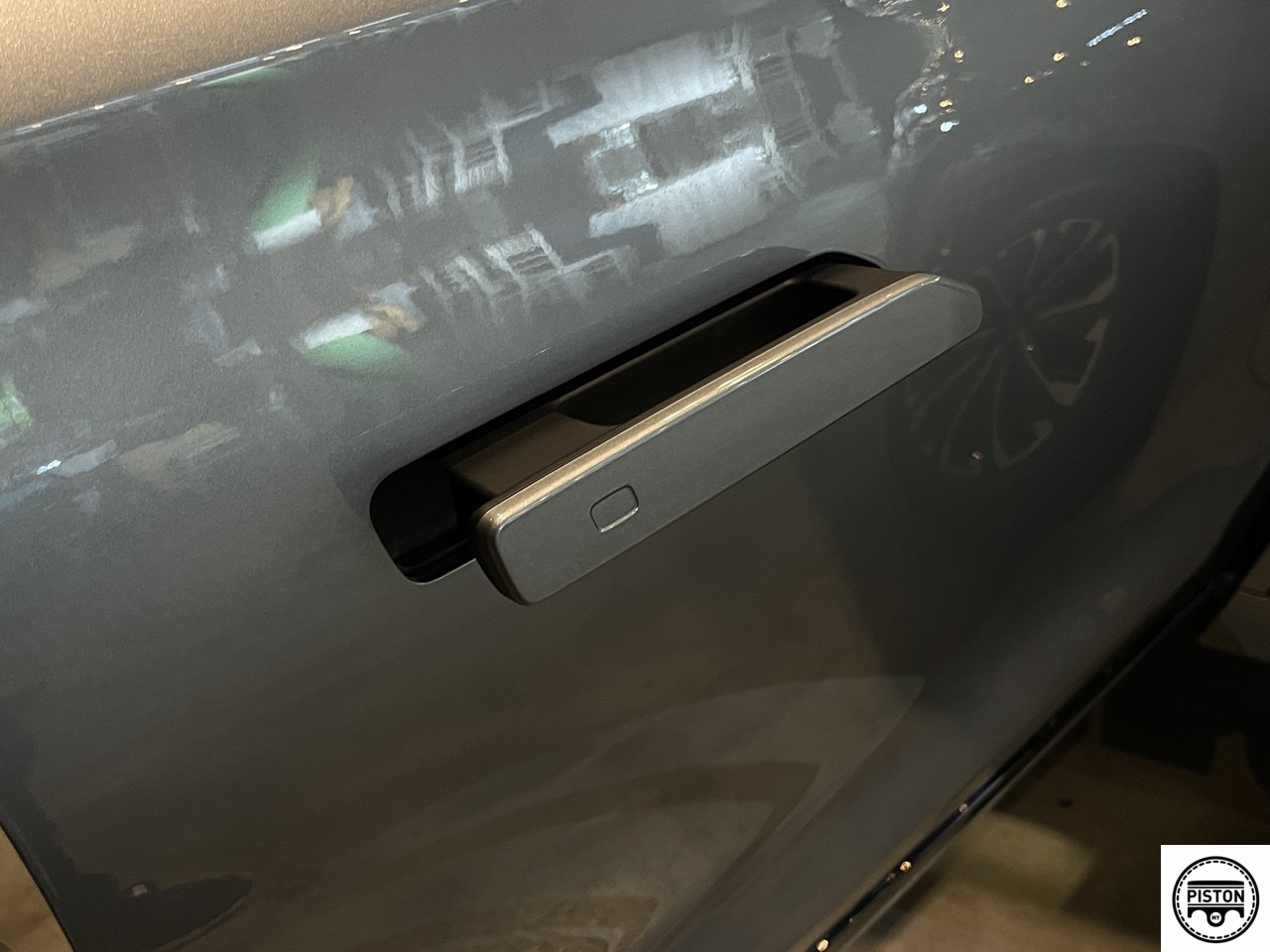
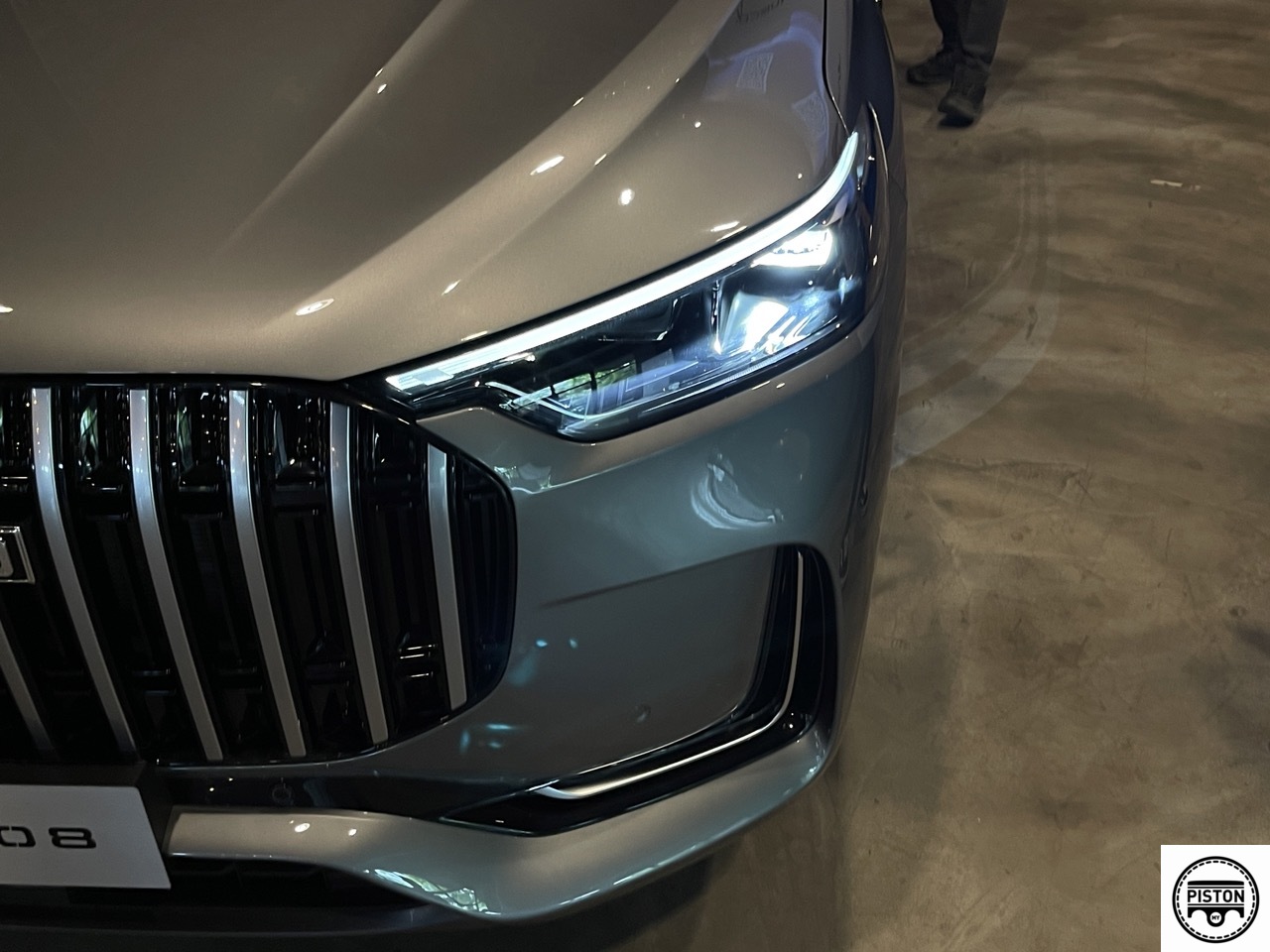
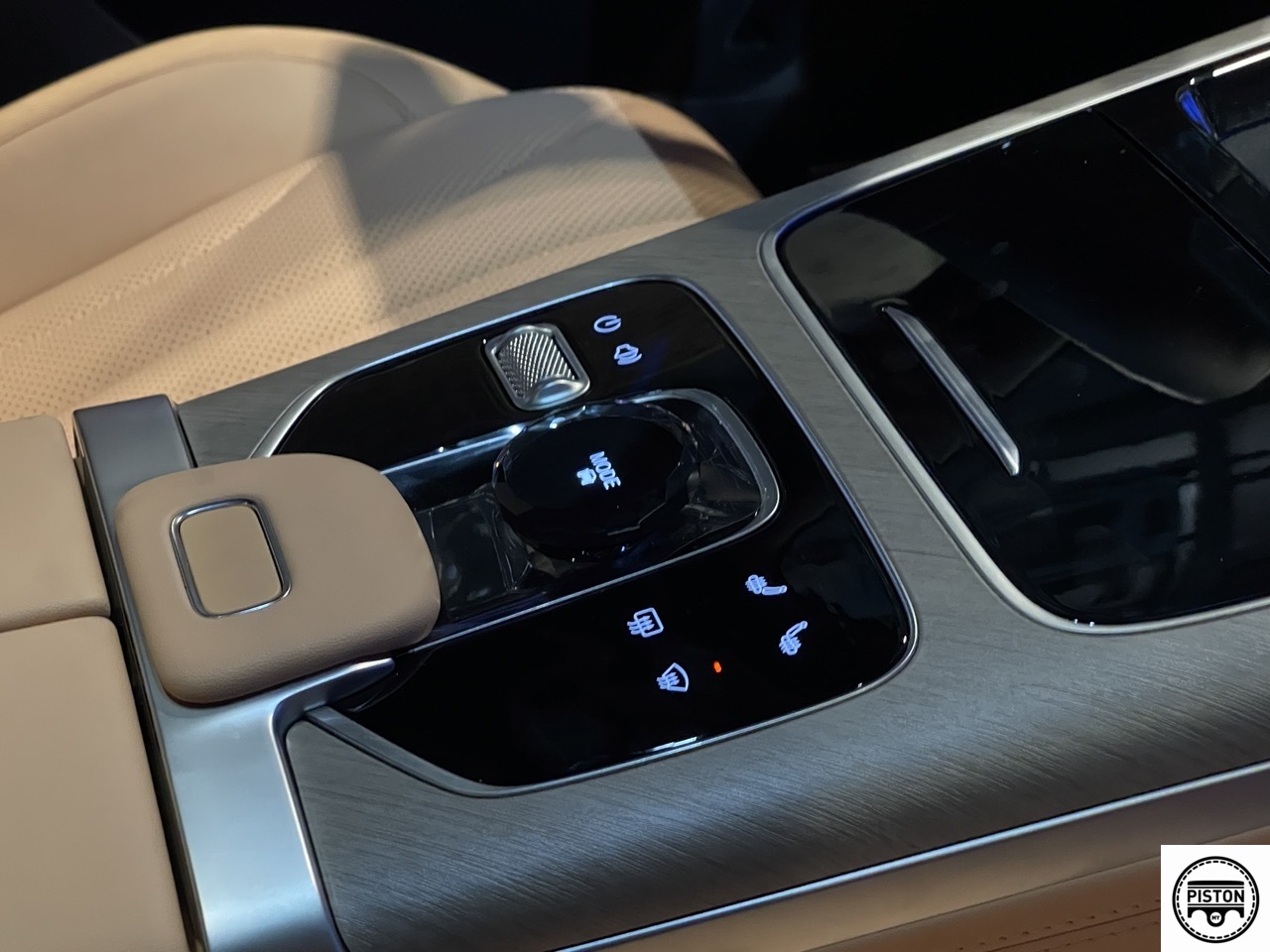
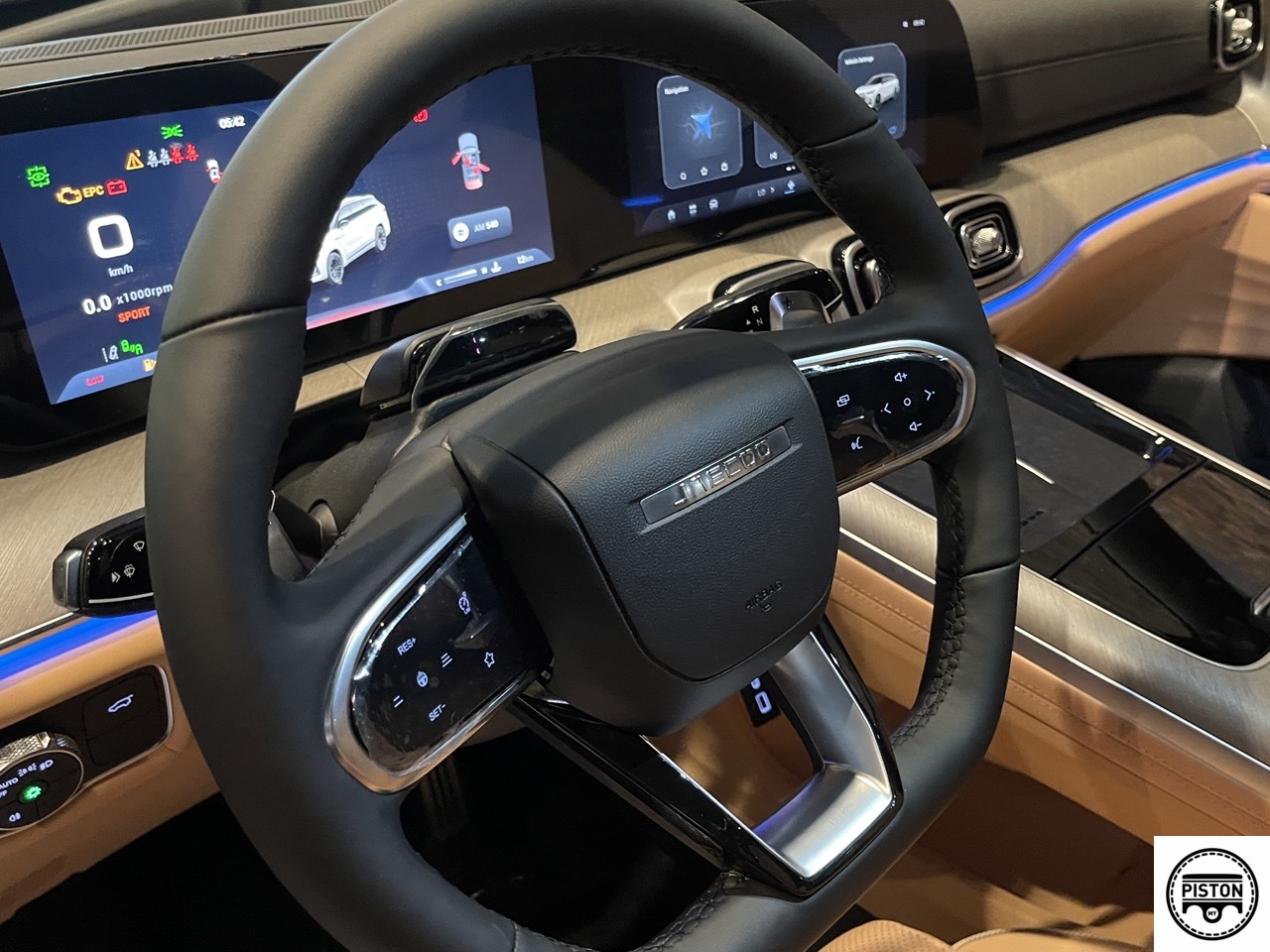
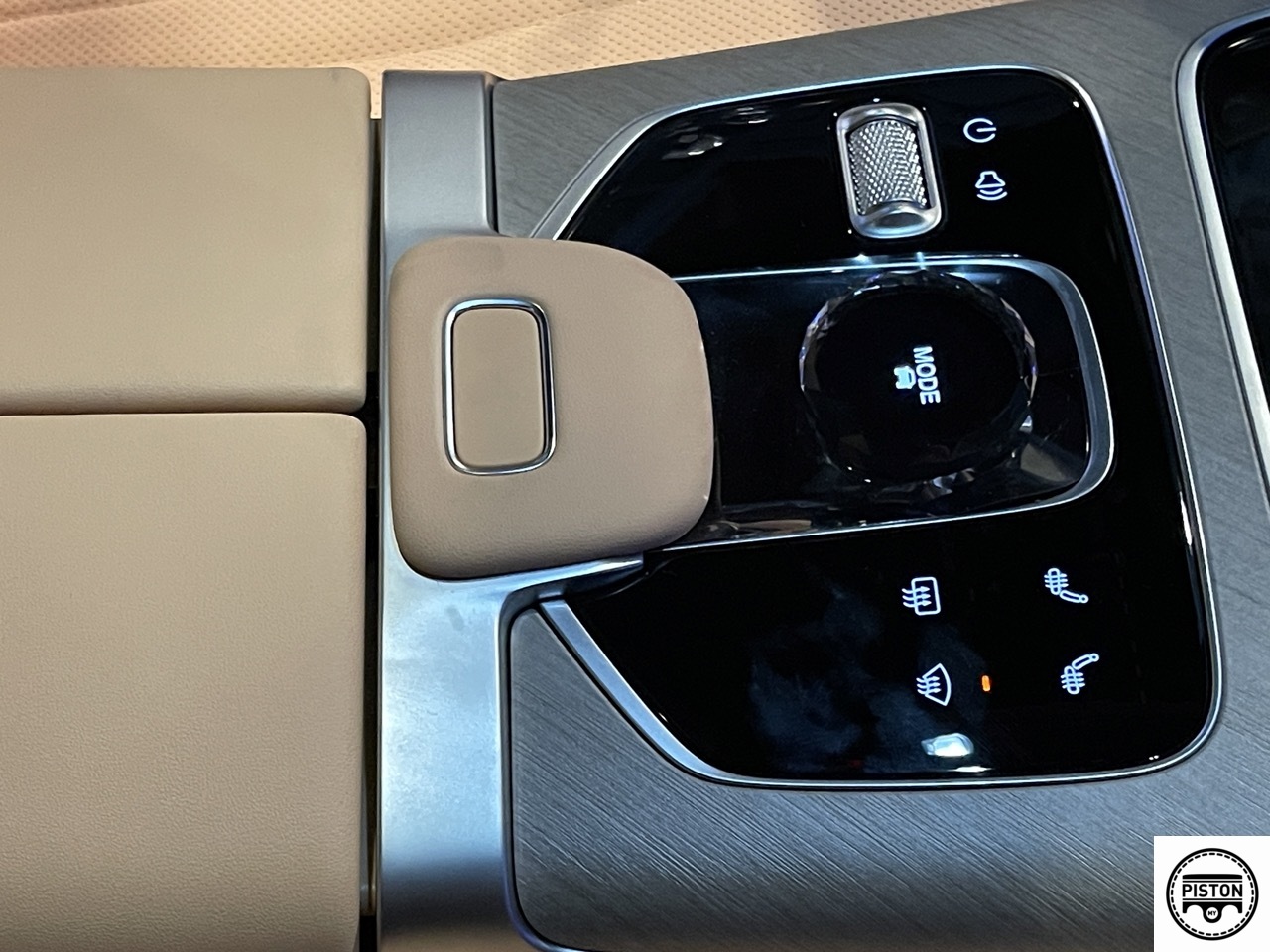
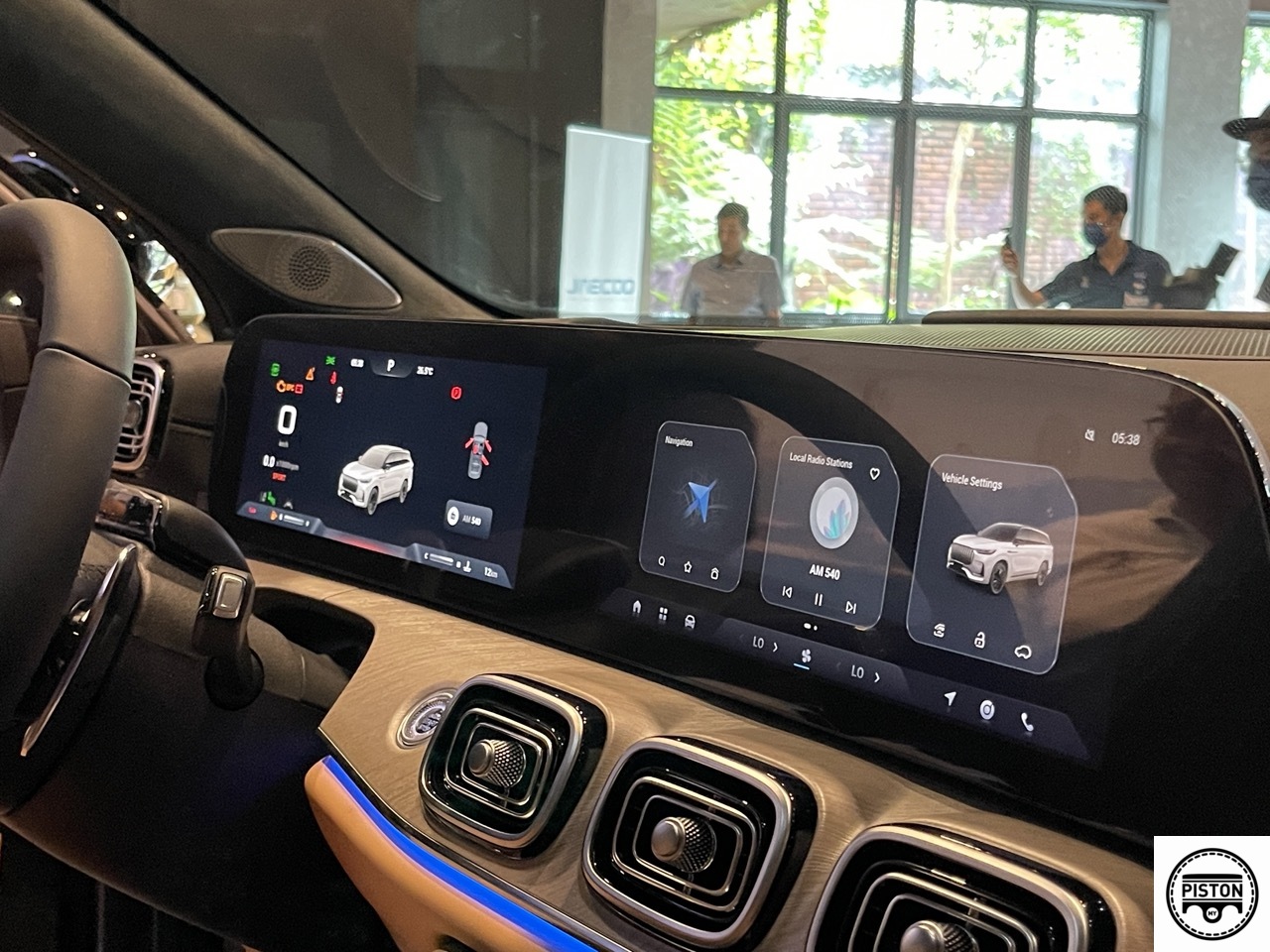
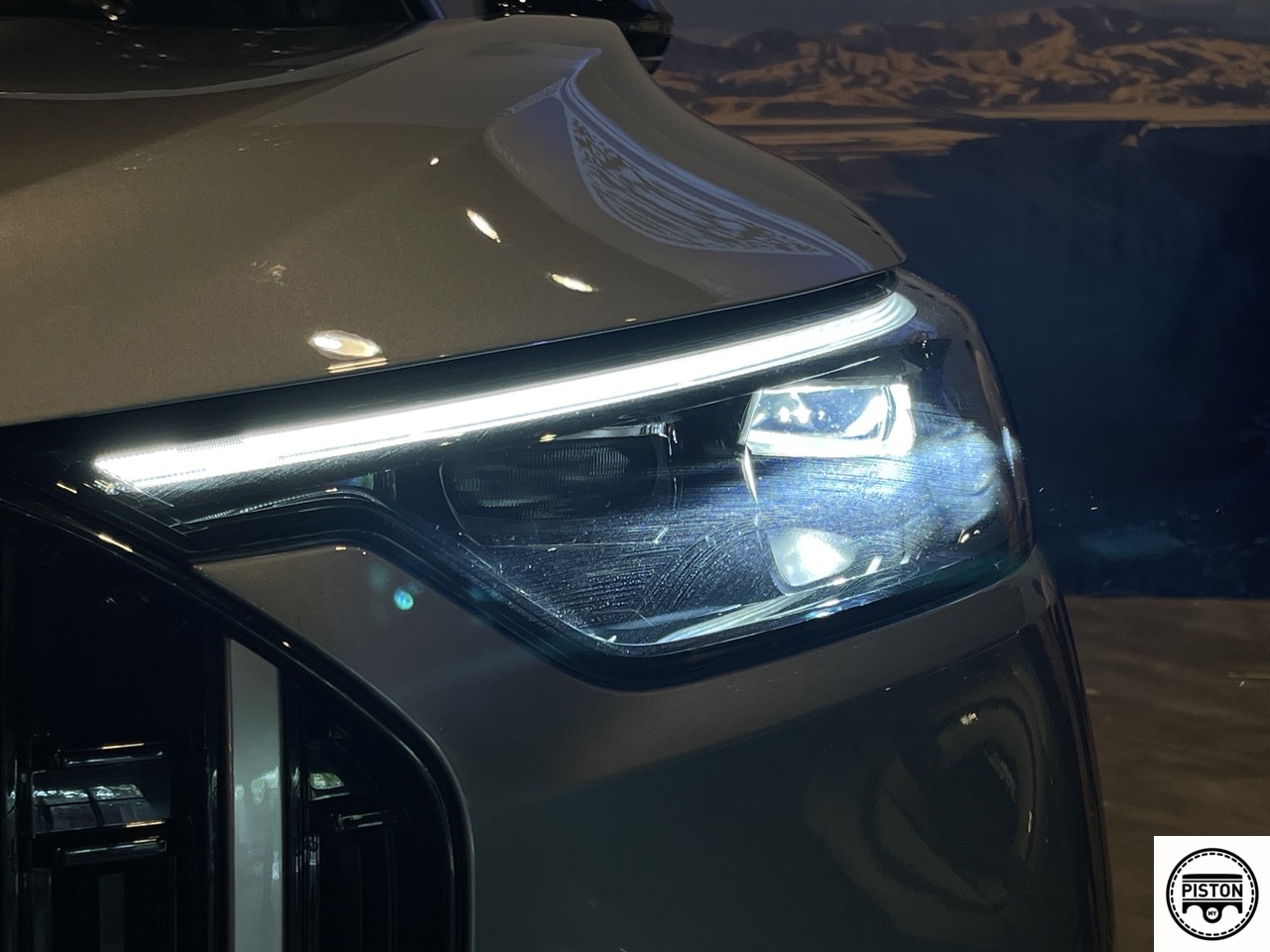
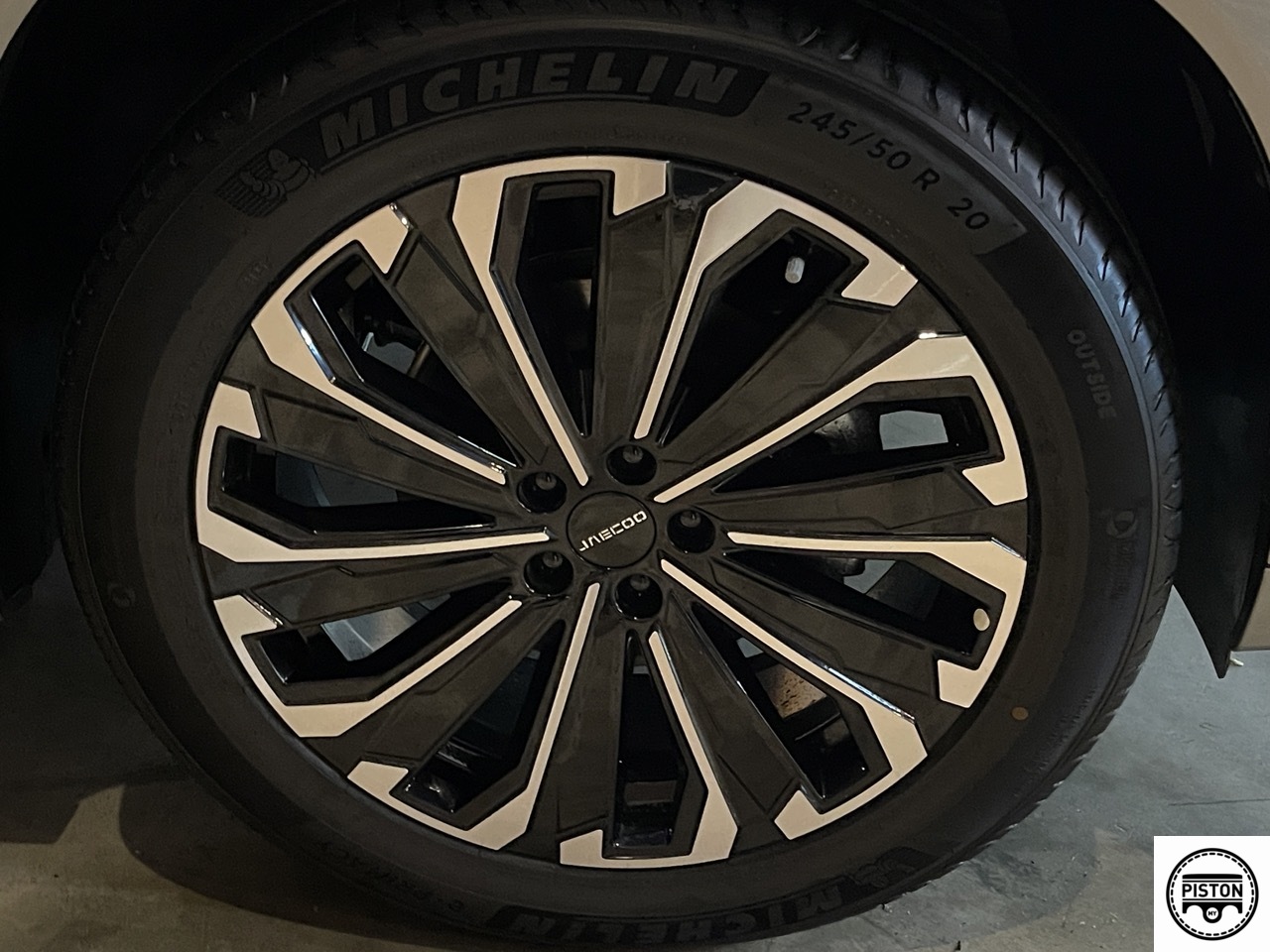
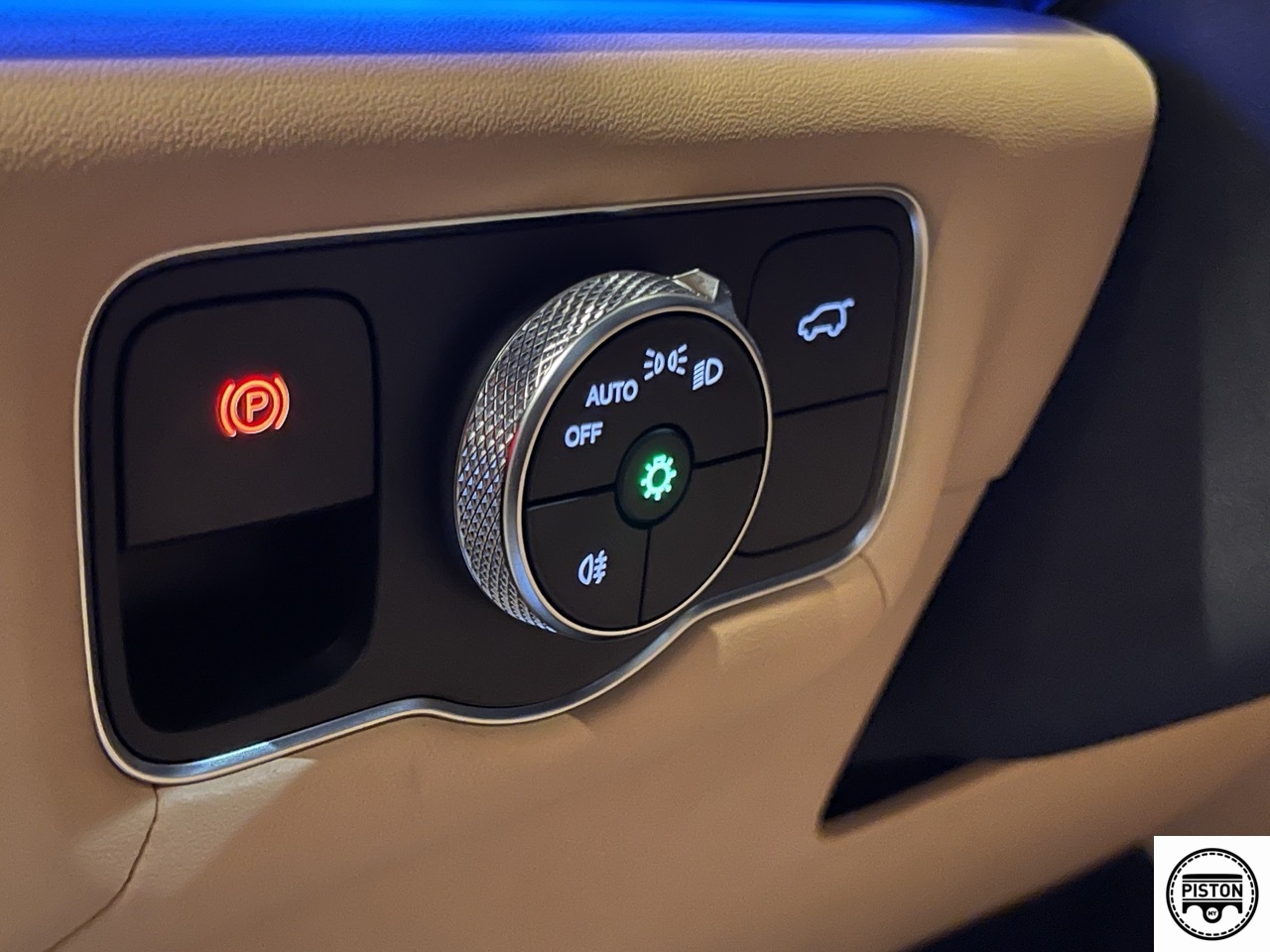
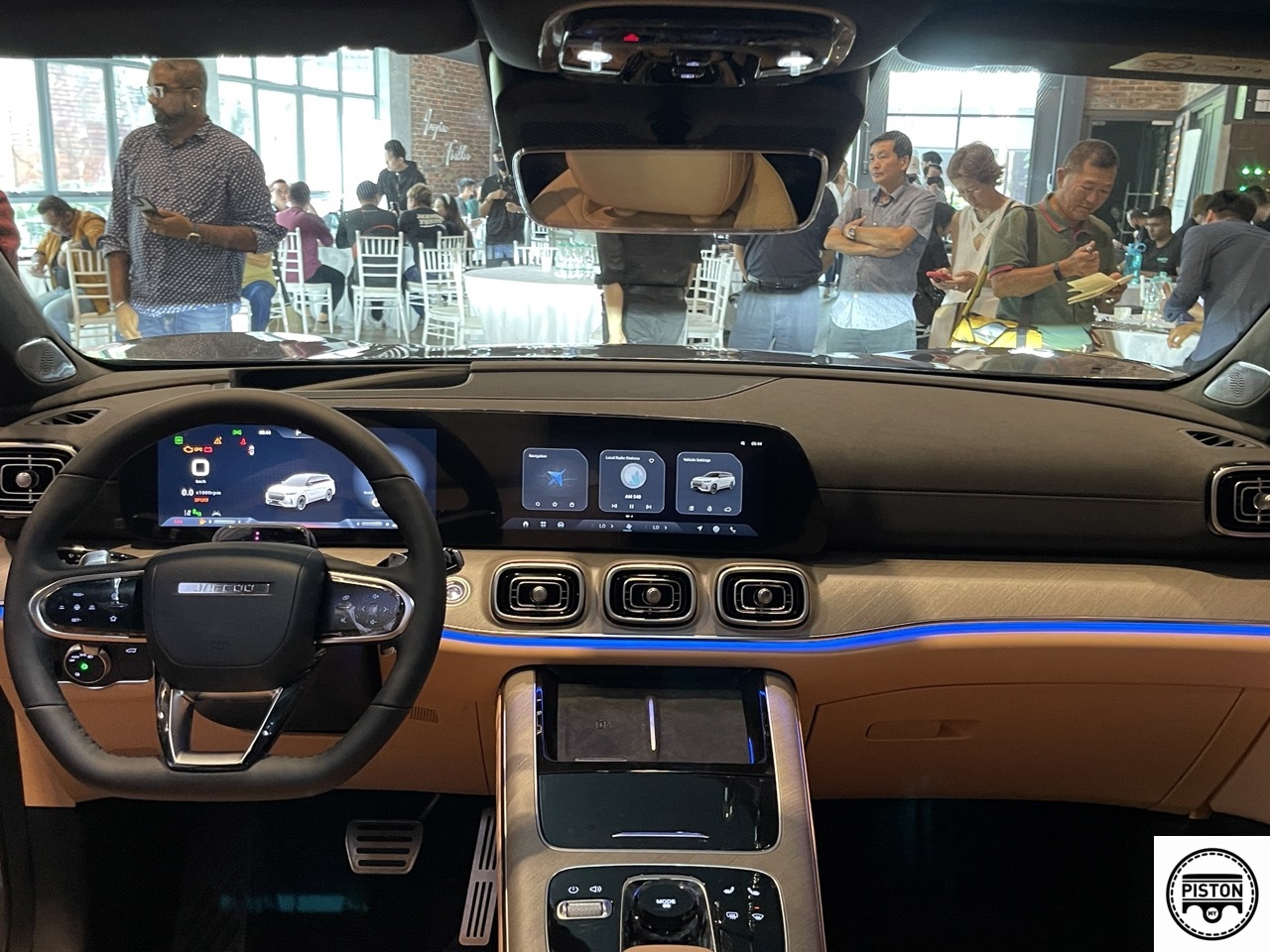
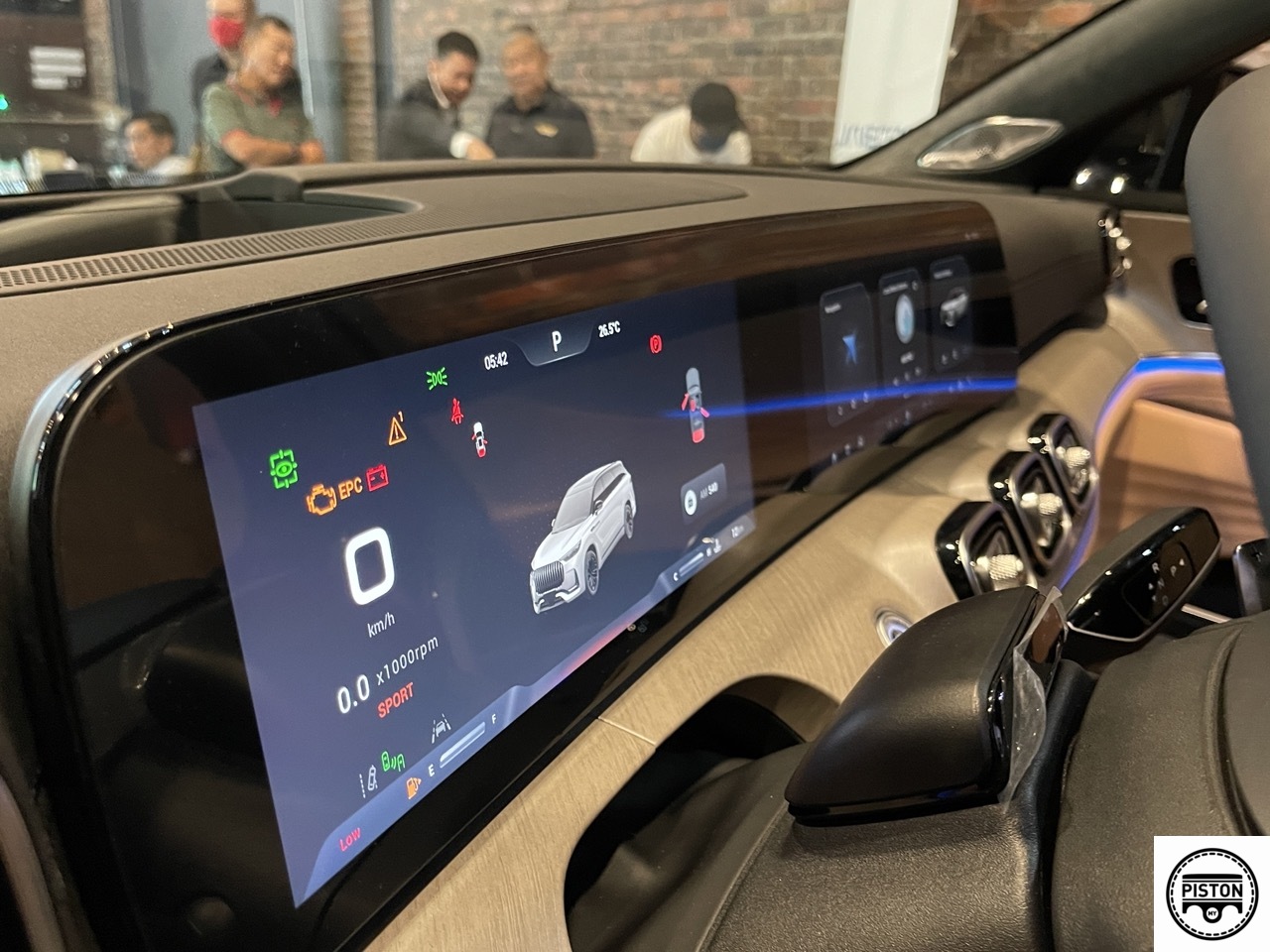
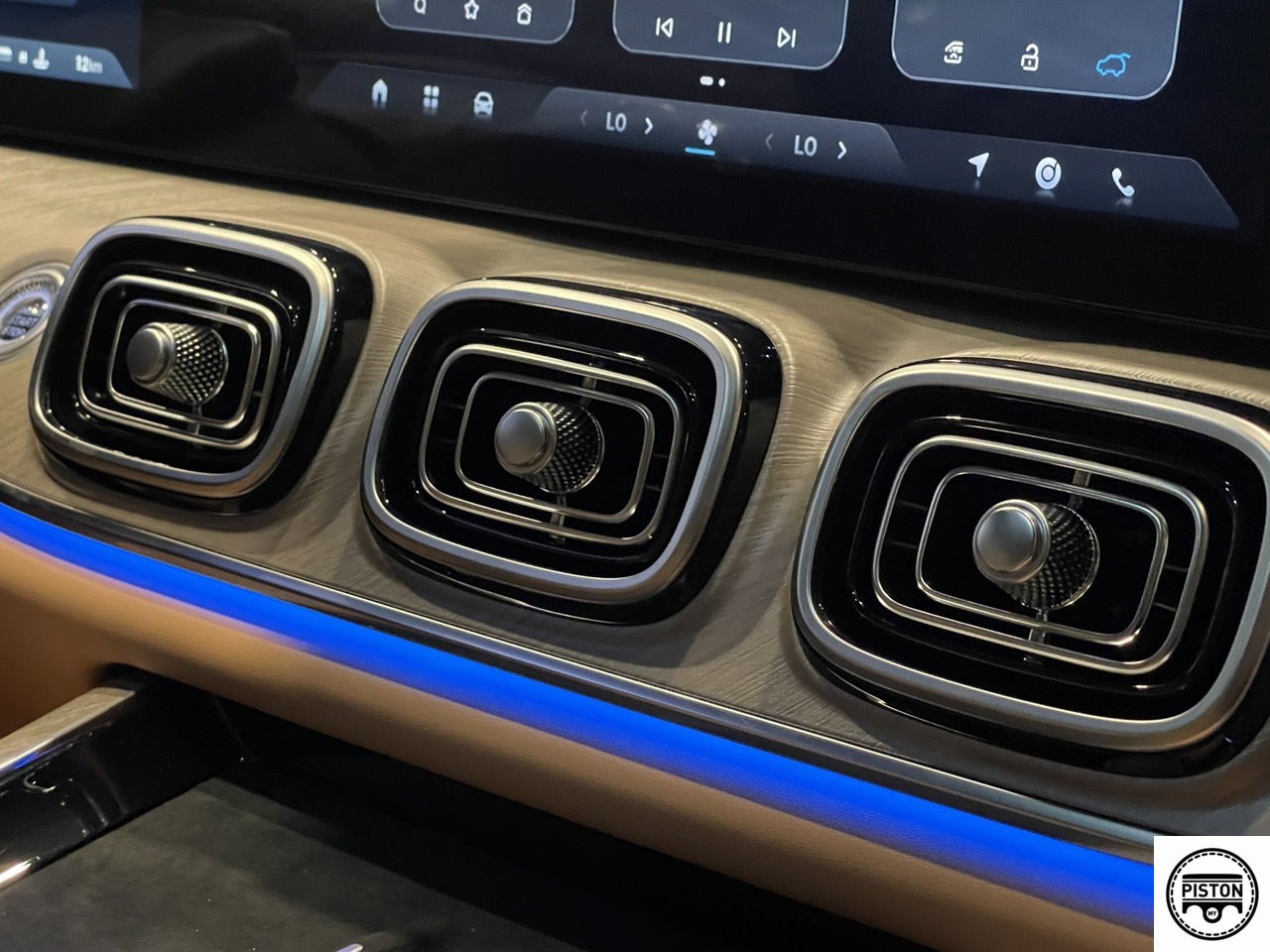
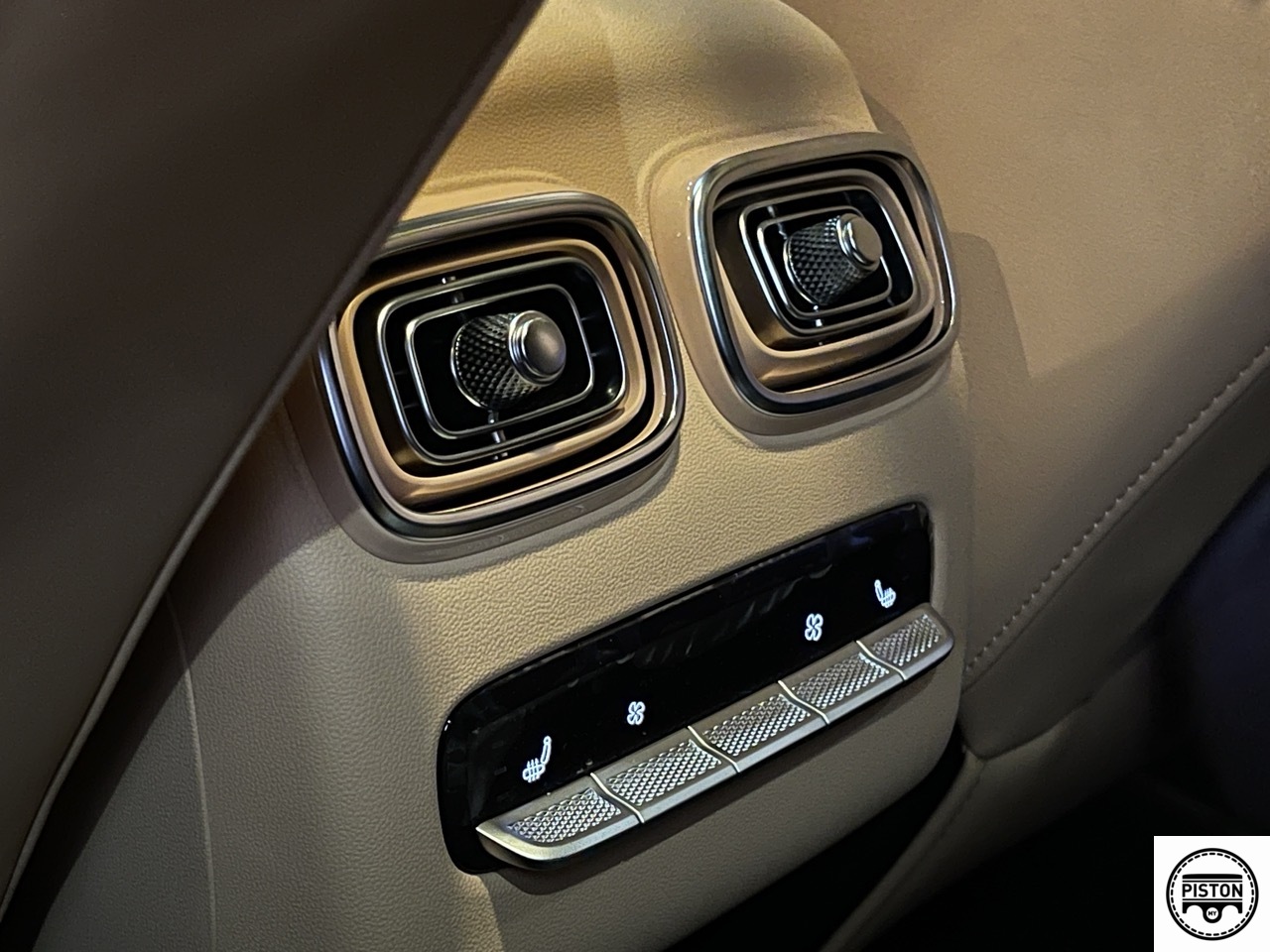
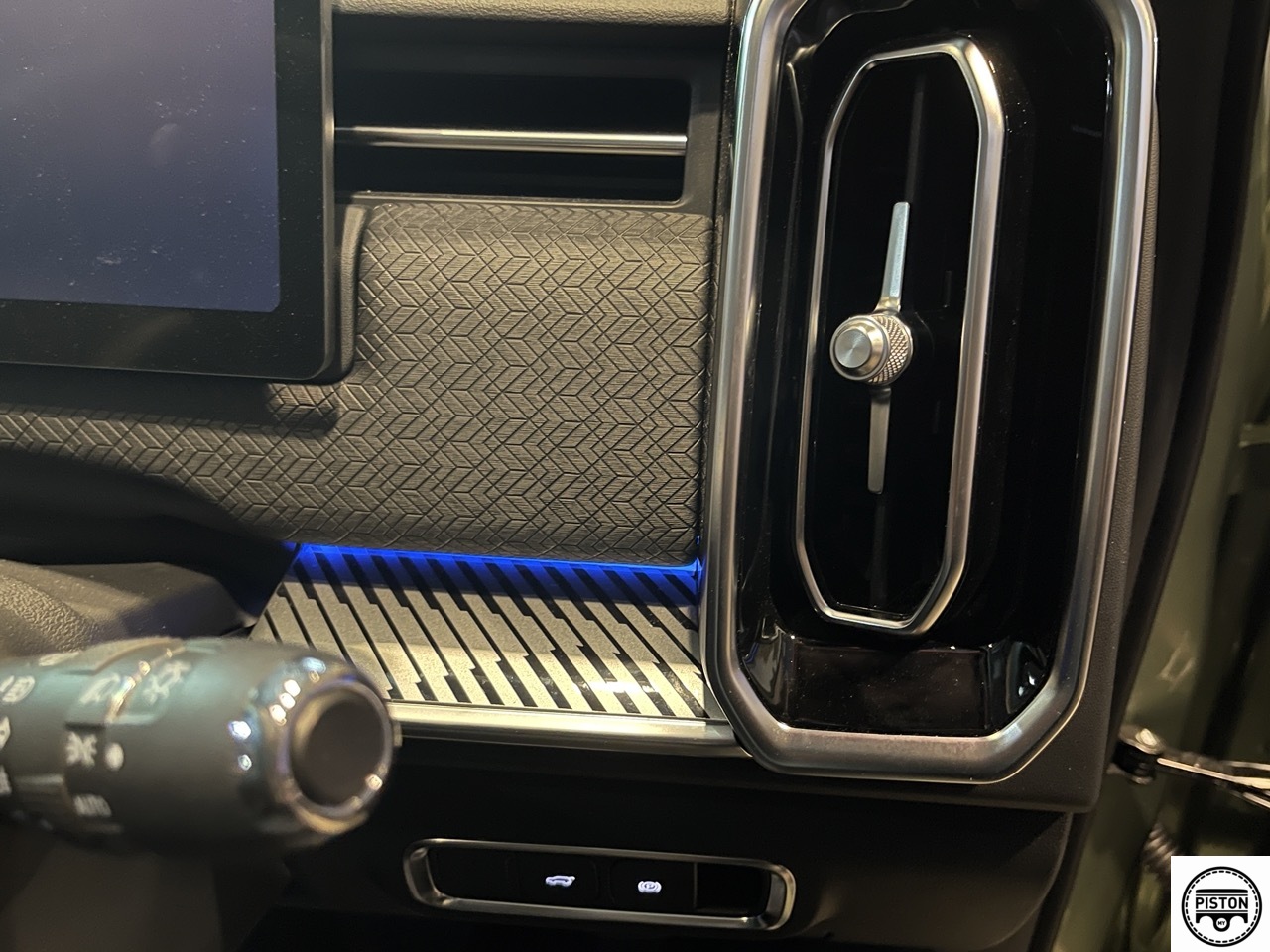
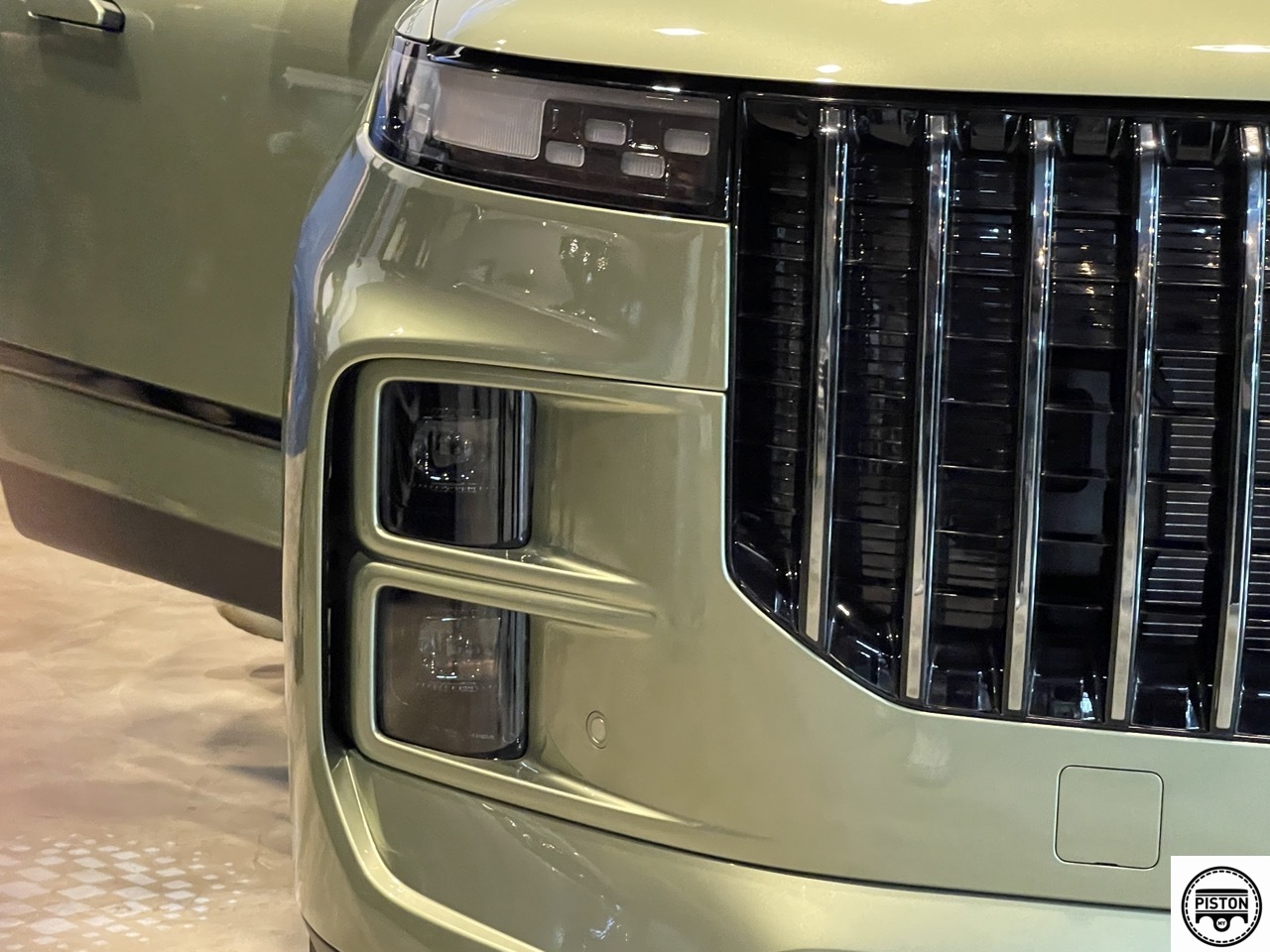
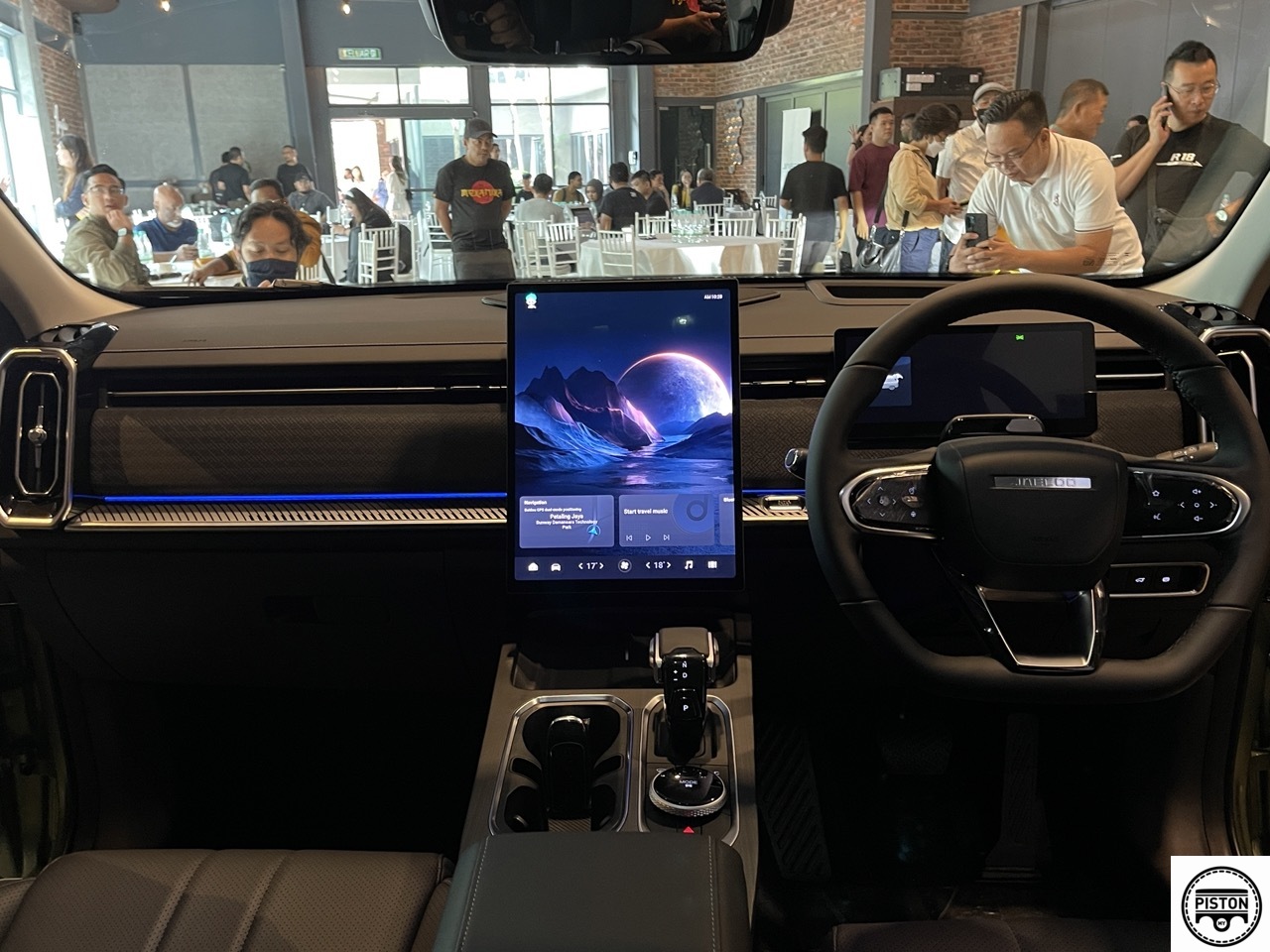
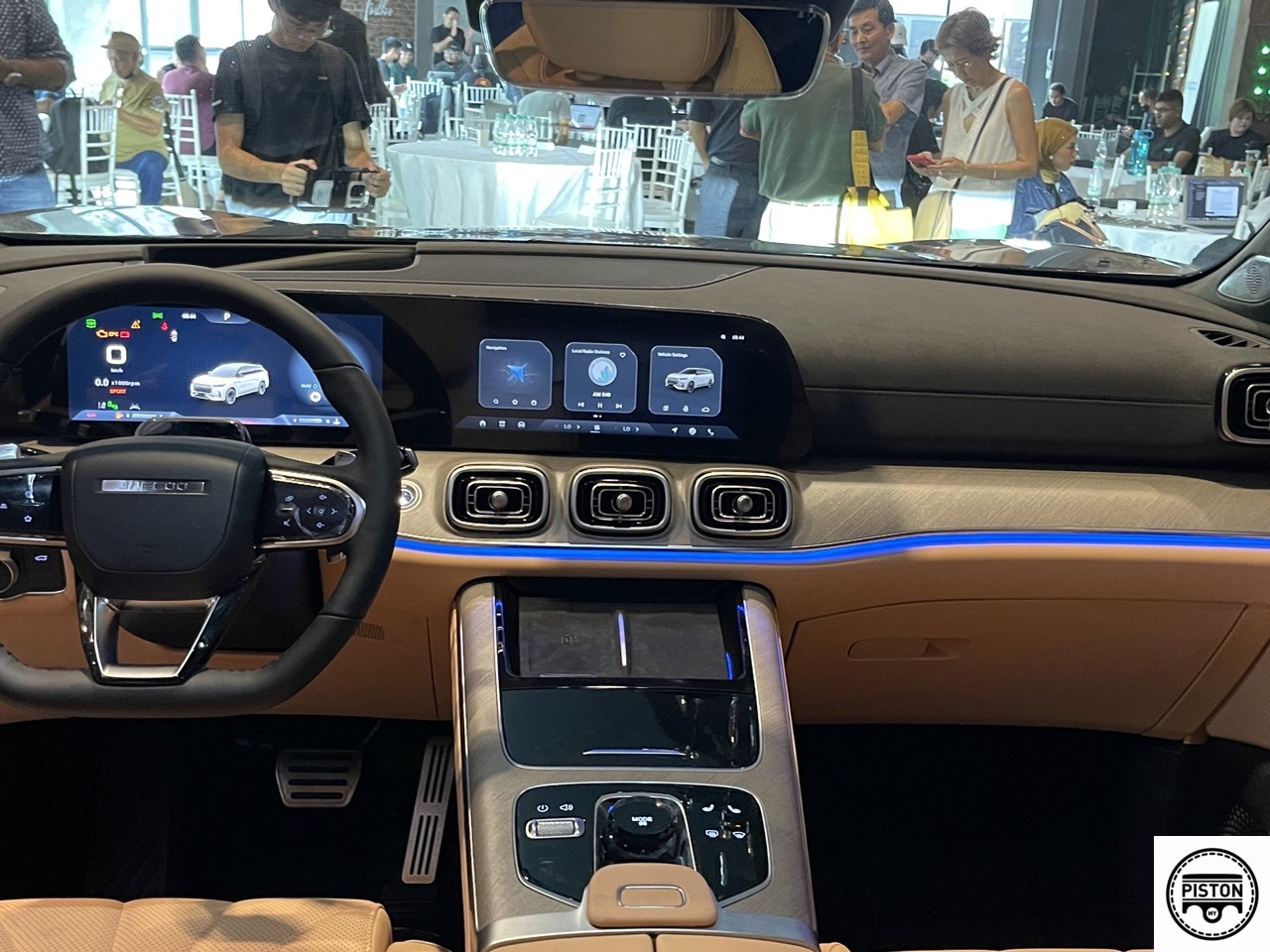
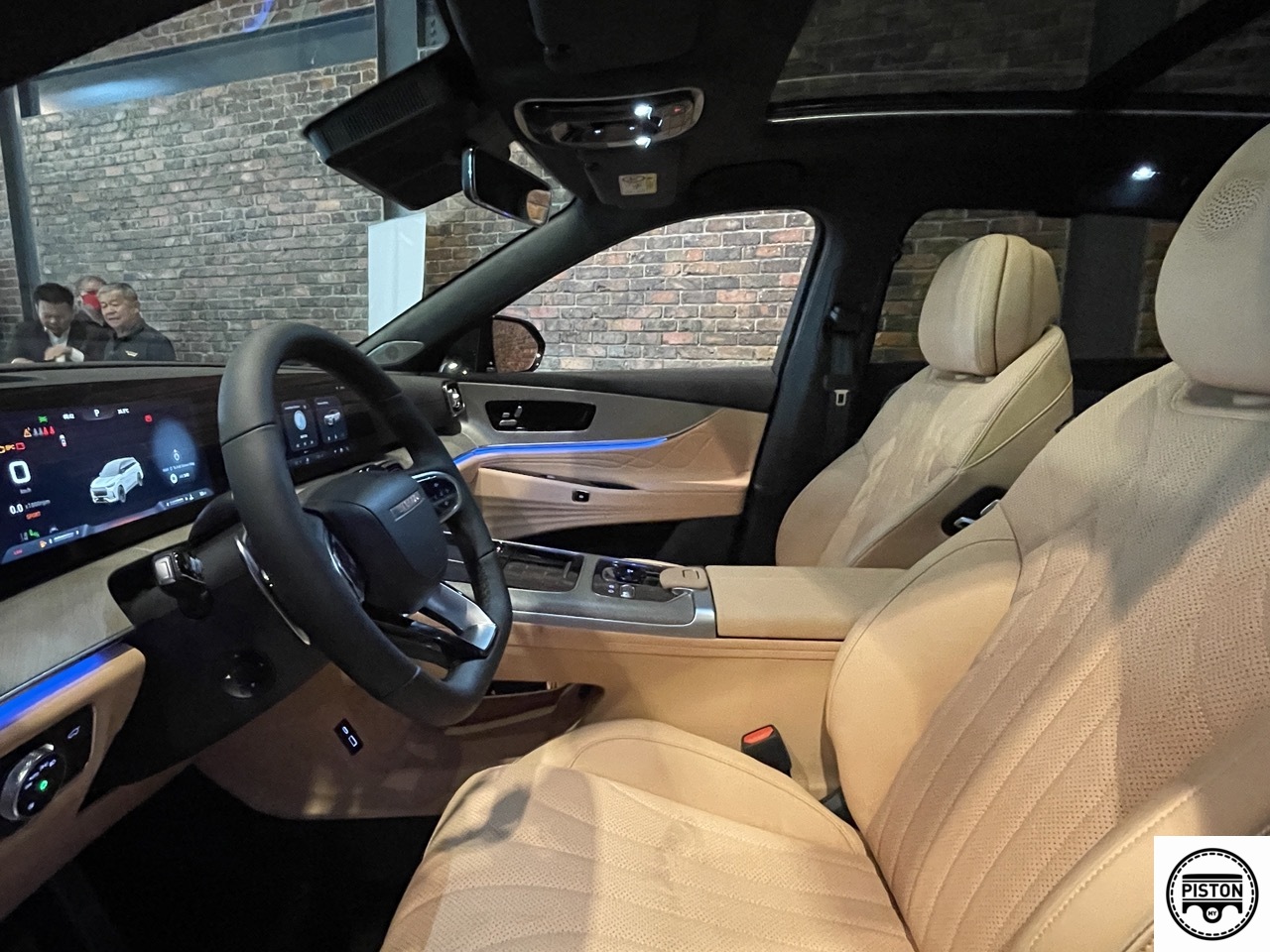
While the previewed unit was a left-hand drive and not indicative of the model for the Malaysian market, it still showcased several features. Notable elements include 20-inch alloy wheels, LED headlamps, dual 12.3-inch displays for the digital instrument cluster and infotainment system, dual-zone climate control with rear vents, and controls, along with a head-up display.


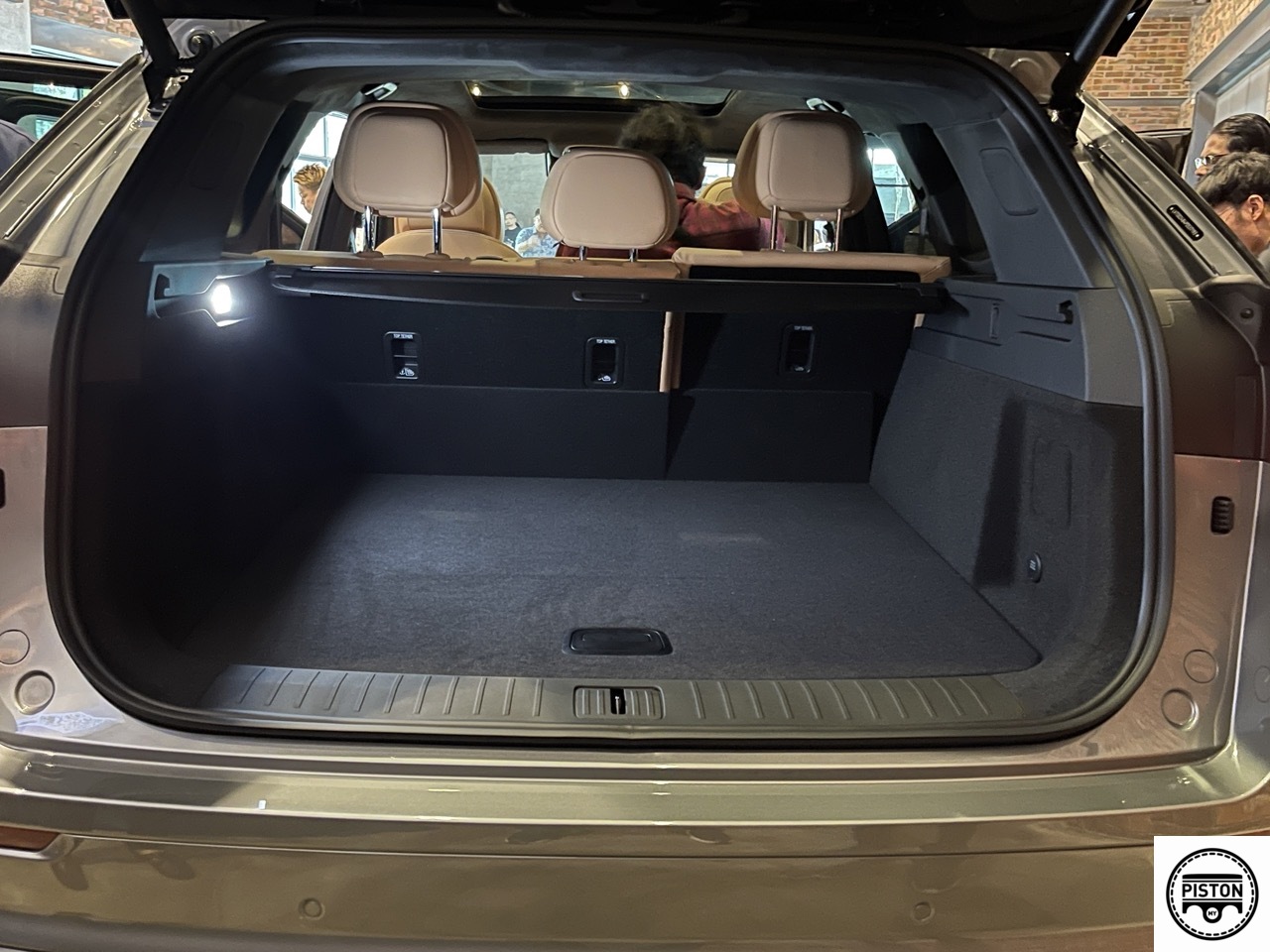
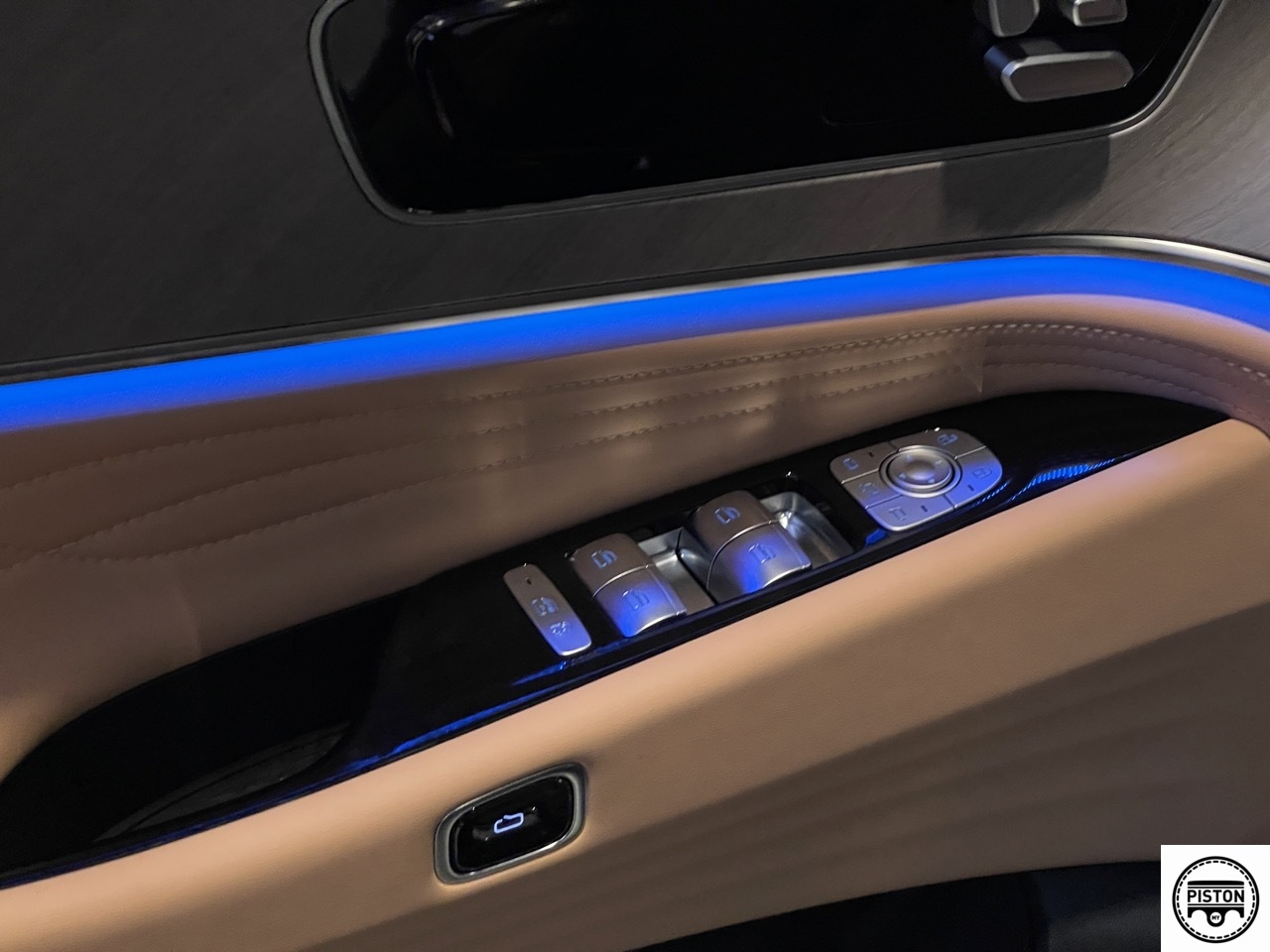
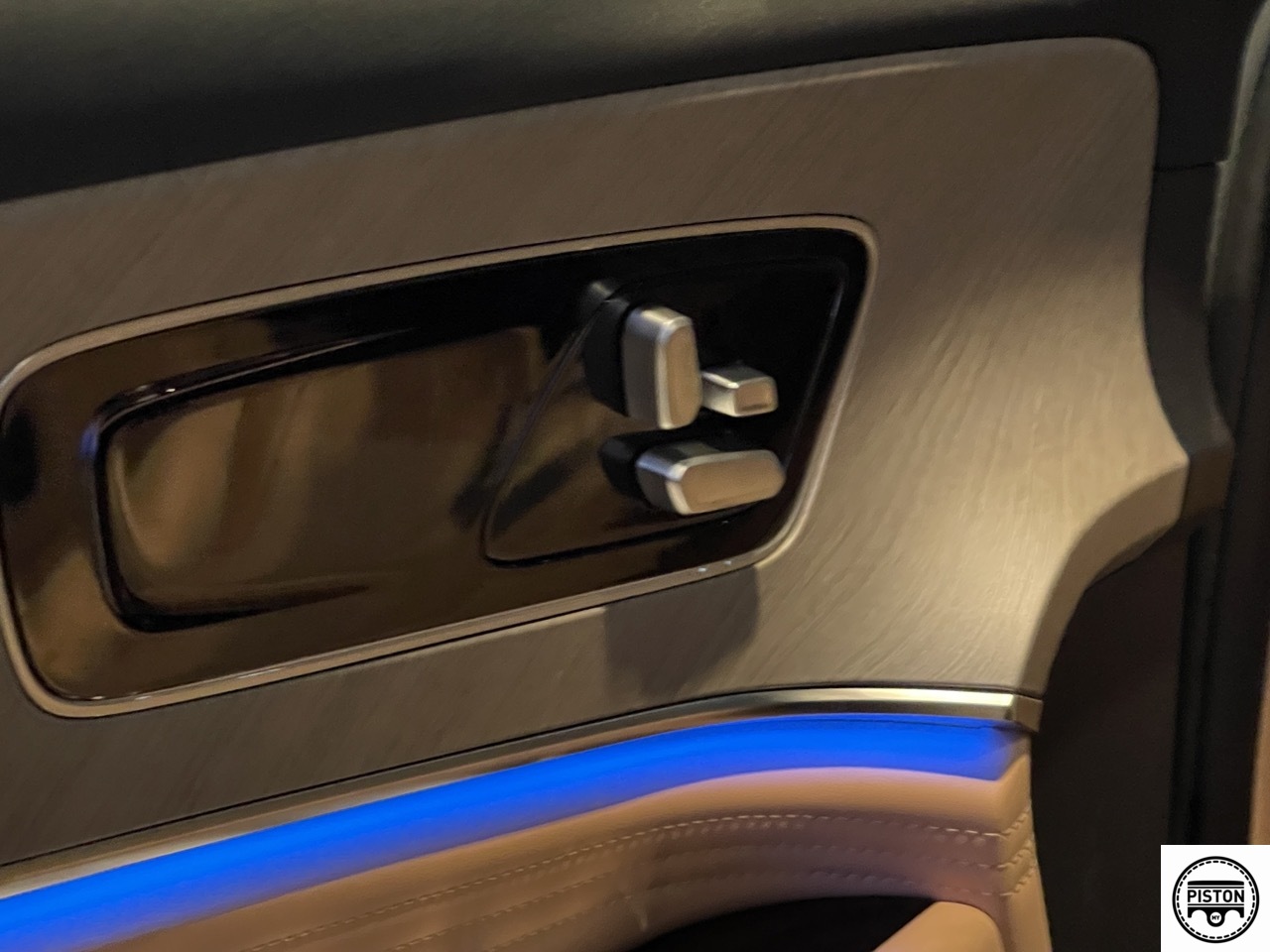
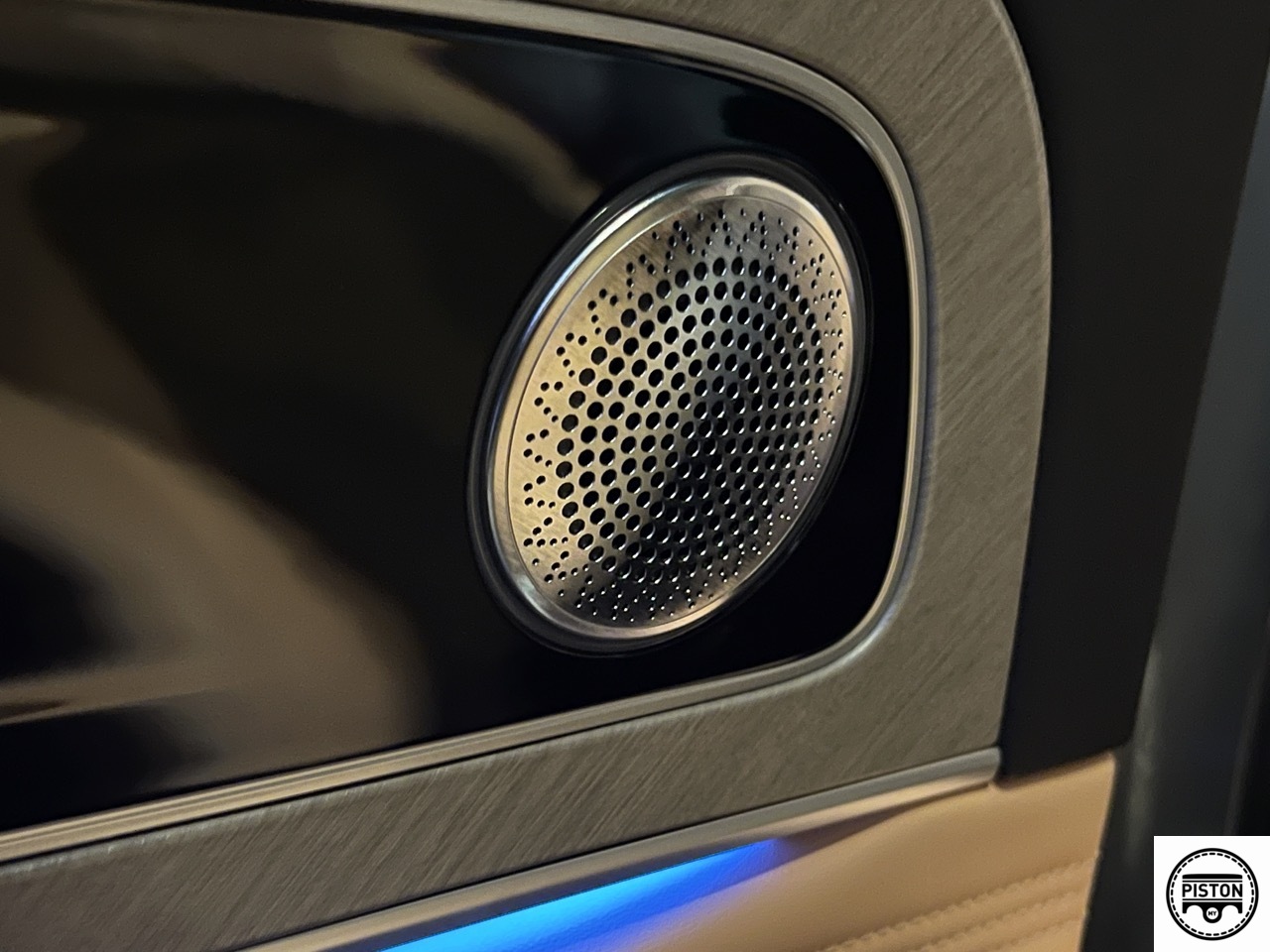
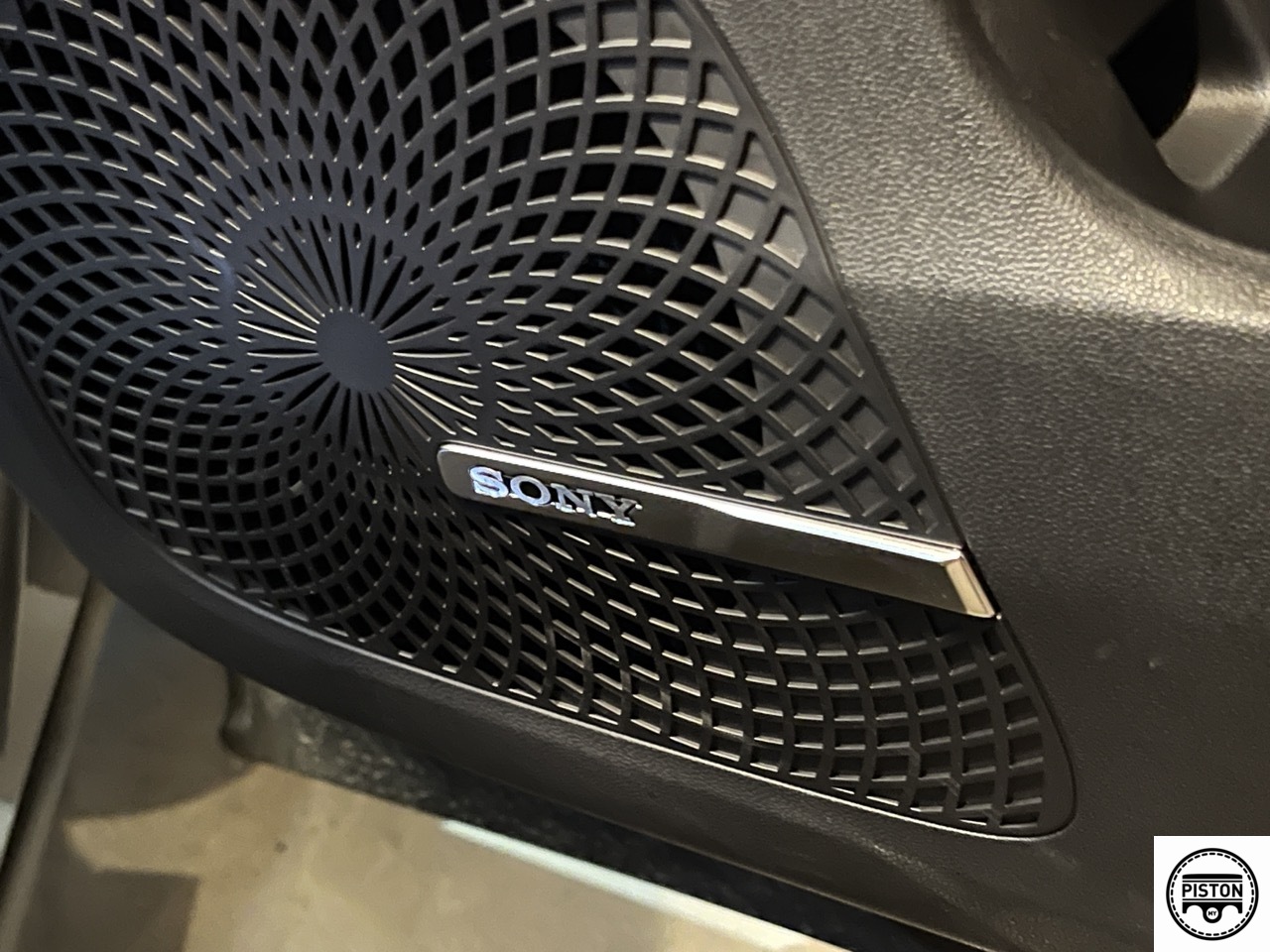
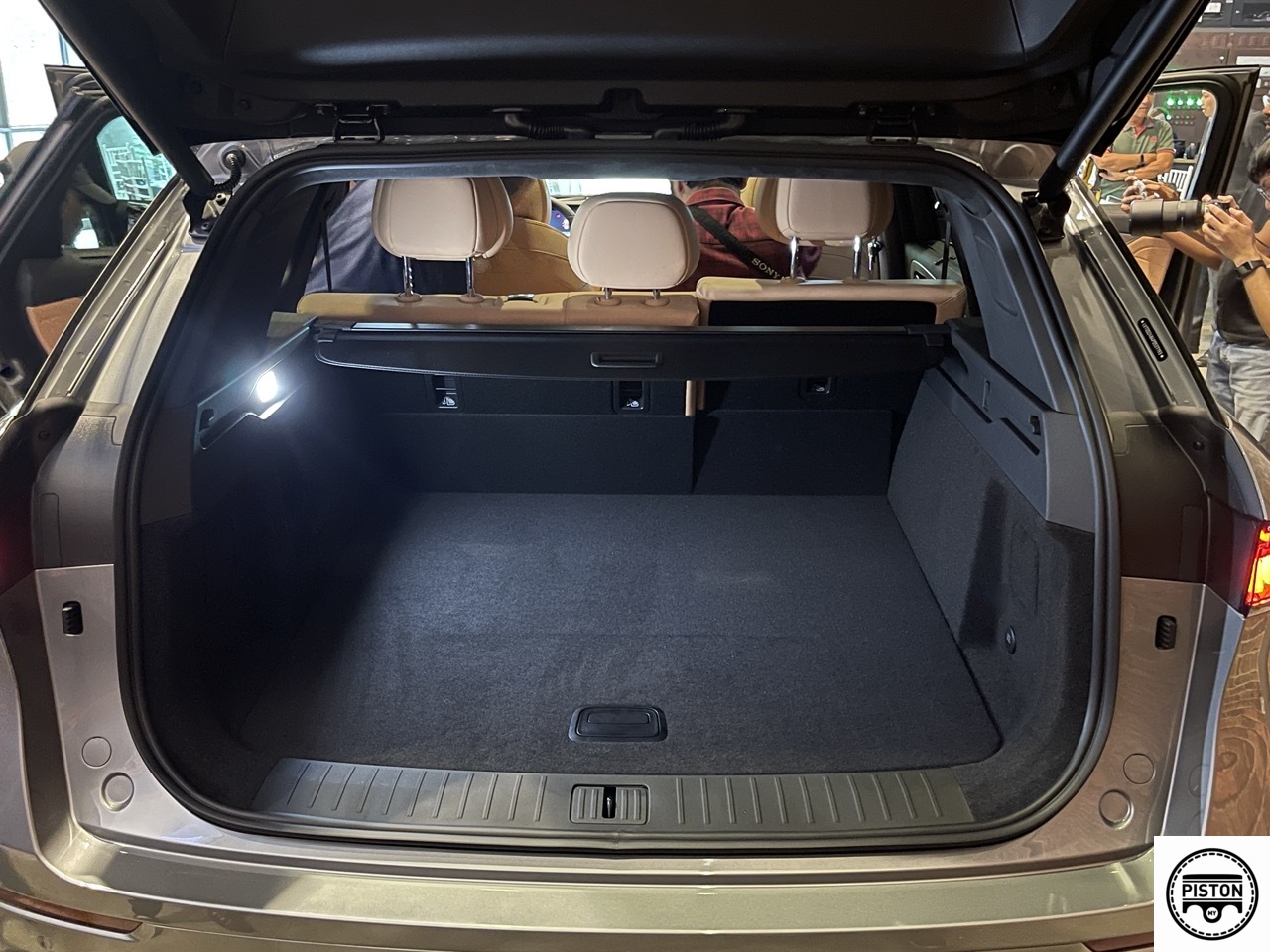
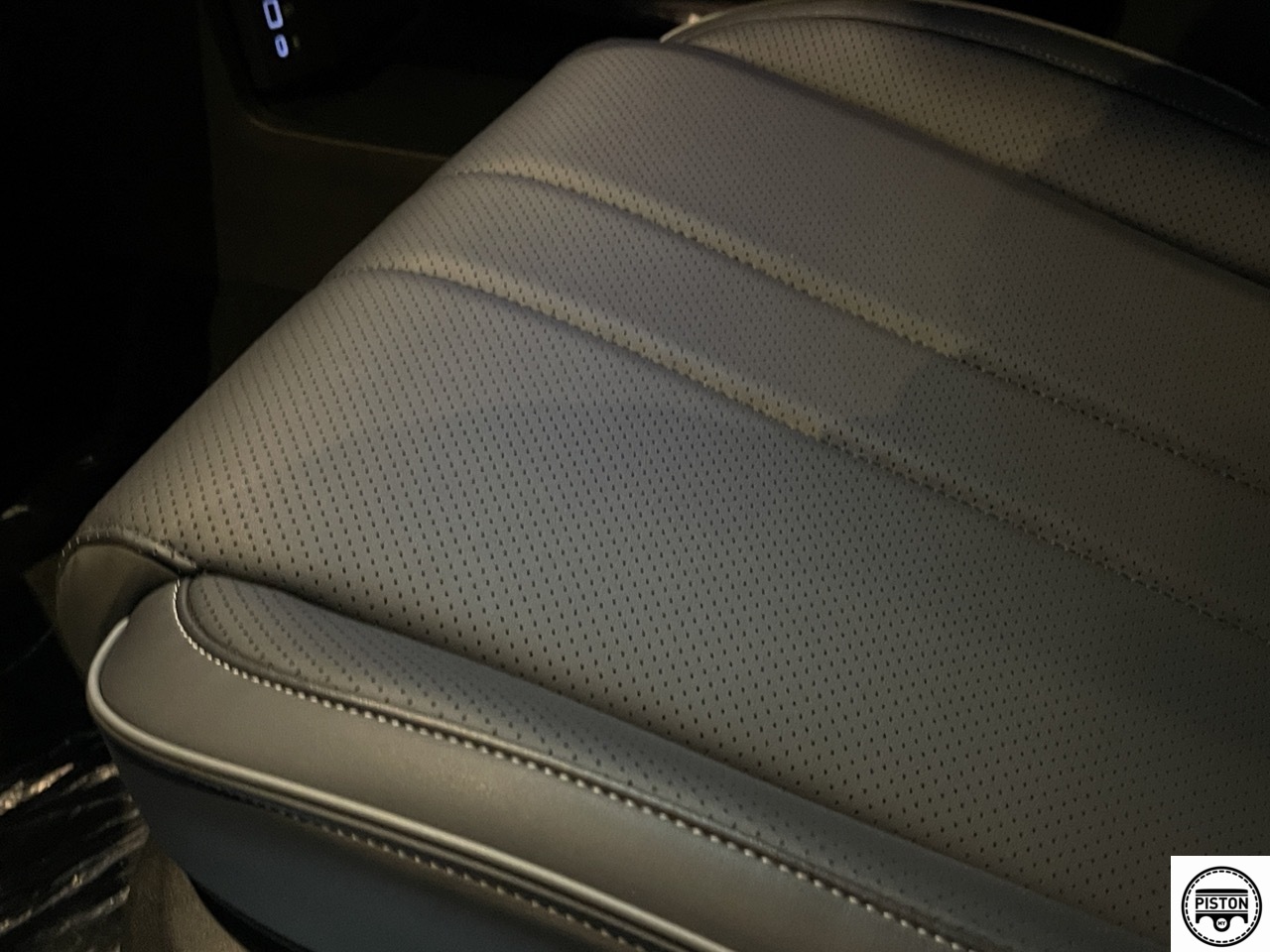
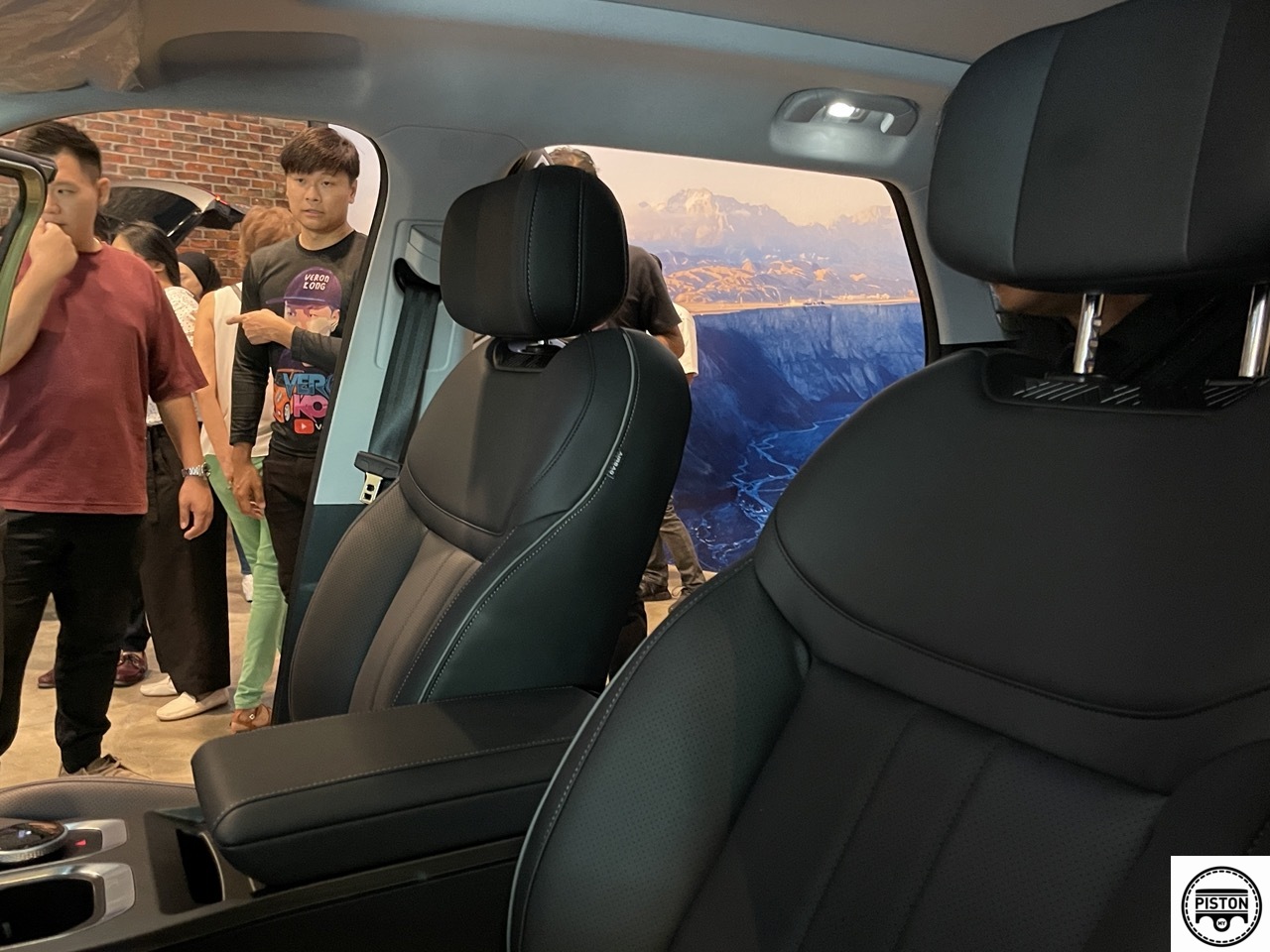
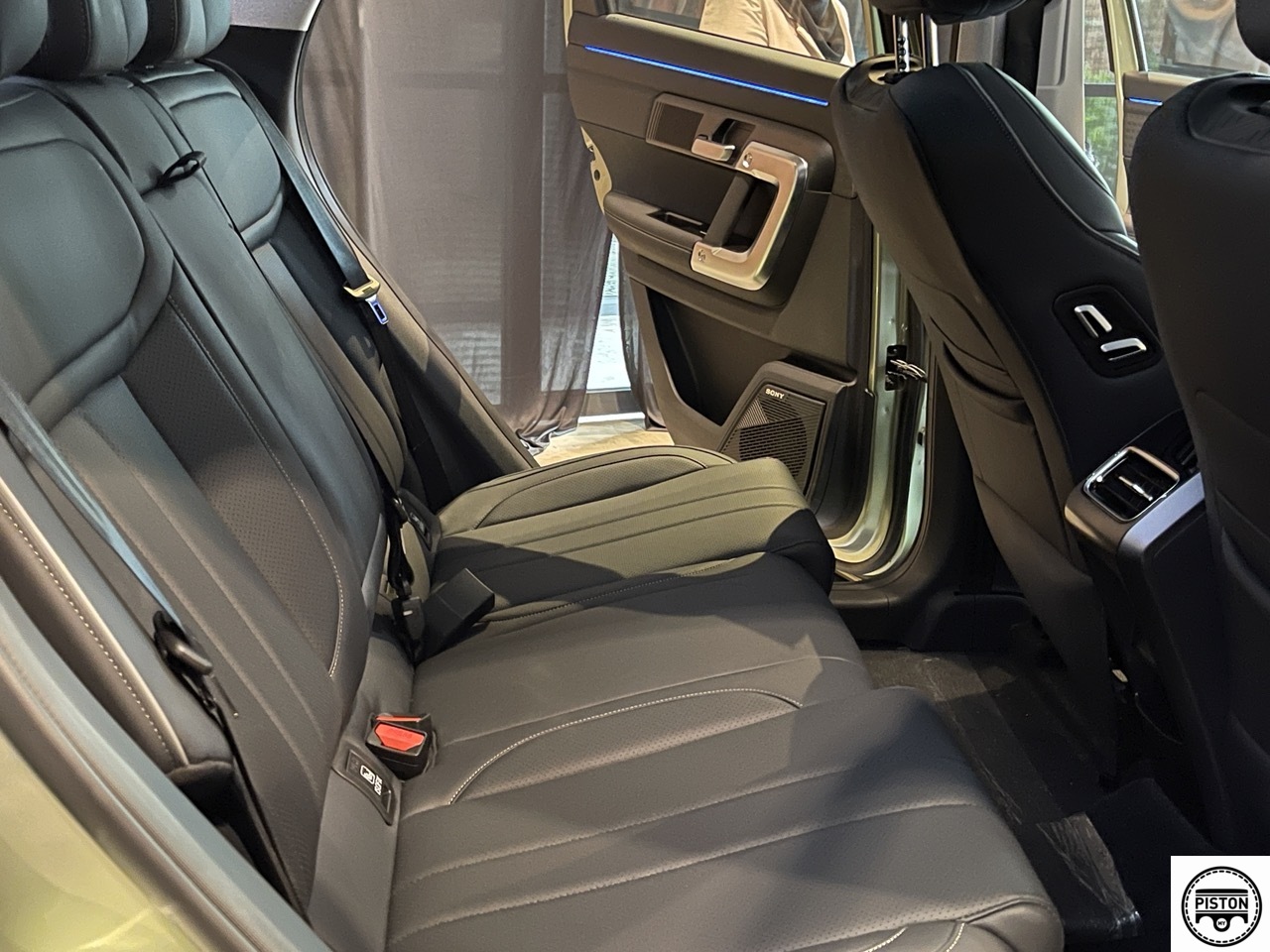
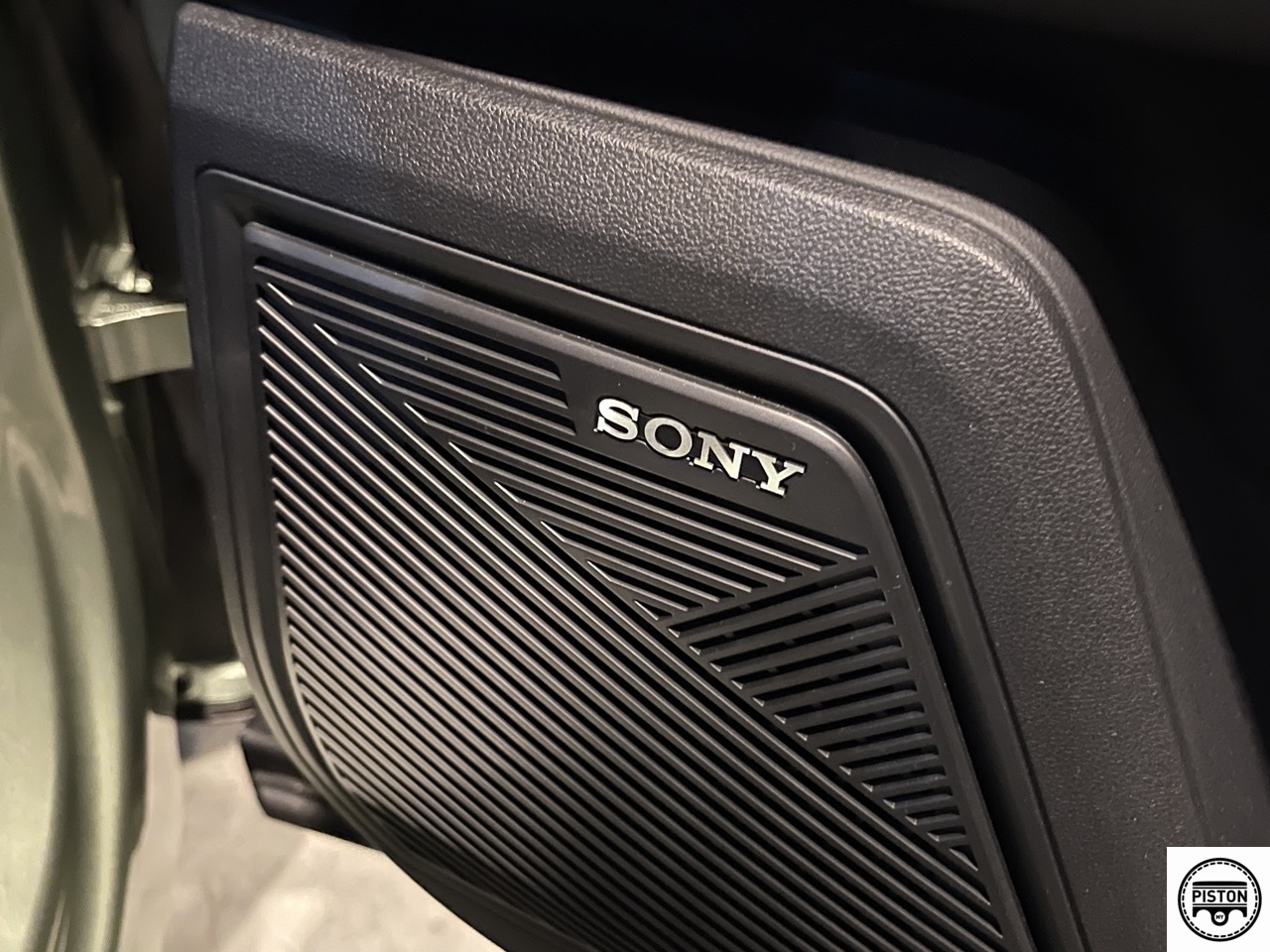
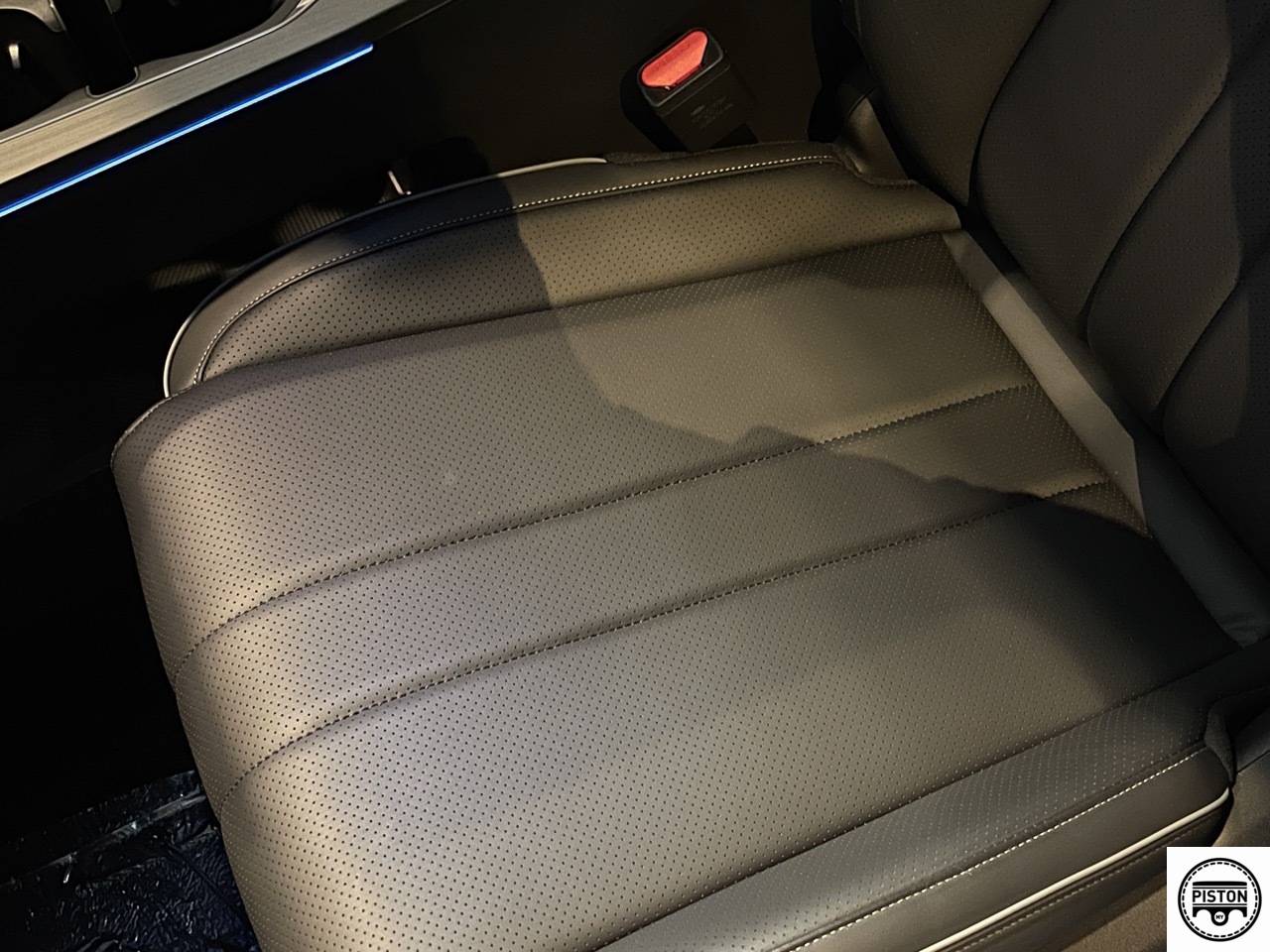
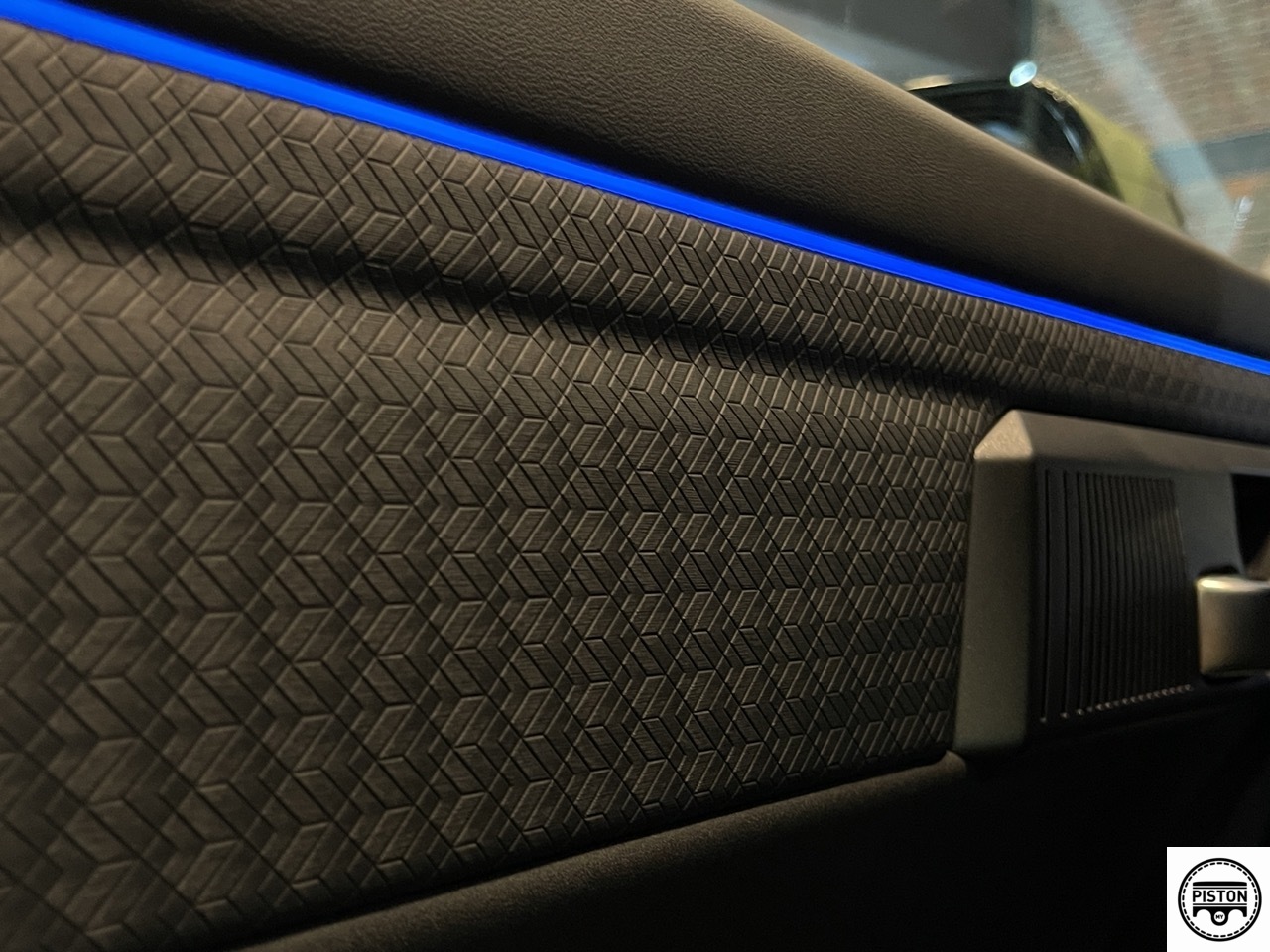
The interior revealed leather upholstery, power-adjustable front seats, a 14-speaker Sony sound system, air-cooled wireless charging, a panoramic glass roof, ambient lighting, and a powered tailgate. While the previewed unit was configured for five seats, the J8 is available with six or seven seats.

However, the J8 will be launched much later this year as we still await the official launch of the J7 which is expected to be sometime in March.

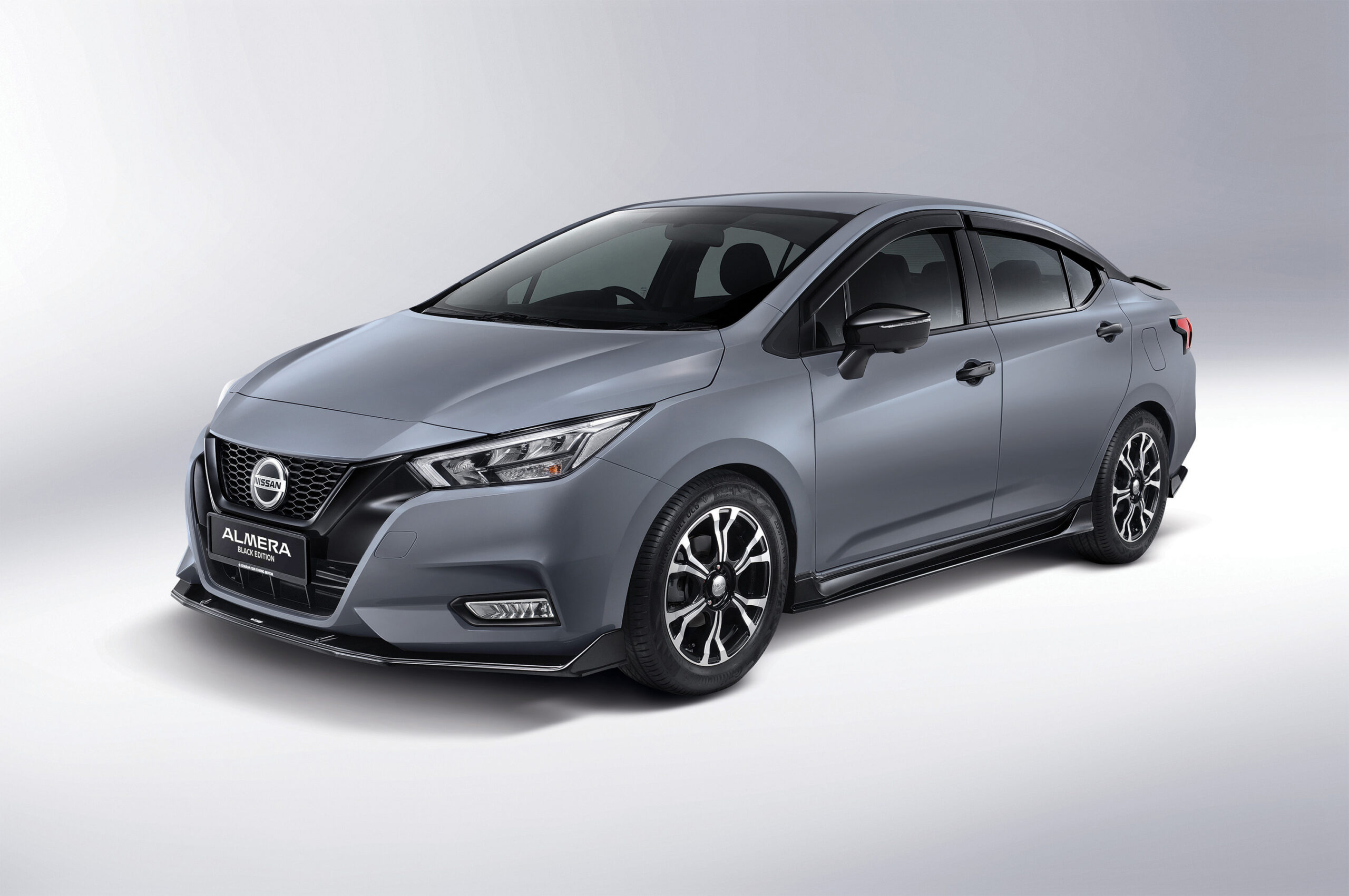
Nissan is ushering in the new year with sophistication as it unveils the enhanced Nissan Almera KURO (Black) Edition. Boasting elevated aesthetics that radiate sporty poise, the 2024 model introduces the trendy Glacier Grey exterior body colour.
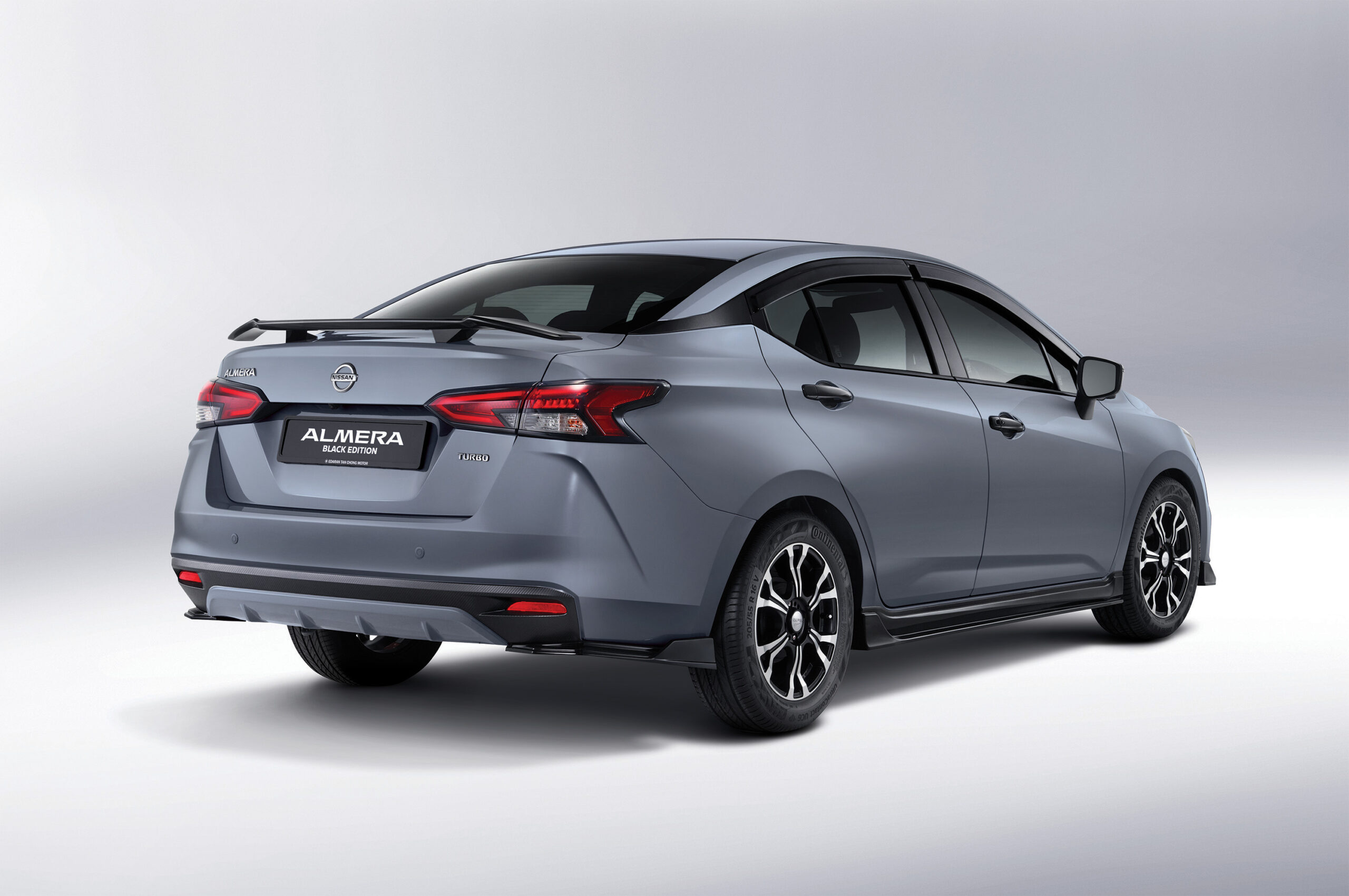
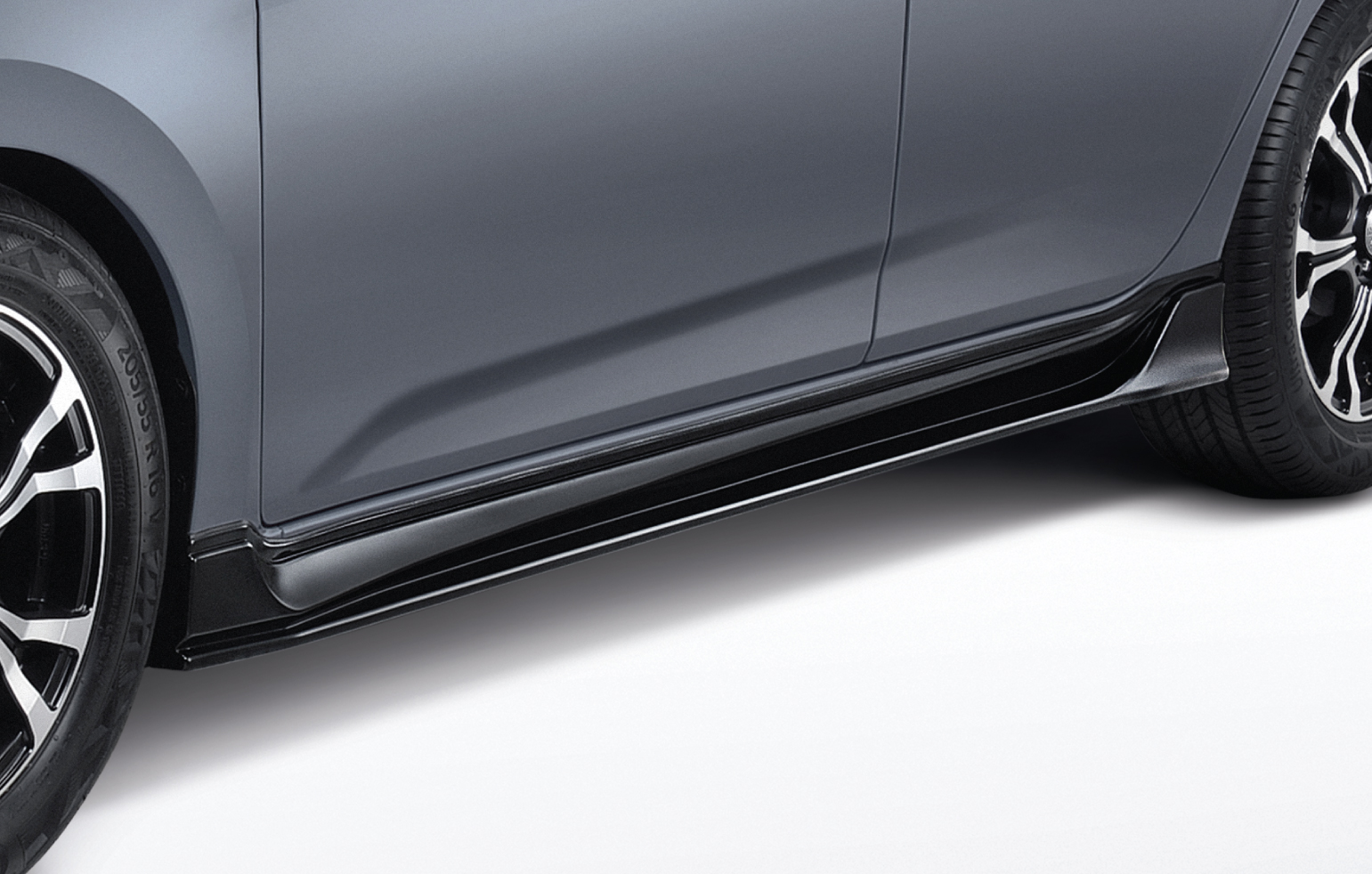
The Nissan Almera KURO (Black) Edition sets the stage with factory-fitted styling enhancements, featuring gloss black front grille cladding and black alloy rims as standard equipment across all three Almera variants. Elevating the stealthy theme, customers can opt for either the KURO Package or the KURO GT Package, both significantly enhancing the vehicle’s appearance.
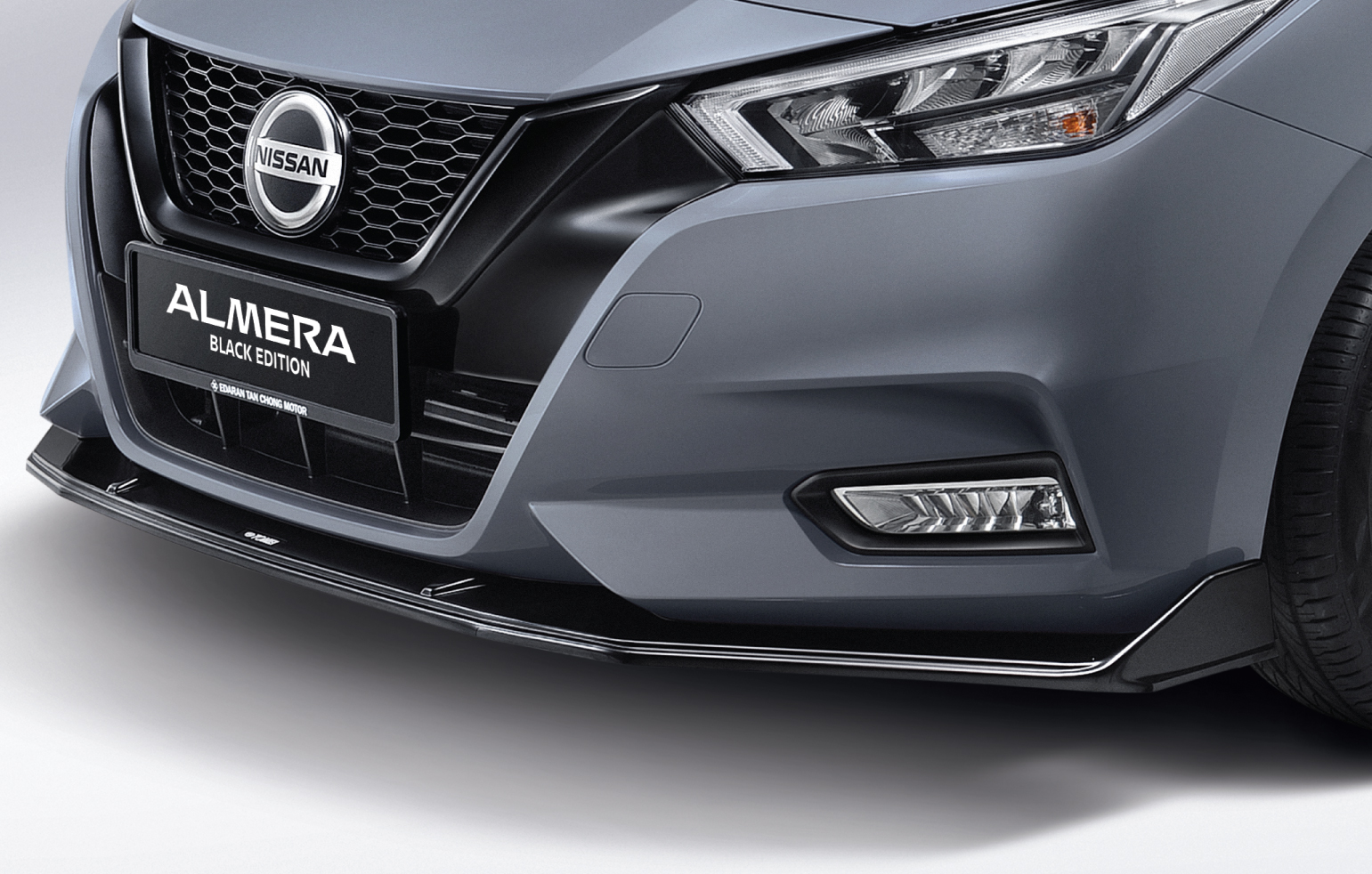
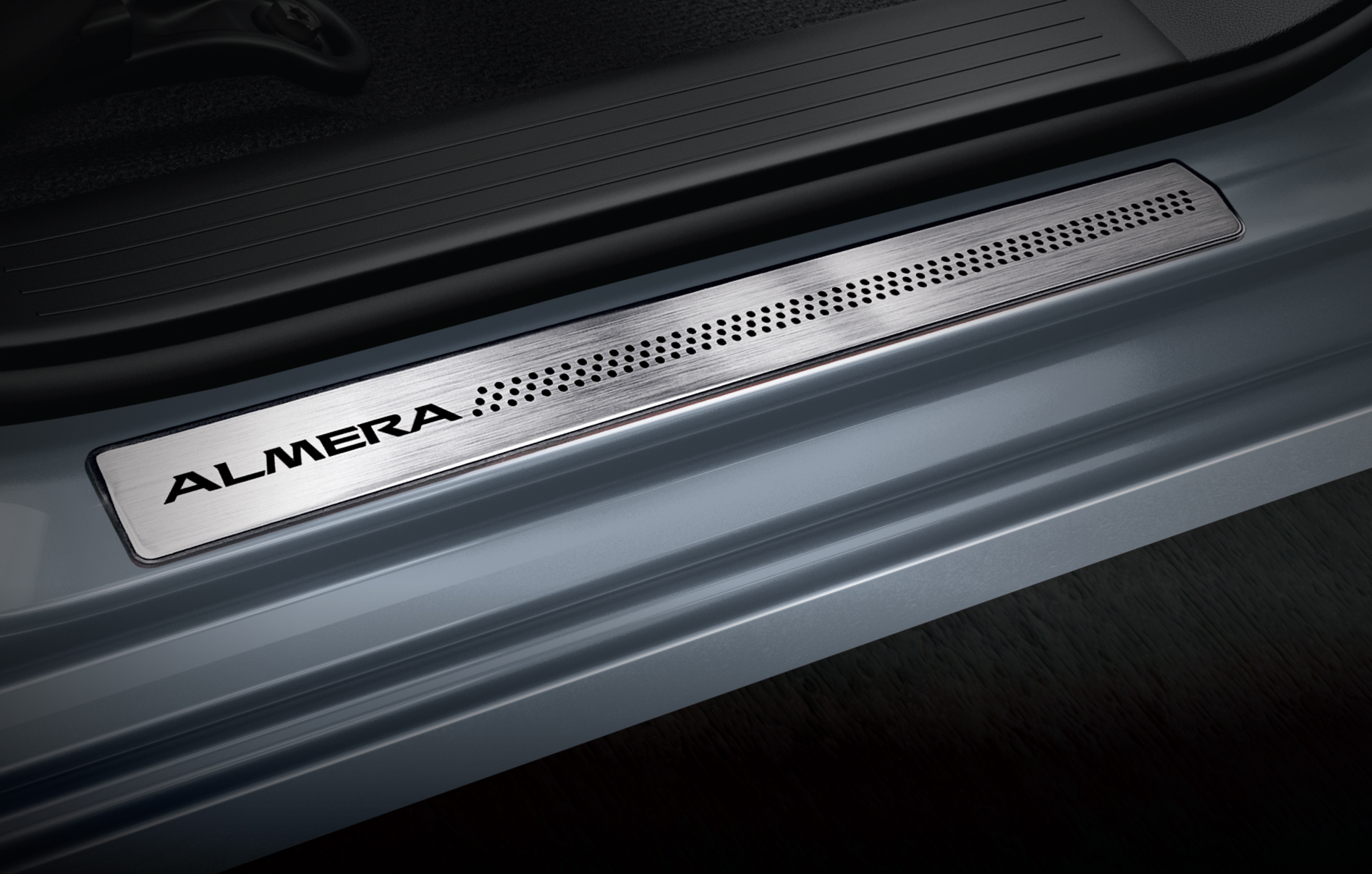
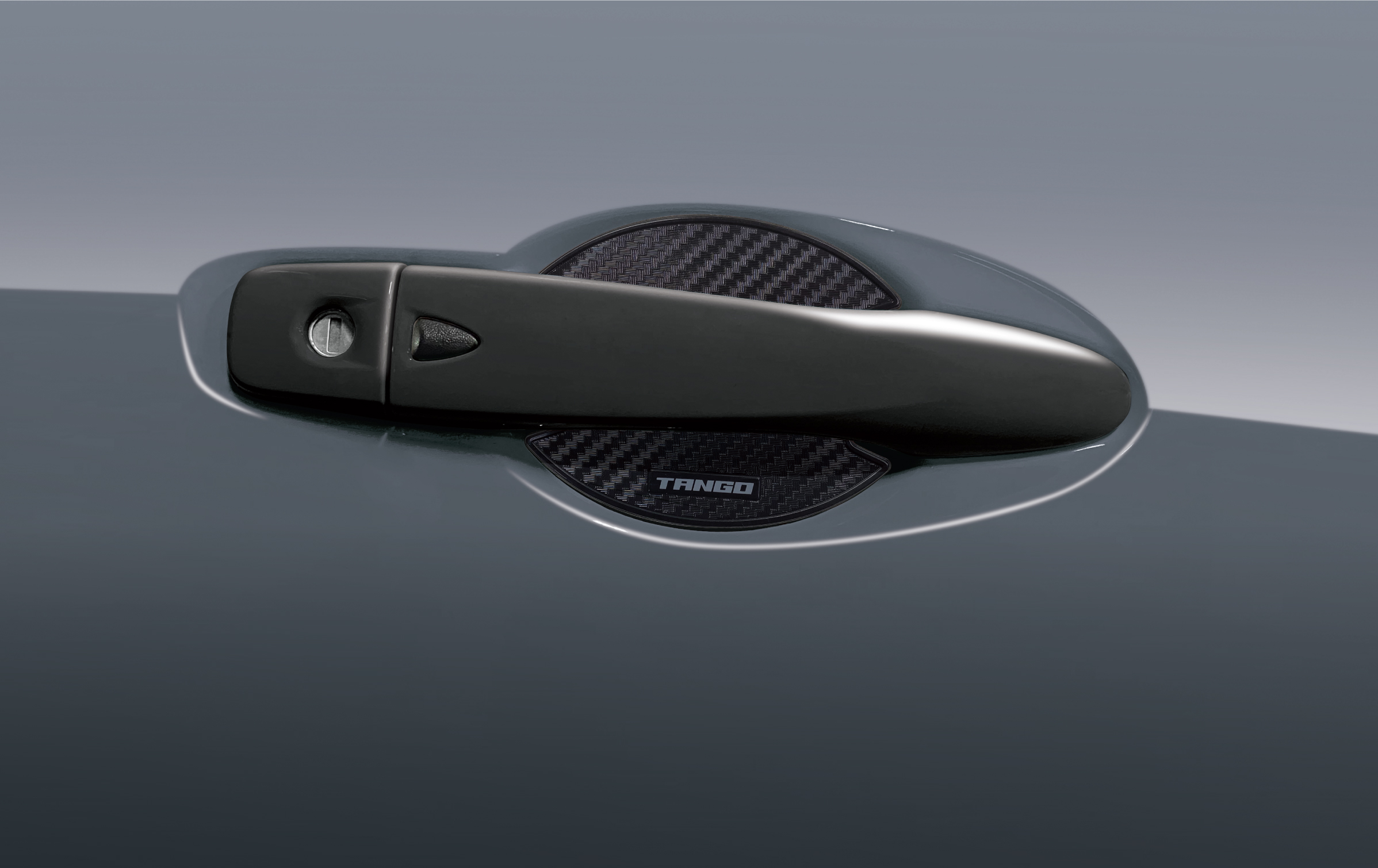
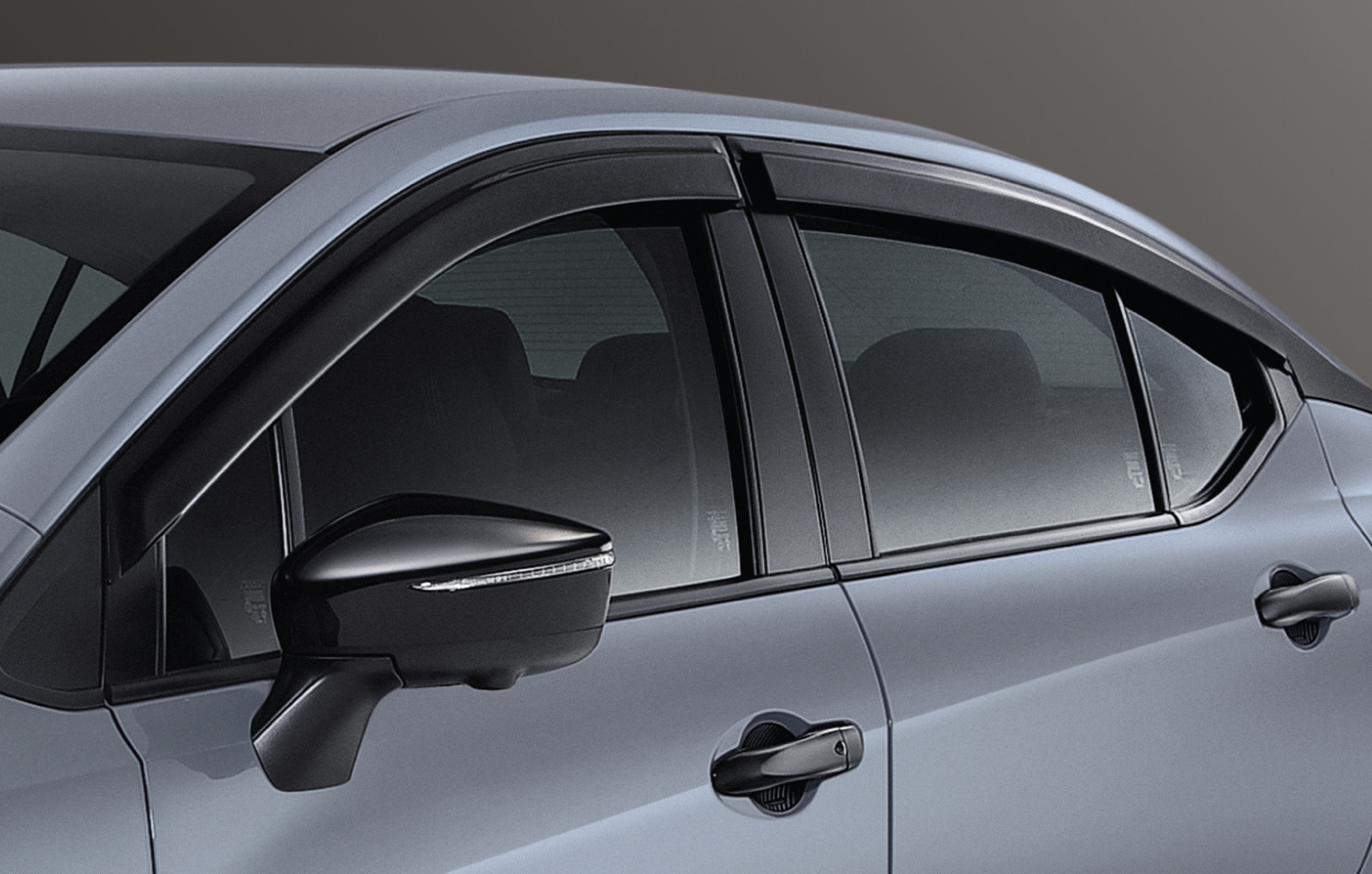
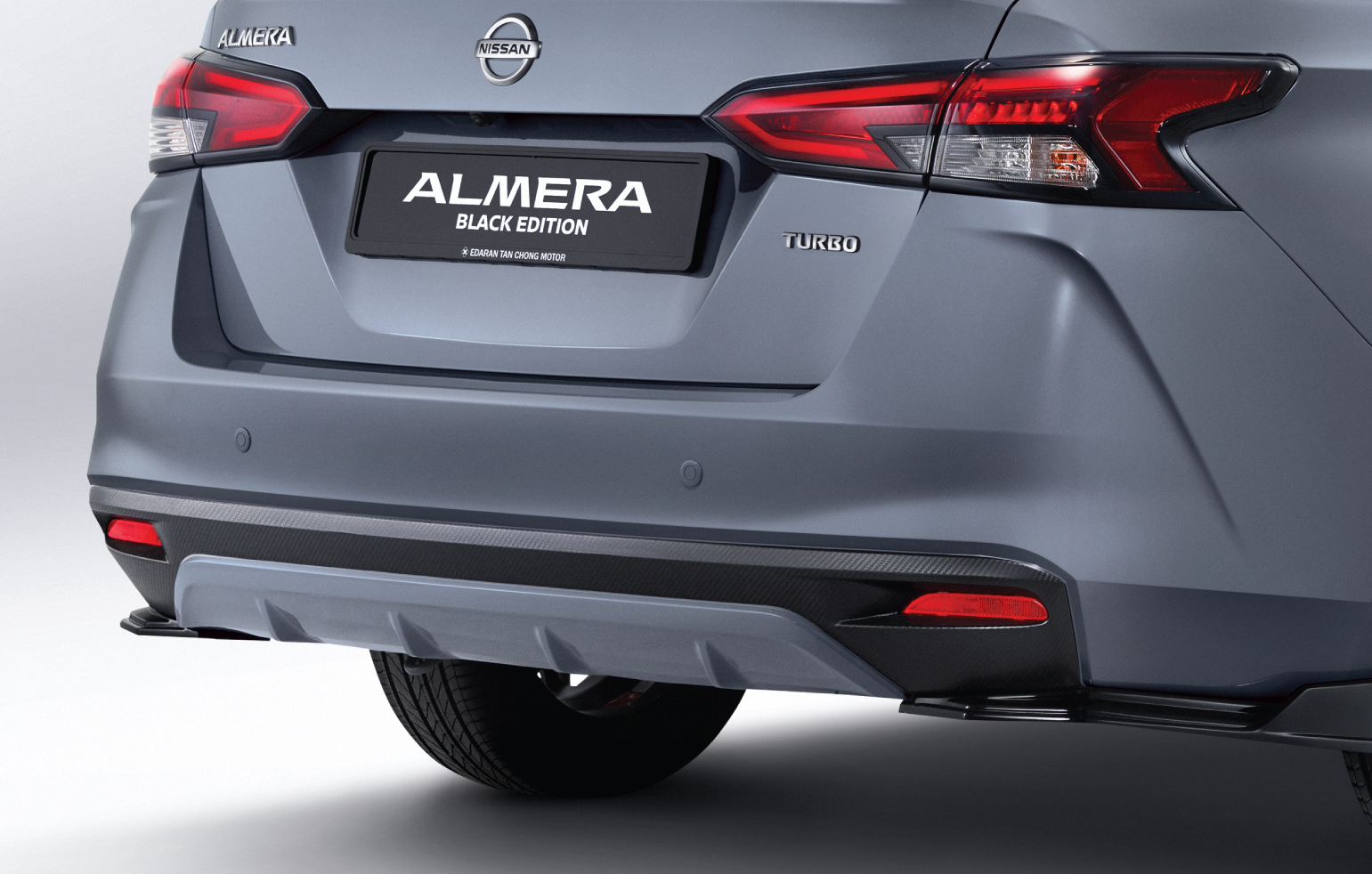
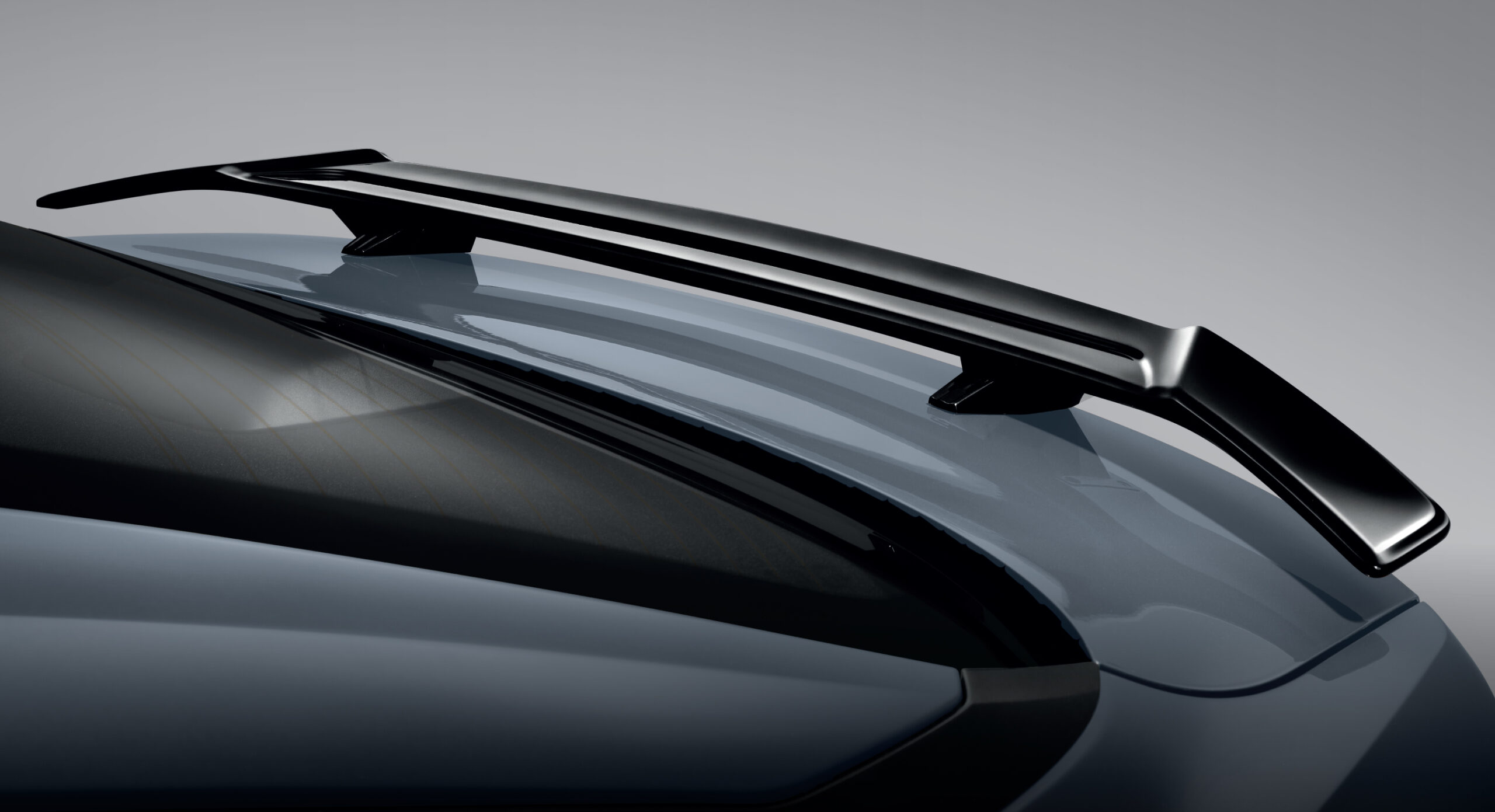
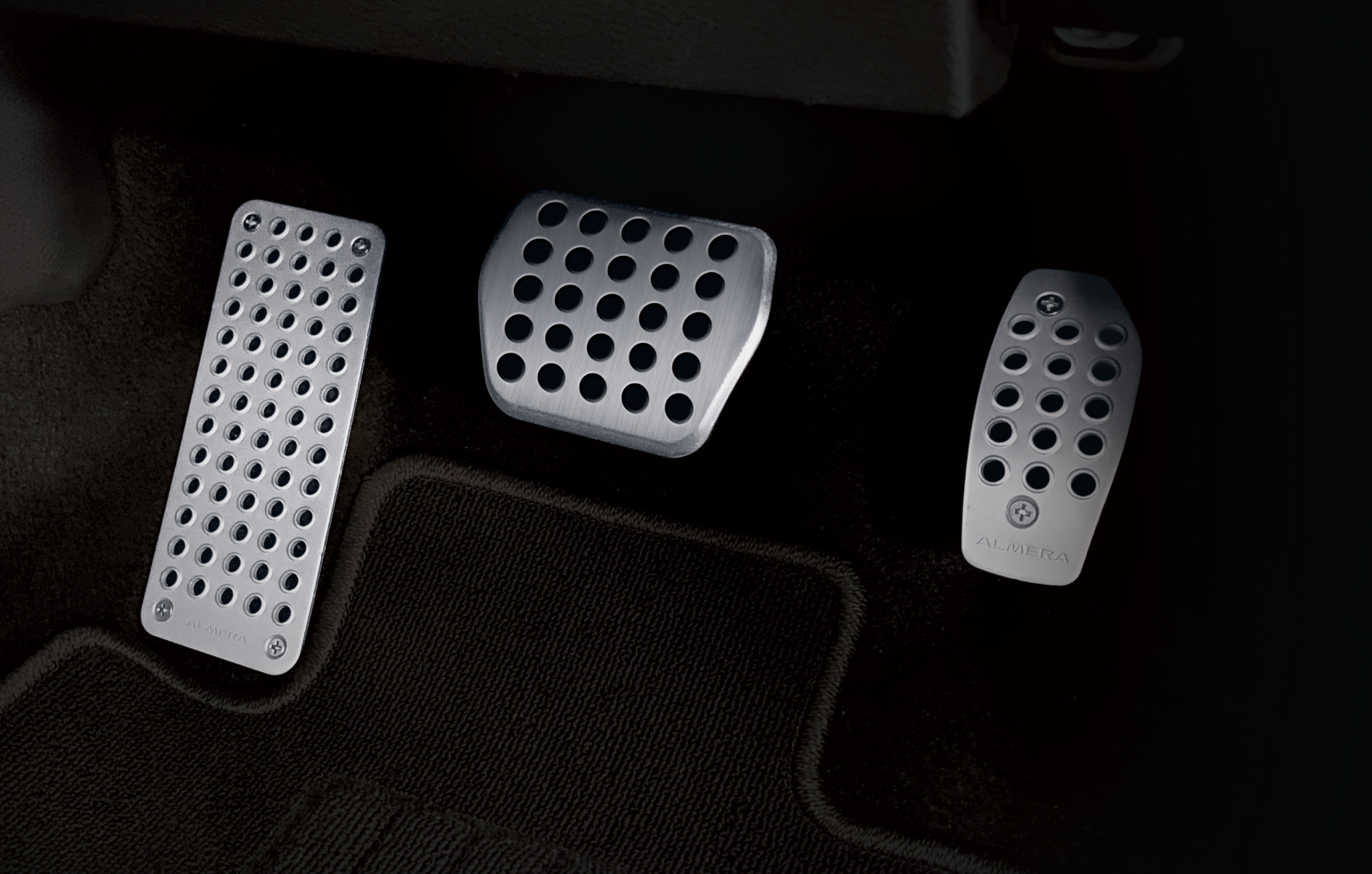
The KURO Package builds on the Almera Turbo’s aerokit developed exclusively by TOMEI Japan, incorporating elements such as a Gloss Black Front Bumper Spoiler, Gloss Black Rear Bumper Spoilers, Gloss Black Side Skirts, and Gloss Black Boot Lid Spoiler. The package also includes practical accessories like ICE Cool Tinting Film, Sport Pedals, Kicking Plate, Door Handle Protector, and Door Visor.
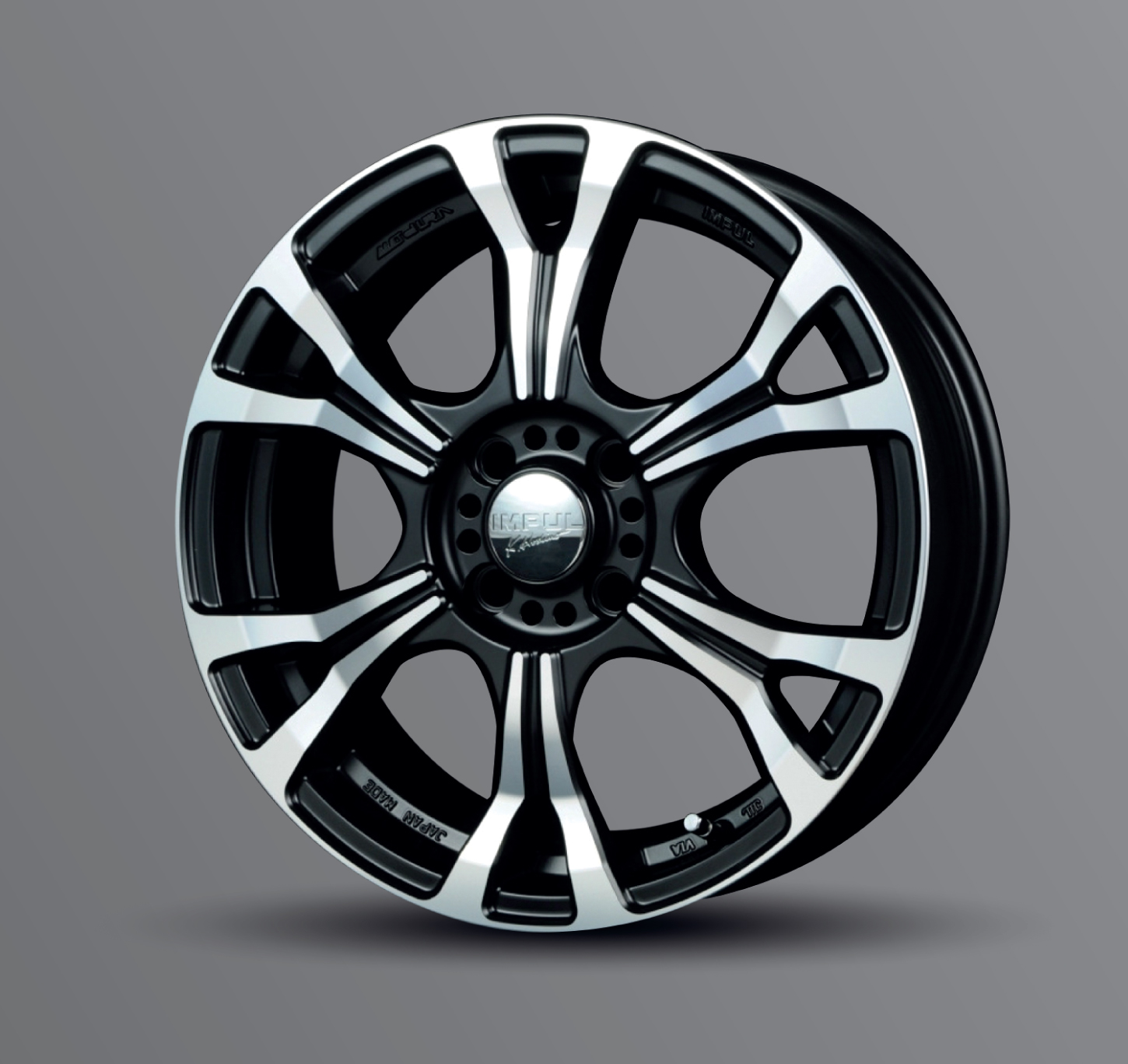
For enthusiasts seeking the ultimate styling, the KURO GT Package takes it up a notch by adding the distinctive TOMEI GT Wing and 16-inch IMPUL Racing alloy rims, providing a complete stealth treatment.
Under the hood, the Nissan Almera Turbo is powered by technological innovations, including Nissan Intelligent Mobility and Nissan Safety Shield 360 initiatives. It features Intelligent Forward Collision Warning (IFCW) and Intelligent Forward Emergency Braking (IFEB) as standard, with the top VLT grade adding Blind Spot Warning (BSW), Rear Cross Traffic Alert (RCTA), and Intelligent Around View Monitor (IAVM) 360° camera with Moving Object Detection (IMOD).
Achieving an impressive fuel economy rating of 18.4km per litre, the Almera Turbo boasts a turbocharged engine using Mirror Bore Coating technology from the iconic R35 Nissan GT-R. Paired with the ultra-efficient XTRONIC Continuously Variable Transmission with D-Step Logic and Sport Mode, the Almera Turbo delivers exceptional performance.
Inside, the Almera Turbo features a contemporary instrument panel design inspired by a ‘Gliding Wing,’ complemented by premium materials, a flat-bottom three-spoke steering wheel, and a 7-inch semi-digital meter cluster. The cabin provides comfort and connectivity with an 8-inch touchscreen infotainment display supporting Apple CarPlayTM and Android AutoTM.
The new Nissan Almera KURO (Black) Edition starts at RM83,888, with a launch promotion offering RM1,000 for the KURO Package and RM1,500 for the limited edition KURO GT Package (limited to 300 vehicle sets). Additionally, low monthly instalments starting from RM658 are available. The Almera KURO (Black) Edition is now available for viewing and test drives at all Nissan showrooms nationwide.

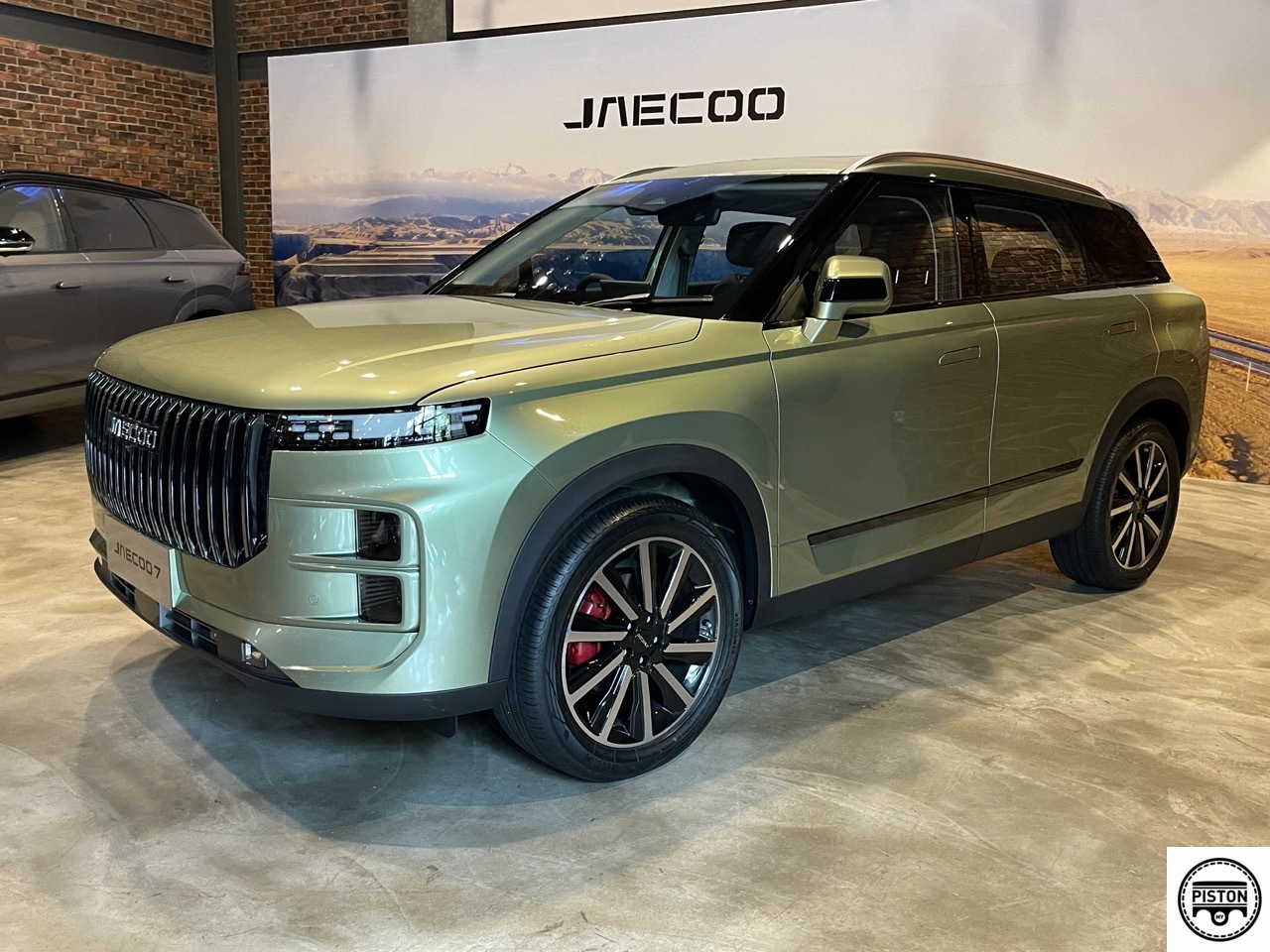
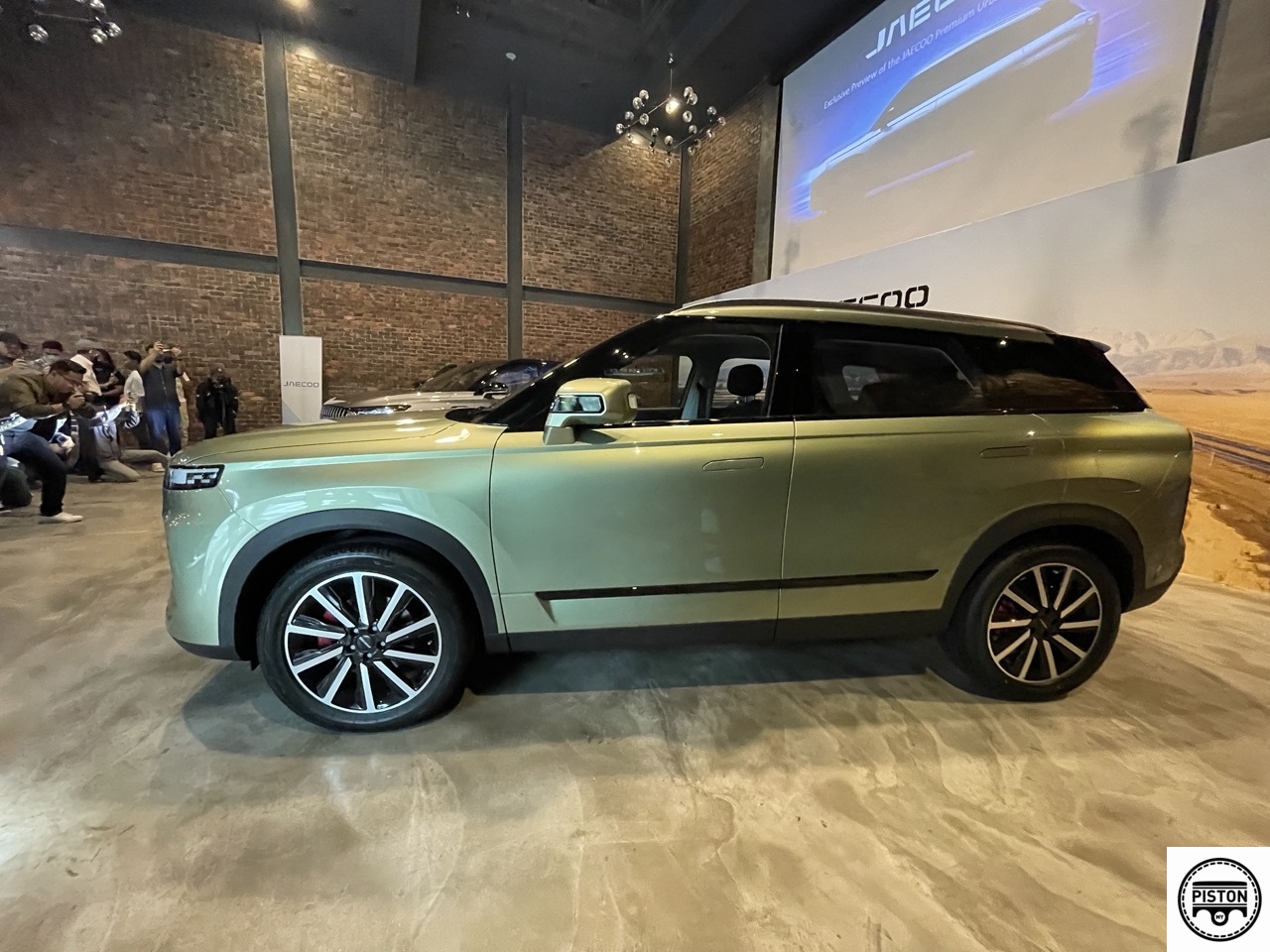
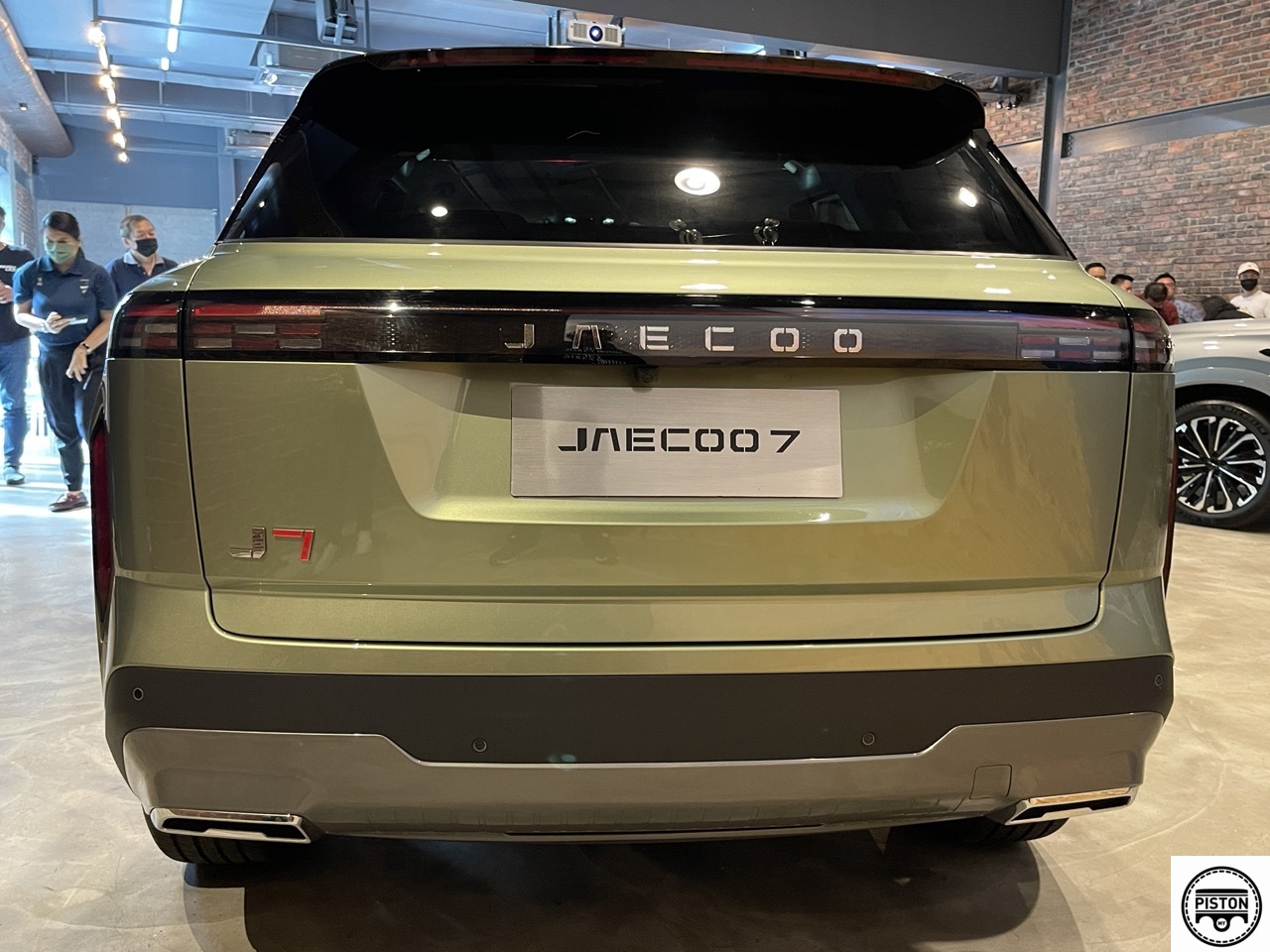
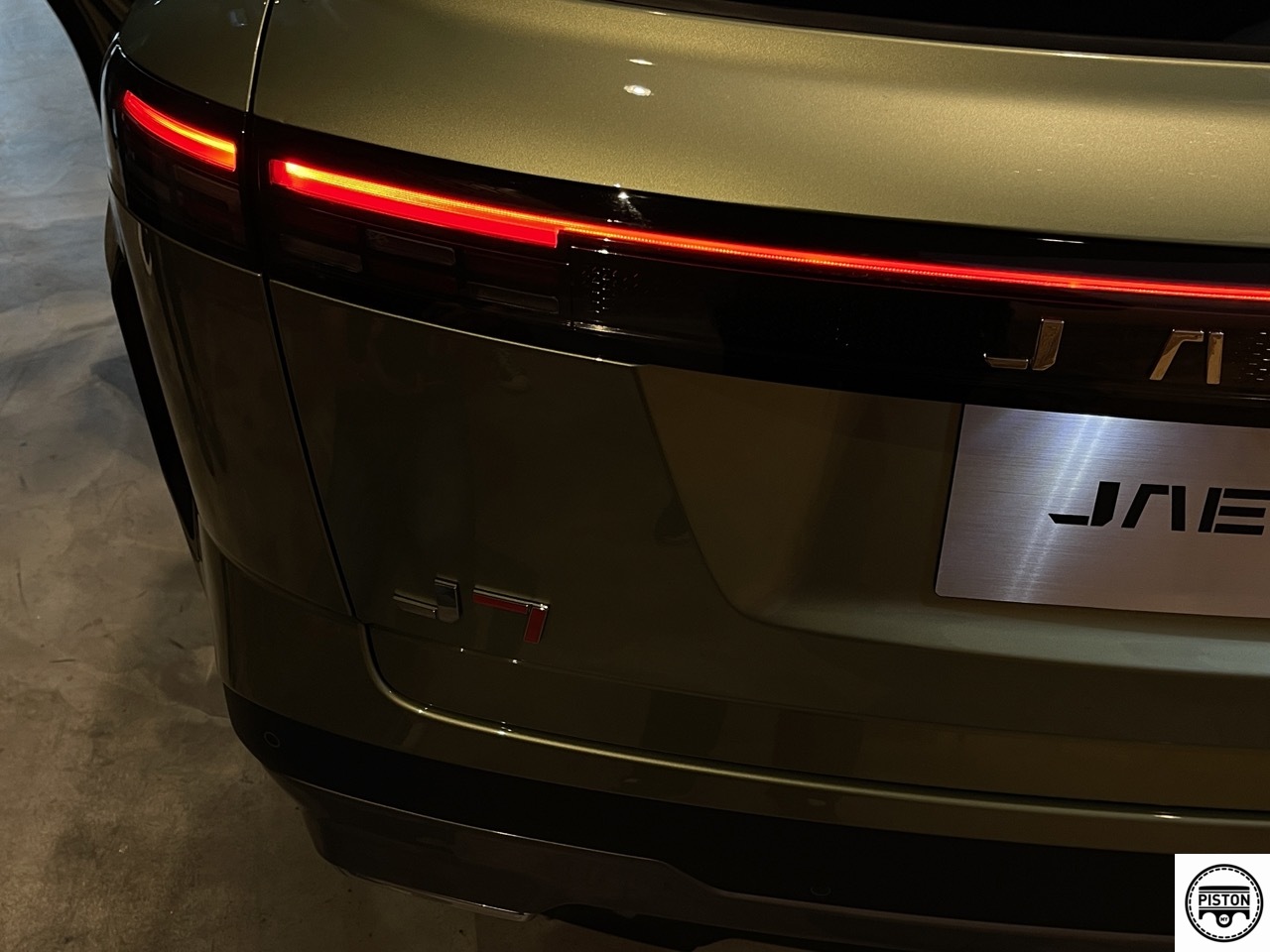
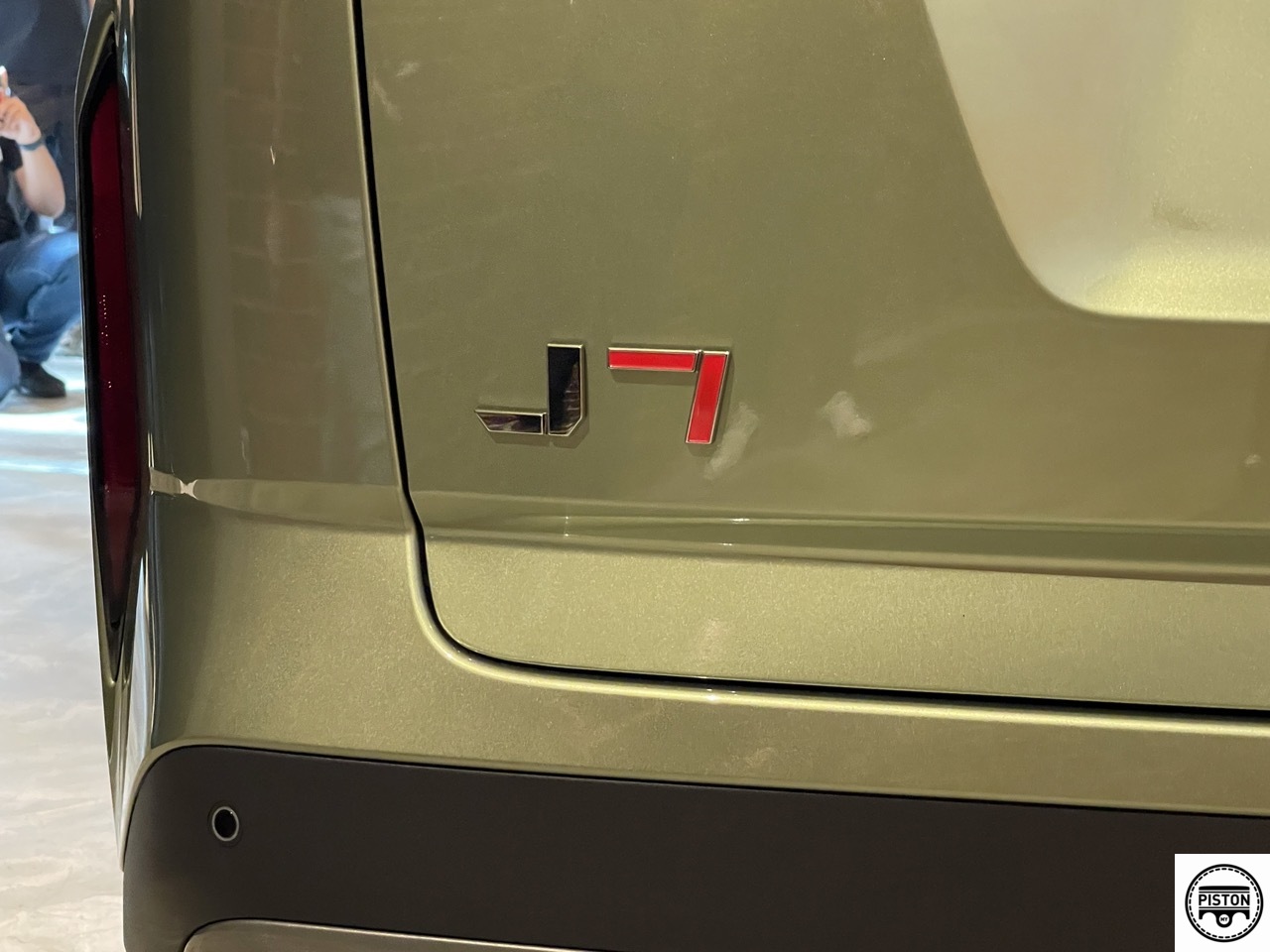
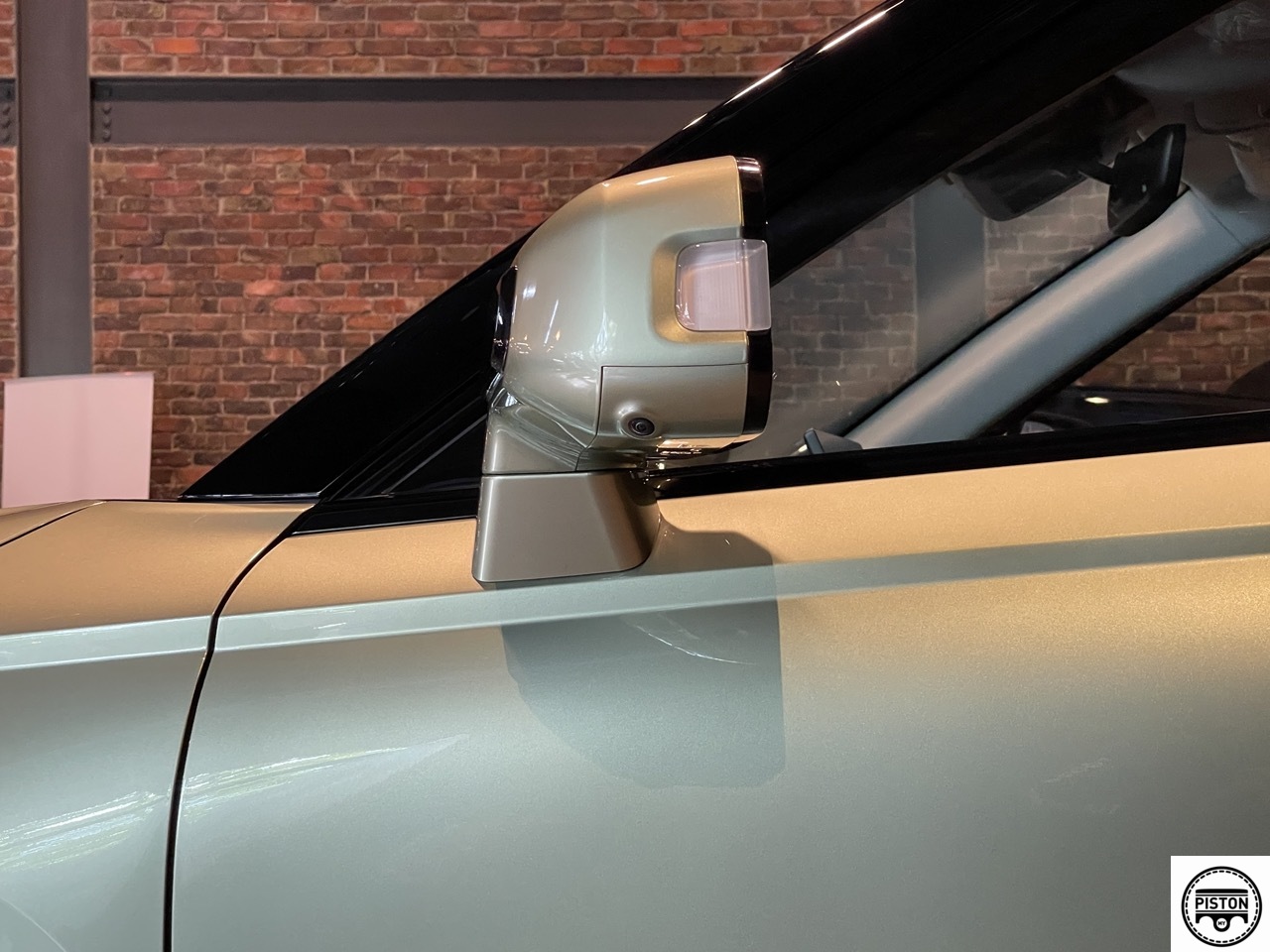
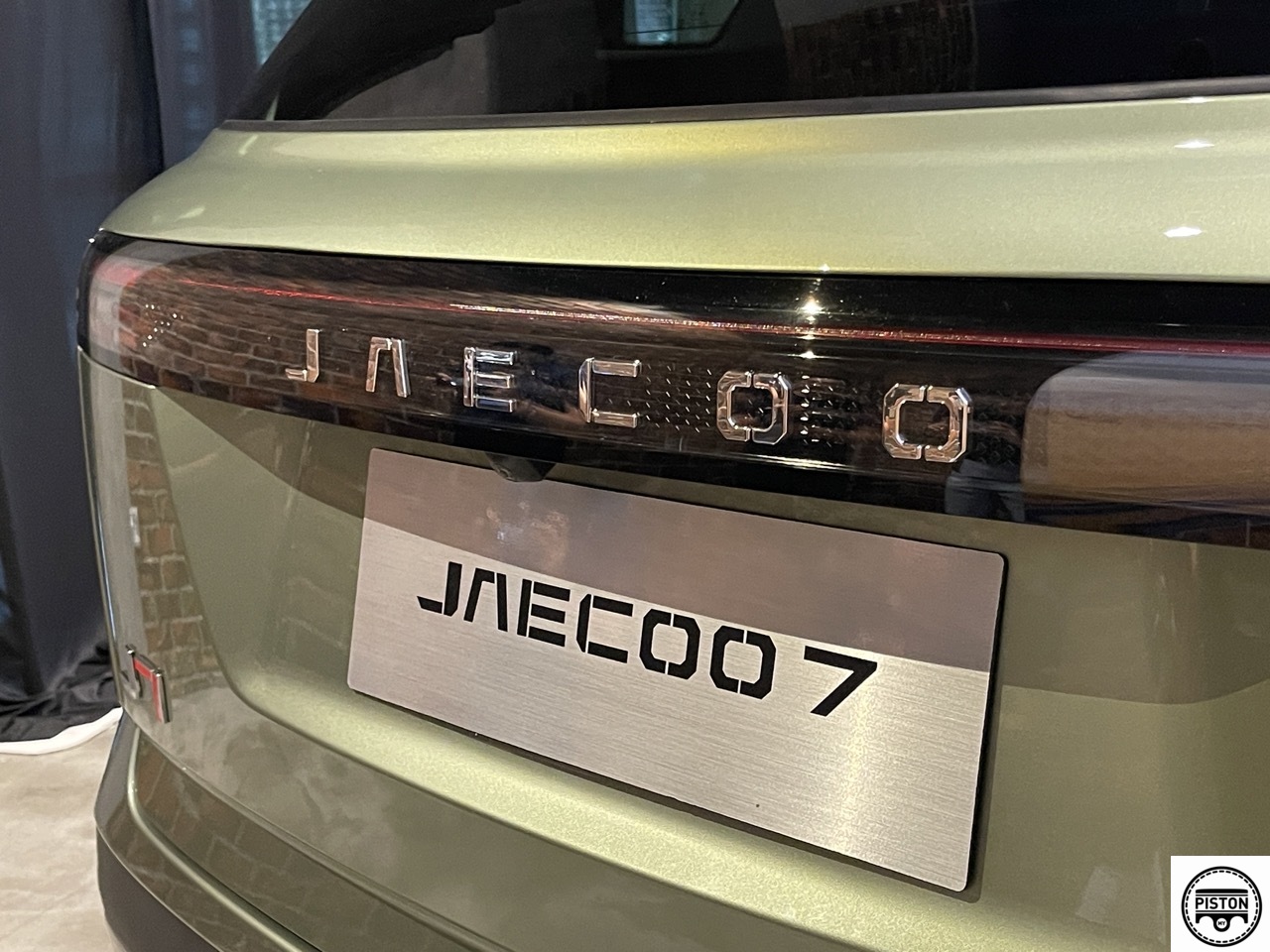
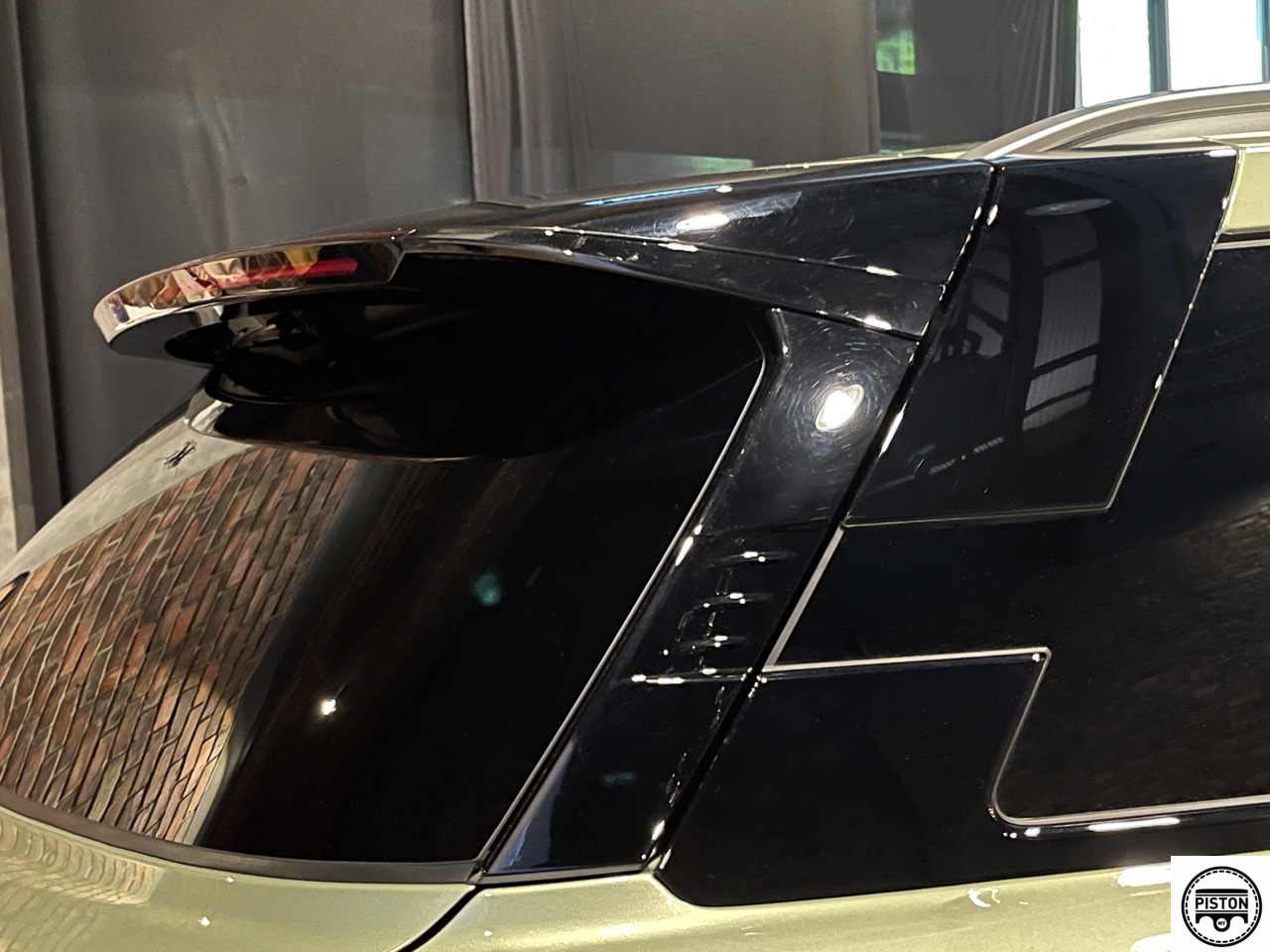
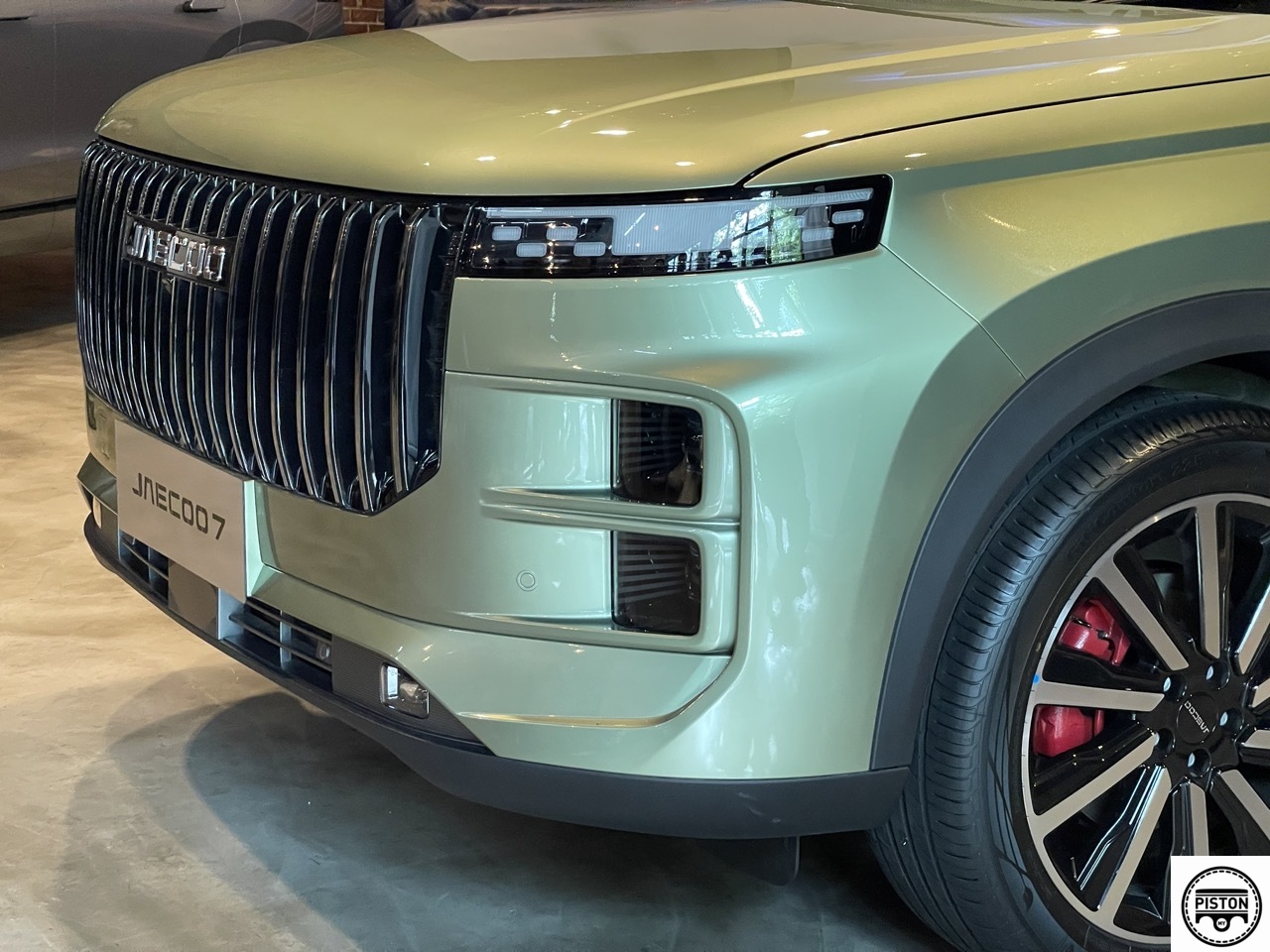
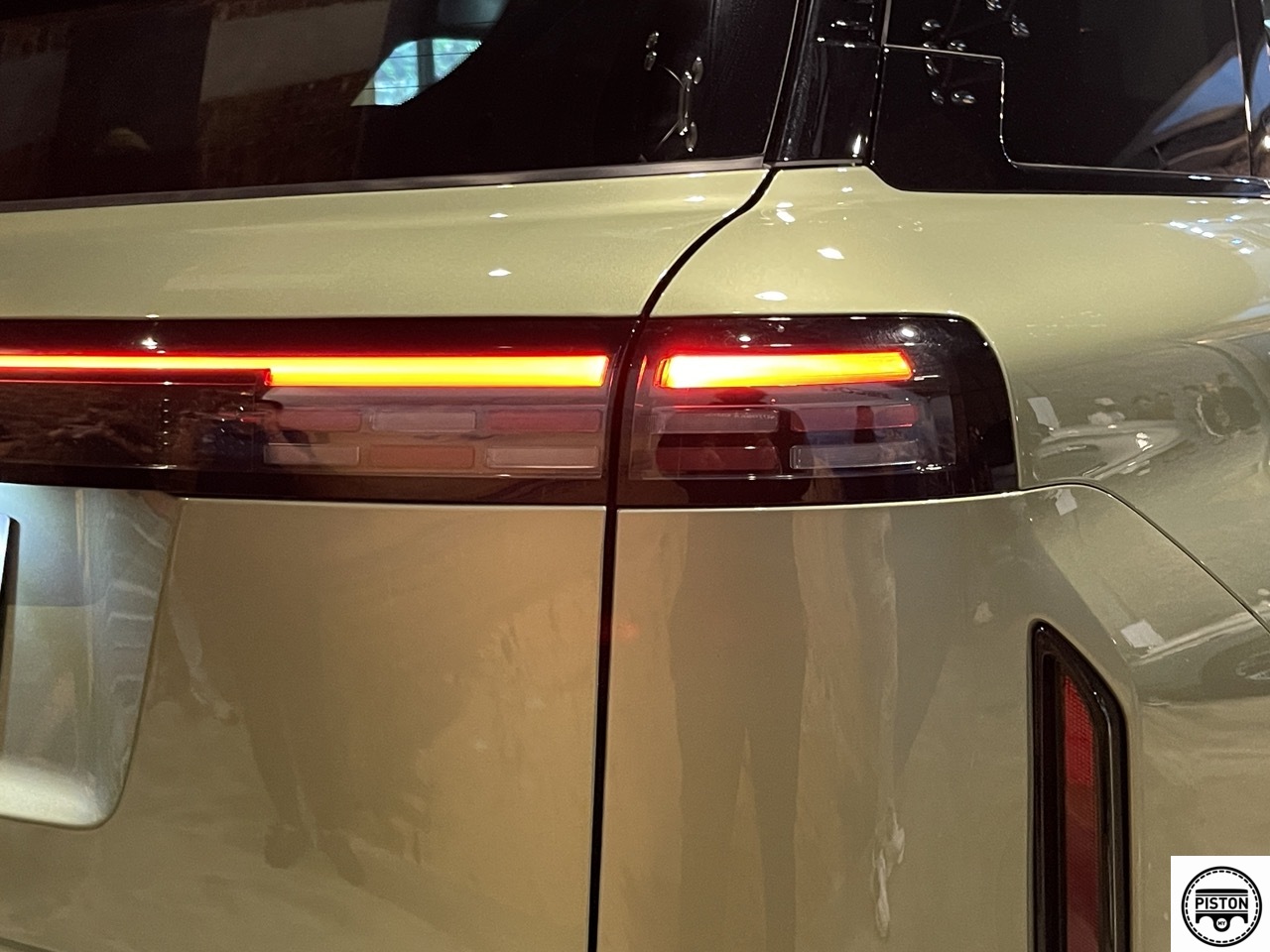
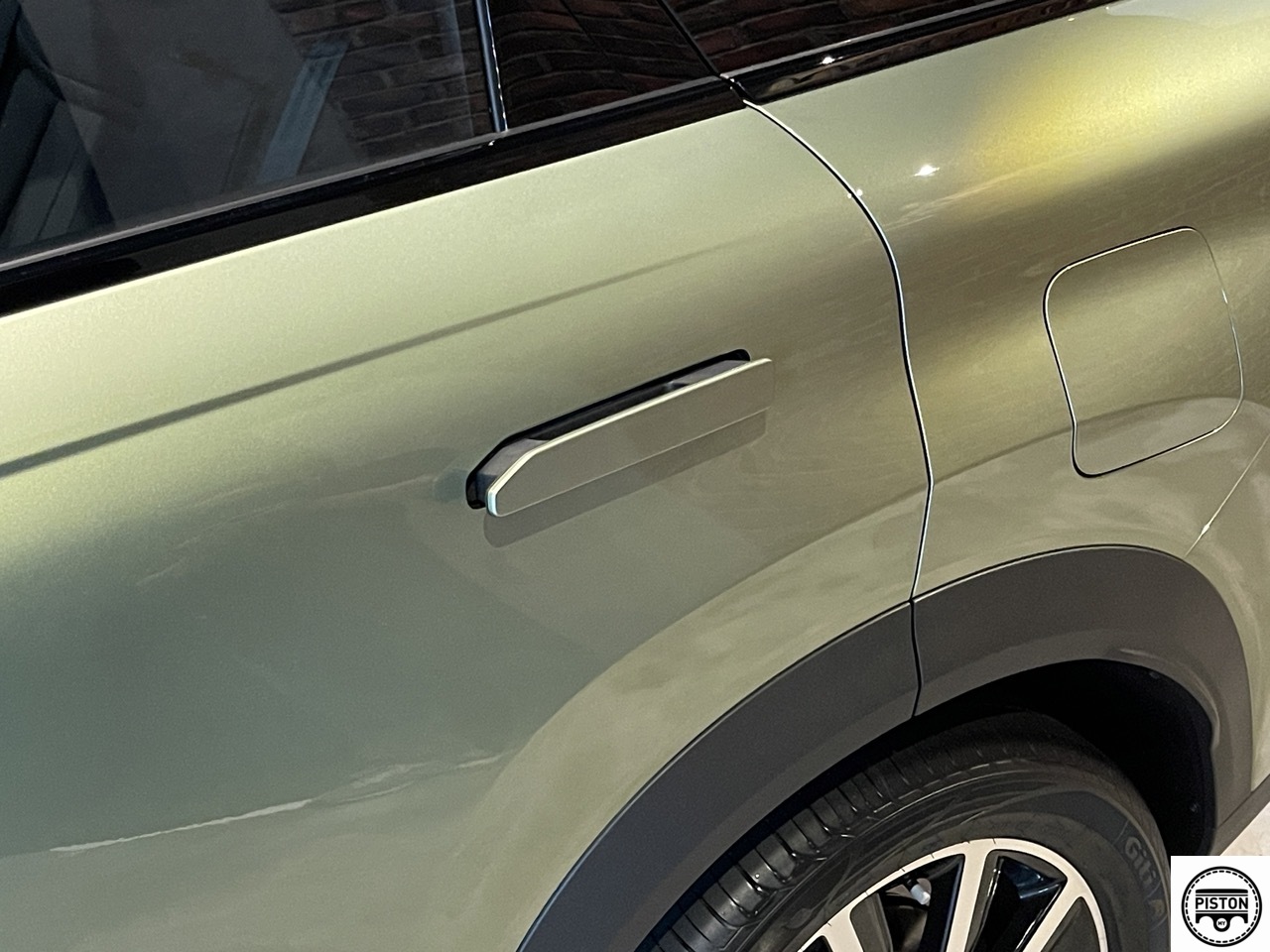
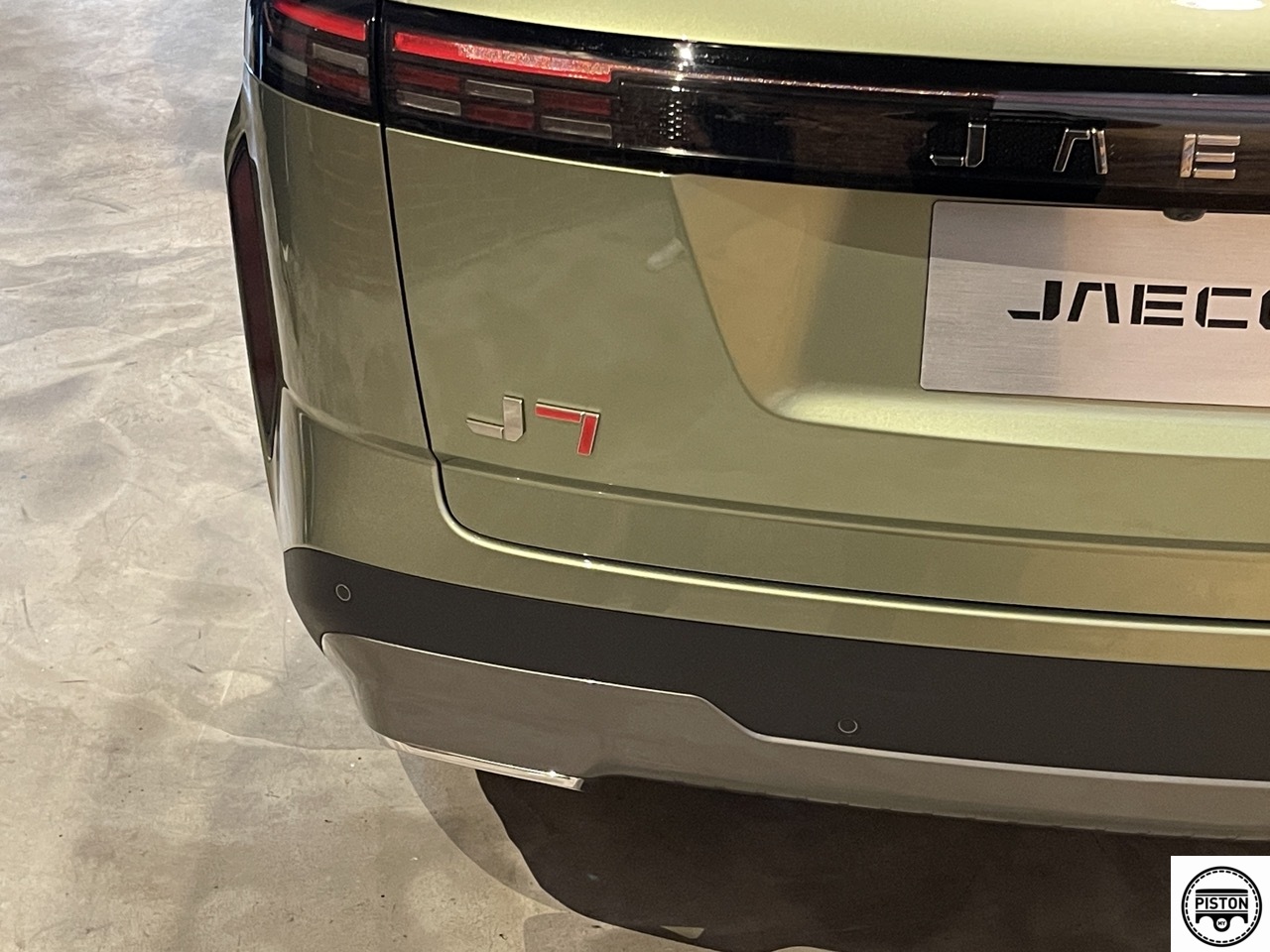
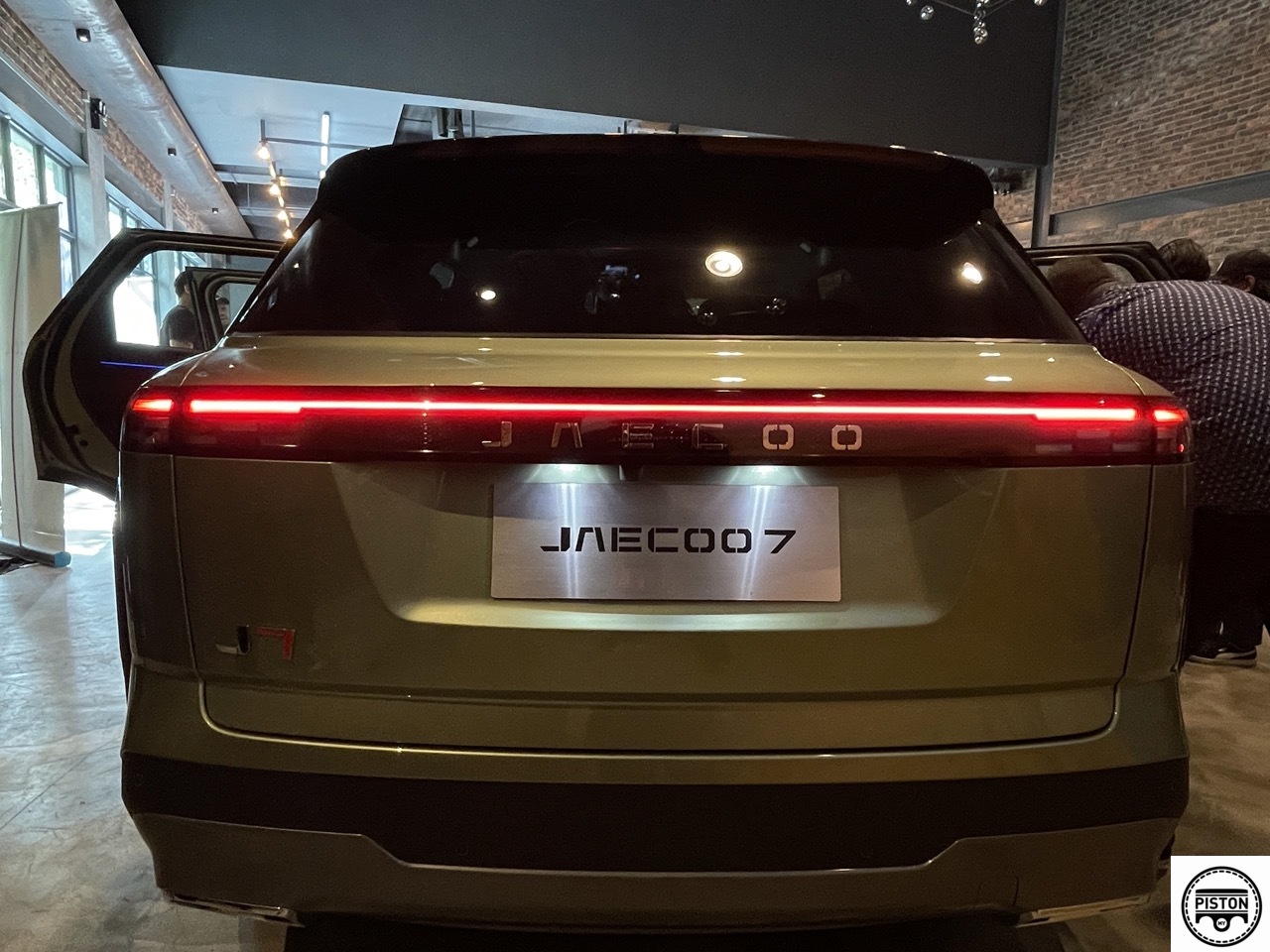
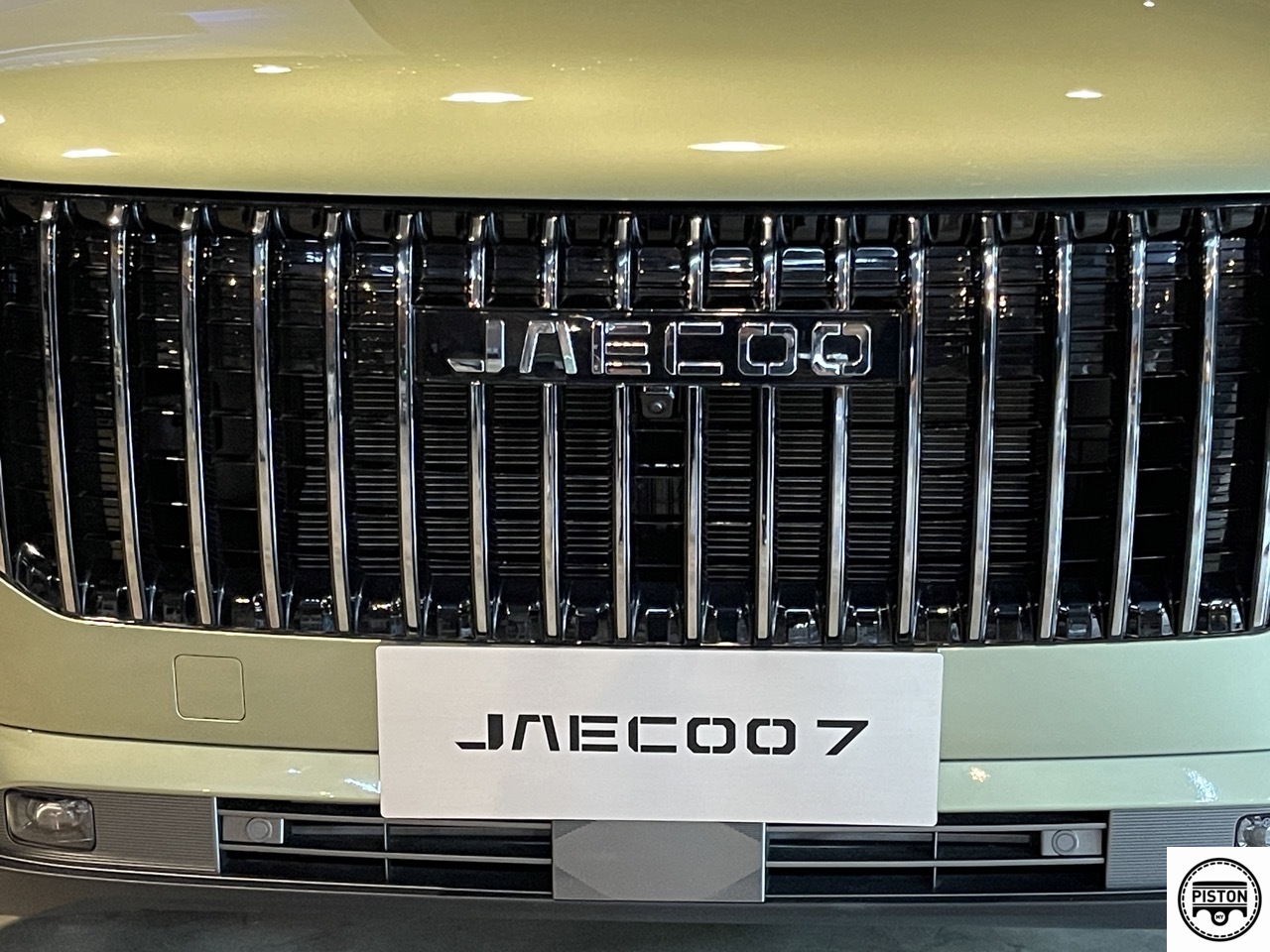
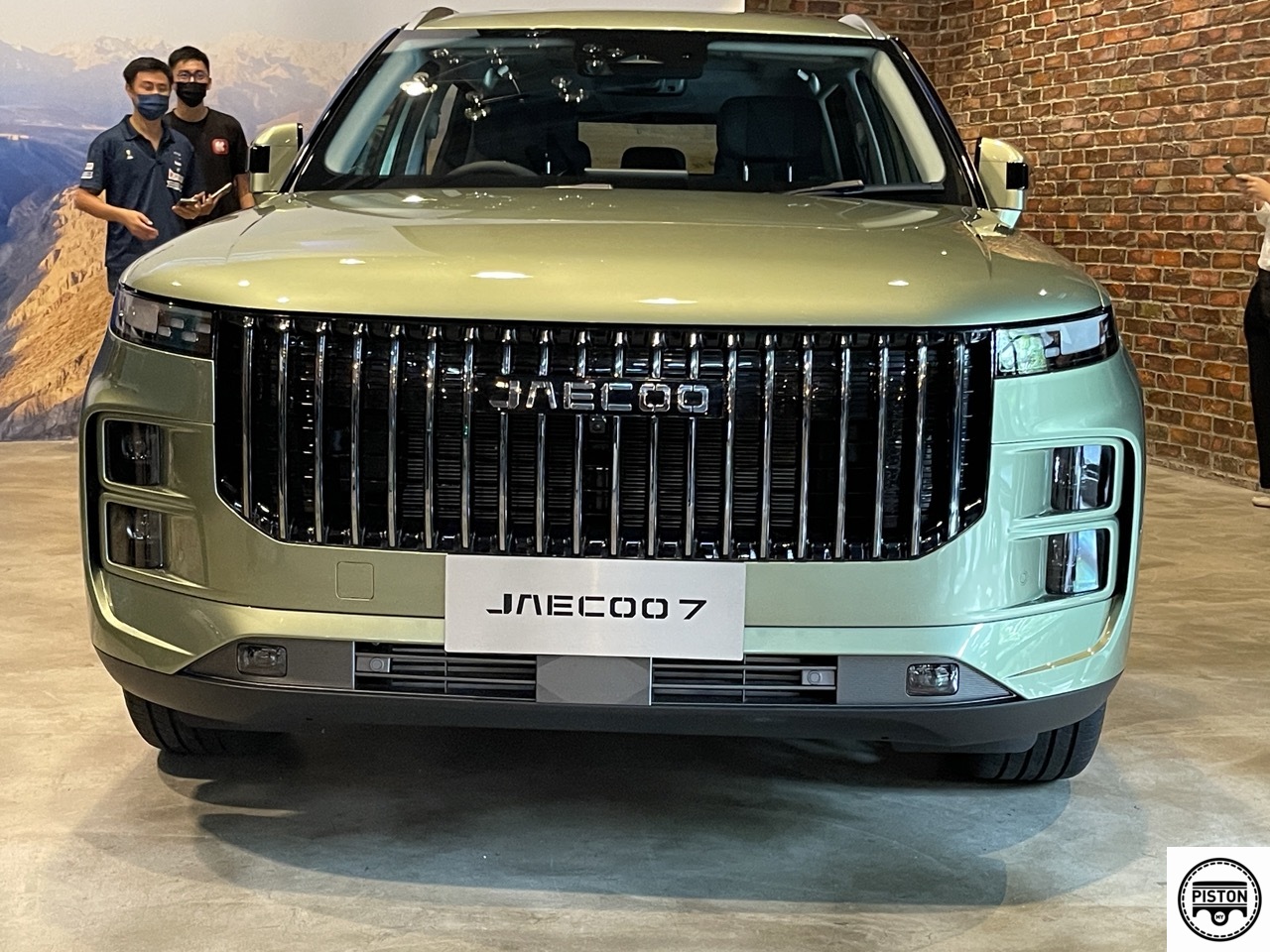
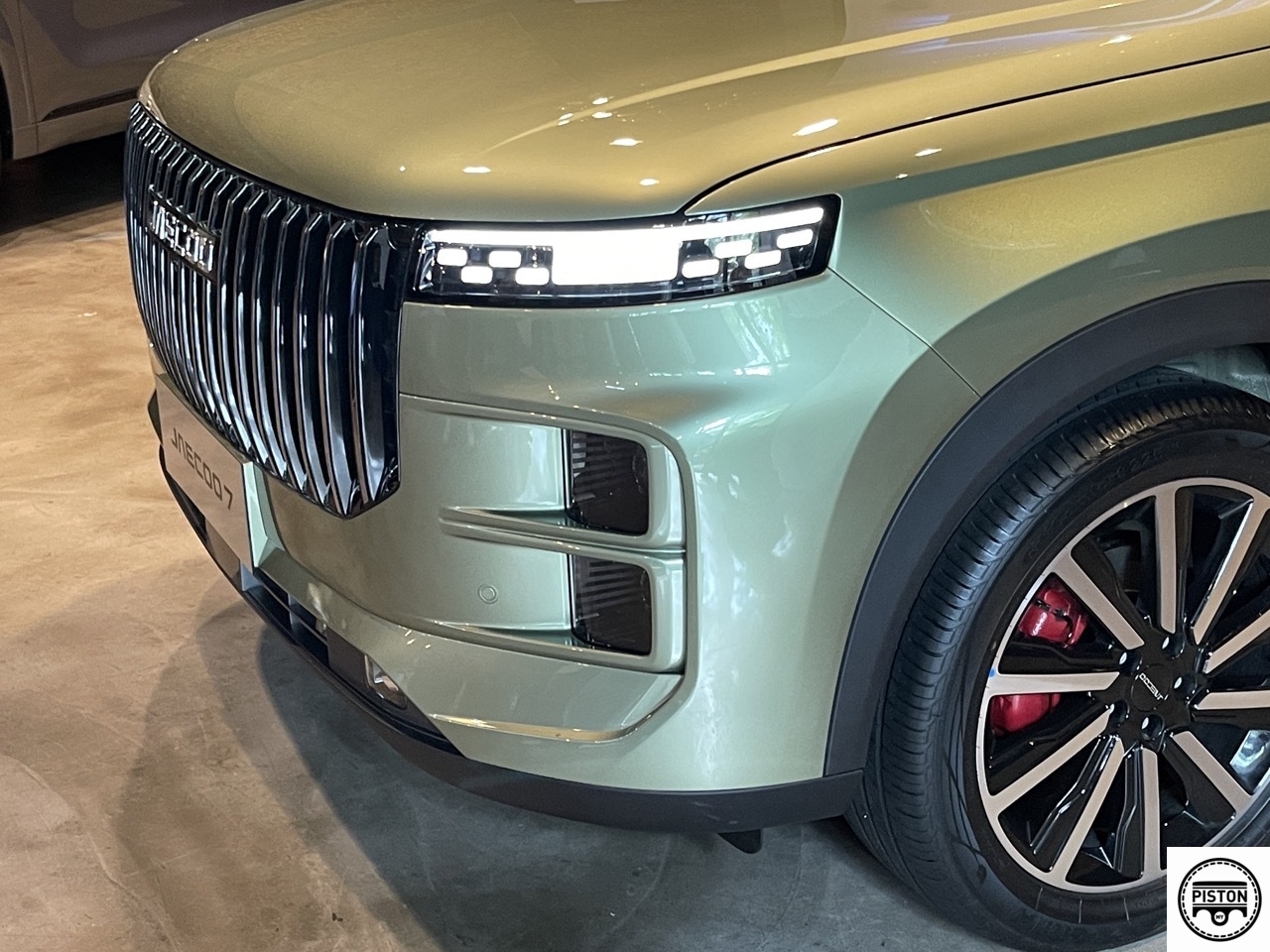
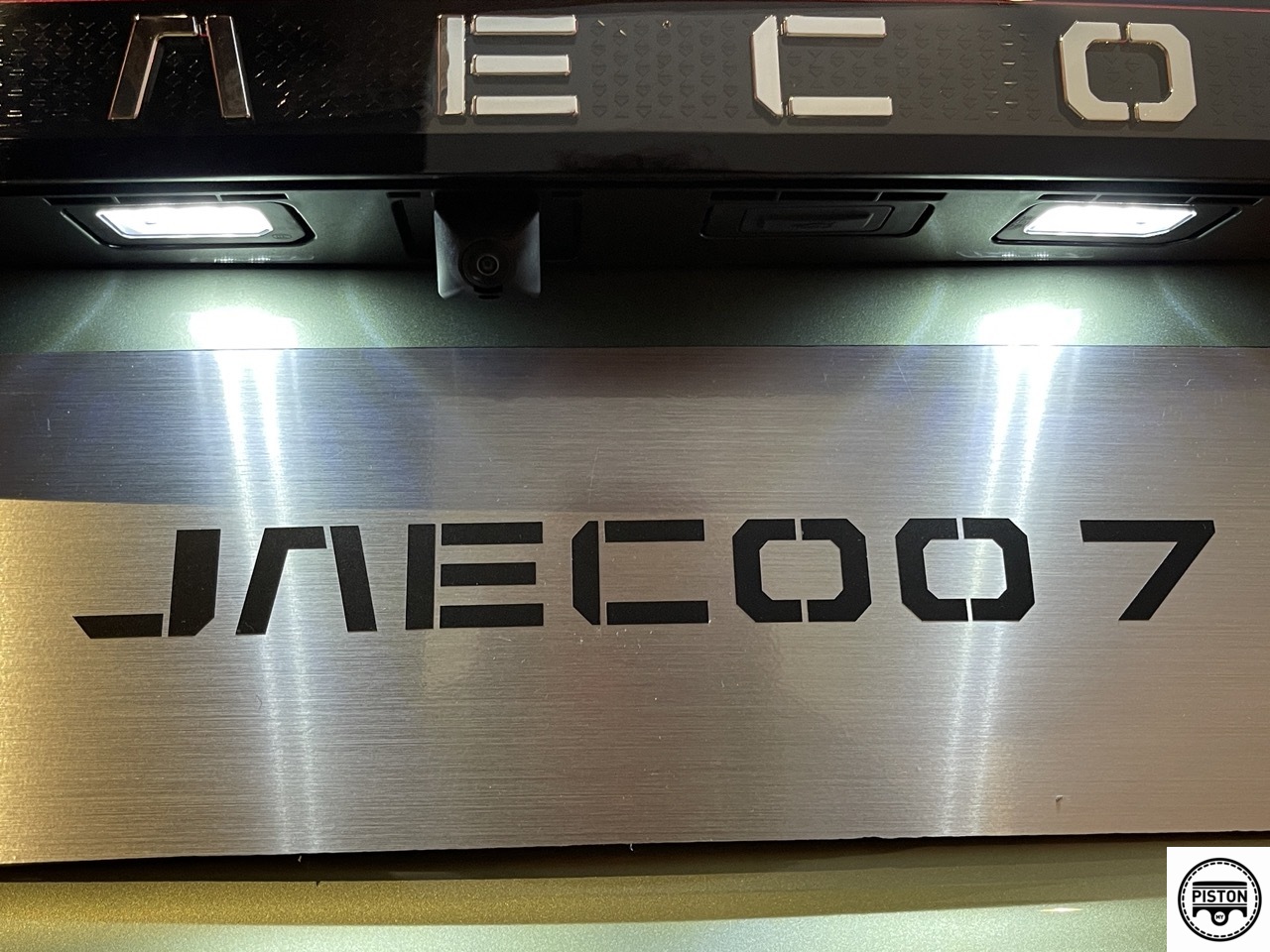
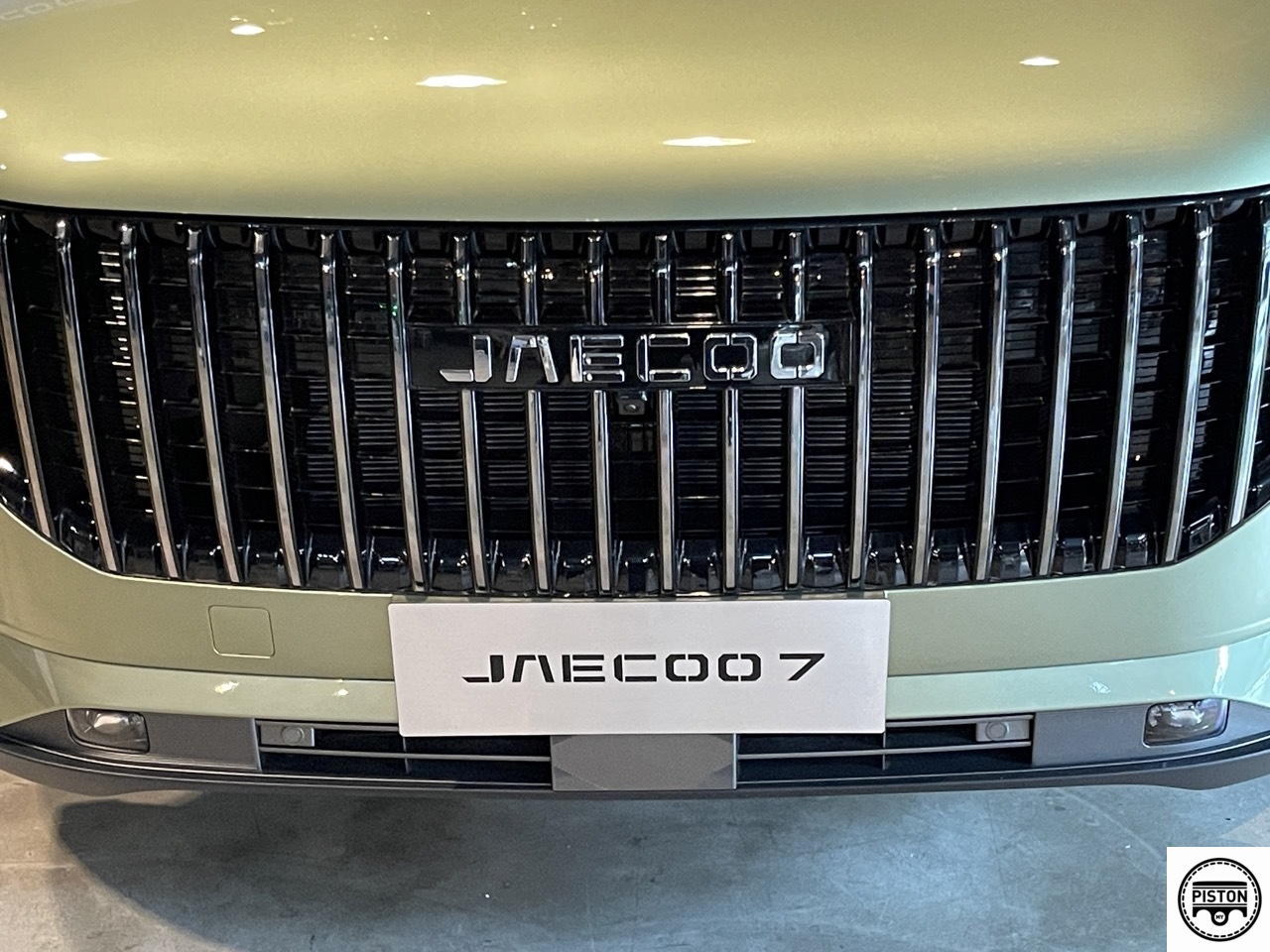
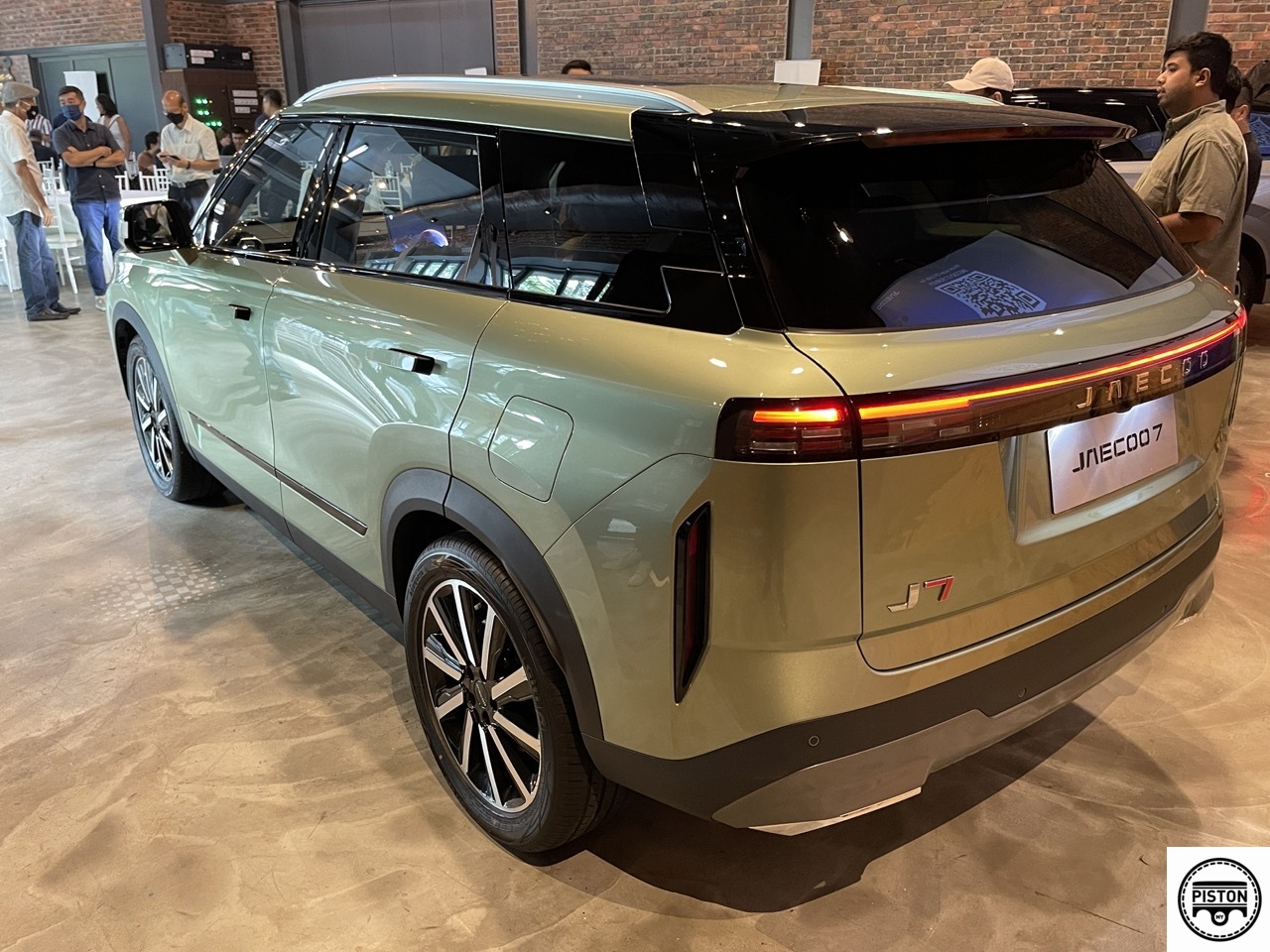
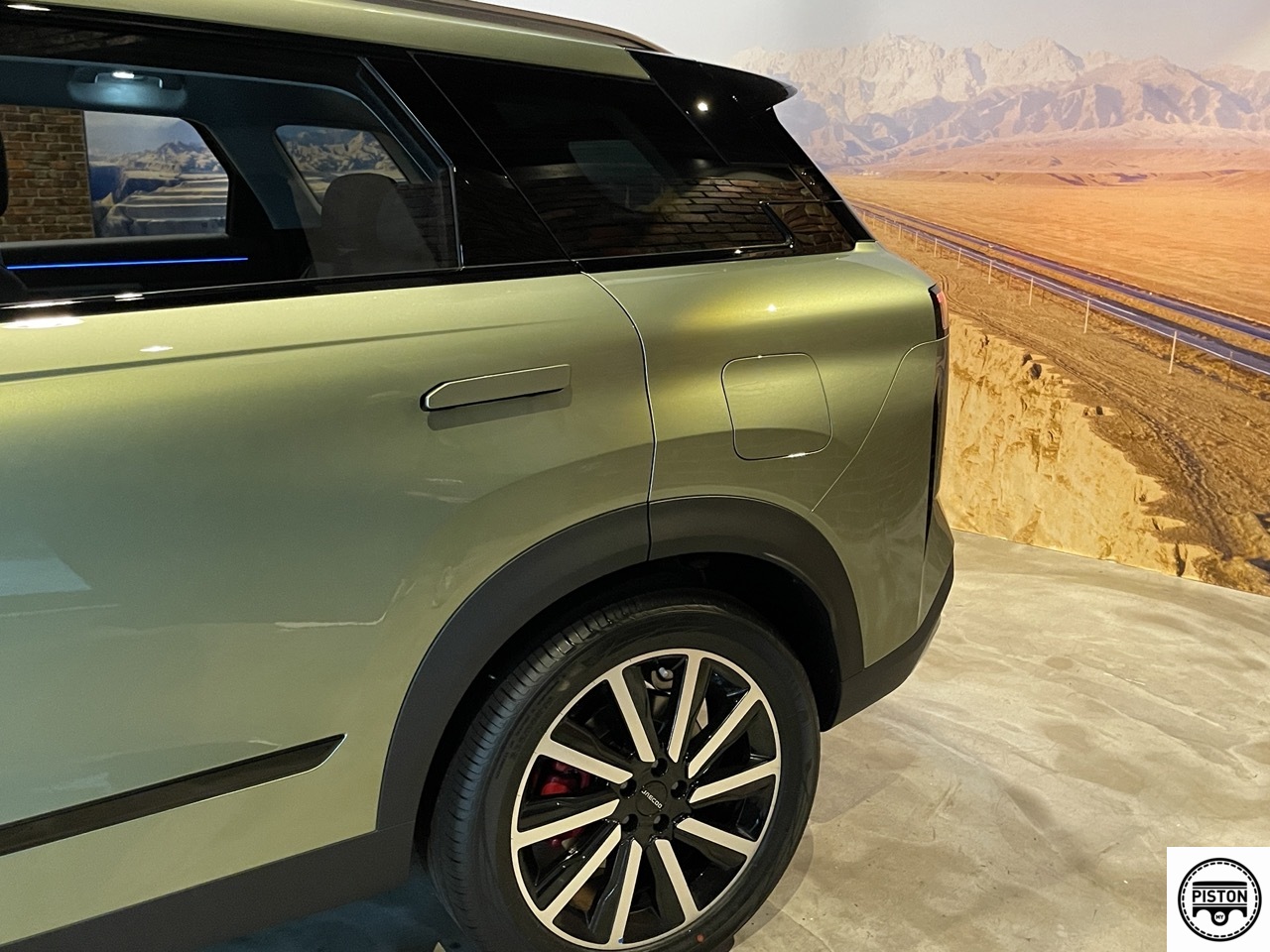
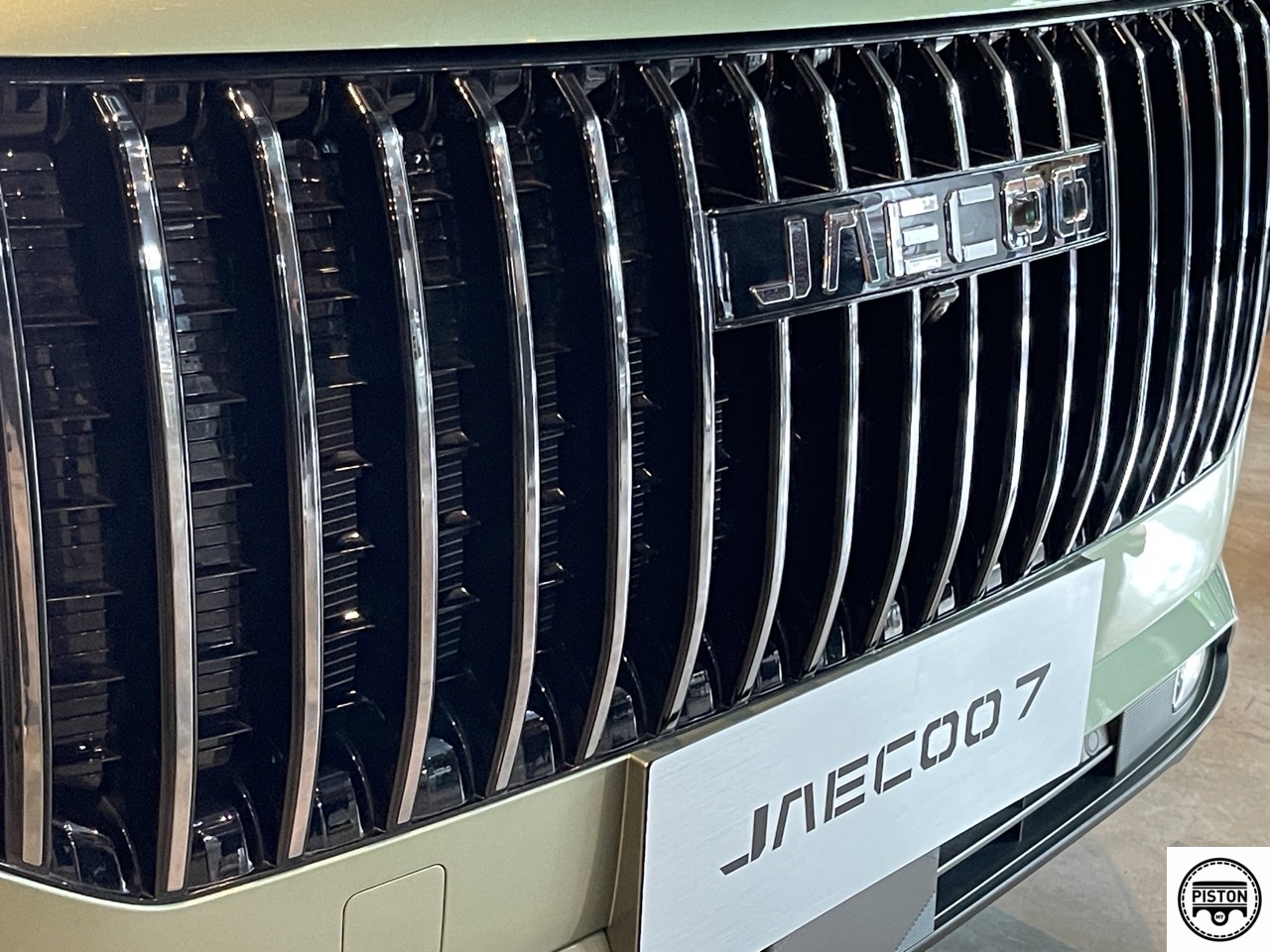
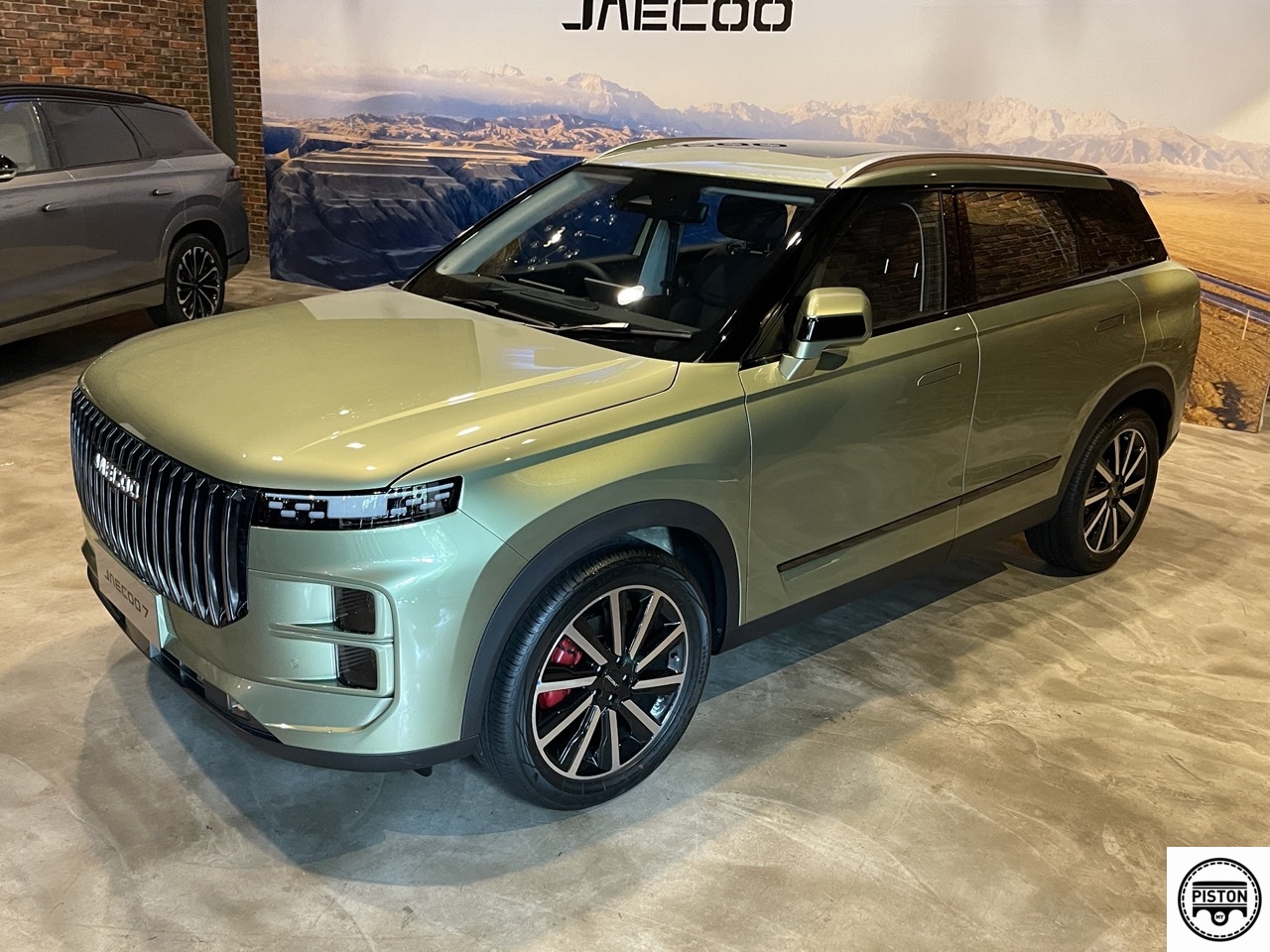
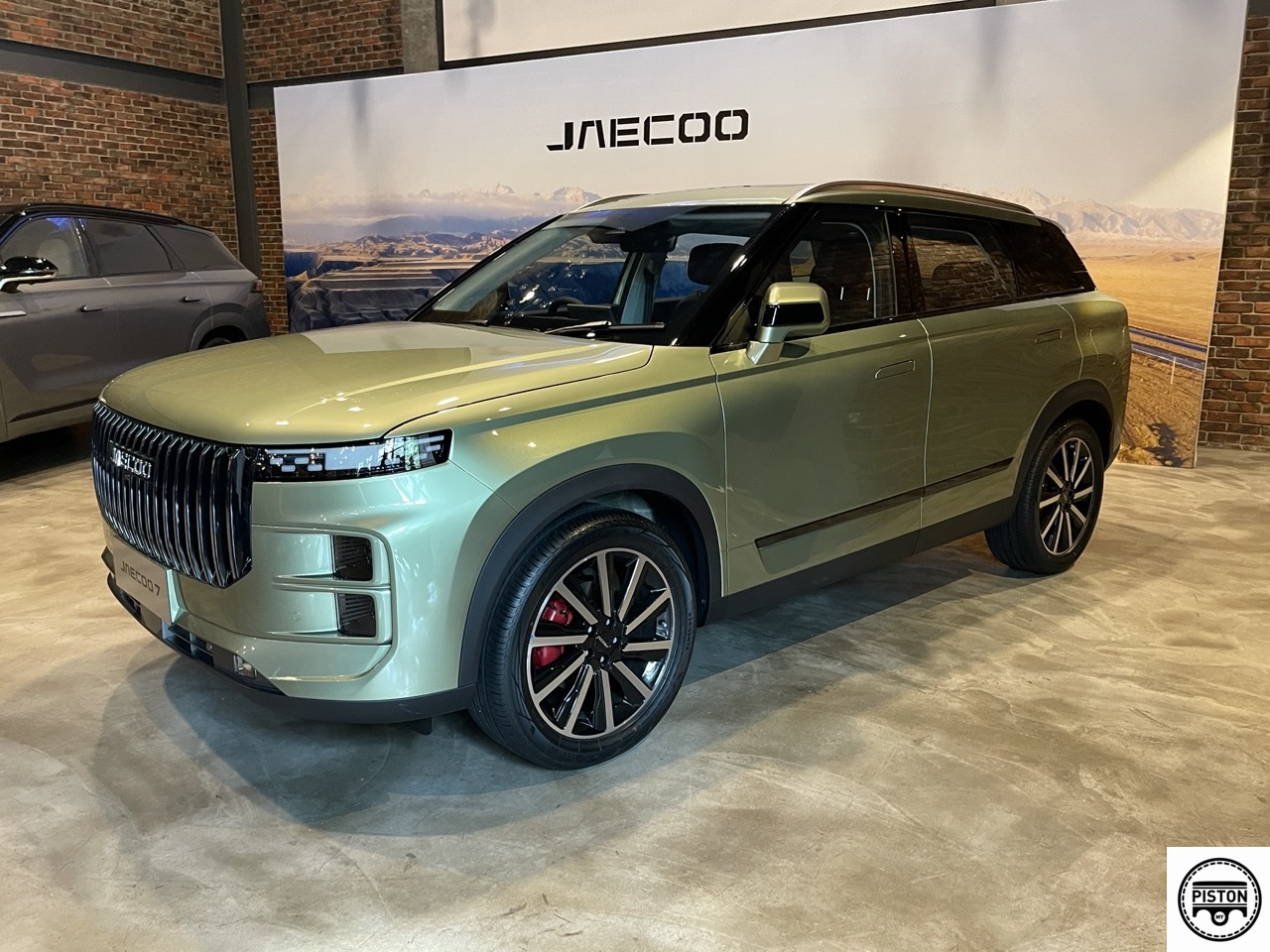
Jaecoo, a brand under Chery, has just shown us its premium urban off-road SUV, the J7. The brand is making its mark in the fiercely competitive automotive market with its “Born Global” philosophy, emphasising its commitment to global performance and standards.

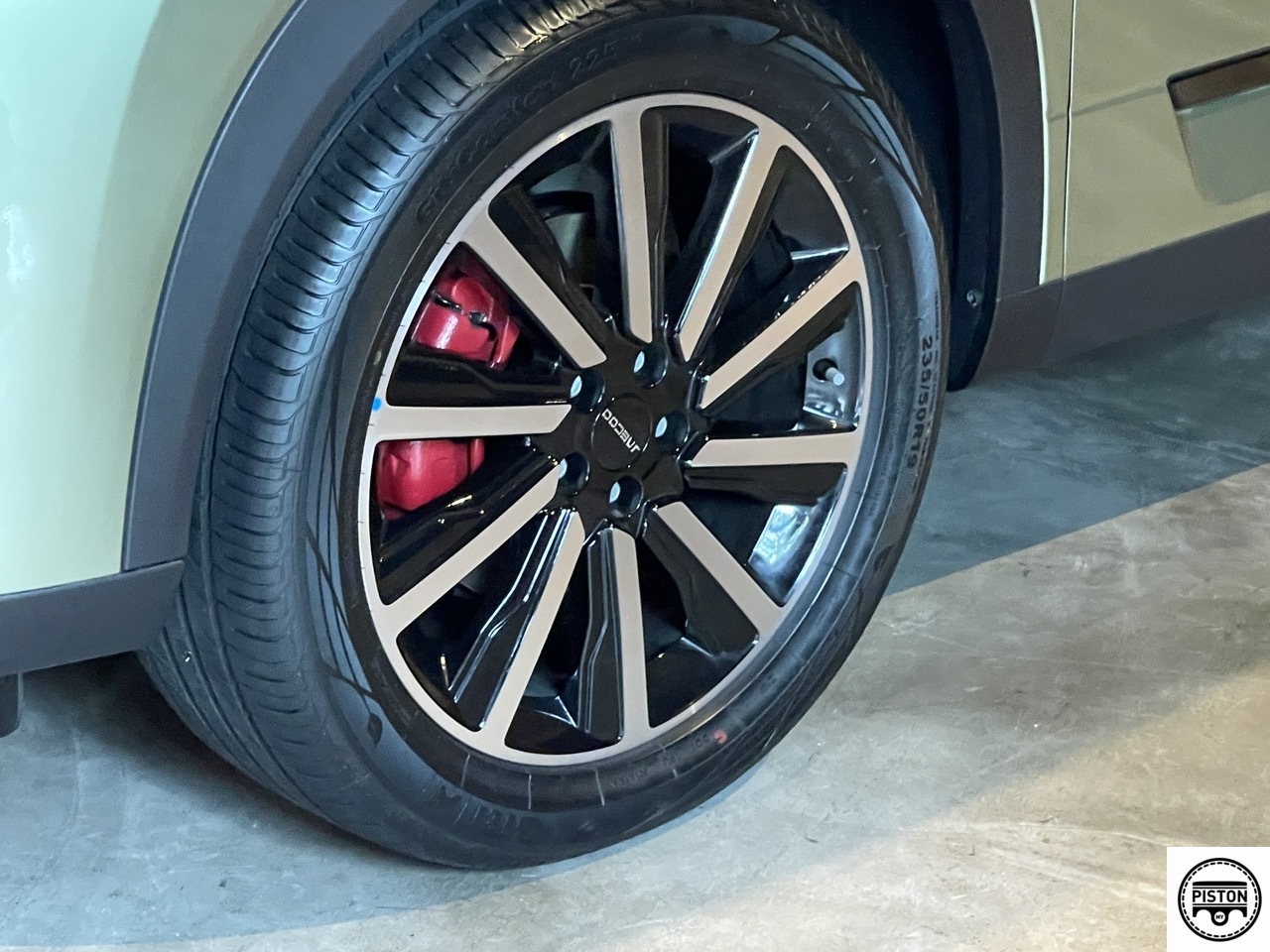
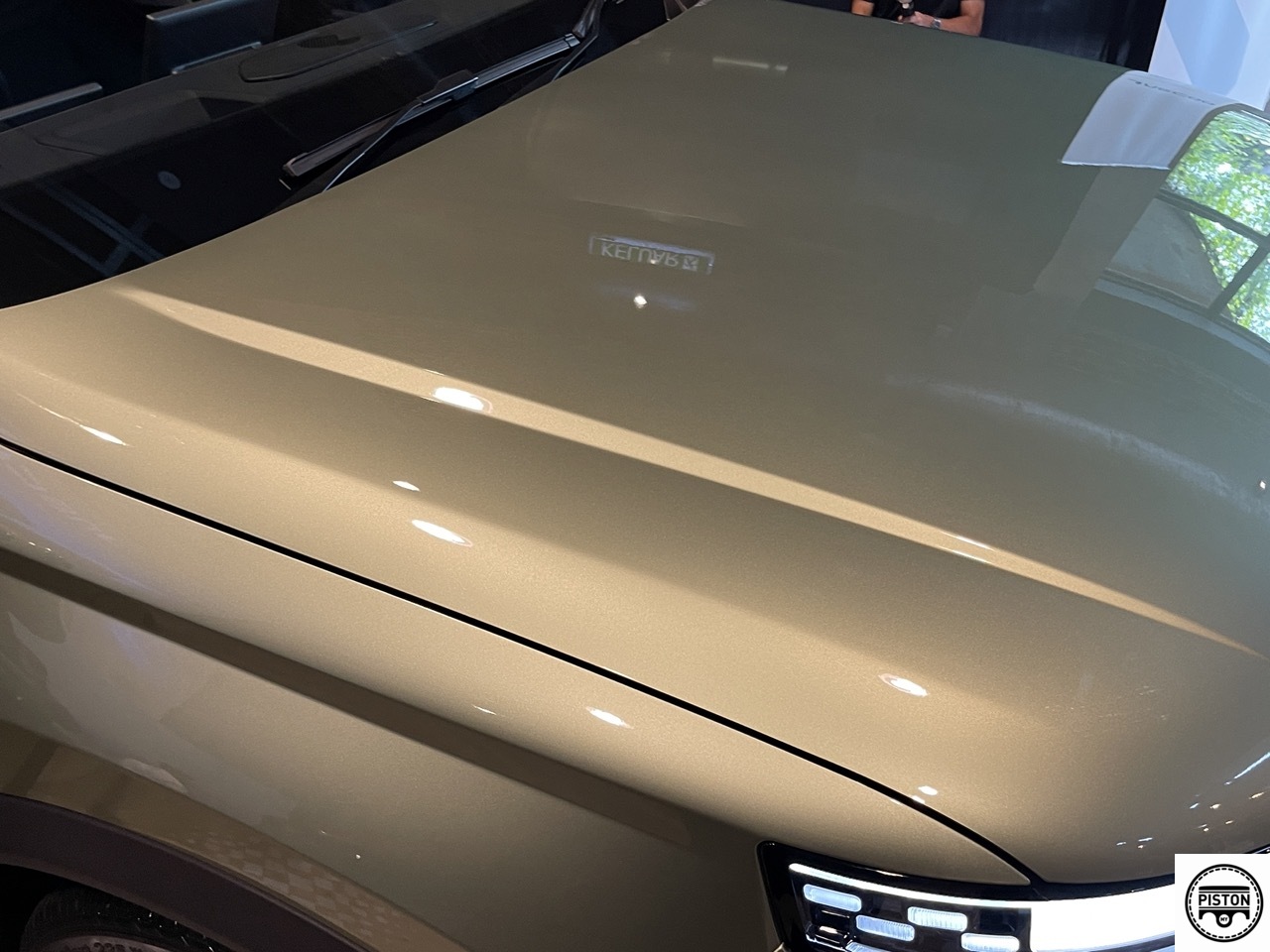
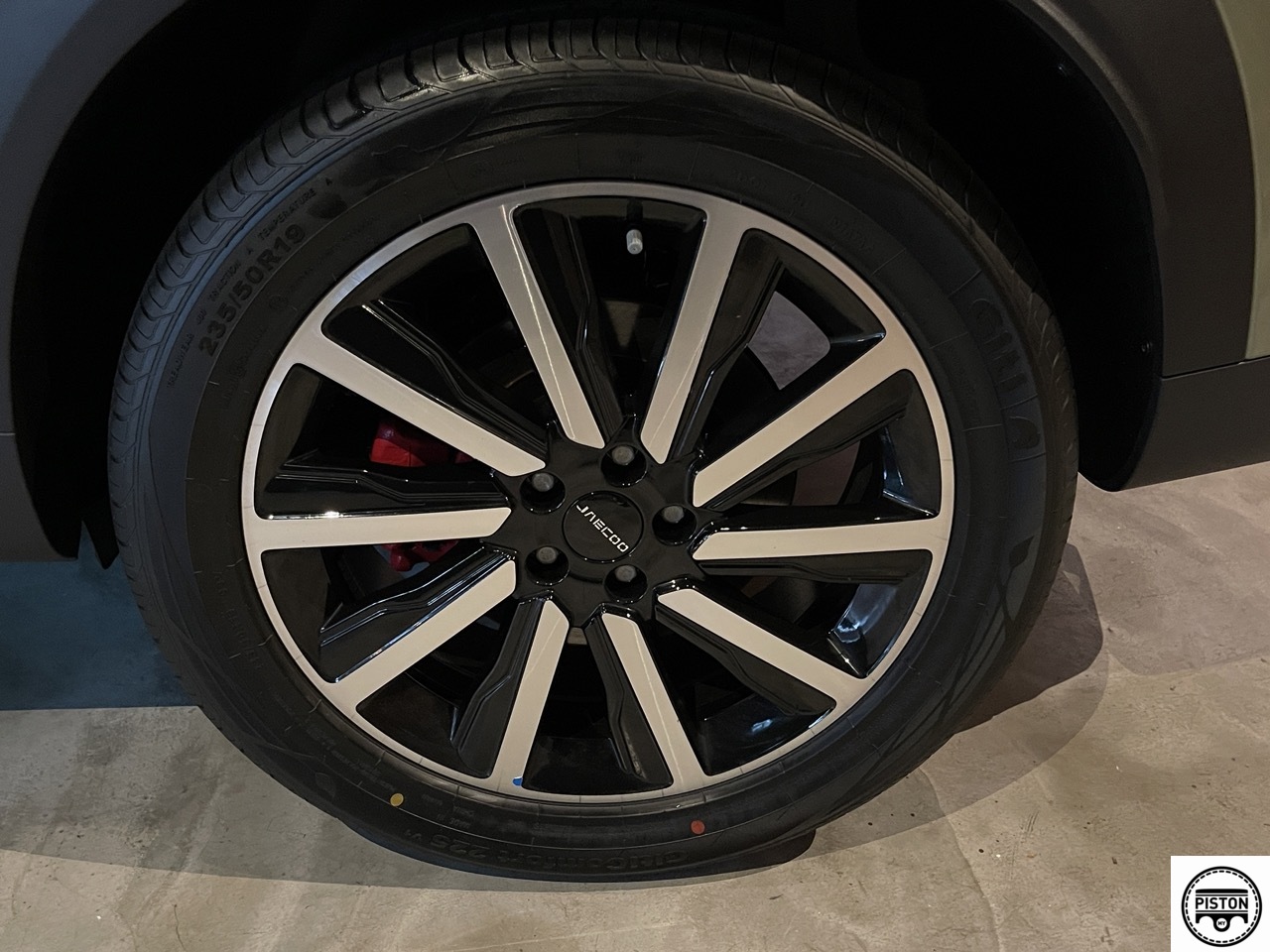
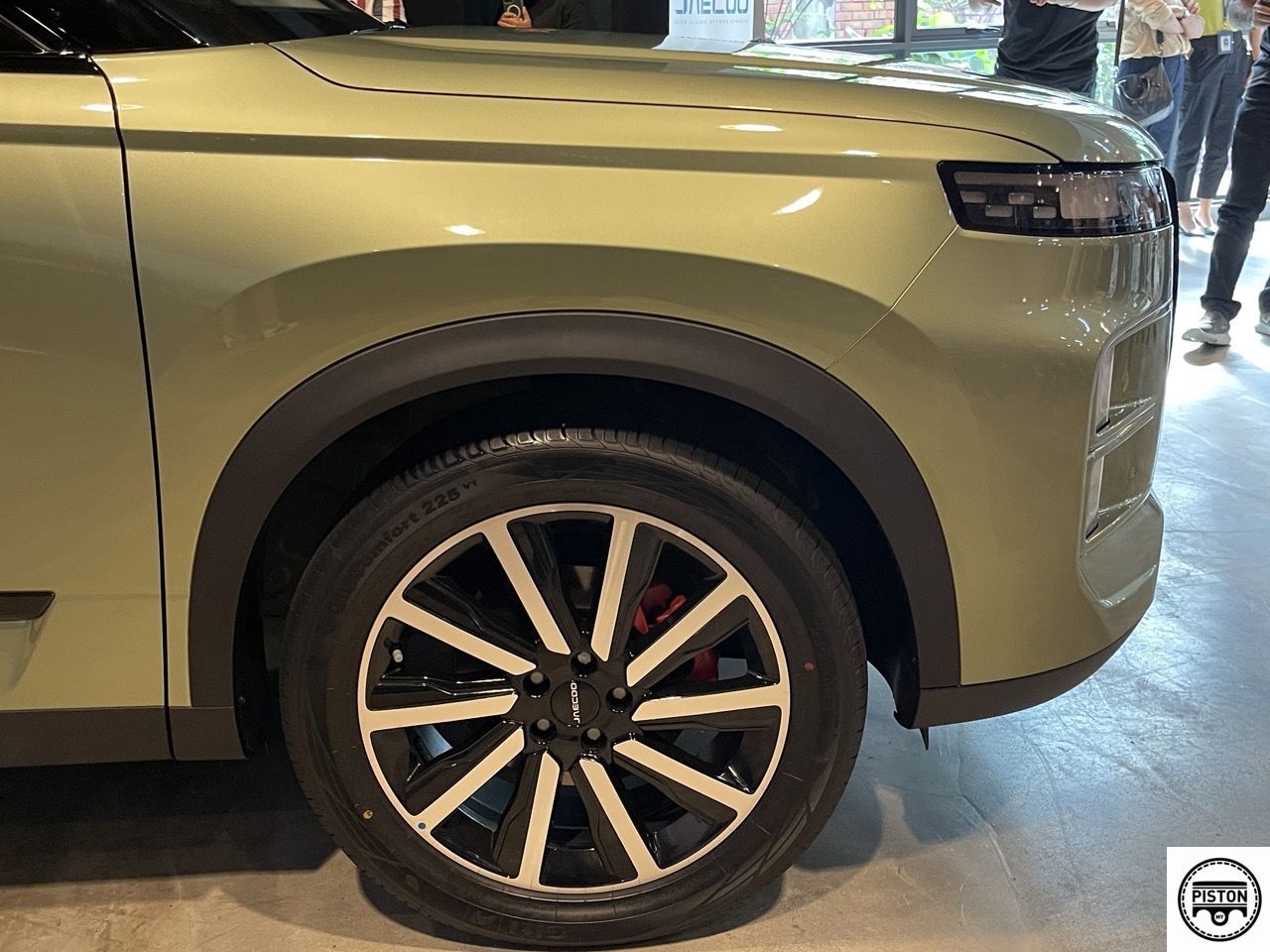
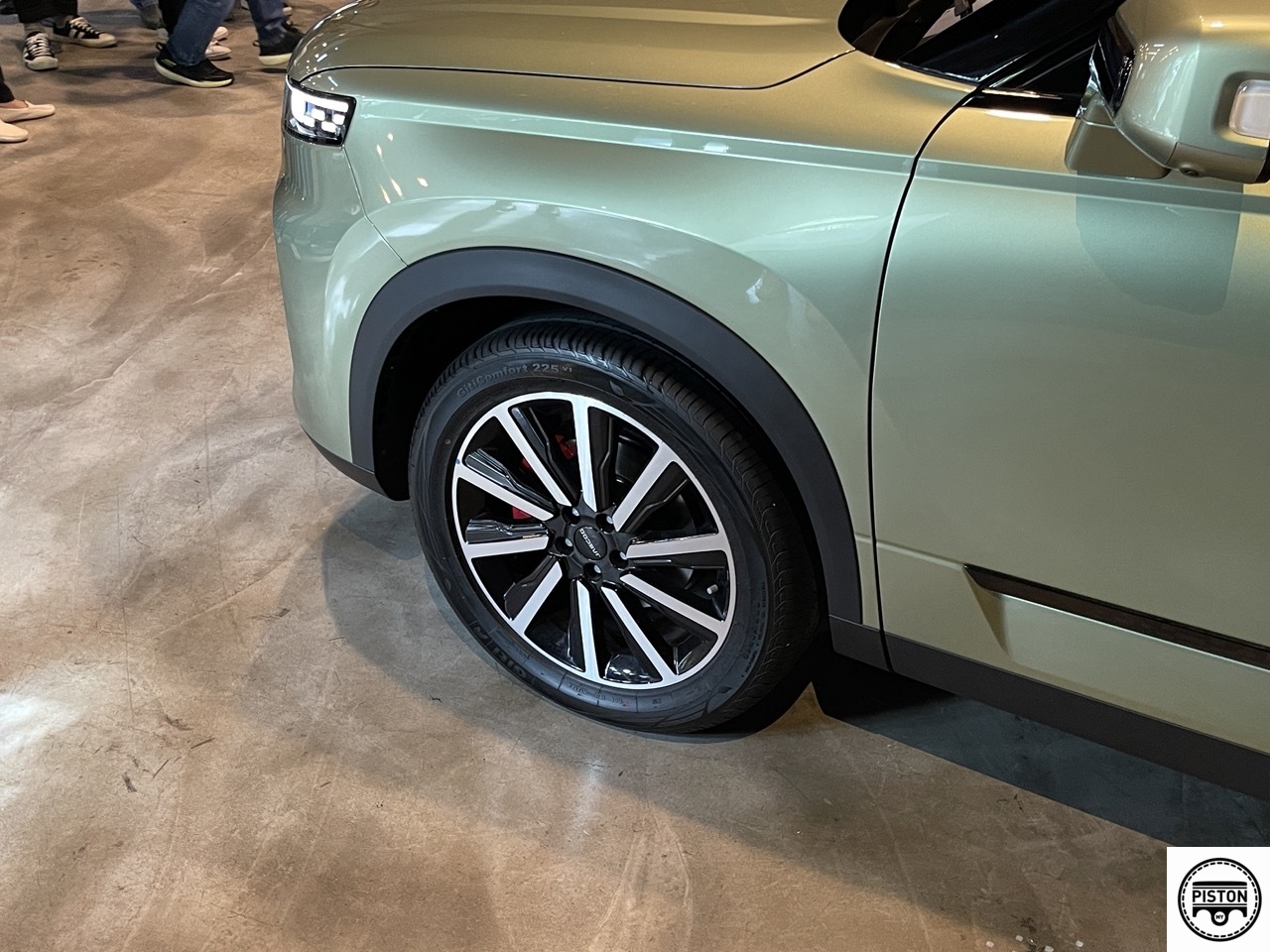
The J7 has dimensions of 4,500mm in length, 1,865mm in width, and 1,680mm in height, with a wheelbase of 2,672mm, making it slightly smaller than the third-generation Range Rover Sport. It also features 19-inch Aurora-inspired aluminium alloy wheels.

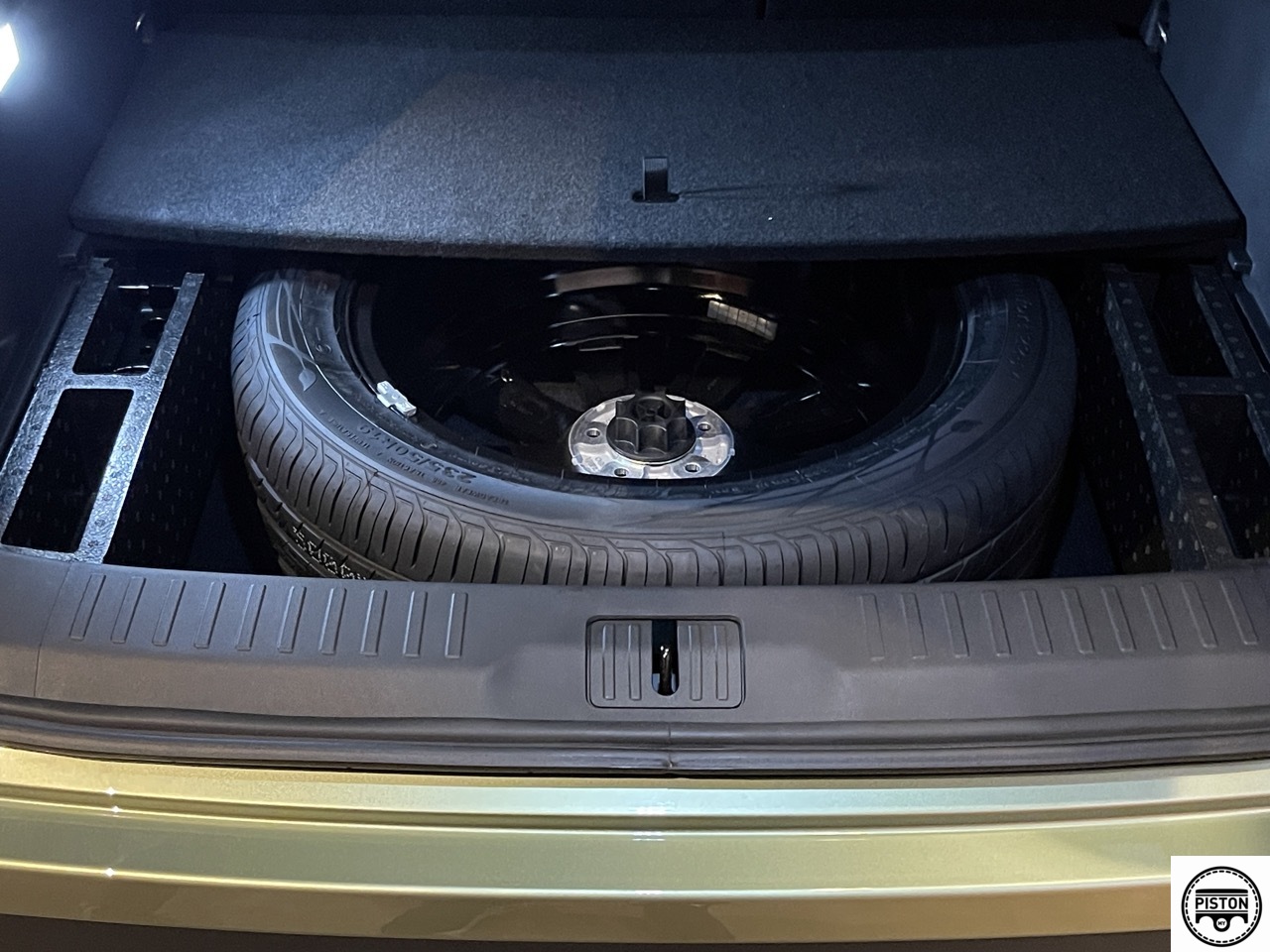
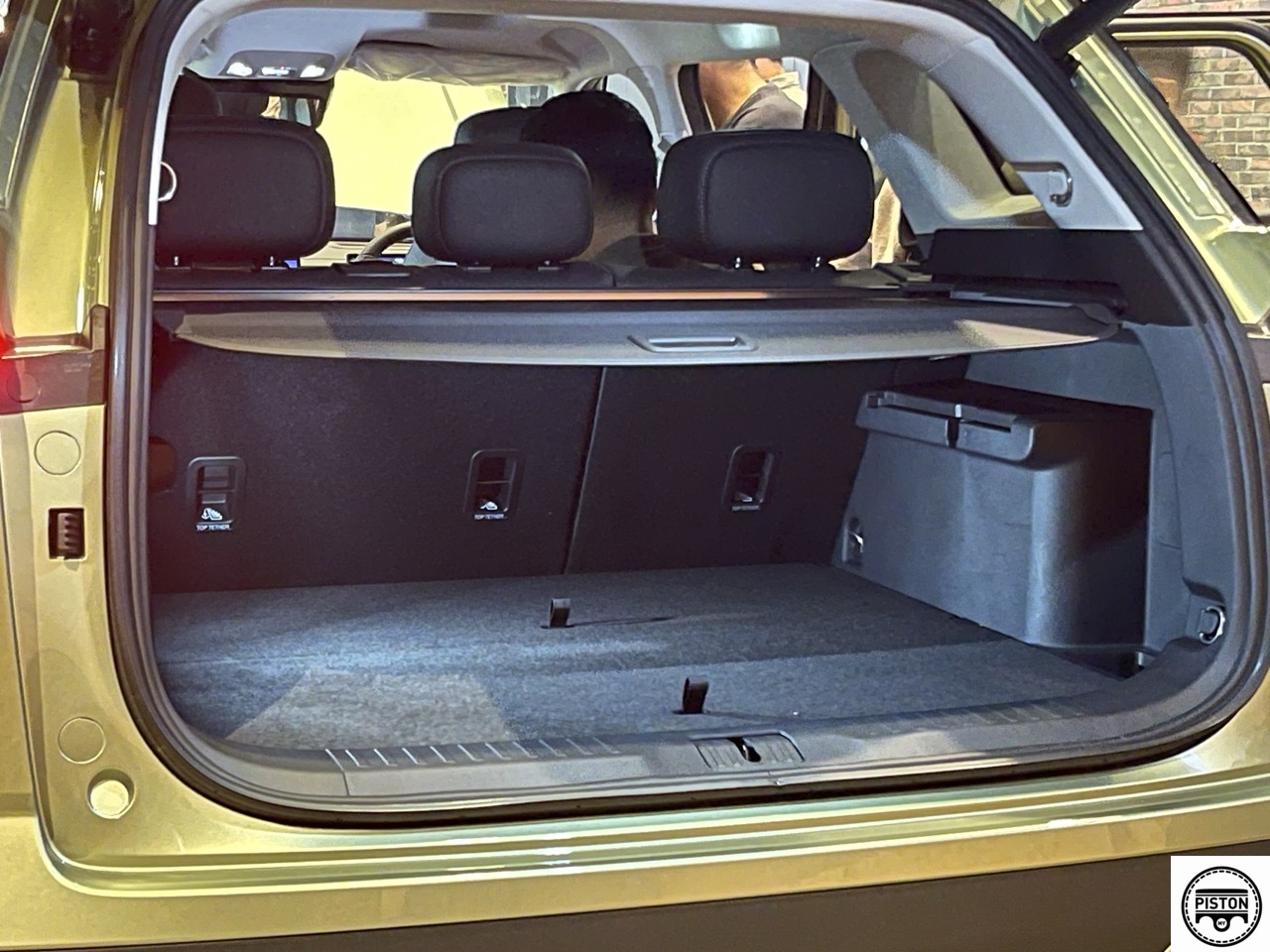
Promoted as an outstanding urban off-road SUV in the premium category, the J7 boasts a ground clearance of 200 mm, an approach angle of 21 degrees, a departure angle of 29 degrees and a wading depth capability of 600mm. For those prioritising practicality, the J7 offers a generous boot space measuring 412 litres, a maximum towing capacity of 1,300kg, and a roof load capacity of 75kg.

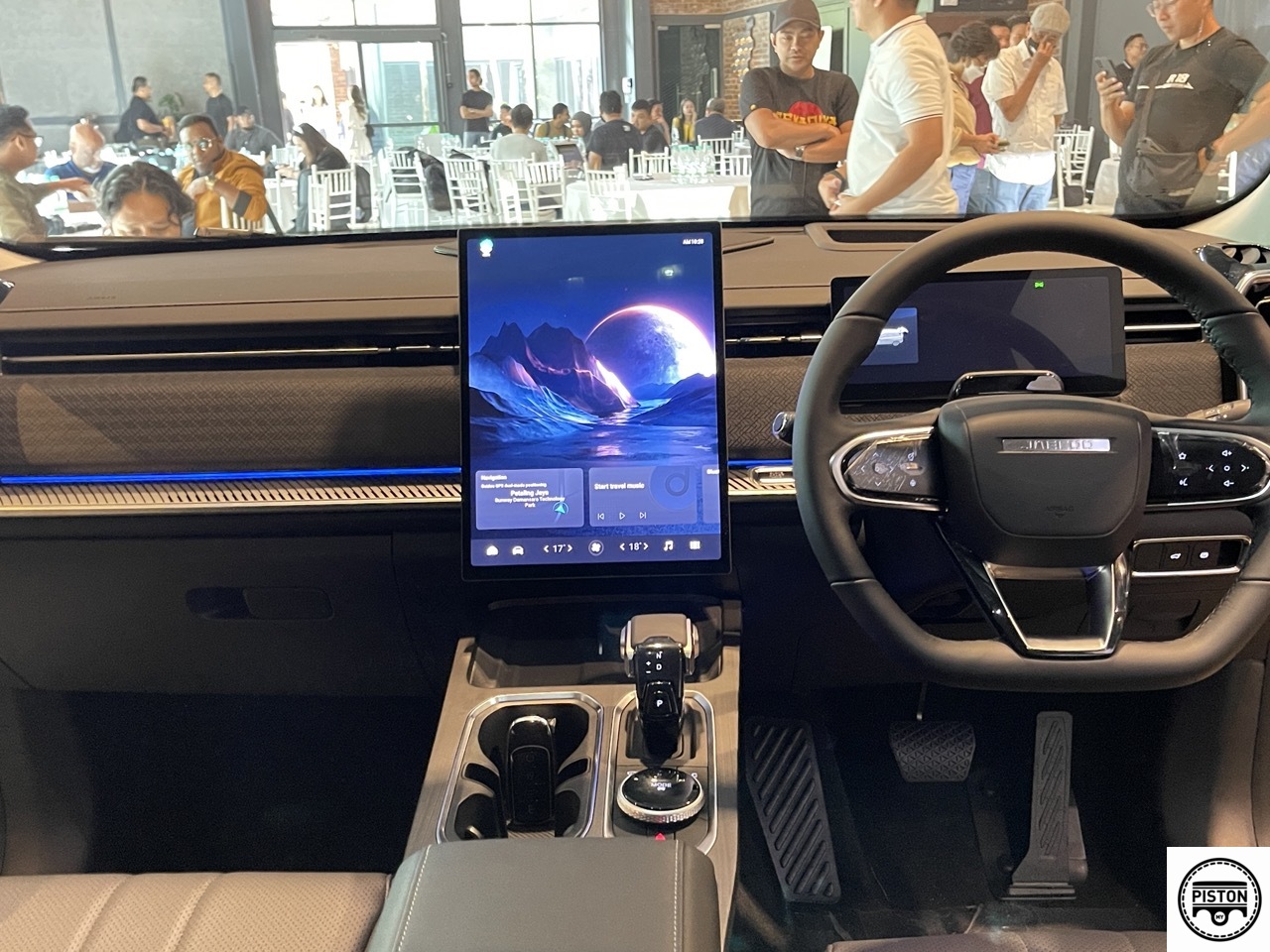
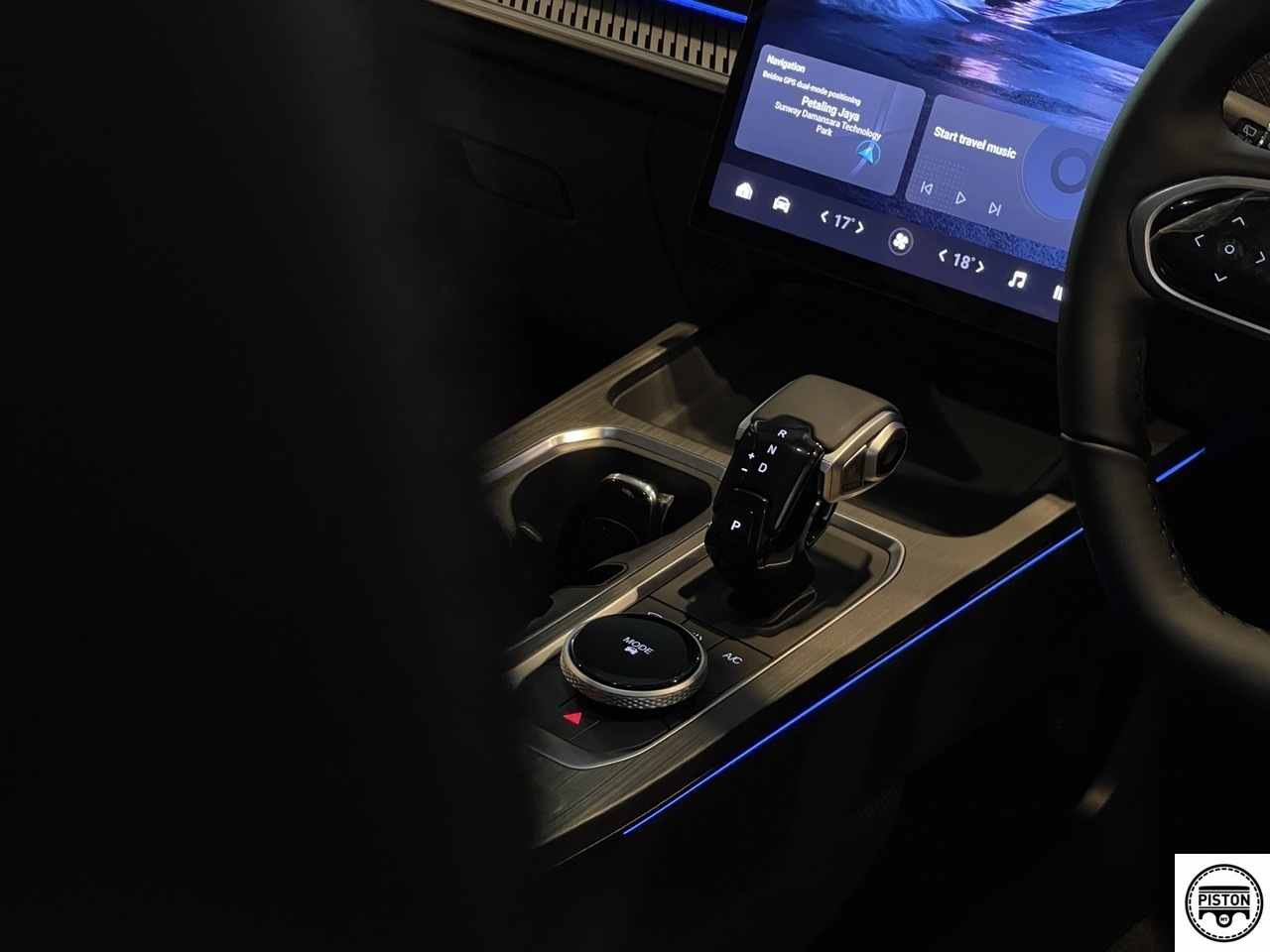
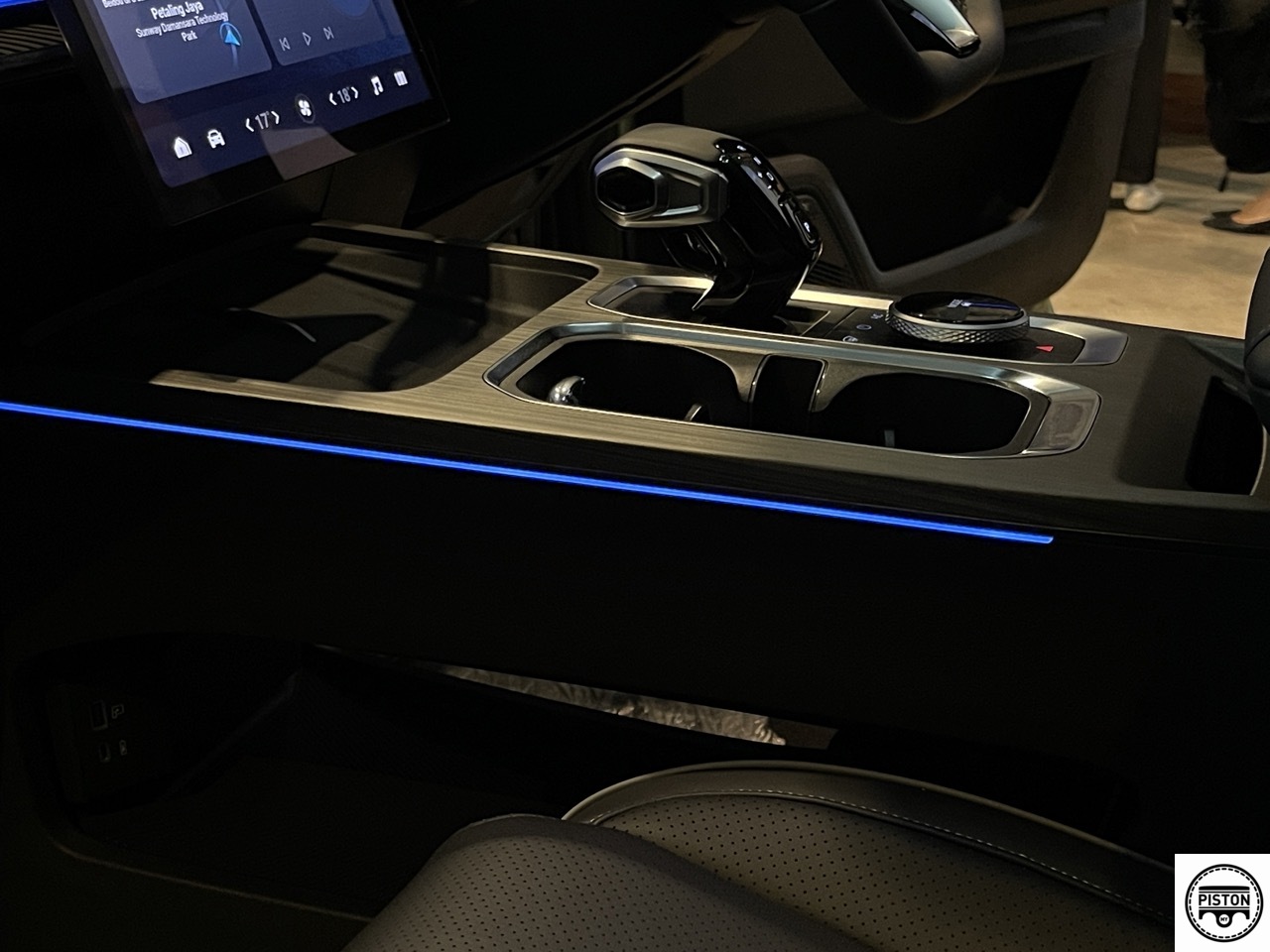
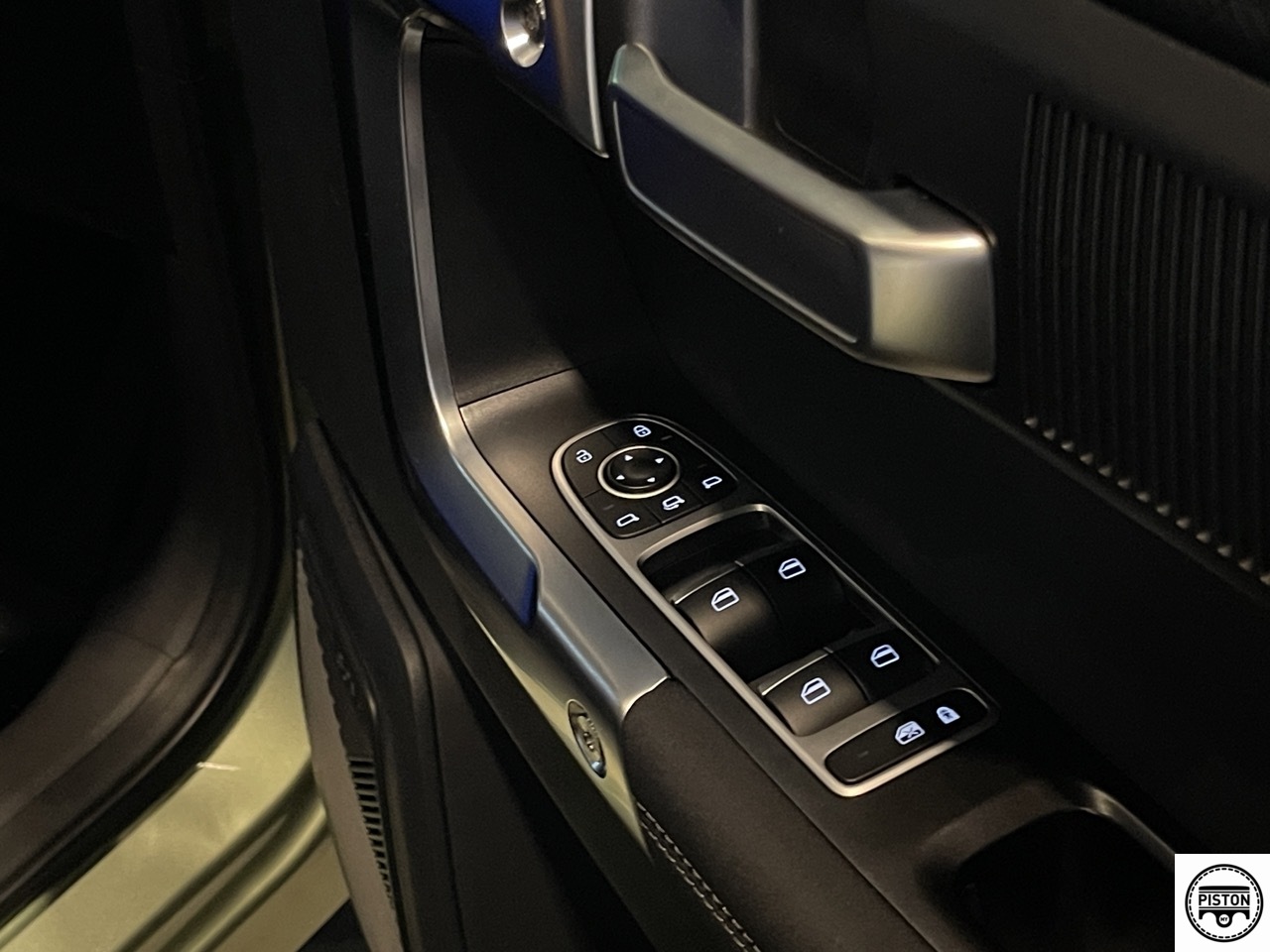
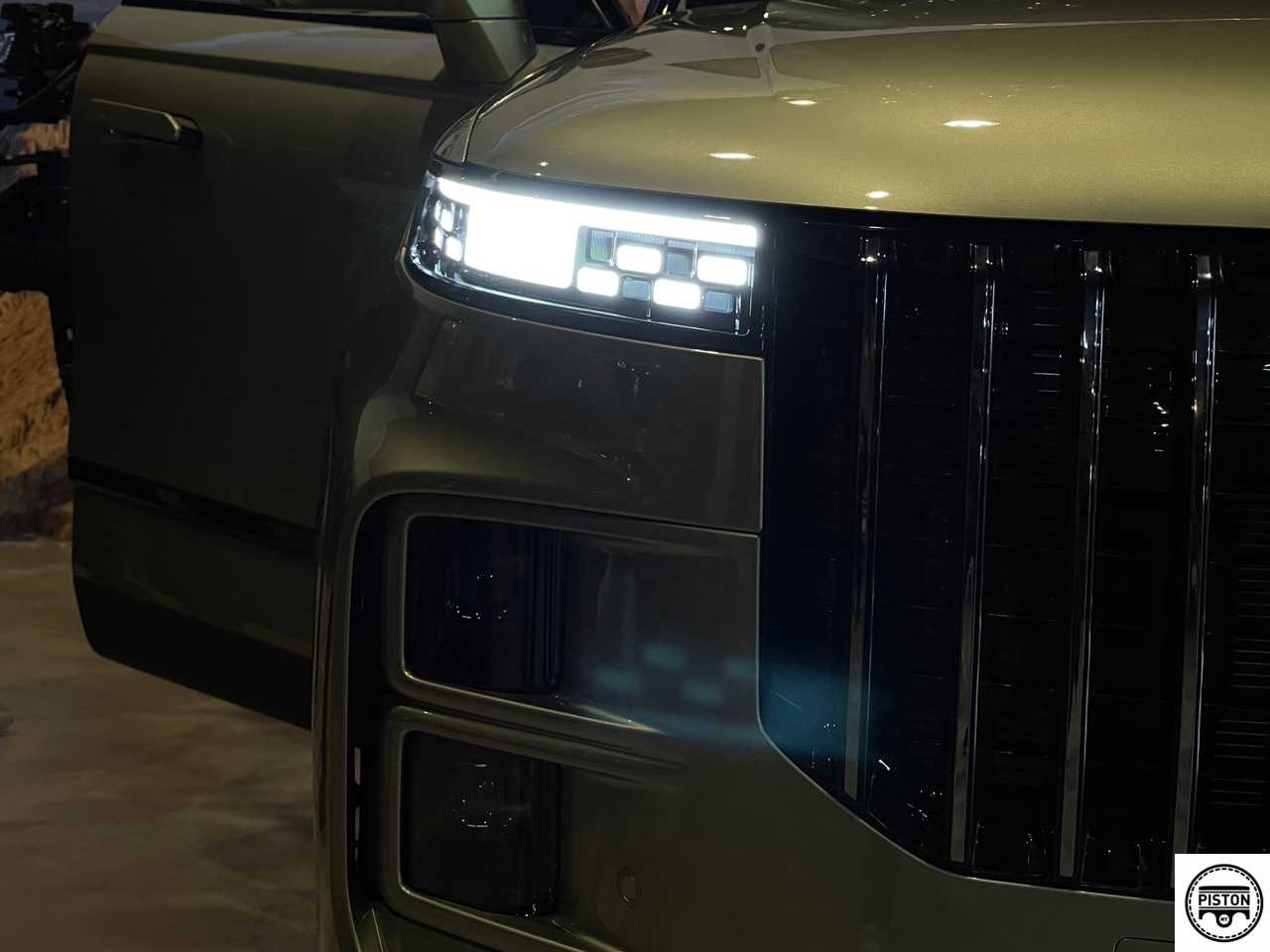
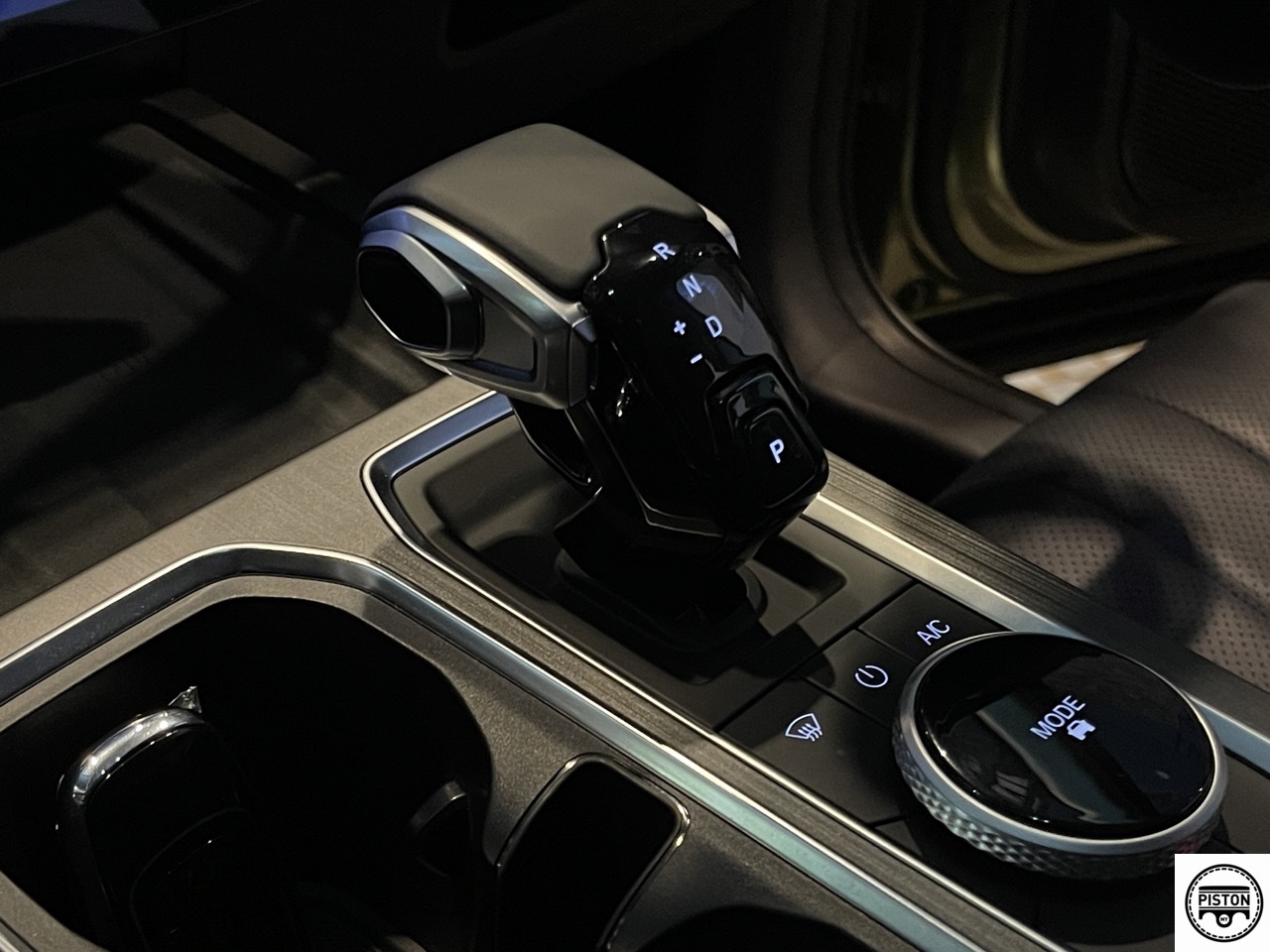
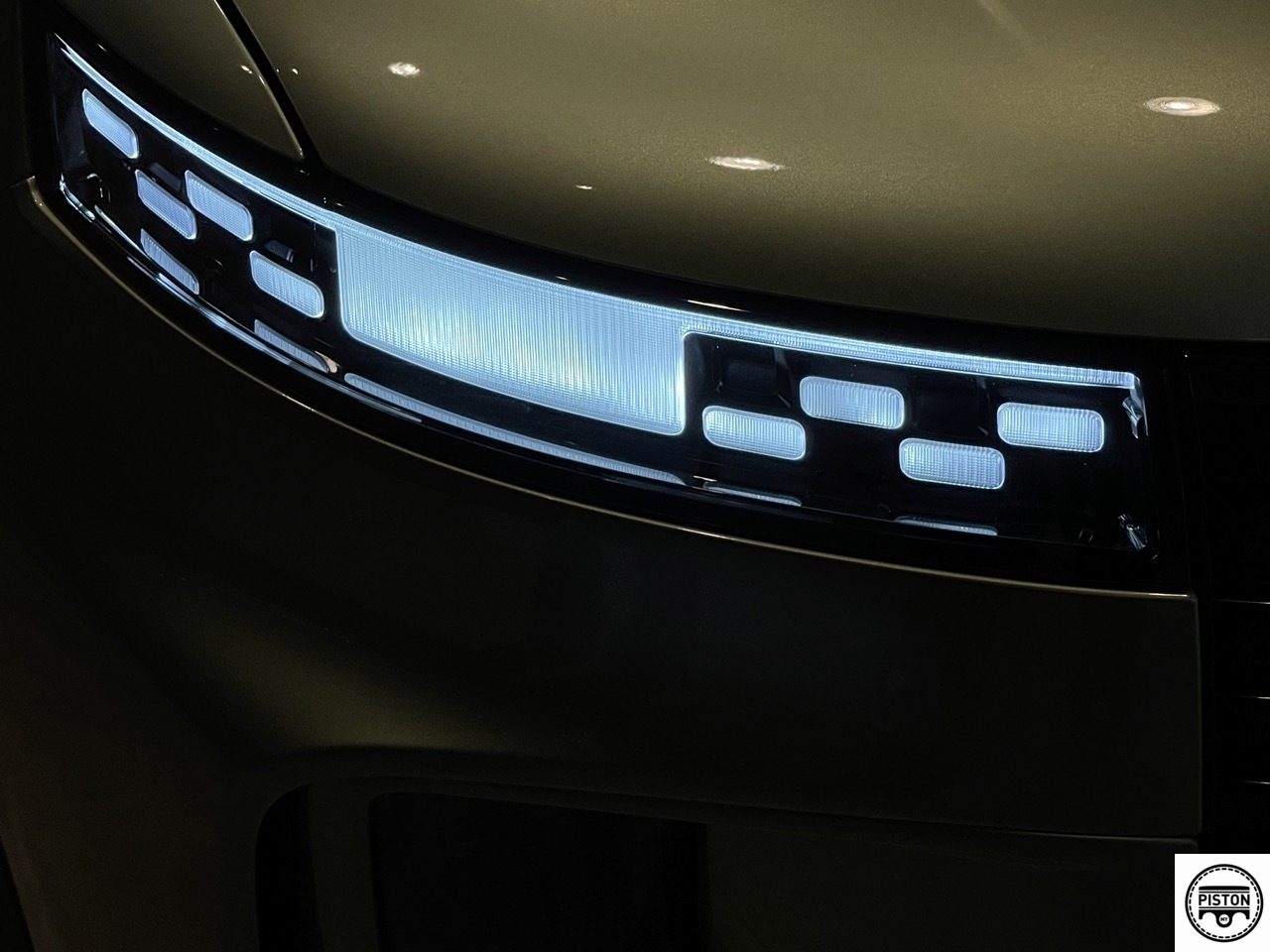
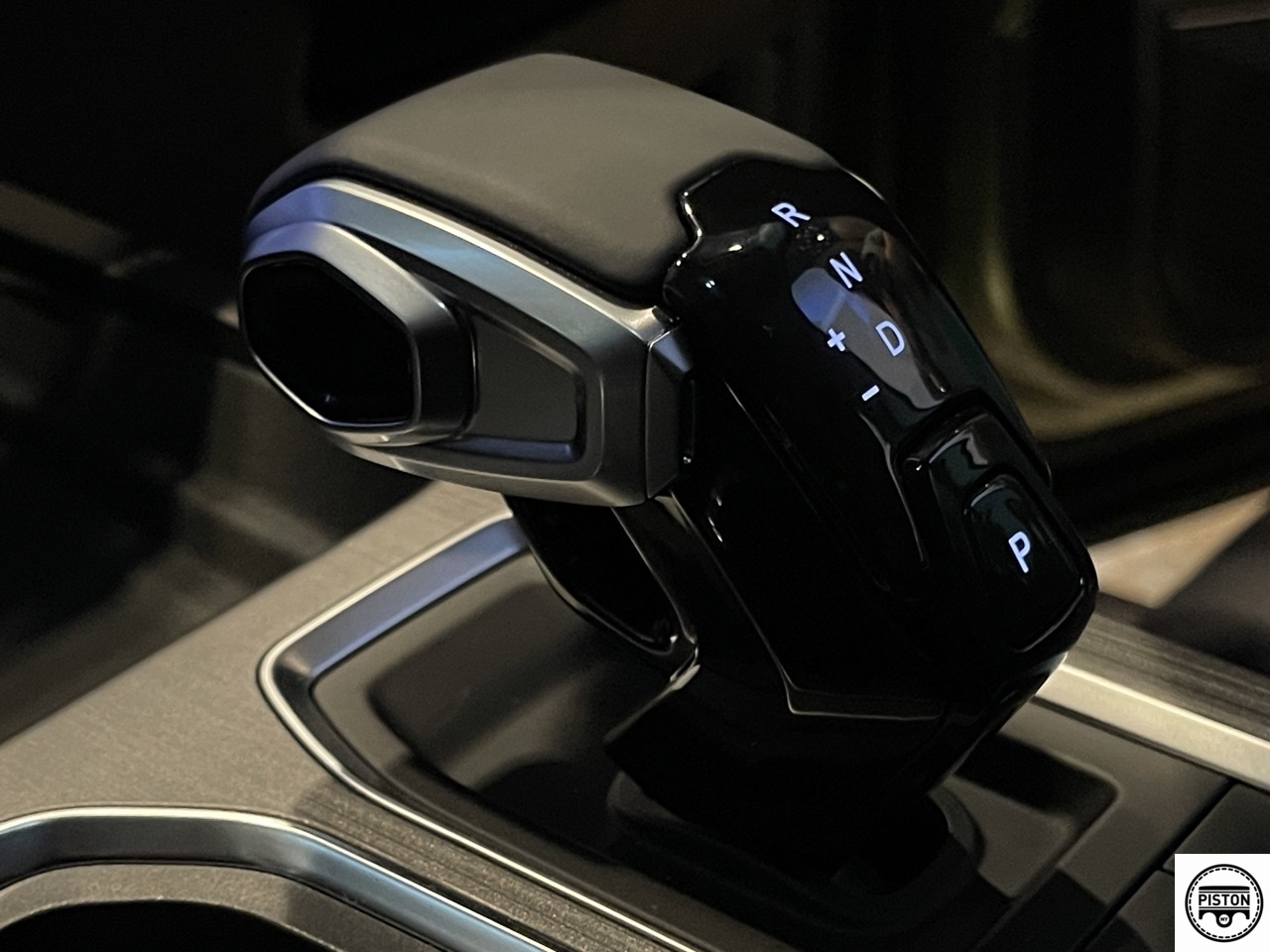
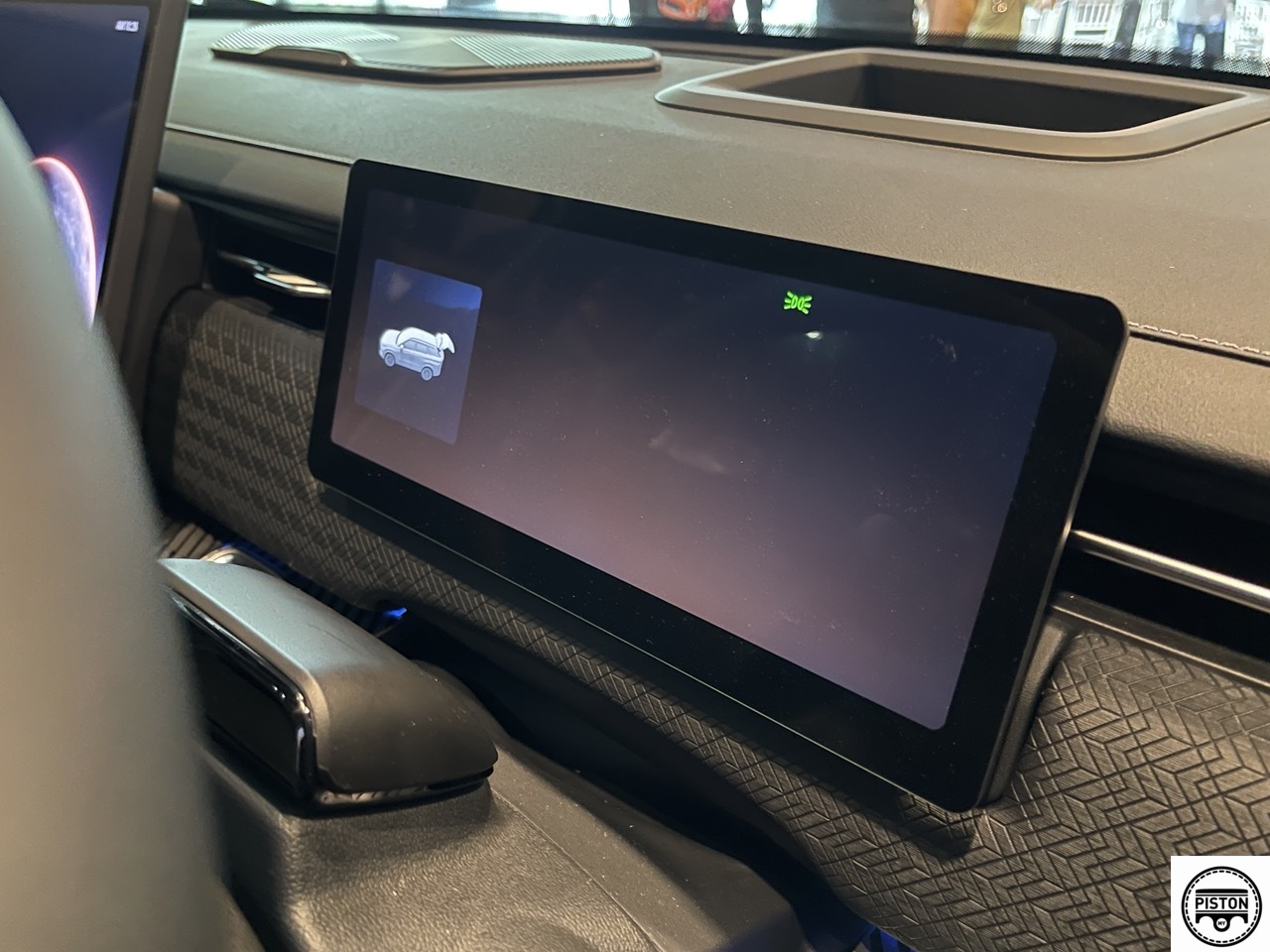
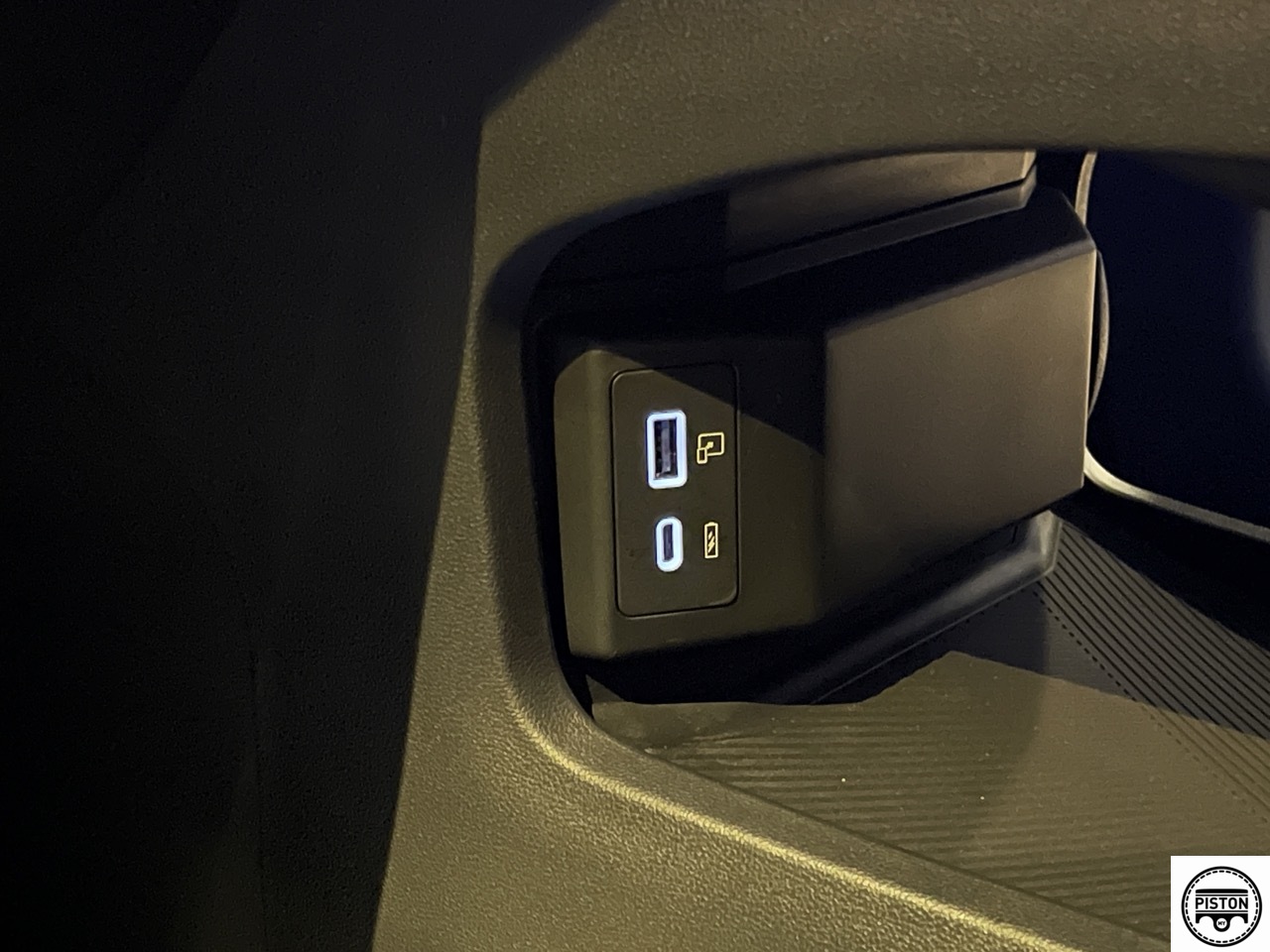
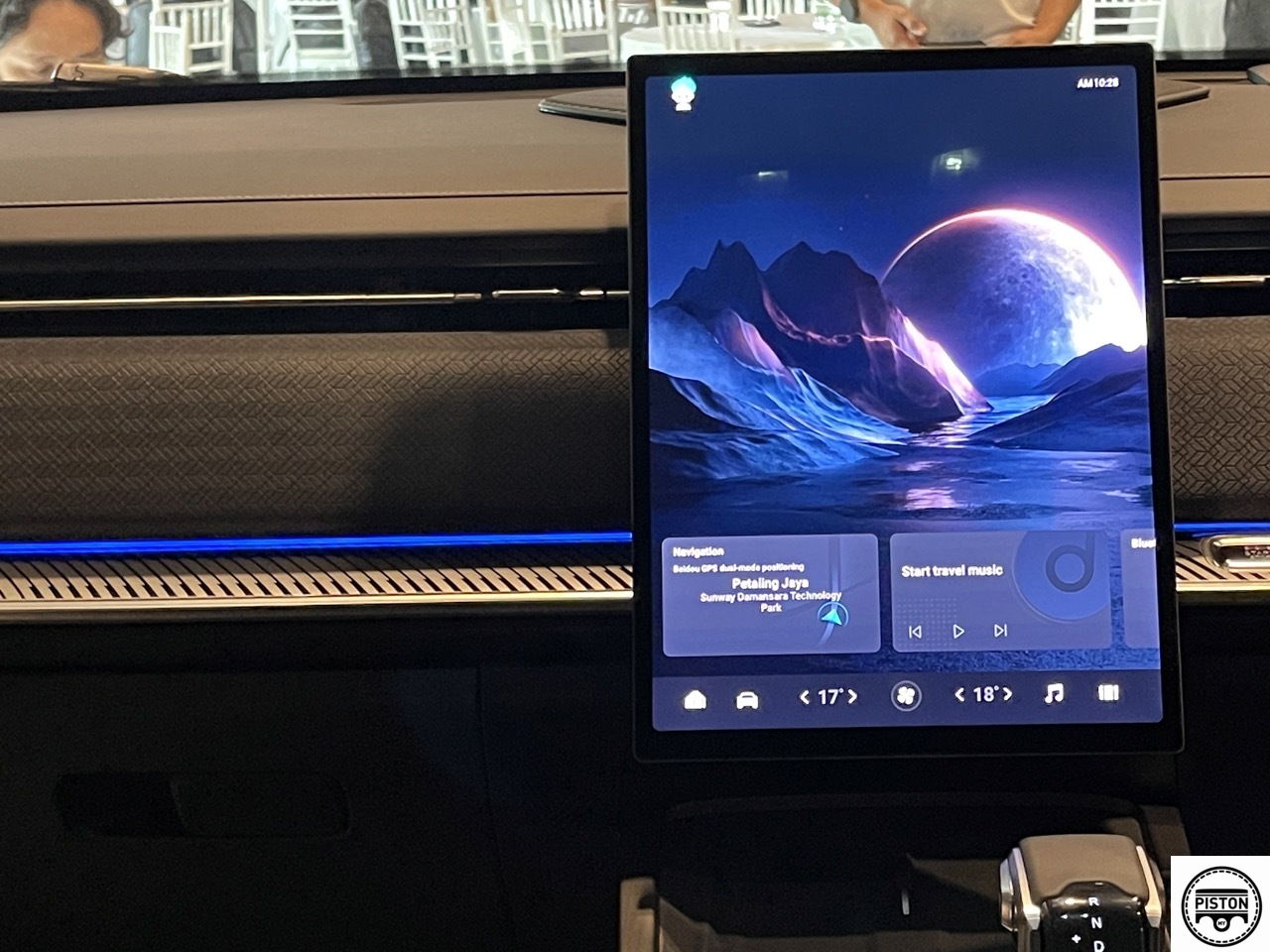
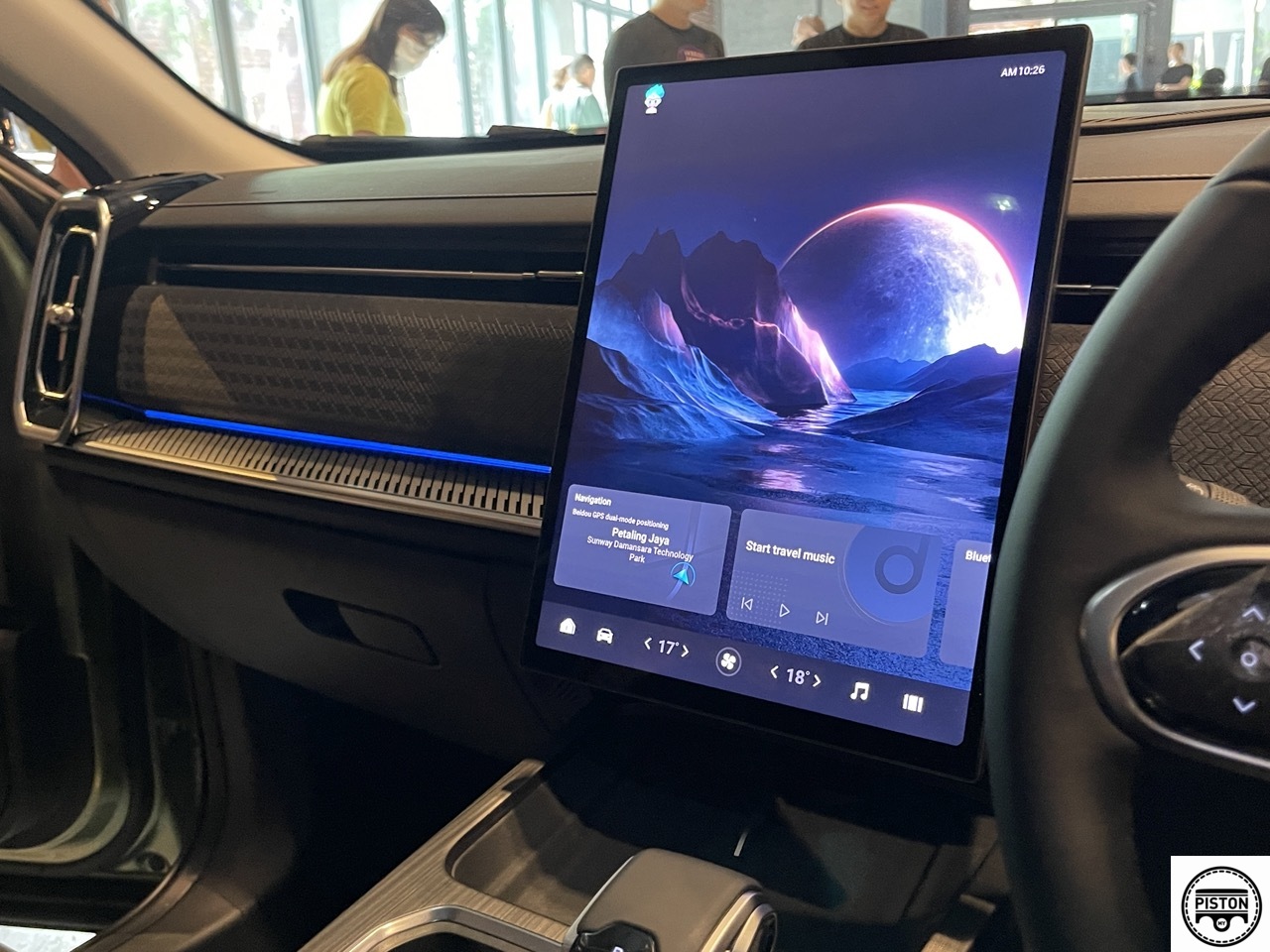
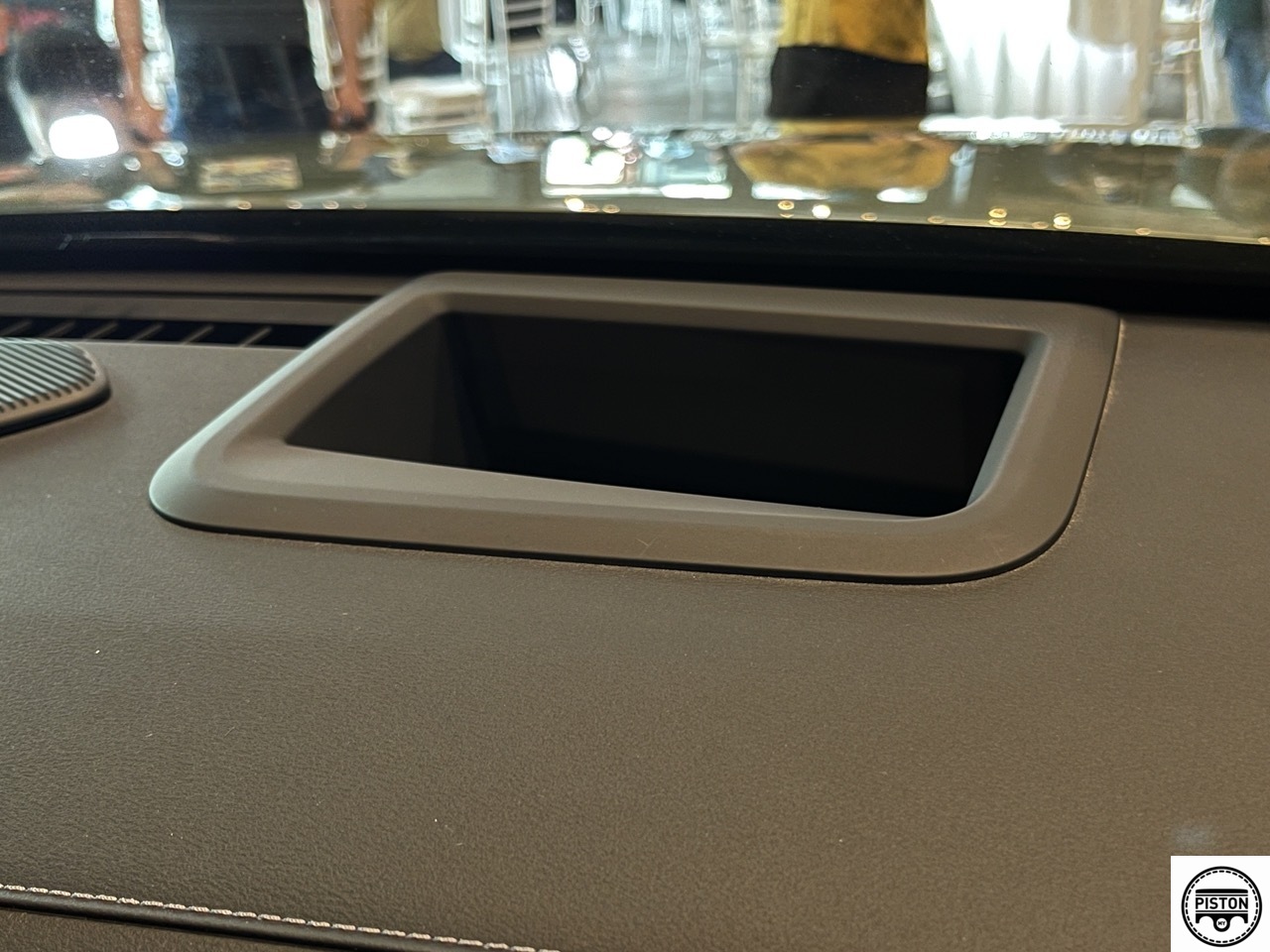
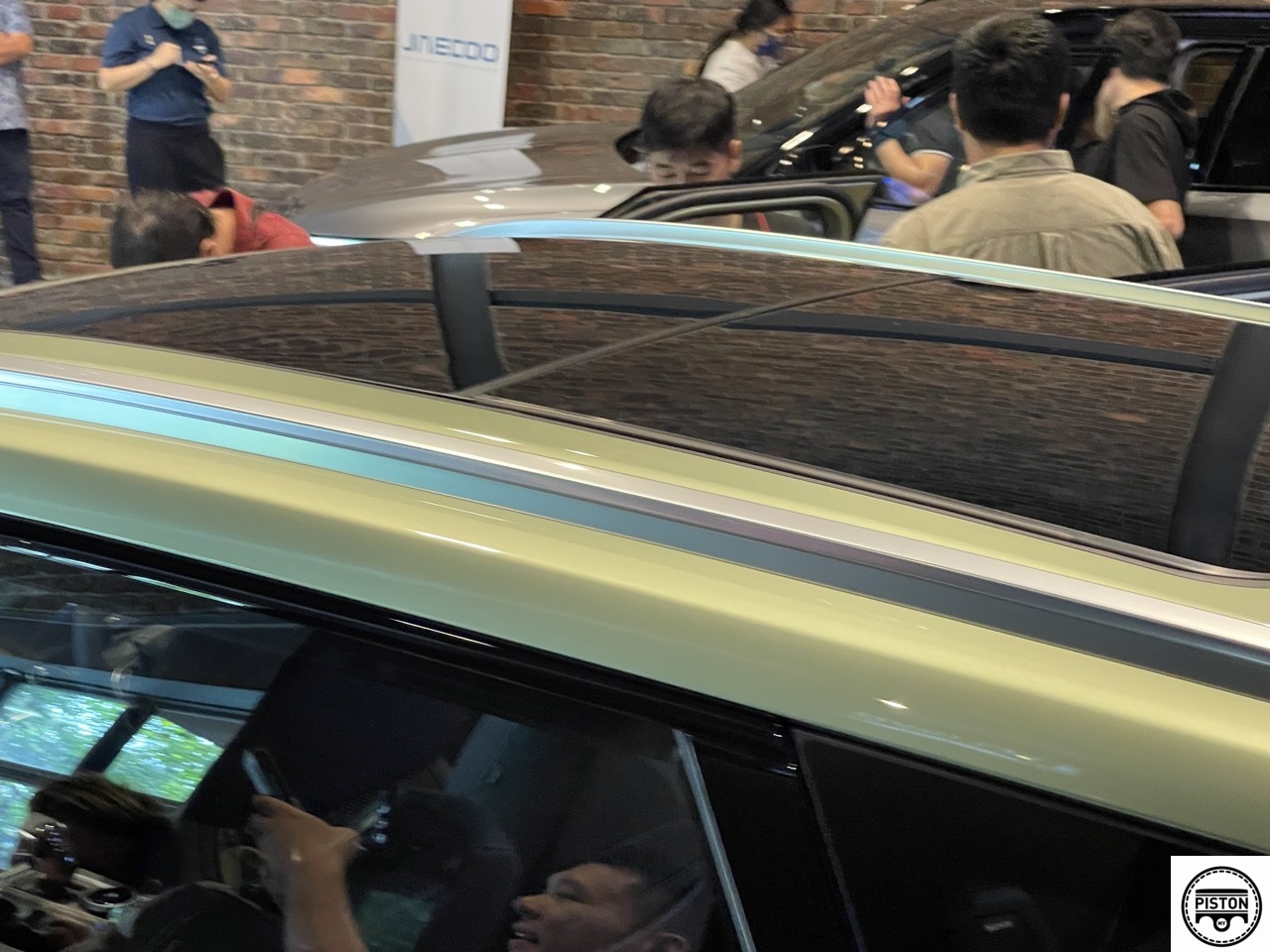
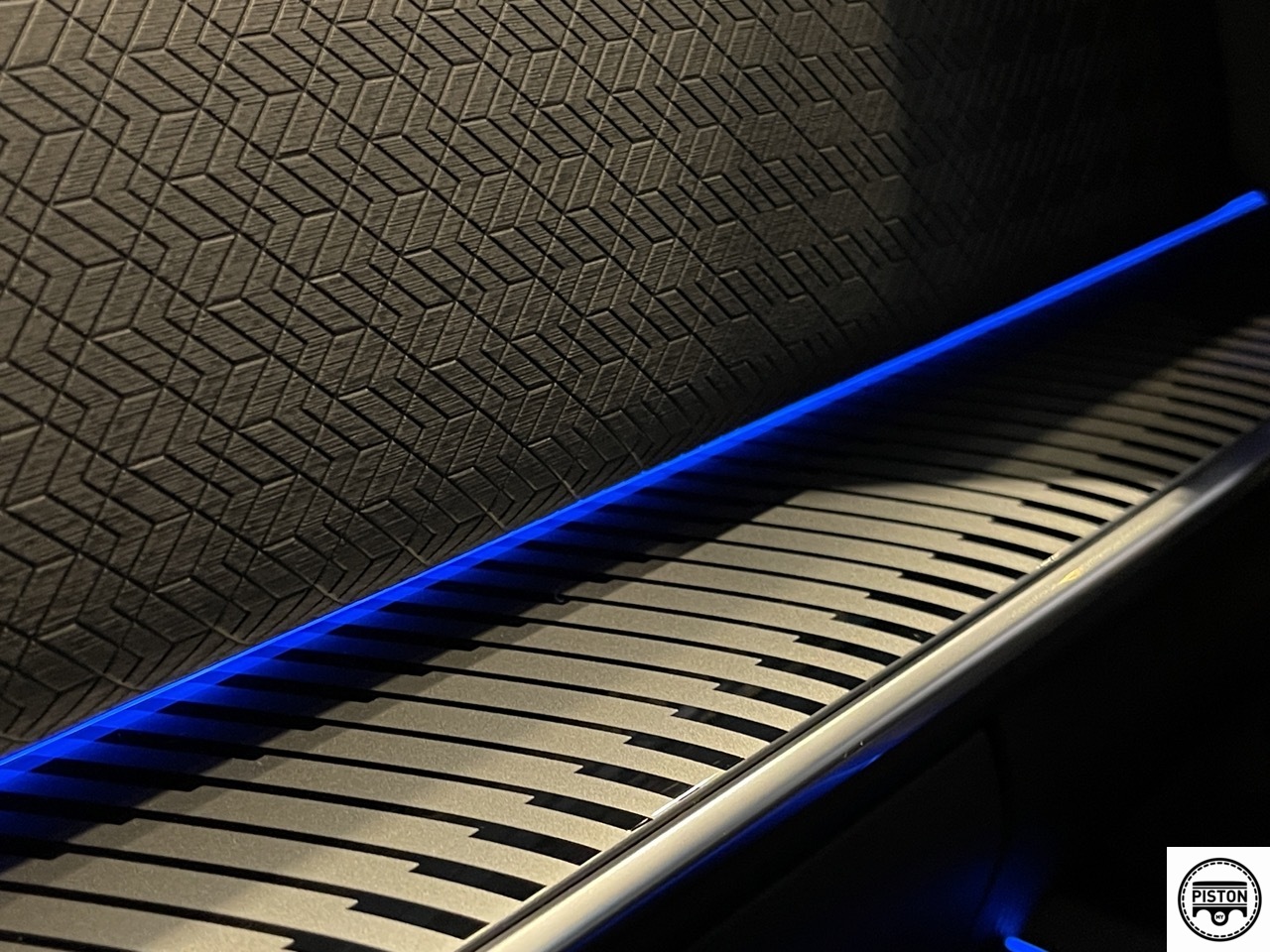
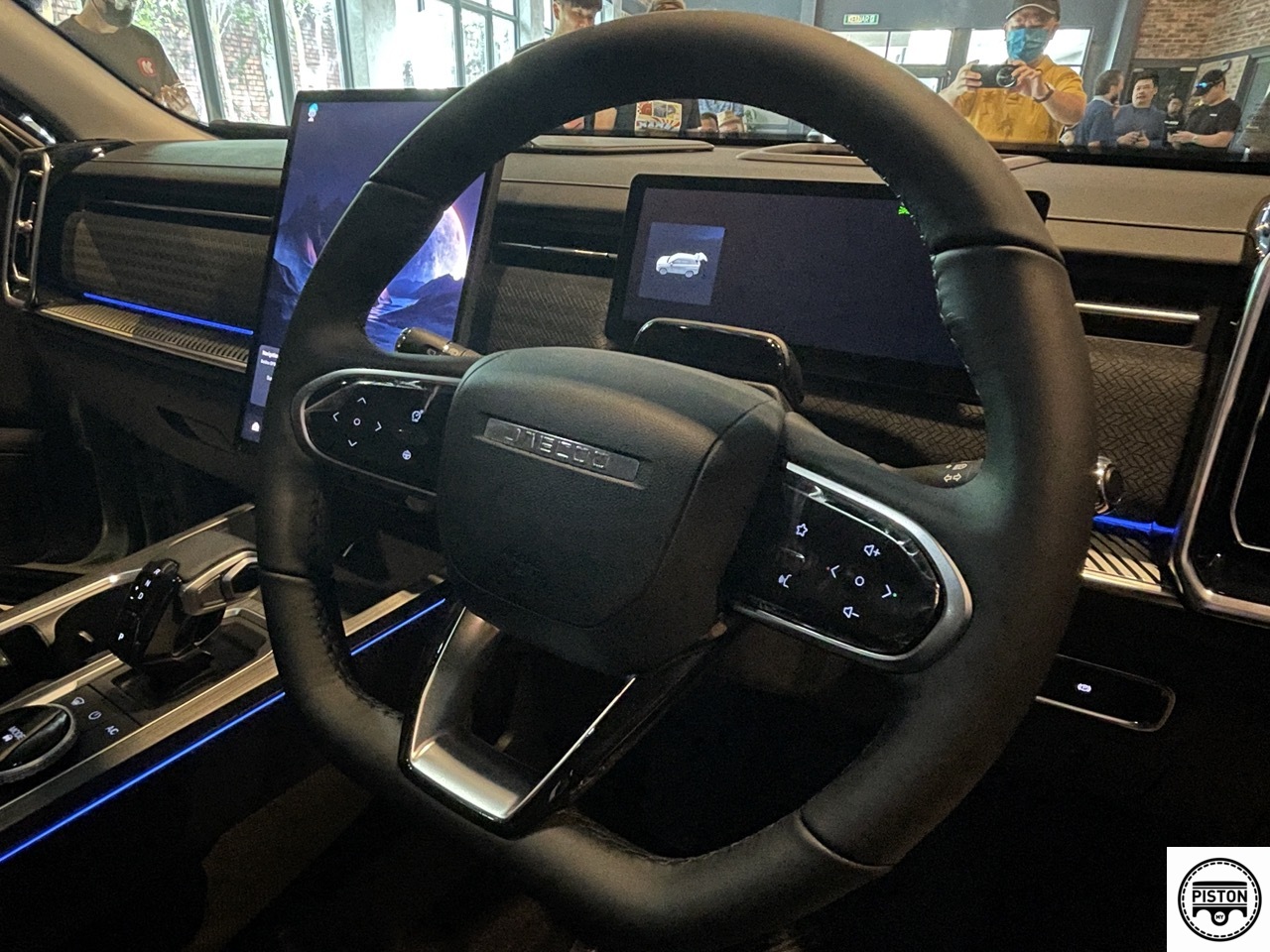
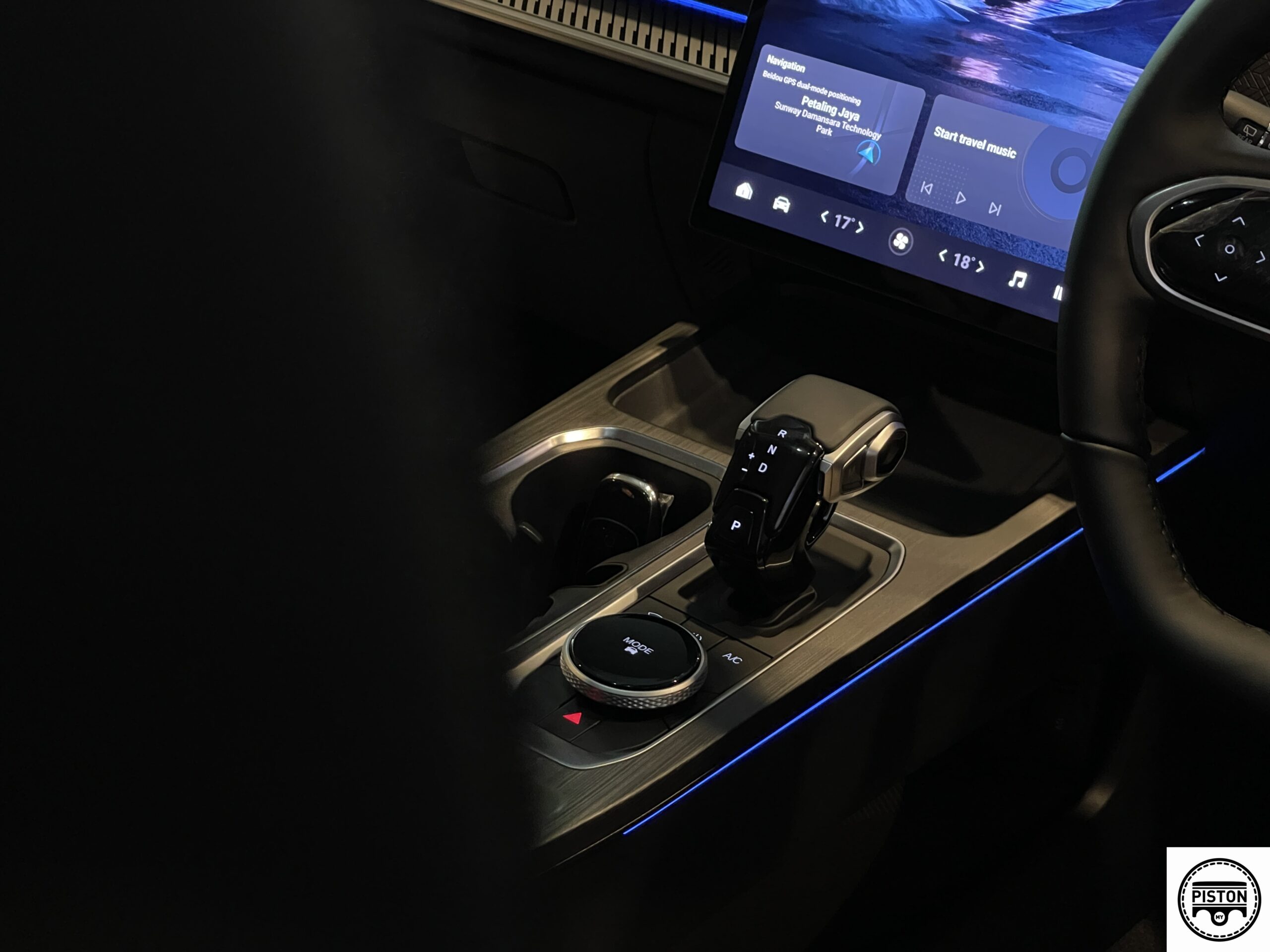
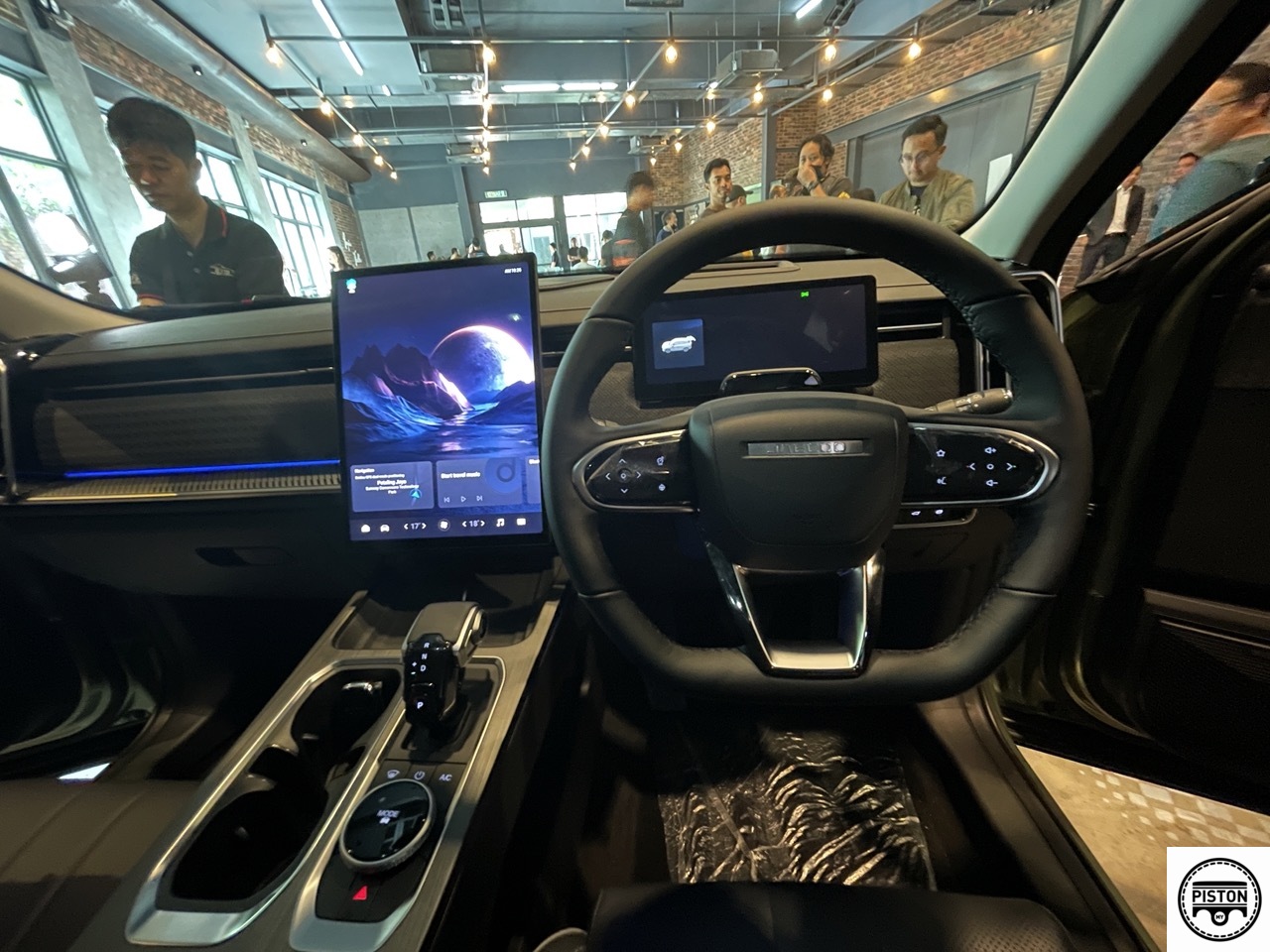
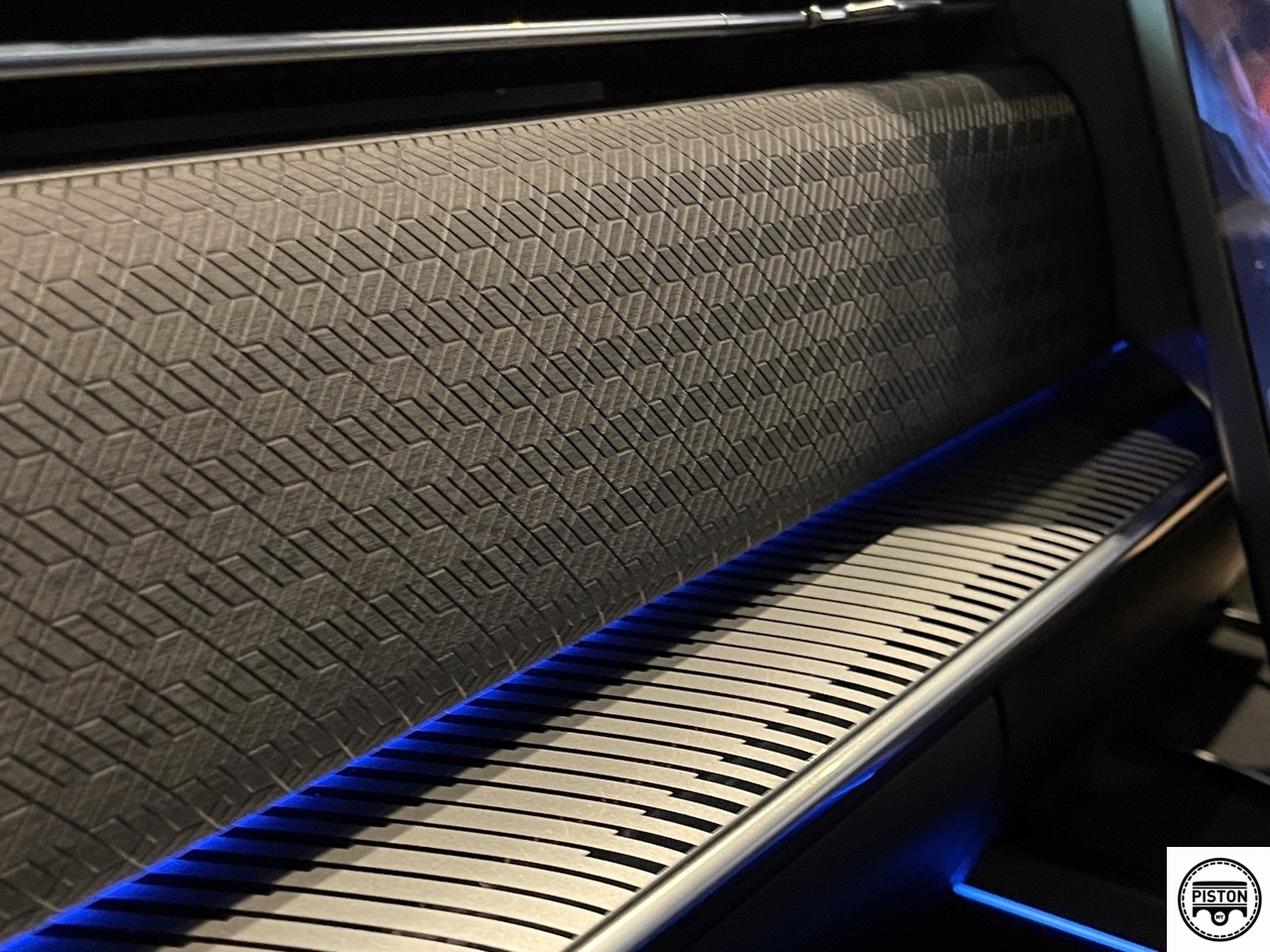
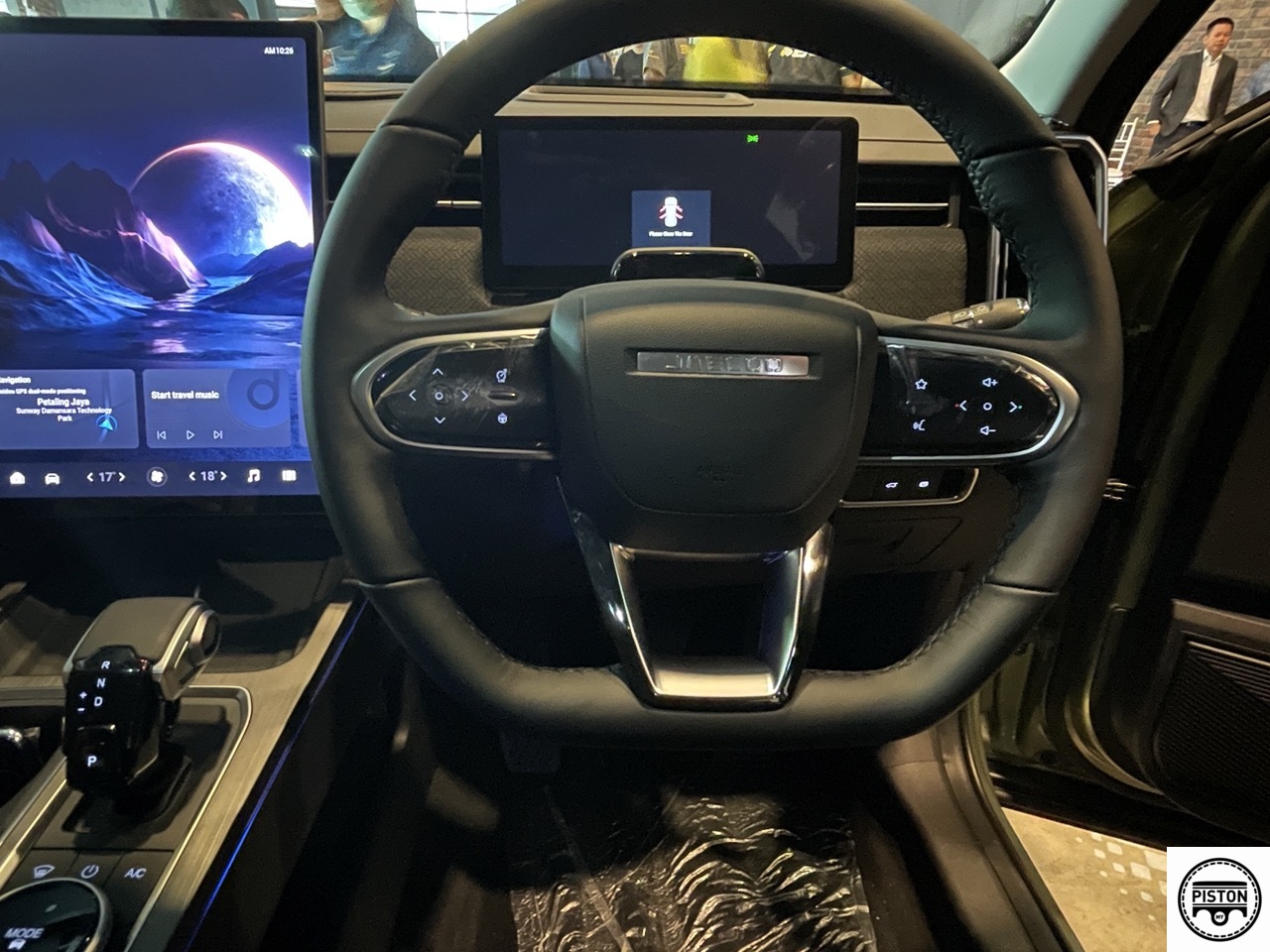
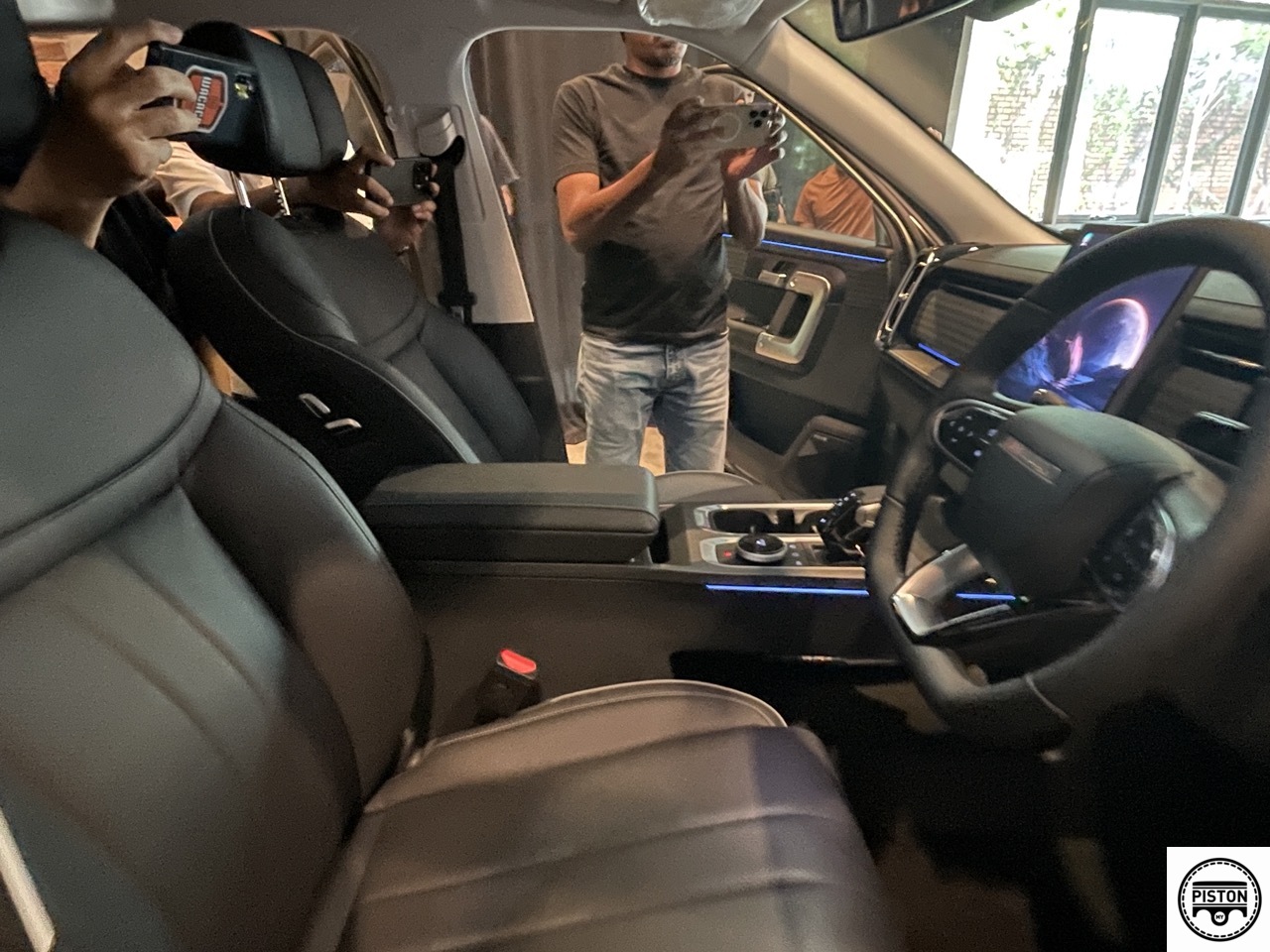
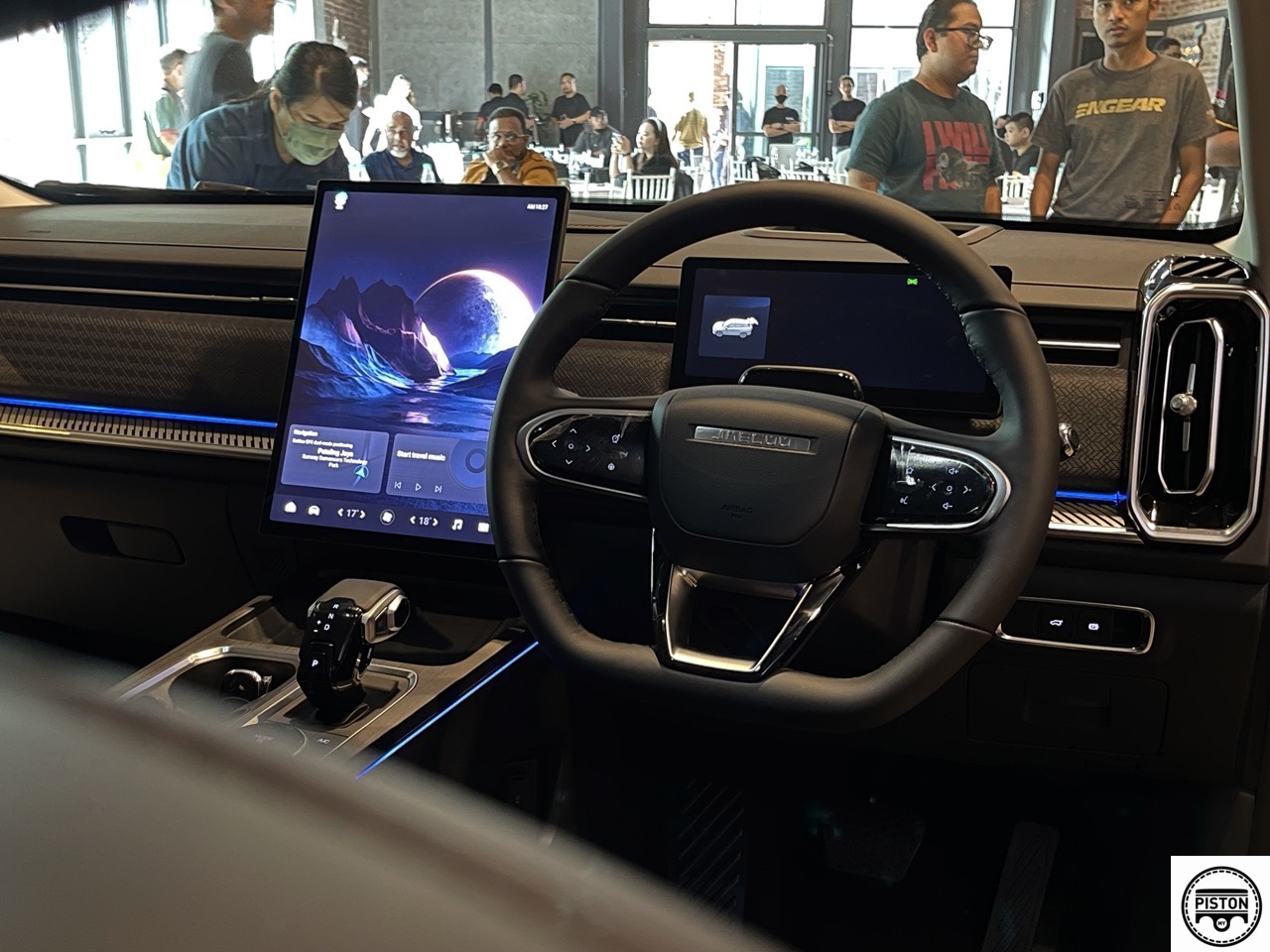
The available features encompass LED headlamps, a 10.25-inch digital instrument cluster, a central infotainment touchscreen measuring 14.8 inches, wireless compatibility with Android Auto and Apple CarPlay, a head-up display, a hands-free powered tailgate, a panoramic sunroof, rear air-conditioning vents, a powered driver’s seat, front seats with heating and ventilation. The transmission shifter has an avant-garde fighter-inspired design. It also has a safety provision of up to 10 airbags, and an extensive array of advanced driver assistance systems such as:

  • AEB: Automatic Emergency Braking
  • FCW: Front Collision Warning
  • LDW: Lane Departure Warning
  • LDP: Lane Departure Prevention
  • ELK: Emergency Lane Keeping
  • IES: Intelligent Evasion System
  • CSA: Curve Speed Assistance
  • DAI: Departure Ahead Inform
  • ACC: Adaptive Cruise Control
  • IHC: Intelligent Headlamp Control
  • TJA: Traffic Jam Assist
  • 540° Panoramic Camera
  • Parking Assistance
  • RCW: Rear Collision Warning
  • RCTA: Rear Cross Traffic Alert
  • RCTB: Rear Cross Traffic Braking
  • BSD: Blind Spot Detection
  • LCA: Lane Changing Assistance
  • DOW: Door Opening Warning

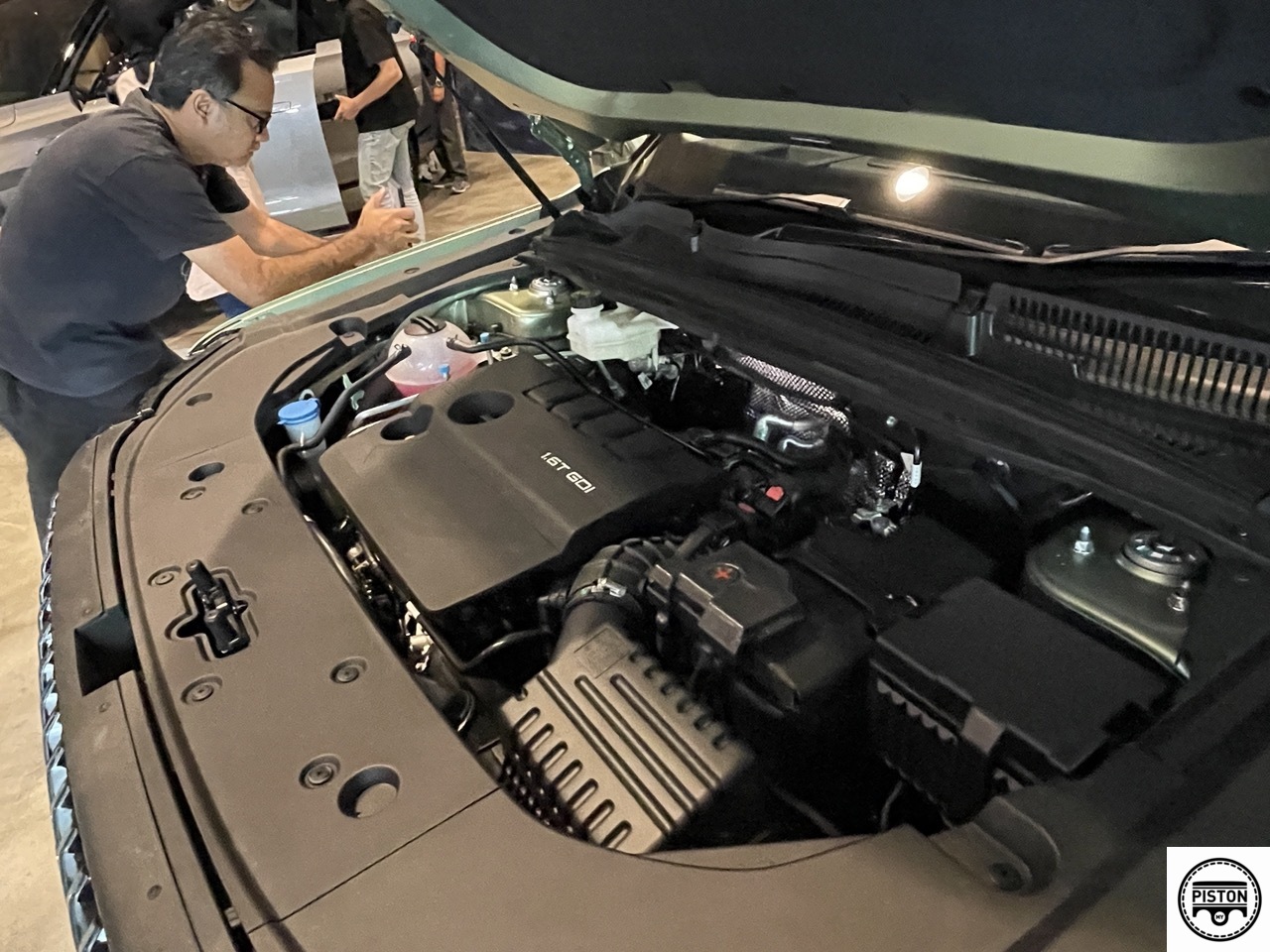
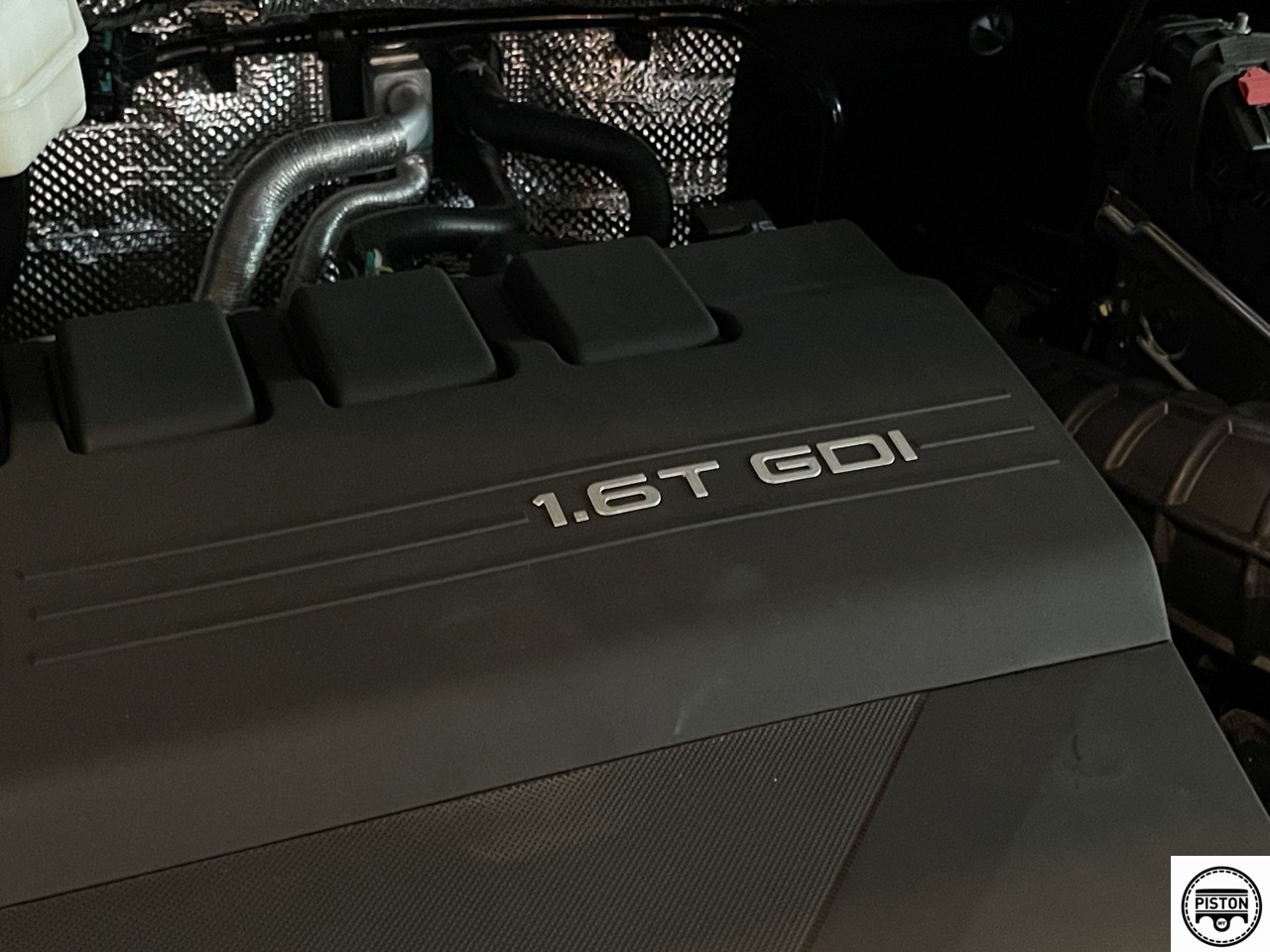
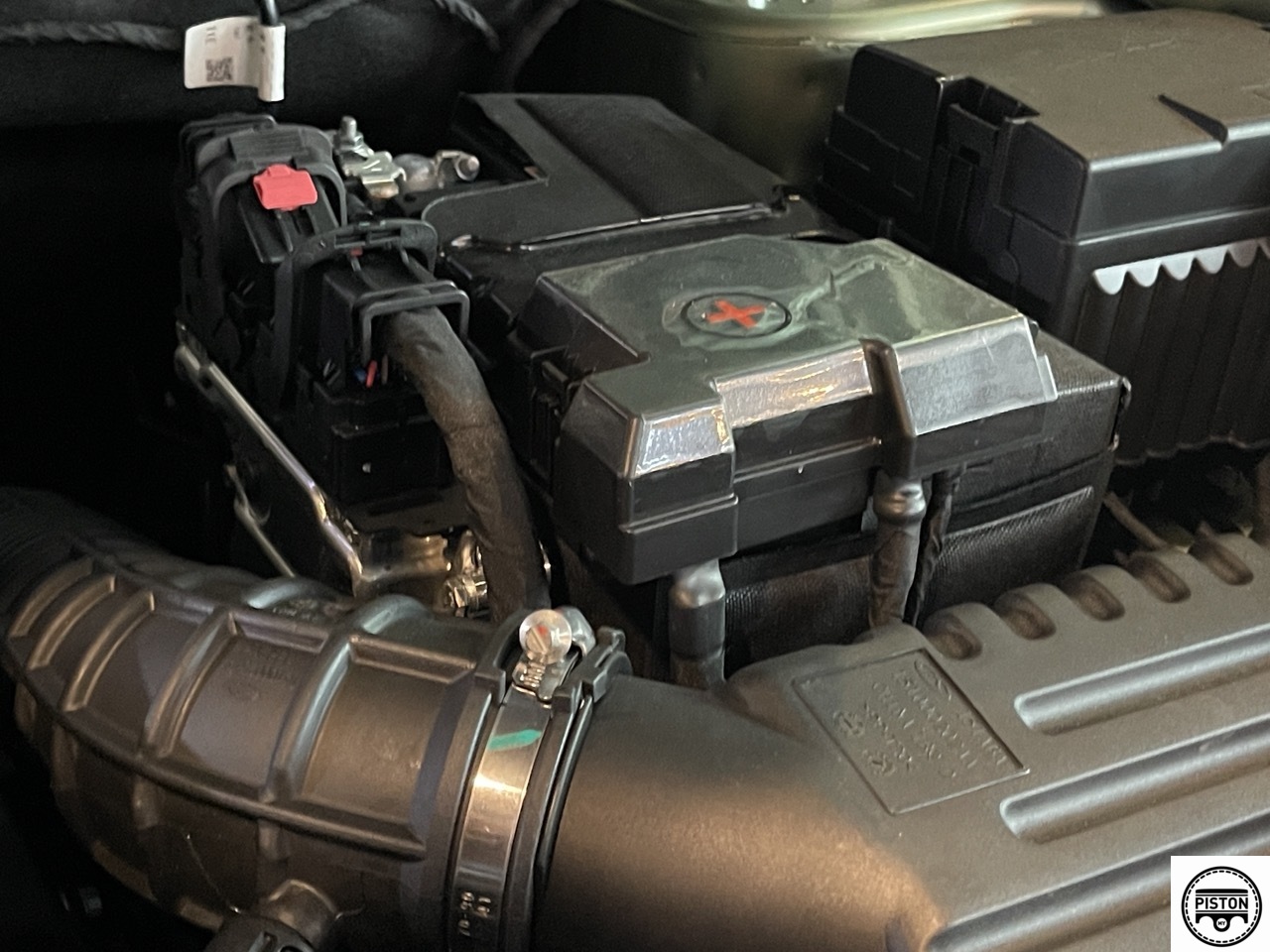
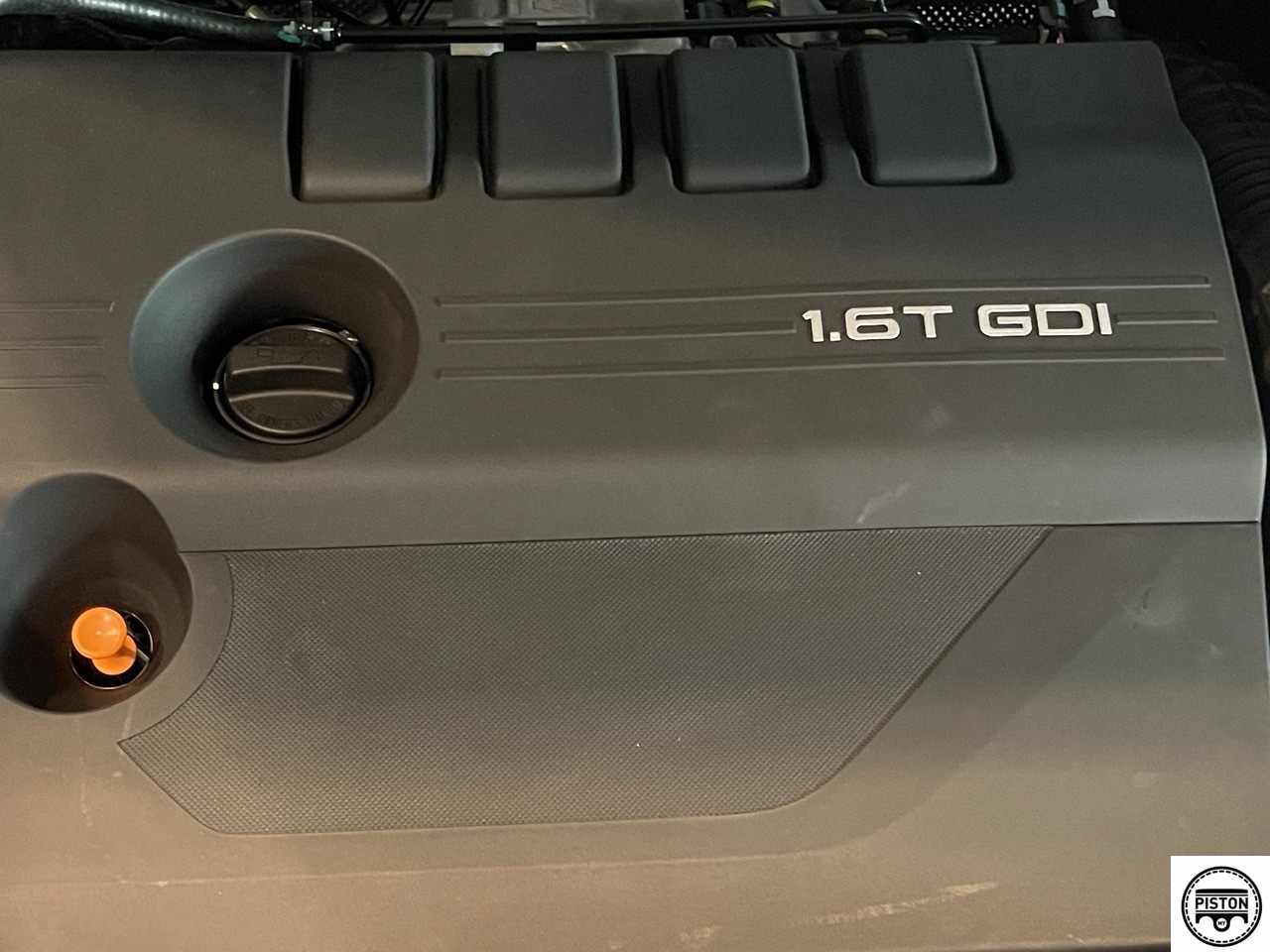
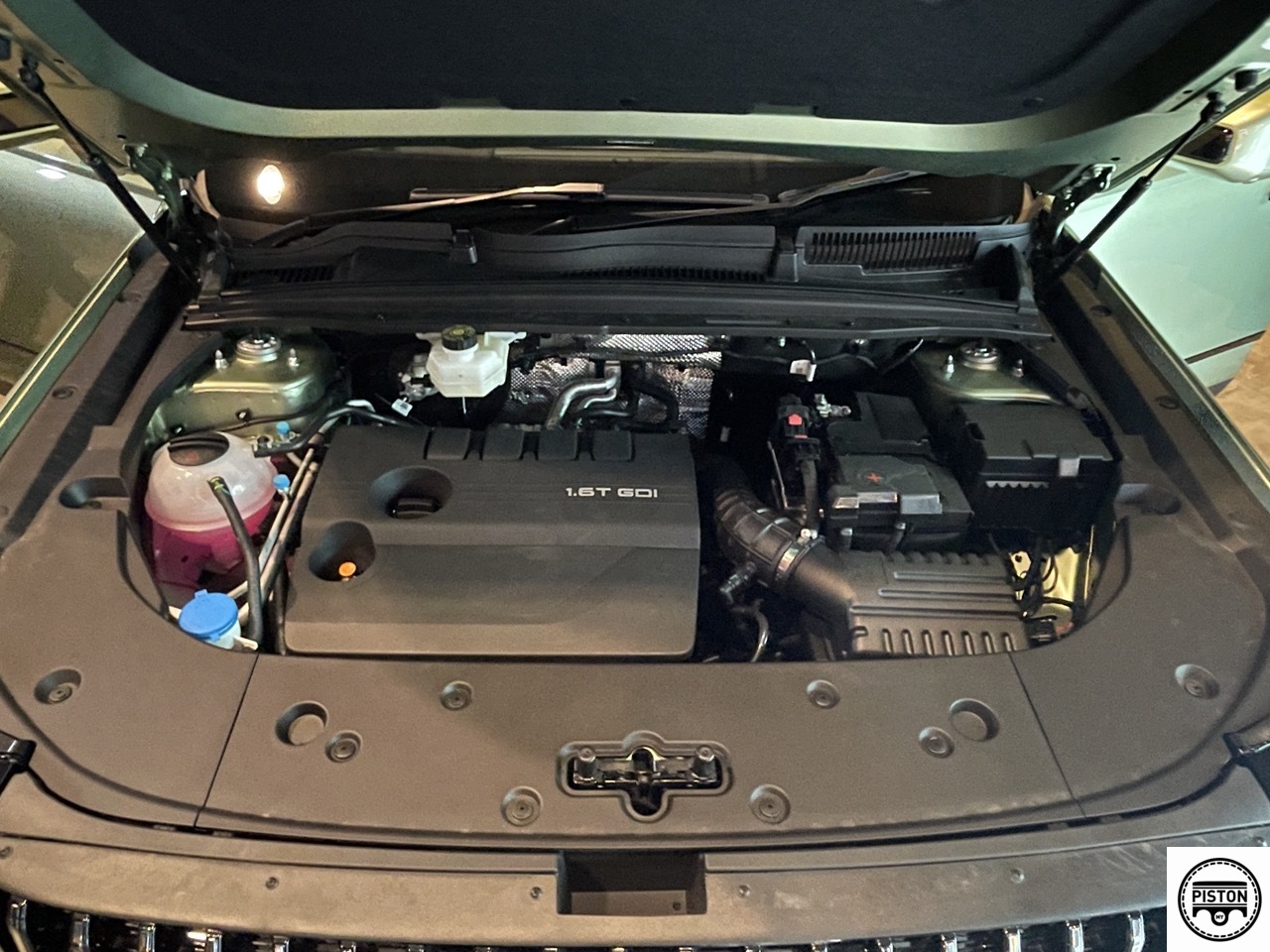
The heart of the J7 is a 1.6-litre turbocharged inline-four petrol engine with 194hp and 290Nm of torque. Paired with a seven-speed dual-clutch transmission and an intelligent 4WD system, the J7 achieves a 0-100km/h acceleration in eight seconds. According to WLTP ratings, the fuel consumption stands at 7.48 litres per 100km.
More information such as pricing and packages will be available soon during the official launch in the first-half of 2024.

Archive

Follow us on Facebook

Follow us on YouTube