Piston.my

English

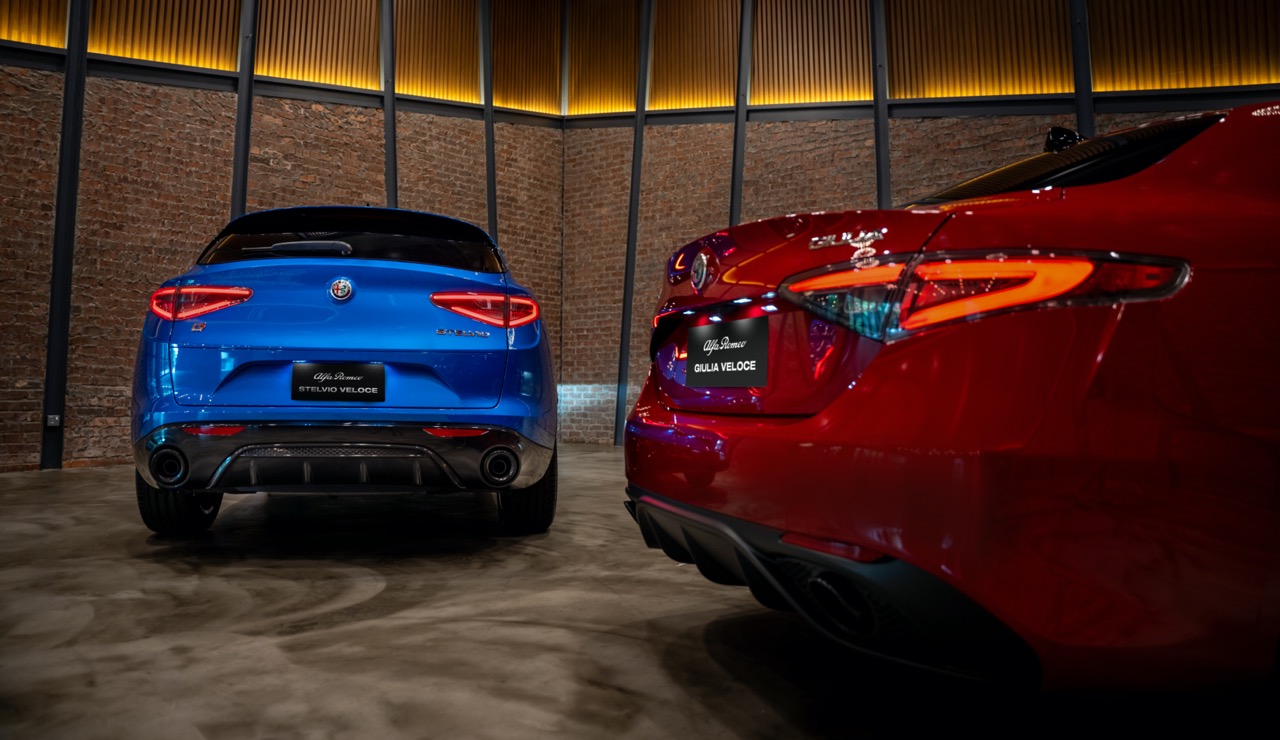
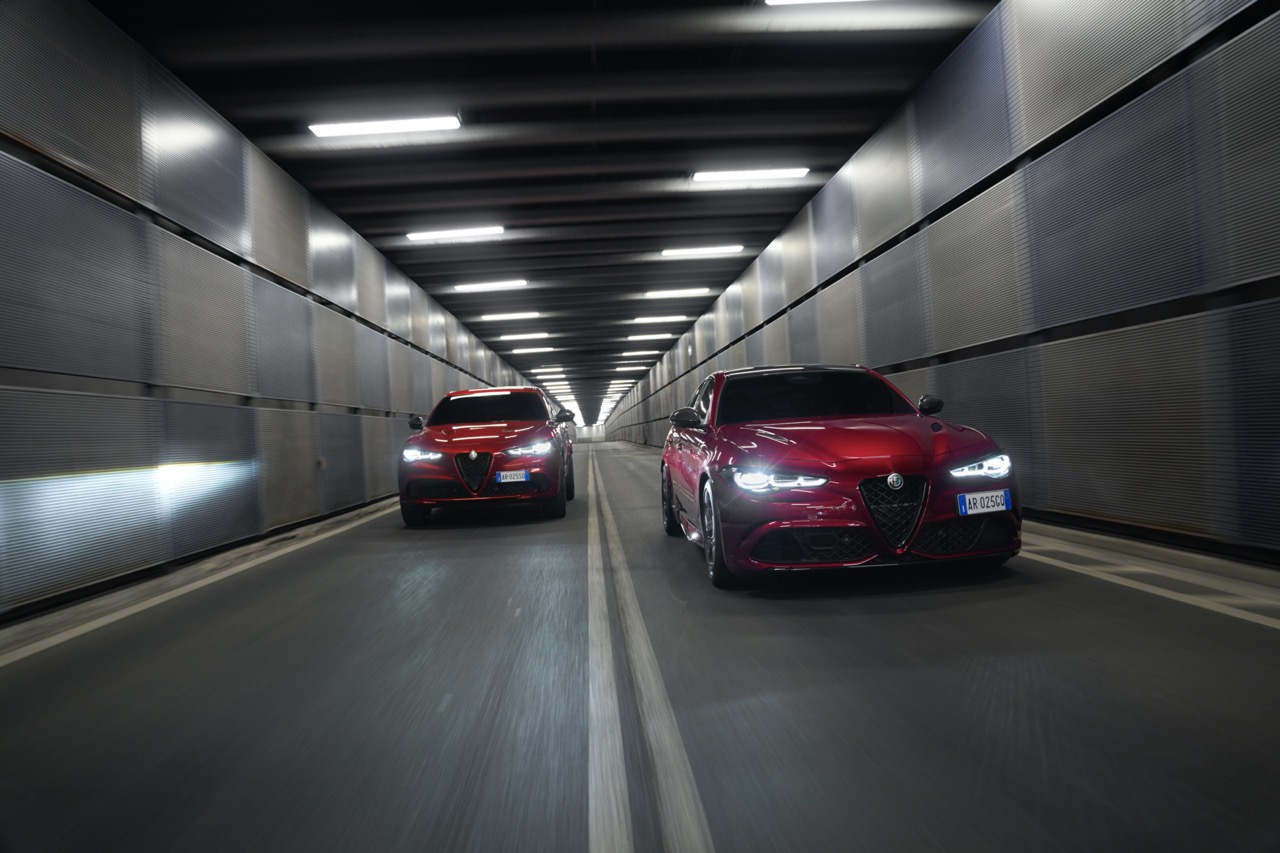
Alfa Romeo has made its long-awaited return to Malaysia, marking more than a decade since the brand last had an official presence here.

Its comeback is led by DLSB Partners Sdn Bhd under the Atlantis Motor Group, which has taken on the role of independent distributor and pledged to rebuild the brand’s footprint with proper nationwide support and a refreshed retail network.

The brand’s local revival centres on the theme “Drive Beautifully”, a message that invites Malaysians to reconnect with the emotional and artistic side of driving that Alfa Romeo has always embodied.

(more…)

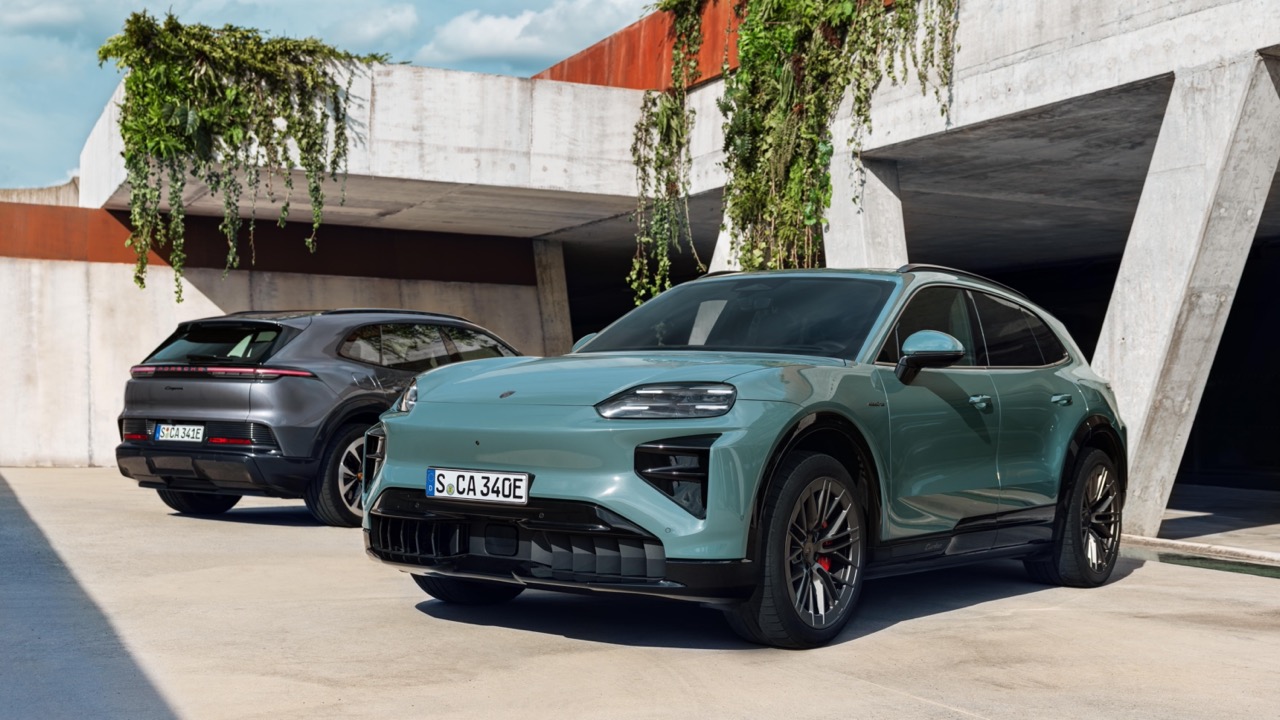
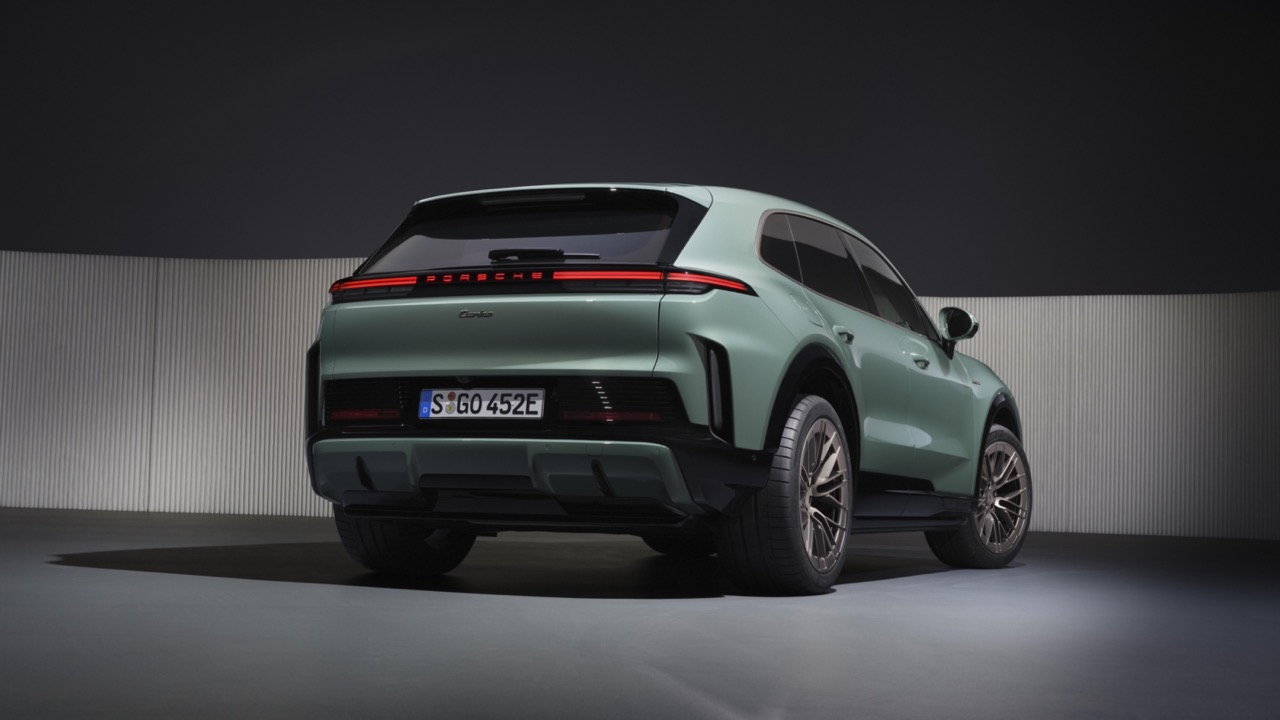
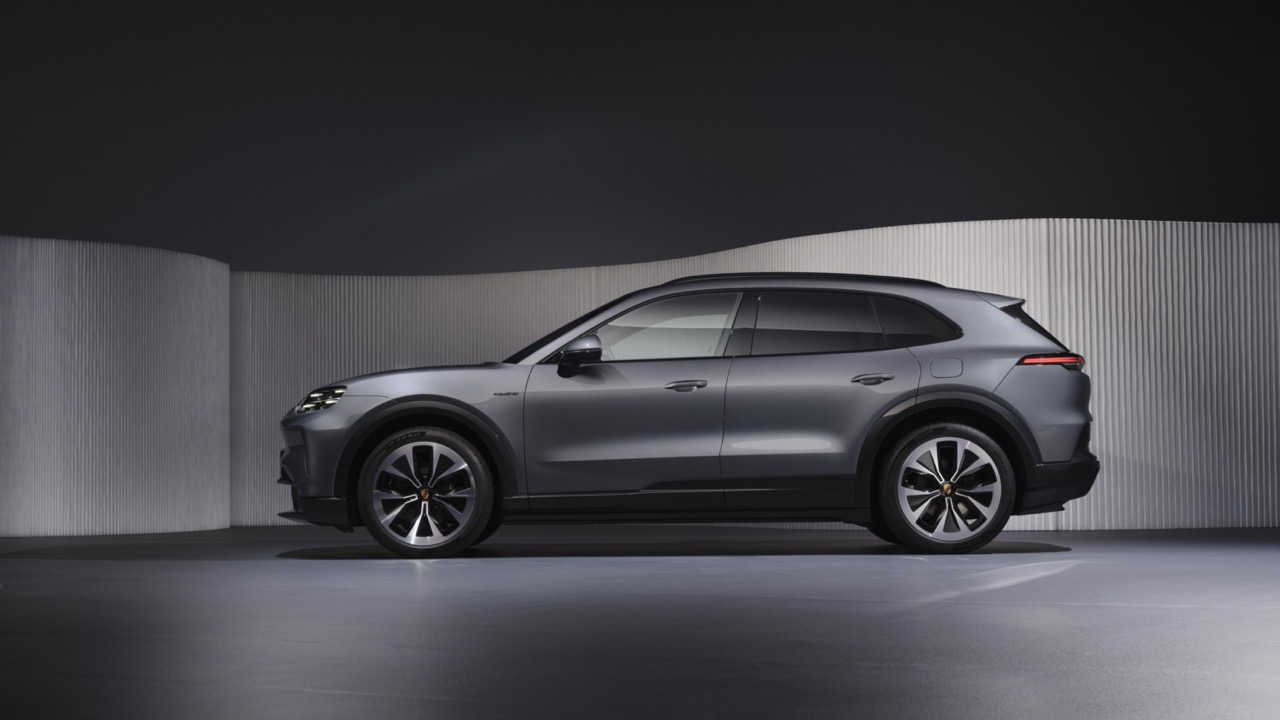
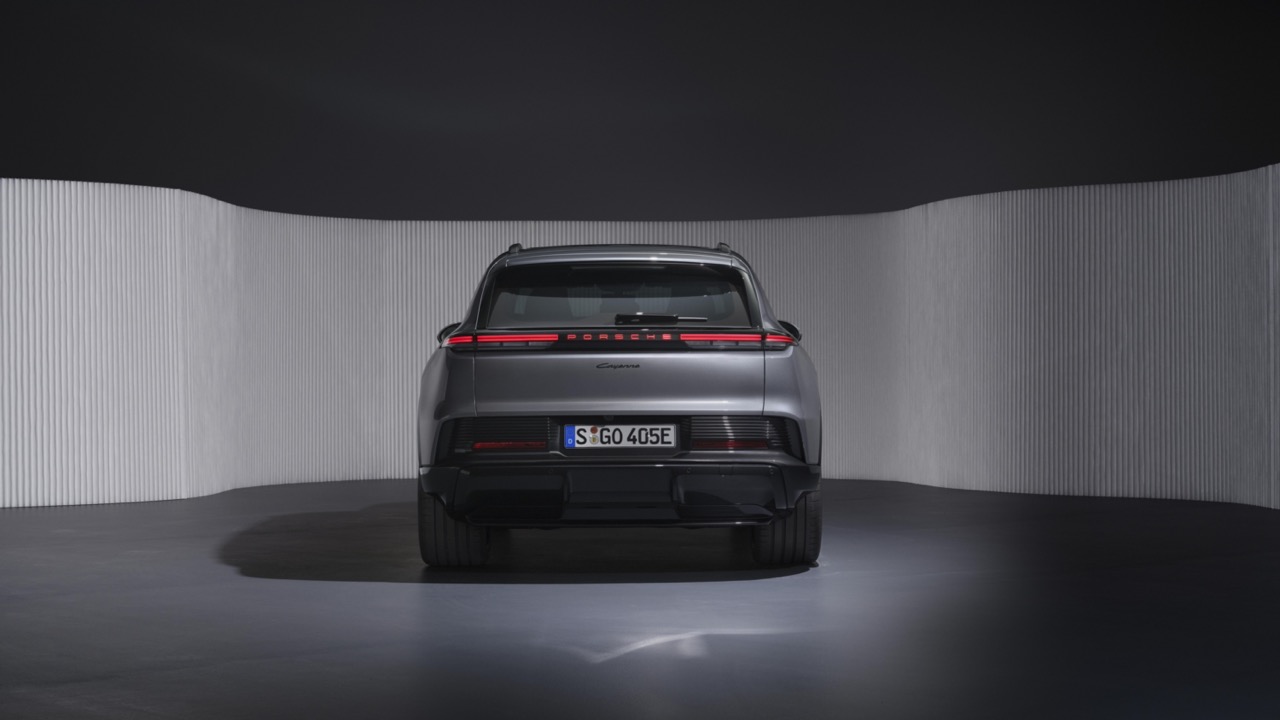
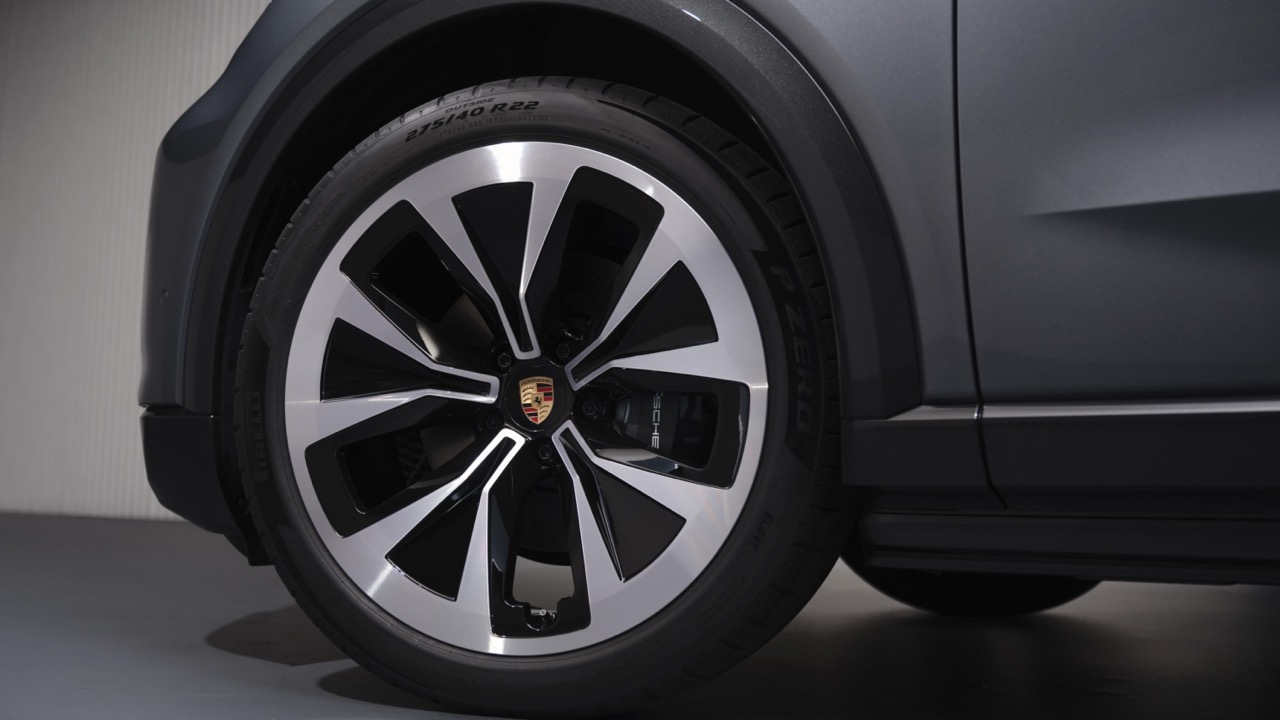
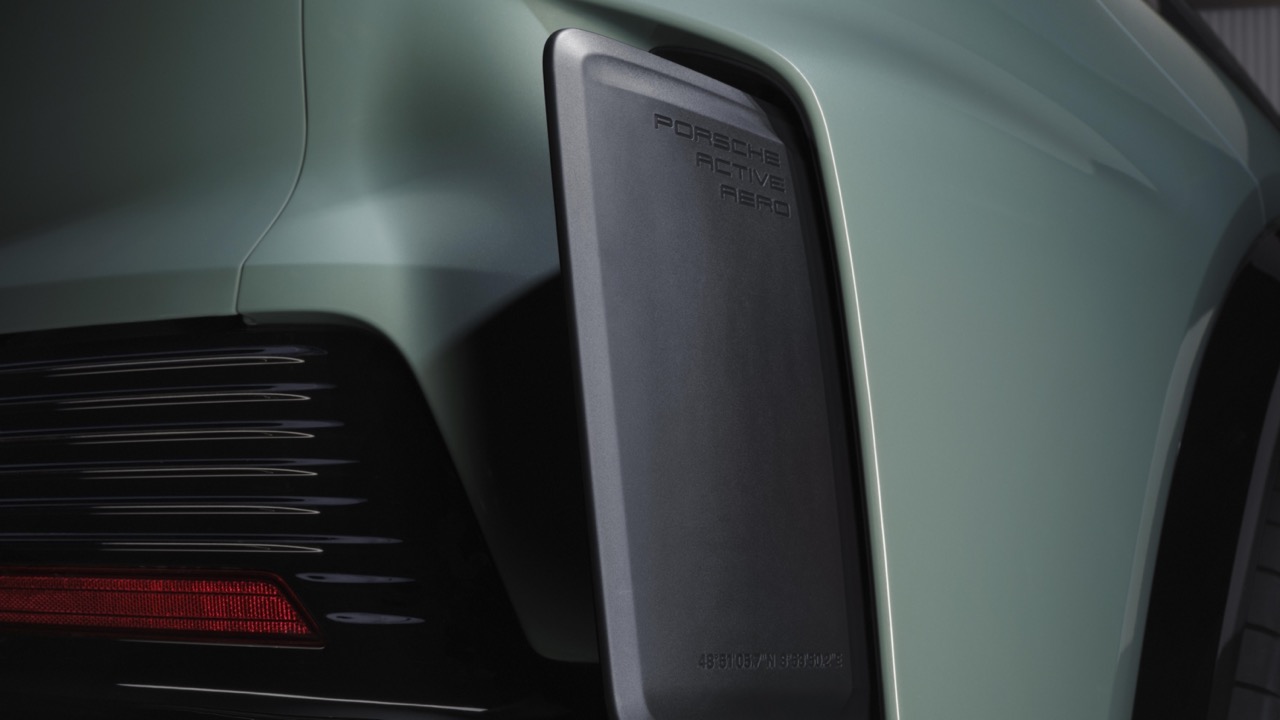
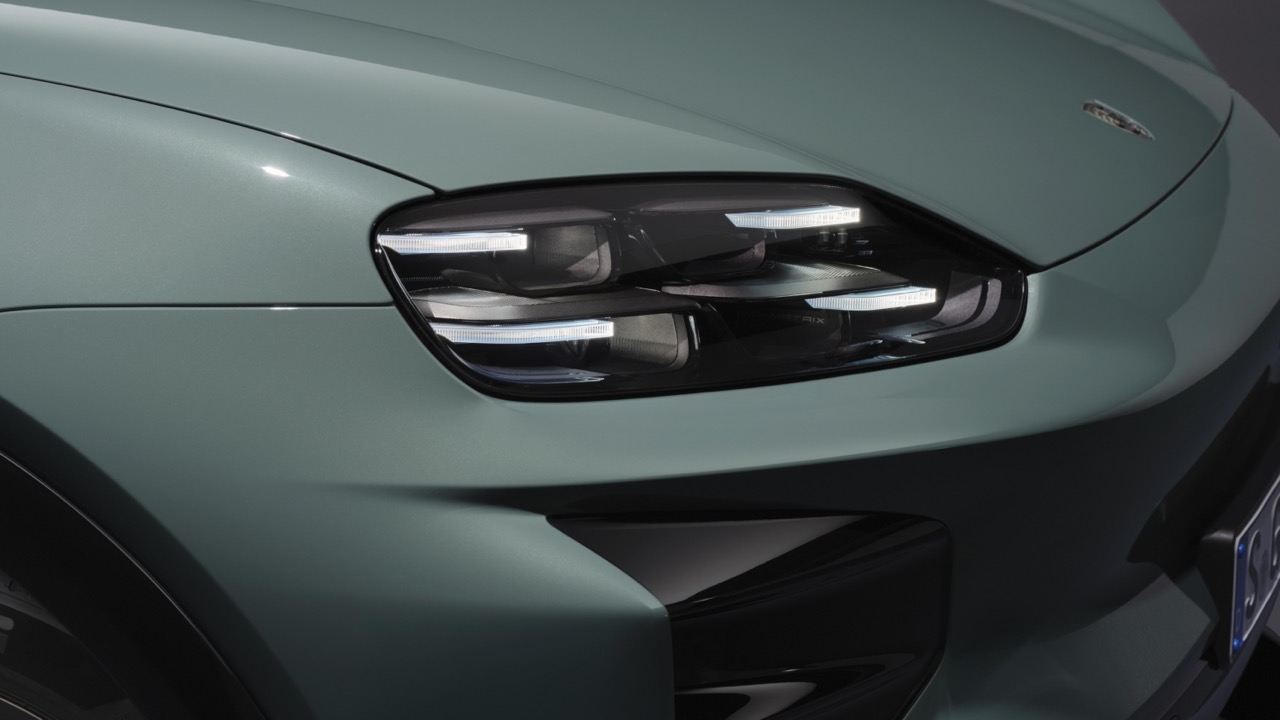
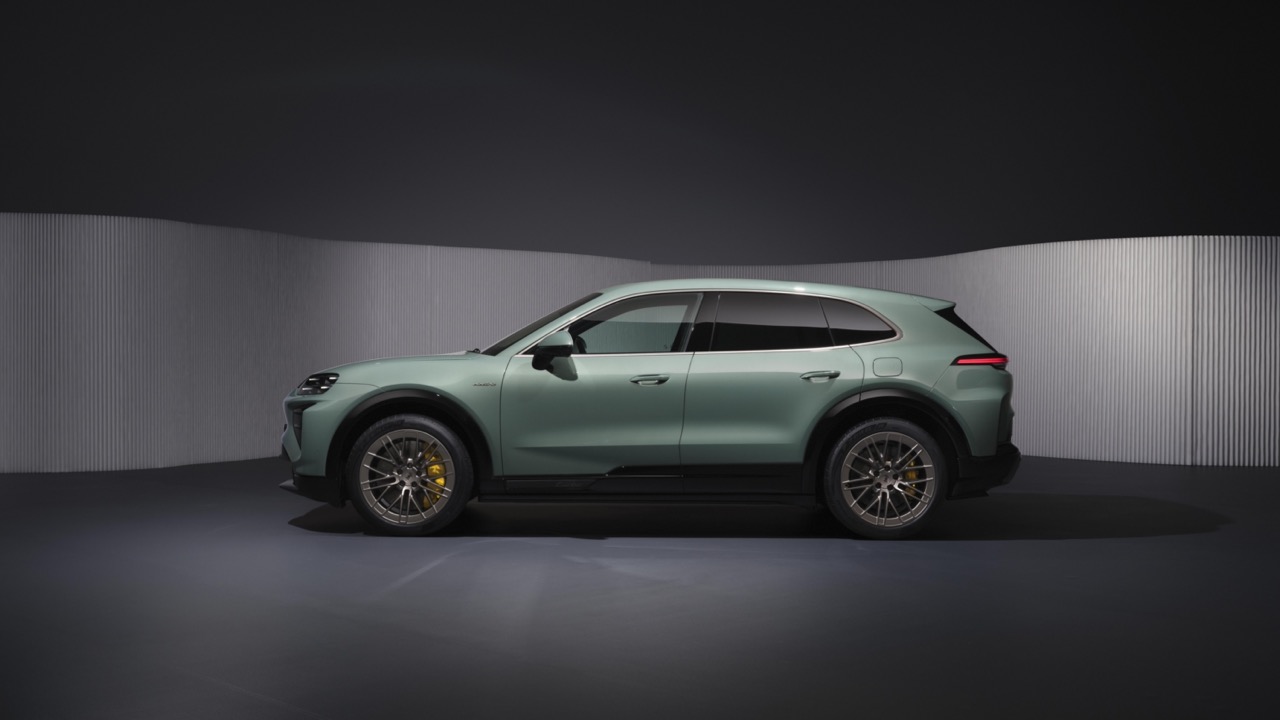
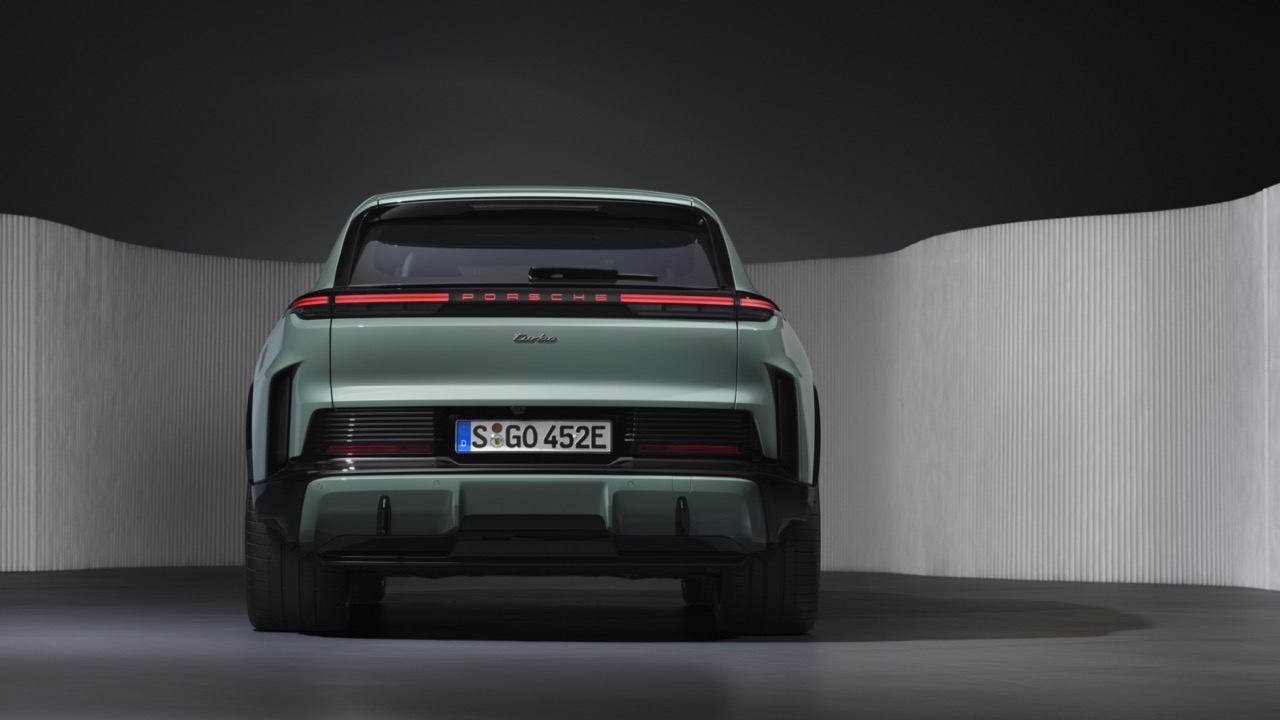
Porsche is preparing to expand its electric portfolio with the arrival of the 2026 Cayenne Electric, the company’s second fully electric SUV. Alongside its debut, Porsche confirms that this new model is now the most powerful production vehicle it has ever built.

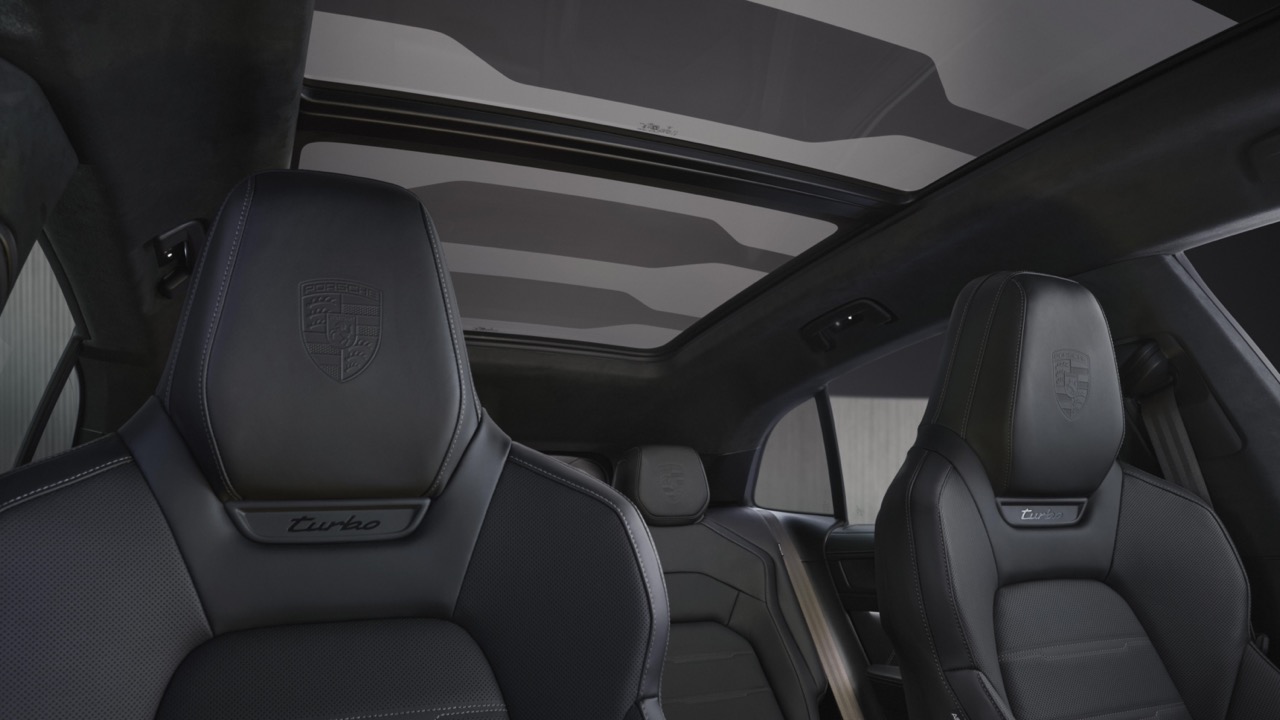
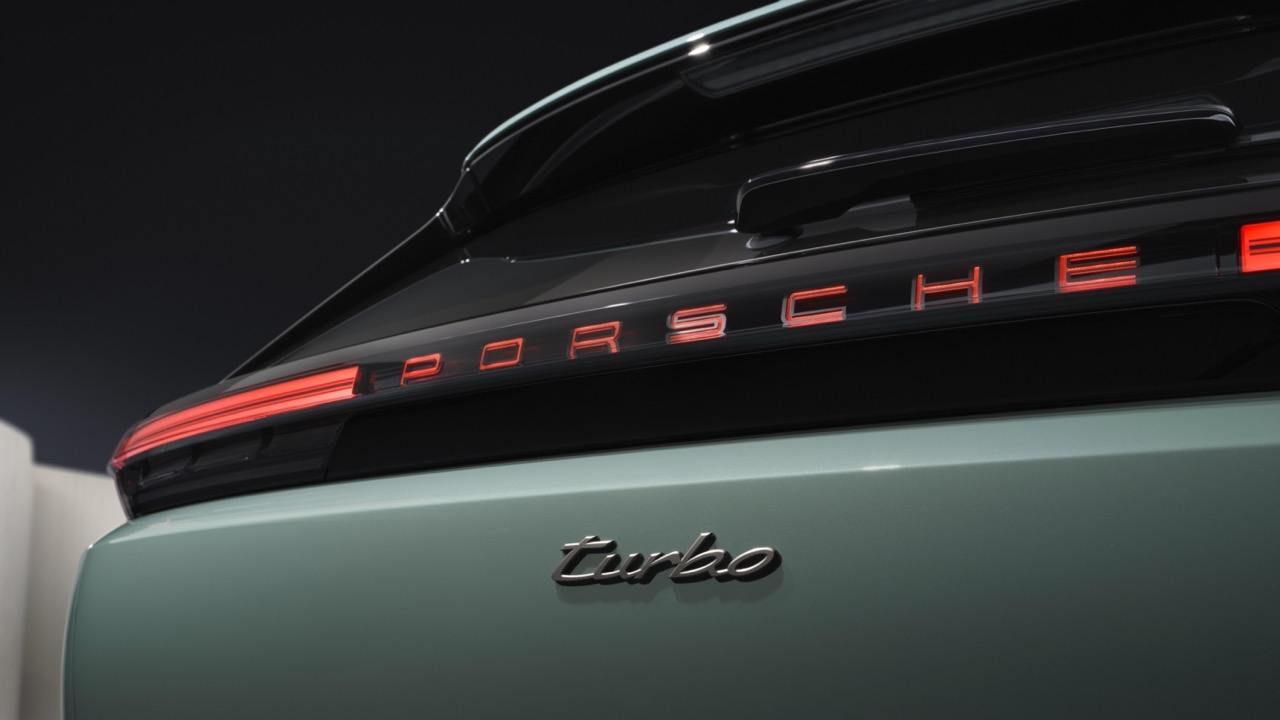
Two variants will be offered at launch: the standard Cayenne Electric and the Cayenne Turbo Electric. Porsche continues to use the “Turbo” label for its high-performance EVs, a naming approach that may raise eyebrows but remains well established within the brand’s identity.

The standard Cayenne Electric produces 402hp during normal driving, with output rising to 435hp and 834Nm of torque in Launch Control mode. Power comes from a dual-motor setup that provides all-wheel drive as standard.

The Cayenne Turbo Electric raises performance to extreme levels. It delivers 844hp in regular driving, while Launch Control mode unleashes 1,139hp and 1,500Nm of torque. Porsche states that this enables a 0–100km/h time of 2.4 seconds.

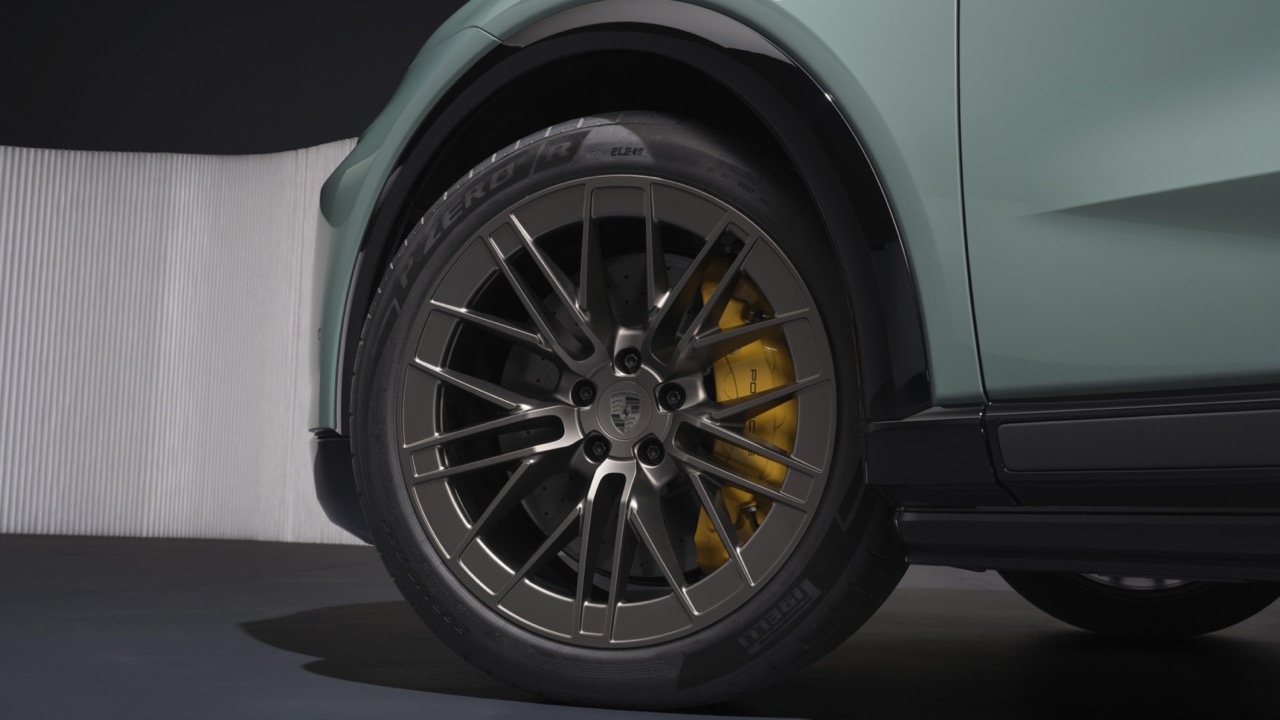
Stopping performance is equally serious. The Cayenne Electric can regenerate up to 600kW during braking, with Porsche noting that nearly 97 per cent of braking situations can be handled solely by the motors. Ceramic Composite brakes remain an option for those who want a stronger performance emphasis on the Turbo variant.

Porsche aims to deliver a familiar driving feel despite the shift to full electrification. Both variants come equipped with Porsche Active Suspension Management as standard. The Turbo version adds Porsche Torque Vectoring Plus, and both models can be optioned with rear-axle steering and the Active Ride suspension system used in the Taycan and Panamera. Active Ride is designed to counter body movement during acceleration, braking, and cornering, creating a more composed and predictable response.

Powering the Cayenne Electric is a 113 kWh battery pack supported by an 800-volt architecture, enabling charging speeds of up to 400 kW. Under ideal conditions, Porsche claims the battery can charge from 10 to 80 percent in as little as 16 minutes. The European WLTP cycle suggests the SUV can achieve up to 644km. An optional inductive charging system is also available, allowing wireless charging at up to 11 kW by parking the vehicle over a floor-mounted pad.

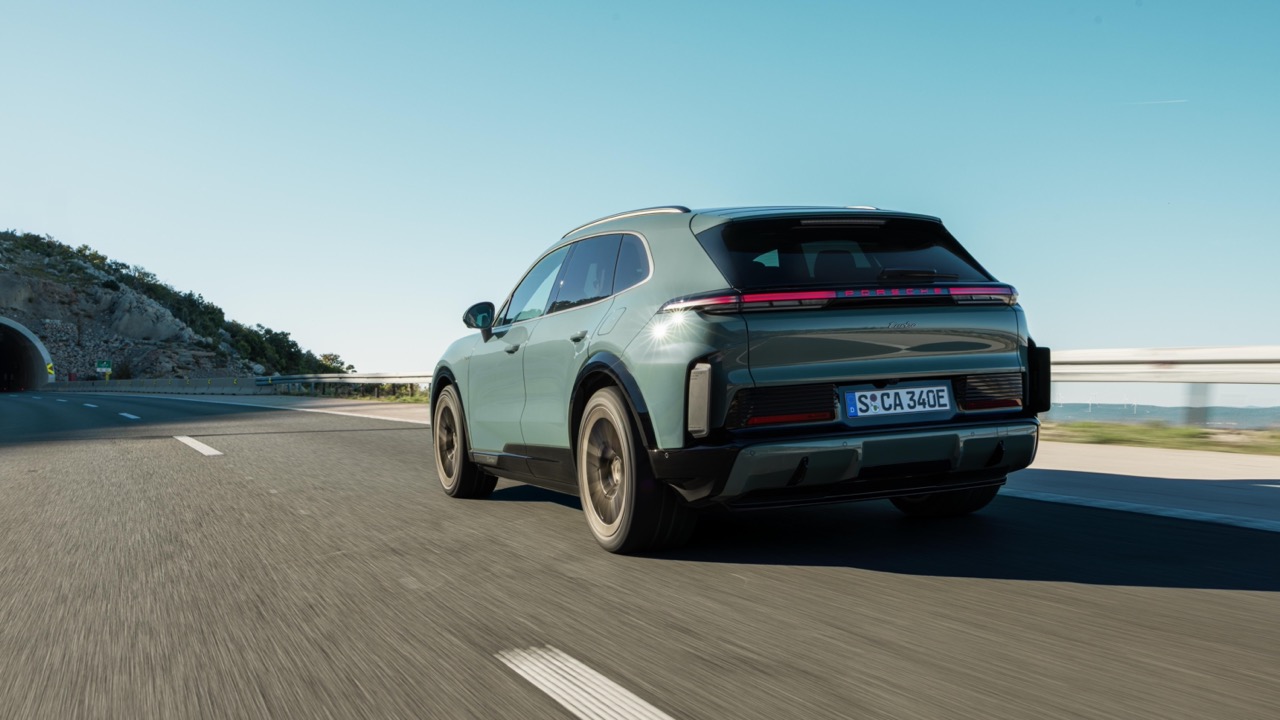
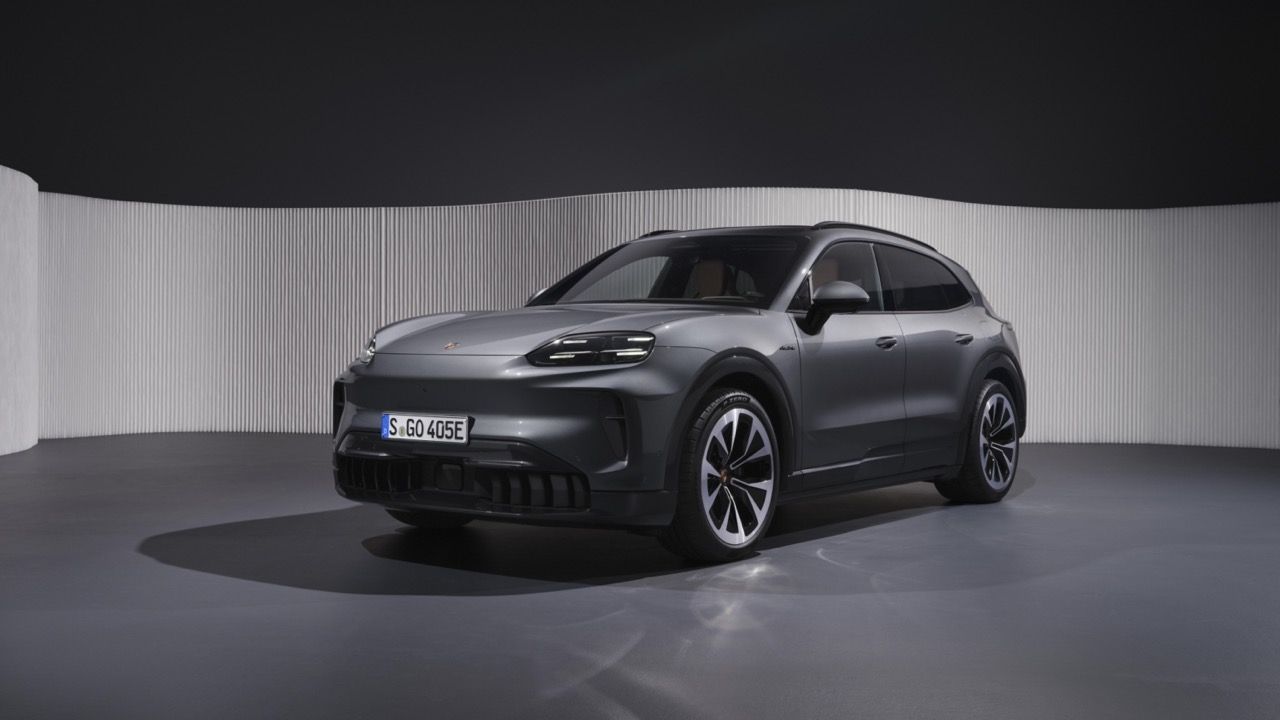
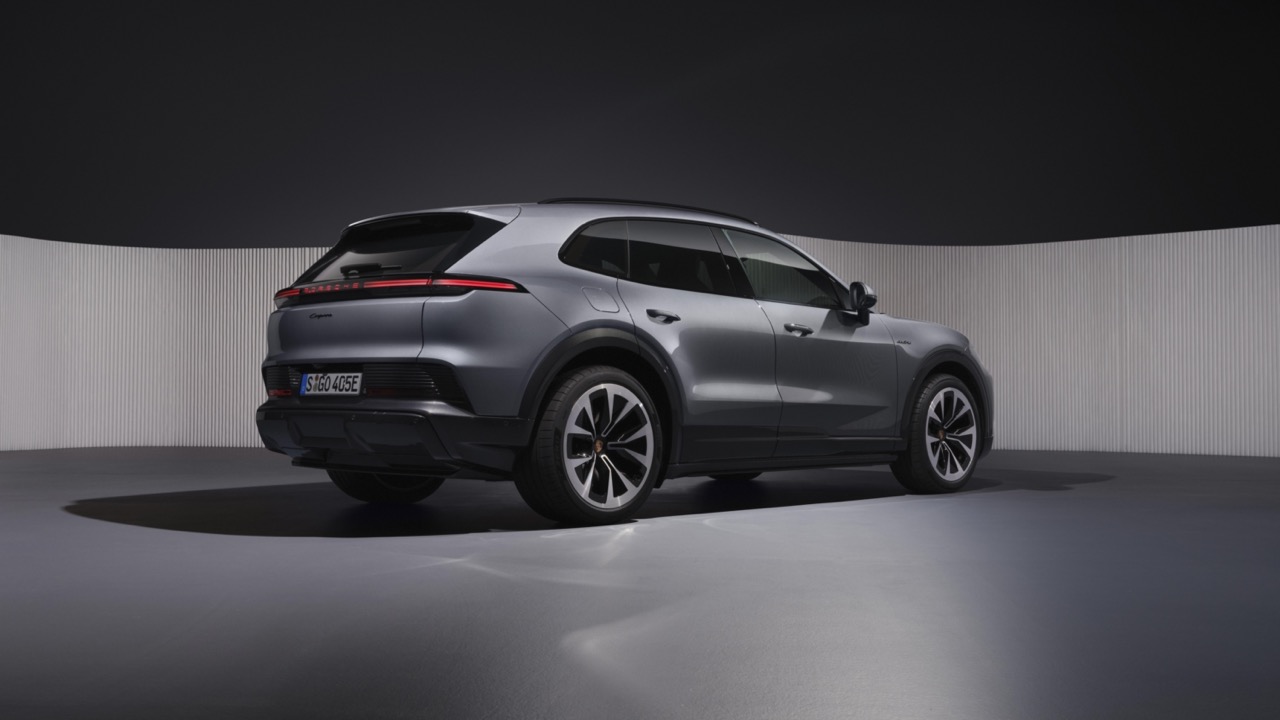
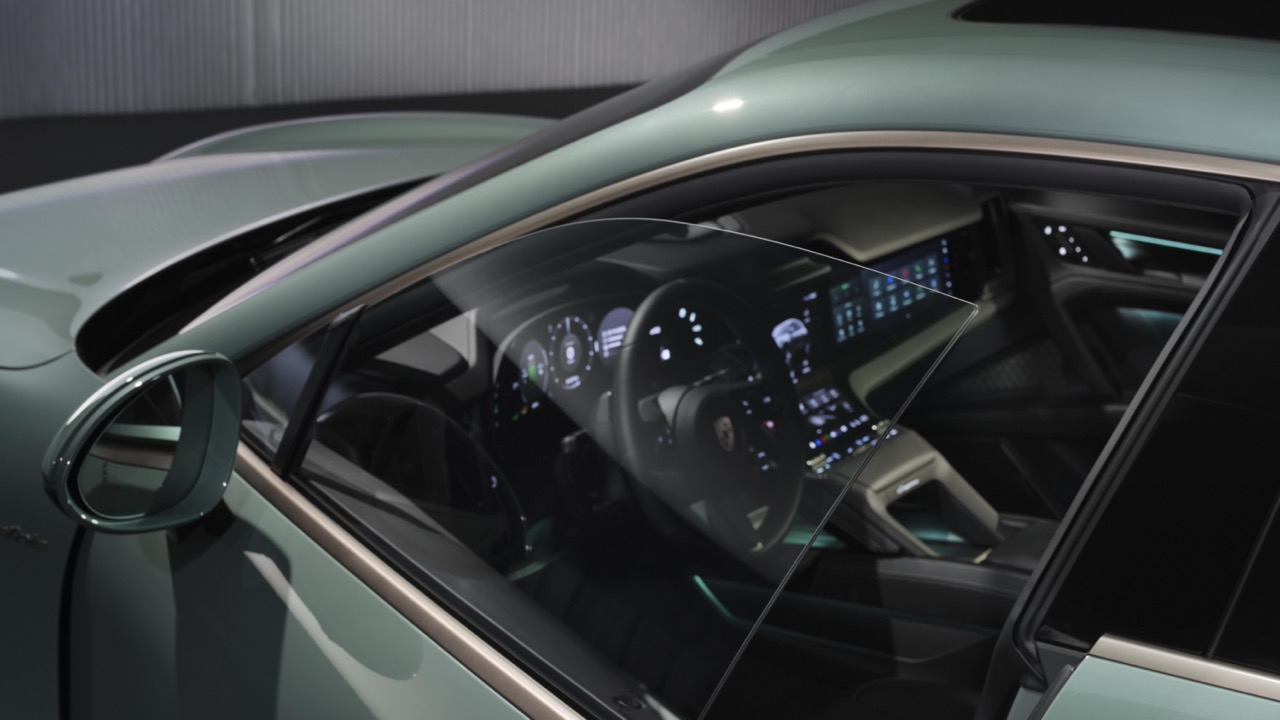
The exterior styling draws heavily from the electric Macan, with rounded rear surfaces and softer front-end contours. The Cayenne Electric retains recognisable Porsche elements, but certain angles give the impression of a more generic modern SUV compared with the sharper definition of the internal combustion Cayenne.

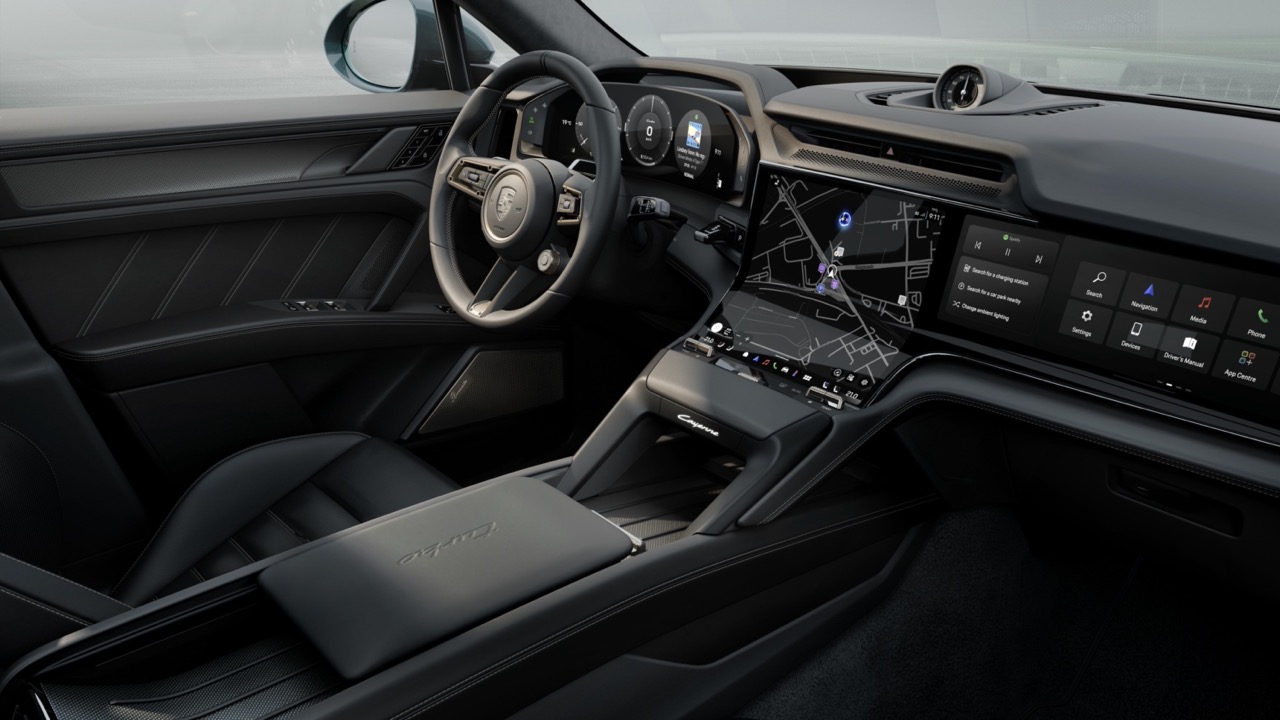
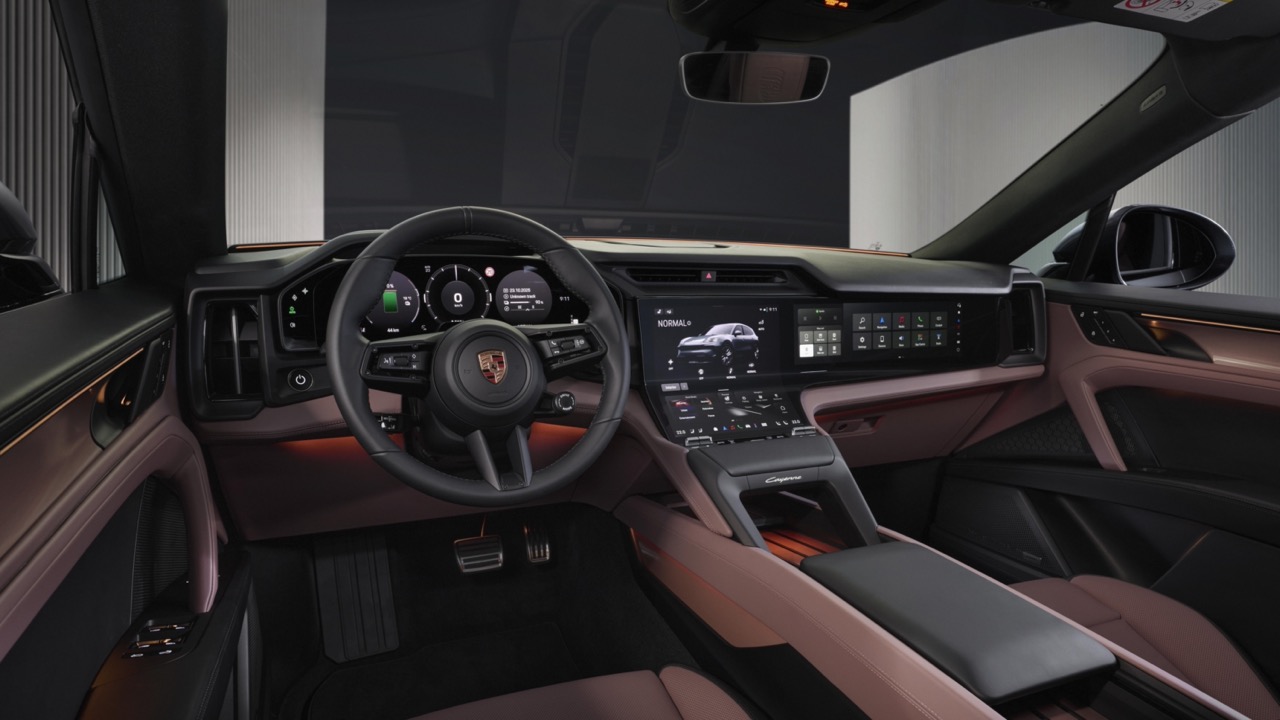
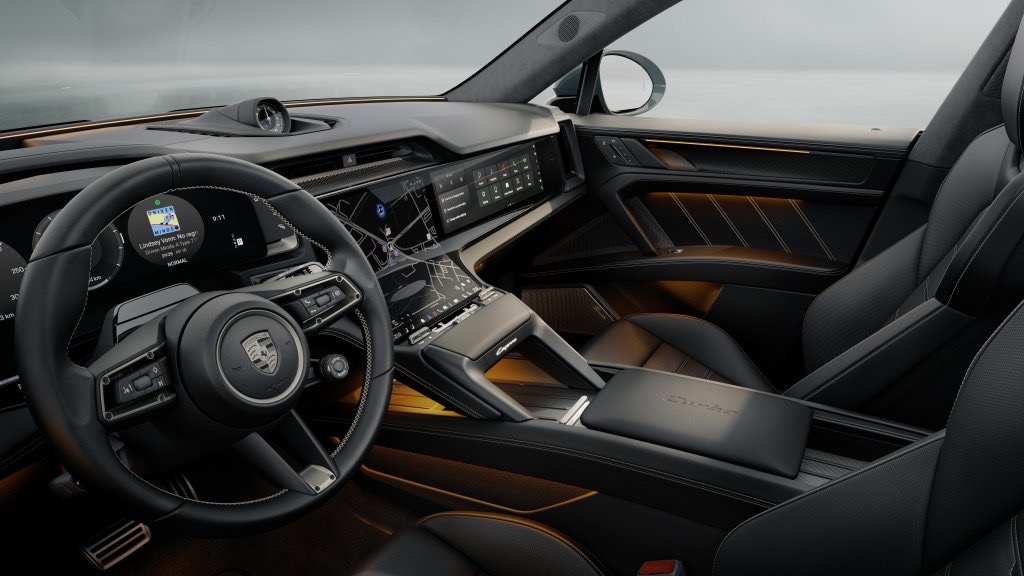
Inside, the Cayenne Electric aligns more closely with Porsche’s traditional design cues. Despite the increased digital presence, the layout remains driver-focused. A 14.3-inch OLED instrument cluster sits ahead of the driver, while a curved central OLED panel combines infotainment and climate controls.

A 14.9-inch passenger display is available as an option. Porsche keeps the air-conditioning and audio volume controls in analogue form, while most other functions move to digital interfaces.

The 2026 Cayenne Electric marks a new chapter for Porsche’s SUV line-up, blending extreme performance with new EV technology while retaining much of the brand’s established driving character.

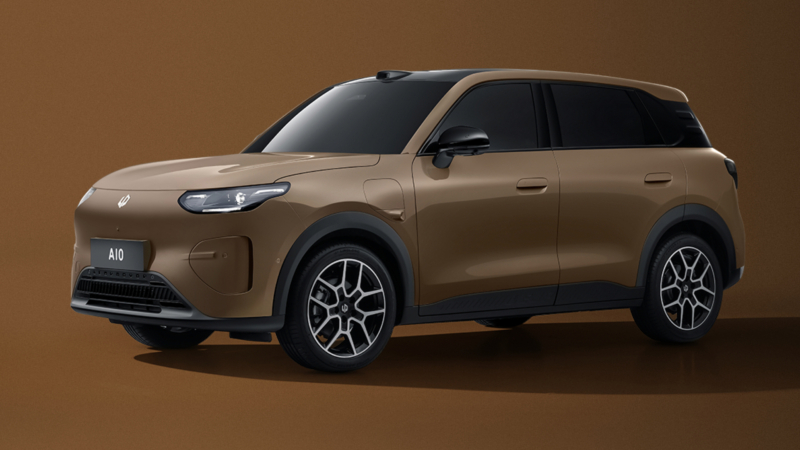
Leapmotor in China has shown its new A10 electric SUV before the car’s full launch on November 21. This small SUV is meant to compete with the BYD Atto 2. In China, the A10 is expected to cost between 80,000 and 100,000 yuan (around RM52,000 – RM65,000).

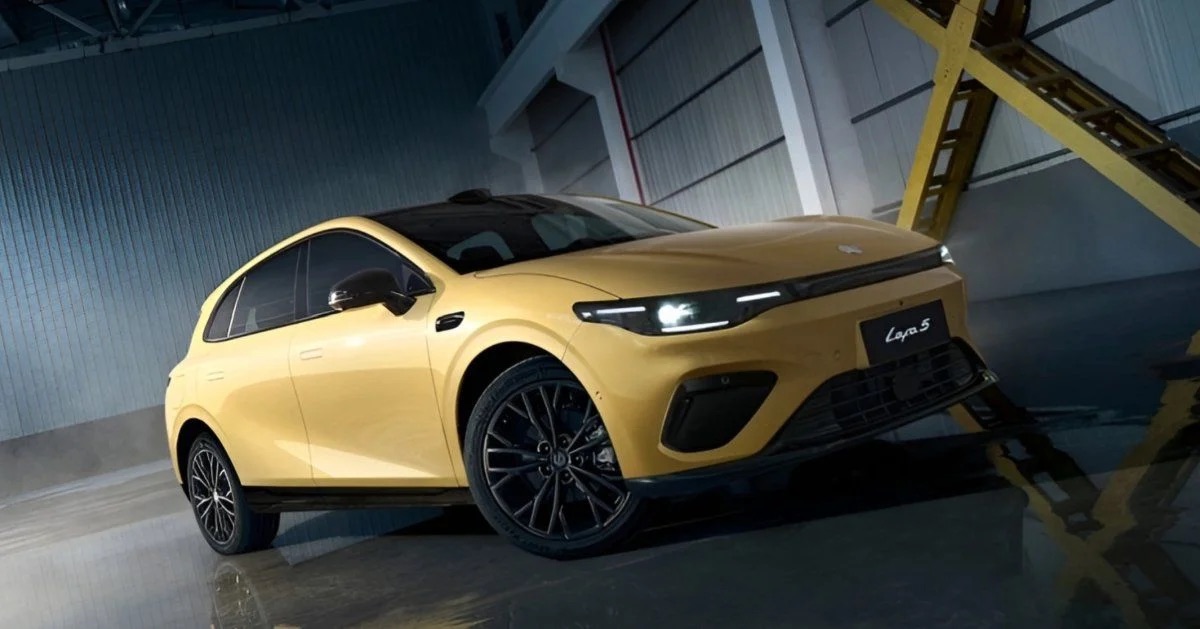
Leapmotor worked faster on new models thanks to its partnership with Stellantis. At the Guangzhou Auto Show 2025 on November 21, the company will show two new cars: the Lafa 5 electric hatchback and this new A10 SUV. Until now, the A10 had only been shown in teaser images, but on November 18 the company released clear photos.

The A10 sits between Leapmotor’s cheaper T03 city car and the Lafa 5. It is a small electric crossover that follows the brand’s usual design style. It has a closed front, a trapezoid-shaped air intake, and oval headlights. There is also a LiDAR sensor on the roof, dark D-pillars, and door handles that sit flush with the body.

The charging port is on the front left side. Grey plastic around the wheel arches and bumpers gives it a tougher look. At the back, it has rectangular taillights and cameras for blind-spot monitoring.

(more…)

Geely Galaxy has confirmed the arrival of the 2026 Starship 7 EM-i, also known globally as the Geely Starry EM-i, positioning it directly against BYD’s Song Pro DM-i in the competitive international hybrid SUV segment. The model comes in four variants, priced between 95,800 and 123,800 yuan (around RM62,700 to RM81,000).

One of the biggest improvements for 2026 is its upgraded pure electric capability. The flagship variant now delivers up to 200km of CLTC electric-only driving, while even the base model sees a significant jump from 55km previously to 130km. Buyers can also opt for a 135km version, and the combined hybrid range reaches an impressive 1,575km on a full charge and tank, giving it strong long-distance credibility.

The Starship 7 EM-i continues to sit on Geely’s GEA dedicated new-energy architecture, keeping its compact SUV footprint and familiar styling. A new exterior paint called Star Sea Blue has been added, while the rest of the design follows the clean, modern look of the outgoing model.

(more…)

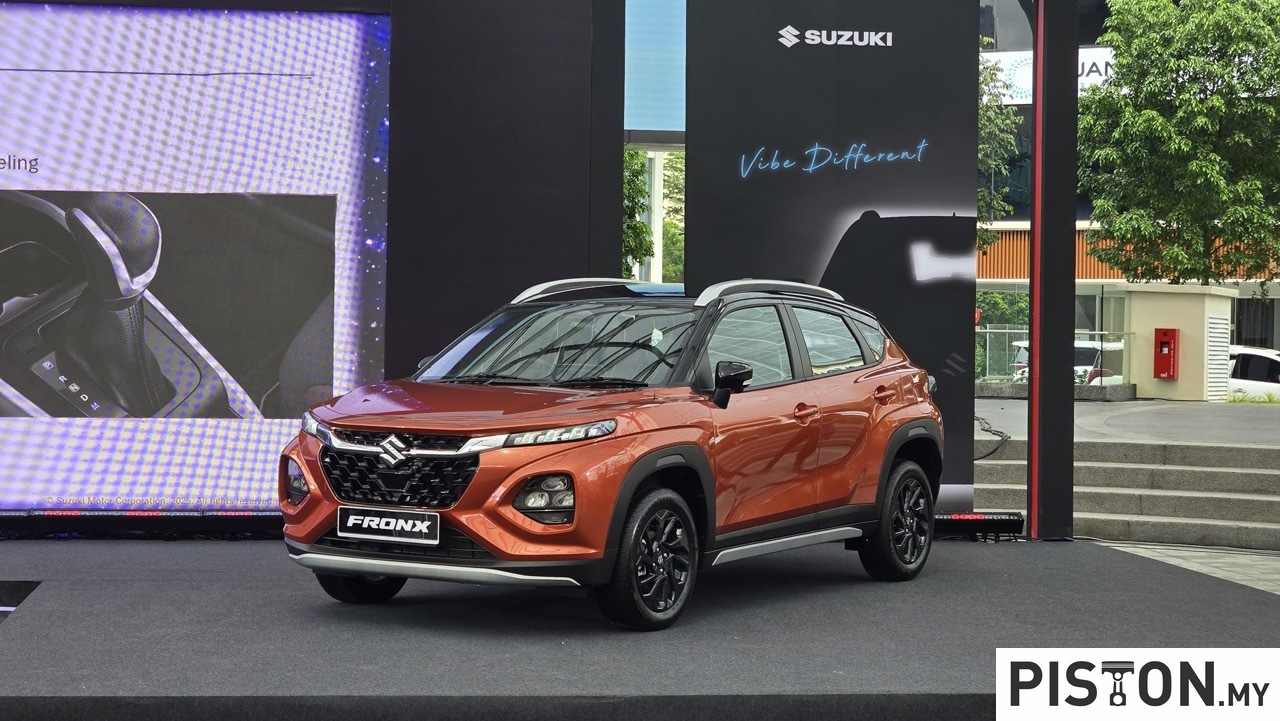
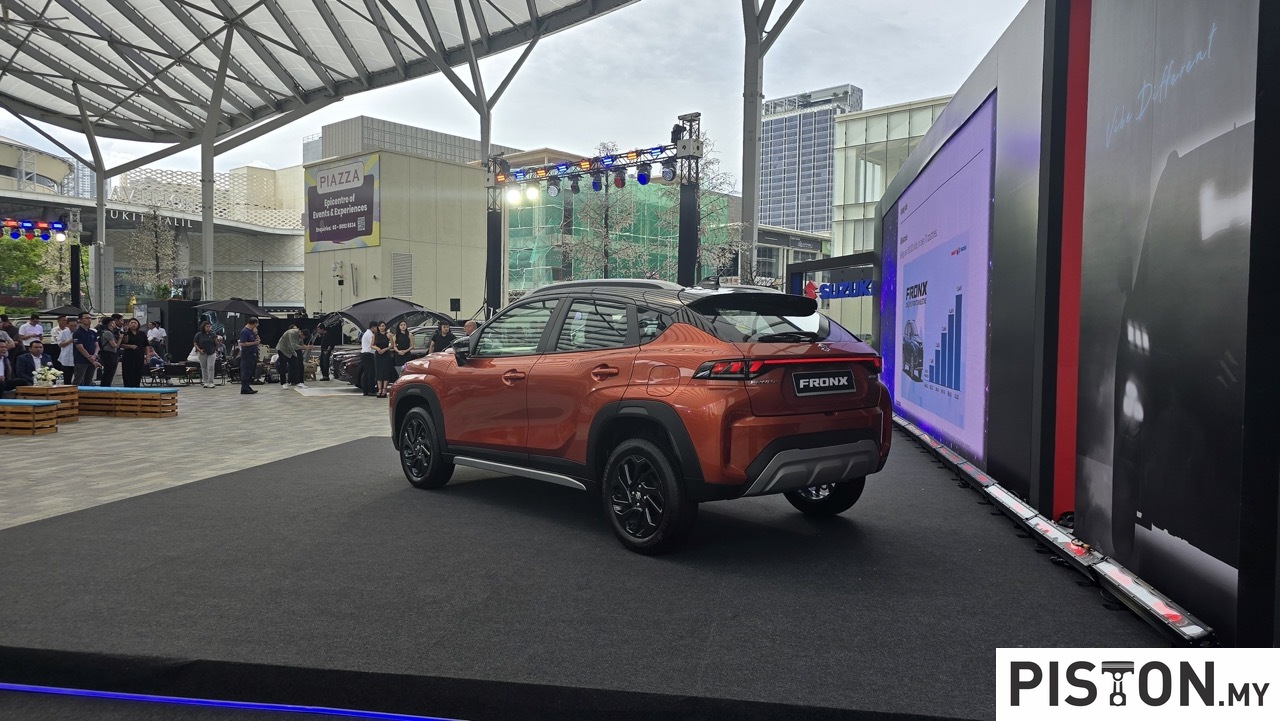
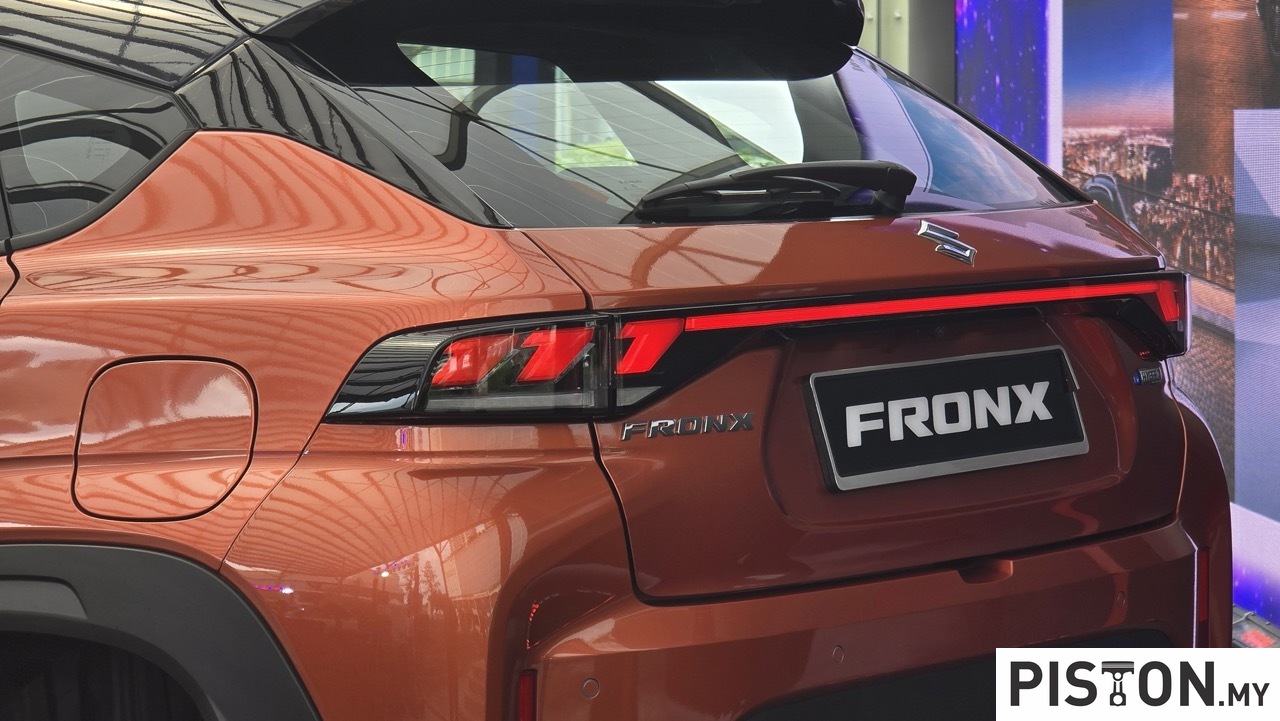
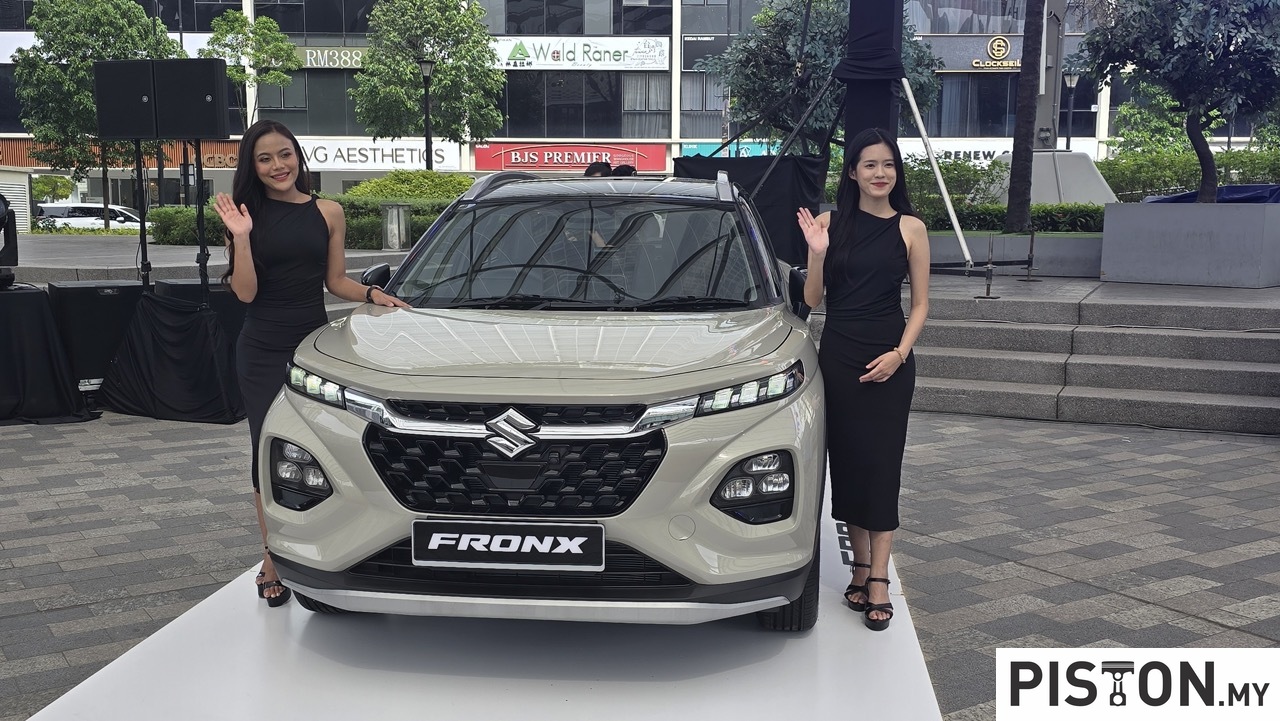
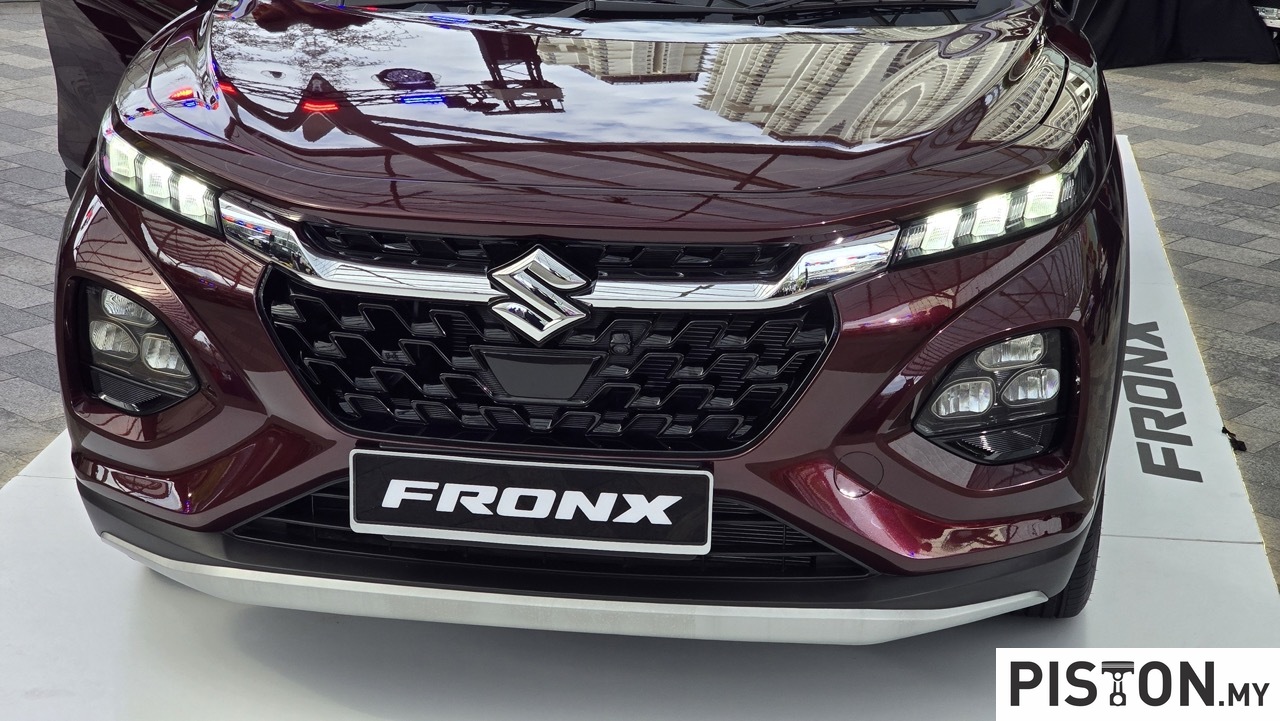
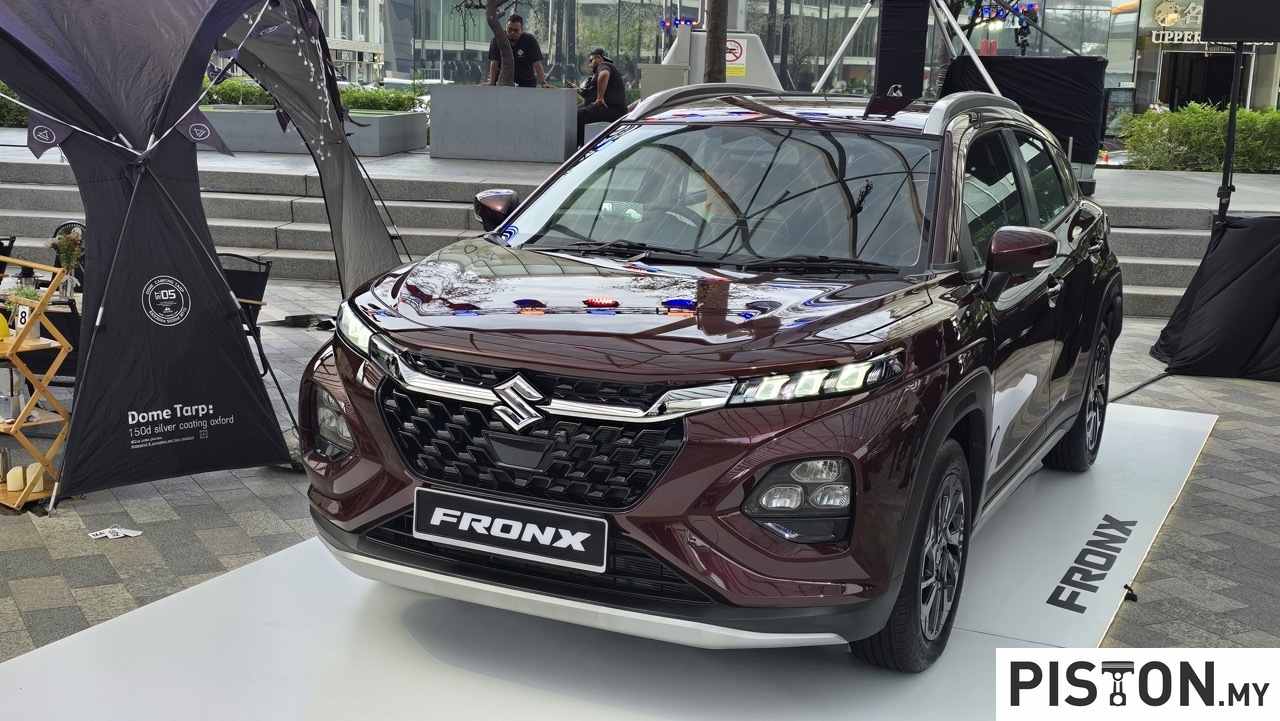
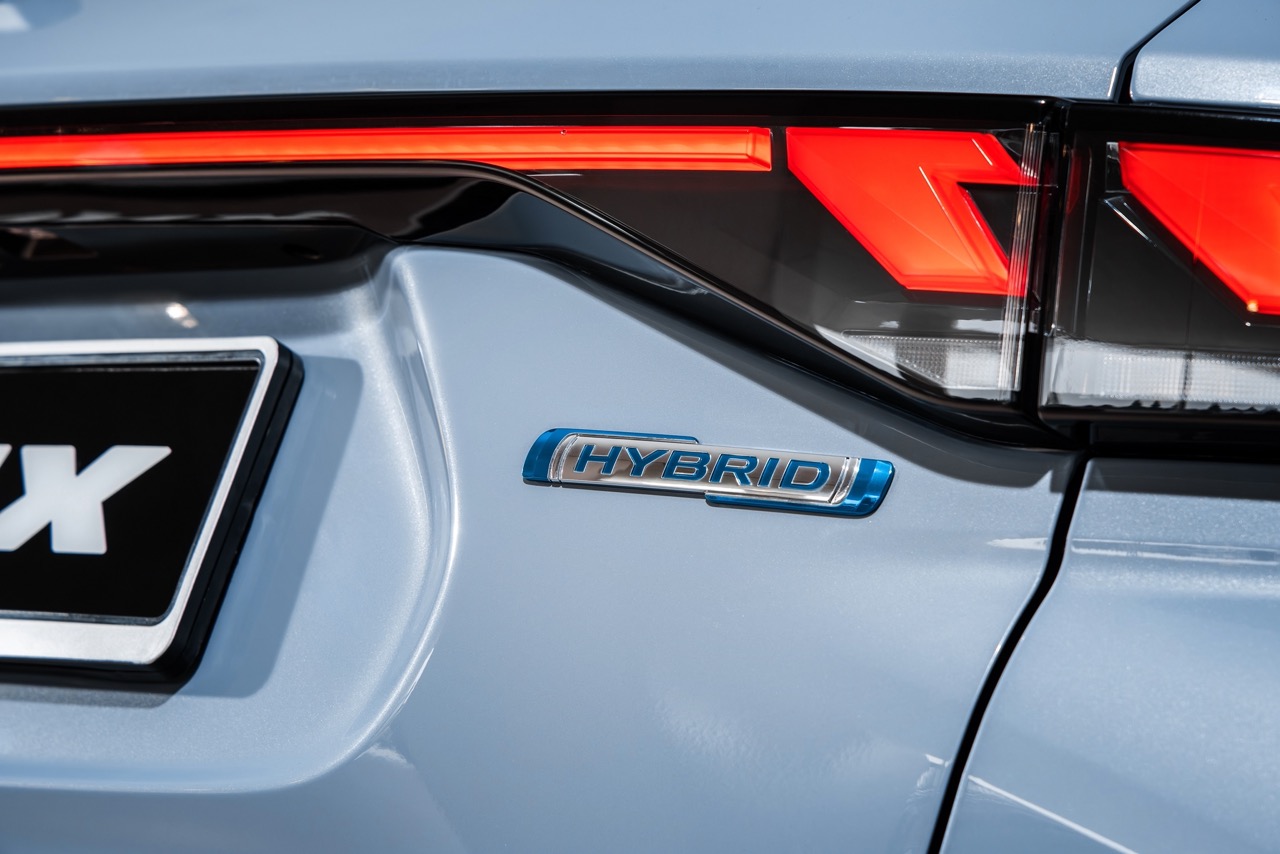
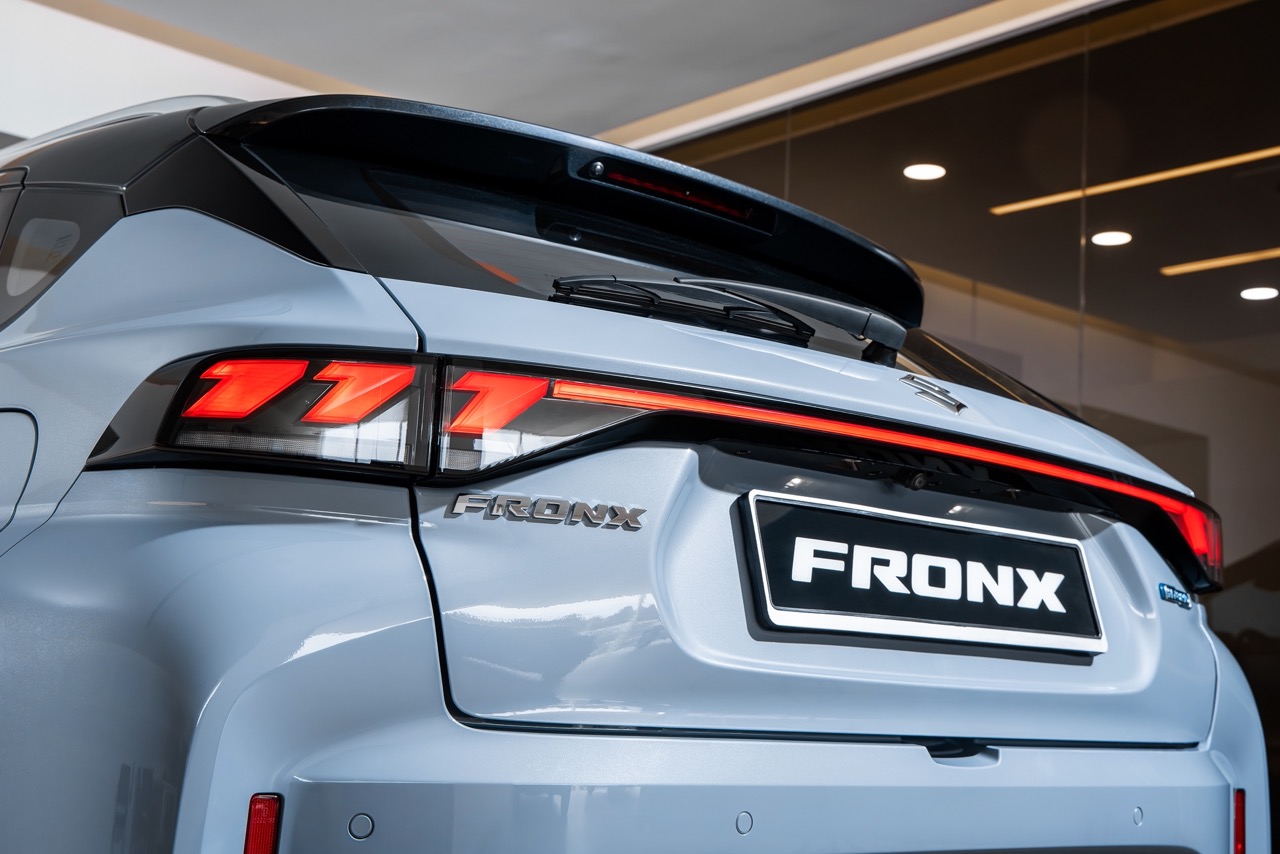
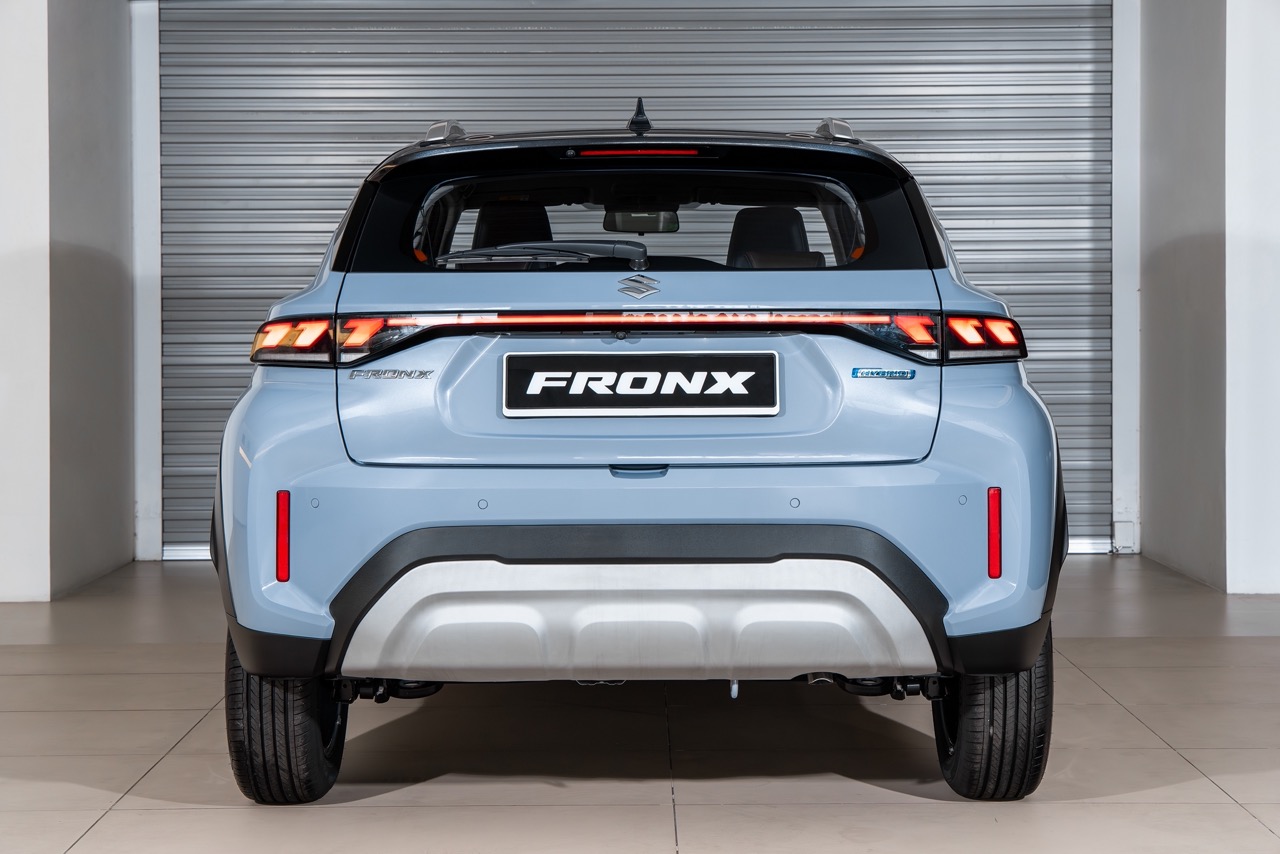
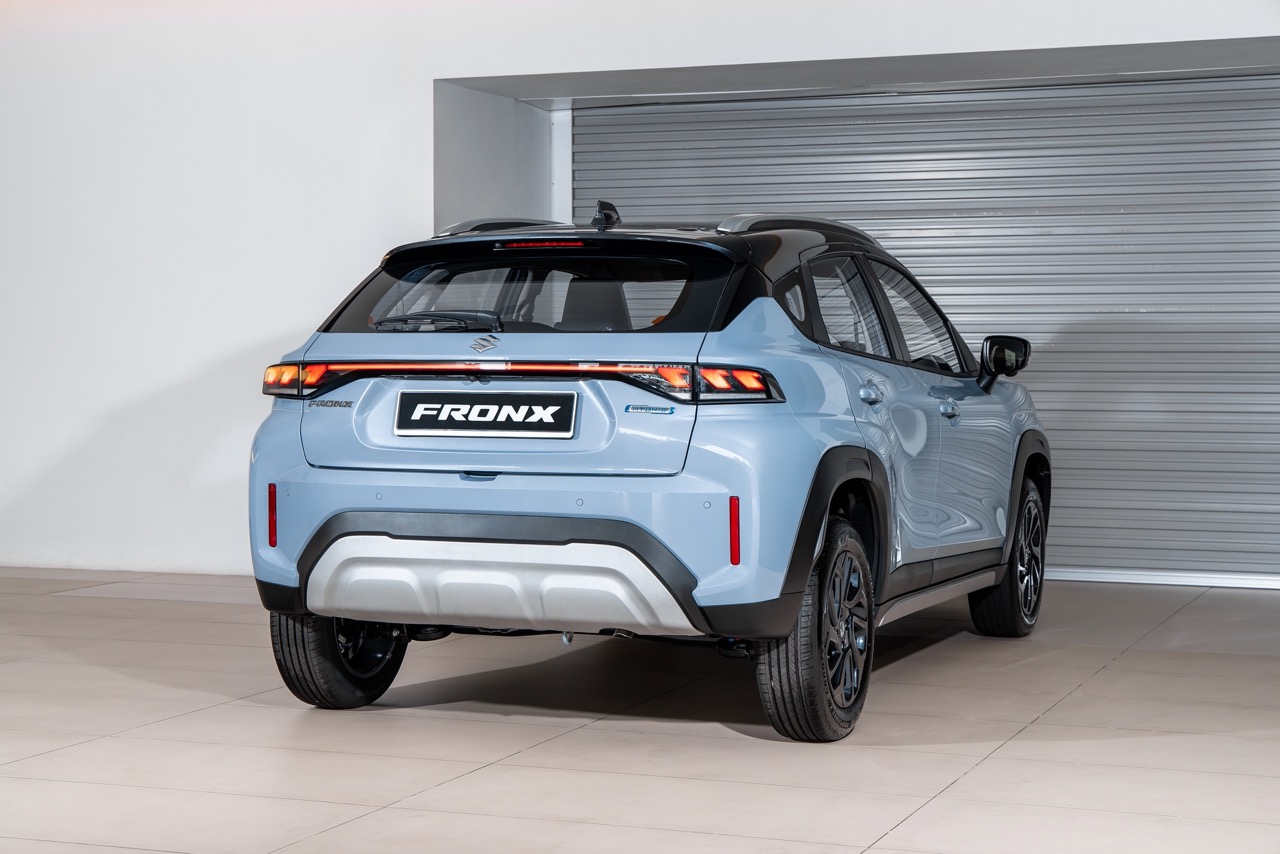
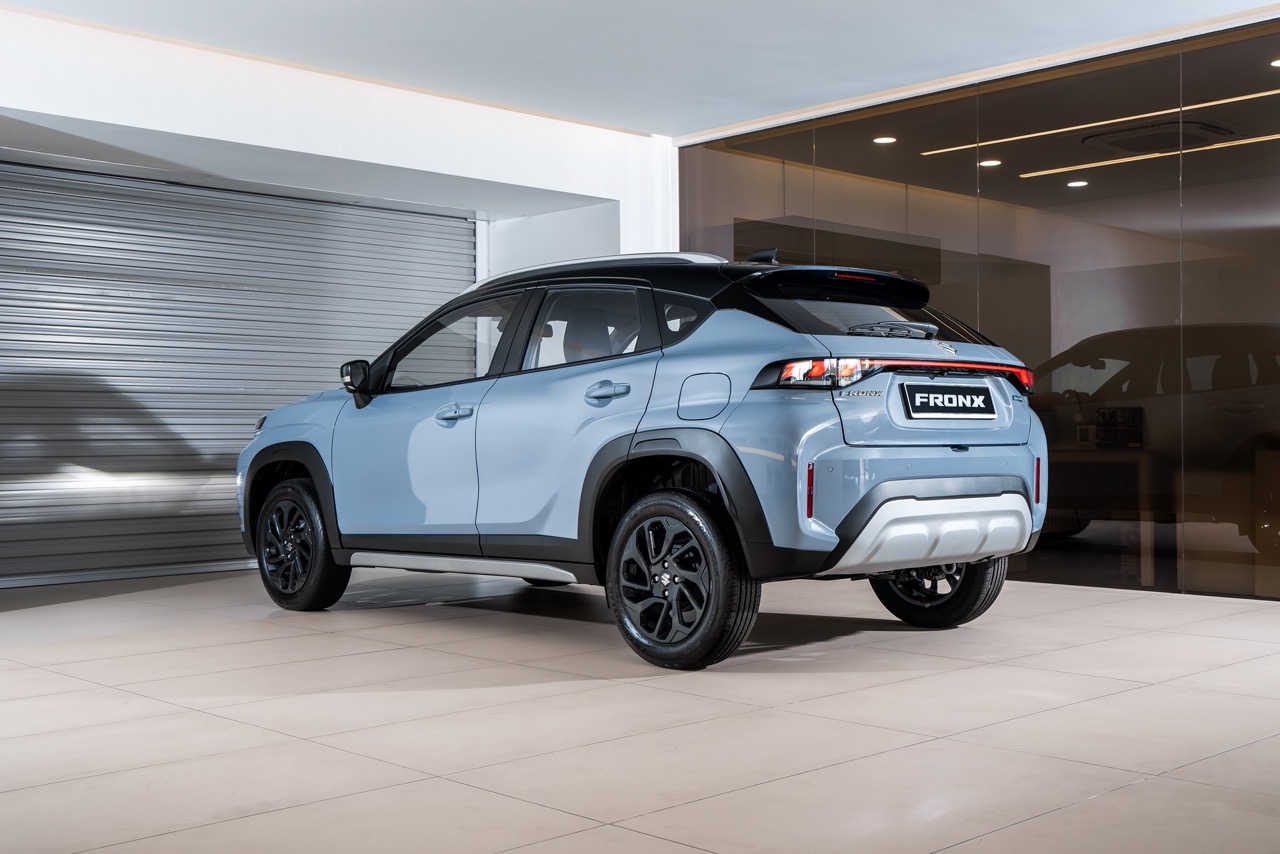
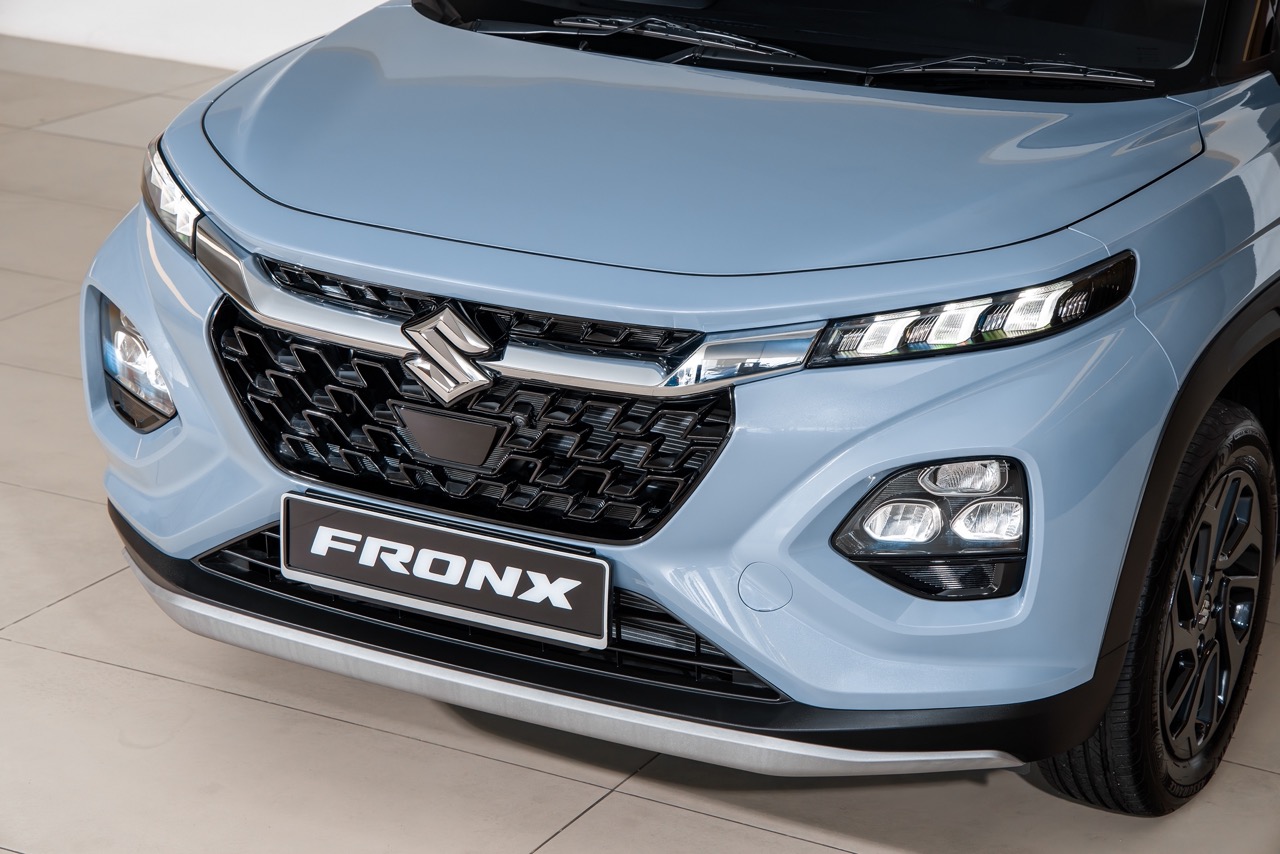
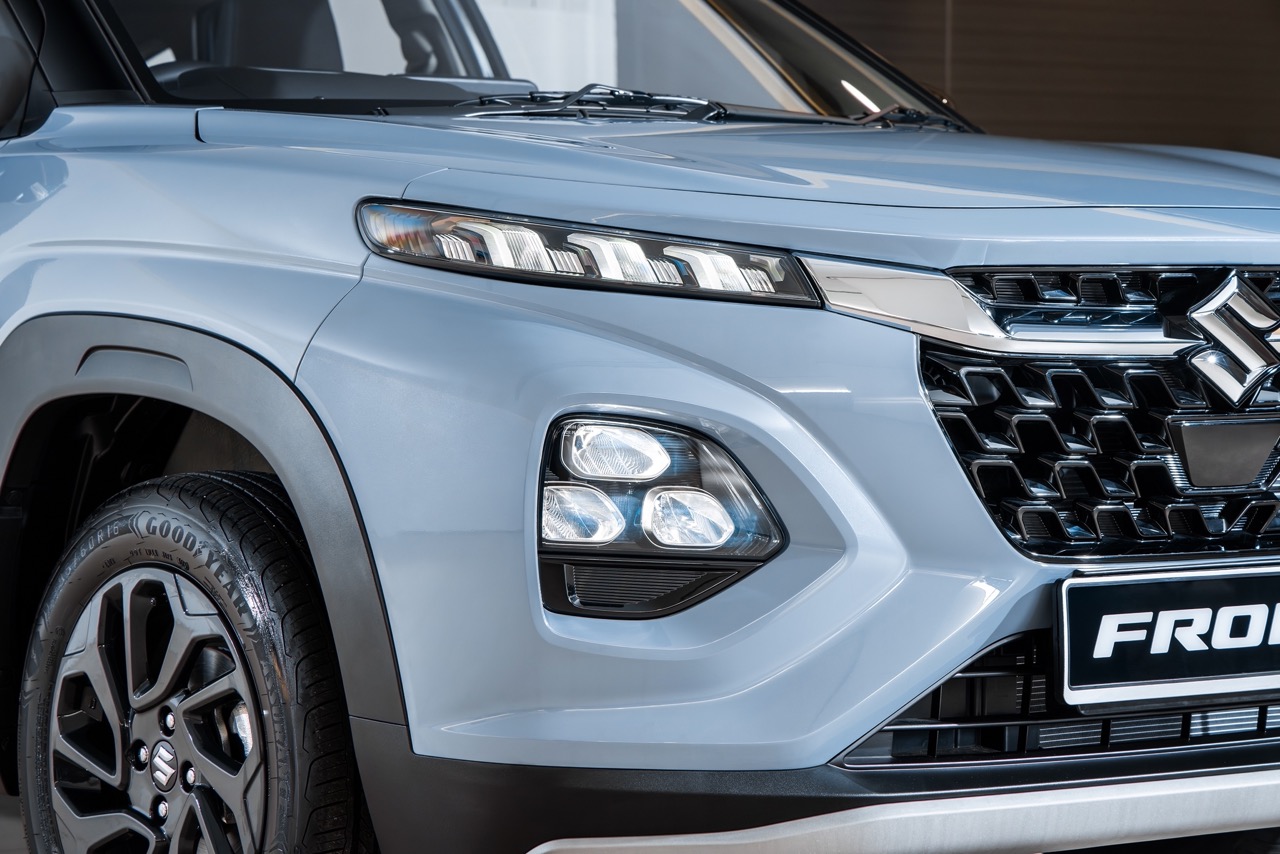
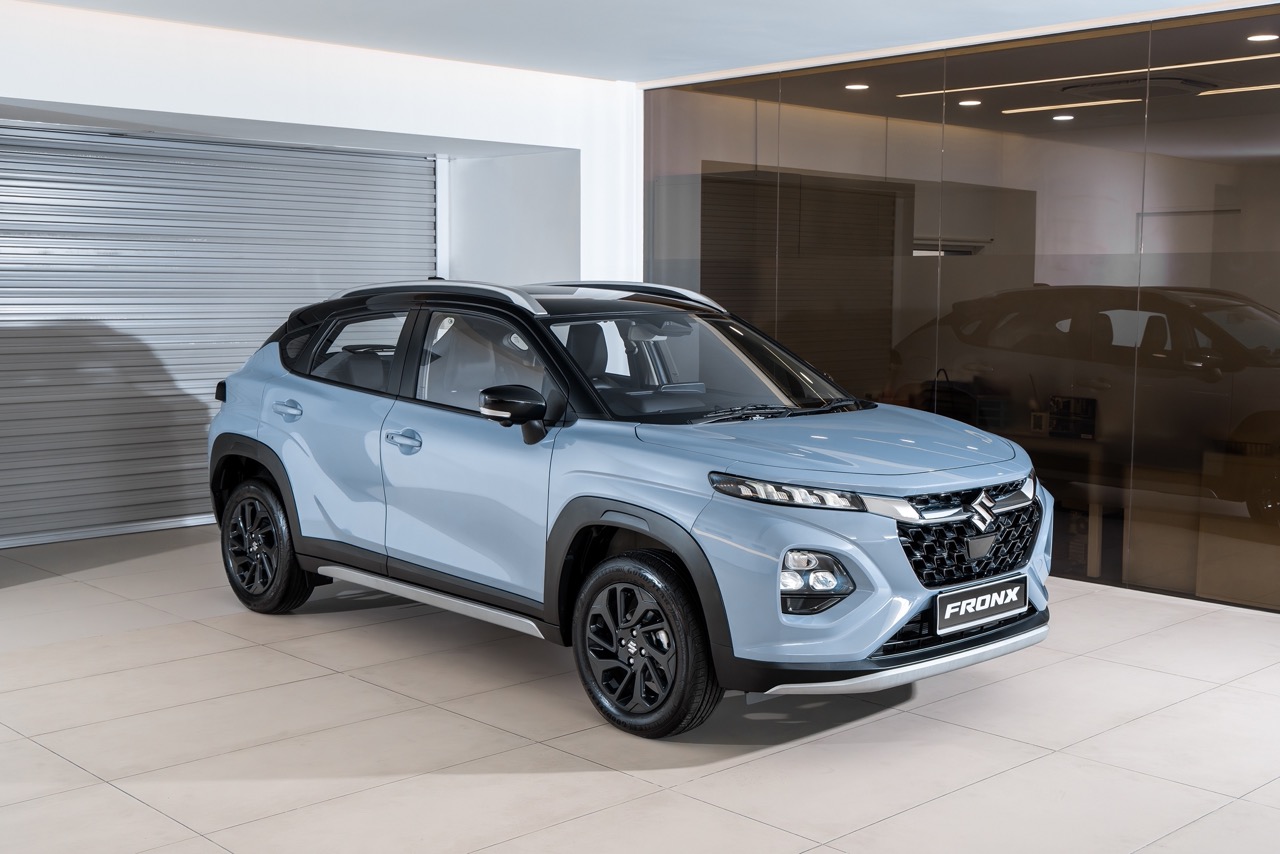
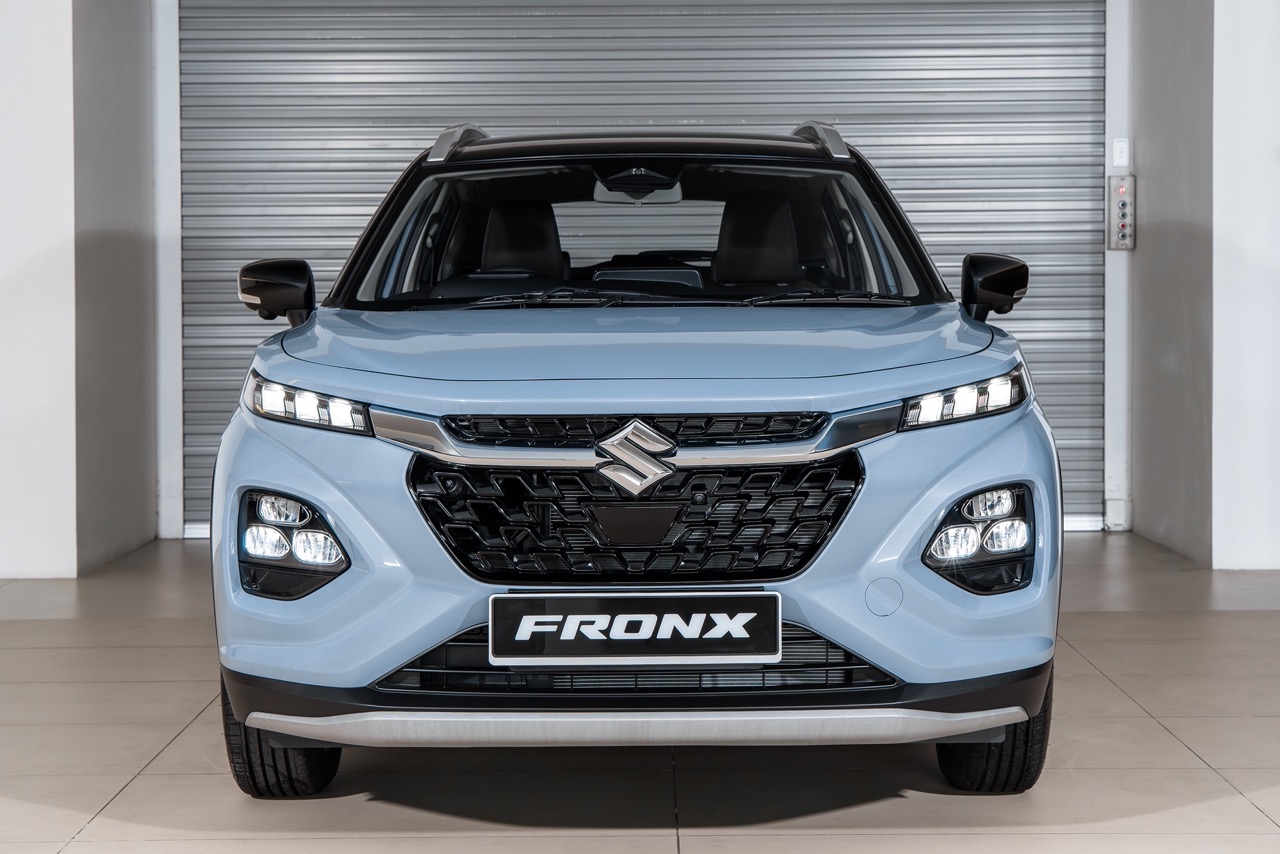
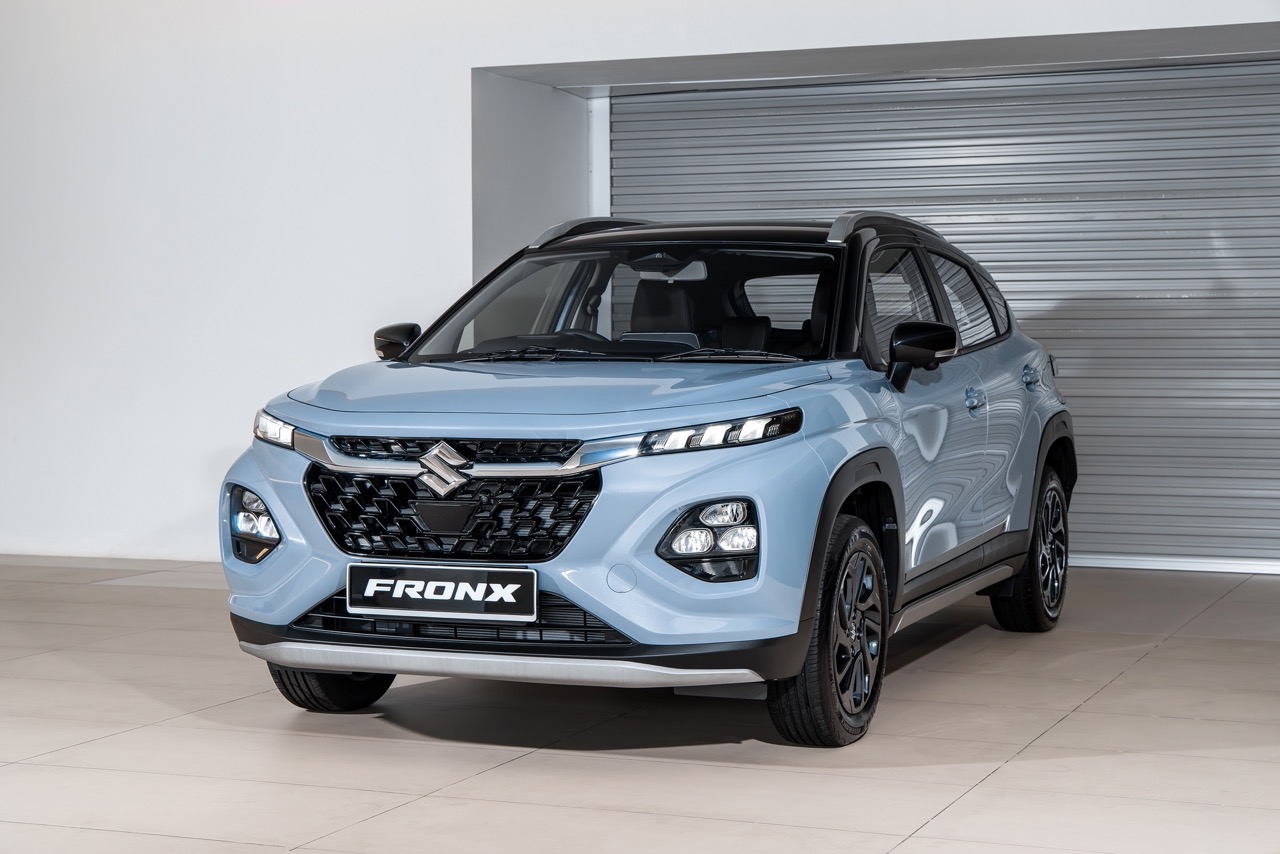
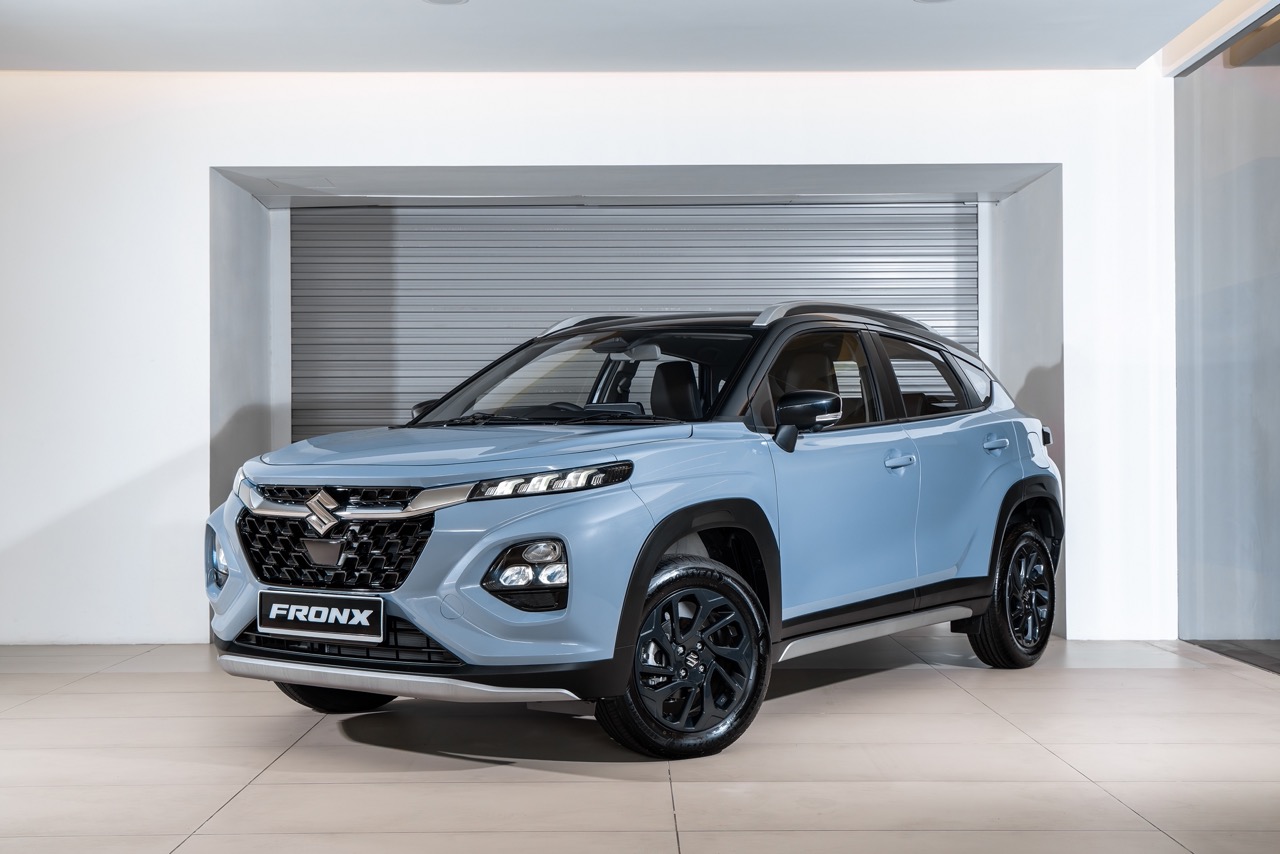
Naza Eastern Motors has pulled the covers off the all-new Suzuki Fronx Hybrid, marking a confident step forward for the brand in Malaysia’s compact SUV landscape. The distributor describes the model as a combination of style, practicality and modern engineering, shaped for drivers who want something distinctive without giving up everyday usability.

The Fronx carries itself with the boldness of an SUV but adopts the smooth, swept-back attitude of a coupe, and it arrives with a five-star ASEAN NCAP rating that places it among the safest in its class.
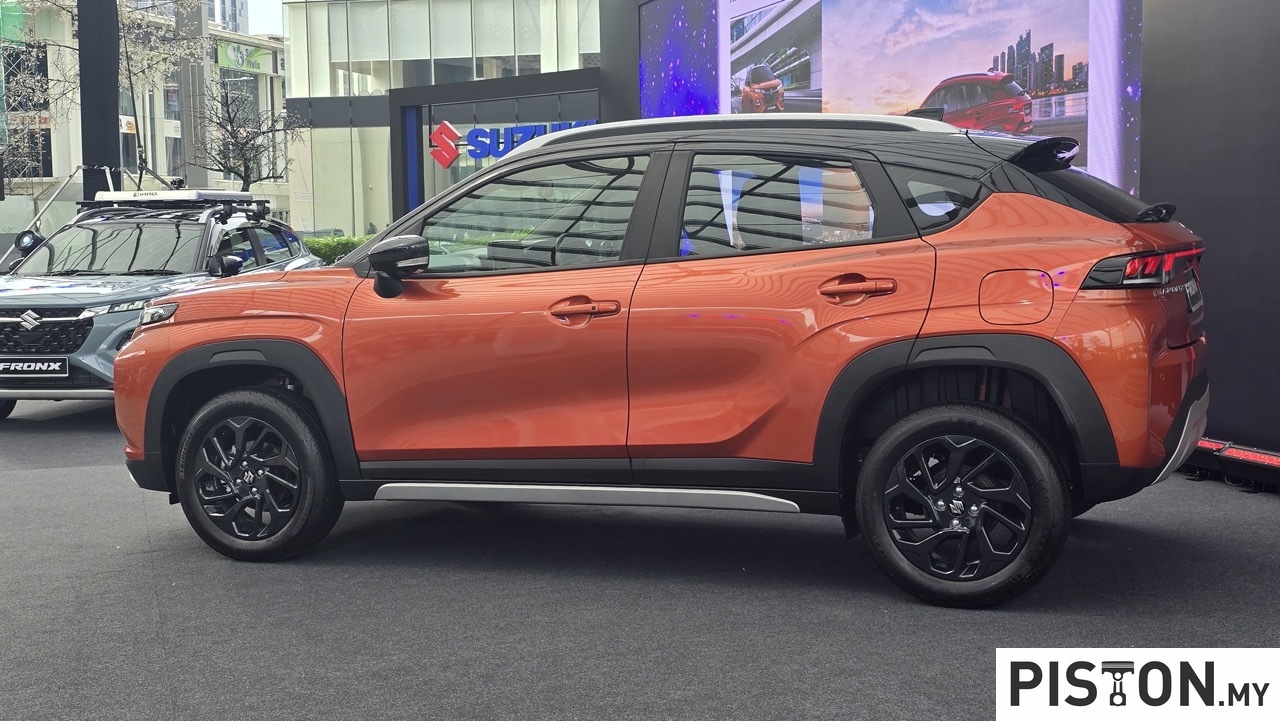
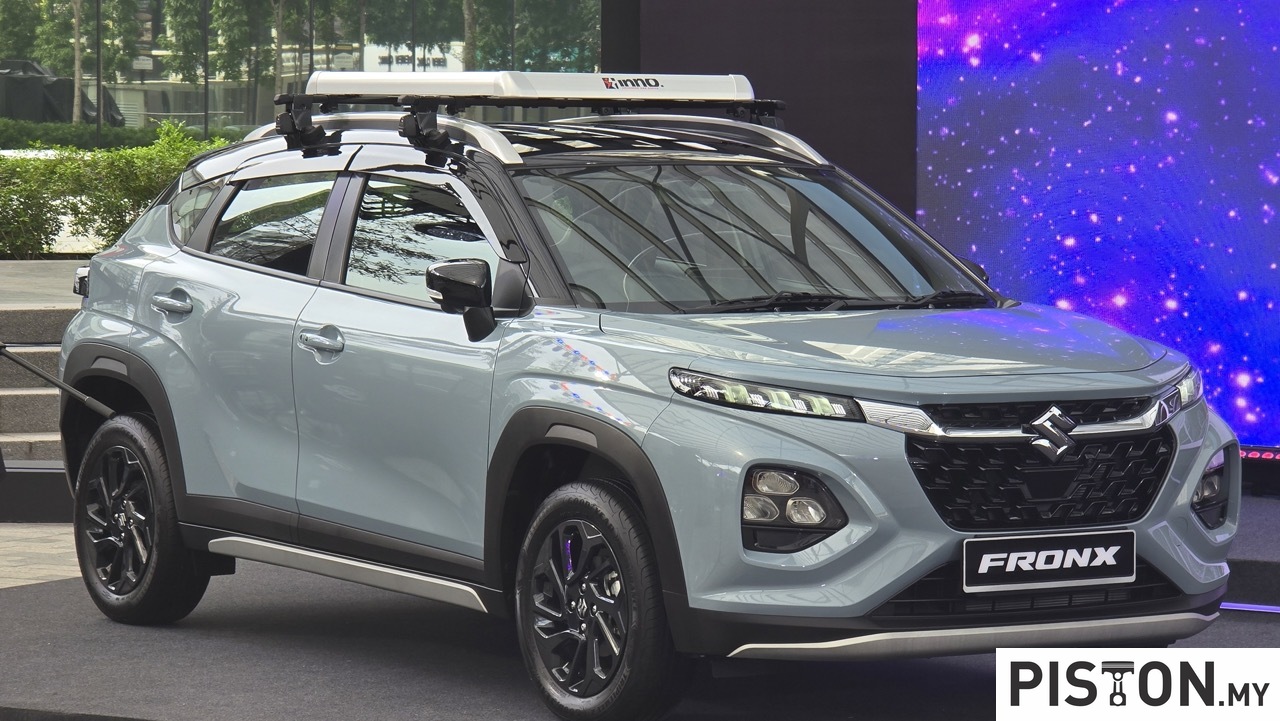
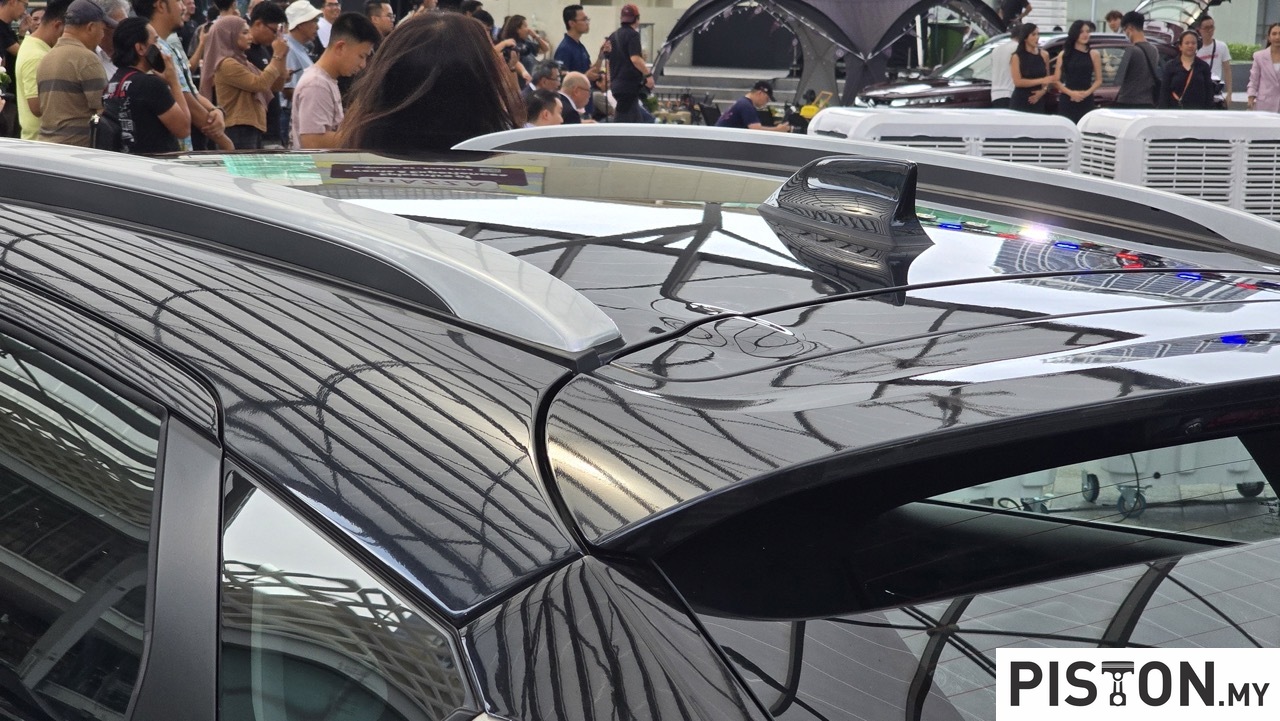
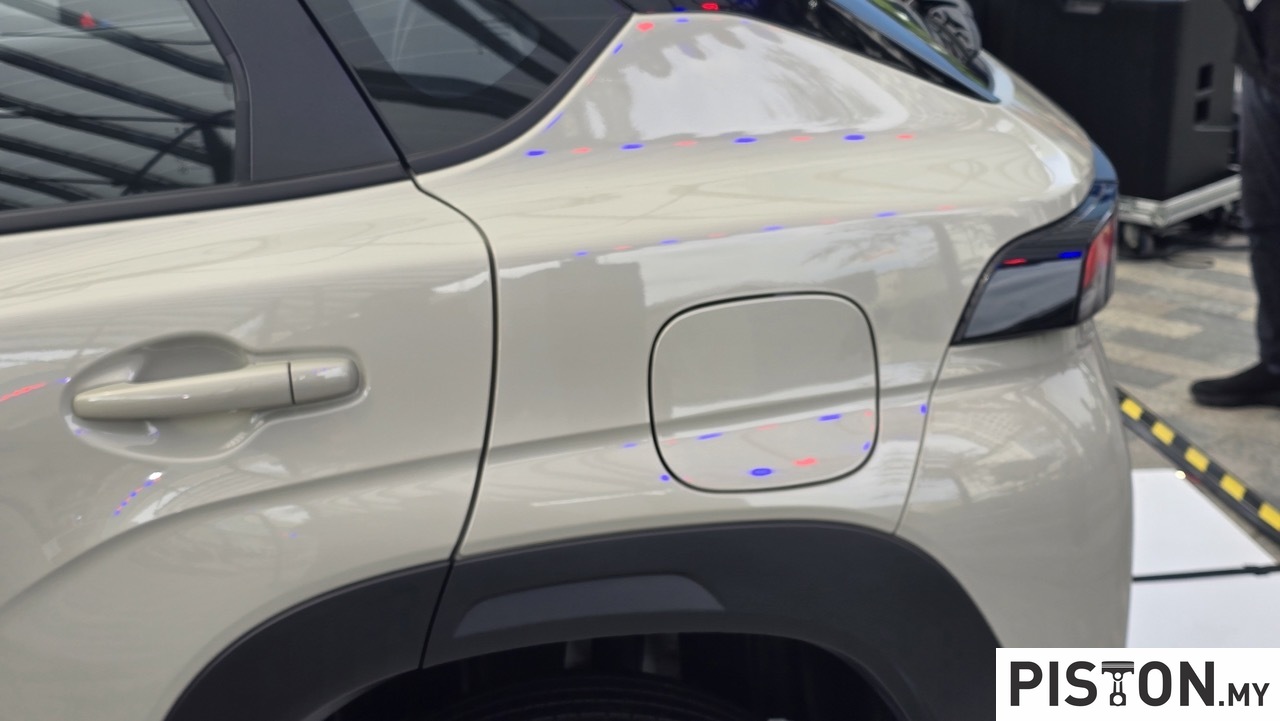
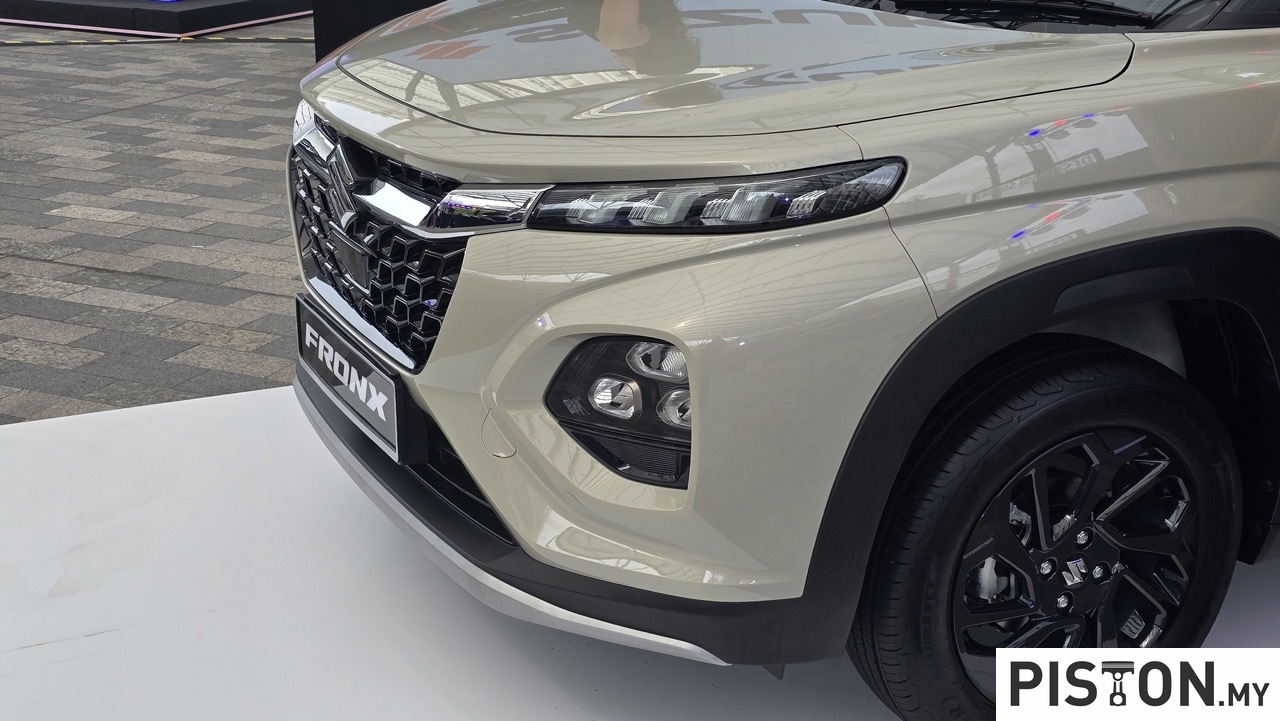
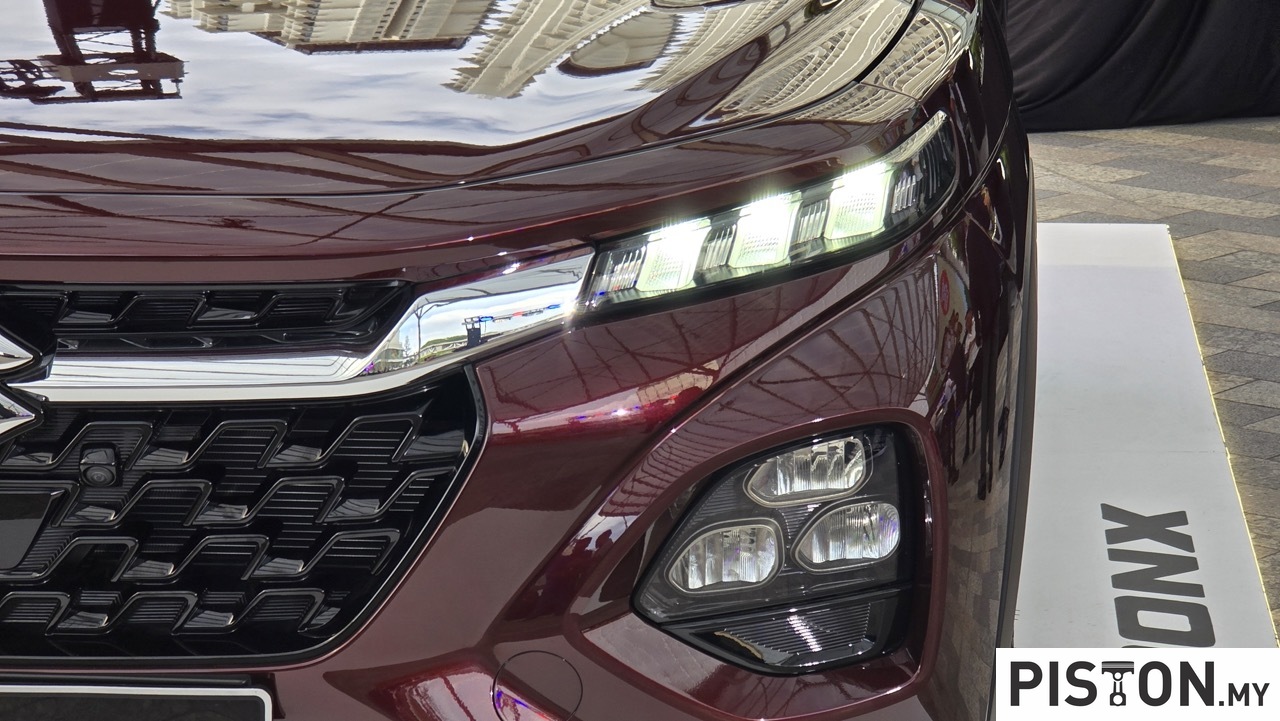
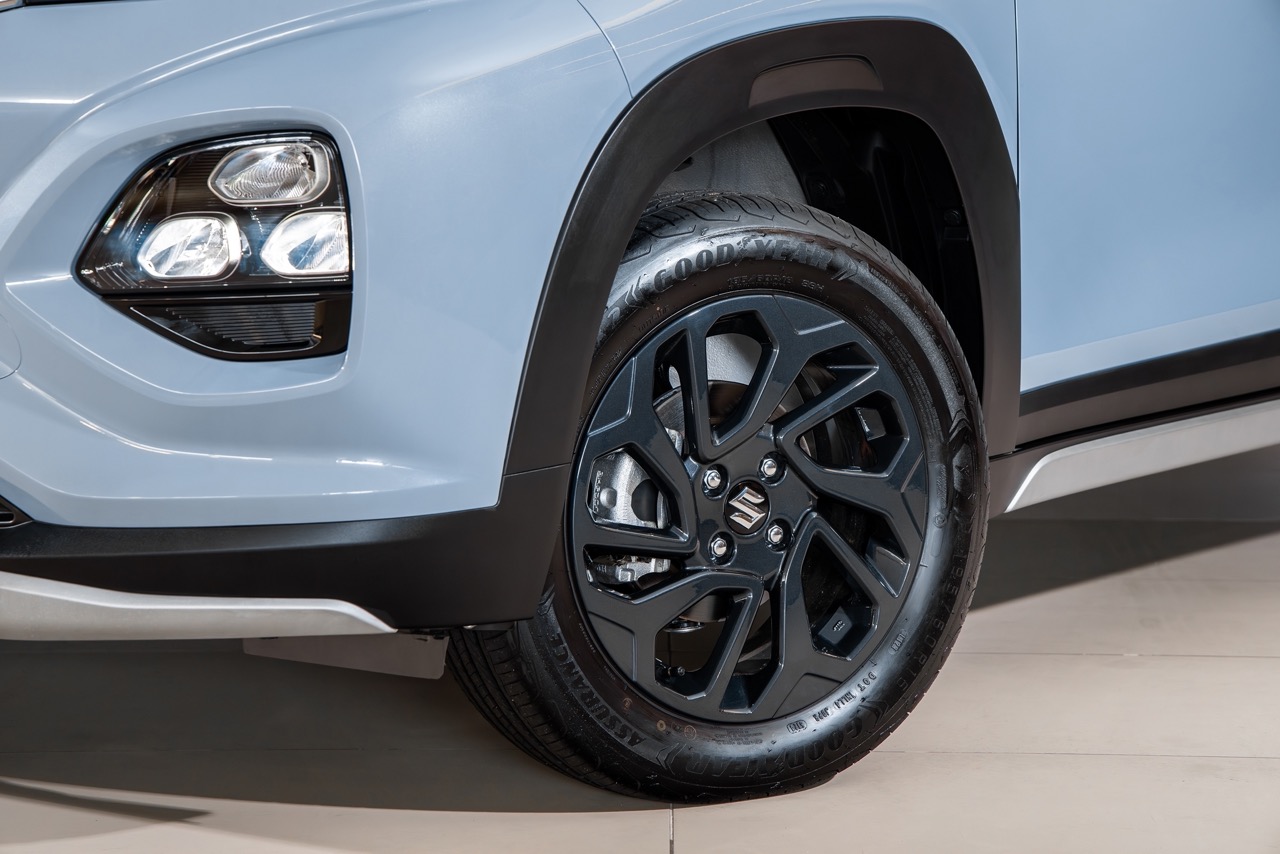
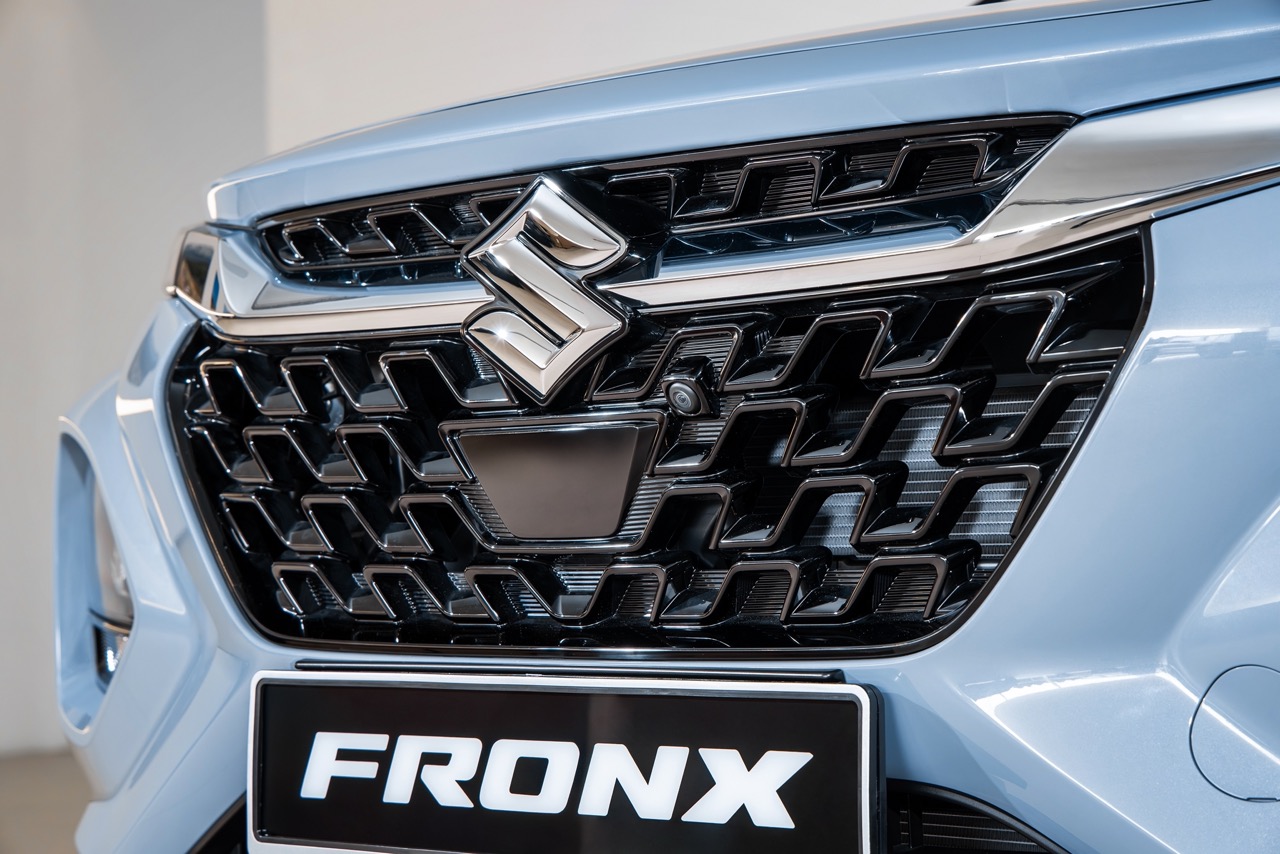
Built around Suzuki’s latest lightweight platform, the Fronx immediately stands out with its sharp front fascia, chrome-detailed grille and LED lighting. The coupe-like roofline and muscular shoulders add a sense of motion even at a standstill, while the protective cladding and skid plates underline its rugged intentions.

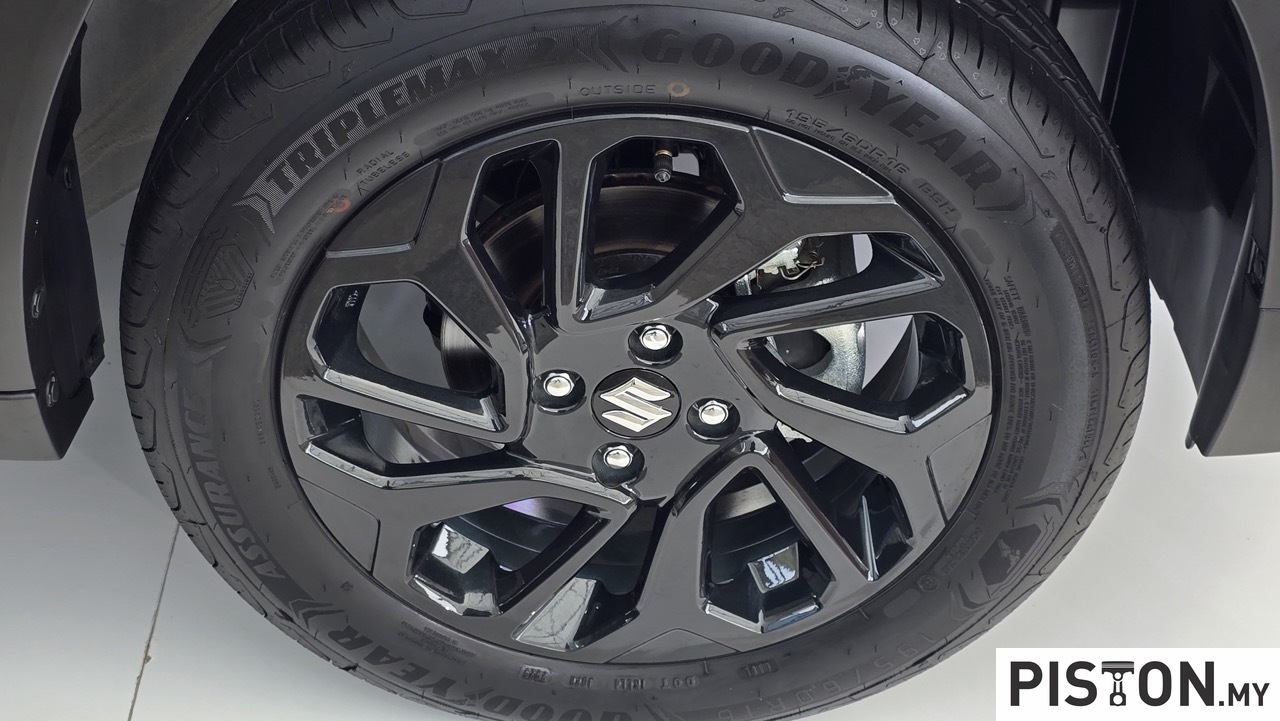
Measuring 3,995 mm in length, 1,550 mm in height, and 1,765 mm in width, with a 2,520 mm wheelbase, the Fronx is approximately the size of the Perodua Ativa, striking a balance between city-friendly dimensions and a confident, planted stance. Buyers will have a range of two-tone and single-tone body colours, paired with 16-inch alloys that round off the SUV’s energetic appearance.

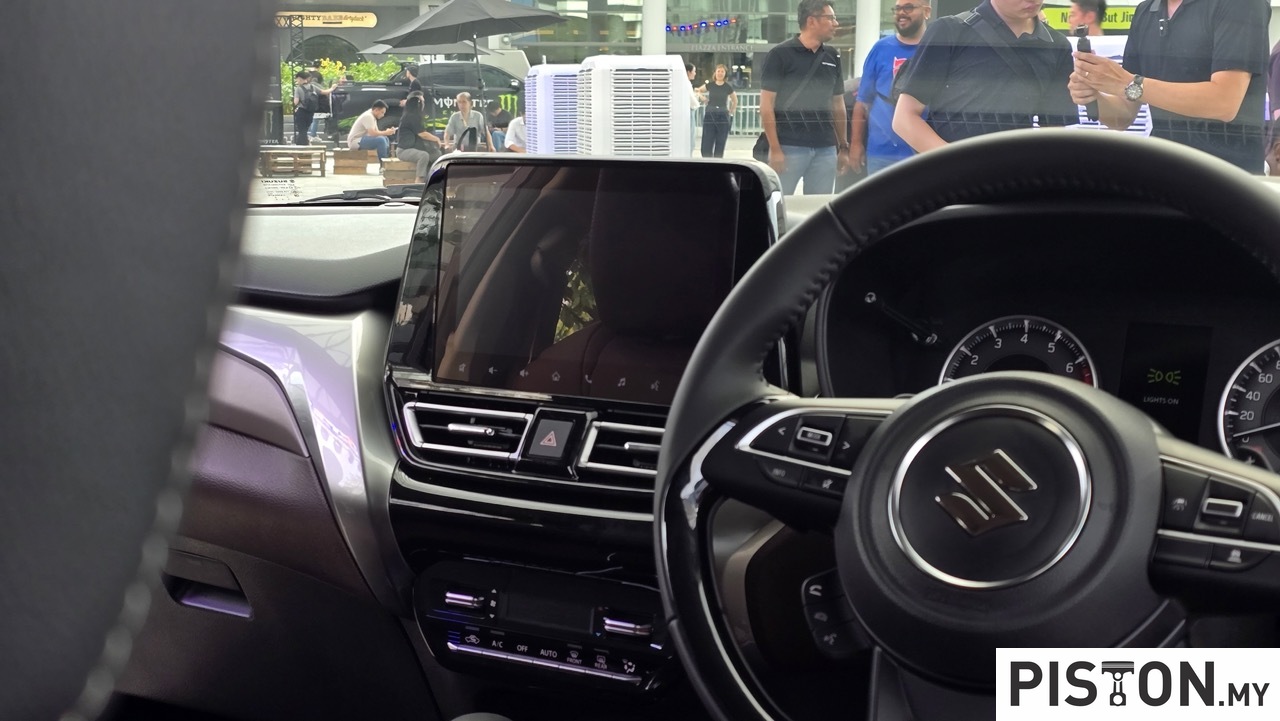
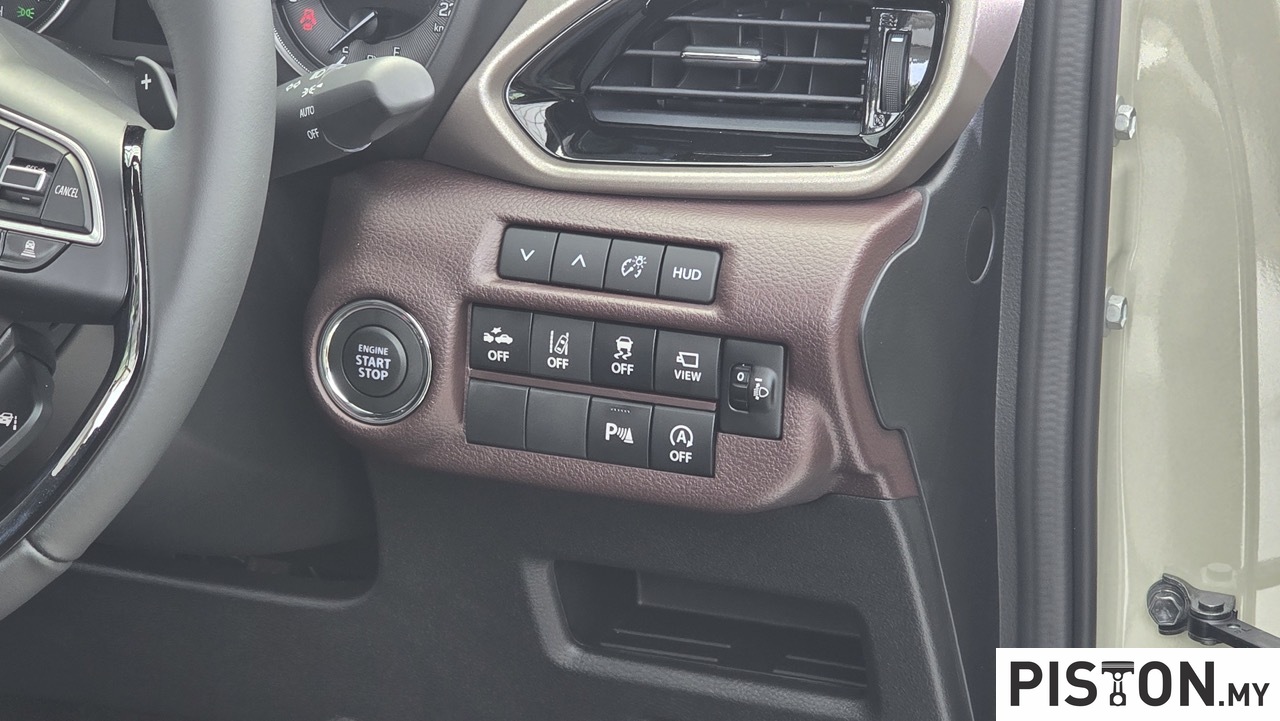
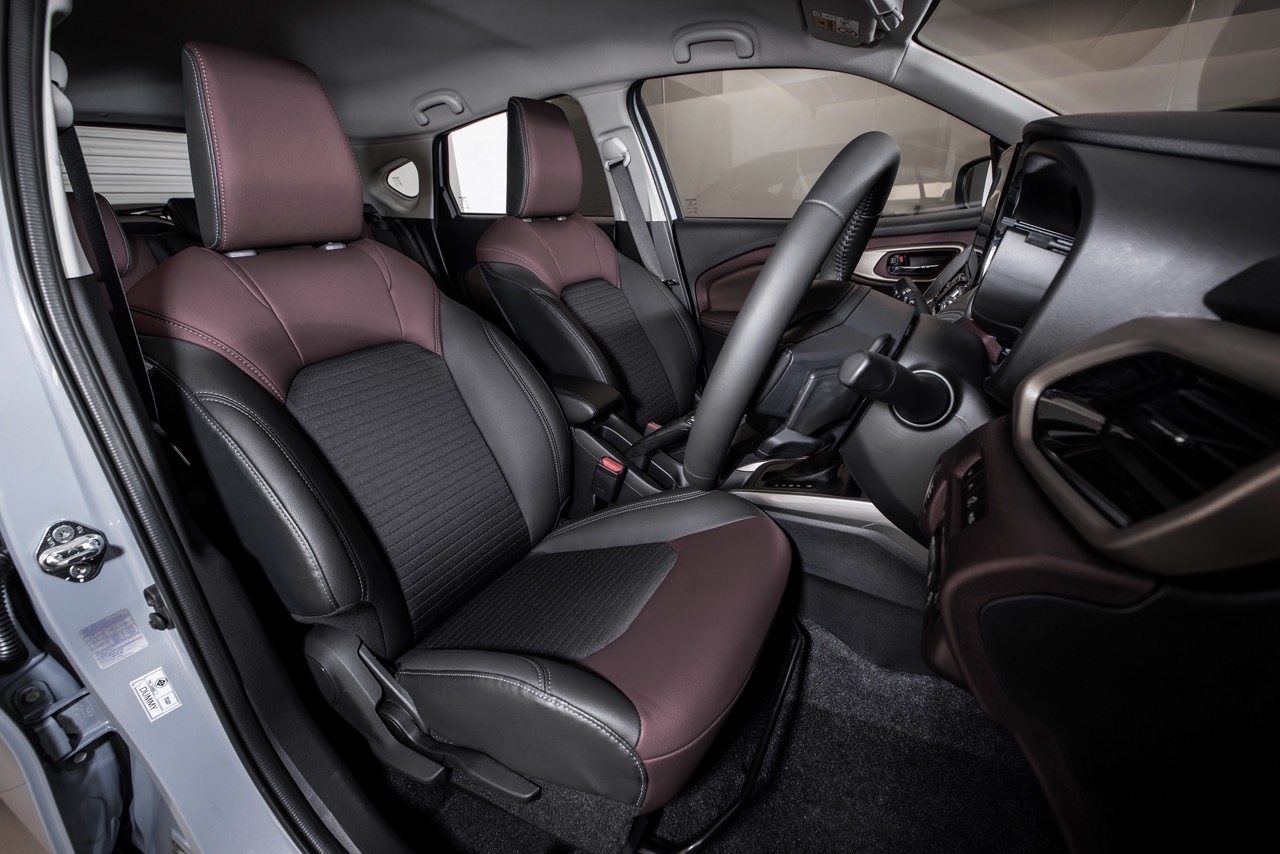
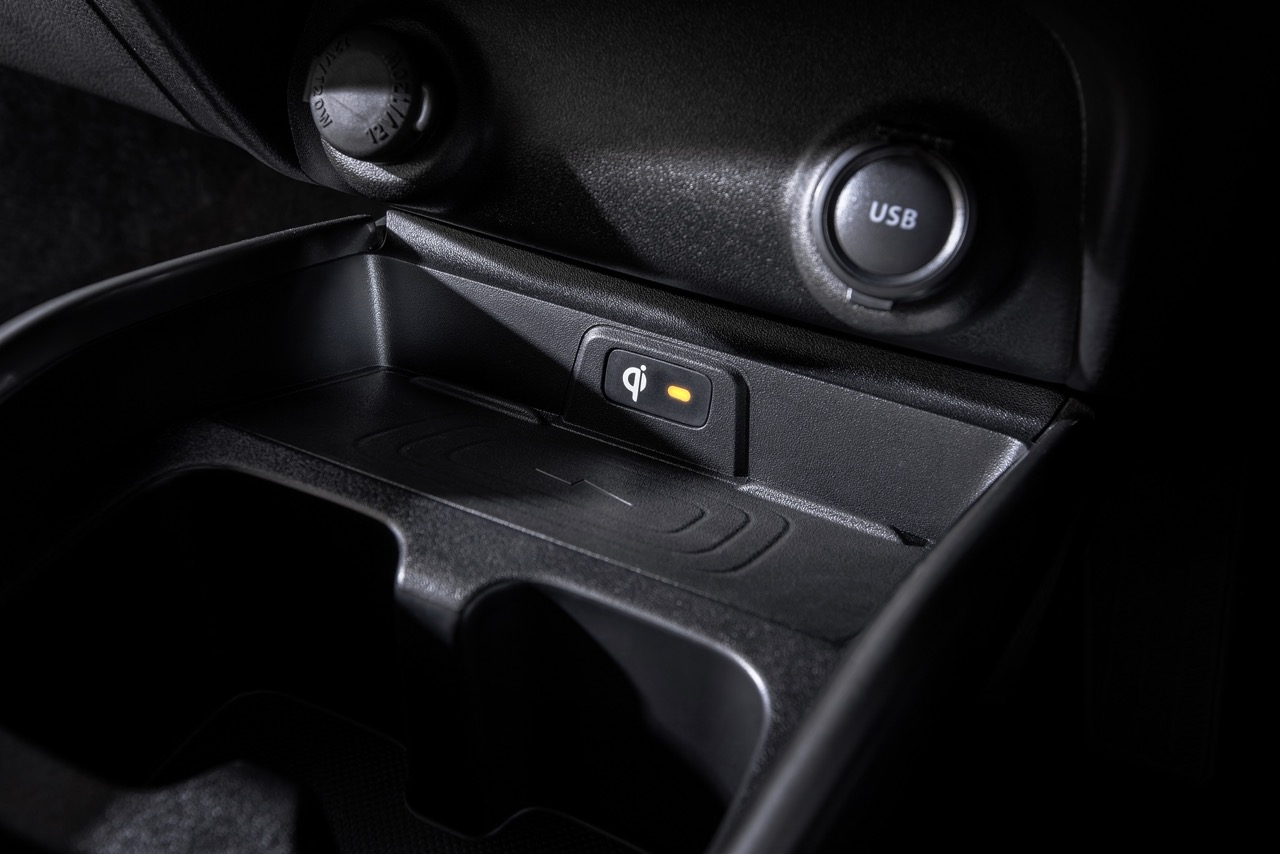
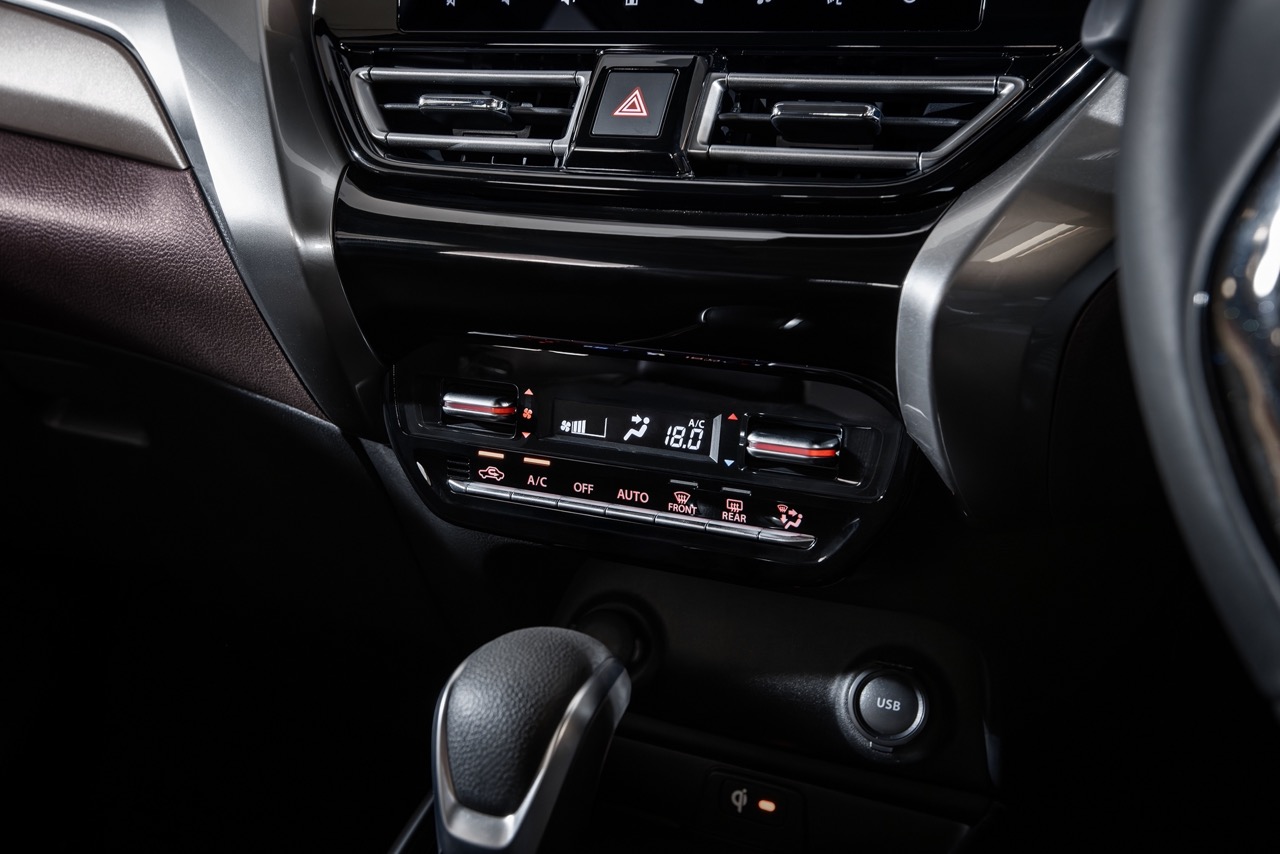
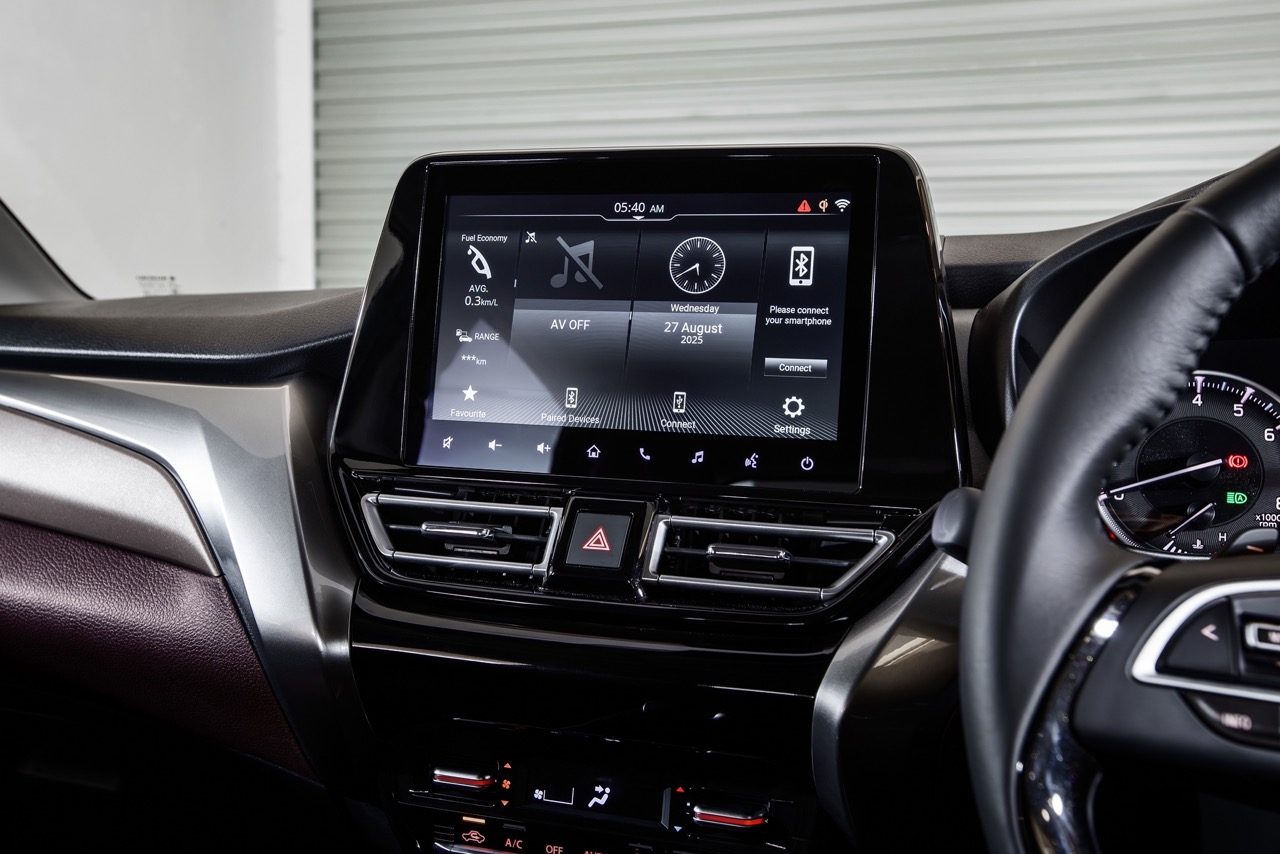
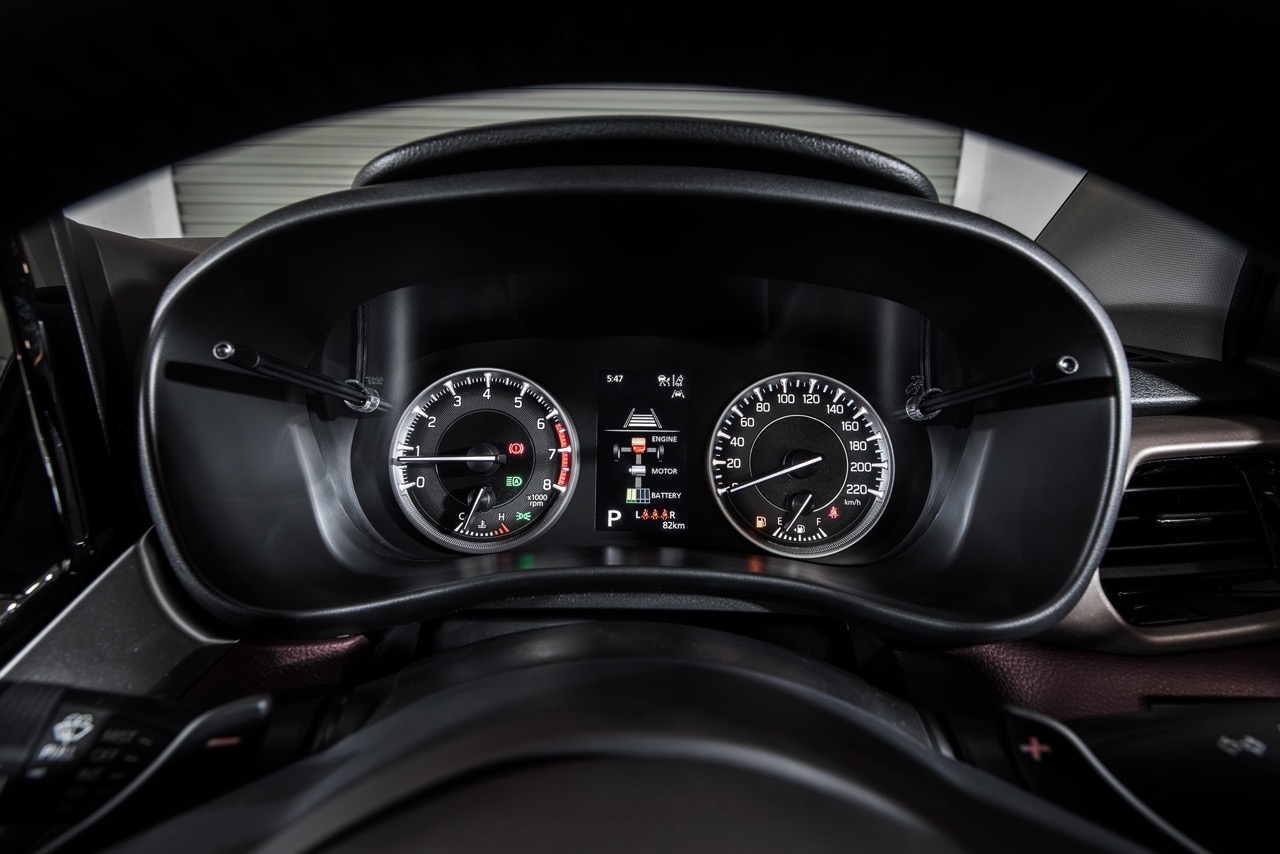
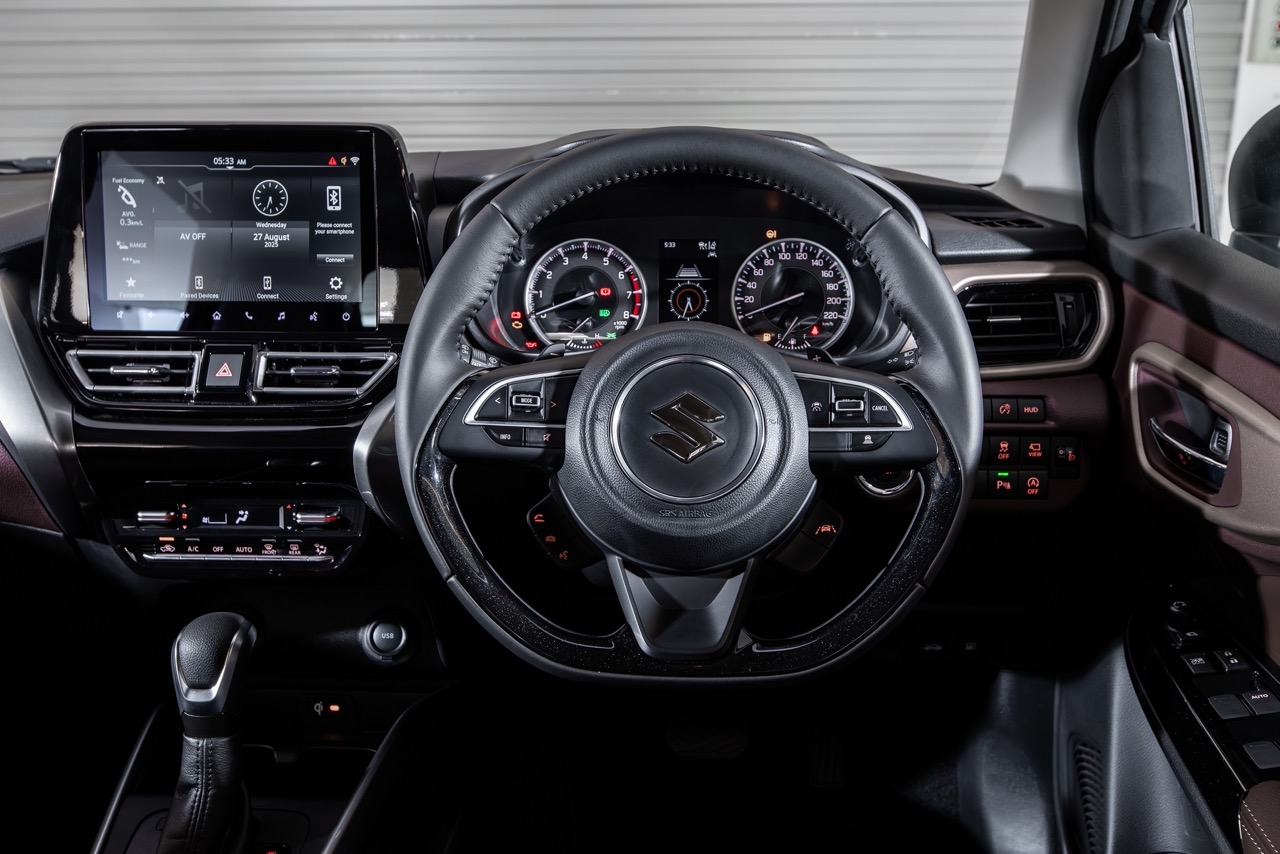
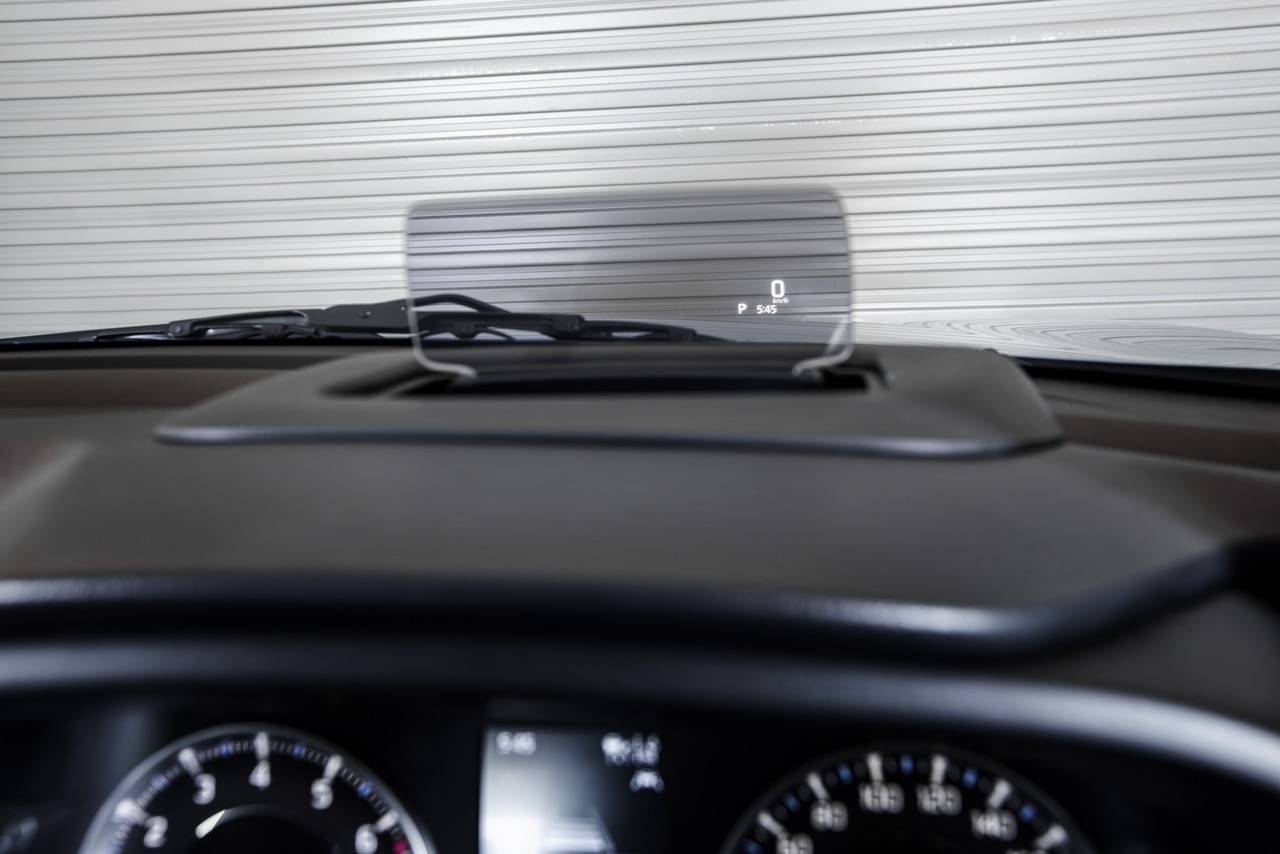
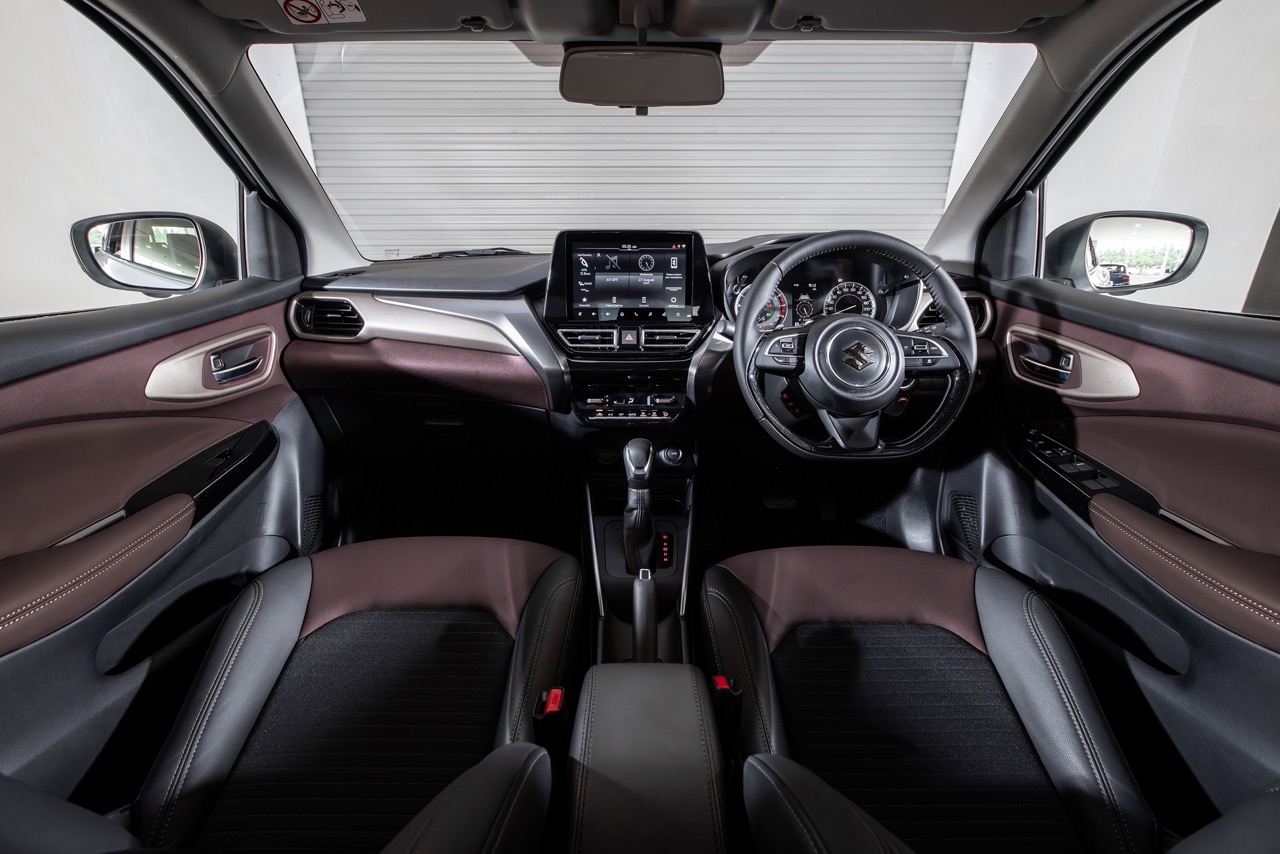
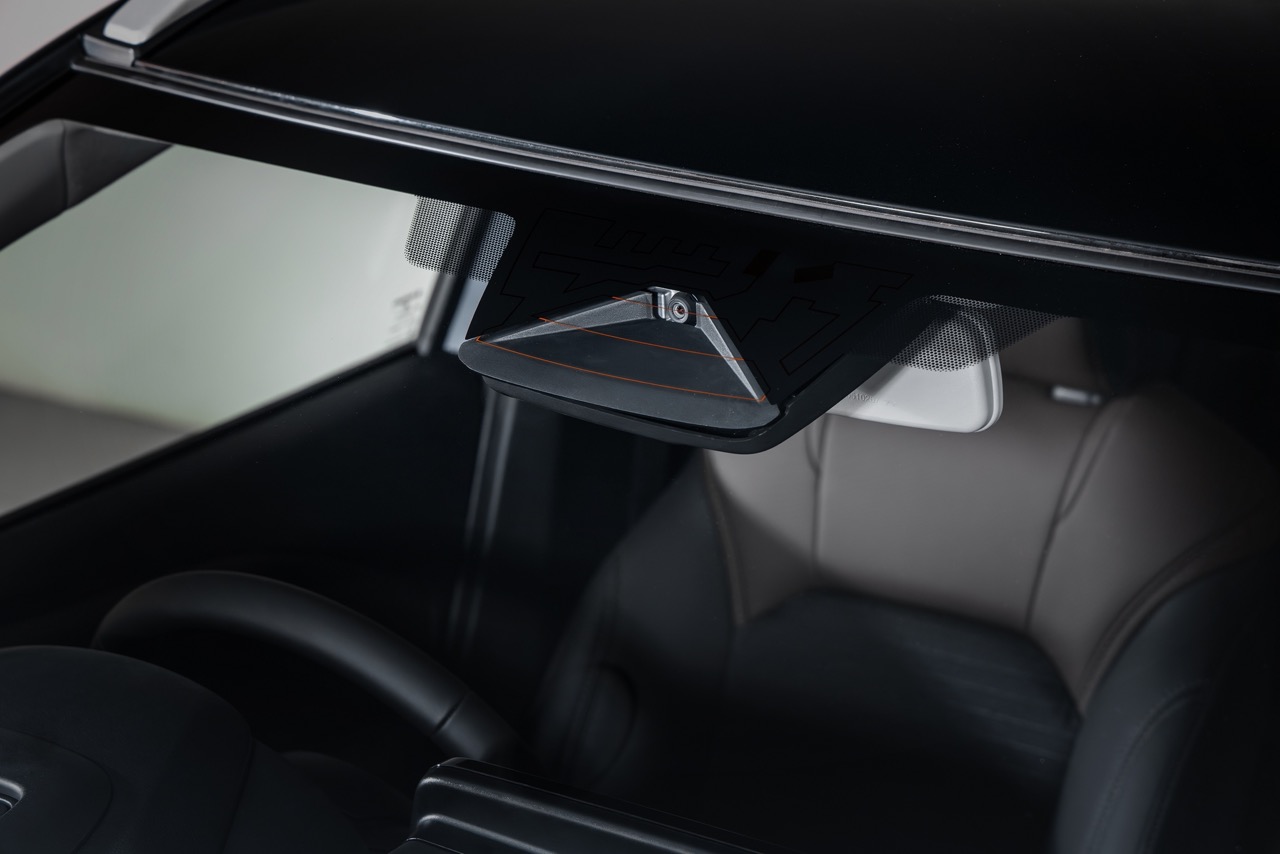
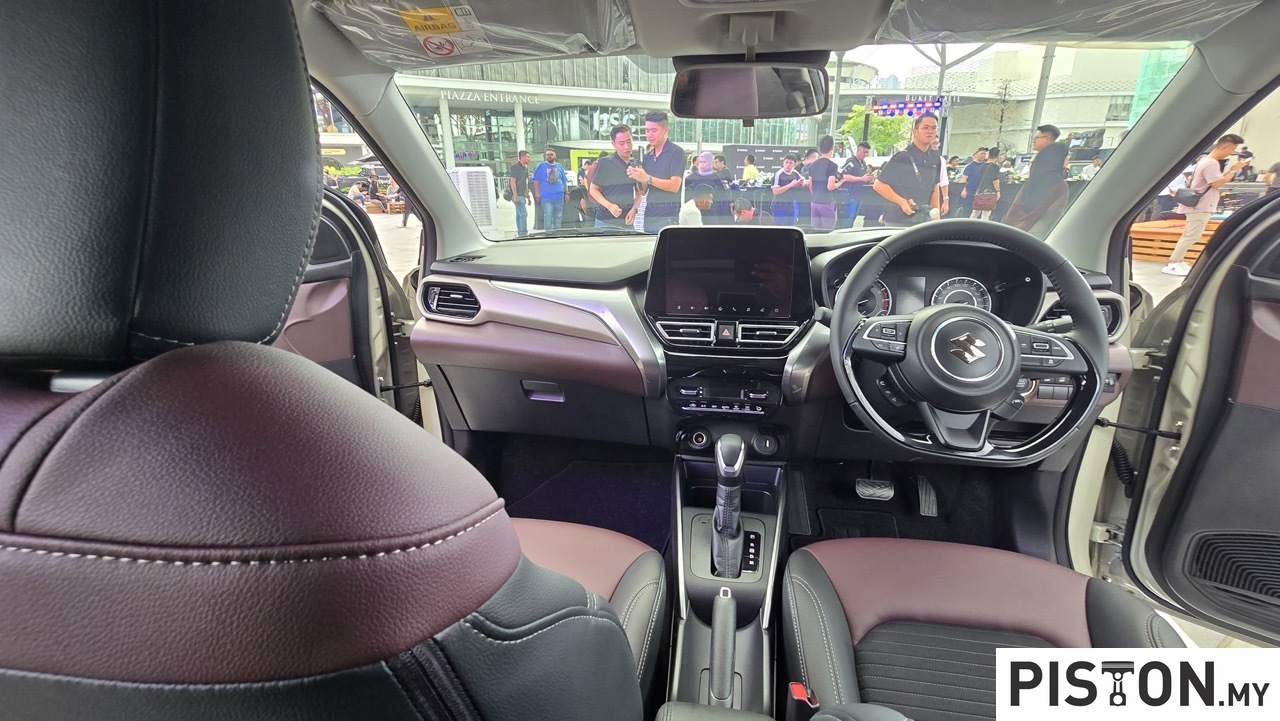
Inside, Suzuki has taken a straightforward yet contemporary approach. A 9-inch HD touchscreen anchors the dashboard, offering Apple CarPlay, Android Auto, a 360-degree camera and a Head-Up Display—an uncommon feature in this segment. A leather-wrapped steering wheel with tilt and telescopic adjustment, cruise control and wireless charging completes the driver-focused equipment list.

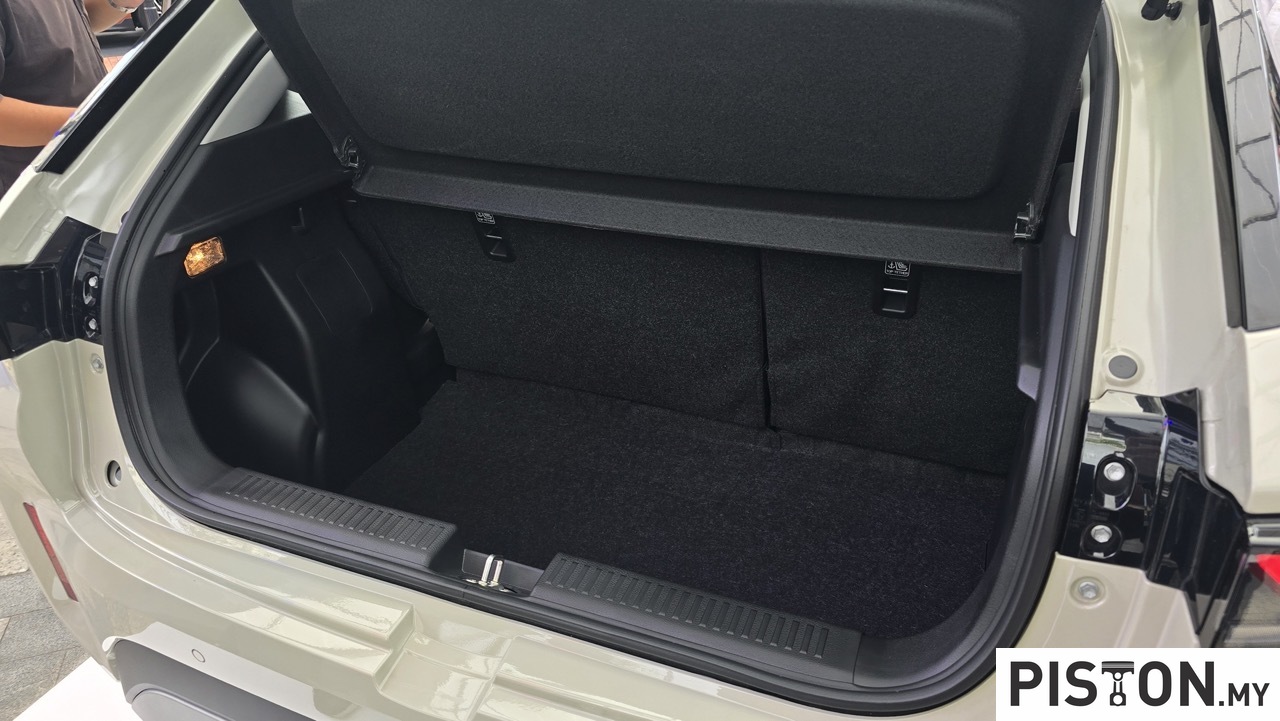
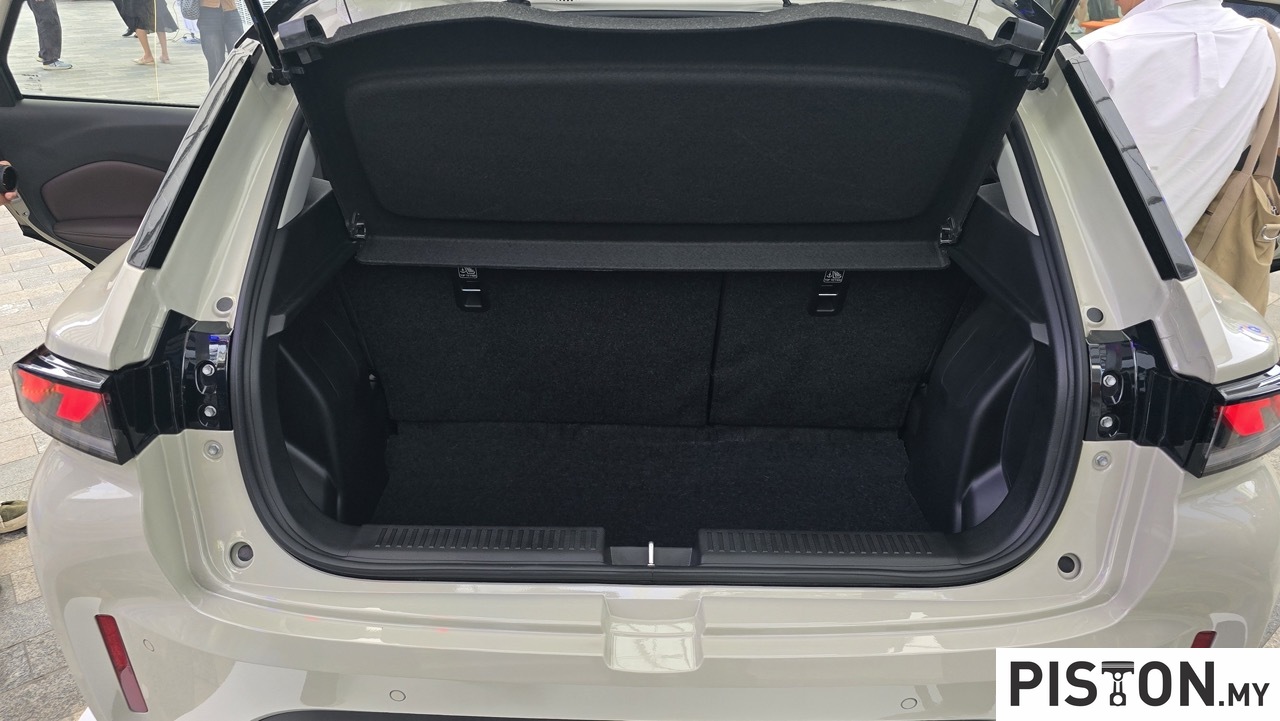
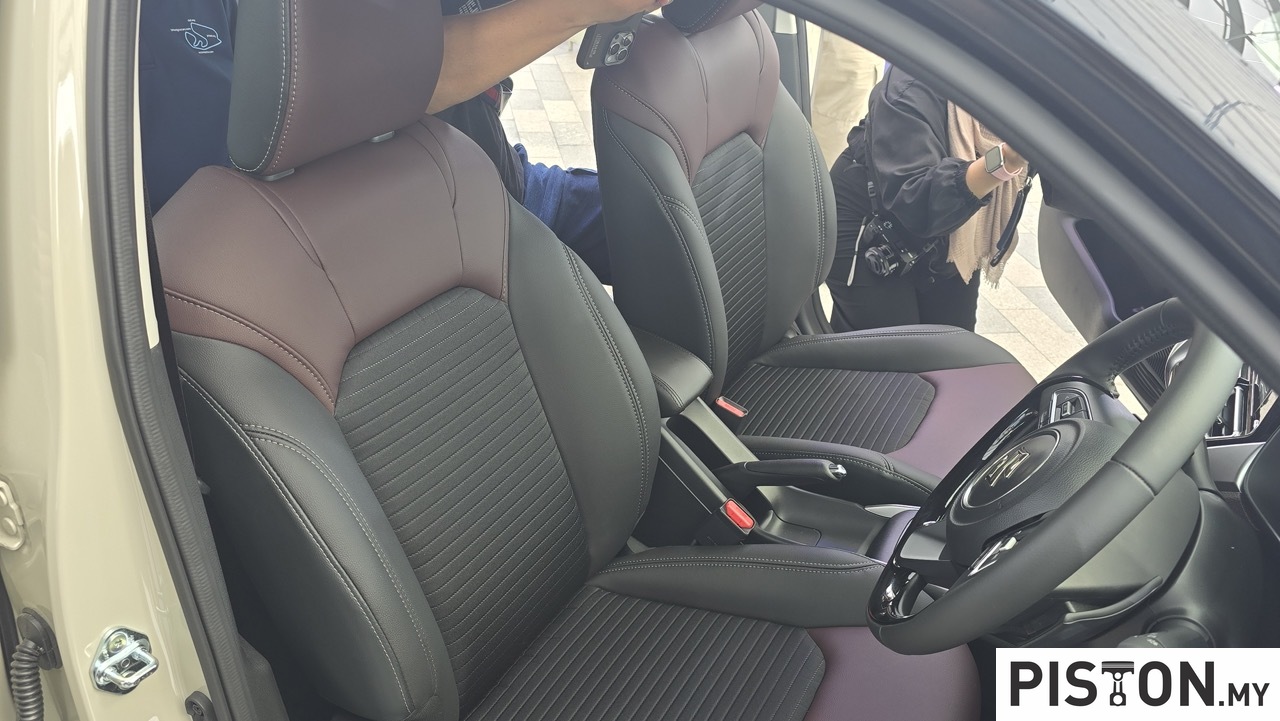
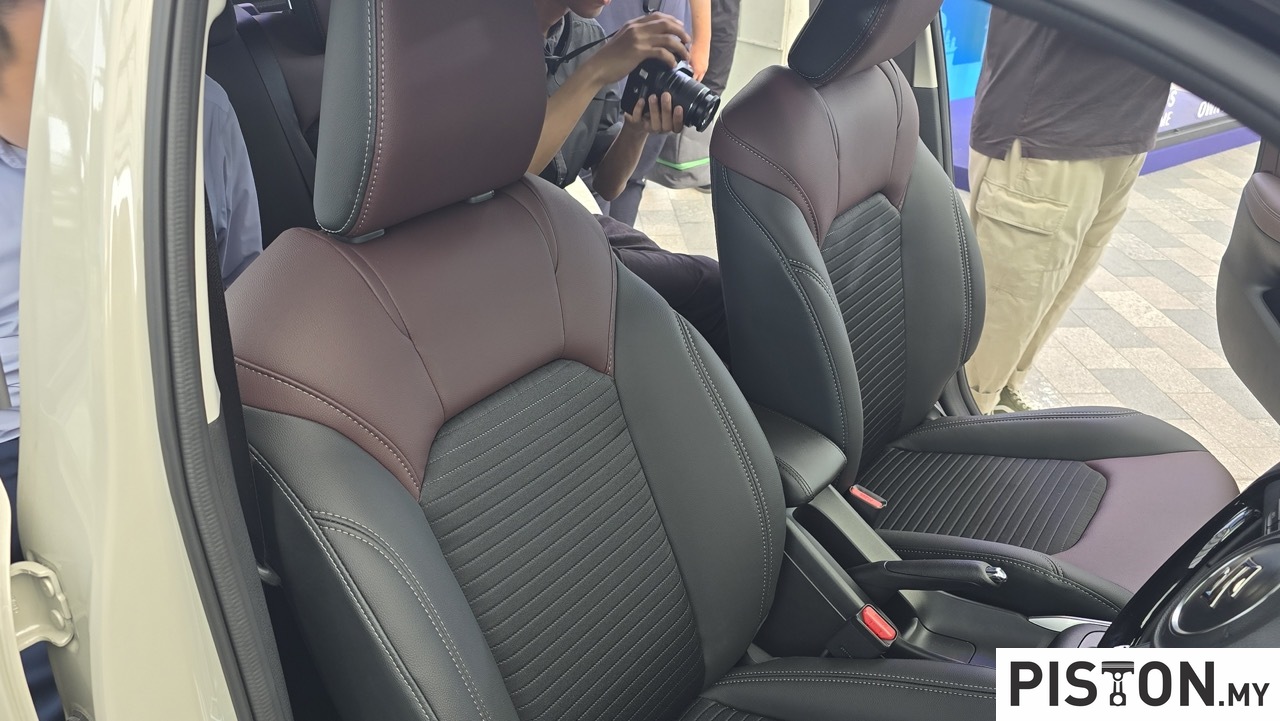
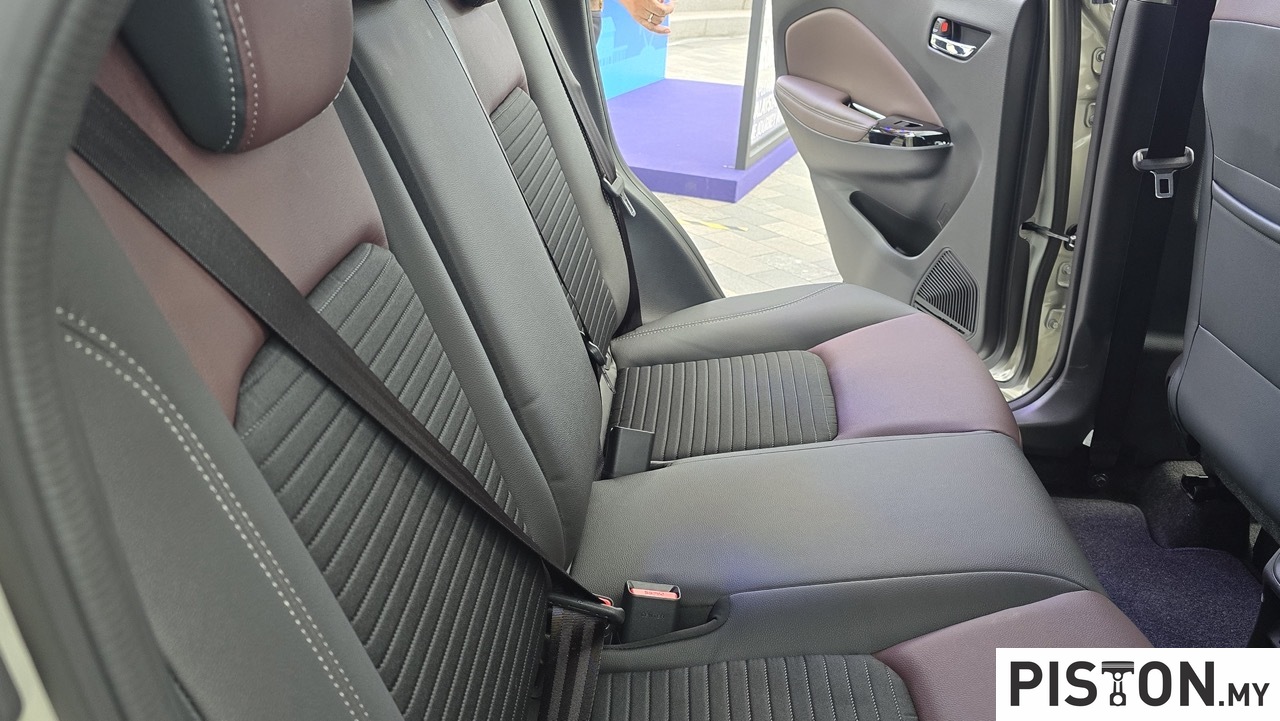
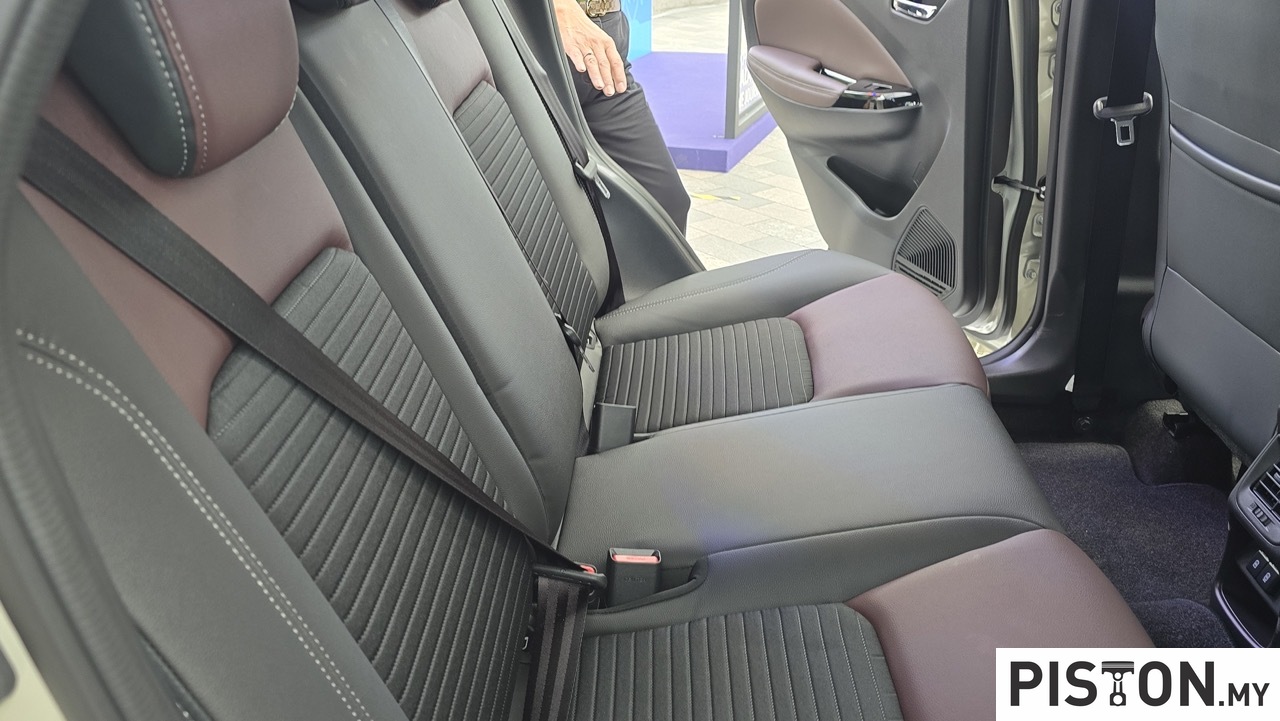
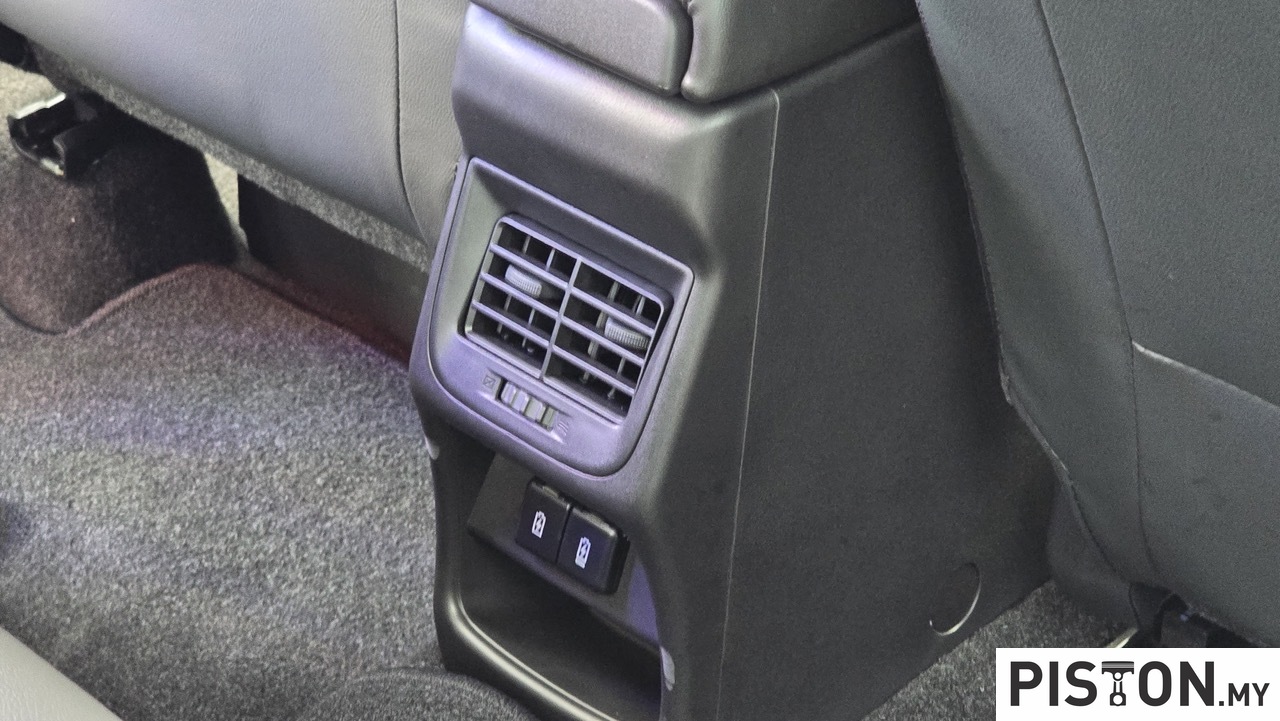
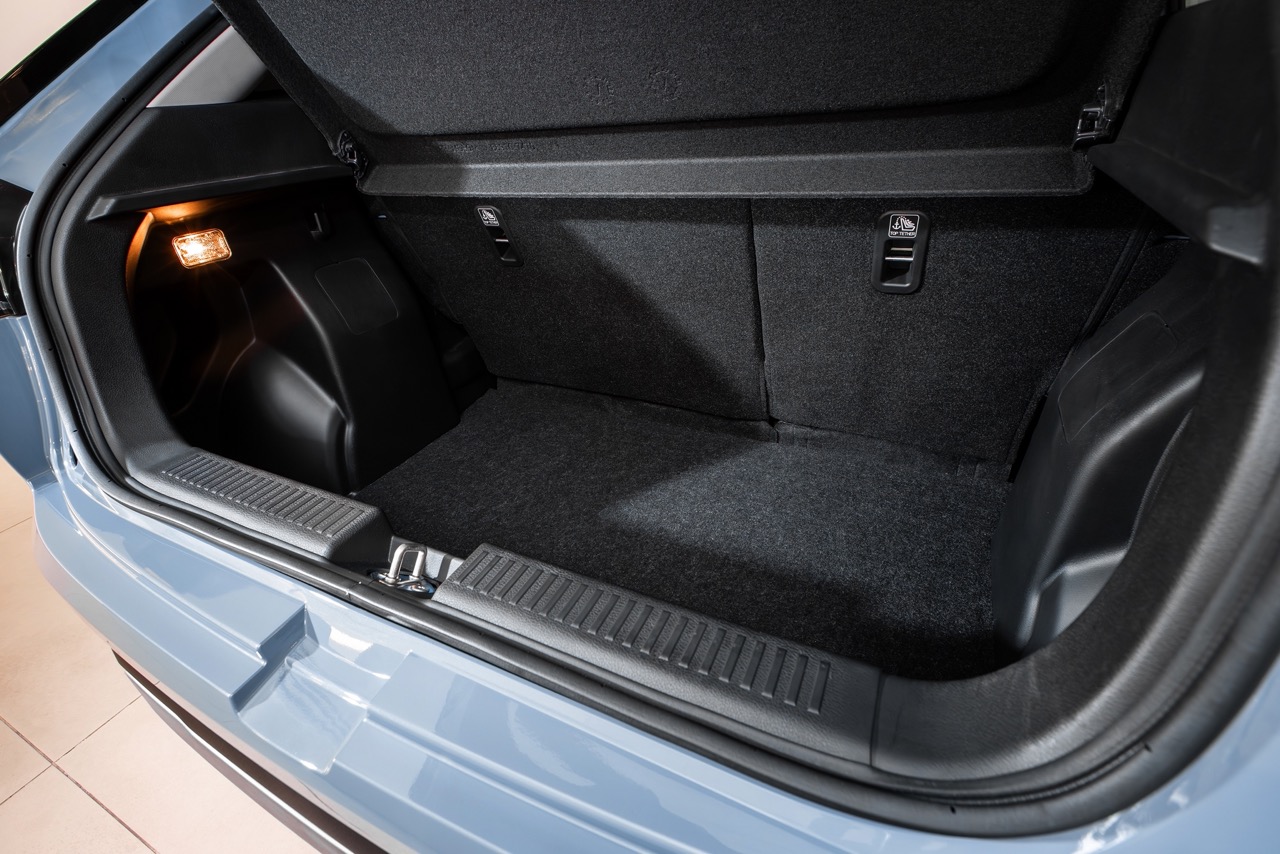
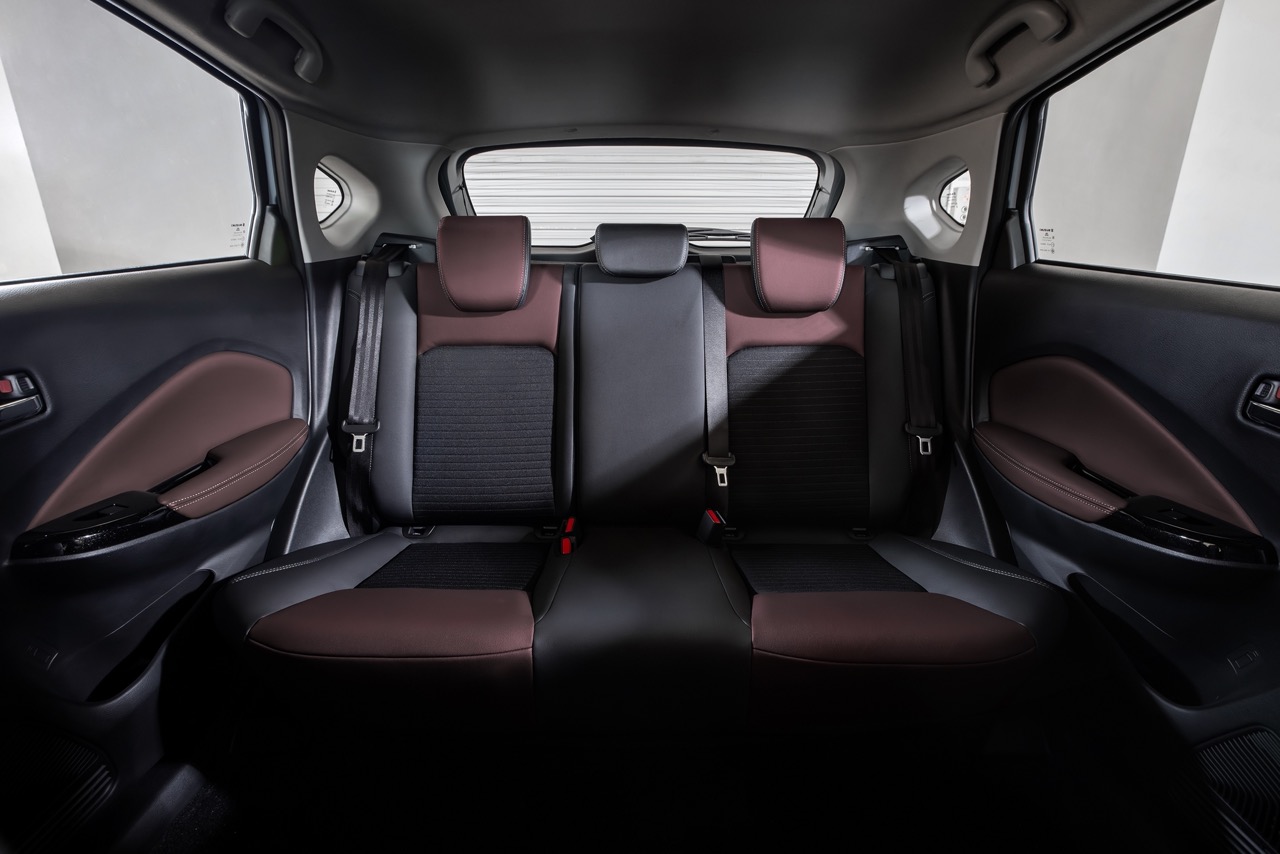
The cabin itself is designed to be noticeably quiet thanks to strong NVH refinement, while the seats feature contoured shapes and embossed edges that elevate both comfort and visual appeal. Practicality remains a priority, with seven storage spaces, 308 litres of boot capacity and 60:40 split-folding rear seats.

Safety is a key selling point for the Fronx. The model’s five-star ASEAN NCAP rating is supported by an extensive suite of driver assistance systems, including six airbags, ABS with EBD, stability control, hill hold, adaptive cruise control, blind spot monitoring, rear cross traffic alert and a wide range of lane-keeping and lane-departure technologies. High Beam Assist adds extra convenience during night driving, while the TECT body structure ensures effective crash energy absorption.

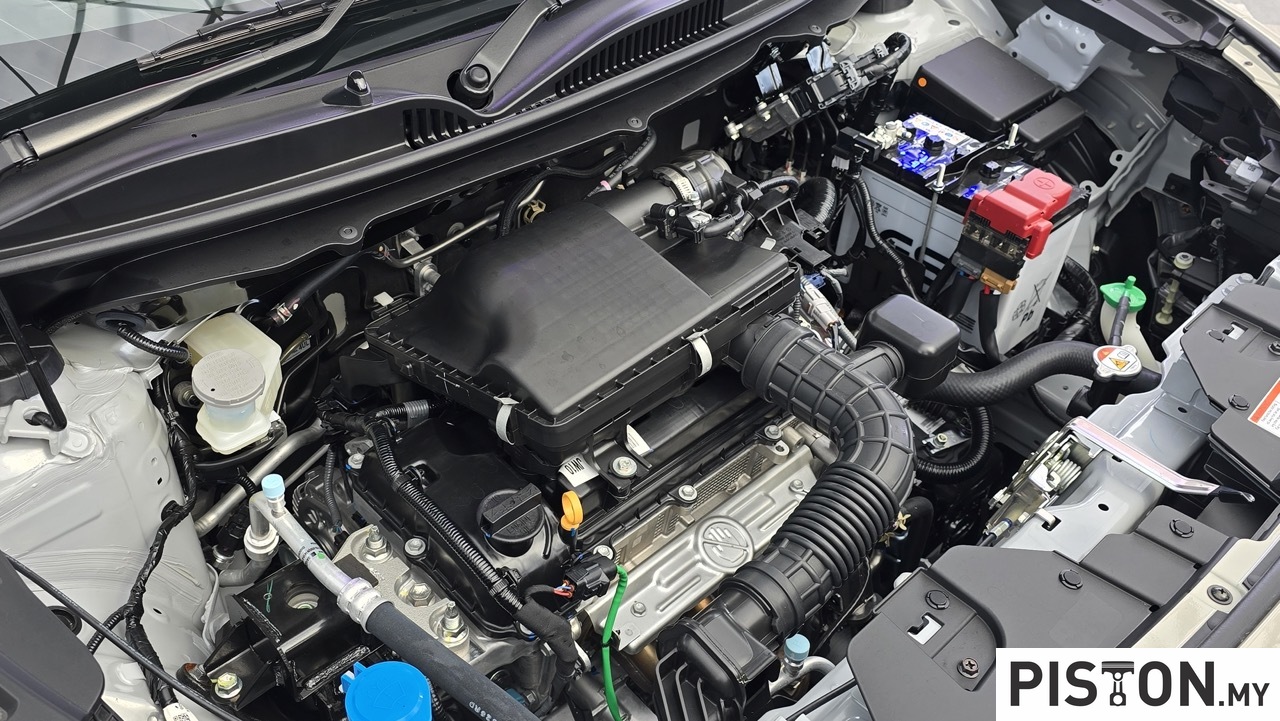
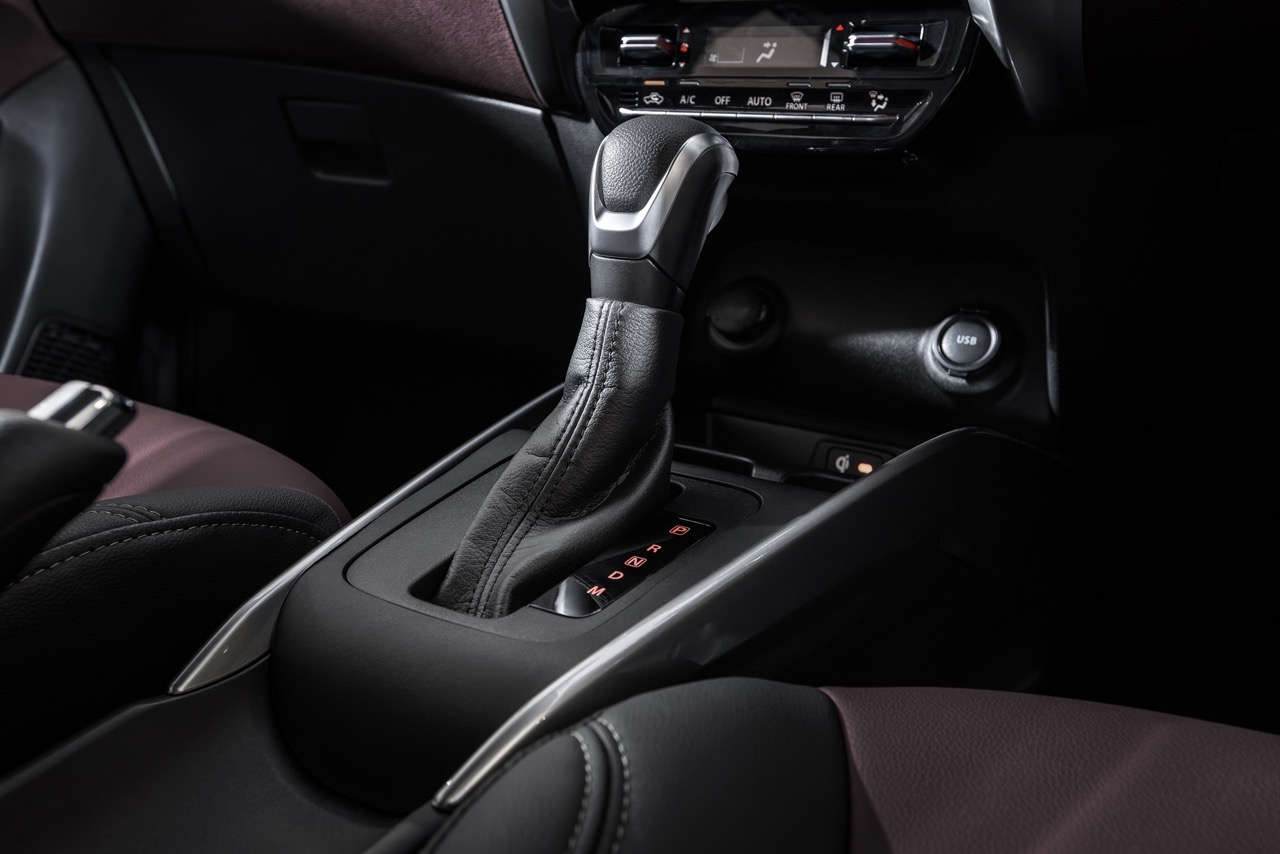
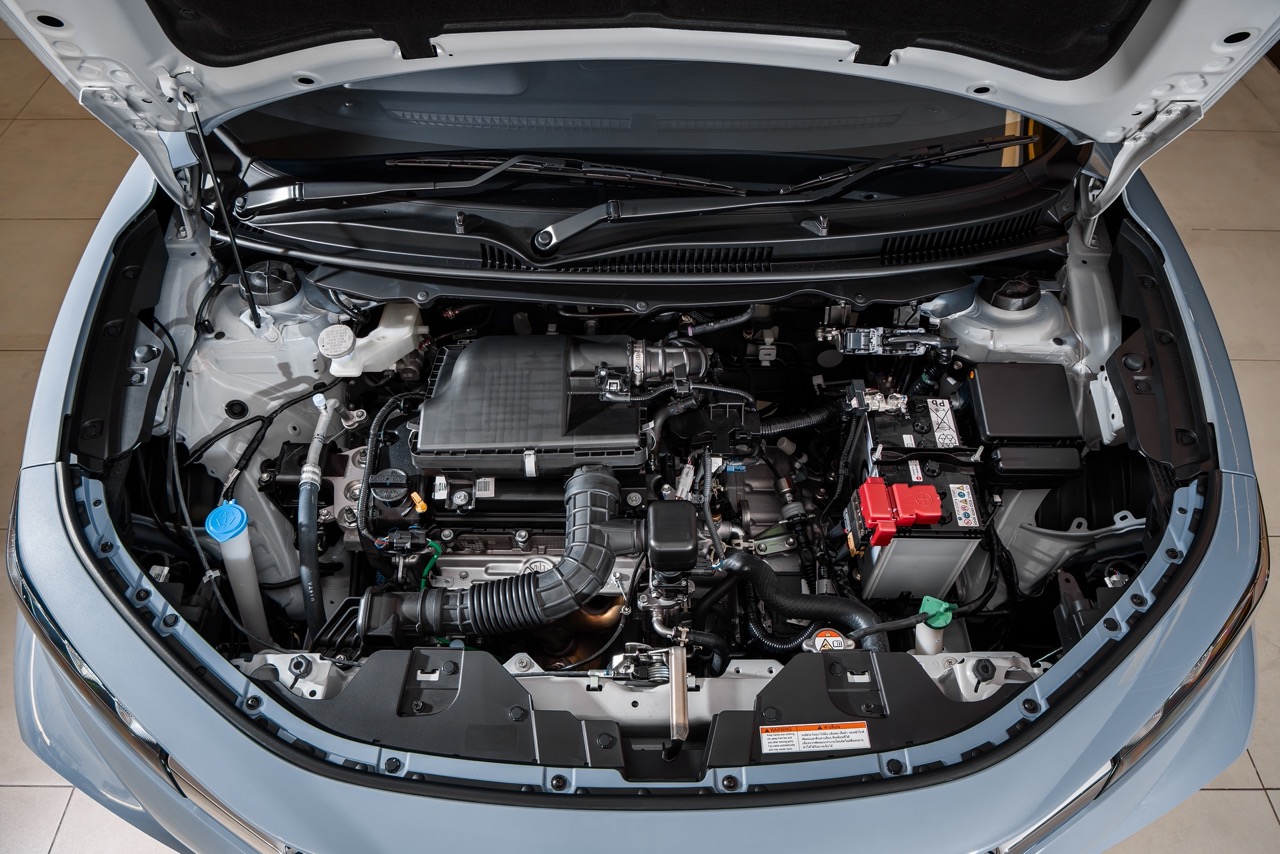
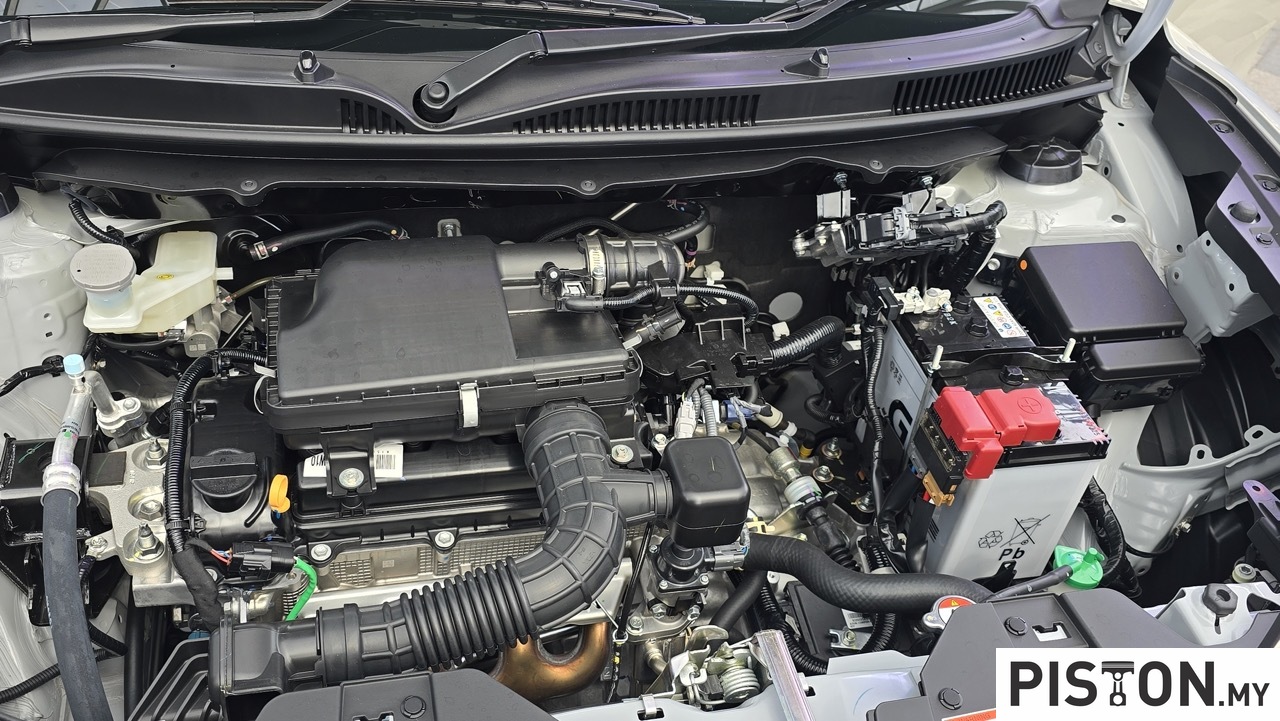
Powering the Fronx is Suzuki’s 1.5-litre K15C four-cylinder hybrid engine, producing 103 PS and 138 Nm of torque. Paired with a six-speed automatic and paddle shifters, it aims to deliver a smooth, efficient drive with the help of a 12V lithium-ion battery. The suspension layout is made up of MacPherson struts at the front and a torsion beam at the rear, all tuned for stability across mixed road conditions. Ventilated front discs add reassurance during spirited or long-distance driving.
The Fronx comes with a three-year or 100,000-km warranty and is priced at RM147,888 on-the-road without insurance. Early buyers can take advantage of a limited-time promotion offering either a RM4,000 rebate or a complimentary accessory package consisting of a multi-roof rack, roof basket and door visor, available until the end of 2025.

The SUV will be the main attraction at the Suzuki Lifestyle Roadshow from 19 to 23 November 2025 at the Piazza, Pavilion Bukit Jalil. Visitors can explore the new model up close, take it for a test drive and enjoy a series of brand showcases that include official accessories, pre-owned vehicles and collaborations with lifestyle names such as Ducati, GoPro, Eiger Adventure, Eyez Optometry, Polaroid Eyewear and Monster Energy. The event is set to deliver a mix of adventure, creativity and youthful energy—very much in line with Suzuki’s current direction.

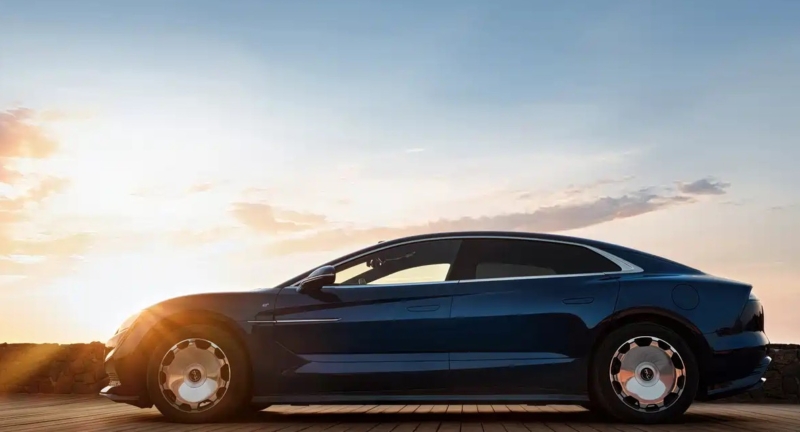
Yangwang is preparing to show off a fresh Galaxy Blue paint option for its flagship U7 sedan at the Guangzhou Auto Show, adding a new visual highlight just as the car receives a series of technical updates. The luxury model, offered in both fully electric and plug-in hybrid forms, is priced between 628,000 and 708,000 yuan, which works out to roughly RM414,000 to RM467,000.
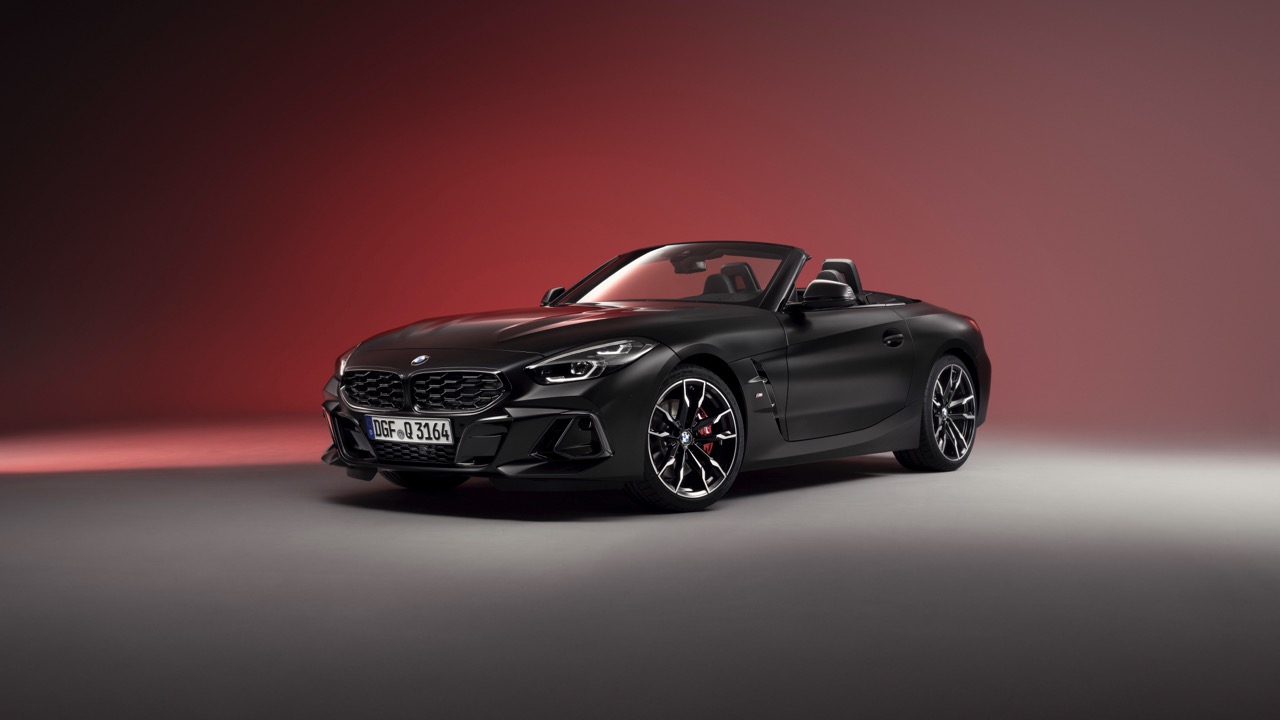
New filings suggest that the U7 has been given a noticeable boost in performance, with total system output climbing from 1,287hp to 1,341hp. It continues to rely on four permanent-magnet synchronous motors, now calibrated at 260 kW, 260 kW, 240 kW and 240 kW. The petrol engine in the plug-in hybrid version remains unchanged, a 2.0-litre BYD4H20 unit rated at 268hp.

Its proportions also remain familiar, measuring 5,360 mm in length, 2,000 mm in width and 1,515 mm in height, with a long 3,200 mm wheelbase and a curb weight of 3,223 kg. The model continues to rely on an LFP battery pack, in line with BYD’s current preference for durability-focused chemistry.

(more…)

CATL has moved into full-scale production of its fifth-generation lithium iron phosphate batteries, signalling another major step in the company’s long-running push to refine and strengthen LFP technology. The new cells deliver higher energy density and longer cycle life, marking a clear improvement over earlier versions and raising the bar for what LFP can offer in mainstream electric vehicles.

The development follows the foundation laid by the previous fourth-generation cells, which had already outperformed many second- and third-generation products in areas such as durability, efficiency and output. With this new generation rolling off the lines, CATL sees itself sharpening the balance between cost-effective EV batteries and long-lasting performance, which remains central to its strategy.

Alongside its work on LFP, the company continues to advance its ternary batteries used in the Qilin and Freevoy ranges. These chemistries give CATL a broader portfolio to meet different electric vehicle requirements, especially where higher energy density is required.

CATL is also widening its focus with the introduction of its Naxtra sodium-ion battery. This new platform is designed to reduce reliance on lithium while promising lower emissions during production and improved safety. Its chemistry offers an advantage in cold weather, where sodium-ion cells typically perform more consistently than traditional lithium-ion batteries.

(more…)

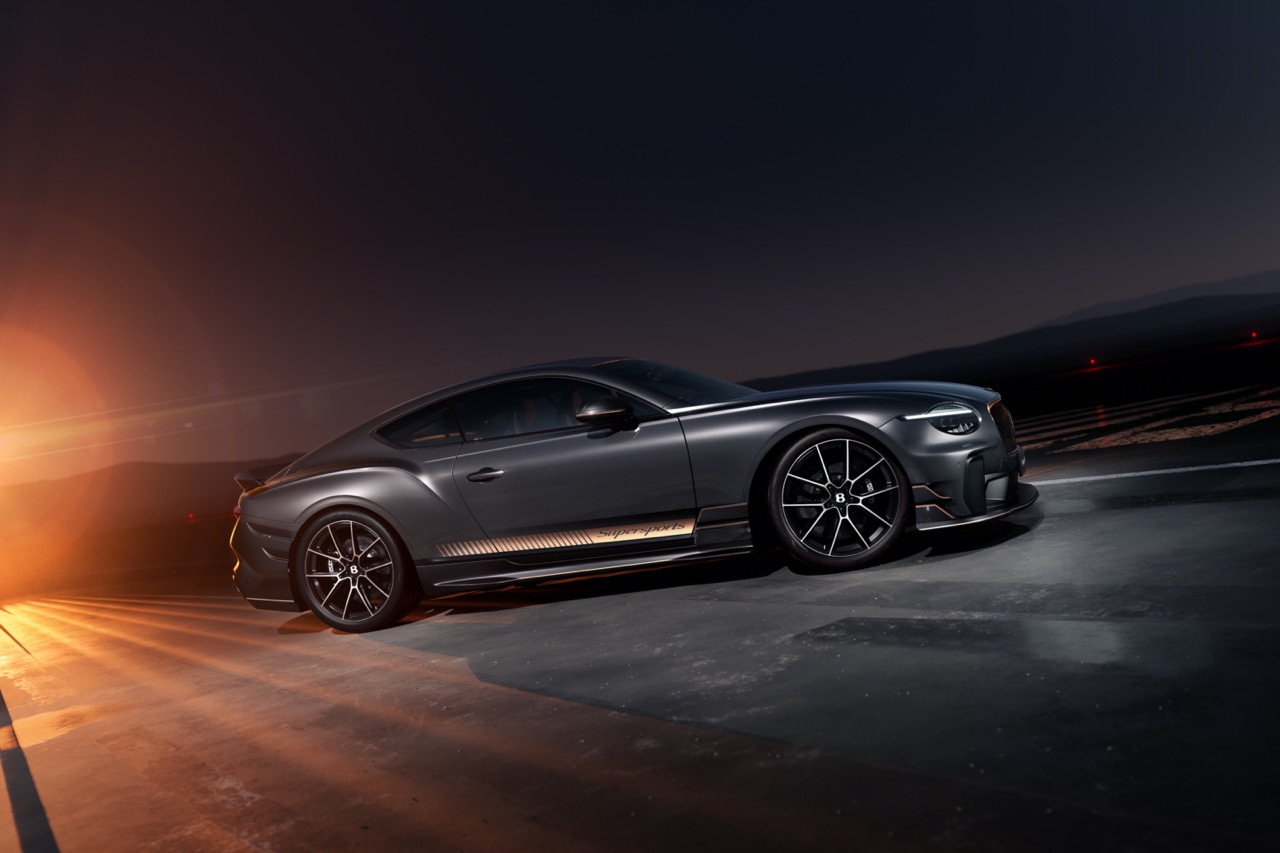
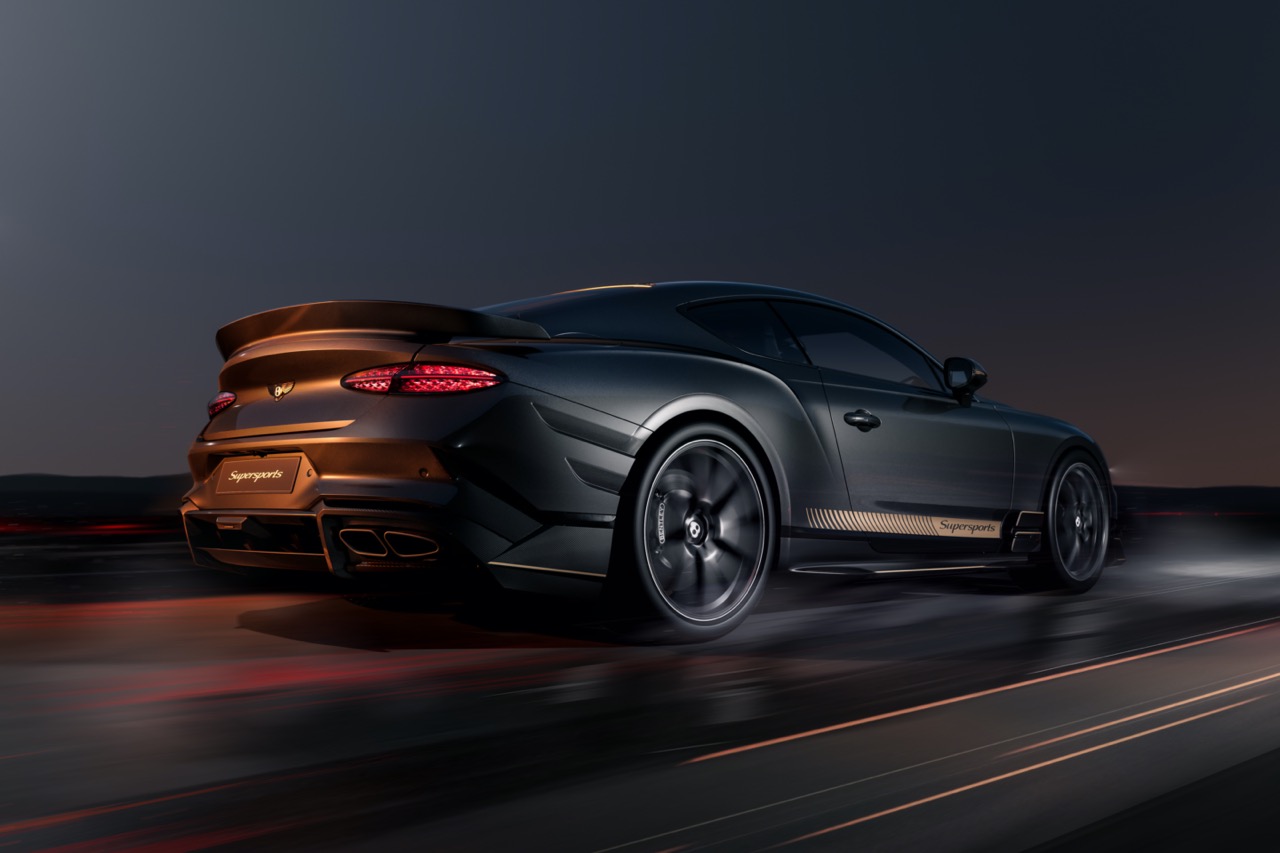
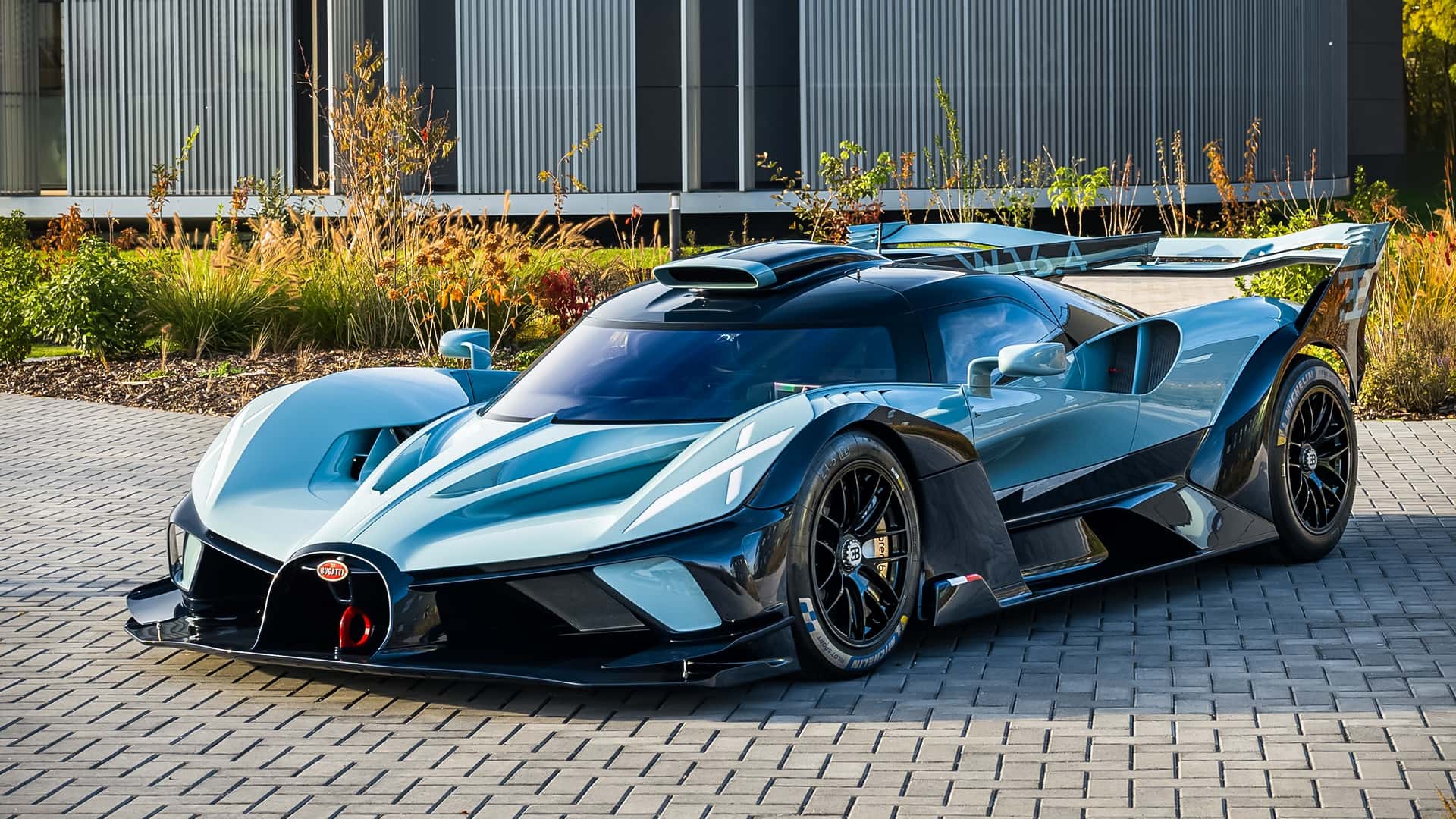
Bentley has brought back the Supersports name for the fourth time, a full century after it first appeared, and the latest interpretation is the most driver-focused Continental GT the company has built. The new model sheds its grand-tourer formality for a simpler, lighter, rear-wheel-drive layout, now configured strictly as a two-seater and weighing under two tonnes.

Power comes from a reworked 4.0-litre twin-turbo V8 that produces 666PS and 800Nm, paired with an eight-speed dual-clutch gearbox. Carbon ceramic brakes, 22-inch forged wheels developed with Manthey Racing and a titanium Akrapovič exhaust are all fitted as standard, with Pirelli Trofeo RS tyres available for those wanting additional grip.

Every exterior element serves a purpose, with the design centred on weight reduction and meaningful aerodynamic gains. The redesigned front bumper houses Bentley’s biggest splitter ever fitted to a production road car, channelling airflow to the brakes and engine.

More carbon fibre appears around the body in the form of dive planes, extended sills, fender blades, a deeper diffuser and a fixed rear wing. These components generate over 300 kg more downforce than the GT Speed, while the carbon fibre roof lowers the mass and helps drop the centre of gravity.

(more…)

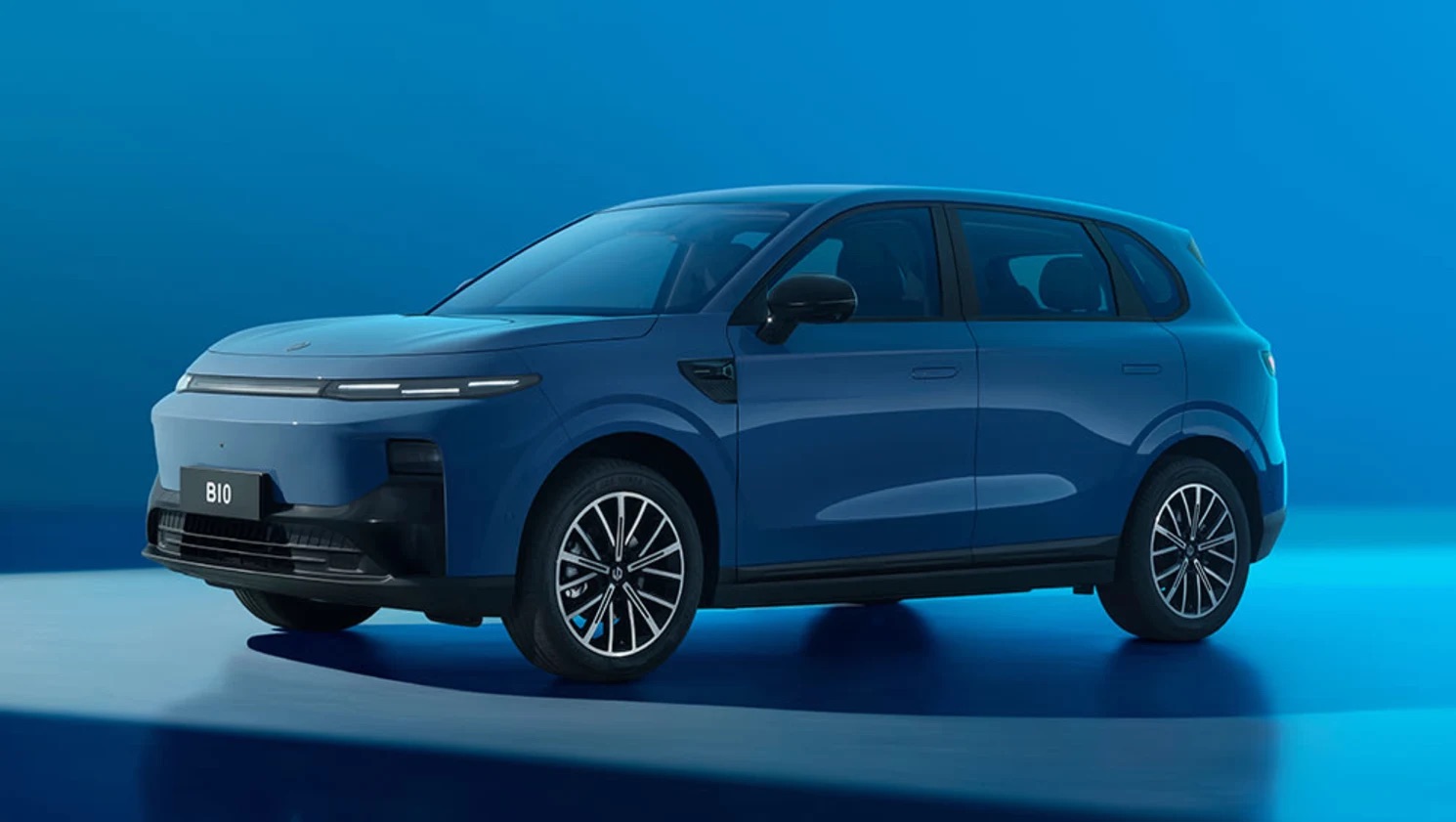
Leapmotor Malaysia has opened bookings for the upcoming Leapmotor B10, an electric SUV set to arrive in December 2025 with an estimated price between RM110,000 and RM120,000. Customers can reserve a unit with an RM80 fee, and the brand is sweetening the deal for early adopters.

The first 200 buyers will receive the ‘LeapX100’ package, which offers returns worth 100 times the booking fee through either a complimentary wallbox charger or free servicing, along with a substantial cash rebate that brings the total value of the reward to as much as RM8,000.

The B10 will be introduced locally in two variants, both built on the company’s new LEAP3.5 architecture. The SUV measures 4,515 mm long, 1,885 mm wide and 1,655 mm tall, with a wheelbase of 2,735 mm, and promises up to 460 km of WLTP range from a battery capacity of up to 67.1 kWh.

Boot space stands at 420 litres, expanding to a generous 1,415 litres when the rear seats are folded, while the cabin and exterior feature the brand’s latest intelligent systems and design cues aimed at delivering a comfortable and efficient driving experience.

(more…)

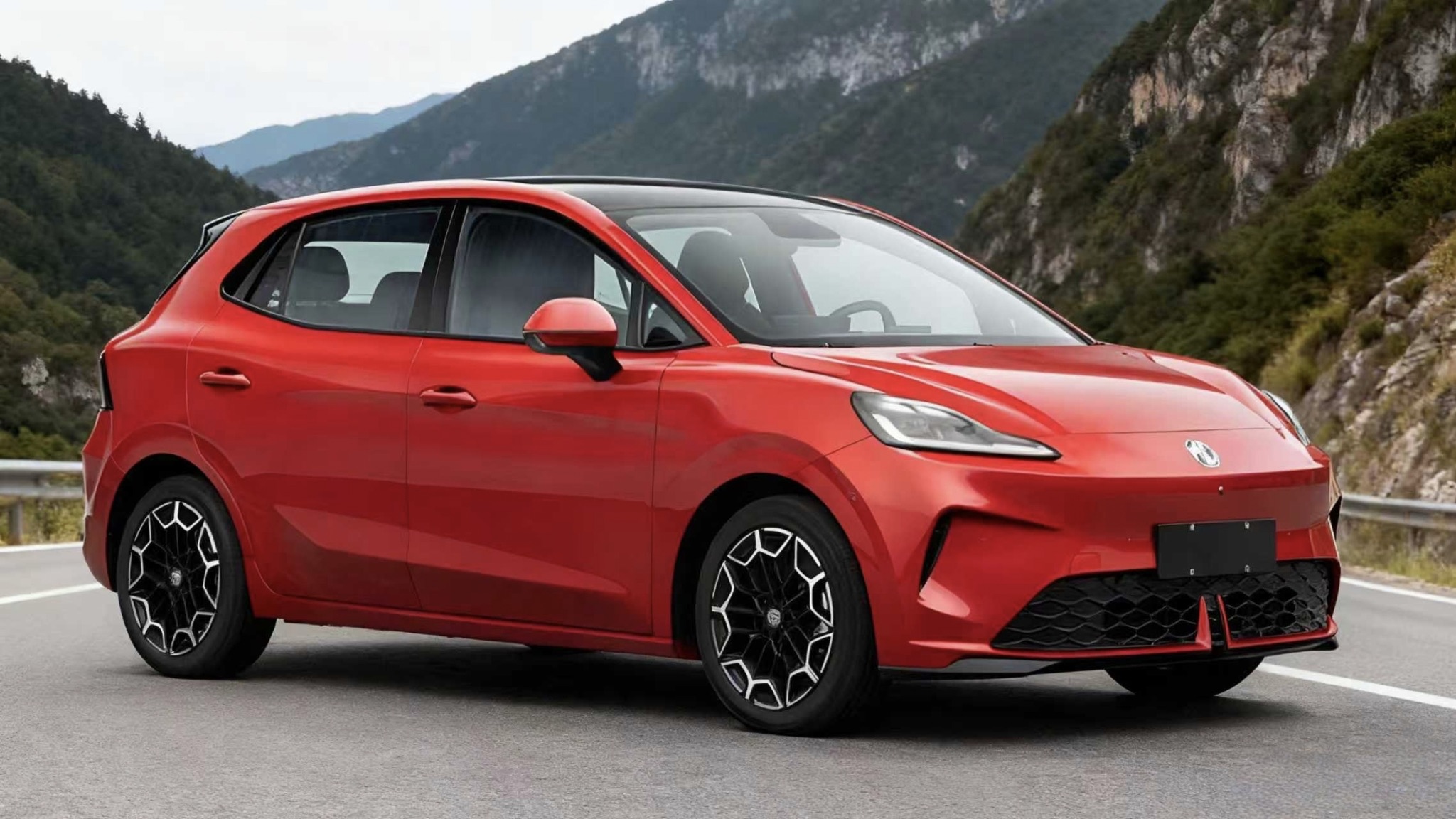
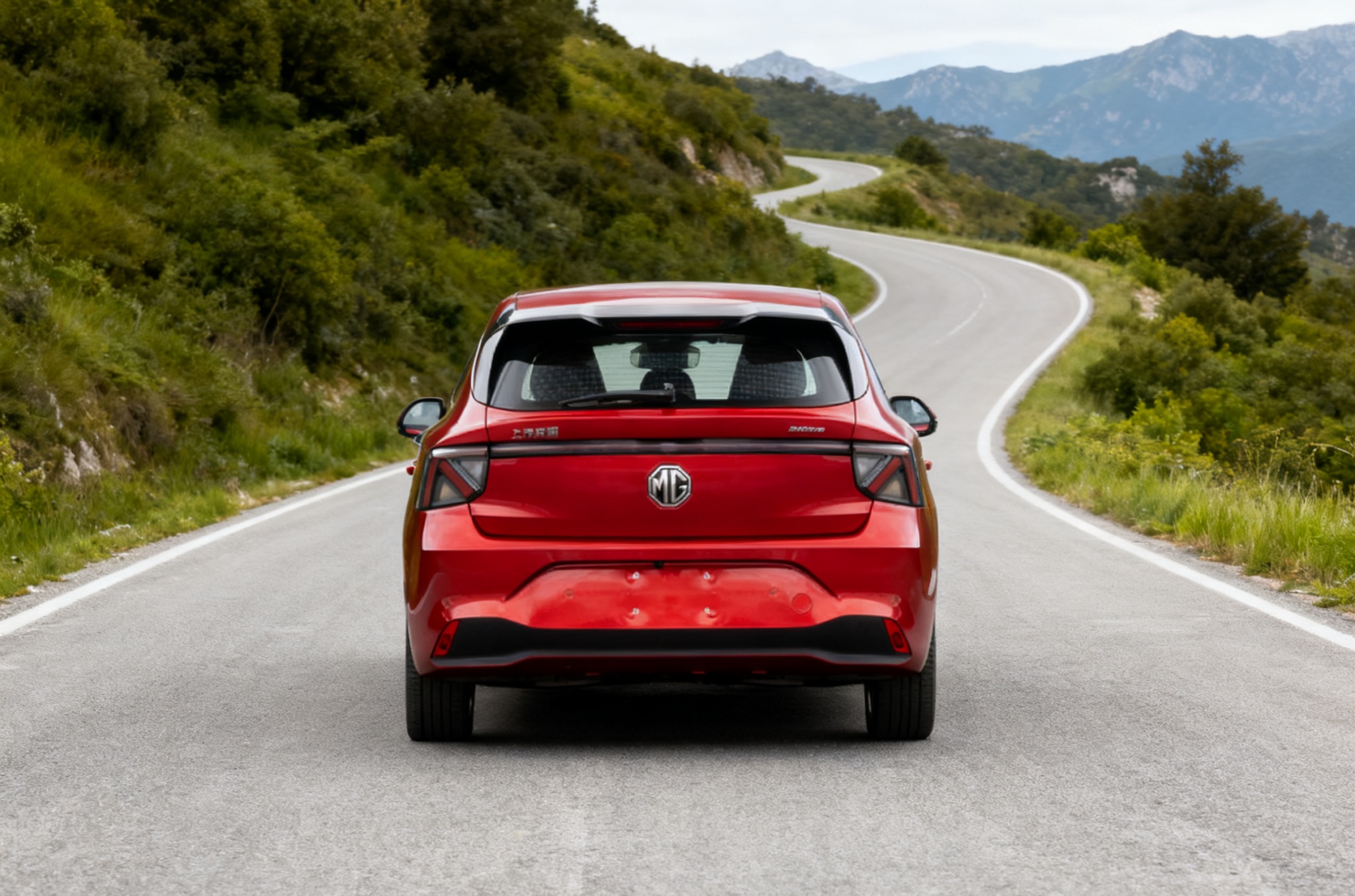
MG is preparing to unveil a new addition to its MG4 family at the upcoming Guangzhou Auto Show on 21 November, introducing the Anxin Edition as one of the first mass-produced passenger cars to feature a semi-solid-state battery. The new variant will use a manganese-based lithium-ion pack jointly developed by SAIC and QingTao Energy, offering a CLTC-rated range of 530km. For reference, the MG4 range currently sells from 68,800 to 102,800 yuan (around RM45,400 – RM67,800).

Although the Anxin Edition has yet to be shown in its final form, documents submitted to regulators point towards a familiar exterior. The overall profile mirrors the current MG4, retaining its wide-stance hatchback shape, the Cyberster-inspired front end and the illuminated MG badge. Its measurements remain unchanged at 4,395 mm long, 1,842 mm wide and 1,551 mm tall, with a wheelbase of 2,750 mm. At the rear, the full-width light bar and arrow-style signature lights continue to define the model’s look.

The interior adopts the updated cabin layout MG has recently rolled out to the rest of the MG4 range. The central display grows from 12.3 to 15.6 inches, and the physical buttons that once sat beneath it have been removed. The traditional rotary gear selector has been replaced with a column-mounted unit, while a new 50-watt wireless charging pad sits lower in the console. The car also runs the MG–Oppo smart cockpit system, powered by Qualcomm’s Snapdragon 8155 chip.

(more…)

Archive

Follow us on Facebook

Follow us on YouTube