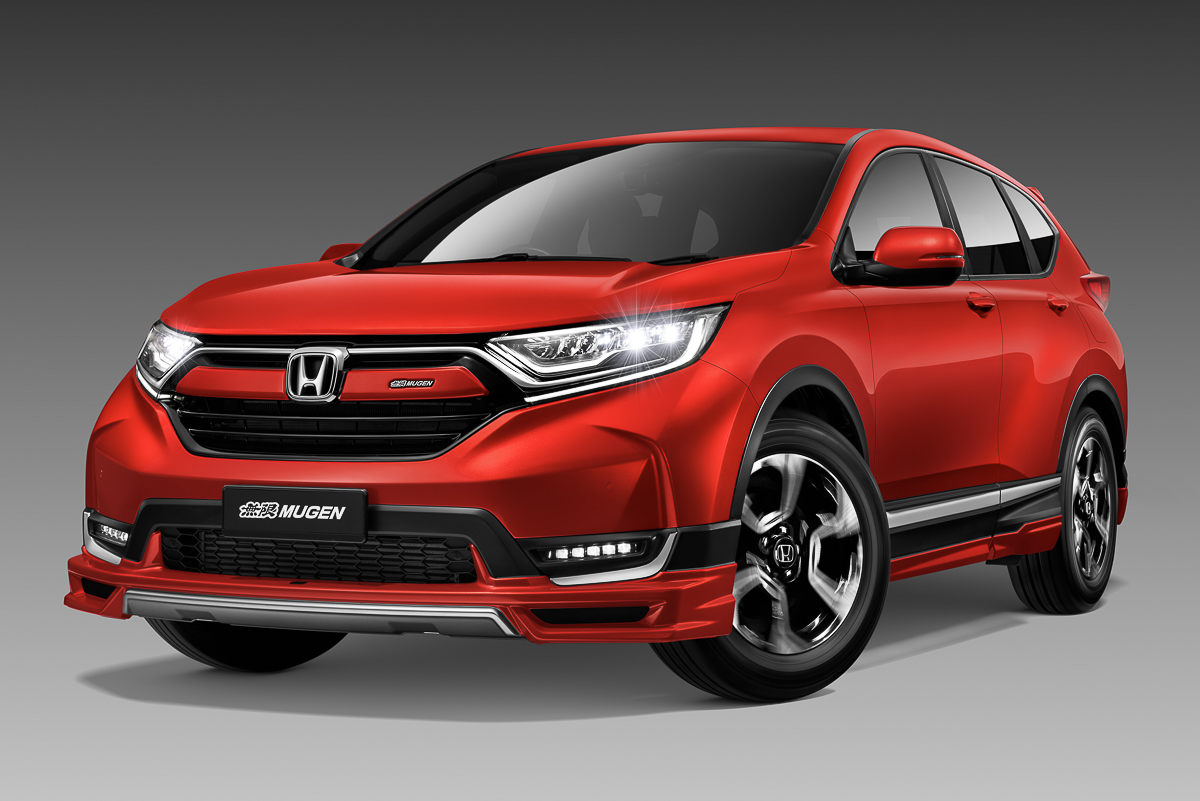
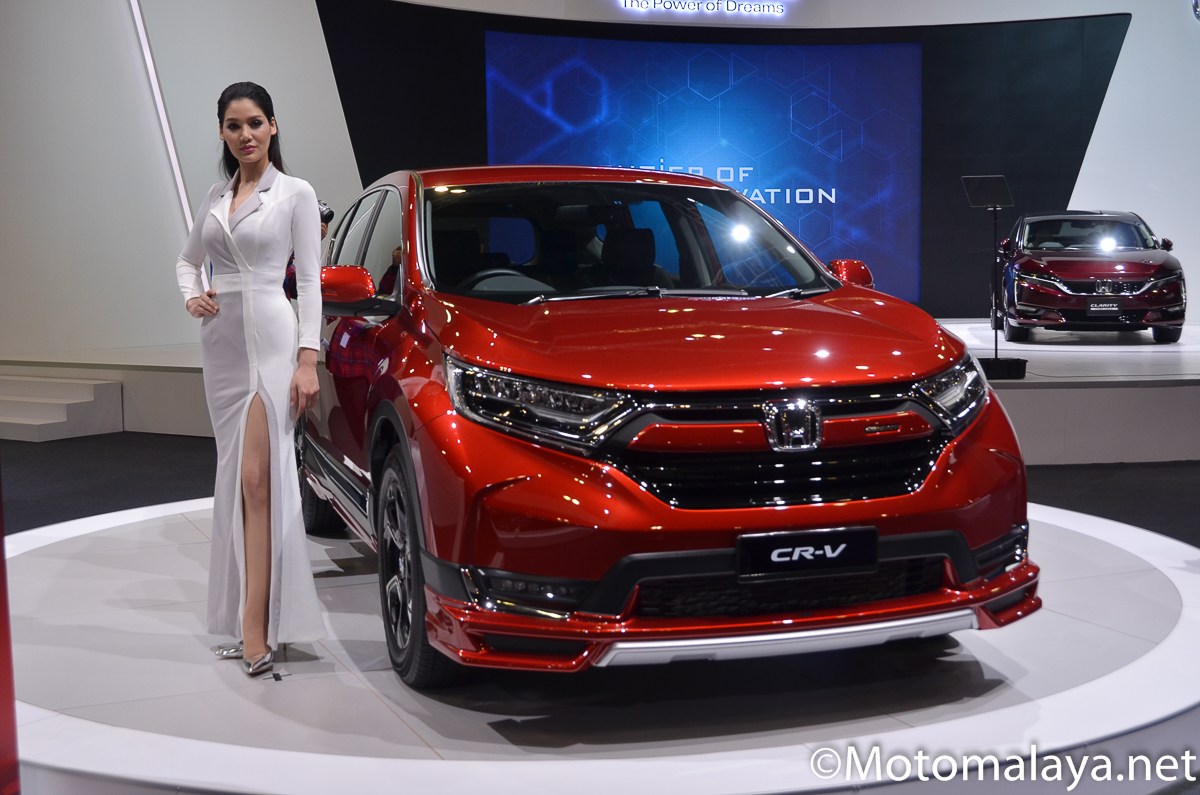
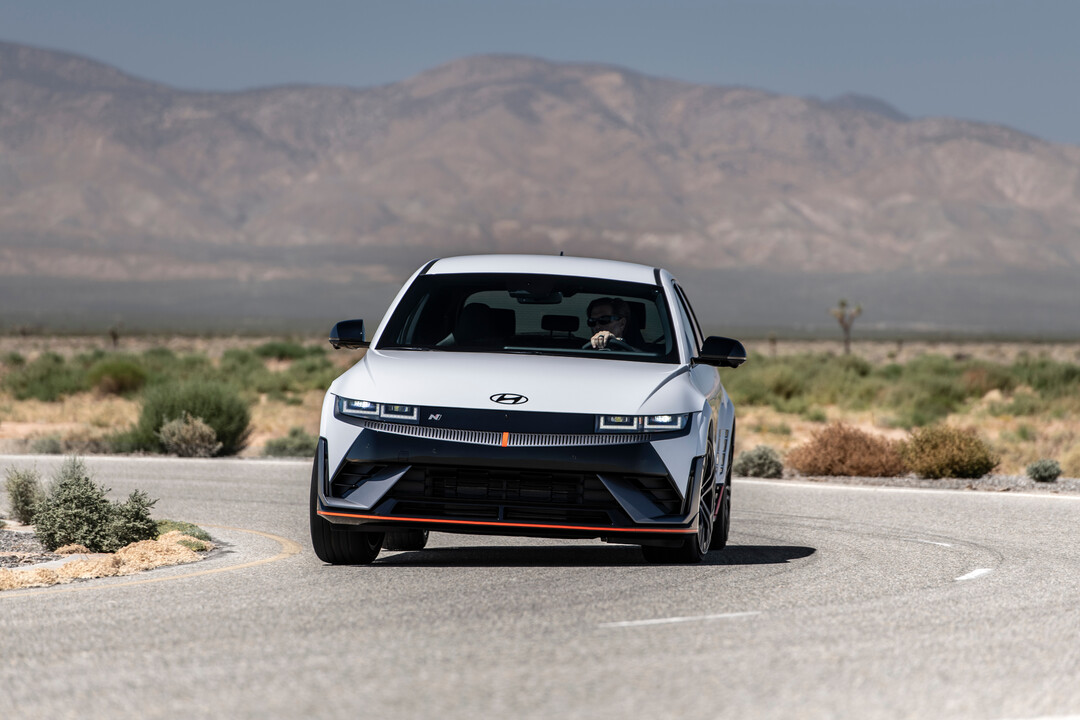
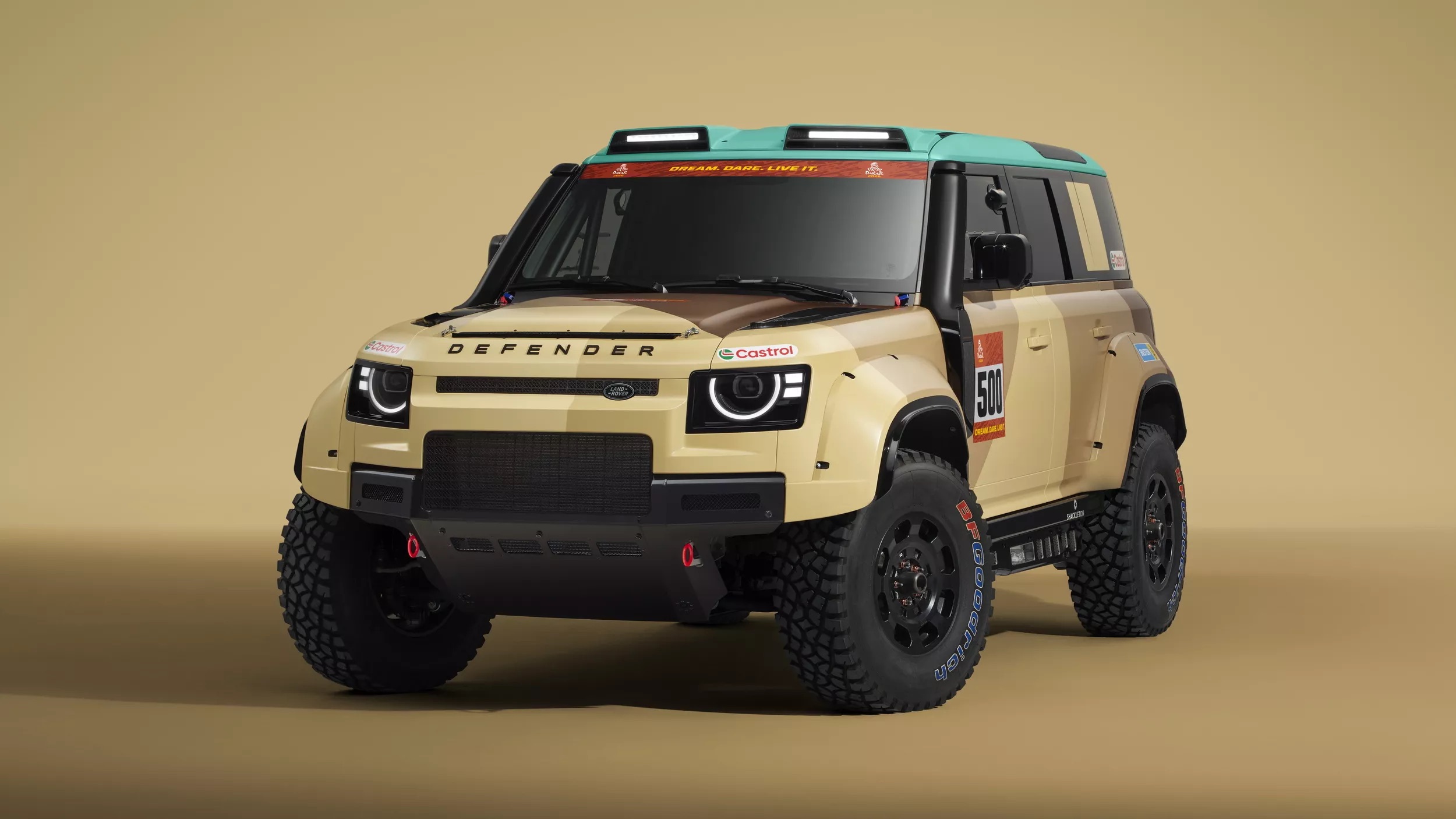
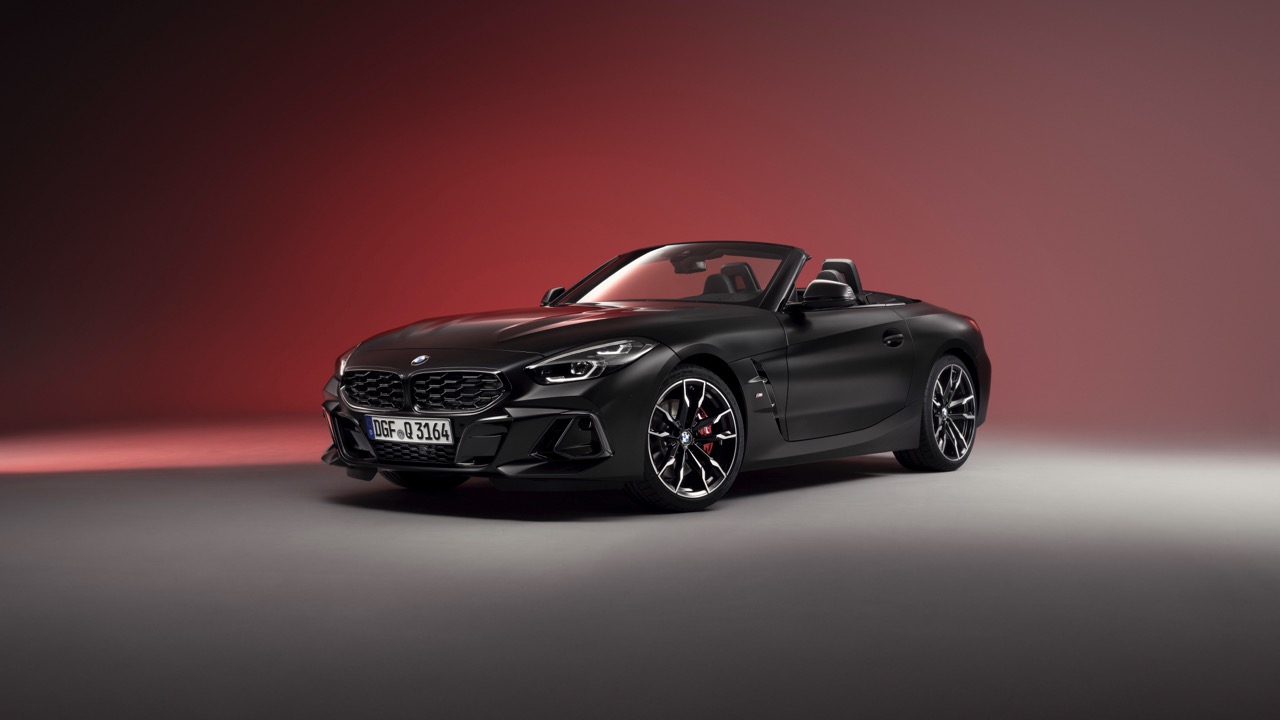
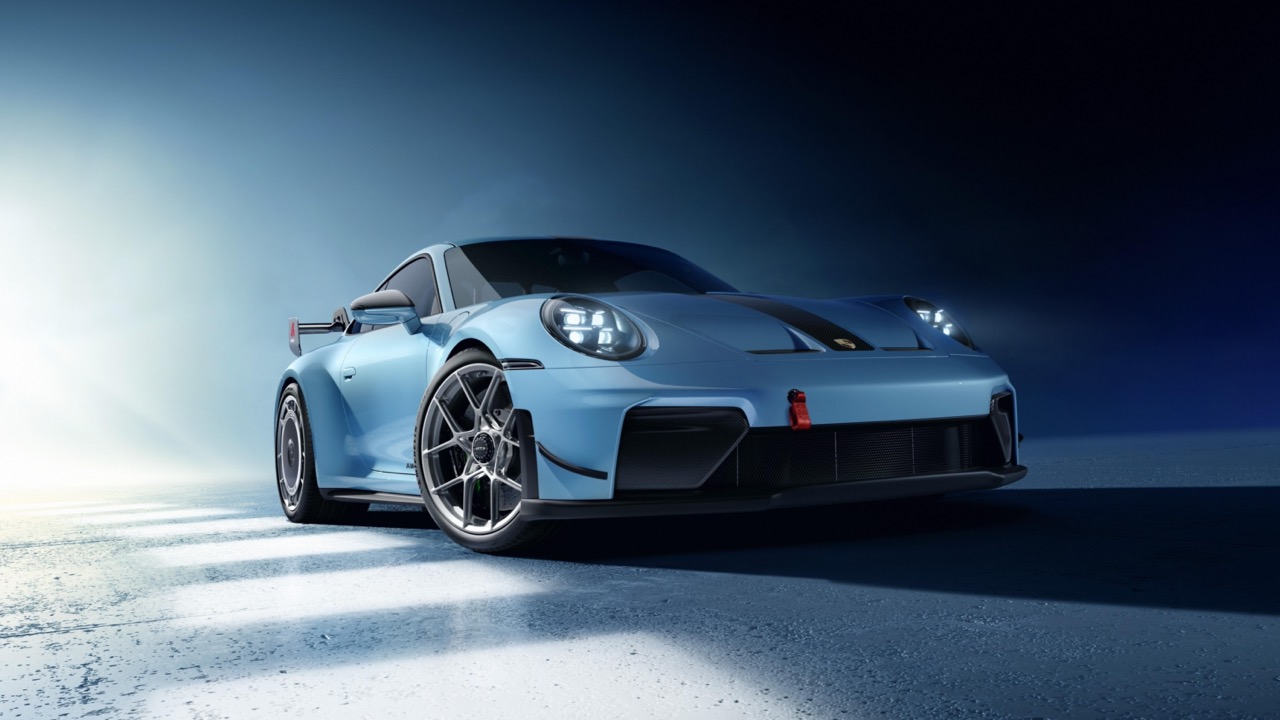
Ever wanted an SUV that not only drives well but looks badass at the same time? Don’t want just any ordinary ‘soccer mum’ vehicle? Well, Honda Malaysia has got you covered with their latest Honda CR-V Mugen Limited Edition and just like the youths keep saying today, it is fire.
The ASEAN Free Trade Area (AFTA) was conceptualised in the early 1990s and all the member nations signed an agreement to establish it in 1992. It was intended to create a regional trade bloc where goods and services could be exchanged between ASEAN countries with preferential tariffs .
The AFTA agreement’s main feature was the Common Effective Preferential Tariff (CEPT) which required all ASEAN members agree to adopt the same tariff structure and impose import duties of between 0 and 5% on goods and services which originate from any ASEAN country. A condition is that at least 40% of the content of the goods should be of ASEAN origin, besides being made in one of the ASEAN countries. This applies to finished goods, like complete vehicles, as well as components.
The benefit of AFTA to carmakers
Why have AFTA? The simple answer would be strength in unity and size. Having AFTA also means that instead of separate small markets, there will be a single larger one which can be treated as a single common market and estimates in the 1990s already placed the number of consumers at over 550 million – larger than the European Union then. Many ASEAN consumers were already in the middle class or moving into it (although the financial crisis of the late 1990s slowed things down a bit) and this increasing prosperity has certainly very attractive to companies doing business globally.
When AFTA was conceptualised in the 1990s, it was estimated that the single market would have over 550 million consumers. Today, the potential customer base is estimated at 680 million, an attractive number for carmakers.
For carmakers, AFTA was an attractive idea and during the 1990s, a number of global players began to establish big factories in Thailand and Indonesia. These would become regional hubs for certain popular models and as there would be no import duty imposed exporting vehicles between ASEAN countries, it was as good as making them in each country. The major advantage was that concentrating production in a single factory meant bigger volumes which would provide the vital economies of scale to push production costs down and have more attractive pricing.
Groupe PSA, the French automobile conglomerate with brands like Peugeot and Citroen in its group, also looked at AFTA but didn’t see the right numbers in the 1990s, and it was also focused on China which was then a fast-growing market. However, they kept an eye on the market growth in ASEAN and in Malaysia, where their partner is Naza Corporation, Peugeot sales were growing rapidly and accounted for 86% of the volume sold in ASEAN.
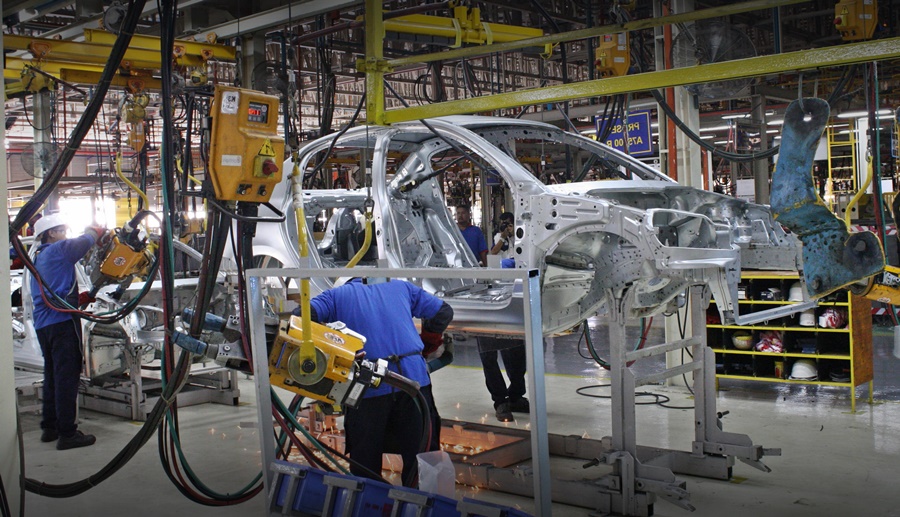
Assembly operations at NAM, now majority owned and managed by Groupe PSA. (File image)
Malaysia’S Naza Automotive Manufacturing plant becomes a regional hub
The Malaysian company also had its own assembly plant in Kedah and with Naza having proven its commitment, Groupe PSA made the decision to use Malaysia as its regional hub. The decision was announced at the Peugeot World Conference in January 2010. However, planning took some time but, in the meantime, Groupe PSA began small volume production of a Peugeot model at Naza Automotive Manufacturing (NAM) as a shared operation.
Early last year, the French company acquired a majority stake in the business operations of NAM which began operations in 2004. Groupe PSA and Naza will jointly produce Groupe PSA-branded cars for Malaysia and other ASEAN markets which now has a potential customer base of 680 million. Further opportunities will also be explored beyond ASEAN, with a potential to contribute significantly to Malaysia’s economy.
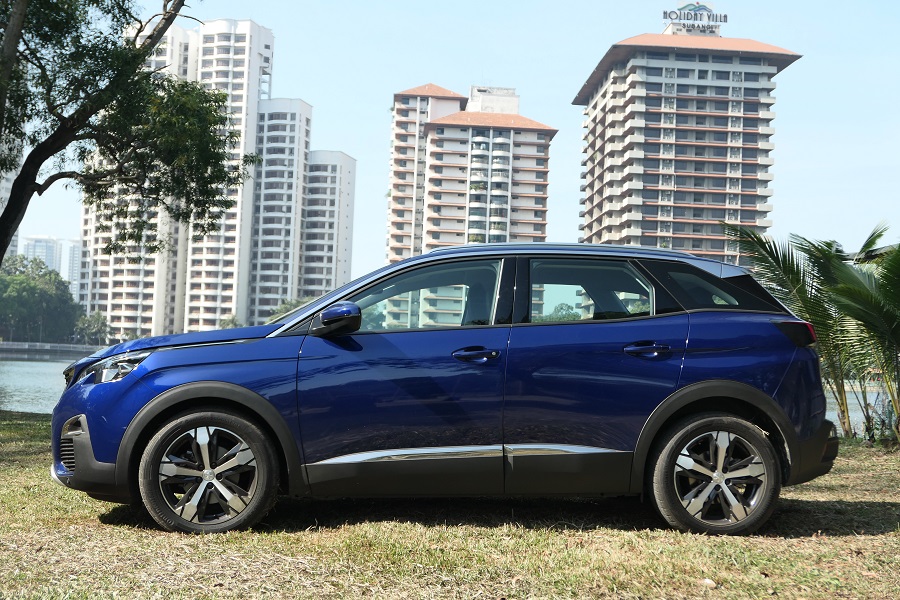
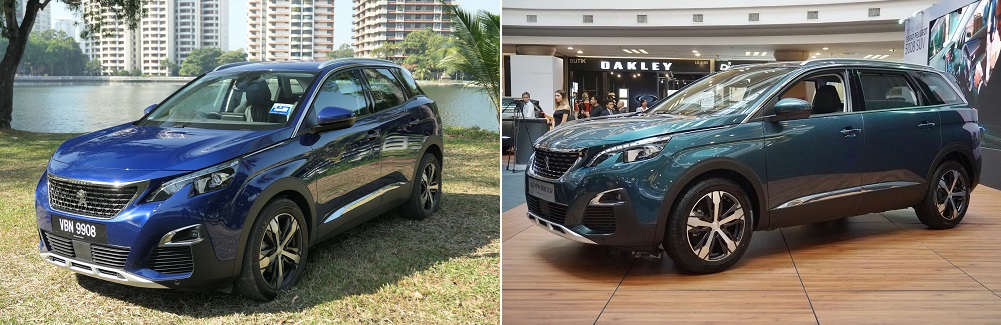
Peugeot 3008 and 5008 models assembled in Malaysia will be exported to the Philippines.
First exports to the Philippines
This month, NAM will begin exporting its first shipment, a batch Peugeot 3008s, to the Philippines. “The Peugeot 3008 with the Peugeot 5008 1.6 THP are targeted to be available in the Philippines with more than 4,000 units by 2023. The Philippines is the first ASEAN country where our cars manufactured at NAM is being exported to under the AFTA,” said Laurence Noel, Head of ASEAN & CEO of Naza Automotive Manufacturing, Groupe PSA. “More cars will be exported to other ASEAN countries very soon,” she added.
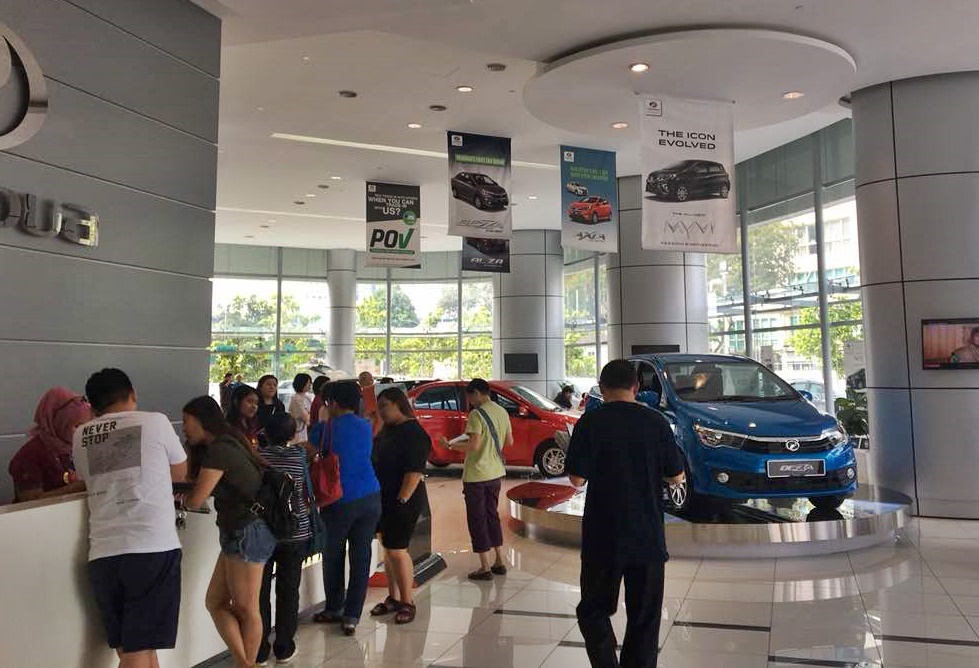
It’s evident that Proton sales this year have been growing steadily and the brand has been edging upwards on the chart towards Perodua, which has been No. 1 since 2005. Yet, Perodua remains confident that in the remaining 6 months of 2019, it will continue to maintain its strong sales and has even revised upwards its sales target for the year to 235,000 units. This is 4,000 units higher than the 231,000-unit target announced when the year began.
To put things into perspective, Perodua sold 227,243 vehicles in 2018, which was the highest annual sales achievement in its history. In the first half of 2019, Perodua sold some 121,800 vehicles – 4% more than the 117,100 units it sold in the same period last year – backed by sustained healthy demand for all its models.
Speaking to the media today, Perodua President & CEO, Dato’ Zainal Abidin Ahmad, said that from January through June this year, total bookings stood at 190,765 units, more than 3% up on the 184,949 orders collected in the same 5-month period last year.
“The increase in demand for our vehicles in the first 6 months of 2019 has had a positive impact on the automotive ecosystem as a whole, with parts purchases amounting to RM2.7 billion during this period,” Dato’ Zainal Abidin Ahmad said. “Based on our forecast for the second half of the year, we expect to purchase a total of RM5.4 billion worth of parts for the whole of 2019.
He said that Perodua is also working with the Daihatsu Motor Company of Japan to further develop its component suppliers to explore markets beyond Malaysia, and that this forms part of the company’s commitment to build Malaysia’s automotive support industries.
Second half outlook
On the outlook for the second half of 2019, Dato’ Zainal said, “There is good news in the market as the central bank has reduced the overnight policy rate, which will help in promoting consumer spending. That said, we should remember that last year there was a big incentive for consumers to buy cars with the tax holiday, which was announced after the outcome of the country’s 14th General Election.
“Based on our internal calculations, the industry has outperformed expectations in the first half of this year – Malaysia’s Total Industry Volume (TIV) has grown 2.4% to 296,800 units,” Dato’ Zainal added.
He explained that the tax break incentive had a one-off effect on the market and that consumers and automotive players alike took advantage of the situation. “With this in mind, we believe that the second half of the year will not be as healthy as what was recorded last year. The momentum of the first half is likely to reduce in the second half,” said the President and CEO.
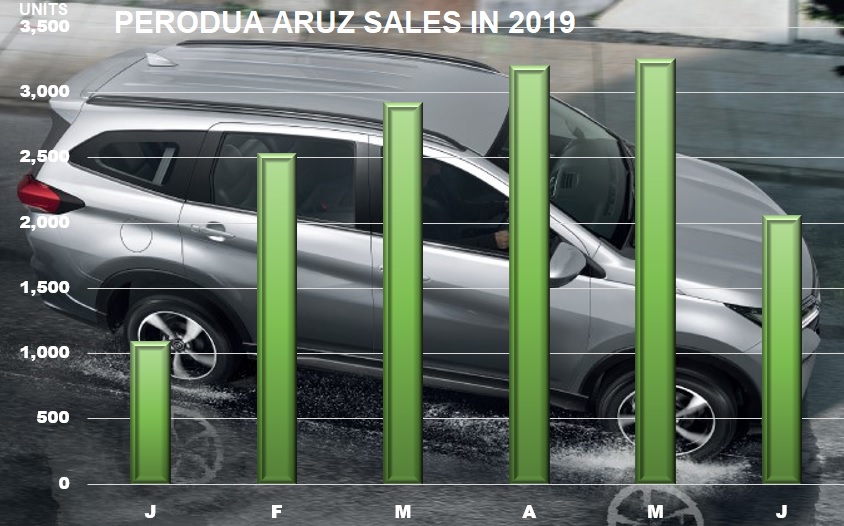
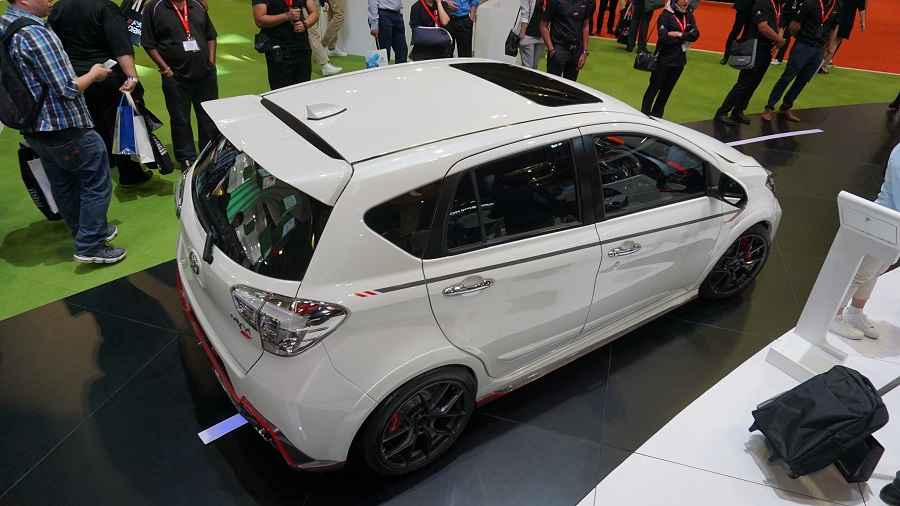
Demand for the Aruz continues to be high and June sales were moderated to manage stocks, not that there was a drop in demand.It was also revealed that Perodua management has given the green light to further develop the Myvi GT concept that was displayed at the KL International Motorshow last year, with a view of selling it to the public.
Working harder on exports
“We have reached a stage in our history where we are earnestly seeking to build our brand abroad in a sustainable manner. However, this is on a long-term scale as brands do need time to build. Our hope is to make Malaysia proud,” he added.
Although Perodua had, in earlier years, been exporting its cars to some markets in Europe (including the UK), the increasingly stringent exhaust emission regulations had eventually impacted the exports and the cost of meeting the regulations was too high. Daihatsu too stopped exporting its products to Europe. However, in the ASEAN region, Perodua still had a small export volume and even supplied the Myvi to Daihatsu for sale as a Sirion in Indonesia under its own brand.
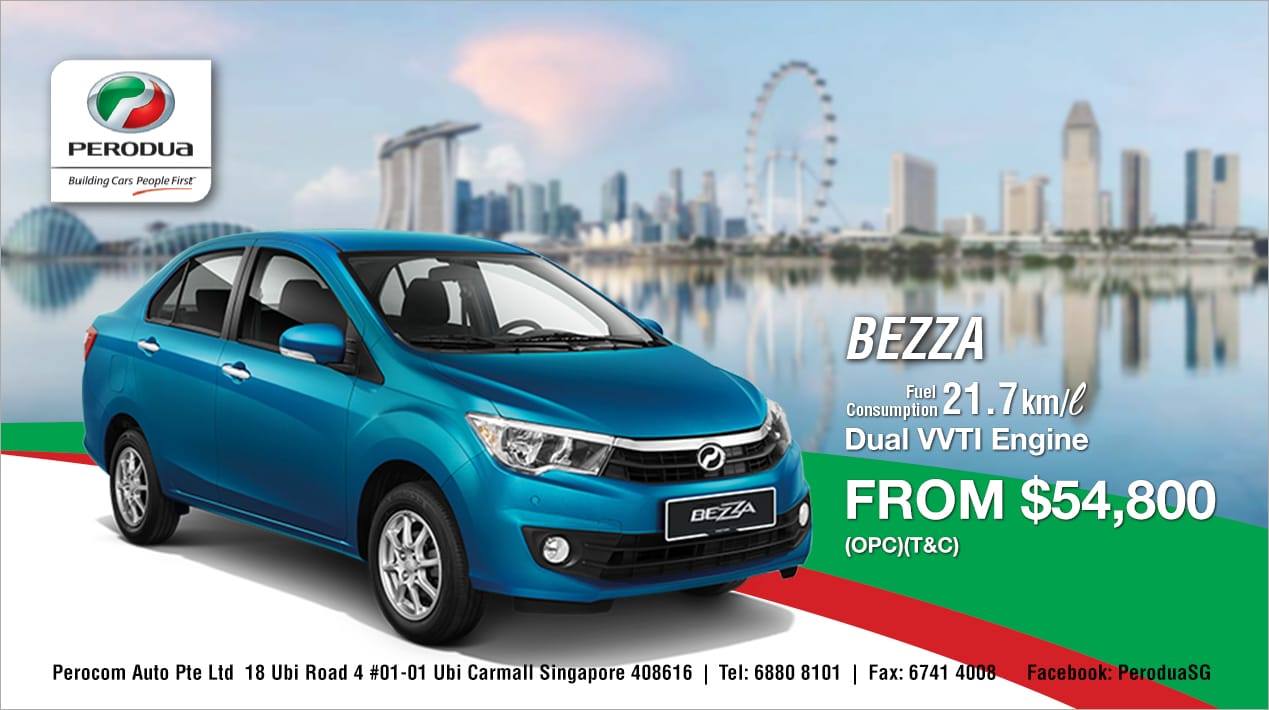
Singapore is one of the markets that Perodua exports to.
At the moment, Perodua exports to 7 countries and is putting in greater efforts to enter new markets in coming years. This takes time as thorough market studies are needed and the products correctly tailored to customer needs. In this respect, the experience of Daihatsu would be useful.
Recall for the Aruz
At today’s media briefing, Perodua also announced a recall for the Aruz which affects 3,000+ vehicles manufactured before February 15, 2019. The recall is precautionary and is related to the Electronic Control Unit (ECU) managing the side airbag. This is in response to an incident of unintended inflation of the airbag in a Toyota Rush in the Philippines but it is confirmed that there is nothing defective about the airbag itself.
Perodua officials explained that the road conditions in the Philippines and also in Indonesia are rougher than in Malaysia, and could be the cause. Owners have been sent letters asking them to bring their vehicles in for the precautionary check and if needed, rectification.
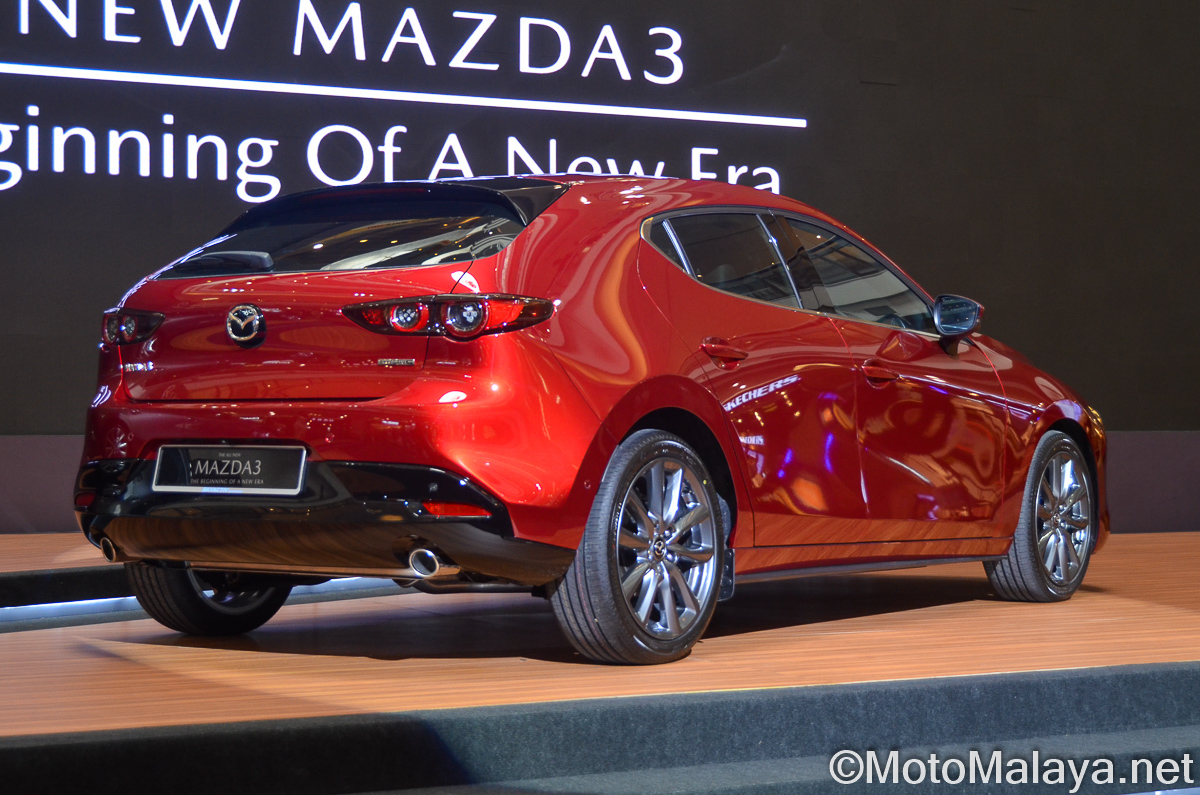
Bermaz Motor Trading Sdn Bhd, the sole distributor of Mazda vehicles here in Malaysia, has officially unveiled their latest offering here in Malaysia in the form of the new 2019 Mazda3. The new era welcomes in a totally reworked C-segment vehicle based on the beautiful Kai Concept model introduced not too long ago. (more…)
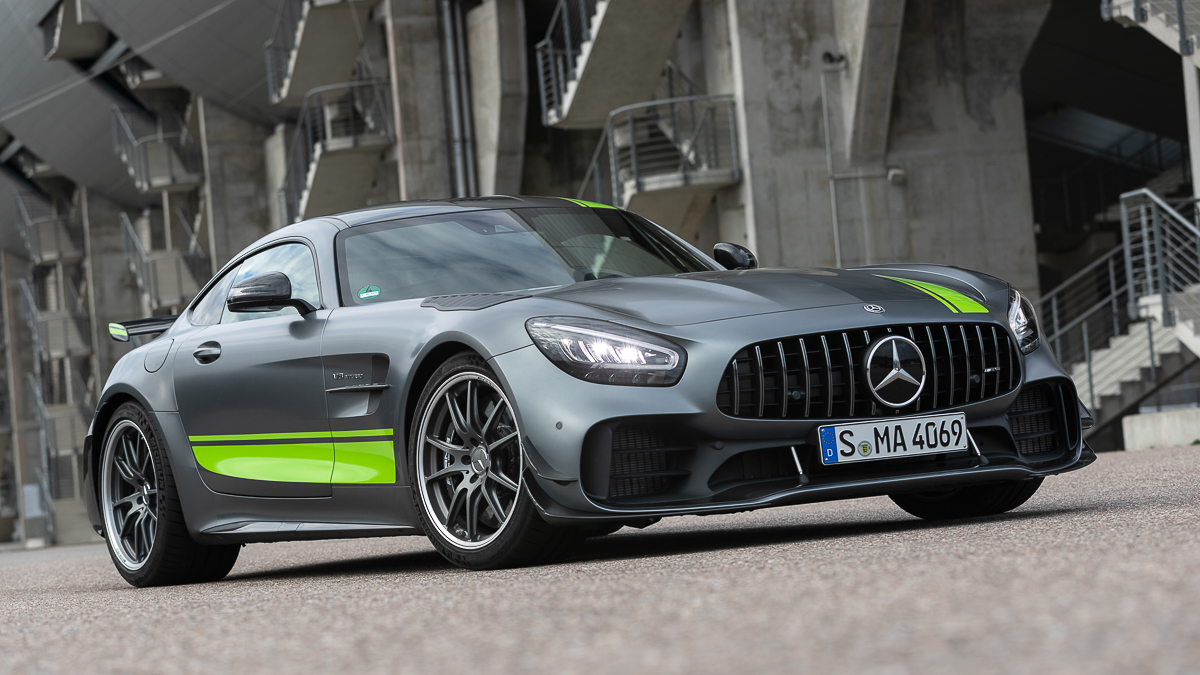
Mercedes-Benz has launched yet another exclusive model into their high-performance AMG GT family and it’s called the 2020 Mercedes-AMG GT R Pro. Those who are looking for a race-performing machine with spectacular driving dynamics should definitely have a look at this bad boy. (more…)
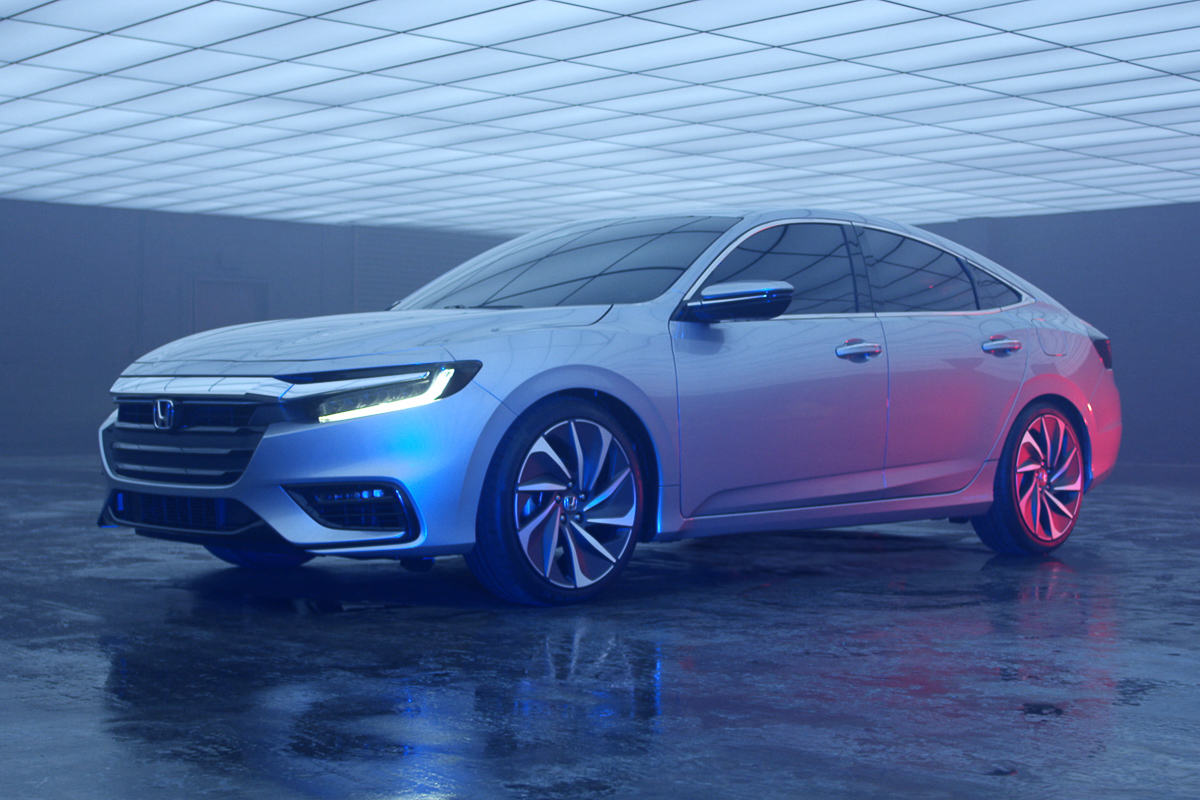
The latest 2020 Honda Insight has just been unveiled for the US market where it now comes with updated styling combined with premium driving experience and outstanding fuel efficiency. The new Honda Insight now comes with a new Platinum White Pearl colour option to further elevate its premium-ness. (more…)
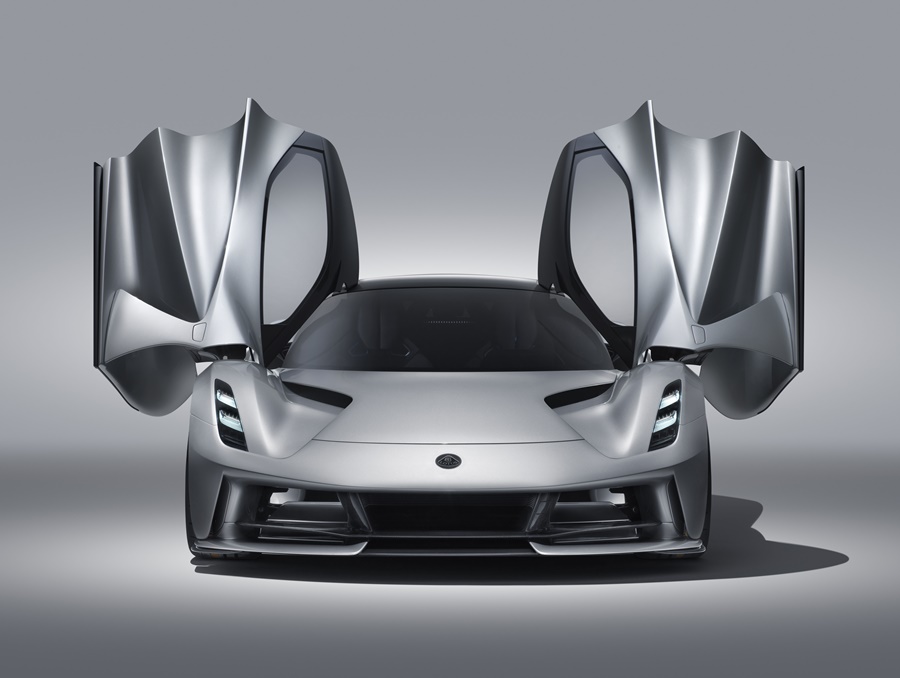
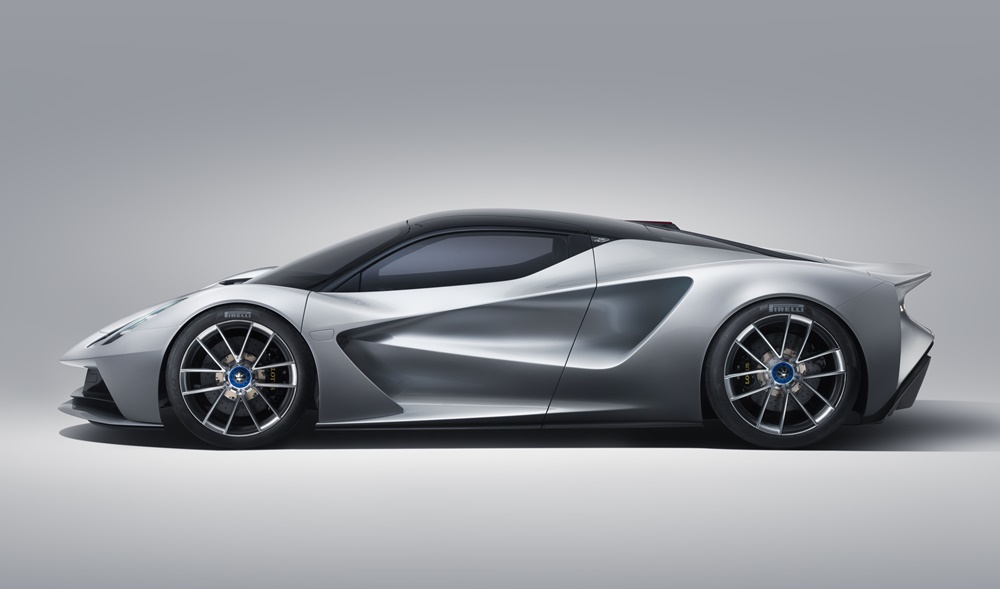
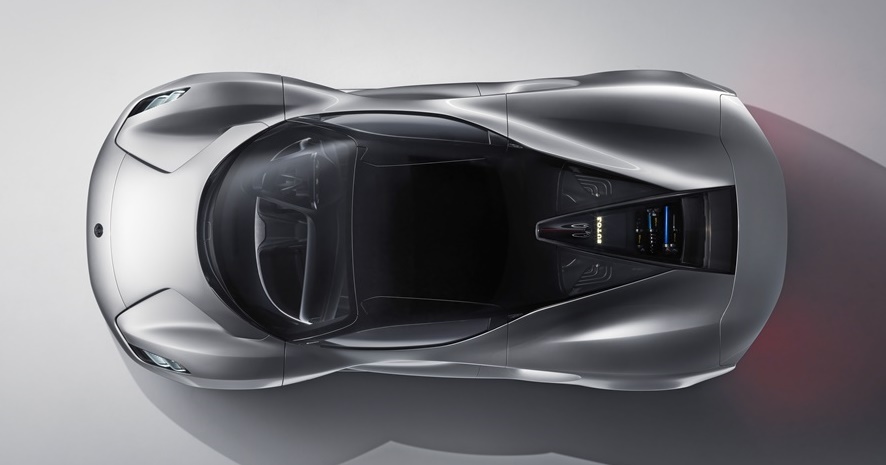
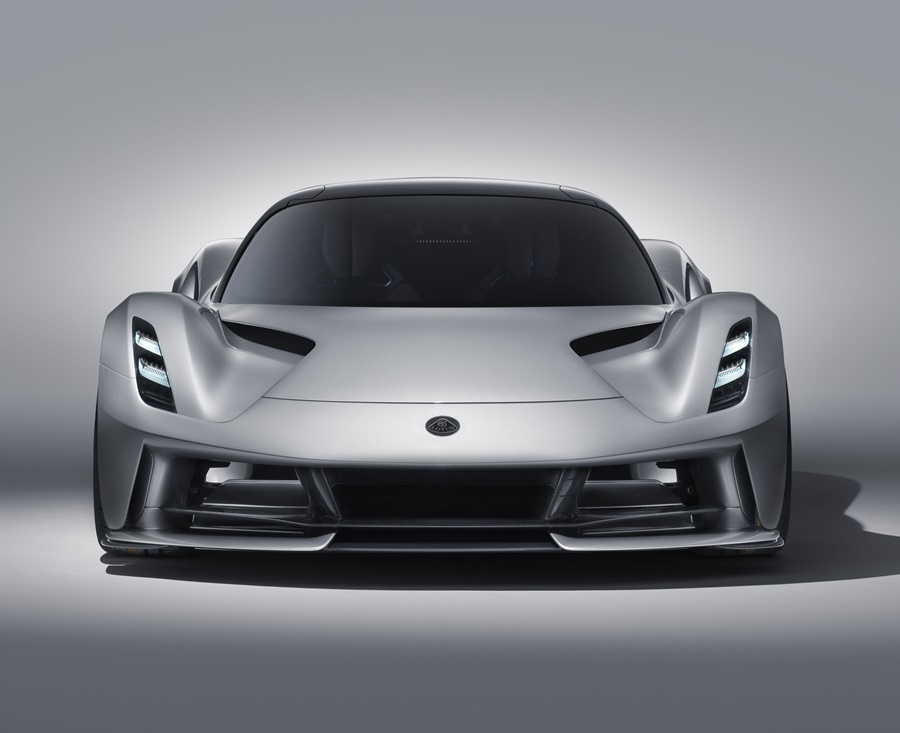
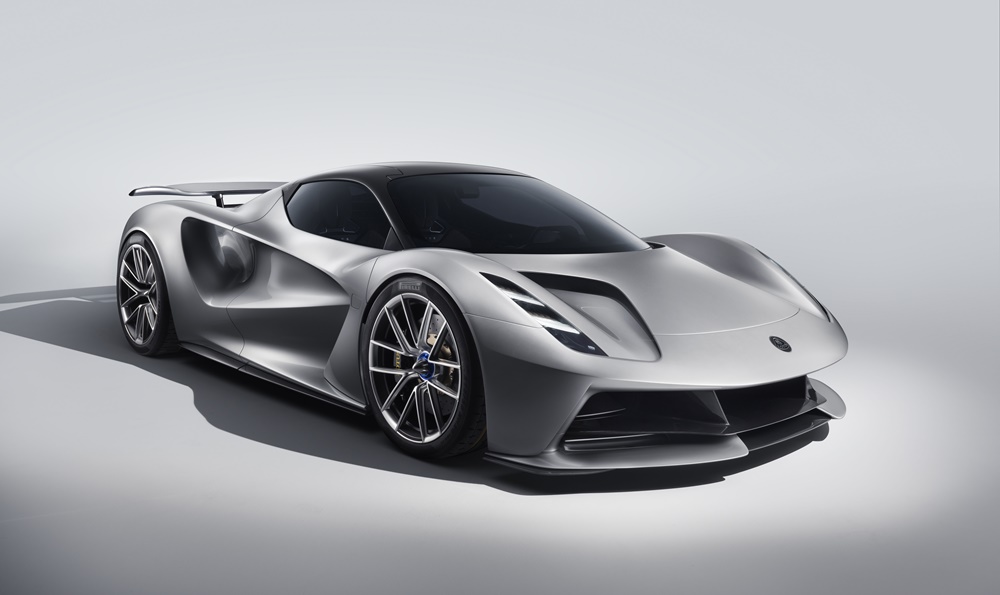
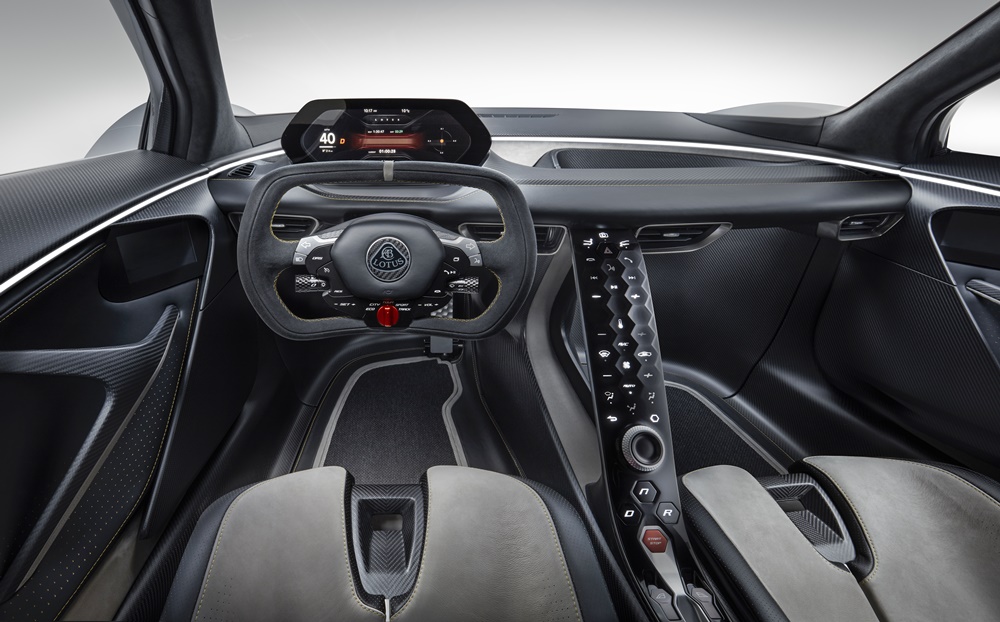
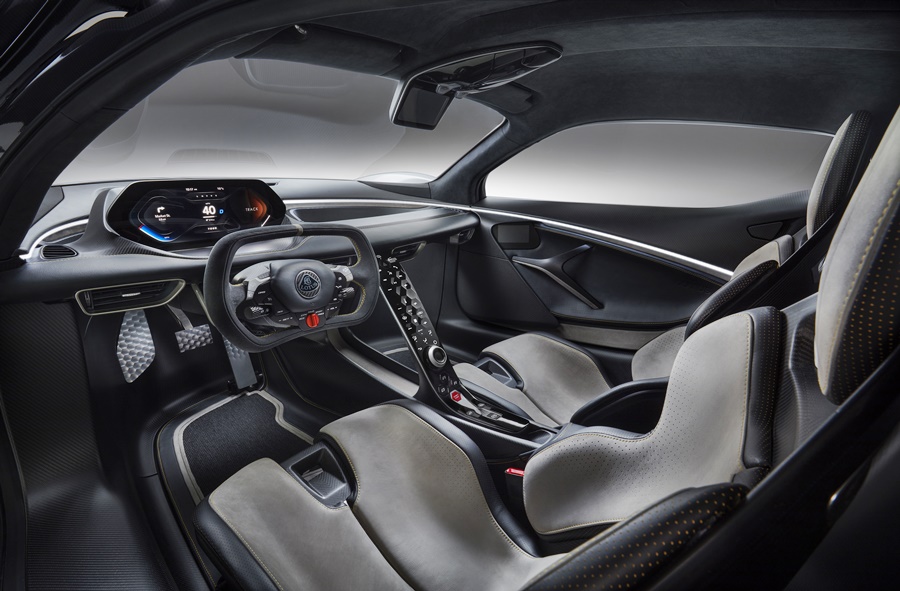
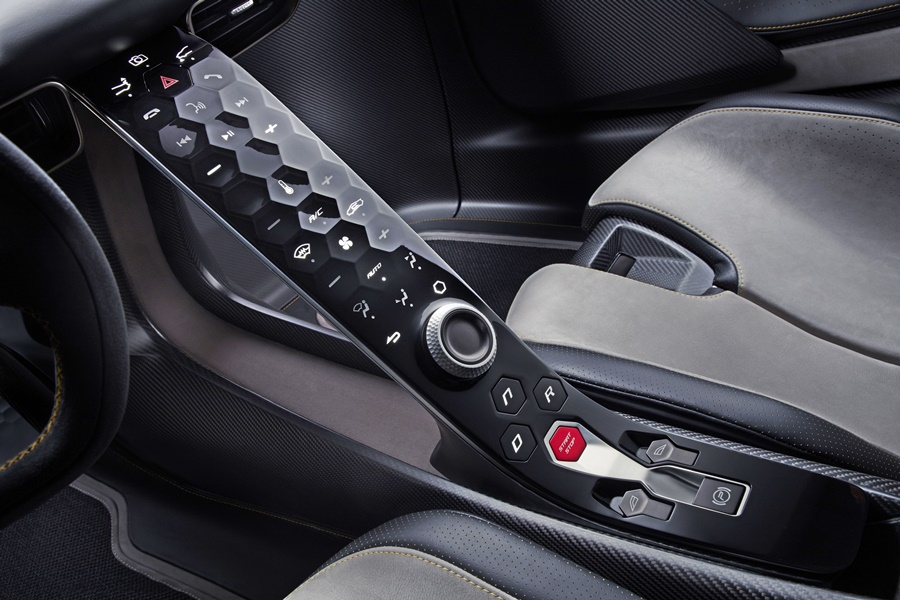
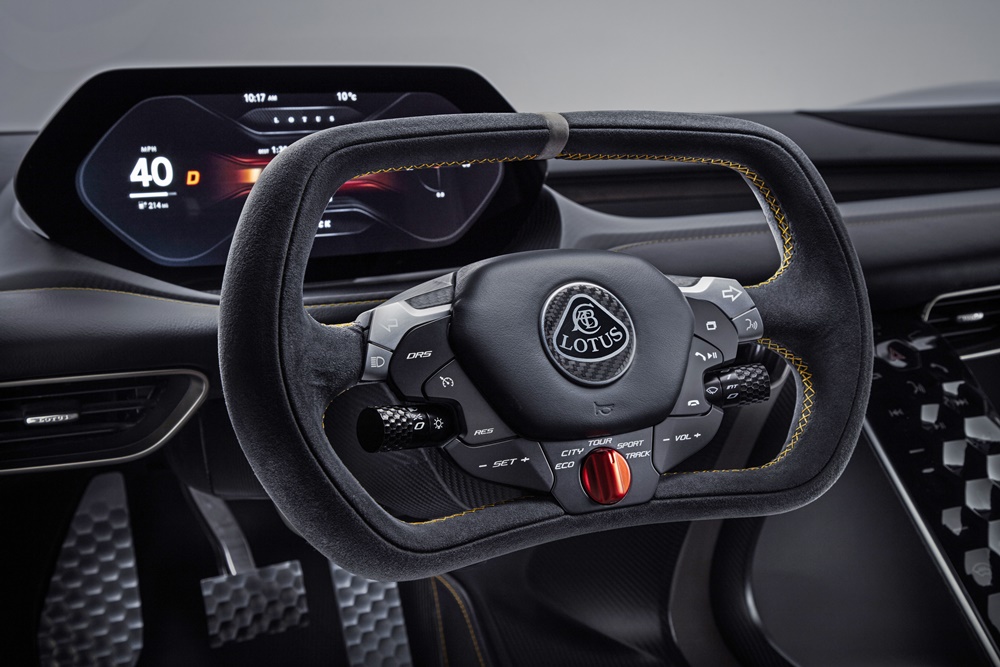
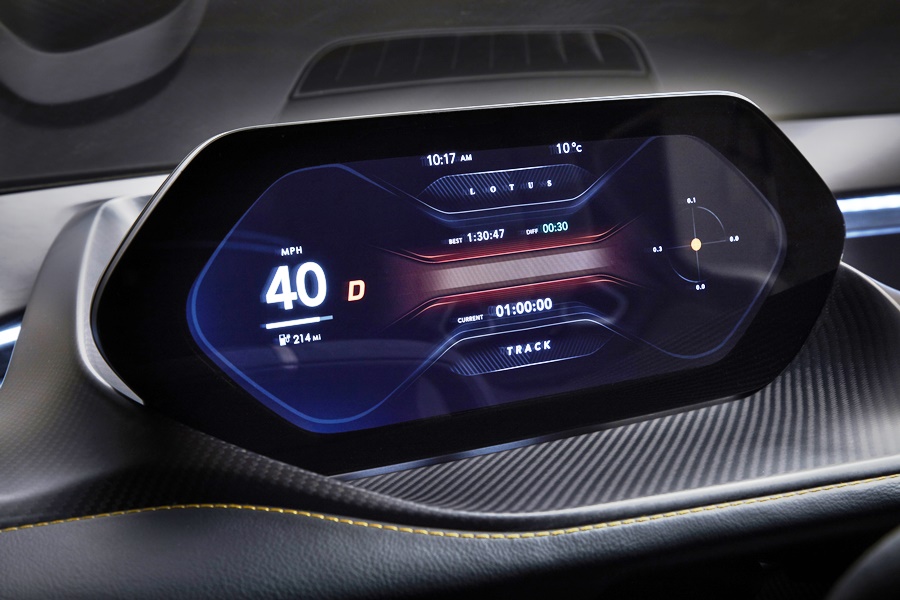
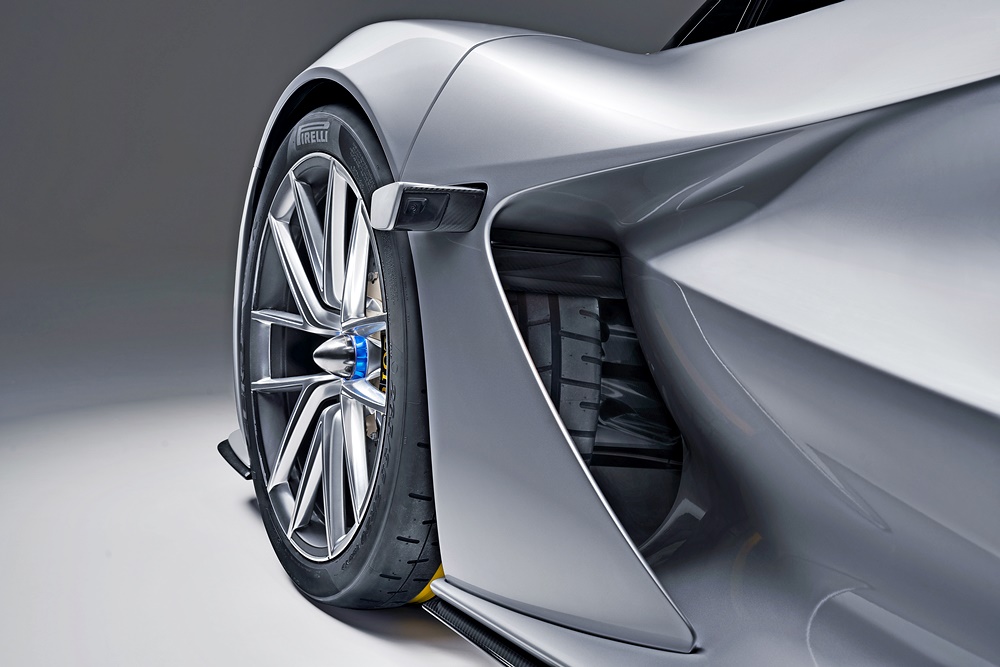
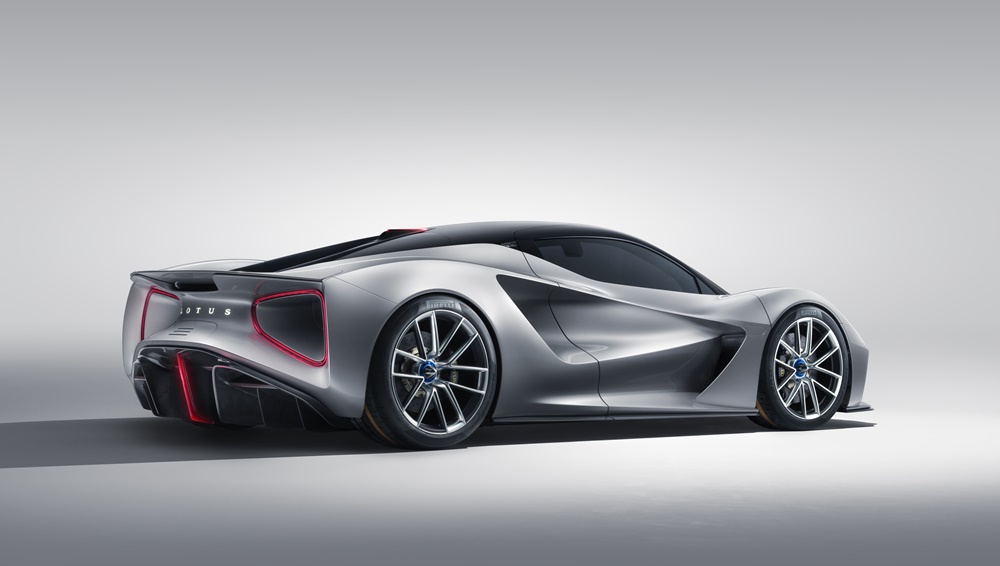
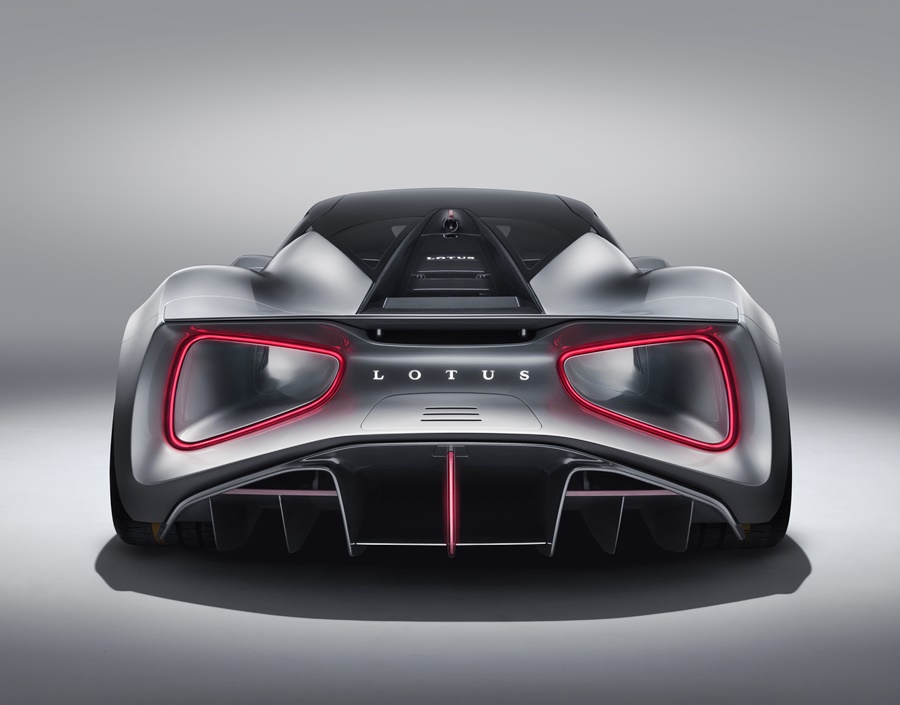
♦ The Evija (pronounced ‘E-vi-ya’) means ‘the first in existence’ or ‘the living one’. Each car will have a starting price of around £1.7 million (equivalent to about RM8.7 million in the UK). To book one, you need to pay a deposit of £250,000 (RM1.27 million).
♦ The first hypercar from Lotus and the company’s first model with an electrified powertrain. It is also the first completely new car to be launched since the 71-year old British company was acquired by the Zhejiang Geely Holding Group in June 2017.
♦ Only 130 cars will be built, beginning in 2020. The number pays tribute to the car’s project code, ‘Type 130’. Lotus road and race cars throughout the brand’s seven decades of success have been assigned a Type number, and the Evija is no exception.
♦ This is the first all-electric British hypercar and with a target power output of 2,000 ps (and maximum torque of 1,700 Nm), it lays claim to being the world’s most powerful series production road car. It has more power at each wheel than the total power of any other Lotus road car ever produced.
♦ Ultra-lightweight carbonfibre monocoque construction also makes it the world’s lightest production EV hypercar, at 1,680 kgs. This contributes to the claimed 0 to 100 km/h time of under 3 seconds and a top speed over 320 km/h.
♦ At the heart of the Evija is a 2,000 kW battery pack powering 4 electric motors. That means it’s 8 times more powerful than a Formula E race car and can generate enough electricity to boil water in more than 1,600 kettles. A fully charged battery pack is expected to last 400 kms but the range depends on driving style and conditions.
♦ Using existing charging technology – such as a 350 kW unit, which is currently the most powerful available – the Evija’s charge time will be 12 minutes to 80% and 18 mins to 100%.
♦ The Evija signals the start of a contemporary new design language for Lotus, which will evolve and reappear on future high-performance cars.
Although the first regulation regarding mandatory fitment of airbags was introduced in the USA in the mid-1970s (but never actually adopted), it was only in 1980 that the world’s first airbag system was installed in a production model – the Mercedes-Benz S-Class. Since that time, airbags have undergone technological advancements to increase levels of protection for the front passengers.
Initially, the focus was in frontal collisions and much development was on the two airbags at the front. Then airbags were added to the sides, either at the seats, in the doors or deploying like curtains over the window openings.
The importance of providing protection at the sides cannot be understated. Studies in Germany show that side impact collisions are among the most dangerous type of road traffic accidents, accounting for nearly 700 deaths per year and nearly a third of all occupant fatalities.
Side airbag installed externally
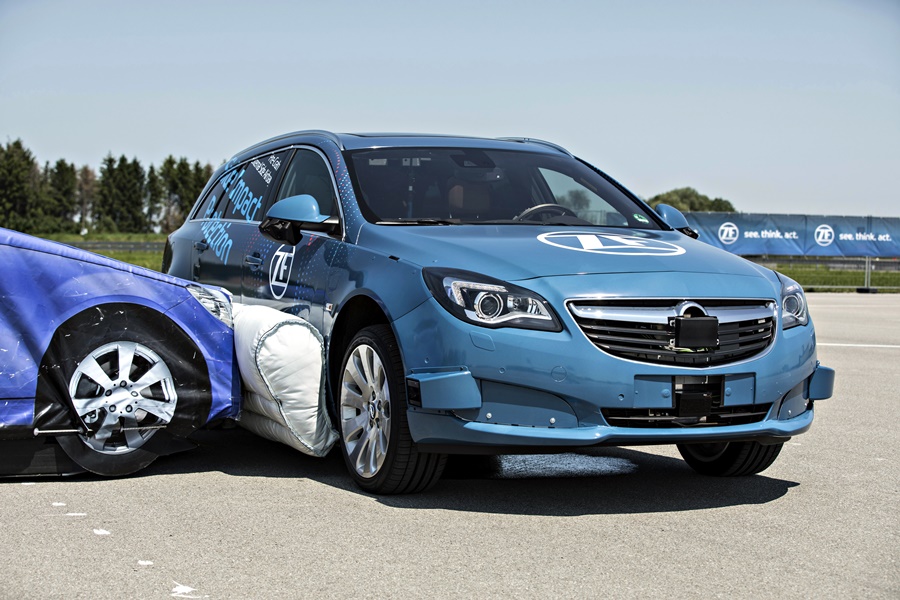
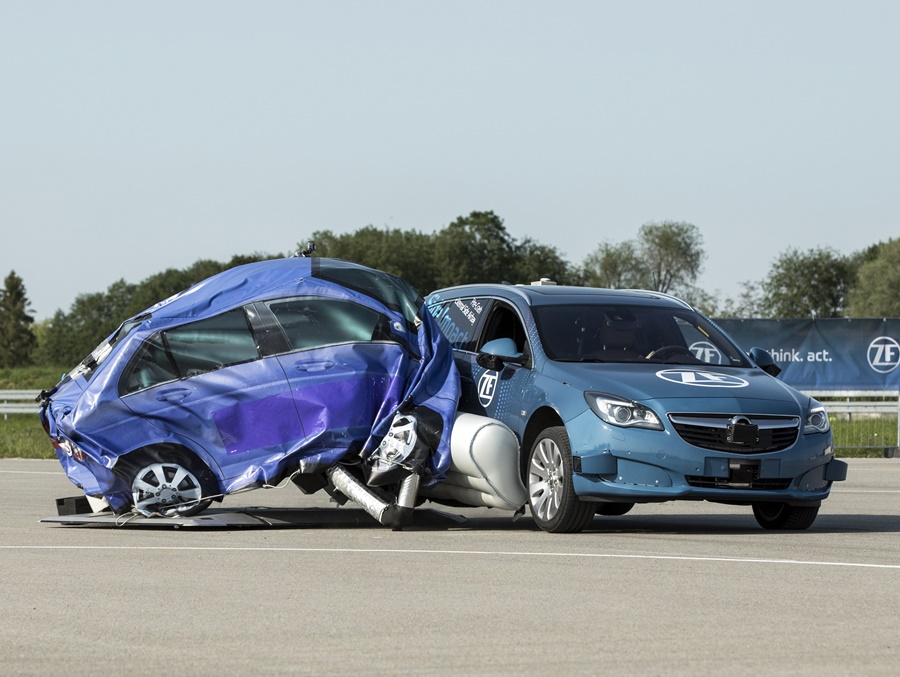
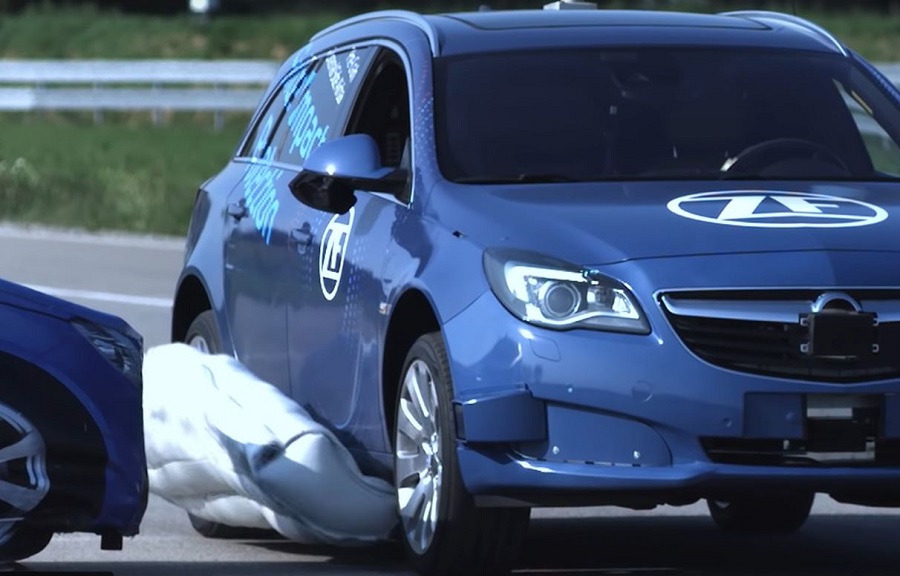
To enhance the existing side airbag systems installed in many cars, ZF has developed a new pre-crash safety system (still in prototype stage) which uses an external side airbag deployed milliseconds before a collision. It provides an additional lateral crumple zone, which can help save lives and reduce occupant injury severity by up to 40%.
To make this possible, ZF has networked the airbags to the vehicle’s sensor systems and developed algorithms that are capable of determining if a crash is imminent and decide whether or not to deploy the airbag.
ZF is currently the only company to provide the full spectrum of integrated vehicle safety technology – from sensor systems, algorithms, and control units to active and passive actuators. “Our deep understanding of the entire ’see. think. act.’ process enables us to conceptualize and realize integrated vehicle safety solutions such as the new pre-crash safety system,” explained Uwe Class, Head of the Safe Mobility Systems department within ZF’s Advanced Engineering team.
Recognition to deployment – in the blink of an eye
The biggest challenge in the development of this system was reliably recognizing an unavoidable collision and deploying the external side airbag before the collision takes place. The system has approximately 150 milliseconds to make the decision to deploy the airbag and fill it – roughly the amount of time it takes a person to blink.
The vehicle’s sensors first have to identify a potential impact quickly and accurately. This is possible with connected cameras, radar and lidar. Algorithms within the system software decide whether or not a collision is unavoidable and the deployment of the airbag is both possible and beneficial. If these decisions are all affirmative, the system ignites the inflators to fill the airbag.
The airbag, which has a capacity of between 280 and 400 litres (5 to 8 times the volume of a driver airbag) depending on the vehicle, then expands upwards from the side sill to form an additional crumple zone in the door area between the A and C pillars.
In a side impact collision, the occupants on the side of the impact are at particular risk of serious injuries in the chest area if the passenger cabin is severely deformed. The ZF pre-crash safety system can reduce the penetration of the intruding vehicle by up to 30%, helping to significantly reduce the occupants’ risk of injury.
Depending on which segment of the car market you look at, manual transmissions are diminishing in popularity and some carmakers have even stopped offering them. The two giant markets of North America and China see more vehicles with automatic transmissions being sold each year but in Europe and other regions, there is still healthy demand for what is also referred to as the ‘stick shift’.
Until the 1980s, when electronics started to be used to manage automatic transmissions, they were seen as being a hindrance to performance. American drivers liked them as they worked fine with the big engines but on smaller engines, they took away the zip and worse, caused higher fuel consumption. So many motorists maintained the idea that if you wanted to have better fuel economy and you wanted to enjoy driving, stay away from an automatic.
Small number of innovations
The manual transmission has not evolved much since it is a simple unit. From the 1970s onwards, additional gears were added although five has been pretty much the norm for some time. There have been some innovations, a notable one being the TREMEC 7-speed transmission in the Chevrolet Corvette with its 1-4 ‘skip-shift’ strategy to improve fuel economy. Rev-matching technology, which first appeared in the Nissan 370Z, is another advancement that helped less skilled drivers enjoy shifting like a pro.
Although automatic transmissions have been the subject of much improvement and technological advancement, it appears that companies like Volkswagen have not stopped trying to make manual transmissions better. The numbers must still make commercial sense for the engineers to get money to work on them.
New gearbox can reduce CO2 emissions, raise efficiency
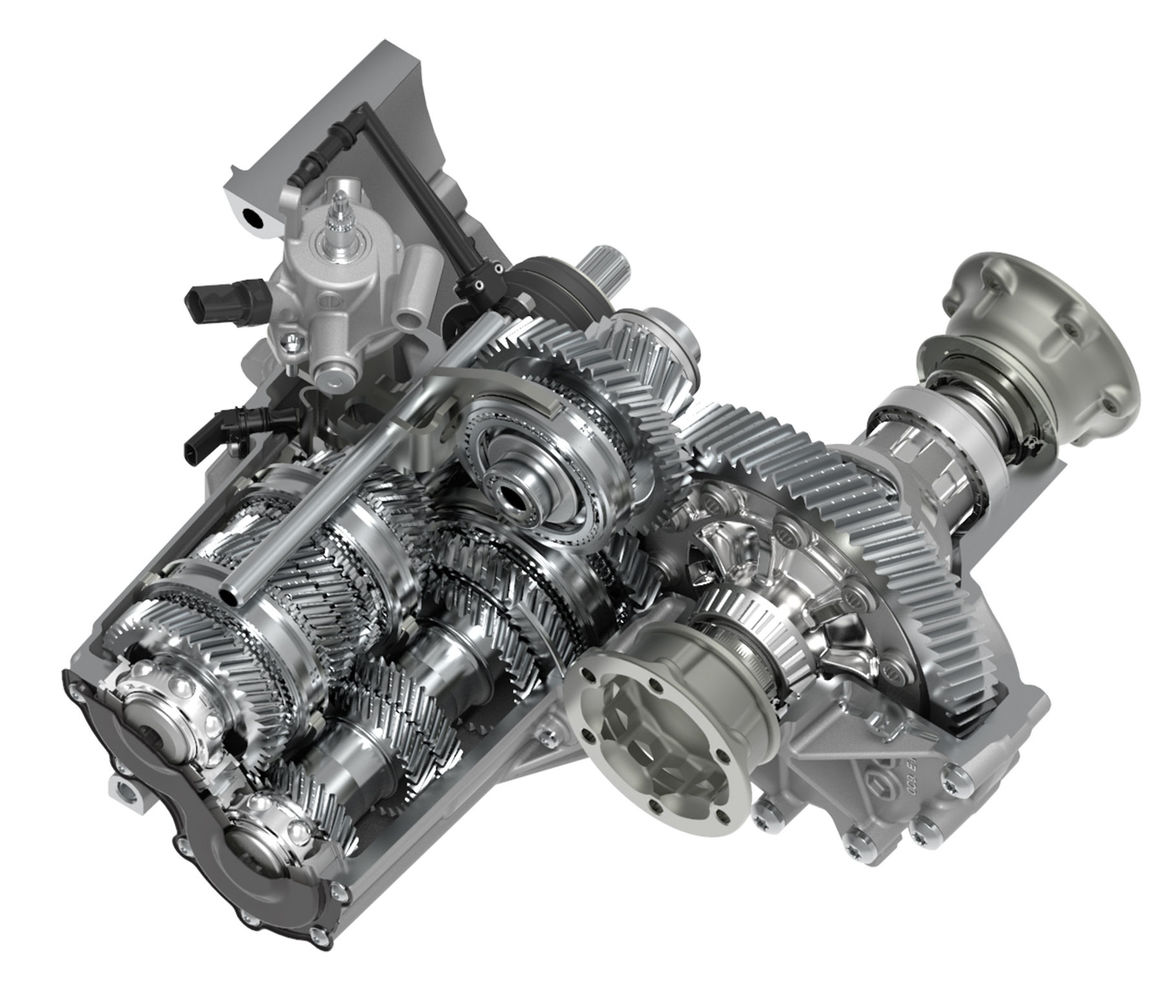
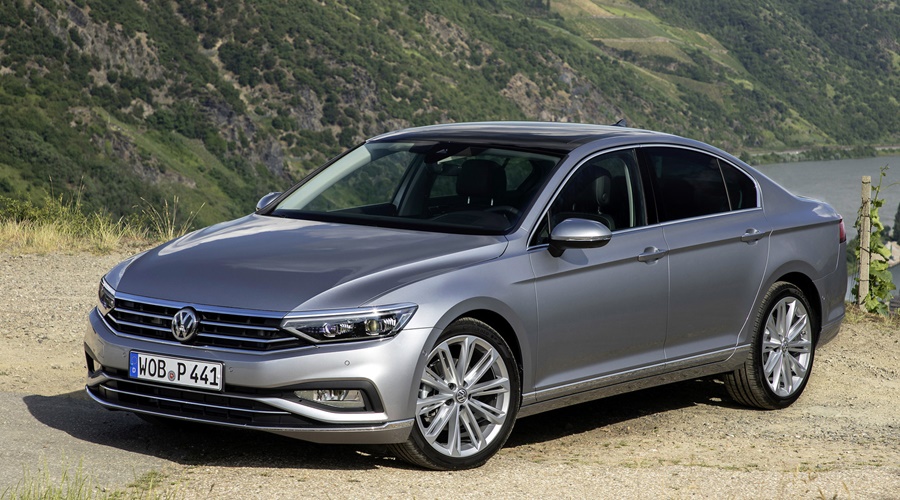
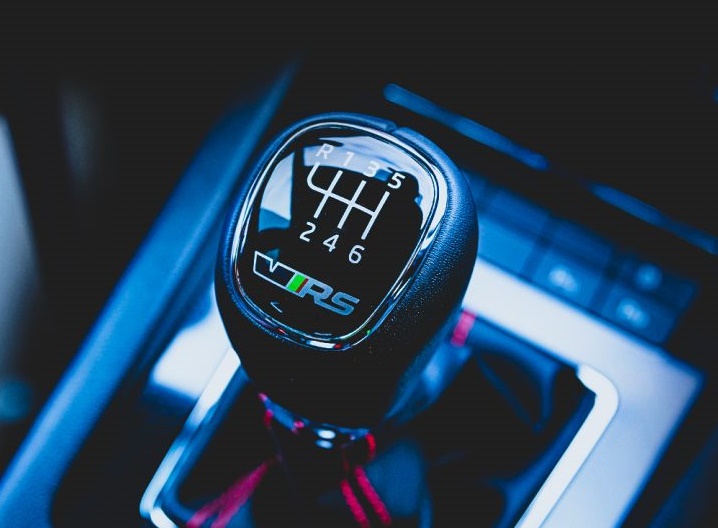
Recently, the carmaker announced its new MQ281 state-of-the-art manual gearbox which has better operating efficiency and is claimed to reduce carbon dioxide emissions by up to 5 gms per kilometre. The new Passat is the first model to be equipped with the MQ281, and this will be followed by almost all models of the Volkswagen Group.
Latest Passat will be the first to have the new 6-speed manual transmission option in some markets.
The trend towards vehicles from the SUV segment with large-diameter wheels places high demands on the gearbox. “With the MQ281, we have developed a highly efficient manual gearbox that reliably meets these demands – and is soon to be introduced into a number of vehicle classes in the volume segment,” explained Helmut Gobbels, Head of Manual Gearbox and Four-Wheel Drive Development at Volkswagen.
The MQ281 has a torque spectrum of 200 to 340 Nm, which means it completely or partially supersedes the current Volkswagen gearbox designs with the internal designations MQ250 and MQ350 respectively.
It is based on a 2.5 shaft concept and boasts a high gear spread of maximum 7.89. On the one hand, this guarantees good driving off performance – even for heavy vehicles with large wheels – and facilitates, on the other hand, ‘downspeeding’, which is (fuel-saving) driving in high gears with low engine speed.
New MQ281 manual transmission will be used in many models in the Volkswagen Group in coming years.
New oil conduction system
Development of the new gearbox focussed primarily on improving efficiency. “Here we employed virtual development methods,” said Gobbels. “This enabled us to design a completely new oil conduction system. Using a variety of oil conduction measures, we are able to achieve a uniform and optimum lubrication of gear wheels and bearings, reducing the amount of lifetime oil required to just 1.5 litres.” To further reduce friction, a bearing concept adapted to the gearbox was developed. The design used friction-minimised bearings with low-contact seals.
Material use and its distribution for the gearbox housing was also optimised. With the aid of a further virtual development tool, a strength-optimised housing structure could be designed. The new housing supports the noise requirements of today (avoidance of undesired secondary noises) and therefore ensures improved driving comfort through less audible and noticeable vibrations in the vehicle.
The Volkswagen Group, with its huge production volumes, is one of the few carmakers that can afford to make its own transmissions, rather than source them from specialists like ZF or Aisin Seiki. It will be produced at two locations – Barcelona in Spain and Cordoba in Argentina.
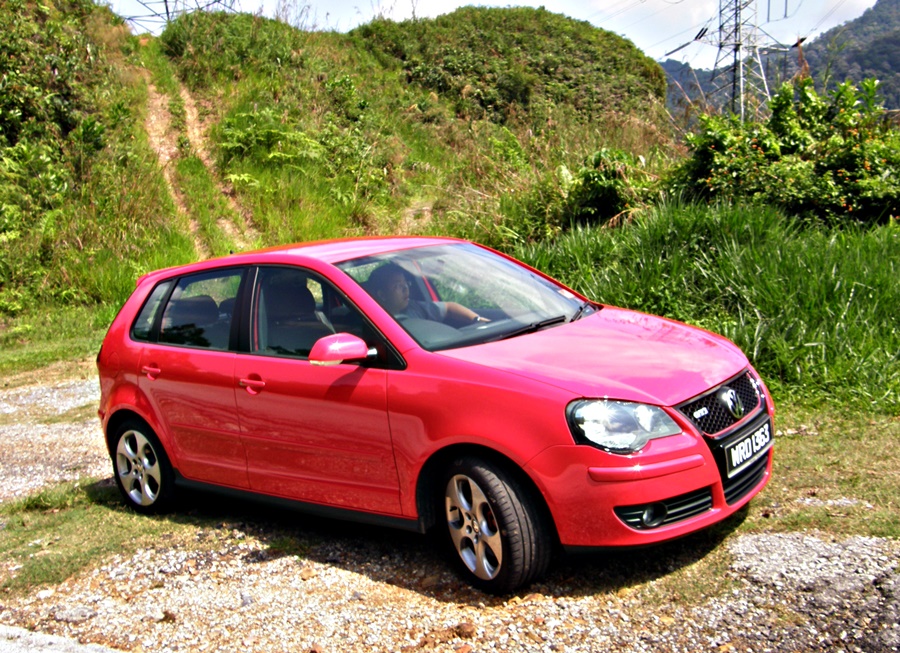
The only time Volkswagen model officially sold in Malaysia with a manual transmission was the Polo GTI in 2008.
Don’t expect it in Malaysia
It’s unlikely that we’ll get officially-imported Volkswagen models with the new manual transmission in Malaysia. In fact, since the carmaker got into marketing activities about 15 years ago, only one model has been offered with a manual transmission and that was a Polo GTI 1.8. As most other companies have concluded, there is just insufficient demand for manual transmissions in this market. One company importing a small hatchback from Thailand had to stop doing so when the factory said that the volume taken was so low that the price would be higher than for the automatic variant.
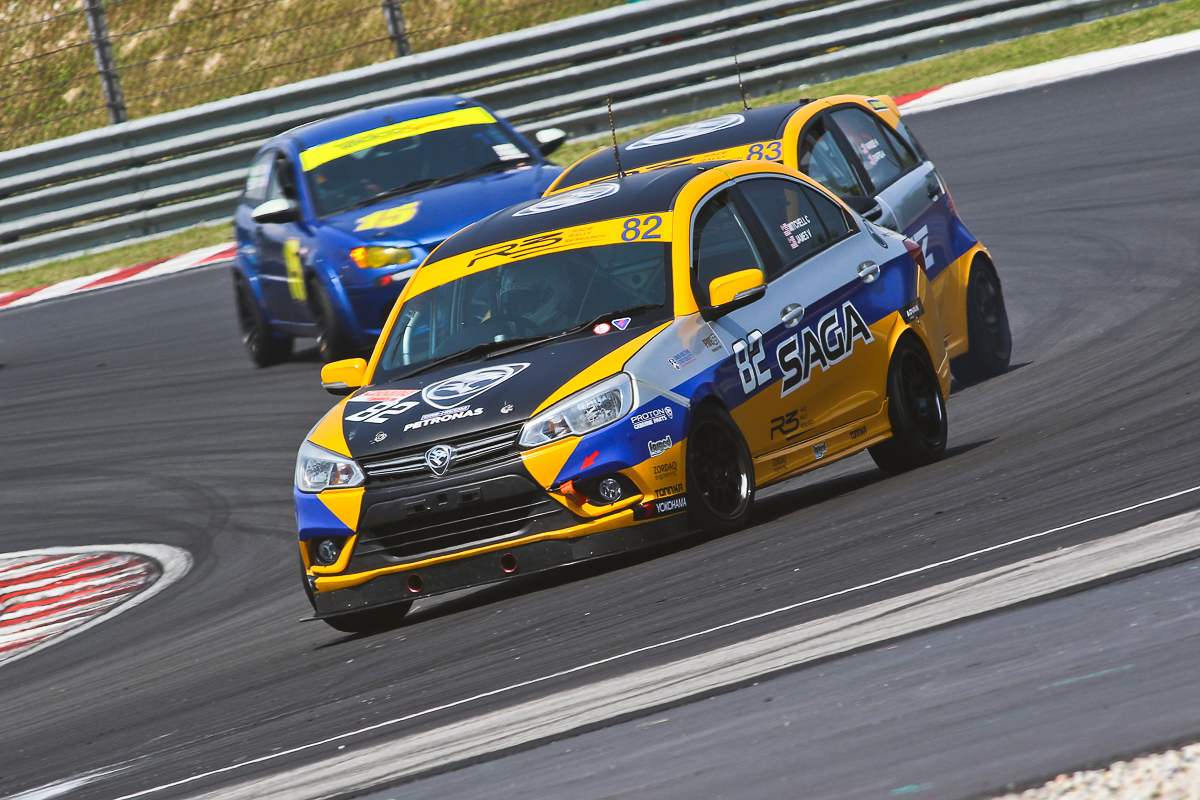
It was a weekend to remember for Team Proton R3 as they dominated the third round of the 2019 Malaysia Championship Series (MCS). Not only did they celebrate a double victory but they also swept the podium clean with a 1-2-3 finish in Race 2. (more…)