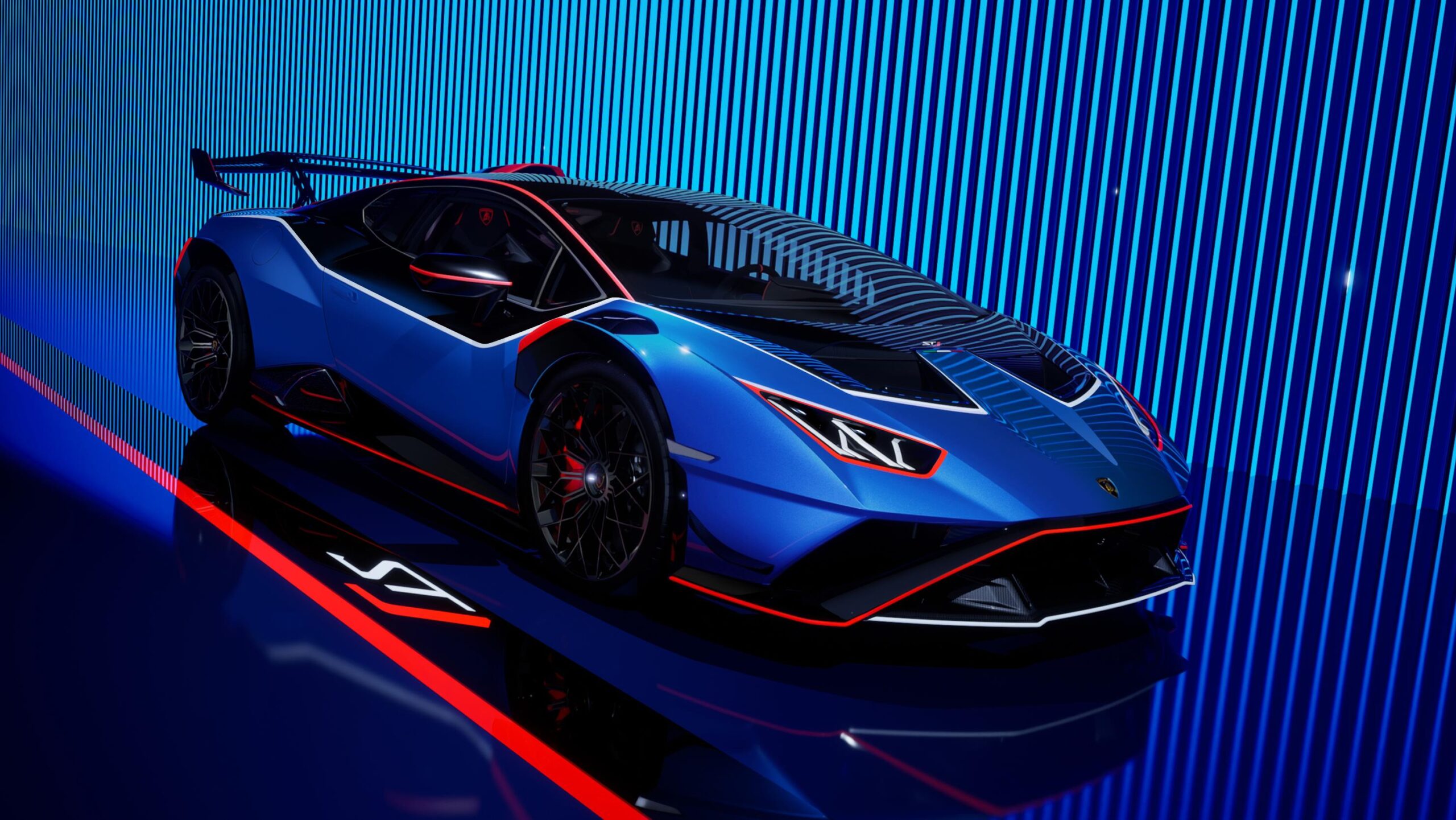
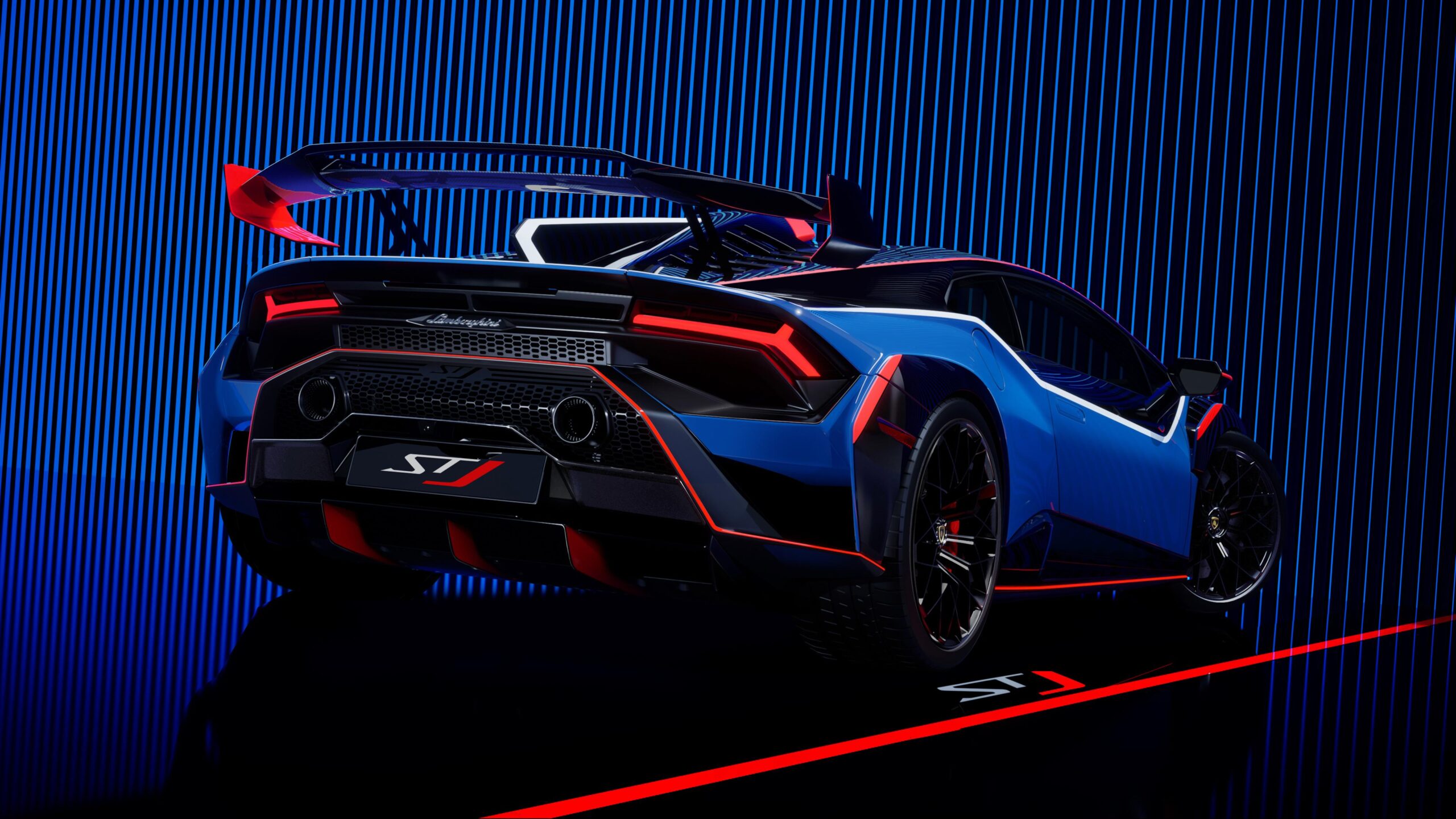
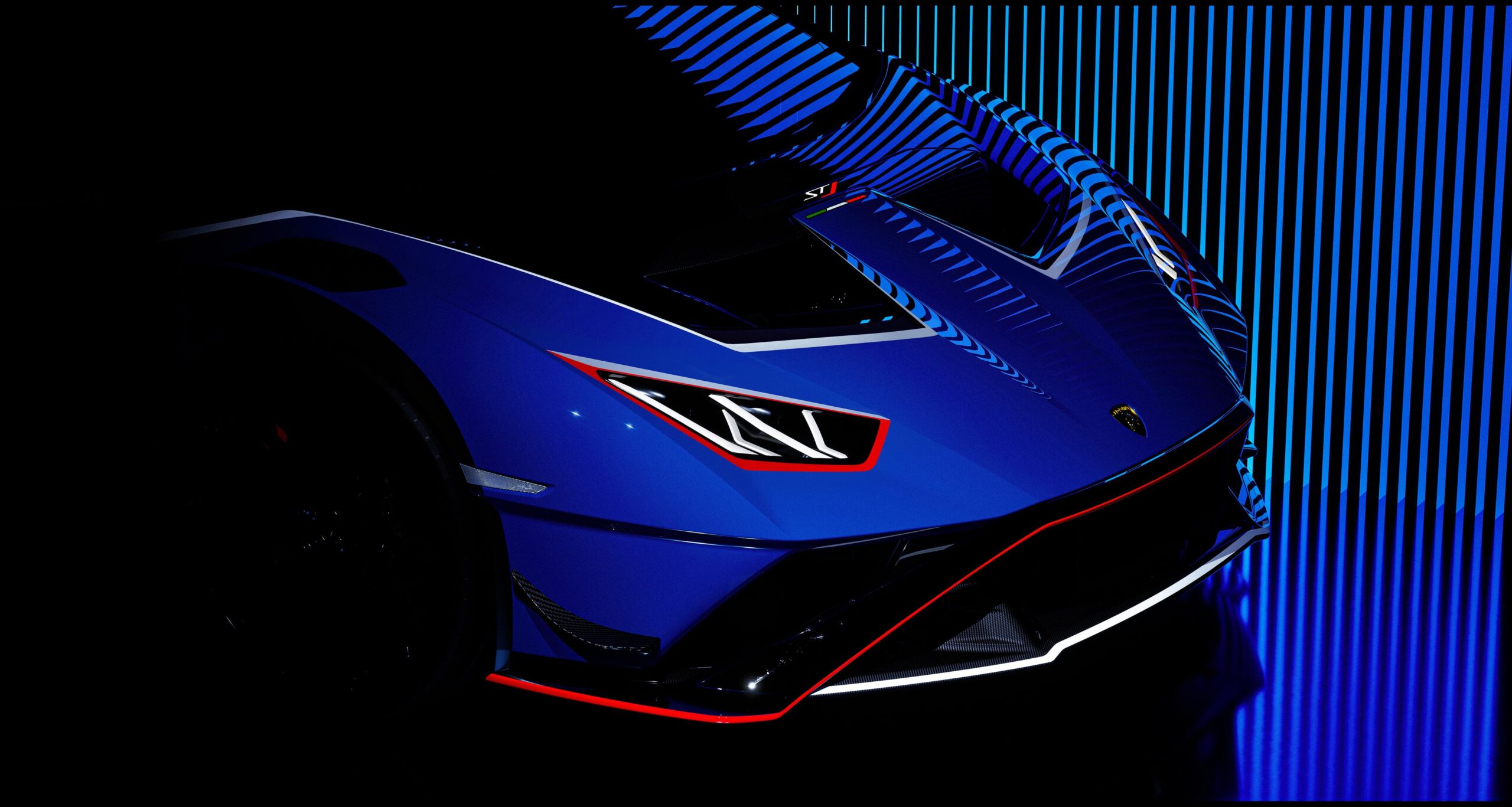
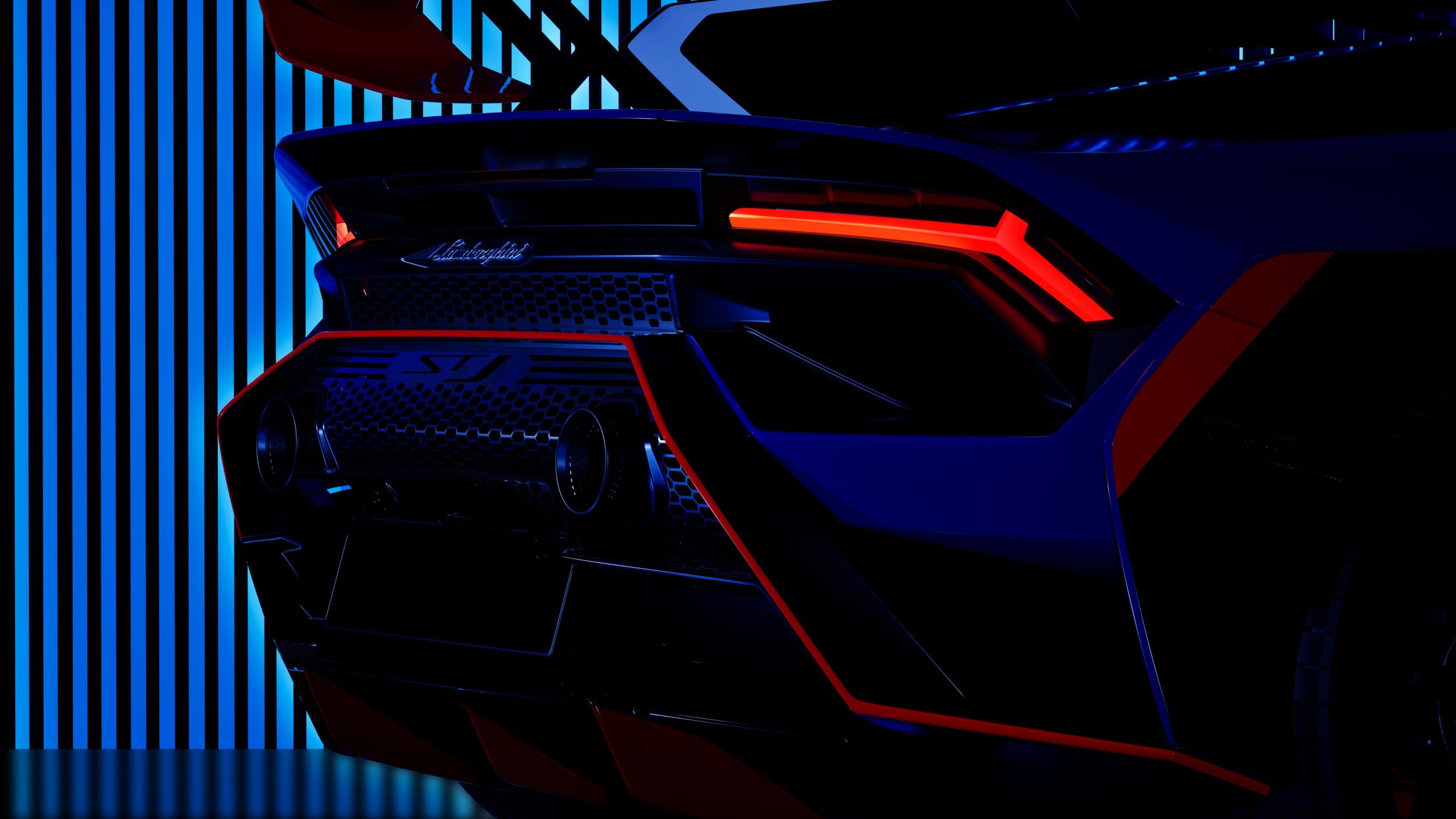
Lamborghini’s latest special edition, the Huracan STJ, may not be as visually extravagant as expected for a “Last Dance” model, but its performance enhancements make it a track-focused marvel. Building upon the already potent STO variant, the STJ prioritises setting blistering lap times.
One of the key upgrades is the introduction of four-way-adjustable dampers, replacing the previous active setup, significantly improving mechanical grip. This enhanced adjustability allows for lower spring stiffness without sacrificing control or steering feel. Coupled with bespoke Bridgestone Potenza race tires on 20-inch centre-locking wheels, the STJ promises unparalleled handling.
Powering the STJ is a dry-sumped 631hp 5.2-litre V10 engine mated to a seven-speed dual-clutch automatic transmission, delivering thrilling rear-wheel-drive performance.
Aerodynamic enhancements include subtle revisions to the front splitter, new dive planes, and a three-degree increase in the rear wing angle, boosting aerodynamic load without compromising balance.
The “ST” designation pays homage to Lamborghini’s Super Trofeo racing series, while the “J” references FIA regulations and iconic Lamborghini models like the Miura SVJ and Aventador SVJ. These improvements translate to a more than one-second reduction in lap time compared to the STO at Lamborghini’s test track.
Limited to just 10 units, the Huracan STJ offers customers a choice between two configurations and livery options, marking the culmination of the Huracán’s decade-long success story. It paves the way for an exciting new plug-in-hybrid successor set to debut later this year.
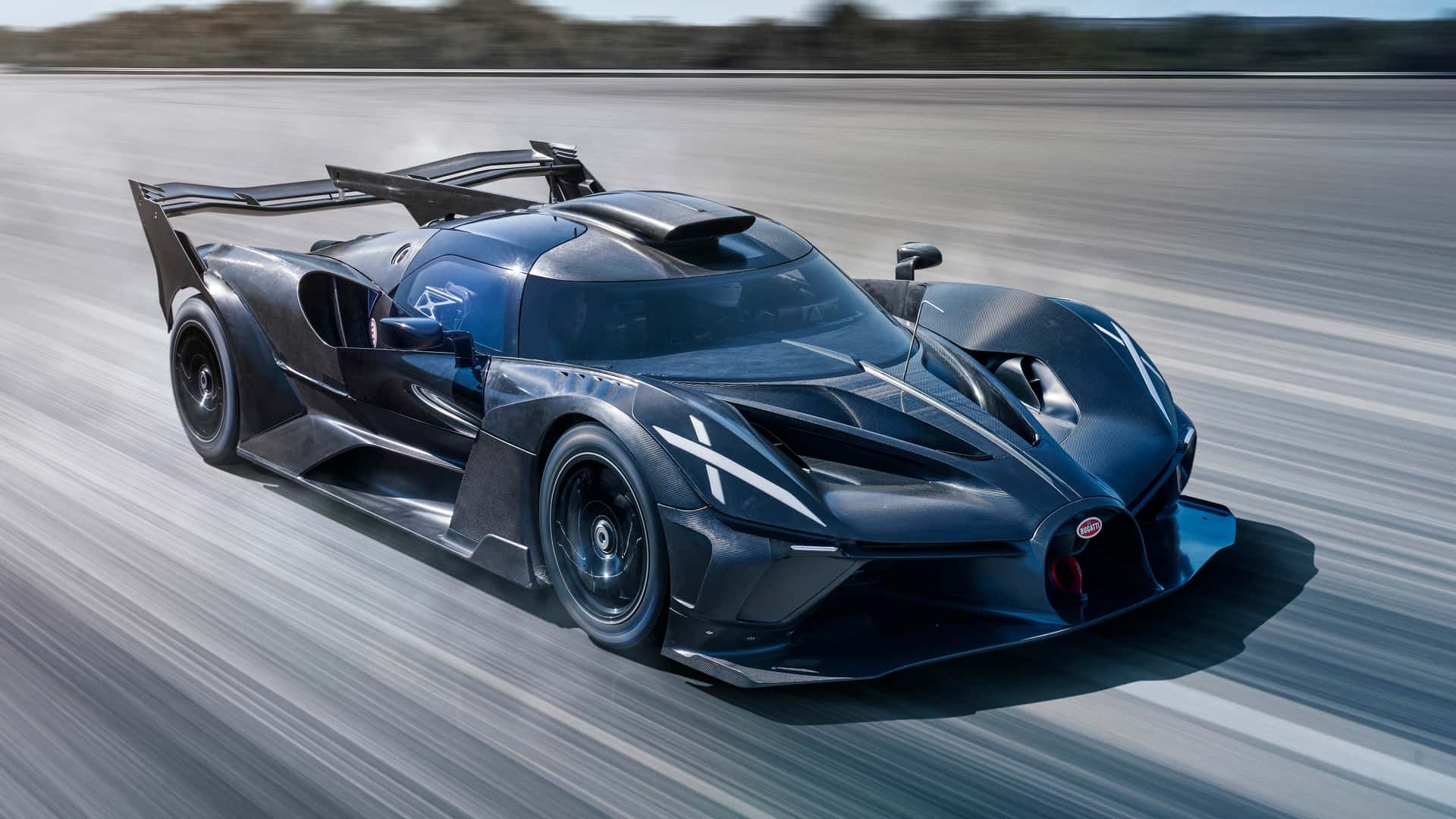
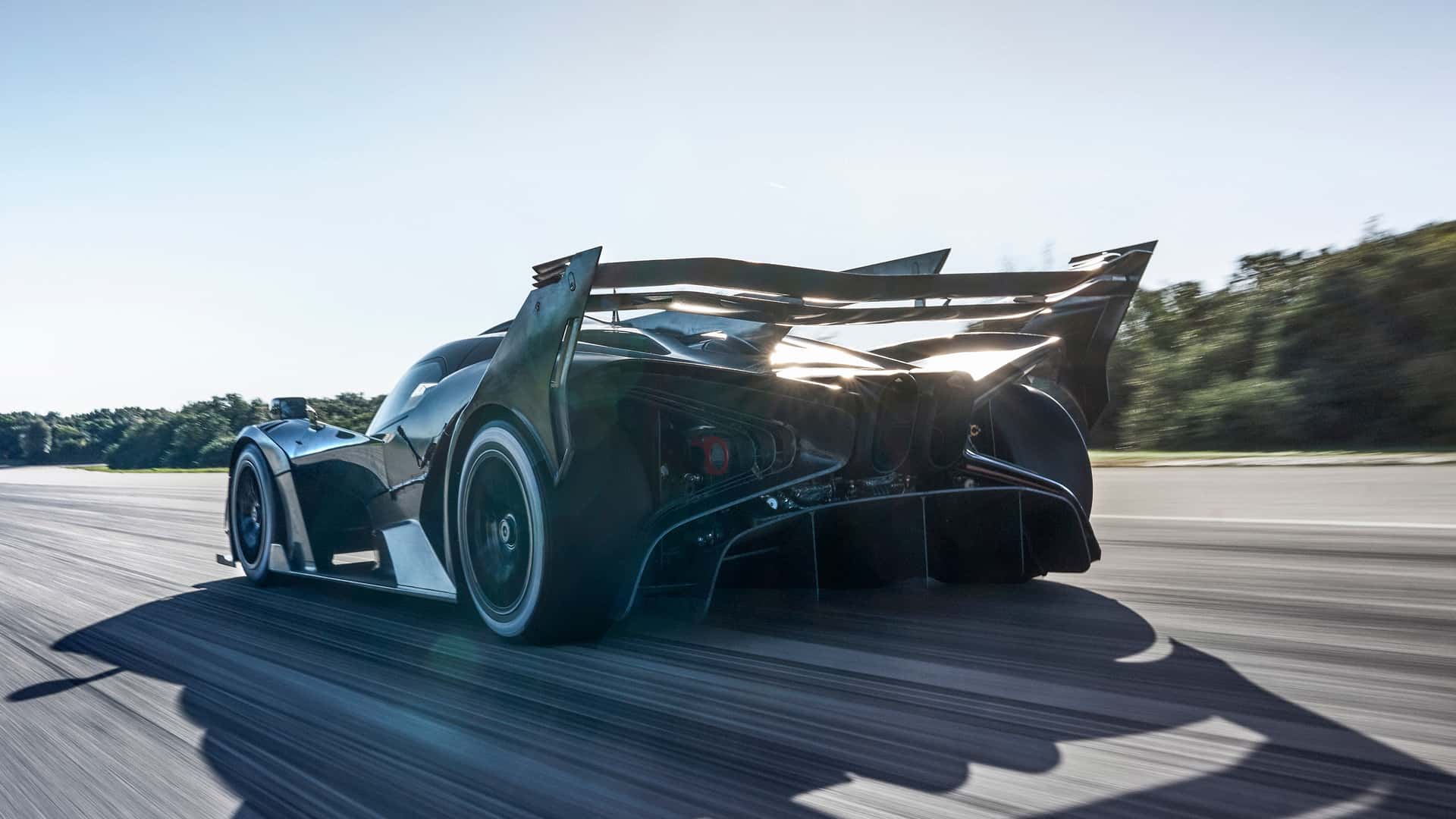
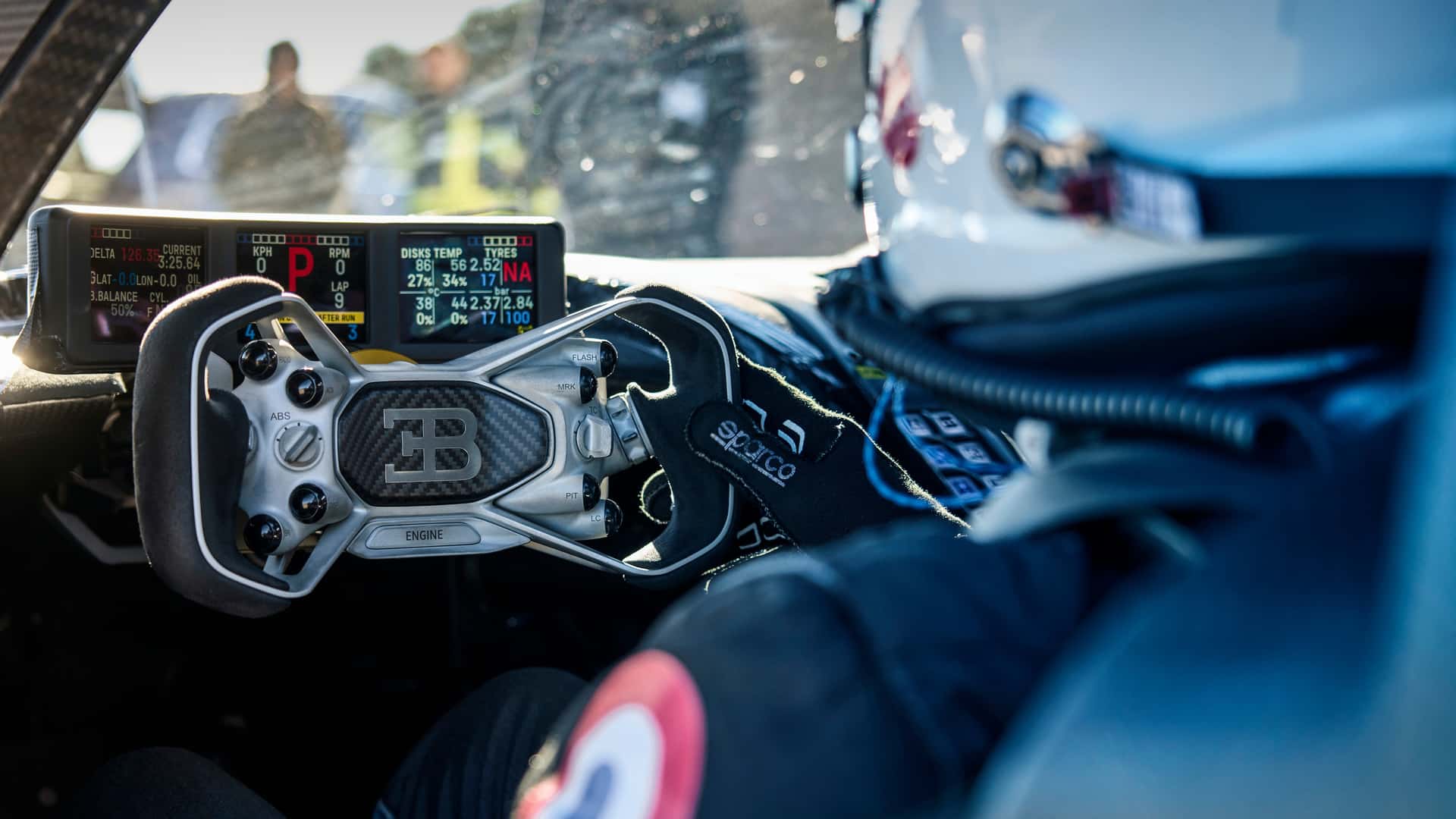
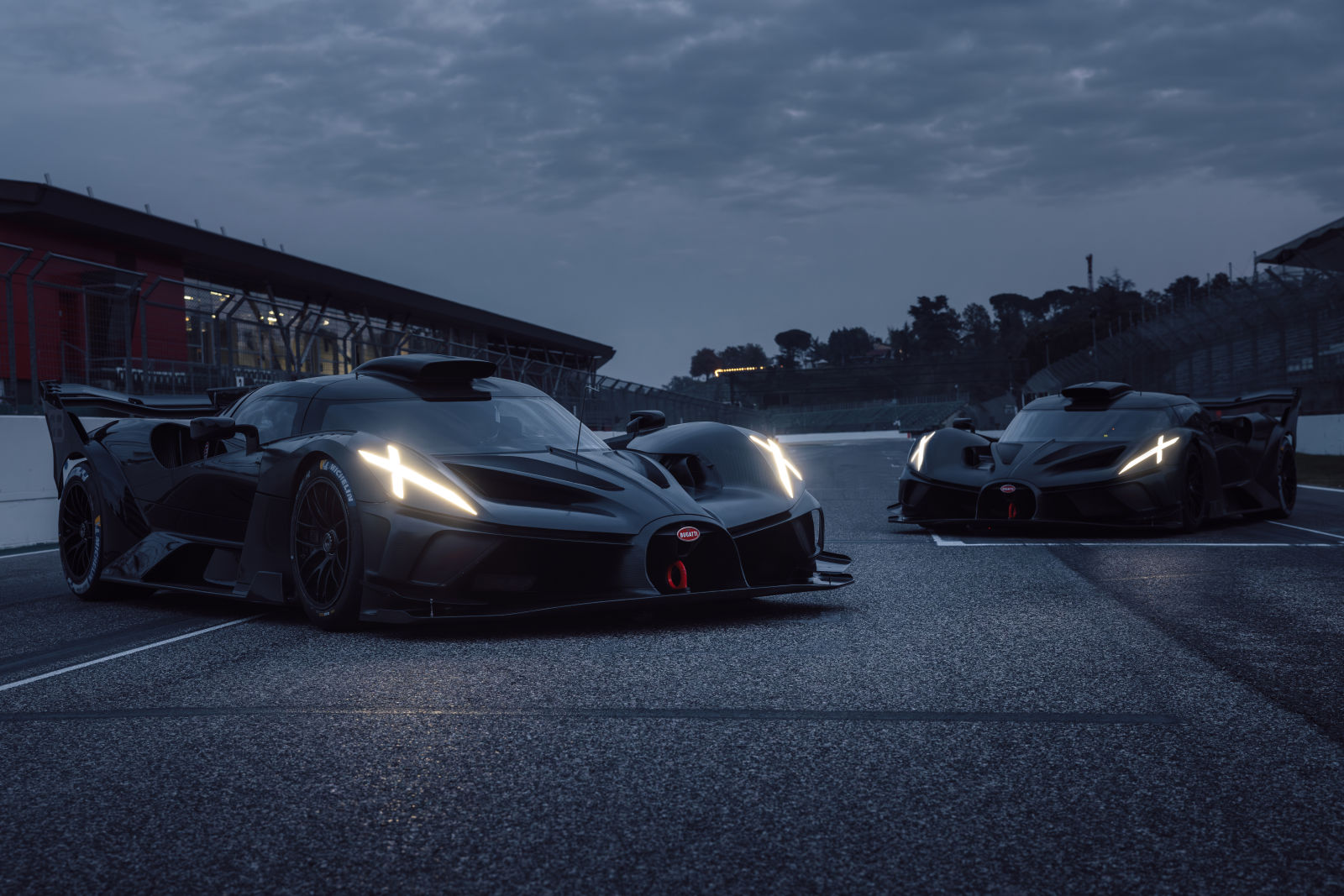
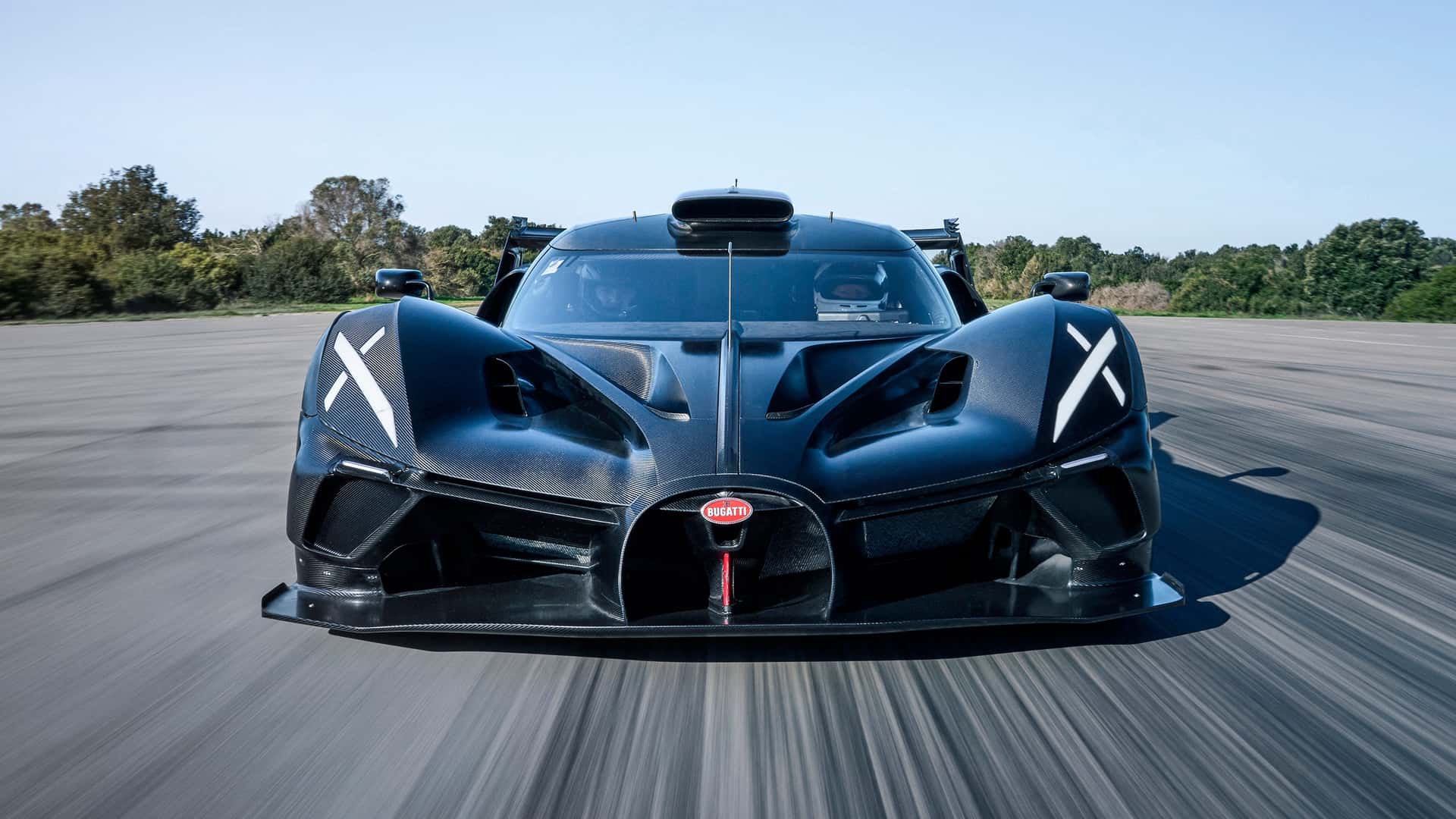
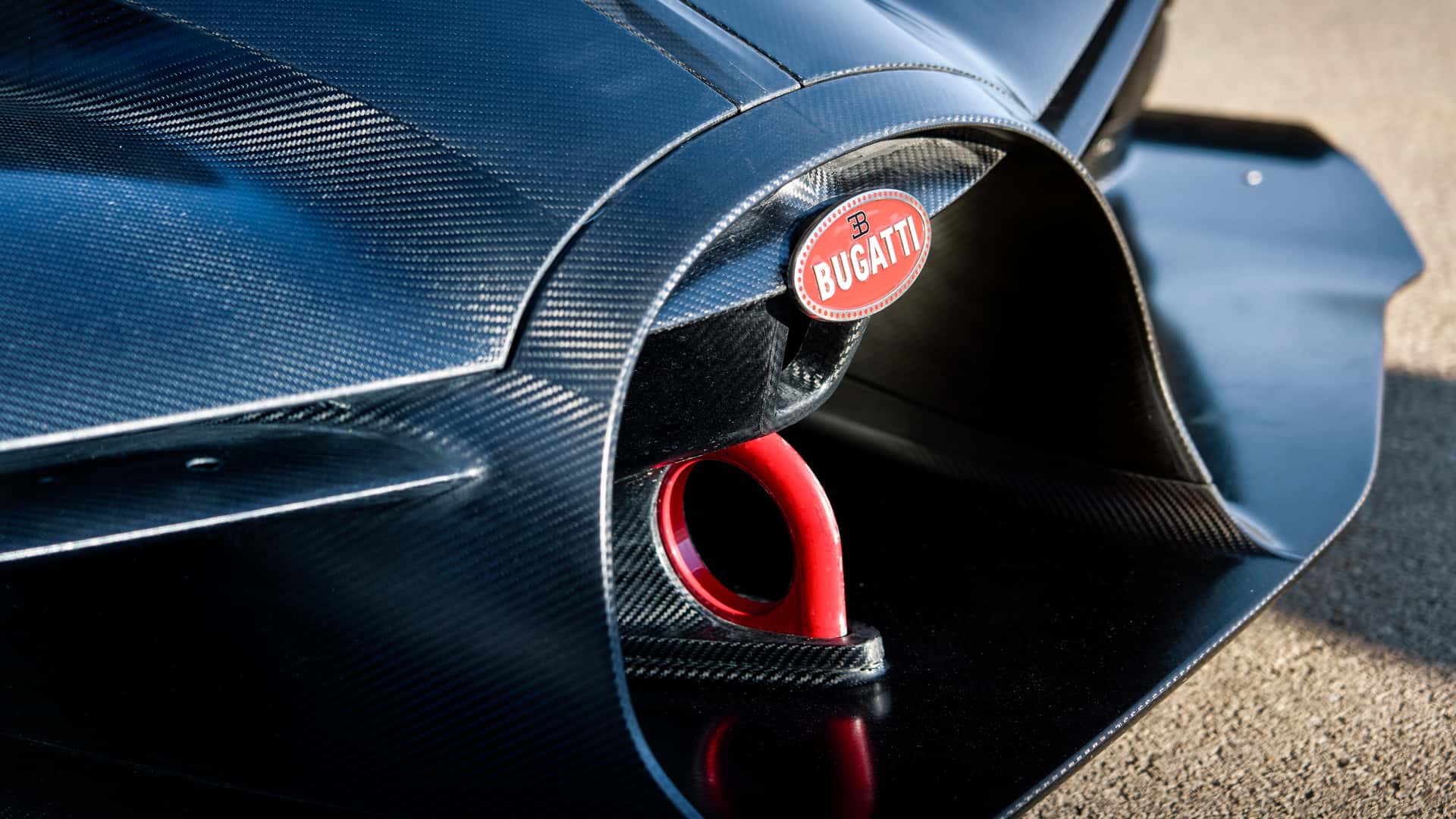
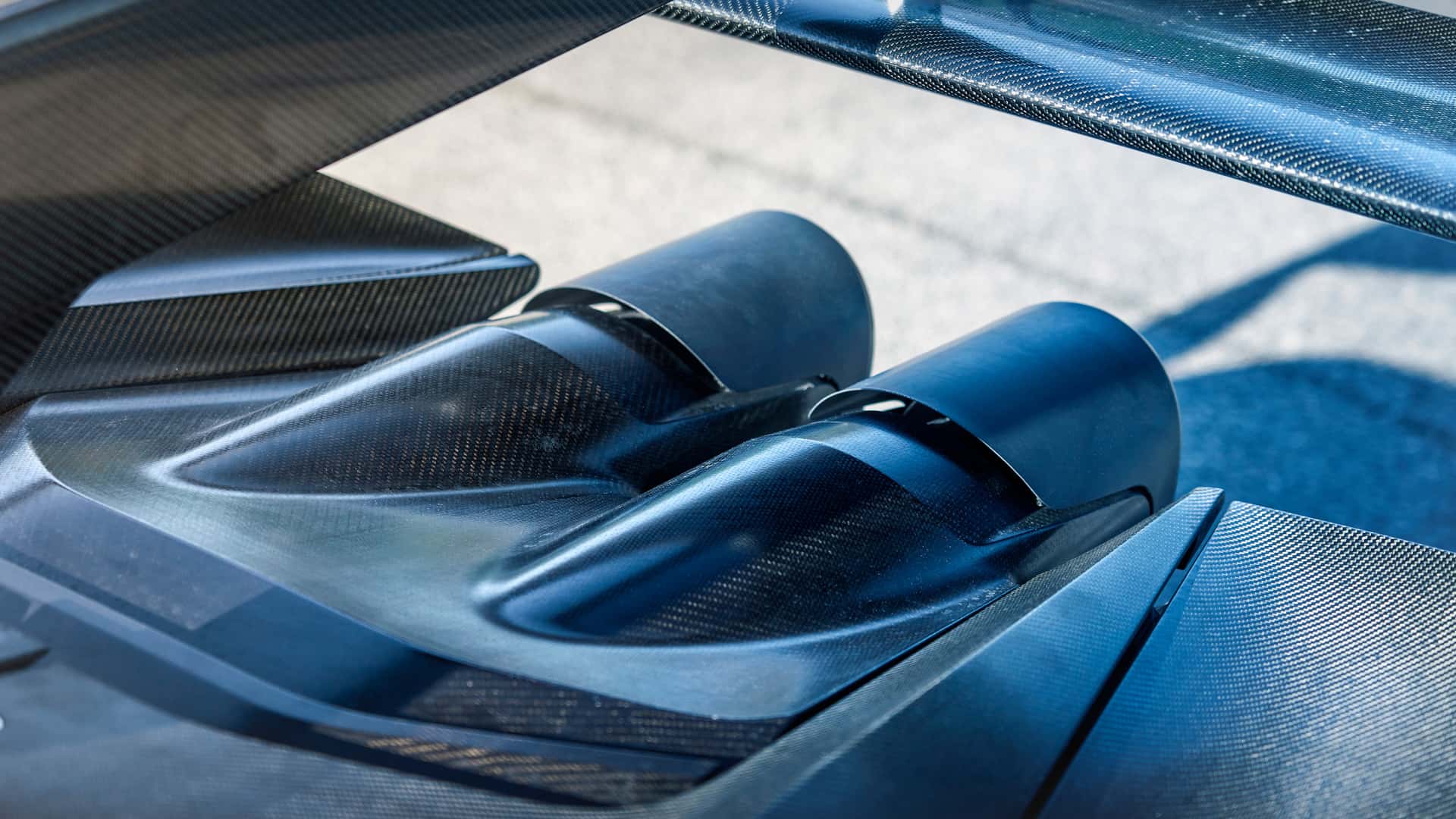
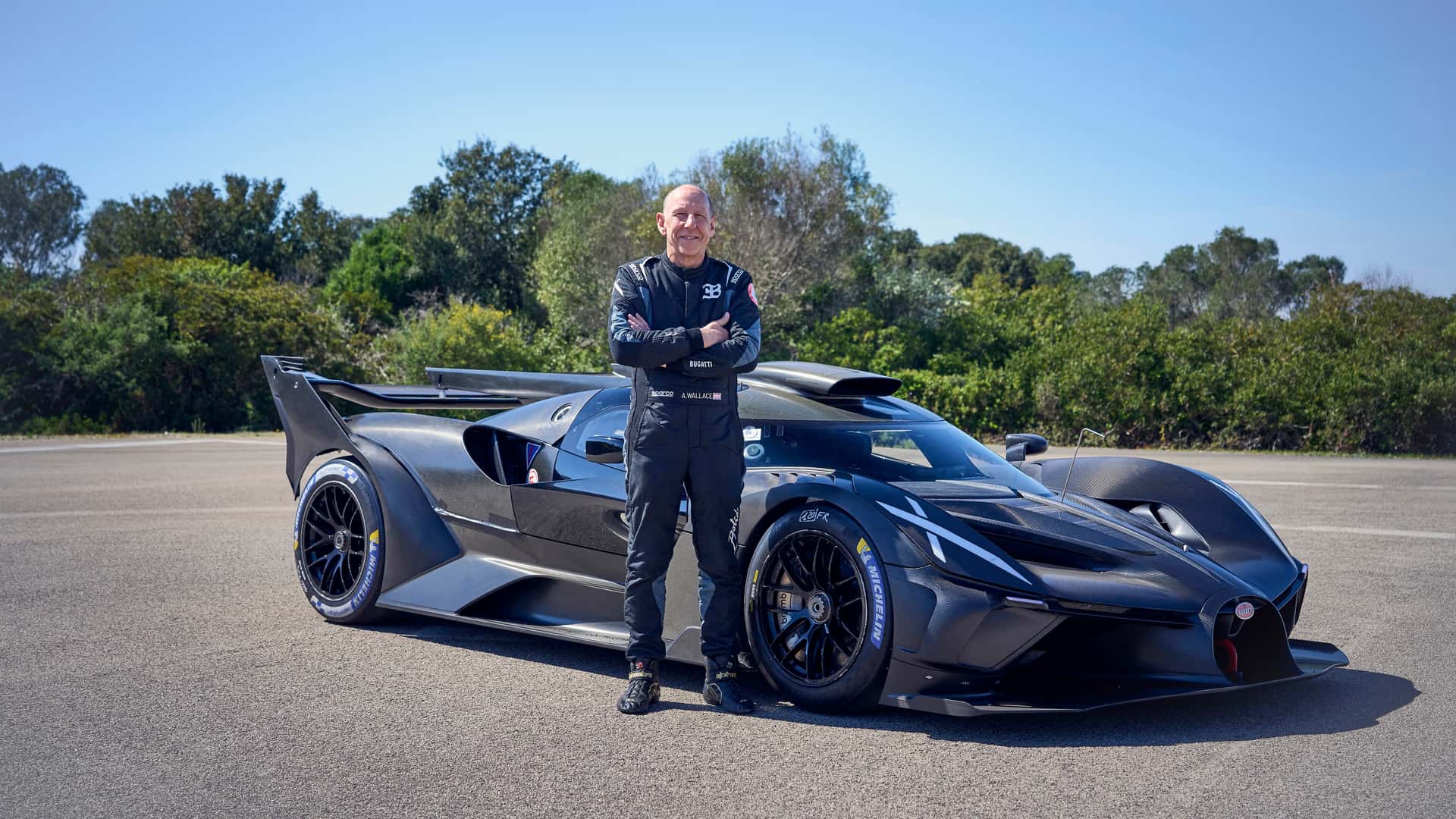
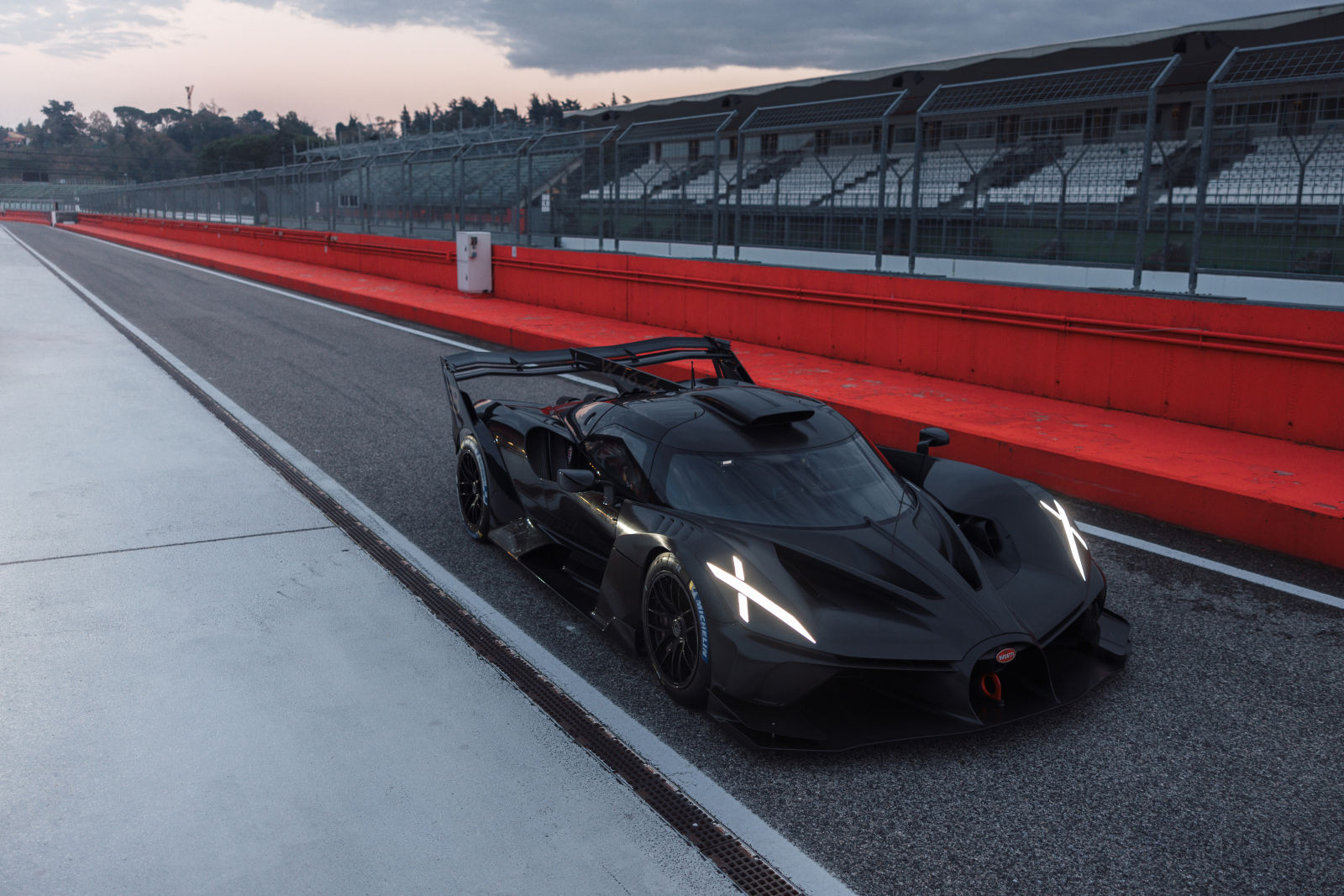
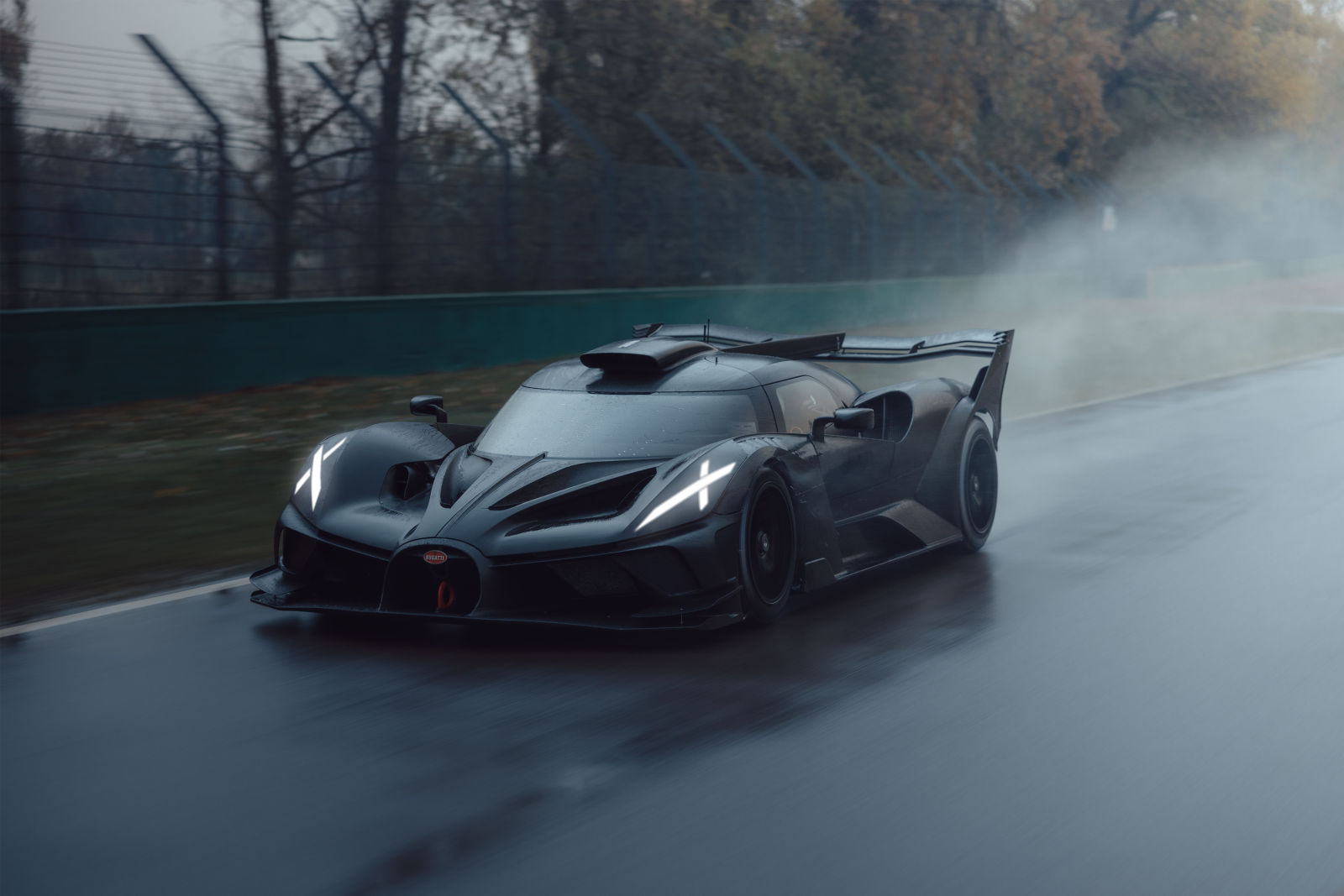
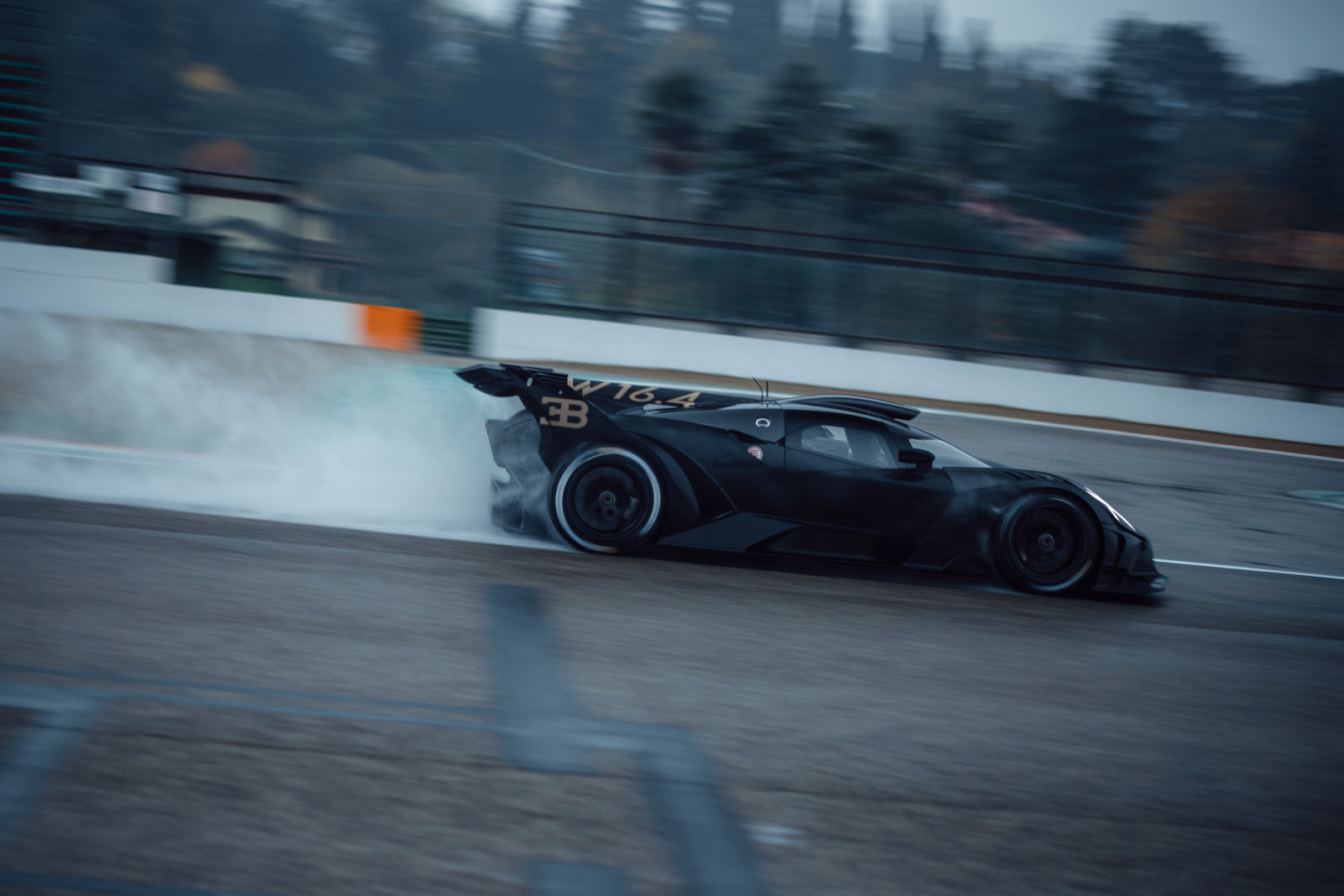
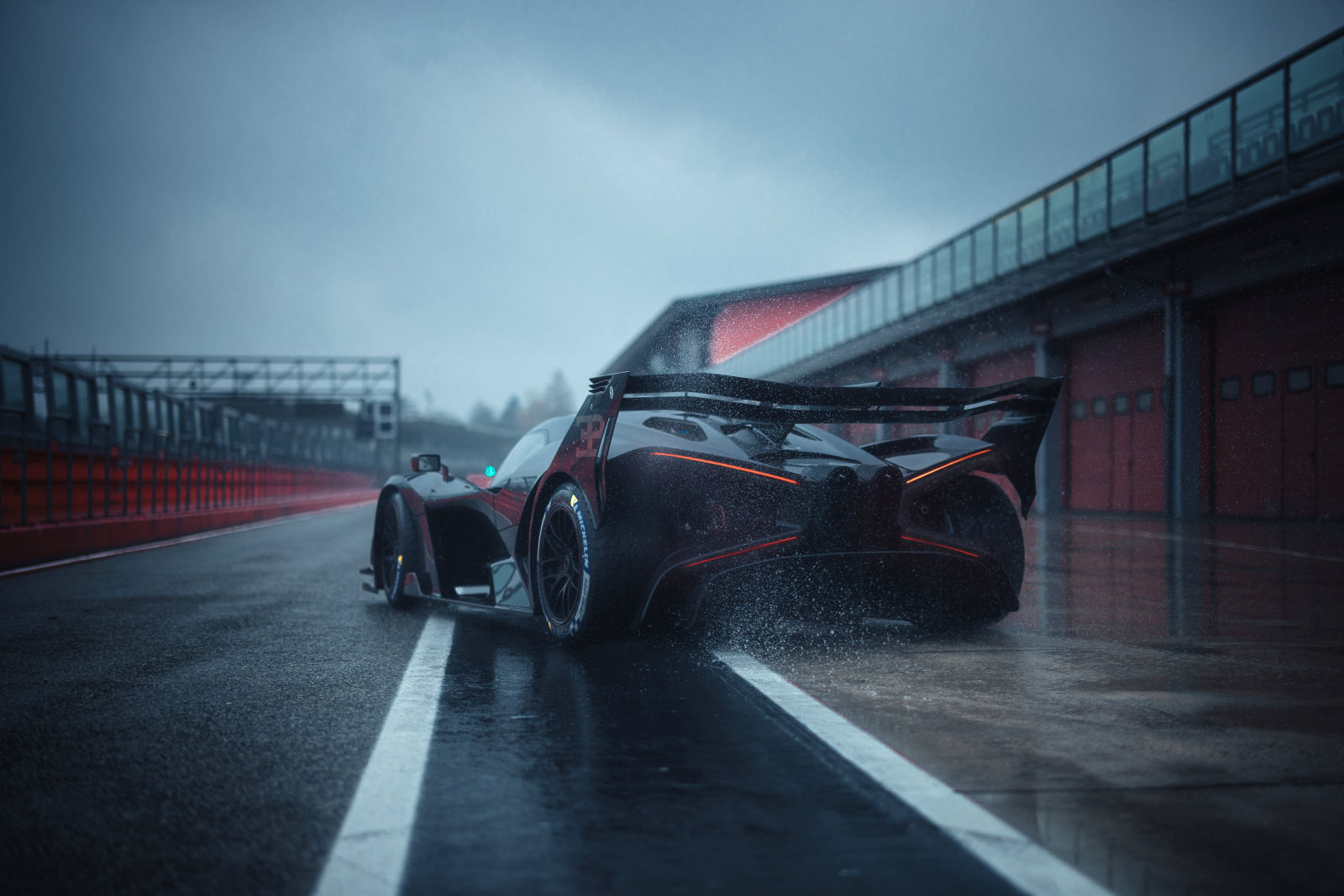
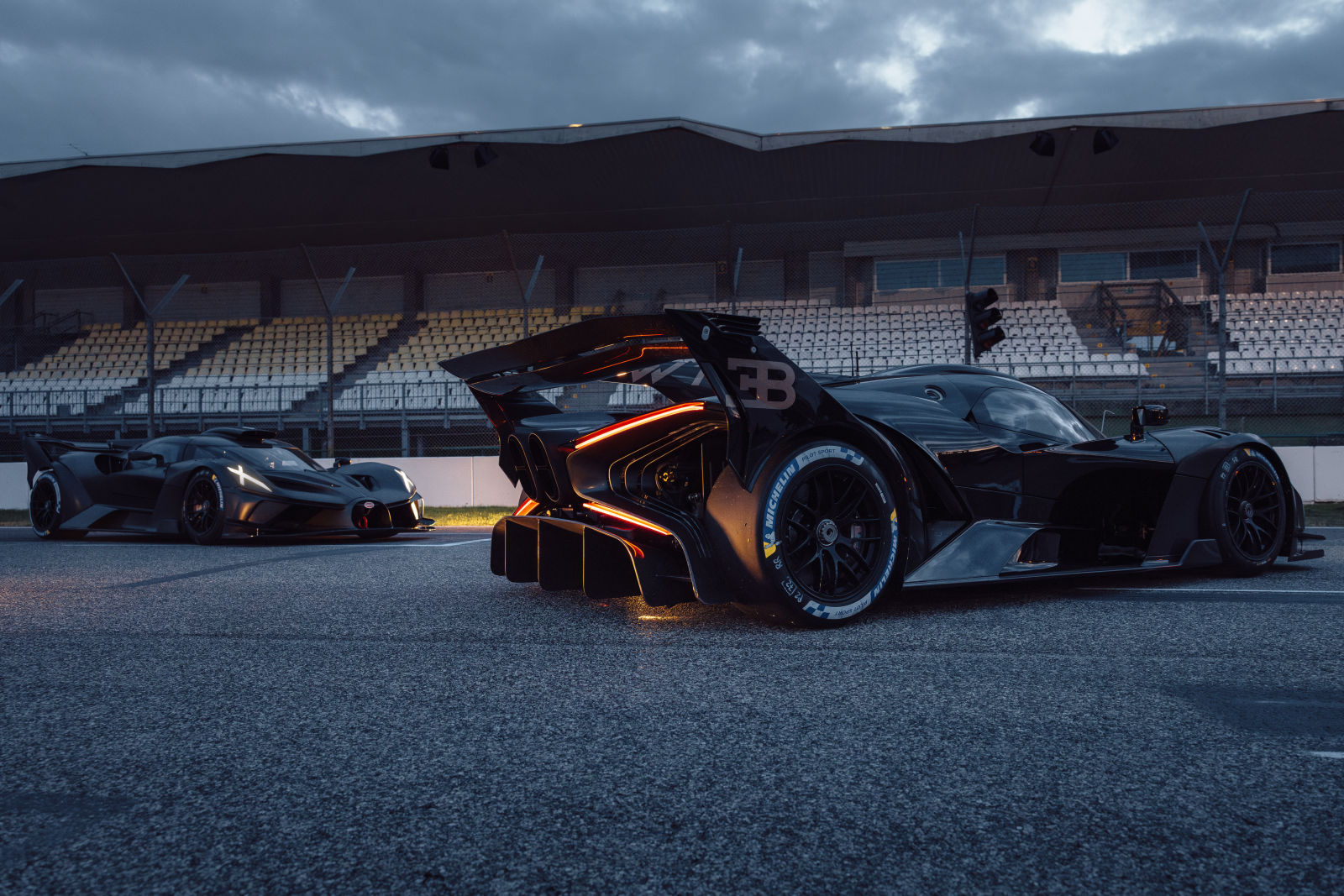
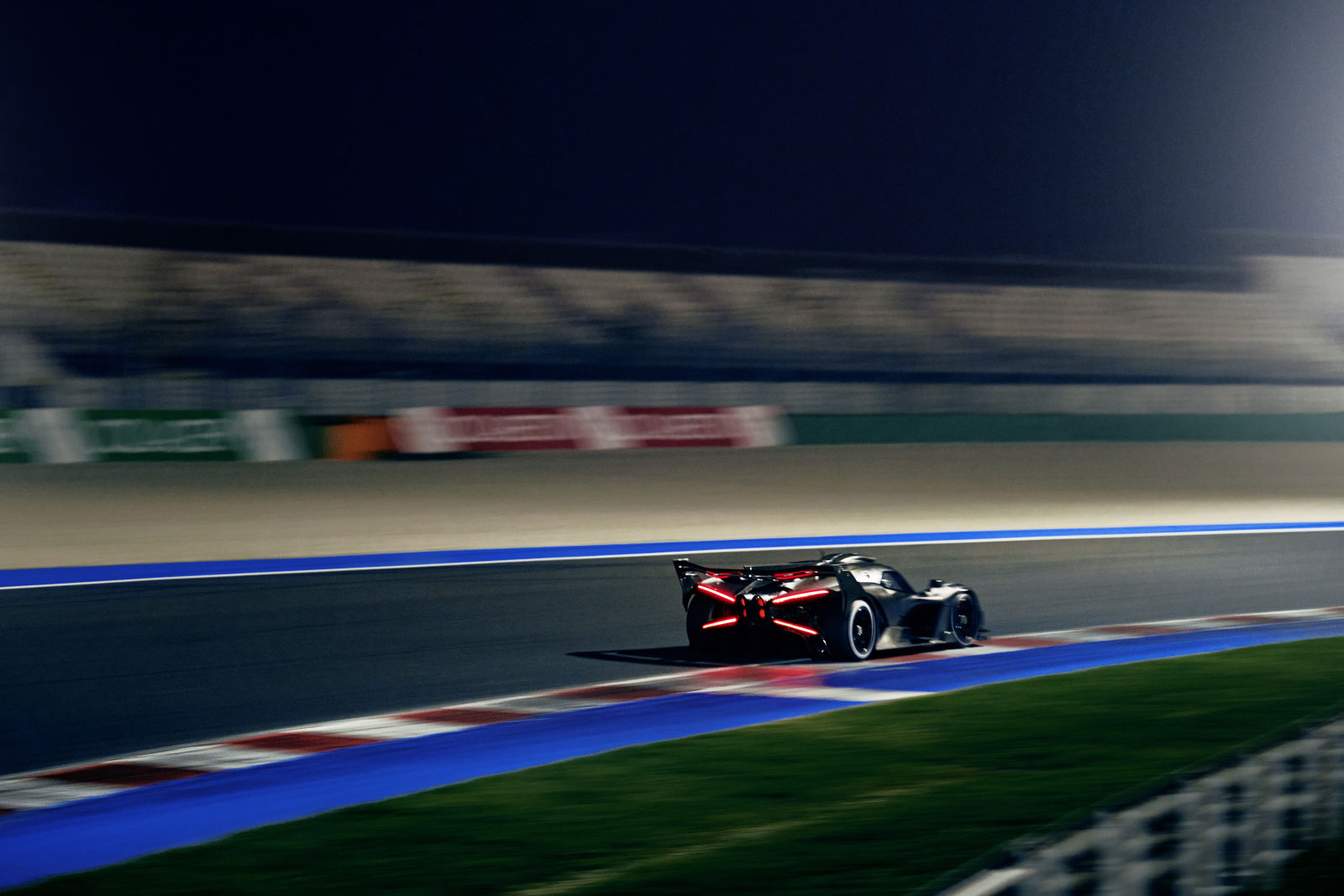
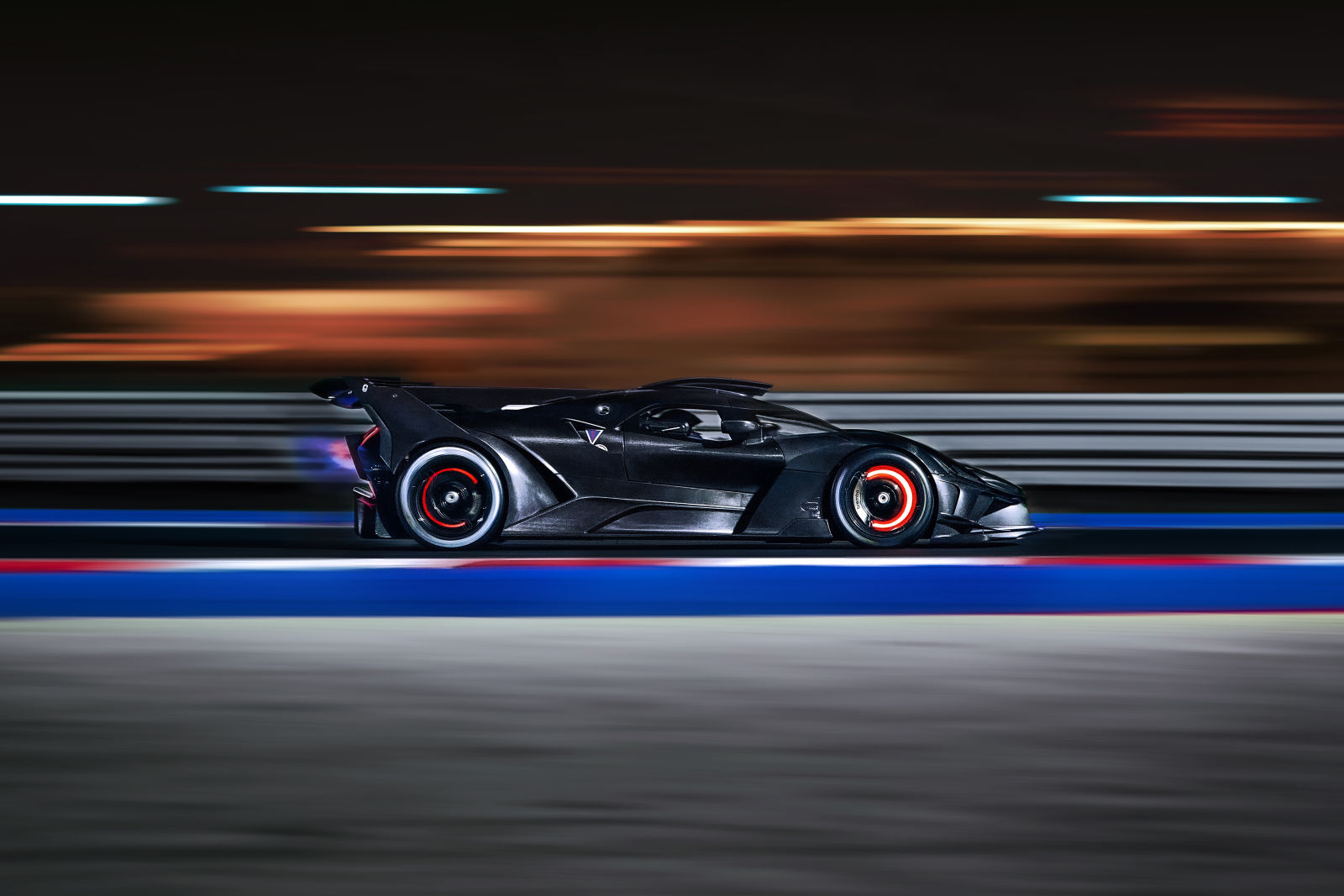
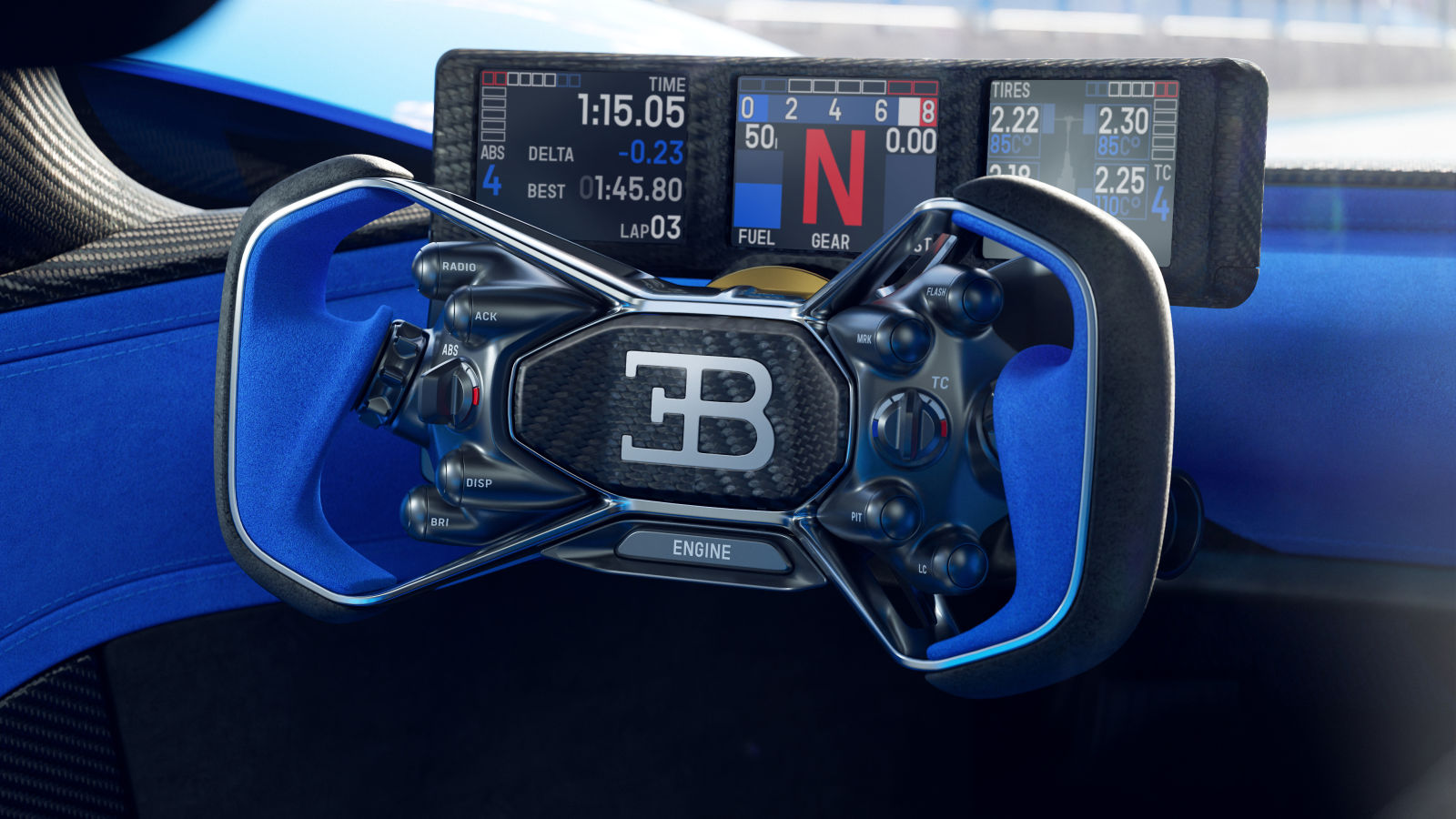
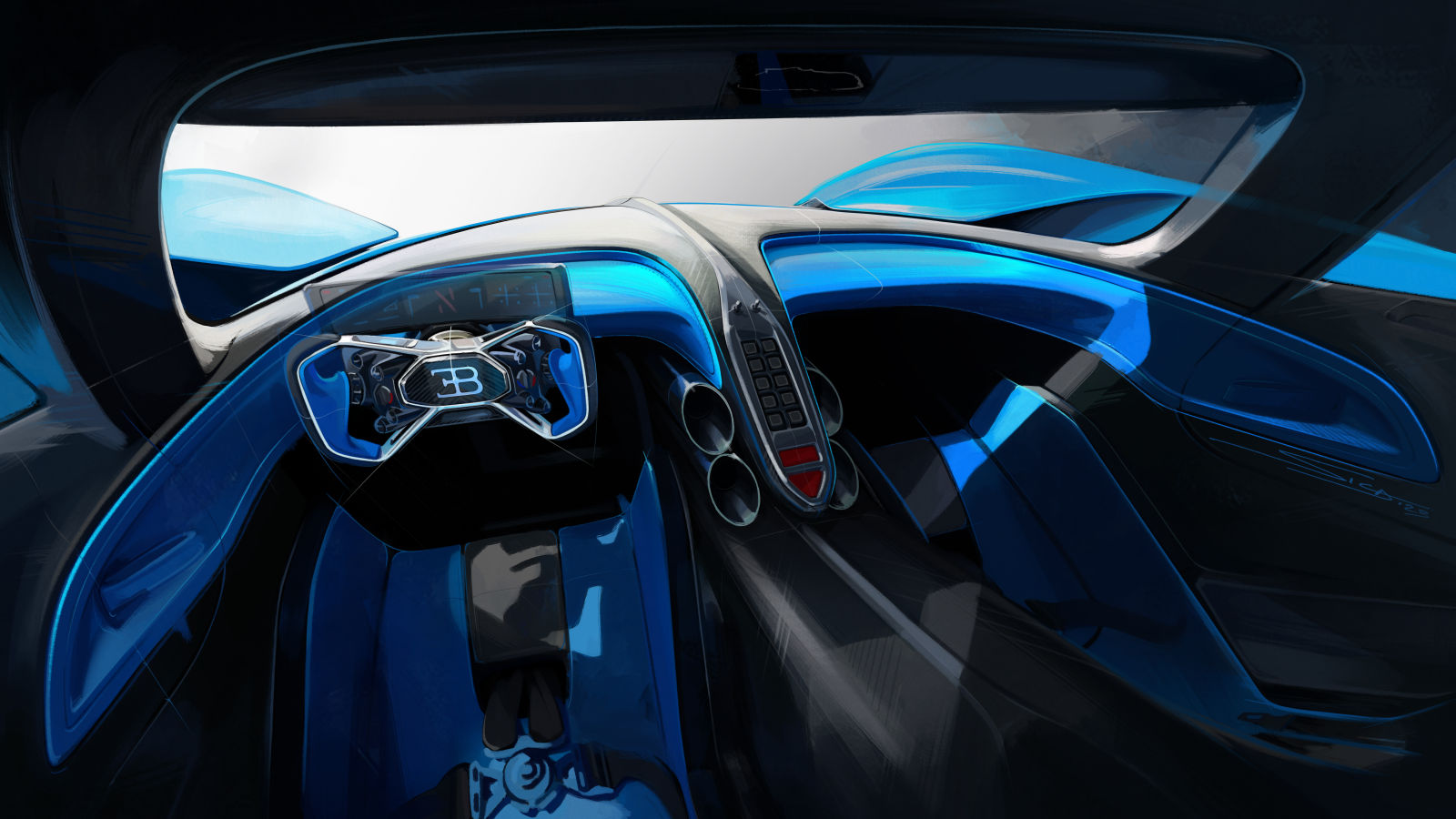
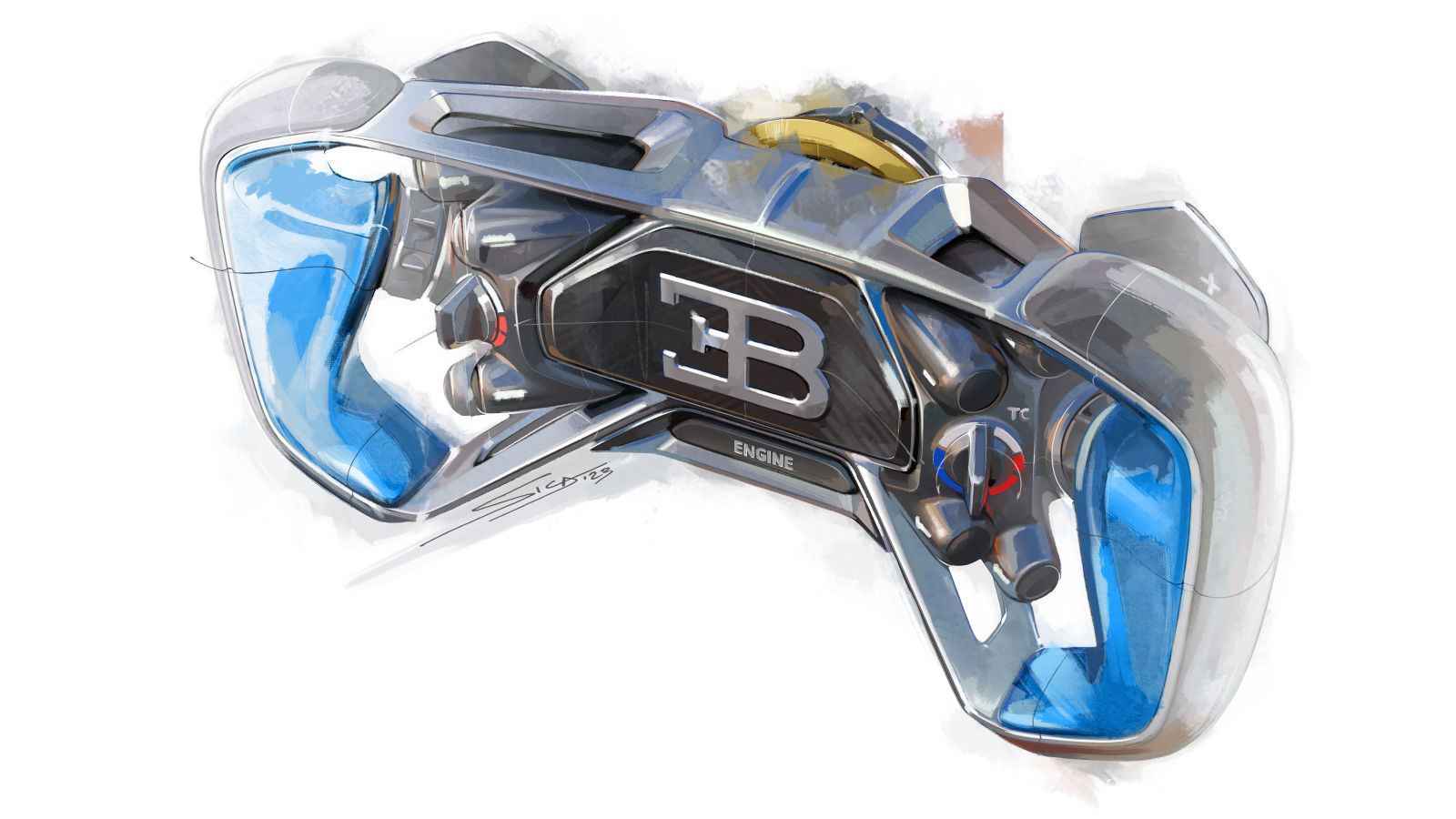
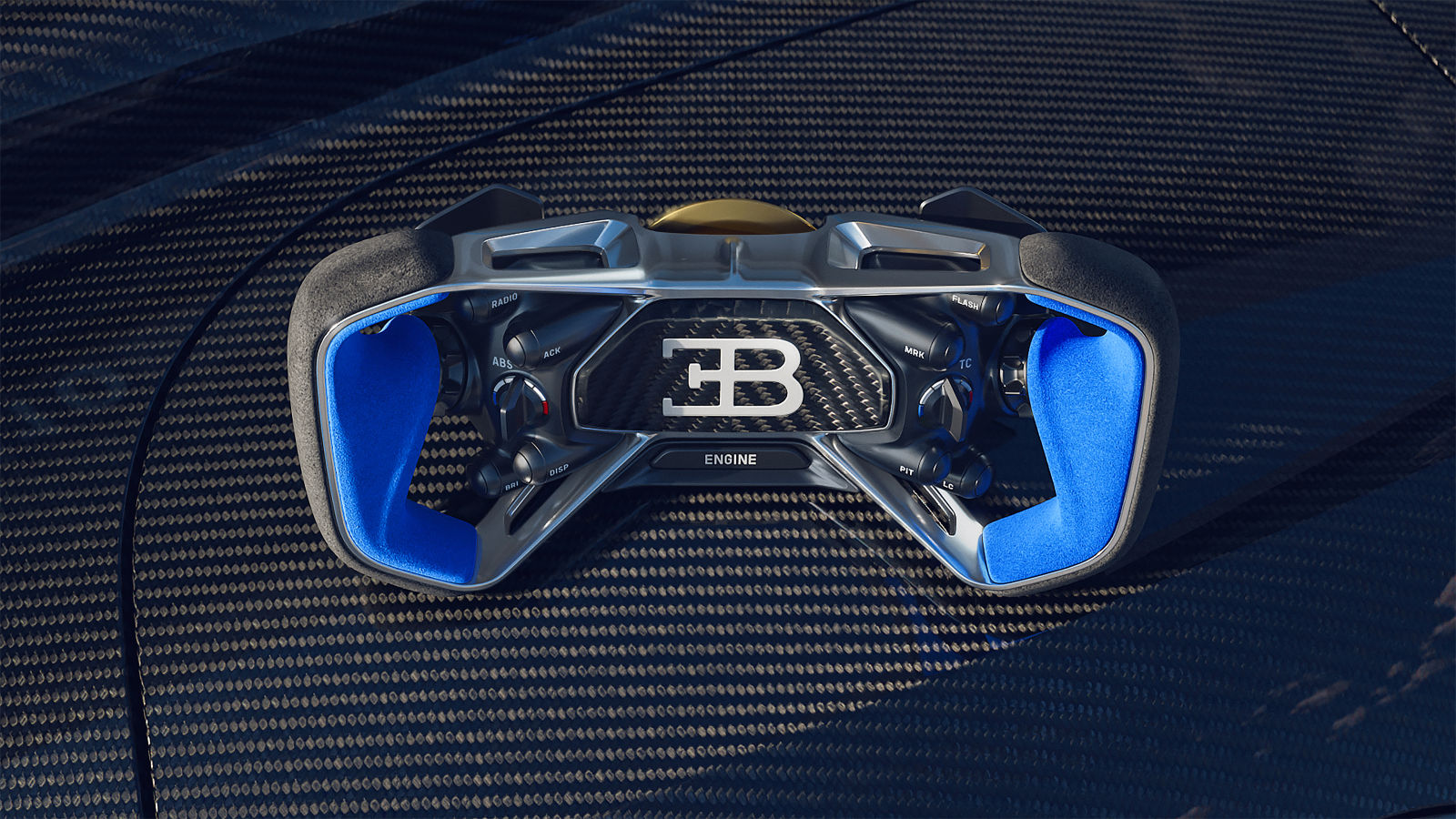
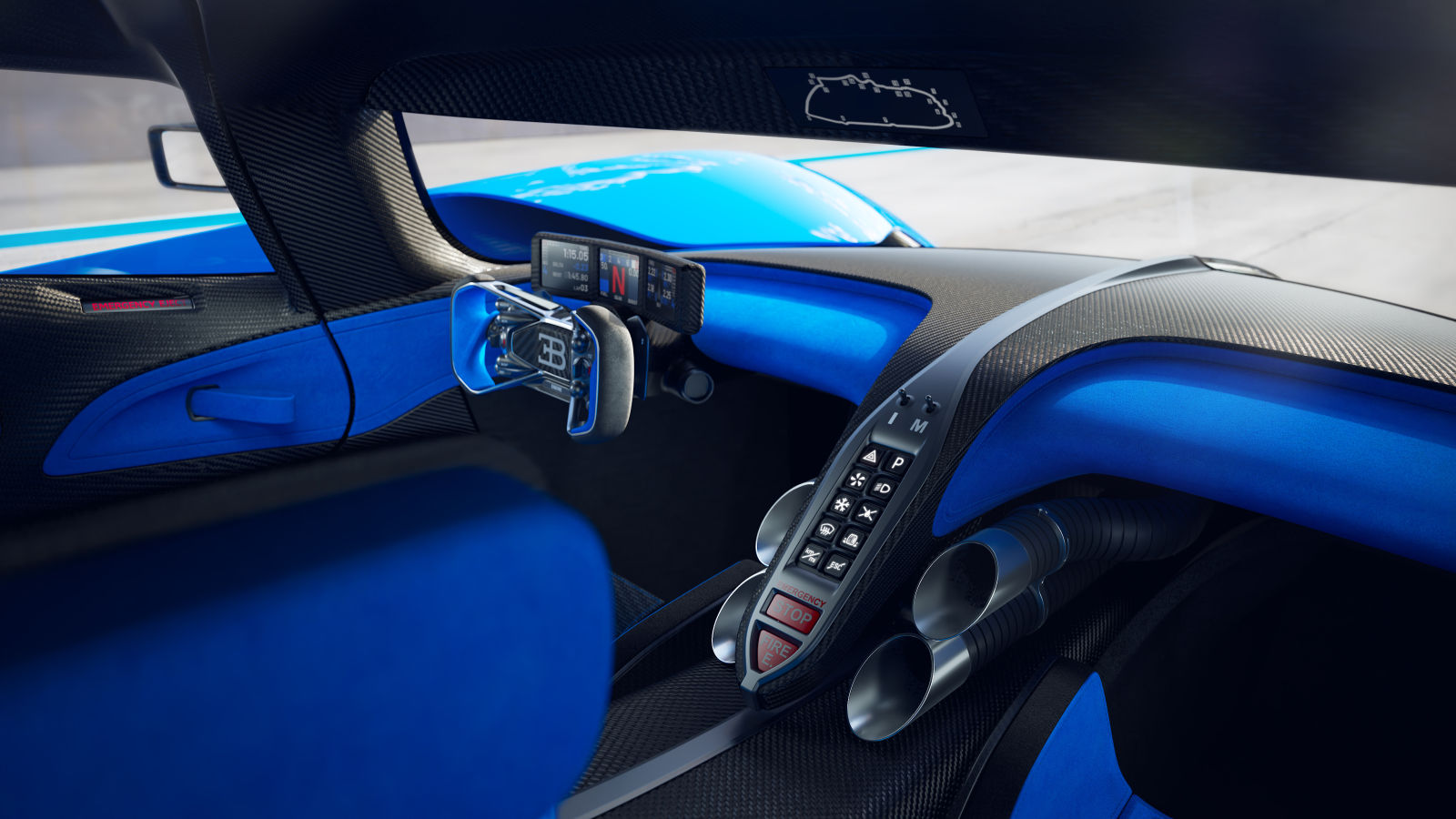
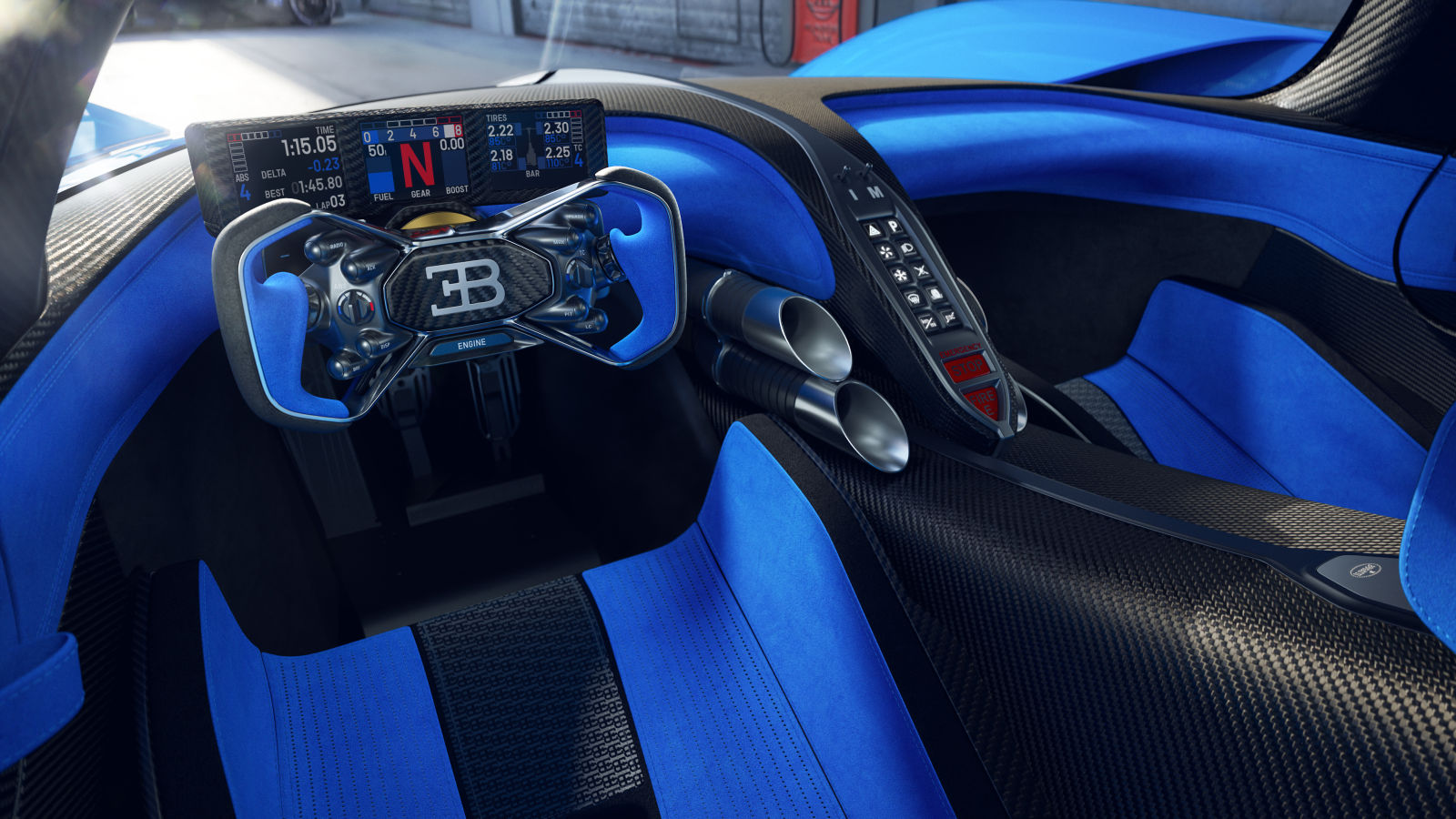
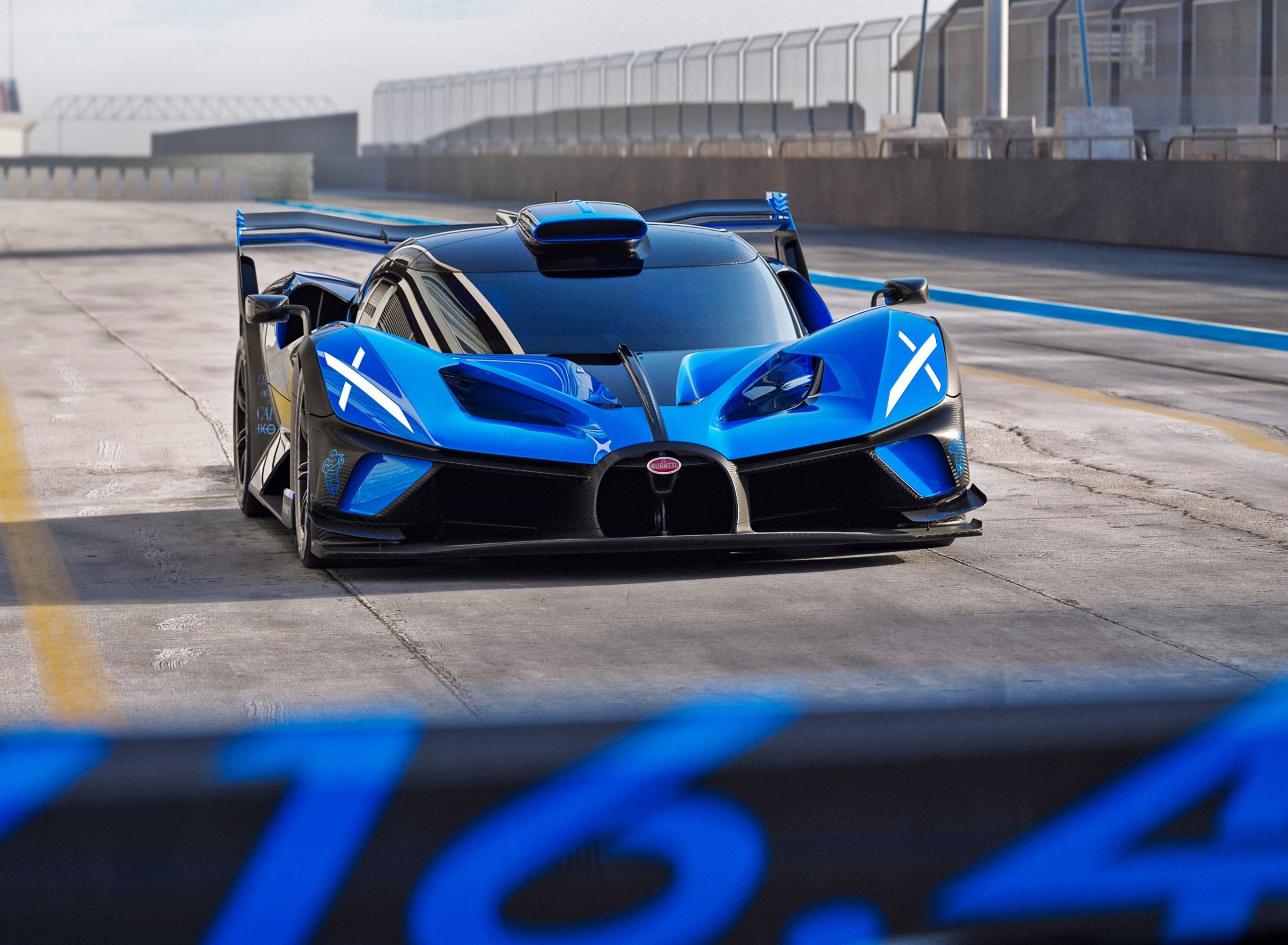
The Bugatti Bolide represents a significant departure from the brand’s usual approach, focusing not only on speed but also on circuit dominance and accessibility. Engineered with input from motorsport legend Andy Wallace and incorporating cutting-edge technology, the Bolide invites drivers of all levels to push their limits on the track.
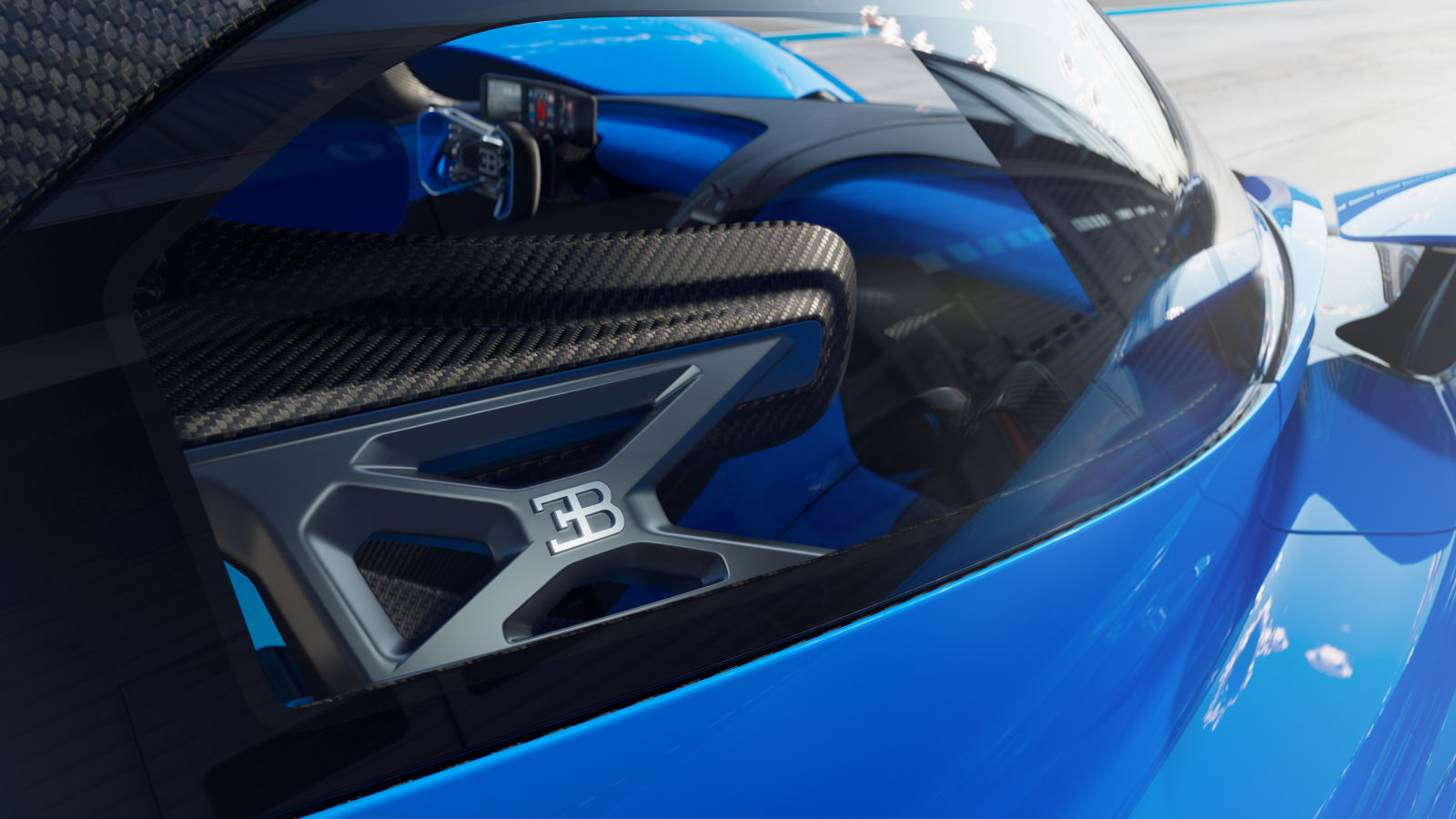
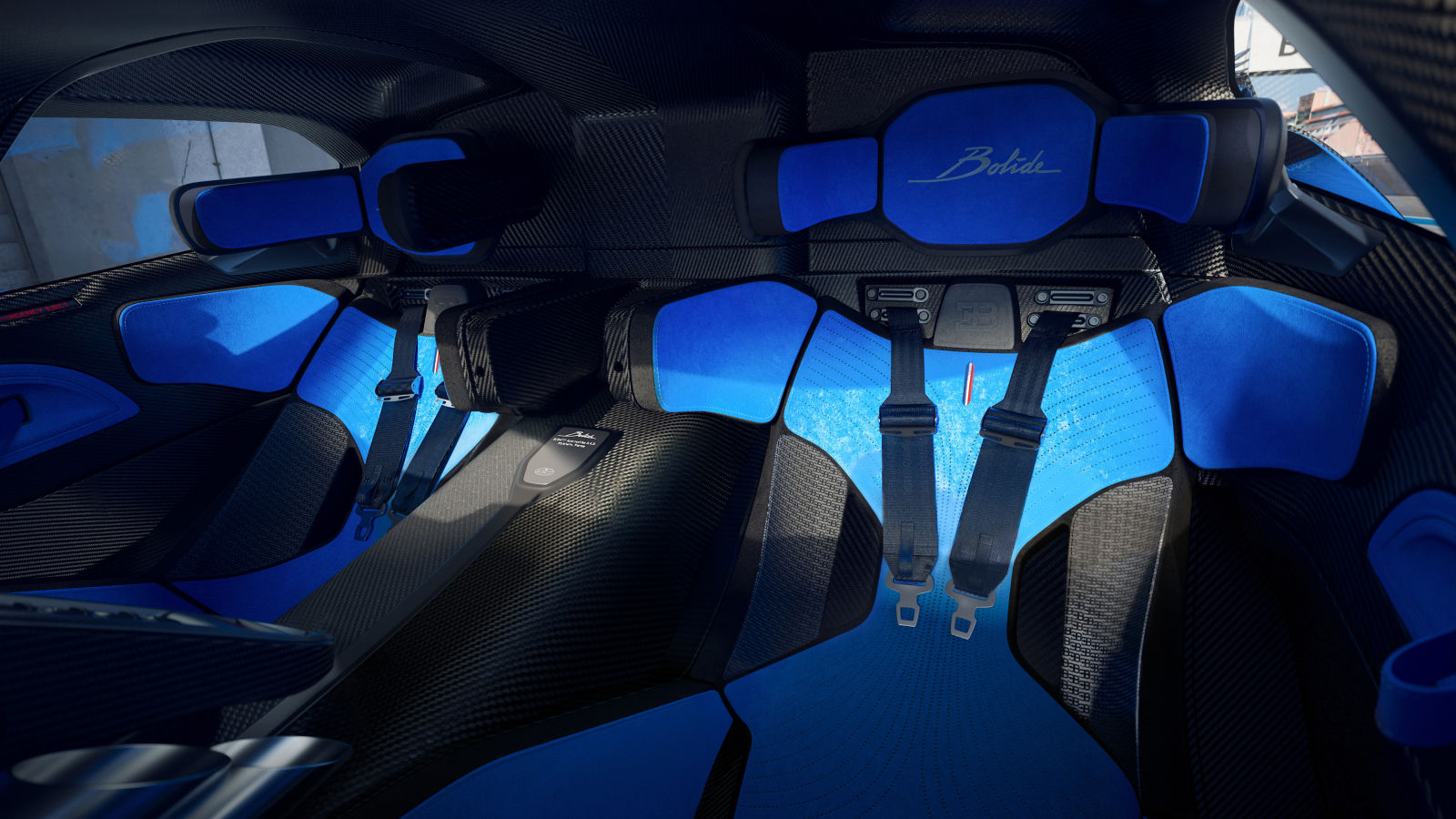
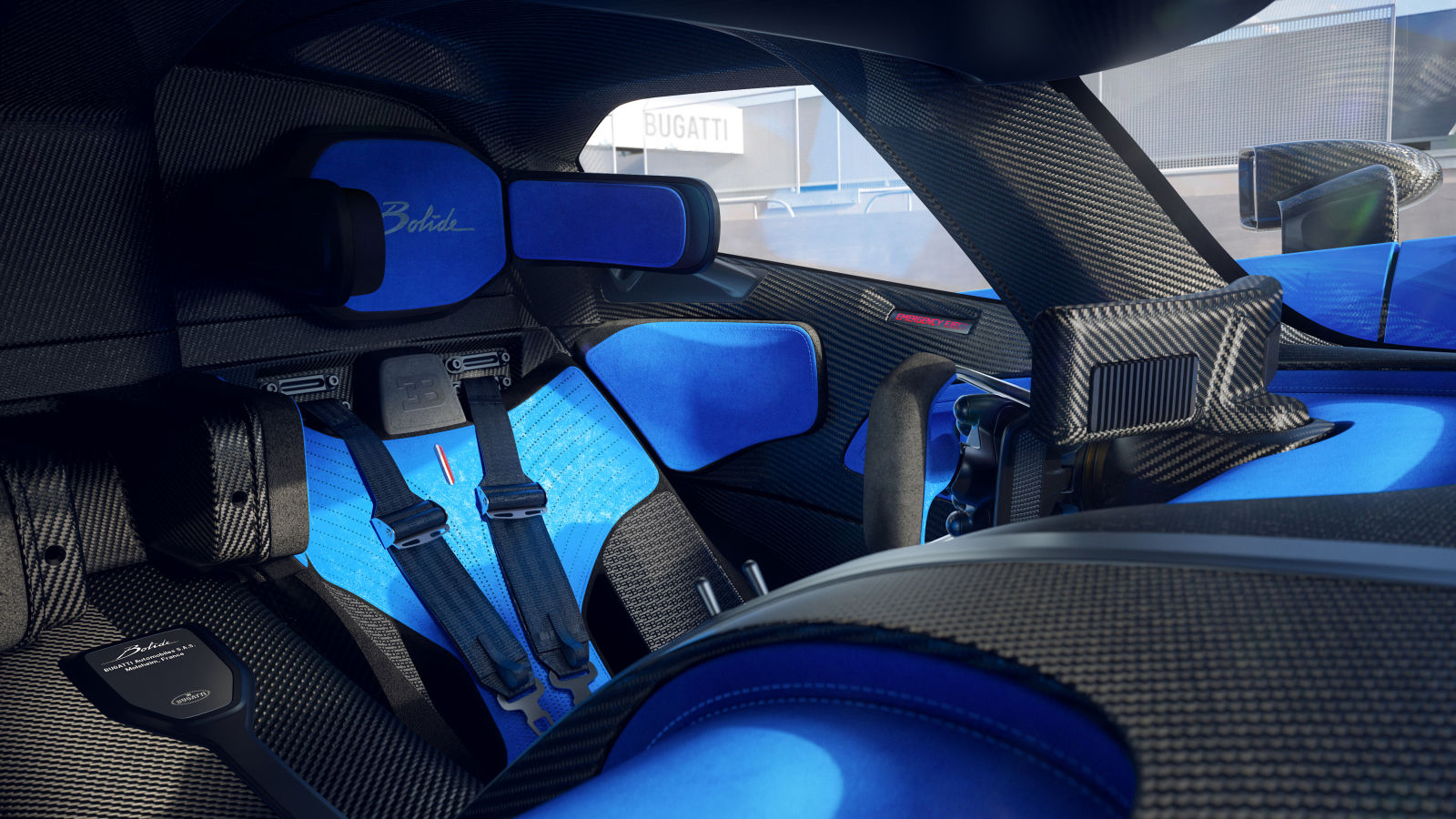
At the heart of the Bolide is Bugatti’s legendary 1,600PS 8.0-litre W16 turbocharged engine, housed within an ultra-lightweight carbon fibre composite monocoque developed with Dallara to meet stringent FIA requirements. The seating position, inspired by extreme race cars, instills confidence and precision in drivers.
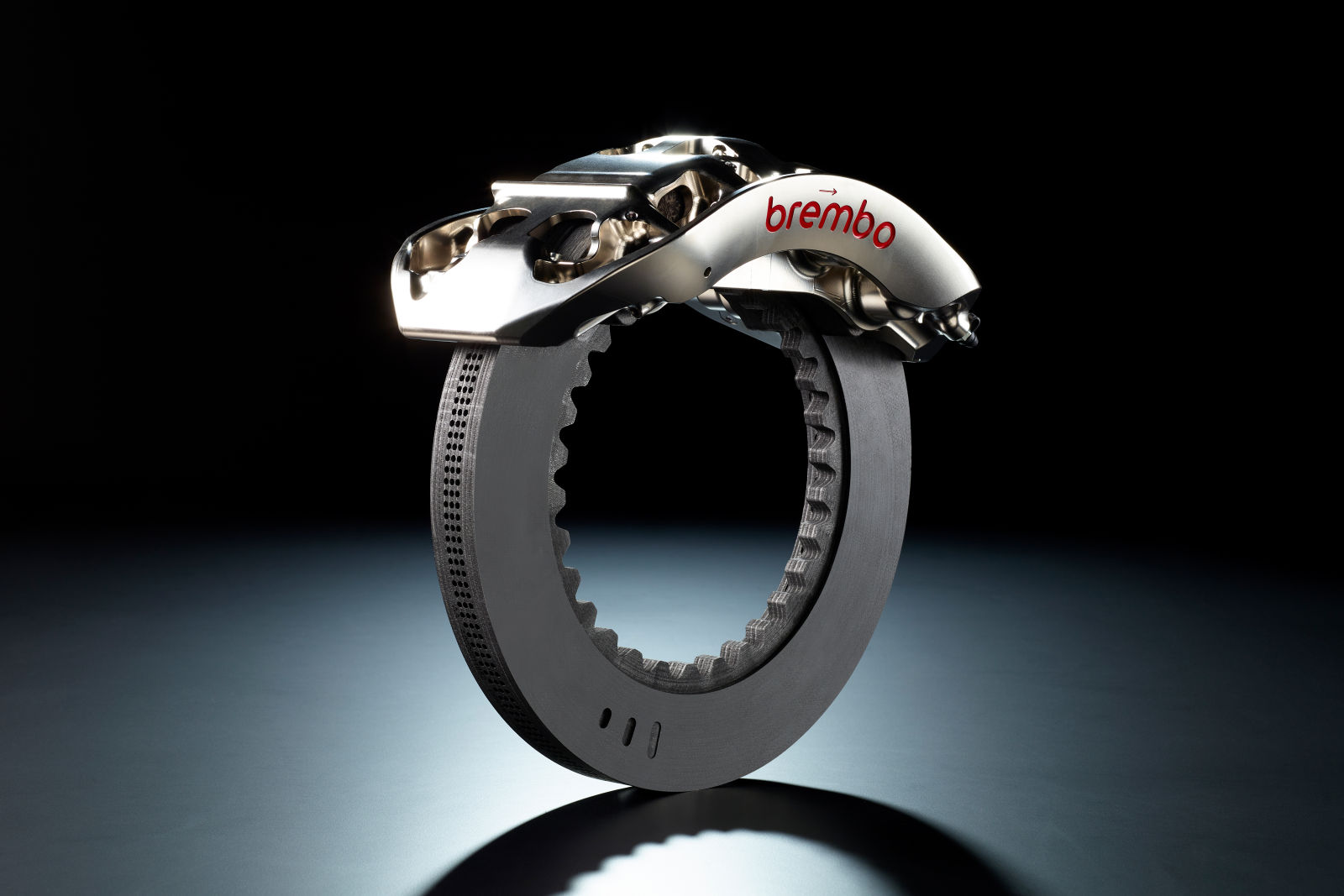
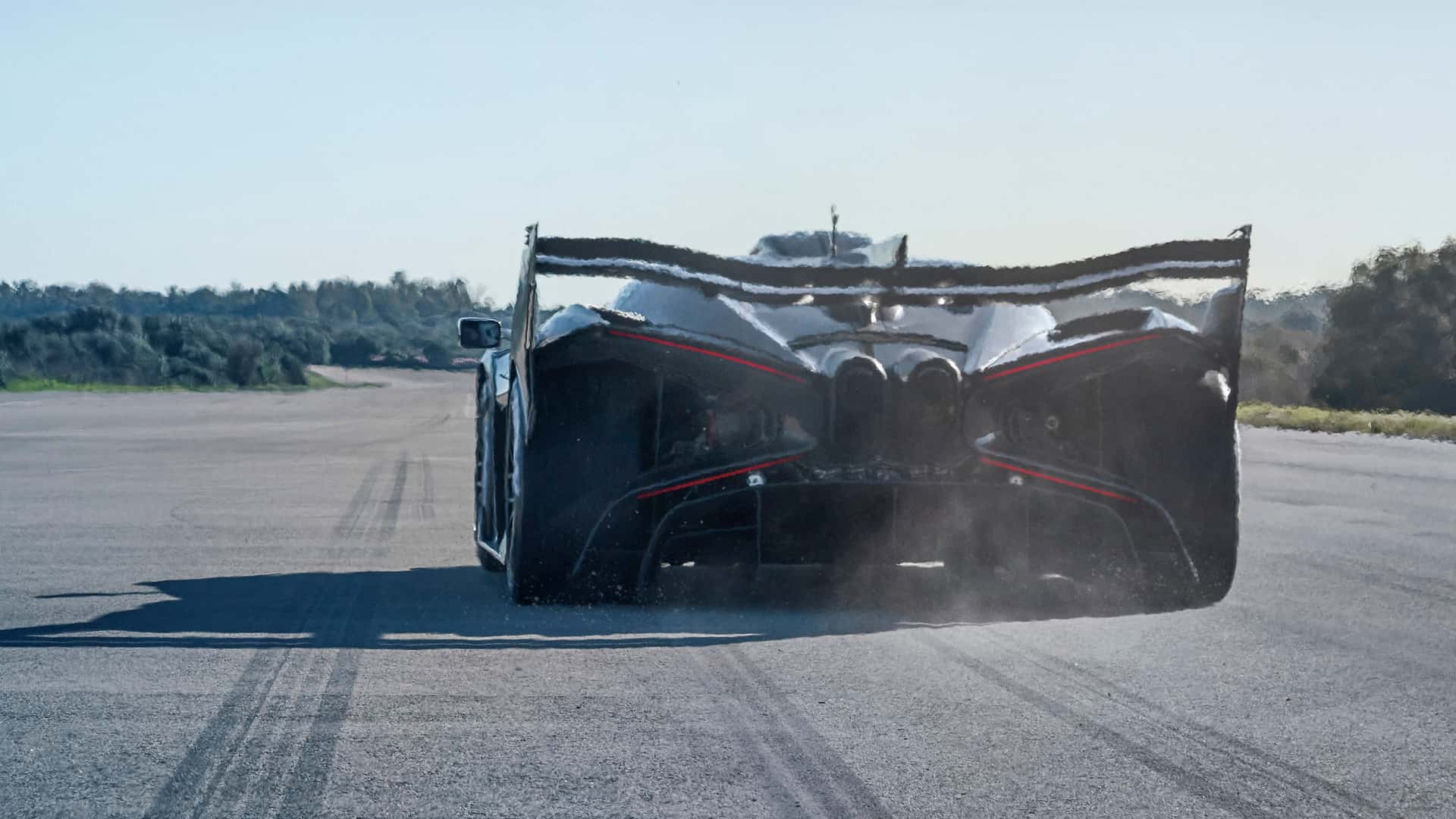
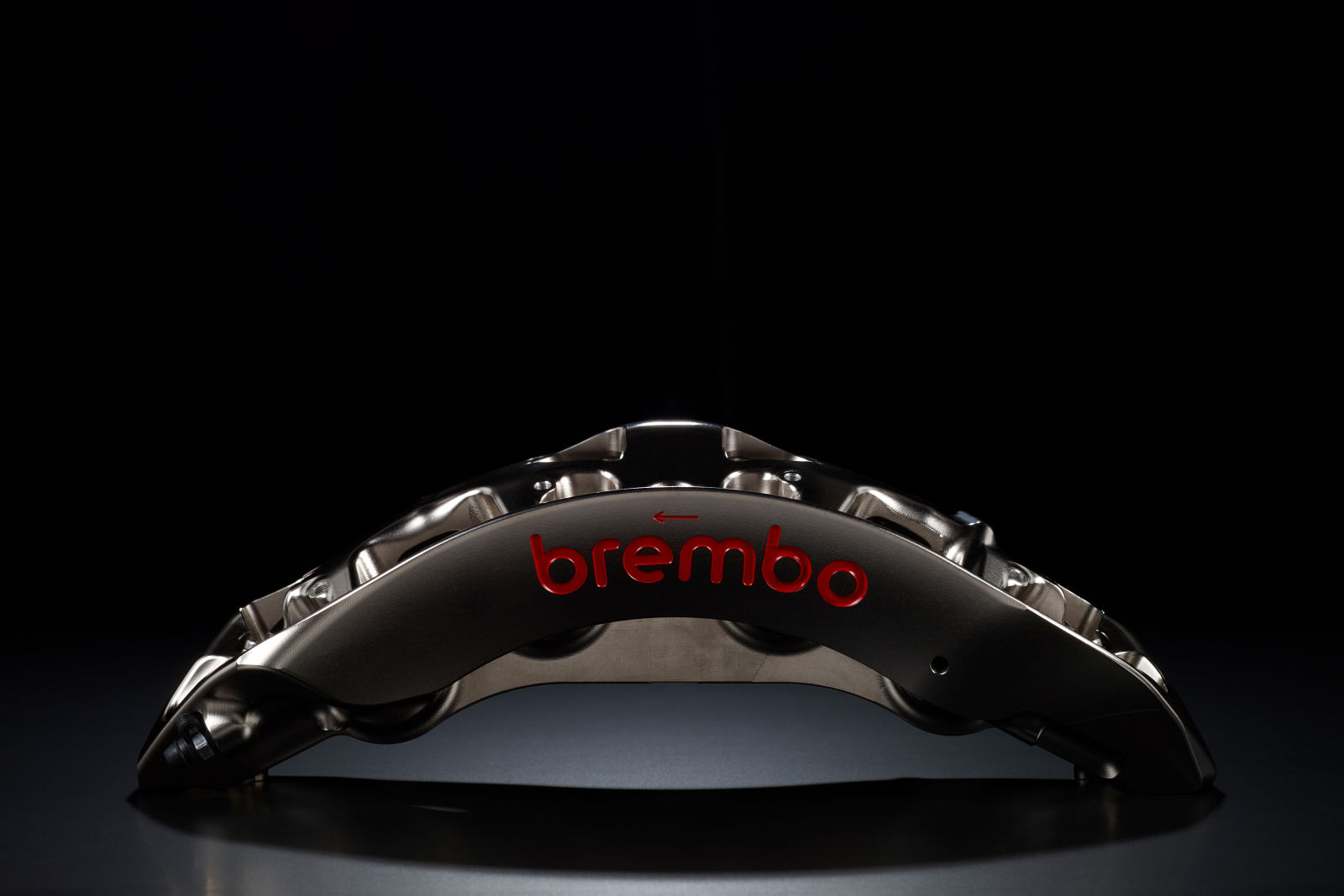
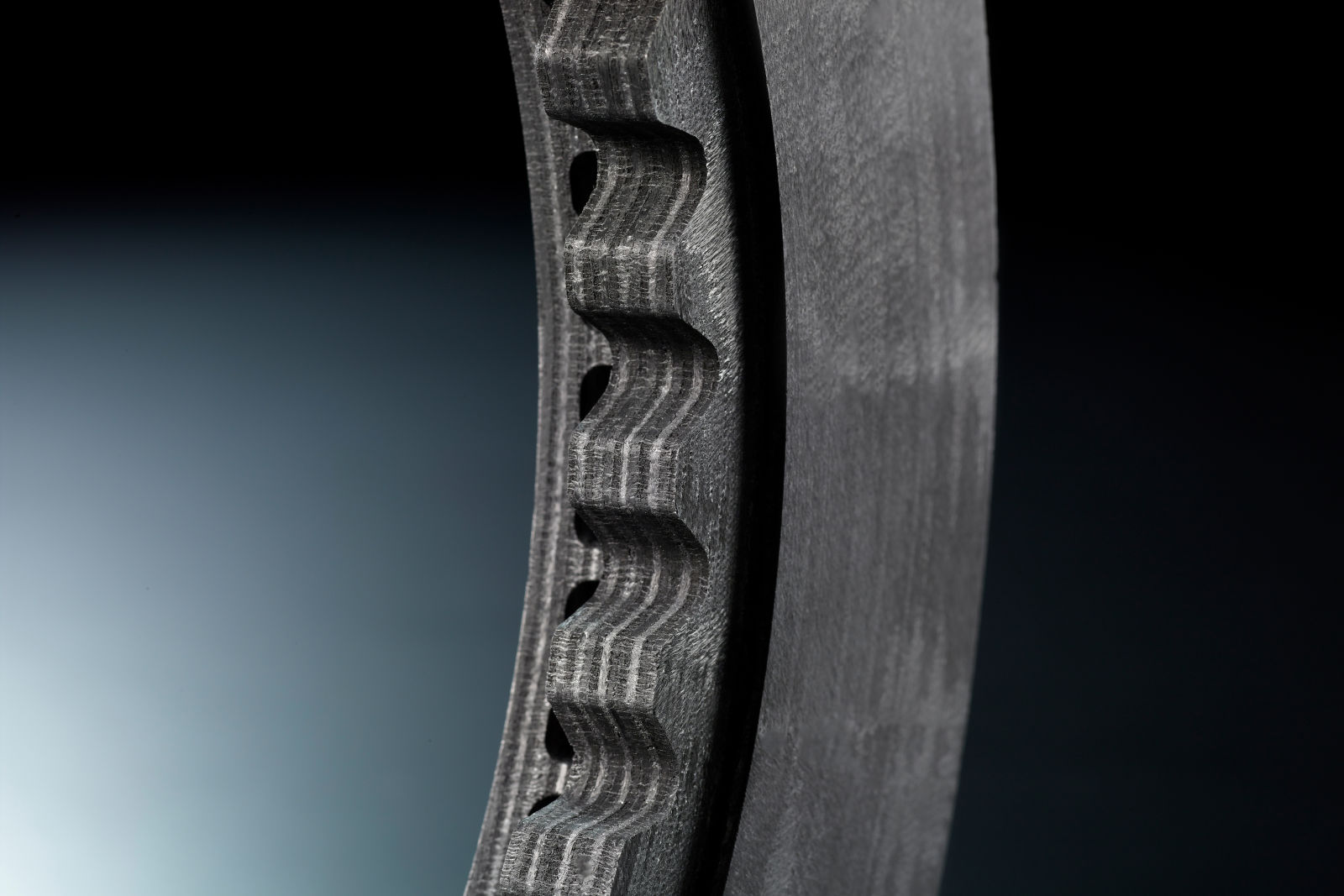
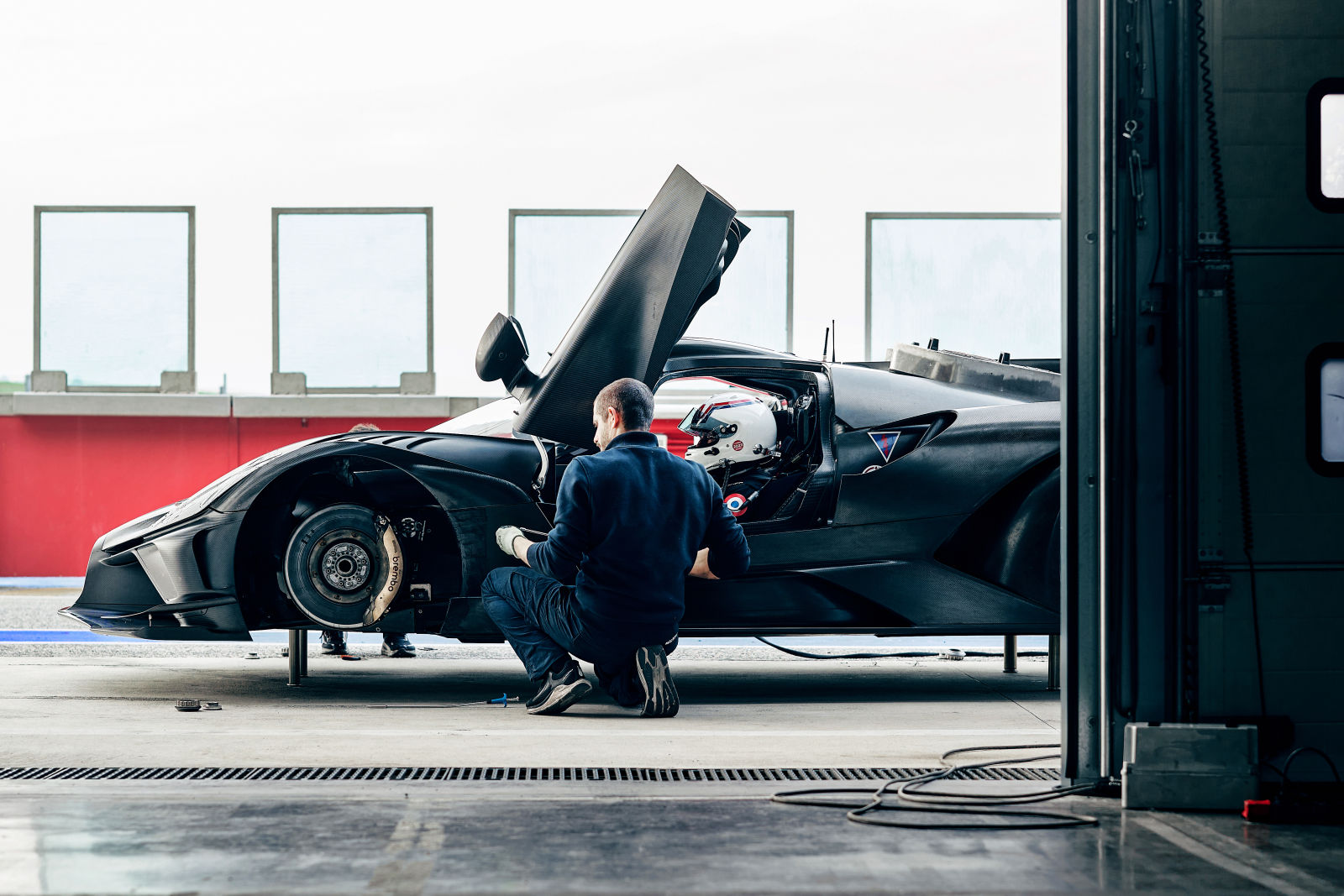
The Bolide’s Brembo braking system, developed over two years, matches the performance of top-tier motorsport machinery. Extensive testing and simulation have fine-tuned its aerodynamics, generating significant downforce and ensuring unparalleled traction and grip with all-wheel drive and high-performance tyres.
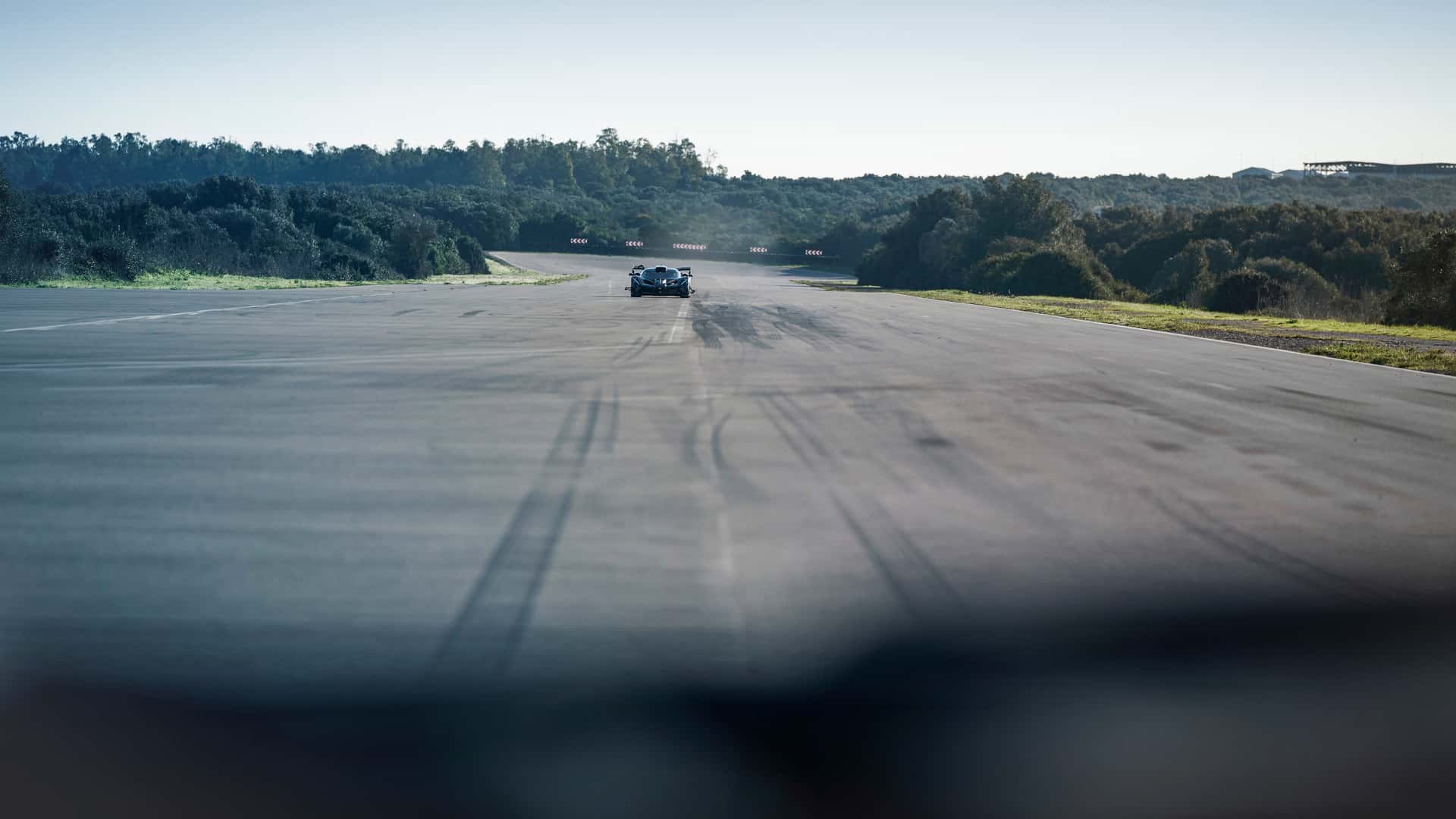
With a top speed of 380km/h in low-downforce configuration, the Bolide rivals Formula 1 cars on the straights. However, its focus on cornering, traction, and braking makes it perfectly suited to circuit driving, delivering precision and agility through every turn. “The feeling when you come out of a corner, press the throttle, and experience that relentless surge of power is incomparable. You come out of that corner at 100km/h, and from there to 200km/h and then 300km/h is an absolute revelation. In that specific scenario, the Bolide would pull away from a Formula 1 car,” said Bugatti Pilote Officiel and legendary Triple Crown winner, Andy Wallace.
Bugatti’s commitment to quality extends to the Bolide’s interior, offering amenities like air conditioning and ergonomic seating for driver comfort during exhilarating laps.
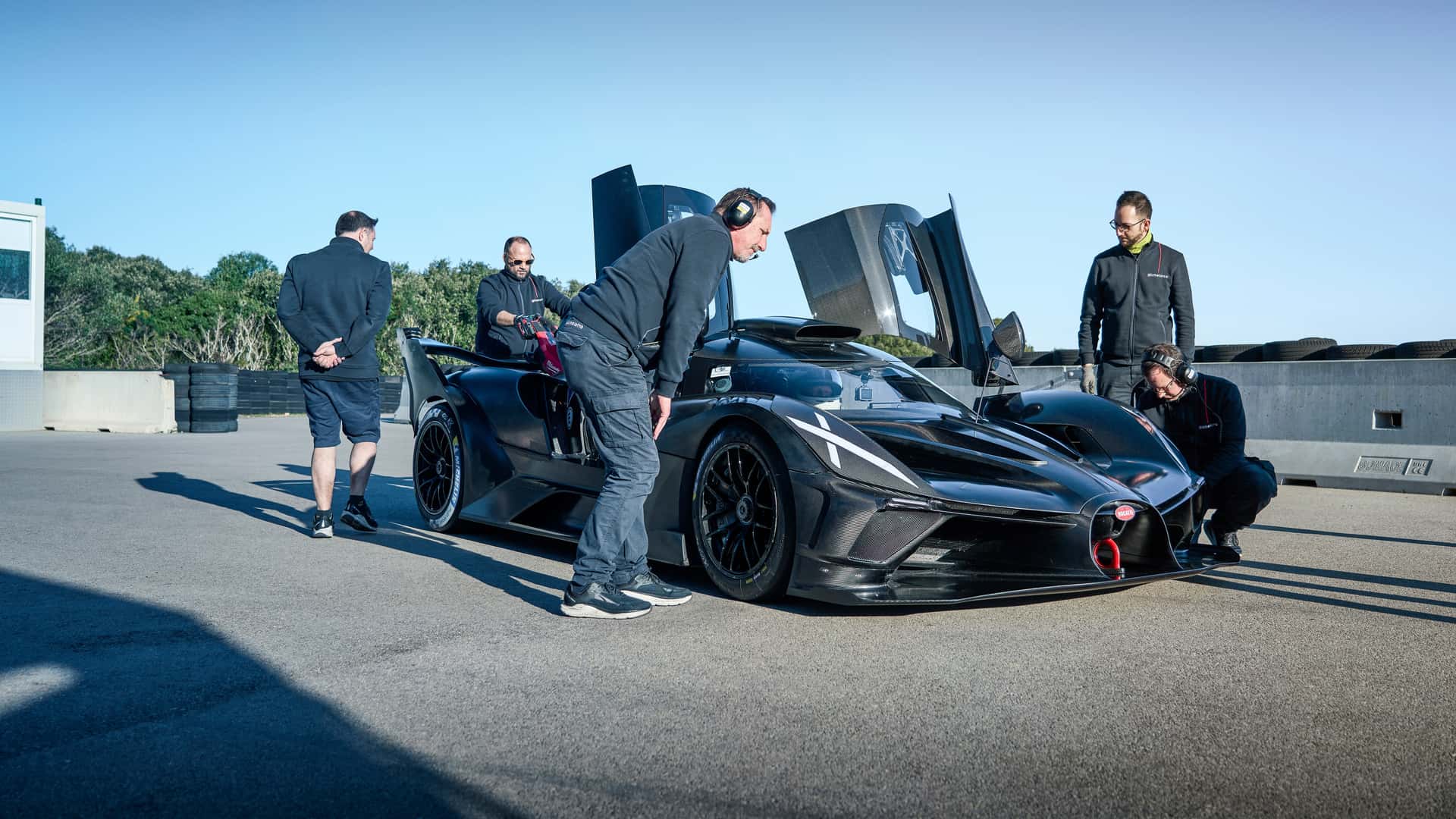
Having completed its testing phase, the Bugatti Bolide is now ready for series production, with the first customer deliveries expected in the coming months.
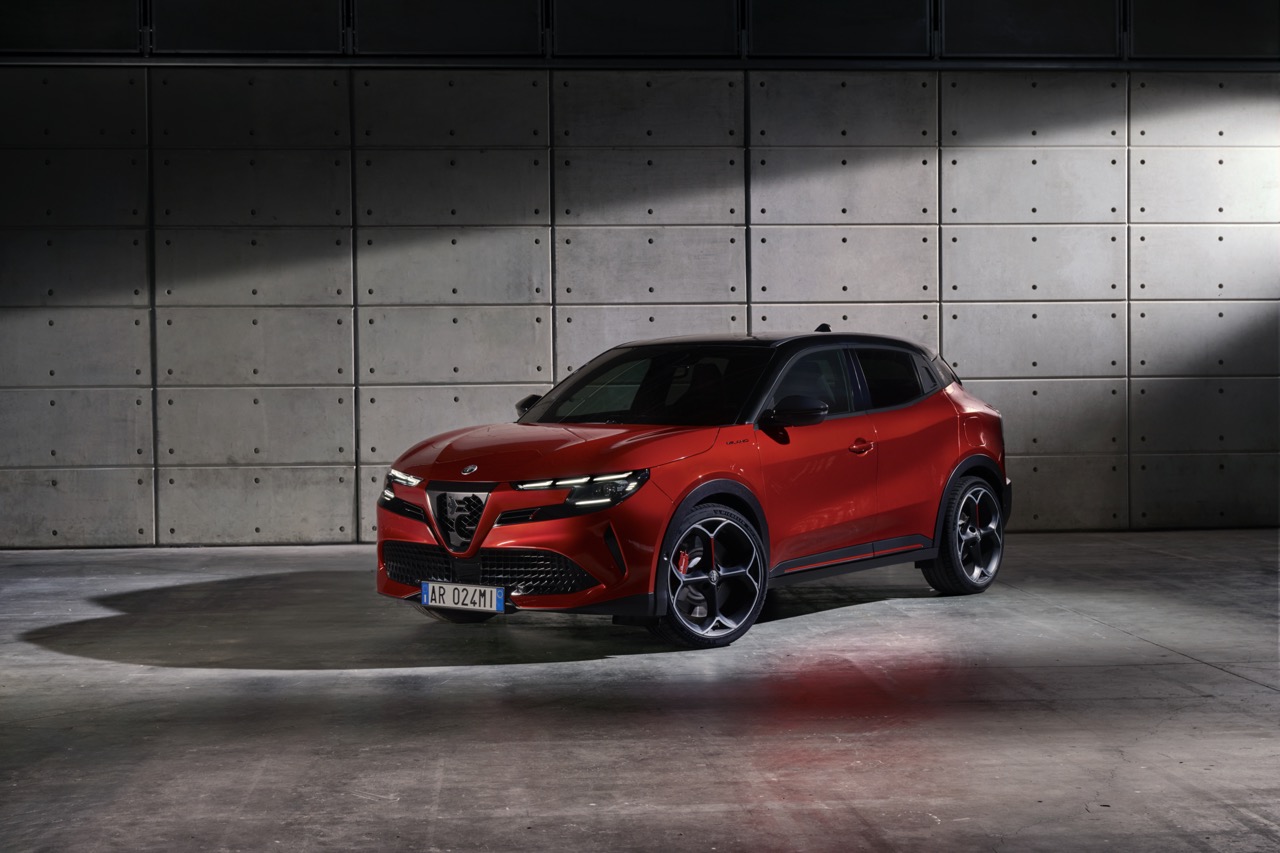
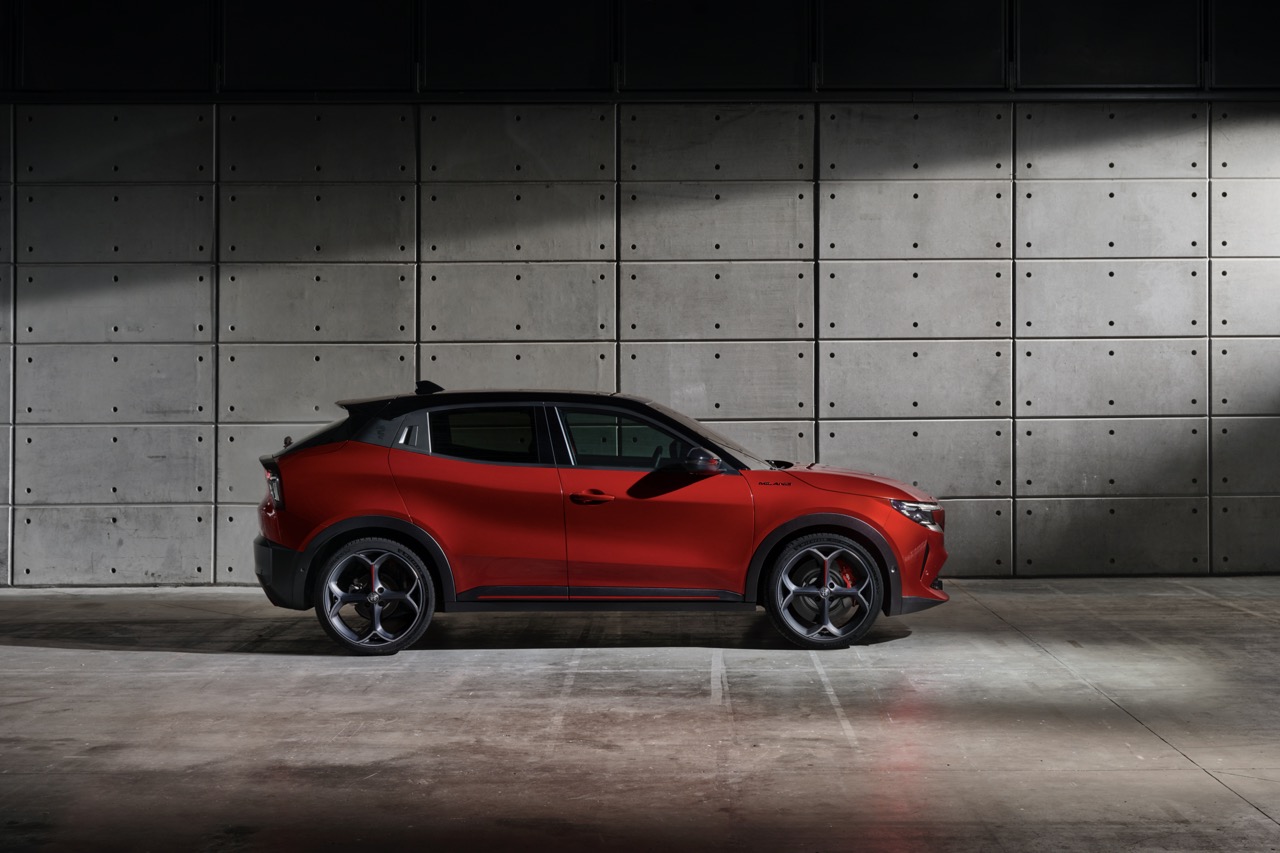
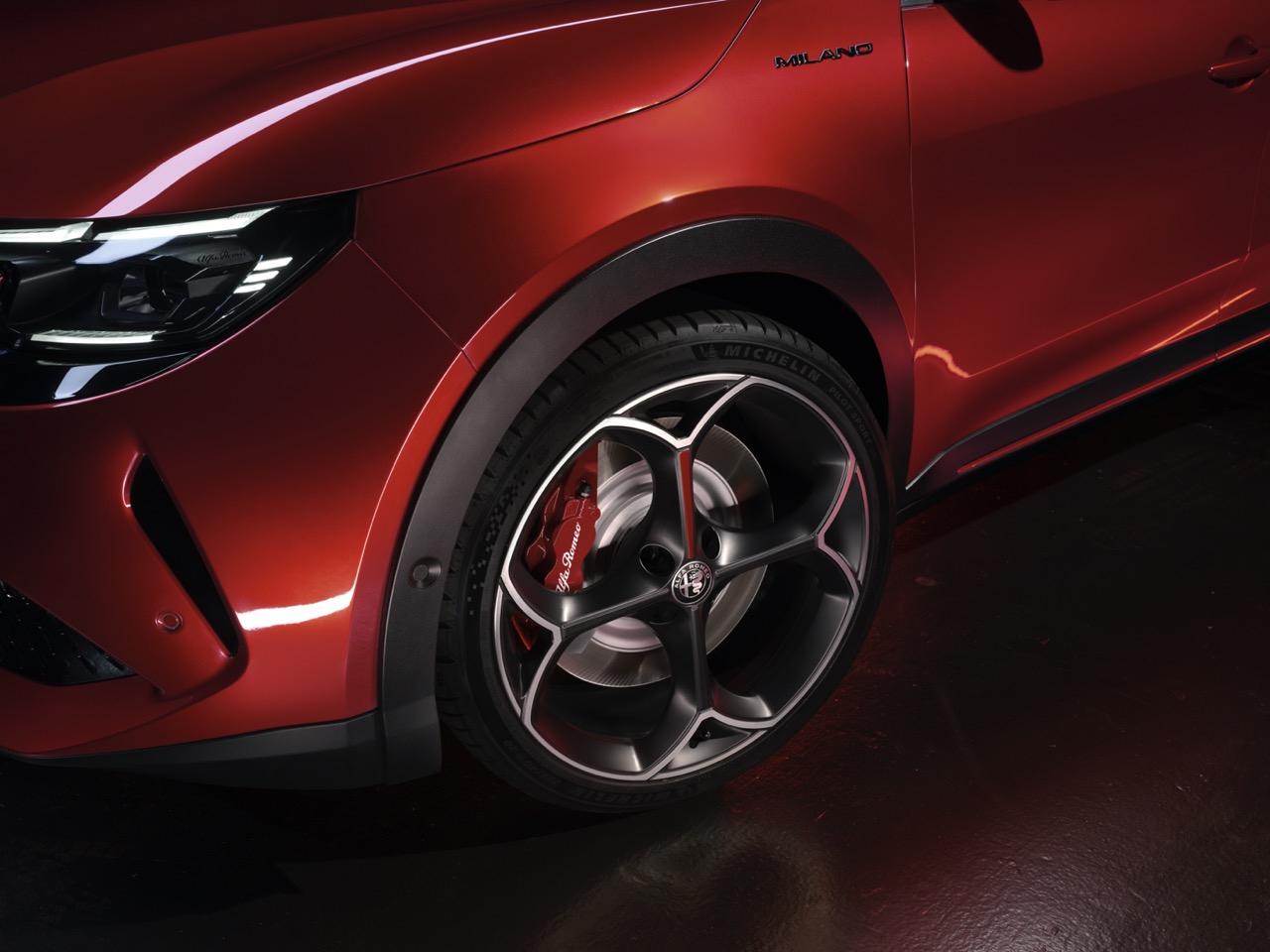
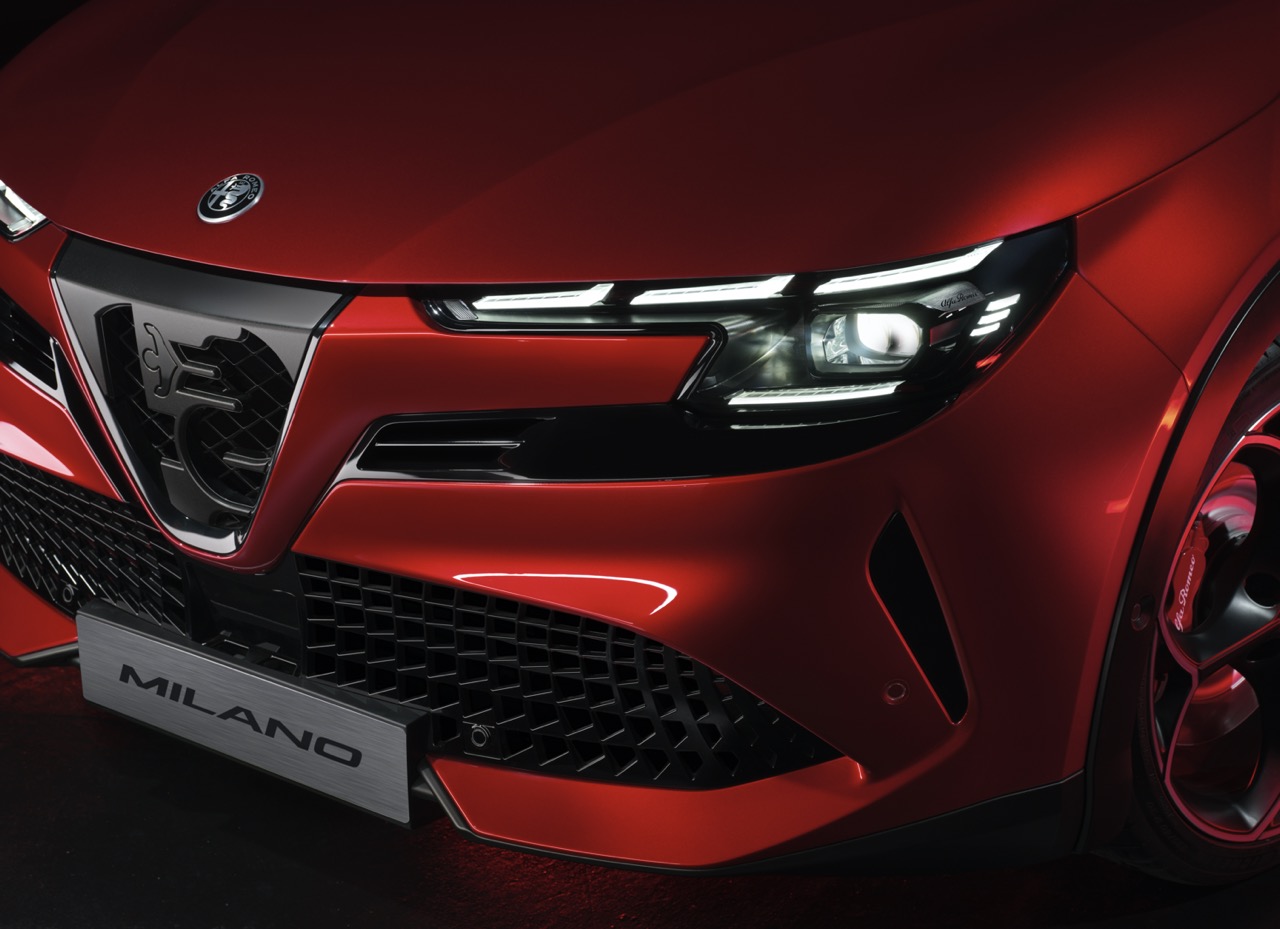
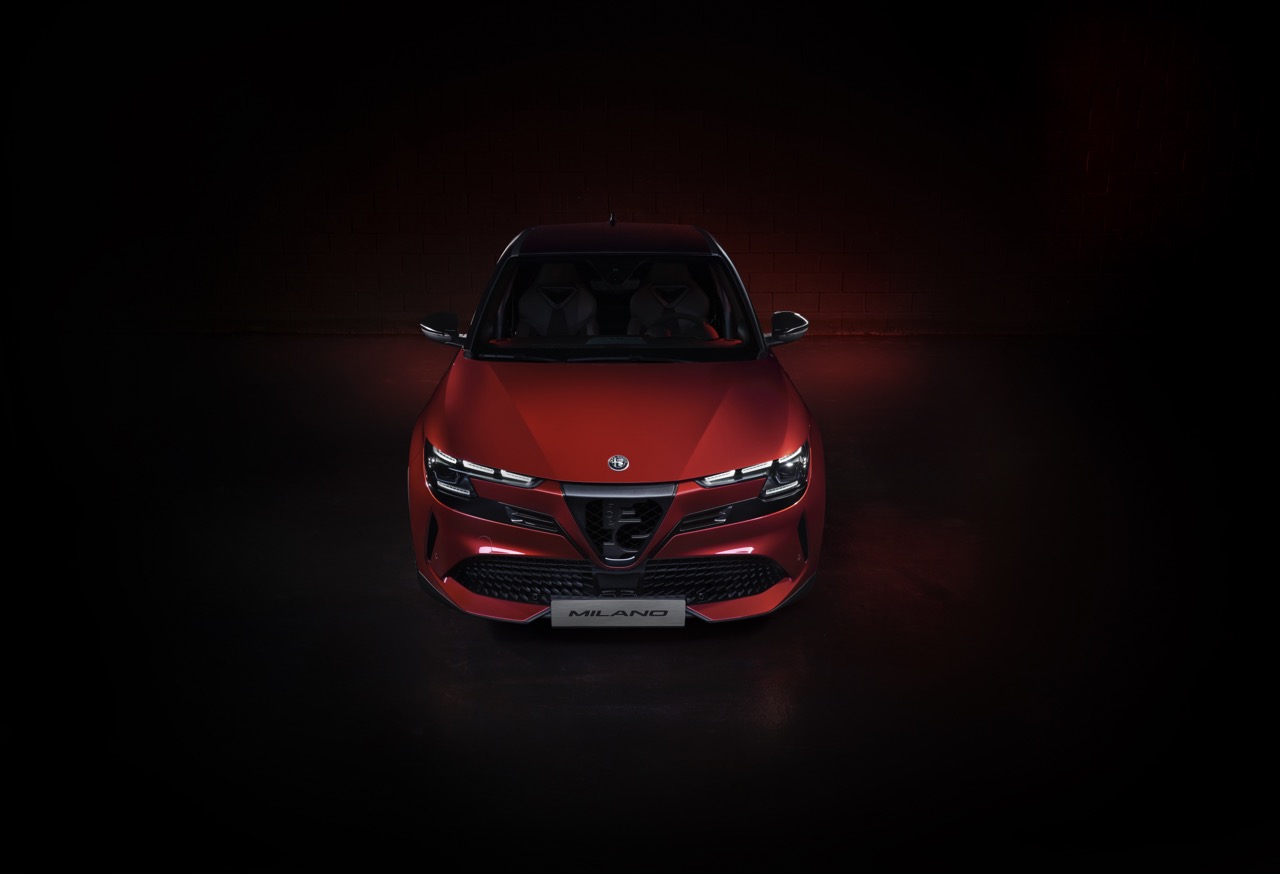
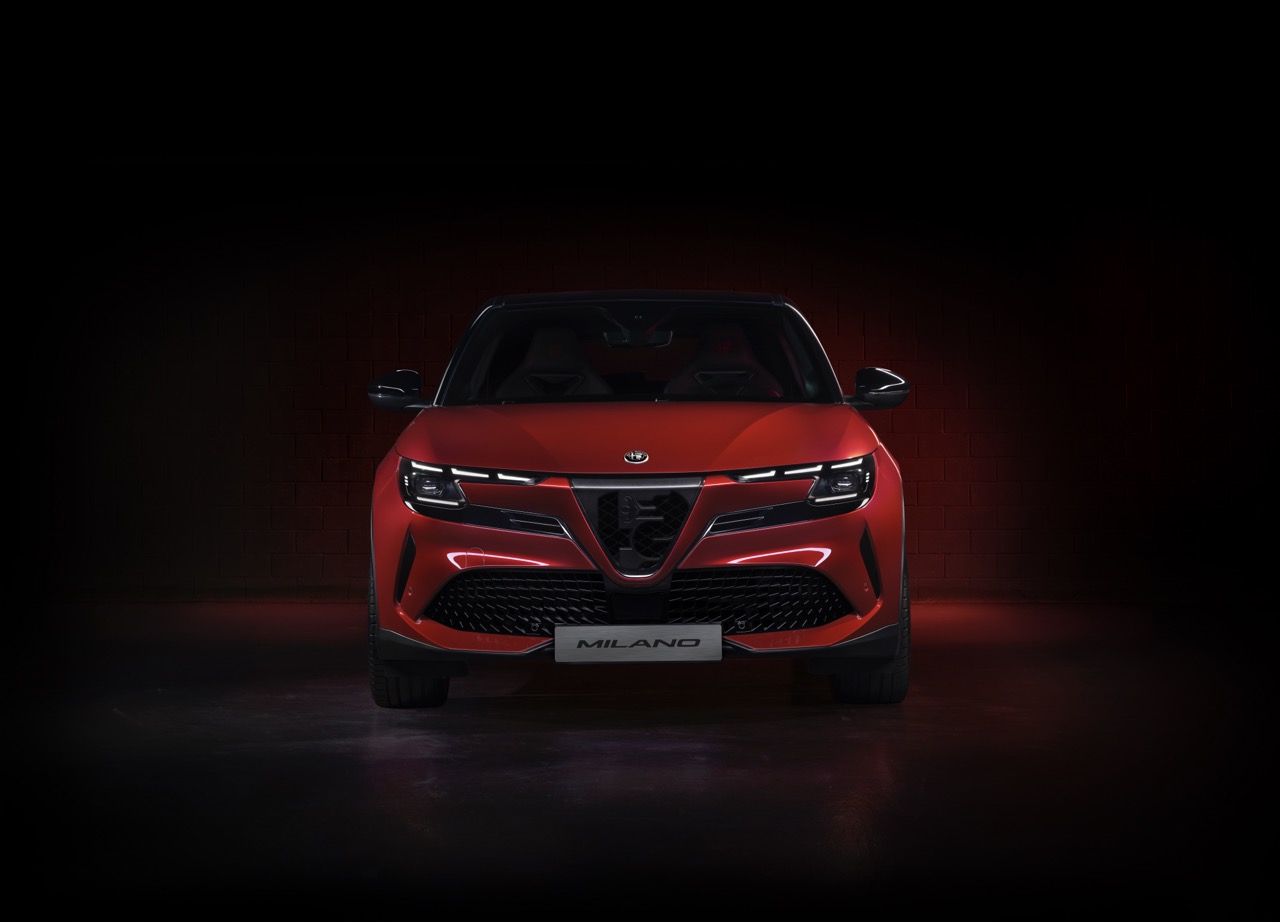
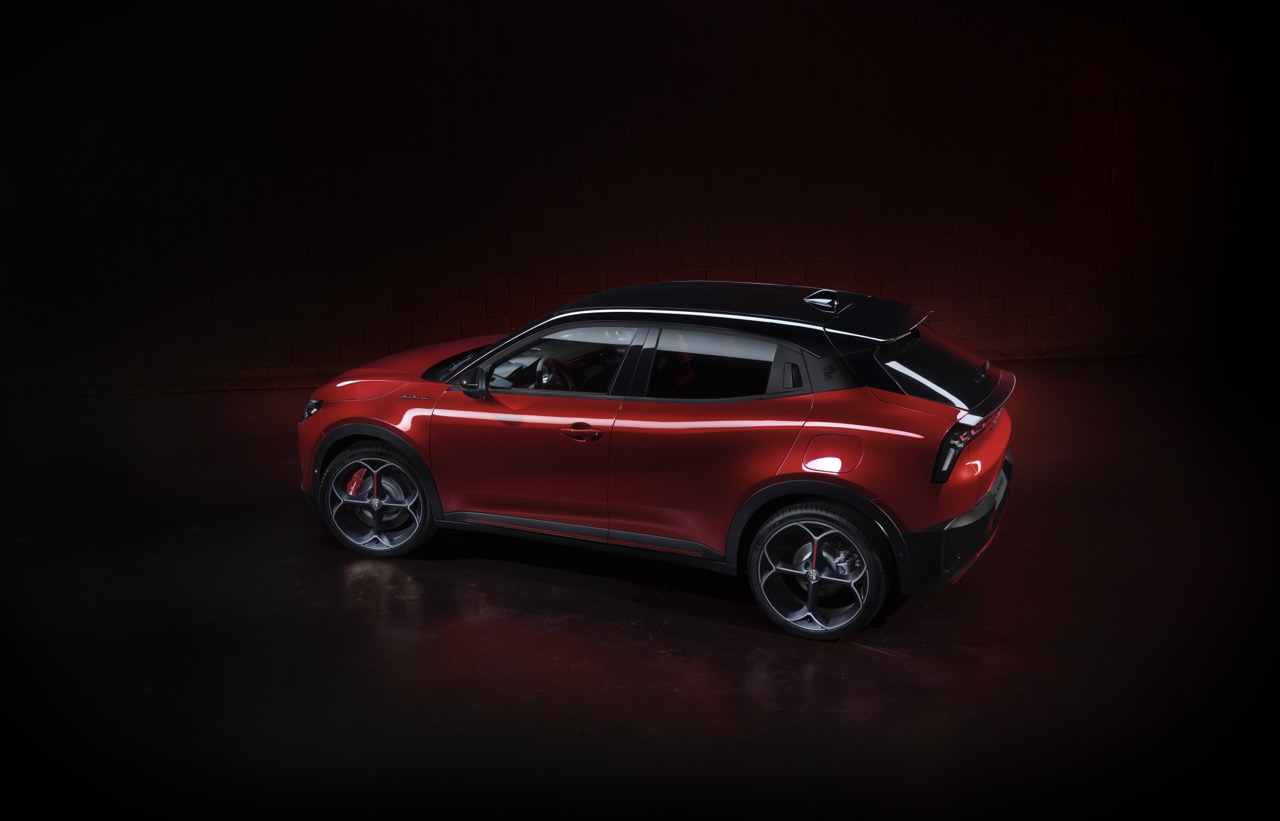
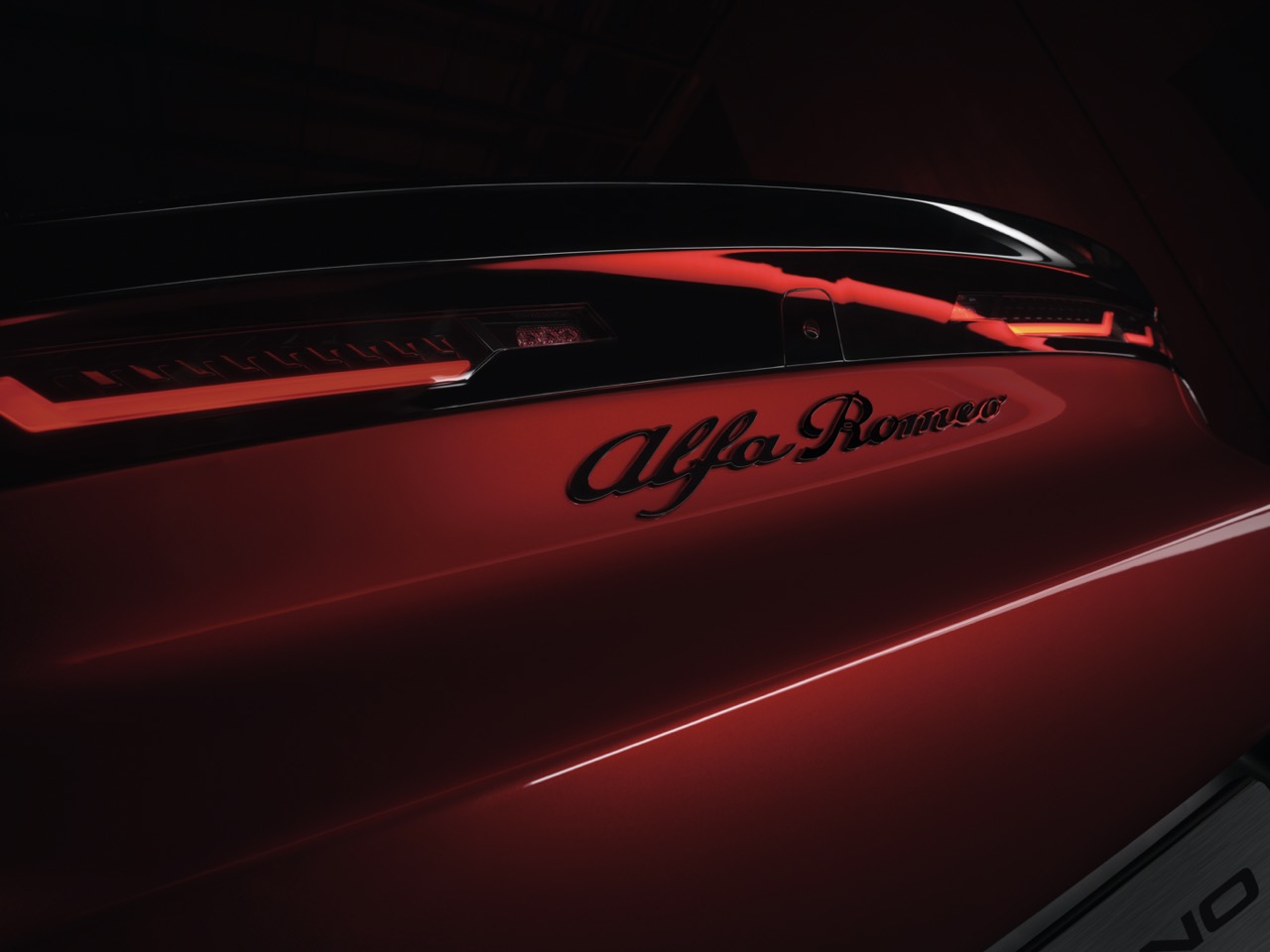
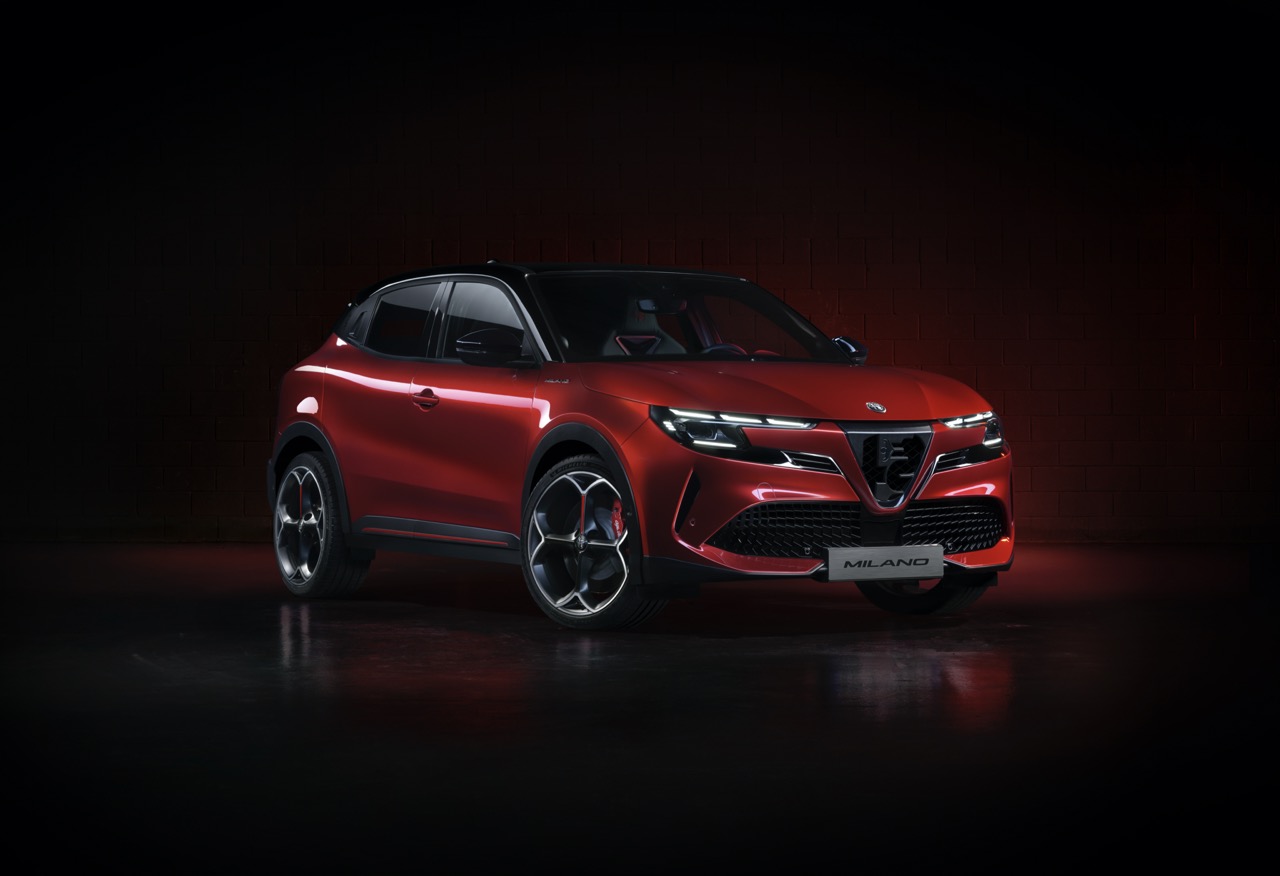
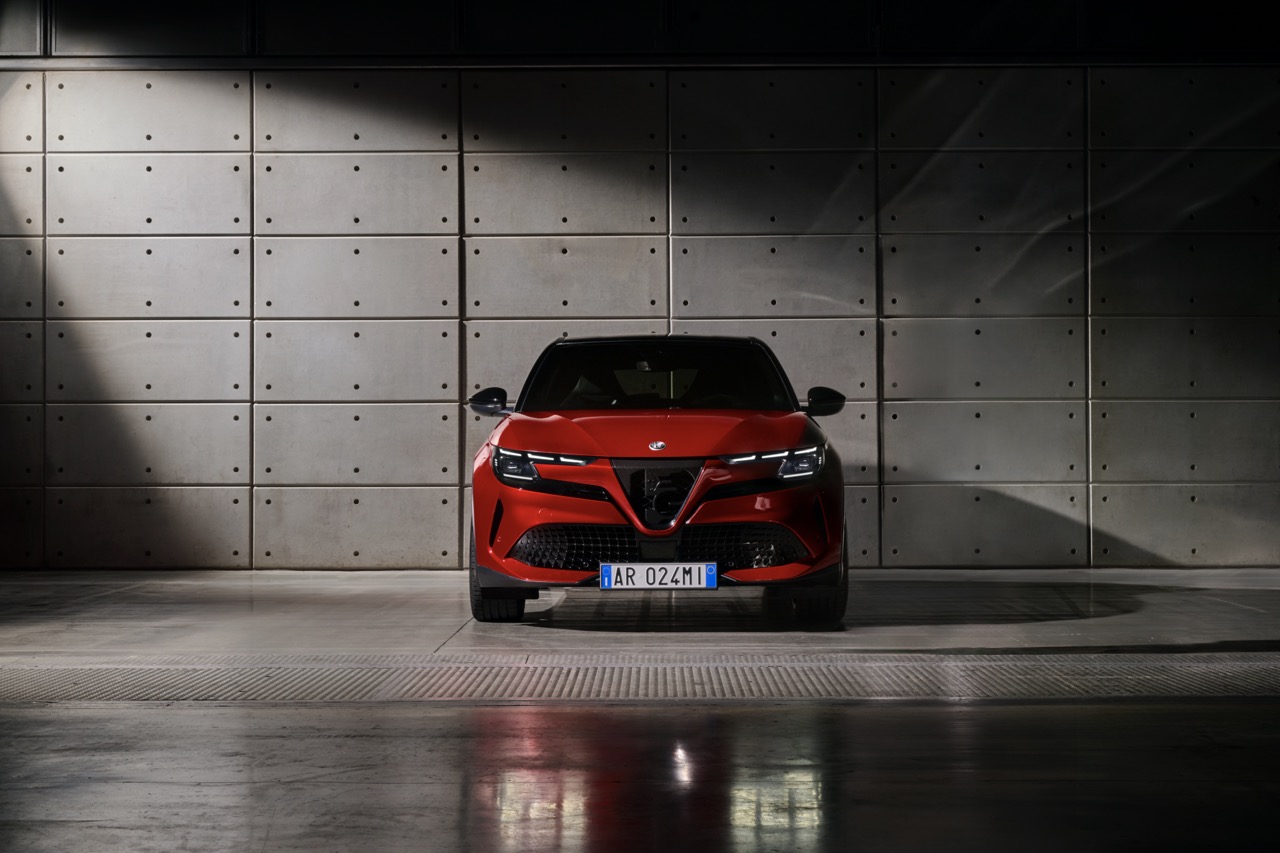
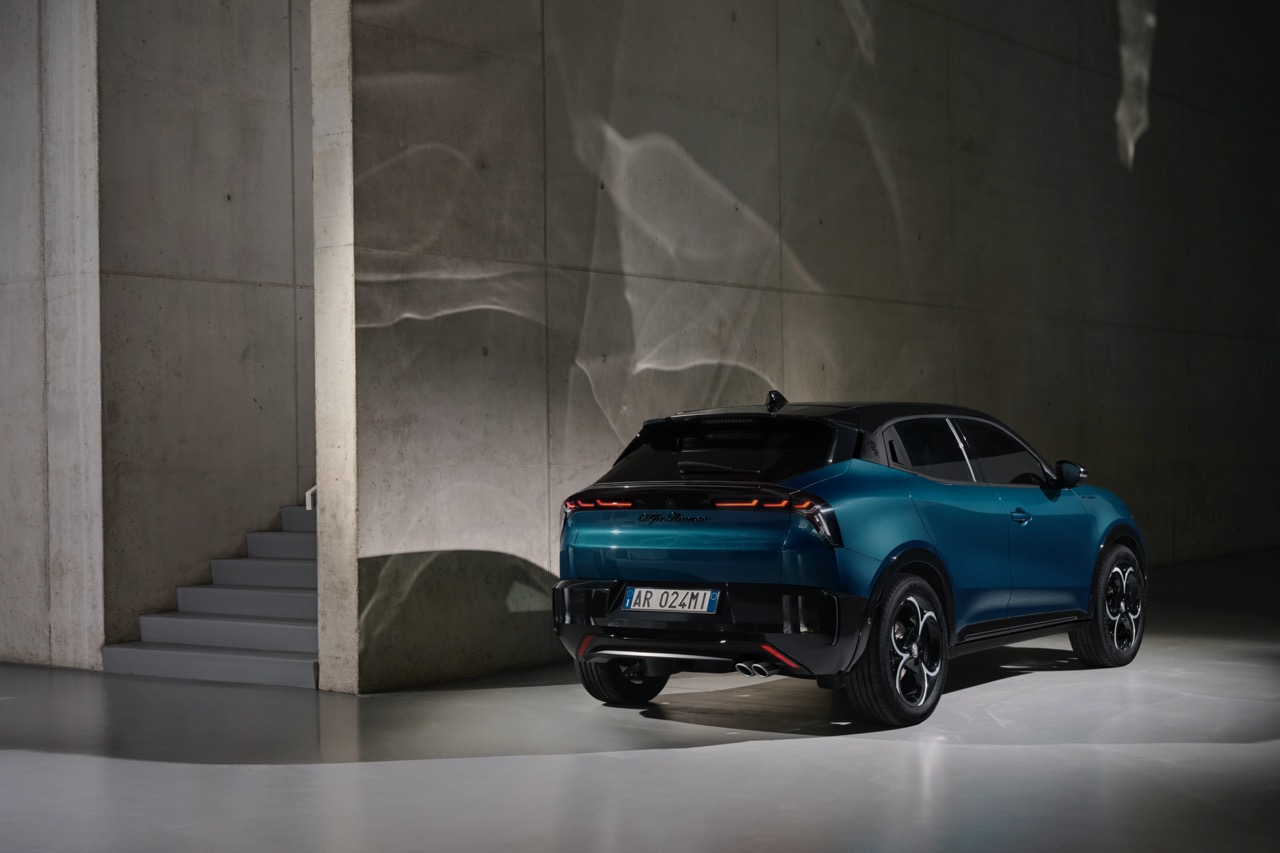
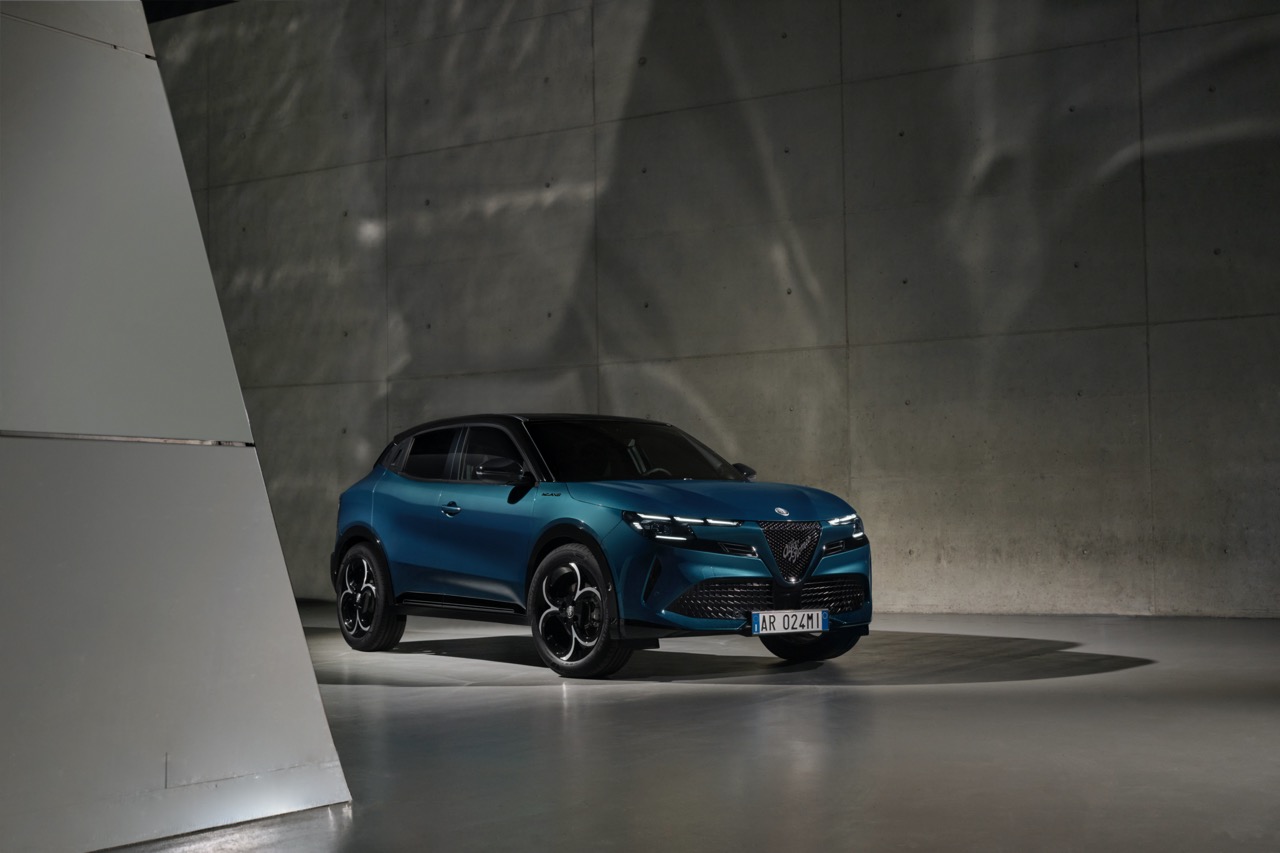
Alfa Romeo has unveiled the Milano as its latest addition to the SUV lineup and its first-ever series-production electric car.
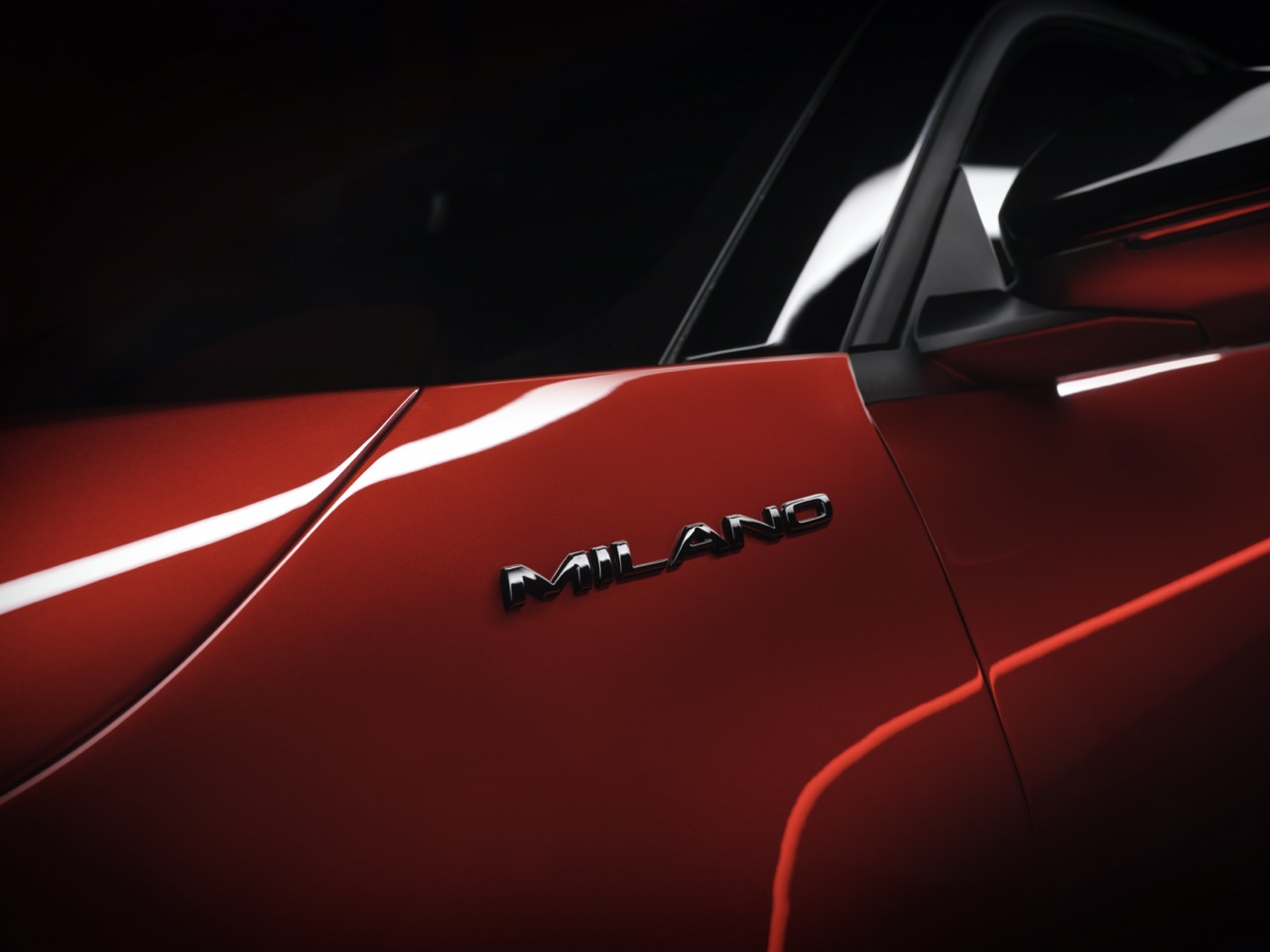
Named after the brand’s hometown, the Milano is an urban-focused crossover that aims to capture the essence of the Giulietta and Mito hatchbacks while offering premium appeal and engaging driving dynamics to attract a new generation of Alfisti.
Jean-Philippe Imparato, Alfa Romeo boss, stated that the Milano is designed to transition the brand “from exclusive to inclusive,” emphasising its position alongside the ultra-exclusive 33 Stradale. He noted, “Alfa is the only brand that is able to sell a car at €2 million and €30,000.”
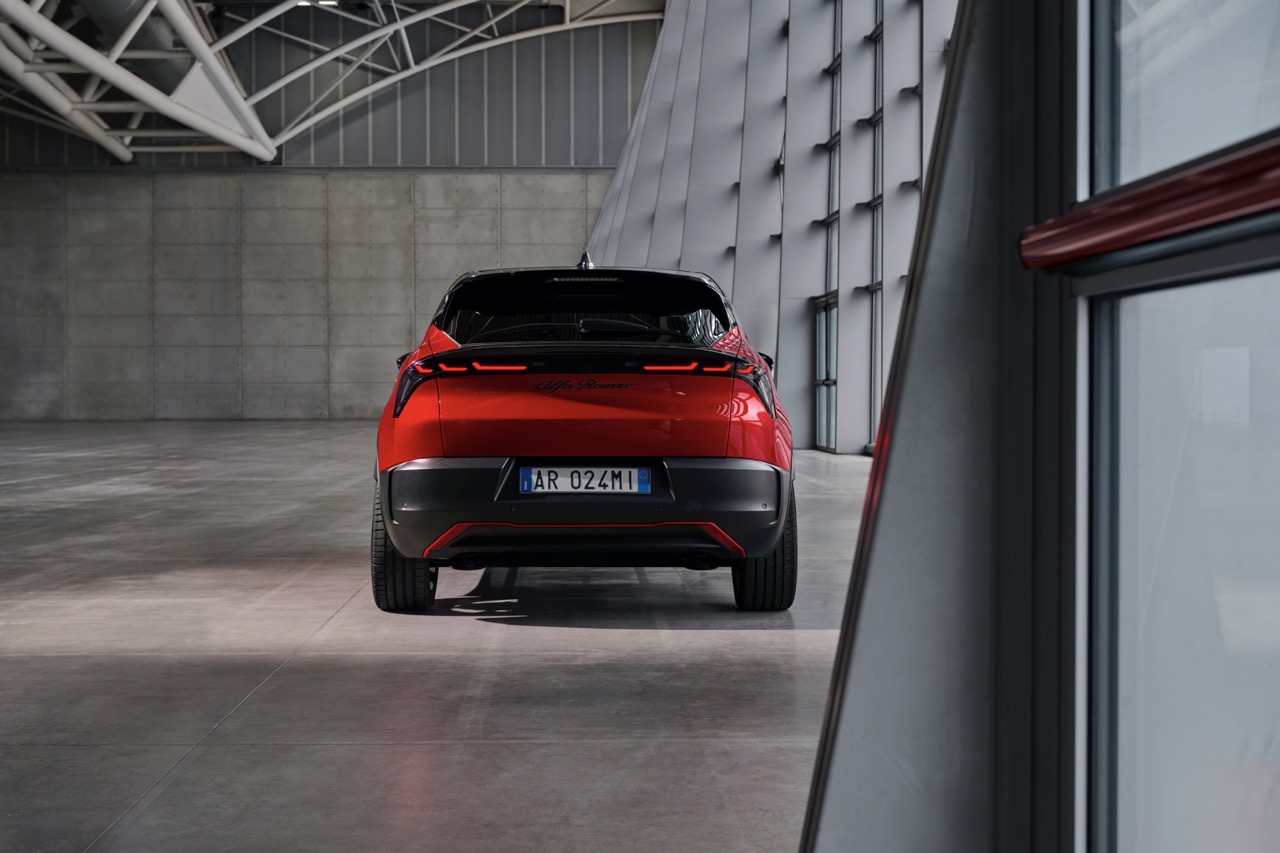
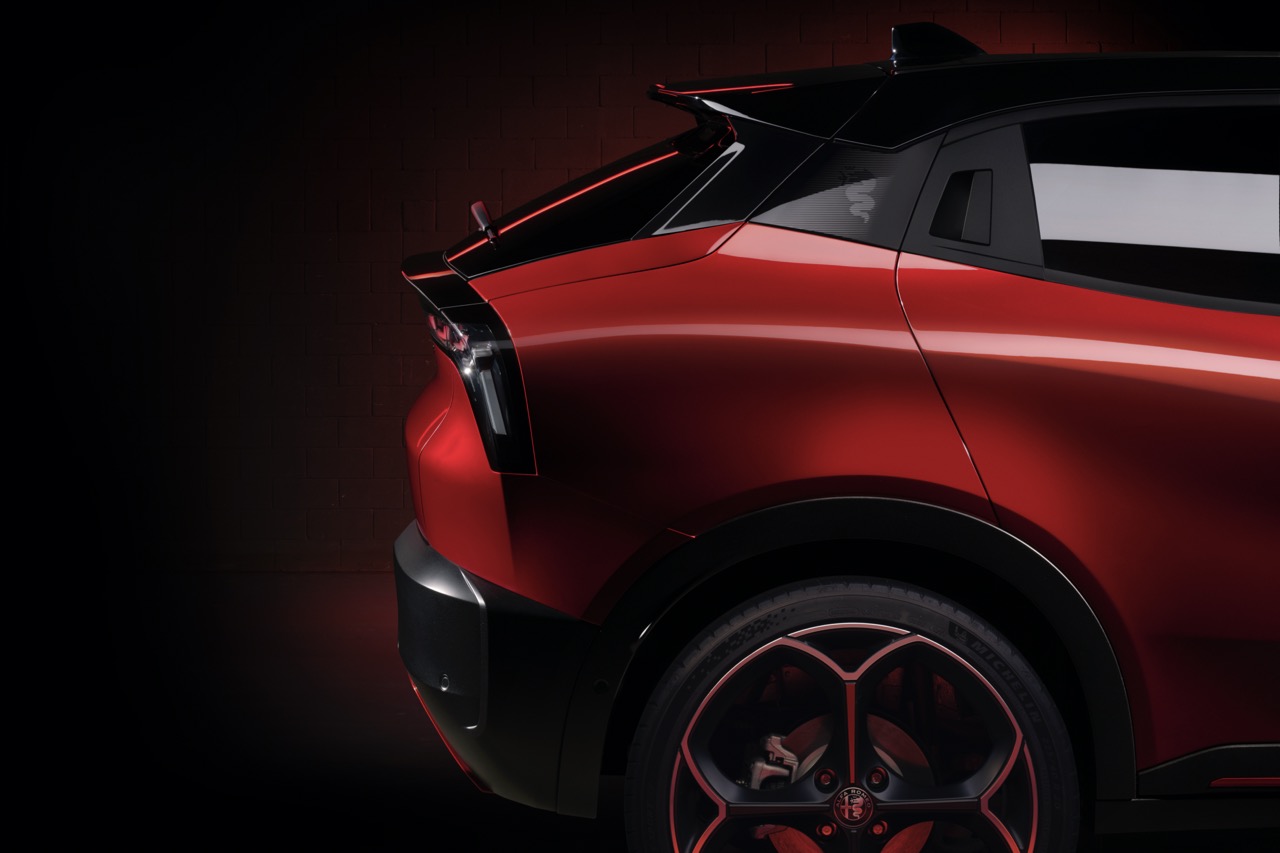
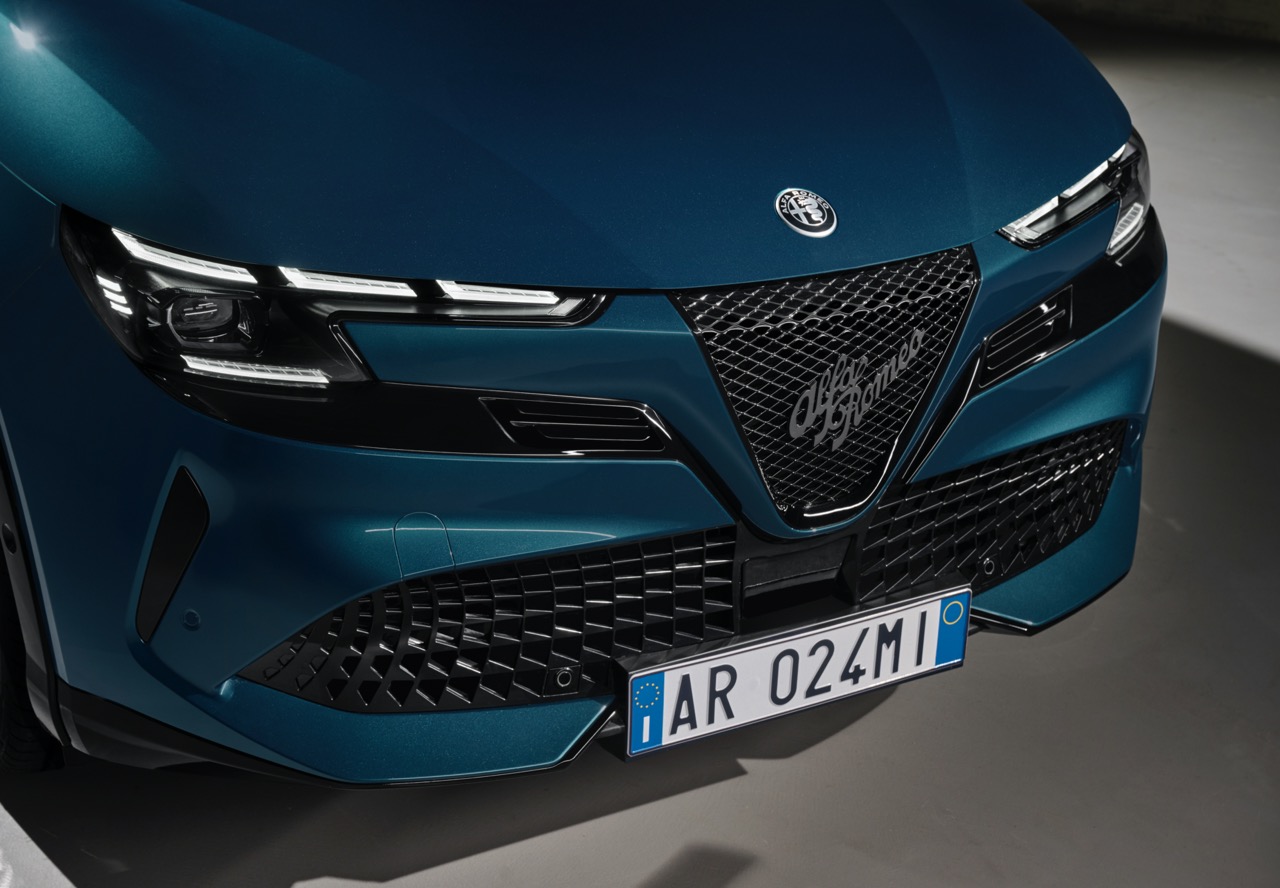
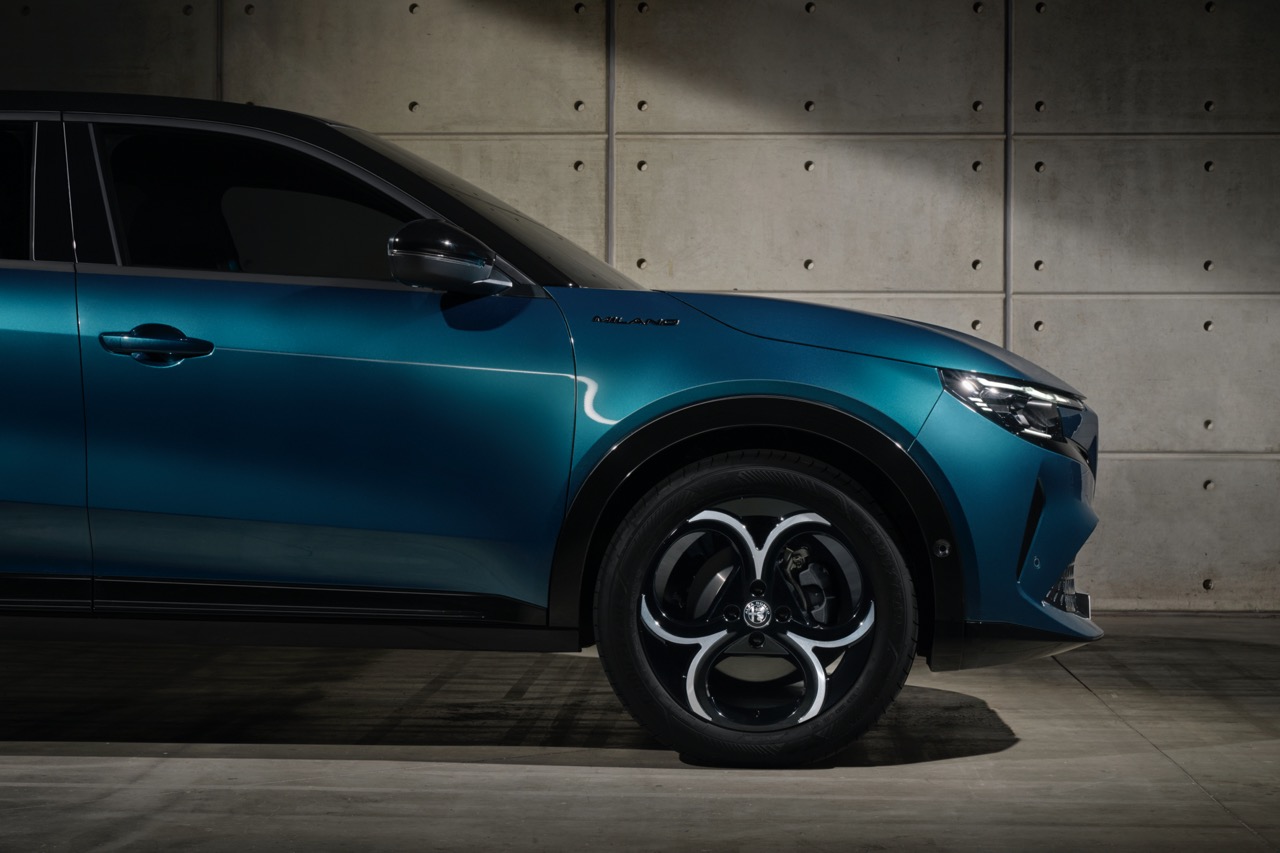
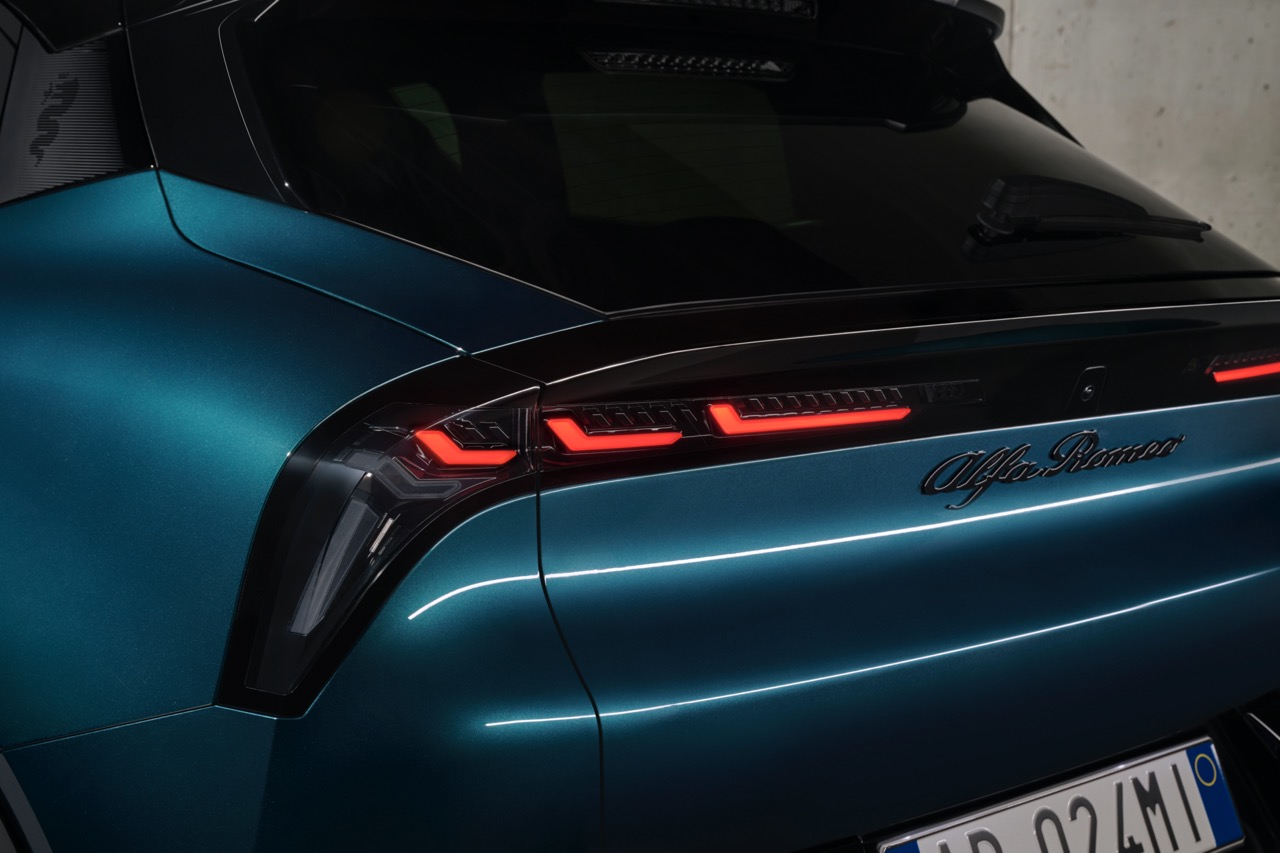
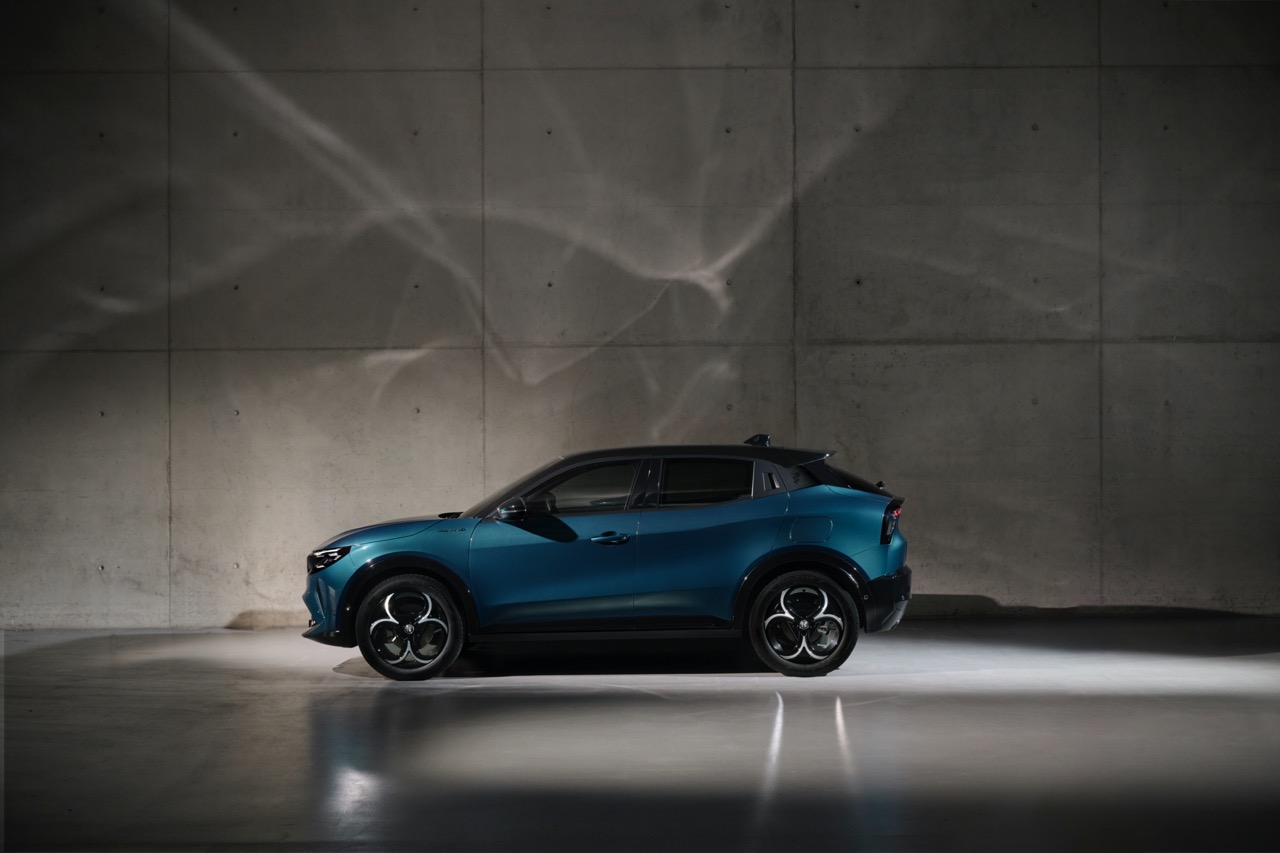
With dimensions of 4170mm length, 1780mm width, and 1500mm height, the Milano incorporates bold new design elements while paying homage to Alfa’s heritage with features like swollen wheel arches, a ‘coda tronca’ bluff rear end, and SZ-inspired headlights. Its distinctive front-end grille features stylised elements from the brand’s logo in electric versions. For reference, the smart #1 measures 4270mm in length, 1636mm in height, and 1822mm in width.
The Milano is available with either electric or mild-hybrid petrol power, sharing a platform with models like the Citroën C4, Fiat 600, Jeep Avenger, and Peugeot 2008. The Milano Ibrida combines a 1.2-litre three-cylinder petrol engine with a 48V starter-generator and a 28bhp electric motor for 134bhp and the option of short-distance EV driving. The Milano Elettrica features a 54kWh battery, offering a range of 410km and a front-mounted 154bhp motor for engaging performance.
Alfa emphasises the Milano’s driving dynamics, boasting optimal mass distribution and best-in-class handling tuned by the same team responsible for the Giulia GTA super-saloon. The top-tier Veloce variant offers the most driver-focused experience with a 237bhp motor, Torsen limited-slip differential, and agile chassis upgrades.
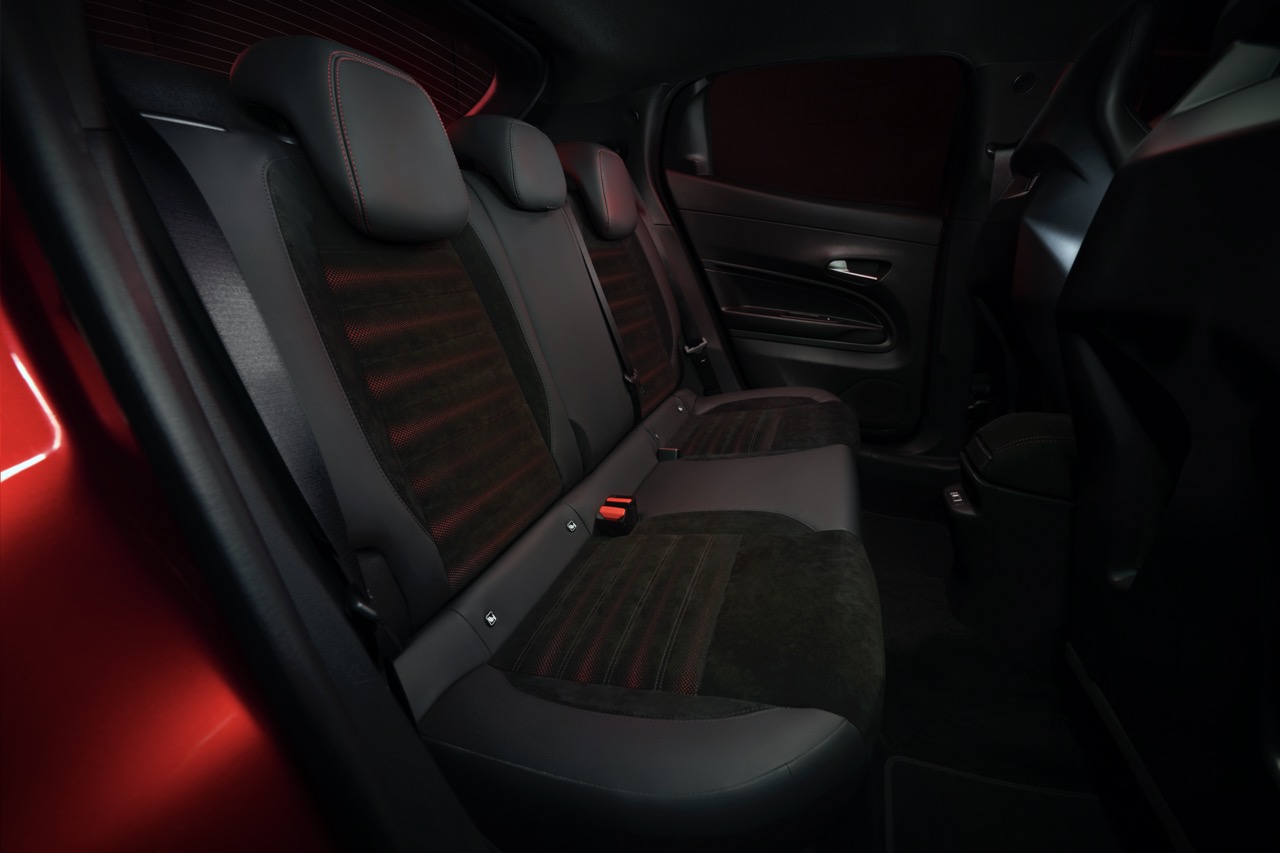
Technological features include LED matrix lights, a virtual assistant, and hands-free boot lid, while premium trims offer massaging seats and ambient lighting.
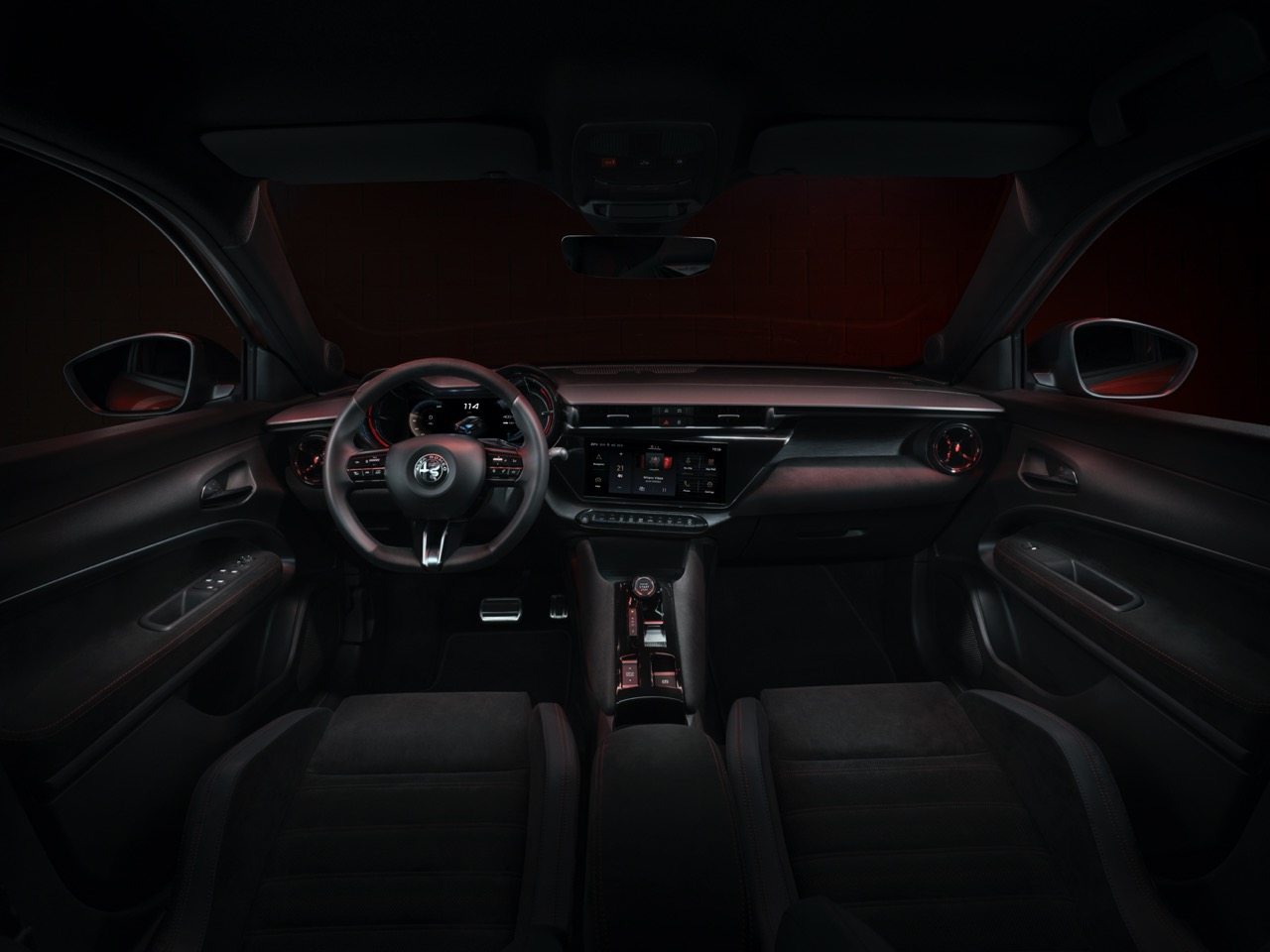
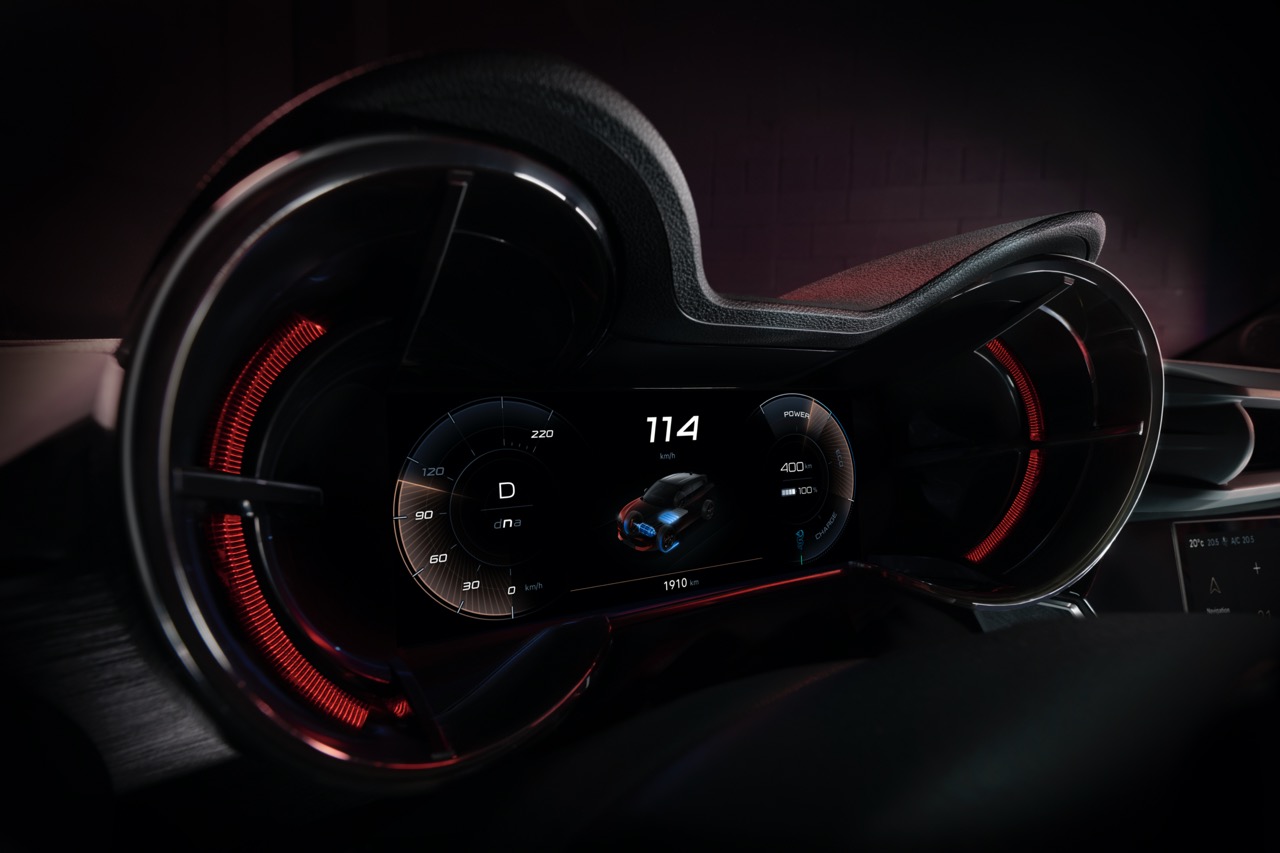
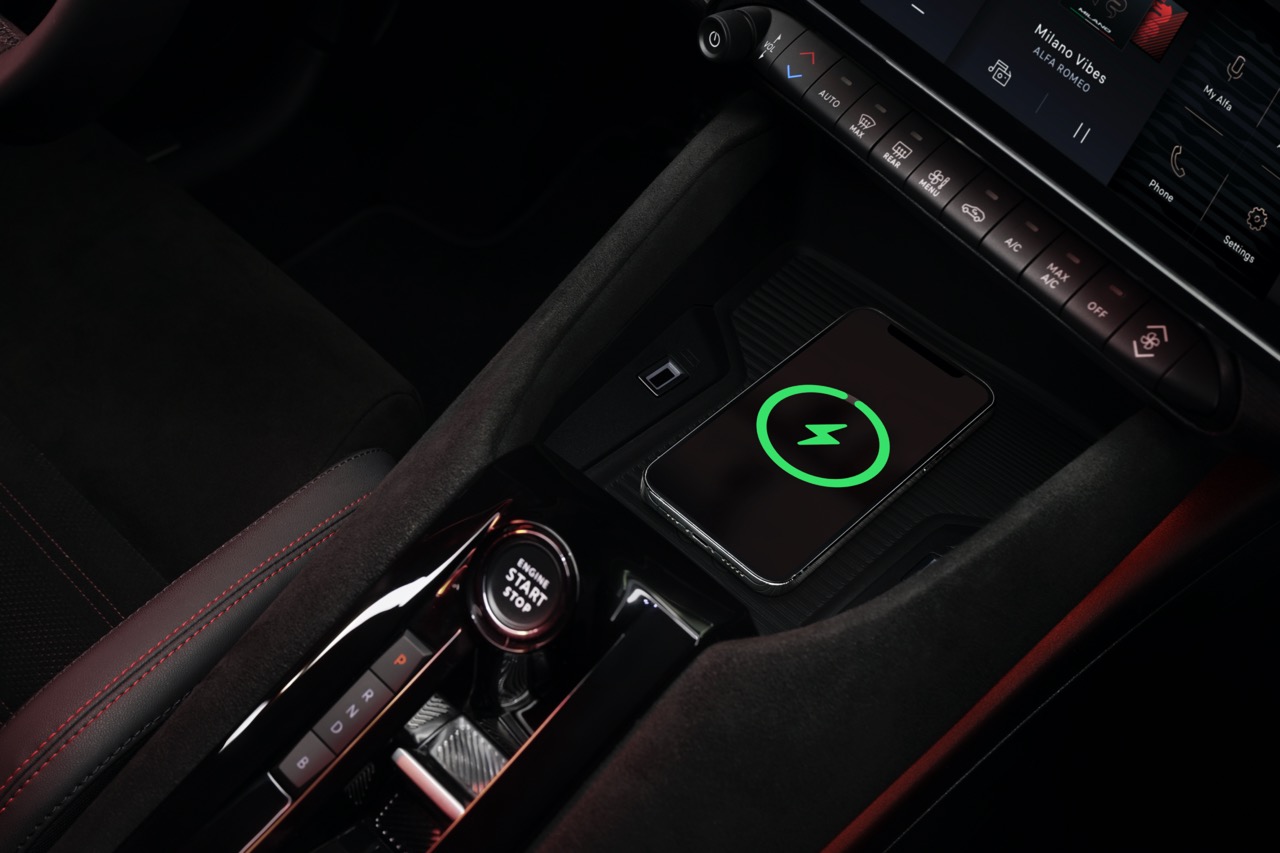
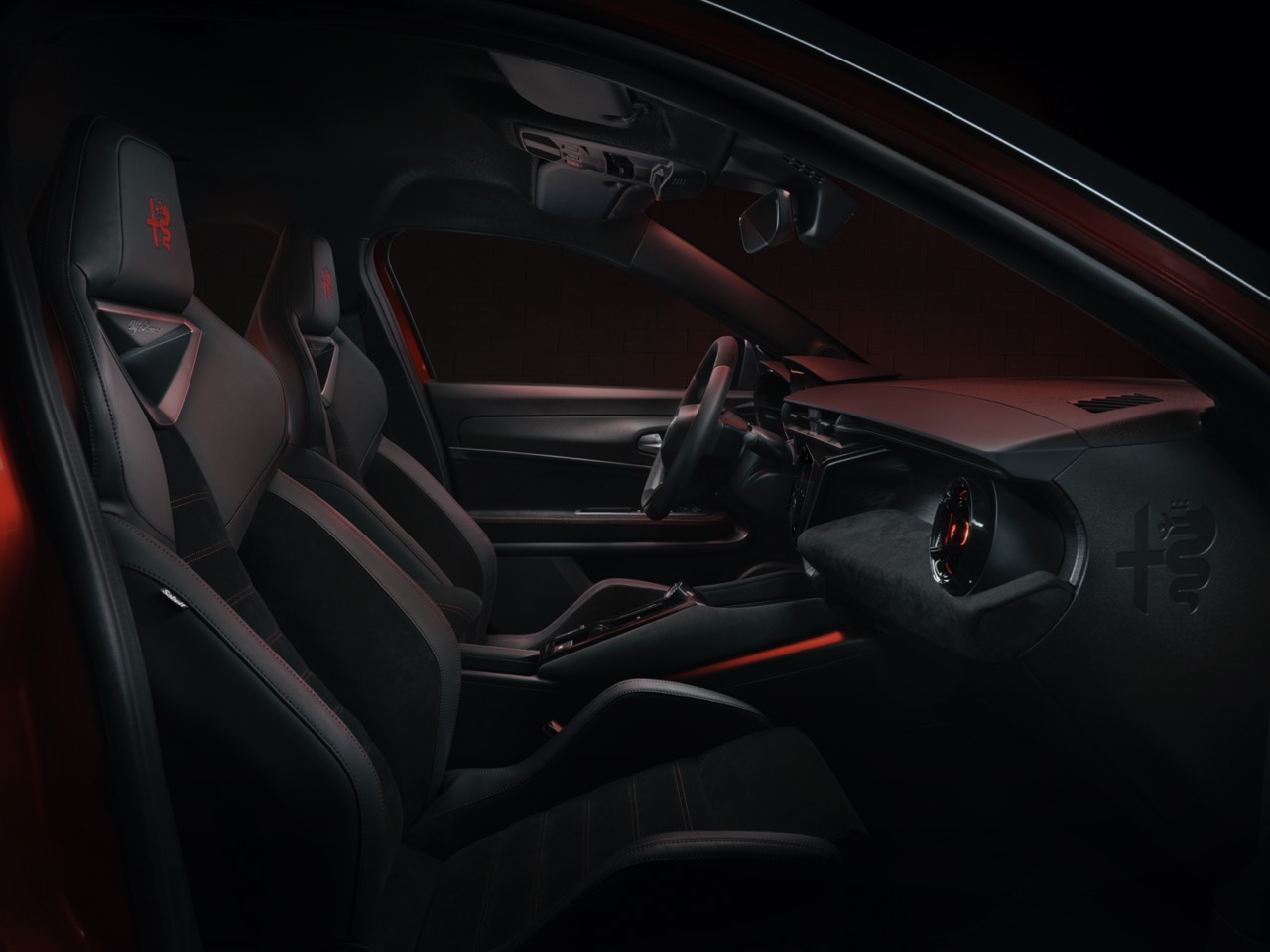
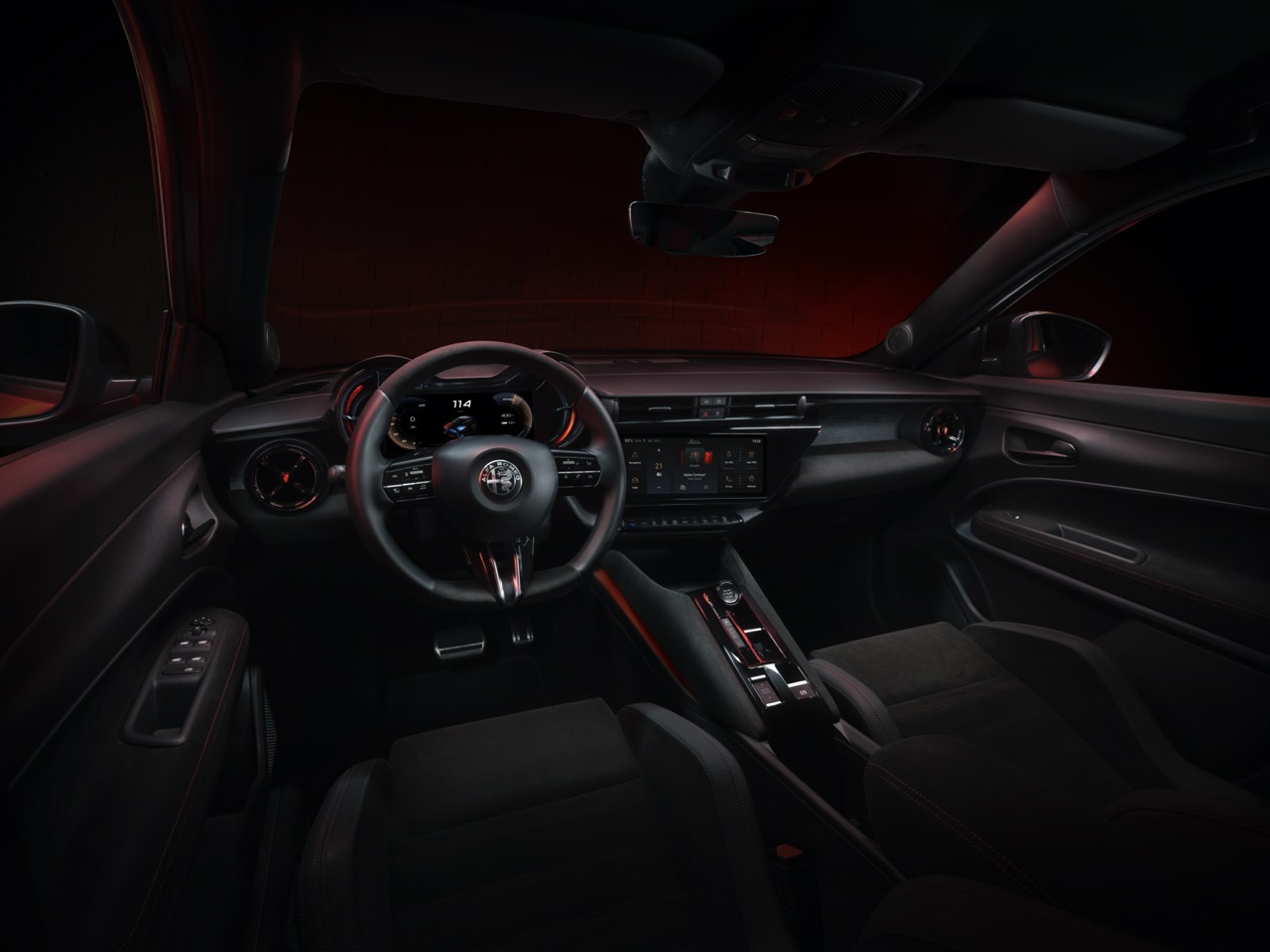
The same inspiration of pure sportiness can be found inside the car, where the standout features are the Italian attention to every detail, the use of the finest materials and the placement of all the controls within the driver’s reach. The instrument panel and its historical ‘Cannocchiale’ design creates that direct visual connection and persuades you to wrap your hands around the steering wheel, start the engine, and make the best of a unique driving experience.
In the middle of the cluster, the standout feature is a fully digital 10.25-inch TFT screen, to access the car’s data and the settings for the driving technologies. In the middle of the dashboard and oriented towards the driver, a 10.25-inch touchscreen system developed to work with widgets, graphic components designed for intuitive interaction with all the features, which can be customised via quick and easy drag and drop. Every user can create their own homepage, where each of the car’s features is an app in itself.
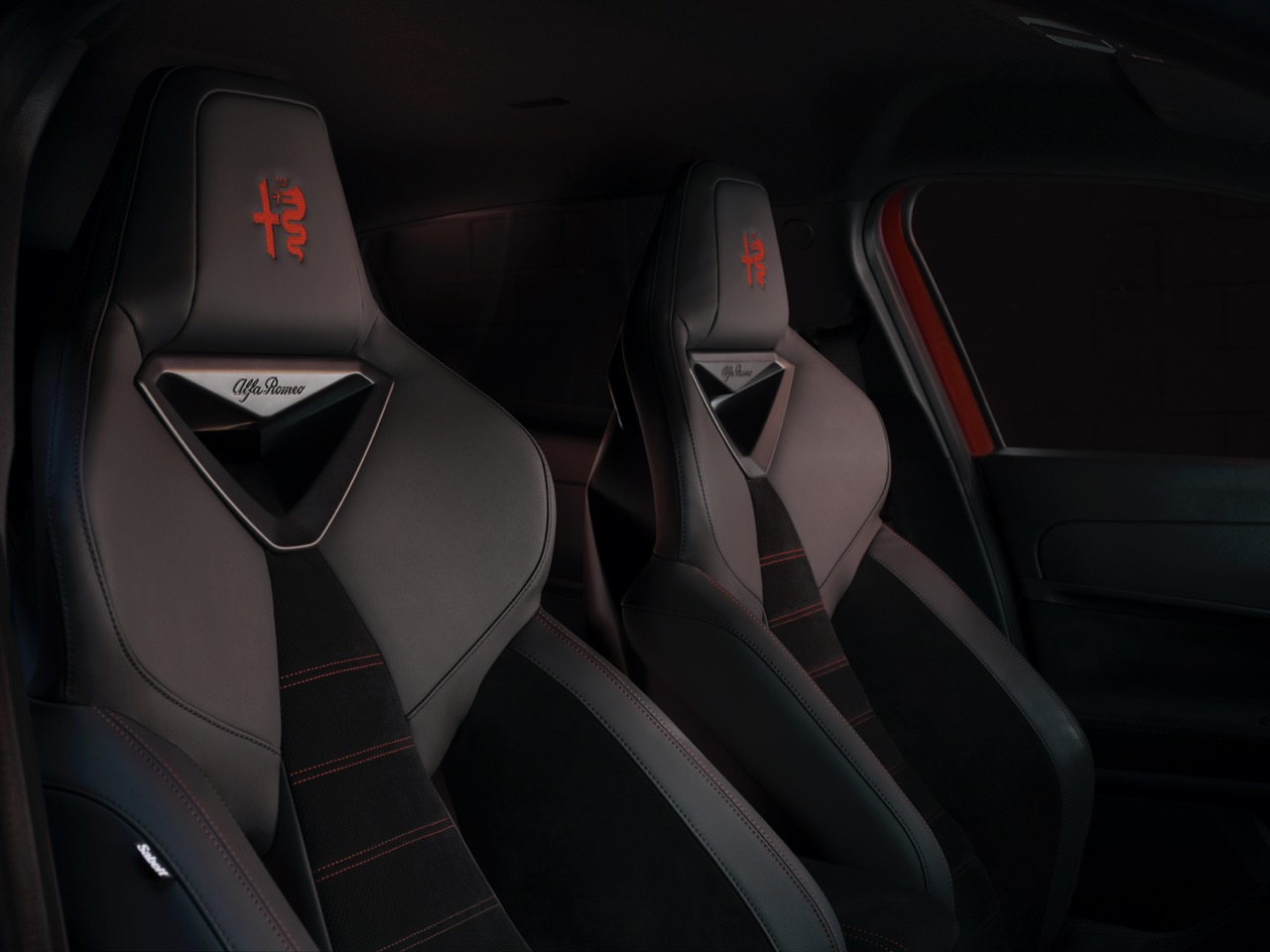
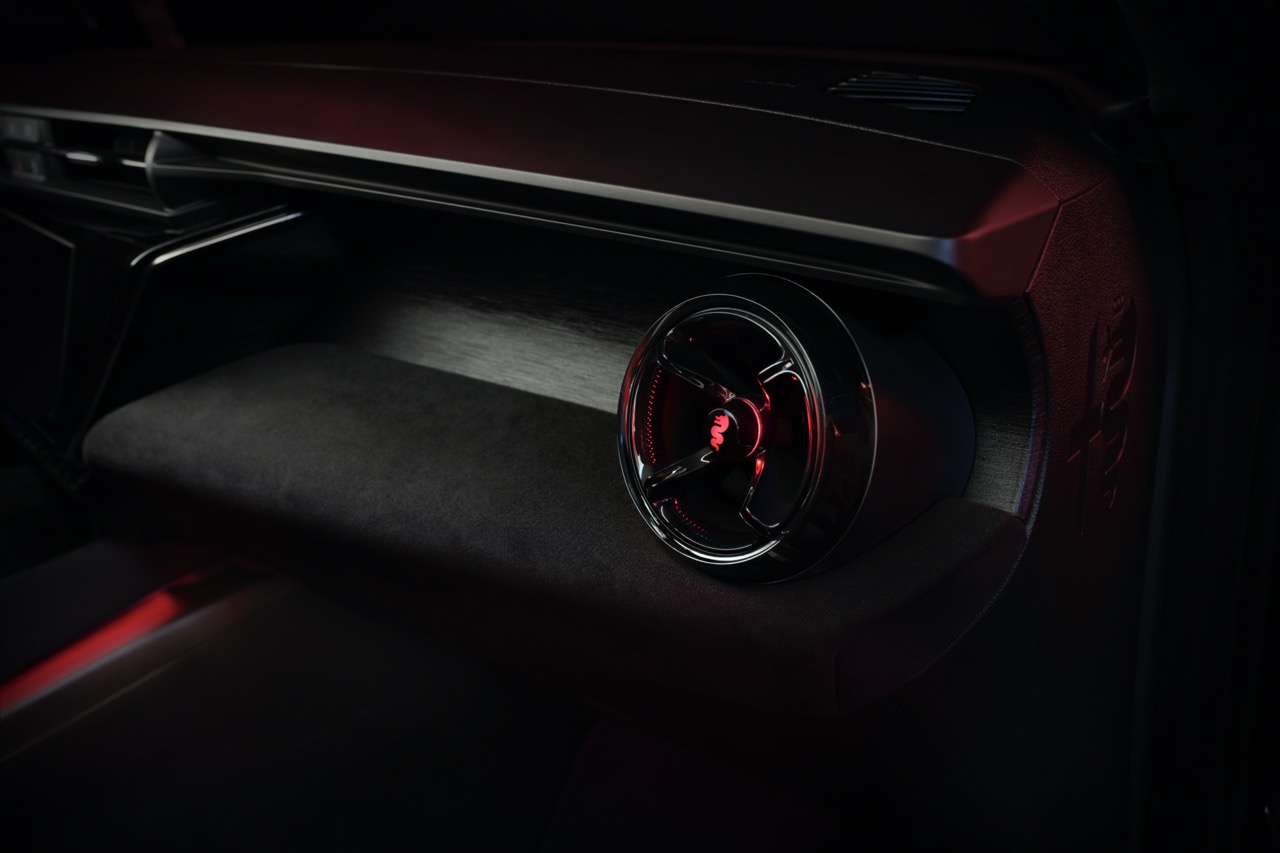
To further embellish the interior, the air conditioning vents in the shape of a quadrifoglio (four-leaf clover), the symbol par excellence of Alfa Romeo sportiness. To catch the eye and welcome the driver, optional Sabelt sports seats are available featuring an enveloping backrest that combines high mechanical resistance, perfect ergonomics and structural lightness.
The Milano is available for order in Italy and will launch in 28 markets over the next six months.
The driver of a garbage truck involved in an accident claims to have experienced brake problems before losing control of the heavy vehicle, which subsequently collided with 14 cars along the Federal Highway yesterday.
As reported by NST, Assistant Commissioner S. Vijaya Rao, the Klang Utara police chief, stated that to verify the 41-year-old driver’s claims, the lorry will be sent to Puspakom for inspection.
The incident occurred at 2:33 pm at the traffic lights of Federal Highway and Shahpadu Highway from Shah Alam towards Kapar. Initial investigations revealed that the heavy vehicle collided with the 14 cars that were queued at the traffic light junction.
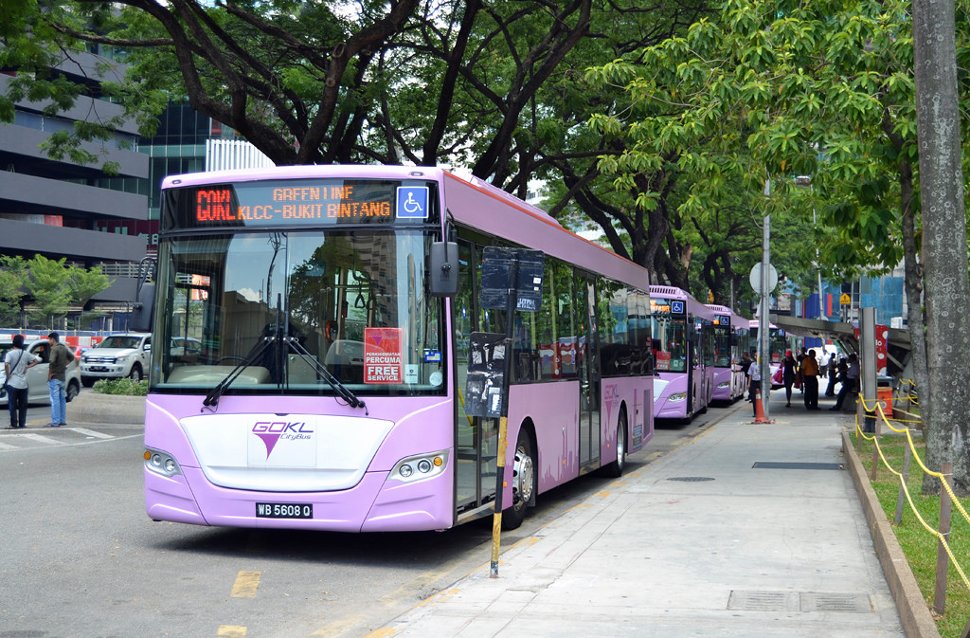
In the 2024 Ops Hari Raya Aidilfitri implemented nationwide since April 1, a total of 42 buses have been issued Vehicle Use Prohibition Notices (PG1) for violating technical regulations. Datuk Lokman Jamaan, the senior enforcement director of the Road Transport Department (JPJ), announced that these buses were identified from 3,799 buses inspected at 54 bus depots and 28 bus terminals. The detected buses committed various dangerous technical offences and were prohibited from operating, ensuring the safety of passengers.
According to Bernama, action was taken against 77 buses, with 47 receiving summonses for various offences, including lacking a Competent Driving Licence (CDL) and driver misconduct such as using mobile phones while driving. Additionally, six bus drivers from Sarawak, Kelantan, Perak, and Kedah were suspected of consuming prohibited substances based on failed urine tests and were consequently banned from driving.
Following a safety testing scandal at its subsidiary Daihatsu, Toyota Motor Corp has announced measures to regain trust among dealers, customers, and workers. Daihatsu’s new president, Masahiro Inoue, stated that Toyota will oversee model certification at Daihatsu, taking a leadership role in various areas including product development and procurement.
The scandal involved allegations of widespread cheating on safety testing, leading to production halts and a government order for proper tests and prevention measures. Inoue, who previously oversaw Toyota’s business in South America, apologised for the misconduct and vowed to revive Daihatsu.
In addition to oversight by Toyota, Daihatsu aims to improve communication among ranks, prioritise safety over market share, and change the basic way people work within the company. Toyota has also taken internal actions, with 10 former Daihatsu management members returning their bonuses for the financial year 2023.
The returned bonuses include those of former chairman Sunao Matsubayashi, former President Soichiro Okudaira, and executive vice president Hiromasa Hoshika. Director Yusuke Takeda and Toshinori Edamoto will return 50%, while other chief officers will return between 10% to 50%.
Furthermore, Daihatsu announced the abolition of the job titles of Executive Manager and Deputy Executive Manager to streamline reporting structures, following an earlier decision to abolish the position of Chairman. These measures aim to address the procedural irregularities and foster a culture of compliance and accountability within Daihatsu.
On April 2, the Federal government allocated RM83.5 million to Kelantan for road infrastructure maintenance works. Datuk Dr. Izani Husin, the chairman of Kelantan Public Works, Infrastructure, Water, and Rural Development committee, announced that the allocation would be utilised to repair damaged roads identified throughout the state, with the project expected to be completed by June.
According to Bernama, Dr. Izani mentioned that although the allocation was slightly lower than last year’s RM104.4 million, it would still be effectively utilised to repair damaged roads across all districts following Aidilfitri. The allocation would particularly focus on periodic paving in the Gua Musang district, with an estimated cost of about RM10.7 million covering 11 roads.
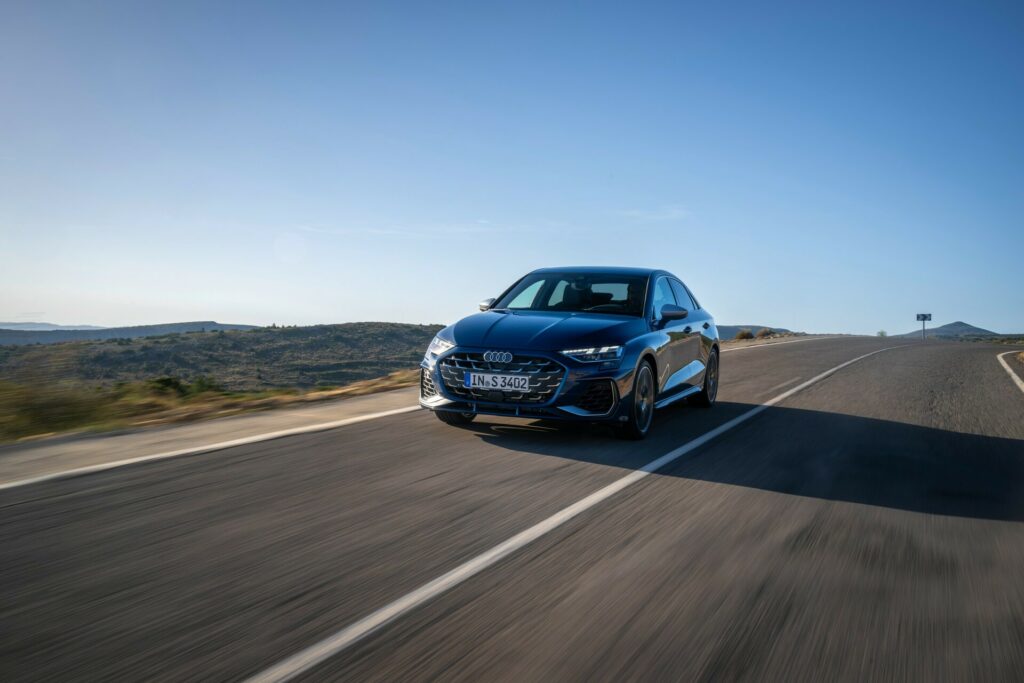
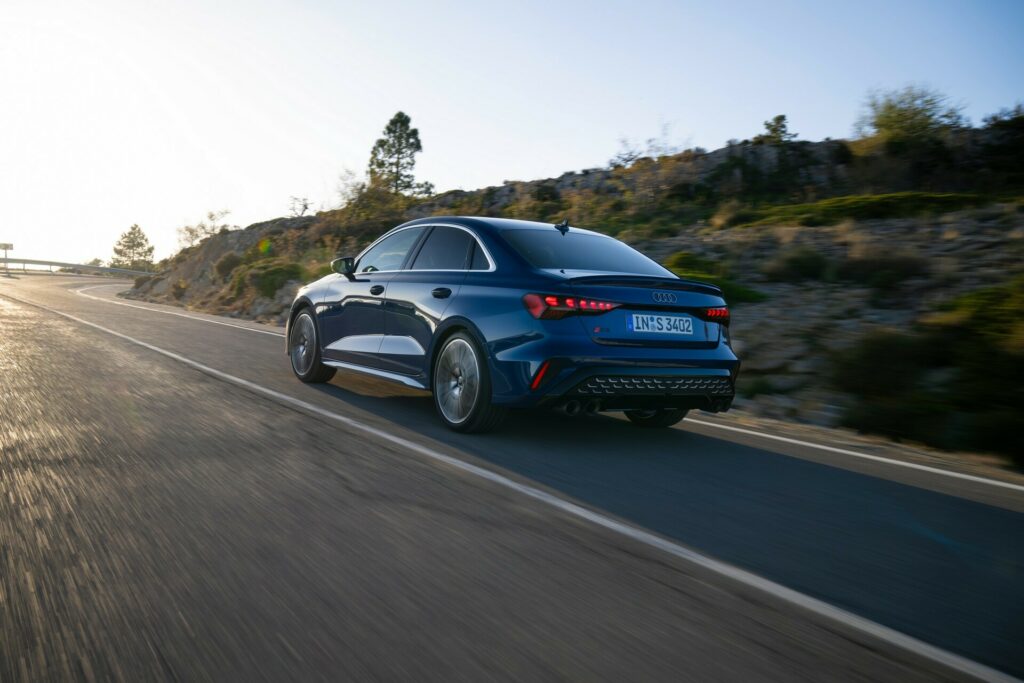
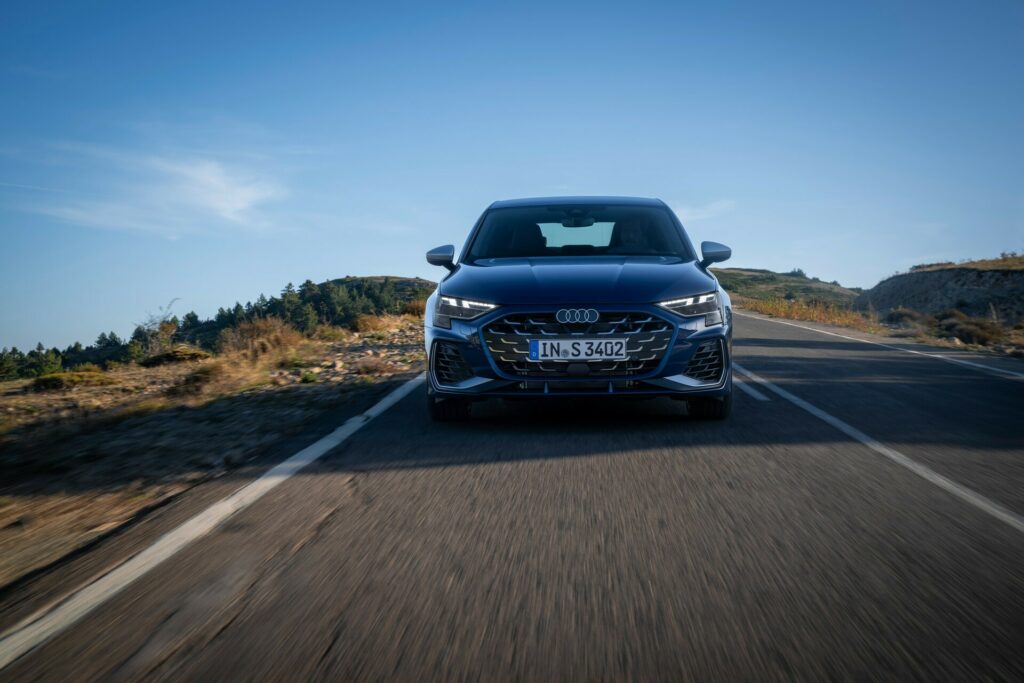
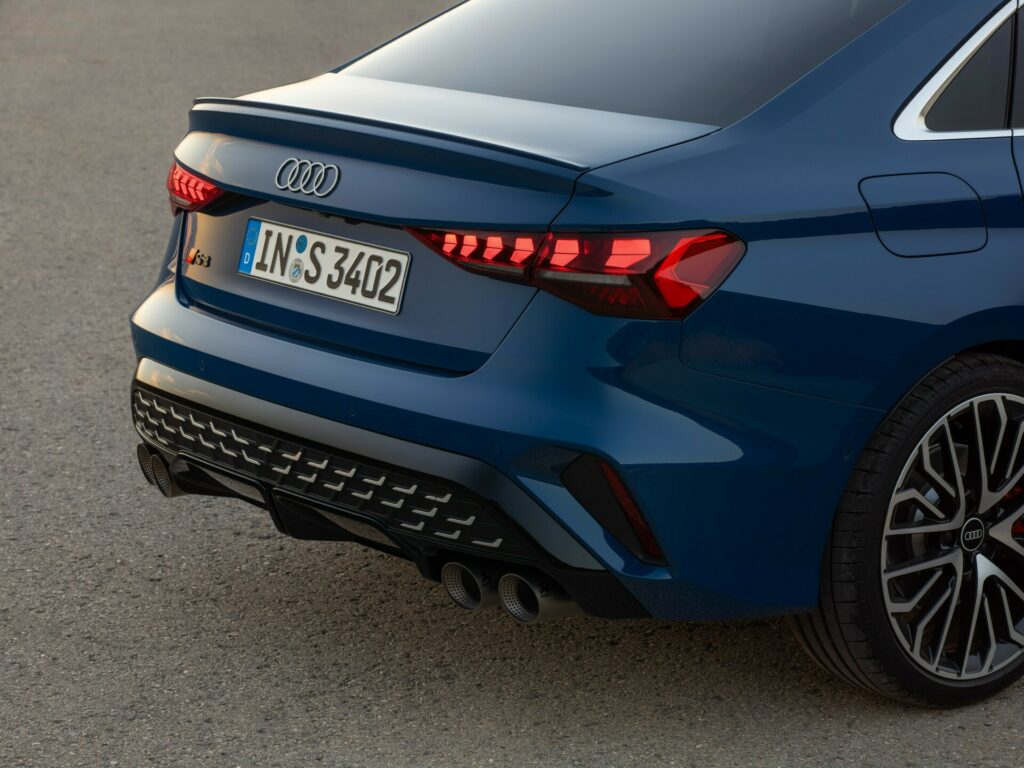
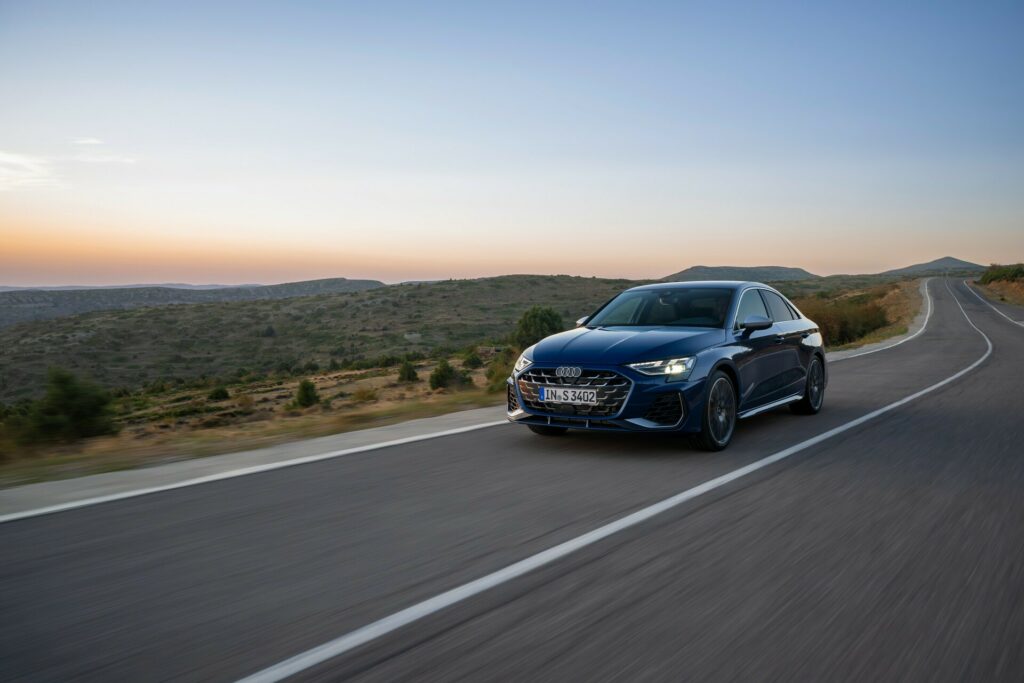
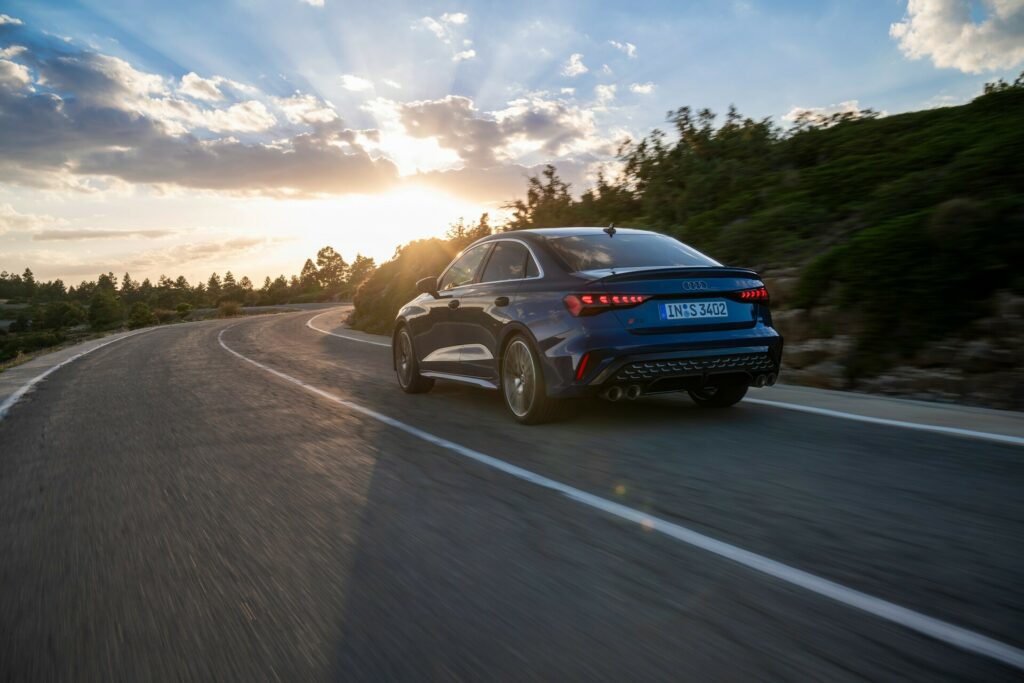
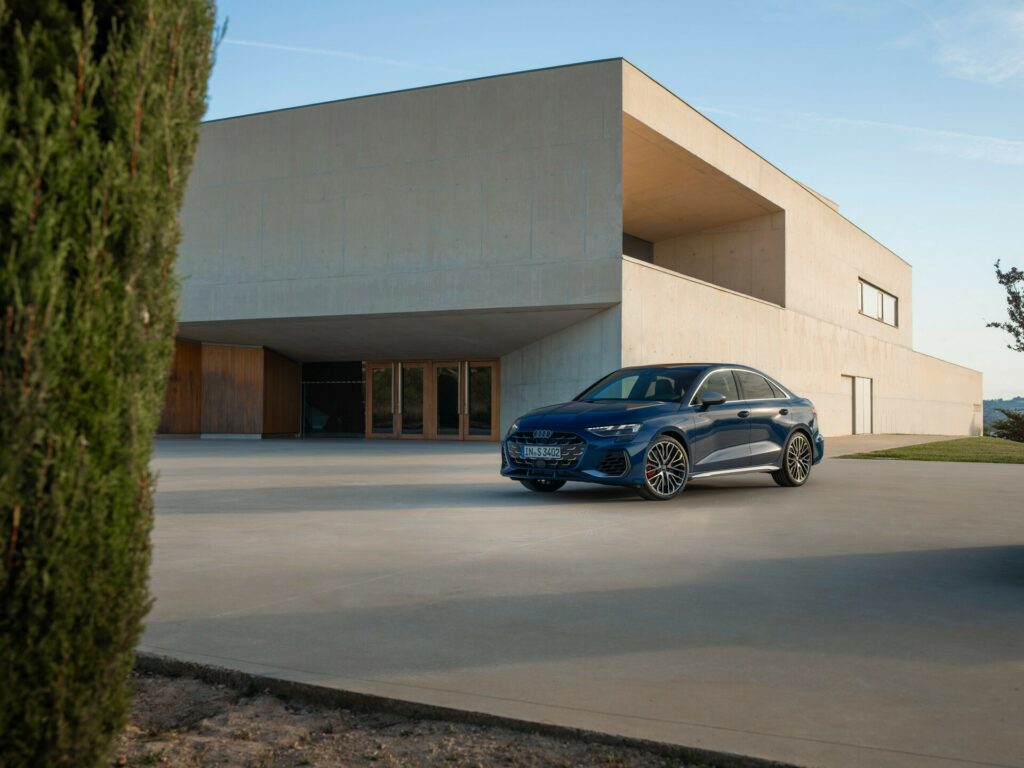
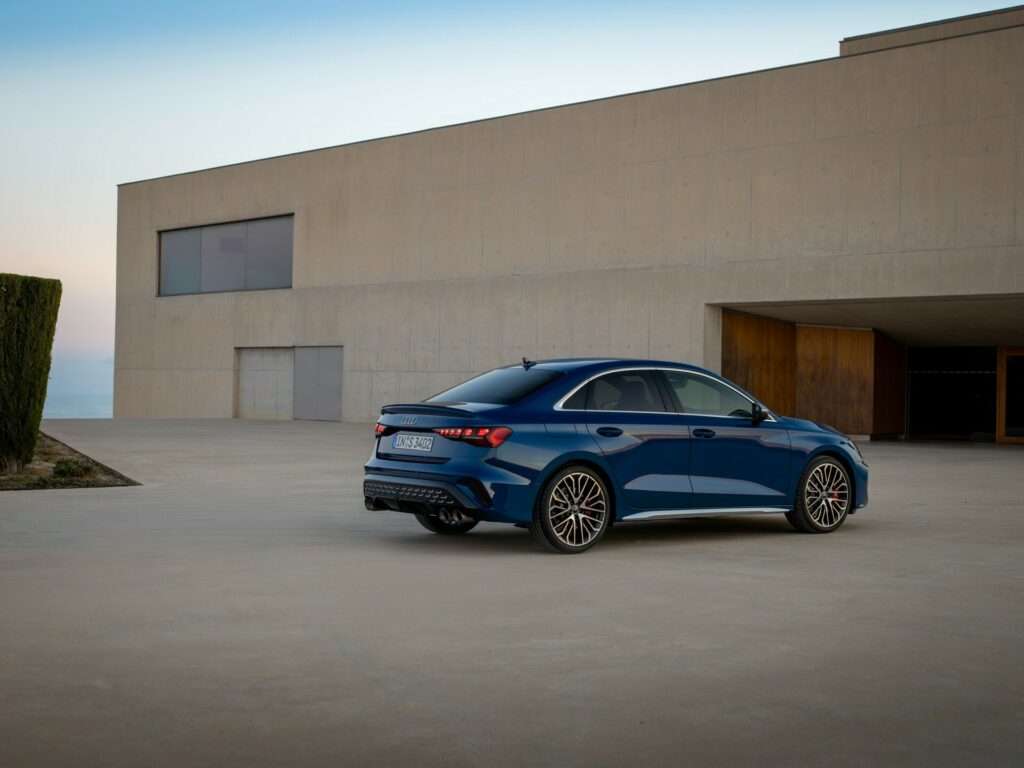
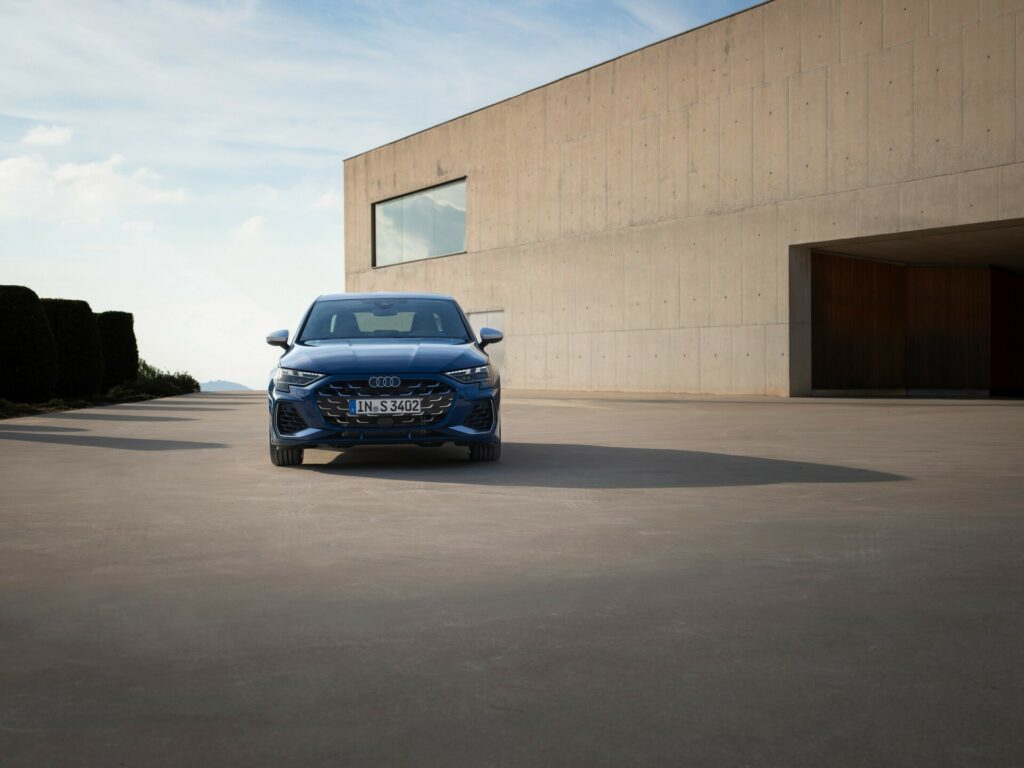
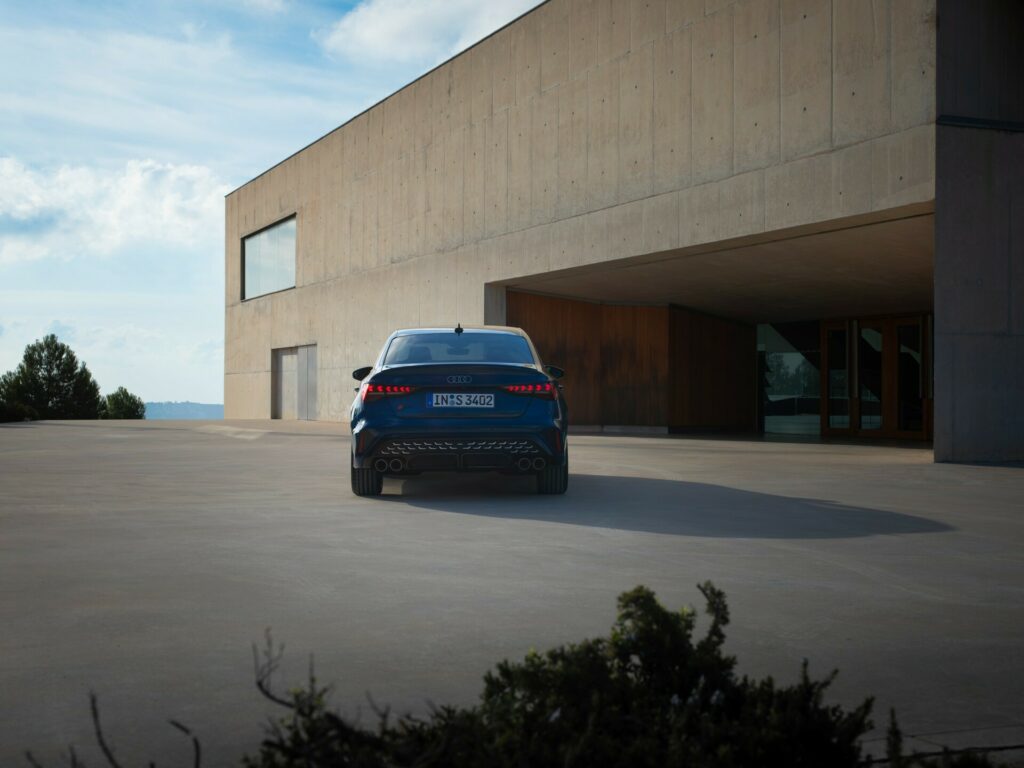
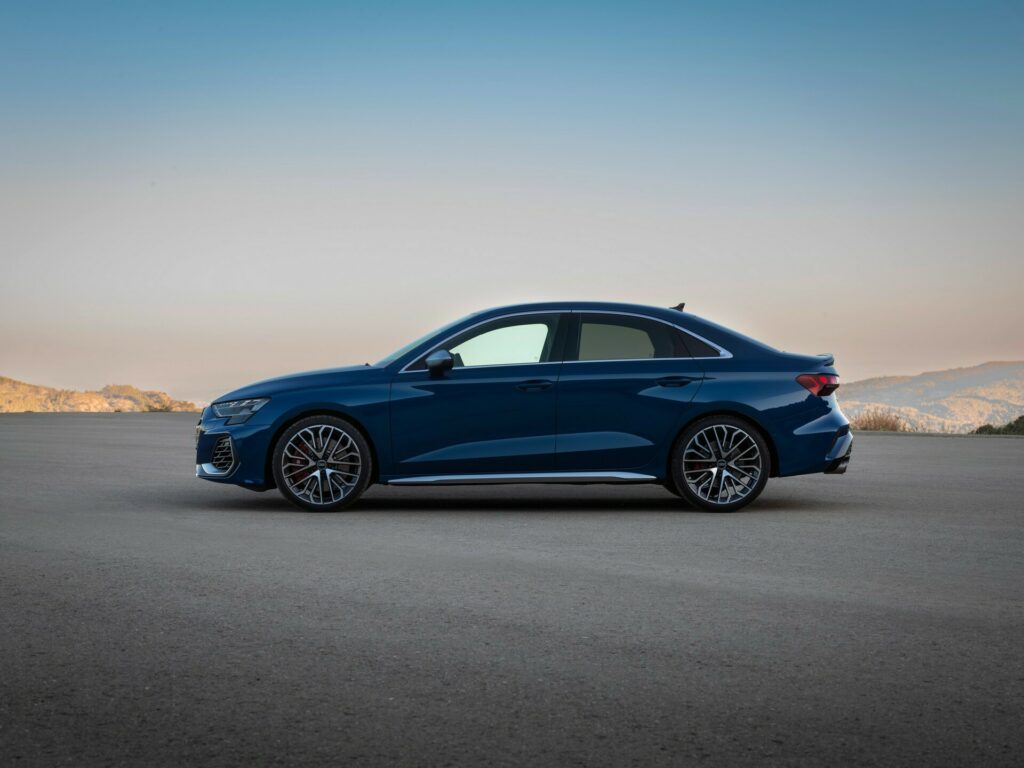
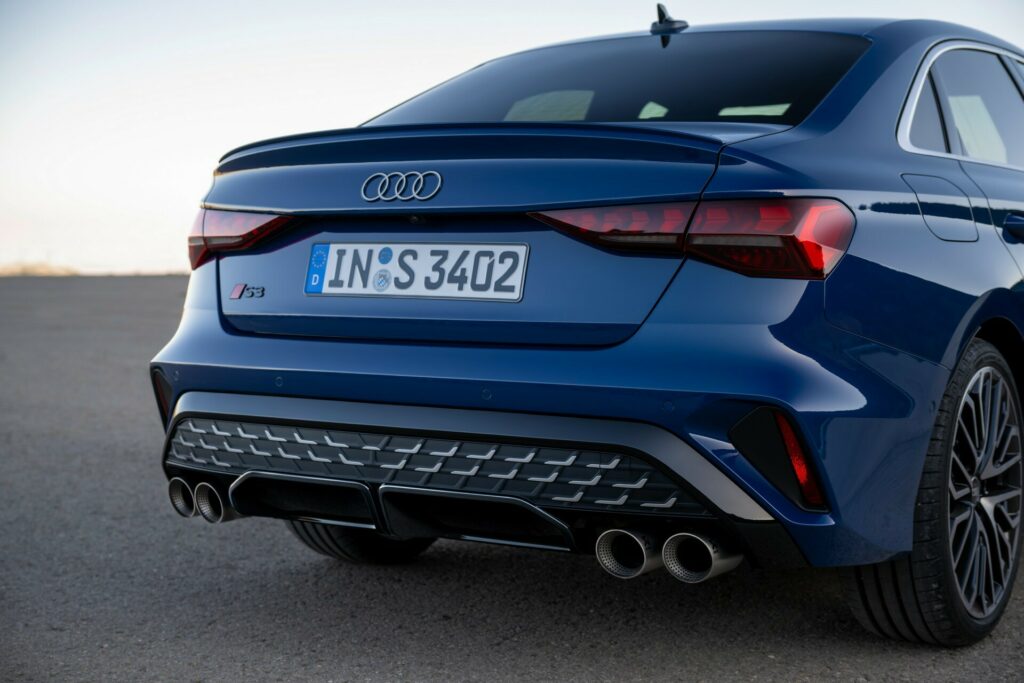
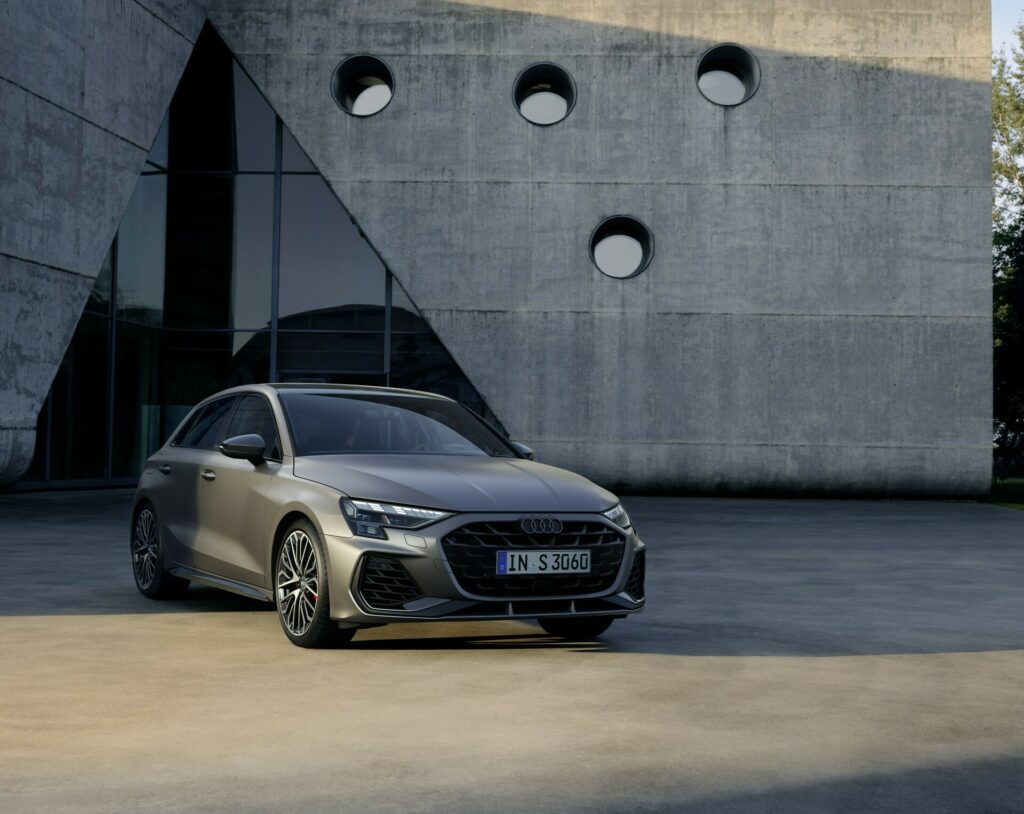
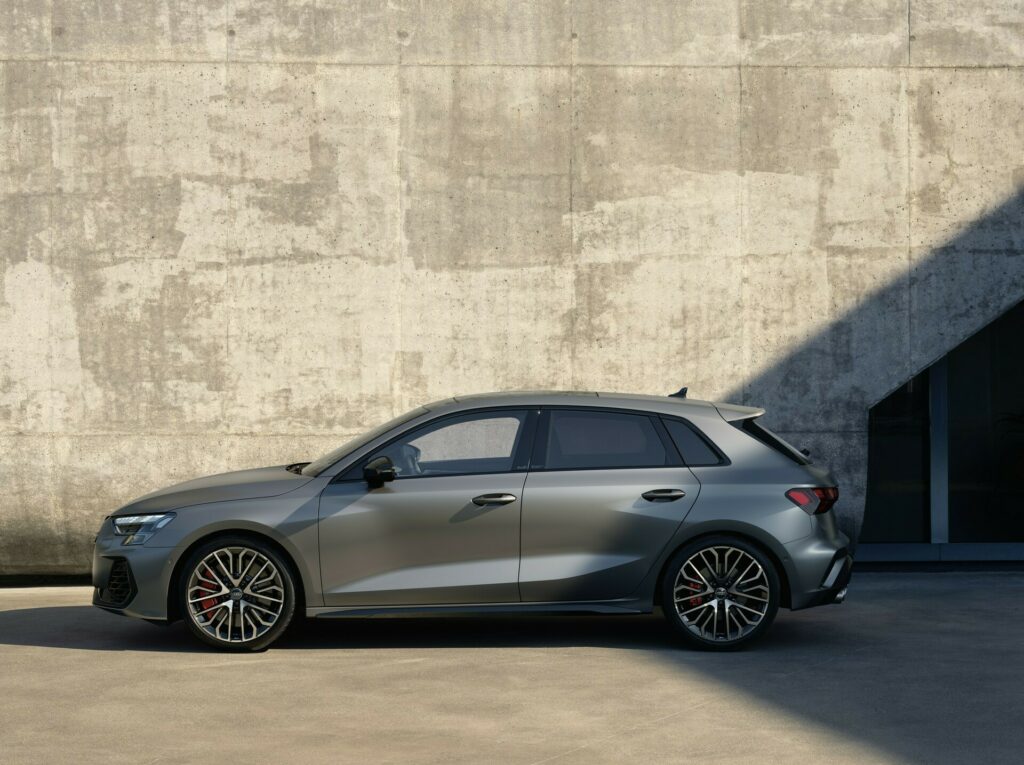
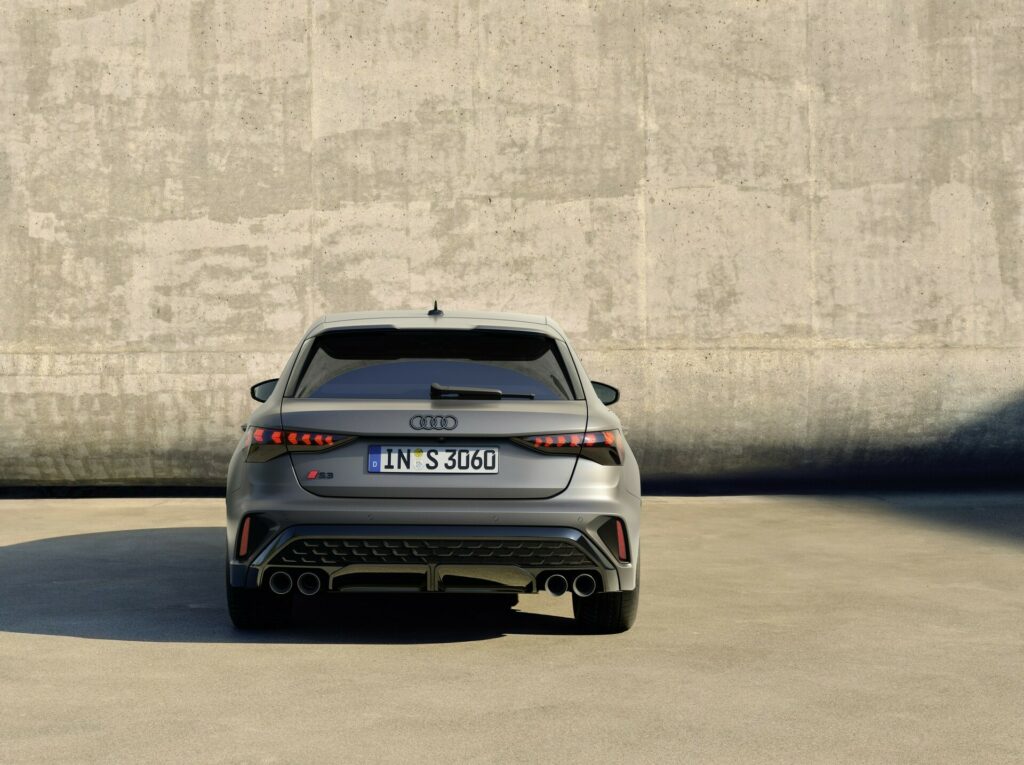
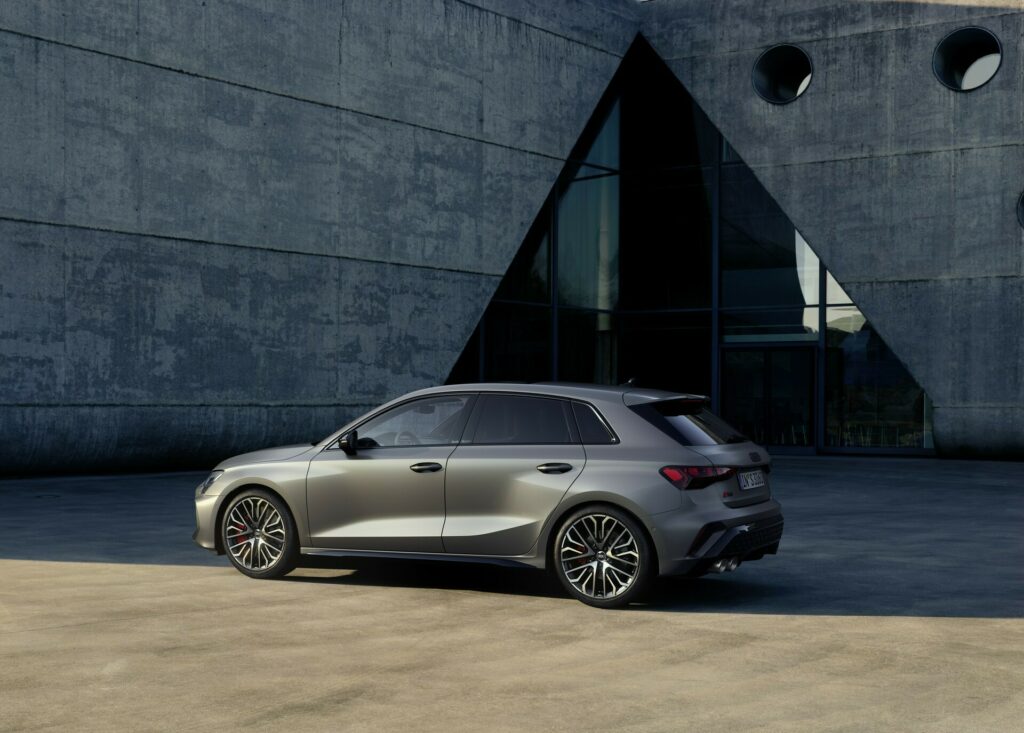
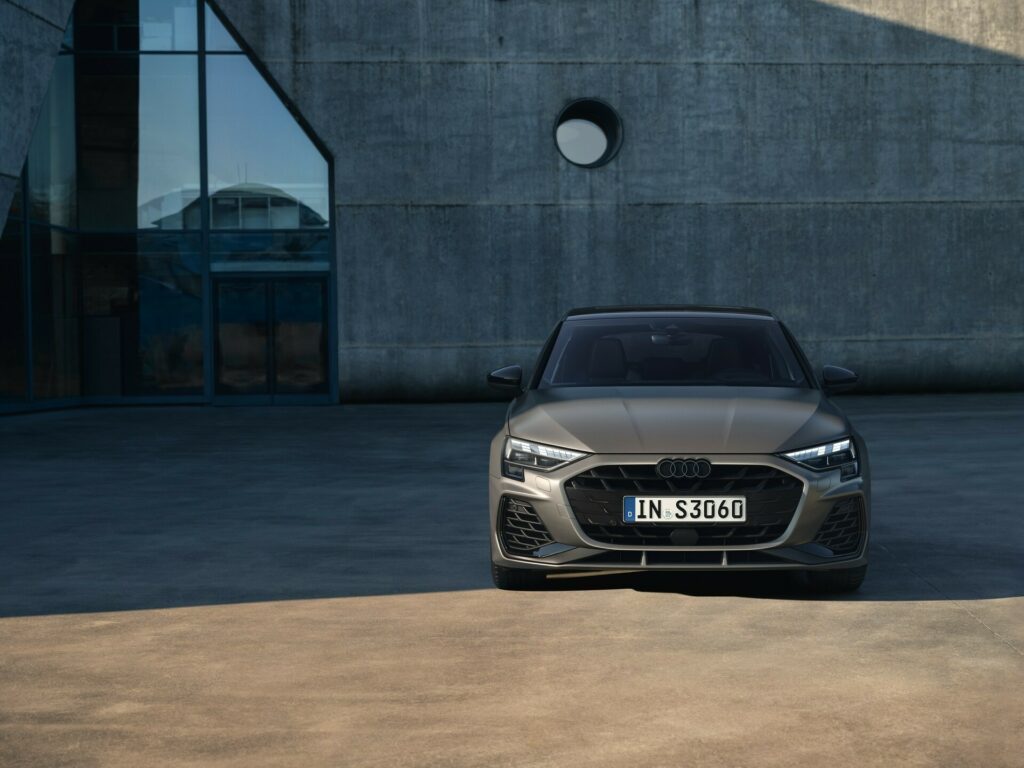
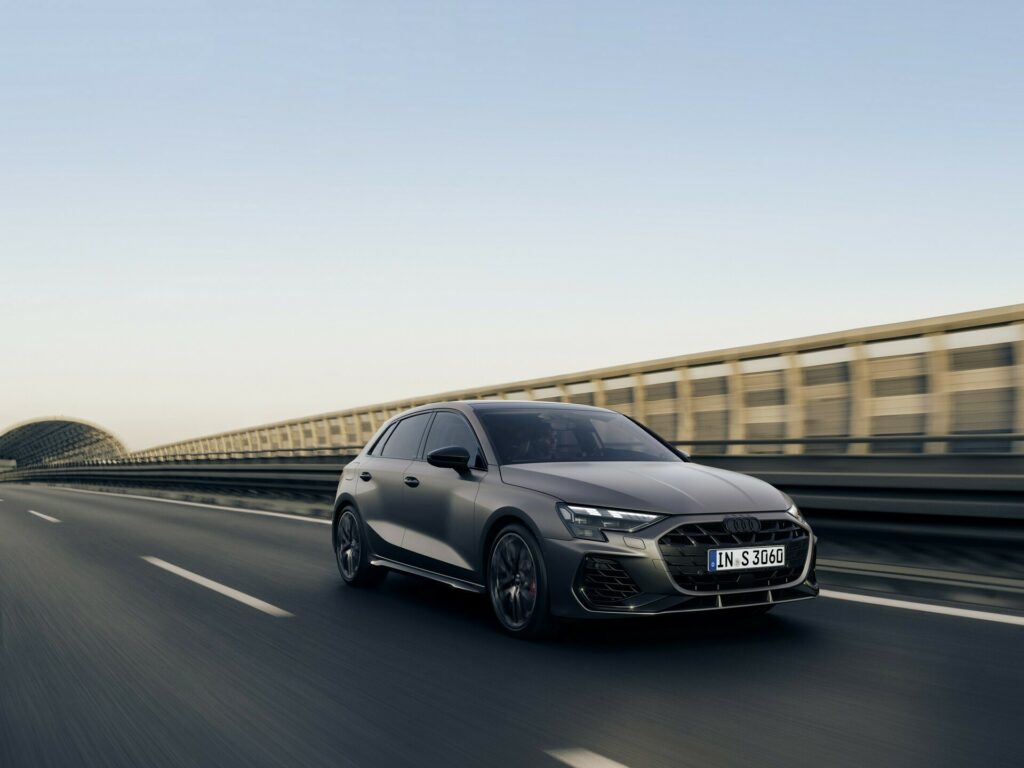
The Audi S3 Sedan and S3 Sportback have received substantial upgrades for the 2025 model year, following the recent facelift of the Audi A3. These enhancements focus on increasing power, improving driving dynamics, and updating the design and features.
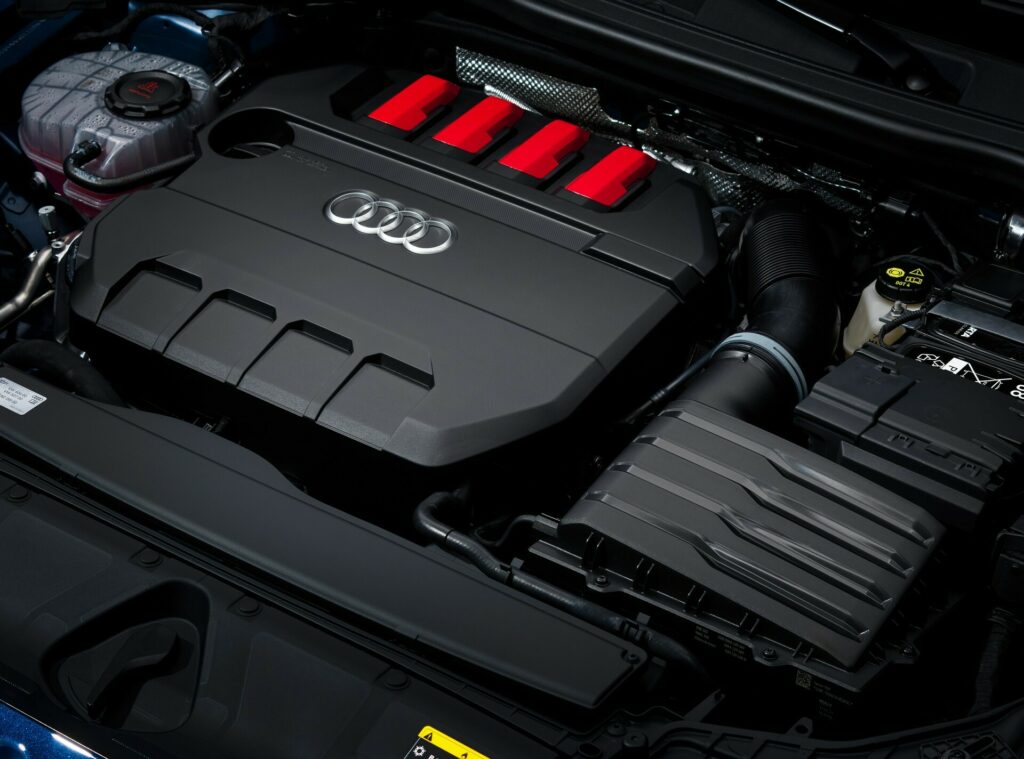
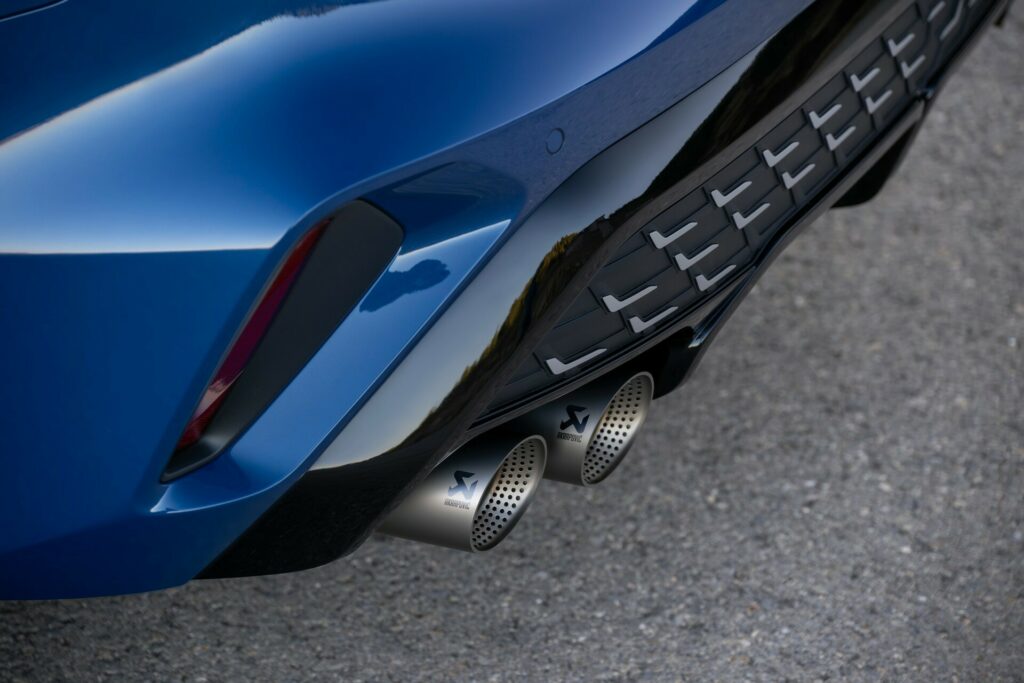
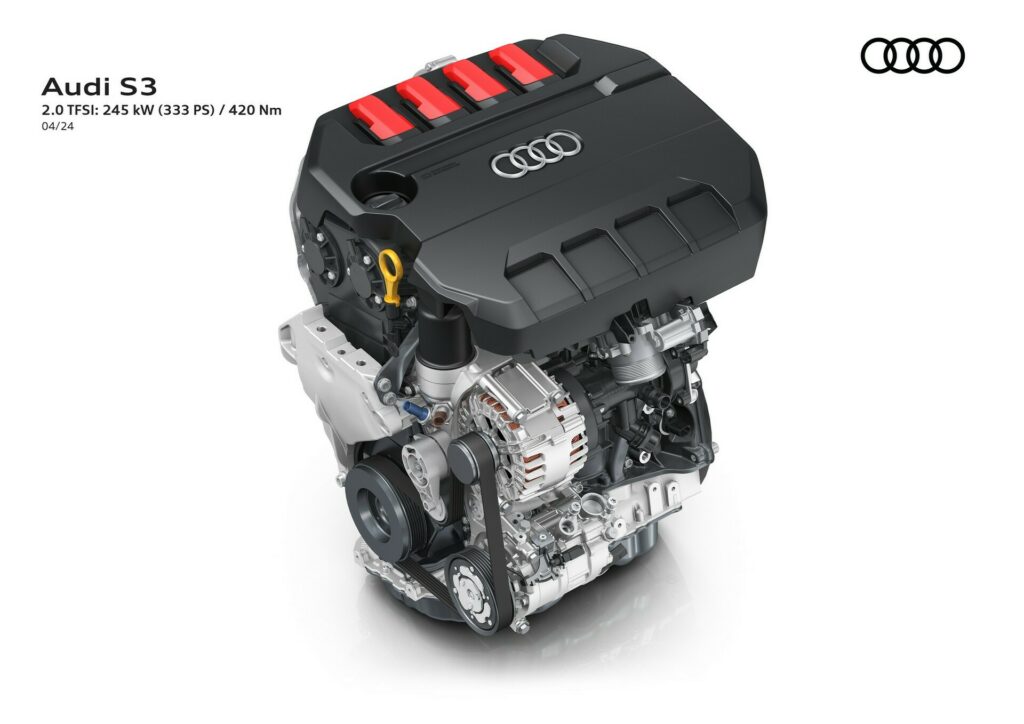
Under the hood, Audi’s engineers have fine-tuned the 2.0-litre TFSI four-cylinder engine to produce 328hp and 420Nm of torque. This represents an increase of 22hp and 20Nm over the outgoing model. With these improvements, the new S3 can accelerate from 0 to 100km/h in just 4.7 seconds and reach a limited top speed of 250km/h.
Audi has also optimised the turbocharger’s performance by keeping it at a constant rpm during steady-speed driving with low to medium acceleration. Additionally, modifications to the seven-speed S-tronic transmission have halved shift times under full load. The 2025 S3 now features the same torque splitter as the RS 3, enabling fully variable torque distribution between the rear wheels.
Enhancements extend beyond the powertrain. The 2025 S3 offers six driving modes, including a Dynamic Plus mode that maximiSes torque distribution to the rear axle and outside rear wheel during cornering, promoting oversteer. The throttle response is also sharpened in this mode.
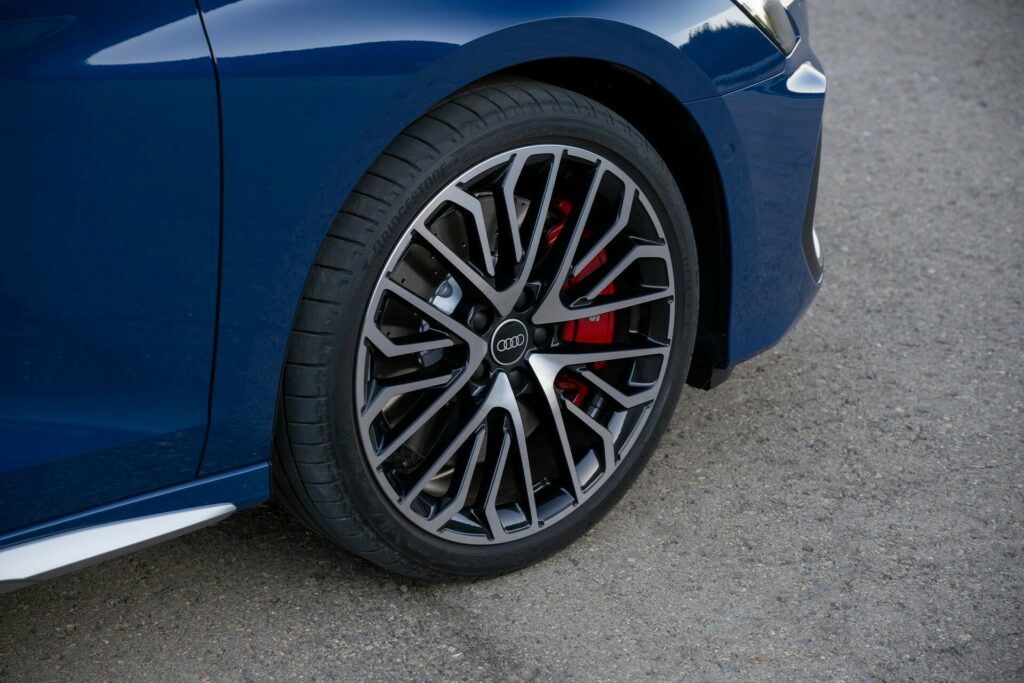
To further enhance driving dynamics, Audi has installed stiffer wishbone and pivot bearings, optimised the progressive steering, and included standard S sports suspension, which lowers the ride height by 15mm compared to the standard A3. Wheel-selective torque control has been refined, and the brakes now feature 357mm front discs and new two-piston callipers.
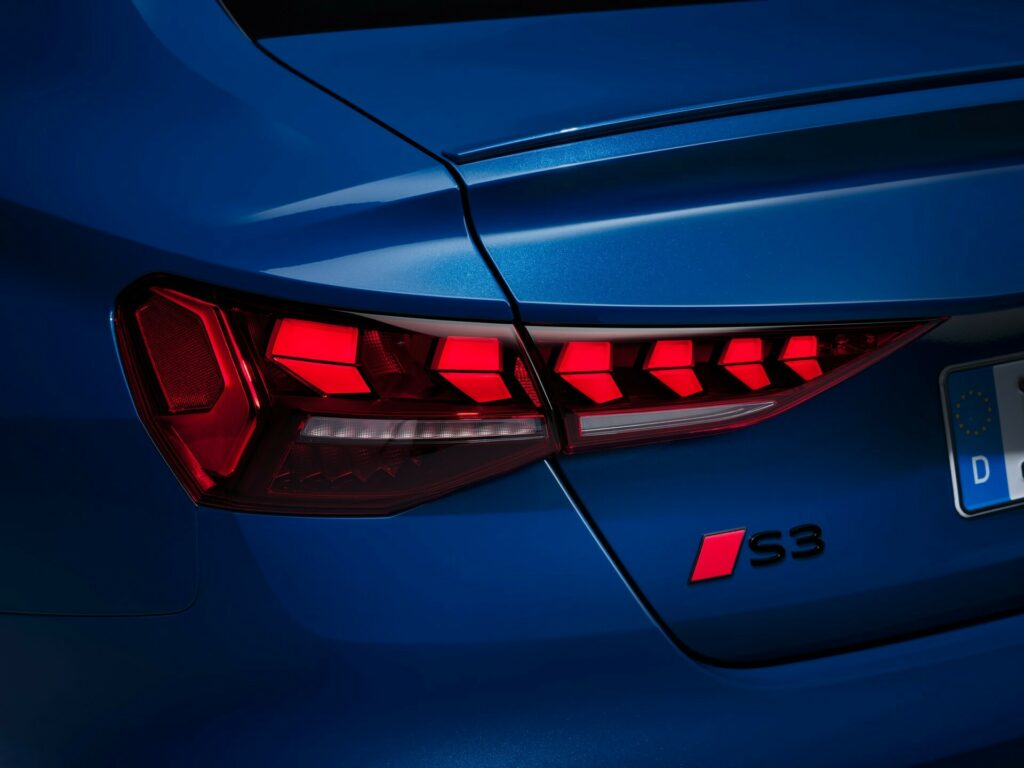
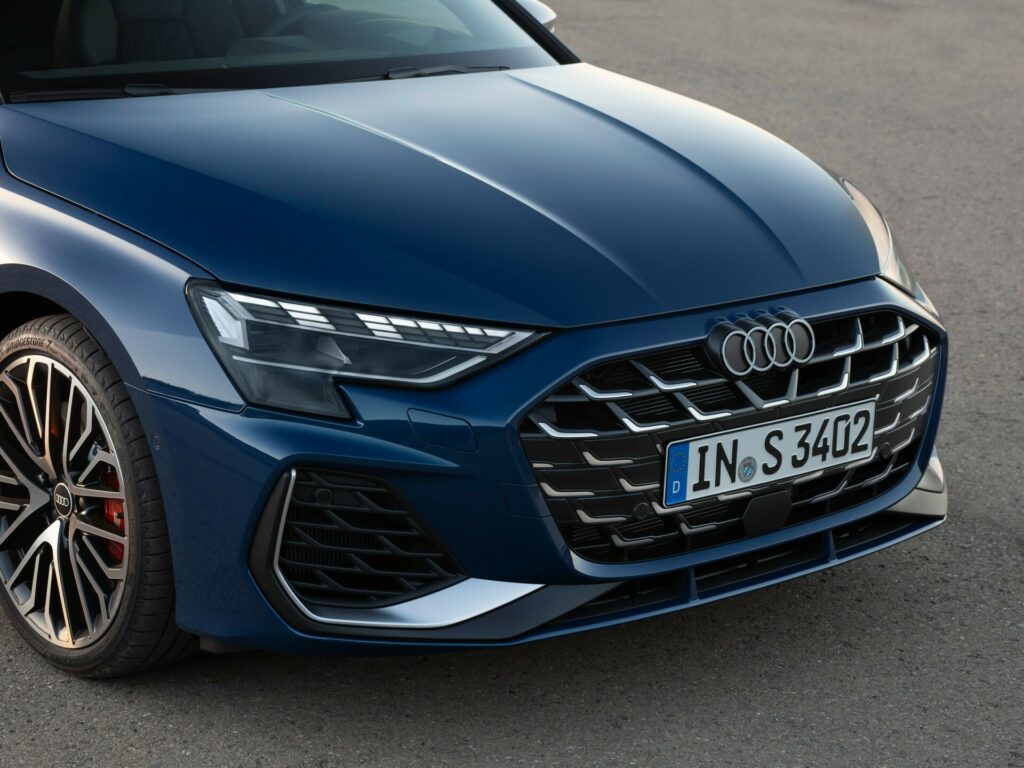
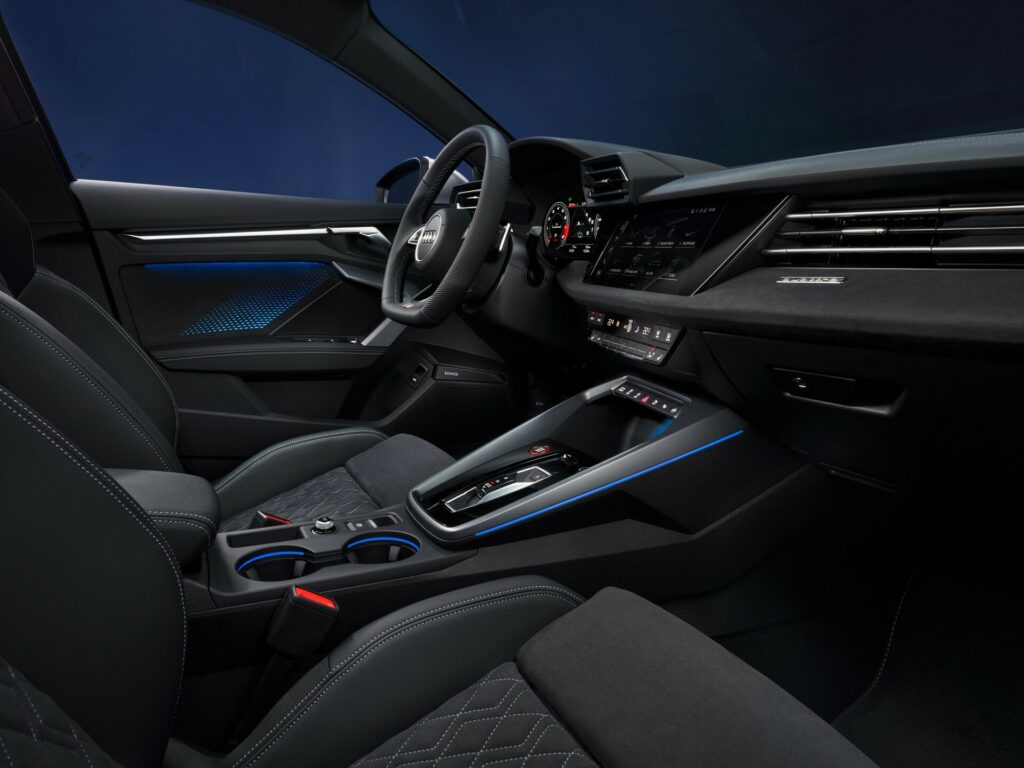
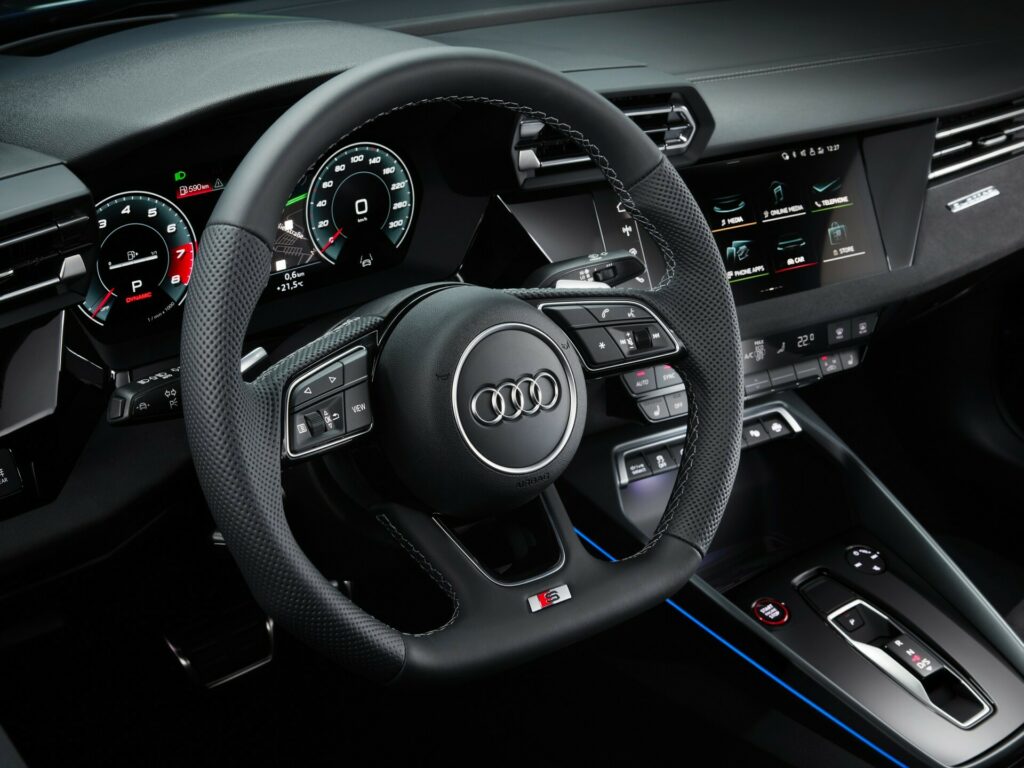
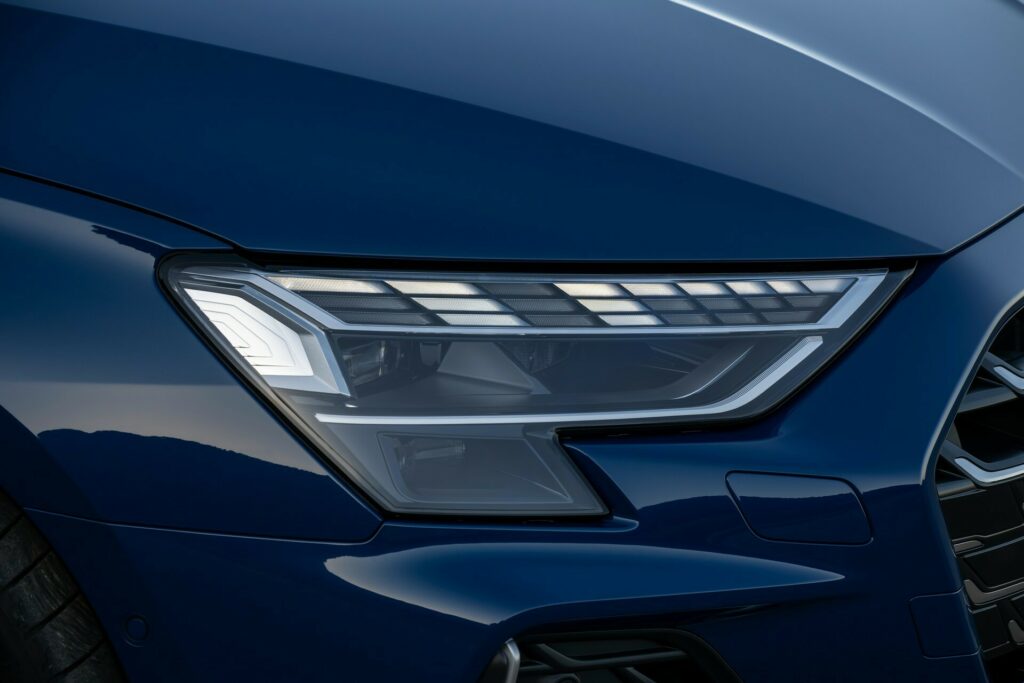
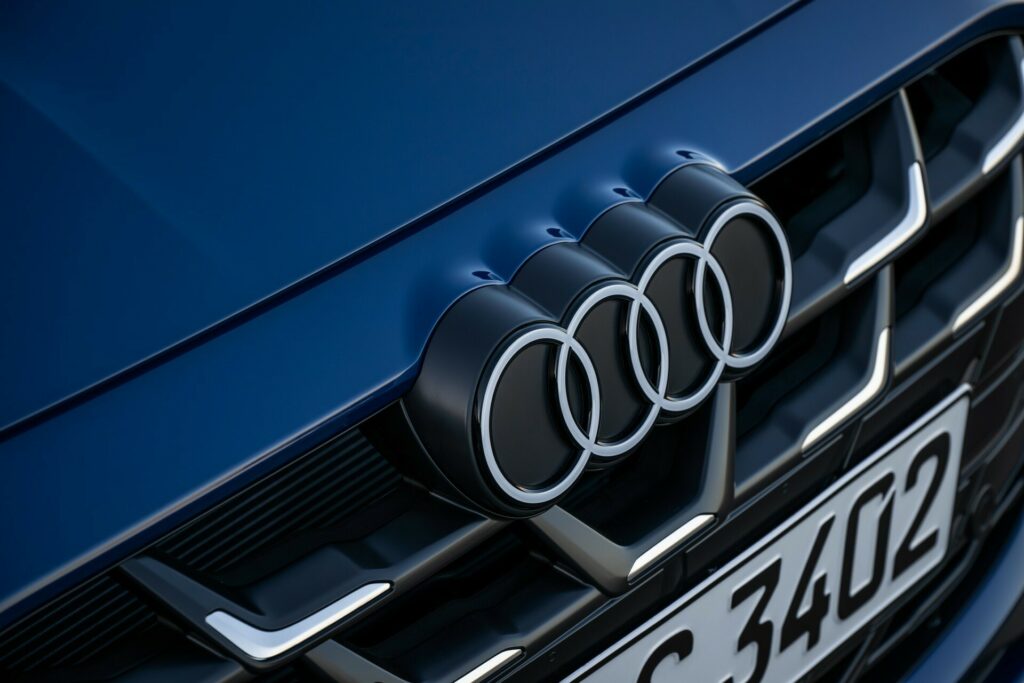
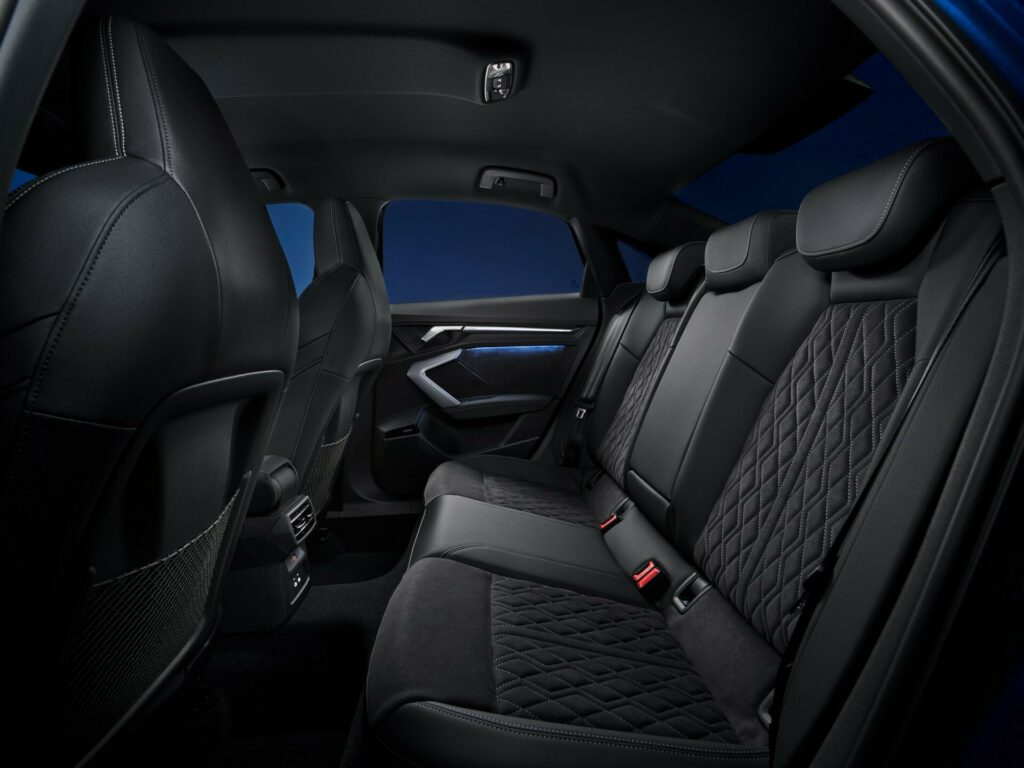
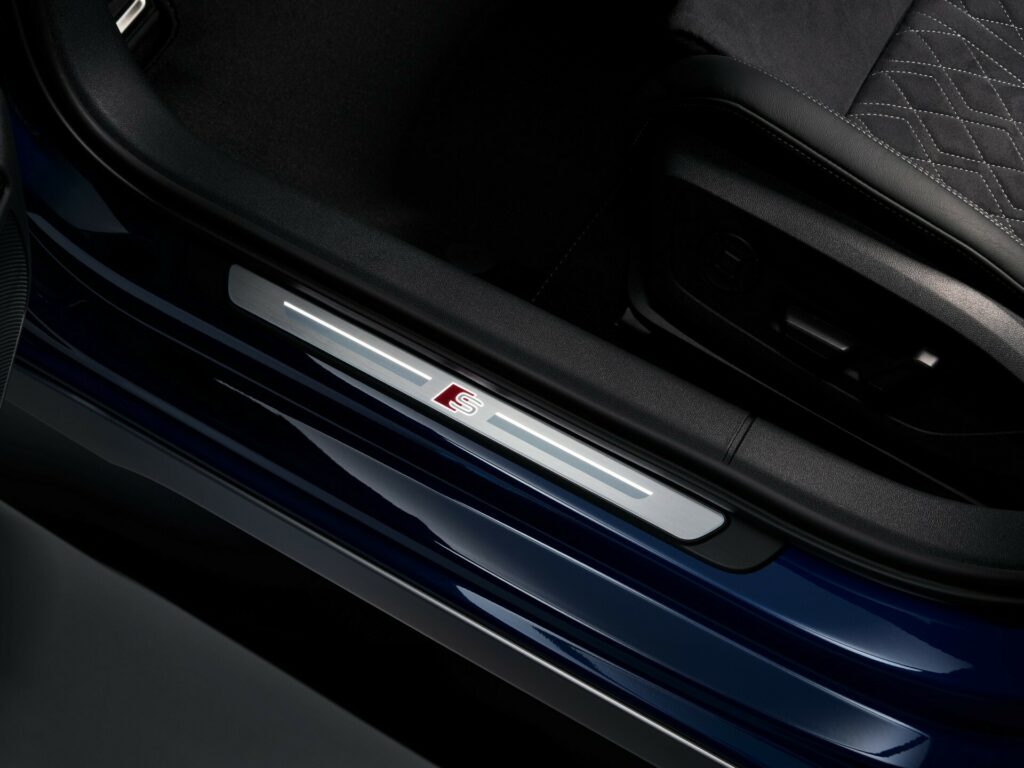
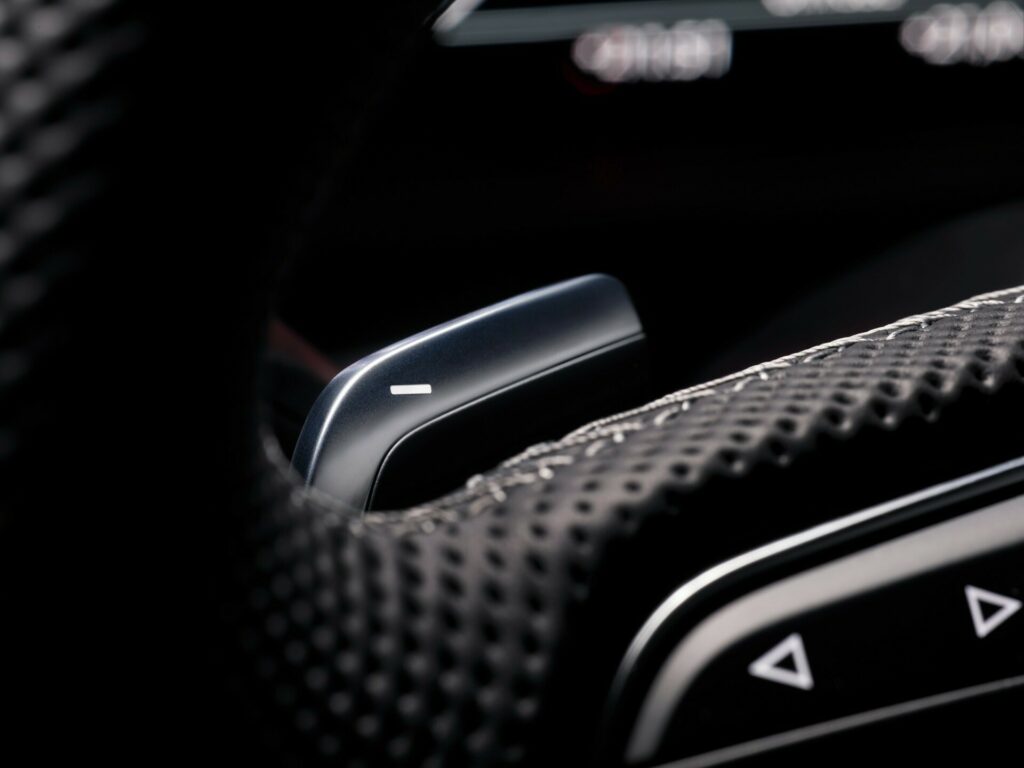
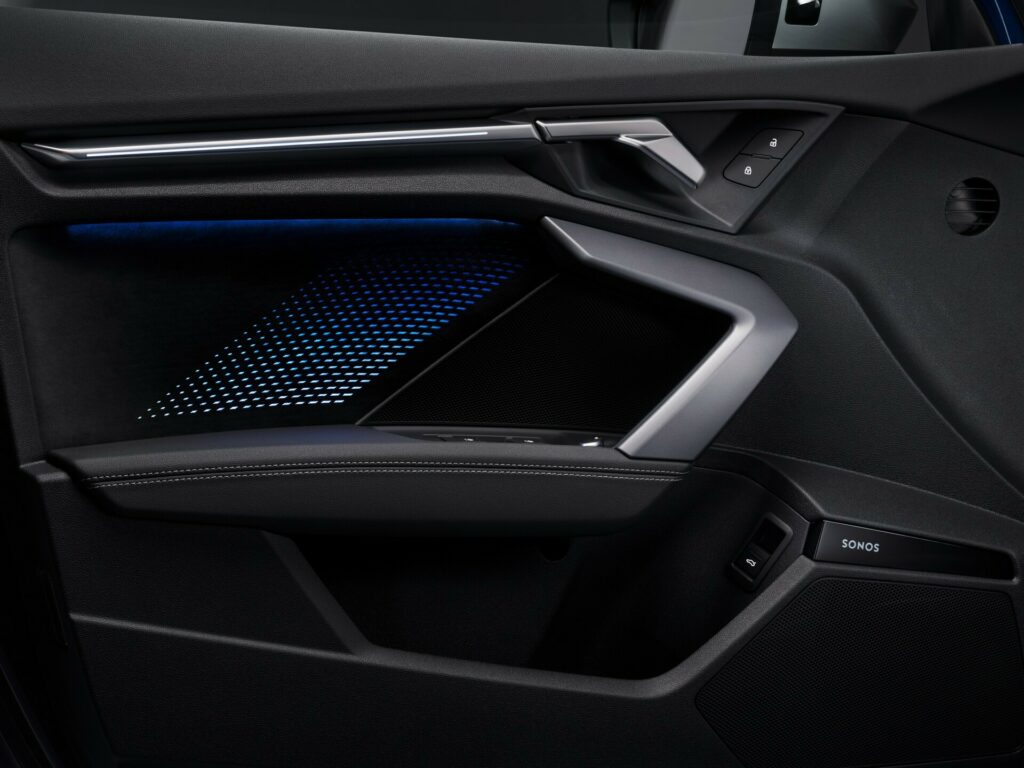
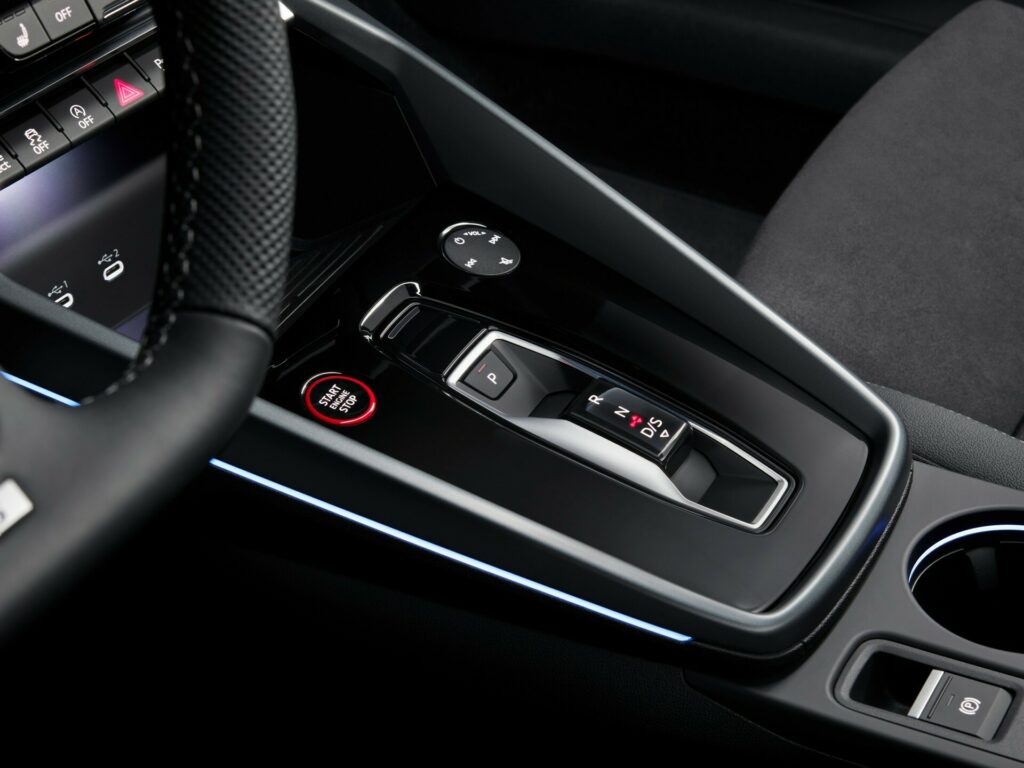
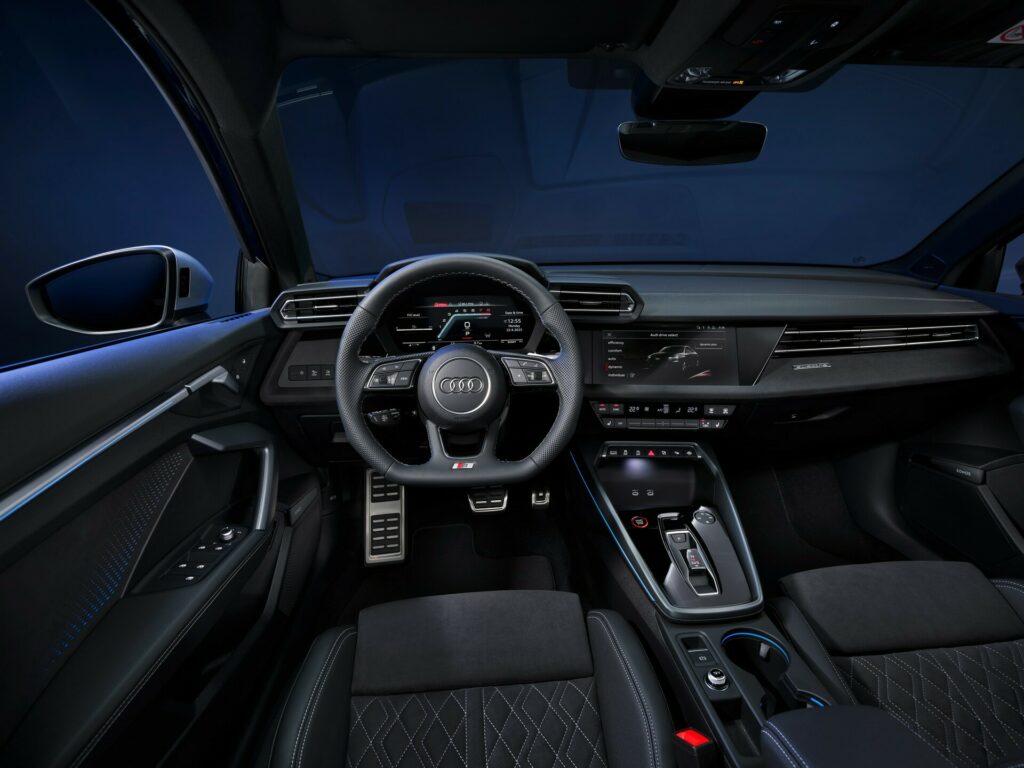
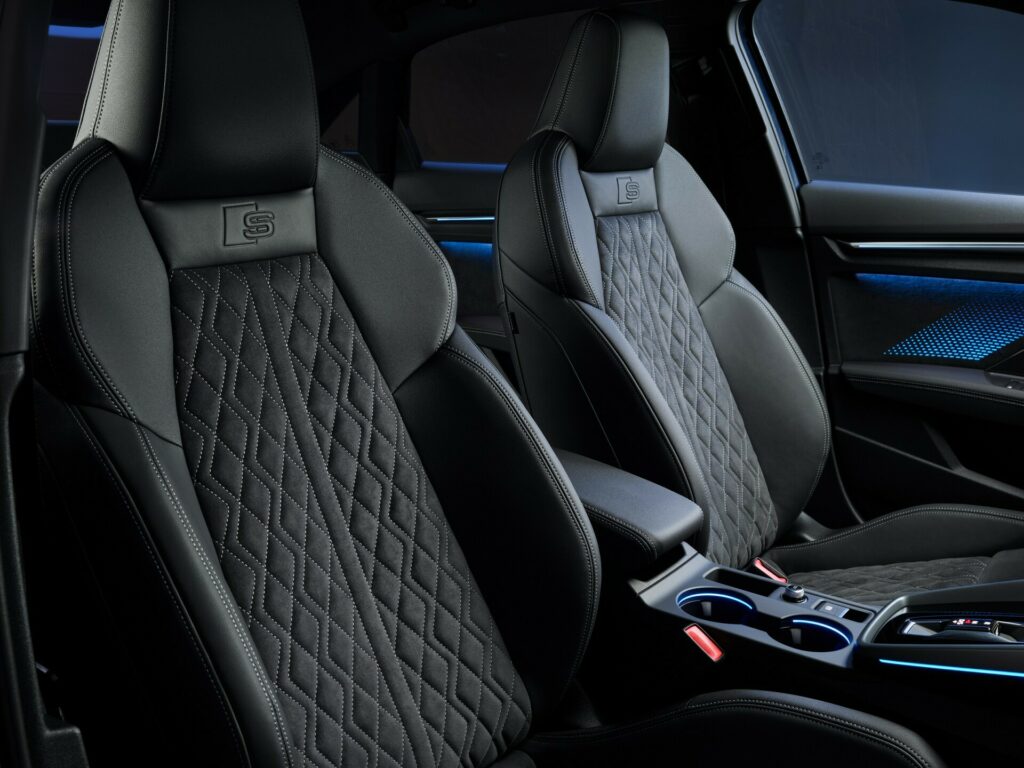
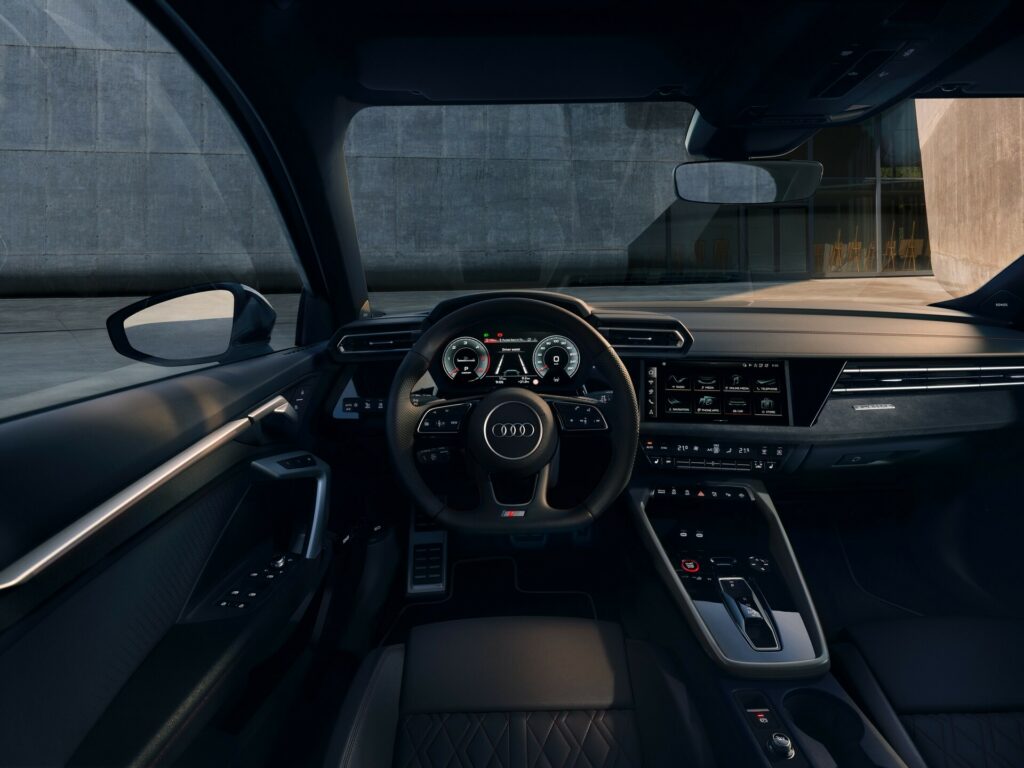
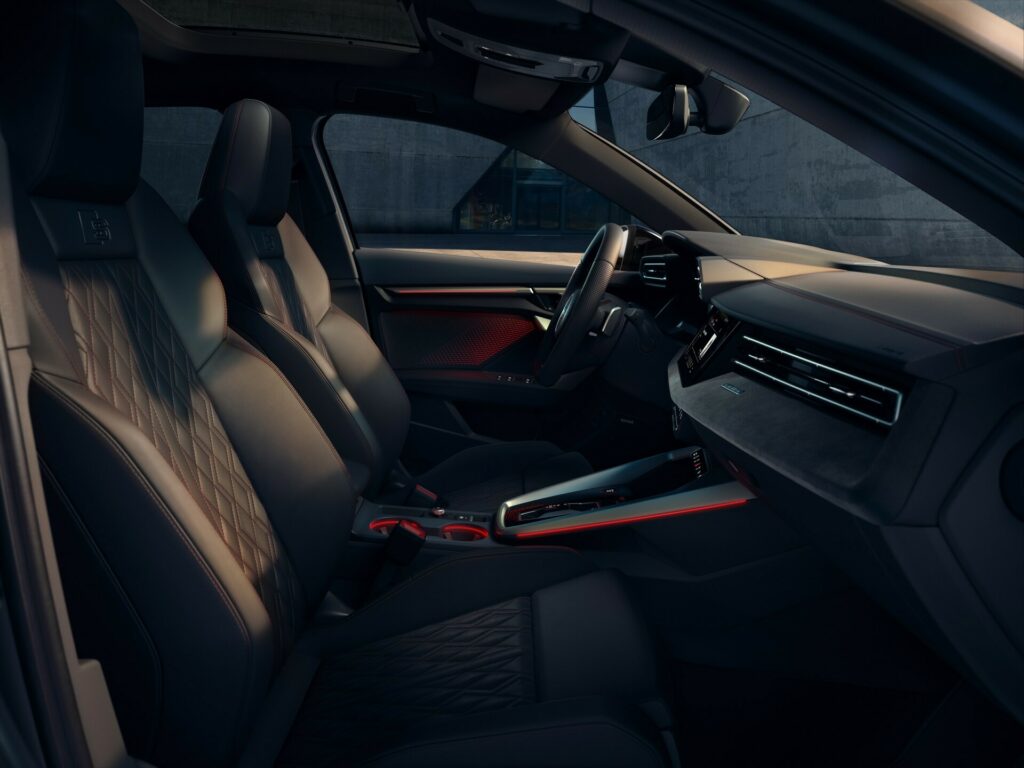
Design updates include a new singleframe grille, revised LED and LED Matrix headlights, and configurable daytime running lights. Inside, the cabin boasts a new shifter, air vents, ambient lighting, and backlit fabric panels on the front doors. Exclusive S3 features comprise a black roof lining, stainless steel pedals, aluminium accents, sports seats, and carbon fibre elements.
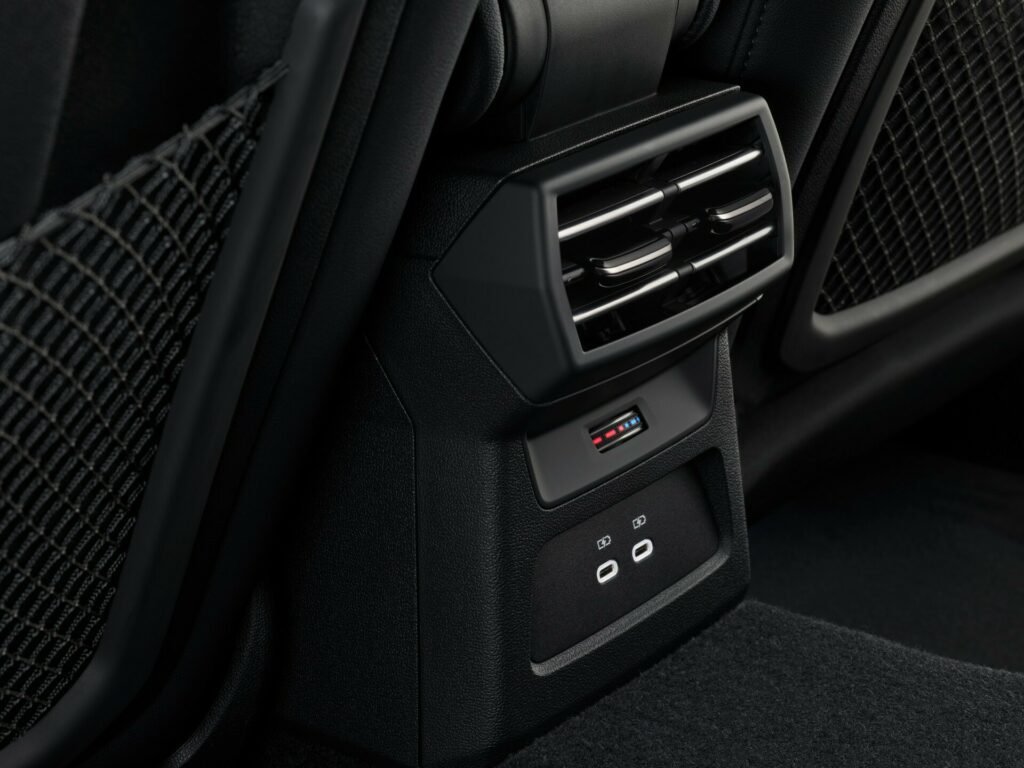
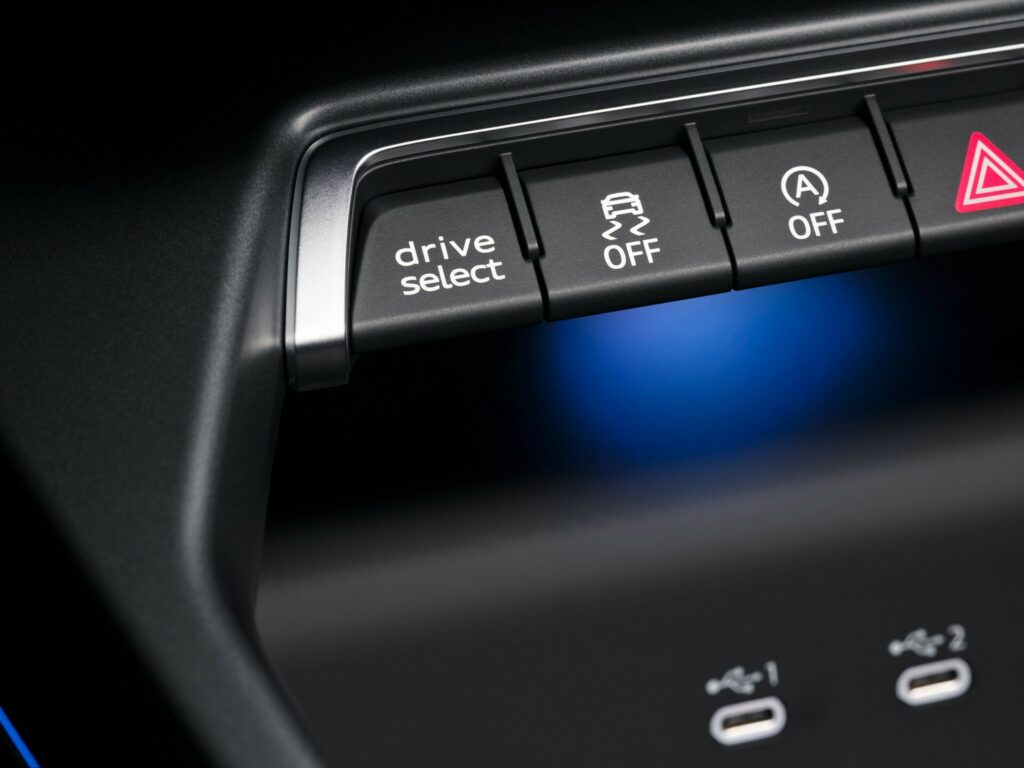
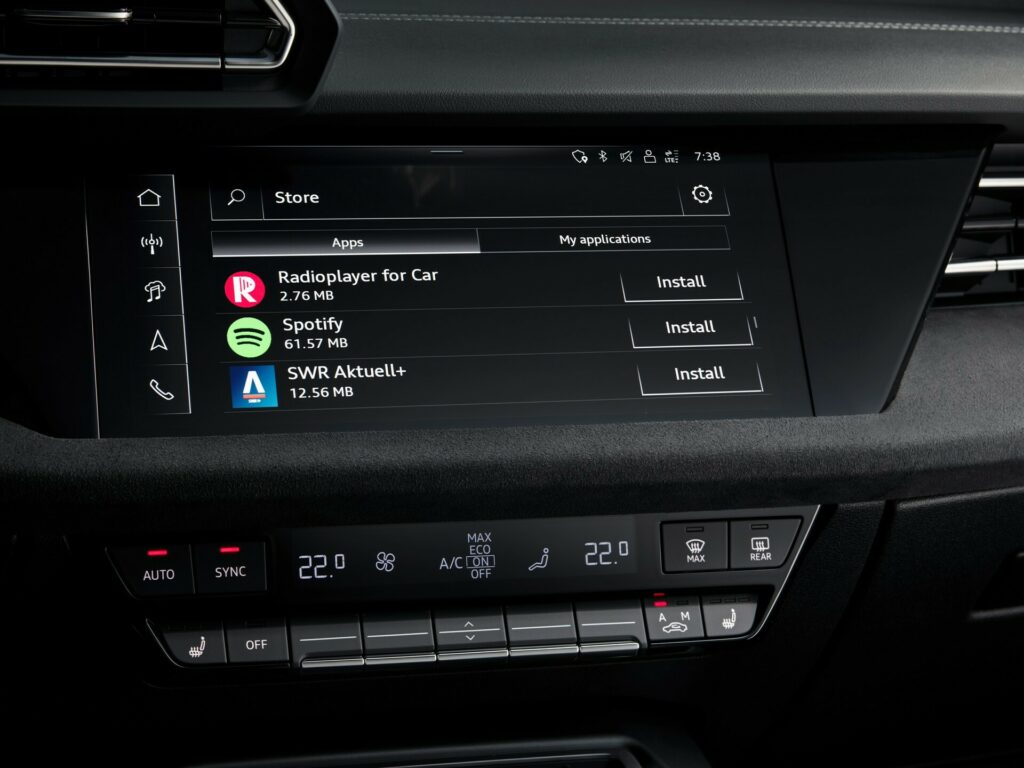
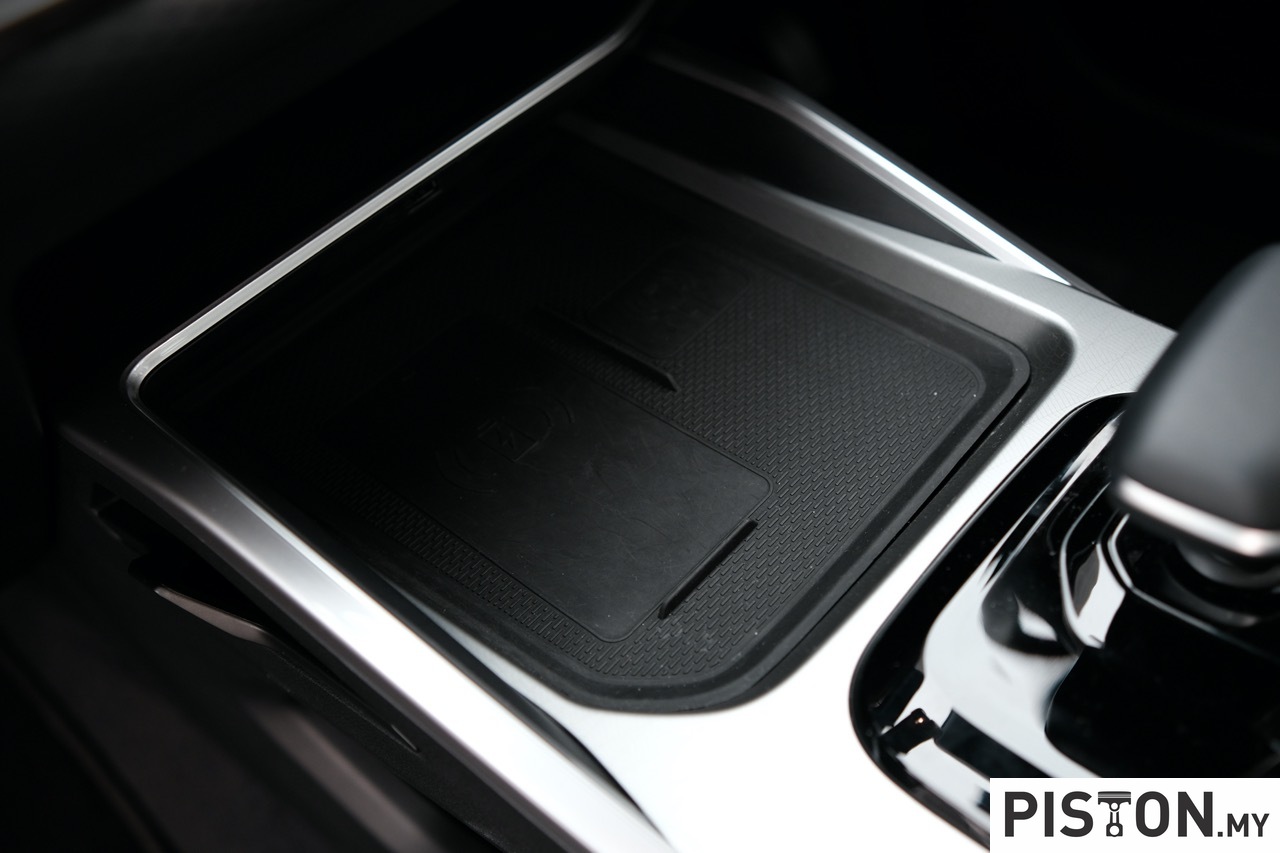
The S3 is digital and connected – thanks to numerous connect services, functions on demand, and a store for apps. In addition to DAB+ digital radio and the 10.1-inch touch display, the Audi virtual cockpit, and an inductive smartphone charger all come as standard. In addition to the two front USB C charging ports in the centre console, there are two additional ports in the rear as standard.
Other optional features include MMI navigation plus, along with the complete connect portfolio and access to the store for apps, which allows the driver to use a wide range of applications right on the vehicle display. The selected apps are installed in the S3’s infotainment system – without taking a detour via the user’s smartphone. Users can also interact with their apps via voice command. Functions on demand ensures a high degree of flexibility. A total of five individual infotainment and comfort functions can be added online via the myAudi app, even after the vehicle has been purchased.
The 2025 Audi S3 will arrive at European dealerships this quarter, with prices in Germany starting at €55,600 (RM286,889).
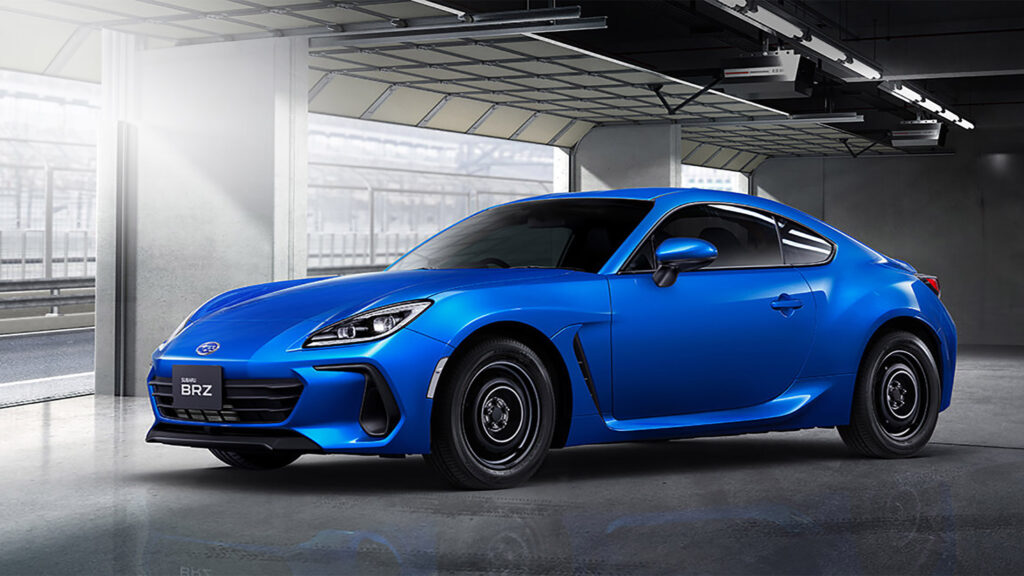
The Subaru BRZ Cup Car Basic, renowned for its track-focused performance, makes a comeback in Japan with added safety features. Originally designed for a special dual-make series in Japan featuring Toyota and Subaru vehicles, this edition of the BRZ boasts stripped-down aesthetics and specialised tuning from the STi division.
While the Cup Car Basic trim has been available since 2022, it was absent from the Subaru website after the 2024 MY updates were introduced in September 2023. However, Subaru now reintroduces a mildly upgraded model, bringing it back into the lineup.
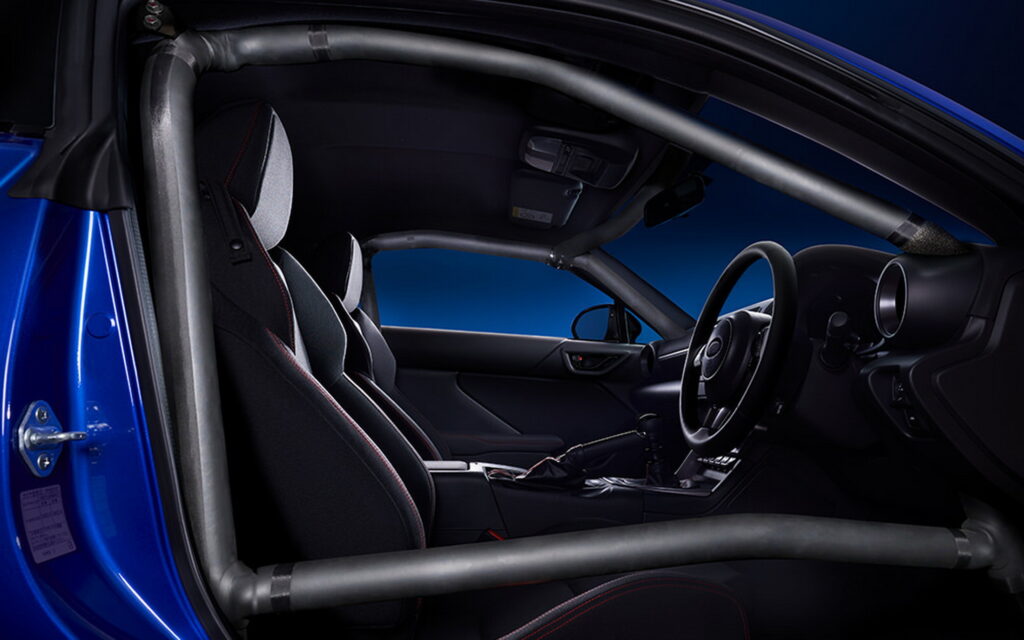
One notable addition is the inclusion of the Eyesight Advanced Driver Assistance System (ADAS) suite, which now comes standard across the BRZ lineup, even for manual transmission models. Additionally, the roll cage has been redesigned with a slightly altered shape and sidebars, accompanied by a 6-point seatbelt for the driver.
Proton has come a long way since the launch of the first-generation Proton Saga back in 1985. They have evolved and adapted to current trends to ensure their survival in the ever-changing automotive market.
How? Well, we all know Proton’s collaboration with Geely to introduce models that can compete with other manufacturers. But does it stand out from the rest? We recently got to test out Proton’s latest model, the Proton S70. Now, Proton claims it to be a C-Segment sedan. This means the S70 is competing with the Toyota Corolla Altis and the Honda Civic.
However, the S70 is a rebadge of the Geely Emgrand sedan, which is a B-Segment sedan. So we don’t think that the S70 belongs in the C-Segment and it should actually be competing with the Honda City and Toyota Vios. But even then, is the S70 better than the two?
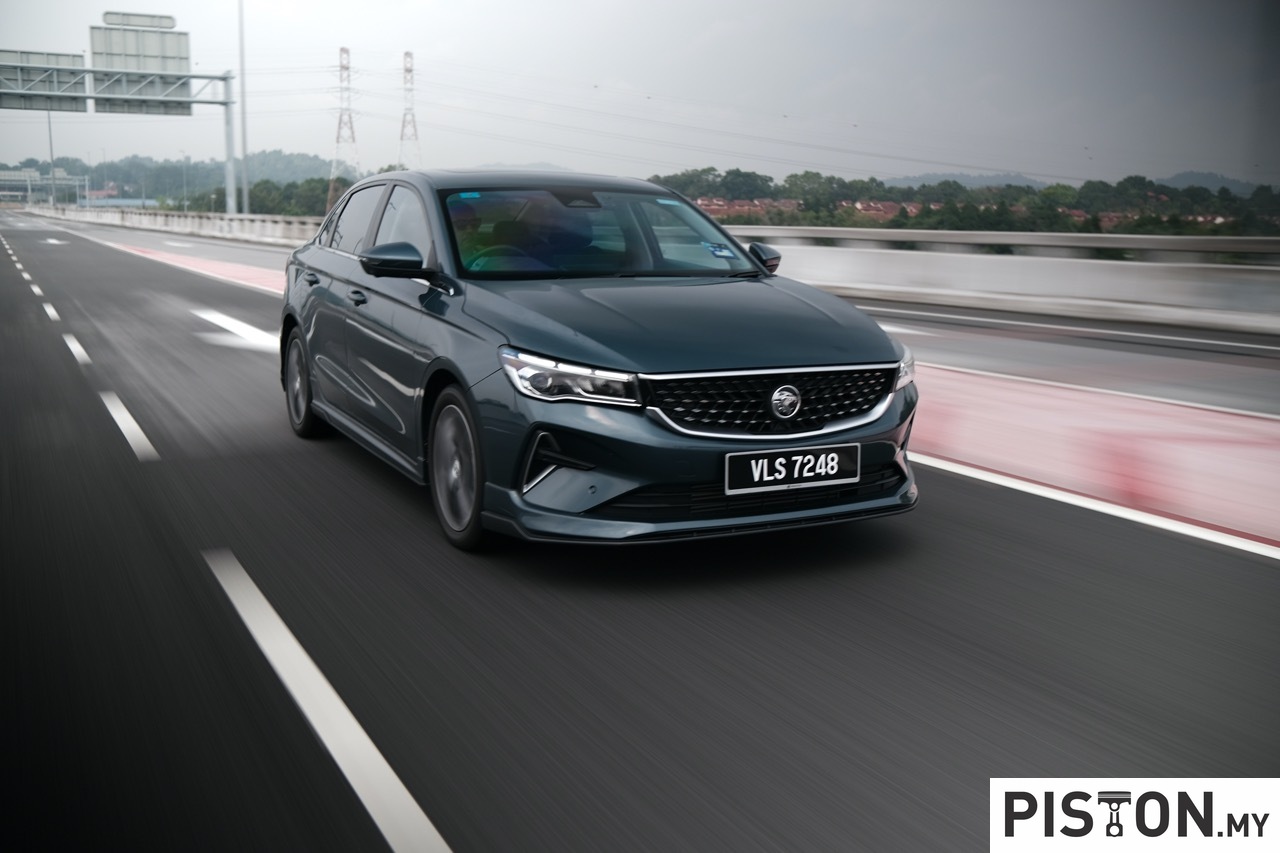
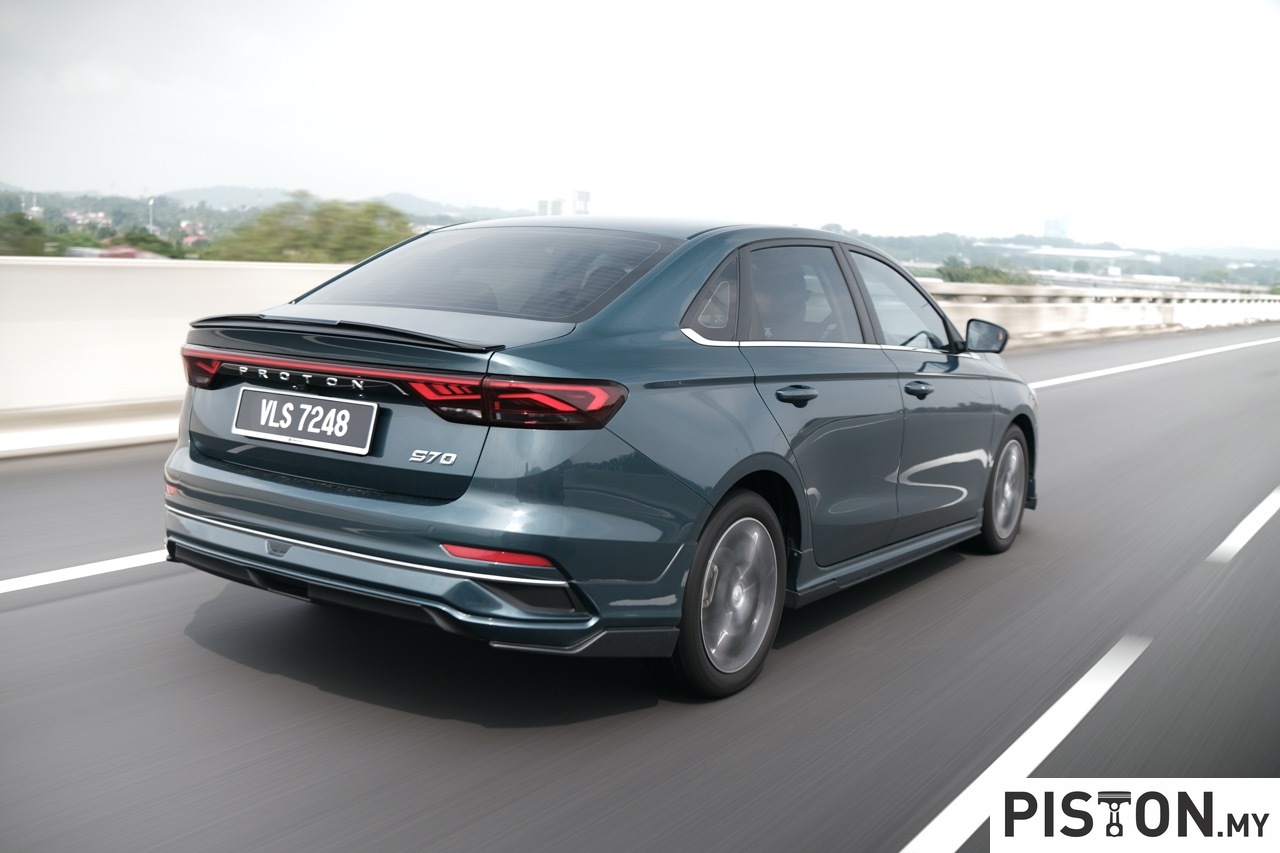
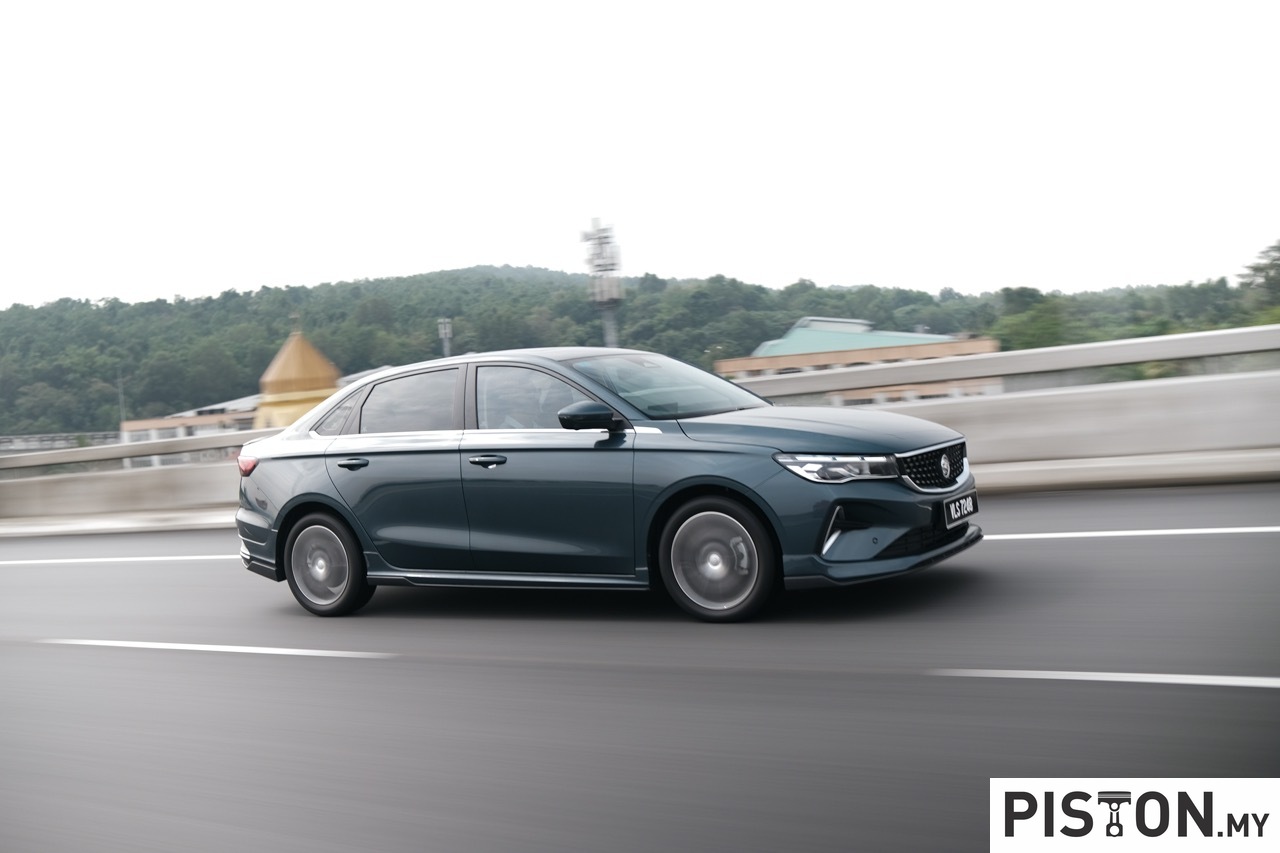
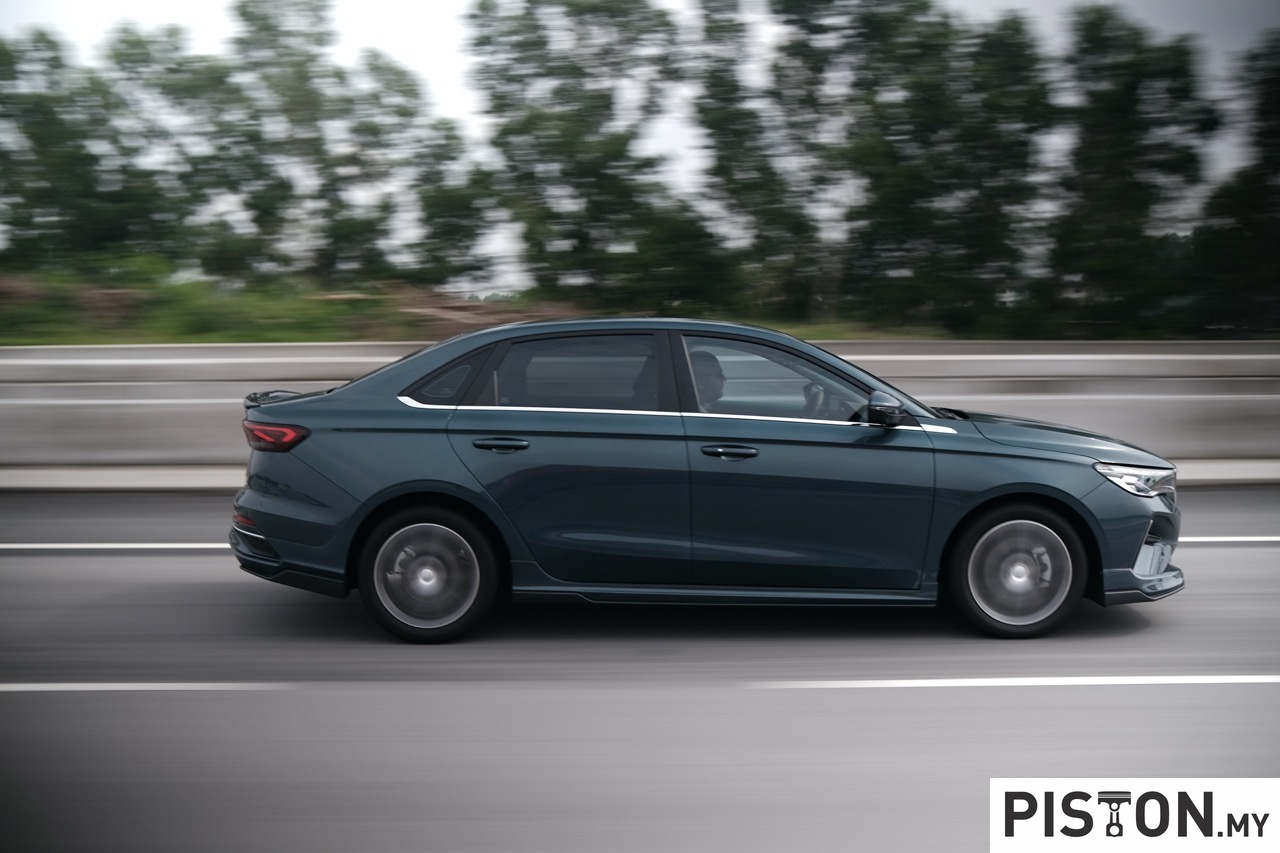
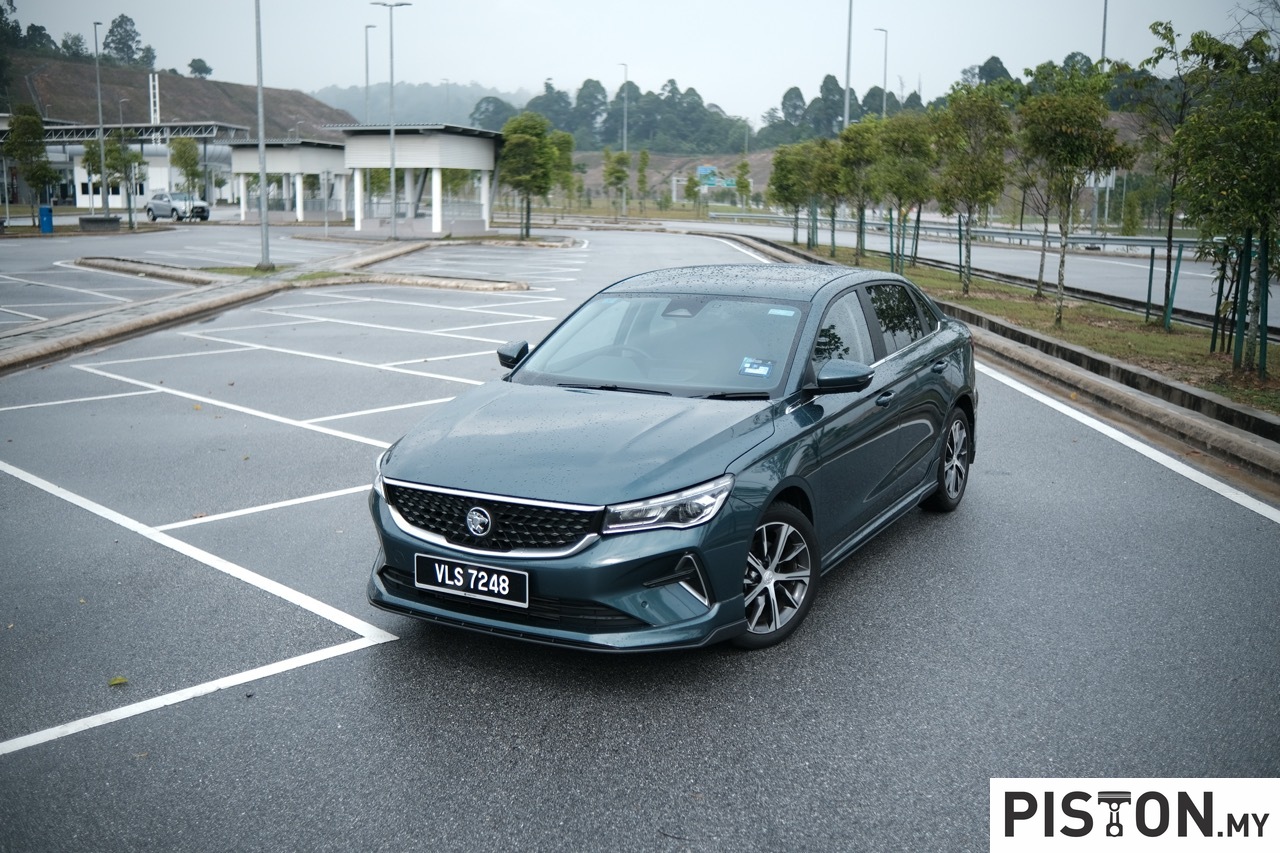
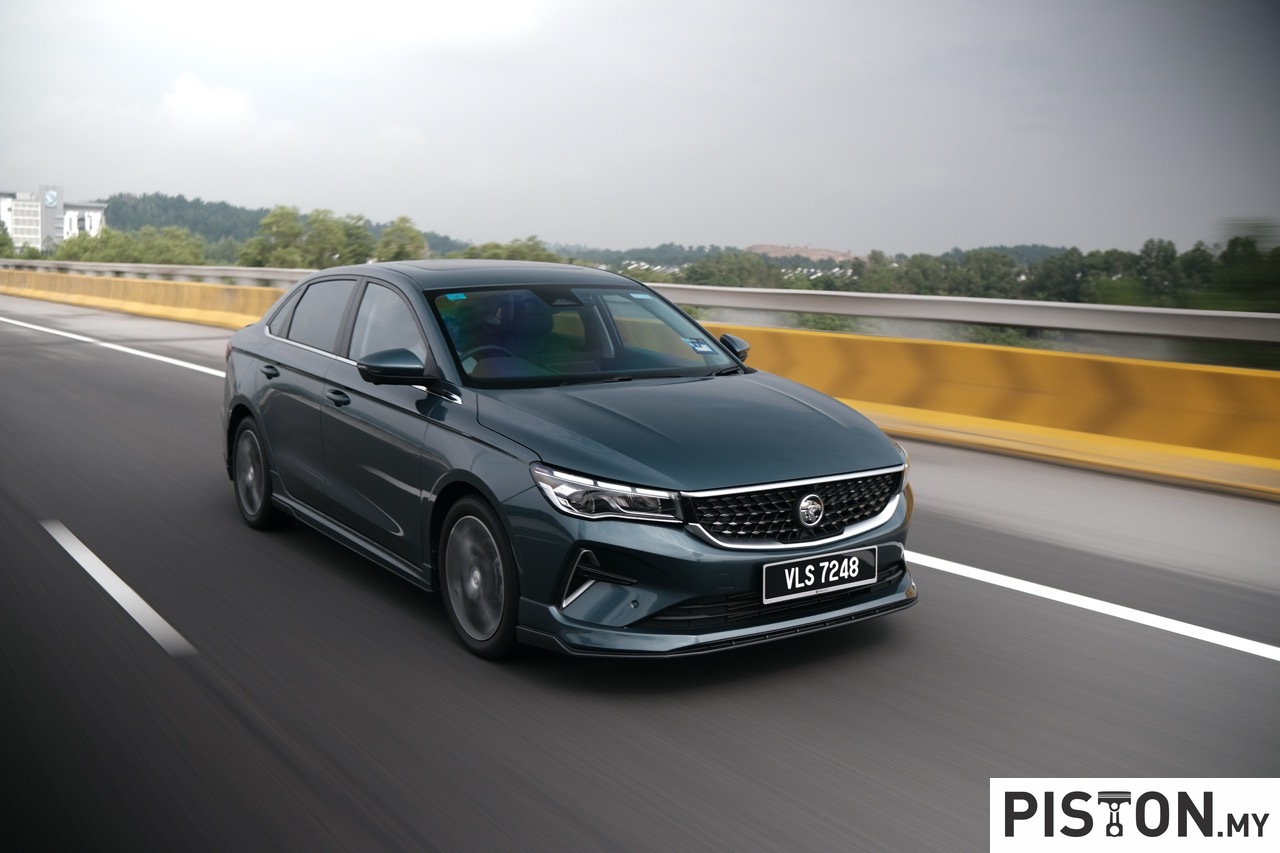
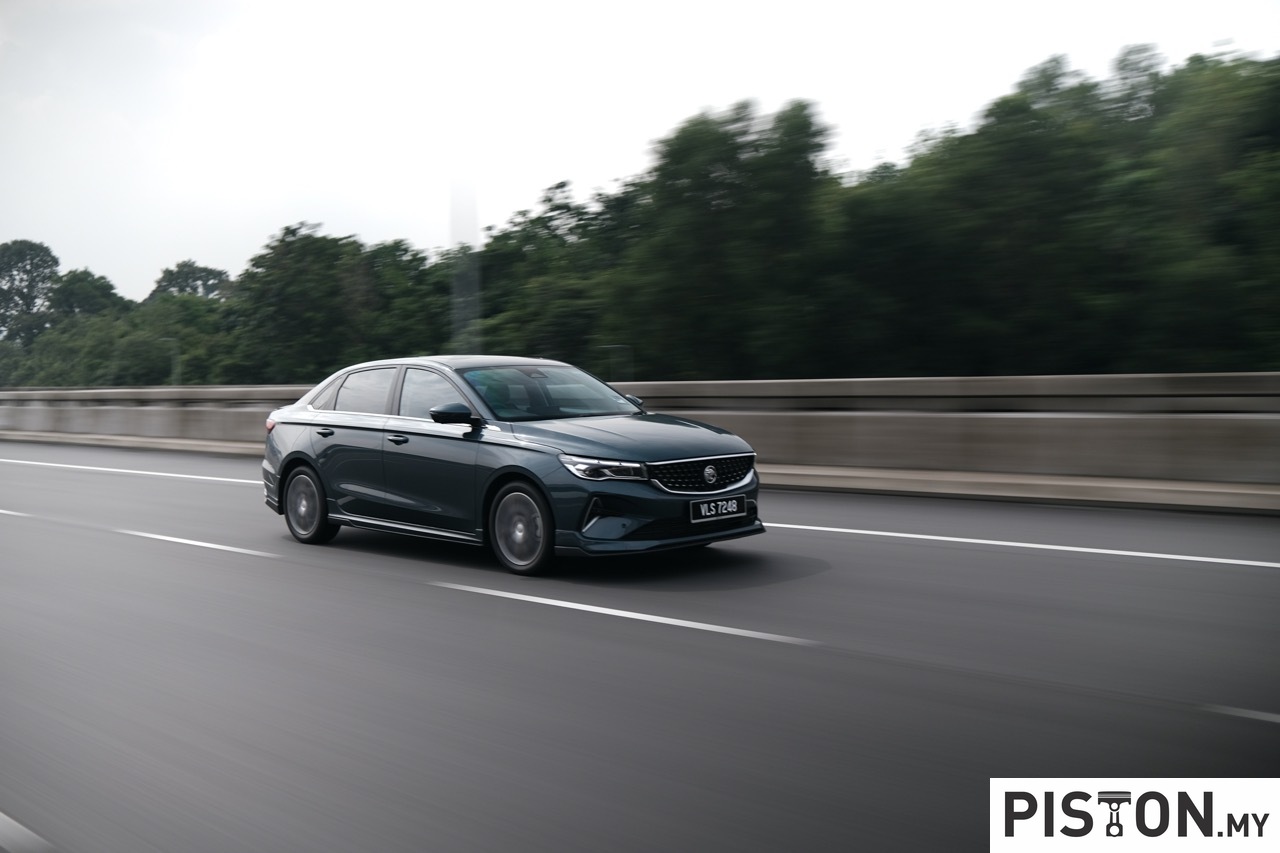
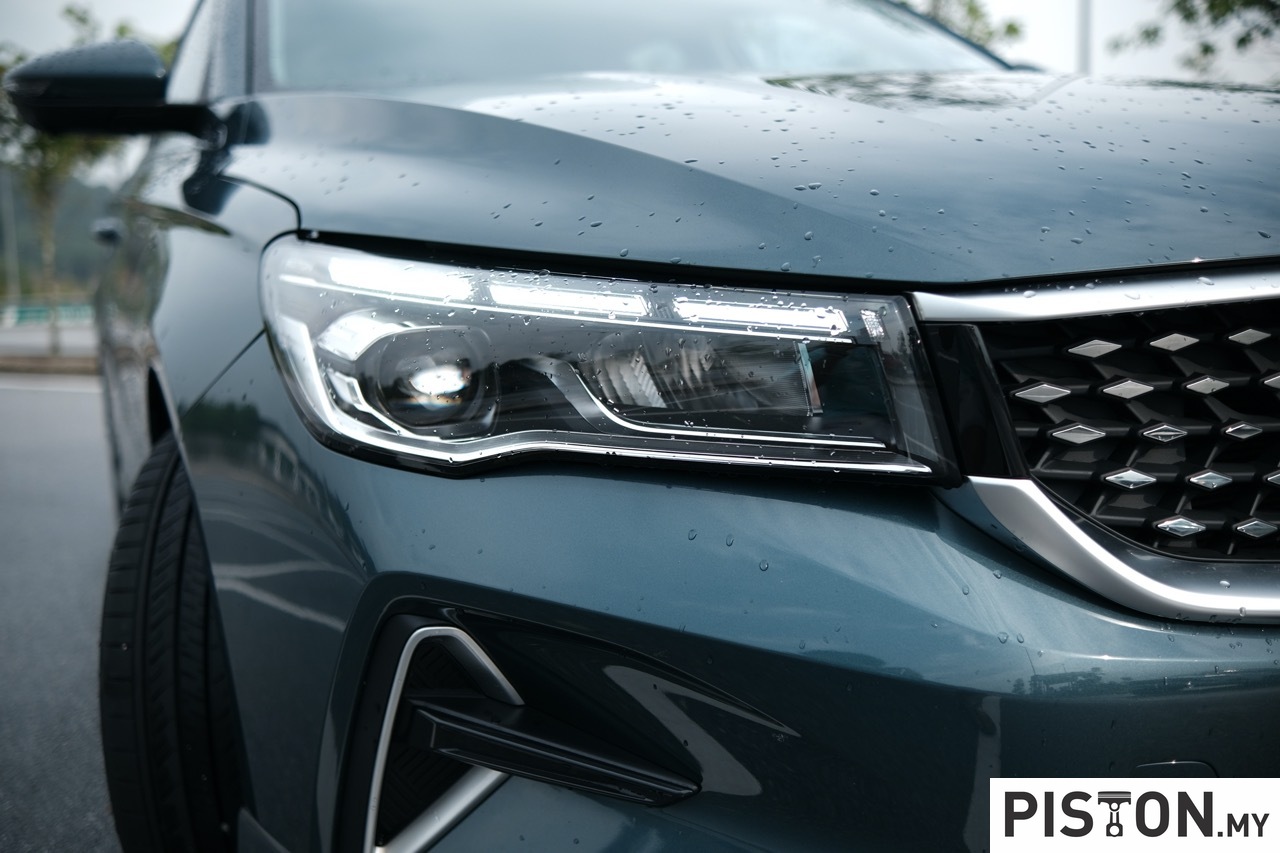
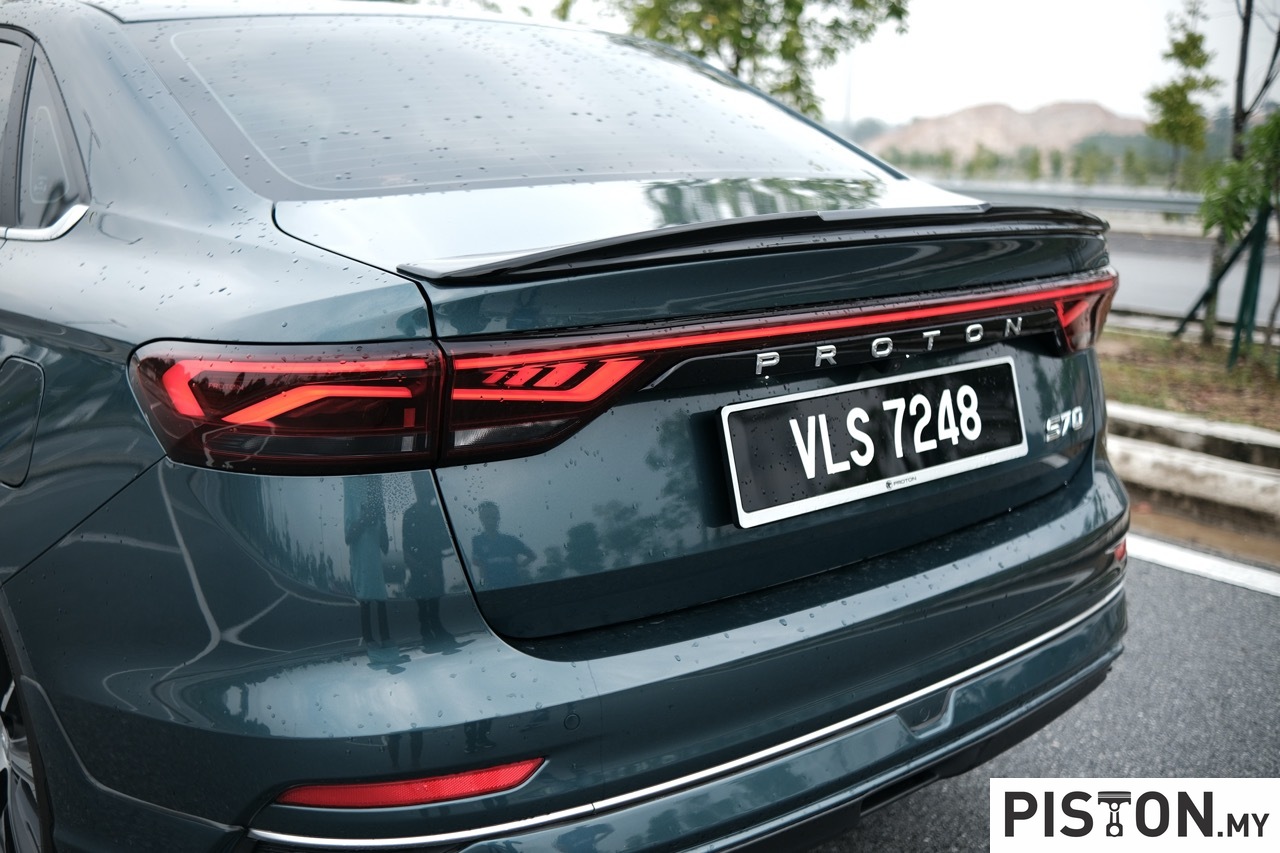
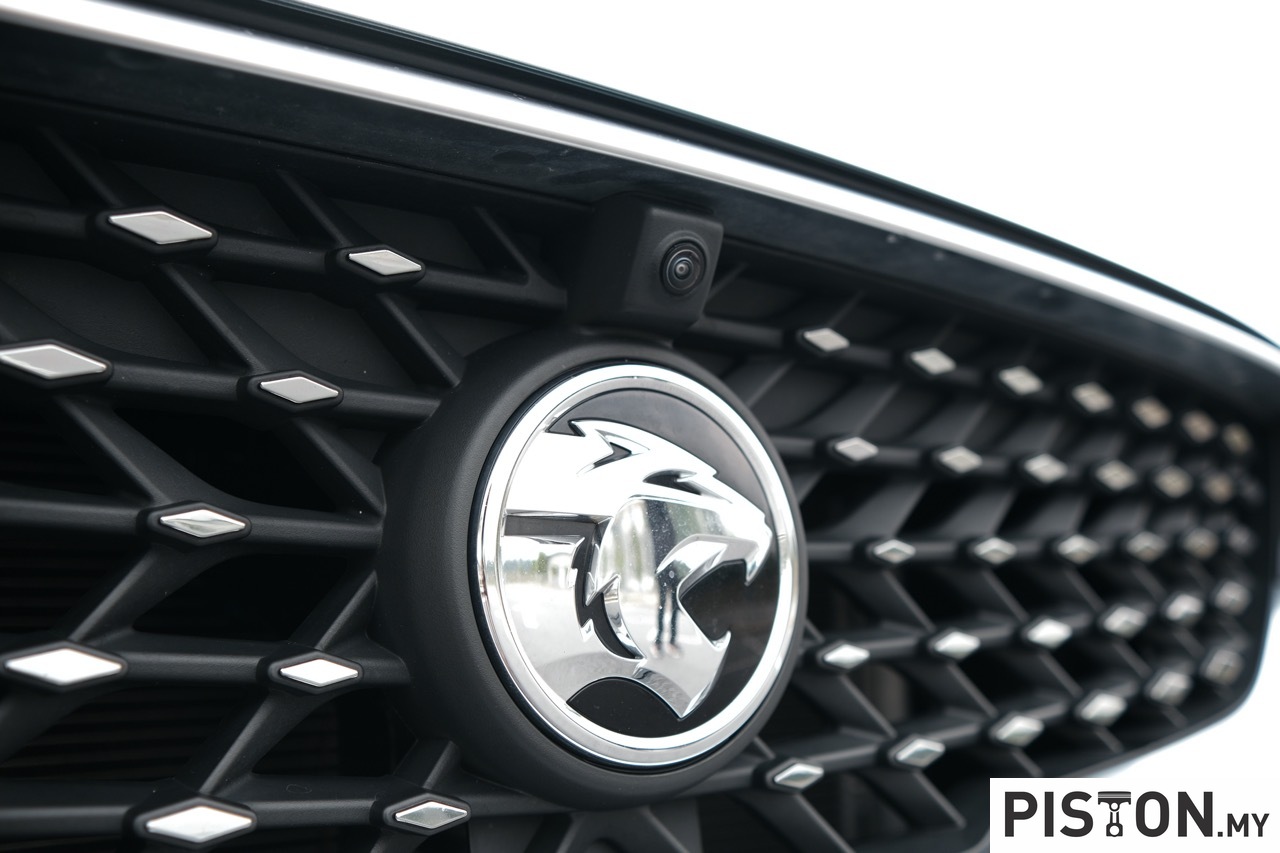
Visually, the car looks pleasing. It has a sporty yet elegant design with refined lines and curves. The LED taillights are something we really love because of their striking light bar that does a little dance when you unlock and lock the car. The front grille is adorned with chrome pin inserts and LED projector headlamps, which also does a little dance.
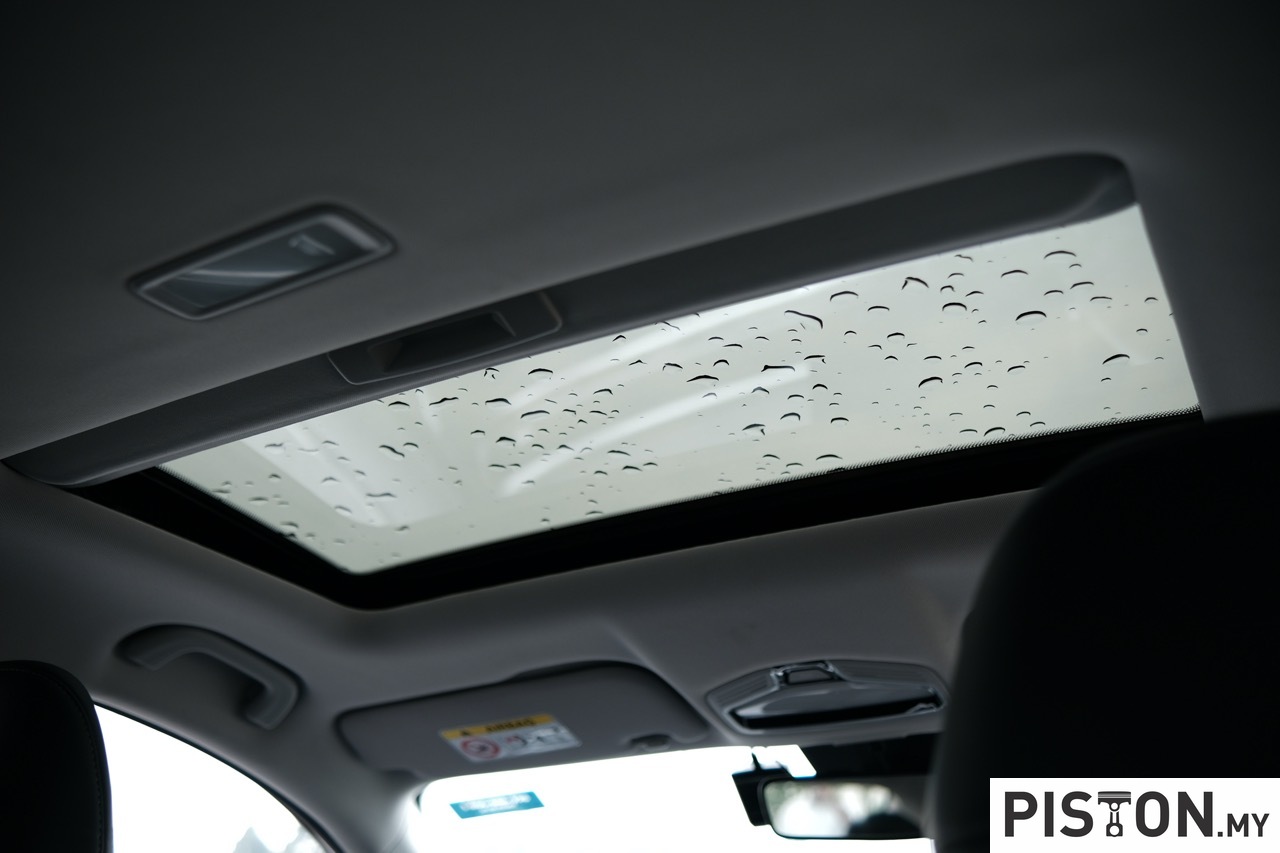
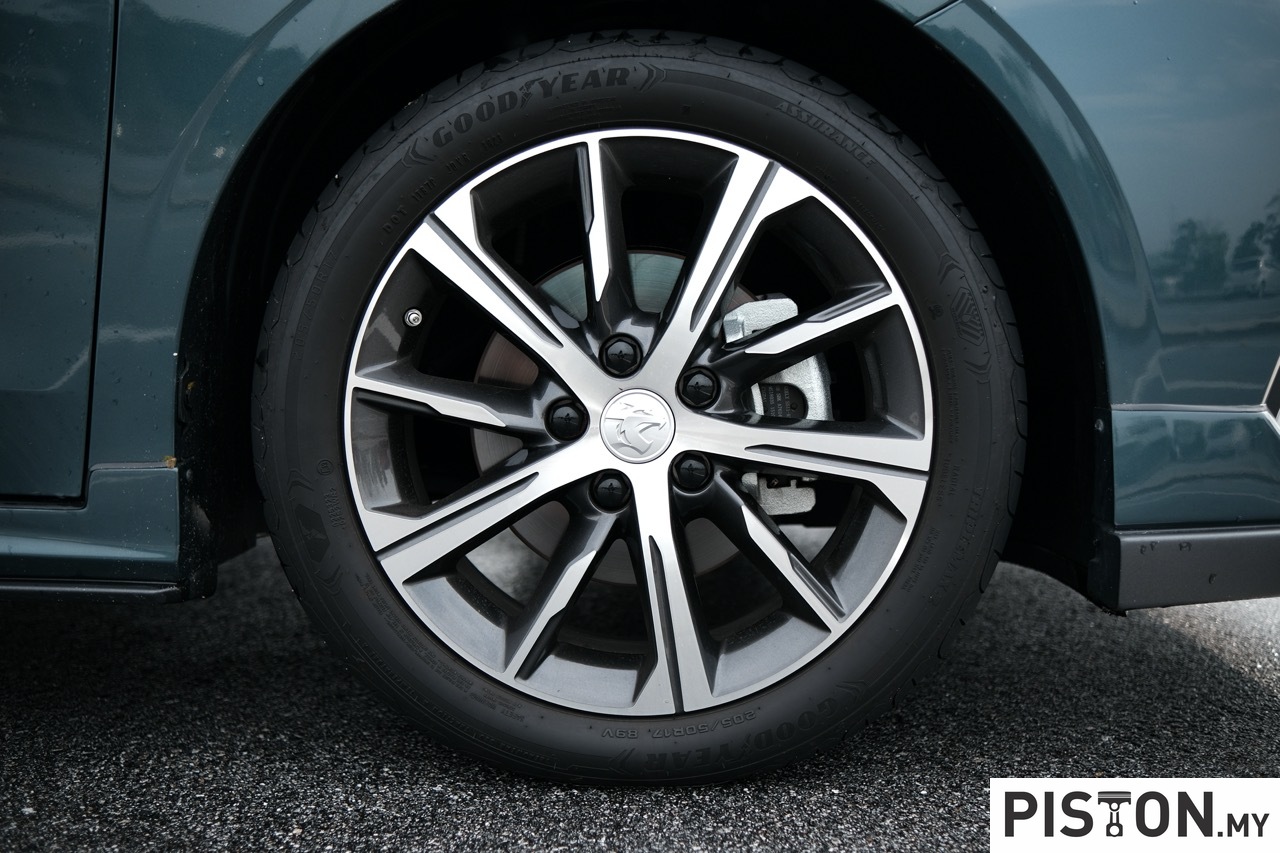
If you’re getting the Flagship X, which is the variant we drove, you get a sunroof. Not ideal for our Malaysian weather, but it looks cool. It also comes with 17-inch 10-spoke wheels wrapped in Goodyear Assurance TripleMax 2 tires.
There was nothing not to like about the S70’s visual cues because it is a pretty good-looking car. We were given the one in Teal Bayou Green, which is one of the best options because it brings out the elegance in the car. We managed to turn some heads too! However, the more popular choice is Marine Blue because it has a three-month waiting period.
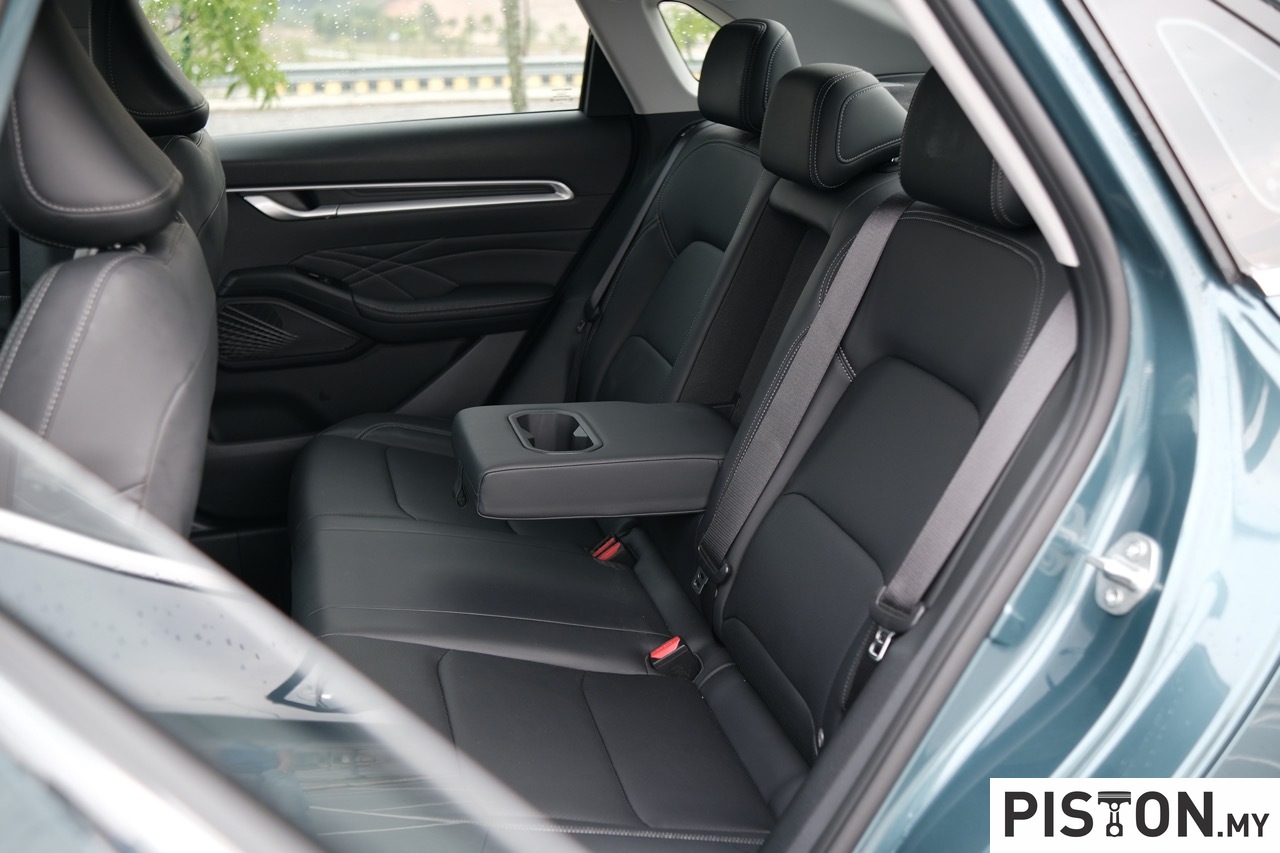
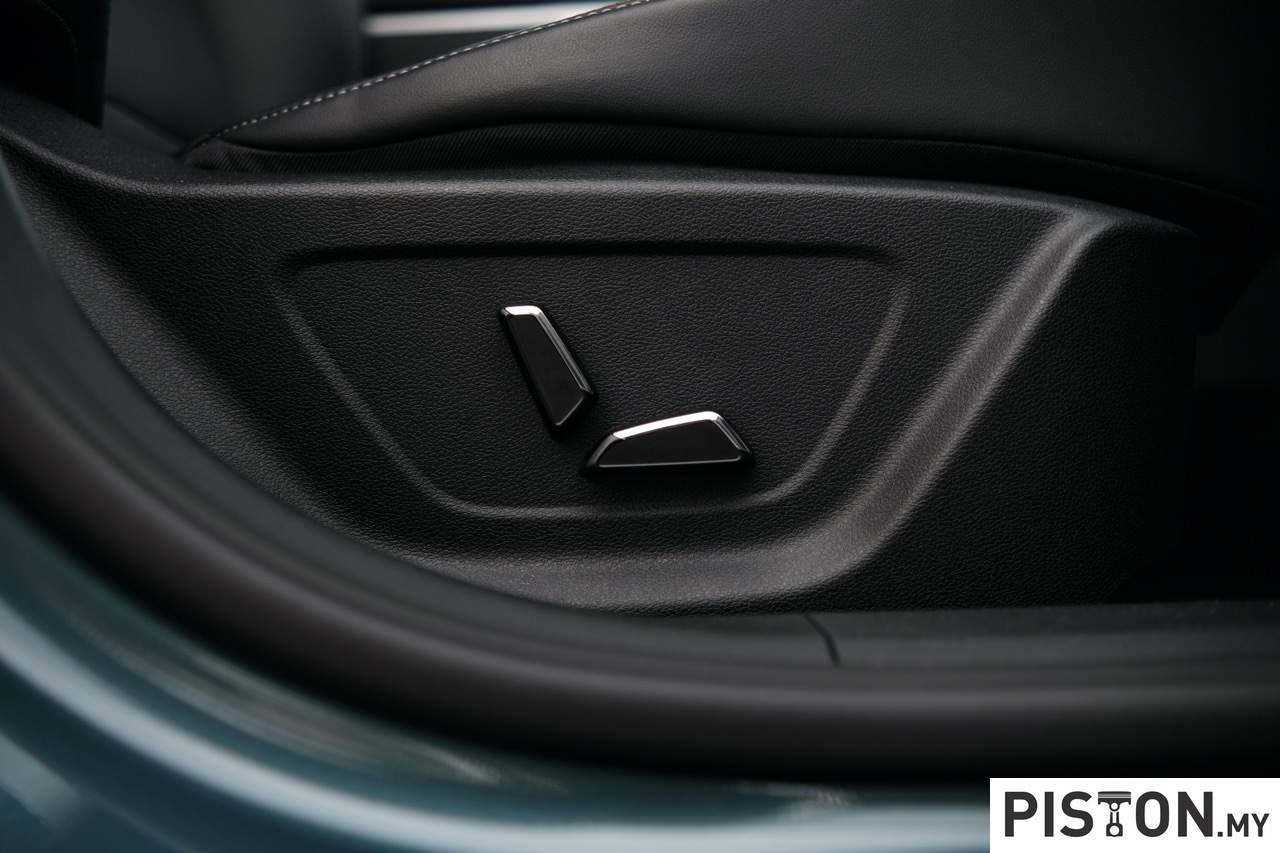
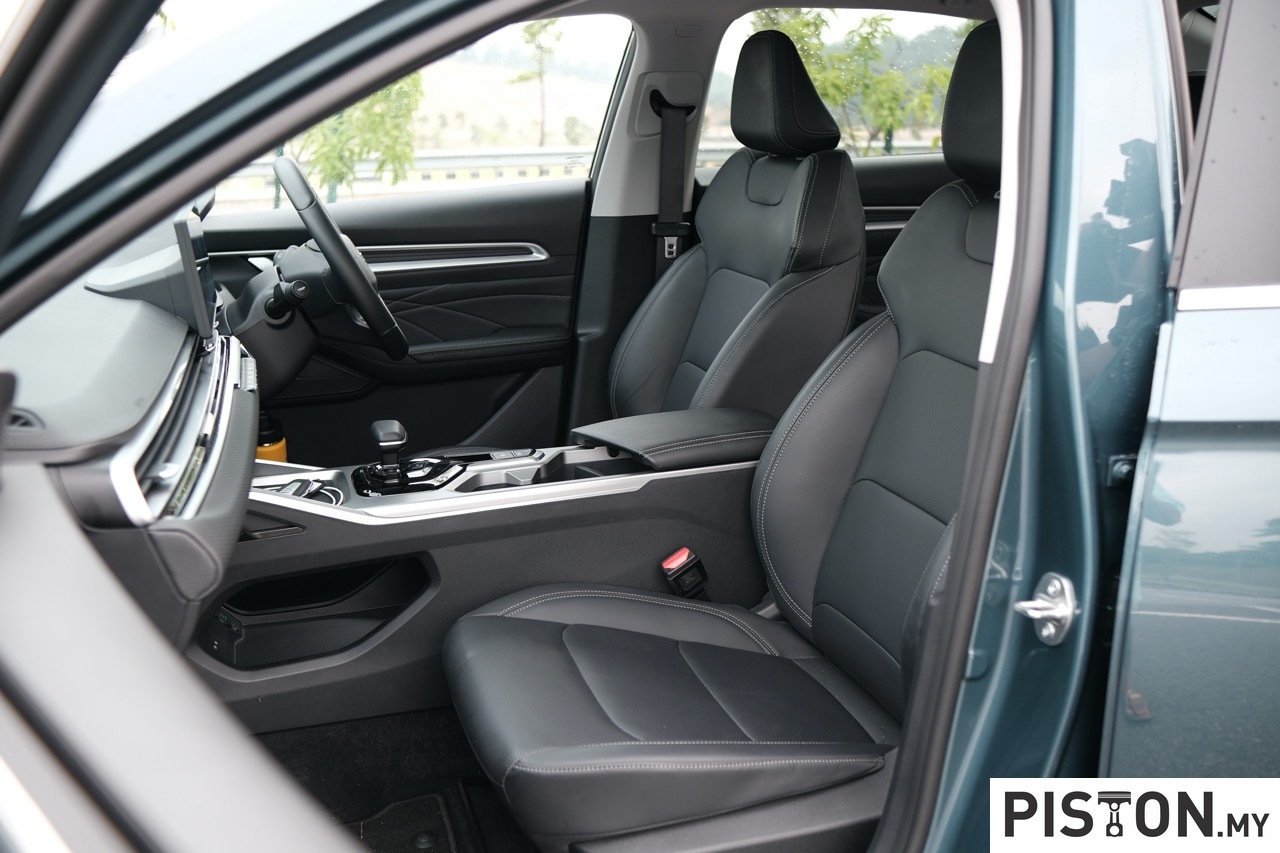
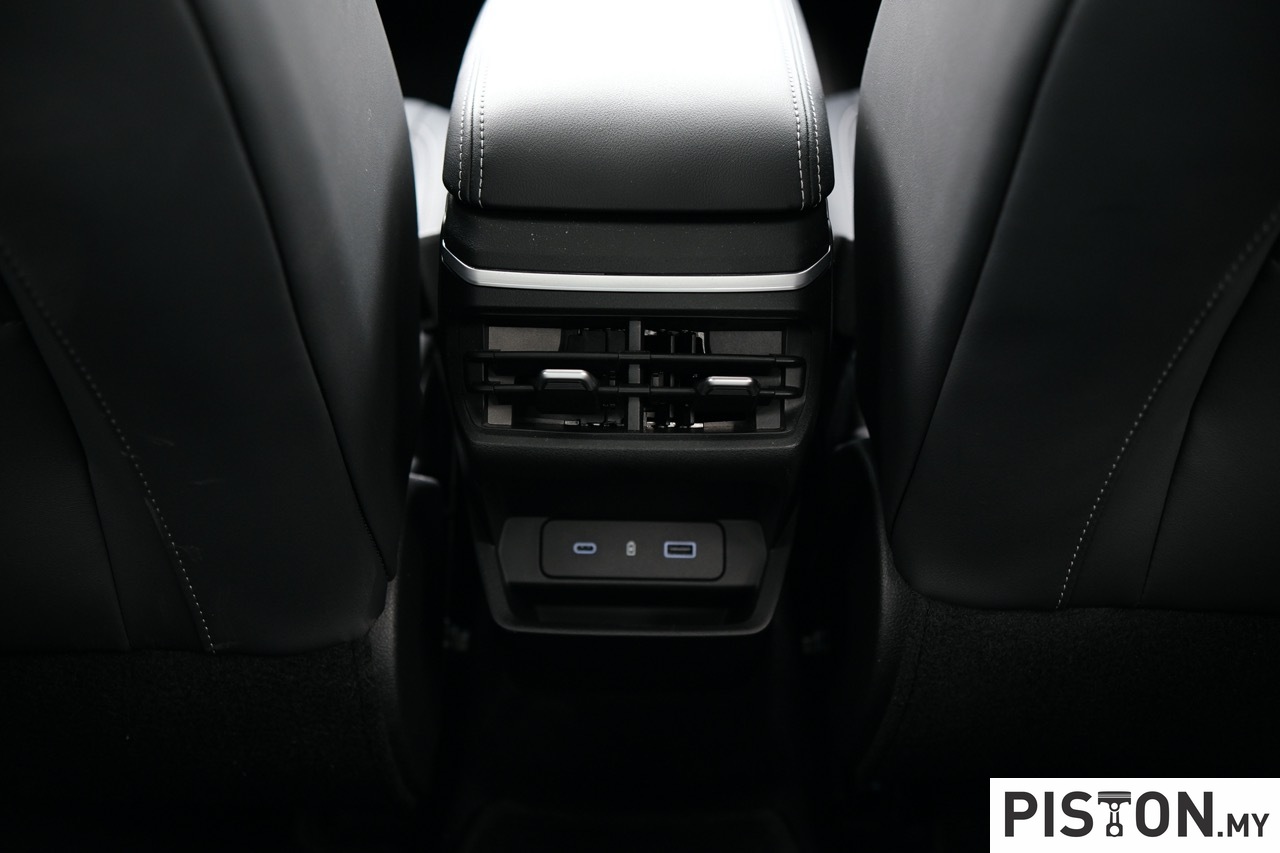
Moving on to the interior. This is where we have some complaints. Now, the S70 measures 4,638mm long, 1,820mm wide, and 1,460mm tall and has a wheelbase of 2,650mm. This makes it slightly smaller than the Emgrand but larger than the Proton Preve. This writer has owned a Preve before and would like to point out that the Preve had more legroom than the S70. For the driver, it’s no issue to adjust the seat to however you’re comfortable with. However, if you’re a rear-seat passenger, you may struggle as the rear legroom space is horrible.
For it to be a family sedan or a “C-Segment” sedan, this should not be an issue. We took our family for a drive, and they struggled to get in and out of the car. The driver and front passenger had to get out of the car and push the seats to the front to allow the rear-seat passengers to get out. If the ones sitting at the back are elderly, tall, and people, they might struggle a bit more. So we were very disappointed with the interior spacing. If it’s just the driver and a front passenger, it’s fine because you have the luxury of pushing your seats to the back.
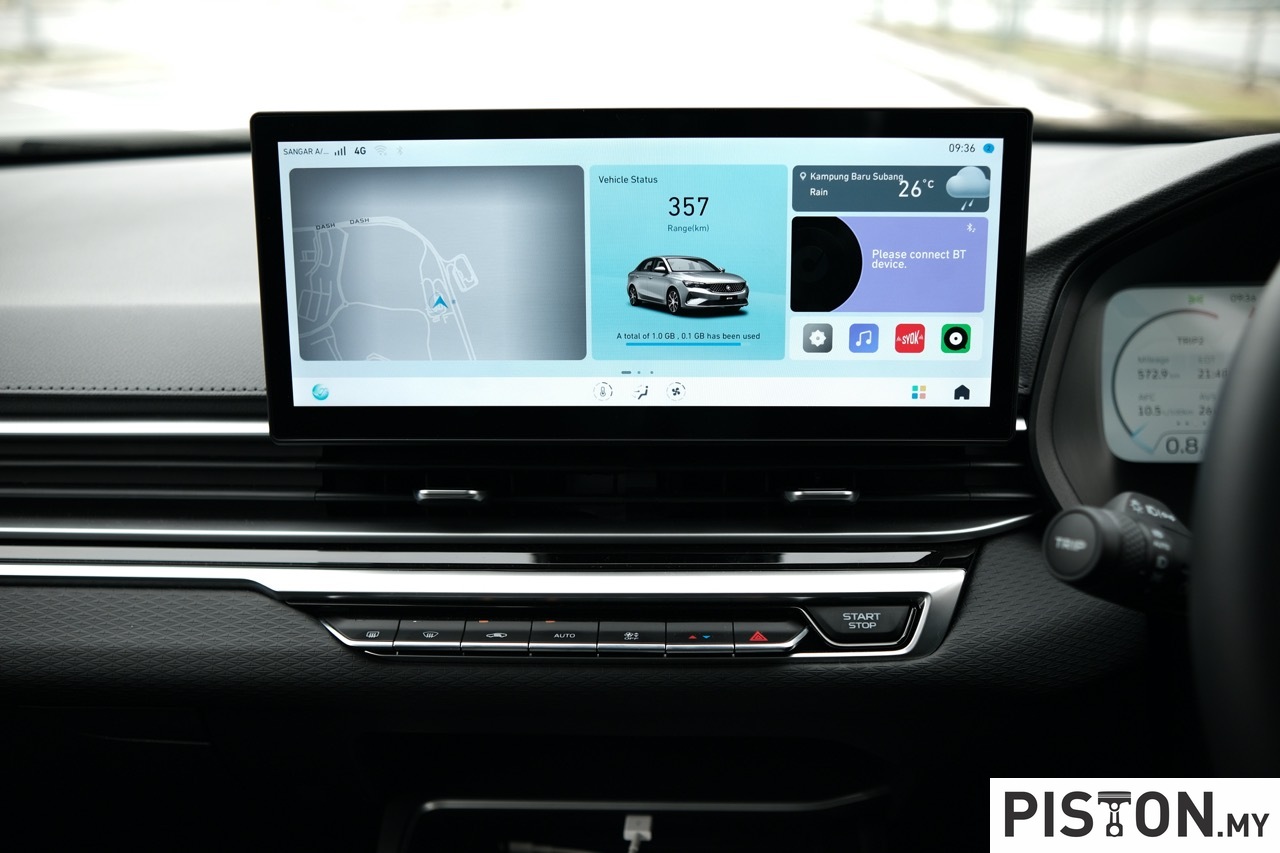
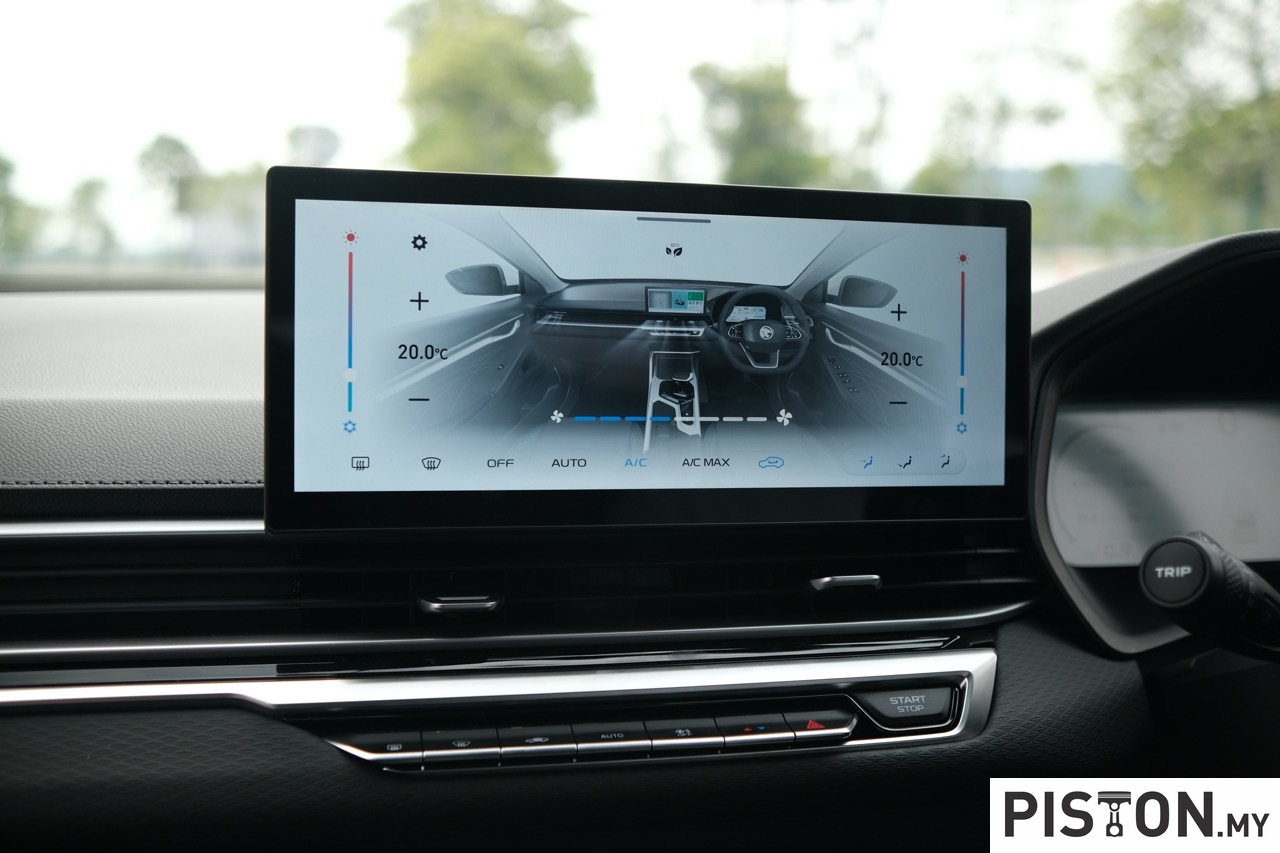
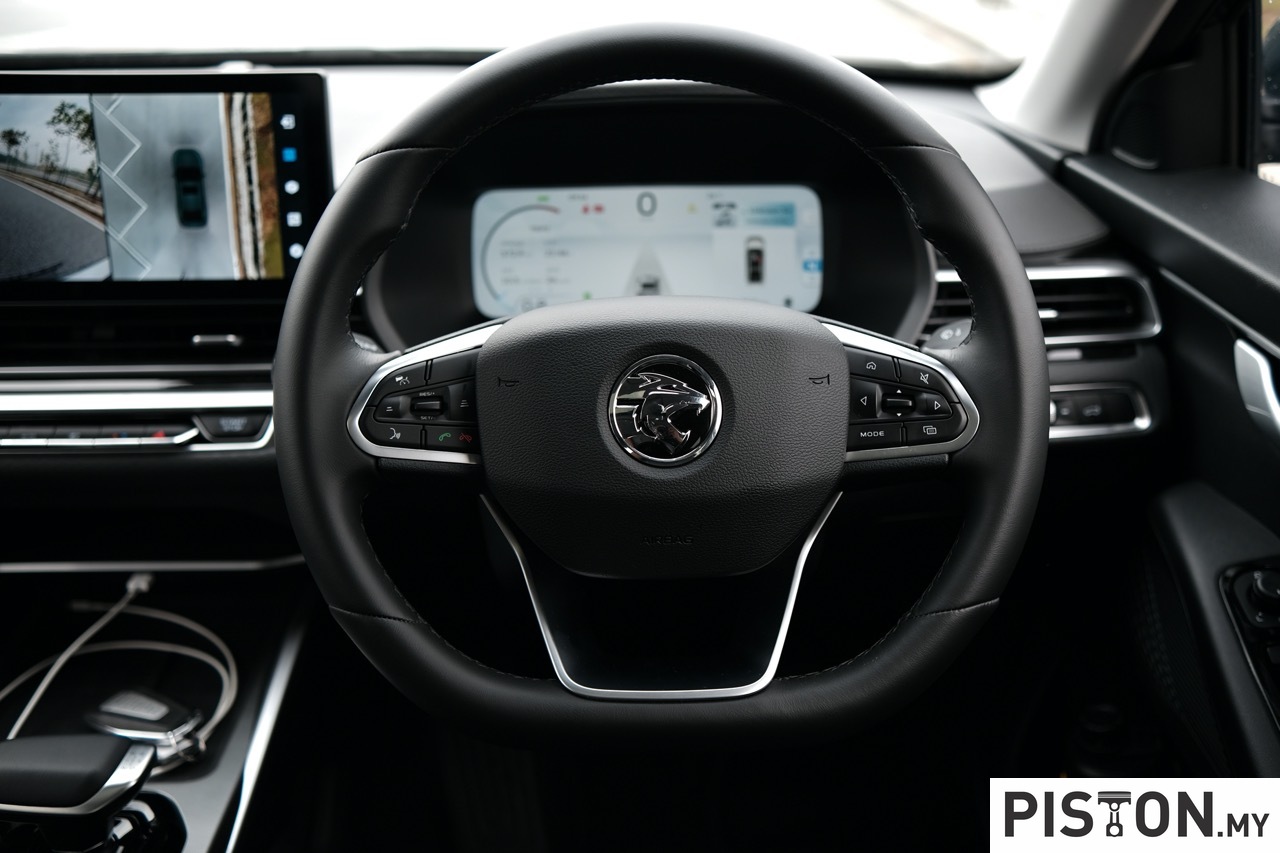
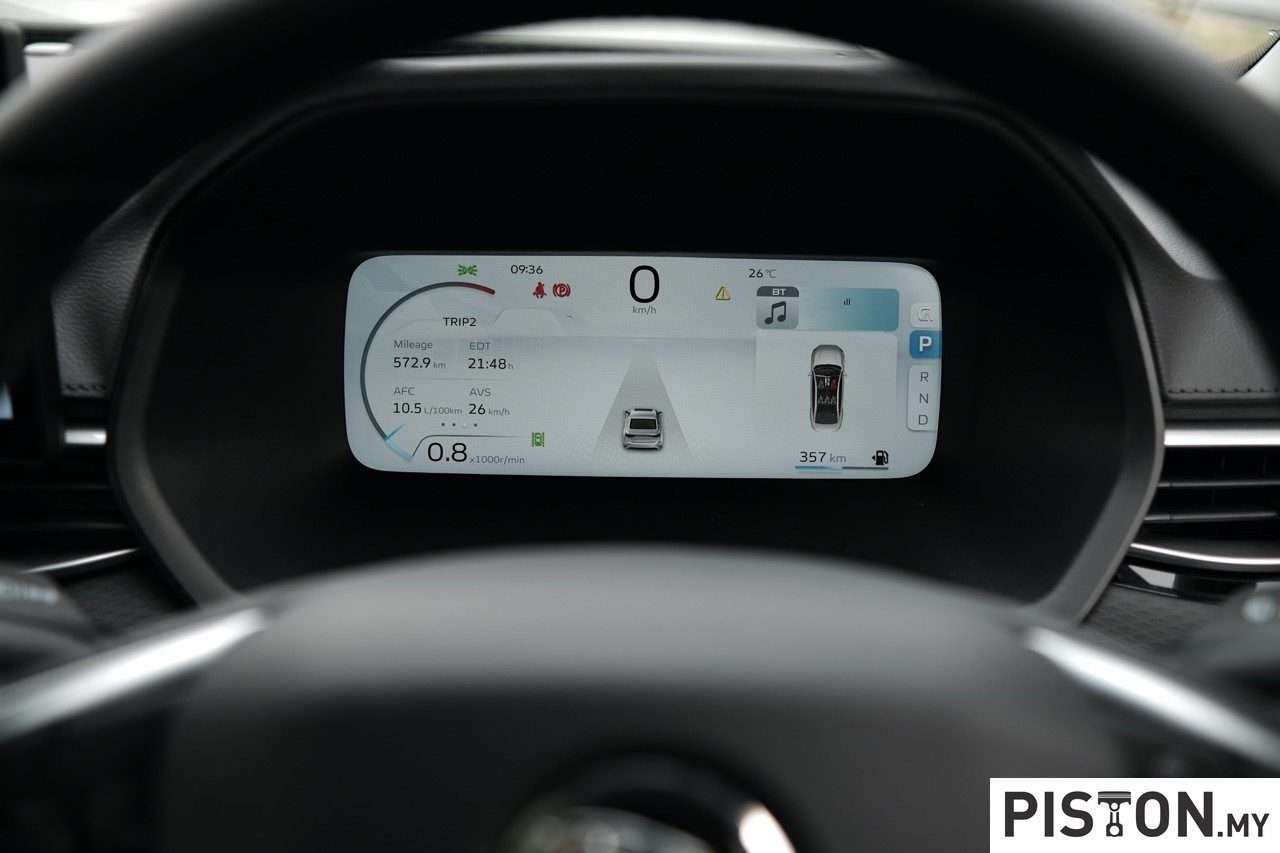
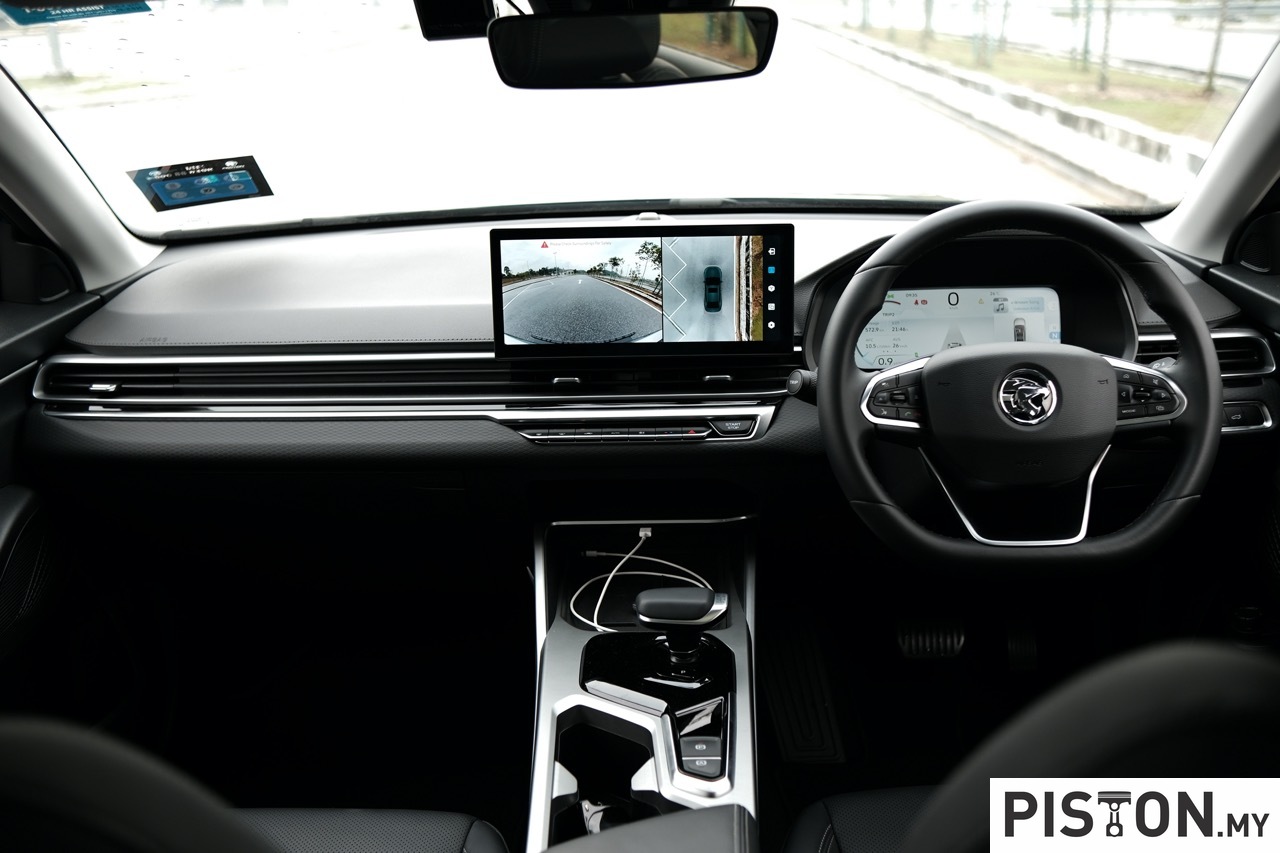
Now on to the infotainment system. The S70 comes with a 10.3-inch instrument cluster and a 12.3-inch infotainment touchscreen. Decent sizing compared to the TV screens that some cars nowadays get. The biggest flaw is that it does not have Apple CarPlay or Android Auto, and we absolutely hate this. If this were integrated, it would have made life so much easier. But not to worry, Proton has stated that these features will soon be added, and a simple software update is needed. Unless you own older models, then a hardware upgrade will be needed.
Adding to the frustration, the positioning of the infotainment screen on the S70 is rather annoying. We feel like it is too close to the air conditioning vents. If you are the type of person who relies on using your phone for Google Maps or Waze, it’s going to be an issue because the only option you have for a phone holder is the one with the suction cup that sticks to the windshield.
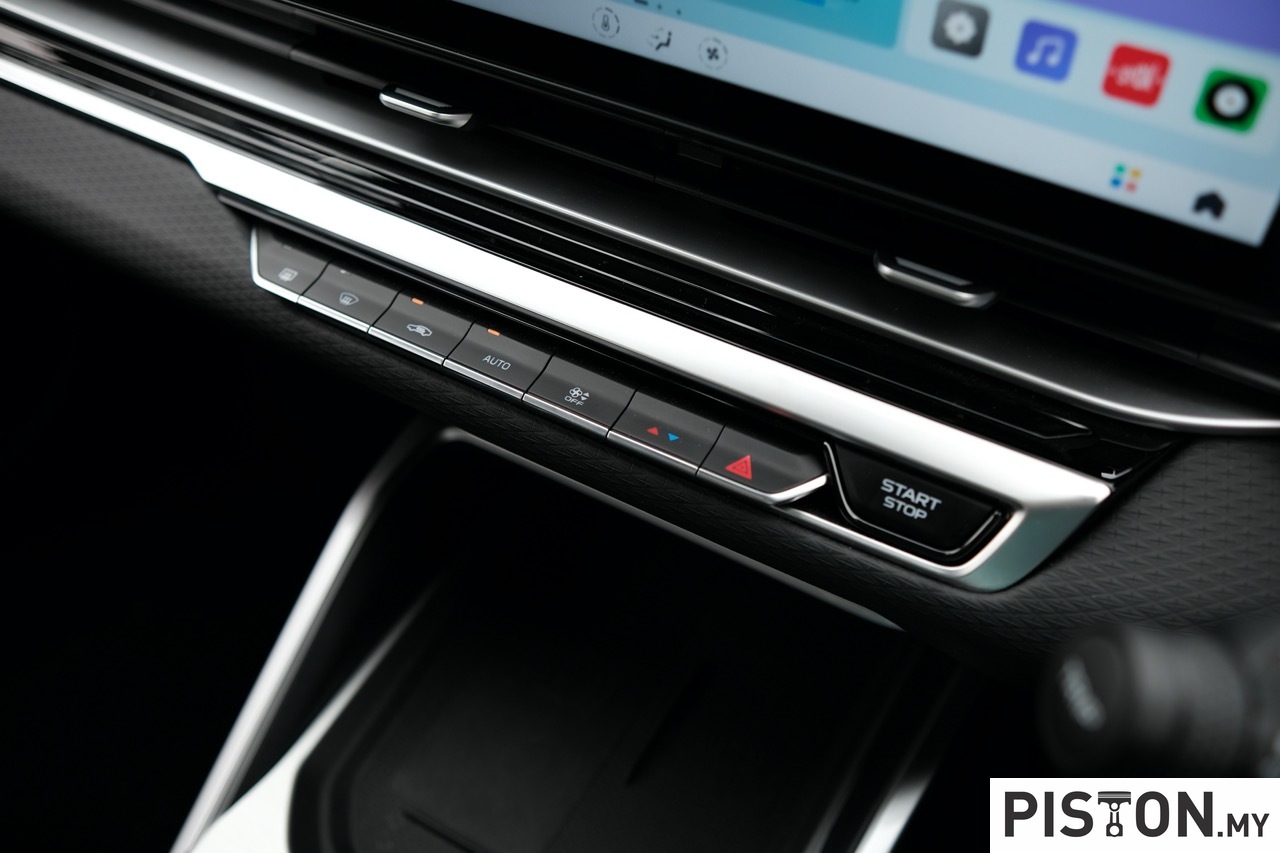
Although it can be done, it will leave a mark on the windshield. This writer personally uses the one that clips onto the air conditioning vents and that was a hassle because the pop-out buttons that are below the vents were in the way of the phone, and the infotainment screen was bulging out a bit that the clip could not fully be latched on. So we had no choice but to use the driver-side air conditioning vent. Which meant that the said vent was useless, other than cooling down the phone.
Yes, we know that there are many options when it comes to phone holders, but it is still a hassle to find one that suits this car perfectly.
Sometimes, physical buttons are the best way to go, in our books at least. But some somethings were not taken into consideration such as switching the drive modes, adjusting the air conditioning temperature, and operating the sunroof. You must go through the infotainment screen to do so.
The integrated GPS can be a little buggy as it stopped halfway while we were using it. But thankfully Proton’s voice command worked well so we were able to set the GPS again without messing around with the screen.
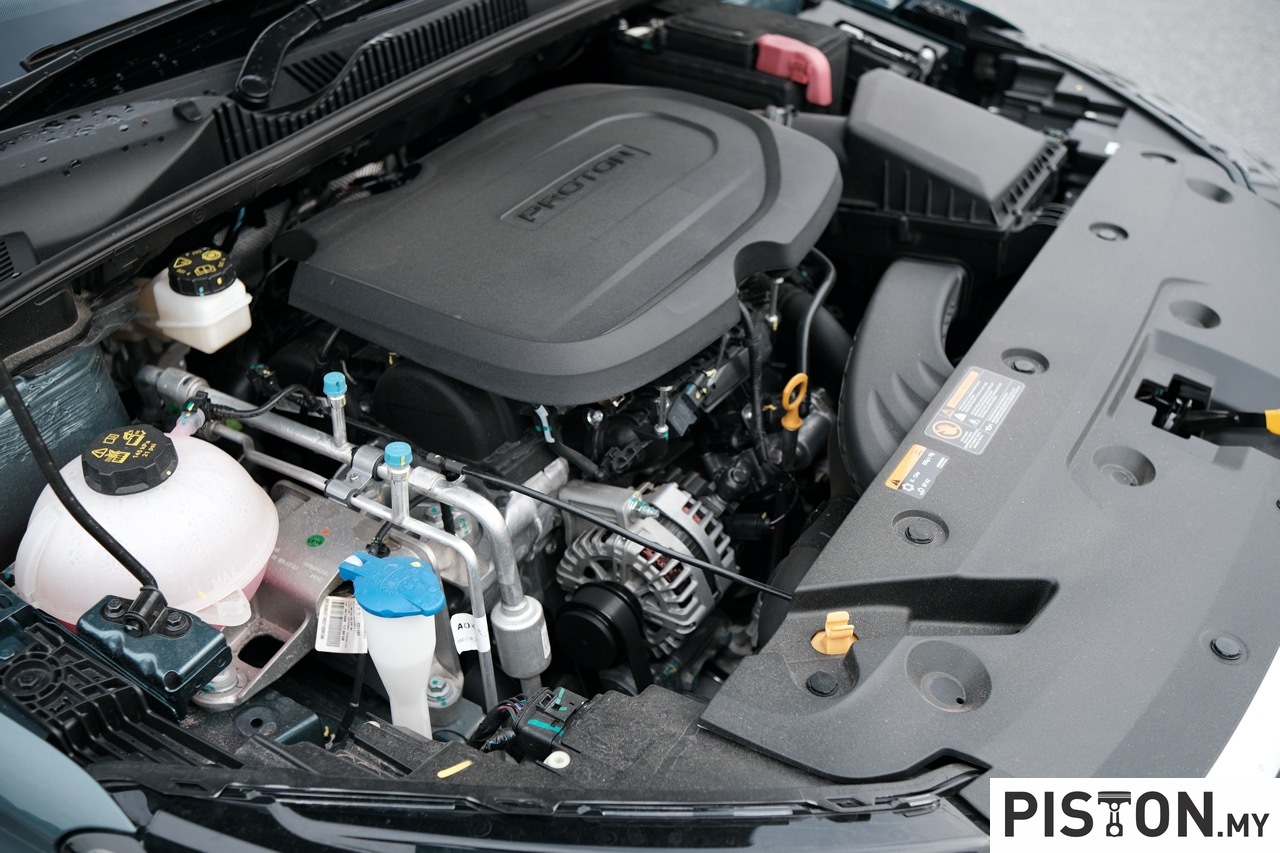
Now let’s talk power. The Geely Emgrand is powered by a 1.5-litre naturally-aspirated inline-four petrol engine that puts out 102PS and 142Nm of torque. Proton S70 has a 1.5-litre turbocharged inline-three which is also found in the Proton X50. This pushes the power a little bit higher to 150PS and 226Nm of torque. It’s paired with a seven-speed wet dual-clutch transmission.
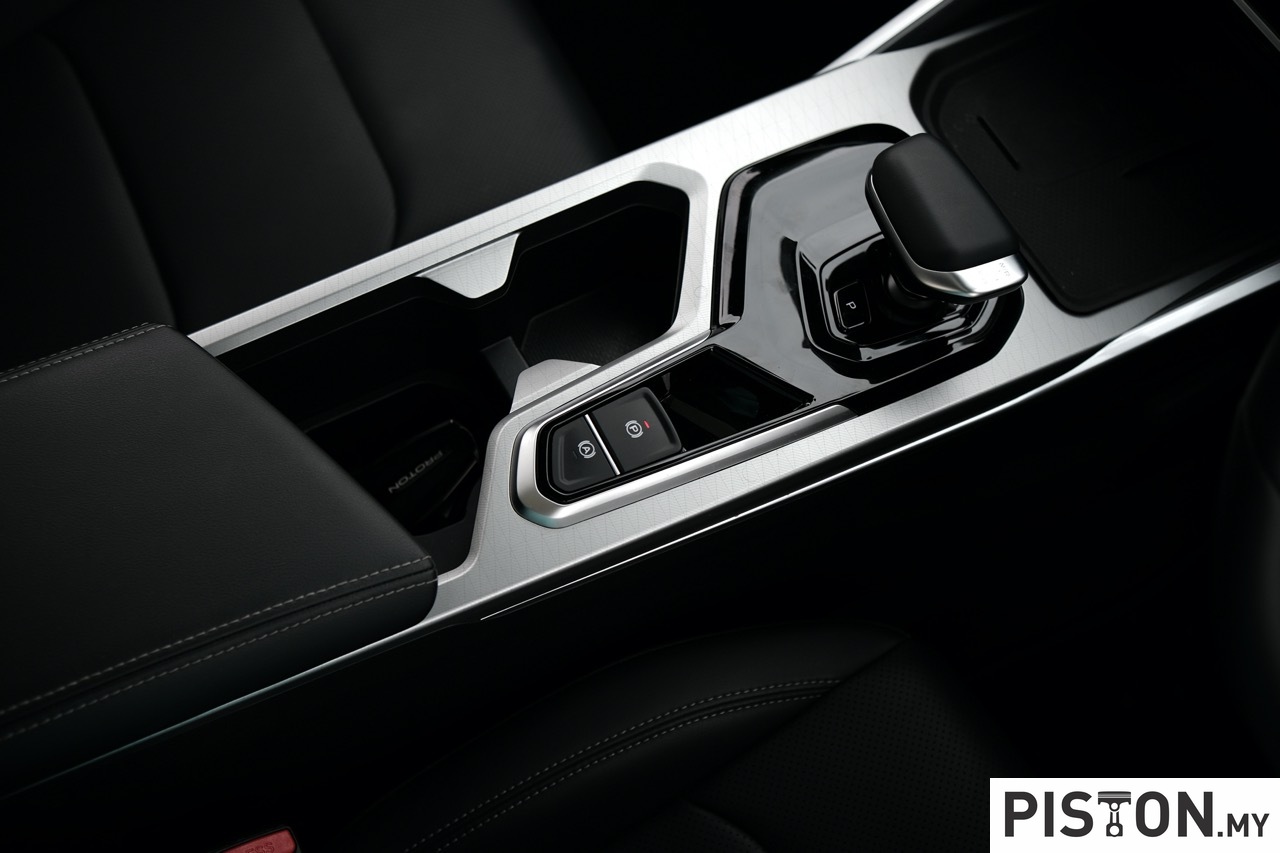
The S70 struggles a little bit when you hit the throttle because the power only kicks in after a few seconds. Only when it gets going, you will feel the power. We find it to be just enough. If you need a little bit more kick, you can switch it to Sports mode which sharpens the throttle response and the brakes become a bit more sensitive in a good way. However, the throttle can feel a little choppy at times but it takes getting used to. The auto-hold function works perfectly fine and you can play around with it to see which suits you best.
Another thing that we noticed is that the engine sound can get a bit loud especially if the car is idling. Inside, you won’t hear it that much unless you floor it, but when standing outside, it is very noticeable.
The flat-bottomed steering wheel feels comfortable and gives us the confidence to take corners and because of the front MacPherson struts and a rear torsion beam, the S70 takes corners like a champion. On the highway, Sports mode is the way to go, unless you’re stuck in traffic then we suggest switching it to Eco mode but around the city, Comfort mode would be the better choice.
When we picked up the car, we had a full tank and a total driving range of 777km. After all the driving and testing, we still had around 250km left. So it is safe to say that there will be no range anxiety when it comes to the S70.
For a car that is priced at RM94,800 (OTR without insurance), it comes with a decent amount of safety features. The ones that we used often were the Lane Departure Warning and Lane Departure Prevention. And if anything were to happen, the S70 comes with six airbags.
The S70 1.5T Executive is priced at RM73,800, the Premium at RM79,800, the Flagship at RM89,800 and the Flagship X at RM94,800. We were amazed by how low the prices were when Proton first announced them.
The Honda City’s pricing starts from RM84,900 to RM111,900 and the Toyota Vios is from RM89,600 to RM95,500. So the S70’s prices are more affordable compared to the two competitors.
The question now is, would we get the S70? If we were willing to sacrifice legroom space, not having Apple CarPlay or Android Auto, then perhaps we might get it. But this is just our two cents about it. Perhaps you, the readers, might have a different perspective about the Proton S70.
Specifications
Engine: 1.5 litre turbocharged inline-three
Transmission: Seven-speed wet dual-clutch
Power: 150PS
Torque: 226Nm
Price (as tested): RM94,800
We like: Looks, Feel and Price
We don’t like: Lack of space, infotainment system, and choppy throttle