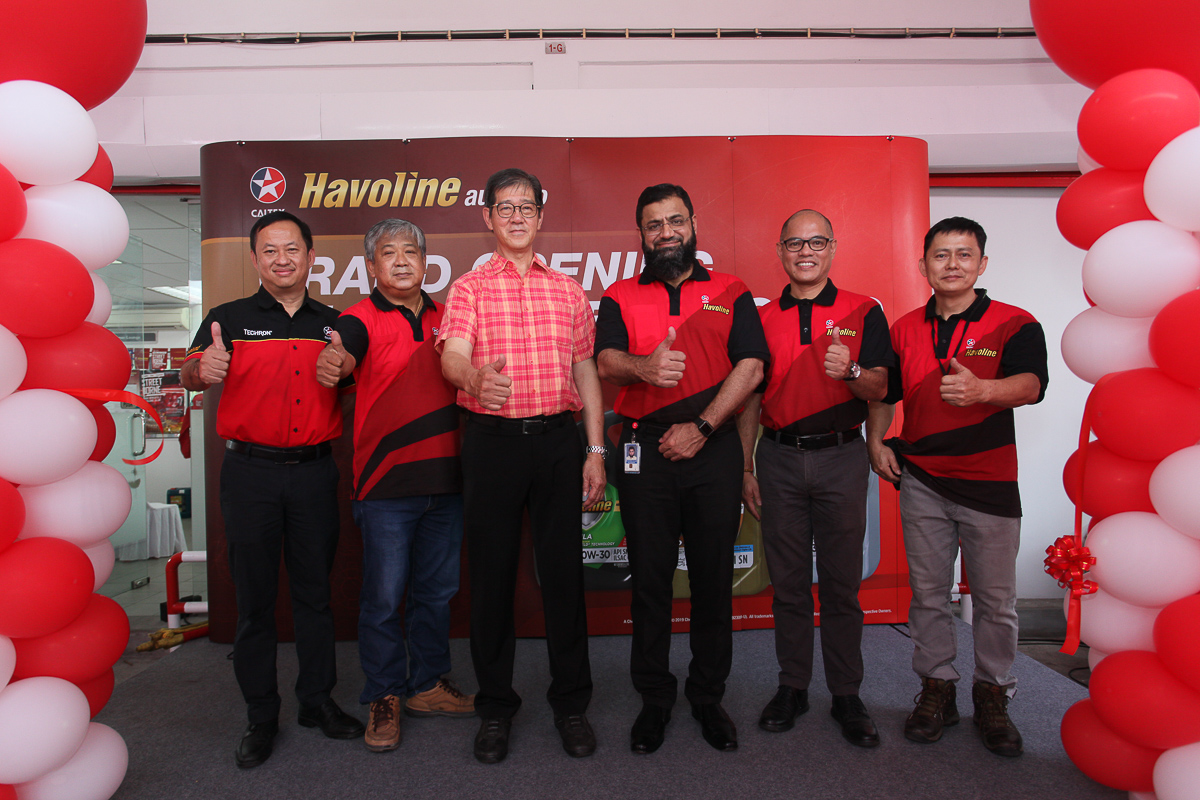
Chevron Malaysia Limited has officially launched the next evolution of workshop-customer experience that is the Caltex Havoline autoPro workshop programme. With Caltex being one of the industry leaders, the entire customer experience when visiting their workshops have been revolutionised for better comfort and ease. (more…)
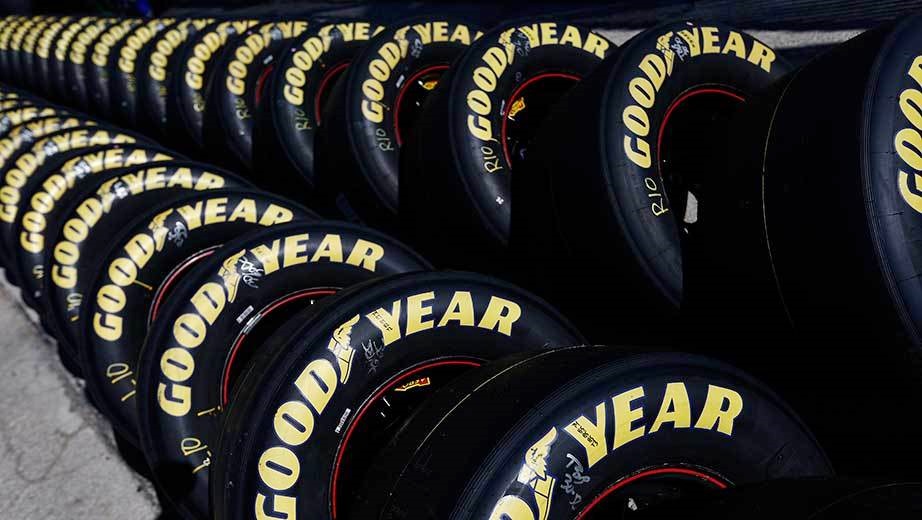
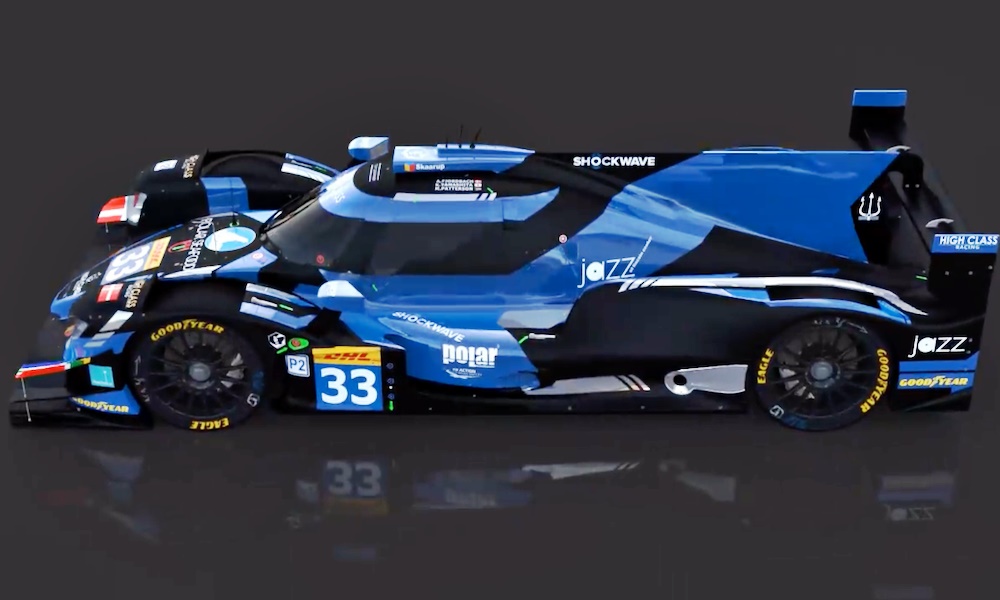
Teams from the FIA World Endurance Championship (WEC) recently took the track for the pre-season ‘Prologue’ at the Circuit de Barcelona-Catalunya in Spain. This event is a prelude to the start of a new championship season and this year, the public test session saw the return of Goodyear to international motorsport competition.
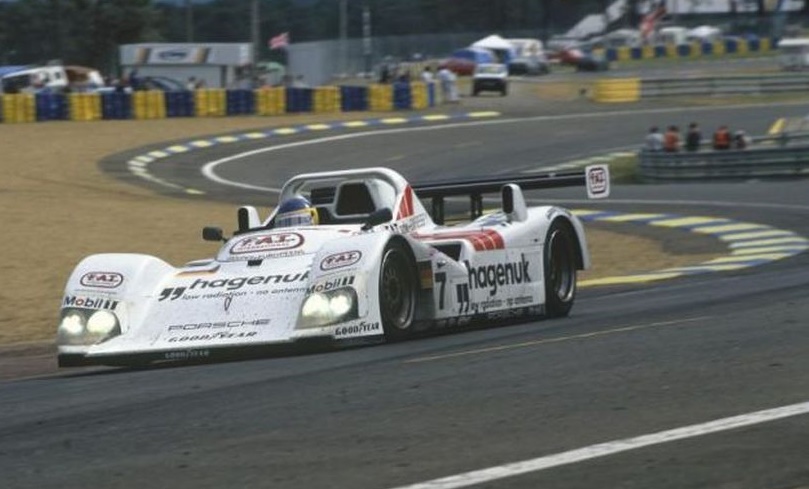
The tyre company has announced its global racing comeback earlier, confirming that it will develop tyres for the 2019/2020 WEC season which begins at Silverstone on September 1. Goodyear has a proud history in motorsport. In addition to 14 wins in the Le Mans 24 hours, Goodyear tyres were on the racing cars that won 368 Formula One GPs – a record that stands unbeaten.
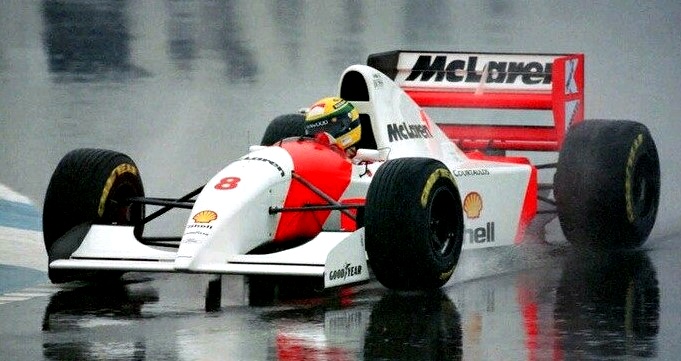
Goodyear was involved in F1 as a tyre supplier up till 1997.
New tyres for Le Mans Prototypes
Goodyear has been developing a new range of tyres for Le Mans Prototypes for over a year at their innovation centres in Germany) and Luxembourg. The first phase of this development plan is to introduce 5 new specifications of tyre for the highly-competitive LMP2 class in WEC.
This class, for 600-bhp prototypes, is one of the most demanding in WEC as it features a battle between tyre manufacturers. At the Prologue, the Jota Sport, Jackie Chan DC Racing, High Class Racing and TDS teams will try Goodyear’s latest development tyres. The WEC regulations allow tyre manufacturers to supply a range of 3 dry weather, one intermediate and one wet weather tyre to racing teams.
Goodyear will use the Prologue, followed by a 3-day private test session, to evaluate different tyre options. They will then reveal their 2019/2020 WEC tyre range at the Silverstone season-opener.
“The nature of the races (varying from 4 hours to 24 hours) mean tyre choice and strategy are critical and it provides a motivating challenge for our technology team in our European innovation centres ahead of exploring other racing opportunities for the brand.”
Ben Crawley – Director Goodyear Racing EMEA
To deliver high performance to teams
“For the Goodyear comeback, we are aiming high to deliver performance for our teams. The 2018/2019 WEC season featured an intense battle between the tyre manufacturers. Our priority has been to offer driveability and consistency that provides the teams with a significant step forward. These test sessions will allow us to evaluate the all-new range options against the competition before we define our range at Silverstone,” said Ben Crawley, Director Goodyear Racing EMEA, explaining the objectives.
“For the forthcoming season, Goodyear will focus on delivering success in LMP2 whilst evaluating other racing options for 2020 and beyond. These could be in other WEC classes or in other international racing categories,” he added.
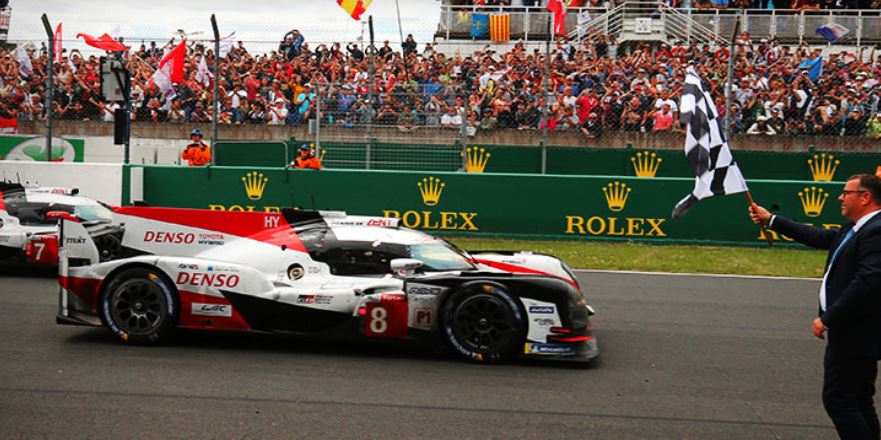
The 2019/20 WEC season will feature 8 races on circuits of varying lengths, concluding at Le Mans in June 2020. The season also includes two 4-hour races (Silverstone and Shanghai), three 6-Hour races (Fuji, Sao Paulo and Spa-Francorchamps) and two 8-hour races (Bahrain and Sebring). The Toyota GAZOO Racing team won the 2018/2019 season.
The Toyota GAZOO Racing team won the 2018/2019 season and will contest again in the new championship season.
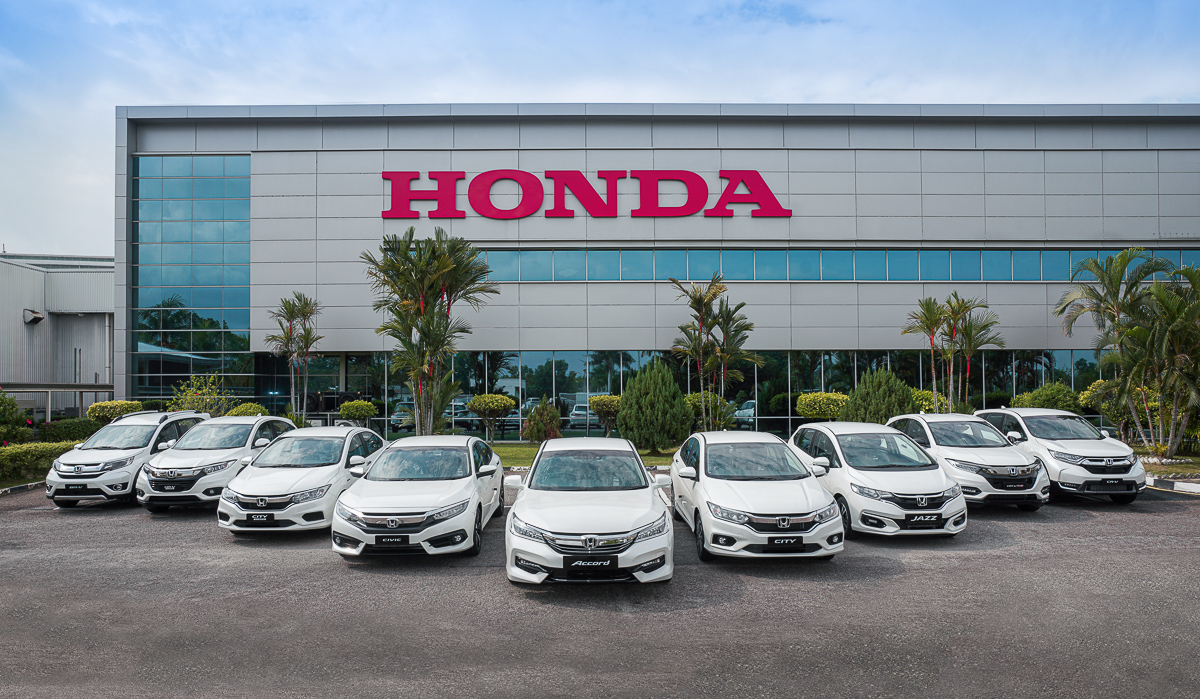
The title is right, ladies and gentlemen. The folks from Honda Malaysia will be giving away NINE different models this year in conjunction of their Road to 900,000th Unit Milestone Campaign where they will be celebrating the sale of 900,000 units which is going to happen in Q3 2019. (more…)
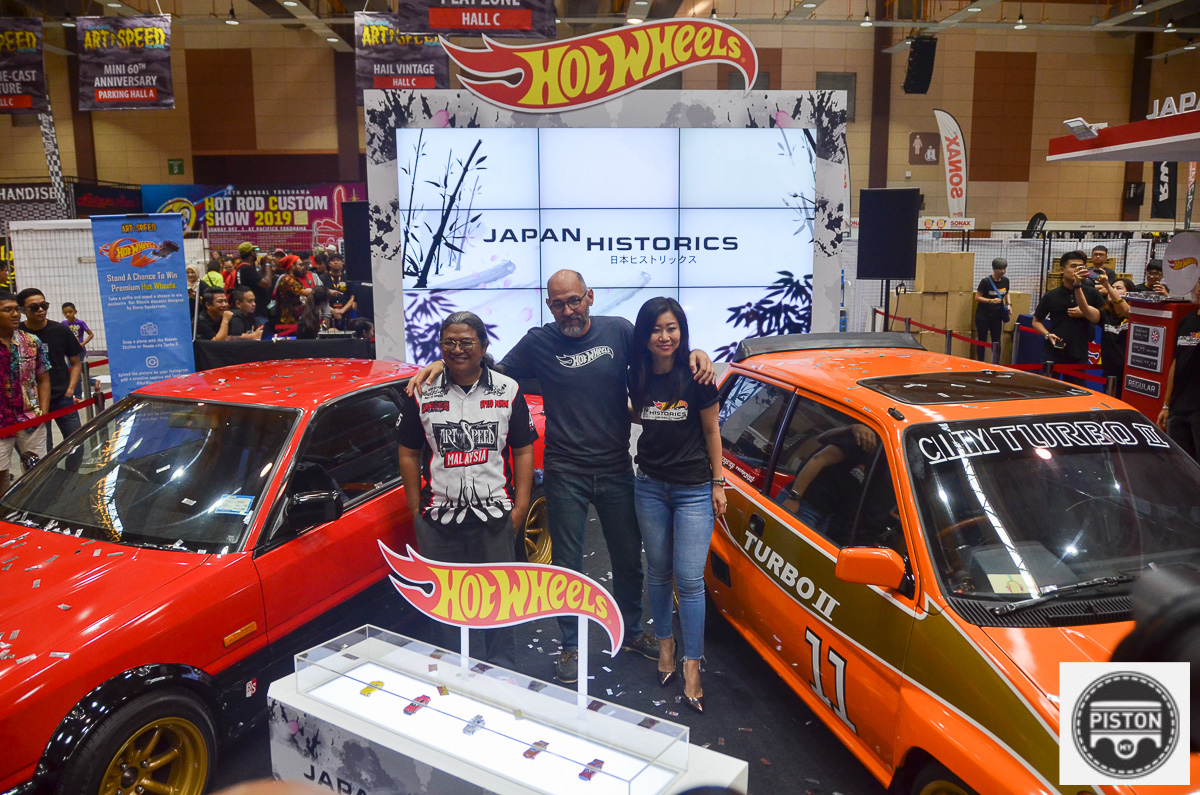
One of the world’s most recognized companies and legendary die-cast toy car manufacturer Hot Wheels made their way to the AOS 2019 (Art of Speed Malaysia) and to make things extremely special, they’ve unveiled their latest Hot Wheels Japan Historics 3 collection. (more…)
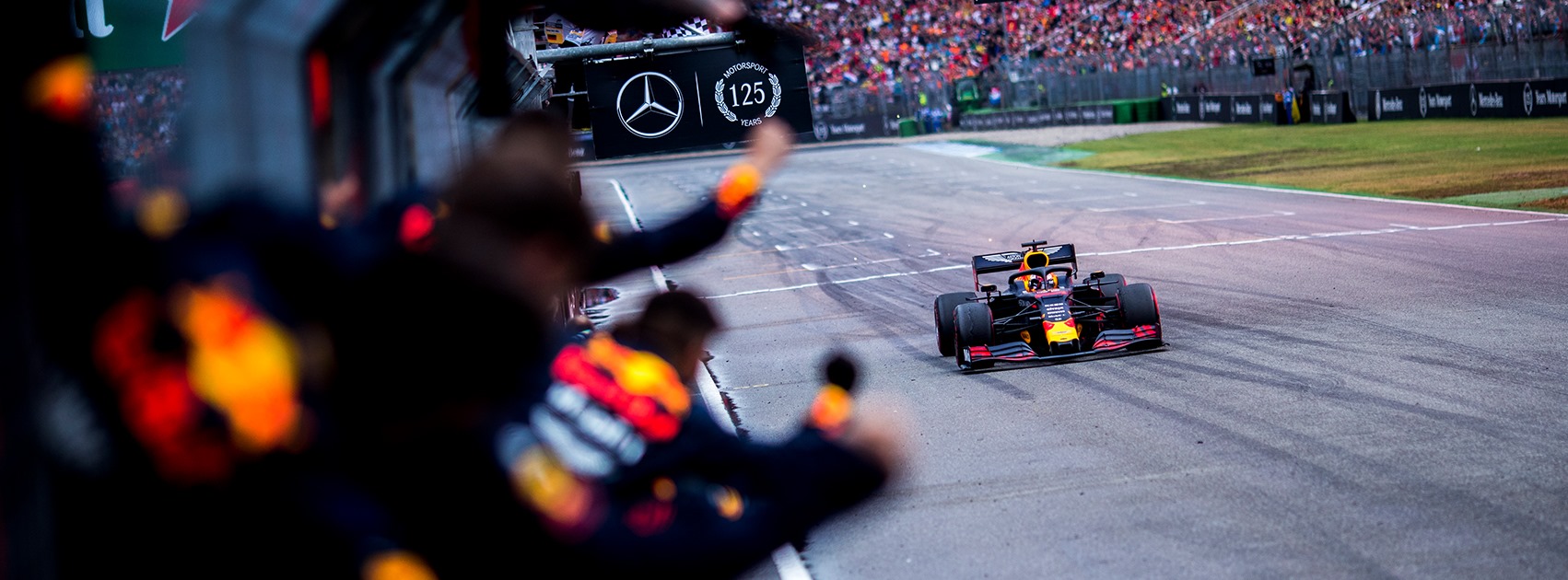
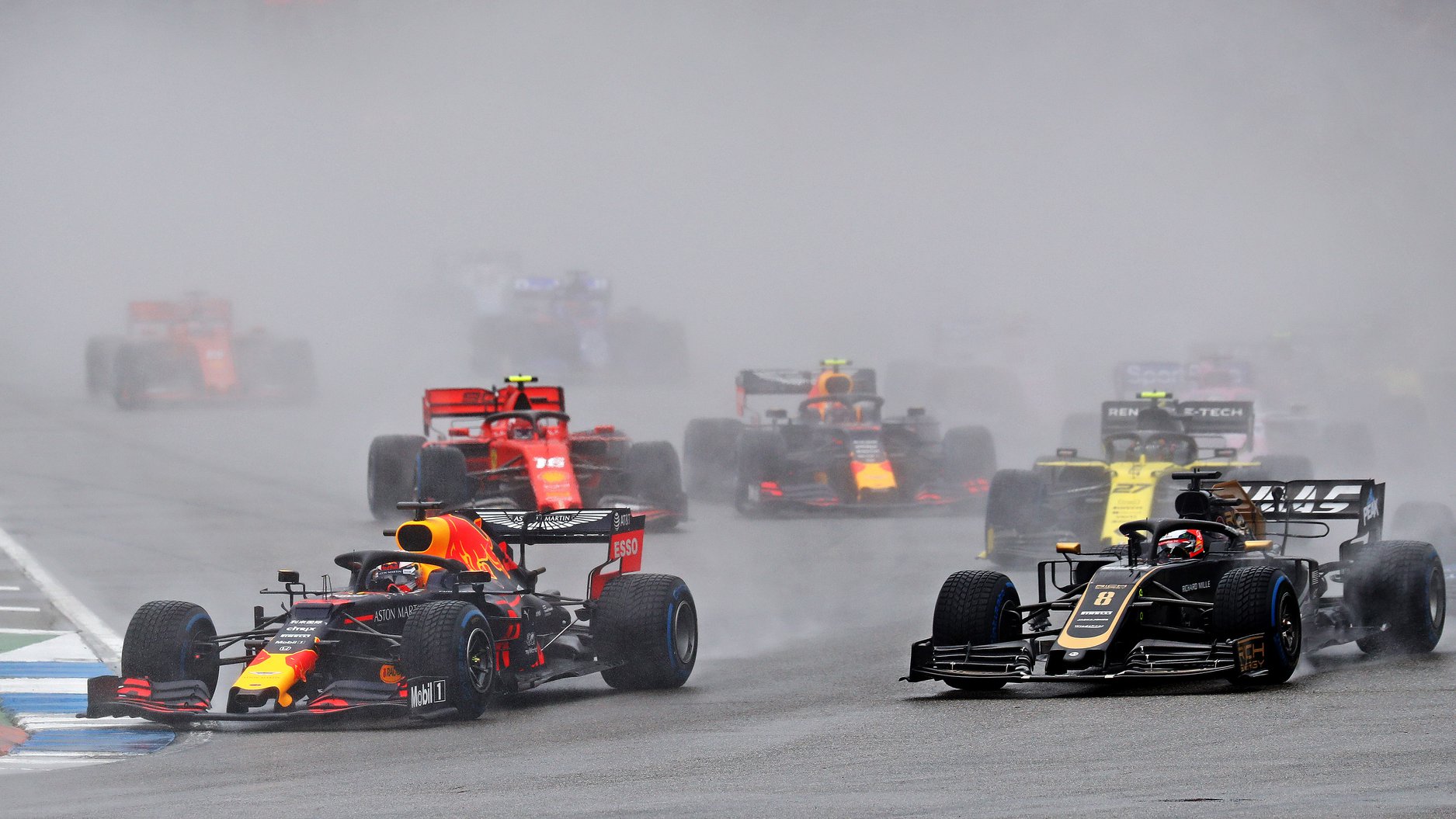
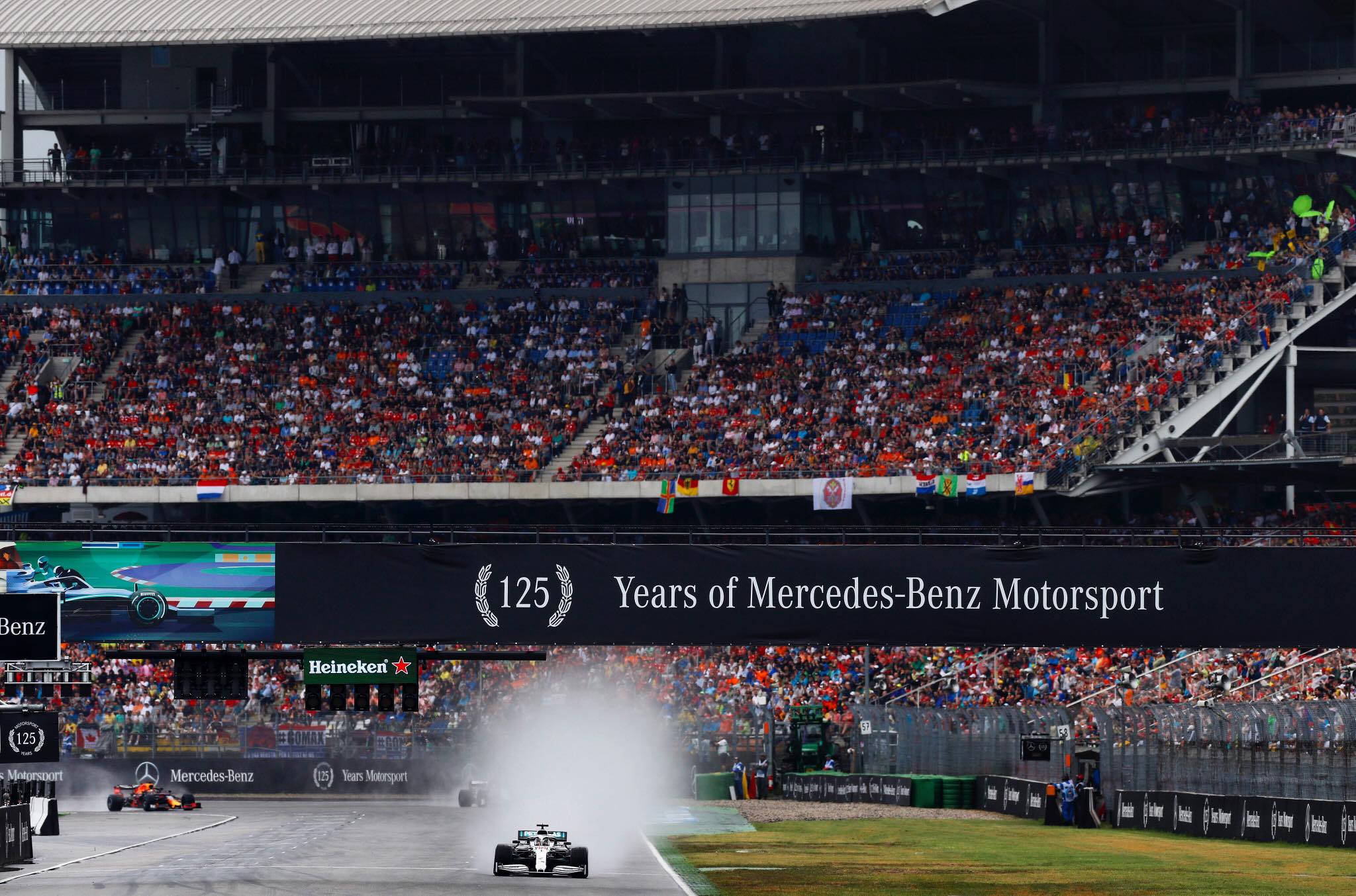
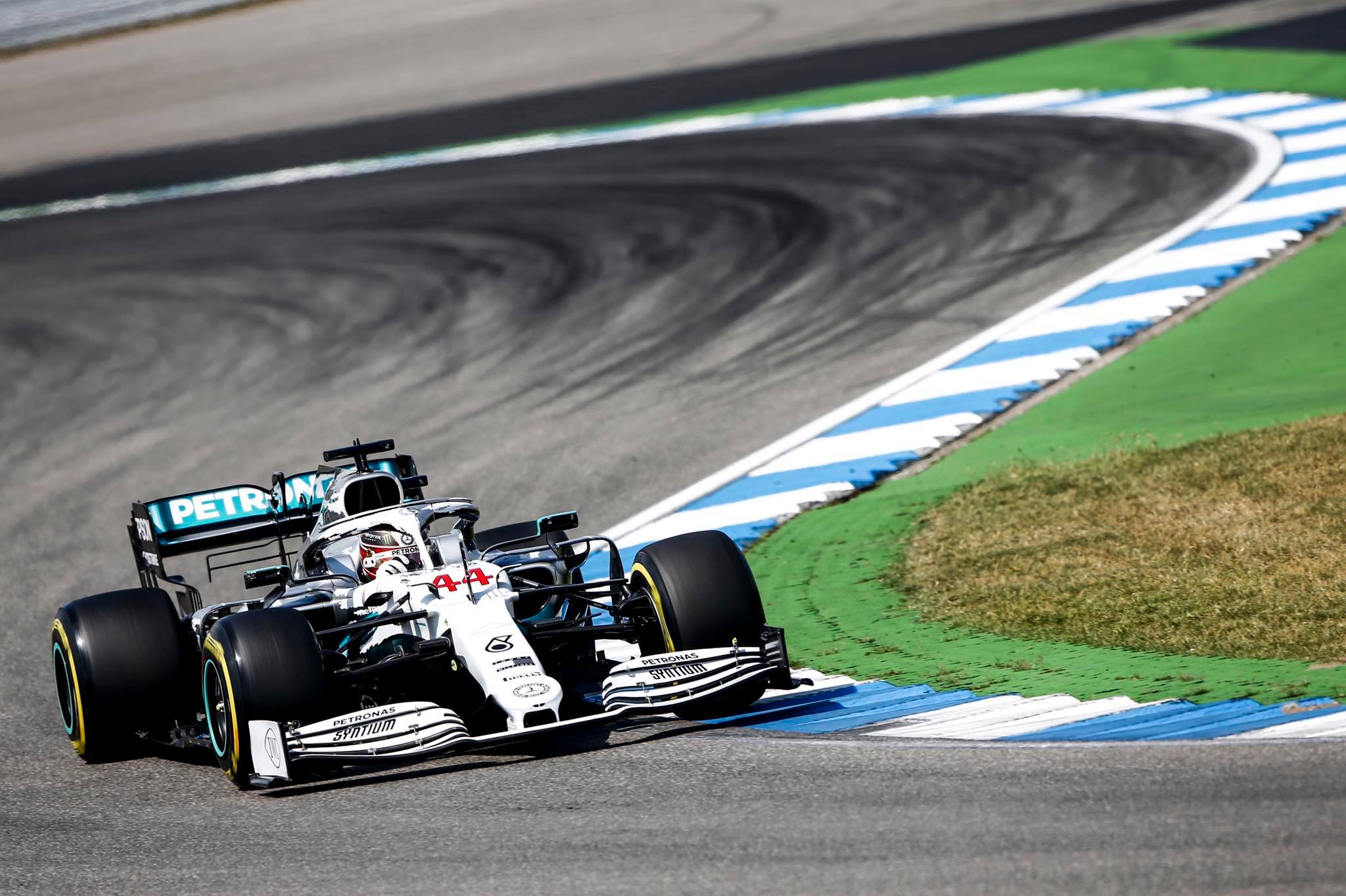
♦ Rain created a drama-filled race which delighted spectators who had not seen so much action in a while.
♦ Aston Martin Red Bull Racing’s Max Verstappen collected his second win of the 2019 season. The Dutch driver has won 7 F1 races to date.
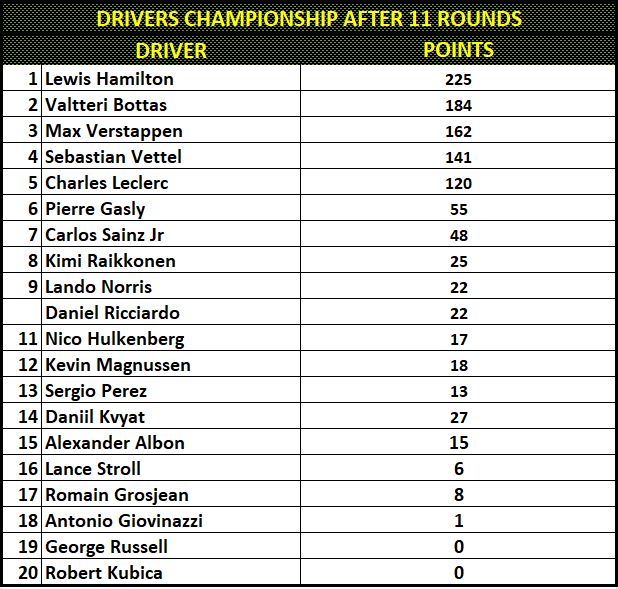
♦ Lewis Hamilton, who was ill, finished 11th but got promoted two positions up as a result of 30-second penalties imposed on both Alfa Romeo drivers for start-line offences.
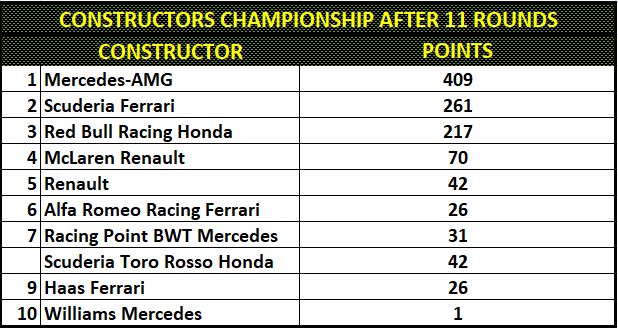
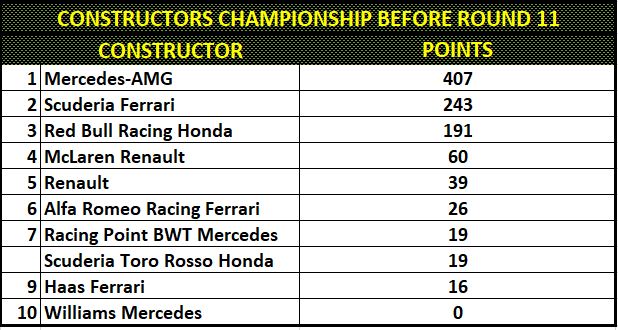
♦ Robert Kubica’s promotion to tenth place gave the Williams team, powered by Mercedes engines, its first point of the season.
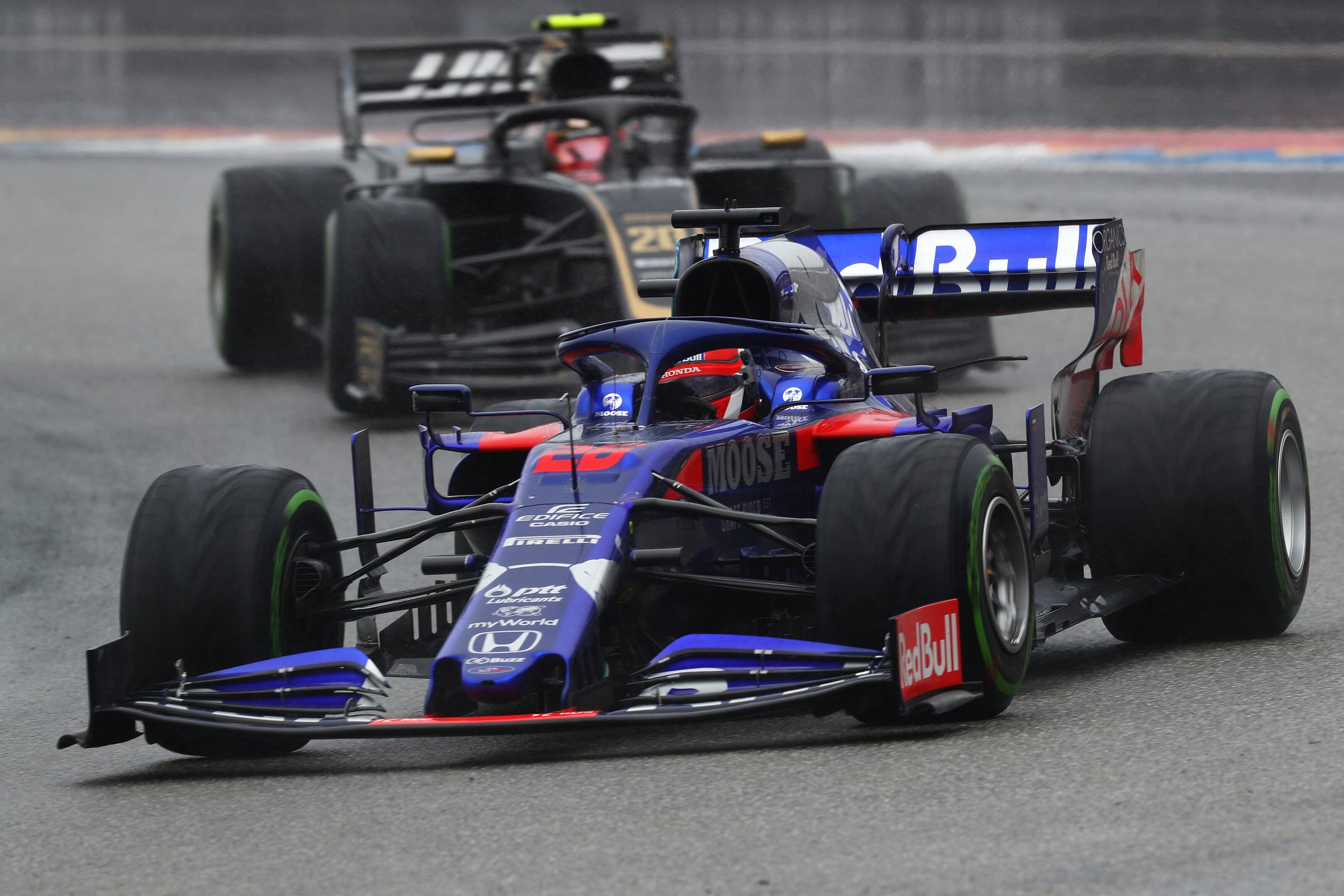
♦ Russian driver, Daniil Kvyat, had two reasons to celebrate after the race. First was his unexpected third place after a chaotic race and second was the birth of his first child the same day.
♦ The event might not have been run this year had Mercedes-Benz not come in to provide support as the main title sponsor and provided much-needed financial support.
Race starts at 3:10 pm in Germany/9:10 pm in Malaysia
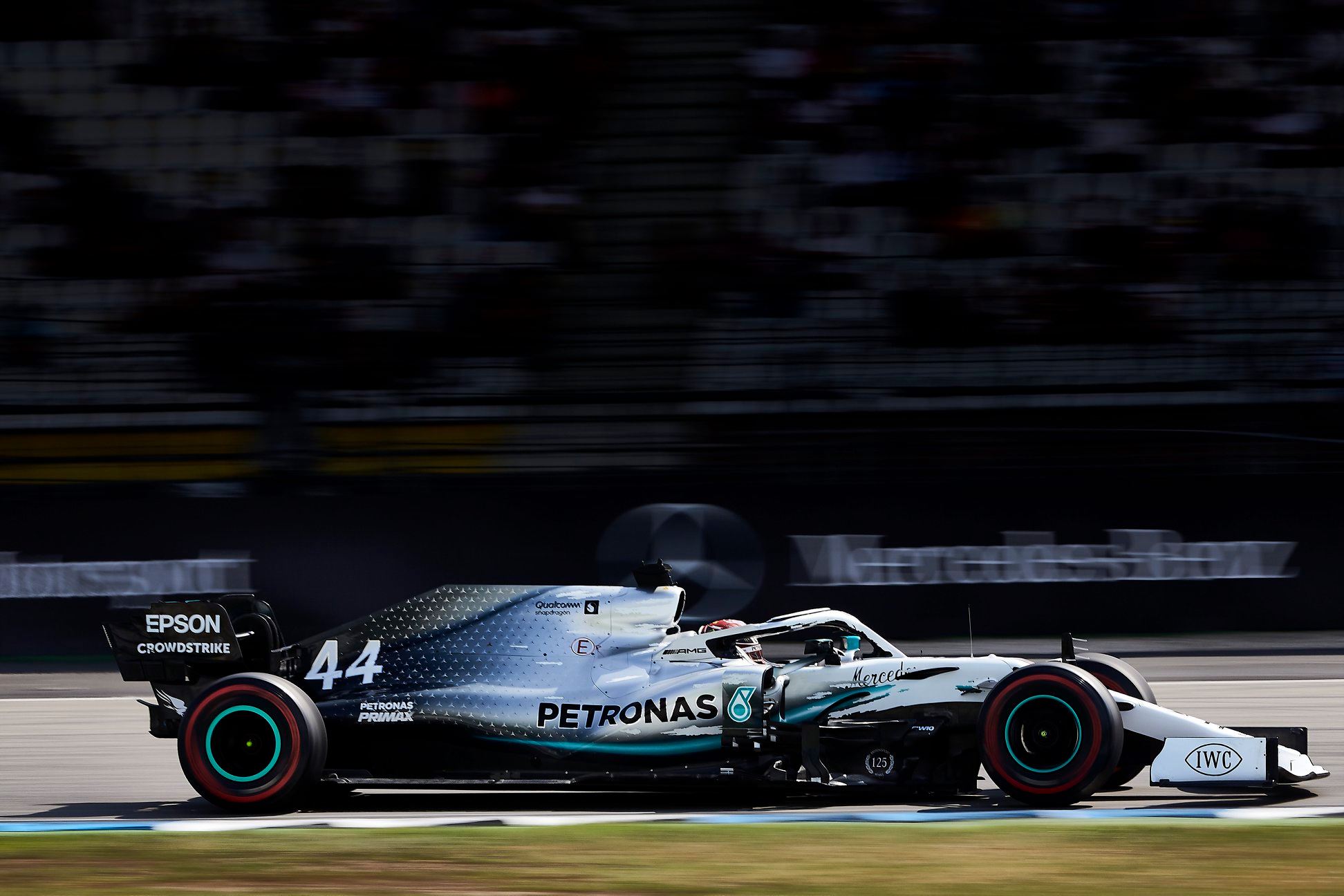
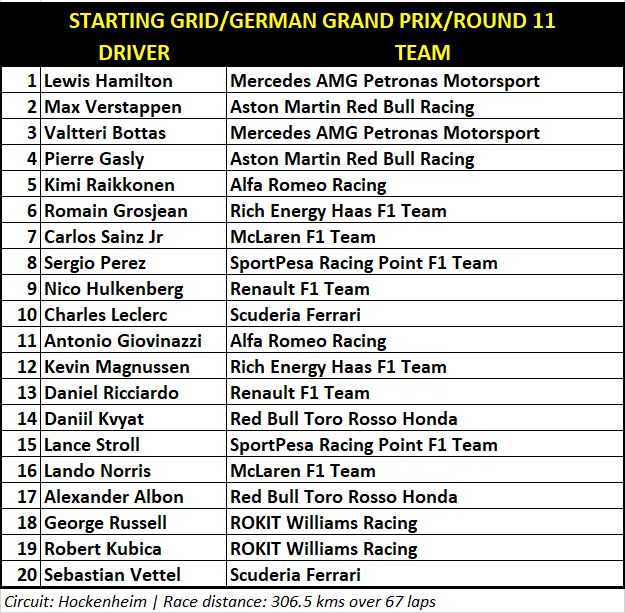
♦ In spite of being ill (believed to be the flu) this weekend, Lewis Hamilton still managed to capture pole position on the starting grid. Red Bull Racing’s Max Verstappen will be alongside the Mercedes-AMG driver. In the event that he decided he cannot race, reserve driver Esteban Ocon was ready to take over in his place.
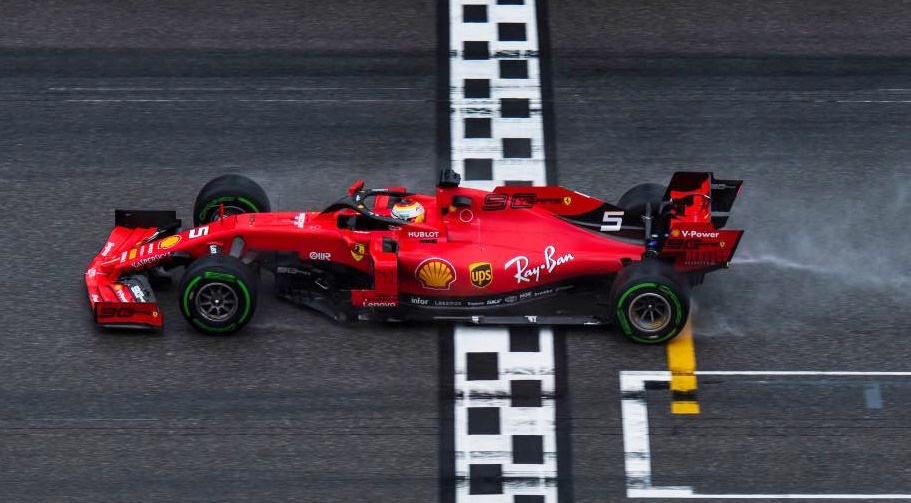
♦ The Ferraris should have had a chance at the front row but technical problems in qualifying saw Charles Leclerc getting into tenth spot while Sebastian Vettel will start from the back. Vettel’s car had a turbo failure while Leclerc’s was due to a fuel problem.
♦ Although he has not raced his car in the rain, Renault F1 Team’s Daniel Ricciardo is hoping for a wet track as he thinks it may provide with just a slight edge. He said that he noticed that the car performed well in the wet last year.
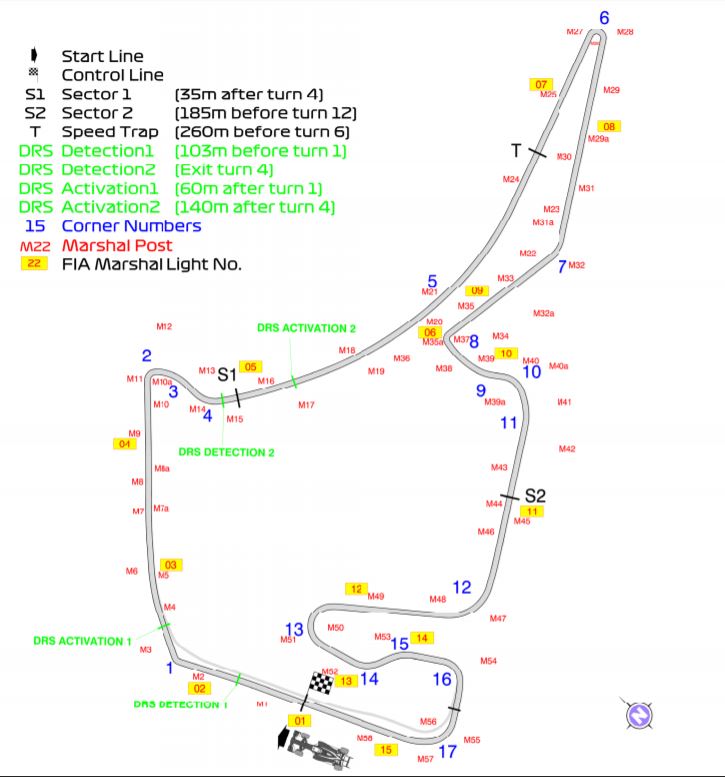
♦ As some other circuits have been experiencing, the extremely high cost of hosting a F1 round means they can no longer do so. Hockenheim has hosted F1 rounds since 1970 (though not every year) is likely to have its last race this year for this reason. If so, there will be no German Grand Prix in 2020 (and beyond) since the Nurburgring circuit also stopped being a F1 venue.
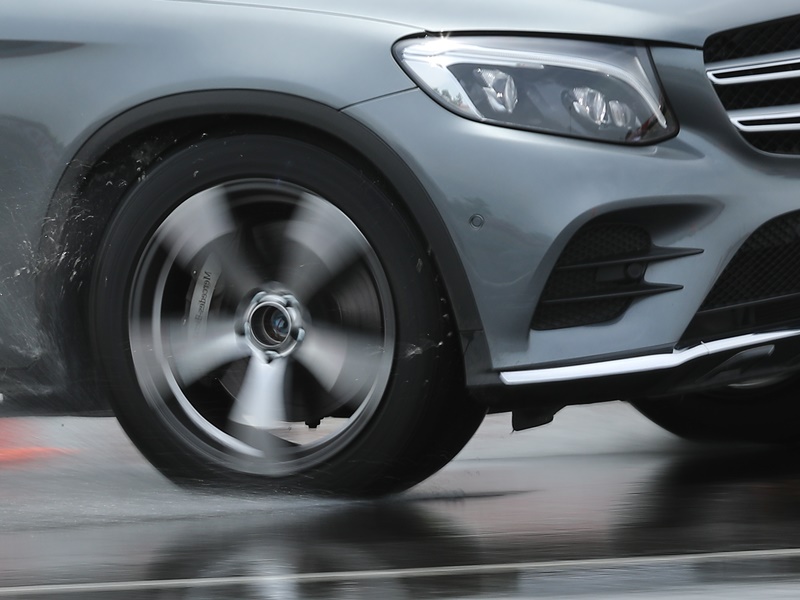
Our older readers will remember the dynamo which was a small device rotated by the bicycle wheel. As it rotated, sufficient electricity was generated to light up the lamp. That simple idea of using the tyres to indirectly generate electricity is being revived with a new technology being developed by engineers in Japan.
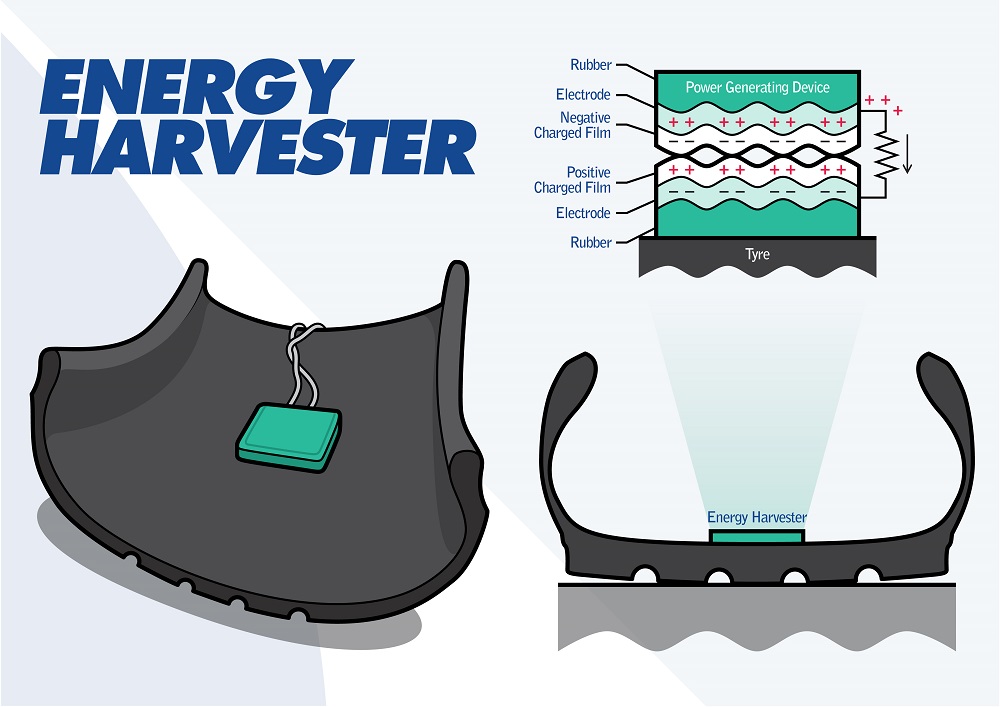
Sumitomo Rubber Industries, together with Professor Hiroshi Tani of Kansai University, have developed the ‘Energy Harvester’ that takes advantage of the build-up of static electricity. Known as ‘frictional charging’, it can produce power efficiently as the tyre turns. However, where the dynamo used a magnet and coil to generate electricity, the Energy Harvester has a much more sophisticated approach.
Inside are two layers of rubber each covered in an electrode, along with a negatively-charged film that interfaces with a positively-charged film. When fixed to the inside of a conventional tyre carcass, it generates electricity as the tyre deforms during each rotation.
Eliminate reliance on car’s battery
The engineers believe the Energy Harvester could lead to practical applications as a power source for sensors used in Tyre Pressure Monitoring Systems and other small automotive devices without drawing on electricity from the vehicle’s battery or electrical system.
The Energy Harvester is being developed as part of Sumitomo’s R&D programme to come up with technologies that target improvements in safety and environmental performance. The research project has now been selected by the Japan Science and Technology Agency as a Type FS Seed Project under A-STEP (Adaptable and Seamless Technology Transfer Program through Target-Driven R&D). Sumitomo Rubber Industries will now advance this research with support from the Japan Science and Technology Agency.
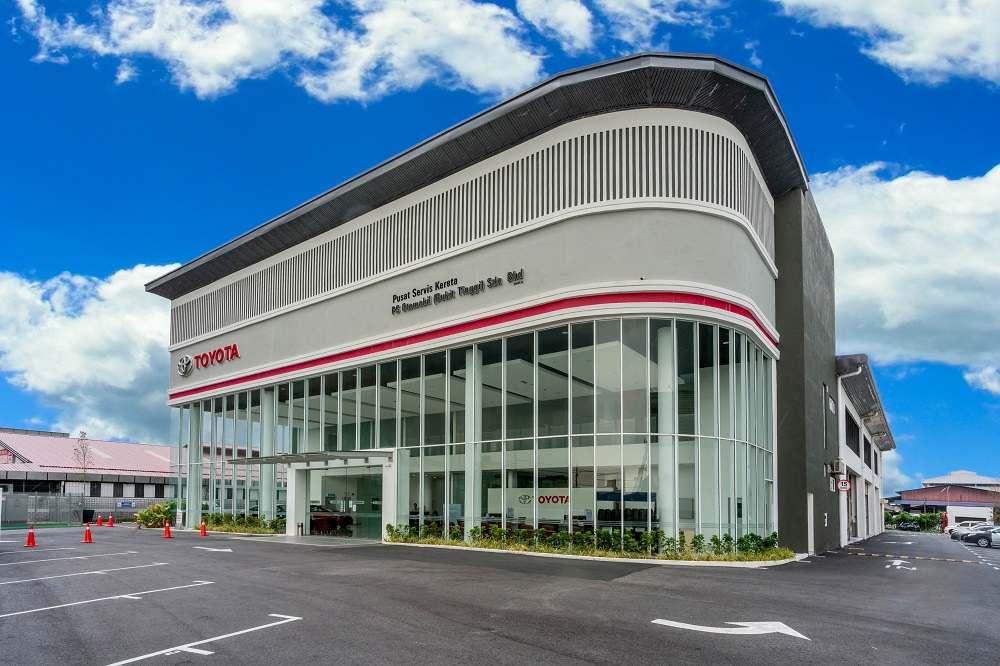
Toyota owners on the western side of Selangor now have an authorised Toyota outlet near them to aftersales services. The new outlet, located at Pandamaran, is operated by PS Otomobil (Bukit Tinggi) Sdn Bhd which has been an authorised Toyota dealer since 2015 with a sales outlet located in Bukit Tinggi, Klang.
Over the past four years, as its sales have grown along with its customer base, it has made new investments to expand its facilities to raise the quality of services. This has led to the establishment of the new 2S outlet.
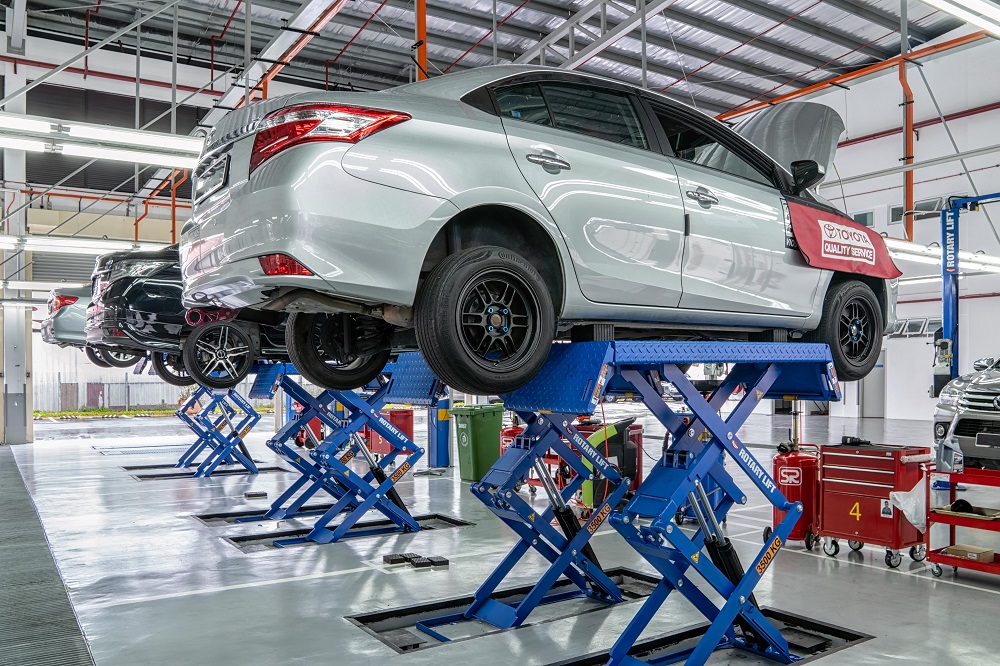
The service centre is equipped with 19 service bays with trained personnel to ensure that customers’ vehicles are promptly attended to. It is also equipped with diagnostic equipment and the necessary Special Service Tools to maintain Toyota vehicles. While waiting for their vehicles to be serviced, customers can relax in the lounge which has amenities for their comfort and convenience.
Business partner since 2015
Commending PS Otomobil (Bukit Tinggi) Sdn Bhd on their commitment to provide Toyota customers with high quality aftersales services, UMW Toyota Motor’s President, Ravindran K. said: “PS Otomobil (Bukit Tinggi) Sdn Bhd has been our business partner since 2015 and has provided good services to customers. We are delighted to see that with the growth in their business, they have made the decision to upgrade their facilities to enhance their aftersales services. This has truly reflects the Toyota “Customer First” philosophy where priorities and value-added services are prepared for our customers’ convenience.”
PS Otomobil (Bukit Tinggi) Sdn Bhd joins the constantly growing network of Toyota dealerships nationwide. To locate a dealership near you, visit toyota.com.my.
With the automobile being over 100 years old, there are obviously lots of anniversaries celebrated every year and for Proton, July is a special month because it was in this month that the first Malaysian National Car was launched. Over the past 34 years, the anniversary has been celebrated in big and small ways although this year, it seems to have been somewhat low-key. Maybe next year will see something special.
My very first encounter with the Proton Saga was actually some weeks before the official launch. I had the honour of being among the first group of people outside Proton and those involved in the project to drive the car before it was in the showrooms. I think there were a dozen of us from the newspapers and auto magazines (no websites and bloggers in 1985) who were offered the exclusive opportunity.
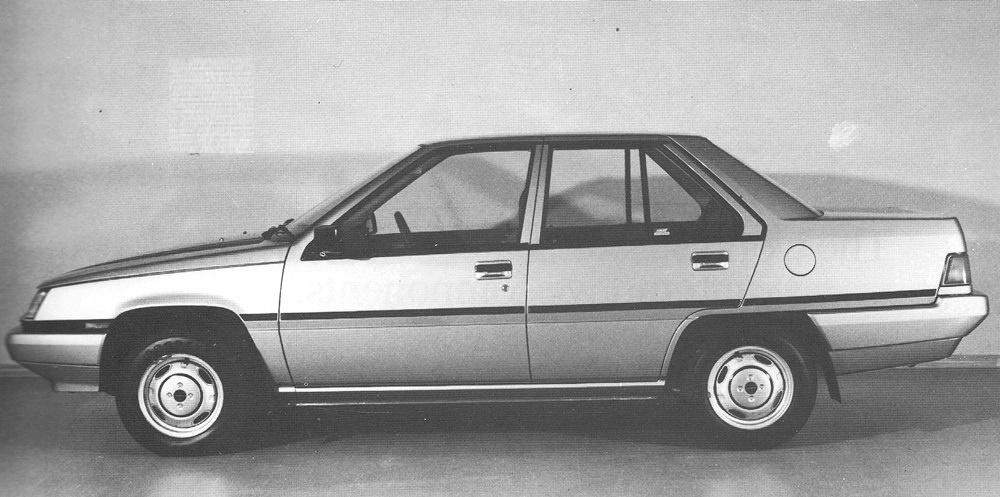
One of the first two official pictures of the Saga released about 2 months before the launch.
No camouflage, no secrecy
Surprisingly, although the car’s appearance and details had been kept secret for a long time and only two official pictures had been released, by the time our event took place, there seemed to be no more secrecy. Nothing was camouflaged or taped up and we were under no orders to avoid being seen on the roads. In fact, the aim was for us to expose the car to the public as much as possible and report on the comments we picked up. The newspaper guys, with more resources, went further out of the Klang Valley to the rural areas to show off the car. A common question asked was how come we had the cars already when the public was told that they would only be available on September 1.
The event was handled by Edaran Otomobil Nasional (EON) which was set up to handle domestic distribution and marketing. It was separate from Proton, the company manufacturing the cars, and the man who was handpicked by Tun Dr. Mahathir to establish it and run it was the late Datuk Eric Chia (later Tan Sri). His UMW Corporation (in a joint-venture) with Toyota Motor Corporation had also acquired the Toyota franchise two years earlier, so he was deemed to have experience for the job of selling the National Car.
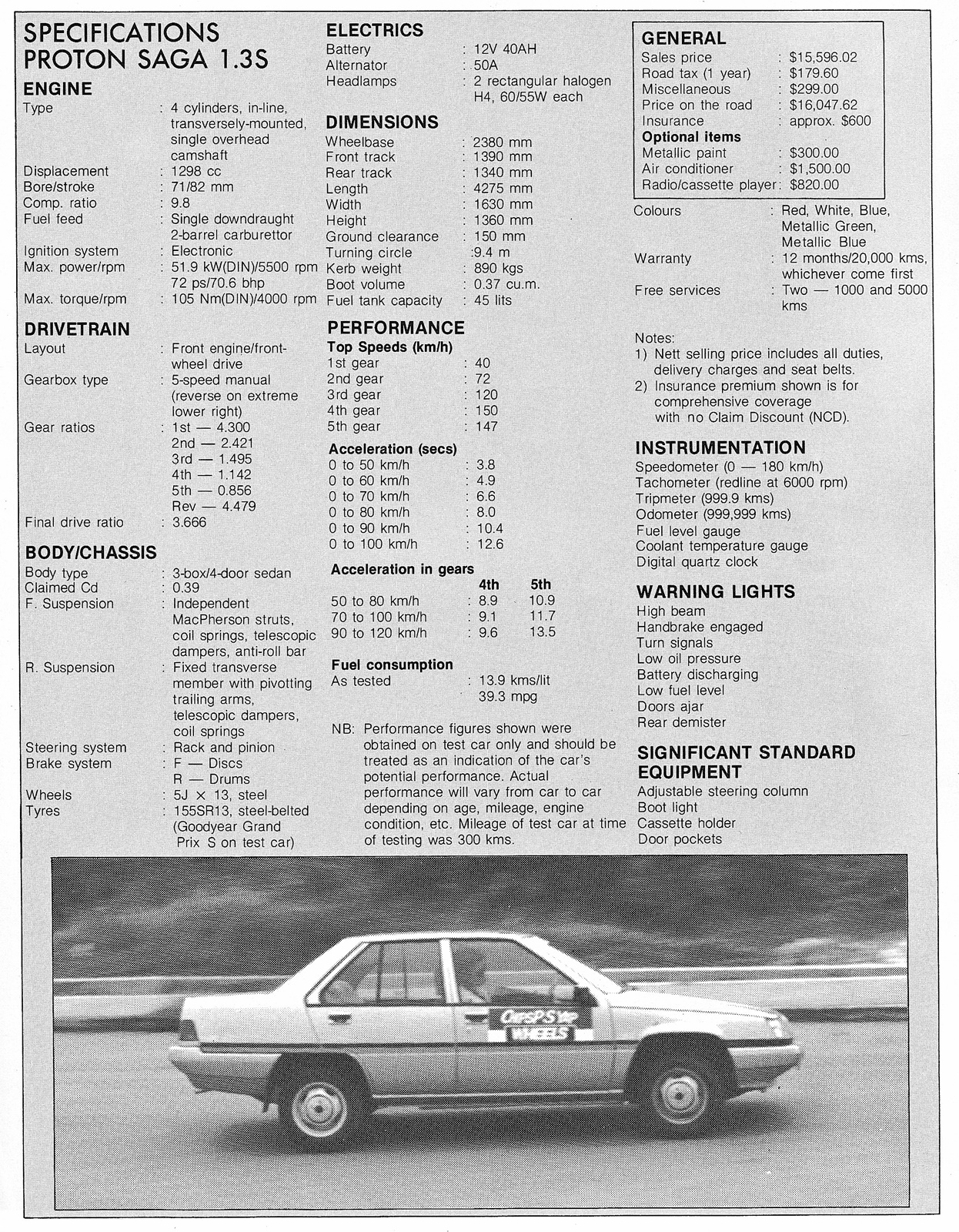
For those who want to know what the specifications of the first Saga were, here is a page from WHEELS MALAYSIA’s test report.
Datuk Eric Chia had an aggressive character and the first press conference we had with him was certainly ‘memorable’. Apart from a general briefing, we had a bit of time to ask some questions and one journalist asked him about the pricing structure and the optional items. Back then, when you bought a car, you generally paid one price and that was it. But with the Saga, the air-conditioner was optional and at that time, other companies were beginning to make it standard. EON probably felt that customers would still prefer to save money than enjoy cool comfort so they gave the option of leaving it out.
The ‘char kuey teow’ explanation
Anyway, the reply by Datuk Chia was what I would call the ‘char kuey teow’ answer because he used the popular fried kuey teow dish as an example. Sounding somewhat infuriated at having to explain what seemed (to him) like a simple thing, he said that when you order a plate of fried kuey teow, you get the basic preparation for one price. If you want an egg or more eggs, you pay more. So, if customers want the air-conditioner, they pay more.
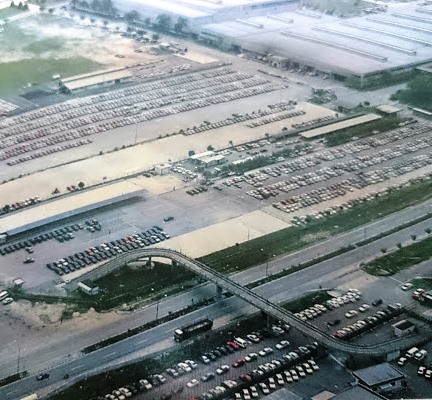
In the early years. there was a bridge from the factory over the road to make it easier to send finished cars to the EON stockyard.
It wasn’t such an issue then but in later years and at least up till the end of the 1990s, this issue of extra-cost options and the ability of customers to reject them would be a controversial subject. The joke was that they were really ‘standard options’!
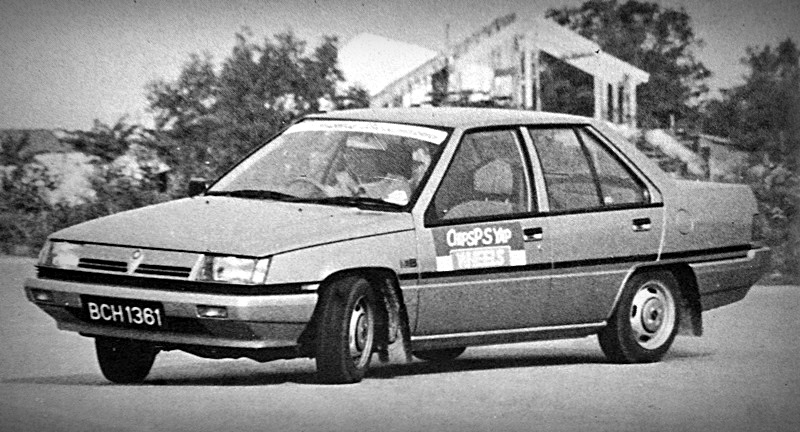
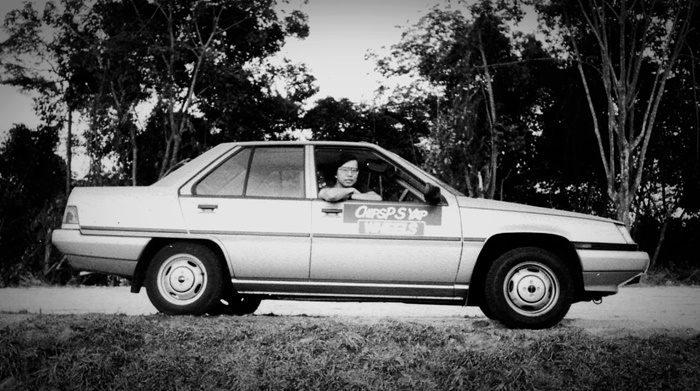
After the press conference, we went to the cars and each one had the name of the journalist on a giant sticker on either side. I cringed seeing that and my friend, Shariza Hussein, editor of Auto International, later removed it because he too didn’t like the idea. I was a bit more ‘junior’ to him so I didn’t dare do the same thing for fear of getting in the bad books of the EON people at such an early stage!
There was no fanfare for the start-off, just a simple wave of a flag, and we headed out of the gates. The EON office then was just across the road from the factory and many of us went right towards Puchong. Now back in 1985, the road was nothing like it is today. It was still a narrow country road winding between estates but it was a nice road for driving, so we instinctively took it, I guess.
The first incident with the Saga!
Somewhere near the spot where the toll plaza is today, one of the cars spun and we stopped to check. No damage, just a dramatic moment but that was rather odd as there was no oil or gravel. Then someone checked the tyre pressures and they were very high – about 300 kPa when they should have been around 200 or 210 kPa! No wonder the steering felt rather light even though there was no power assistance.
There were two theories why the pressures had not been right. One was that the cars had been rushed over and usually, when cars leave the factory line, they may have high pressures in the tyres if they are going to the stockyard. They may be there a while so if the tyre is kept harder, then it won’t ‘flatten’ at the bottom.
The other theory was that someone felt that since the cars were going to be tested ‘hard’ by journalists, it was better to have higher pressures. After all, that was what was done with the racing cars at Batu Tiga which would have their tyres pumped up to 280 kPa. It’s not dangerous if you are aware but we weren’t and besides, having non-standard pressures would give a wrong impression of the ride comfort too. So we adjusted the pressures to what was recommended and the car felt pretty good.
Unprecedented attention for the car
By that time, I was already 8 years into my career so I had driven many new models. But the amount of attention the Saga got was nothing I had ever seen before (and it didn’t help having my name on the door though I appreciated the little bit of publicity for my magazine, Wheels Malaysia).
Some people even followed me home, normally a worrying thing but I got used to it and to just letting them view the car. I remember one couple said they had asked to see a brochure at the EON showroom but they didn’t have any so they were reluctant to pay the deposit. Then after they saw my testcar, they fell in love with it and said they were going to head to the showroom to pay the deposit as they wanted to be among the first to own one.
The price was a common question and I could only repeat what was speculated in the papers. But it seemed that there was the expectation that as our National Car, it was going to be cheap and therefore good value for money. When the price was revealed, it was RM16,047.62 for the Saga 1.3S.
It was interesting to watch how people checked out the Saga. There was the typical opening and closing of doors, some slamming hard and giving a nod of approval when they heard a solid enough sound. Some even rocked the car and of course, there was a lot of pressing and touching here and there.
There were no phones with cameras then, let alone mobilephones, so you didn’t have almost everyone taking pictures. Today, I suppose there would be lots of selfies being taken in such a situation!
There were lots of questions… how powerful, what were the features, what colours were there, were alloy wheels available, how did it feel, was it stable, and so on. Some tried their luck and asked if they could drive it but I had to say no. As it was, I was concerned the public ‘testing’ might break something although the Saga stood up pretty well.
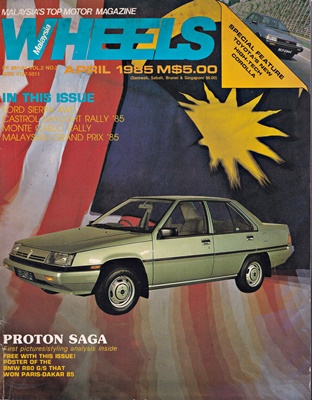
A patriotic cover for the first Malaysian National Car
The importance of the National Car project
To be frank, the Saga was a Malaysian National Car, our very first, but it had Japanese since it was adapted from a model sold by Mitsubishi Motors Corporation. There was a fair amount of ‘customisation’ by Malaysian designers and engineers to ‘Malaysianise’ it and it was also just the start when much had to be learnt. The Malaysian public didn’t care, of course, as there was pride that we were able to make our own car.
The Saga was the first product of the National Car project which was to help accelerate the country’s industrialization. It was well known that the auto industry was a good catalyst for such a purpose and it had worked for Germany, Japan and the USA. This industry alone generates millions of jobs upstream and downstream globally, and it also supports the development of ancillary industries. There were critics of the project who felt that our market was not large enough for such a project and they were right but after over 30 years, it is also clear that the National Car project at least helped the auto industry to develop further and be an important contributor to the economy.