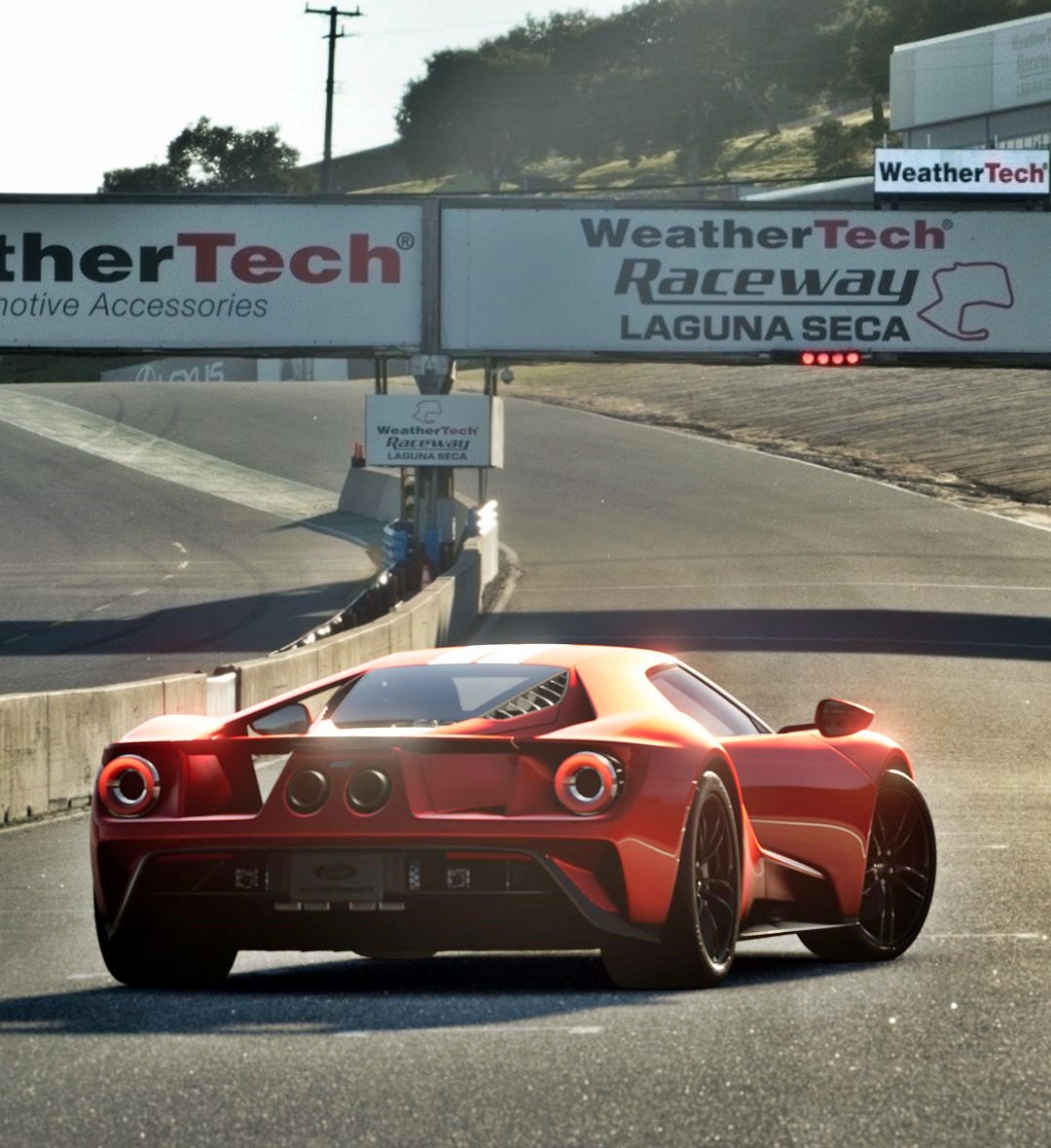
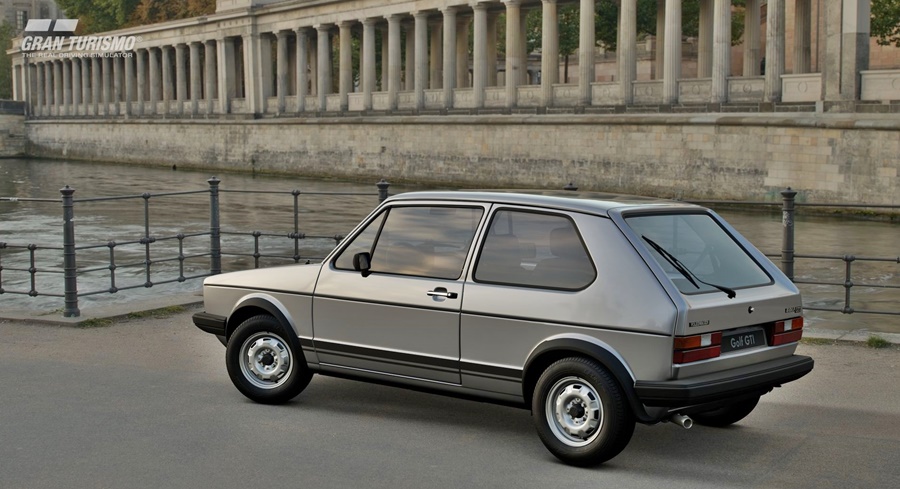
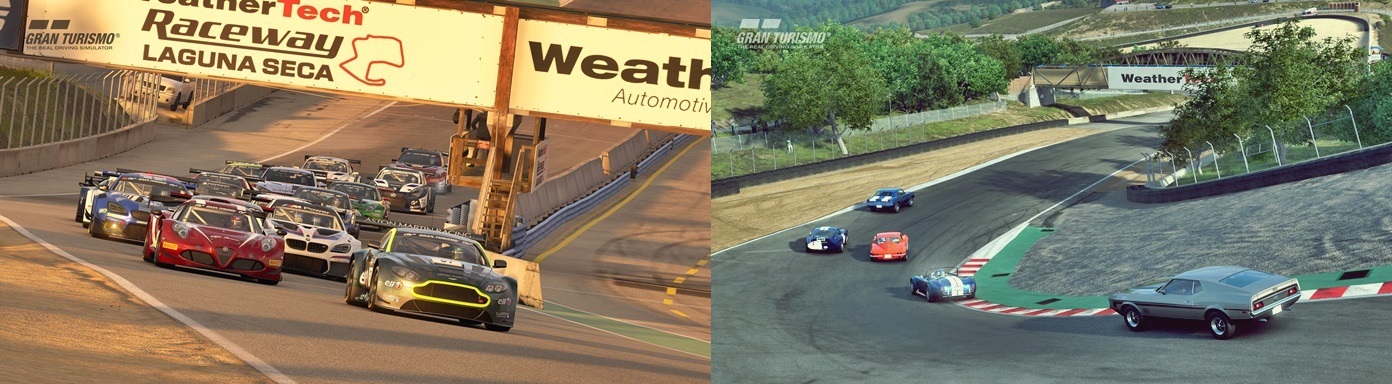
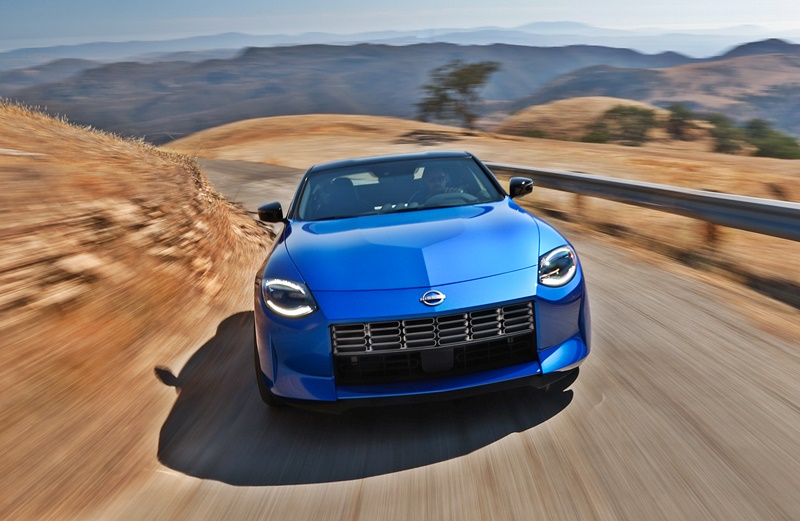
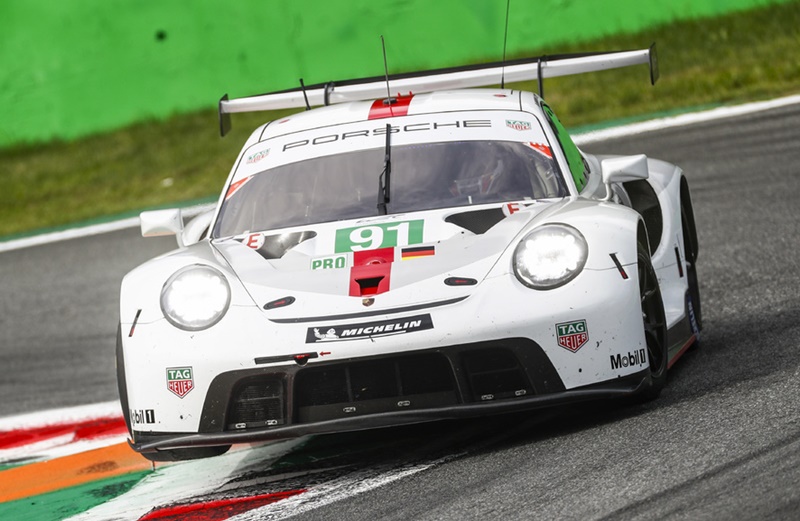
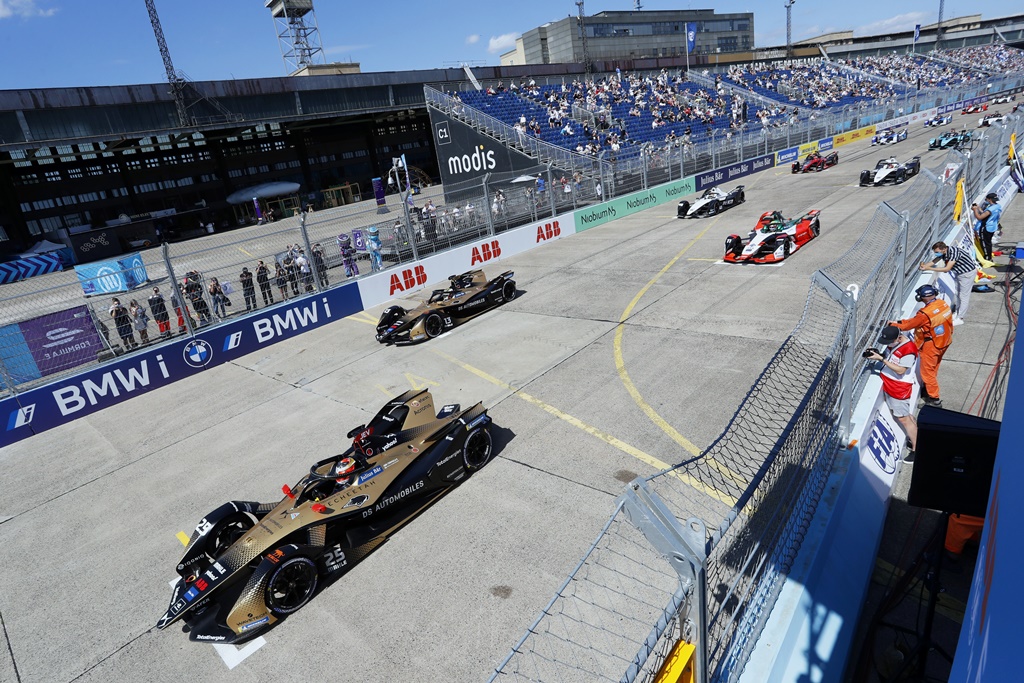
For those who enjoy Gran Turismo Sport on Playstation 4, the December update should provide new challenges with not only the addition of 7 new cars but also the Laguna Seca raceway in California. The update was released recently as Update 1.53 and includes a range of Safety Cars.
The cars are:
Renault Sport Megane R.S. Trophy Safety Car | 1995 Porsche 911 Carrera RS Club Sport (993) | 2013 Toyota Crown Athlete GPlayers can also experience the original VW Golf GTI which came out in 1983.
Dodge Charger SRT Hellcat Safety Car | 2017 Ford GT | Toyota Crown Athlete G Safety Car
The WeatherTech Laguna Seca raceway is located in central California and was opened in 1957. WeatherTech has been the main sponsor since 2018 but before that, Mazda was the main sponsor for 17 years.
The 3.6-km circuit’s famous feature is a very challenging section known as ‘The Corkscrew’. This has a blind crest apex on the uphill approach and drops 18 metres. It’s regarded as a technical circuit with 11 corners and drivers need to be able to maintain precise control over their speed at all times as any errors in estimation will result in them going off track or crashing.
In addition, Update 1.53 also has 7 new rounds added to GT League events. These include a ‘Beginner League’ with 2 new rounds added to the ‘Z Heritage’ (only for racers using Z cars) and an Amateur League is added to the ‘Super Formula Championships’.
Incidentally, in case you missed it in November, there is also a single player game mode in which the player challenges best lap times set by none other than the ‘Maestro of Gran Turismo Sport’ and real-life 6-time F1 World Champion Lewis Hamilton, who personally set the lap records in Gran Turismo Sport.
In addition to the challenges themselves, the package includes replays and video tutorials by Lewis himself, where you can take on the challenges while really learning to improve your skills from the Maestro.
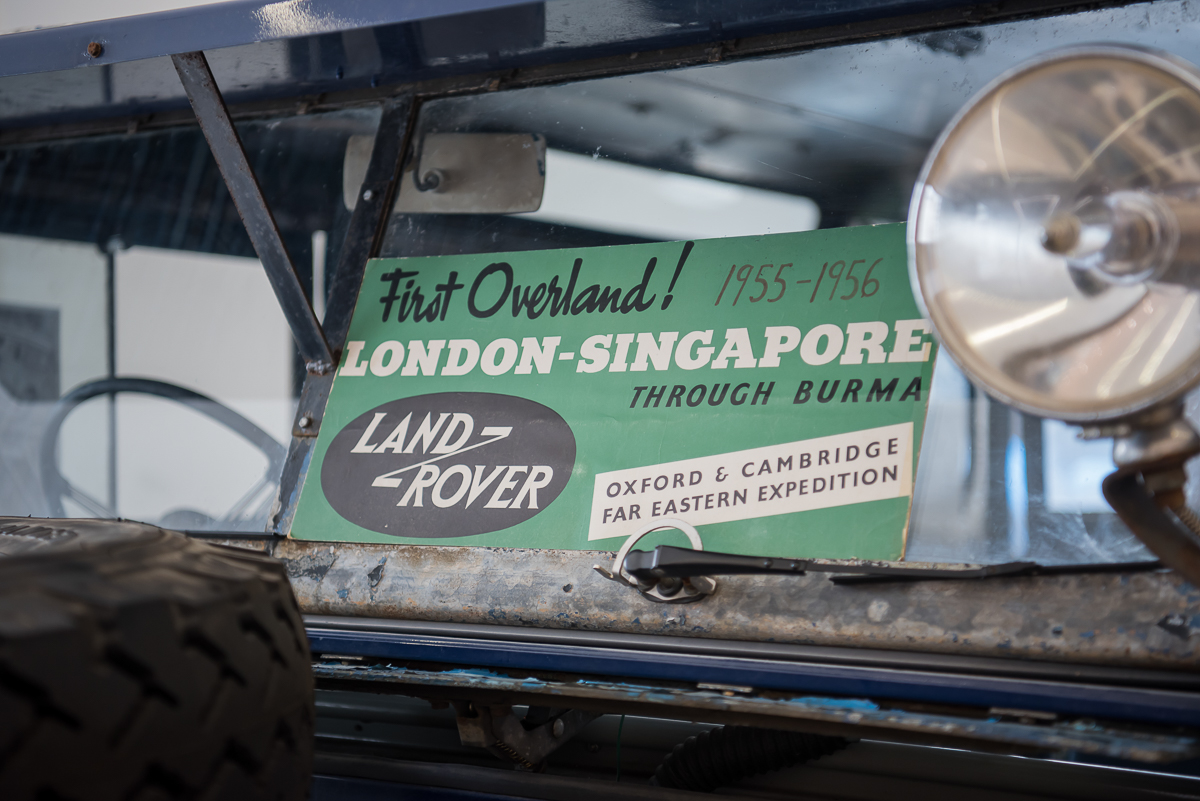
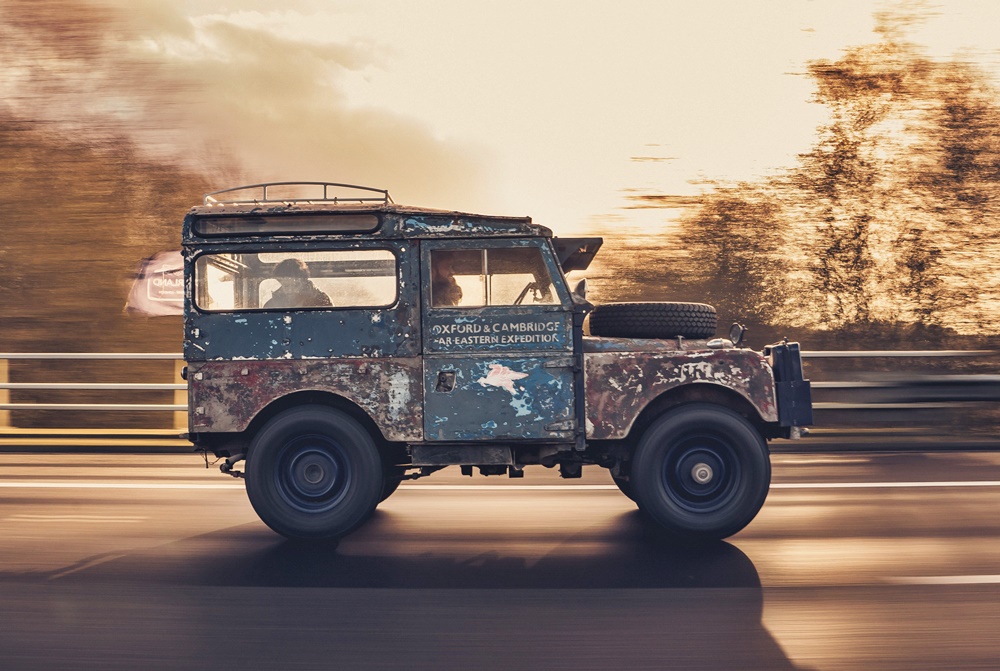
Remember our report about ‘The Last Overland’, a journey by a team reversing the famous 1955 Oxford & Cambridge Far Eastern Expedition between Singapore and London? The expedition – The First Overland – made history in 1955 by being the first-ever to drive from London to Singapore. That young team inspired generations of adventurers through their extraordinary endeavour, showing many remote corners of the world on film for the first time.
Two Land Rover stationwagons had been loaned for the expedition, and they were named ‘Oxford’ and ‘Cambridge’. Cambridge was lost after the expedition, but Oxford somehow ended up on the remote island of Saint Helena in the middle of the Atlantic Ocean. It was just left there rusting until a Yorkshireman – Adam Bennett – spotted it in 2017 and realized its historic value. He recovered the 4×4 vehicle, refurbished it and brought back to life in the UK. It passed its MOT (vehicle inspection) at the first attempt, and its original SNX891 registration could be used again on the vehicle.
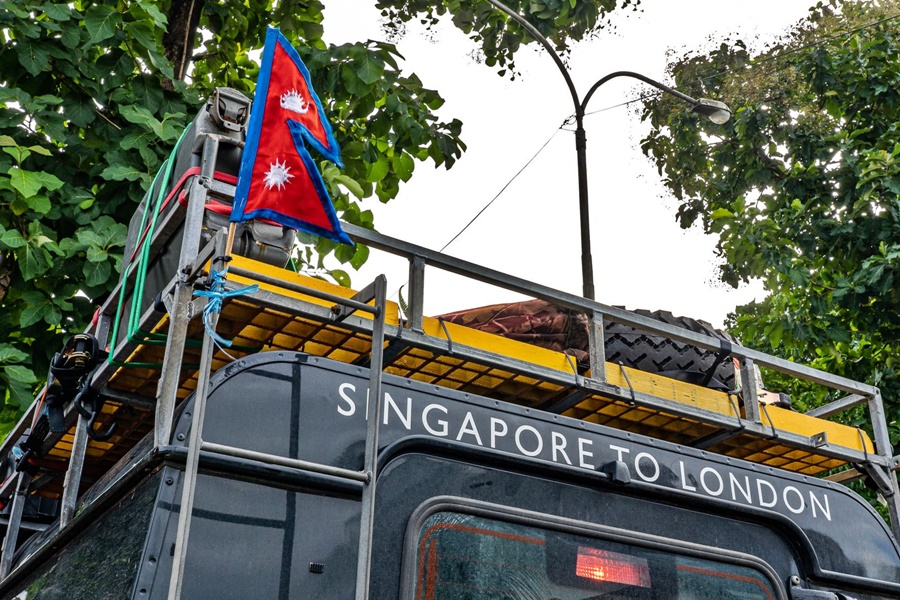
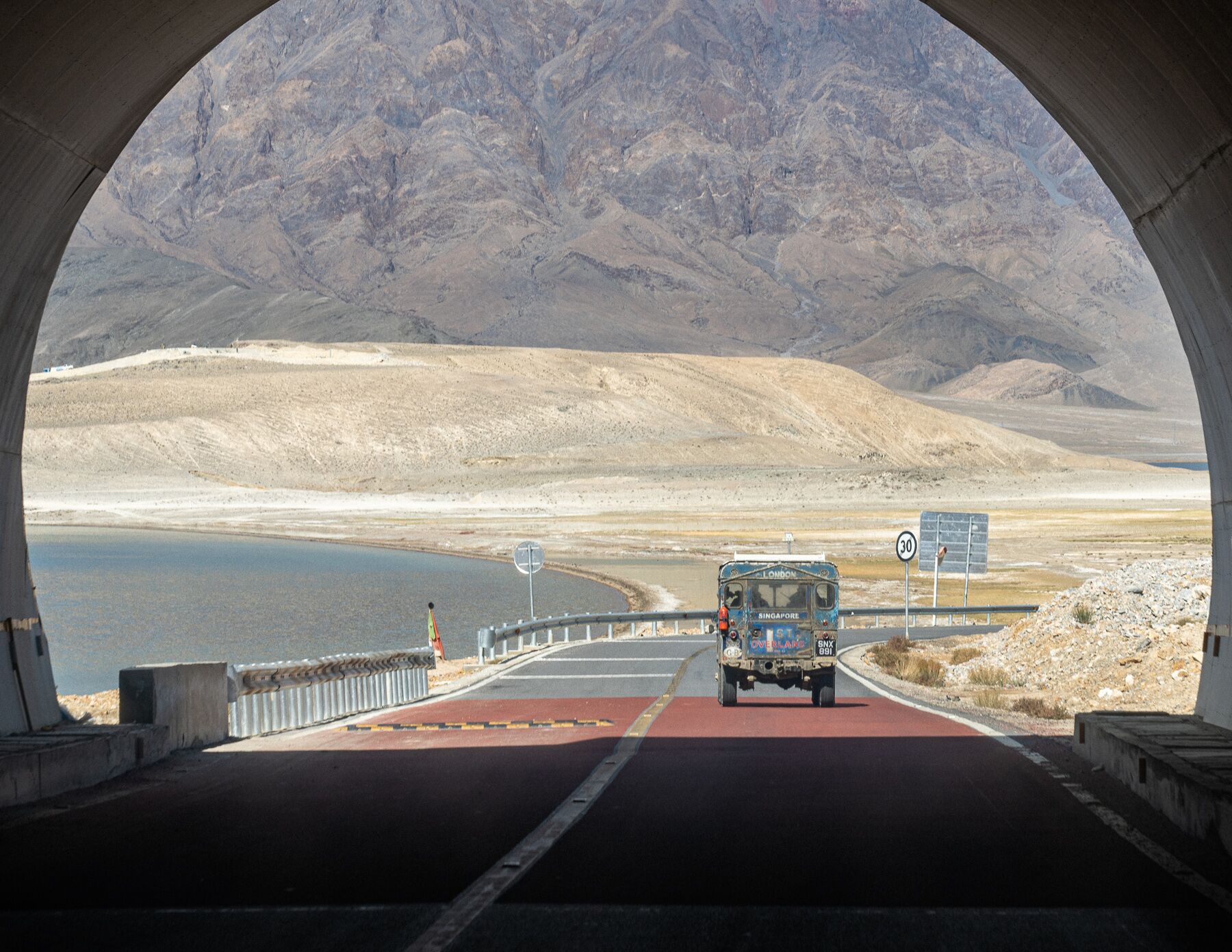
The toughness of Land Rovers has now been further demonstrated by the fact that Oxford was used by a team this year to recreate The First Overland – but in reverse. It was shipped to Singapore and then travelled through some of the densest jungles, highest mountains and most arid deserts on the planet, bringing the vehicle from Singapore to London.
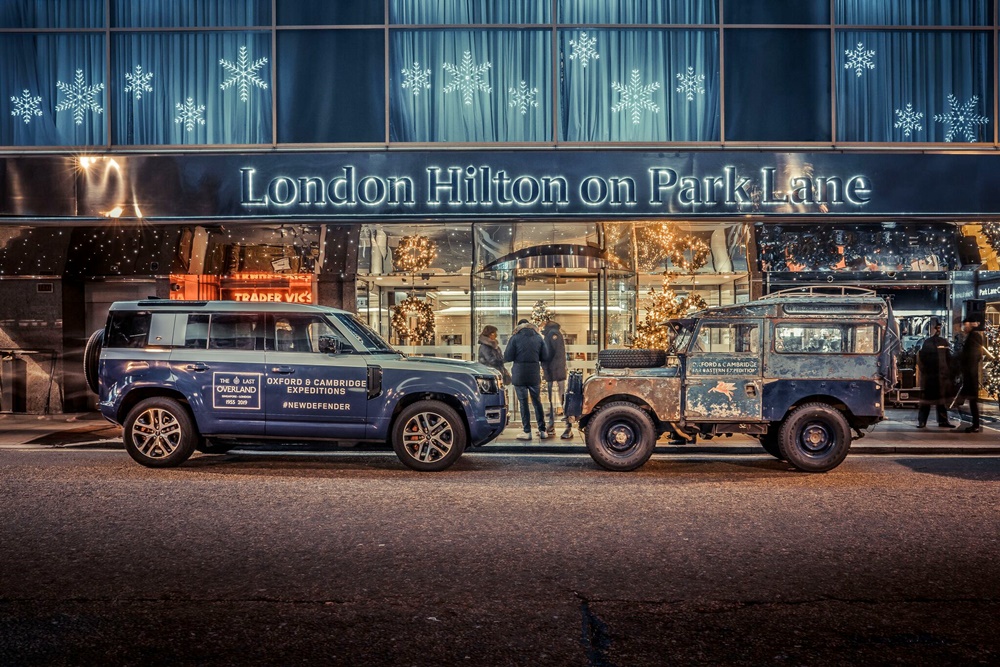
114 days and some 16,000 kms after setting off from Singapore, the expedition team and Oxford were met at the finish line – just steps from the original expedition finish line in 1956 – by a New Defender 110 with specially commissioned Oxford & Cambridge Expedition livery. The special livery was commissioned in the original Oxford Blue & Cambridge Blue, alongside Oxford & Cambridge Expedition lettering on the door – both being features of previous expedition vehicles.
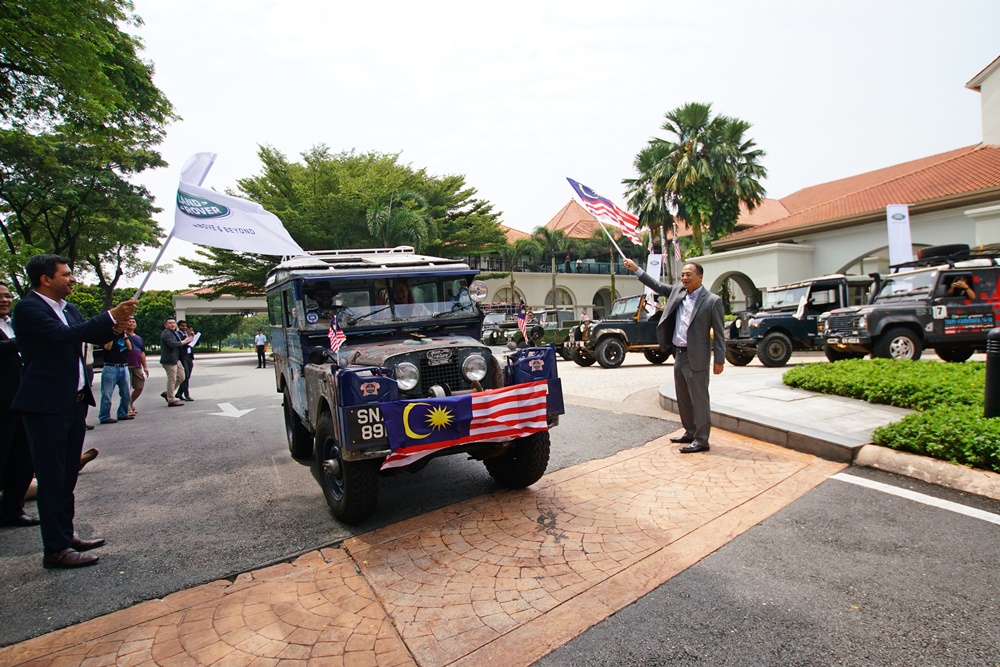
The expedition was supported by Land Rover at stops along the way, including Malaysia where Jaguar Land Rover Malaysia provided hospitality.
“This journey has definitely been an action-packed one, filled with many ups and downs, and I can’t believe how quickly the 18 months that went into planning this journey has brought us here, all in one piece so far! We’ve managed to drive this incredible 64-year-old car once more, to so many remote and fascinating parts of the world, through tropical monsoons, -20 degrees and at more than 5000 metres above sea level. Oxford has taken it all in stride. From Nagaland to Tibet, from Turkmenistan to Serbia, the welcome we’ve received has been unbelievable,” said 31-year-old award-winning filmmaker, Alex Bescoby, who had long wanted to do a documentary on the original expedition.
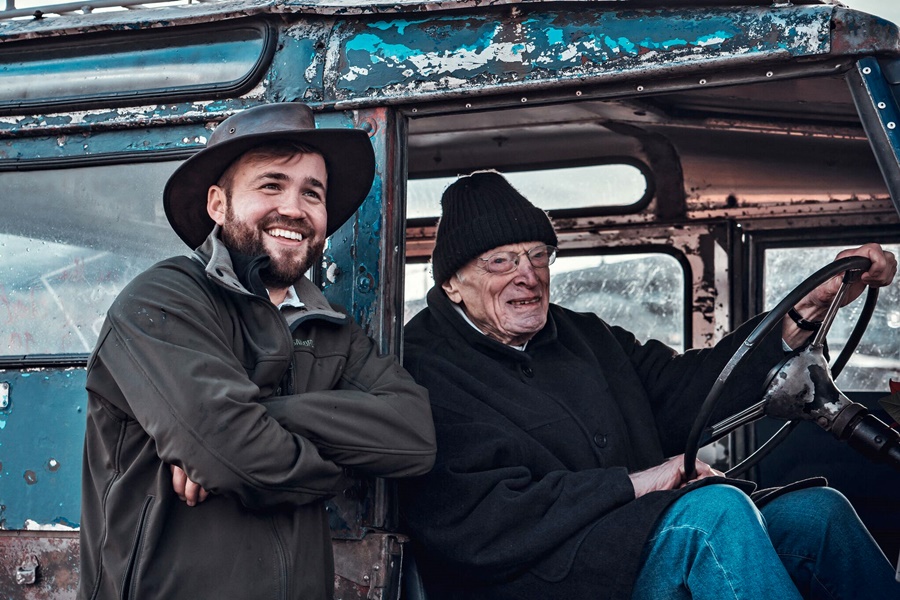
Alex Bescoby (left) and Tim Slessor who was one of the members of the original expedition.
Bescoby not only got to do it in one of the original vehicles but also had Tim Slessor, now 87 years old, accompanying the expedition team. “As I get older, I have been bothered by a recurring and nagging whisper: ‘Go for it – before it’s too late.’ Which is why I am here today – I am 87, and if I don’t do it now, I may never get another chance. After all, as that whisper reminds me, ‘you’re only here once. If you like, it’s a case of ‘this Old Man helps take the Old Lady home,” Slessor said at an event held prior to the flag-off from Singapore.
The New Defender greeting the 1955 Land Rover that travelled from Singapore to London.
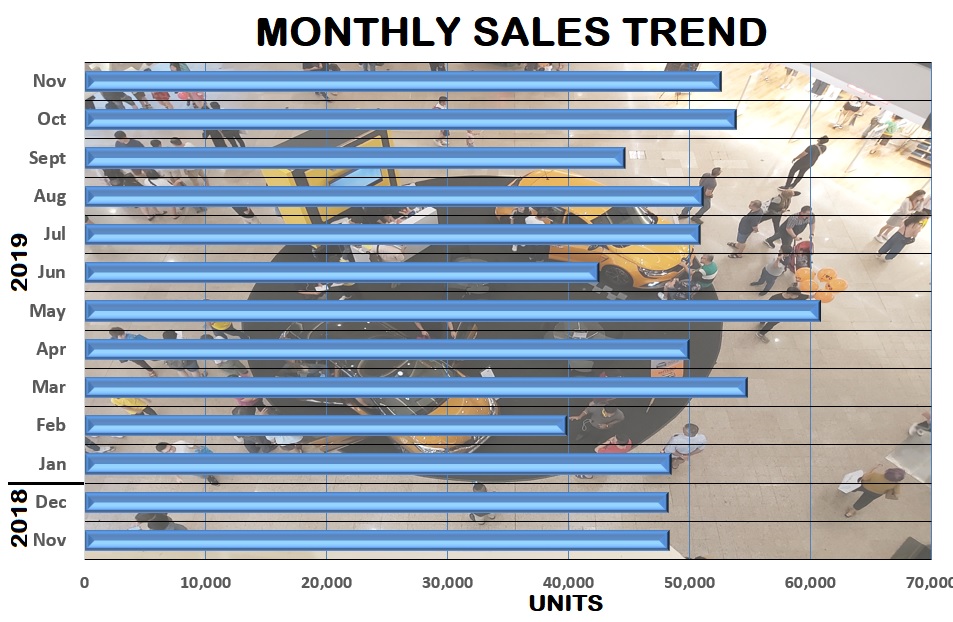
New vehicle sales in the month of November declined by 2.4% or 1,286 units, bringing the Total Industry Volume for the month to 52,584 units of passenger and commercial vehicles. By segment, passenger vehicles accounted for 47,754 units (91%) of the month’s TIV with the remainder being commercial vehicles (including pick-up trucks).
Compared to the same month in 2018 when the market was still in a state of ‘fatigue’ after the surge during the 3 months of GST-free sales, it was to be expected that the figures in 2019 would be higher, with 4,302 units more sold in 2019. A larger volume of passenger vehicles (10% compared to 2018) was sold but commercial vehicles were actually 2% lower.
Source: Monthly reports of the Malaysian Automotive Association (MAA)
As for the TIV for the year to date, ie 11 months, the cumulative volume has reached almost the same level. From January to November, the TIV was 549,445 units which was just 965 units less than for the same period in 2018.
The output of locally-produced vehicles was lower than in November 2018, probably as companies started preparing to scale down stocks with the year coming to an end. 46,517 vehicles were produced, about 8% less than in 2018.
However, the cumulative TIV for 11 months shows that 2019 saw a higher output of 528,333 units where in 2018, the output during the same period was 522,572 units. Passenger vehicles accounted for the boost in numbers but commercial vehicles declined.
A last push to get more sales before 2019 ends.
One month remains and in order to achieve the forecast of 600,000 units for the year by the MAA, 50,555 units would have to be registered in December. This is likely to be possible, with some extra added, as companies will be pushing hard to clear stocks and offer special deals in sales promotions. Many will also be closing their financial year and will want to be able to report the highest numbers to shareholders.
Just as in the late 1990s when the changing business environment forced companies to merge or form alliances to be more competitive, the same thing is happening as this decade ends. Groupe PSA and Fiat Chrysler Automobiles (FCA) will enter a 50:50 merger of their businesses which will create the 4th largest global automotive manufacturing group (by volume) and 3rd largest by revenue.
The new combined company will have annual unit sales of 8.7 million vehicles, with revenues of nearly 170 billion euros, recurring operating profit of over 11 billion euros, and an operating profit margin of 6.6%, all on a simple aggregated basis of 2018 results. At present, the combined balance sheet is strong and therefore provides significant financial flexibility and ample headroom both to execute strategic plans and invest in new technologies throughout the cycle.
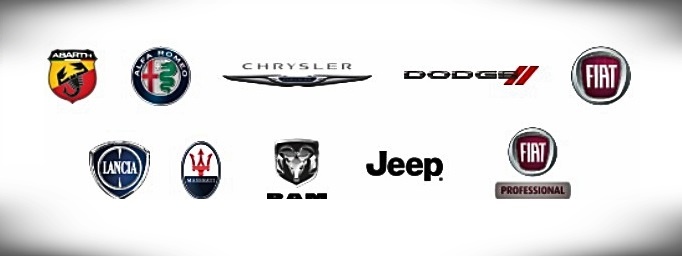
The brands from FCA
Broad-based brand portfolio
The combined entity will have a balanced and profitable global presence with a highly complementary and iconic brand portfolio covering all key vehicle segments from luxury, premium, and mainstream passenger cars through to SUVs and trucks and light commercial vehicles. This will be underpinned by FCA’s strength in North America and Latin America and Groupe PSA’s solid position in Europe.
The new Group will have much greater geographic balance with 46% of revenues derived from Europe and 43% from North America, based on aggregated 2018 figures of each company. The combination will bring the opportunity for the new company to reshape the strategy in other regions.
The brands from Groupe PSA brands
Sharing platforms will be key to efficiency
As has been the case with mergers of other groups, sharing platforms will be key to efficiency. The efficiencies that will be gained from optimizing investments in vehicle platforms, engine families and new technologies while leveraging increased scale will enable the business to enhance its purchasing performance and create additional value for stakeholders. More than two-thirds of production volumes will be concentrated on 2 platforms, with approximately 3 million cars per year on each of the small platform and the compact/mid-size platform.
While mergers often see downsizing exercises in facilities and manpower, it has been stressed that this one will not see plant closures or losses of jobs. In a letter to employees, Mike Manley, Chief Executive Officer of FCA, said: “The success of this merger will be underpinned by the history of our companies – a history where we have shown our leadership ability to deliver the successful integration of multiple cultures, passionate care for our iconic brands and a smart, tough, creative determination to succeed.”
About FCA and Groupe PSA
FCA was established in October 2014 when Fiat and Chrysler merged into a new holding company with two main subsidiaries – FCA Italy (previously Fiat Group Automobiles SpA) and FCA US. The portfolio of vehicle brands includes Abarth, Alfa Romeo, Fiat, Fiat Professional, Lancia, and Maserati from the Fiat side, and Chrysler, Dodge, Ram, Jeep from the Chrysler side. In 1998, as Chrysler Corporation, the company had merged with Daimler AG in what was the first of ‘mega-mergers’ in the auto industry. Described as a ‘merger of equals’, it never worked out and the two companies separated in 2007.
Groupe PSA, earlier known as PSA Peugeot Citroen (between 1991 and 2016) has brands with a very long history, notably Peugeot which was founded over 200 years ago and Citroen which celebrated its 100th anniversary in March this year. The Group currently has 5 vehicle brands – Peugeot, Citroen, DS Automobiles, Opel and Vauxhall, the last two brands having been acquired in 2017.
The Volvo Group and Isuzu Motors plan to work together as a strategic alliance within commercial vehicles in order to capture the opportunities in the ongoing transformation of the industry. In the Memorandum of Understanding (MoU) signed today between the two companies, the intention (in the first phase) is to establish a global technology partnership and to create a stronger, combined heavy-duty truck business for Isuzu Motors and UD Trucks in Japan and across international markets.
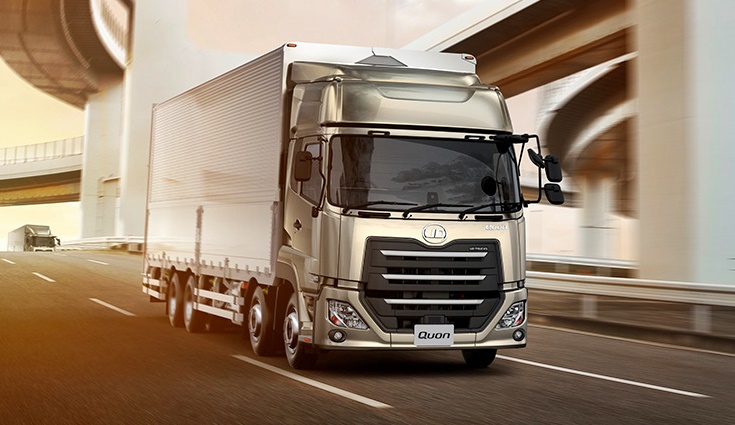
This will entail transferring ownership of the complete UD Trucks business globally from the Volvo Group to Isuzu Motors in order to accelerate growth by leveraging greater volumes and complementary capabilities. There is great complementarity between the two groups from both a geographical and product line perspective, with further opportunities to be explored over time.
UD Trucks was originally known as Nissan Diesel. In 2007, it was acquired by the Volvo Group.
Speaking on behalf of Isuzu Motors, its President & Representative Director, Masanori Katayama said: “Isuzu Motors and the Volvo Group strongly believe in the business opportunities and synergy potential between the two Groups. We intend to derive the full value from each other’s different specialties across product and geographical strongholds. Our collaboration will actively contribute to service improvements and strengthened customer satisfaction as well as to prepare ourselves for the forthcoming logistics revolution.”
The intended strategic alliance between the Volvo Group and Isuzu Motors will include forming a technology partnership which will leverage the parties’ complementary areas of expertise within both well-known and new technologies as well as to create a larger volume base to support necessary, forthcoming technology investments.
The alliance also aims to create the best long-term conditions for a stronger heavy-duty truck business for UD Trucks and Isuzu Motors in Japan and across international markets. There will be exploration of opportunities for even broader and deeper collaboration within the commercial vehicle businesses across geographical areas and product lines, such as light and medium-duty trucks.
The alliance will see the two companies cooperating in technology, sales and service in many markets.
“The Volvo Group and Isuzu Motors have a well-established relationship on medium-duty trucks in Japan based on mutual respect, shared values and win-win spirit. We see great potential to extend our cooperation within technology, sales and service as well as other areas going forward, for the benefit of our customers and business partners,” says Martin Lundstedt, President & CEO of the Volvo Group. “Our UD Trucks colleagues have done a great job to improve performance in recent years and the alliance opens up a great opportunity to continue the successful journey.”
All technology cooperation between the Volvo Group and Isuzu Motors will be managed through individual contracts. The MoU is non-binding. The next steps will be finalizing the scope of the business to be transferred, due diligence by Isuzu Motors and negotiations of binding agreements. Signing of binding agreements is expected to take place by mid-2020 and closing of the transaction is expected by the end of 2020.
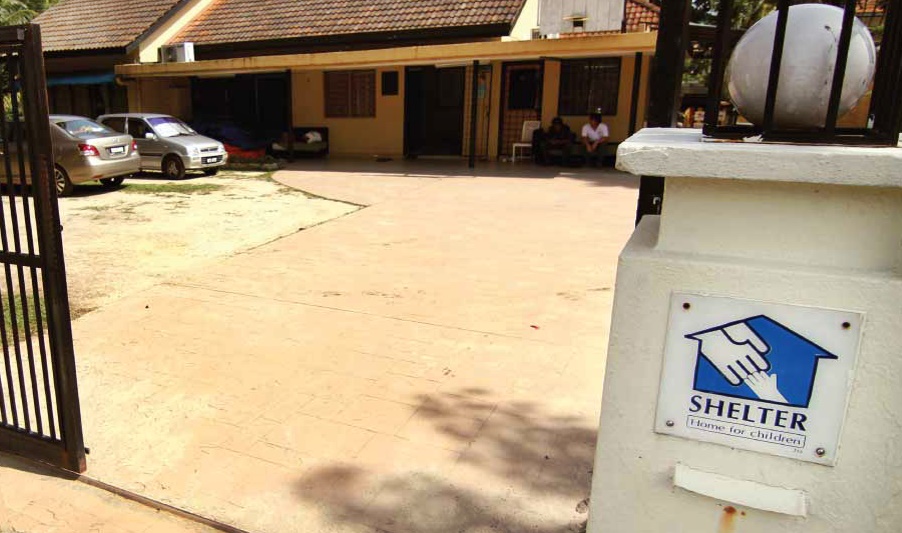
The festive season is a time when people can take a break and celebrate; in this case, Christmas for those who celebrate it and the coming of another New Year. It’s also a time to think of the less fortunate who may not be able to enjoy the festive spirit and for those at Shelter, a local children’s home, BMW Group Malaysia is undertaking an initiative to bring them some cheer.
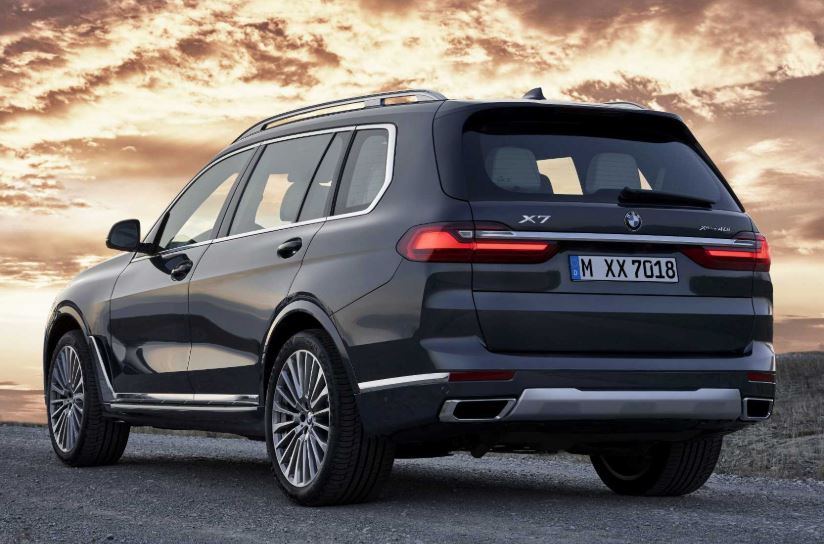
The company has set up a ‘Joy of Giving’ box inside the spacious boot of a BMW X7 on display at the Bangsar Shopping Centre in Kuala Lumpur. Visitors can help fulfil a wish by purchasing an item off the Shelter children’s list and dropping the item in the box. In doing so, they will also be entitled to enter a lucky draw and receive an exclusive BMW Christmas gift wrapper.
“As we approach the end of 2019, we wanted to give thanks for all that we have achieved at BMW Group Malaysia this year. To share this gratitude with our customers who have remained loyal to the brand, we are inviting them to a month of celebration with us at the Bangsar Shopping Centre. This year is especially unique as well because we have partnered with Shelter, a local children’s home to spread the ‘Joy of Giving’, to the underprivileged children of Malaysia,” said Harald Hoelzl, MD of BMW Group Malaysia.
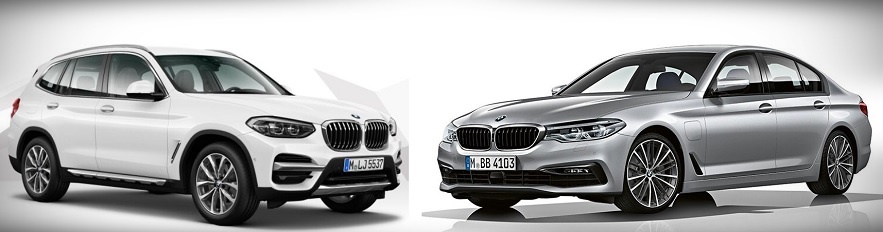
BMW X7BMW X3 and 530e
There will also be opportunities to test-drive the new BMW X3 and 530e. Those who go for the test-drives will also be entitled to join the lucky draw to win exclusive BMW merchandise as well as get a special and exclusive BMW Christmas gift wrapper. If they purchase more than RM200 worth of items (in a single receipt) at Bangsar Shopping Centre, they can also receive the exclusive gift wrappers and get an entry for the lucky draw.
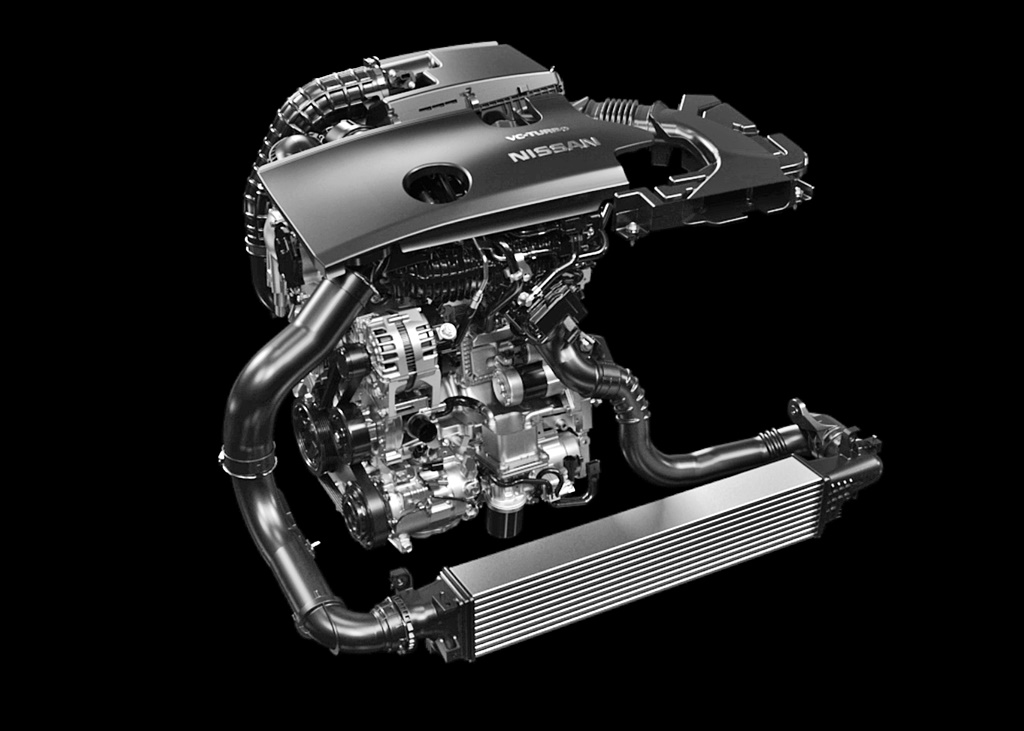
Nissan’s 2-litre VC-Turbo engine has been picked as one of Wards’ 10 Best Engines & Propulsion Systems on its list for 2020. Wards, an authoritative industry publication in America, has assessed automotive powertrains since 1995 and recognised the best in its annual listings.
Winners are evaluated based on several factors including horsepower, torque, noise, fuel economy, comparative specifications and applications of new technology. This year, the judges began testing from a group of 26 all-new or vastly improved engines, by putting them through the paces of daily life – commuting, road trips and running errands. To be eligible, a vehicle’s base price may not exceed US$65,000.
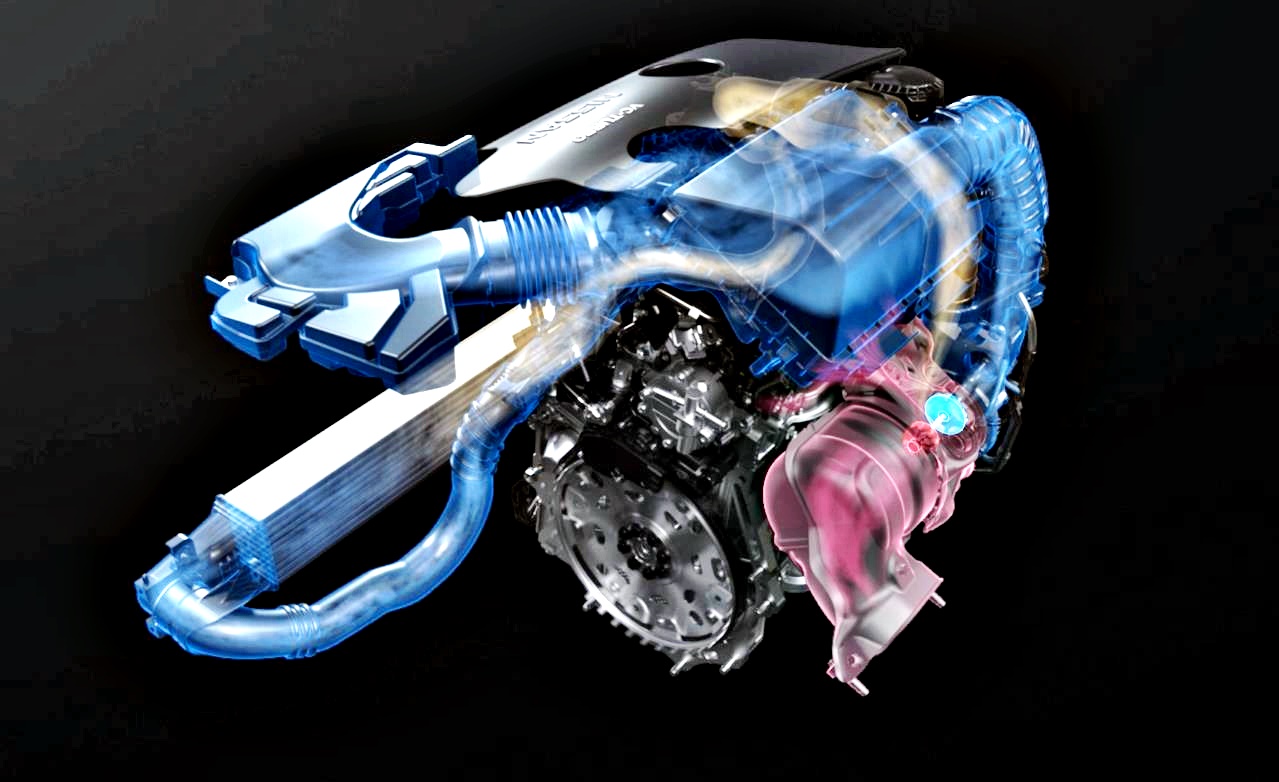
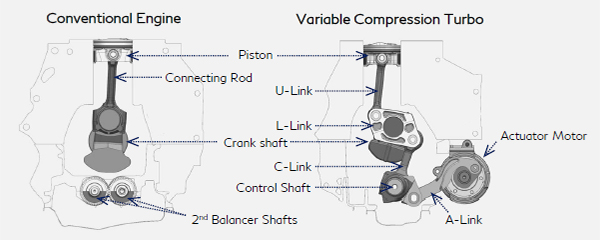
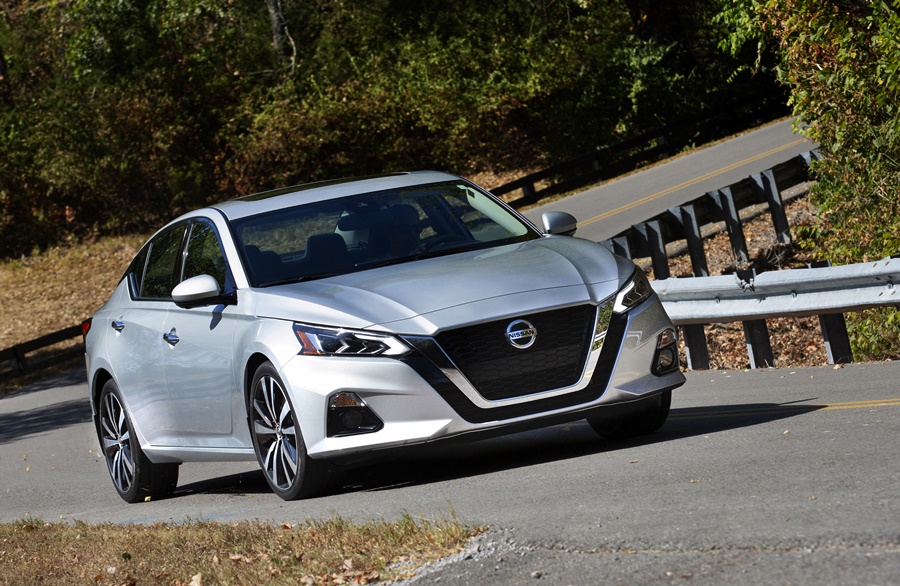
The VC-Turbo engine, used in the latest Altima, is a turbocharged 4-cylinder unit with variable-compression. It leverages an industry-first production technology to achieve its goals of offering high levels of power and efficiency from the same powerplant. Monitoring driver inputs several times per second, the engine adjusts the compression ratio from 8:1 to 14:1 as needed, optimizing power and efficiency.
The range in capability is derived using a multi-link system that adjusts the length of the piston’s stroke, while adjusting the engine’s compression ratio on the fly. When the driver demands power, an internal actuator reduces the throw of the connecting rods allowing compression to drop, while tapping the turbocharger for maximum output.
Conversely, during highway cruising and other low-power needs, the engine automatically adjusts to a higher compression ratio. This offers a significantly higher level of efficiency said to be 27% better than a conventional engine with a fixed compression ratio.
2020 Nissan Altima
“Offering our best technologies on top-selling models is a priority. We purposely debuted this technology on Altima, which can be had for less than US$30,000 when equipped with the VC-Turbo engine,” said Chris Reed, Senior Vice-President of Research & Development at the Nissan Technical Centre North America. “We’ve worked for years perfecting this innovation and are extremely proud to be recognized by Wards as one of its 10 Best Engines & Propulsion Systems for 2020.”
The VC-Turbo engine was revealed at the 2016 Paris Motorshow as the world’s first production-ready variable compression ratio engine. Its first application was in the Infiniti QX50 2018 and Nissan has applied for as many as 300 patents for the engine. Nissan’s achievement for 2020 marks the company’s 18th trophy in 26 years of Wards annual listings, many having been gained by the V6 VQ engine family.
Visit www.nissan.com.my to know more about Nissan vehicles available in Malaysia.
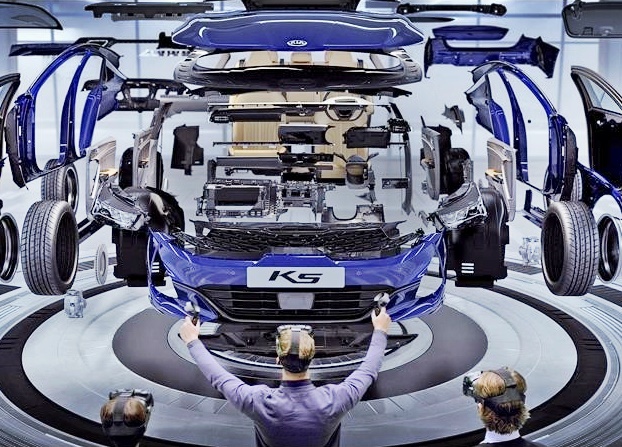
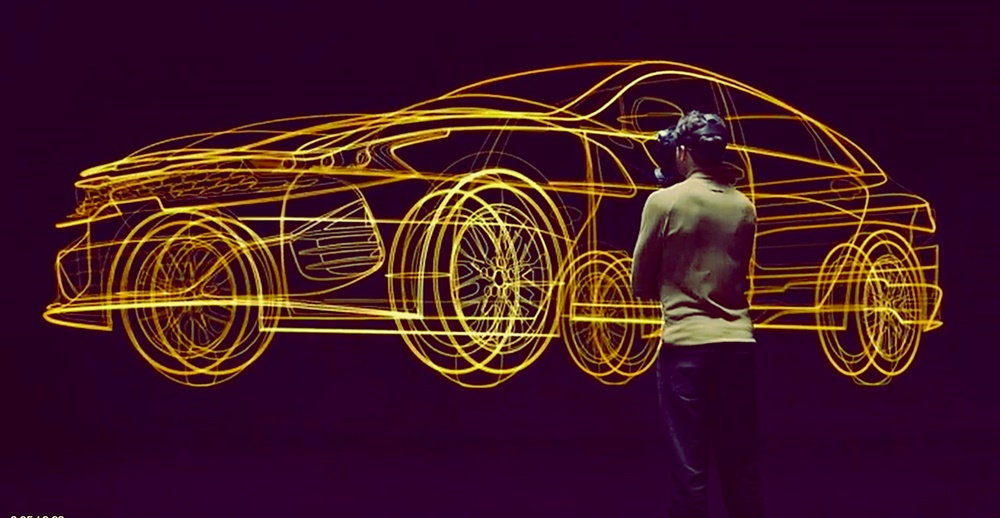
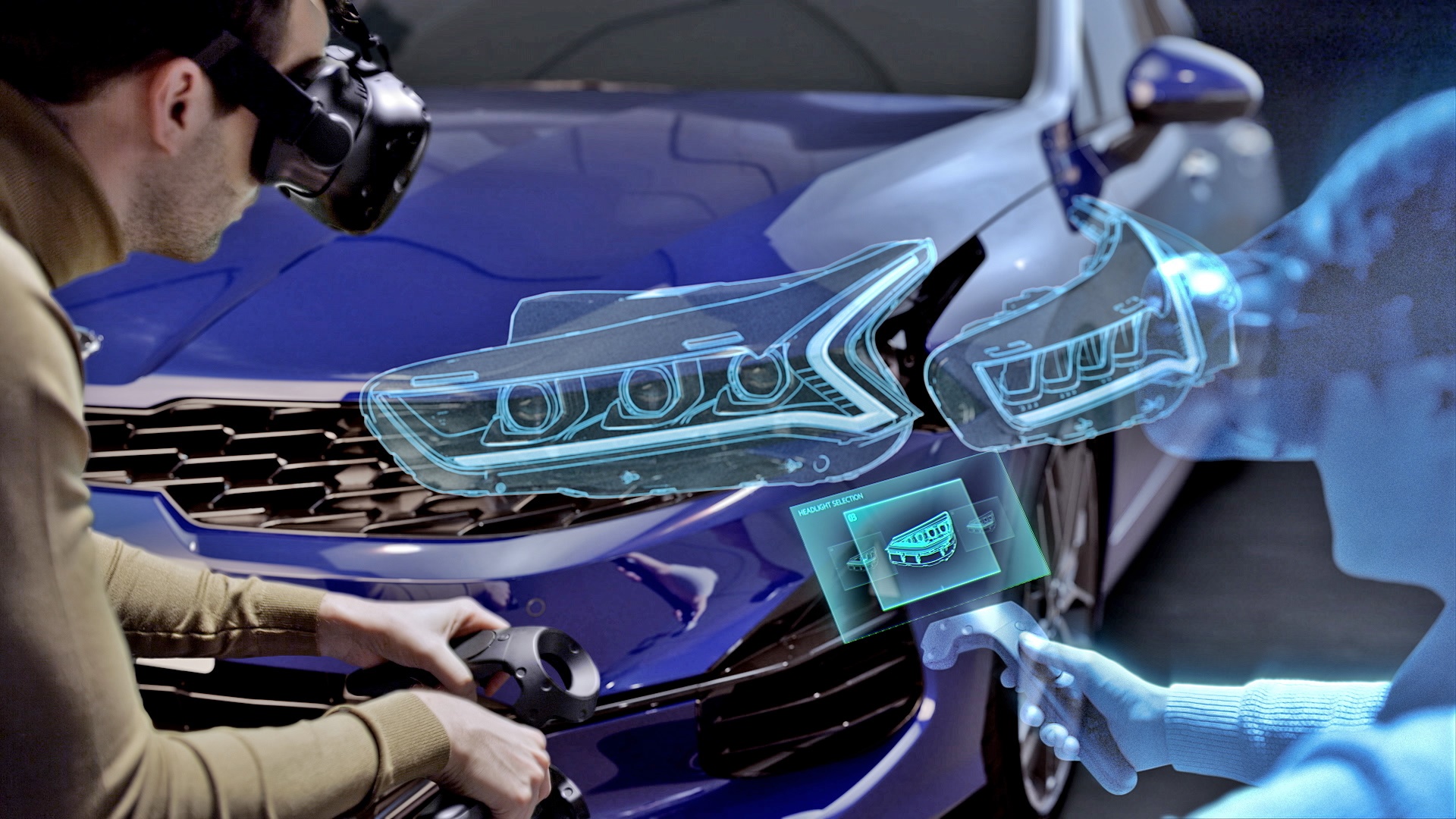
Hyundai Motor Company and Kia Motors Corporation have debuted a new virtual reality (VR) design evaluation system at the brands’ global design headquarters. The new system, introduced to the Namyang Research and Development Centre in South Korea, demonstrates a heightened focus on enhancing vehicle development processes through the implementation of VR technology.
The technology uses several development applications, enabling teams of designers and engineers to carry out vehicle design quality assessments and development verification processes. It is part of the 15 billion won (about RM53 million) investment in the Namyang Research and Development Centre announced by Hyundai and Kia in March 2019.
Faster development times, reduced costs
Through the complete implementation of the virtual development processes throughout R&D and pre-production stages, Hyundai and Kia anticipate a 20% reduction in vehicle development times and a 15% reduction in annual development costs. In addition, these new virtual technologies are expected to increase profitability and trigger a cycle of continuously increasing R&D investment for Hyundai and Kia.
“The virtual development process is a necessary step for responding quickly and reacting with agility to the needs of customers and paradigm shifts within the automotive industry,” said Albert Biermann, Head of Research and Development Division for Hyundai Motor Group. “Through reinforced virtual processes, we will enhance quality and profitability, ultimately increasing investment in R&D to secure competitiveness in future mobility.”
20 simultaneous users
VR headsets allow the brands’ vehicle designers and engineers to virtually enter developmental simulations, with 36 motion tracking sensors detecting and tracking the locations and movement of all users, enabling each to participate accurately in real time. The new VR design evaluation system can currently support up to 20 simultaneous users, enabling greater cross-team collaboration than ever before.
As a result, the new cutting-edge facility allows the designers to more efficiently review a multitude of design concepts earlier in the developmental process and in ways that were previously physically impossible. The system simulates interior and exterior design elements, lighting, colours and materials, and even virtual environments.
Testing individual components
VR also enables development teams to simulate operations of individual vehicle components, such as doors, bootlids, bonnets, and windshield wipers. Furthermore, the system enables testing of vehicle ergonomics and aerodynamics more efficiently.
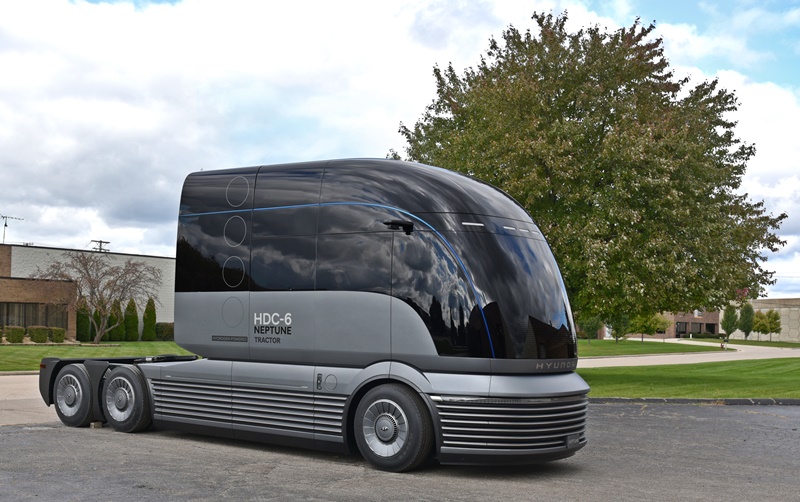
Hyundai HDC-6 NEPTUNE Concept
Hyundai first used this system during the design assessment stages of the HDC-6 NEPTUNE Concept Class 8 heavy-duty truck that was revealed in October. Kia also plans to expand the design assessment capabilities of the facility for developmental use on future models.
Additionally, plans to establish remote VR design assessment capabilities will enable real-time virtual collaboration between each brand’s design centres in Europe, America, China and India, along with an enhanced virtual development process through the implementation of AR (Augmented Reality), among other technology. There are also plans to introduce VR technologies in production and assembly lines to create more ergonomic, efficient and safe working environments.
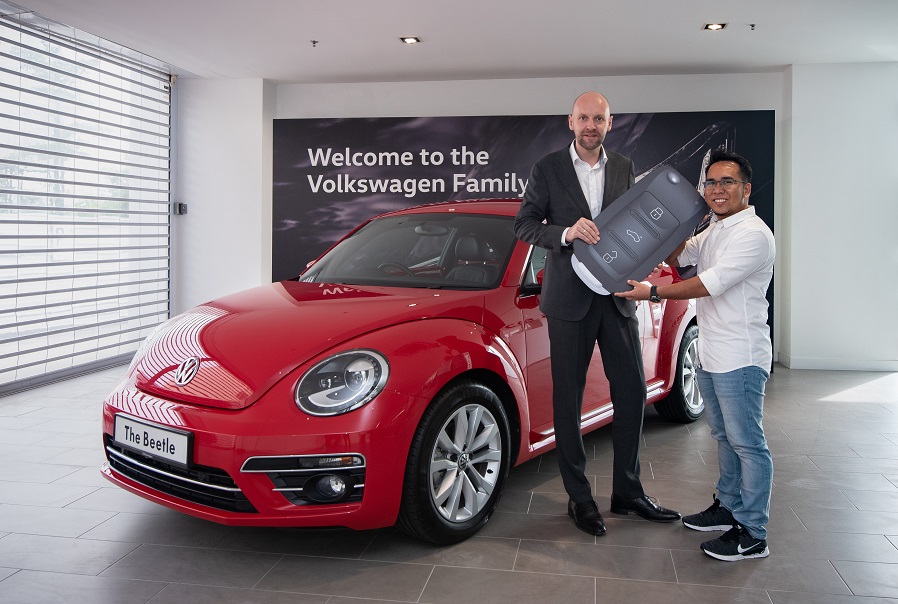
After a 2-month search, the Volkswagen “Win the Icon” contest reached its conclusion and it was Muhamad Rizal bin Sadiman, a 28-year-old school teacher from Perak who won a brand-new Volkswagen Beetle 1.2TSI.
The contest, which ran throughout the months of October and November, received over 800 posts and submissions of photos and videos of Malaysians test-driving their favourite Volkswagen models while documenting their experience. They had also to caption their submissions creatively with the hashtag #BetterExperiencedThanExplained.
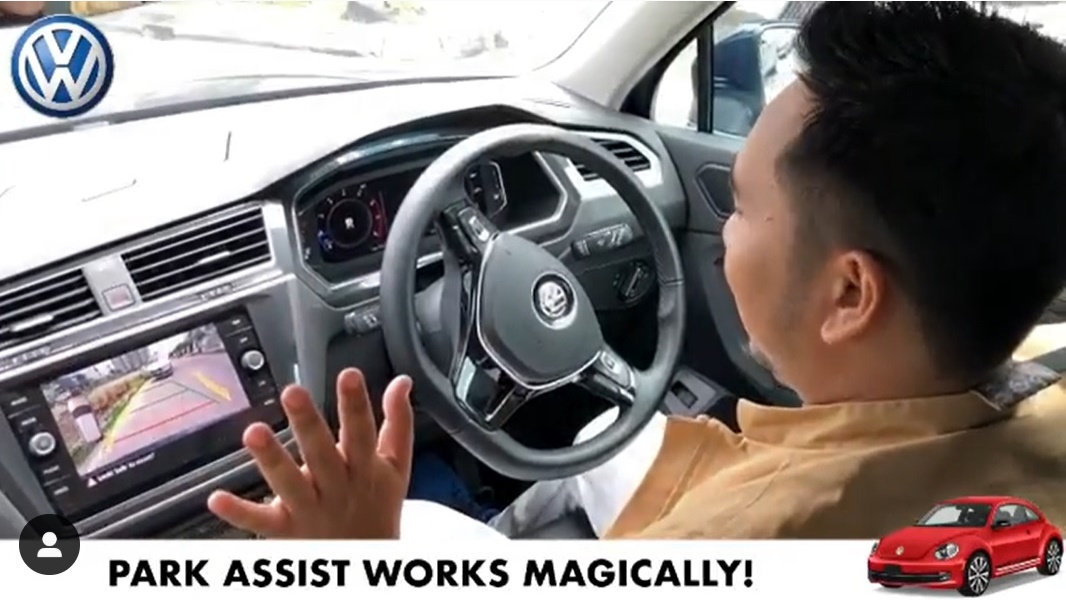
Encik Rizal submitted a video of himself test-driving the Polo and Tiguan and said: “A Volkswagen is truly better experienced than explained. Safety is a top priority for me as I was involved in an accident two years ago where the brakes failed. In my submission video, I showcased how the Tiguan performs during emergency braking and I am very impressed.”
“The Polo is another favourite as we had one in the family and it is a sturdy pocket rocket. I am so thrilled and excited with this win. I can’t wait to drive my new Beetle around town and to school,” he added.
Cult object and design icon, the Beetle has captured the hearts and minds of the people in its 80 years of production. Sadly, after three generations, Volkswagen has decided to cease production of the iconic model, with the last unit being completed in July this year. This makes Encik Rizal of one the lucky few to own a Beetle before all the new ones are sold off. Of course, the Beetle will continue to remain a legend in the auto industry’s history.
Many of today’s cars are having display screens mounted on the dashboard which resemble tablets. From the assembly point of view, it’s easier to install rather than being integrated in an opening in the dashboard. When you look at the display, it seems like a good idea if it could also be detached and taken out of the car for other uses and Pioneer seems to have come up with such an idea for a new product.
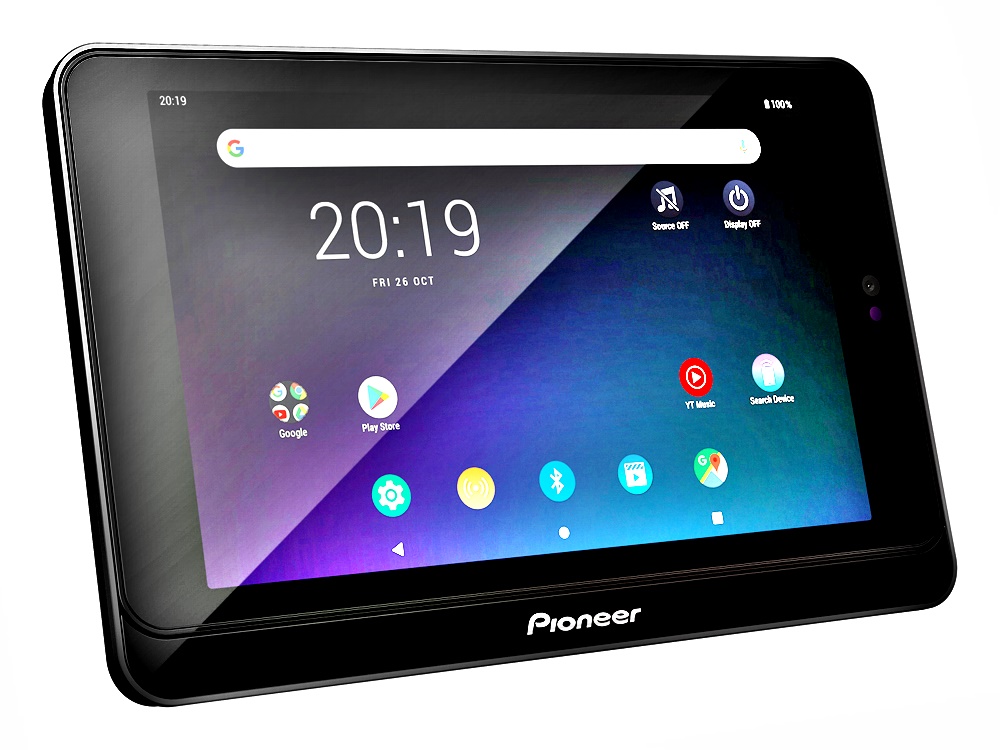
In the first quarter of 2020, it will begin shipping the market’s first Smart Unit Receiver which combines a Google-certified 8-inch Android portable display with a smart receiver. Its portability means it can go beyond being just an in-car infotainment system.
For digitally-savvy individuals
“Today’s car owners are more than just drivers. They are digitally-savvy individuals who live a lifestyle that is integrated with their mobile devices and apps. This new wave of smart drivers doesn’t want just a system that accompanies them from point A to point B, but personalised tools and solutions that enhance their way of life and help them with their day-to-day tasks,” said Ronald Lee, General Manager of Sales and Product Division, Pioneer Electronics AsiaCentre.
“Our new Smart Unit Receiver is the first in the market to deliver our Pioneer Smart Sync (PSS) in-car infotainment app with the flexibility of a portable display and a smart receiver, allowing car owners to live a truly digital lifestyle wherever they go,” he explained.
All-in-one functionalities
When motoring, the Smart Unit Receiver drivers with quick access to their favourite music using the display’s dedicated source display for radio and Bluetooth as well as the PSS app’s smart receiver control. The app is a one-stop solution for getting the most out of the Android display, car stereo, and navigation and drivers can activate voice assistants, or have unread text messages read out.
The system can also connect to existing rearview cameras and Pioneer’s parking sensors through the smart receiver. Passengers can also stream videos on the move through apps like YouTube and Netflix. The portable display’s IPS LED screen offers crystal-clear clarity and a wide smooth surface to tap into controls and popular apps in just a few swipes.
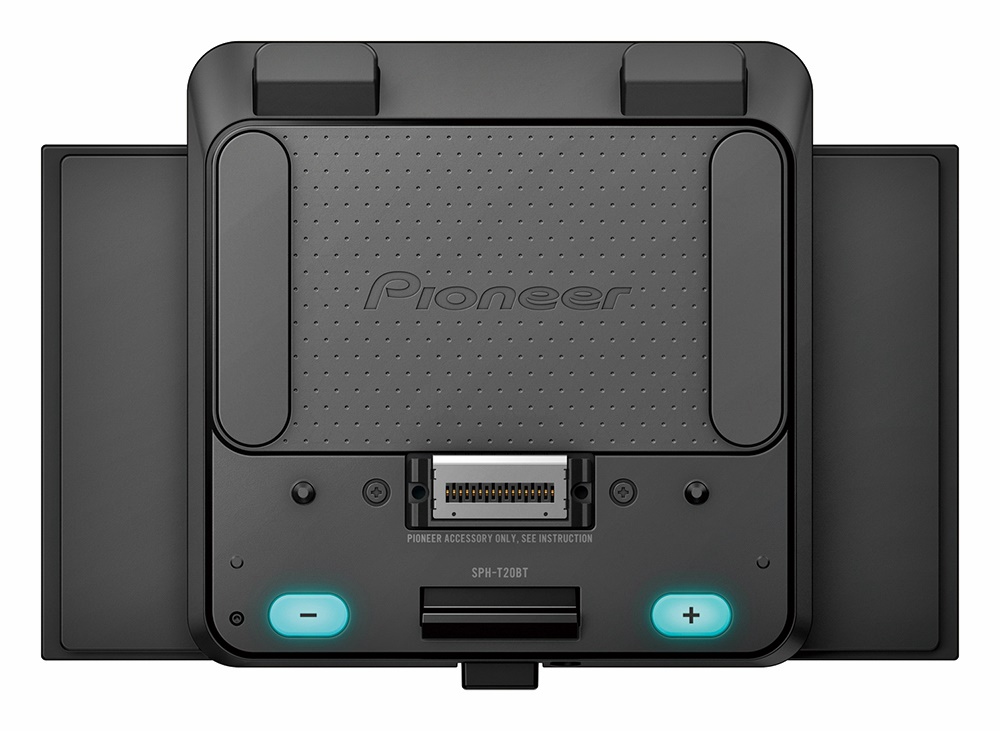
With the ability to pre-select the cradle position, drivers can also adjust the display’s elevation for maximum comfort when watching videos and operating the device. The display can also be removed from the mount with just the press of a button so it becomes a tablet which can be taken into the office or home or anywhere else (to be connected to the internet would, of course, require having a SIM card or wifi connection).
“Drivers get to experience a truly seamless digital lifestyle within and outside of the car. When leaving the car, they can simply remove the display and reply to emails, catch up on the news or their favourite shows, and connect with loved ones via messaging apps on the go. The transition is non-disruptive,” said Mr. Lee.
Lower costs, more value
With the Smart Unit Receiver’s multiple capabilities and flexibility, drivers can gain more value just from a single system solution. They stand to reduce their hardware requirements and costs by meeting a diverse range of needs – from entertainment and navigation to productivity and connectivity – from just one portable display receiver system.
The system is also designed with safety and protection in mind, with the display built for durability and longevity within the environment of a car. The secure mount and robust display cover also offer better protection for the investment, preventing damage and extending the usage life of the system.
Information on pricing and availability in Malaysia is not available at this time but as the product will enter the market in the near future, perhaps you would want to hold off on buying a new tablet if you were planning to shop for one.