Piston.my

English

  1. Building on the support from leading car manufacturers, Formula E will officially become an FIA world championship starting from the 2020/2021 season (which typically starts towards the end of the year). As part of a constant process of innovation, the all-electric single-seater championship will introduce the Gen2 EVO, a restyled version of the current racing car.

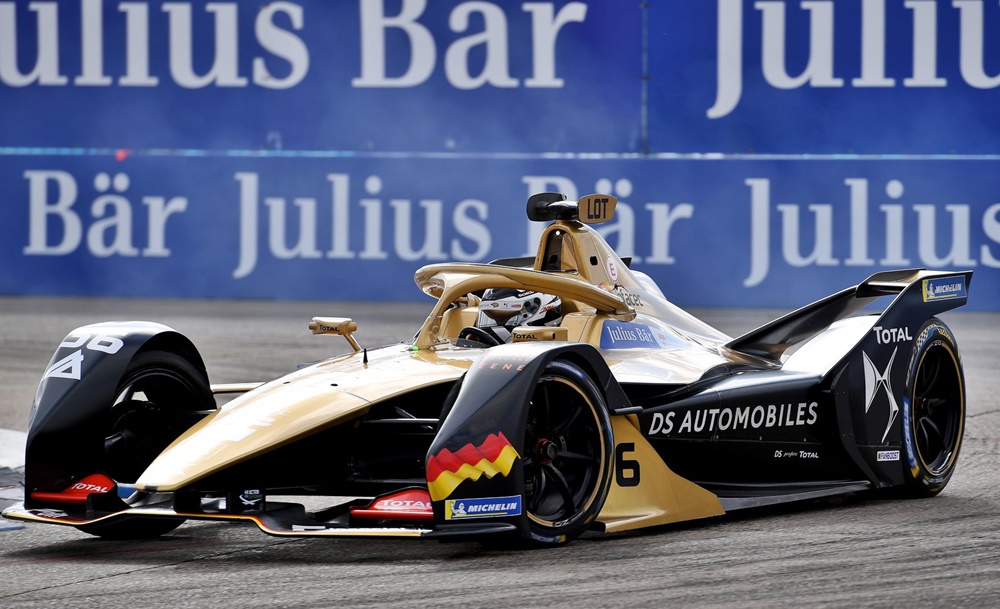
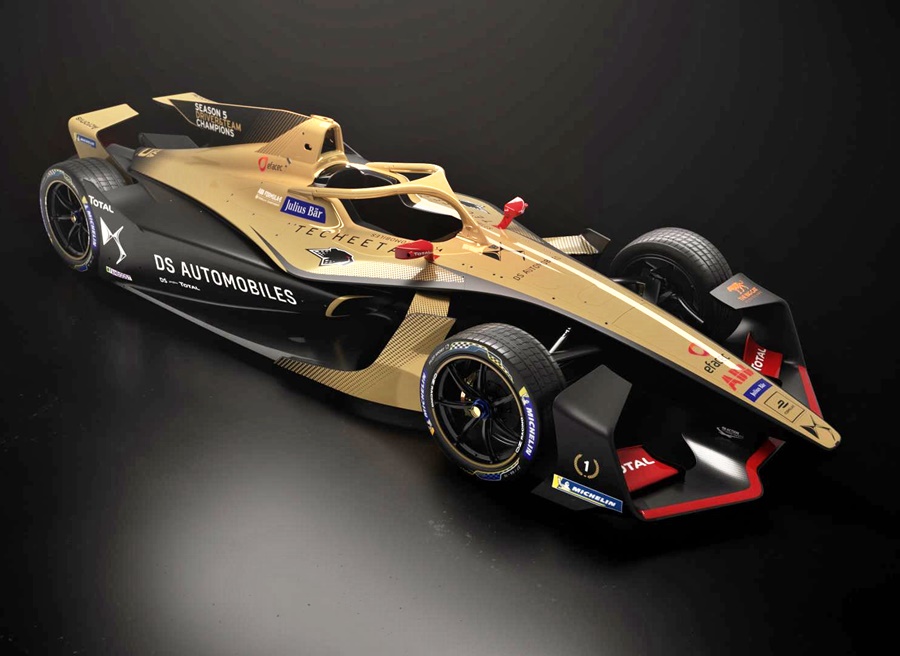
DS Automobiles and its team partner DS TECHEETAH are already preparing for this new season with race livery design of their future racing car for Season 7. DS Automobiles and its sporting entity DS Performance successfully completed the transition between the two generations of Formula E cars. With a motor that increased to 250 kW and a battery of 52 kWh, the drivers can compete in an entire E-Prix distance without car change-overs. Aligned with DS TECHEETAH, the DS E-TENSE FE19 won the two Championship Drivers and Teams titles in the last season.

2019 DS CTHEETAH Formula E
The current Formula E car run by DS TECHEETAH.
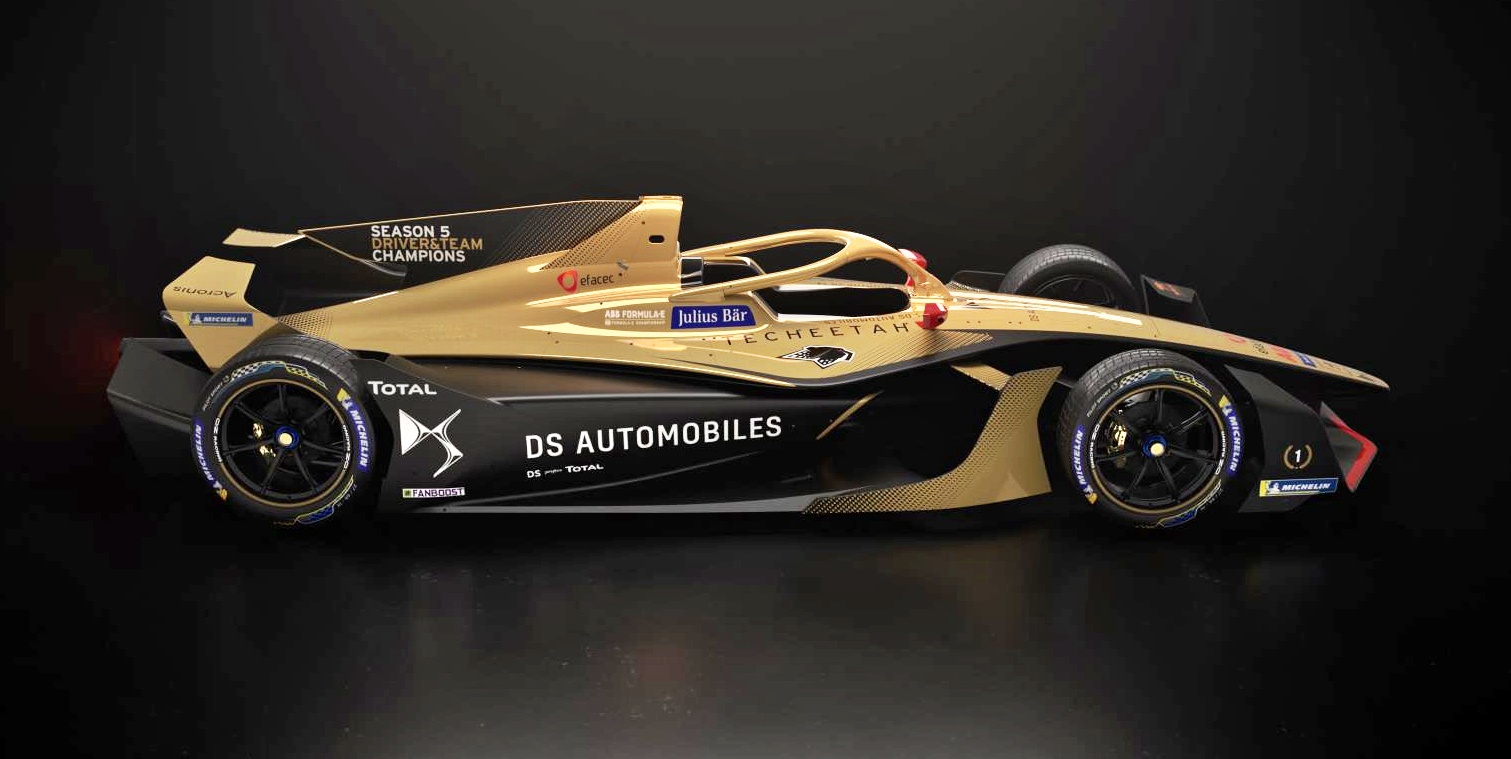
Formula E DS Techeetah Gen2 EVO
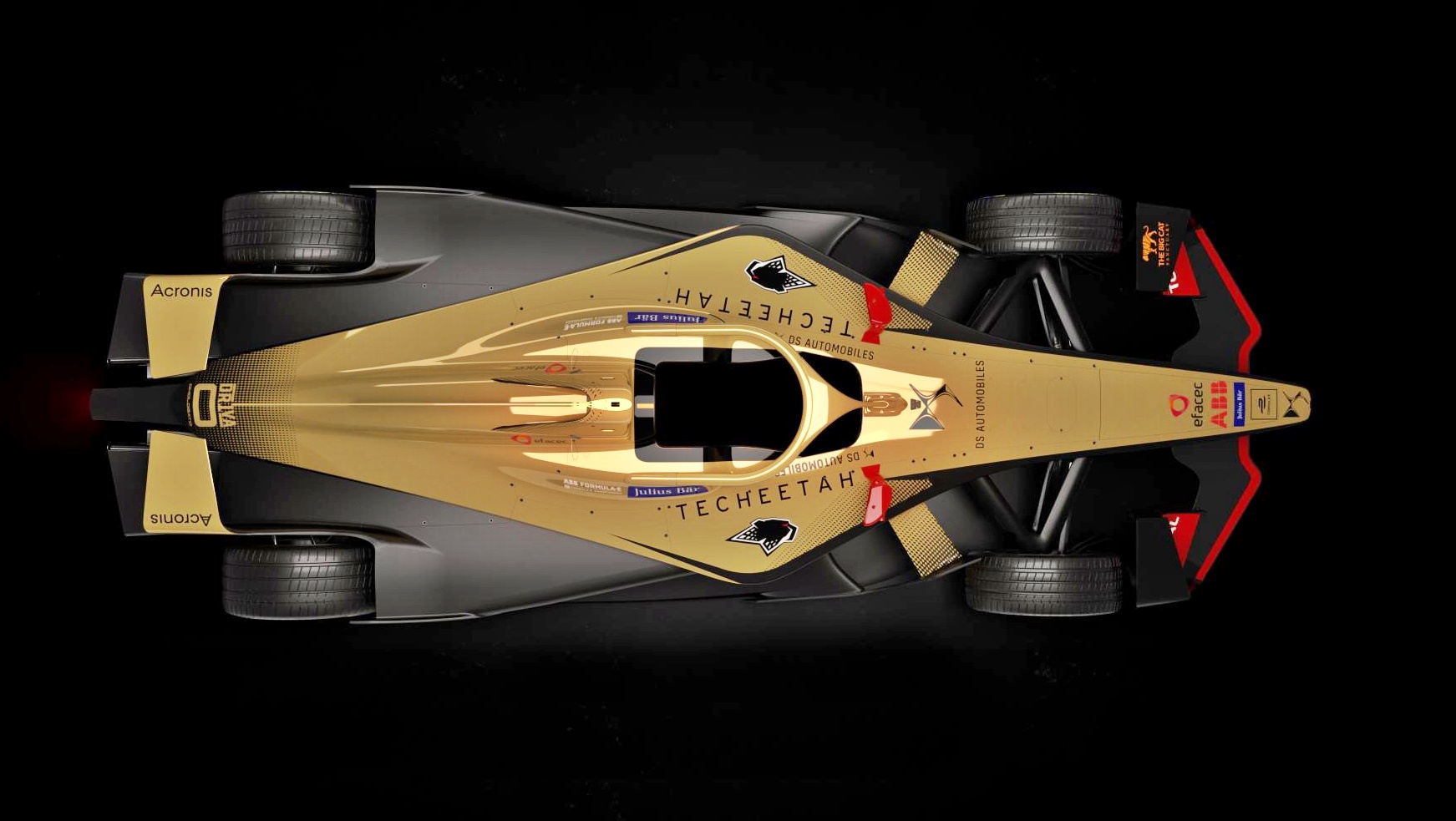
The Gen2 EVO car for Season 7.

Formula E DS Techeetah Gen2 EVO

How the car will evolve
Formula E will evolve the design of the car and changes will include modification of the front and rear appendages, addition of a ‘shark fin’ on the bonnet and opening of the front wheel arches. The design of the Gen2 EVO to be used by the DS TECHEETAH Team incorporates the facelift imagined for the next season while retaining the black and gold codes of the DS E-TENSE FE20.

“Formula E is as much a place of experimentation as it is a field of expression for DS Automobiles. We demonstrate our vision by having been the first premium manufacturer involved, our expertise in electrification by winning races and championships and our know-how by multiplying innovative actions around competition. Being the first team to present the design of our future single-seater is a new step in this commitment, ” said Beatrice Foucher, CEO of DS Automobiles.

BHPetrol RON95 Euro4M

PISTON.MY

BHPetrol RON95 Euro4M

An all-new Audi A3 will make its world debut at next month’s Geneva Motor Show and to give selected media a preview of its dynamic capabilities, the carmaker held a test-drive in the Azores islands in the Atlantic Ocean. It’s a place where volcanoes once created a whole chain of islands and where there is a high level of volcanic activity,

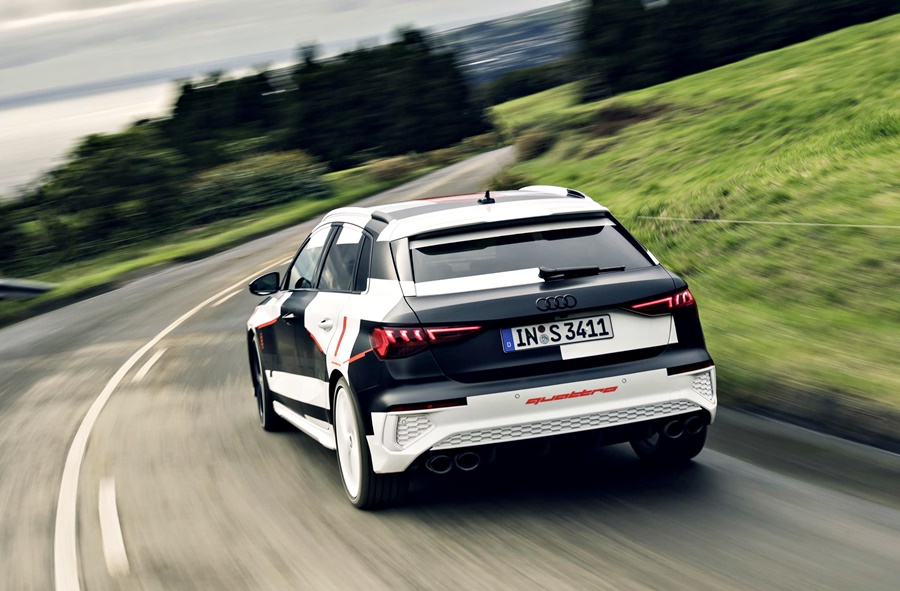
Although the island location presents less of a challenge to keeping the new model out of general public view before the unveiling, Audi nevertheless had it camouflaged. The tight winding roads and varied mountain and valley stretches around the island were perfect for showing off the highlight of the new A3 and core of Audi’s DNA: quattro drive.
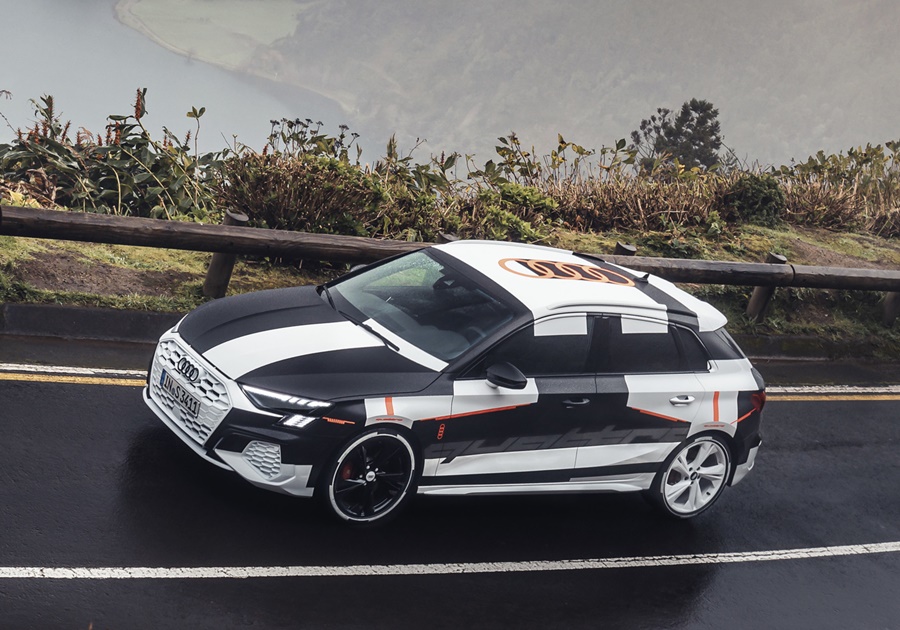
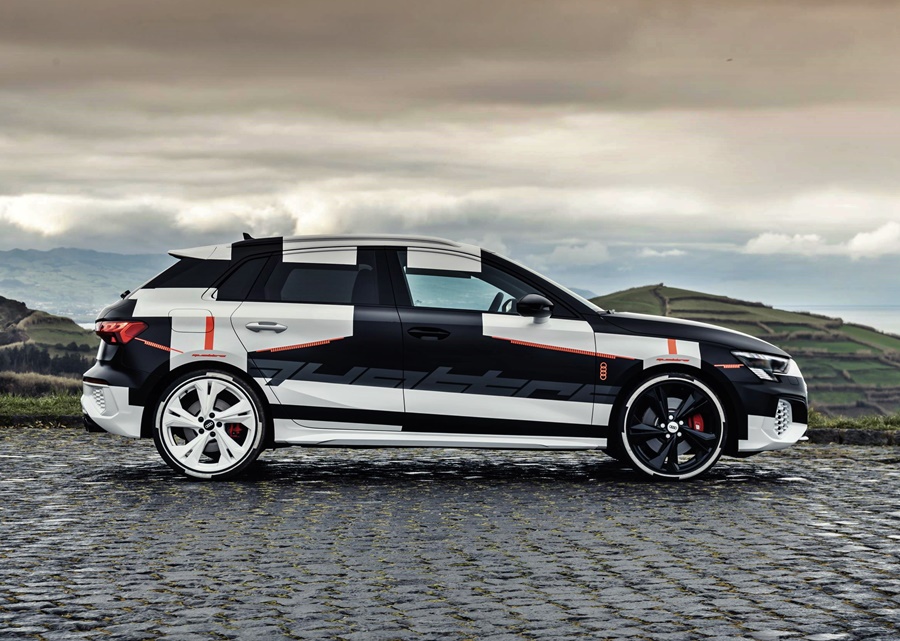
2020 Audi A3 Sportback

2020 Audi A3 Sportback

2020 Audi A3 Sportback

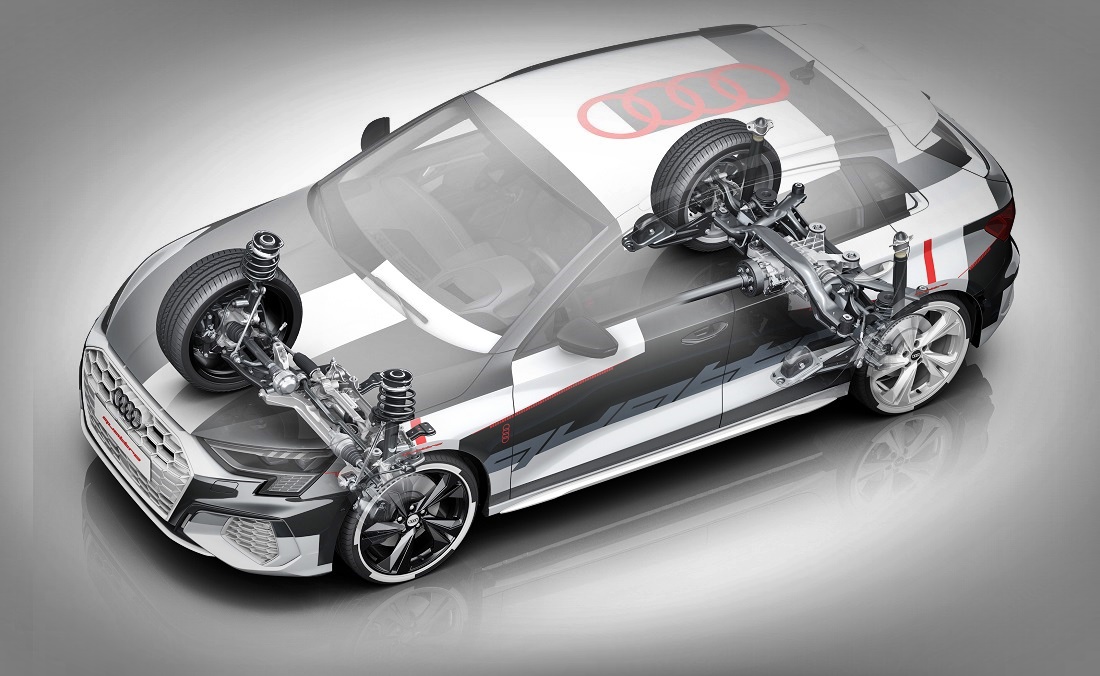
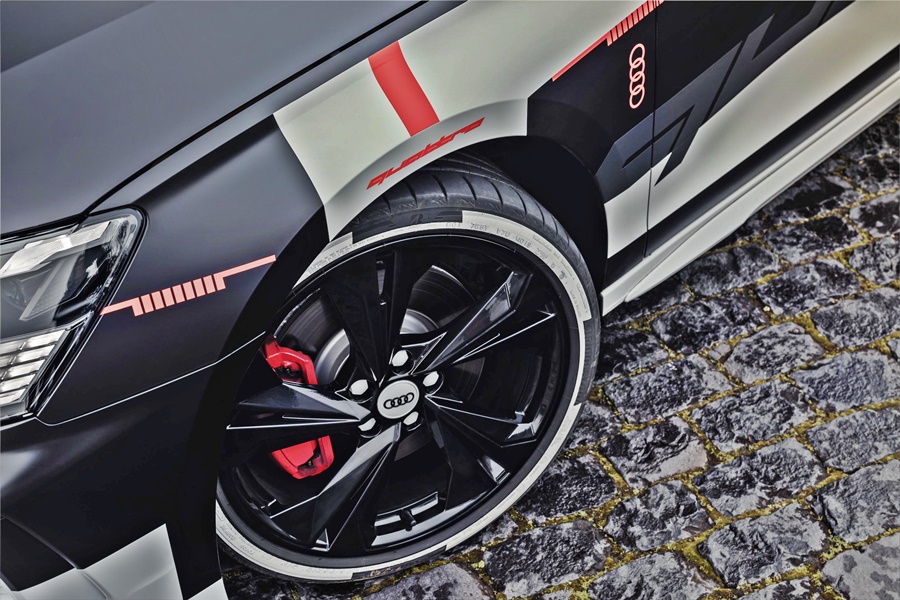
The all-wheel drive system fittingly makes its first appearance in one of the most emotive versions of the fourth generation A3, and represents the latest stage in the evolution of this successful technology, which in Audi models with transverse engine installations is based around an electro-hydraulic multi‑plate clutch.

Intelligent regulation
Managed by precisely tuned software and supported by the adaptive suspension and the progressive steering, the system not only maximises stability, grip, and driving pleasure, but is also extremely efficient. The clutch is located at the end of the propshaft, in front of the rear axle differential – a position that benefits the axle load distribution in particular. Inside is a package of plates that operate in an oil bath. Its metal friction rings are arranged behind one another in pairs – one ring of each pair is rigidly meshed with the clutch housing, which rotates with the prop shaft; the other ring is meshed with the short output shaft to the rear axle differential.
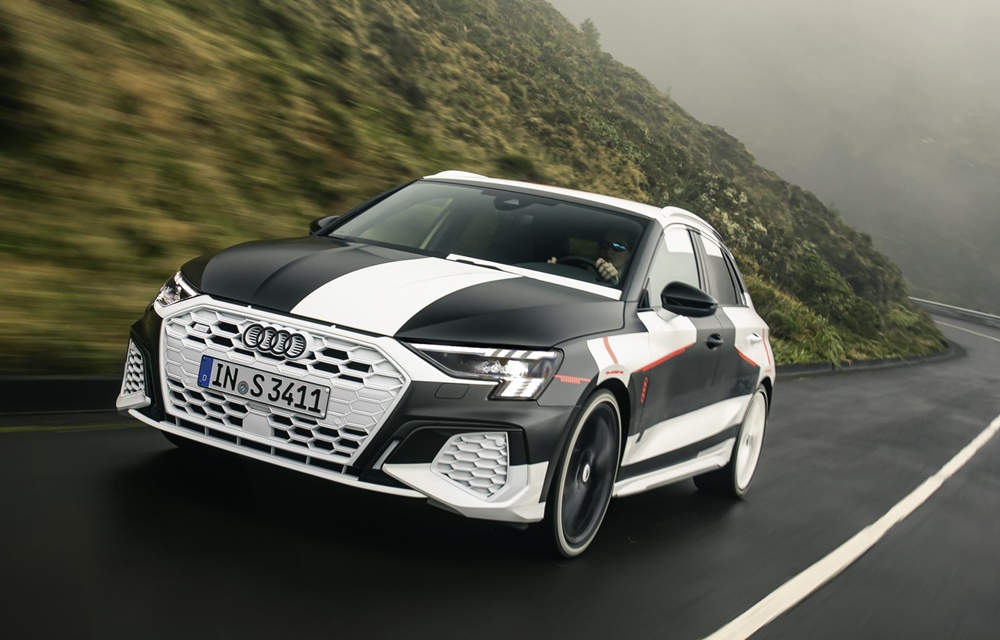
2020 Audi A3 Sportback

Tailored electronic torque distribution
Audi tailored the electronic torque distribution control specifically to suit the new A3 and integrated it in the Audi drive select dynamic handling system. It takes the data of the suspension sensors into account and detects not only the driving conditions and road properties but also the driving style. The control unit uses this data as a basis to calculate a torque distribution that provides optimum efficiency and passes the value on to the clutch.
2020 Audi A3 Sportback

The all-wheel drive distributes the torque with full variability between the front and rear axles. During normal driving operation, most of the engine’s power is transmitted to the front wheels. When driving off or when the front axle has little traction, the clutch diverts the torque at lightning speed. In this case, an electric axial-piston pump is activated, which applies up to 44 bar of hydraulic pressure to the clutch plates. The more the clutch plates are pressed together by this pump, the more drive torque is transmitted to the rear axle – the maximum is 100%.

The clutch can already transmit part of the torque to the rear axle when the driver begins to make quicker turns of the steering wheel during more challenging driving. As soon as the driver accelerates, the torque presses the A3 into the corner. During load changes, the distribution of torque allows precise turning into the bend, which further increases driving dynamics.
2020 Audi A3 Sportback

Full control ESC
The wheel-selective torque control, a software function of the Electronic Stabilization Control (ESC), perfectly complements the latest quattro system. When the new A3 negotiates a corner at high speed, the program applies the brakes slightly to the two wheels on the inside of the bend. The difference in drive forces on both axles turns the car into the bend, allowing it to follow the steering angle precisely. This makes the handling even more agile, fluid, and safe.

New damper technology
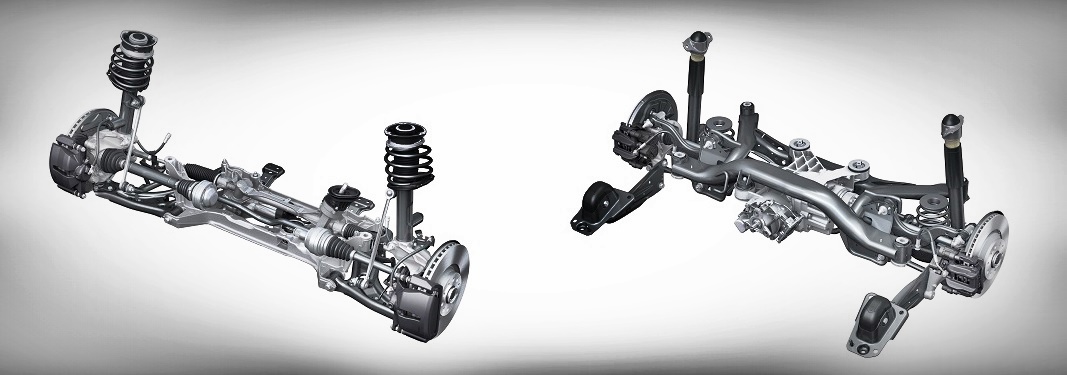
Comfortably soft or sporty and taut? Both are possible with the suspension with adaptive damper control which will be available for selected models in the new A3. Three damper settings ensure that the driver can experience the spread of the driving characteristics and enjoy particularly agile handling. Sensors measure the vertical acceleration of the body structure and the relative movement of the individual wheels in relation to it.
2020 Audi A3 Sportback

The dampers include electromagnetically actuated valves that can be regulated extremely quickly and in a highly energy-efficient way. Depending on their position, they allow the hydraulic fluid to flow faster or slower, which changes the characteristics of the dampers between a soft setting for long distance ride pliancy and a firmer footing for faster A and B-road driving.
2020 Audi A3 Sportback

Audi predictive active suspension
PISTON.MY

BHPetrol RON95 Euro4M

The Nissan GT-R is the flagship of Nissan’s high-performance range and the GT-R NISMO can be considered as the ‘pinnacle’ of the iconic nameplate which has a 50-year history. Constantly pushing the performance envelope, NISMO engineers have upgraded the 2020 model’s engine with aerodynamics further enhanced and weight-savings through the meticulous use of exotic materials.

Then came the time to show the sportscar in action and these days, video is a must. There was just one problem – how to film a super sportscar like the GT-R NISMO? It would have been easy to shoot from a helicopter or drone but to have more impact, the view should be as close as possible at ground level.

2020 Nissan GT-R NISMO

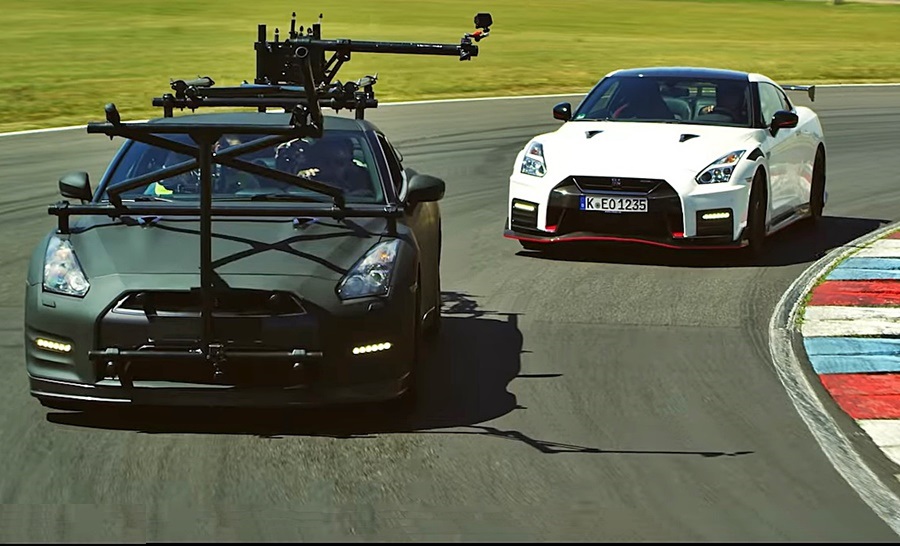
Enter Mauro Calo, a professional precision driver and automotive video expert known for his work on big-budget blockbuster movies and automotive TV shows. He knew the perfect car to chase and film the 2020 GT-R NISMO – another GT-R.

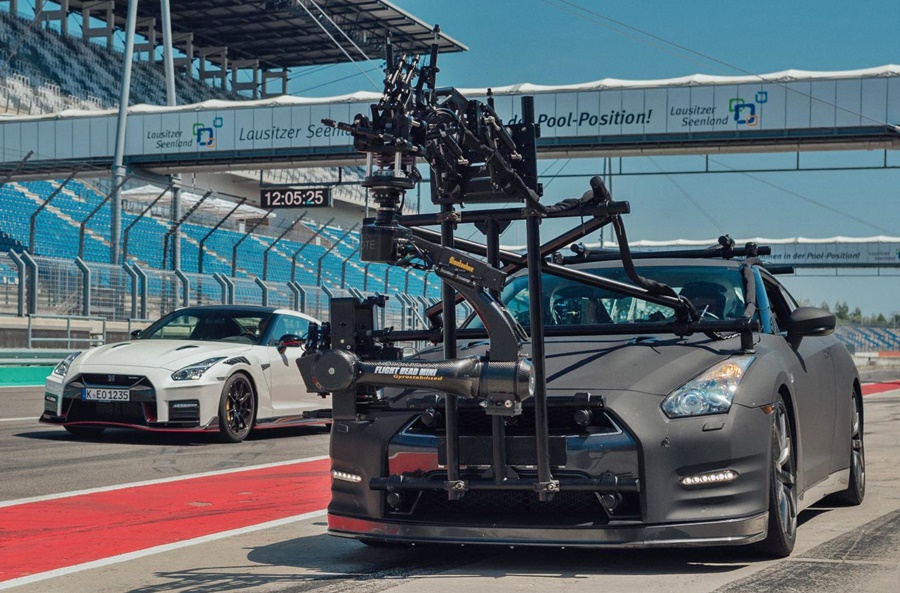
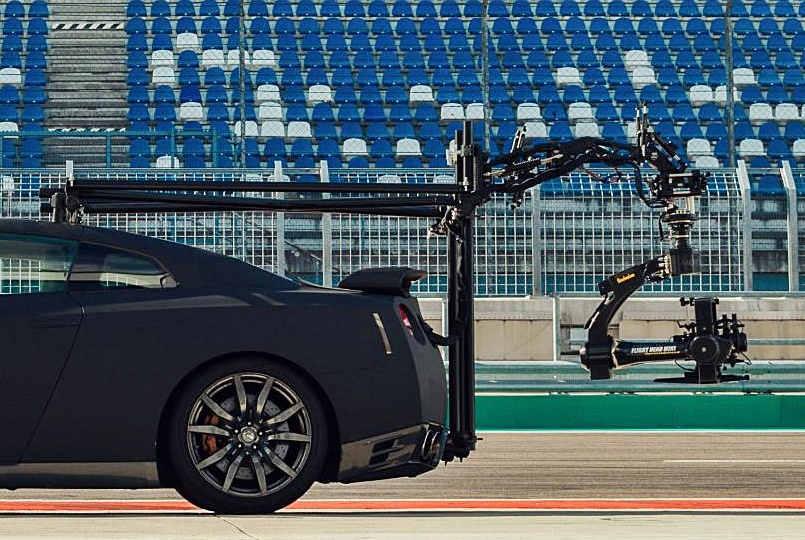
While Nissan helped locate a suitable GT-R to be transformed into a purpose-built camera car, Calo was already working on the design. Once the car arrived, he and his team fitted a bespoke tubular structure that was welded to the chassis and able to hold the weight of the professional carbonfibre gimbal camera mounting system.

2020 Nissan GT-R NISMO

2020 Nissan GT-R NISMO

The ultimate high-speed camera car
Until Calo realized his ambition of developing the ultimate high-speed camera car, the vehicle of choice for this type of filming would be a high-performance SUV. However, SUVs lack the speed or agility to follow the world’s fastest performance cars on track.

Thanks to its low centre of gravity, adjustable sports suspension and 4-seat configuration, the GT-R is the perfect base car to accommodate a camera rig of this type. And with the performance of the twin-turbo 3.8 V6 plus its advanced all-wheel drive system, it’s easy to see why Calo chose it.
“When I started to think about developing a high-performance camera car, I quickly realized that the Nissan GT-R was the only car that would meet my criteria,” said Calo. “It has supercar performance, with outstanding all-wheel drive handling and stability. It’s famously reliable, and it can seat the team I need to operate the camera system. There were no other contenders.”

Fabulous footage with high definition
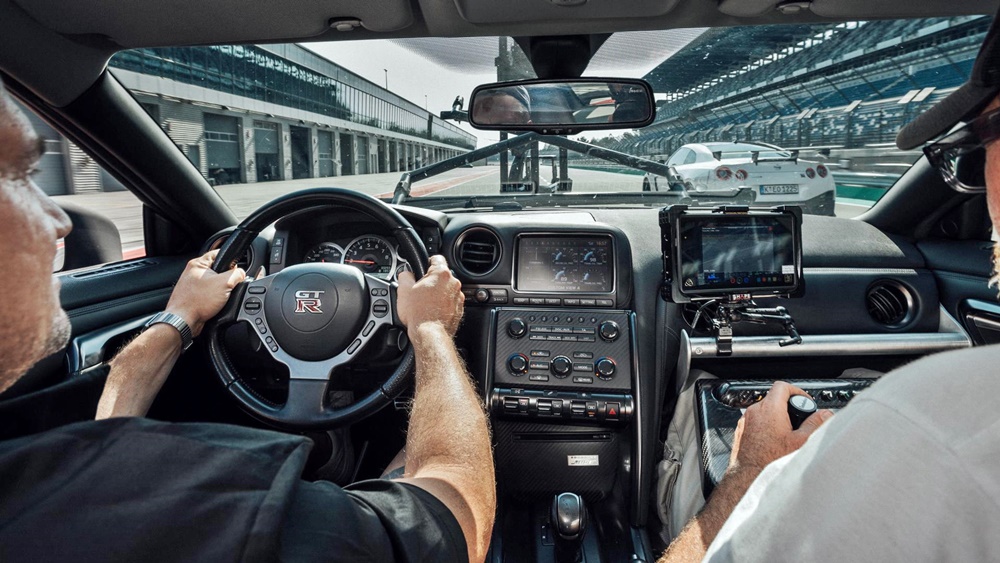
Not many GT-R customers regularly use all four seats, but a typical shoot requires a full camera crew. With Calo at the wheel, a gimbal operator, a focus puller and a director can be in the car at the same time – ensuring fabulous high-definition footage of the world’s fastest cars at high speed (with all safety precautions taken, on a closed circuit, of course).

2020 Nissan GT-R NISMO

2020 Nissan GT-R NISMO

“I knew already, from driving it on photo and video shoots, what a great car the Nissan GT-R is,” Calo said. “But since I adapted my Nissan GT-R to be a high-speed camera car and have been using it to film some of the world’s fastest cars on track, my respect and appreciation of its performance, reliability and stability has only increased. It amazes me and the teams I work with every time we use it.”

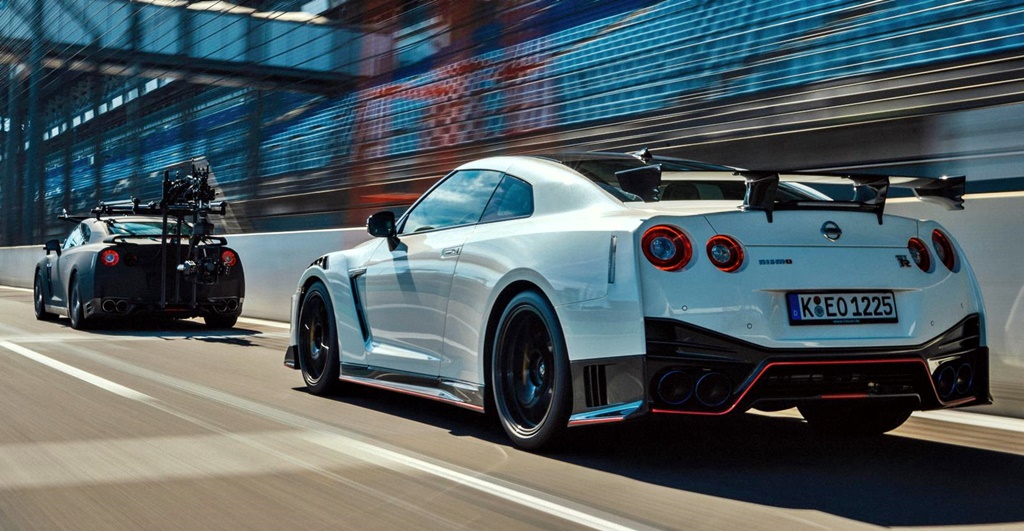
With careful choreography planned in advance and coordinated via walkie-talkie, the two GT-Rs chased each other around the Lausitzring racetrack in Brandenburg, Germany, as part of the GT-R NISMO’s media preview event. The recorded footage has been viewed millions of times on YouTube and other social media platforms.

This Lego Nissan GT-R Nismo is what you’ll want in 2020

PISTON.MY

Commercial vehicle operators will soon be able to renew their roadtax at 54 PUSPAKOM inspection centres nationwide. The renewal is available for light commercial vehicles with a maximum permissible laden weight (BDM) of 7,500 kgs or less.

The additional service will be implemented at the inspection centres in stages over the next three months, with the Wangsa Maju inspection centre being the first from yesterday,

PUSPAKOM

According to PUSPAKOM’s CEO, Shukor Ismail, offering the new service is part of the company’s effort towards making PUSPAKOM a One-stop centre for the convenience of customers and the public. “We aim to offer services to deal with vehicle-related matters besides vehicle inspections. Currently, PUSPAKOM centres also provide vehicle insurance renewal services and with the roadtax renewal available, customers have more locations to get their roadtax renewed,” he said.

“Implementation of this initiative will enhance the level of service related to government services, especially vehicle inspection, to meet current customer demands that require efficient, fast and efficient service provision,” he added.

Light commercial vehicle
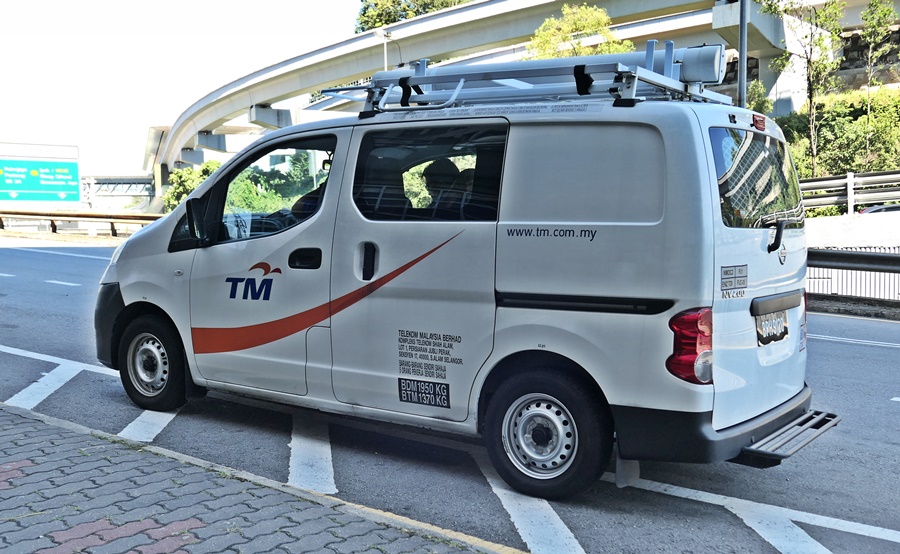
At present, the renewal service is available only for light commercial vehicles (like this Nissan NV200) that have a BDM (maximum permissible weight) of 7,500 kgs or less.

PUSPAKOM is also considering extending the roadtax renewal service to privately registered passenger vehicles later on.

For more information, the public can call PUSPAKOM at 1-800-88-6927, send email to customerservice@puspakom.com.my, visit their official Facebook Page or website at www.puspakom. com.my.

PISTON.MY

‘Passenger safety’ in a motor vehicle would be expected to relate to protection during accidents and perhaps the way interior features are designed so as not to cause injuries. Some examples would be the shape of switches and how they project from the dashboard and the type of materials used in areas where the head may hit during a violent accident.

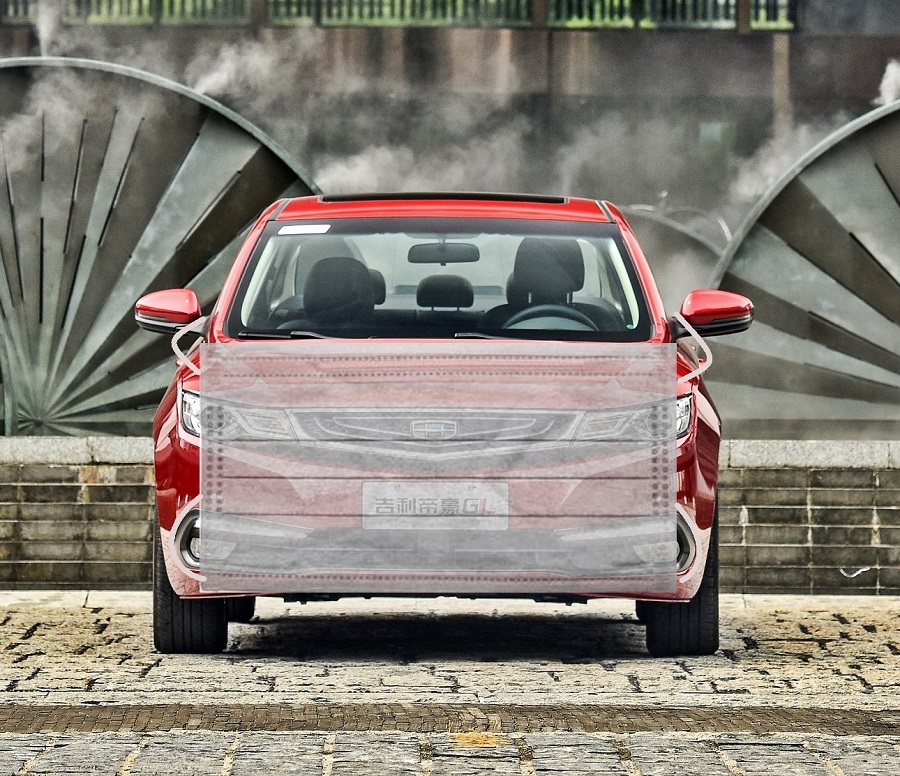
Now, with the outbreak of the coronavirus, one carmaker is adding protection from harmful substances in the air inside the car to ‘passenger safety’ requirements. The carmaker is Geely Auto which has allocated 370 million RMB (about RM220 million) of funding to further the development of ‘healthy, intelligent vehicles’.

The initiative, announced recently not only adds a new dimension to Geely’s understanding of ‘passenger safety’ but also represents a new development direction for automobiles. Until now, addressing air quality in the cabin has been mainly through the use of filters in the ventilation system. Some cars also have a system using nanoe-technology with fine e-ion particles said to be able to deactivate airborne bacteria.

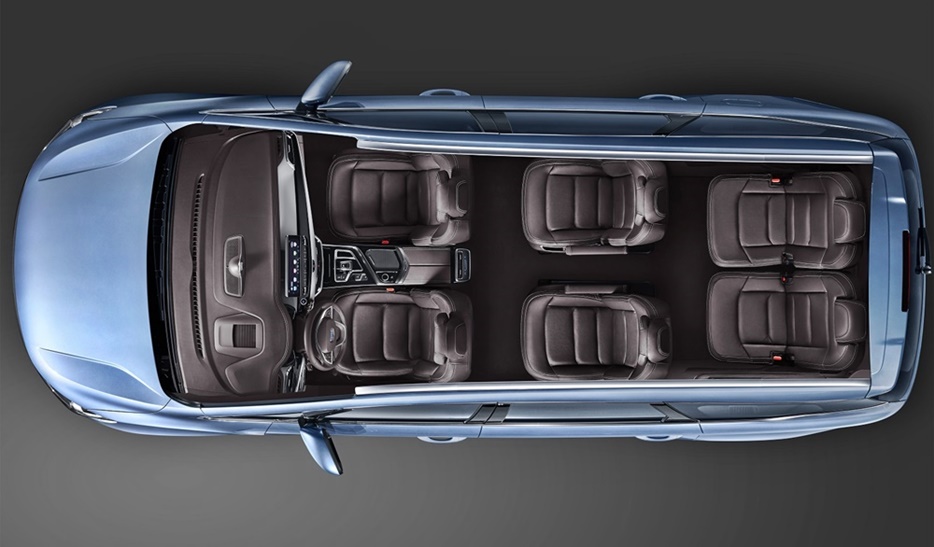
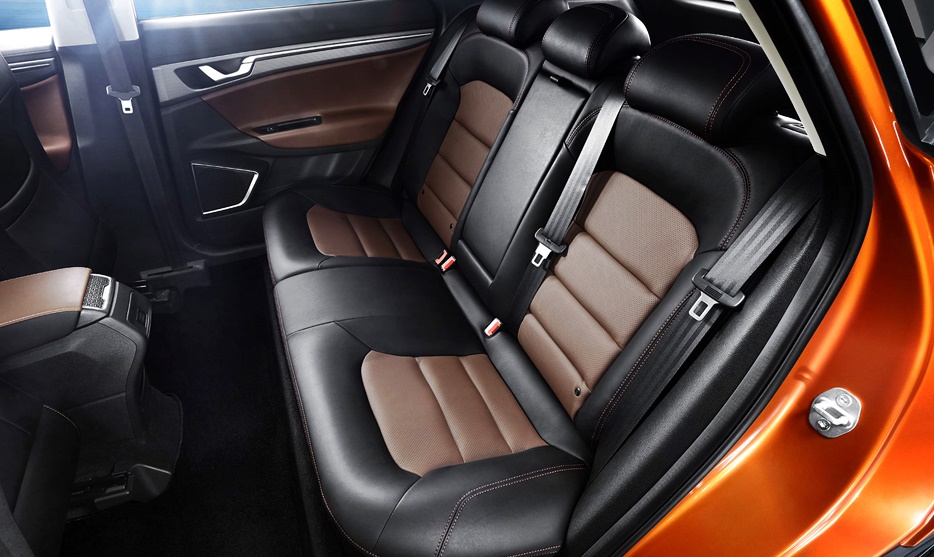
Geely MPV
Geely Auto’s global R&D and design networks will jointly  research new environmentally-sustainable materials with anti-bacterial and anti-viral properties which can be used within air-conditioner systems and on frequently touched surfaces such as buttons and handles.

Geely MPV

The development of a ‘healthier’ car differs from specialized medical vehicles in that Geely’s products are made for ordinary consumers. A car with comprehensive virus protection not only requires the capability to isolate harmful substances in the air, and it must be able to quickly and effectively purify cabin air for occupants.

Geely Auto’s global R&D and design networks based in Europe, USA and China will jointly move to develop and research new environmentally-sustainable materials with anti-bacterial and anti-viral properties which can be used within air-conditioner systems and on frequently touched surfaces such as buttons and handles.

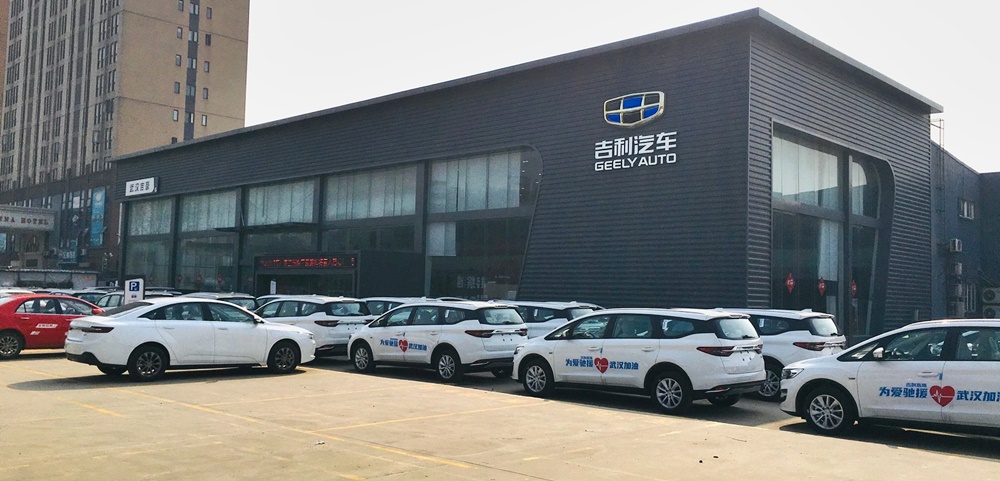
Geely
While it carries out R&D to make cars healthier for passengers, Geely Auto is busy helping in various ways in China, including donating 50 of its latest MPV models to be used by frontline medical workers in the Wuhan region.

Geely Auto will make full use of its global R&D system and resources as well as cooperate with professional medical and scientific research institutions to set up special project teams to work on the new research.

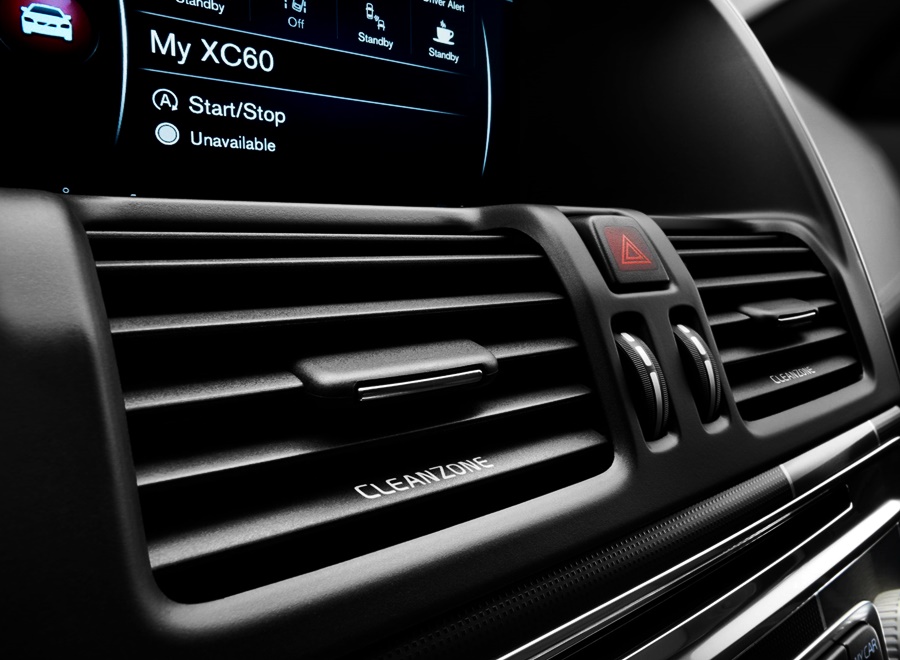
Volvo Cars, also a member of the Zhejiang Geely Holding Group like Geely Auto, would be able to contribute a lot of its experience in this area as it would surely have for other safety aspects. For decades, it has paid attention to air quality inside its cars and developed features like the Clean Zone Interior Package and the Interior Air Quality System (IAQS) to maintain high air quality in the passenger compartment. The IAQS is a fully automatic air quality system that separates gases and particles to reduce the levels of odours and contaminants in the passenger compartment.

CleanZone in the Volvo XC60
For many years, Volvo Cars has offered air quality systems in its cars.

“Epidemic prevention is a job that requires the long-term effort of wider society. As the most common mode of transportation, consumers spend a considerable amount time in their cars, akin to a ‘second home’. Only by making healthier products can we meet consumer demand for better quality of life,” said An Conghui, President of Geely Holding Group and President & CEO of Geely Auto Group.

“Based on the automotive industry’s development direction built around electrified, connectivity, intelligence, and shared mobility, auto companies should commit to developing products that help protect the health of drivers and passengers. This will become one of Geely Auto key long-term development objectives,” he added.

Meanwhile, the Geely Holding Group joined hands with the Li Shufu Foundation to set up a special 200 million RMB (about RM118.4 million) fund in support of the new coronavirus prevention and control, with a focus on the mass purchasing of much-needed medical supplies for China in the short term.

PISTON.MY

BHPetrol RON95 Euro4M

Volkswagen Passenger Cars Malaysia (VPCM) is once again the Official Automotive Partner of the PETRONAS Le Tour de Langkawi (LTDL). It is the third time for Volkswagen’s involvement in the event which is being run for the 25th time.

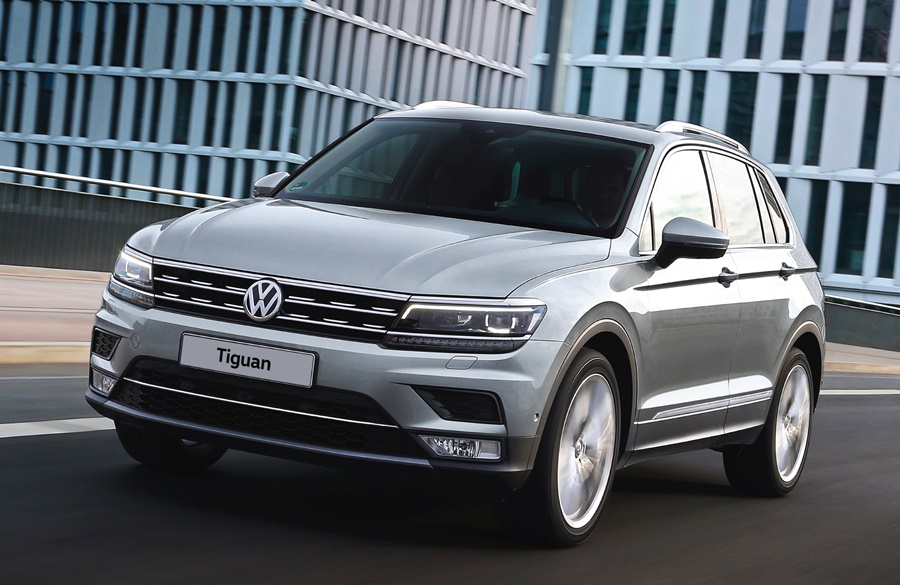
VPCM has provided 120 units of the Tiguan Highline for use throughout the 10-day event by riders, safety marshals and officials. The model provided has a 1.4-litre turbocharged direct injection TSI petrol engine with a 6-speed wet clutch direct shift gearbox (DSG). Its output of 150 ps/250 Nm means there is adequate power for all situations while also being economical.

Volkswagen Tiguan
Latest Volkswagen Tiguan Highline, priced from RM165,990.

The Tiguan’s SUV bodystyle makes it ideal for its role in the LTDL. It has a spacious cabin and cargo area to transport gear and other items. To date, 5 million units of the Tiguan have been sold globally, the bestselling SUV in Volkswagen’s range.

“We are honoured to be back as part of LTDL this year as the race celebrates its Silver Jubilee, and we are confident that the Tiguan will be a good fit and support to the operations team in terms of safety, endurance, agility and speed. On behalf of Volkswagen, we wish the participants all the very best for this year’s race,” said Erik Winter, Managing Director of VPCM.

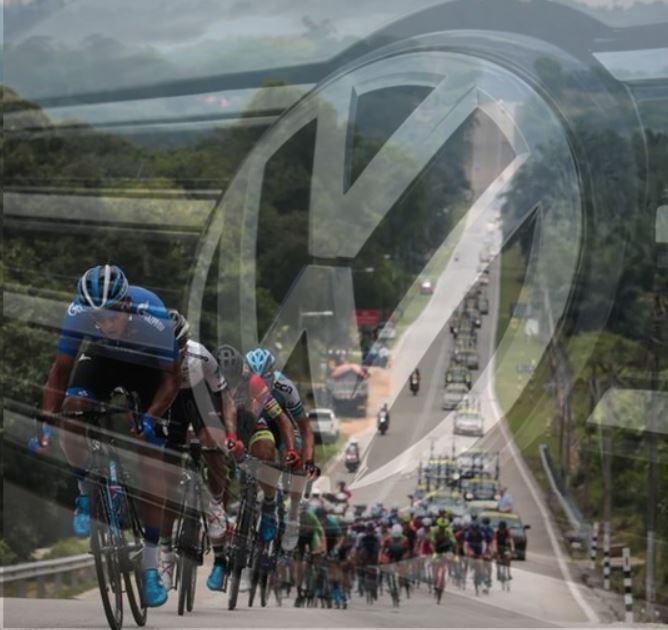
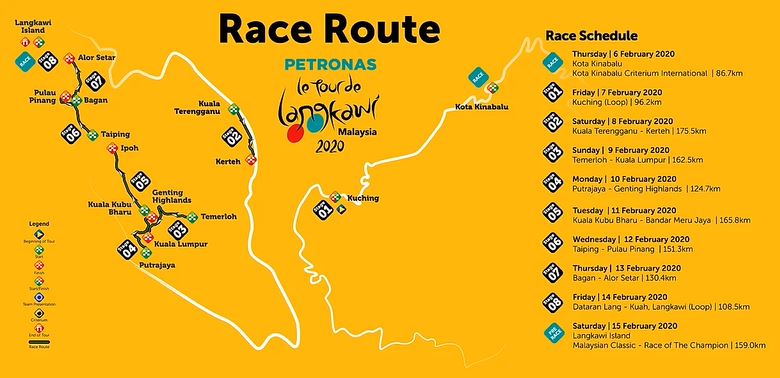
LTDL route

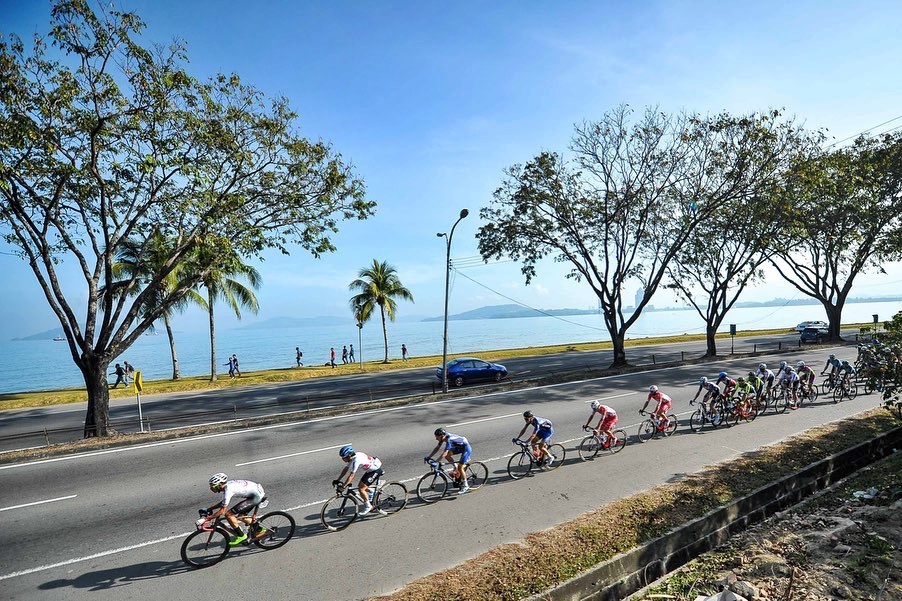
Le Tour de Langkawi is a multiple stage bicycle race that has gained many accolades and is now recognised as a highlight in the global competitive cycling calendar, attracting the world’s top road cyclists. 21 teams are taking part in the event which started in East Malaysia and continue across Peninsular Malaysia from Kuala Terengganu. The finale will be at its birthplace in Langkawi on February 14.

2020 LTDL

Visit www.volkswagen.com.my to know more about the Tiguan and where to test-drive one.

PISTON.MY

BHPetrol RON95 Euro4M

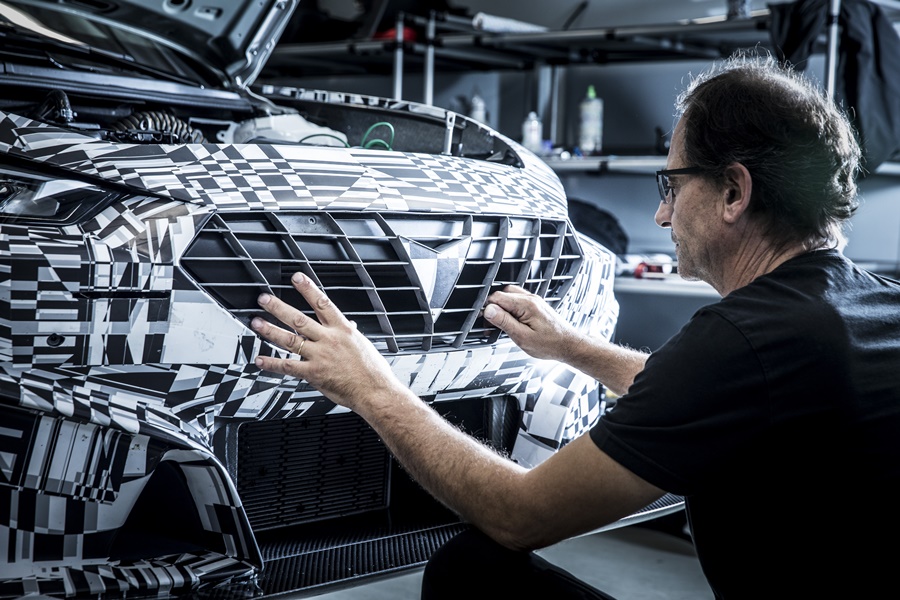
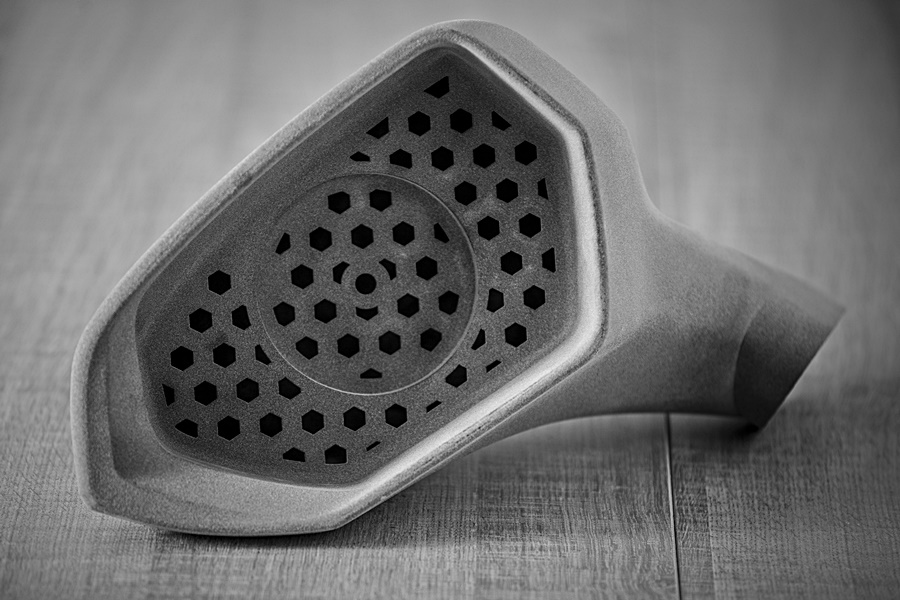
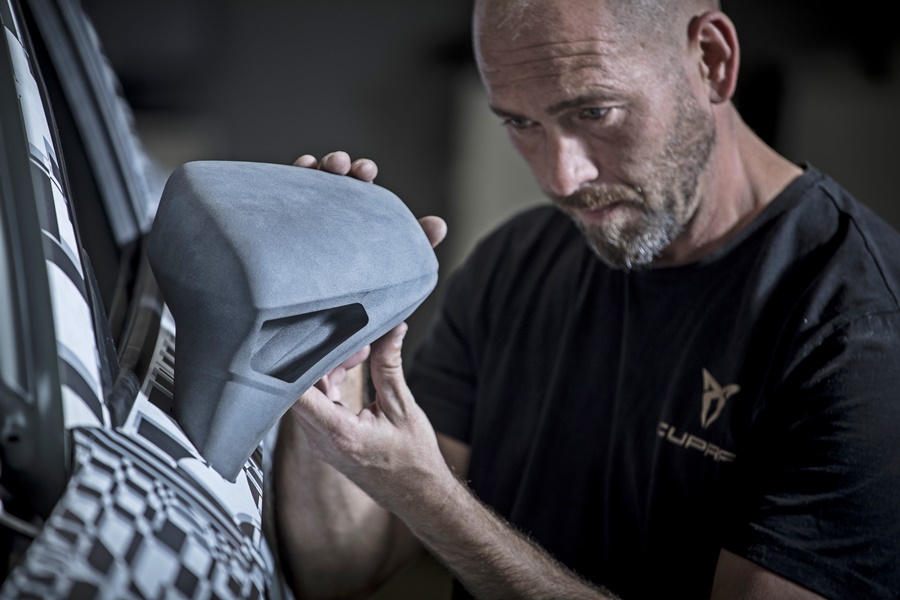
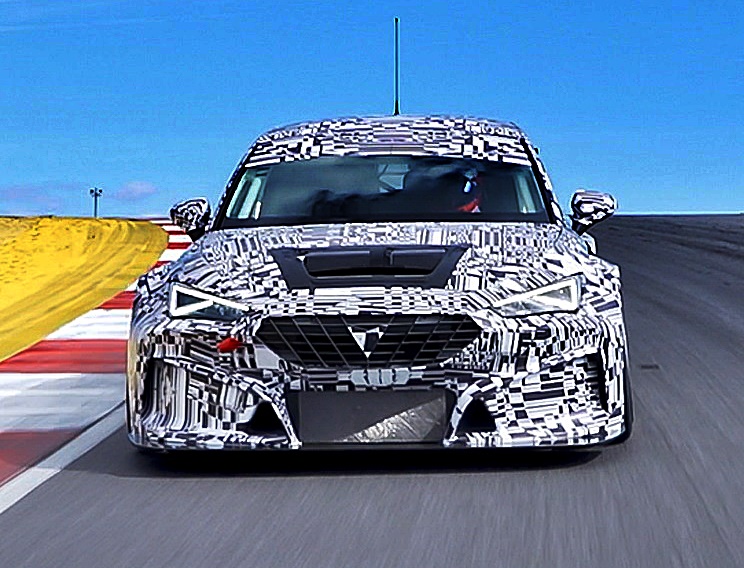
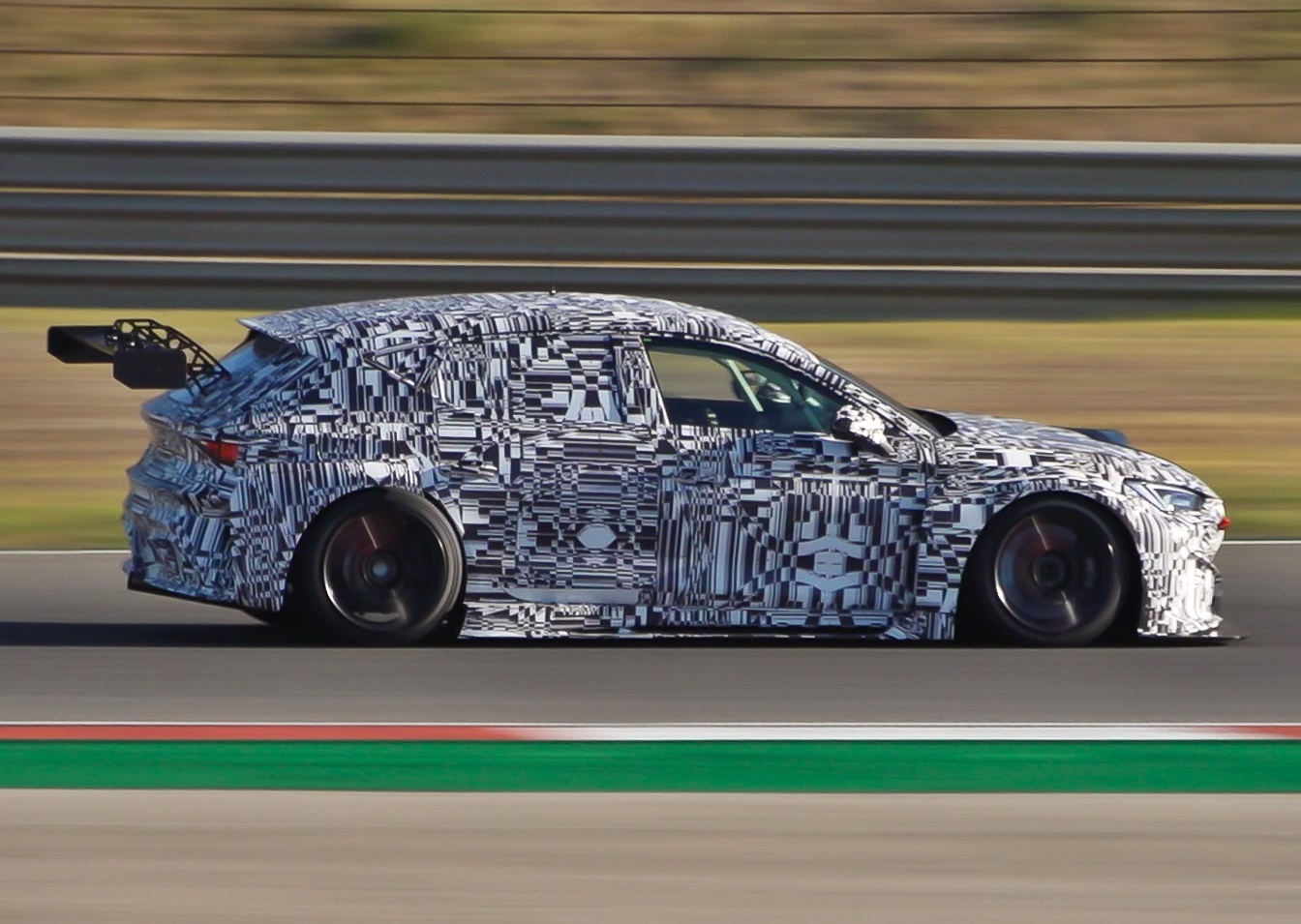
At first glance, it looks like a normal mirror, but it isn’t. It is a 3D-printed part, a technology that CUPRA has begun to implement in the development of the new Leon Competition racing car in collaboration with HP. Greater agility, efficiency and flexibility are the benefits of a system that is set to revolutionise car development.

2020 CUPRA Leon Competition

2020 CUPRA Leon Competition

“For the new CUPRA Leon Competition, we modelled the steering wheel’s centre control module, the bonnet air vents, door mirrors and the brake and water-cooling inlets,” explained Xavi Serra, the Head of technical development at CUPRA Racing. “These parts were produced using HP’s industrial-grade Jet Fusion 5200 3D printing solution and included in the demanding development tests put to the new racing model.”

More efficiency, greater speed
The main goal with this technology, which offers multiple benefits, is to have a lot of parts in a short time. Engineers can quickly test a wide variety of designs and furthermore, since vehicle development is now done in parallel, this technology enables quicker response to any changes in the design process.

“The work with CUPRA demonstrates the power of 3D printing and digital manufacturing – changing the way the world designs and manufactures,” said Virginia Palacios, Head of Systems Product Management, 3D Printing & Digital Manufacturing, HP Inc.

Wind-tested 3D parts
In TCR competition, the door mirror is a part which, according to the rules, must have the same shape as the production car. But the CUPRA engineers went one step further. “We wanted to add an additional function, which is to cool the driver. We therefore had to design an air intake in the maximum pressure zone to achieve this effect,” said Xavi.

The place where these materials are tested is the wind tunnel, where the 3D-printed parts are verified in exactly the same way as the rest. “The bigger the variety of parts we can test in this facility, the better. It enables us to make much faster progress,” he added.

2020 CUPRA Competition
The new Leon Competition with its 3D printed parts was tested to the limit on the Portimao track in Portugal.

2020 CUPRA Competition

As it is a racing car, the final phase of development can only be carried out in one place: the circuit. “The results were excellent, and some were even surprising, because we were looking to push the material to its limits,” the CUPRA engineer reported.

Making complex ideas a reality – fast
“3D printing is going to signal a turning point in the automotive industry by accelerating lead times and HP 3D technology is helping designers create parts that could not be produced with other technologies,” said Palacios, predicting that the technology will continue to be key in countless fields to make the most complex ideas a reality.

Watch: Onboard a race-spec Seat Cupra around Sepang Circuit!

PISTON.MY

BHPetrol RON95 Euro4M

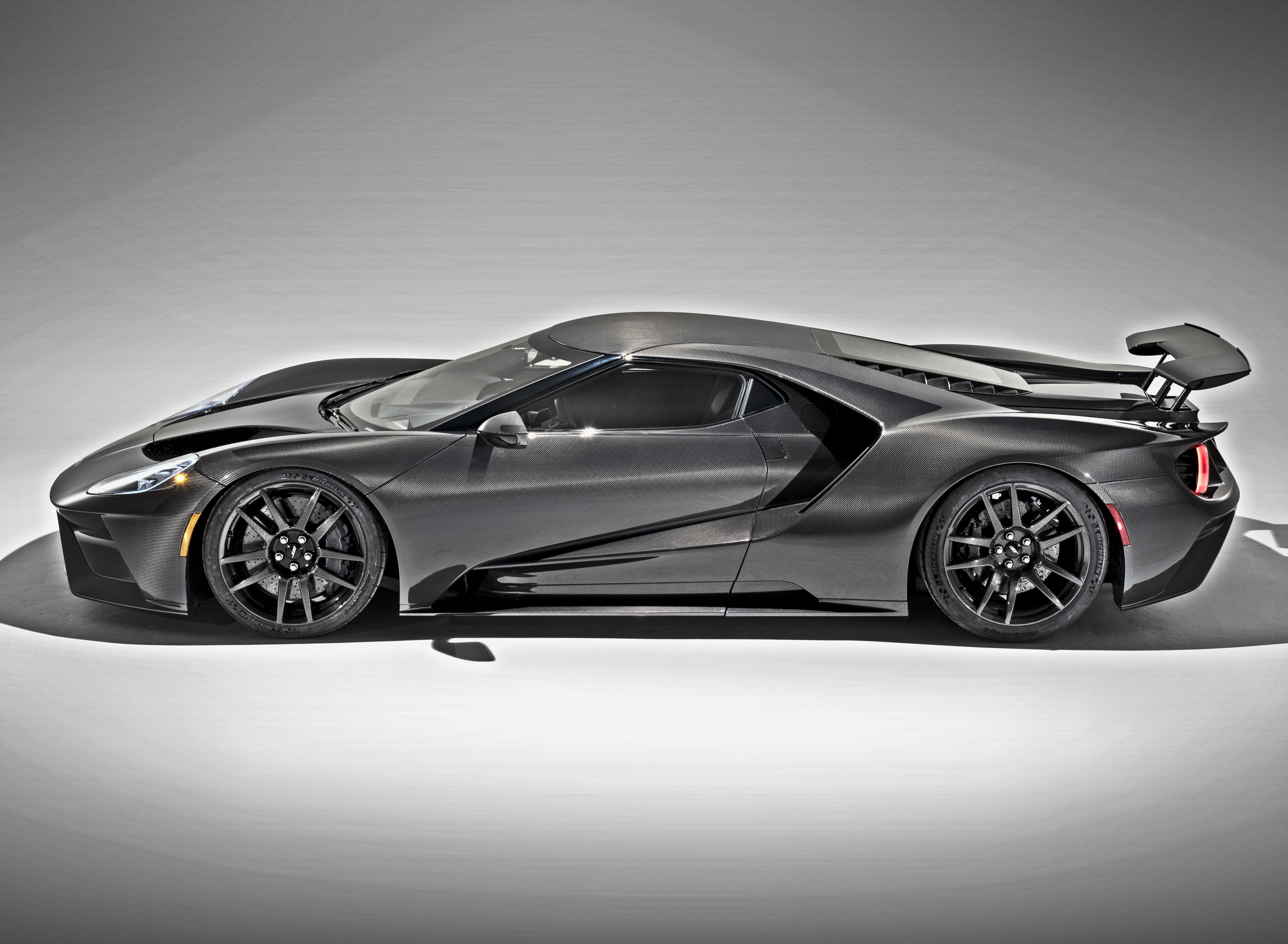
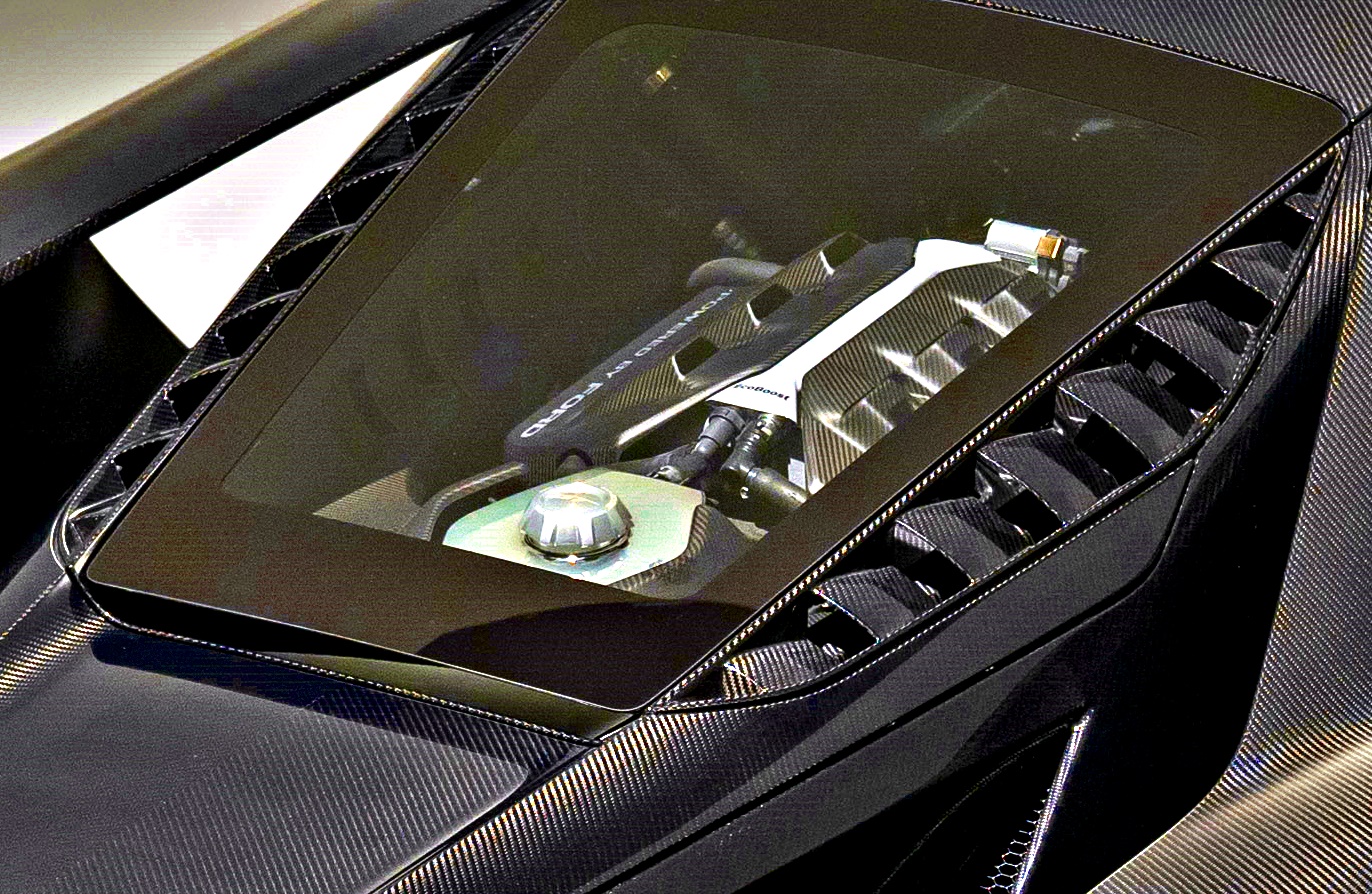
There are still another two years of production to go for the Ford GT supercar and the engineers at Ford Performance haven’t stopped trying to make it better. For 2020, upgrades include increased power of 660 bhp with improved cooling for the 3.5-litre EcoBoost twin-turbo V6 engine.

“Ford GT continues to be the pinnacle of Ford performance,” said Ed Krenz, Ford Performance Chief Program Engineer. “GT is always the ultimate expression of Ford racing innovation, and as we know from the 1966 Le Mans through today, that means constantly raising our game for our customers as well as earning the checkered flag.”

2020 Ford GT

Continuous EcoBoost Innovation
Beyond producing 13 more bhp than the EcoBoost engine in the 2017 – 2019 GT, the 2020 GT’s engine has a broader torque band and revised engine calibration. There are also mechanical upgrades that include gallery-cooled pistons and higher-energy ignition coils, thanks to lessons learned from the limited-edition, track-only GT Mk II.

2020 Ford GT

Additional engine cooling and airflow updates includes new buttress air ducts designed to increase airflow by 50% while larger intercoolers keep charge air temperatures cooler, preserving peak power for the most strenuous, high-temperature sessions at the track.

Suspension damping is increased in track mode to further enhance handling and body control, particularly for those high-speed transient sections of closed-course circuits.
2020 Ford GT

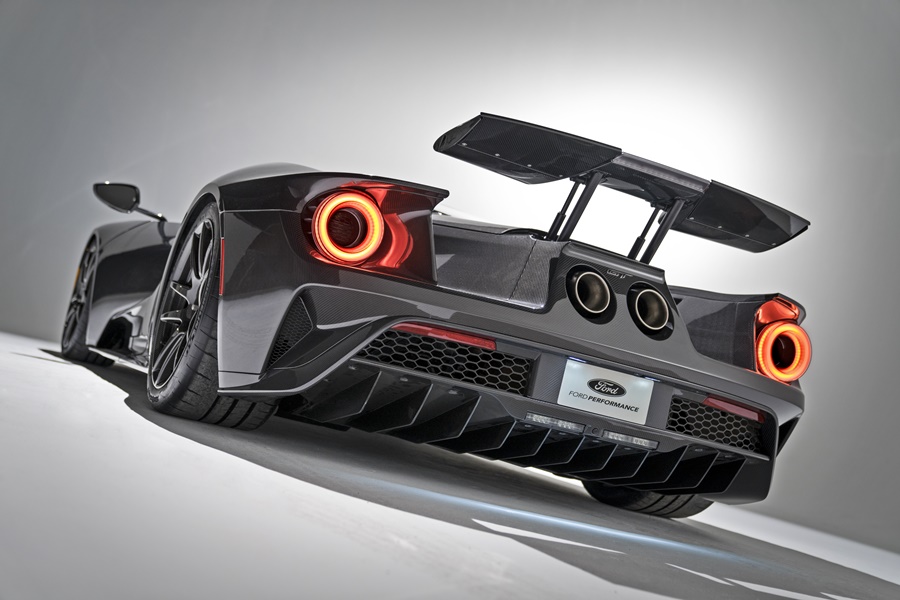
New standard Akrapovic titanium exhaust
Ford Performance is also introducing the premium Akrapovic titanium exhaust as standard equipment for GT. Boasting the signature craftsmanship of these renowned race experts, this exhaust provides a 4-kg savings in weight over the previous system while delivering that deeply resonant, unmistakable sound emanating from the more powerful EcoBoost engine.

2020 Ford GT

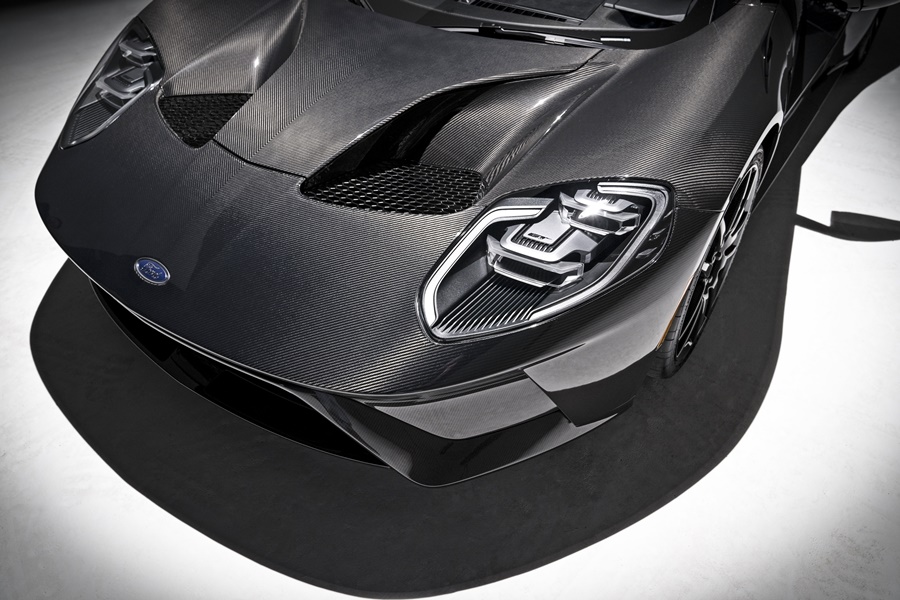
Liquid Carbon
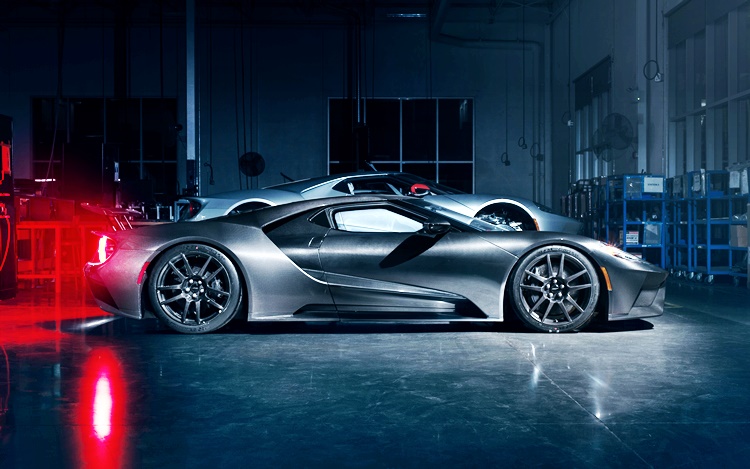
Newly available Ford GT Liquid Carbon places an emphasis on GT’s lightweight sculpted carbonfibre body completely free of paint colour. A special clearcoat punctuates each GT’s unique carbonfibre weave in this limited-edition appearance option.
2020 Ford GT

“This next chapter in the Ford GT story allows us to fully demonstrate our mastery in both the art and science of carbonfibre craftsmanship and finishing,” said Angus Smith, General Manager of Multimatic Niche Vehicles, North America. “The results of this ongoing partnership between Multimatic and Ford Performance speak for themselves, as each visually stunning and unique Liquid Carbon GT is a manufacturing marvel, showcasing the characteristics and nuances inherent in carbonfibre composites.”

Ford GT Liquid Carbon features carbonfibre wheels as standard equipment. Owners can choose titanium lugnuts, 6-point racing harness anchors, 5 interior options and 5 caliper colours. Further personalization is available through two over-the-top stripe options – the dual centre stripes offered on the standard Ford GT or the single stripe found on the Carbon Series, as well as optional painted mirror caps.

2020 Ford GT

Updated Gulf Racing Heritage Livery
Ford Performance is also updating the GT’s iconic heritage livery with a new design (shown above) that includes a black pinstripe to divide the distinct blue and orange colours, recalling the 1968-69 Le Mans-winning GT40. The optional carbonfibre number switches from 9 on the 2019 model to 6 for 2020, matching that of the historic back-to-back winning car, chassis No. 1075. For the first time on a heritage model, carbonfibre wheels are available in place of aluminium alloy.

Pushing the performance envelope with the Ford GT Mk II [w/VIDEO]

PISTON.MY

BHPetrol RON95 Euro4M

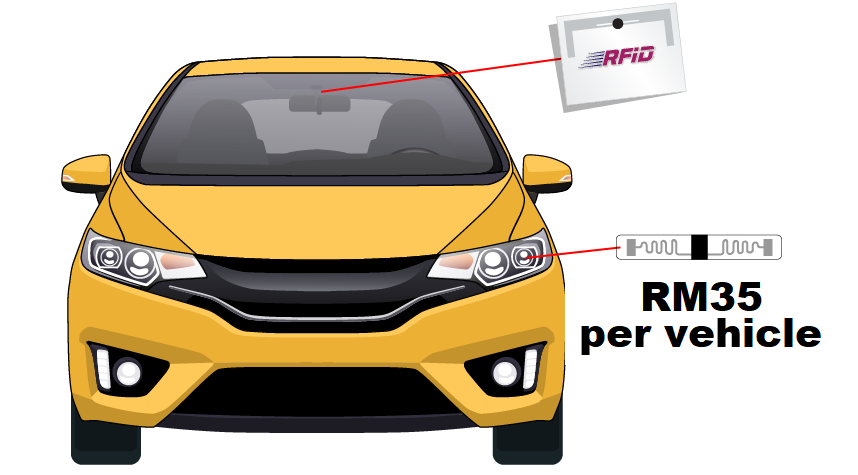
The RFID (Radio-Frequency IDentification) initiative for electronic toll payment started off as a pilot programme 18 months ago. During the period, to encourage motorists to adopt the RFID tag, Touch ‘n Go (the company managing the system), offered it for free.

One million motorists have taken up the offer, having the tiny tag with an embedded chip installed on their vehicle’s windscreen or headlamp. According to the company, the tags have been used for 55 million toll payment transactions and the failure rate (for a transaction) has been just 1%.

RFID

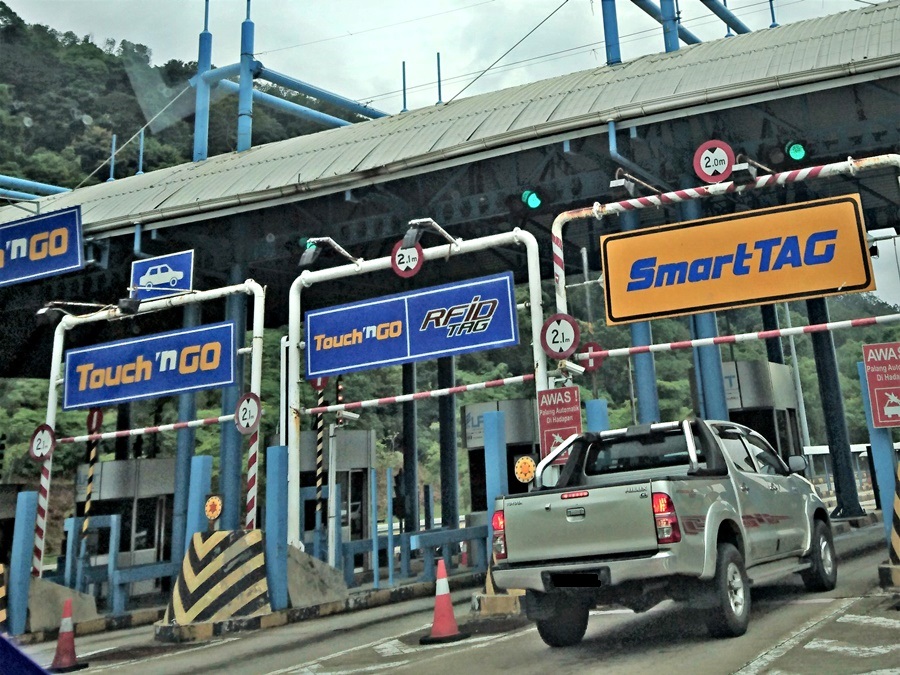
Concessionaires managing 22 highways allocated lanes for Class 1 vehicles at their toll plazas which allow the RFID system to be used, providing quick passage through without having to stop. These include 10 toll plazas on PLUS-managed highways (since January 1, 2020) with toll payments using the RFID tag at the remaining 83 PLUS toll plazas being accepted from April 1, 2020.

Price inclusive of one replacement
The pilot programme will end on February 14, 2020 and thereafter, those who want to install the RFID tags will have to pay RM35 for each tag. This payment covers a free replacement on the same vehicle when users need to get a new RFID tag (on a one-time basis).

The company has also announced plans to expand the usage of the RFID tag to pay for other services (eg parking and refueling), as well as enable linking with bank accounts and credit/debit cards so that users can reload and pay more easily. The system currently works with the TnG eWallet which is a requirement to use the RFID tag.

PLUS to accept TnG RFID system on its highways, also addressing reload issues

PISTON.MY

Archive

Follow us on Facebook

Follow us on YouTube