Piston.my

Global News

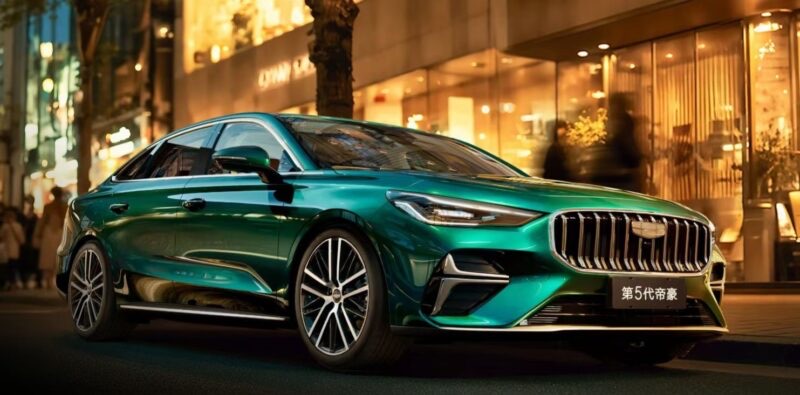
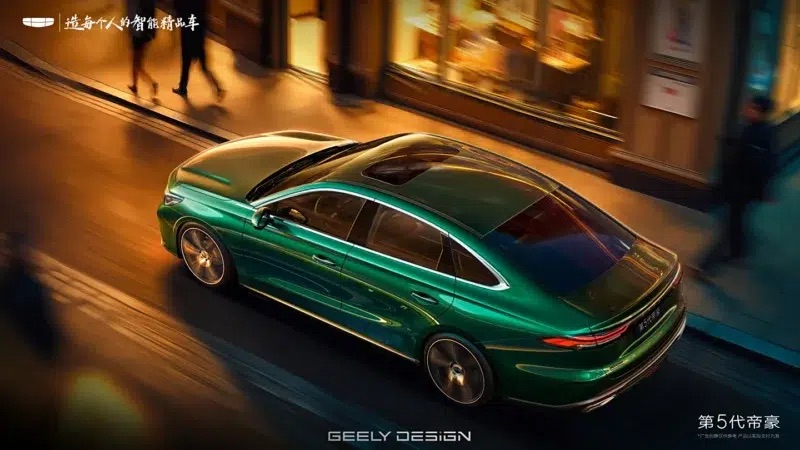
Geely has pulled the covers off its 5th-generation Emgrand, showing off official images of the brand’s latest petrol-powered sedan. The new model grows in size, gains a more powerful engine, and adopts a sharper design language compared to the current version.

Dimension-wise, the Emgrand now measures 4,815mm long, 1,885mm wide, and 1,480mm tall, riding on a 2,755mm wheelbase. That makes it significantly larger than the 4th-gen model, which stood at 4,638/1,820/1,460mm with a 2,650mm wheelbase. This increase in footprint not only makes the sedan more imposing on the road, but also promises better cabin space for passengers.
At the front, the new Emgrand carries a polygonal waterfall grille featuring 12 vertical trim strips, now arranged in a less dense layout for a more refined appearance. The headlamps have also been redesigned, with a wider illumination range of more than 170 metres, improving night-time visibility.

(more…)

BYD’s luxury sub-brand, YANGWANG, has officially rewritten the record books after its latest hypercar, the U9 Xtreme, clocked a staggering 496.22km/h at the ATP Automotive Testing Papenburg circuit in Germany. The run, which took place on 14 September 2025, not only smashed the previous EV record but also overtook the fastest petrol-powered car on record, making it the quickest production vehicle in the world.

The U9 Xtreme, or U9X as it is now officially called, began life as the U9 Track/Special Edition before being refined into a road-going production model. It builds on the foundations of the regular U9 already sold in China, but with significant upgrades that push the limits of what an electric hypercar can do.

Among the highlights is a new 1200V ultra-high-voltage system (up from the U9’s 800V setup), a lithium iron phosphate Blade Battery capable of delivering an extraordinary 30C discharge rate, and four ultra-high-speed motors that spin up to 30,000rpm, generating more than 3,000PS in total. The package is completed with track-focused semi-slick tyres and a recalibrated DiSus-X suspension system, tuned specifically for the brutal forces of high-speed circuit driving.

(more…)

The Toyota Research Institute (TRI) has revealed new research showing how behavioural science can play a major role in improving electric vehicle (EV) charging habits, ultimately cutting carbon emissions more effectively. The studies, carried out in both the United States and Japan, tested a prototype app called ChargeMinder, designed by TRI’s Human-Centred Artificial Intelligence division.

Instead of relying purely on technology, the research highlighted how subtle behavioural nudges can change the way people interact with their vehicles. In the U.S., plug-in hybrid (PHEV) drivers increased their charging frequency by around 10% thanks to targeted interventions.

Meanwhile, in Japan, both PHEV and battery electric vehicle (BEV) users shifted a significant portion of their charging to hours with the highest renewable energy supply — nearly 59% more than before — which translated to about 30 minutes of extra daytime charging per vehicle each day.

Beyond the environmental benefits, the experiments also improved driver satisfaction. In the U.S., PHEV owners reported a 16-point increase in satisfaction levels, with every participant ending up fully satisfied with their vehicles.

(more…)

BMW is preparing to roll out the latest generation of the X5, and this time it will come with more drivetrain options than ever before. Buyers will be able to choose between battery electric, plug-in hybrid, petrol, diesel, and, for the first time, hydrogen fuel cell. It will make the X5 the first model in the brand’s line-up to feature the full range of propulsion technologies in a single series.

Alongside the car, BMW is also pushing its Hydrogen Mobility at Scale (HyMoS) programme, aimed at expanding hydrogen refuelling networks in large cities. The pilot phase is starting in Germany, before moving into France and later other markets.

The plan was presented in New York by Joachim Post, BMW AG’s Board Member for Development. He explained that hydrogen plays a crucial role in the shift to low-carbon mobility and confirmed that BMW intends to move both the technology and its infrastructure forward.

(more…)

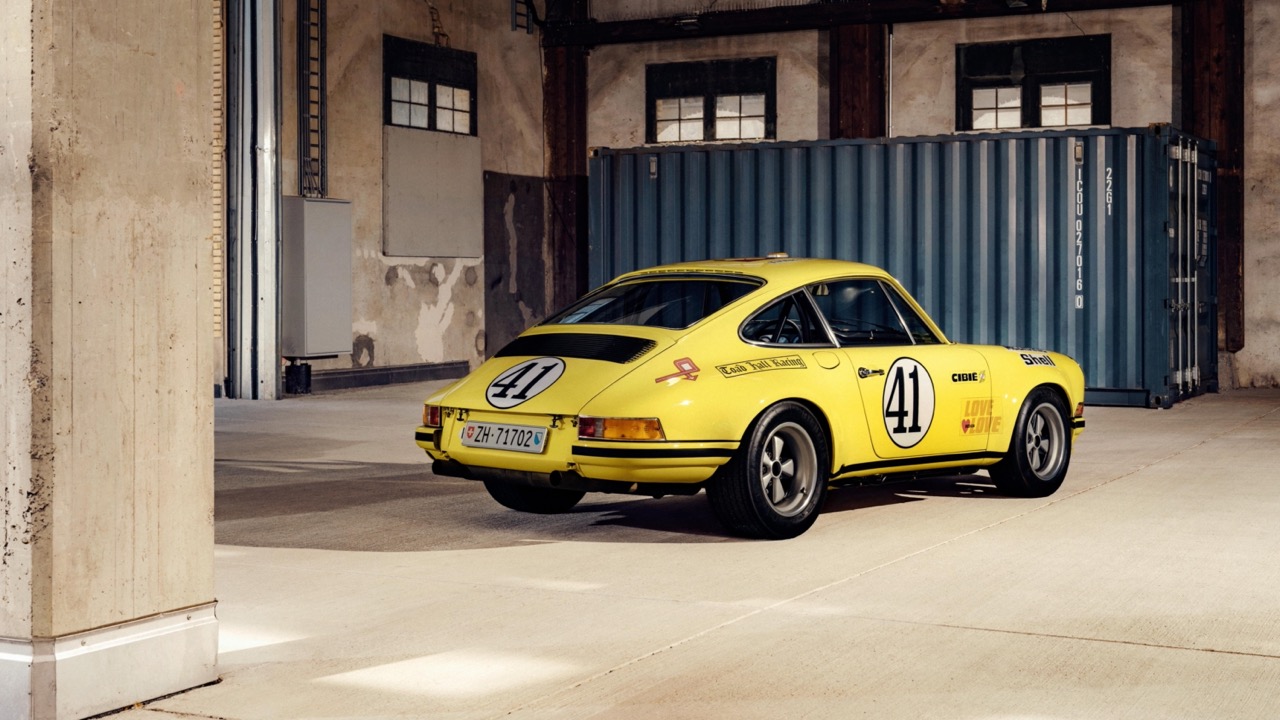
Two versions of the Porsche 911 S/T, separated by more than fifty years, now share the same garage: the original 1972 race car and the modern reinterpretation from 2024. Both are finished in Light Yellow, paint code 117, a colour that ties their very different stories together.

The first car began life as a 911 2.5 S/T and famously won its GT class at the 1972 24 Hours of Le Mans. What happened afterwards is less certain. By the time it was discovered decades later in a barn near San Francisco, it was a wreck. Rust, accident damage, and layers of poor repainting had erased almost all traces of its past.

The last documented race was in May 1975 at Riverdale, with Don Lindley driving. After that, the trail disappeared until 2008, when clues pointed to its survival. In 2013, a Swiss collector travelled to California to recover what was left of the car and entrusted the restoration to Porsche Classic in Stuttgart.

(more…)

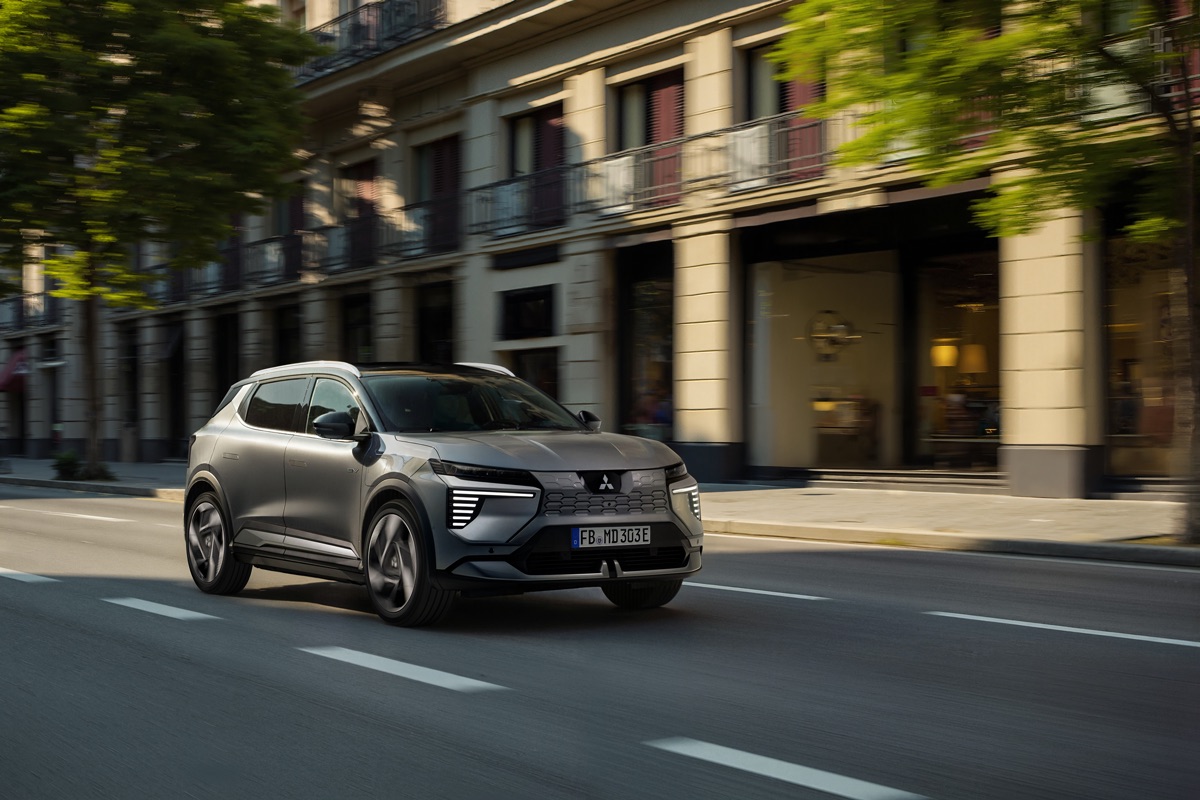
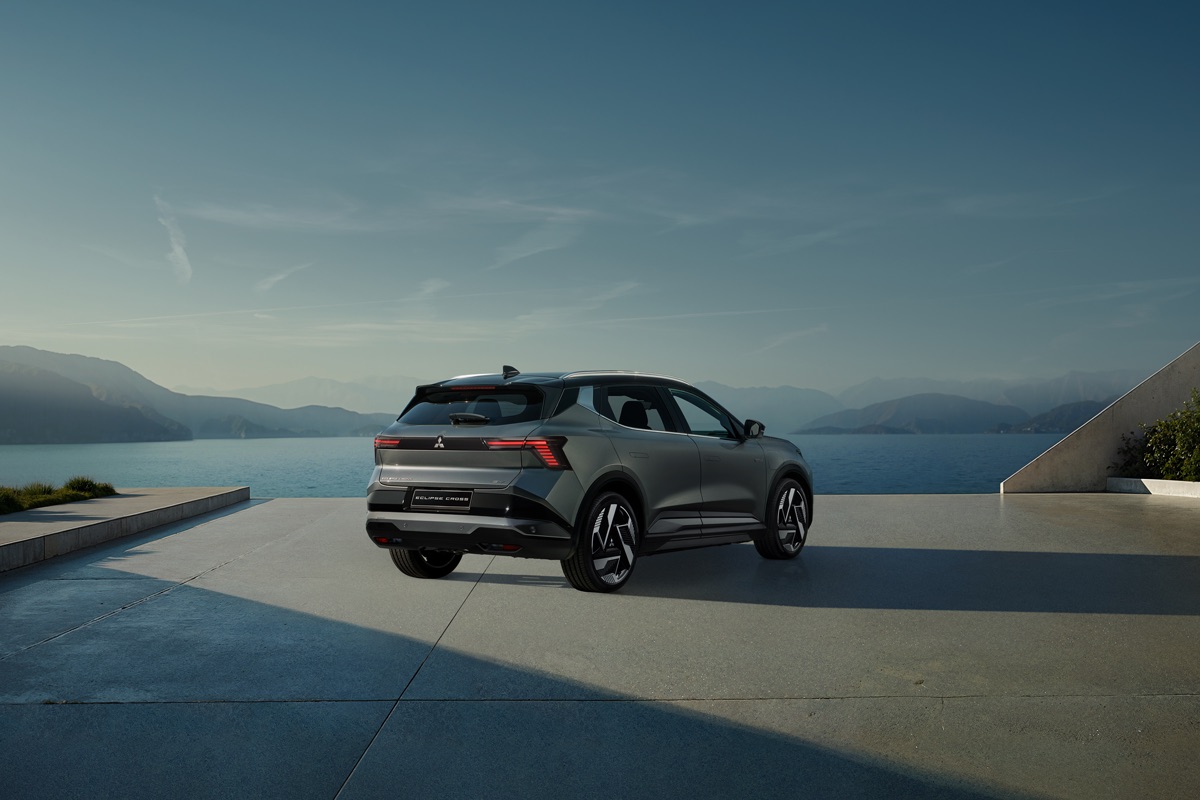
Mitsubishi Motors is gearing up to introduce the all-new Eclipse Cross battery electric vehicle (BEV) to Europe before the end of 2025. Production will take place at Renault’s ElectriCity Douai Plant in France, the EV hub of the Renault Group, under the company’s existing OEM agreement.

This latest model follows the ASX compact SUV, Colt hatchback and Grandis SUV, all of which were also developed with Renault. Built on the CMF-EV platform, the new Eclipse Cross has been designed as a pure BEV, combining Mitsubishi’s familiar design identity with the performance and efficiency required by European buyers.

The SUV promises a driving range of around 600km on a single charge, aided by an 87 kWh battery pack. Its electric motor produces up to 214hp and 300Nm of torque, delivering the instant pull EVs are known for. Drivers will also benefit from four selectable levels of regenerative braking via paddle shifters and a one-pedal driving function for effortless city commutes.

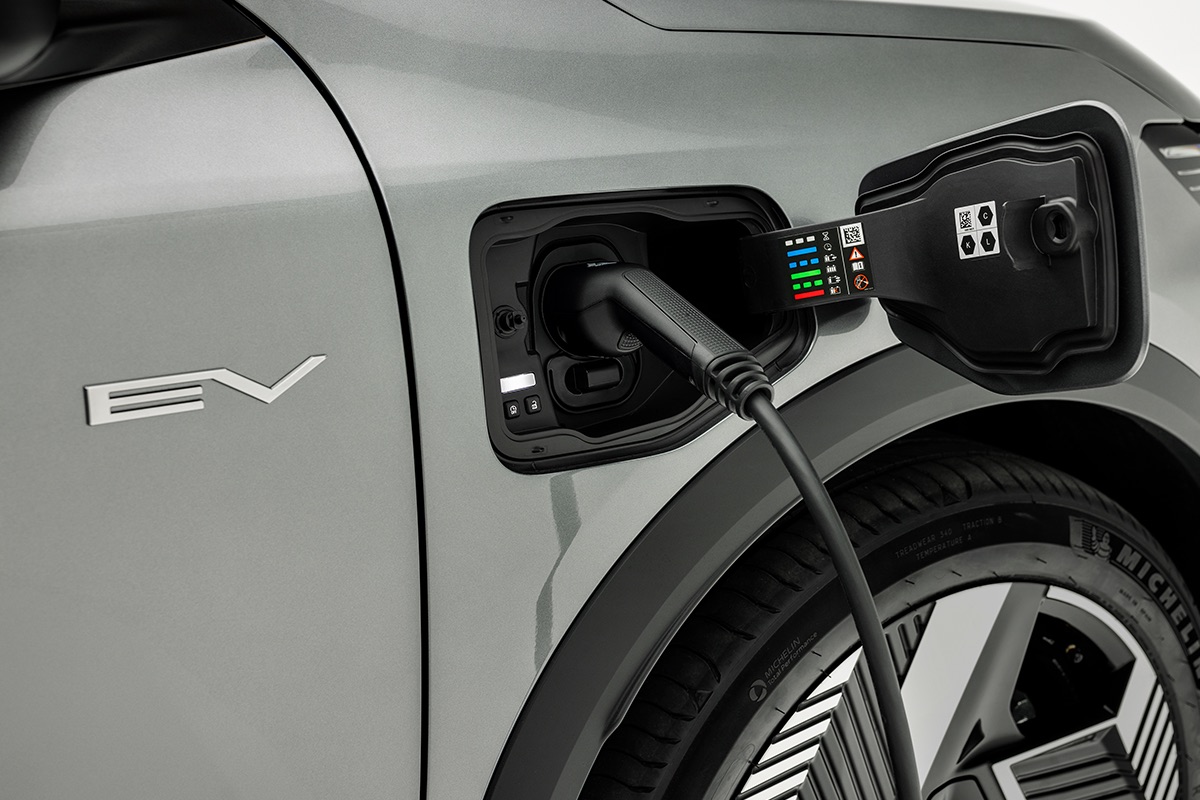
Charging options include AC charging up to 22 kW and DC fast charging at 150 kW. A medium-range version, aimed at more cost-conscious buyers, is scheduled to follow in 2026.

(more…)

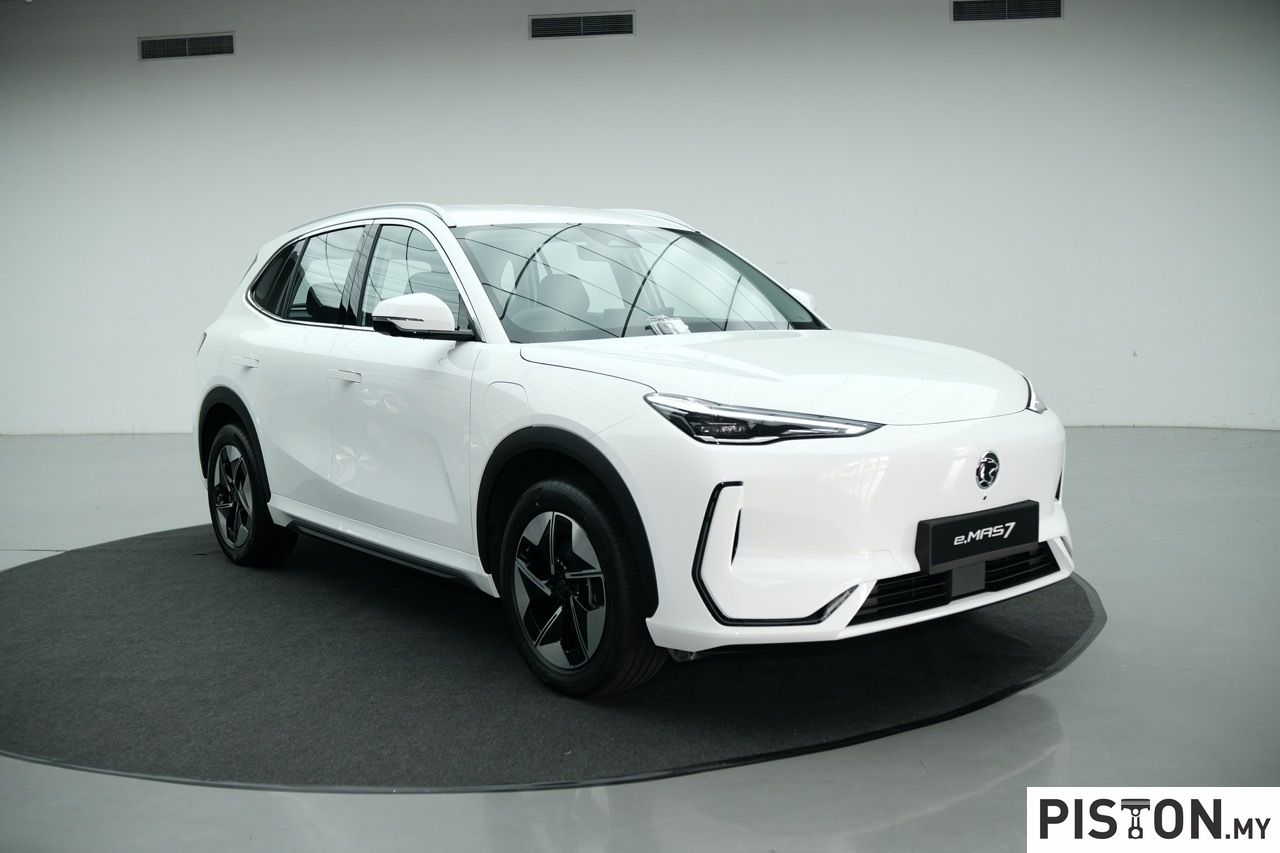
Proton has launched its first electric vehicle, the e.MAS 7, in Singapore, making the brand’s third overseas market for its debut EV. The event also signalled Proton’s return to the city-state after an absence of more than a decade.

The launch brought together senior representatives from Proton and its distributor VINCAR Group, including Proton CEO Dr Li Chunrong, VINCAR CEO Vincent Tan, Proton International Corporation CEO Edmund Lim Meng Thong, PRO-NET CEO Zhang Qiang, and Proton Deputy CEO Ainol Azmil bin Abu Bakar. Officials from the Malaysian High Commission, members of the Singapore media, and VINCAR customers were also present.

(more…)

Toyota Gazoo Racing (TGR) has introduced an updated version of the GR Corolla, with orders now available at Toyota dealers in Japan, ahead of sales commencing on November 3.

Structural and Cooling Upgrades

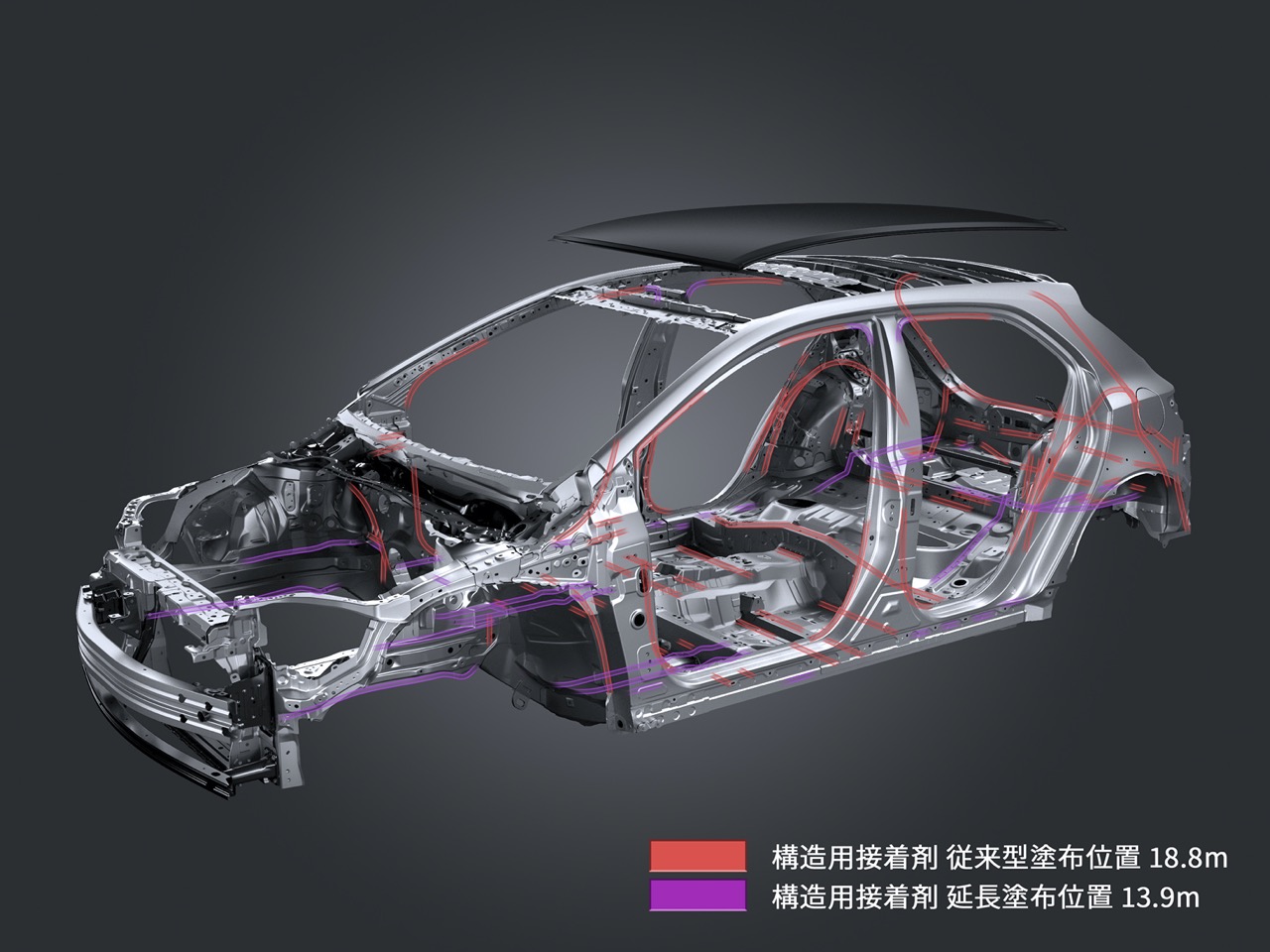
The revised GR Corolla comes with a stiffer body and improved intake cooling. Structural adhesive now extends to 32.7 metres of the chassis—almost 14 metres more than before—mainly around the front, floor, and rear wheel wells. This makes the body more rigid without adding significant weight, helping the car remain composed whether on city streets or race circuits.

To ensure stable performance under heavy load, Toyota has added a high-speed cooling duct to the intake system. By pulling cool air directly from the grille, the duct lowers intake temperatures during sustained hard driving, keeping the 1.6-litre G16E-GTS turbo engine performing consistently at full output.

(more…)

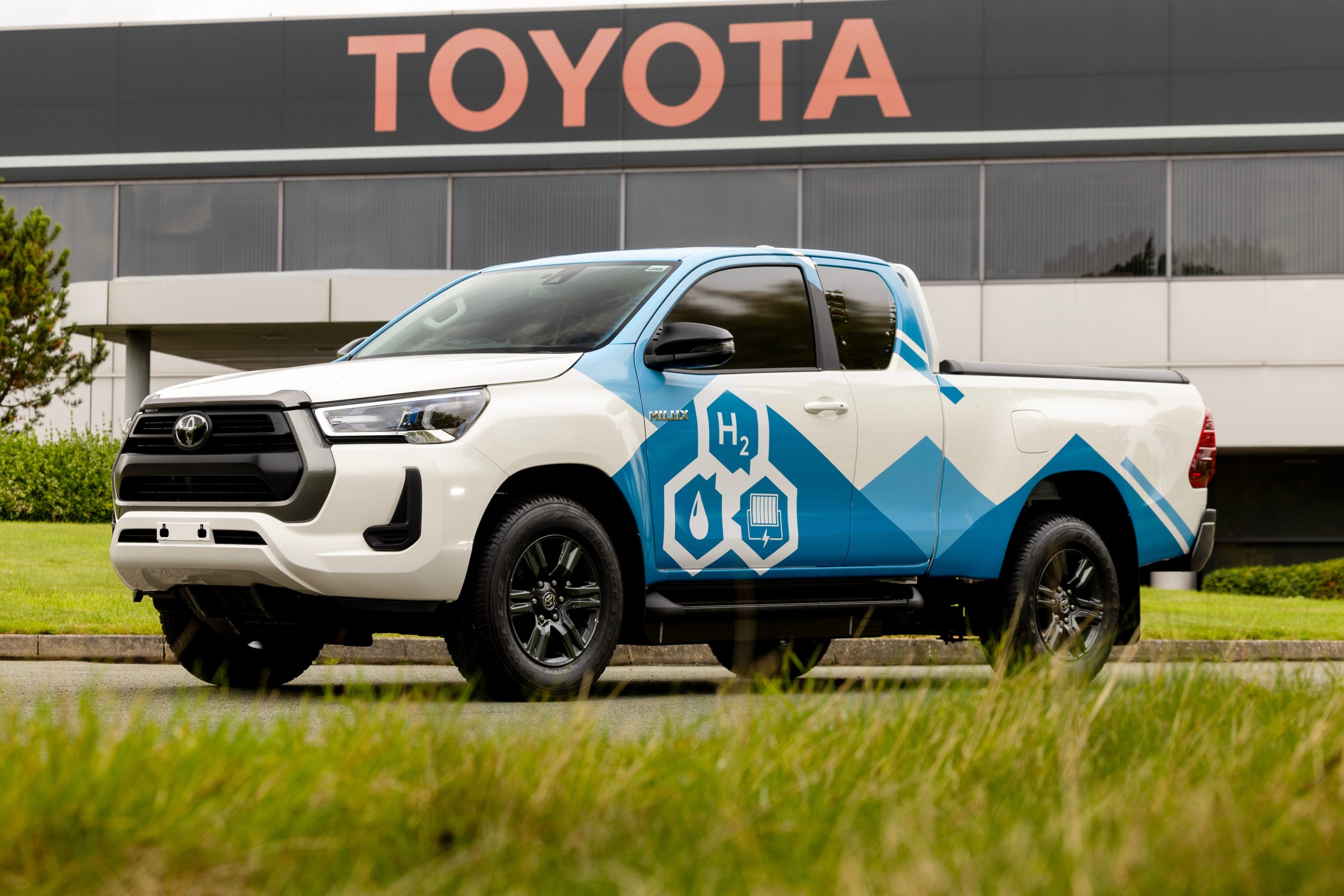
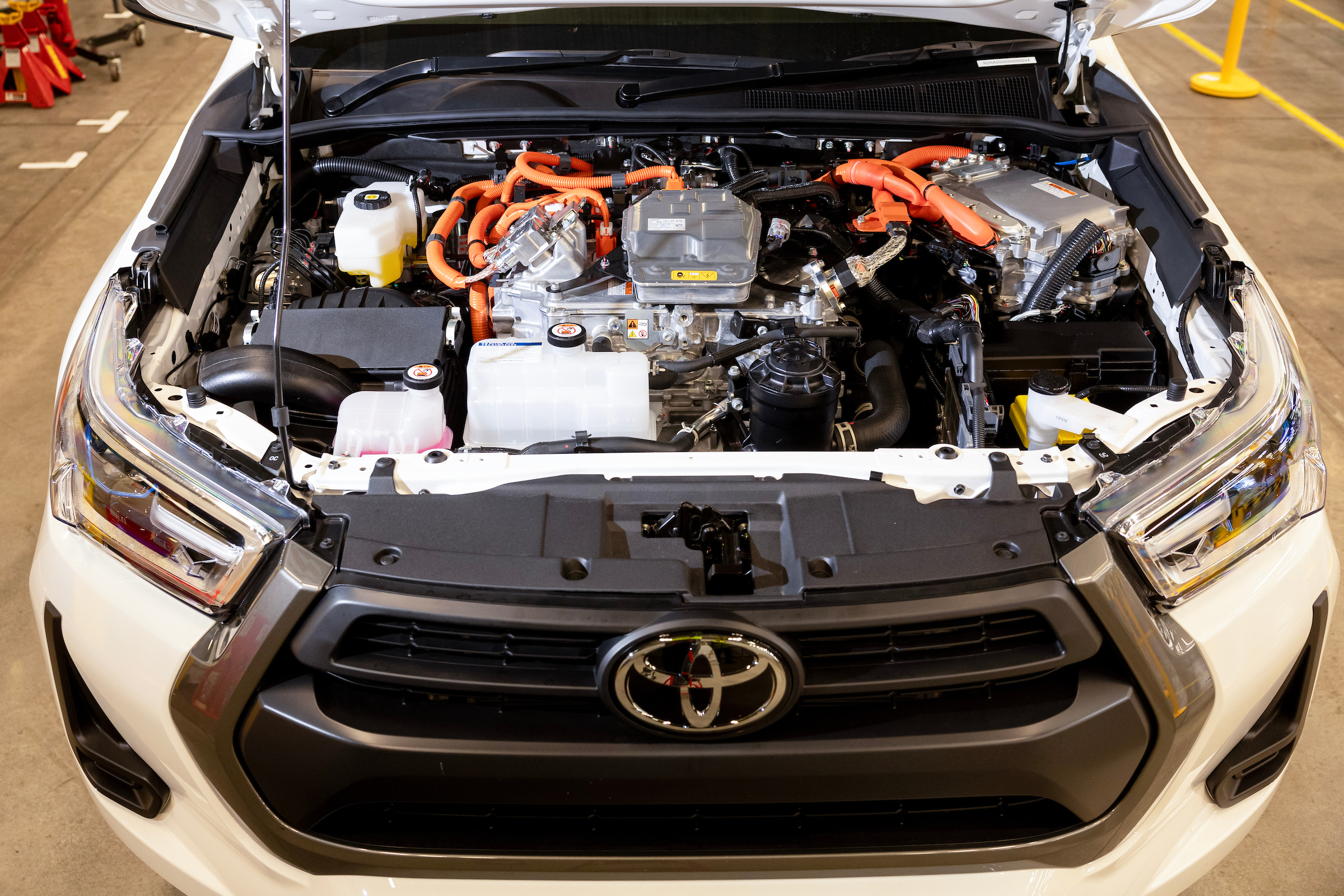
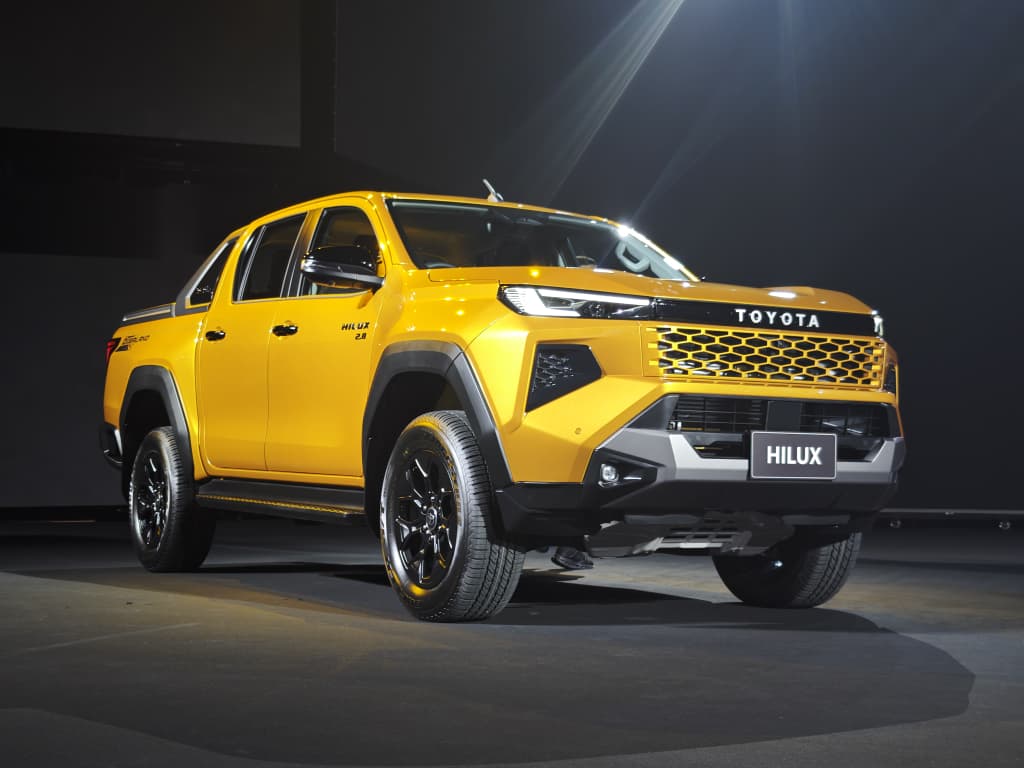
For decades, diesel engines have been the backbone of pickups, large SUVs, and vans across key markets. In Australia, the story has been no different, with diesel still powering almost half of Toyota’s local sales. But according to Toyota Australia, the days of diesel dominance could be numbered, with hydrogen waiting in the wings to take its place.

Out of 163,491 vehicles sold by Toyota in Australia during the first eight months of the year, 48.4 per cent were diesel-powered. Heavy-hitters like the Hilux, LandCruiser, Prado, HiAce and Fortuner continue to drive those numbers. The company admits this strong reliance on diesel won’t disappear overnight, but it believes change is inevitable.

Toyota Australia’s vice president of sales, marketing and franchise operations, Sean Hanley, explained that diesel still has a role to play throughout this decade, but beyond that, hydrogen could be the game-changer. He pointed out that petrol models already match diesel in many respects, and in some areas outperform them, which raises questions over diesel’s long-term relevance.

(more…)

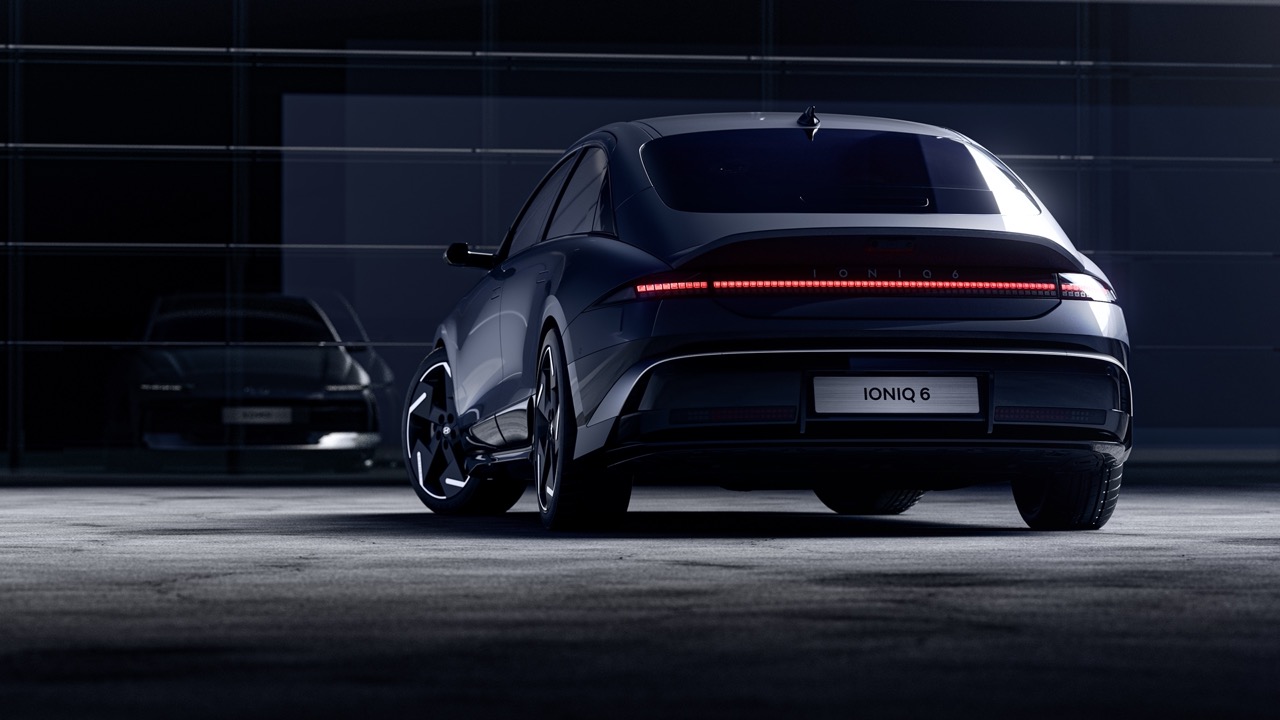
There was a time when cars could be recognised by their tail-lights. But today, many look the same because of one common feature – the LED light bar. From Tesla to Porsche, and especially on Chinese cars, the strip of light has become almost standard.

Hyundai’s design boss, Simon Loasby, thinks this trend is finished. At the launch of the Hyundai Concept Three, he said the light bar once worked well on models like the Grandeur, Kona, and Sonata.

But now, it’s too expensive to make and not every market wants it. In China, customers expect it. In Europe, it’s not as important.

(more…)

Archive

Follow us on Facebook

Follow us on YouTube