Piston.my

Latest News

Alfa Romeo has introduced two highly exclusive creations, the Giulia Quadrifoglio Collezione and Stelvio Quadrifoglio Collezione, developed in tribute to one of the brand’s most enduring icons — the Quadrifoglio. The emblem, first painted onto Ugo Sivocci’s Alfa Romeo RL when he won the 1923 Targa Florio, became the mark of the brand’s racing machinery for decades. In 1963 it shifted from the circuit to the road with the Giulia Ti Super, and from then on it distinguished Alfa Romeo’s most powerful and exclusive road-going models.

That pivotal year forms the inspiration for this new Collezione series, which has been limited to just 63 units worldwide. Two Giulia units have been earmarked for the UK, while the rest will be distributed across Europe, the Middle East, China and Japan.

Giulia Quadrifoglio Collezione

Both Collezione models are assembled at Alfa Romeo’s Cassino plant, bringing together traditional Italian craftsmanship and advanced manufacturing techniques. Each car is finished in one of two new interpretations of the ‘Rosso Villa D’Este’ paint made famous by the 33 Stradale. The Giulia wears ‘Rosso Collezione Giulia’, a deep shade that appears almost black depending on the light, while the Stelvio receives ‘Rosso Collezione Stelvio’, a brighter and more open shade of red.

(more…)

The latest mid-size plug-in hybrid sedan from Dongfeng Nissan, the N6, has officially debuted in China with a starting price tag of 99,900 yuan — roughly RM66,200. A promotional “benefit price” of 91,900 yuan (about RM61,000) has also been made available for a limited time.

The company signalled that the N6 could reach markets in Southeast Asia, the Middle East and parts of Latin America in the future, marking it as the brand’s first “N-series” vehicle beyond its pure-electric offerings.

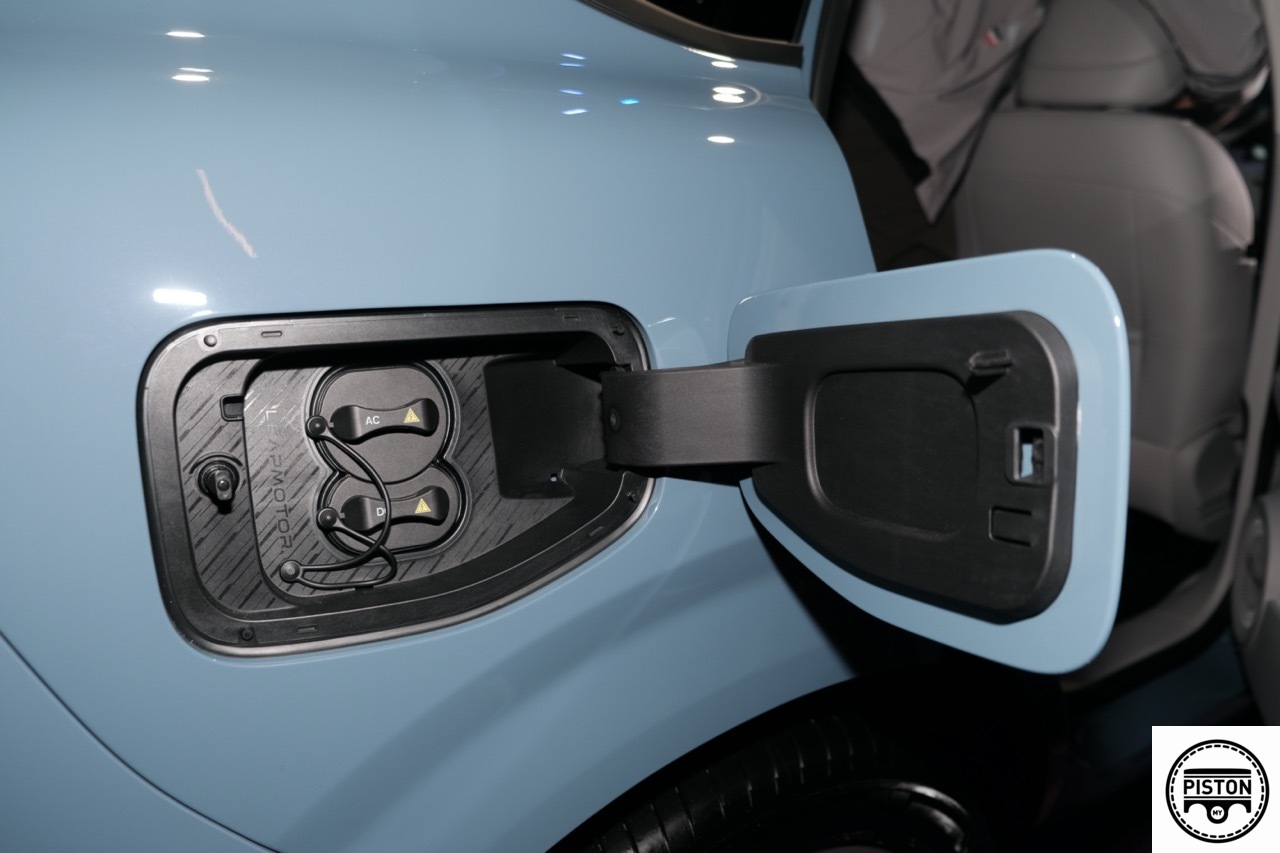
Styled in line with the fully electric N7, the N6 presents a modern, sleek appearance. The front end features a closed-off nose, a full-width light bar above, L-shaped lower lights, an illuminated “NISSAN” badge, flush door handles and an integrated charging port on the rear quarter panel. The rear profile adopts a coupe-like flow, with a continuous taillight strip and a clean bumper that hides the exhaust outlets, adding subtle sophistication to its silhouette.

(more…)

Naza Italia Sdn Bhd has formally notified Maserati S.p.A. that it will withdraw from its role as the official importer and distributor of Maserati vehicles in Malaysia, bringing an end to a partnership that has been in place for more than 15 years.

The notice, submitted in line with the 180-day requirement under the agreement signed on 1 January 2009, marks the beginning of a structured transition period.

As Naza Automotive Group moves towards this handover, Naza Italia said it will honour every obligation outlined in the agreement, ensuring that the next six months proceed without disruption for customers or partners.

(more…)

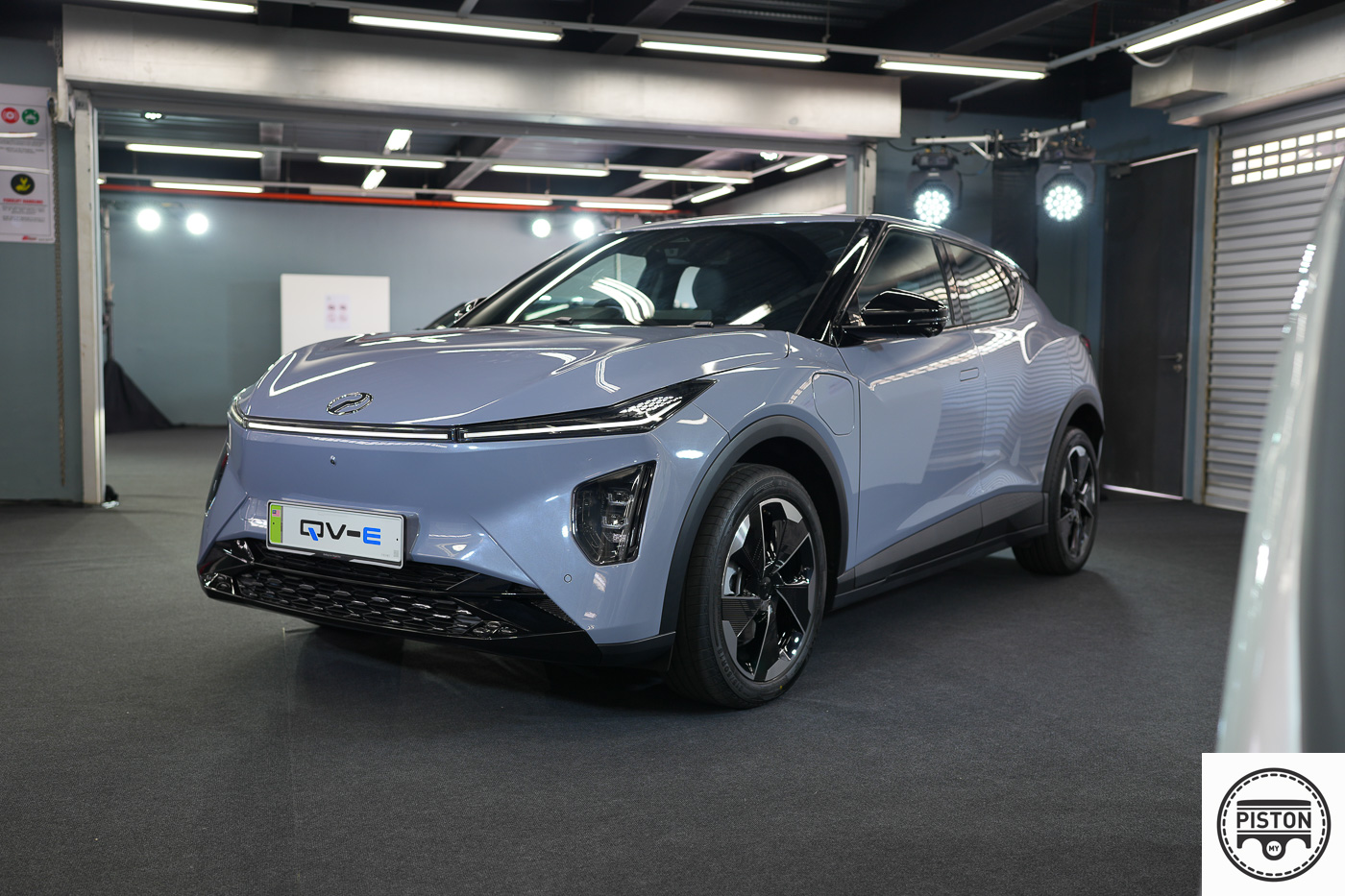
Perodua has taken a major step into the electric era with the launch of the QV-E, its first battery-powered model, priced at RM80,000 before insurance and without the battery. The new hatchback is the centrepiece of the carmaker’s long-term plan to build a homegrown EV ecosystem, beginning with a vehicle that was designed, engineered and produced almost entirely in Malaysia.

The project required RM800 million in investment and is being built at the company’s newly established Smart Mobility Plant.

Production is starting modestly at 500 units a month, though Perodua expects output to ramp up to 3,000 units monthly by the third quarter of 2026 once supply chains and vendor readiness reach the next phase of industrialisation.

Internally, the QV-E is described as a showcase of what Perodua believes a national EV should be: practical, safe and accessible, yet built with enough technology to remain competitive as electric cars become more widely adopted in the country.

The model runs on a 52.5 kWh Lithium Iron Phosphate battery and can travel up to 445km on the NEDC cycle, though the real-world figure will naturally depend on driving behaviour, temperature and terrain. Perodua has equipped the QV-E with a broad set of safety features, with one of the most significant being a Child Presence Detection system.

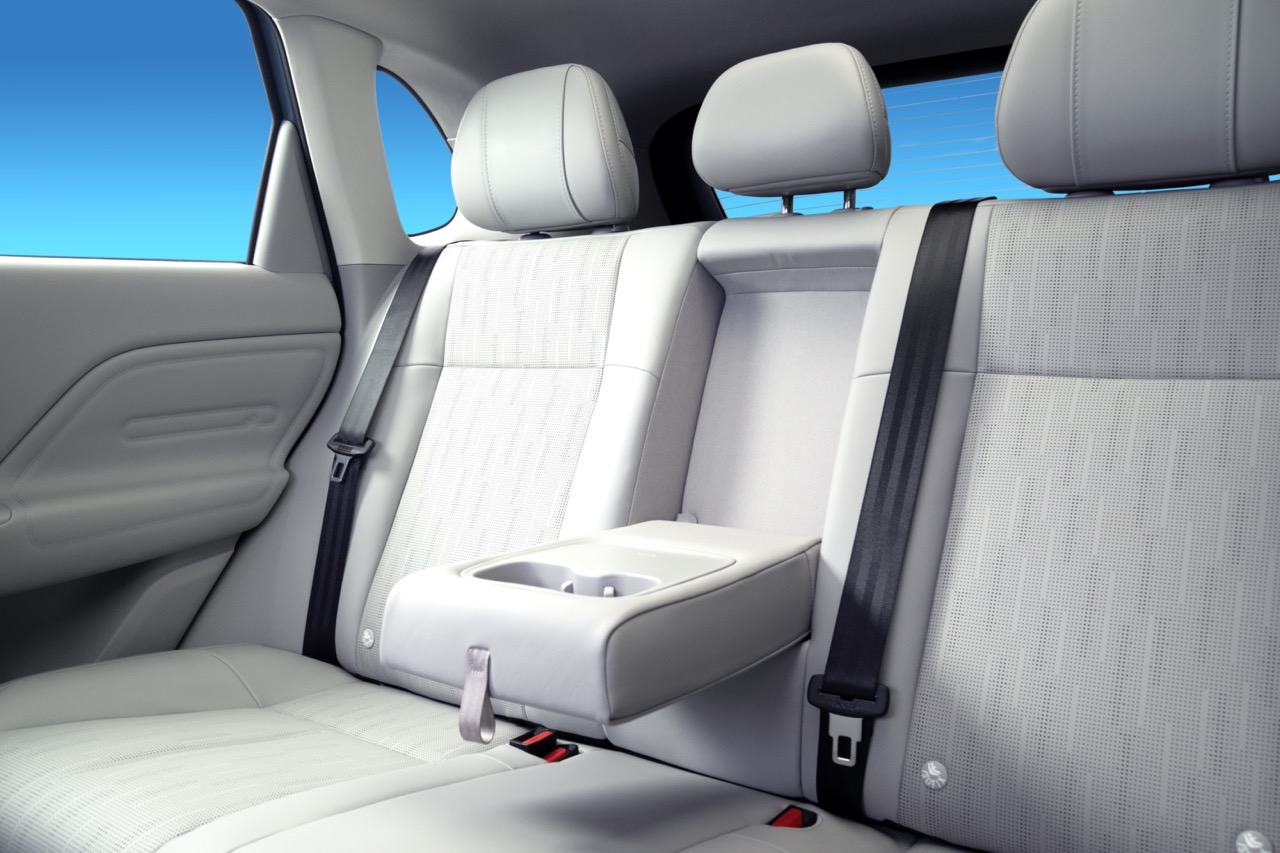
Using millimetre-wave sensing, the system can pick up breathing and micro-movements in the second row and the footwell, even through blankets, and continues to work in extreme temperatures or complete darkness. A three-stage warning sequence activates if a child or pet is left behind, escalating from hazards and SMS alerts to repeated audible warnings.

Perodua says the development of the QV-E reflects a wider national effort. The New Industrial Master Plan 2030, announced by the Prime Minister in 2023, gave the company the task of leading Malaysia’s EV ecosystem. With support from the Ministry of Investment, Trade and Industry (MITI) and other government agencies, Perodua managed to complete the car in just 28 months.

More than 50 local suppliers are already involved in the project, with plans to increase the number to 70 by 2030, pushing localisation beyond 70 per cent.

The QV-E targets middle-income households and families looking for a daily commuter or a second car for short trips. To reduce long-term ownership anxiety, Perodua has introduced a battery leasing method called Battery-as-a-Service. Buyers pay only for the car, while Perodua retains ownership of the battery, which is leased monthly under a Shariah-compliant arrangement.
The idea is to lower the entry price, maintain stronger resale values, and remove the fear of expensive battery replacements. The leased battery carries a warranty for the full nine-year duration and is insured by Perodua. Each vehicle comes with a dedicated tracker for the battery, allowing the company to locate it even if the car is abandoned or the main power is depleted, ensuring proper end-of-life management and preventing environmental risks.

As for the design, Perodua has given the QV-E a clean, modern shape with a confident rear end and a smooth sportback-style profile. The horizontal lighting at both ends emphasises the car’s width, and flush door handles help achieve a sleeker look. Two colours are offered at launch, Ice Blue and Caviar Grey, chosen to represent a more premium EV identity.

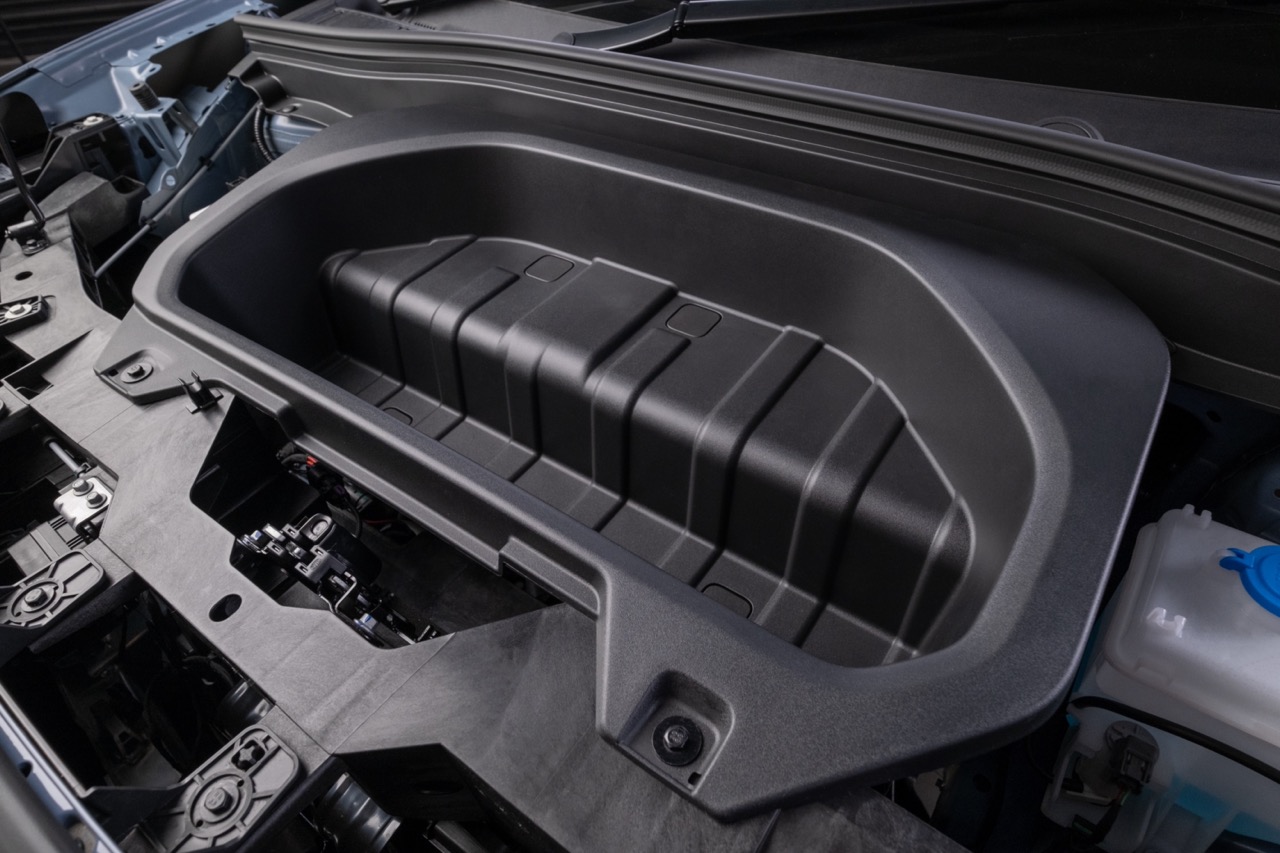
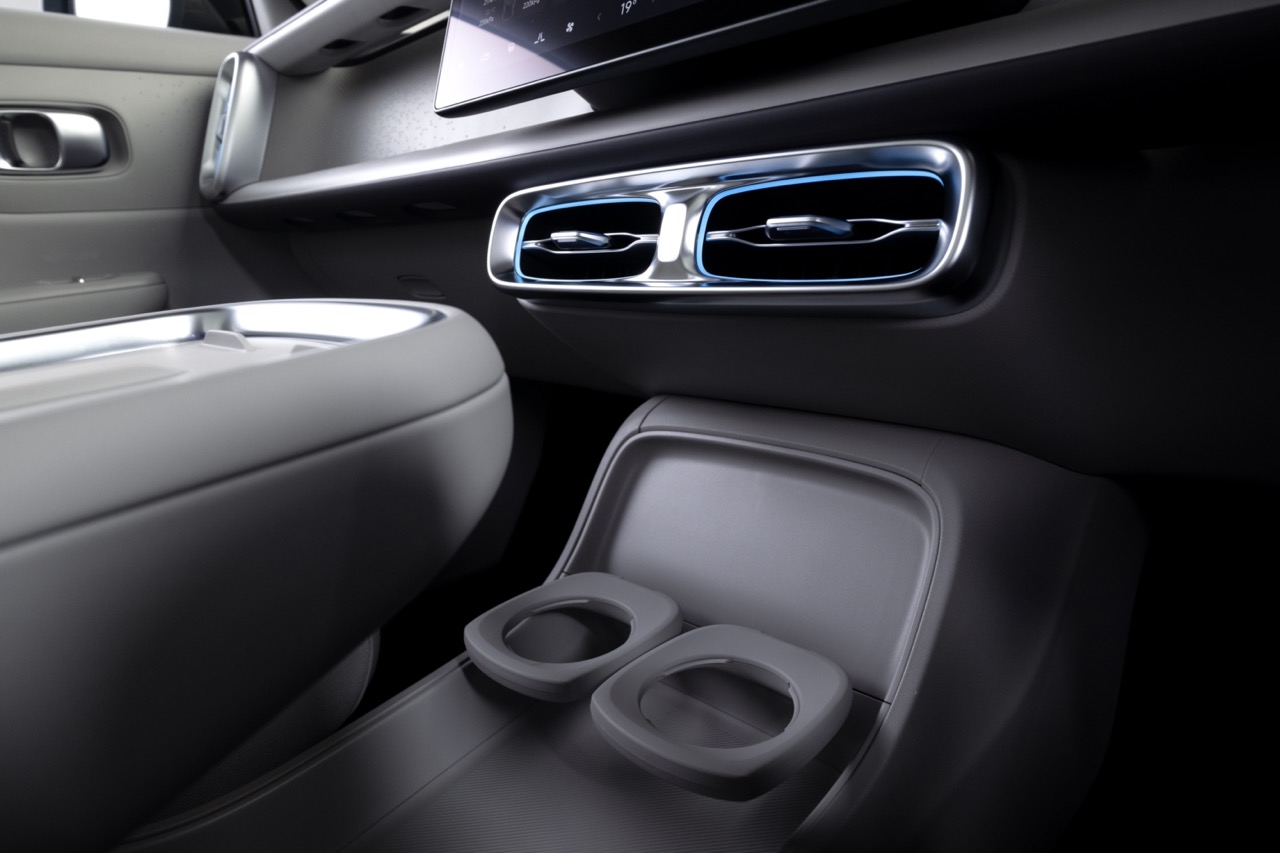
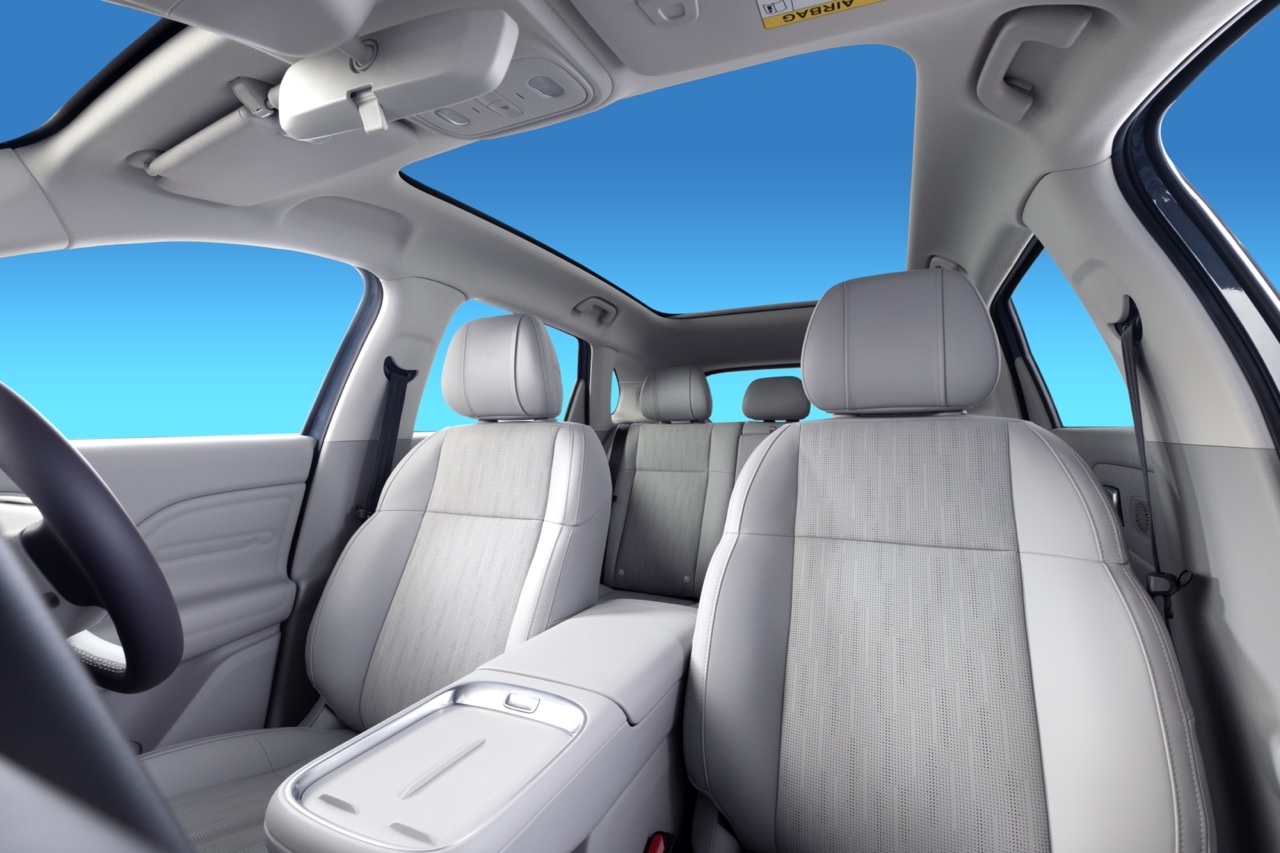
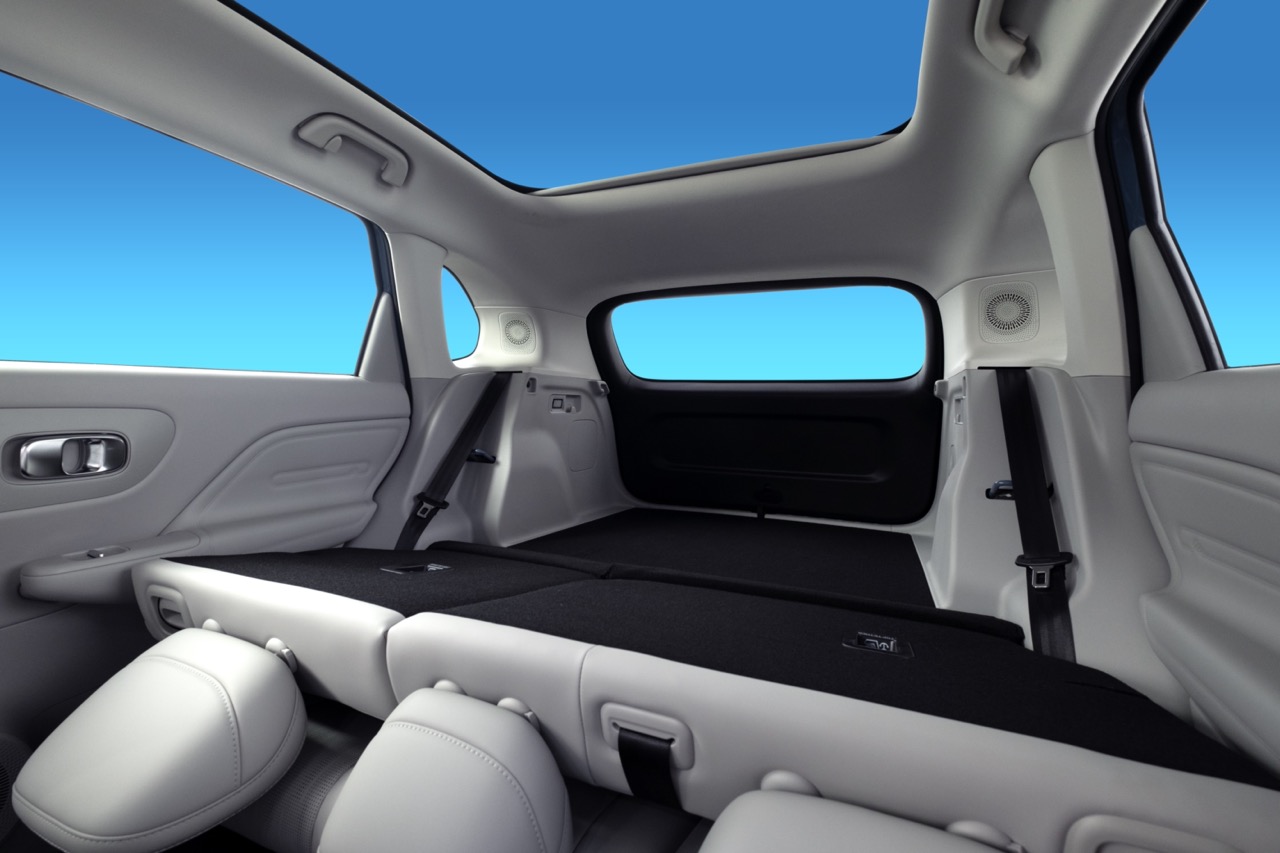
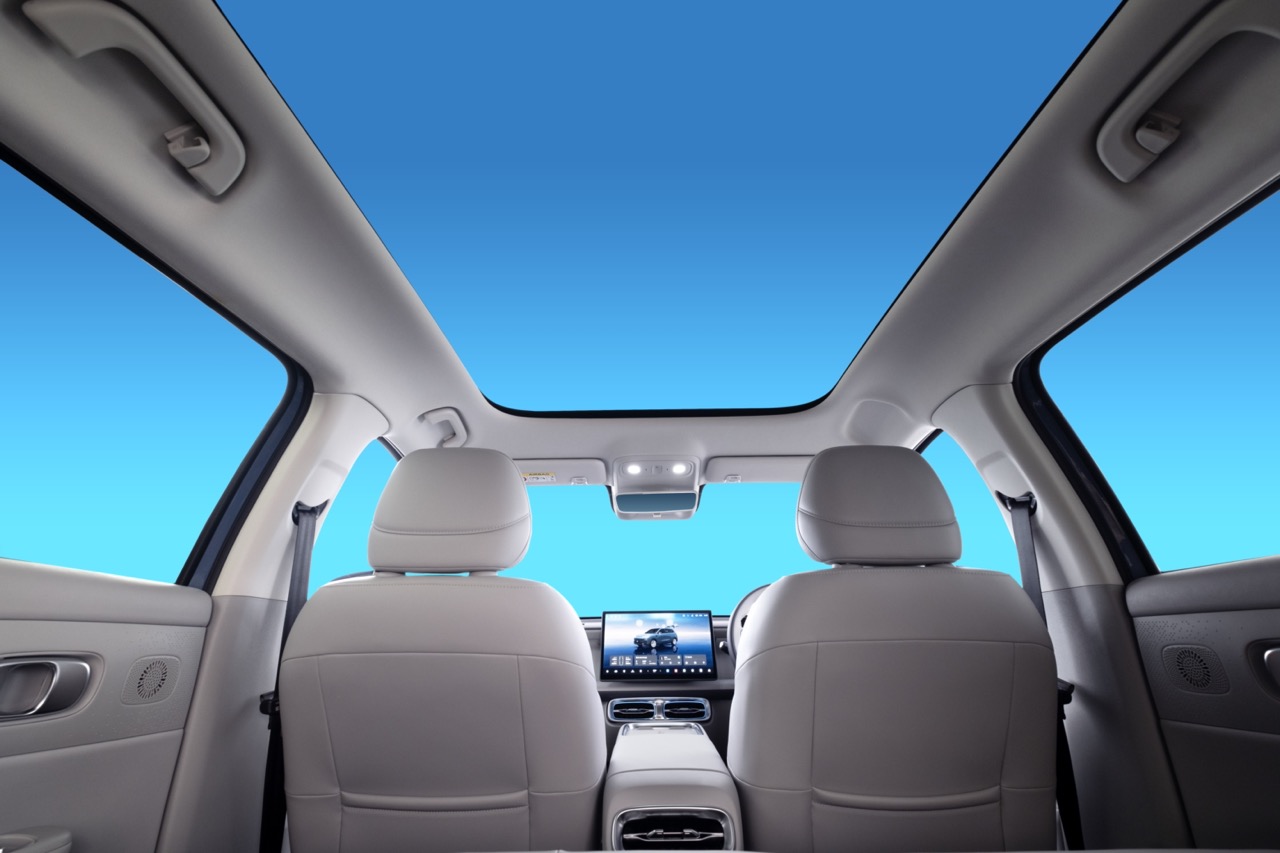
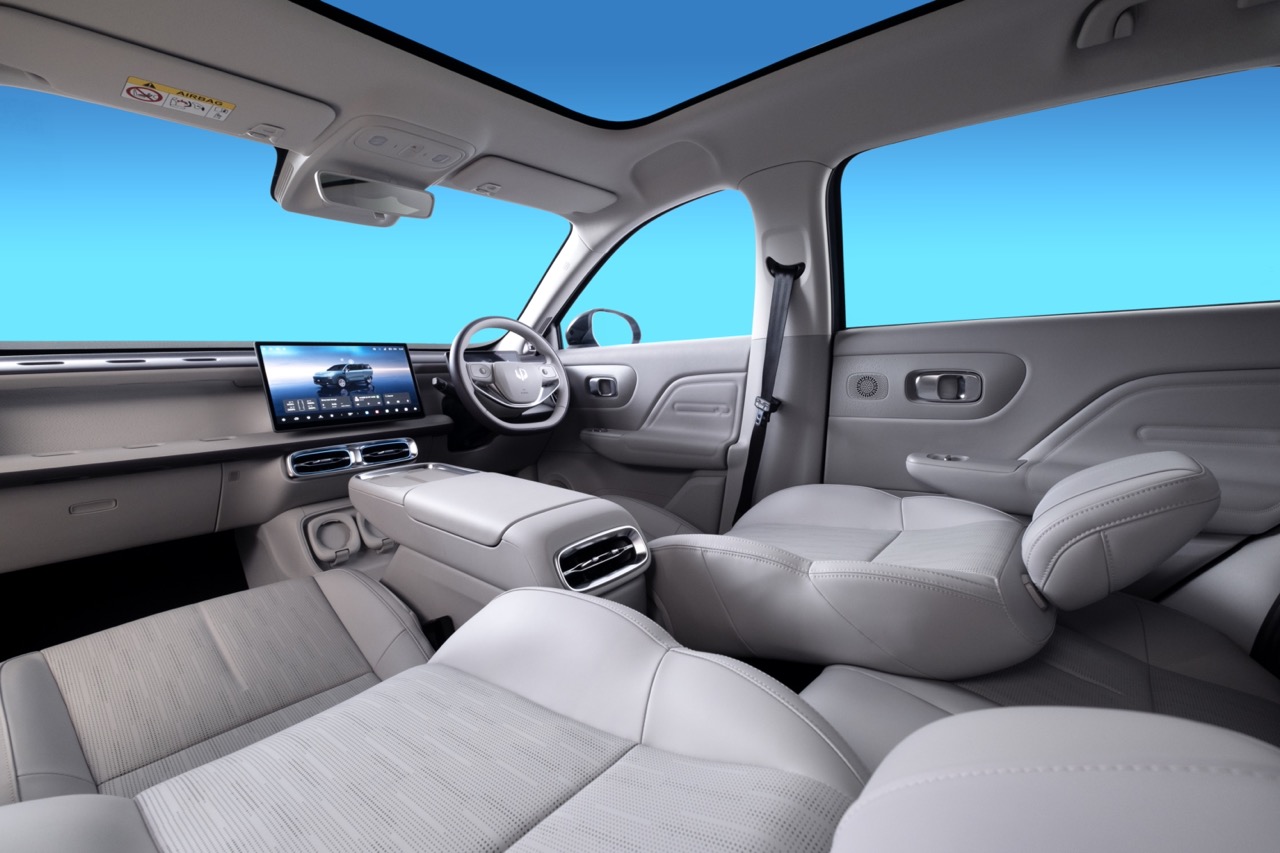
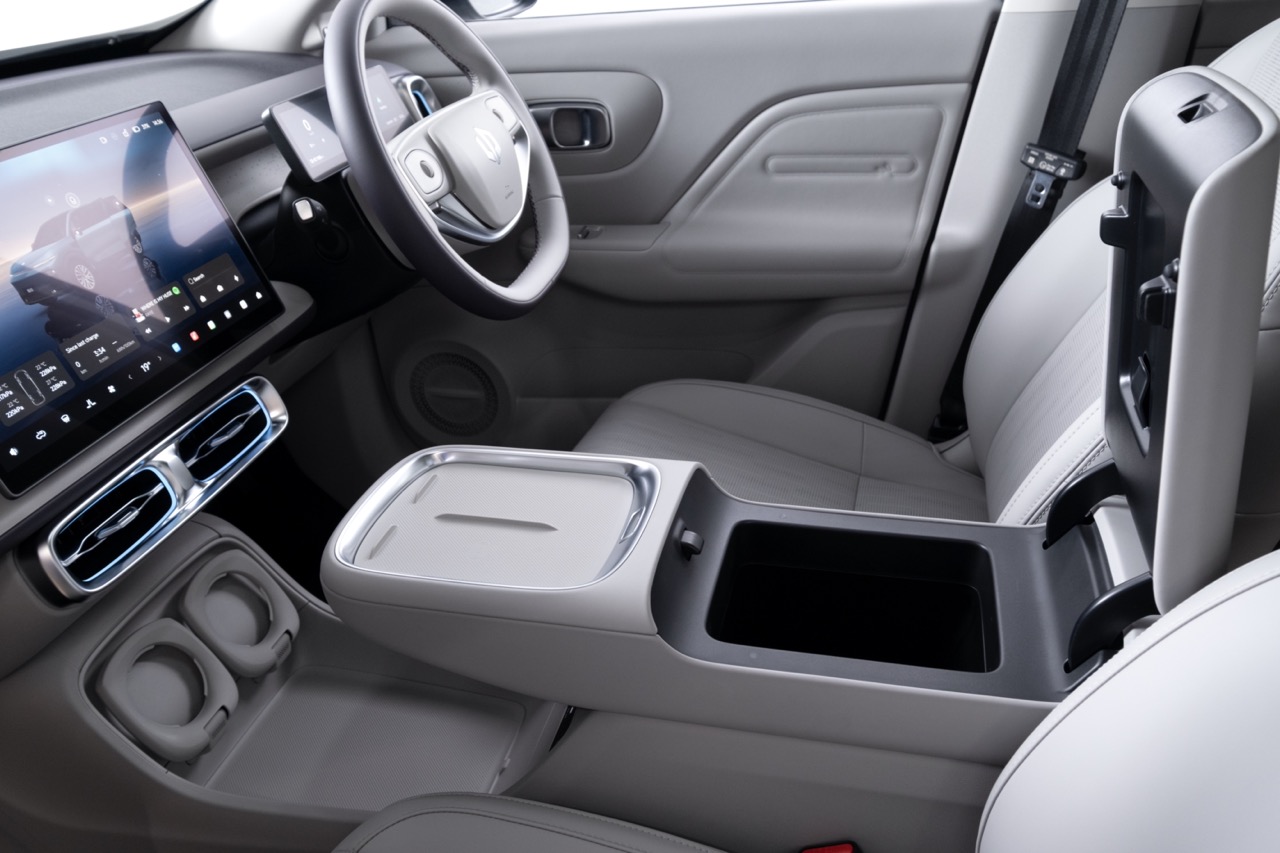
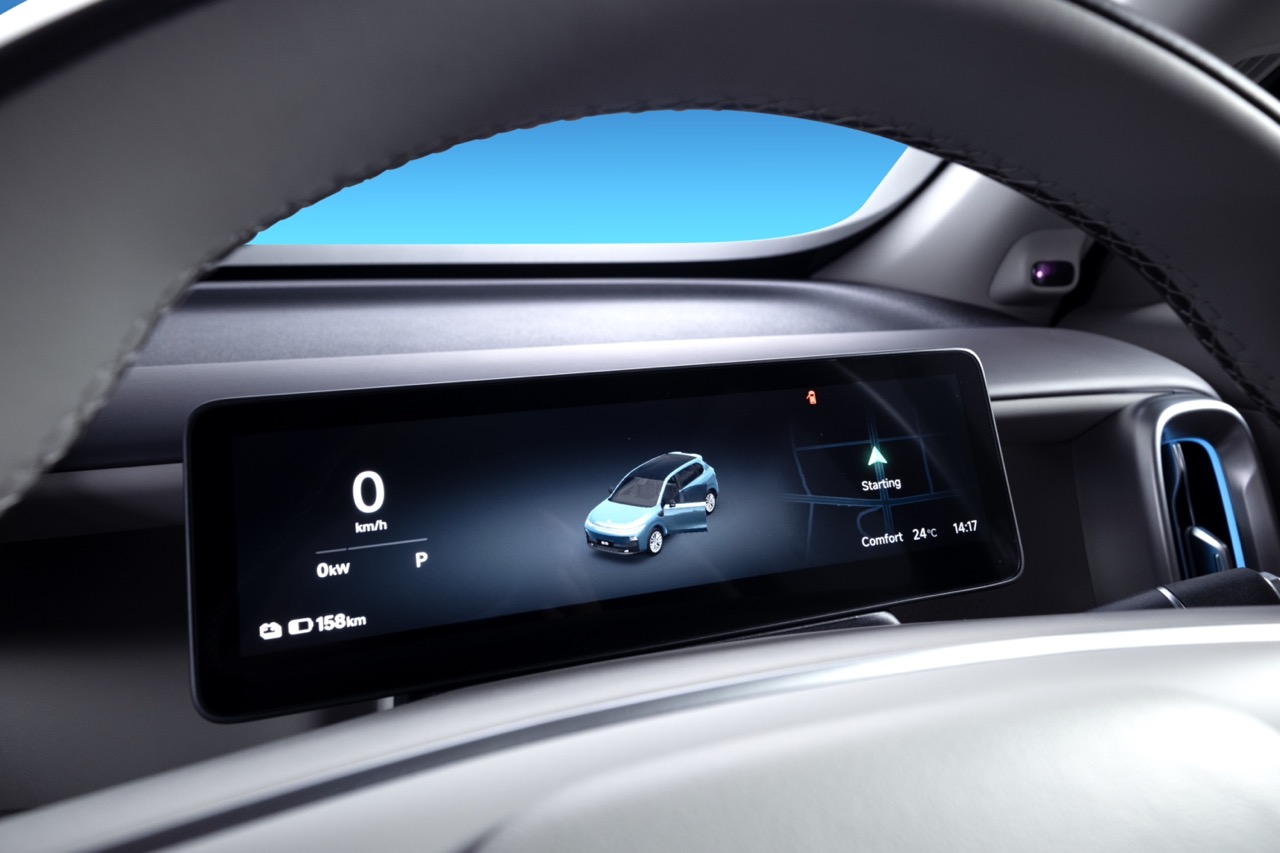
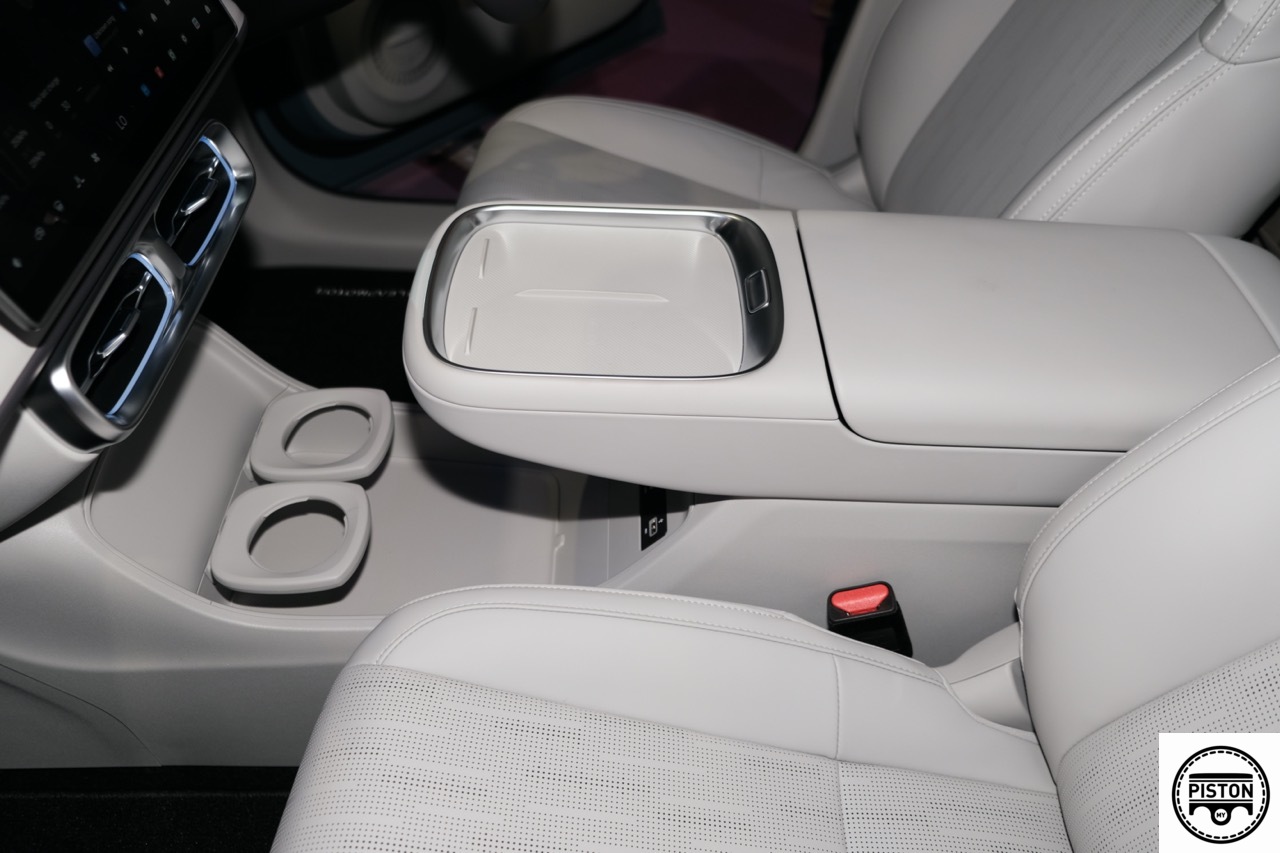
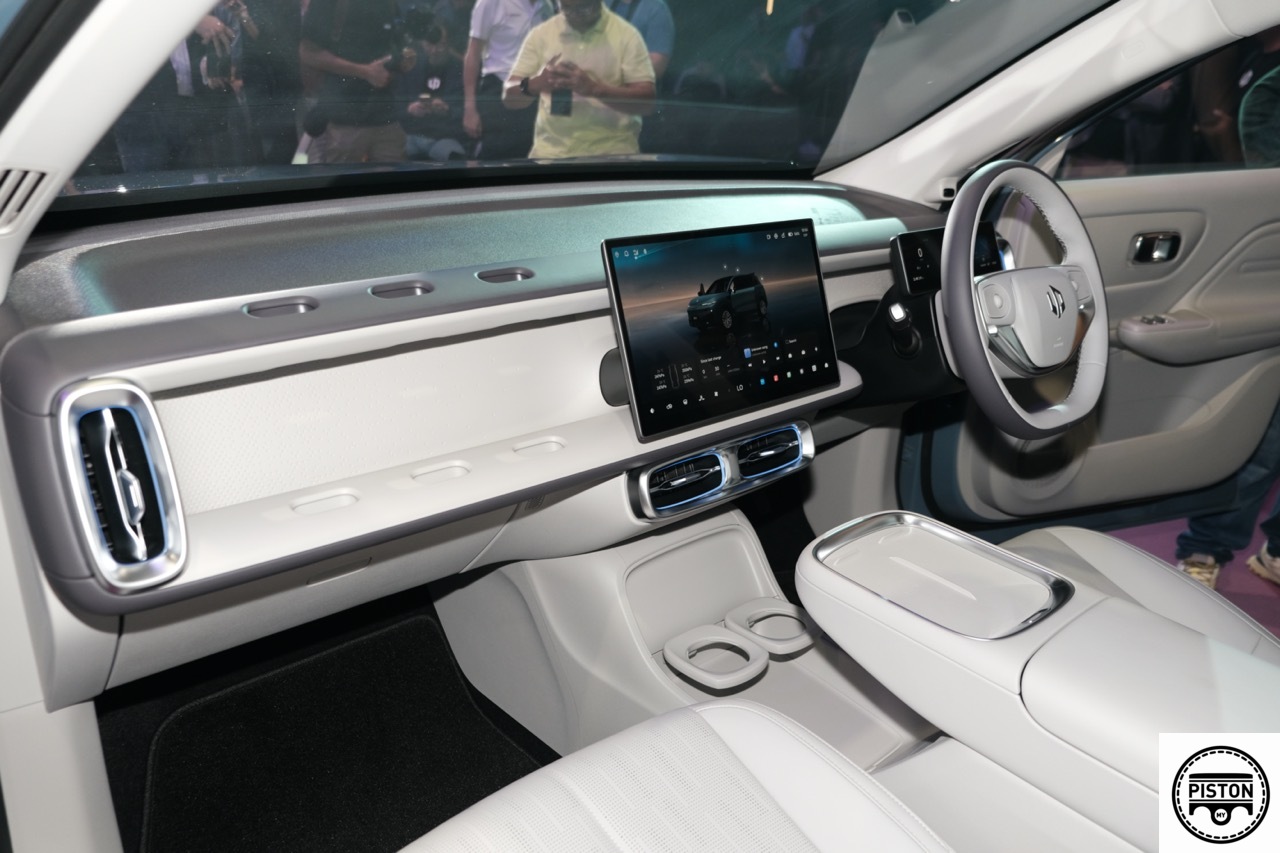
Inside, the cabin adopts a sporty, horizontal layout with a floating centre console and additional storage underneath. A digital instrument cluster works alongside a 10.25-inch infotainment display that supports wireless Apple CarPlay and Android Auto. Equipment includes a rotary gear selector, a wireless charger, ambient lighting, powered driver’s seat, a digital rear-view mirror and a set of semi-leather seats.

The QV-E also features SOS emergency services, telematics integration, and a range of driver-assistance technologies such as Adaptive Cruise Control, Highway Assist, Traffic Jam Assist, Autonomous Emergency Braking, Blind Spot Detection, Lane Keeping functions and a full suite of passive safety systems.

The vehicle sits on an all-new platform co-developed with Magna Steyr, designed to accommodate future A- and B-segment models with the possibility of hybrid or range-extended EV variants. Under the floor sits the 405.7 kg CATL LFP battery pack, rated IP68 and IP69 for water and dust resistance, and liquid-cooled for stability in Malaysia’s hot climate. A 201hp front motor produces 285Nm of torque, allowing the QV-E to reach 100km/h in 7.5 seconds in Sport mode and achieve a top speed of 165km/h.

Charging is managed via a 6.6 kW AC system that fills the pack in eight hours, while a 60 kW DC charger can replenish 30 to 80 per cent in around 30 minutes. Vehicle-to-load functionality is also included.

Perodua believes the QV-E represents more than just its entry into electric mobility. The company sees it as a milestone that Malaysians can claim as their own, given the amount of local design, testing and component development behind it.

Sales will begin at selected Perodua outlets, with the company expecting interest from buyers ready to embrace electrification without departing from the affordability and usability the brand is known for.

Bugatti has completed production of the Bolide, bringing the second-to-last chapter of its W-16 engine legacy to a close. The final example — number 40 of 40 — has now left the factory in Molsheim, marking the end of the extreme, track-only hypercar’s build run. The customer travelled to northeastern France to take delivery directly from Bugatti’s headquarters.

The final Bolide belongs to a long-time Bugatti collector who already owns several notable models, including a classic Type 35 — the brand’s landmark racing car from the 1920s — and the last-ever Veyron Grand Sport. The buyer paid €4 million for the Bolide, a machine designed solely for circuit use and therefore not eligible for road registration.

Both the customer’s Veyron and Bolide share a coordinated specification, featuring a Black Blue and Special Blue Lyonnais exterior paired with a Lake Blue Alcantara interior. The configuration is striking enough to raise the question of whether any buyers might explore road-legal conversions. British engineering specialist Lanzante has already announced plans to work on such a transformation for at least one Bolide.

(more…)

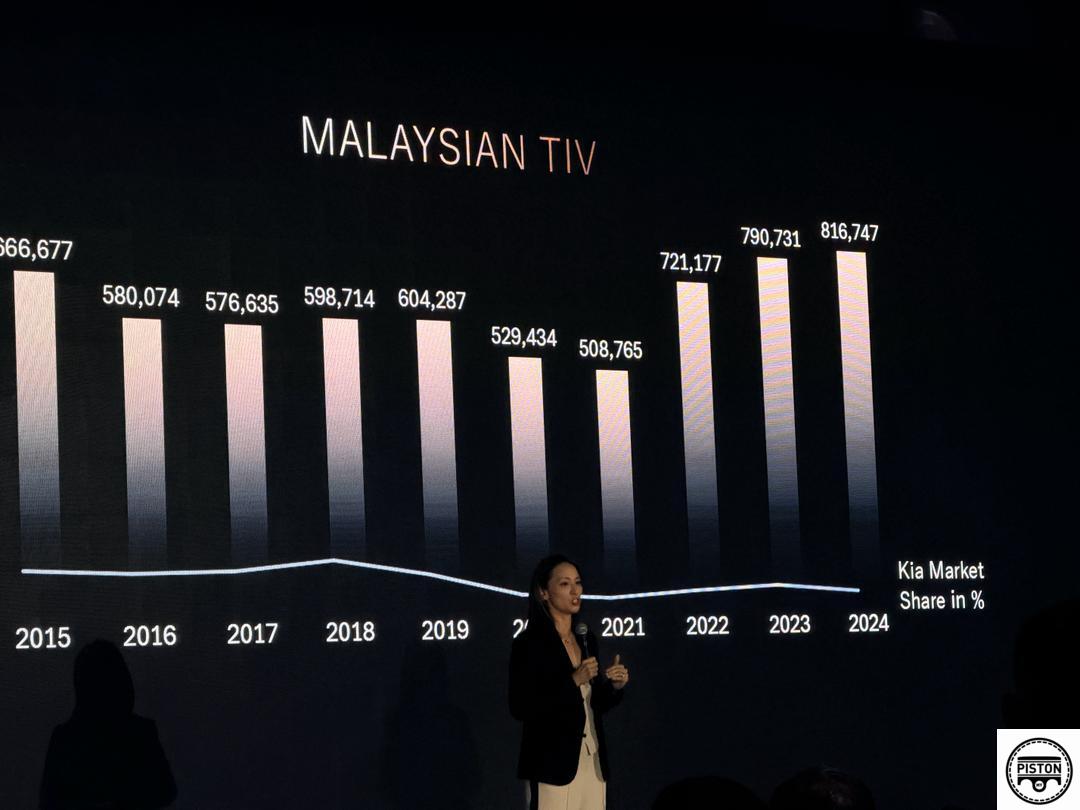
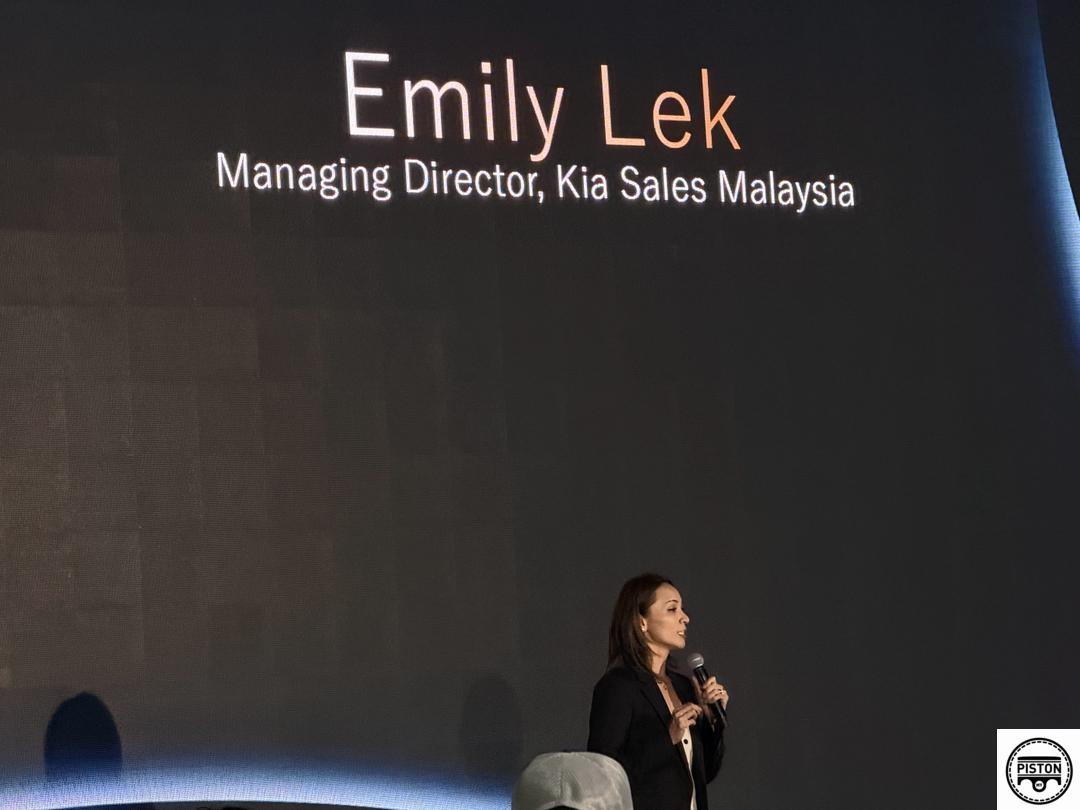
Kia Corporation and Bermaz Auto Berhad have formally concluded their four-year strategic partnership, bringing an end to the arrangement under which Bermaz, through Dinamikjaya Motors Sdn Bhd, served as the sole distributor of Kia vehicles and parts in Malaysia. The agreement signed between Kia and Dinamikjaya Motors confirms that Kia will resume full control of its Malaysian operations, marking the start of a new phase for the brand in the country.

Kia Asia Pacific President and CEO, Ki Seok Ahn, said the company is ready to rebuild its presence in Malaysia with a renewed focus on innovation and customer engagement. He stated that Kia intends to strengthen how customers experience the brand while supporting Malaysia’s automotive sector and broader economy. According to him, Kia’s long-term commitment remains aligned with its “Movement That Inspires” vision, with an emphasis on driving sustainable mobility and creating new forms of interaction with the brand.
From 1 January 2026, Kia will adopt a direct principal-led business model in Malaysia. This change shifts responsibility for brand representation, marketing, sales, customer experience and training directly to Kia. The company views this structural move as an opportunity not only to refine its position in Malaysia but also to influence its broader growth strategy within the ASEAN region.

(more…)

Archive

Follow us on Facebook

Follow us on YouTube