
Piston.my

Latest News

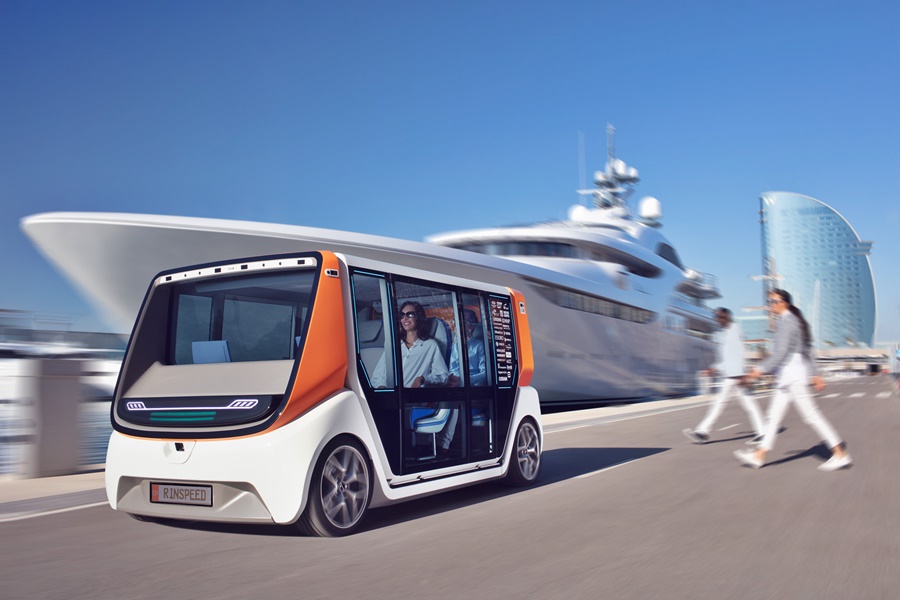
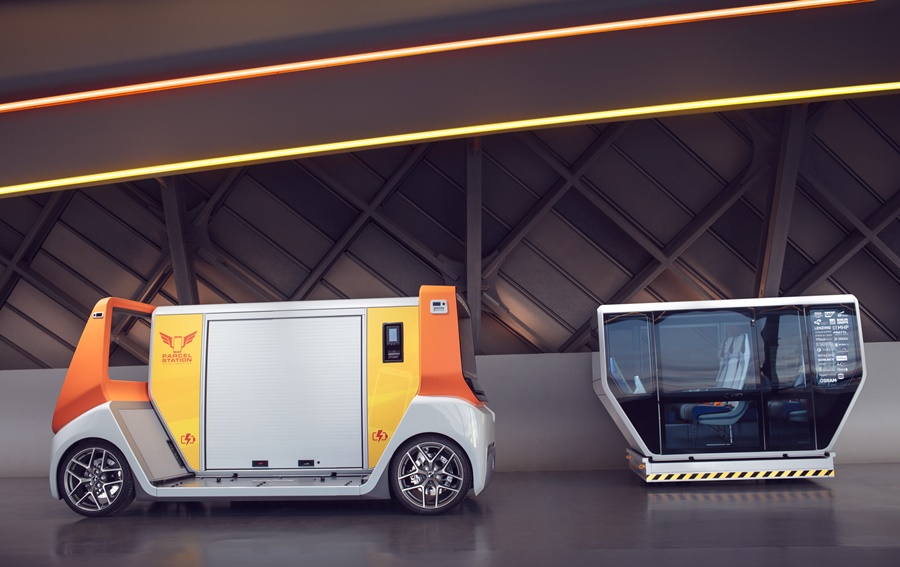
Since 1991, Swiss company Rinspeed has been presenting new ideas for the transport of people and goods in the world of tomorrow. The most recent have been the Snap and the microSNAP which were displayed at the CES event in Las Vegas in the past 2 years. These are vehicles whose chassis and bodies go their own ways; with the revolutionary separation of the two vehicle components, Rinspeed confronts the increasingly diverging life cycles of hardware and software.

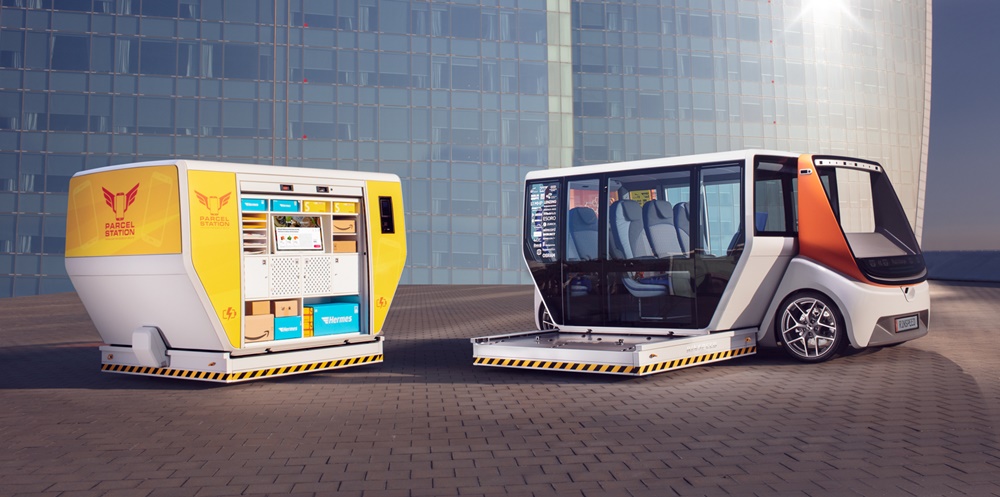
The ideas are modular mobility systems and in order to make economic sense, they must gain broad acceptance. That is precisely where Rinspeed is now once more taking a crucial step ahead with its 26th concept car – the MetroSnap. This is a simple, fast, safe and inexpensive swapping system for the vehicle bodies for which the Swiss company has filed for patent protection.
2020 Rinspeed MetroSnap

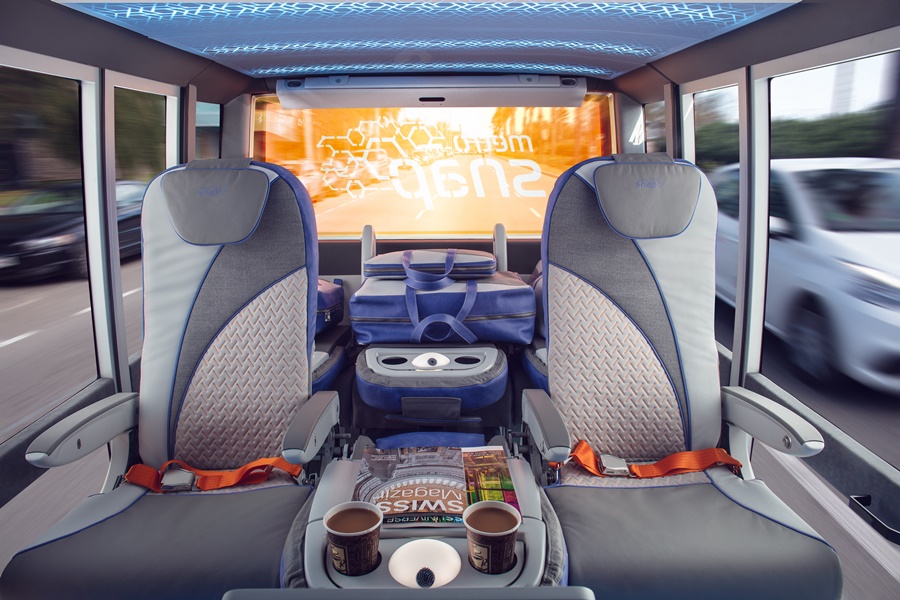
Modular vehicles can help solve many of the problems and questions posed by modern mobility. Due to the flexible use of different vehicle bodies, these vehicles not only reduce the number of tremendously expensive and systemically short-lived automated vehicles, they also satisfy – depending on the time of day and current needs – the different transport requirements of people and goods.

Thanks to the unique swapping system – inspired by aviation, and tried and tested there around the world in all weather conditions – entirely new applications become possible.  Among other things, the desired service now comes to the customer quickly and simply, regardless where he or she may be at the time – at home or at work.

2020 Rinspeed MetroSnap

2020 Rinspeed MetroSnap

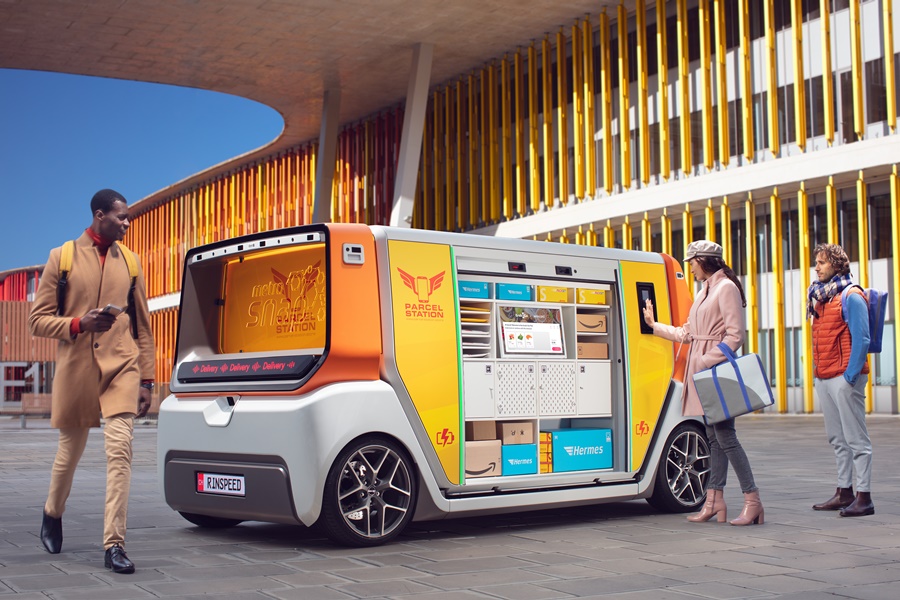
This can be customer-accessible parcel stations that are dropped off in the customer’s neighbourhood for a certain period. Even combinations with a ‘corner health food shop’ are conceivable. Limited business hours, long drives and the endless and unpopular courier caravans are thus things of the past.

Quite as an aside: no more unattended packages, no more thefts and failed delivery attempts – and no more associated pollution and traffic burden. And the really great thing about it is this innovative way of getting parcels to the customer faster and easier can already be used today with a human driver. Parcel stations on wheels, right around the corner.
2020 Rinspeed MetroSnap

2020 Rinspeed MetroSnap

2020 Rinspeed MetroSnap

Because the batteries are split up between the Pod (vehicle body) and the Skateboard (chassis), the vehicle does not need to be parked for charging. The charging process takes place without wasted time while cleaning or loading the Pod in a process referred to as ‘Hot Swap’. The swapping of the vehicle bodies, including the batteries, takes place in a matter of seconds and the vehicle is ready to go almost as quickly as a racing car after a pit stop.

The unique MetroSnap EV concept, which fuses together smart city, supply chain and passenger transport, is meeting with very strong interest in the industry even before its actual premiere. It is full of technical and visual treats contributed by a reputable network of companies from around the world.

Volkswagen tries a new approach to recharging EVs in carparks (w/VIDEO)

PISTON.MY

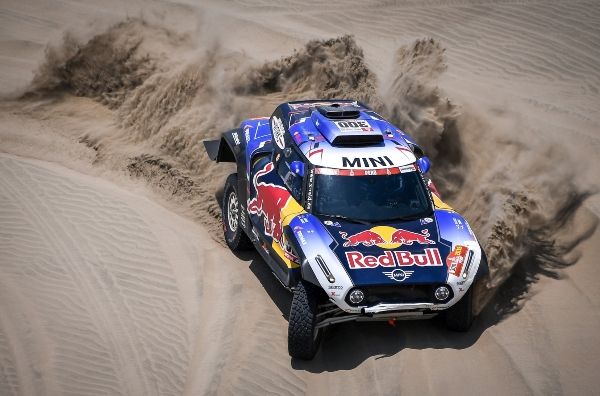
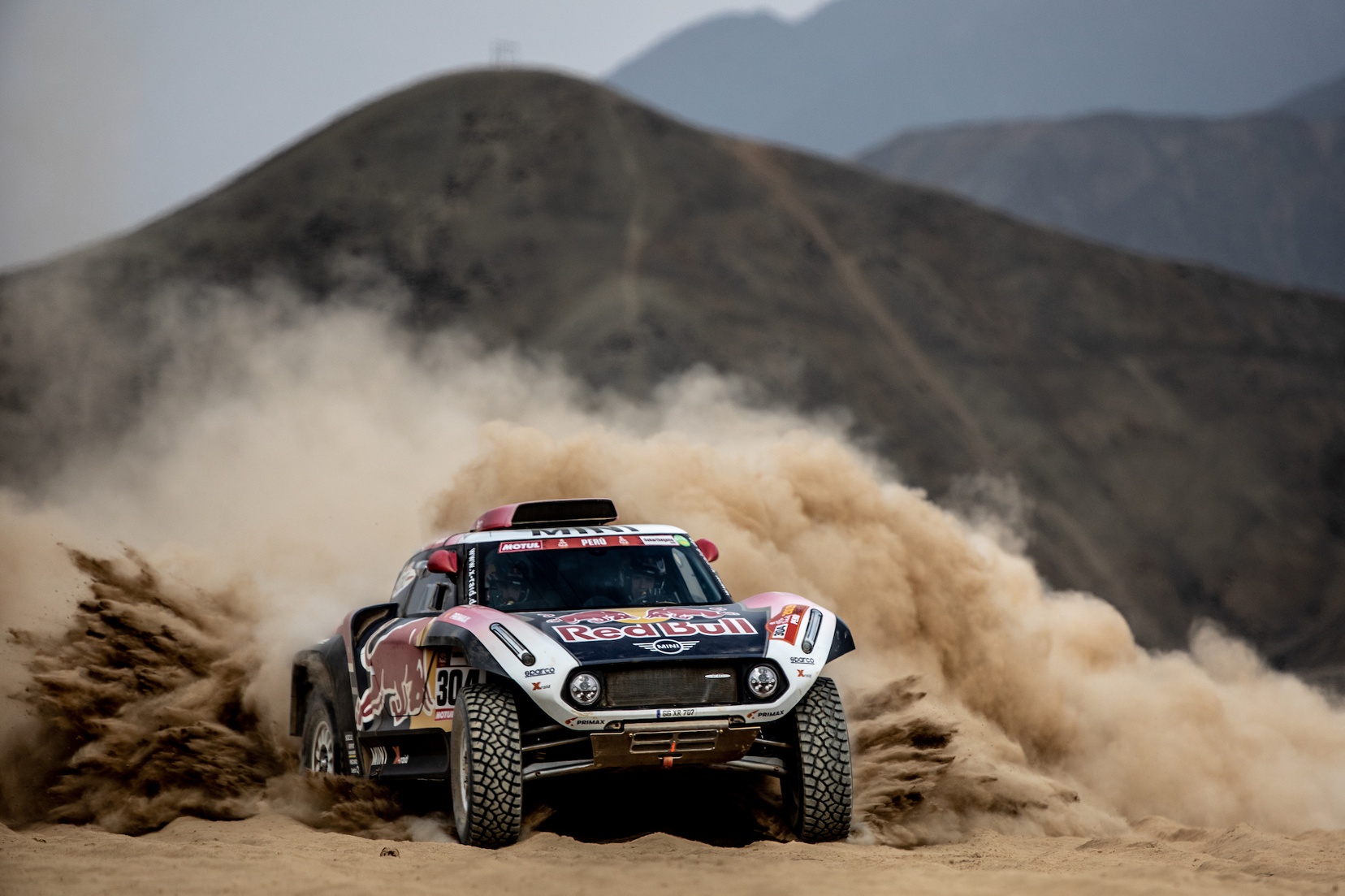
The 2020 Dakar Rally will take place on the Arabian Peninsula for the first time from tomorrow (January 5) till January 17. Among the entries are a total of nine MINI racing cars, of which two are Dakar icons in the MINI JCW buggy.
Dakar record winner Frenchman Stephane Peterhansel and co-driver Paulo Fiuza are aiming for his 14th overall Dakar success. The two-time winner and former World Rally Champion Carlos Sainz will also be in the further developed MINI JCW buggy and the support of MINI Motorsport partner X-raid.

MINI 2020 DAKAR RALLY

The 2020 Dakar Rally will have 12 competitive stages which will total around 5,000 kms through desert. The event will cover some 7,500 kms from Jeddah via the Saudi Arabian capital, Riyadh, to Al-Quiddia.

“After many years in South America, 2020 will see us not only go to a completely new region but also ‘back to the ‘roots’ again. Long special tests, many kilometres and lots of new experiences: that’s what awaits us in Saudi Arabia. It will be a tough Dakar for sure, and hopefully our MINI vehicles will prove their reliability as always,” said Sainz.

“It will be a new challenge for everyone. A few weeks ago, I saw new landscapes and completely different routes in the small Baja around Riyadh, very quickly, but beautiful. I look forward to it!” said Peterhansel.

MINI 2020 DAKAR RALLY

Peterhansel has an amazing record of winning the Dakar 13 times – 6 times on a motorcycle and 7 times in 4-wheelers. This includes the first joint victory of MINI and X-raid 2012 in MINI ALL4 Racing and the title defence the following year. He actually wanted to contest the Dakar 2020 for the first time with his wife, Andrea, who had previously been a successful rally driver. She had earlier navigated her husband to the FIA ​​World Cup title for cross-country rallies in 2019.

Two other MINI JCW rallycars will be used by X-raid driver Vladimir Vasilyev with Vitaly Yevtyekhov and Saudi Arabian hero Yasir Seaidan with co-driver Alexey Kuzmich. Outside the X-raid team, Denis Krotov/Dmitry Tsyro and Vaidotas Zala/Saulius Jurgelenas will be working hard to finish with good results in their MINI JCW Rallycars.

Dakar 2020
The 2020 Dakar Rally is running for the first time in Saudi Arabia. It will have 12 competitive stages which will total around 5,000 kms through desert. The event will cover some 7,500 kms from Jeddah via the Saudi Arabian capital, Riyadh, to Al-Quiddia.

2020 MINI John Cooper Works has 306hp! From RM358,888

PISTON.MY

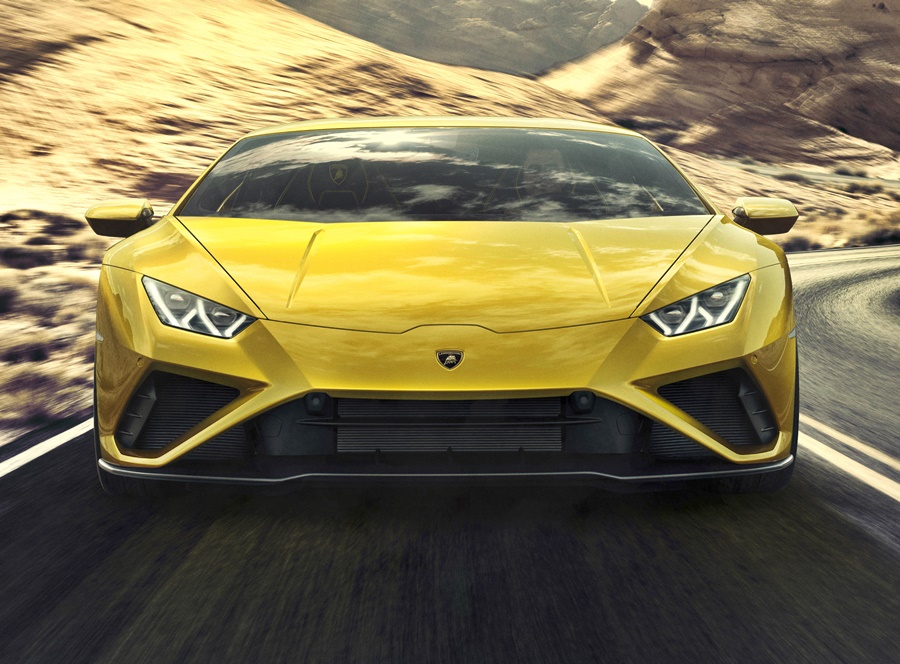
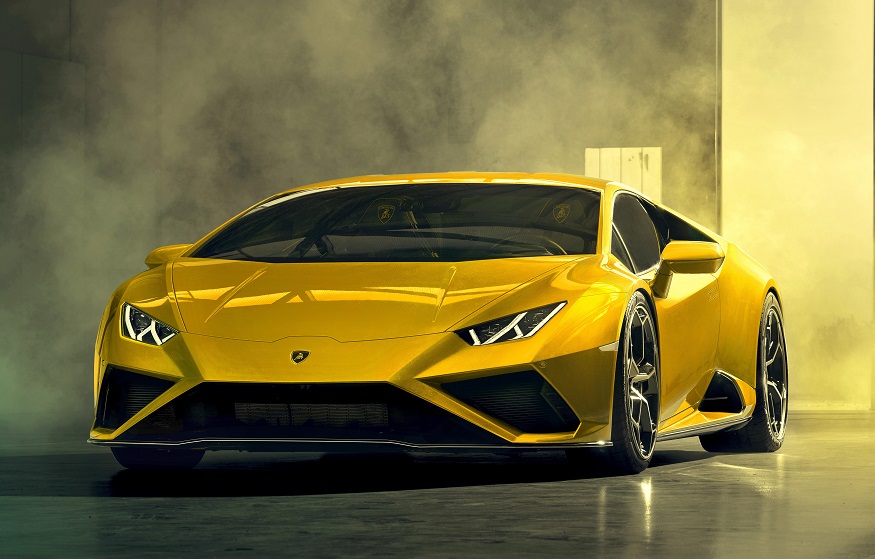
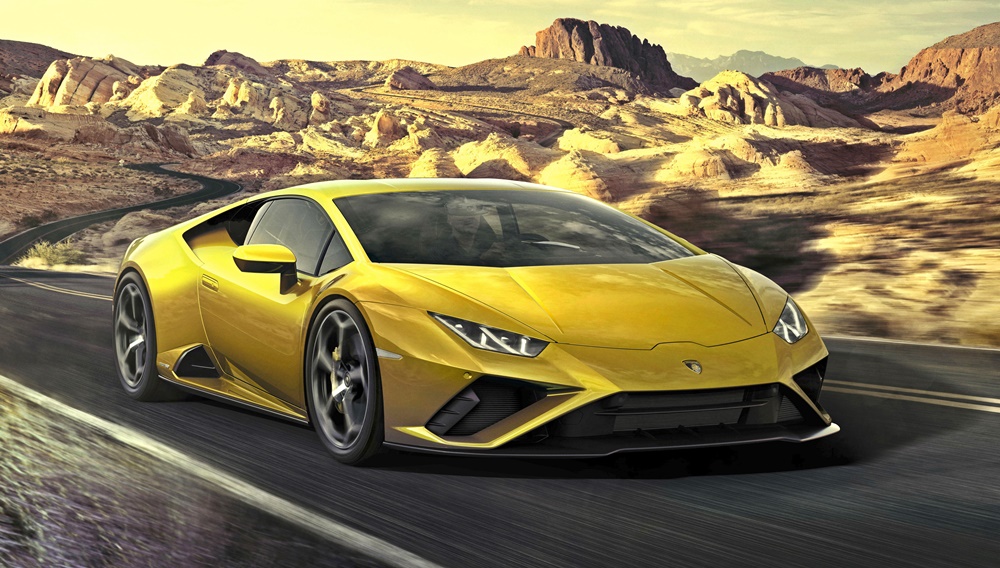
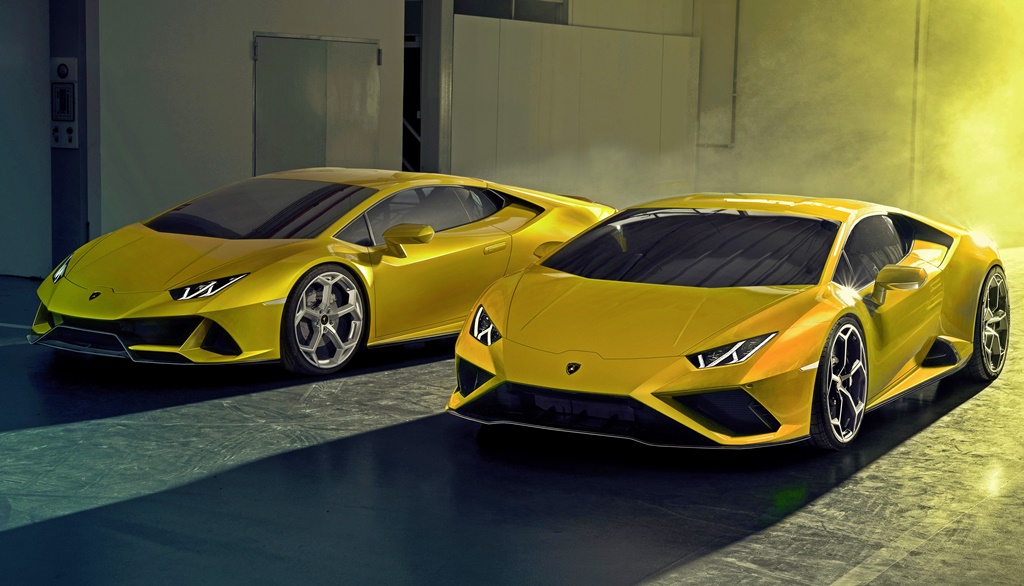
Lamborghini starts off the new year with the announcement of the Huracan EVO Rear-Wheel Drive (RWD), a model it has developed for purists. Despite blistering performance numbers, Lamborghini says the Huracan EVO RWD is not focused on straight-line speeds or lap records: it proclaims its designation as an instinctive driver’s car.

2020 Lamborghini Huracan EVO RWD

“The Huracan EVO rear-wheel drive puts the car in the driver’s hands: the driving experience is delivered by the hardware,” said Stefano Domenicali, Chairman & CEO of Automobili Lamborghini. “This car reminds the driver of Lamborghini’s pure engineering origins: the driver is at the centre of the Huracán EVO RWD’s performance, with unfiltered feedback and an emotive and more engaging driving experience controlled by the driver.”

He explained that the supercar’s performance relies on the harmony between man and machine.: “Driving skills and the Huracan EVO’s RWD mechanics deliver perfectly balanced dynamics, physical feedback and a pure performance. The Huracán EVO RWD enhances the V10 Huracán line-up with a model appealing to brand newcomers as well as those seeking sublime driving fun,” said Domenicali.

2020 Lamborghini Huracan EVO RWD

The Huracan EVO RWD delivers 610 bhp of power at 8000 rpm and 560 Nm of torque at 6500 rpm. Weighing just 1,389 kgs, this output enables a claimed top speed of 325 km/h with 100 km/h reached just 3.3 seconds after take-off.

The V10 engine delivers more than just power to the rear-wheel drive set-up: the sound of the naturally aspirated powerplant combines with the specially tuned traction control system to deliver the most emotive, fun-to-drive experience in both dry and wet conditions, and even snow.

2020 Lamborghini Huracan EVO RWD

New Performance Traction Control System
The new Performance Traction Control System (P-TCS) is calibrated specifically for rear-wheel drive, delivering torque even during the phase where the car is realigning following drifting or side-slipping. Whereas a ‘normal’ traction control system delivers a sharp decoupling, waiting for a car to become completely stable before delivering torque again, the P-TCS car delivers torque in advance, avoiding a harsh torque cut and assuring better traction when exiting a corner.

The P-TCS intervention is calibrated according to the Huracan EVO RWD’s driving modes, selected via the steering wheel’s ANIMA button (Adaptive Network Intelligent Management: ‘soul’ in Italian). In STRADA, the P-TCS minimizes rear wheel slippage to ensure stability and safety in all conditions: with a more proactive strategy P-TCS manages torque delivery on low-adhesion surfaces.

In SPORT mode, the P-TCS maximizes the fun-to-drive experience: the rear wheels can slide and skate during acceleration, for easy drifting fun without compromising safety. The system recognizes conditions where the angle of oversteer increases rapidly and limits torque delivery to the rear wheels, allowing the driver to perfectly control and stabilize the car.

2020 Lamborghini Huracan EVO RWD

In CORSA, the P-TCS is calibrated to achieve the rear-wheel slip that optimizes the car’s traction and agility when exiting a corner, allowing the driver to maximize performance. The P-TCS improves smoothness of intervention by 30% compared to the previous Huracán RWD model; improves corner-exit traction by 20% and enhances oversteer by 30%.

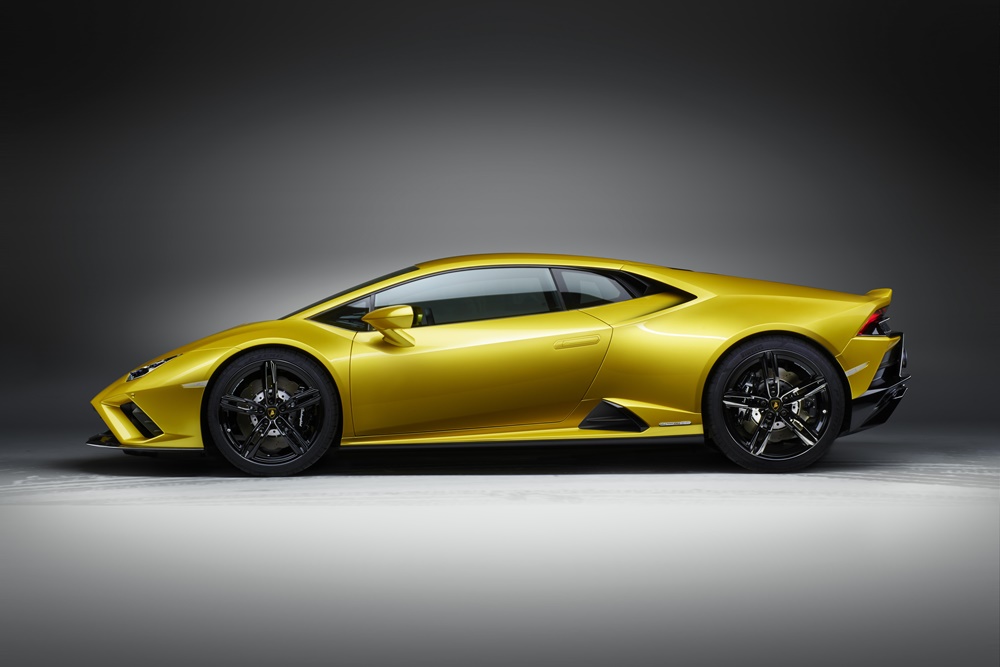
The hybrid chassis integrates lightweight aluminium and carbonfibre with an aluminium and thermoplastic resin body. The Huracan EVO RWD sits on double wishbone suspension with overlapped quadrilaterals and passive shock absorbers and has front/rear weight distribution of 40:60.

The electro-mechanical, servo-assisted Lamborghini Dynamic Steering (LDS) is tuned specifically for this car, ensuring maximum feedback. The7-speed dual clutch gearbox is said to give the fastest gear changes, with launch control for maximum acceleration from a standing start. The 19-inch Kari rims with specially-developed Pirelli P Zero tyres are fitted with ventilated and cross-drilled steel brakes. As an option 20-inch rims and carbo-ceramic brakes are available.

2020 Lamborghini Huracan EVO RWD
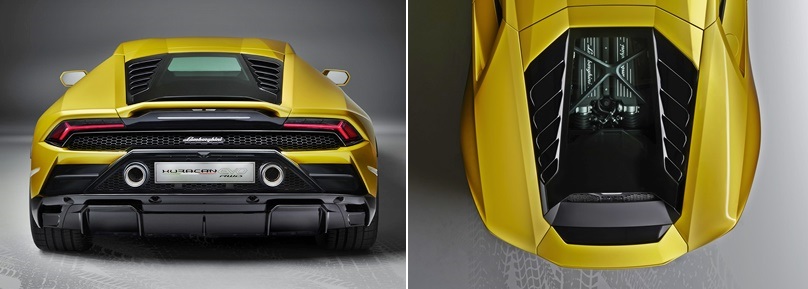
Huracan EVO RWD (left) and the Huracan EVO.

Fresh design
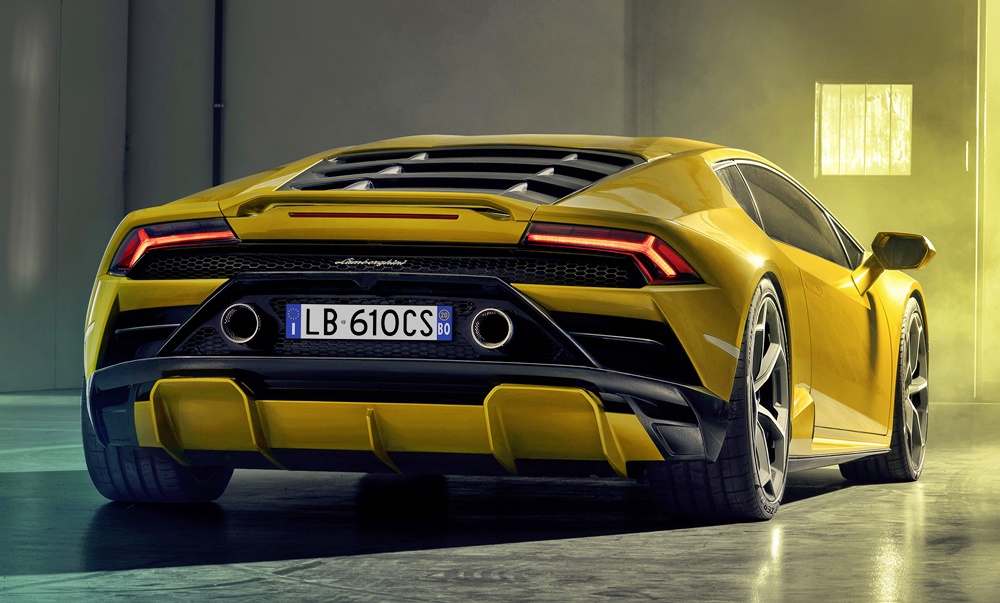
The Huracán EVO RWD continues the V10 Lamborghini’s design language with new front and rear features, clearly differentiating it from its 4WD stablemate. The RWD version is characterized by a sculpted, purposeful persona, complemented by a new front splitter and vertical fins within the larger, framed front air intakes. The rear bumper in high gloss black incorporates a new diffuser unique to the Huracán EVO RWD.

Inside, the cockpit features an HMI 8.4-inch touchscreen in the centre console of the car, controlling all aspects of the car’s functions as well as managing full connectivity such as telephone calls, internet access, and including Apple CarPlay.

2020 Lamborghini Huracan EVO RWD

Both inside and out, Lamborghini’s Ad Personam program provides many options for colour and trim personalization. In order to emphasize the shape of the car, the new colour known as Giallo Belenus (yellow) has been developed together with a dedicated leather and Alcantara colour for the interior trim, matching the new exterior paint.

The first customers will take delivery of the new Lamborghini during this quarter and for those who are buying it in the UK, the price is 137,000 Pounds, equivalent to around RM735,580.

Sian – Lamborghini’s first production hybrid super sportscar

PISTON.MY


Since the beginning of the computer age and the use of electronic systems in cars, the driver and passengers have been interacting with more and more advanced technologies. These technologies have enhanced safety while making the travel experience more comfortable and pleasant.

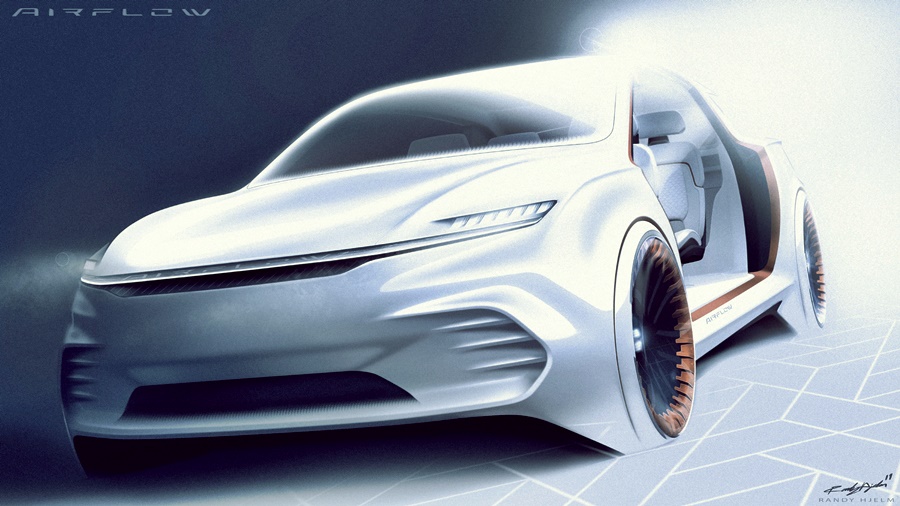
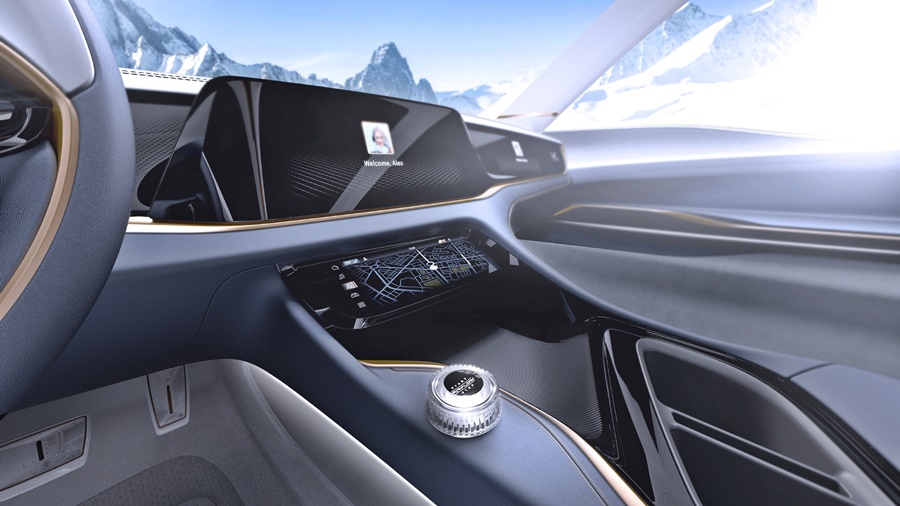
With the Airflow Vision concept, Chrysler envisions the next generation of premium transportation and UX (user experience). It is created for people with an on-the-go lifestyle and a desire for a first-class travel experience while balancing their technology needs.

2020 Airflow Vision

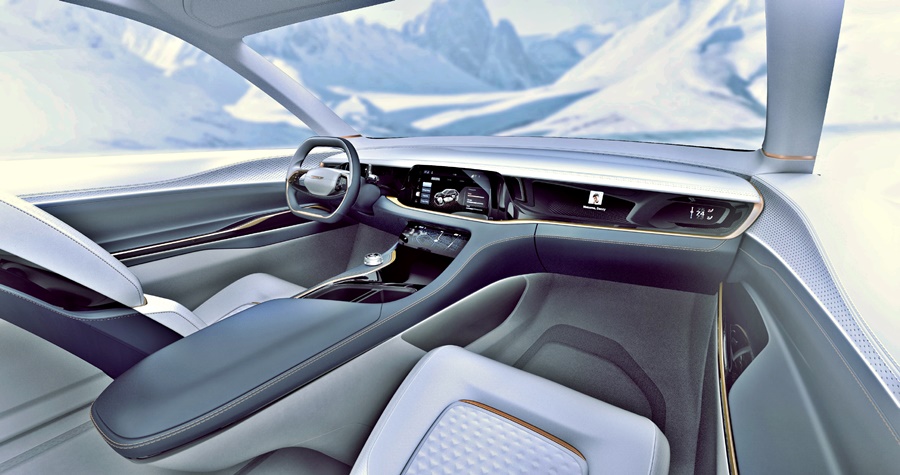
Inside, UX plays a prominent role and is designed to be a captivating experience using multi-layered, high-contrast graphics and thoughtful details that provide a clean, sophisticated appearance. Built on the principles of depth, hierarchy, consistency and legibility, the user will be able to see and experience the interface in a way that is safe, easy to use and understand.

Using a menu-based format, screens can be personalized, simplified and grouped to individual needs and interests. Offering multiple display screens, the user can access needed information and determine how it’s displayed. Information on the screens can be shared with all passengers by swiping, allowing each passenger to participate in the experience. Customization and personalization are key, whether driving or acting as a ‘co-pilot’.

2020 Airflow Vision

2020 Airflow Vision

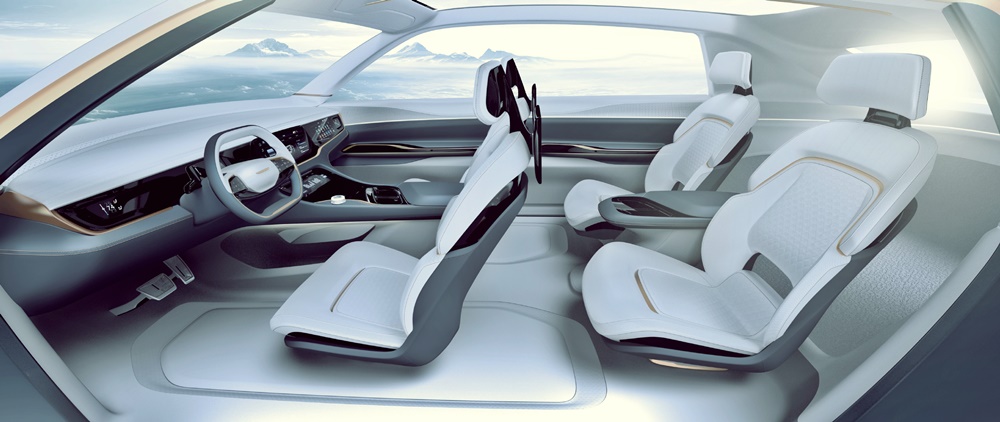
A simple, modern and spacious interior, accented by a light, calming colour palette, offers passengers a home away from home environment and a first-class travel experience. Using the dimensions and flat-load floor of the Chrysler Pacifica PHEV, the interior creates a spacious environment for all occupants. Premium suede and leather materials are abundant, offering luxurious touchpoints to its occupants.

The seating uses a unique slim structure that rests on a pedestal base, enhancing comfort and roominess and allowing for maximum legroom, shoulder space and personal storage for each passenger. Functional and ambient lighting enables the driver and passengers to create a personalized inner sanctum.

2020 Airflow Vision

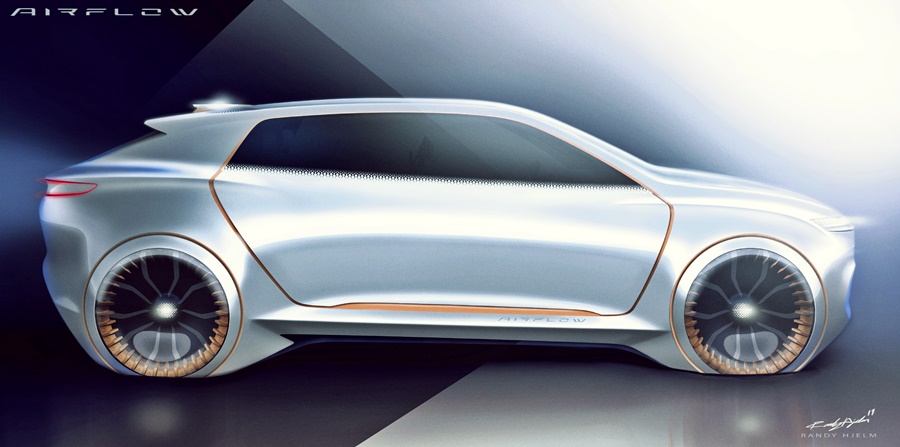
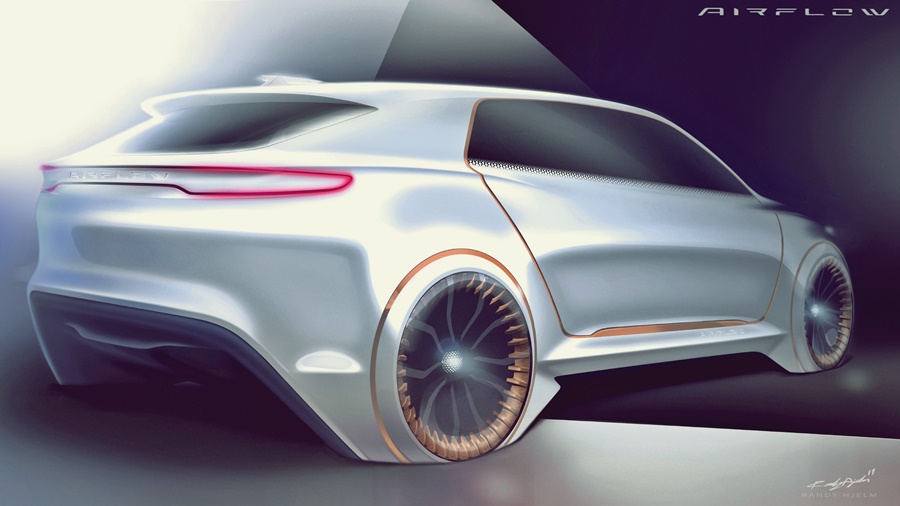
The Airflow Vision’s styling captures a new proportion with an elegant and clean design statement, and hints at the future of premium design. It has an athletic profile, long wheelbase, sleek lines and wide stance that creates a dramatic persona and aggressive, yet elegant silhouette.

Simplified to its purest artistic expression, the Airflow Vision reimagines a muscular body that flows into and becomes one with the wheels. The wheels are inspired by mechanical elements of an electric motor and give the sense of motion similar to the internal mechanisms of a watch.

2020 Airflow Vision

‘Crystalized’ textures throughout the vehicle add a sense of precision and intricate transition from exterior to interior. LED crystal lighting flows seamlessly into a cross-car blade that conveys a commanding presence. The Airflow Vision’s dramatic expression is completed by an Arctic White body colour that conveys a sense of calm and serenity and is supported with a Celestial Blue underbody.

As with many concept cars at motorshows, the underlying aim is to show new ideas and features to the public and see how the response is. With the Airflow Vision, the focus is largely on the digital interior and some elements could appear in future models of the Chrysler, Fiat… or even Groupe PSA brands.

Will Alfa Romeo be allowed to live under the new FCA+PSA merger?

PISTON.MY

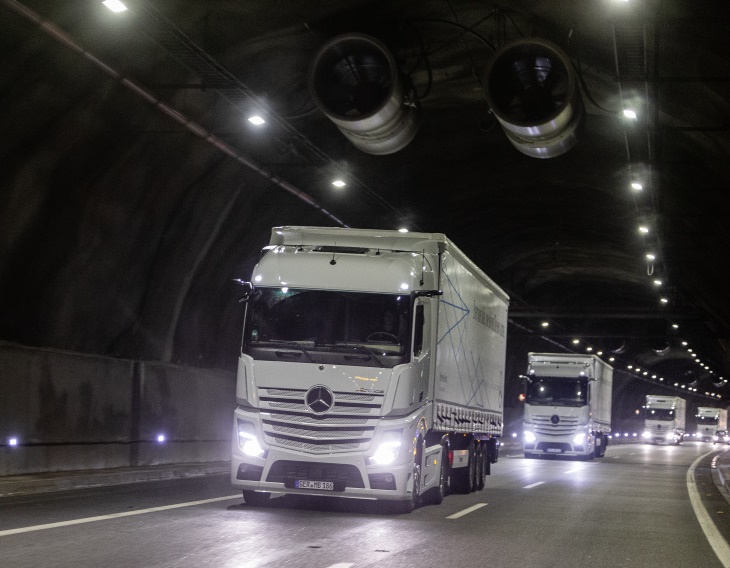
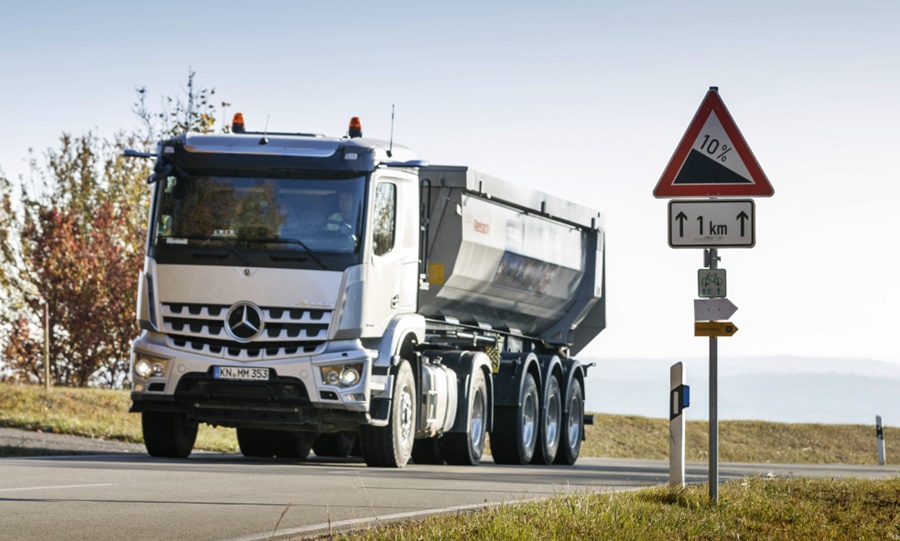
TomTom, Bosch and Daimler have announced their joint work on Daimler’s Predictive Powertrain Control (PPC), an advanced driver assistance system (ADAS), or smart cruise control, for commercial vehicles. Trucks can use TomTom’s highly-accurate ADAS Map and Bosch’s electronic horizon to automate driving functions on highways and, in Europe, on inter-urban roads too. The system is claimed to lead to a fuel reduction of up to 5% per vehicle, which delivers lower carbon dioxide emissions.

PPC

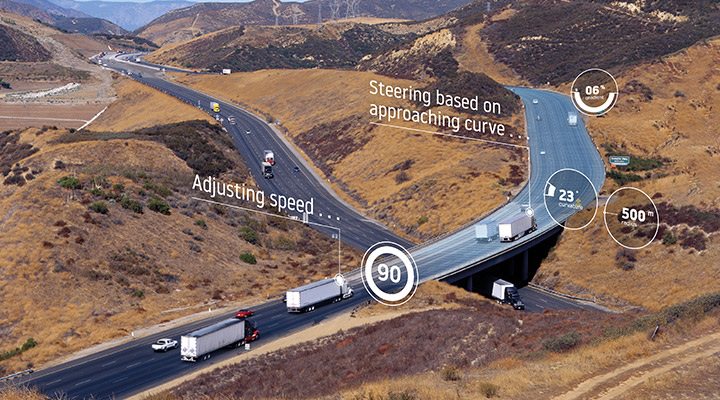
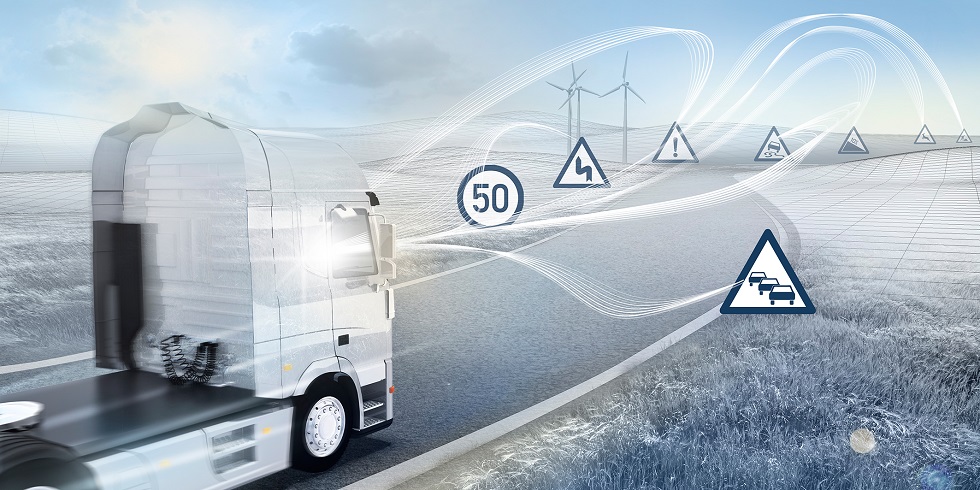
As the first smart cruise control system in commercial vehicles, PPC actively controls engine, brakes, and automated transmission. Thanks to TomTom’s ADAS map, the system is familiar with the topography, curvature, speed limit (including truck-specific speed limits) and traffic signs, meaning it can respond in a manner that delivers the most fuel-efficient performance.

Bosch electronic horizon
The Bosch electronic horizon provides data on road inclines and the sharpness of bends to complement navigation data.

Bosch’s electronic horizon is used to integrate knowledge of the road ahead into the driving strategy of the new Mercedes-Benz Actros. It provides required map data per ADAS protocol in a new and innovative way allowing relaxed, safe and efficient driving.

An anticipatory cruise control system, PPC is available as a retrofit solution across Europe for the new Actros, the Antos and the Arocs. PPC reduces fuel consumption by up to 5%, thereby contributing demonstrably to the lowering of the total operating costs of a truck.

PPC

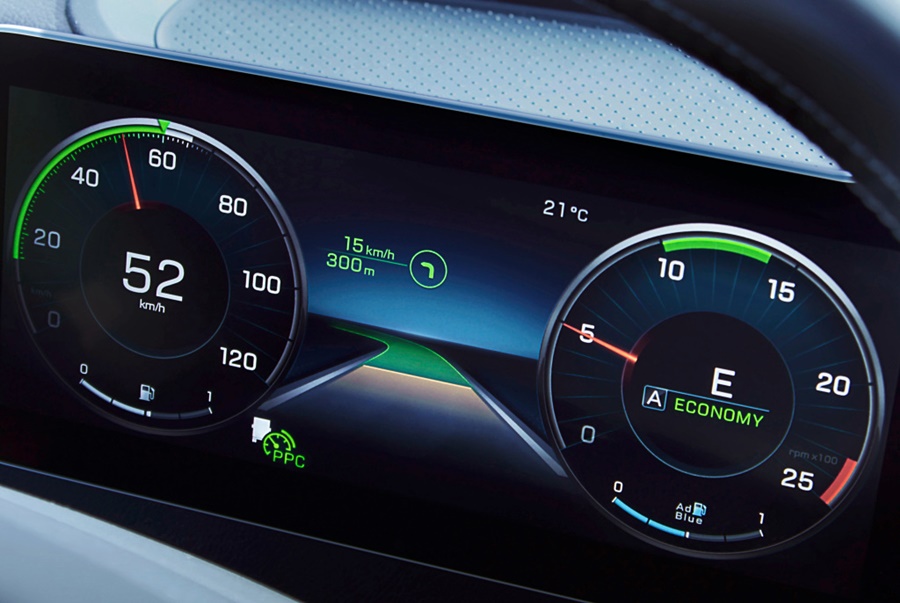
As a GPS cruise control system, PPC not only regulates the vehicle speed. On the basis of 3-dimensional maps, the system uses peak momentum gained on downhill gradients, throttles back in good time when cresting hills, intervenes in the gearshift strategy and, not least, uses the transmission’s neutral EcoRoll position to minimise fuel consumption.

This leads to a predictive style of driving based on perfect, round-the-clock knowledge of the route and vehicle. It has digital 3D maps stored which cover around 300,000 kms of roads: this equates to 95% of all European trunk roads.

PPC

Based on a typical annual mileage of around 130,000 kms in long-distance operations and a fuel-saving of 5%, PPC pays for itself within 8 months, depending on fuel consumption, even low fuel prices.

MirrorCam brings digital imaging to Mercedes-Benz trucks

PISTON.MY

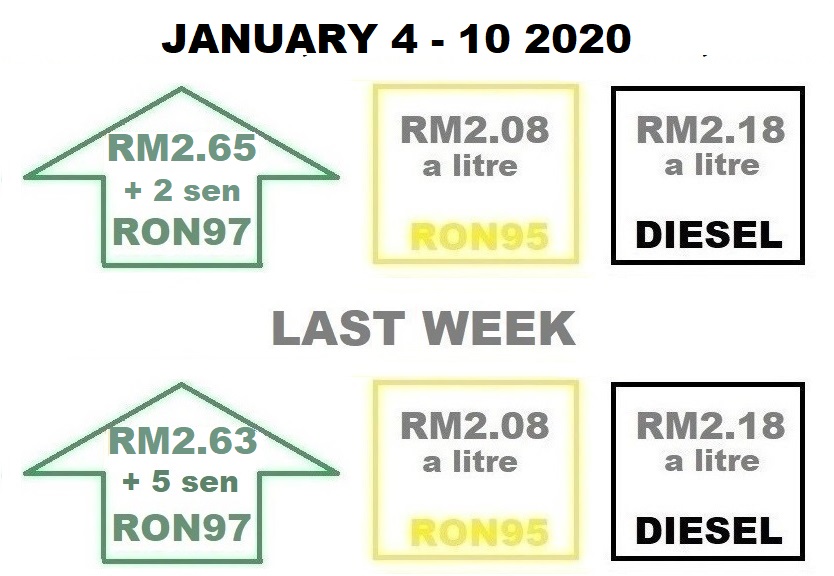
040120 - 100120

Fuel subsidies
For the Euro5 diesel grade, another 10 sen is added per litre.

PISTON.MY

Archive

Follow us on Facebook

Follow us on YouTube