Piston.my

Latest News

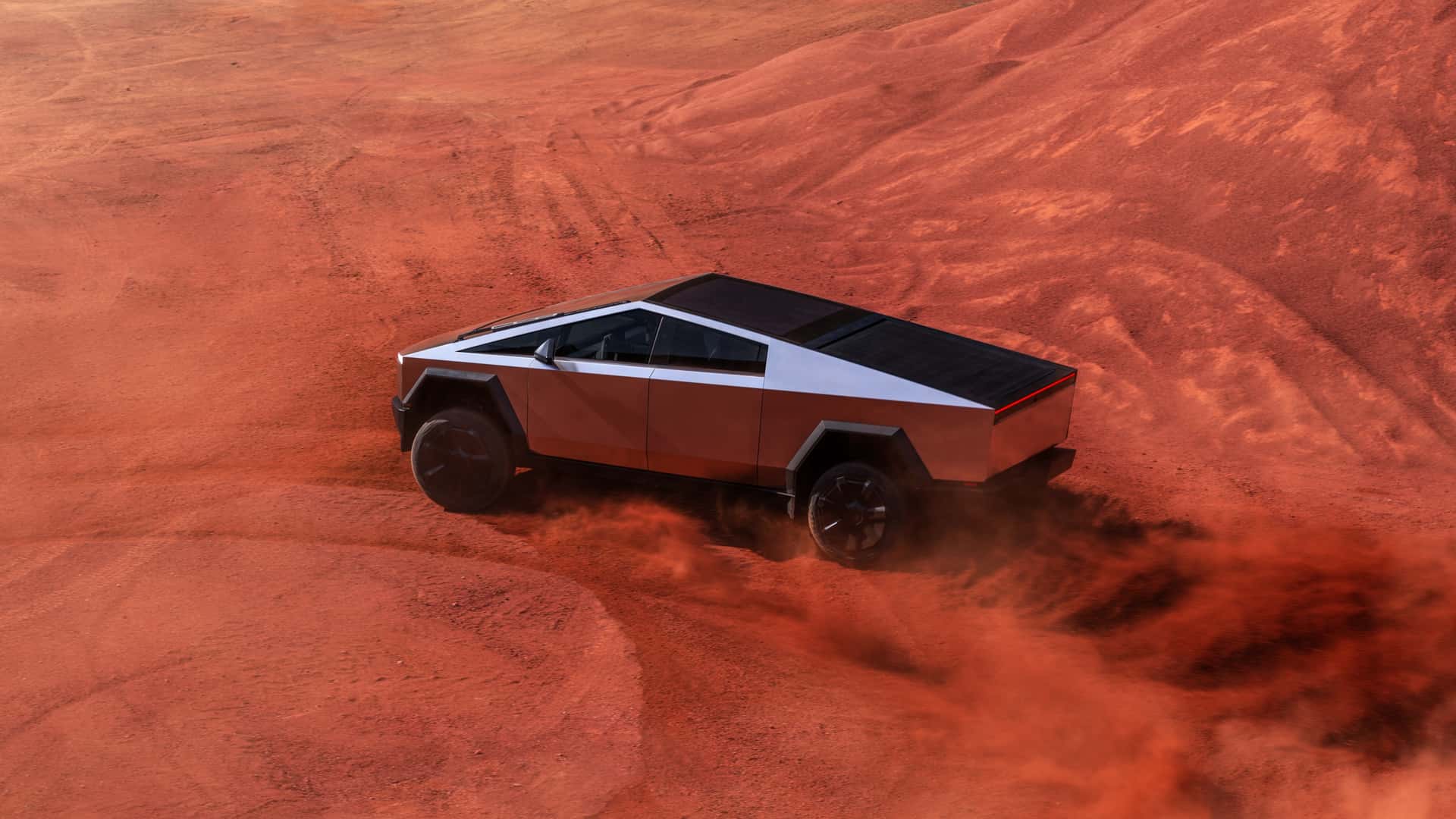
In recent days, a wave of complaints has surfaced on social media platforms from newly minted Cybertruck owners, alleging the emergence of rust spots on their pristine electric vehicles, which come with a hefty price tag of up to $99,900 (RM478,121). One owner went as far as claiming they were forewarned upon delivery that their truck might succumb to rust when exposed to rain.

A member of the Cybertruck Owners Club forum voiced their concern, recounting how an advisor had cautioned them about the possibility of the Cybertruck developing orange rust marks in wet conditions, necessitating buffing to rectify the issue.
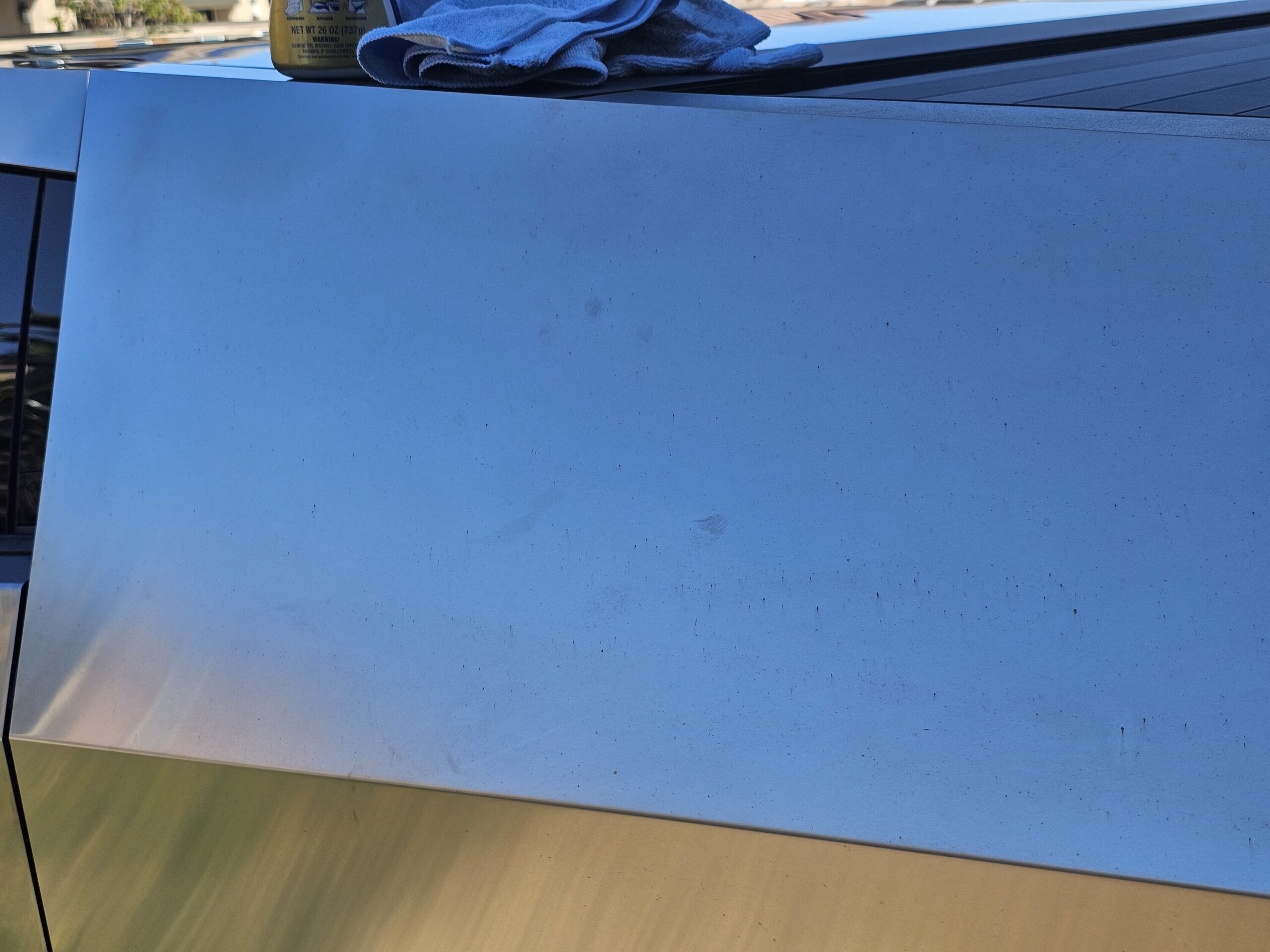
Wes Morrill, an engineer associated with the Cybertruck, took to X to address these rust-related grievances. He clarified that the reported specks of rust were minuscule, akin to the size of a “pinhead,” and emphasised that they did not originate from the stainless-steel body of the vehicle.

In his post, Morrill elucidated that the rust-like spots were attributed to surface contamination rather than inherent metal rusting. He shared insights on how to mitigate these orange blemishes, attributing them to metal particles that might have accumulated during manufacturing or transportation, particularly via railways. With over 13 years of experience at Tesla, as indicated by his LinkedIn profile, Morrill referenced a pertinent YouTube video to corroborate his explanation.

“Good myth busting. Stainless is reactive and free iron that sits on it will rust,” remarked the Cybertruck engineer. “It’s surface contamination only and can be cleaned off easily.”

Tesla’s CEO, Elon Musk, seemingly validated Morrill’s assertions by responding with a succinct “Yeah” to the post.

Stainless steel, largely avoided by automakers due to its shaping challenges and susceptibility to smudging, marks a departure from convention with the Cybertruck. Notably, it stands as the first production vehicle since the Delorean in 1983 to boast a stainless-steel construction, underscoring Tesla’s penchant for innovation amidst manufacturing challenges.
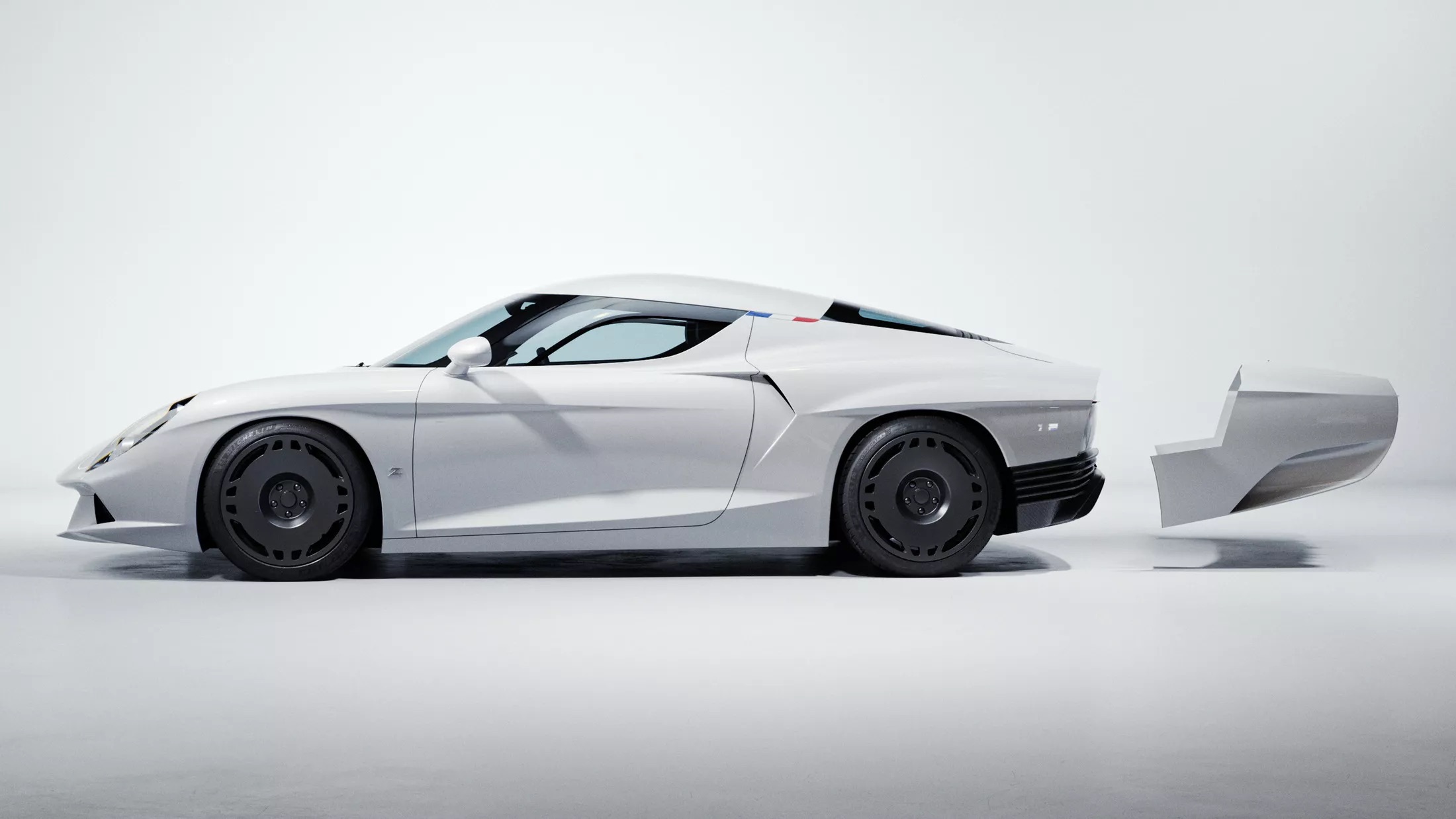
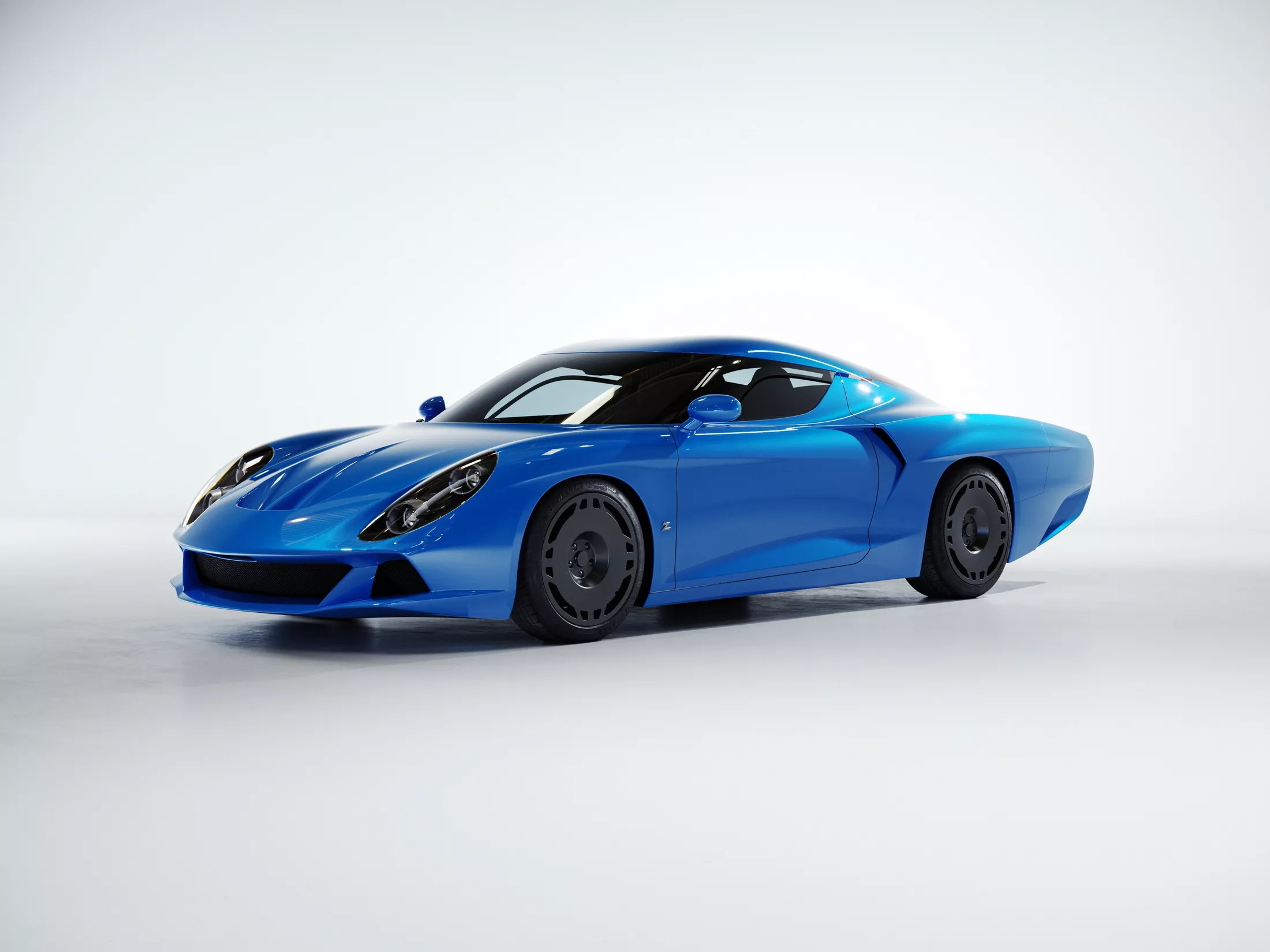
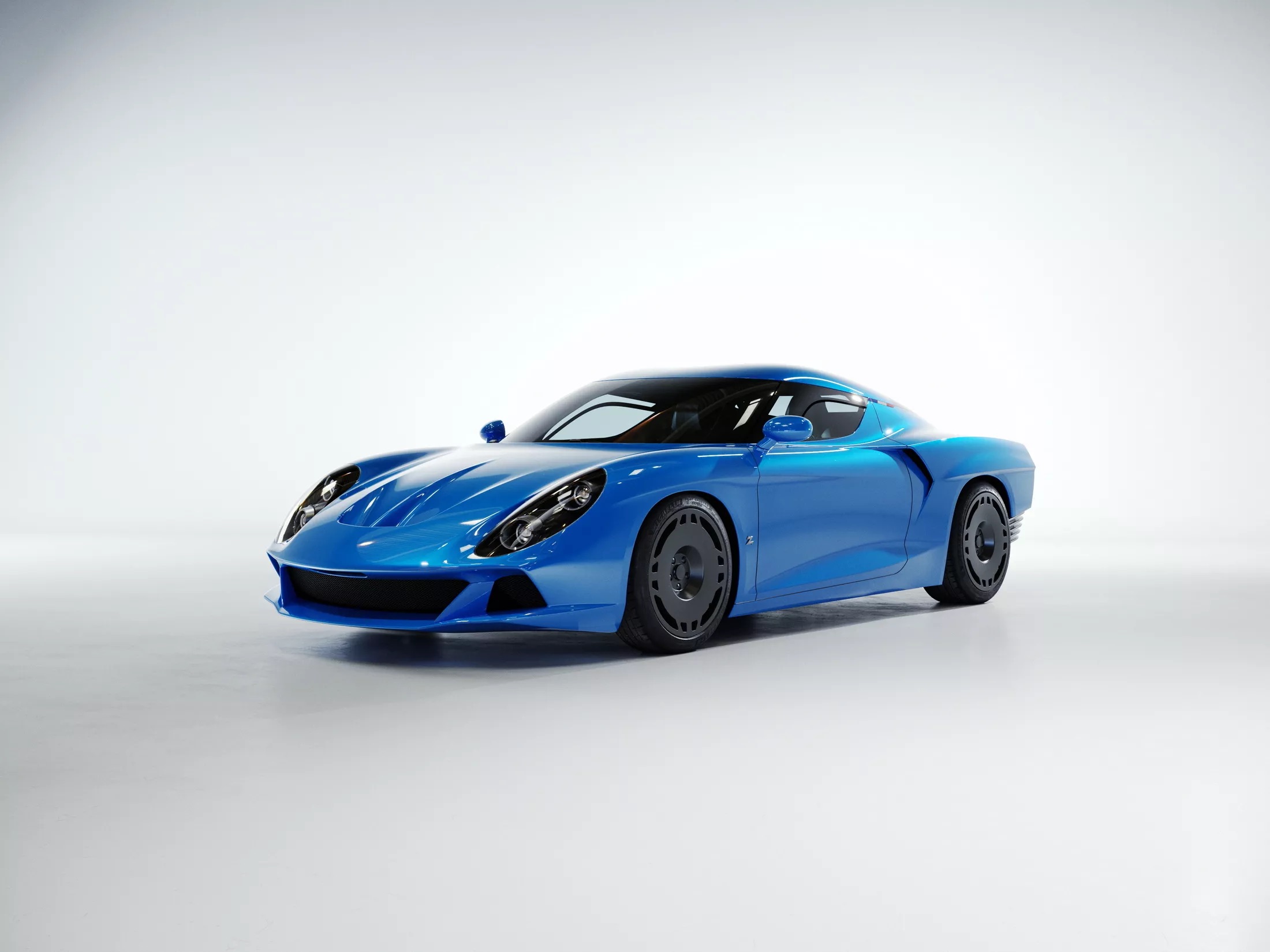
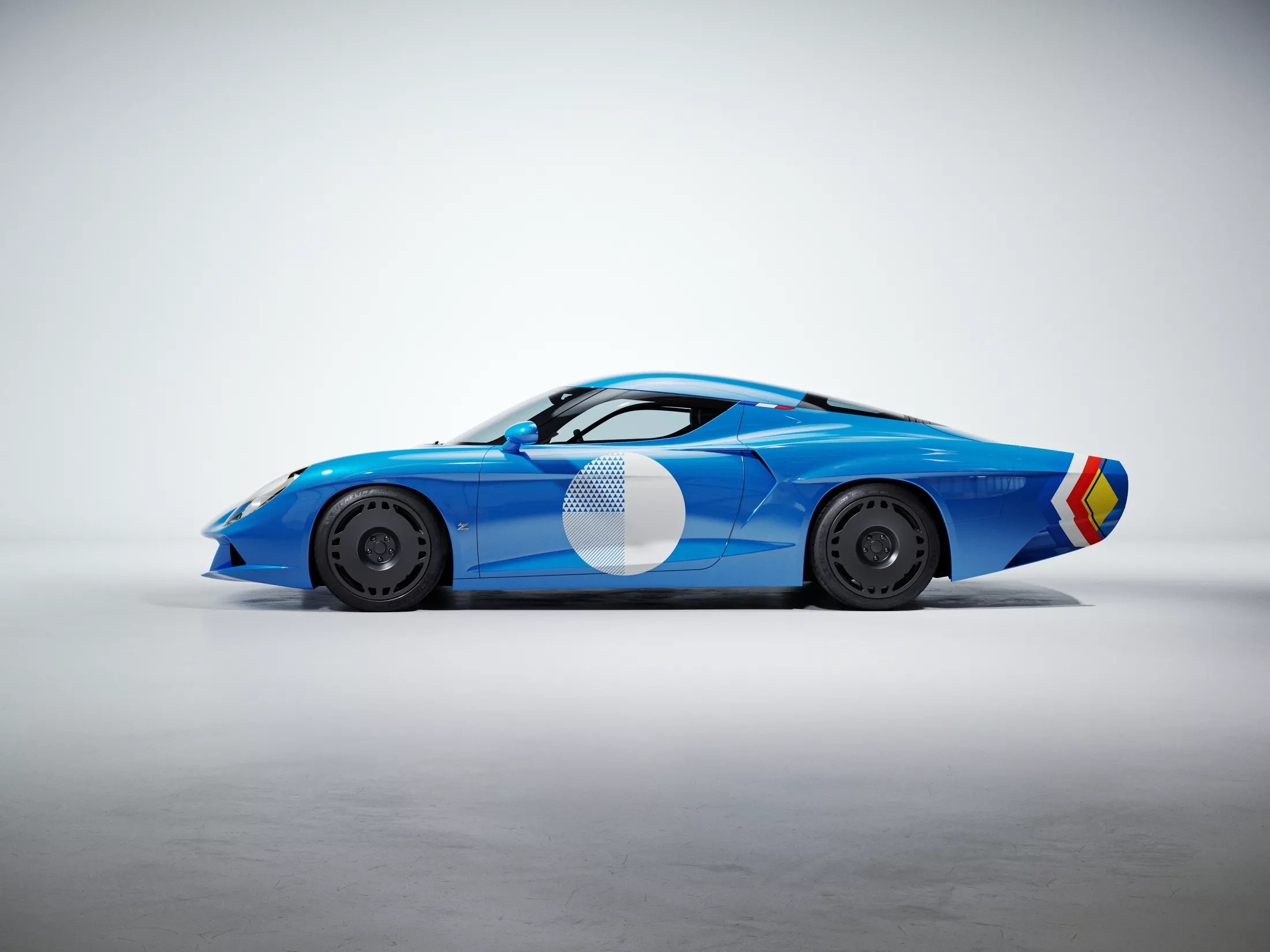
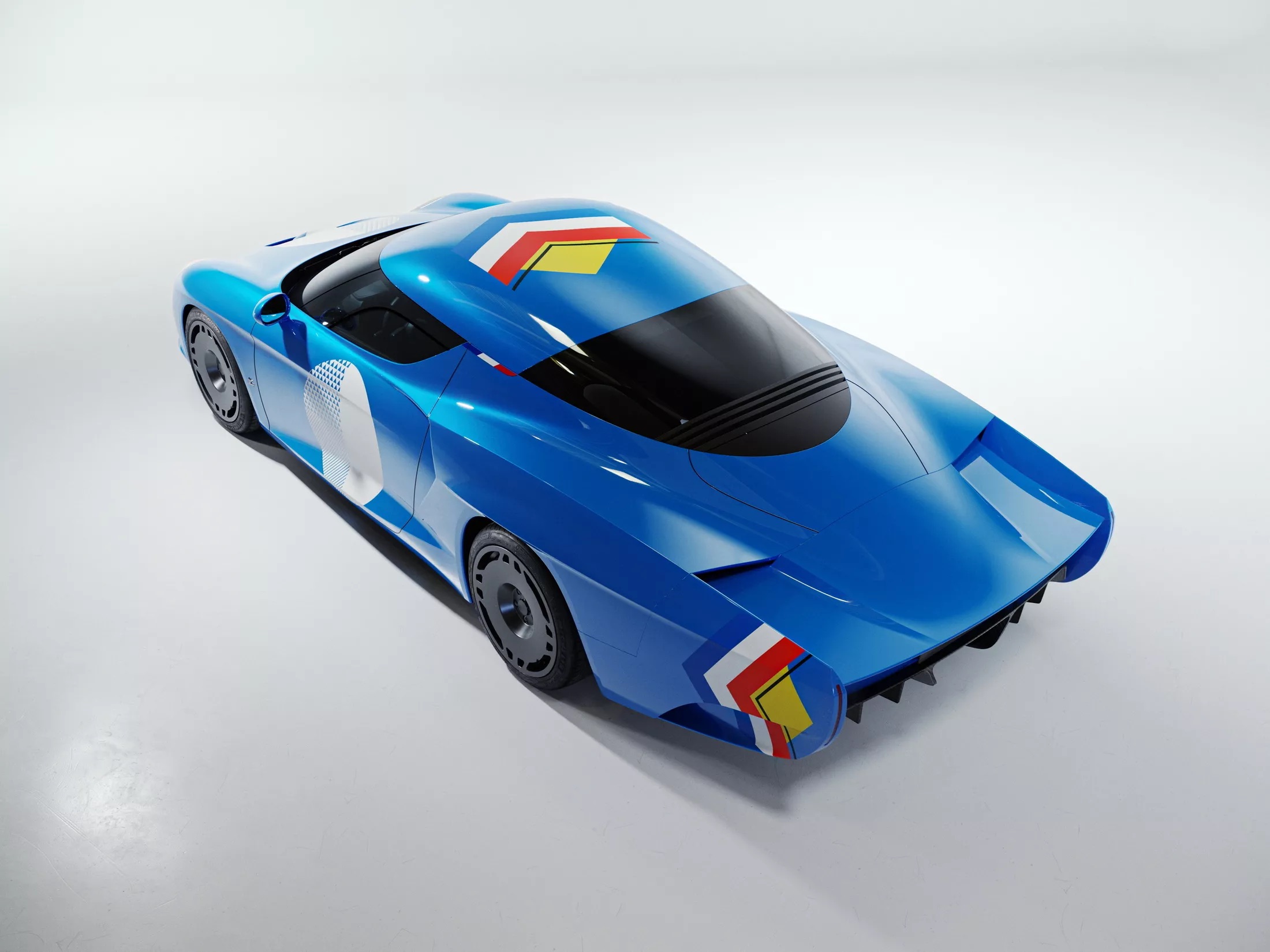
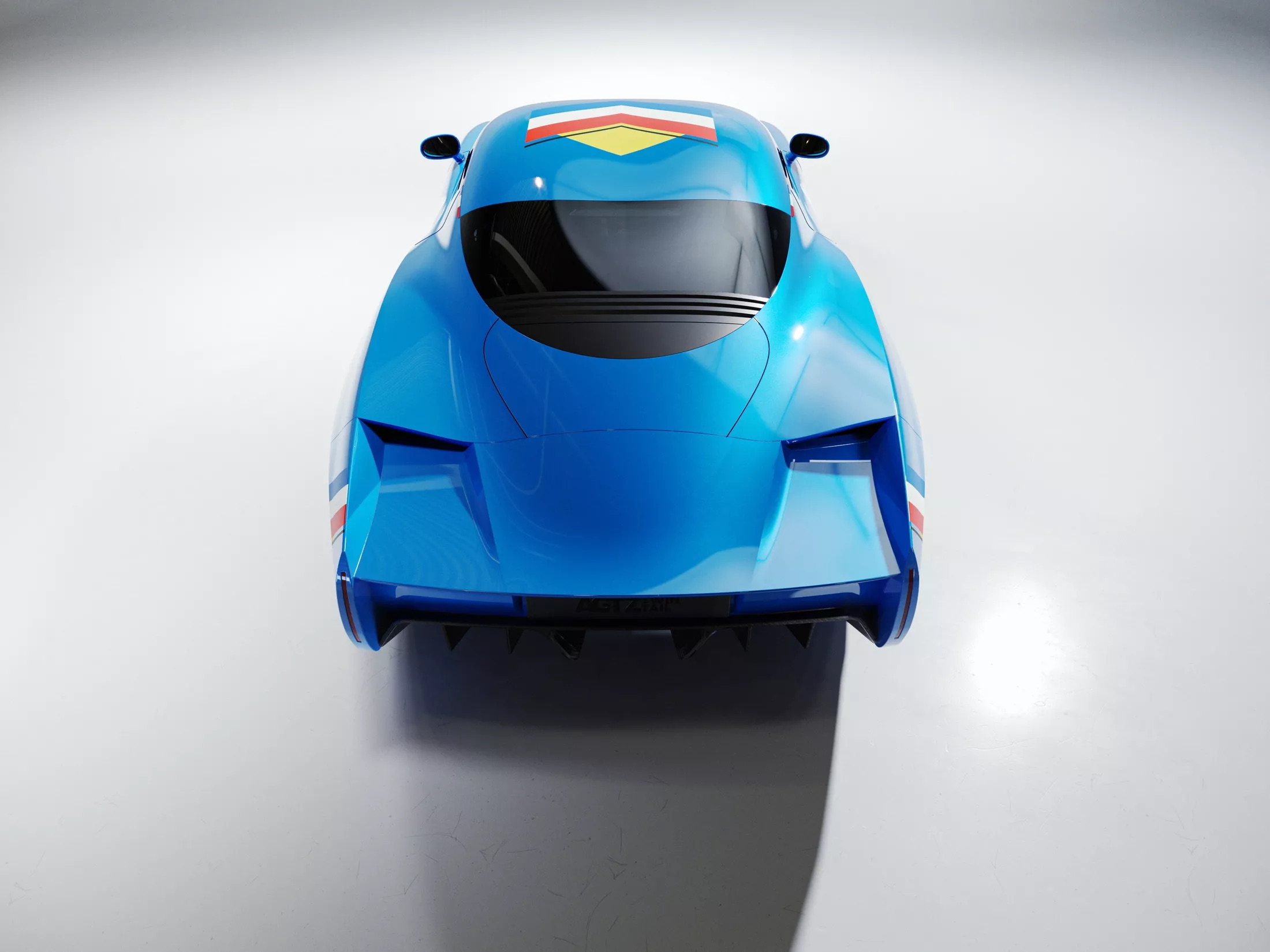
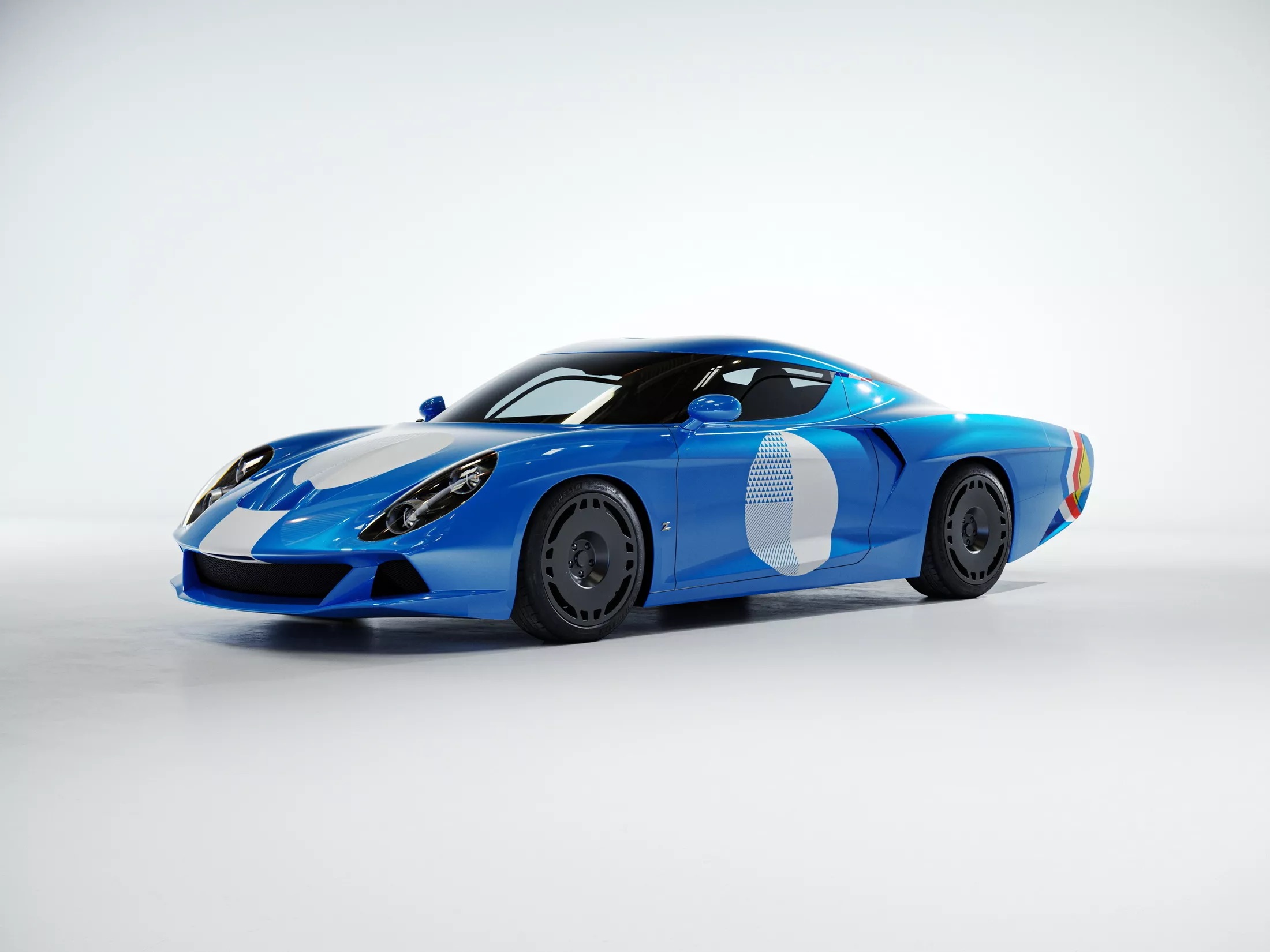
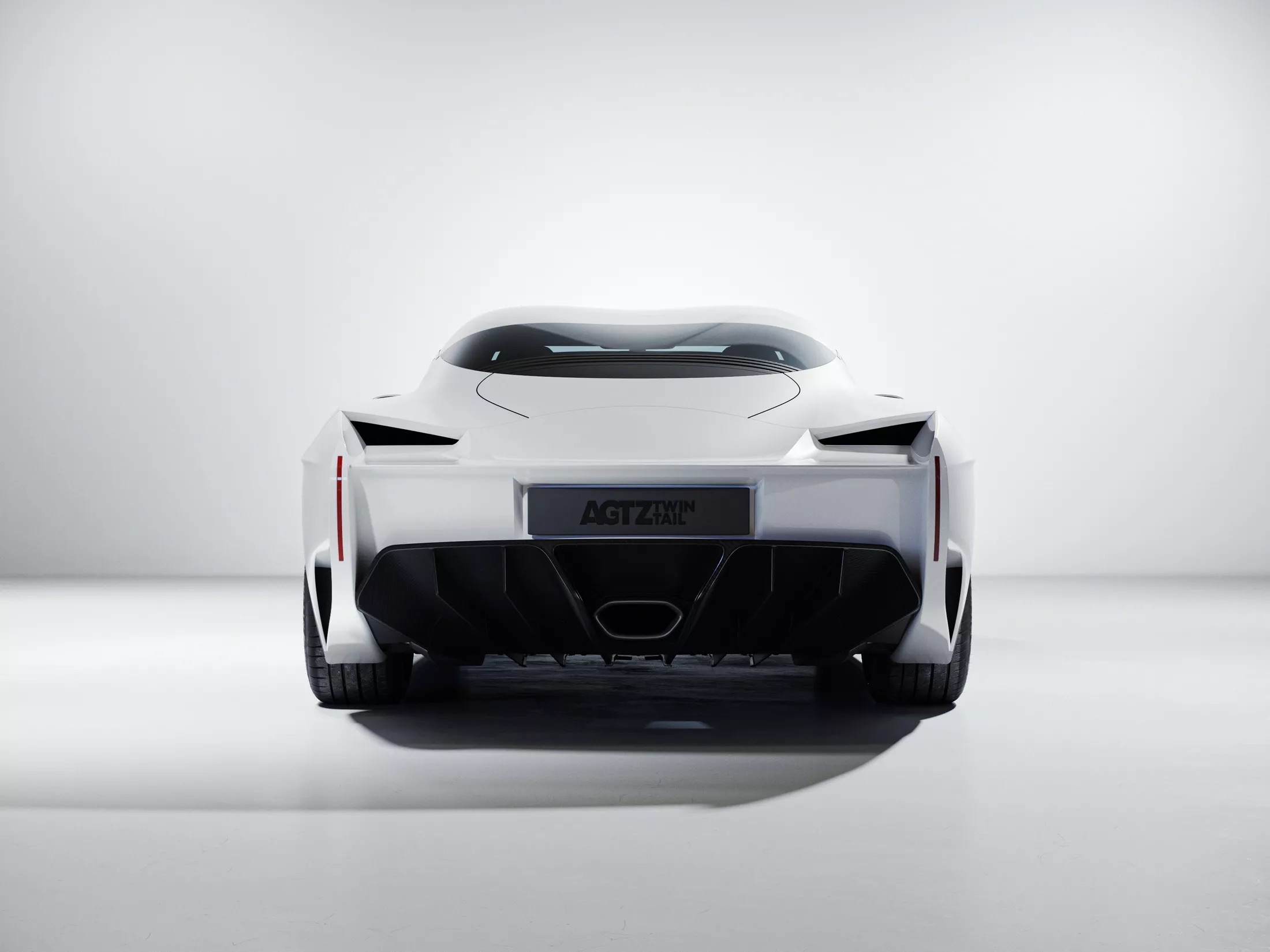
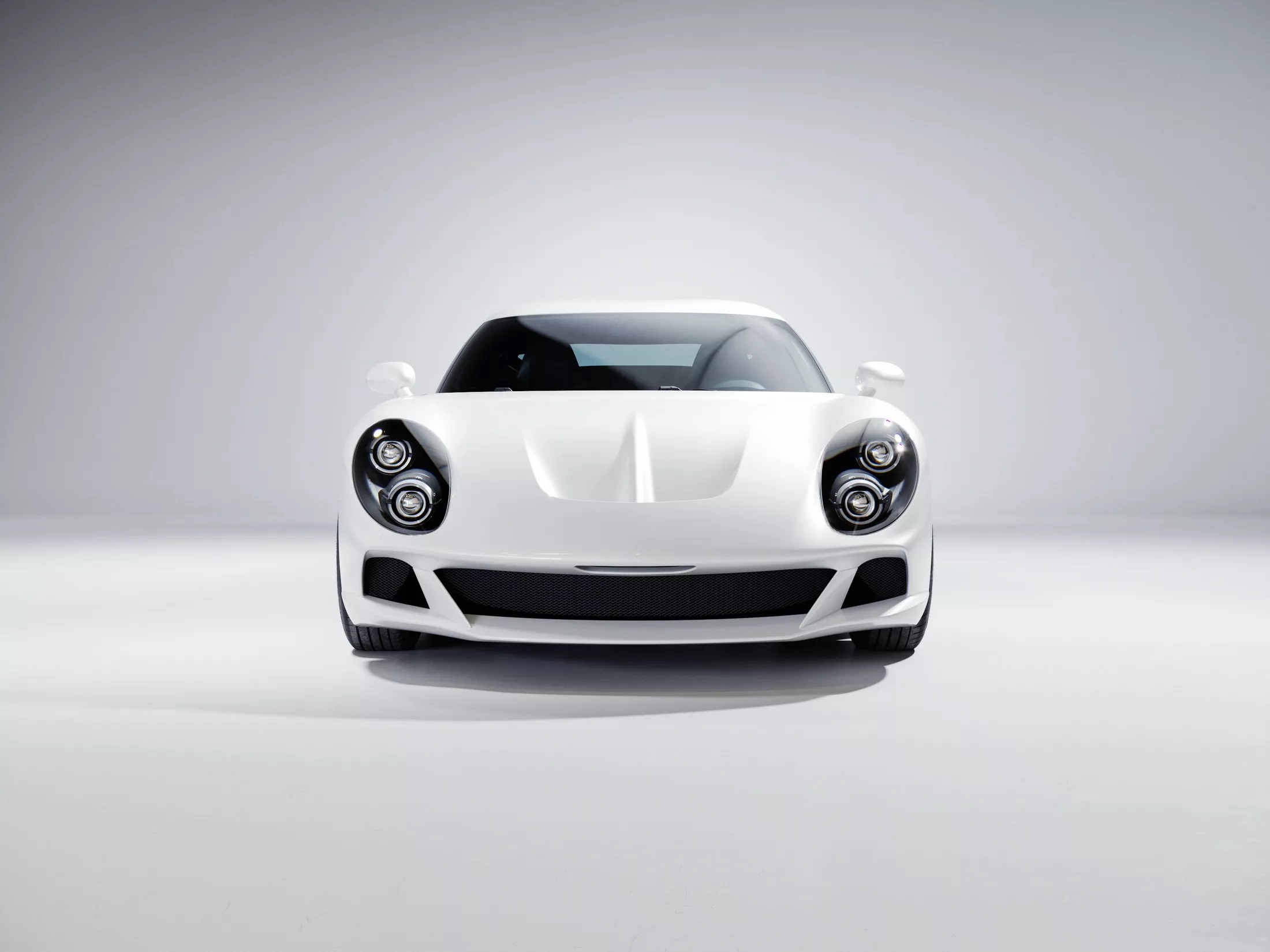
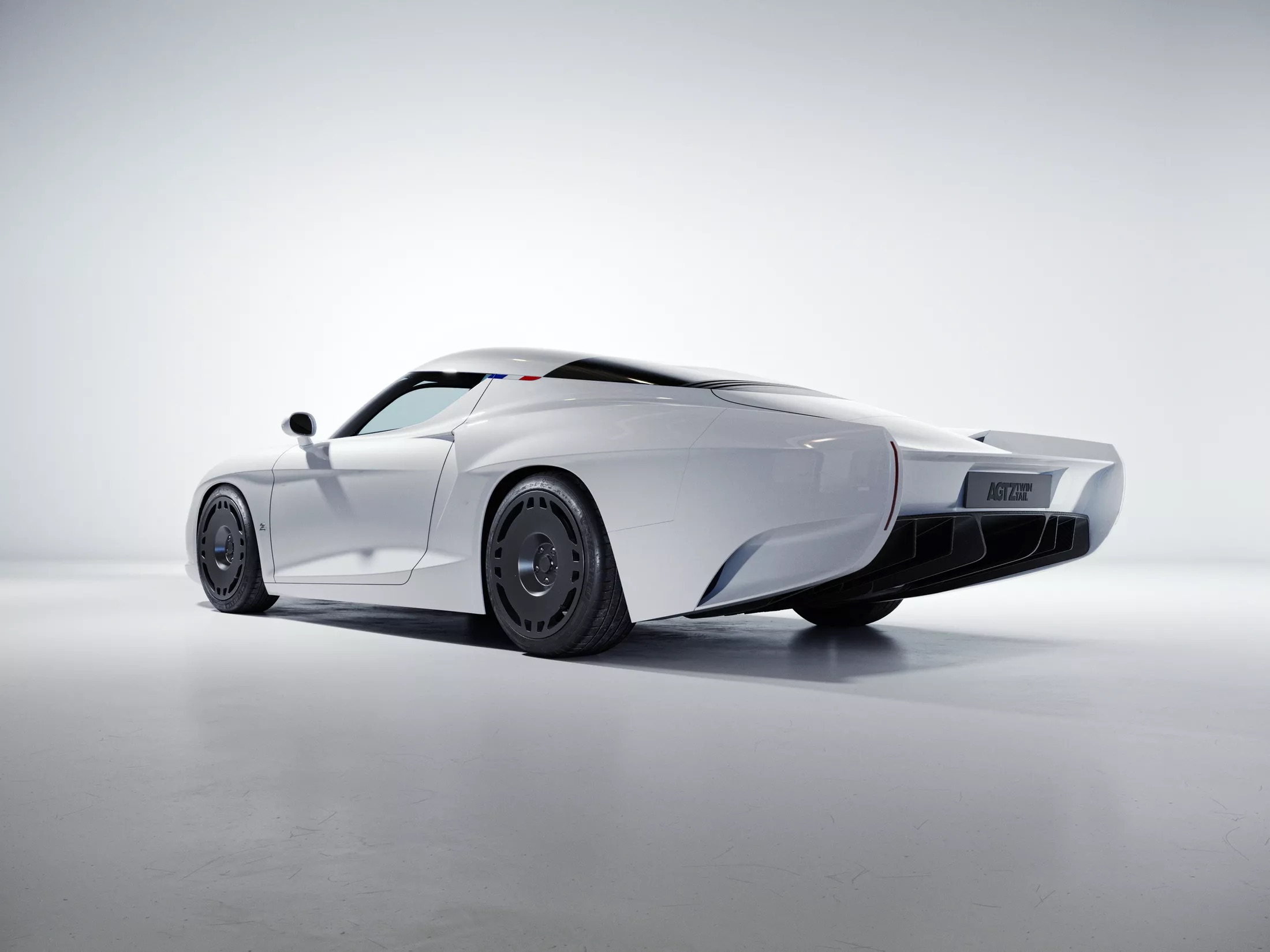
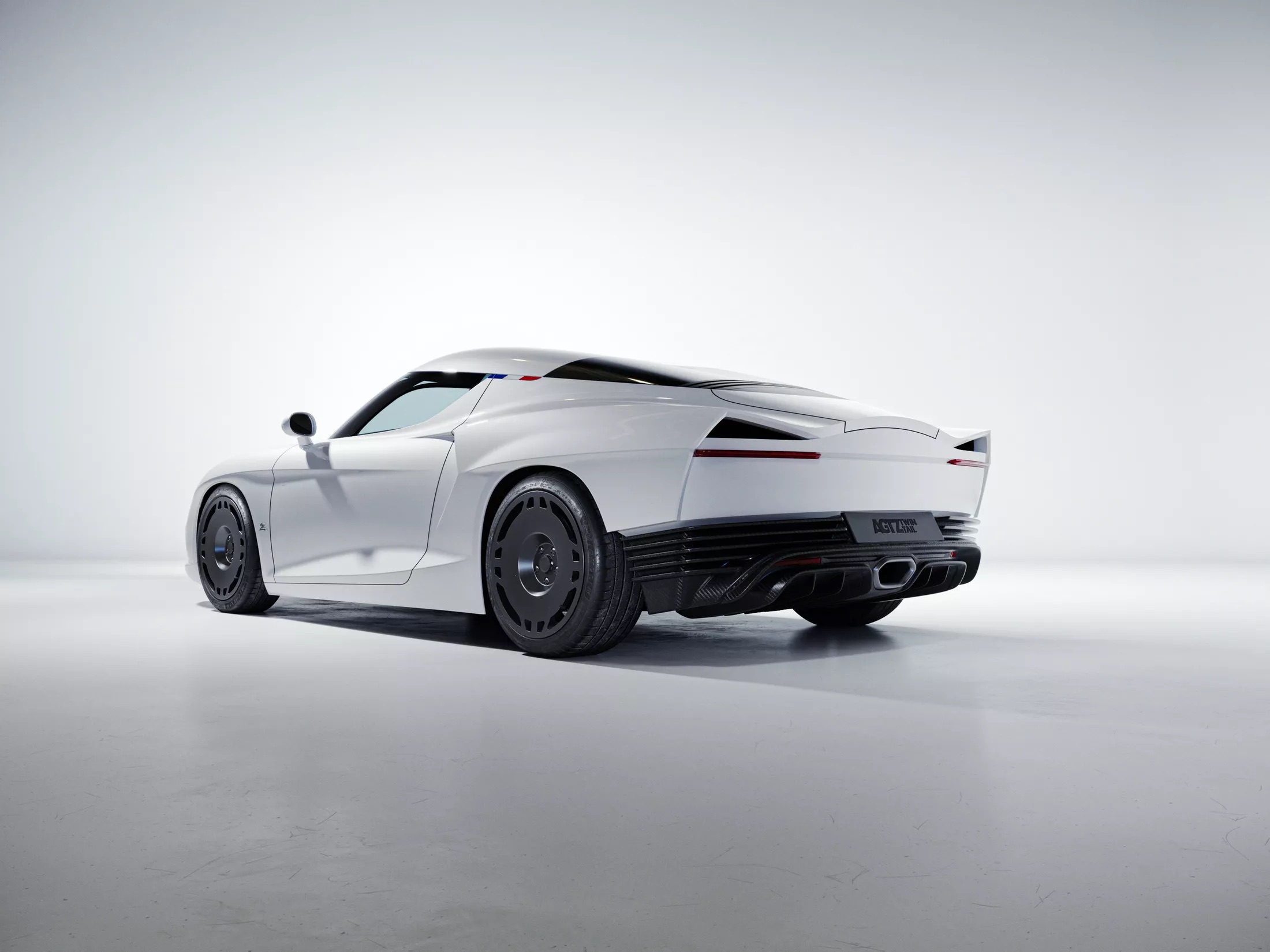
Zagato, an Italian coachbuilding company, has recently unveiled its latest automotive masterpiece, the AGTZ Twin Tail, a bespoke version of the Alpine A110 sports car crafted in homage to a forgotten racing legend from the 1960s. Limited to a mere 19 units, this exclusive model capitalises on the current fascination with long-tail supercars while reverently nodding to historical racing heritage.

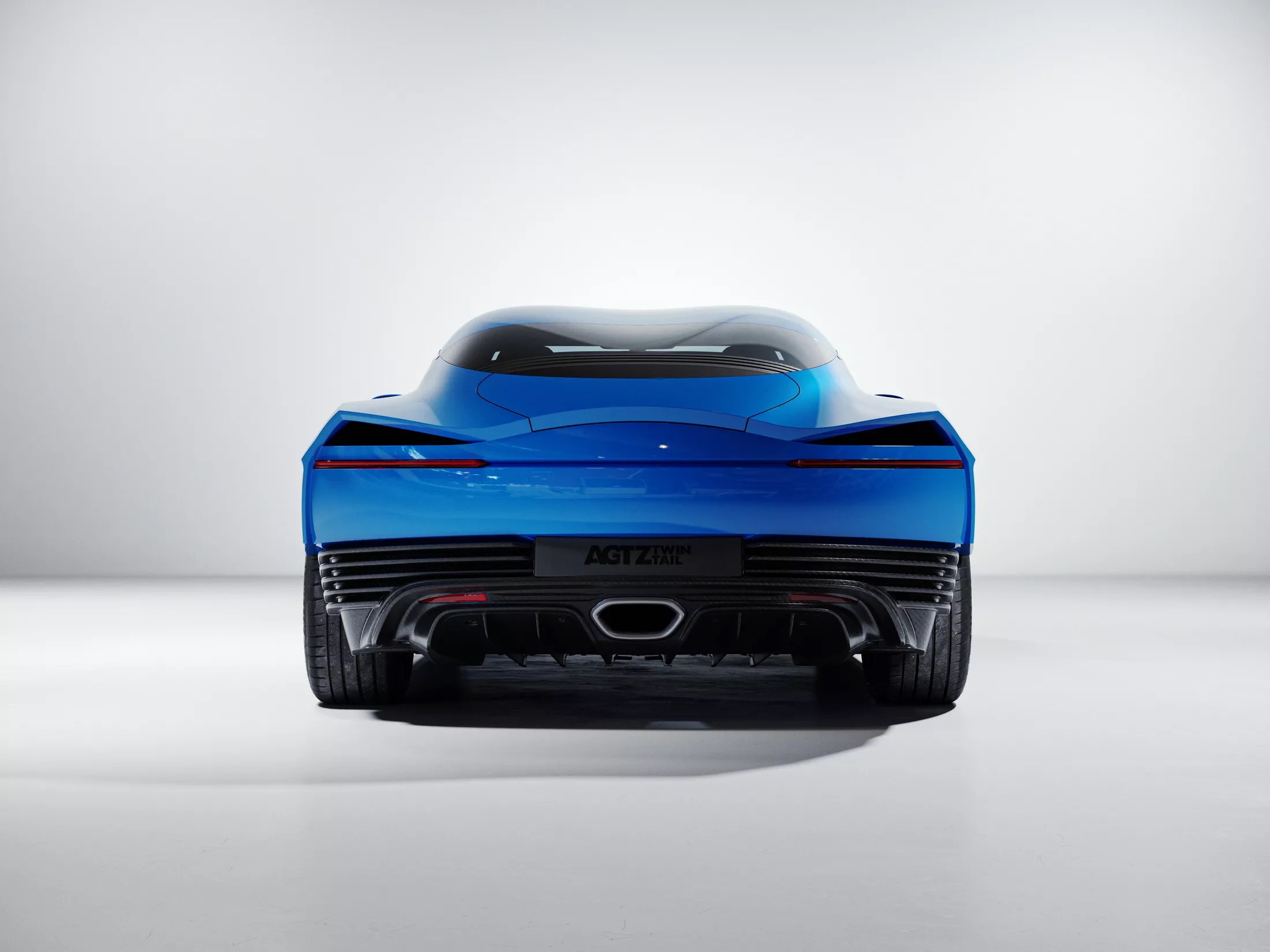
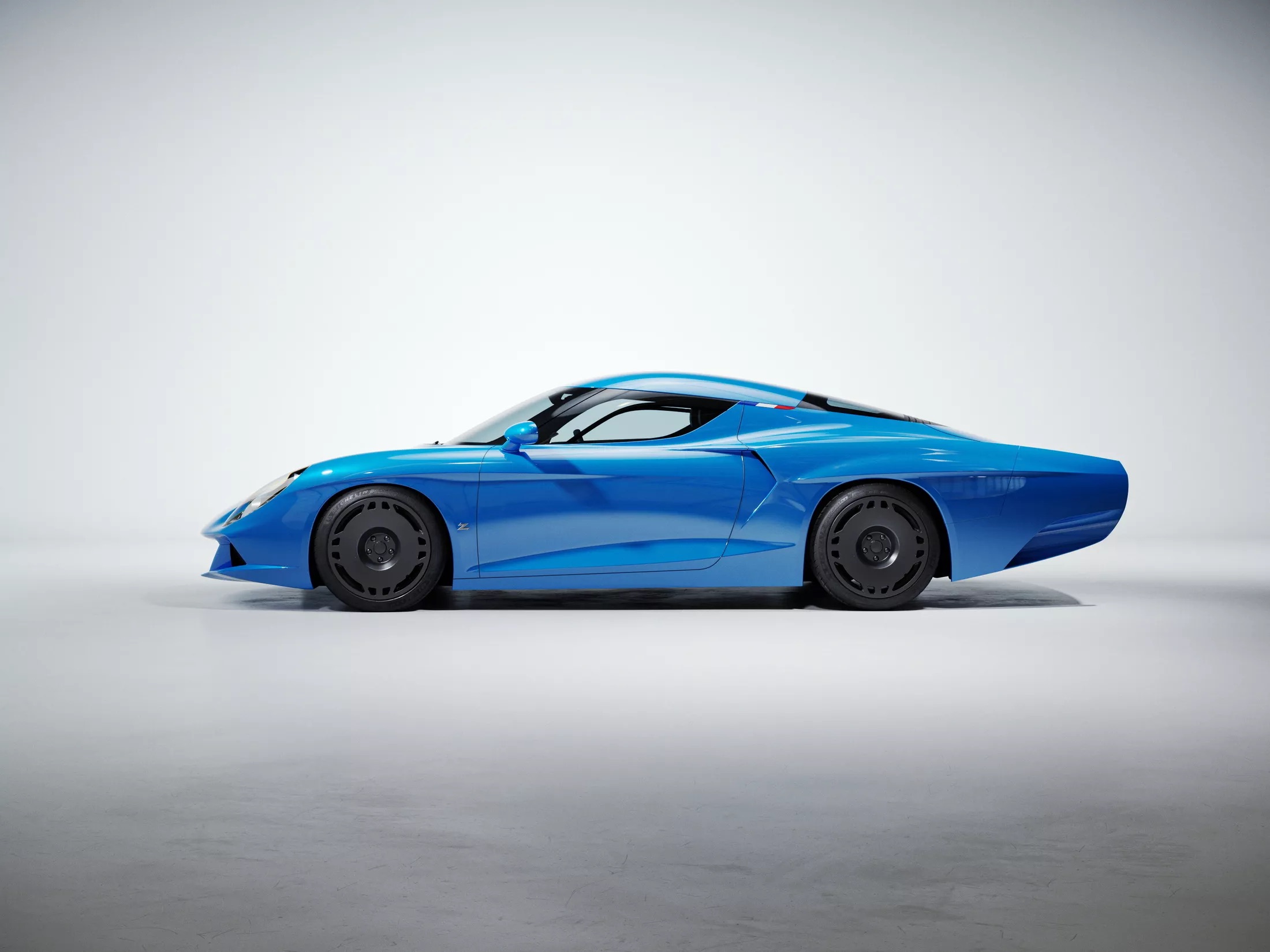
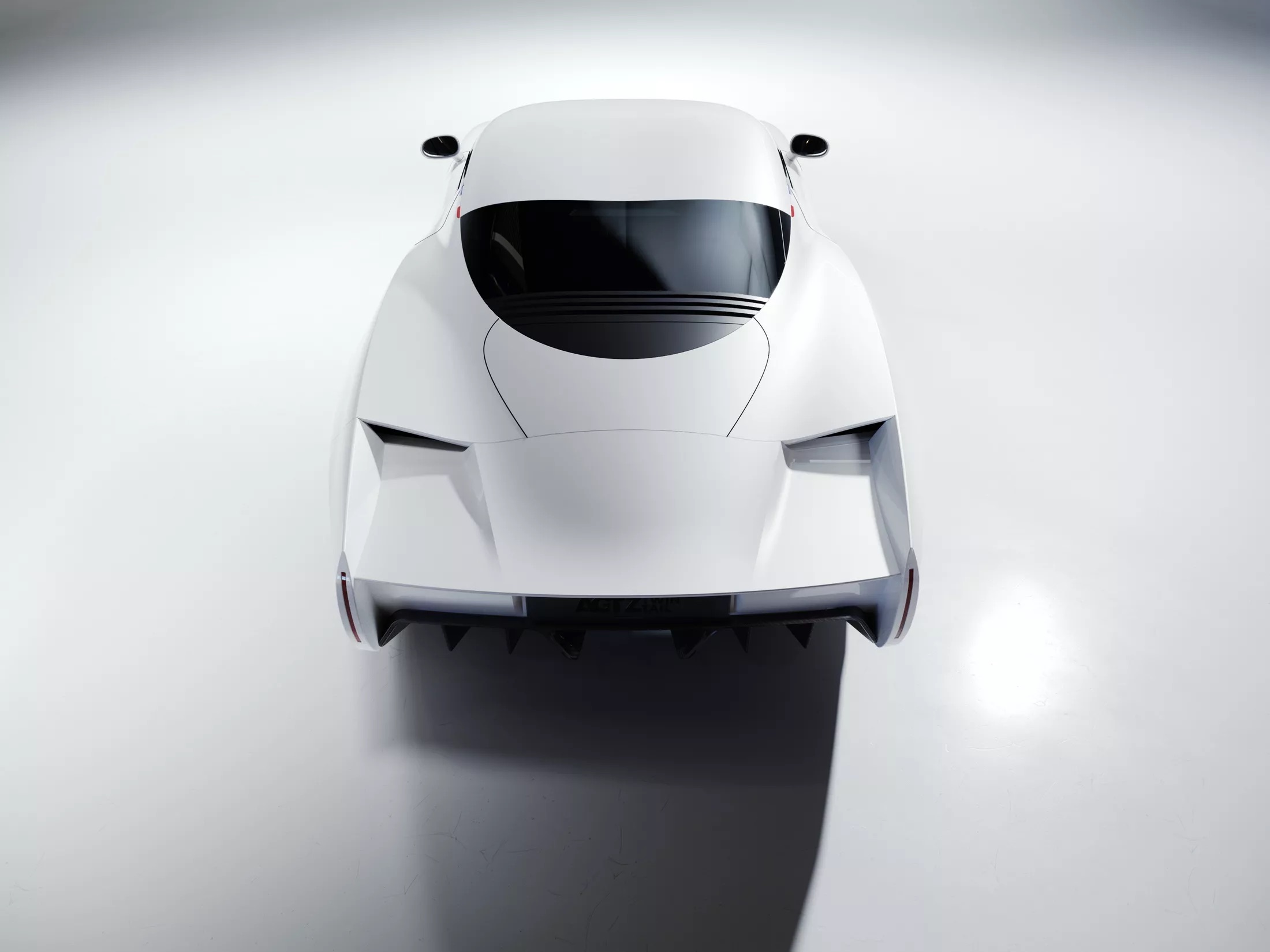
Dubbed the “Twin Tail,” this exceptional car features a removable carbon fibre appendage, allowing owners to alternate between a striking long-tail silhouette and a more practical configuration for everyday use, facilitating easier parking and manoeuvring.

However, the significance of this design element transcends mere aesthetics. It pays homage to the Alpine A220, a legendary long-tail racecar that graced the tracks of the iconic 24 Hours of Le Mans endurance race. Despite falling short of its Le Mans aspirations, one particular A220 variant (chassis 1731) achieved notable success after having its tail section removed, excelling in hill climbs and various competitions, ultimately securing podium finishes.
Beyond its distinctive rear treatment, the AGTZ Twin Tail boasts several other enhancements. The grille and headlights have been reimagined, complemented by a new rear inlet and an upturned lower edge on the side window. Additionally, the roof adopts a subtle double-bubble contour, adding a touch of elegance to the car’s profile.
While detailed performance specifications are yet to be disclosed, it remains unclear if the A110’s existing 1.8-litre engine will undergo modification. Nevertheless, the standard A110 model delivers 252hp, while its top-tier counterpart, the A110 R, generates an impressive 297hp. CEO Andrea Zagato emphasises that, true to the Zagato ethos, the AGTZ Twin Tail is designed as a grand tourer, prioritising luxurious comfort and refined performance over raw racing prowess.

Priced at €650,000 (RM3,371,996) and with demand rapidly outpacing availability, prospective buyers are urged to secure their orders swiftly. The AGTZ Twin Tail is slated to make its physical debut in May at Lake Como, Italy, where enthusiasts and collectors will have the opportunity to witness this rare and exceptional creation in all its glory.

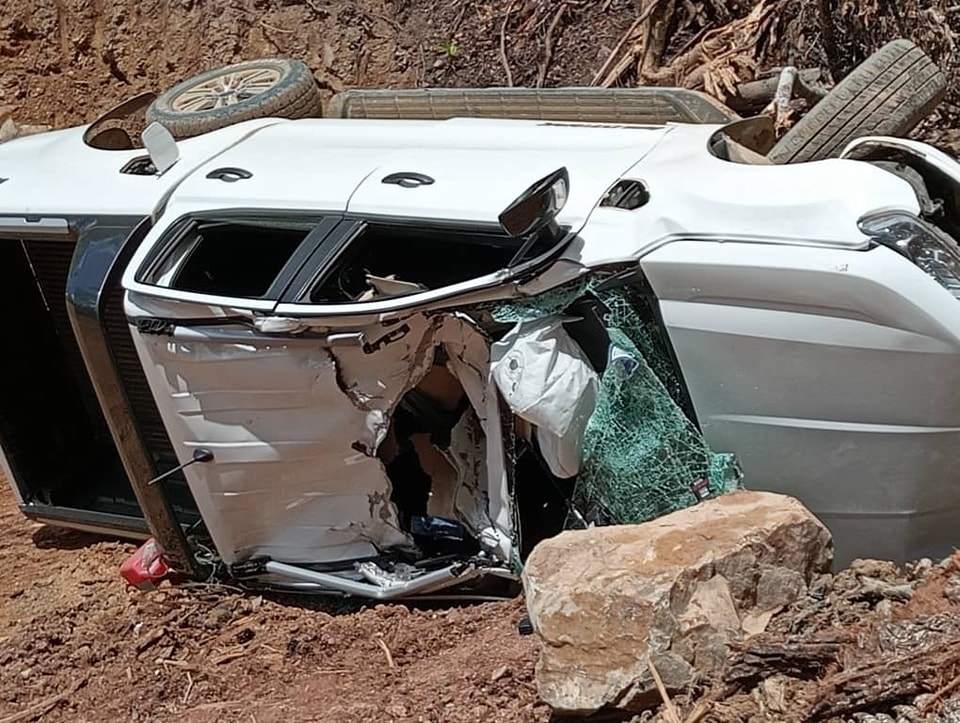
In a tragic incident in Mansaam, Tenom, earlier today, a man lost his life after his vehicle was struck by a rock that fell from a hillside. The victim, identified as Ho Ka Cheong, aged 66, was pronounced dead at the scene by medical officers from the Ministry of Health (MOH).

According to FMT,  Zainal Sinsianm, Chief of the Tenom Fire and Rescue Department stated that the emergency call came in at 12:27 noon, prompting a rapid response from a team of officers dispatched to the location, approximately 55km away.

Zainal explained that the incident involved a 4×4 being hit by a rock dislodged from the hillside, resulting in the victim being trapped inside. Negotiating the challenging terrain, the firefighting team had to adjust their route after covering 45km, proceeding for another 10km via an untarred road known as the timber lorry route to reach the accident site.

(more…)

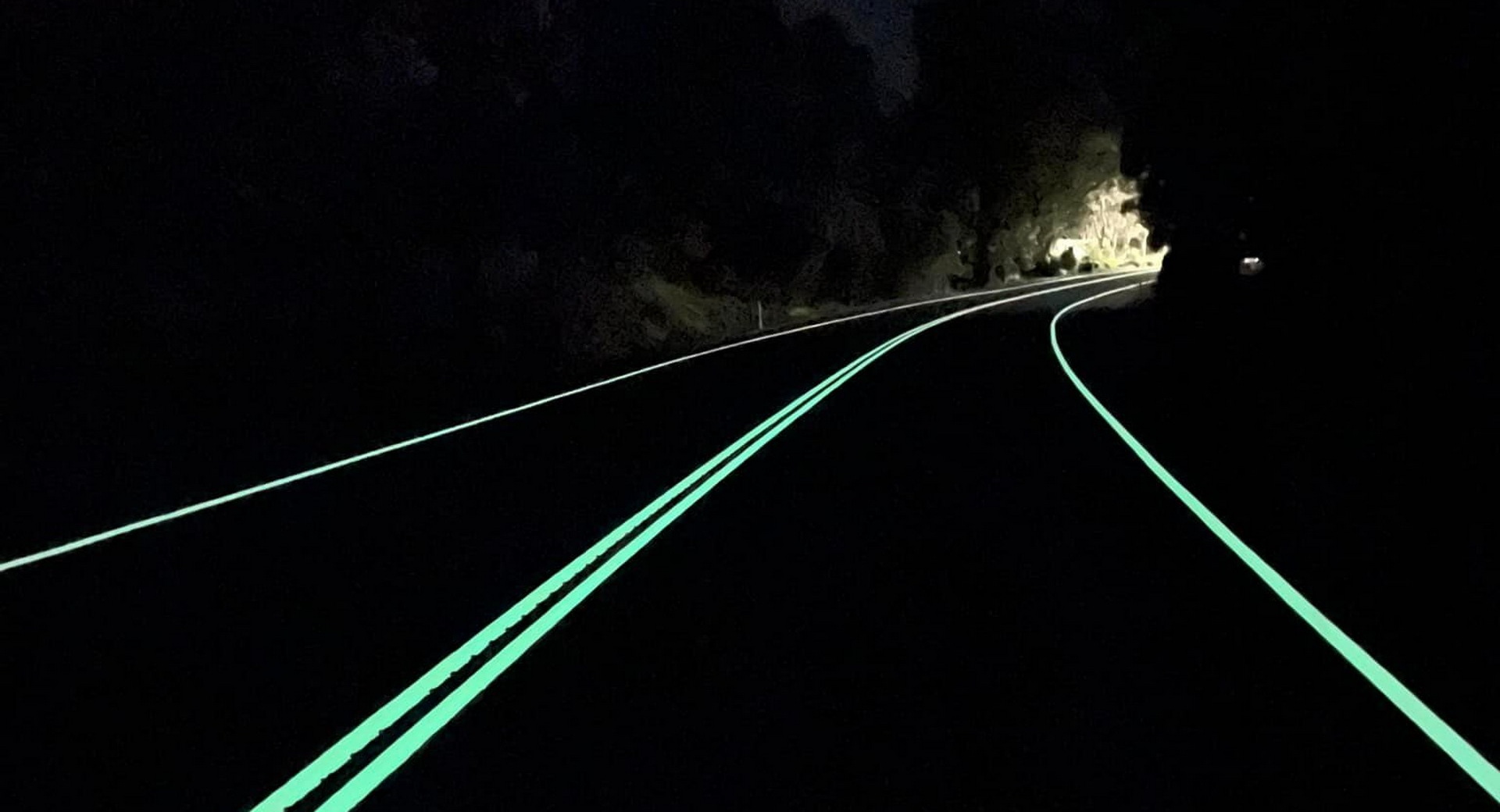
The Selangor government has announced plans to expand the glow-in-the-dark road markings initiative to 15 locations across all nine districts in the state, aimed at enhancing road users’ safety.

According to The Star, Izham Hashim, state infrastructure and agriculture committee chairman, the initiative will be rolled out gradually and is expected to cost approximately RM900,000 in total. These glow-in-the-dark road markings will be applied to roads lacking street lights, covering approximately 15km of roadways in districts such as Sepang, Kuala Langat, and Petaling.

This initiative aligns with the ‘Selangor Bercahaya’ program, which has already installed 600 LED street lamps throughout the state. An additional allocation of RM1.5 million has been earmarked for more LED street lamps this year to further enhance road safety.

(more…)

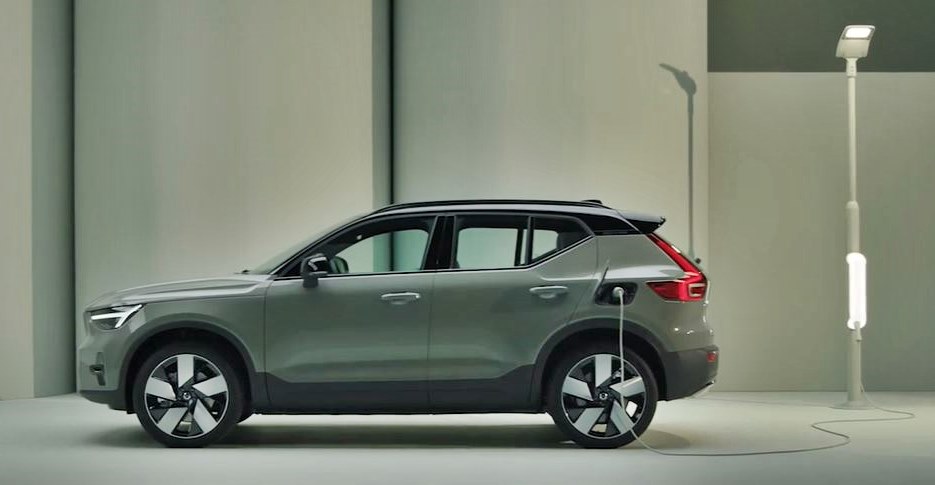
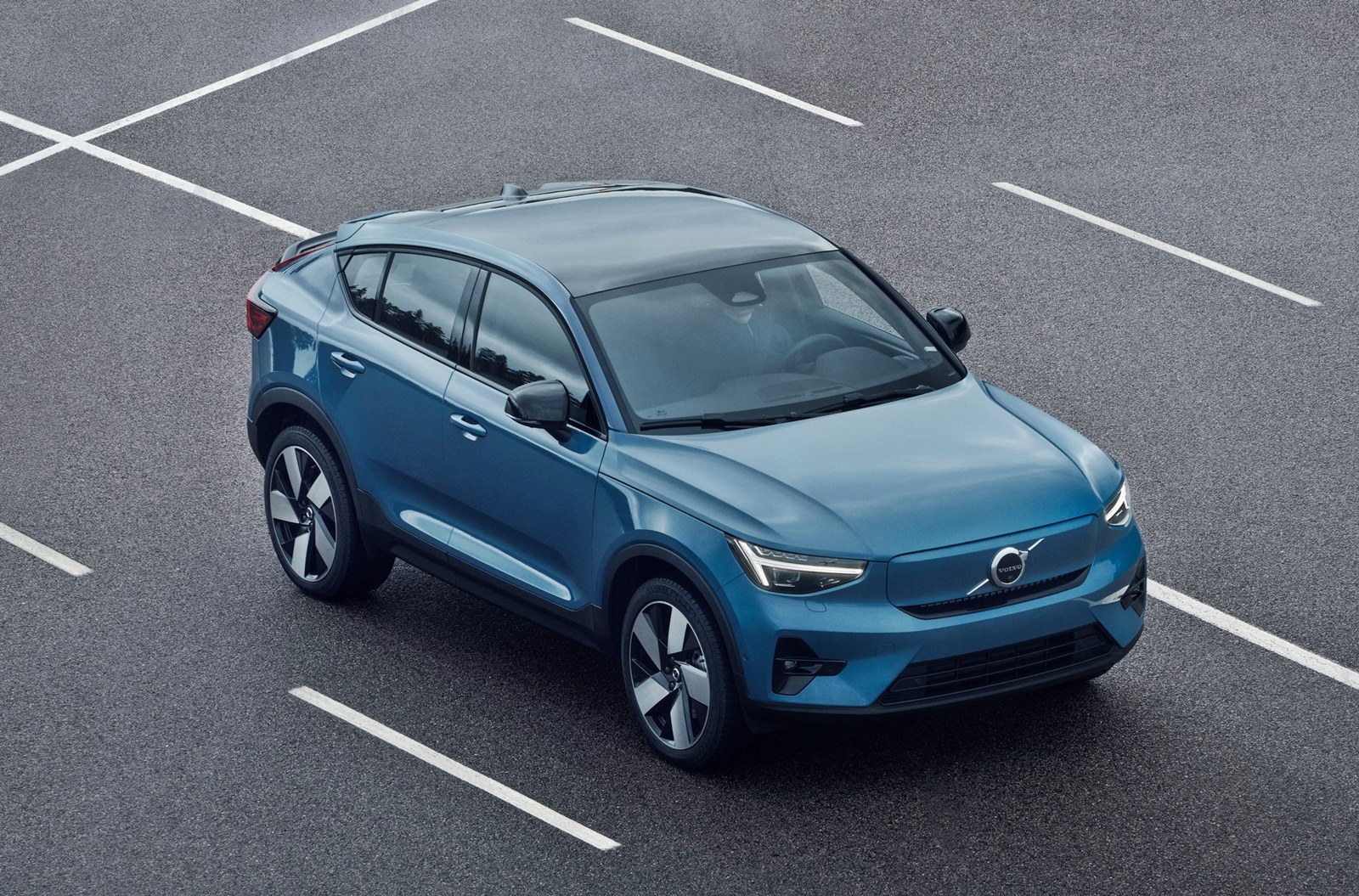
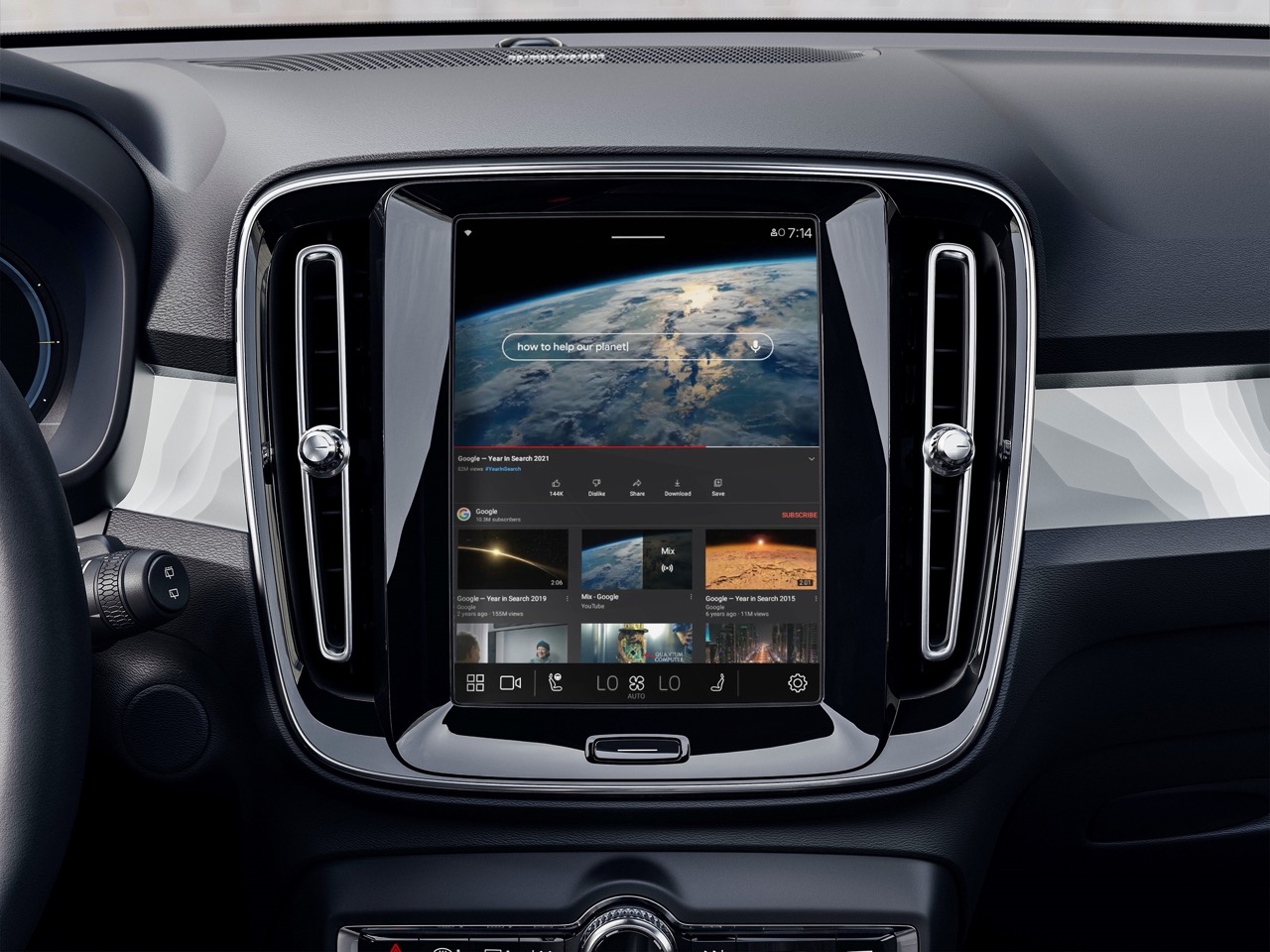
Volvo is undergoing a strategic rebranding of its current electric vehicle lineup to better align with the naming convention of its upcoming electric-only models. Set to take effect in 2025, this rebranding effort will see the XC40 Recharge being renamed as the EX40, while the C40 Recharge will now be known as the EC40.

This renaming initiative aims to create a clearer distinction between Volvo’s electric vehicles and their petrol-powered counterparts. While the traditional XC40 name will remain unchanged for the petrol version, the new nomenclature will bring consistency across Volvo’s electric lineup, aligning it with upcoming models such as the EX30 and EX90, which are slated for release in the first half of this year.

(more…)

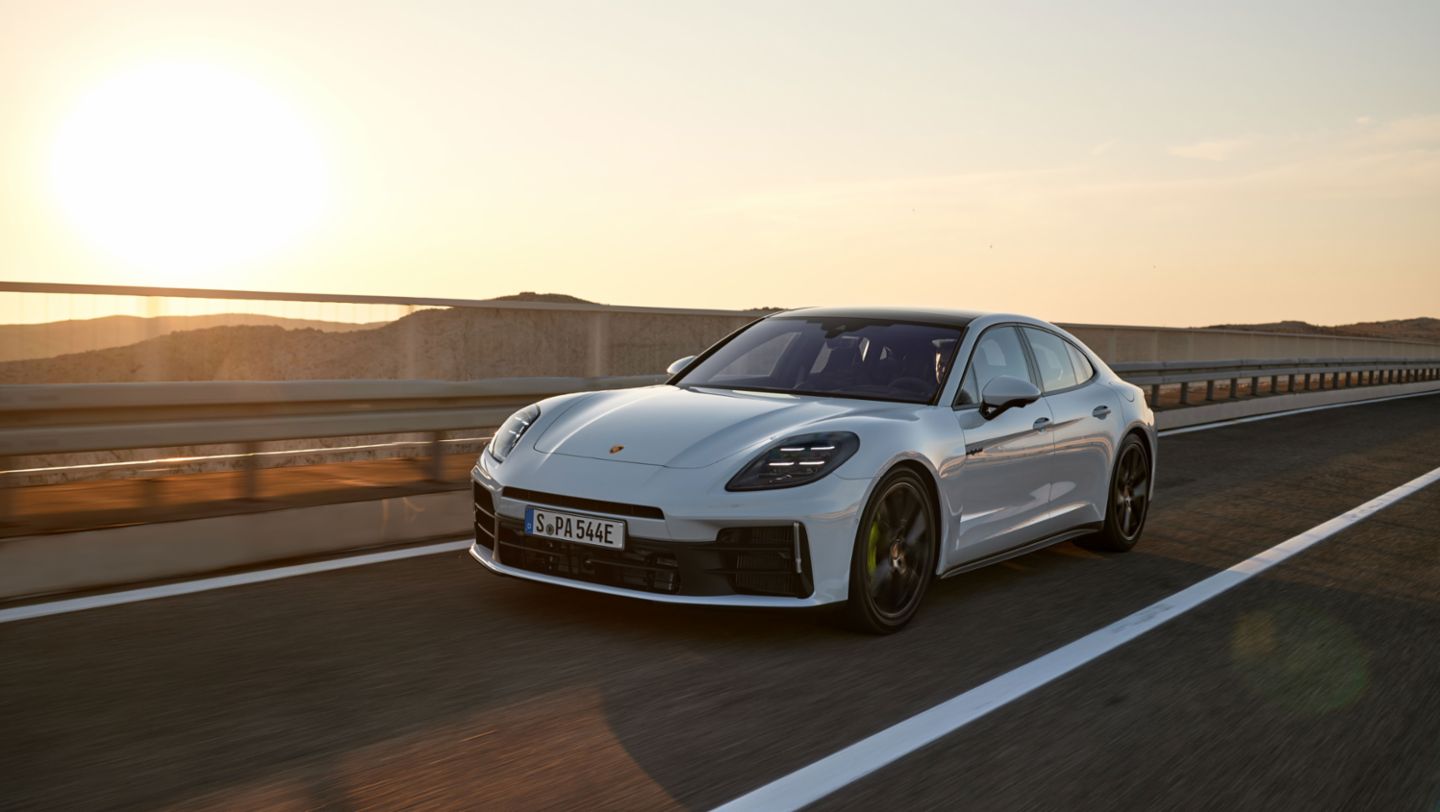
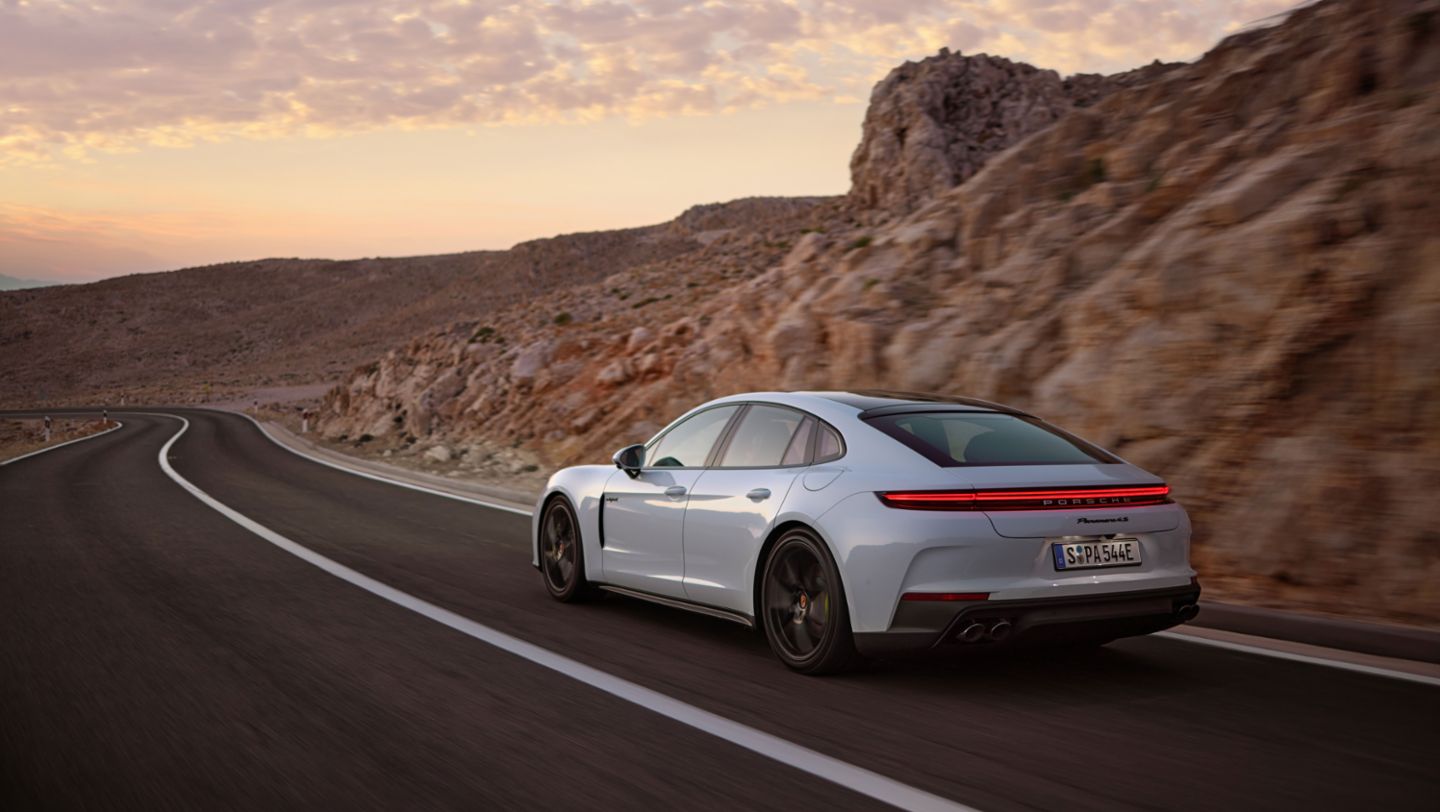
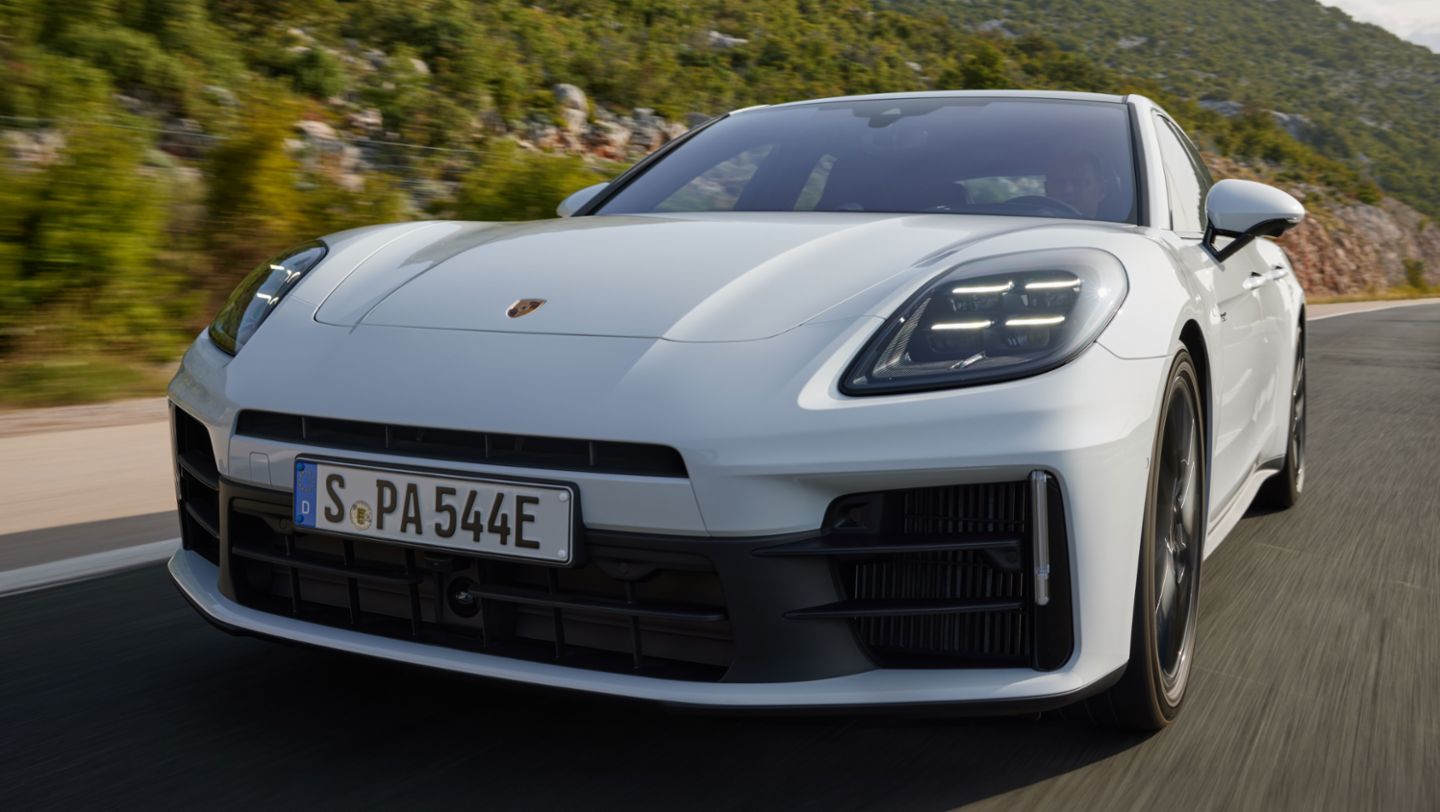
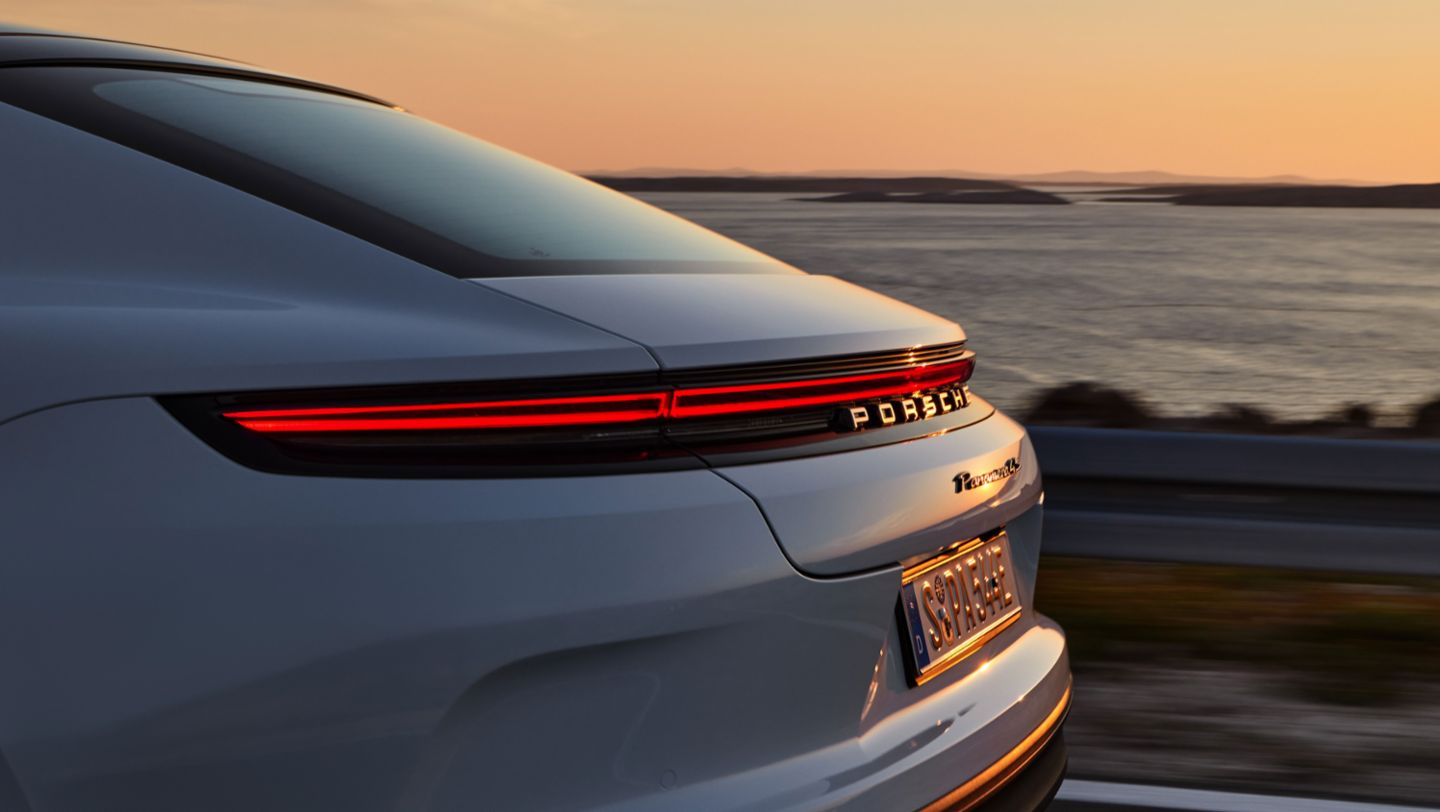
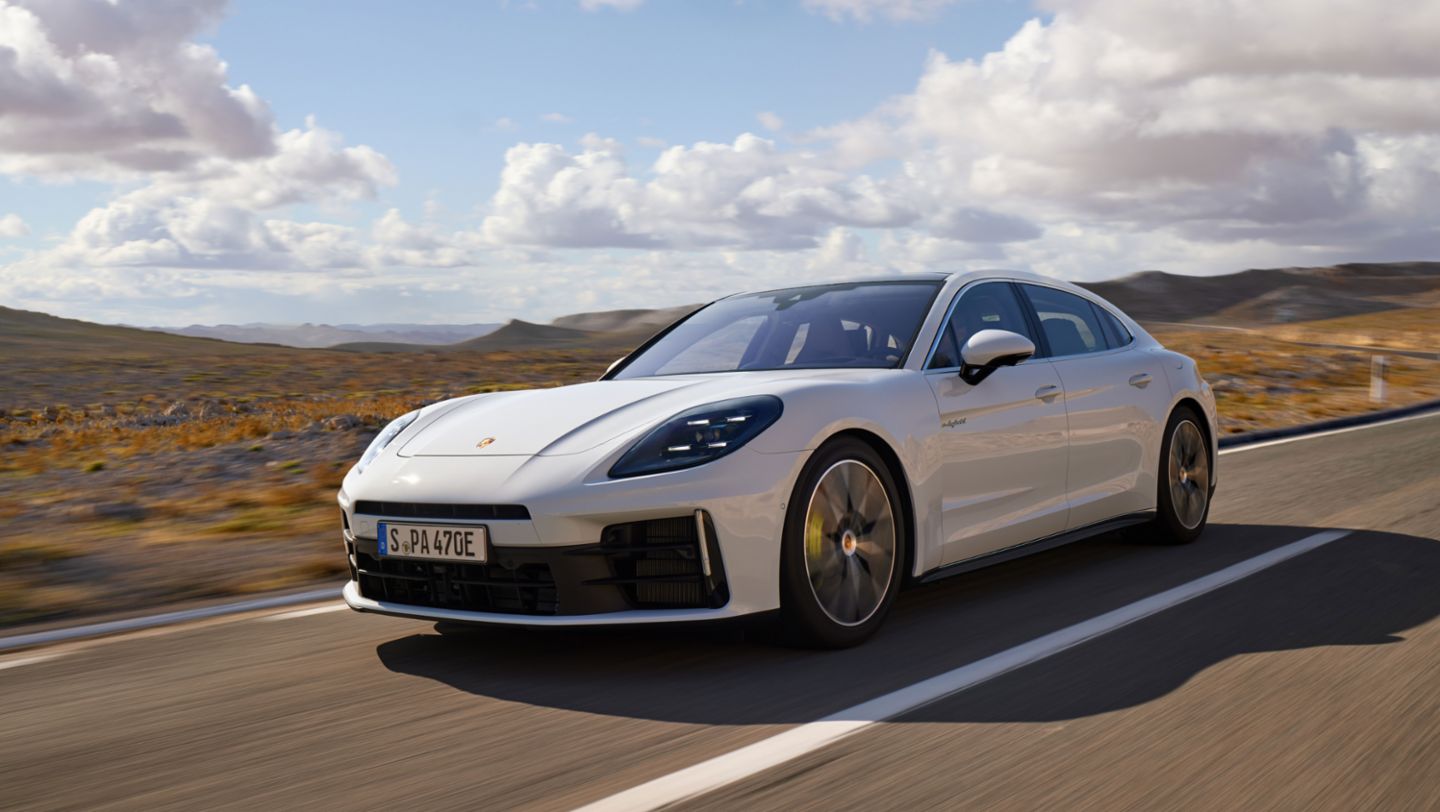
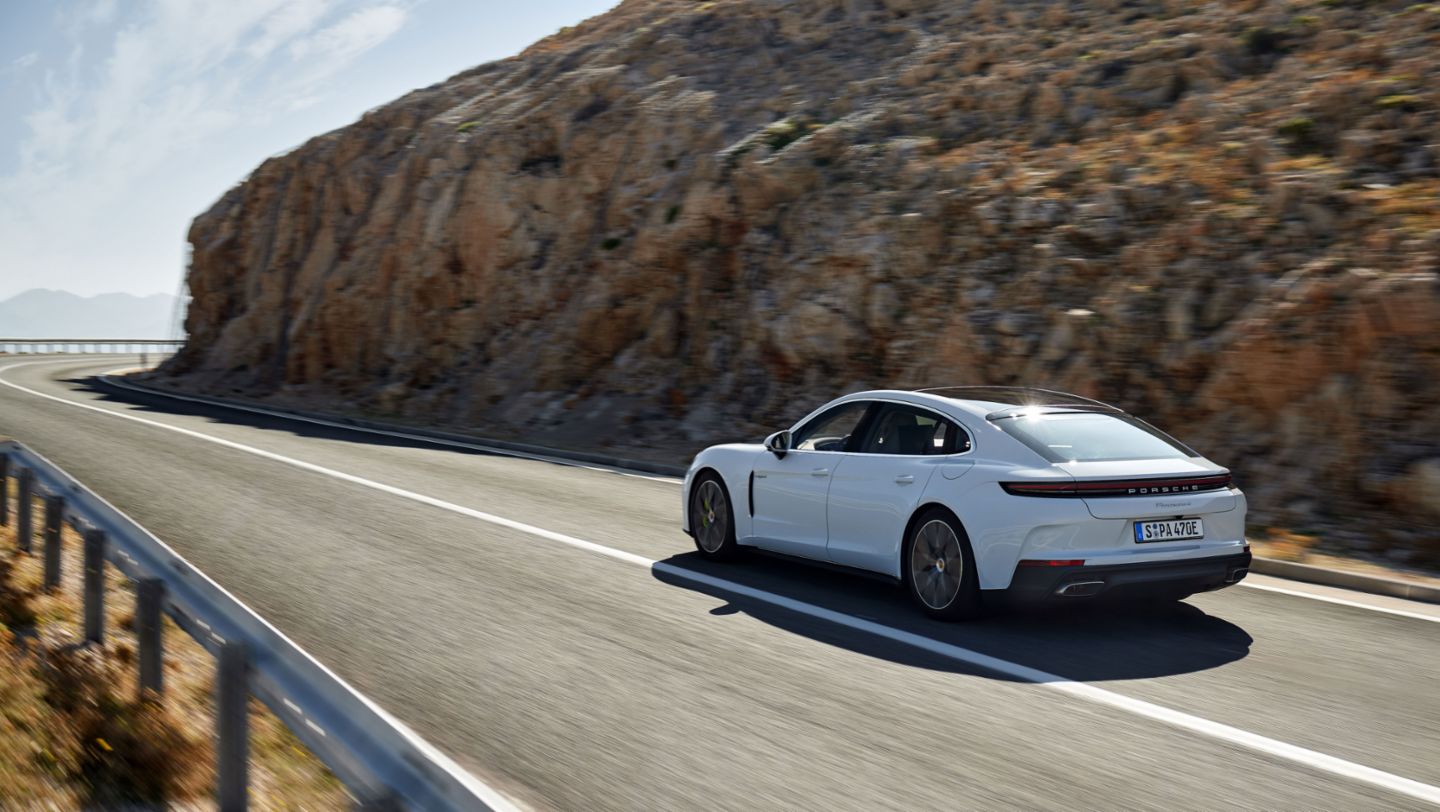
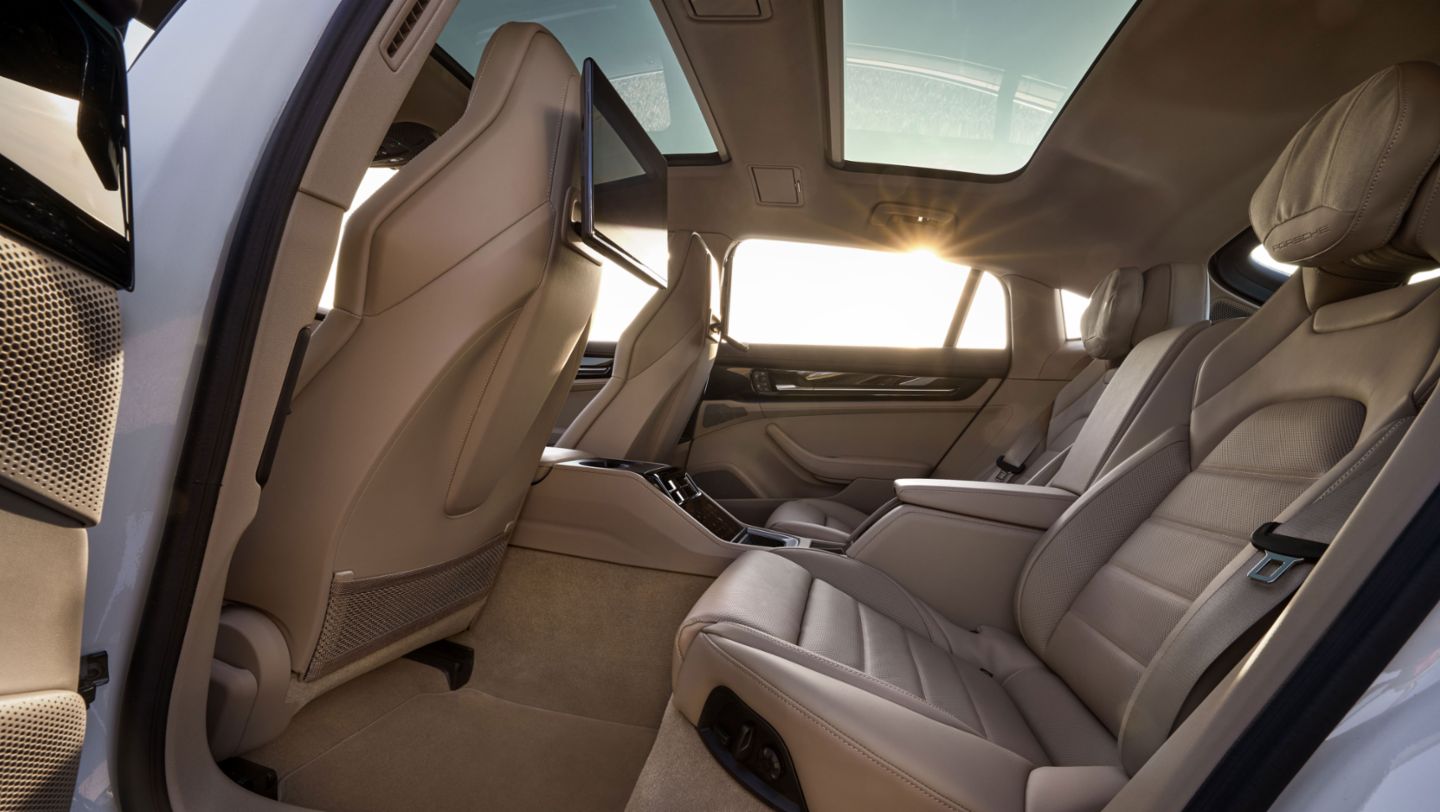
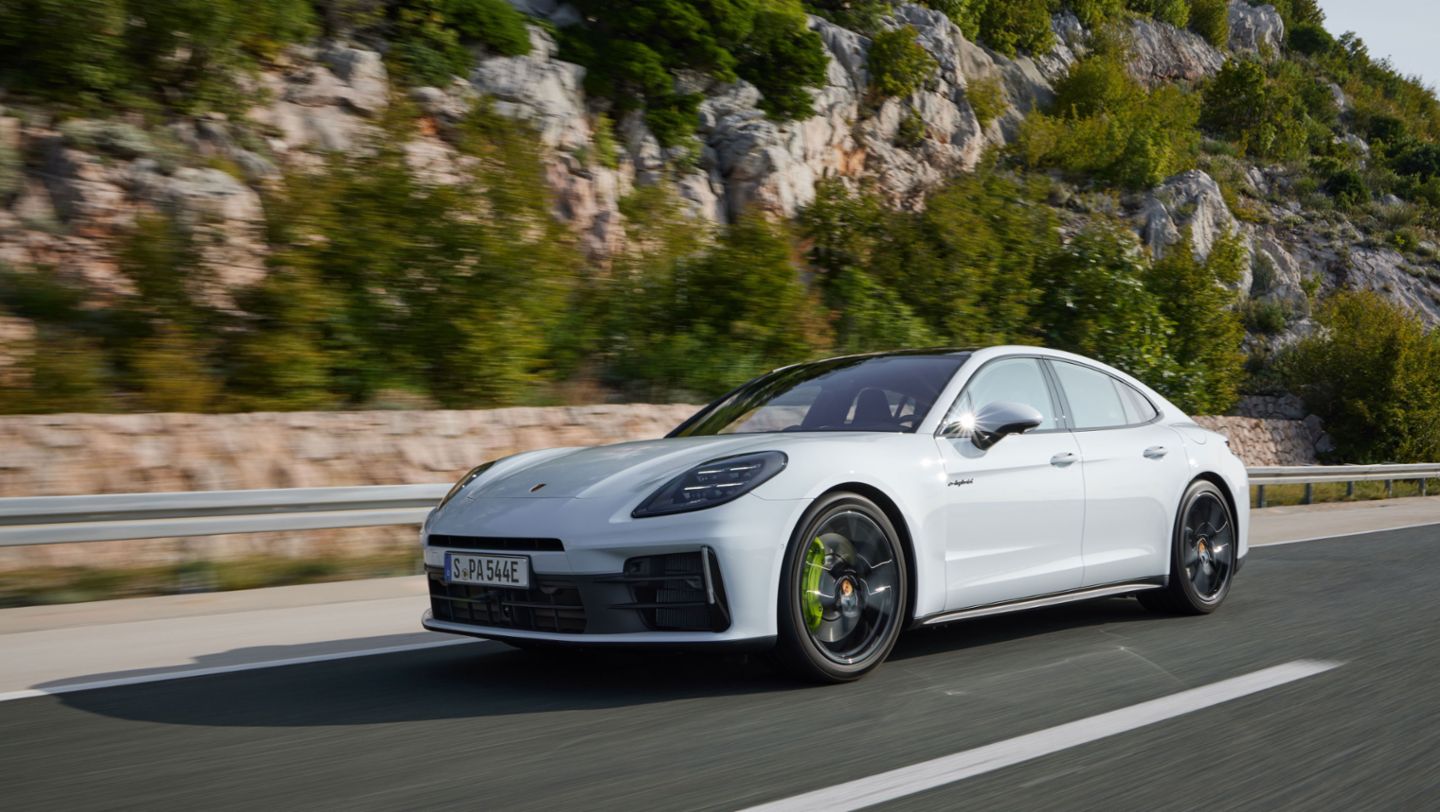
Porsche introduced the latest iteration of the Panamera last year, featuring refreshed styling, an updated interior, and a power boost. Initially, Porsche showcased the base V-6 model and the top-tier Turbo E-Hybrid variant. Now, hybrid powertrains are expanding throughout the lineup, with the introduction of the Panamera 4 E-Hybrid and 4S E-Hybrid models.

The new E-Hybrid models are powered by a revised turbocharged 2.9-litre V-6 engine. While the V-6 generates 348hp in the non-hybrid base Panamera, the 4 E-Hybrid’s V-6 engine produces 300hp. However, when combined with the electric motor from the hybrid system, total output increases to 463hp and 649Nm of torque. This represents an 8hp increase over the outgoing model, and Porsche claims the 2024 model will accelerate to 100km/h in just 3.9 seconds.

The 4S E-Hybrid, on the other hand, utilises the full 348hp from the turbo V-6 engine. Paired with the electric motor, which delivers up to 187hp, the 4S E-Hybrid generates a robust total output of 536hp, with torque remaining at 750Nm of torque. Despite being down by 16hp compared to the old model, the 4S E-Hybrid still achieves a claimed 0-100km/h time of 3.5 seconds, with a top speed of 290km/h, 10km/h higher than the non-S model.

Both E-Hybrid models feature the same new battery as the Turbo models, with a 21.8-kWh capacity. Porsche states that the 11-kW onboard AC charger can recharge the battery in two and a half hours. The electric motor is integrated into the housing of the PDK transmission, sharing the same oil circulation, which contributes to weight savings.

The E-Hybrid models can operate in full electric mode until the battery reaches a certain level of charge, estimated to provide an EPA-rated electric range of around 50km. The Hybrid Auto mode blends the petrol engine and electric motor based on driving behaviour and navigation, while E-Hold mode preserves the battery level and E-Charge mode uses the engine to recharge the battery.

Standard features across all new Panameras include two-chamber air suspension with adaptive dampers. The E-Hybrid models can also be equipped with Active Ride, utilising hydraulic pumps to minimise body movements and maintain a level ride during spirited driving.

Visual distinctions between the models are subtle, with the Panamera 4 E-Hybrid featuring standard 19-inch wheels, black brake callipers, and the 4S E-Hybrid equipped with 20-inch wheels, red callipers, and silver tailpipes.

The new E-Hybrid models come at a premium, with the Panamera 4 E-Hybrid starting at $117,495 (RM563,682) and the 4S E-Hybrid priced from $128,795 (RM617,894). Orders are set to open at the end of March, with deliveries slated for this September.

Archive

Follow us on Facebook

Follow us on YouTube