Piston.my

Latest News

Race starts at 3 pm in Hungary/9 pm in Malaysia
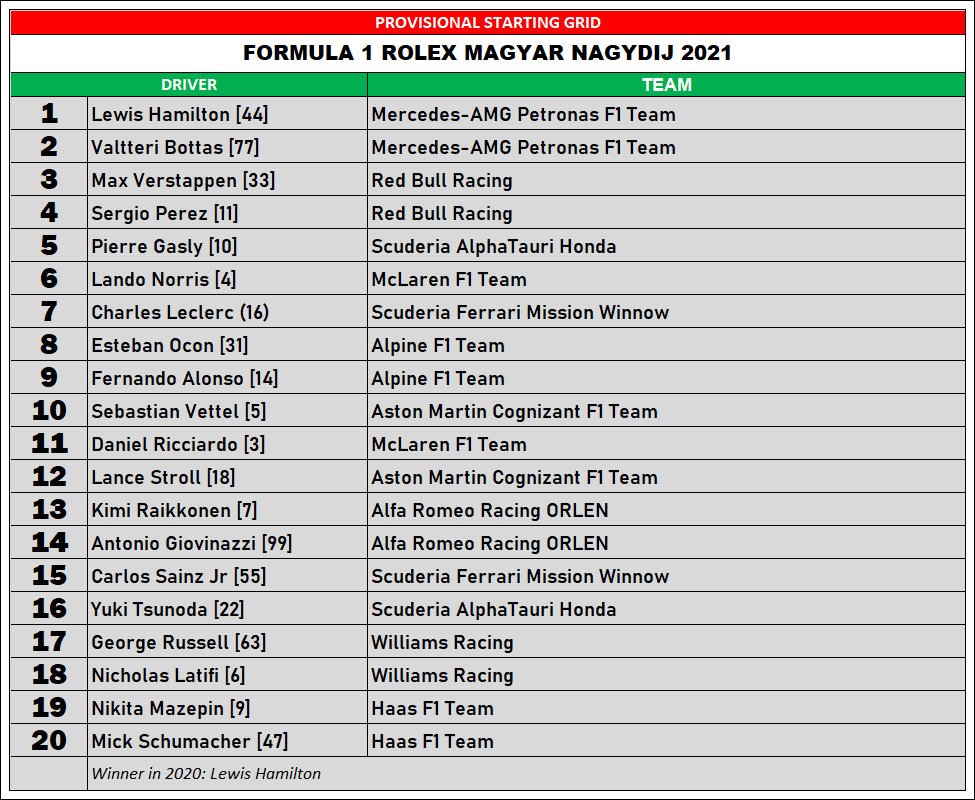
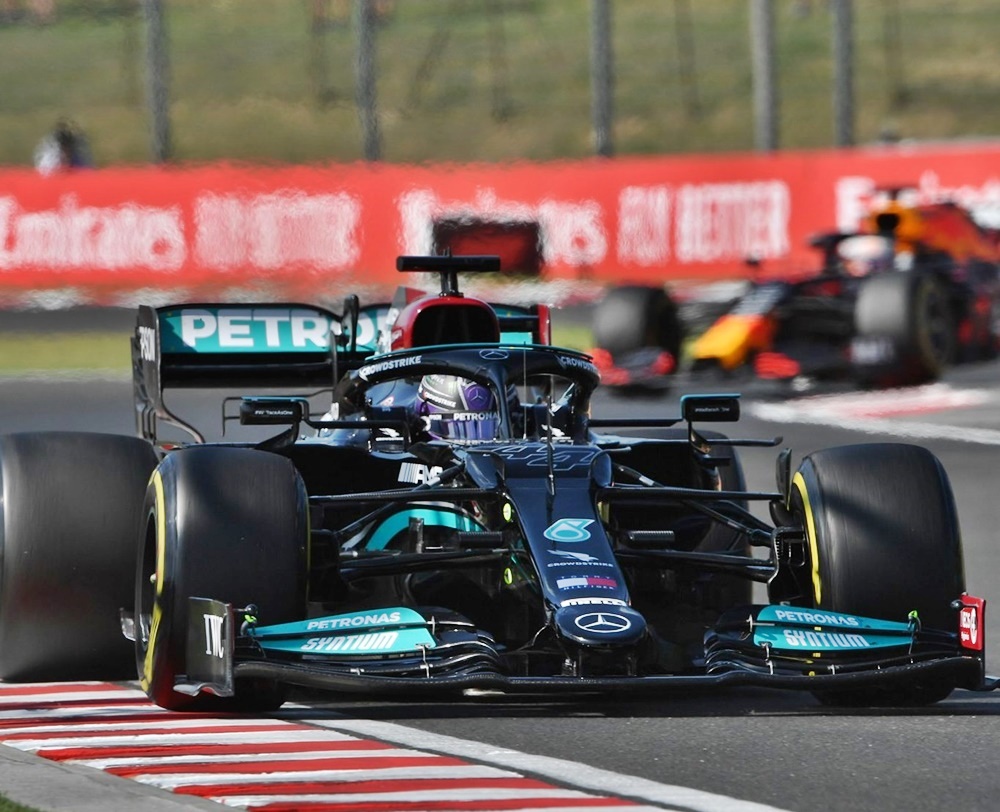
Round 11 of the 2021 Formula 1 World Championship at Hungaroring in Budapest, Hungary, will be the last round in the first half of the championship. It is a familiar circuit to the teams as it has been part of the calendar since 1986, so there’s a lot of data to refer to from 35 races with different weather conditions.

After the high speeds and flat expanses of Silverstone, the twists and turns of Hungaroring present the drivers with a different challenge. Featuring flowing sections of closely linked corners, the tight 4.4-km layout provides a good test of car balance. With aerodynamic stability accented, the engineers will set downforce levels similar to those applied at Monaco.
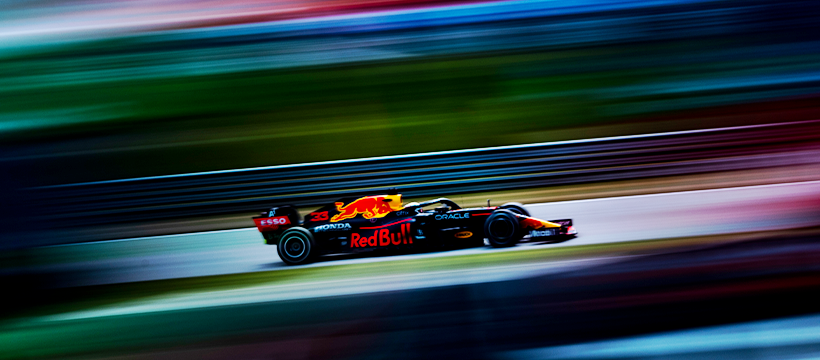
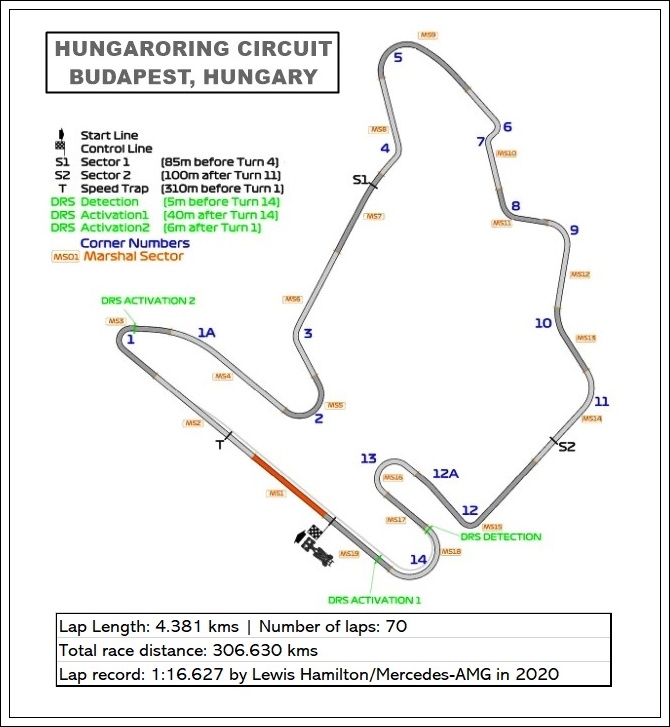
In contrast to the sweeping and fast corners of Silverstone, Hungaroring feels almost like a kart circuit: the track is narrow, old-school, and has a non-stop series of corners. Overtaking is tricky, and this is an important factor when planning the race strategy, as track position is key.

Past races here have seen a number of different strategies. Last year, the wet and intermediate tyres were run at the start of the race because of rain but before then, in 2019, both one-stop and two-stop strategies were used, with a two-stopper from Lewis Hamilton winning the race in a thrilling finale.
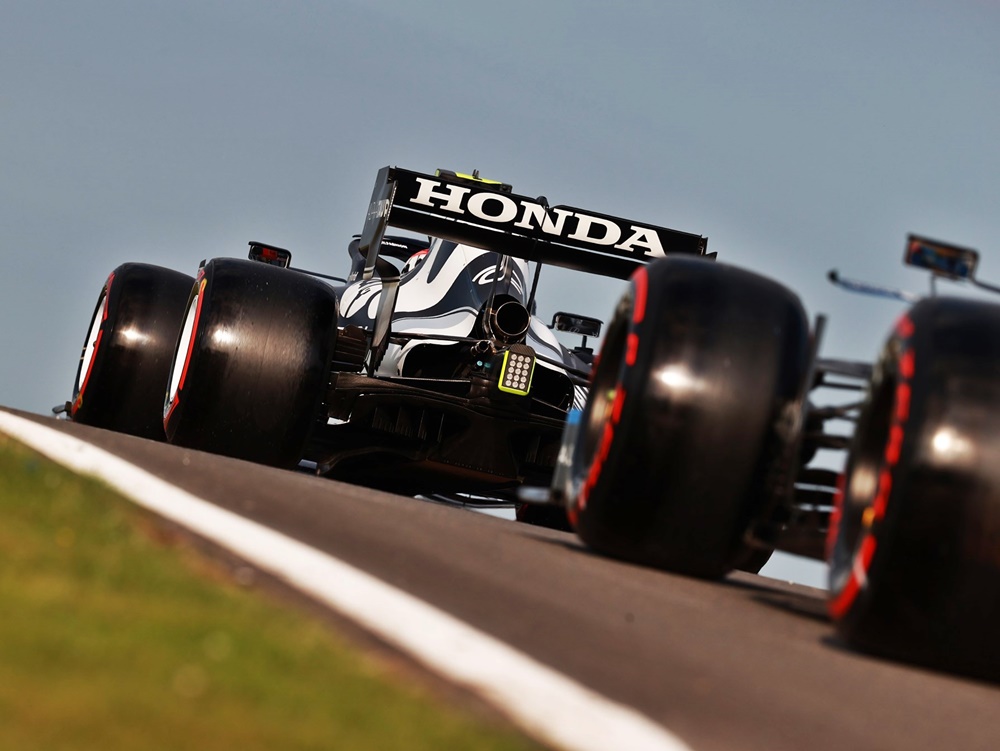
There are tight corners in quick succession, with no long straights to cool down the tyres, and hot weather. This makes the Hungaroring actually more demanding on tyres than it initially seems, so some degree of management is likely to be needed on the soft compound in particular.
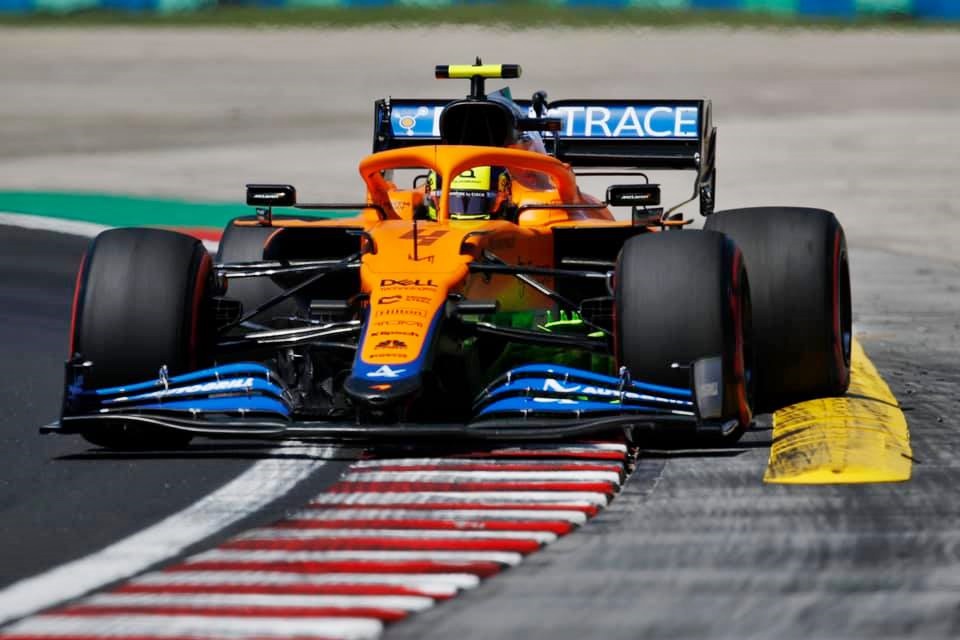
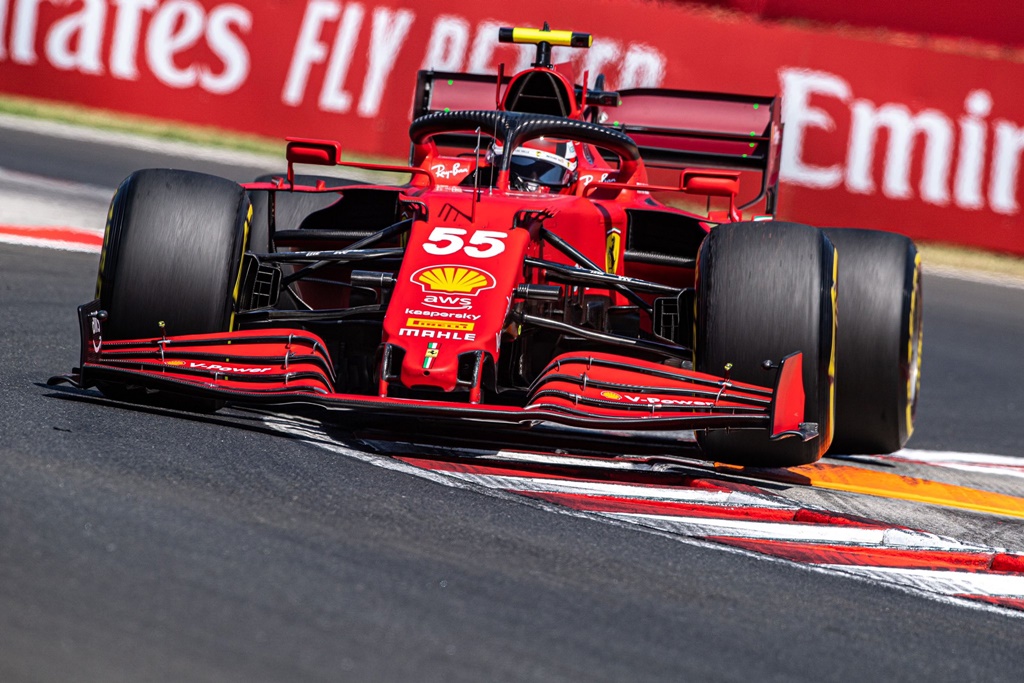
“As a result, the best strategy is not always obvious – with different approaches often yielding a similar overall race time, depending on the individual circumstances. That’s why we’ve often seen some tactically intriguing races at the Hungaroring, keeping the final result in doubt right up to the end and providing an interesting challenge for the engineers,” said Mario Isola, Pirelli’s Head of F1 and Car Racing.

The summer temperatures are also high, plus the fact that the circuit is situated within a natural amphitheatre, so there’s very little airflow. This makes the Hungarian Grand Prix hard work for both the cars and the drivers.

Pirelli’s Isola said that this week some of the hottest track temperatures ever, causing thermal degradation. “However, it’s far from certain that the weather will remain the same, with a forecast of rain at some point adding yet another unpredictable element to what is always a strategically complex race,” he said.
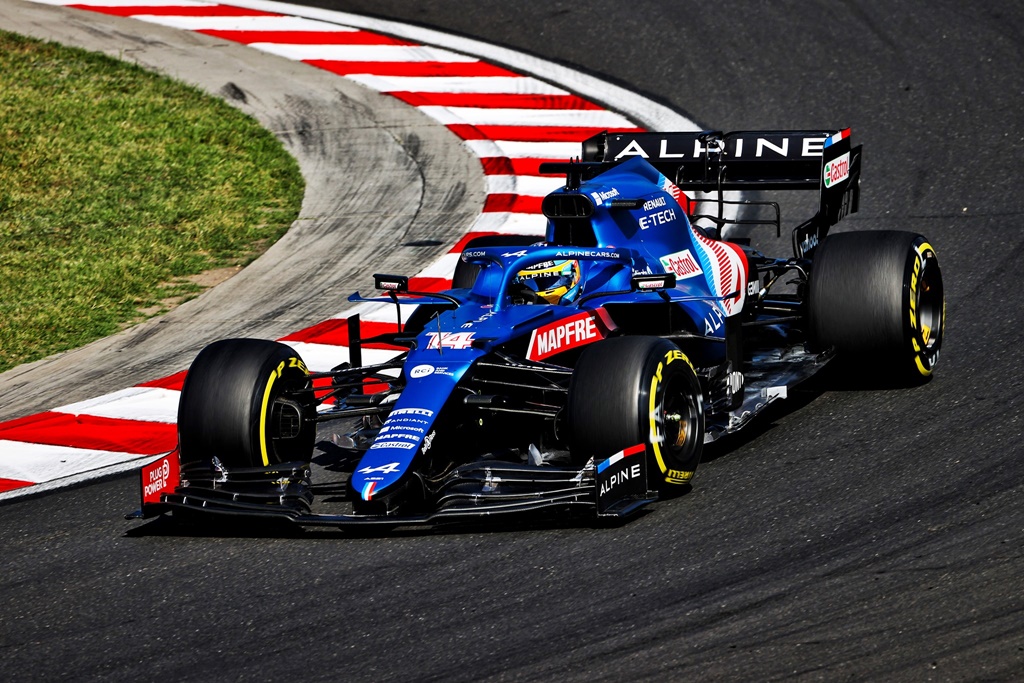
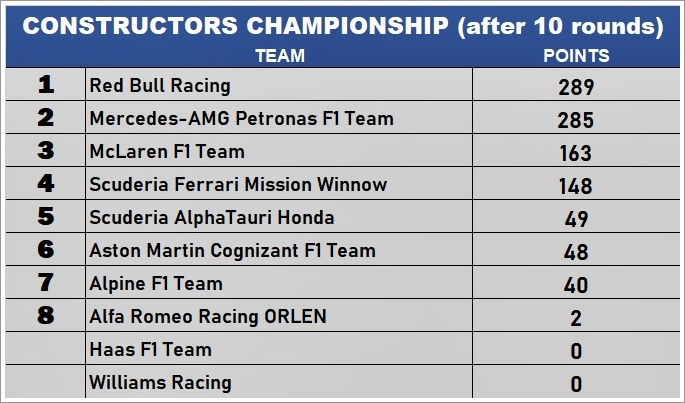
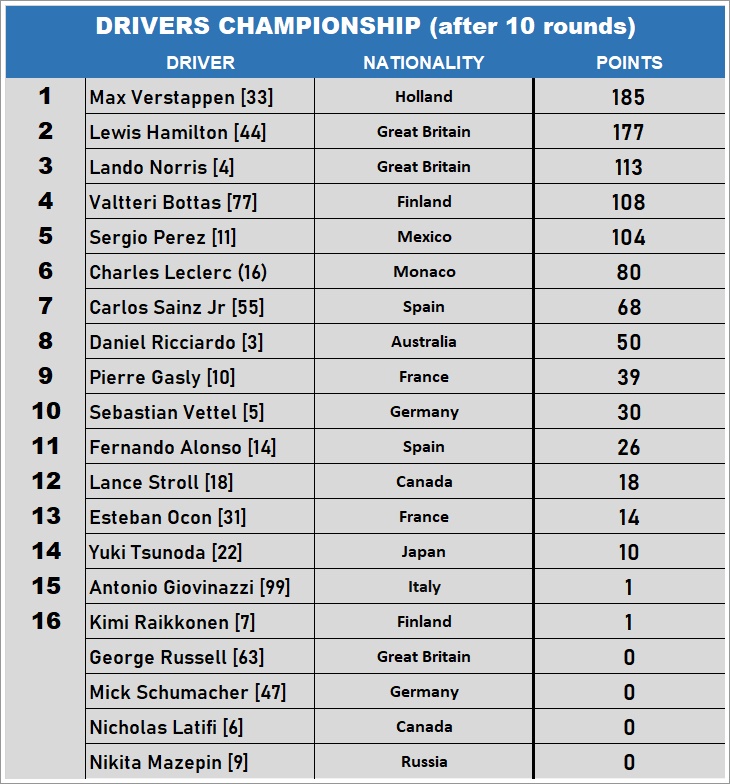
The controversial clash on the opening lap at Silverstone between championship leader Max Verstappen and reigning world champion Lewis Hamilton saw the latter’s eventual victory. This closed the gap that had been widening between the two drivers and as they start this round, 8 points separate them. Lando Norris, also from Britain, lies in third but 64 points behind.

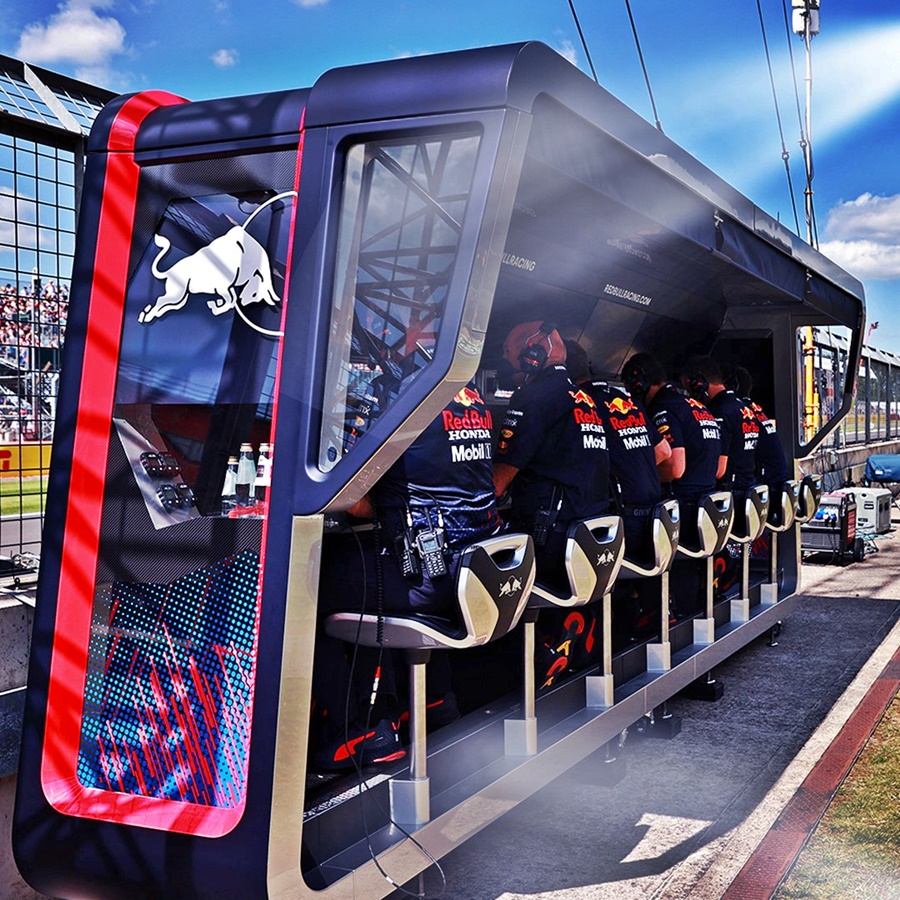
Besides damage to the racing car that was said to cost 1.5 million euros (about RM7.512 million) to repair, Red Bull Racing took home just 3 points after the last round, while Mercedes-AMG collected 43 points. This means that the defending champions cut the difference from 44 points before Round 10. to just 4 points before the start of this Sunday’s race.
The last of the Camel Trophy events was held in 2000 but to this day, the legendary off-road challenge held annually remains in the mind of many. Land Rovers were used in 18 of the events which served to demonstrate the superior capabilities of the British 4×4 vehicles (the ‘SUV’ term was not used then).

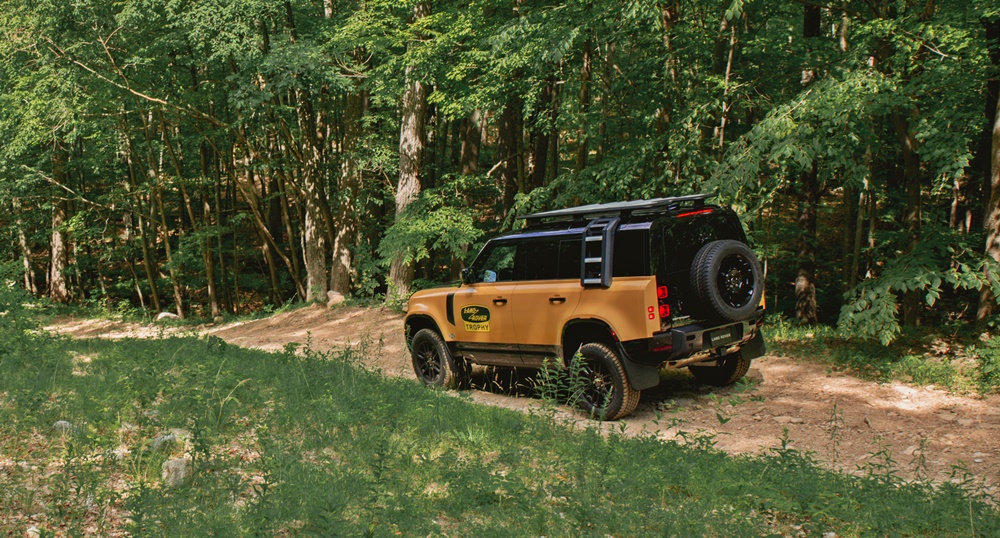
This month, Land Rover North America continue the expedition legacy of the brand with a limited production Defender Trophy Edition that will be only for the US market. Limited to 220 units, each priced at US$90,000 (about RM380,000), the vehicle is inspired by the Classic Defender Works V8 Trophy, of which just 25 units were produced (and sold out within 3 days). The special edition uses the latest Defender 110 P400 X-Dynamic SE version with a special wrap that mirrors the colour on the Defender Works V8 Trophy.

2021 Land Rover Defender Trophy Edition

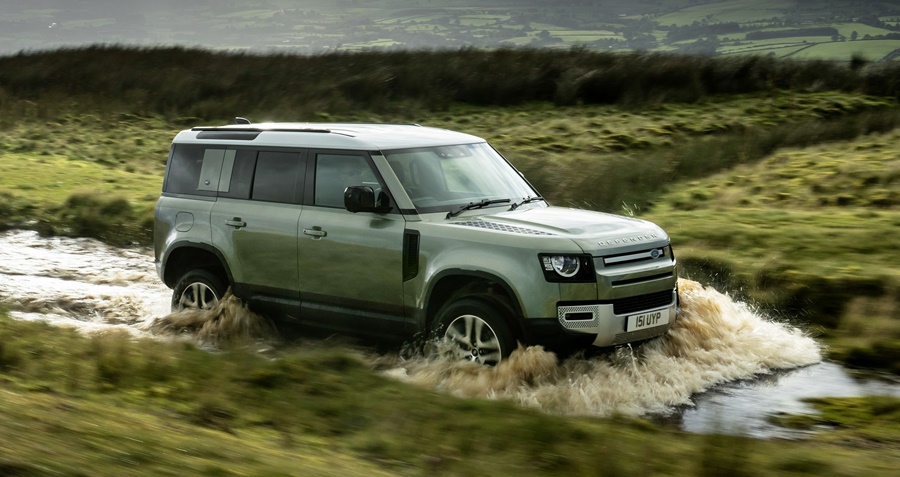
A standard version of the latest Defender 110.

The Defender Trophy Edition also has an Extended Black Exterior Pack, Off-road Pack, Cold Climate Pack, Advanced Off-road Capability Pack, tow hitch receiver and modern technologies such as  ClearSight RearView, Air Suspension Pack, and an 11.4-inch Touchscreen.

Like every Land Rover past and present, the Defender Trophy Edition can tackle on any type of terrain and endurance challenge. Additional all-terrain equipment includes an expedition roof rack, front undershield, deployable ladder, winch installation kit, integrated air compressor, and loadspace rubber mats.

2021 Land Rover Defender Trophy Edition

2021 Land Rover Defender Trophy Edition

2021 Land Rover Defender Trophy Edition

Customers who buy a vehicle will have an opportunity to attend (with a partner) a one-day off-road adventure in the Land Rover US Trophy Competition. Up to 90 teams will compete at the Biltmore Estate in Asheville, North Carolina in October this year. The estate is a historic 32 square km property which has a history covering 132 years.

Competitors will face a number of on and off-road challenges, including physical and team building obstacles, using their Defenders. They will also receive expert one-on-one coaching as part of the adventure, enabling them to learn driving techniques and skills to make maximum use of their vehicles.

The overall winning team, as determined by a judging panel, will go on to compete at The Land Rover Trophy Competition at Eastnor Castle in the UK, the spiritual home of Land Rover testing and development, to take place early 2022.

The Camel Trophy events were held between 1980 and 2000, and various Land Rover models were used by participants in 18 of the events. The locations each year were in different parts of the world, including Sabah in 1996. Half a dozen Malaysians were also among the international group of participants. SAfter the events, the vehicles – Range Rovers, Defenders and Discoverys – were sold off to become collectors items.

2021 Land Rover Classic Defender Works V8 Trophy (w/VIDEO)

StayAtHome

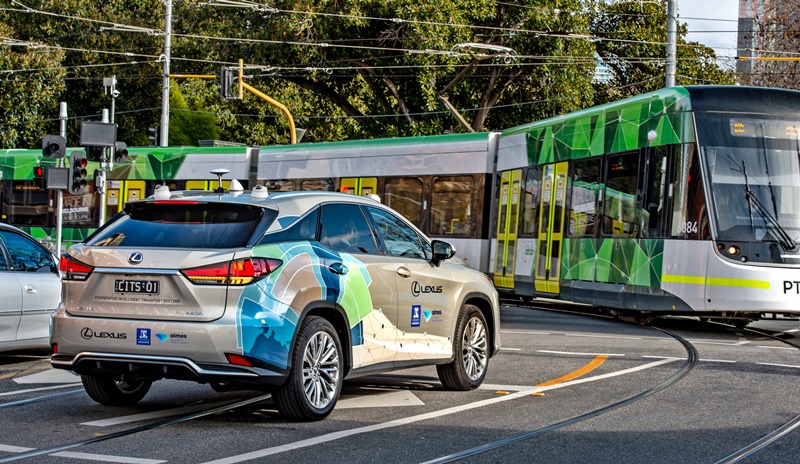
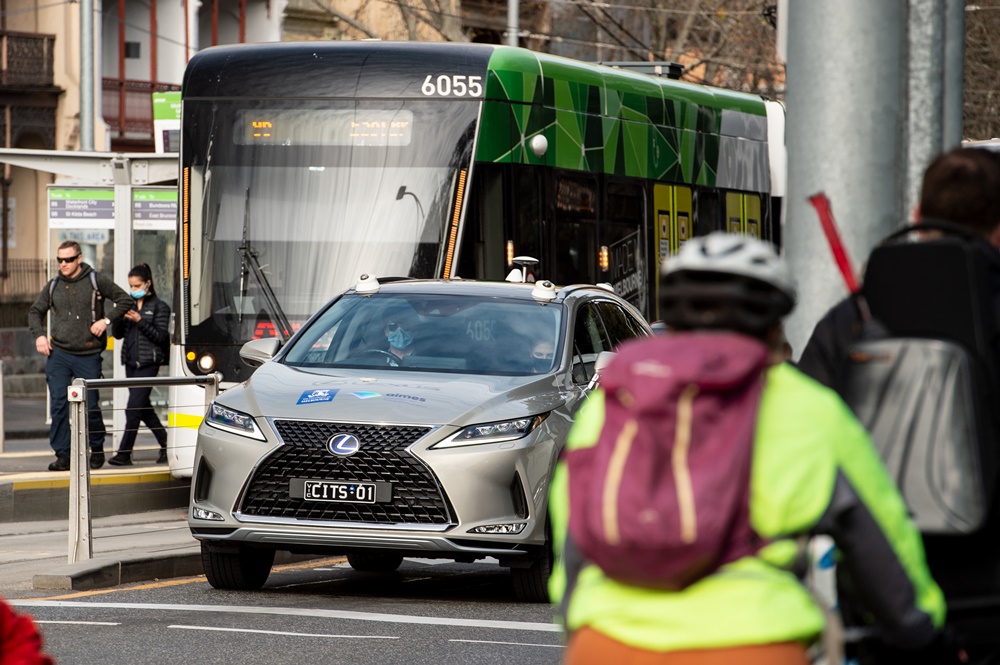
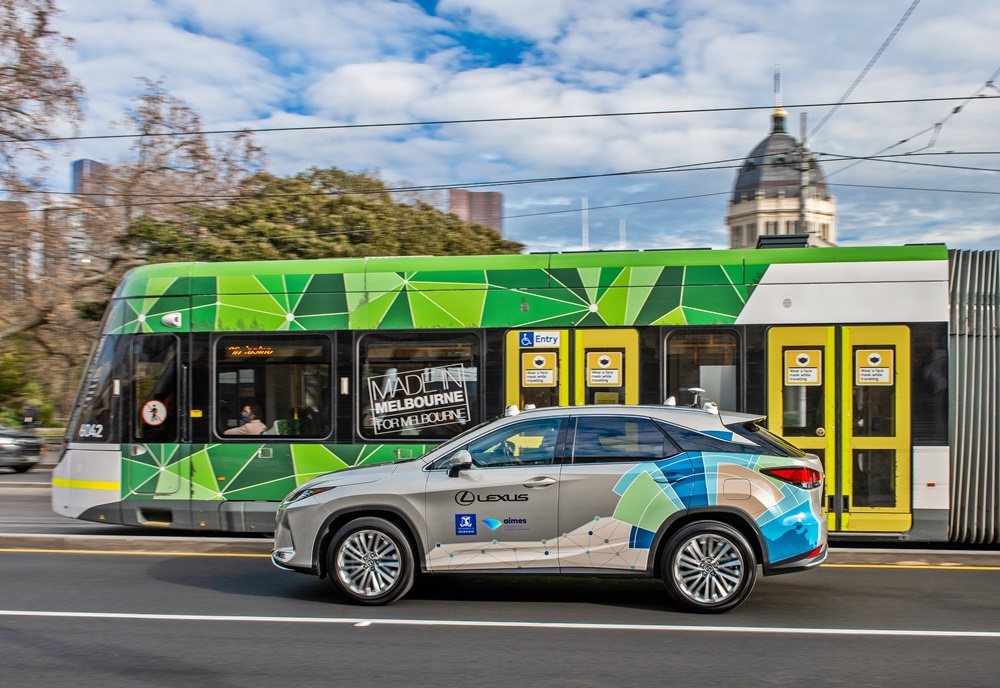
Two units of the Lexus RX450h are now cruising around an area of Melbourne in Australia and they are ‘talking’ to each other as well as the traffic infrastructure. The two hybrid SUVs are provided by Lexus Australia which is the first automotive partner to join the groundbreaking Australian Integrated Multimodal EcoSystem (AIMES). This is a real-world testing environment for vehicle-to-vehicle and vehicle-to-infrastructure communications technology.

AIMES is a collaboration of 50 government, transport and technology partners led by the University of Melbourne, and this real-world trial of advanced Co-operative Intelligent Transport Systems (C-ITS) technology will deliver crucial research to provide next-generation road safety solutions.

Lexus Australia

Lexus Australia’s partnership with AIMES builds upon previous C-ITS trials in partnership with the Victorian and Queensland governments that concluded in 2020. In Victoria, Lexus Australia participated in the Advanced Connected Vehicles for Victoria project. In Queensland, the company worked with the Department of Transport and Main Roads (Queensland) Cooperative and Automated Vehicle Initiative (CAVI) in Brisbane.

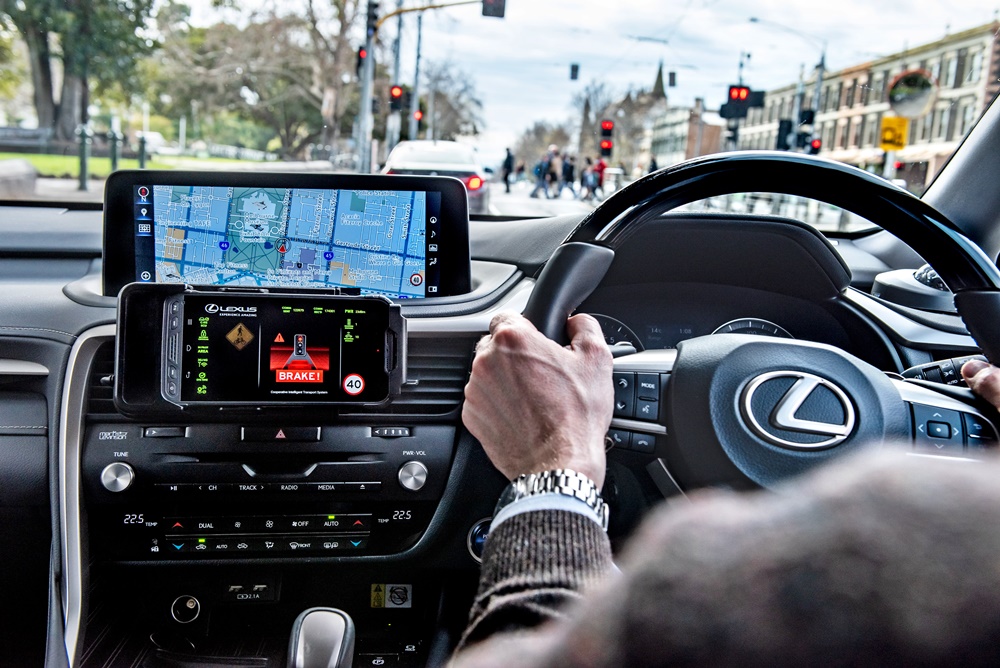
Those trials enabled Lexus to develop applications such as warning drivers of red lights ahead, pedestrians about to cross the road at traffic lights, and alerting drivers to the presence of slow or stopped vehicles, road works or road hazards such as water or debris – elements that will continue to be tested in this trial.

Lexus Australia
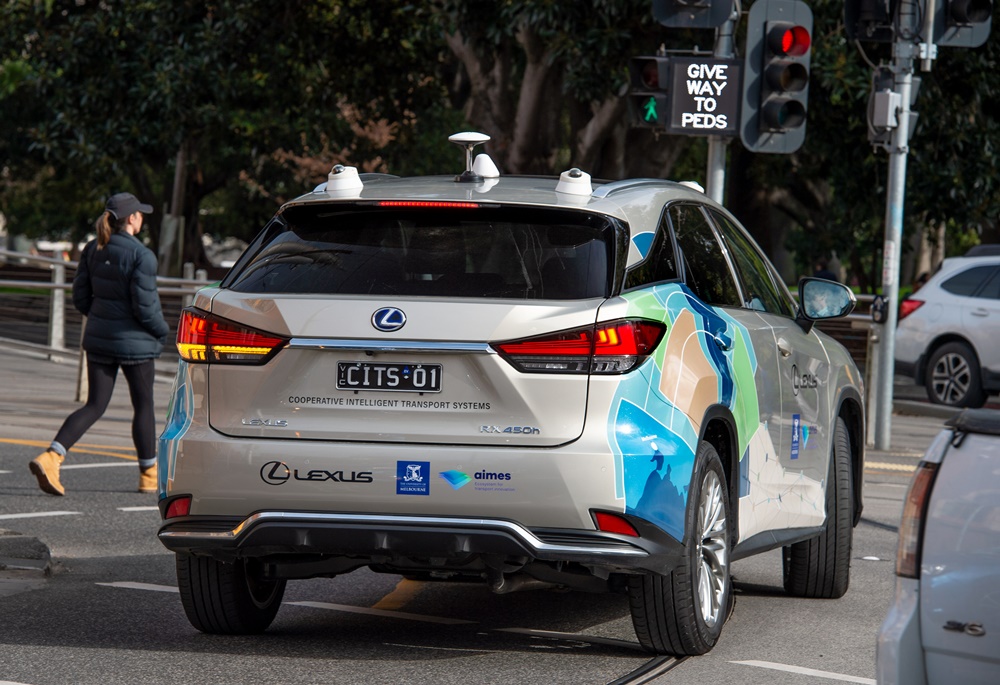
Various sensors and antennas on the roof of the SUV for communication.

Lexus has already successfully demonstrated Dedicated Short Range Communication (DSRC) technology for vehicle to vehicle (V2V) and vehicle to infrastructure (V2I) communications in Japan since 2015. This enabled it to prepare the two units with DSRC and cellular network technologies.

The two Lexus RX 450h SUVs can communicate with traffic lights, trams and emergency service vehicles to proactively deliver warnings and alerts of potential danger to the driver of the vehicle before they come into a driver’s line of sight. Lexus aims to use the trial to develop applications such as warning the driver when turning in front of a tram, or warning the driver when a cyclist or pedestrian has pushed the button on traffic lights to cross the road – including at challenging ‘hook-turn’ intersections.

Lexus Australia

Further applications to be developed include alerts when a driver attempts to enter a one-way street or freeway entry/exit the wrong way, when an emergency vehicle is approaching – or when it might not be safe to enter an intersection.

Trialing this technology targets a reduced risk of vehicles driving through red lights, turning into trams, or being unable to see pedestrians obstructed by traffic lights and other infrastructure before they step onto the road.

In addition to the connected vehicles, the AIMES trial area incorporates a network of smart sensors connecting public transport, pedestrians and cyclists, intersections, and streets into a fully integrated ecosystem.

Lexus Australia

Bladescan gives Lexus drivers extra advantage at night

StayAtHome

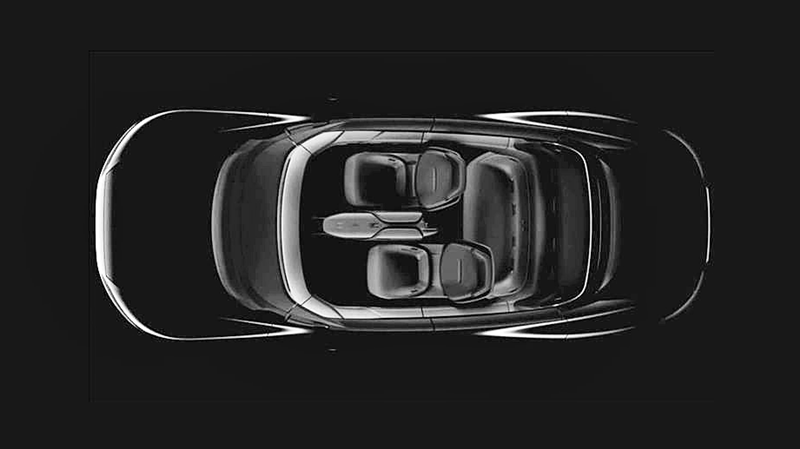
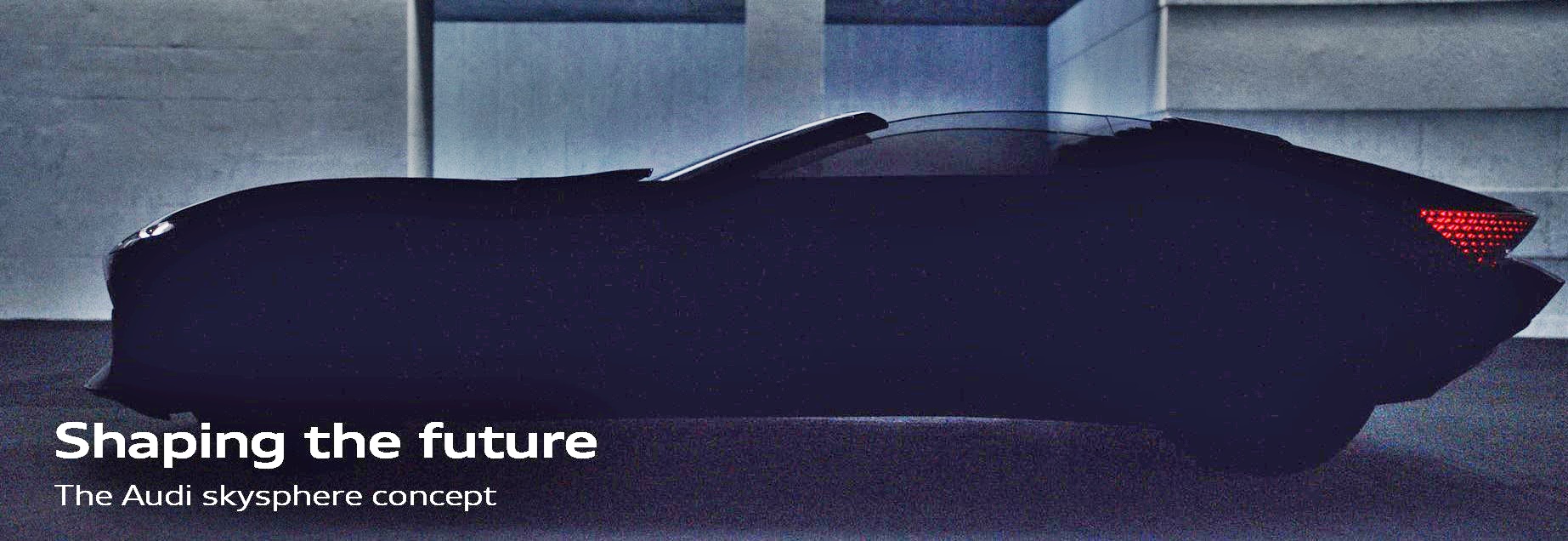
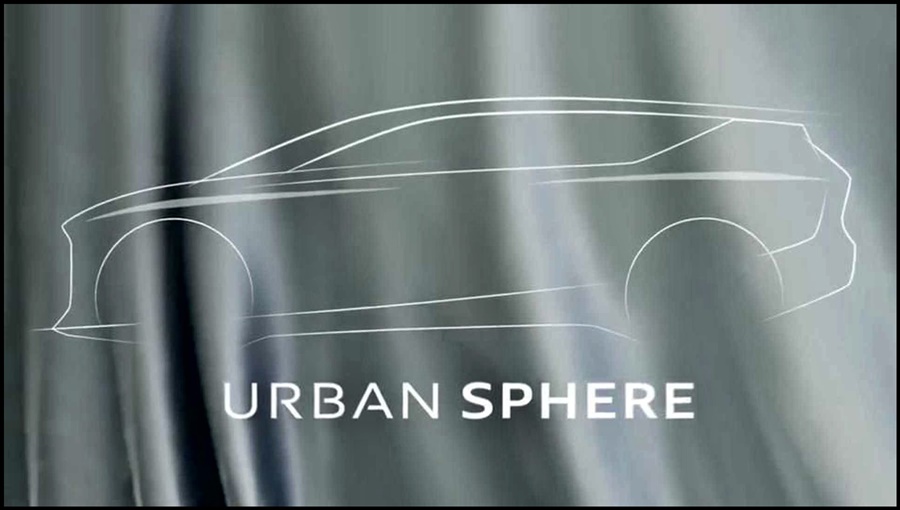
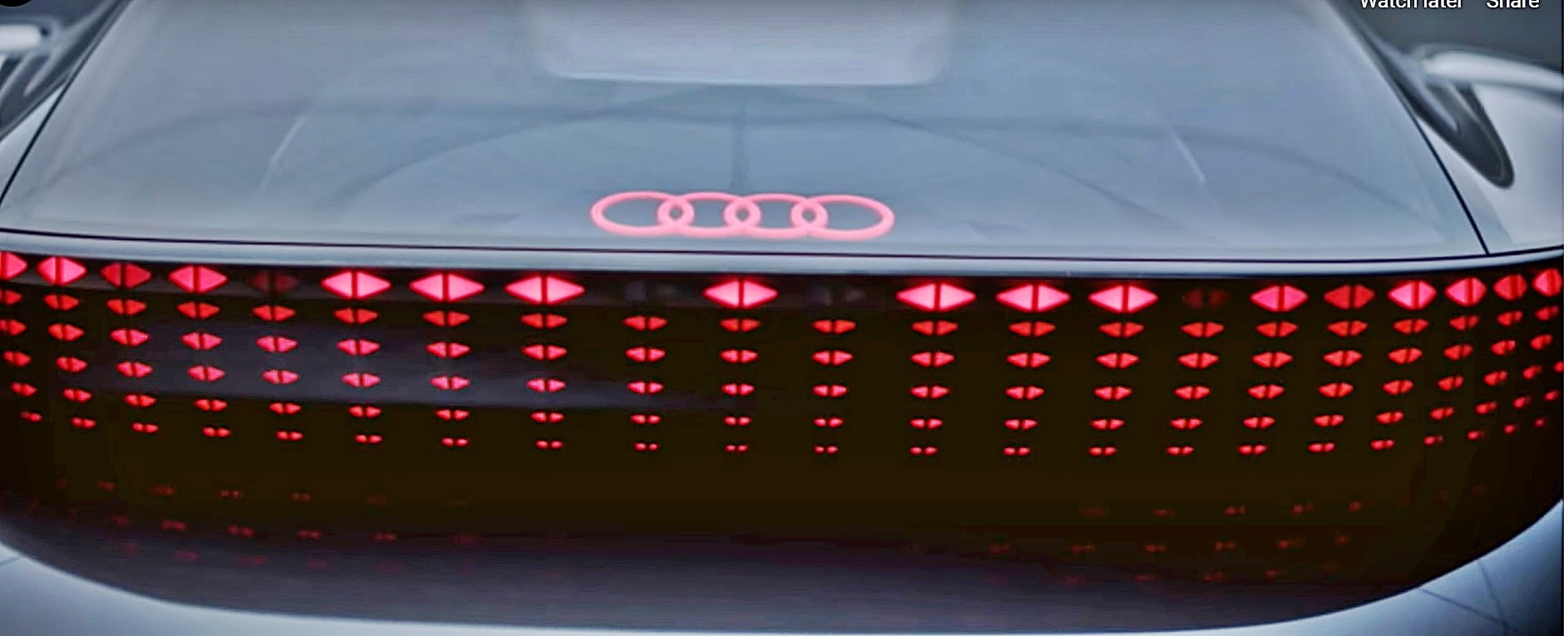
Audi has created three new concept cars to show how the brand will design its future luxury cars. The concept cars have a lot of focus on interior design which has been planned for Level 4 autonomous driving which will have much reduced driver involvement.

The three concept cars are called Skysphere, Grandsphere and Urbansphere. The shared root word ‘sphere’ in their names emphasizes all three designs’ focus on the new interior concept and the holistic digital ecosystem for a new world of experience on board.

With the transition to electromobility and, in a few years, to automated driving, this aspect of the car will change more dramatically than it has at any time in recent decades. And with the interior and the spatial architecture, a new overall car concept will also emerge in which the inner space becomes the core of new vehicle design. A digital ecosystem will also make personalized services possible beyond the car.

Each of the vehicles interprets this paradigm shift in design differently – created with resolute dynamism, distinction, or even long-distance travel in mind. In each case, the passengers’ needs and quality of experience are at the very top of the priority list. To achieve this, technological innovations and the highest quality materials and workmanship envelop the passengers in all areas.

Level 4 autonomy means that they can enjoy the freedom to drive themselves or – if possible – to simply disconnect from traffic and let the car drive itself. When autonomous mode is in use, the interior then changes its functionality. It becomes a free space for relaxing, networking, or even actively communicating.

“These concept vehicles embody our brand strategy. They show how we imagine the near future of premium mobility,” said Henrik Wenders, Head of the Audi brand. For him, the future is a design space to offer people new experiences during their journey. Audi is calling these newly designed car interiors – referred to as spheres – that envelope the passengers.

The first two concept cars will make their appearance during August. The Skysphere will be unveiled at Audi’s new design centre in California and also shown at the Monterey Car Week. A few weeks later, the second concept car, the Grandsphere, will be presented at the 2021 IAA Mobility show in Munich. In the first half of 2022, the Urbansphere will follow as the third concept car.

Unlike ‘vision cars’ like the Audi AI:CON or AI:ME, these three showcars are not trying to look into the distant future. Instead, they are presenting lines, technologies, and spaces for experience that are likely to be seen in some production models from the mid-2020s.

Audi A6 e-tron concept (w/VIDEO)

Vaccination does not make you immune to COVID-19 infection. You can still get infected and you may not show symptoms but spread the coronavirus to others. Do not stop taking protective measures such as wearing a facemask, washing hands frequently and social distancing.

Malaysia has long had national automotive policies which are intended to provide a ‘roadmap’ for the development and growth of the auto industry. Updated periodically, it is supposed to give a ‘roadmap’ for companies, especially carmakers, to plan ahead. Investments are often planned many years in advance so policies must be sufficiently long and more importantly, consistent.

In recent times, interest has been on how the government intends to phase in electric vehicles (EVs), in line with the global trend. With Europe, China and Japan putting pressure on electrification, some manufacturers have already declared that they will not only step up development of electrified models but will also stop selling vehicles with combustion engines by the end of this decade.

‘EV roadmaps’ already out in neighbouring countries
Neighbouring countries such as Thailand, Singapore and Indonesia have already provided their ‘roadmaps’ to the industry. The policies announced have provided sufficient information for the carmakers to plan their investments which will be considerable.

Malaysia has said it has an EV policy and will announce it in due course, so the industry waits. A clear policy coupled with incentives will certainly attract investments to supercharge EV adoption by the masses, according to  industry players speaking at Maybank Kim Eng’s ‘The Rise of ASEAN EV’ webinar recently.

Clear timeliness will bring investments
Having clear timelines for EV adoption and phasing out of internal combustion engine vehicles  (ICEVs), incentives for EVs and also introducing disincentives for ICEVs will increase the demand for EVs. Investments will follow suit, including those for building the charging infrastructure and stability of power supply.

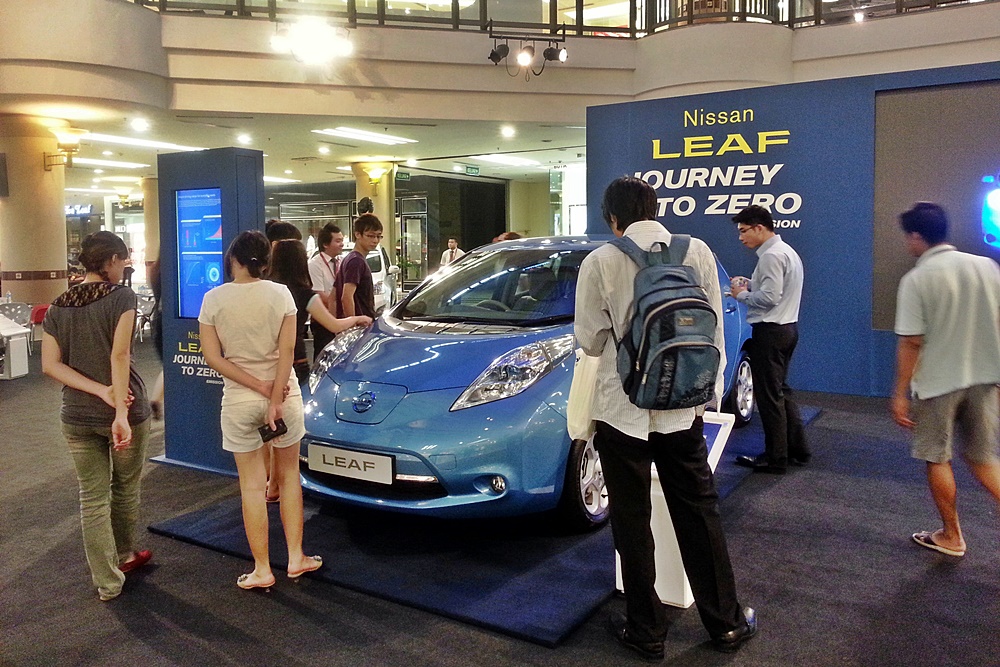
Car companies like Edaran Tan Chong Motor have used their own money to try to create more awareness of EVs. In 2012, when the government allowed short-term duty-exemption on electrifed vehicles, the company introduced the LEAF EV. But without incentives to offset the high prices of the EVs, there was little interest when the exemption ended.

Citing Norway’s experience, Eirik Barclay, Group Executive Vice-President, New Ventures and Technology, Yinson Holdings, said that there was never a subsidy for EVs. Instead, the government increased taxes on ICEVs and fuel. This also meant that the government did not lose revenue. He believes that these measures, and the removal of fuel subsidies, will result in consumers choosing EVs over ICEVs due to cost of ownership.

Comprehensive charging infrastructure needed
Range anxiety remains a concern among consumers, this referring to the distance that can be travelled on a fully charged battery pack before it needs to be recharged. However, studies have found that most do not usually drive more  than 100 kms on a typical day and most of today’s mass-produced EVs can already provide that range and more. This concern can be mitigated with a charging  infrastructure that is well planned and comprehensive.

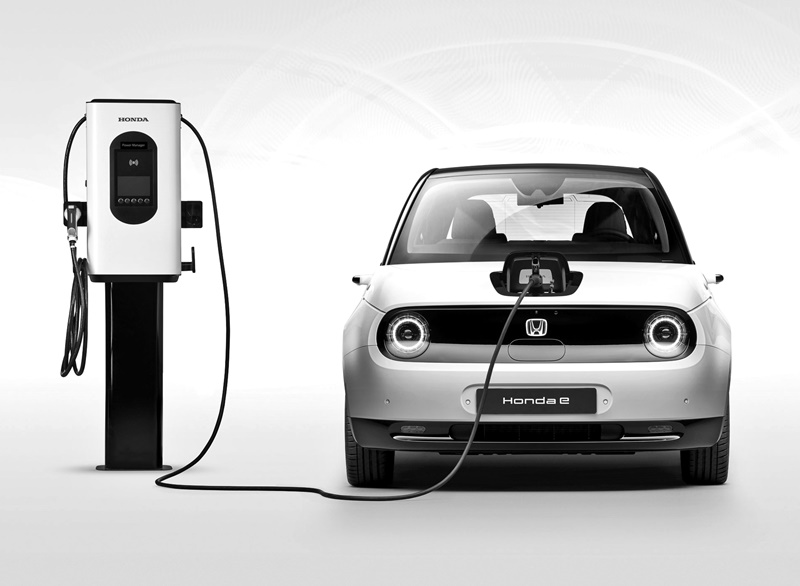
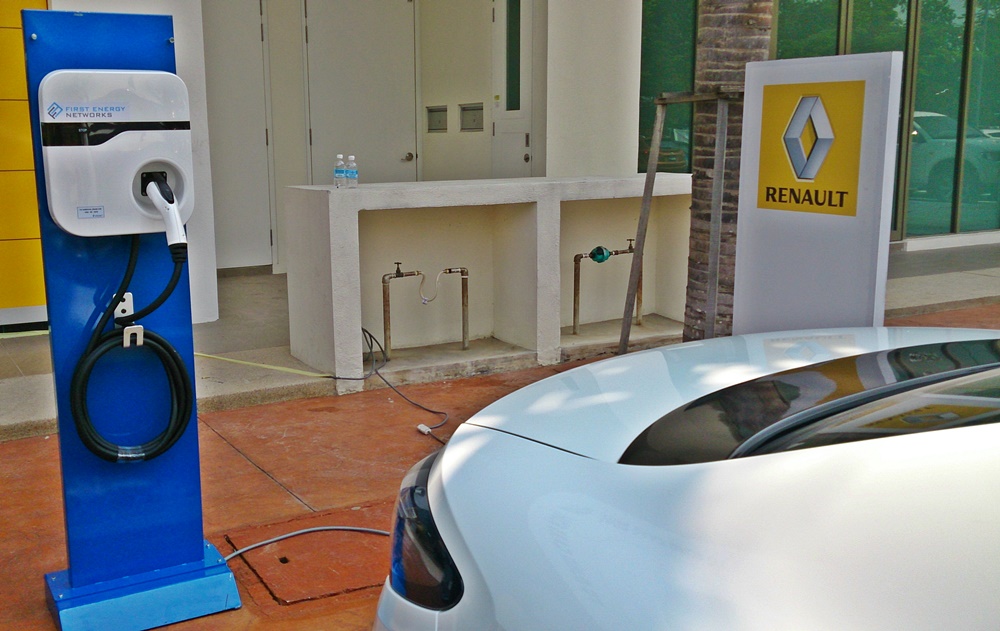
A comprehensive and widespread network of charging stations is necessary to make Malaysian comfortable owning electric vehicles.

Lee Yuen How, Director, EV Connection Sdn Bhd said that all stakeholders such as automakers, oil and gas companies, utility companies, chargepoint operators, and the government should work together to build the infrastructure.

“If you leave it to the private sector, they will only build the charging infrastructure where there are high concentrations of EV users, leaving the semi-urban and rural areas to become an ‘EV-charging desert’. Therefore, the government plays an important role in ensuring investment across all areas,” he added.

Responsibility for used batteries
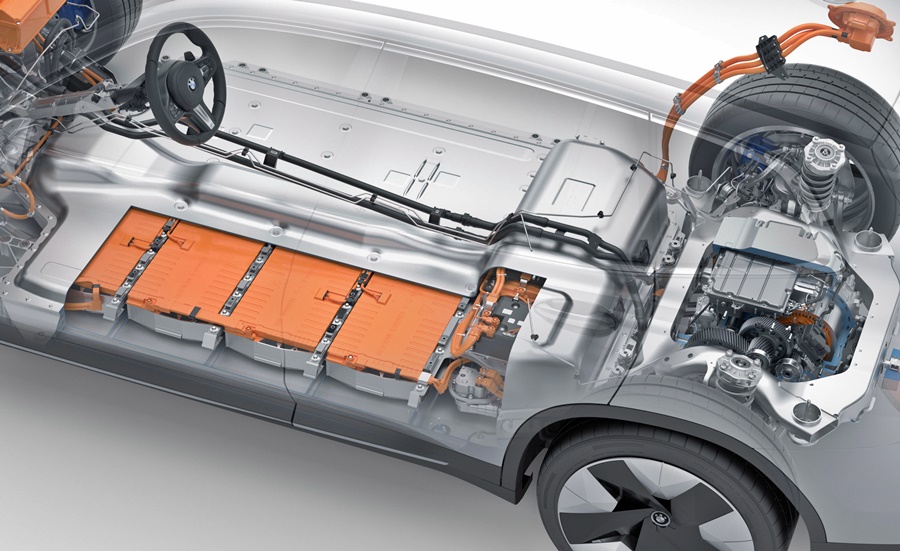
Jinsi Lee, Founder & CEO of Oyika, advocates a separation between the battery pack and the electric vehicle for environmental and regulatory benefits. “The party that sells the vehicle must be responsible for the battery across its entire lifecycle, instead of transferring ownership to the vehicle buyer. The seller will be required to take the battery pack back, recycle it and reuse it as second-life storage, decommission it and so on,” he said.

“From a consumer’s point of view, if the battery pack is leased, then one can buy a second-hand EV and still get the latest battery technology. We are doing this for motorbikes and I don’t see why we can’t do it for vans, trucks and cars,” he added.

Maybank Kim Eng Research predicts that sales of EVs will reach parity with ICEVs by 2030,  driven by the global carbon neutrality agenda and millennial consumer preferences, among  others. Malaysia and the Philippines are the slow ones in the EV race in ASEAN. Malaysia’s Low Carbon Mobility Blueprint is an important catalyst; however more focus should be on battery EVs (running only on electricity) instead of plug-in or hybrid EVs to be fully on the carbon neutrality agenda.

During the webinar, it was also suggested that ASEAN should look at China and pure-EV companies for partnerships and investment, and pursue green technology such as hydrogen at the same time.

The National Vaccination Program in Malaysia is free of charge.

StayAtHome

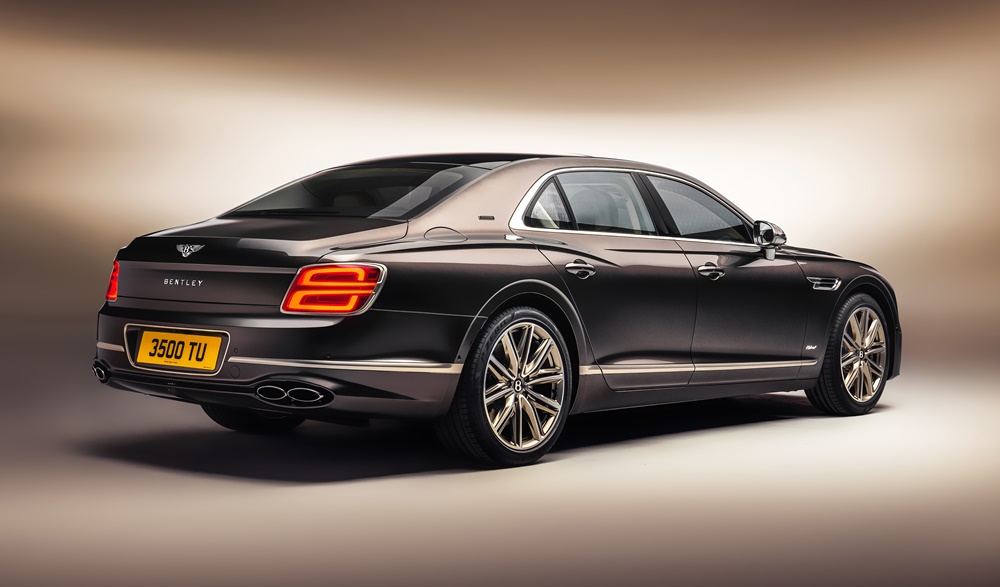
As part of its Beyond100 strategy, Bentley will pursue sustainability in every area of its business as well as the products it makes and sells. The journey has already begun and a limited edition of the Flying Spur Hybrid provides a preview of what will come.

The Flying Spur Hybrid Odyssean Edition uses an advanced hybrid powertrain which can prove that hybridization will not compromise luxury or performance. The new powertrain combines a 2.9-litre V6 petrol engine with an advanced electric motor, generating a total of 544 ps/750 Nm (significantly more power than the Bentayga Hybrid). While able to cover the 0 to 100 km/h sprint in a claimed 4.3 seconds, the limousine is also said to have a range of over 700 kms when fully fuelled.
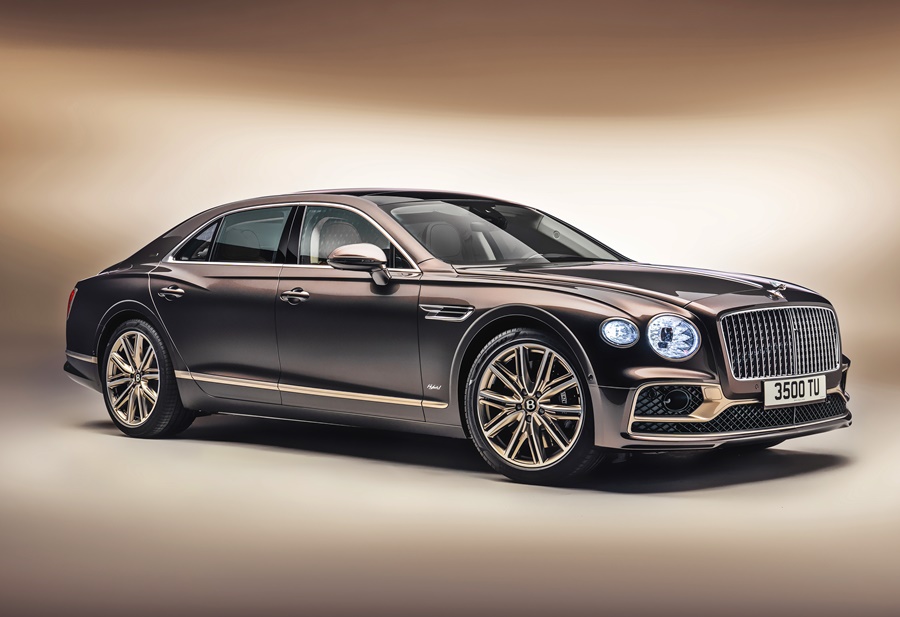
2021 Flying Spur Hybrid Odyssean Edition

Sustainable materials throughout the cabin
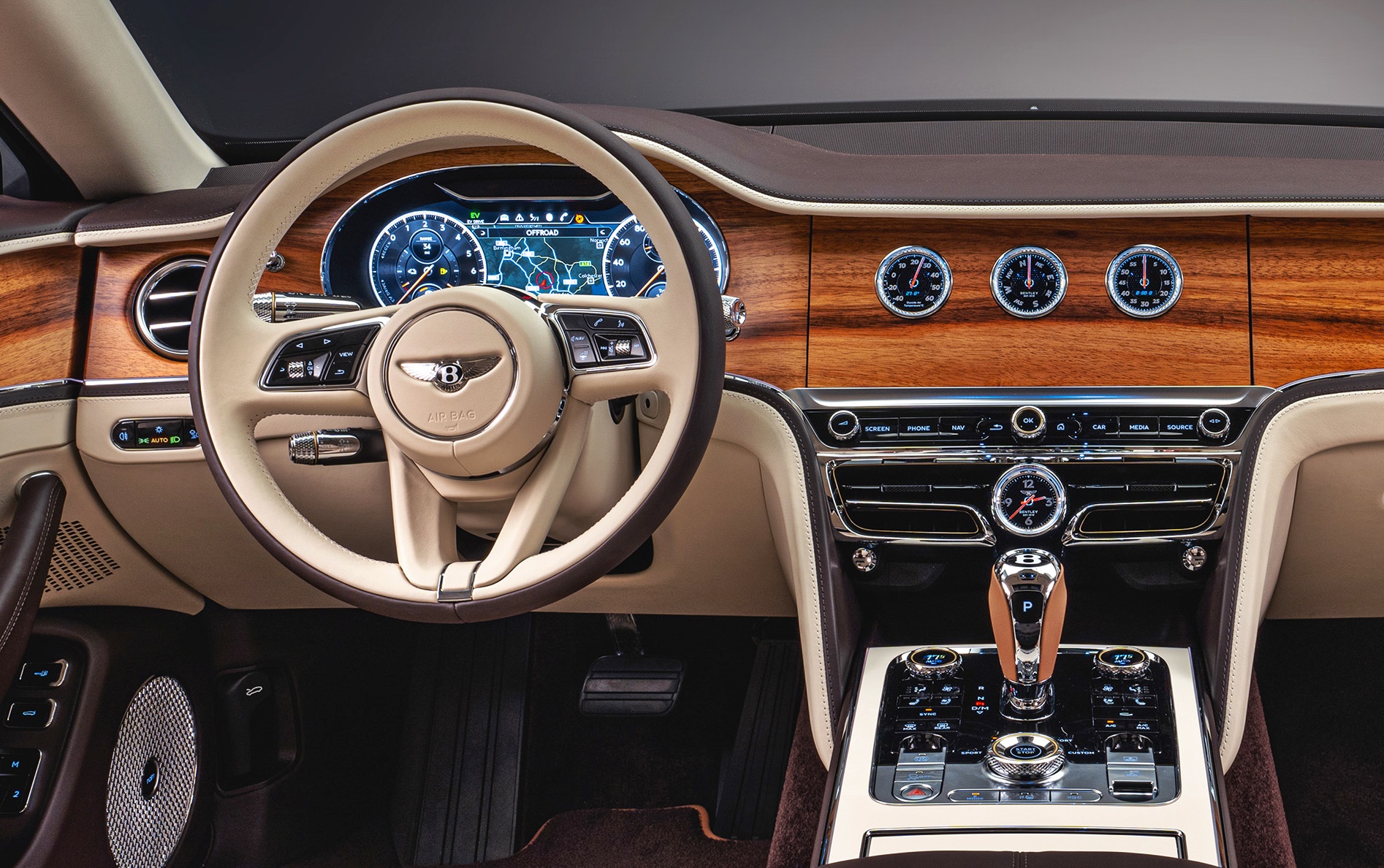
New, even more sustainable materials are used throughout the cabin, directly reflecting design details showcased in Bentley’s centenary concept car. The cabin features panels of beautifully crafted tweed made from 100% British wool, twisting a blend of tonal colours into a bespoke yarn to create a unique natural luxury textile especially for Bentley.

The open-pore Koa veneer fascias and waistrails use 90% less lacquer than high-gloss veneers, and allow the natural surface texture and aesthetic of the wood to be enjoyed. Selected from only the very best, most figured stock available, open-pore veneer is painted with just three ultra-thin layers of lacquer, together totalling only 0.1 mm in thickness.

The centre console is finished in a sleek, minimalist Piano Linen veneer, while a dedicated tri-colour leather scheme lends the whole interior new depth. Together with new materials, sustainable leather is used widely across the cabin, thanks to its long-term durability. Indeed, Bentley’s own 1955 S1 Flying Spur was referenced during the design process, as the car still retains its original leather interior which, in spite of now being 66 years old, is still in immaculate condition.

2021 Flying Spur Hybrid Odyssean Edition

2021 Flying Spur Hybrid Odyssean Edition

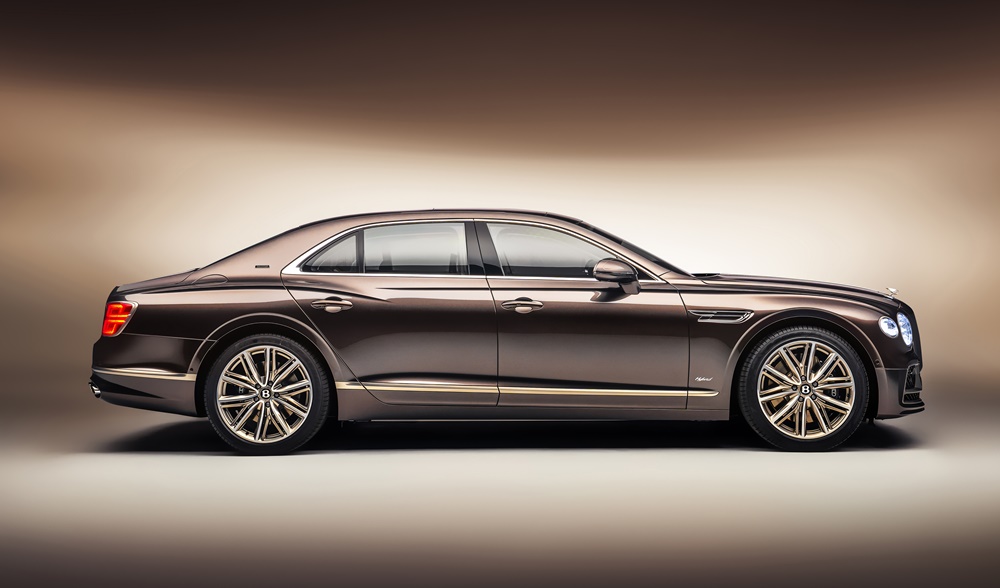
Accents to the interior are in a soft, warm hide called Autumn, with customers able to choose from 5 specifications that utilize Beluga, Porpoise, Cricketball, Brunel or Burnt Oak leather in tandem with light, modern Linen hide. A unique Odyssean Edition treadplate becomes apparent when entering or exiting the car, and is matched with exterior D-pillar badging.
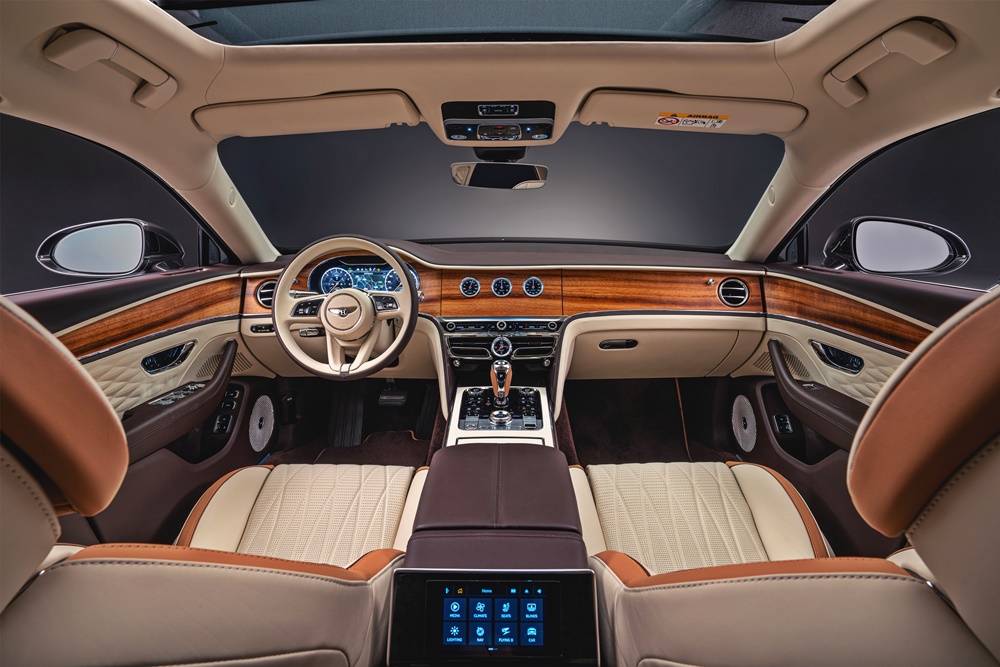
In common with the finishes seen in the EXP 100 GT interior, an exclusive new embroidery style sees thread colours blend calmly into one another across the width of each seat, defining and accentuating the ‘lofted diamond’ pattern unique to the Flying Spur – together creating a stunning effect employed here by Bentley for the first time.

2021 Flying Spur Hybrid Odyssean Edition

On the exterior, painted Pale Brodgar accents on the 21-inch 10 twin-spoke wheels and lower brightware (front and rear bumpers, headlight and tail light surrounds and lower body side chrome) give a unique visual character. A curated exterior palette of six colours have been recommended to harmonise with the Pale Brodgar accents, but the full Bentley palette can be chosen from.

Real-world usage of Bentley Hybrids
As part of Bentley’s journey towards electrification and the Beyond100 strategy (delivering a product range composed entirely of plug-in hybrids or battery electric vehicles by 2026), a research activity has been undertaken to gain insights into customer usage of the Bentley Hybrid from owners.

2021 Flying Spur Hybrid Odyssean Edition

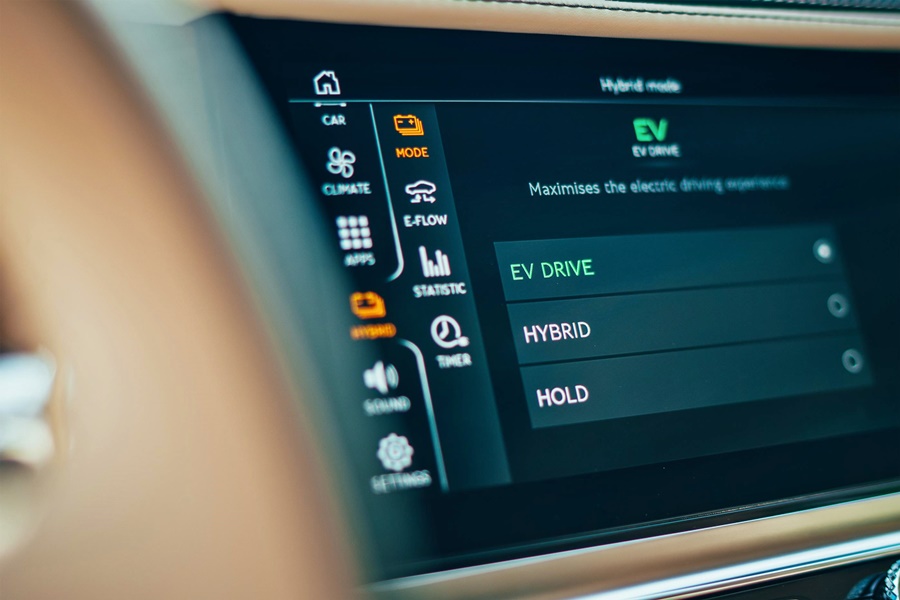
Over 90% of owners use their first generation Bentayga Hybrid on a daily basis or several times a week and nearly 100% make use EV mode, which means running only on electrical power with zero emissions. Half of them consistently have journeys of less than 48 kms. In real-world terms, this means that the majority of the journeys, whether office commuting or school runs, can be achieved predominantly whilst producing zero emissions.

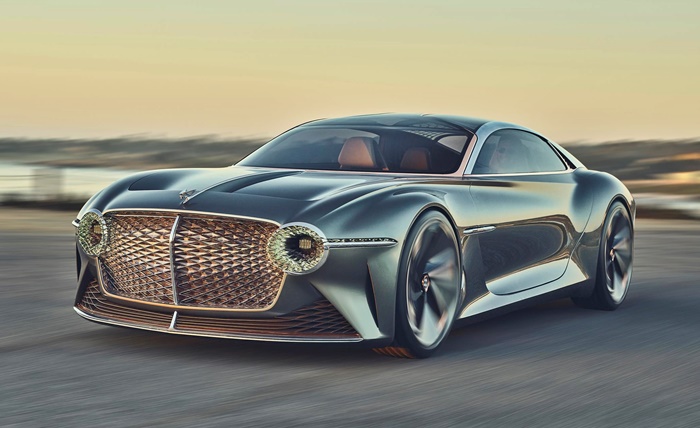
 EXP 100 GT concept

Archive

Follow us on Facebook

Follow us on YouTube