
Piston.my

Latest News

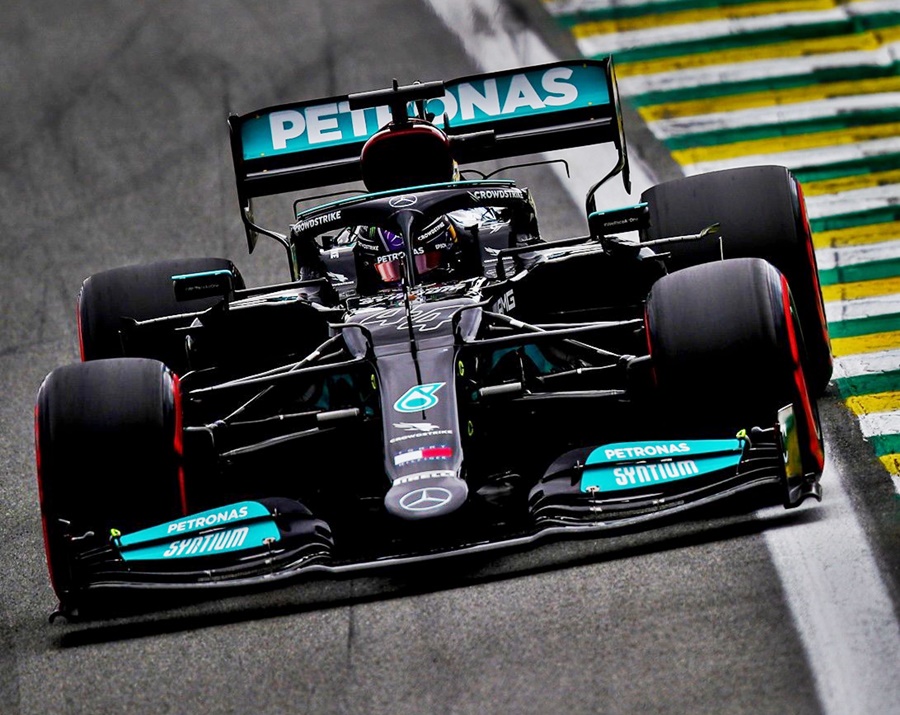
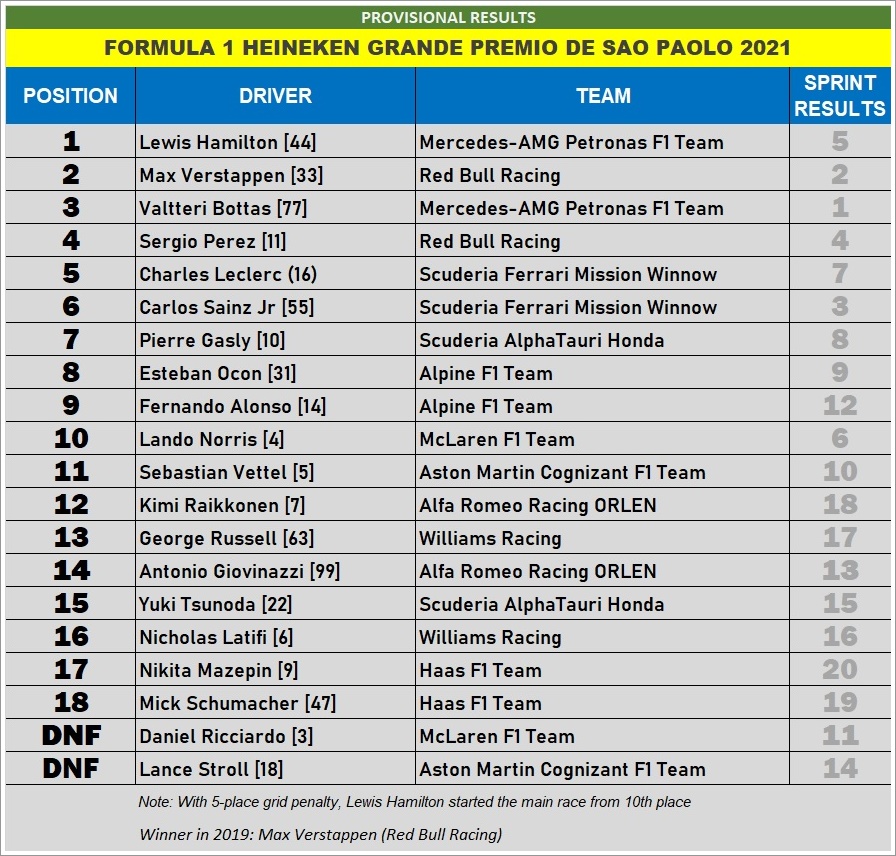
With the engine change, Lewis Hamilton’s fifth place finish in the Sprint Race put him 10 places behind his team mate who was on pole position but that was at least better than the back of the grid that he had started from for the Sprint Race due to disqualification of his Qualifying times.

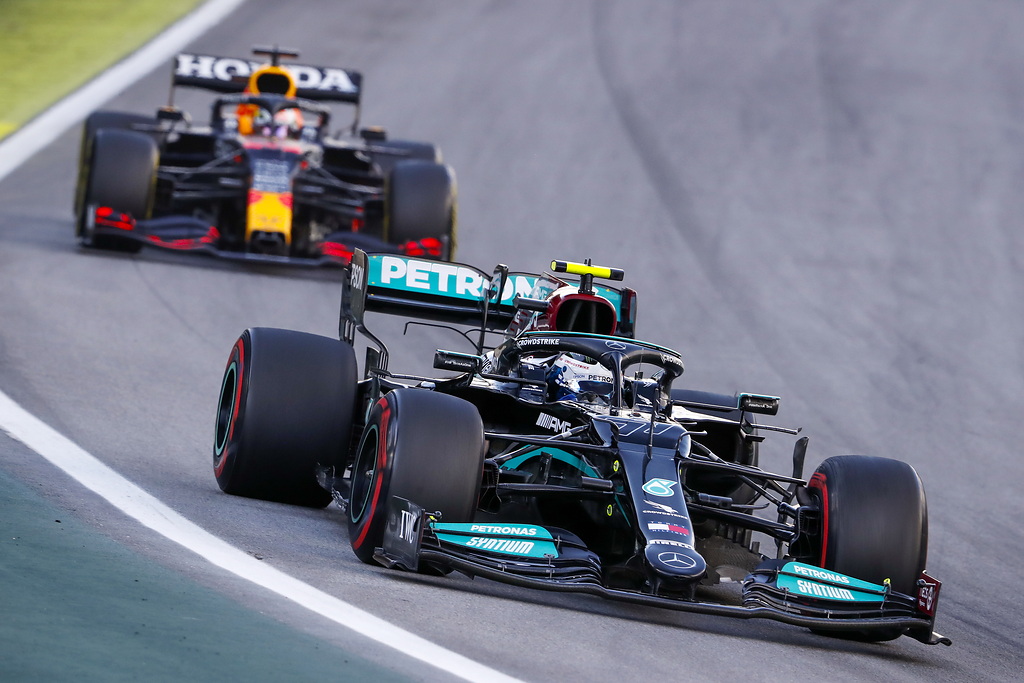
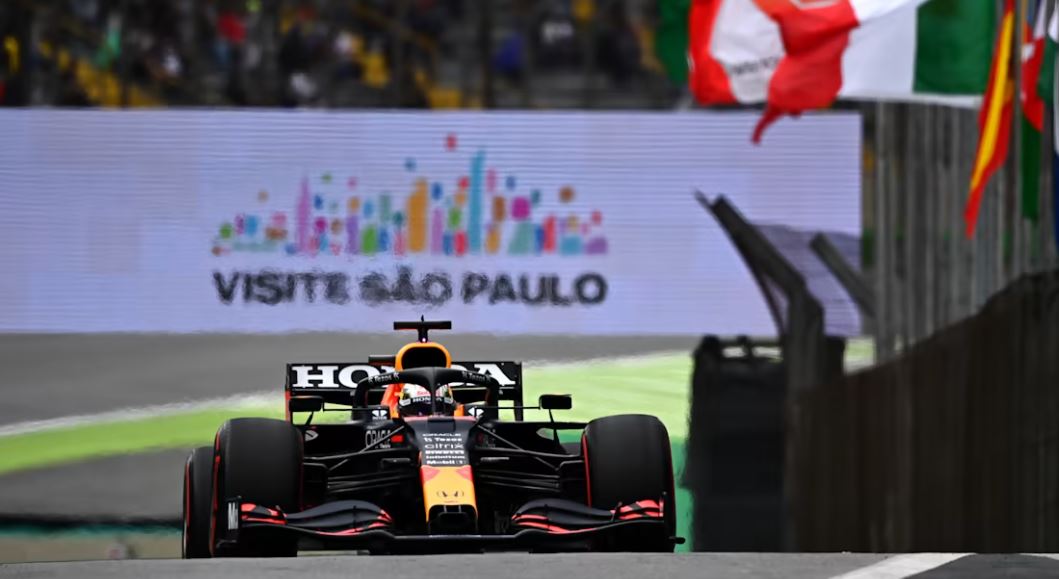
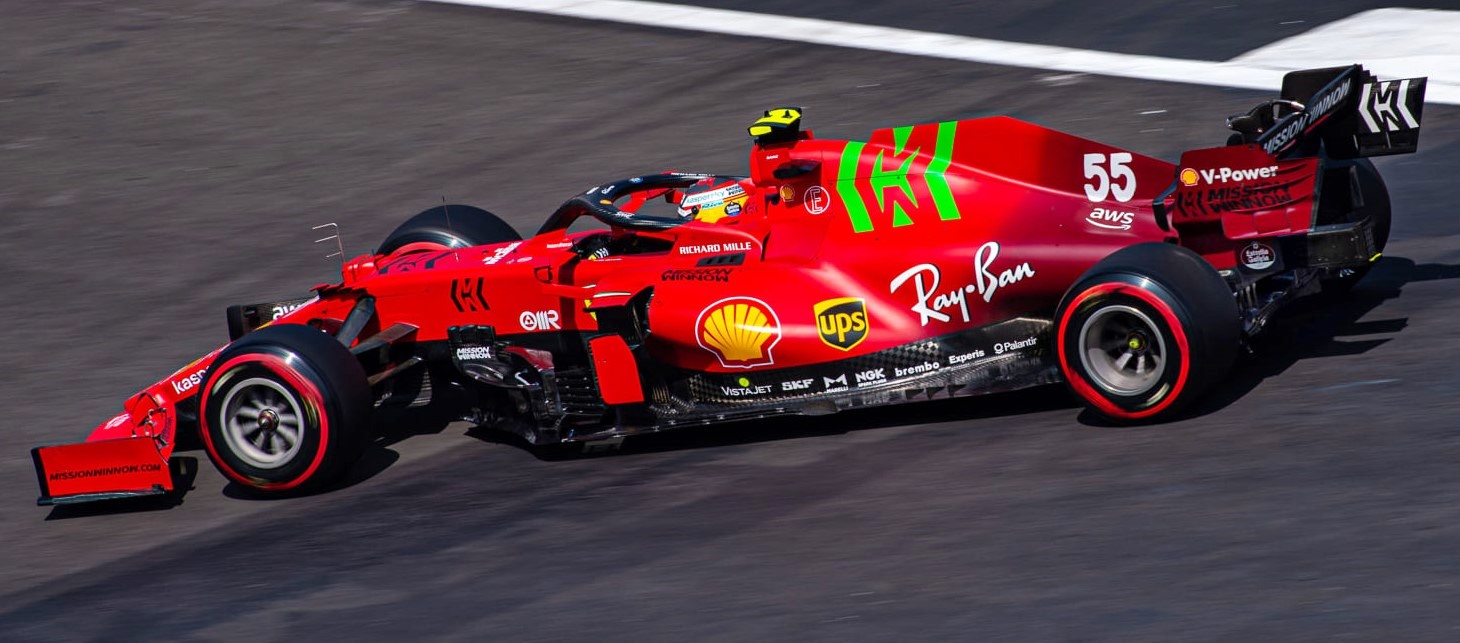
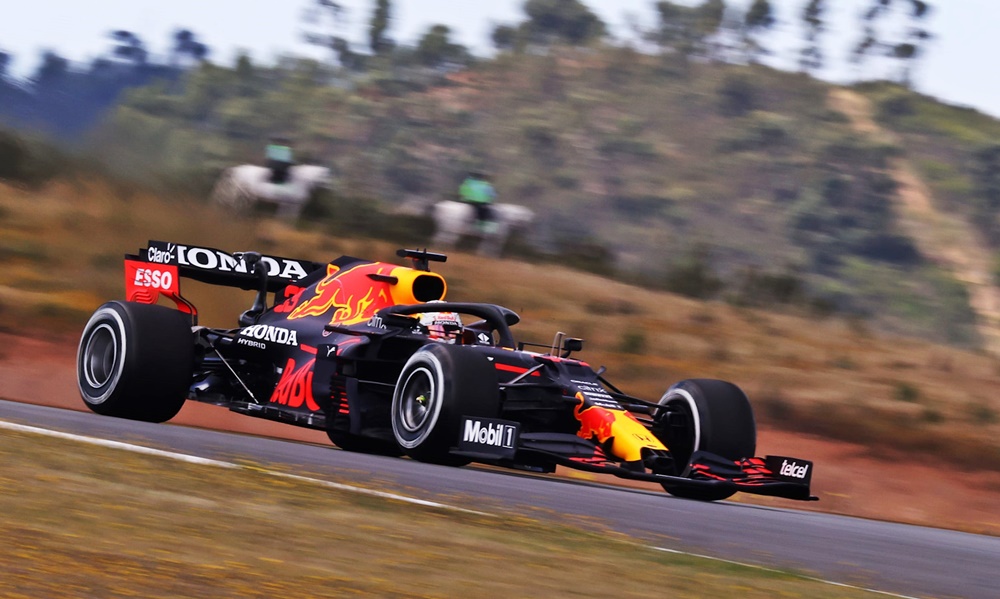
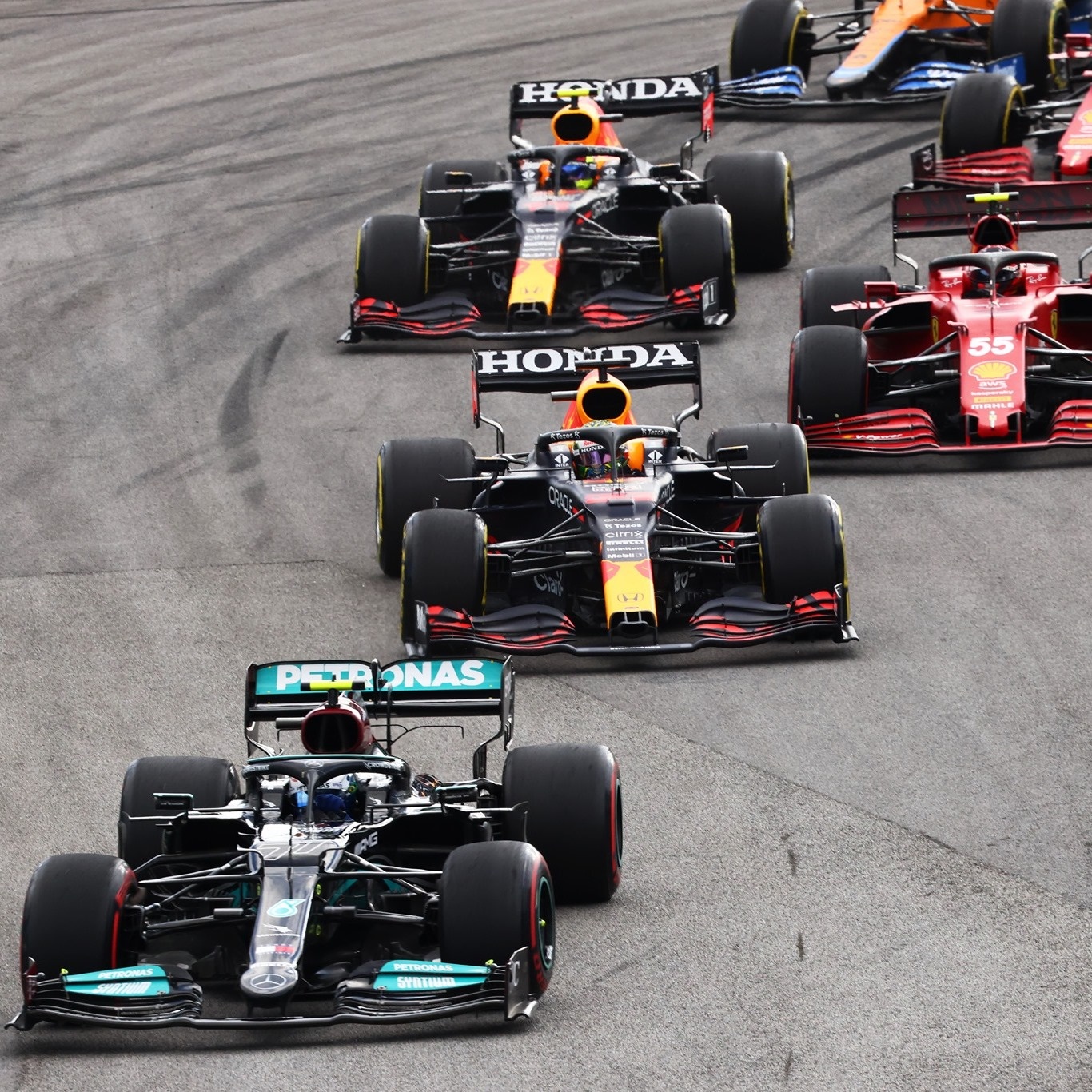
Valtteri Bottas was quicker off the start line and first into Turn 1 but by Turn 2, it was Max Verstappen who emerged in the lead. As Bottas had to run wide, an alert Sergio Perez immediately passed by to trail his team mate. Meanwhile, Lando Norris was struck with a puncture (after hitting Carlos Sainz’ Ferrari’s wing) and had to limp back to the pits.
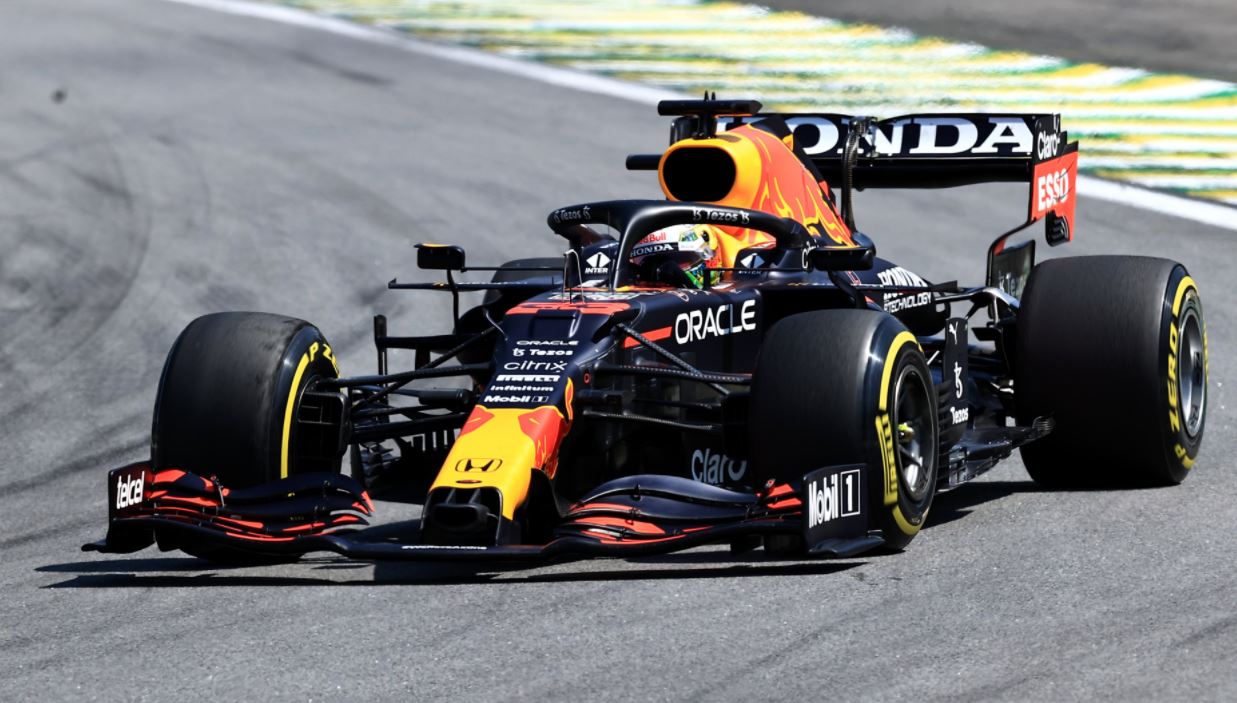
Within the first 3 laps, Hamilton was up to 5th and had Ferrari’s Charles Leclerc to pass before reaching Bottas. Two laps later, he appeared behind his team mate and got past easily and into third place, ready to go for the two Red Bulls.

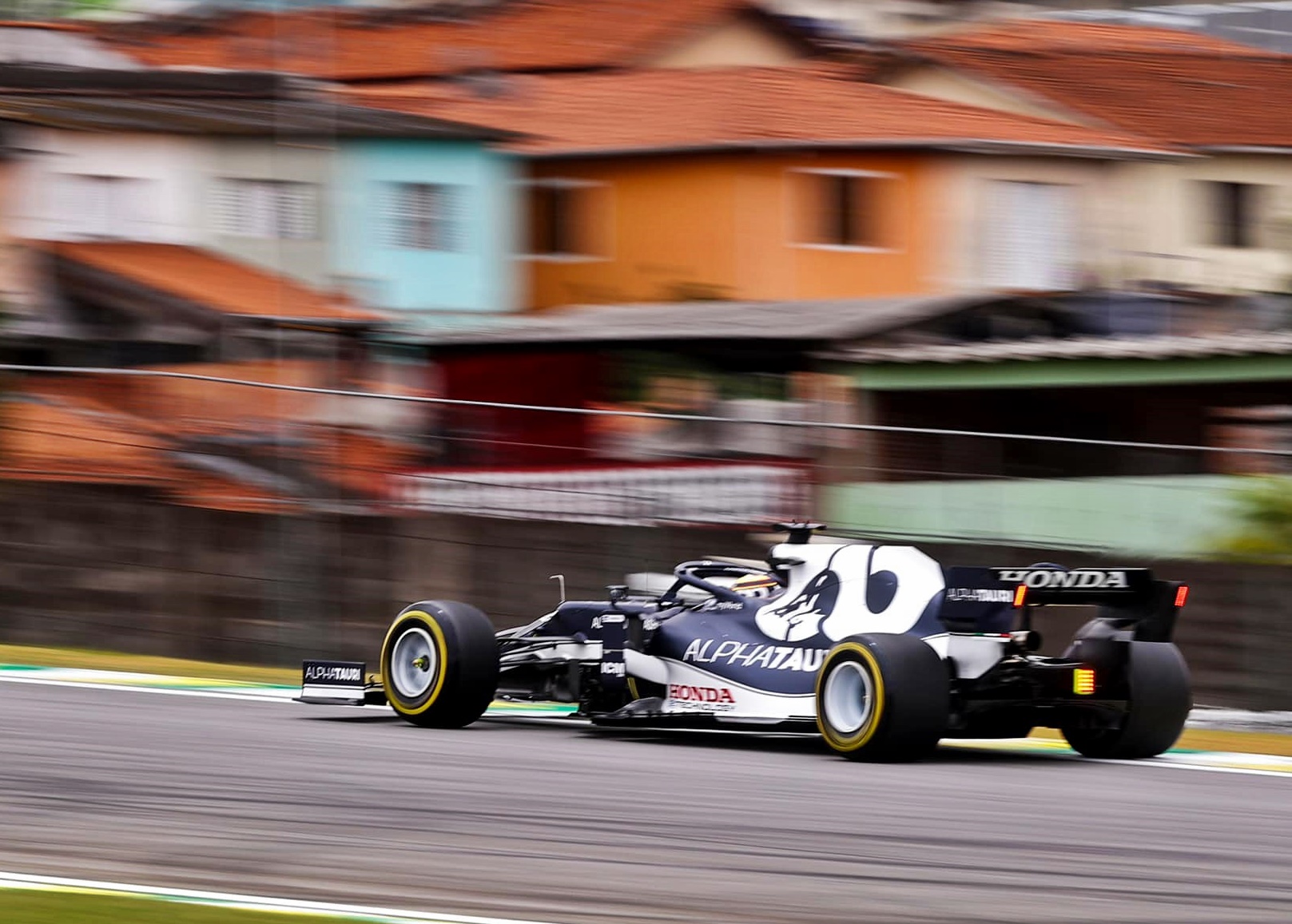
Further back, Scuderia AlphaTauri’s  Yuki Tsunoda collided with Lance Stroll’s Aston Martin and with much damage to the front wing, the Safety Car had to come out to control the field while marshalls cleared the debris. It stayed out for 3 laps before racing was allowed to resume.
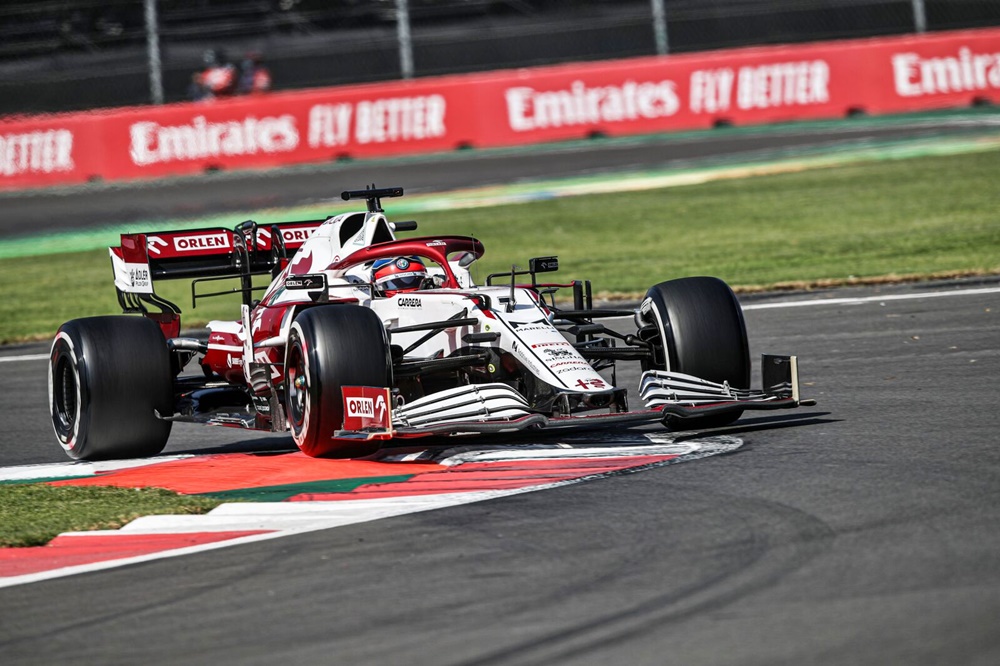
Just as the drivers were starting to pick up speed, Haas F1’s Mick Schumacher radioed that his wing was dragging under his car after contact with Kimi Raikkonen’s Alfa. The Virtual Safety Car was activated as he crawled back to the pits. Only 13 laps had passed after about 20 minutes since the race had started.

When the Virtual Safety Car ended, Verstappen wasted no time in extending the gap and sped off to a 2-second lead from Hamilton, with his team mate Perez acting defence. Bottas meanwhile was doing the same thing behind his team mate but he wasn’t under pressure like Perez was.

On lap 18, Hamilton made it past Perez but the Mexican managed to regain his position, The next time round, the Mercedes driver tried again and this time, he kept his position was prepared to do battle with Verstappen. Perez now had to focus on Bottas right behind rather than chase Hamilton and was falling back.
On lap 25, Verstappen was still holding on to his lead with a gap of almost 4 seconds from Hamilton. But the Red Bull driver was also starting to feel his tyres going, and the question was whether to come in for a single stop and switch to hard tyres for the rest of the race.

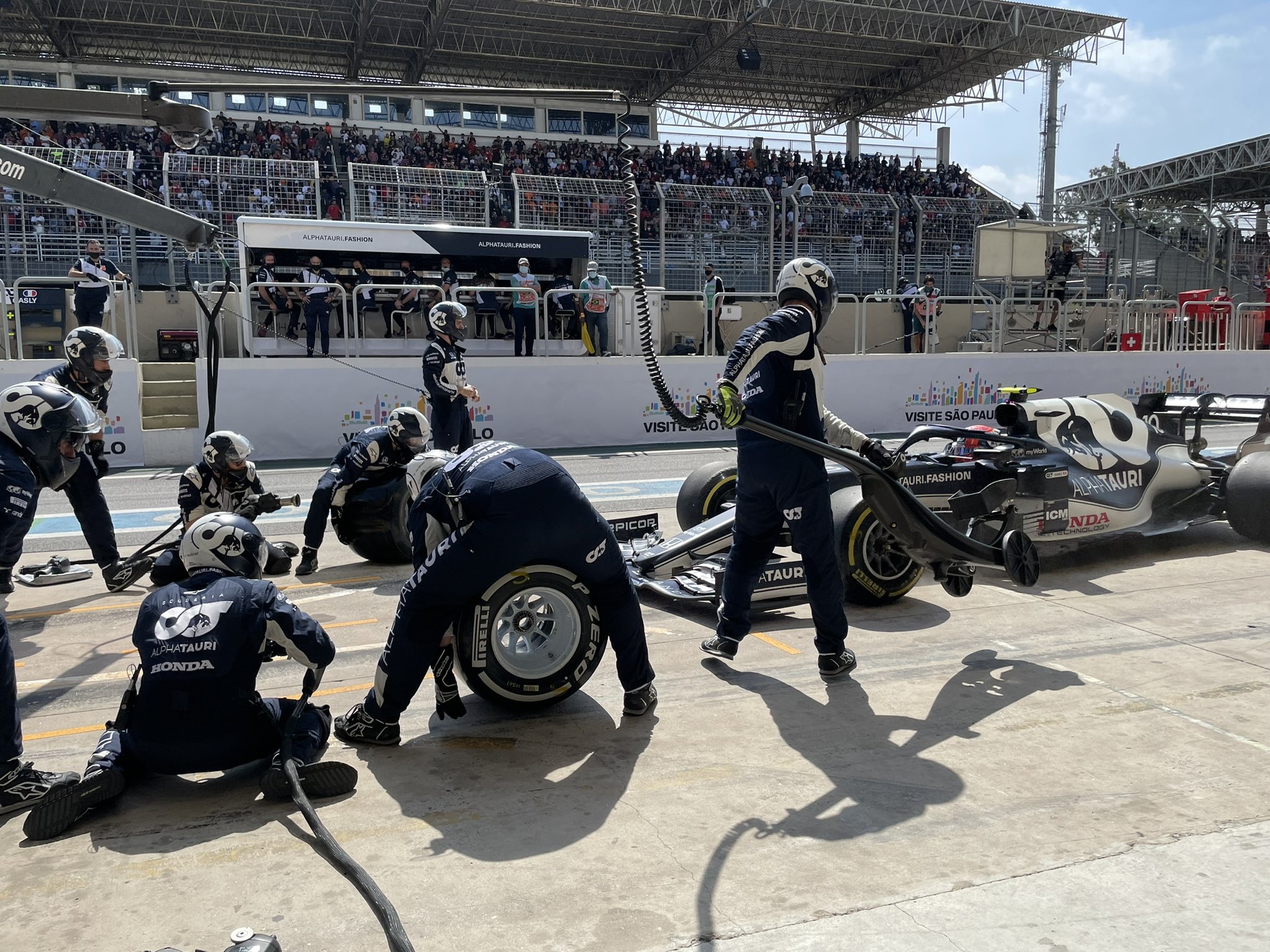
The first of the frontrunners to come in for a tyre change was Hamilton on lap 27, and Verstappen came in on the next lap. Both cars switched to hard tyres. Perez was also brought in but the Mercedes-AMG team decided to leave Bottas running for a while more. So the Finn took over the lead from lap 29, as Verstappen raced towards him with Hamilton not too far behind.
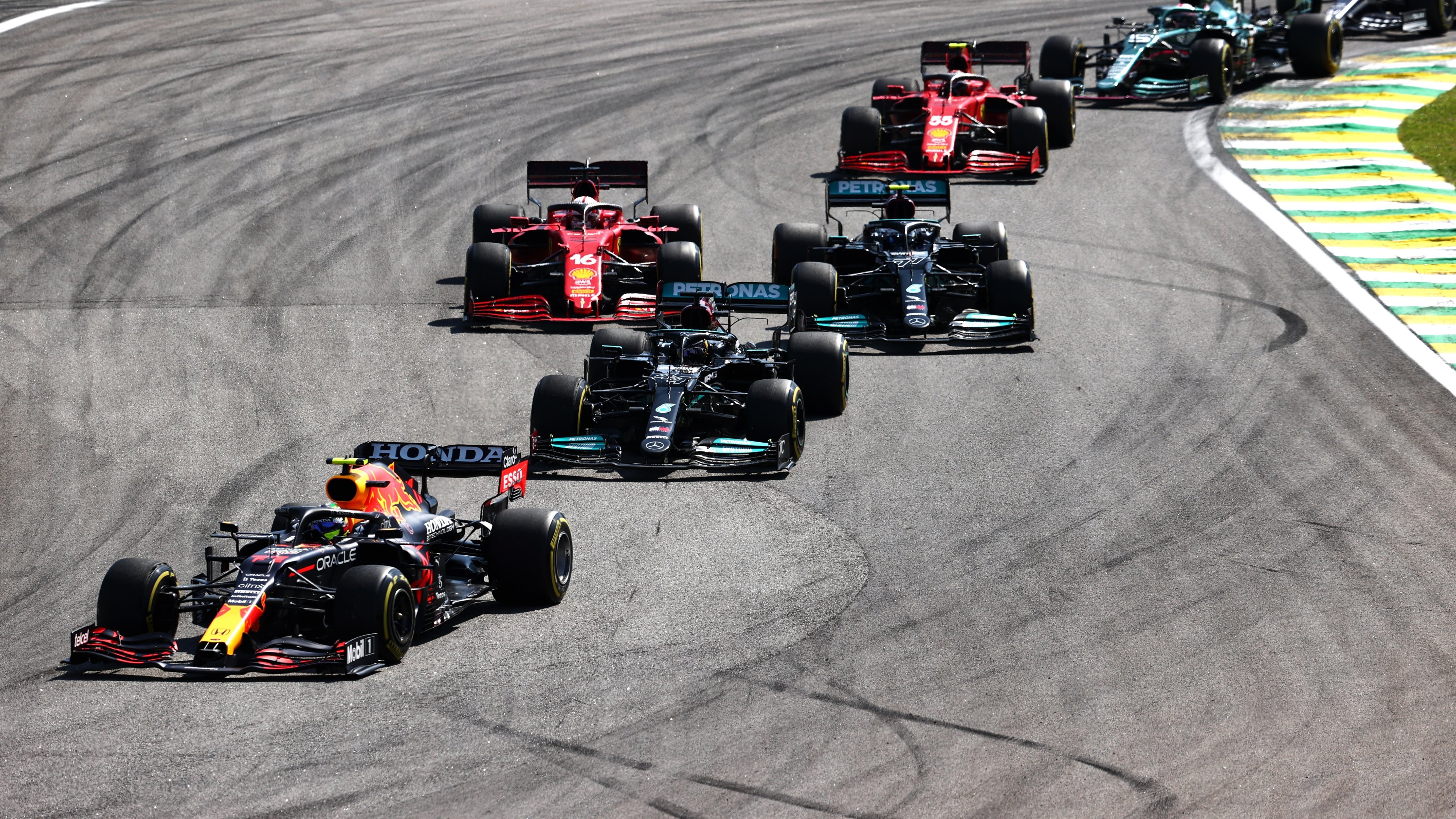
Stroll’s car still had some loose bits that started to fall off on lap 31, activiting the Virtual Safety Car. Bottas was brought in for his tyre change but the VSC ended and when he rejoined, he just managed to get ahead of Perez. Verstappen meanwhile had taken over the lead.

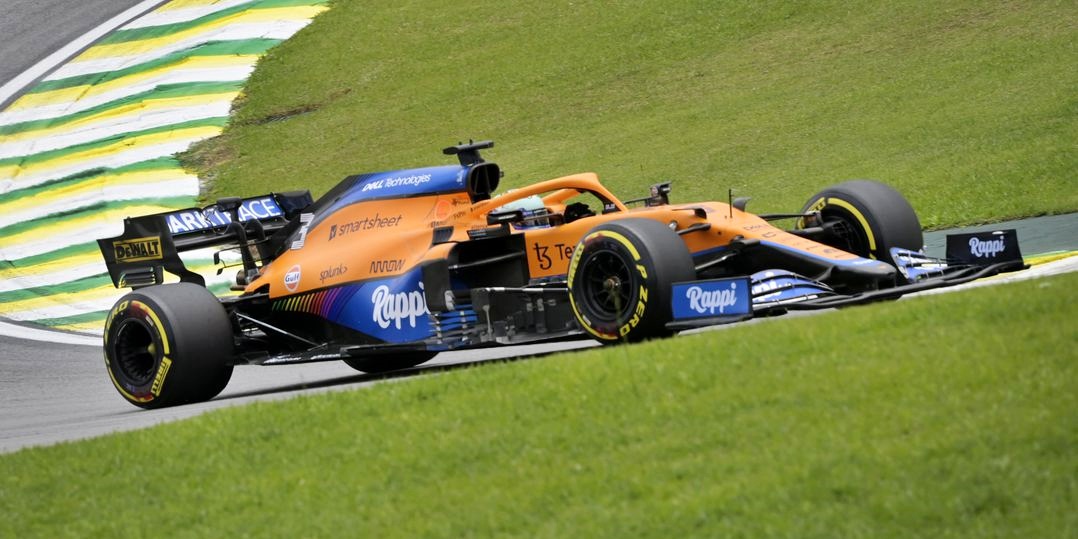
At the halfway point in the race, many drivers were coming in. Pierre Gasly was trying hard to keep his 8th position as McLaren’s Daniel Ricciardo kept snapping at him.

Hamilton took over the lead on lap 40 as Verstappen shot into the pits to make another tyre change. His return to the track was slowed down by Williams’ Nicholas Latifi who was just reaching the end of the pit lane. Bottas was brought in but when he rejoined, he was down in 5th, over 25 seconds from the front so there was not much he could do to help.
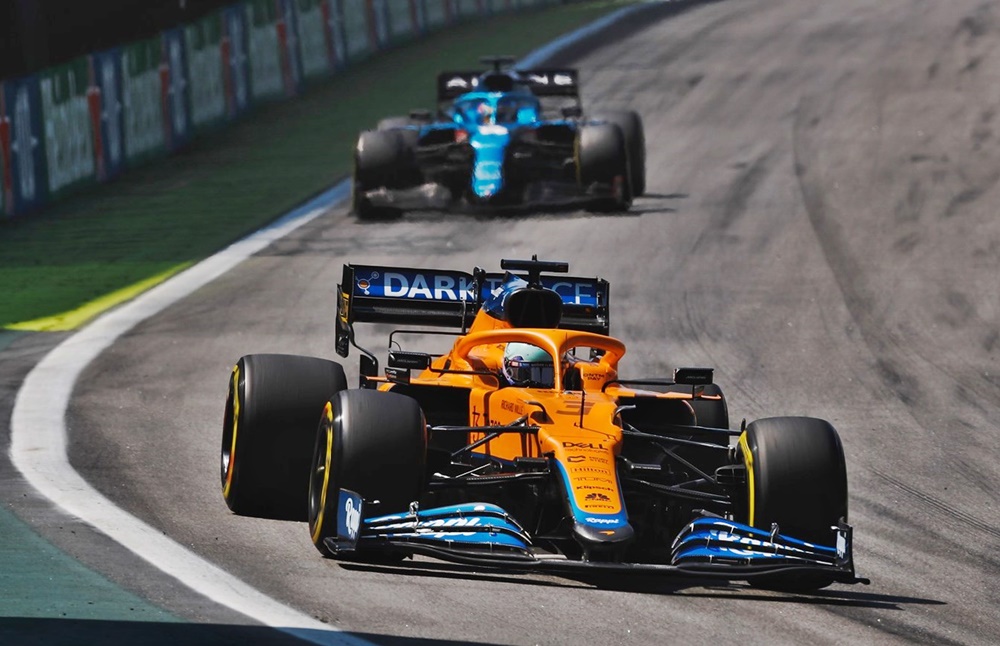
An incident between Verstappen and Hamilton on lap 49 attracted the attention of the Stewards. He had challenged Verstappen for the lead going into a turn but was unable to get past and forced to go wide. However, no irregularity was found and the Race Director told the teams that no action was going to be taken. The Mercedes-AMG team didn’t like that as they believe the Red Bull driver had forced Hamilton to run wide.

In spite of the various collisions, no one retired until lap 50 when Stroll’s car – which had earlier come in contact with Tsunoda’s – had to pull out, making him the first driver to end his race early. Around the same time, Ricciardo also pitted and never came out again, becoming the second retiree of the day with a Power Unit problem.
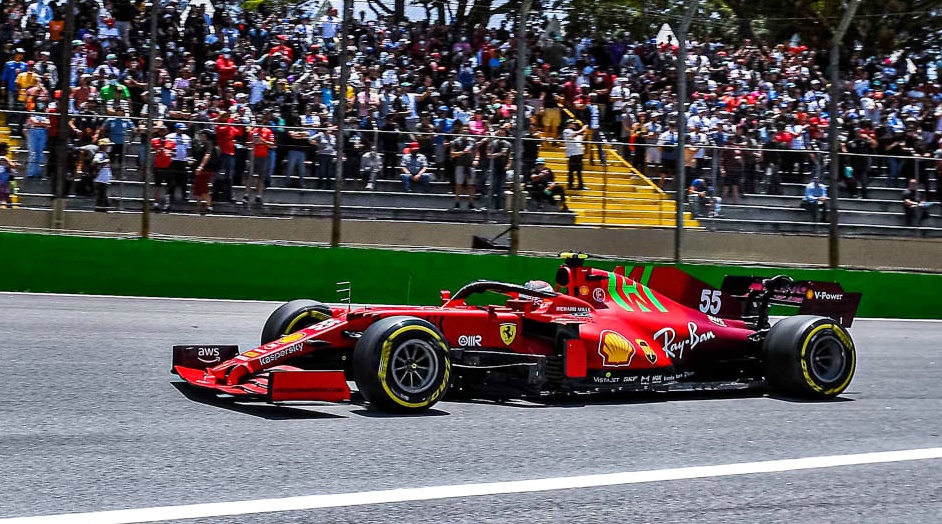
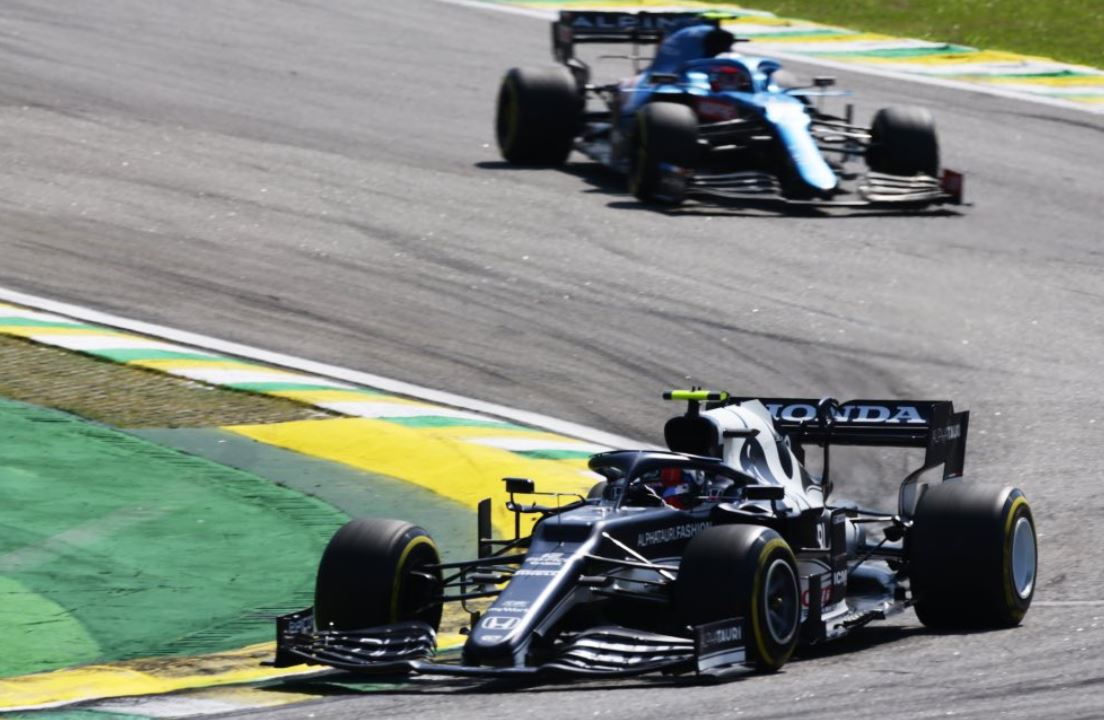
10 laps later, on lap 59, Hamilton finally moved into the lead at Turn 4. Verstappen had to work very hard to prevent his rival from collecting those 25 points, which would make it trickier for his championship chances. The Dutchman had also to watch out for Bottas who was running third by then.

With 3 laps remaining, Hamilton could still keep the lead and maintain a gap of about 7 seconds from Verstappen. Bottas has fallen back a bit but would be ready to take over if anything happened to the two duelling drivers ahead.

On the remaining lap, Perez was quickly brought into the pits and fitted with soft tyres to try to get at least one more point for fastest lap. Verstappen wasn’t going to get by Hamilton who would be first to cross the line after 71 laps.
Vaccination does not make you immune to COVID-19 infection. You can still get infected and although you may not show symptoms, you could spread the coronavirus to others. Do not stop taking protective measures such as wearing a facemask, washing hands frequently and social distancing.


In the first 6 months of this year, 1,595 units of Aston Martin’s first SUV and first 5-seater were delivered to customers worldwide, joining the 1,516 units in 2020. That’s not a huge number by global industry standards so it is pretty exclusive (it should be for around RM1 million each) even if you get one in ‘standard’ form. But in that stratospheric segment, most customers want more exclusivity and personalisation, so the carmakers have special divisions to cater to such needs.

For those who prefer not to use the services of the carmaker, there are also companies that specialise in personalisation of any motor vehicle – in appearance, in fittings and even in upgrading performance. In recent years, such companies have given attention to SUVs, which even the luxury brands could not ignore.

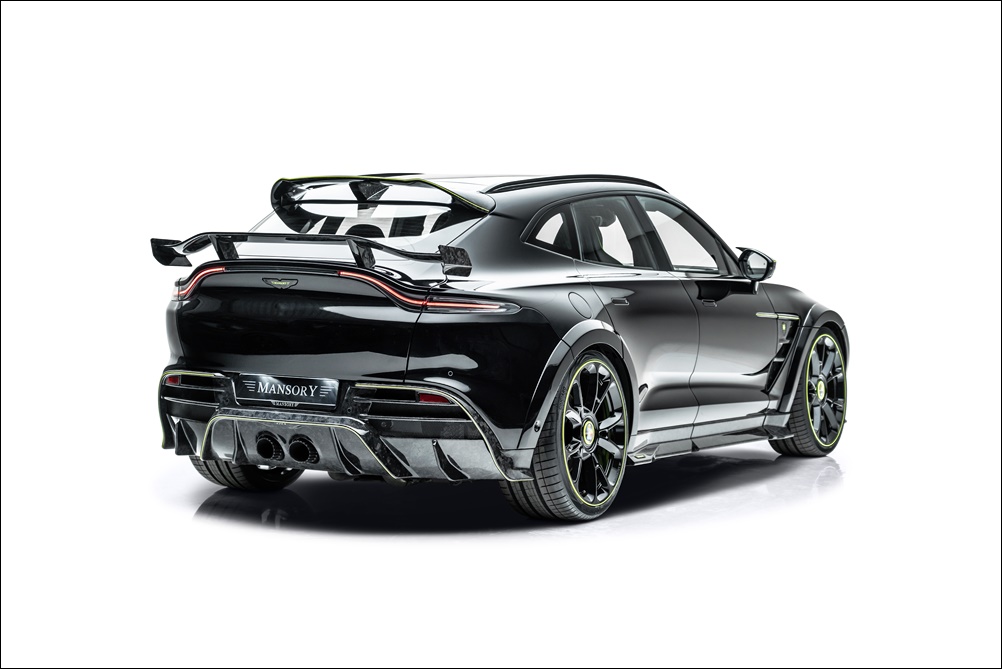
MANSORY Aston Martin DBX 2021
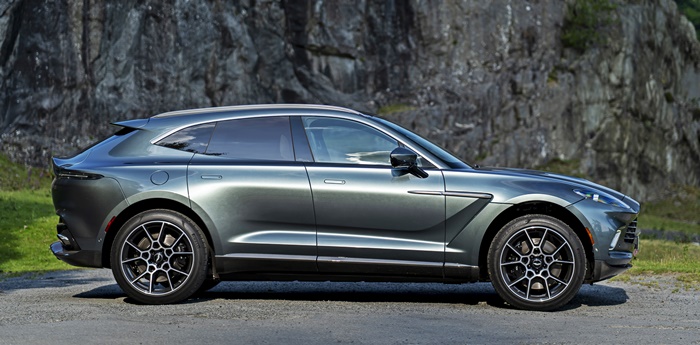
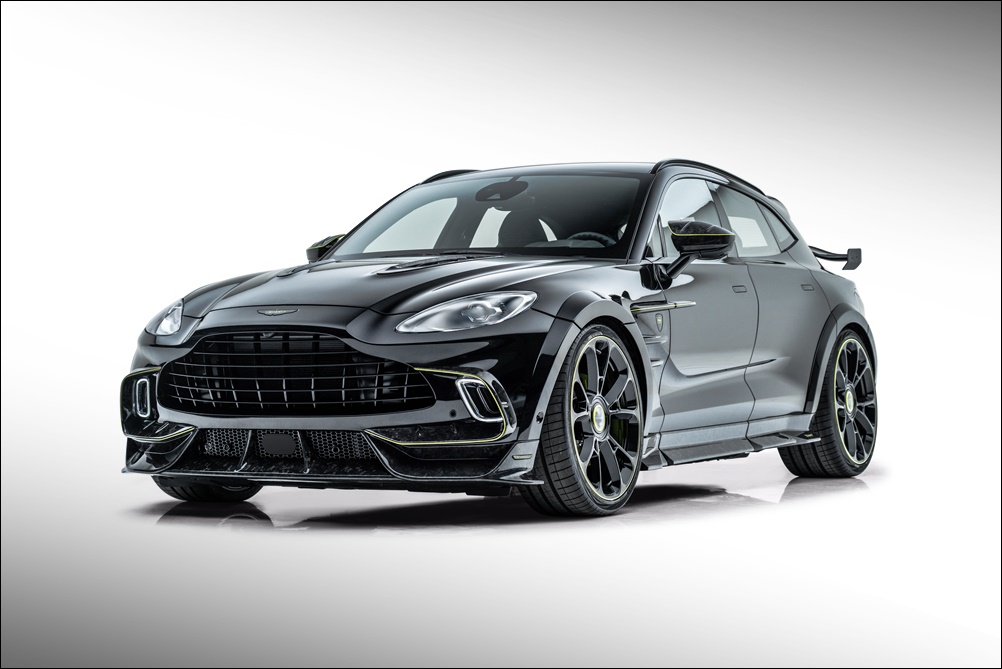
MANSORY’s complete conversion package gives a more aggressive look to the standard DBX (below) while still maintaing the recognisable form.

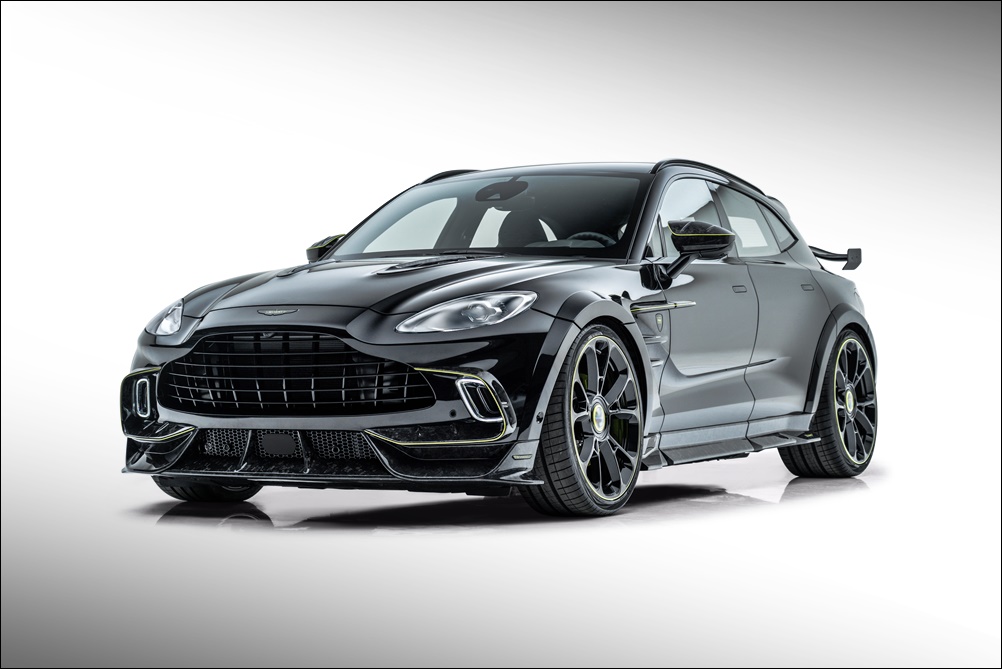
One of them is MANSORY, the 32-year old car modification firm based in Germany. MANSORY has already done a number of luxury SUVs and now with Aston Martin’s DBX also in the market, it offers a more exclusive model for those who must be different.

The company has developed a complete conversion for the SUV which includes upgrading of the engine by the Performance Department. The V8 twin-turbo engine of the DBX has its engine management system replaced and new and larger turbochargers are also installed. For better efficiency, a sports air filter and high-performance sports exhaust system are also installed.

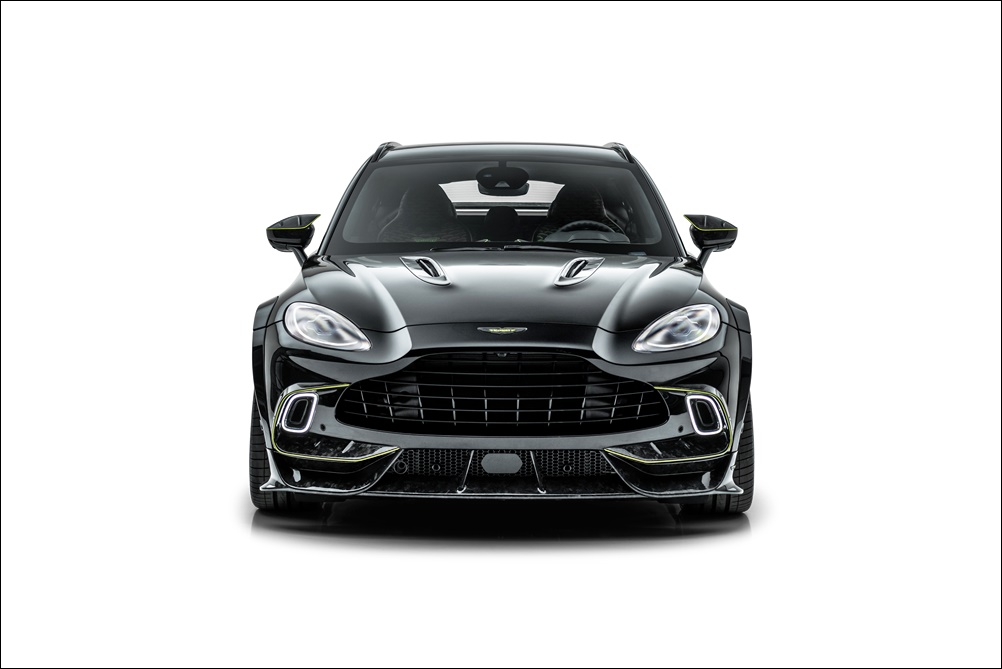
MANSORY Aston Martin DBX 2021

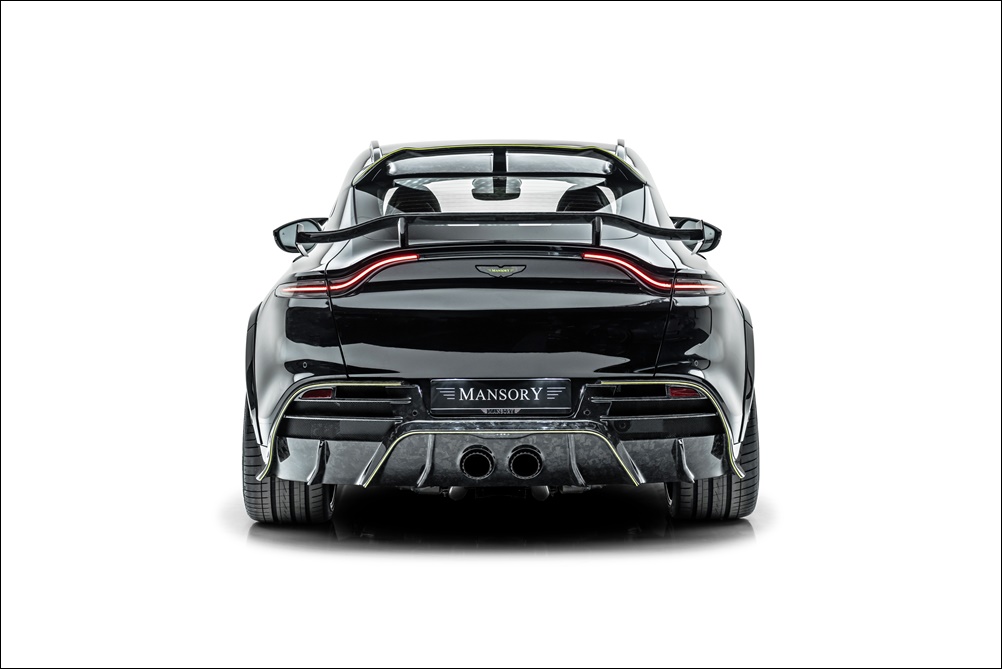
The exhaust system is offered in two versions for customers to choose. They differ recognisably in the positioning of the tailpipes; either located in the area of the standard rear apron opening, or terminating as closely spaced double pipes in the middle of the carbonfibre rear apron.

After this engine conversion, the output rises to 800 ps from the standard 550 ps while torque hits 1,000 Nm, about 43% more than standard. This improves performance to a maximum speed of 325 km/h and 0 to 100 km/in a short 3.8 seconds (according to MANSORY’S tests).

MANSORY Aston Martin DBX 2021

The high-speed performance is helped by the refined aerodynamics of the vehicle. This results in an impressive wide-body styling in combination with optimised aerodynamics with increased downforce for significantly improved cornering performance at higher speeds. For this purpose, the front of the DBX is redesigned with a completely new apron including an integrated front lip made of carbonfibre. The ultra-light and painted carbonfibre bonnet with additional cooling air outlets (visible carbon) revises the front section.

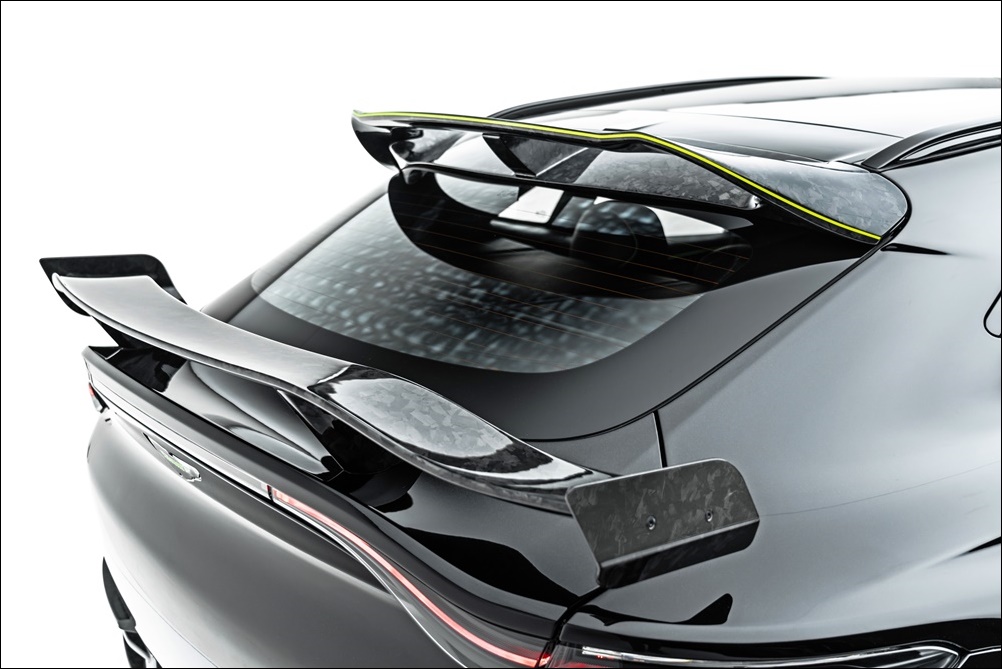
On the flanks, MANSORY-designed extensions continue the design language and make the DBX look significantly more powerful, but also lower and more elongated. To increase the downforce on the rear axle, the engineers developed a special spoiler for mounting on the tailgate and a matching roof spoiler – both of which take up the design language of the standard tear-off edge of the tailgate and are also made entirely of carbonfibre.

MANSORY Aston Martin DBX 2021

In addition, a new rear apron with diffuser skilfully sets off the striking tailpipes of the sports exhaust system. Numerous carbonfibre components such as trim strips, mirror housings and air intake trims add further striking highlights, some of which are further accentuated with accents in the special Limegreen colour.

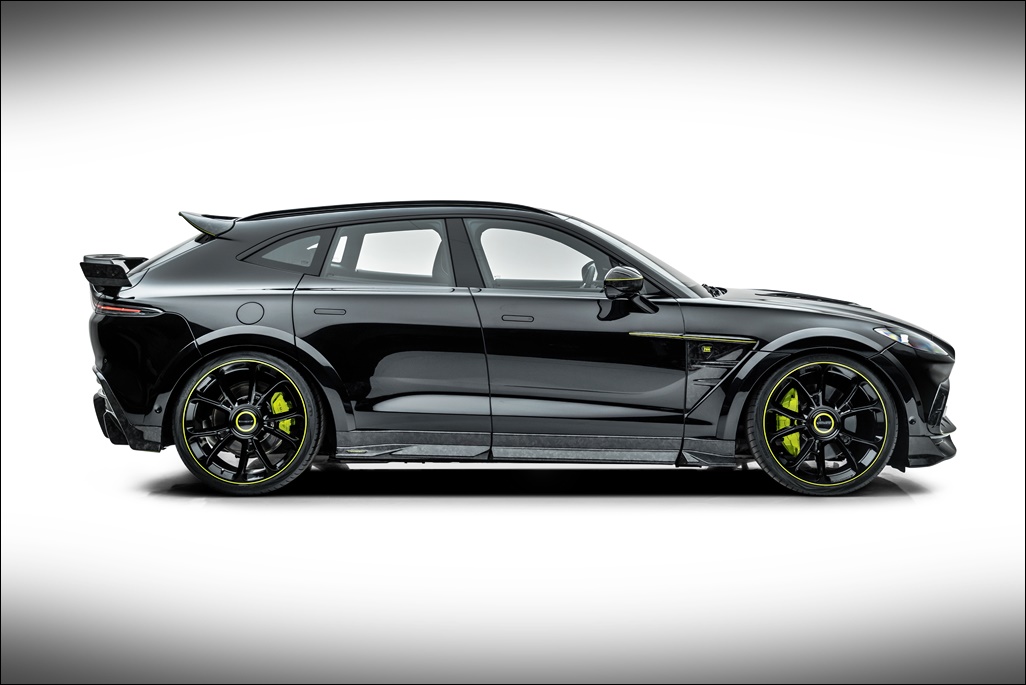
The DBX also features a new wheel design called ‘DX.5’ in 24×10 inch (front) and 24×12.5 inch (rear) dimensions with matching 295/30R24 and 355/25R24 tyre sizes. The rim design optimises ventilation of the brake system on the one hand and emphasises the car’s dynamic appearance.

MANSORY Aston Martin DBX 2021

These not only fill out the front and rear wheel arches coherently, but also combine both sportiness and technical elegance in the best possible way. The colour scheme of the rims was chosen to match the overall colour concept of the car – black and Limegreen.

MANSORY Aston Martin DBX 2021

MANSORY Aston Martin DBX 2021

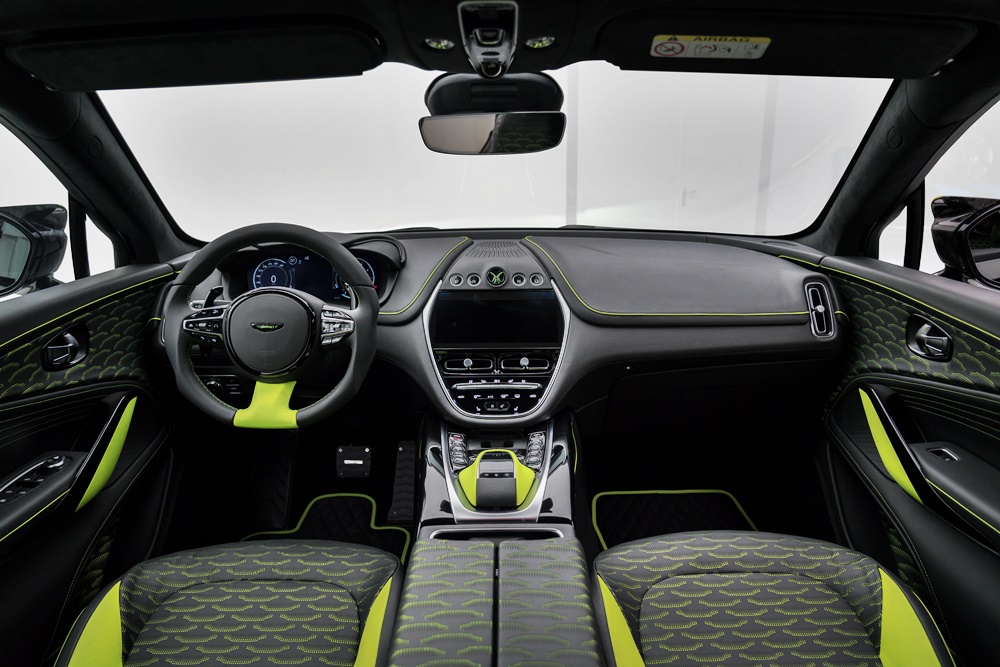
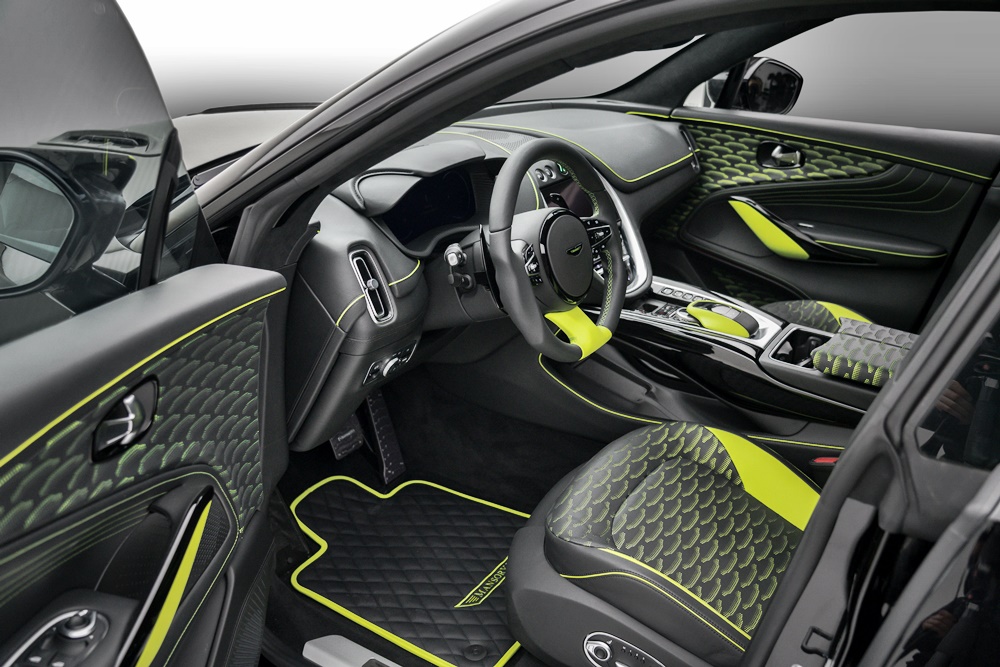
The interior – matching the exterior design – is kept entirely in black. The Limegreen colour used to accentuate details on the exterior is also found in many places in the interior. The edging of the floor mats, the seats, the centre console, the decorative stitching on the dashboard and the sports  steering wheel are all finished in this colour. Individually embroidered floor mats, the use of fine visible carbonfibre and the covering of almost all surfaces with the finest leather add further highlights to the handcrafted interior.

MANSORY Aston Martin DBX 2021

Lister Stealth to be the fastest, most powerful British SUV (w/VIDEO)

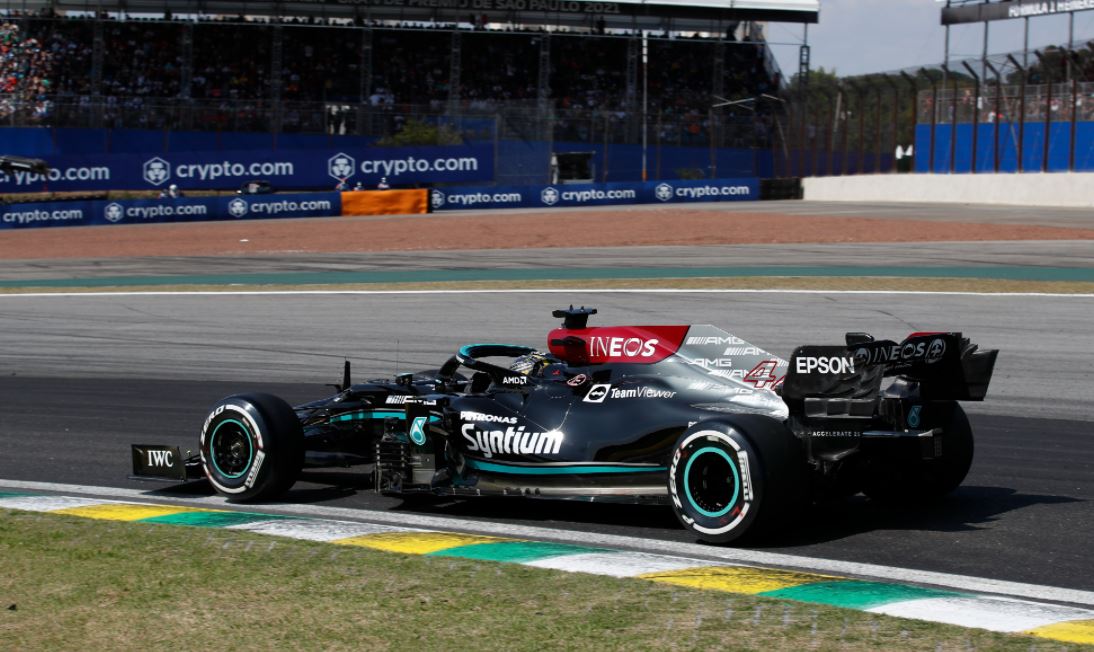
It was another Sprint Race win for Valtteri Bottas again in the Sao Paolo Grand Prix as he got off to a good start ahead of Max Verstappen who had moved into pole position after Lewis Hamilton’s qualifying times were disqualified. The Mercedes-AMG driver’s car was found to have a technical infringement in the rear wing and without a qualifying time, he was placed at the back of the grid.

Nevertheless, Hamilton worked hard for the short 24-lap race around the old-school Interlagos circuit to finish fifth. While the starting order for the main race is determined by the finishing order of the Sprint Race, Hamilton already knew he would have to add 5 grid positions – the penalty for changing an engine – to whatever position he finished in, so he had to work hard for the highest position.

The decision to take the 5-grid penalty was made with the hope that, for the main race, Hamilton will stand a stronger chance (or not having engine failures) of winning with a new engine. However, starting from 10th place for the race today means he will have to contend with traffic in the early stages before he can challenge his Red Bull rival.

The top three finishers of the Sprint Race were awarded extra points with 3 going to Bottas, 2 to Verstappen and 1 for Ferrari’s Carlos Sainz who finished third. The 2 points for Verstappen move him slightly further to a 21-point lead over Hamilton in the Drivers Championship. While the 3 points that Bottas collected could be added to the Mercedes-AMG team’s lead in the Constructors Championship, the gap is only 2 points.

While the technical infringement on Hamilton’s car lost him his qualifying time, Verstappen’s case of having broken the rules of the Sporting Code by inspecting and even touching his own car and that of Hamilton’s right after the qualifying session resulted in a 50,000 euro (about RM238,000) fine imposed by the Stewards.

The action was not deliberate, as Red Bull’s Christian Horner argued, and it is likely that Verstappen did it without realising the actions broke rules. It’s like if there was a rule that forbade drivers from coming into physical contact (as in hugging) after a race and they still do it because they forgot the rule at the moment of jubilation. But rules are rules and a penalty has to be imposed to remind everyone that they cannot break rules and get away with it.

Incidentally, the Mercedes-AMG team won’t be making an appeal regarding the action taken for the technical infringement which had been brought about after Red Bull had made a complaint with the FIA about the rear wing on the car. After inspection, there was evidence that the gap for the wing was greater than the maximum permissible even though the design met the regulations. The team suggested to the Stewards that there might have been some fault and while they accepted this point, they still felt that a penalty was necessary and that was to just disqualify the pole-capturing time that Hamilton achieved in Qualifying.

Race starts at 2:00 pm in Brazil/1:00 am in Malaysia (Monday)

F1/Round 19: Preview & Provisional Sprint Race Starting Grid For 2021 Sao Paolo Grand Prix

Sprint Race starts at 4:30 pm in Brazil/3:30 am in Malaysia (Sunday)

GP race starts 2:00 pm in Brazil/1:00 am in Malaysia (Monday)

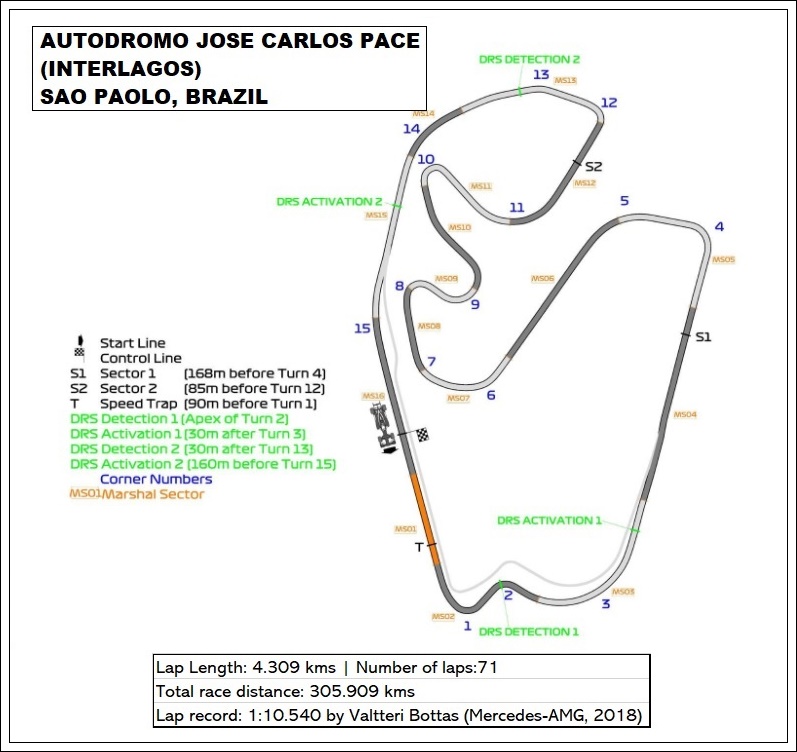
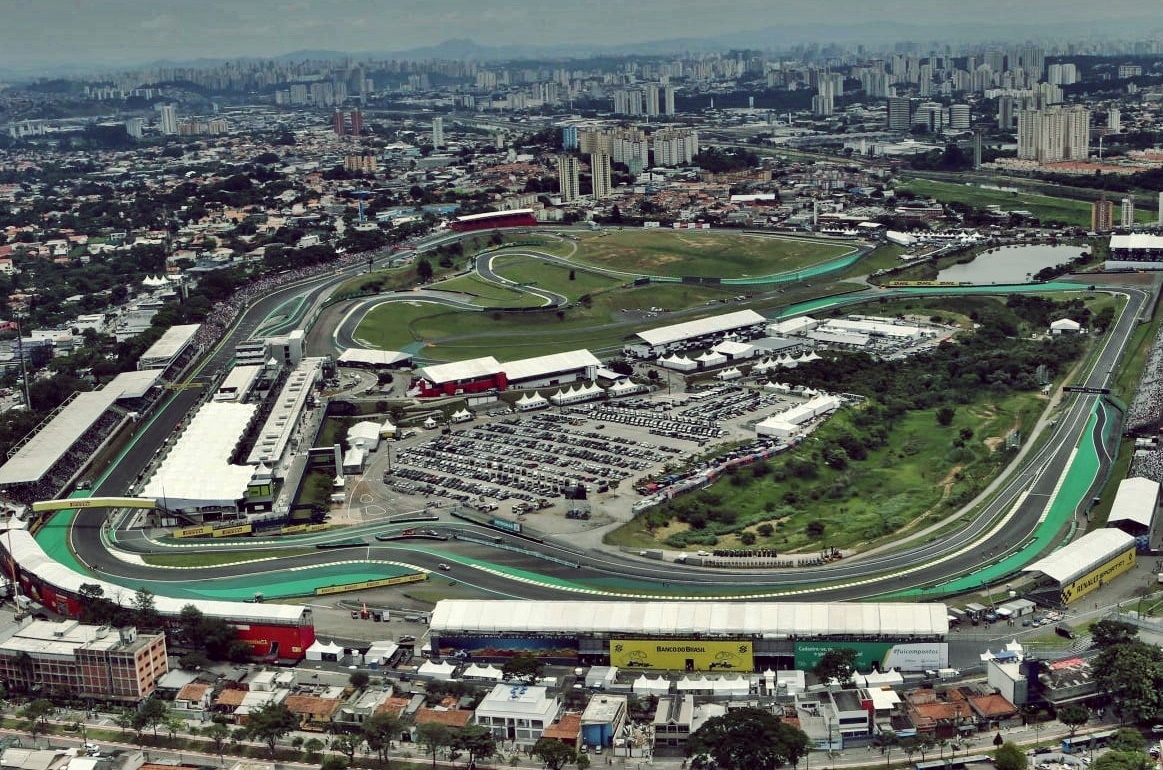
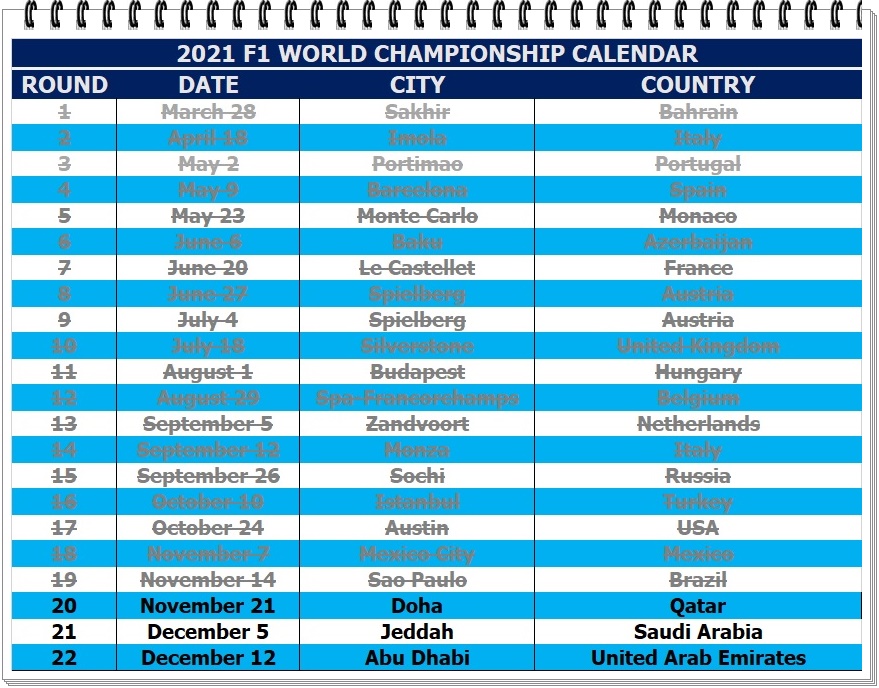
After last weekend in Mexico City, the F1 teams continued 7,500 kms south to Brazil for Round 19 of the 2021 Formula 1 World Championship. This will be the last of the three rounds in the western hemisphere which started in Texas on October 25. This round is known as the Sao Paulo Grand Prix and is held at the Autodromo Jose Carlos Pace, usually referred to as Interlagos.

There was no race held last year due to the pandemic, so the teams have not been at the track for longer than usual. But they are familiar with it as it has been hosting F1 rounds since 1972. The events used to be called the Brazilian Grand Prix but for some reason, the organizers and FIA now use city names instead.

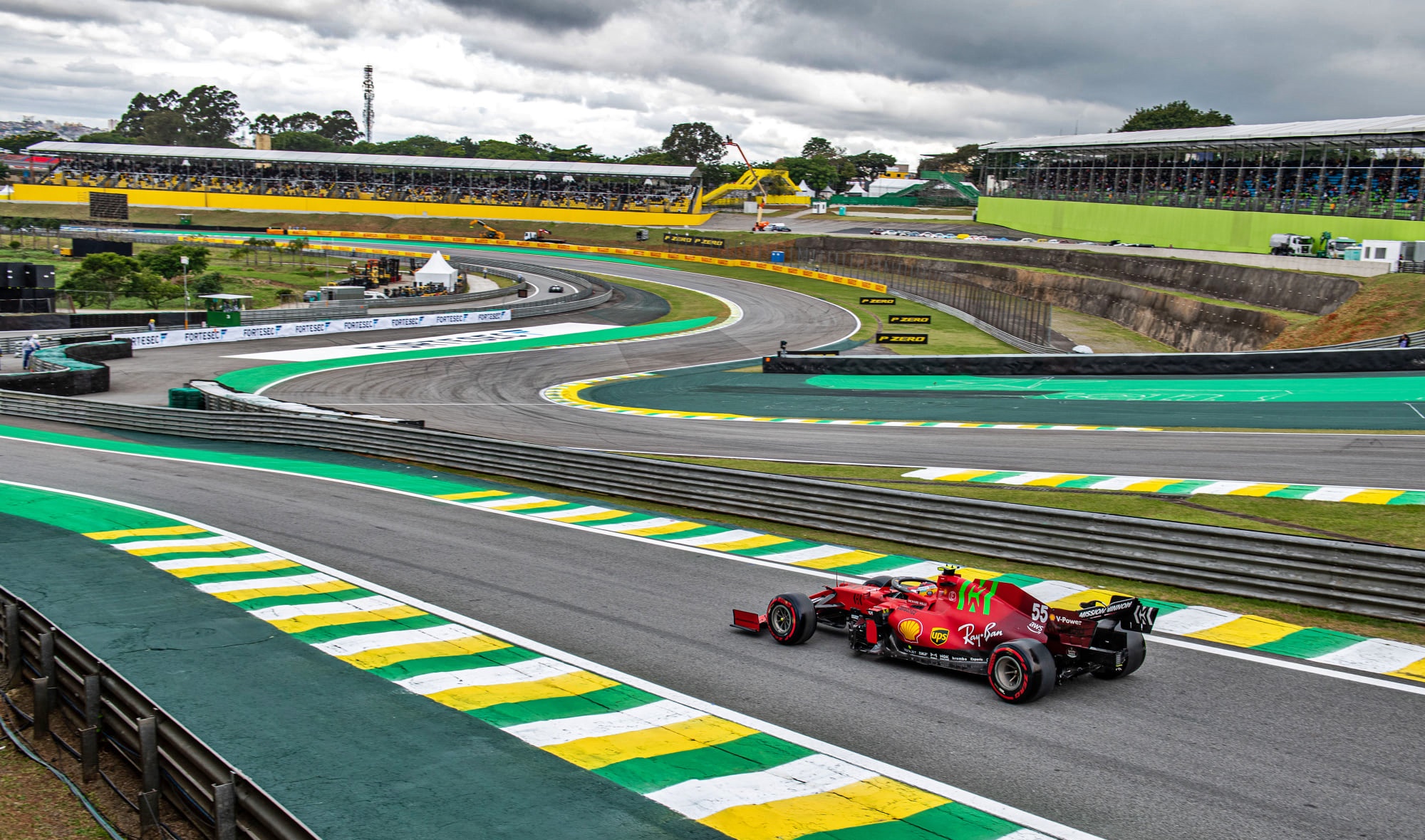
The short 4.309-km circuit (almost same as the circuit in Mexico City) has a tight layout which the drivers will go around for 71 laps. Its undulating sequence of mostly medium and low-speed corners have always presented tough technical challenges. It is also one of the relatively few circuits run anti-clockwise on the calendar. The short lap (around 1 minute 10 seconds) means that traffic can be an issue and there’s also a high safety car probability, so any race strategy needs to bear that in mind.
In 2019, when the last GP was held, Red Bull’s Max Verstappen won with a 3-stop strategy, following 2 Safety Car appearances at the end of the race. There were 3 different strategies in the top 4, with McLaren’s Carlos Sainz (fourth at the flag) stopping just once from last on the grid. Without the Safety Cars, a 2-stop strategy would have been the favoured tactic.

“Interlagos is an old-school track that keeps drivers and tyres busy and often produces some dramatic races, as we saw last time,” said Pirelli’s Mario Isola, adding that the weather is another variable factor and it can be very hot or very wet. “As a result, this year’s more versatile tyre selection should be able to cope with all the wide-ranging demands of the race and provide some different strategies.”

For this round, as in the British GP in July and the Italian GP in September, there is also a sprint race to offer additional excitement for spectators and also a different challenge for the teams. The Sprint Qualifying Race, which was well received by the drivers, is 100 kms long. Being run over a shorter distance, drivers will be flat out from start to finish, with no pit stops needed. The best effort will be necessary as the finishing order will determine the starting positions for the main race, so there is a chance to improve on the position gained in Qualifying. There are also points for the top 3 finishers of the race.

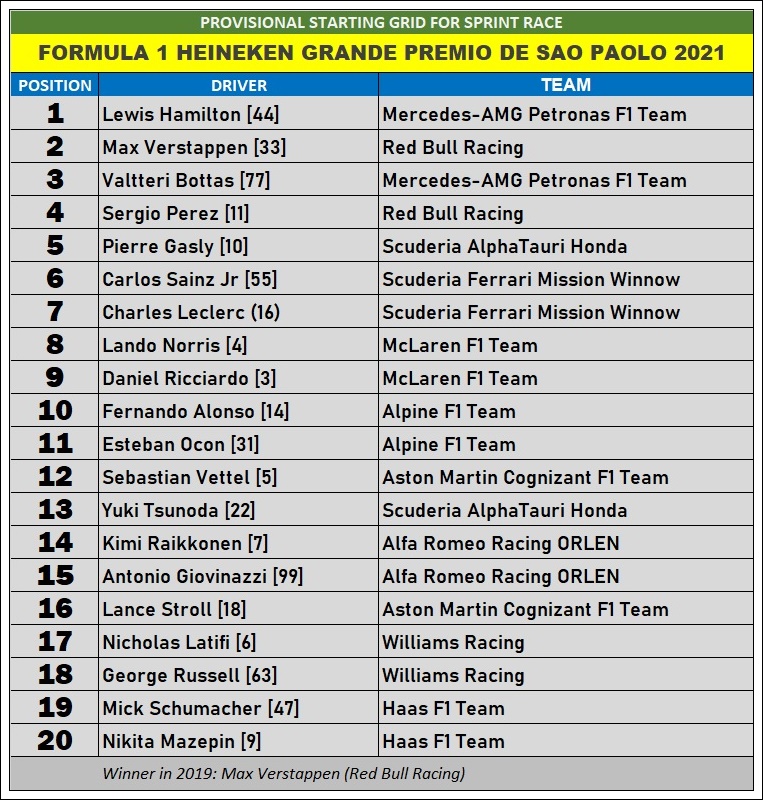
In Qualifying, Lewis Hamilton took pole position for the Sprint Race to be held on Saturday afternoon in Brazil. But because of an engine change, he will get a 5-place grid penalty for the main race on Sunday. Verstappen, who was 4/10ths of a second slower will start in second, with Valtteri Bottas in third and Serio Perez in fourth on the grid.

However, there is more tension at this time at Interlagos as both Hamilton and Verstappen have been referred to the Race Stewards for different matters. In Hamilton’s case, there is an alleged technical infringement regarding the rear wing on his car.

Verstappen could be in trouble relating to the FIA’s International Sporting Code concerning rules on working on the cars after Qualifying. Video footage shows him getting out of his car and walking to check on his own rear wing and then walking over to Hamilton’s car and also examining it and seemingly touching it. Article 2.5.1 of the Sporting Code states that ‘no operation, checking, tuning or repair is allowed’ but what sort of penalty the Red Bull driver will get remains uncertain.

At the time of writing, the rest of the world still doesn’t know the outcome but starting from the front row has proven historically important. Out of the 20 races run since 2000, 16 of them have been won by the driver who started from the front row. For Hamilton, already resigned to starting 5 places back even if he wins the Sprint Race, worse could come if the issue of the wing leads to another penalty.

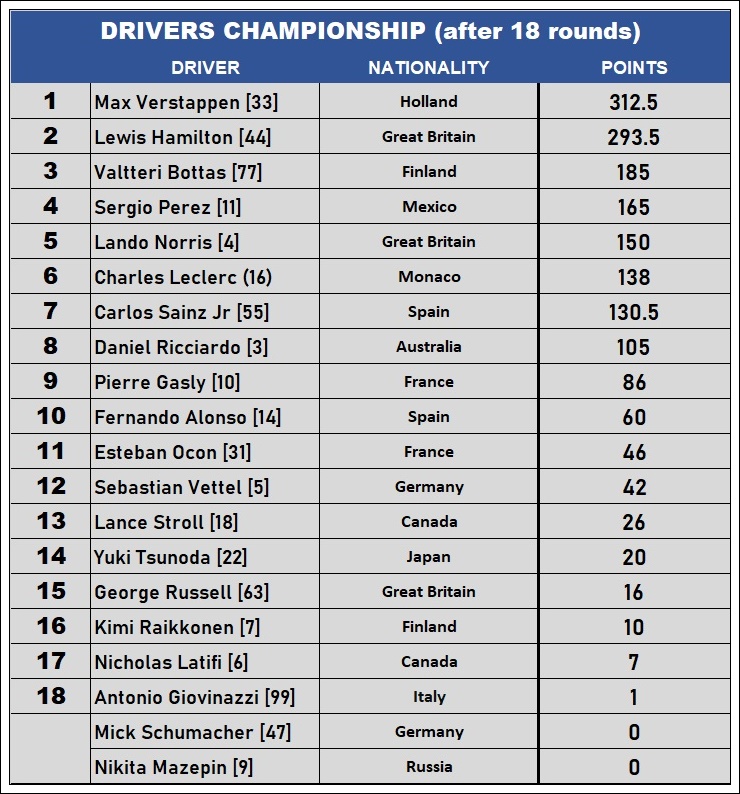
As things stand after Mexico, Verstappen’s win moved him to a 19-point lead over Hamilton in the Drivers Championship. After finishing third, the other Red Bull driver, Sergio Perez, has moved closer to third-positioned Valtteri Bottas.

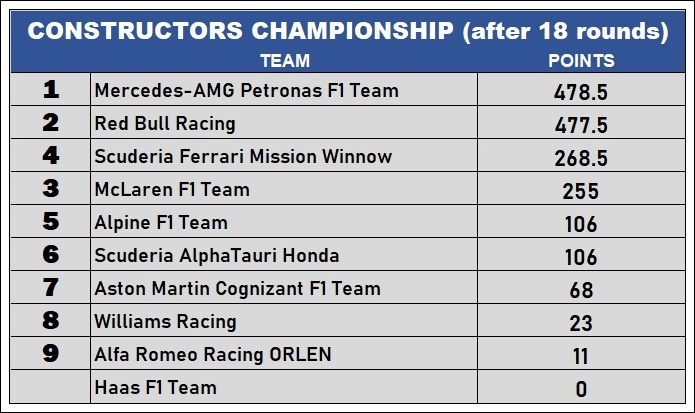
The double podium in Mexico for Red Bull also saw the gap narrowing to just one point in the Constructors Championship between leaders Mercedes-AMG and Red Bull Racing. The battle for third is also close after Ferrari collected a total of 18 points which moved the team ahead of McLaren with a 13.5-point advantage.

The Renault 4 was unveiled right at the start of the 1960s, a time when people in France were beginning to leave their country lives behind them and move closer to urban areas. However, public transport links left much to be desired, particularly on the outskirts of towns and cities. People began to feel the need for a car suitable for rural and urban areas alike, a car they could drive to the shops or to work. It was also a time when increasing numbers of women were in employment and households’ purchasing power began to expand.

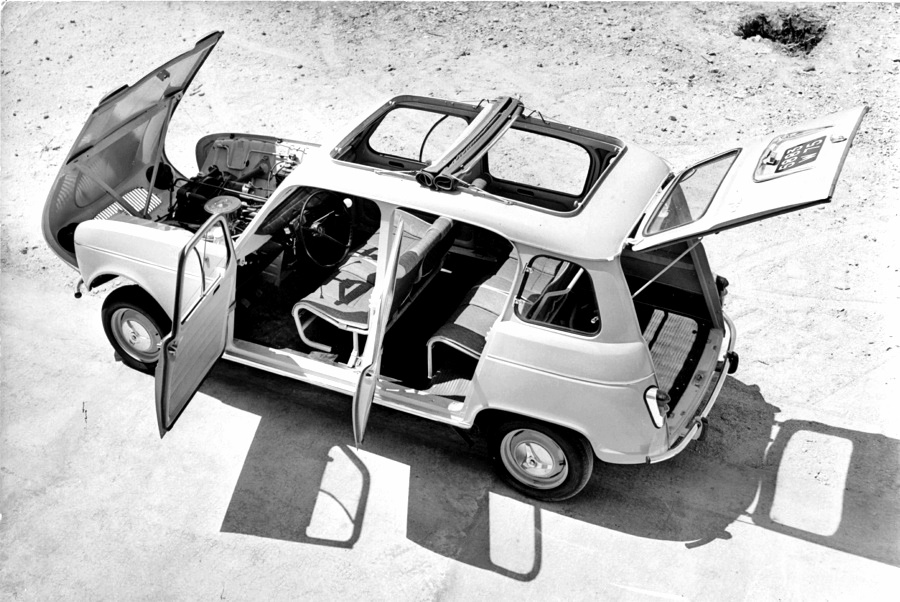
Against that backdrop, the car that would soon come to be known as the ‘4L’ provided a 24/7 solution for both urban and rural living – all thanks to the humble hatch at the back. The fifth door – which is in cars we call ‘hatchbacks‘ – meant that the new Renault 4 quickly became a ‘social phenomenon’.

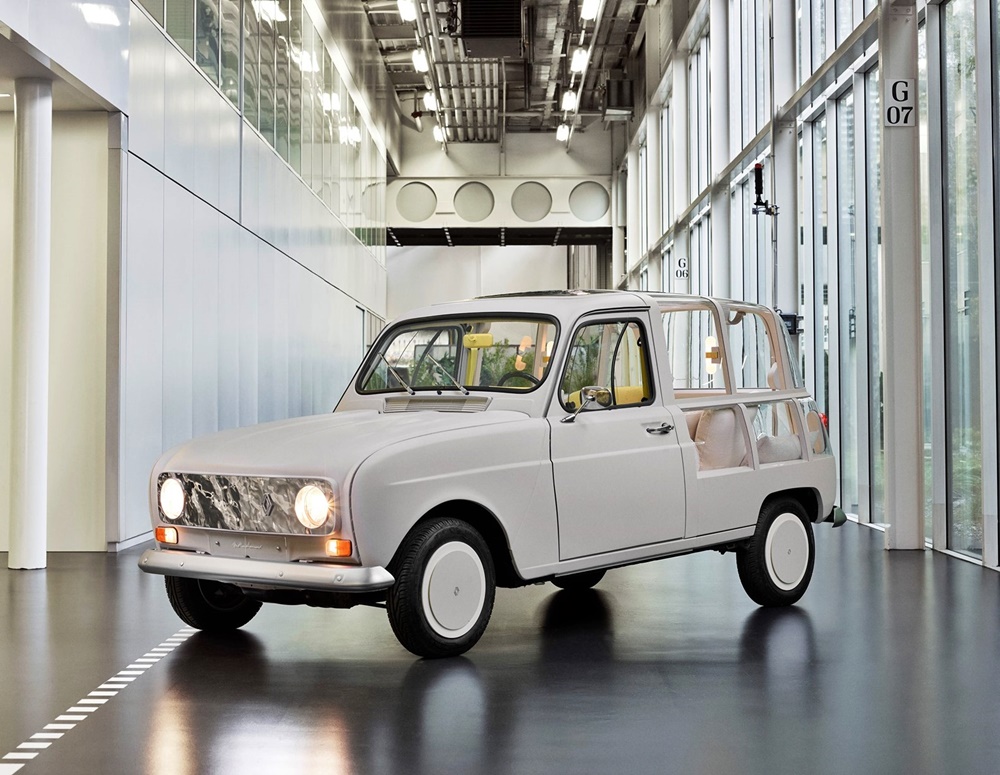
The Renault 4L launched in 1961 and (below), a 21st century version of the car that started the hatchback bodystyle.

Renault SUITE N°4 concept 2021

The man behind the project, Pierre Dreyfus, CEO of Renault from 1955 to 1975, explained to his teams that he wanted to see ‘a high loading volume’ for a ‘blue jean’ car – meaning a car that would suit people of all ages and social classes around the world. Over 8 million units would be sold in more than 100 countries during a period spanning more than 30 years, so it is safe to say his wish was granted.

“The hatch on the 4L gave rise to a new car model and a new car feature,” said Hugues Portron, Managing Director of Renault Classic. “This wonderful invention resulted in a vehicle that was a saloon car, an estate car and a utility car in one. Hatchbacks revolutionised the automotive industry by offering greater interior modularity.”

Renault SUITE N°4 concept 2021

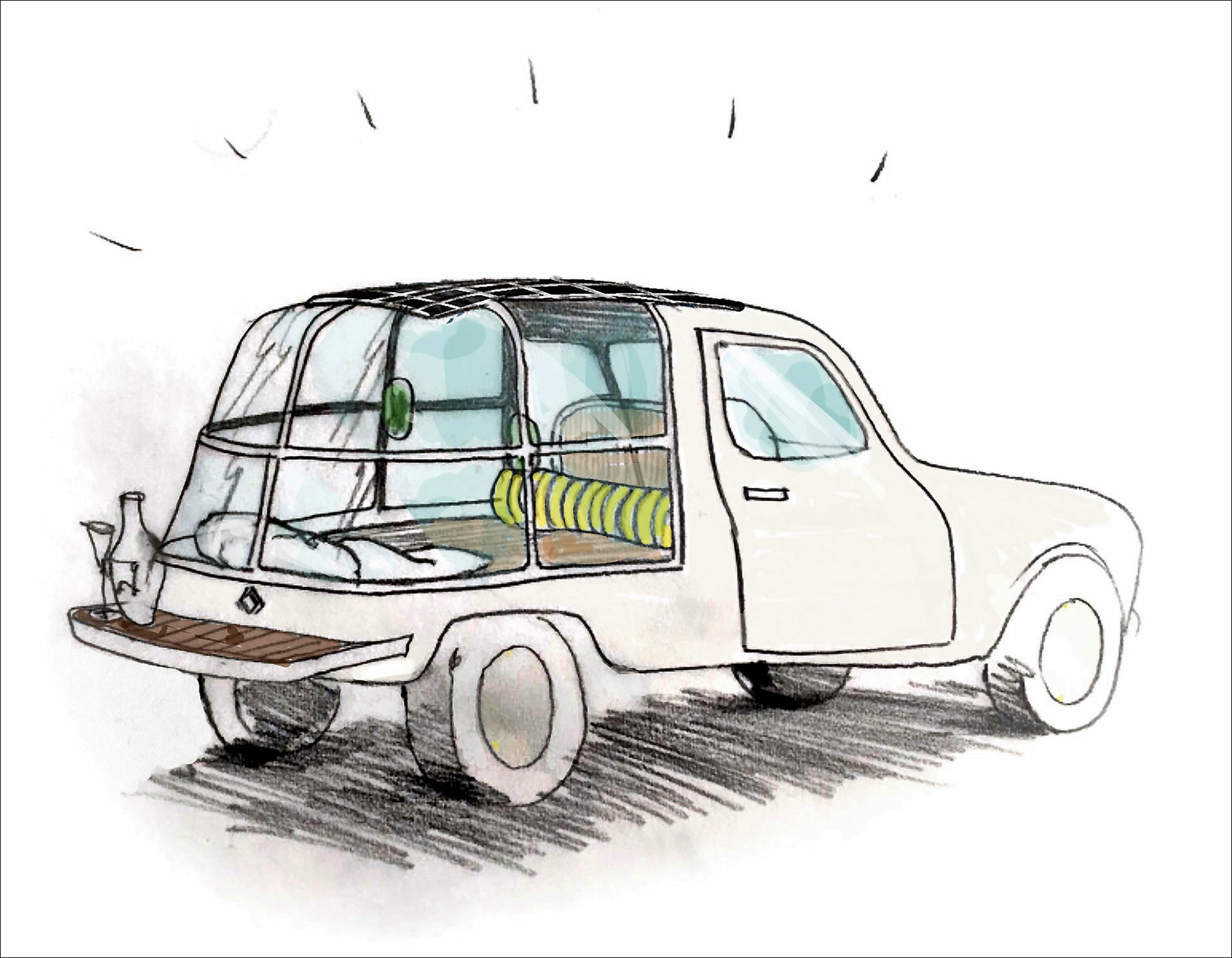
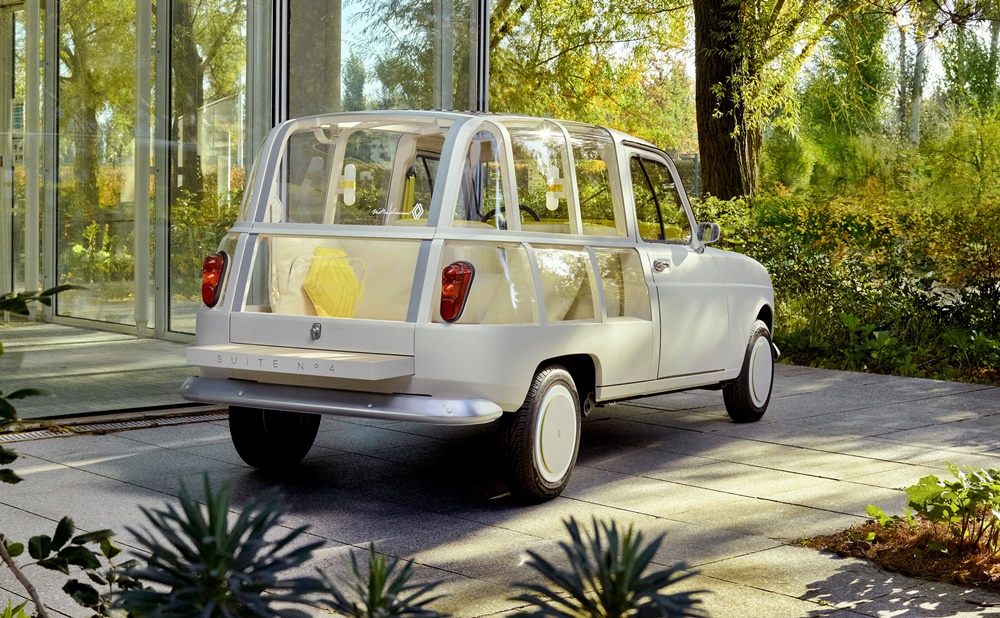
To celebrate the 60th anniversary of the Renault 4, the French brand decided to reinvent the model to show what it would be like as a 21st century product. The company teamed up with designer Mathieu Lehanneur to create the SUITE N°4, an original concept car inspired by a nomad hotel suite.

“The collaboration with Lehanneur was a natural fit,” said Arnaud Belloni, Renault Brand Global Marketing Director. “We asked him to come up with a concept car showcasing his vision for the 4L. The finished product is extraordinary. A car which really encapsulates everything the brand has set out to achieve through the Renaulution strategic plan: create modern and innovative cars that provoke emotions.”

Renault SUITE N°4 concept 2021

Lehanneur’s vision was fuelled by the parallel worlds of automobile and architecture. SUITE N°4 is a tribute to the 4L, channelling the same pure, understated and simple spirit while prioritising efficiency and spontaneity. On top, this concept car projects the model into the designer’s contemporary aspirations.

SUITE N°4 suggests a new mobility and travel experience. “I wanted to merge the worlds of cars and architecture to create an open-air hotel room. Even better than the finest palatial suite, the car is exactly where you want it to be, whether that’s by the sea, in the middle of a field or driving around the city you’ve always dreamed of,” Lehanneur explained.

Renault SUITE N°4 concept 2021

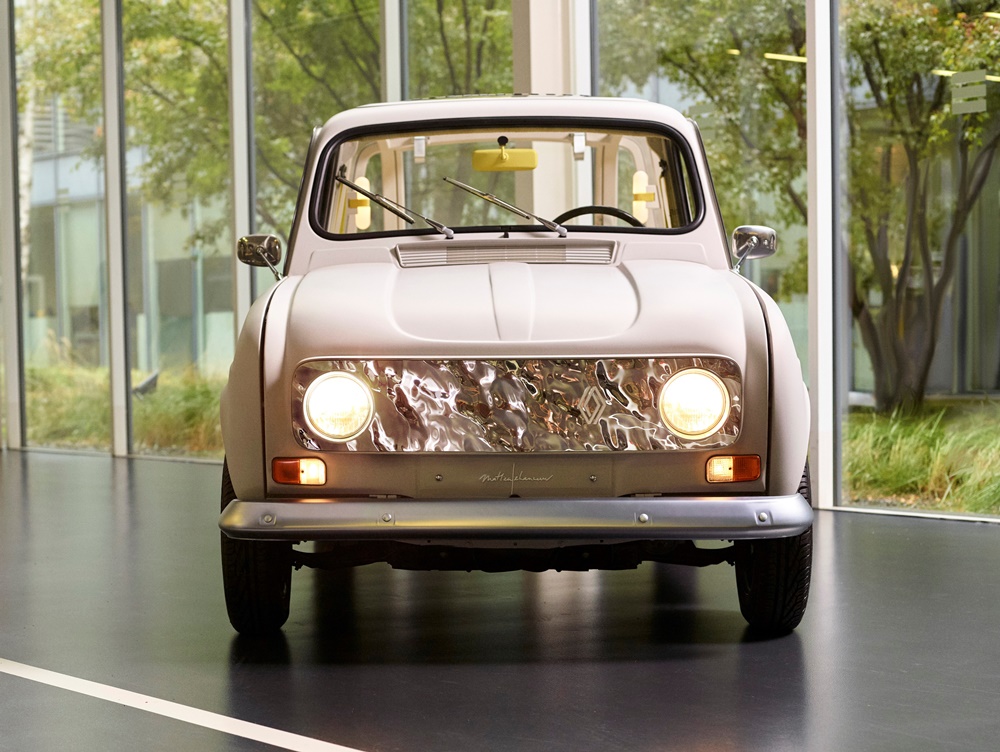
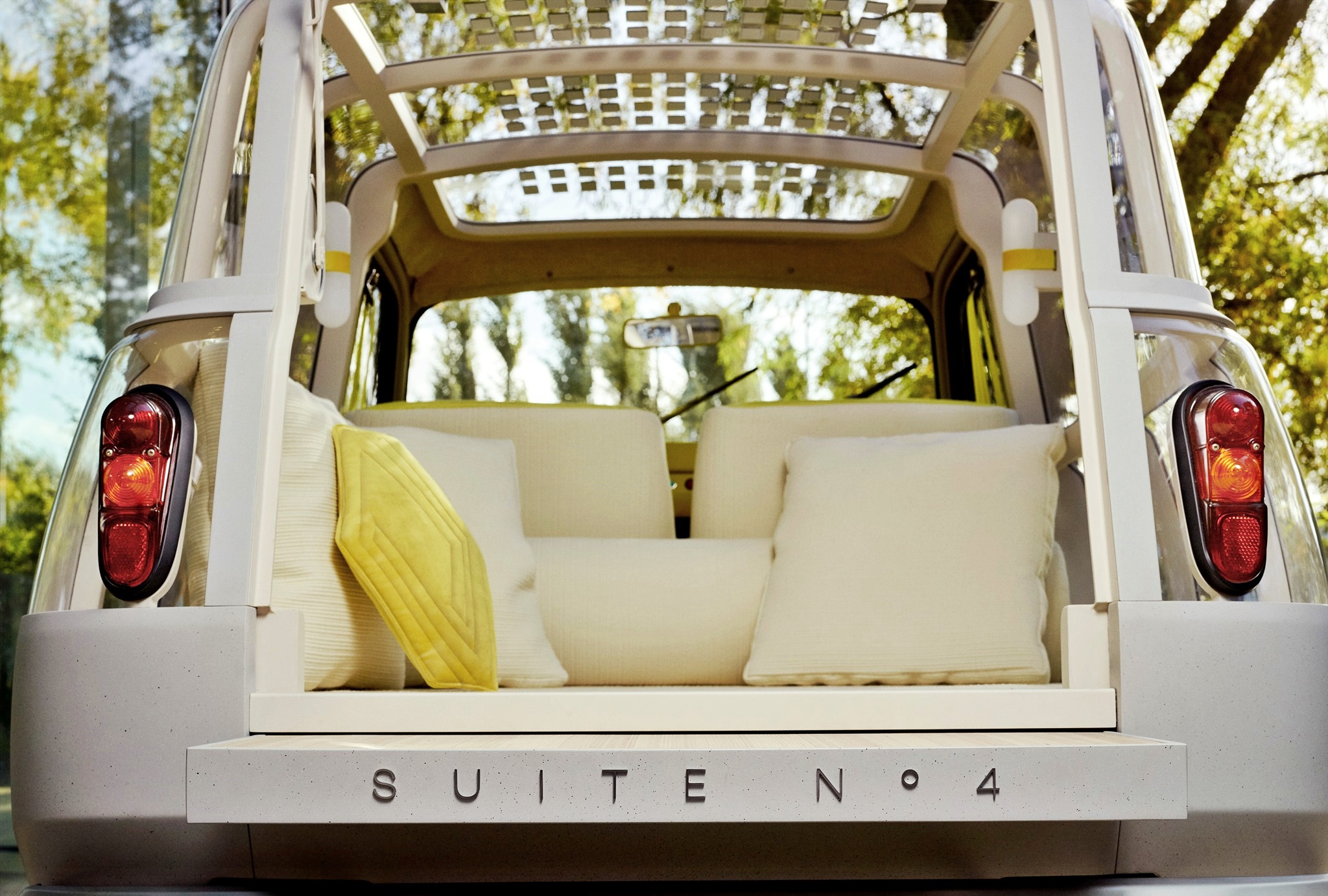
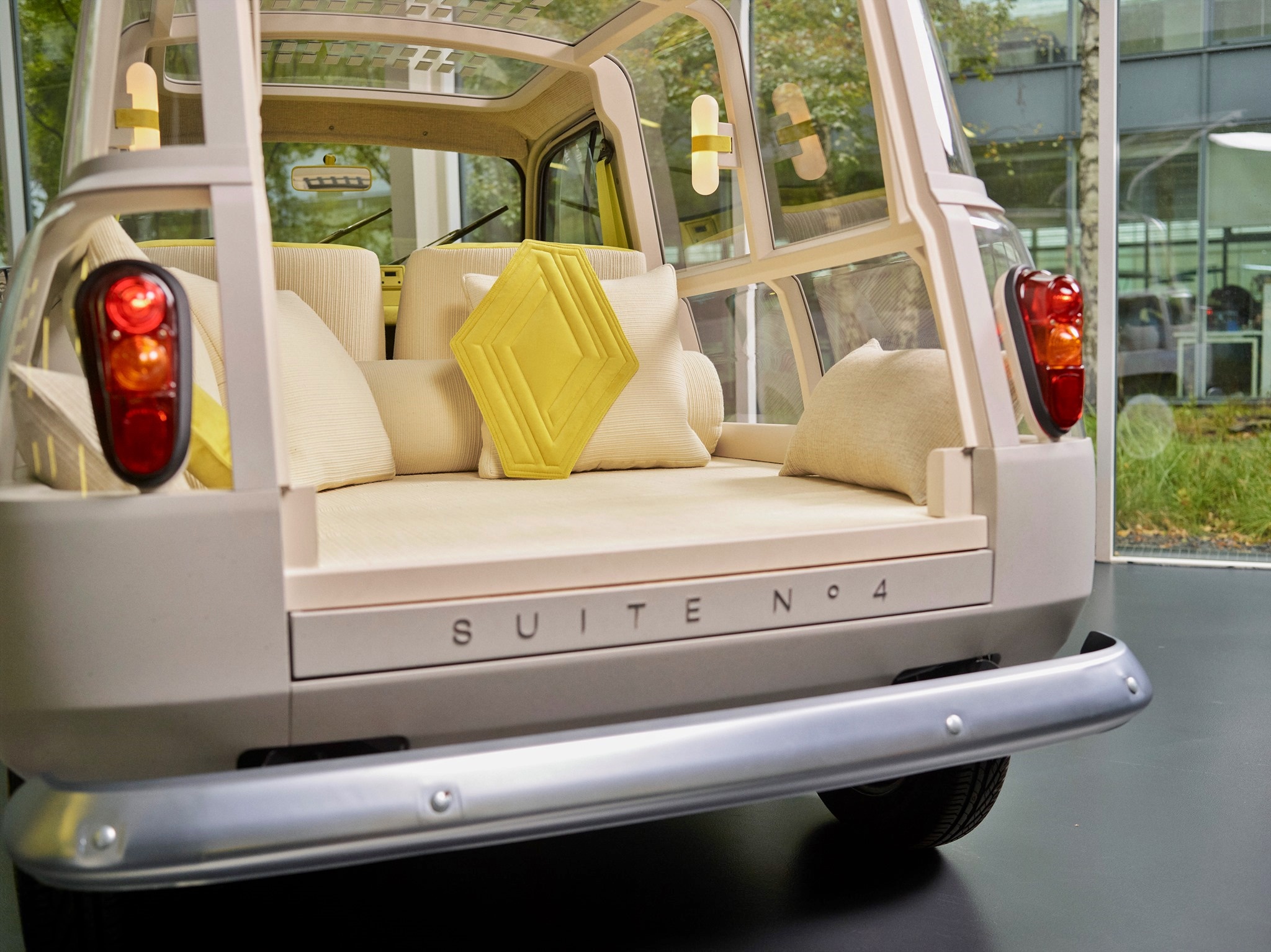
The concept car maintains the same exterior dimensions (about 3.65 metres long, 1.5 metres wide) and lines as the iconic model but comes with a radical twist. The rear section and the hatch have been replaced with polycarbonate windows that provide transparency and lighting on a par with that of architectural glass. The transparent solar panels on the roof let light through while helping to charge the battery of the car as it is fully electric and emission-free.

Renault SUITE N°4 concept 2021

The front of the car sports the same iconic lights, lines and silhouette as the original. The front grille in polished aluminium is both the designer’s signature and an ode to evasion. It creates waves and gives the car an effect of fluidity, dynamism and movement. The architectural inspiration can also be found on the body of the car, which is coated with three layers of paint that give it the mineral aspect of cement.

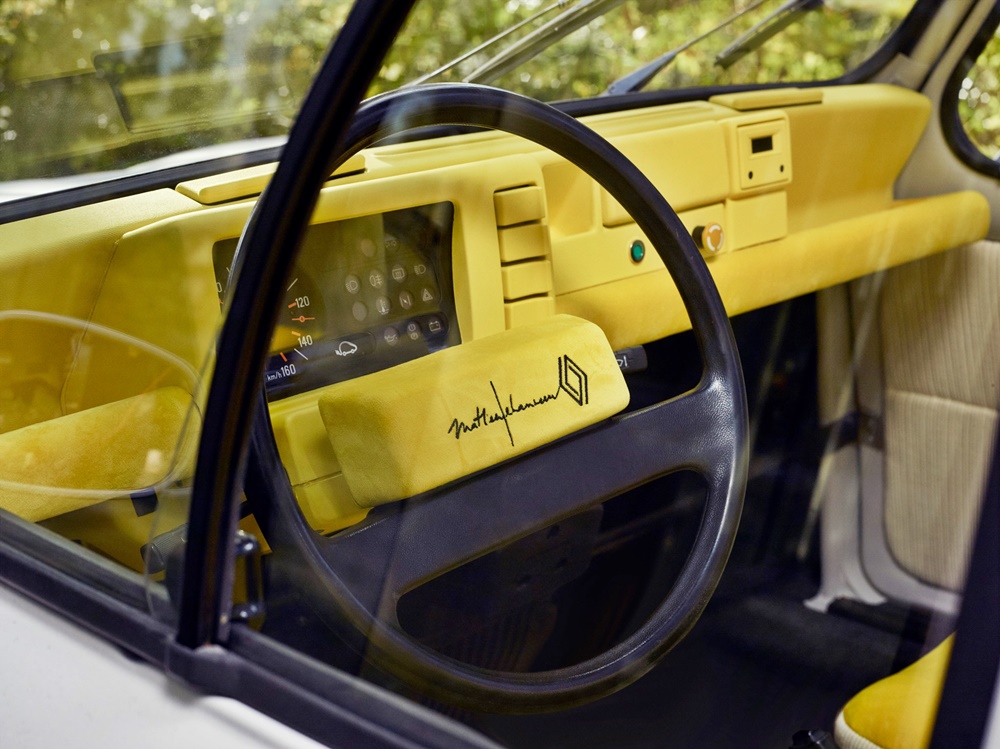
Inside, Lehanneur decided to let in the ambience and materials typical of residences, and combine the automobile technical requirements and the sophistication of the French art de vivre. The seats and the dashboard are upholstered with an energetic yellow velvet. In contrast, the space on the back is finished with a thick, ribbed chenille fabric and accessorised with two laps, for a robust look.

Renault SUITE N°4 concept 2021

Bolsters and pillows complete the boot, transformed in a moving room. The experience is finalised by a wooden bench which slides like a drawer and can be extracted to provide sheltered seating when the hatch is open. Like for the original 4L, all of the materials are ‘Made in France’ and supplied by Paris-based artisans.

The 4L’s anniversary is to be a year-long celebration with different initiatives. These include a global social media campaign, posting a variety of content each month. International media have had the opportunity to take a ride in different historic Renault 4L models, some of which have been retrofitted with an electric powertrain. A collection of 30 different editions of the iconic French model is also on display at the Atelier Renault in Paris.

2021 Renault 5 Prototype

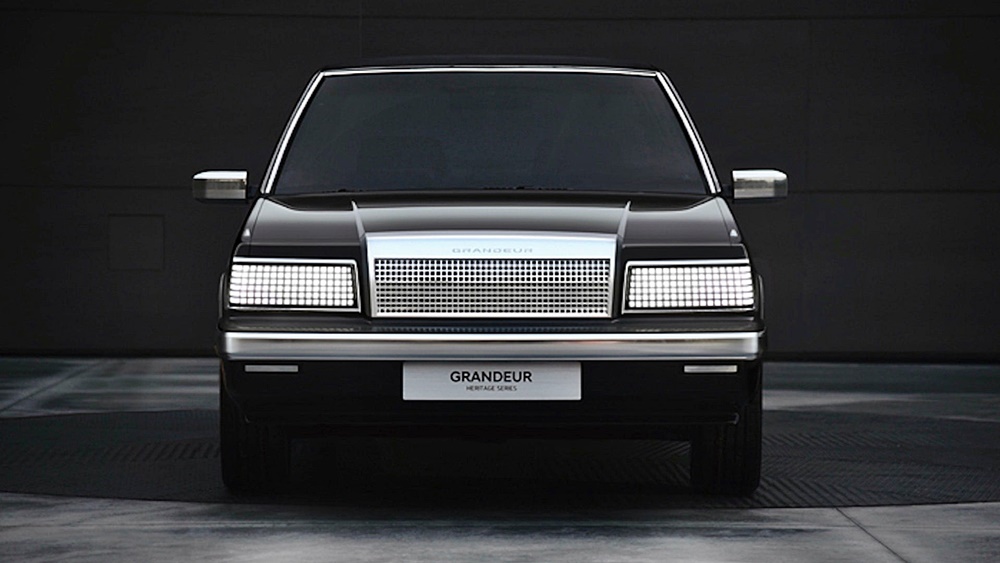
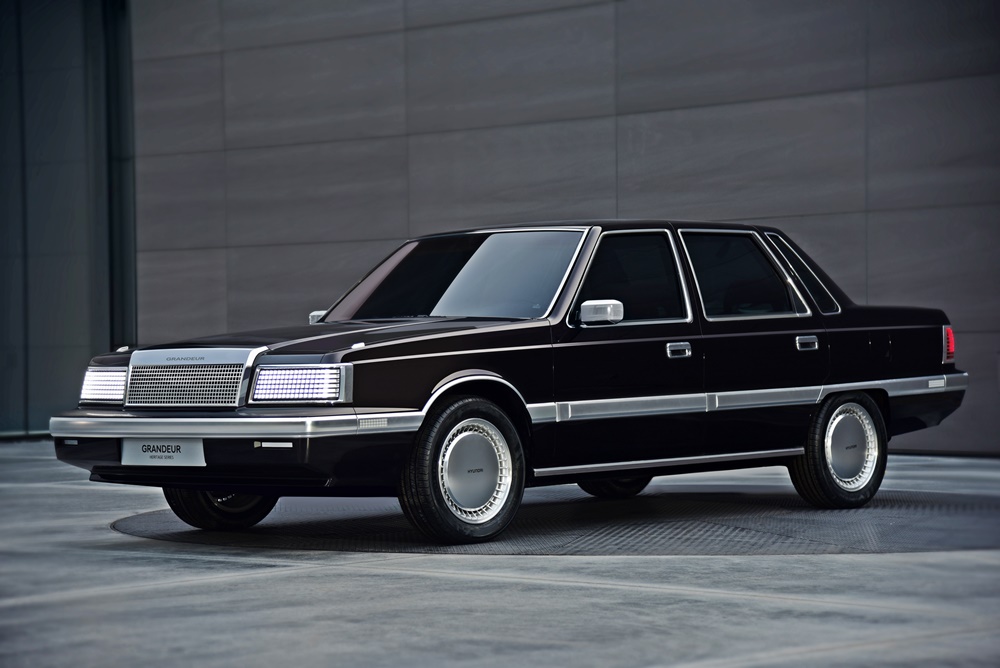
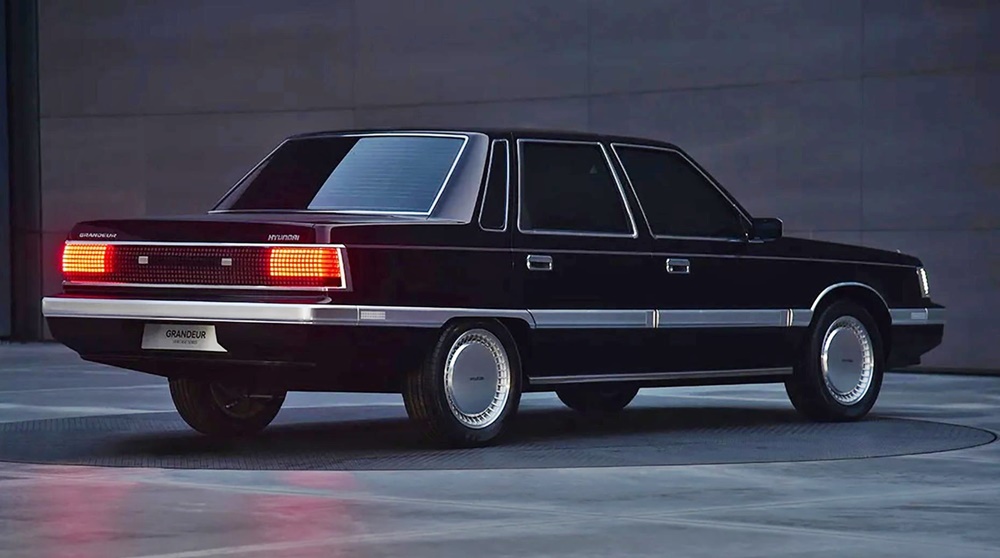
Many of today’s carmakers have a history going back decades and over the years, certain models have been regarded as special or significant. Typically, these would be the first global model produced by the company, like the Pony which Hyundai Motor launched in 1975. Eleven years later, in 1986, another model was launched which was of symbolic significance. This was the Grandeur flagship sedan and on the 35th anniversary of this model, Hyundai has developed the Heritage Series Grandeur.

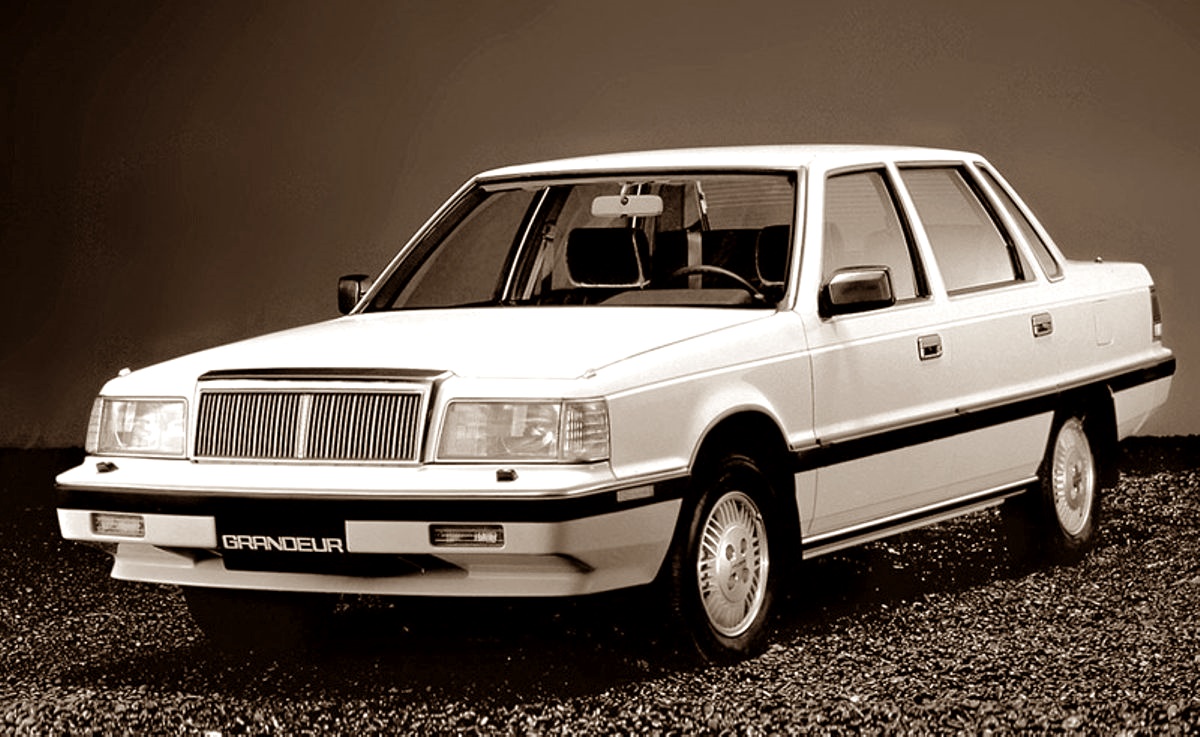
Hyundai’s design team reinterpreted the first generation of the Grandeur (adapted from Mitsubishi’s Debonair) to create a retro-futuristic resto-mod that is powered only by electricity. “As our designers conceive the future, it’s important to look back on what we’ve created in the past and find inspiration in it,” said Hak-soo Ha, Head of Interior Group of the Hyundai Design Centre.

2021 Hyundai Heritage Series Grandeur

The original Grandeur which was adapted from the Mitsubishi Debonair and launched in 1986.

“With the Heritage Series Grandeur, our designers have reinterpreted an important part of Hyundai’s history as a wonderfully unique blend of vintage and contemporary that reflects the boundless possibilities of our EV era,” he explained.

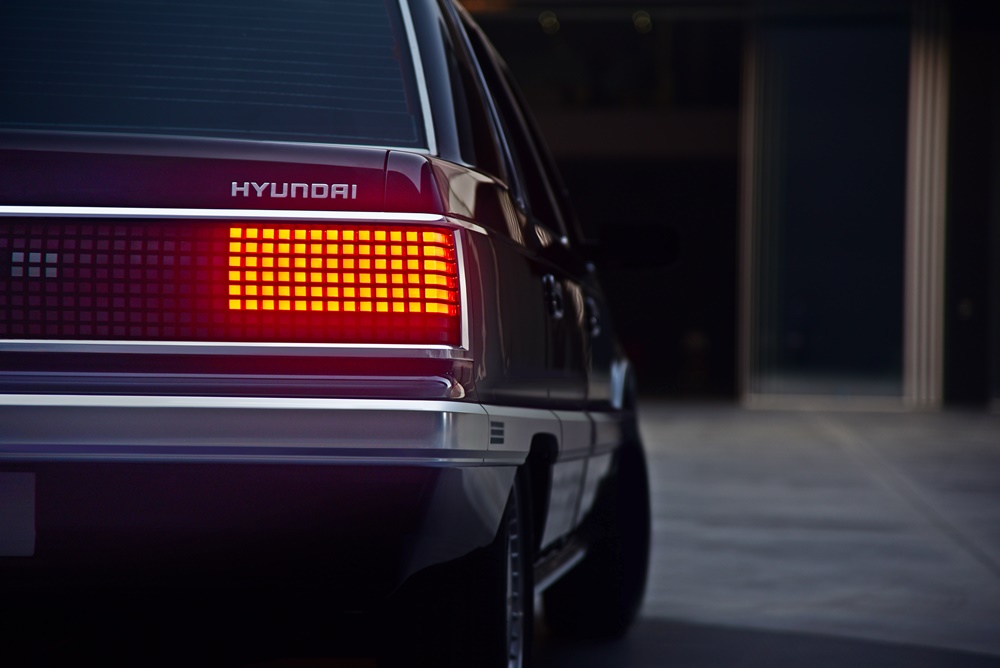
The exterior design shows most of its retro charm, with tasteful updates such as new side mirrors, covered wheels, slide cladding and pixel-style LED headlights and taillights that hint at the concept’s use of Hyundai’s electric powertrain. Known as Parametric Pixel lighting, this feature distinguishes the sedan the same way as the new IONIQ 5.

2021 Hyundai Heritage Series Grandeur

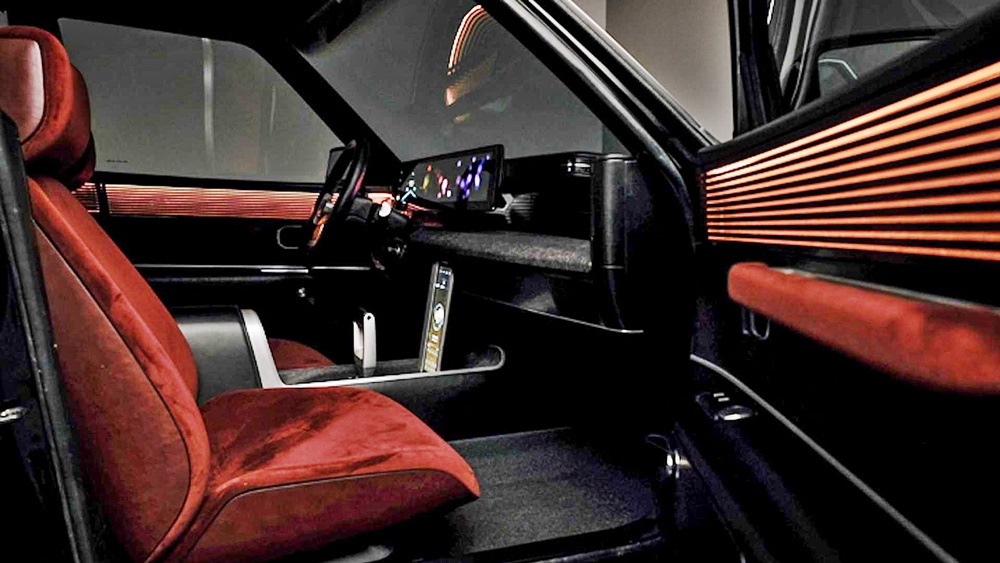
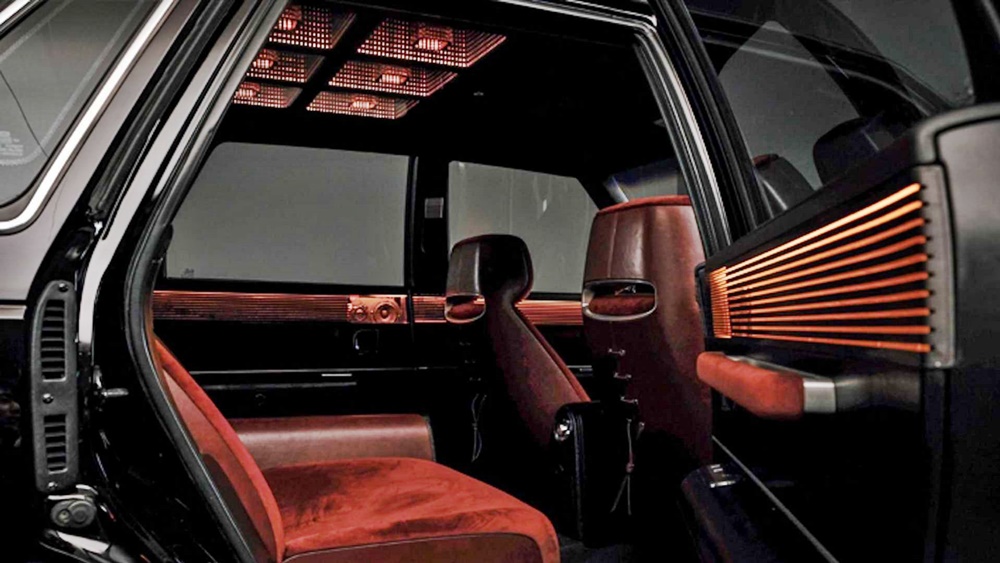
Though the exterior has classic lines, the cabin is ultra-modern. The designers applied a ‘Newtro (newness + retro)’ concept theme to stimulate passengers’ senses with bronze-coloured lighting that is reminiscent of period audio equipment and a modern audiophile sound system to match. A luxurious feel comes from burgundy velvet and Napa leather.

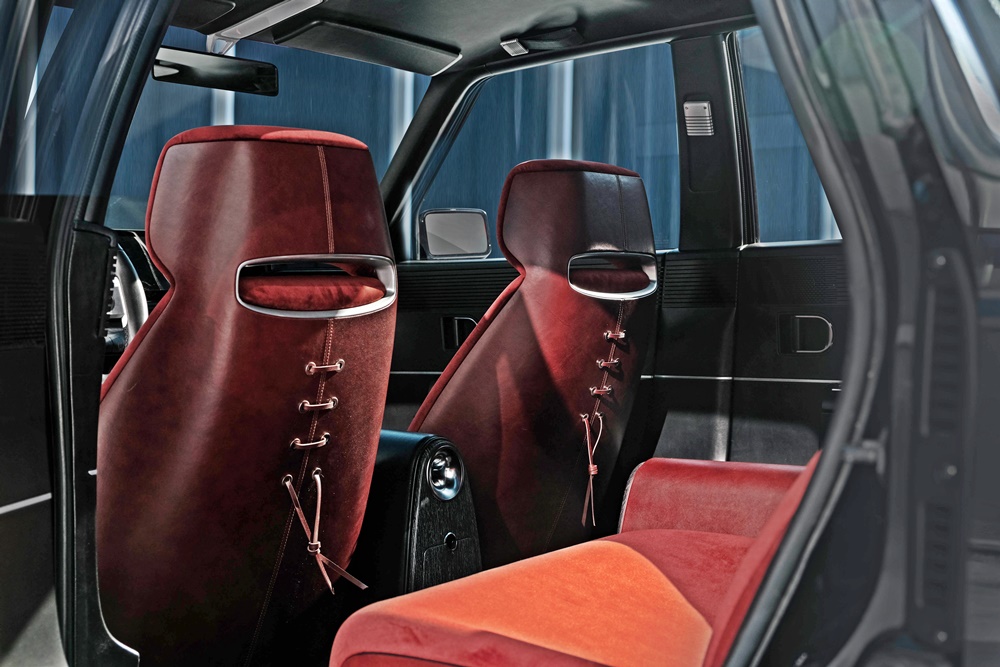
The front seats are fitted with burgundy velvet, inspired by the original Grandeur, with the unexpected twist of elegantly stitched and laced auburn Napa leather on the back. The centre console armrest contains a hidden pop-out compartment for storing valuables like watches.

2021 Hyundai Heritage Series Grandeur

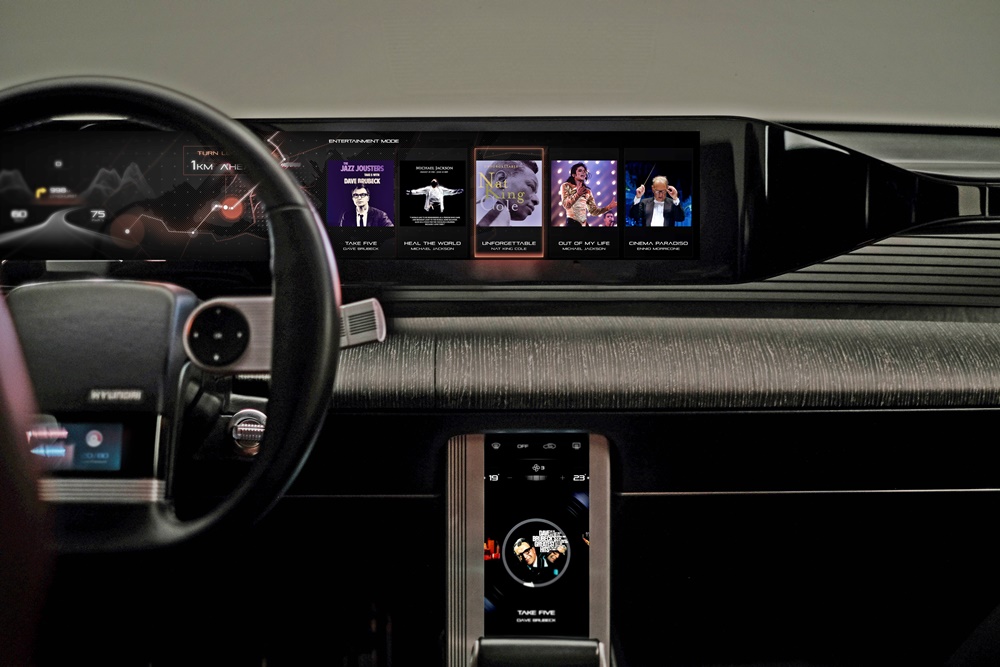
The designers also seamlessly integrated the latest technologies alongside retro-cool hardware. Dials and buttons on the dashboard are replaced with an ultra-wide, touch-enabled flatscreen display. However, for the 1980s vibe, there’s a single-spoke steering wheel and jet airplane-style gear selector.

2021 Hyundai Heritage Series Grandeur

2021 Hyundai Heritage Series Grandeur

2021 Hyundai Heritage Series Grandeur

In the 1980s, audio systems were becoming sophisticated, especially at the upper end of the market. For the Heritage Series Grandeur, the designers have incorporated the 4way4 sound system developed in South Korea. This controls 18 speakers to deliver rich sound with magnificent clarity and deep bass, thanks in part to the composition of Grandeur’s centre console and dashboard. These two elements have been designed based on concert hall acoustic theory. The soundbar’s piano function can be played through the audio system when the vehicle is in park.

The bronze-coloured light beam that begins at the left and right ends of the dashboard extends around the cabin, penetrating the B-pillars, casting a flattering hue across the well-appointed interior. ‘Infinity mirrors’ reflect the light, giving the second row an even wider sense of space befitting a luxury saloon of the mid-1980s.

2021 Hyundai Heritage Series Grandeur

Hyundai’s first global model reconstructed and modernised as the Heritage Series Pony

Archive

Follow us on Facebook

Follow us on YouTube