Piston.my

Latest News

BHPetrol RON95 Euro4M

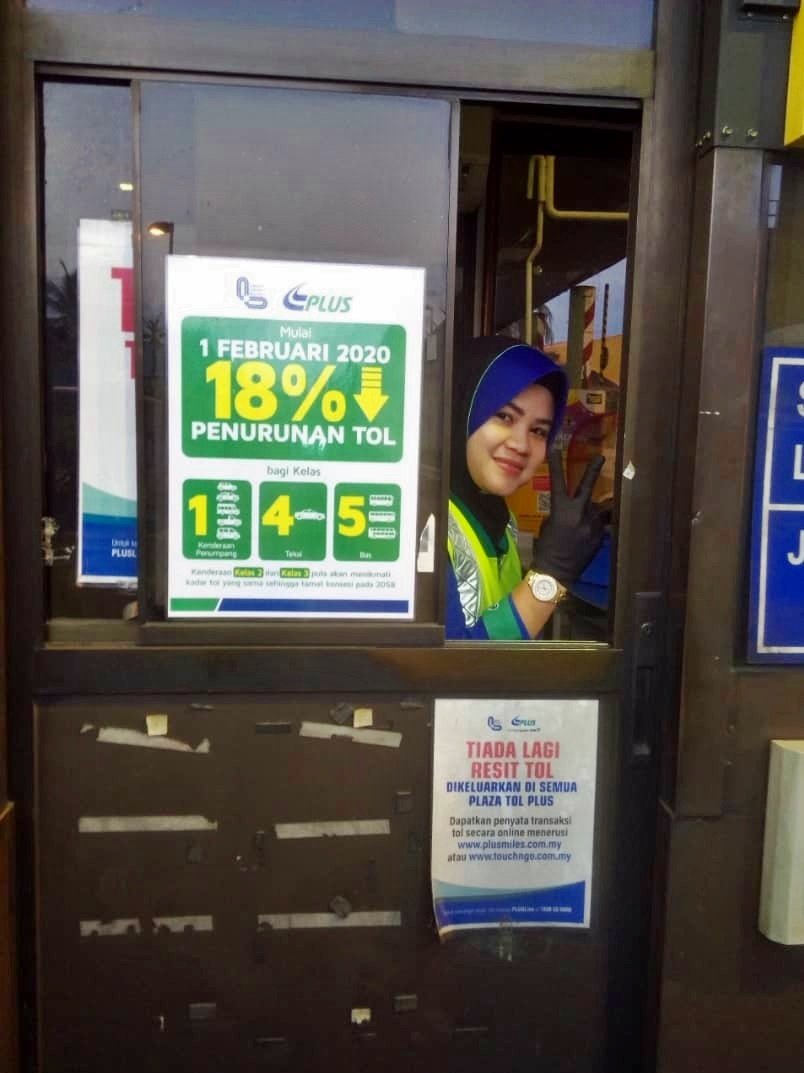
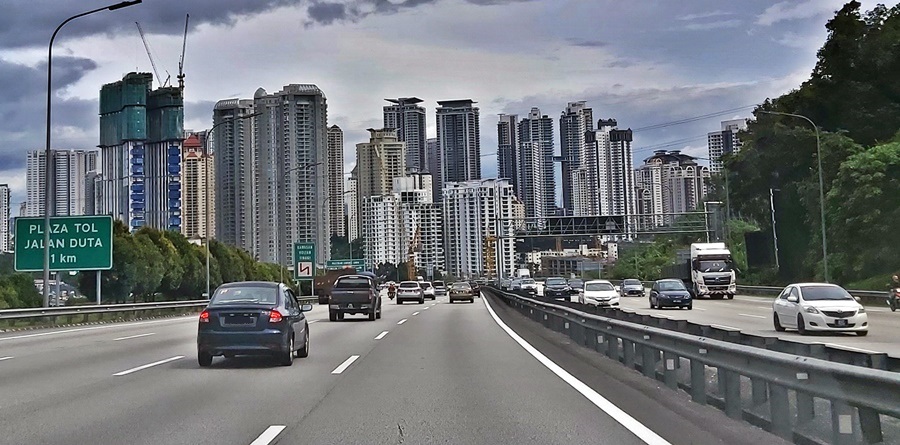
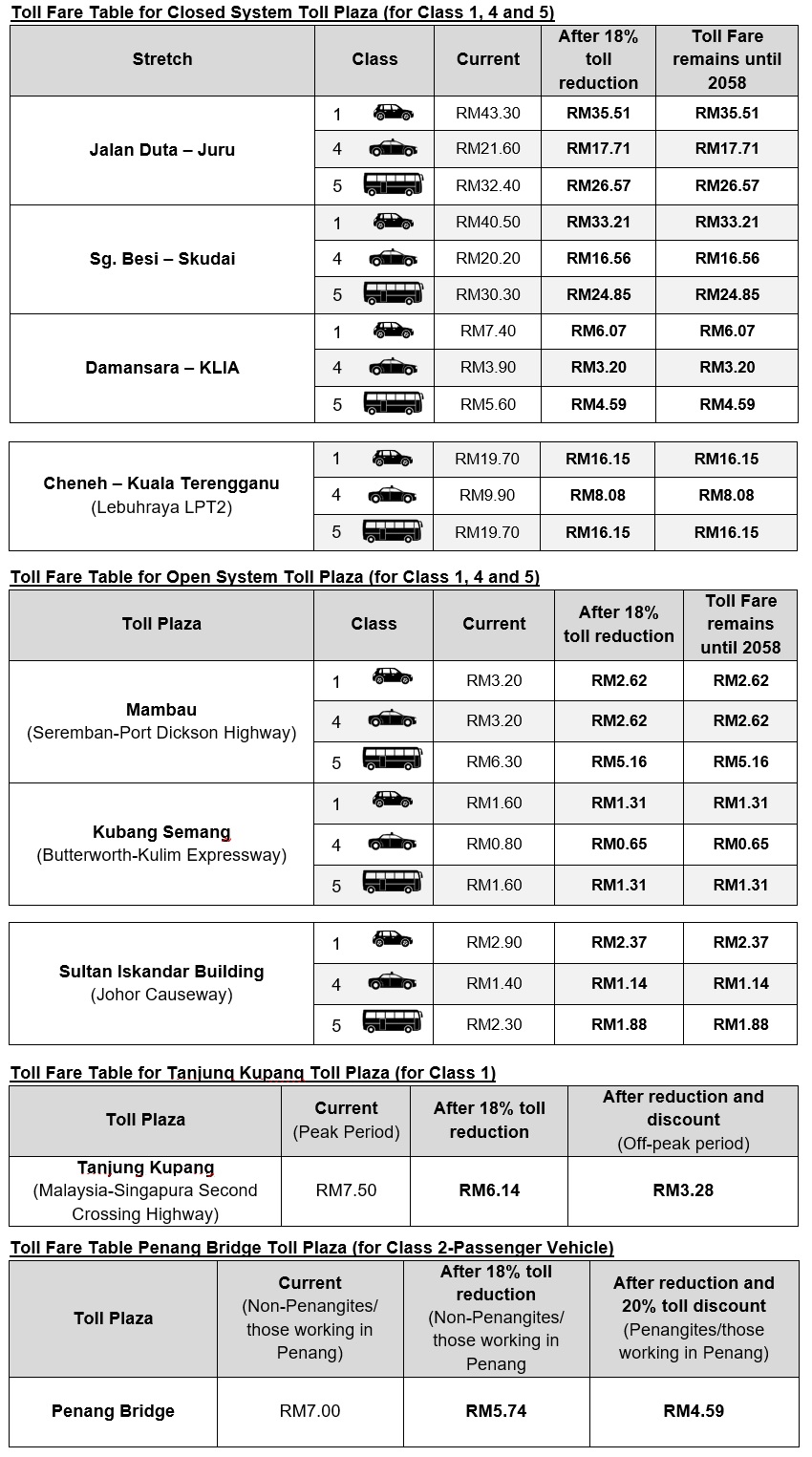
If you are travelling on a PLUS highway tonight, don’t forget that after midnight, toll rates will be 18% lower. So pull over at a R&R for a teh tarik and delay your exit till after midnight. If you’re coming from Juru in the north and exiting at Jalan Duta in Kuala Lumpur, you can save almost RM8.  You might get a special welcome from the PLUS people too as they are gathered there tonight for a symbolic ceremony to mark the occasion.

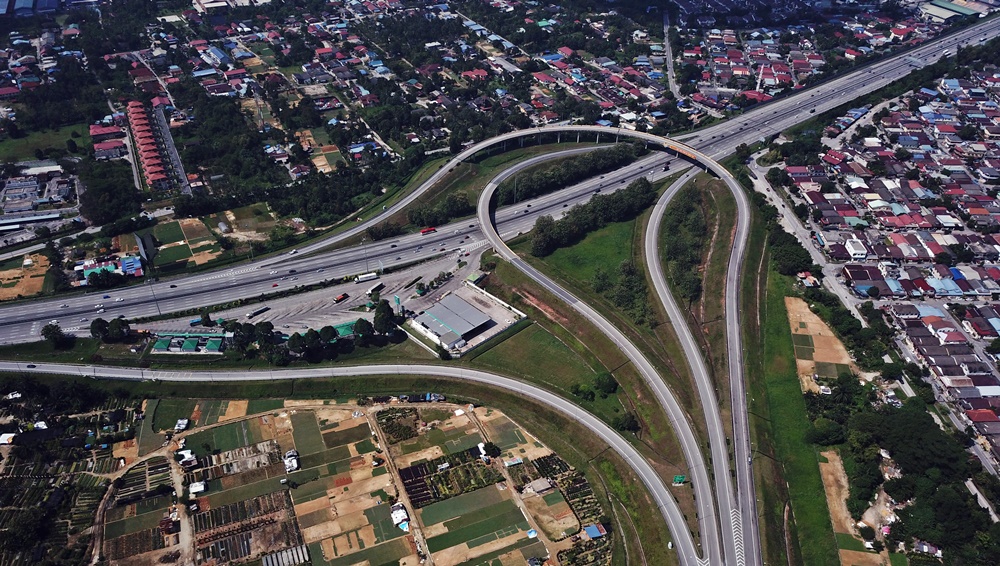
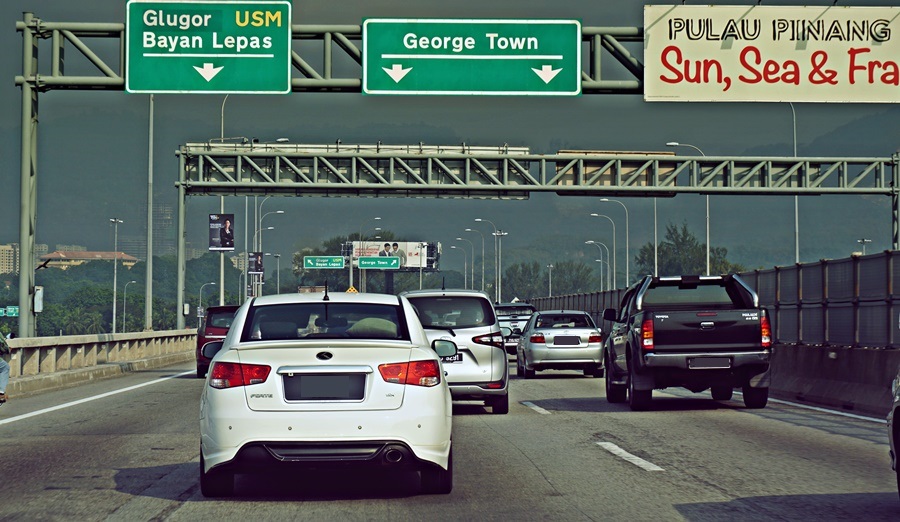
The PLUS-operated highways which will have toll reductions are the North-South Expressway (NSE), the New Klang Valley Expressway (NKVE), the North-South Expressway Central Link (ELITE), the Malaysia-Singapore Second Crossing (LINKEDUA), the Seremban-Port Dickson Highway (SPDH), the Butterworth – Kulim Expressway (BKE), the East-Coast Expressway 2 (LPT2), and the Penang Bridge.

The 18% reduction follows an agreement with the Ministry of Finance in exchange for an extension of the concession another 20 years until 2058. The reduction applies to all Passenger Vehicles (Class 1), Taxis (Class 4) and Buses (Class 5) and will remain unchanged until the concession ends. Toll charges for lorries (Classes 2 & 3) will also remain unchanged  until the end of the concession in 2058.

PLUS has agreed to make the reduction as well as maintain the highways without any compensation or further funding from the government. Thus, apart from savings for the average of 1.7 million highway users each day, taxpayers will also not be paying for the upkeep of PLUS highways. PLUS has given assurance that its services and operations will not stagnate and aims to provide improvements as the years go by, as well as enhance the travelling experience on its highways.

NKVE JALAN DUTA

PLUS toll charges until 2058

PENANG BRIDGE

Lower toll rates on PLUS highways – but not in time for Chinese New Year travel

PISTON.MY


BHPetrol RON95 Euro4M

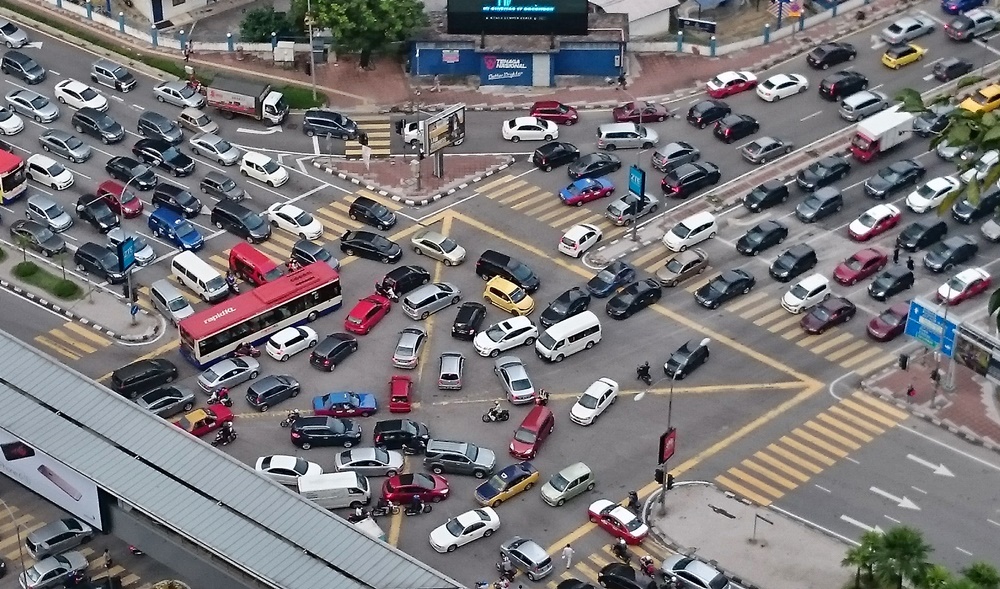
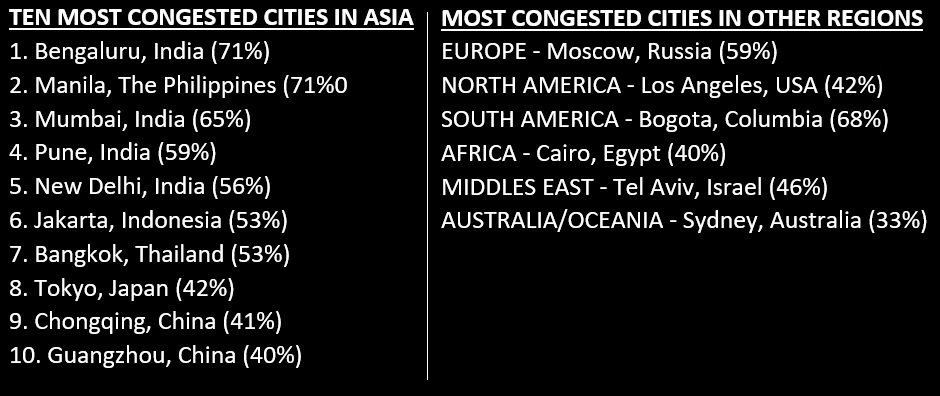
Malaysia has a tendency to be top ranking in lists that are ‘negative’ but for a change, it does not appear among the Top 10 of TomTom’s latest Traffic Index of cities around the world. However you may feel about traffic jams in Kuala Lumpur, it’s not as bad as Bengaluru, a city in southern India where drivers can expect to spend an average of 71% extra travel time just stuck in traffic – the longest time in the world.

No. 2 in the location technology specialist’s report which covered the traffic situation of 416 cities (with populations of over 800,000) in 57 countries was the Philippine capital of Manila (also 71%). Other than Manila and Bogota in Colombia, three Indian cities are among the Top 5 cities in the world with the most congested roads.

Congested cities

Kuala Lumpur was ranked No. 13 in Asia (37%) and No. 46 globally, while Singapore was at No. 24 and globally, No. 96. Incidentally, the least congested city in the study was Abu Dhabi.

Congestion up globally
Traffic congestion has increased globally during the last decade, and the 239 cities (57%) TomTom included in the new Traffic Index report had increased congestion levels between 2018 and 2019, with only 63 cities showing measurable decreases. This global increase in congestion, despite being an indicator of a strong economy, is understood to cost economies billions.

“Globally, there’s a long road to travel until congestion levels are brought under control. In time, the rise of autonomous vehicles and car-sharing services will help alleviate congestion, but planners and policymakers can’t afford to sit and wait. They need to use all the tools available to them to analyze traffic levels and impacts, so they can make critical infrastructure decisions. And drivers have a role to play too. Small changes in driving behaviours can make a huge difference,” said Ralf-Peter Schafer, TomTom’s VP of Traffic Information.

Traffic

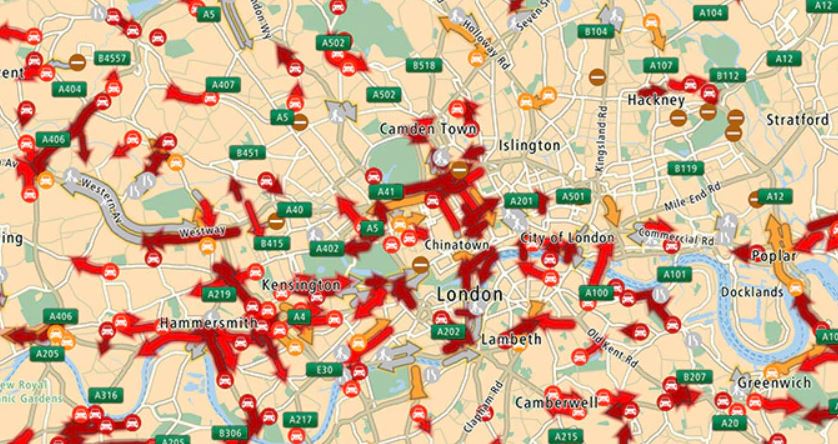
Analyzing real-time incidents and congestion to predict traffic before it happens, TomTom’s Real-Time Traffic is claimed to make its navigation software more accurate with enhanced route calculations and accurate estimated times of arrival.

The company also works on the future of driving – from high definition maps for autonomous vehicles, to efficient electric vehicle routing and charging – so that carmakers, technology companies, road authorities and governments already have the tools to make the roads less congested.

How do you beat traffic congestion?
Next time you are heading out in your car, consider these tips from TomTom.

  1. Plan before you go. Taking a few moments before heading out the door to inform yourself on the road conditions on the way to your destination will help you consider your alternatives and decide on the best course of action.TomTom
  2. Trust technology to help you. It may be uncomfortable to take a road you may not be familiar with because your satnav suggests it’s the fastest one. Often, if you cannot see that a road is indeed congested, it is hard to believe it. Dare to take the alternative route offered by up-to-date navigation, because it is basing its recommendation on real-time traffic conditions on the route you are taking. You will likely be surprised!
  3. Change your driving habits. Most often, traffic will peak at certain times of the day, depending on location. This is clear in TomTom’s studies and its report provides the average congestion level for each hour of each day of the week. Use the information available to adjust your departure time accordingly. Leaving early or late from a location might mean avoiding time spent in traffic on the road.

PISTON.MY

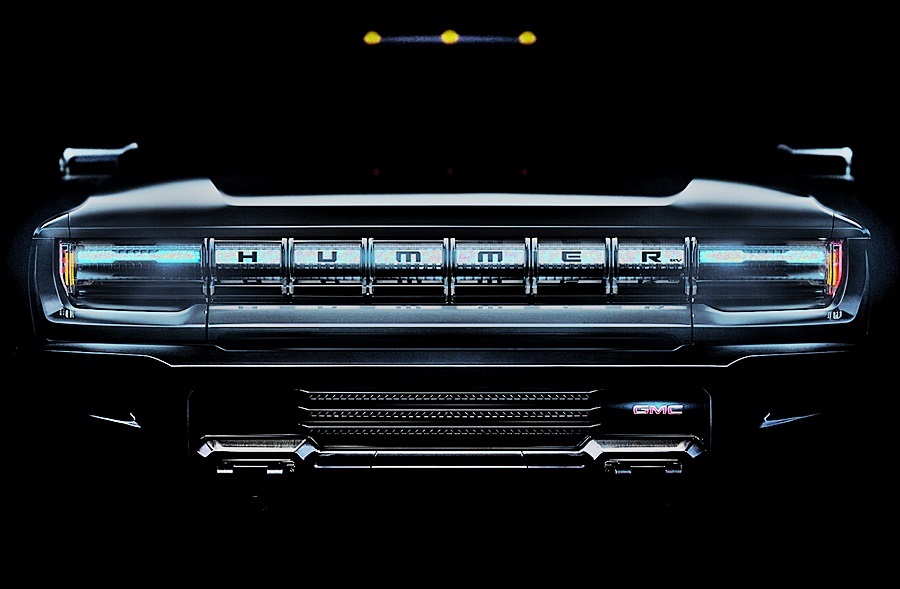
It’s been almost 10 years since the last Hummer was produced and for a while, it seemed that a company in China would take over the brand which started in 1992. However, that never happened and General Motors, the brand owner, stopped production and marketing after 2010. Although sold mainly in America, the Hummer was an iconic vehicle globally because of its looks and size and perhaps the fact that it was a civilian version of a military vehicle.

In May 2020, GM will revive the Hummer with the unveiling of an all-new model although statements by senior GM executives indicate that it will be a model name rather than a brand as it used to be. The vehicle will be sold under the GMC brand and it will be a totally different type of Hummer because it will have an all-electric powerplant instead of the 6.2-litre engine (the Hummer H3 had a smaller 3.5-litre powerplant).

It will be GMC’s first all-electric truck, a rival to Tesla’s Cybertruck which Elon Musk says already has 250,000 orders from people who paid refundable US$100 deposit. Starting off with the theme of ‘Quiet Revolution’ in advertising spots starting on May 20, the HUMMER EV, as it will be known, will have 1,000 bhp, 15,592 Nm of torque and a claimed 0 to 60 mph (96 km/h) time of 3 seconds. And without the noise and unhealthy emissions Hummers of the past generated but expected to still have superior capabilities off-road.

The HUMMER EV will be built at GM’s Detroit-Hamtramck assembly plant which has received a US$2.2 billion investment to make it the company’s first fully-dedicated electric vehicle assembly factory. GM’s first all-electric truck will be a pick-up with production scheduled to begin in late 2021. This will be followed soon after by the Cruise Origin, a shared, electric, self-driving vehicle unveiled by Cruise in San Francisco last week. Somewhere in the production schedule would also be the HUMMER EV which GMC informs will be initially available during the fourth quarter of 2021.

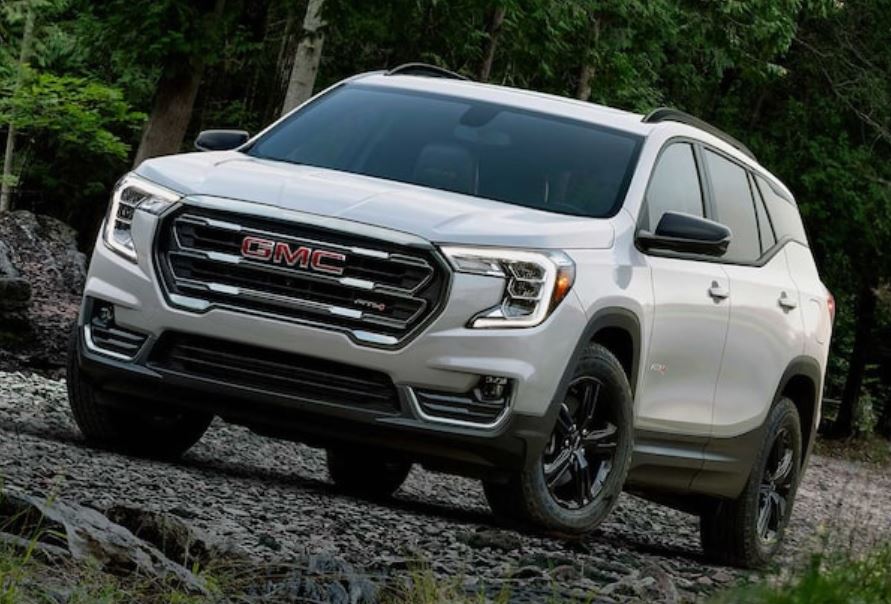
GMC Terrain
GMC has been around for almost 120 years as a truck manufacturer. Its current range includes SUVs like the Terrain (above).

GM’s joint venture with LG Chem – which is investing US$2.3 billion to manufacture battery packs – will supply battery cells for the electric vehicles manufactured at Detroit-Hamtramck. It will be interesting what size of battery packs the HUMMER EV will have – would it guzzle electricity the way the original Hummer consumed fuel at a rate of around 4 kms/litre (even the ‘lighter’ H3 did 7 kms/litre at best). That consumption figure was one of the reasons why Hummer sales died quickly as fuel prices rose, taking the company down with it.

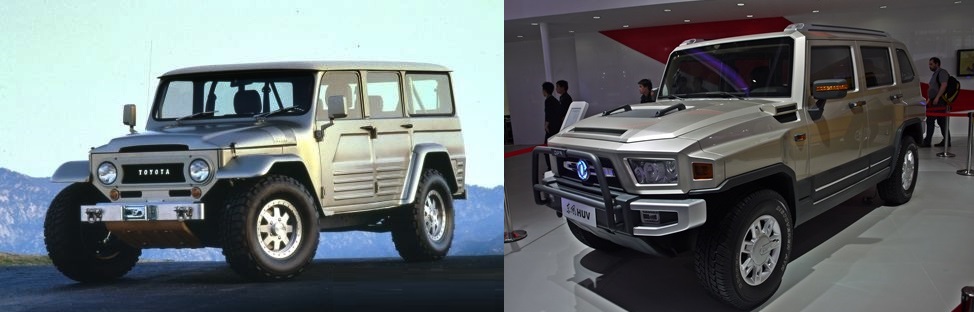
Toyota MegaCruiser and Dongfeng HUV
The Toyota MegaCruiser (left) and Dongfeng HUV were almost certainly inspired by the original Hummer.

PISTON.MY

BHPetrol RON95 Euro4M

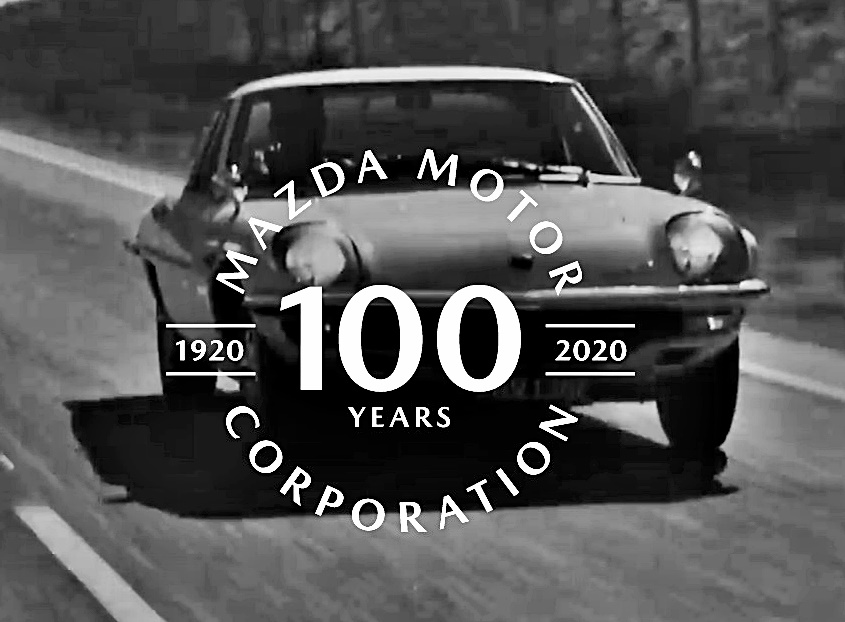
Mazda today celebrated its 100th anniversary with a ceremony at its Hiroshima headquarters that starts a year of events during which the company will remember its past and look to the future. 100 years ago, Mazda was not a car-producer but was a producer of cork in Hiroshima. It was when Jujiro Matsuda, an industrialist, took charge of Toyo Cork Kogyo Co. Ltd. in 1921 that the business transformed first into a machine tool producer and then a manufacturer of motor vehicles.

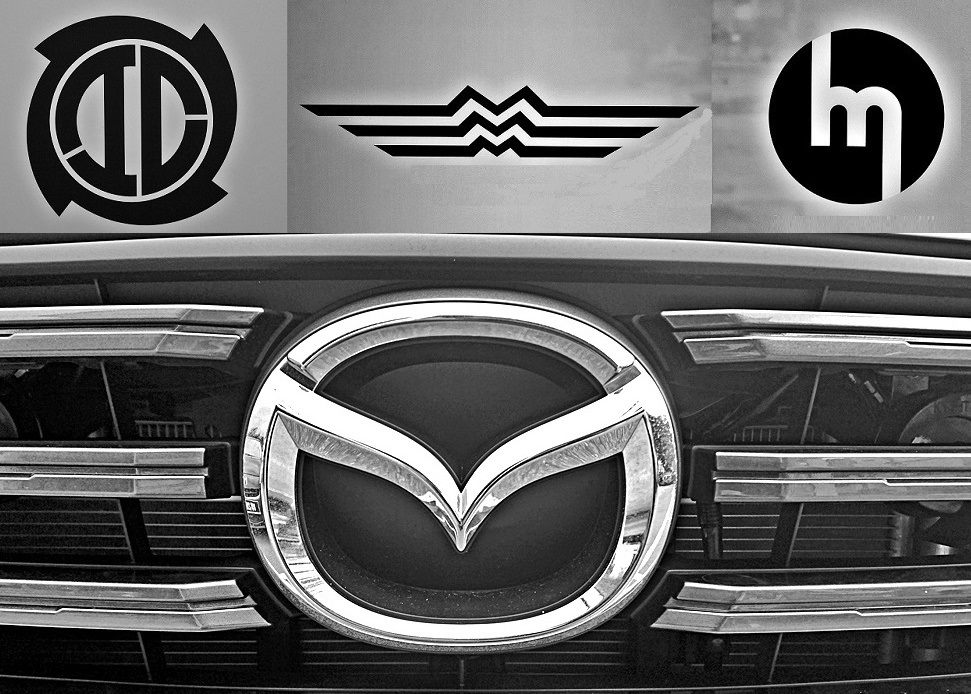
Mazda logo
Evolution of the Mazda logo from the original one used by the Toyo Cork Kogyo Co. Ltd. 100 years ago (top left) and then changed during the 1940s to follow the emblem of Hiroshima (centre) and again in the 1960s (there were also other emblems used for short periods). Today’s logo, adopted in 1998, symbolizes the brand’s flight toward the future. The “V” in the centre represents creativity, vitality, flexibility and passion. The dynamic circle symbolises readiness to spread its wings as the company begins the 21st century.

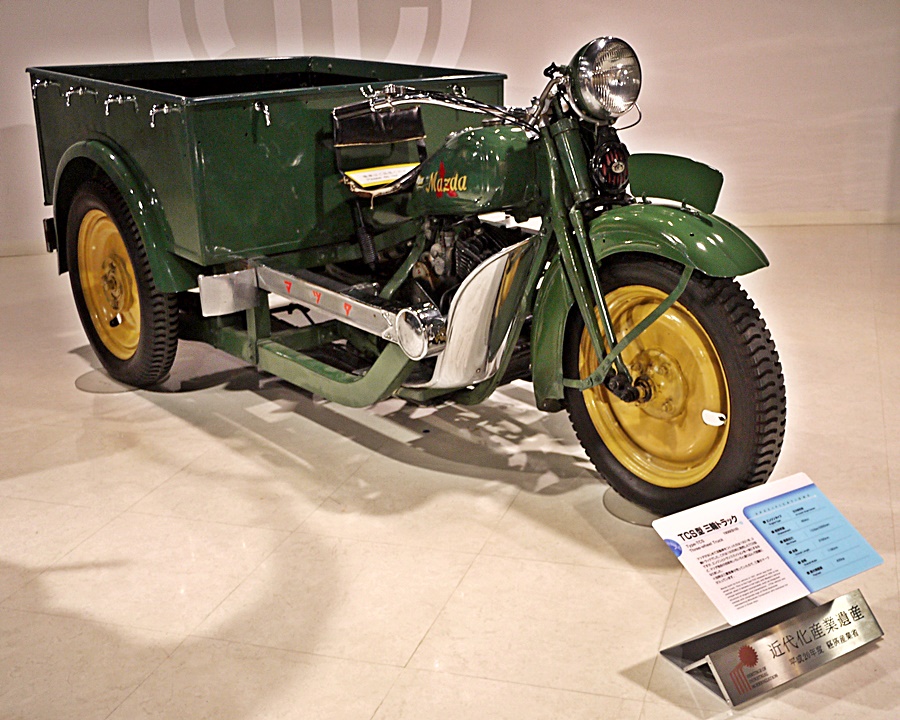
The first model was a 3-wheeled truck – the Mazda-Go – that went on sale in 1931. It proved popular and underwent continual improvement with innovations such as a 4-speed transmission in 1938 that reduced fuel consumption by 20%. Hiroshima was targeted by an atomic bomb during World War II and Mazda, like virtually every business in the city, suffered greatly. But a strong spirit persevered and truck manufacturing resumed only a few months after the destruction.

First Mazda vehicle
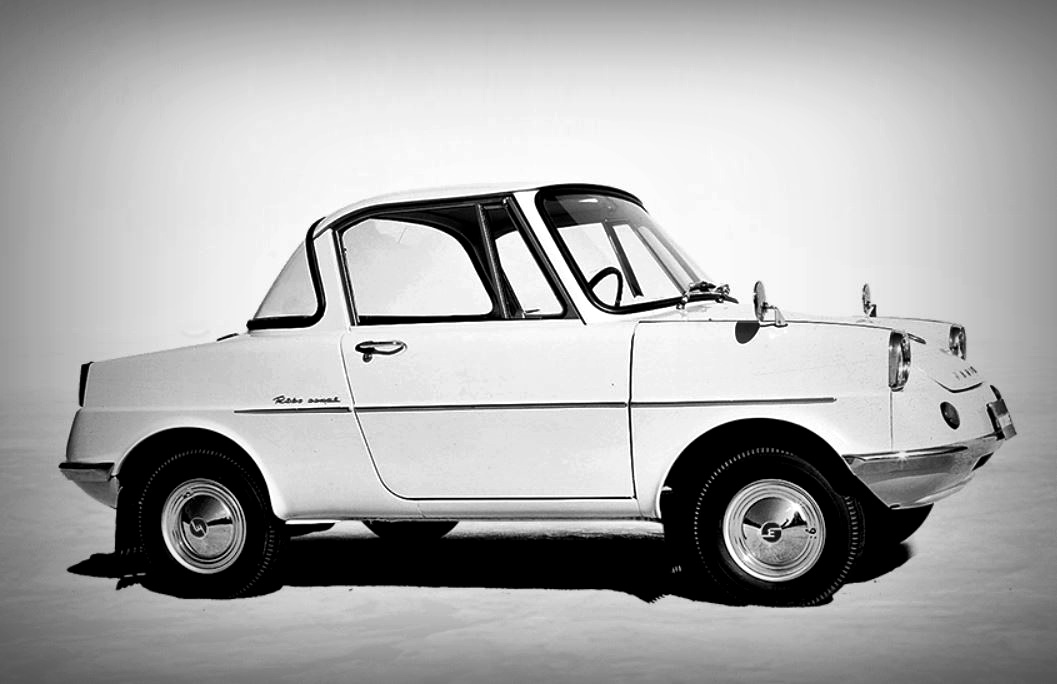
Mazda’s first motorised vehicle was a 3-wheeler introduced in 1931 (above), and it produced its first car – the R360 – in 1960 (below)

First Mazda car

Commercial vehicles remained in the focus after the war and the first passenger car arrived in 1960 with the Mazda R360.  The car was a hit in Japan’s popular kei-car segment, contributing to the motorisation of Japan and starting the path to the successful line-up of Mazda models that we see today.

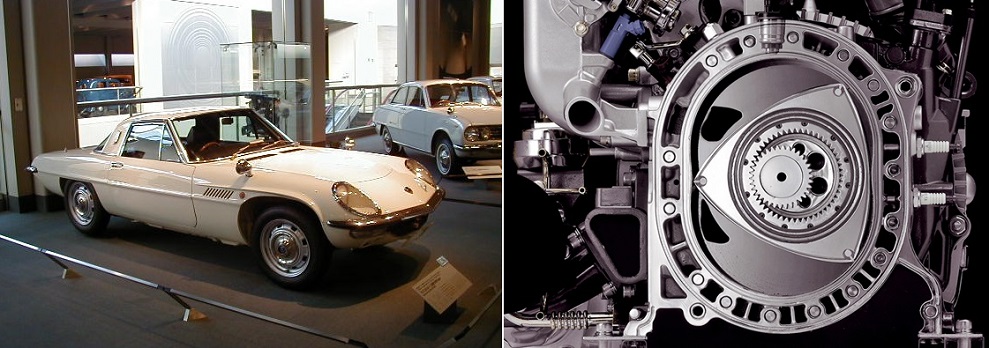
Mazda is closely associated with the rotary engine, having successfully commercialised it when others thought it was not feasible. In 1961, the company signed a licensing deal with German carmaker NSU to develop and produce its new compact, lightweight Wankel rotary engines. The determined Japanese engineers finally came out with the futuristic Mazda Cosmo Sport 110S in 1967, the world’s first production model with a rotary engine.

Mazda Cosmo Rotary
The Mazda Cosmo Sport 110S had the world’s first production rotary engine.
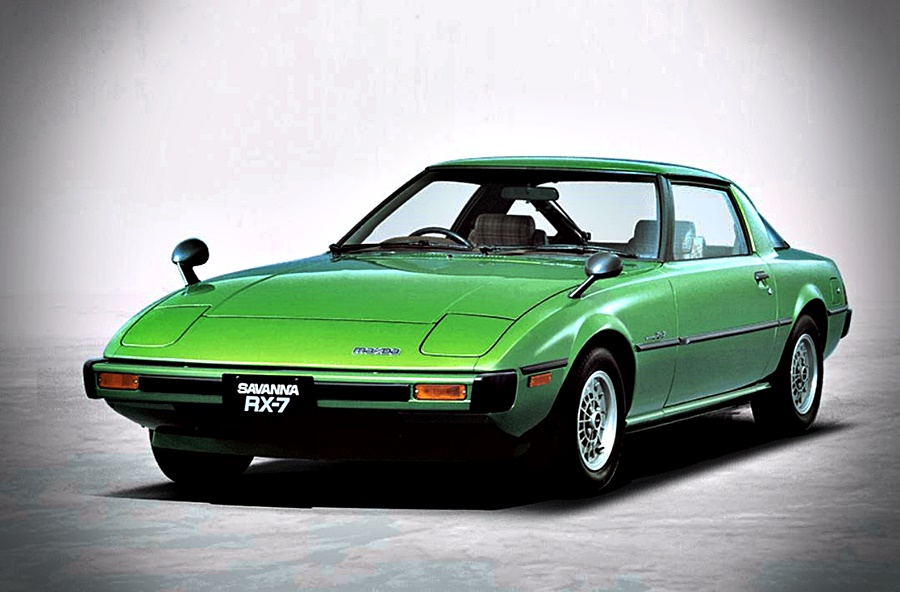
Mazda RX-7
Mazda RX-7 was among the almost 2 million rotary engine-powered cars sold by Mazda.

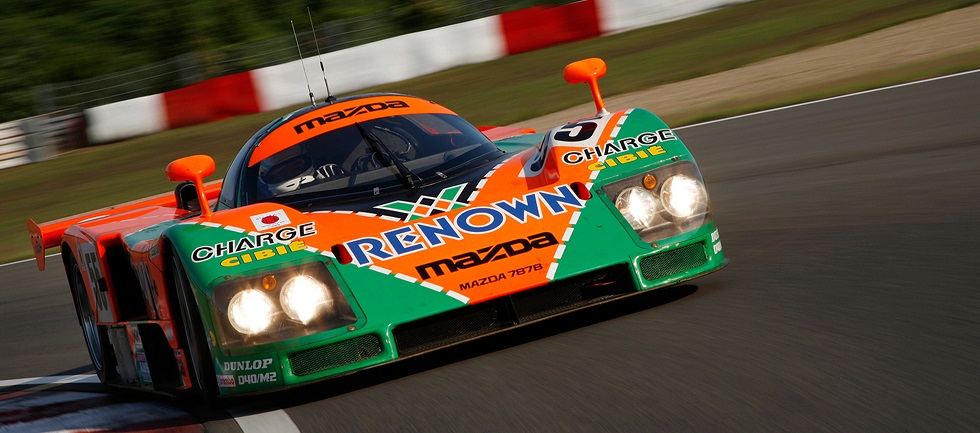
It was the start of a remarkable success story that would see the brand launch numerous models with the unique engine including the RX-7 and over time, almost two million rotary-powered cars were sold. The 4-rotor Mazda 787B won the Le Mans 24 Hours in 1991, the first Asian manufacturer to do so – and the only victorious car with a non-piston engine – and proving Mazda’s technological prowess on the track.

Mazda 787B
In 1991, Mazda was the first Asian manufacturer to win the Le Mans 24 Hour race with the 787B that had a 4-rotor rotary engine.

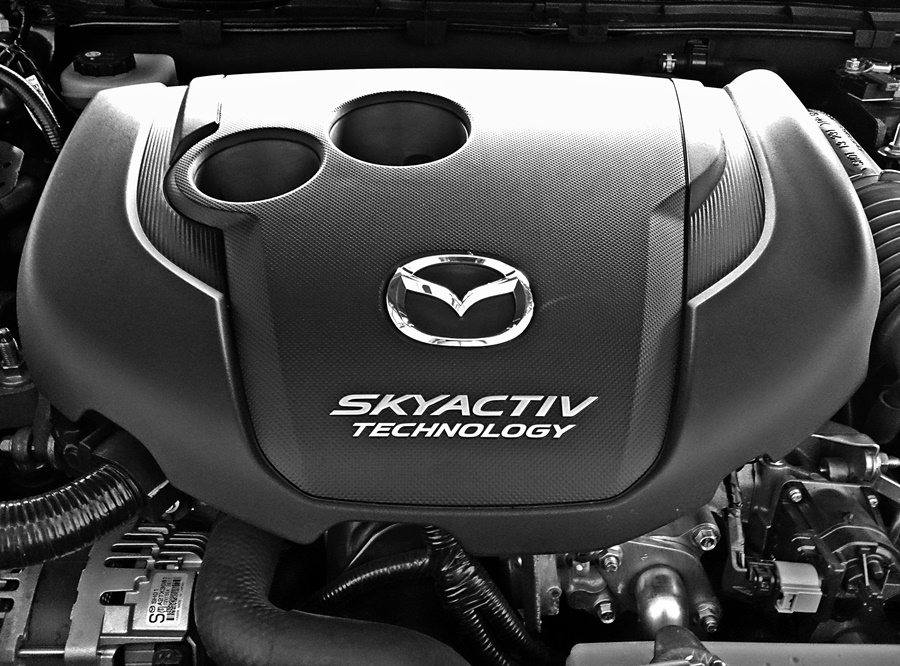
The courage to question common practices and forge new paths in engineering and design that others considered unfeasible has driven the team at Mazda since the beginning. Besides the rotary engine, Mazda also created the world’s best-selling 2-seat roadster – the Mazda MX-5 – which has sold over one million cars since its launch in 1989. Its SKYACTIV Technology has optimised vehicle design and engineering while Jinba Ittai provides the strong connection between car and driver in all Mazda models today.

Mazda SKYACTIV

The next 100 years
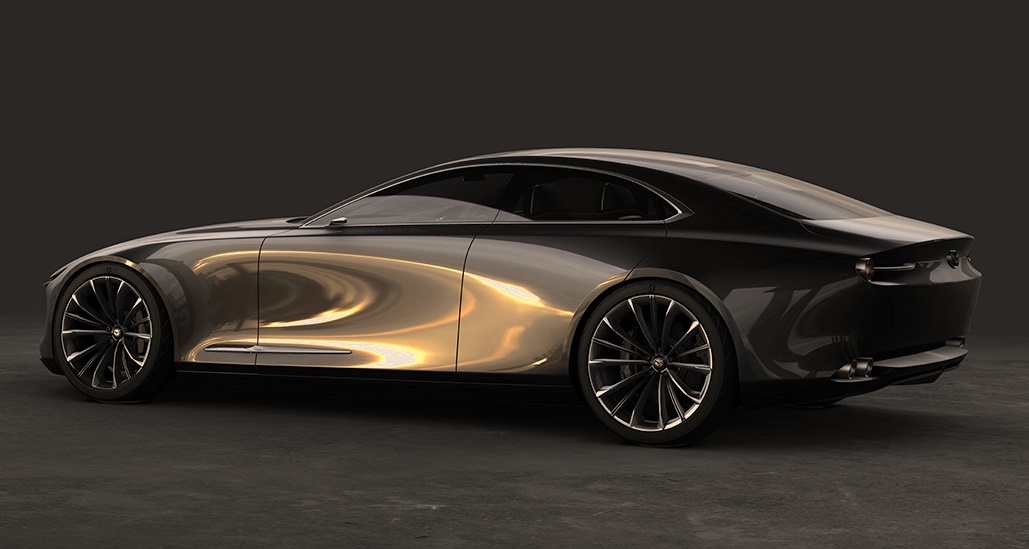
Mazda’s superior engineering is complemented by its design excellence that currently uses the KODO – Soul of Motion design language. The emphasis on design is so strong at the company that the designers have the fullest support from the manufacturing side which sees it as a challenge to reproduce the design features that may be omitted in other companies due to production constraints.

Mazda Vision Coupe

“Mazda originated as a company producing cork and then took the path to manufacturing automobiles. Now, our cars have found friends with many customers from over 130 countries and regions. As we look ahead to the next 100 years, we will continue to put people first and cherish our ‘uniqueness of co-creating with others.’ As we strengthen co-creation and cooperation with all those connected with the company, we will continue to challenge ourselves to create unique products, technologies, and experiences that our customers love,” said President & CEO, Akira Marumoto.

Click here for other news and articles about Mazda at PISTON.MY.

Visit www.mazda.com.my to find out more about the wide range of models available in Malaysia.

BHPetrol RON95 Euro4M

During the 1960s, as traffic volumes began to increase, it became necessary for their movement to be managed so that jams did not form at junctions. Policemen did the job initially but eventually, traffic lights took over the task and provided management for 24 hours, rain or shine. However, along some roads like Jalan Mountbatten (Jalan Tun Perak today) in Kuala Lumpur, there were a number of junctions so traffic would move forward and then have to stop after a short distance. Then someone did some calculations and synchronised the green lights to occur at specific intervals so that if a car travelled along at a moderate speed, the driver would not have to stop as the lights would be green. Thus was born the ‘Green Wave’ system which was used on some Malaysia roads.

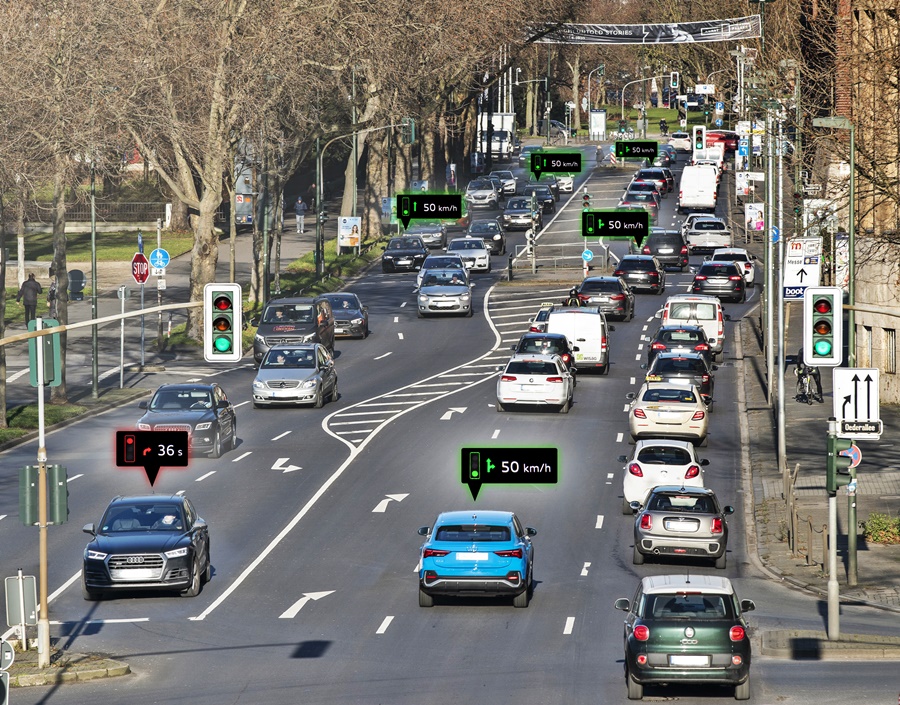
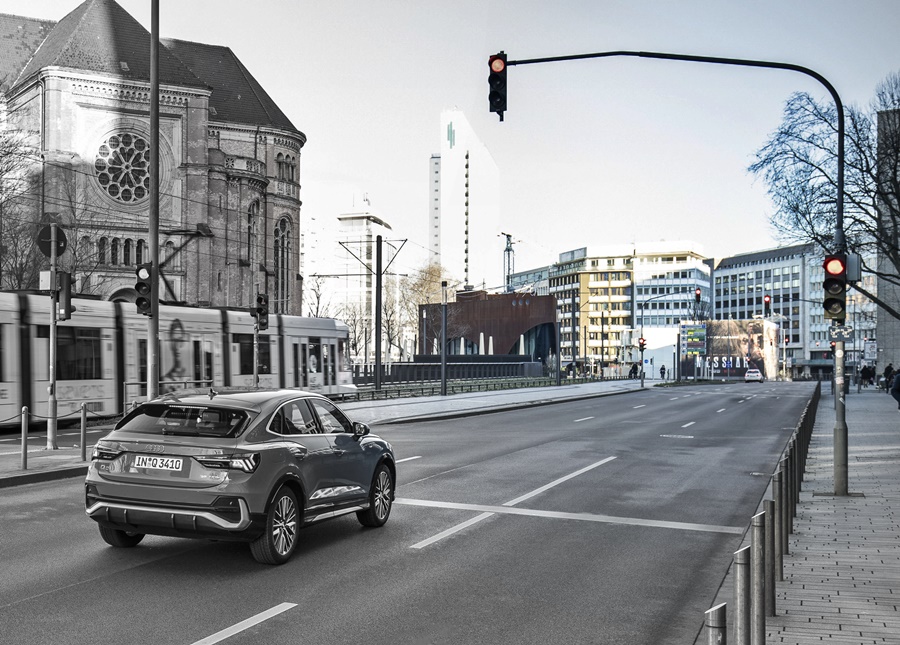
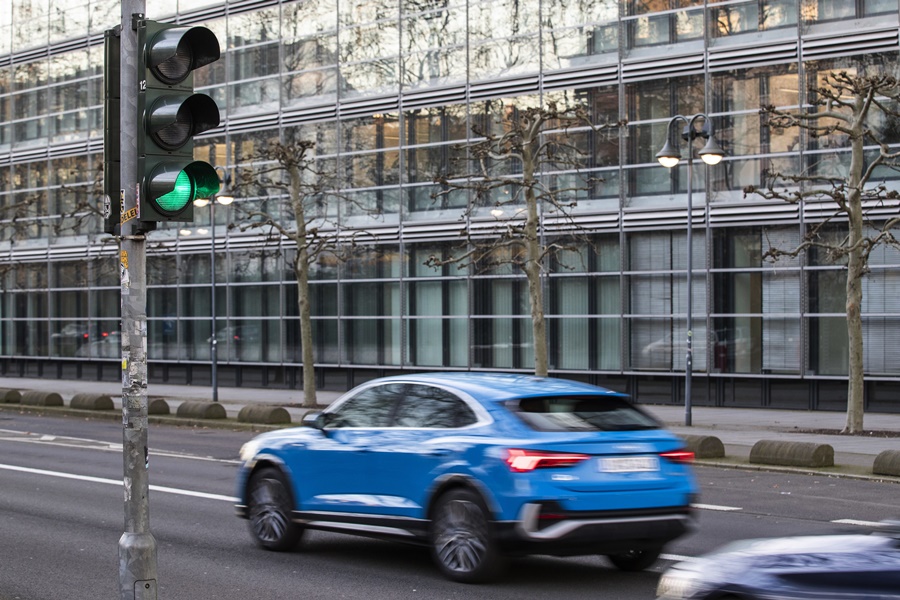
That system was a very simple one of just synchronising the traffic lights and today, with the availability of networked communications, a ‘Green Wave’ is possible on certain roads in two German cities. At Ingolstadt and Dusseldorf, Audi’s Traffic Light Information enables Audi drivers to see information from around 150 traffic lights in their cockpit, thus increasing their chance of catching a “green wave”.
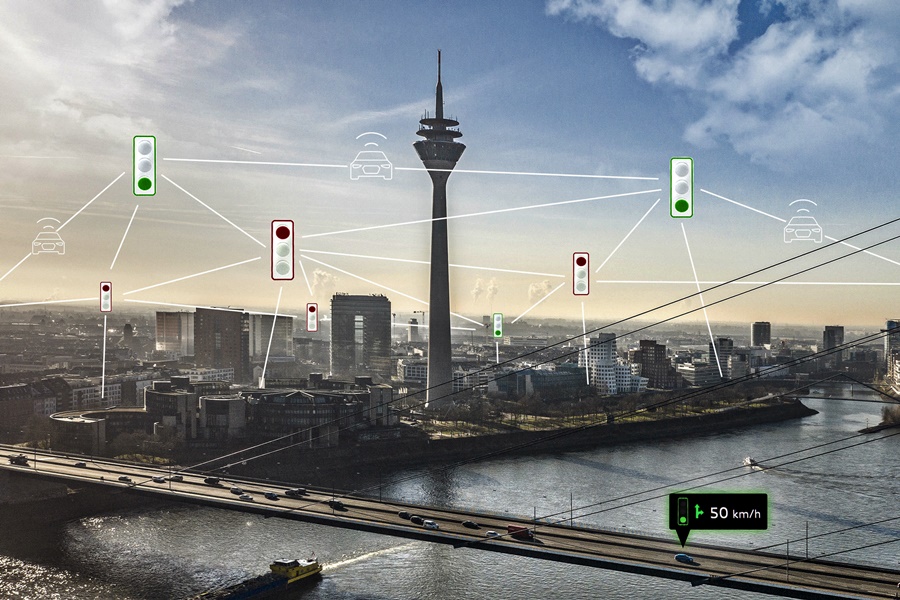
Audi Traffic Light Information

By the middle of this year, most of the intersections in Dusseldorf – approximately 450 out of a total of some 600 installations – will be networked. Vehicle-to-infrastructure (V2I) services like Audi Traffic Light Information will help increase efficiency, convenience and safety on the roads.

Audi Traffic Light Information consists of two functions: Green Light Optimized Speed Advisory (GLOSA) and Time-to-Green. GLOSA calculates the ideal speed for getting a ‘green wave’. For example, if the function indicates the applicable speed limit, the next traffic light will be reached when it is at green.
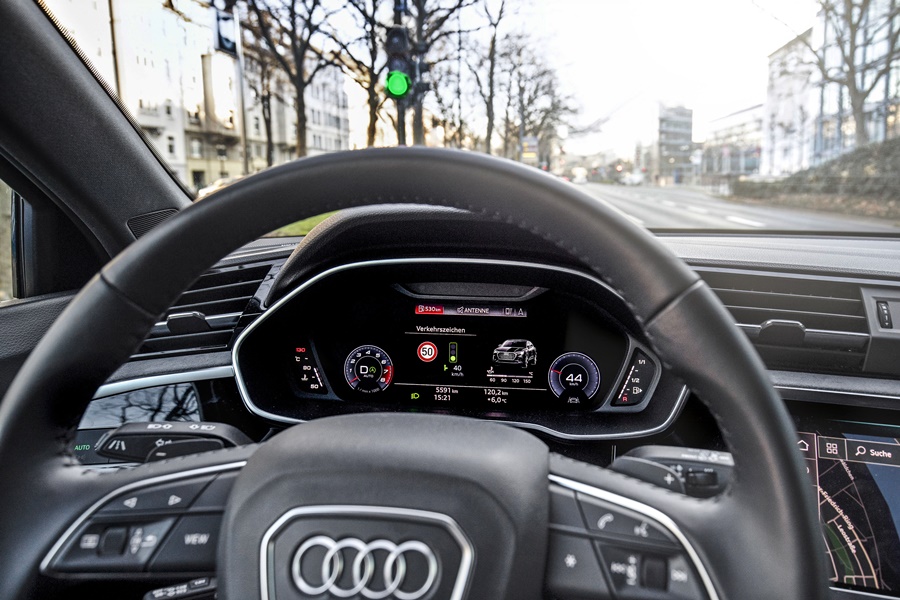
Audi Traffic Light Information

Drivers do not have to accelerate unnecessarily, they are not stressed, and they drive more safely. GLOSA can also suggest reducing speed gradually about 250 metres ahead of the traffic lights so that the driver and the cars behind reach the intersection when the lights turn to green. This reduces uneconomical stop-and-go traffic.

If stopping at a red light is unavoidable, a countdown displays the seconds remaining until the next green phase begins (Time-to-Green). Drivers can relax, take their foot off the pedal and save fuel. A number of studies conclude that drivers will be able to move through cities more efficiently with networked traffic lights. In a pilot project, Audi vehicles had reduced fuel consumption by 15%.
Audi Traffic Light Information

“With Audi Traffic Light Information, we wish to improve convenience for drivers, increase traffic safety and encourage an economical style of driving that looks ahead,” said Andre Hainzlmaier, Head of Development for Apps, Connected Services and Smart City at Audi.

“To do this, we have to predict precisely how traffic lights will behave in the next two minutes. At the same time, exact forecasts are the biggest challenge. Most signals react variably to traffic volume and continuously adapt the intervals at which they switch between red and green,” he said.
Audi Traffic Light Information

Audi and its project partner, Traffic Technology Services, have developed a complex analytical algorithm that calculates exact predictions from three sources: from the control program of the traffic signals; from the real-time data of the traffic computer, a combination of road-occupation cameras, detector strips in the road surface, data on approaching buses and trams, and buttons that pedestrians press; as well as from historical data. The forecast algorithm improves itself continuously and learns how, for example, the traffic volume changes in morning commuter traffic or at midday when children leave nurseries and schools.

The Audi fleet plays a decisive part in optimizing the traffic light forecasts. “The cars send anonymized data when traffic lights are crossed to an Audi backend, which checks whether the actual crossings of traffic lights correspond to the forecast data. Only after this are the traffic lights cleared for the display in the car,” Hainzlmaier explained.

Audi Traffic Light Information premiered in 2016 in Las Vegas. Today, this V2I service is available at more than 10,000 intersections in North America. The carmaker is also the world’s first automotive manufacturer to network its series-production models with city traffic lights. Its system, available only in a few countries at this time, operates in all Audi e-tron, A4, A6, A7, A8, Q3, Q7 and Q8 models produced since mid-July 2019.

Click here for other news and articles about Audi on PISTON.MY.

PISTON.MY

Archive

Follow us on Facebook

Follow us on YouTube