The Kuala Lumpur Road Transport Department (RTD) has intensified its enforcement against overloaded commercial vehicles, issuing a total of 2,398 summonses to 939 vehicles under the ongoing “War on Overloaded Commercial Vehicles” operation since October 14. The large-scale crackdown, which targets traffic violations and unsafe practices among heavy vehicle operators, also saw 14 vehicles confiscated for serious offences ranging from excessive loads to expired licences.
According to the RTD, the confiscated vehicles were found committing multiple violations, including operating with expired Motor Vehicle Licences, lacking valid insurance coverage, and failing to meet service level conditions. Some were driven by individuals without valid Competent Driving Licences (CDL) or Vocational Licences. Among those detained, six of the drivers were identified as foreign nationals from Indonesia and India, while the remaining eight were Malaysians.
The department confirmed that legal action has been taken against both the drivers and vehicle owners under the Land Public Transport Act 2010 (APAD 2010) and the Road Transport Act 1987. The ongoing operation, which will continue until 31 December, is part of RTD’s broader effort to improve road safety and enforce strict compliance among commercial vehicle operators.
Volvo Car Malaysia is wrapping up 2025 on a high note with its first-ever Volvo Secret Sales, a special three-day nationwide campaign taking place from 14 to 16 November at all authorised dealerships. Designed as a surprise-filled celebration for existing fans and new customers alike, the event promises exclusive rebates, unique ownership packages, and lucky draw prizes worth up to RM200,000.
For three days only, customers visiting Volvo showrooms will enjoy confidential, limited-time rebates on top of ongoing offers, adding a layer of excitement to the brand’s year-end campaign. Those who purchase a new Volvo during the event stand a chance to win flight tickets worth up to RM100,000 to a dream destination, the latest electronic gadgets valued at RM50,000, and special Volvo gift boxes totalling another RM50,000.
Participation is simple — customers need to book their preferred model between 14 and 16 November and complete their vehicle registration by 30 November 2025. To qualify for the prize draw, buyers must also share their Volvo story on Instagram or Facebook, tagging @VolvoCarMalaysia along with their participating dealership, and include the campaign hashtag #MyVolvoJourney. Social media profiles must be set to public to ensure eligibility.
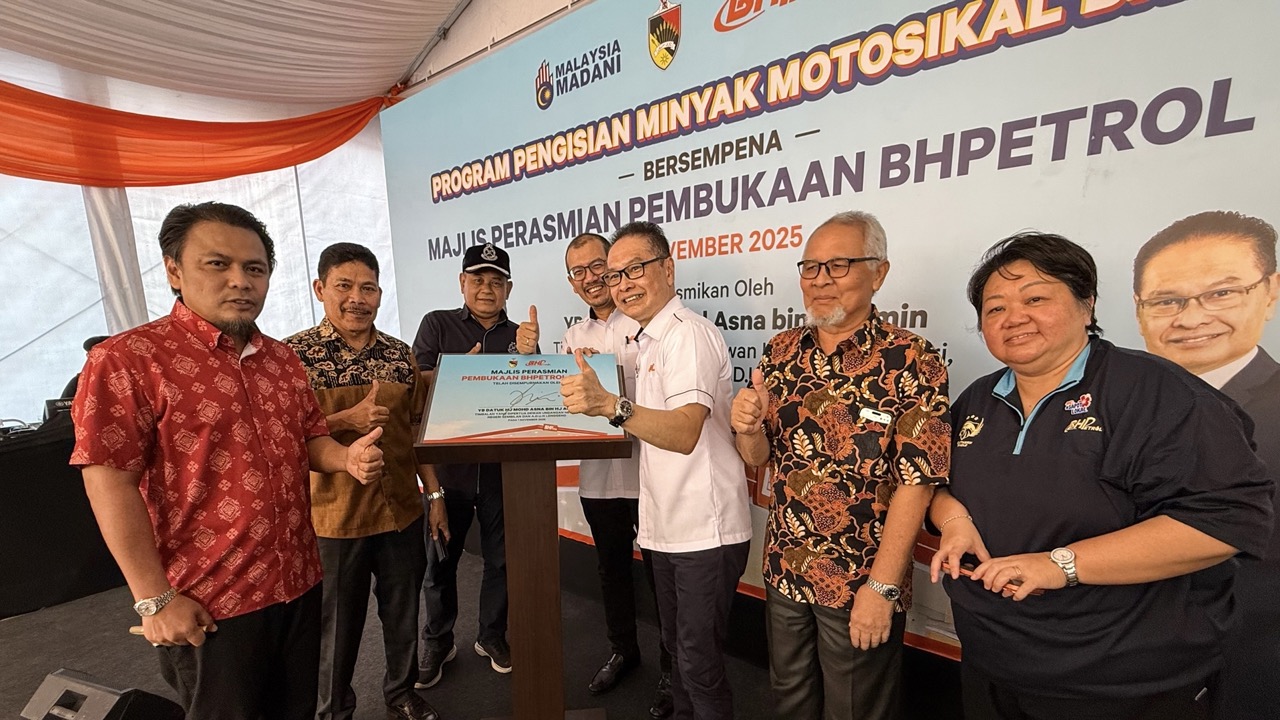
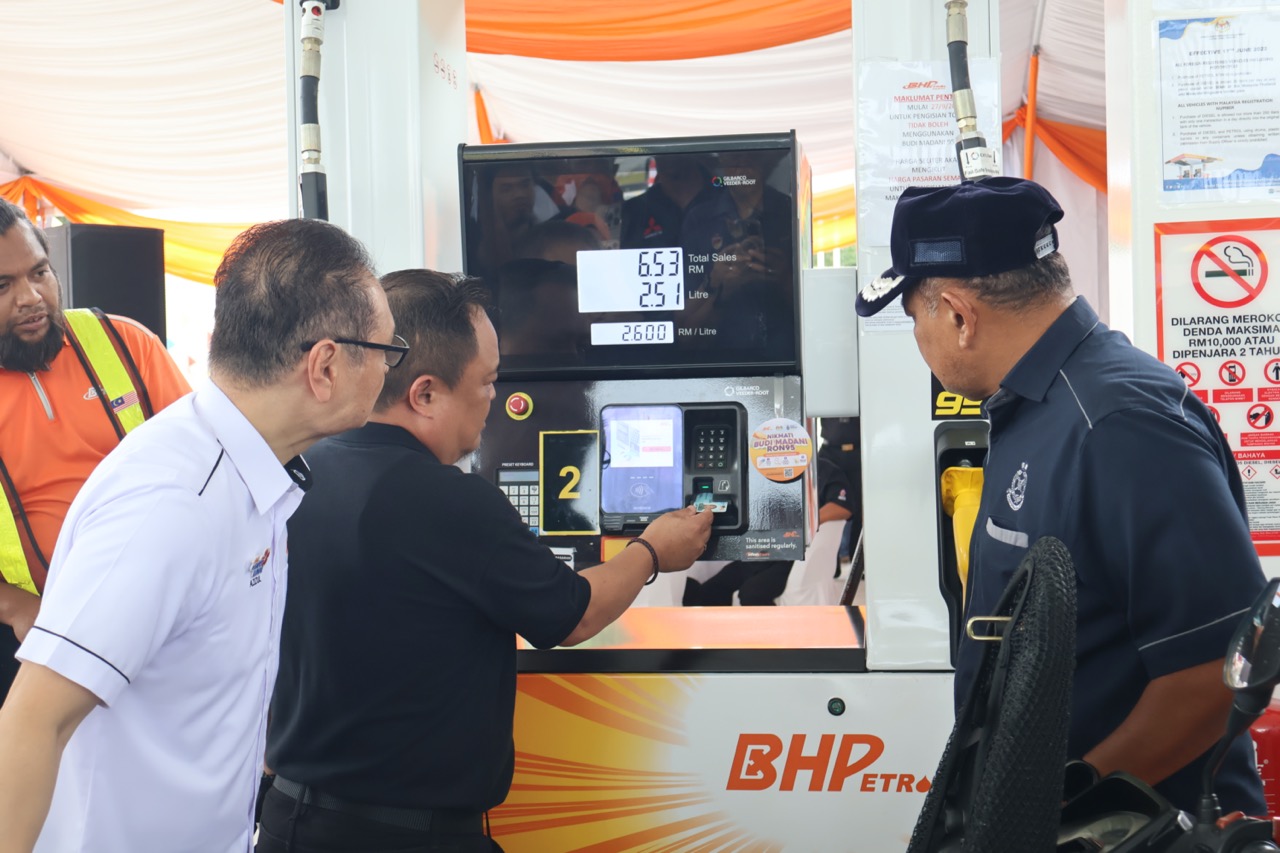
BHPetrol celebrated the official opening of its new Paroi station today with a special motorcycle fuel filling programme, marking another step in the brand’s ongoing effort to connect with local communities. The Paroi outlet, which began operations in August 2025, becomes the 23rd BHPetrol station in Negeri Sembilan and serves as a key addition to the company’s growing network across the state.
Strategically located to cater to motorists in the Seremban area, the new station offers the full range of BHPetrol Infiniti fuels — Petrol 95, Petrol 97, Diesel B10, and Diesel B7 — ensuring consistent, high-quality supply for all drivers. It also benefits from the government’s BUDI95 subsidy initiative, helping Malaysians continue to enjoy affordable fuel prices at a time when managing living costs remains a national priority.
The Paroi station is designed with customer convenience in mind, featuring a fully stocked BHPetromart, a prayer room, the locally beloved Apacaba Bakery, ePay facilities, and spacious, well-maintained restrooms. Its location makes it an ideal stopover for both daily commuters and long-distance travellers passing through the area.
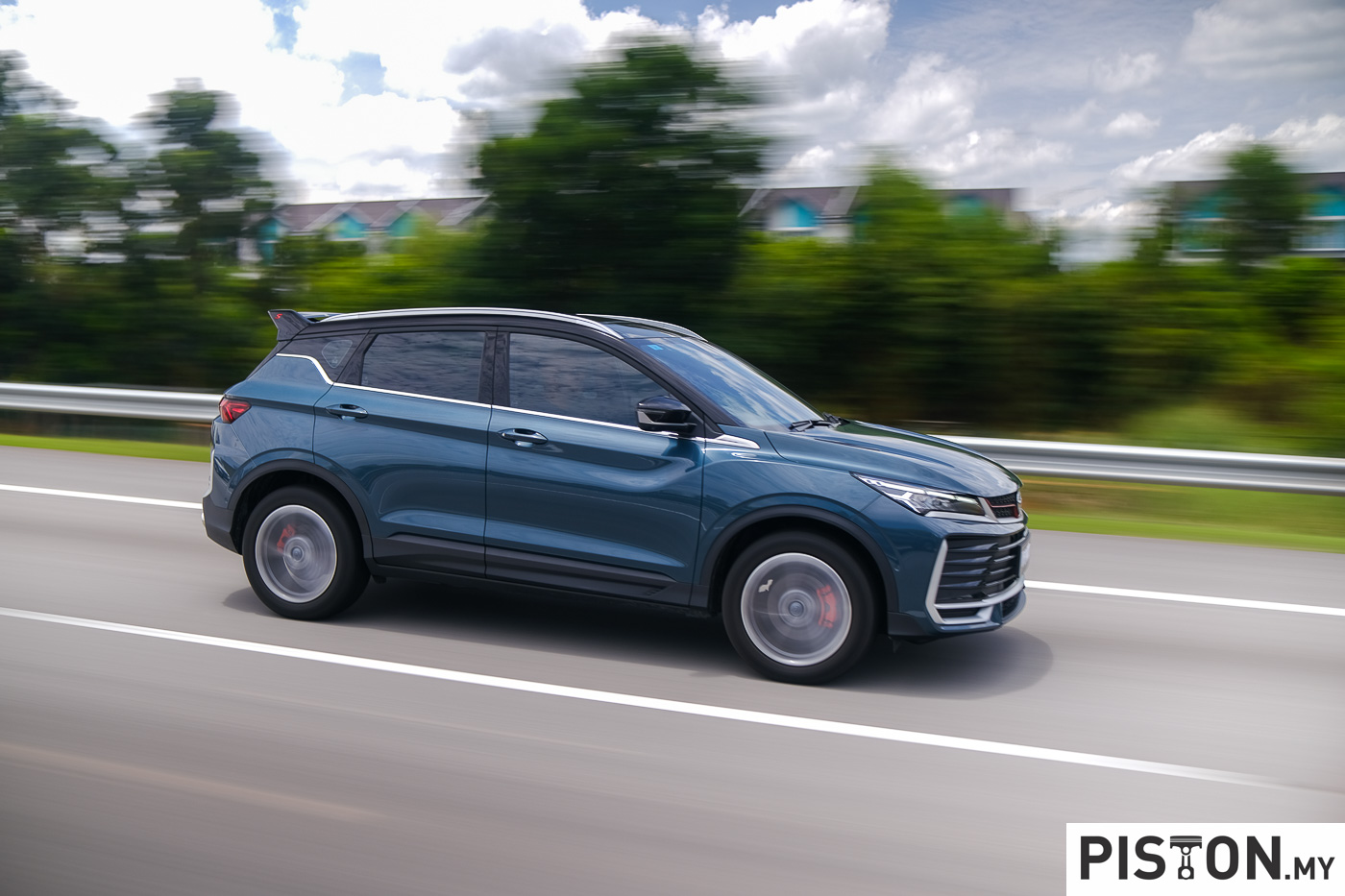
The Proton X50 is undoubtedly the darling among Malaysians who want a medium sized SUV.
Over 140,000 X50’s have been sold since 2020, cementing its reputation as one of the go-to models for Malaysians.
The X50 has made quite a reputation for itself as a reliable, comfortable and easy to live with machine. An ideal partner for those who want just one car for their daily routine as well as to accommodate the needs of their family.
Building on this, Proton introduced the new X50 just a few months ago. It has several updates that arguably warrant the use of the word “all-new”, something that Proton has been harping on while some media outlets refuse to acknowledge.
The refusal stems from the fact that the underpinnings as well as some of the oily bits have been carried over from the previous X50.
However, I feel that Proton is entirely justified to use that word because the latest X50 is not just a facelift, but it offers an entirely new interior, new design and even a new engine.
So, in this article, I will share everything that the all-new X50 must offers, the good as well as the bad about the car.
Let’s start with the design of the car
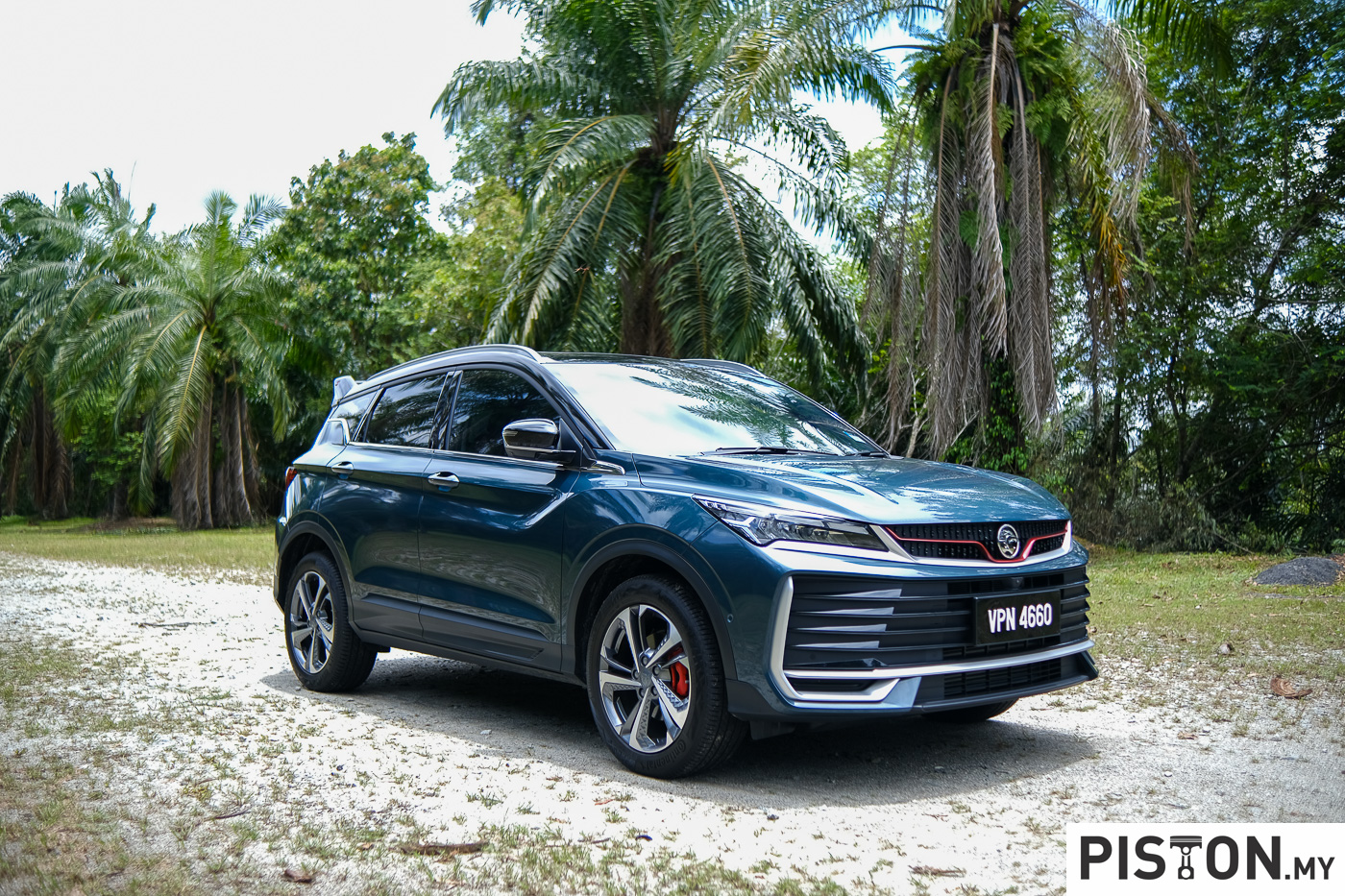
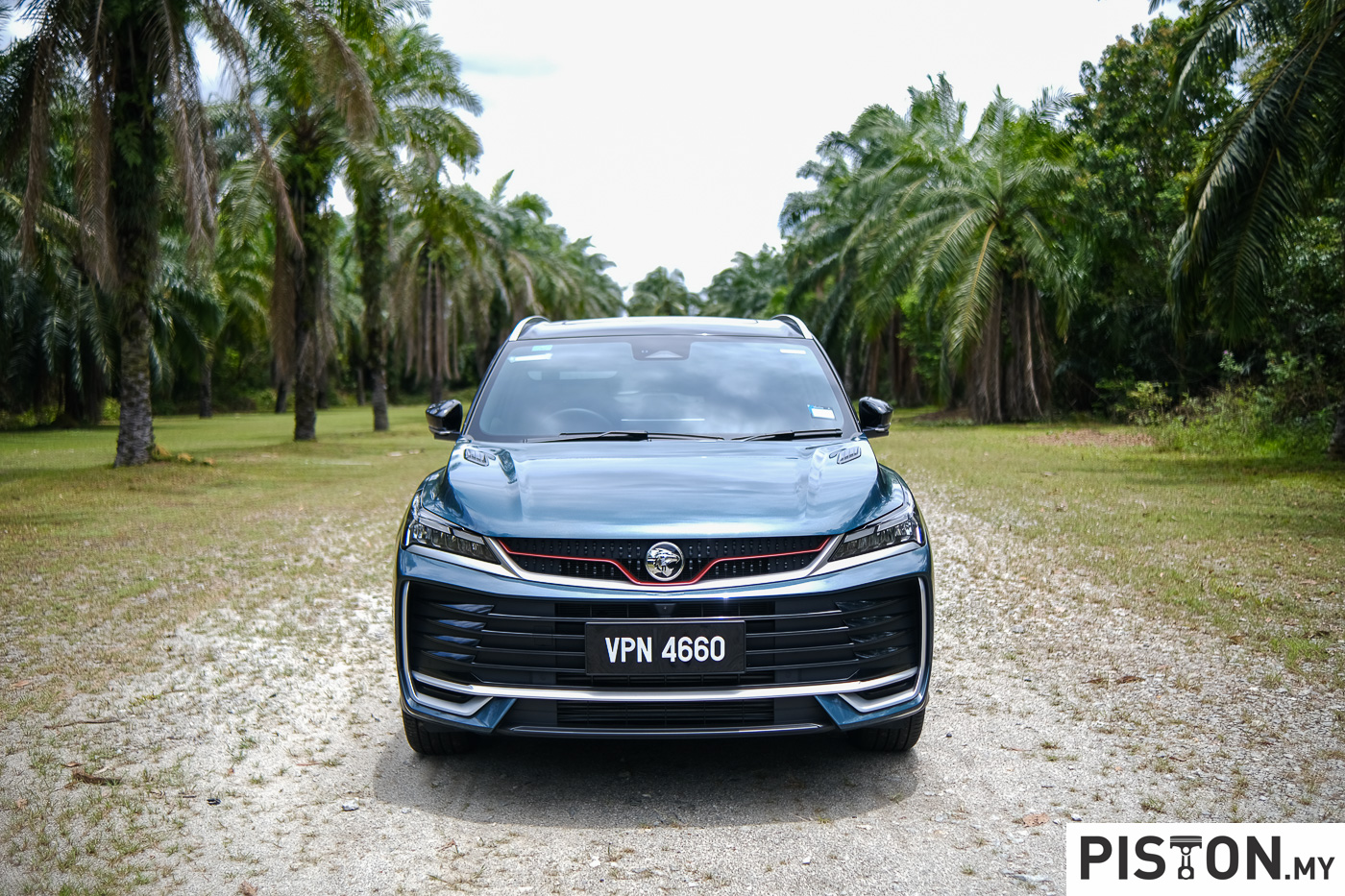
One of the major talking points of the X50 during the launch was the design. It left fans and observers divided, some liked it and some don’t.
But that is usually the case with designs, it will never appeal to everyone and is always subjective.
The X50 though is not an original Proton design, it shares some of its styling with the Geely Binyue L, it’s Chinese cousin.
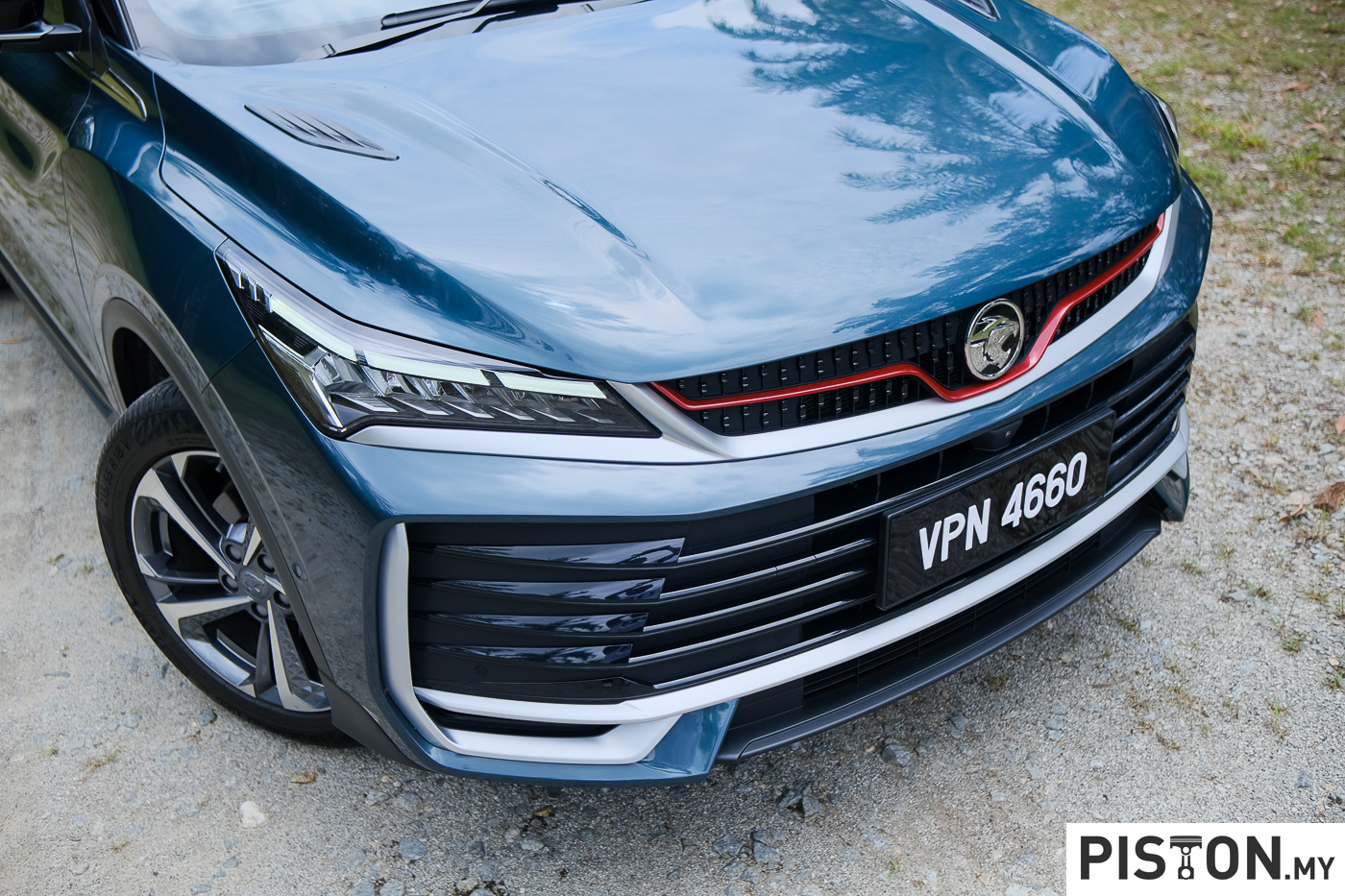
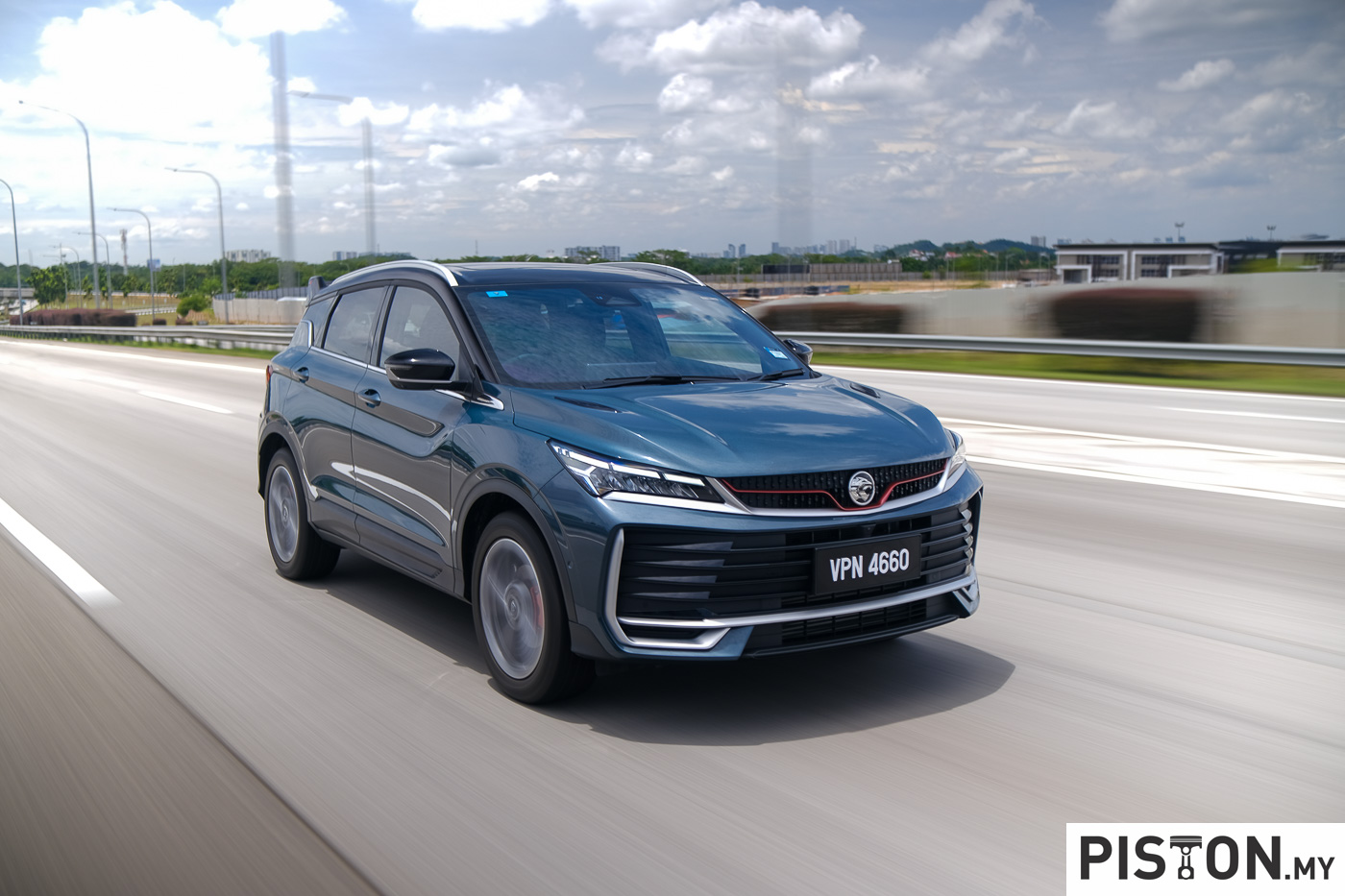
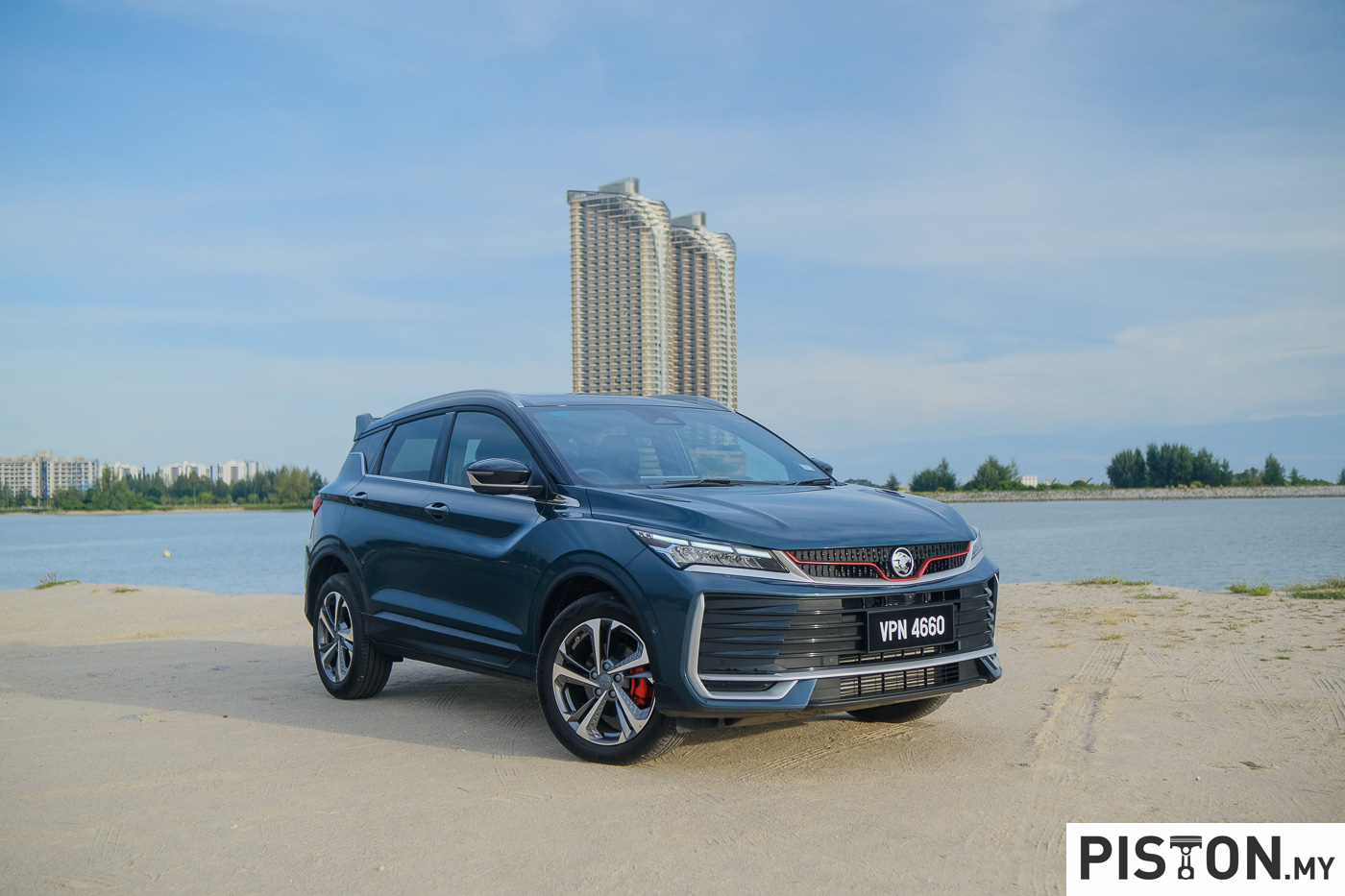
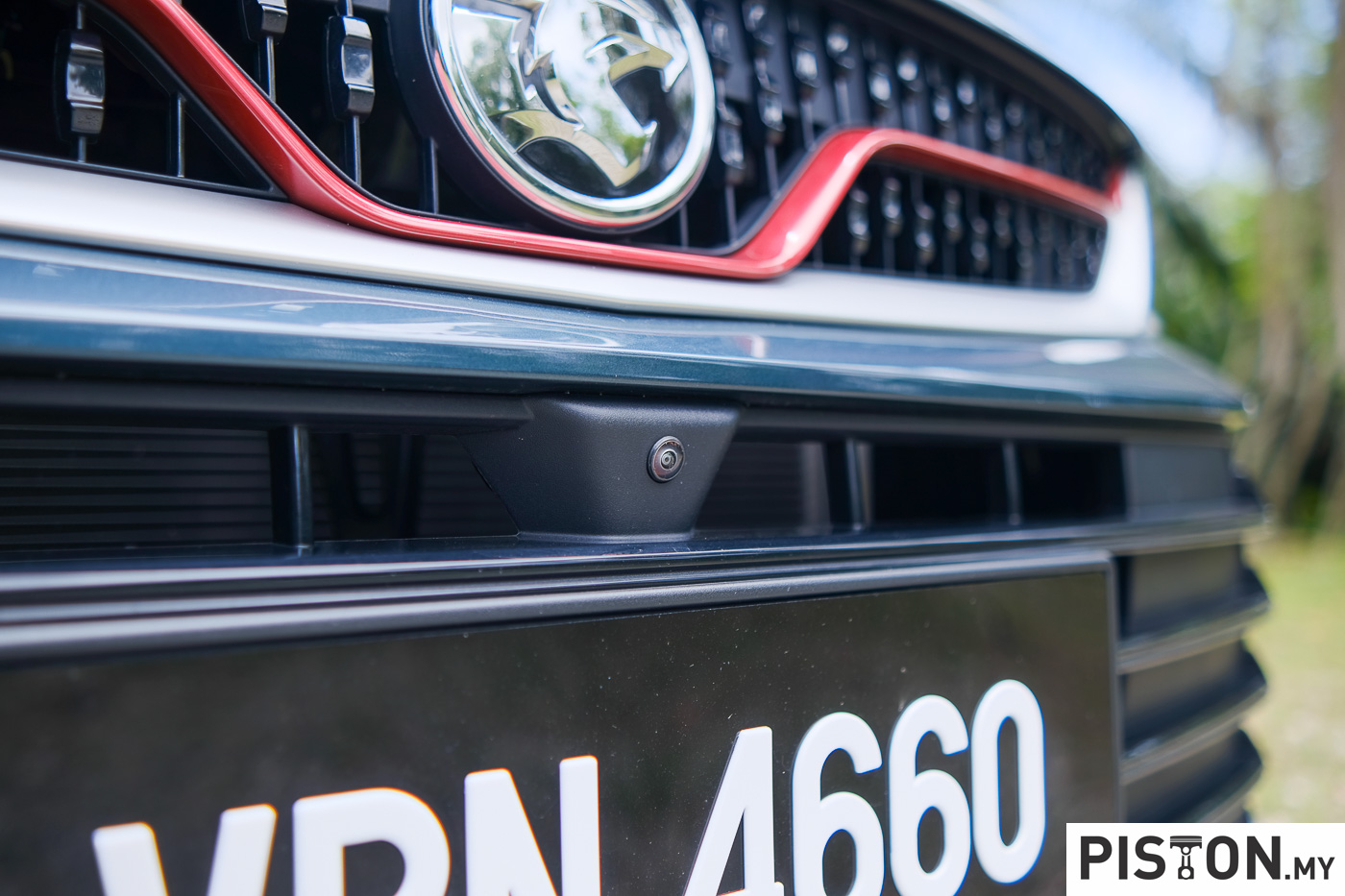
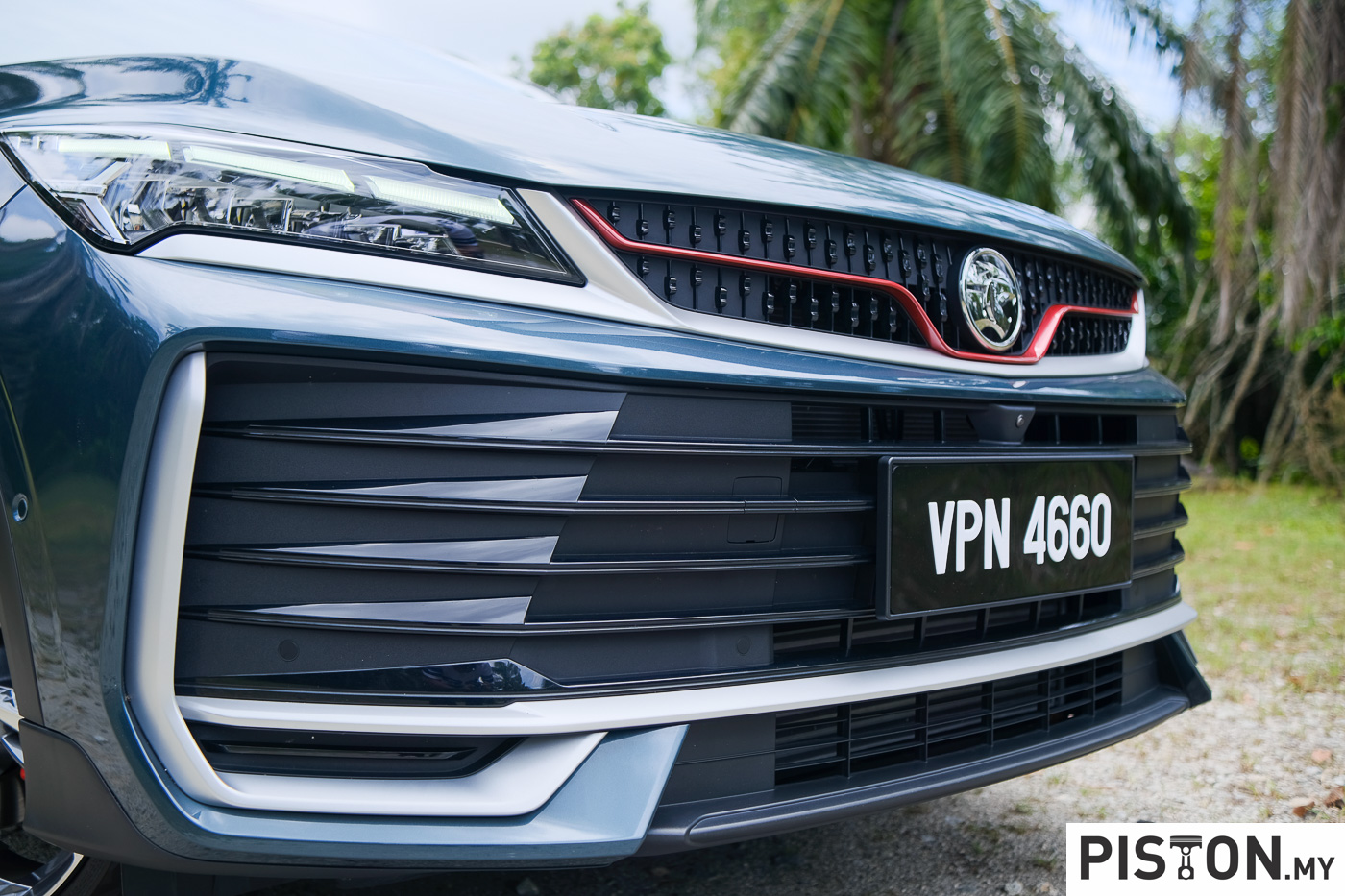
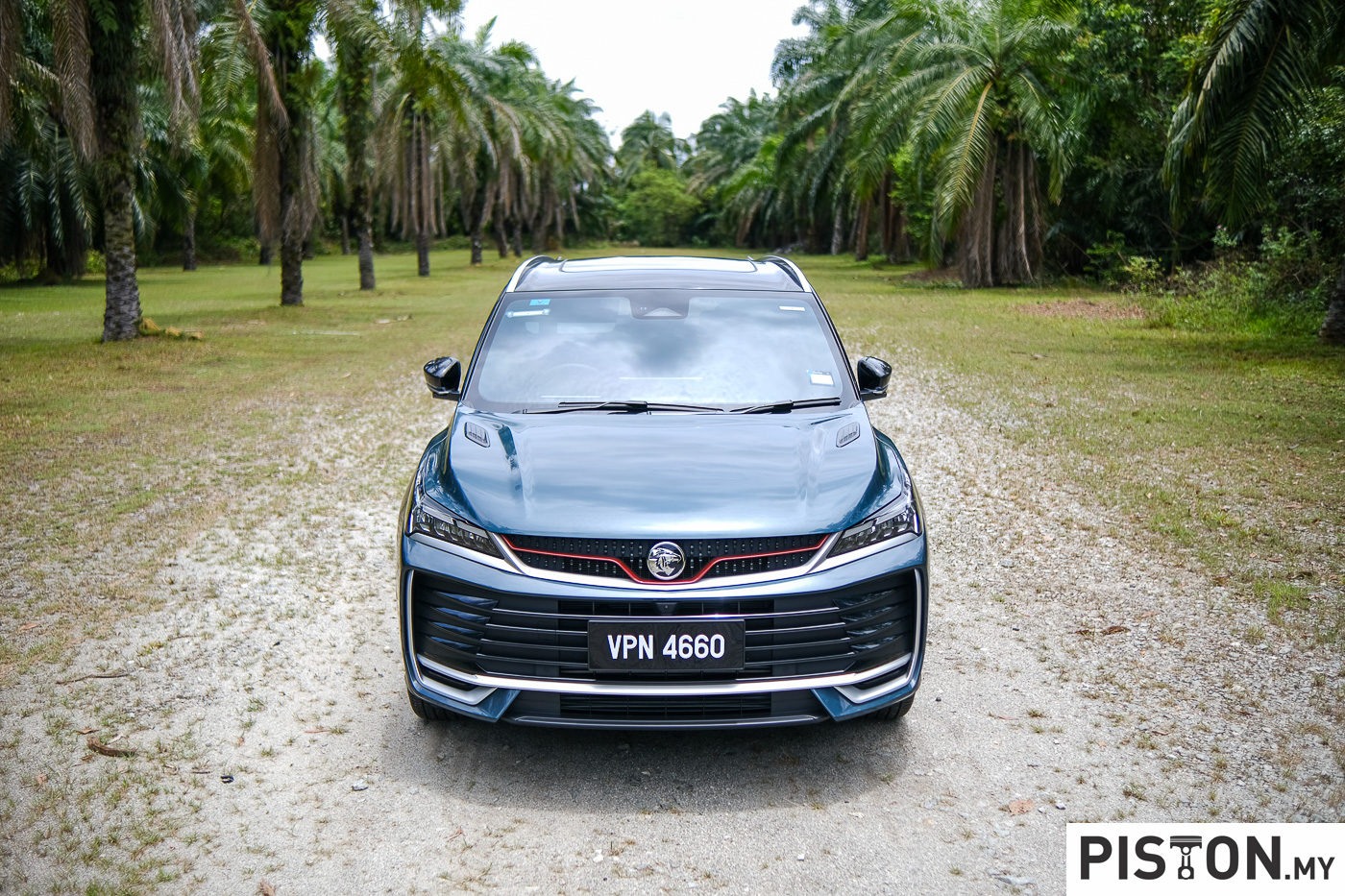
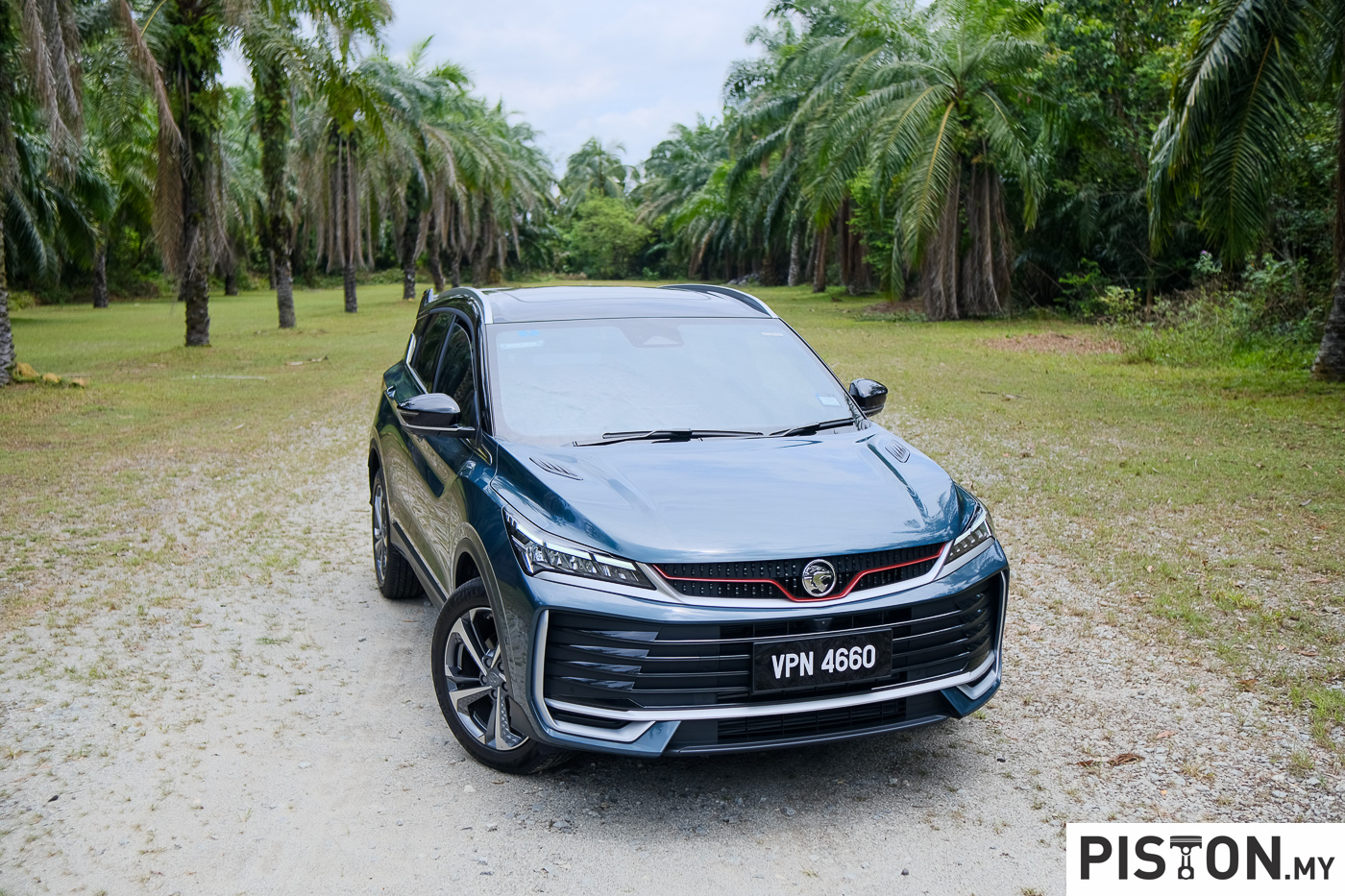
The front is all new and that large gape under the grille is one of the main points that has divided observers. I do have to agree that there’s too much open space there, but there’s nothing a body kit developed in Sunway cannot fix.
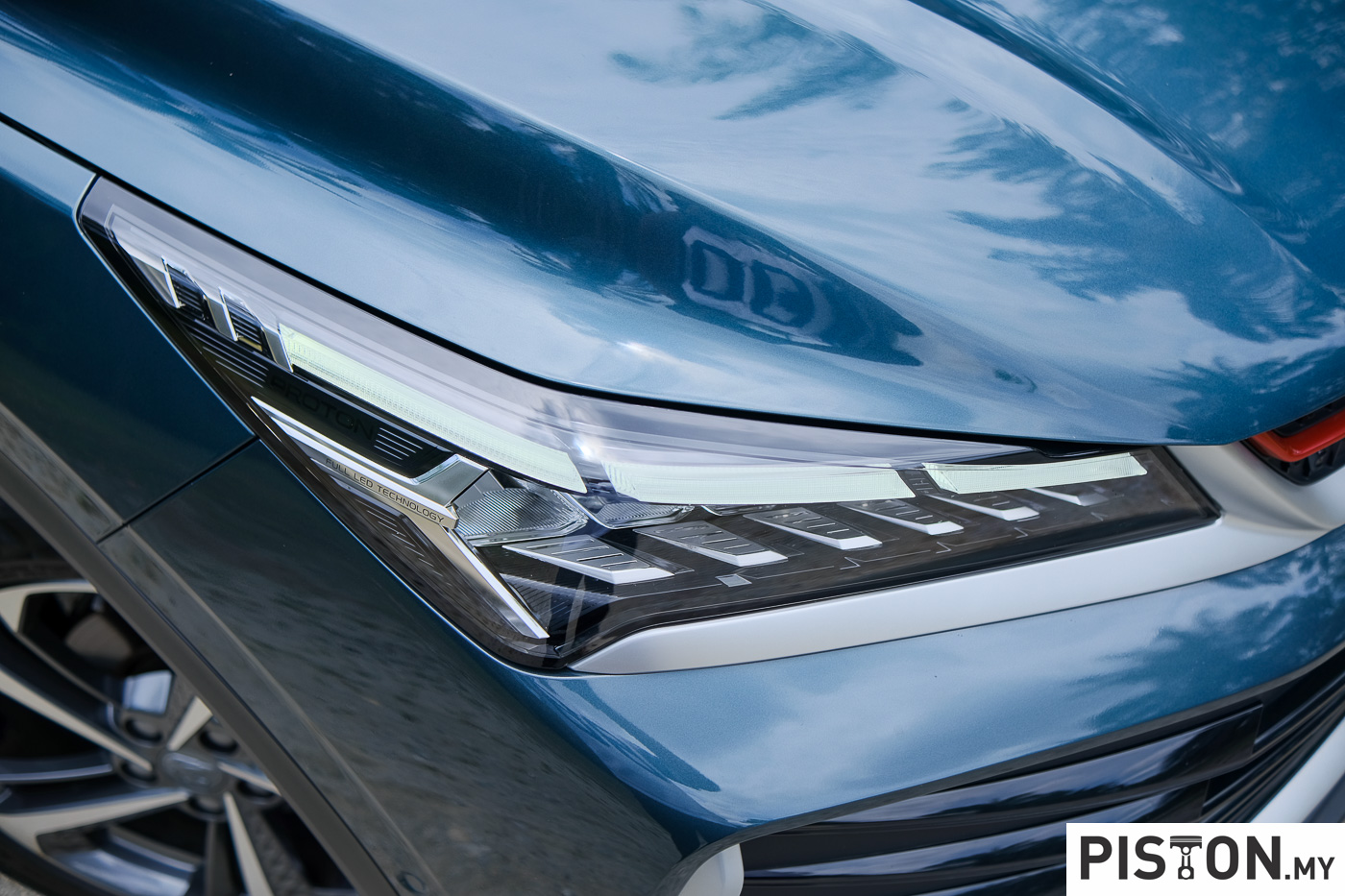
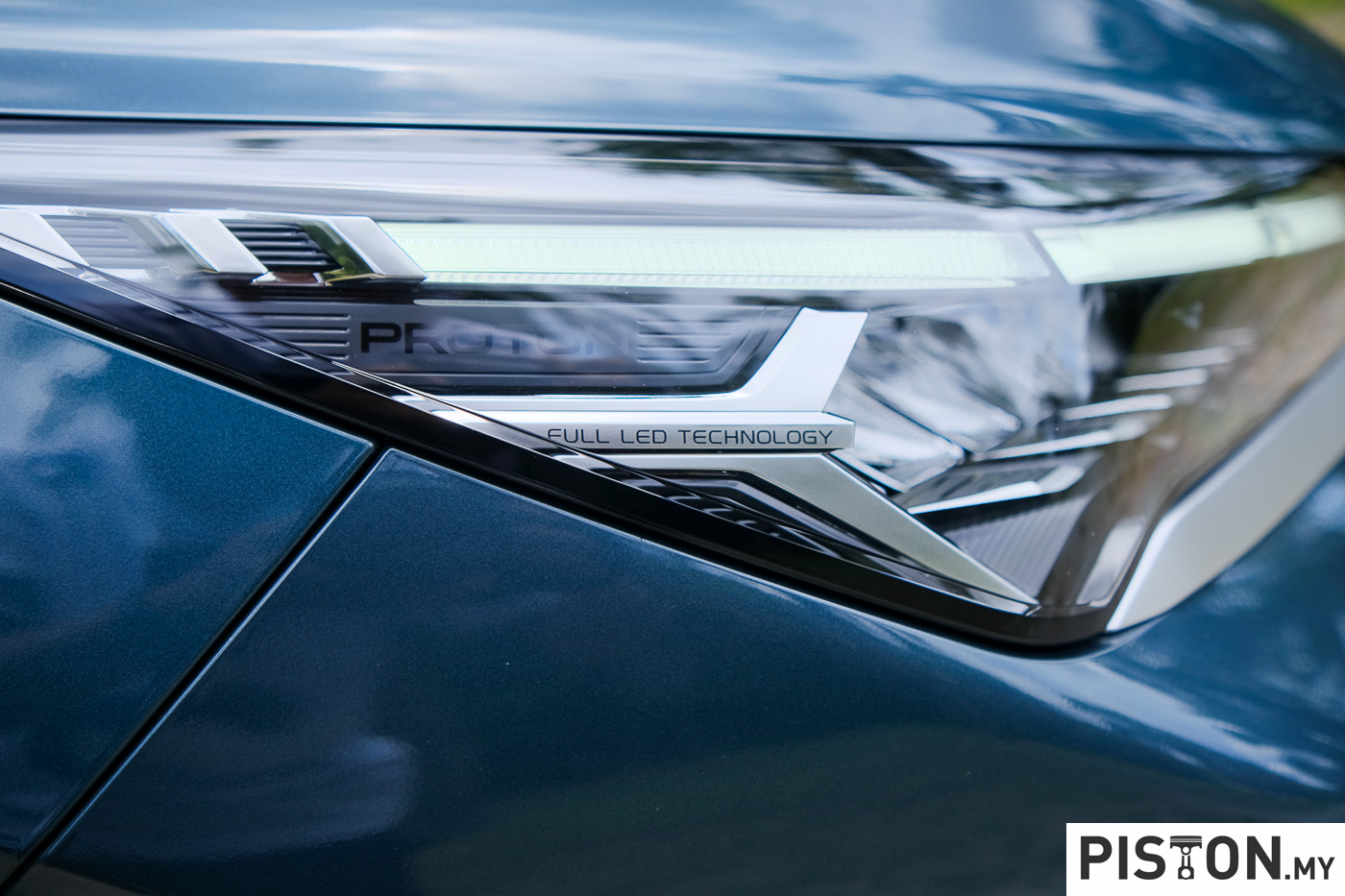
The lights too have been updated, new LED headlights replace the old projectors, while the three daytime running lights keeps it within the family as it looks similar to the ones on the S70.
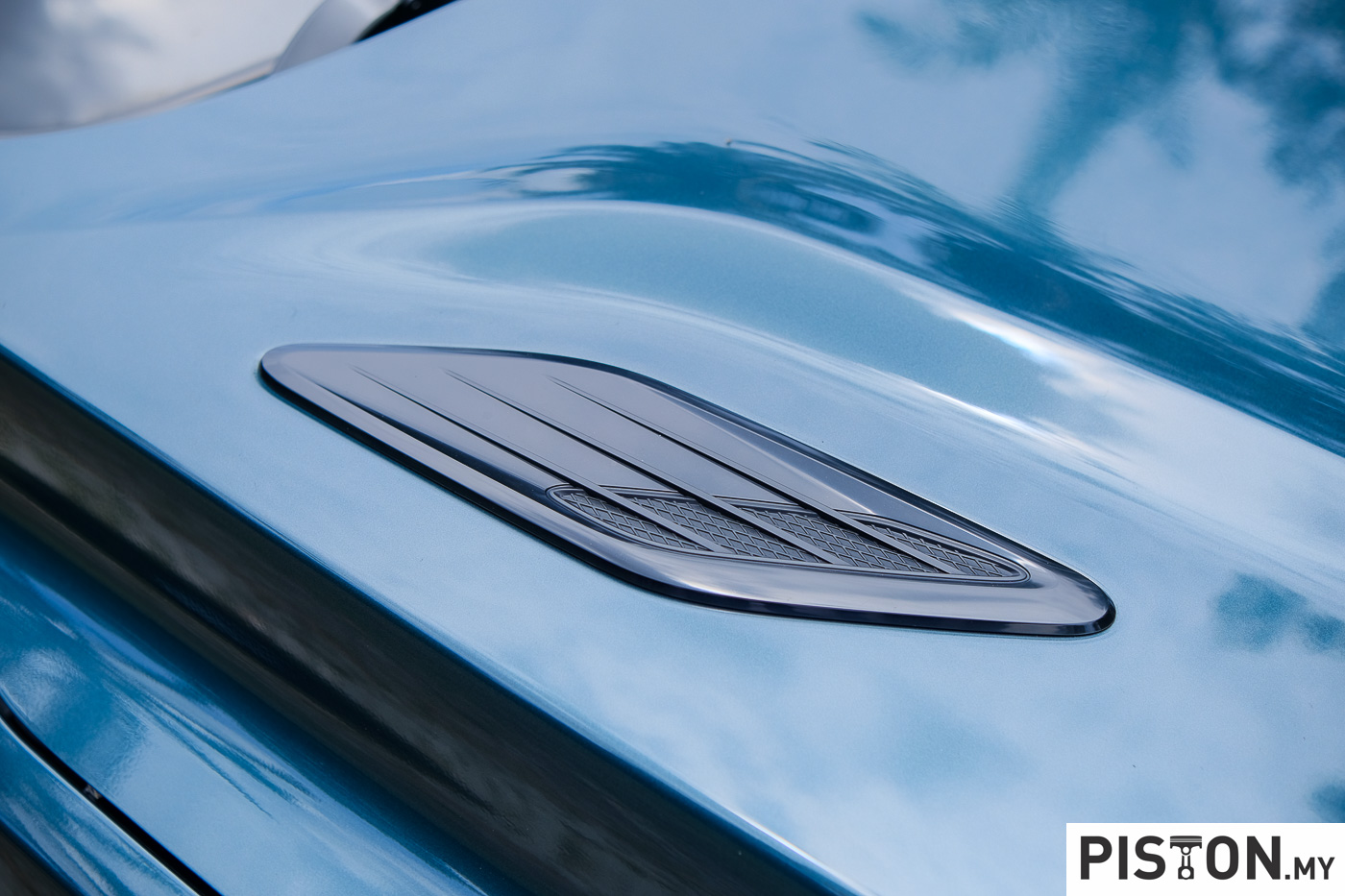
Capping off the front is a uniquely Proton grille with the “ethereal bow” strip that Proton’s design team has been quite proud of, and for good reason. But I must ask the design team – what is up with those fake vents on the redesigned bonnet? It is 2025 already, fake vents belong in 1998.
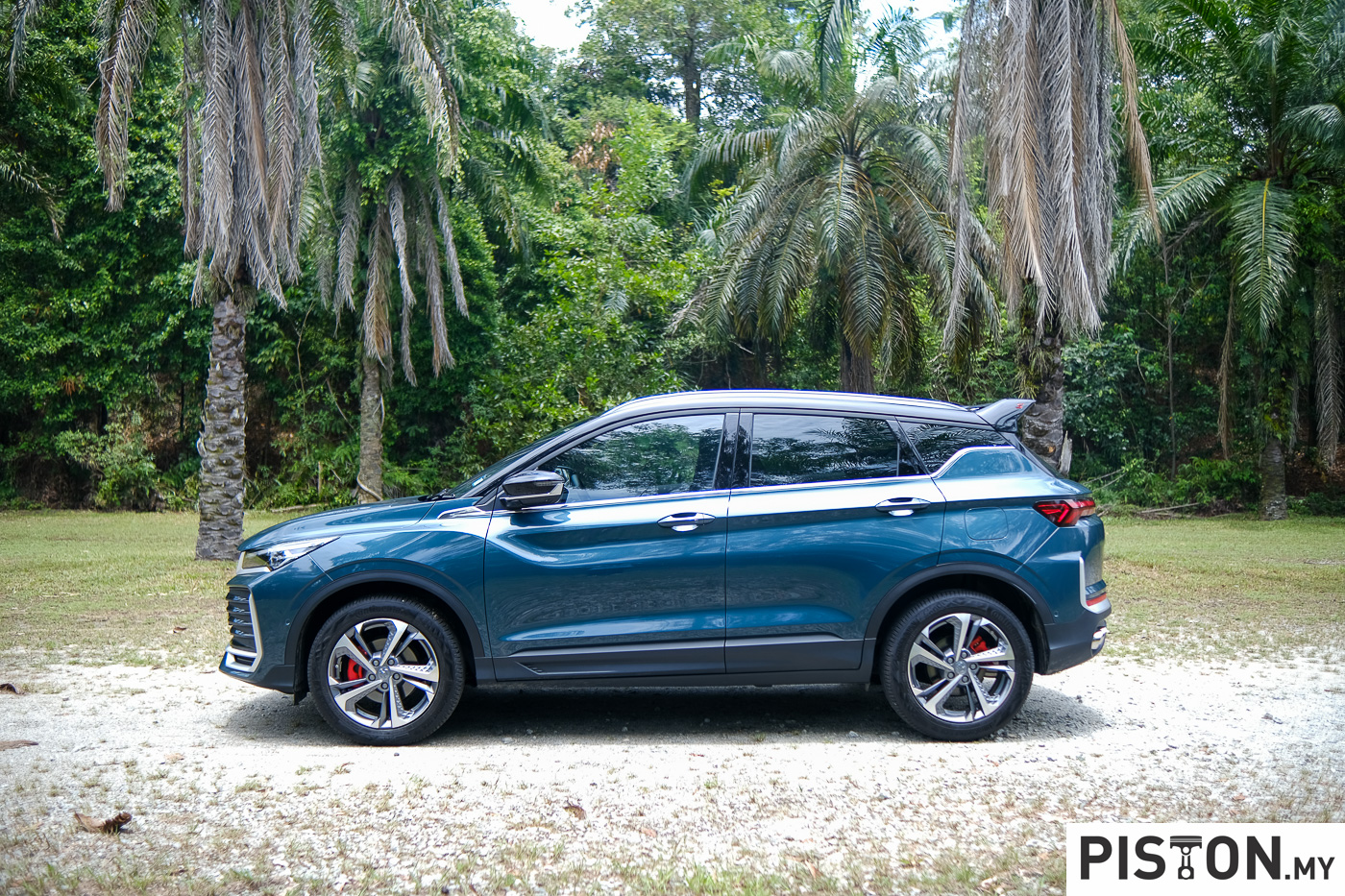
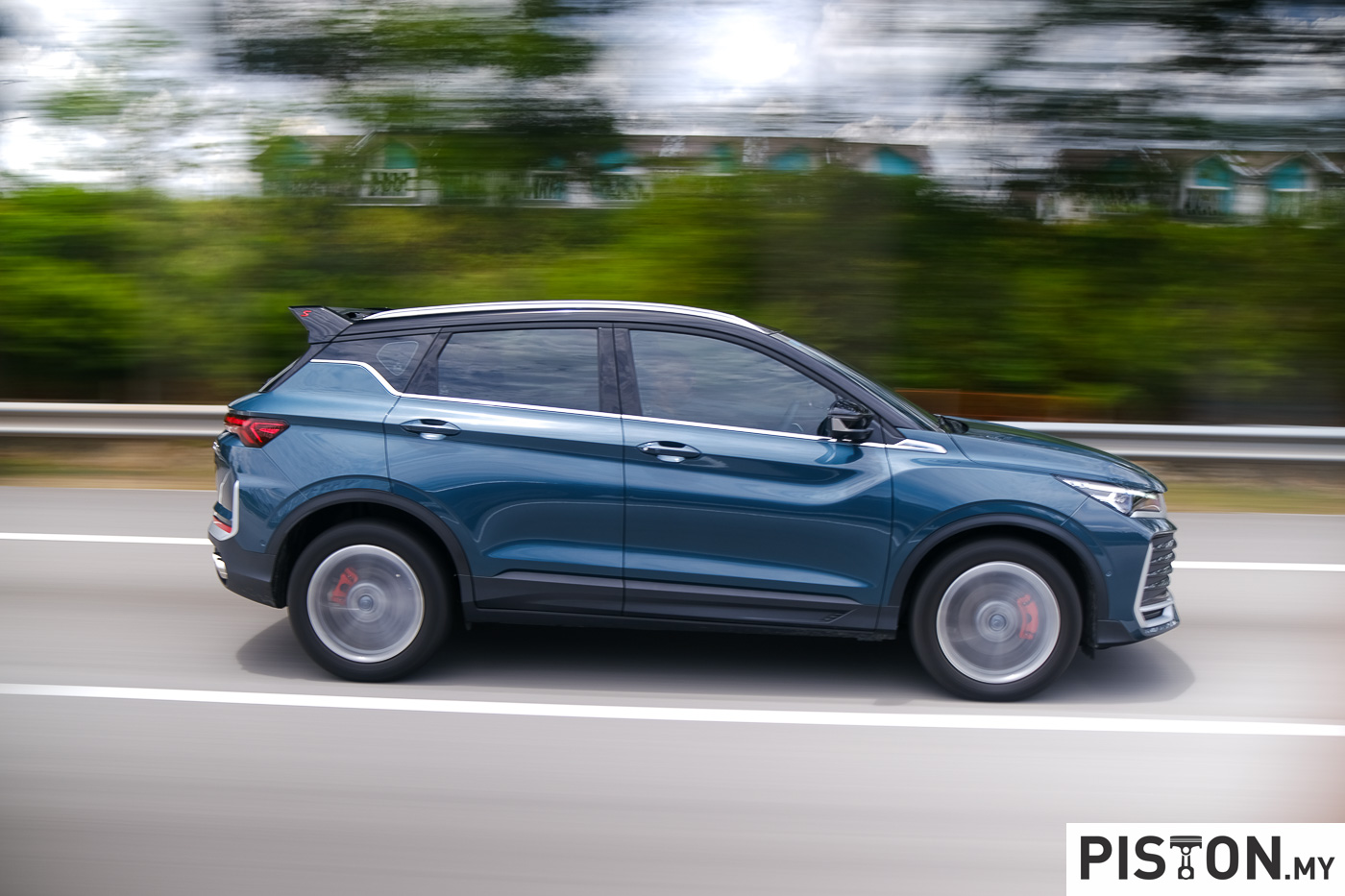
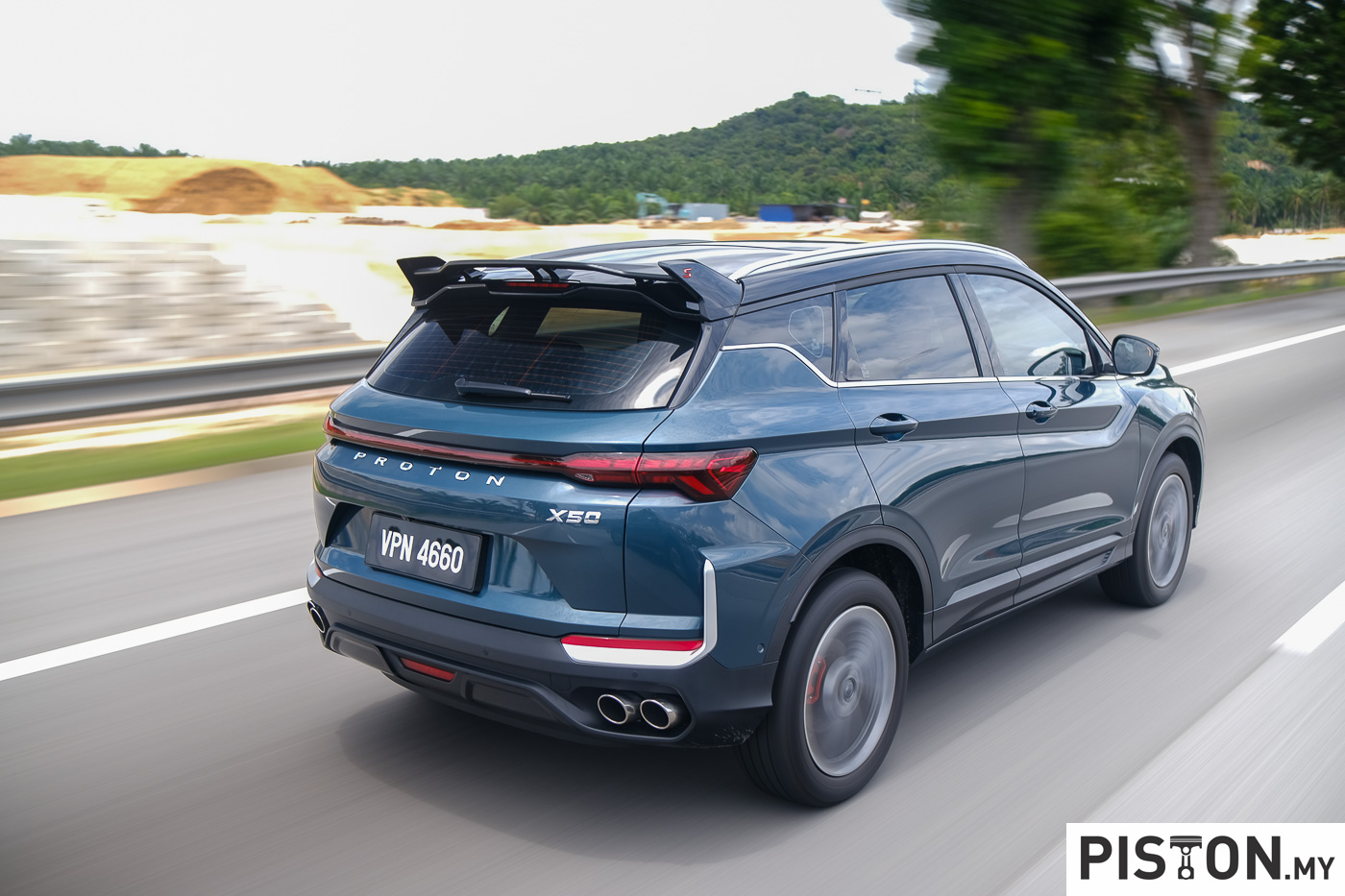
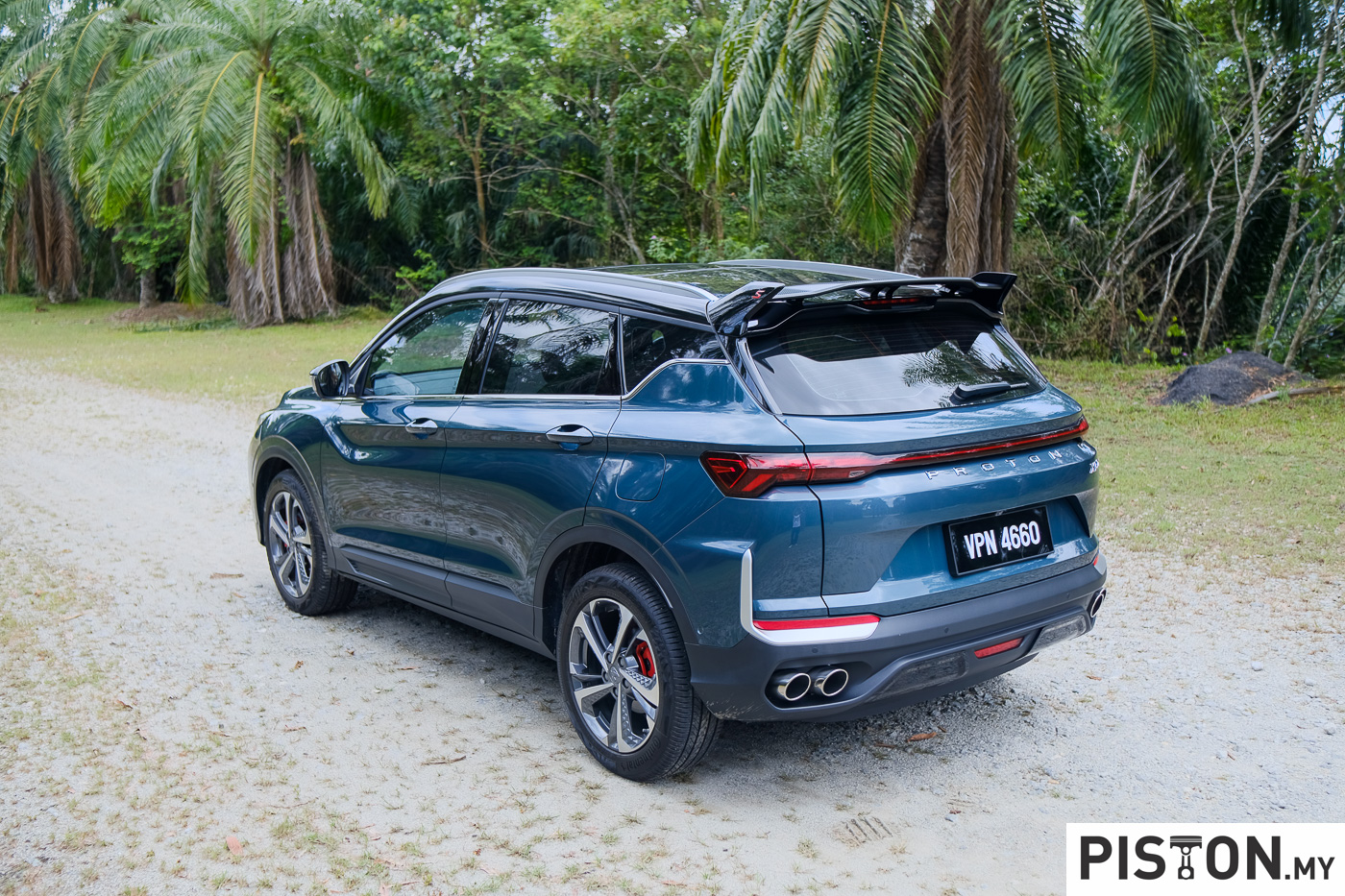
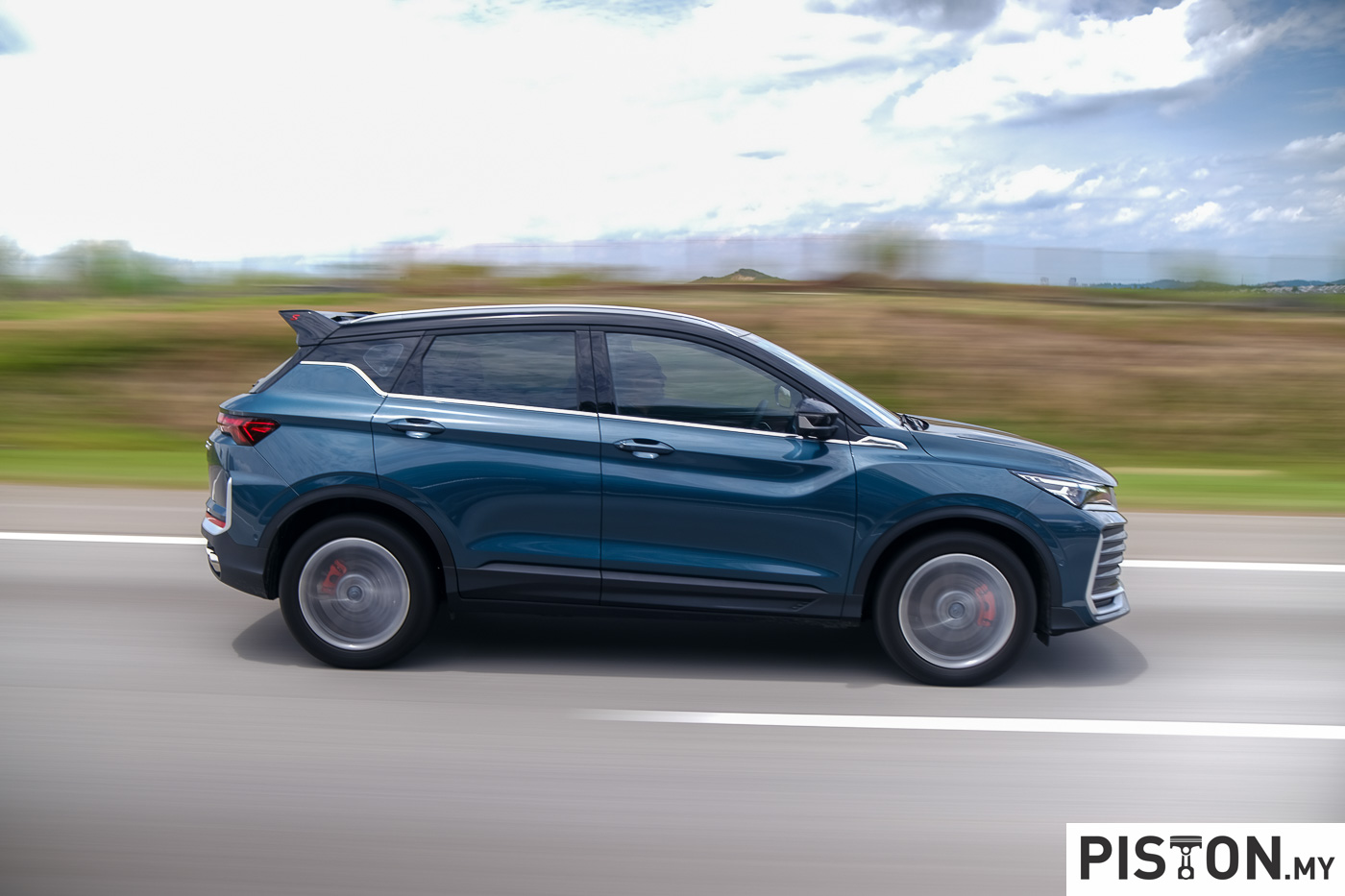
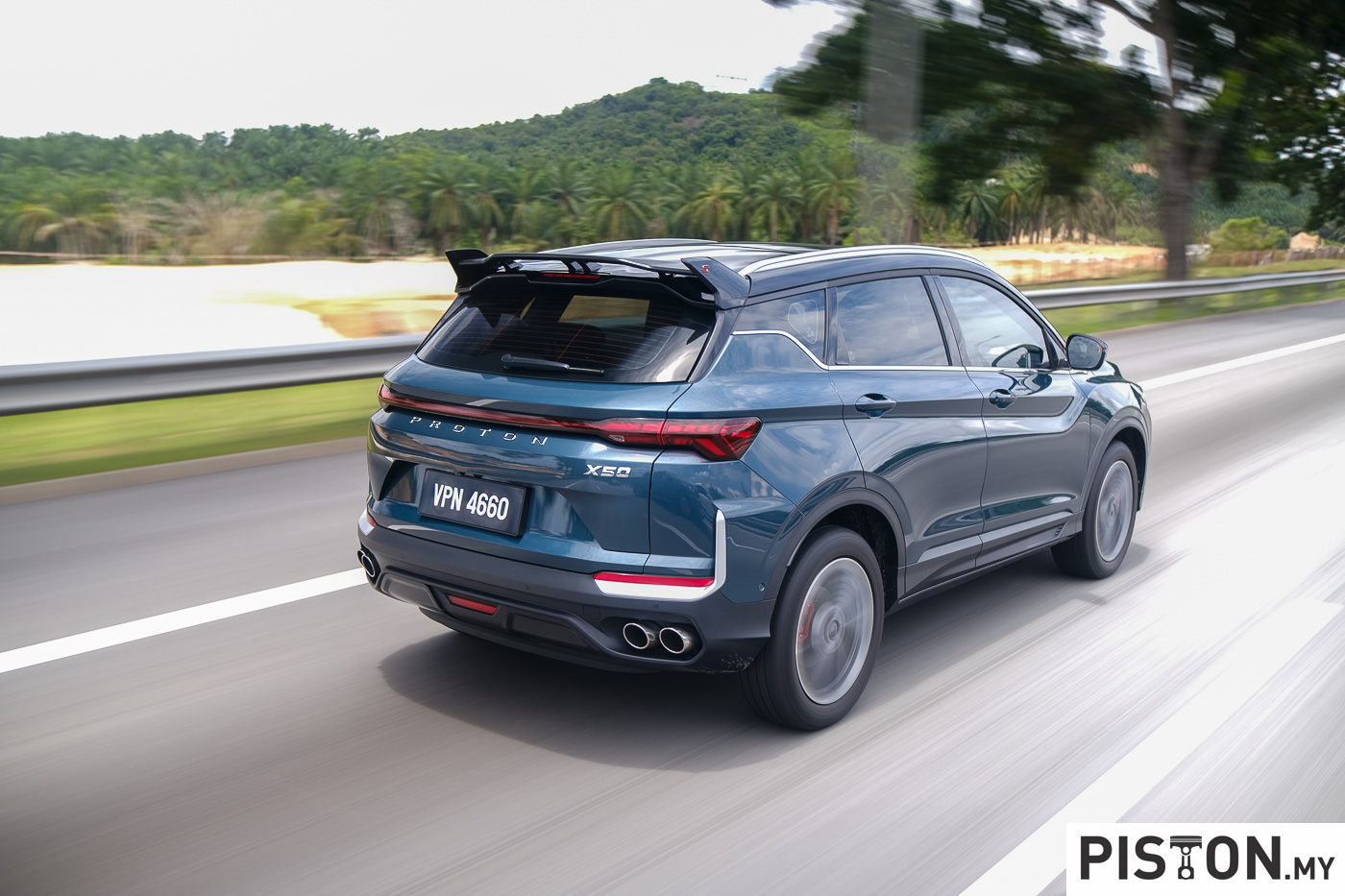
The side profile is also new, with a seemingly longer A-pillar giving the car a more aggressive look. The side has also been split into two, particularly for the Flagship variant, which is what this review is based on.
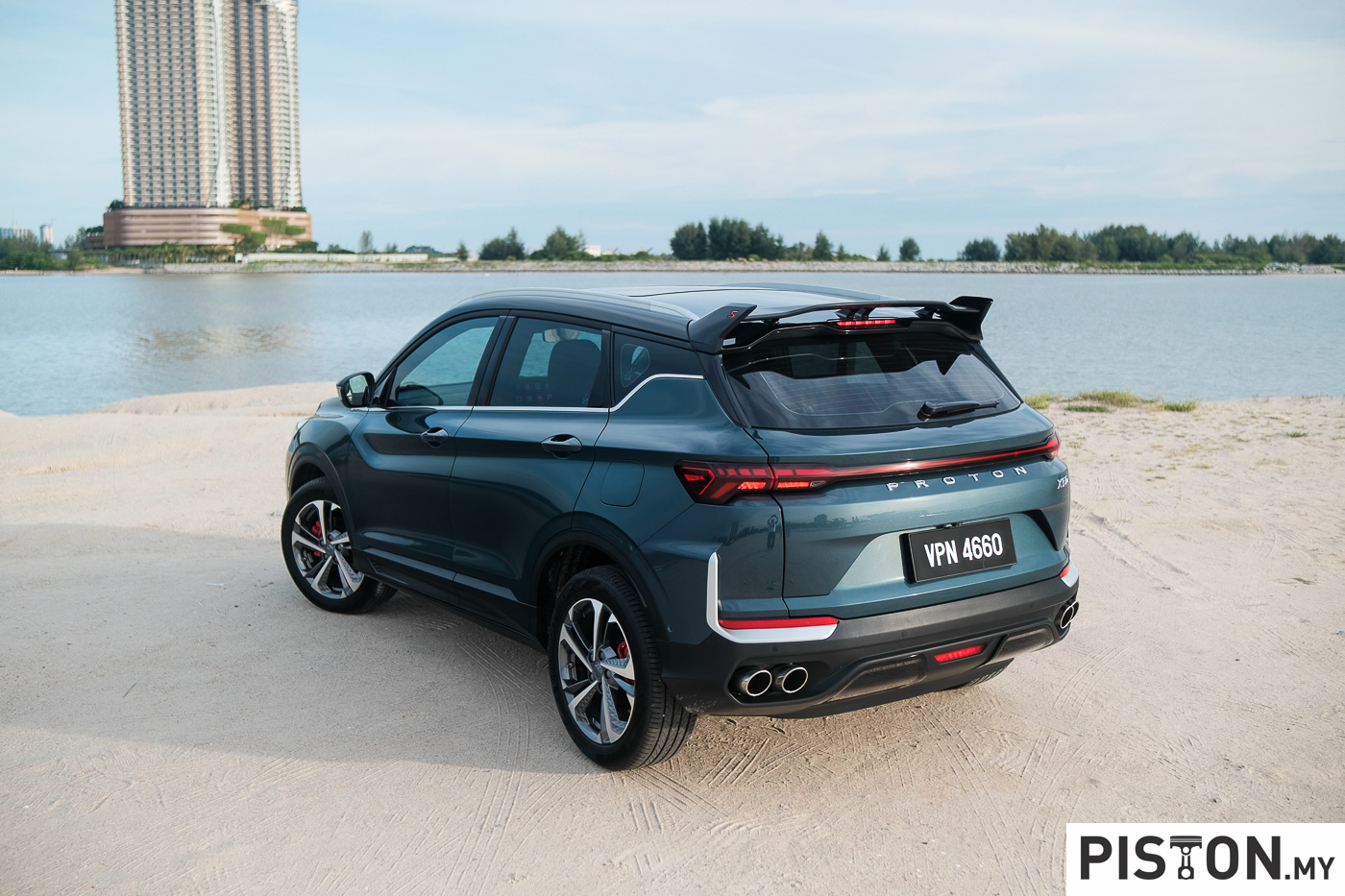
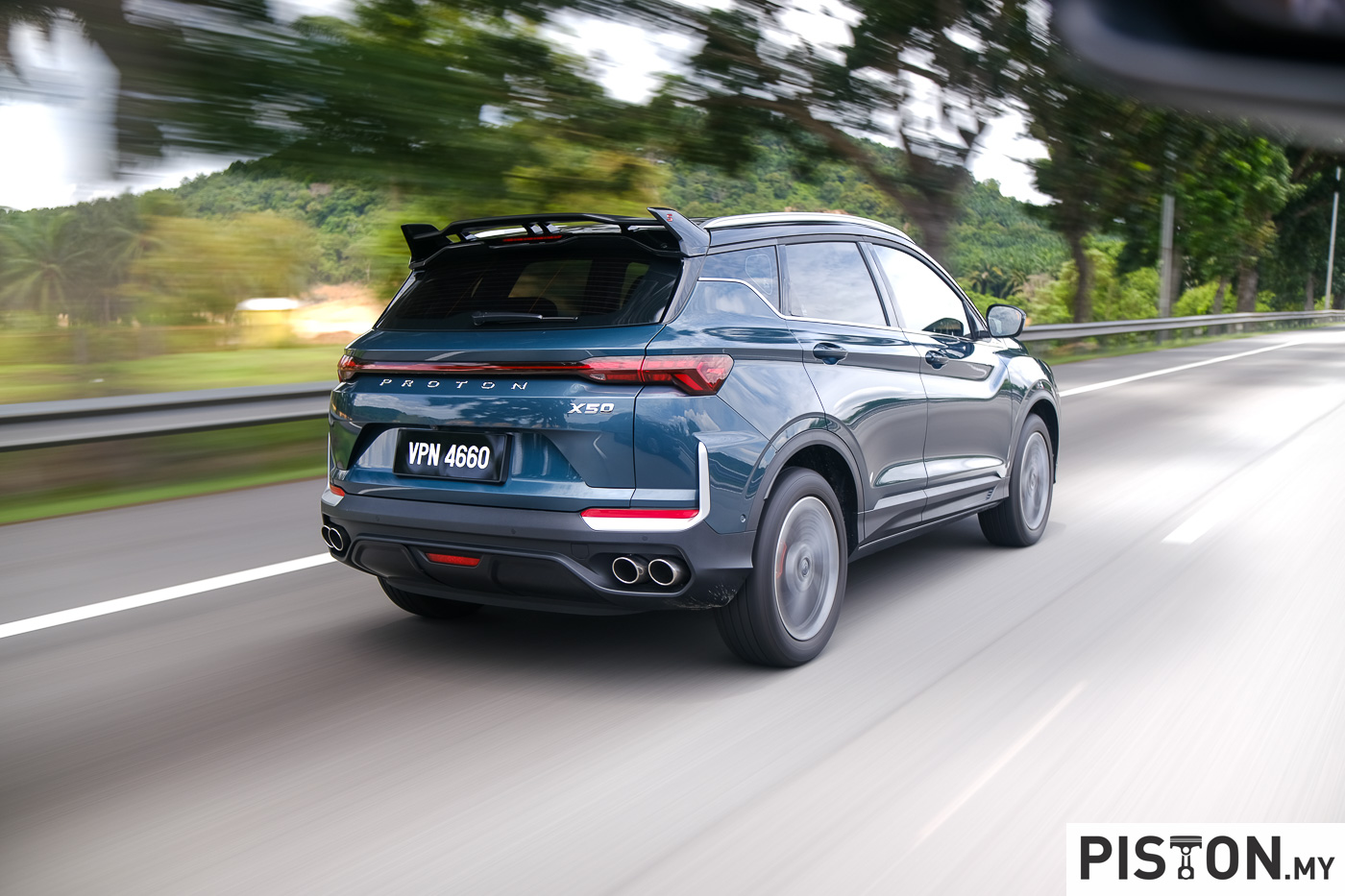
For the Flagship model, the upper part of the side profile gets a black roof, while the bottom half offers a more pronounced shoulder line as well as black plastic body panels with what seems to be aerodynamic vents. It is uncertain if those vents play any purpose, but they do look good.
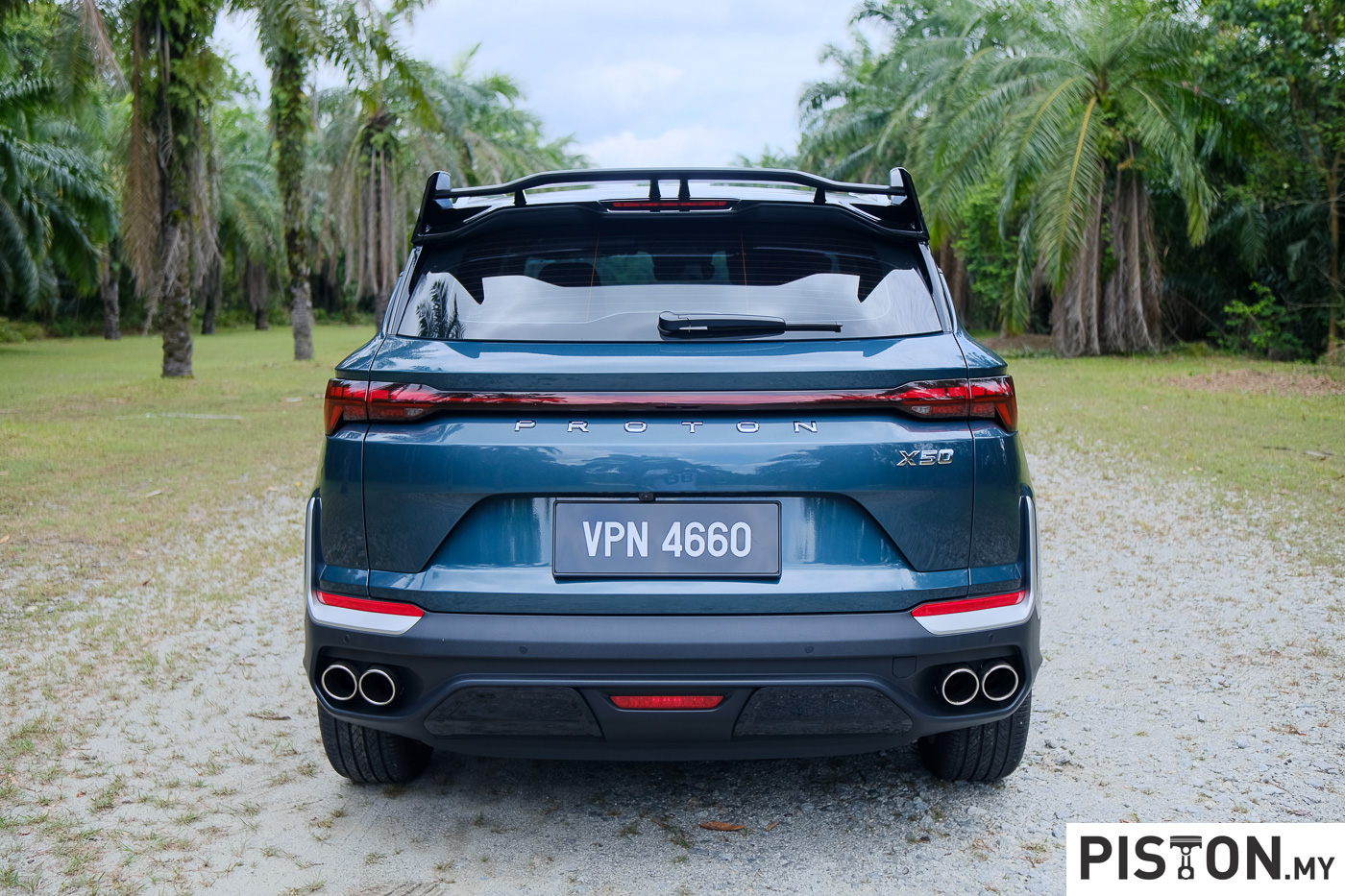
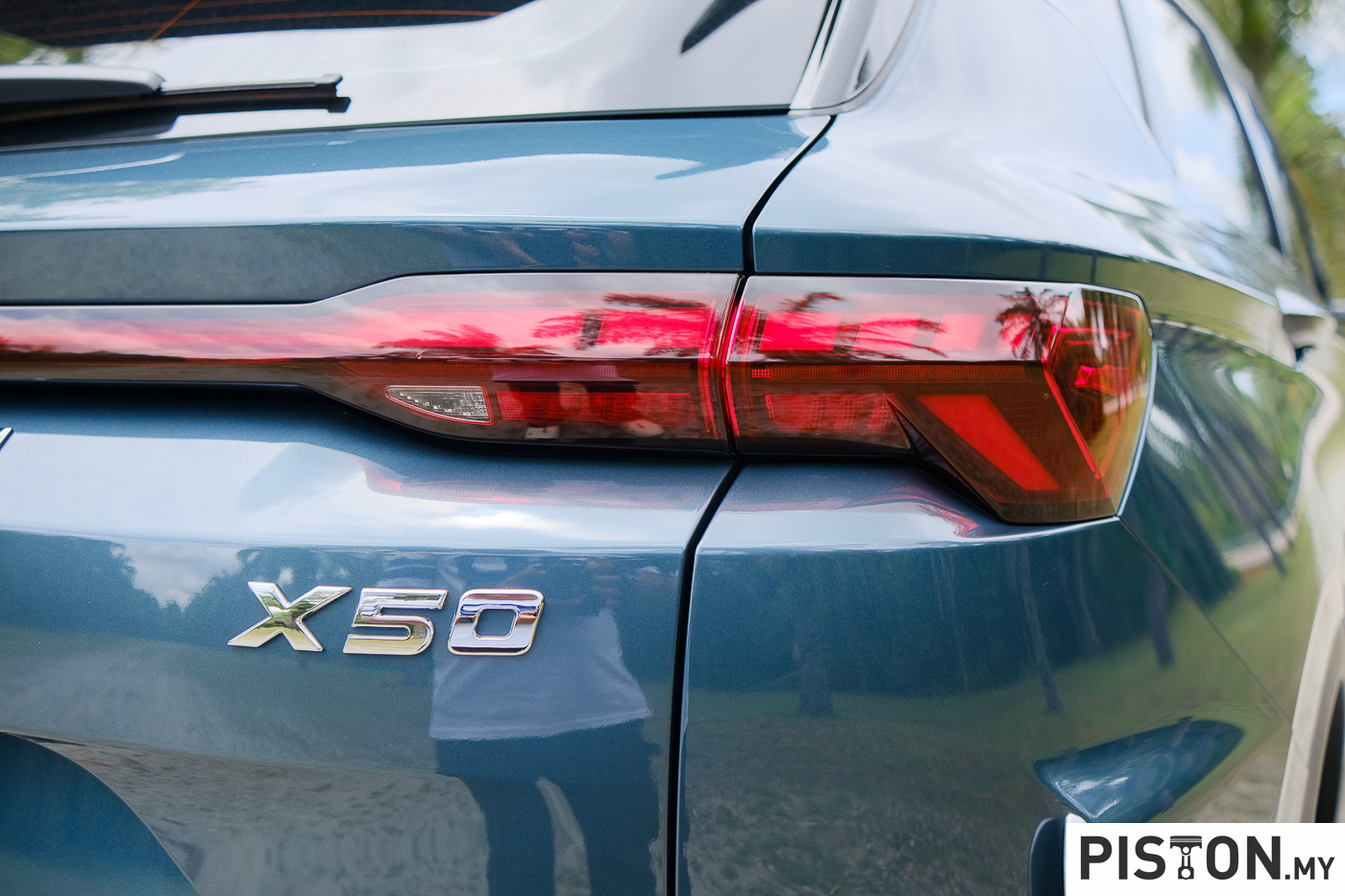
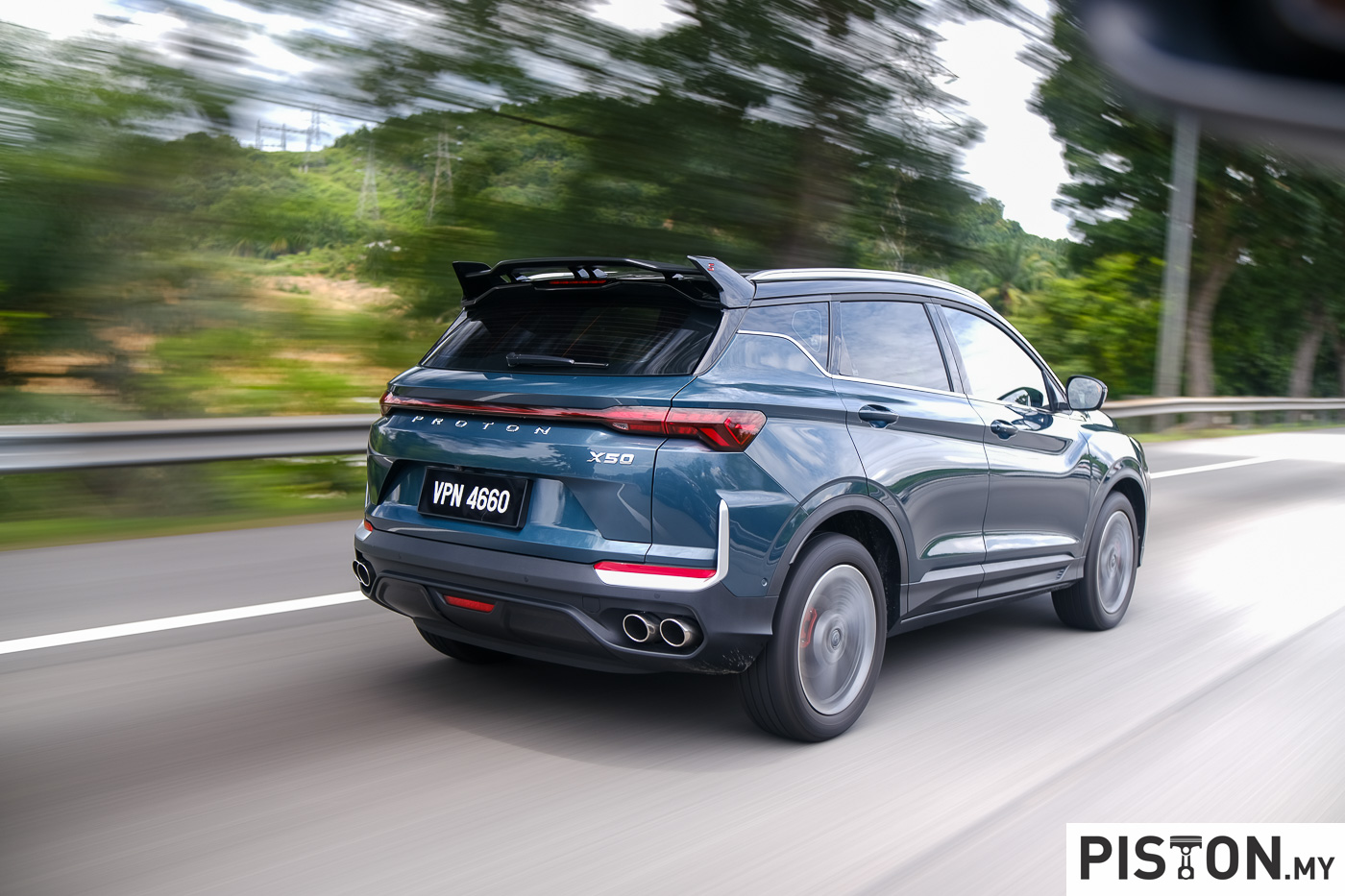
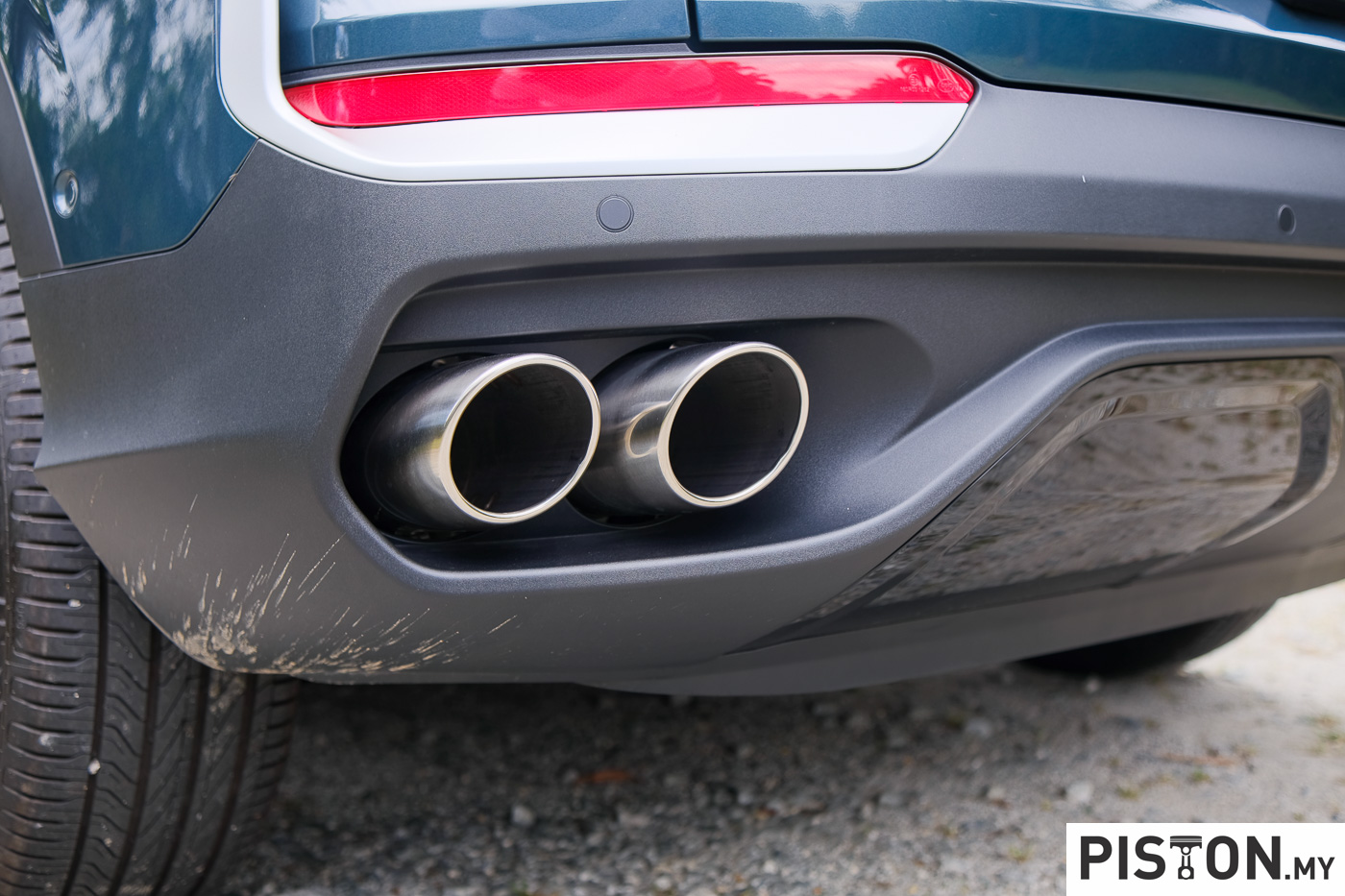
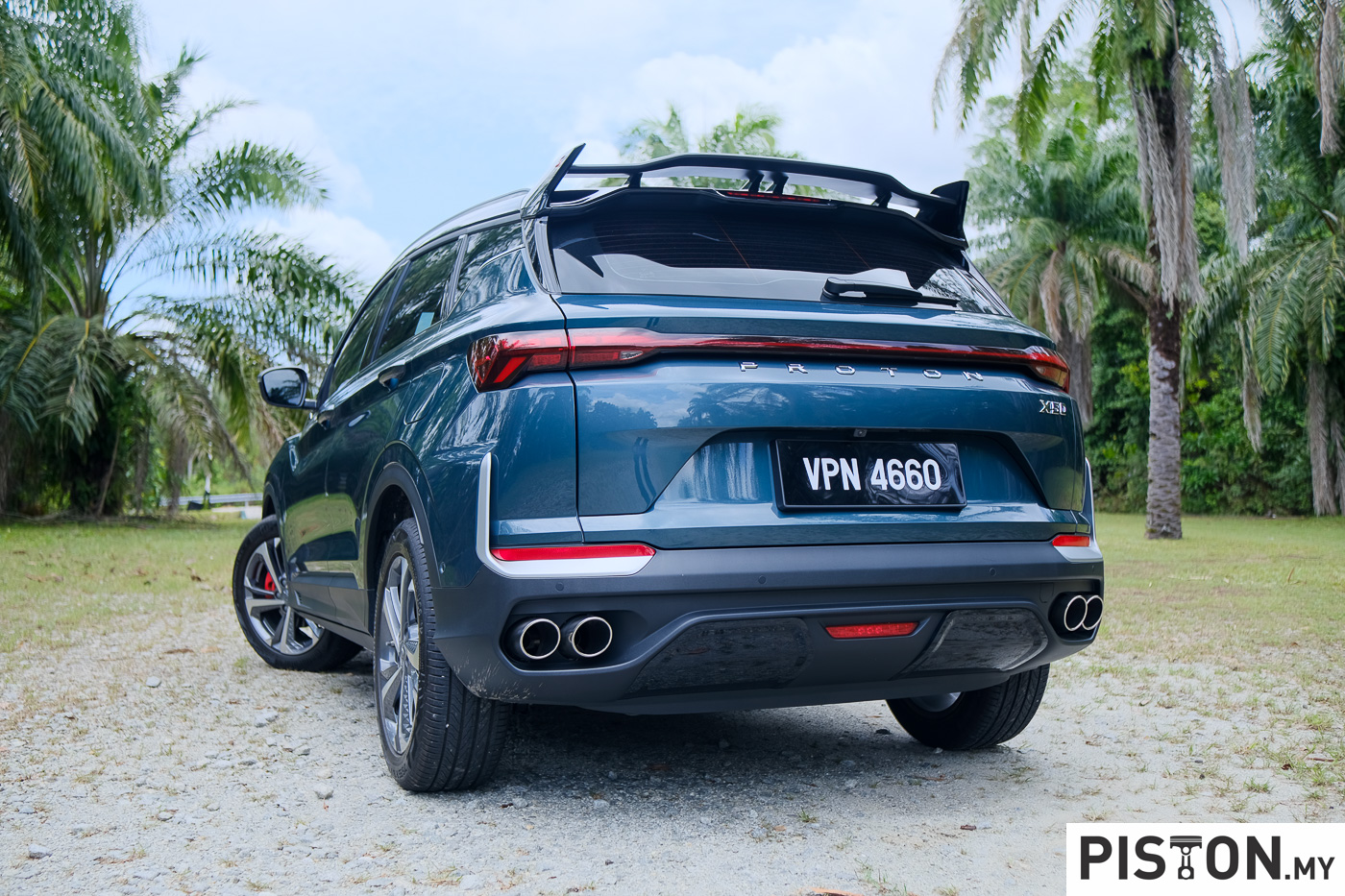
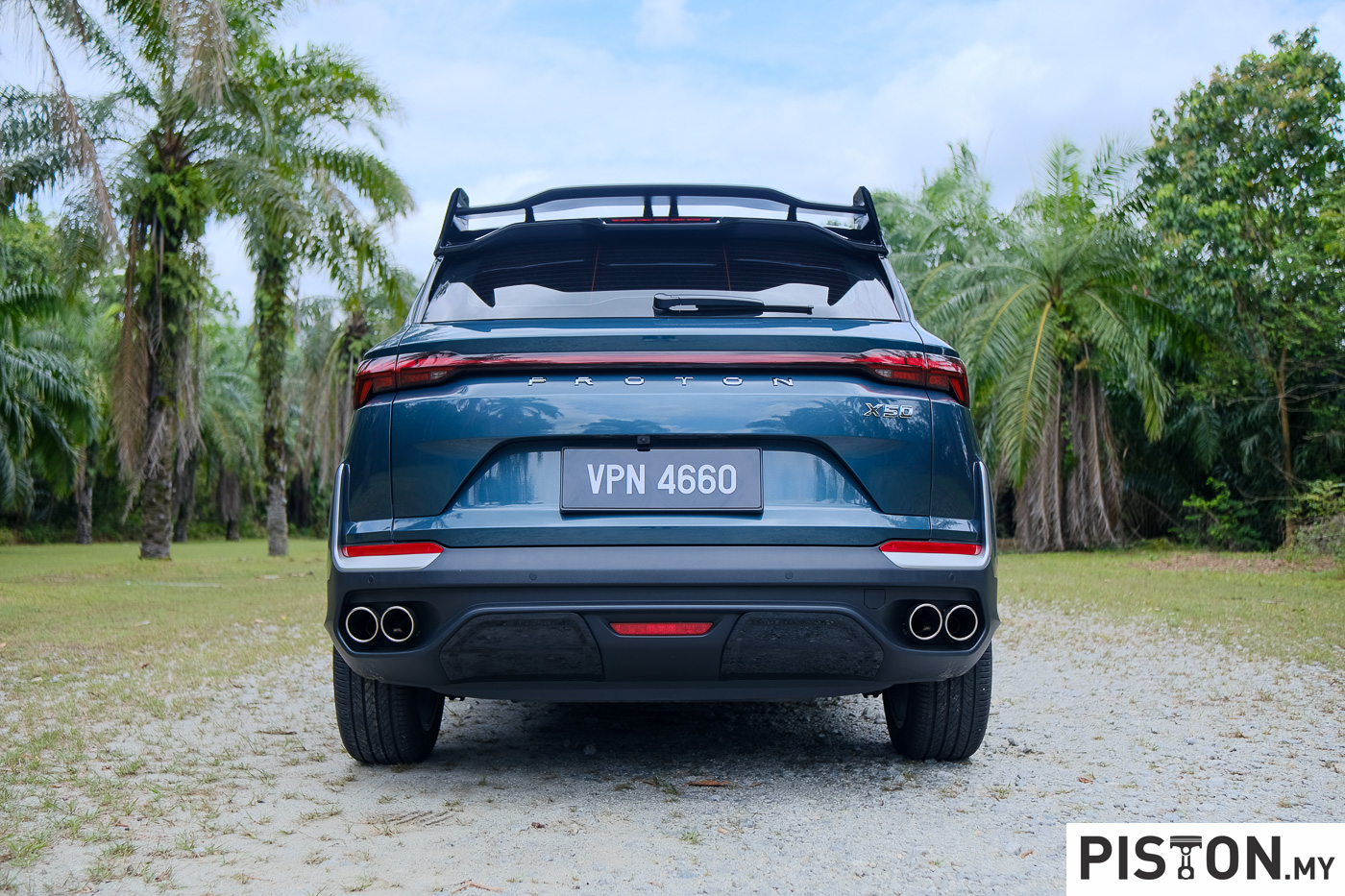
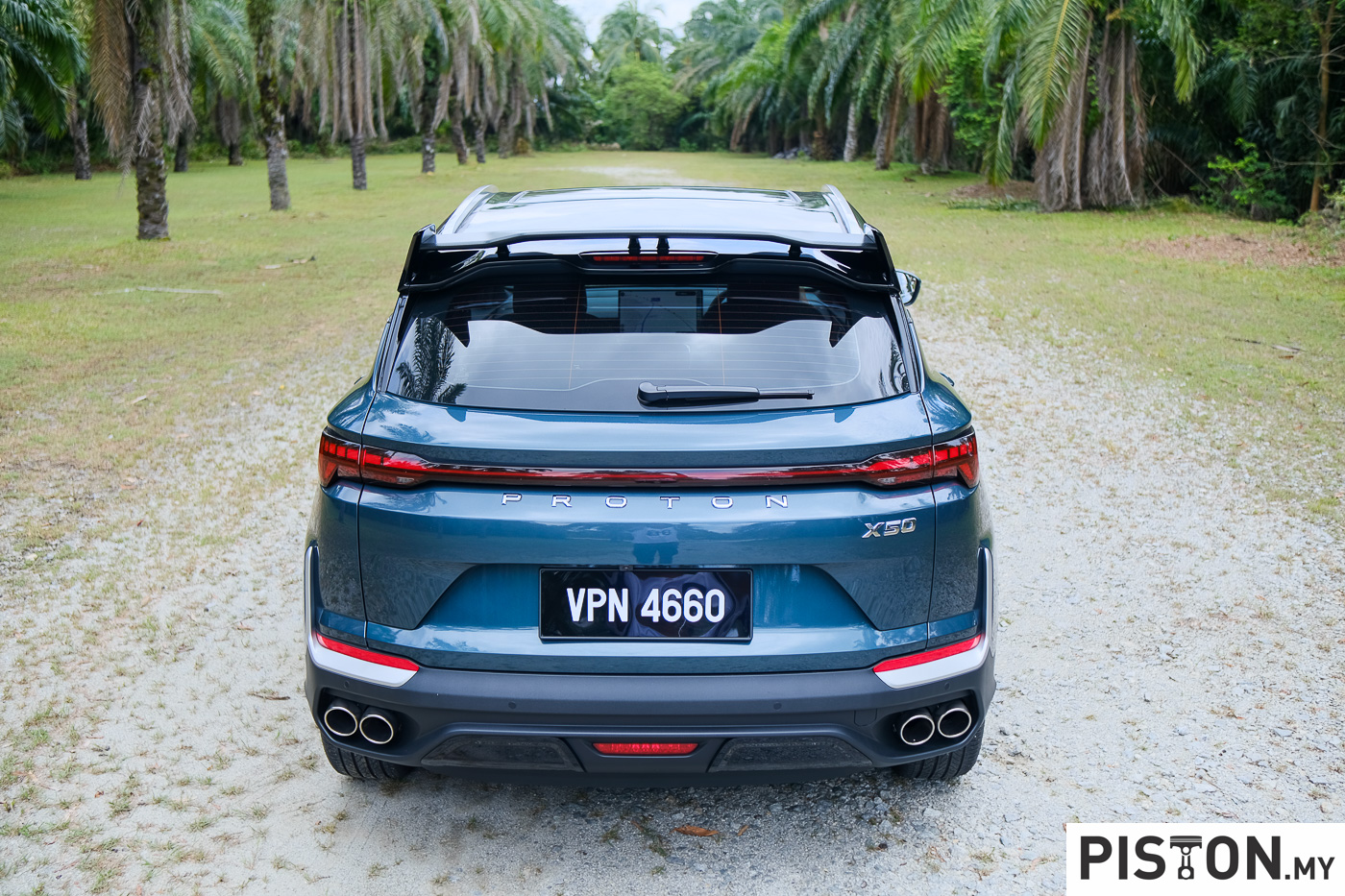
The rear is entirely new as well. I particularly like the taillights with LED light strip across the boot, and the rear also sports the one part that is not fake, the quad tailpipes.
Let’s move to the interior.
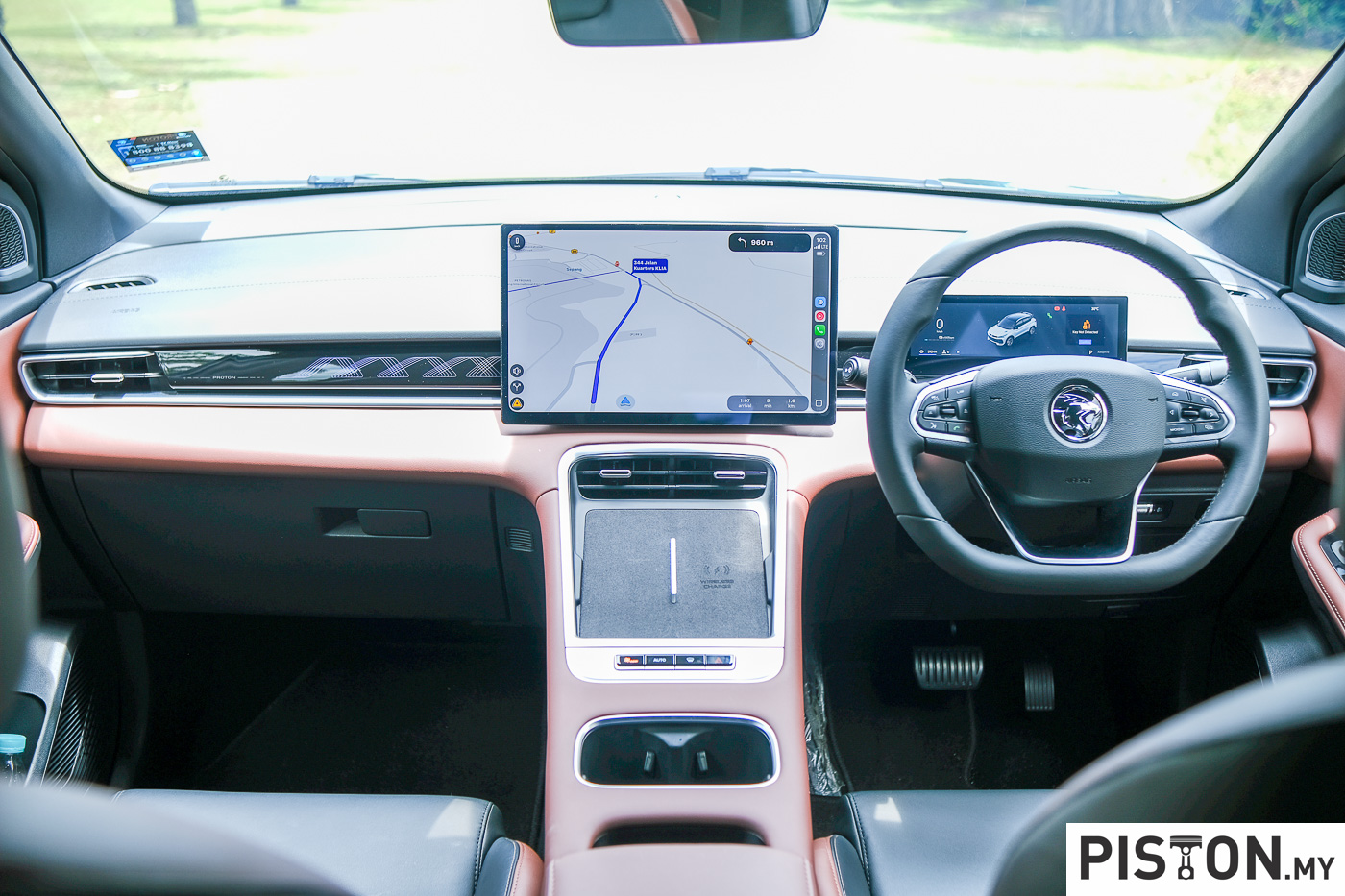
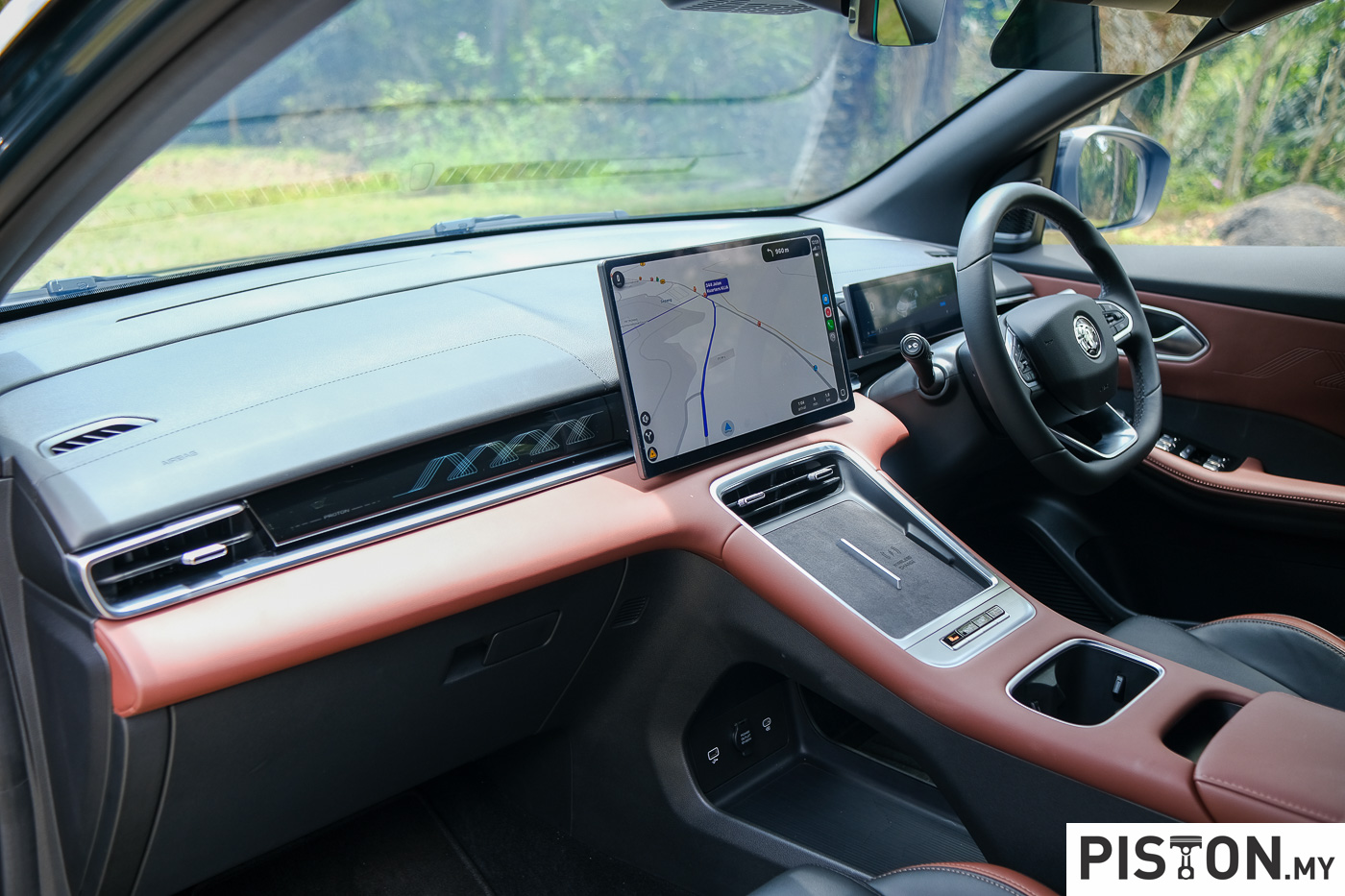
Despite its looks, this is the one part that is entirely Proton’s brainchild. I know what the looks suggest because every car that comes out of China seems to have one gigantic infotainment system, a small instrument cluster, and not much else.
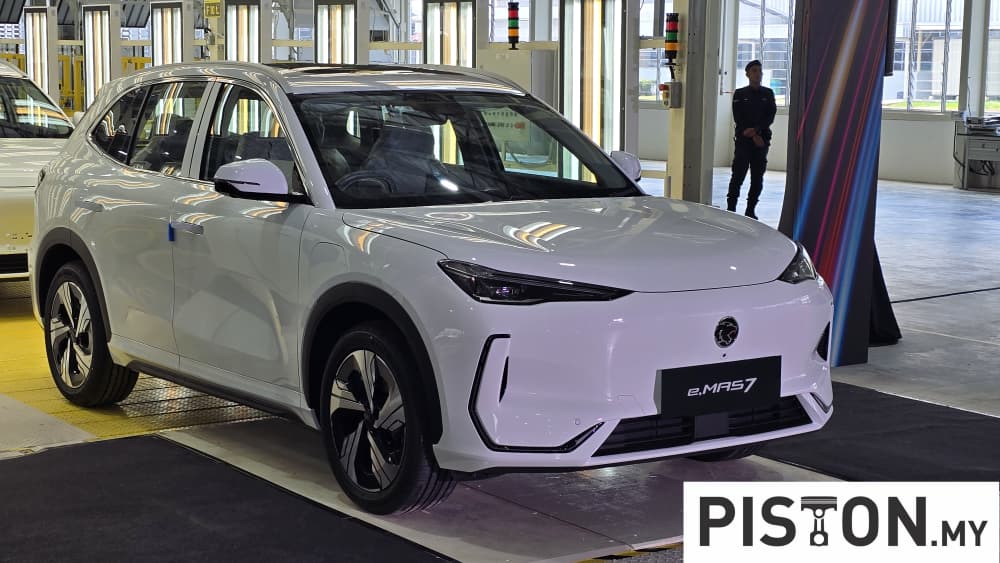
So, while the design may not be all that original, but it is in line with Proton’s newer models such as the e.MAS 7 and the upcoming e.MAS 5 (yes, I have driven it and spent time with its interior), keeping it very much in the family.
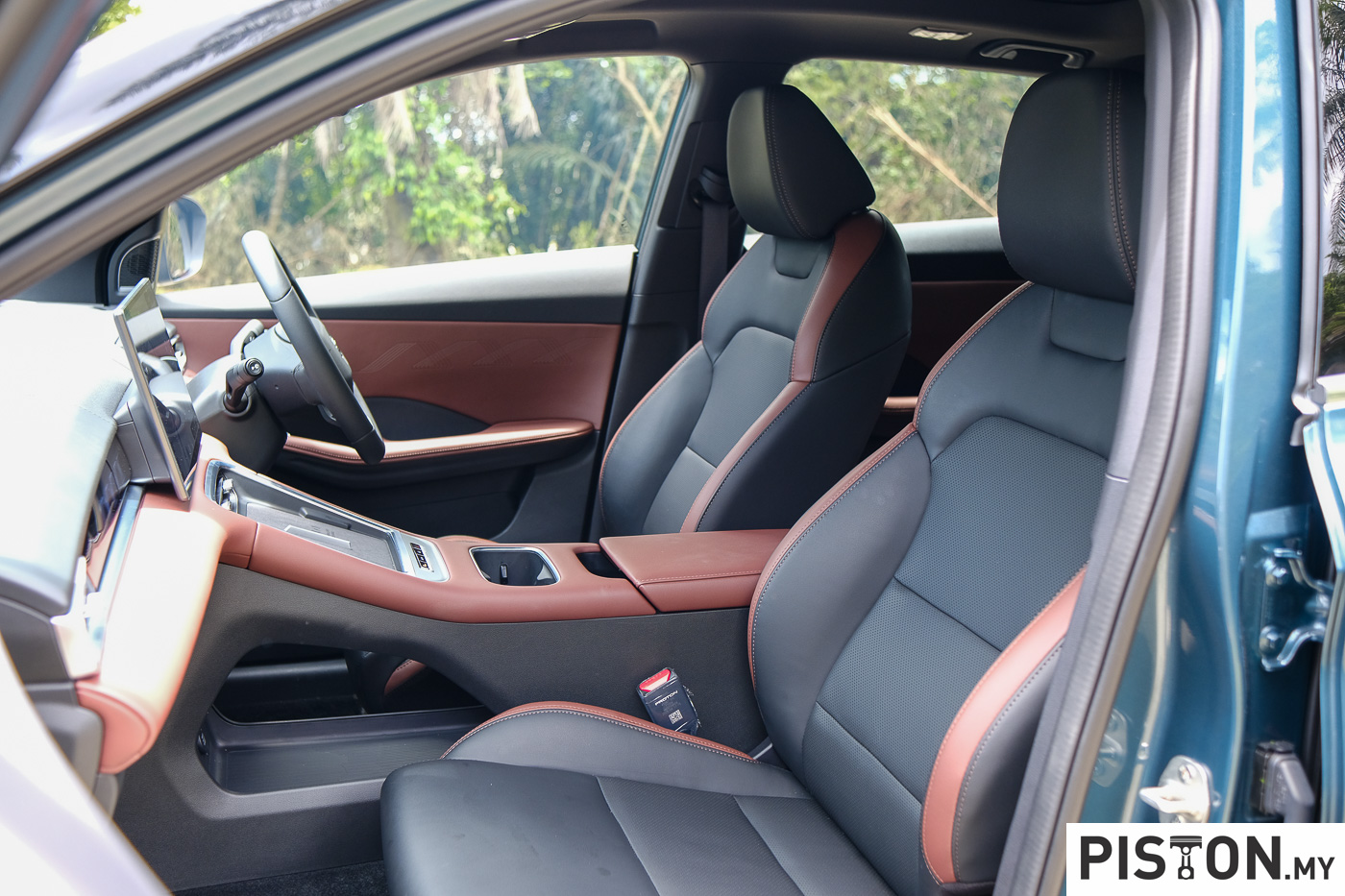
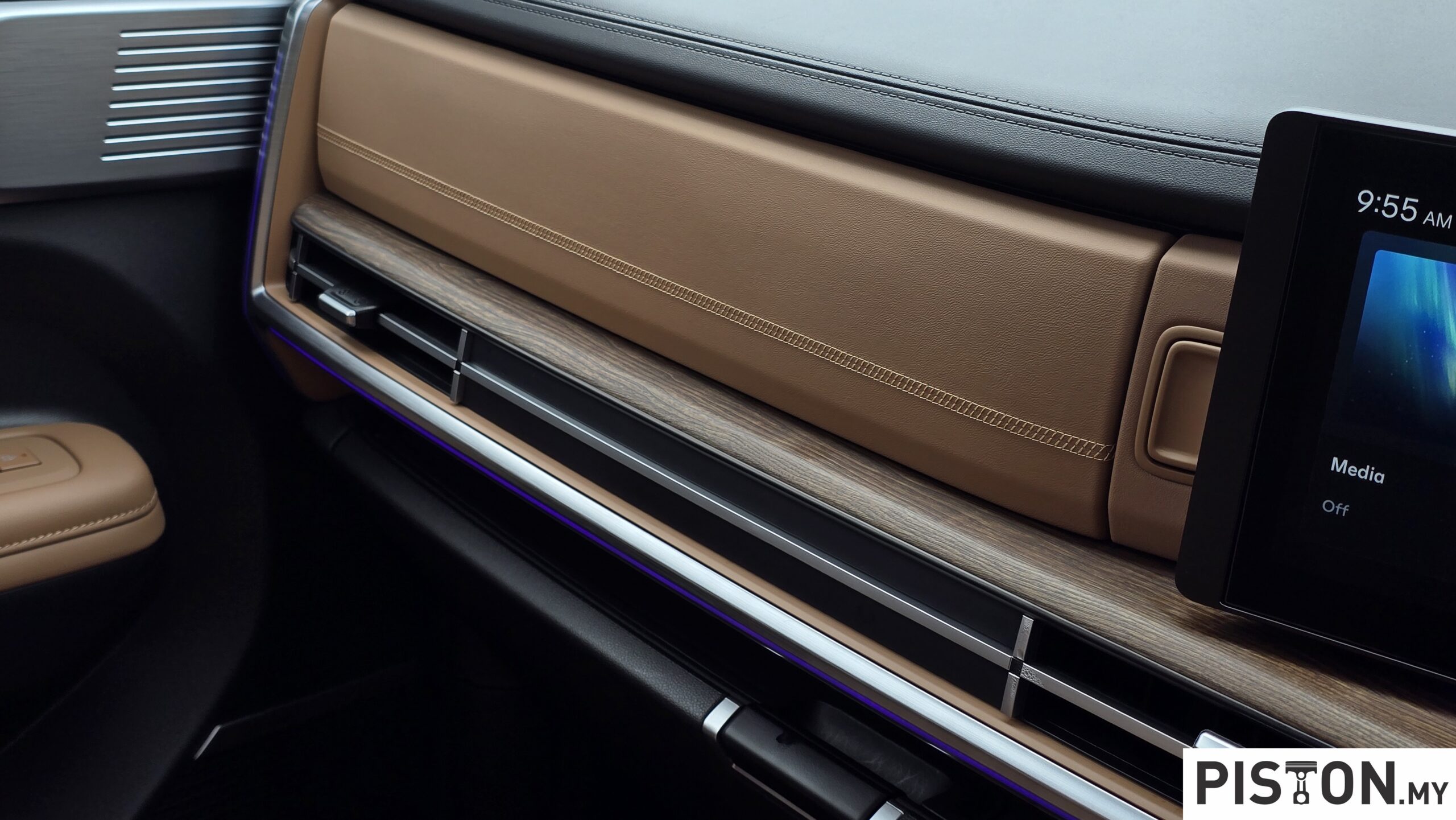
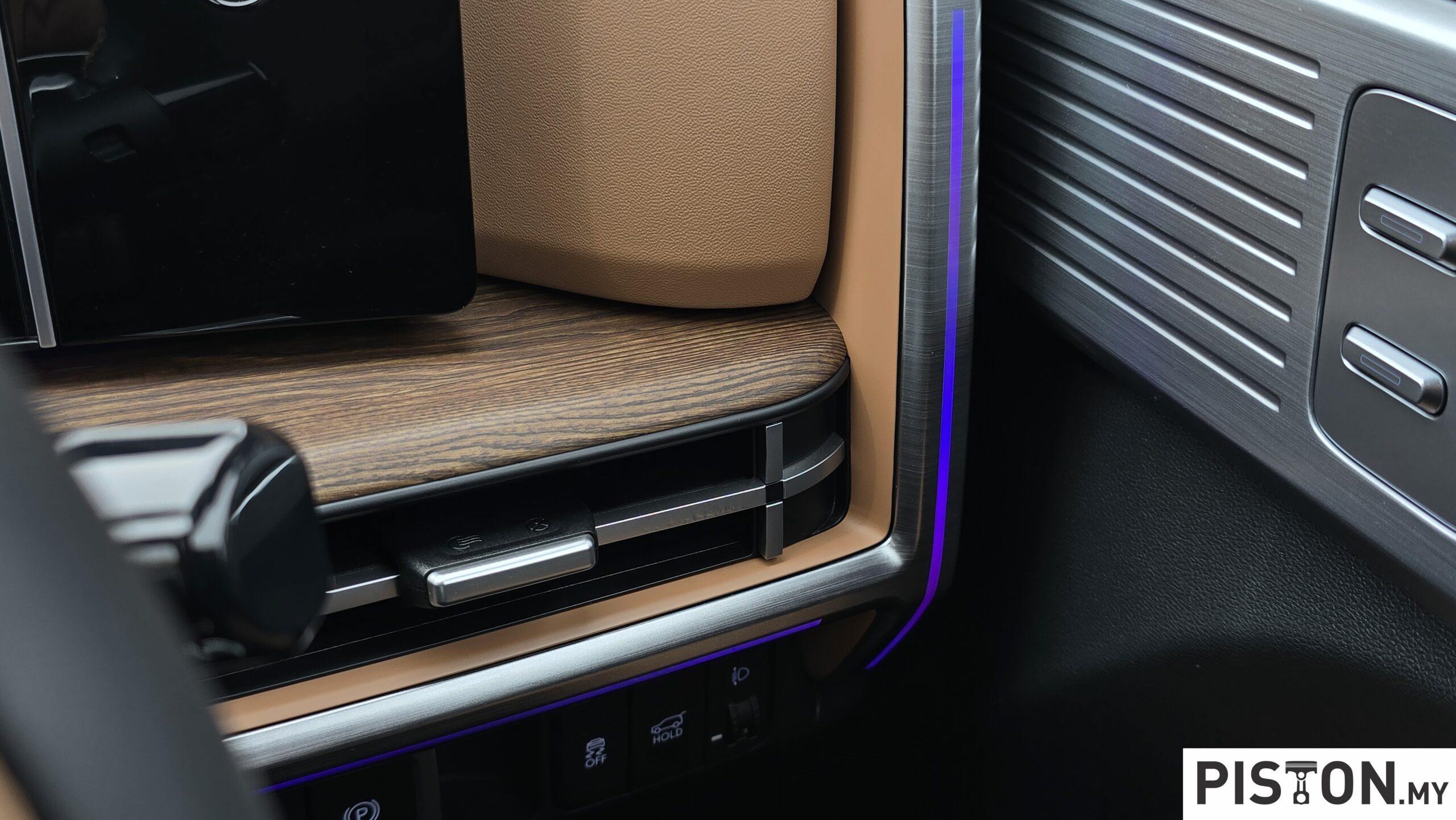
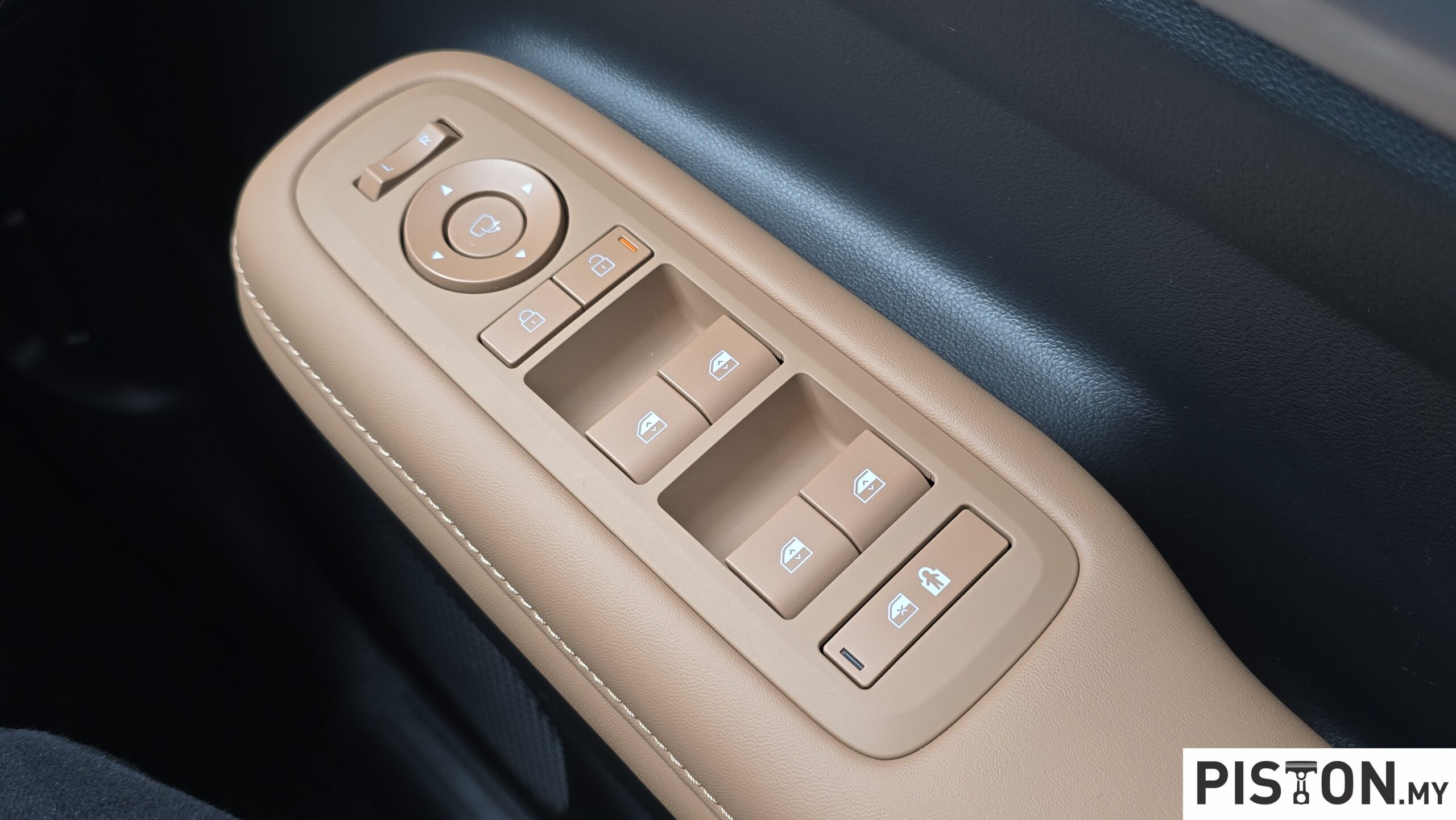
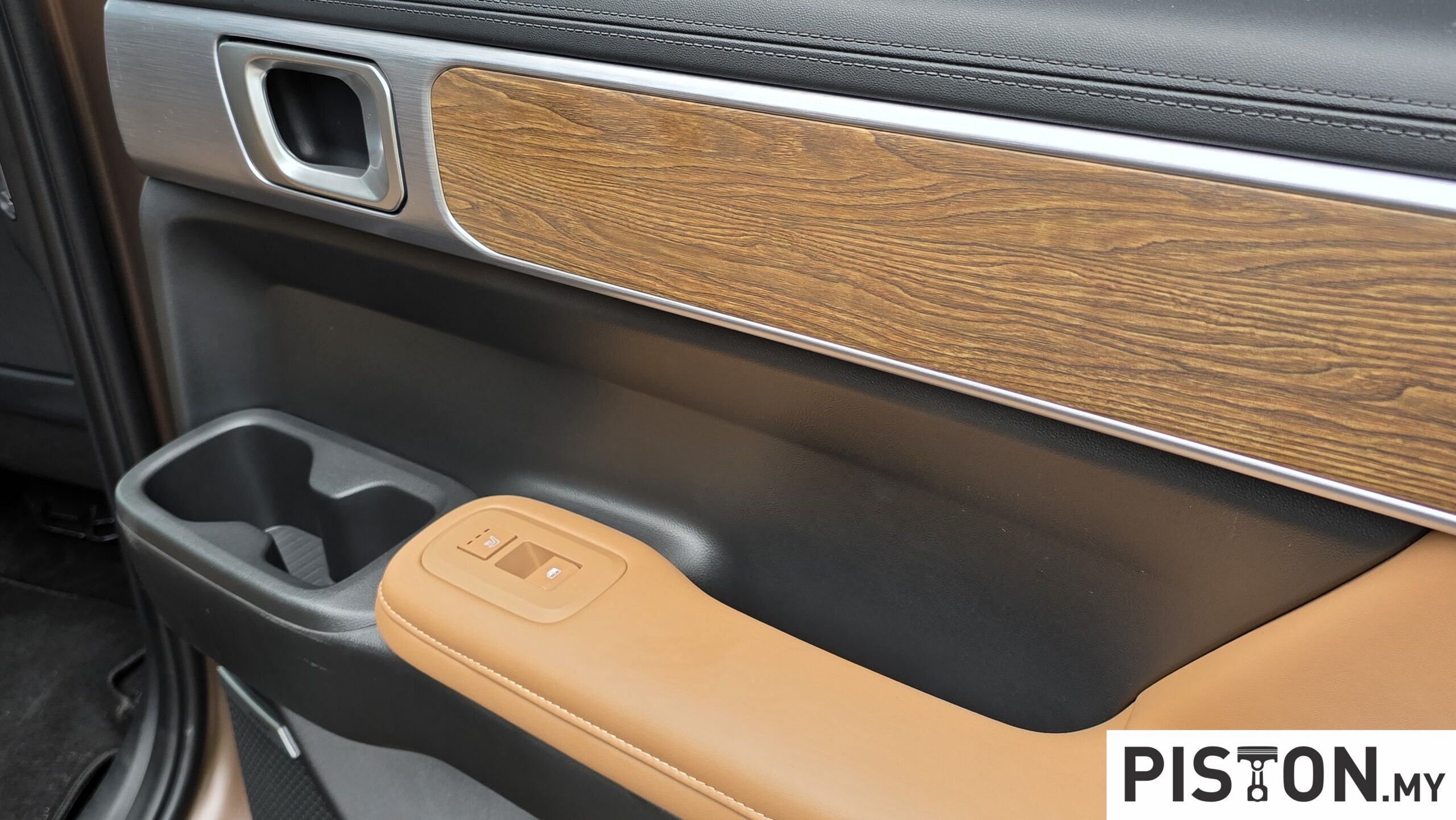
I must mention though that it is much better than what the looks suggest. Quality feels top notch, ergonomics are spot on, and there are features in here which you will never find in more expensive cars that simply make a lot of sense on Malaysian roads.
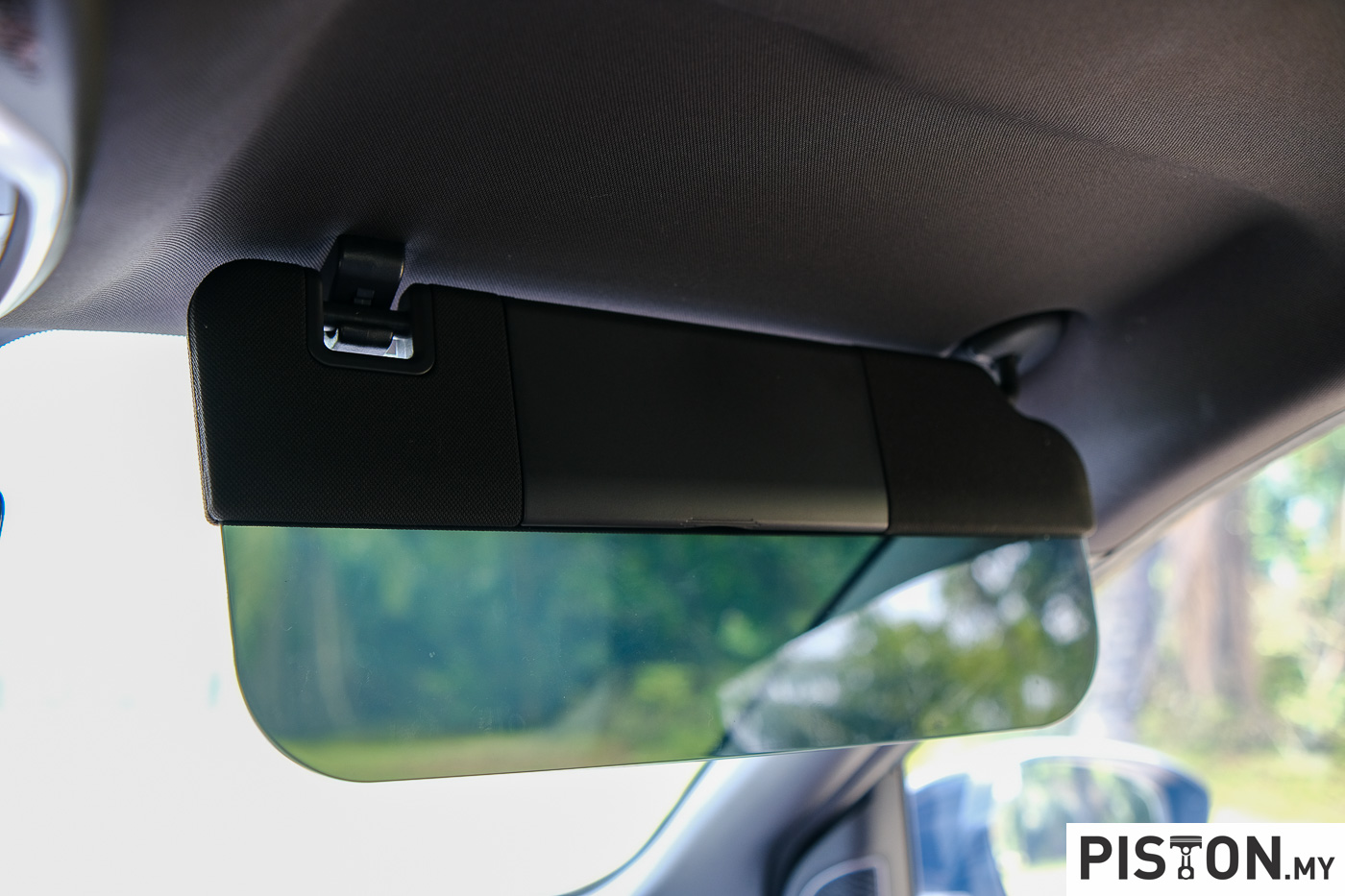
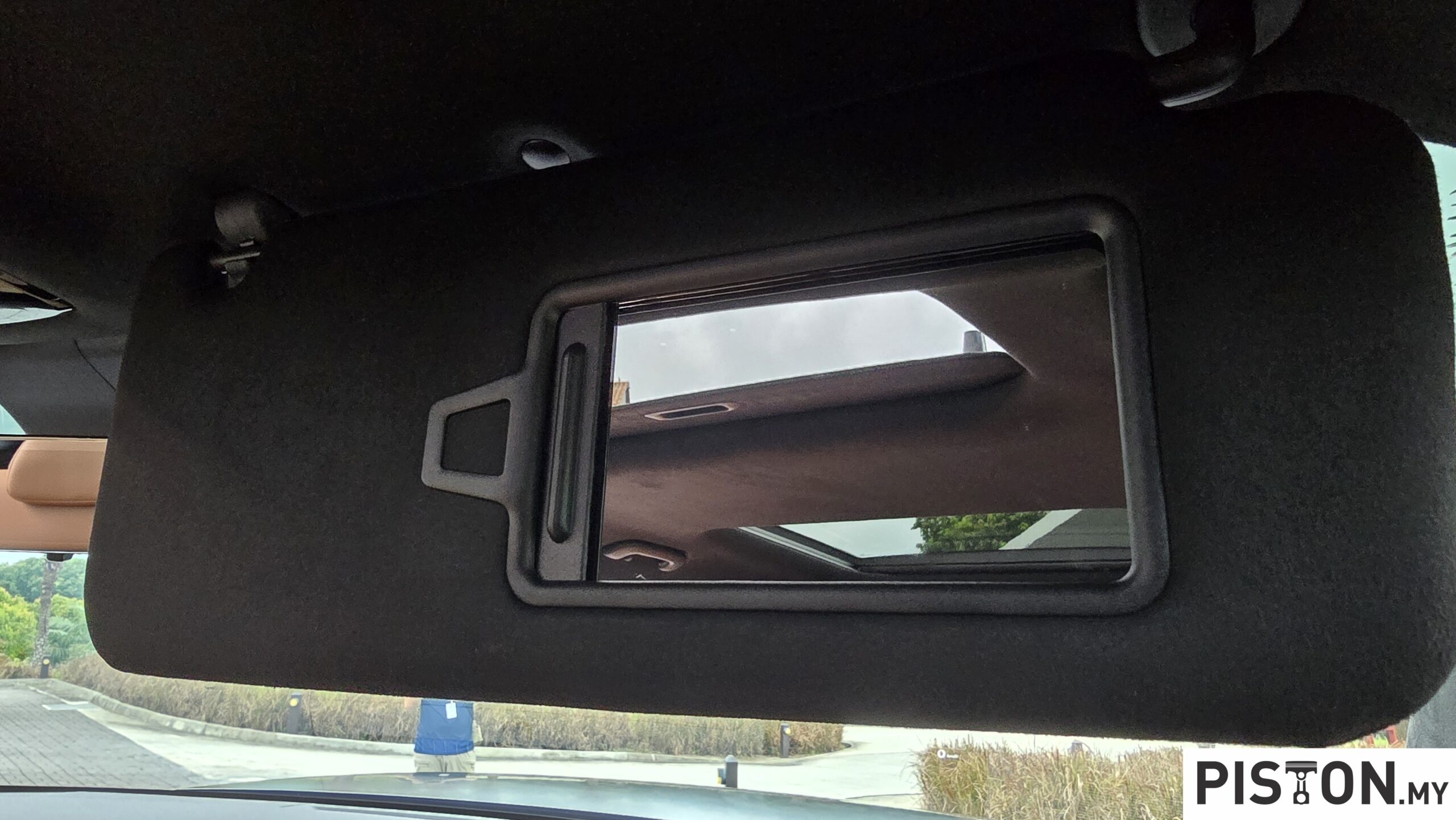
This feature is the semi-transparent sun visor that helps keep glare to a minimum, something like the sunshades that pilots use in an aircraft cabin. This has been carried over from the Geely Binyue L, but still a very cool touch.
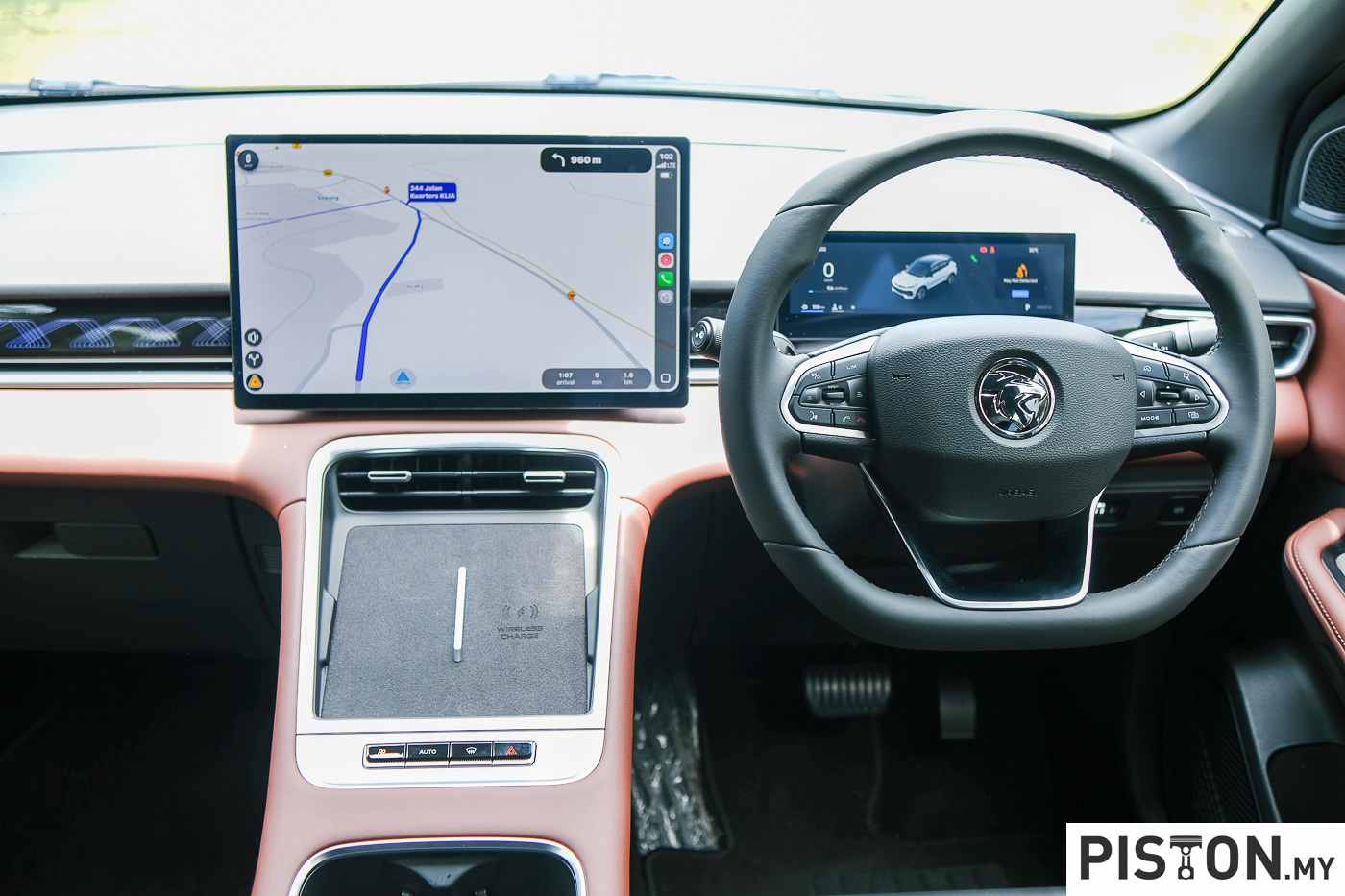
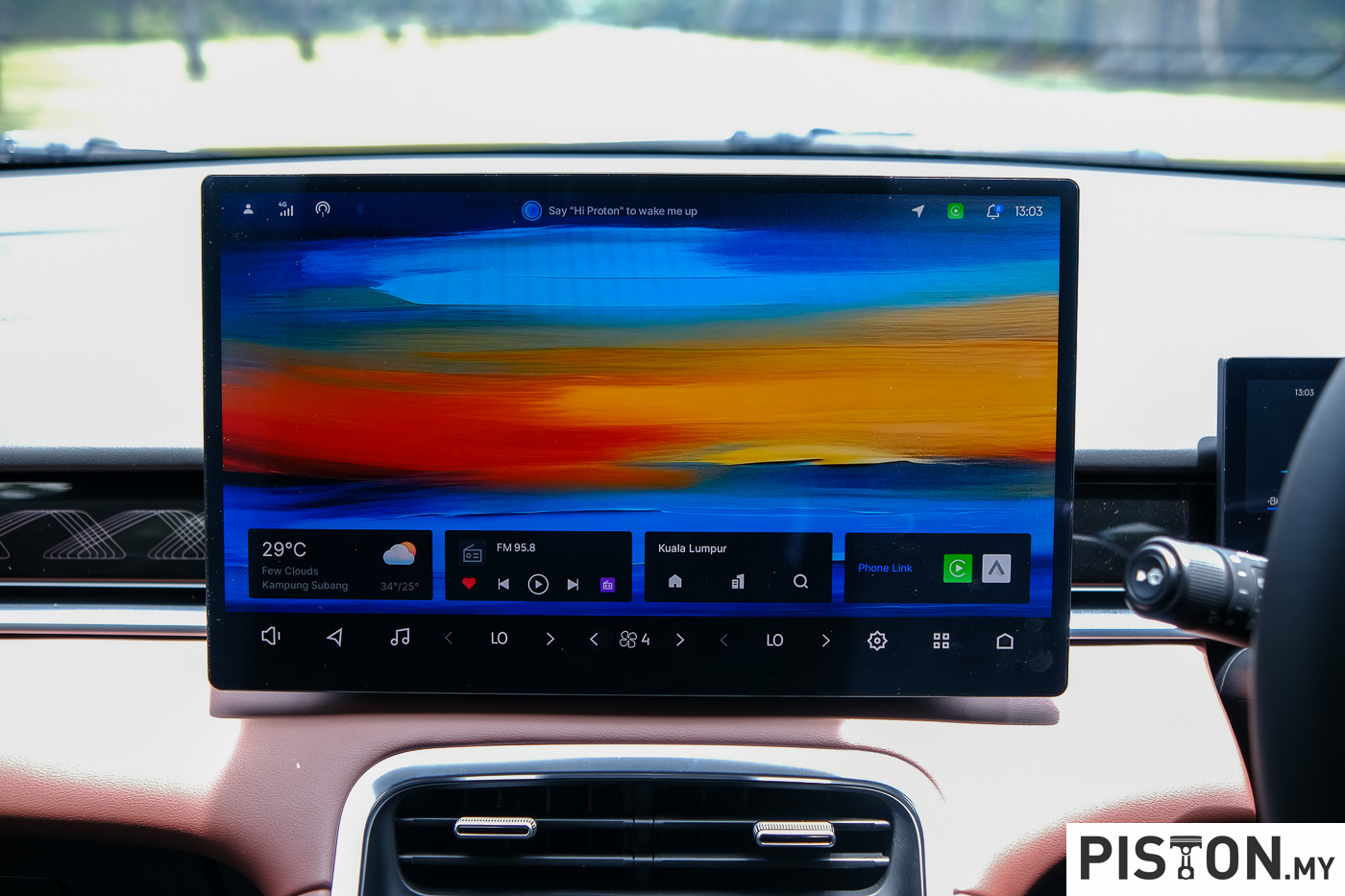
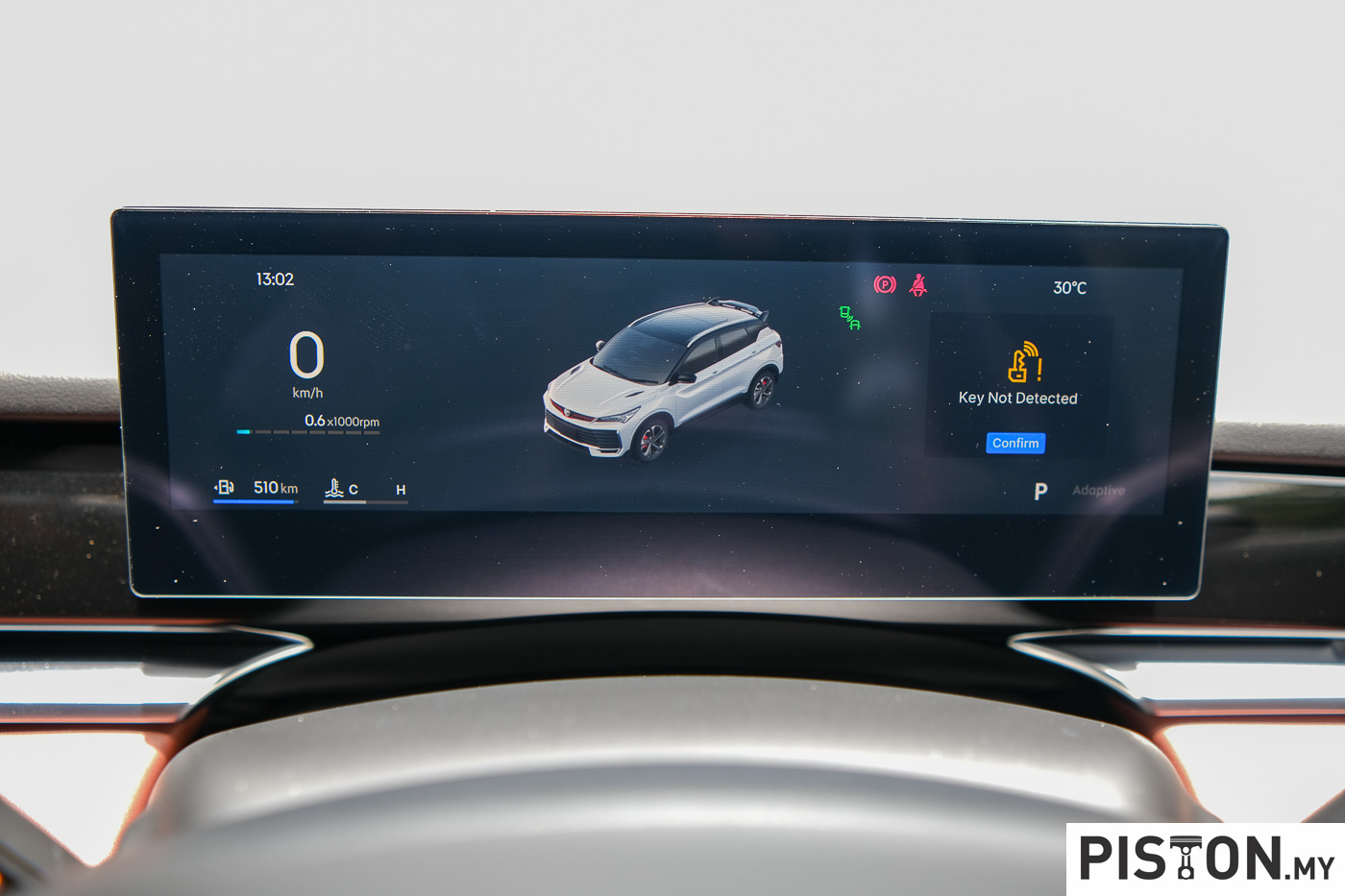
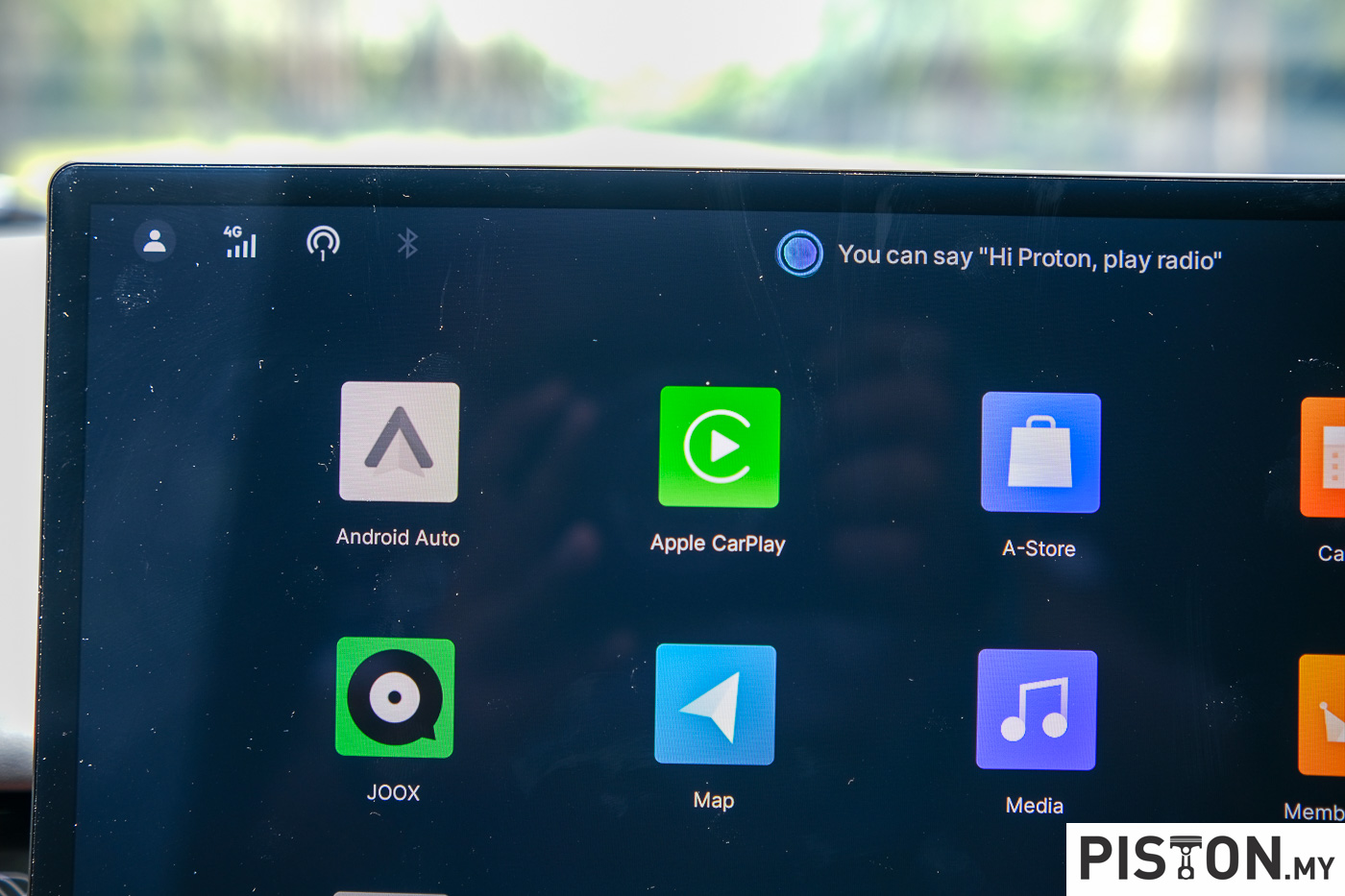
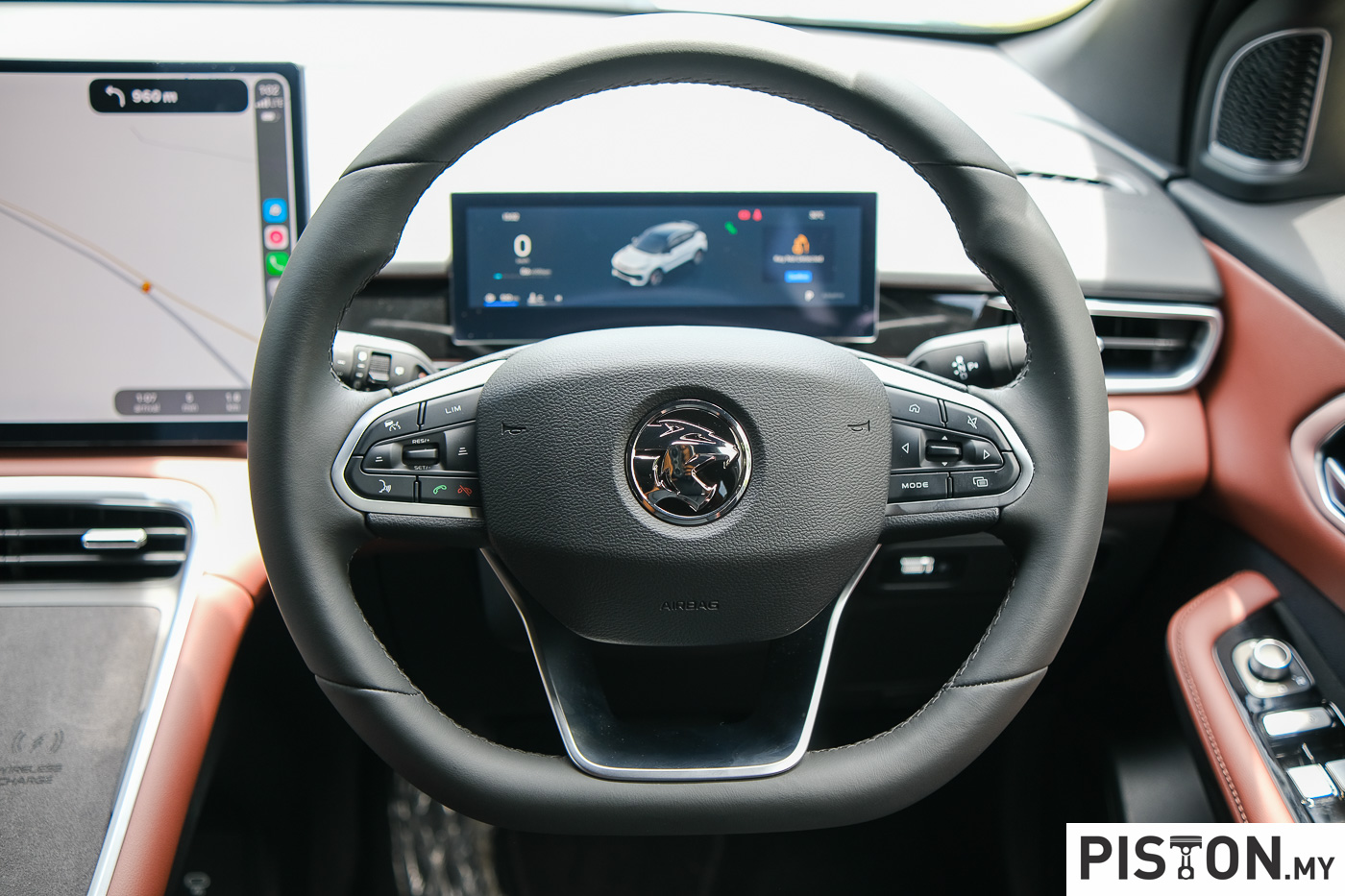
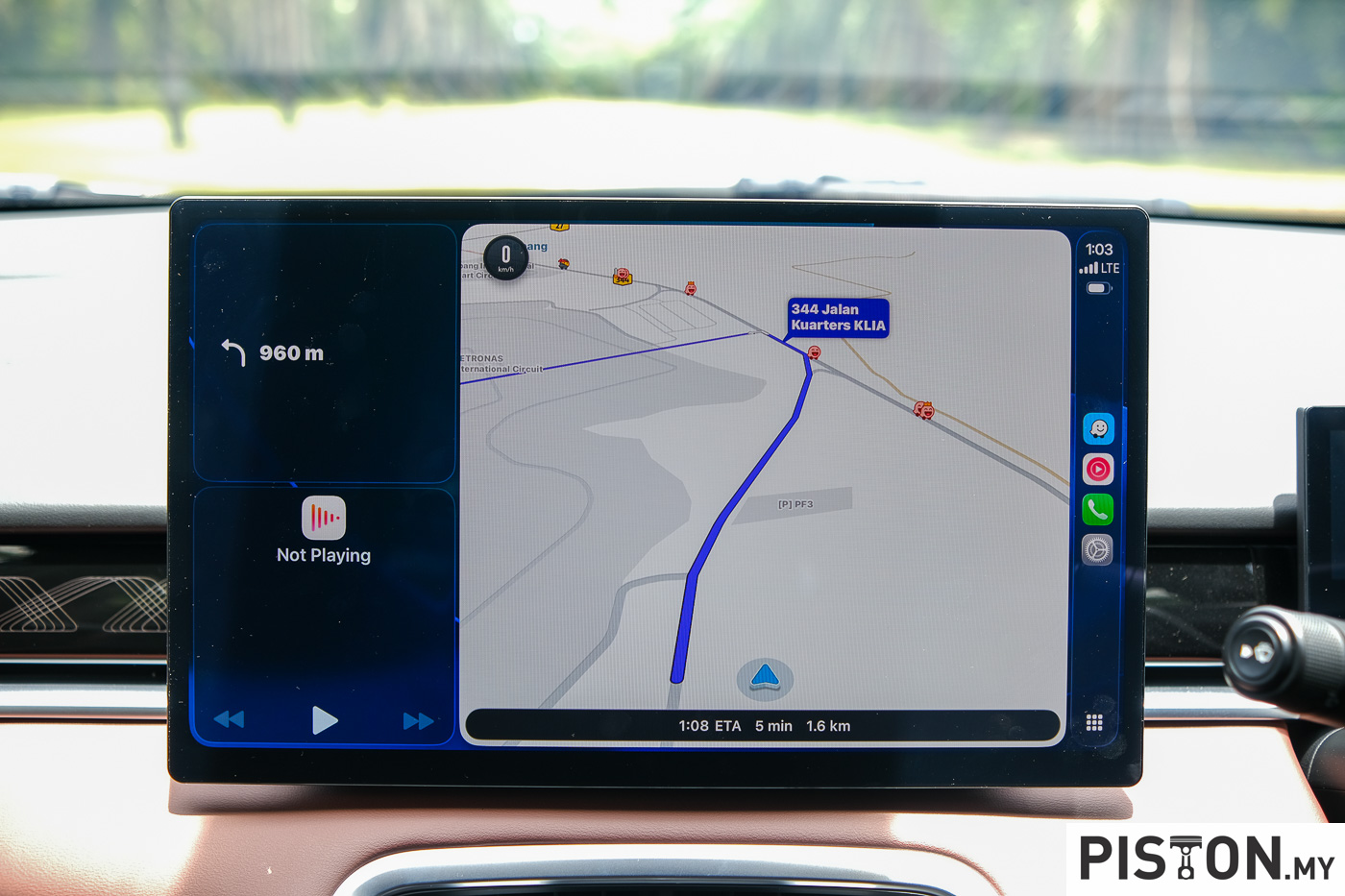
Back to the business ends of things – the infotainment system measures in at a gargantuan 14.6-inches with wireless Apple Carplay and Android Auto. While that is nothing new, the Bahasa Melayu voice control system is a nice touch.
Proton says that it took them over 330,000 man hours to develop the voice command system, and just to ensure it works everywhere in Malaysia, it can understand four dialects, including the notoriously difficult Kelantanese dialect.
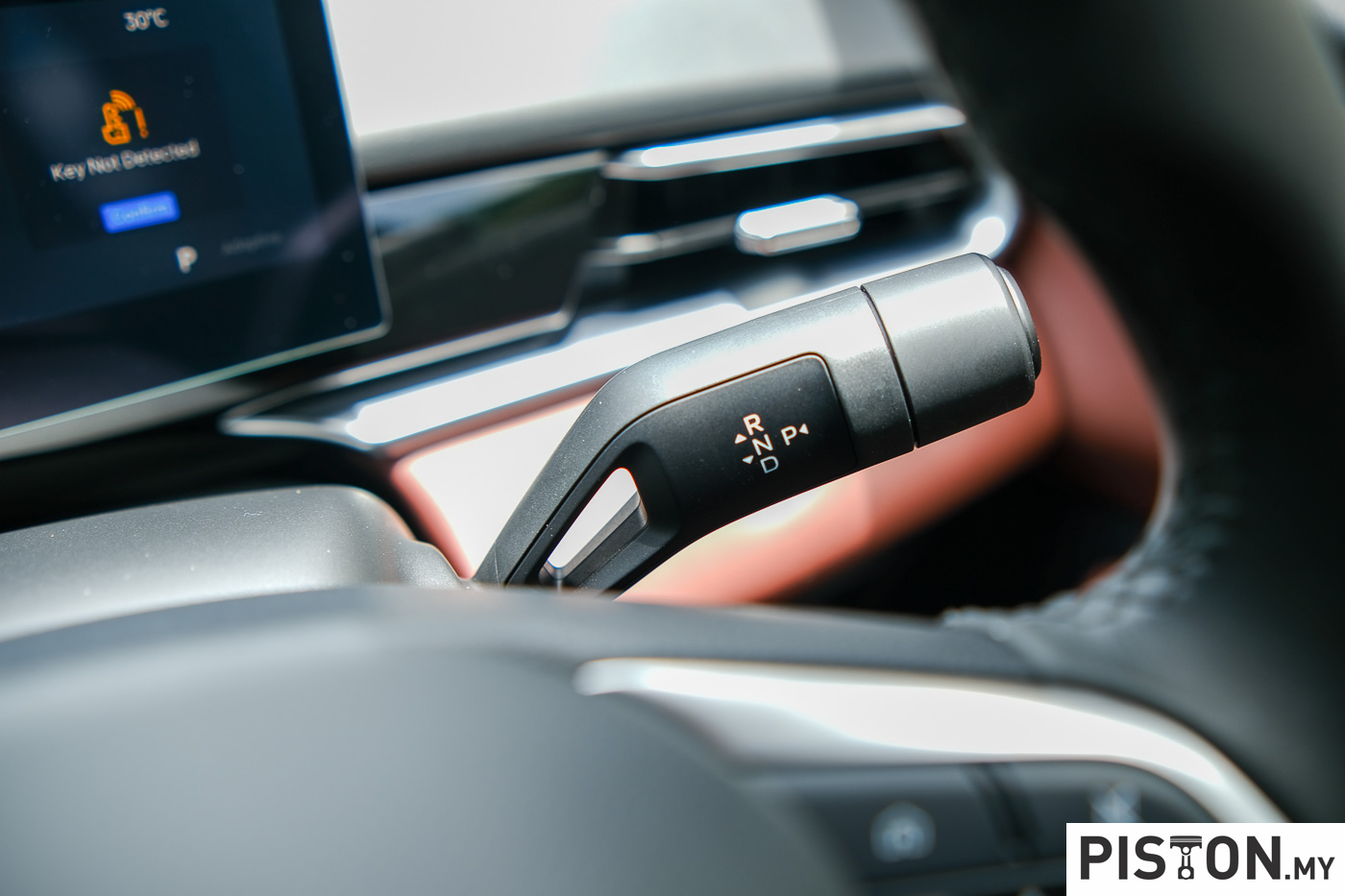
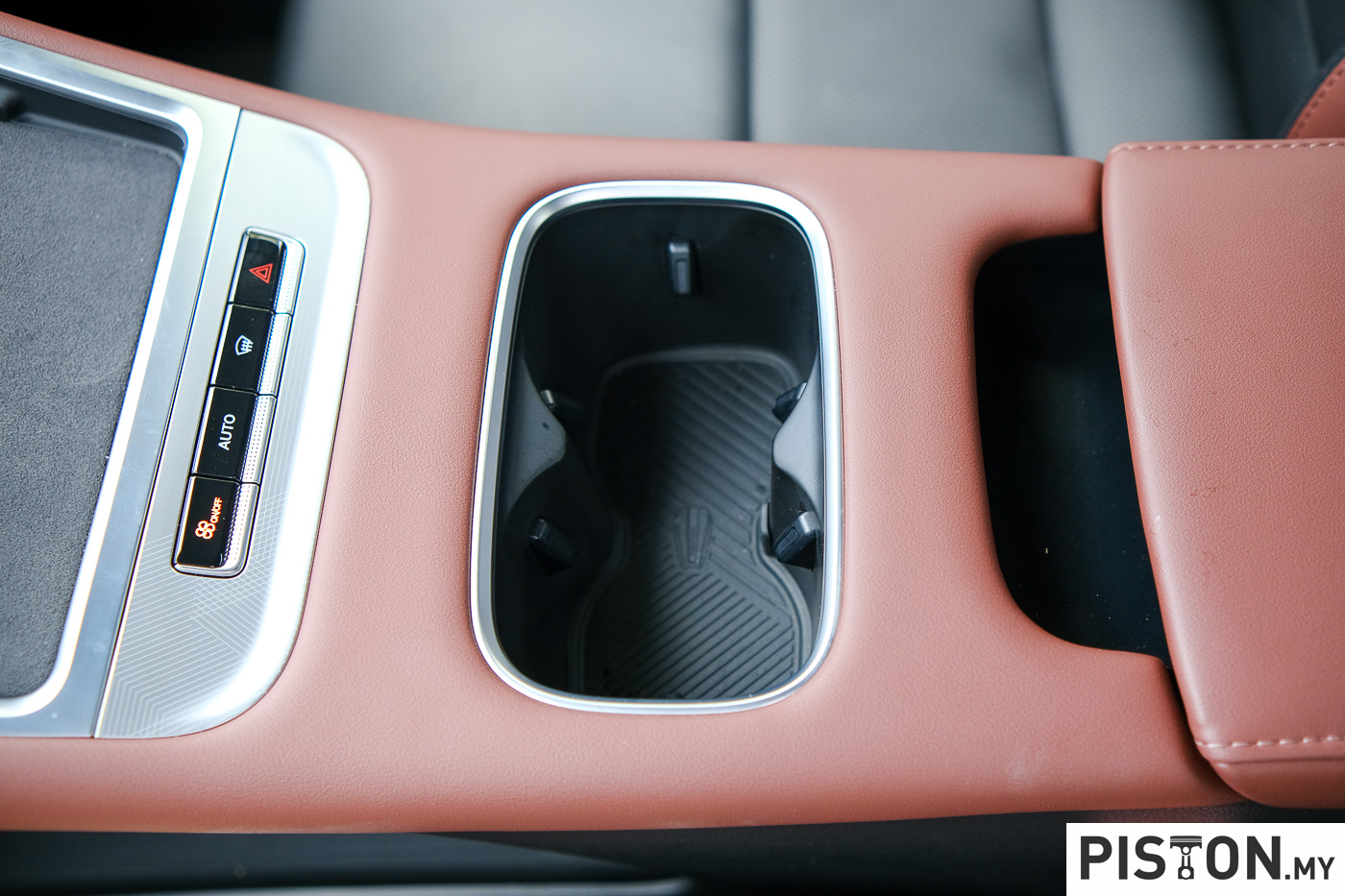
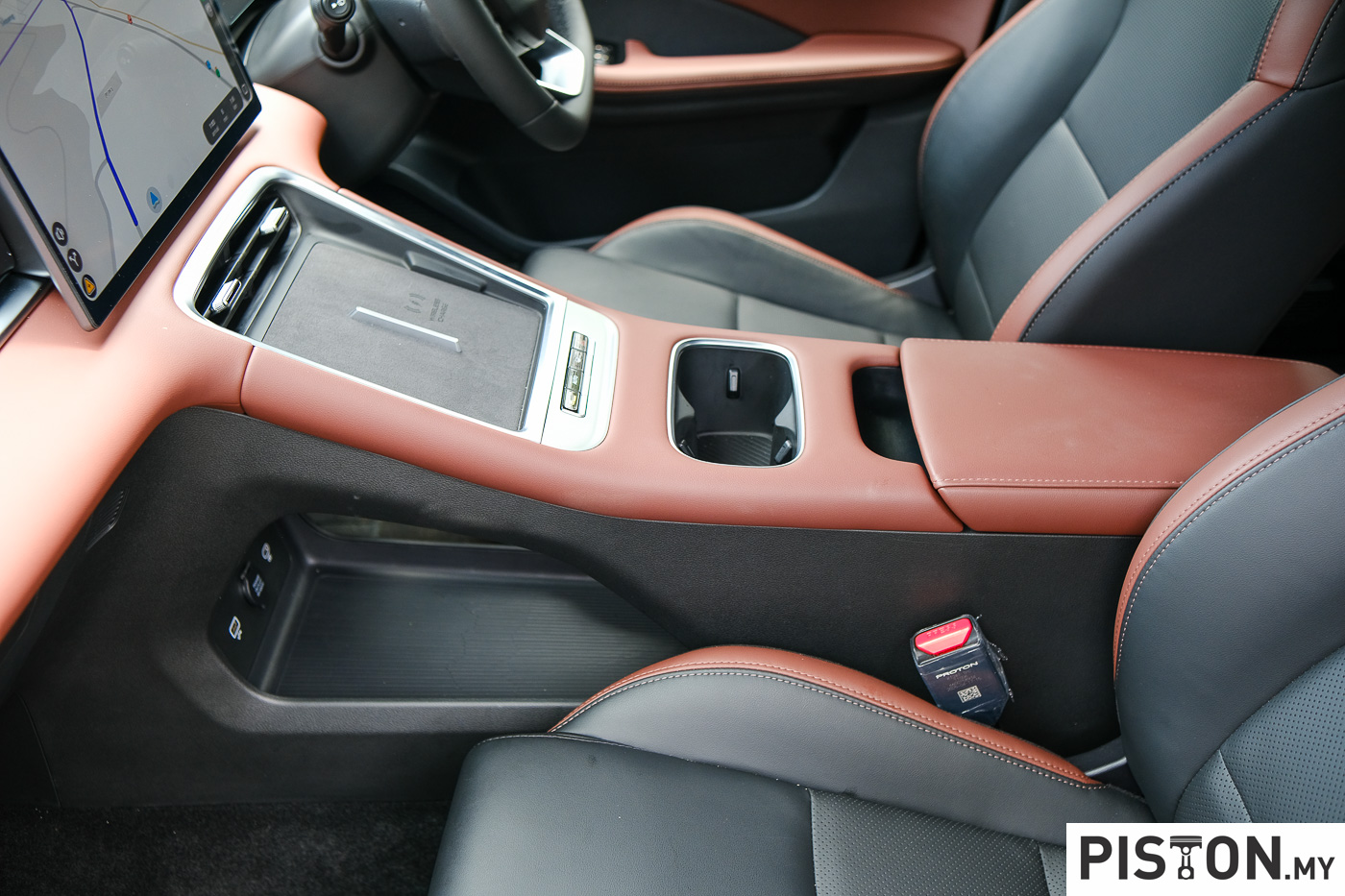
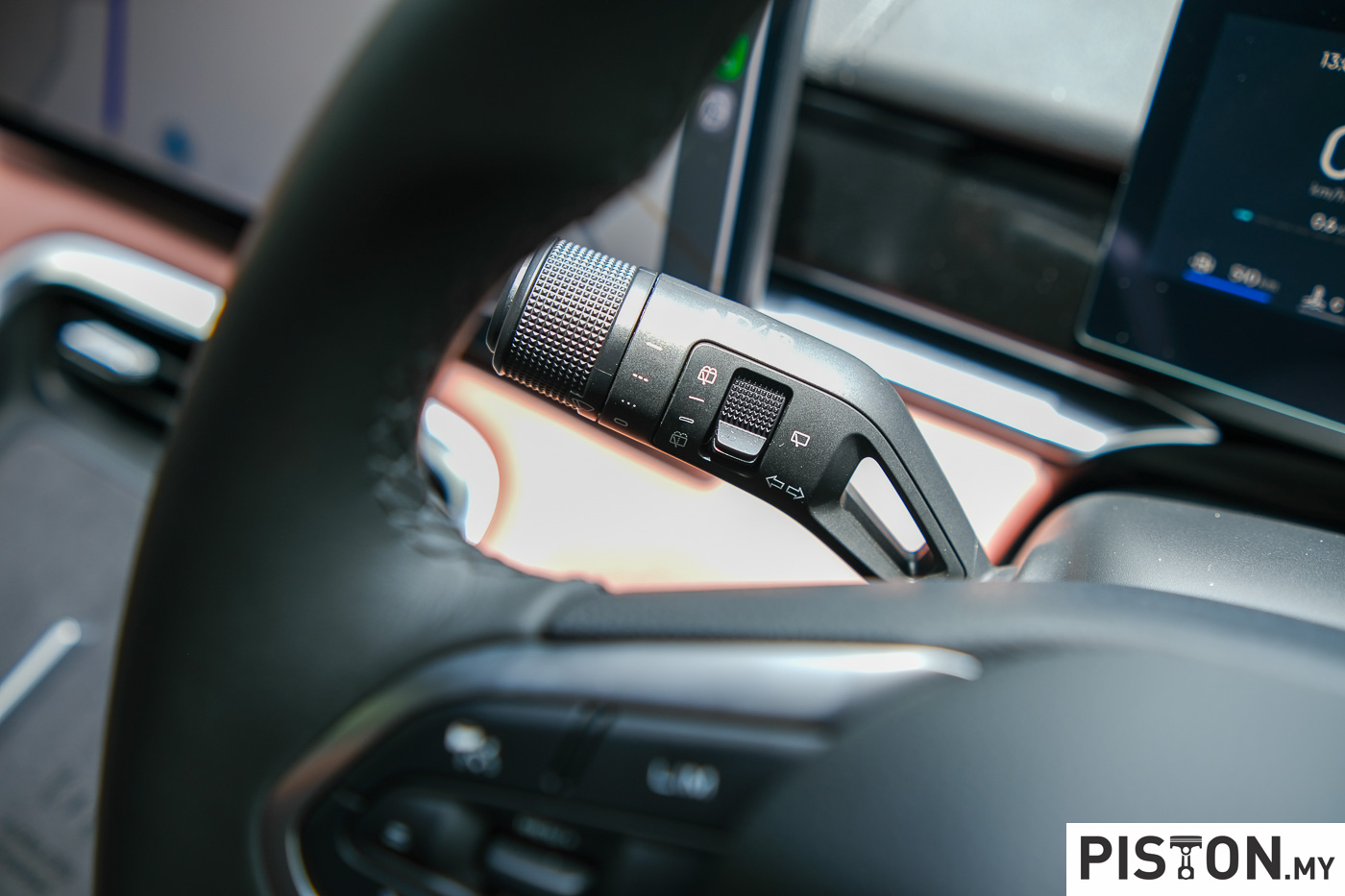
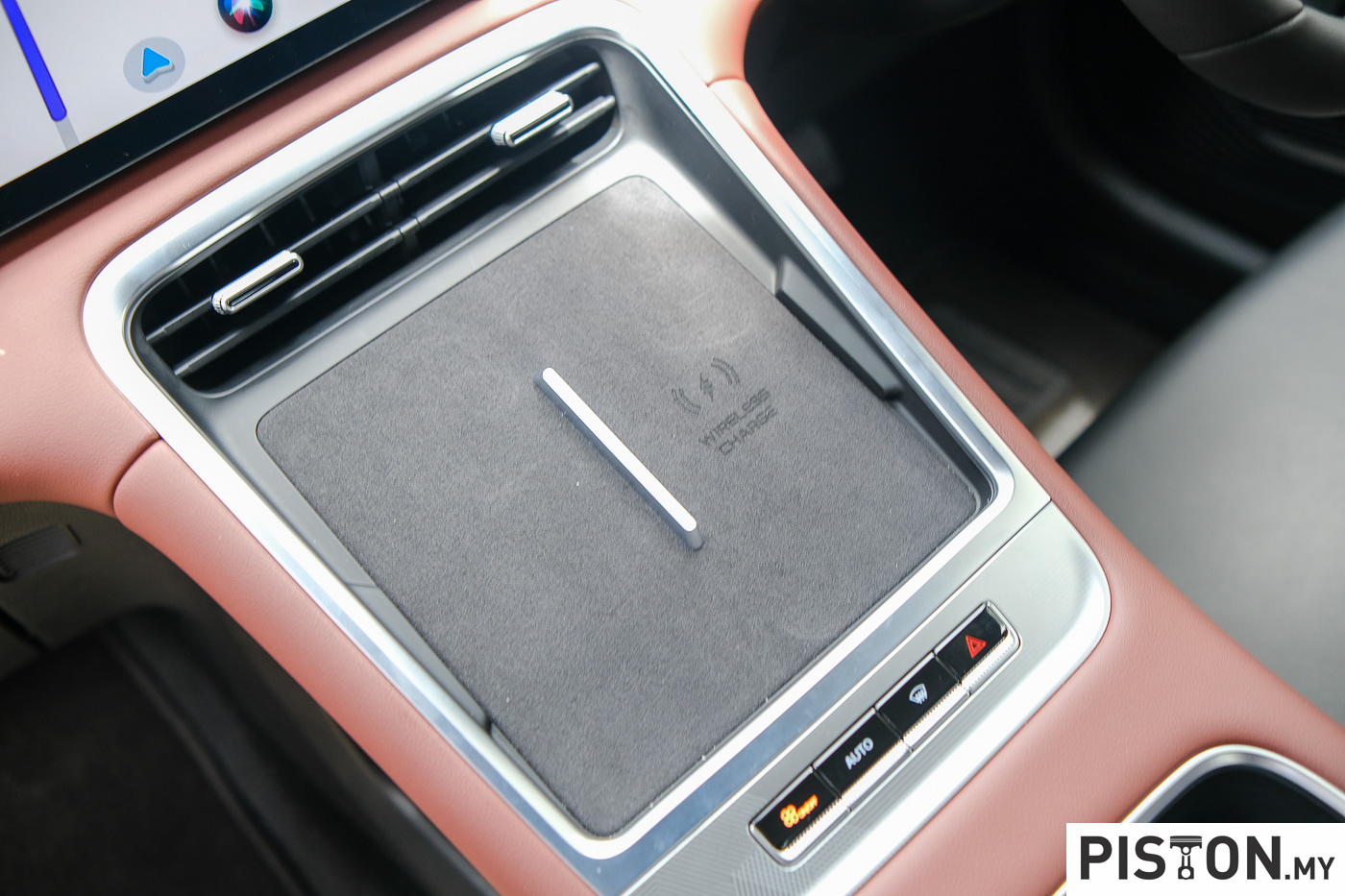
What I like about the interior is that it offers hard buttons for air-conditioning controls (though the on-screen adjustability is surprisingly easy even when driving), and the centre console has been freed of clutter because the gear selector has been moved to the steering column.
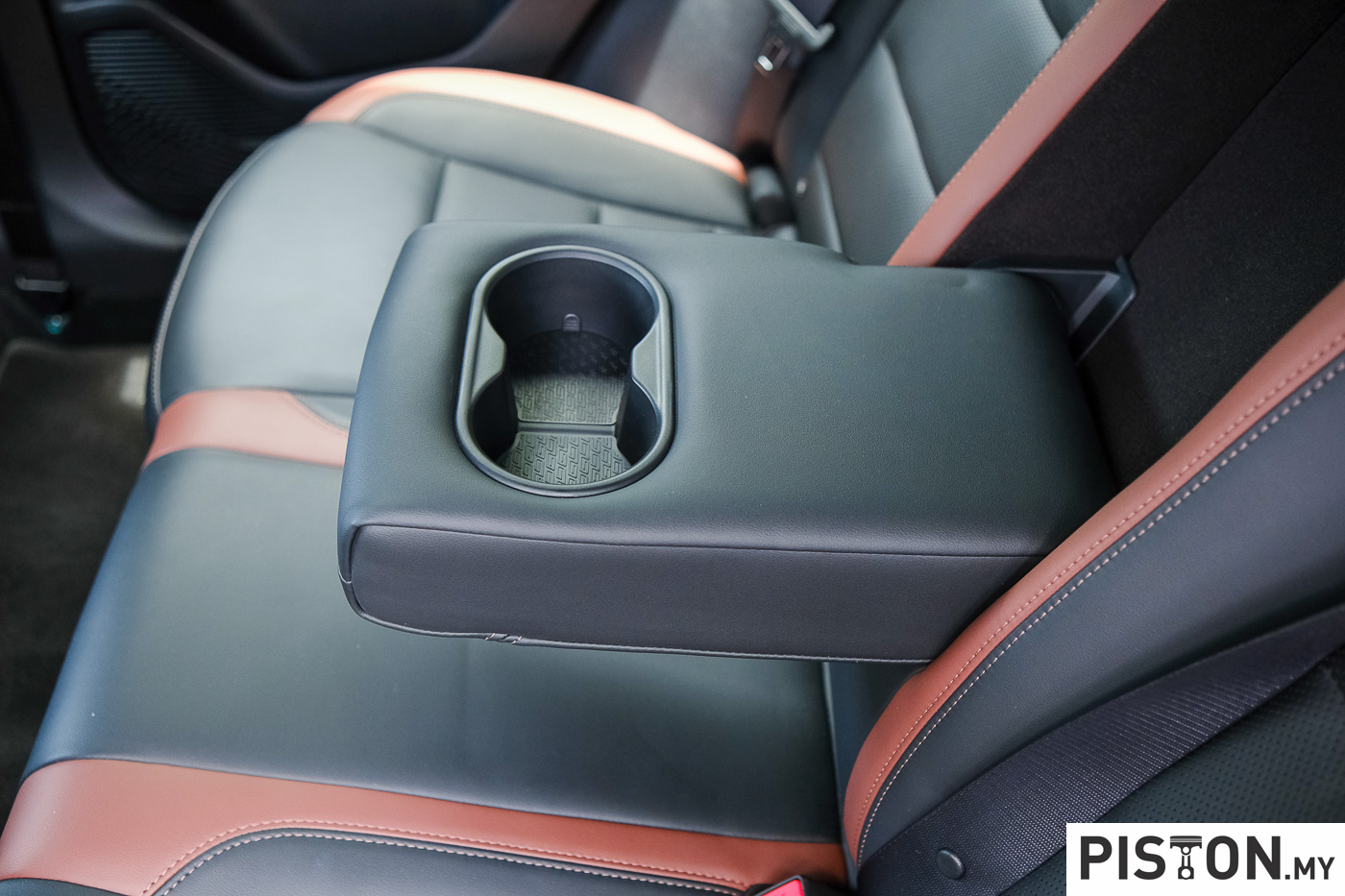
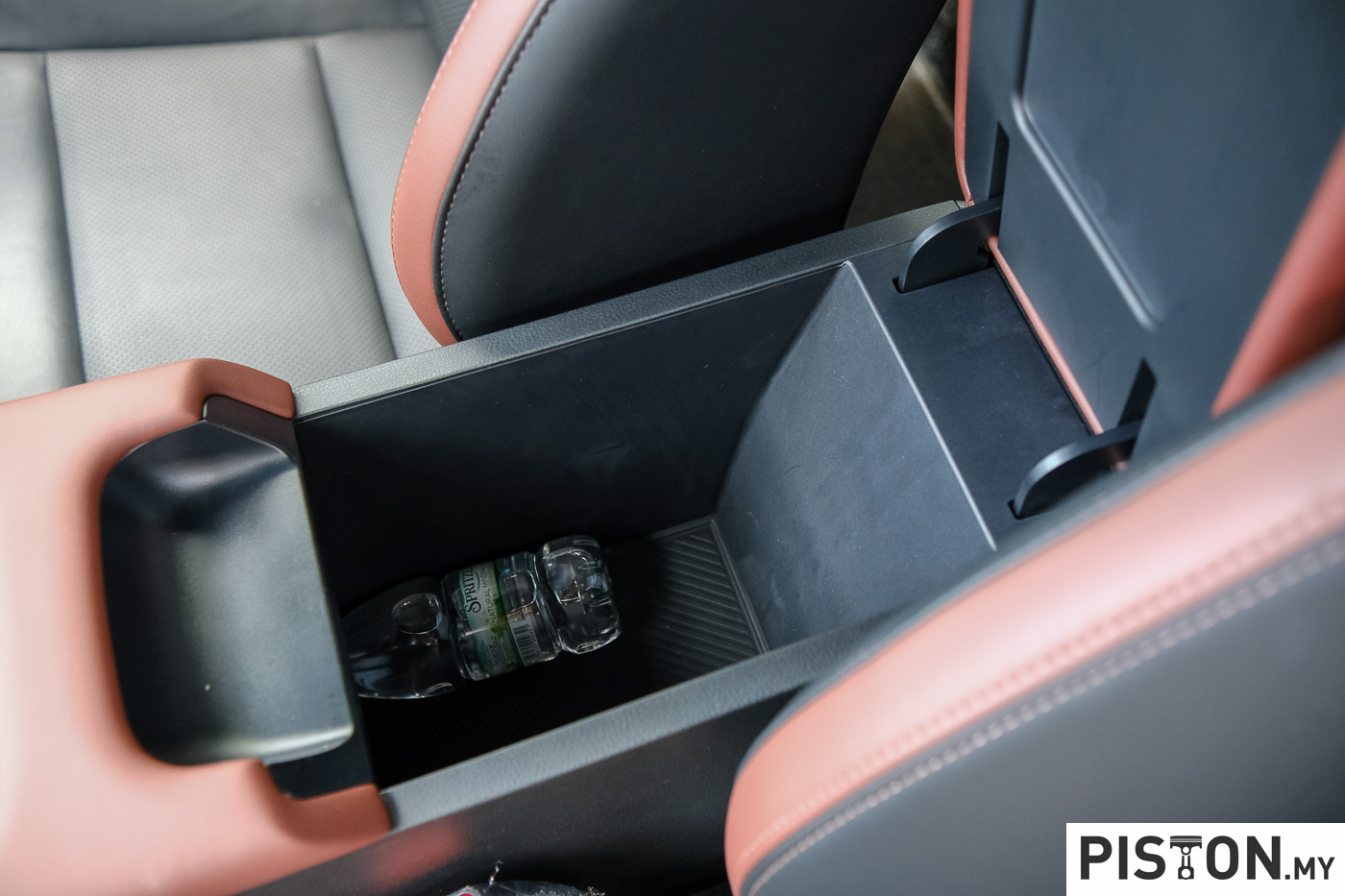
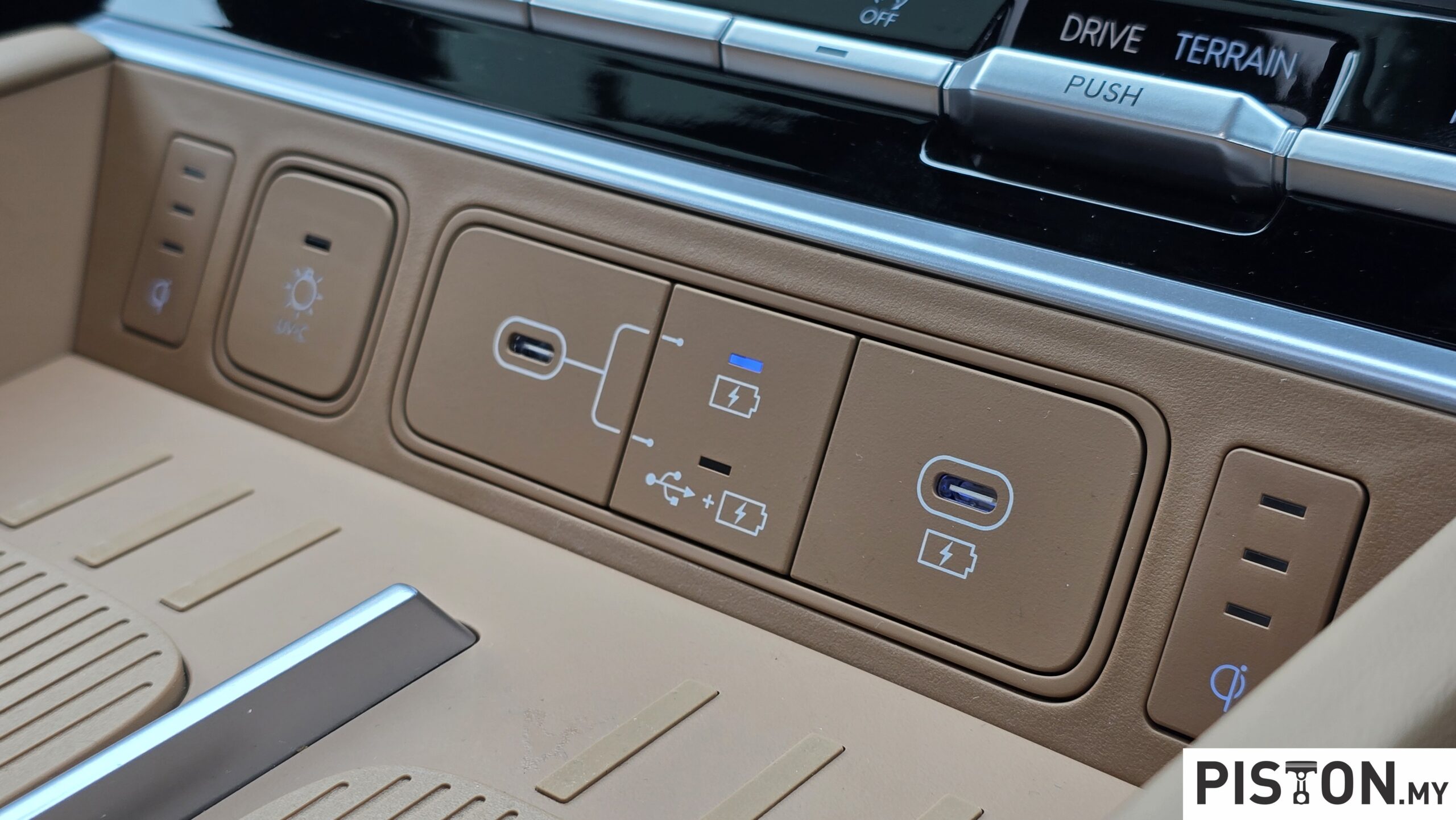
This simple update has allowed the engineers slash designers to incorporate things like cup holders, the aforementioned hard buttons for the a/c, and even twin phone holders with one Qi wireless charger.
Some netizens have remarked that the steering column shifter can be accidentally mistaken for the indicator stalk and thus shifting from Drive to Reverse. I have tried it; it does not work and the most that it goes to is Neutral.
Even then it can very easily shift back to Drive and there is no chance of the gearbox exploding as some have suggested.
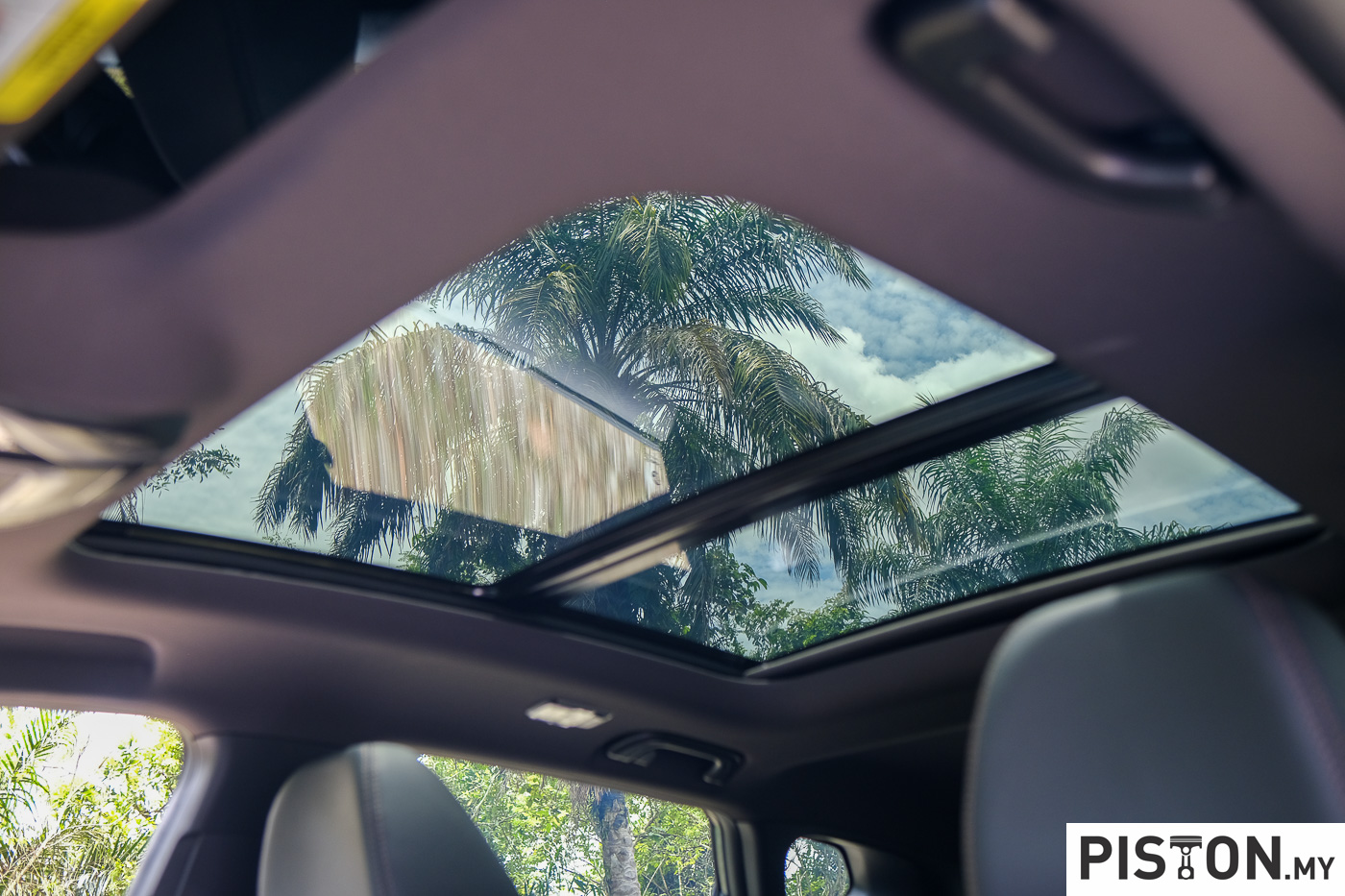
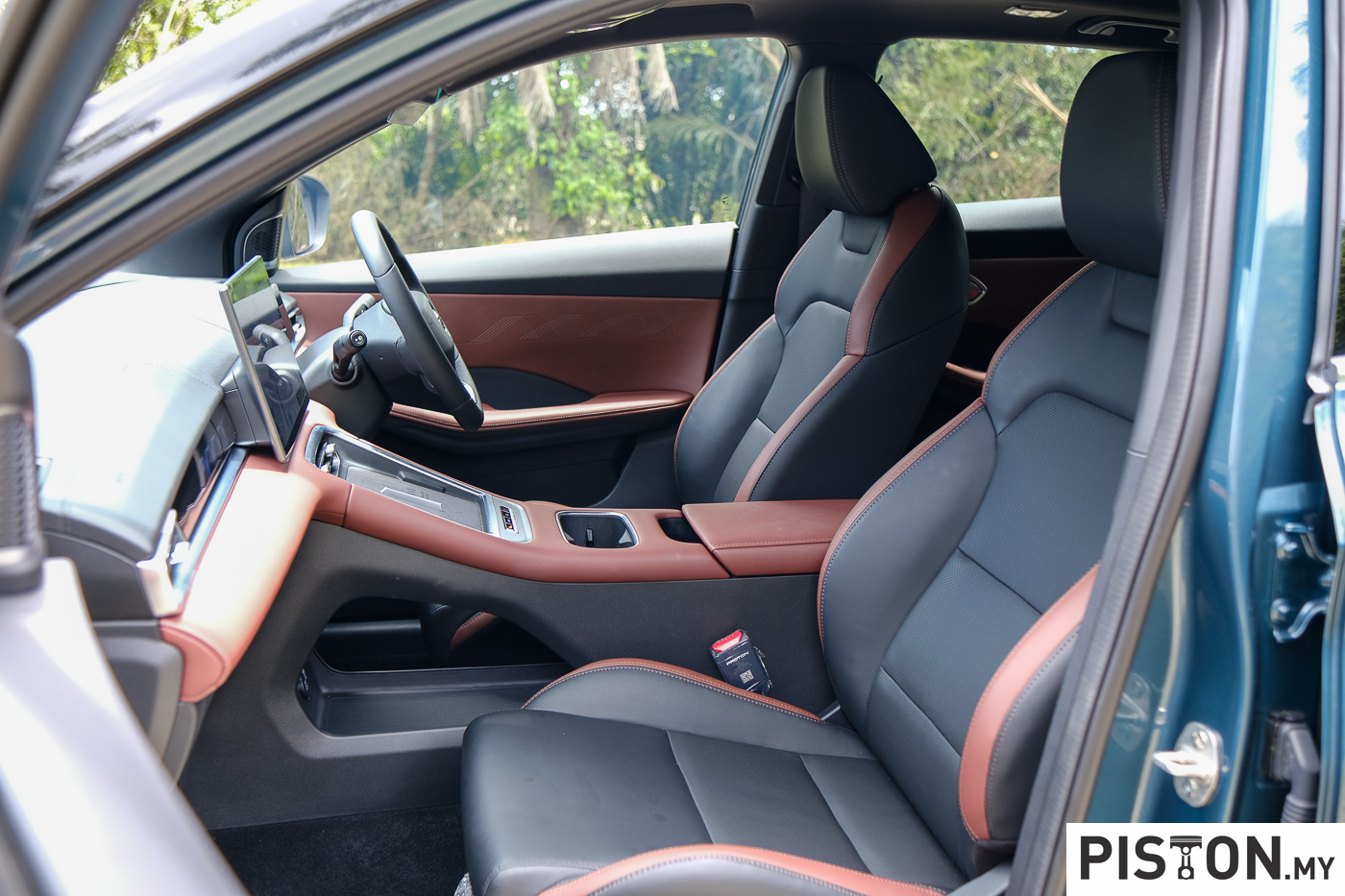
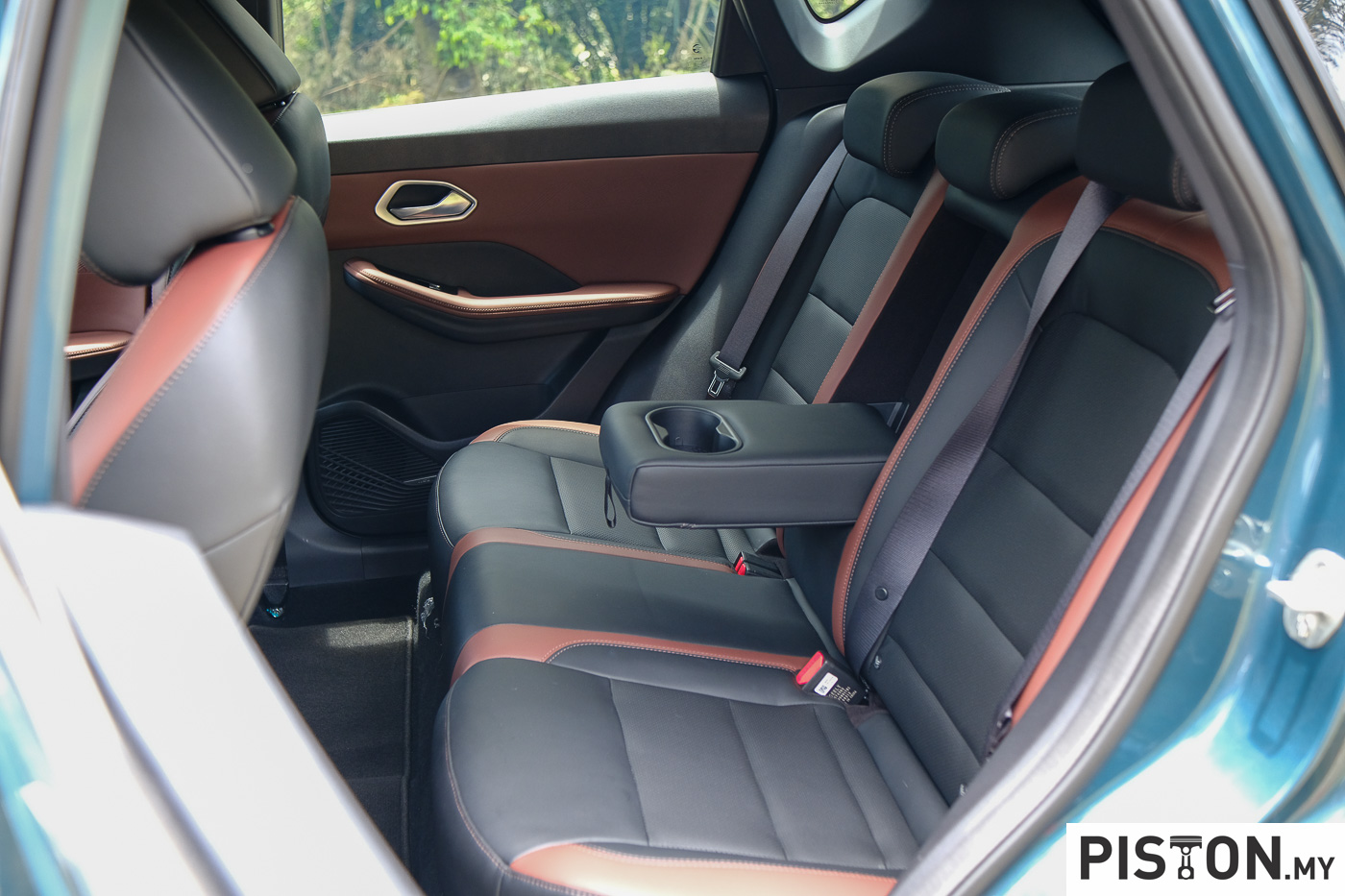
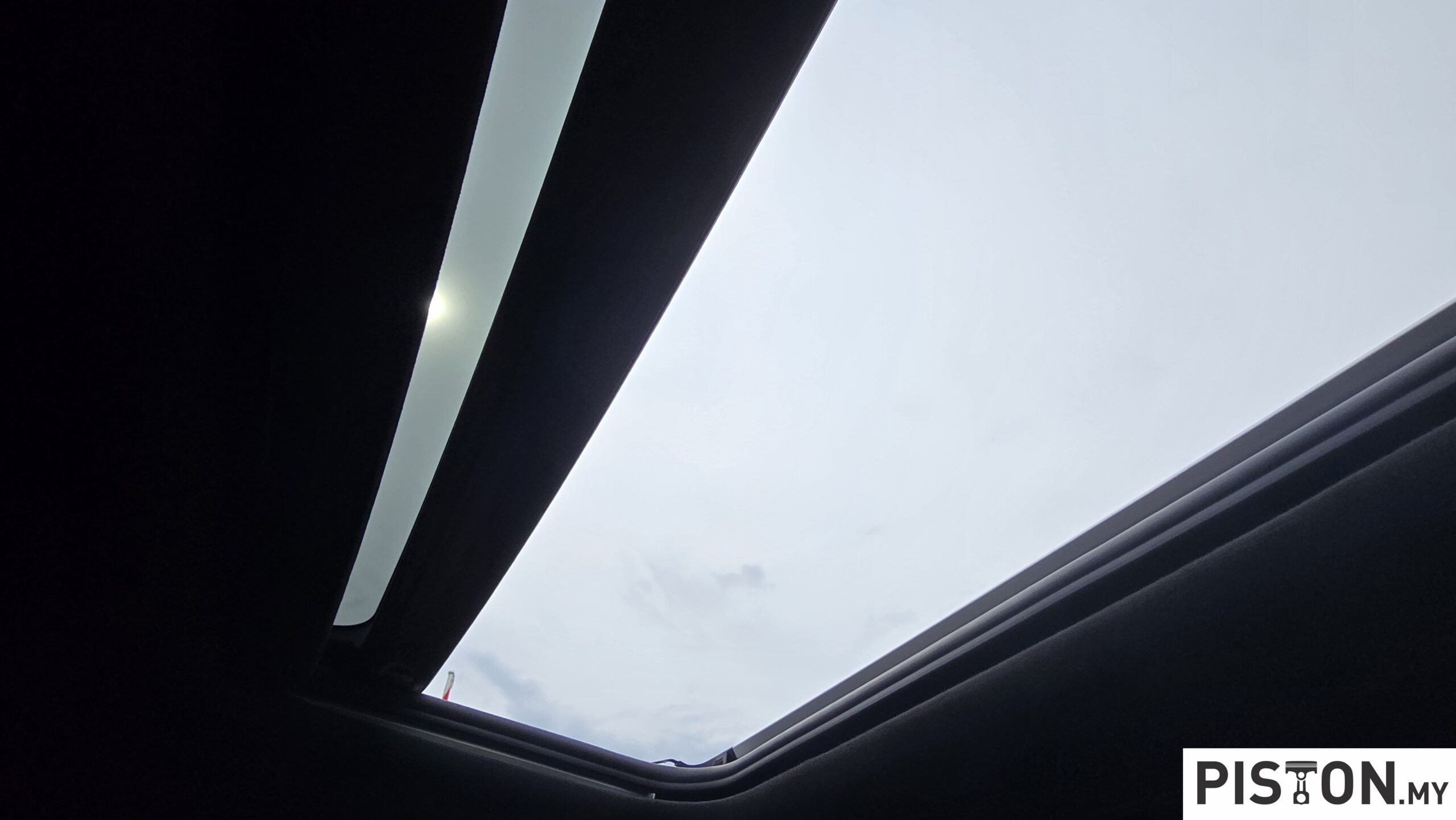
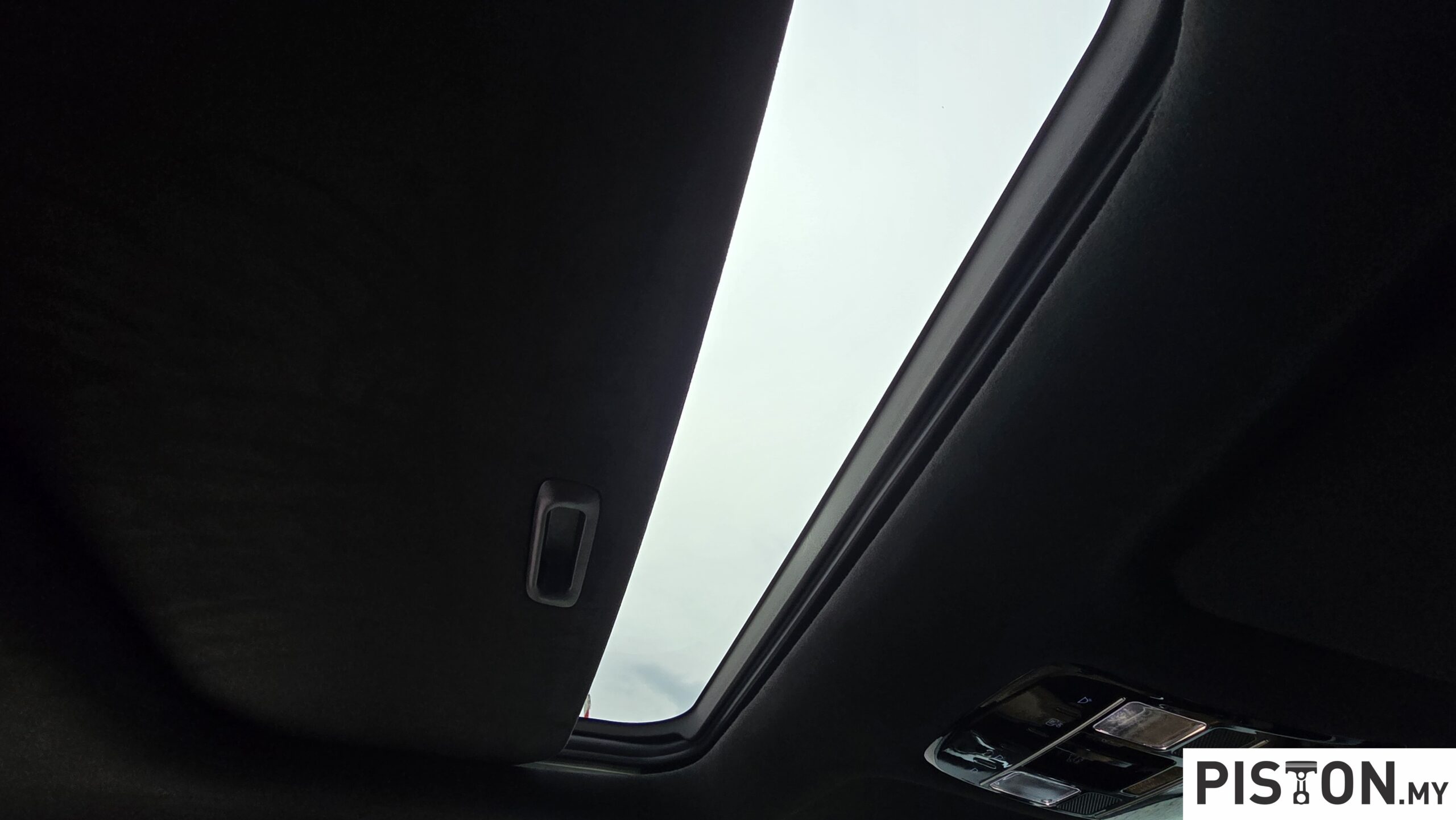
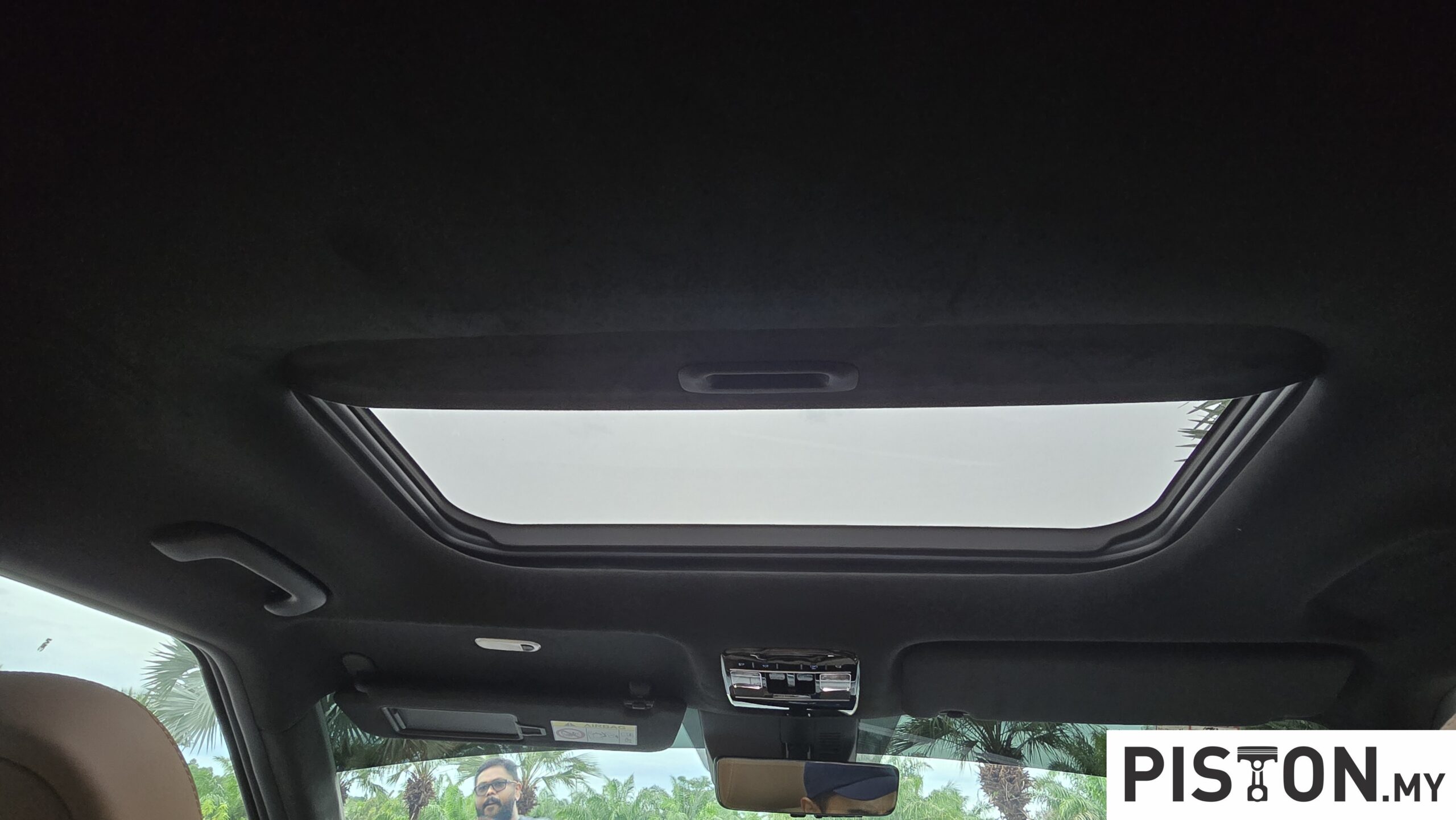
But besides that, the interior remains largely the same. I appreciate the massive panoramic roof, the seats are also the same as before, which means a touch of softer padding would have made them more comfortable over long distances.
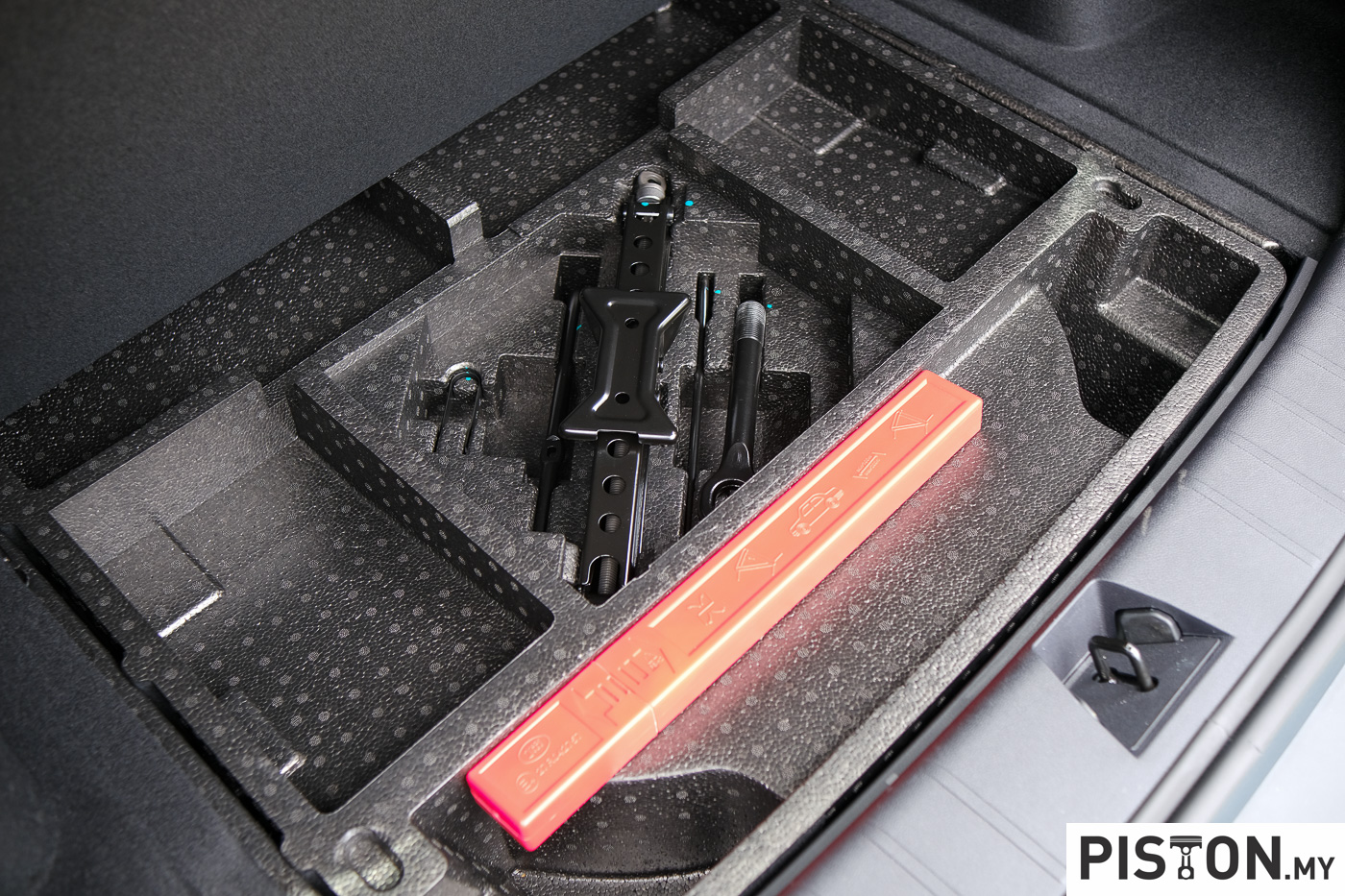
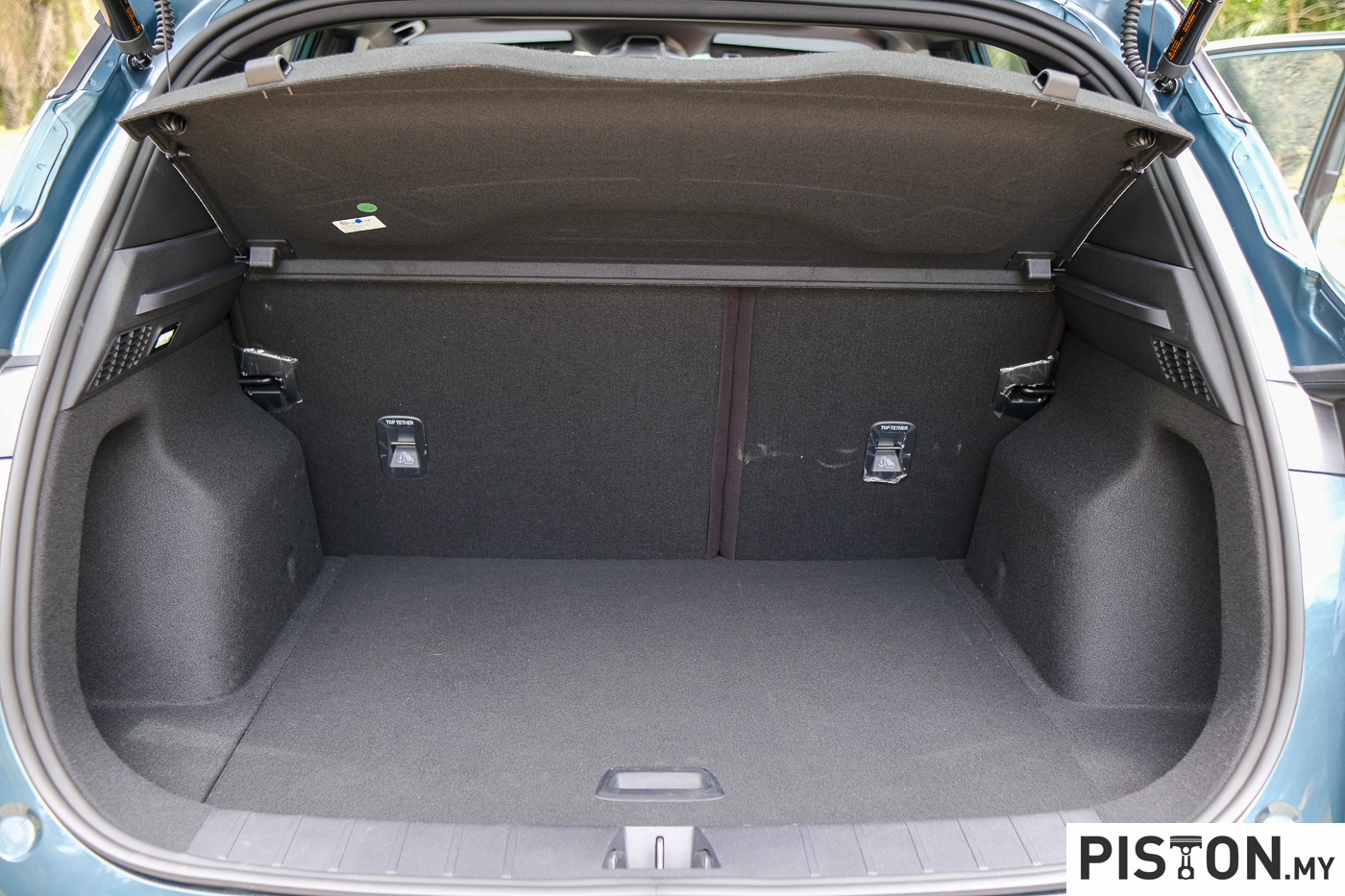
Spaciousness all around is as decent as before as is the boot space, which despite its generosity, houses a space saver spare wheel.
Let’s talk about the engine.
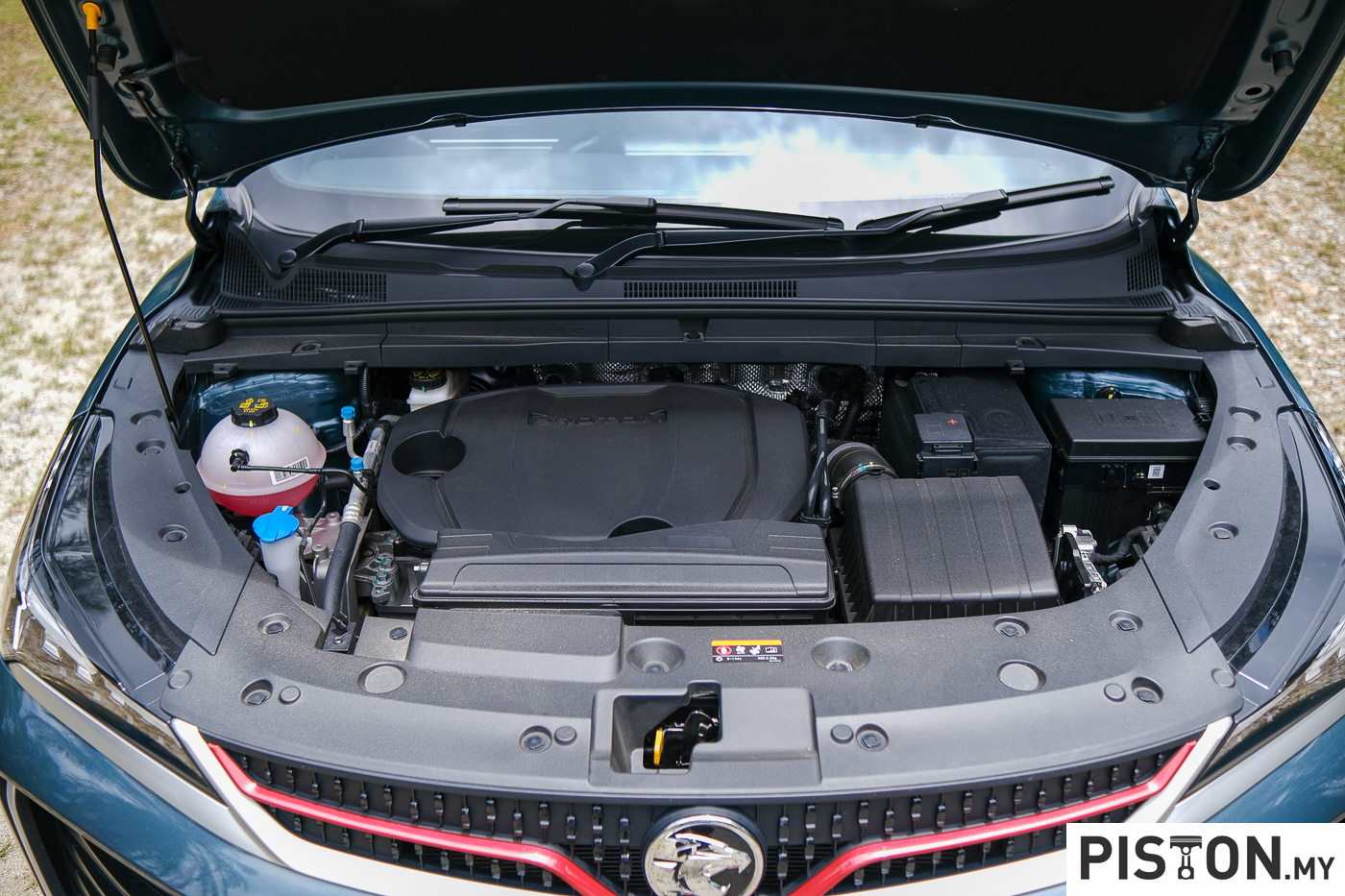
You could almost feel a collective sigh of relief from fans of the X50 when Proton announced that it was ditching the old three-cylinder engine for a four-cylinder unit.
Not like there was anything wrong with the old engine, it’s just that it sounded like a diesel engine, quivered oddly during start up and shut down, and was not very smooth at times.
The new engine solves all those supposed issues.
The 1.5-litre displacement is the same as before, and it is also turbocharged as well, and slightly more powerful with 181PS and 290Nm of torque. That’s 4PS and 35Nm more than before and allows a 0-100kmh time of 7.6 seconds.
Power is sent to the front wheels through the same seven-speed dual-clutch transmission.
What is rather impressive is the fact that despite the engine gaining one extra cylinder, which in theory should make the engine thirstier since there is one extra mouth to feed. But the truth is quite the opposite, in fact fuel consumption is down by 4.7%.
The timing belt has also been swapped with a timing chain, which supposedly makes it more robust over the long term.
So, how does it drive then?
As you could probably imagine, it is a lot smoother than the previous model thanks to that one additional cylinder. I have never been a fan of three-cylinder engines as they always seem to be off balance and make an uninspiring rattle.
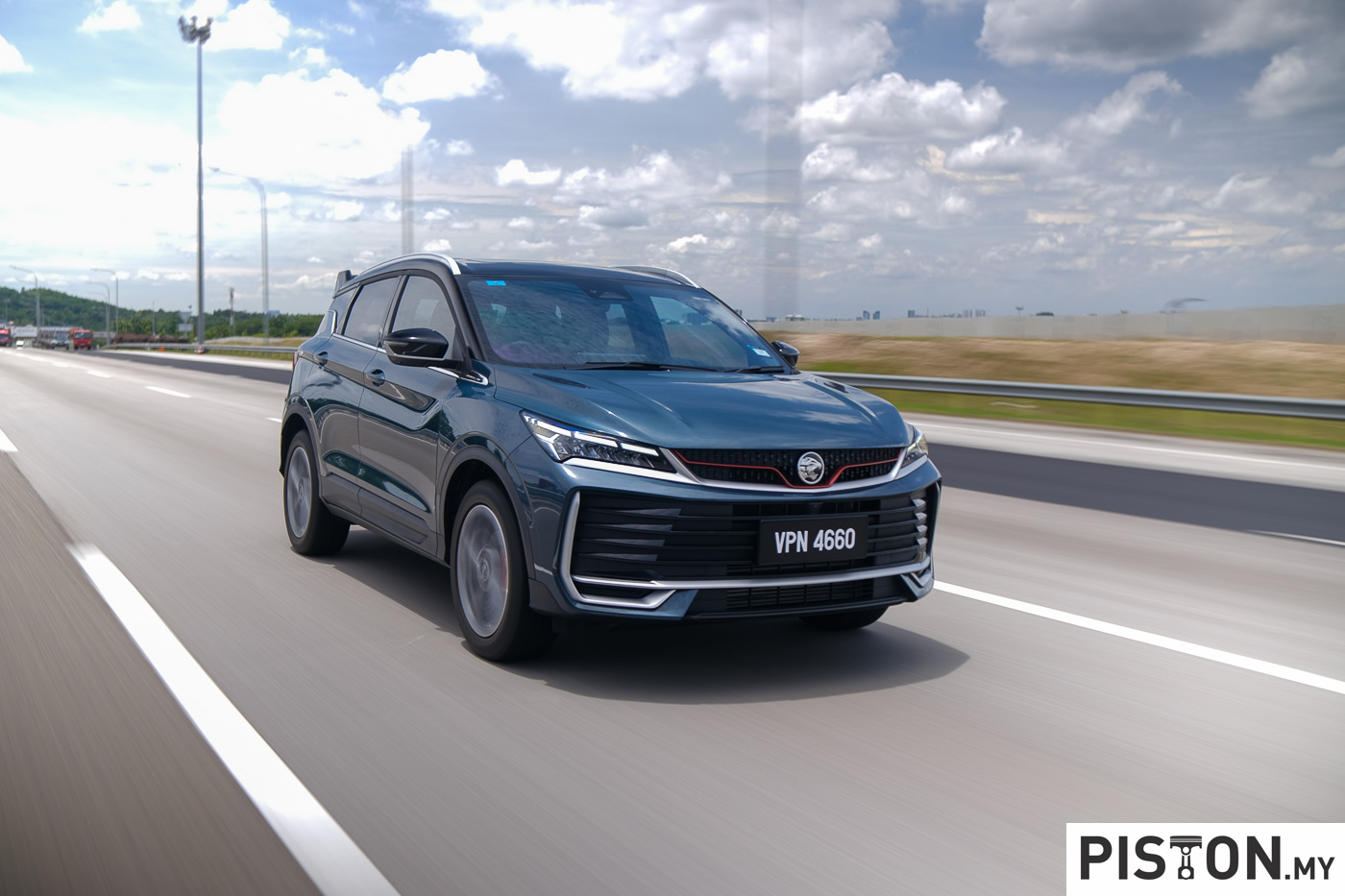
But not here, the X50 comes with four driving modes – Eco, Normal, Sport and a new Adaptive mode. The latter learns your driving style and adapts to it accordingly, I just left it in adaptive for most of my drive to Melaka and back.
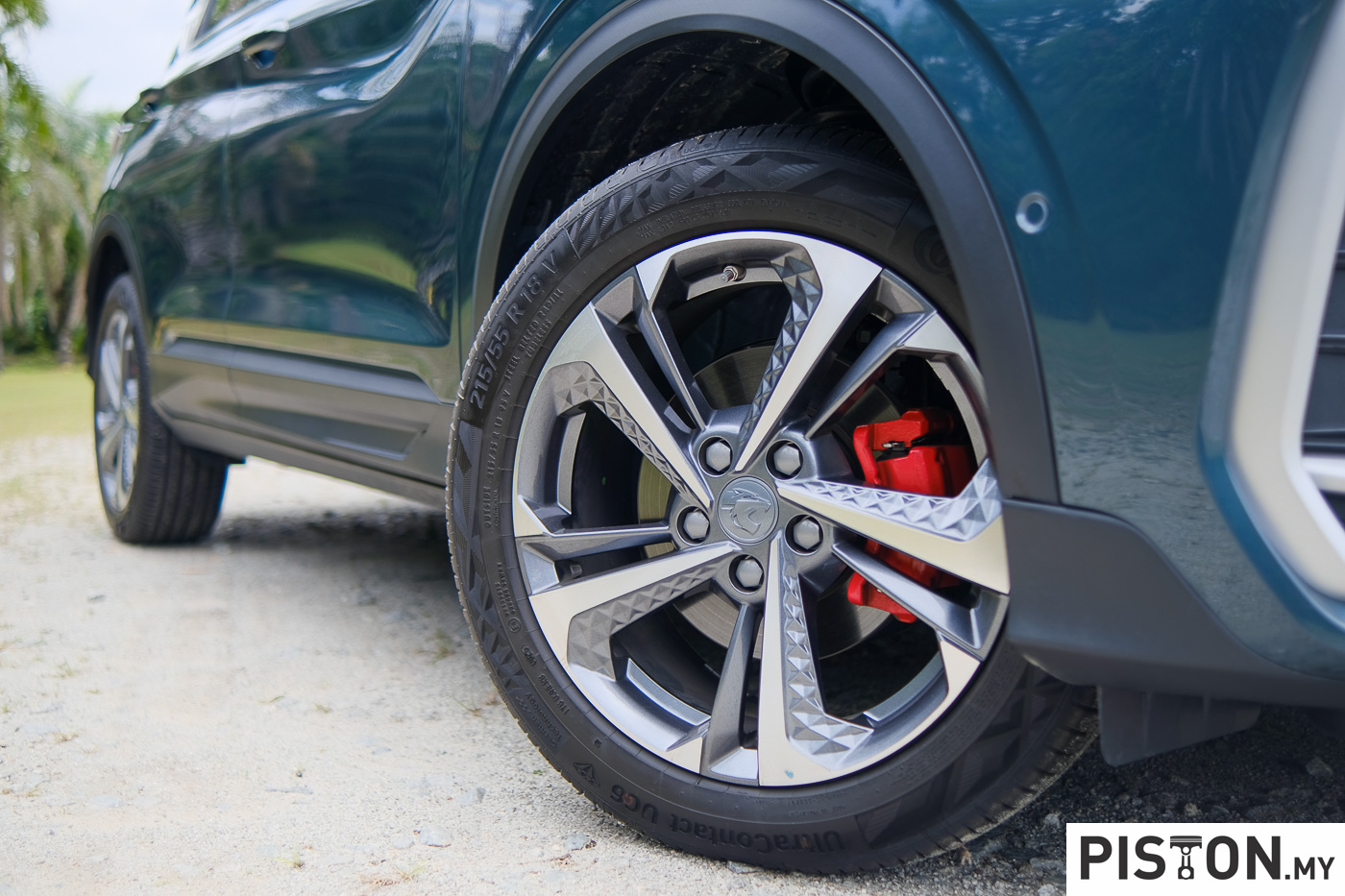
The suspension is firm yet comfortable while refinement is surprisingly decent, until you hit upwards of 110km/h. After that point, you begin to hear some roar from the Continental tyres and some hints of the wind hitting the screen.
But that’s not a deal breaker, there are not many cars in this segment that remain quiet at that speed.
Once you get used to that, you will notice that the Proton X50 is more than happy to be cruising at about 140km/h and can manage it all day without taking a toll on you.
Adaptive cruise control with stop and go function is a nice touch as well and makes managing traffic a much simpler task.
The final verdict?
I don’t say this very often but the Proton X50 is one of the few cars that justifies a lateral move. If you own a previous generation X50 and want something new, the new X50 feels like a genuine trade up.
The new X50 can even make life difficult for the likes of the Honda HR-V, and with a price tag starting from RM89,800 all the way up to RM113,300, it feels like a true bargain considering everything you are getting.
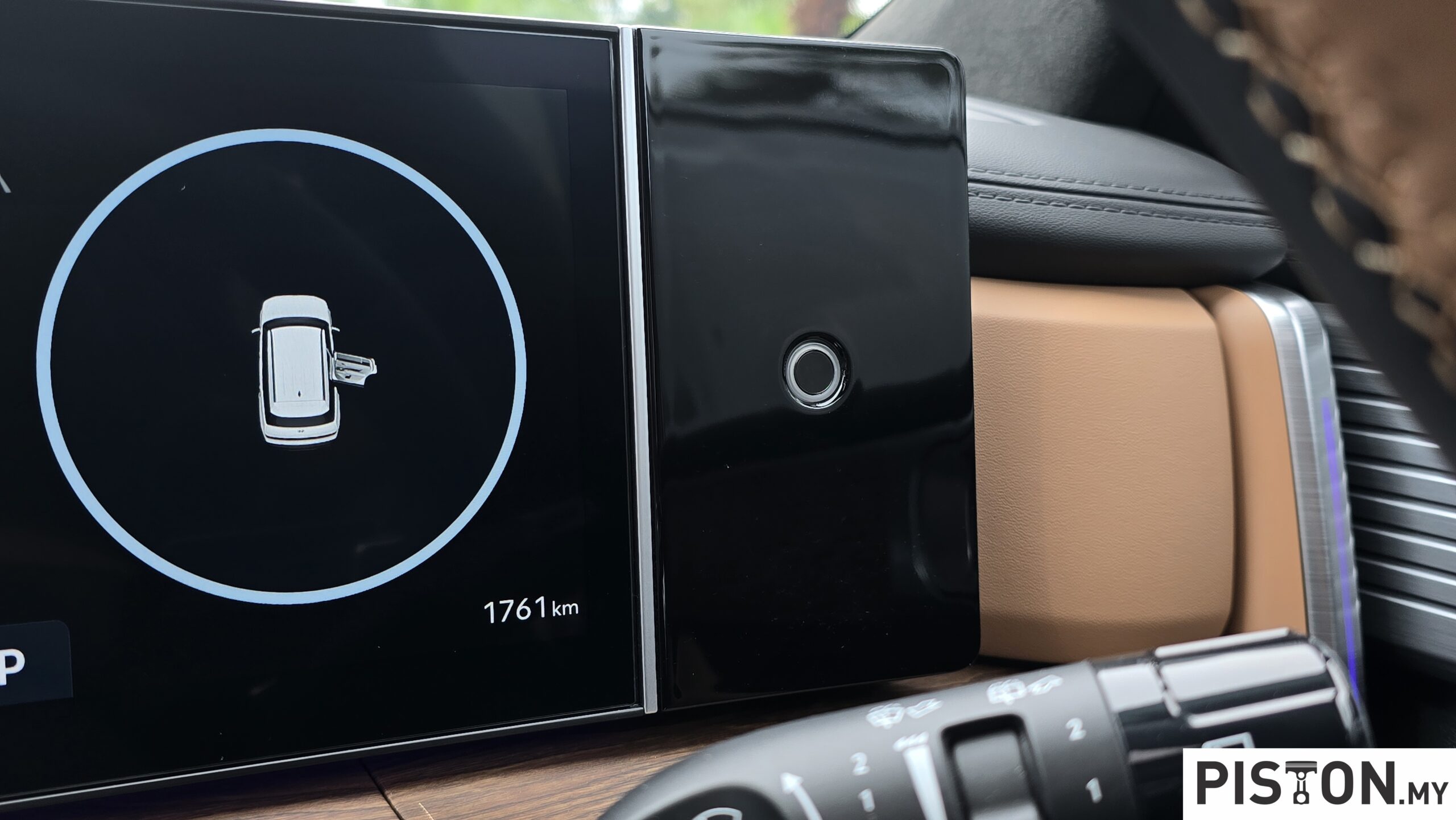
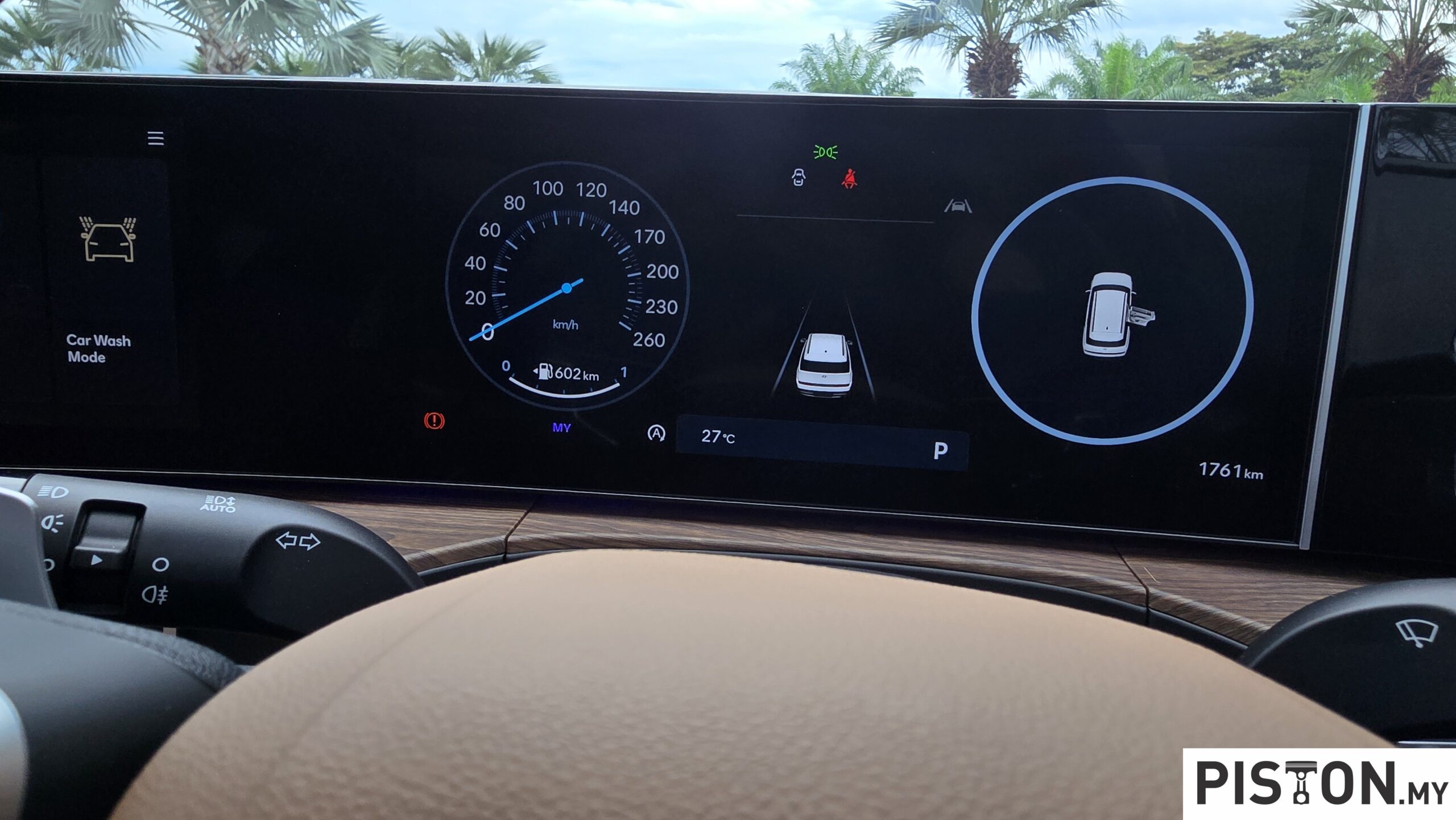
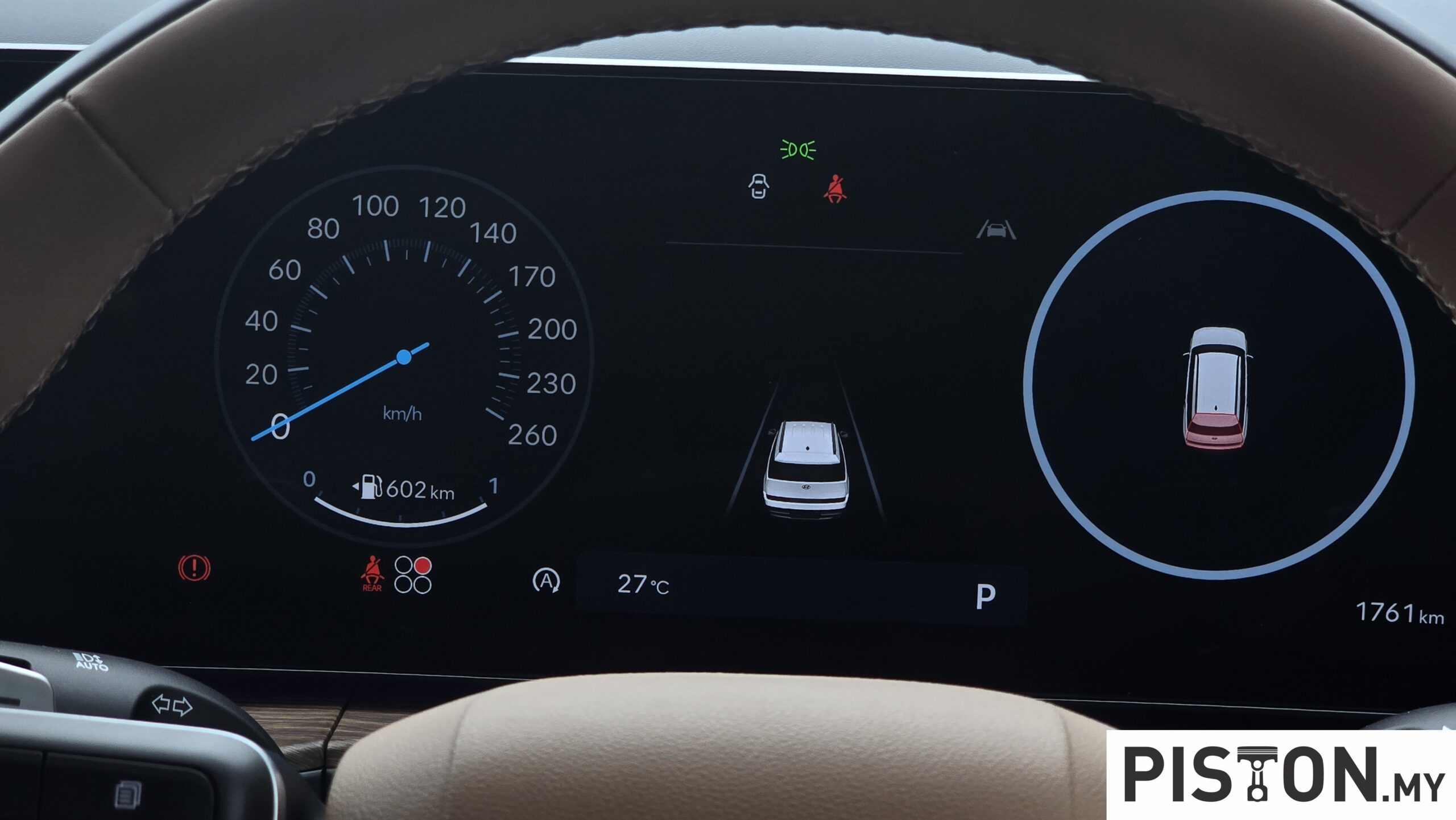
It even comes with comprehensive list of active and passive safety systems including Advanced Driver Assistance Systems (ADAS). In fact, I am in awe of the fact that it comes with a feature called Door Opening Warning, you don’t usually get this feature in this price category, and I can only think of the Chery Tiggo Cross Hybrid to have the same system.
This warns you of oncoming obstacles when you want to open the door, so you don’t accidently hit a pedestrian, cyclist or worse, a motorcyclist.
At the current price tags (which is slightly cheaper than before), the new Proton X50 genuinely feels like a bargain.
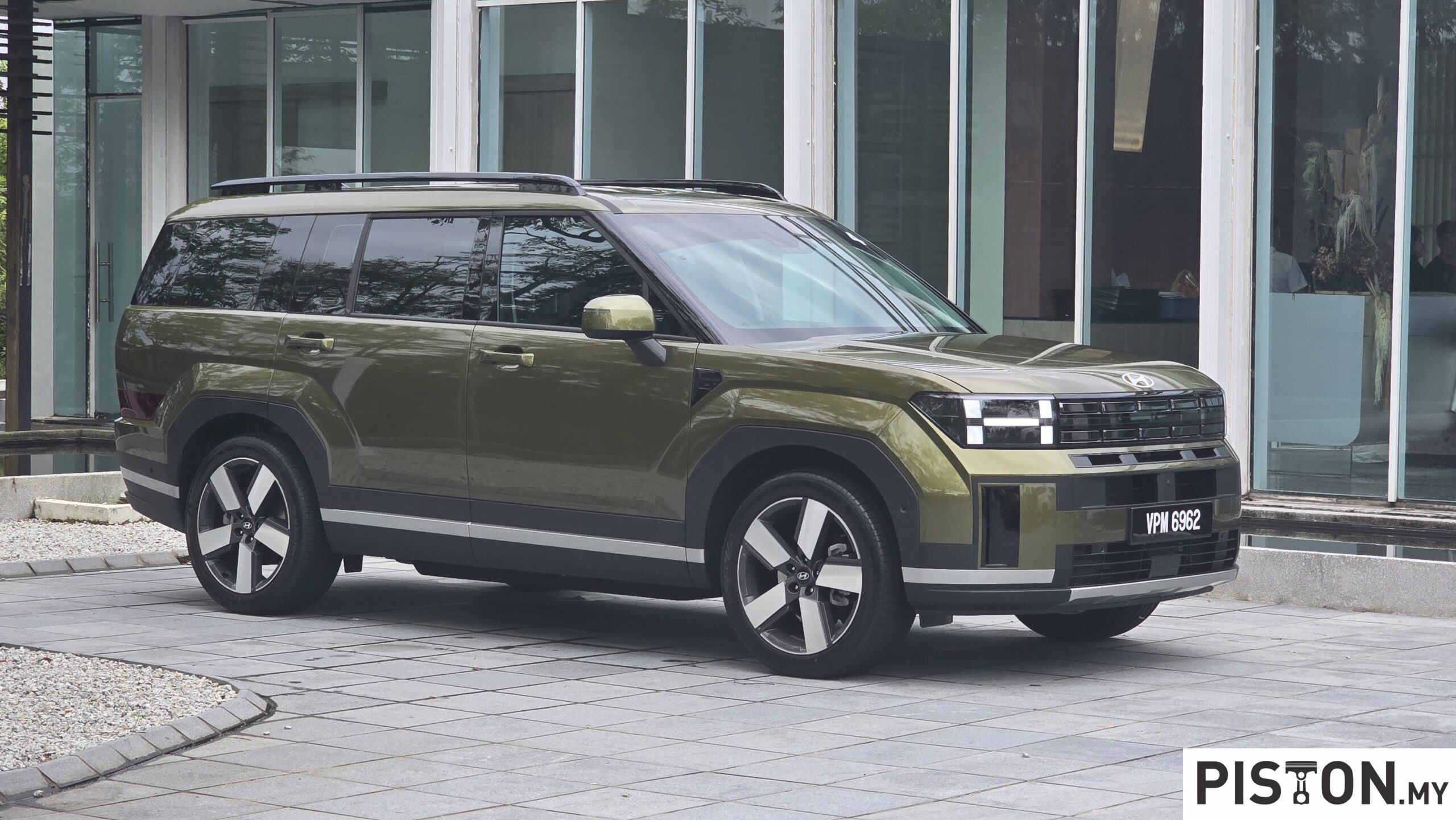
The Hyundai Santa Fe stands as one of Hyundai’s most iconic models and a cornerstone of the brand’s SUV legacy. First introduced globally in the year 2000, it marked Hyundai’s official entry into the SUV segment, a bold move that set the stage for the company’s transformation into a serious global automotive contender.
Over five generations, the Santa Fe has evolved from a modest family utility vehicle into a sophisticated, technology-laden SUV that competes confidently with premium rivals.
In Malaysia, the Santa Fe has enjoyed a long and steady presence, resonating with buyers who value comfort, reliability, and practicality. It was first introduced locally in the early 2000s, and since then, each generation has brought significant advancements in safety, design, and powertrain options.
The third and fourth generations, in particular, elevated the Santa Fe’s image from a rugged family SUV to a more refined and premium offering. Malaysian buyers were drawn to its combination of powerful diesel engines, generous seven-seat capacity, and impressive safety credentials.
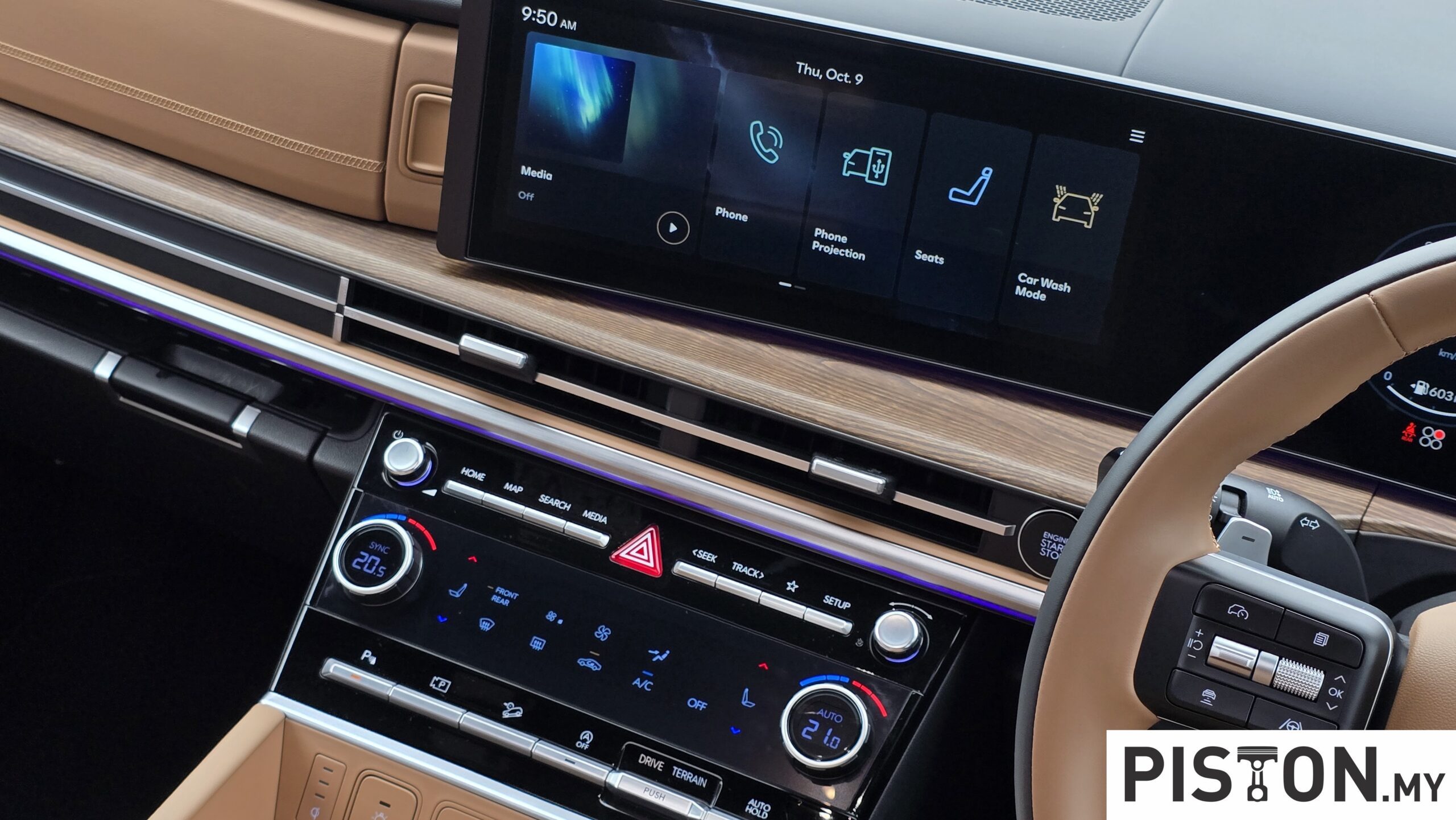
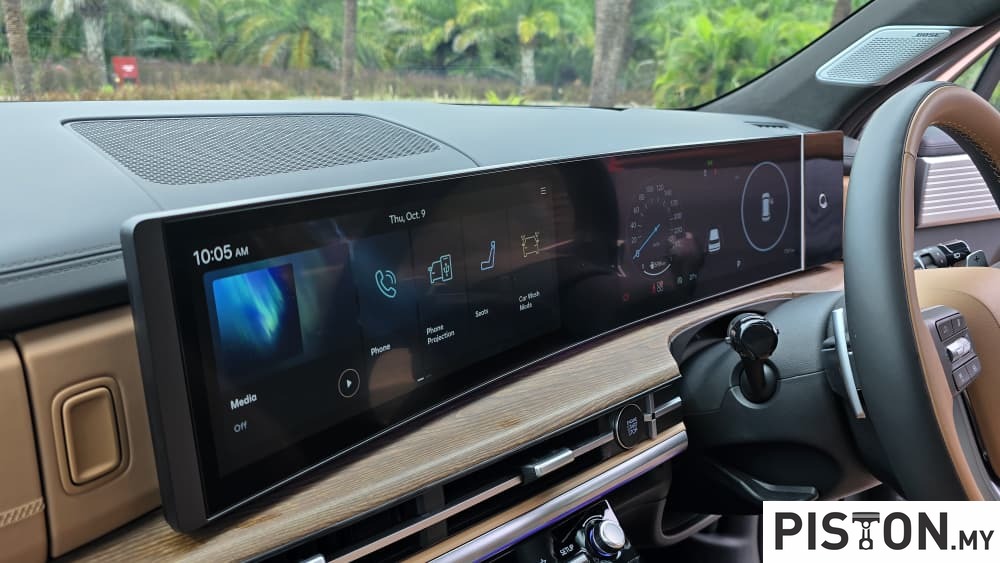
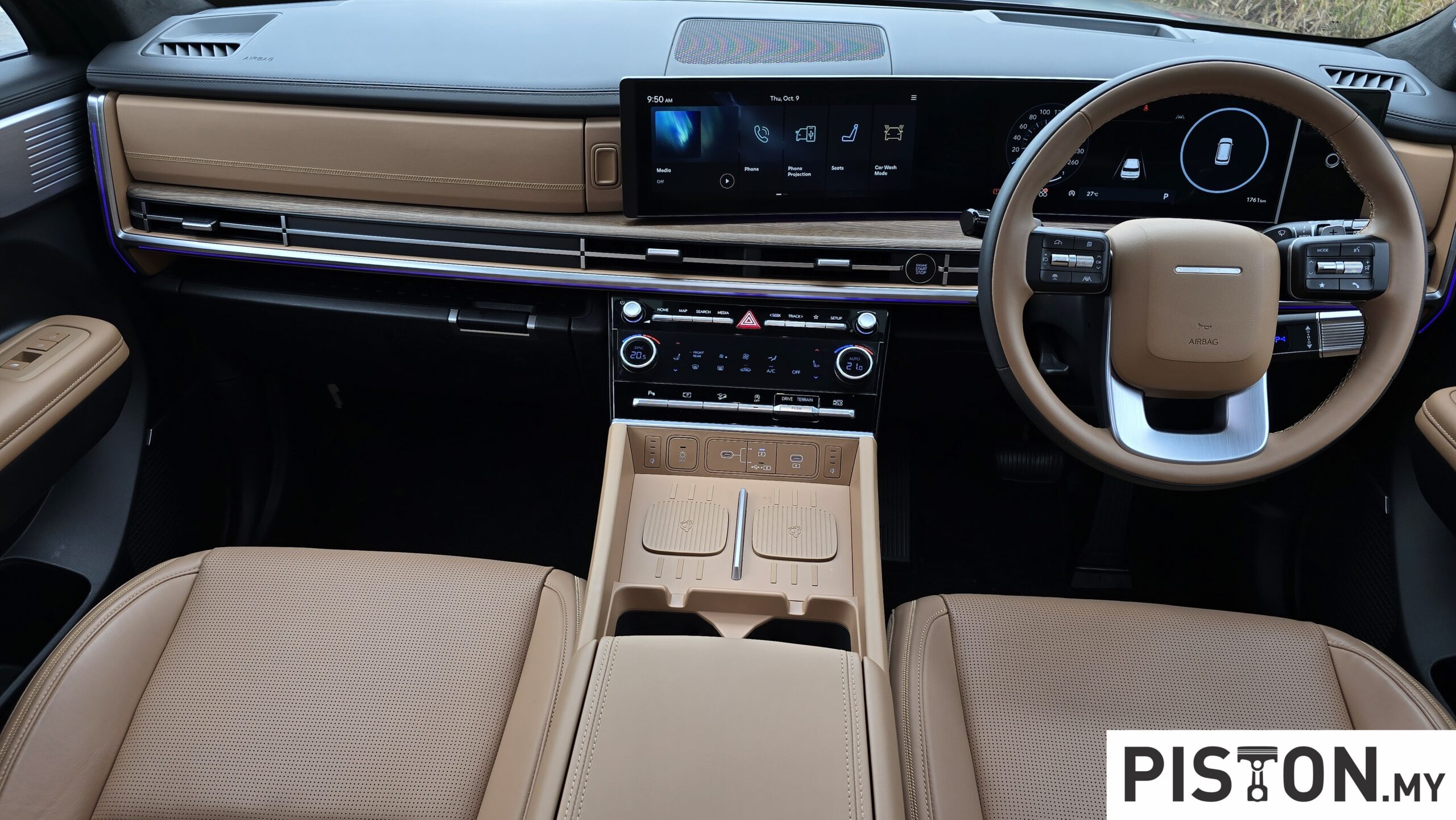
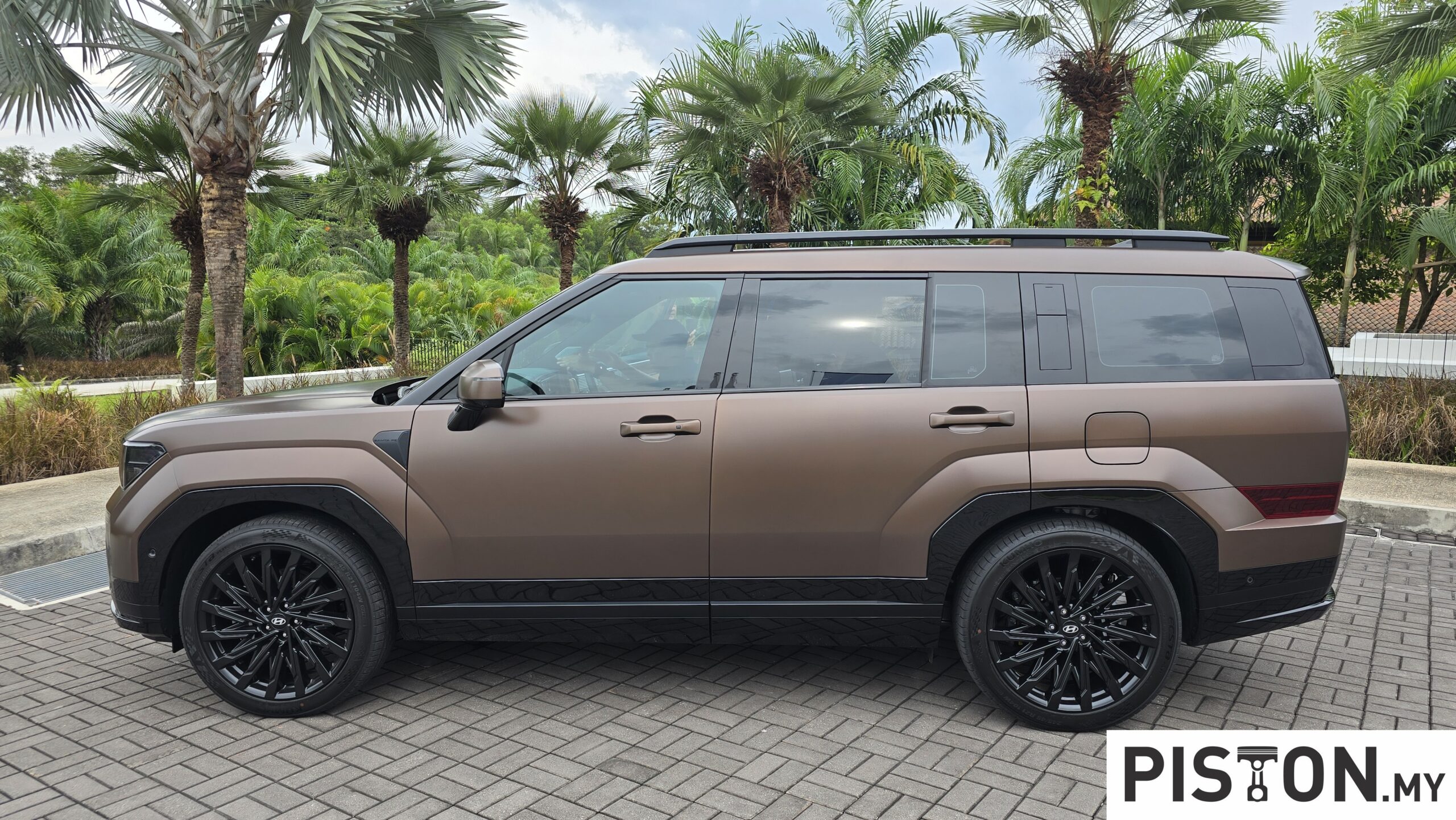
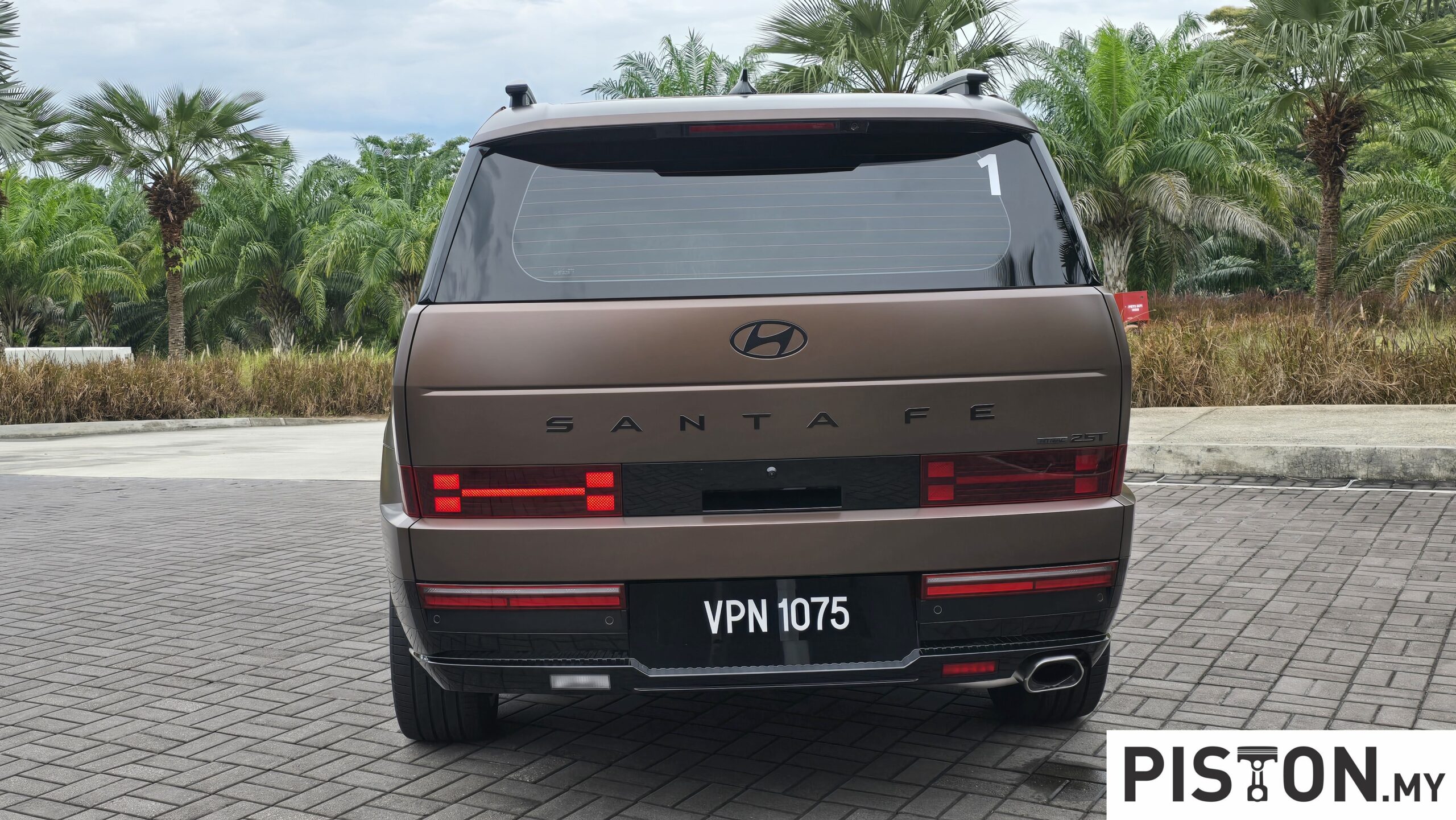
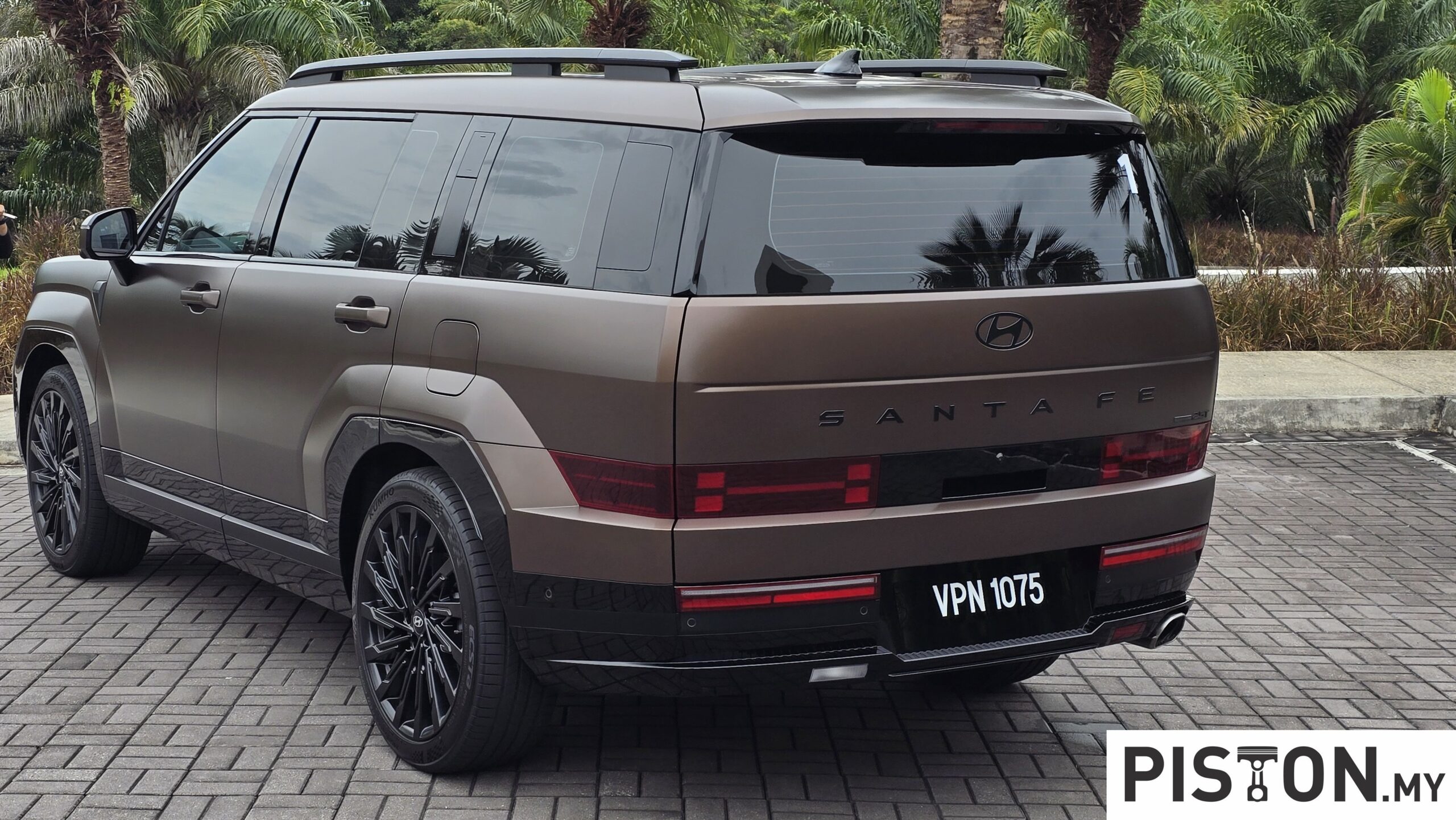
Hyundai Motor Company has taken a major step in its expansion strategy with the establishment of Hyundai Motor Malaysia (HMY) and has taken the latest iteration of the Santa Fe even further upmarket—incorporating bold, boxy styling inspired by modern adventure vehicles, a luxurious interior, and cutting-edge hybrid and plug-in hybrid powertrains that cater to the growing demand for efficiency and sustainability.
Commanding presence on the road
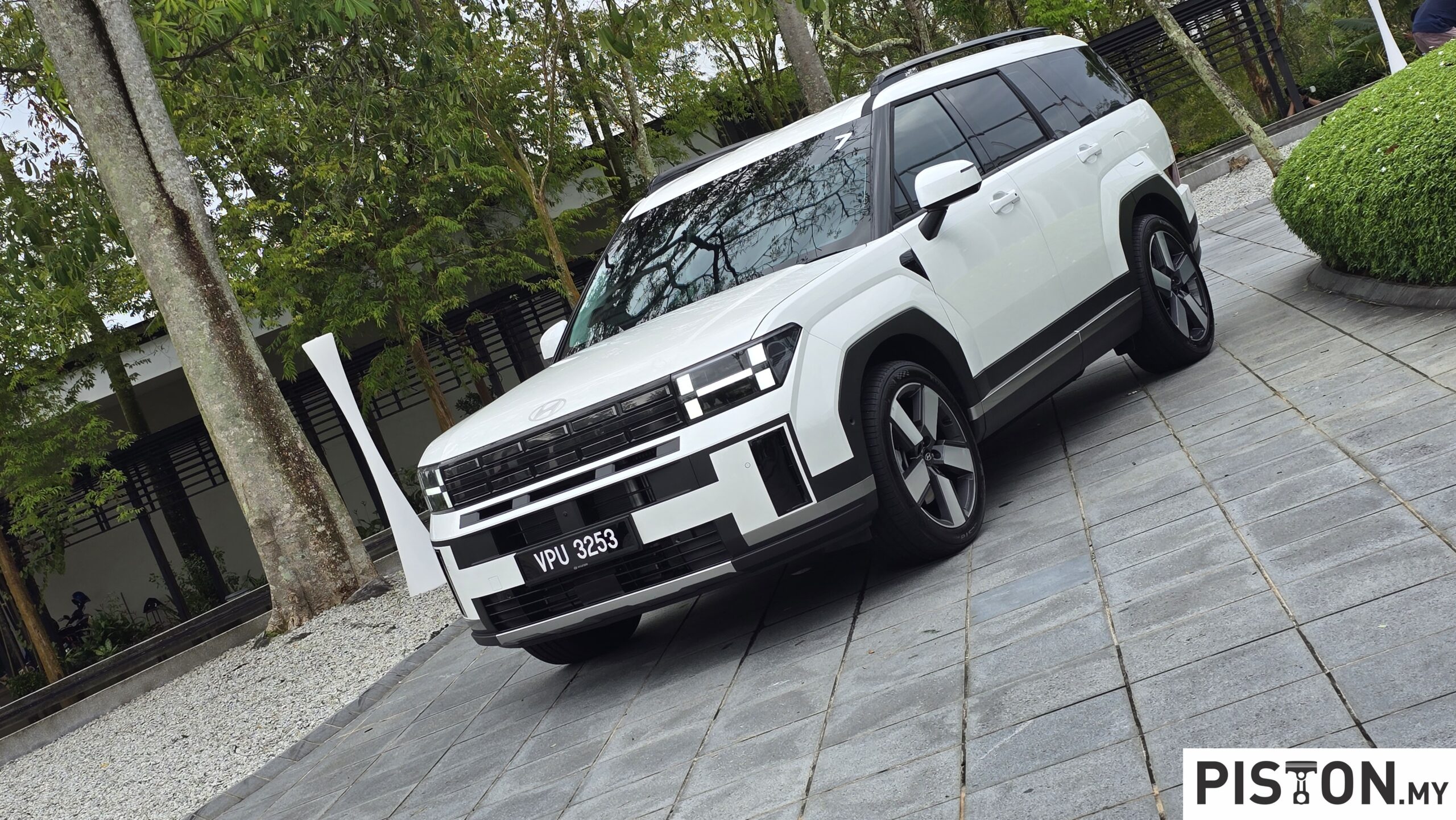
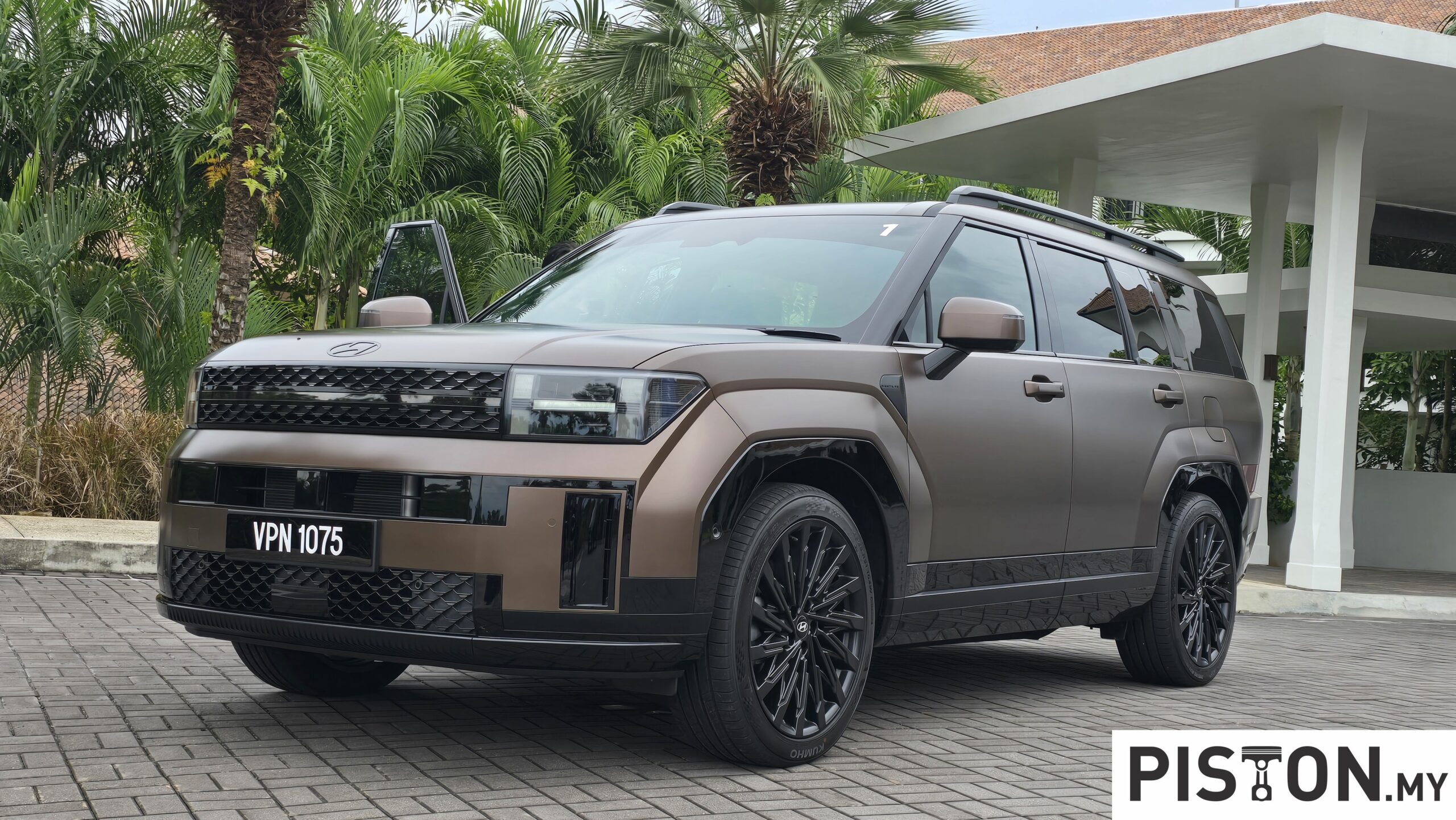
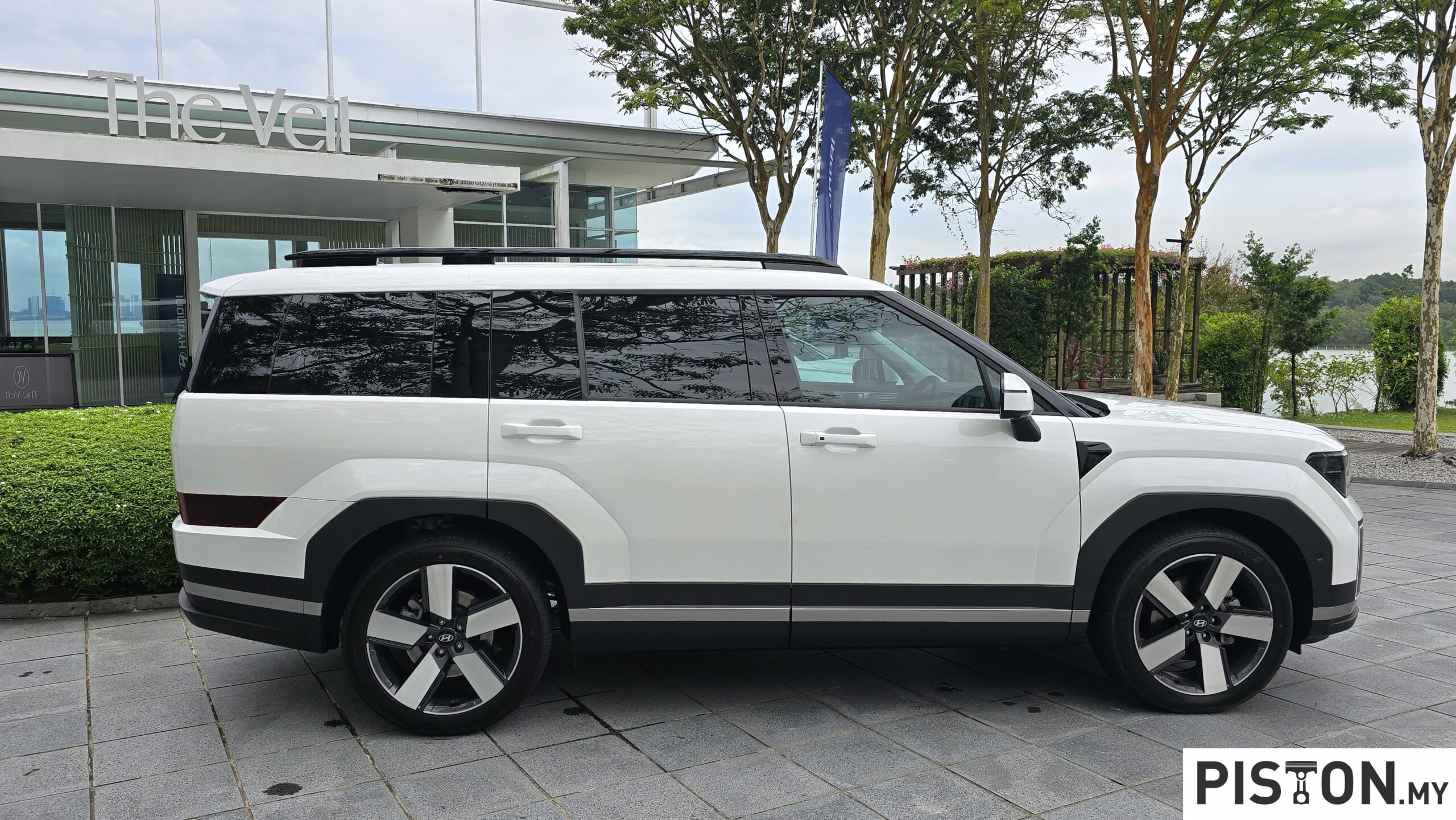
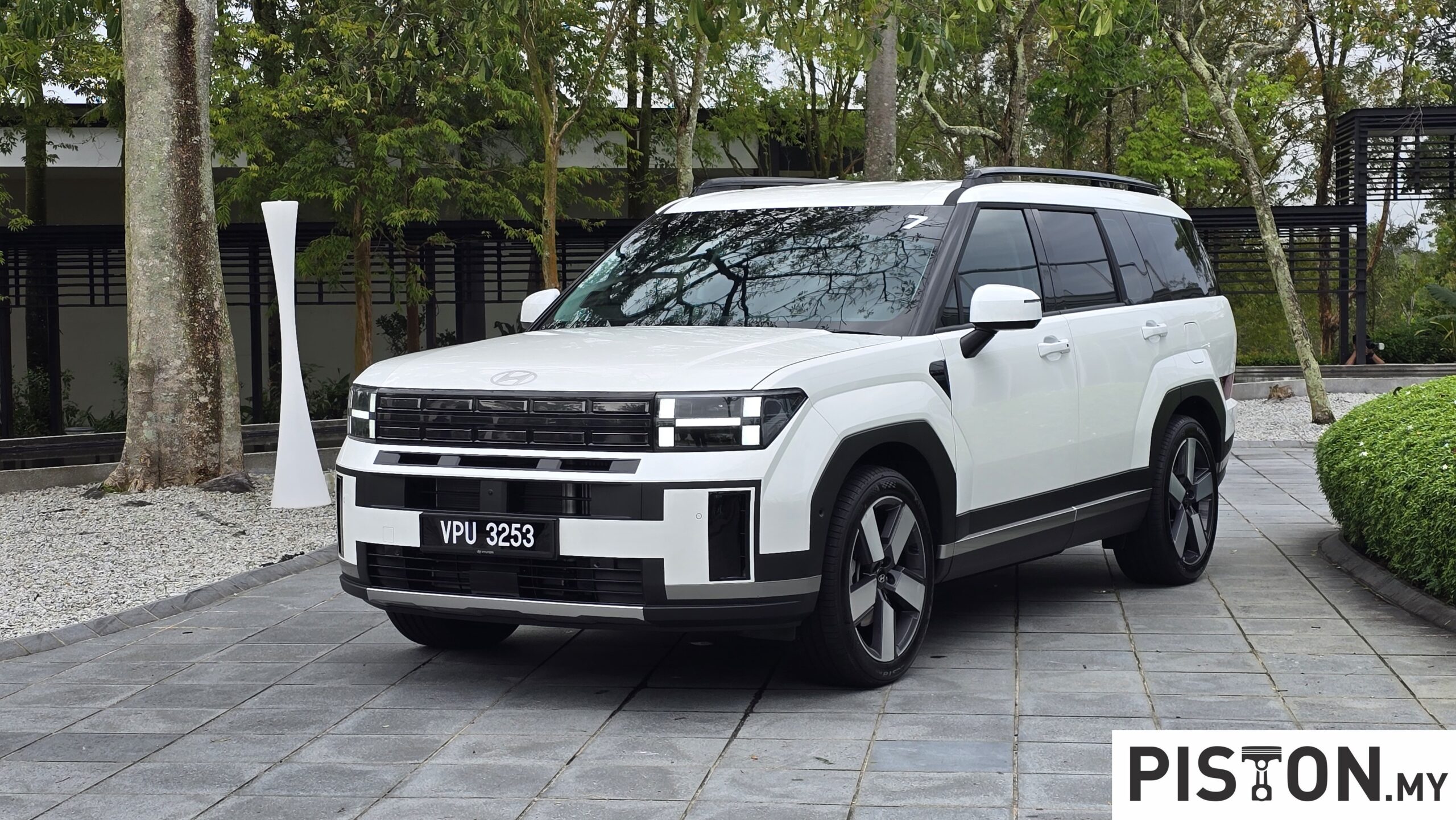
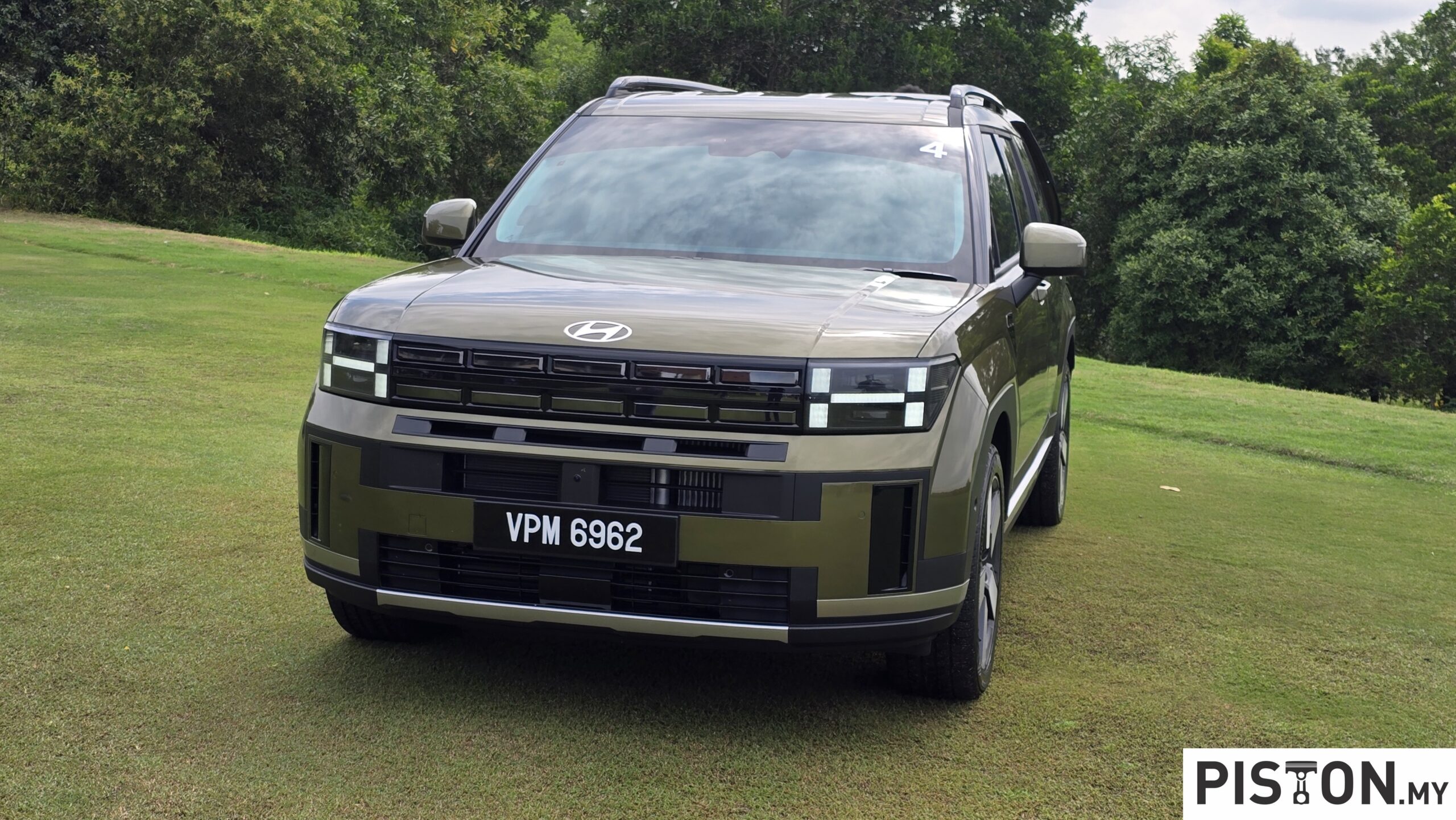
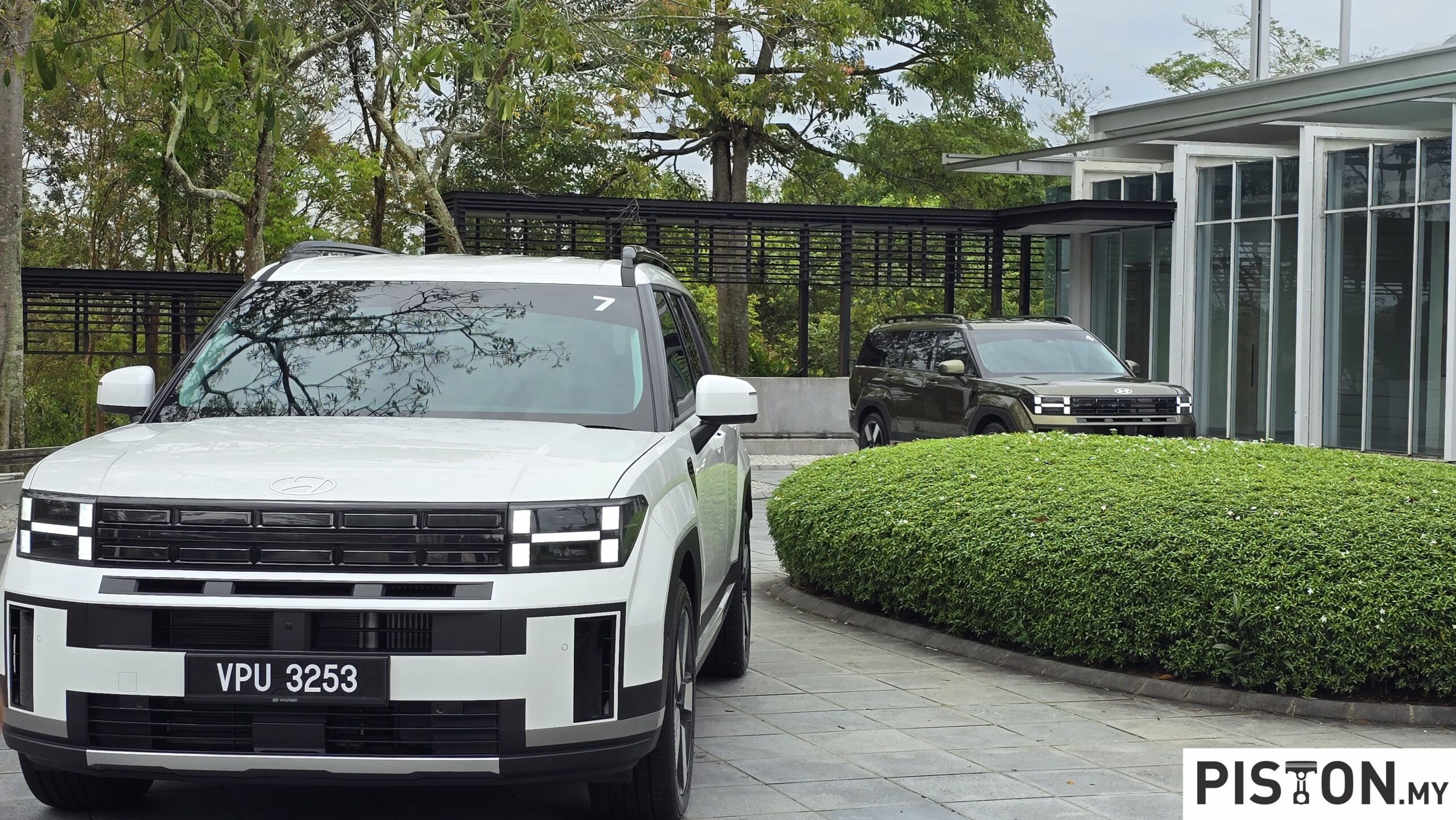
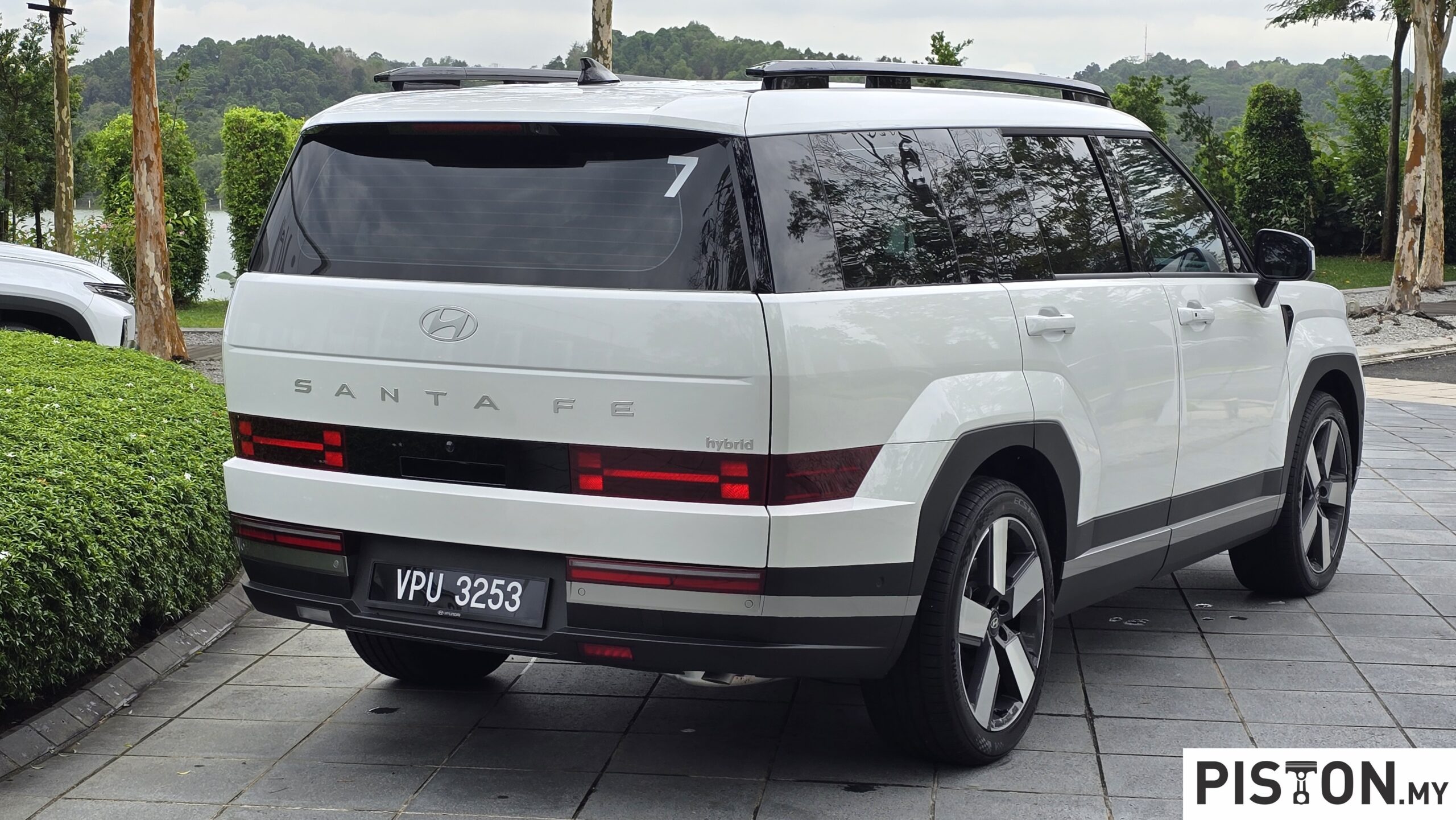
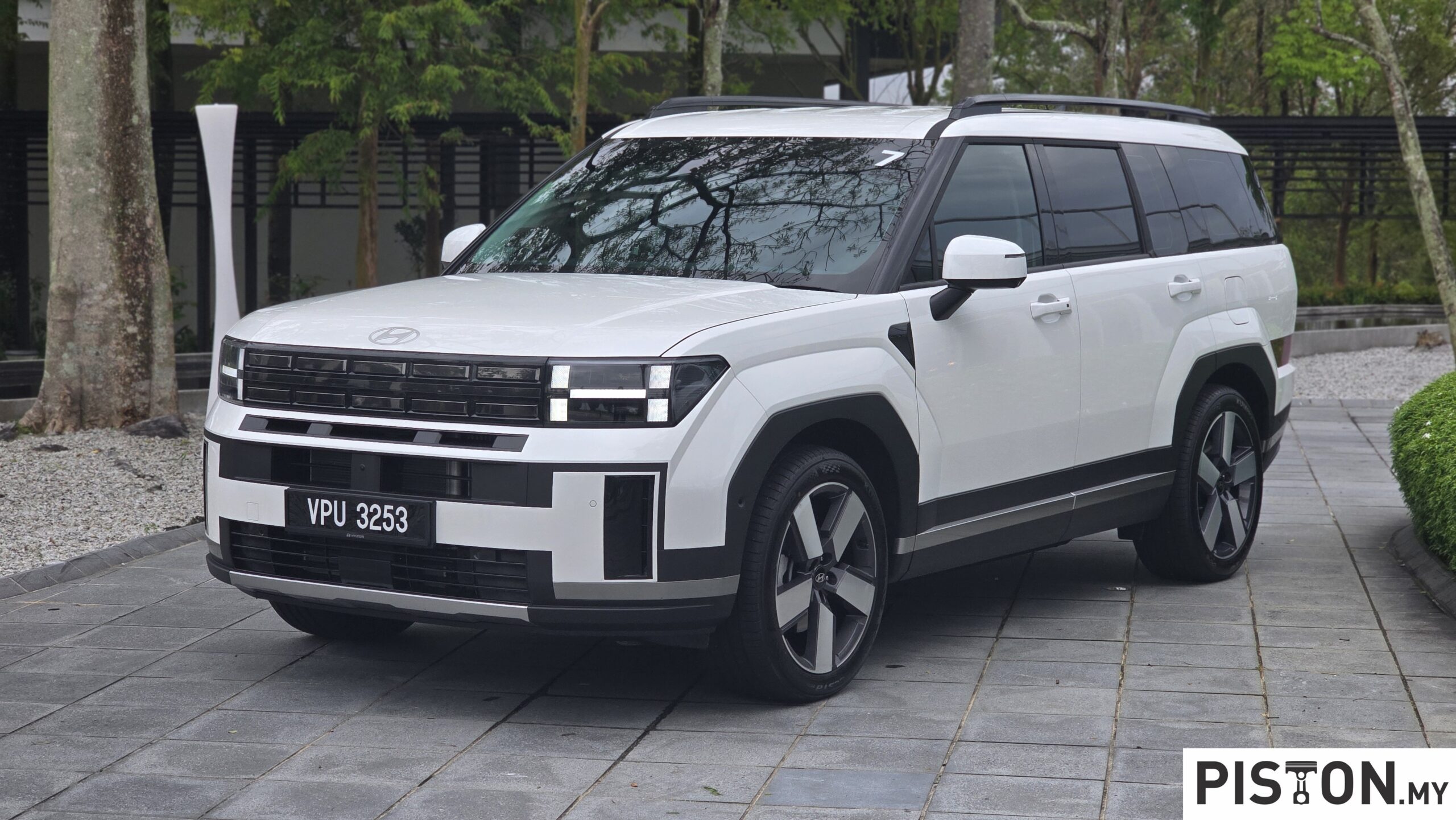
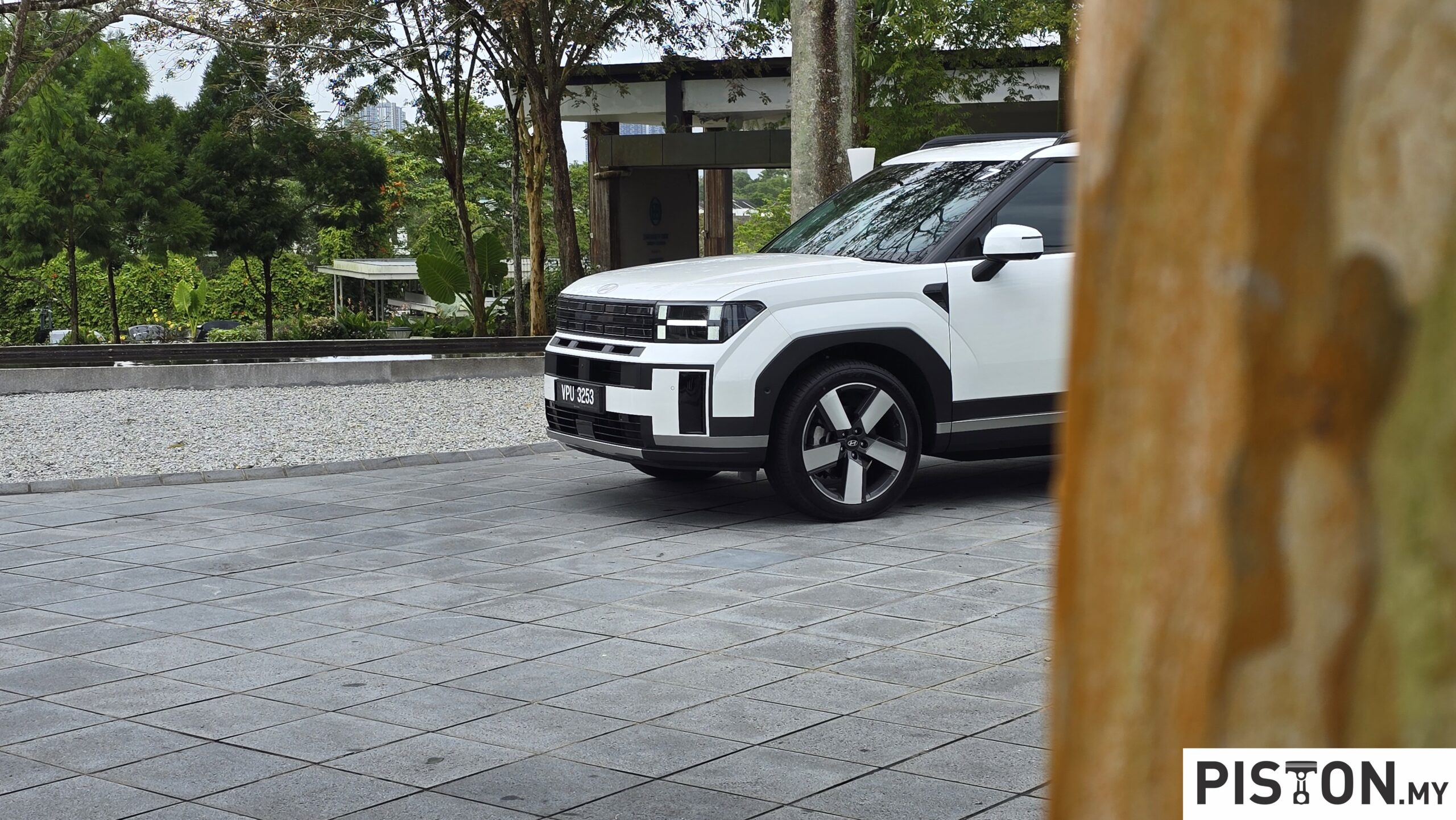
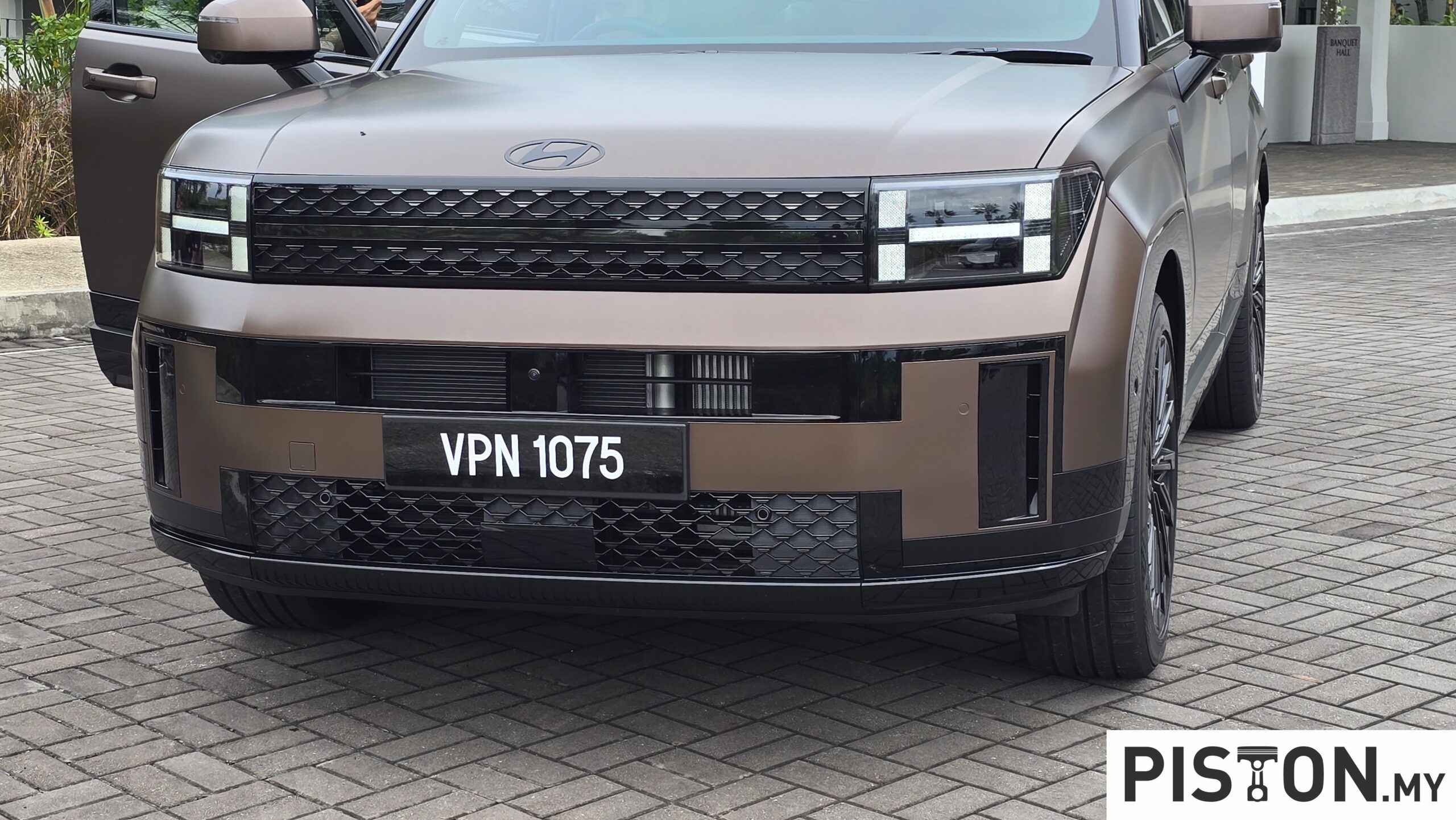
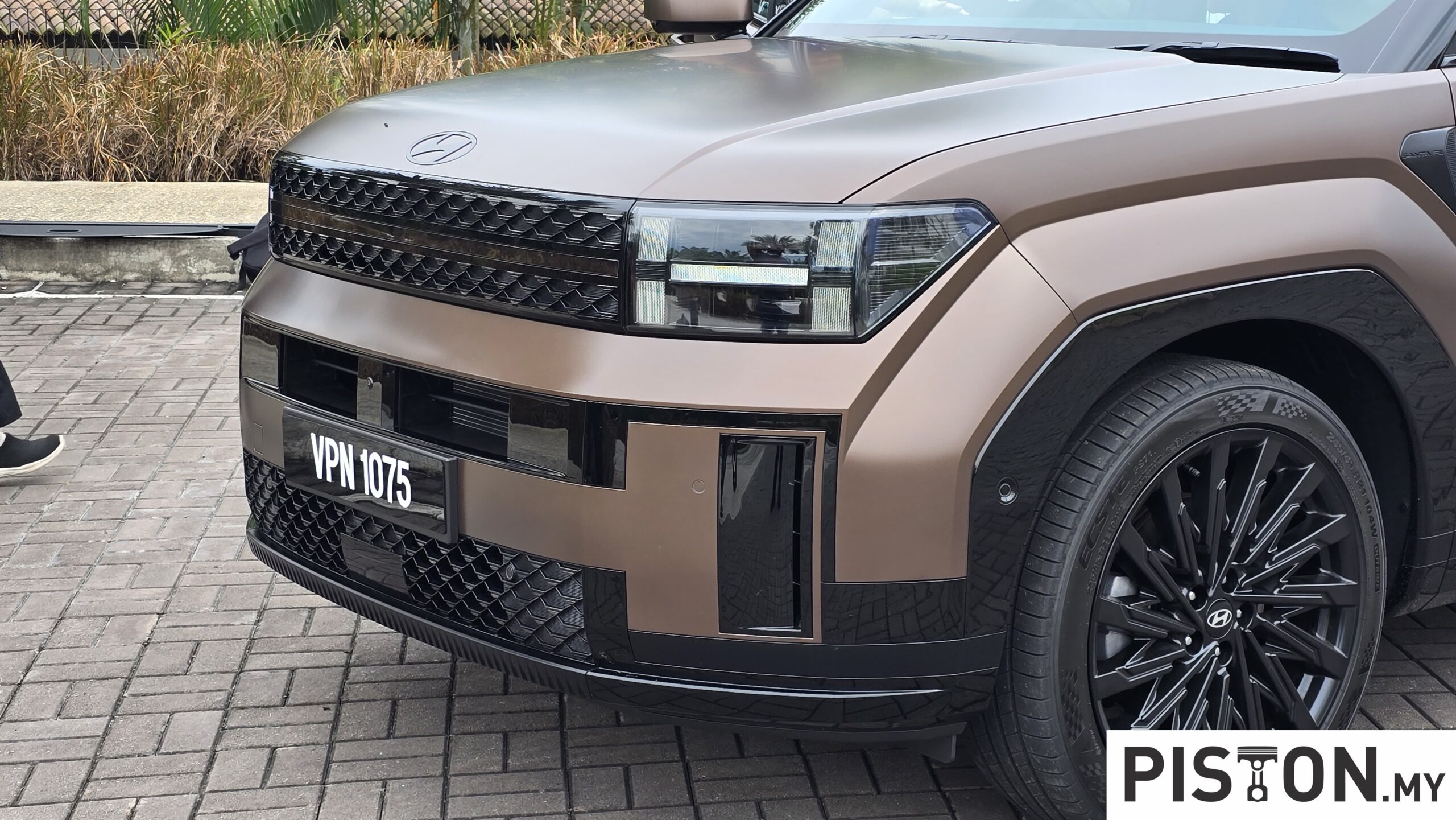
For those who are not aware of the existence of the current generation Santa Fe, you will definitely need to look twice and wonder what this abomination is. The latest iteration of the brand’s D/E-segment SUV makes a commanding entrance with a striking, boxy silhouette and a host of modern enhancements.
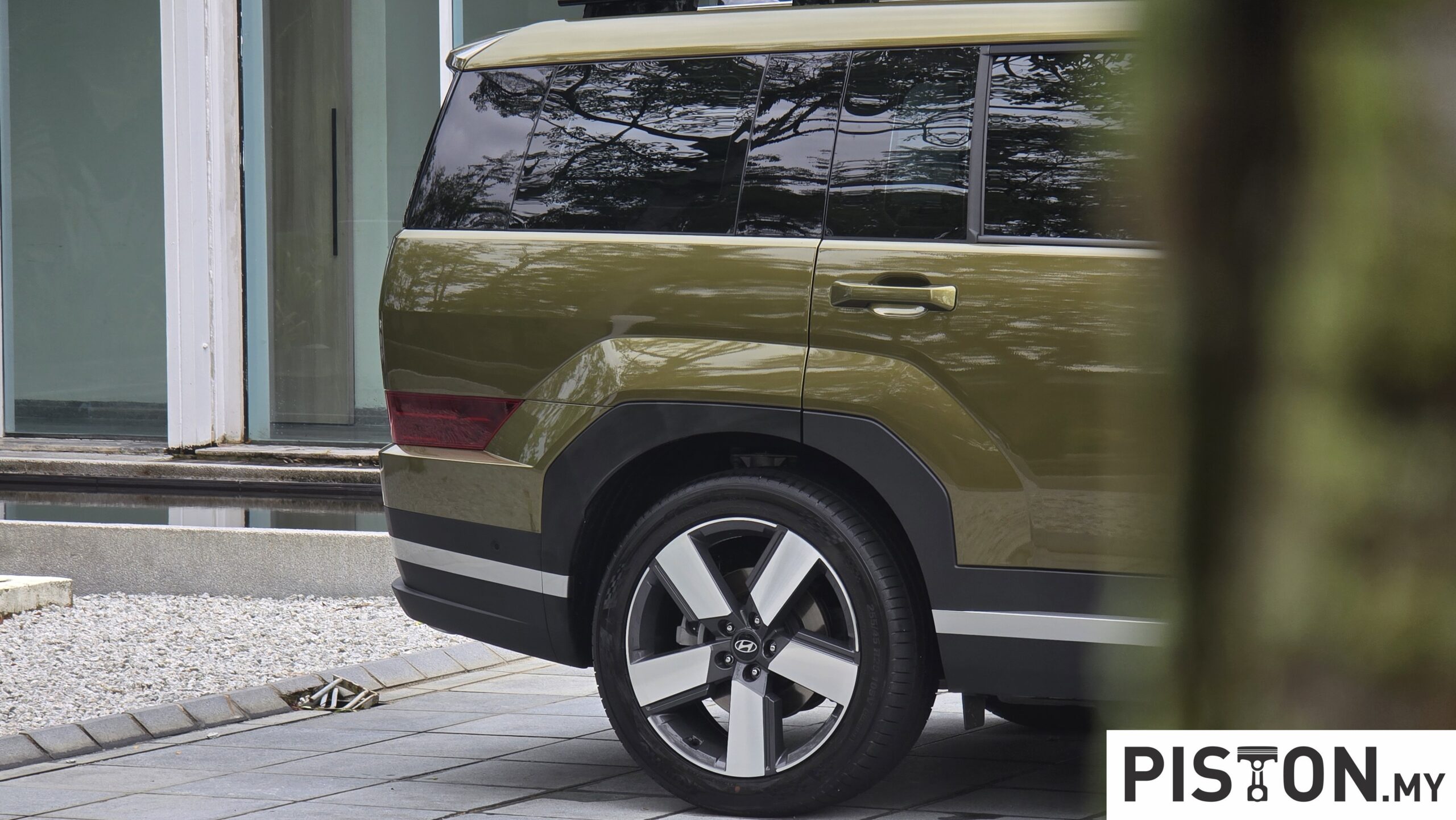
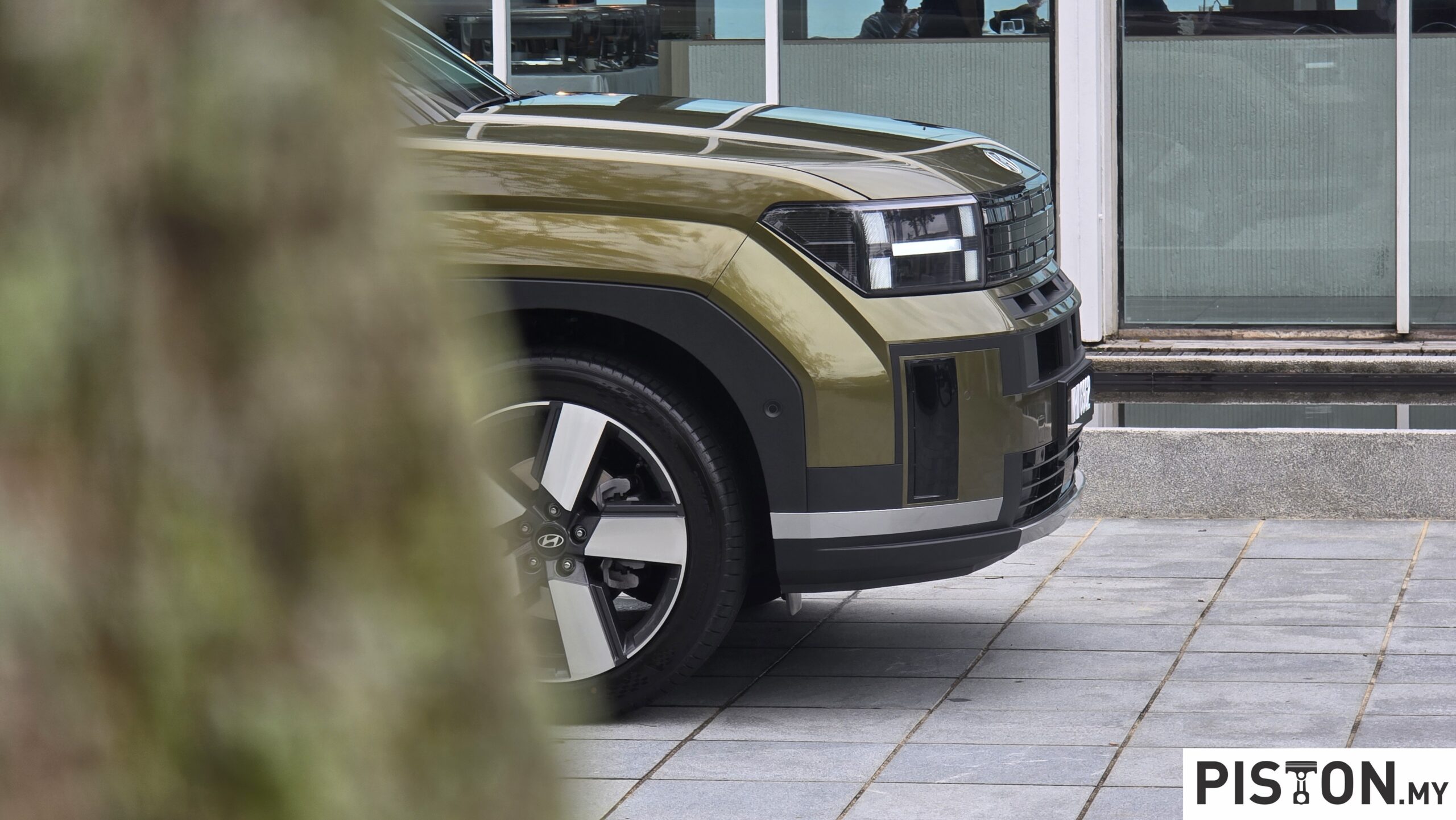
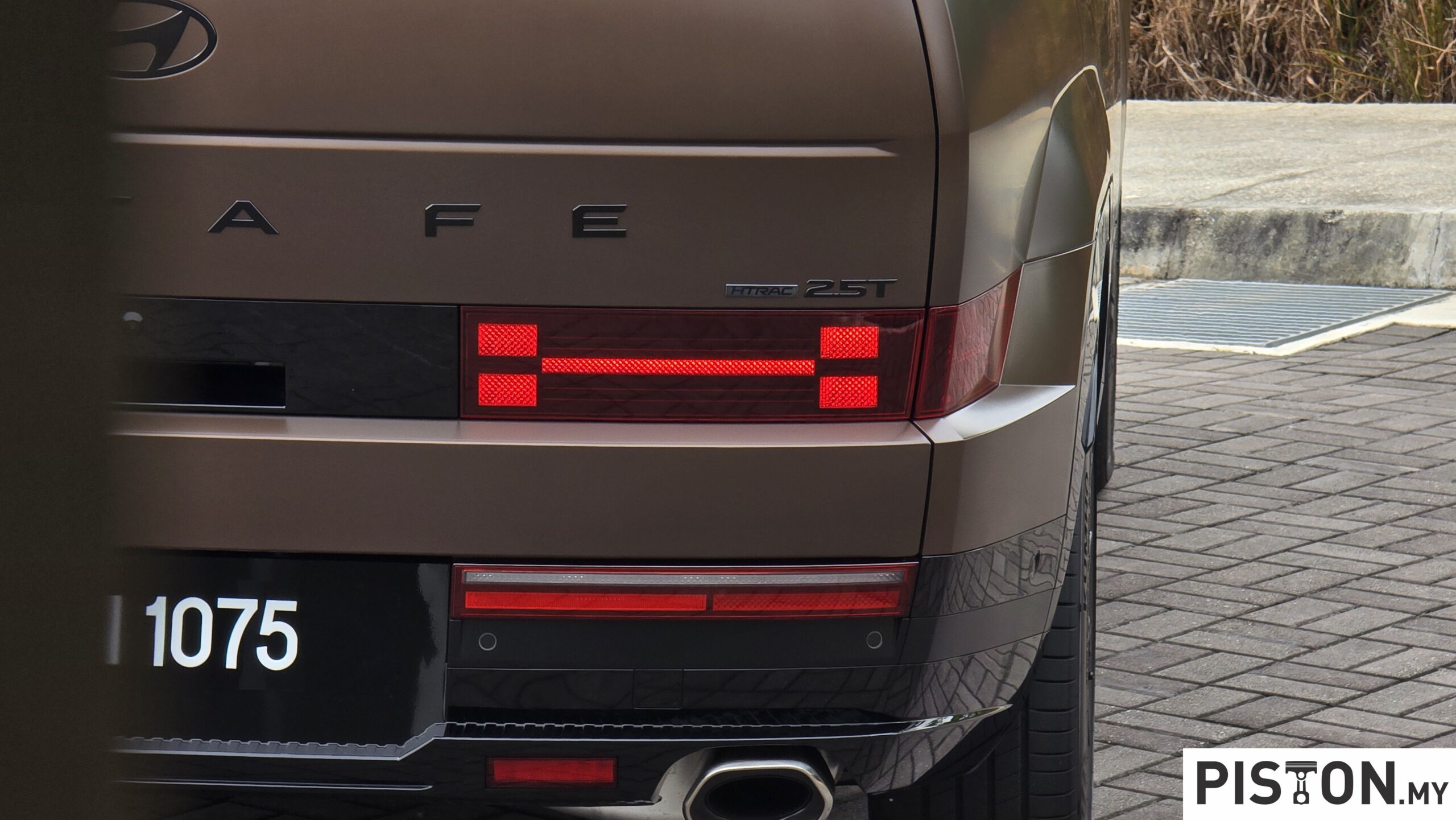
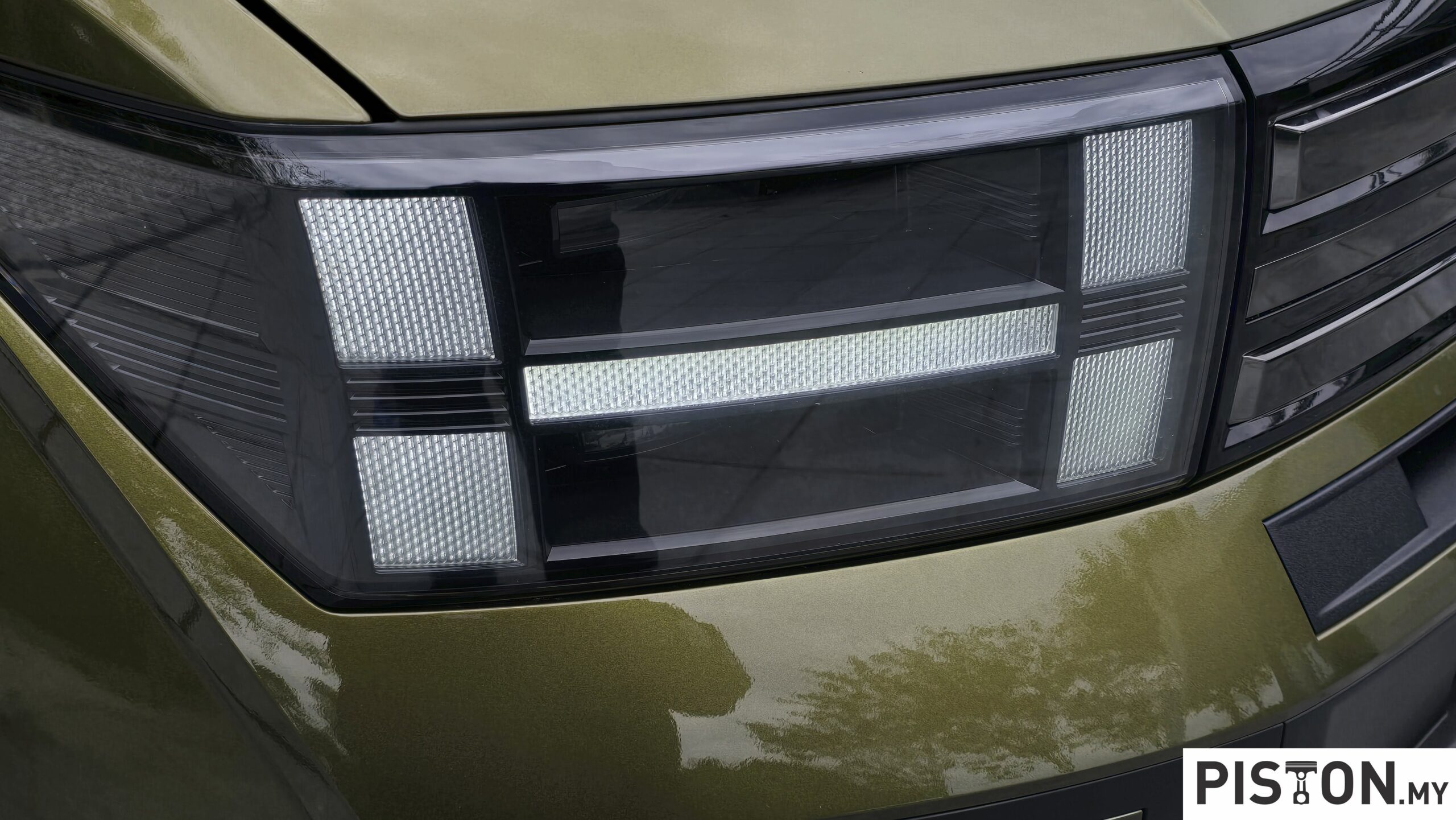
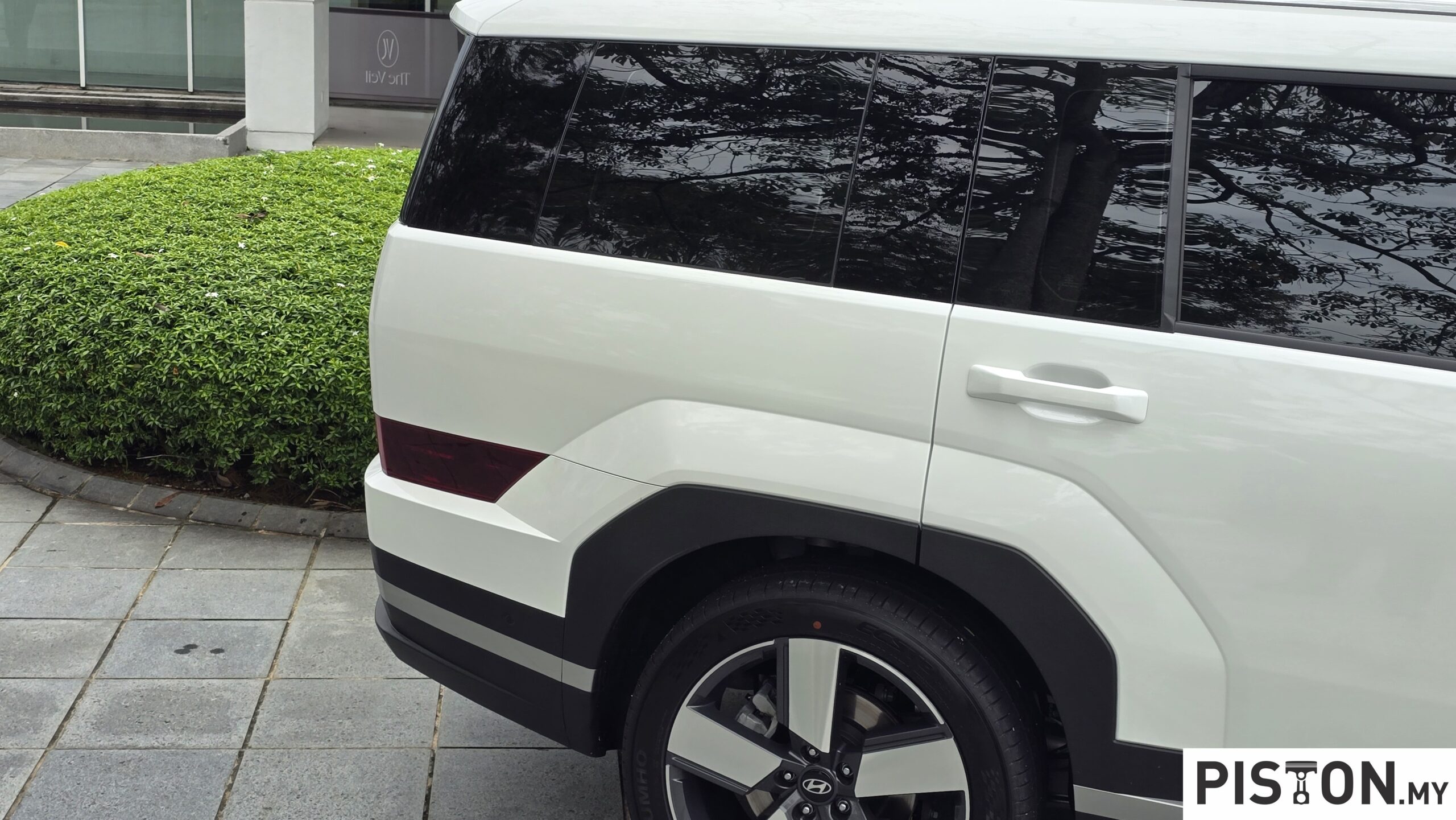
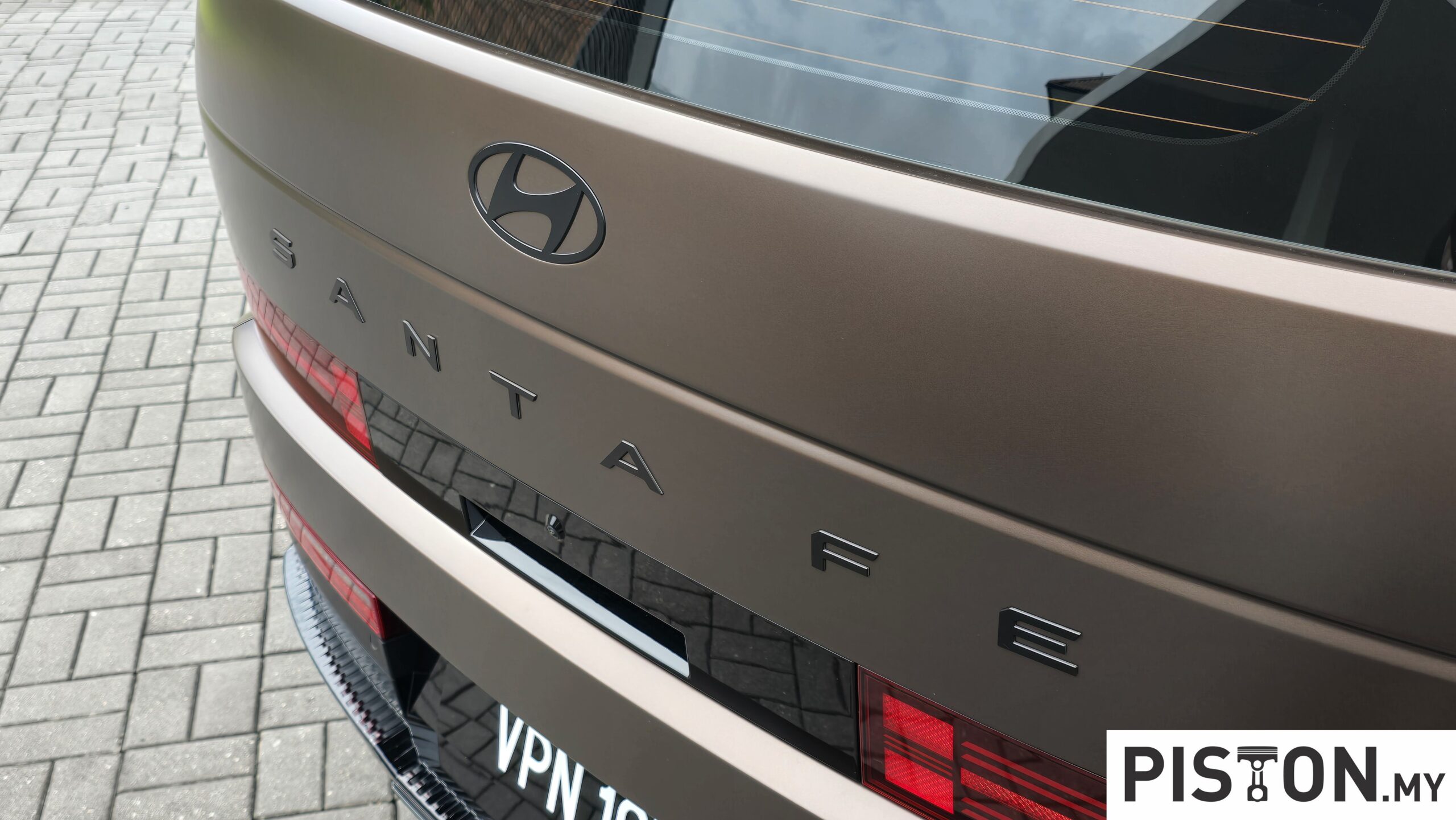
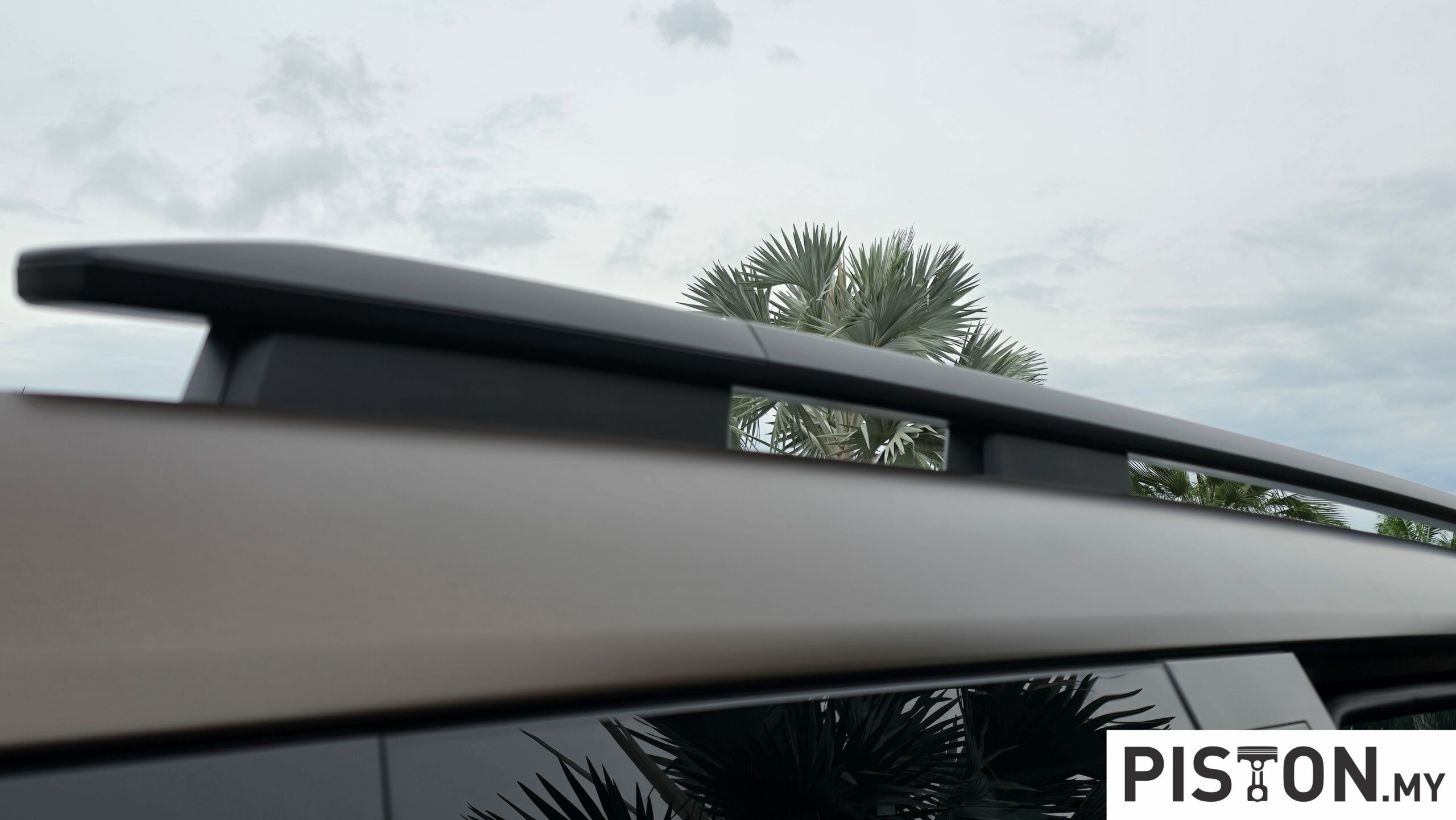
The redesigned exterior introduces a more upright and muscular profile. A wide stance, high-set bonnet and flared fenders lend it a rugged appeal, while sophisticated design elements such as the dark chrome-finished grille, a hidden rear wiper, and the signature H-shaped LED lighting give it a futuristic edge.
With the right body colour, this SUV will look menacing in your rearview mirror at night.
Hybrid or Petrol?
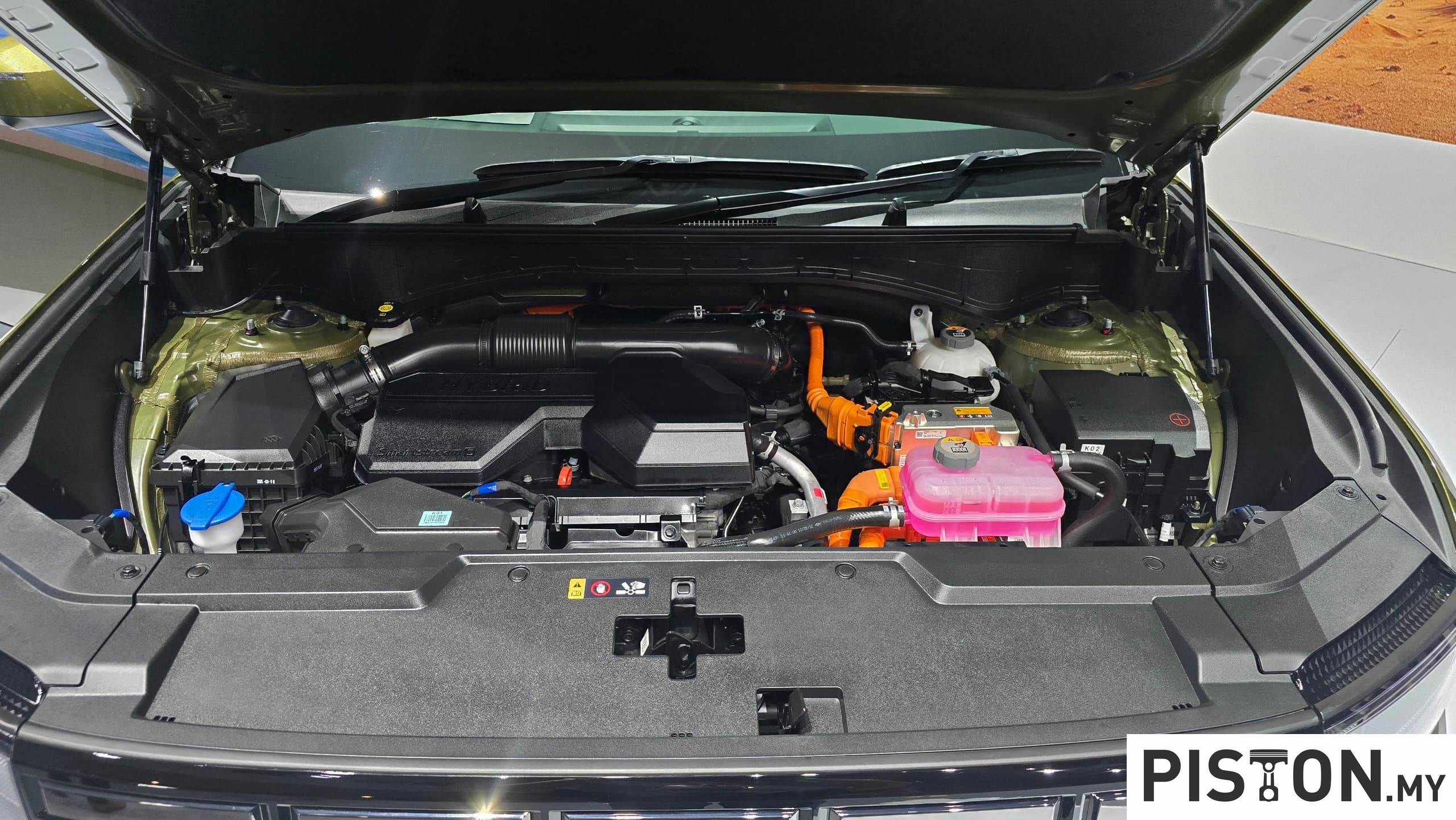
Hyundai has tailored the Santa Fe’s powertrain offerings to appeal to a wide spectrum of drivers, launching three distinct variants in the local market. The Prime and Prestige trims feature hybrid powertrains built around a 1.6-litre turbocharged four-cylinder engine. Mated to a six-speed automatic transmission and driving the front wheels, these variants generate 235PS at 5,500rpm and 367Nm of torque between 1,000 and 4,000 rpm. This setup delivers a balanced blend of efficiency and performance, making it ideal for daily commutes and long-distance travel.
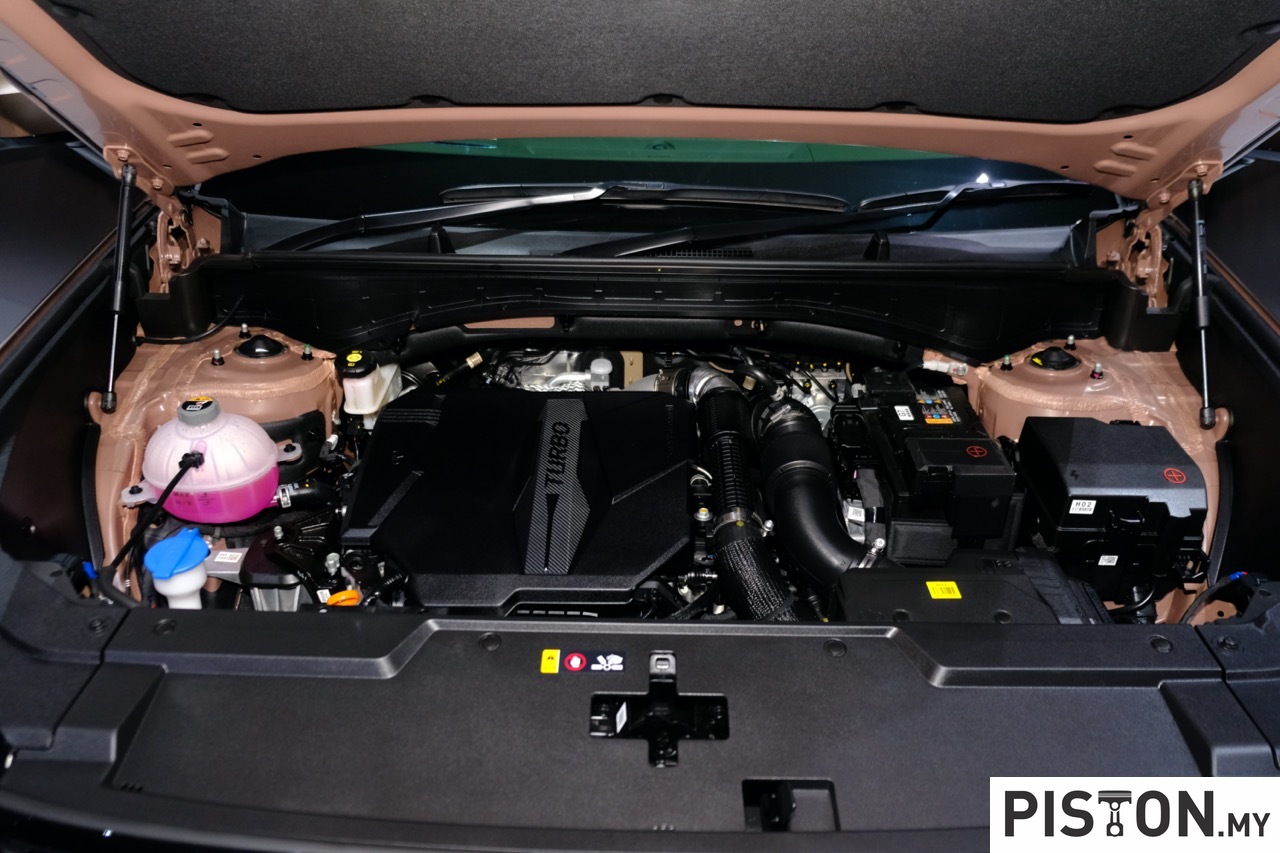
At the top of the range is the Calligraphy variant, which takes performance up a notch with a 2.5-litre turbocharged engine. Producing 281PS at 5,800 rpm and 422Nm of torque from 1,700 to 4,000rpm, it offers a more dynamic driving experience. This variant comes equipped with an 8-speed dual-clutch transmission and features all-wheel drive as standard.
So, which is better? Well, at the end of the day, it all comes down to personal preference. The hybrid variants have a calm and collective feel while driving. The power delivery feels seamless and smooth, with less engine noise spilling into the cabin.
However, while driving, we did notice that you will not feel the speed that you are actually driving. For example, on the highway, we thought we were at a steady 80 – 95km/h; however, when we looked at the speedometer, we were at a whopping 130km/h!
This can be dangerous in the wrong hands, as hitting the brakes and bringing the car to a stop at that speed will take time. If you are unable to estimate the stopping distance and the amount of time needed to hit the brakes, you are bound to crash, unless you somehow manage to do some hard braking and manoeuvring. But then again, this is just a user error.
Step into the Calligraphy variant, and you will not notice the difference in the front until you put your foot down on the throttle.
I found this powertrain to be much more suitable for the SUV because it felt at home. I could feel the power when pushing it. The engine sounds roaring through the cabin when flooring it enhanced the whole experience.
This was a whole new world compared to the hybrid variant. Yes, unlike the hybrid variant, there is a little bit more turbo lag when flooring this 2.5-litre from a standstill. However, it feels natural, and I have no complaints about that.
This powertrain will feed your ego while driving it. It makes you feel more commanding and asserts dominance over other cars on the road. During our drive and stay in Desaru, we noticed that there was a blacked-out version of the Calligraphy that belongs to the Managing Director of Hyundai Motor Malaysia. With this powertrain and that blacked-out look, people are bound to stay away from you on the road.
Though it is big and boxy, the stability during corners and high speeds impressed us. The Calligraphy variant felt lighter and more agile during tight corners. There is no need for you to be testing this on public roads but if ever there is a situation where quick manoeuvres are needed, this will definitely do the job.
Safety
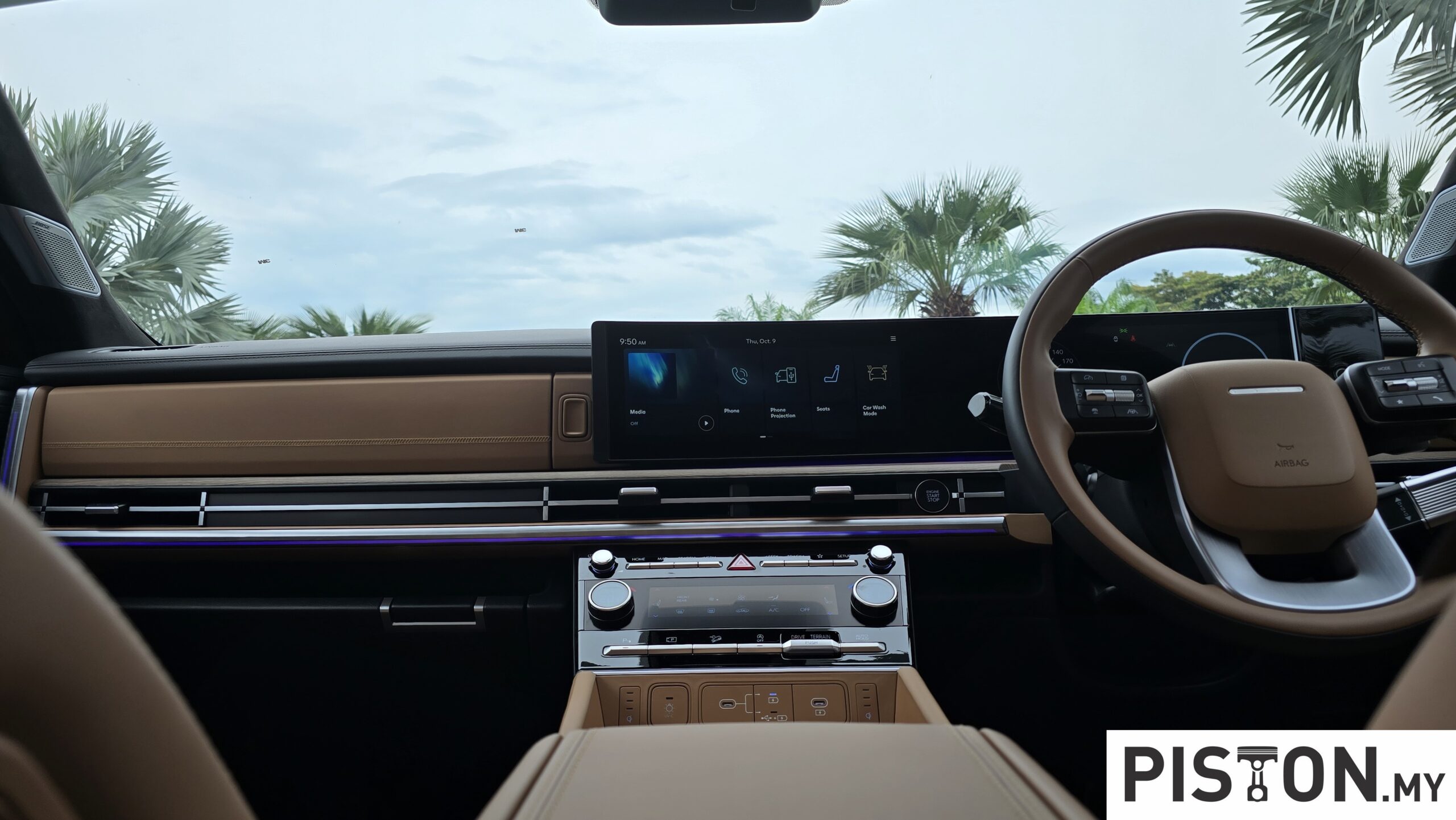
For a big car, safety most definitely plays a crucial role, and the Santa Fe is not lacking. It comes equipped with a comprehensive suite of advanced driver assistance systems as standard. These include autonomous emergency braking with front cross-traffic alert, adaptive cruise control with stop-and-go capability, lane centring assist, and blind-spot monitoring with active collision avoidance.
It also features front and rear cross-traffic alert with automatic braking, a door opening warning, rear seat reminder, and automatic high beam.
Stepping up to the Prestige variant enhances safety further with second-generation AEB that detects oncoming vehicles and provides evasive steering assistance, reverse AEB, dual blind-spot view cameras, and a convenient remote parking feature that can be activated via the Hyundai “H” logo key.
The airbag count has also been increased to ten, now including a driver’s knee airbag, centre airbag, and rear side airbags, while stability control remains a standard feature across the range.
Spacious enough for giants
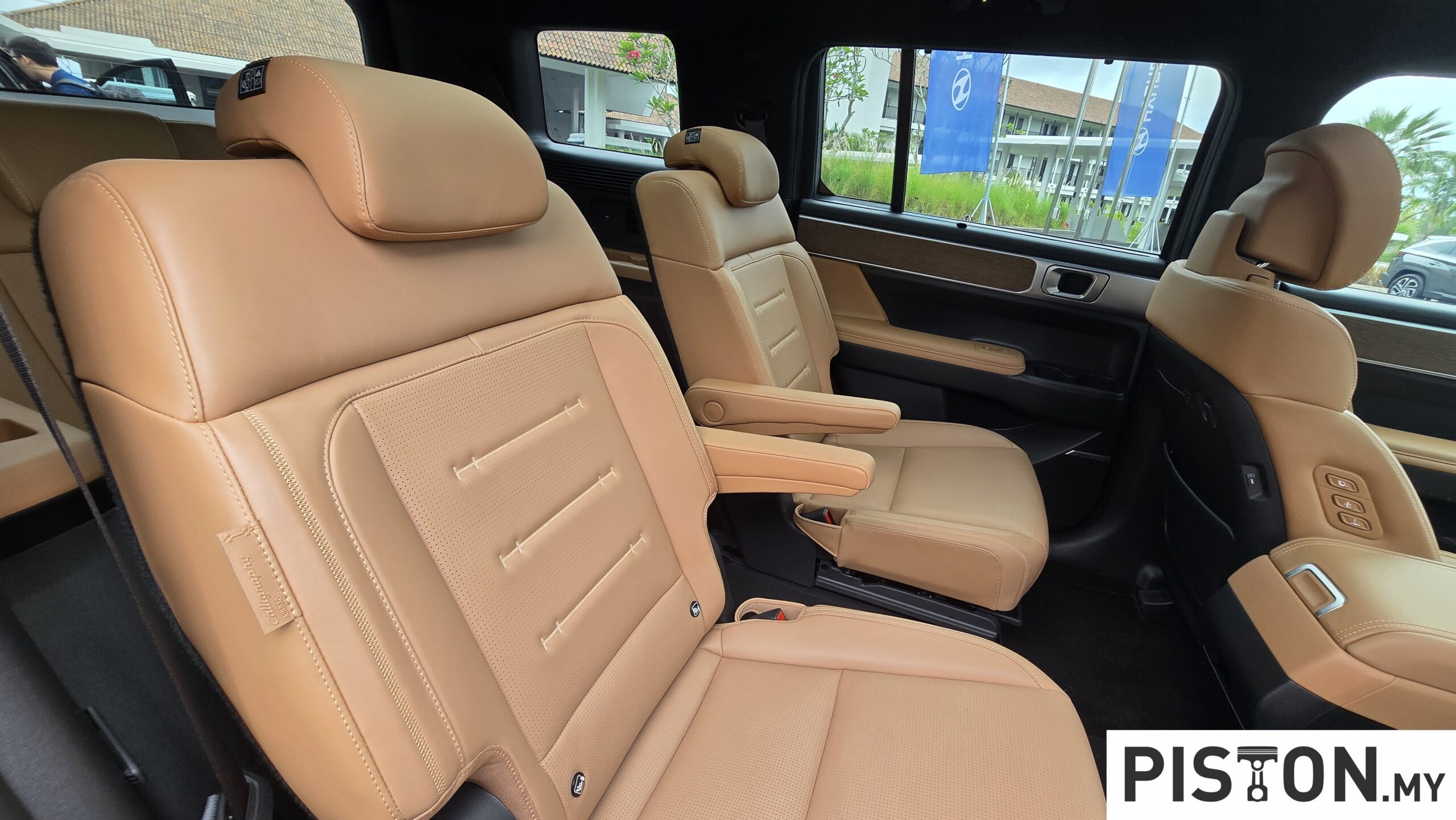
There are some cars out there that look big from the outside, but step into them and you might feel a little claustrophobic. The Santa Fe, however, is spacious enough for giants to travel.
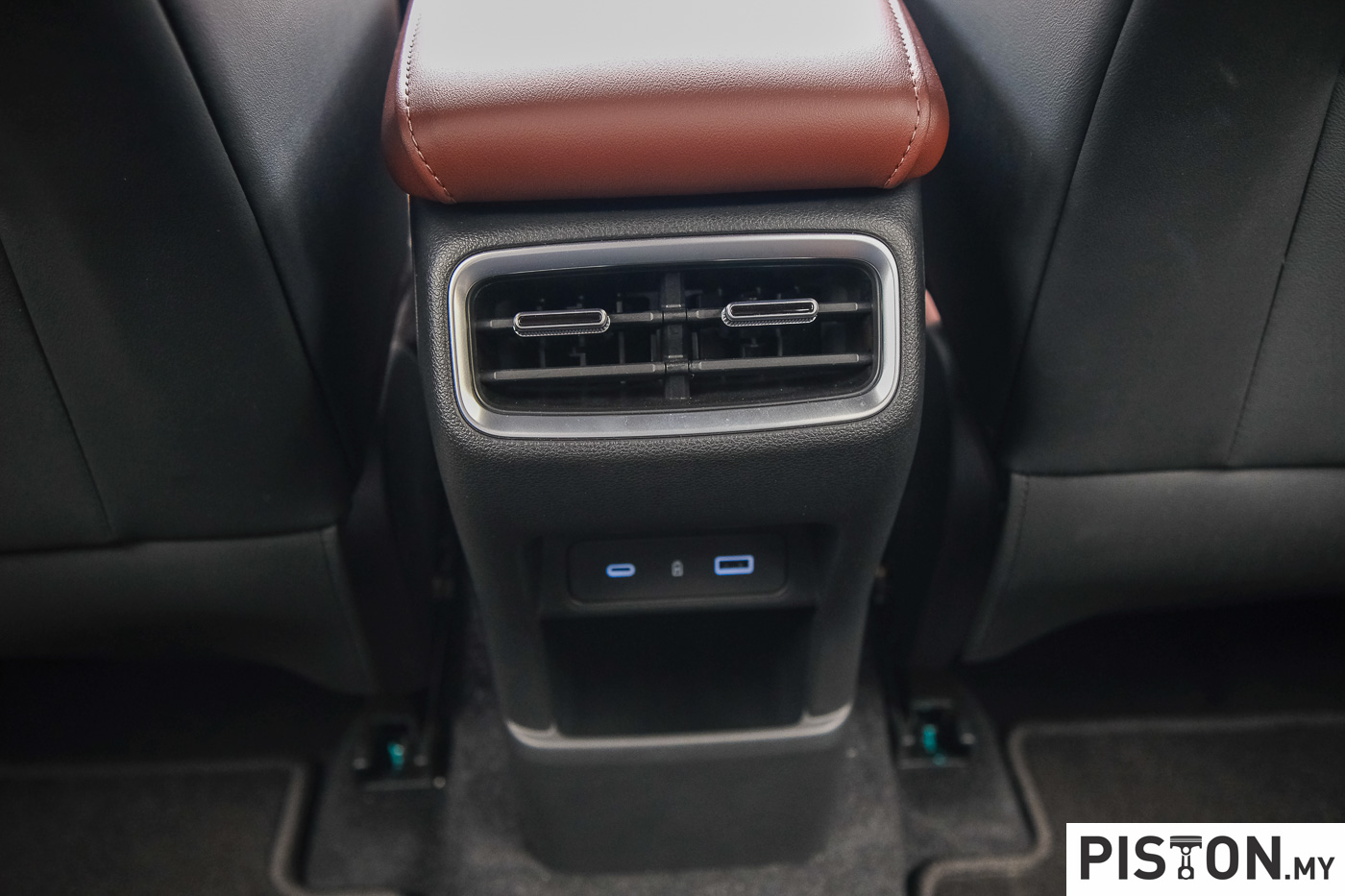
The expanded body dimensions translate to noticeably greater interior space, especially in the second and third rows. Both legroom and headroom have been improved to better meet customer expectations for comfort.
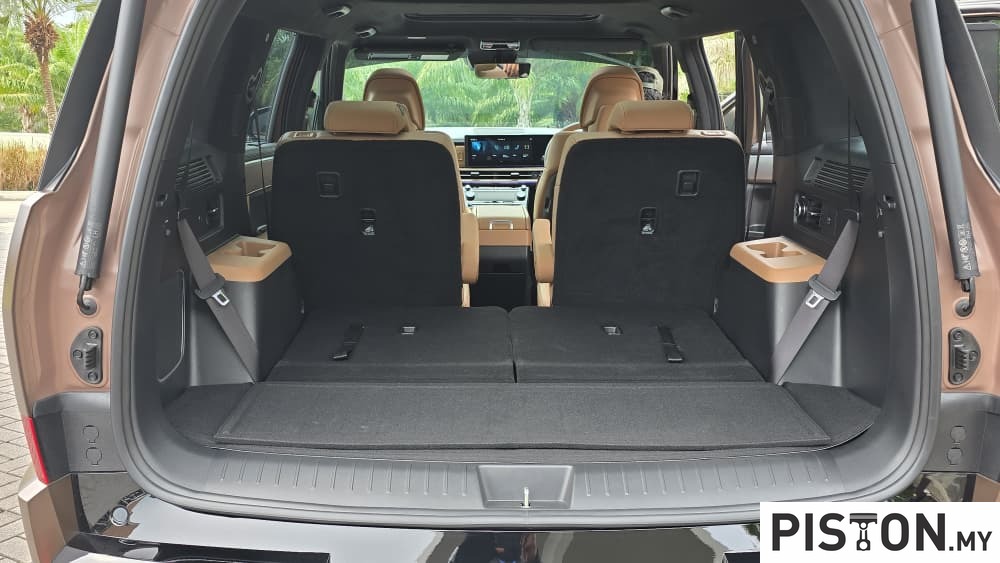
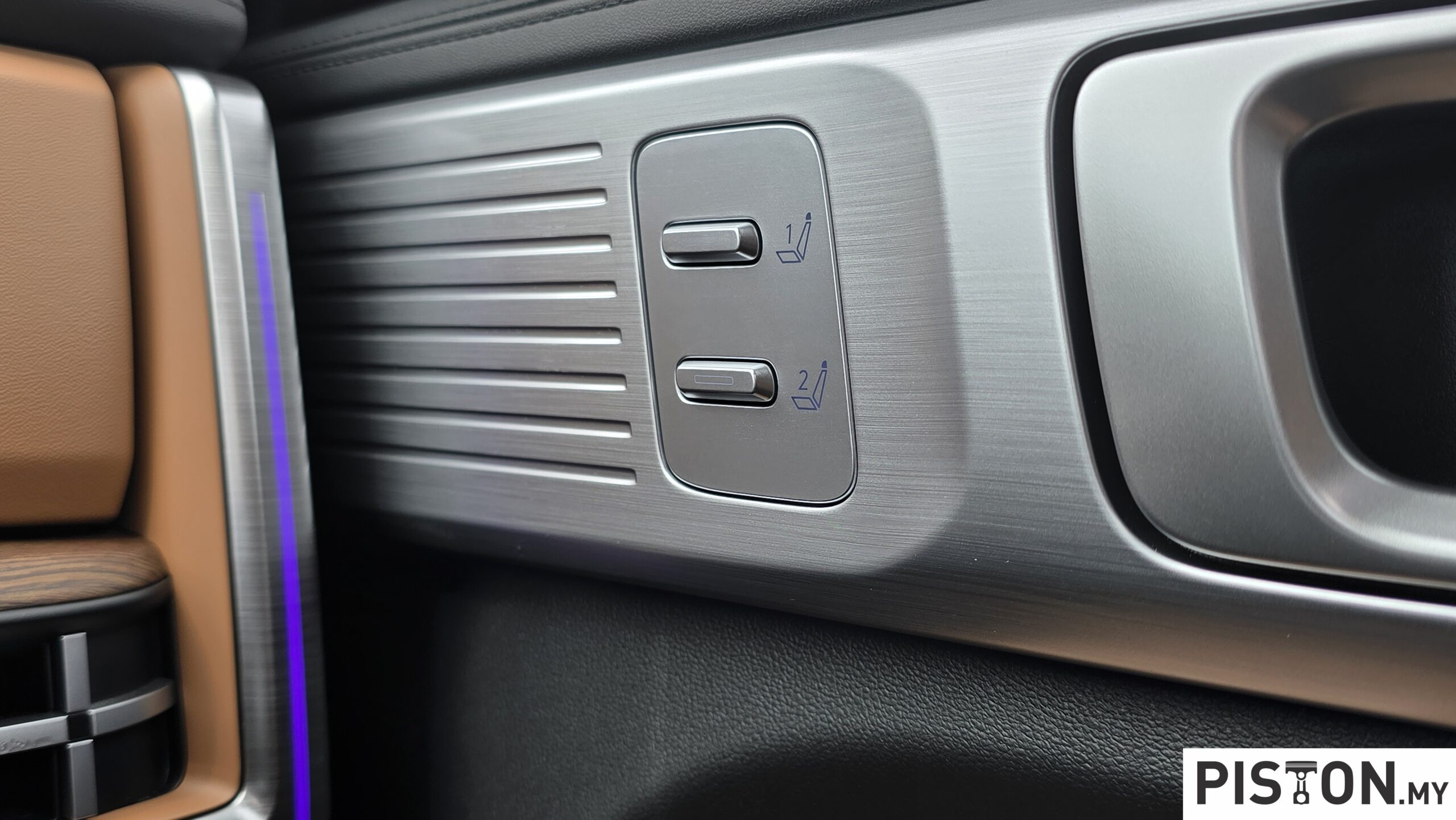
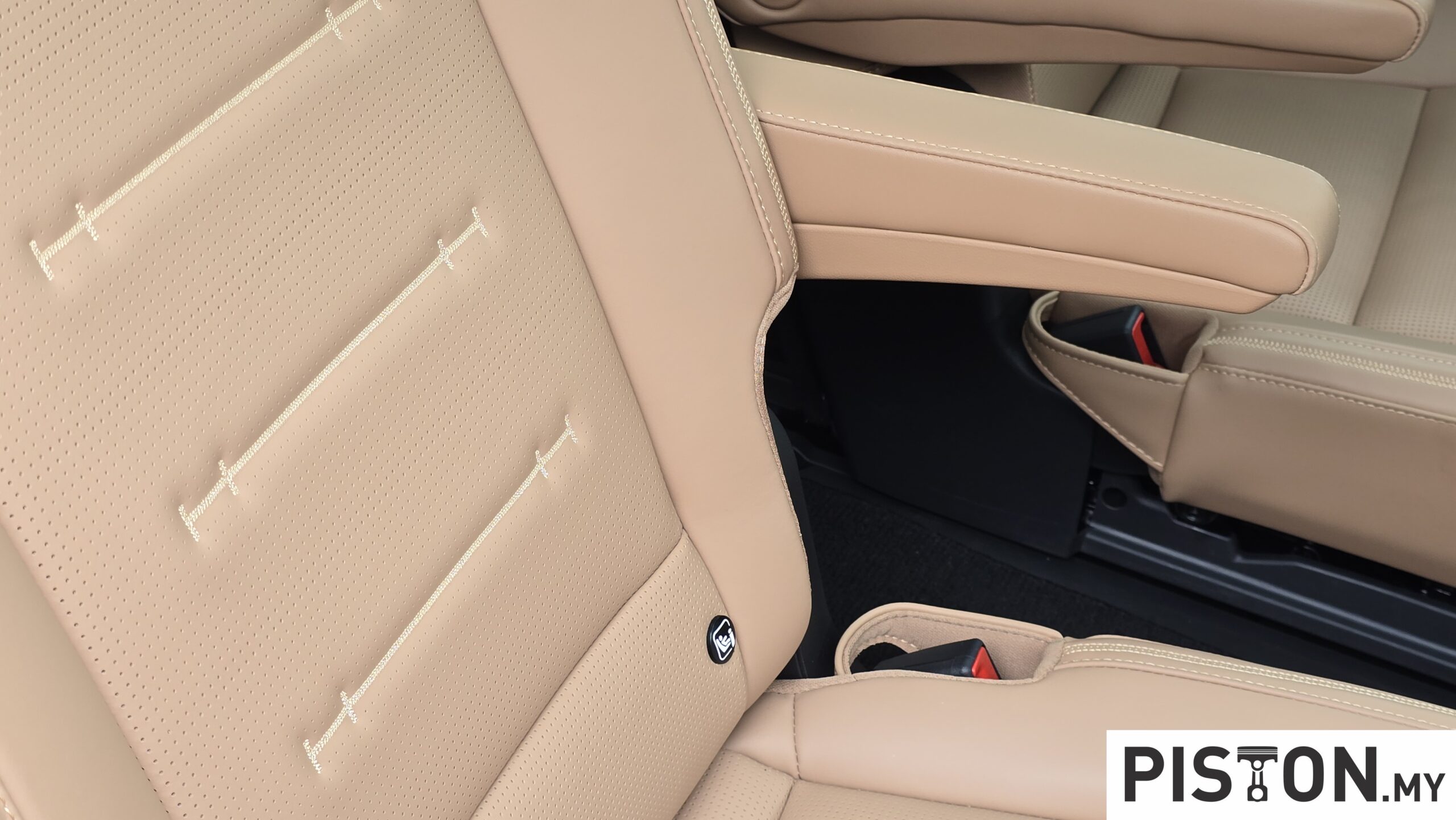
The third-row seats now recline an additional ten degrees, offering what Hyundai describes as best-in-class spaciousness, while entry remains effortless thanks to a convenient one-touch tilt-and-slide mechanism for the second-row seats.
So it is safe to say that comfort during long-distance travelling will not be an issue.
Final thoughts
Although priced at RM270,000, it is worth buying. I do not mind paying a little bit more for comfort and quality, which most SUVs lack nowadays. People would rather choose cheap options and compromise on quality, and then complain about how bad it is. The Santa Fe offers comfort, quality, luxury and does not compromise on safety and performance.
Specifications:
Calligraphy
Engine: 2.5 litre T-GDi
Power: 281PS
Torque: 422Nm
Transmission: 8-speed dual-clutch
HEV Prestige
Engine: 1.6 litre turbocharged
Power: 235PS
Torque: 367Nm
Transmission: 6-speed automatic transmission
Price (as tested):
RM270,000 (2.5 T-GDi HTRAC Calligraphy)
RM245,000 (HEV Prestige)
We like: Performance, looks, comfort and quality We don’t like: Not parked in our garage
Mazda has officially taken the wraps off its brand-new logo, following its trademark registration last year. The redesigned emblem made its first public appearance at the Japan Mobility Show and has already been rolled out across Mazda’s official website and digital platforms.
The new design represents Mazda’s latest step in modernising its image for a digital-first world. Mazda says the move aims to enhance brand visibility and consistency, particularly in online environments where clarity and simplicity are key.
While the overall look has been refined, Mazda has kept the core identity intact. The familiar “M” shape that resembles a pair of outstretched wings remains the centrepiece, symbolising the brand’s spirit of flight and forward motion. This motif has been part of Mazda’s identity since 1997 and was last refreshed in 2018. The latest iteration softens the edges and removes the inner shading, creating a flatter, more minimalist aesthetic that feels both timeless and modern.
This update continues a long evolution of Mazda’s logo design over the decades. The company’s first logo, introduced in 1934, was a simple calligraphic wordmark that reflected its Japanese craftsmanship and cultural pride. Two years later, Mazda unveiled a 1936 emblem featuring three overlapping “M” shapes inspired by Hiroshima’s three rivers — an early interpretation of the “wings” motif that still defines its brand today.