
Piston.my

Car Maintenance Guide

Modern day cars, especially the higher end ones, are fitted with tyre pressure monitoring systems or TPMS. And even if that isn’t the case with lower end ones, there are plethora of aftermarket kits that offer the same level of functionality if not more.

A tyre pressure monitoring system does have its advantages. It serves as an early warning system to drivers, notifying them when there is a sudden drop in tyre pressure, which could indicate a puncture. This will allow him/her enough time to get the problem sorted out before its too late.

Apart from this, TPMS can also indicate to drivers when the air in each tyre requires topping up. As soon as air pressures drop below the normal values, TPMS will activate an indication light on the meter cluster to warn drivers of an issue.

Though this may seem like a Godsend, TyreSafe, a company in the UK has taken it upon itself to remind vehicle owners that they shouldn’t rely solely on TPMS for tyre safety. TPMS has its uses, it has proven to have improved driver awareness as far as tyre pressures are concerned.

That said, TPMS does not warn drivers of the condition of their tyres and whether they have sufficient tread depth left. These two criteria are just as important as air pressures are, when it comes to tyre safety. Tyres that have heavily degraded could disintegrate at any moment in time, posing a major threat to vehicle safety.

TPMS is a reliable technology and should work well for a significant amount of time, but this does not mean that they are safe from malfunctions or failures. This is because batteries of the wheel-mounted sensors can ran out of power or the sensors themselves, can provide inaccurate readings over time.

This is why the UK based company is urging vehicle owners to remain vigilant and ensure that their TPMS is monitored regularly for signs of failure. This way, the chances of them failing could be considerably less than usual.

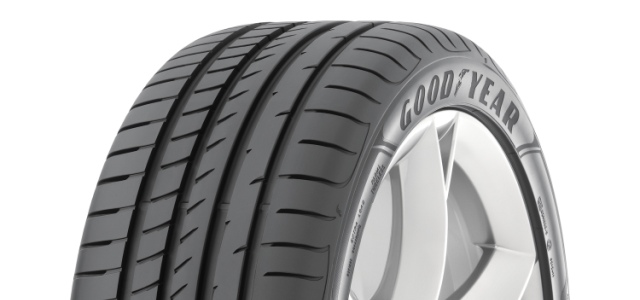
Your tyres are what connect your vehicle to the road. And regardless of how sophisticated your on-board electronic driver aids are, they won’t be able to do much good if the tyres aren’t up to the task at hand. Looking after your tyres are just as important as the attention given to the engine and gearbox.

Fuel Consumption is a topic that’s very important to most of us. Due to the ever increasing price of fuel, many are looking for ways to trim expenses, and the first place they start with, is their cars.

It’s a common misconception that only smaller engine cars are able to offer good fuel consumption figures. This isn’t true, because the main factor that determines your FC is your driving habits and car maintenance.

As such, the following are some steps that might alleviate your fuel consumption woes:

#1 – Check your tyre pressure
You’d be amazed as to how much tyre pressure contributes to your car’s fuel consumption. Some experts estimate there is a 0.4% increase in fuel consumption for every 7kPa of pressure below the recommended level. That adds up to a significant amount when you have tyres that are 70 to 110 kPa below what tyre manufacturers recommend.

# 2 – Service your car regularly
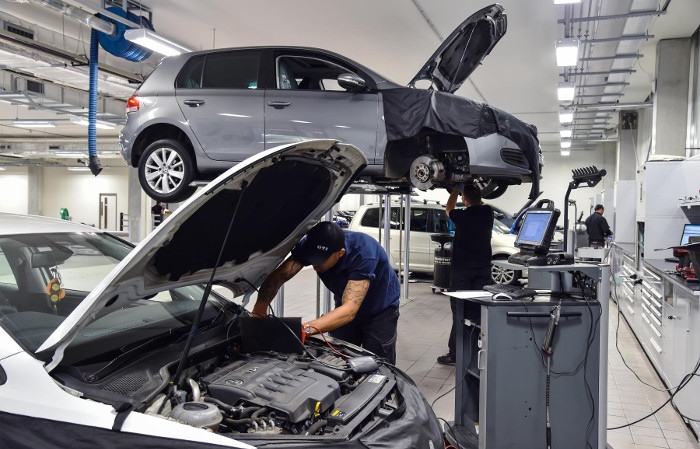
An engine is comprised of many moving parts, and all of them need to work together to give you the performance you require. If it isn’t getting the proper lubrication, then that diminishes performance and increases fuel consumption. As such, ensure that you change your engine oil at regular intervals.

#3 – Avoid excessive braking
Generally, braking is the act of reducing you car’s current speed. The engine had to burn a significant amount of fuel to get you to that speed, and by braking excessively, you are wasting your fuel. Curb the habit of applying your brakes unnecessarily and instead, rely on coasting or allow enough space between the car in front to help reduce the need to reach for the brake pedal.

#4 – Avoid idling
Unintentionally, many of us keep our engine running while parked. Usually its because we are on the phone or waiting for someone. Though the burn rate isn’t as significant to driving at high speeds, its significant enough to put a dent in your petrol budget.

#5 – Don’t speed
Speeding or accelerating at a high rate of speed is a major contributing factor to poor fuel consumption. When doing so, fuel is being burnt at a higher rate than normal to offer the intended performance. So, if you aren’t in a hurry, take it easy on the accelerator pedal.

At the end of the day, to improve fuel consumption, change your driving style and not your car. Keep that in mind and you should see a noticeable improvement in fuel consumption.

The festive season is a upon us and many will be making plans to leave for their hometowns soon. We at Piston are concerned for your well-being and want nothing more than for you reach your destination safety and in good time. As such, we have compiled a list of five things that you need to check before setting off on your journey.

Bear in mind that there is much more you can do to be prepared for your journey home, but the list that we have here today, will help you check the essential stuff.

#1 Check your tyre pressure
Inspecting your tyres visually isn’t going to cut it. You are going to need a tyre pressure gauge to know for sure if your pressures are good. If you don’t happen to have one lying around, there’s always the tyre pressure pump that you can use at any petrol station. If you are unsure about how much pressure you need, check the tyre information sticker located on your vehicle’s driver’s side side sill.

#2 Check the quality of your wiper blades
Wiper blades are very important especially during the rainy season. The difference between a worn wiper blade and one that is still in good shape, will determine whether you make it home safely, or not.

#3 Check your brakes
It will be a little difficult to visually inspect your brakes especially if you lack the experience in this area. The best you can do is gauge your brake pressure based on the feedback from the pedal. If it feels squishy and unreasonably soft or making squeaking noises under braking, then its probably time to have them inspected by a your trusted mechanic.

#4 Check your service schedule
It’s important to note that if a vehicle is serviced at regular intervals, the chances of something going wrong on a long trip will be considerably less. As such, check the service ticker on the righthand side of your windshield. If it’s time to pop in for a quick oil change, please do so. There’s no point in braving it on your journey home on engine oil that has seen better days. Neither you nor your oil will be doing your engine any favours.

#5 Check your headlights
This might seem like an oxymoron, but it pays to inspect it once before you set off. Turn your headlights on, and check to see if they light up properly. Modern cars are fitted with sensors that warn drivers if certain headlight bulbs fail to illuminate. But even of you do have this system, check it once just to be sure.

These simple tips will help you slightly in preparing for your journey home. As always, ensure that you are well rested before setting off, and if you aren’t, please leave the driving to a more suitable candidate. Drive safely and we hope you have a wonderful time this Raya holiday season.

Archive

Follow us on Facebook

Follow us on YouTube