

Piston.my

Chevrolet

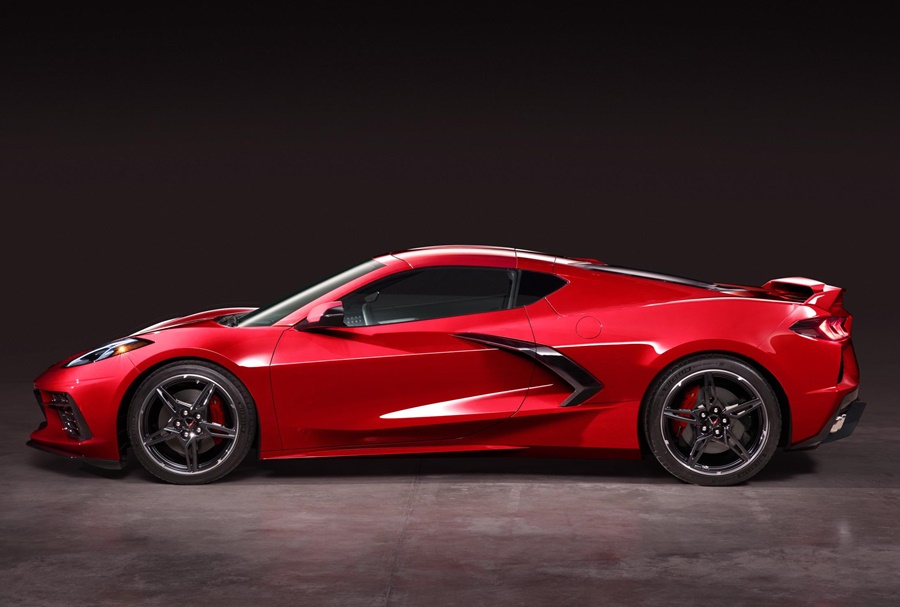
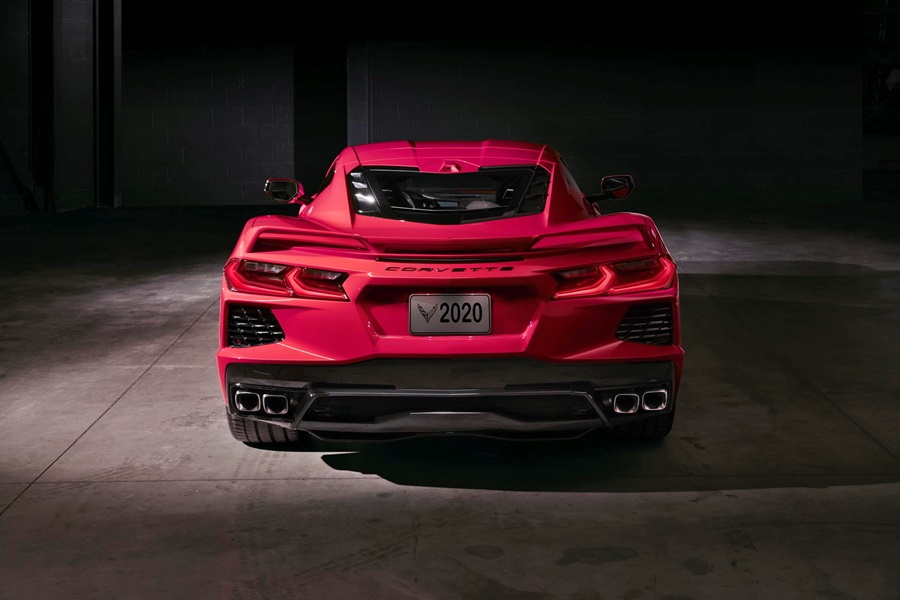
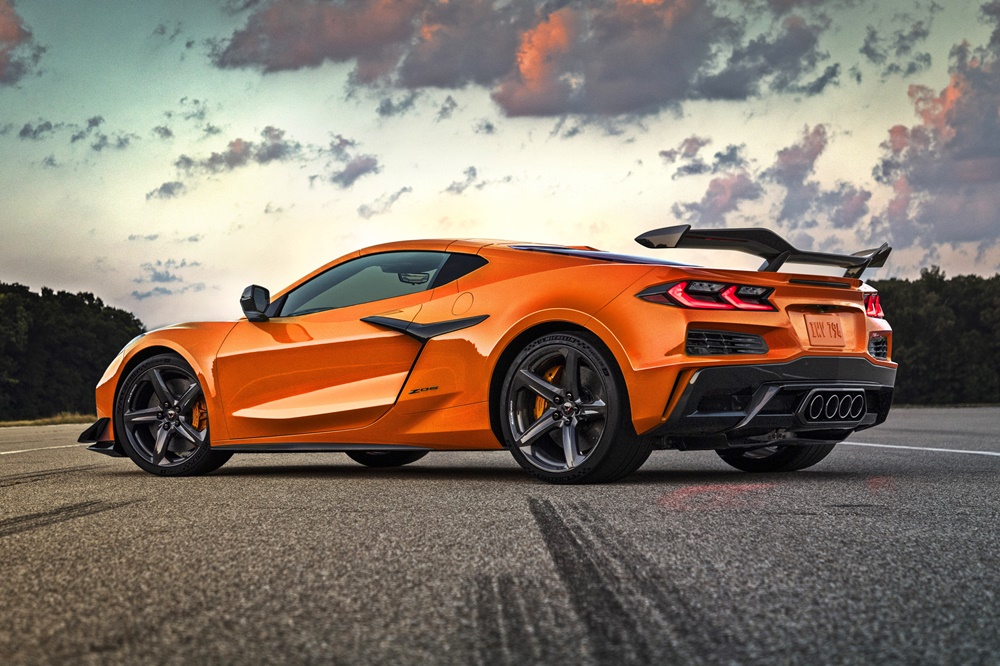
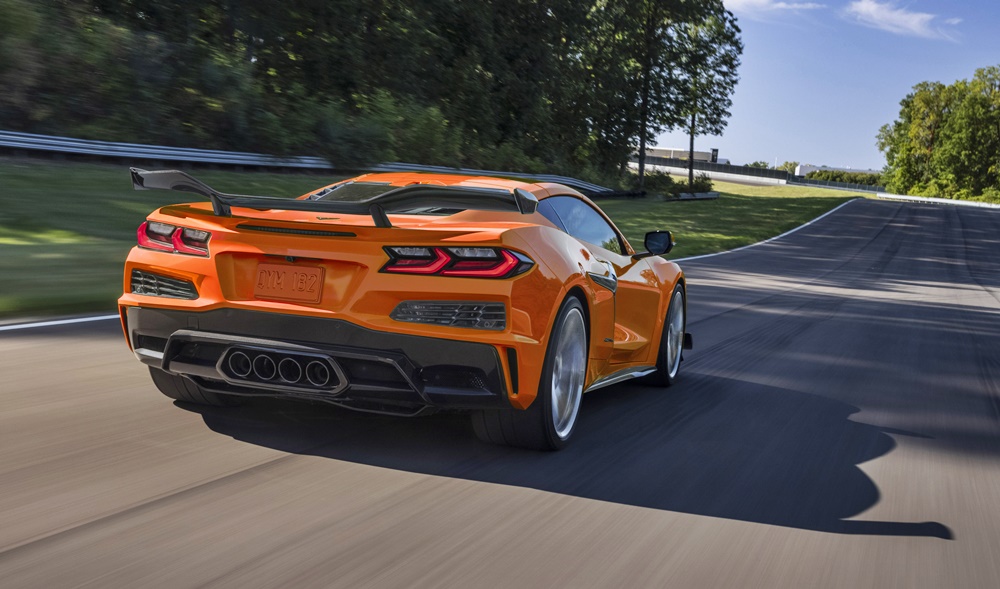
The Chevrolet Corvette Z06 was born in 1963 and was intended for racers as it was fitted with an  optional Special Equipment Package intended for racers. Now, 58 years later, the next chapter in the Corvette journey begins with the introduction of the new Corvette Z06 which arrives 2 years after the first production mid-engine Corvette Stingray debuted.

While the Z06 was created to dominate on the track when it debuted in 1963, the Z06 nameplate has also come to symbolize the American supercar. The performance envelope of Z06 builds on the foundation laid by the Stingray, as does Z06’s design language. Expanded material offerings, new interior packages and features unique to Z06 enable owners to customise their car.
2022 Chevrolet Corvette Z06

Raising the performance bar
“Corvette has always brought a discerning customer to the Chevy family,” said Steve Hill, Vice-President of Chevrolet. “This new Z06 is designed and engineered to set a higher bar with increased levels of craftsmanship, personalization and performance so customers can truly have their own bespoke performance car.”

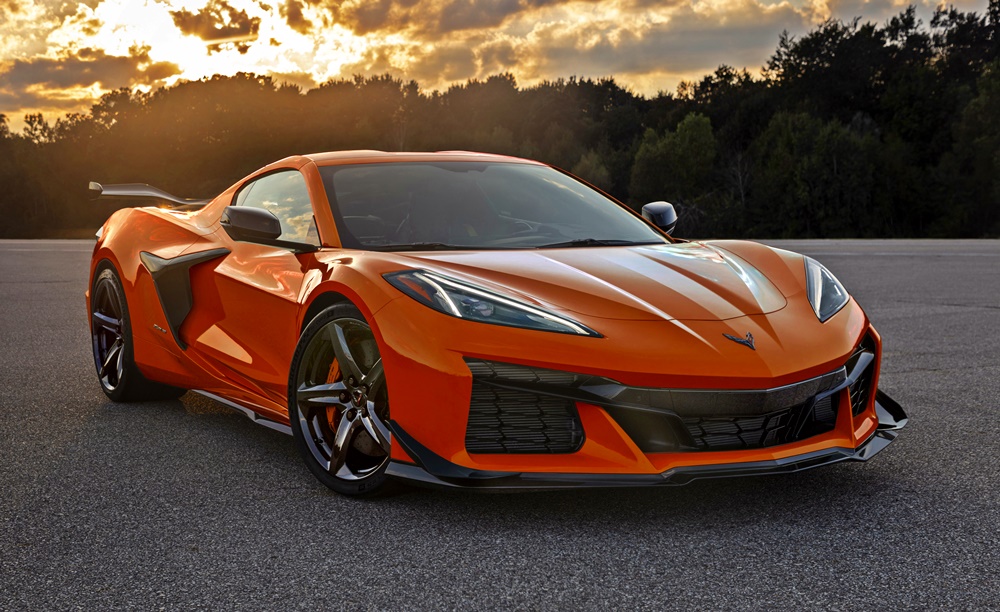
The Z06 is set apart by its all-new LT6, with 670 bhp – the highest horsepower of any naturally-aspirated V8 in a production car today. An all-new flat-plane crankshaft design allows the driver to spin the engine to 8,600 rpm, accompanied all the way up by a distinctive, rich exhaust tone unlike anything ever heard from a Corvette.
2022 Chevrolet Corvette Z06

Racing at its core
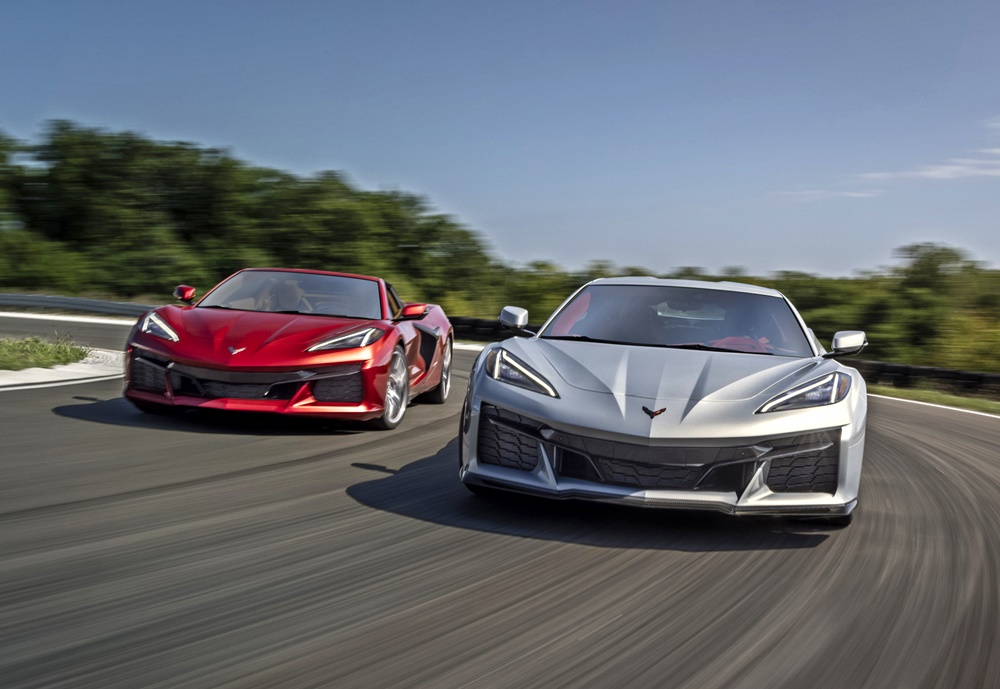
The sound and appearance of the Z06 take direction from Corvette Racing. The direct knowledge transfer from the track to the street comes from the Z06 chassis based on Corvette Racing’s C8.R since it began competing in 2020. Thanks to a shared chassis, similar engine architecture and exterior proportions, the C8.R has been referred to internally as the ‘Z06 hiding in plain sight’.
2022 Chevrolet Corvette Z06

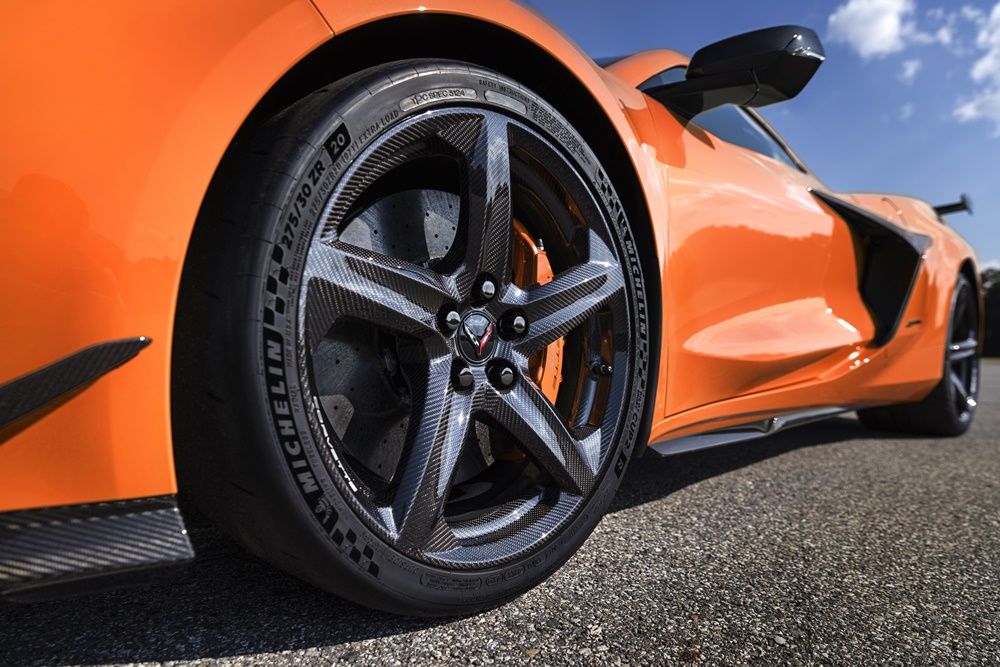
Apart from the more dramatic styling, the Z06 is 9.4 cm wider than the Stingray, accommodating massive 345-series rear tyres and allowing more airflow through side air vents. The standard 20-inch front and 21-inch rear forged aluminium ‘spider’ wheels are the largest ever fitted on a production Corvette. Carbonfibre wheels are also available and take away 18.6 kgs.

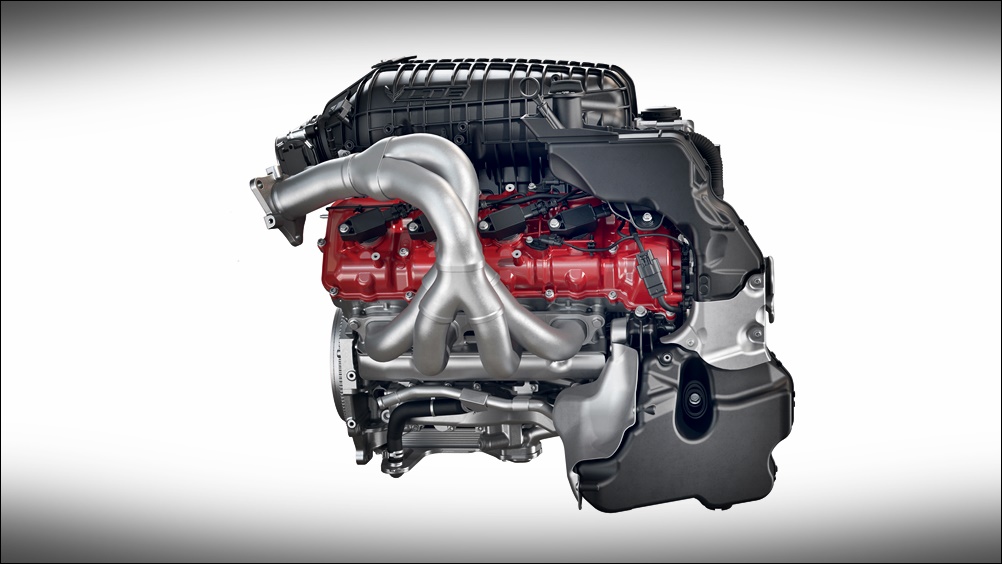
The all-new 5.5-litre DOHC V8 all-aluminium engine with 623 Nm marks a return to natural aspiration for the track-capable performance model. A version of the LT6 has powered the C8.R race cars since 2019, and the demands of endurance road racing helped engineers refine the engine’s performance and durability. An 8-speed dual-clutch transmission with a shorter 5.56 final drive ratio (compared to the Corvette Stingray) enhances acceleration.
2022 Chevrolet Corvette Z06

Track-proven performance technologies
The new Z06 retains the SLA-type front and rear suspension design of the Corvette Stingray, but more specifically calibrated for its higher performance capabilities. Magnetic Selective Ride Control 4.0 is standard and can be adjusted for touring comfort or maximum track performance via the Driver Mode Selector. Like the Stingray, the selector tailors more than a dozen features of the Z06 to suit the driver’s preferences. These include Launch Control and adjusting the engagement rate of the electronic limited slip differential.
2022 Chevrolet Corvette Z06

2022 Chevrolet Corvette Z06

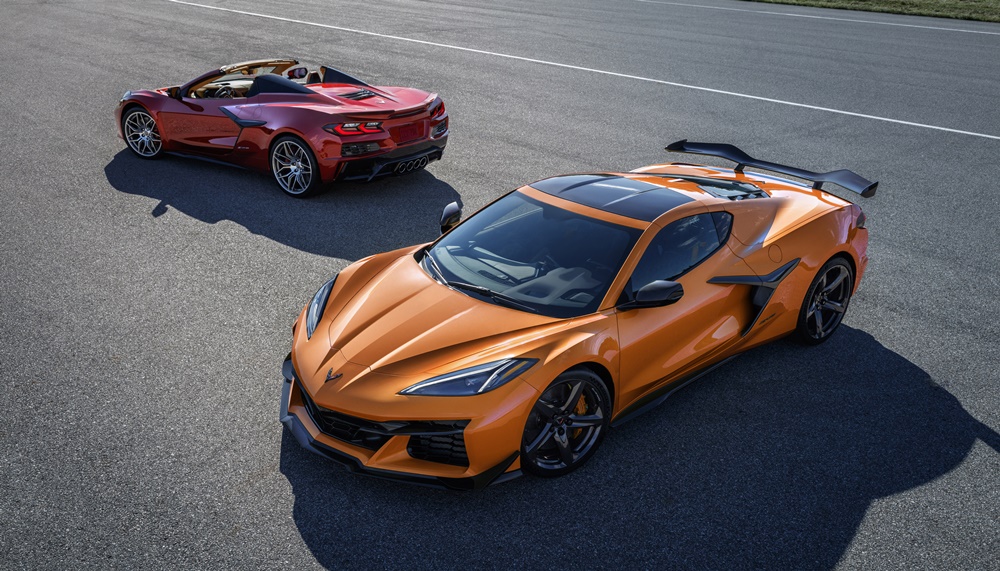
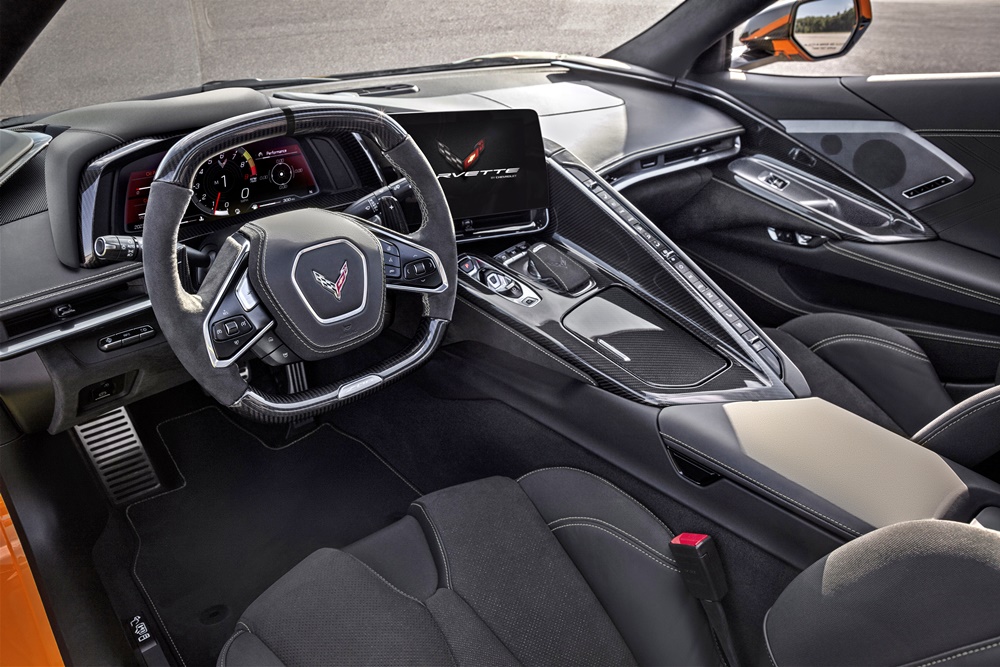
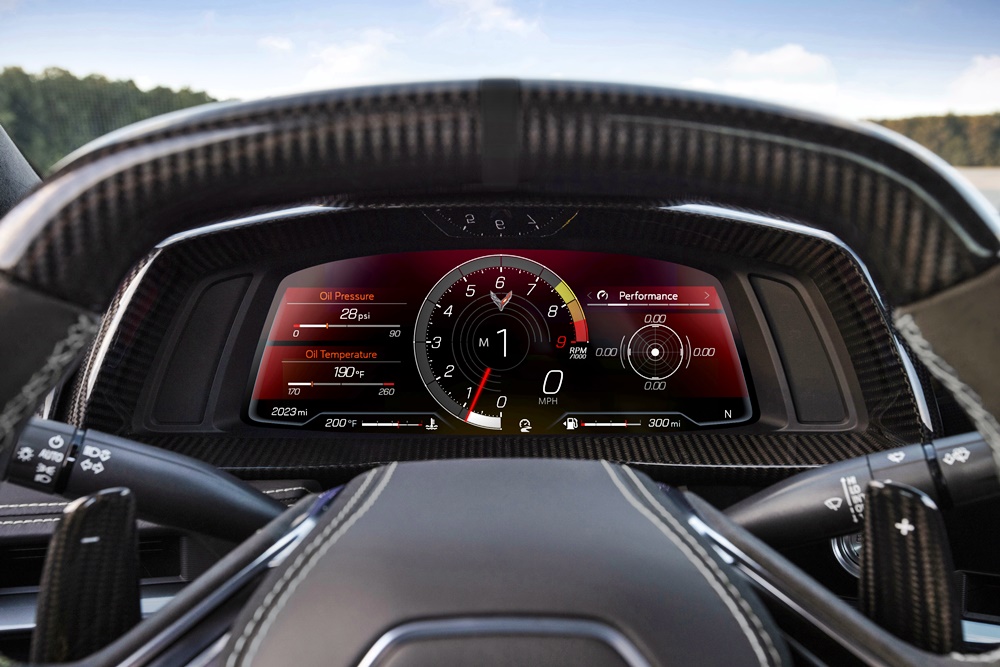
The Z06 is based on the same robust architecture as the Stingray so it can be offered in as a hardtop convertible. Inside, exclusive features include a carbonfibre-wrapped steering wheel, shift paddles and new carbonfibre interior trim.

“Racing was the reason the Z06 was developed in 1963, and it continues to support development of the road models that make them better on the street and the track,” said Tadge Juechter, Executive Chief Engineer, Corvette. “It also means we’ve tested the Z06 on the best tracks around the world, from Circuit of the Americas here in the USA, to the Nurburgring in Germany.”
2022 Chevrolet Corvette Z06

Chevrolet Corvette Stingray is North American Car of the Year for the third time
GM Accelerates Transformation of International Markets’ is the title of General Motors’ press release issued today and it might be meant to have an optimistic tone for shareholders but when you start to go through it, you find that it is shows how the corporation is retreating from global markets because it cannot compete. The decline of what was once the largest company on the planet, the No.1 in automobile manufacturing (by volume, to be clear), and top of the list in the Fortune 500, is not something that has come in recent times. It began in the 1970s and kept getting worse to the extent that it went bankrupt by 2009, forcing reorganization.

Like many big and old American corporations, the way the business has been run has depended on big numbers for economies of scale to stay competitive and dominant. That’s still crucial in the auto industry but GM for too long was an insular company, not giving much meaningful attention to markets outside North America. It had units like Opel and Vauxhall in Europe and Holden in Australia, as well as joint-ventures in China. Opel and Vauxhall were sold off to Groupe PSA three years ago and now, Holden, the 164-year old Australian company, will also be shut down 89 years after GM acquired it. Sales, design and engineering operations in Australia and New Zealand will cease, with the Holden brand retired by 2021.

Holden

The move is explained as a continuation of the comprehensive strategy laid out in 2015 ‘to strengthen its core business, drive significant cost efficiencies and take action in markets that cannot earn an adequate return for its shareholders’. The last part is a similar theme used by Ford when it shut down its manufacturing operations in Australia four years ago.

GM President Mark Reuss said the company explored a range of options to continue Holden operations, but none could overcome the challenges of the investments needed for the highly fragmented right-hand-drive market, the economics to support growing the brand, and delivering an appropriate return on investment.

“After considering many possible options – and putting aside our personal desires to accommodate the people and the market – we came to the conclusion that we could not prioritize further investment over all other considerations we have in a rapidly changing global industry,” he said.

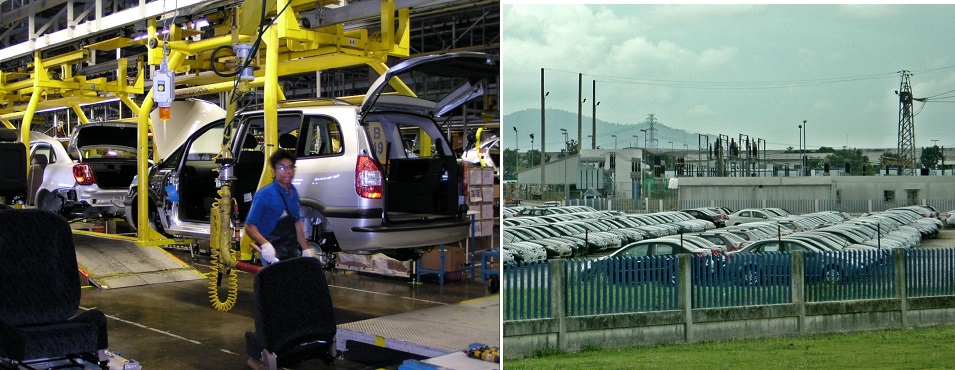
Like Ford, GM just doesn’t care to compete anymore in Asian markets and is pulling out, with the exception of Korea (notwithstanding its 10 joint ventures in China). Its factory in Rayong, Thailand, which was set up to produce for the ASEAN markets using duty-free incentives is also to be sold to China’s Great Wall Motors.

GM Rayong
In the mid-1990s, GM built a big factory in Thailand when the AFTA (ASEAN Free Trade Area) benefits were offered and expected to be a major player in the region.

GM Senior Vice President and President GM International Steve Kiefer said the detailed analysis of the business case for future production at the Rayong facility (which includes an engine plant) indicated low plant utilization and forecast volumes have made continued GM production at the site unsustainable. Without domestic manufacturing, Chevrolet will be unable compete in Thailand’s new-vehicle market. Years earlier, GM also pulled out of Indonesia and ended attempts to grow its presence in the Malaysian market.

These are difficult decisions, but they are necessary to support our goal to have the GM International region on the pathway to growth and profitability,” said Kiefer, adding that GM would also sell its Talegaon manufacturing facility in India.

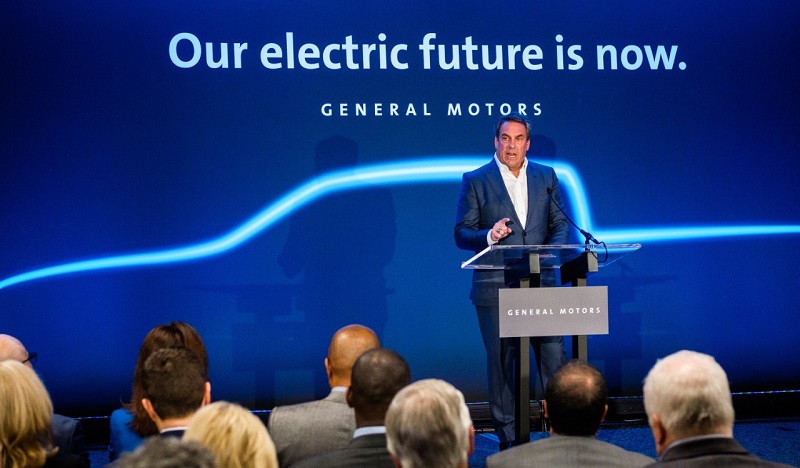
GM
GM wants to focus on markets where it can get ‘robust returns’ and prioritizing global investments in the areas of EVs and autonomous vehicles – and it’s not interested in righthand drive markets.

Outside of North America, it still sees the possibility of continuing business in South America and the Middle East. “In markets where we don’t have significant scale, such as Japan, Russia and Europe, we are pursuing a niche presence by selling profitable, high-end imported vehicles – supported by a lean GM structure,” said GM International Operations Senior Vice-President Julian Blissett.

GM in Malaysia
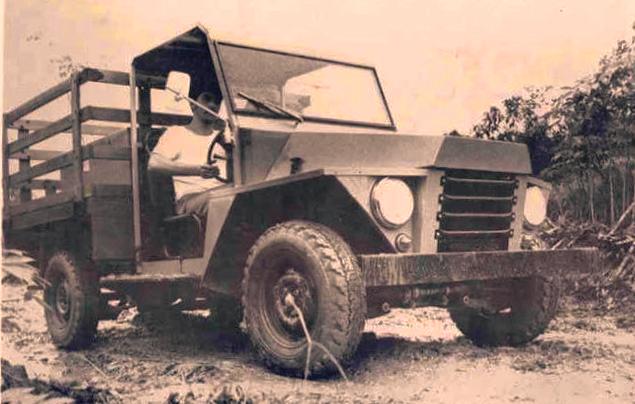
Like Ford, GM was selling its cars in Malaysia decades before the Japanese brands arrived in the 1960s. It had a range of brands like Bedford, Chevrolet, Vauxhall, Opel and even Holden, and even set up an assembly plant in Johor in the 1960s. And before Toyota came out with its Kijang in Indonesia in the mid-1970s, GM’s Bedford unit had developed a simple Basic Utility Vehicle called the Harimau that was intended for the developing countries in the region.

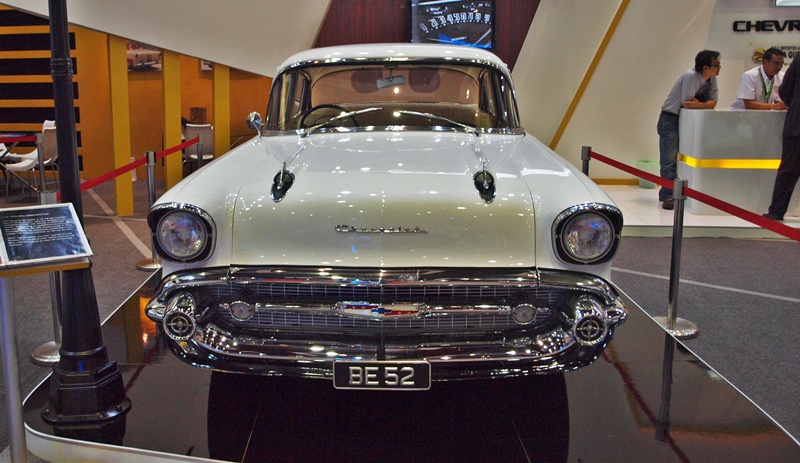
Chevrolet
Chevrolet was sold in the country decades before the Japanese brands arrived. Even Tunku Abdul Rahman used one of its models to travel around the country and a fleet was also purchased to transport VIPs during the first Merdeka celebrations.
Bedford Harimau
The Bedford Harimau was specially developed by GM for developing countries.

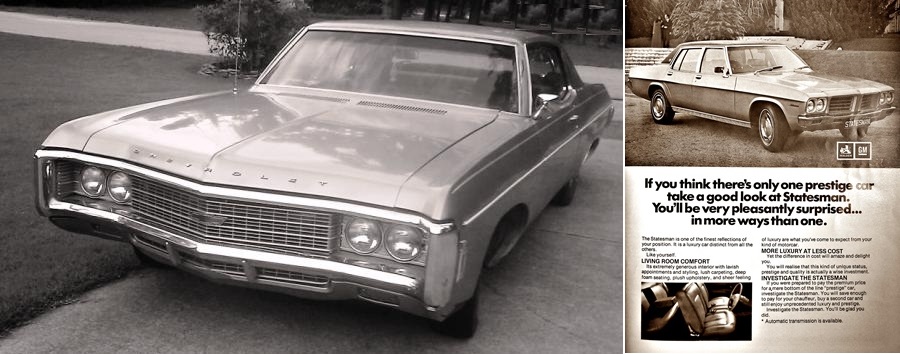
For a while, it tried to sell Holden models like the Kingswood and Statesman (assembled locally) which were rather inappropriate for this market. They had huge engines (2.7 litres and bigger!) and were heavy, thirsty cars. There was a joke that if you bought one, its value depreciated by 50% the moment the new numberplate was attached. 44 units of the Chevrolet Impala were also assembled at the ASSB plant in Shah Alam, Selangor, in the late 1960s and it took a while for them to clear.

Chevrolet Impala Holden Statesman
The GM models assembled in the late 1960s were the Chevrolet Impala (left) and the Holden Statesman (right). Both were big, thirsty and heavy and depreciated very quickly.

Besides the assembly plant, GM had a marketing office in Kuala Lumpur which mainly handled the Opel business until the late 1970s when it closed down and Opel faded from the market like the other brands. In the mid-1990s, a small effort was made to return with the Opel and Holden brands. GM even sent Mike Kimberley, former CEO of Lotus, to oversee the business in Malaysia as there was even talk of assembling the Opel Vectra. But the financial crisis at the end of the decade saw the attempt forgotten.

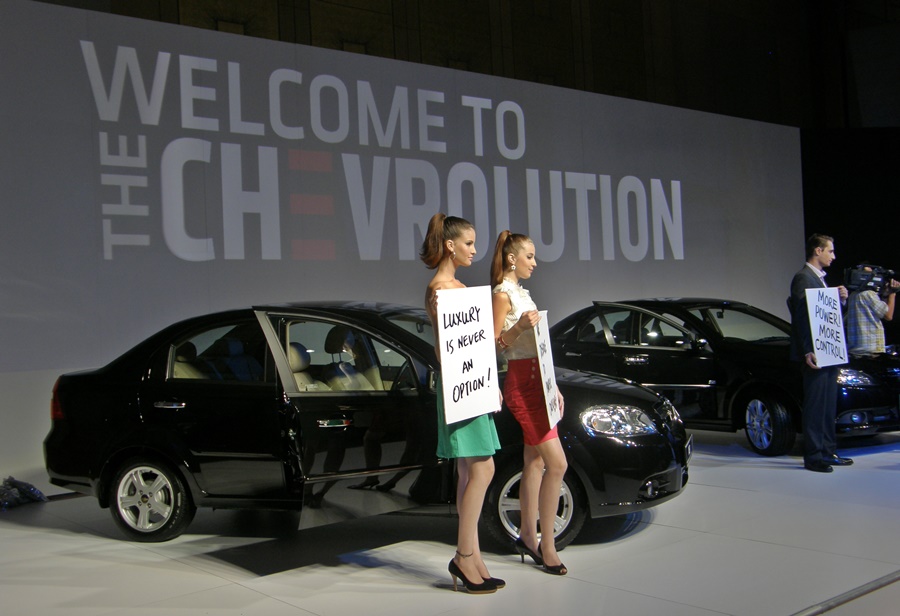
It would be another 4 years before GM returned to Malaysia with what seemed like renewed confidence in the regional market. It had invested in a huge factory in Thailand to produce what was touted as a market that would reach 500 million consumers and it believed it could be a significant player. In fact, in 2004, a senior GM executive told this writer that he expected Chevrolet to be among the top 5 in Malaysia within 4 years. The over-optimistic prediction was accompanied by a remark that ‘the Malaysian market is the same as the Indonesian one so we can apply the same product strategies’. Later, another senior GM executive would boast of how the Cruze was ‘100 times better than the Honda Civic’. It showed how disconnected from the market the Americans were and why they were doomed to fail.

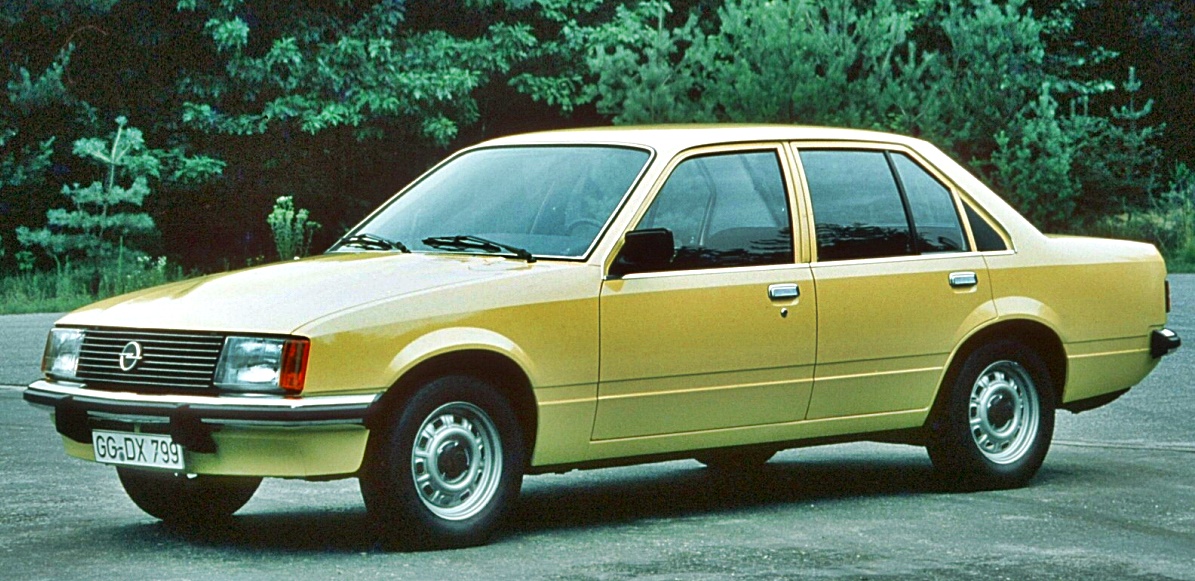
1979 Opel Rekord
Although its Opel brand from Germany (the Rekord model shown above) was respected in the Malaysian market, GM chose to discontinue it and instead used the Chevrolet brand for Asian markets, saying it was ‘the most international of GM brands’. 

Chevrolet

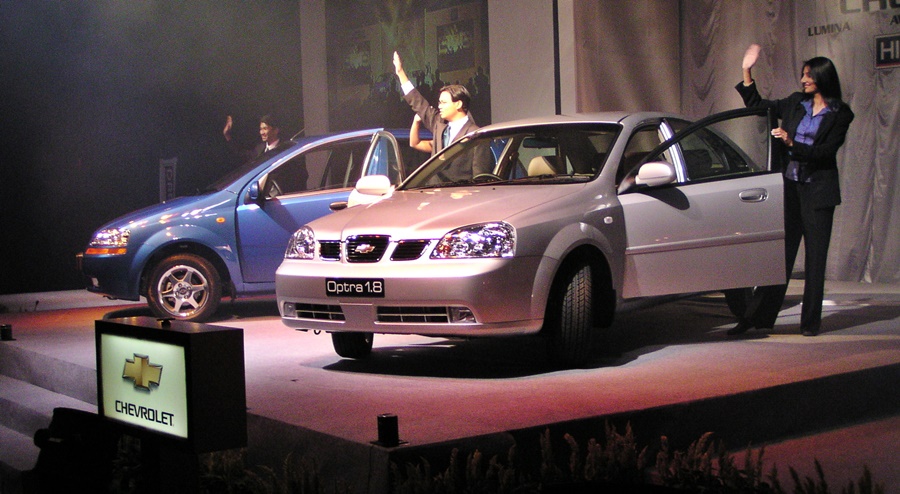
Although Opel, with its German DNA in models like the Rekord, was a respected brand in the Malaysian market, GM chose to use Chevrolet for the region because it was ‘the most international GM brand’. To the older generation, Chevrolet was associated with those Detroit ‘aircraft carriers’ – huge machines on four wheels – even though the range offered was more oriented to ASEAN markets with models like the Nabira and Optra.

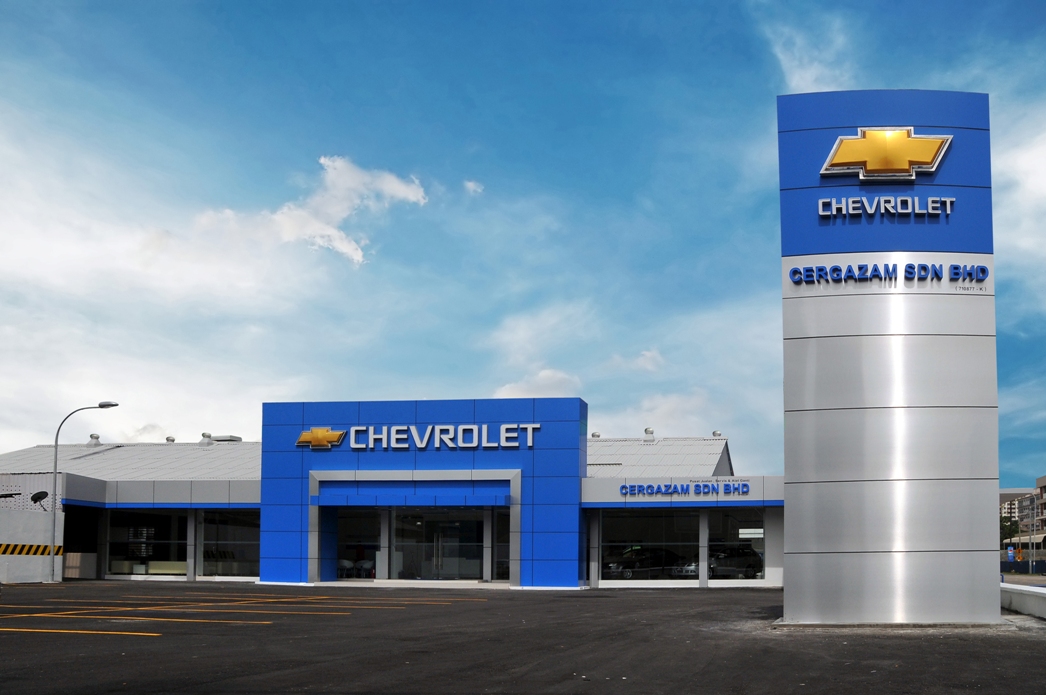
For its initial return in 2002, GM let DRB-HICOM handle the business but eventually found difficulties in managing differences with its distributor in approaches taken for the business. So GM came in to directly run the business in the mid-2000s, around the time Ford was pulling out of Malaysia and leaving the business to Sime Darby. There was a lot of enthusiasm in the early years as GM ASEAN probably had a business plan which appealed to the big bosses in Detroit (remember how they believed that they could become No.4 in Malaysia).
Chevrolet

Chevrolet

To be fair, a lot of marketing initiatives – like cutting parts prices by up to 65% – were carried out to grow the brand but that’s a long-term thing and the problem is that Americans are impatient. Jeep came into the market in the mid-1990s and sold well, but the moment things slowed down and numbers fell, it pulled out right away. They also want big numbers and a veteran local car guy recalls how he went to Detroit to talk to Chrysler about representing them in Malaysia and was told that if he was not taking a thousand cars a month, forget it.

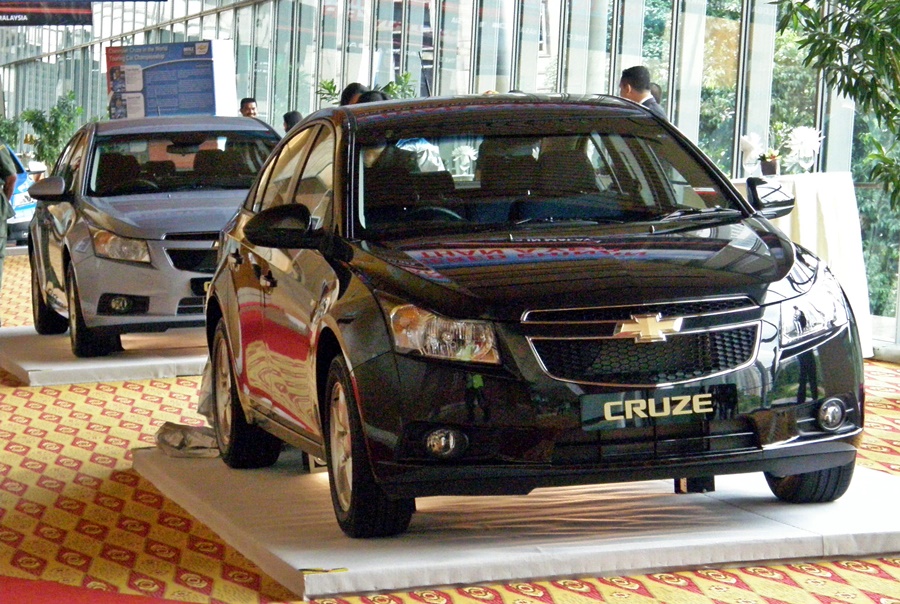
Chevrolet Cruze
After giving up being directly involved in the Malaysian market, GM gave the franchise to the Naza Group which had the  Cruze, a brand new model which seemed promising, to start off with in 2010.

Eventually, GM also gave up on Malaysia (again) but managed to get the Naza Group to take over the brand. Like DRB-HICOM before it, Naza felt it could build the brand and put in much effort. But the products were not competitive enough and the only one that could sell well was the Colorado pick-up made in Thailand. And again, expectations and commitment differed between the two sides with a frustrated Naza suddenly announcing it would cease representing Chevrolet after an 8-year association. Its explanation for the move contained the words ‘long-term sustainability and profitability’, which suggested that GM’s brand could not deliver that.

As GM regards righthand drive markets as not being worth its time, we will probably not see Chevrolet or other GM brands again. Anyway, Chevrolet’s departure from Malaysia has not made much difference since the numbers were insignificant anyway. They were also not particularly big in neighbouring markets so there isn’t really an empty space to be filled.


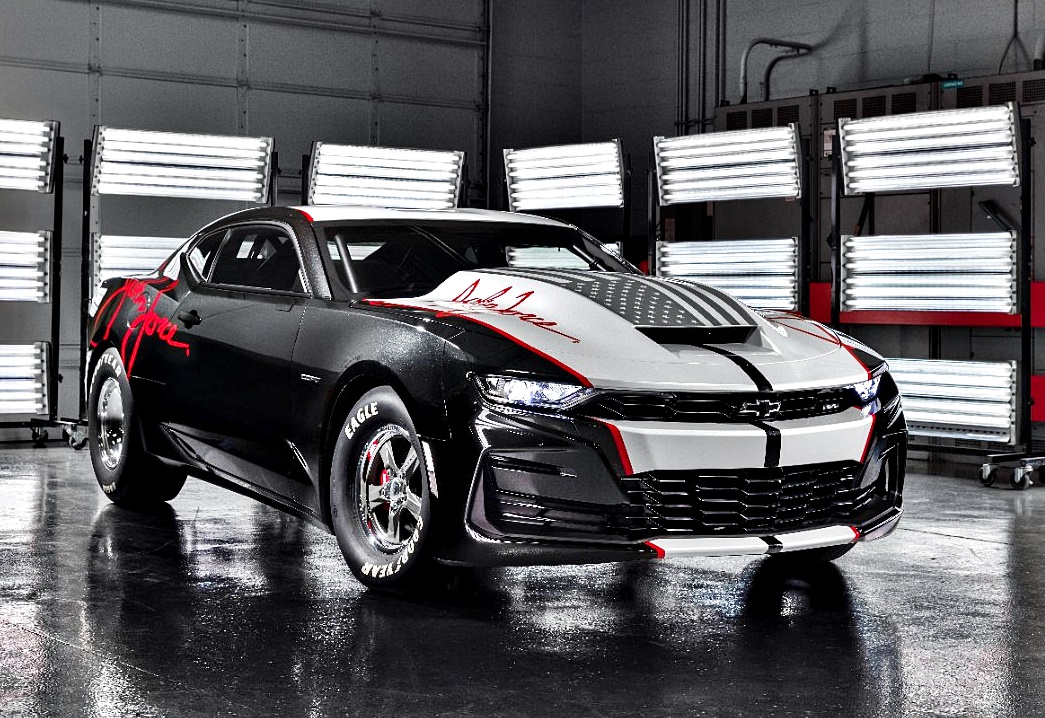
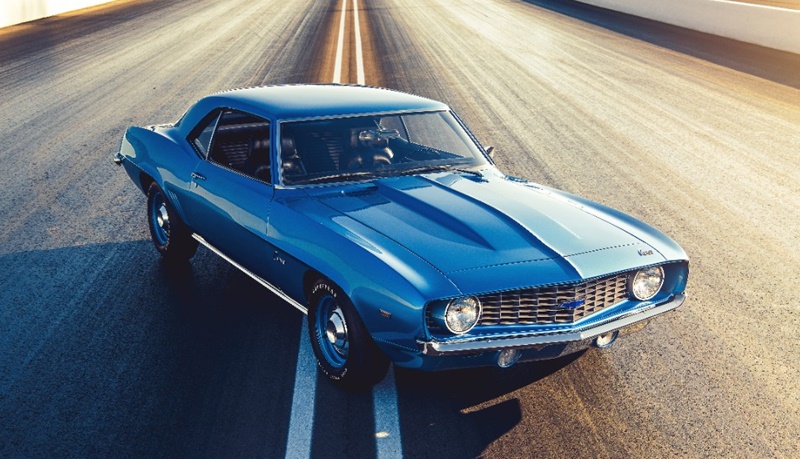
Over the past 7 years, Chevrolet has been a producing 69 specially developed Camaro racing cars at its factory. Known as COPO Camaros, these rare machines have crossed the auction block for charity, raising nearly US$2 million for a variety of important causes.

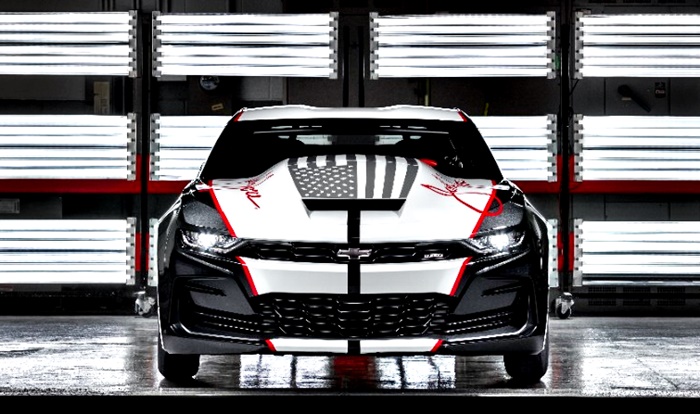
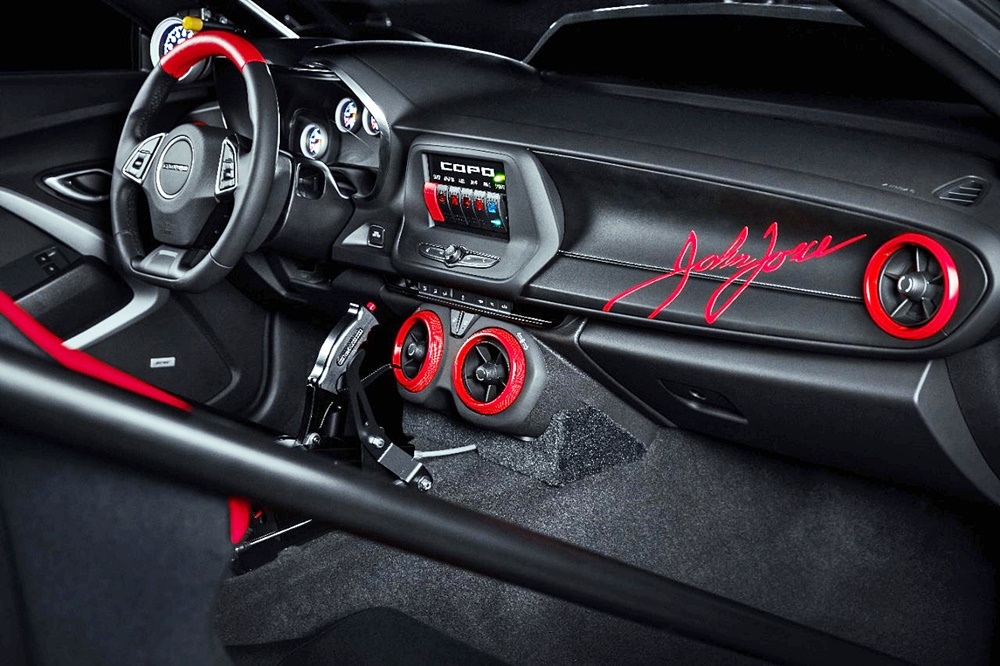
And if 552 units since 2012 is not rare enough, there will also be a 2020 COPO Camaro John Force Edition, bringing together the legacies of Chevrolet’s factory racing car and John Force, the 16-time NHRA (the US National Hot Rod Association) champion driver.
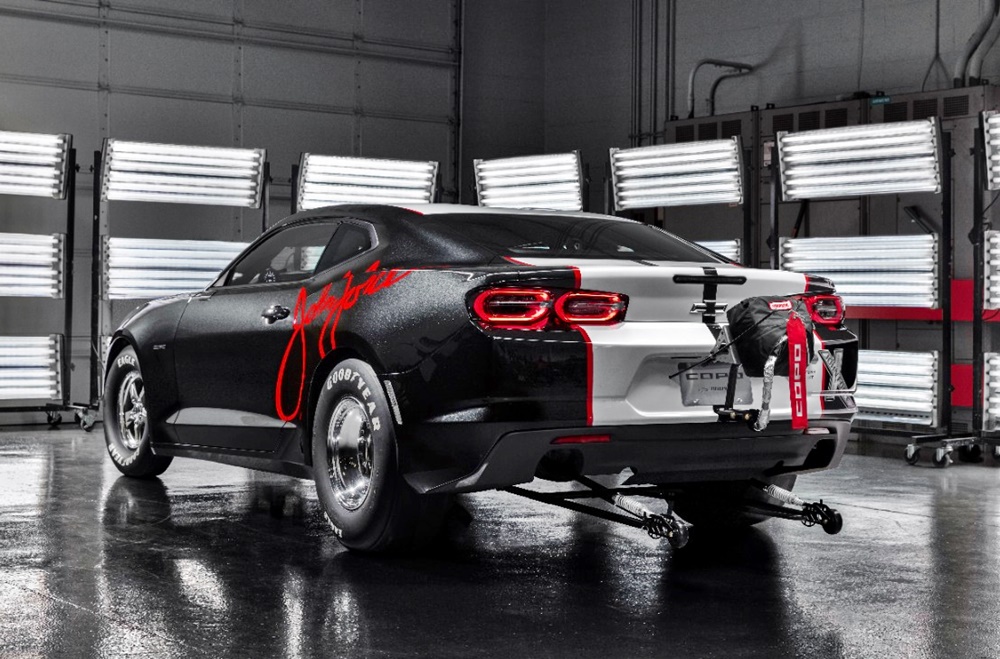
The distinctively styled, supercharged racing car, which can deliver low elapsed times on the drag strip, will be auctioned by Chevrolet in January with the proceeds going to DonorsChoose.org. It carries a unique “2020COPO-FORCE” identification plaque and is considered a unique build in the COPO Camaro range – not part of the annual production run of 69 COPO Camaro racing cars.

Chevrolet 2020 COPO Camaro John Force Edition

“This is a great-looking COPO Camaro, and I enjoyed helping design this car,” said John Force. “The COPO Camaro is already a formidable car, and hard to beat on the track. But this one is even more special, as it will help support a cause I firmly believe in.”

“John Force is one of the most legendary drag racers in history – and his legend started with Chevrolet,” said Jim Campbell, GM U.S. Vice-President of Performance and Motorsports. “We are proud to partner with him on this one-of-a-kind COPO Camaro and are excited to see what it will do on the auction block for charity.”

Chevrolet 2020 COPO Camaro John Force Edition

Additionally, a black-and-silver paint scheme inspired by the John Force Edition is an available option on 2020 COPO Camaros. In fact, there are more colour choices than ever for the 69 buyers. Along with the John Force colour scheme and 4 production colours (red has been the most popular so far), there are seven heritage colours from the 1969 Camaro colour palette: Hugger Orange, Butternut Yellow, Frost Green Poly, Olympic Gold Poly, Garnet Red, Fathom Green Poly and Azure Turquoise Poly.

Chevrolet 2020 COPO Camaro John Force Edition

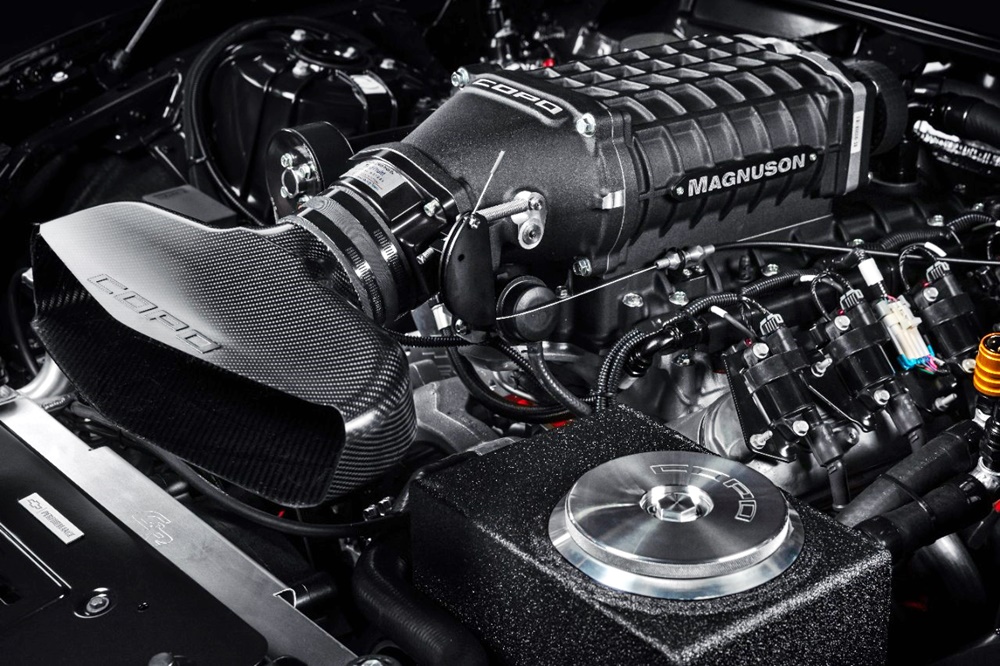
The 2020 COPO Camaro’s available engine line-up includes a revised version of the supercharged, LSX-based 350 engine, featuring a 2.65-litre Magnuson supercharger and all-new LSX-SC cylinder heads, as well as an LSX-based naturally-aspirated 427 engine.

Also available is the Racer’s Package, which includes a carbonfibre air inlet, dual batteries, weight box, parachute and a quick-change coupling (with the supercharged engine).

Chevrolet 2020 COPO Camaro John Force Edition

While most of the COPO Camaros sold are in the USA, Chevrolet says there are units in Canada, Sweden and Germany too. Many are not just sitting still as collector’s items as the owners have won 36 NHRA events to date.

History of the COPO Camaro
While Chevrolet began building COPO Camaros from 2012, the history of this special version actually goes back to 1969 when dealers used Chevy’s special-order system that enabled them to create high-performance vehicles not available elsewhere. It was a sort of loophole to get around the limitations GM placed on Chevy’s performance vehicles.

1969 COPO Camaro
The 1969 COPO Camaro

Instead of placing an order for Camaros using the Regular Production Option sheet, dealers found they could order using the Central Office Purchase Order (which is what ‘COPO’ means) that was usually used for making changes to vehicles sold to municipalities such as special paint or truck equipment. The dealers instead used it to equip the Camaro with the all-aluminium ZL1 427 racing engine.

In 2011, Chevrolet created a COPO concept car and response was so positive from enthusiasts that the company was willing to produce limited numbers, choosing 69 which was the year the first COPO Camaros appeared. The plan was to offer the cars for a few years but demand remained high so production has continued to this day. However, unlike the early versions, the factory-built ones are not street legal. It is in fact the first purpose-built racing car offered by Chevrolet and the fastest Camaro to come out of the factory.PISTON.MY

Having a mid-engine layout was always part of Corvette’s destiny.

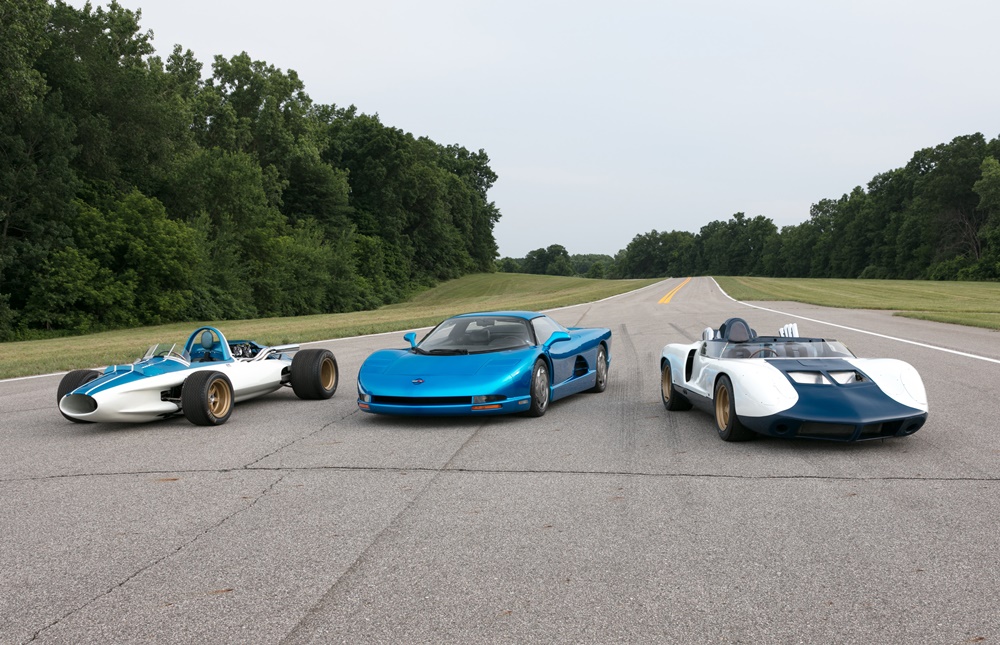
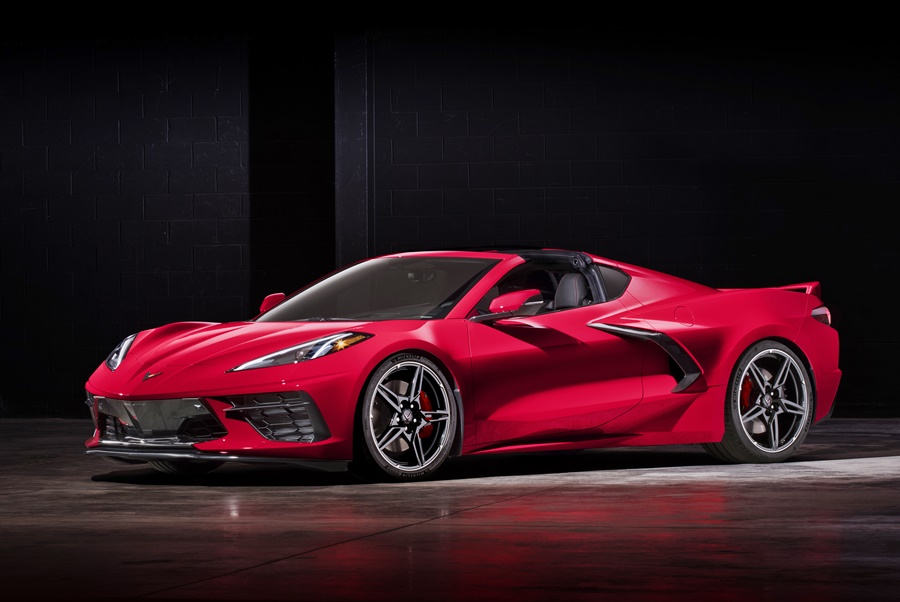
The all-new 2020 Chevrolet Corvette Stingray unveiled recently is the culmination of 60 years of mid-engine experimentation. While the eighth generation of the iconic sportscar marks a radical leap forward in terms of capability from the seventh generation, it also incorporates lessons learned from past engineering exercises such as the Chevrolet Experimental Research Vehicles (CERVs) I-III, the Aerovette and others.

Zora Arkus-Duntov, considered the ‘father of the Corvette’, first encountered early mid-engine vehicles in his youth, including the Auto Union Types C and D Grand Prix racing vehicles. Duntov had a wealth of propulsion knowledge and thrived as an auto racer and engineering consultant in automotive and aeronautics. He was attracted to GM by the original Corvette concept, which he saw at the 1953 Motorama in New York City.

2020 Chevrolet Corvette Stingray
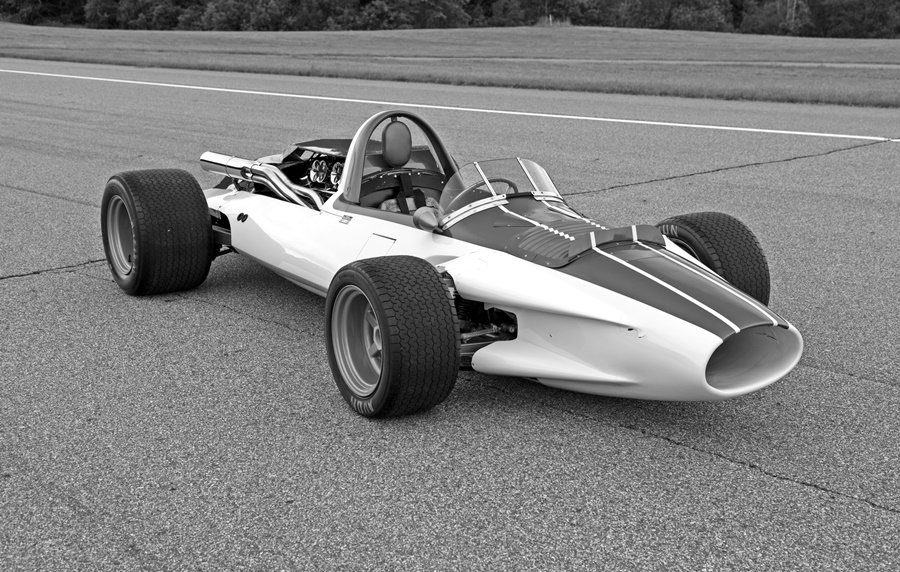
CERV I

Pursuit of mid-engine from the start
Duntov started working at GM in May 1953 and helped Chevrolet chief engineer Ed Cole turn his proposed Small Block V8 into a viable technology for Corvette later that decade. He became Corvette’s first true chief engineer and pursued the mid-engine layout through various concepts, including the CERV I, which debuted in 1960.

CERV I was outfitted with seven different engine combinations in its working lifespan, but its original engine, a Chevrolet Small Block V8, and its lightweight aluminium core are both modernized on the latest Corvette Stingray. Duntov described it as ‘a design without limit’ and an ‘admirable tool’ to instruct Chevy on ‘what to put in Corvette’.

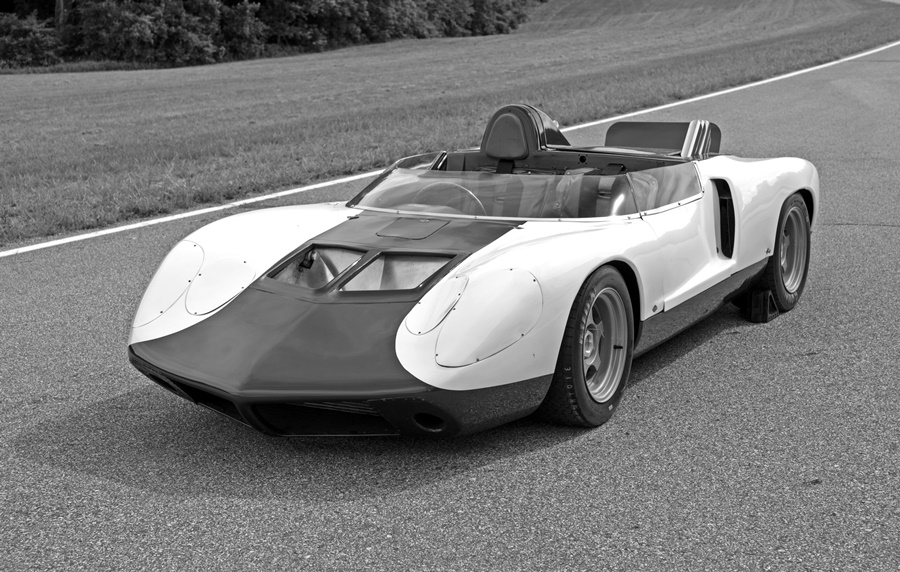
In 1964, Duntov’s team debuted CERV II, which was envisioned as a challenger at Sebring, Le Mans and other races. With torque converters in the front and rear, CERV II employed the first-ever mid-engine 4WD system, for which Duntov held the patent.

2020 Chevrolet Corvette Stingray
CERV II

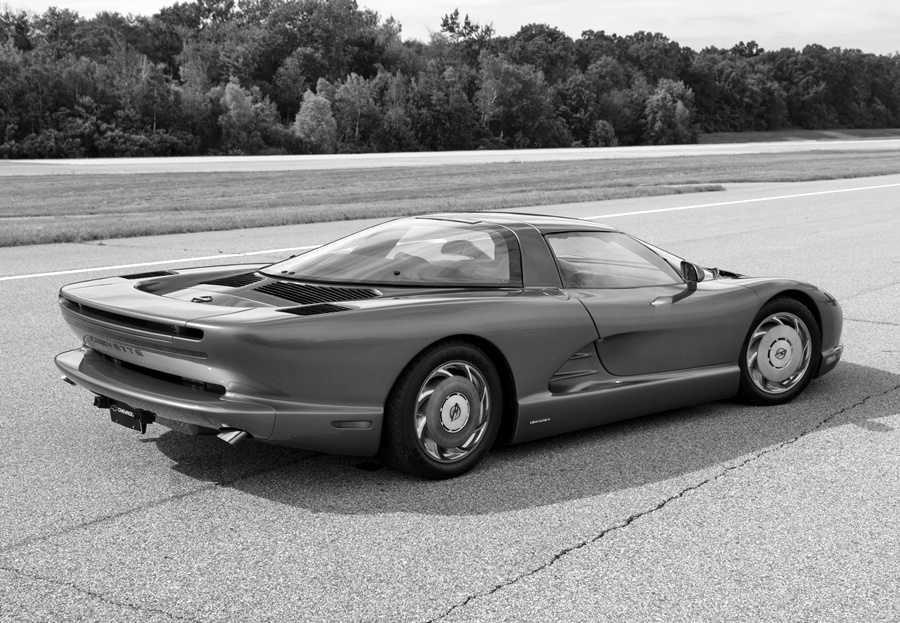
The most recent attempt at a mid-engine vehicle was the 1990 CERV III concept, built in conjunction with Lotus Engineering to explore future levels of performance. CERV III, more of a road car than a track performer, was intended as a development vehicle to evaluate mid-engine structures. CERV III was powered by a 5.7-litre, 32-valve dual overhead cam Small Block V8 with twin turbochargers. It produced 650 bhp and 888 Nm of torque.

2020 Chevrolet Corvette Stingray
CERV III

Drawbacks of a mid-engine layout
Duntov, who retired from GM in 1975, saw the mid-engine layout with the engine located ahead of the rear axle as the optimal configuration for weight distribution, excellent handling and forward visibility. Despite the layout’s innate performance benefits, its implementation in the scheme of mass manufacturing proved problematic.

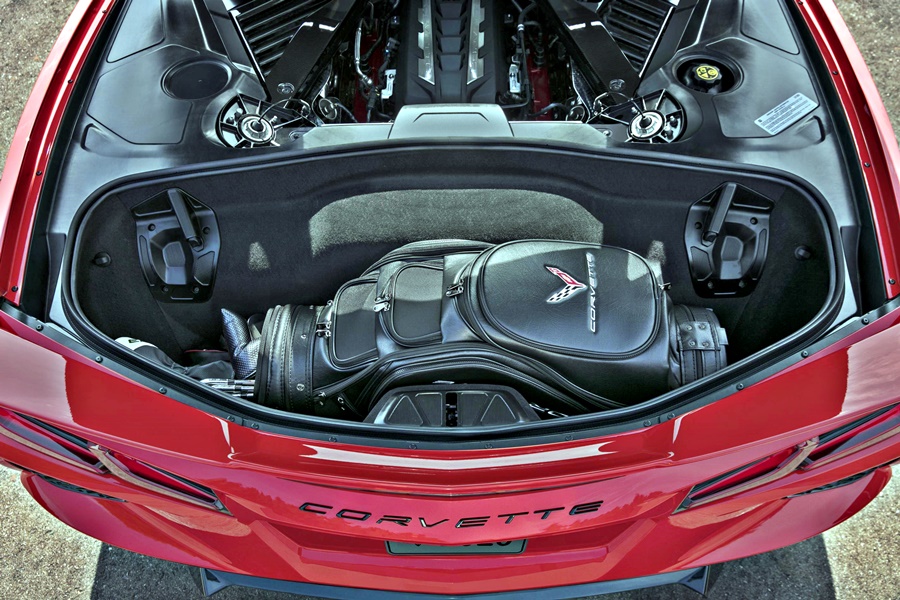
The previous mid-engine Corvettes were relegated to concept status by issues including engine cooling difficulties, limited passenger and luggage space, loudness and the inability to produce a convertible variant.

2020 Chevrolet Corvette Stingray

2020 Chevrolet Corvette Stingray
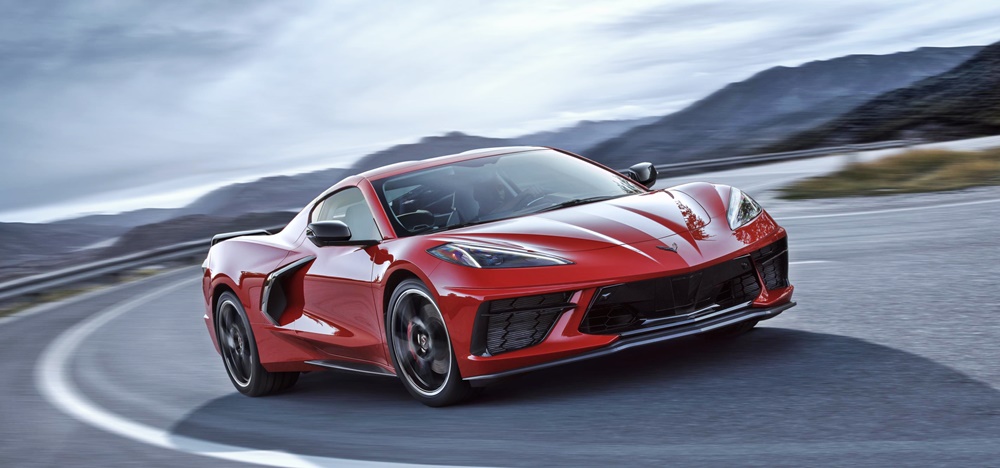
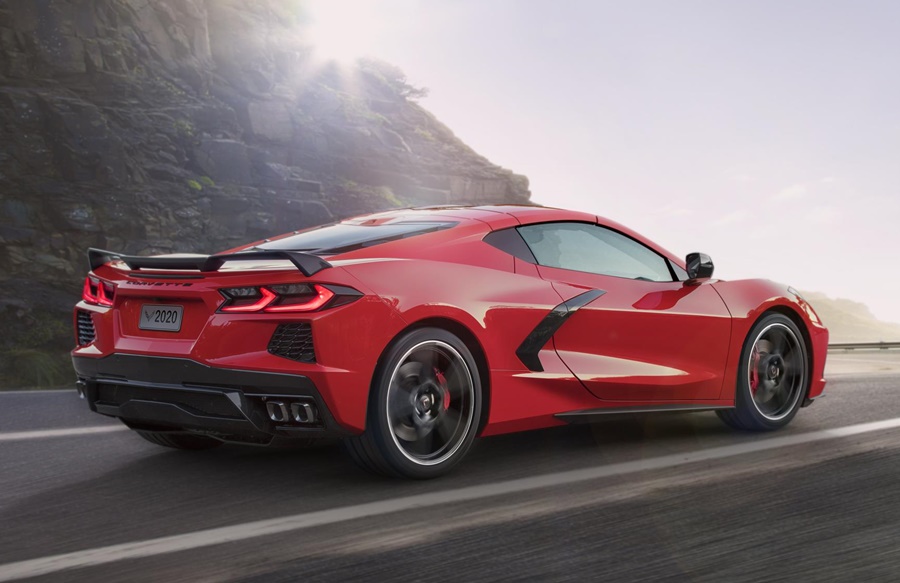
The 2020 Chevrolet Corvette Stingray finally has a mid-engine layout.

Advances in development, aided by computer-assisted engineering and virtual reality, helped the current Corvette team carefully plot out the 2020 Chevrolet Corvette Stingray’s architecture. The engineers worked closely with designers to ensure that the vehicle’s form met all of the necessary performance benchmarks, while preserving the Corvette legacy. Having a mid-engine layout was always part of Corvette’s destiny.

Related article: The 2020 Chevrolet Corvette Stingray

Along with the Ford Mustang, the Chevrolet Corvette is undoubtedly the other iconic American sportscar. Over 7 generations and 60 years, the engineers have dreamed of the sportscar with a mid-engine layout and finally, for the 8th generation, they get their wish.

“Corvette has always represented the pinnacle of innovation and boundary-pushing at GM. The traditional front-engine vehicle reached its limits of performance, necessitating the new layout,” said GM President Mark Reuss. “In terms of comfort and fun, it still looks and feels like a Corvette, but drives better than any vehicle in Corvette history. Customers are going to be thrilled with our focus on details and performance across the board.”

“As America’s most iconic performance nameplate, redesigning the Corvette Stingray from the ground up presented the team a historic opportunity, something Chevrolet designers have desired for over 60 years,” said Michael Simcoe, Vice-President of Global Design, General Motors.

A note about the Stingray suffix – this has not always been present in the nameplate. It has been used for concept cars over the years and on production models, only three generations used to. These were the second and third generation, and the seventh generation which was introduced in 2014. According to the GM Heritage Centre, the use of ‘Stingray’ or ’Sting Ray’ for the sportscar evokes an immediate connection to predatory fish of the ocean.

Chevrolet Corvette Stingray

Showing off the engine
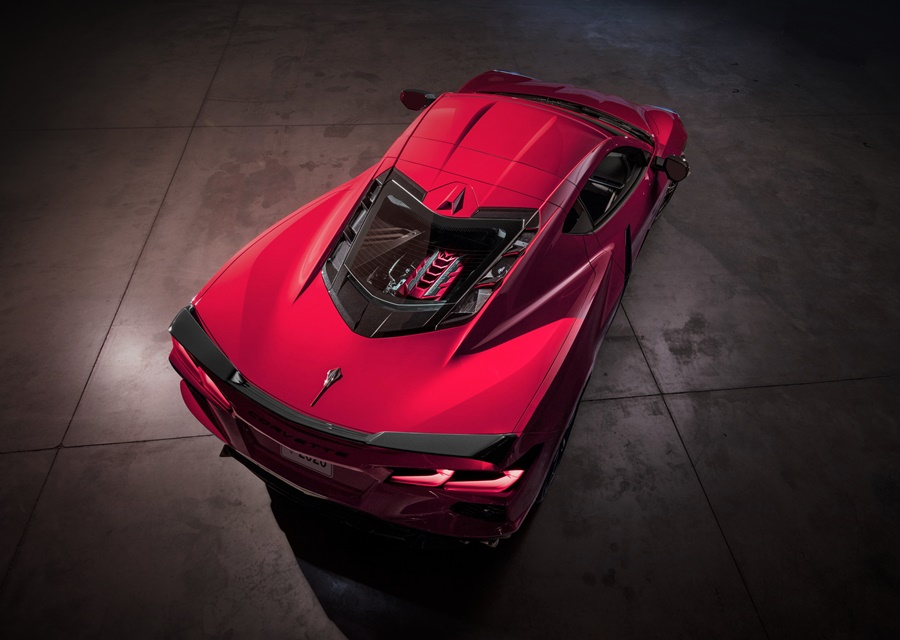
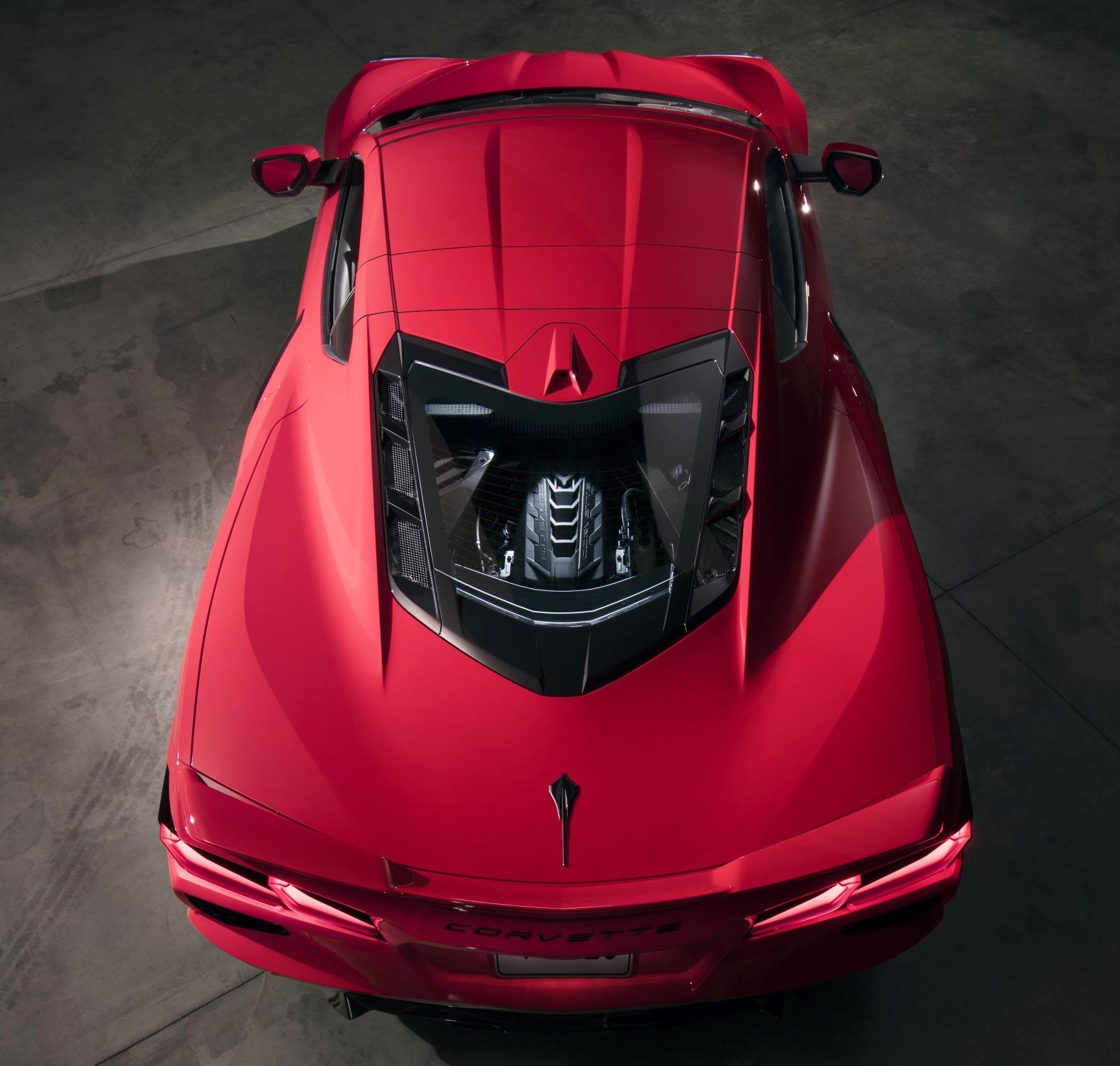
The new location of the V8 engine is truly the focal point for the car’s design. It sits like a jewel in a showcase, visible through the large rear hatch window. The benefits are obvious: better weight distribution, with the rear weight bias enhancing performance in a straight line and on the track. And better responsiveness and better sense of control due to driver positioning closer to the front axle, almost on top of the front wheels.

Chevy’s next-generation 6.2-litre Small Block V-8 LT2 engine is the only naturally aspirated V-8 in the segment. It will produce 495 bhp/637 Nm of torque when equipped with performance exhaust — the most horsepower and torque for any entry-level Corvette. The 0 – 60 mph (96 km/h) is claimed to be under 3 seconds when equipped with Z51 Performance Package.

Chevrolet Corvette Stingray

Chevrolet Corvette Stingray

Perhaps the biggest update is found in the lubrication and ventilation system. For the first time ever, the base Stingray will use an engine-mounted dry sump oil system and three scavenge pumps for improved track performance. During serious track driving, oil volume remains high to avoid diminished performance. The new Stingray’s lateral capability is greatly improved, so the LT2’s dry sump lubrication system had to be redesigned to provide exceptional engine performance even at lateral acceleration levels exceeding 1g in all directions.
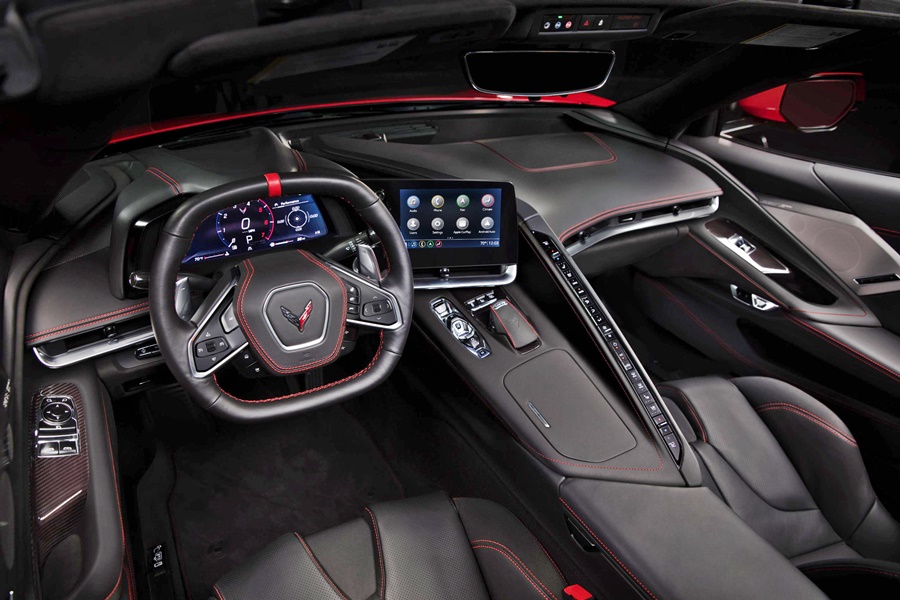
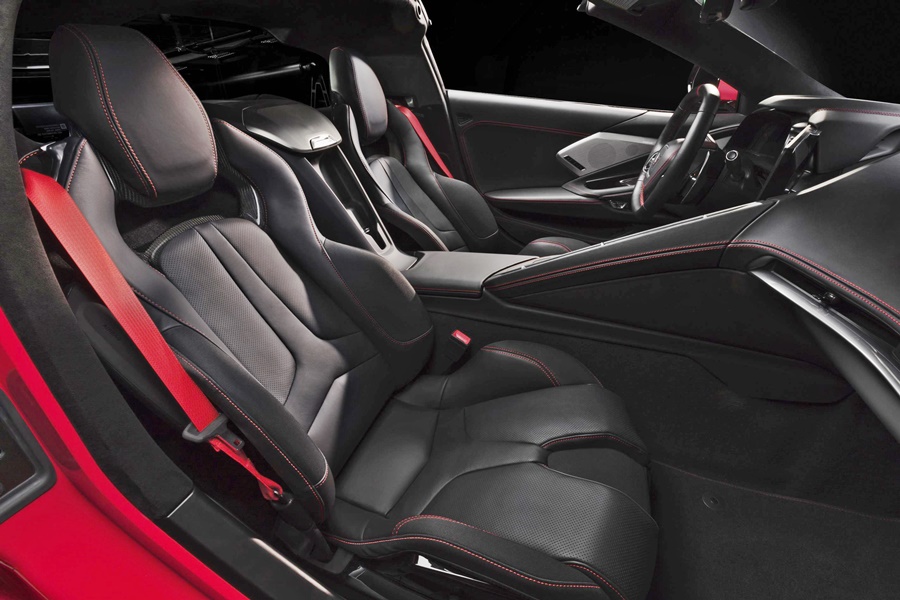
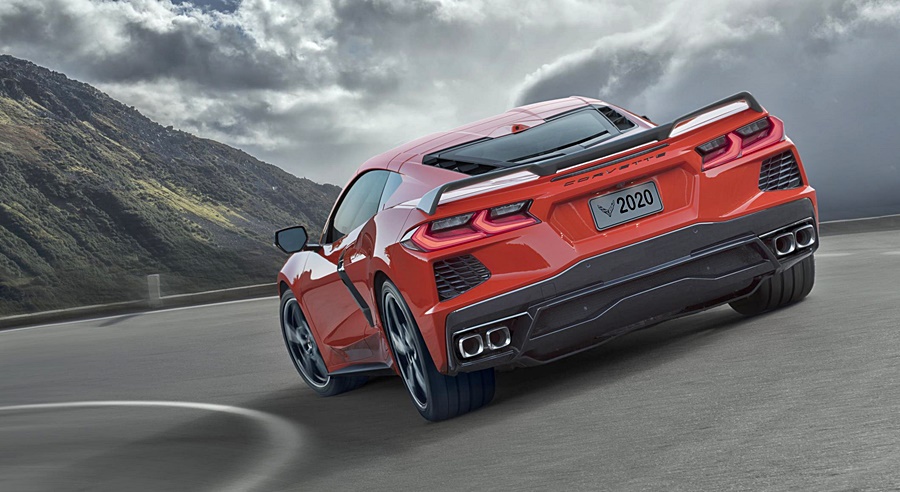
Every part, including the exhaust system’s wires, tubes, routing fasteners, coolant hoses, exhaust manifold and even the bolts and fasteners, is built with appearance in mind. All engine components were given careful consideration just like the exterior, and even the heat shields are textured.

Chevrolet Corvette Stingray

8-speed DCT a first for Chevy
The next-generation LT2 is paired with Chevrolet’s first 8-speed dual-clutch transmission. This transmission, designed with TREMEC, has a double-paddle de-clutch feature that even allows the driver to disconnect the clutch by holding both paddles for more manual control.

The DCT is mated to a new Electronic Transmission Range Selector. With this electric shifter, there’s no mechanical interface between the shift lever and the transmission. The Corvette’s electric shifter incorporates two pull toggles for Reverse and Drive and push buttons for Park, Neutral and Low/Manual.

The new Stingray benefits from GM’s new digital vehicle platform, an all-new electronic architecture that enables the adoption of the company’s next generation of technologies. The architecture minimizes wiring while allowing for faster signal transmission between different vehicle systems and the higher resolution screens. The platform enables continuous vehicle improvements through over-the-air updates and enhanced cybersecurity measures.

Chevrolet Corvette Stingray

Chevrolet Corvette Stingray

Design inspired by racing and aeronautics
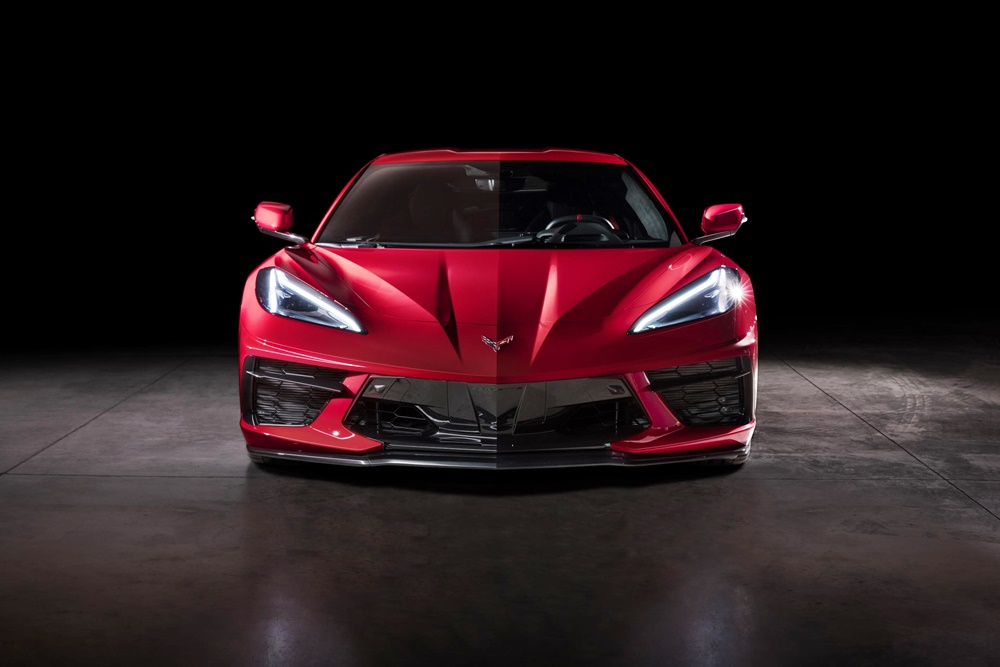
The new exterior design has a bold, futuristic expression with mid-engine exotic proportions but it is still unmistakably Corvette. The door, bonnet and hatch releases are all hidden, keeping surfaces smooth.

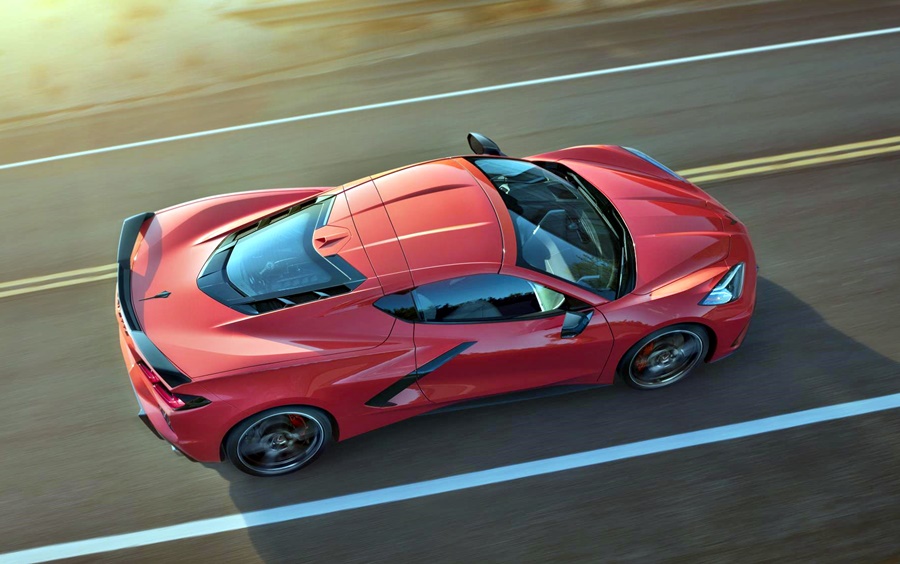
True to its aeronautical and racing roots, the Stingray’s canopy-forward stance was inspired by the F22, F35 and other modern fighter jets as well as Formula 1 racing. Other classic Corvette signatures adapted to the Stingray include a distinctive face that communicates the purpose of the vehicle’s mission, a classic horizontal crease, aggressive front fenders and familiar positioning of the dual-element headlamps.

2020 Chevrolet Corvette Stingray

2020 Chevrolet Corvette Stingray

Personalisation like never before
The interior is further enhanced by a cockpit that envelopes the driver, conveying the high performance and aeronautic theme. Vertical climate controls and ultra-thin vents minimize the height of the instrument panel, creating a low, spacious interior.

There’s a choice of either real aluminium or real carbonfibre for console and door trim plates. Personalisation is like never before and customers can even choose from 6 seatbelt colours and 2 stitch packages.

And, like the Mustang, this will be the first time in the Corvette’s history that a righthand drive variant will be available from the factory as well.
Carbonfibre trim for seats
Besides the GT1 seats, there are GT2 seats which are first for the model. These seats have a racing-inspired look with comfort for long trips courtesy of dual density foam. They include carbonfibre trim, a Napa leather insert, Mulan leather bolsters, a jet black-painted seat back, two-way lumbar support and wing adjustment, plus heating and ventilation.

2020 Chevrolet Corvette Stingray

Competition Sport seats can be ordered for the serious track-focused driver. These have aggressive bolsters, full Napa seating surfaces and carbonfibre trim on the headrest, heating and ventilation, along with an all-new durable performance textile inspired by Kevlar vests.

The centre tunnel ‘backbone’
The car’s structure is built around its backbone: the centre tunnel. This enables a light, stiff structure to serve as the foundation for the suspension system to perform in an optimized manner. By removing unwanted body compliance, Corvette customers will experience the ultimate in ride performance with outstanding lateral grip capabilities.

The new Stingray features coil-over dampers that create entirely new ride and handling characteristics. The mid-engine architecture allows for a short, straight and stiff steering system, coupled with an updated electronic steering system, making the driver’s chassis input instantaneous.

2020 Chevrolet Corvette Stingray

The front suspension lift raises ground clearance by approximately 40 mm at the front bumper in 2.8 seconds, protecting against bumps, potholes, steep driveways and other road disturbances. It can operate at speeds up to about 40 km/h and be programmed to work automatically through GPS to remember up to 1,000 locations.

The optional Magnetic Ride Control 4.0 reads the road better, providing more precise data through suspension-mounted accelerometers. Its improved electronics are said to respond faster and more smoothly to driver inputs and contribute to class-leading ride quality.

2020 Chevrolet Corvette Stingray

Production of the new Corvette Stingray starts later this year and its starting price is to be below US$60,000 (equivalent to about RM247,000). This has amazed American enthusiasts who see it as a bargain price for a mid-engine sportscar although the more capable variants would cost more.

Naza Quest Sdn Bhd will cease to distribute new Chevrolet vehicles but will continue to provide warranty and after-sales service for existing Chevrolet customers, until the appointment of a new Chevrolet distributor under an agreement between Naza Quest and General Motors (GM).

Dato’ Samson Anand George, Group CEO, Automotive Group, Naza Corporation Holdings Sdn Bhd (below) outlined the Naza Group’s future strategy: “We came to this decision as a result of a brand rationalisation plan under the Naza Group’s overall corporate strategy to create long-term sustainability and profitability. We will continue to focus on our other four and two-wheel brands. The Naza Group will maximize its complete automotive line-up and explore other business opportunities to expand its market share in the automotive industry.”

GM and Chevrolet remain committed to Malaysia, with strong growth potential and a loyal fan base in this important regional market. Chevrolet will resume sales of its world-class vehicle portfolio in Malaysia as soon as possible and is in advanced discussions with potential new partners. A new master distributor partner will be announced in due course.

The cessation of Naza Quest’s Chevrolet new car business operations will take effect from 15 November, 2018.
“I would like to thank General Motors (GM) for their unwavering trust in the Naza Group for the past eight years and wish them all the best in their future endeavours,” Dato’ Samson added.

While sales of new Chevrolet vehicles will be temporarily put on hold, the majority of Chevrolet dealerships will remain open during this transition to meet the after-sales needs of Chevrolet customers. Naza Quest is pleased to confirm it will continue serving Chevrolet customers at selected existing dealer points, offering customers continuity of vehicle service, parts, warranty and after-sales service in Malaysia.

Vanchana Unakul, General Director of GM Southeast Asia, reinstated GM and Chevrolet’s commitment to Malaysia and Chevrolet’s customers: “Chevrolet is here to stay in Malaysia and we will be announcing our new distributor partner as soon as possible. I’d also like to thank Naza Quest for their partnership and dedication to the Chevrolet brand over many years,” said Unakul.

For customer enquiries, kindly email: info_chevrolet@naza.com.my or call 1-800-2-CHEVY (24389) to get in touch with the Chevrolet customer service hotline team managed by Naza Quest.

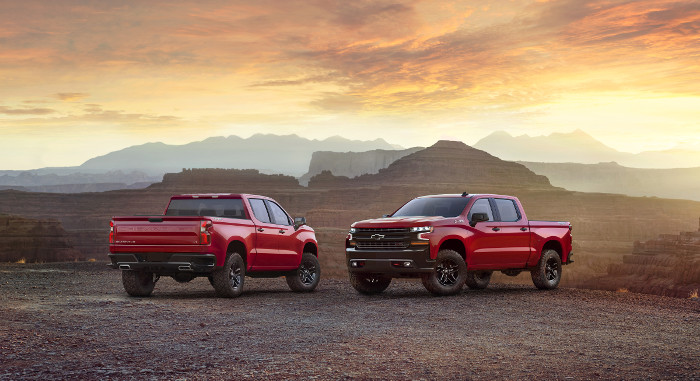
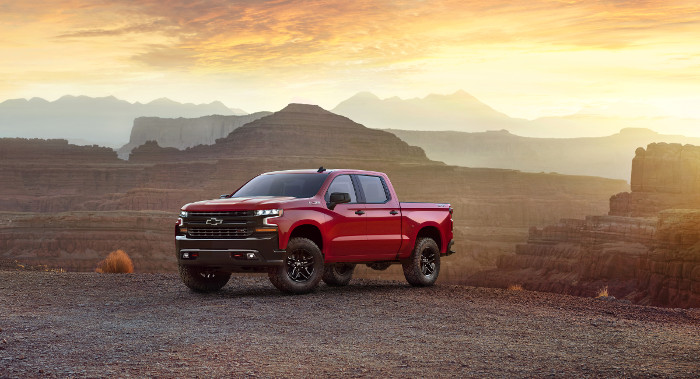
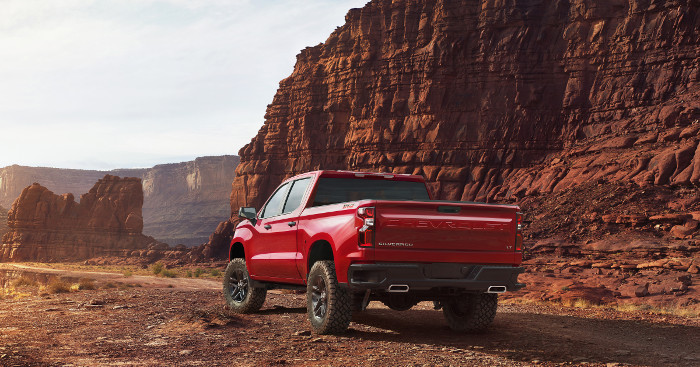
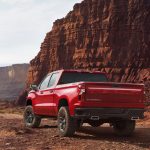
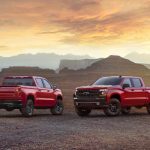
Chevrolet has updated its Silverado pick-up truck, making it tougher and more masculine than before. Completely new from the ground up, higher grade alloy has been used in the roll-formed, high-strength-steel bed floor, contributing to a bed that is more functional and lighter.

This manufacturing process and the idea of combining several metals, have been adopted for the construction of other parts of this truck as well. As a result, the new Silverado is significantly lighter than the outgoing one, but with no reduction in toughness.

Performance has been bumped up too, and when combined with the Z71 package, enables the truck to go just about anywhere. Adding to that, with the new vehicle, Chevrolet is offering a plethora of options that include engine/transmission combinations, tech and others.

The 2019 Silverado builds upon the modern design advances in Chevrolet’s history of industry-leading pick-up designs. Its current truck is a culmination of decades of experience from developing models such as the Advance Design trucks of the 1950s and the C/K series of the 1960s.

According to the automaker, this new 2019 Silverado will make its public debut in January 2018 at the North American International Auto Show in Detroit.The event will coincide with the the fact its been 100 years since the first Chevy trucks were delivered to customers.

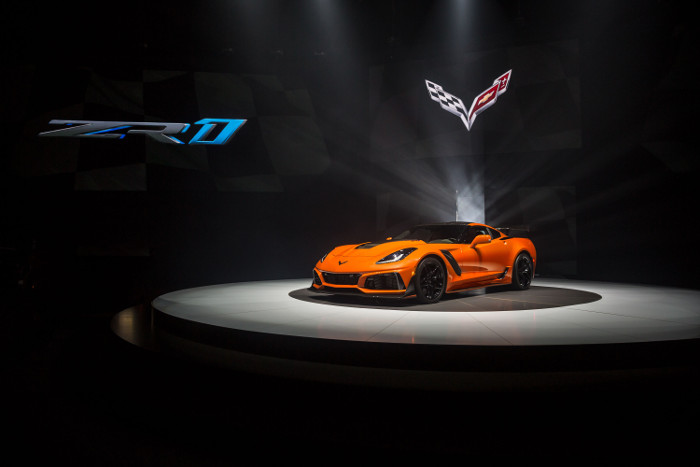
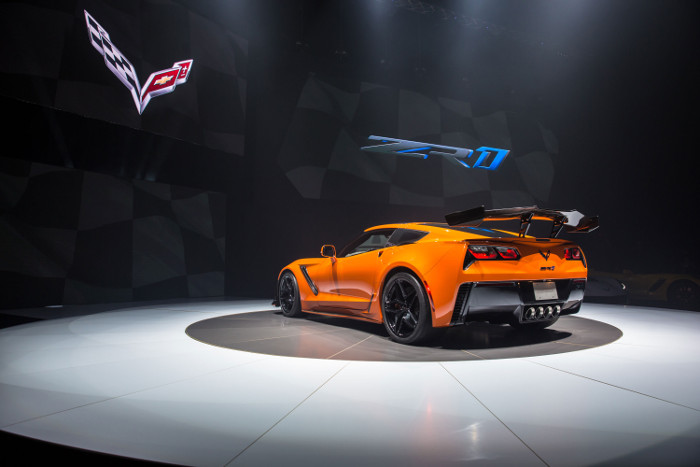
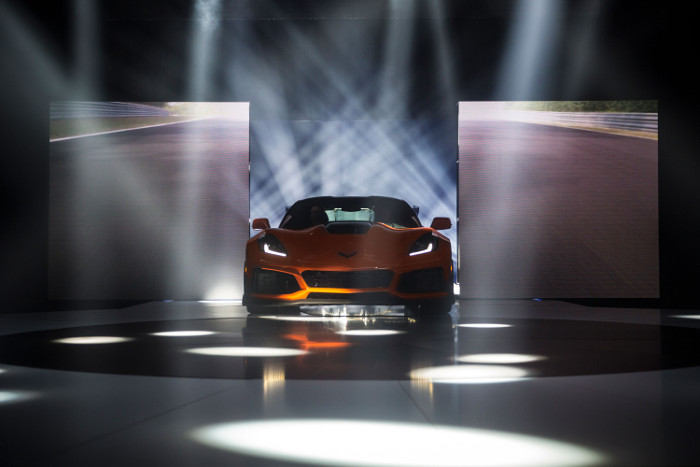
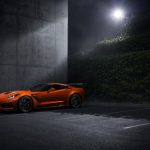
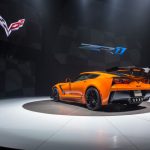
GM’s newest and baddest Corvette ZR1 has finally been revealed, and based on first impressions, its an absolute beauty. The car has a more aggressive frontend that has been purposefully designed to channel air to the 6.2-litre V8 engine and cooling systems while minimizing as much drag as possible.

Chevrolet has fitted this ZR1 with four new radiators bringing the total number of heat exchangers to 13. There’s also a carbon-fibre hood with an opening in the centre to accommodate the LT5 engine’s supercharger/intercooler assembly. Unlike the LT4, this one provides a much higher output due to a more efficient system.

Apparently, it offers 52% more displacement than the Z06’s LT4 supercharger. The powerplant also benefits from GM’s first dual-fuel-injection system, which employs primary direct injection and supplemental port injection, helping the LT5 achieve its record output. As such, this new ZR1’s engine produces an SAE-certified 755 horsepower and 969Nm of torque.

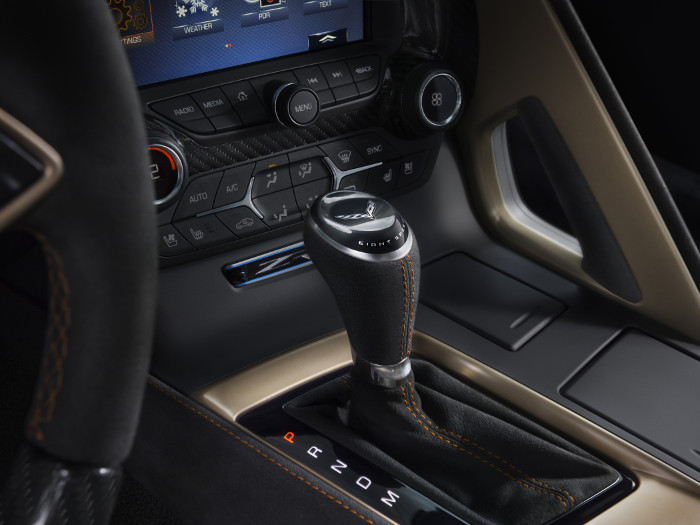
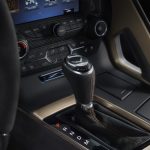
It can be mated to either a 7-speed manual or 8-speed automatic gearbox, which is the first time that the ZR1 has been offered with a choice of two different transmission. This could also be Chevy’s way of insinuating that automatics may become a mainstay in its future performance models.

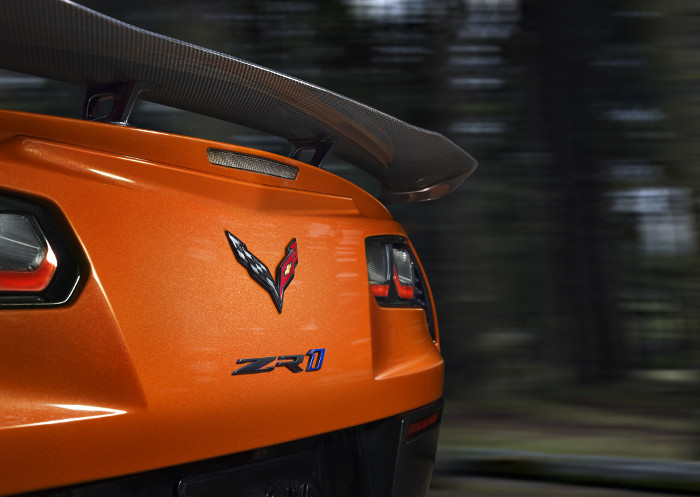
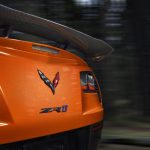
Two different aero packages that have been wind tunnel tested, will be offered as add-ons for the Vette. A standard low wing helps the car achieve better handling, then there’s also a high profile tow-way adjustable wing that offers 60% more downforce than the one on the Z06. Adding to that, the standard issue front under-wing boosts overall downforce even further.

And if that still isn’t special enough, Chevy is also offering the Sebring Orange Design Package. As the name suggests, opting for this kit gets you a Sebring Orange tintcoat exterior color, orange brake calipers, orange rocker and splitter accent stripes, orange seat belts, orange interior stitching but weirdly enough, a bronze-aluminum interior trim.

But that’s not all, you also get heated and vented Napa leather-trimmed seating, carbon fiber-rimmed steering wheel, sports seats, Performance Data Recorder, Bose premium audio system and several others. Chevrolet is offering a whole plethora of additions to the car to complement its performance characteristics.

The 2019 Corvette ZR1 will be made available for sale in the US sometime early next year. However, more information about its performance and how fast it is able to lap he Nurburgring, will be divulged far earlier than the launch date.

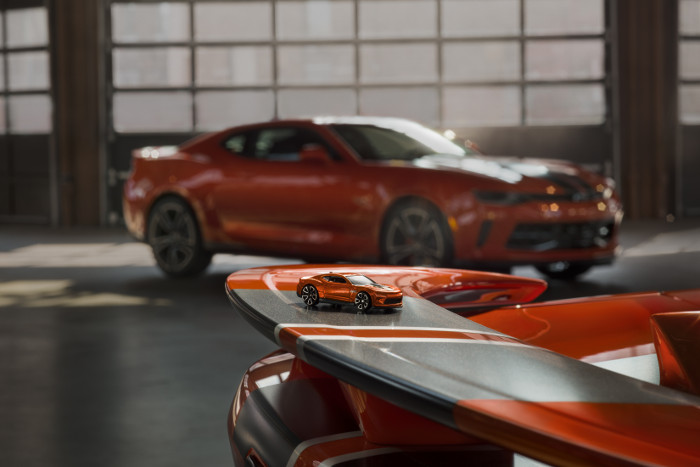
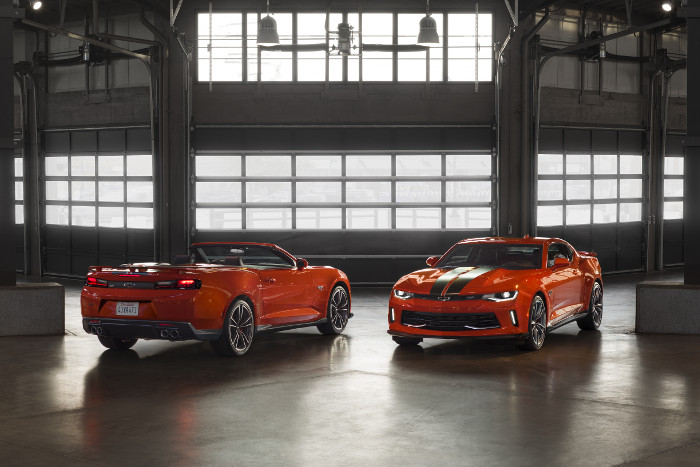
This year marks the 50th anniversary of Chevrolet and Hot Wheels’ partnership in producing some of the most memorable toy cars that have brought great joy to many young kids. The fruits of their efforts have spawned many innovations and incredible designs that attributed to the success of both companies.

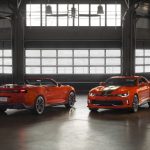
And to celebrate this historic occasion, Chevrolet will be introducing a ‘commemorative package’ for its 2018 model year Camaro. This will allow owners to turn their vehicles into real life and size Hot Wheels racers.

The package has been made available for Camaro 2LT and 2SS models of both Coupe and Convertible body styles. Design elements that are offered with this package pay homage to iconic Hot Wheels features that include a Crush exterior color and stripes that replicate the toys’ famous orange tracks.

“In the 1960s Hot Wheels and Camaro challenged vehicle design by elevating the speed, power and performance of both die-cast and pony cars alike. For 50 years, both brands have developed high-performance cars that embody the challenger spirit,” said Chris Down, senior vice president and Global Brand GM, Hot Wheels.

The following is the extensive list of parts and trim that come with this ‘Commemorative Package’:

  • Satin Graphite stripes with Silver Ice Metallic accents
  • Satin Graphite ground effects
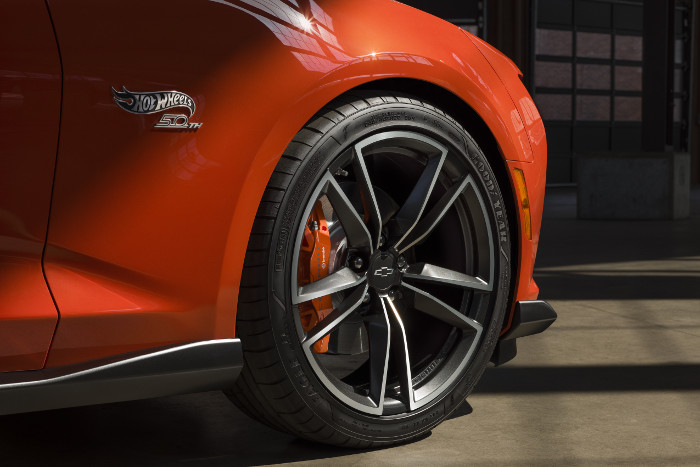
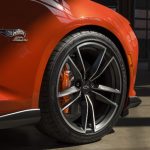
  • 20-inch forged aluminum wheels (with summer-only tires on SS) in Satin Graphite with milled faces and unique center caps
  • 50th Anniversary Hot Wheels fender badges
  • Unique grille with Galvano Chrome inserts
  • Orange brake calipers
  • Dark taillamps
  • Black taillamp panel with the Hot Wheels emblem
  • Black Chevrolet bowtie emblems
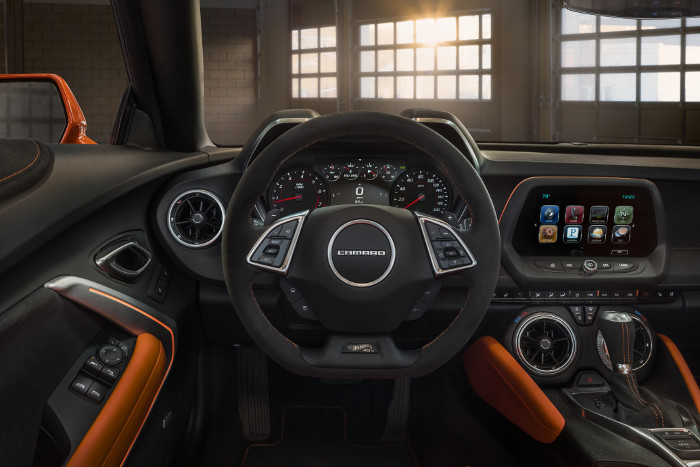
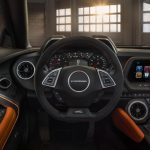
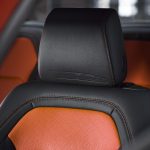
  • Jet Black leather-appointed interior with exclusive orange
  • inserts and orange accent stitching
  • Orange kneepads on the doors and orange safety belts
  • Embossed front-seat headrests
  • 50th Anniversary Hot Wheels badge on the steering wheel
  • Illuminated doorsill plates with 50th Anniversary Hot Wheels badges
  • Premium carpeted floor mats with orange stitching and “ghost” stripes

https://youtu.be/PIiXfnKvV2Y

Chevy’s original Camaro, which was introduced in the mid-1960s had a distinctive design feature that allowed its headlights to be hidden in the front sub-frame when not in use. This provided the car with a menacing and rebellious look that may have partly contributed to its immense success.

The latest Camaro doesn’t have hidden headlights, instead it features a higher level of performance, cutting edge tech and a cozy interior. The Camaro Hot Wheels Edition will join approximately 20 other Chevrolet models at this year’s SEMA Show that will take place at the end of this month.

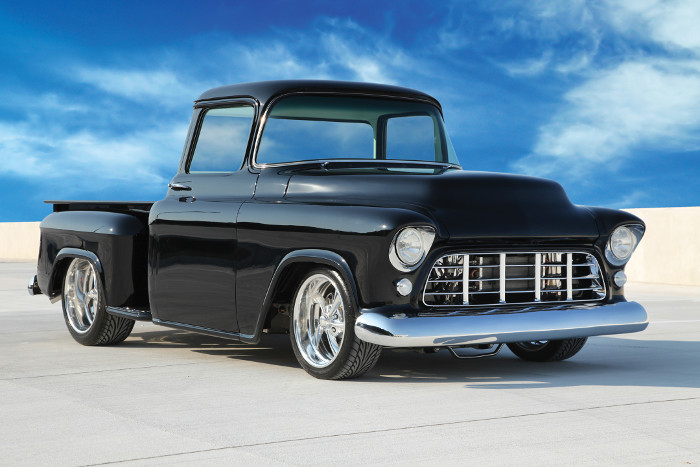
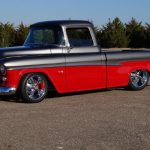
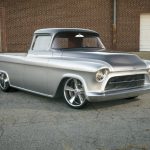
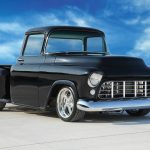
Vintage Chevrolet trucks are in high demand, especially those that have undergone restoration or customization work. Based on recent data, it appears that more and more trucks roll onto auction blocks around the country each year.

There are currently about 9 Chevrolet pick-up trucks that have commanded huge sums of money when they were put up for auction. These vehicles come in various shapes and sizes and were manufactured between 1950 to 1971.

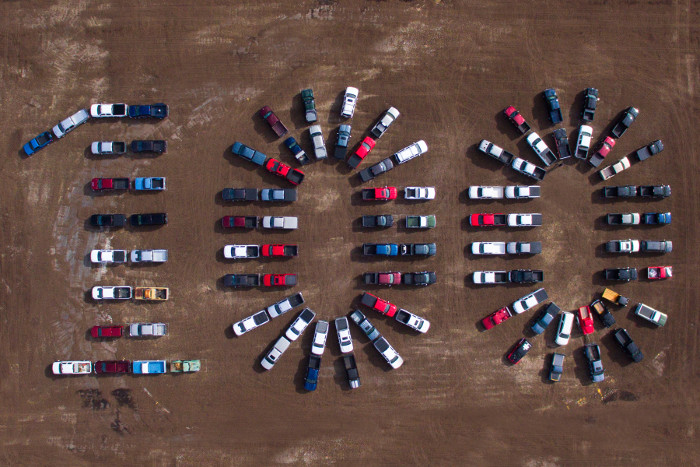
This year marks the 100th anniversary of Chevy trucks and the best way to commemorate the occasion is to celebrate some of the finest custom trucks that will grace the auction floor. More than 60 Chevy trucks are reported to be on the docket for this years’ Barrett-Jackson auction, which is more than double that of any other competing truck brand.

While we count down the days to the upcoming auction, let’s look back at some of the memorable trucks that have sold for six figures:

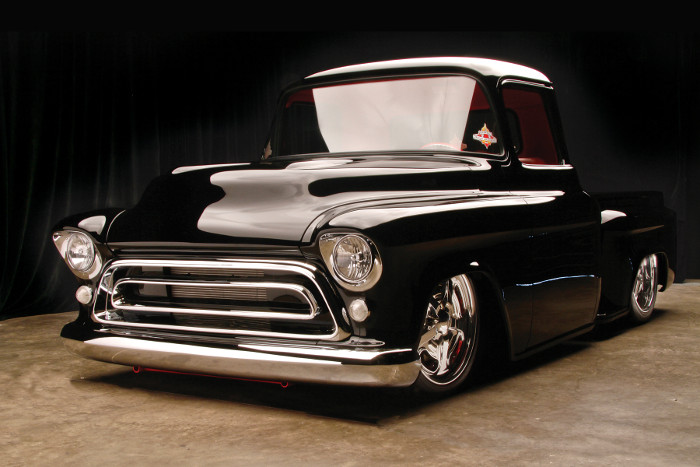
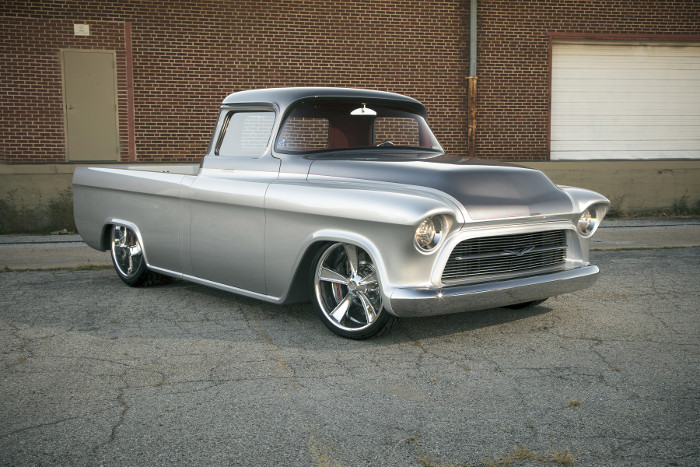
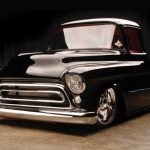
1. 1957 Chevrolet 3100 Custom truck sold for $214,500 (RM908,193) in 2016

Better known as Quicksilver, this vehicle is the epitome of retro-modern restorations. Nearly everything on it is brand new including the 540 Big Block, 650-horsepower Chevy engine,as well as the handmade and reshaped body panels.

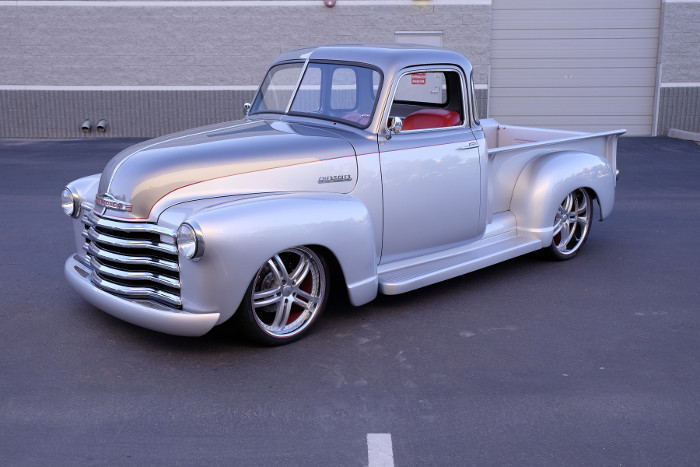
2. 1950 Chevrolet 3100 Custom Pickup, sold for $205,700 (RM870,933) in 2017

Despite extensive customization, this 3100 Custom Pickup looks similar to the regular cab. That said, it has received extensive mods that include an all-new TCI custom chassis with independent front suspension and a 500-horsepower LS3 crate engine. The interior has a reshaped dash and a handmade redesigned bench seat, console, door panels and headliner.

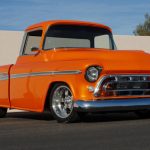
3. 1957 Chevrolet Cameo Pickup, sold for $159,500 (RM675,323) in 2007

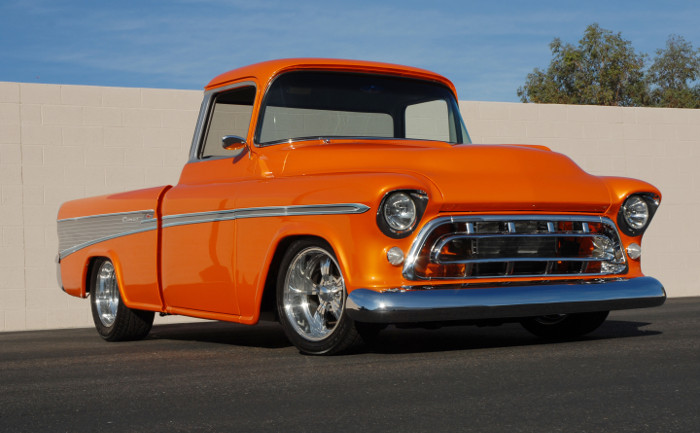
Finished in full custom Orange Pearl paint, this American classic features a 500-horsepower Big Block Chevy engine. Interior upgrades include a full leather interior, vintage air conditioning, power steering, power disc brakes, power windows and a 400-watt stereo.

4. 1957 Chevrolet C-6 Custom Pickup, sold for $148,500 (RM628,749) in 2011

This beautiful handcrafted truck required 7,000 man-hours to complete. Thousands of unique pieces had to be machined and shaped for it. Upgrades include a LS3 engine, a complete Corvette C6 suspension and drivetrain with a six-speed transaxle and a full Air Ride suspension.

5. 1955 Chevrolet Cameo Custom Pickup, sold for $143,000 (RM605,462)in 2013

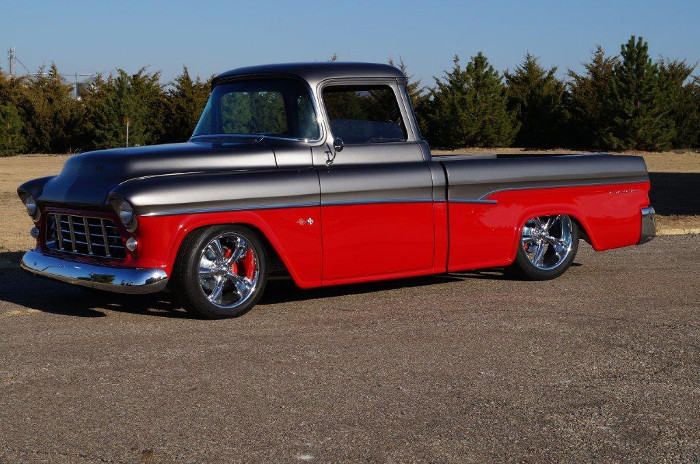
Featuring a mix of design elements of various other Chevy’s, this vehicle features Titanium Grey and Lipstick Red exterior as well as a red leather interior, complete with Dakota Digital VHX gauges, a graphite-wrapped Billet Specialties wheel and a Kenwood stereo system.

6. 1955 Chevrolet 3100 Custom Pickup, sold for $132,000 (RM558,888) in 2006

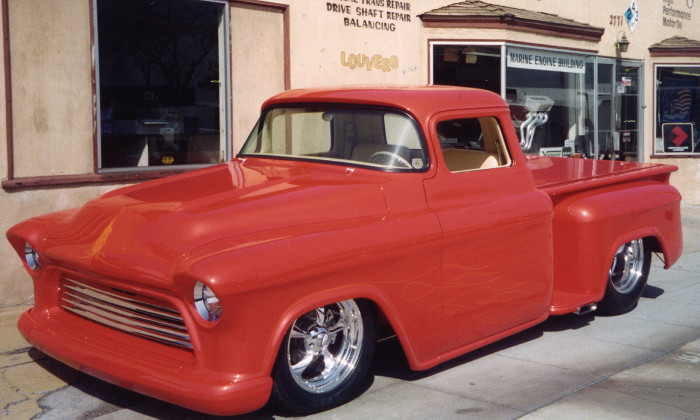
Requiring six years of customization work, the 3100 Custom Pickup has had a whole slew of upgrades that include a chopped roof, lowered ride height, fatter wheels and better performance. It has been featured in six different magazines and was named one of the top 50 trucks of the decade by Street Trucks Magazine.

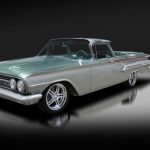
7. 1960 Chevrolet El Camino Custom Pickup, sold for $126,500 (RM535,601) in 2017

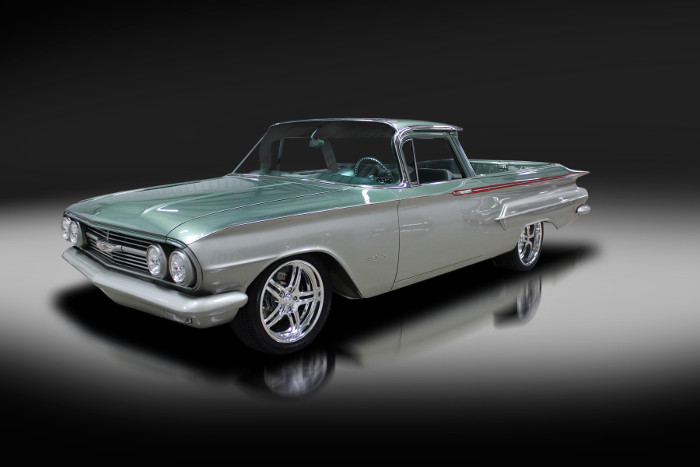
El Caminos are still in high demand especially this one that is from Palm Beach, Florida. Custom from the ground up, it features a GM ZZ crate engine with a Ram Jet fuel-injection system, fully custom leather interior and highly detailed and painted undercarriage.

8. 1959 Chevrolet 3100 Custom Pickup, sold for $121,000 (RM512,314) in 2014

Anotther 3100 Customer Pickup that is to die for. It has been completely rebuilt and has a high-strength chassis complete with a four-link setup, chrome 9-inch Currie rear end and a Detroit Tru-Trac differential. Inside, there’s a white leather interior with black accents, air conditioning and green-tinted glass.

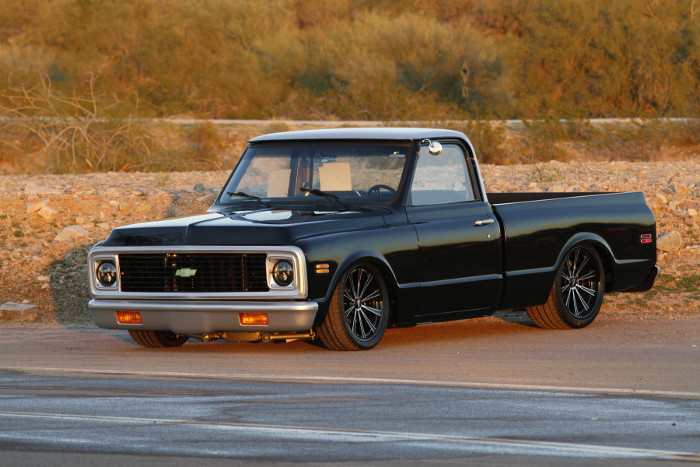
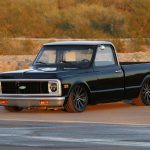
9. 1971 Chevrolet C-10 Custom Pickup, sold for $110,000 (RM465,740) in 2014

Nicknamed Adel, after being donated to the Austin Hatcher Foundation for Pediatric Cancer, this vehicle was rebuilt and customized then sold on behalf of the foundation.

It has a 430-horsepower LS3 engine and a 4L65-E transmission. Additional components include Odyssey Batteries, a complete air ride suspension from Ridetech, BeCool radiator system and Goodmark Industries body panels.

Archive

Follow us on Facebook

Follow us on YouTube