
Piston.my

China

Toyota Australia is thinking about bringing in more electric cars from China as it looks to grow its EV line-up.

Sean Hanley, Toyota Australia’s Sales and Marketing boss, said the company is watching what its partners in China are making. He explained that Toyota already has strong ties with factories there and sees no issue with selling Chinese-built cars in Australia, as long as they meet Toyota’s standards.

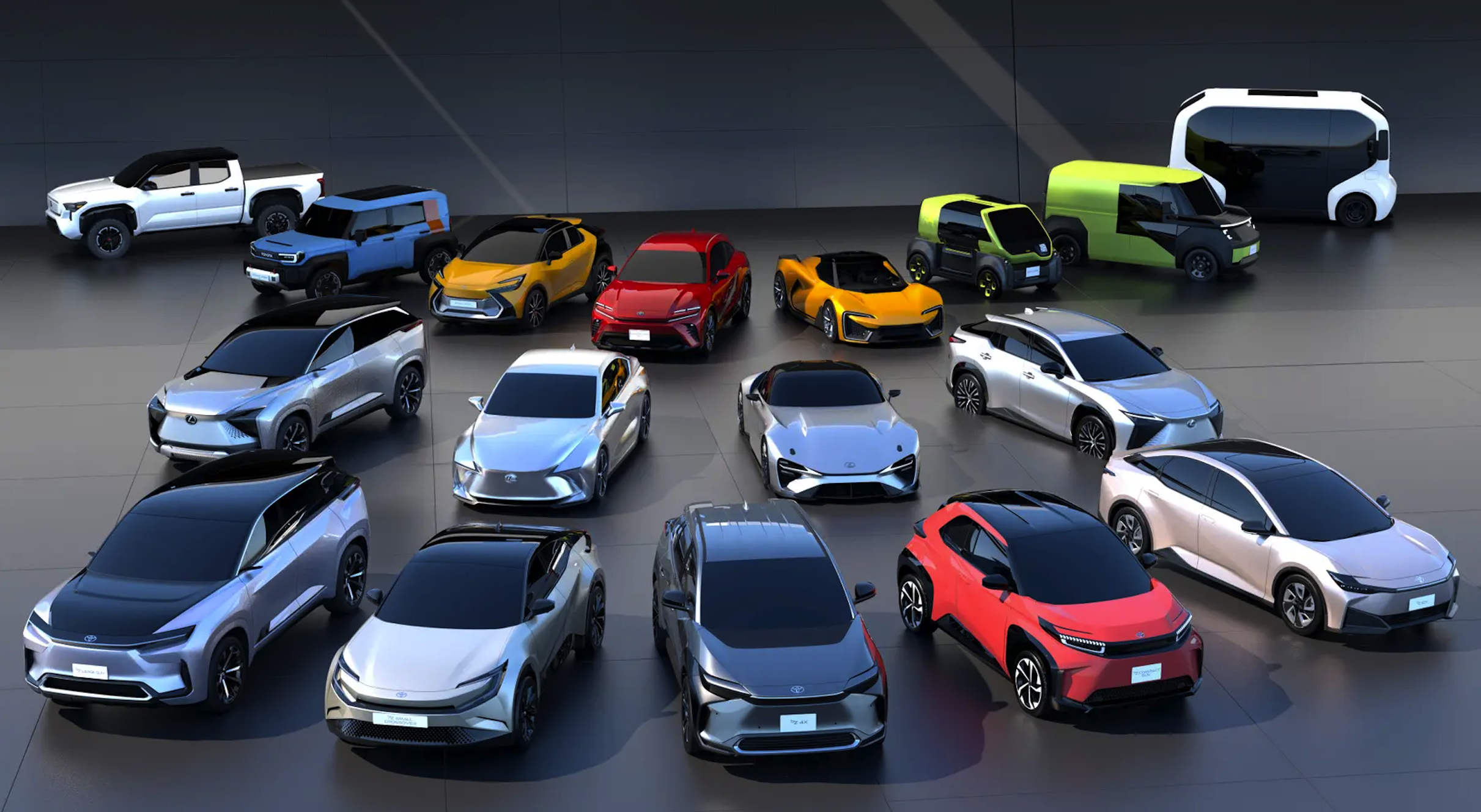
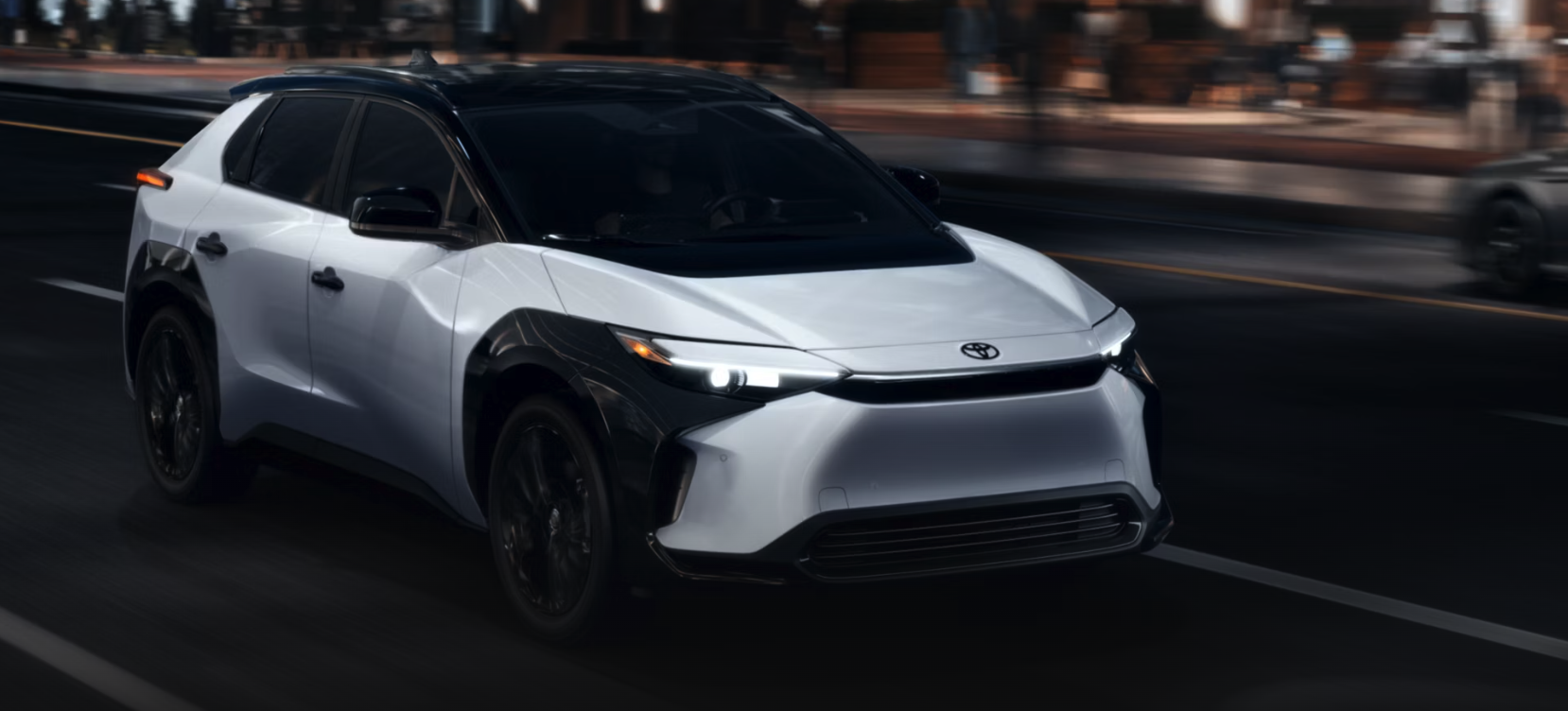
Right now, Toyota only has one electric car worldwide – the bZ4X SUV. An updated version will arrive later this year, and a Touring version with more space is coming in 2025.

In China, Toyota already sells more EVs, such as the bZ3 sedan, bZ5 SUV coupe, and bigger models like the bZ7 and bZ3X SUV. These are built with local partners FAW and GAC.
(more…)

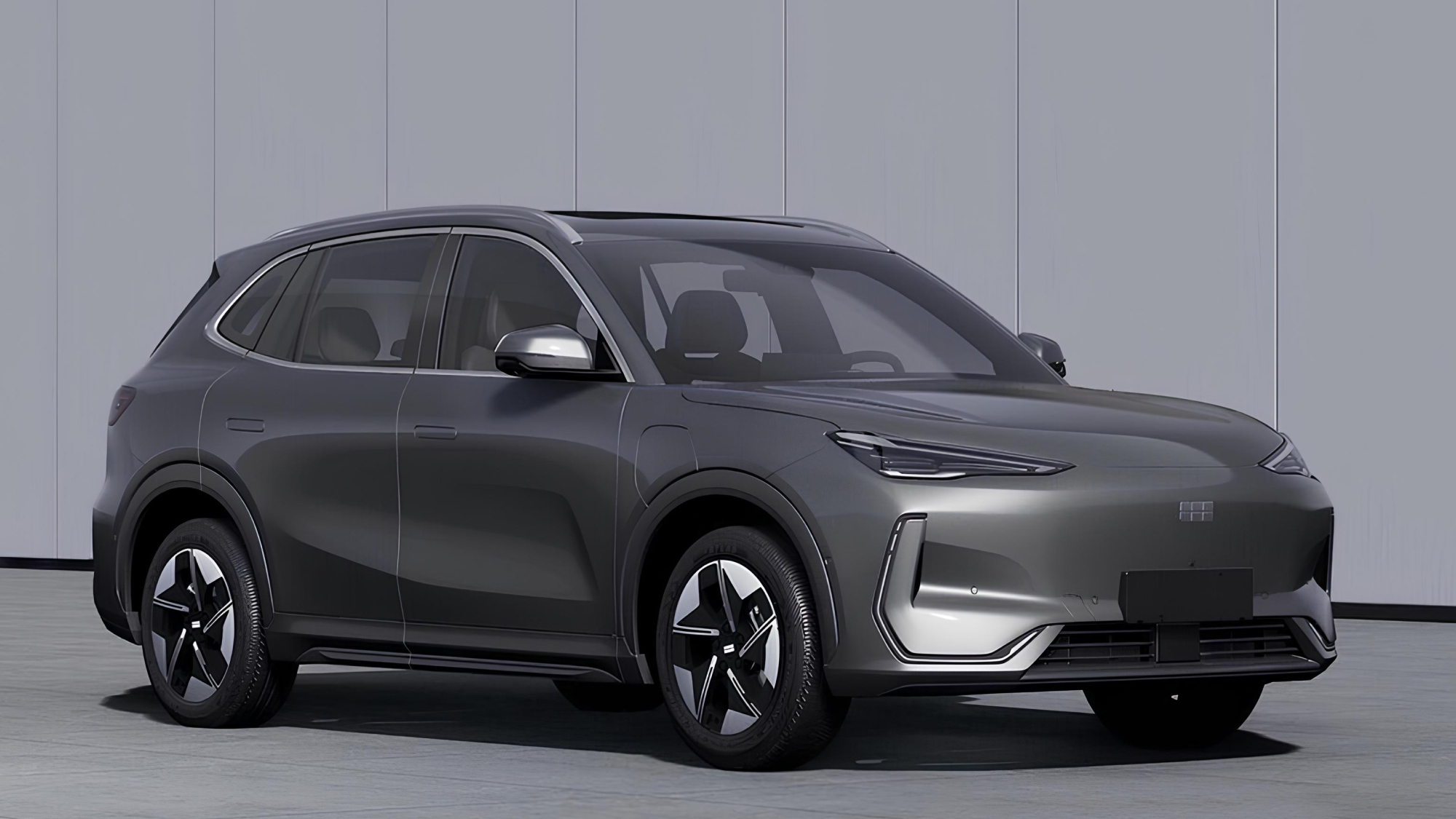
After a long, quiet time, Great Wall Motor’s electric sub-brand Ora is back with something new. The Chinese Ministry of Industry and Information Technology (MIIT) has revealed details of the brand’s latest SUV, the Ora Cat – the first all-new model to wear the Ora badge since 2022.

Ora, established in 2018 under Great Wall Motor, quickly made a name for itself with quirky, affordable EVs. But a string of missteps left the brand struggling. The launch of the Black Cat and White Cat proved unprofitable, while ventures like the Ole Sharing service drained resources. Things didn’t improve in 2022 when Ora introduced the Ballet Cat, styled like a modern Beetle, and the Lightning Cat (also called Ora 07), which borrowed its look from the Porsche Panamera. Both landed in small, niche markets and did little to help sales.

Since then, Ora has been unusually quiet. Between January and August 2025, sales dwindled to just 14,781 units in China, according to China EV DataTracker. The slump pushed Great Wall Motor to rethink its strategy. This summer, the company announced plans to reignite the brand with four new models. The Ora Cat is the first step in that comeback.

(more…)

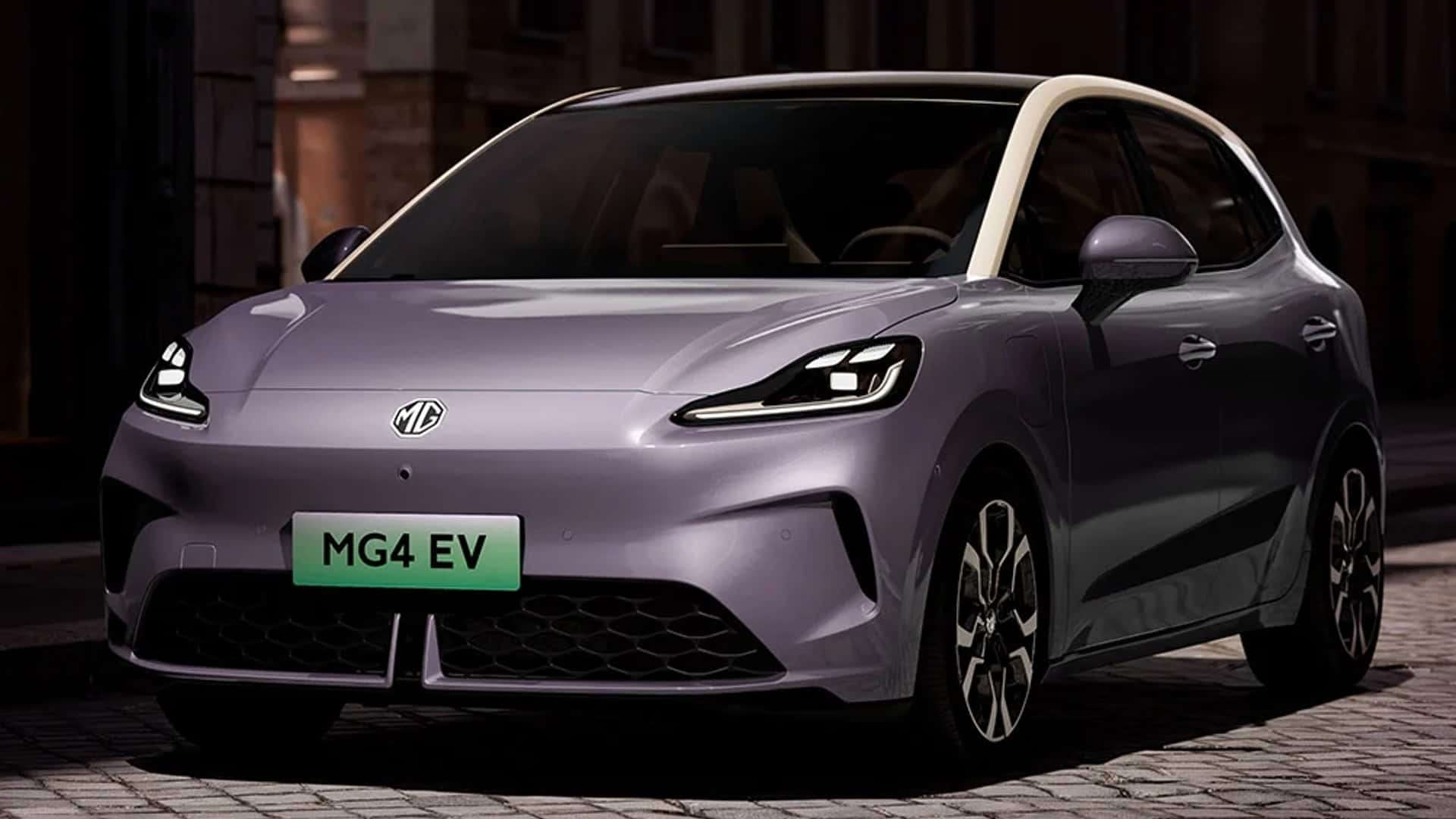
SAIC Motor has officially commenced pre-sales for the latest iteration of the MG4, signalling a bold upgrade to its compact electric hatchback portfolio. With prices starting from ¥73,800 (approximately RM48,100), the new model is available in four variants at launch, while a fifth, featuring a revolutionary semi-solid-state battery, is scheduled for a price reveal in September ahead of deliveries by the end of 2025.

Positioned as one of the first mass-market vehicles globally to offer a semi-solid-state battery, the MG4 aims to reshape consumer expectations in the affordable EV segment. The battery, which has passed stringent three-directional needle penetration safety tests without smoke emissions, delivers improved low-temperature performance, boosting safety and battery longevity. SAIC has invested around ¥500 million (around RM325.7 million) in developing a new aluminium-rare earth alloy battery structure. The material, which incorporates lanthanum and cerium, enhances thermal resistance and structural strength.

Technologically advanced, the MG4 introduces a sophisticated in-car experience supported by a 15.6-inch 2.5K floating touchscreen and powered by Qualcomm’s Snapdragon 8155 chip. A new partnership with Oppo debuts the MG×Oppo Smart Mobility System, enabling comprehensive smartphone integration. This includes digital key access, AI-driven voice commands, app mirroring, and compatibility with Android, Apple, Huawei, Xiaomi and more. Upcoming over-the-air updates will introduce functionalities like remote smartphone-based parking and uninterrupted walking-to-driving navigation transitions.

(more…)

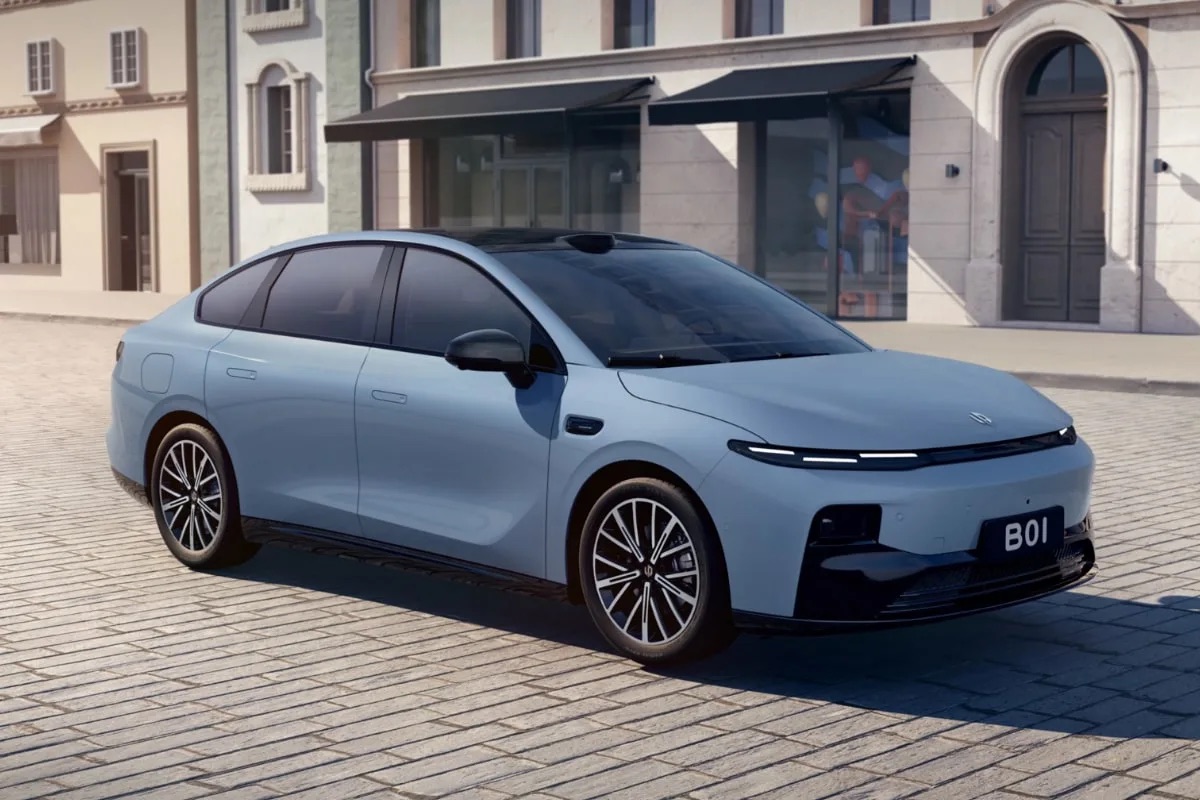
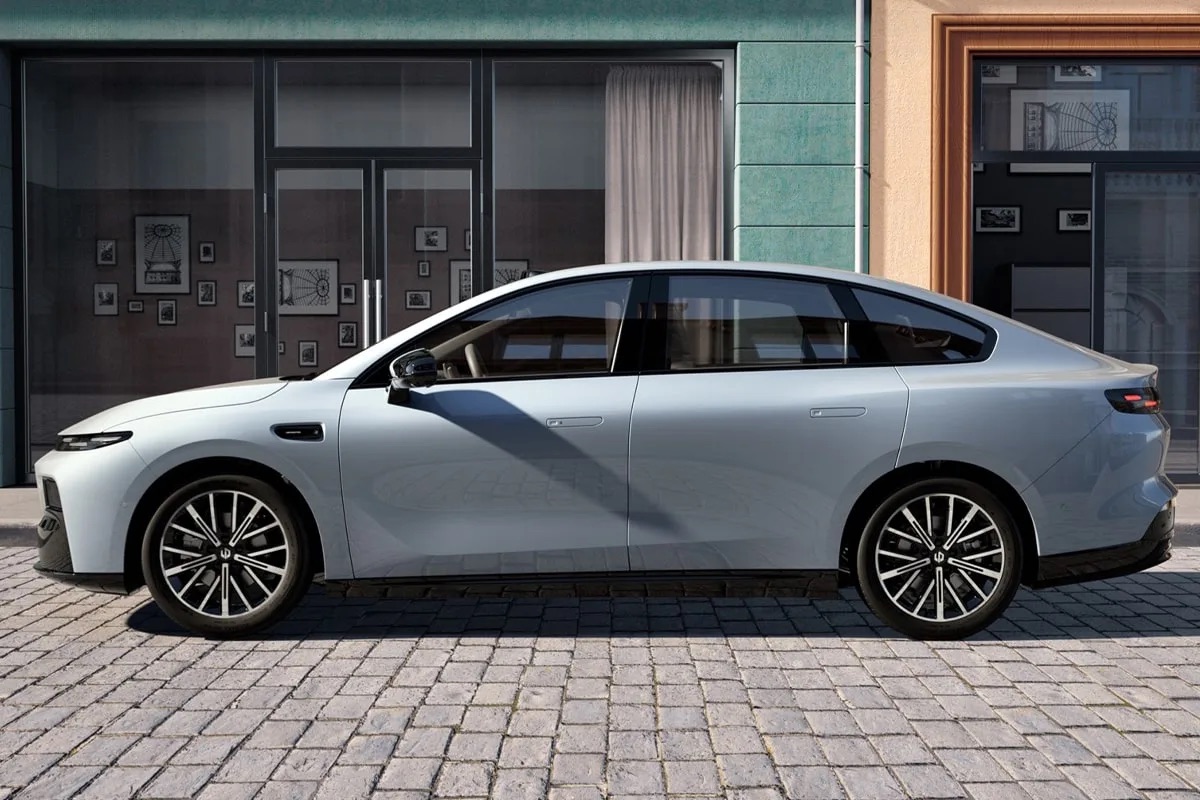
Leapmotor has officially launched its all-electric B01 sedan in China, introducing a highly competitive model across six variants that combine aerodynamic efficiency, modern electric powertrains, and advanced driver assistance features. The B01 offers three range options—430 km, 550 km, and 650 km (CLTC standard)—and caters to different performance and tech expectations at prices starting from just RM58,900.

The variant line-up includes the 430 Comfort Edition priced at 89,800 yuan (approximately RM58,900), 550 Comfort at 95,800 yuan (RM62,900), 550 Enjoy at 103,800 yuan (RM68,100), and 550 LiDAR Edition at 113,800 yuan (RM74,700). The longer-range 650 Enjoy Edition comes in at 109,800 yuan (RM72,100), while the flagship 650 LiDAR Edition tops the list at 119,800 yuan (RM78,700).

Built on the manufacturer’s LEAP 3.5 modular platform, the B01 boasts a remarkably low drag coefficient of 0.197 Cd. In terms of size, it measures 4,770 mm in length, 1,880 mm in width, and 1,490 mm in height, with a wheelbase of 2,735 mm—positioning it closely alongside the Tesla Model 3 in the mid-size electric sedan segment. Depending on the trim, the curb weight ranges from 1,550 kg to 1,711 kg.

(more…)

Geely Automobile bakal memulakan prajualan untuk versi terbaharu model crossover elektriknya, EX5, di China bermula 24 Julai 2025. Dikenali di pasaran domestik sebagai Geely Galaxy E5, model ini menerima beberapa penambahbaikan kecil dari segi reka bentuk, termasuk dua warna badan baharu serta peningkatan signifikan pada sistem bateri yang menyumbang kepada jarak pemanduan sejauh 610km mengikut piawaian kitaran CLTC (China Light-Duty Vehicle Test Cycle).

Model EX5 mula diperkenalkan di China pada 5 Julai 2024 di bawah jenama Galaxy E5 dan sejak itu telah meraih sambutan hangat di peringkat tempatan dan antarabangsa. Dalam tempoh satu tahun, ia berjaya menembusi lebih 25 pasaran global dengan nama Geely EX5, dan mencatatkan jualan domestik sebanyak 130,715 unit. Sehingga 4 Julai 2025, Geely International melaporkan bahawa jumlah keseluruhan jualan global bagi EX5 telah mencapai angka 150,000 unit, sekali gus mengukuhkan kedudukannya dalam pasaran SUV elektrik.

Untuk model tahun 2026, Geely mengekalkan reka bentuk asas EX5 namun memperkenalkan dua warna luaran baharu iaitu Dawn Blue dan Evening Forest Green. Elemen-elemen rekaan utama seperti lampu hadapan LED yang tajam, pemegang pintu boleh ditarik masuk, serta jalur lampu belakang LED yang bersambung kekal menjadi ciri utama. Saiz fizikal model ini tidak berubah, dengan panjang 4,615mm, lebar 1,901mm, tinggi 1,670mm dan jarak roda sepanjang 2,750mm.

(more…)

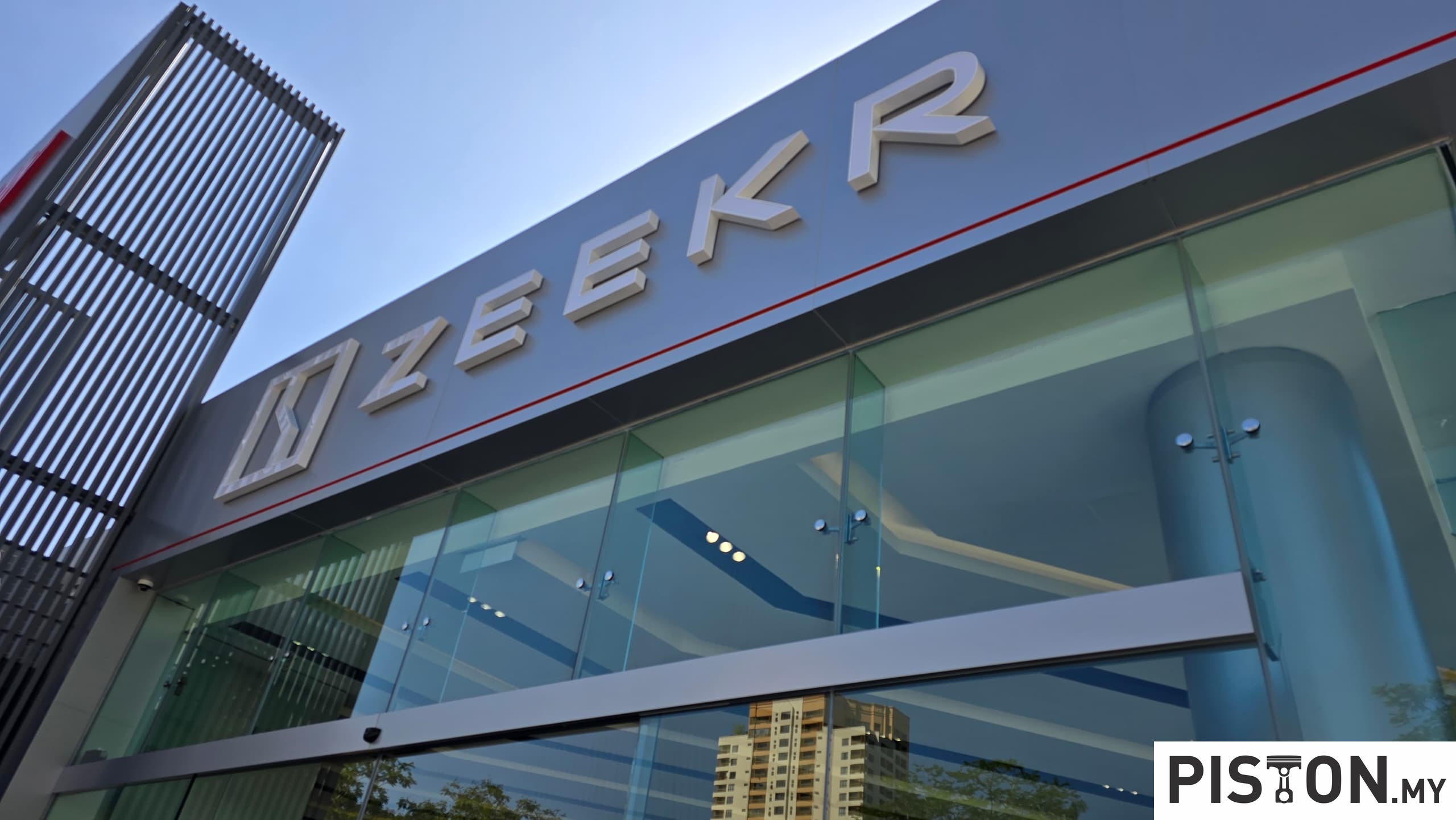
Dua jenama kenderaan elektrik terkenal dari China, Neta dan Zeekr, kini berdepan dakwaan memalsukan angka jualan mereka dalam usaha untuk menampilkan prestasi perniagaan yang lebih menguntungkan daripada keadaan sebenar. Menurut laporan Free Malaysia Today (FMT), kedua-dua syarikat itu dikatakan melaporkan kenderaan sebagai “telah dijual” walaupun ia sebenarnya belum dibeli oleh pelanggan sebenar.

Modus operandi yang digunakan agak licik: insurans kenderaan diaktifkan lebih awal walaupun kereta masih berada di pusat pengedar atau gudang simpanan. Tindakan ini membolehkan kenderaan didaftarkan sebagai telah dijual. Antara Januari 2023 hingga Mac 2024, Neta dilaporkan menggunakan kaedah ini untuk lebih 64,000 kenderaan — lebih separuh daripada jumlah jualan yang diumumkan dalam tempoh tersebut. Zeekr, jenama mewah milik Geely, turut dilaporkan menggunakan taktik serupa di bandar Xiamen pada penghujung tahun 2024.

Walaupun teknik ini tidak dianggap menyalahi undang-undang pada masa ini, ia telah menimbulkan kontroversi. Kaedah ini digelar sebagai “jualan kereta terpakai sifar perbatuan”, kerana kenderaan yang telah diinsuranskan dan didaftarkan dianggap terpakai, walaupun ia tidak pernah digunakan. Ia mencerminkan tekanan hebat dalam pasaran EV China yang kian tepu dengan lambakan model dan persaingan harga yang agresif.

(more…)

Two of China’s prominent electric vehicle (EV) manufacturers, Neta and Zeekr, are facing increasing scrutiny over allegations of artificially inflating their sales figures, a tactic industry insiders claim distorts market data and misleads consumers.

According to a report by Free Malaysia Today (FMT) citing Reuters, internal documents and dealer testimonies revealed that both automakers engaged in premature vehicle registration by insuring cars before they were sold to actual buyers. This allowed the companies to classify these vehicles as sold under Chinese industry standards, even though they had yet to be delivered.

Between January 2023 and March 2024, Neta reportedly booked 64,719 early vehicle sales using this method, representing more than half of the 117,000 units it claimed to have sold during that period. Zeekr, a premium EV brand under Geely, allegedly employed a similar strategy in late 2024, particularly in the city of Xiamen, working with state-owned Xiamen C&D Automobile.

Though not technically illegal, this practice, known as “zero-mileage used car” sales, has sparked outrage. Vehicles are marked as used due to insurance and registration, but have never been driven by real customers. The practice has emerged in the context of a fierce price war and an overcapacity crisis in the Chinese EV market.

(more…)

China bersedia untuk melaksanakan satu siri peraturan baharu yang bakal merombak cara sistem brek regeneratif berfungsi dalam kenderaan elektrik (EV), khususnya berkaitan dengan mod pemanduan satu pedal yang semakin popular. Di bawah standard kebangsaan baharu GB 21670-2025, peraturan ini akan mula berkuat kuasa pada 1 Januari 2027 dan dijangka memberi kesan besar kepada reka bentuk serta tabiat pemanduan EV di negara itu.

Peraturan ini tidak melarang secara langsung penggunaan sistem pemanduan satu pedal—di mana kenderaan boleh berhenti sepenuhnya hanya dengan melepaskan pedal pemecut—namun ia menetapkan bahawa mod ini tidak boleh lagi ditetapkan sebagai tetapan lalai dalam mana-mana EV baharu. Tujuan utama langkah ini bukanlah untuk mengehadkan kecekapan tenaga, sebaliknya lebih kepada meningkatkan keselamatan jalan raya, terutama dalam situasi kecemasan.

Menurut laporan media tempatan The Paper, kebimbangan utama yang mendorong perubahan dasar ini ialah corak tindak balas brek pemandu yang terbiasa dengan sistem nyahpecutan regeneratif yang kuat. Kajian menunjukkan bahawa sesetengah pemandu yang terlalu bergantung kepada brek regeneratif cenderung untuk teragak-agak atau gagal menggunakan pedal brek secara aktif dalam situasi cemas—di mana daya nyahpecutan tambahan daripada brek utama adalah penting. Kelewatan ini berpotensi mengurangkan masa tindak balas, sekali gus meningkatkan risiko pelanggaran dalam situasi yang memerlukan kuasa henti maksimum.

(more…)

China is set to introduce new regulations that will reshape how regenerative braking systems operate in electric vehicles (EVs), a move likely to impact the growing segment of drivers who favour one-pedal driving. The new rule, outlined under the national standard GB 21670-2025, is scheduled to come into effect on 1 January 2027.

This legislation will prohibit EVs from having a default driving mode that brings the car to a complete stop simply by releasing the accelerator pedal. While the rule does not entirely ban one-pedal functionality, it requires that such features no longer be the vehicle’s default setting. The change appears to be aimed more at enhancing road safety than improving battery efficiency.

According to a report by The Paper, a Chinese news outlet, the primary concern behind the new regulation is the delayed braking response observed in drivers accustomed to strong regenerative braking. Studies have indicated that drivers relying heavily on regenerative deceleration may hesitate to apply the brake pedal in emergency situations—where the stopping power provided by regenerative systems alone proves insufficient. This delay could compromise reaction times, especially in critical moments requiring full braking force.

(more…)

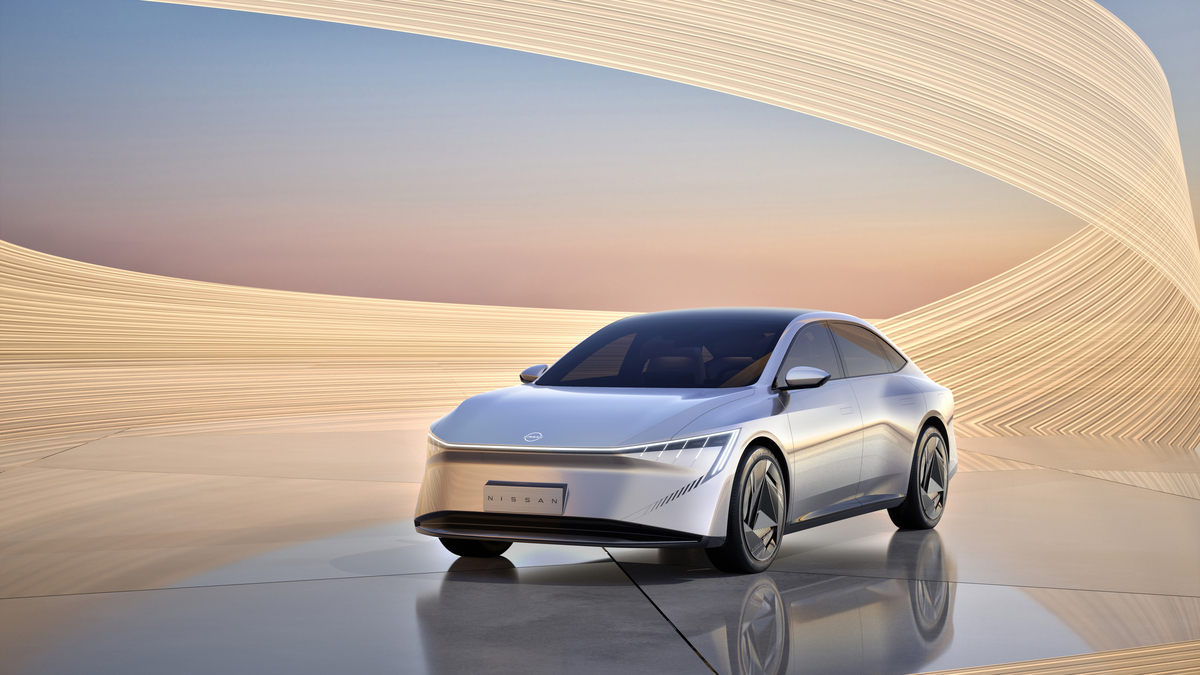
Nissan is preparing to begin exports of electric vehicles (EVs) produced at its Chinese manufacturing facilities starting in 2026, as part of a strategic plan to revitalise its global business. Target markets for these exports include Southeast Asia, the Middle East, and other regions where the company already maintains an established after-sales service network.

The Japanese automaker, which has been grappling with delays in product rollouts and structural inefficiencies, is currently undertaking a comprehensive review of its global production framework. Central to its turnaround plan is the export of EVs assembled in China, capitalising on the country’s manufacturing scale and cost advantages.

Leading this export initiative is the Nissan N7, a mid-size sedan developed through the company’s joint venture in China. Introduced to the Chinese market in April, the N7 rapidly achieved 10,000 orders, marking the fastest uptake for a joint-venture brand in the region. The model is manufactured at Nissan’s plant in Guangzhou, located in Guangdong Province.

The N7 features advanced automotive software enhanced by artificial intelligence developed by Chinese technology firms. However, for Nissan to distribute the vehicle internationally, modifications to the software will be necessary due to regulatory limitations on the use of China-origin AI in certain countries. To support this requirement, Nissan has invested in IAT Automobile Technology, a local software developer tasked with tailoring software for export models.

(more…)

Archive

Follow us on Facebook

Follow us on YouTube