

Piston.my

EV

In the early decades of the last century, there were far more manufacturers of automobiles than today. Many businessmen saw much potential in the ‘horseless carriage’ and with the internal combustion engine already developed, it was possible for anyone to make motorized vehicles. However, as the industry grew rapidly, smaller players faded away due to competition or were acquired by bigger ones and the number of carmakers became less.

Now, in the early decades of the 21st century, we are seeing the same thing happening with electric vehicles (EVs). In a way, these are also ‘new’ inventions and many enterprising businessmen want to get into the business of making and selling them. However, where most of the companies 100 years ago were in America and Europe, there are now numerous big and small ones in China, the largest EV market in the world (2.4 million units sold in the first half of 2022).

The national policies of China have aggressively promoted ‘new energy vehicles’ (NEVs) – largely electric vehicles – boosting demand for such vehicles and creating economies of scale for businesses to develop and grow. And as in the early days of the automobile, investors see a lot of opportunity and are starting up. They are looking at new approaches to doing the business to gain advantage in an increasingly competitive market – and to attract the new generation of customers.
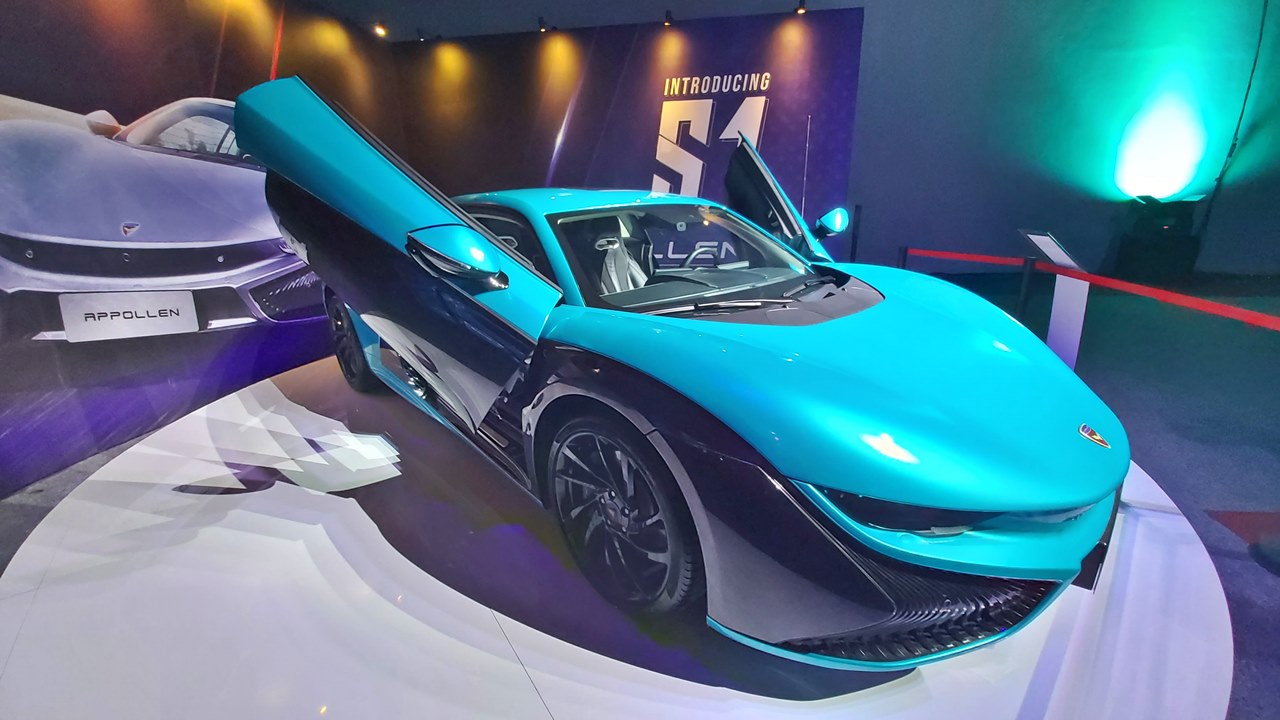
One such company is Apollo EV Malaysia Sdn Bhd, a subsidiary of Singapore-based Apollo EV Pte. Ltd, an investment portfolio of China International Capital Corporation. Apollo EV Malaysia has ambitious plans over the next 4 years to grow its business to the point where it can be listed on the NASDAQ in the USA by 2025.

(more…)

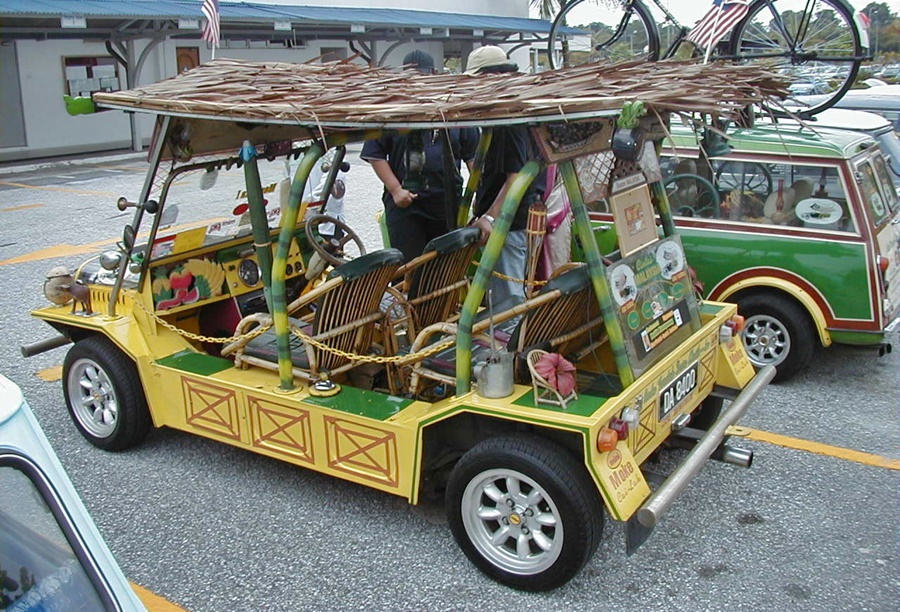
The Moke was a product of the early 1960s and also designed by the ‘father’ of the Mini, Sir Alec Issigonis. Though it was called ‘Mini Moke’ (‘moke’ being an ancient term for ‘donkey’), it was not considered part of the Mini range and was originally intended for military use. However, while it was easy to transport in aircraft, it was not really suitable for rugged terrain with its small wheels and low ground clearance.

The British Motor Corporation then marketed as a civilian product, and like the Mini, it found fans who saw it as a sort of counterculture machine, like the American dune buggy.  It was popular transport for the inhabitants of the most exclusive coastal resorts in Europe, the Caribbean, USA and Asia. Many are still in use up till today at seaside resort and recreational facilities.

The original Moke was sold all over the world. This unit in Malaysia was customised by its owner in a unique way.

Some 50,000 units were produced at factories in the UK (1964 – 1968), Australia (1966 – 1981) and Portugal (1980 – 1993). The final production in Portugal was done by Cagiva, the Italian motorcycle manufacturer, which had acquired the ‘MOKE’ name. Some companies in China manufactured imitations over the years as well.

25 years on, the MOKE was reborn in 2018, after a company called MOKE International acquired rights to the name in 2015. The iconic design was maintained while a new modern powertrain was installed along with uprated suspension and braking.

(more…)

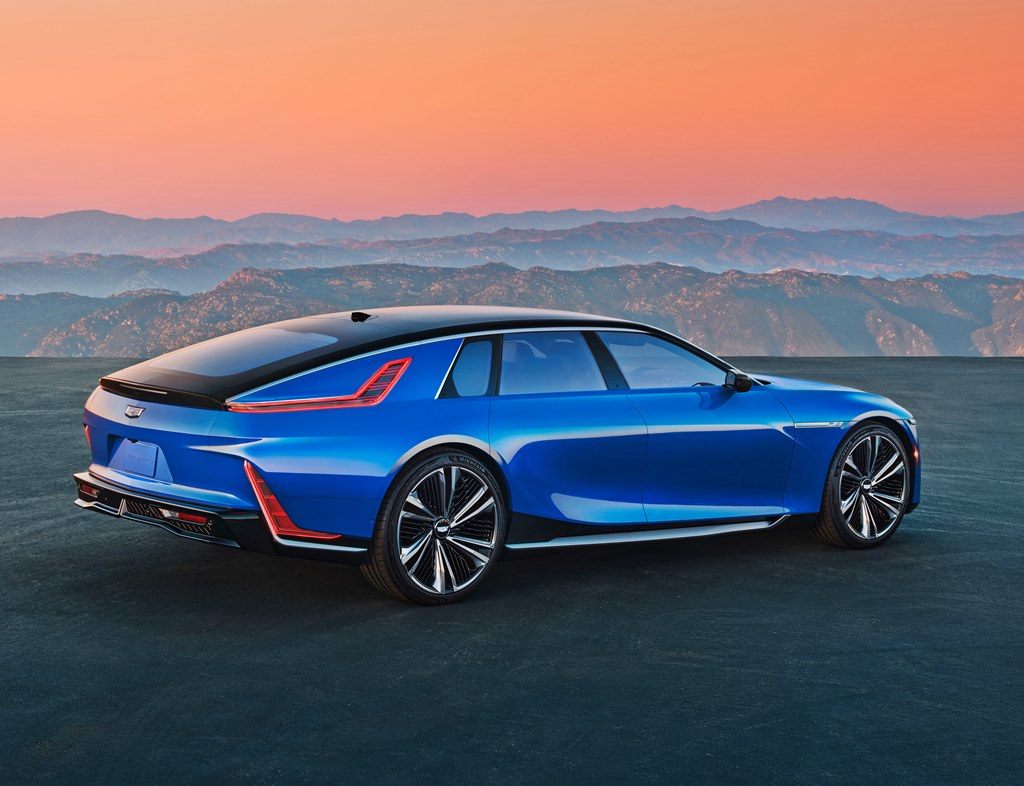
On the same day that Rolls-Royce unveiled the Spectre, its first electric model, to the world, Cadillac also presented its first all-electric ultra-luxury sedan model – the CELESTIQ. Described as the most technologically advanced Cadillac ever, it leads the brand into the electrified future built on legacy, cutting-edge technology and personalized luxury.

While the basic structure and bodywork of the CELESTIQ will come from a series production process, each unit will be personalised to the customer’s specific requirements. No two cars will be alike as customers will work directly with their dealer and Cadillac designers to have what the company says will be ‘unprecedented levels of personalization tailored to reflect the owner’s tastes’.

“CELESTIQ is the purest expression of Cadillac, acknowledging our incredible history and driving us to a bolder and brighter future,” said Global Vice-President of Cadillac, Rory Harvey. “It is a completely bespoke work of automotive art, built around the most advanced and innovative technology that we have ever engineered into an automobile.”

(more…)

Apart from not generating toxic emissions as it moves, the battery electric vehicle (BEV) is also like a powerbank on wheels although most people may not see it that way. The battery pack that stores the electricity to power the motors has a large capacity (which keeps increasing) and when needed for running the motors, that energy can also be used for other purposes.

Newer BEVs are being designed so that electricity can be drawn from the vehicle for powering other devices like camping gear, power tools or even lights. In fact, cars have long had this capability through the 12V socket that was originally for the cigarette lighter and now, there are USB ports as well. But these outlets can only power small devices like GPS route navigation units or mobilephones.

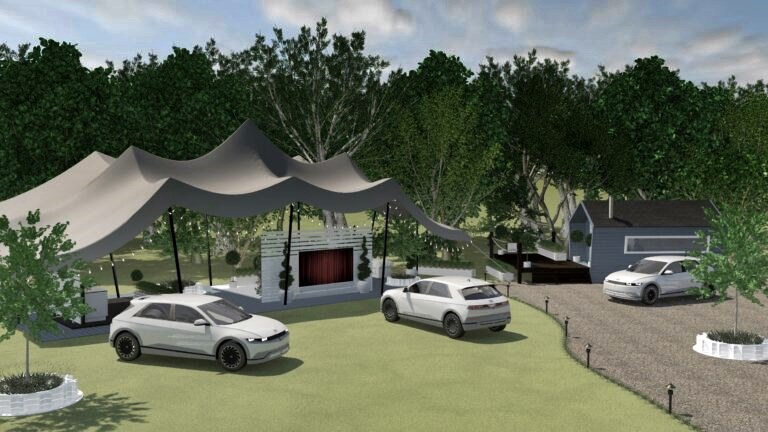
Now, Hyundai Motor in the UK is showing how the IONIQ 5 BEV can provide electrical power for a hotel. Working with broadcaster and critic Grace Dent, ‘Hotel Hyundai’ has been created as the world’s first car-powered hotel. While the idea itself is a novelty, it is also a response to research by the Korean carmaker which showed a large number of people having the view that sustainability and the environment are more important to them now compared to 5 years ago when choosing holiday accommodation.

(more…)

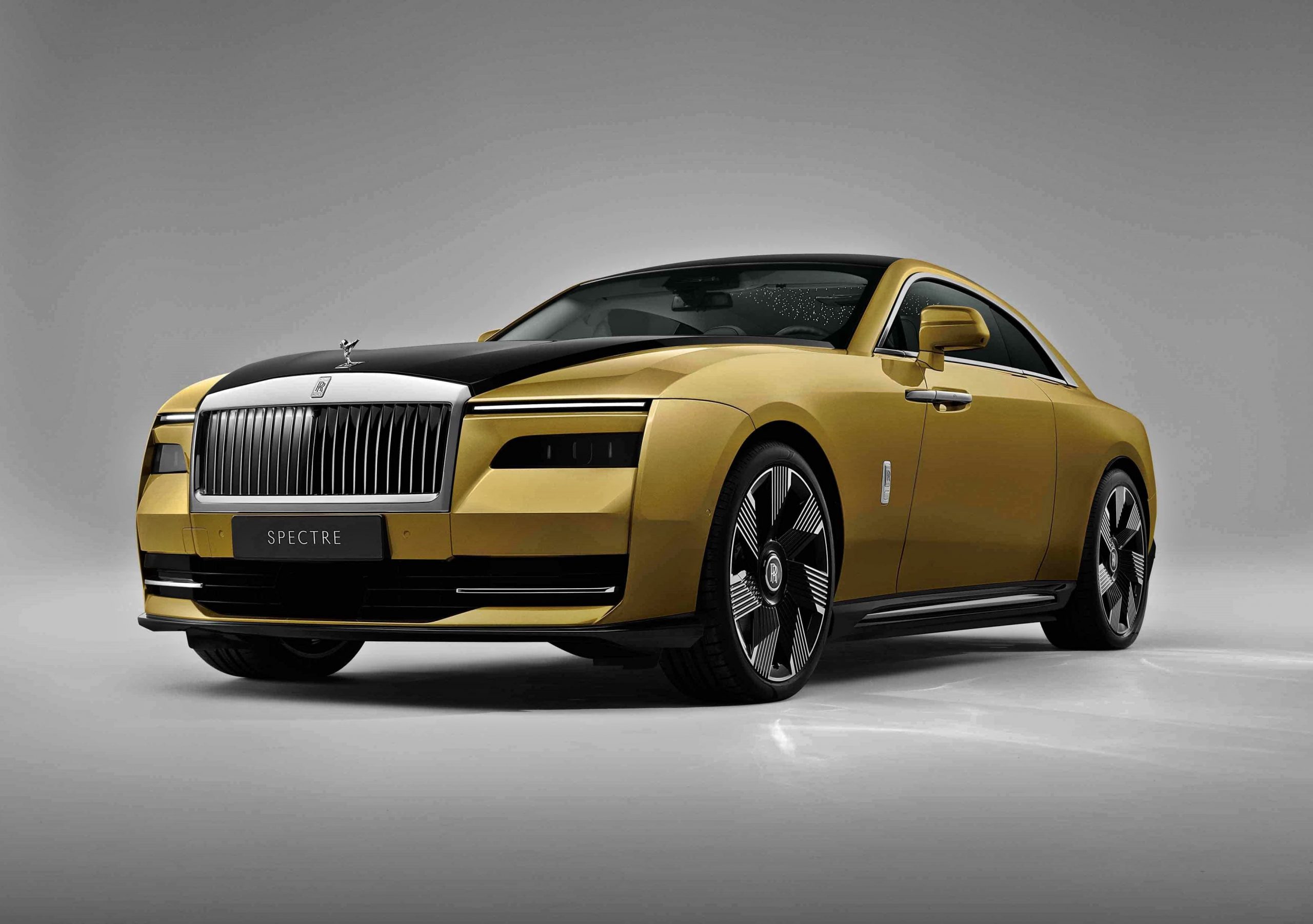
In 1900, Rolls-Royce co-founder, Charles Rolls, experienced an electrically-powered car. Even back then, there were cars that were running on electricity but the technology then made them impractical and inconvenient. Nevertheless, Rolls understood the potential of such cars as clean, noiseless transport and foresaw a time when they would be popular again – with the appropriate supporting infrastructure (ie charging stations).

Today, more than 120 years later, that time has come and Rolls-Royce fulfils the prophecy of its founding father with the presentation of the Spectre. This totally new model not only marks a very historic moment for Rolls-Royce but is also a historic moment for electrification: the technology has now reached a standard where it is able to provide the Rolls-Royce experience.

“The advent of our first battery-electric motor car marks the start of a bold new era for Rolls-Royce. It is also the culmination of a long, painstaking process, in which every element in creating this landmark car has been considered in the minutest detail, over numerous iterations. It states the direction for the future of our marque and perfectly answers a call from the most discerning individuals in the world to elevate the electric motor car experience, because Spectre is a Rolls-Royce first and an electric car second,” said Torsten Muller-Otvos, CEO of Rolls-Royce Motor Cars, as he unveiled the car today.

(more…)

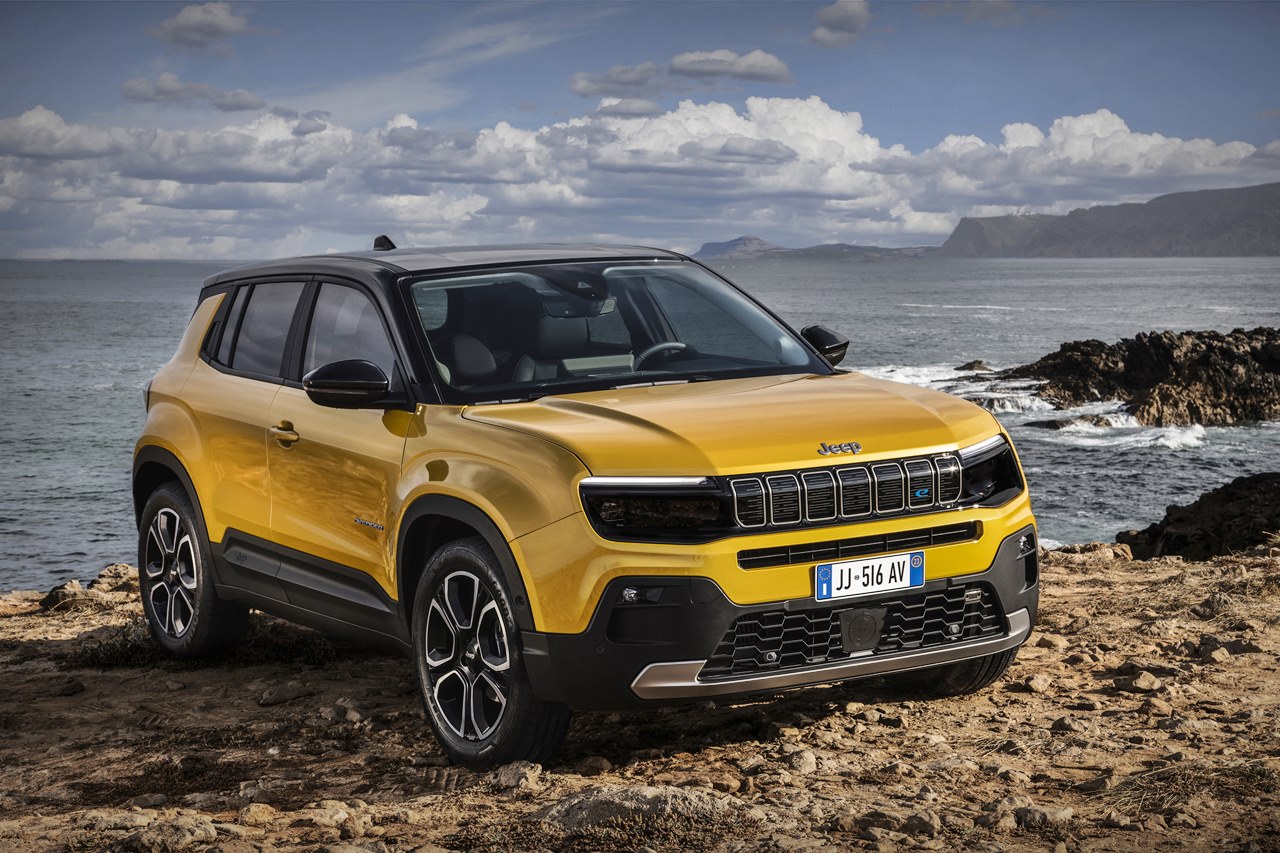
Like other long established carmakers, Jeep started its electrification journey with hybrid powertrains with the intention of offering battery electric vehicles (BEVs) during this decade. It’s now moving into that phase with the unveiling of the Avenger, the brand’s first-ever BEV, at the Paris Motorshow this week.

To be manufactured in Poland, the Avenger is ‘right-sized’ for markets outside North America with its compact dimensions and will spearhead Jeep’s coming BEV range in Europe, in particular. “It offers Jeep brand capability that is right-sized for the European market and at the Paris Motor Show, we are showcasing why it is a great all-electric Jeep brand alternative to current players in the B-SUV segment,” said Christian Meunier, Jeep brand CEO. 

(more…)

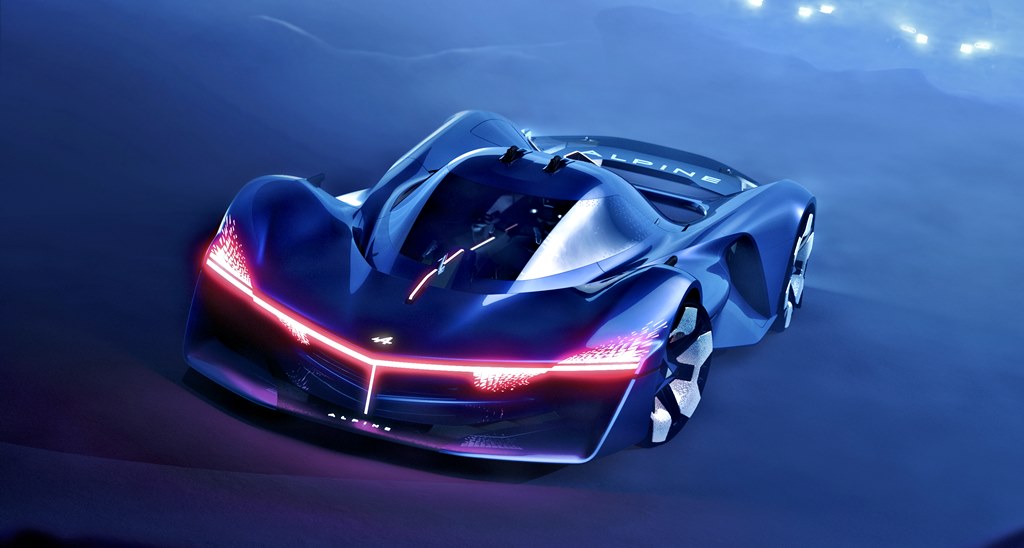
Alpine, the French company founded in 1955, has always been associated with sportscars. That part of its DNA remains intact up till today and will also be found in its roadgoing and racetrack models of tomorrow. The vision and roadmap moving forward is now encapsulated in the Alpenglow concept which will be displayed at the Paris Motorshow this month.

The Alpenglow presents the brand’s forward-looking technological direction as well as the design language that will be adopted. Like its parent company, Renault, Alpine is also heading towards full electrification and will explore the approach of using hydrogen. ‘Green’ hydrogen sustainable mobility as hydrogen is available ‘everywhere’. A hydrogen-fuelled engine releases practically nothing but steam during combustion so it is very clean.

(more…)

In the larger cities of developed countries, some areas are now closed off the cars as a way to remove congestion and also pollution. Efficient public transport systems bring people into these urban areas where they get off at specific points. Some may be lucky as their destination might be nearby, but there will also be others who may have to walk that ‘last kilometre’ to their office.

Various companies have worked on addressing this final mobility connection by coming out with small vehicles that are allowed to be used within the restricted areas. As they are electrically powered, they are pollution-free so air quality will not be affected.

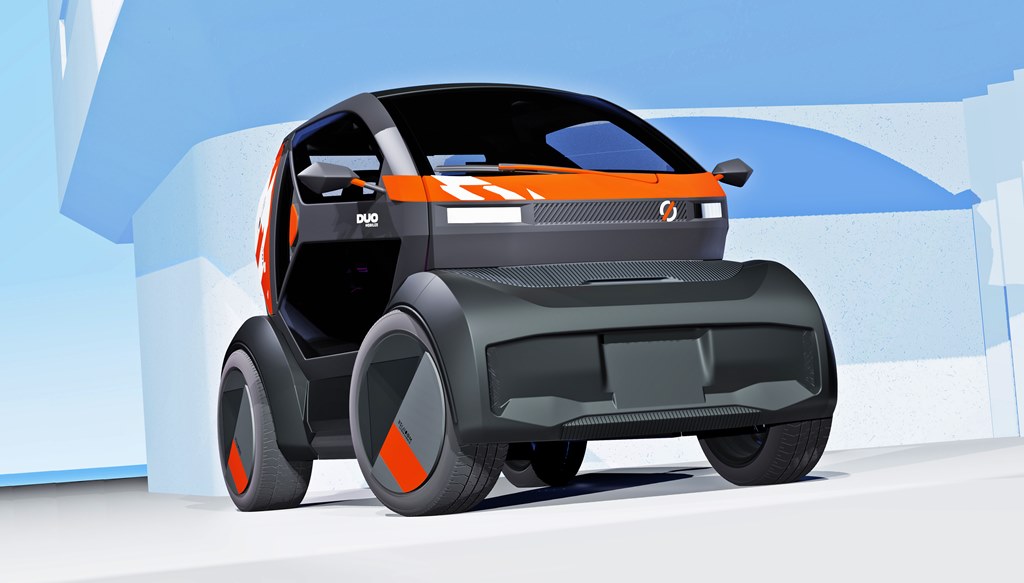
Mobilize, Renault’s brand which focusses on mobility, has come up with a new micro vehicle called the Duo which provides convenient, appealing personal transport that even a 14-year old can use (in France). Measuring 2.43 metres long and 1.3 metres wide, the Duo can accommodate two people and occupy just one-third of a standard parking space.

(more…)

Eventually, every carmaker adds a SUV to their range, a trend which started in the 1990s and reached the pinnacle of the car market in 2018 when even Rolls-Royce introduced a SUV it calls the Cullinan. Now Polestar, the company owned by Volvo (which is owned by the Geely Group), has finally come out with its SUV, the Polestar 3.

As Polestar produces only battery electric vehicles, the Polestar 3 is therefore powered only by electricity, no combustion engine or even hybrid option. And like other carmakers who make their SUVs in the USA because of the huge market for such vehicles, Polestar is also going to make its SUV there although production will be done in China during the first year and shift to America in 2024. Its other models are presently made in China and Sweden.

(more…)

The Hyundai Motor Group has announced a new global strategy which will ensure that its vehicles remain technically and functionally up to date throughout the vehicle’s entire life. This will see all vehicles (Hyundai, Kia and Genesis) transformed to Software Defined Vehicles (SDVs) by 2025.

The industry-leading initiative is expected to transform the customer experience via constantly evolving software technology. It will encompass all models and enable upgrading of all vehicle functions such as safety, convenience, connectivity, security, and driving performance.

The upgrades will be delivered ‘Over-The-Air’ and the vehicles will be equipped with the necessary hardware to receive the updates. This means that owners need not visit a service centre, saving time. The ability to upgrade software will also enhance resale value of the vehicle which will be kept up to date even after 10 years in use.

(more…)

Archive

Follow us on Facebook

Follow us on YouTube