Piston.my

Honda

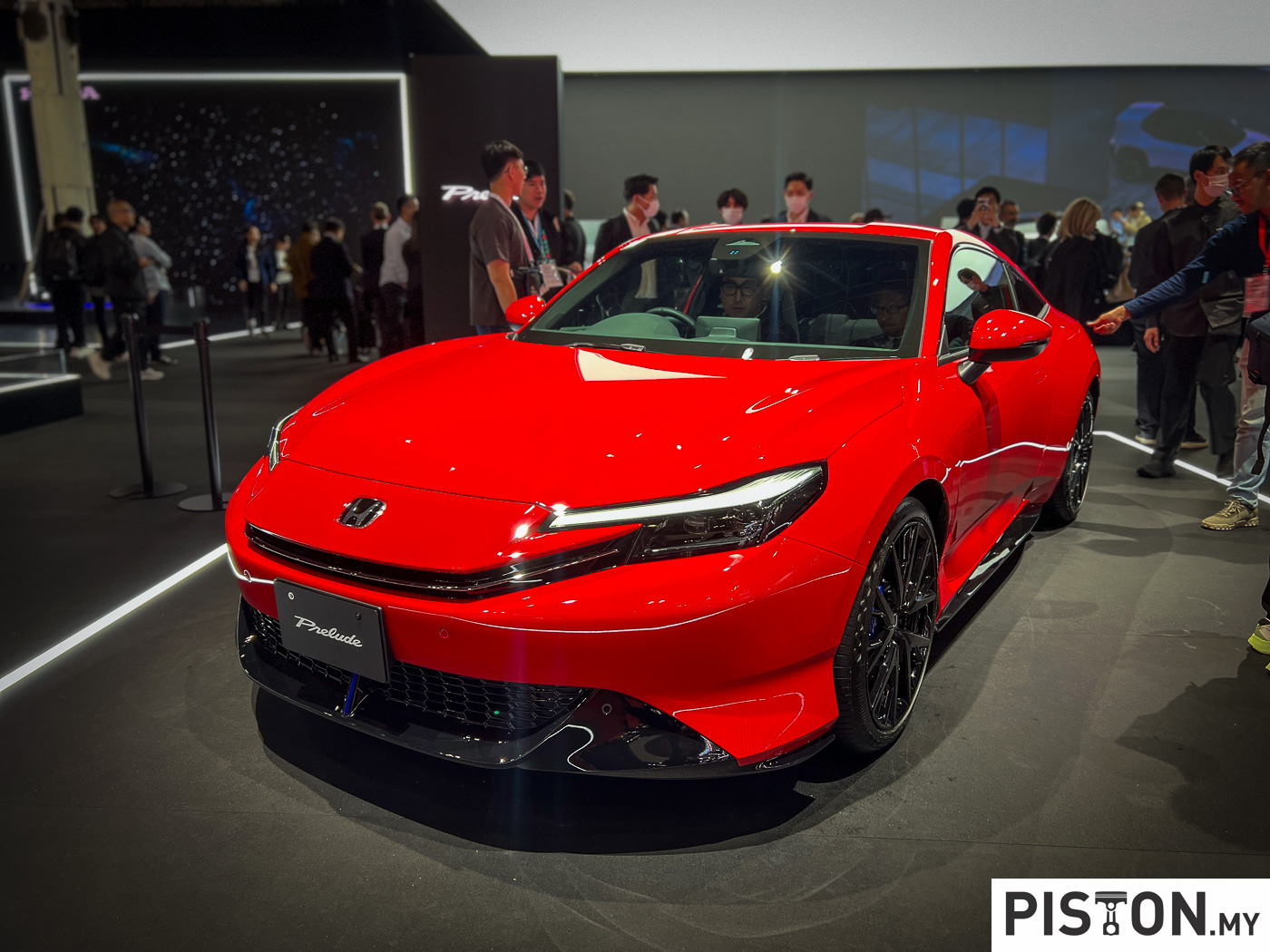
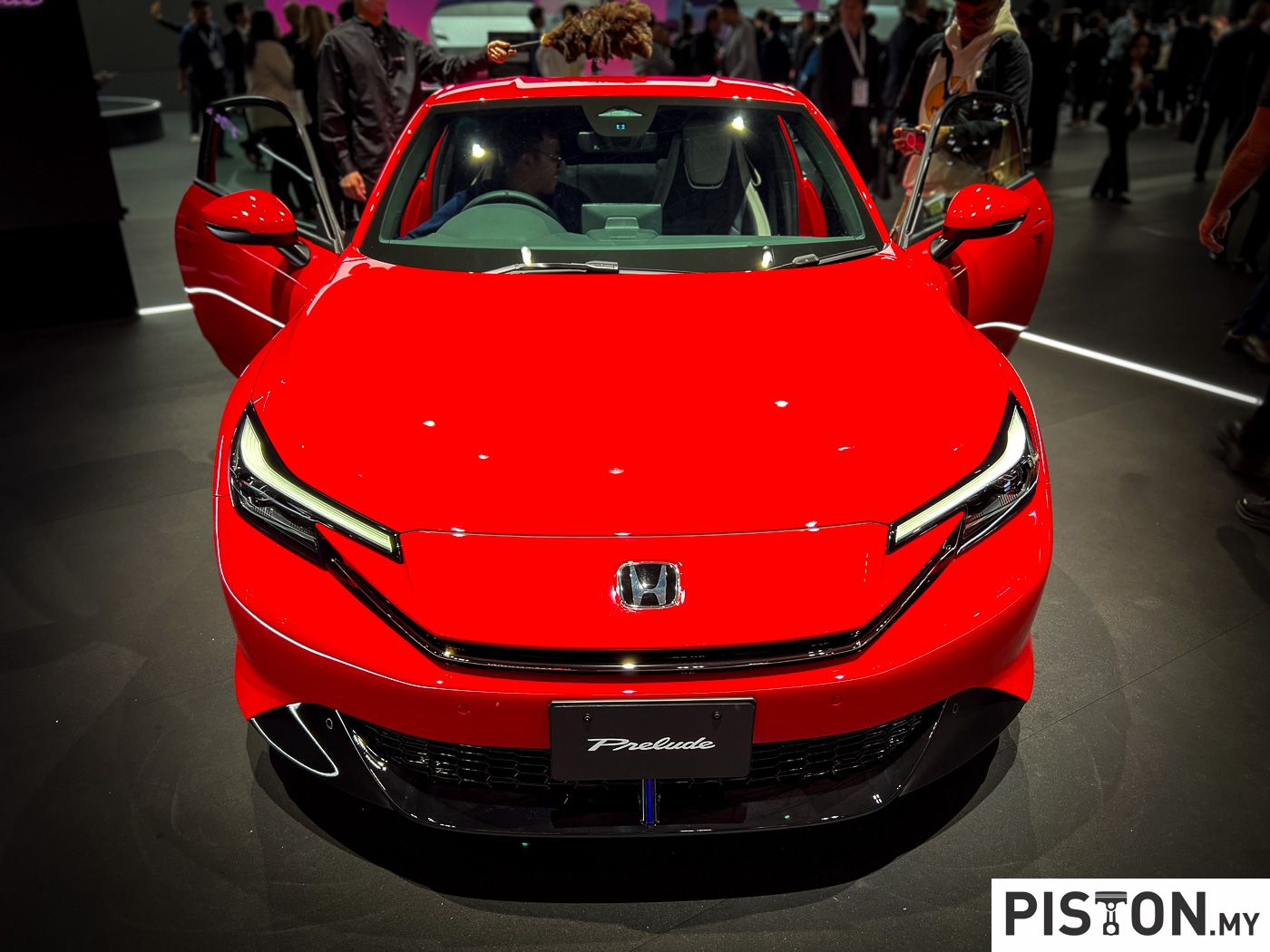
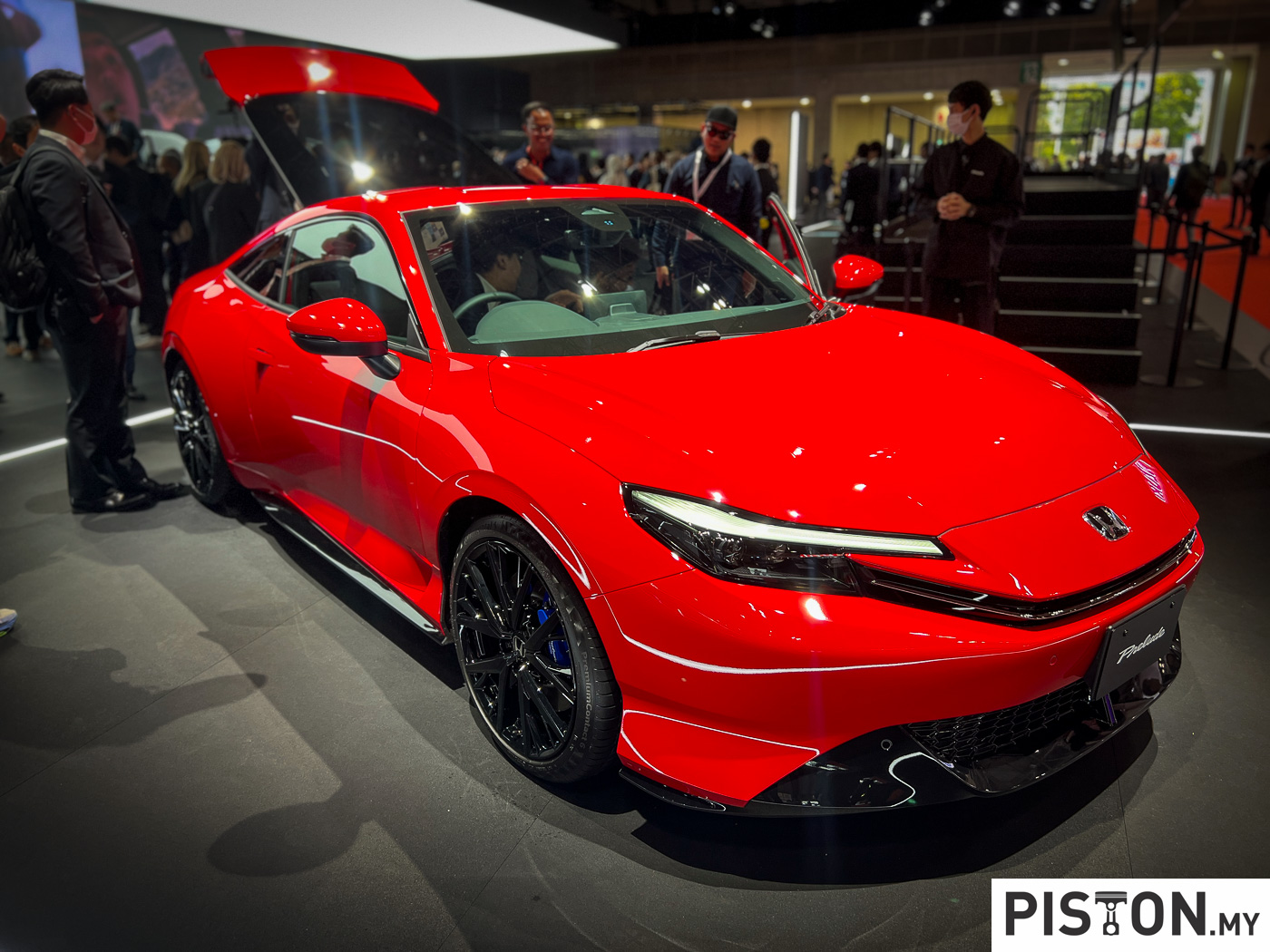
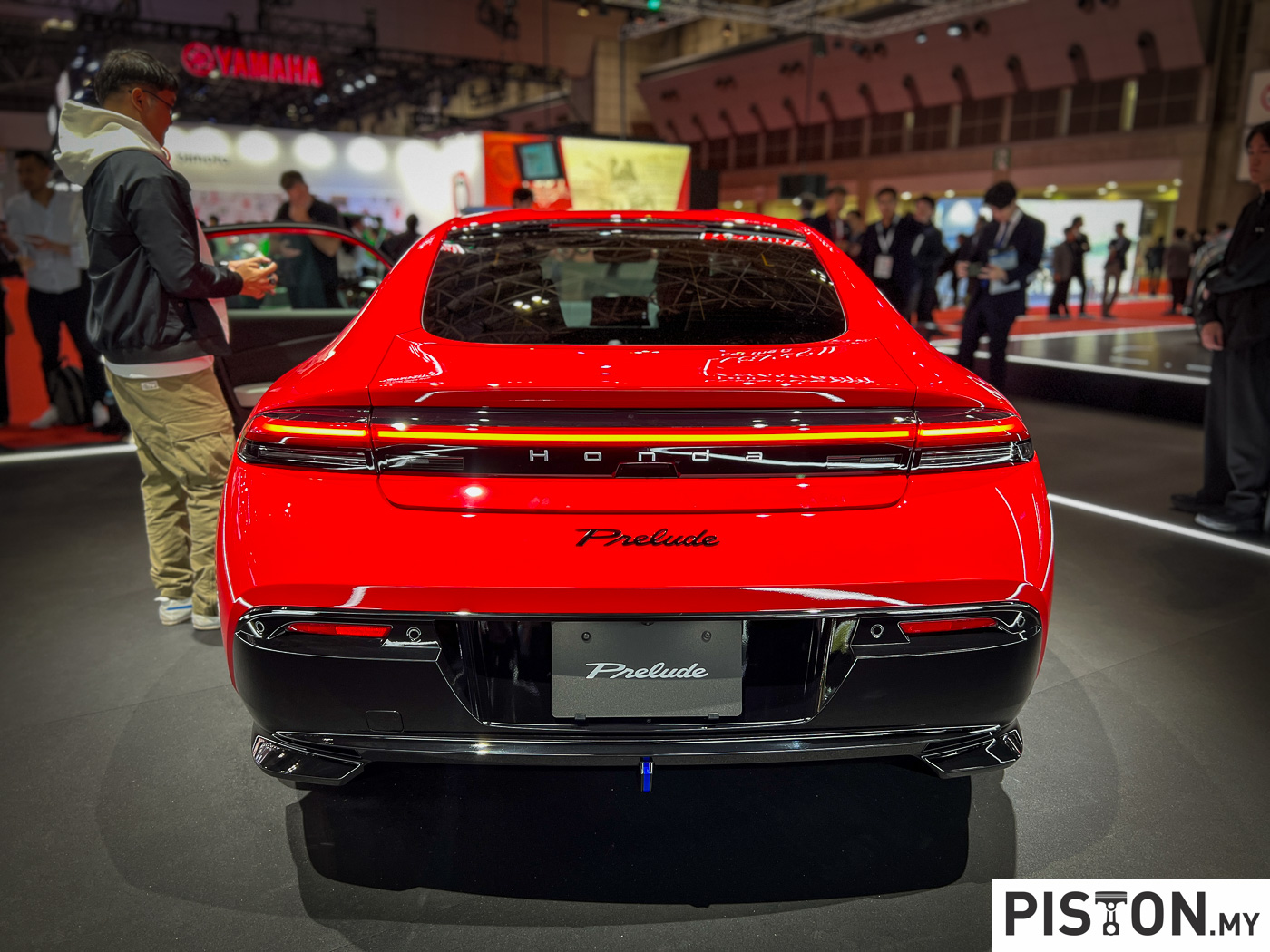
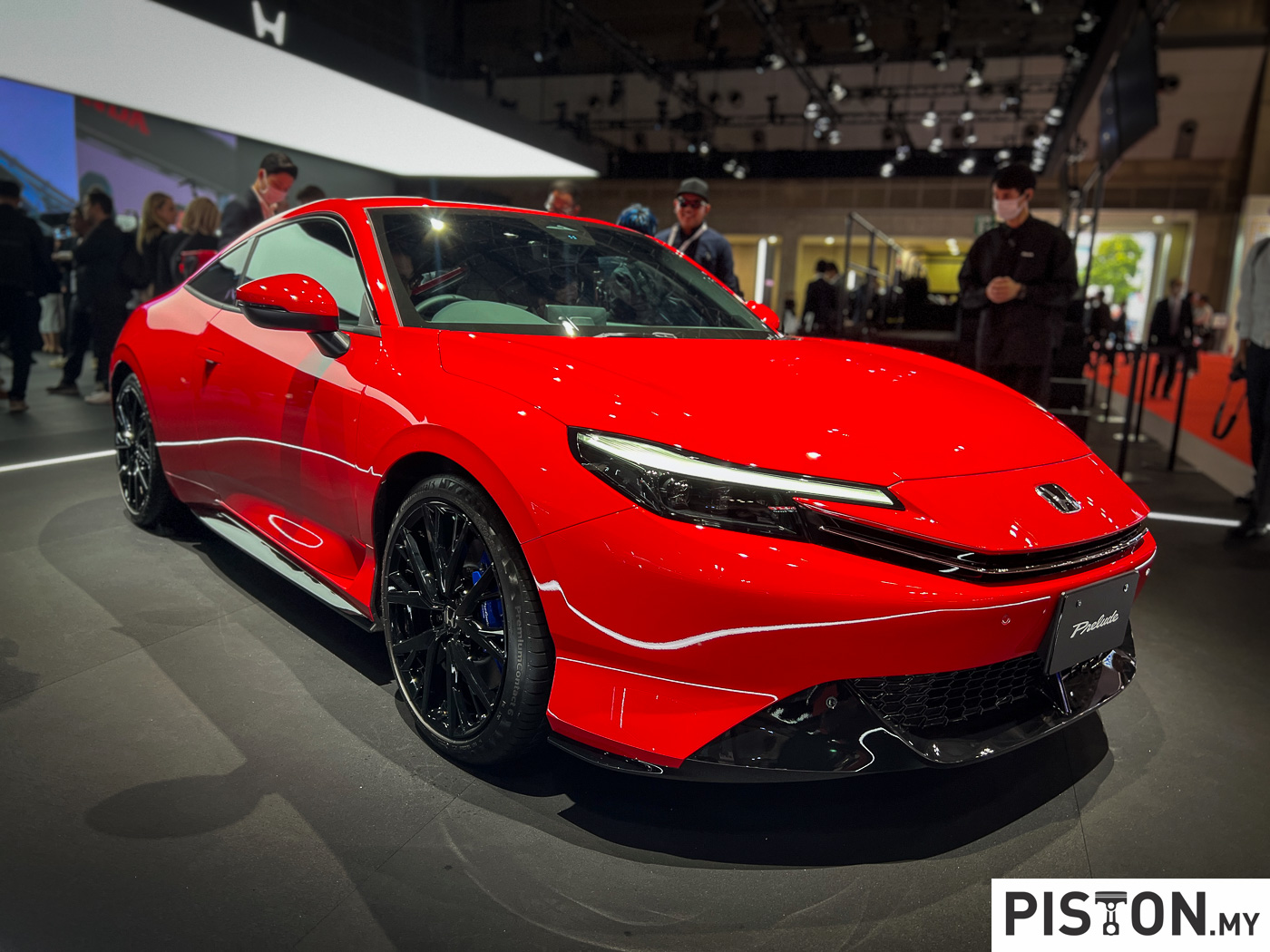
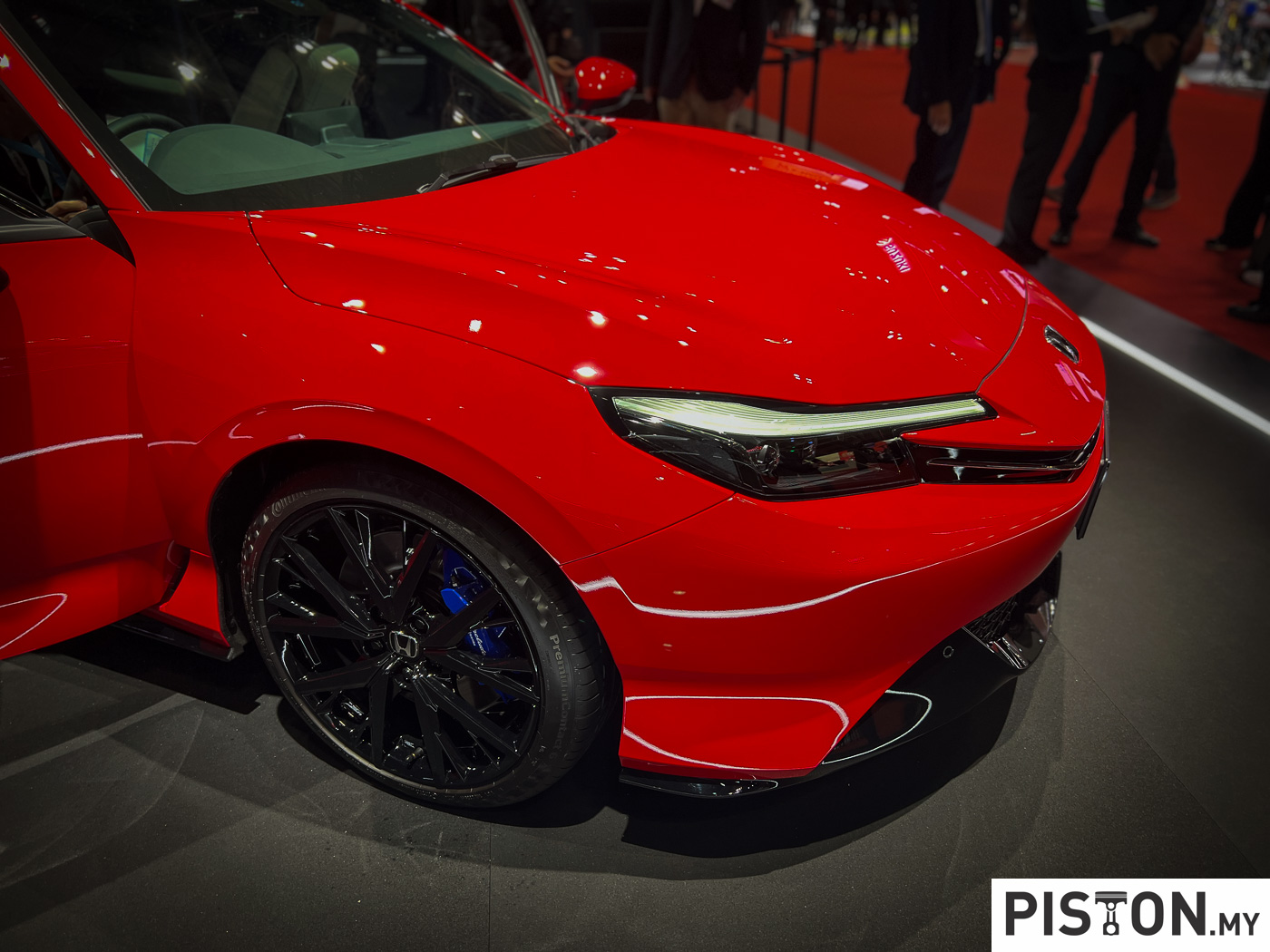
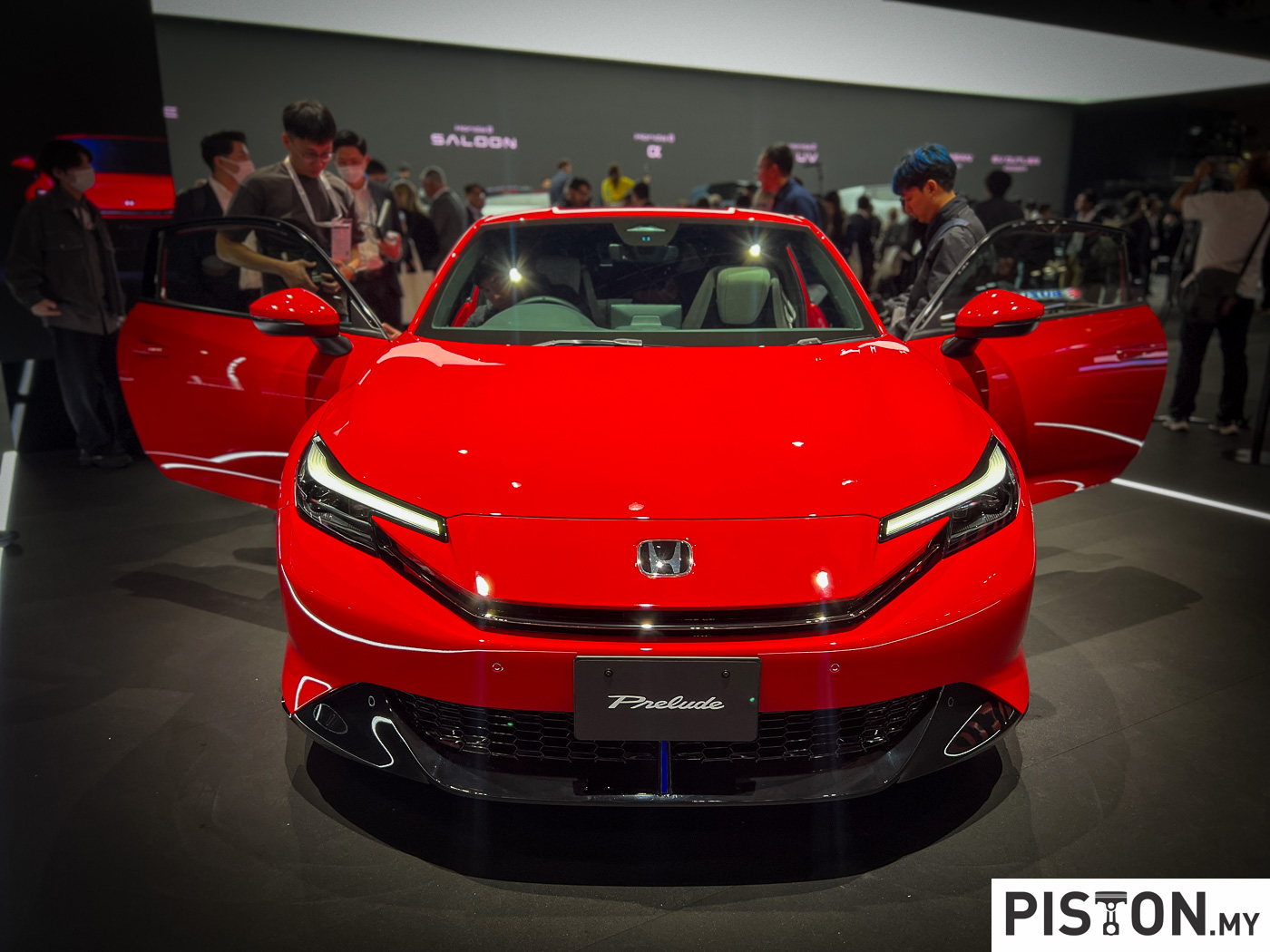
Tidah boleh dinafikan yang Honda Prelude adalah kereta impian zaman kanak-kanak untuk ramai di antara kita semua. Ia menawan imaginasi kita, menghiasi dinding kita dalam bentuk poster, dan tiba-tiba ia menghilang ke dalam buku sejarah.

Oleh itu, apabila Honda mengumumkan bahawa mereka akan menghidupkan semula ikon itu kembali pada tahun 2023, terdapat sorakan kolektif di setiap sudut dunia.

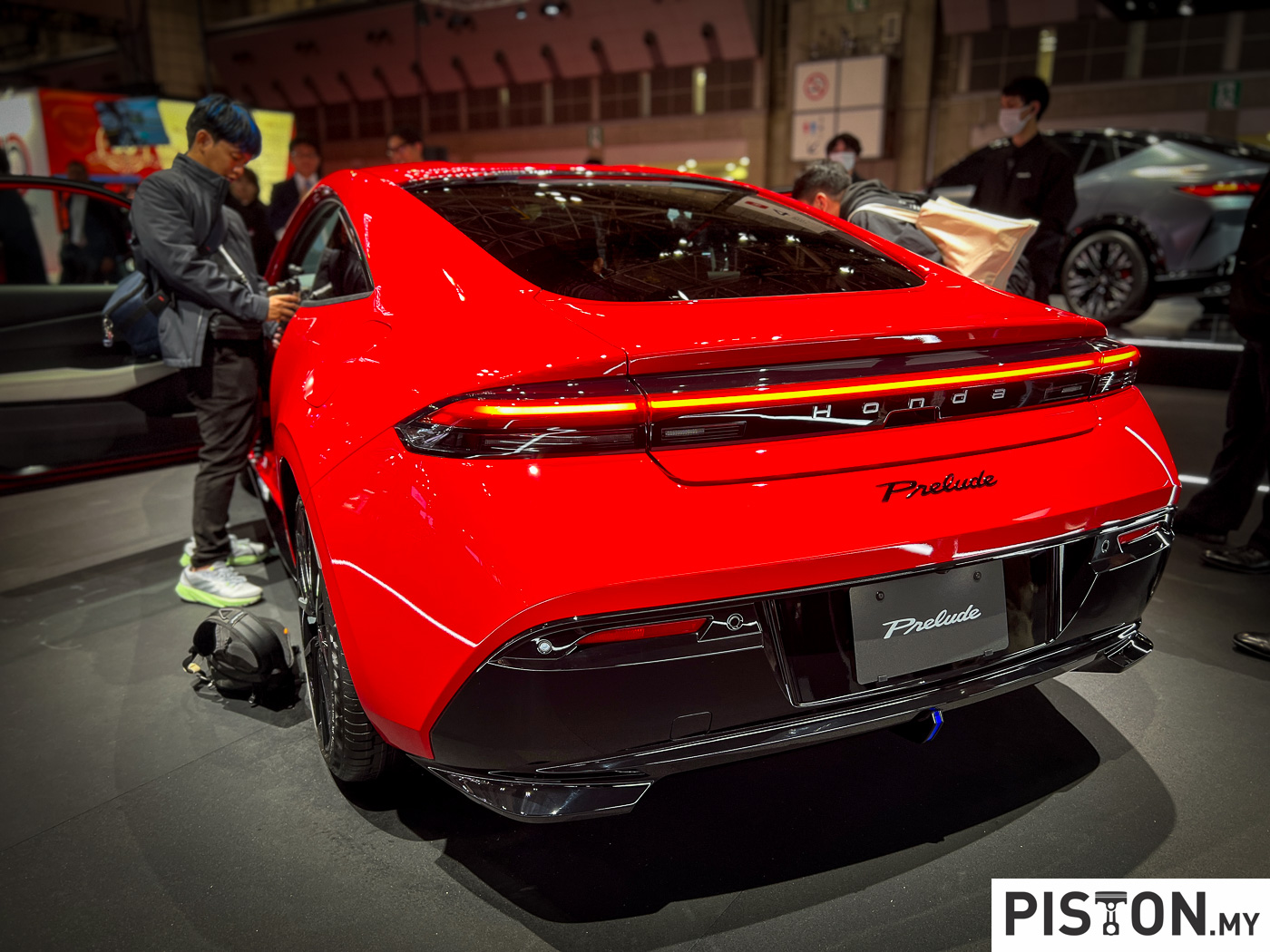
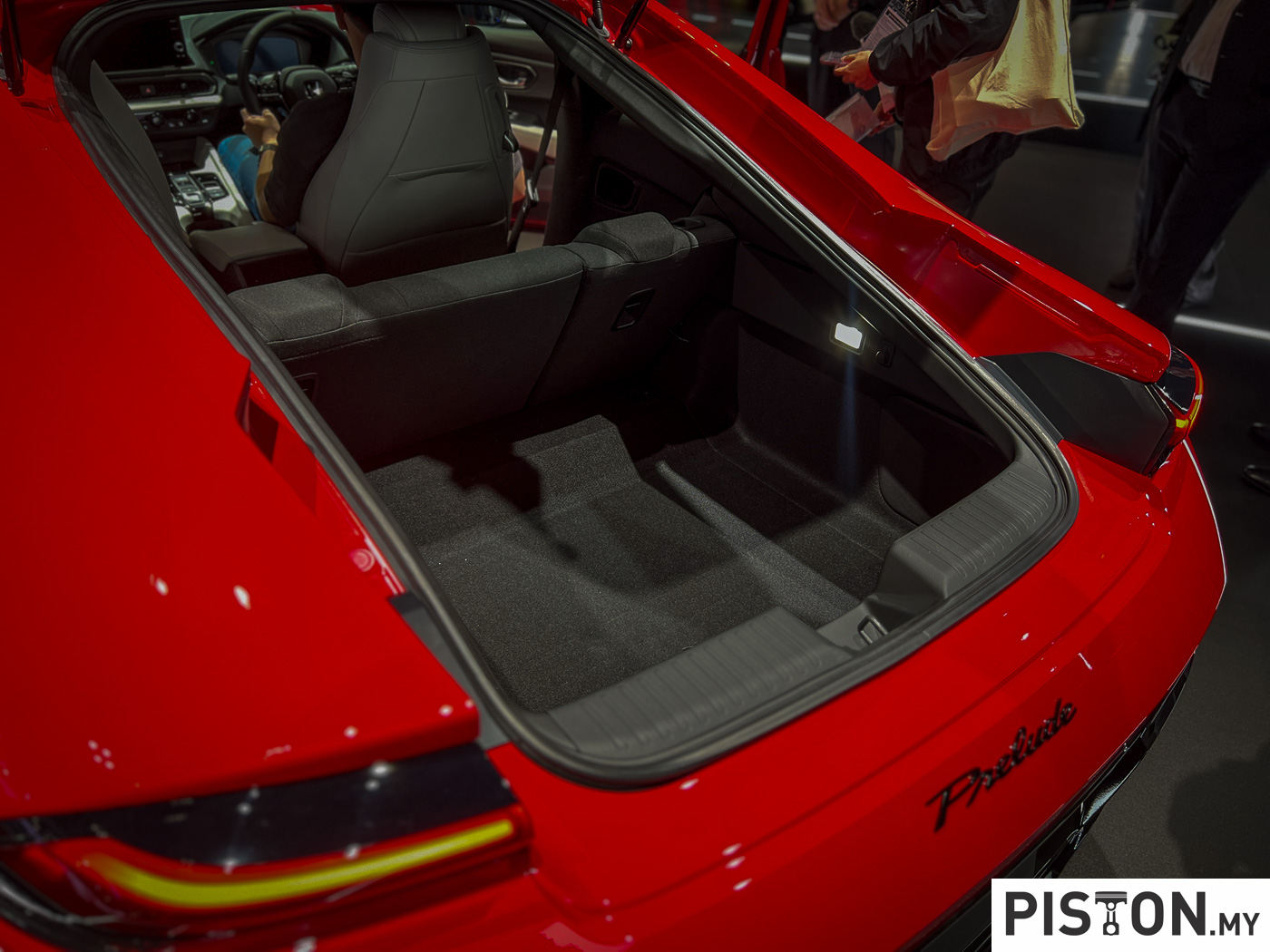
Tetapi Prelude yang asal adalah kereta sport sejati, Prelude yang baharu, ia adalah sesuatu yang amat berbeza.

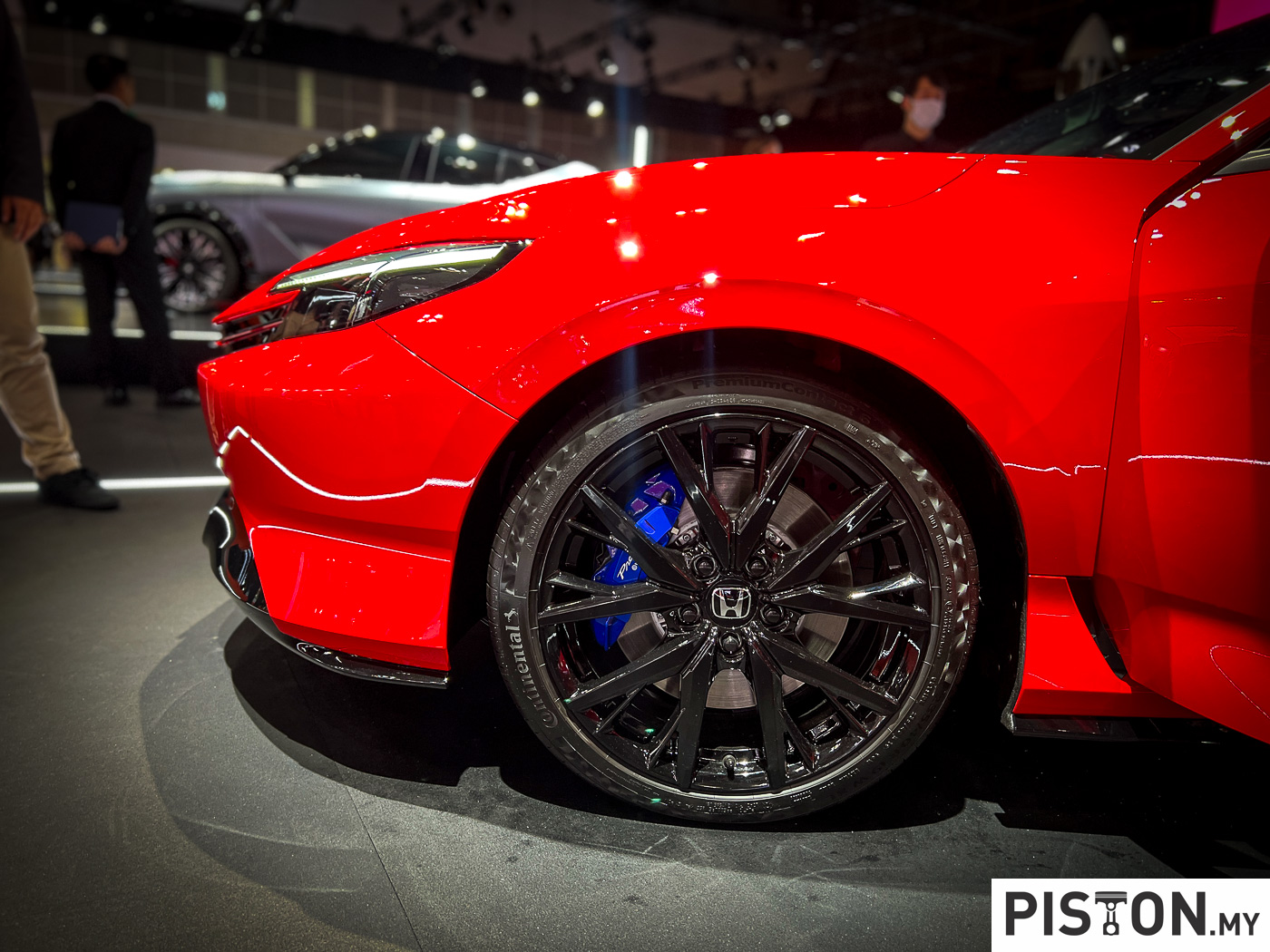
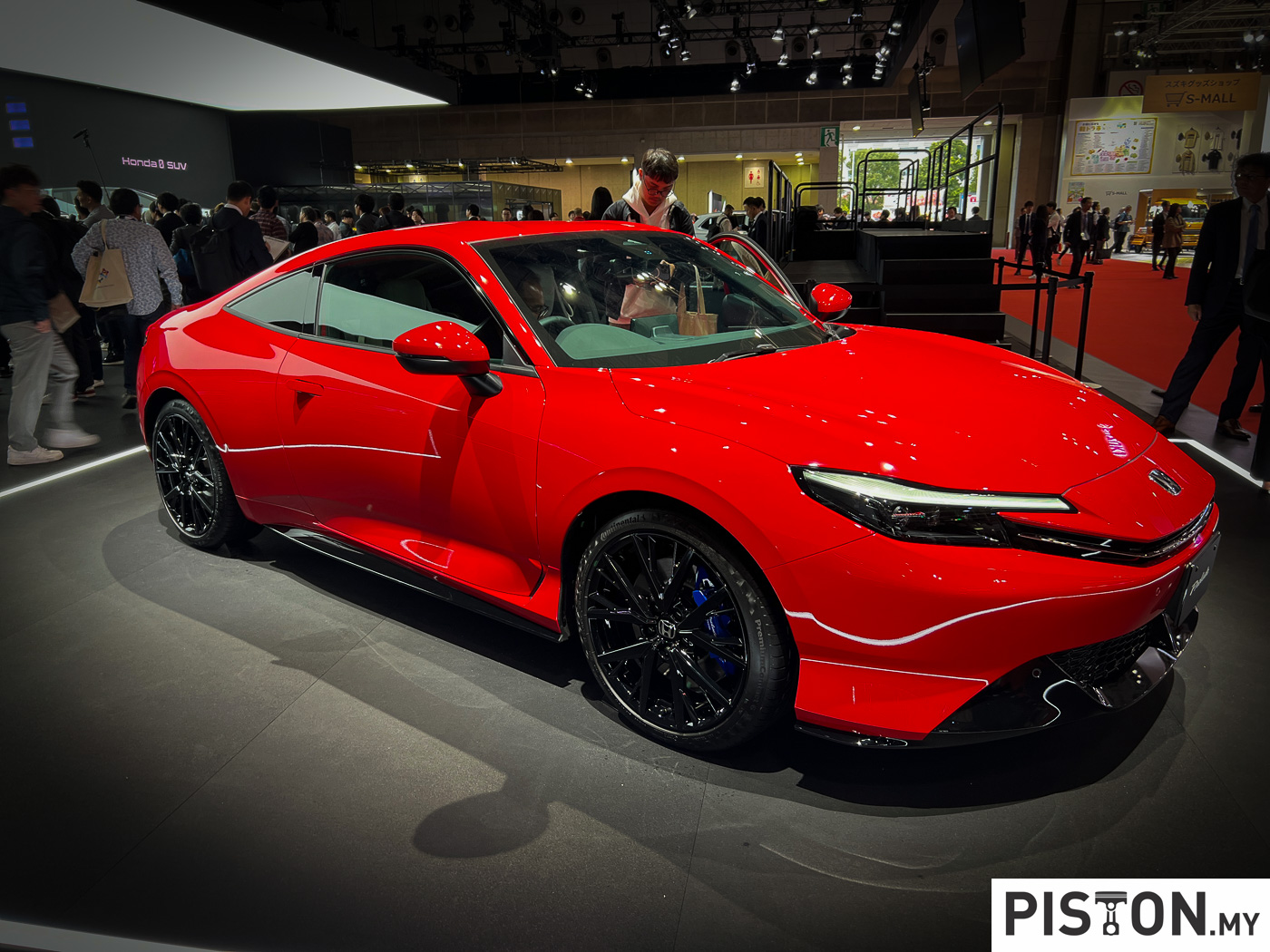
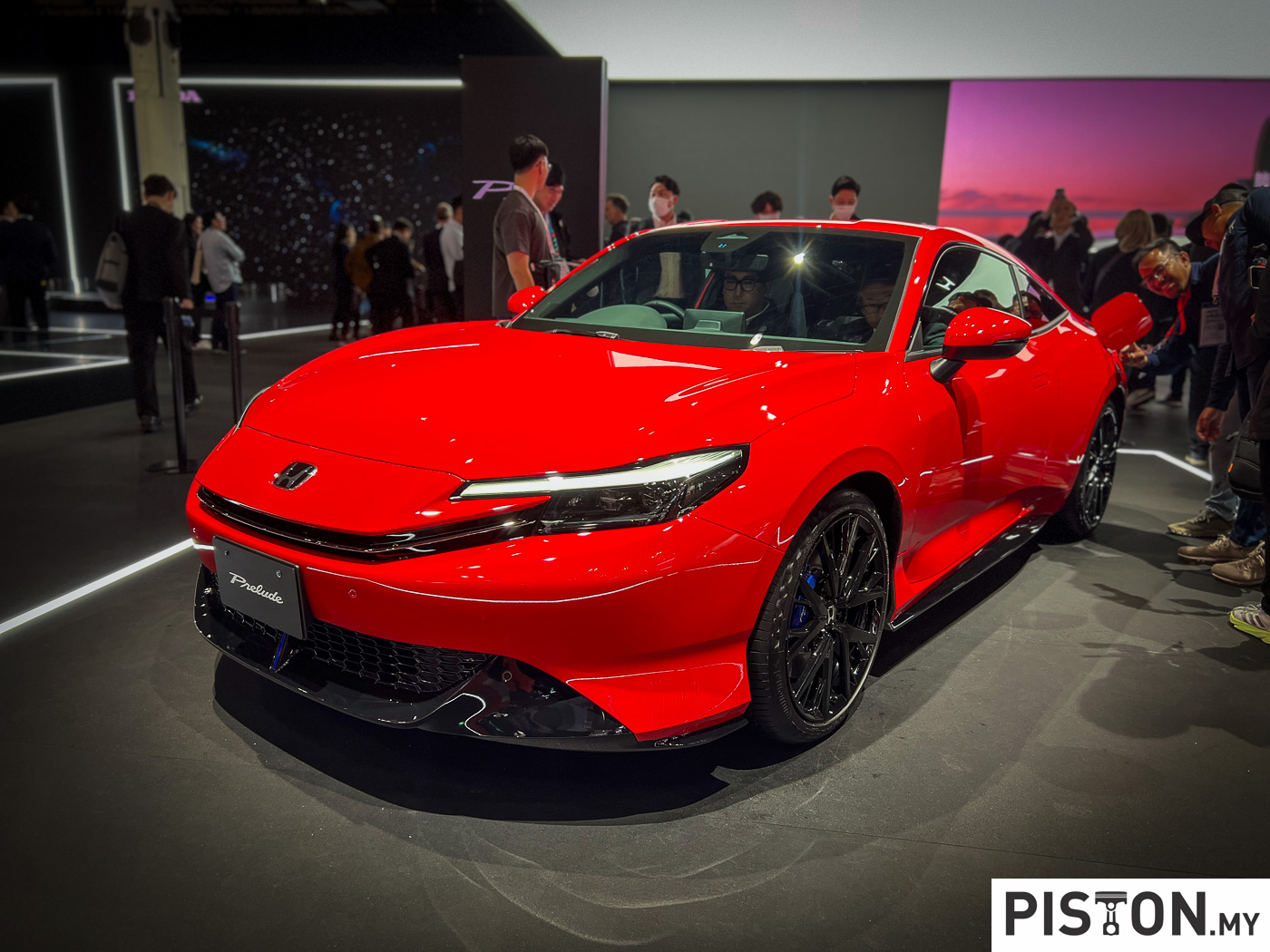
Ia berkongsi platformnya dengan Honda Civic generasi ke-11, dan walaupun ia mempunyai komponen suspensi, chassis dan beberapa bahagian daripada Type R, ia dikuasakan oleh enjin 2.0 liter yang sama dengan Honda Civic e:HEV (hibrid).

Dan saya pasti kita semua boleh bersetuju bahawa 200hp dan 315Nm tork tidak lagi layak dipanggil kereta sport.

Jadi, persoalan besar di fikiran setiap peminat Honda tidak dapat dinafikan — adakah akan ada Honda Prelude Type R?

Saya baru-baru ini berada di Pameran Mobiliti Jepun 2025 sebagai tetamu Honda Malaysia. Syarikat itu dengan murah hati mengatur temu bual ringkas dengan Ketua Projek Besar Honda Prelude, Tomoyuki Yamagami.

Beliau adalah seorang yang boleh menjawab soalan itu kerana beliau pada dasarnya adalah salah seorang daripada beberapa orang yang bekerja pada Prelude generasi keenam yang baharu dari awal nya.

Jadi, saya tidak dapat menahan diri untuk bertanya – “adakah akan ada Honda Prelude Type R”?

Jawapannya? Tiada komen.

Bukan ya, bukan tidak, bahkan bukan mungkin. Jawapan terus terang tiada komen. Dan kini, saya tidak dapat menahan diri daripada membuat spekulasi.

Selalu nya dengan syarikat kereta, kalau mereka tidak ada rancangan untuk membina model yang baru, mereka akan terus menafikan bila ditanya. Tetapi, disebabkan Yamagami-san berkata “tiada komen”, ini mungkin bermakna yang mungkin ada rancangan.

Terdapat beberapa laporan mengenai Civic Type R generasi seterusnya akan dikuasakan oleh rangkaian kuasa hibrid dan transmisi automatik dan bukannya manual. Kedua-dua faktor itu sudah pun dimiliki oleh Prelude.

Malah, dan menurut Yamagami-san sendiri, Prelude sudah berkongsi komponen suspensi dengan Type R dan mempunyai rak stereng yang lebih pantas dari Type R.

Jadi, ia mungkin tidak sepantas Type R dalam bentuknya sekarang, tetapi asas-asasnya sudah ada.

Yang menimbulkan persoalan, adakah kita akan melihat Honda Prelude Type R?

Spekulatif pada masa ini, tetapi ada kemungkinan besar yang Prelude Type R akan datang.

Honda Prelude disahkan untuk pasaran utama di seluruh dunia dan berdasarkan fakta bahawa Honda Malaysia telah menawarkan setiap model berprestasi tinggi sejak penubuhannya (merujuk kepada Civic Type R FD2R), saya yakin Honda Prelude juga akan ditawarkan di Malaysia.

Cuma, jangan harapkan harganya murah.

The Honda Prelude is a car of many childhood dreams. It captured our imaginations, adorned our walls in the form of posters and then it disappeared into the history books.

So, when Honda announced it was reviving the icon back in 2023, there was a collective cheer all over.

But the original Prelude was a proper sports car, the new Prelude, well, was something entirely different.

It shared its underpinnings with the 11th generation Honda Civic, and though it has the chassis, suspension components and some oily bits from the Type R, it is powered by the same 2.0-litre engine as the Honda Civic e:HEV (hybrid).

And I am sure that we can all agree that 200hp and 315Nm of torque hardly qualified as a sports car.

So, the big question behind every Honda fan has undeniably been – is there going to be a Honda Prelude Type R?

I was recently at the 2025 Japan Mobility Show as a guest of Honda Malaysia. The company graciously organized a short interview with the Large Project Leader of the Honda Prelude, Tomoyuki Yamagami.

He was the perfect answer to answer that question since he is basically one of the few people who worked on the new sixth-generation Prelude from the ground up.

So, I couldn’t resist to ask – “will there ever be a Honda Prelude Type R” ?

His answer? No comment.

Not a yes, not a no, not even a maybe. A straight out no comment. And now, I can’t help but speculate because car makers will usually give you a straight out no we can’t do that if a model is not in their plans.

There have been some reports about the next generation Civic Type R being powered by a hybrid powertrain and with an automatic transmission rather than a manual. Both of which the Prelude already has. In fact, the Yamagami-san explicitly mentioned that a manual transmission is impossible to plonk into the Prelude. The car is just not designed for it, he said.

In fact, and again, according to Yamagami-san himself, the Prelude already shares suspension components with the Type R and has a quicker steering rack.

So, it may not be as fast as the Type R in its current guise, but the underpinnings are already there.

Which begs the question, will we see a Honda Prelude Type R?

Speculative at the moment, but there is a decent chance that we just might.

The Honda Prelude is confirmed for key markets around the world and judging from the fact that Honda Malaysia has offered every high-performance model since its inception (talking about you Civic Type R FD2R), I will bet that the Honda Prelude to be offered in Malaysia as well.

Just don’t expect it to be cheap.

Honda Malaysia meraikan pencapaian 25 tahun penubuhannya dengan melancarkan kempen khas bertemakan “Because of You”, yang berlangsung dari 1 Oktober hingga 31 Disember 2025. Sepanjang tempoh ini, pelanggan berpeluang memenangi hadiah cabutan bertuah bernilai sehingga RM1 juta selain menikmati pelbagai program ganjaran istimewa.

Pengarah Urusan dan Ketua Pegawai Eksekutif Honda Malaysia, Narushi Yazaki, berkata tahun 2025 amat bermakna kerana menandakan suku abad perjalanan syarikat sejak ditubuhkan pada tahun 2000.

Beliau turut merakamkan penghargaan kepada para pelanggan, kerajaan, pengedar serta rakan kongsi yang telah menyokong Honda sehingga berjaya mengekalkan kedudukannya sebagai jenama kenderaan bukan nasional nombor satu di Malaysia selama 11 tahun berturut-turut.

Melalui cabutan bertuah ini, pelanggan berpeluang membawa pulang enam model Honda iaitu WR-V RS, City RS, City Hatchback RS, Civic RS, HR-V varian V terbaharu serta CR-V e:HEV RS. Di samping itu, tawaran rebat Honda Insurance Plus (HiP) turut disediakan.

(more…)

The Malaysian SUV market is one of the most competitive automotive battlegrounds, and Honda has been a consistent front-runner thanks to the enduring popularity of the HR-V. 

Since its first introduction in 2015, the HR-V has built a strong reputation for combining style, practicality, and reliability in a compact package. According to Honda Malaysia, they have sold more than 171,000 units of the HR-V!

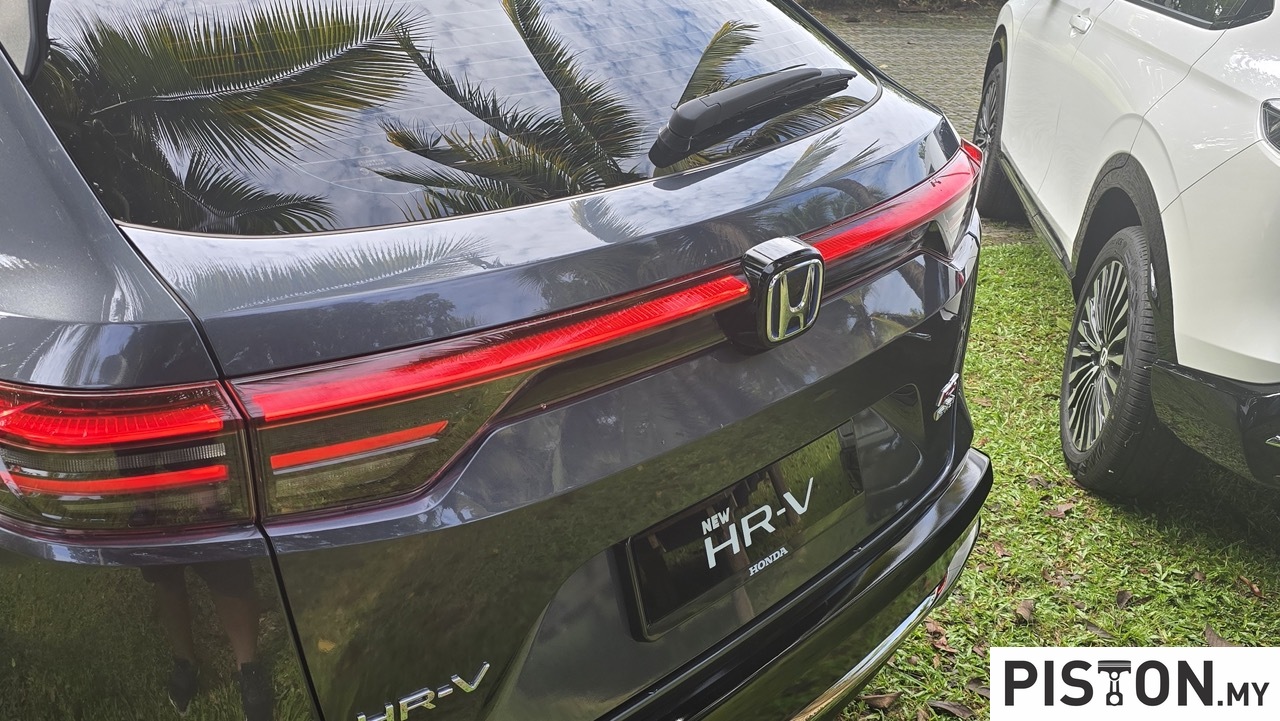
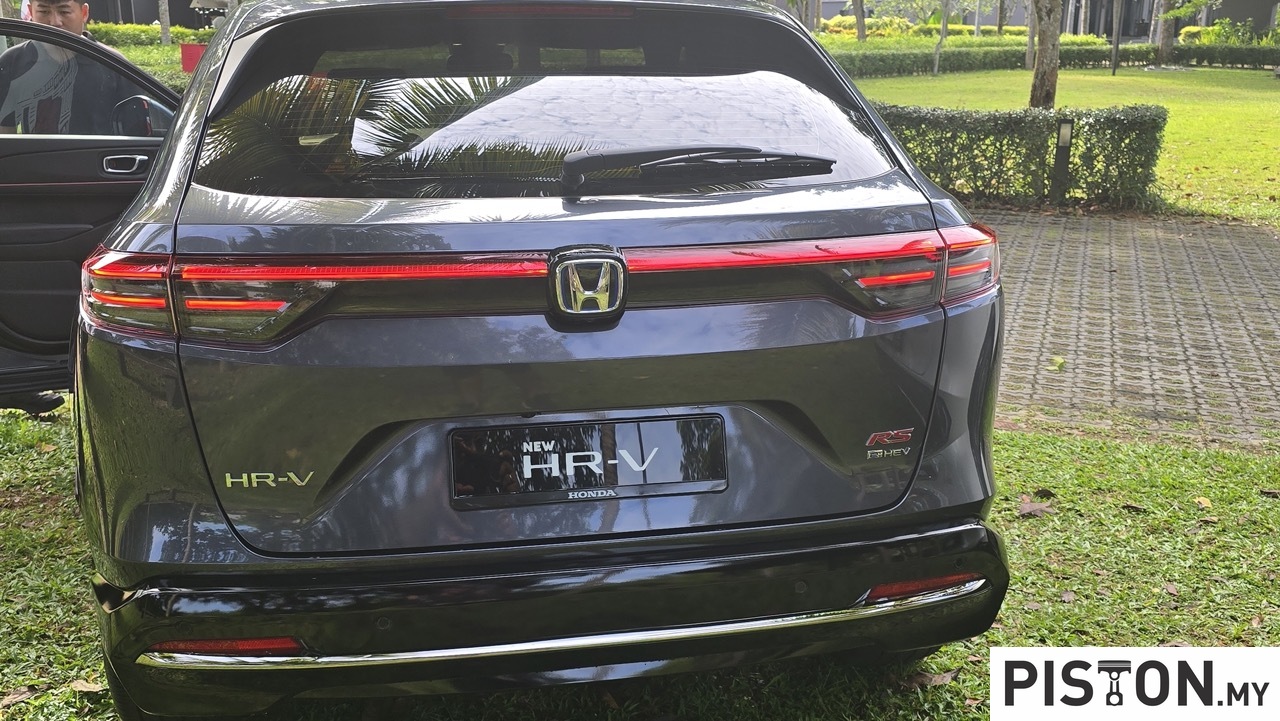
With the arrival of the refreshed 2025 Honda HR-V, Honda Malaysia has taken the opportunity to refine what was already a winning formula.

This updated model promises not only subtle styling tweaks but also improvements in comfort, technology, and safety. We spent time evaluating what makes the latest HR-V stand out and whether it retains its place as one of the top choices in the segment.

A Subtle Evolution in Design

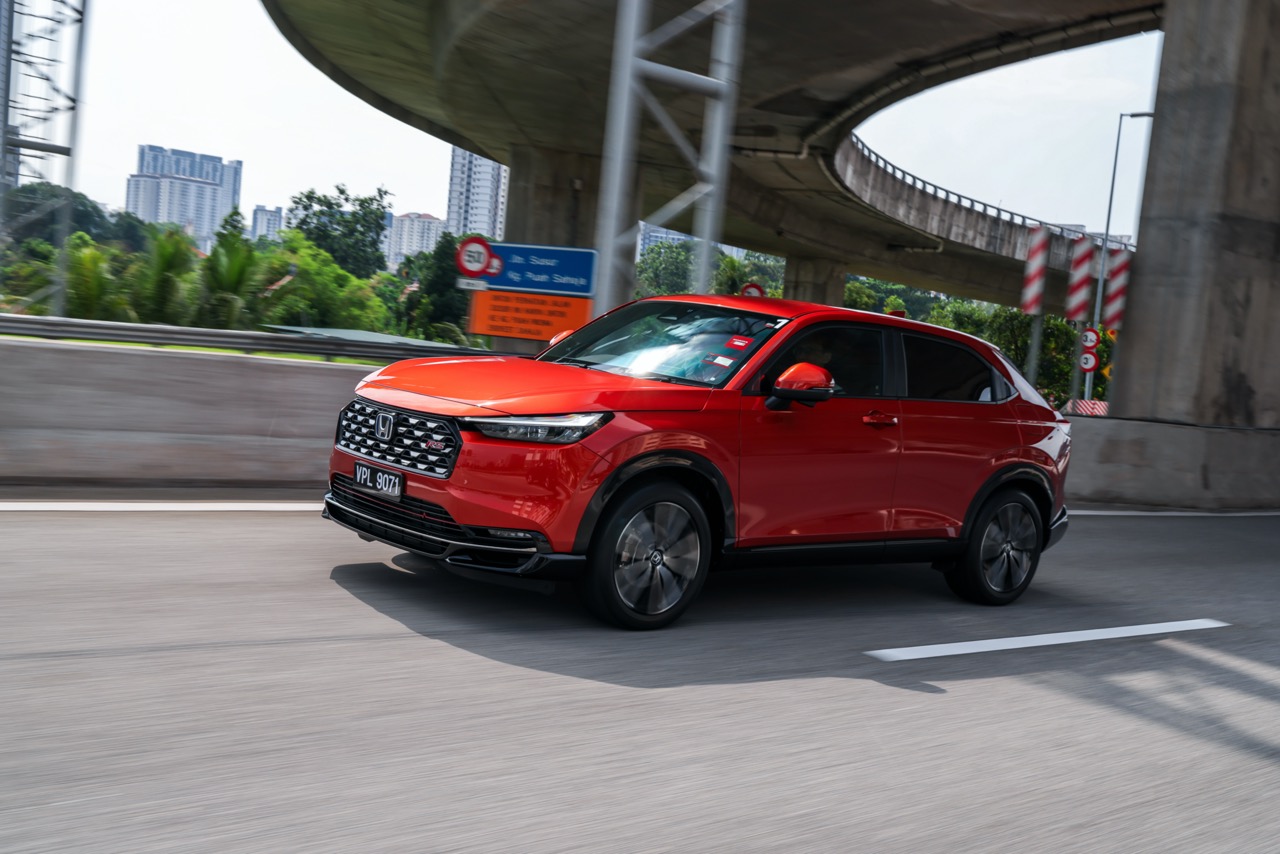
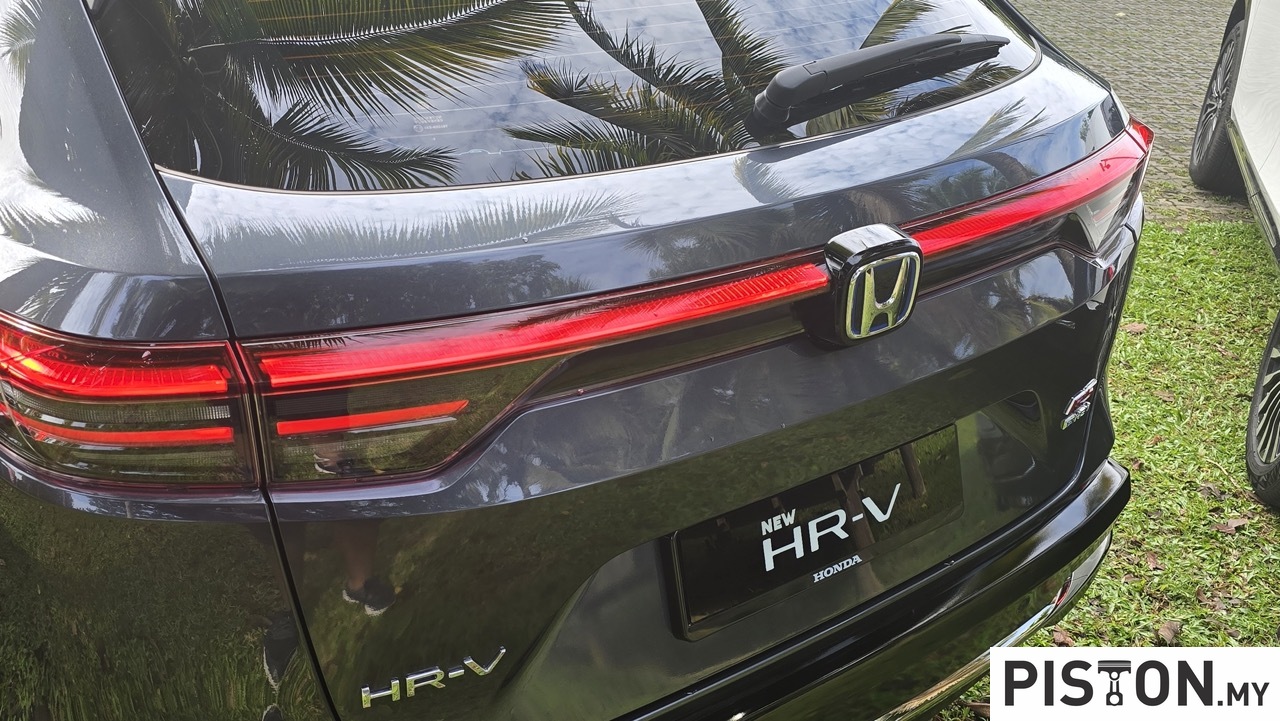
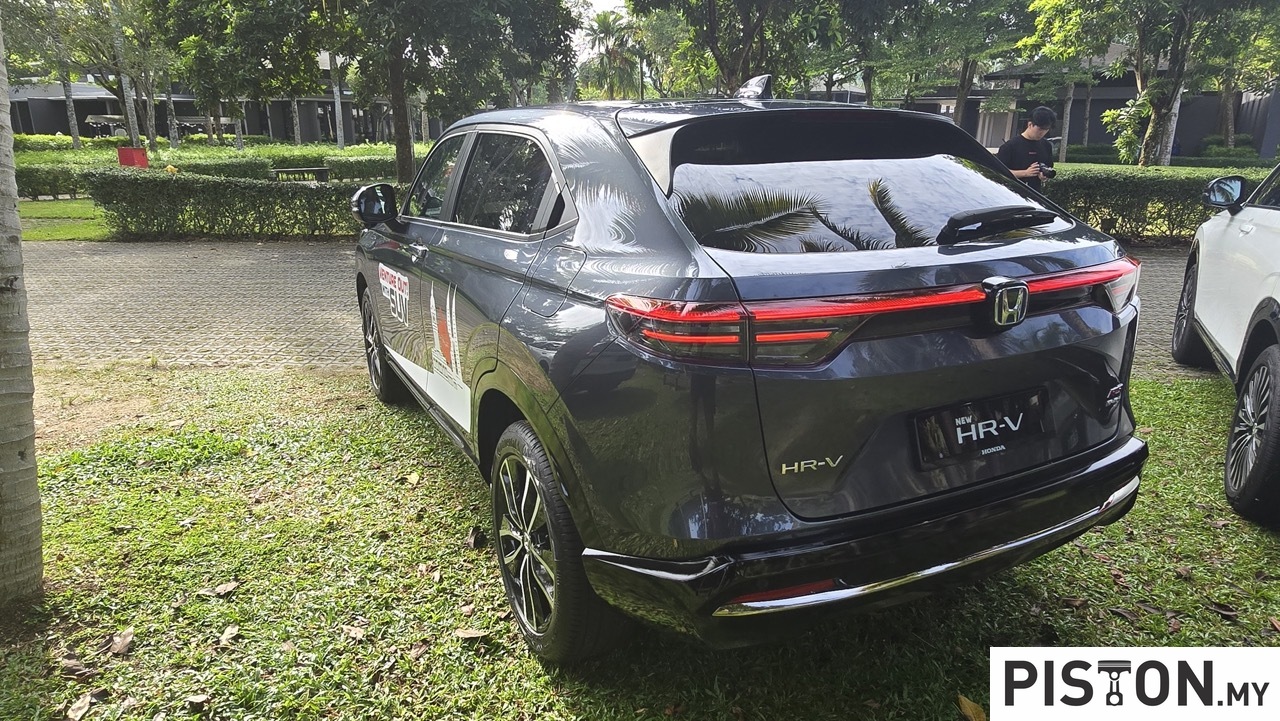
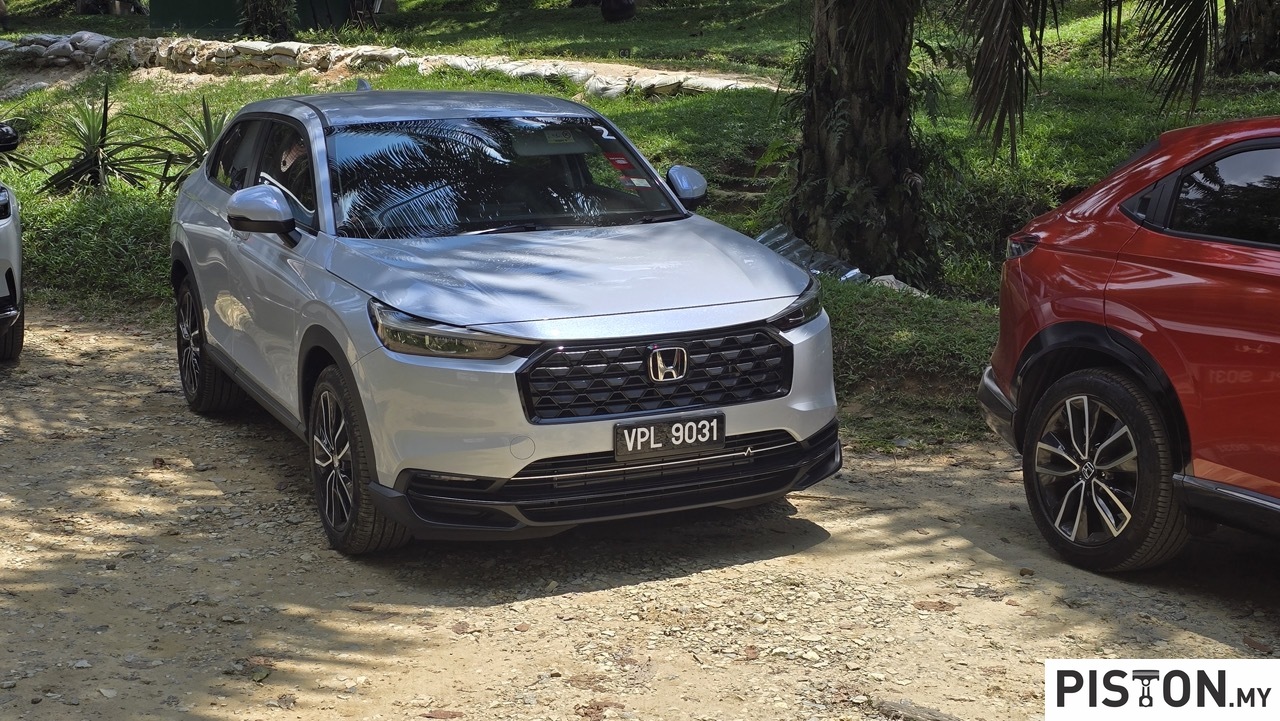
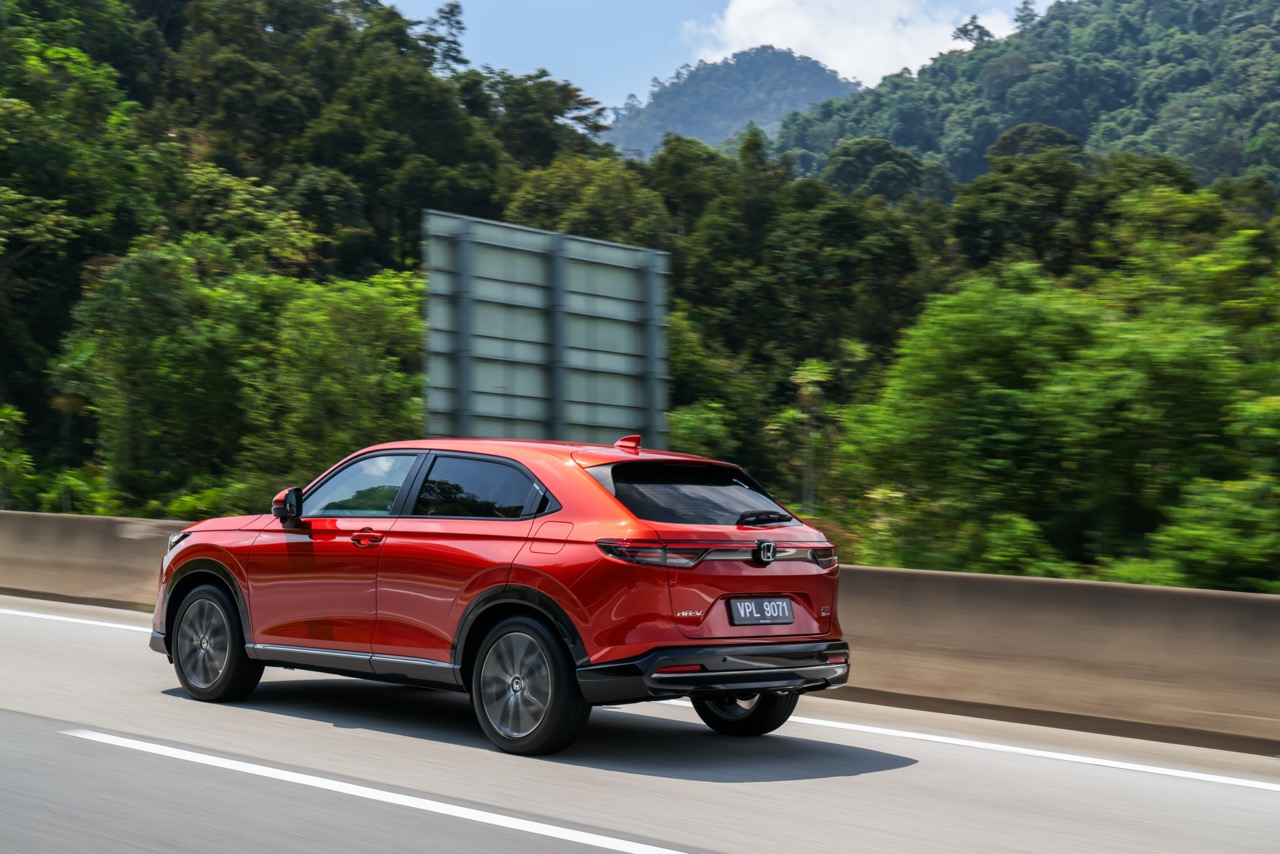
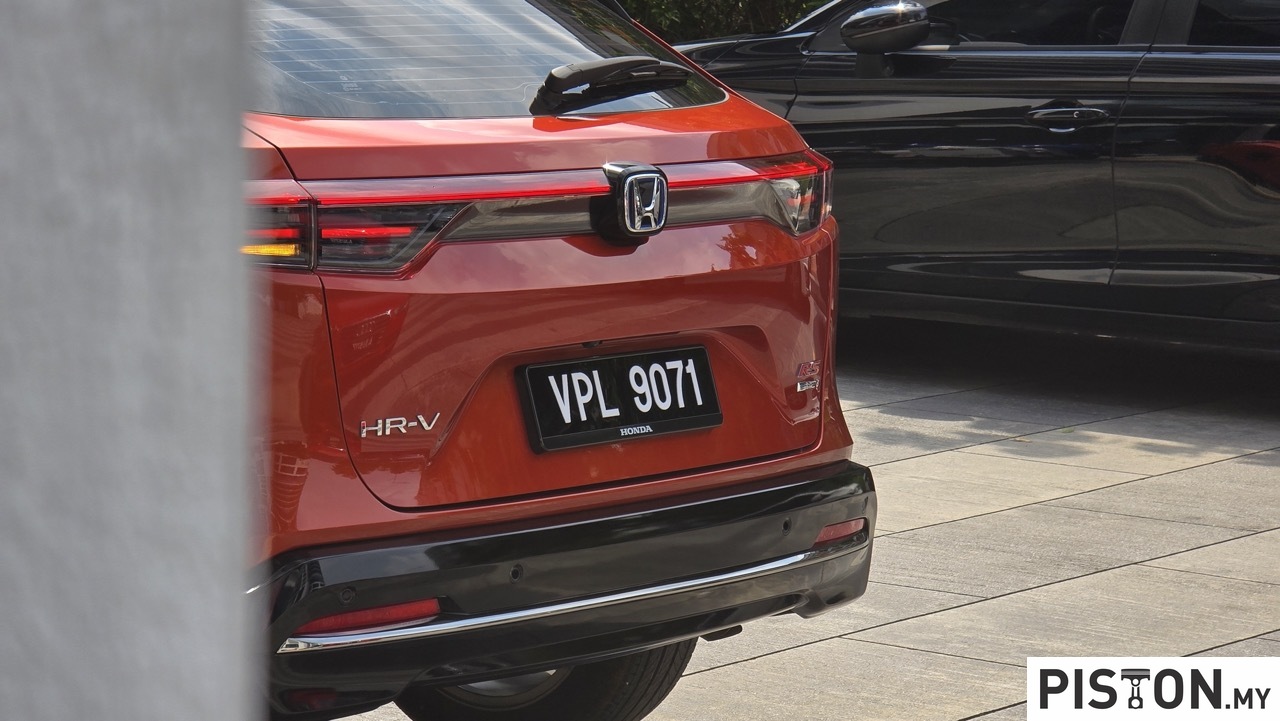
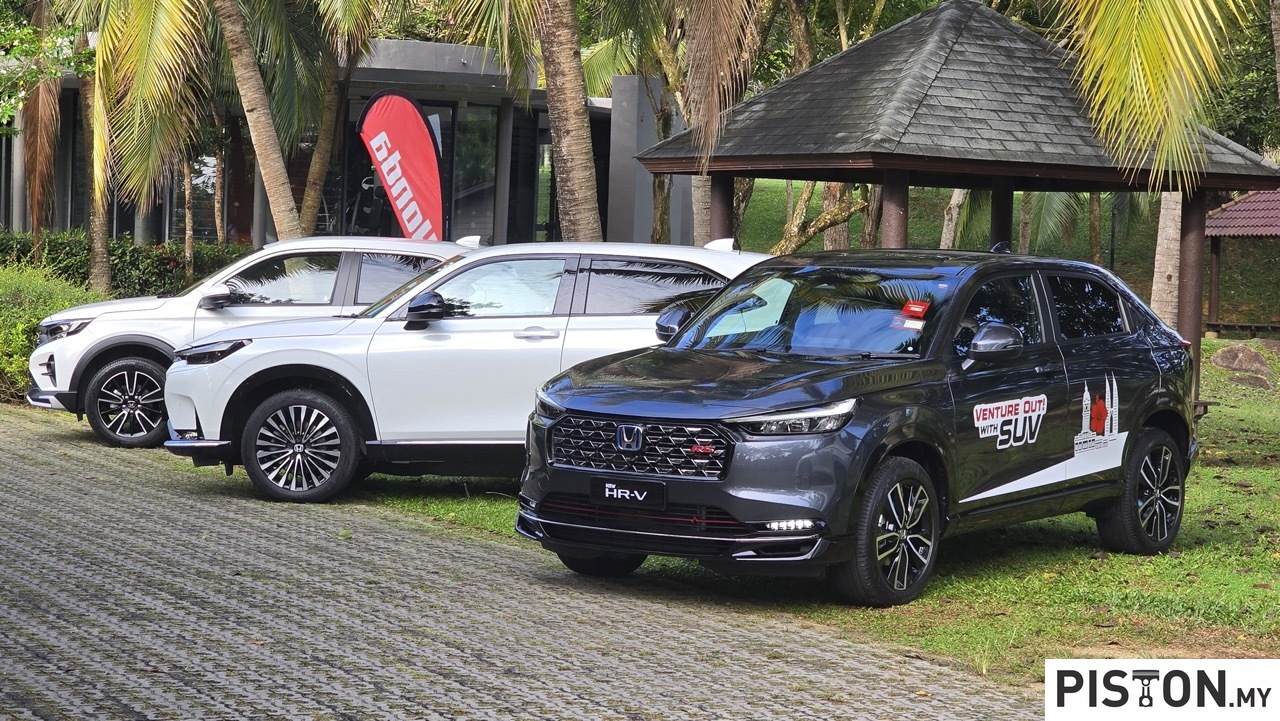
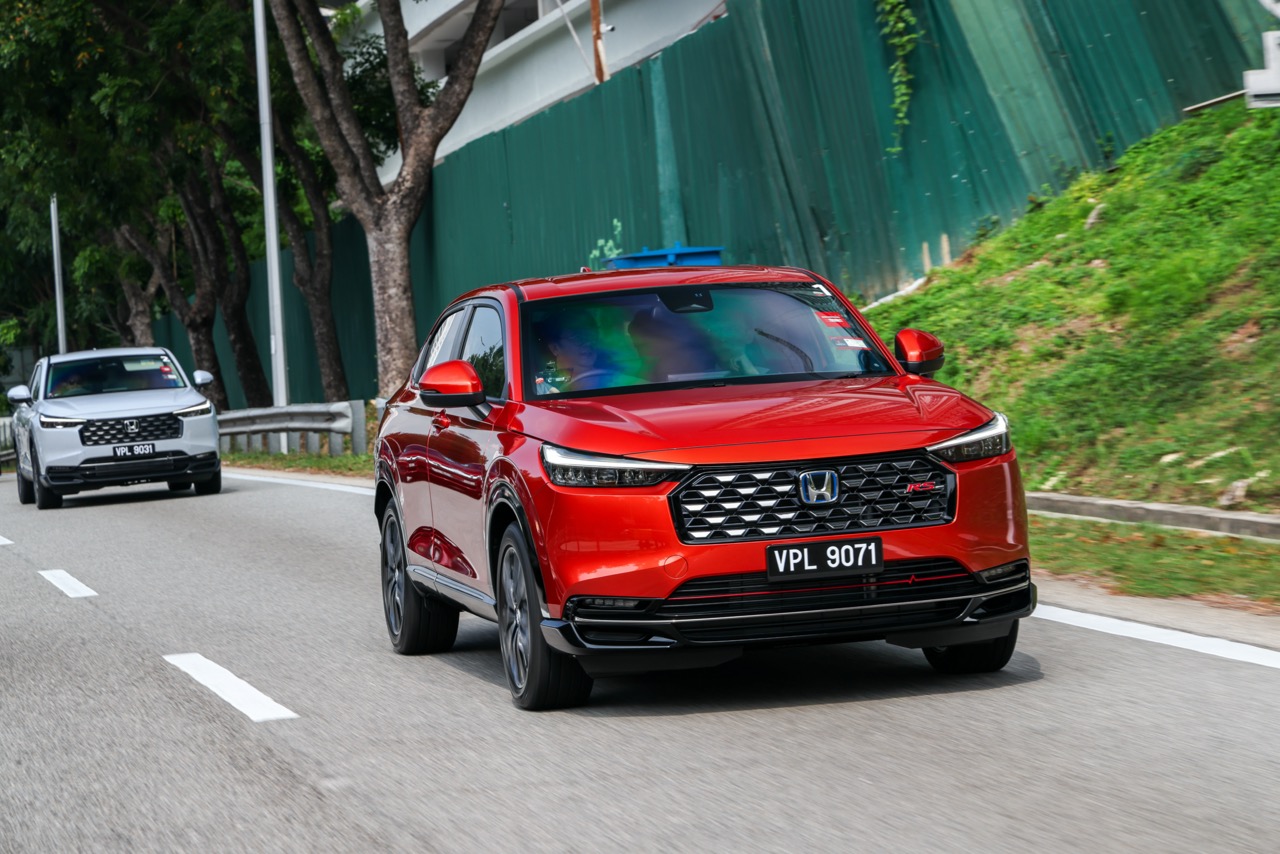
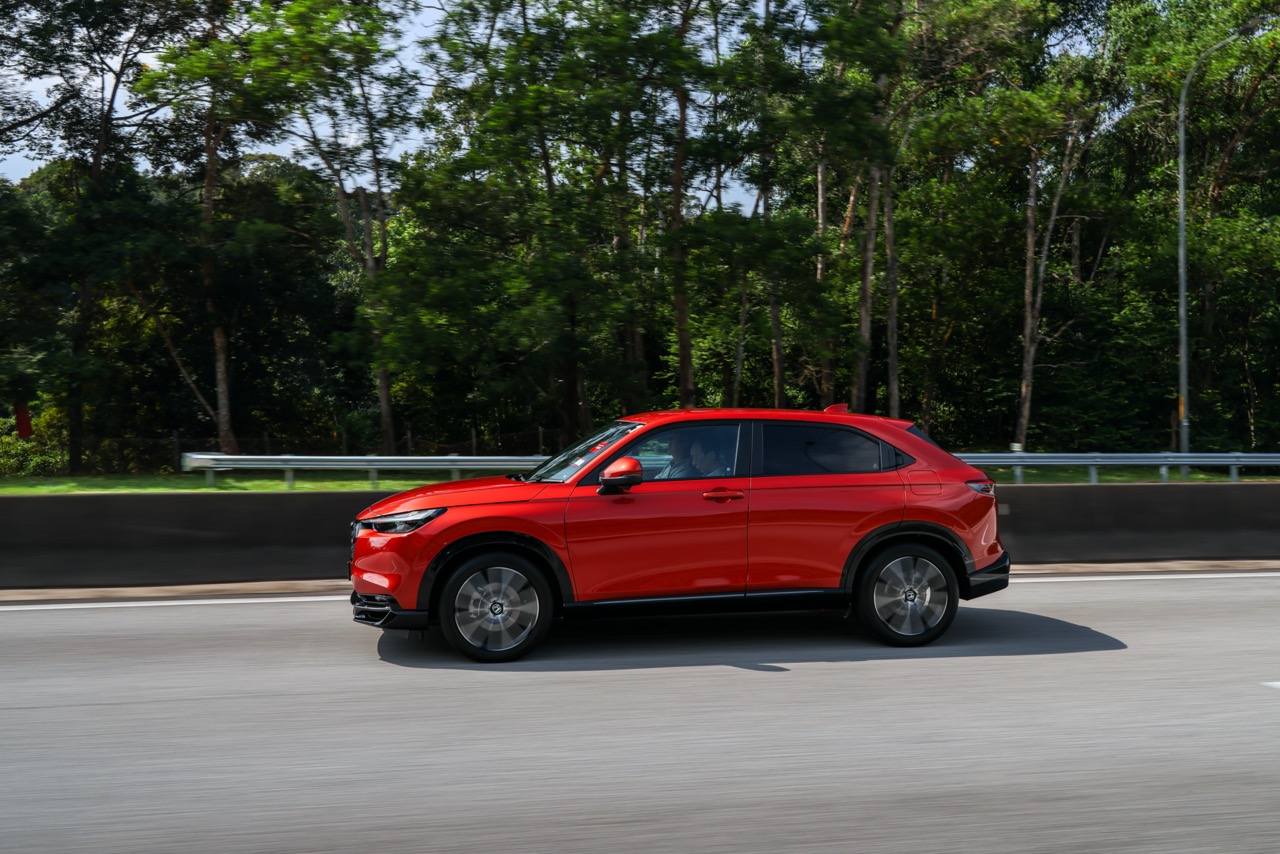
Visually, Honda has not drastically altered the HR-V’s well-established coupe-inspired profile, and that is deliberate. The silhouette, one of the defining features of the model since its introduction, remains intact. Instead, the design team has concentrated on details. 

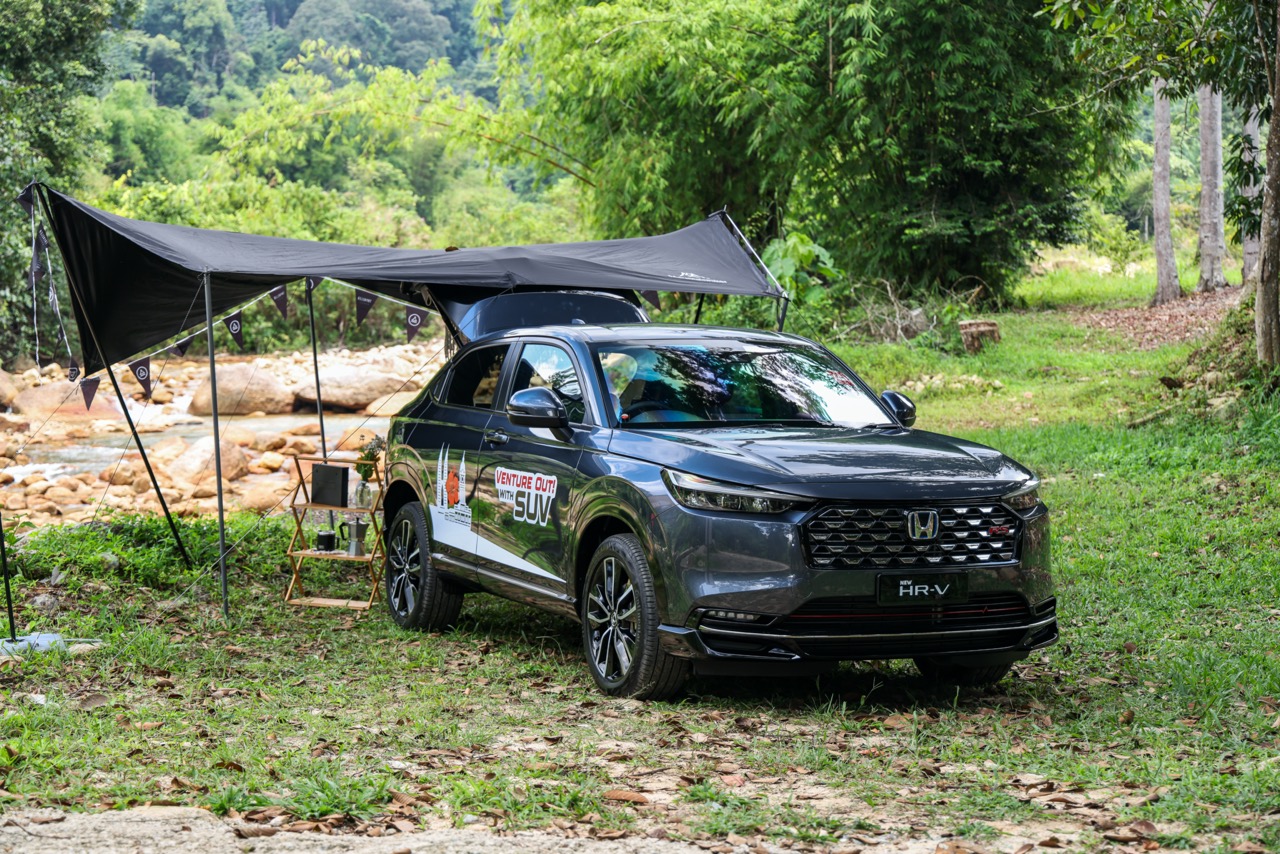
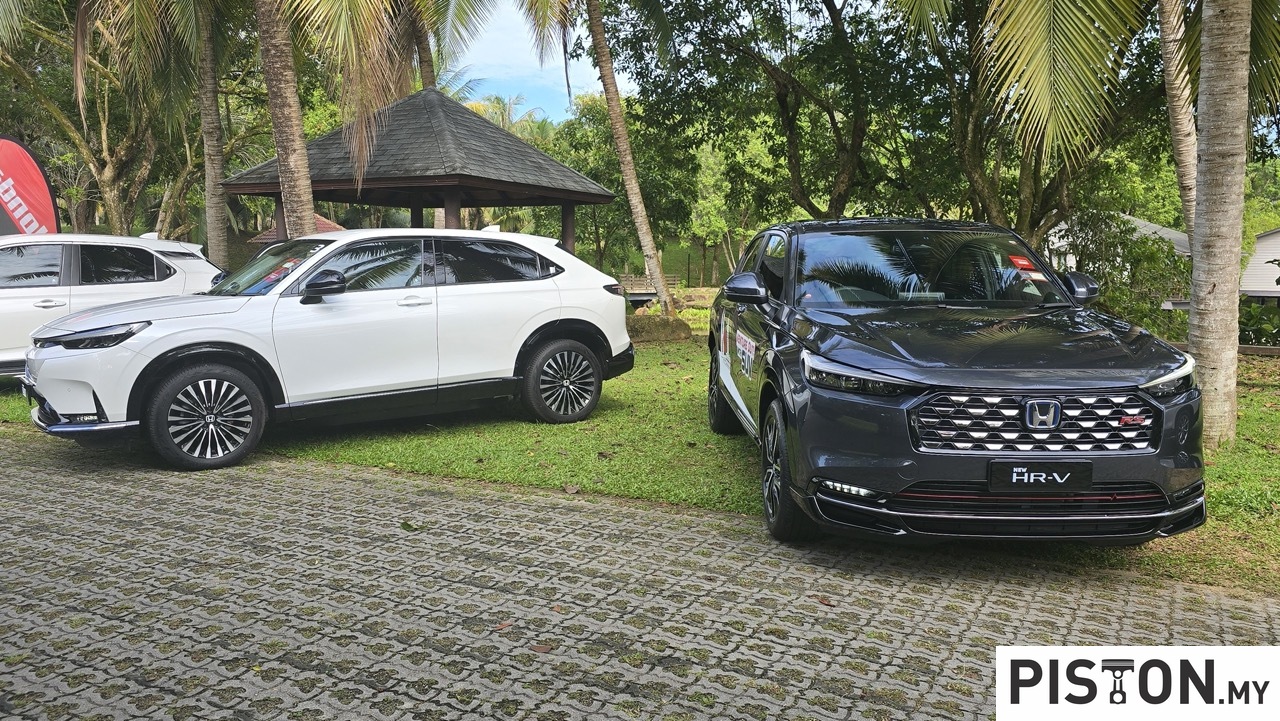
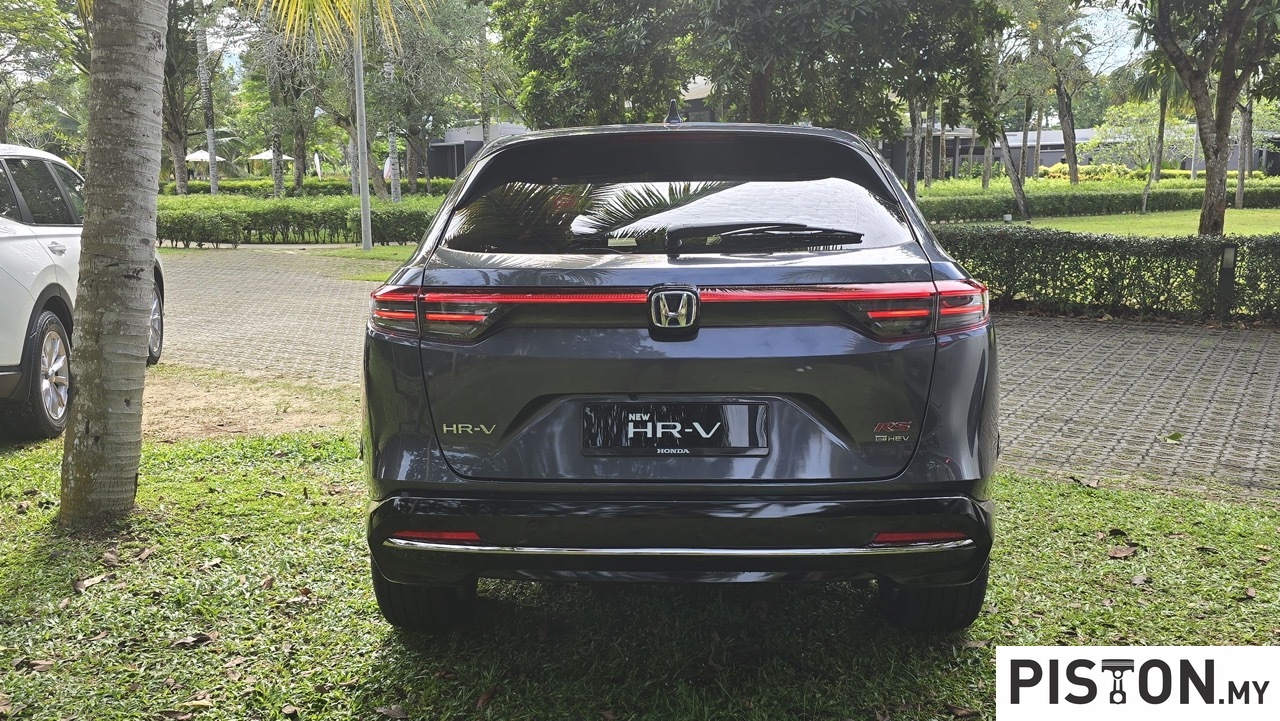
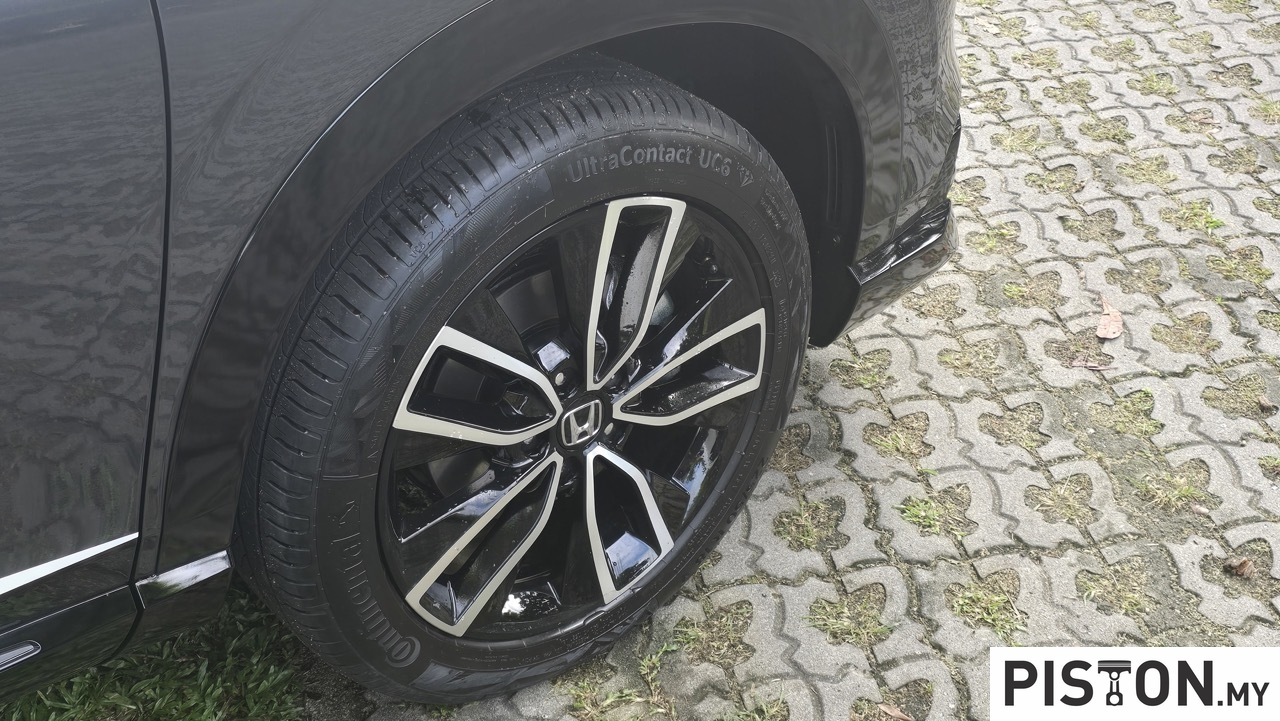
The front grille now has a bolder and wider design, flanked by slimmer LED headlamps that give the SUV a more assertive face. The new alloy wheel designs – 18 inches across all variants – provide a balanced mix of presence and practicality.

The changes may be subtle, but they collectively sharpen the HR-V’s look and ensure it keeps pace with newer rivals. It feels more premium without losing the familiarity that has endeared it to its existing fanbase. 

For buyers stepping into the showroom, the refreshed model appears like a natural evolution rather than a radical departure, which is likely exactly what Honda intended.

A Cabin Built for Daily Life

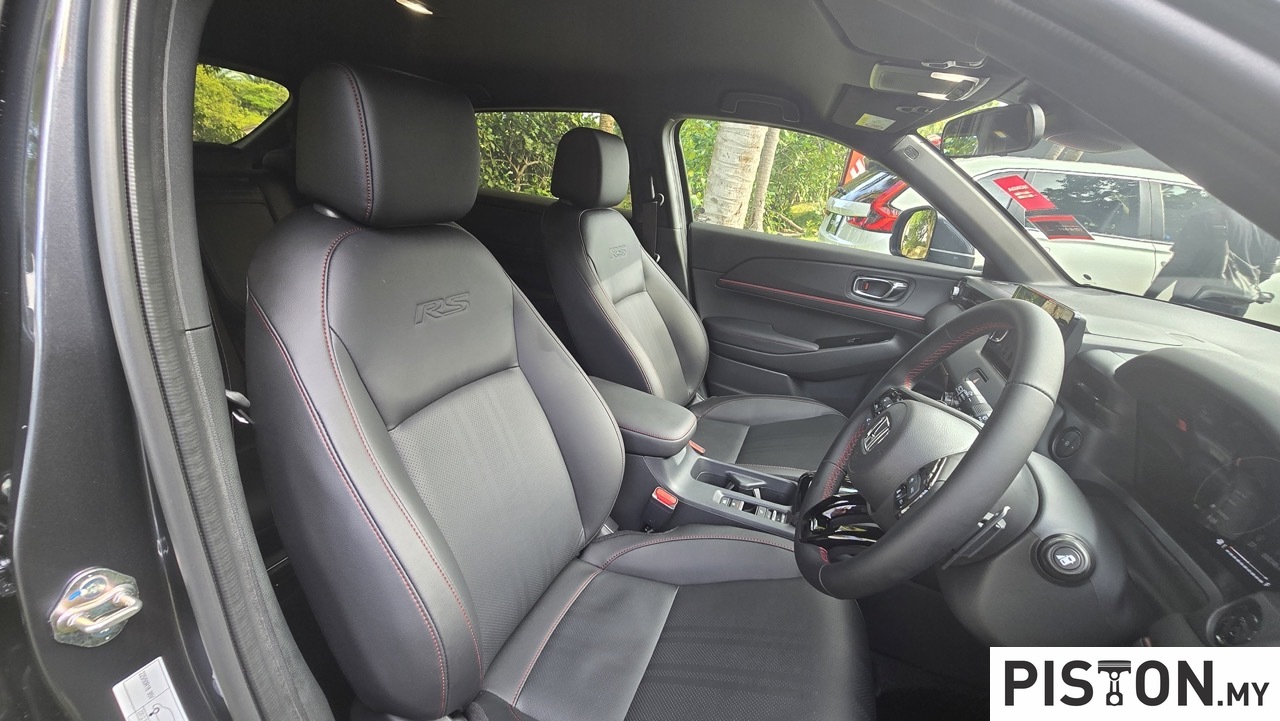
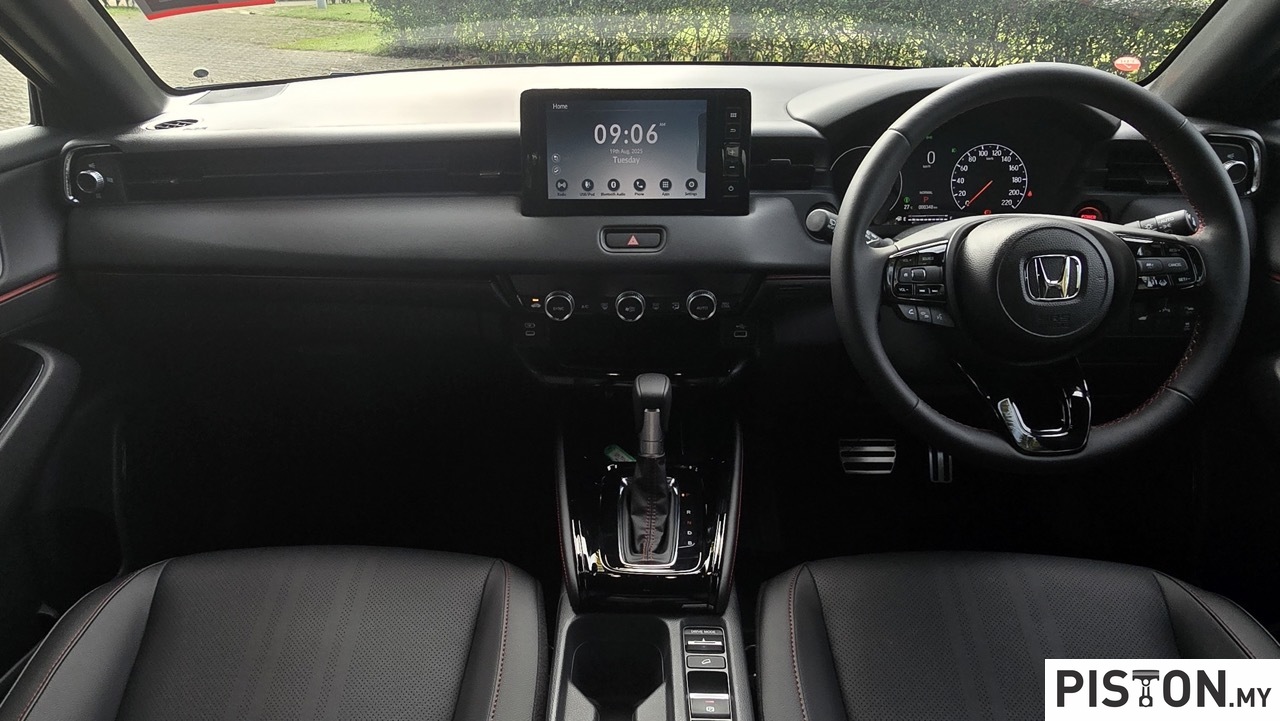
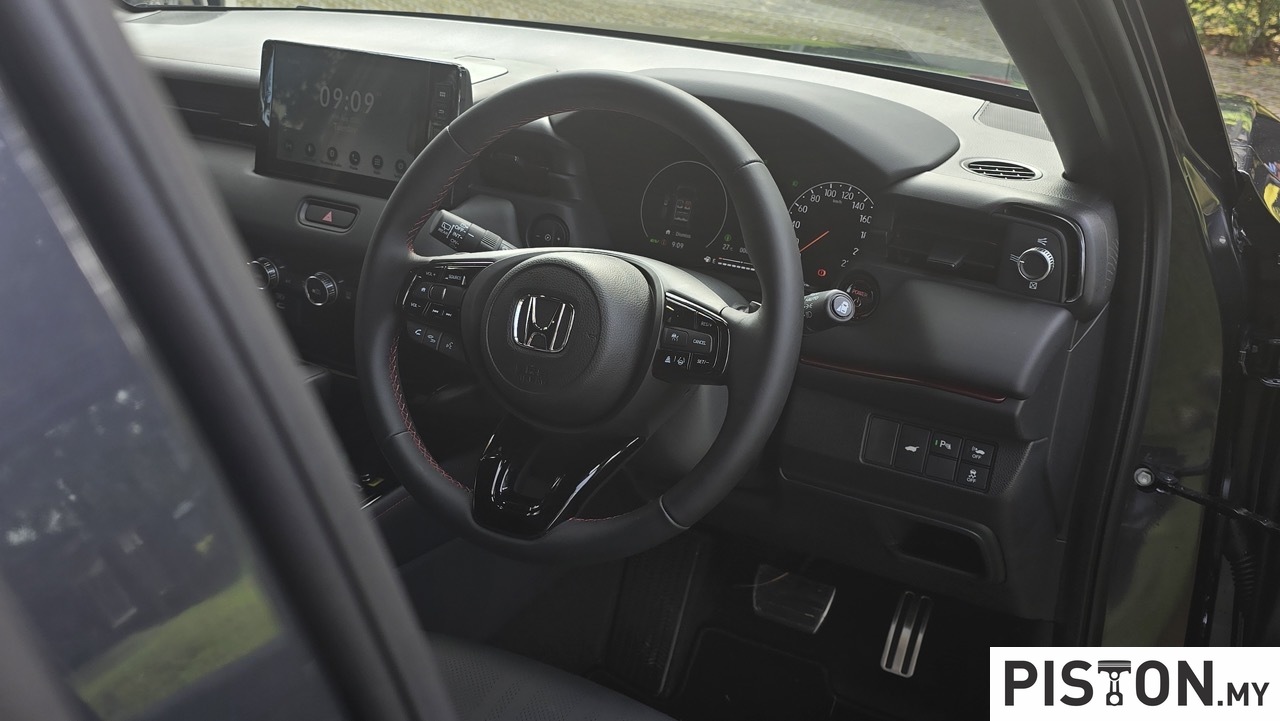
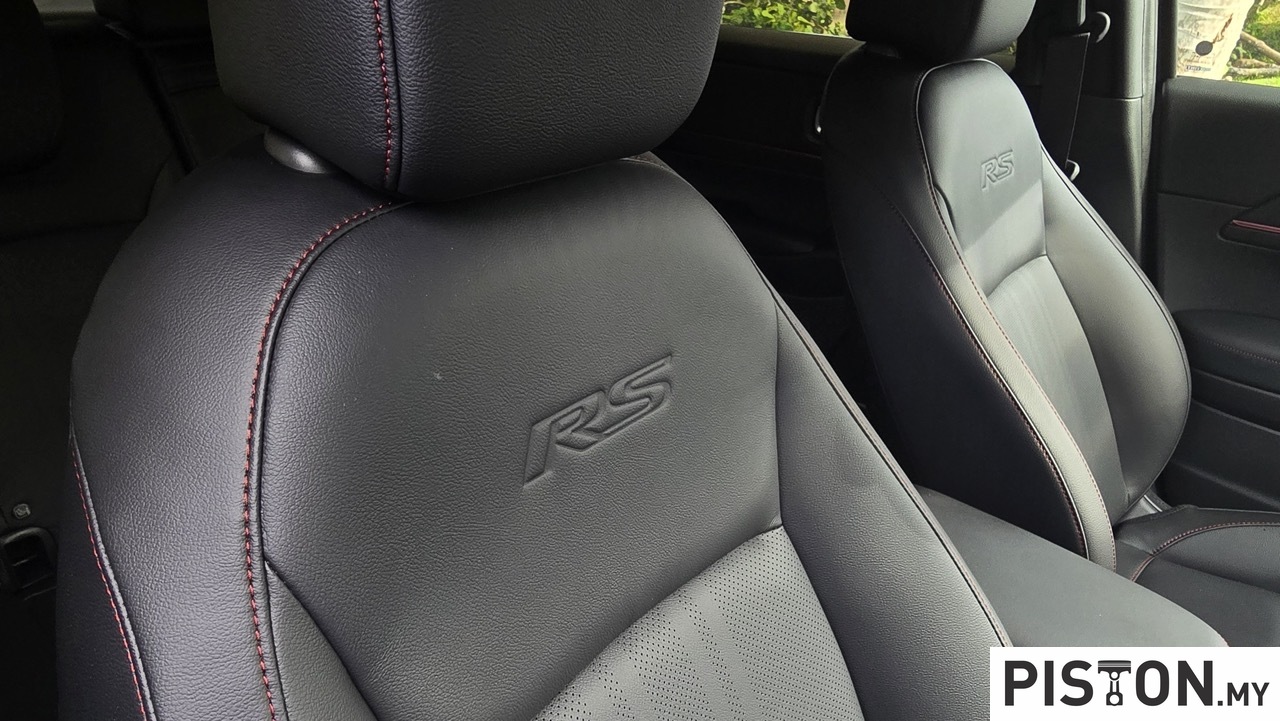
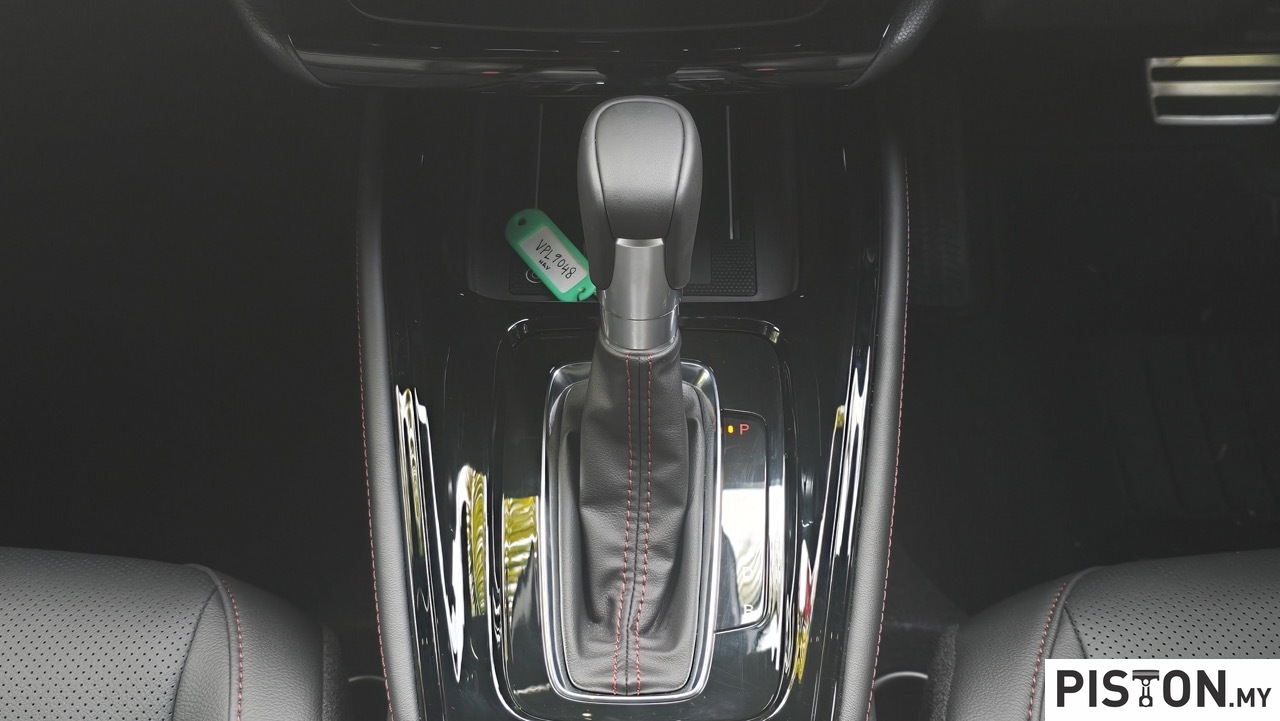
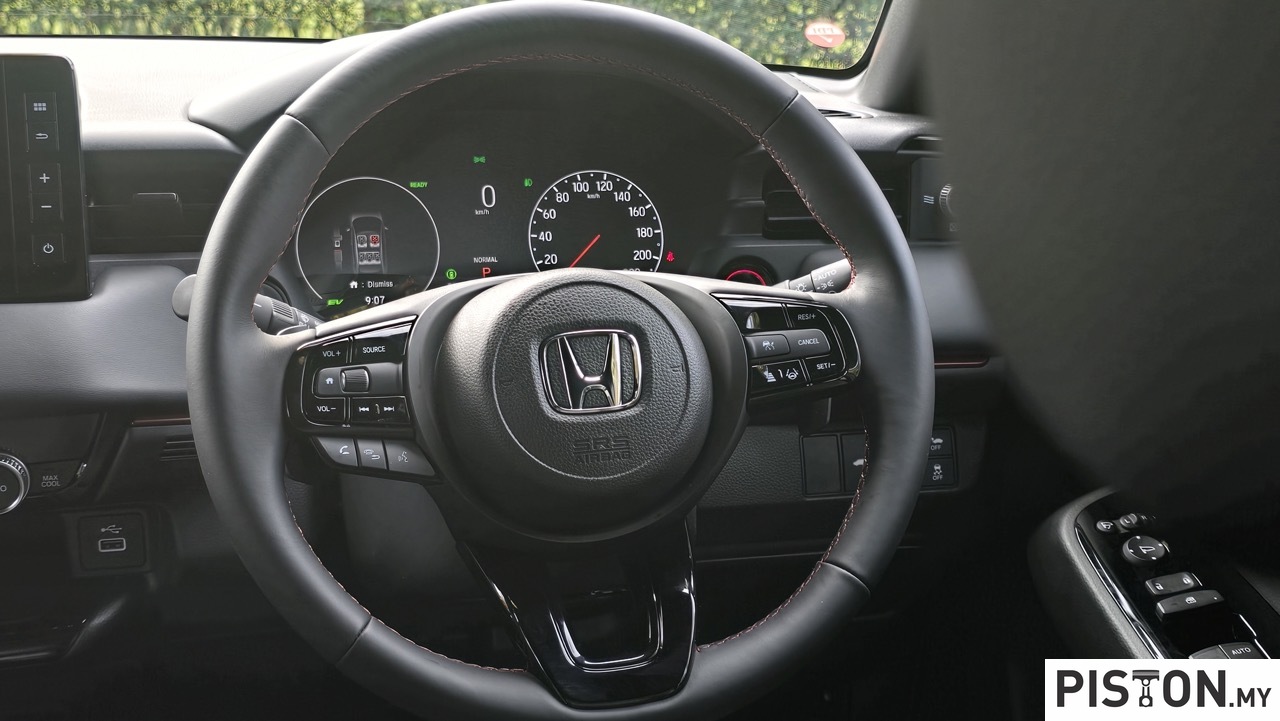
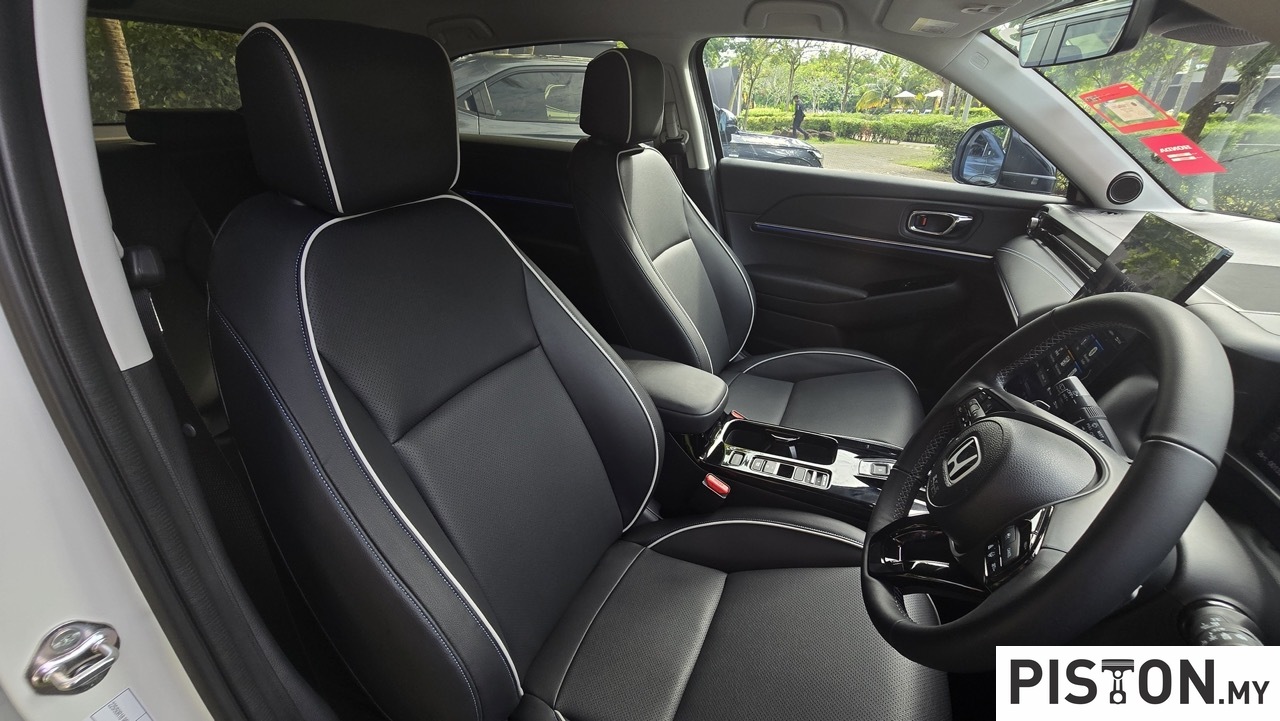
Inside, the HR-V remains one of the strongest in its class for cabin design and usability. The third-generation interior layout, carried over from the 2022 model, continues to impress with thoughtful ergonomics, well-placed controls, and the use of higher-quality materials. 

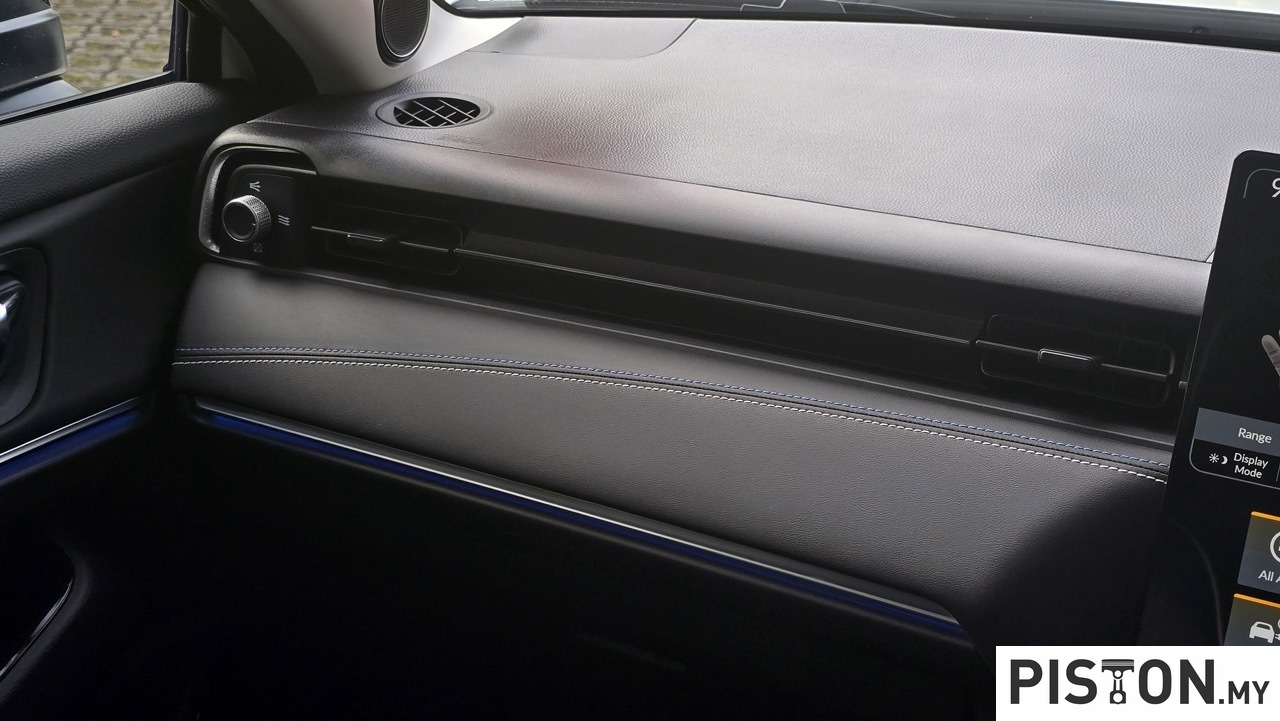
Soft-touch surfaces across the dashboard and door trims lift the overall ambience, while the two-tier centre console demonstrates Honda’s knack for delivering clever storage solutions.

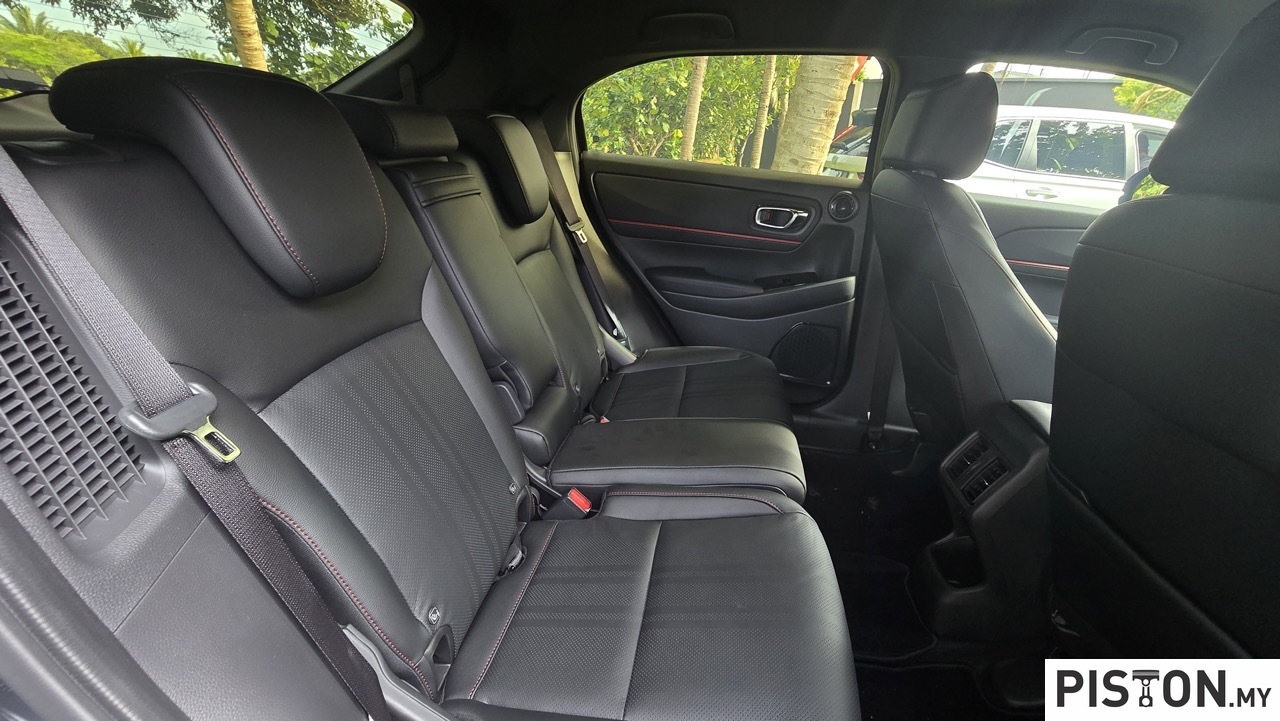
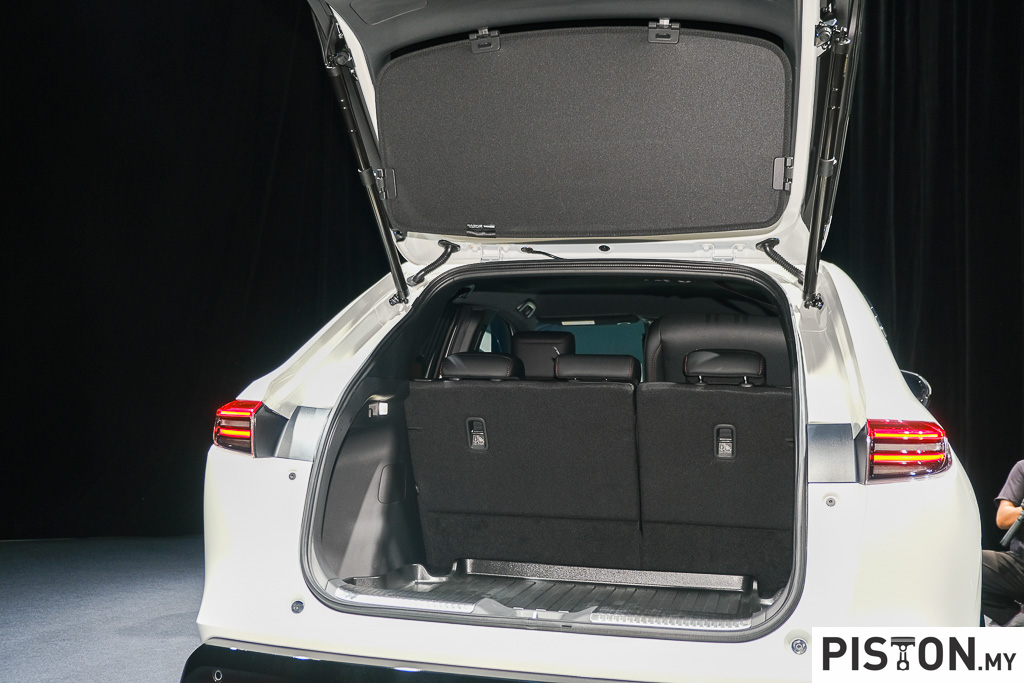
The Ultra Seat system – a longstanding Honda hallmark – once again sets the HR-V apart from many competitors. The ability to configure the rear seats in multiple ways, whether folding flat for bulky loads or flipping up to carry tall items, transforms the HR-V into a far more versatile vehicle than its dimensions might suggest. Boot space is generous, and the low loading lip makes it genuinely practical for family use.

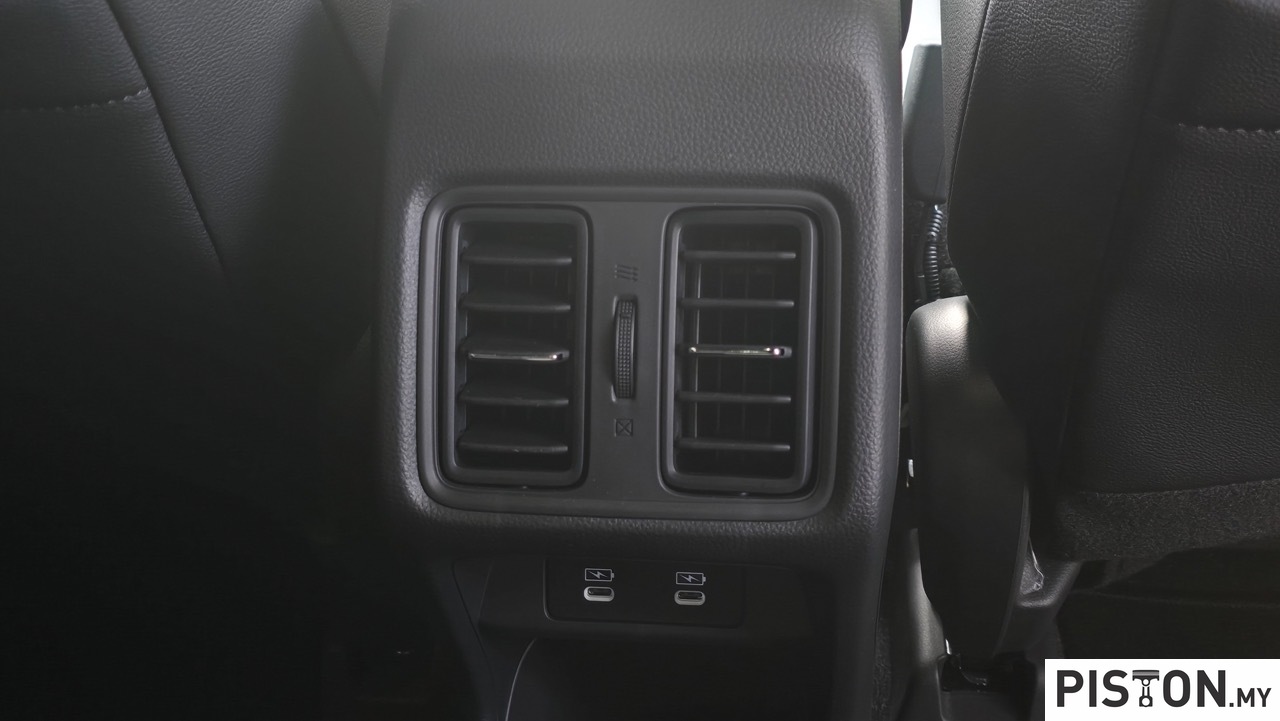
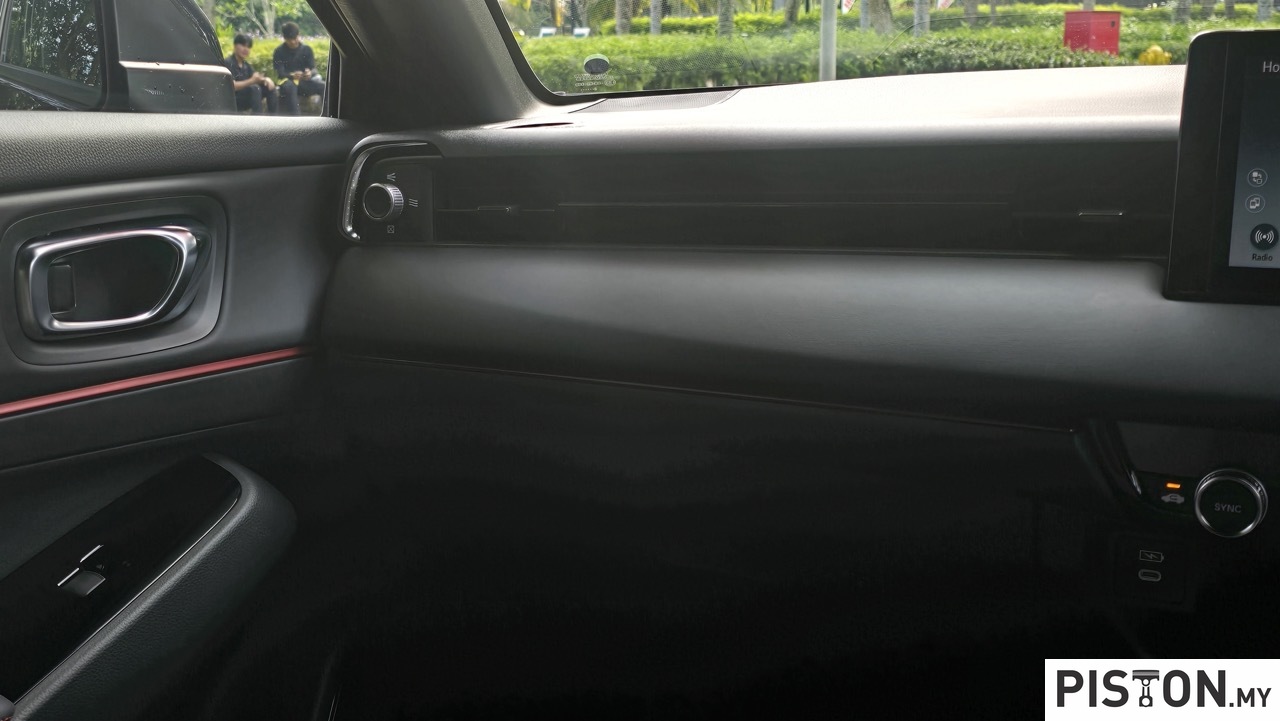
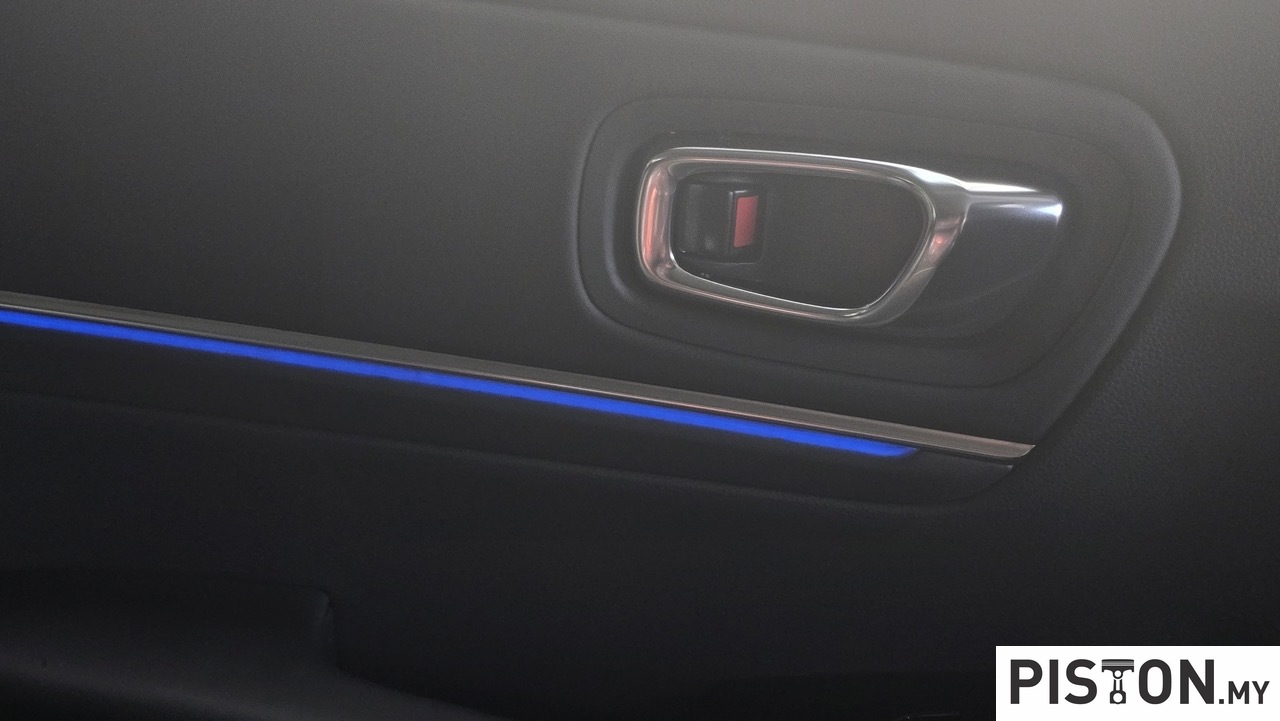
The Honda HR-V also has an Air Diffusion System that delivers a smoother and more comfortable cooling effect inside the cabin. By combining conventional airflow with a softer, diffused mode, it gives occupants flexible control over how air circulates. Paired with the uniquely designed L-shaped vents, the system distributes air naturally throughout the interior, enhancing overall comfort and setting it apart as one of the SUV’s signature features.

Connectivity and Convenience

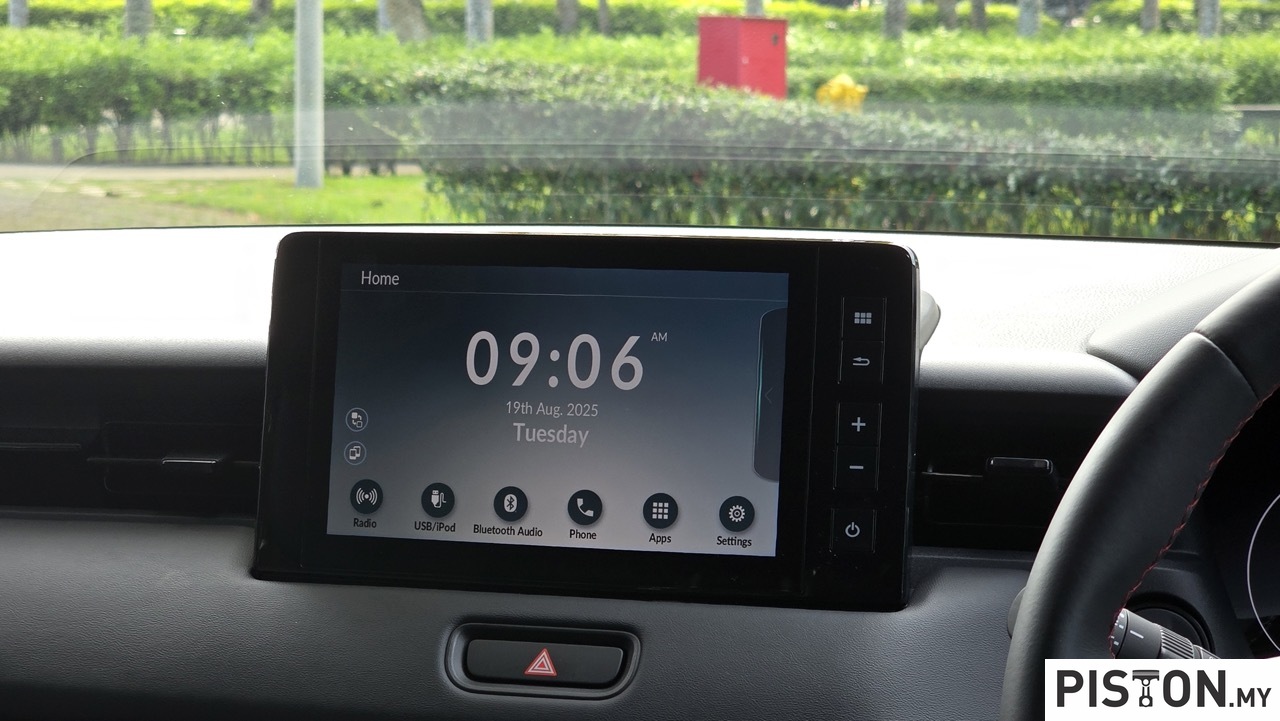
In an era where buyers expect their cars to keep them seamlessly connected, the HR-V delivers with an updated infotainment system. A crisp 8-inch touchscreen comes with Apple CarPlay and Android Auto integration. The system itself is more responsive and intuitive than before, reducing distraction when navigating through menus.

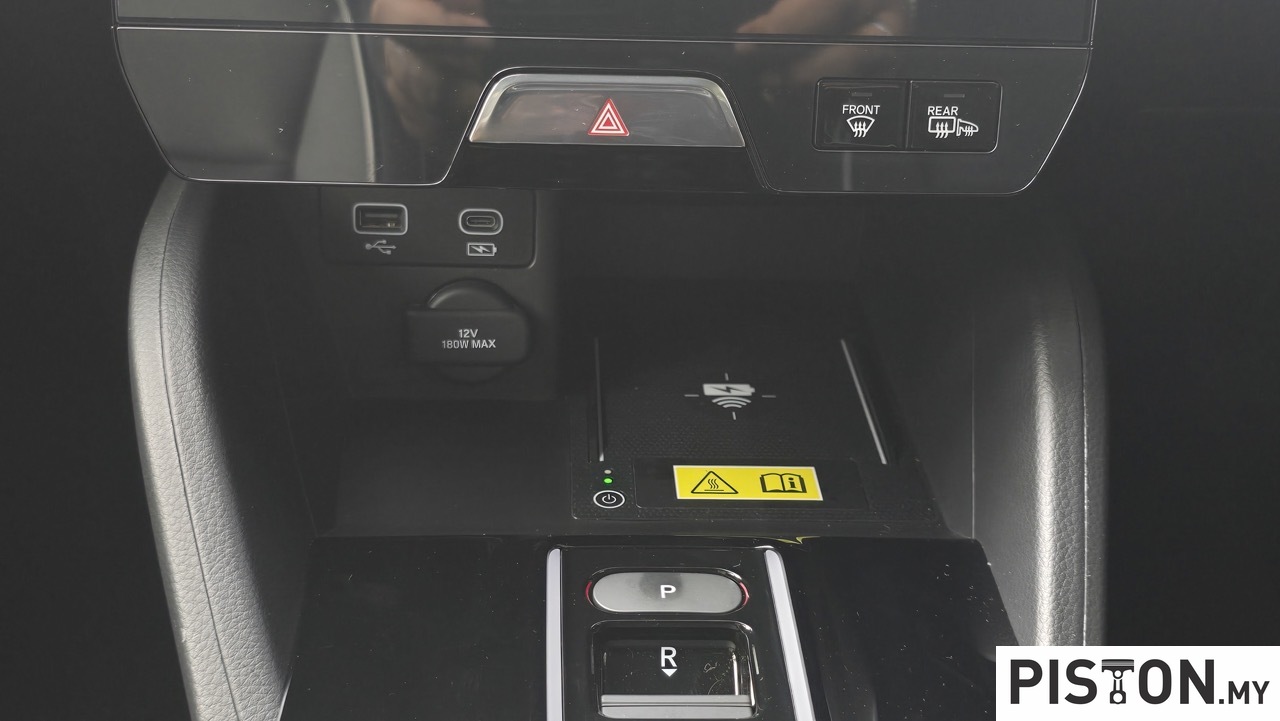
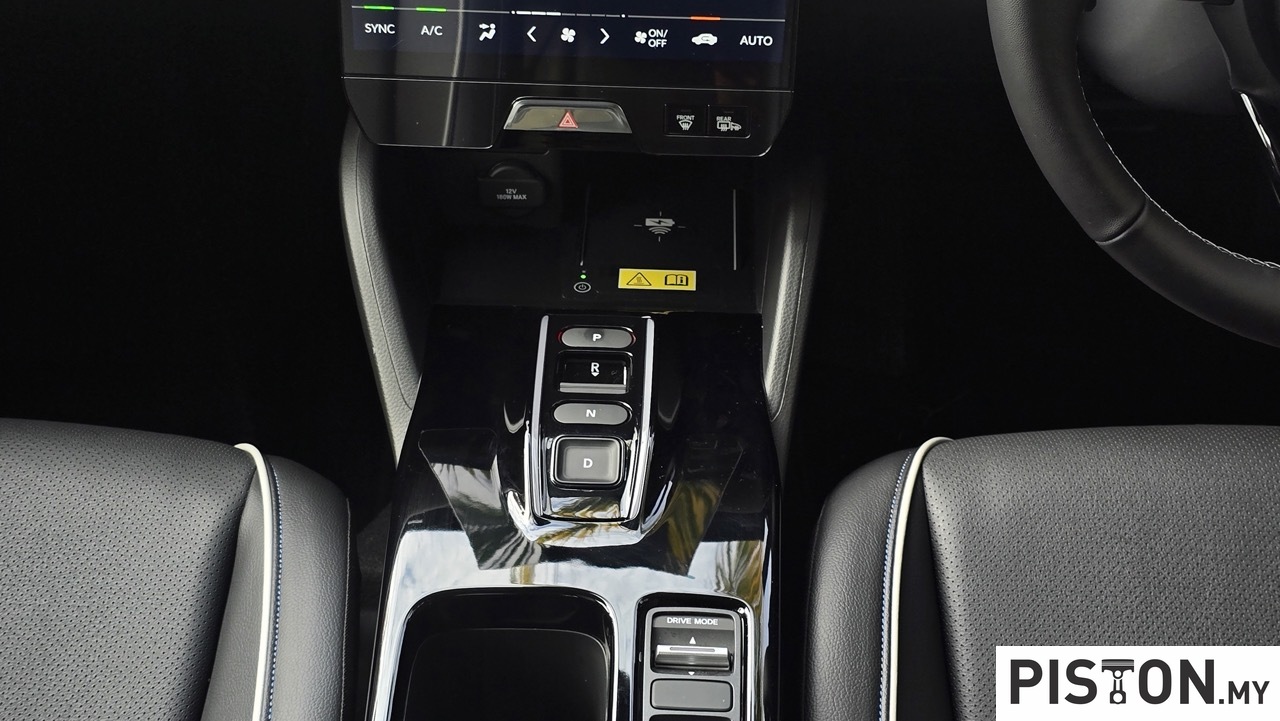
The higher-spec V and RS trims further enhance the experience with premium features such as dual-zone climate control, a wireless charging pad, and a more sophisticated audio system. 

Collectively, these additions push the HR-V closer to premium SUV territory, offering equipment levels that rival more expensive competitors. It’s a sign that Honda understands the changing expectations of Malaysian buyers, who are increasingly unwilling to compromise on technology even in compact SUVs.

Two Distinct Personalities Under the Bonnet

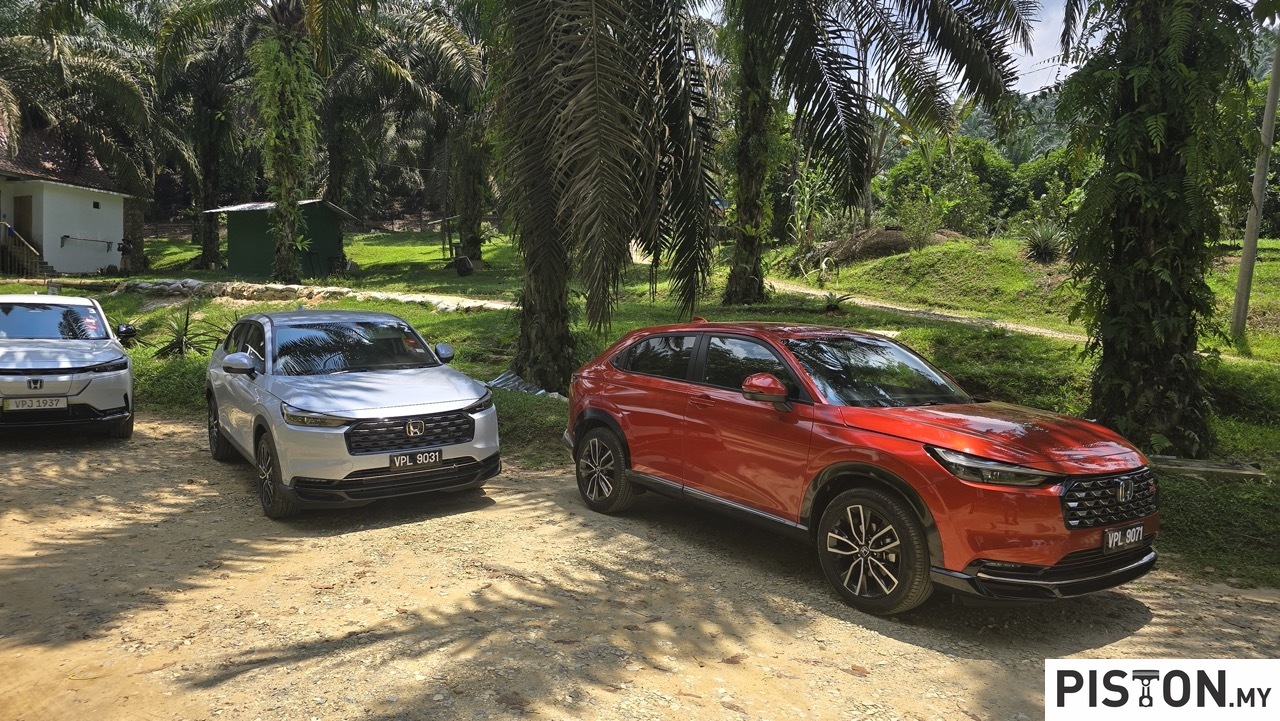
We tested out two variants, the Turbo V and the e:HEV RS. The Turbo V is powered by a 1.5-litre turbocharged four-cylinder engine delivering 181PS and 240Nm of torque, paired with a CVT. On the road, it provides brisk and linear acceleration, making highway overtakes effortless. 

Switch into Sport mode and the throttle sharpens, giving the SUV a livelier feel that keen drivers will appreciate. While fuel economy is respectable at between 6.5 and 7.5 litres per 100km, it is clear that efficiency is not the Turbo V’s strongest suit. Instead, this variant appeals to those who prioritise performance and responsiveness in their daily drive.

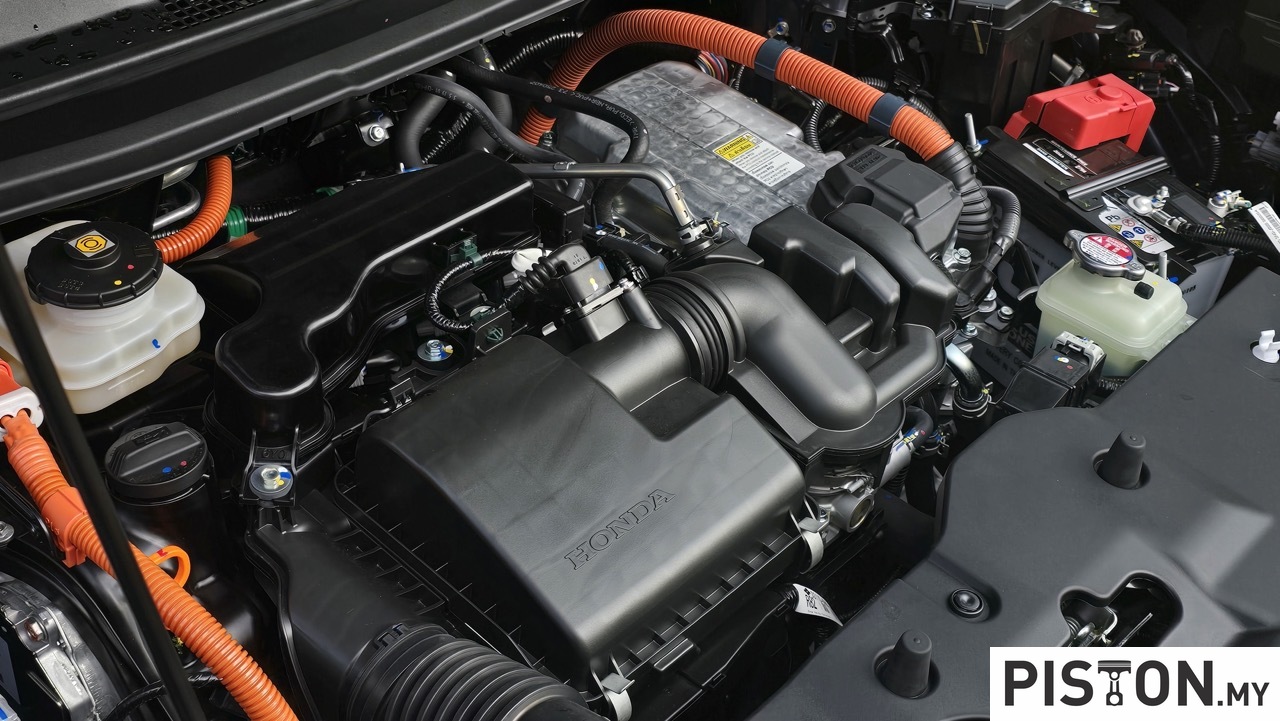
The RS e:HEV hybrid takes a different approach, combining a 1.5-litre Atkinson-cycle petrol engine with an electric motor that acts as a generator. The result is a system output of 131PS and 253Nm. Around town, the hybrid is a revelation, gliding almost silently on electric power at low speeds and delivering remarkable smoothness. Its trump card is efficiency: fuel consumption averages an excellent 4.0 to 4.5 litres per 100km, making it ideal for urban commuters.

However, when pushed hard, the hybrid’s limitations show. The e-CVT produces a noticeable drone under full throttle, and while acceleration is adequate, it lacks the outright punch of the Turbo V. For highway driving or spirited runs, it feels less satisfying, though its refinement in city use is undeniable.

Both variants share the HR-V’s well-sorted chassis. The suspension strikes a fine balance, being firm enough to control body roll yet compliant enough to absorb bumps, potholes and some light off-roading. Steering is light and precise in town, becoming reassuringly weighted at higher speeds. The Turbo V feels more engaging during spirited drives, while the RS e:HEV excels in urban comfort.

Safety at the Core

Safety remains a cornerstone of Honda’s philosophy, and the HR-V continues to reflect that. Both variants come equipped with the Honda SENSING suite of advanced driver assistance systems. This includes adaptive cruise control, lane keeping assist, collision mitigation braking, and traffic jam assist.

The Turbo V includes Honda’s LaneWatch camera, offering a live feed of the blind spot when indicating. The RS e:HEV, meanwhile, comes with more advanced Matrix LED headlights with active cornering, enhancing night-time visibility. Both variants also feature six airbags, stability control, and ISOFIX mounts as standard, ensuring strong occupant protection across the board.

Value for Money

The HR-V 1.5 Turbo V is priced at RM137,900, while the RS e:HEV comes in at RM143,900. For the additional RM6,000, the hybrid brings greater efficiency, advanced lighting, dual-zone climate control, and enhanced refinement. The Turbo V, however, offers more engaging performance, a lower purchase price, and the practicality of a spare tyre instead of just a repair kit.

Ultimately, the decision between the two comes down to priorities. Drivers who enjoy performance and seek a more connected feel behind the wheel will gravitate towards the Turbo V. Those who value refinement, efficiency, and premium features will find the RS e:HEV the smarter long-term choice, particularly for urban commuting.

Refinement Over Revolution

The 2025 Honda HR-V is not a radical reinvention of the model. Instead, it is a careful refinement of an already successful formula. The exterior updates freshen its appearance without alienating loyal fans, the interior continues to impress with its versatility and quality, and the technology and safety features meet the expectations of today’s buyers.

Crucially, the two powertrains offer distinct personalities, giving customers a genuine choice depending on their lifestyle. Whether you want the lively punch of the Turbo V or the smooth efficiency of the RS e:HEV, the HR-V remains a benchmark in the segment.

In a market where new rivals emerge regularly, the HR-V’s ability to adapt and evolve ensures it stays relevant. It may not break new ground, but it reaffirms why Honda’s compact SUV has become such a staple of Malaysian roads – a blend of style, substance, and everyday usability that continues to strike the right balance.

Specifications:

Turbo V

Engine: 1.5 litre DOHC VTEC Turbo engine

Power: 181 PS at 6,600 rpm, 240 Nm from 1,700 and 4,500 rpm

Transmission: CVT

Suspension: MacPherson strut (Front) / Torsion beam (Rear)

Price: RM137,900

We like: Power delivery and comfort

We don’t like: Fuel consumption could be better

e:HEV RS

Engine: 1.5 litre DOHC i-VTEC engine i-VTEC (Atkinson Cycle) with electric motor

Power: 107 PS from 6,000 to 6,400 rpm, 131 Nm from 4,500 to 5,000 rpm

Transmission: e-CVT

Suspension: MacPherson strut (Front) / Torsion beam (Rear)

Price: RM137,900

We like: Driving range and comfort

We don’t like: Droning noise during hard acceleration

Honda Prelude mungkin baru sahaja membuat kemunculan semula, namun Mugen tidak membuang masa untuk memperkenalkan pakej naik taraf bagi coupe hibrid ini. Rumah talaan terkenal Honda itu telah mengesahkan bahawa kit badan penuh serta pakej prestasi kini dalam perancangan, dengan komponen dijangka tersedia pada tahun 2026.

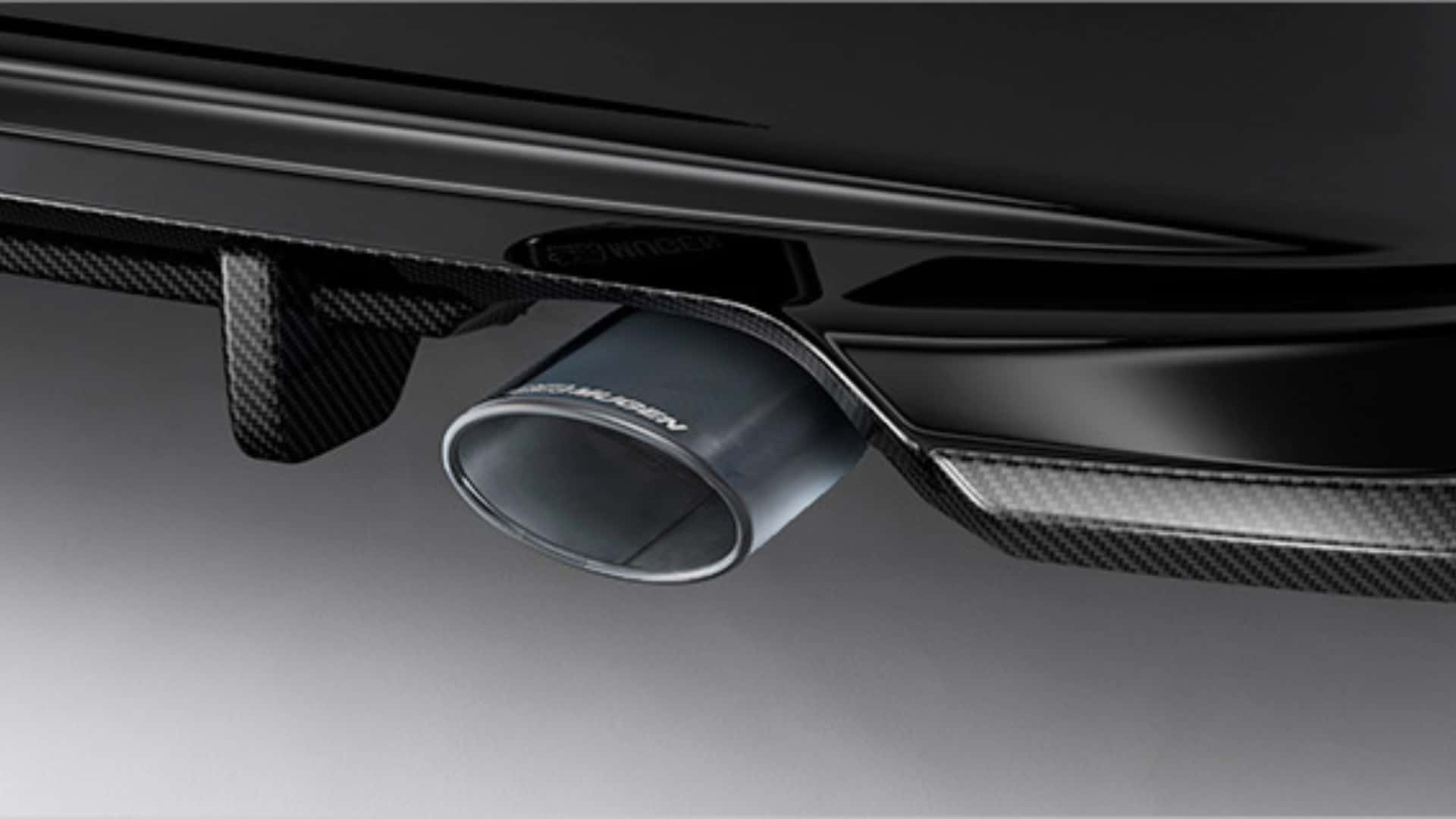
Pakej tersebut akan merangkumi splitter gentian karbon, skirt sisi, diffuser dan spoiler belakang, disertai dengan sistem ekzos sport baharu. Aksesori ini akan melengkapkan barisan kelengkapan Mugen yang sedia ditawarkan untuk Prelude, termasuk penutup cermin sisi gentian karbon, set rim BBS bersaiz 19 inci, serta penapis minyak berprestasi tinggi.

Tidak ketinggalan, terdapat juga performance dampers khas hasil kerjasama dengan Yamaha, yang direka untuk mengurangkan lenturan casis dengan unit yang dipasang di bahagian hadapan dan belakang.

(more…)

The Honda Prelude may have only just made its return, but Mugen is wasting no time in preparing upgrades for the hybrid coupe. The renowned Honda tuning house has confirmed that a full body kit and performance package are already in the pipeline, with parts expected to be available in 2026.

The package will include a carbon-fibre splitter, side skirts, diffuser and rear spoiler, complemented by a new sports exhaust. These will join a number of accessories already offered by Mugen for the Prelude, ranging from carbon-fibre door mirror caps to a set of 19-inch forged BBS wheels. Other highlights include a high-performance oil filter element and specially developed performance dampers, created in collaboration with Yamaha, designed to minimise chassis flex with units mounted at the front and rear.

For enthusiasts who want to personalise their cars further, Mugen will also provide a wide range of cosmetic and functional touches. These include unique oil-filler and radiator caps, sill plates, lug nuts, floor mats, decals and even a fabric cover for the brake-fluid reservoir. While these items may not drastically alter the Prelude’s driving experience, they add to the appeal for fans who want to enhance the look and feel of their coupe.

(more…)

An SUV, or Sport Utility Vehicle, is basically the all-rounder of the car world. What makes an SUV an SUV comes down to a mix of size, style, powertrain and practicality. 

Stating the obvious here, but they sit higher off the ground than regular cars, which not only makes them look tougher but also gives drivers a better view of the road. Which is why SUV’s have become so popular.

Inside, you’ll find more space, whether it’s for passengers, luggage, or that last-minute IKEA run, making them a favourite for families and road-trippers alike.
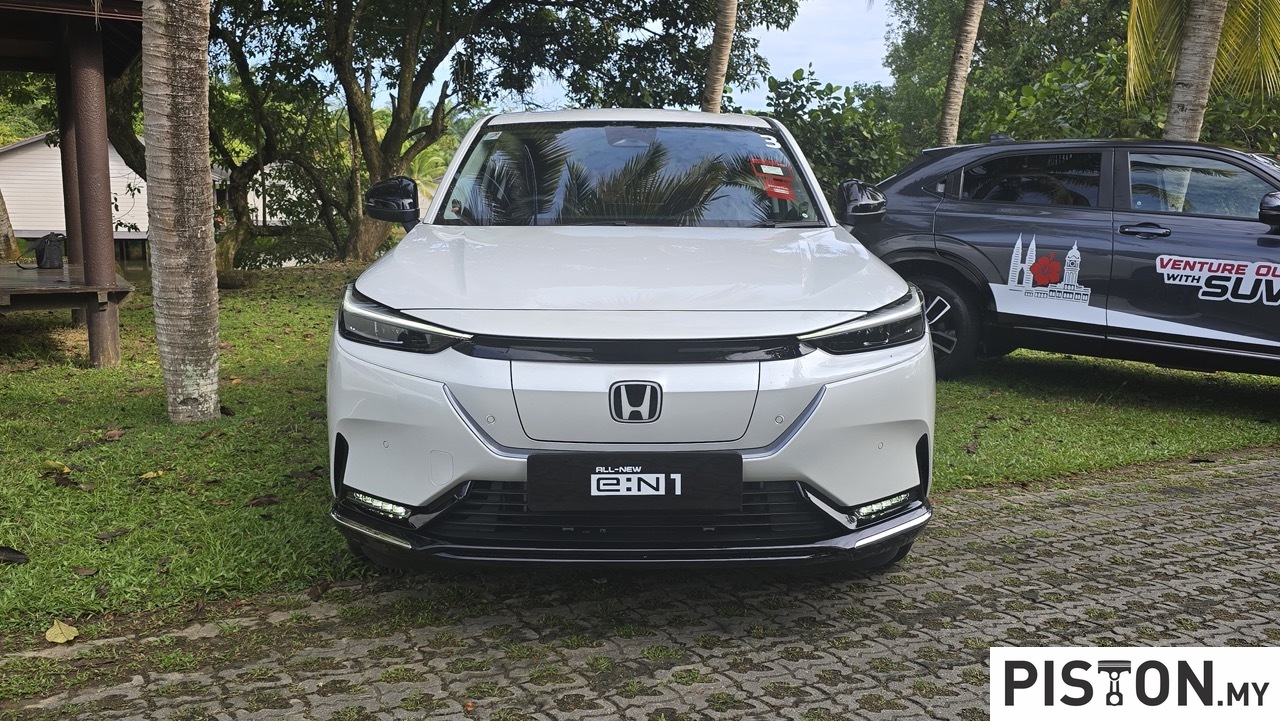
Another big part of the modern SUV appeal is adaptability. Some come with different drive modes which allow them to handle everything from rainy highways to the occasional dirt trail. Even if most owners stick to city streets, it’s nice knowing the car could take more.

Honda has built a strong reputation worldwide for making cars that are reliable, practical, and efficient, and their SUV lineup is no exception. The brand started out producing small, economical vehicles, but as customer needs shifted toward bigger and more versatile cars, Honda quickly adapted. 
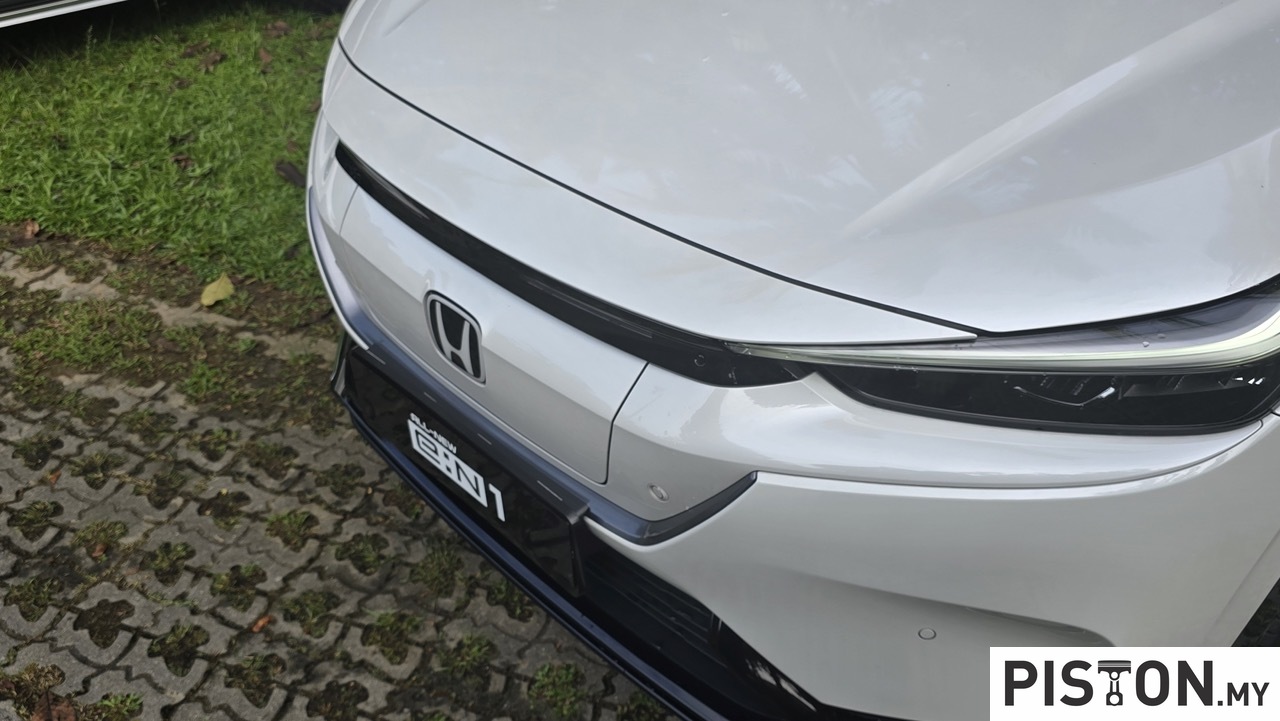
Their SUVs are designed to combine everyday usability with comfort and style, while still carrying Honda’s trademark dependability.

Models like the CR-V have become global best-sellers, striking the right balance between size, fuel efficiency, and family-friendly practicality. In markets like Malaysia, the HR-V has also gained a huge following thanks to its compact footprint paired with surprisingly spacious interiors.
But of course, these come with an internal combustion engine. How about an electric powertrain? The first major leap came with the Honda Prologue, introduced in 2024 for North America. 

Built on General Motors’ Ultium platform, it provided Honda with a quick and competitive entry into the electric SUV segment.
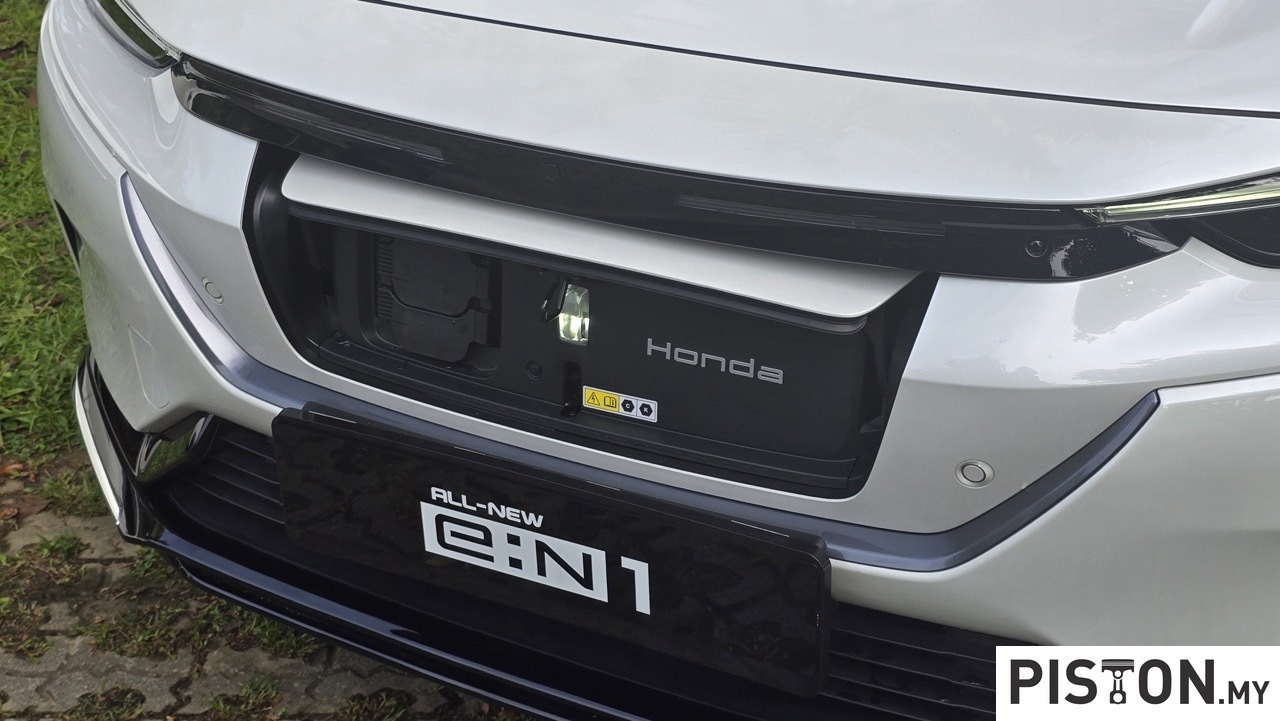
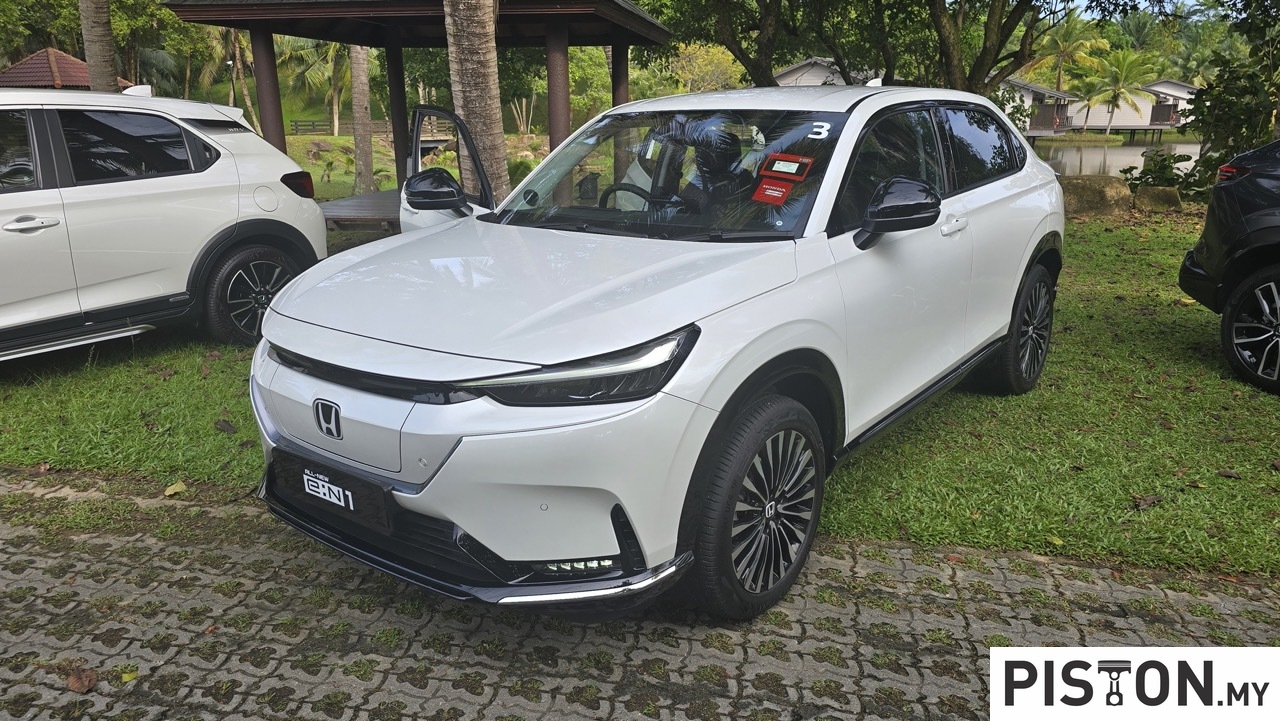
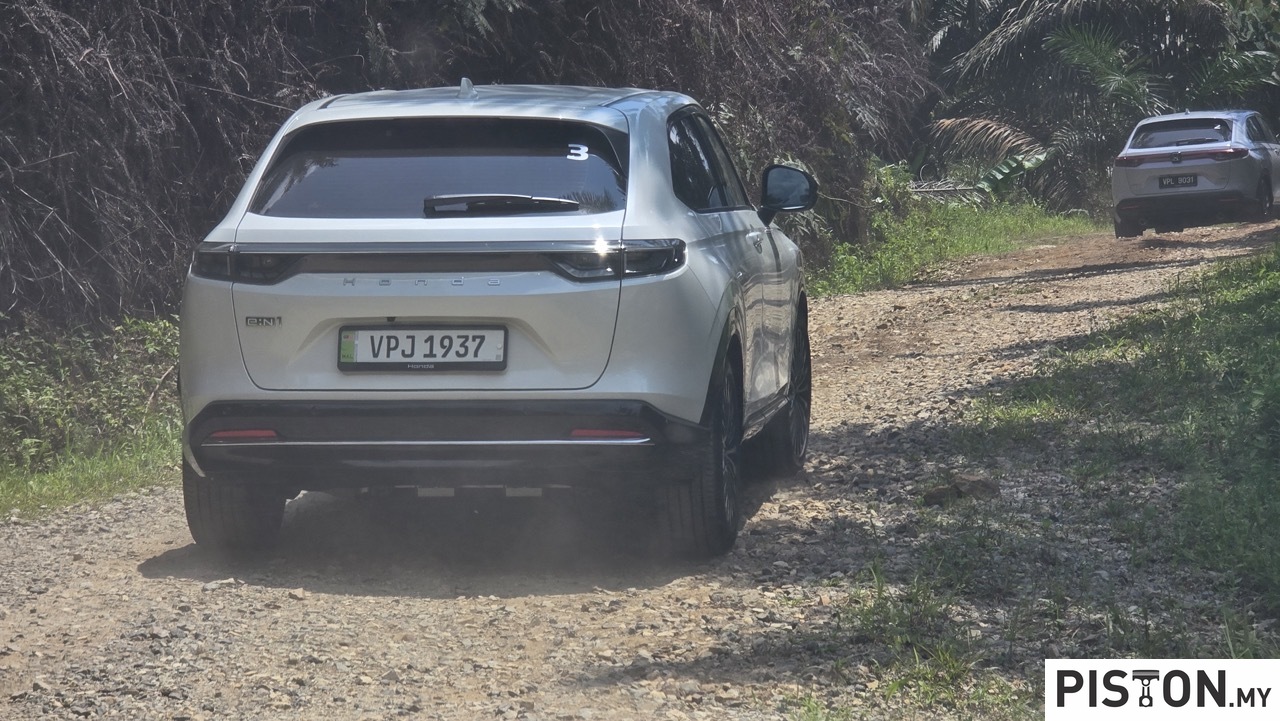
In Asia, Honda has launched its e:N series, starting with models like the e:NP2, e:NS2, and e:N1. These compact electric SUVs are designed for urban buyers, combining sleek styling with practical range figures up to about 545km in China and 412km (WLTP) for the e:N1. 

What is the e:N1?

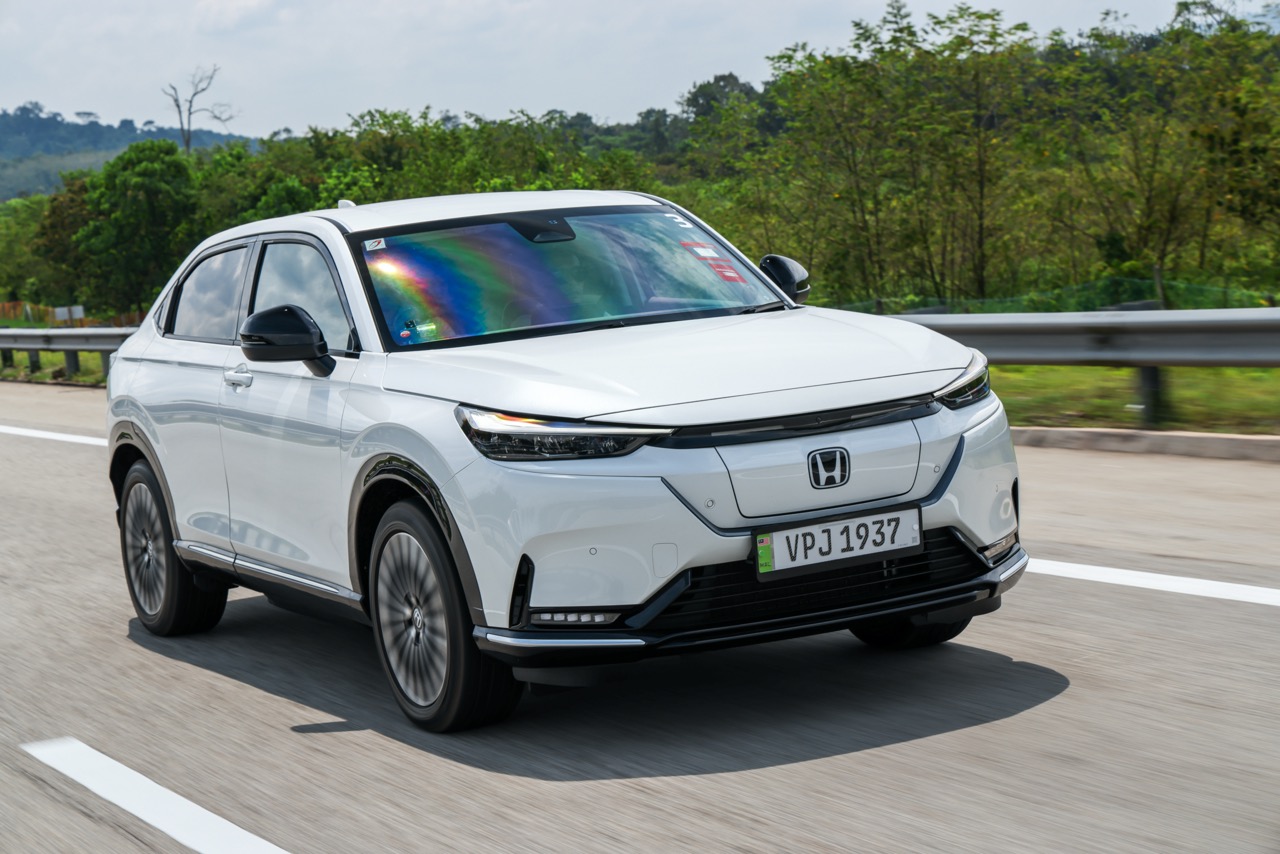
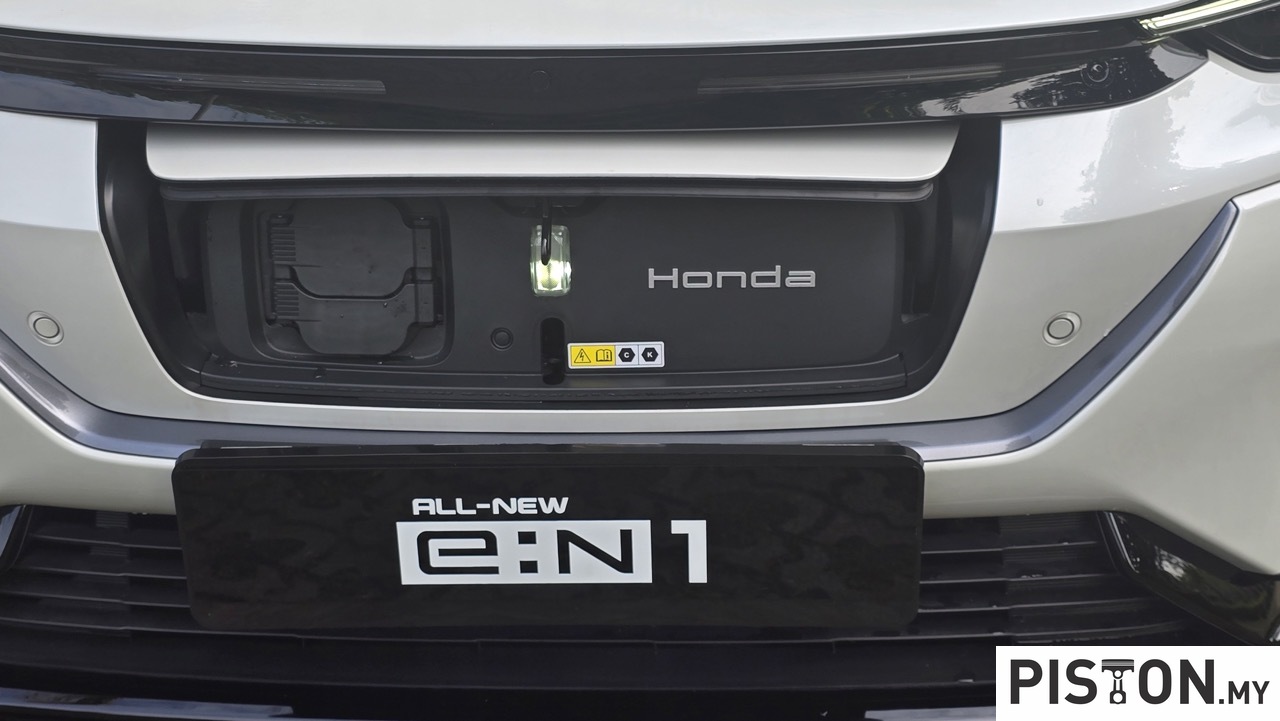
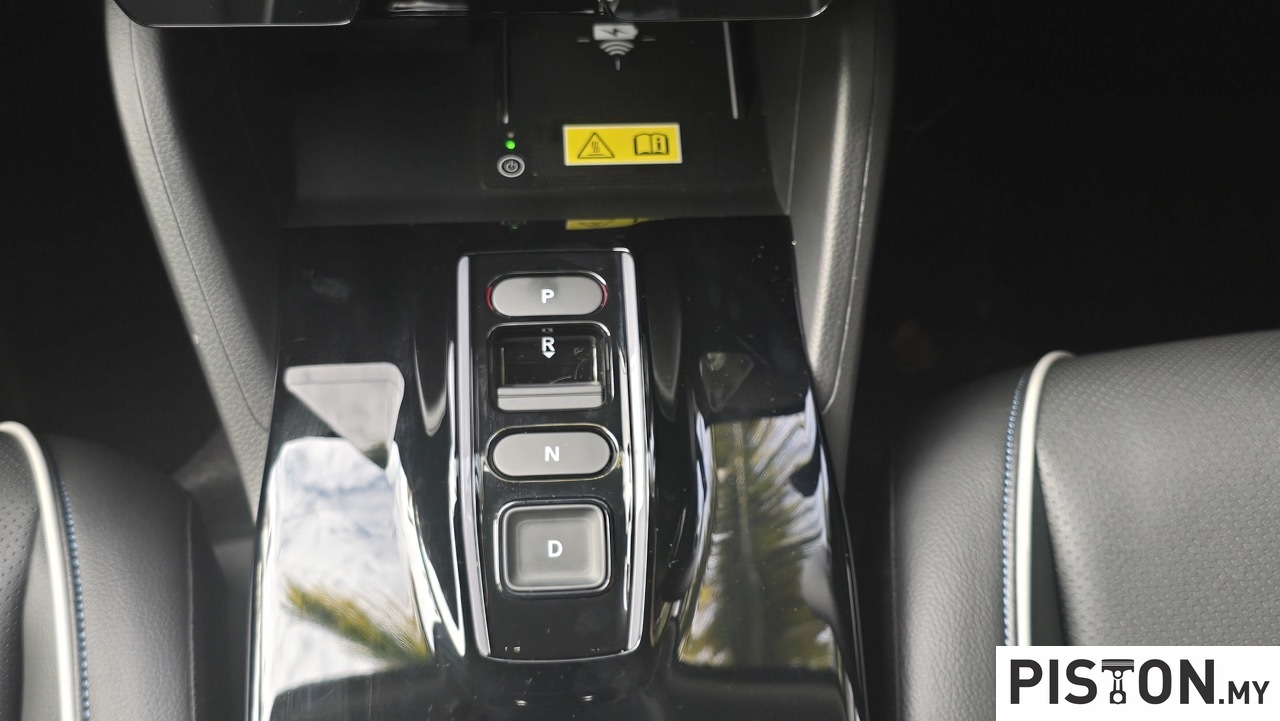
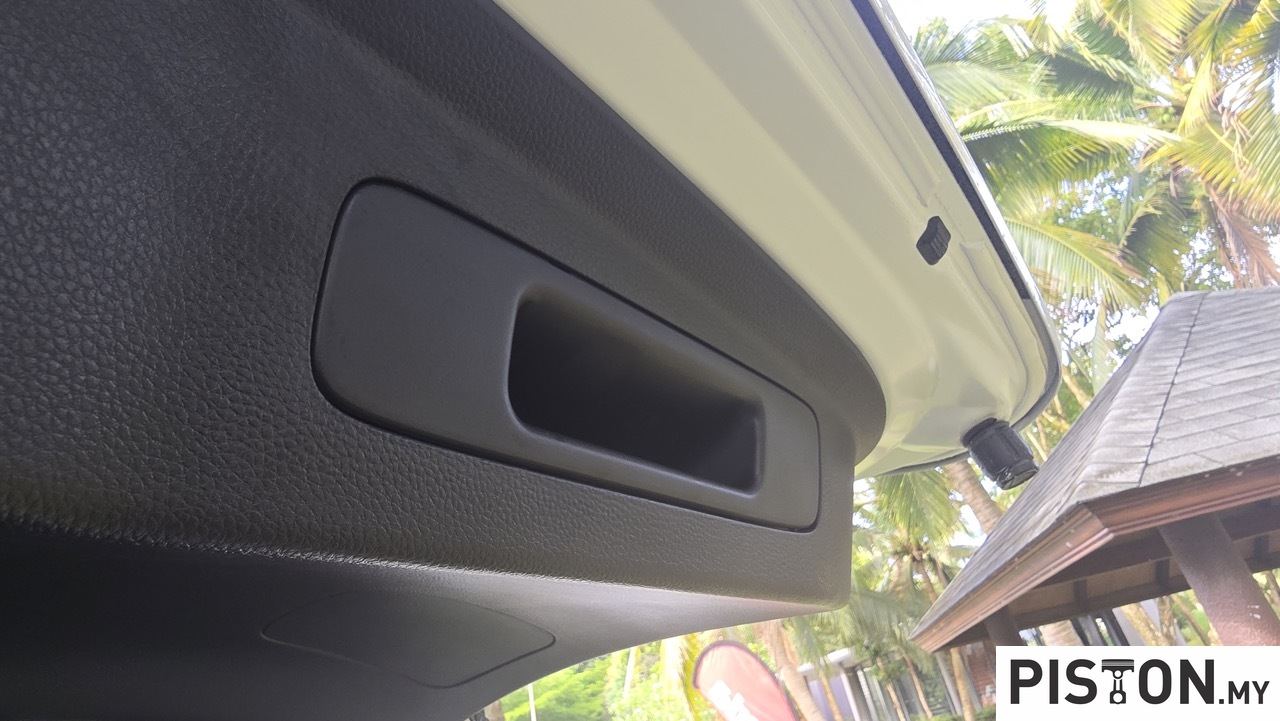
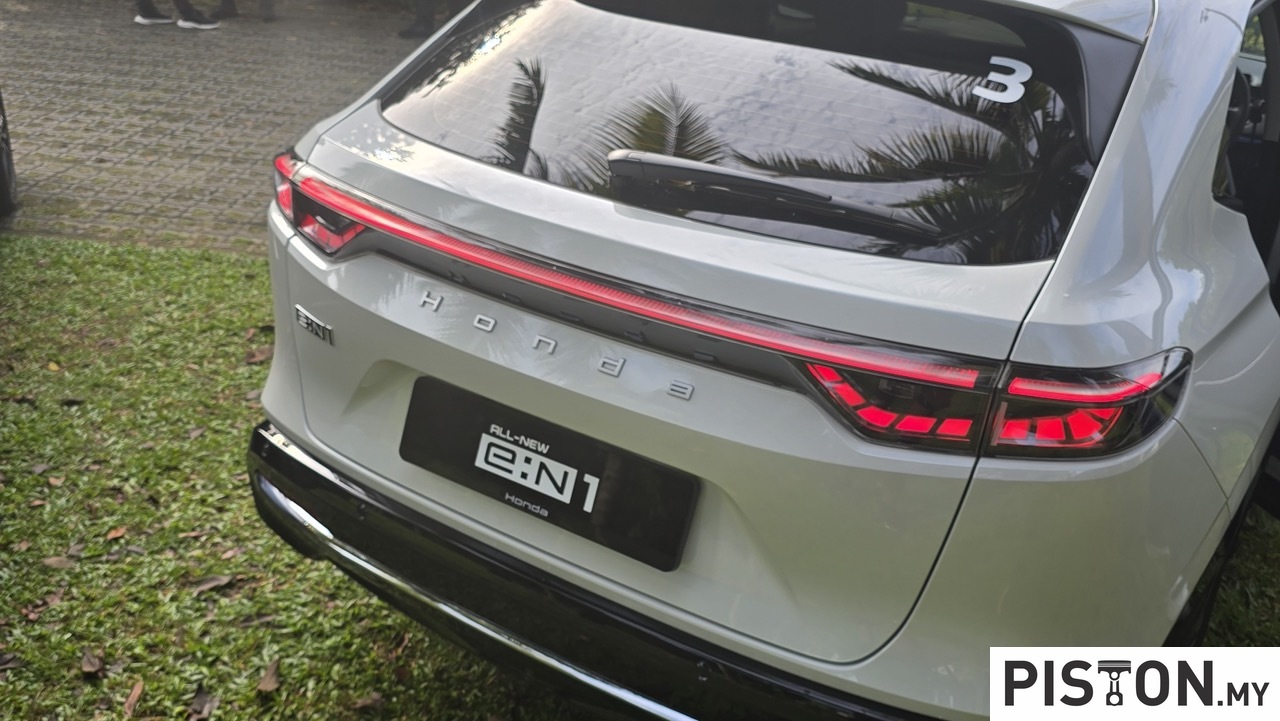
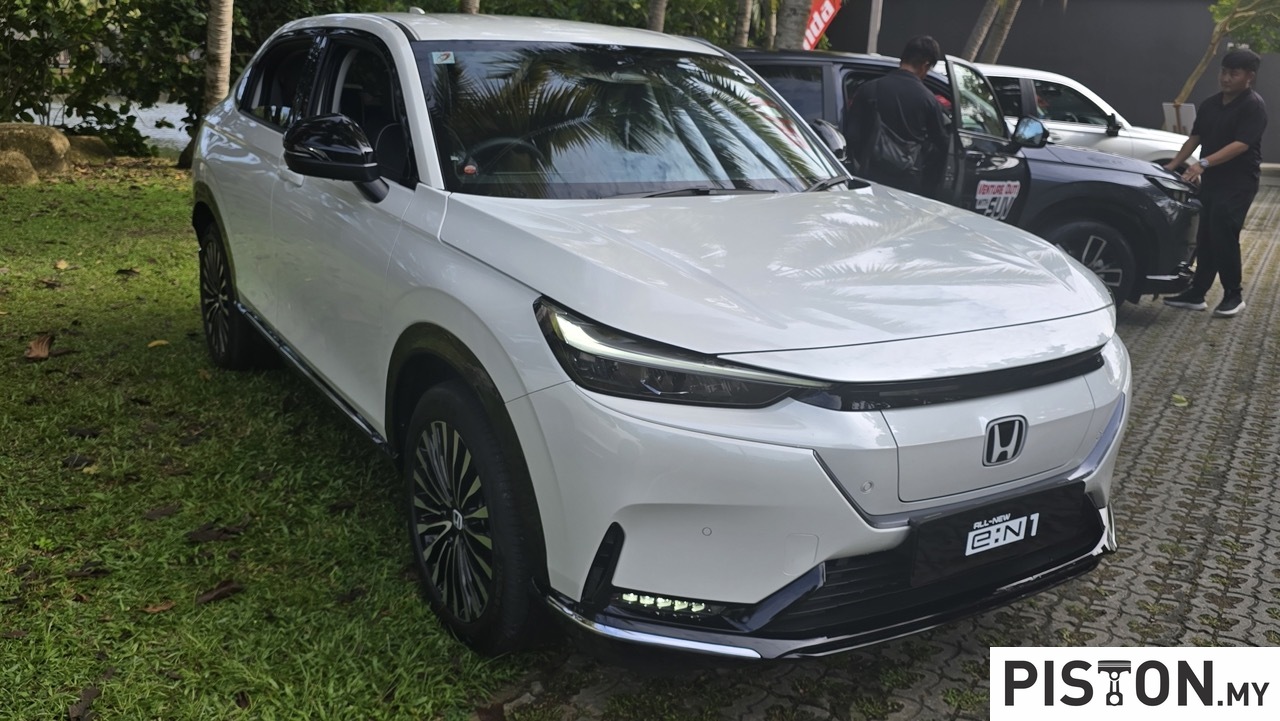
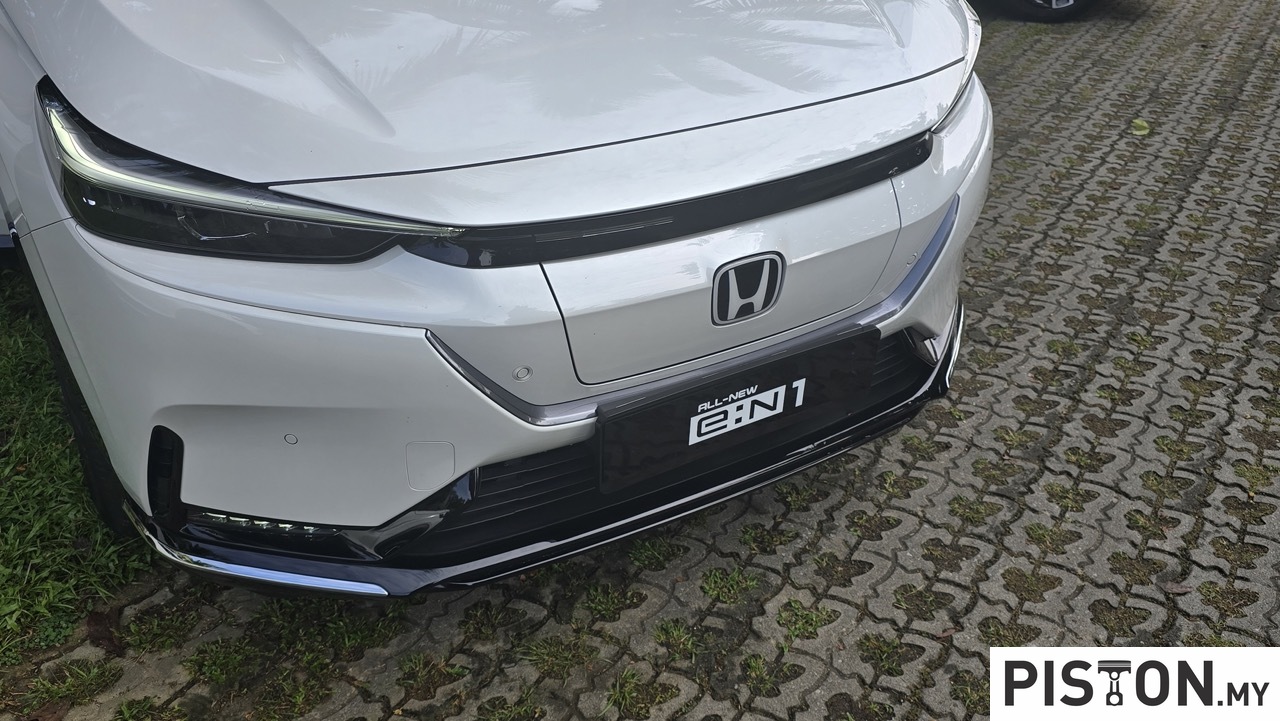
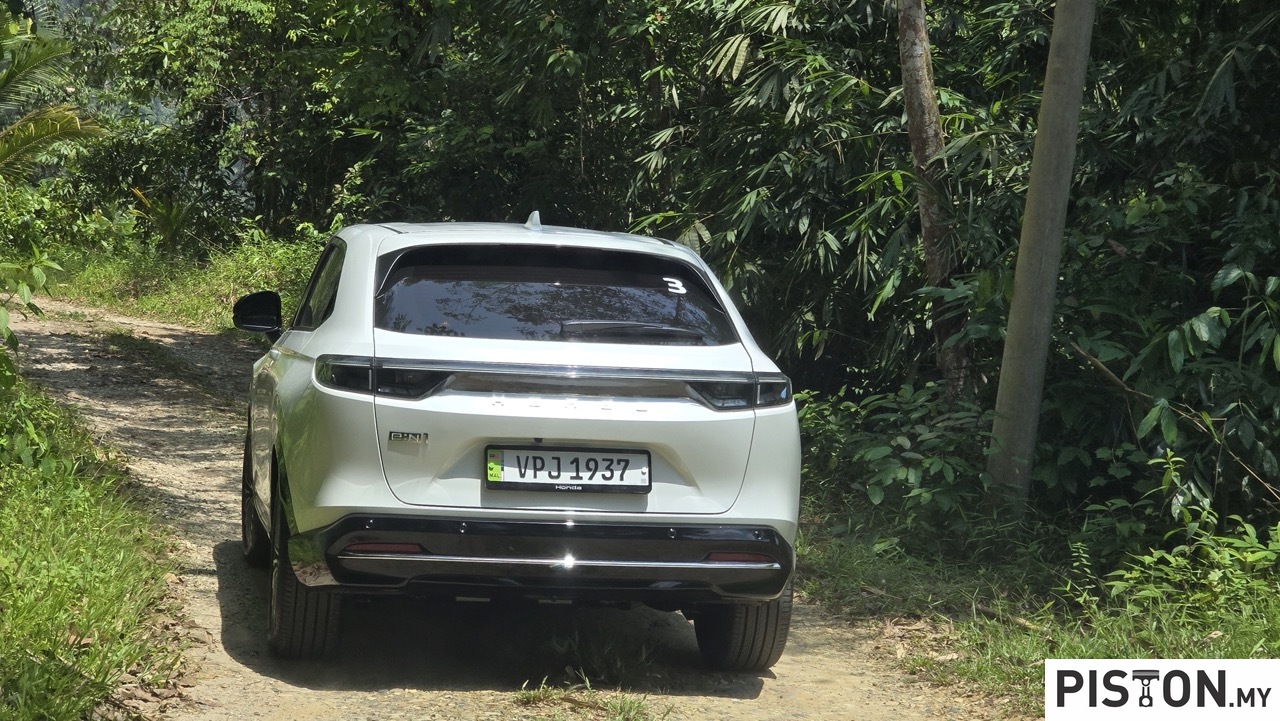
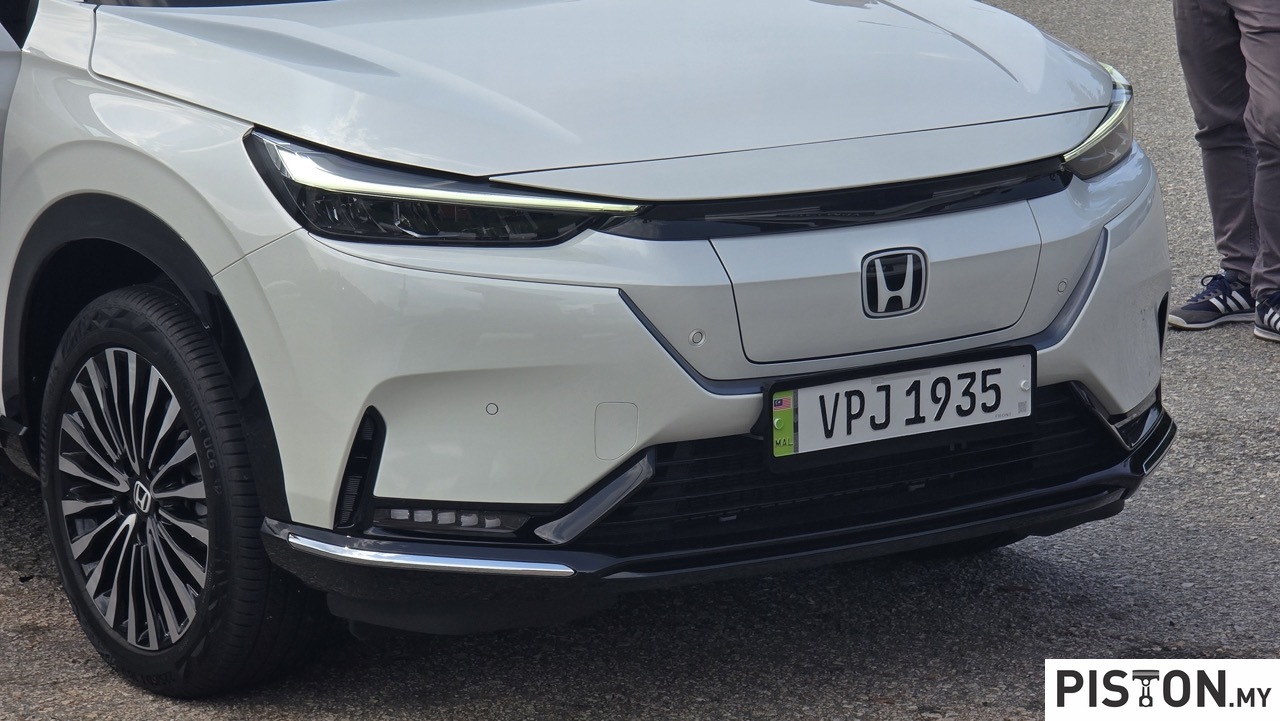
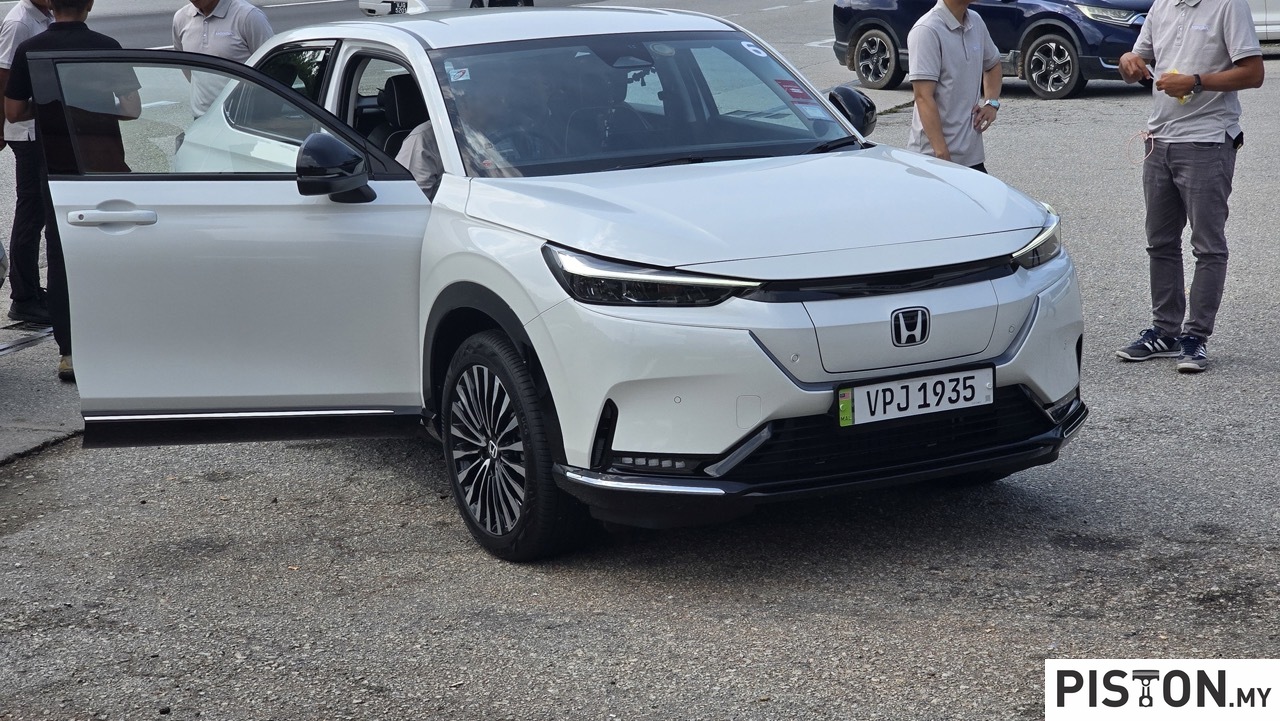
The Honda e:N1 is Honda’s first all-electric SUV that entered the Malaysian market, marking the brand’s serious step into the EV space. Built on Honda’s global e:N Architecture, the e:N1 blends modern styling with practicality, offering a familiar SUV shape while being powered purely by electricity. 
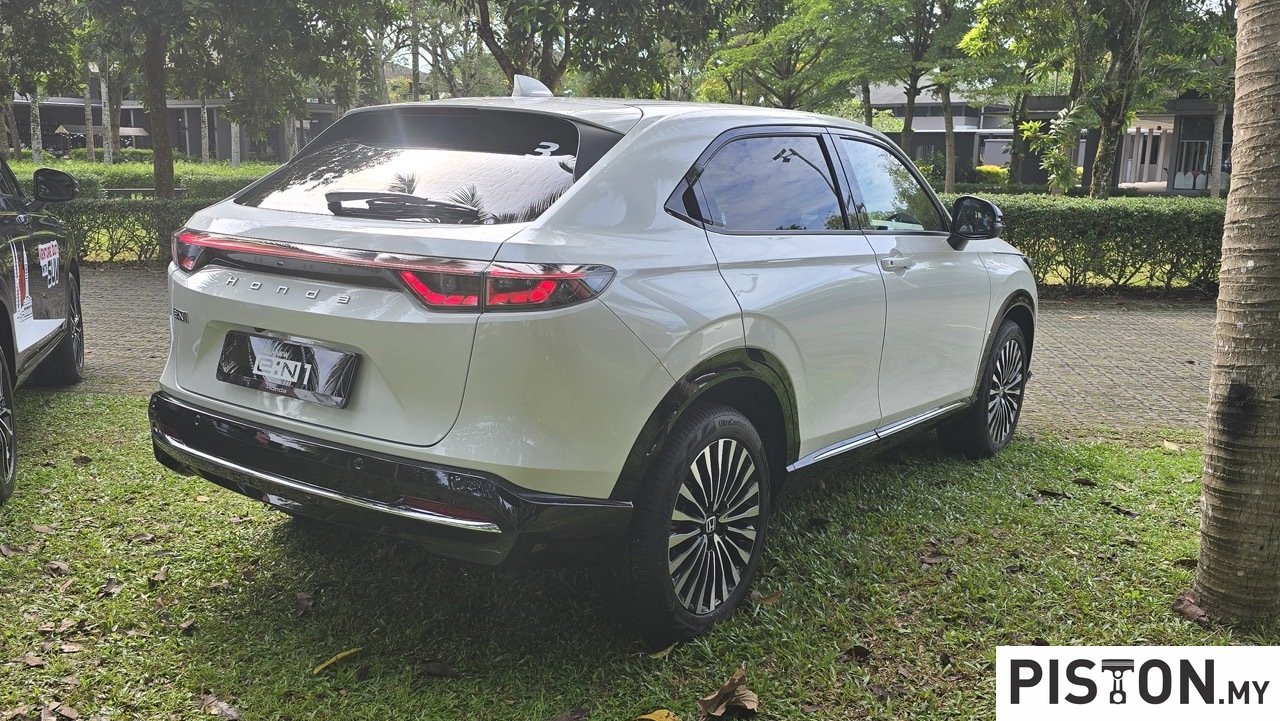
Positioned as an accessible yet premium entry into the EV segment, it delivers a smooth, quiet driving experience with instant torque, all wrapped in a package that feels unmistakably Honda. 

The e:N1 is designed not only to appeal to eco-conscious buyers but also to those who want an easy transition from traditional petrol-powered SUVs into the world of electric mobility.
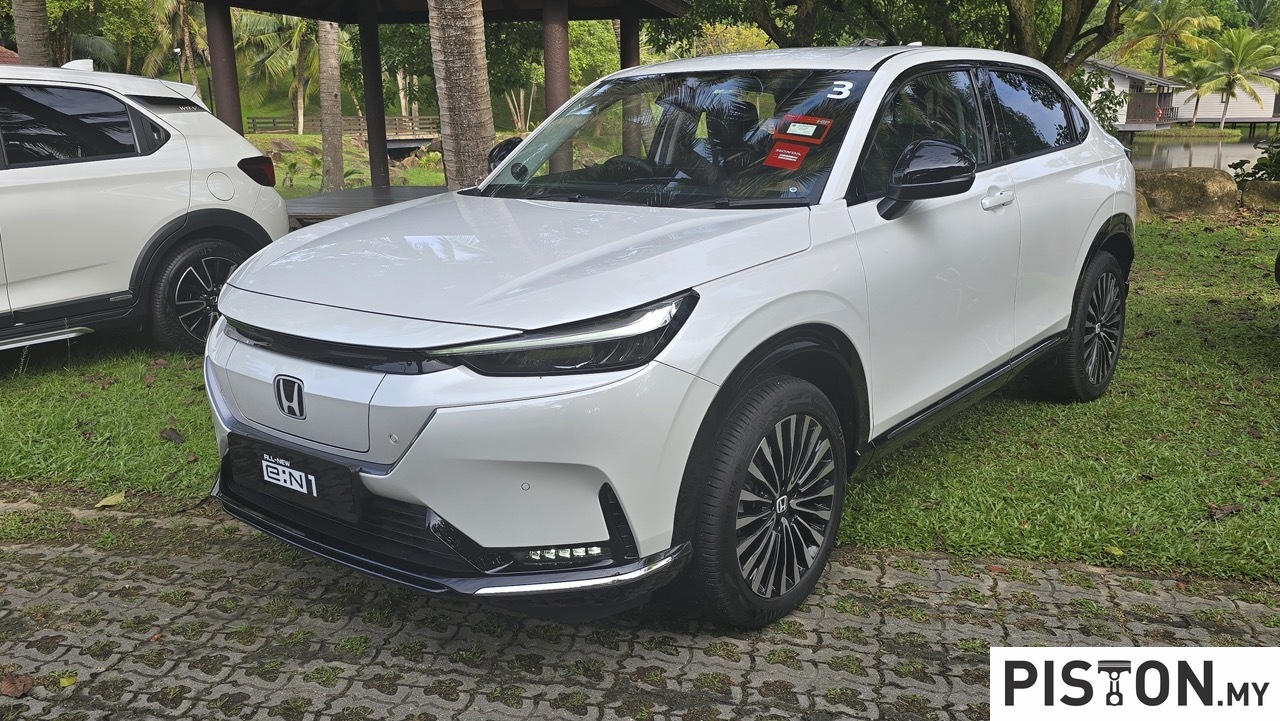
But of course, on paper, any car will look good. So, we put it to the test. 

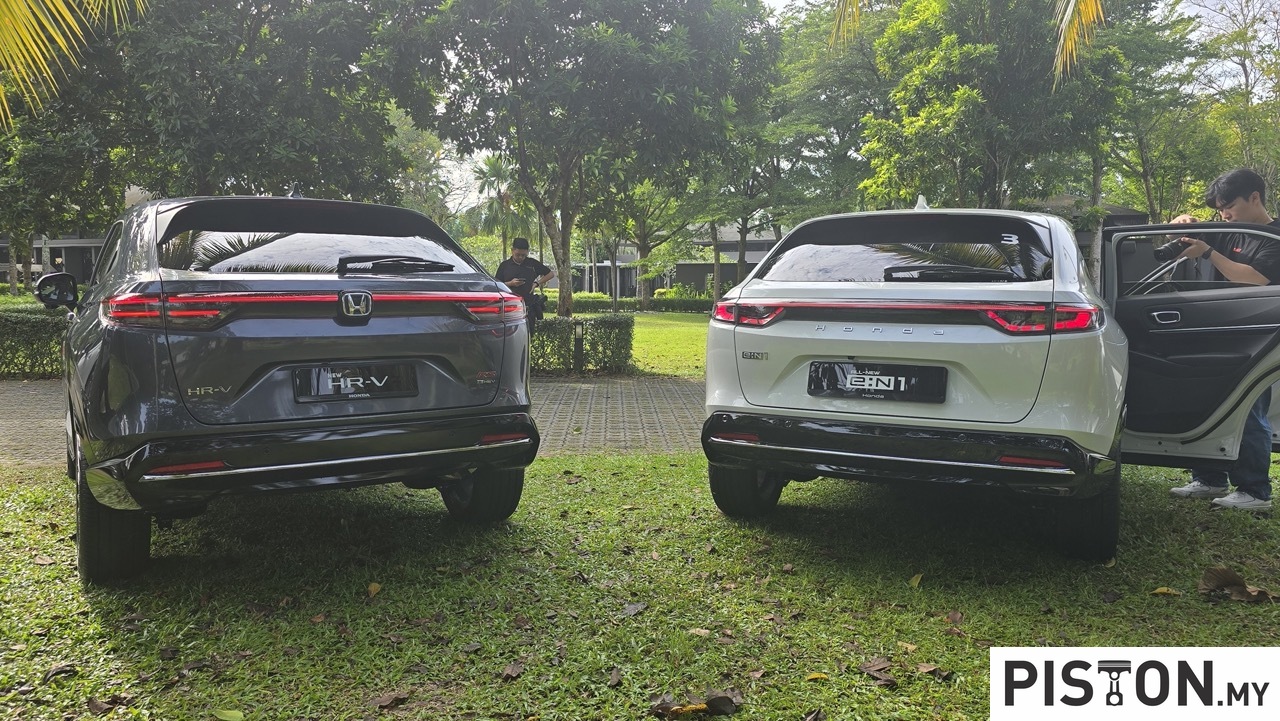
Difference between the e:N1 and HR-V

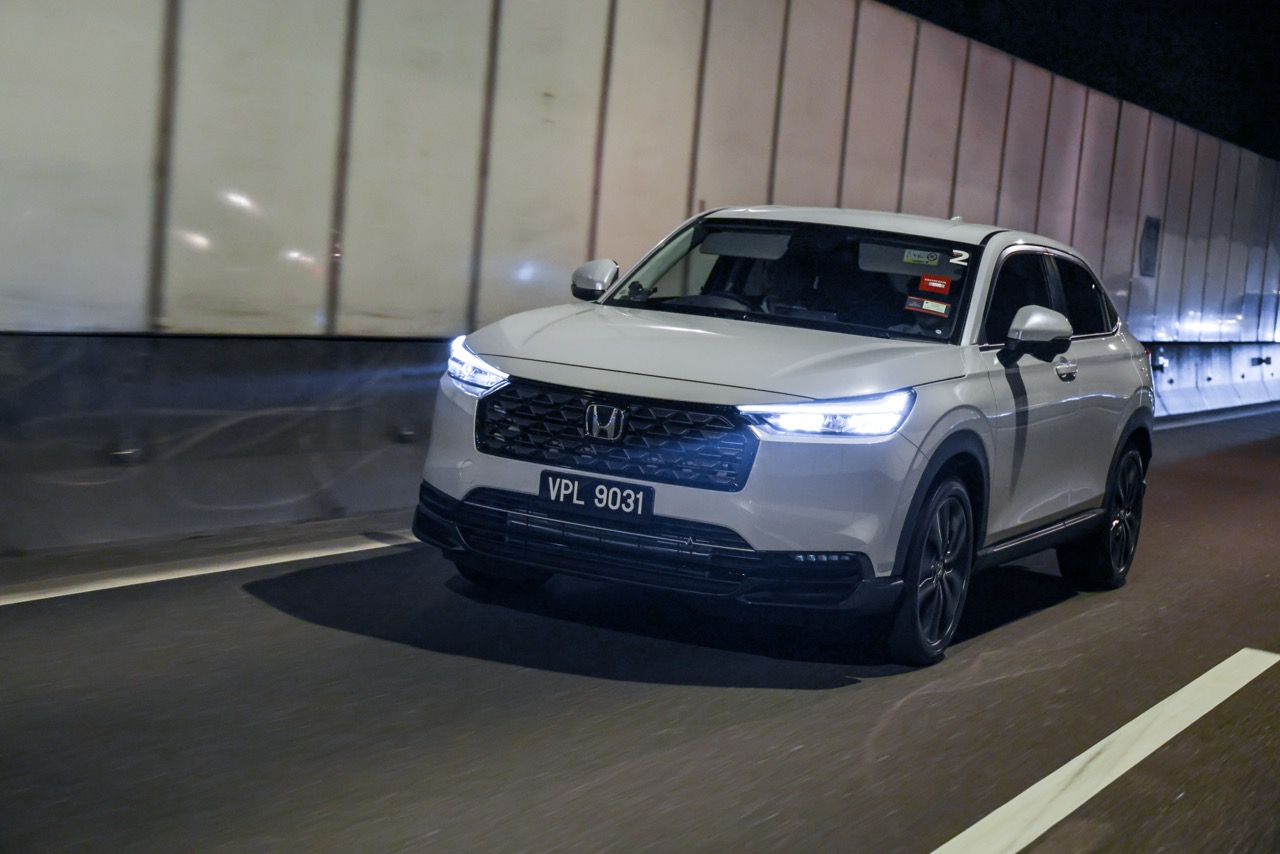
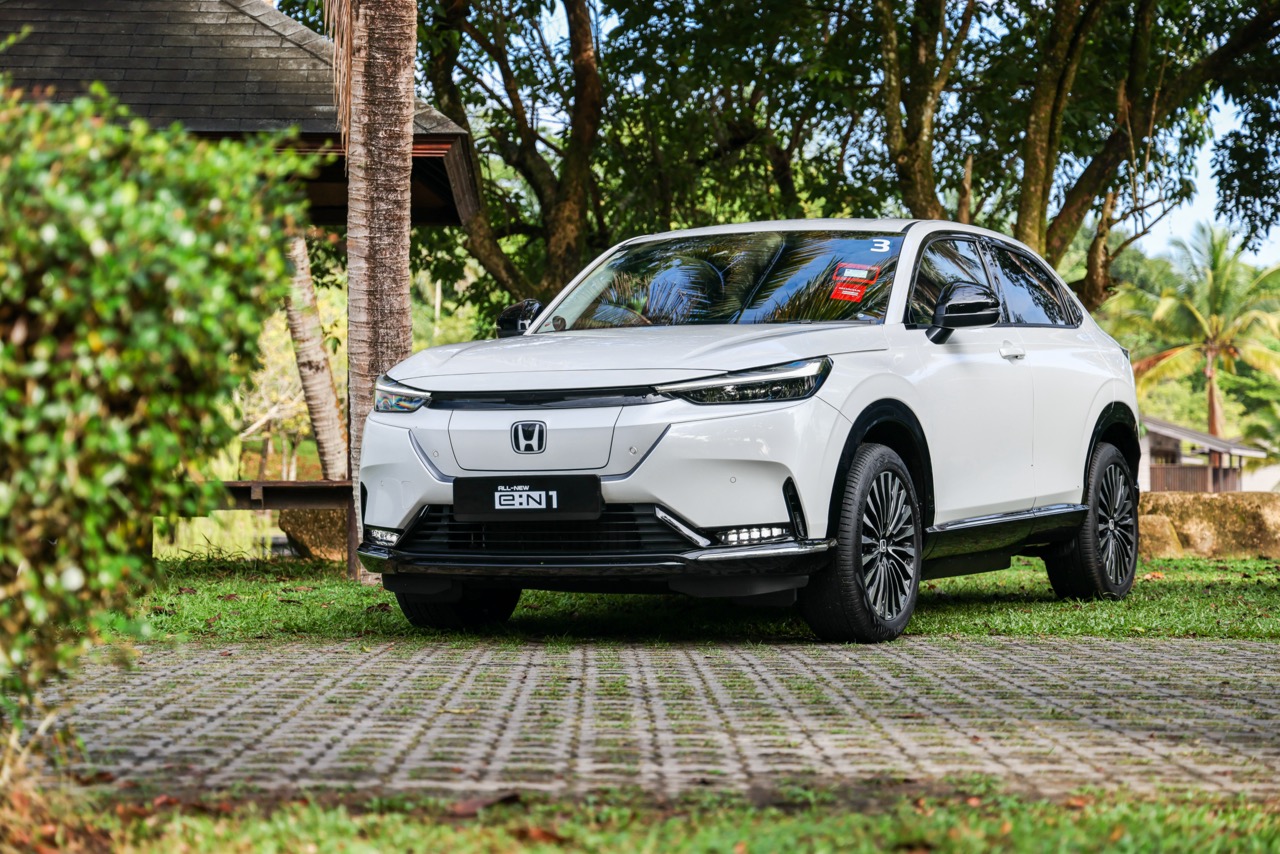
At first glance, the Honda e:N1 and the current HR-V in Malaysia look very similar, but underneath, they’re built quite differently. The e:N1 sits on Honda’s dedicated e:N Architecture F platform, which is purpose-built for EVs. This setup gives it a lower centre of gravity and better aerodynamics.
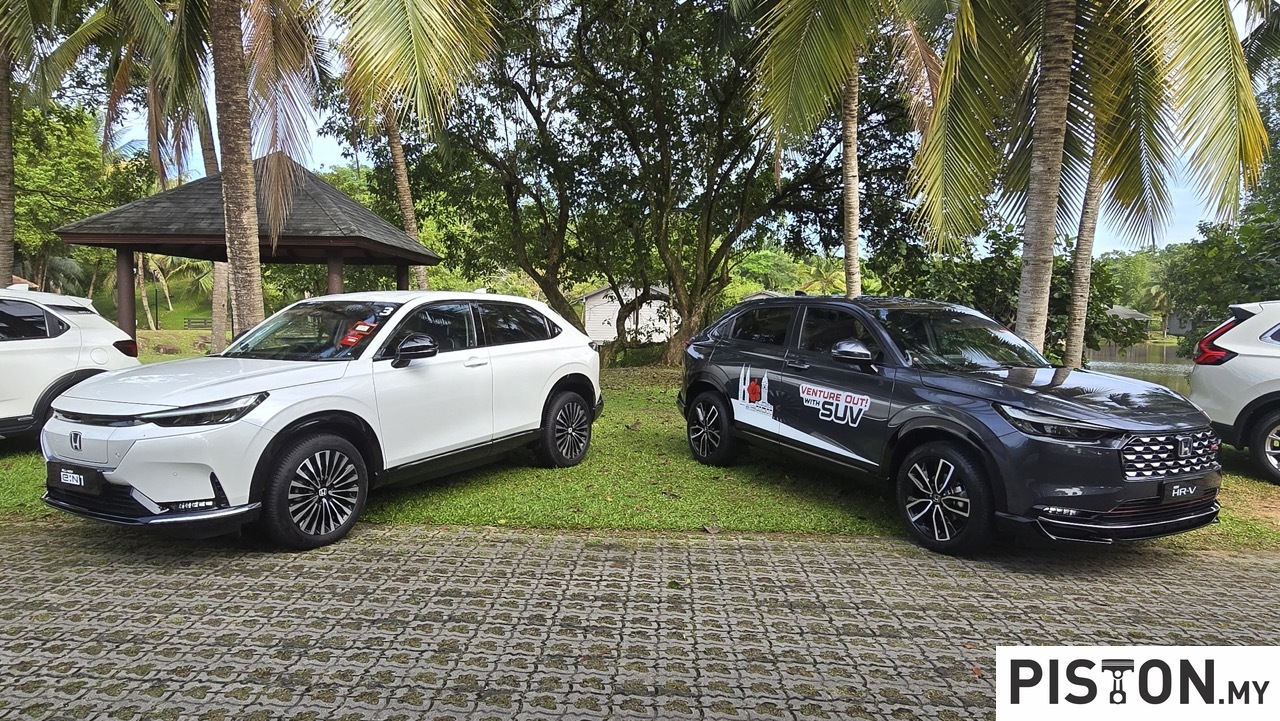
Power comes from a front-mounted electric motor pushing out 204PS and 310Nm, allowing it to hit 100 km/h in just 7.7 seconds. 

Dimension-wise, both SUVs are nearly identical in size, with the same 2,610 mm wheelbase. But because of its underfloor battery pack, the e:N1 rides much lower with just 142 mm of ground clearance compared to the HR-V’s 196 mm (RS) or 183 mm (non-RS). 
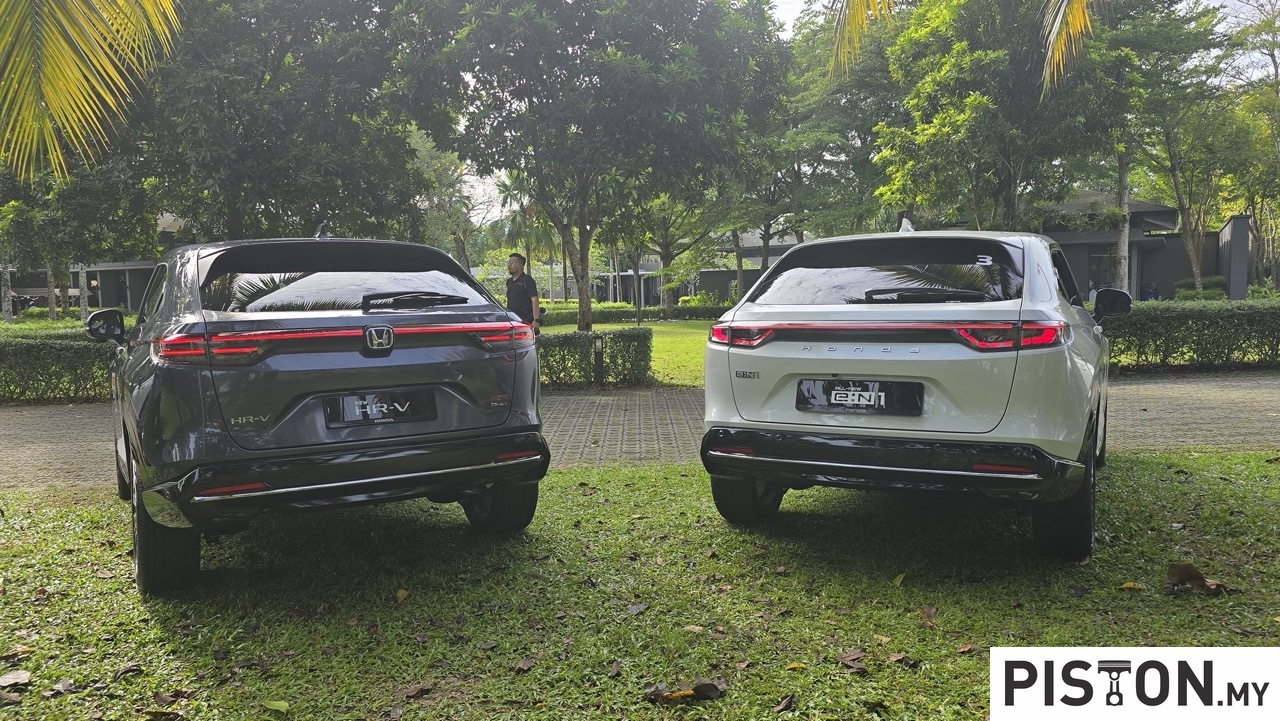
This lower stance improves stability but sacrifices some of the HR-V’s SUV-like ride height. The e:N1 also has a slightly wider turning radius at 5.7 m versus the HR-V’s 5.5 m.

Sufficient driving range for short getaways

Range anxiety is something we all fear when buying an electric vehicle (EV). Does it have enough range for my daily routine? Can I balik kampung with this range? Are there enough charging stations on the way? These are questions that run through our heads when considering buying an EV. 
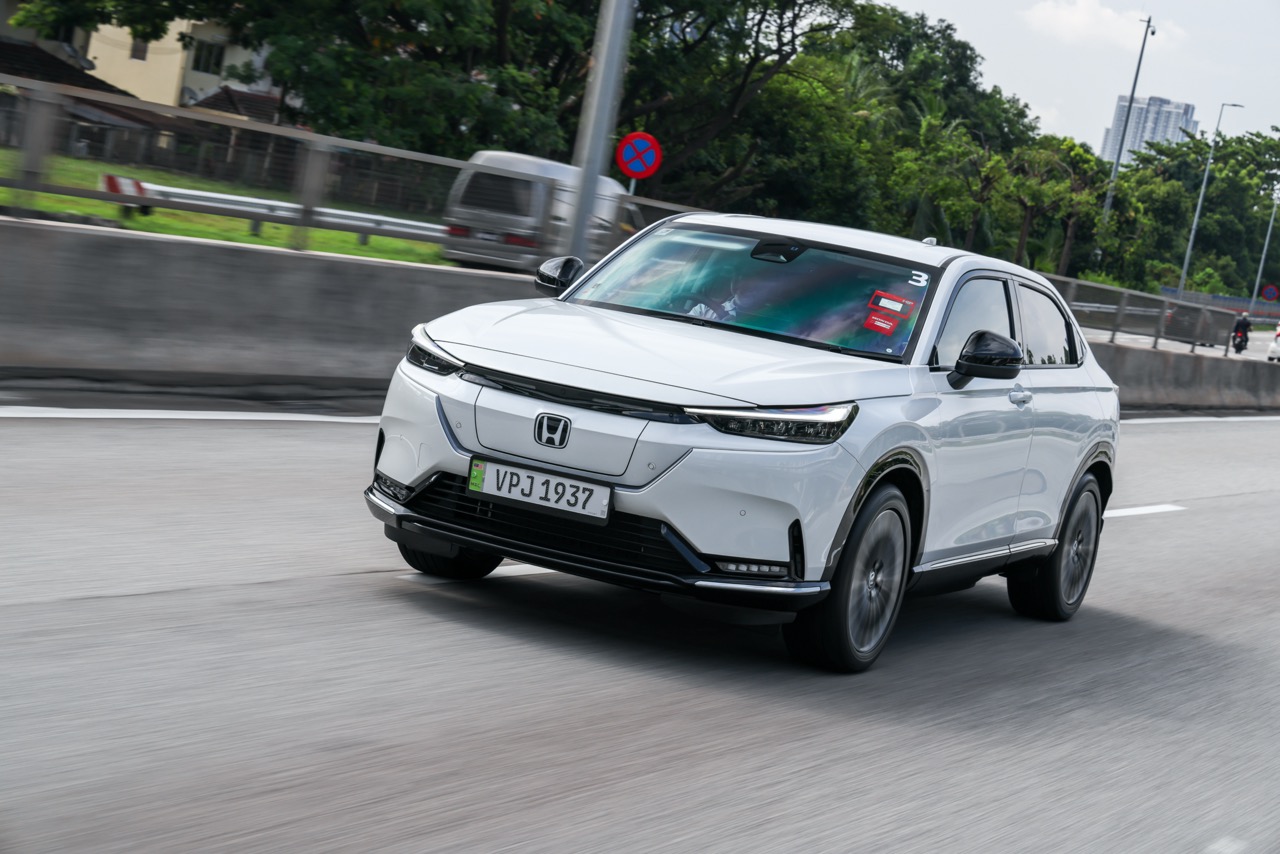
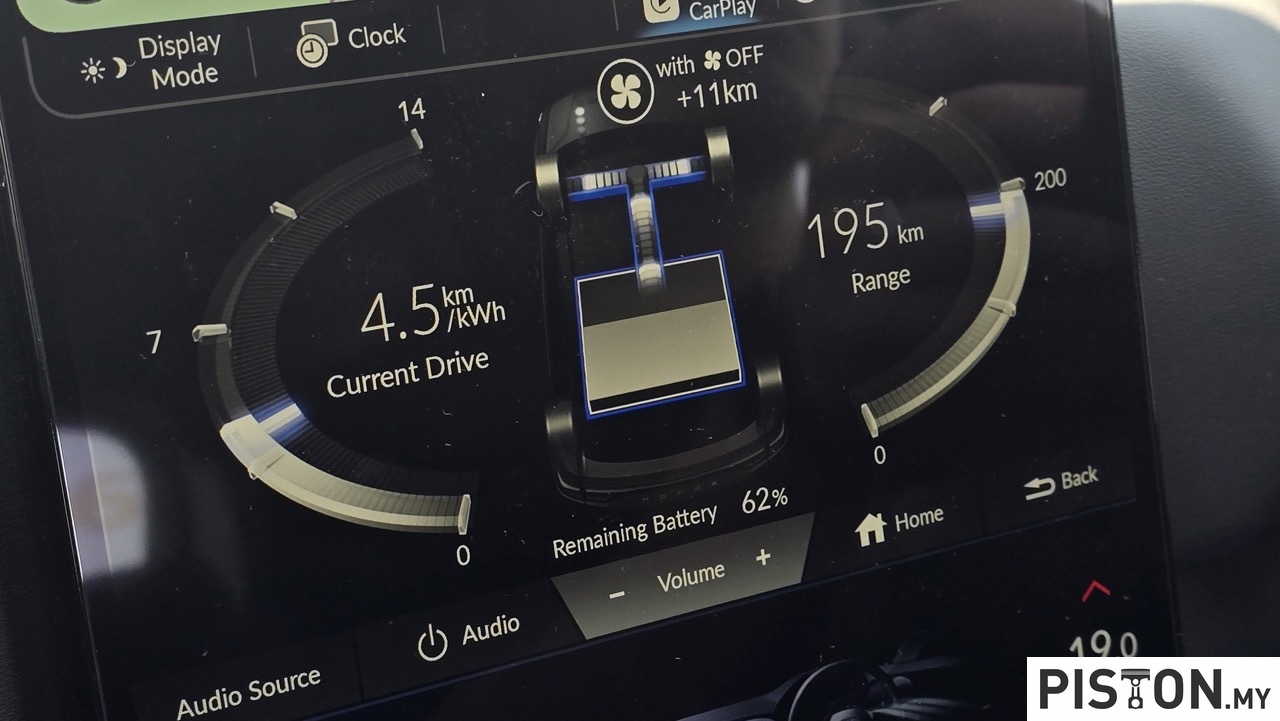
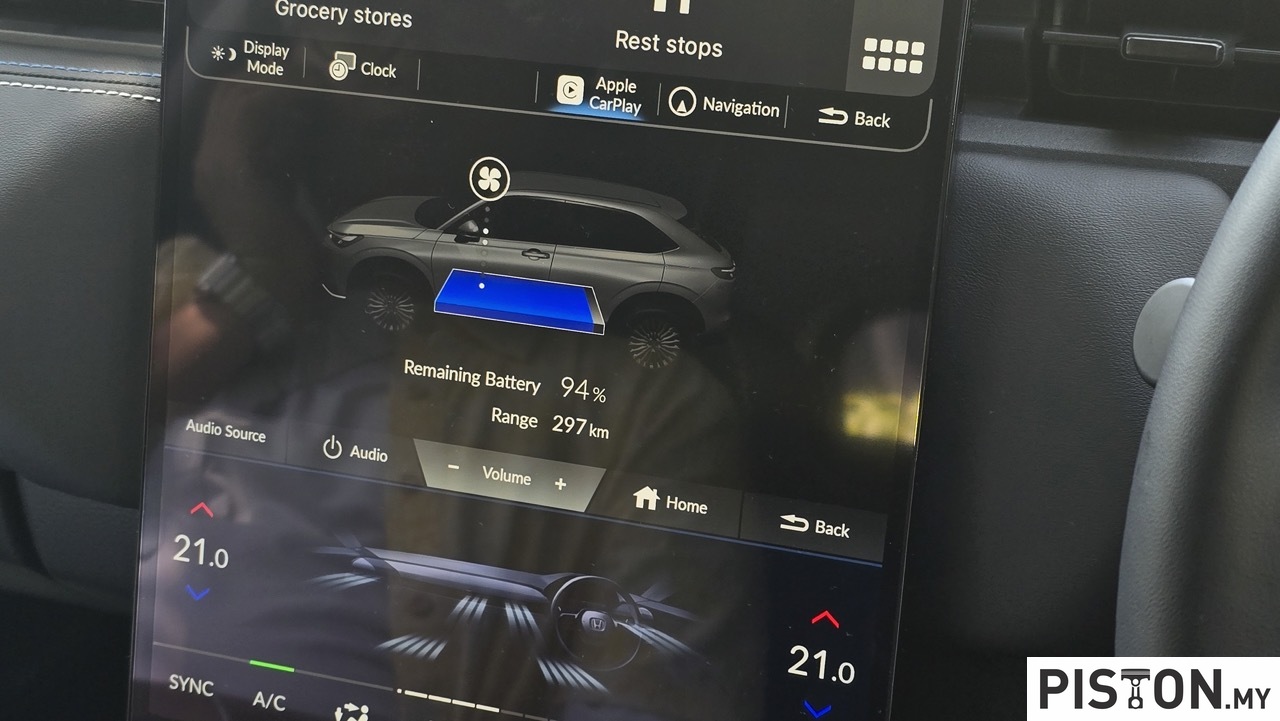
To be honest, when we got into the e:N1, we had around 297km of range with 94% of battery. We were heading from Mangala Estate Boutique Resort, Pahang, to Pineyard, Bentong, for a quick bite, then back to Honda Malaysia, Petaling Jaya. 

The total travel distance was around 226km, according to the GPS, but we still had to take into consideration our driving style and be prepared for unwanted situations. 
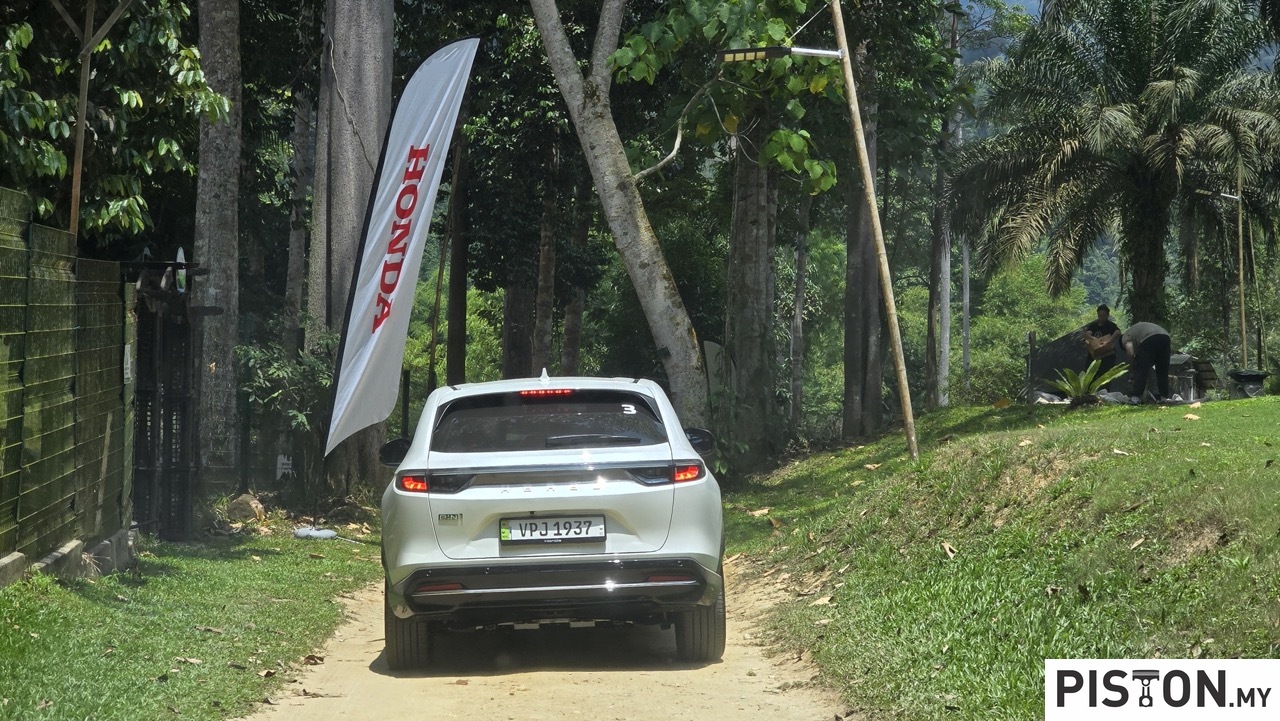
But at the same time, we had to put it to the test. So we drove like our fellow Malaysians and tried out the different drive modes (Normal, Eco and Sport). There were three drivers, so three different driving styles. 

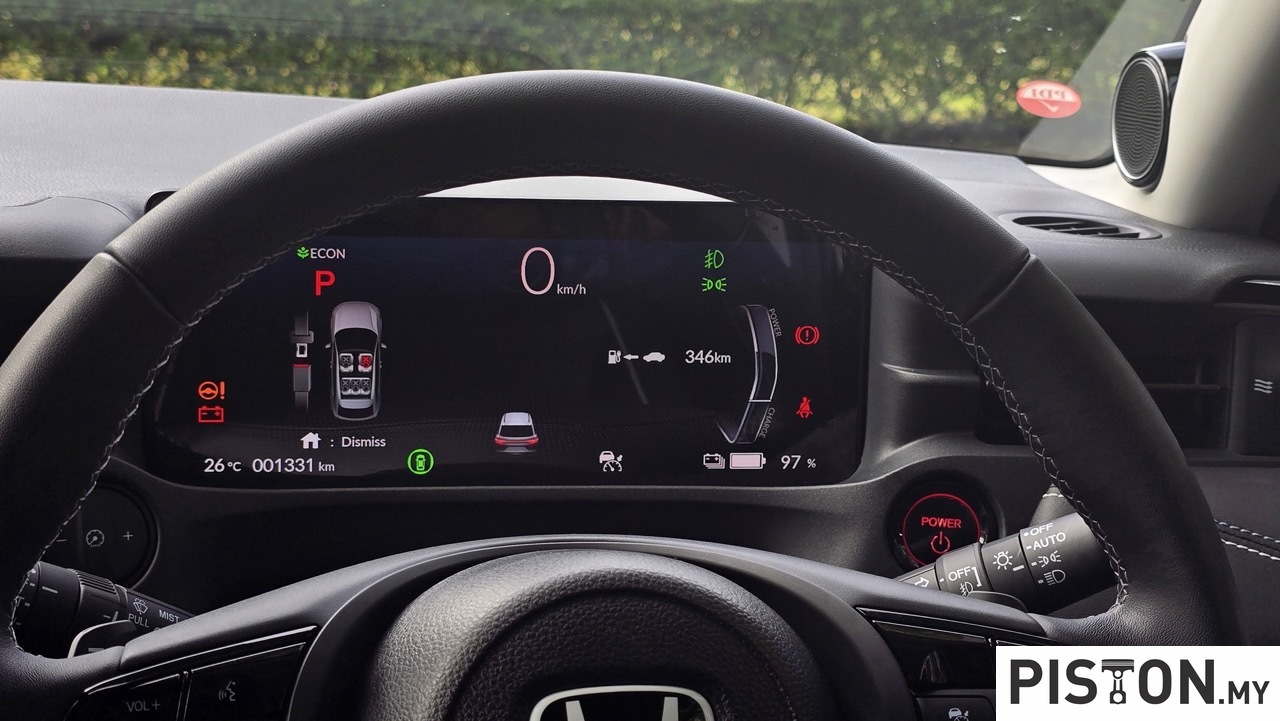
We went through highways, small town roads and winding back roads. So, were we able to make it back without stopping to juice up? Yes, yes, we did. When we parked at Honda Malaysia in Petaling Jaya, we still had 68km of driving range and 21% of battery! This is with an average speed of 125km/h and 7.6km/kWh. 
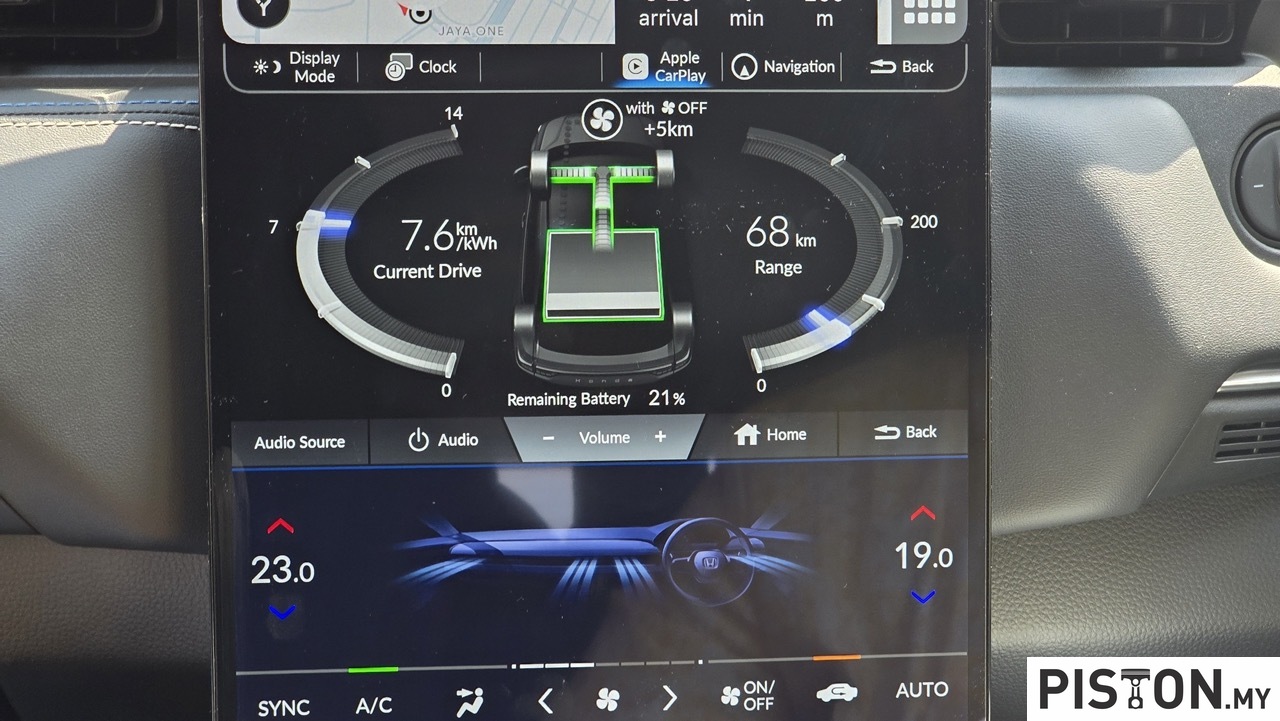
In Honda we trusted, and it did not let us down. But of course, if you are planning to drive longer distances, you will have to dedicate some time to charging it up. Which is why owning an EV means changing your lifestyle. You will have to properly plan your routes and drive accordingly to the percentage of your battery. 

The e:N1 can be fast-charged from 10% to 80% battery in about 45 minutes using a DC CCS2 charger with a 78kW output.
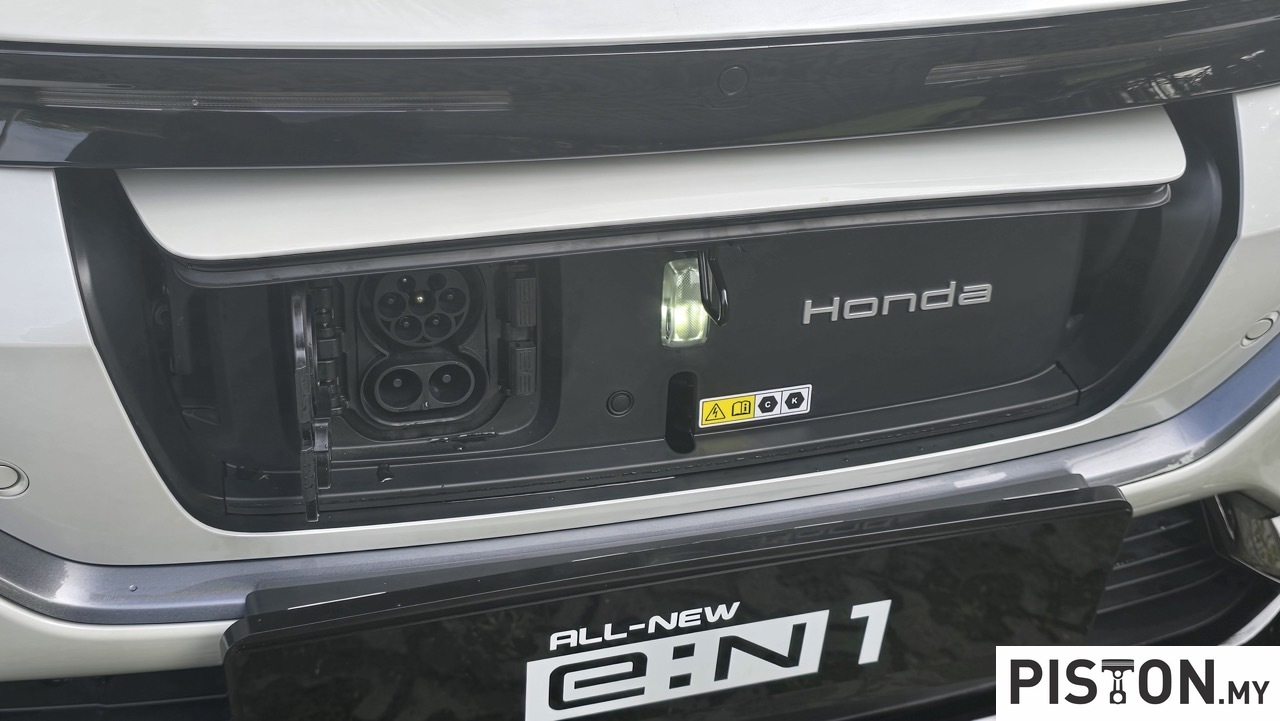
Honda with no LaneWatch and a huge touchscreen?

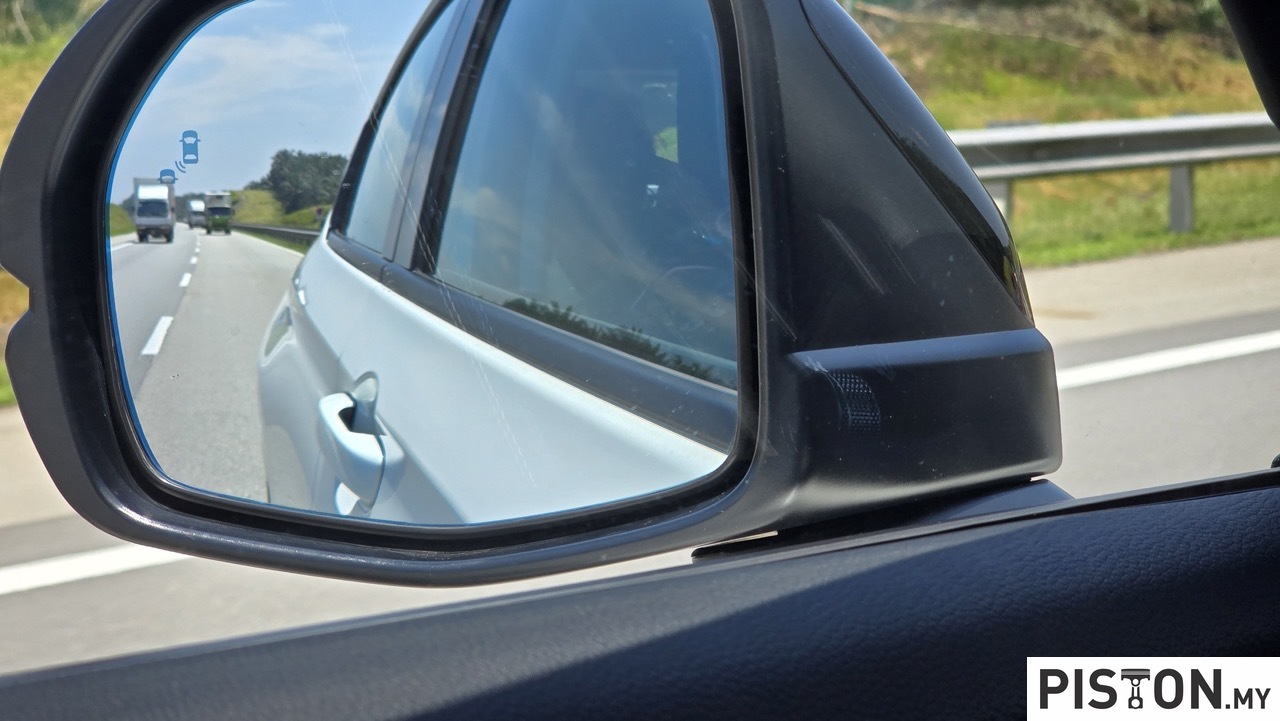
If you have read our previous reviews on Honda models, you will know that we had a love-hate relationship with Honda’s Lane Watch, but eventually got used to it. So, driving the e:N1 that does not have the LaneWatch felt a little weird. Instead of Lane Watch, Honda has replaced it with a Blind Spot Monitor. 

Why do we say it feels weird? Because if you are familiar with the Lane Watch system, you know that it will override your screen, which means you will not be able to see your navigation screen. Of course, you can override it via the signal lever, but that takes some getting used to.
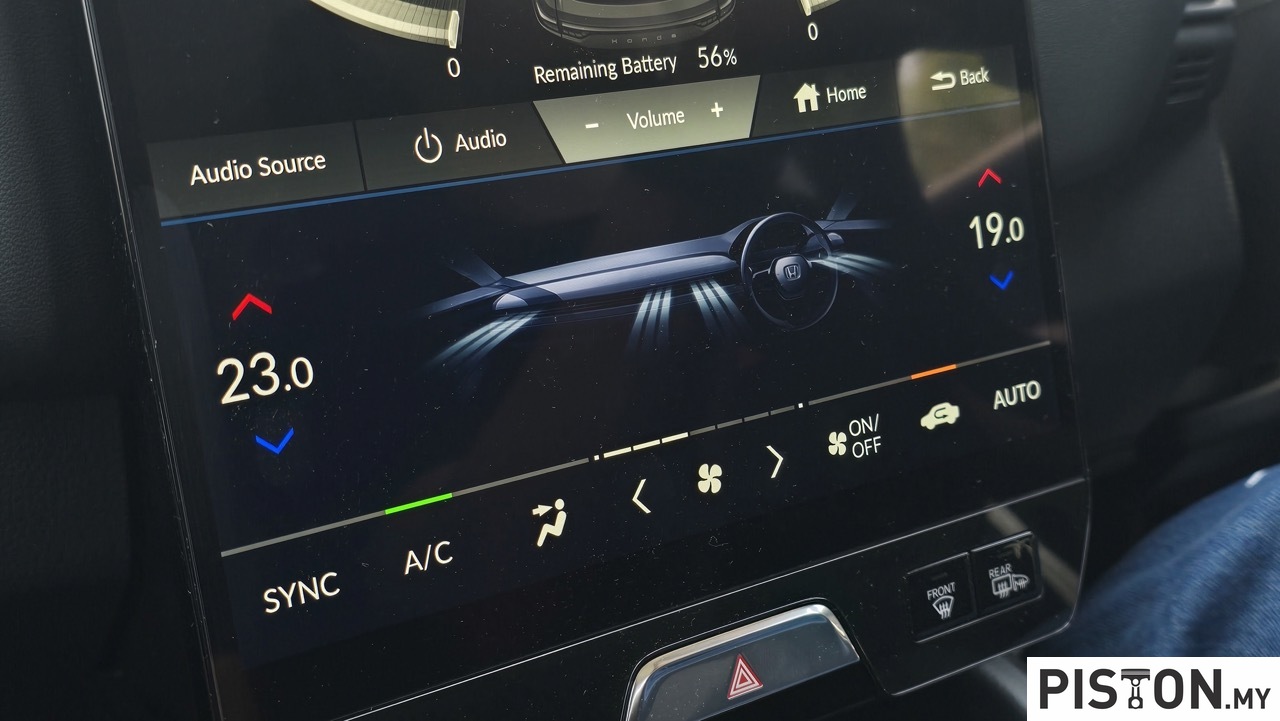
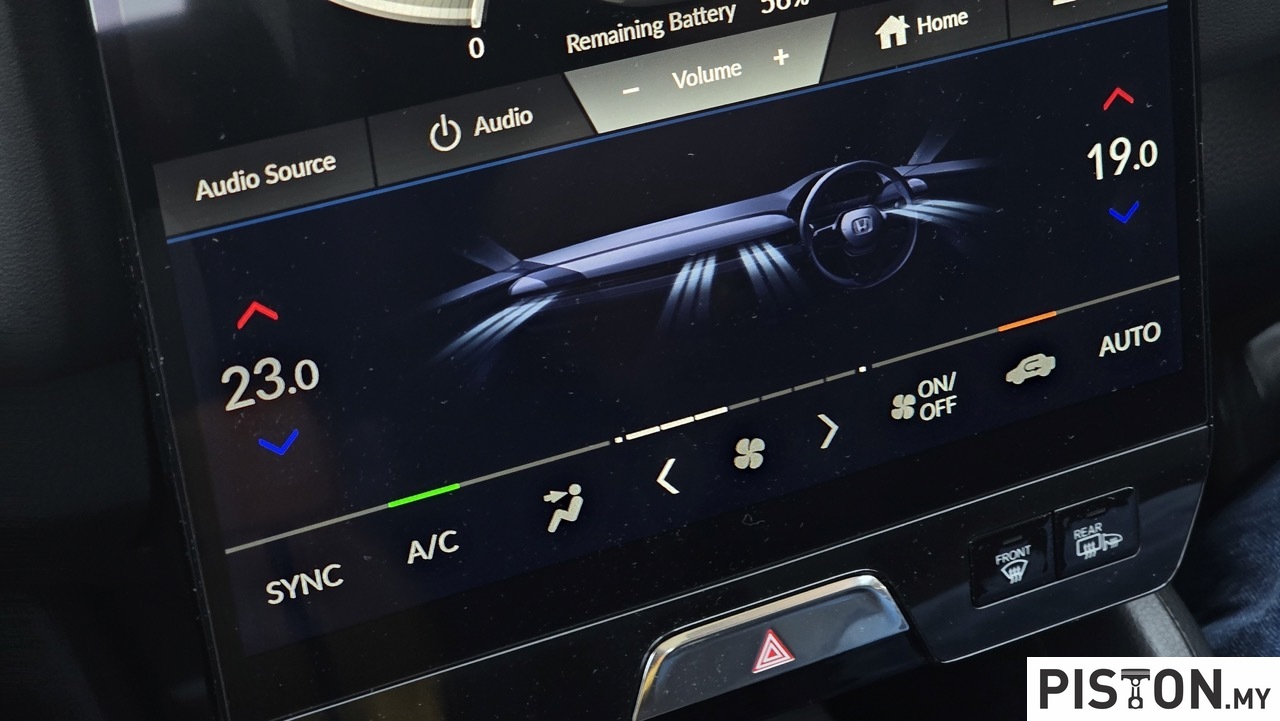
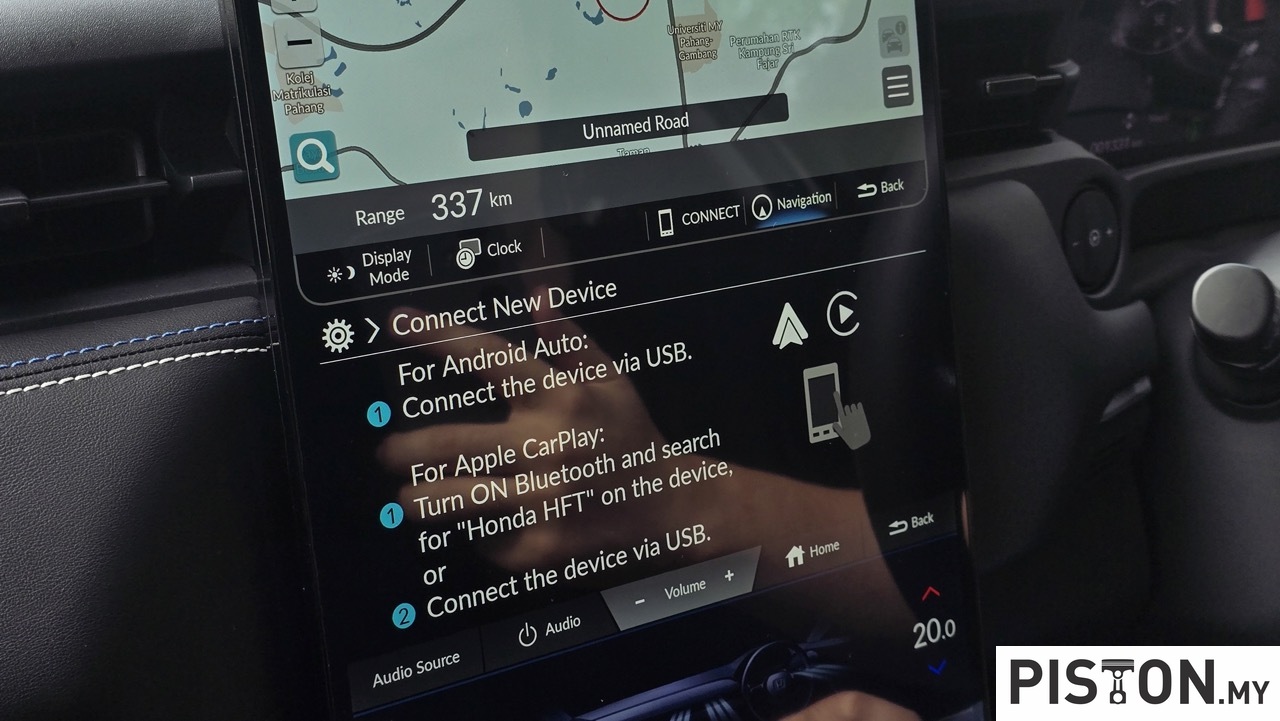
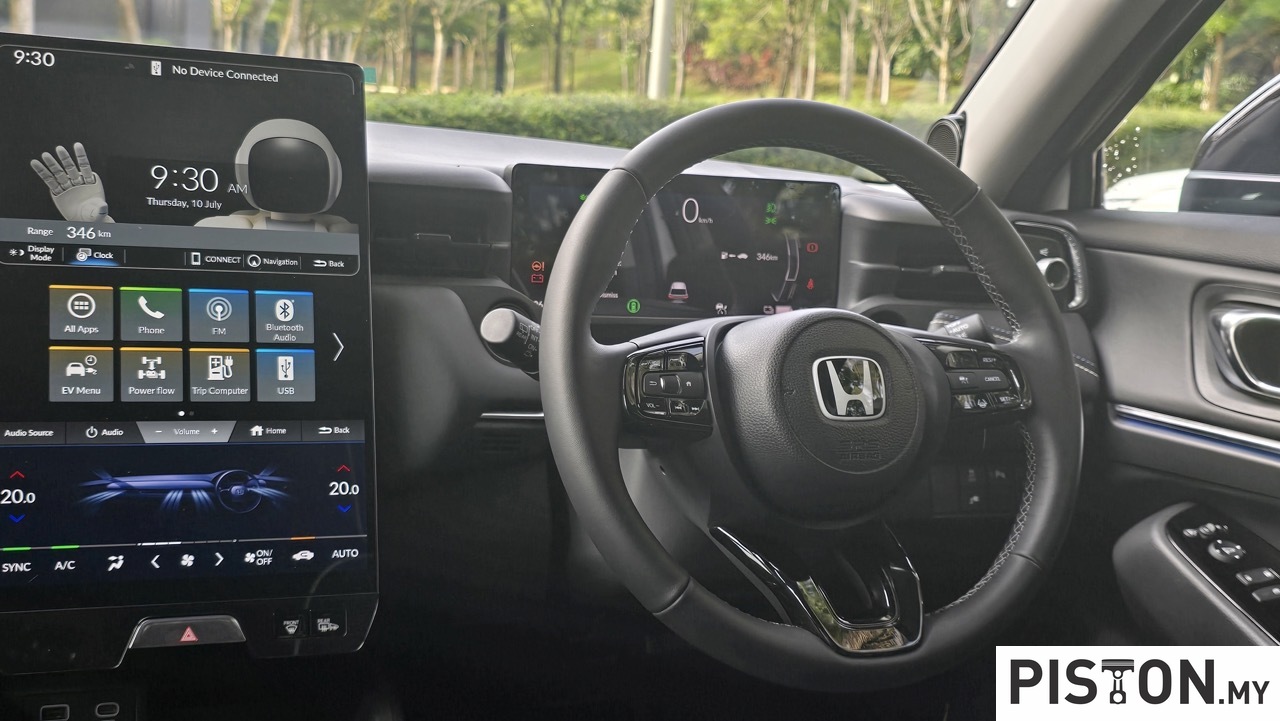
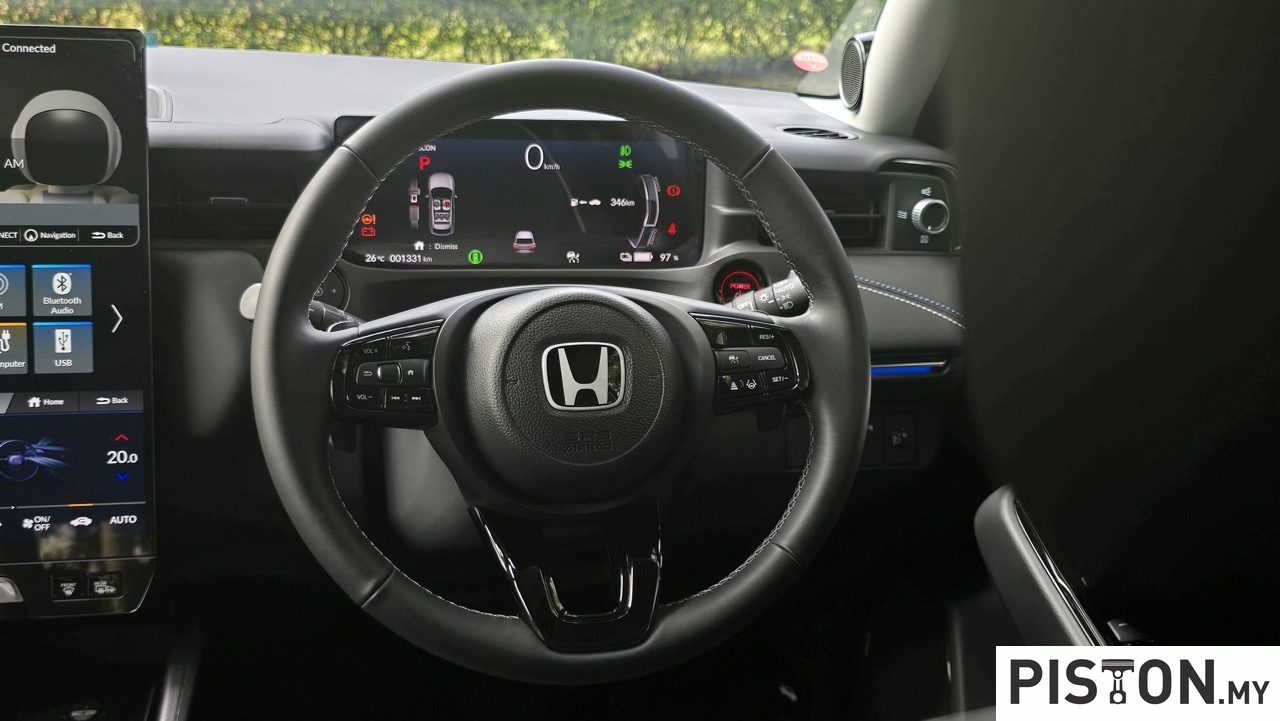
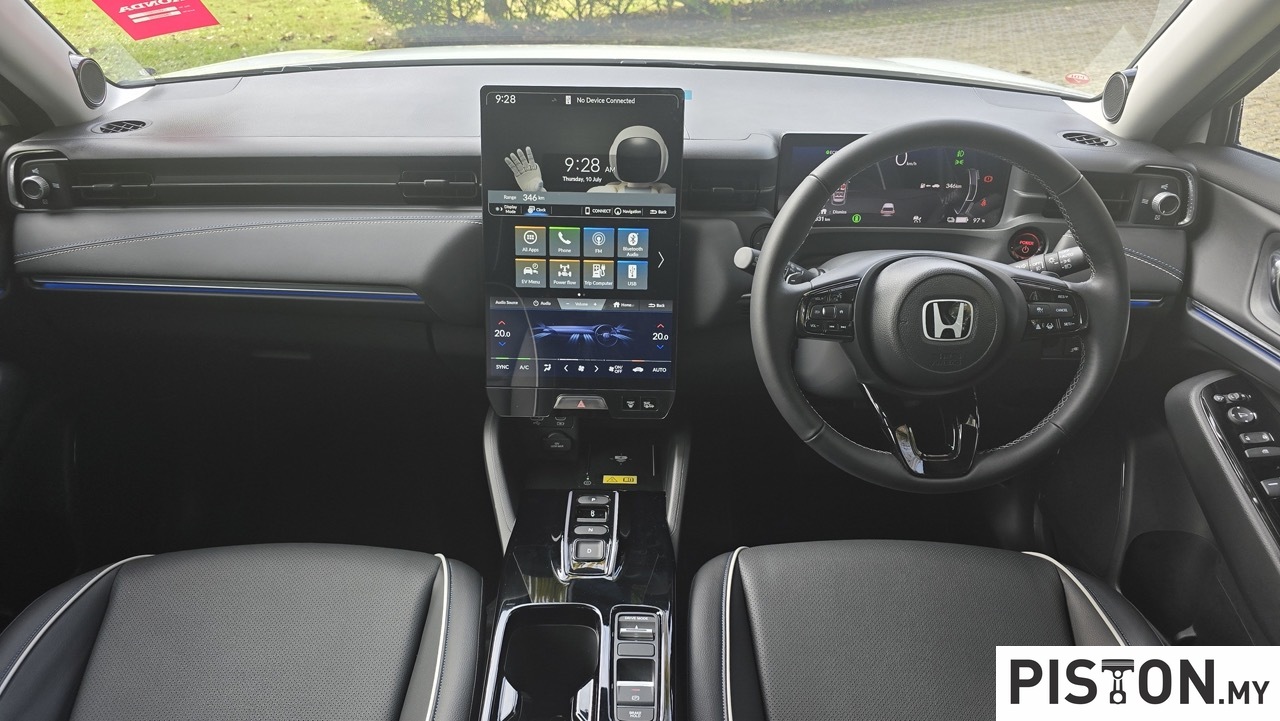
The e:N1, however, has a huge 15.1-inch Advanced Touch Display Audio touchscreen panel! This is brilliantly done because it splits into three different sections. At the top, you have your CarPlay details, which include Spotify and navigation controls. In the middle, you have the information section, which allows you to enter the settings menu, power flow and EV menu.

Finally, at the bottom part of the screen are your air conditioning controls. Which means, you will not have to navigate through menus to get to the controls! 
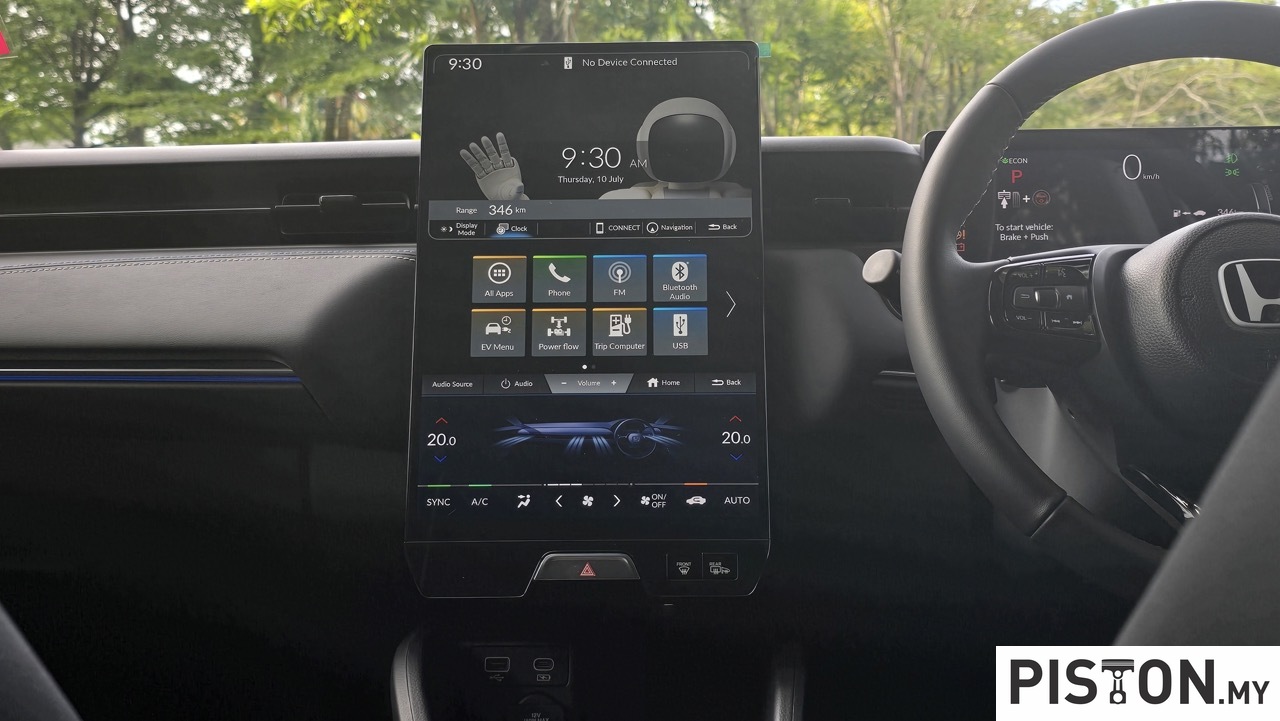
So, we were thinking that Lane Watch would have been perfect for this layout because it would not have to override your navigation screen. But of course, a high-definiton camera compared to the ones in the market now would be a nice touch. 

And a note from the editor also pointed out that having Lane Watch on the right of the car instead of only on the left would be welcomed as well. 
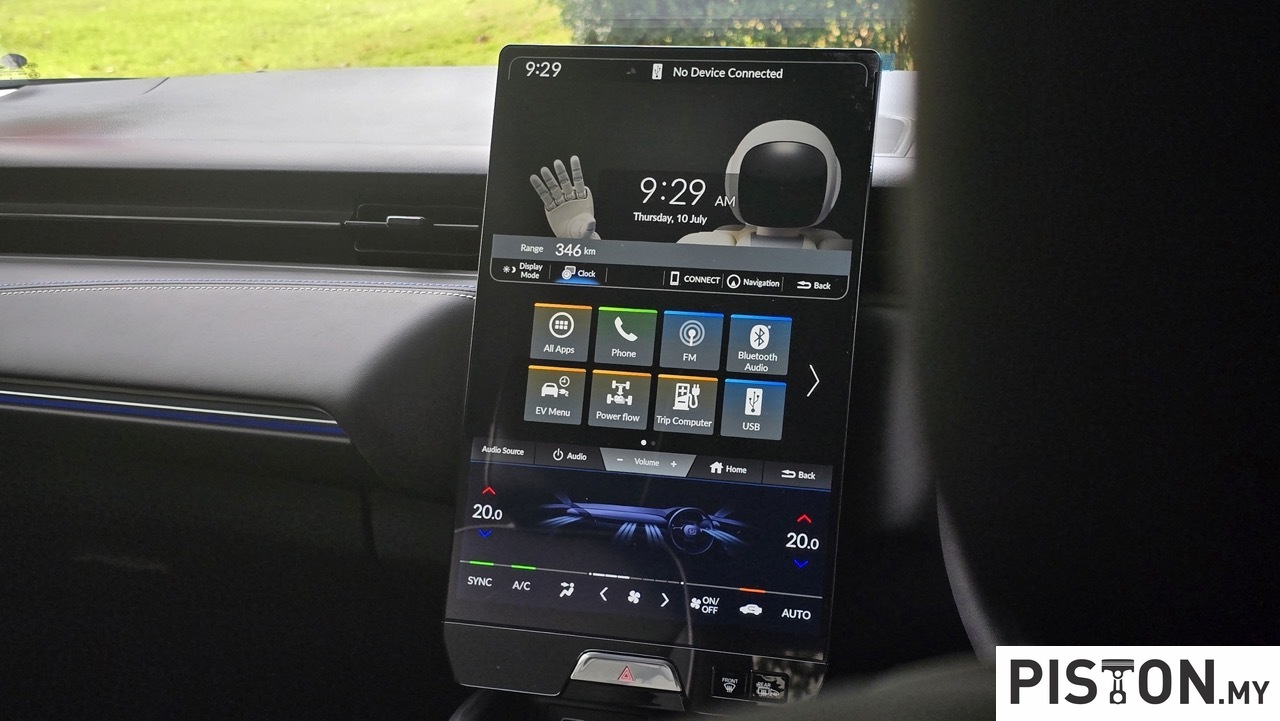
Honda has always made its tech very accessible and user-friendly, even with the smaller screens that you get in other models. So, take that, add a high-def camera on the left and right of the car and incorporate it into this massive screen, and you have the perfect marriage.

Of course, you still get ​​Honda Sensing, which features Adaptive Cruise Control with Low-Speed Follow, Lane Keeping Assist, Collision Mitigation Braking, Auto High-Beam, and a Lead Car Departure Notification system.
The powertrain is completely at home

We have driven countless numbers of SUVs; some feel overpowered, some underpowered, and some just feel like they’re missing something. However, when we got behind the wheel of the e:N1, pushed it through corners at low speed and high speed, flying on highways, cruising through towns, we felt like this SUV has the perfect powertrain. 

There is power when you need it; 204PS on tap with 310Nm of torque. This is not overpowered because it does not want to break your neck as soon as you floor it, as most electric vehicles nowadays do. It has the perfect launch power to get you out of tricky situations. 
Switching it to sport mode when climbing up winding roads never felt more satisfying in an SUV. There were times when we forgot that we were driving an SUV! At high-speed corners, we were leaning a little, but that’s normal as the seats were not specifically designed for that. However, you do not get that weird body roll that can make you carsick.

It feels stable at corners and high speeds because it has a 1,662 kg kerb weight, which balances the power-to-weight ratio, coupled with a perfectly tuned suspension. 
Final thoughts

For an EV, it drives differently compared to the Stormtroopers you get from China. The e:N1 speaks to the driver; it tells you everything that is going on. The suspension is so well-tuned that it does not feel like you are in a spaceship. This car has a soul and character, so kudos to Honda for making it feel and drive the way it does.

For everything that this SUV offers, we do not mind paying a premium price of RM149,900 for quality. 
Specifications

Motor: Single, front-mounted

Power: 204PS

Torque: 310Nm

0-100km/h: 7.7 seconds

Top speed: 160km/h

Charging: 45 minutes with 78kW DC / 6 hours with 11kW AC

We like: Infotainment layout and driving experience

We don’t like: Not parked in our garage

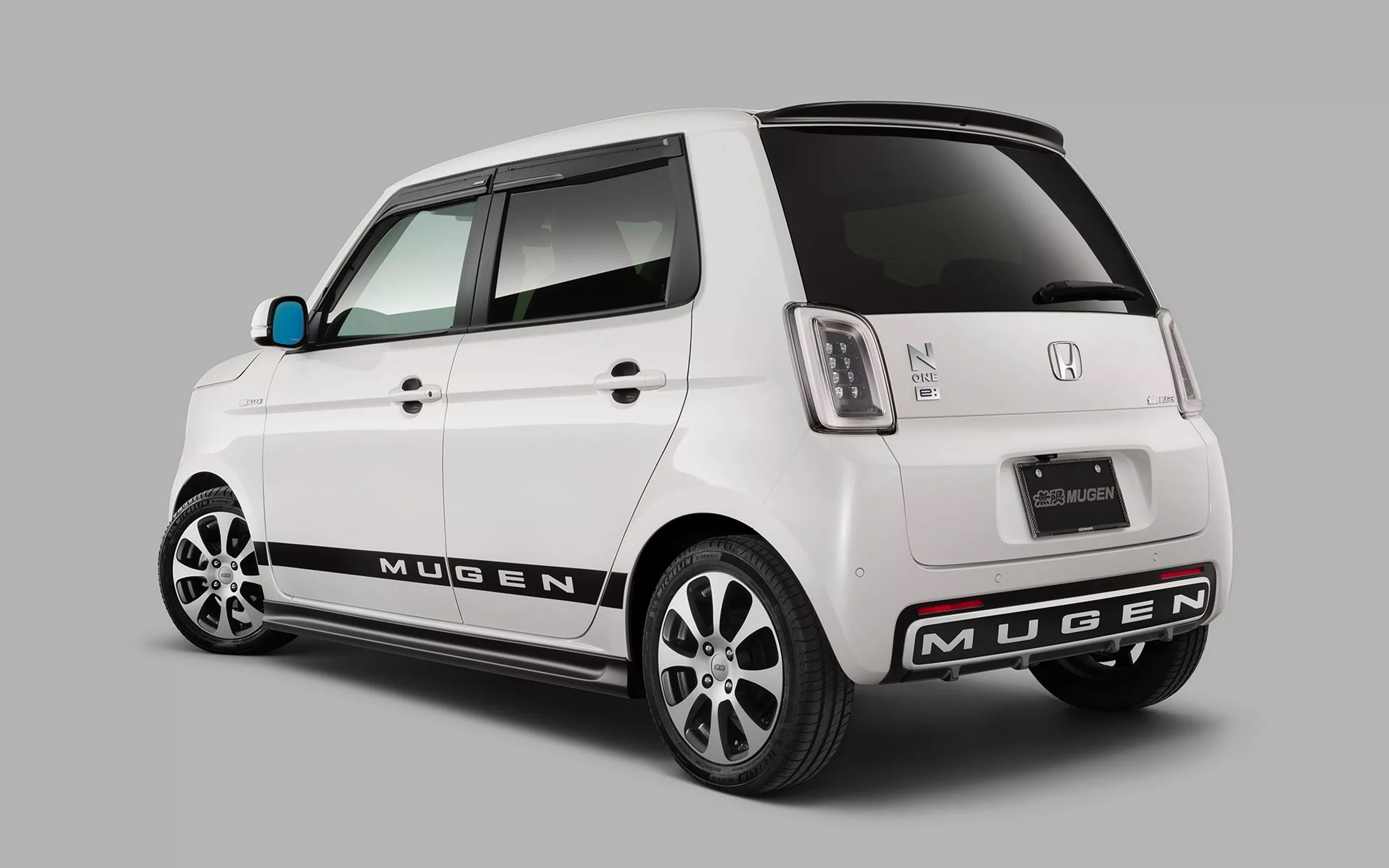
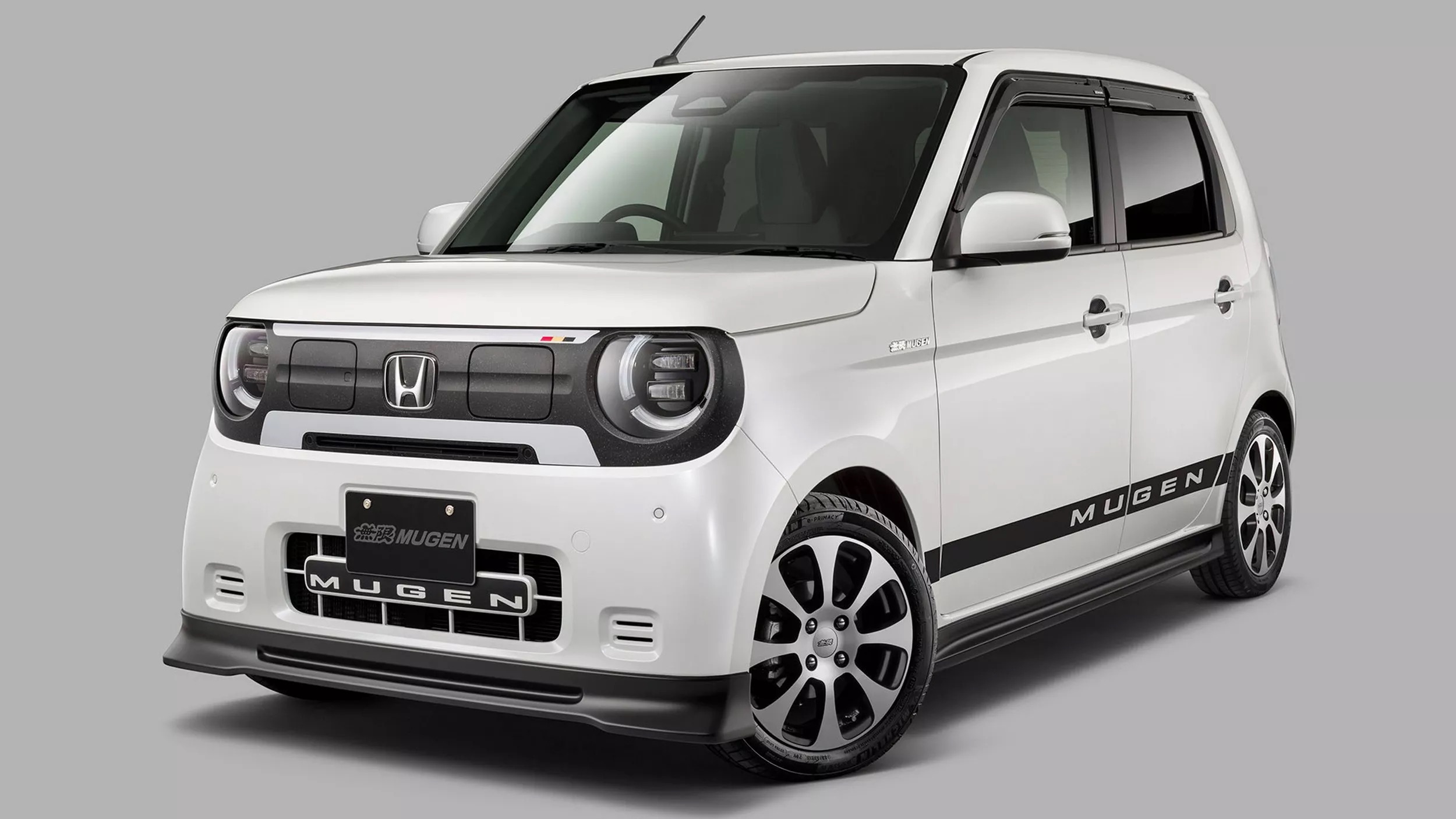
Honda N-One e:, sebuah kereta kei elektrik sepenuhnya yang unik dan bakal dipasarkan di Jepun serta Eropah, kini tampil lebih bergaya selepas menerima sentuhan khas daripada penala terkenal Jepun, Mugen.

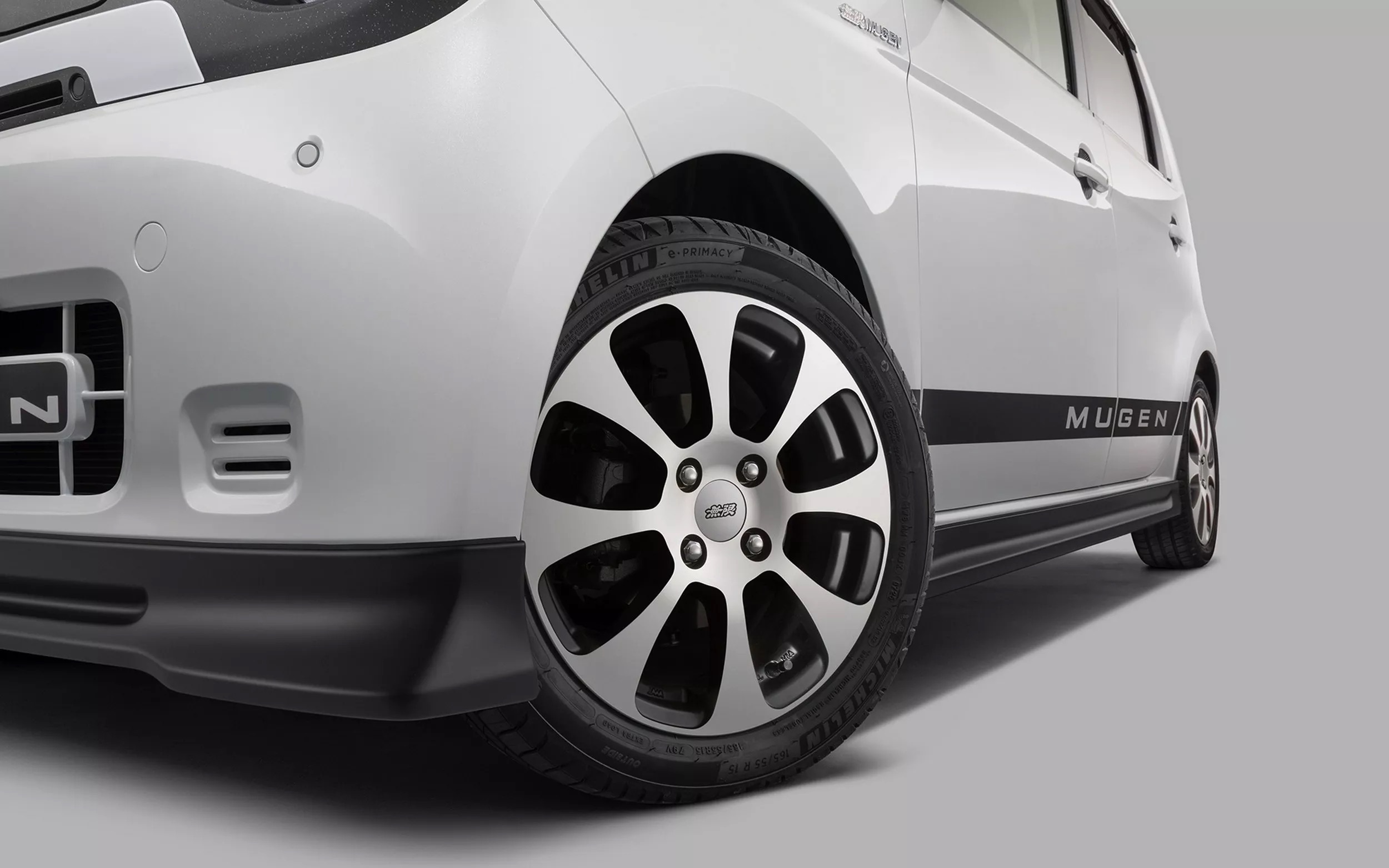
Pakej penambahbaikan Mugen menampilkan splitter hadapan berwarna hitam matte, skirt sisi, diffuser belakang dan spoiler sepadan yang menyerlahkan imej sporty model ini. Rim aloi 15 inci baharu memberikan kedudukan yang lebih tegap, manakala pelekat tersuai Mugen dan lencana penalaan melengkapkan sentuhan eksklusifnya.

Bahagian dalaman turut menerima kemasan istimewa seperti plat ambang pintu berjenama Mugen, tikar lantai tersuai, dan penutup tombol pintu. Elemen praktikal juga tidak dilupakan, termasuk visor tingkap dan salutan cermin kalis air untuk meningkatkan keterlihatan pemandu ketika hujan.

(more…)

Honda’s N-One e:, a fully electric kei car destined for both Japan and Europe, is already known for its distinctive and slightly cheeky styling. Now, Japanese tuning house Mugen has introduced a body kit and accessories designed to inject even more personality into the compact EV.

The exterior enhancements comprise a matte black front splitter, side skirts, and a compact rear diffuser, complemented by a matching rear spoiler. New 15-inch alloy wheels complete the transformation, giving the N-One e: the stance of a miniature hot hatch.

Mugen’s visual upgrades also extend to custom decals bearing its branding, which can be applied to the front bumper, grille, side panels, and rear bumper. A tuning badge positioned on the front fenders ensures its modified credentials are clear.
(more…)

Honda memperingati ulang tahun ke-60 kemenangan pertamanya dalam Formula 1 dengan menghasilkan replika edisi terhad kereta perlumbaan legenda RA272, melalui kerjasama dengan pembuat model mewah terkenal, Amalgam.

Sebanyak 30 unit model berskala besar 1:8 akan dihasilkan, masing-masing berharga sekitar USD 28,995 (anggaran RM135,000). Versi lebih kecil berskala 1:18 pula terhad kepada 300 unit, dengan harga USD 1,735 (sekitar RM8,000). Kedua-duanya direka sebagai barangan koleksi mewah yang penuh perincian, khusus untuk peminat dan pengumpul serius—bukan sekadar model mainan.

Model ini dicipta bagi memperingati kemenangan bersejarah di Grand Prix Mexico 1965, apabila pelumba Richie Ginther memandu RA272 ke garisan penamat, sekali gus mencatat kemenangan pertama Honda dalam Formula 1. Ia juga menjadi kemenangan pertama buat mana-mana kereta, enjin dan pasukan dari Jepun. Lebih mengagumkan, kejayaan ini hadir hanya dua tahun selepas Honda memulakan pengeluaran keretanya.

(more…)

Archive

Follow us on Facebook

Follow us on YouTube