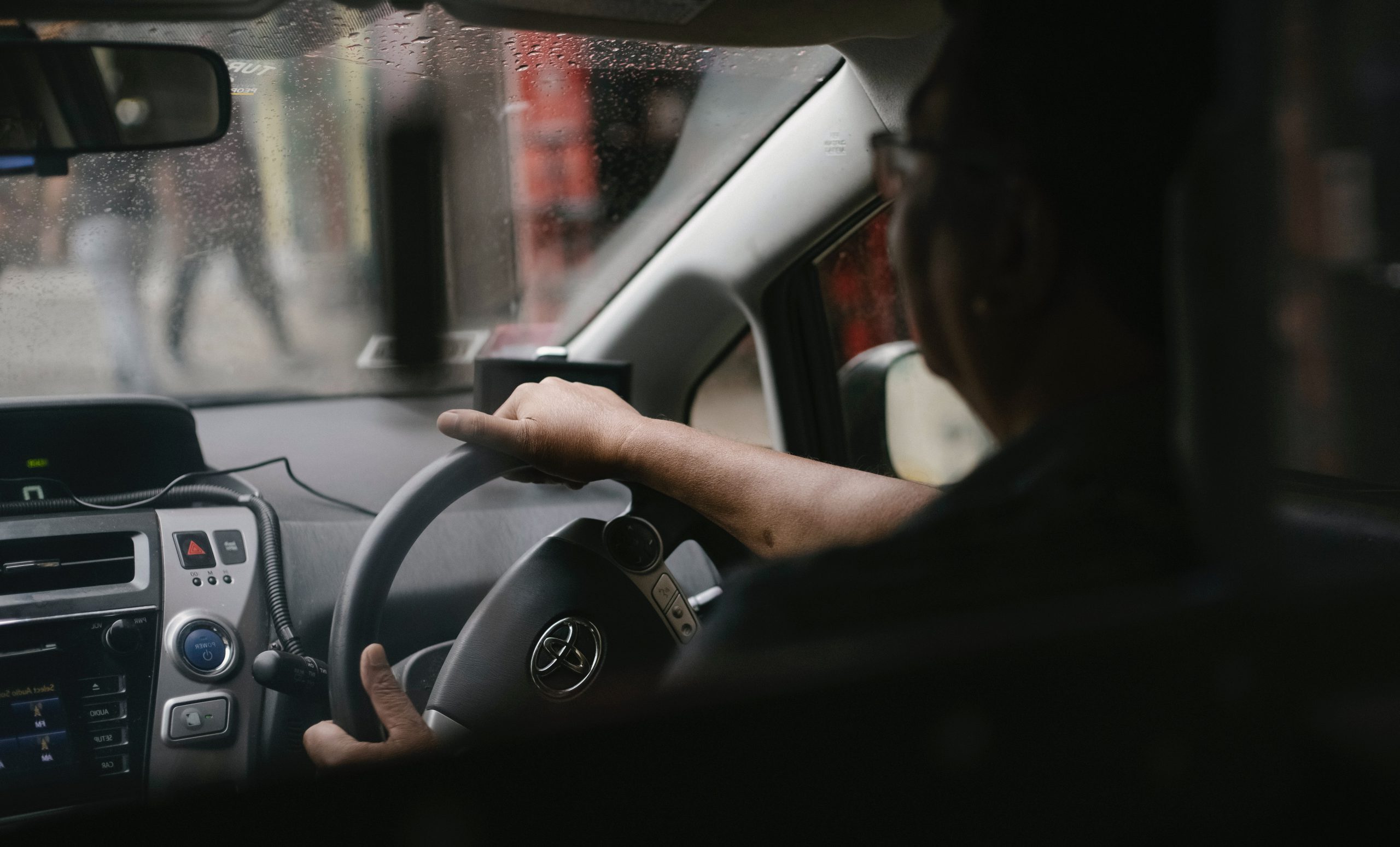
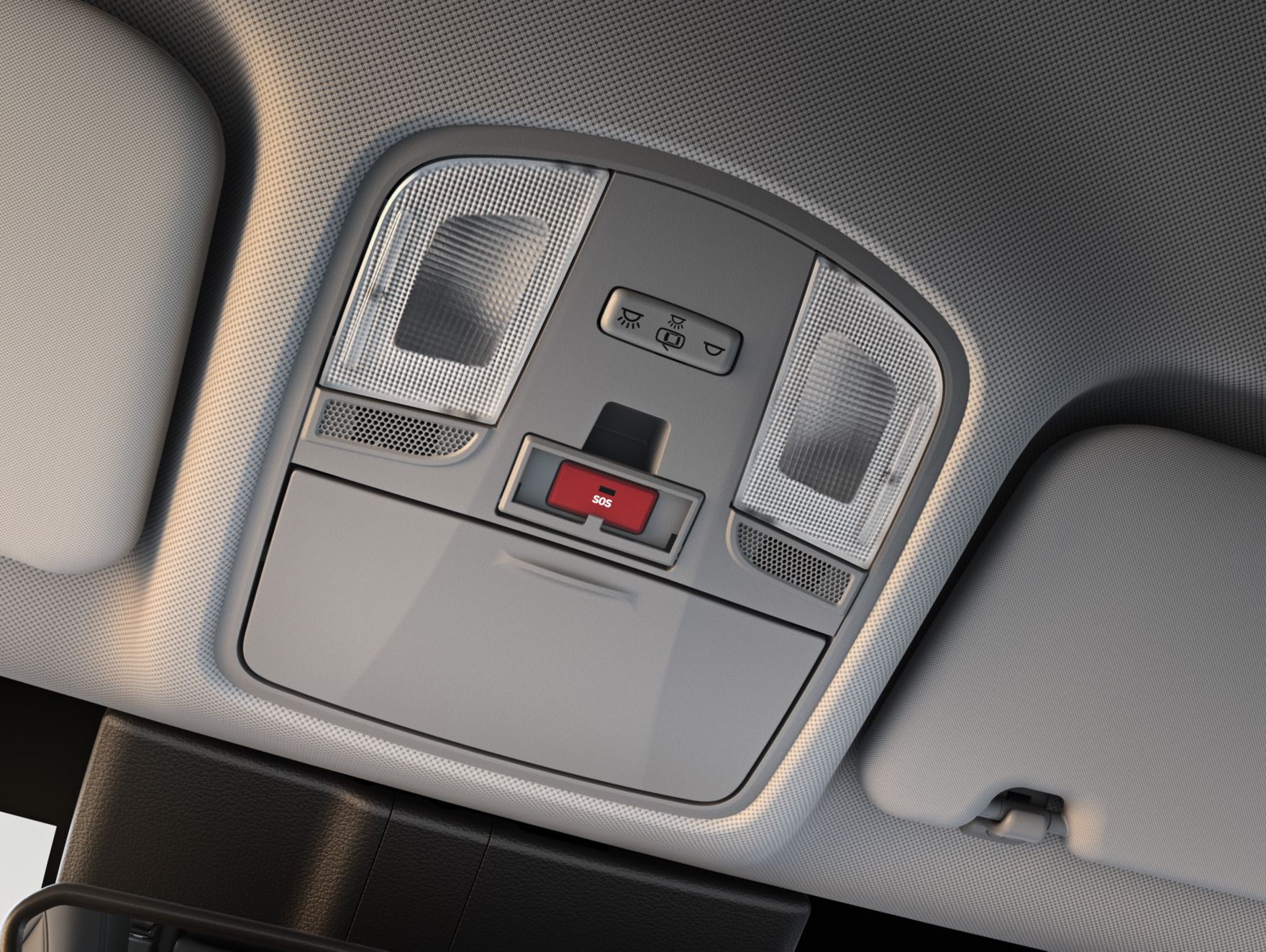
In a recent alarming incident, a woman narrowly escaped an apparent abduction attempt by an e-hailing driver. The victim, an employee en route to an event, recounted her harrowing experience, highlighting significant safety concerns associated with e-hailing services.
The incident occurred last Wednesday, as the employee, Neera, opted for an e-hailing service to reach her destination after taking the Subang Jaya LRT train. As reported by NST, Neera attempted to make a cash payment, but the driver remained unresponsive, leaving her feeling uneasy.
The situation escalated as the driver veered into an obscure route and drove past an empty building. Distressed and sensing danger, Neera called emergency services (999) for help. Despite assistance from customer service officers, the driver maintained silence, heightening Neera’s fear. In a brave act of self-preservation, Neera decided to jump out of the moving vehicle near the empty building, seeking refuge and safety.
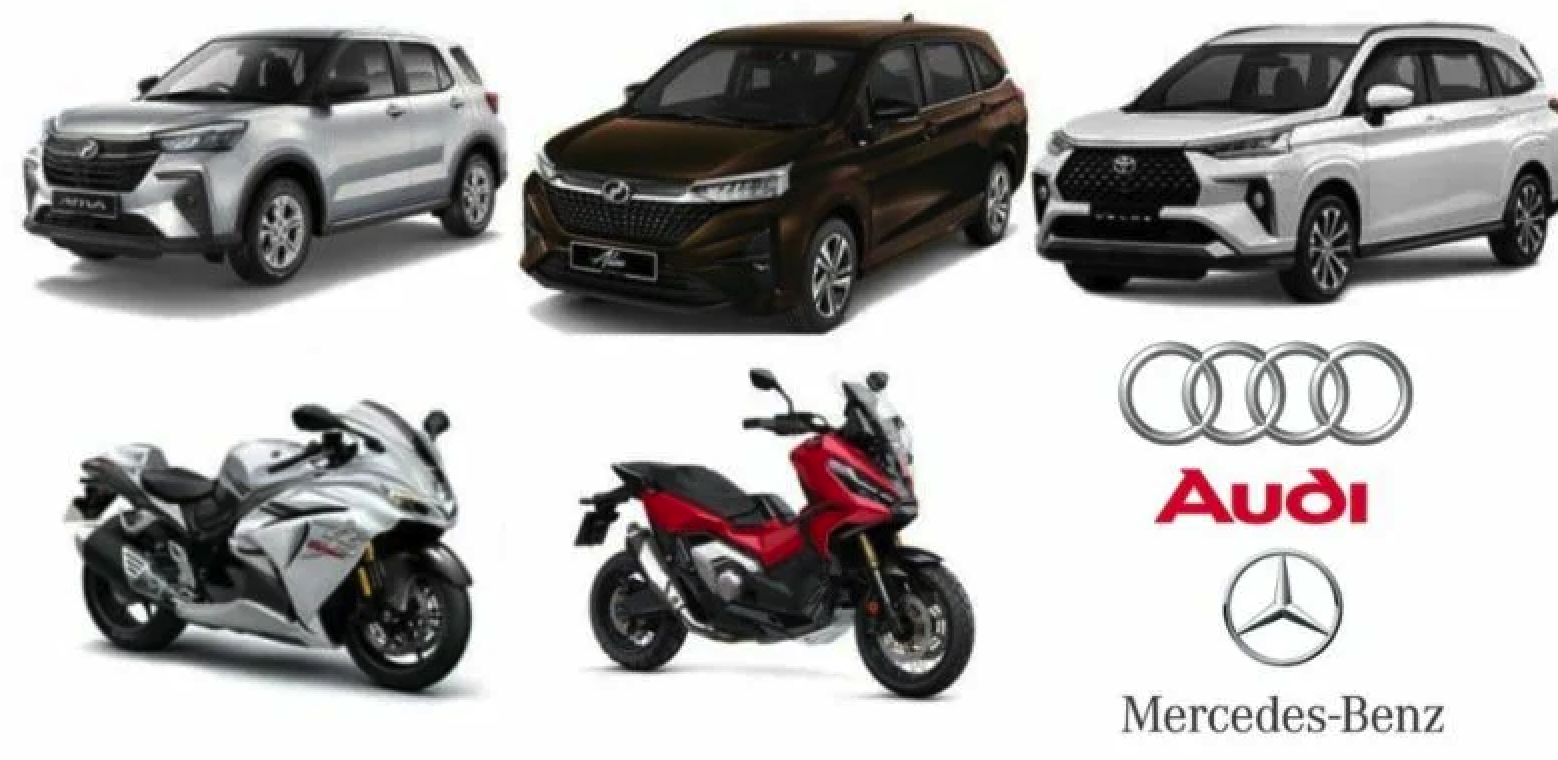
Every year, automakers will undoubtedly issue a recall, better known as a “Product Recall,” due to a safety problem or fault in a product that could increase the risk to users’ safety.
JPJ is pleased to contribute to the success of the “Product Recall” initiative by making announcements on social media and on the JPJ website. This announcement is meant to get people’s attention, especially the owners of the affected vehicles, so they may get in touch with licensed dealers right now.
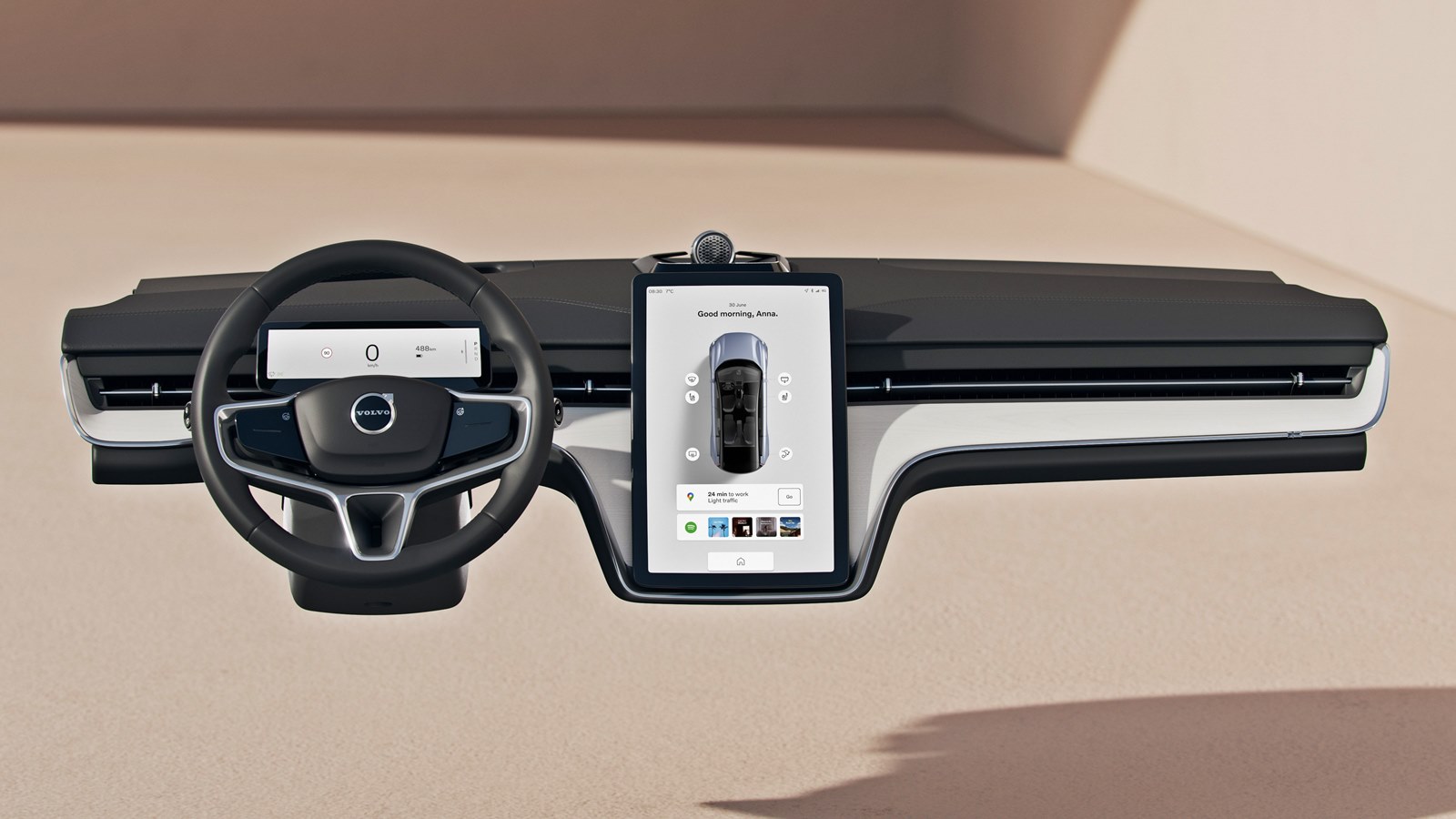
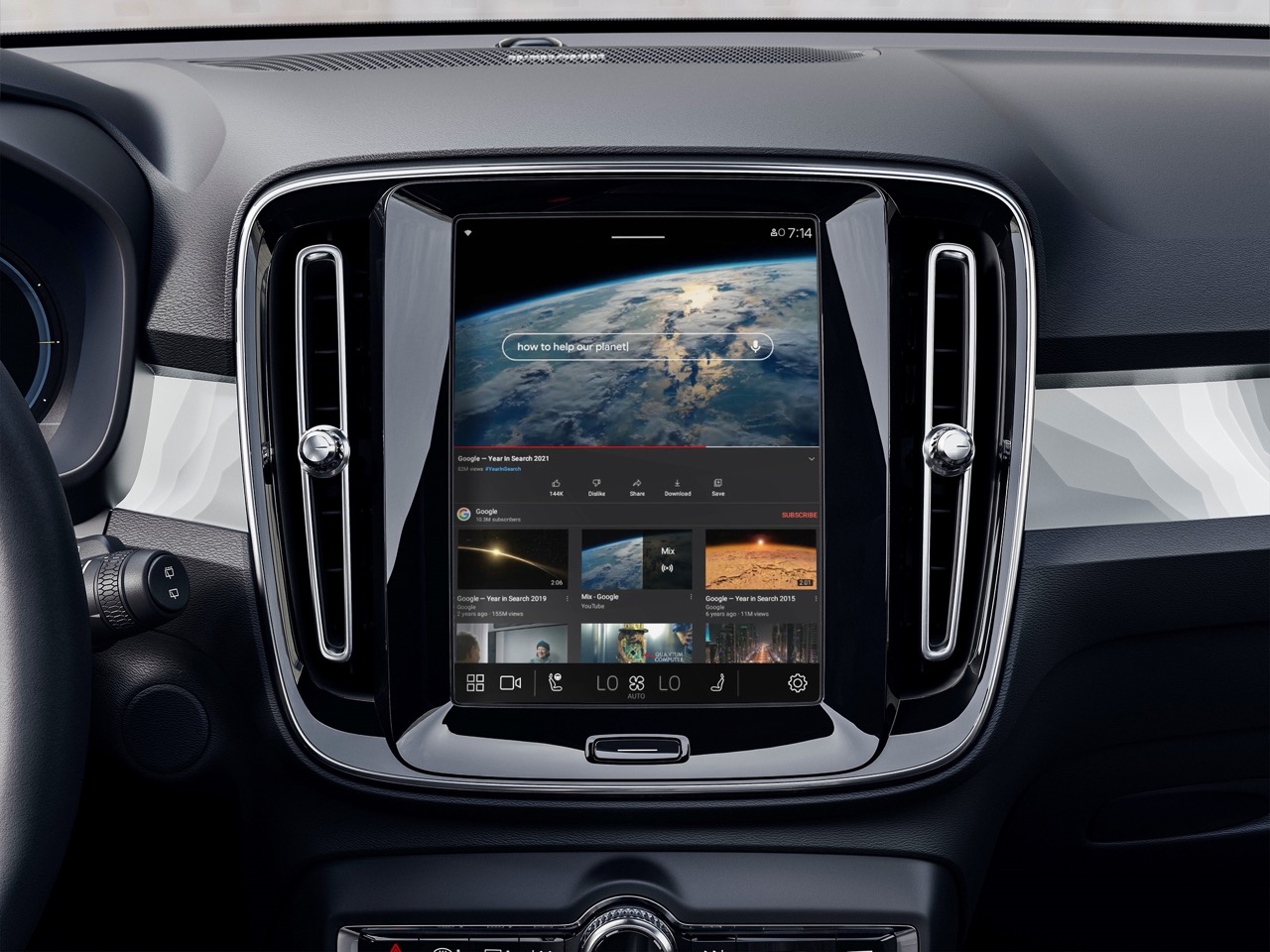
One of the most annoying things to have ever graced modern cars are haptic buttons. In an effort to reduce cost and increase profits, car makers seemingly do not understand that what most people want are easily accessible controls and functions. Buttons are simple and easily accessible but are costly for manufacturers.
Although haptic buttons offer a clean layout and may look visually pleasing to the eyes, it can be on the dangerous side.
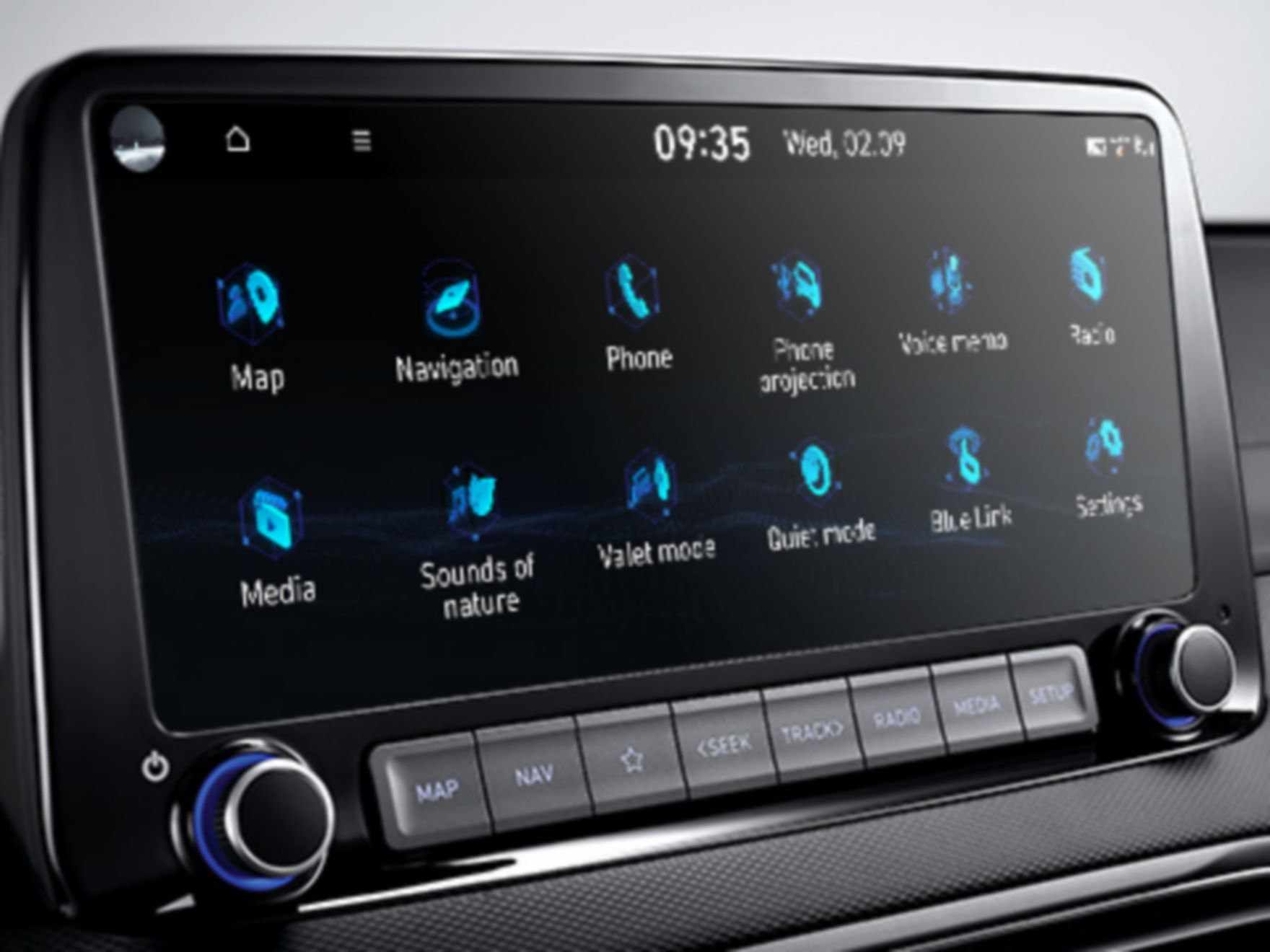
There have been cars released recently that do not have a user friendly interface and requires a two step process or more to change simple things like volume/climate control.
So thank goodness then for Hyundai. When Hyundai designs their cars, besides creating gorgeous cars they keep in mind these safety concerns.
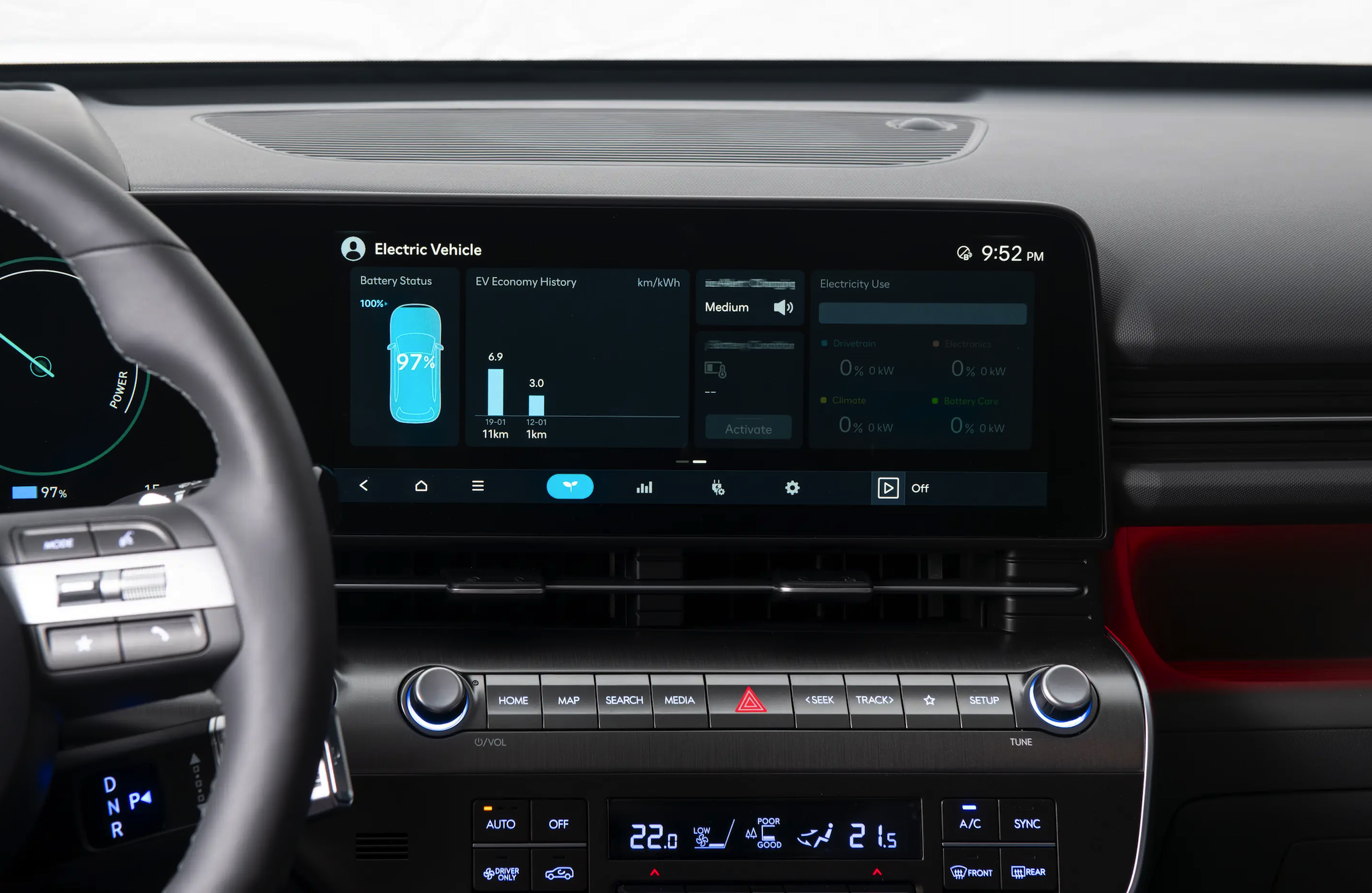
“We have used the physical buttons quite significantly the last few years. For me, the safety-related buttons have to be a hard key,” said Sang Yup Lee, Hyundai’s head of design at the introduction of the new Hyundai Kona.
When you’re driving and it requires you to access menus on a touchscreen, it can be distracting as you have to take your eyes off the road which is why Hyundai had the common sense to keep the buttons and knobs as it is easy to just feel and sense the button that you want.
This is why the Hyundai Kona uses physical buttons and dials for its media controls and HVAC system.
“When it comes to Level 4 autonomous driving, then we’ll have everything soft key,” said Lee. This was him hinting that Hyundai might go heavy on the touch controls when autonomous driving becomes a common thing in the future where drivers would not have to take their eyes off the road.
Carmakers are making the switch to touchscreen control not because they are better but because they are cheaper. It’s slightly more complex when it comes to buttons due to the fact that each button is wired for different usage whereas the touch display is just on one big screen and cheaper to engineer.
With the technology available nowadays, voice recognition/command should be a common feature in all modern cars today to assist drivers with these simple tasks which is one of the features that the Kona has.
It allows you to activate and control features like climate settings, infotainment controls and side mirror heating as well as steering wheel heating via voice command.
We look forward to the return of buttons but know that is a long shot.
How much is the life of your child worth? Every parent will answer ‘priceless’, of course. Every effort will be made to ensure that this priceless human will be well protected from any kind of harm. And when it comes to travelling in a motor vehicle, that means providing the best protection in the event of an accident.
For small children, specially designed childseats to suit their smaller size have been in use since the early 1960s. Evolving from the designs by Jean Ames and Leonard Rivkin in 1962, childseats have offered better protection and comfort with the use of new materials and structures. Today, there is a wide variety of childseats and international standards to ensure they provide sufficient protection.
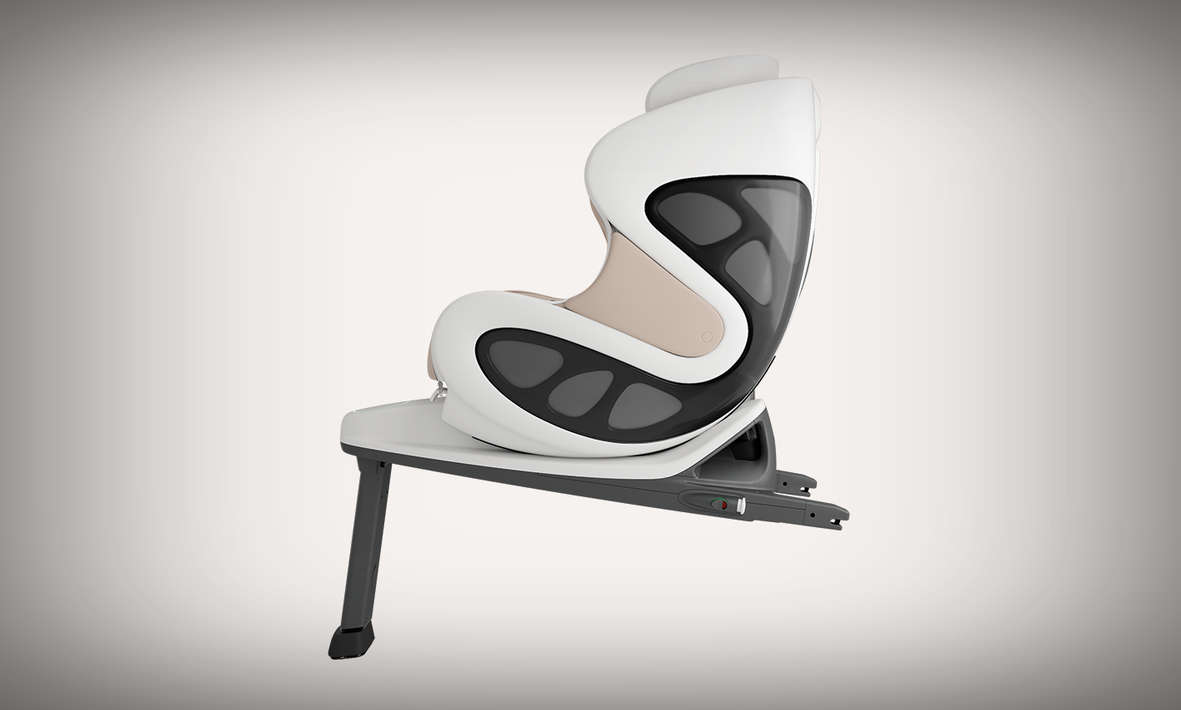
For parents who want to give their child the very best protection, babyark, an innovative child safety tech company, has introduced a new childseat for babies (and up to 6 years old) that is very advanced. It is designed and engineered to meet the highest standards of safety using unique impact-absorbing technology, advanced materials including carbonfibres and a comprehensive connected sensor system.
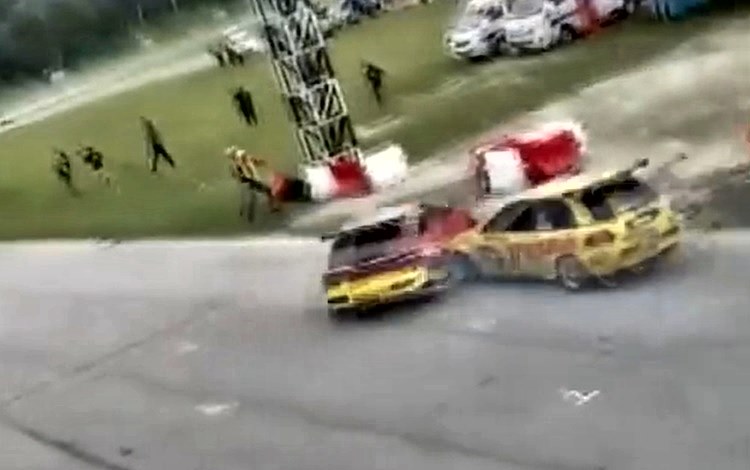
Saturday was the last day of 2022 but a tragedy would mark the end of the year at the CCT Battle of Champions race. A spectator was killed when a car went off the track and hit him at the Dato’ Sagor Circuit in Kampung Gajah, Pasir Salak, Perak.
Footage of the incident which circulated on social media showed two cars racing closely with each other and coming into contact. One car got diverted off the track and headed towards a group of people who were standing in an open area just next to the track, and one was injured fatally.
Today’s driver assistance systems help the driver to be aware of dangerous situations as well as act autonomously to prevent accidents. These active safety systems use advanced and sophisticated sensor technology with radar and cameras scanning ahead and around the vehicle all the time.
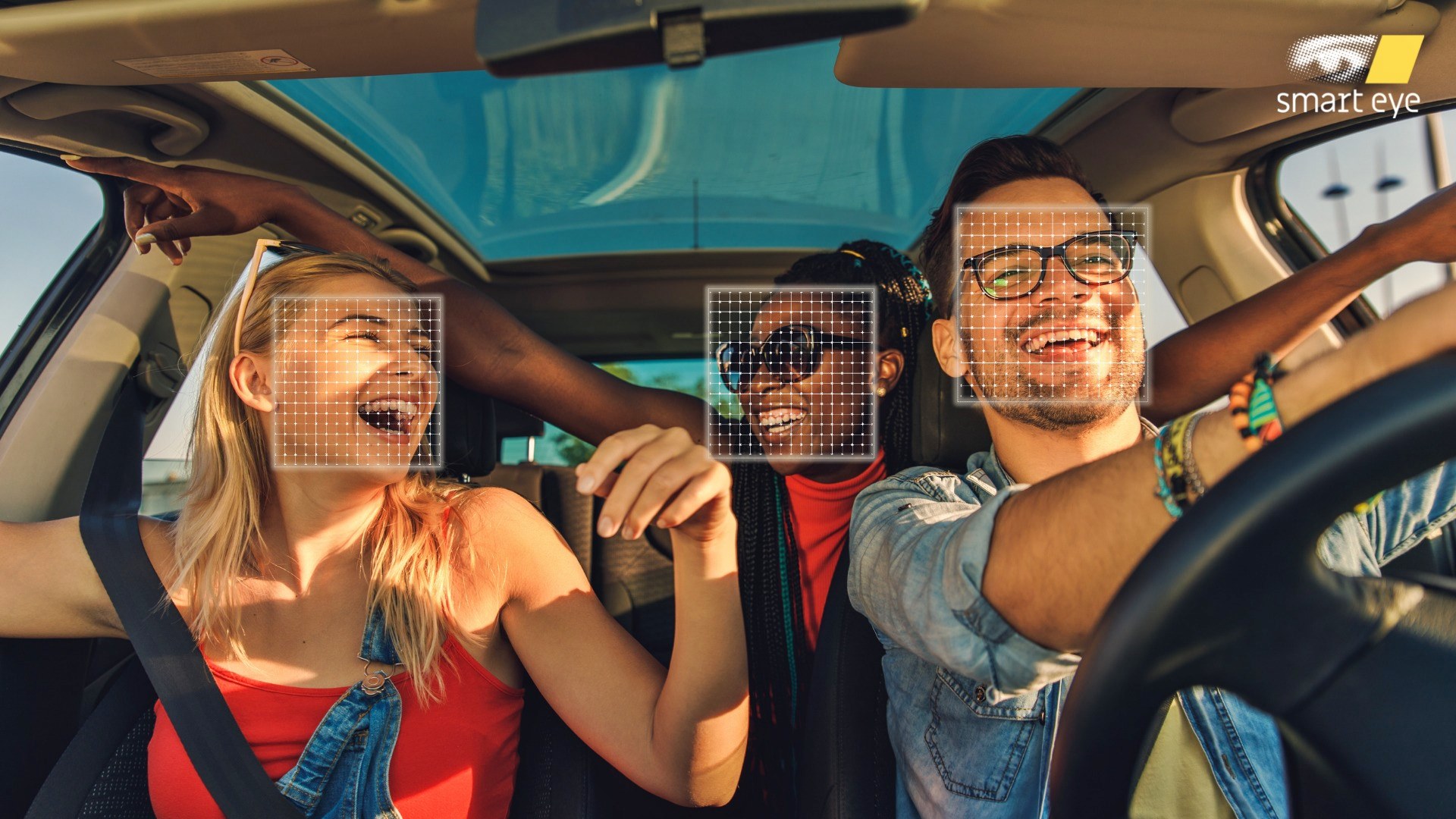
But as the saying goes, it’s not speed that kills but rather the person behind the wheel. And the next step in driver assistance systems is to look inwards at the driver. Polestar is one of the companies that will be offering a driver monitoring technology by Smart Eye as standard in its Polestar 3 SUV.
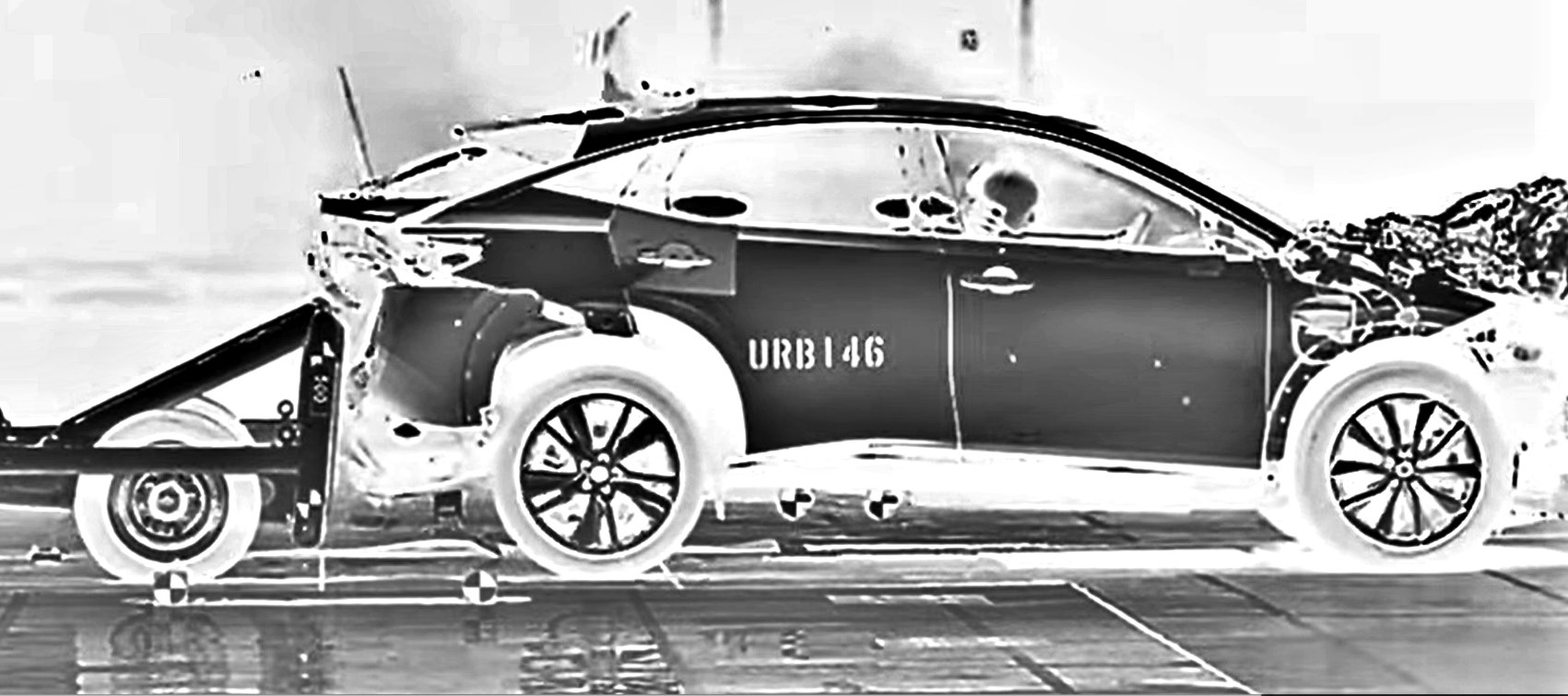
Crash tests have long been an important part of vehicle development. Apart from regulatory requirements which have become more stringent over the years, the carmakers themselves have also been improving the protection occupants are provided with as new technologies have become available.
Now, with the increasing number of electric vehicles (EVs), the manufacturers have also to take into consideration the presence of a high-voltage battery pack and many electrical systems. These too must be protected from damage in an accident.
Being kept informed and aware are very important elements when driving. In earlier years, the driver only had a few instruments to monitor and to make things easier, warning lights were used so they would only give an alert when something went wrong. Then with electronics and miniaturization increasing from the 1980s, more meters could be inserted on the instrument panel to monitor more areas.
However, many meters were still physical and the number that could be installed was limited. Some even went onto spaces on the dashboard so the driver had to look at two areas. Slowly, the amount of information grew, and there was also more emphasis on being aware of what was going on outside for safety. So the driver began to have a lot of information to view, absorb and process and unlike computers that kept increasing their processing power.
This led Volvo to develop IDIS – Intelligent Driver Information System – an approach which was introduced in the S40 in 2003. IDIS was to prevent information ‘overload’ so the driver would not be distracted while driving but still be alerted if there was something important relating to the car’s operation. The system worked by prioritizing the information and services in the car, depending on the current driving situation. If necessary, the system would delay information during times when the driver was in a situation of higher ‘workload’. However, information vital to safety was never delayed and even the delays were maximum 5 seconds.
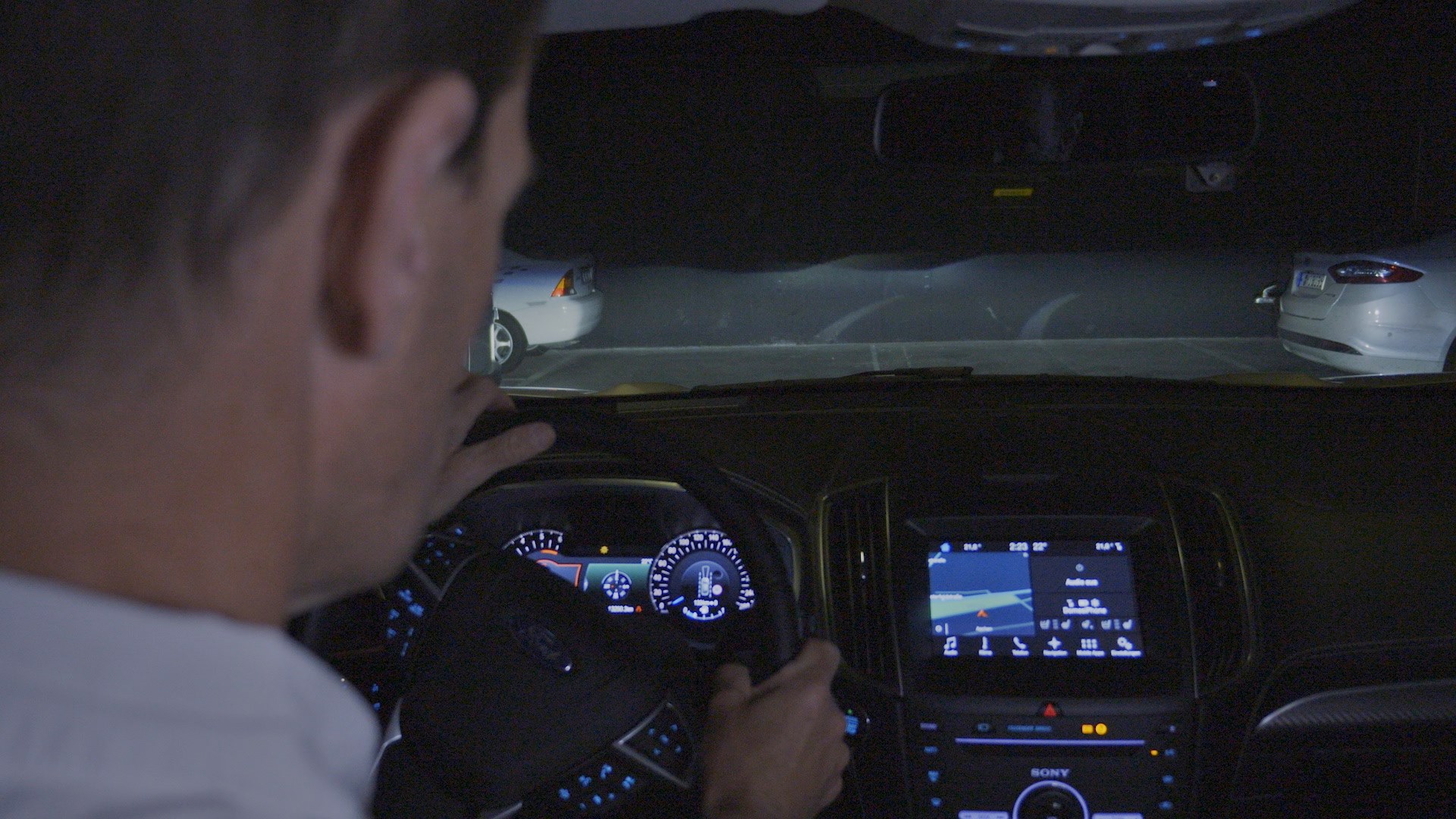
Ford has always urged drivers to keep ‘eyes forward and hands on the wheel’. It’s obvious that maintaining attention on the road ahead is important to immediately spot any danger. At the same time, both hands should be on the steering wheel to always be able to take avoiding action in an emergency. That’s why using a mobilephone when driving is dangerous and in many countries, an offence.
Over the years, various technologies have been introduced to help drivers stay focussed ahead. Head-up Displays (HUDs) are one of them, the technology having been taken from fighter aircraft. By projecting important information on the windscreen, the driver can be informed while still looking ahead.
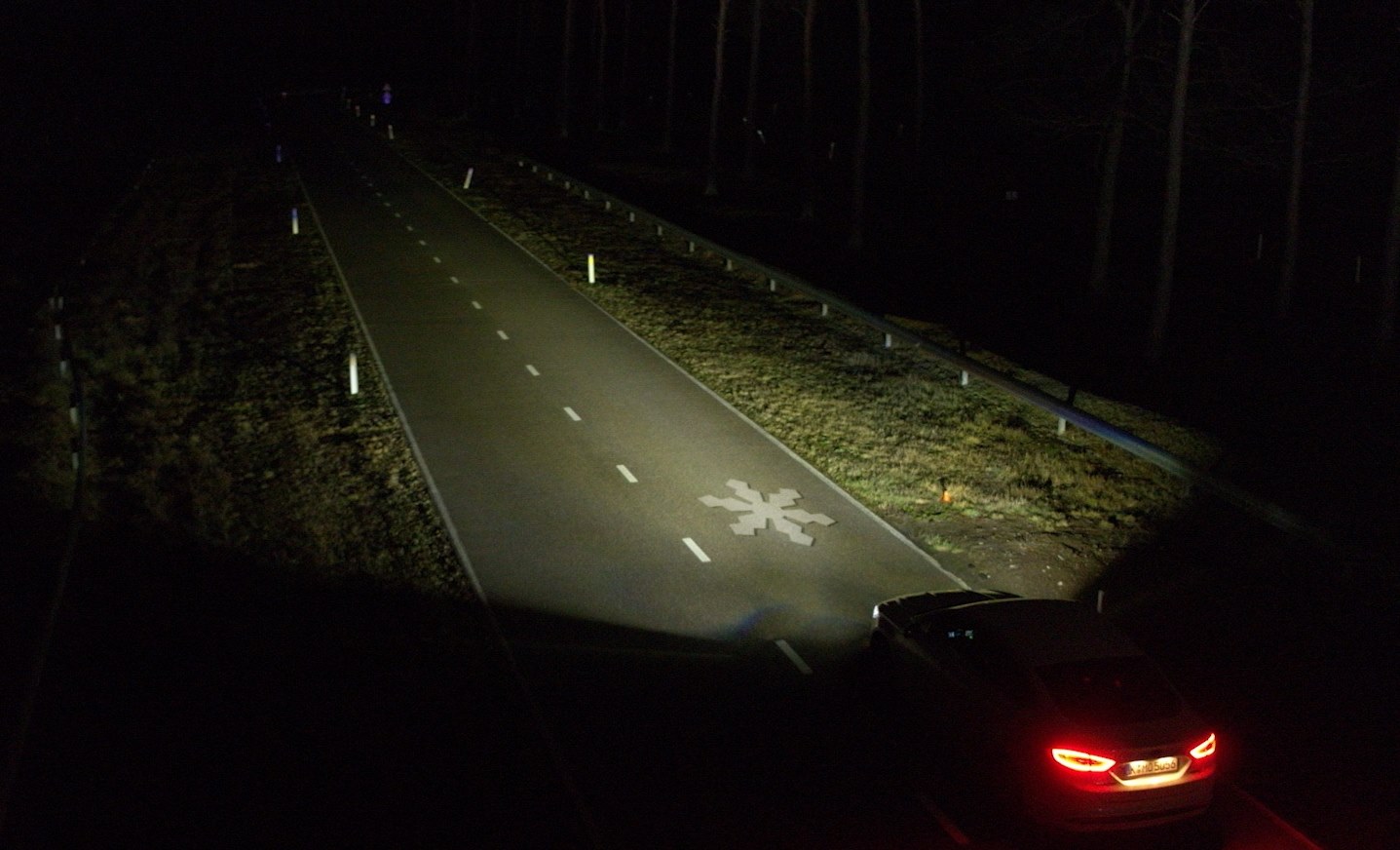
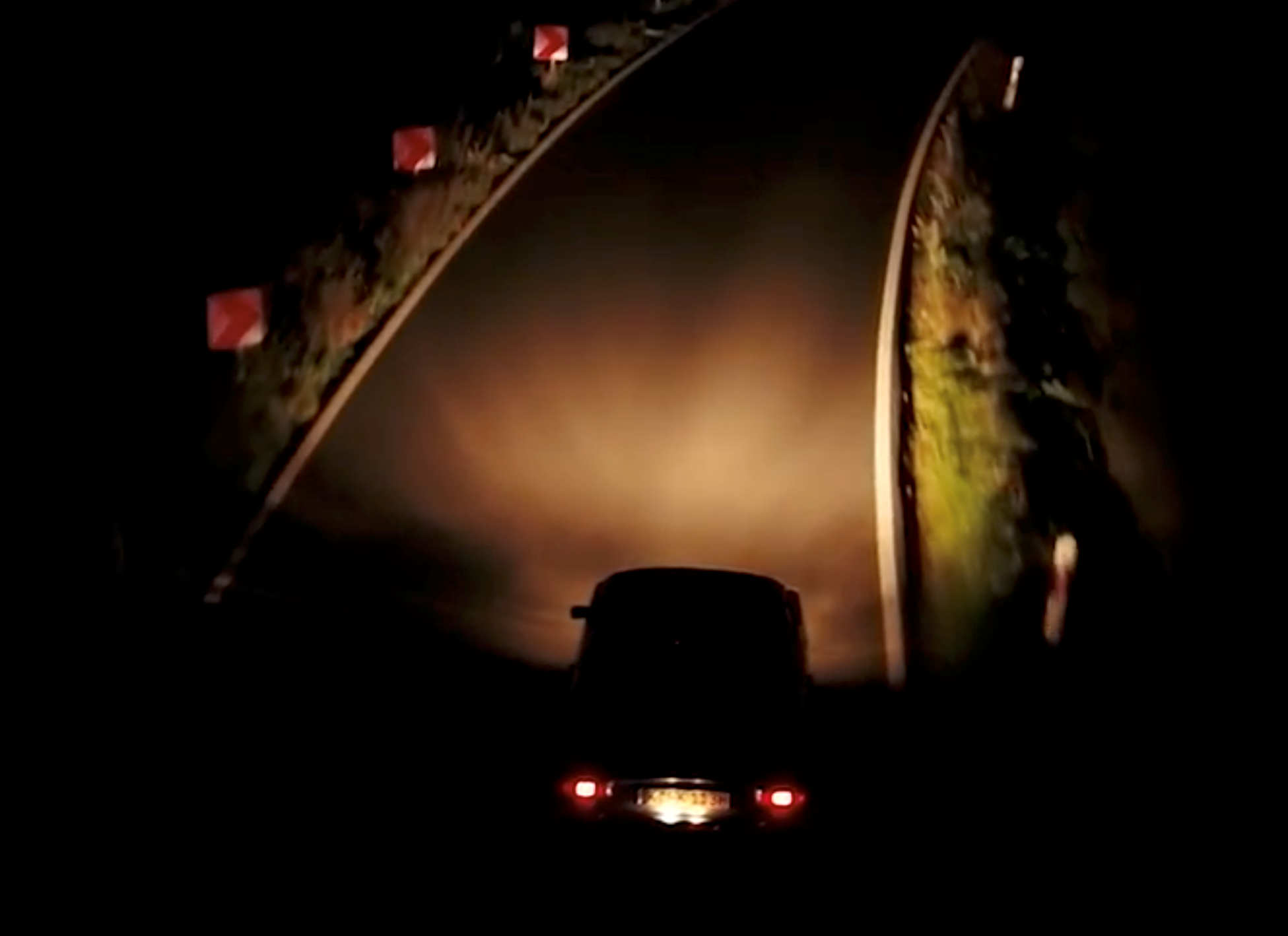
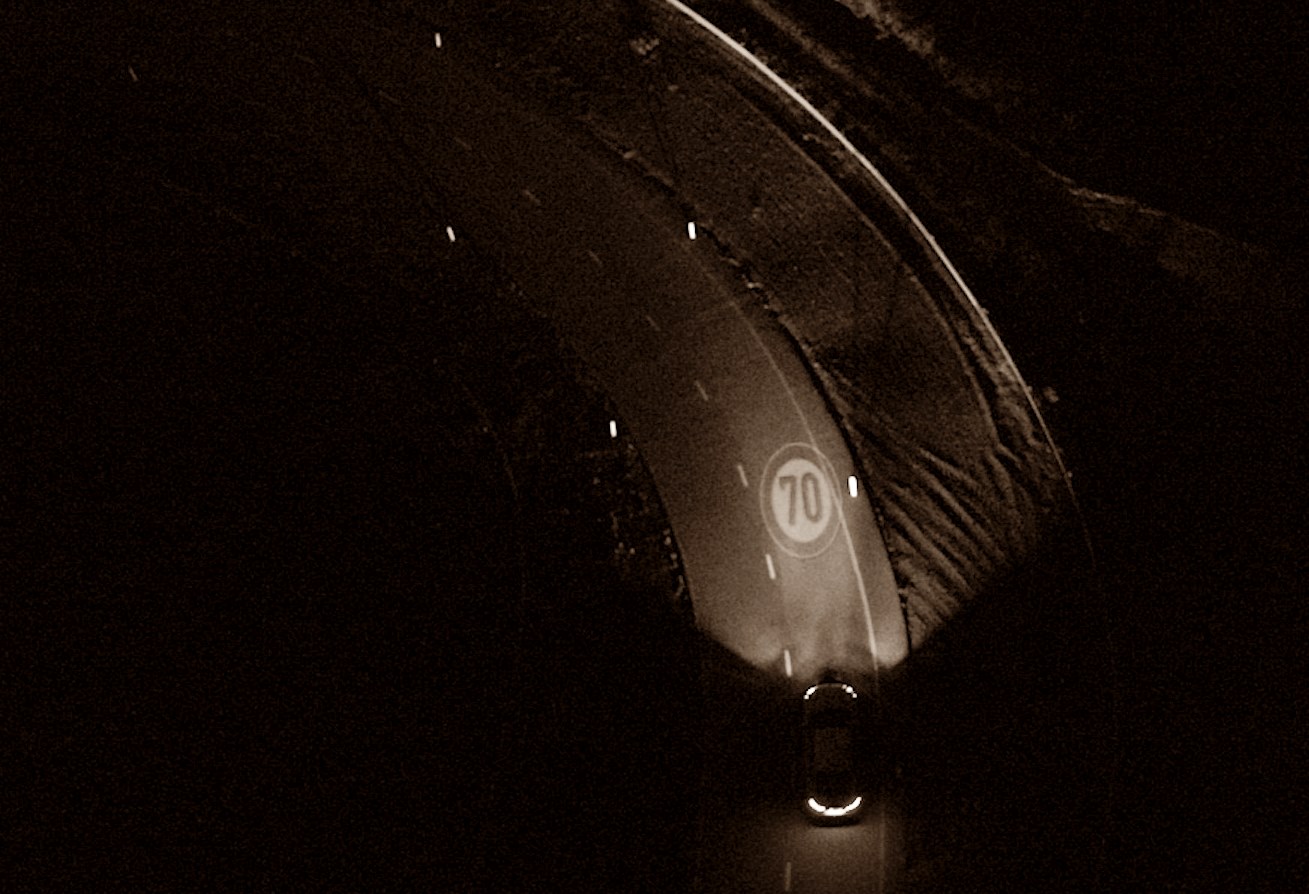
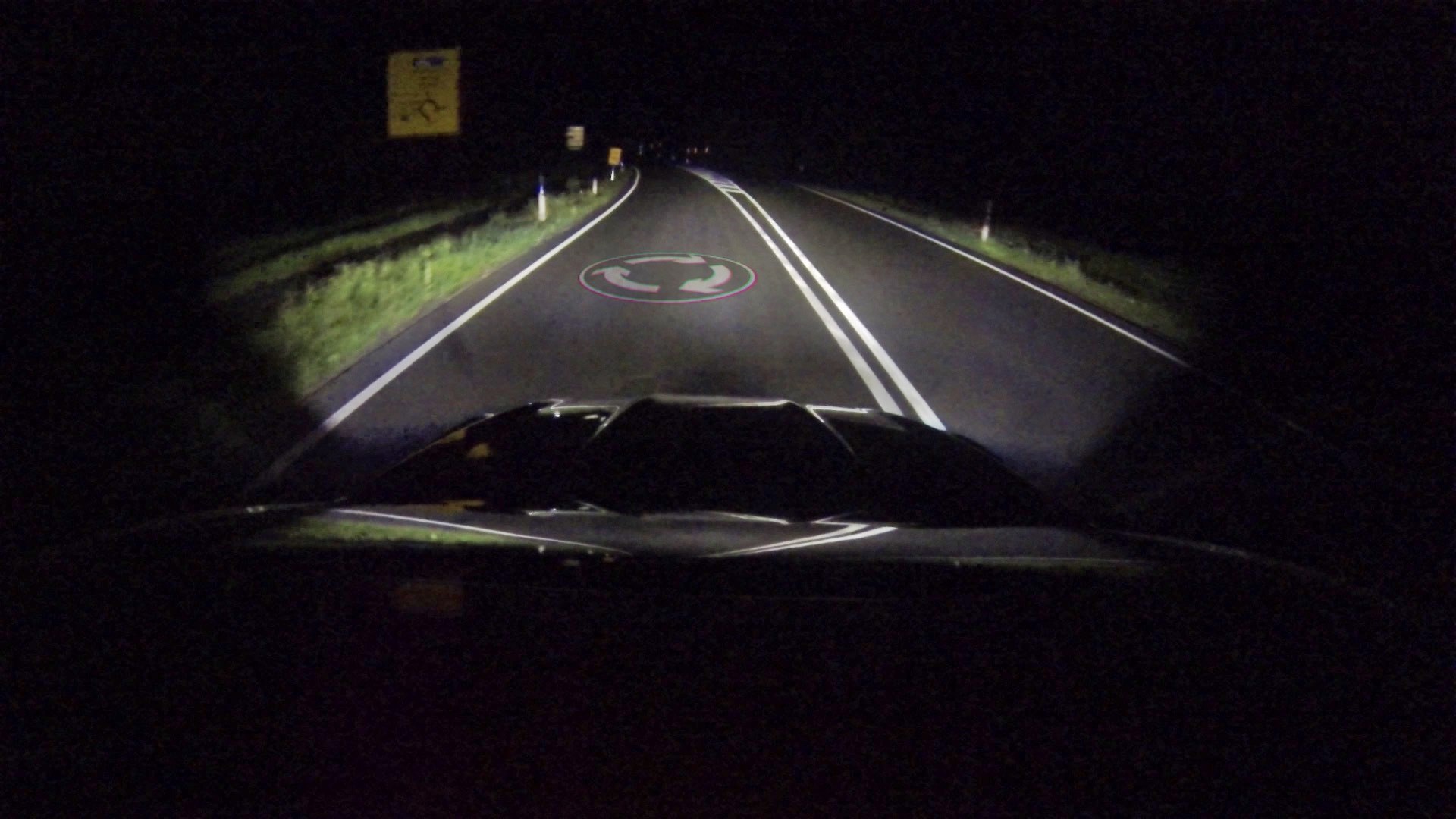
Now Ford researchers have developed a new headlight technology that could help ensure those behind the wheel literally keep their eyes on the road. The new technology can project directions, speed limits or weather information onto the road so the driver keeps looking ahead.
The technology is intended for use at night, of course, as that is when driving can be riskier. Statistics in the UK show that 40% of collisions happen during the hours of darkness, even though there are far fewer people driving than in the daytime.
This risk is increased whenever a driver takes their eyes off the road. A vehicle travelling at 90 km/h covers 25 metres per second, meaning even a short glance at the navigation screen on the dashboard can result in ‘driving blind’ for 10 metres or more. On an unlit road, this could potentially mean missing an important sign or a bend in the road.
Ford’s researchers have therefore come up with a system that projects important information onto the road using high-resolution headlights. The technology could even provide the driver with information about changes in weather, such as rain falling, fog, slippery conditions, or a slippery road ahead.
Connecting the headlight to the navigation system could display upcoming turns, while the width of the vehicle could be projected onto the road, helping the driver to judge whether the vehicle will fit through a gap or into a parking space.
The technology could benefit other road users too. For example, a pedestrian crossing could be projected onto the road, both for the view of the driver and the pedestrian, in situations where the existing road markings are faded or unclear. Other possibilities include showing a path for the driver to follow to ensure cyclists are passed at a safe distance.
“What started as playing around with a projector light and a blank wall could take lighting technologies to a whole new level. There’s the potential now to do so much more than simply illuminate the road ahead, to help reduce the stress involved in driving at night. The driver could get essential information without ever needing to take their eyes off the road,” said Lars Junker, Features and Software, Advanced Driver Assistance Systems, Ford of Europe.
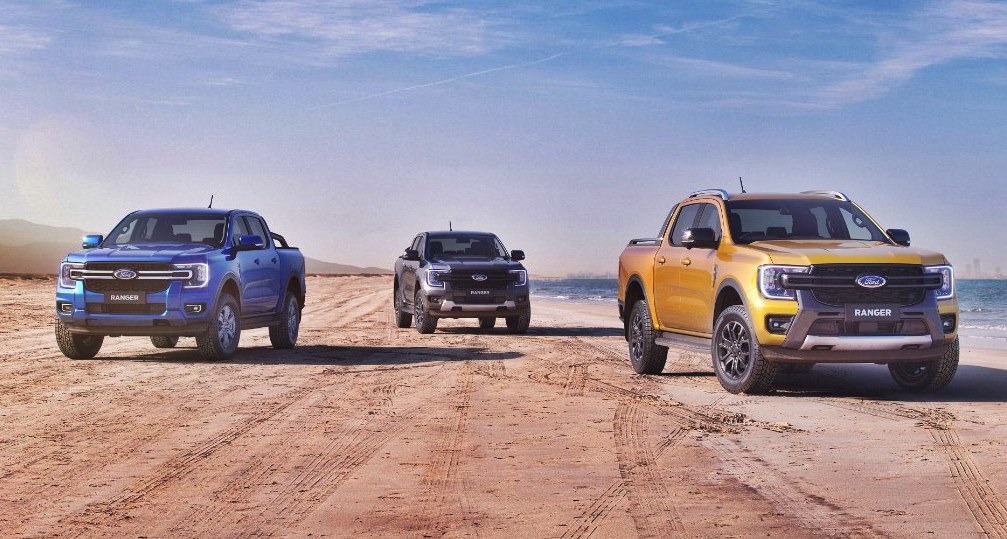
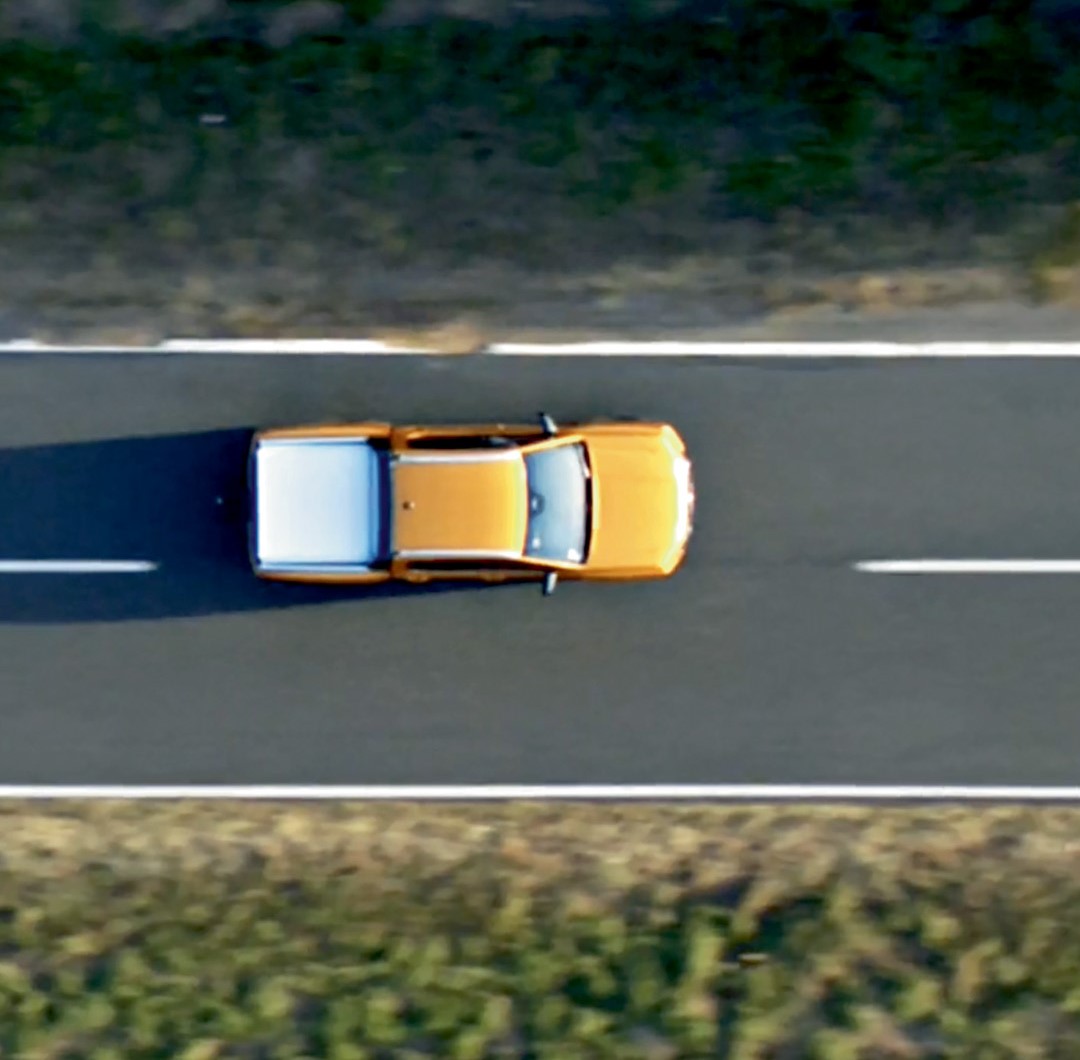
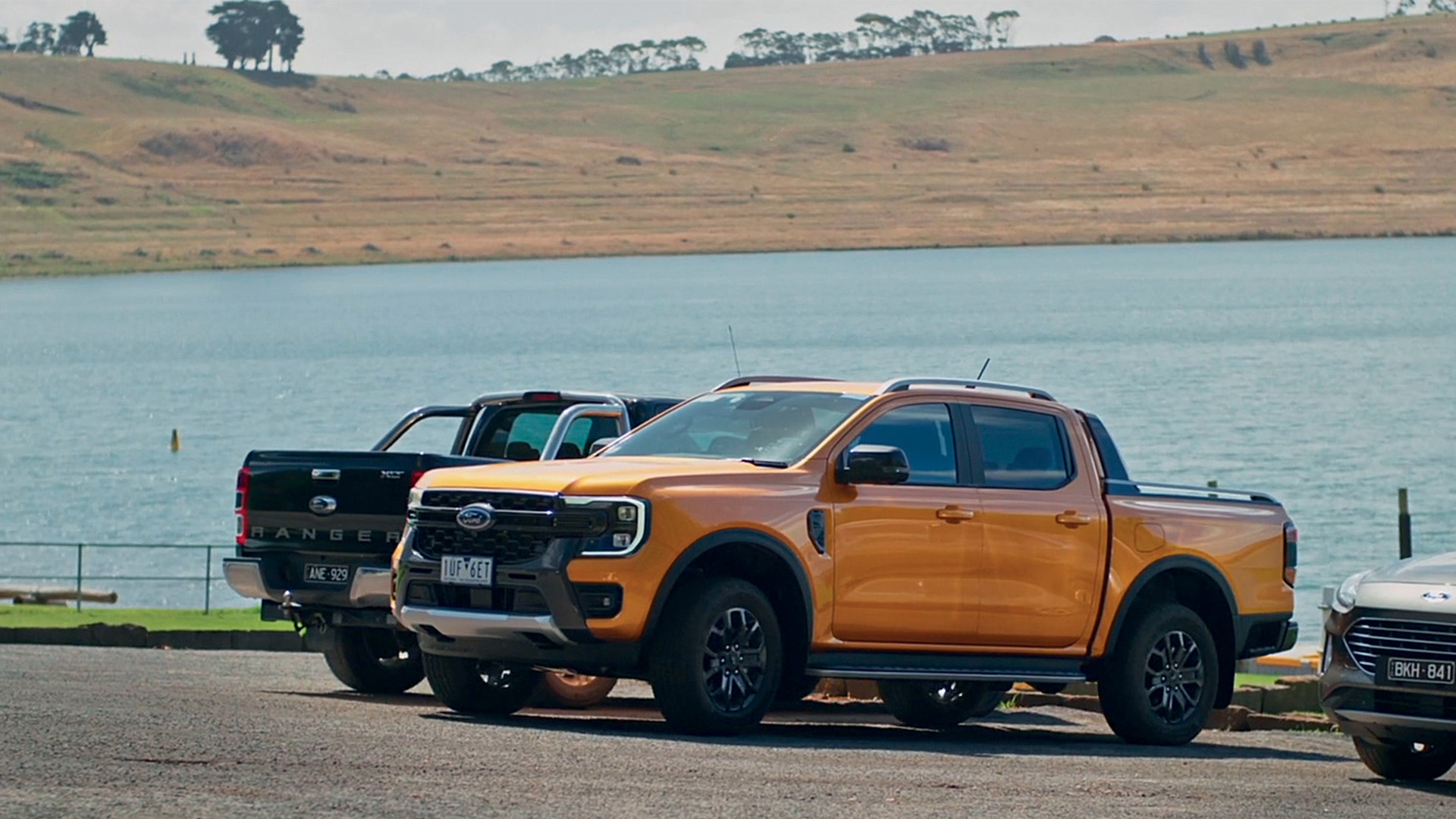
To Ford, the lives of the occupants of a pick-up truck like the Ranger are no less valuable than those in a passenger car, and require the maximum level of protection that can be provided. For this reason, the next-gen Ford Ranger pick-up truck comes with some of the latest in crash protection features and driver assistance technologies.
Passive Safety systems and features include the tough vehicle structure, SRS airbags, and 3-point seatbelts while Active Safety systems include driver assistance technologies (XLT Plus and Wildtrak) to alert the driver and help him avoid accidents.
During the development phase, numerous computer-aided engineering (CAE) models were built to test various accident scenarios. These included full-frontal, frontal offset, pole test, rear offset crash tests, pedestrian impacts, roof crush tests, and more. Additionally, the team conducted hundreds of physical tests to ensure vehicle safety performance was met and to validate the CAE modelling.
As safety technology keeps advancing all the time, this new generation of the Ranger gets some of the latest systems that make motoring even safer. Here are some of the new safety technologies:
Post-Collision Braking [Available on Ranger WildTrak/XLT Plus] In the immediate moments following a collision, the vehicle may be headed in an unpredictable direction. It could hit another object – a lamp post or another vehicle. To reduce this risk, the next-gen Ranger has Ford’s post-collision braking system which automatically applies the brakes after a collision. The system automatically engages with moderate brake pressure when an initial collision has occurred, so the vehicle will come to a standstill and avoid a secondary collision.
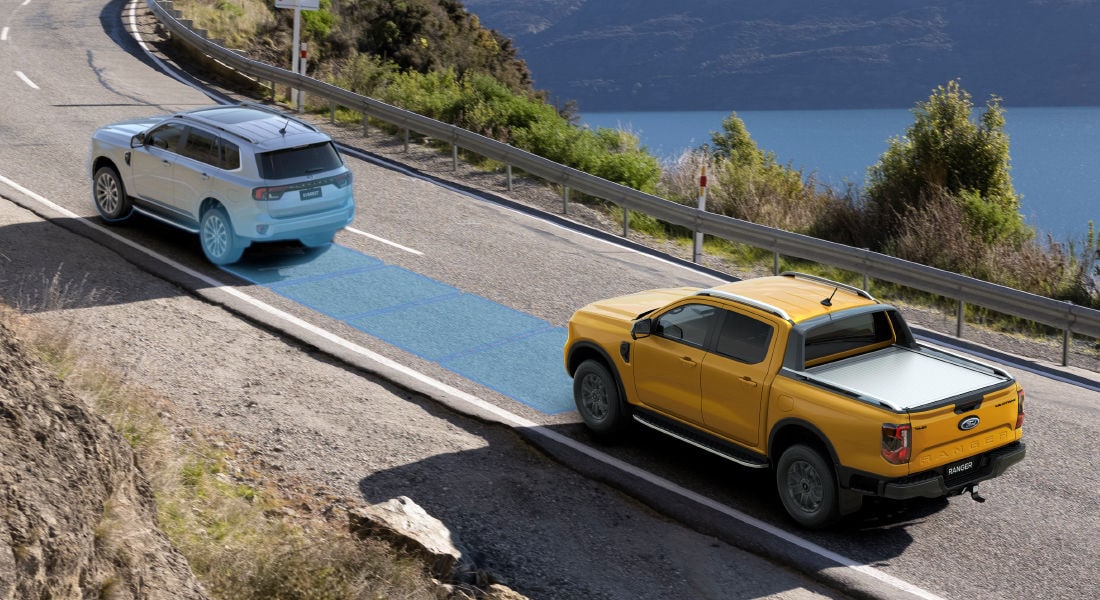
Pre-Collision Assist [Available on Ranger WildTrak/XLT Plus] Pre-collision Assist uses both the new, wide-view windscreen-mounted camera and radar located near the front bumper to scan the road ahead to detect a potential collision with another vehicle, pedestrian, or cyclist directly in front of the vehicle. If an imminent collision is detected, the system emits an audible and visual warning. If the driver’s response is not sufficient, the Automatic Emergency Braking (AEB) system will activate automatically.
The AEB system has been enhanced with cyclist and pedestrian detection capability as well as the ability to provide AEB support at an intersection in some instances, thanks to the addition of the new, wider camera coverage. Whenever a possible collision is detected and the fails to take corrective action, the vehicle will apply the brakes automatically.
Before the AEB activates, the driver will get a Forward Collision Warning, an audible tone which will be very evident because the audio system (if on) will be muted. If the driver does not respond correctly, ie slow down or brake, then AEB will activate.
Evasive Steer Assist [Available on Ranger WildTrak] A segment-first feature in the next-gen Ranger is Evasive Steer Assist which also helps prevent potential collisions. In the event a vehicle in front is too slow or has stopped, the Ranger driver can get additional assistance in the steering to steer around the hazard. This will be valuable when braking alone cannot fully avoid the collision. The advanced system is designed to operate at both urban and highway speeds and employs the same camera and radar used with the Pre-collision Assist feature.
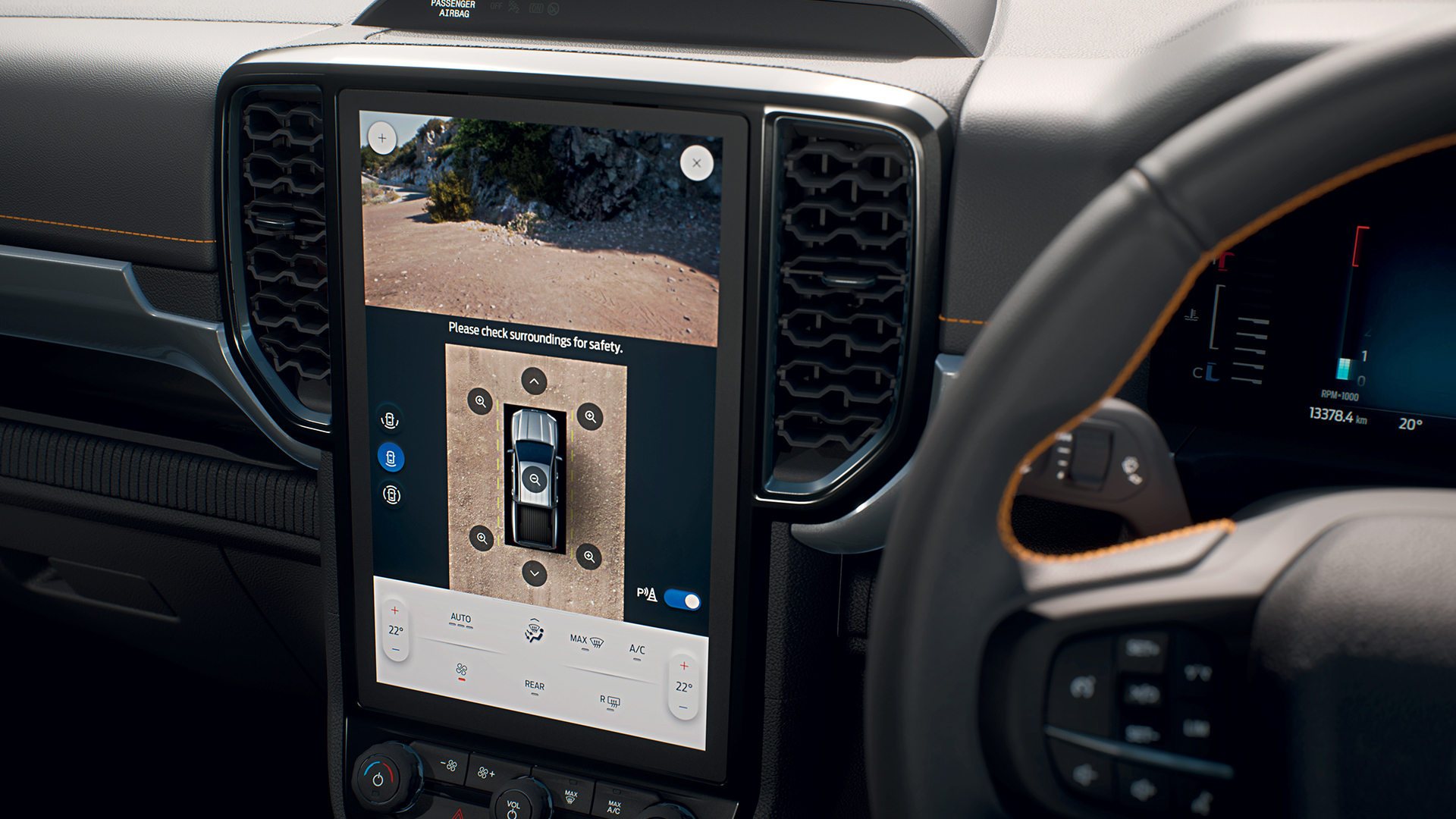
Reverse Brake Assist [Standard on Ranger WildTrak] Reverse Brake Assist helps the driver to avoid or mitigate potential collisions while reversing. The system may detect moving vehicles or stationary pedestrians and objects behind the Ranger. While some other systems may only alert the driver, the system in the next-gen Ranger will automatically apply the brakes to briefly stop the vehicle, should the driver not react in time.
Cross Traffic Alert [Available on Ranger WildTrak] Tricky reversing situations are a little less stressful with the next-gen Ford Ranger’s Cross Traffic Alert system. When the driver shifts into Reverse, the system is active, and will alert the driver of a vehicle approaching from the sides, when reversing out of a driveway onto a street, or even from a busy supermarket parking spot.
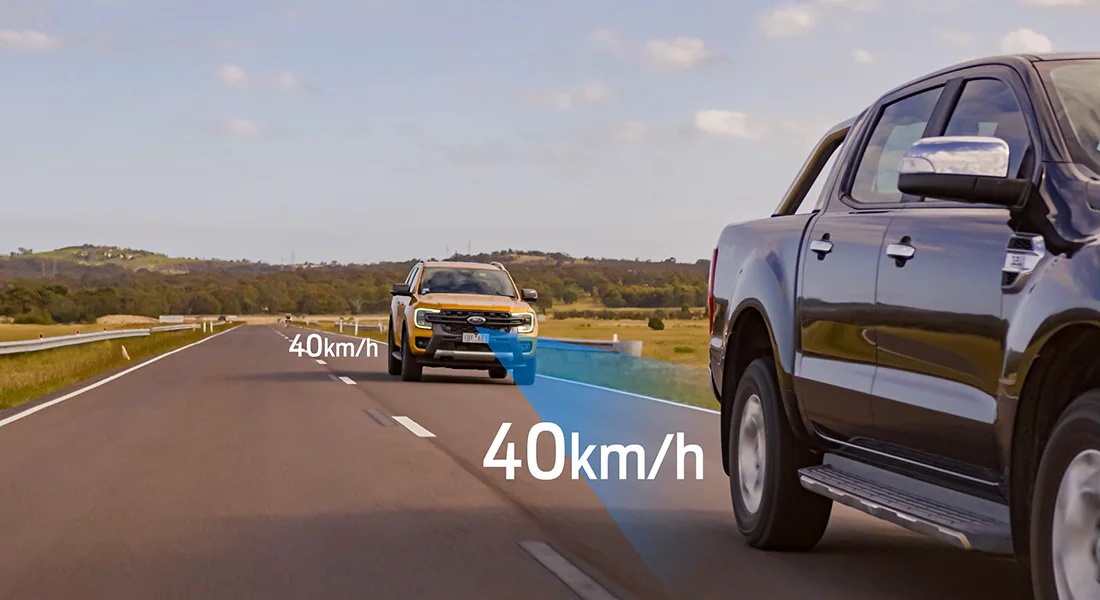
Adaptive Cruise Control with Stop-and-Go [Available on Ranger WildTrak] Adaptive cruise control with stop-and-go is more advanced than just cruise control. It is an intelligent feature that maintains a safe gap with a vehicle ahead whatever the cruising speed is set at. This is done by scanning the road ahead with the camera and radar and if there is a vehicle, the speed will be adjusted.
The system in the next-gen Ranger is even more advanced that many Adaptive Cruise Control systems as it operates down to standstill. With other systems, the cruise control will deactivate below a certain speed. The Ford system can slow the vehicle right down to standstill when necessary, and then resume forward movement when the vehicle ahead moves on.
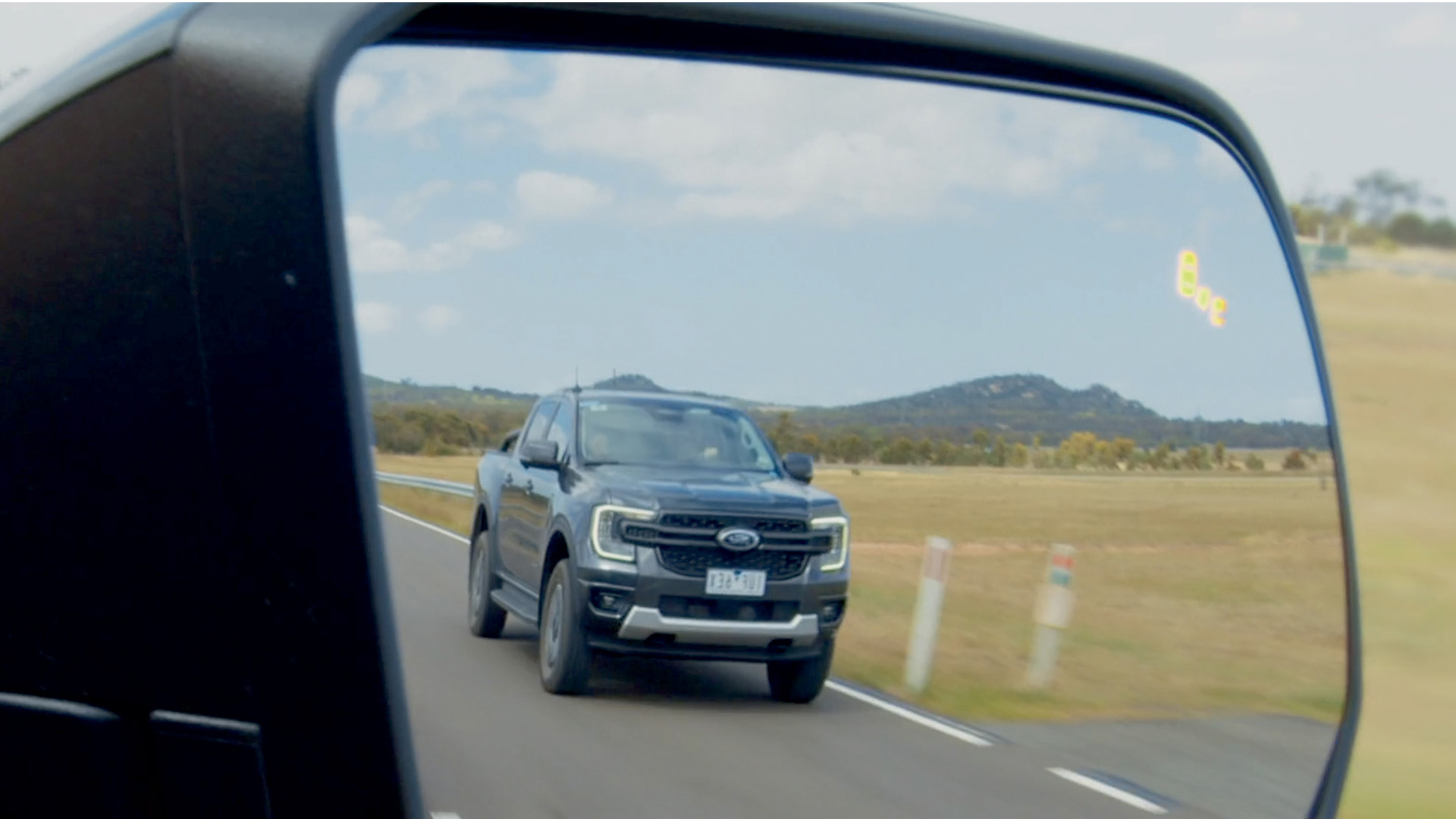
BLIS Available in many passenger cars today, this system is like having another ‘set of eyes’ when performing a lane change or joining a highway. If a faster-moving vehicle enters the Ranger’s blind spot zone, BLIS will alert the driver via a small light on the side mirror (left or right), so they know not to change lanes.
Next-Gen Ranger In East Malaysia After journeying around Peninsular Malaysia on a series of previews before it has its official showroom launch, the next-gen Ranger will cross the South China Sea to East Malaysia.
Sime Darby Auto ConneXion (SDAC) will hold previews at Vivacity Megamall in Kuching, on September 7 – 11, and at Suria Sabah Shopping Centre in Kota Kinabalu on October 5 – 9, 2022.
If you would like to attend either of these two events, sign up here for an exclusive invitation. Alternatively, you can visit www.sdacford.com.my for more information about the next-gen Ranger, or follow the Ford Malaysia Facebook, Instagram, Twitter and YouTube channels.