Piston.my

Tyres

The Hyundai Motor Group (HMG) aims to capture a 7% share of the electric vehicle (EV) market by 2030, by which time it expects to be selling 1.87 million vehicles annually. To achieve this goal, the Korean carmaker will invest around 19.4 trillion won (US$16.10 billion) in EV-related businesses.

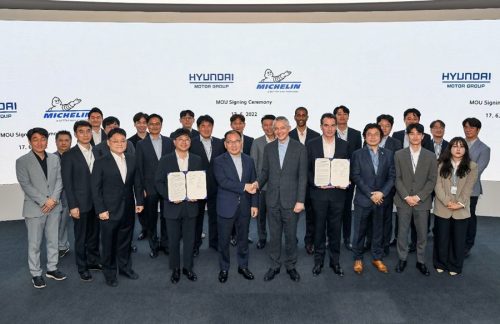
Besides its own investments, it will also work with other parties in various fields of expertise and one of them is Michelin. A MoU (Memorandum of Understanding) was signed recently for collaboration on R&D for innovative tyre technologies over the next 3 years. These technologies will be used in the development of next-generation tyres optimized for premium EVs.

The MoU is the second one between the two companies, following the successful completion of their first partnership. This collaboration will lead to a new journey towards developing next-generation tyres to be equipped with the Group’s clean, smart and sustainable mobility solutions.
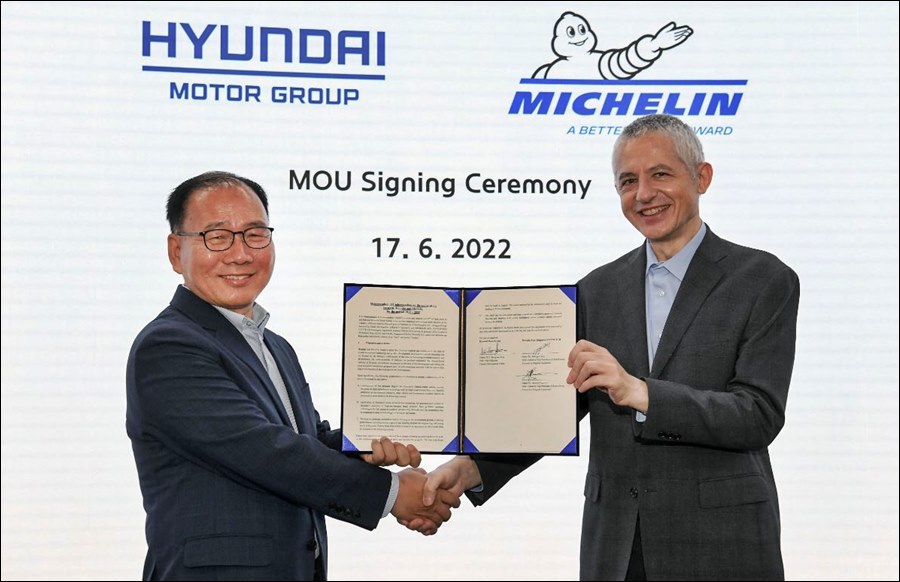
“This partnership with Michelin will result in real innovations in tire technology, solidifying Hyundai Motor Group’s position as a leader in the smart mobility industry,” said Bong-soo Kim, Vice-President and the Head of Chassis Development Centre at the Hyundai Motor Group. “By fully leveraging our mobility technology and Michelin’s tyre expertise, we are confident in our ability to achieve ground-breaking innovations in tire performance enhancement and create synergies in this organic collaboration.”

In the previous 5-year partnership that began in November 2017, the companies jointly developed an exclusive tyre for the IONIQ 5 EV. There were also joint experiments and analysis methods carried out  which were related to tyres as well as technology exchange.

Over the next 3 years, HMG and Michelin will jointly develop the following innovations: eco-friendly tyres with increased use of eco-friendly materials; tyres optimized for next-generation EVs; and a real-time tyre monitoring system which will help advance autonomous driving technology.
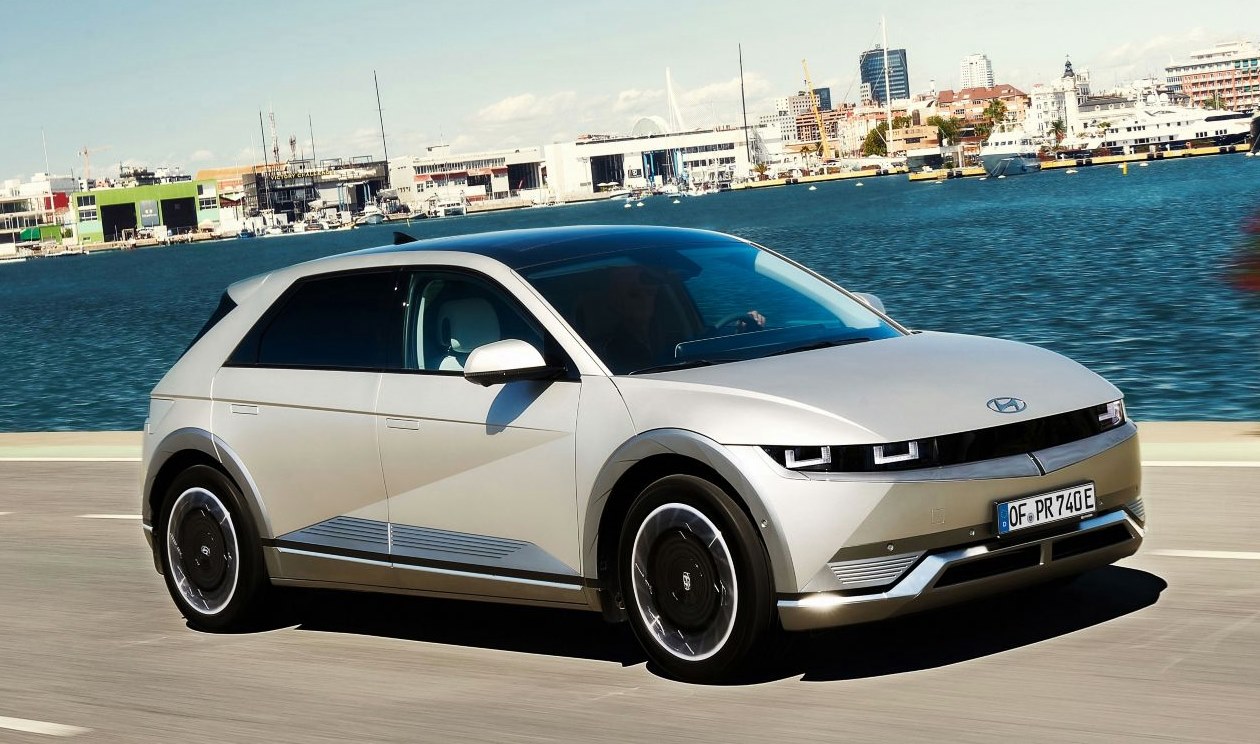
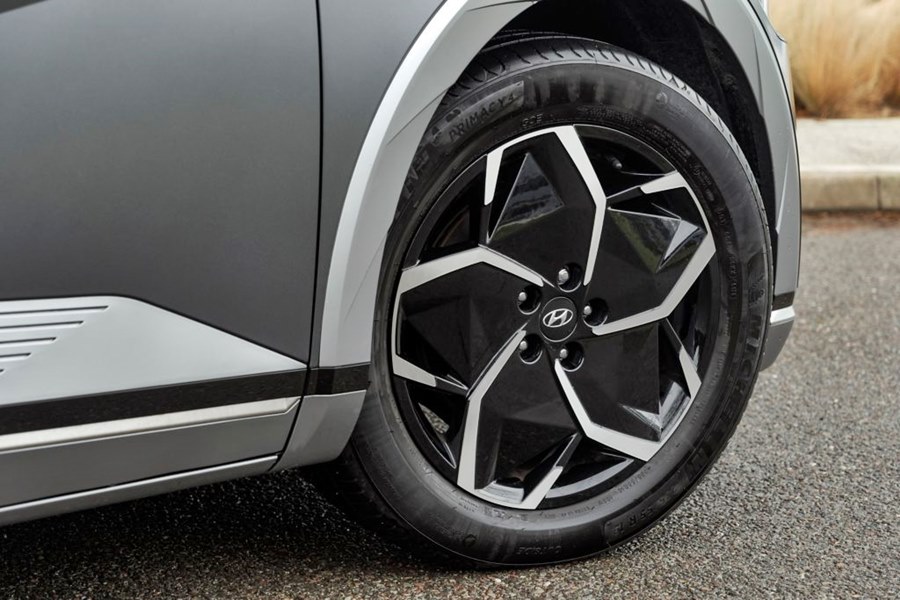
The tyres for the IONIQ 5 EV were jointly developed by Hyundai and  Michelin.

“The collaboration between Hyundai Motor Group and Michelin over the past 5 years contributed to the successful launch of the Hyundai IONIQ 5,” said Georges Levy, Executive Vice-President of Automotive Original Equipment at Michelin. “We are pleased to announce that the relationship has been extended for 3 more years to continue our work together on new technologies in favour of safer, cleaner mobility. The association between Hyundai Motor Group and Michelin is founded on the same vision and on a shared passion for excellence, performance and innovation that have become increasingly essential factors as we rise to the mobility-related challenges we all face today.”

The next-generation tyres will be installed on future premium EV models of HMG. The new tyre technology is critical to meet the durability requirements of tyres, as well as driving performance and electric efficiency under high load as the driving range of EVs continues to increase.

There will also be joint research to analyse tyre wear, tyre load and road friction beyond the current standards of tyre temperature and air pressure. The new tyres are also expected to significantly improve  ride comfort by reducing vibration and noise generated by EVs at high speeds.

Additionally, there will be research into ways to increase the use of eco-friendly materials in tyres to about 50% of the total tyre weight from 20% currently.

Hyundai Sime Darby Motors launches second EV – the Hyundai IONIQ 5, priced from RM199,888
Castrol Malaysia and Continental Tyre Malaysia will be collaborating to offer consumers high quality products and services for a convenient and complete experience. The two companies have signed a memorandum of understanding (MoU) to explore a joint initiative that will leverage on each other’s extensive dealer network, offerings, and expertise, and strengthen their respective positions in the country.

Under the proposed collaboration, both companies will offer motorists a combined trade loyalty programme where they can enjoy various deals, incentives, redemptions, and rewards. Both brands are also working towards a partnership that could see joint branded outlets nationwide with plans to grow and expand.

The extensive dealer networks of each brand will share special deals, incentives, redemptions, and rewards for the public.

“This partnership is a testament to both brands’ commitment to safety and customer satisfaction as together we join forces to further build our brand presence in Malaysia. Through our combined expertise that supports new opportunities, we will continue to lead and innovate in securing global market leadership when it comes to service and maintenance,” said Gan Wee Kiong, Market Sales Director of Castrol Malaysia & Singapore.

“There is a steady demand for both brands and our products in the market amongst the premium vehicle owners, and we saw a great opportunity for us to come together to consolidate our offerings to serve our customers better. We believe that with both brand’s long-standing service and excellence in the market, we will continue to be the preferred brands in automotive maintenance,” added Andrea Somorova, Managing Director of Continental Tyre Malaysia.

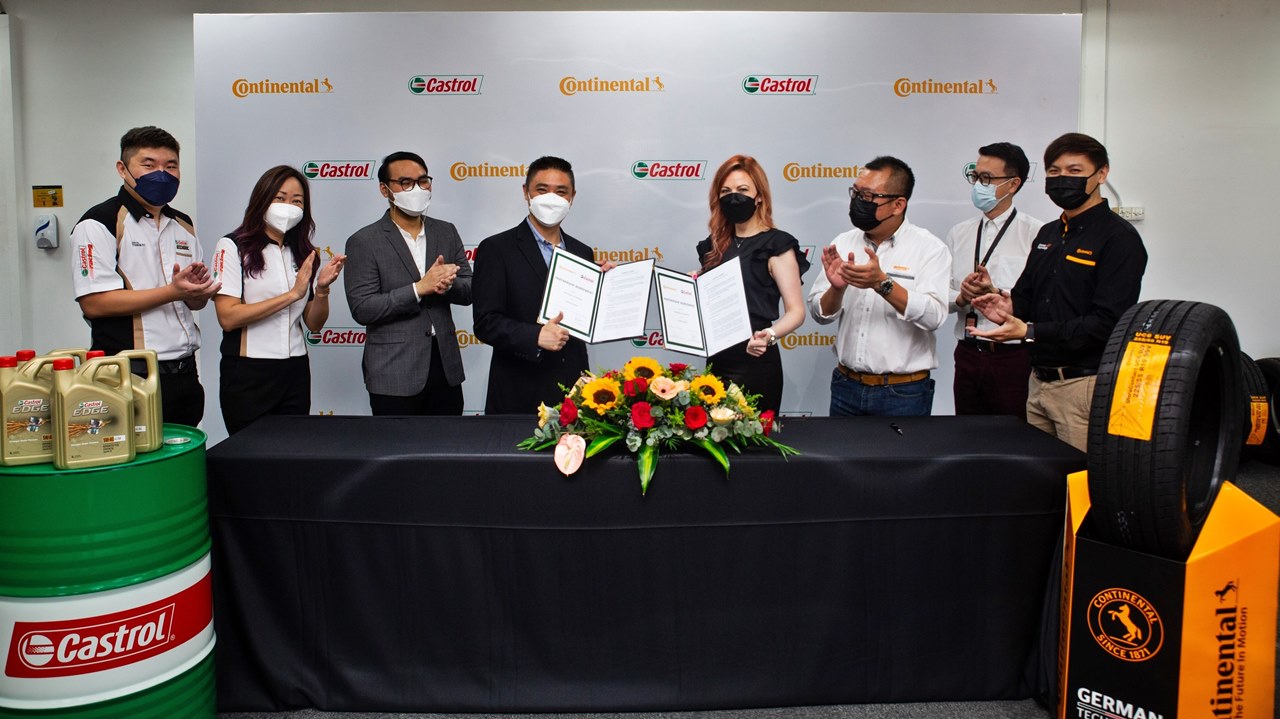
Gan Wee Kiong, Market Sales Director of Castrol Malaysia & Singapore (centreleft) and Andrea Somorova, Managing Director of Continental Tyre Malaysia (centre right) at the signing ceremony of the MoU for the two companies.

About Castrol Malaysia
Castrol has had a presence in Malaysia for over 90 years and is one of the market leaders in the retail automotive lubricants segment. The company offers a range of  high-performance lubricants and has leadership positions in a majority of segments it operates in. These include passenger car engine oils, motorcycle engine oils, commercial vehicle engine oils and industrial lubricants.

The company also has a lubricants blending plant in Port Klang, Selangor and a distribution network reaching out to over 14,000 customers including retail outlets and workshops. Its exclusive outlets – Castrol Auto Service and Castrol Bike Points – offer professional maintenance services to Malaysian motorists and motorcyclists. 

About Continental Tyre Malaysia
Continental is one of the world’s leading tyre manufacturers and ranks among the technology leaders in tyre production. It has a broad product range for passenger cars, commercial and special-purpose vehicles as well as two-wheelers.

In 2003, Continental AG established a joint venture company with Sime Darby Berhad as Continental Sime Tyre Sdn Bhd. The business expanded rapidly and Continental AG fully acquired the company in 2012, making it one of its production sites in the Asia-Pacific region. Currently, Continental Tyre Malaysia has more than 2,500 employees with two factories supplying tyres to countries such as  Japan, Hong Kong, Taiwan, Brunei, Indonesia, Thailand, Australia, Korea.

For more information on Castrol products and services, visit www.castrol.com/my.

For more information on Continental Tyres, visit www.continental-tyres.com.my.

Castrol Hari Mekanik Malaysia celebrated for fourth consecutive year


These days, the line between road-going vehicles and off-road vehicles is a bit blurred. Modern SUVs and crossovers can cruise on highways comfortably at high speeds and also go off the highway onto rough terrain. Actually, if the trail is not muddy or too rocky, almost any type of vehicle can be used as long as there is enough ground clearance and the driver is careful.

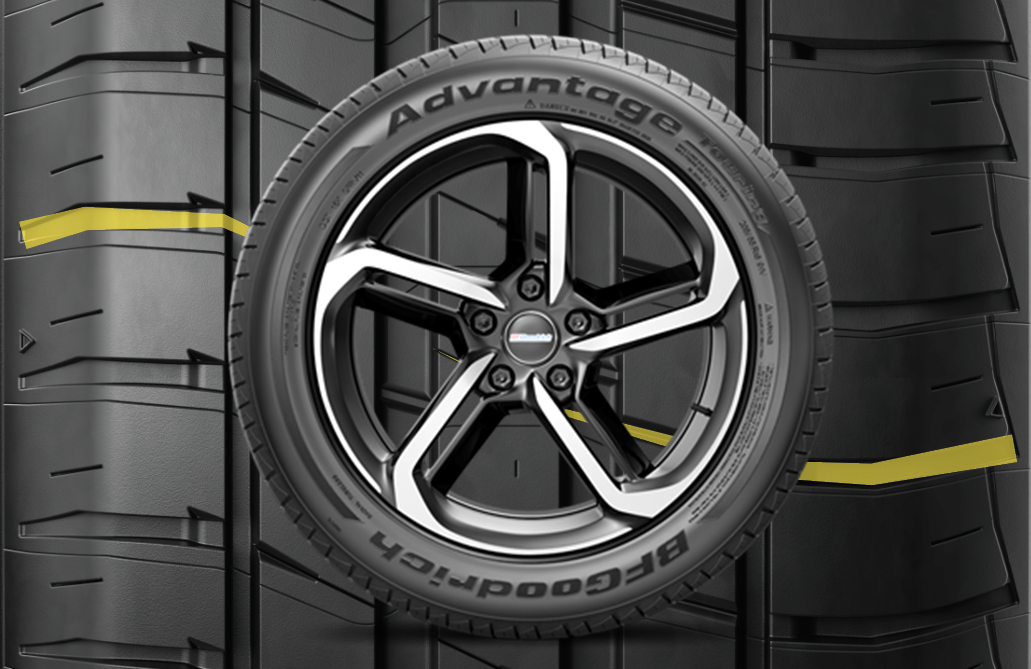
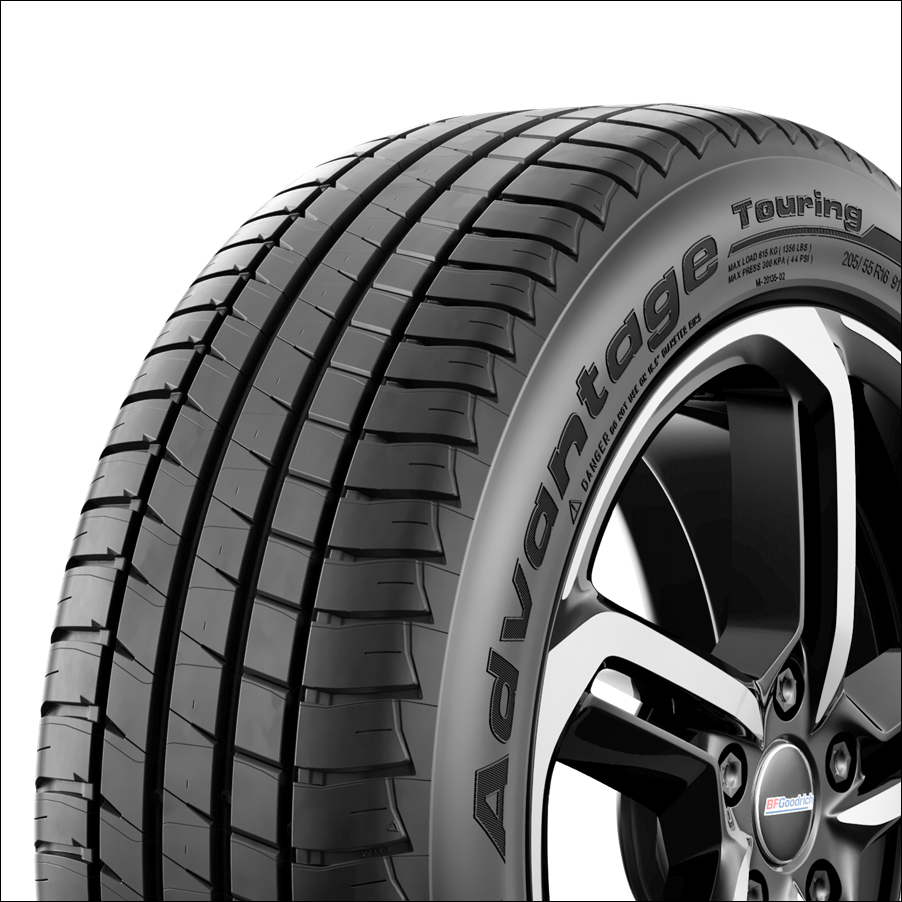
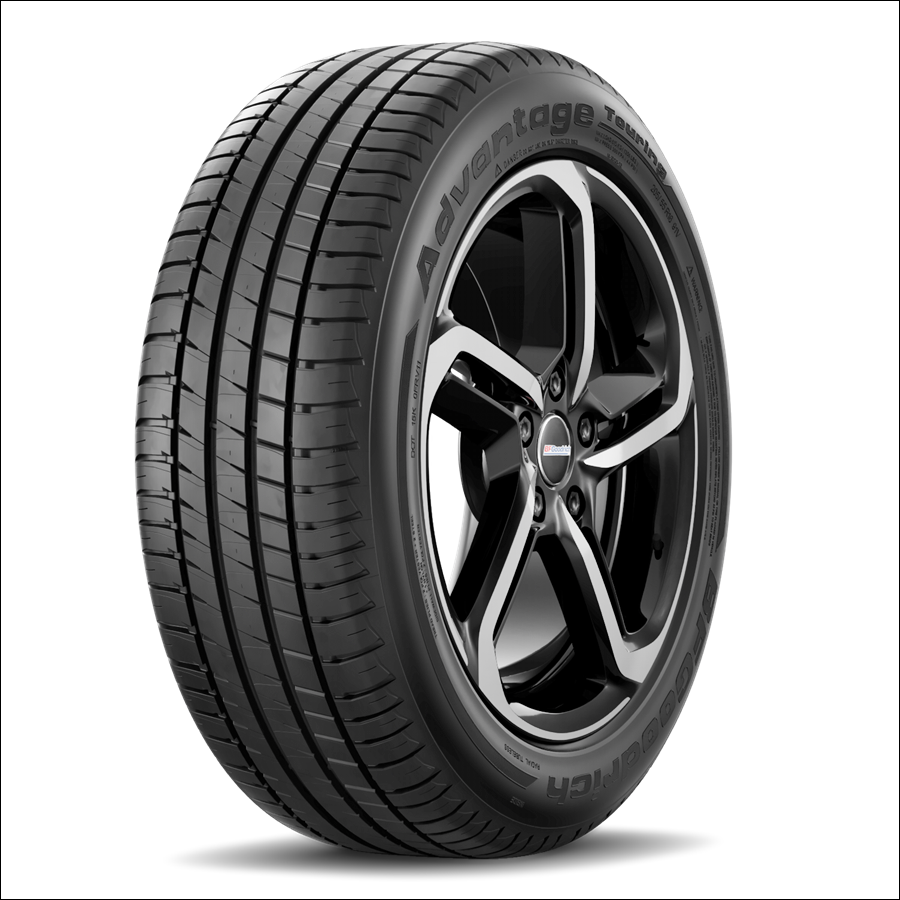
This being the case, tyres too should have broader applications and the new BFGoodrich Advantage Touring offers such capability. According to Michelin Malaysia, which distributes BFGoodrich tyres as well, the Advantage Touring is positioned as one simple tyre line to cover sedan, pick-up, MPV, and SUV fitments.

Essentially on ‘on-road’ tyre, it is designed to be used on any road drivers may want to take. “The BFGoodrich Advantage Touring targets active-lifestyle drivers who want the best value for their money and demand confident control for urban adventure. This newly launched tyre stands out with its extensive size offerings, as well as improved performance and aesthetics,” said Oliver Biggart, Managing Director of Michelin Malaysia.

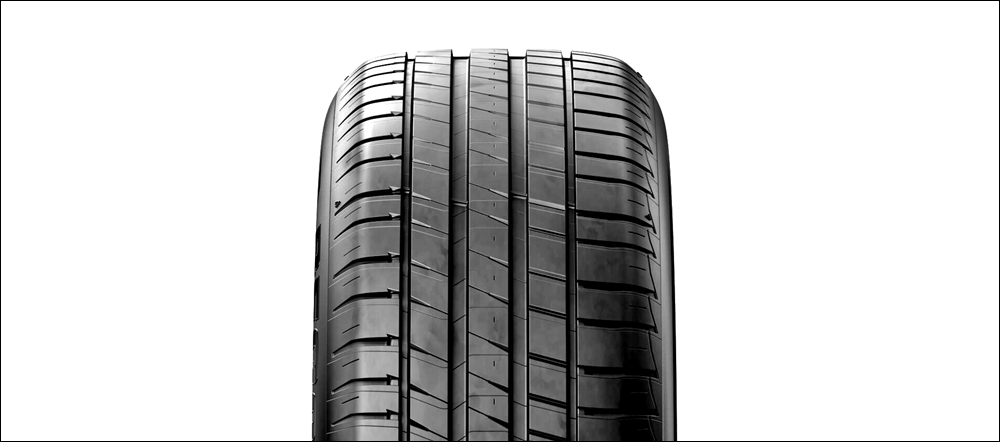
Various features address the expectations of drivers of different types of vehicles in different conditions. For example, the asymmetric, non-directional tread pattern with computer-optimized footprint reduces interior cabin noise so there’s a quieter journey on the highway. The dynamic and simplified tread design also looks good for those who want something sporty and stylish to complement their vehicle’s looks.

Of course, performance is also important and with its 150 years of experience in making tyres, BFGoodrich knows a lot about engineering the Advantage Touring to give good handling and braking in all conditions. The asymmetric tread design has rigid tread blocks and a shoulder that enhance handling responsiveness and control. The tread blocks are large and have deep grooves that are claimed to deliver superior braking performance in both wet and dry road conditions.

An interlocking band technology reduces friction and heat, which helps in reducing fuel consumption. Tyre life can also be improved with the optimized contact patch specifically designed for markets with severe heat conditions.

The Advantage Touring is available in sizes to cover more than 85% of the market in the 13-inch to 20-inch range, with a total of 67 dimensions. Depending on the tyre size, the speed ratings are H, T or V.​ Priced from RM200 to RM900, each new tyre purchased from an authorised dealer comes with a 6-year manufacturer’s warranty as well.

Michelin Malaysia introduces BFGoodrich Trail-Terrain T/A tyre for SUVs and pick-up trucks

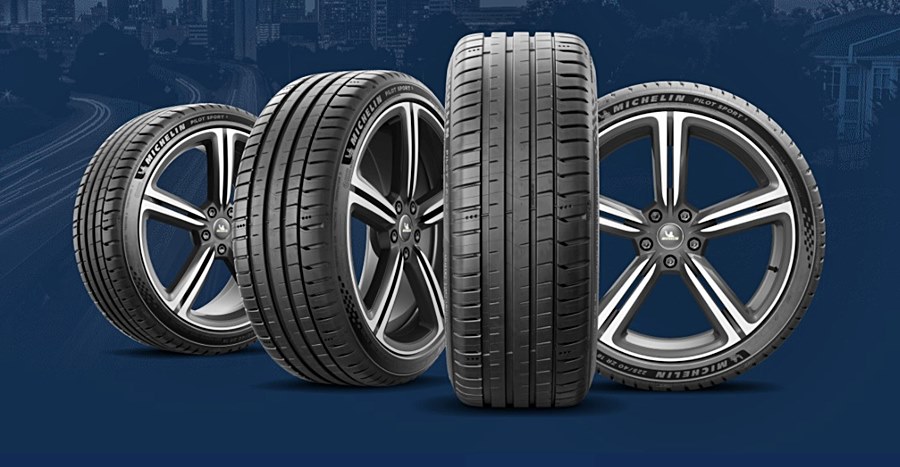
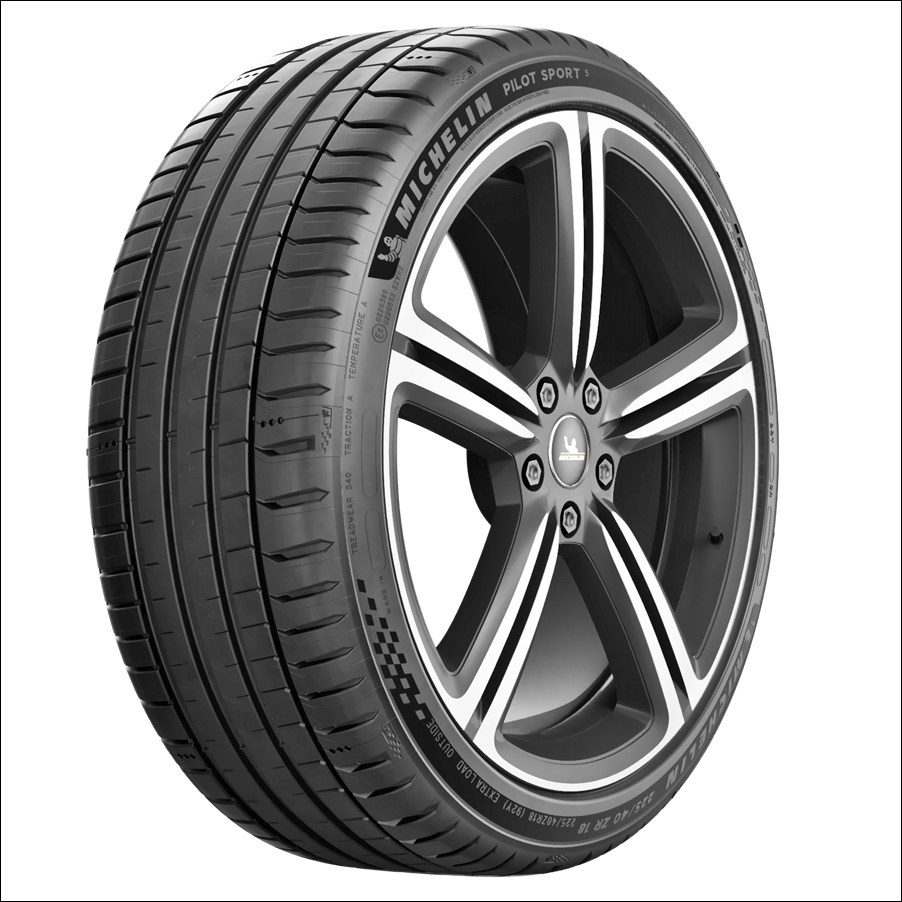
Building on the successful Pilot Sport 4 tyre, Michelin today launched the new Pilot Sport 5 in Asia and Australia today. For markets in Asia, the fifth generation of the popular high-performance tyres will be offered in up to 43 sizes for 17-inch to 21-inch wheels. The Malaysian market will have 26 sizes from 17 to 19 inches, with 21 more sizes from 17 to 21 inches to be made available by the end of this year. The recommended retail prices of the new tyres range from RM700 to RM1,900.

Sophisticated features
Targets at sportscar and high-performance sedan drivers, the new Pilot Sport 5 has a range of sophisticated features and is, of course, improved in performance over its predecessor. The key features include Dual Sport Tread Design technology, Groove Clear, Dynamic Response technology, MaxTouch Construction, and Premium Touch Sidewall Design.

Michelin Pilot Sport 5

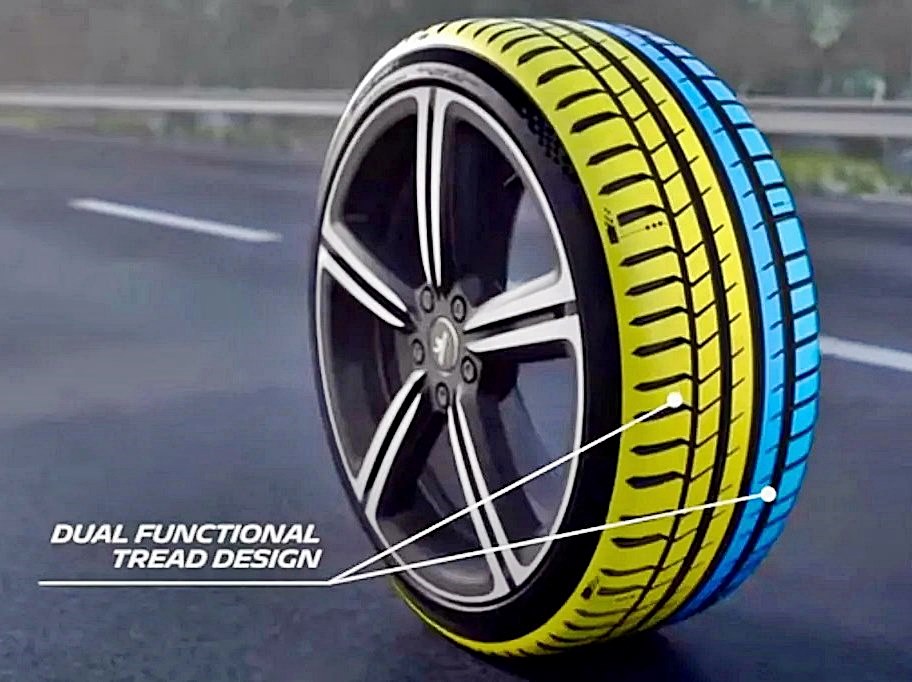
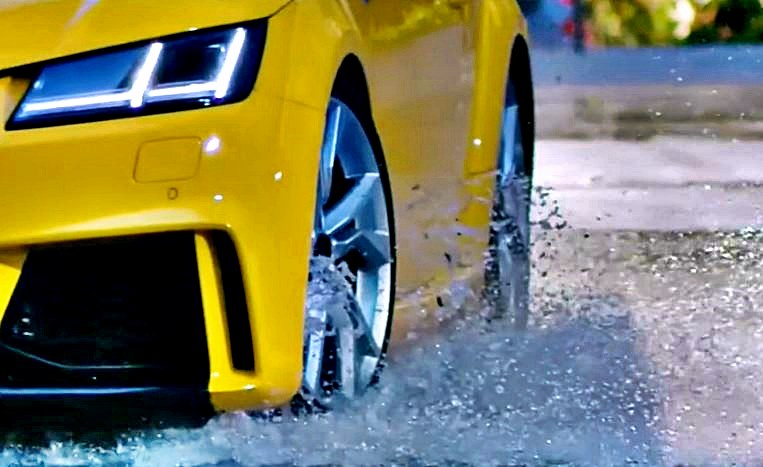
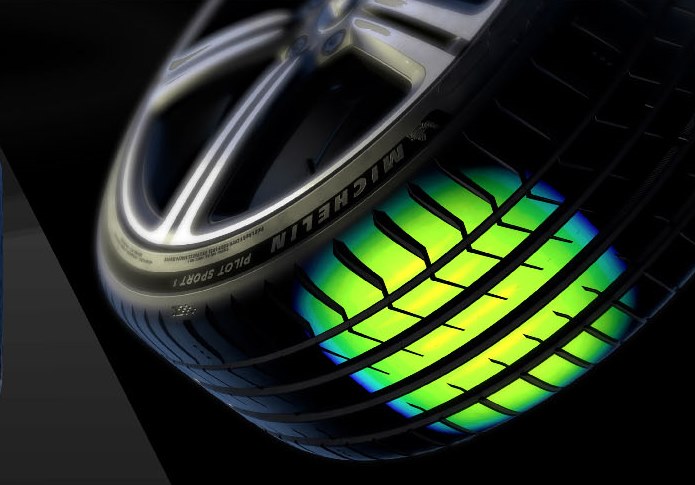
Dual Sport Tread Design technology is like having two tyres in one as there is a two-sided functionalized tread design inspired by Michelin’s motorsport experience. On the inner side of the tyre is a tread pattern with large grooves and high void ratio for enhanced wet road traction, while the outer has rigid blocks for better grip on dry roads. Groove Clear is the association of large longitudinal grooves that guide water under the tyre into wide transversal channels from which the water is ejected to keep the contact patch as dry as possible.

Shorter stopping distances
Independent testing showed that on a wet road, the Pilot Sport 5 stopped 1.4 metres (new tyres) and 4 metres (worn tyres) shorter than other premium brands. On a dry road, the stopping distance was 1.3 metres shorter. Other testing also showed that the Pilot Sport 5 lasted 33.5% longer than tyres from other premium brands. This longevity is due to the MaxTouch Construction that maximizes the tyre’s contact with the road and evenly distributes the forces of acceleration, braking, and cornering without sacrificing performance.

Lasting performance
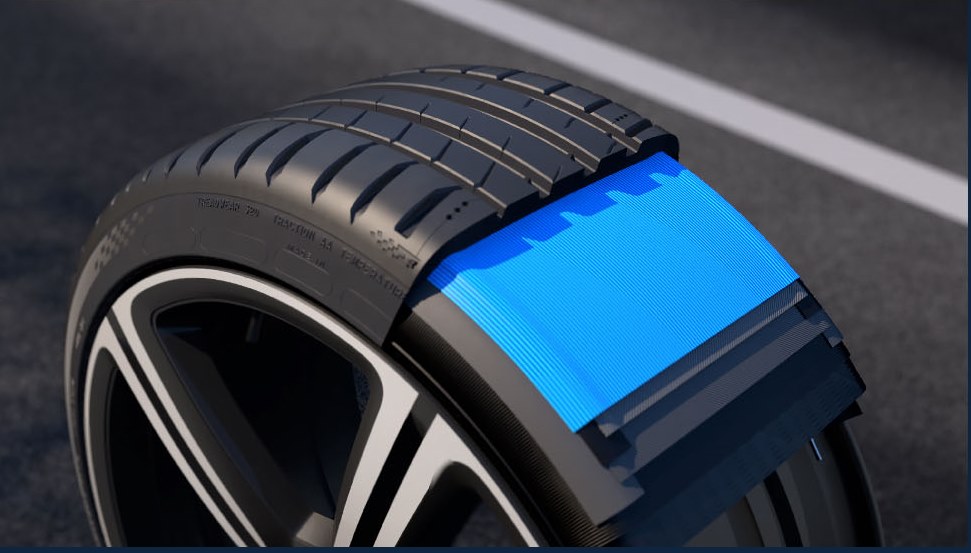
Michelin also makes sure that its tyres provide lasting performance throughout the lifespan. This is made possible by Dynamic Response technology that uses a high-density aramid and nylon hybrid belt which promotes driving precision for optimum transmission of steering instructions onto the road. This belt, which is located just below the tread, is both very resistant and light. Thus, at equivalent weight, the associated nylon and aramid are 5 times more resistant than steel.

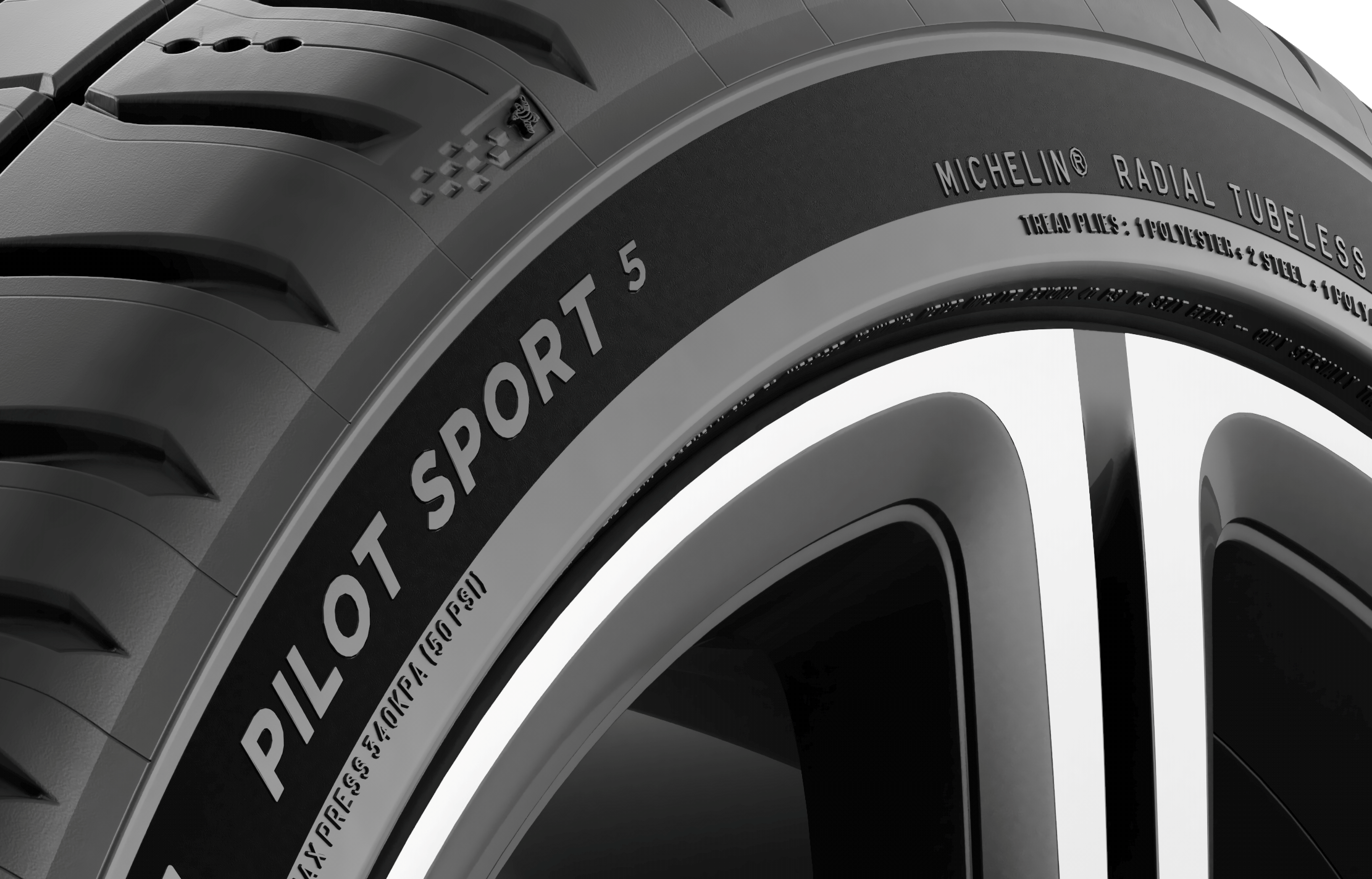
The tread pattern usually gives character to a tyre but for the Pilot Sport 5, the sidewall too has been given sporty and appealing aesthetics. Michelin’s patented velvet sidewall branding, called Premium Touch Design has a matte-black velvet-like micro texture which gives a premium look and feel.

Michelin Pilot Sport 5

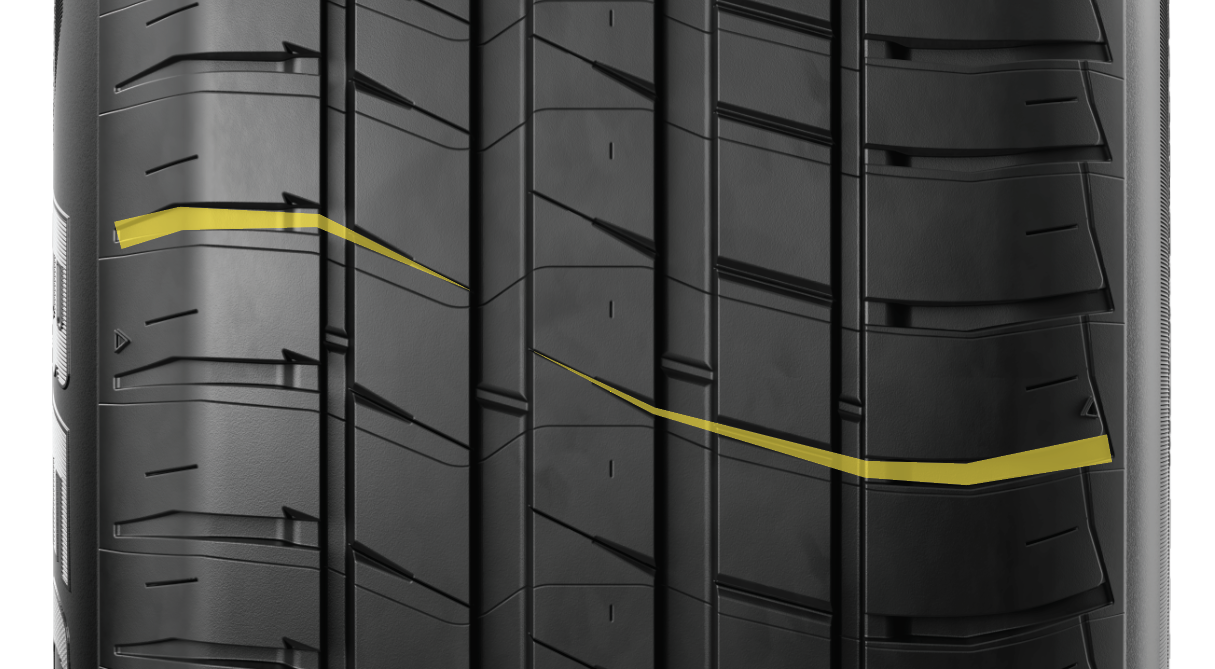
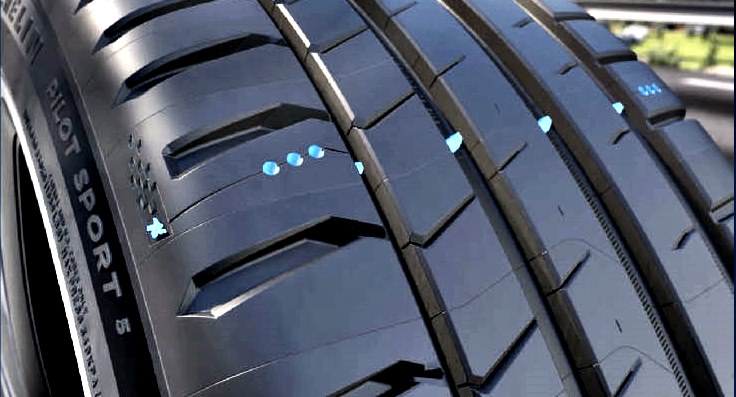
Drivers who care for their tyres and for safety will regularly check on the tread wear (besides the pressures). To make it easier, Michelin has added Wear2Check, an easy-to-find and easy-to-read tread wear indicator (TWI) on each tyre. This is visible by three tiny holes on certain tread blocks, indicating the area where the TWI is running across.

“With the Michelin Pilot Sport 5, Michelin further strengthens our complete and best overall high-performance Pilot Sport range, with ‘Performance Made to Last’ being our key differentiator. Inspired by motorsports, the tyre is perfect for drivers who demand sporty driving performance and expect nothing but the best. What’s more, the Michelin Pilot Sport 5 goes one step further in aesthetics, as evidenced by its 2021 Contemporary Good Design Award – one of the world’s most prestigious international design awards,” said Michelin Malaysia’s Managing Director, Oliver Biggart.

Michelin Malaysia introduces BFGoodrich Trail-Terrain T/A tyre for SUVs and pick-up trucks


With the explosive growth in SUVs for many years now, demand for replacement tyres for such vehicles has obviously been growing. So besides offering passenger car tyres, companies have now to also offer SUV tyres which have to be a bit more robust and handle heavier loads, and be off-road capable.

There are many brands on the market nowadays which offer SUV tyres but it’s always better to buy tyres from a reputable and known brand. BFGoodrich is a brand in the Michelin group, so it is obviously a trusted brand and Michelin Malaysia has brought in a new tyre from the brand for SUVs.

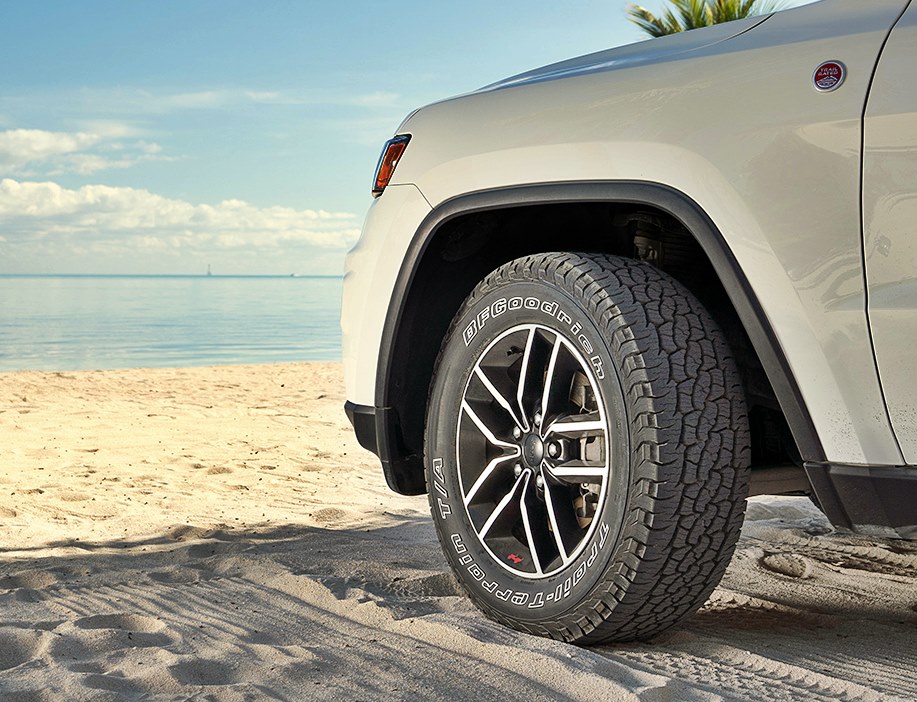
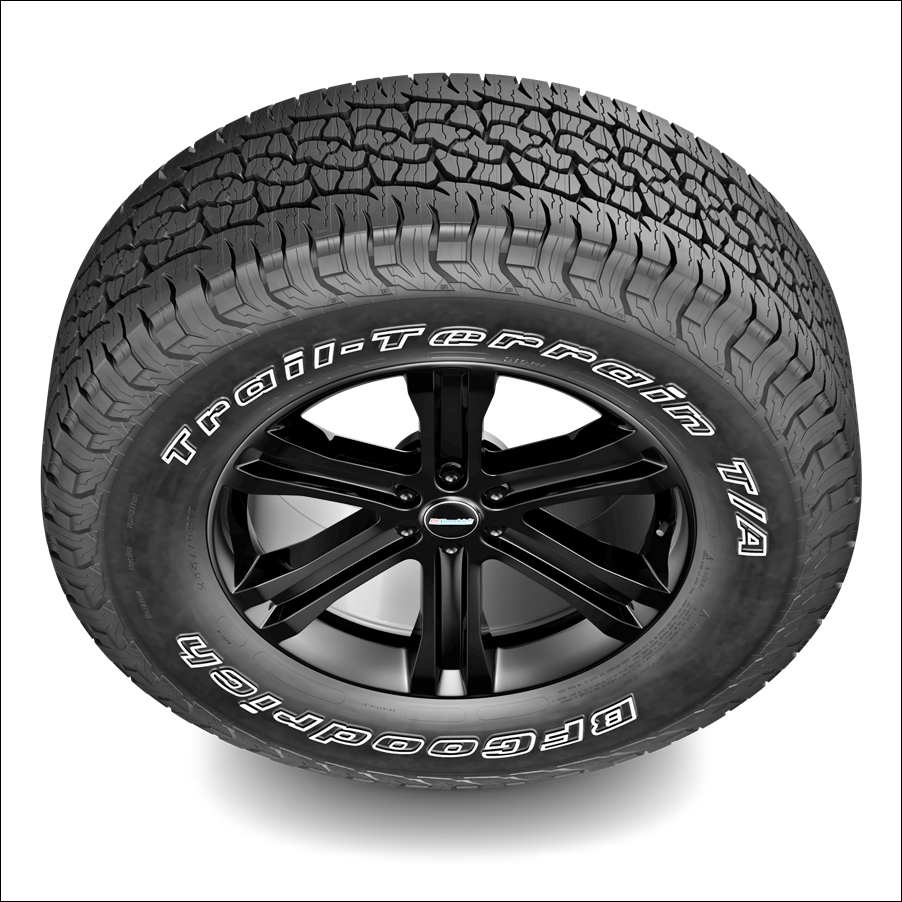
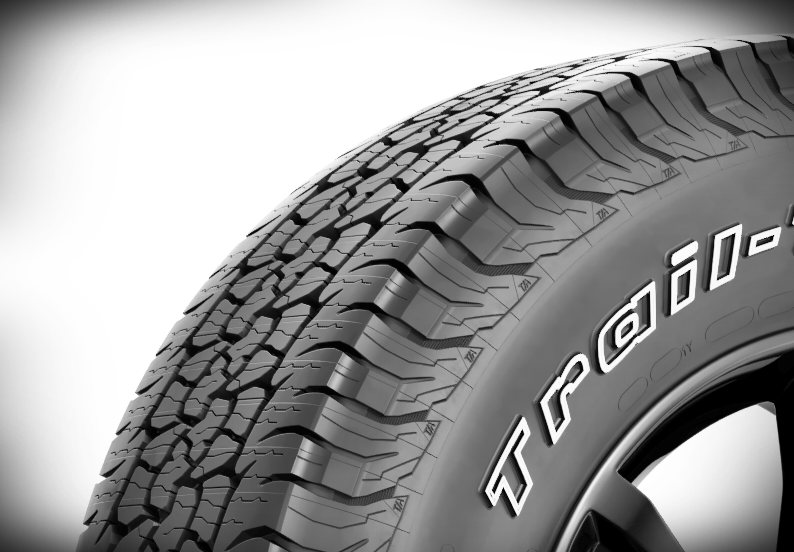
The new tyre is the Trail-Terrain T/A, a premium ‘on-road plus’ tyre which can perform well on highways and also handle light off-road motoring (which is what most SUV owners do). Its performance is due to having an optimized footprint design, and resistance to chipping and tearing, and a serrated shoulder design optimized for soft-soil traction without increased road noise.

The tread has Full-Depth 3D Locking Sipes that provide good tread block stability for even wear so tread life can be longer. The tyre also provides a quiet and comfortable ride on all surfaces.

The Trail-Terrain T/A is available in 41 sizes so it covers a wide range of SUV models and can also be used for pick-up trucks. However, availability of sizes will be dependent on dealer’s stock, but they should be able to order from Michelin Malaysia anyway. The tyre covered by a 6-year manufacturer’s warranty.


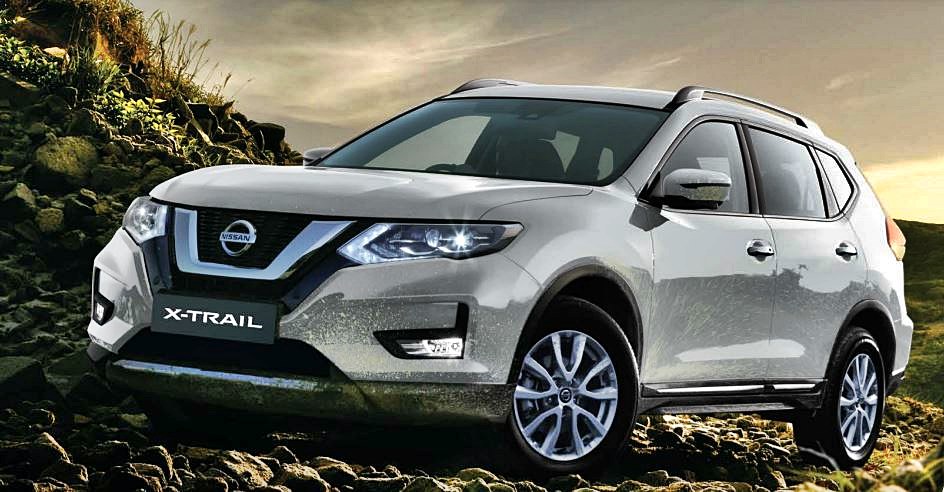
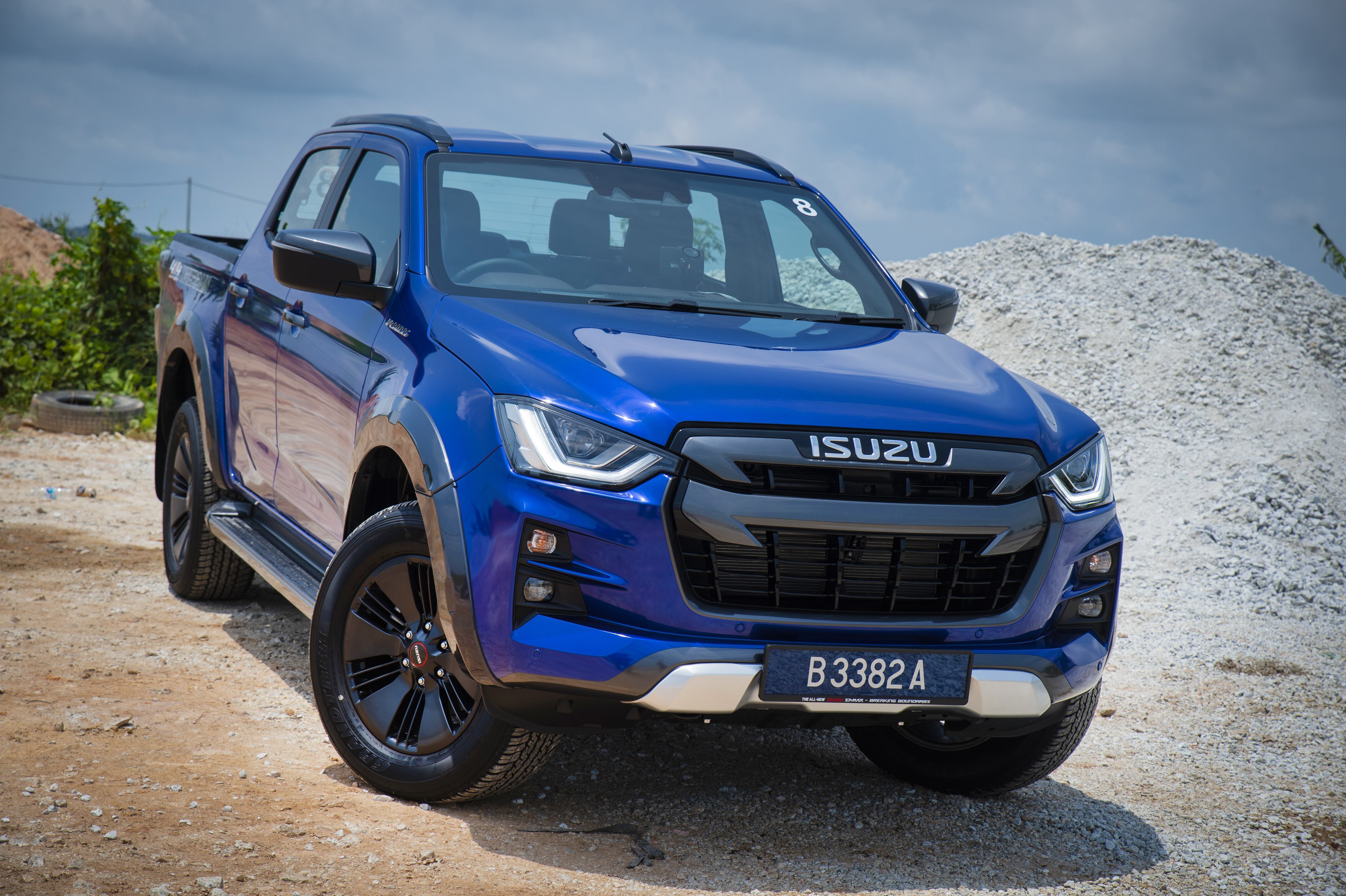
The new BFGoodrich tyre is suitable for many SUVs and pick-up trucks, including the Nissan X-Trail (above) and Isuzu D-MAX (below).

“The BFGoodrich Trail-Terrain T/A responds to the post-covid adventure mindset and the growing DIY trends that target drivers of All-Wheel-Drive crossover utility vehicles, sports utility vehicles and light trucks. These are adventure-ready vehicles offering versatility for hobbies, carrying gear, and outdoor recreational activities – perfect for the next exploration ahead,” said Michelin Malaysia’s Managing Director, Oliver Biggart.

When it opened for business in 1895, Cycle & Carriage was a general store offering all kinds of products, from  soap to writing paper to screwdrivers and simple machine parts. Four years later, it added bicycles, motorcycles and motorcars. Quite likely, the company would also have sold wheels and tyres during the period at the dawn of motorisation.

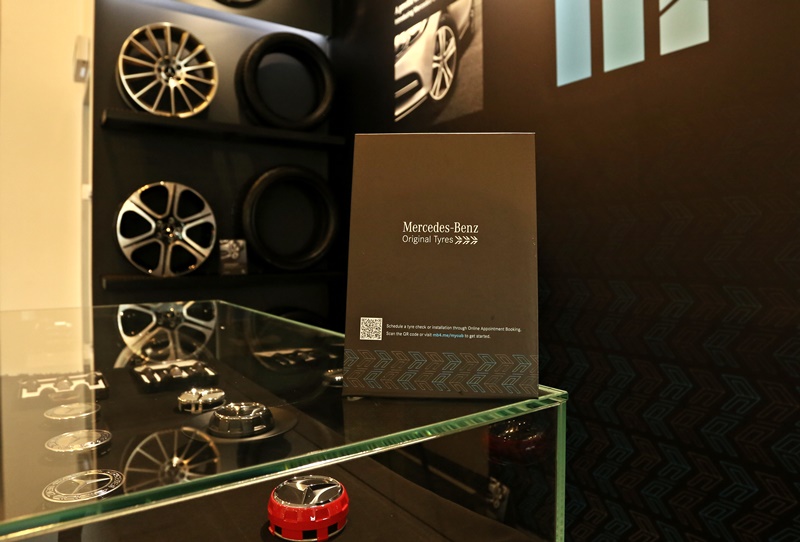
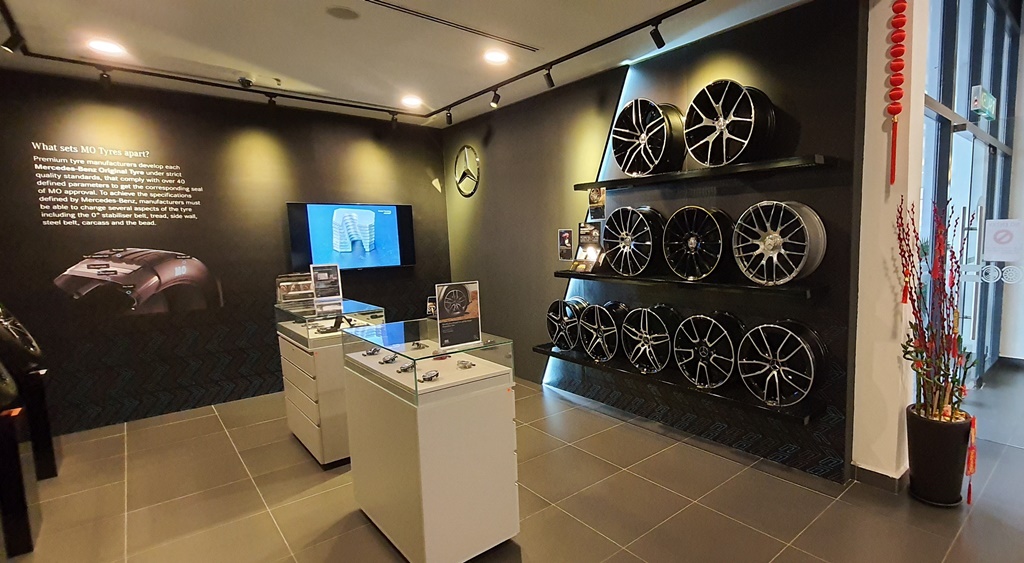
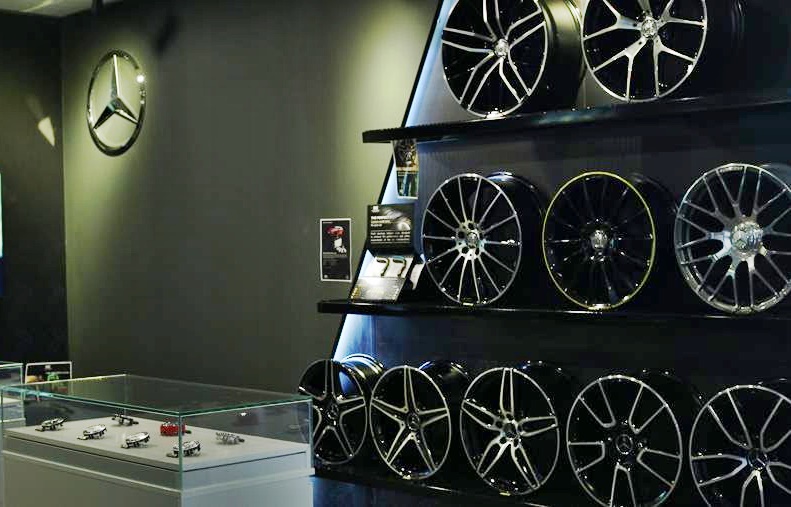
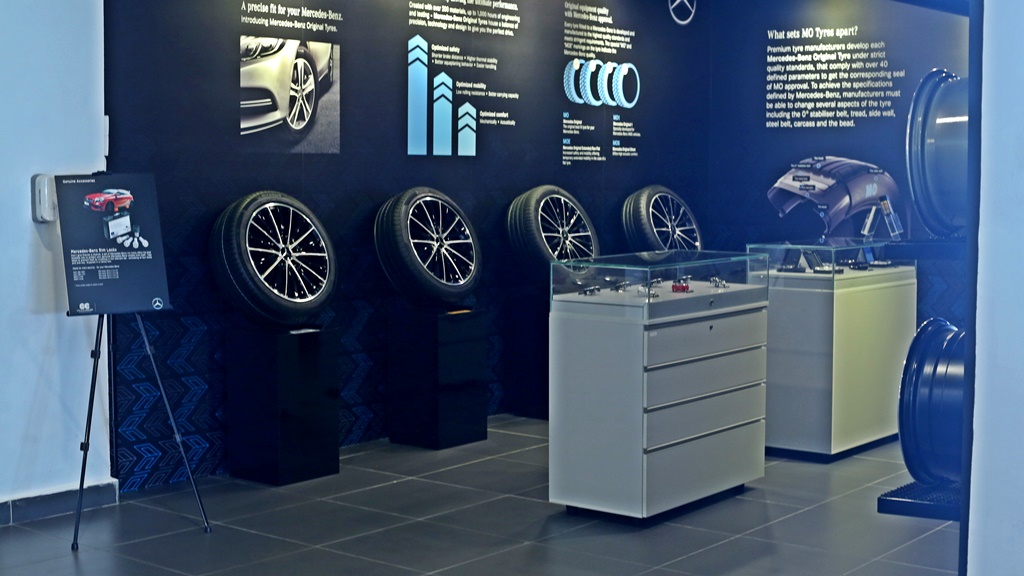
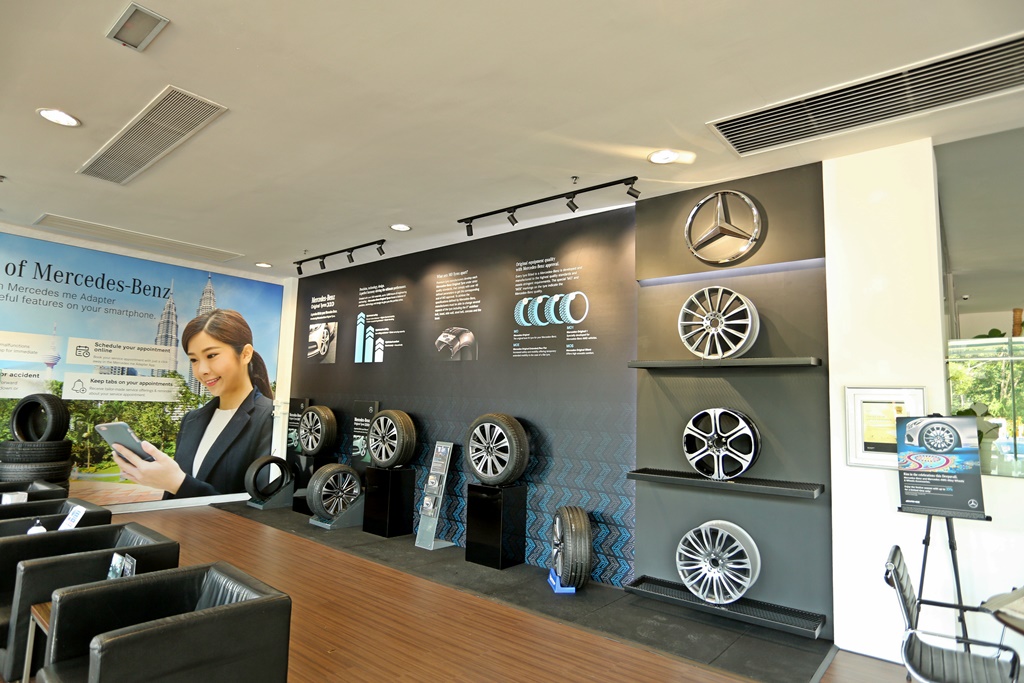
122 years later, Cycle & Carriage (C&C) still sells cars – Mercedes-Benz, in particular – and it still also sells Original Tyres and Rims. While all of its outlets can supply the items, it has an Original Tyres and Rims Boutique at its Autohaus in Petaling Jaya, Selangor. C&C is the first and only dealer in Malaysia to have such a boutique to broaden its aftersales service experience.

Cycle & Carriage Mercedes-Benz Tyres and Rims Boutique

Optimized for safety and performance
The boutique has the Mercedes Original range of certified original tyres and Mercedes-Benz rims and accessories that are not only styled with good looks but also optimised for safety and performance. Customers can choose from an assortment of tyre and rim combinations with sizes that are suited for each Mercedes-Benz model.

Though made by global tyre companies, every Mercedes Original (MO) tyre is developed and manufactured to the highest quality that meets the stringent requirements of Mercedes-Benz. While the same tyre may also be available in the open market, the MO tyres are the result of a thousand hours of engineering and testing to ensure more specific matching to the cars they are recommended for. This means that the driver can enjoy the full performance levels which the engineers originally designed the car with.

Cycle & Carriage Mercedes-Benz Tyres and Rims Boutique

Four types of tyres
The boutique offers four types of high-performance Mercedes Original tyres. Besides Mercedes Original  tyres, there are Mercedes Original Extended tyres which enable temporary extended mobility in the case of a flat tyre. There are also Mercedes Original 1 tyres, a selection developed for Mercedes-AMG vehicles and high-performance needs. For customers who want more quietness, there are the Mercedes Original Silent tyres.

Cycle & Carriage Mercedes-Benz Tyres and Rims Boutique

The boutique offers an interactive experience where customers can view, touch, and feel the differences of each of the wheels and tyres. Such interactivity allows every customer to learn about the benefits of the products’ effect on performance and driving experience.

“We are excited that our new Mercedes-Benz Original Tyre and Rims Boutique experience can help customers learn more about these high-performance products that add comfort, safety and  performance to their vehicles,” said Wilfrid Foo, CEO of Cycle & Carriage. “Being able to offer the Mercedes Original range of tyres and rims at the boutique is an important part of our effort to give our customers the most exceptional journey with their Mercedes-Benz.”

Cycle & Carriage Mercedes-Benz Tyres and Rims Boutique
C&C also has Mercedes-Benz Original Tyres and Rims showcases at its Cheras and Glenmarie (Selangor) outlets.

Mercedes-Benz to have regional After-Sales Logistics Centre in Malaysia from 2024

Vaccination does not make you immune to COVID-19 infection. You can still get infected and although you may not show symptoms, you could spread the coronavirus to others. Do not stop taking protective measures such as wearing a facemask, washing hands frequently and social distancing.

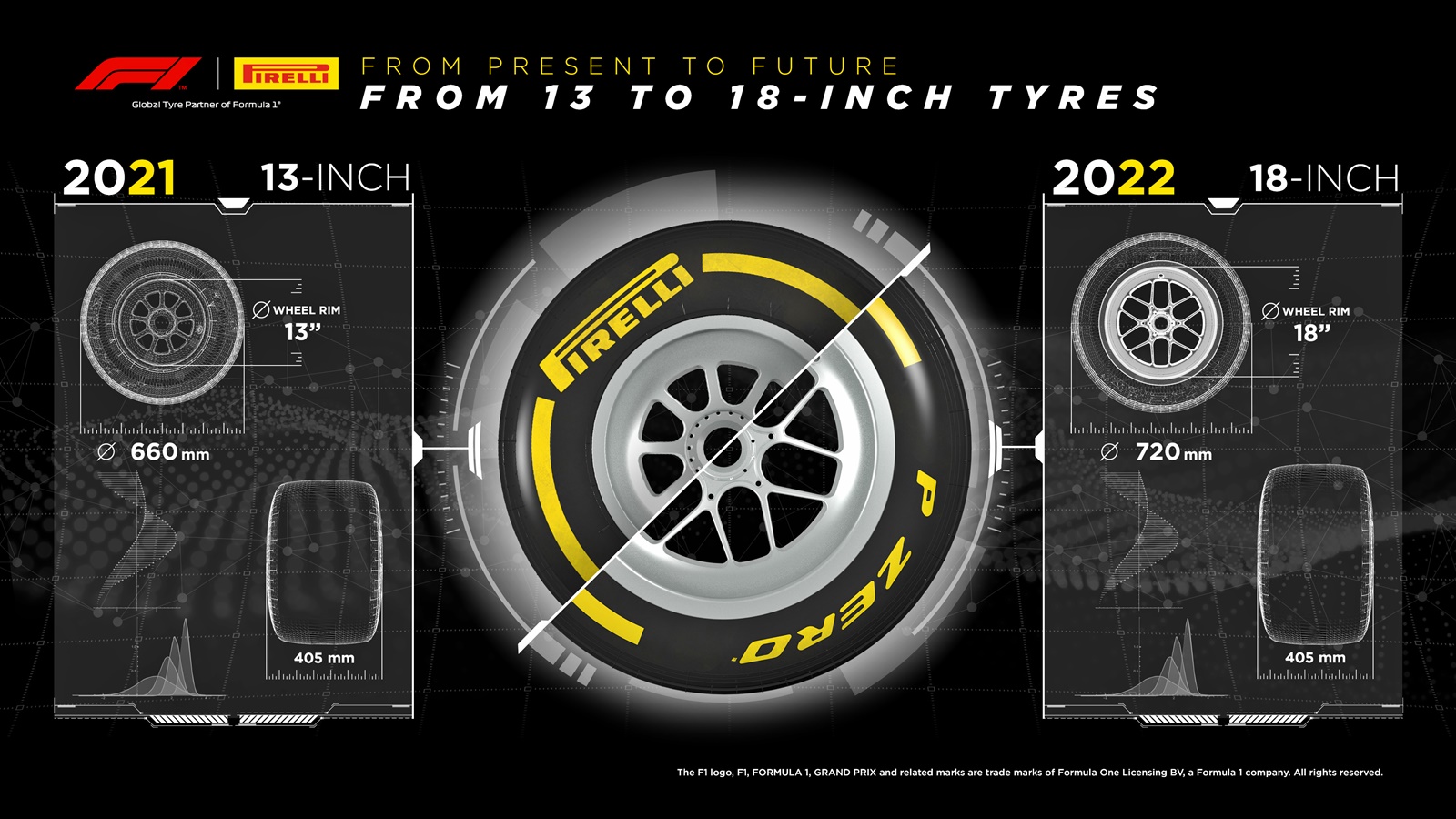
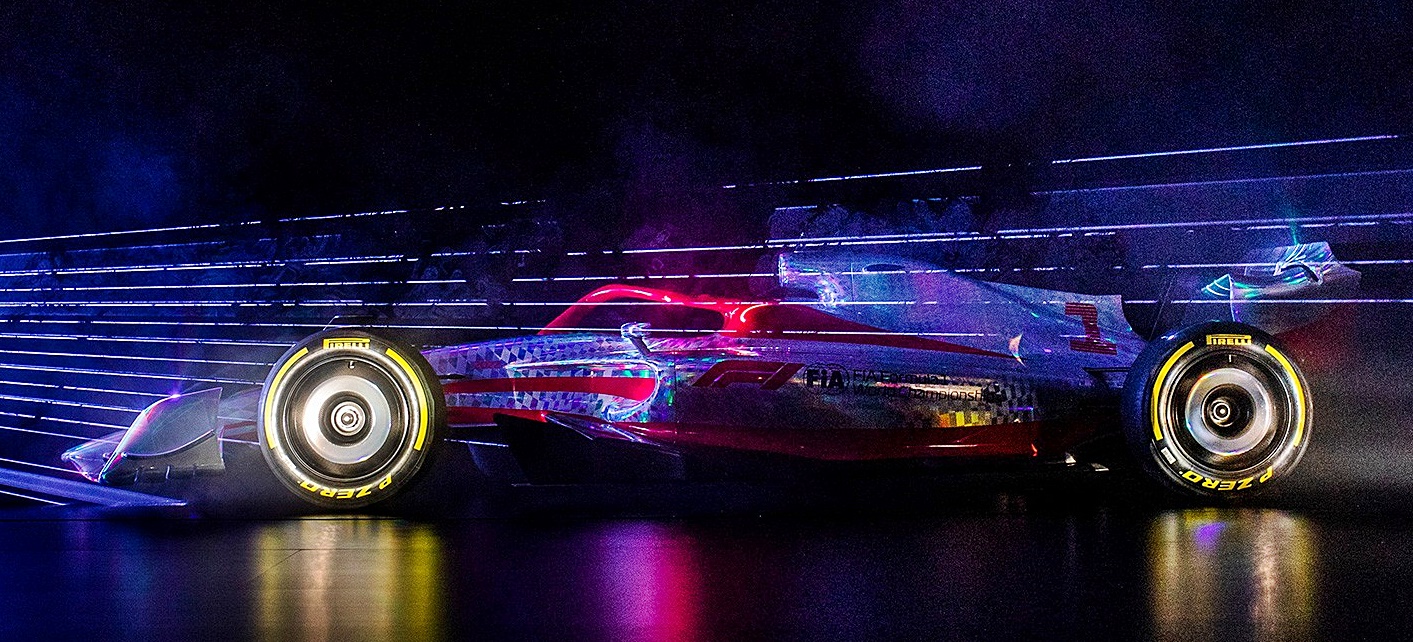
The 2022 Formula 1 World Championship will see the biggest changes in technical rules in some 4 decades. Among those changes – which are expected to contribute to close racing with more overtaking – are the switch 18-inch wheel rims from the current 13 inches. This means installing new low-profile tyres from Pirelli, which continues to be the tyre-supplier for F1.

13 inches since 1960s
Tyres in 13-inch size have raced for nearly the entire history of the championship to date, from the 1960s. Nonetheless, at the time – and into the subsequent decade – there was still a lot of regulatory freedom around wheel size. In the 1980s, 13 inches finally became the definitive size.

Pirelli first ran a 13-inch tyre in Formula 1 at the 1981 San Marino Grand Prix with the Toleman. Then, in the same season (Michelin and Goodyear supplied tyres then) and subsequent ones, other teams adopted the Italian tyres for their cars. Since 2011, Pirelli has been the sole tyre-supplier for the sport.

The first win for Pirelli’s 13-inch tyres came at the 1985 French Grand Prix, fitted on Nelson Piquet’s Brabham-BMW. Pirelli brought in a new generation of 13-inch tyres from 1989 (two years after the P Zero name was born) which were used until 1991. As Global Tyre Partner from 2011, Sebastian Vettel was the first to claim a championship for a Pirelli 13-inch tyre with Red Bull.

Wider tyres, faster lap times
In 2017, Pirelli innovated by introducing tyres that were 25% wider than they had been previously, providing a bigger footprint and more grip, which in turn resulted in lap records being lowered all over the world.

Since becoming sole supplier, more than 400,000 13-inch tyres have been produced from the Pirelli factories at Izmit in Turkey and Slatina in Romania.

Testing since 2014

The 18-inch tyres have been tested on F1 cars since 2014 when Pirelli first ran such tyres at a test at Silverstone with Lotus reserve driver Charles Pic. Initially, it was the intention to adopt 18-inch tyres from 2021 as part of a package of new technical regulations, but this was deferred to 2022 due to the disruption of the COVID-19 pandemic.

In the meantime, Pirelli successfully ran 18-inch tyres in Formula 2 since the 2020 season and completed 36 days of 18-inch testing with Formula 1 cars that were modified to accommodate the new size. It’s actually the size of the rim that changes, adding 5 inches (127 mm) to the diameter that has been a constant in GP racing since the 1960s. This has been characterized by compact, very wide tyres featuring a ‘pot-bellied’ sidewall seen on four corners of the racing cars.

With a bigger emphasis on technological proximity to the road car as well as aesthetics, the brand new P Zero F1 tyre has the same tread width as before (305 mm at the front and 405 mm at the rear) but a slightly bigger overall diameter, which grows from 660 mm to 720 mm. The most significant change is a reduction in the sidewall, which now resembles that of the low-profile Pirelli tyres that, for years, have been seen on many performance road cars.

Less turbulence, closer racing
This new profile will change the behaviour of the racing cars, making them more precise when changing direction. From the tests carried out so far – in both dry and wet conditions – the drivers’ feedback has been positive, and the new tyres will contribute to even more competitive races, with cars that are less sensitive to aerodynamic turbulence while following behind one another (so racing can be closer). The lower sidewall also means that the tyre will flex less, meaning that it will have less impact on the overall aerodynamics of the car.

The compounds for the 18-inch tyres will also be completely new, to ensure maximum consistency and less overheating. Five compound grades will be available for the 2022 championship, three of which will be chosen for each race weekend (as has been the case this year).

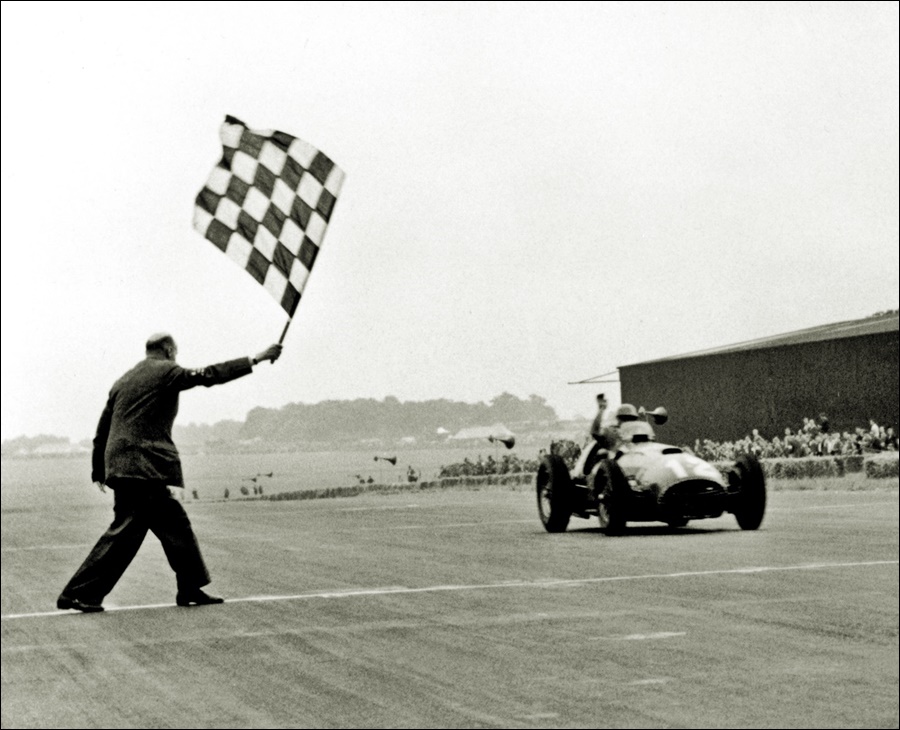
Pirelli tyres were on the racing cars during the first years of Formula 1 in the 1950s,

By going from 13-inch to 18-inch, Pirelli is the only tyre manufacturer that has competed in Formula 1 with all the wheel sizes that have been part of the World Championship’s history. It’s a story that began in 1950, with its first wins and titles with Alfa Romeo, Ferrari and Maserati. Those were front-engined racing cars that ran on tall and narrow tyres.

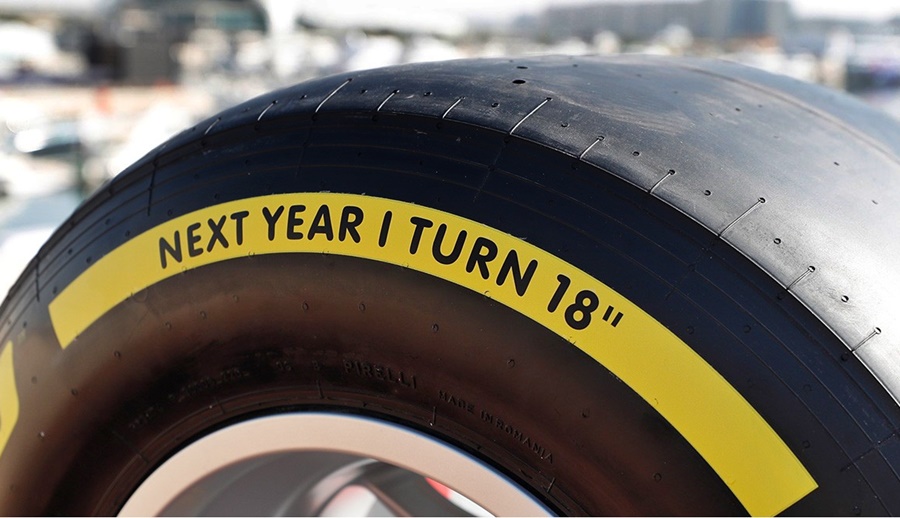
The Abu Dhabi Grand Prix at Yas Marina over the weekend was the last race in F1 history where the cars ran on 13-inch tyres. To celebrate the ‘changing of the guard’, all the 13-inch slick tyres used in the race had a special logo on the sidewall: ‘Next year I turn 18’.

A look at the Formula 1 racing car of 2022

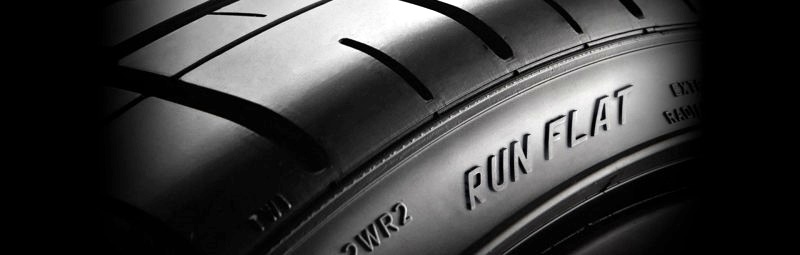
Run-flat tyres, though seemingly a recent development, have been around since the 1930s although they were not as commercialized like today. From the 1980s onwards, most of the major manufacturers developed tyres that could continue to be used even when the air pressure was lost due to a puncture. This capability was initially required for military vehicles as well as vehicles carrying important people that might be attacked.

Eventually, run-flat tyres entered the market and appealed to carmakers because they not only provided extra safety and convenience but also gave the possibility of leaving out the spare tyre and saving some weight. Of course, due to the technology they have, they are more expensive than normal tyres but are an acceptable extra cost for premium luxury models.

Keeping rallycars running
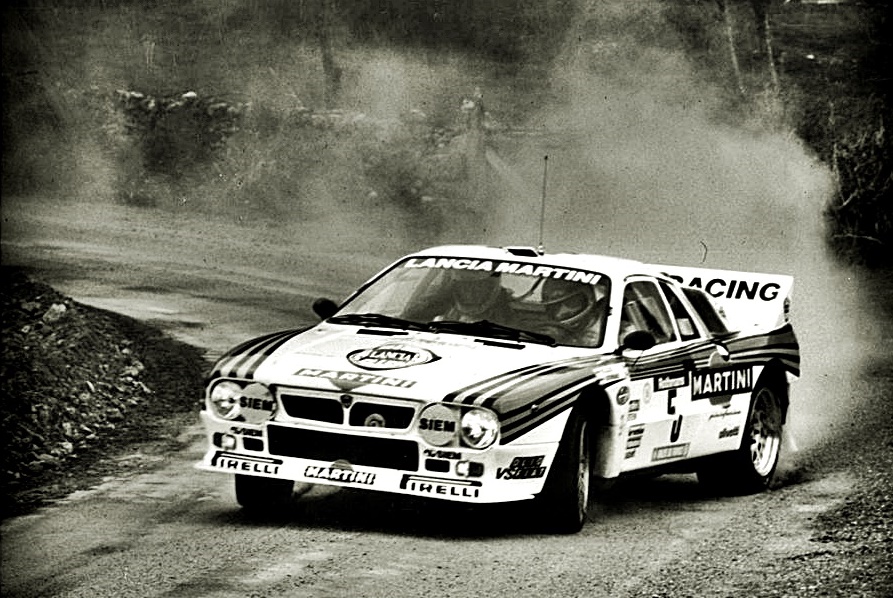
At Pirelli, development of run-flat tyres began in the 1990s, mainly to provide tyres for rally drivers to continue even with a puncture, rather than being stranded by the side of the road. New technology was tried and tested in rallies by teams associated with the tiremaker. These had a reinforced structure that mad the tyres stronger and able to still run for several minutes after air was lost. In competition, those few minutes made a big difference.

As another example of technology from competition being transferred to road-going cars, Pirelli was able to use the same technology from its first run-flat tyres to offer motorists in 2001. However, as comfort was not a priority when the tyres were used on rallycars, the early run-flat tyres were hard and ride comfort was not so good initially.

Providing tyres that could keep rallycars running even with punctures helped Pirelli to develop run-flat technology.

Improvement in comfort for road use
Nevertheless, Pirelli carried out R&D into new materials and processes to improve comfort and also other aspects such as grip and handling. Thanks to new technology in the tyre’s structure as well as advances in the materials used, the way that the tyres absorb bumps in the road has been refined over time, to the point that they can now offer the same levels of comfort as standard tyres. To use run-flat tyres, engineers have to tune the suspension of the cars accordingly.

The key advantage of having a run-flat tyre is that the driver does not have to stop and change to the spare tyre when a puncture occurs. It is possible to continue for some distance, at least to a tyre shop where the puncture can be fixed or the tyre replaced. However, there are speed limitations (around 80 km/h) and the tyre is intended for emergency use and not long-term use.

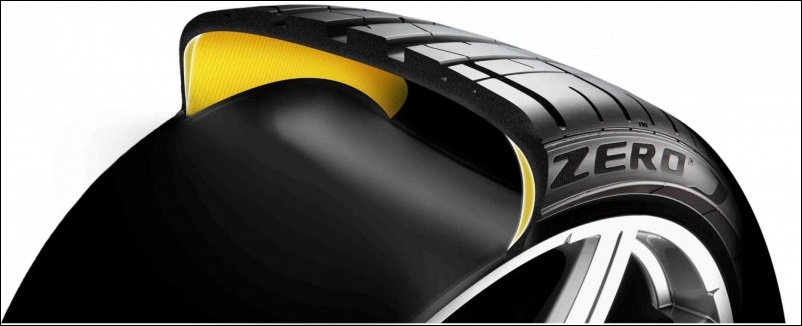
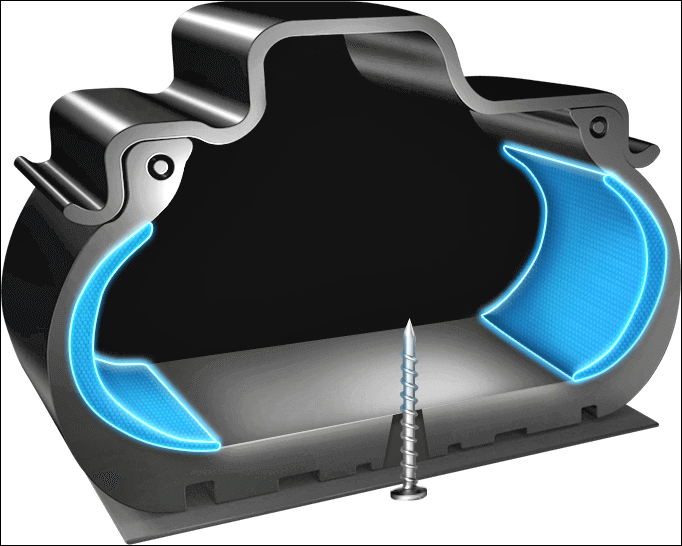
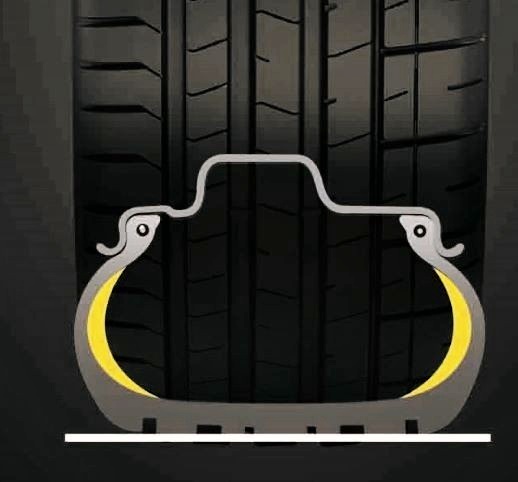
Pirelli’s Self Supporting system (blue areas) is incorporated in the sidewalls for specific reinforcement which allows a deflated tyre to support lateral and transverse loads of the vehicle even in the absence of air pressure.

Original fitment by many carmakers
Over the last 20 years, Pirelli’s engineers have developed more than 1,000 different types of tyre featuring run-flat technology of different sizes and seasonal applications. To date, the company has supplied more than 70 million run-flat tyres, mostly as original fitment on models by BMW, Mini, Mercedes-Benz, Alfa Romeo, Audi and others.

Good for EVs
Run-flat tyres are also of interest to manufacturers of electric vehicles, which still need tyres to run on. Being able to leave out the spare tyre or even not have to carry a repair kit can mean less weight on board and that can help in adding to the cruising range. Additionally, the space that is usually allocated for a spare tyre can be utilized for the battery pack.

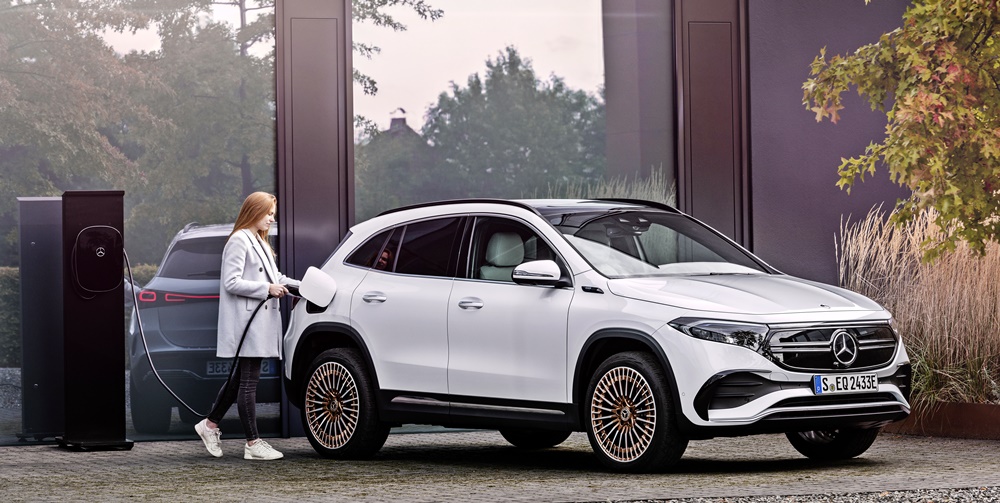
2021 Mercedes-Benz EQA
Run-flat tyres are also good for electrically-powered cars which need to be as light as possible, so not having the weight of a spare wheel helps.

Run-Flat technology will therefore also play an important role in electric vehicles as well as autonomous vehicles, the latter by helping the vehicle remain under control even in an emergency situation.

Some of the Pirelli run-flat tyres include Pirelli Elect and PNCS noise-cancelling technology. The former is dedicated to electric vehicles and is focussed on low rolling resistance, reduced tyre noise, immediate grip, and a structure that can support the weight of a battery-powered vehicle. PNCS is focussed on reducing perceived tyre noise inside the cabin, thanks to the use of special sound-deadening material on the inside of the tyre.

So long as motor vehicles run on wheels, tyres will be needed and run-flat technology will remain an important element. Pirelli continues to improve its run-flat tyre range as new technologies become available and affordable, with a view of future requirements by the industry and motorists.

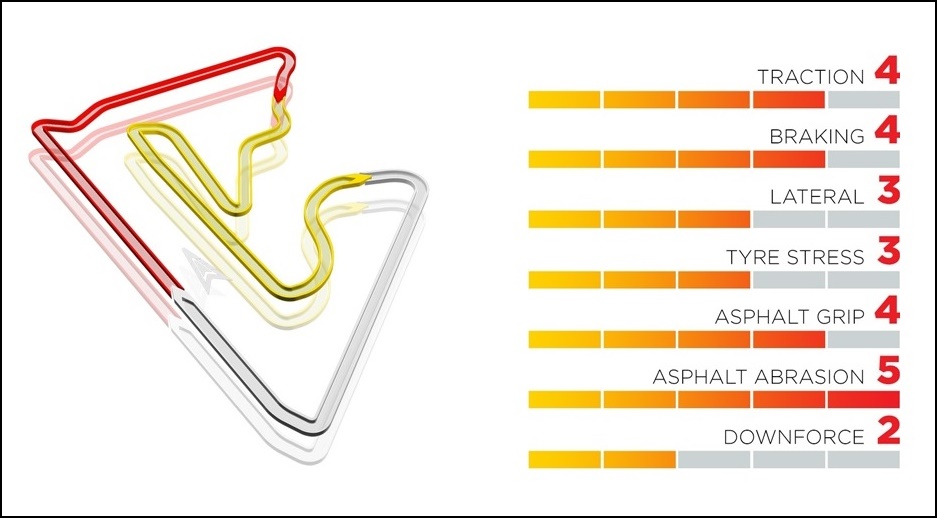
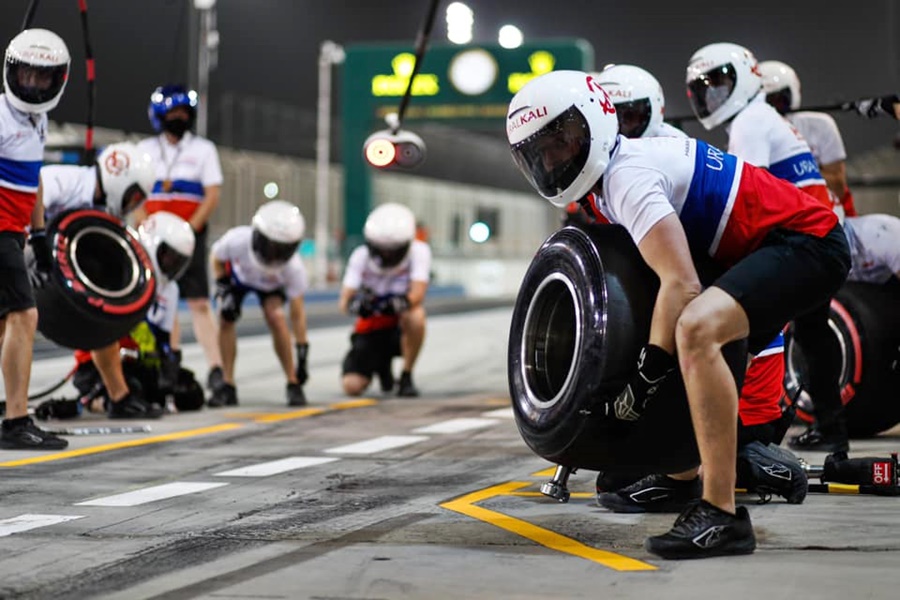
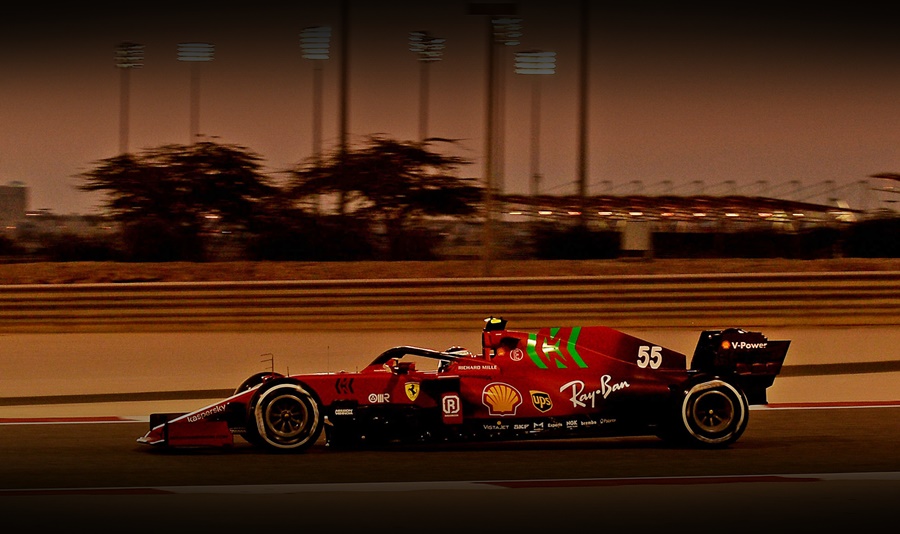
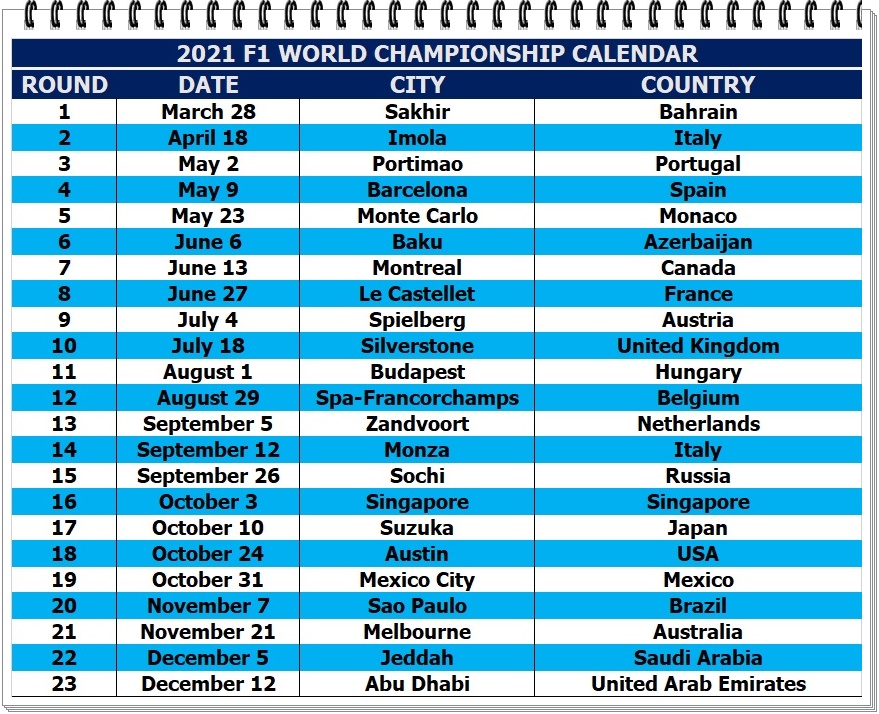
The 2021 Formula 1 World Championship starts off this weekend in Bahrain, instead of Australia where the first round has traditionally been. So instead of preparing for the circuit in Melbourne, tyre-suppliers Pirelli have had to change plans and select tyres for the circuit in the desert which has some of the most abrasive asphalt of the season.

At the 3-day pre-season test on the circuit, the teams had the entire P Zero range at their disposal, but many chose to concentrate on the three compounds nominated by Pirelli engineers. With the track having been used just 4 months ago, little about it will have changed since the teams were last there: giving them a stable basis to work from.

Windy testing conditions
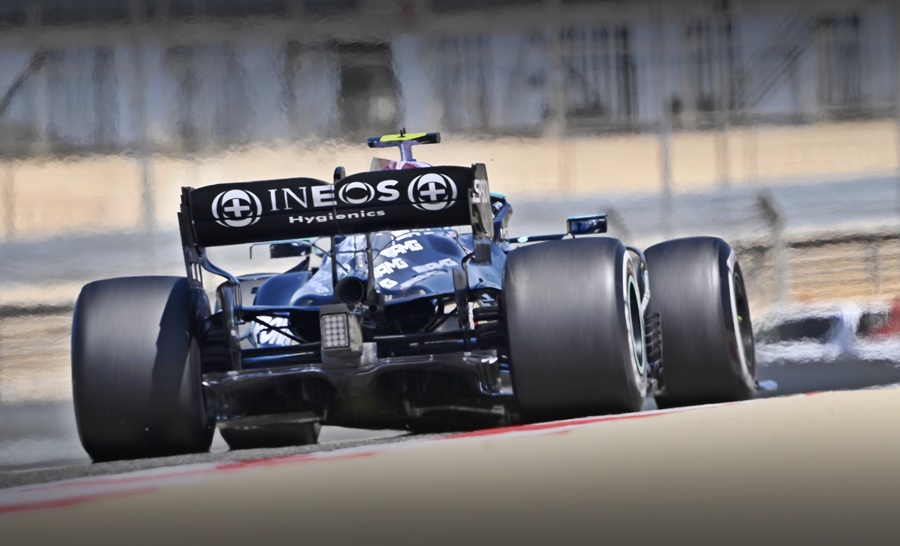
The testing was influenced by the local conditions and the first day was consistently windy with gusts that reached 47 km/h, affecting the aerodynamics on the cars. As a result of the wind, there was plenty of sand on the track that compromised grip. Temperatures were also particularly high, so the combination of these factors led to some surface overheating and increased tyre degradation.

On the second day, the wind still remained but temperatures were lower, which reduced the overheating. As a result, the teams had a better balance with their cars, with plenty of set-up work carried out over generally short runs, as was the case on the opening day.

The third and final day was run in better track conditions with moderate winds and a cool breeze but track temperatures similar to the first day. Many teams carried out long runs using the compound tyres nominated.

The three compounds
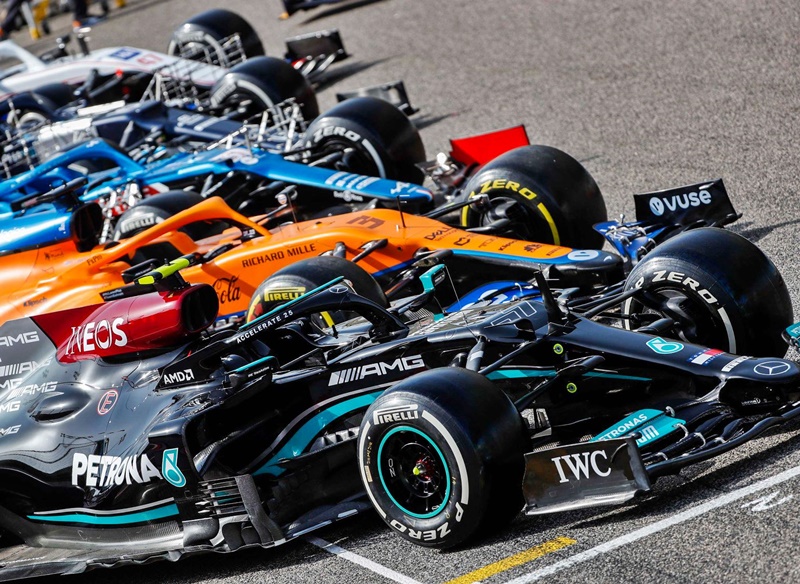
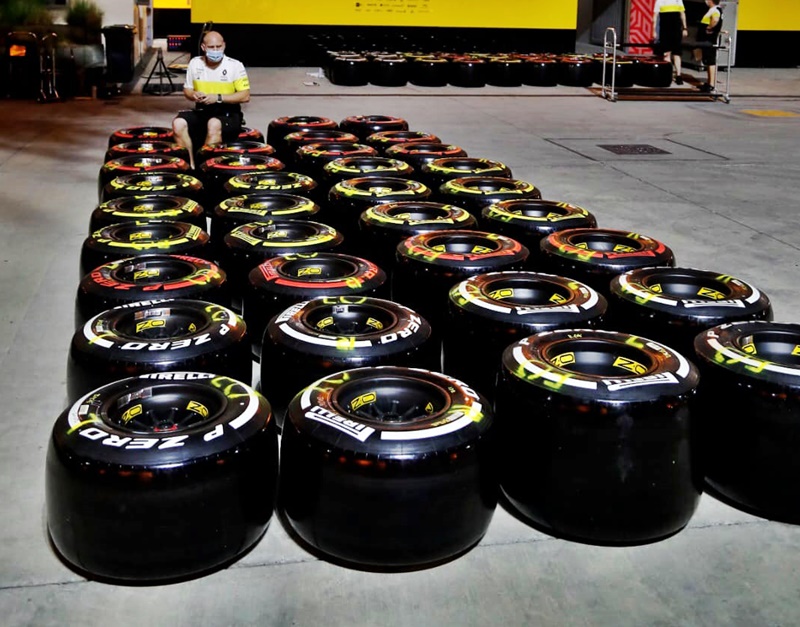
The three compounds are C2 as the P Zero White hard, C3 as the P Zero Yellow medium, and C4 as the P Zero Red soft. This is the same nomination as last year’s Bahrain GP but there is a new tyre construction this year for the latest cars. The 2021 cars, in fact, have reduced downforce compared to last year, under the most recent technical rules.

The new tyres for 2021 have been designed to improve strength and durability, allowing them to run at lower pressures, while the actual compounds are the same as last year. During testing of the 2021 tyres last November in Bahrain, rear tyre pressure was reduced by 0.5 psi and front tyre pressure by 1.5 psi. Then, following telemetry analysis and the reduction of rear downforce in particular, rear tyre pressure was further reduced by 1.5 psi at recent test in Bahrain. This is now confirmed for the race.

The number of sets allowed per weekend is the same as last year (13) despite the there being an hour less of running, with Friday’s free practice sessions now cut to one hour each. As was the case last year, there’s a standard allocation for every car in 2021.

Racing after sunset
The Bahrain race is run at night and gets underway in the evening at 6 pm. After sunset, track temperatures that can fall quite rapidly once the race gets underway and this in turn affects tyre behaviour and therefore strategy.

The asphalt (with high granite content) in Bahrain is well-known for being abrasive, increasing tyre wear and degradation. Last year’s race – which featured a red flag and multiple safety car periods – was won by Mercedes-AMG driver Lewis Hamilton with a 2-stop strategy. Red Bull’s Max Verstappen, who finished second, was one of just two drivers to change tyres 4 times.

Condensed testing session
Commenting on the tyres, Mario Isola, Head of F1 and Car Racing at Pirelli, said: ”Just 4 months after having two races in Bahrain, and two weeks after 3 days of pre-season testing, we’re back there for the first race of the 2021 season. During the test, we saw many teams concentrated on the compounds nominated for the race, but the conditions we experienced in testing might not be entirely representative of the race.”

“The teams also ran a very wide variety of different programmes during just the one condensed session, whereas in the past, with two test sessions, the second session was usually more focussed on tyres. So it’s hard to draw many firm conclusions. With new specifications of cars and tyres, as well as the shortest pre-season in recent memory, the competition is wide open: especially given that the track characteristics of Bahrain have often resulted in interesting strategic battles, with a number of different tactics used,” he added.

The third 2022 18-inch tyre test of the year (the second one with slicks) will take place for 3 days in Bahrain after the race. Ferrari will run on the first day, with Alpine running on the final two days.

Yuki Tsunoda to drive for Scuderia AlphaTauri Honda in 2021 F1 championship

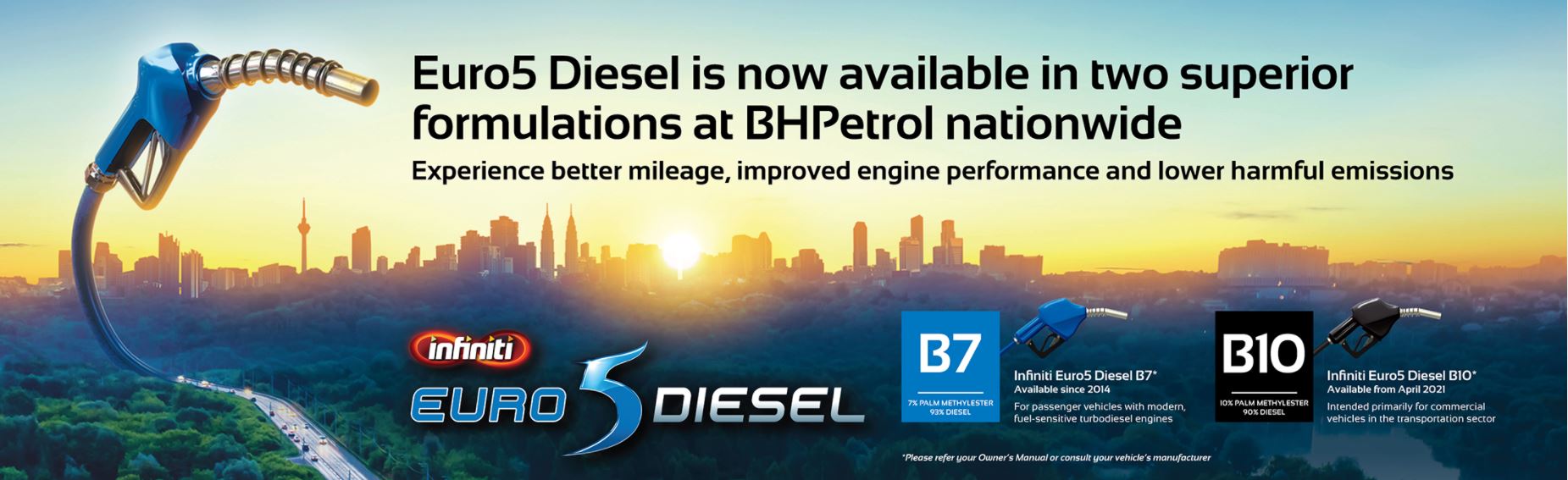
Visit www.bhpetrol.com.my for more information.

As electric vehicles move into the mainstream, tyremakers are slowly focussing R&D on developing tyres which are more specifically engineered to meet the specific handling and range requirements. This will be especially so with the new generation of electrically-powered sportscars like the Porsche Taycan. Issues like weight and rolling resistance will have a great priority.

Specifically for electric sportscars
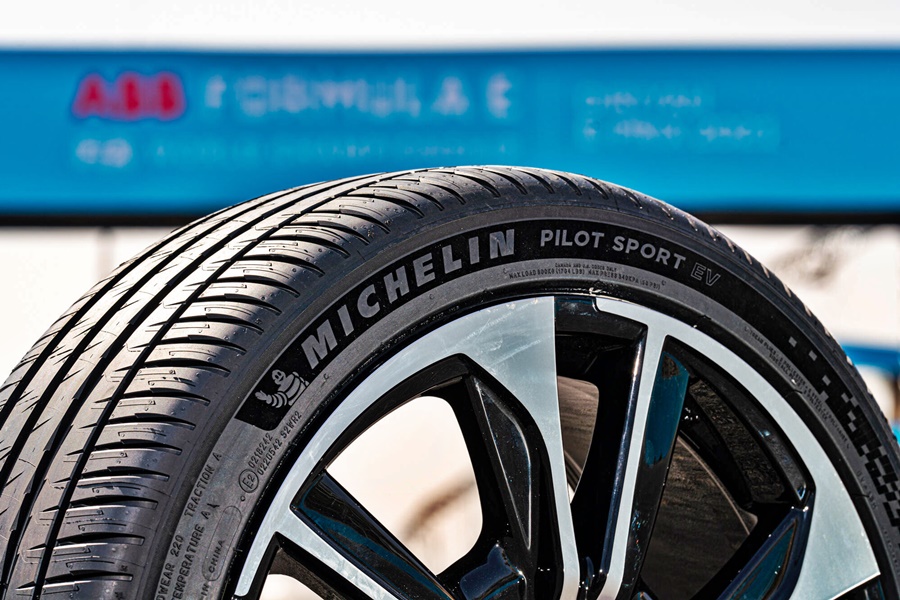
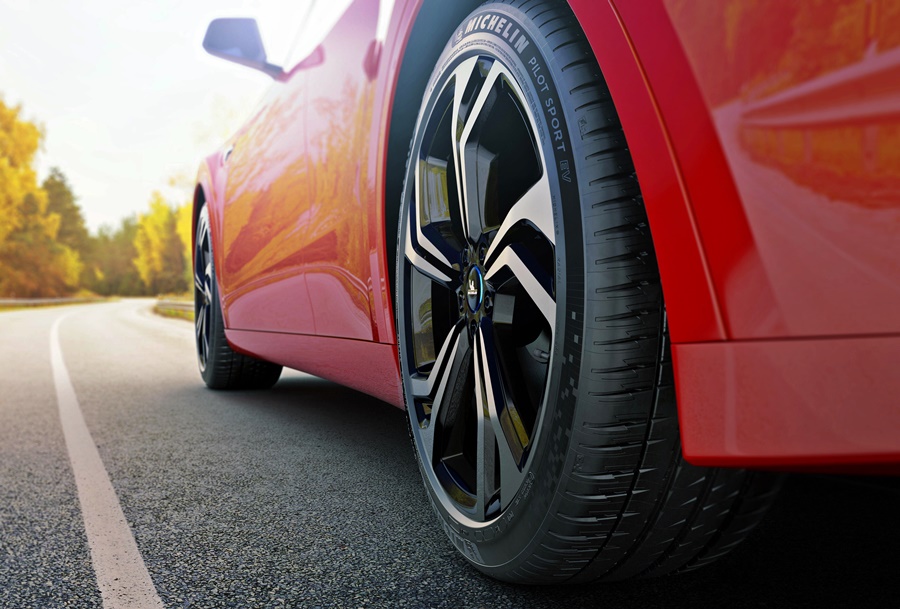
Michelin’s Pilot Sport EV is the first tyre from the French company which is designed to address the specific demands made by electric sportscars. It is the result of the unique experience acquired by Michelin’s involvement in the all-electric single-seater Formula E racing series.

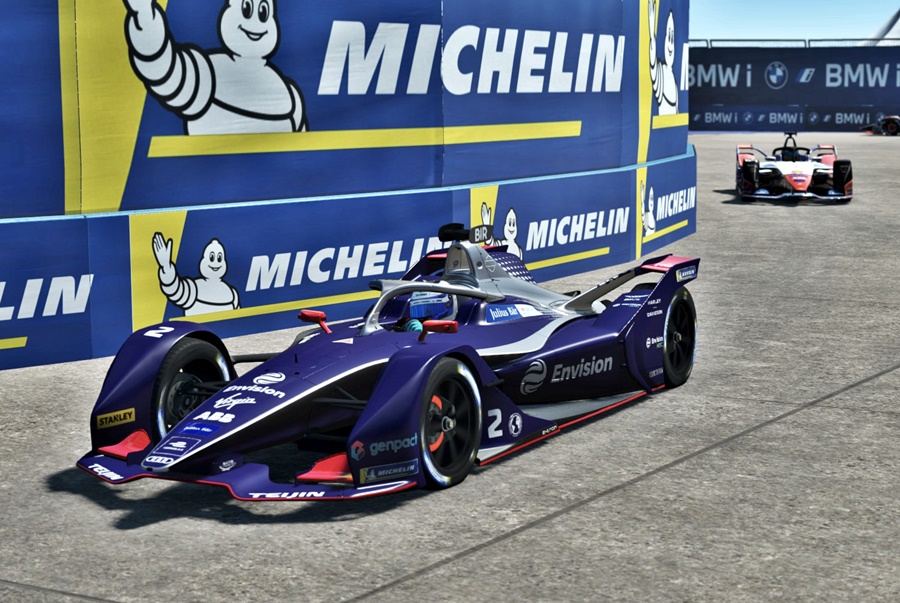
Michelin, as the tyre supplier for the all-electric single-seater Formula E championship, has developed tyres specifically for the racing cars.

Technological experience from Formula E
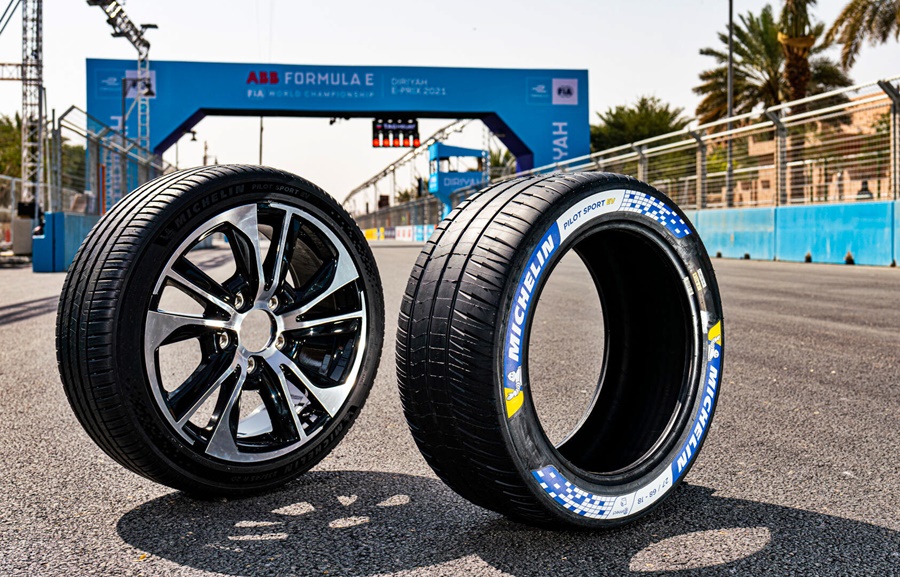
A founding partner of Formula E, Michelin proposed a specific solution for the championship’s racing cars that is similar in its concept to a road tyre. The Michelin Formula E tyre is capable of racing in any weather conditions, while its size – 18 inches – is consistent with current road-car norms.
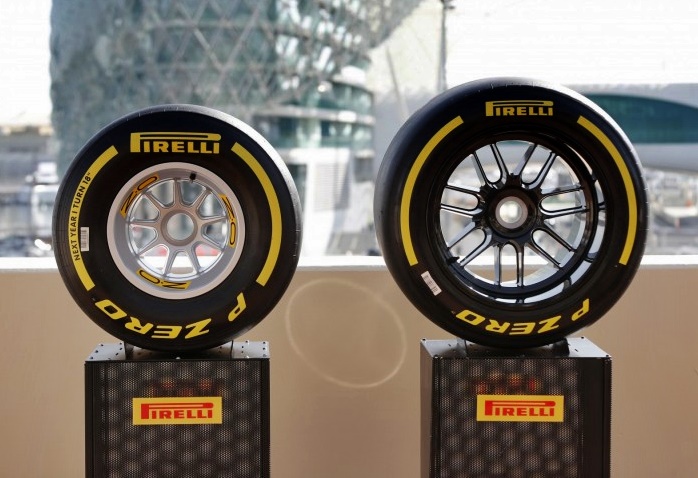
One example of how the Pilot Sport EV benefits directly from the progress Michelin has achieved over 6 seasons in Formula E is the ElectricGrip Compound technology. This features a hard compound for the centre of the tread to provide the grip required to handle high torque characteristics of electric sports cars. The sidewalls carry over the same pattern and velvet-finish markings of Michelin’s Formula E tyre.

Additionally, MaxTouch Construction maximizes the tyre’s contact with the road and evenly distribute the forces of acceleration, braking and cornering – delivering longer tread life without sacrificing performance.

Quieter and further
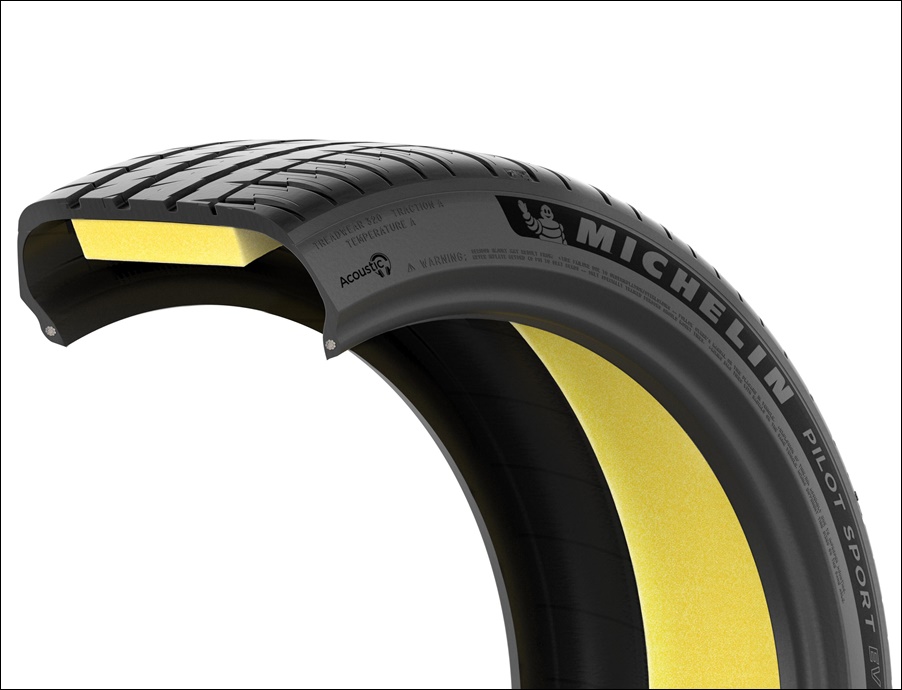
Electric cars run quietly so the tyres will also have to be as quiet as possible. To achieve this, Michelin engineers have cut out 20% of road noise using the company’s Acoustic technology which takes the form of a custom-developed polyurethane foam that reduces cabin noise.

There is the promise of optimal grip on dry and wet road – irrespective of the tyre’s level of wear – taking into account the higher weight and weight-distribution characteristics associated with electric sportscars. Resistance to wear is also tailored in response to the high torque and acceleration forces generated by electric powertrains.

The tyre’s low rolling resistance is claimed to extend operating range by up to 60 kms. This has been calculated in a Rolling Resistance internal study comparing a 255/45 R19 Pilot Sport EV (6.7 kg/t) with the same-sized Pilot Sport 4 SUV (8.8 kg/t). In the case of an electric vehicle weighing 2,151 kgs with a range of 540 km, the difference (2.1 kg/t) equates to more than 60 kms of additional range, or more than 10% of the original range.

Carbon-neutral throughout
The new tyre is also an eco-responsible product and will be CO2-neutral at the point of sale. Michelin has cut CO2 emissions from its industrial sites by 25% since 2010 and aims at their carbon neutrality by 2050.

In order to achieve carbon neutrality throughout the life of its tyre and address the demands of electric sportscar owners, Michelin has pledged to neutralize the CO2 emissions associated with the tyre’s production and transport to its point of sale. This process includes the financing of projects aimed at offsetting and absorbing the residual CO2 emissions associated with tyre production through the Livelihoods carbon fund until the day comes when it will be possible to eliminate them entirely.

The Pilot Sport EV will go on sale from April 2021, starting with the China market, followed by Europe and North America from the third quarter of this year. By 2024, Michelin plans to increase its sales in the high-growth markets by a factor of eight.

Click here for other news and articles about Michelin.

Archive

Follow us on Facebook

Follow us on YouTube