Piston.my

English

BHPetrol RON95 Euro4M

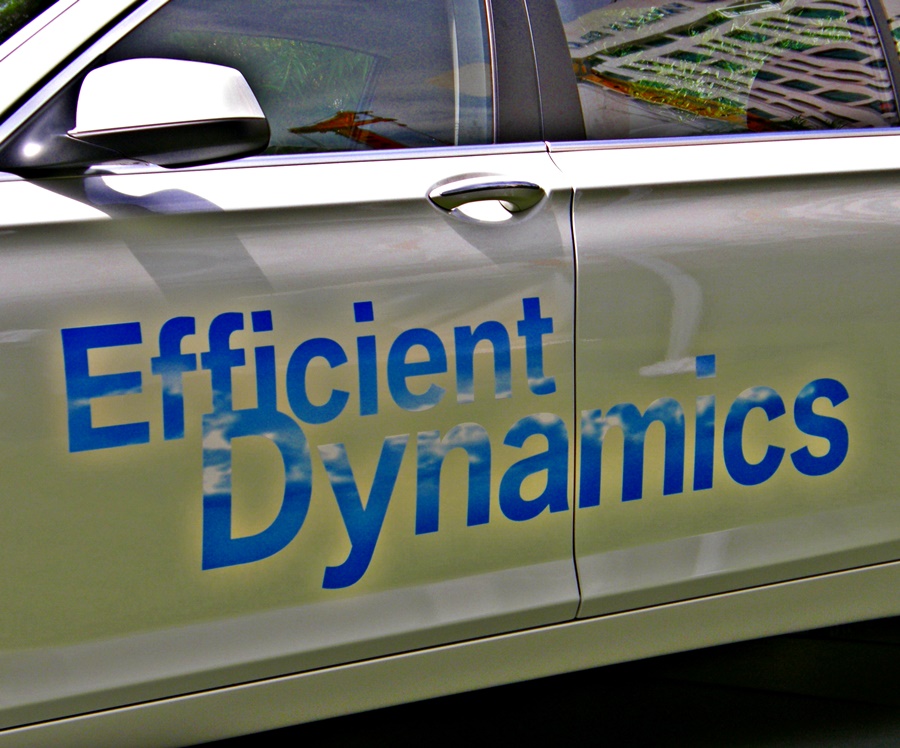
BMW Efficient Dynamics technology was initiated in 2007 with the objective of consistently reducing fuel consumption – and thereby CO2 emissions – on the one hand, while steadily enhancing driving dynamics on the other. Generally, when pursuing lower fuel consumption goals, the trade-off has been in performance but that would not be acceptable to BMW engineers.
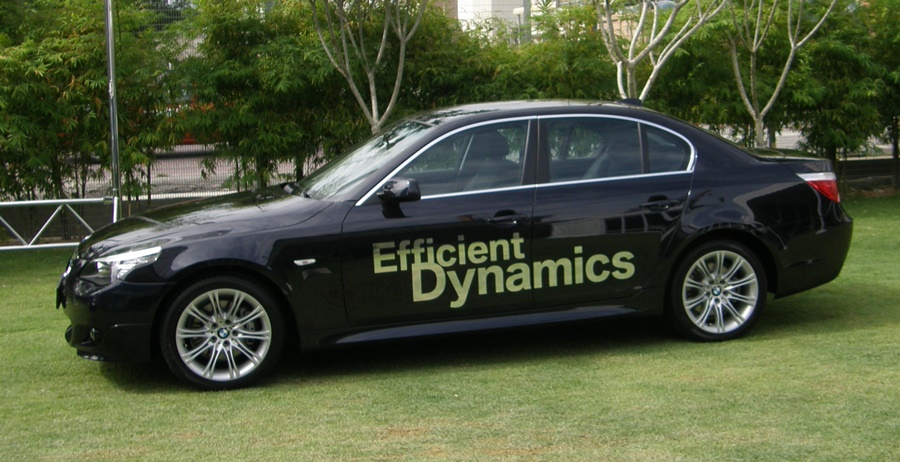
BMW Efficient Dynamics
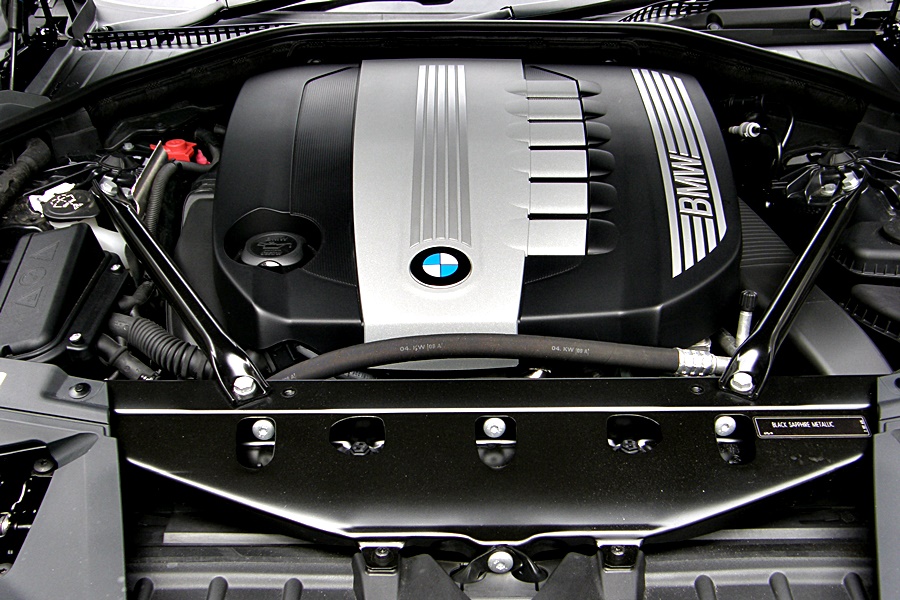
In Malaysia, early examples of BMW Efficient Dynamics focussed on advanced turbodiesel technology (2009 730Ld engine shown below).

BMW engine

As a result, Efficient Dynamics is now a fundamental link in the DNA of all BMW models and one of the key reasons why the BMW Group will be able to meet the European Union’s CO2 targets in full.

Technical measures covering every area
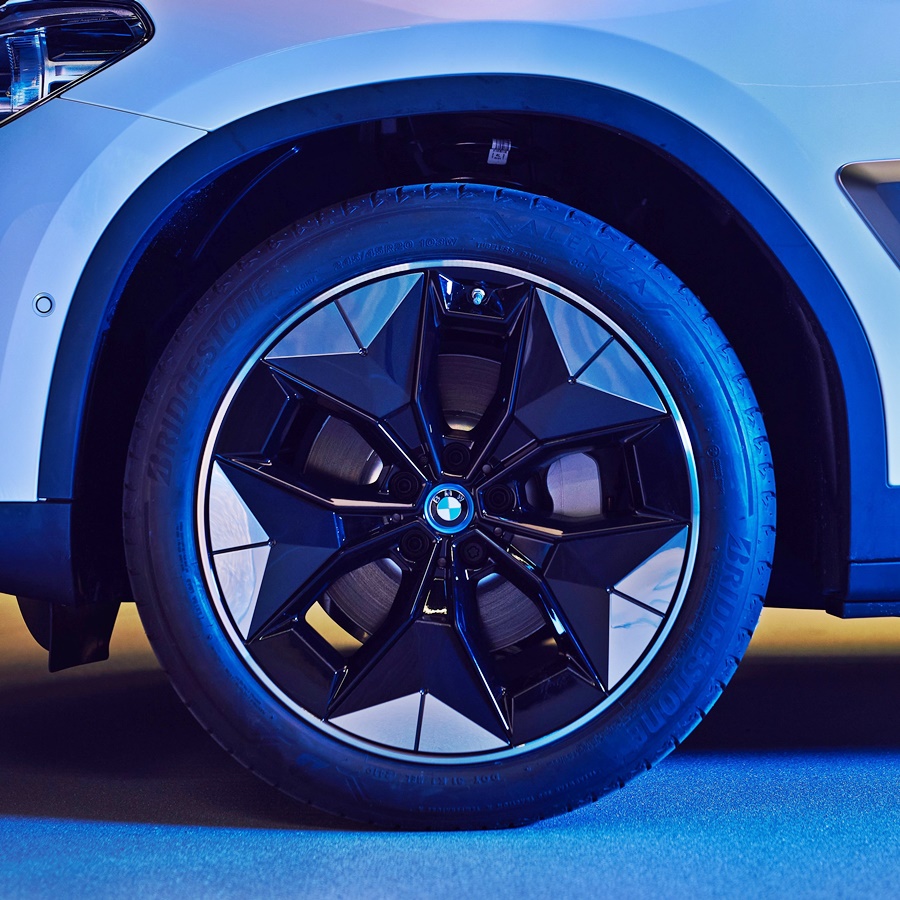
The Efficient Dynamics approach systematically optimizes every aspect of the vehicle, not just the powertrain. On the aerodynamics side, active air flap control is now in its third generation, while the new iX3 (due to be launched by the end of 2020) will be fitted with the latest generation of BMW aerodynamic wheels.

BMW Efficient Dynamics
iX3 prototype, undergoing cold weather testing, will use unique aerodynamic wheels (below).

BMW Efficient Dynamics

The technology behind the new wheels has been further refined, resulting in a 5% reduction in drag coefficient compared to conventional X3 wheels plus a 15% weight saving over the previous BMW aerodynamic wheel type.

Such significant steps forward have been achieved thanks to heavy investment in the necessary aerodynamics R&D infrastructure over recent years. The most aerodynamically efficient current model overall, the new 3-Series Sedan, has a Cd of just 0.23, earning it the title of ‘best in segment’.

Intelligent lightweight design has also led to some major efficiency-boosting advances. This has made it possible to reduce the weight of models from one generation to the next, despite increases in size and safety enhancements. Optimizing structures and employing the ideal materials in every area of a vehicle are key to attaining the goals that have been set.
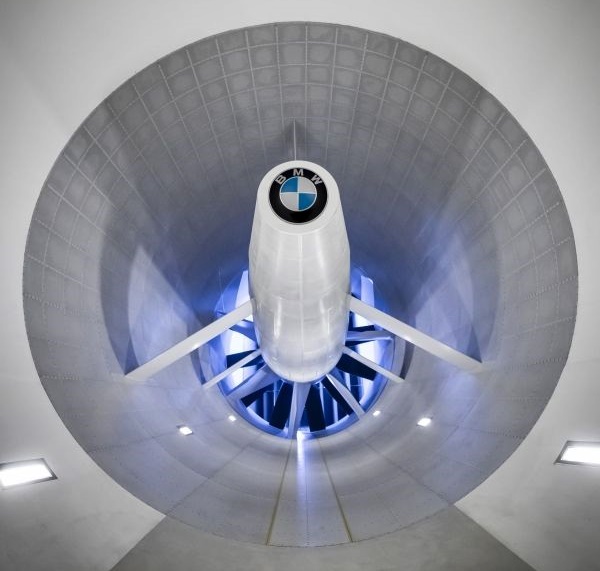
BMW Wind tunnel

The wide range of powertrain systems on offer also plays a fundamental role in the Efficient Dynamics concept. From highly efficient combustion engines with 48V electrical systems to plug-in hybrids and all-electric vehicles – all are underpinned by the basic principle of Efficient Dynamics: minimize the input while maximizing the output.

The advent of 48V mild hybrid technology greatly expands the possible uses of Brake Energy Regeneration. This technology made its debut in the four variants of the 520d last year and are now being extended to the 3-Series, X3 and X4 ranges.

Hydrogen fuel cells in future
The BMW i Hydrogen NEXT – unveiled to the public at the 2019 Frankfurt Motor Show as a technology demonstrator – represents a potential fourth pillar in the company’s powertrain portfolio. The BMW Group has been working with the Toyota Motor Corporation on fuel cell technology since 2013. The underlying conditions for supplying ‘green’ hydrogen are not yet in place, however, meaning it will still be some time before the BMW Group brings out a production vehicle with this technology on board.
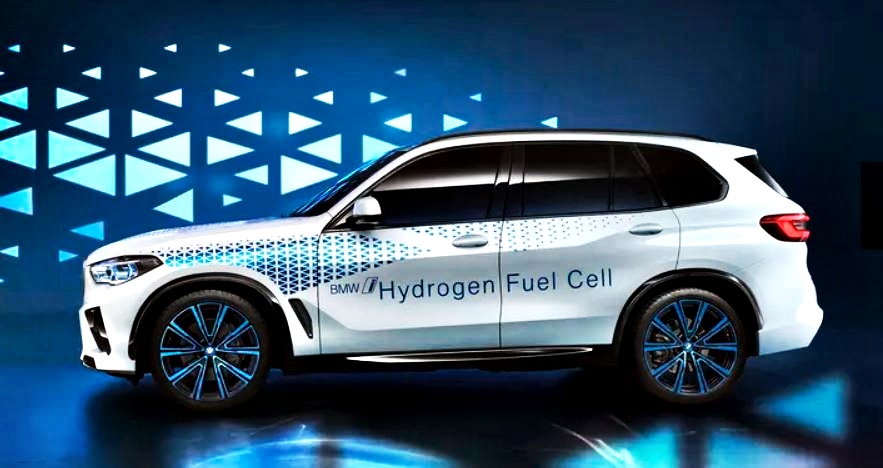
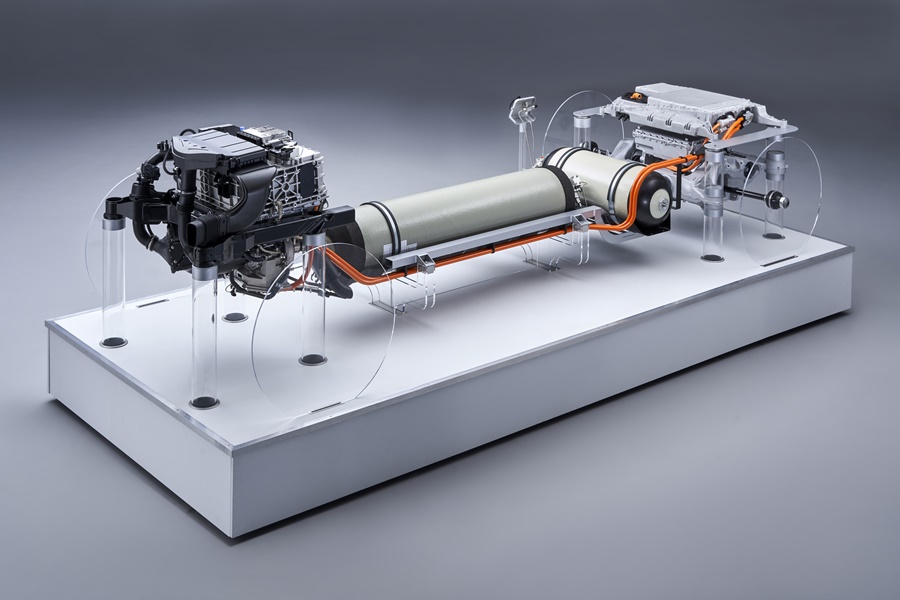
BMW i Hydrogen NEXT

BMW Efficient Dynamics
The BMW Group and Toyota are working on a hydrogen fuel cell powertrain for the future.

Systematic roll-out with clear benefits
As a result of the continuously evolving package of technological measures, fleet consumption and CO2 emissions have been cut by more than 40% over the last 13 years. What is more, the BMW Group will comply in full with the European Union’s CO2 targets, thanks in part to the rigorous deployment of BMW Efficient Dynamics innovations as standard across all model series. With ongoing electrification of the range, CO2 emissions in 2020 will be 20% lower again thant the figure for 2019.

First look at the hydrogen fuel cell powertrain being developed by BMW and Toyota

StayAtHome

PISTON.MY

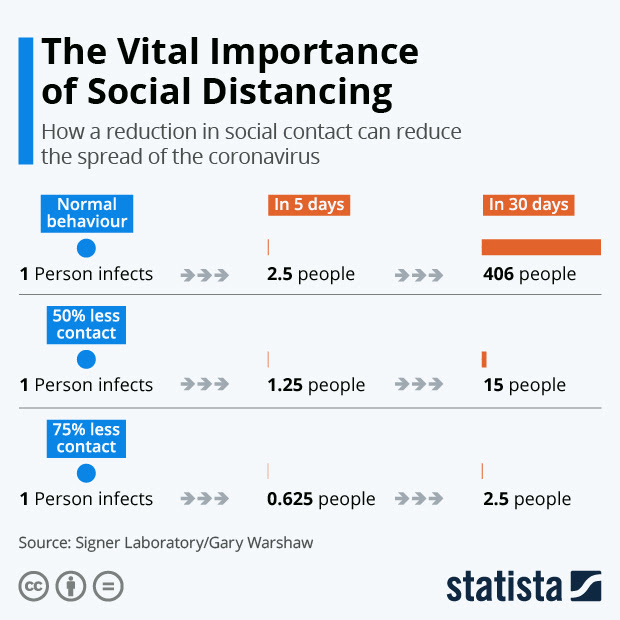
By now, Malaysians would know that the Movement Control Order (MCO) will not expire on April 14 but continue till April 28, 2020. The reason is to give more time for the effects of social distancing and restricted movements to slow down the spread of the COVID-19 coronavirus and ‘flatten the curve’. The latter refers to a graph which projects the number of infected cases and the ‘flatten to curve’ will keep the number lower so that our medical facilities can cope.
In Europe and America, the number of cases has gotten so high that hospitals cannot cope and lives are being lost because of insufficient life-saving equipment and even beds. We do not want that to happen in Malaysia and it seems that the MCO has worked to some extent although the Health Ministry’s Director-General says that more time is needed.

Understanding that the restrictions, which have included closure of most businesses, has seriously affected the economy and put increasing pressure on workers, the government will permit certain sectors to operate in what we hope is the final phase of the MCO. The sectors involve industries such as machinery and equipment, social health services, construction, aerospace, optical shops, laundry shops and barber shops. Earlier, hardware shops had already been allowed to operate on certain days and within certain hours.

Proton

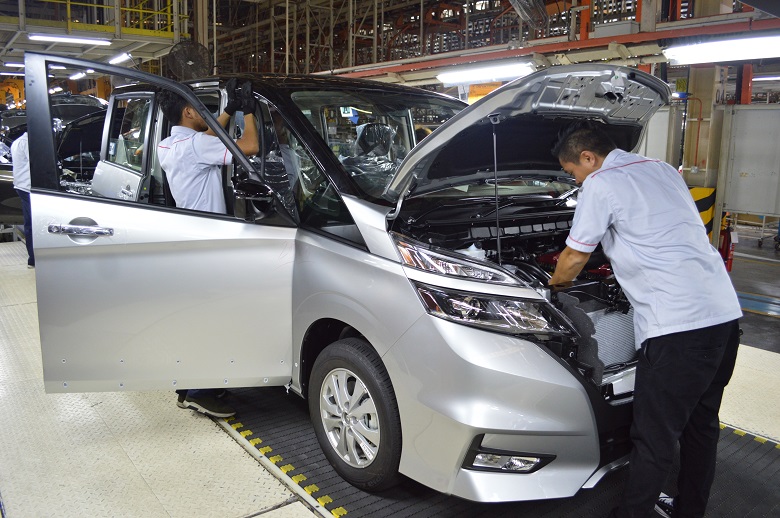
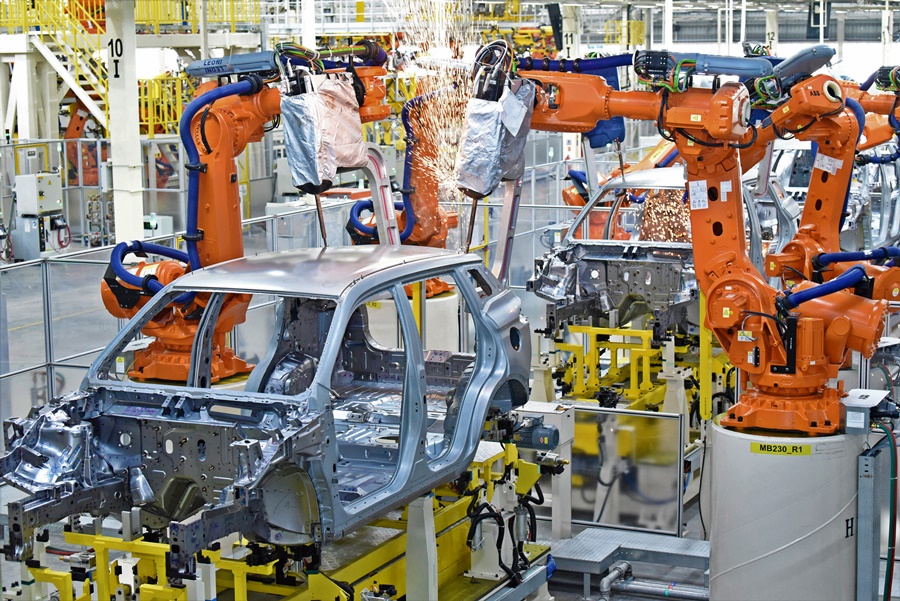
Some sectors of the auto industry are also allowed to operate in the coming weeks. These are plants and companies which are involved in the assembly of vehicles for exports (production for the domestic market is not allowed). This would mean brands such as BMW, Mazda, Perodua, Peugeot, Proton and Volvo, along with the companies which provide parts to them.

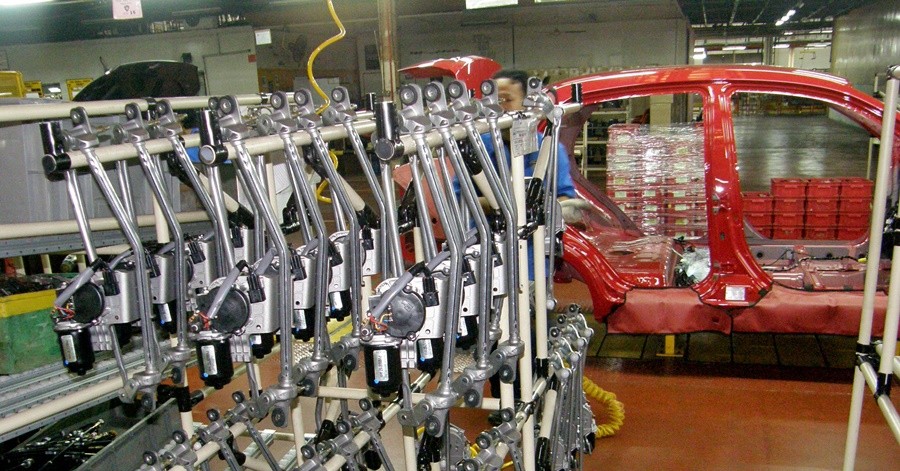
It’s good news but might not be as helpful to the companies as it seems. There are still parts and systems that are imported from not just other ASEAN countries but also Japan and Europe and with many production facilities shut down, it may not be possible to finish assembly of the vehicles. Just one part not being available means the vehicle cannot be completed although there might be a small stock of the parts.

Assembly

However, most automobile factories today operate on a just-in-time system where a minimum stock is kept to reduce storage space requirements. Under normal circumstances, the supply chain from overseas is constant and that’s fine. Now with many sources shut down and also local restricted movements for which exemption will be needed to get the parts out from the ports, it will be a challenge for the assemblers.

Then there’s the matter of whether importers in other countries want new vehicles. Vehicles from Malaysia are exported mainly to ASEAN countries as the ASEAN Free Trade Area (AFTA) agreement allows them to be imported duty-free. But Thailand, Indonesia, Brunei and the Philippines are all under similar crisis conditions and sales would be down.

Service centres allowed to open
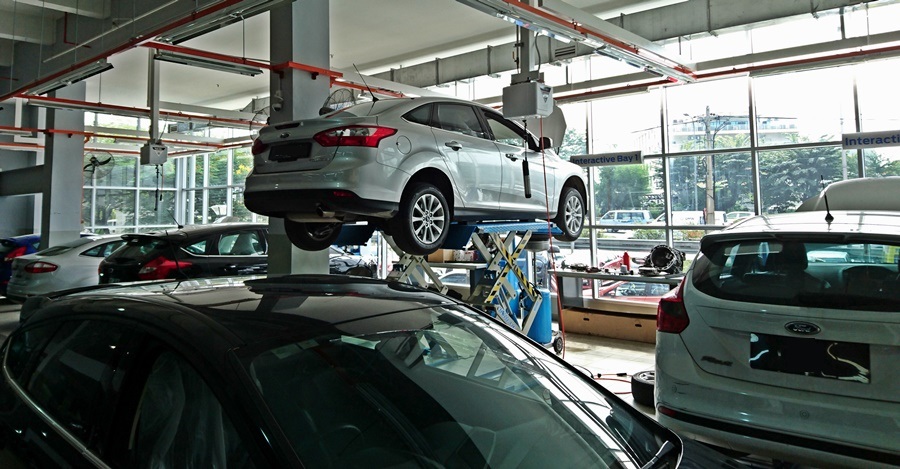
When the MCO was first activated, all service centres had to close. The only allowance was for emergency services to tow disabled vehicles or change batteries, but no work was to be done at the premises. If a car was towed there, it would remain there until the MCO was over before any repair work could start.

Service centre

Now, it has been announced that ‘aftersales activities’ will be allowed to resume from next week (provided approval is given to the company by MITI). This is taken to mean that the service centres can operate and receive cars for servicing. So far, it is not known if the companies will open their service centres and we’ll only know after Monday when applications are submitted.

The manager at a company selling a leading brand said that there is also concern about their own people getting infected and whether it is worth the risk for now. Furthermore, with the 10-km range imposed under the MCO, there may be vehicle owners who may be beyond range to reach the authorized service centres.

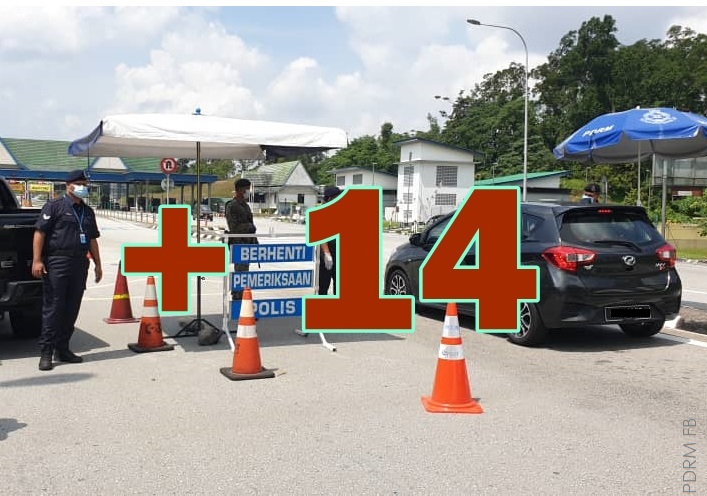
The personnel at roadblocks have been instructed to be stricter and many people have been charged with disobeying the regulations, which means a RM1,000 fine or 6 months in jail (higher penalties might be considered).

Roadblock

Basically, for private motorists, besides the 10-km range from your home that you can travel to buy essential items or for emergencies, only one person can be inside the vehicle. You may be required to show proof of residence which, if not the same as what is on your MyKad, can be shown with TNB or water bill for your current place of residence. You are not allowed to wander around after making your purchases and should return straight home.

As everyone from the Prime Minister to the medical personnel at hospitals has appealed: STAY AT HOME. This is how you can do your part in the War on COVID-19. It may be frustrating and for many, a worrying time as it creates uncertainties about the future but we need to make the sacrifices so our lives can return to some normalcy (although things will be different for sure).

Social distancing

PISTON.MY

BHPetrol RON95 Euro4M

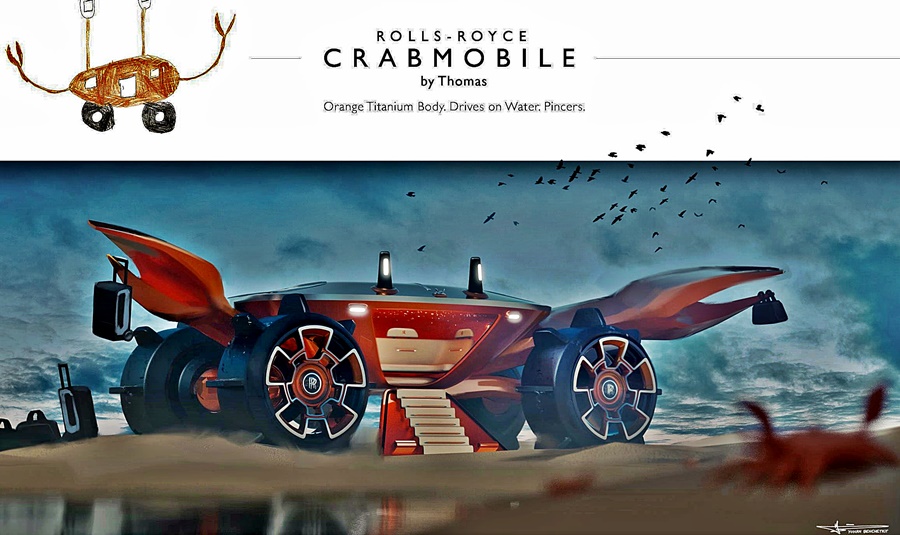
Parents who have run out of ideas to keep their children occupied in this #stayathome time may like to consider encouraging them to enter the ‘Young Designer Competition’ that is being run by Rolls-Royce Motor Cars. The competition is an extension of an event which is run annually at the Rolls-Royce employees’ Family Day Celebration in England and is now open to a worldwide audience.

For this competition, Rolls-Royce is calling on aspiring designers up to the age of 16 to design their dream Rolls-Royce of the future. The competition enables designers of the future to let their imaginations and creativity run free, even while they remain bound to their homes.

Rolls-Royce

The carmaker hopes to ‘stimulate design talent, inspire greatness and provide a welcome distraction from self-isolation and social-distancing measures being adopted by many countries around the globe.

The marque’s Design team will judge all entries and select an overall winner, who will receive a rendered illustration of their design – a true once-in-a-lifetime, money-can’t-buy prize – as well as a chauffeur-driven journey in a Rolls-Royce Phantom for their first day back to school, with their best friend. Runners-up will receive a hand-signed certificate from Torsten Muller-Otvos, CEO of Rolls-Royce Motor Cars.

Greenpower
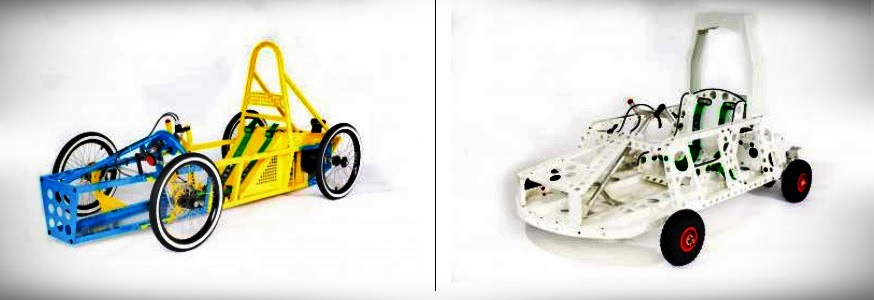
Electric cars which can be assembled from kits supplied by Greenpower.

Two additional prizes will be awarded to one lucky UK entrant: Travel to school in style in a chauffeur-driven Rolls-Royce once the UK’s own coronavirus countermeasures draw to an end. A new Greenpower electric car kit will also be donated to the recipients’ school, thereby enabling participation in the Greenpower Challenge – the UK’s number-one motorsport competition for schools across Britain.

Let’s see our young Malaysians take on the challenge! Entries need to be submitted by May 18, 2020  and for more information on the competition, go to rolls-royceyoungdesignercompetition.com.

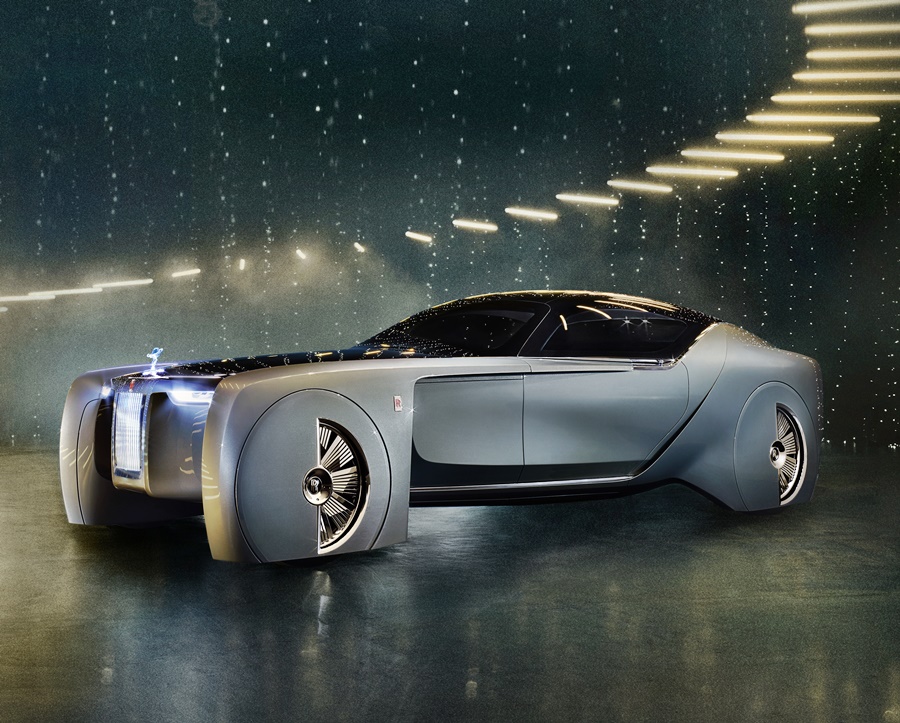
The Starlight Headliner – Bringing the starry sky inside a Rolls-Royce

Social distancePISTON.MY


With the Movement Control Order (MCO) in force, people cannot go to car showrooms as they are closed and movement is also restricted. This will be the case until April 28, 2020, the new date for expiry of the MCO which was announced today.

This presents a challenge for many companies, including those selling new vehicles. Virtually all companies have websites to present information to customers and now a number are also setting up ‘showrooms’ online.

Nissan Showroom Online

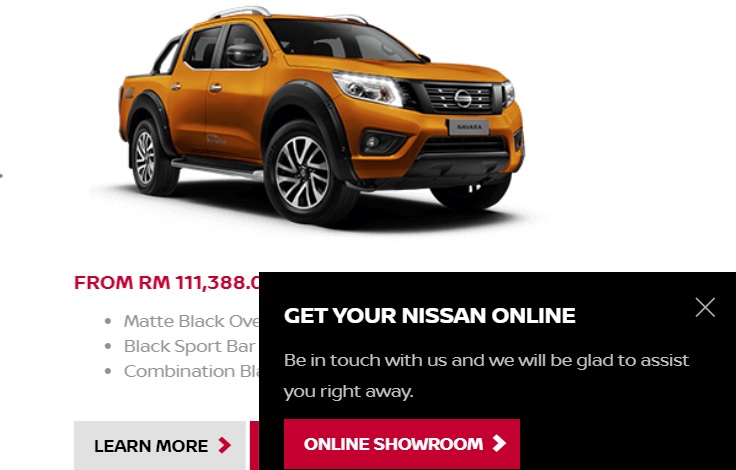
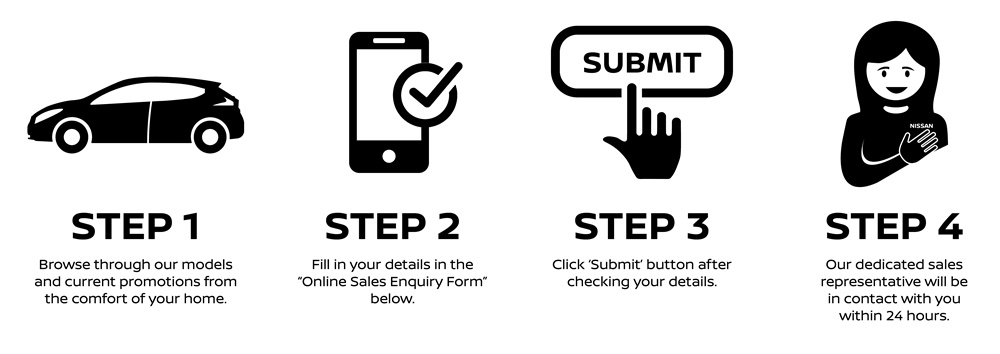
The latest is Edaran Tan Chong Motor which has today launched its Nissan Online Showroom.  While the website at www.nissan.com.my has comprehensive information, the complementary Nissan Online Showroom is more focussed on addressing customer enquiries relating to vehicle purchases.

Ar the Nissan Online Showroom, interested customers can submit an online form to make further sales enquiries or request for vehicle booking arrangements with just a few simple clicks. Within 24 hours of submission, a dedicated Nissan sales representative will be in contact with them.

Nissan Online Showroom

What this means is that many of the processes of buying a new vehicle can be done during the MCO period so that when it is over, it may be possible to get the new vehicle quickly.

Additionally, doorstep test drive appointments can be made and will be carried out when the MCO ends.

Edaran Tan Chong Motor offers warranty extension for Nissan vehicles

PISTON.MY

The Movement Control Order (MCO) has been extended. Originally set to end on April 14, it will now end on April 28,2020. Announcing this extension, the Prime Minister said that the government would also tighten border controls to ensure movement was monitored closely.

The lengthy period of restricted movement which has seen most companies, other than essential ones, ordered to be closed has been very challenging for businesses. In the auto sector, although workshops can operate, they can only provide emergency services and not normal servicing. Obviously, sales of vehicles have come to a standstill and even though some companies are providing ‘online purchases’, customers would still not be able to take delivery of their vehicles since the registration process cannot be done.

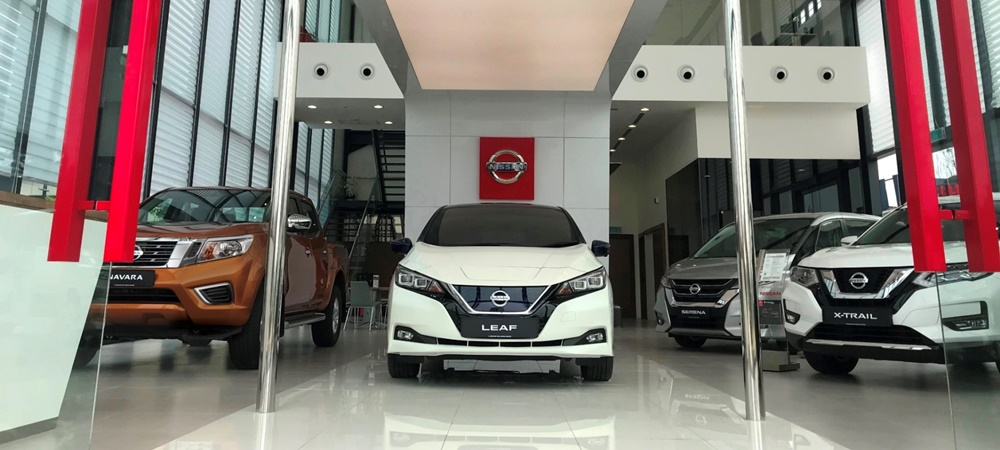
Car showroom
With car showrooms not able to operate for almost the whole month, April will be the worst month ever in the industry for both new and used vehicle sales.

However, the government will allow certain sectors to operate with specific conditions to protect the workers. It has already relaxed the restriction on places like hardware stores and shops selling vehicle spare parts, permitting them to open from 8 am to 4 pm on Mondays and Thursdays. Other types of business that can operate will be announced in due course.

The extension of the MCO takes it into the fasting month and as stressed by the National Security Council, as long as the MCO is in effect, there can be no Ramadan bazaars and gatherings for prayers are also forbidden. This is to prevent close contact which can allow transmission of the COVID-19 coronavirus.

StayAtHome

Social distance

BHPetrol RON95 Euro4M

Before 1980, mention of ‘4-wheel drive’ referred to vehicles like Land Rovers, Jeeps and Land Cruisers, with all four wheels being powered to provide maximum grip on all kinds of surfaces. These vehicles were mainly intended for off-road use in rough conditions. Performance on highways was not their strong point and in any case, they didn’t go very fast either.

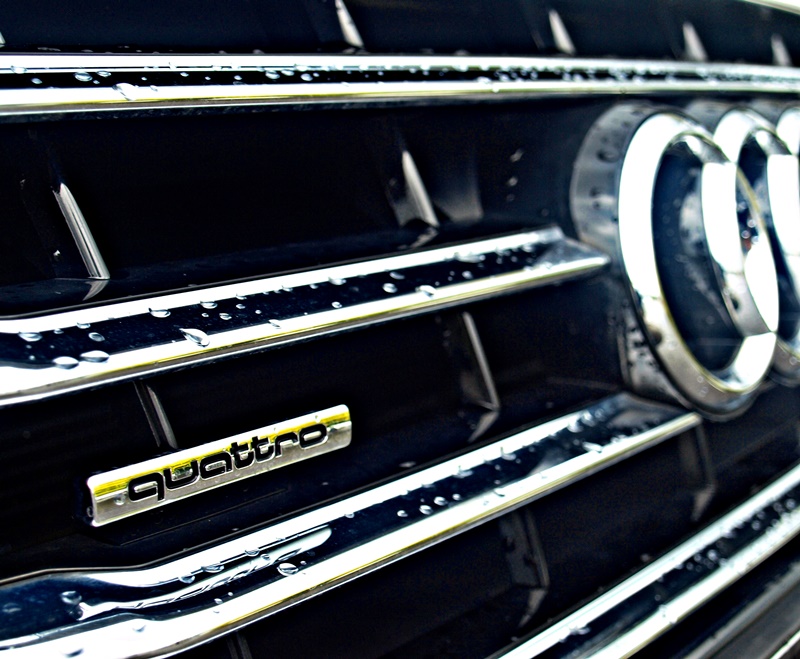
Then Audi came out with a system which it called ‘quattro’, bringing the concept of all-wheel drive to roadgoing vehicles which could provide superior grip on any road surface in dry or wet weather.

Audi quattro system

The idea of quattro stemmed from the desire to mass-produce cars with traction to all four wheels, with Audi engineers first developing a lightweight all-wheel-drive system based on the fundamental traits demonstrated by the Volkswagen Iltis off-roader in the 1970s. The technology was then advanced under the Audi brand in 1980 with the first production quattro all-wheel-drive system.

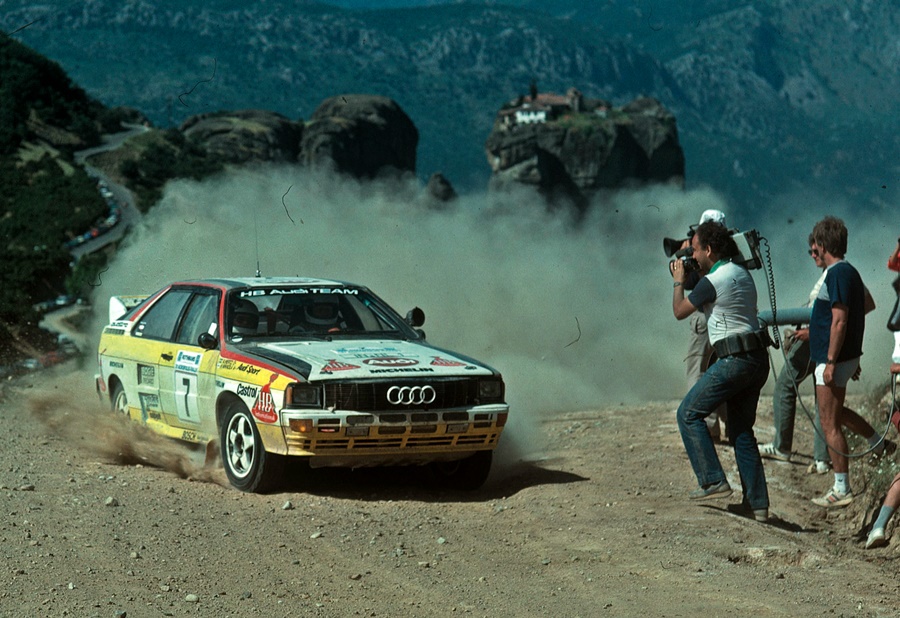
The superiority of the quattro system was very quickly demonstrated when Audi entered the World Rally Championship and started beating everyone, bringing the brand numerous titles. Following that, it also helped Audi win IMSA and Trans-Am races in America with sedan models. There was no doubt in anyone’s mind that all-wheel drive was a game-changer, a performance-enhancer which became a feature of high-performance models.

Audi quattro system

Audi quattro system

The quattro evolution
The quattro system defines Audi in many ways and remains its unfair advantage on the road and racetrack.  Today’s quattro system builds on the 40 years of experience, with several different types available in various applications. But before getting to today’s drivetrains, it’s important to understand how earlier quattro systems worked.

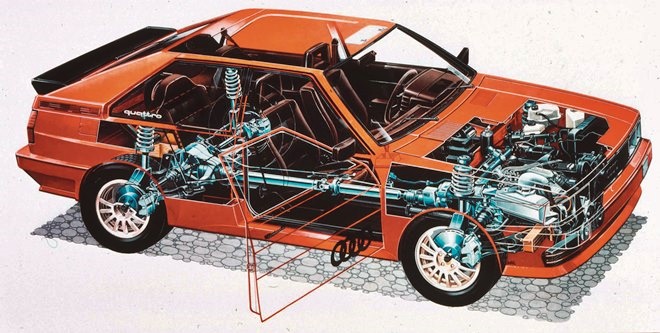
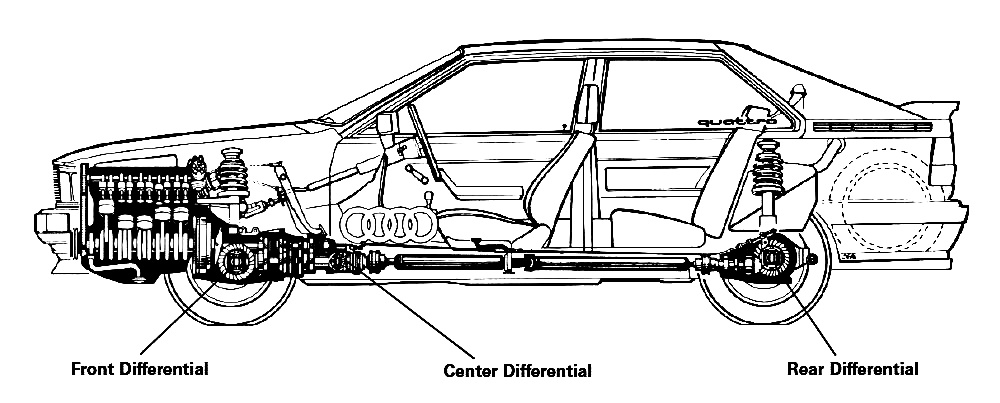
The first quattro system used three mechanical differentials to distribute torque between the front and rear wheels. Via a vacuum-operated switch, the driver could select to lock the centre differential to lock the front and rear differentials together, causing them to turn at the same speed without slip.

Audi quattro system

Ordinarily, the differential — a set of gears driving the wheels at each axle — are fully open to help compensate for the difference in speed each wheel travels. Think of taking a corner, for instance: the inside wheel will rotate far less than the outside wheel. Locking the rear differential helps ensure power gets to both wheels equally, which is needed when driving on slick surfaces or traction-limited situations but also to maximize grip in any condition. The front does not have a locking differential because of the need to turn.

Audi quattro system

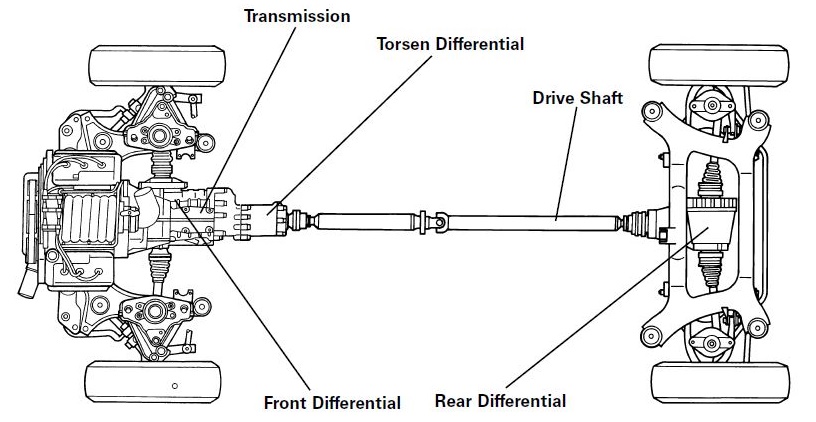
In the first major update of quattro in the late-1980s, a Torsen (short for torque-sensing) differential that automatically split power 50:50 from front to rear replaced the original manually-operated centre differential. A rear differential lock switch remained; some larger models were available with a rear Torsen differential as well.

The Torsen differential housed a pair of helical planetary gears. The gears were held in tight-fitting pockets inside the housing and splined together through spur gears at their ends. These spur gears did not allow the planetary gears to rotate in the same direction. However, when an axle would lose traction, the spur gears would help channel torque to the wheels with traction. This could allow up to two-thirds of the vehicle’s torque to be sent to either the front or rear axle.

Haldex – not averse to being transverse
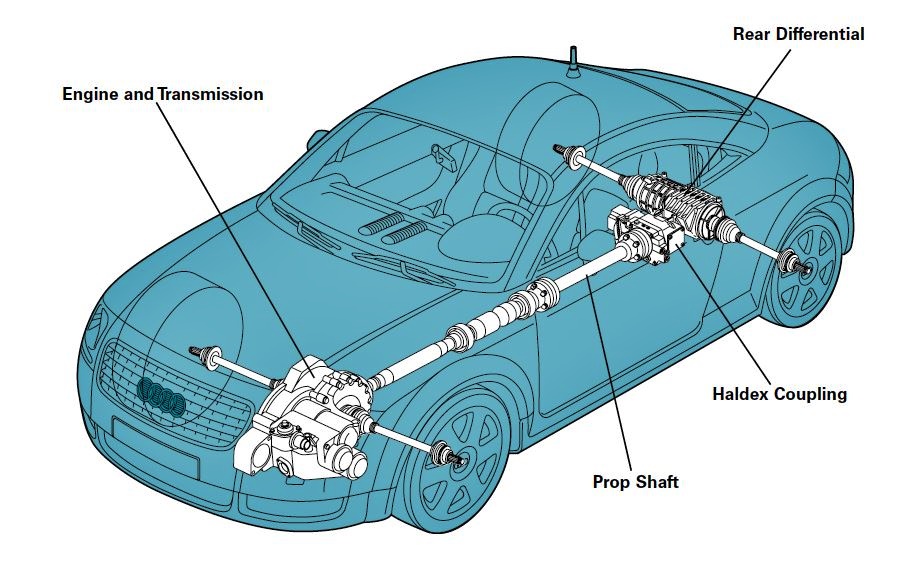
Medium and large Audi models have a longitudinal engine, with their transmissions and differentials sitting behind the engine. Starting in 2000 in the USA, smaller models like the Audi TT came with their engines sitting in a sideways or transverse orientation. As a result, their transmissions took up space practically underneath the engine, necessitating a different sort of quattro system.

Audi quattro system

This is where the Haldex coupling came in as an answer to the packaging needed for this sort of application. In a Haldex application, a propshaft runs from the transmission to the rear differential. The end of the propshaft connects to the input shaft of the Haldex coupling. The end that connects from the Haldex coupling to the differential is called the output shaft. On a slippery driving surface, one or more wheels may have reduced traction. As a result, the Haldex coupling senses a difference in speed between the input and output shafts and takes action.

Sensors reading engine speed, accelerator pedal position and engine torque also participate in the activation of the rear differential. In addition, Electronic Differential Lock utilizes the ABS system to control loss of traction at each individual wheel.

Audi quattro system

Today’s quattro system
Today, Audi offers 5 unique quattro technologies, all based on the same fundamental understanding of how quickly an all-wheel-drive system needs to respond — and with how much power to each wheel — for maximum grip and performance. The systems are as follows:

quattro all-wheel drive for medium and large models using the MLB evo architecture (8-speed Tiptronic (torque-converter automatic transmission) and 7-speed S tronic (dual-clutch automatic transmission)

quattro all-wheel drive with ultra technology (7-speed S tronic) using the MLB evo architecture

quattro all-wheel drive for transverse applications using the MQB architecture

quattro all-wheel drive for the Audi R8 using the MSB architecture

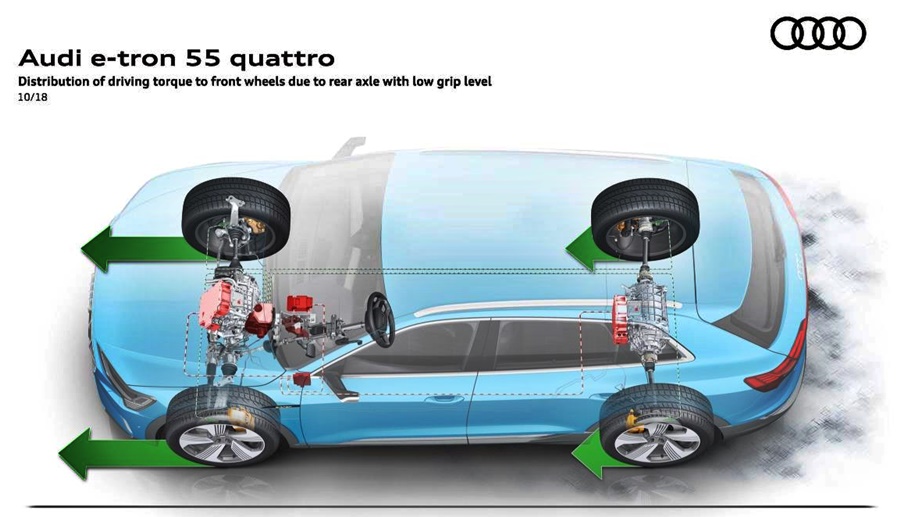
e-tron electric quattro all-wheel drive (shown below), using electric motors on each axle

Audi e-quattro system

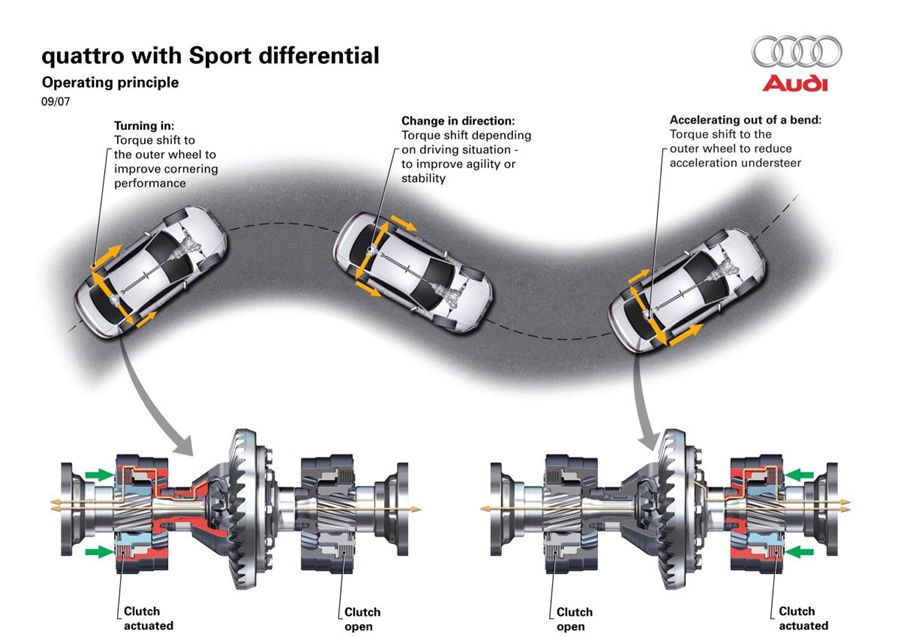
Fundamentally, quattro all-wheel drive for Audi medium and large cars works similarly to previous systems with three differentials. Now, it is mechanically as well as electronically activated, and it distributes torque to wheels based on steering angle sensors, traction and stability control, yaw sensors (measuring how weight shifts left or right around its centre of gravity) and wheel sensors.

All-new Audi A3 gets more advanced quattro drive

PISTON.MY

Social distance

BHPetrol RON95 Euro4M

Personal protective equipment (PPE) is vital for our frontliners who are working in hospitals with patients infected by the COVID-19 coronavirus (4,228 nationwide as of yesterday). In PPE, facial protection is one of the crucial items and while surgical face masks offer protection, the eyes also need protection.

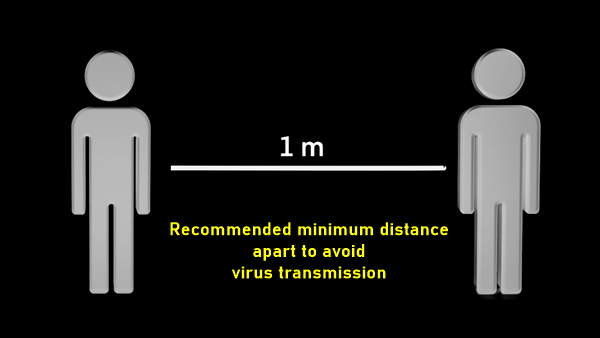
If a patient coughs, there is a possibility of the virus being blown across and nurses or doctors treating the patient can be infected. This is one of the reasons why social distancing (standing at least 1 metre apart) is very important but the healthcare personnel have no choice when treating patients. This is why you see them fully wrapped in PPE which they keep on for hours each day.

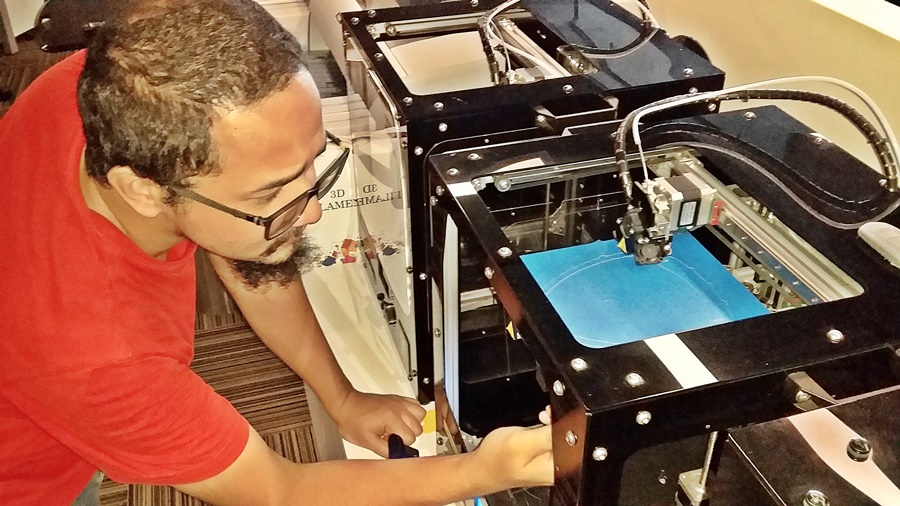
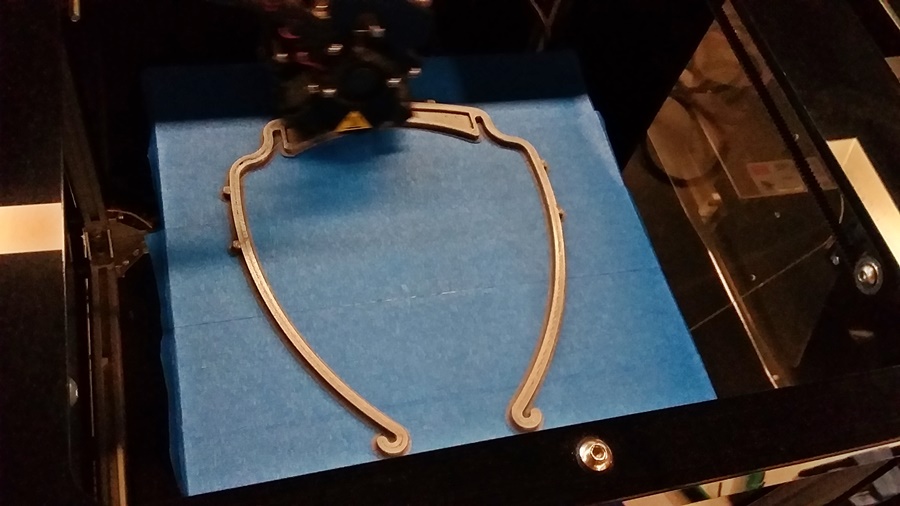
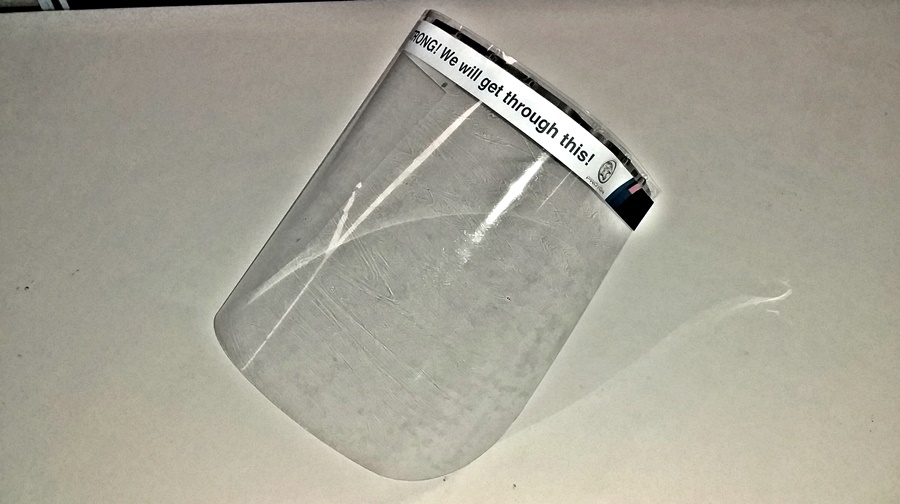
To protect their faces, face shields are also used. It’s a simple item, something like a motorcycle visor, but the stocks available did not take into account a surge in demand as the pandemic spread so rapidly. Various carmakers around the world have utilised their R&D and engineering facilities to design and produce face shields and Proton is doing likewise here in Malaysia.

Proton face shield

Proton face shield

Production is set to begin on April 13 at the carmaker’s headquarters in Shah Alam, Selangor, with a target of 60,000 face shields within approximately 20 days. The face shields will be delivered in batches and Proton will work closely with the Ministry of Health to distribute them according to the level of need in each district.

Assembly will be undertaken by staff members who volunteered their services. Proton has obtained permission for a small number of staff to be at the production site.

Proton face shield

“To keep within the rules of the Movement Control Order, Proton has limited the number of staff involved in the production process. The safety of everyone is of the utmost importance and therefore social distancing and sanitising practices will be strictly enforced on the production line,” said Dato’ Radzaif Mohamed, Deputy CEO of Proton.

“As a national automotive brand, Proton is driven by its responsibility to develop the local car industry and to support Malaysia and its people in their time of need. We have the know-how to produce cars so we are using that knowledge to produce PPE to support the brave men and women at the frontline of the battle against the spread of COVID-19,” he explained.

Proton provides 50 units of X70 to Ministry of Health for frontliners in the war against COVID-19

PISTON.MY

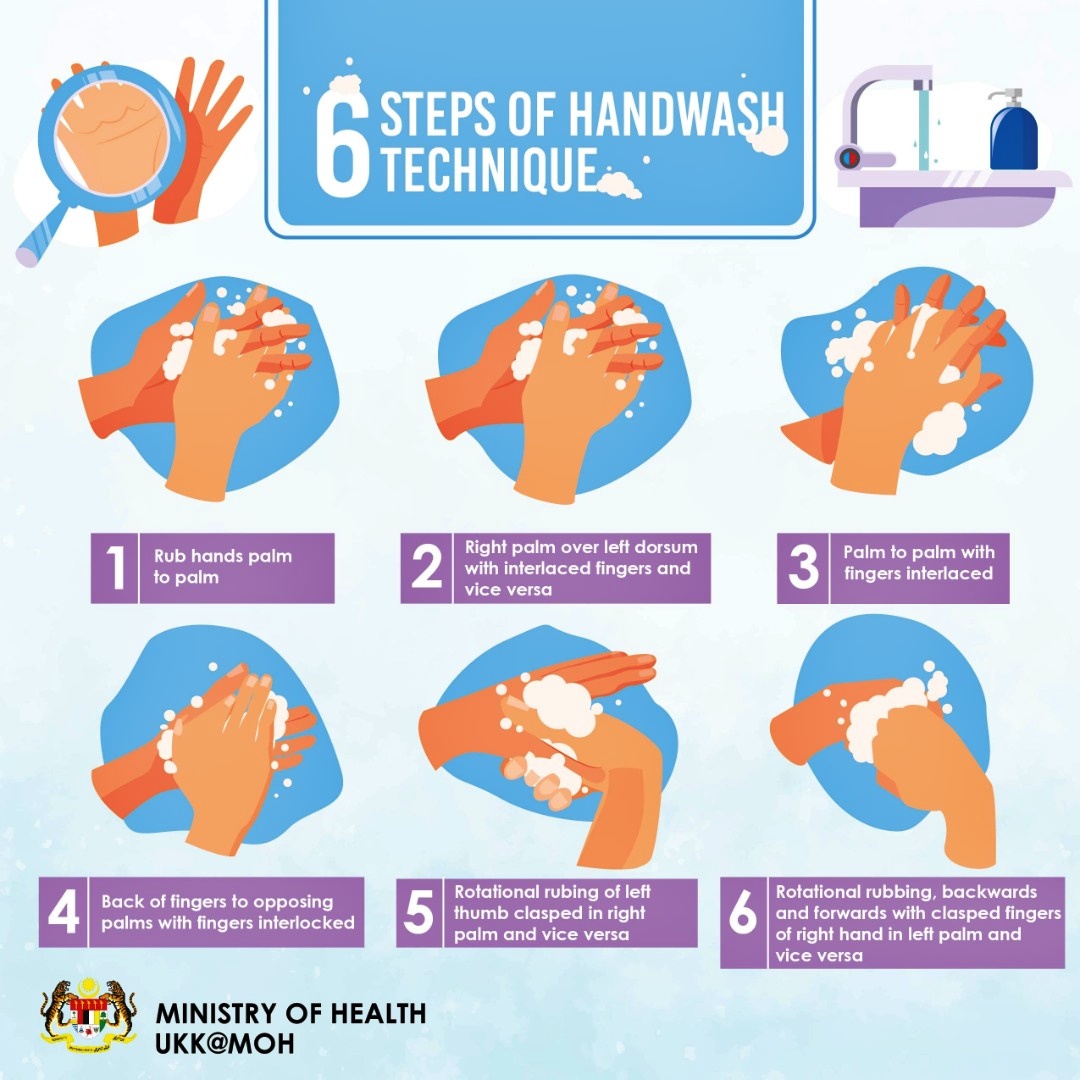
Handwash

BHPetrol RON95 Euro4M

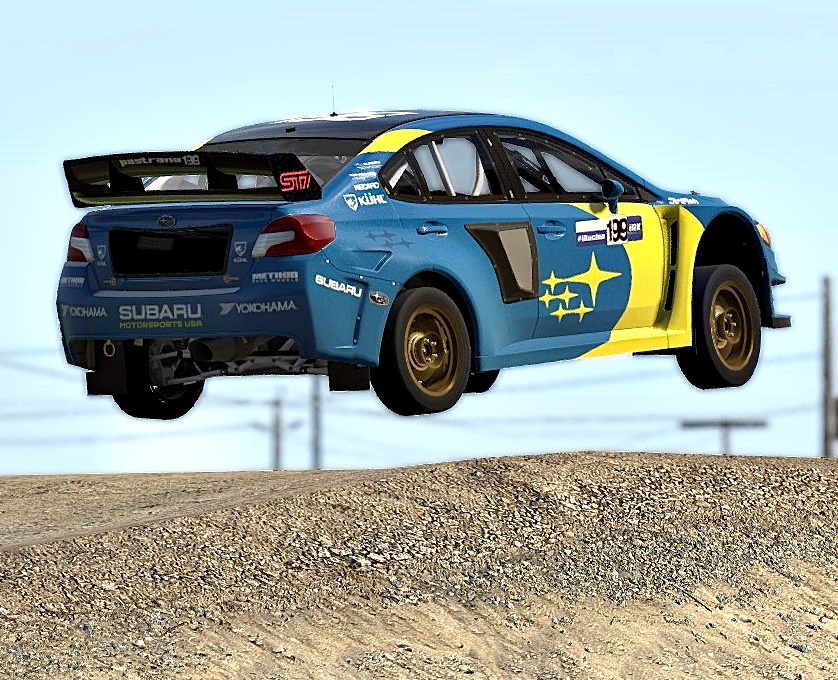
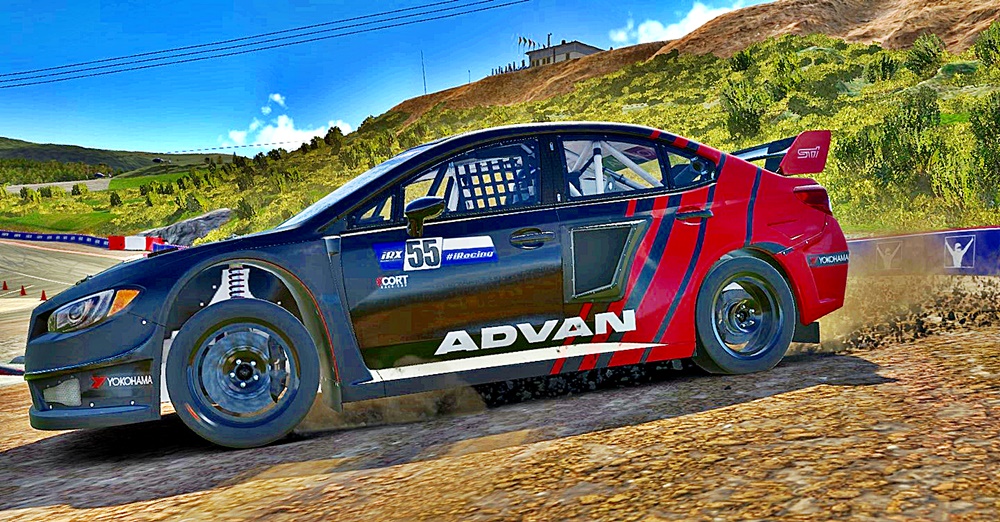
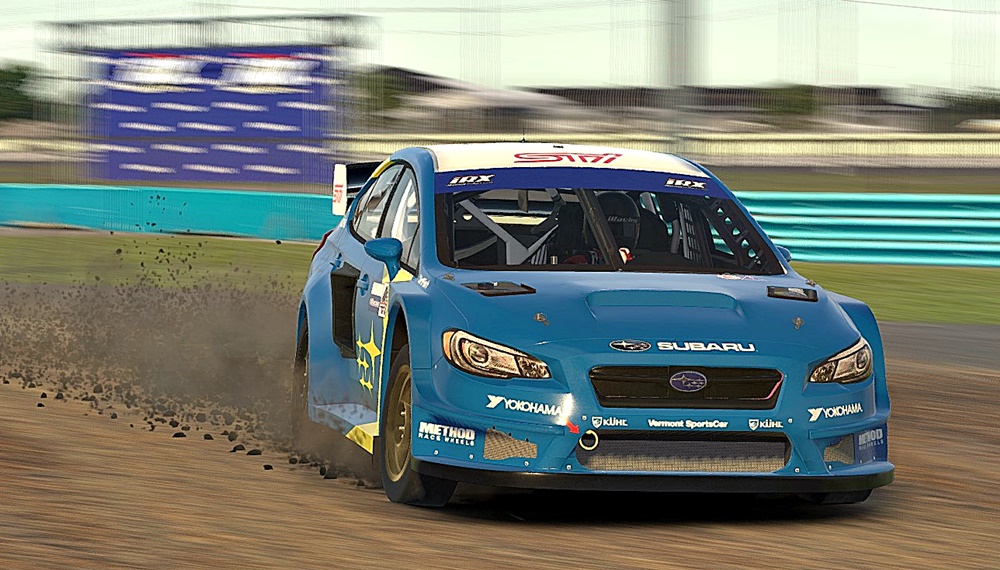
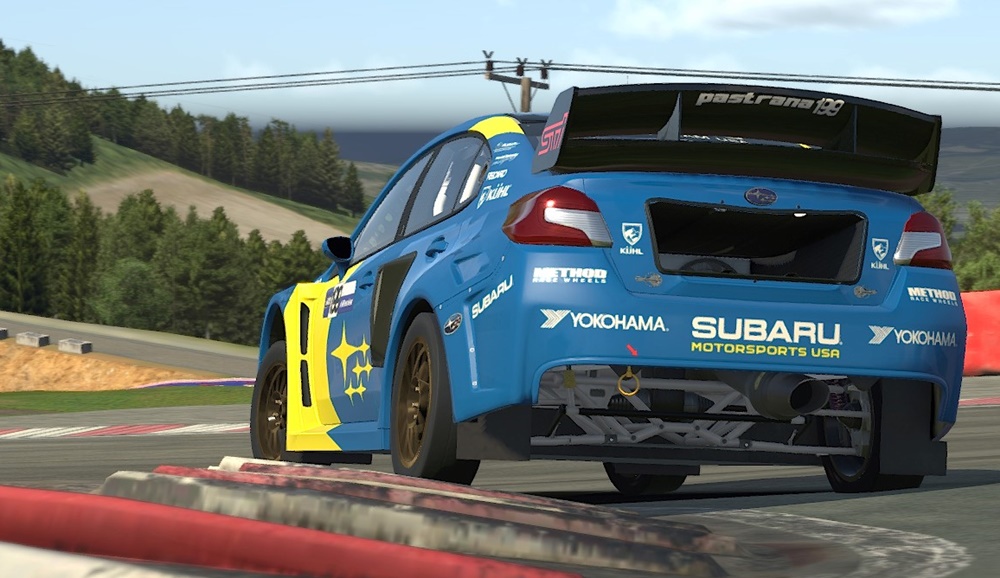
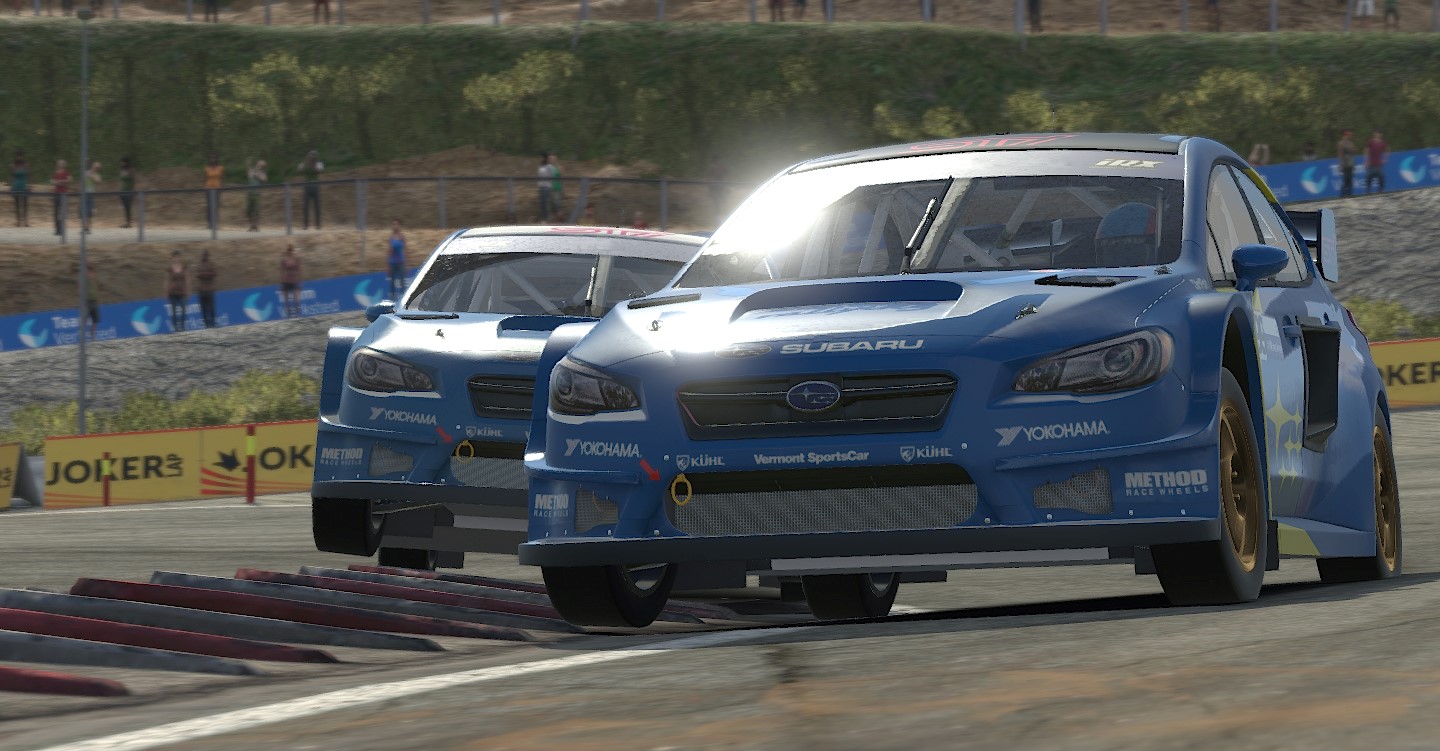
With real-world motor racing on hold, simulator racing is beginning to see increased involvement from carmakers. The latest is Subaru of America which has a sponsorship with iRacing, the leader in PC simulator racing, to field the Subaru iRX All-Star Invitational rallycross series.

Subaru iRX All-Star Invitational rallycross series

A world-class field of drivers from a variety of racing disciplines – rally, rallycross, Indycar, NASCAR, motocross, Formula Drift and more – will compete alongside esports pros in a 6-round championship series held entirely online and starting from this Friday (Saturday in Malaysia). The drivers will compete for a US$10,000 (around RM43,350) purse to be donated to charity on their behalf.

Subaru Motorsports USA will field a 3-car line-up featuring the team’s full-time stage rally drivers: 5-time national rally champion and action sports icon, Travis Pastrana, and mountain bike legend and rising rally talent Brandon Semenuk.

Subaru iRX All-Star Invitational rallycross series

Subaru iRX All-Star Invitational rallycross series

Subaru iRX All-Star Invitational rallycross series

They will be joined by 4-time U.S. rallycross champion Scott Speed, making his competitive rallycross return after a 2019 season cut short by injury, and fresh off a podium finish in last weekend’s iRacing Indycar Challenge round. Subaru rallycross star Chris Atkinson will also participate in a Team Yokohama WRX STI, and several other all-star drivers will compete in the WRX STI rallycross Supercar as independent entries.

“With so many people staying at home and missing racing, now is the perfect time to try new things in esports,” said Pastrana. “For this series, we’re going to bring together some of the biggest names from different types of racing and put them on virtual rallycross tracks with dirt, tarmac and jumps. It’s going to be a blast, and I can’t wait to see what happens!”

Subaru iRX All-Star Invitational rallycross series

Subaru iRX All-Star Invitational events will be begin at 6 pm Eastern Time in America each Friday (6 am Saturday in Malaysia), and will be streamed across iRacing’s social media platforms. Fans can also watch via live streaming simulcasts on the Subaru Motorsports USA Facebook page and the pages of other competitors, teams and sponsors. Additional events may be considered as schedules permit.

The expanding universe of eSports

PISTON.MY

StayAtHome

UPDATE: The offer has been extended to April 28, 2020 which is the extended expiry date of the MCO.

The nurses, doctors and other healthcare personnel are the frontliners in the War Against COVID-19. They are working long hours and placing themselves at risk of being infected but they do so for the sake of the rest of us.

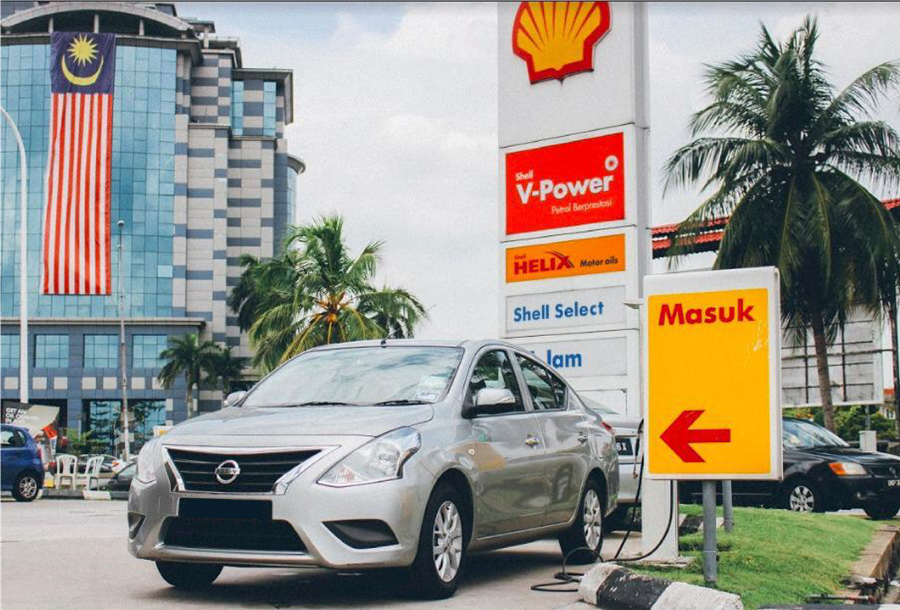
To help ease their daily challenges, GoCar Malaysia and Shell Malaysia are joining forces to make travel easier for healthcare frontliners. From now until April 14, 2020, GoCar is offering 200 Nissan Almera located at 127 Shell stations across Peninsular Malaysia for free to such personnel, with Shell providing RM30 vouchers to fuel their journeys.

Safer journey for frontliners
This initiative aims to make their commute from their place of stay to hospitals and other facilities easier and safer. Registrations can be done via GoCar’s website upon verification of healthcare personnel status online. Once successful, registrants will receive a GoCar promo code worth RM483 that can be used to book a Nissan Almera followed by a Shell Fuel e- voucher worth RM30, delivered via email, on a first come-first served basis.

StayAtHome

Commenting on this collaboration, Alan Cheah, CEO of GoCar Malaysia, said: “At GoCar, we strive to act fast to give back to the community in any way possible, now more than ever. We are excited to work on this with one of our biggest partners, Shell Malaysia who shares and supports the same value too. As our frontliners continue working tirelessly for us, we are doing our part to keep them safe by helping them travel in isolation in GoCars with Shell supporting the necessary petrol needed.”

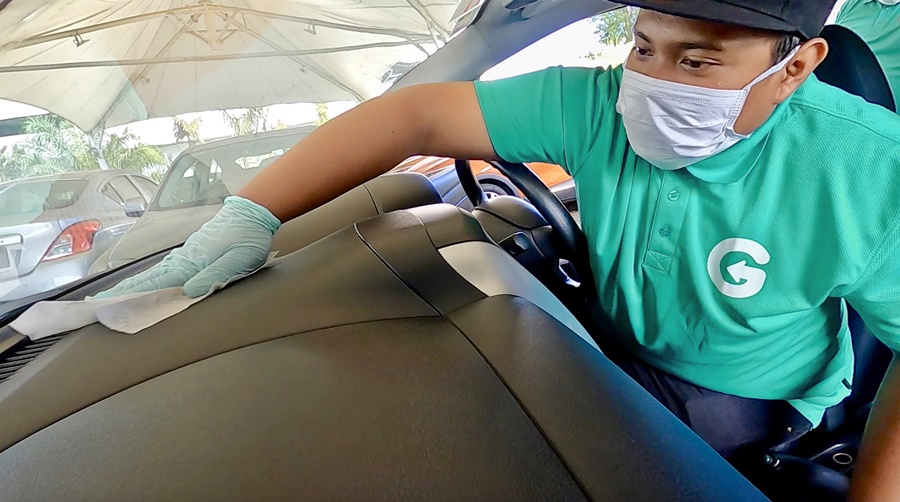
Since the outbreak began, GoCar has seen the need to ramp up frequency for cars to be cleaned and disinfected. “It is our main priority to ensure our cars are continuously cleaned for all GoCar members to use, especially in a time like this. This also means we have to monitor our own frontliners’ well-being closely and make sure they are safe on the job,” Mr. Cheah said.

GoCar

“Aside from taking body temperature and monitoring their health daily, all on-ground staff are given a comprehensive cleaning kit consisting of face masks, hand gloves, hand sanitisers, disinfectant sprays, and anti-bacterial fabric sprays to be used while on duty. They have also been placing and replenishing anti-bacterial wet tissues in each car for the convenience of all GoCar members to use whenever needed,” he added.

“Shell Malaysia is pleased to join forces with GoCar to offer a more convenient and safe way for our healthcare frontliners to travel. With our wide network of Shell stations across the country, we are able to make these GoCars easily available to our frontliners at 127 stations nationwide and, at the same time, fuel their journeys to where they must go. We are all striving to do what we can to heed the nation’s call to flatten the COVID-19 curve, and Shell is undertaking this initiative to ensure our nation’s health frontliners are able to  go well in their journeys to the battleground of this pandemic,” said Shairan Huzani Husain, MD of Shell Malaysia Trading Sdn Bhd and Shell Timur Sdn Bhd.

He added that while Shell continues to show support towards the healthcare frontliners, the well-being of its site staff and customers remain a priority. “Thanks to our own frontliners, Shell is able to give customers a peace of mind when they are at our stations,” he said, explaining that the company has been implementing several safety measures and prevention guidelines.

War Against COVID-19: Shell contributes to frontliners, the nation’s heroes

WHO

PISTON.MY

Archive

Follow us on Facebook

Follow us on YouTube