

Piston.my

English

Electric cars, hybrids or plug-in hybrids? That seems to be the golden question for all car makers these days, doesn’t it?

And while some car makers have thrown their weight behind EV’s, some have adopted a wait and see approach.

This cautious approach seems to have paid off as car makers who had initially announced an all-electric target by a certain year, are now back tracking and working on multiple powertrain options once again.

“Power of choice”, some call it. Did we not have this choice before? One can’t help but wonder if these slogans are a cover up for obviously disastrous future planning.

The cost of this backtrack has been monumental as well, with some European giants reporting losses in the billions of Euros.

Japanese car makers like Honda though, have been more cautious. The wait and see approach has benefitted the company even though their initial reluctance to adopt electric powertrains meant that environmental groups trained their crosshairs on the company.
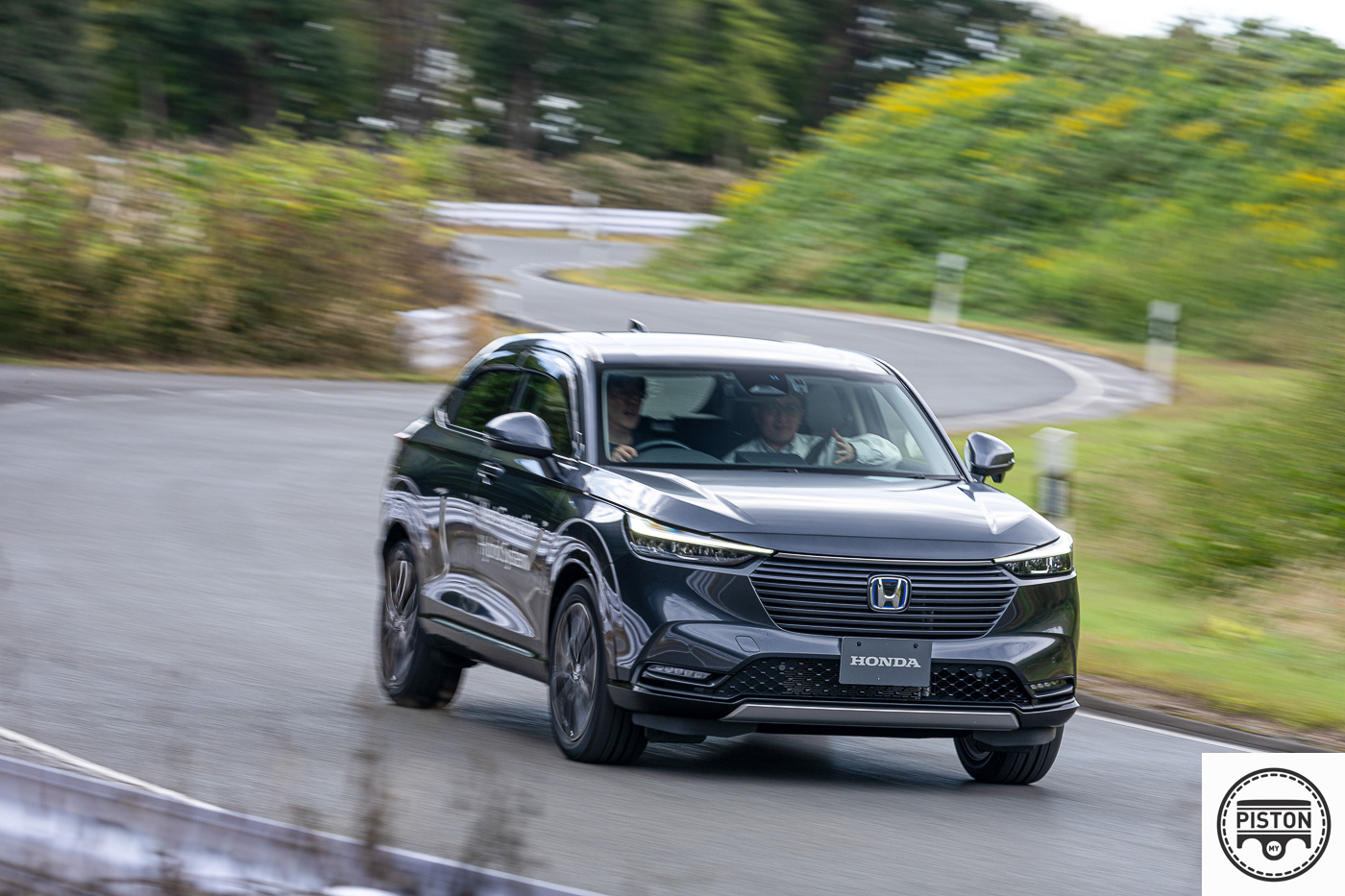
It was not only these groups though, even car fans and buyers shied away, saying that Honda’s slow development meant that the company was lost and thus finished.

Even the seemingly unstoppable Chinese companies are now expanding beyond electric cars. BYD, the company that has championed EV’s for years is now moving towards plug-in hybrids.

BYD Malaysia recently previewed the Shark, a plug-in hybrid pick-up truck. Though it is unlikely to be launched here unless BYD locally assembles it, it does indicate that the company is toying with the idea of introducing plug-in hybrid powertrains for the Malaysian market.

What does all this mean for car buyers? Trust the company that seems to be taking it slow.
Like Lionel Messi’s field observation skills, Honda too observes and then decides where to place itself to maximise the chance of creating an impact in the industry. Or in this matter, introduce the right technology that car buyers will appreciate the most.

Honda’s cautious steps seems to have been the right move. But it does not mean that the company has shied away from development. Far from it in fact, the company has been quietly developing new tech in the background, and it will soon be ready to launch them all and claim its throne once again.
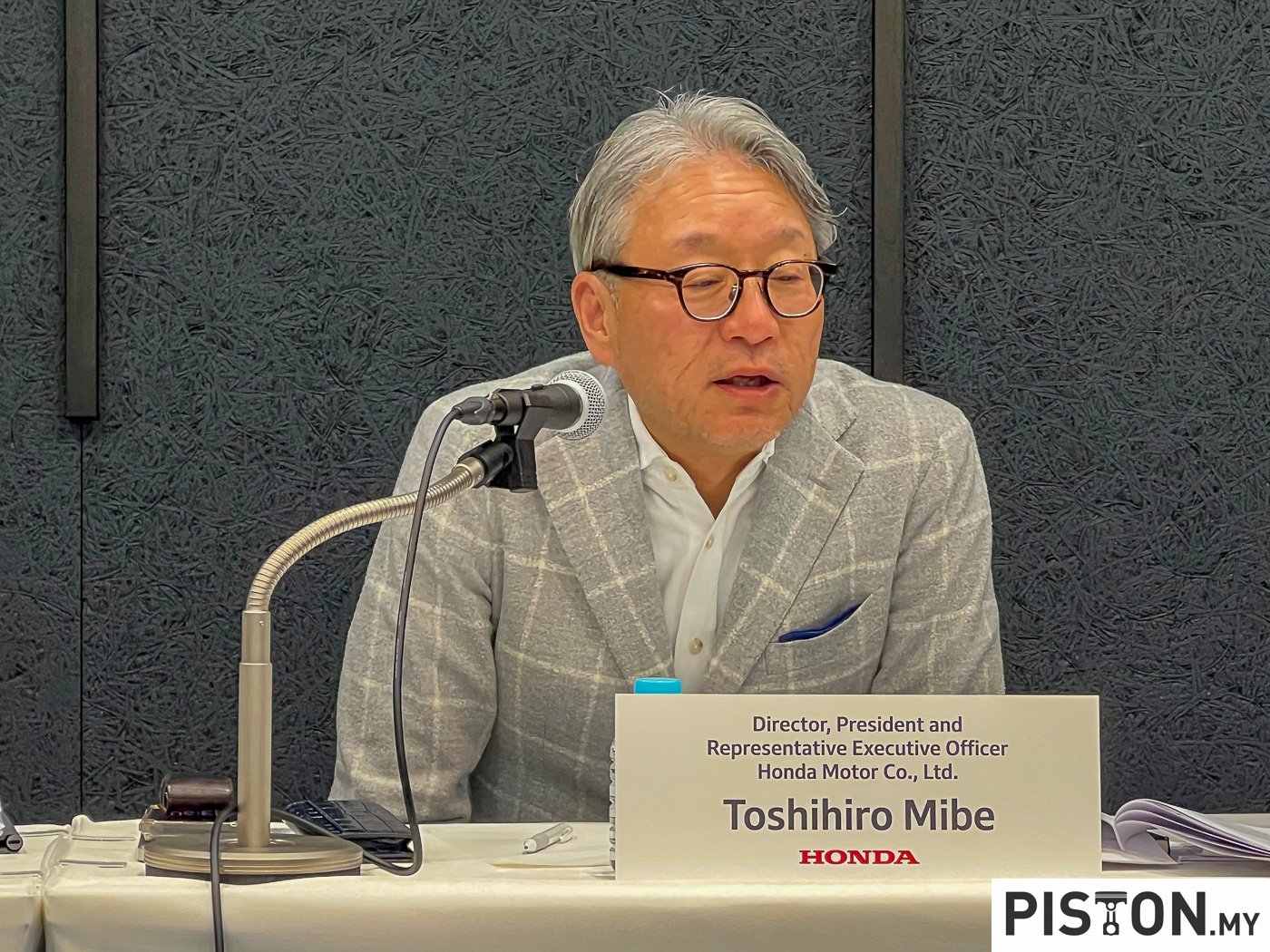
I was recently in Japan with Honda and visited the Honda booth during the 2025 Japan Mobility Show and even listened to Honda’s vision of the future, delivered by non-other than Toshihiro Mibe (above), the President and CEO of Honda Motor Company Limited.

After that, we visited Honda’s proving ground in Tochigi, where Honda presented its future electric and hybrid models.

So, what do they have in store?

New platforms that will bring back the joy of driving yet improve assembly time and cost.

Honda has thrown out the rule book for platforms and has rethought how they should work.
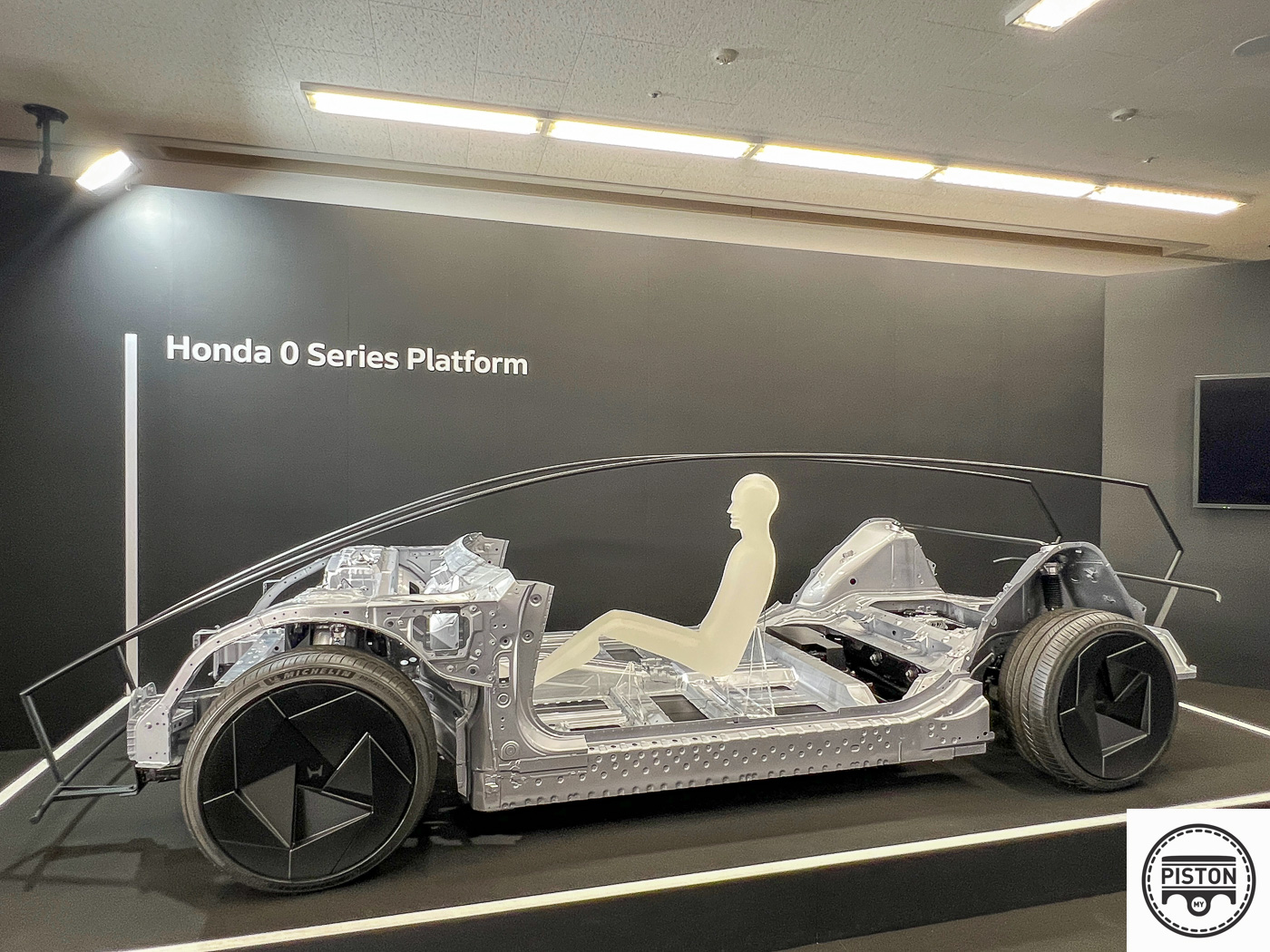
For years we have been told that body rigidity and suspension tuning is the key to improve the driveability of car. But Honda is now saying no!

Honda’s next generation medium sized platform that will underpin models like the next generation Civic and CR-V is set to be introduced in 2027. This new platform will focus on lowering weight, improving driving dynamics, lower cabin noise and vibration, as well as lower manufacturing cost.

But more importantly, it is going to achieve this by introducing flex. You read that right, Honda wants its platform to be able to twist and bend while cornering, particularly at the front of the car.
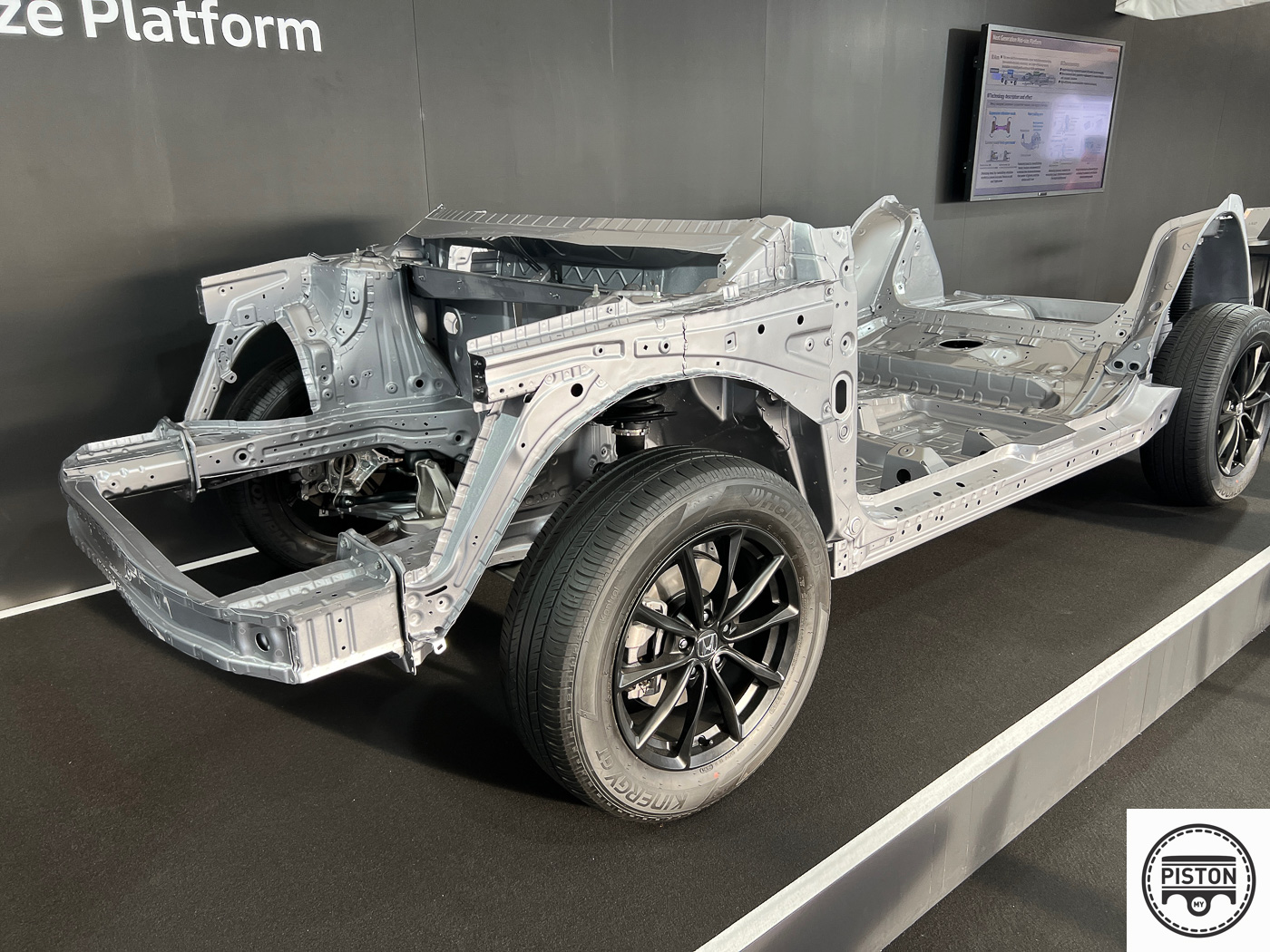
Engineers will usually stiffen a body around the engine and areas that are prone to deform when cornering. But now, Honda’s engineers have shifted rigidity to key areas around the front of the car.

How does this help? Imagine this. You are driving into a fast right-hand corner. With Honda’s new platform, the left front of the car will deform slightly to push the front left wheel down. This enlarges the contact patch of the tyre, thus stabilising the car and giving you more grip and confidence in that corner.

It is simple yet genius at the same time.
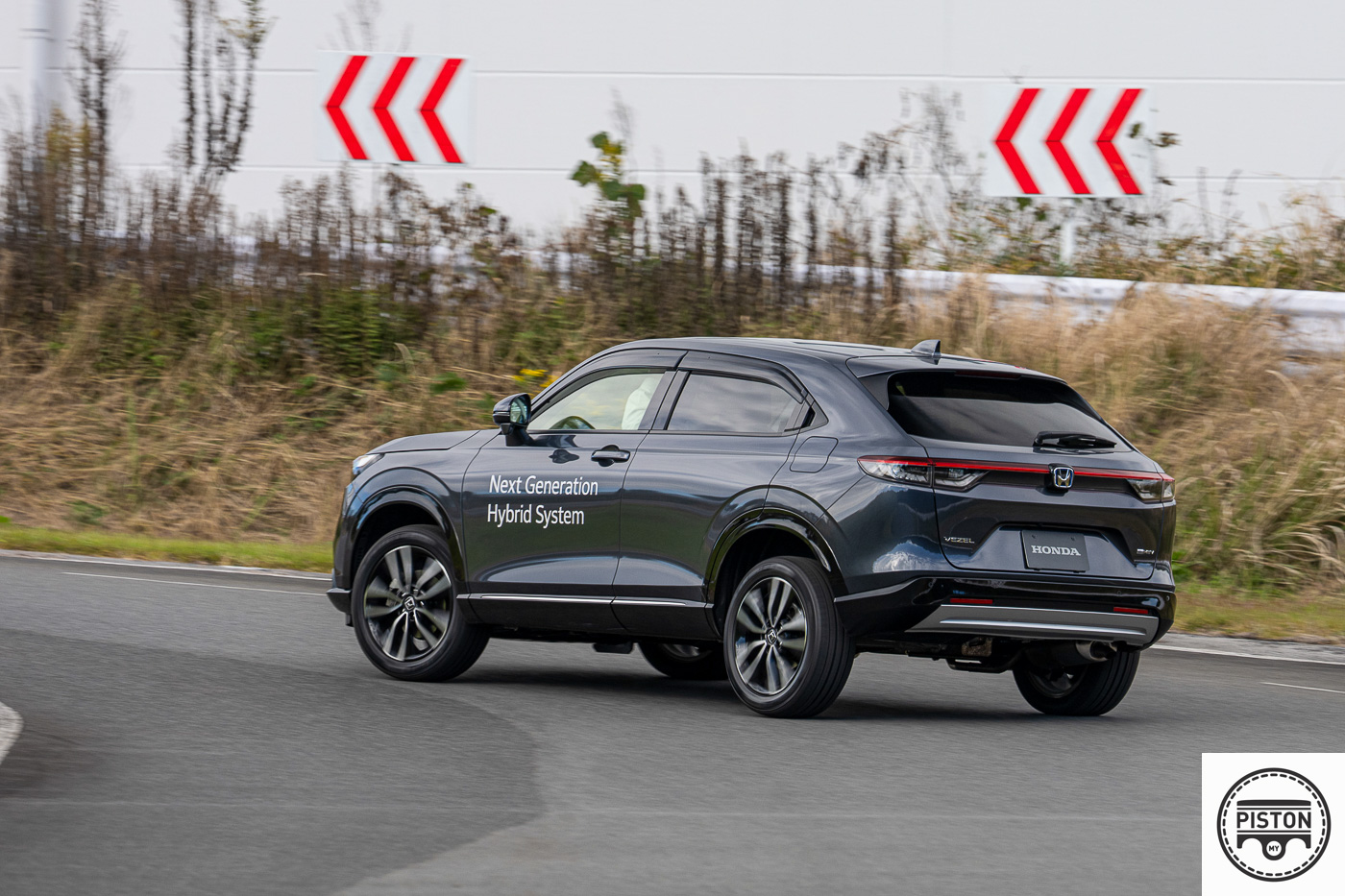
But besides giving you better handling, it should also be more comfortable as a flexible platform will be able to better absorb hits and bumps.

On top of that, this reduces the overall weight of the car by an incredible 90kg compared to the current platform, improving efficiency in the process.

Talking about efficiency, this new platform will also increase the percentage of parts that are shared among Honda models. In fact, Honda is aiming for parts commonality of more than 60% across all models that use this new platform.

This will then enable the efficient production of distinctive and diverse models while keeping cost down.
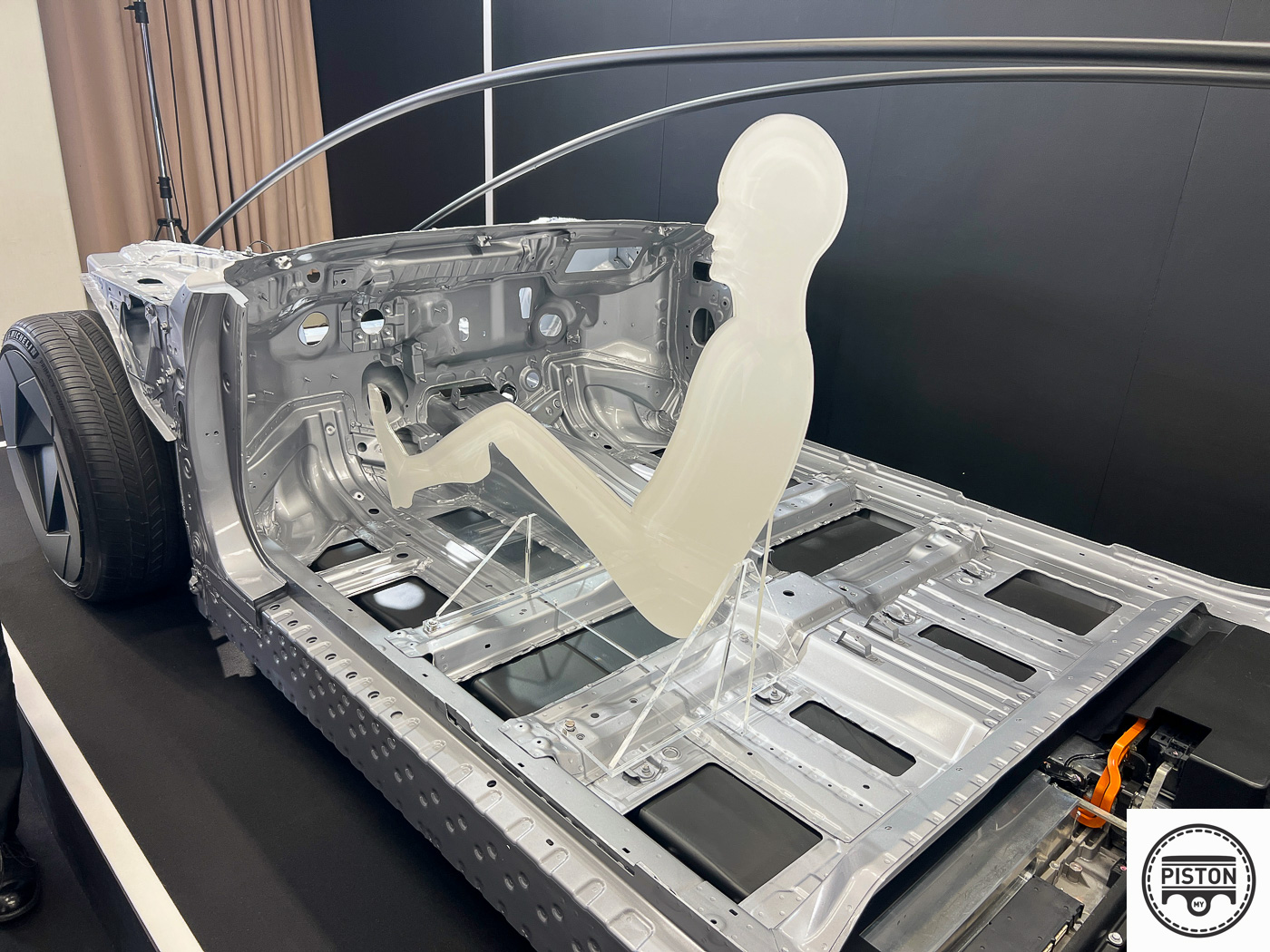
It is not all about flex and cost reduction though. Honda also plans to introduce clever new technologies that will also improve the joy of driving Honda cars.

These new technologies include Motion Management System that improves posture, and a new pitch control technology that will work concurrently with the current Agile Handling Assist system. The latter was introduced in the new Prelude and Accord and works to support smoother vehicle behaviour during cornering.

A new, large hybrid system.

Besides the new platforms, Honda is also working on the next-generation of its large, V6 engines. It is important to note that this engine is unlikely to be made available for Malaysian buyers due to the simple fact that the models powered by Honda’s V6 engines are all unavailable here.
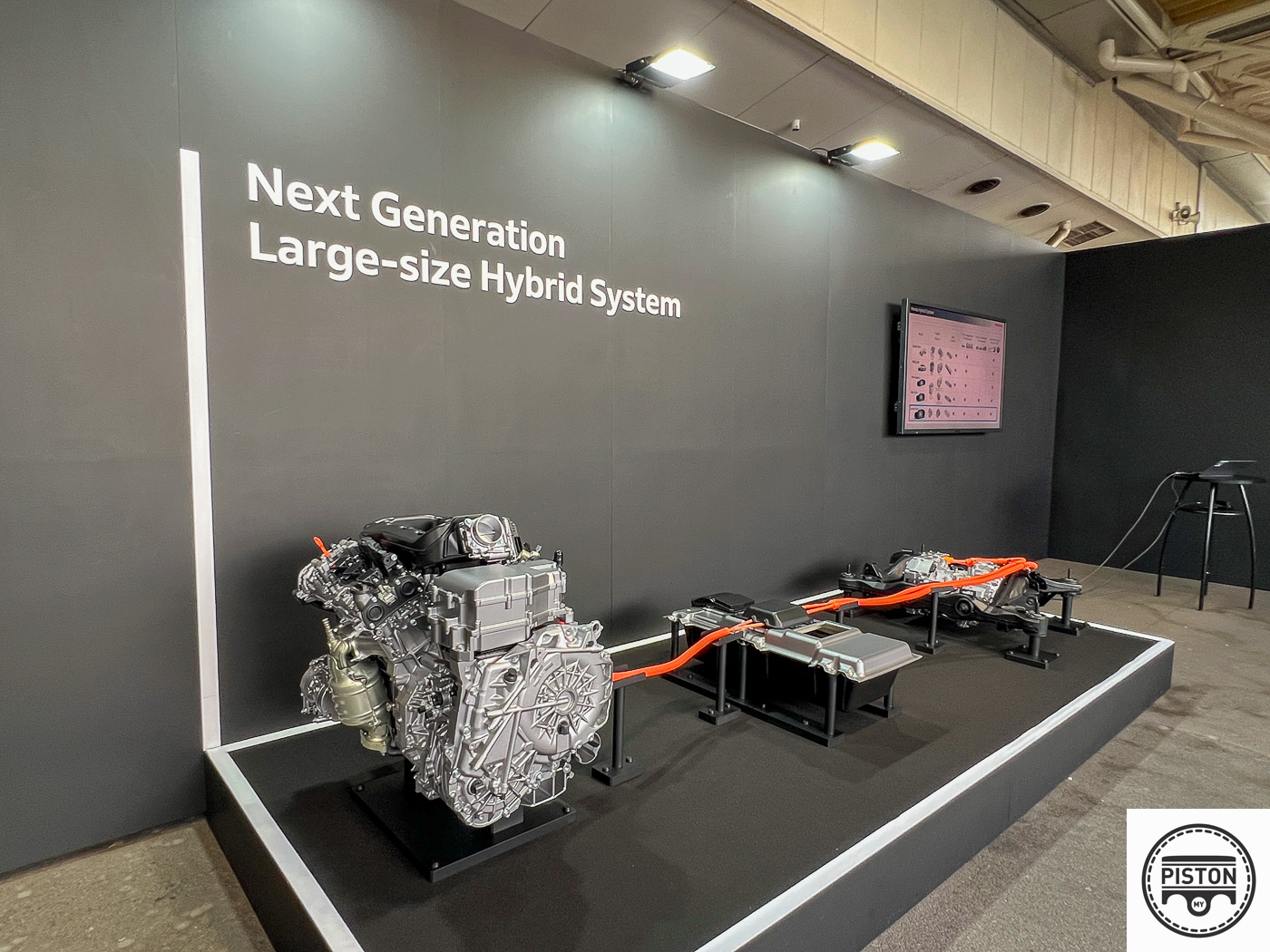
Models like the Honda Pilot, Odyssey, Passport or even some of the Acura models all use a V6 engine, and none of those models are available in Malaysia.

Still, it is worth mentioning that Honda is refining this engine in the name of efficiency and joy of driving.

During its product presentation on the new engine, Honda’s engineers made no mention of the displacement of the engine.
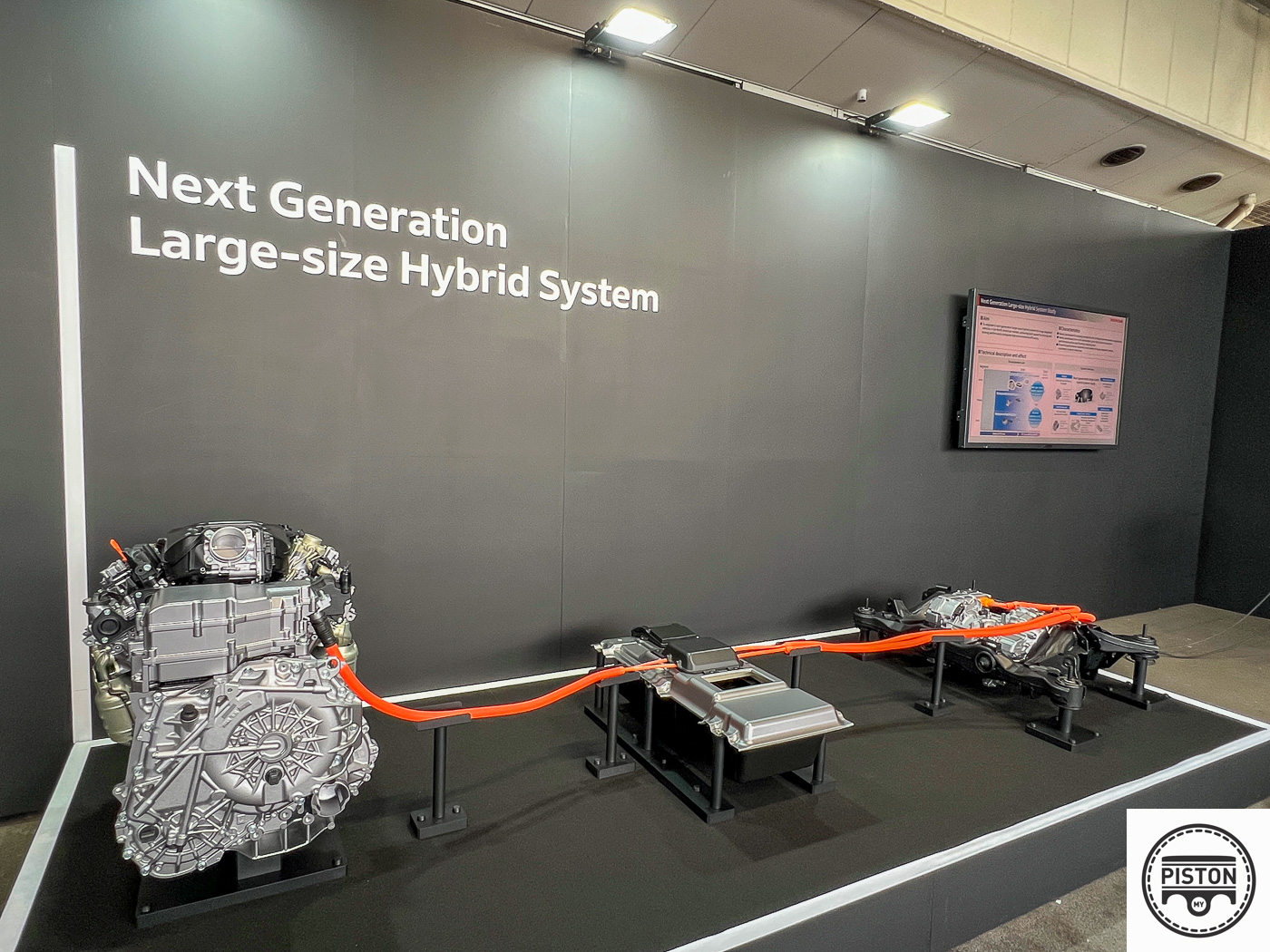
However, we do know that this engine will be part of an elaborate hybrid powertrain with what looks like a rear-mounted electric motor, possibly for added towing and off-road grunt.

Honda did not share much in terms of the tech for the powertrain, but it did mention that the engine will power the next-generation large hybrid models and will have improved fuel efficiency by as much as 30%.
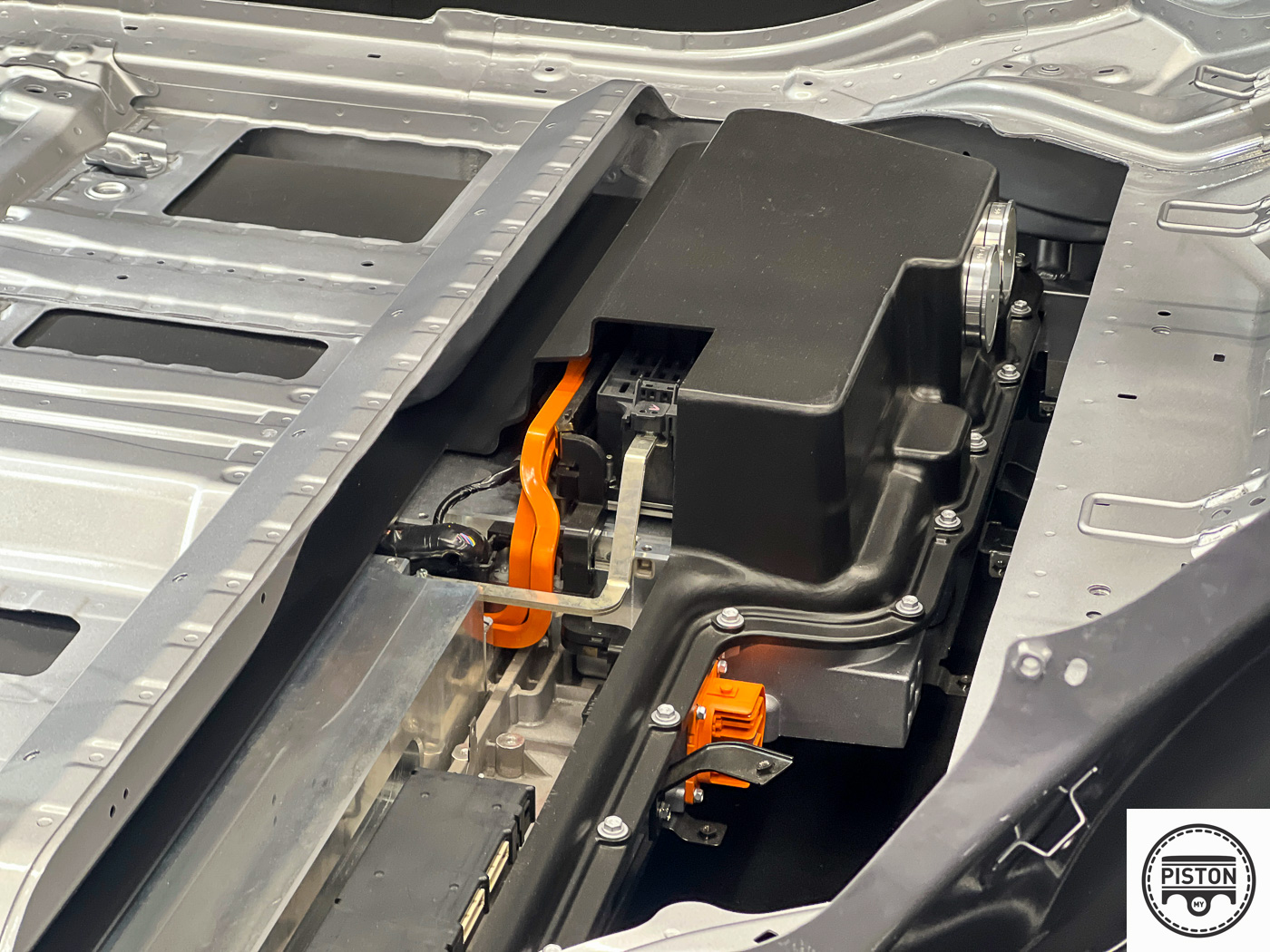
But this does not mean that performance will take a hit, instead Honda says that it is striving to improve full-throttle acceleration by more than 10% compared to existing large-sized hybrid models.

Honda wants to reintroduce the joy of driving, as well.

Among the many powerpoint slides that I sat through, there were three recurring themes, efficiency, electrification, as well as the joy of driving.

Honda is serious about all three elements and understands that EV’s and hybrids can be dull to drive. But it has figured out how to make driving them a lot more interesting.

And that is by introducing elements that we love from cars with an internal combustion engine to EV’s and hybrids.

Let’s get straight to the point, besides improving handling and power, Honda also wants to introduce the feel of gears shifting, even though there is no gearbox in any EV or hybrids.

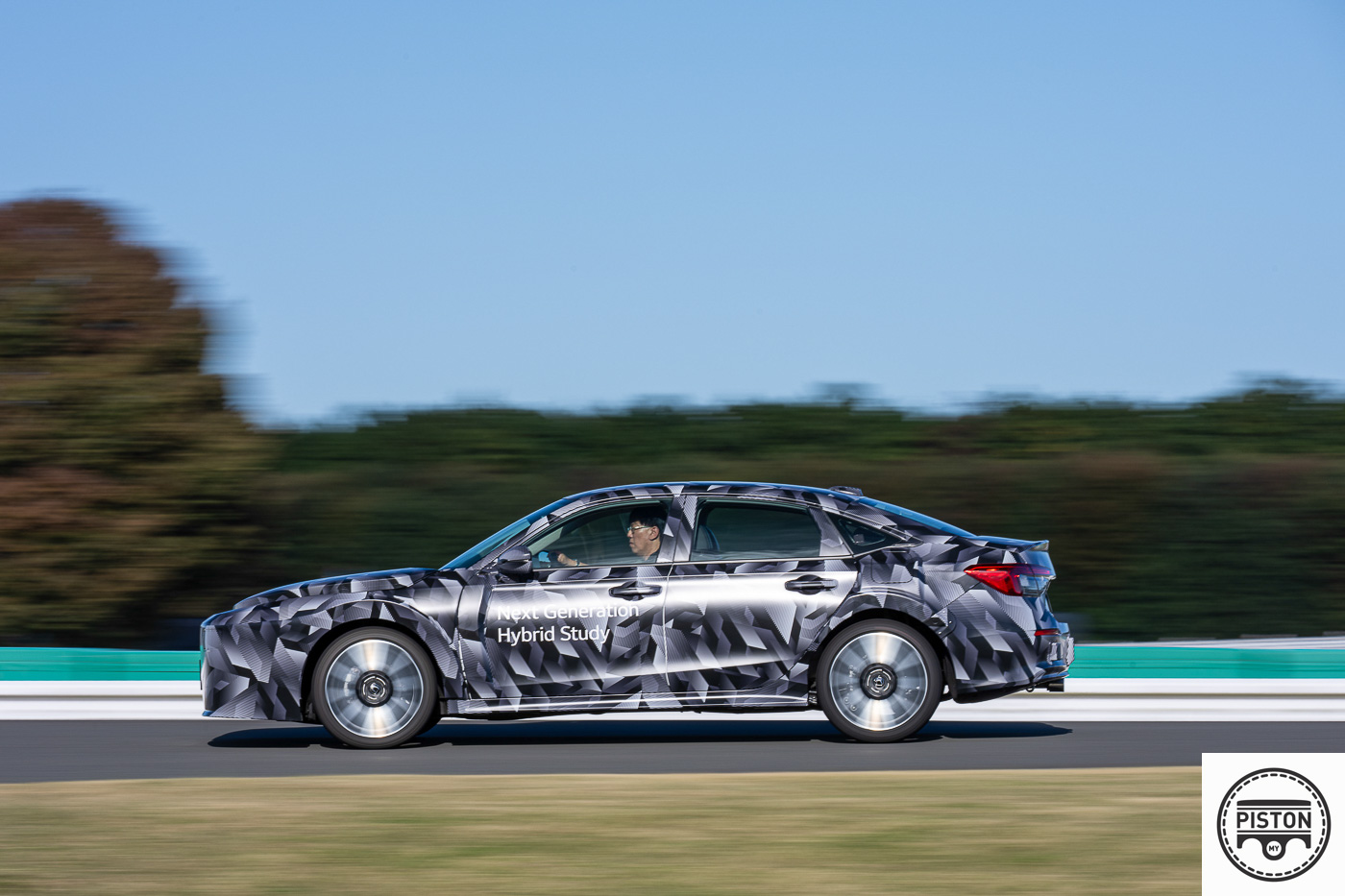
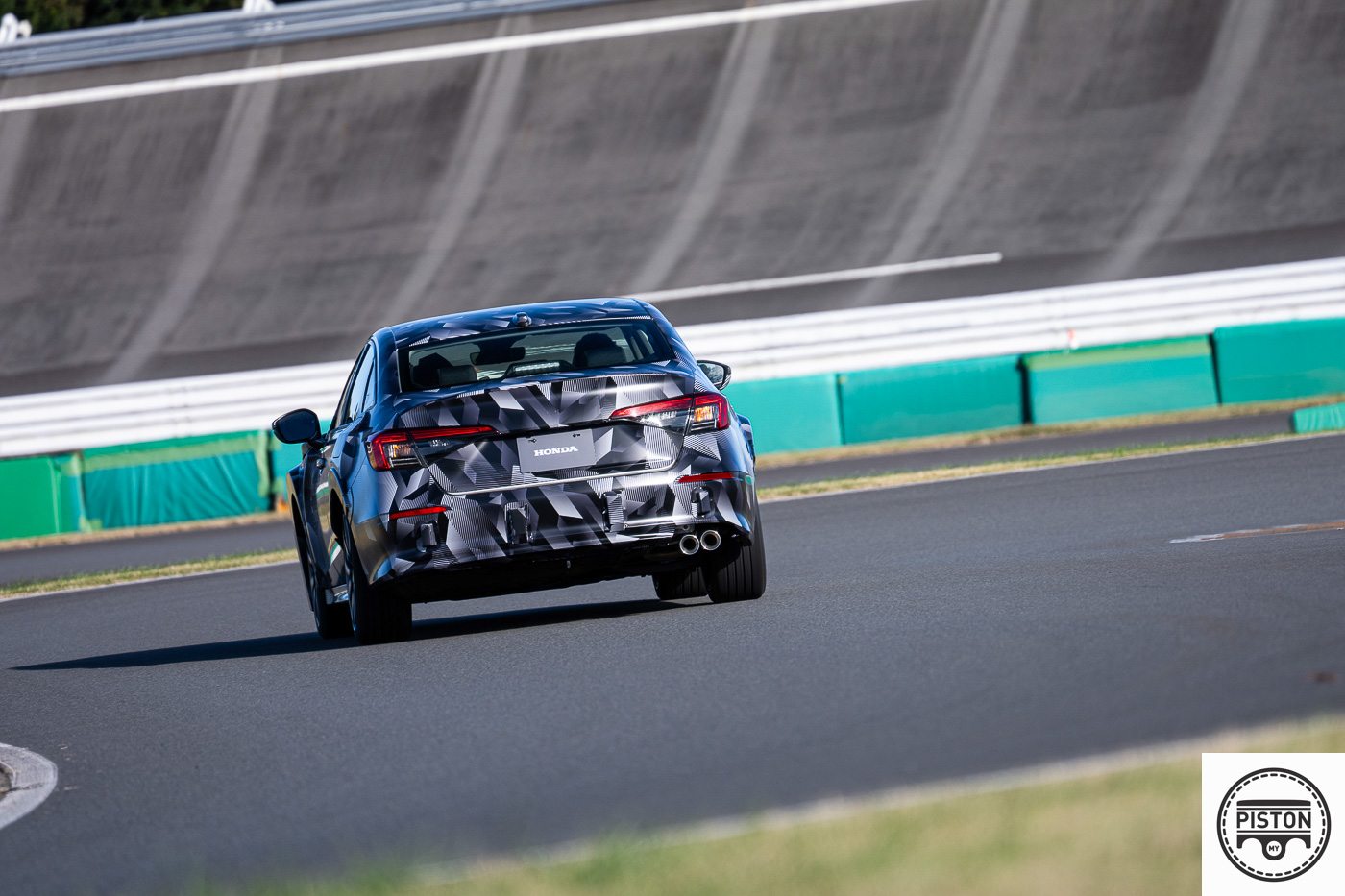
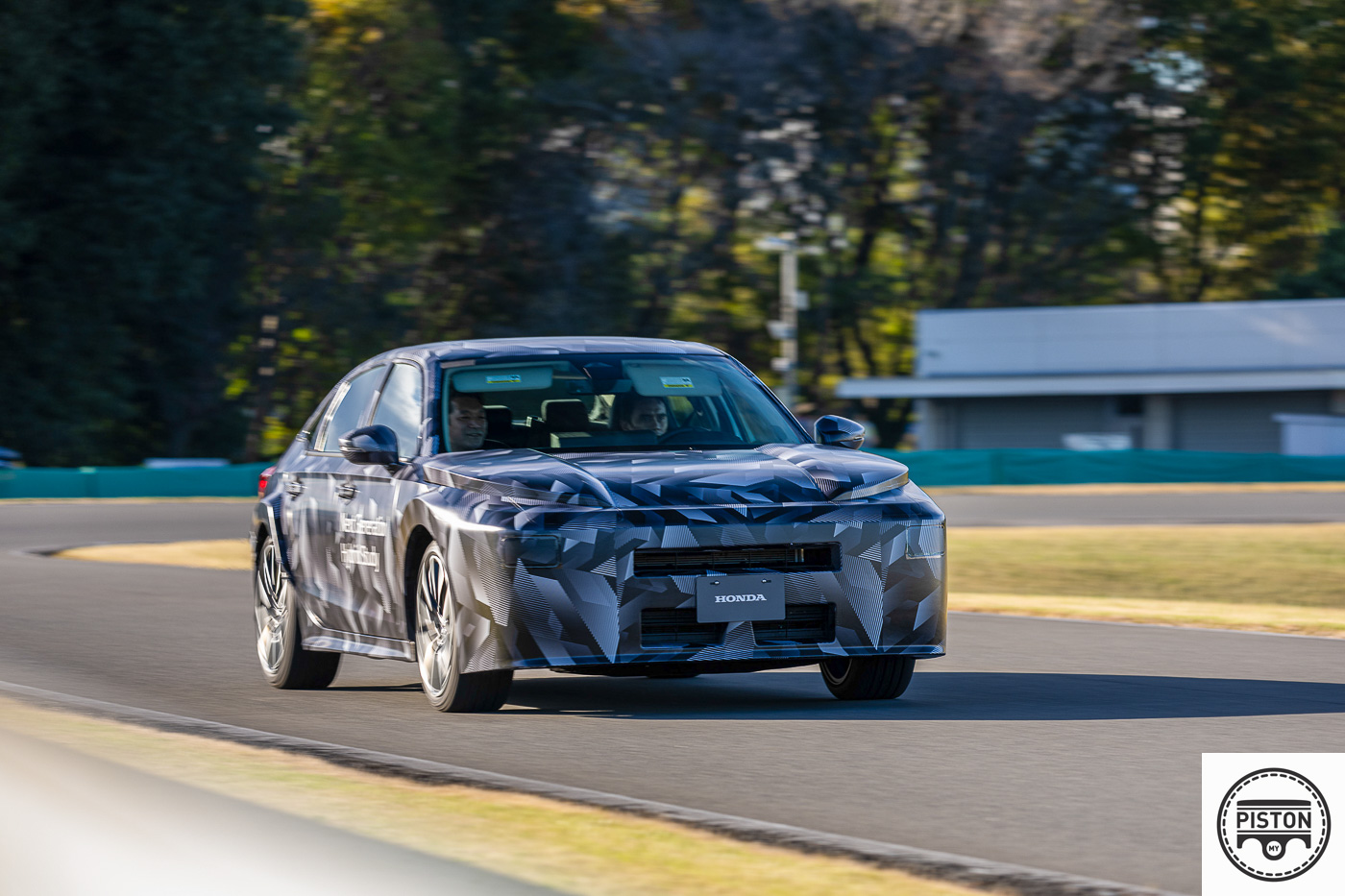
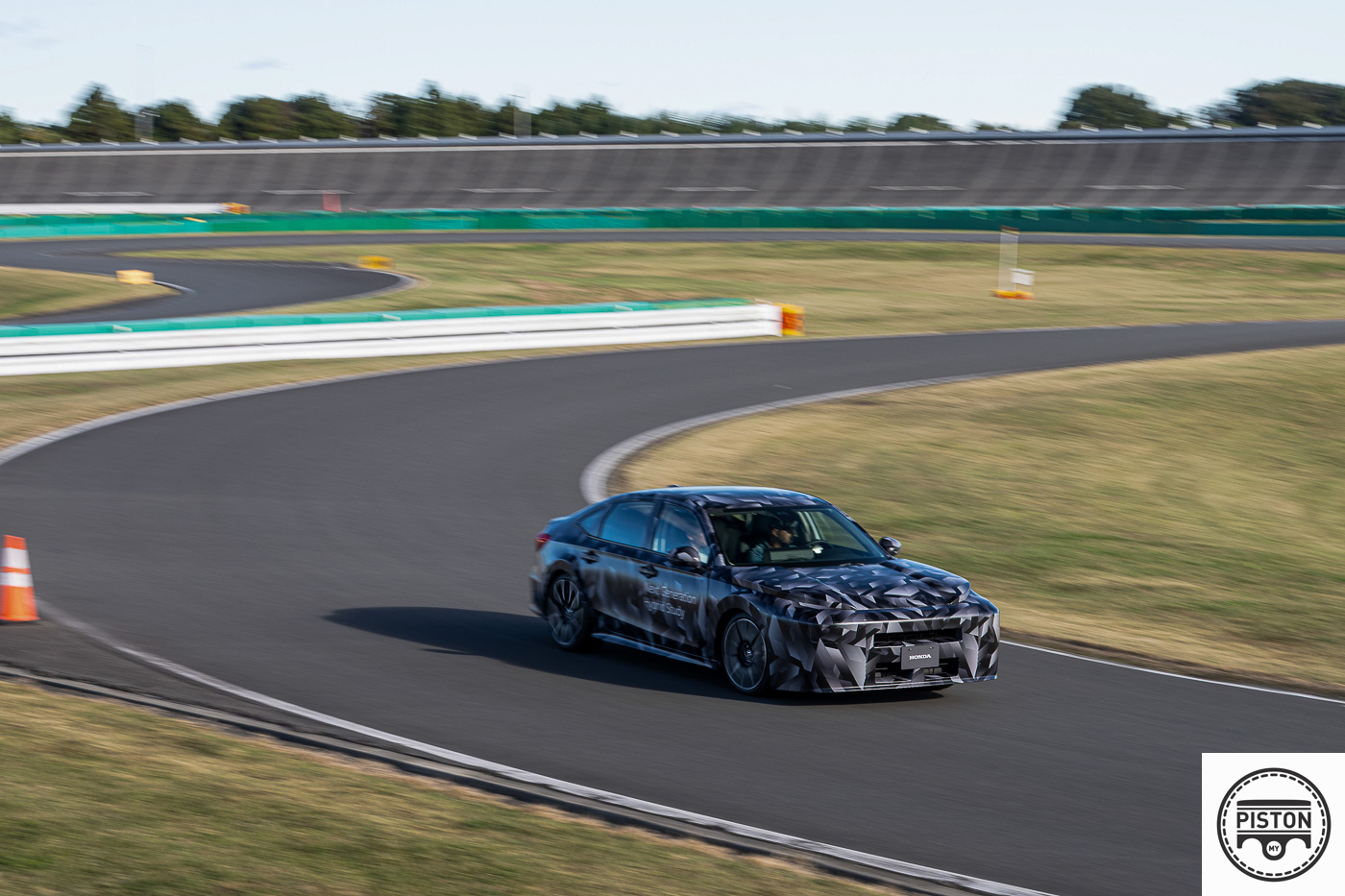
Part of the programme at Honda’s Tochigi proving ground included driving a prototype model of what looked like the Honda Civic. When queried, Honda’s engineers were reluctant to confirm the model, but it was quite obviously a Civic from the taillights as well as from bits and pieces of the interior.
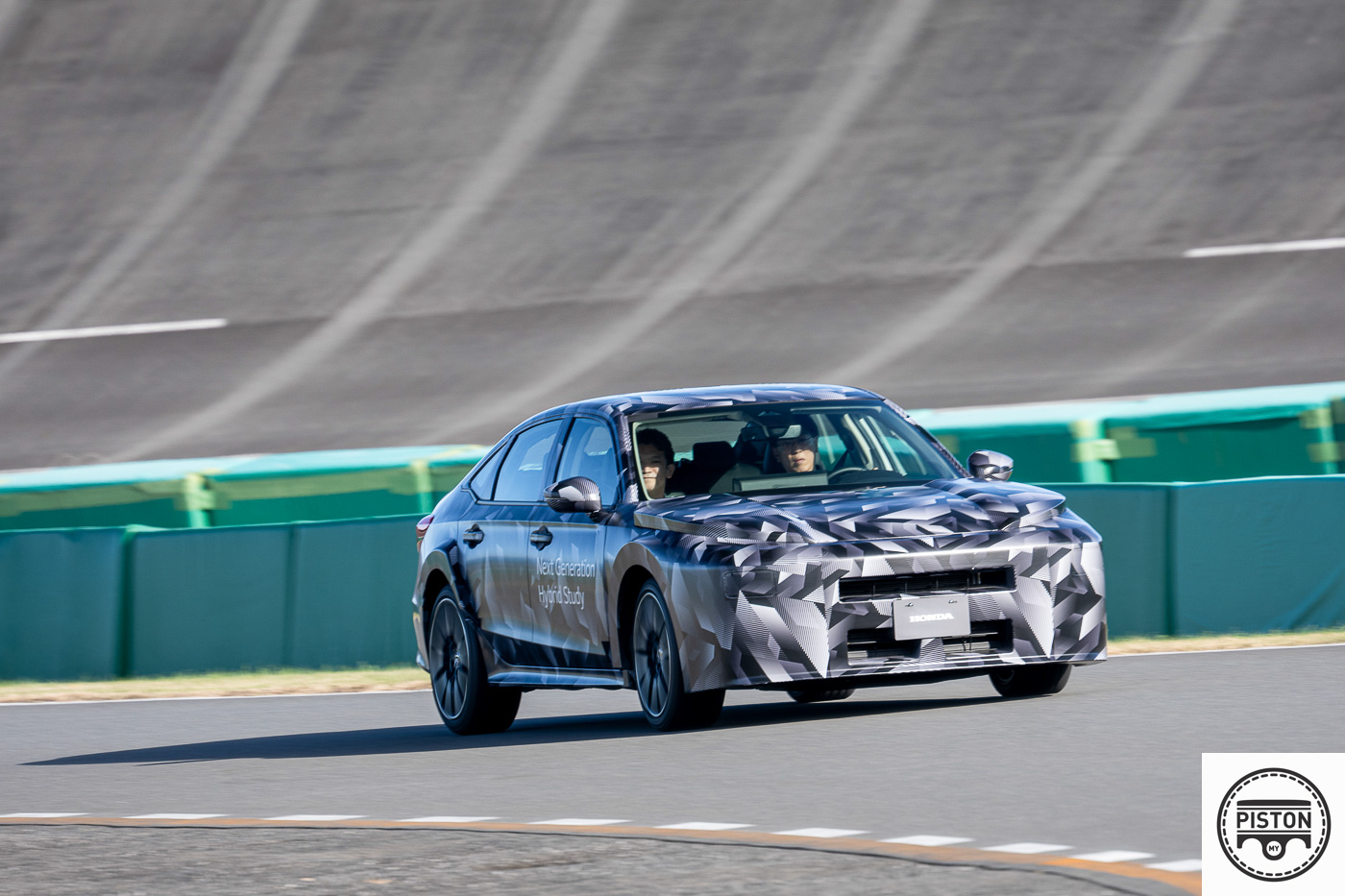
But it was just a Civic in body, because what lay underneath made it an entirely different machine. Unlike the current Civic, this model sounded sportier especially during acceleration, felt sharper during corner entry and just felt a lot more eager to be driven fast.

It felt like Honda had finally figured out the one thing that the current Civic does not have, character. And if Honda manages to programme such a character into all its car’s then we are in for a treat.

The other thing that I experienced is something called S+ Shift (pronounced as S Plus). This is basically a collection of drive modes as well as intelligent wizardry designed to make your mind believe that you are actually driving a fire breathing monster when all you’re doing is driving a Honda hybrid.
I experienced Honda’s S+ Shift in the new Prelude (I’ll detail my experience with that car in a different article) and was blown away by the experience.

The new Prelude is powered by Honda’s hybrid powertrain, which means that the wheels are driven directly by an electric motor and there is no gearbox. The 2.0-litre naturally-aspirated engine is not exactly spirited by itself either.
But the S+ Shift worked wonders by making the engine sound a lot sportier than it actually is. This sound is channelled into the cabin through the speakers. But before you say this is not new technology, this augmented sound is paired with simulated gearshifts.

Honda has managed to perfectly mimic gearshifts complete with power cuts (or fuel cuts if you are so inclined), downshift blips and such. The sound and the feel is intoxicating, and this is exactly what Honda means by joy of driving.
So, Honda may be adopting hybrid powertrains, but it has not forgotten to have fun, and it does not want you to forget the joy of driving either.

What about electrification though?

Honda believes in letting its customers decide which powertrain they want rather than dictate to them what they should be driving.
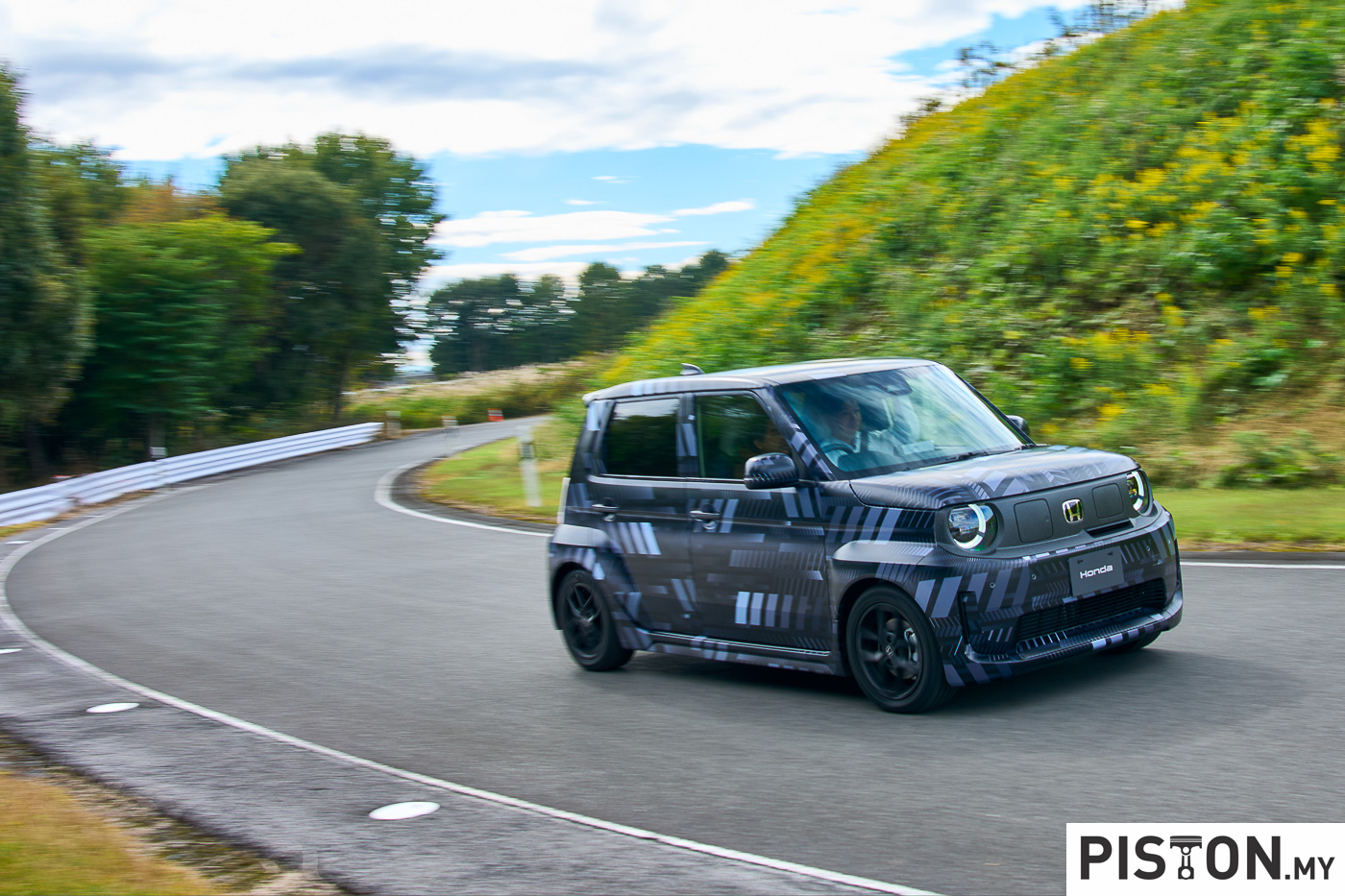
Hence Honda is busy building the next generation of electric cars using something called the 0 series platform. From this, there will be sedans, and large and medium sized SUVs as well.

In fact, we also drove the Super One Prototype, a small electric kei car that is also a joy to drive.
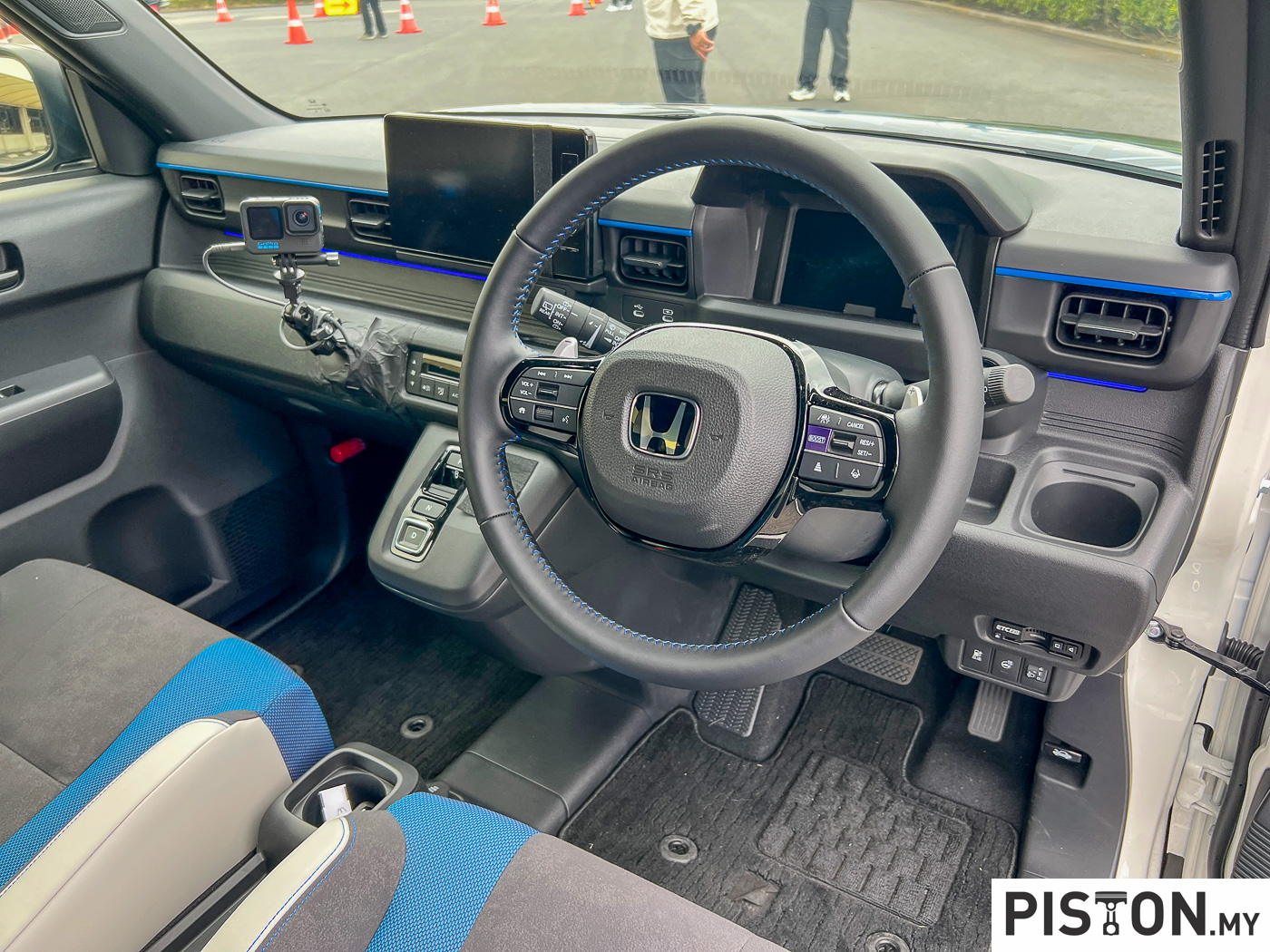
So Honda has all its bases covered and unlike some other car makers, it has not forgotten how to have fun along the way.
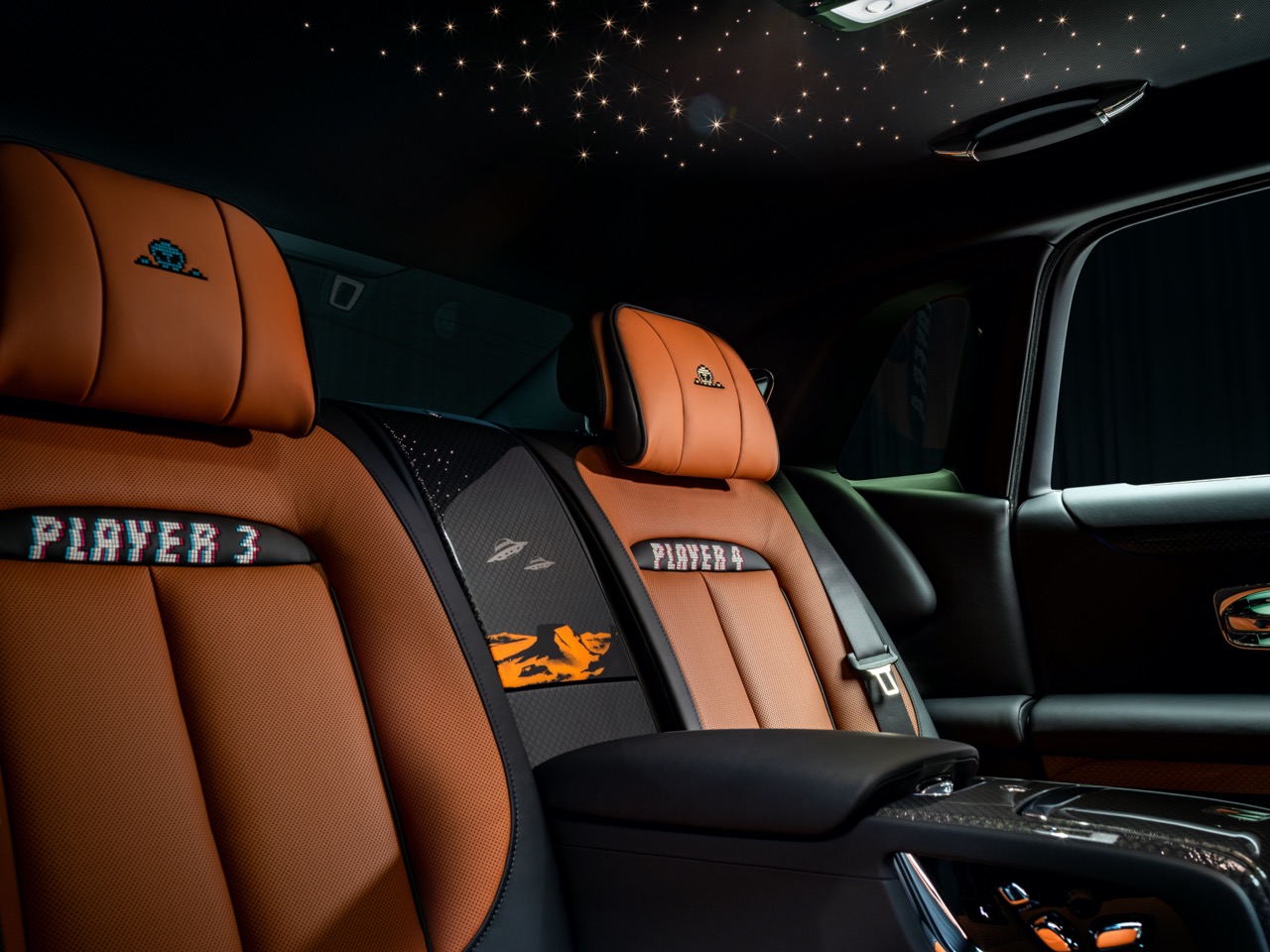
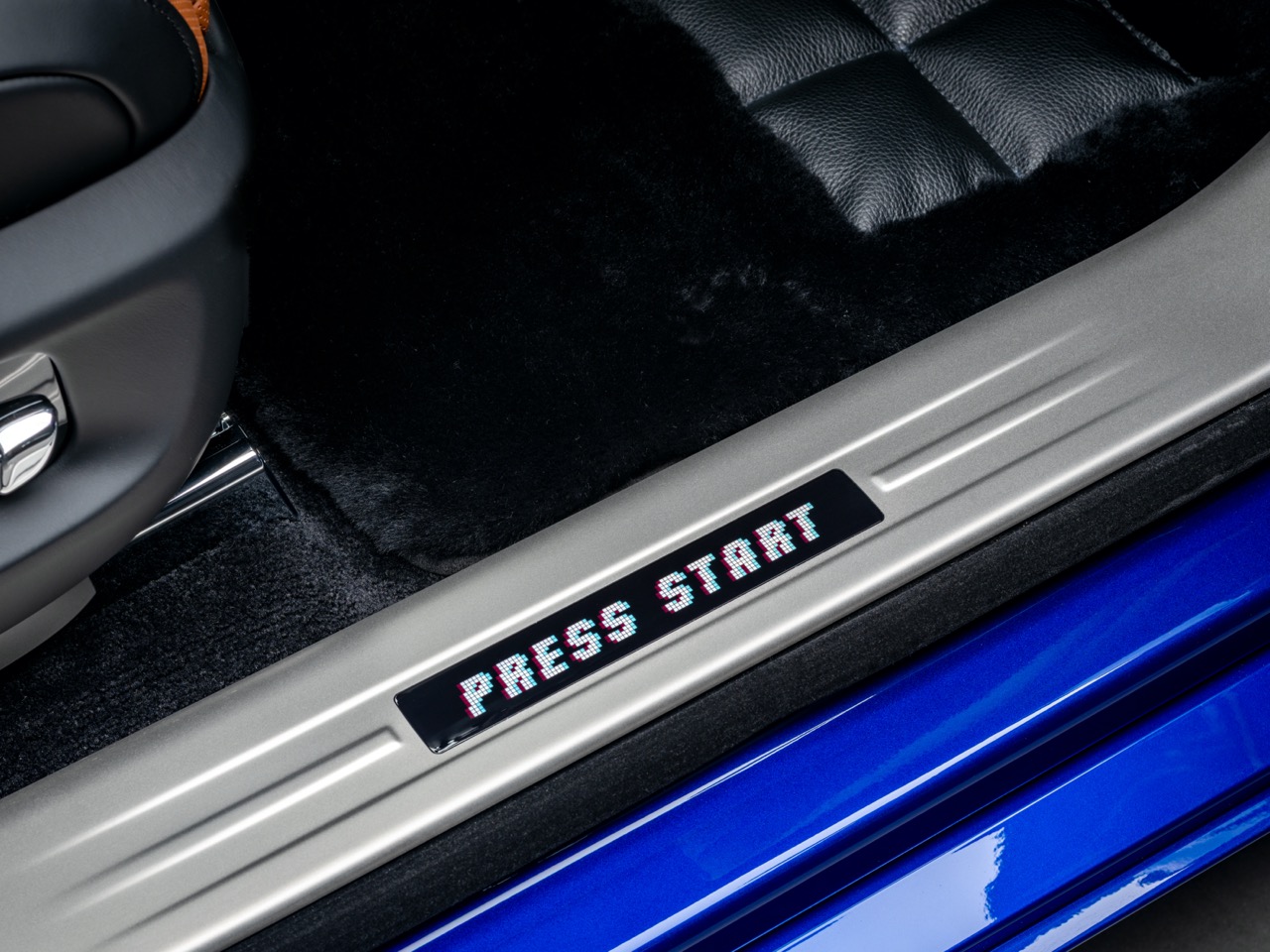
Rolls-Royce has revealed the Black Badge Ghost Gamer, a one-off commission created for a client with a strong attachment to the world of early video games. Drawing from the simple shapes and colour palettes of the 8-bit era, the car integrates a long list of carefully executed references — from a hand-painted ‘Cheeky Alien’ Coachline graphic to ‘Player One’ seat embroidery, a ‘Pixel Blaster’ Starlight Headliner, a ‘Laser Base’ Illuminated Fascia and small hidden details inspired by classic joystick-era gaming. The result is a Bespoke Ghost designed to function not only as a luxury car but as an object that rewards discovery, much like a game itself.

A New Direction for Collectable-Inspired Commissions

The Black Badge Ghost Gamer is the first Rolls-Royce commission to take direct inspiration from arcade gaming. Interest in early video-game memorabilia has risen sharply in recent years, not just as an investment space but also as a cultural archive for collectors who grew up with 1970s and 1980s arcade machines and consoles. Rolls-Royce notes that several of its clients are deeply involved in this area, making a commission tied to retro gaming both timely and relevant.

(more…)

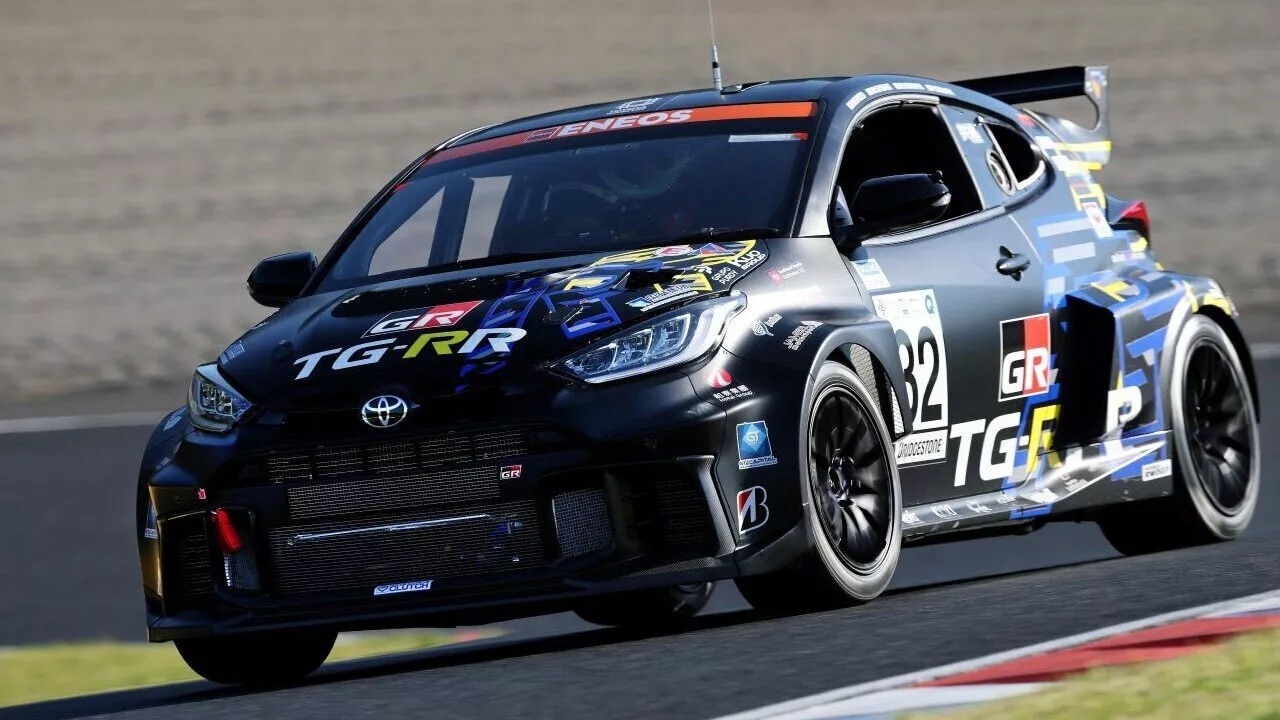
Toyota is moving forward with its mid-engined sports car programme, even after early reports suggested the development team had run into major challenges with its GR Yaris M Concept test car. Instead of slowing down, engineers refined the prototype and recently secured a third-place finish in their class in Japan’s Super Taikyu Series, signalling that progress remains steady.

This project has been under development for some time and is widely believed to be the foundation for a new-generation MR2. Until the production model is ready, Toyota is using a heavily modified GR Yaris to test its mid-engine layout, convinced that the setup has the potential to outperform what the current Yaris platform can achieve.
Toyota notes that the GR Yaris’s front-engine, all-wheel-drive configuration places heavy strain on the front tyres, wearing them out roughly three times faster than the rears. Moving the engine to the back while keeping power sent to all four wheels is expected to sharpen handling and help reduce understeer—an advantage that aligns with the goals for a focused sports car.

(more…)

Nissan Australia has pulled the covers off the next-generation Navara, marking a major update to one of the brand’s most recognisable nameplates. Set to reach showrooms in Australia and New Zealand by the end of the first quarter of 2026, the new model continues the legacy of a pickup that has earned the trust of around half a million buyers since the very first Navara appeared in 1986.

Nissan says the latest generation carries forward the spirit of its predecessors with a tougher design, a new turbodiesel engine and driving dynamics specifically tuned for the demanding roads of Oceania.

2026 Nissan NAVARA (ST-X)

The exterior takes clear cues from Nissan’s long pickup heritage. A prominent V-motion grille sets the tone at the front, matched by a set of C-shaped headlamps that blend cleanly into the bodywork for a modern and assertive look. Three distinct intake openings framed in orange sit below, a deliberate nod to the original Navara and a reminder of the model’s workhorse roots.

(more…)

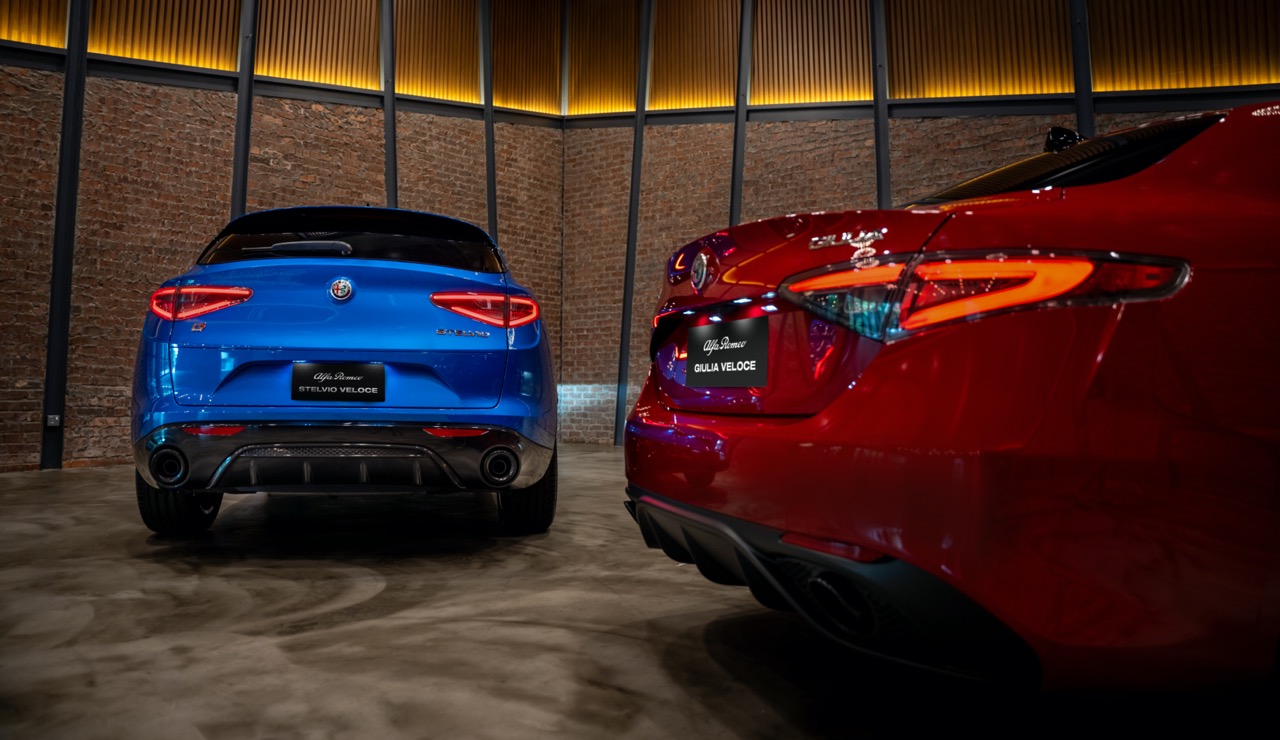
Alfa Romeo has made its long-awaited return to Malaysia, marking more than a decade since the brand last had an official presence here.

Its comeback is led by DLSB Partners Sdn Bhd under the Atlantis Motor Group, which has taken on the role of independent distributor and pledged to rebuild the brand’s footprint with proper nationwide support and a refreshed retail network.

The brand’s local revival centres on the theme “Drive Beautifully”, a message that invites Malaysians to reconnect with the emotional and artistic side of driving that Alfa Romeo has always embodied.

(more…)

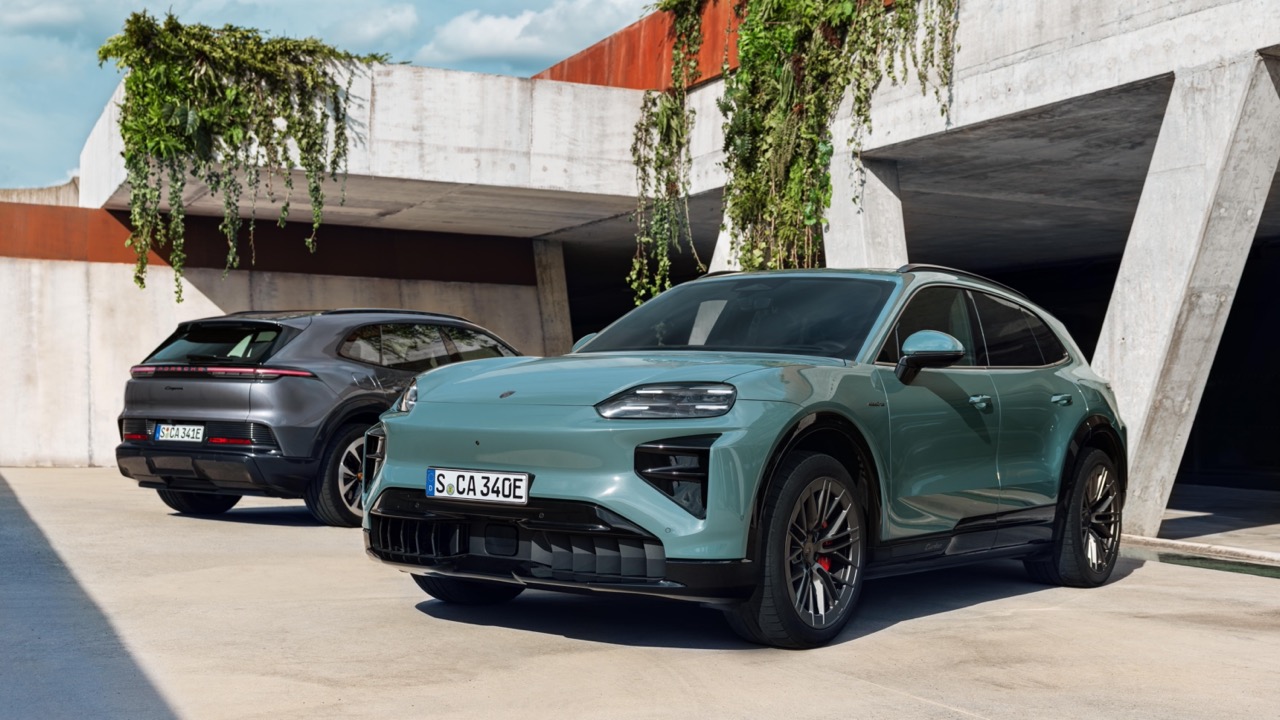
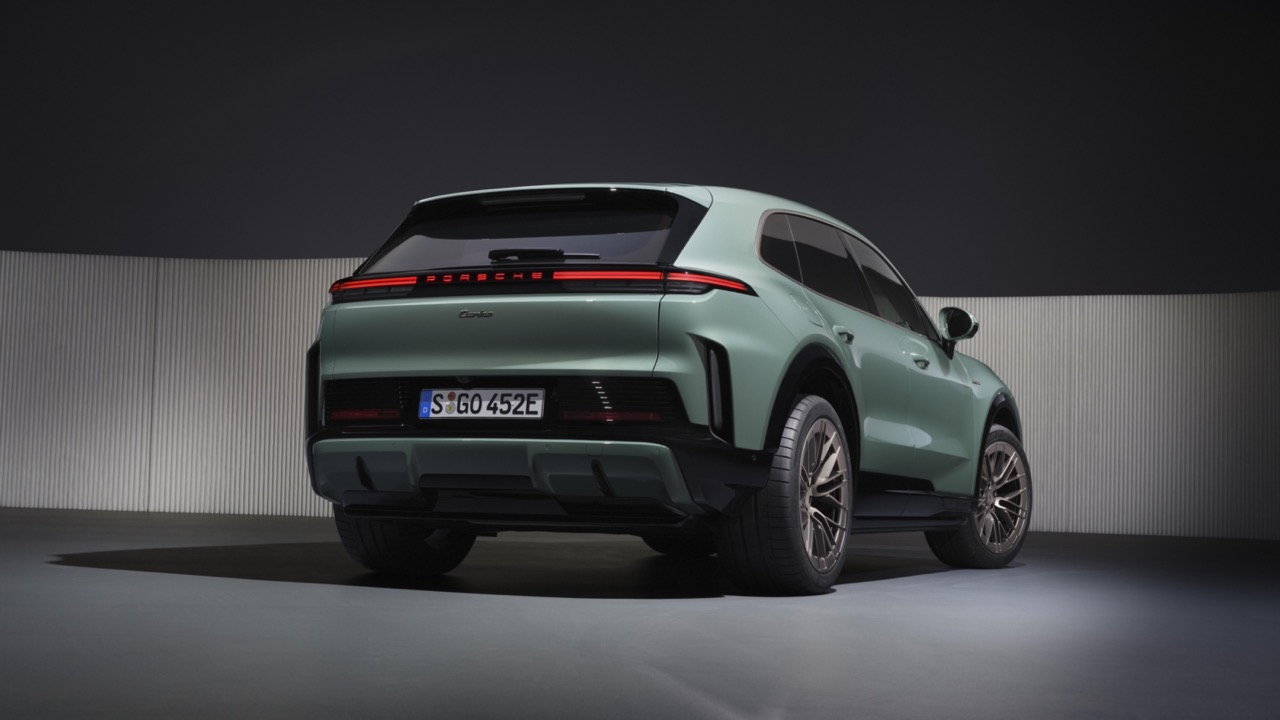
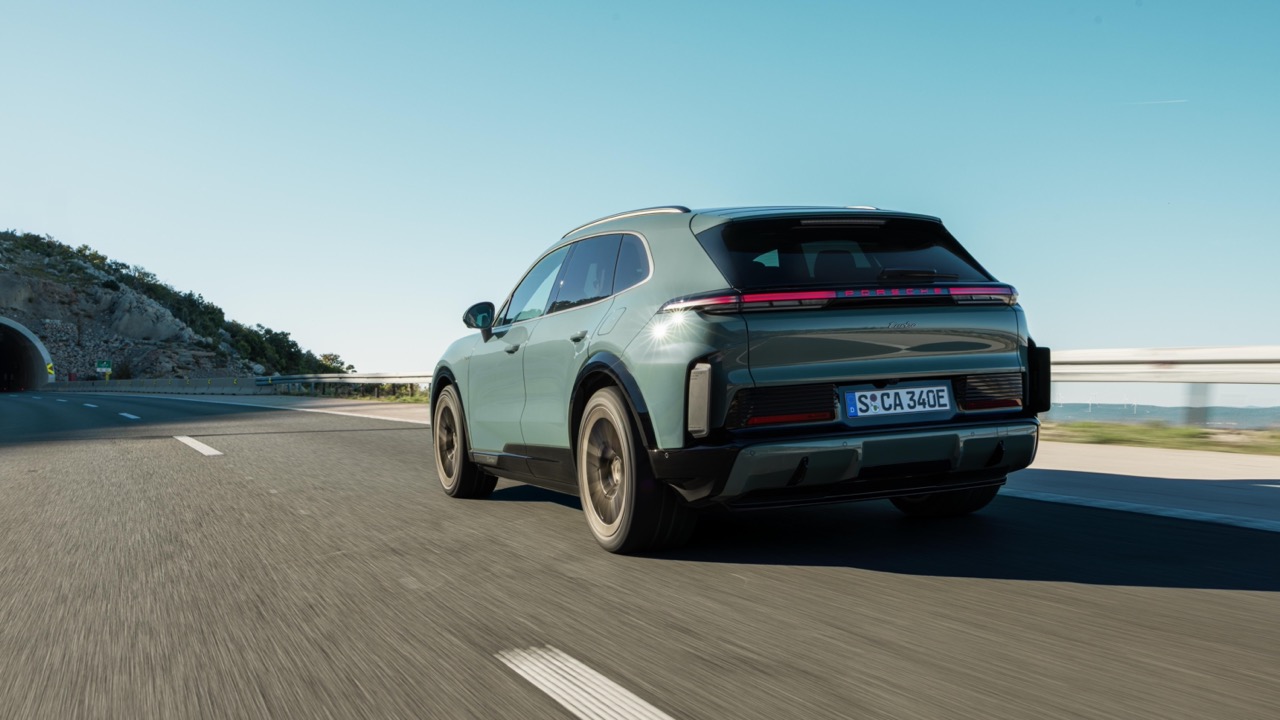
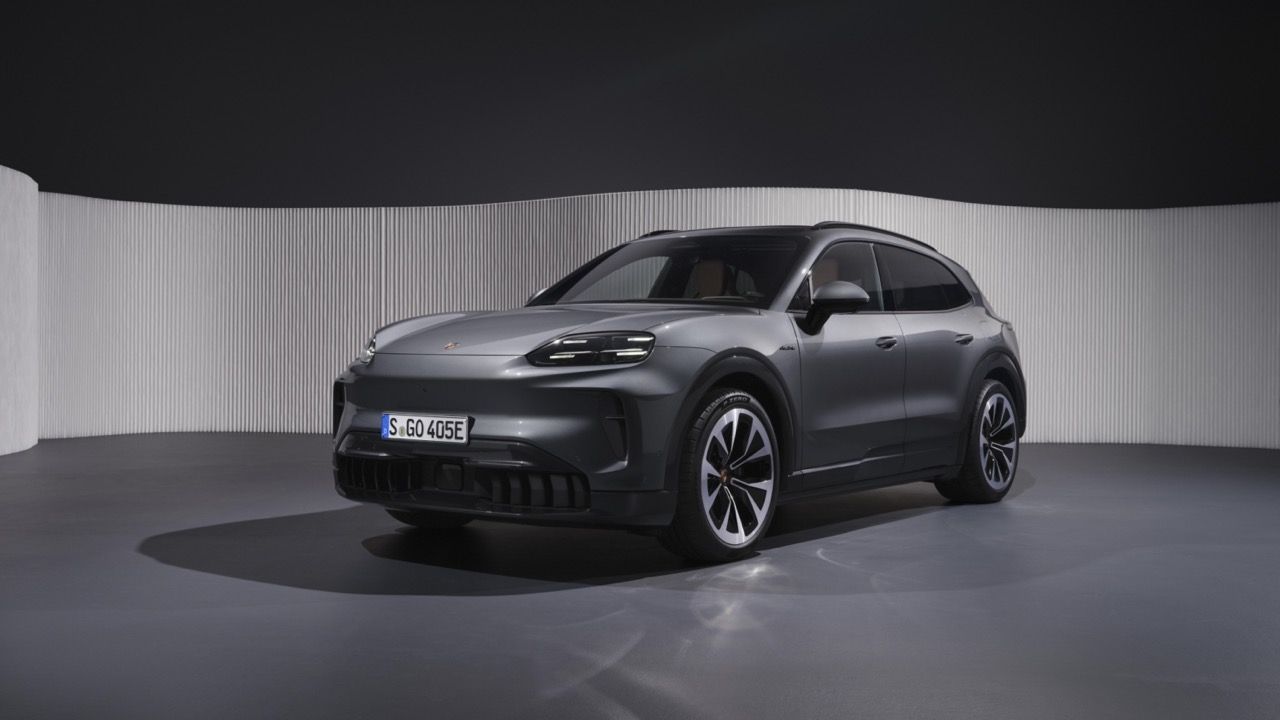
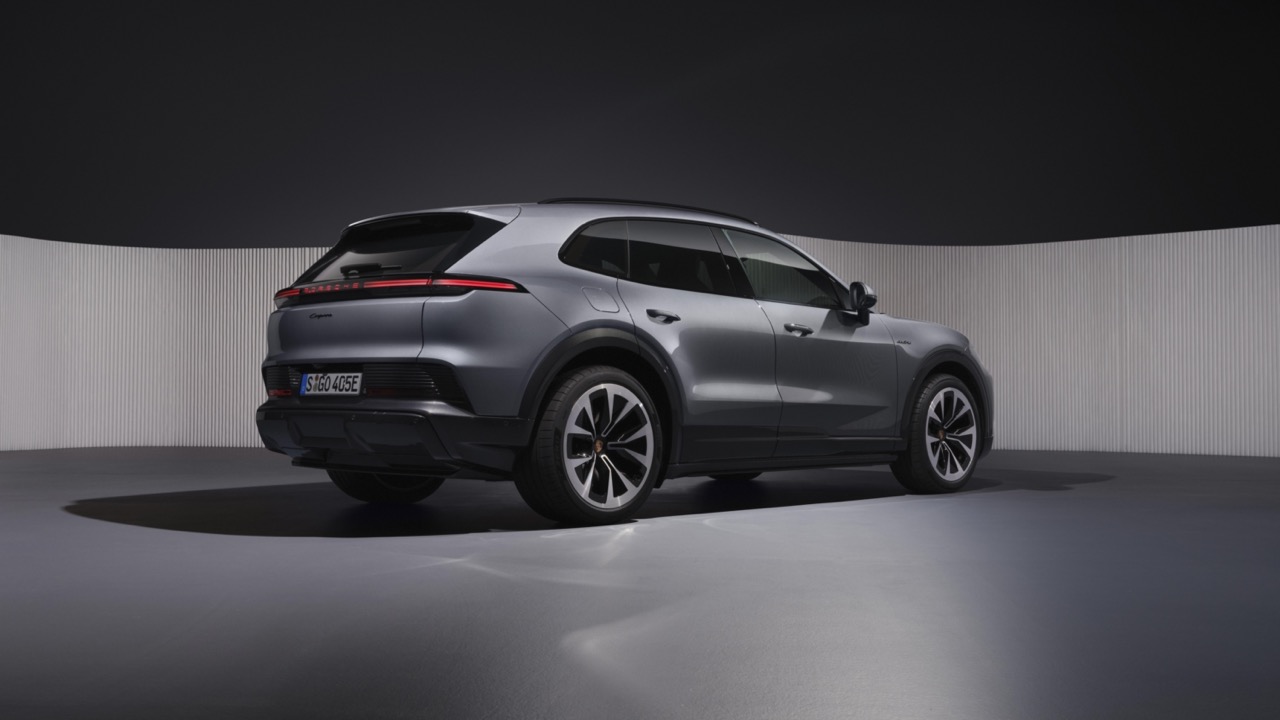
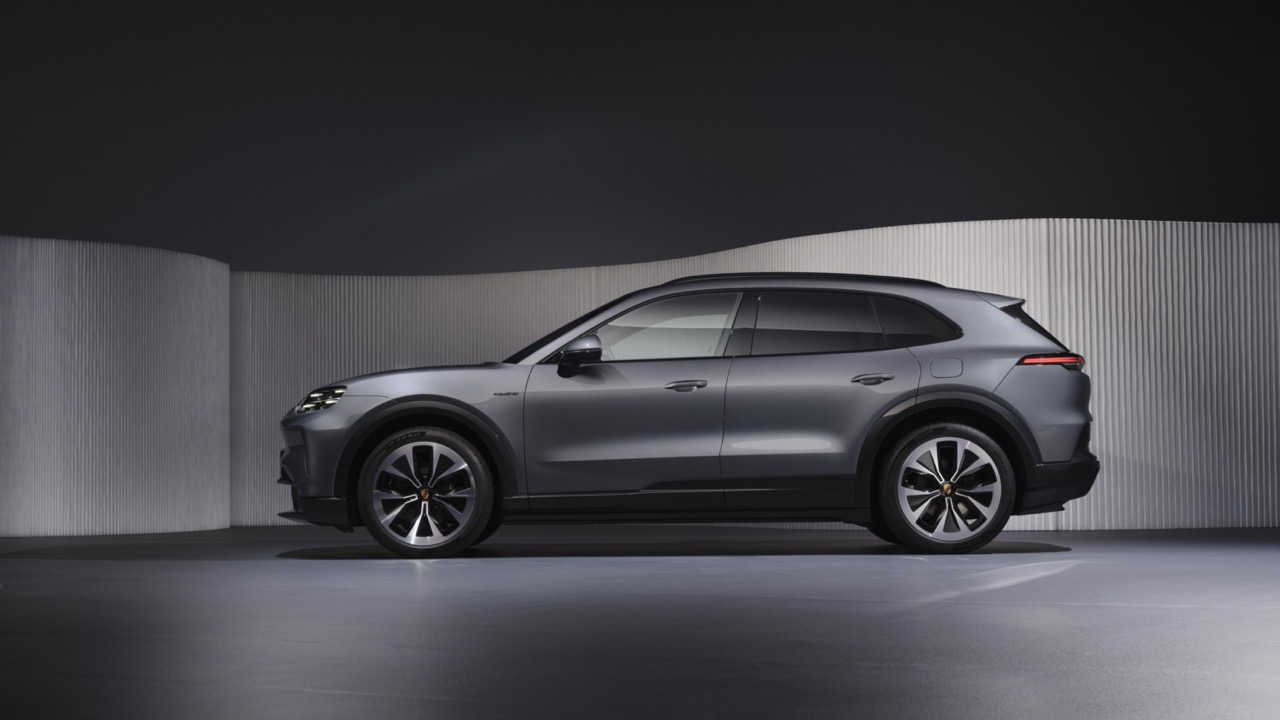
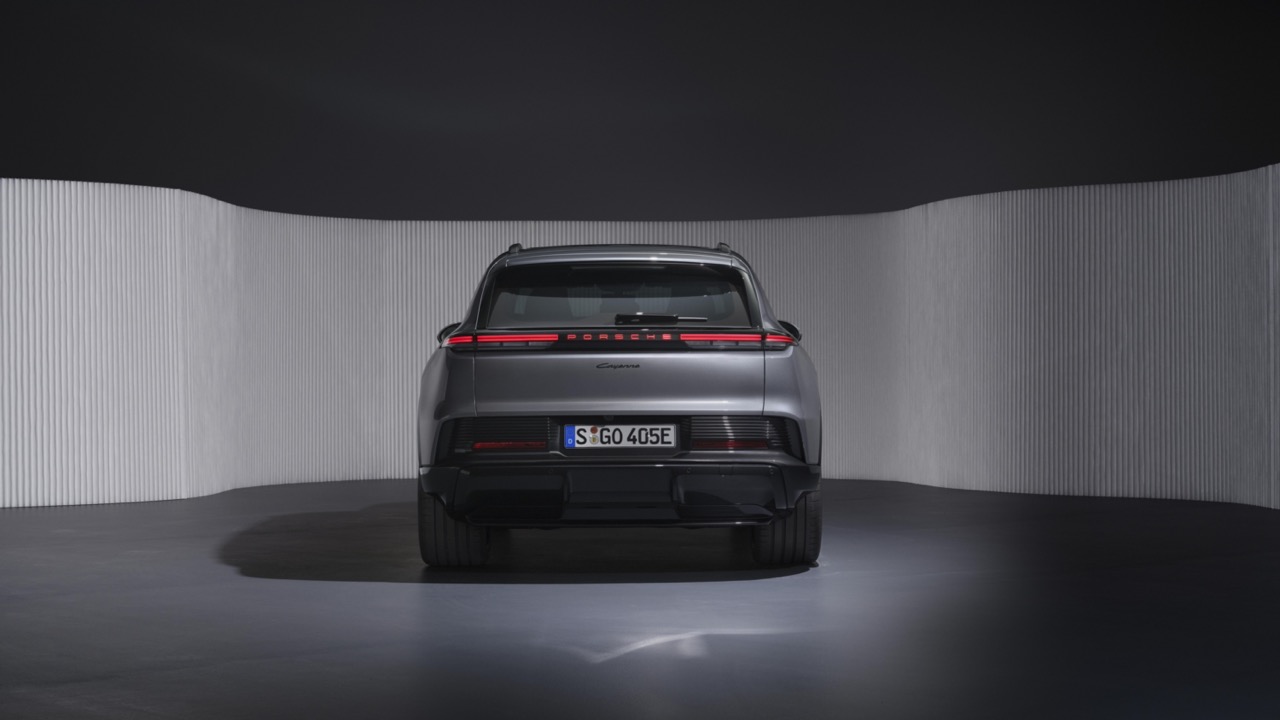
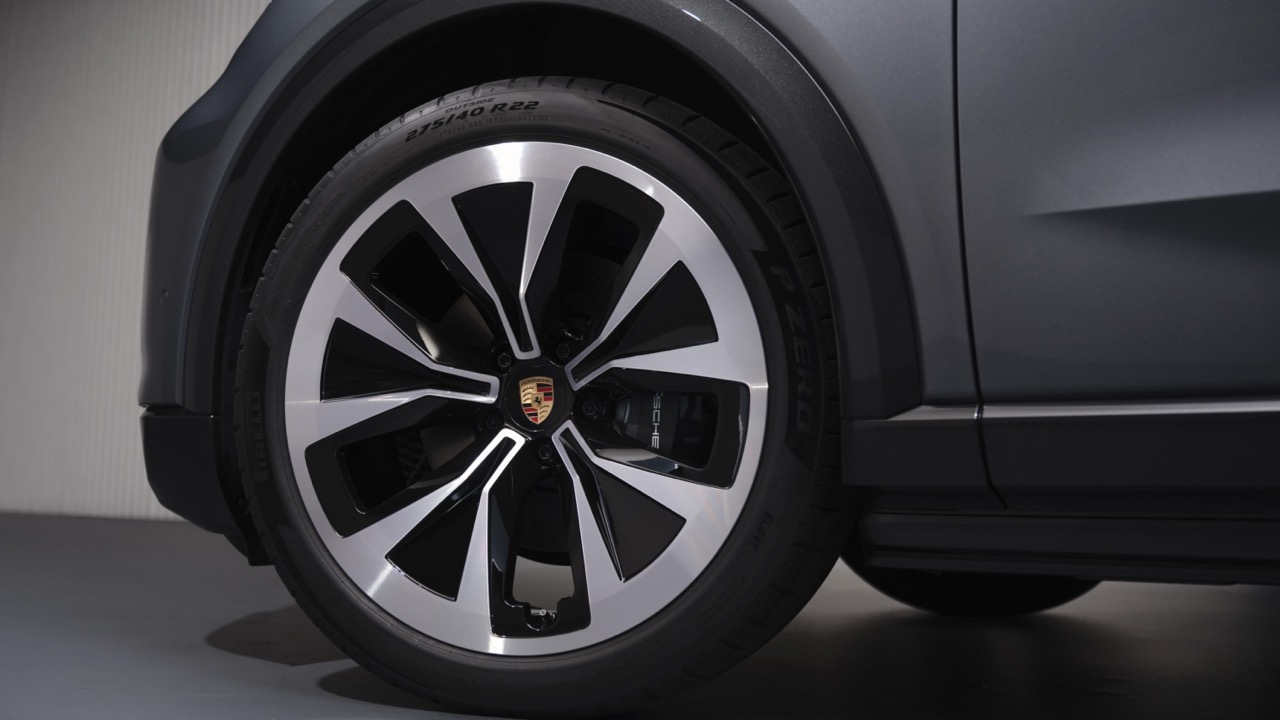
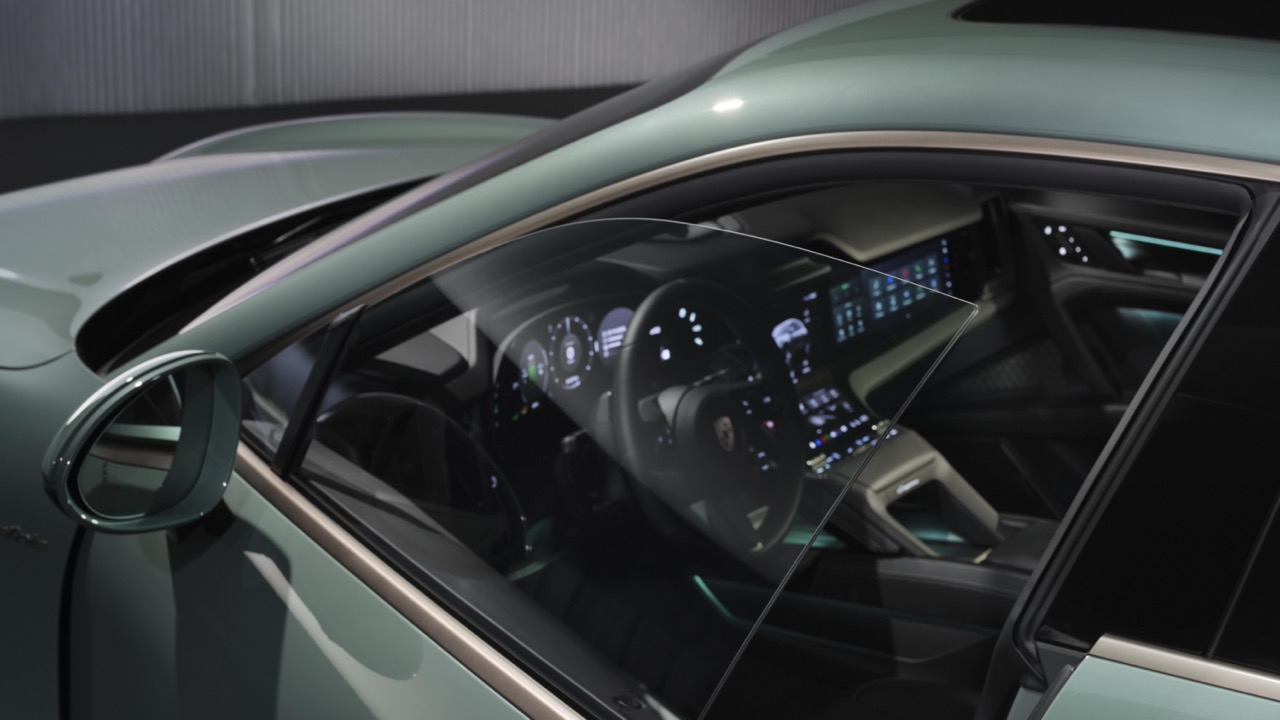
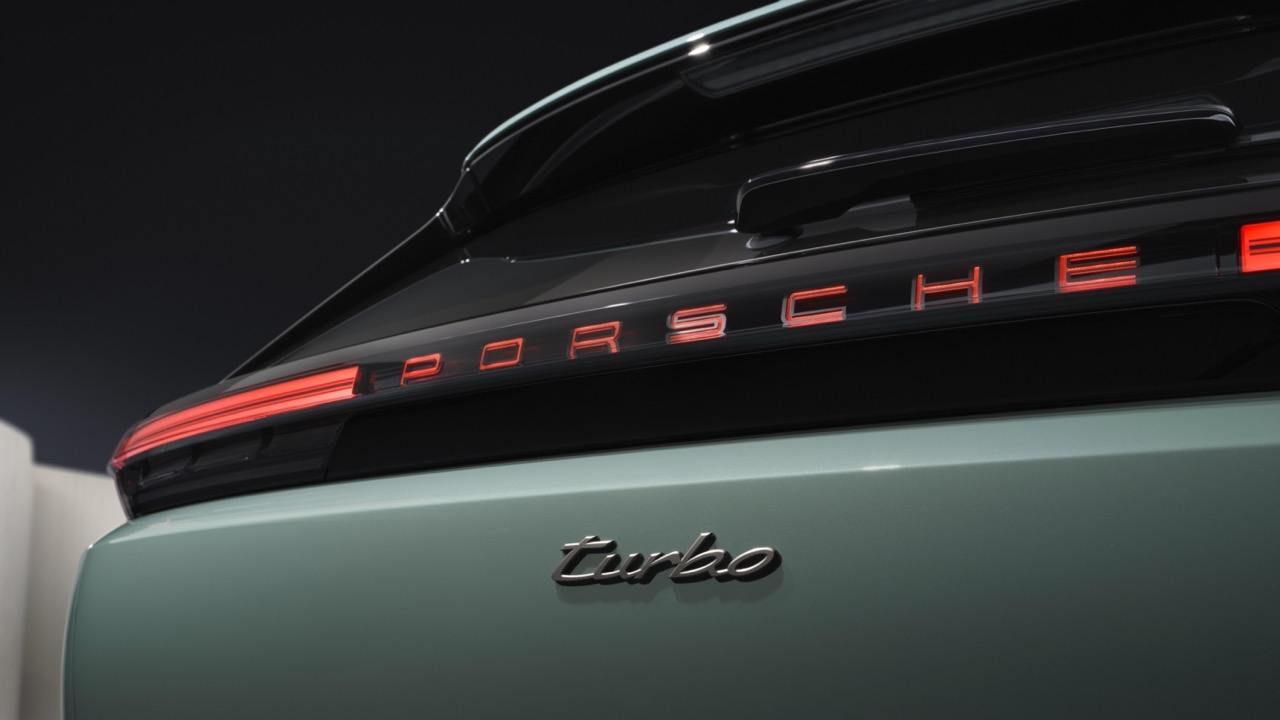
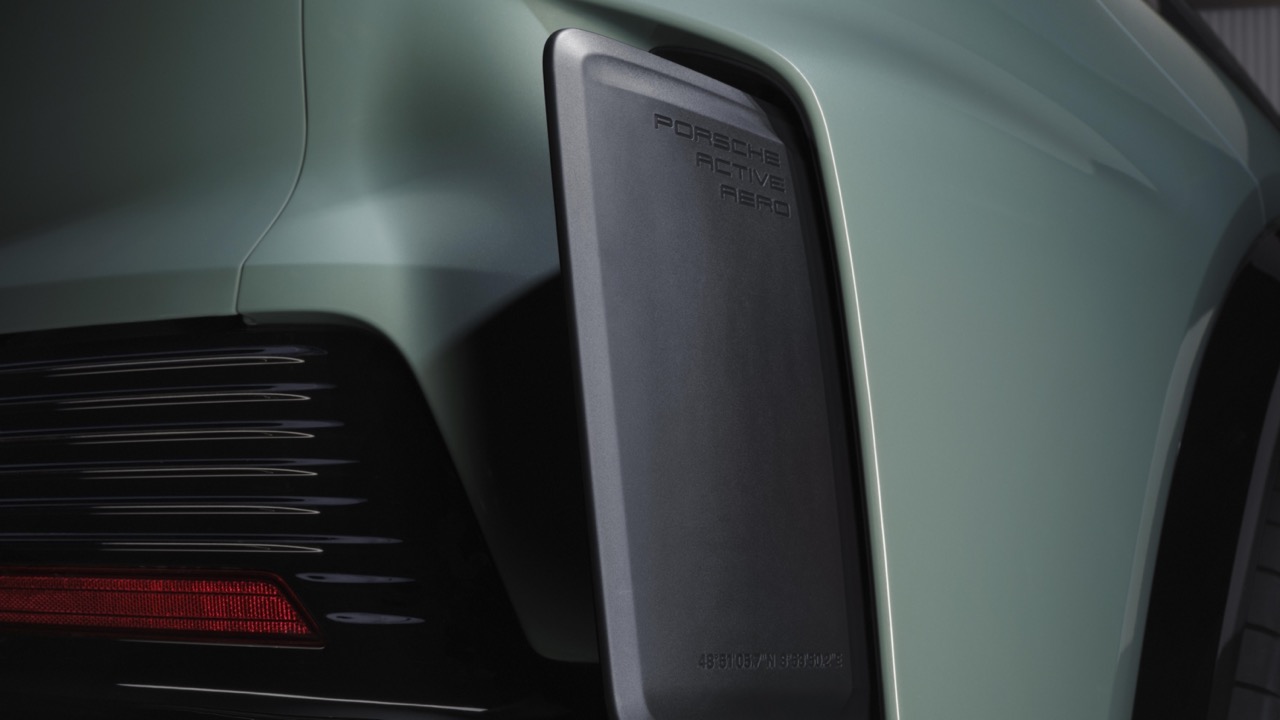
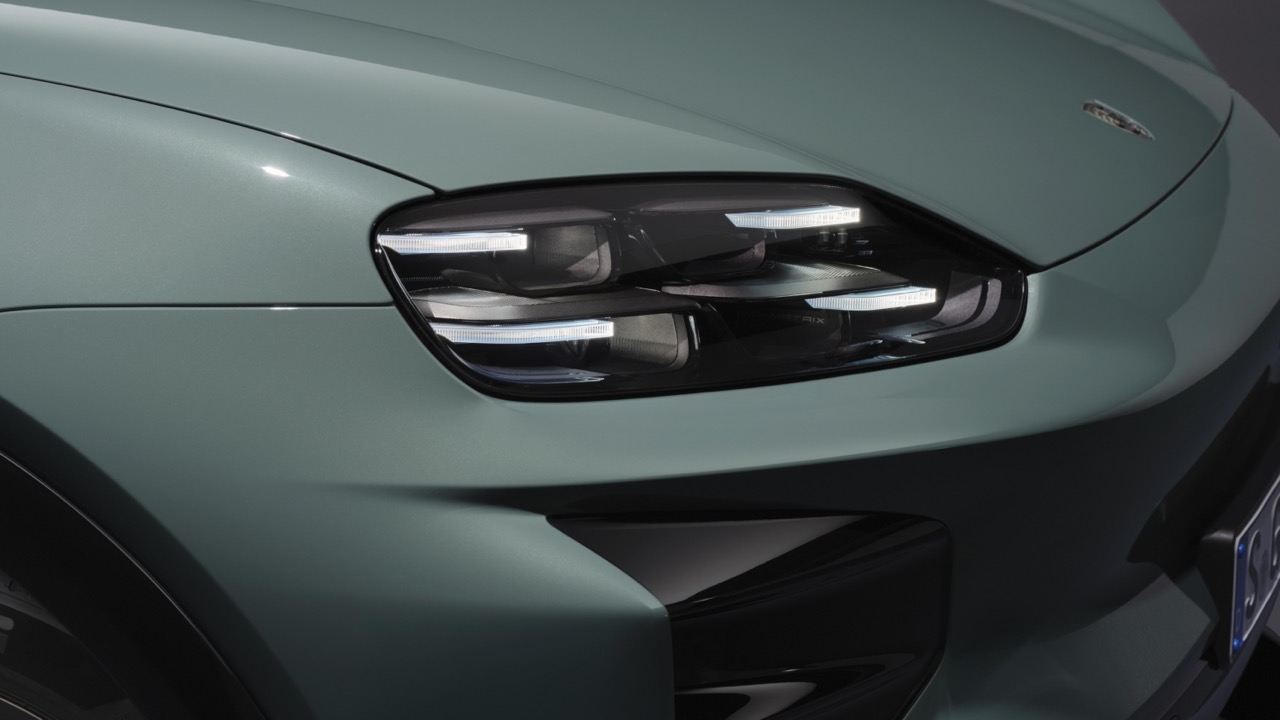
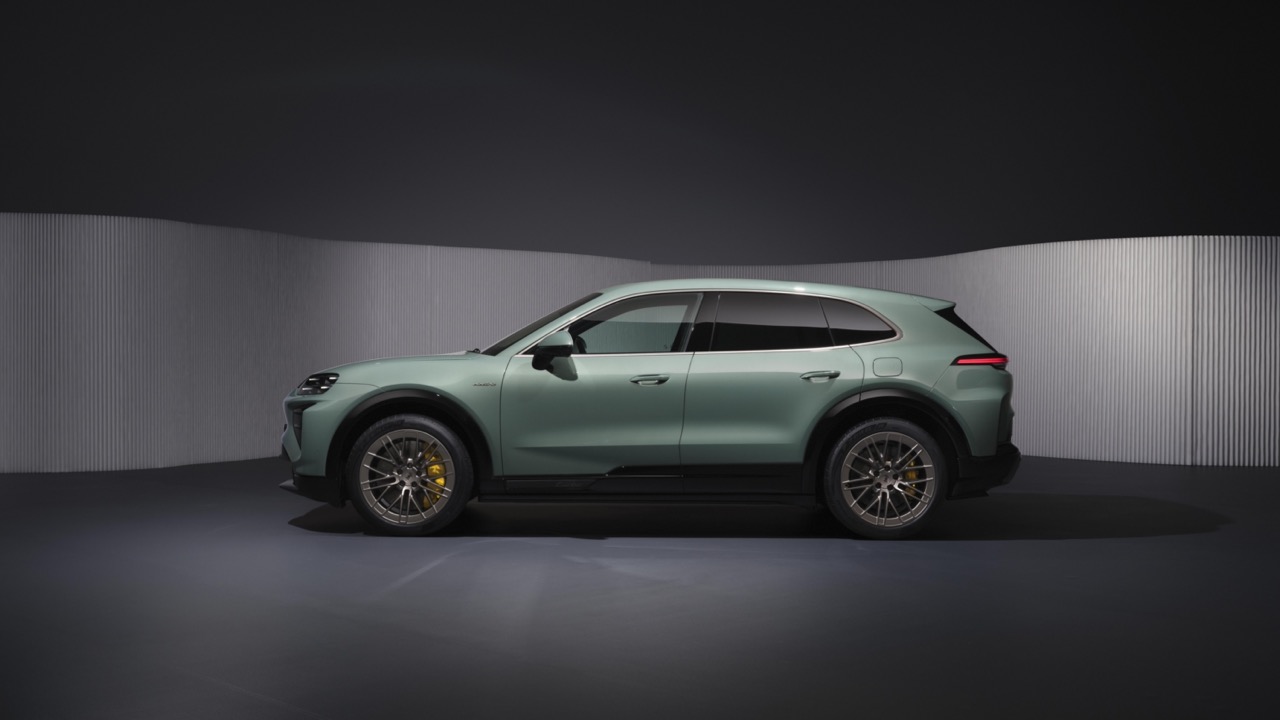
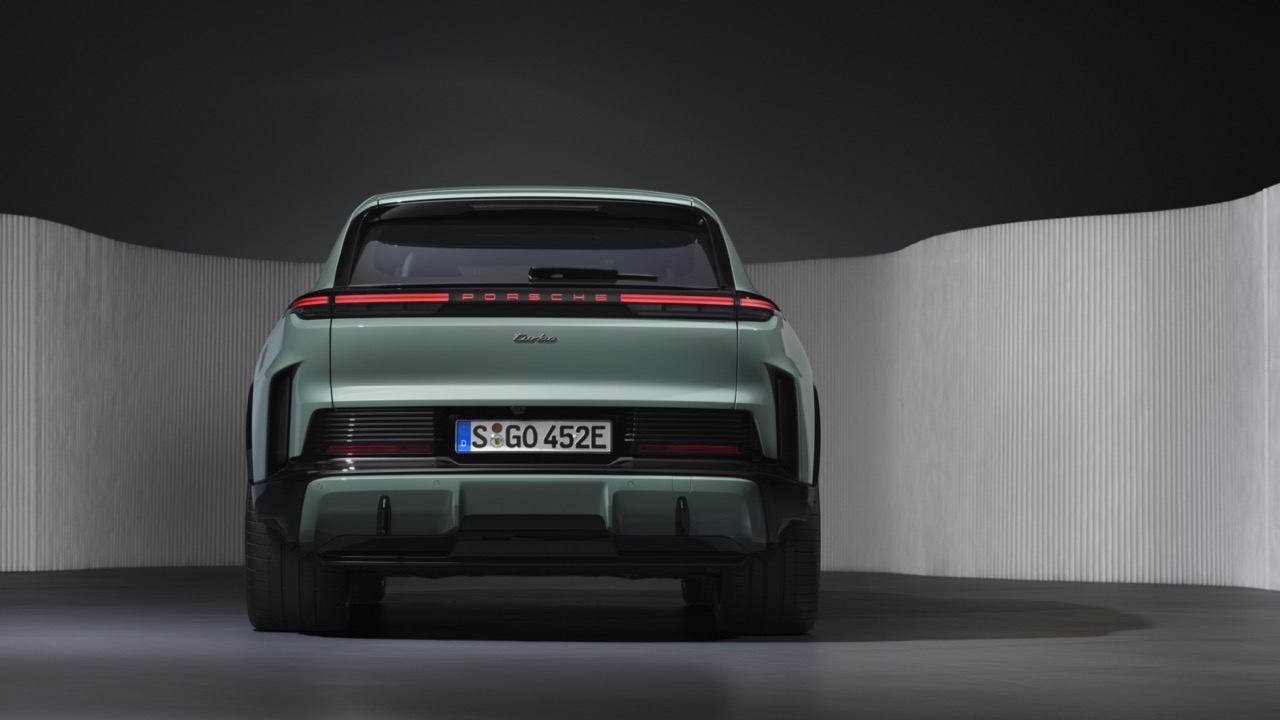
Porsche is preparing to expand its electric portfolio with the arrival of the 2026 Cayenne Electric, the company’s second fully electric SUV. Alongside its debut, Porsche confirms that this new model is now the most powerful production vehicle it has ever built.

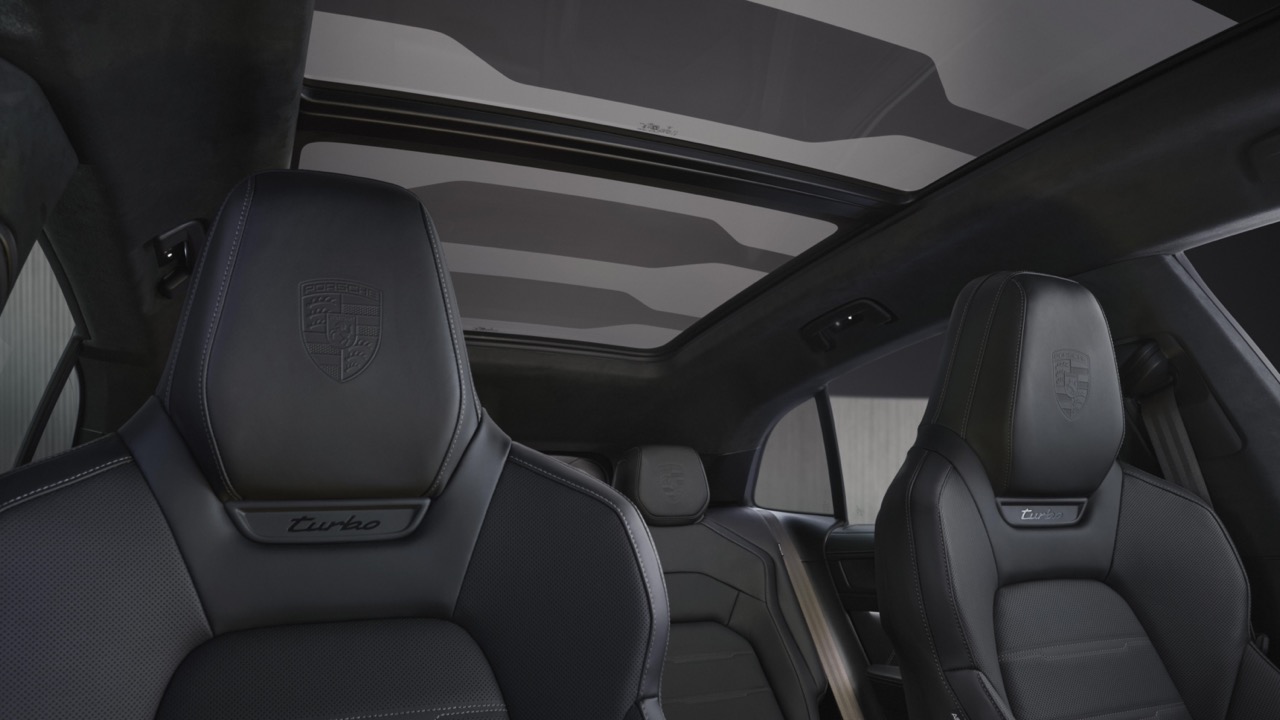
Two variants will be offered at launch: the standard Cayenne Electric and the Cayenne Turbo Electric. Porsche continues to use the “Turbo” label for its high-performance EVs, a naming approach that may raise eyebrows but remains well established within the brand’s identity.

The standard Cayenne Electric produces 402hp during normal driving, with output rising to 435hp and 834Nm of torque in Launch Control mode. Power comes from a dual-motor setup that provides all-wheel drive as standard.

The Cayenne Turbo Electric raises performance to extreme levels. It delivers 844hp in regular driving, while Launch Control mode unleashes 1,139hp and 1,500Nm of torque. Porsche states that this enables a 0–100km/h time of 2.4 seconds.

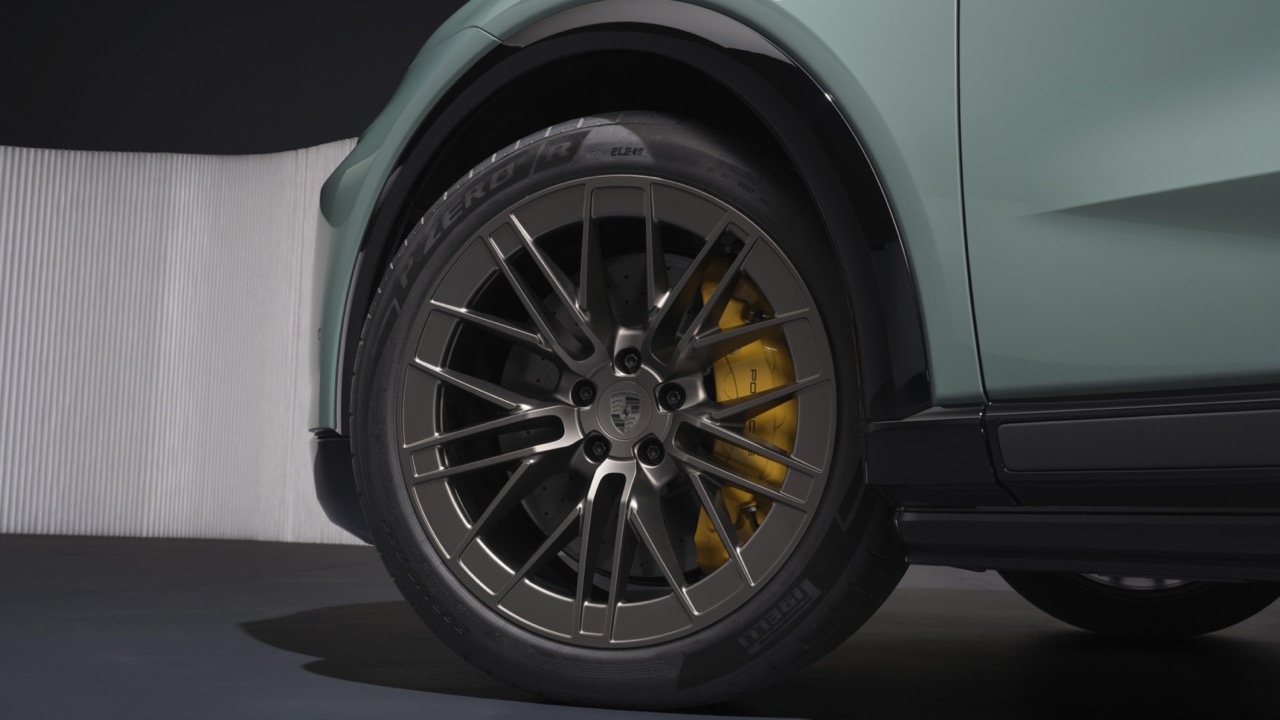
Stopping performance is equally serious. The Cayenne Electric can regenerate up to 600kW during braking, with Porsche noting that nearly 97 per cent of braking situations can be handled solely by the motors. Ceramic Composite brakes remain an option for those who want a stronger performance emphasis on the Turbo variant.

Porsche aims to deliver a familiar driving feel despite the shift to full electrification. Both variants come equipped with Porsche Active Suspension Management as standard. The Turbo version adds Porsche Torque Vectoring Plus, and both models can be optioned with rear-axle steering and the Active Ride suspension system used in the Taycan and Panamera. Active Ride is designed to counter body movement during acceleration, braking, and cornering, creating a more composed and predictable response.

Powering the Cayenne Electric is a 113 kWh battery pack supported by an 800-volt architecture, enabling charging speeds of up to 400 kW. Under ideal conditions, Porsche claims the battery can charge from 10 to 80 percent in as little as 16 minutes. The European WLTP cycle suggests the SUV can achieve up to 644km. An optional inductive charging system is also available, allowing wireless charging at up to 11 kW by parking the vehicle over a floor-mounted pad.

The exterior styling draws heavily from the electric Macan, with rounded rear surfaces and softer front-end contours. The Cayenne Electric retains recognisable Porsche elements, but certain angles give the impression of a more generic modern SUV compared with the sharper definition of the internal combustion Cayenne.

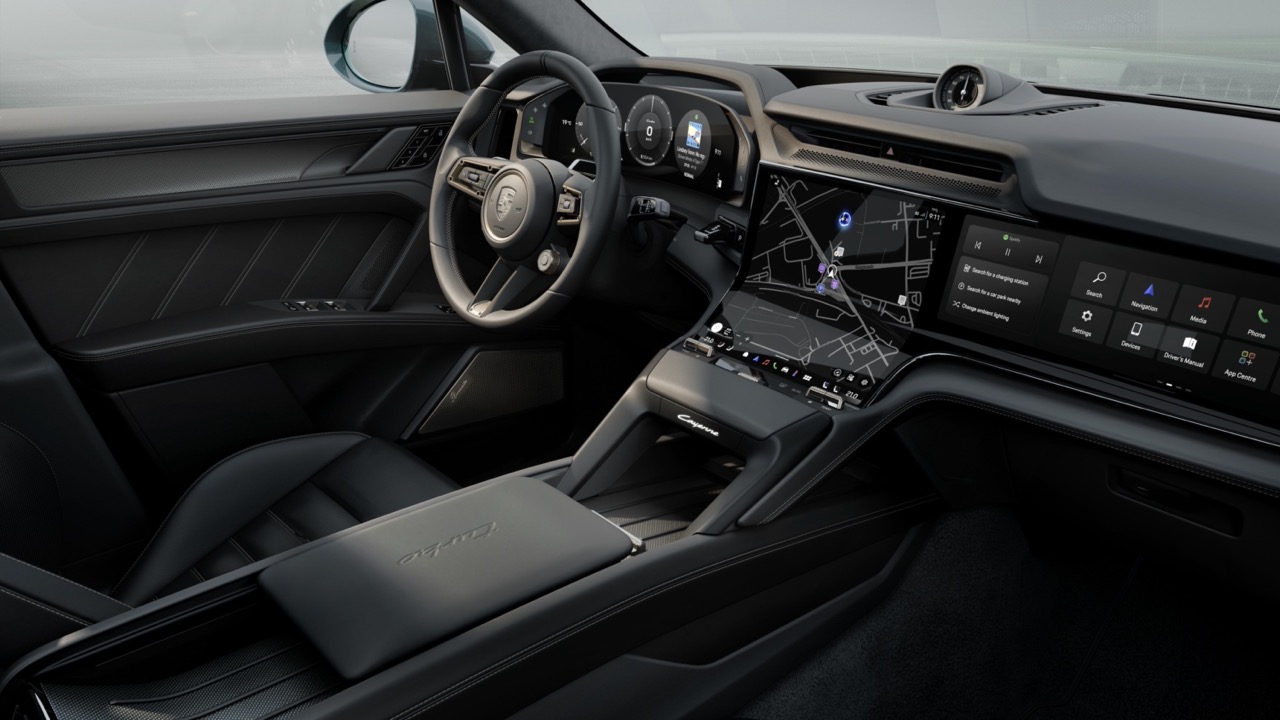
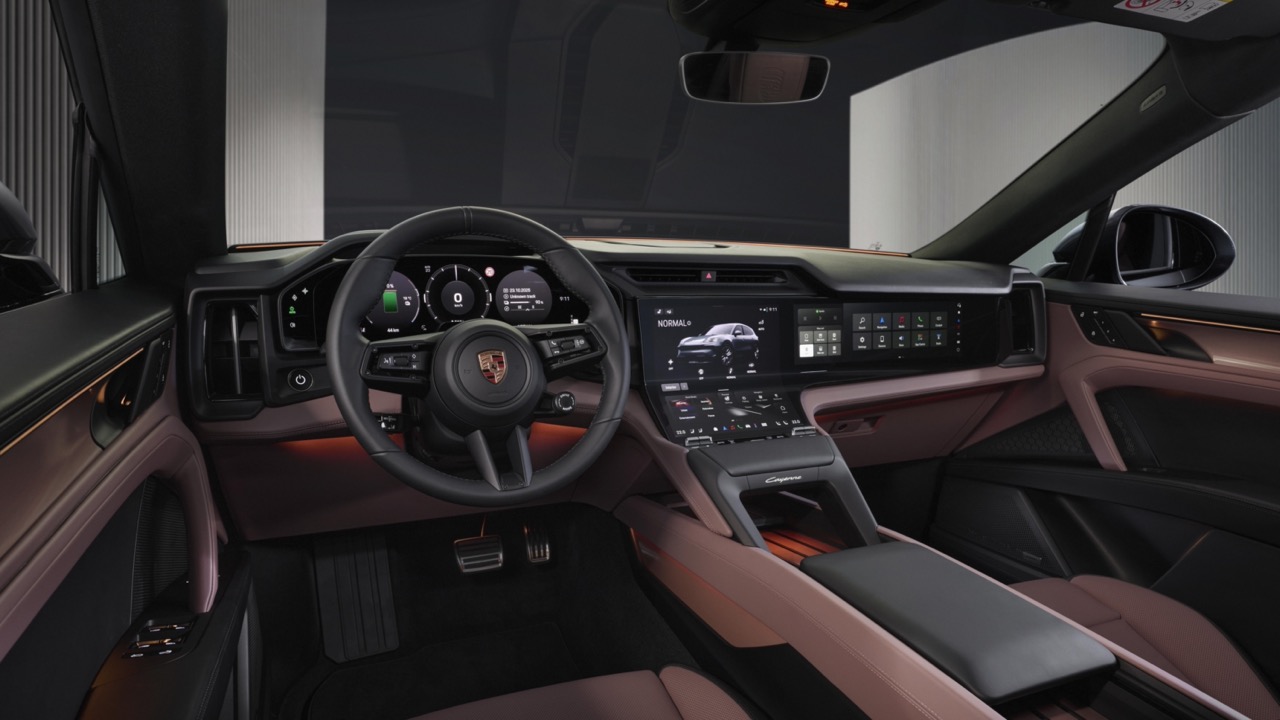
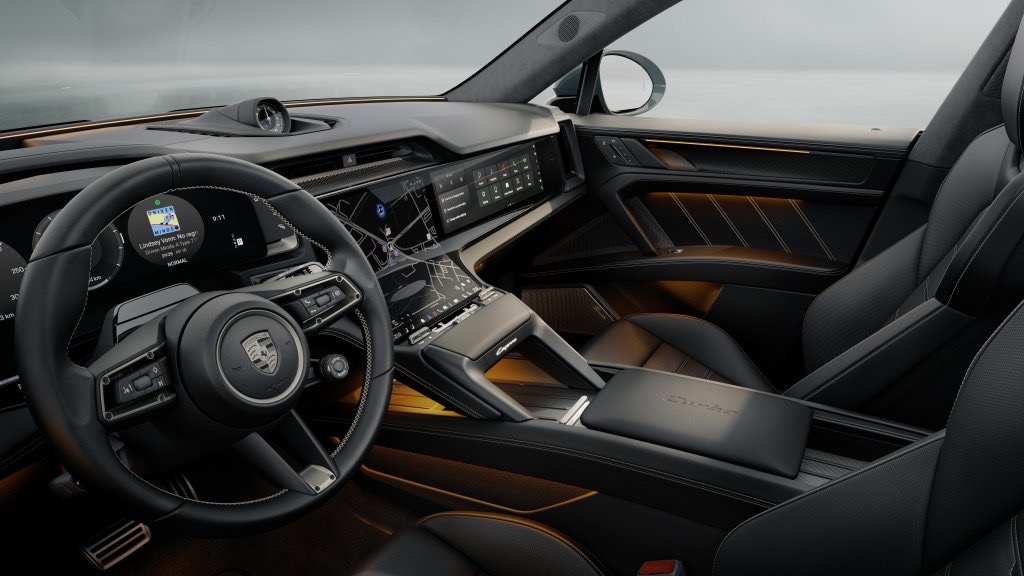
Inside, the Cayenne Electric aligns more closely with Porsche’s traditional design cues. Despite the increased digital presence, the layout remains driver-focused. A 14.3-inch OLED instrument cluster sits ahead of the driver, while a curved central OLED panel combines infotainment and climate controls.

A 14.9-inch passenger display is available as an option. Porsche keeps the air-conditioning and audio volume controls in analogue form, while most other functions move to digital interfaces.

The 2026 Cayenne Electric marks a new chapter for Porsche’s SUV line-up, blending extreme performance with new EV technology while retaining much of the brand’s established driving character.

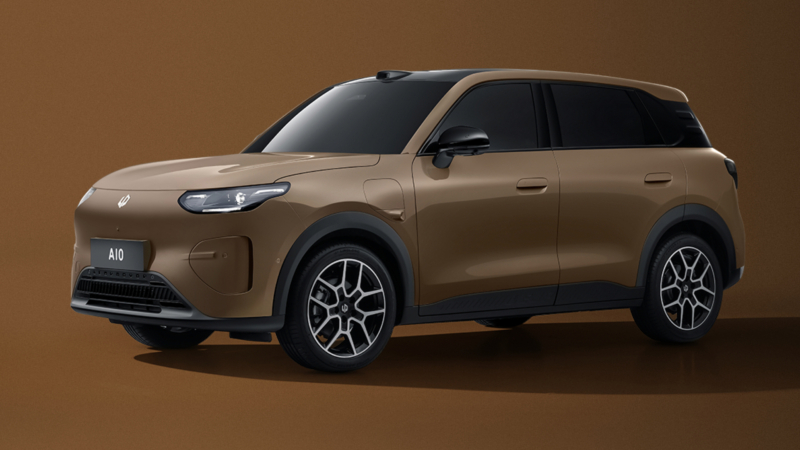
Leapmotor in China has shown its new A10 electric SUV before the car’s full launch on November 21. This small SUV is meant to compete with the BYD Atto 2. In China, the A10 is expected to cost between 80,000 and 100,000 yuan (around RM52,000 – RM65,000).

Leapmotor worked faster on new models thanks to its partnership with Stellantis. At the Guangzhou Auto Show 2025 on November 21, the company will show two new cars: the Lafa 5 electric hatchback and this new A10 SUV. Until now, the A10 had only been shown in teaser images, but on November 18 the company released clear photos.

The A10 sits between Leapmotor’s cheaper T03 city car and the Lafa 5. It is a small electric crossover that follows the brand’s usual design style. It has a closed front, a trapezoid-shaped air intake, and oval headlights. There is also a LiDAR sensor on the roof, dark D-pillars, and door handles that sit flush with the body.

The charging port is on the front left side. Grey plastic around the wheel arches and bumpers gives it a tougher look. At the back, it has rectangular taillights and cameras for blind-spot monitoring.

(more…)

Geely Galaxy has confirmed the arrival of the 2026 Starship 7 EM-i, also known globally as the Geely Starry EM-i, positioning it directly against BYD’s Song Pro DM-i in the competitive international hybrid SUV segment. The model comes in four variants, priced between 95,800 and 123,800 yuan (around RM62,700 to RM81,000).

One of the biggest improvements for 2026 is its upgraded pure electric capability. The flagship variant now delivers up to 200km of CLTC electric-only driving, while even the base model sees a significant jump from 55km previously to 130km. Buyers can also opt for a 135km version, and the combined hybrid range reaches an impressive 1,575km on a full charge and tank, giving it strong long-distance credibility.

The Starship 7 EM-i continues to sit on Geely’s GEA dedicated new-energy architecture, keeping its compact SUV footprint and familiar styling. A new exterior paint called Star Sea Blue has been added, while the rest of the design follows the clean, modern look of the outgoing model.

(more…)

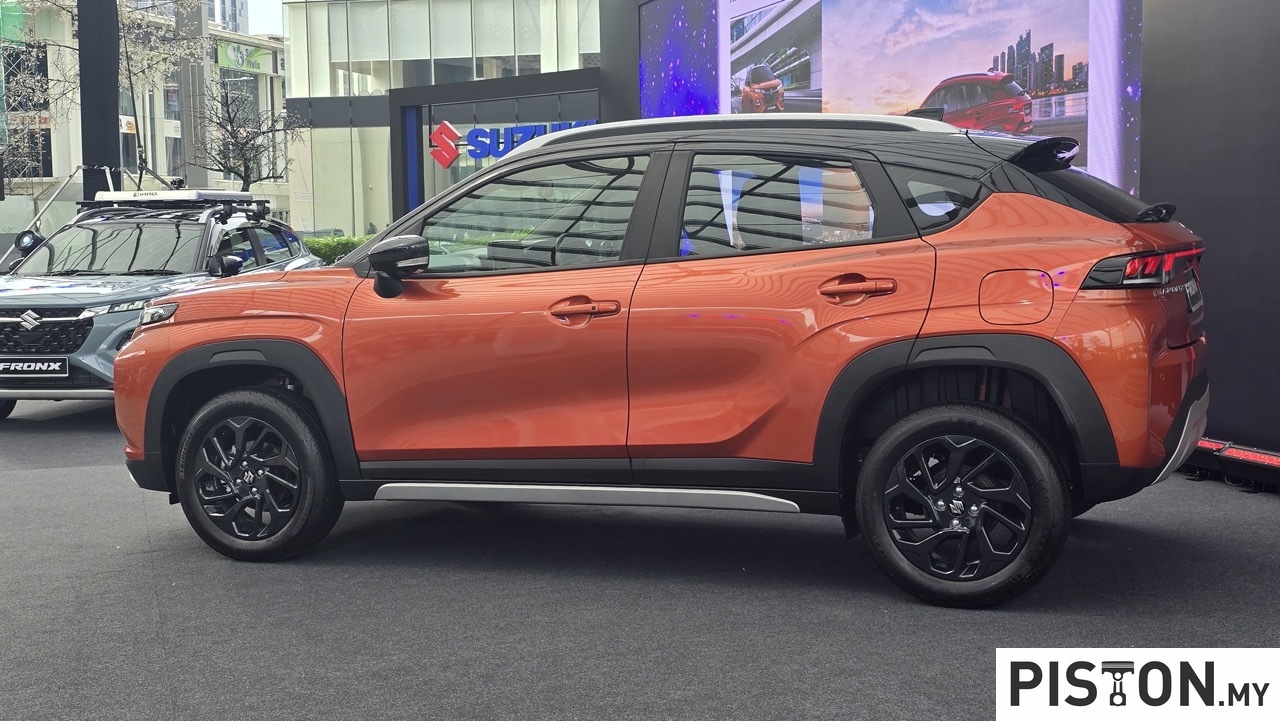
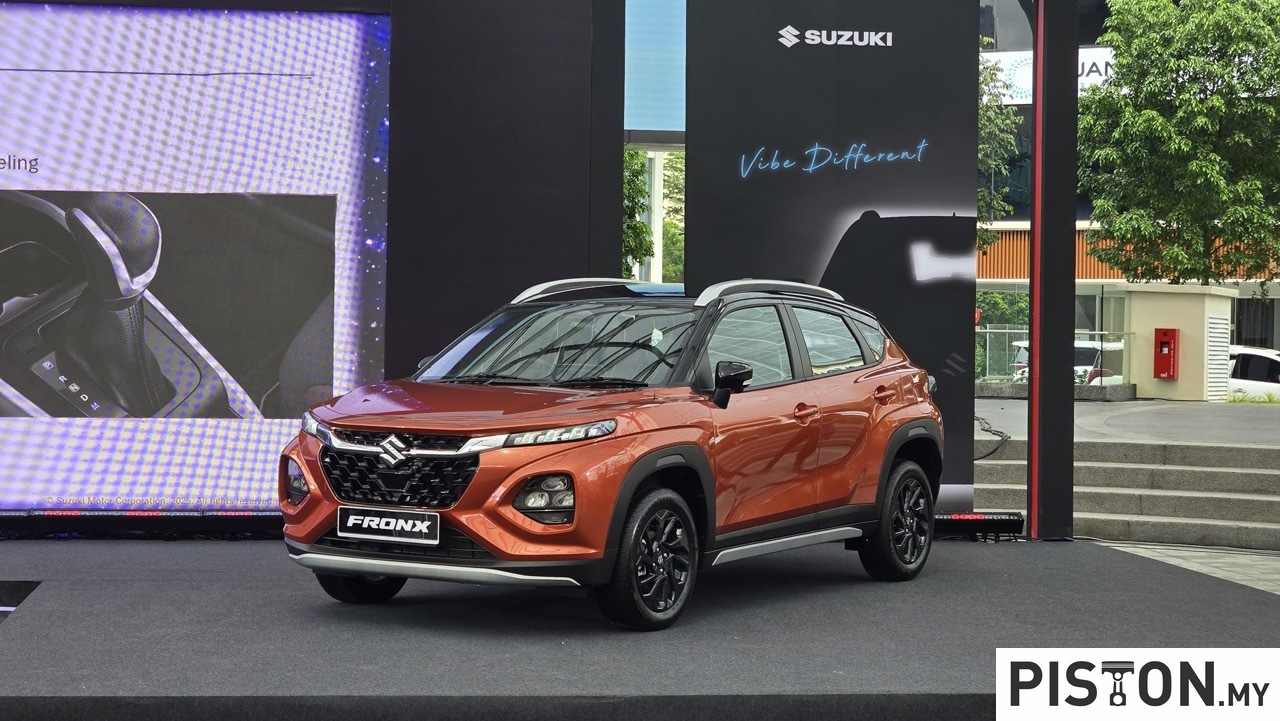
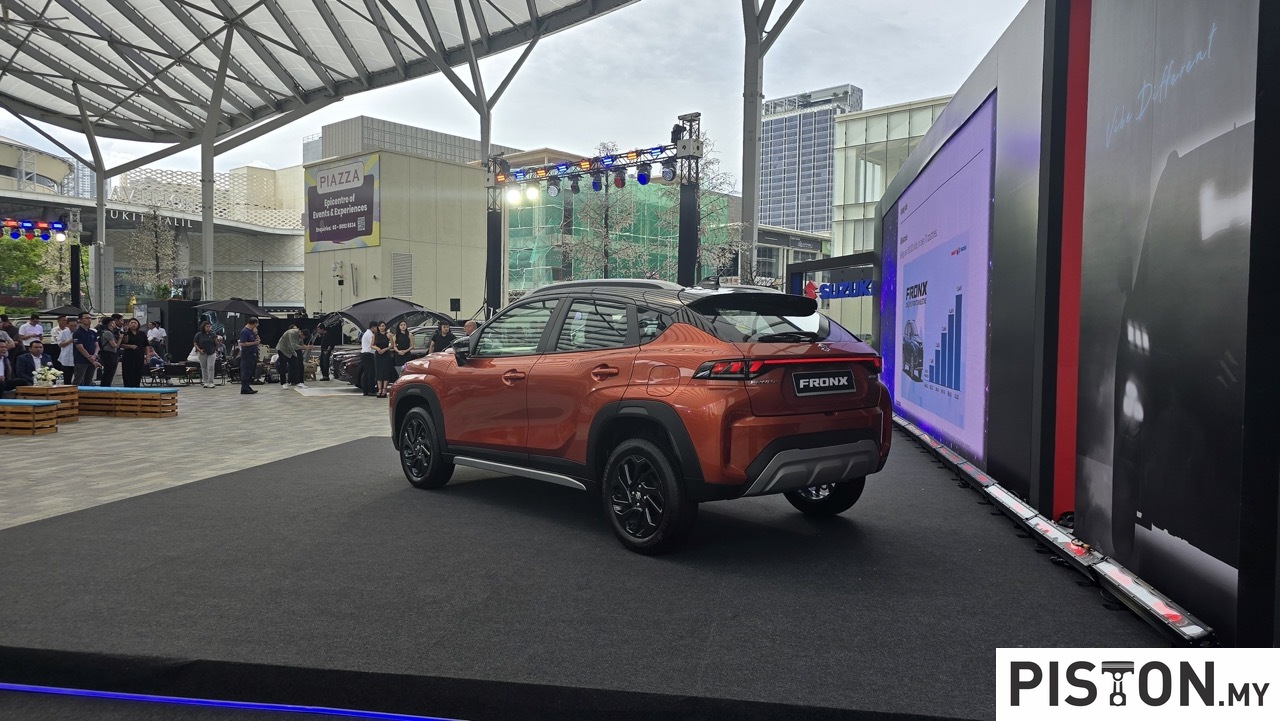
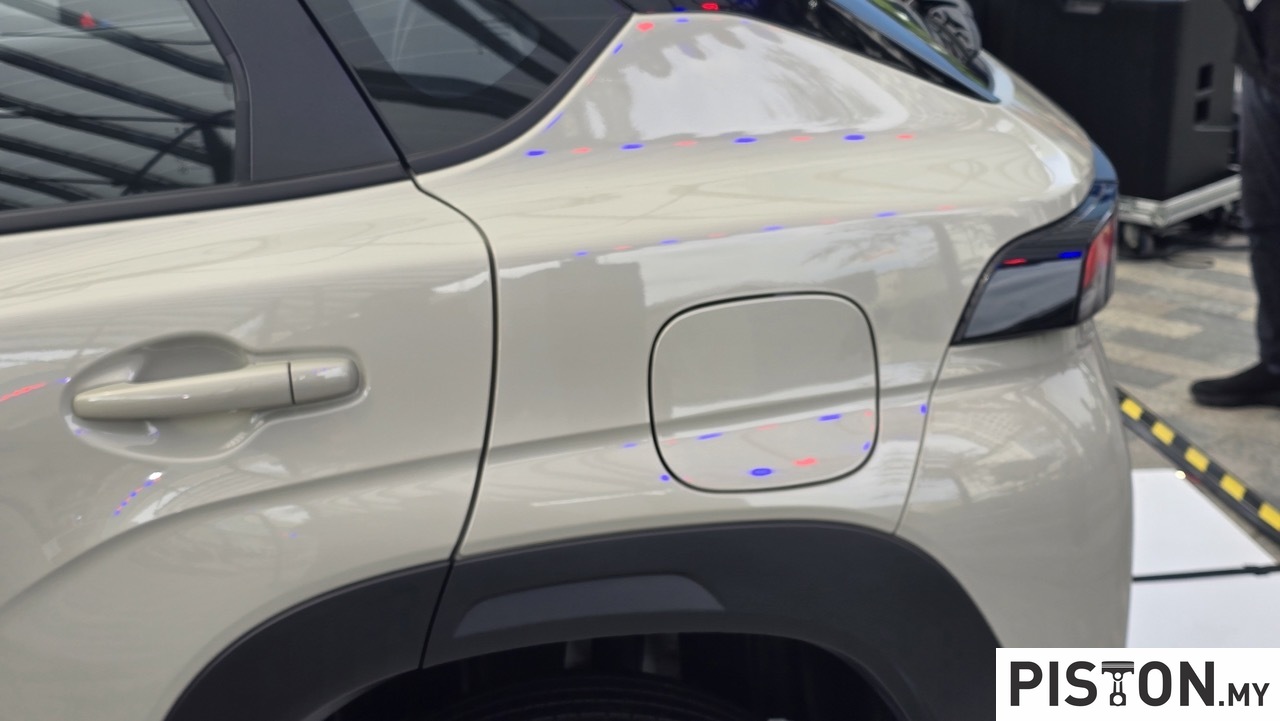
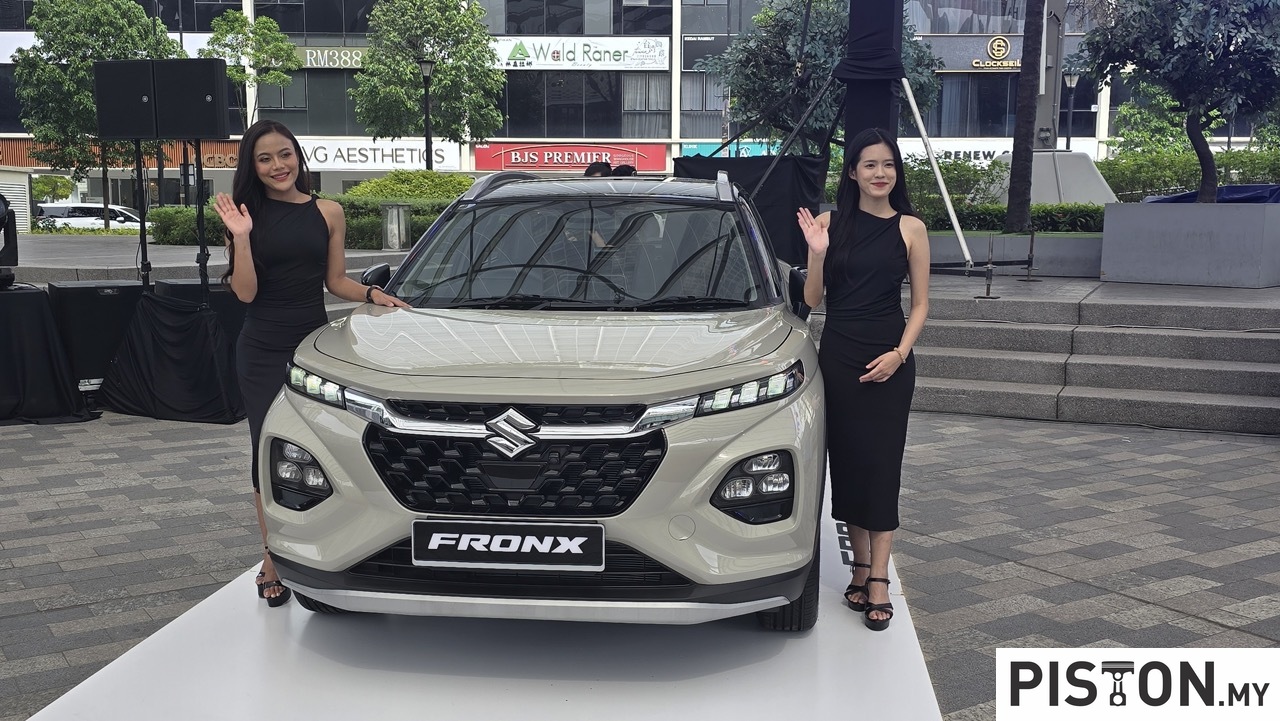
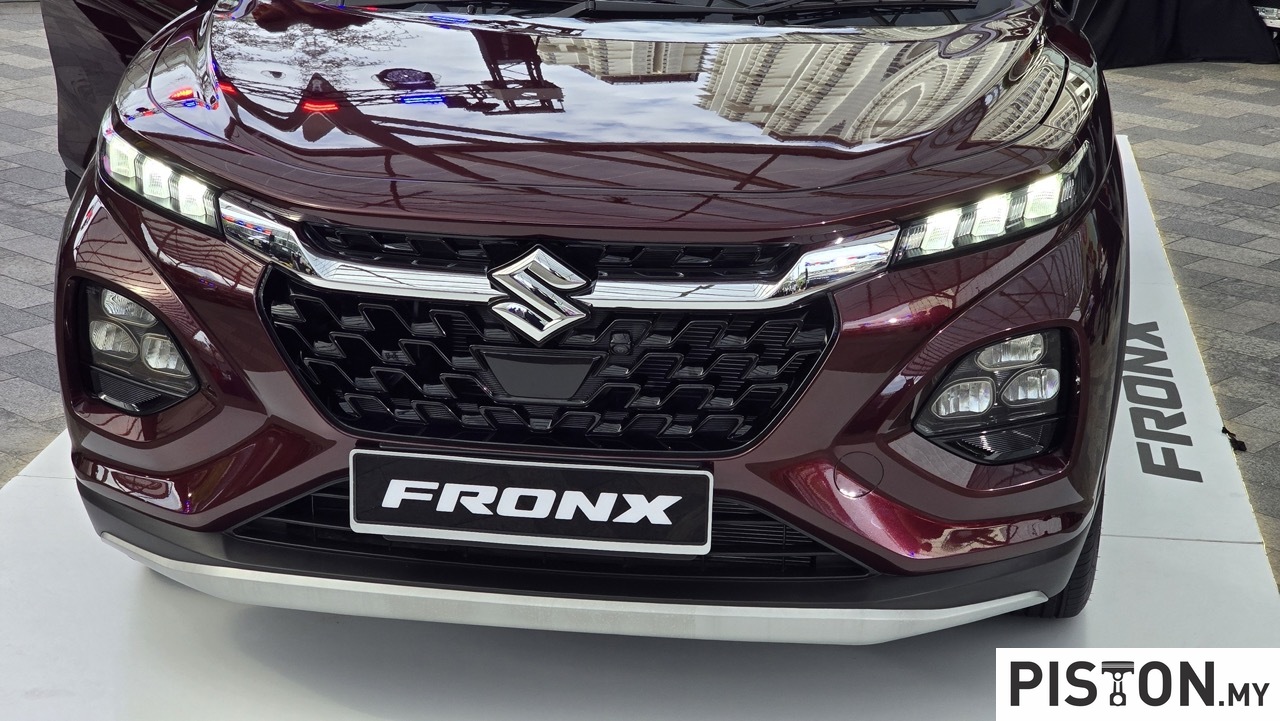
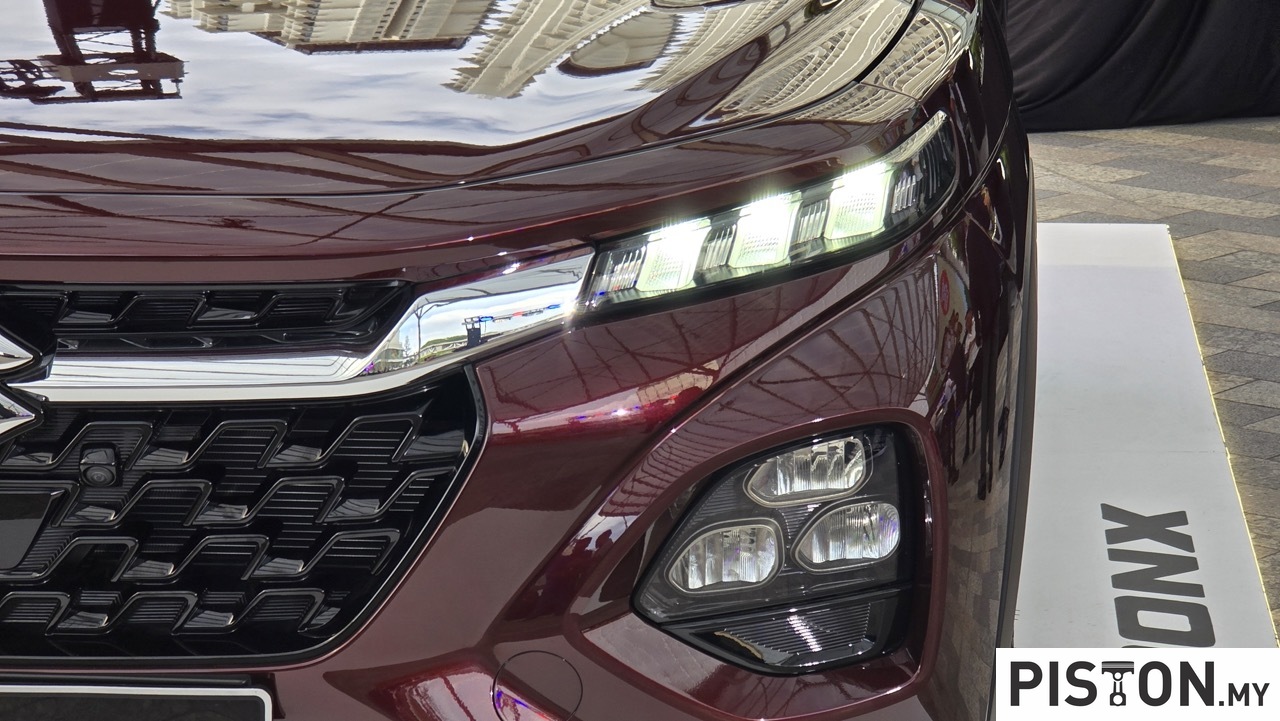
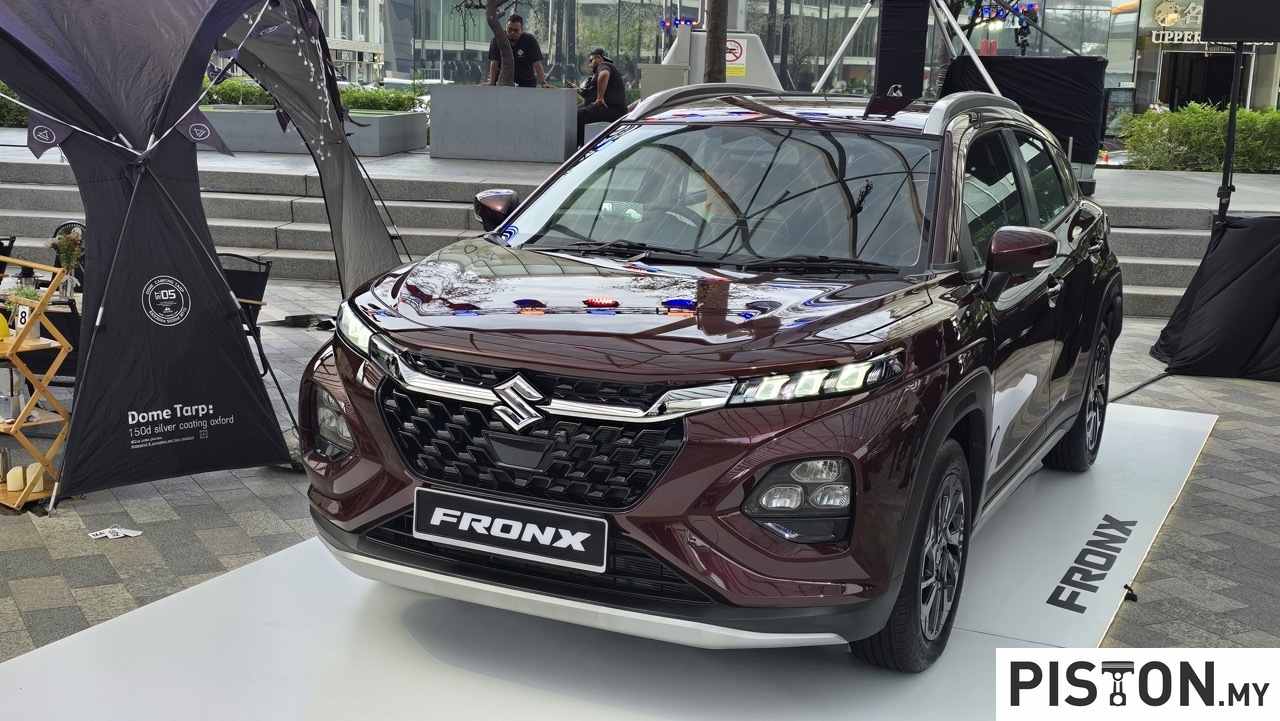
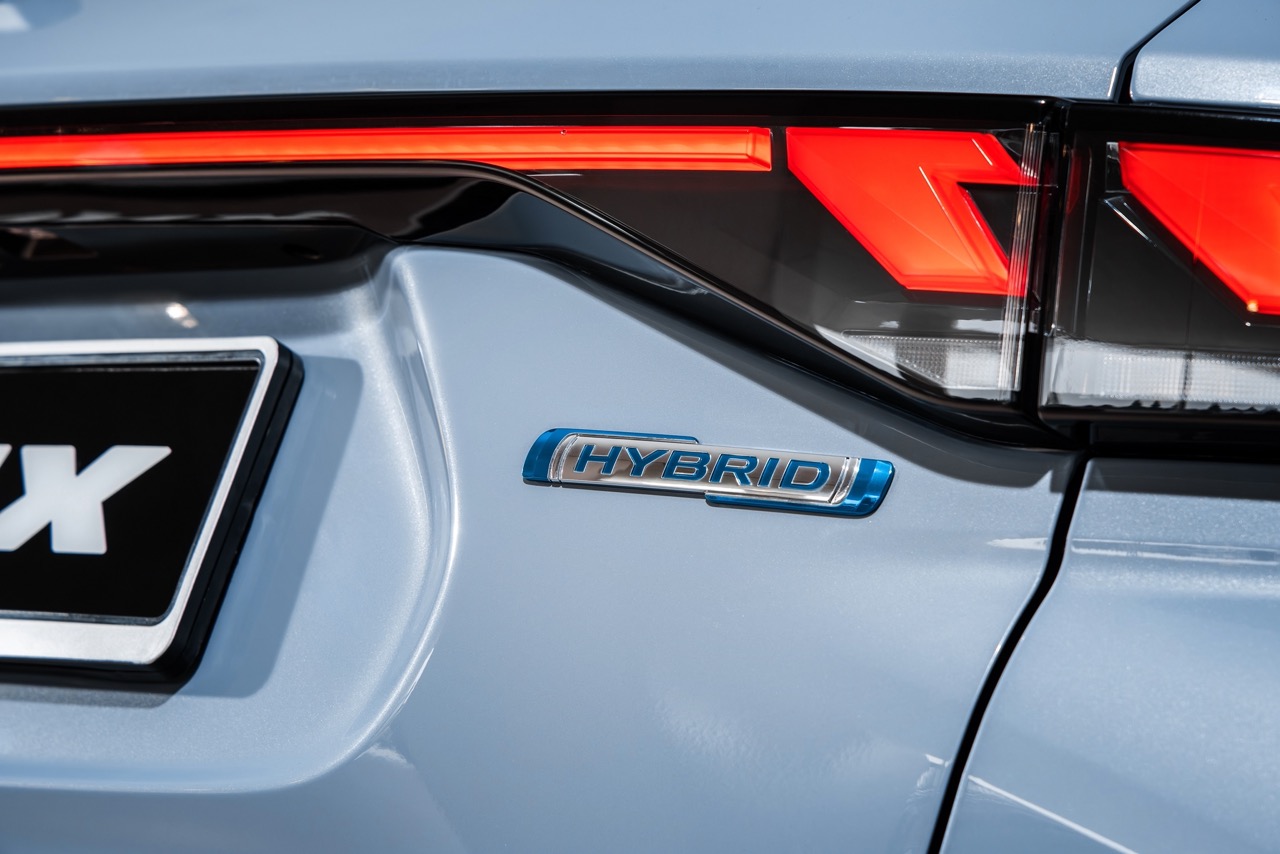
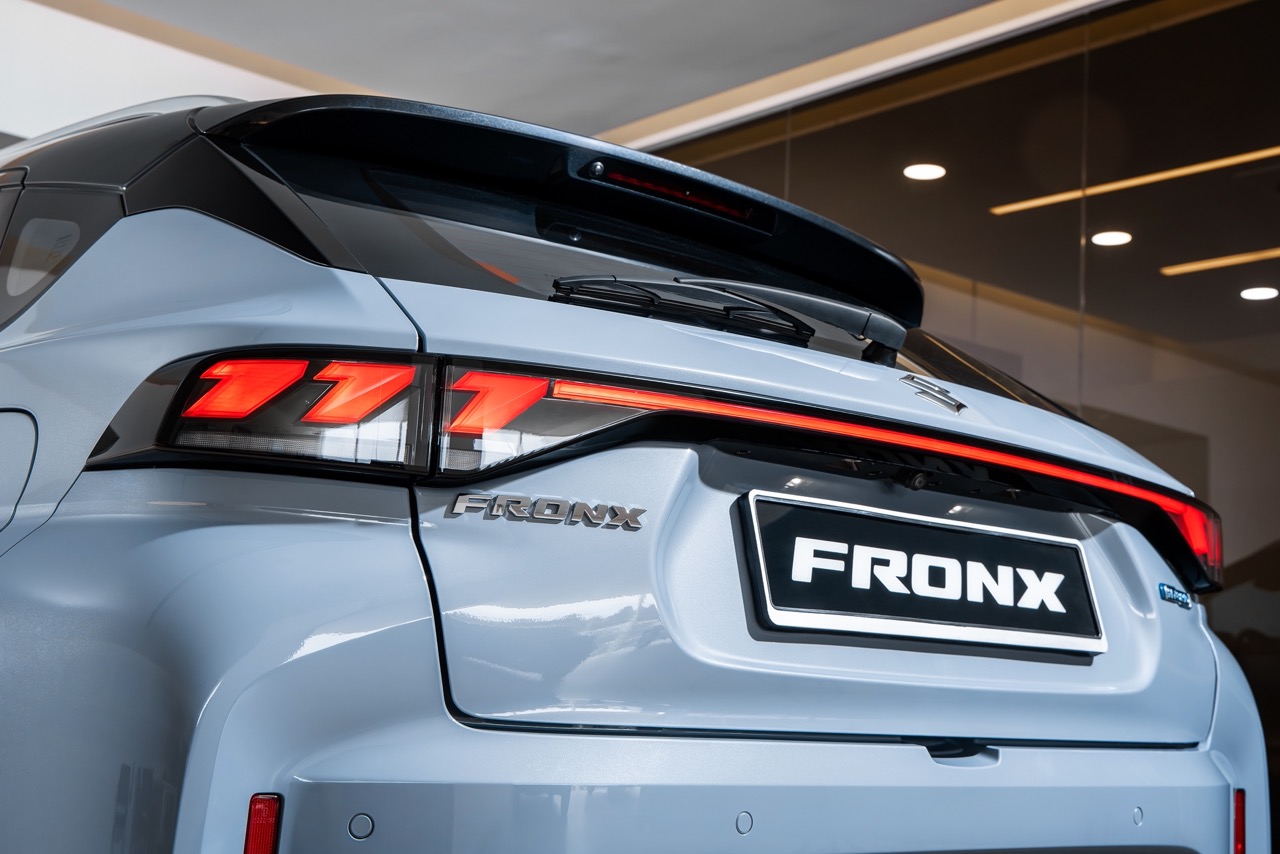
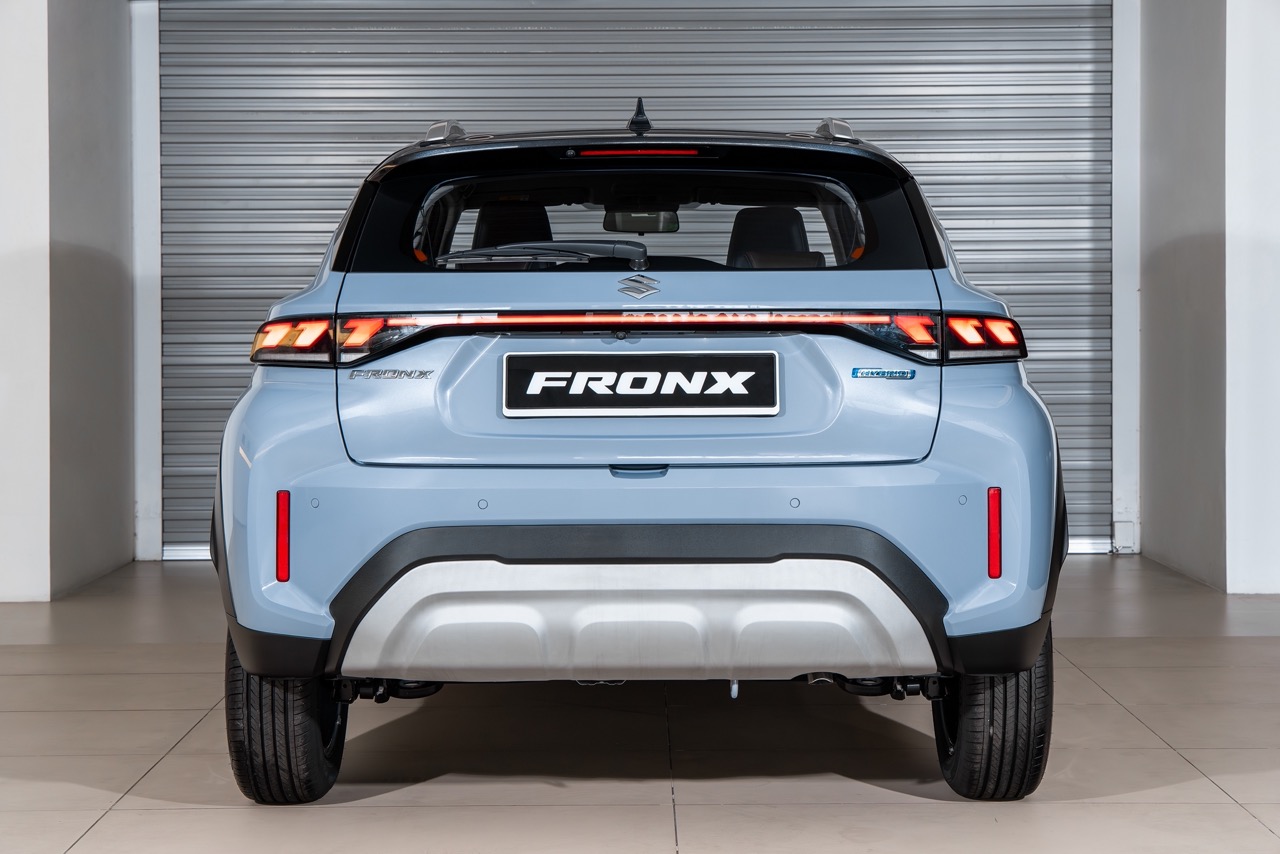
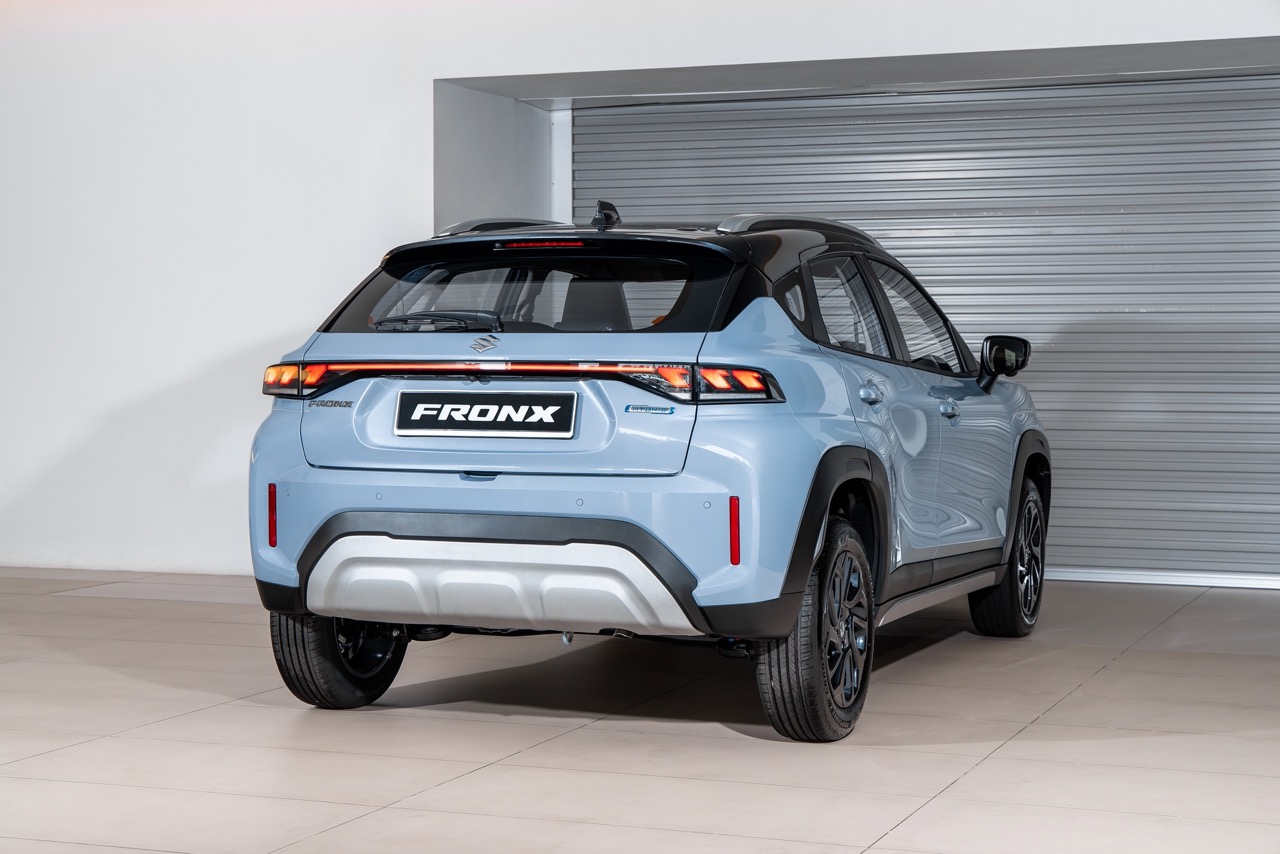
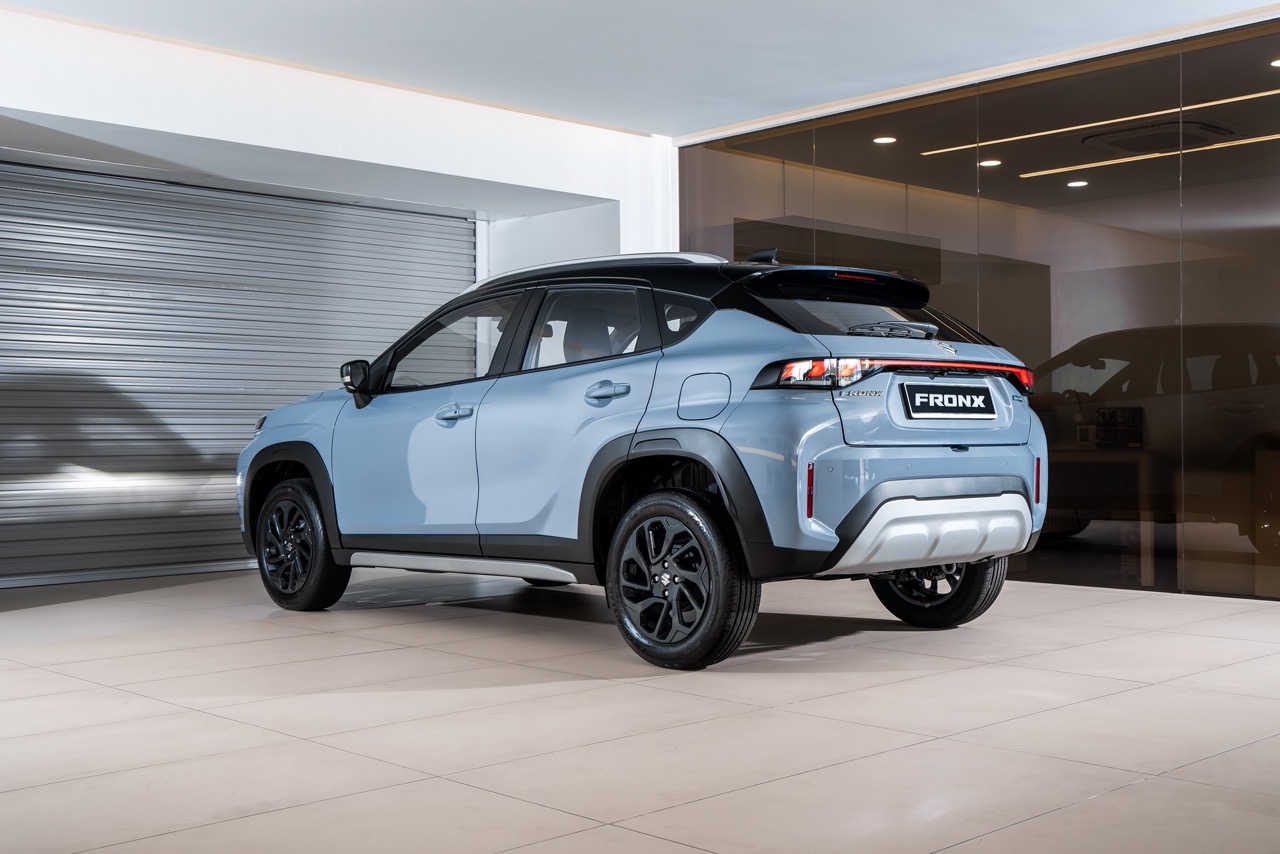
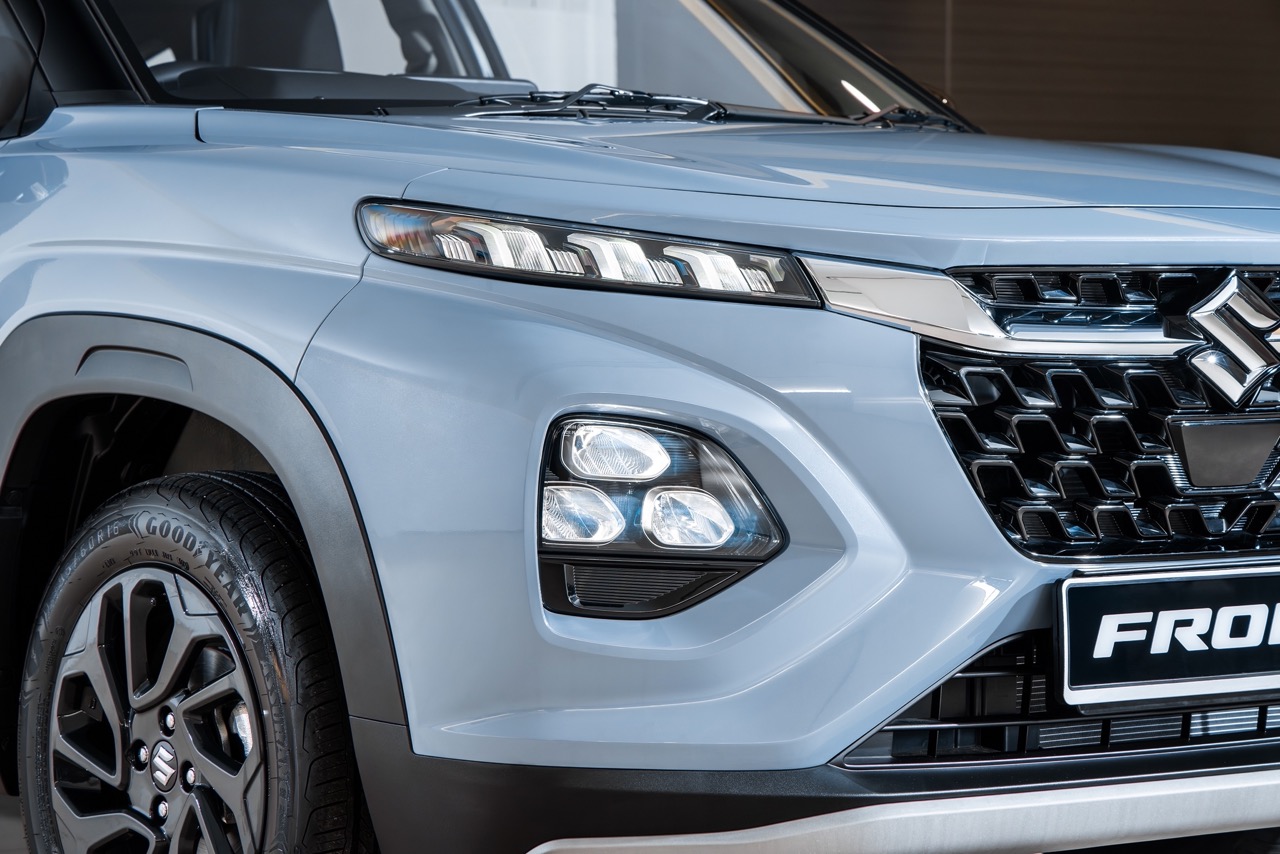
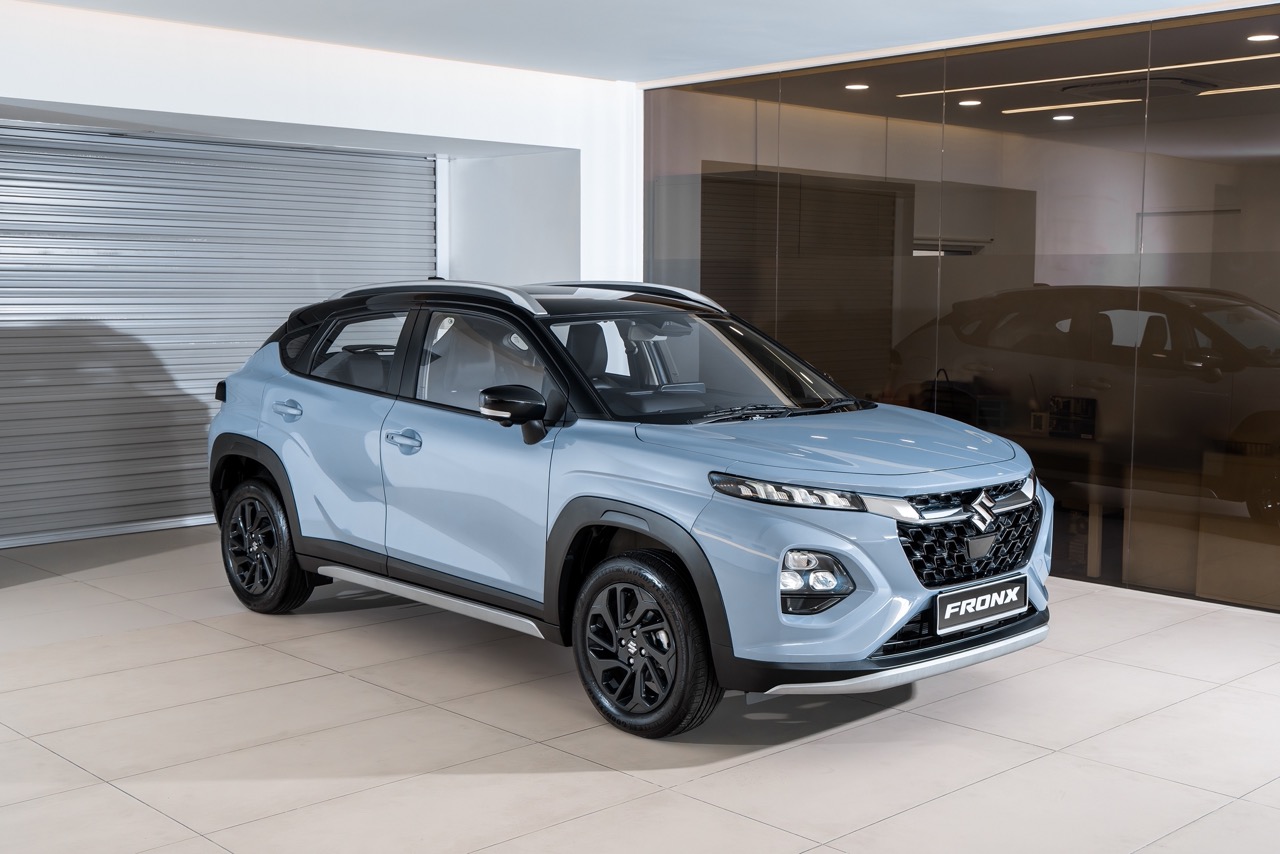
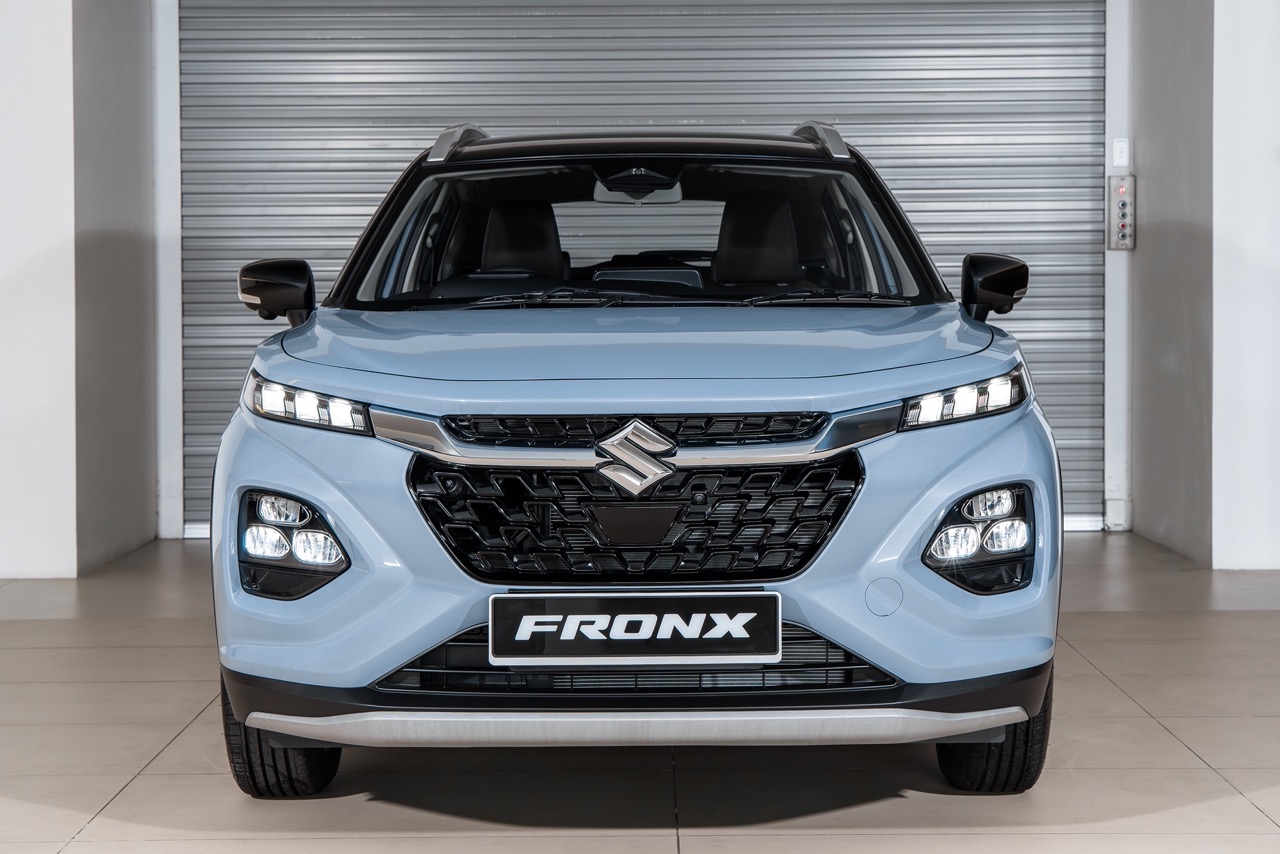
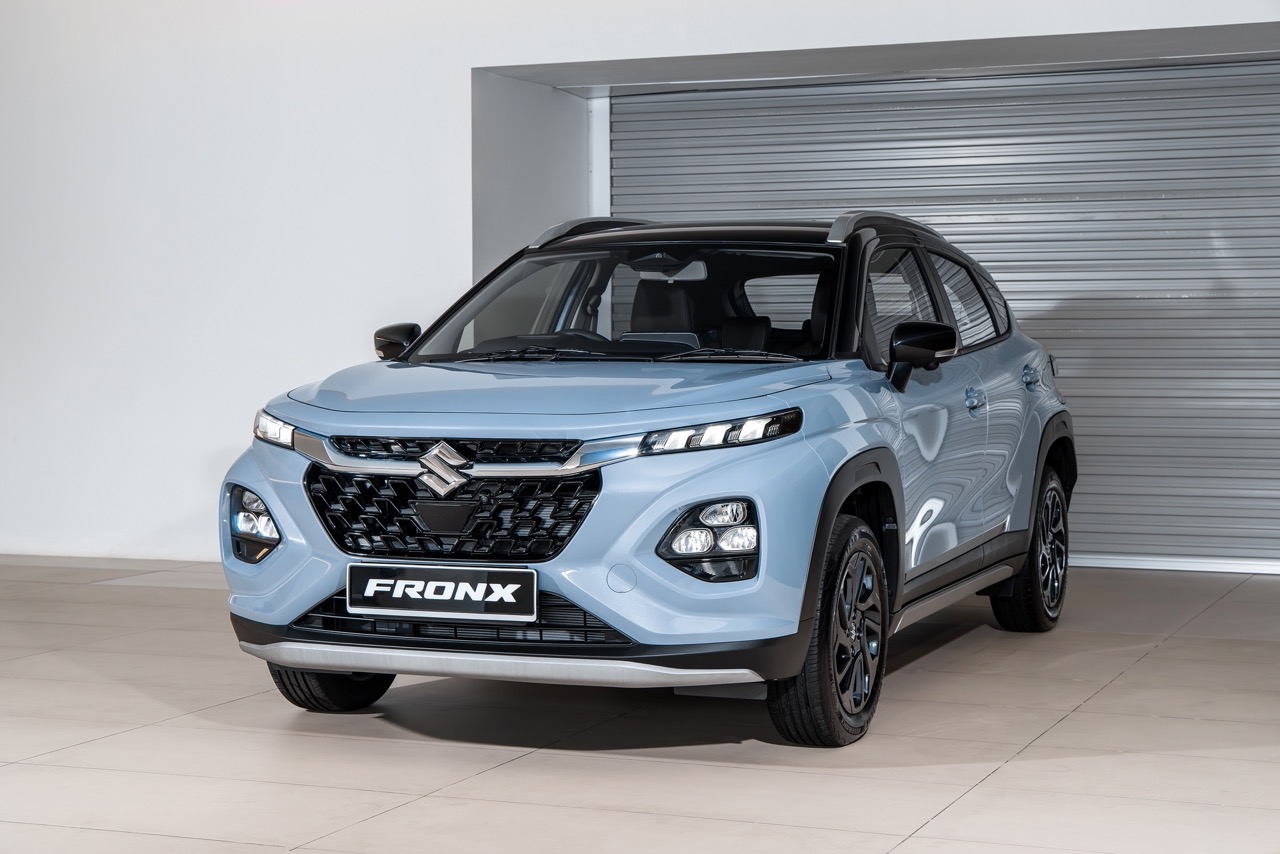
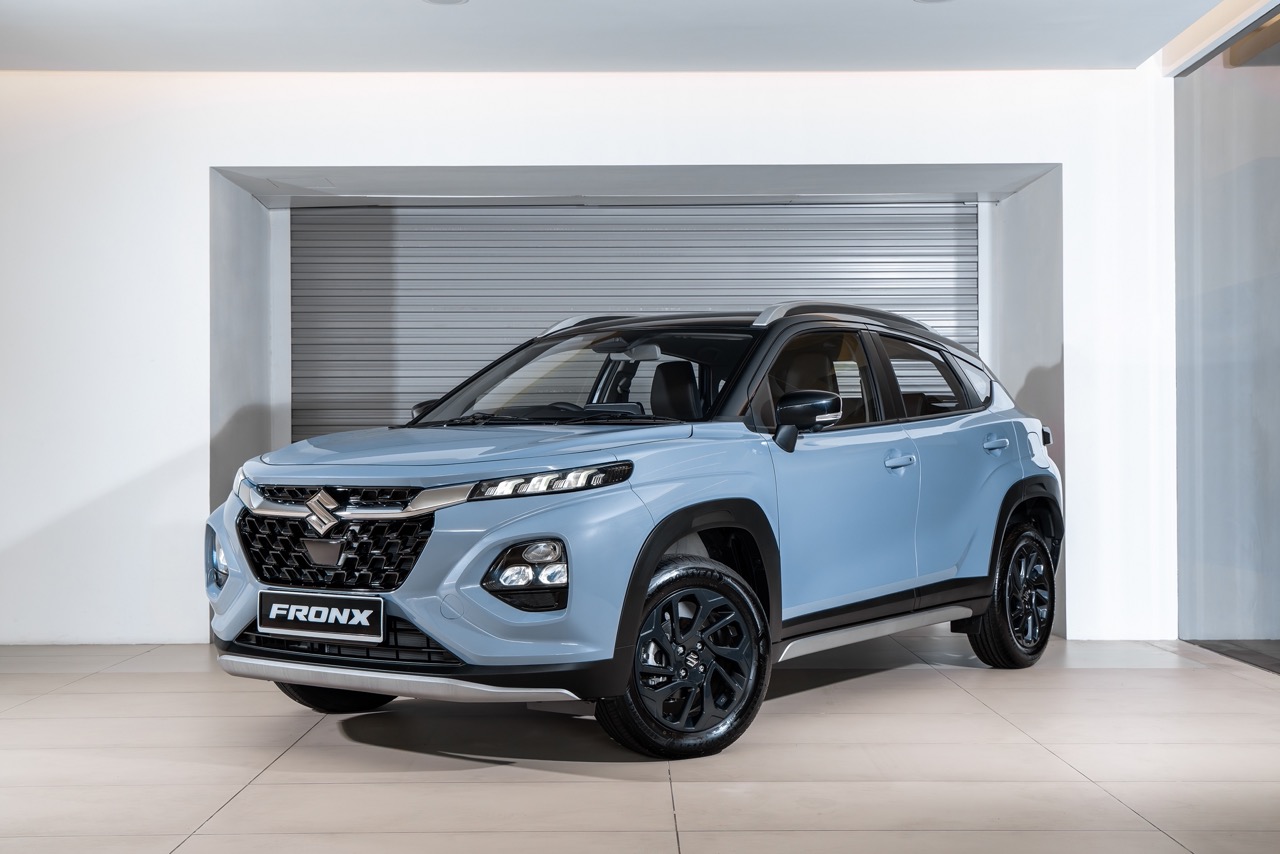
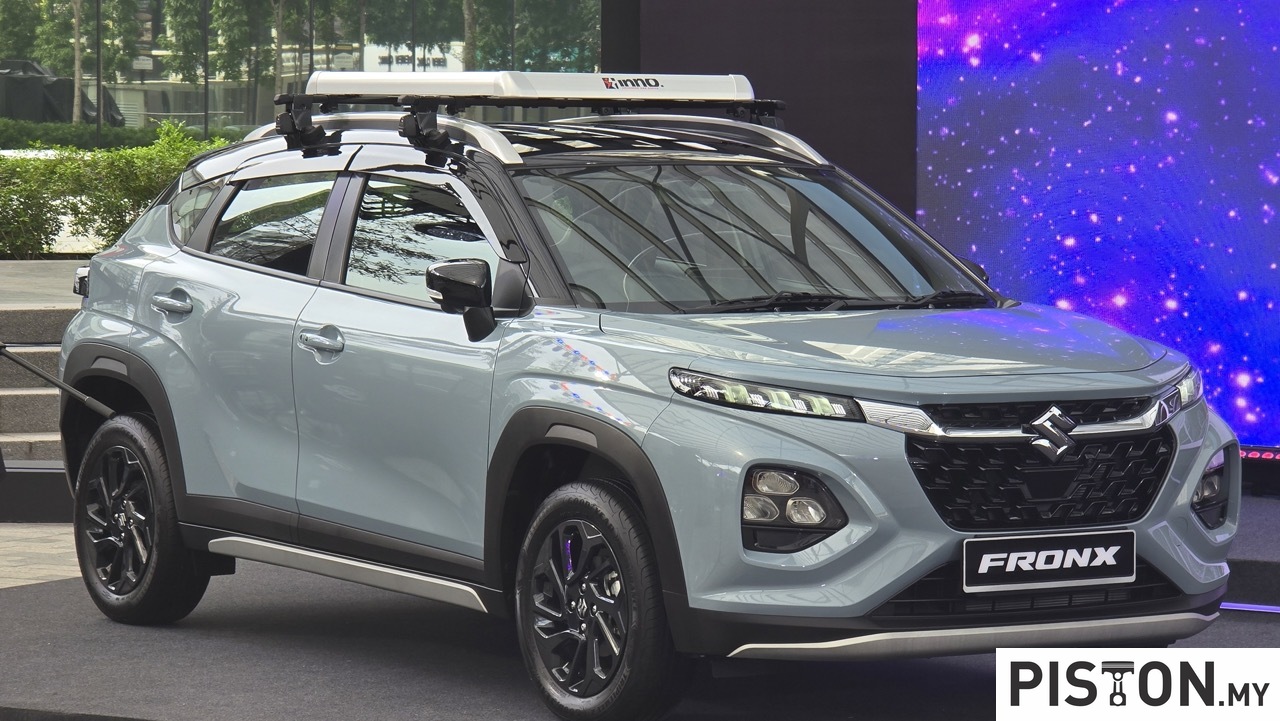
Naza Eastern Motors has pulled the covers off the all-new Suzuki Fronx Hybrid, marking a confident step forward for the brand in Malaysia’s compact SUV landscape. The distributor describes the model as a combination of style, practicality and modern engineering, shaped for drivers who want something distinctive without giving up everyday usability.

The Fronx carries itself with the boldness of an SUV but adopts the smooth, swept-back attitude of a coupe, and it arrives with a five-star ASEAN NCAP rating that places it among the safest in its class.

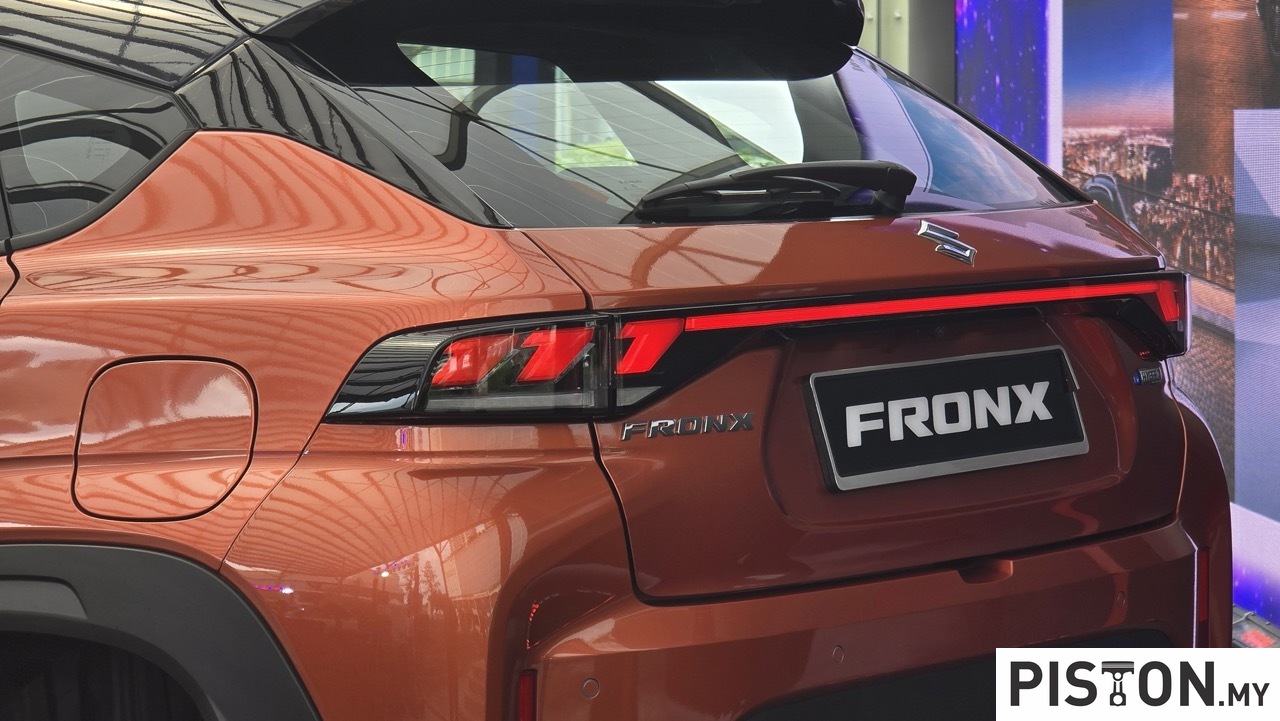
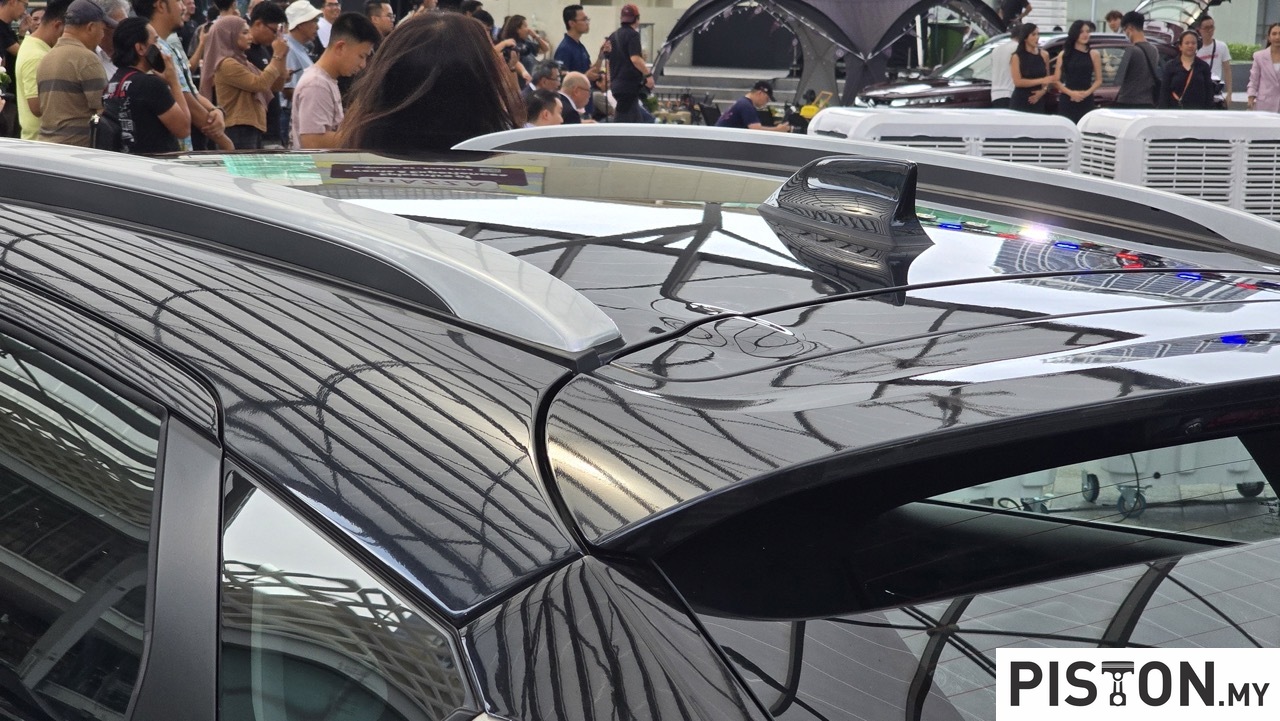
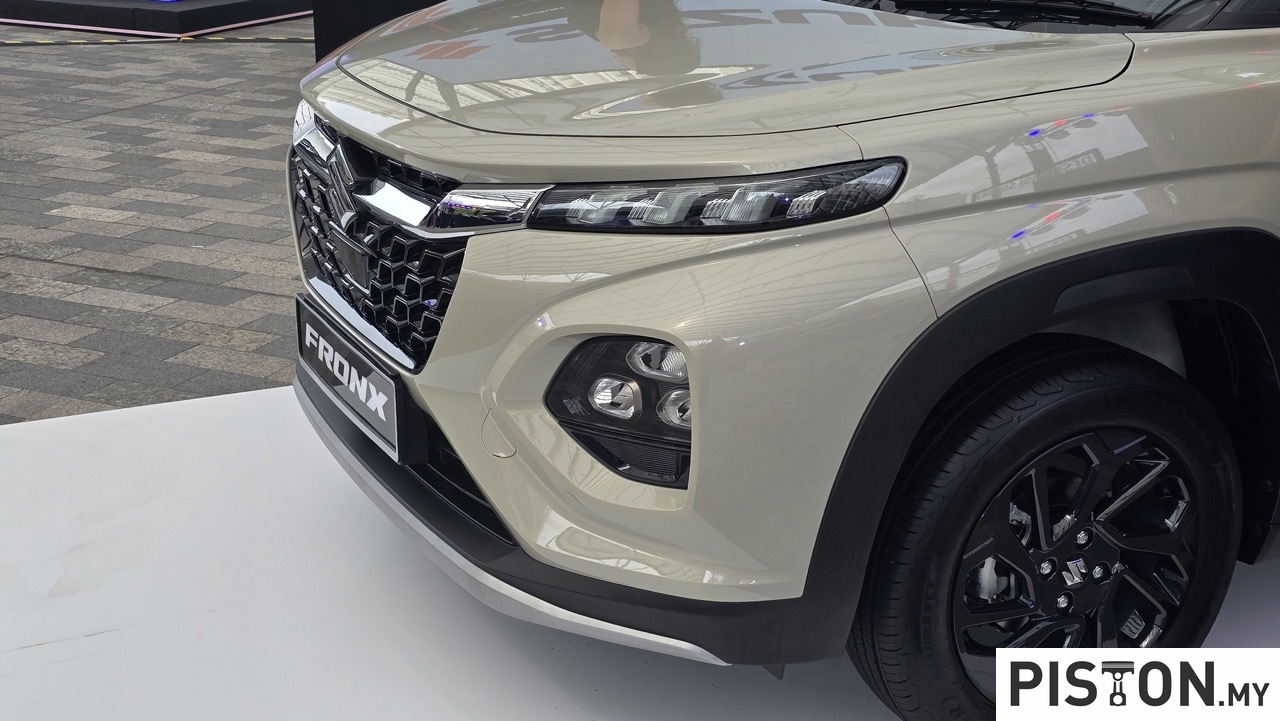
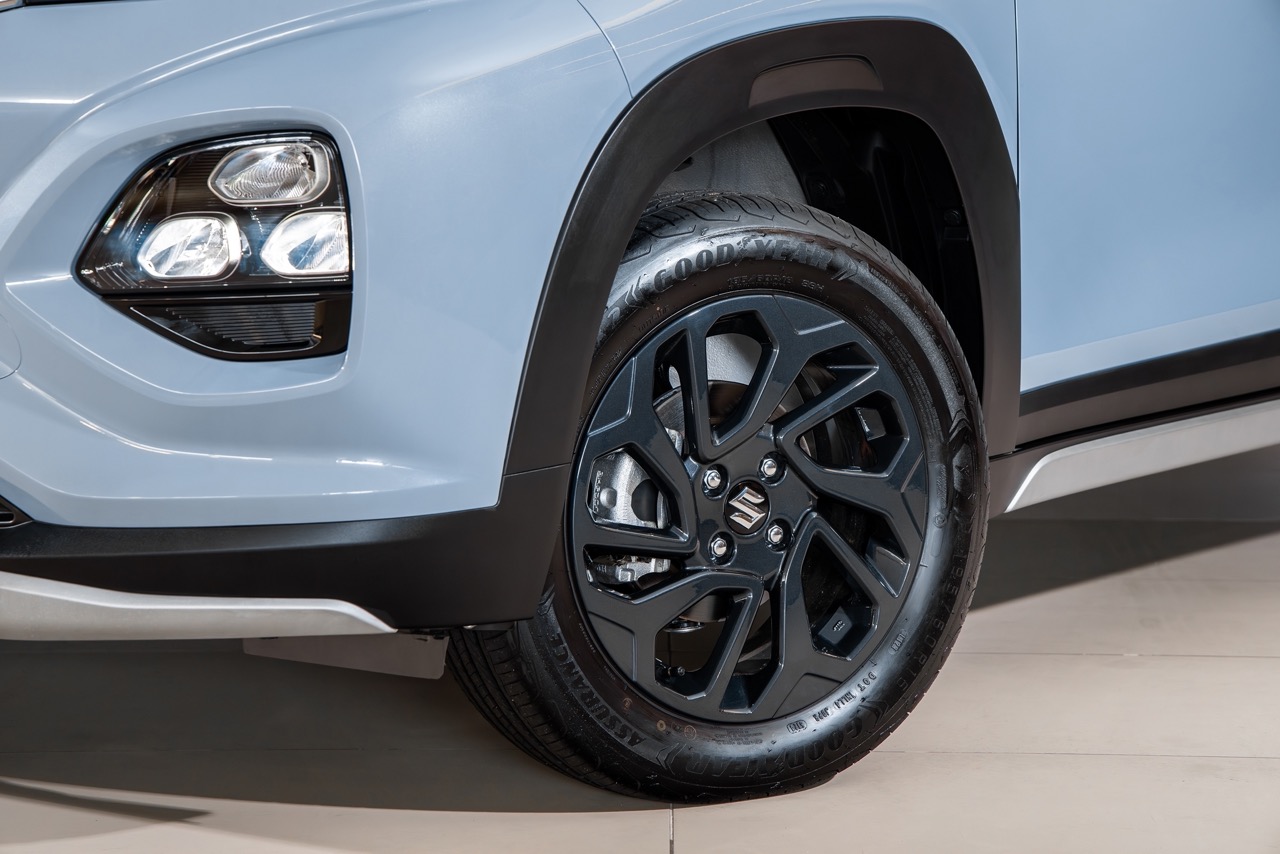
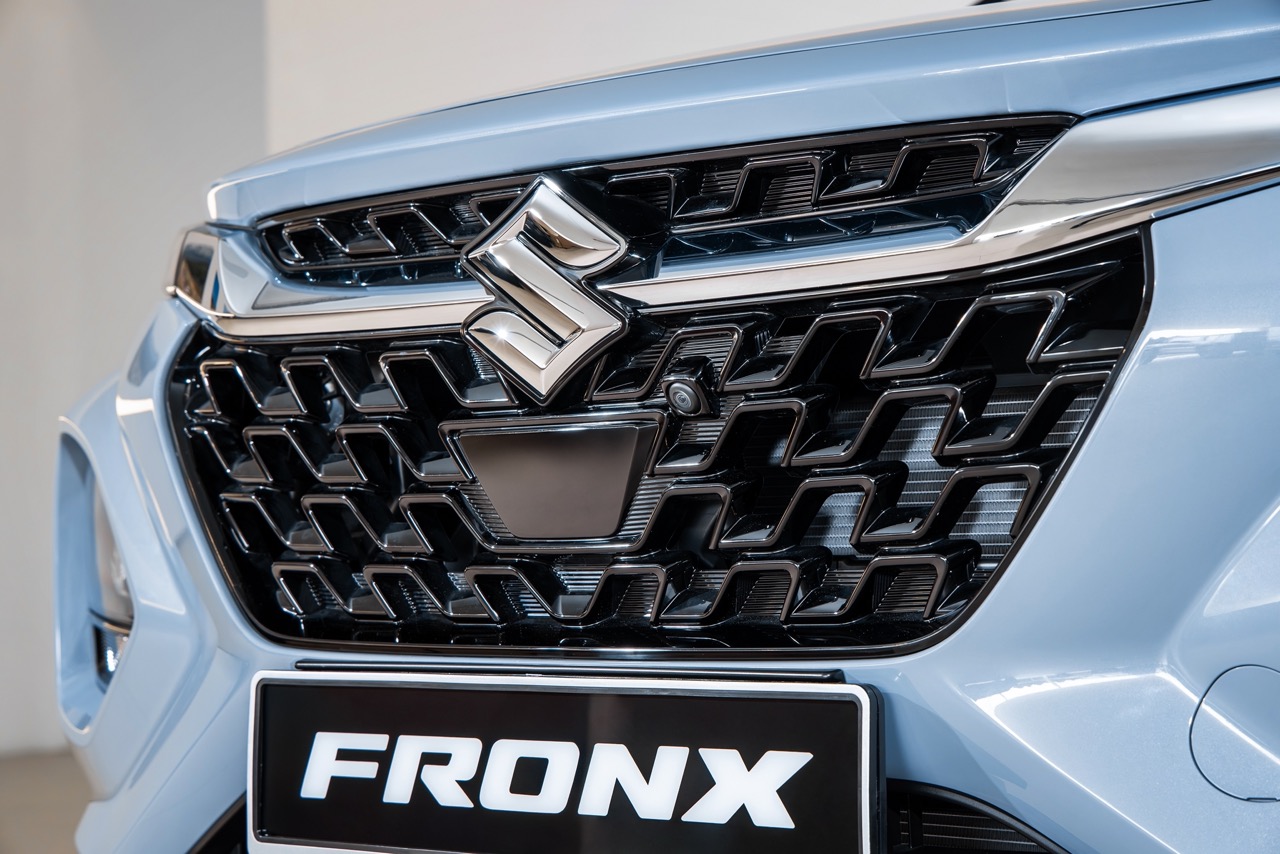
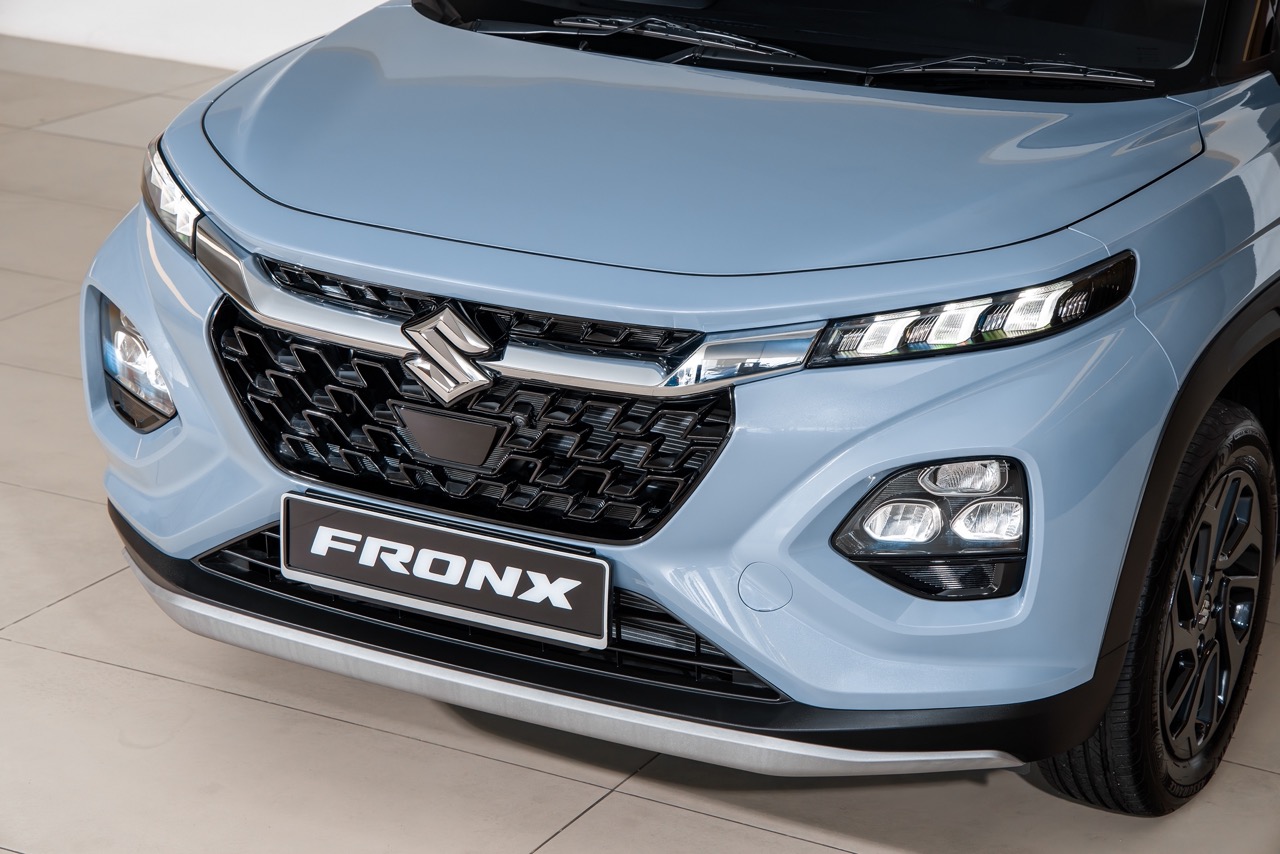
Built around Suzuki’s latest lightweight platform, the Fronx immediately stands out with its sharp front fascia, chrome-detailed grille and LED lighting. The coupe-like roofline and muscular shoulders add a sense of motion even at a standstill, while the protective cladding and skid plates underline its rugged intentions.

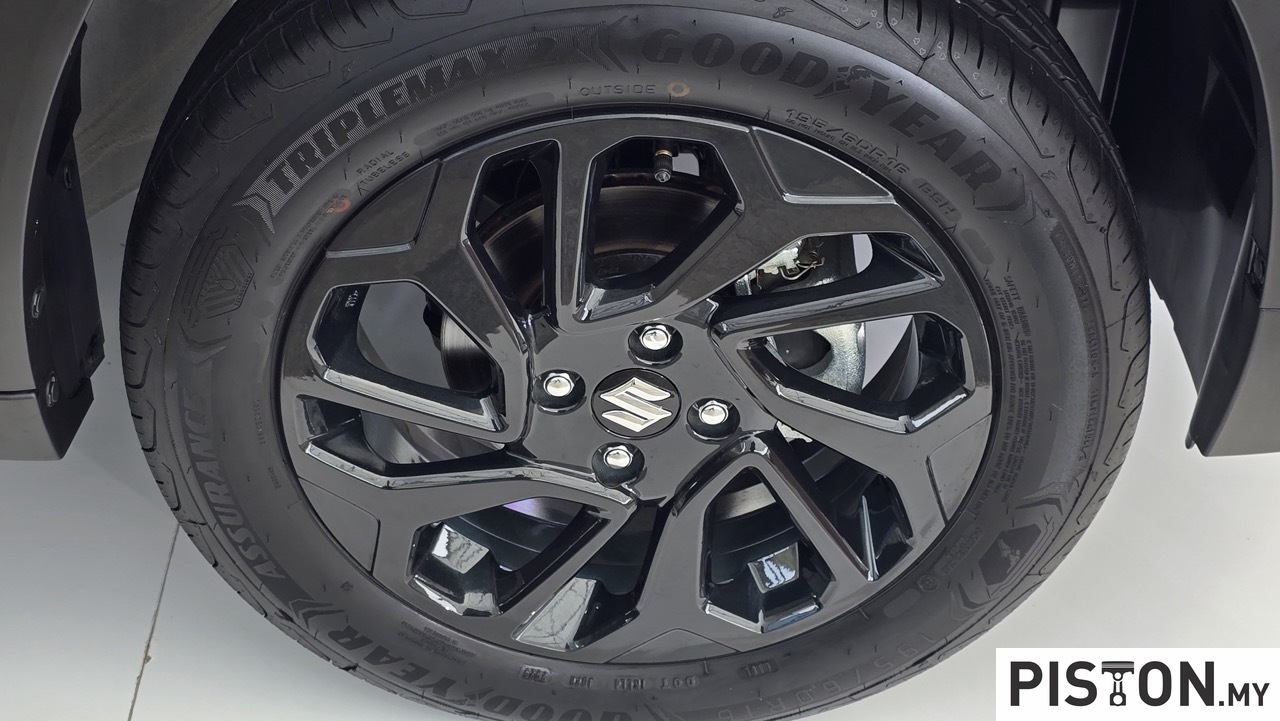
Measuring 3,995 mm in length, 1,550 mm in height, and 1,765 mm in width, with a 2,520 mm wheelbase, the Fronx is approximately the size of the Perodua Ativa, striking a balance between city-friendly dimensions and a confident, planted stance. Buyers will have a range of two-tone and single-tone body colours, paired with 16-inch alloys that round off the SUV’s energetic appearance.

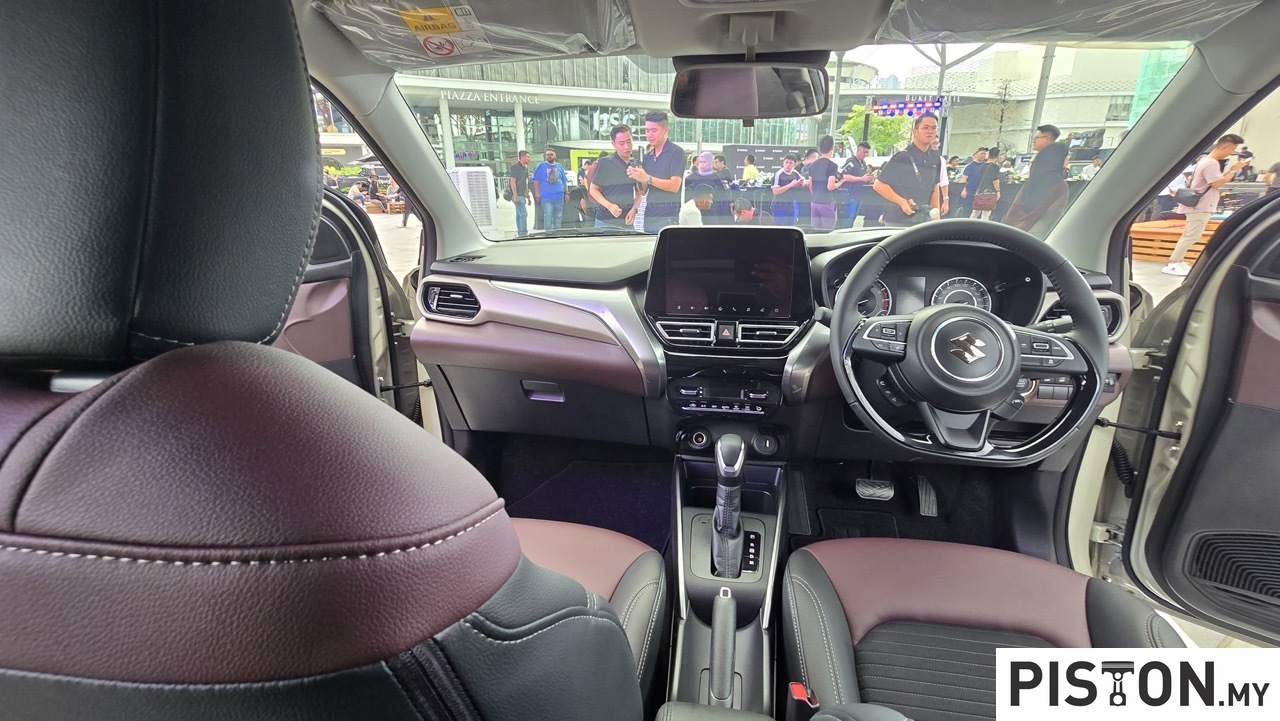
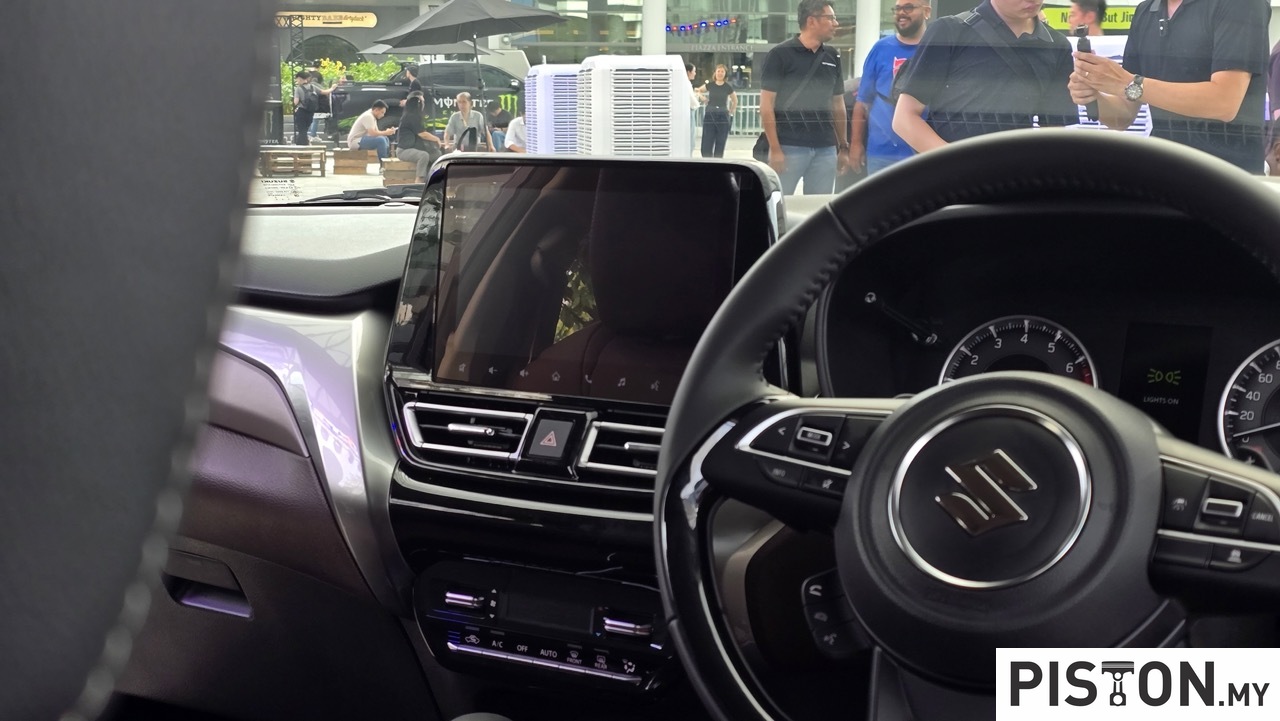
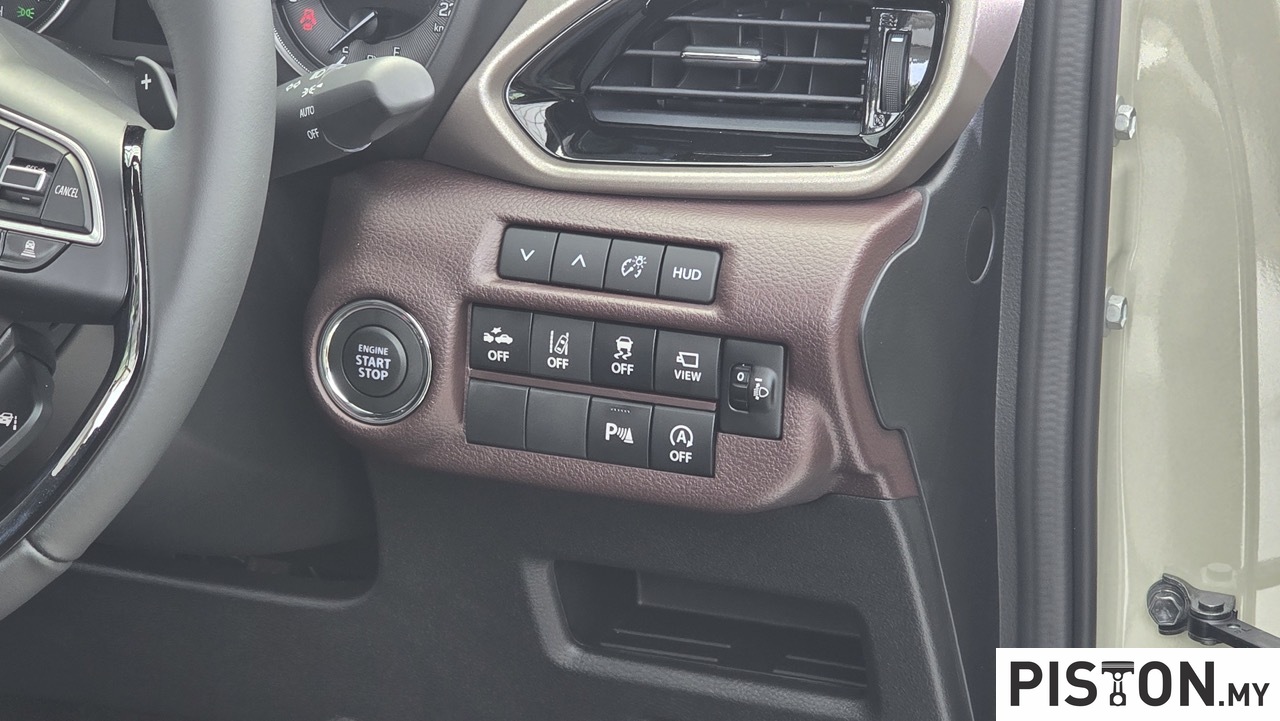
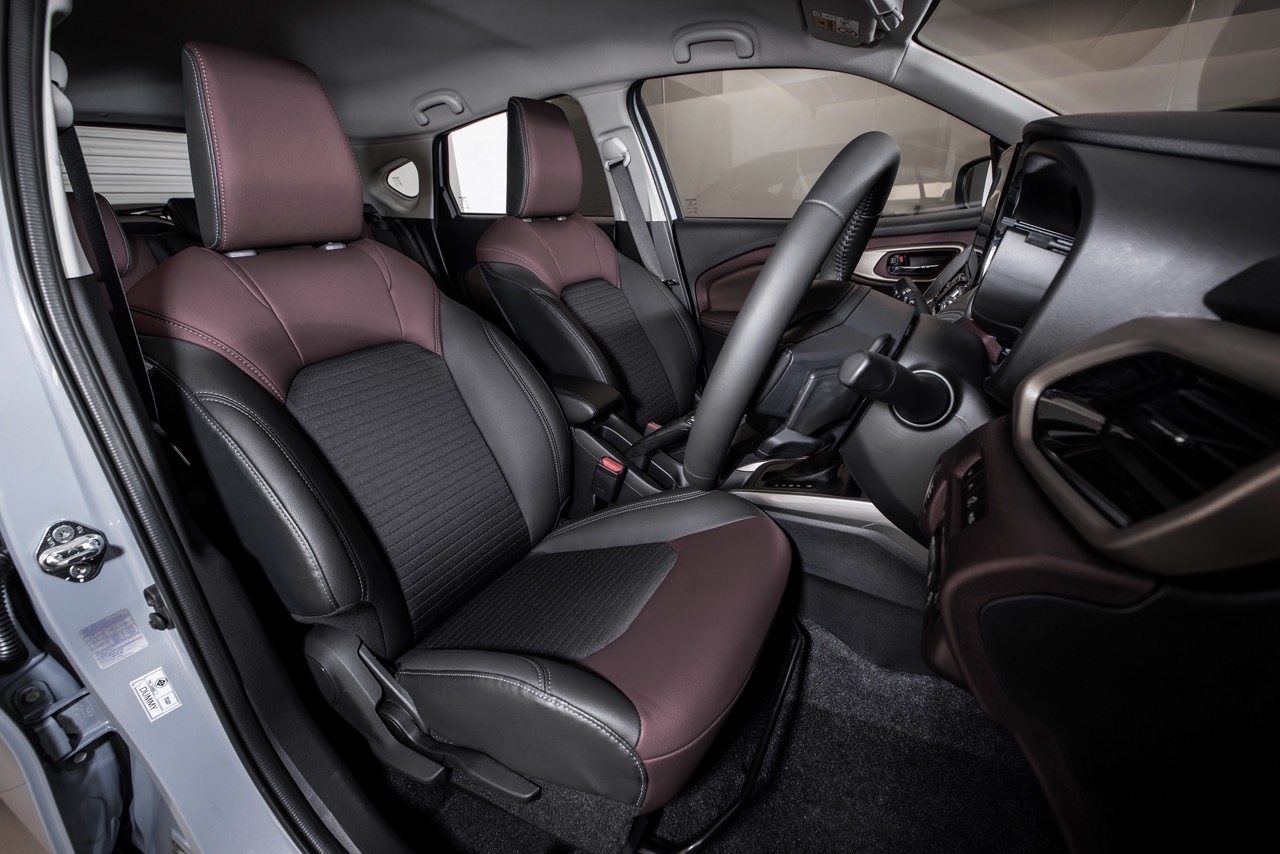
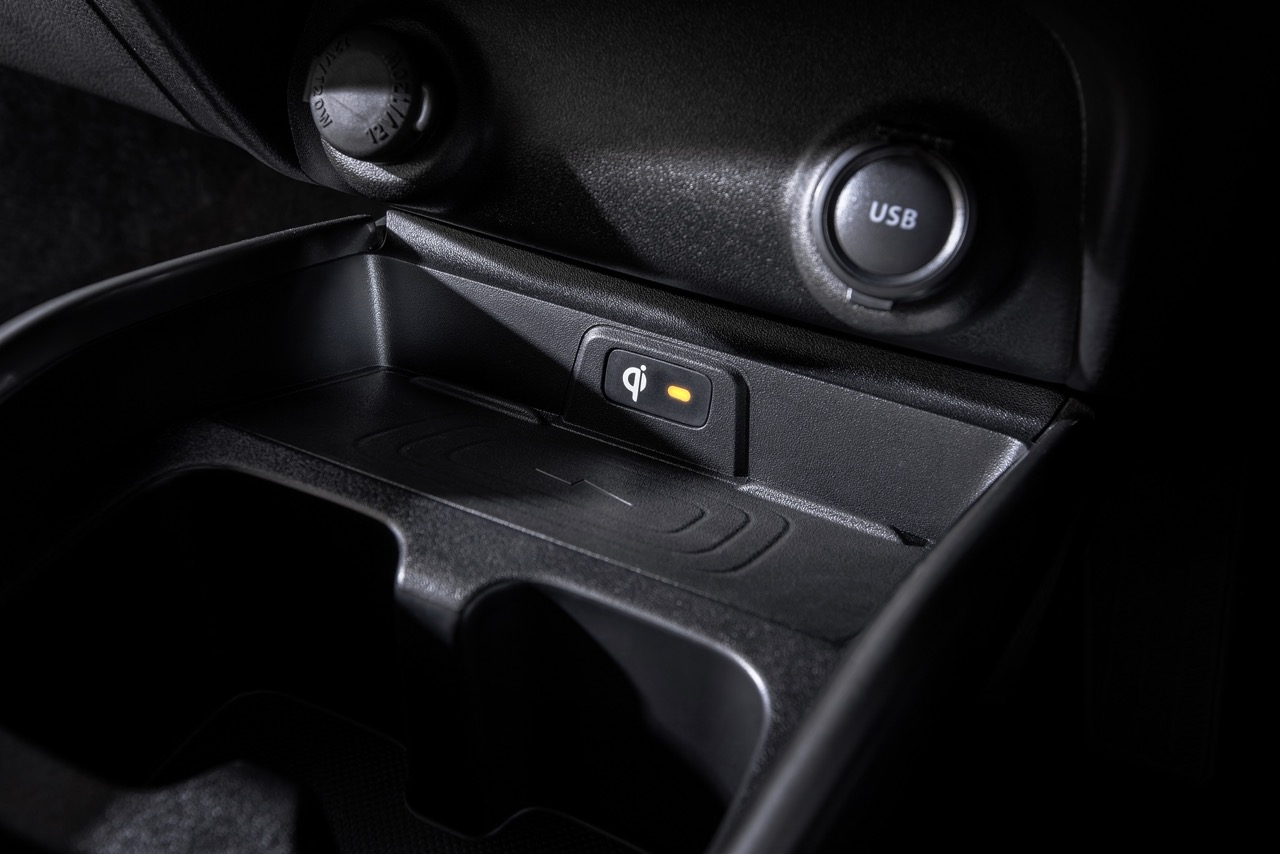
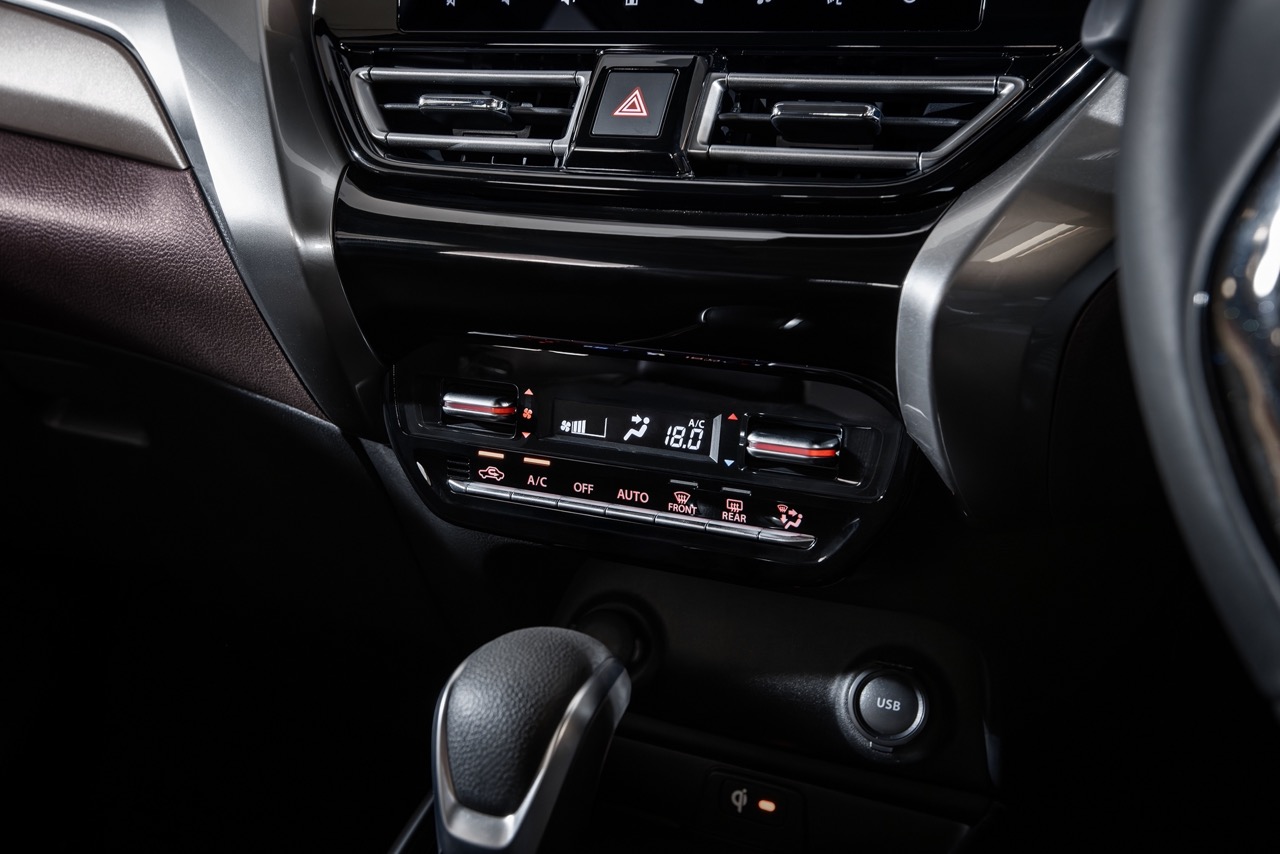
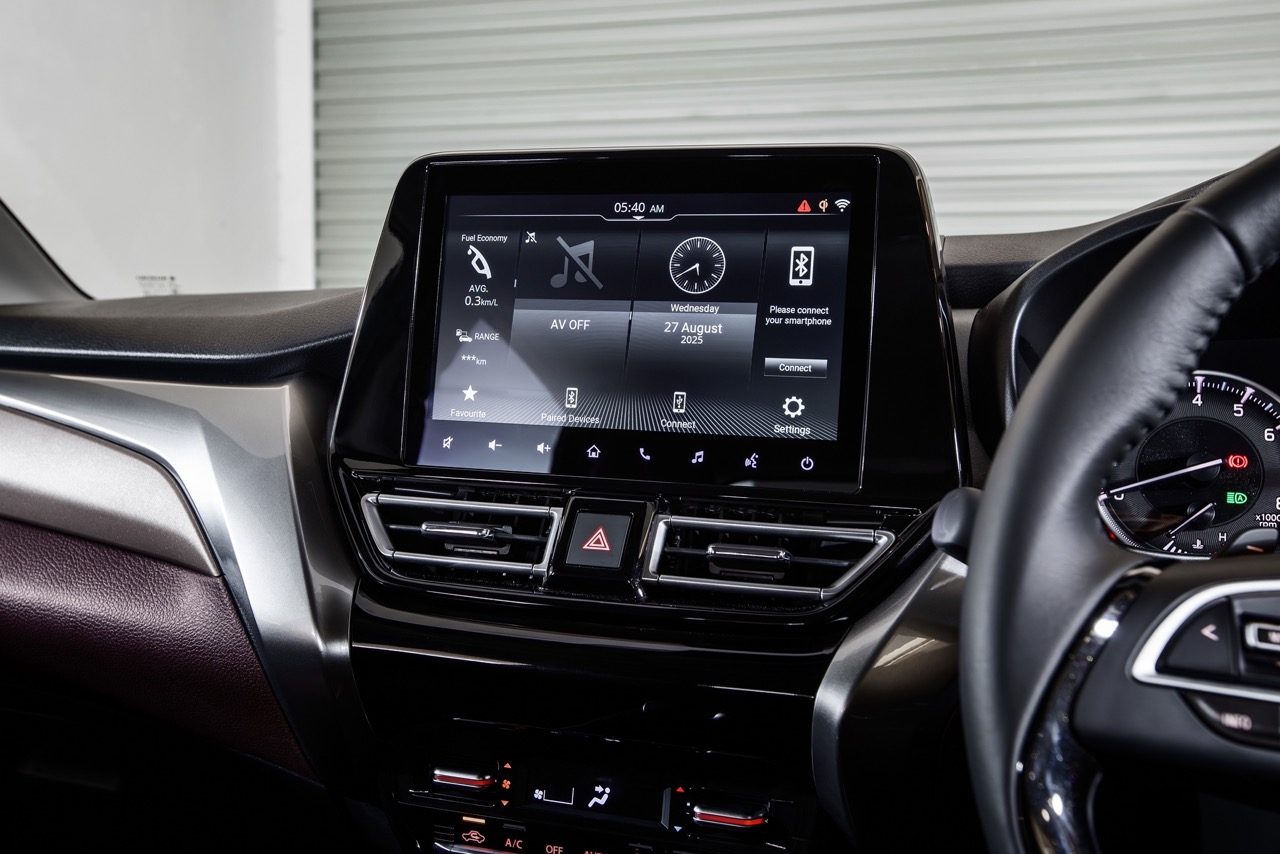
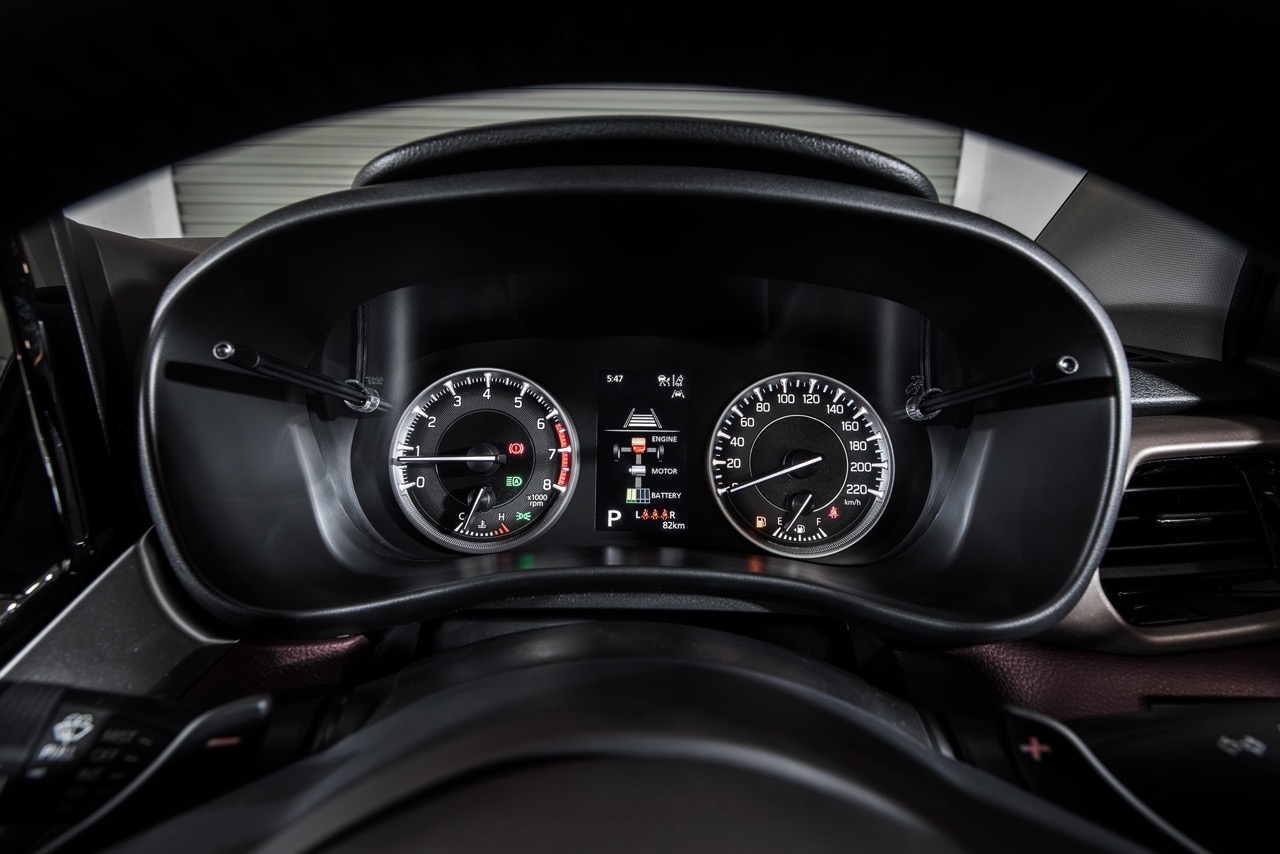
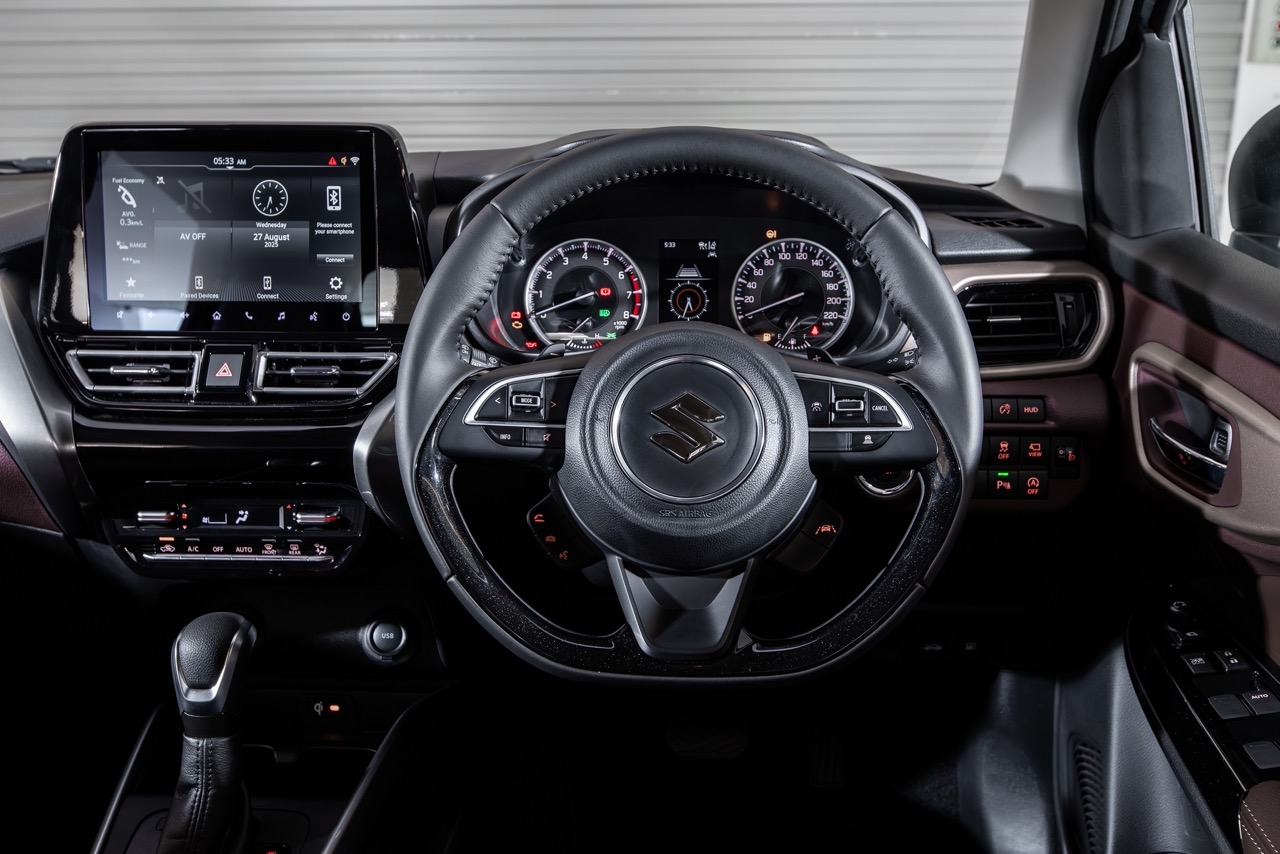
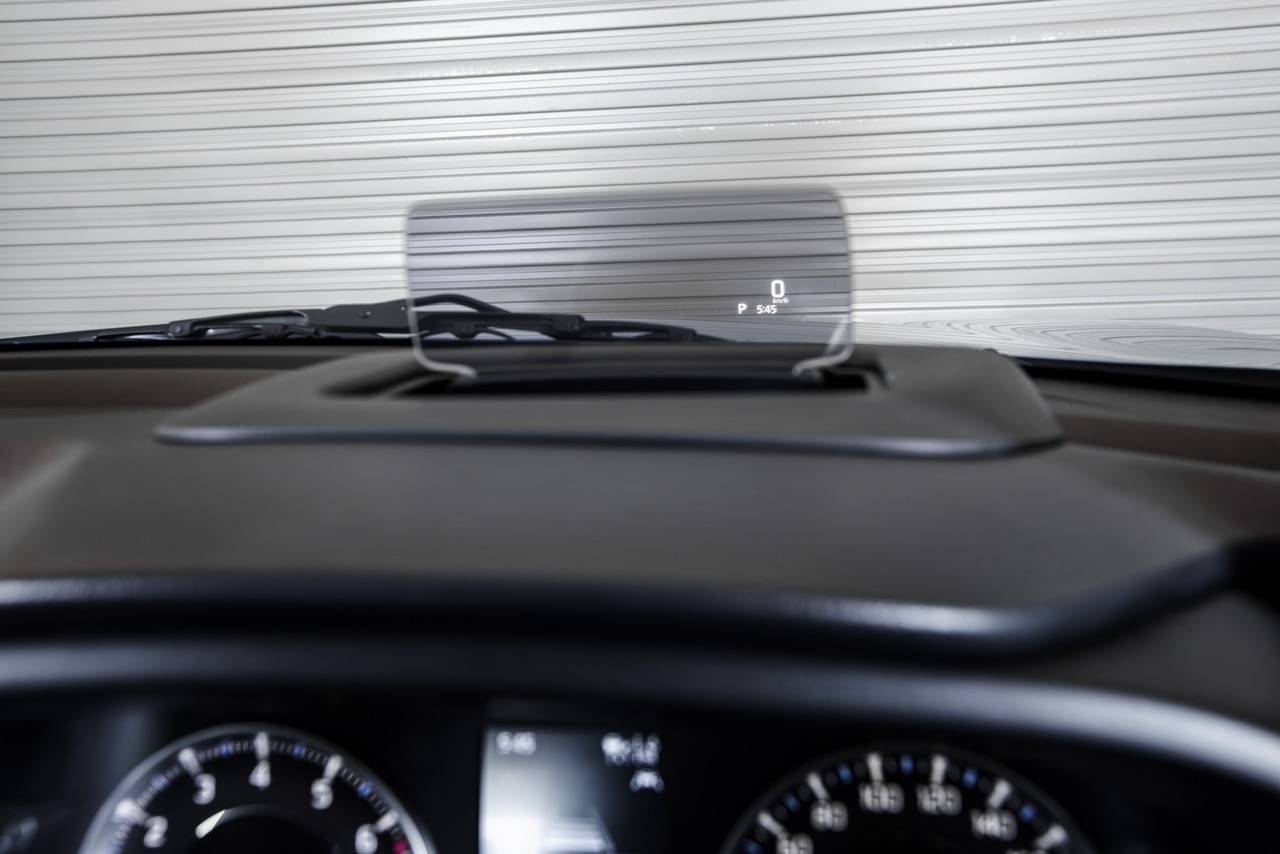
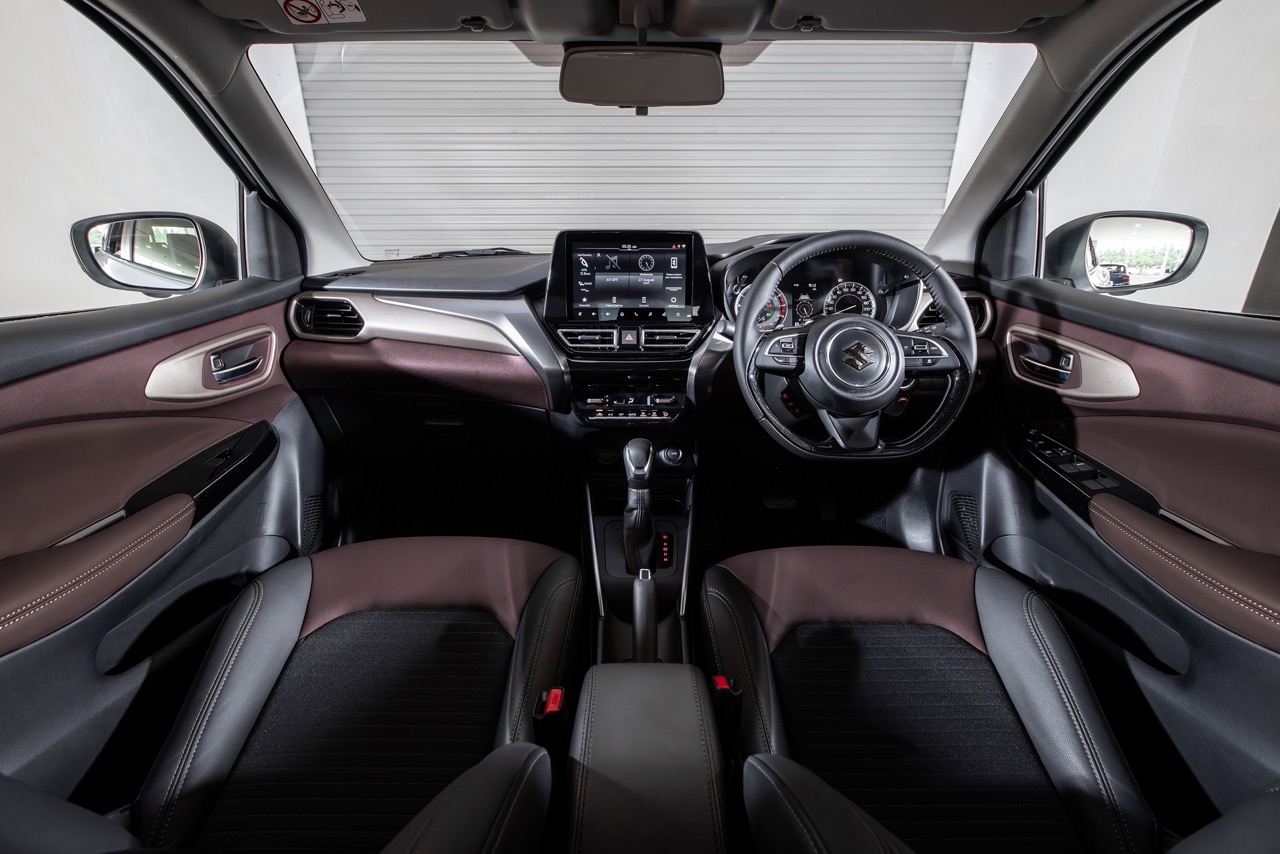
Inside, Suzuki has taken a straightforward yet contemporary approach. A 9-inch HD touchscreen anchors the dashboard, offering Apple CarPlay, Android Auto, a 360-degree camera and a Head-Up Display—an uncommon feature in this segment. A leather-wrapped steering wheel with tilt and telescopic adjustment, cruise control and wireless charging completes the driver-focused equipment list.

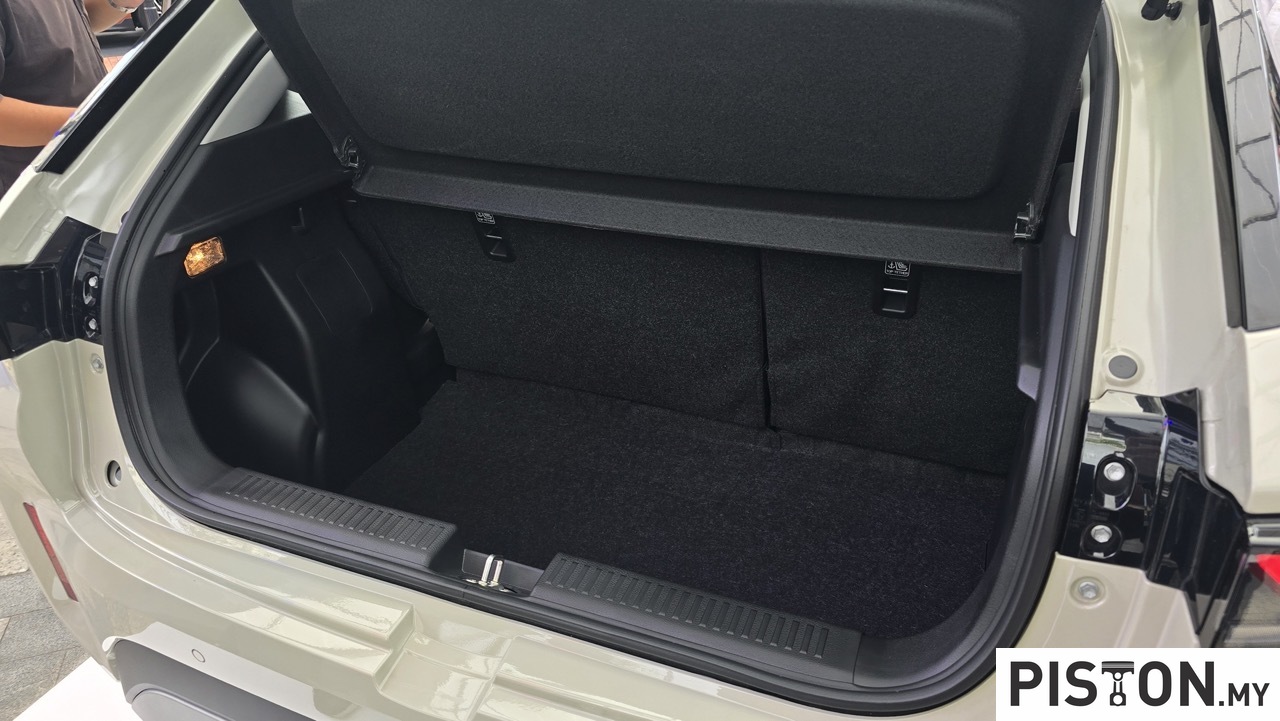
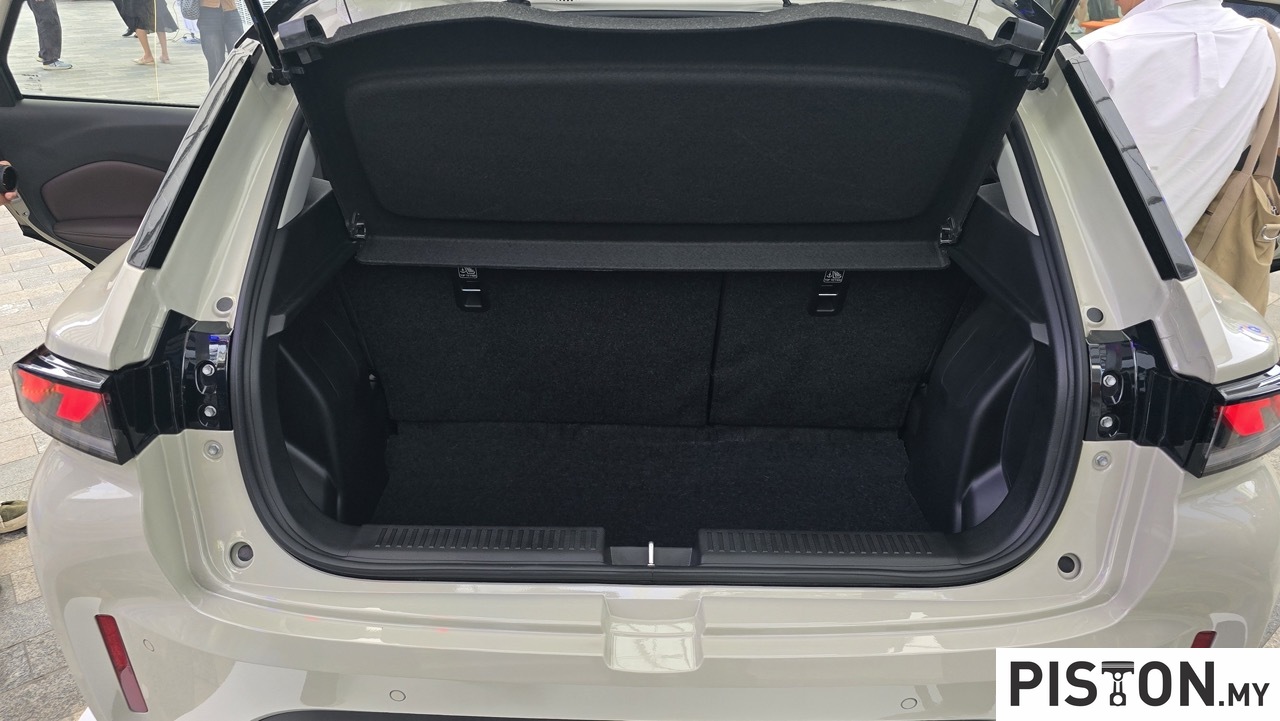
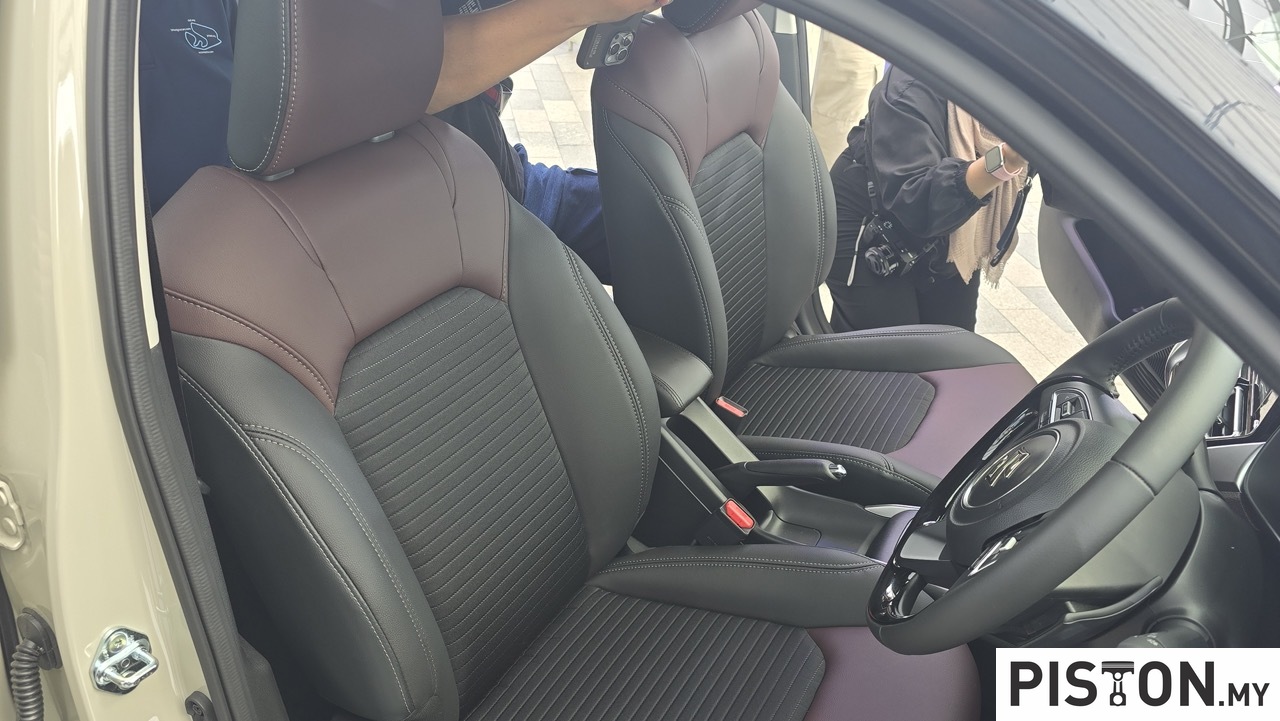
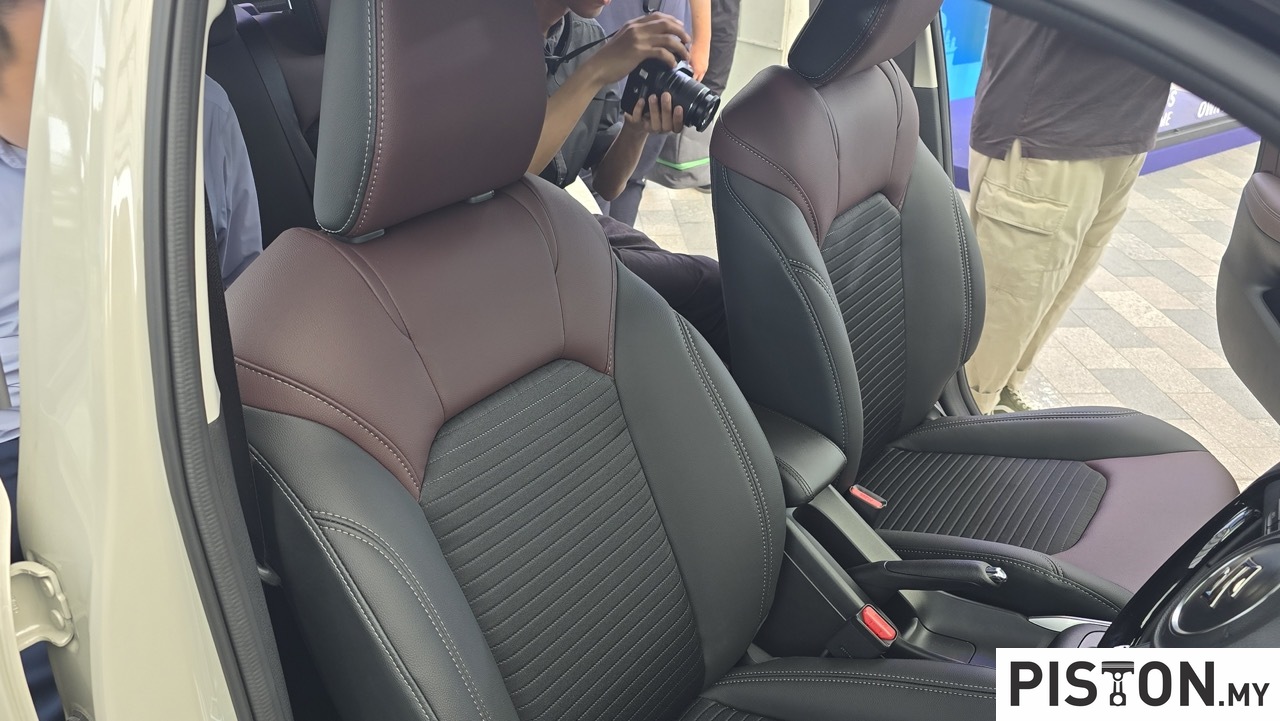
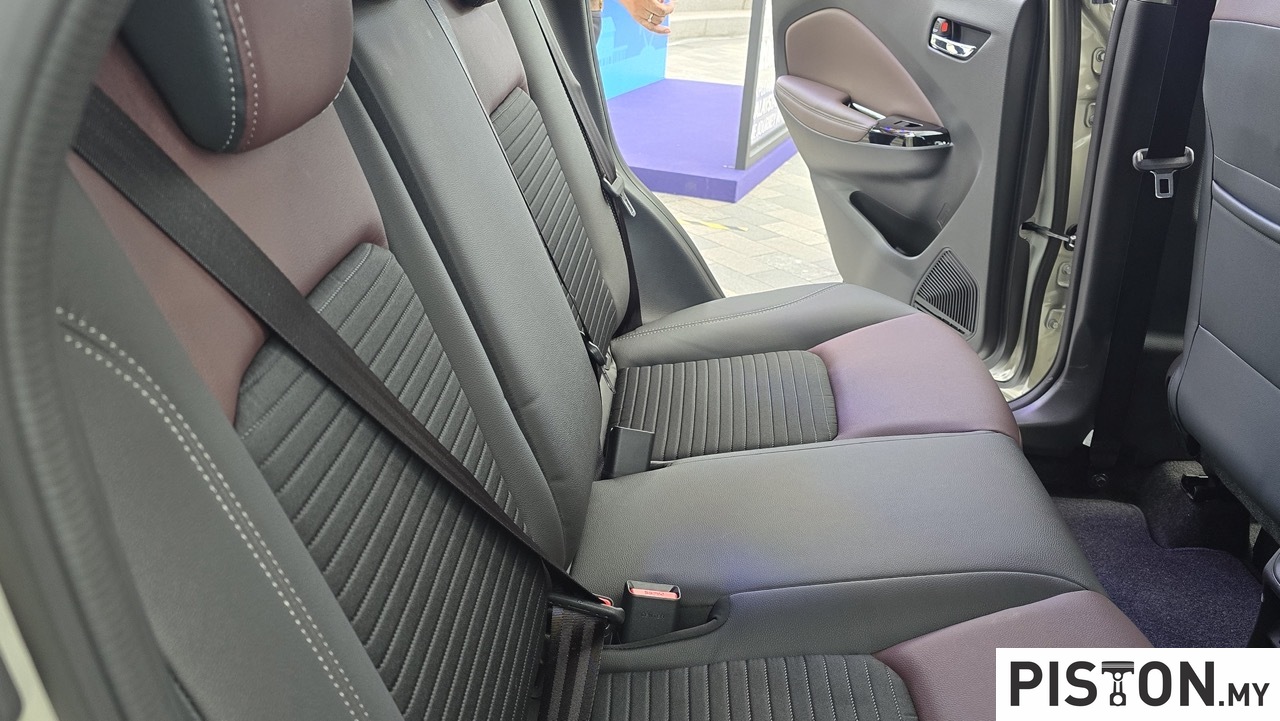
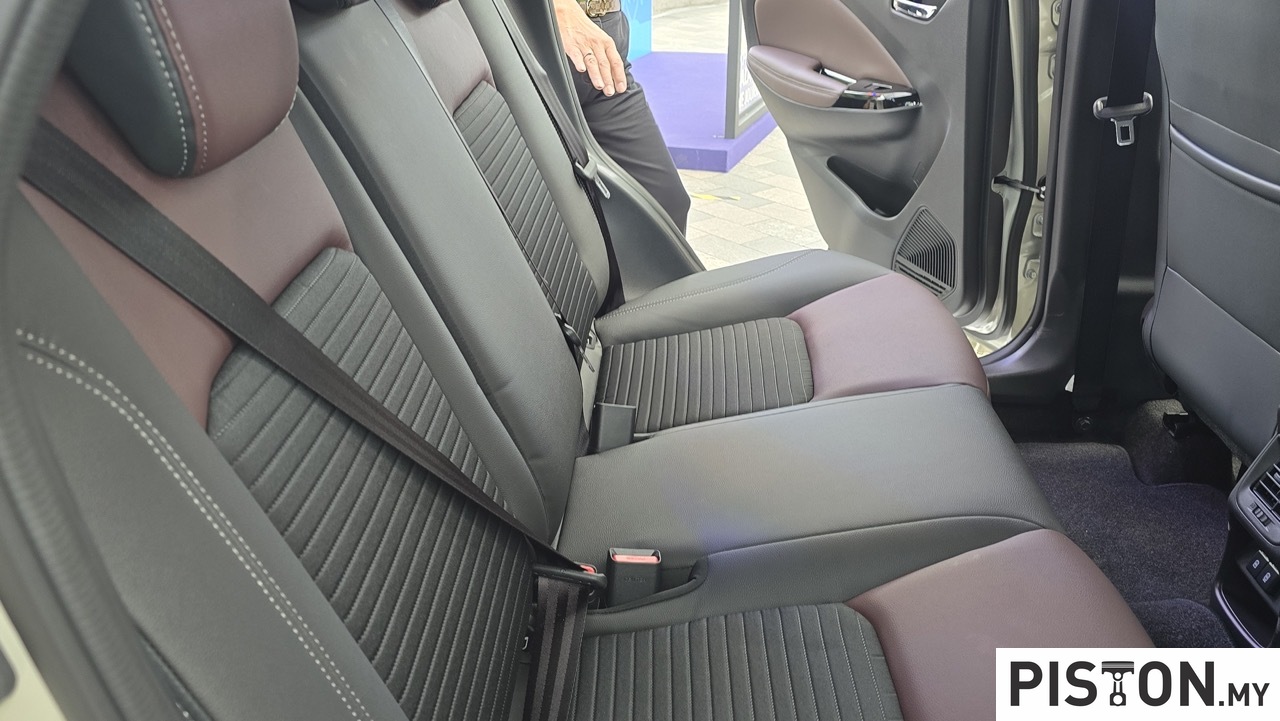
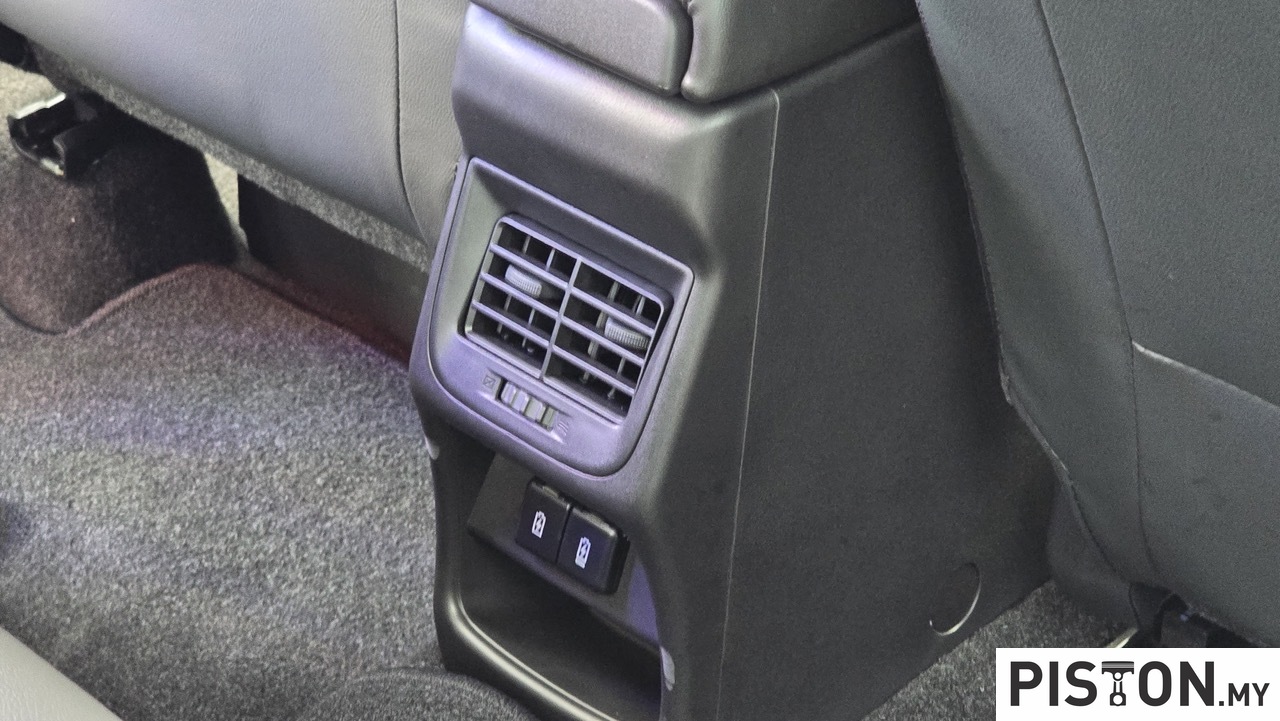
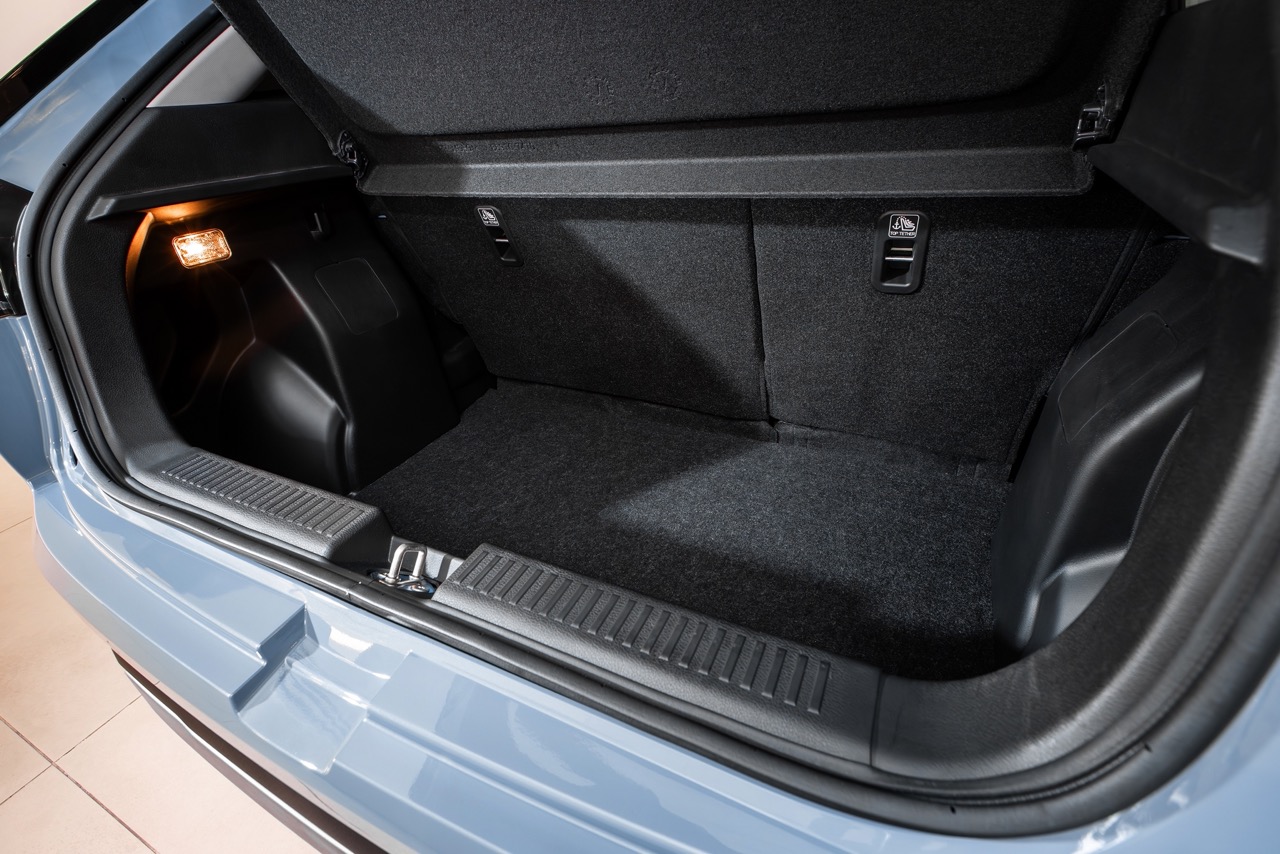
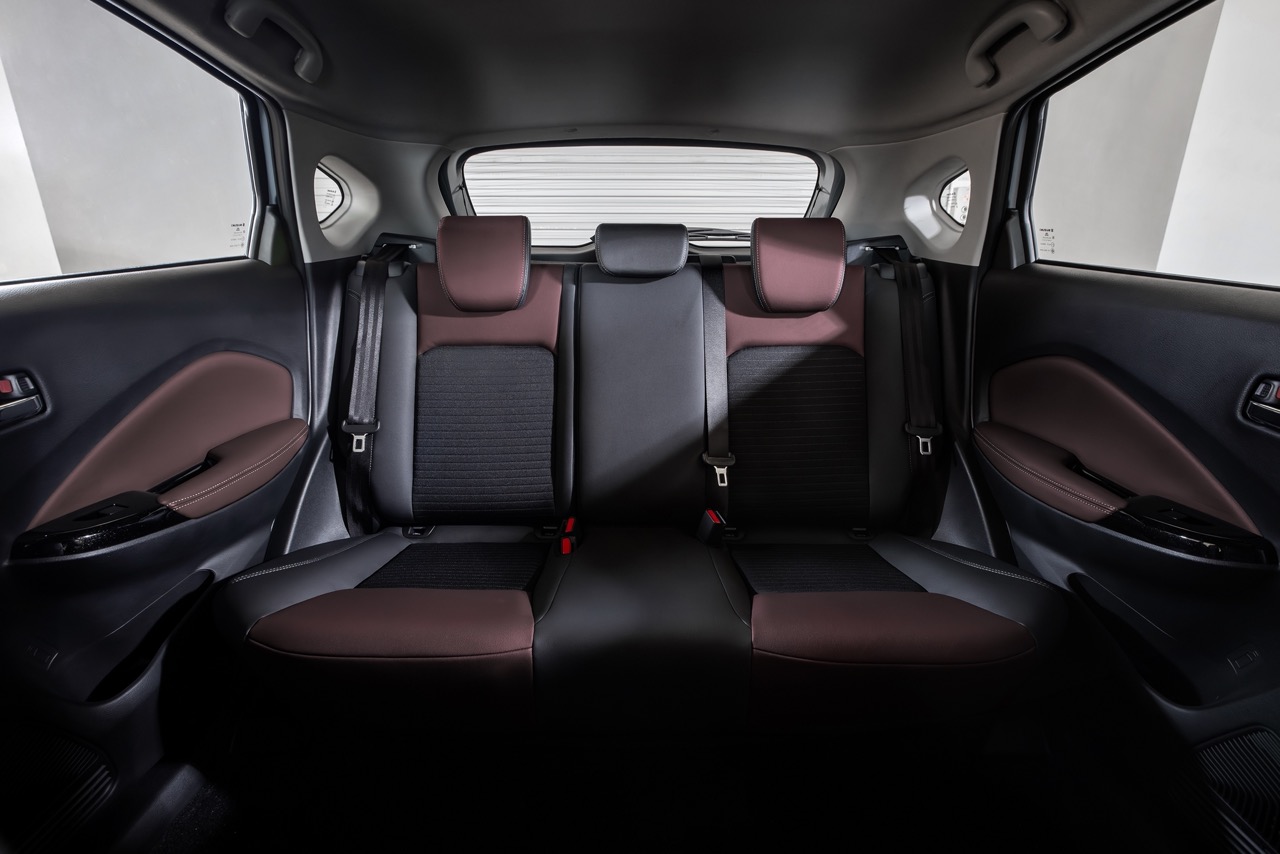
The cabin itself is designed to be noticeably quiet thanks to strong NVH refinement, while the seats feature contoured shapes and embossed edges that elevate both comfort and visual appeal. Practicality remains a priority, with seven storage spaces, 308 litres of boot capacity and 60:40 split-folding rear seats.

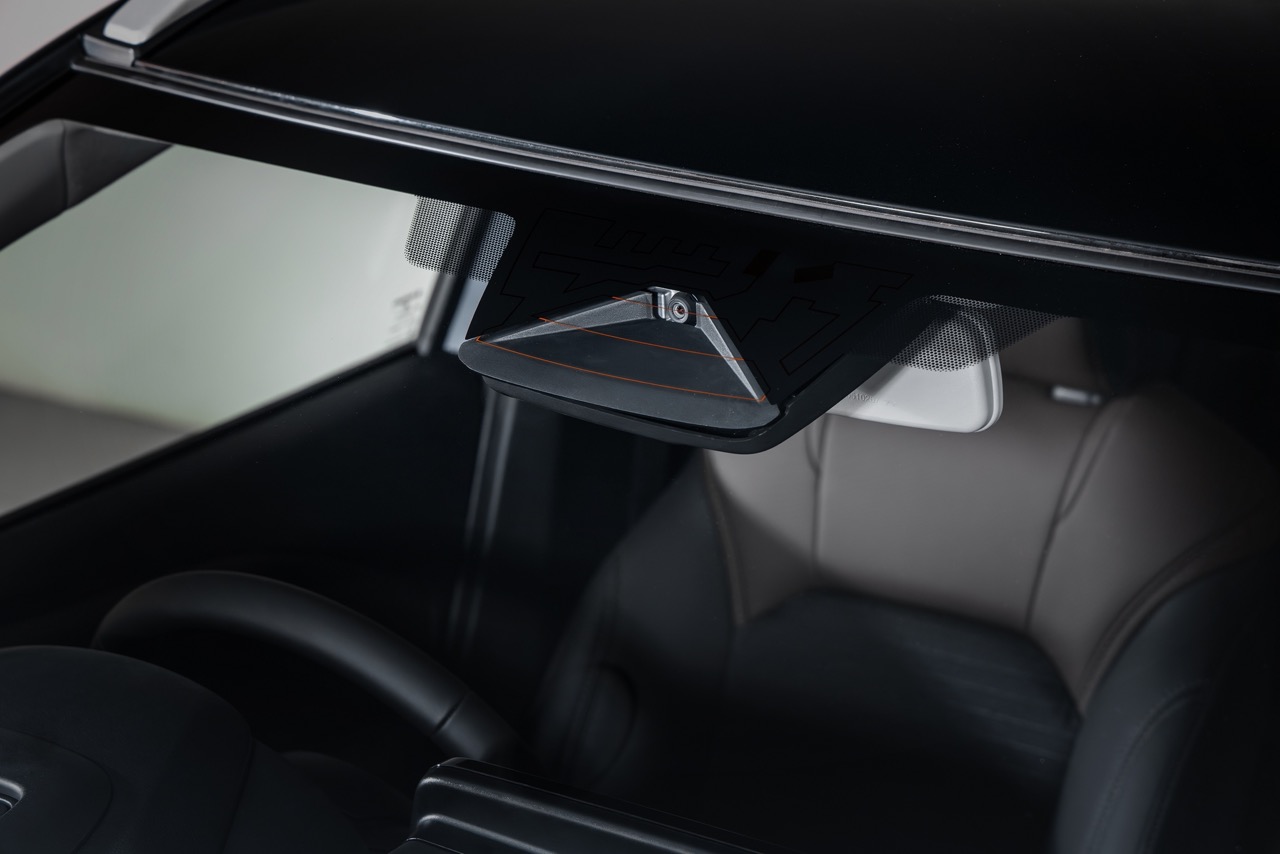
Safety is a key selling point for the Fronx. The model’s five-star ASEAN NCAP rating is supported by an extensive suite of driver assistance systems, including six airbags, ABS with EBD, stability control, hill hold, adaptive cruise control, blind spot monitoring, rear cross traffic alert and a wide range of lane-keeping and lane-departure technologies. High Beam Assist adds extra convenience during night driving, while the TECT body structure ensures effective crash energy absorption.

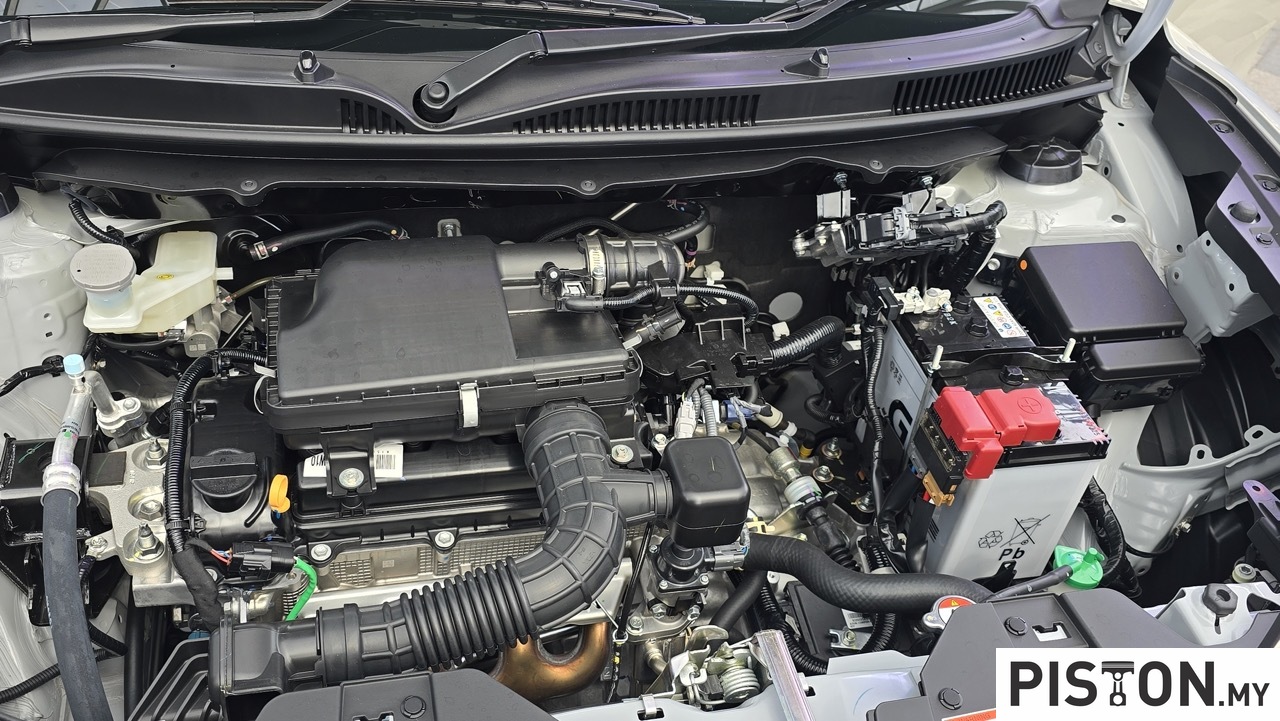
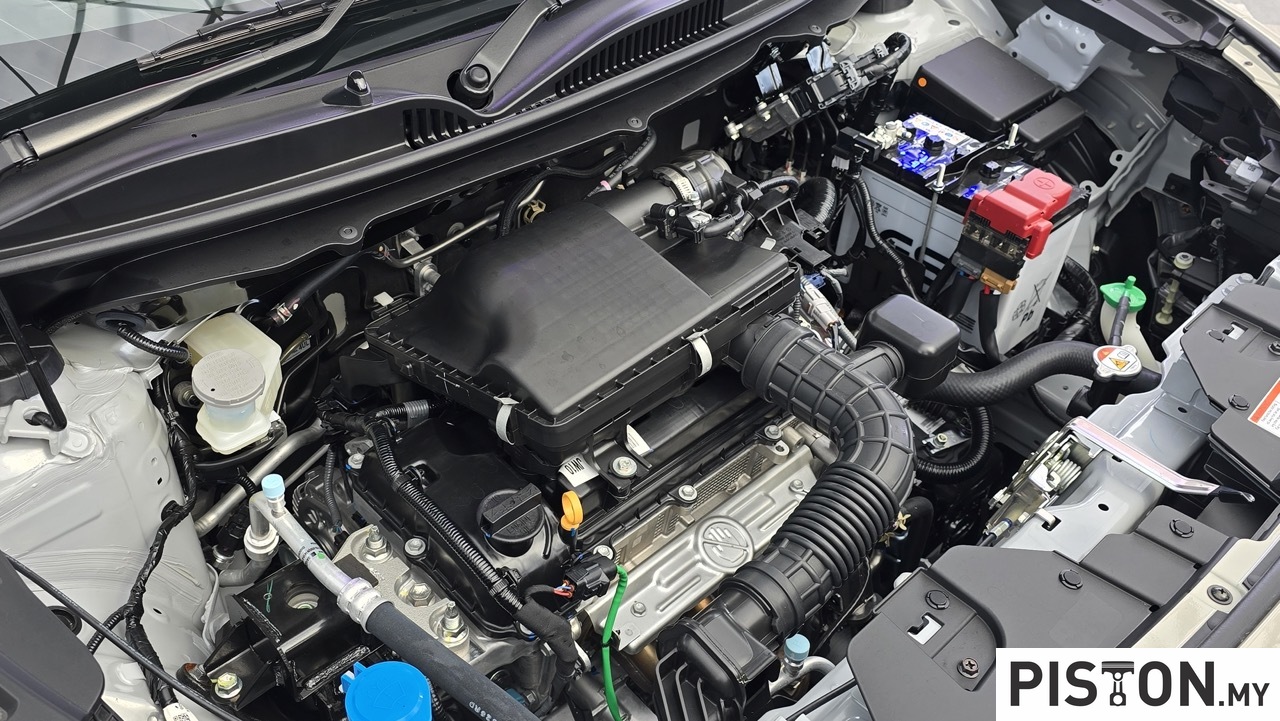
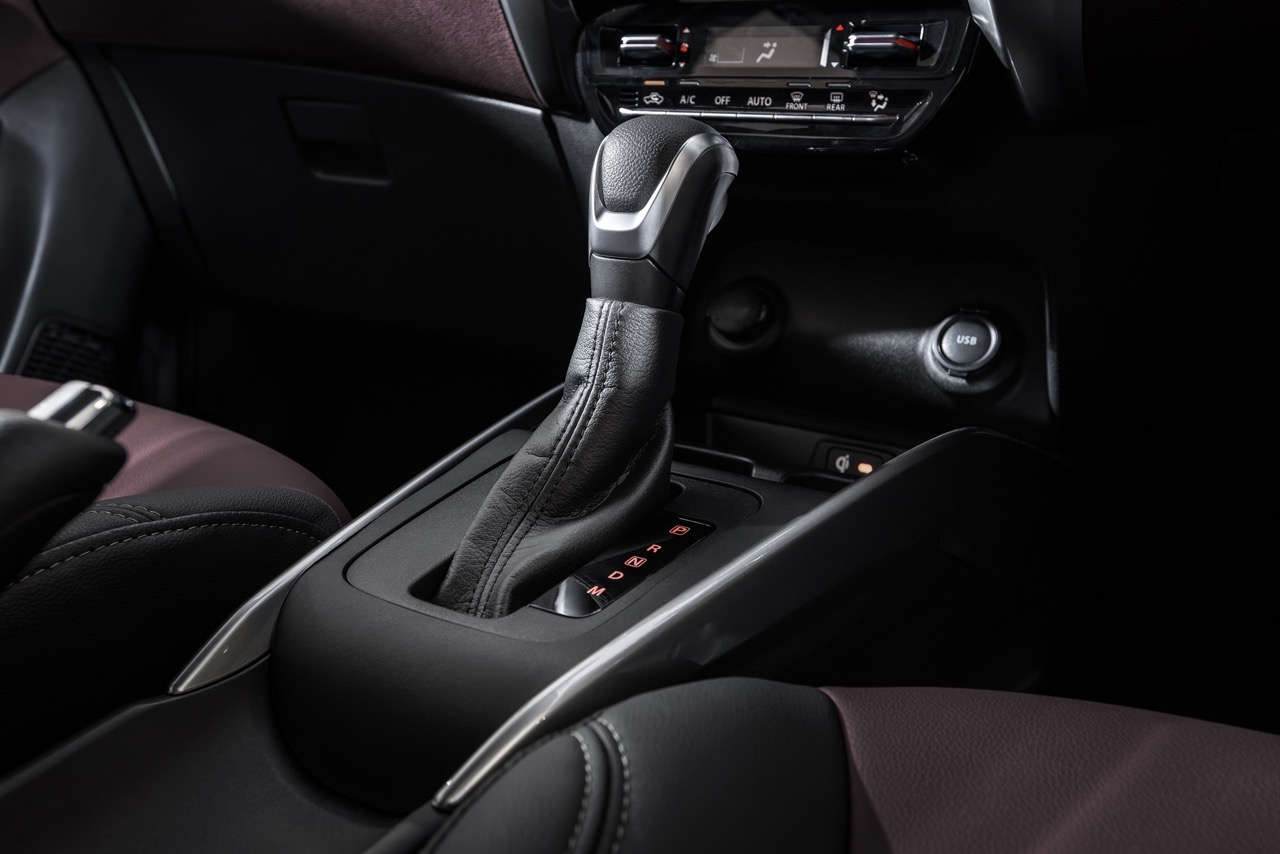
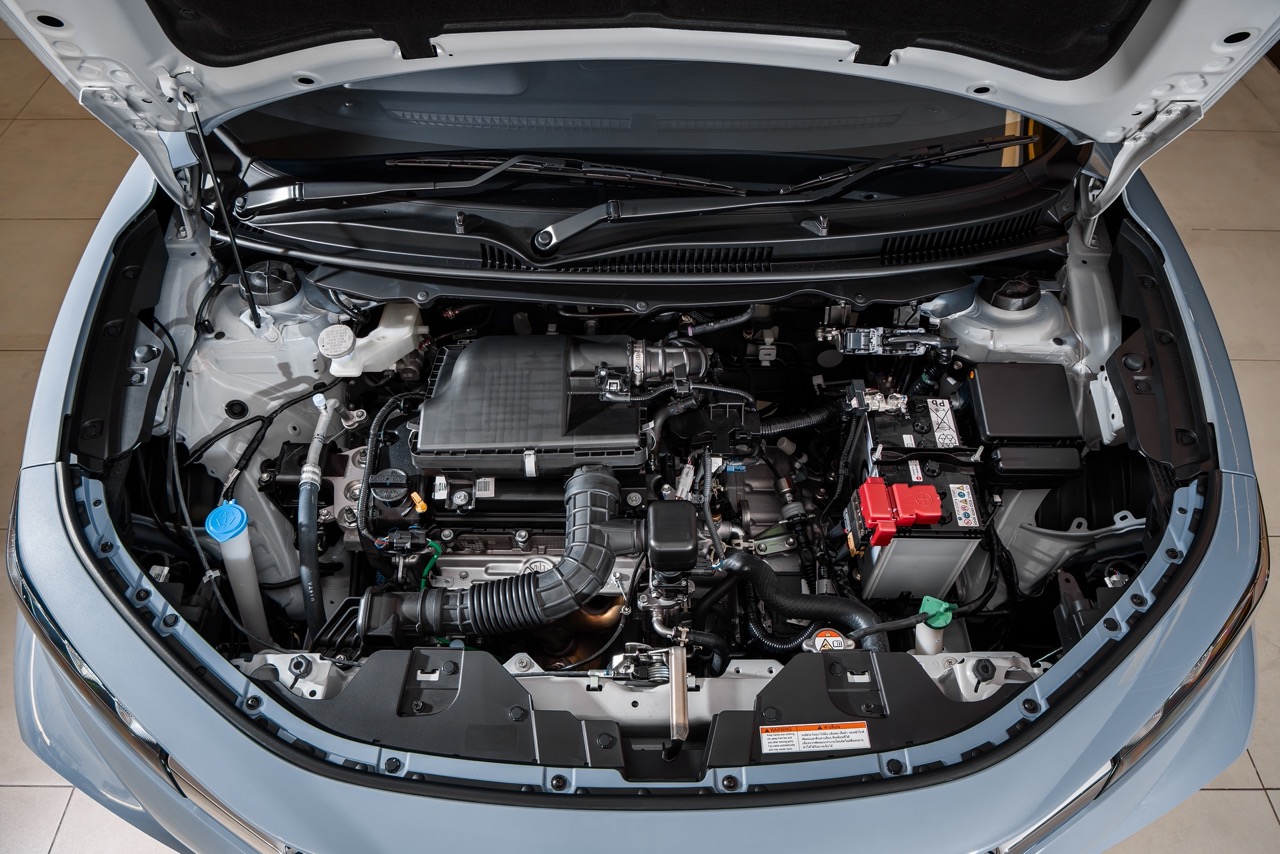
Powering the Fronx is Suzuki’s 1.5-litre K15C four-cylinder hybrid engine, producing 103 PS and 138 Nm of torque. Paired with a six-speed automatic and paddle shifters, it aims to deliver a smooth, efficient drive with the help of a 12V lithium-ion battery. The suspension layout is made up of MacPherson struts at the front and a torsion beam at the rear, all tuned for stability across mixed road conditions. Ventilated front discs add reassurance during spirited or long-distance driving.

The Fronx comes with a three-year or 100,000-km warranty and is priced at RM147,888 on-the-road without insurance. Early buyers can take advantage of a limited-time promotion offering either a RM4,000 rebate or a complimentary accessory package consisting of a multi-roof rack, roof basket and door visor, available until the end of 2025.

The SUV will be the main attraction at the Suzuki Lifestyle Roadshow from 19 to 23 November 2025 at the Piazza, Pavilion Bukit Jalil. Visitors can explore the new model up close, take it for a test drive and enjoy a series of brand showcases that include official accessories, pre-owned vehicles and collaborations with lifestyle names such as Ducati, GoPro, Eiger Adventure, Eyez Optometry, Polaroid Eyewear and Monster Energy. The event is set to deliver a mix of adventure, creativity and youthful energy—very much in line with Suzuki’s current direction.

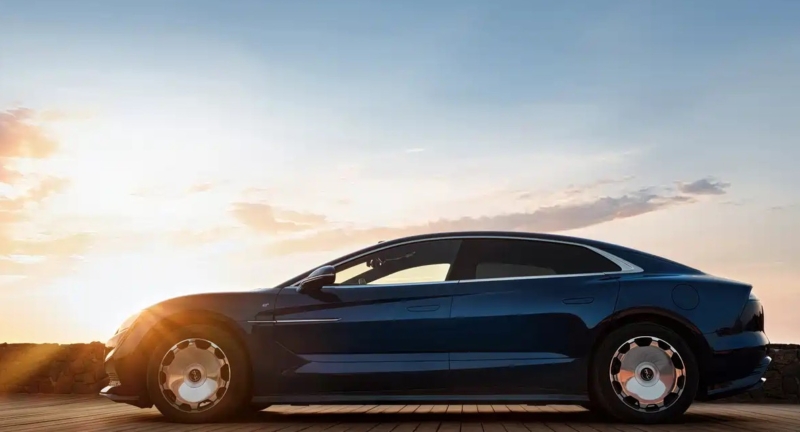
Yangwang is preparing to show off a fresh Galaxy Blue paint option for its flagship U7 sedan at the Guangzhou Auto Show, adding a new visual highlight just as the car receives a series of technical updates. The luxury model, offered in both fully electric and plug-in hybrid forms, is priced between 628,000 and 708,000 yuan, which works out to roughly RM414,000 to RM467,000.

New filings suggest that the U7 has been given a noticeable boost in performance, with total system output climbing from 1,287hp to 1,341hp. It continues to rely on four permanent-magnet synchronous motors, now calibrated at 260 kW, 260 kW, 240 kW and 240 kW. The petrol engine in the plug-in hybrid version remains unchanged, a 2.0-litre BYD4H20 unit rated at 268hp.

Its proportions also remain familiar, measuring 5,360 mm in length, 2,000 mm in width and 1,515 mm in height, with a long 3,200 mm wheelbase and a curb weight of 3,223 kg. The model continues to rely on an LFP battery pack, in line with BYD’s current preference for durability-focused chemistry.

(more…)

Archive

Follow us on Facebook

Follow us on YouTube