In 2020, virtually everyone has experienced some effects of their personal financial situation as a result of the COVID-19 pandemic. The government has done its best to help in various ways and companies, though also impacted by a business slowdown, has also tried doing its part.
Sime Darby Auto ConneXion (SDAC), the sole distributor for Ford in Malaysia, is helping Ford owners with money-saving initiatives and has announced its ‘Service Reward’ promotion which is on for 2 days. On September 1 and 2, 2020, 1,000 Service Reward vouchers will be on sale and these vouchers get up to 30% discount on after-warranty service costs.
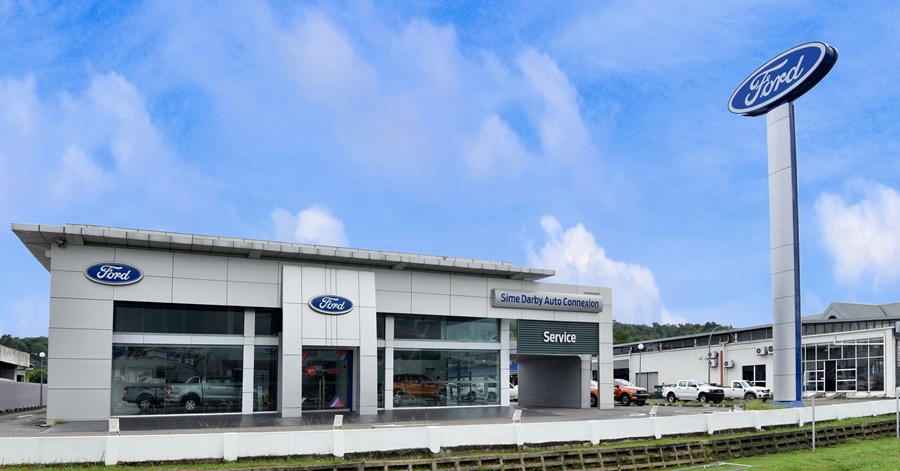
Authorised Ford sales and service centre in Kota Kinabalu, Sabah
Valid for 18 months
Each Service Reward voucher costs just RM5 and is valid at all authorised Ford service centres for 18 months from the date of purchase. The Service Reward voucher can be purchased at any Ford Authorised Service Centres, while stocks last.
“We are always looking for ways to support our customers and reward them for their loyalty. In these uncertain times, as people resume their day-to-day activities, we hope these savings will help lighten their load while keeping them safe on the roads,” said Syed Ahmad Muzri Syed Faiz, MD of Sime Darby Auto ConneXion.
Savings when servicing
With the purchase of the ‘Service Reward’ voucher, customers can save 10% on engine oil on their first vehicle service, 20% on their second vehicle service and 30% on their third vehicle service.
During all 3 service intervals, customers will also get a 10% discount on the oil filter, air filter, fuel filter, battery and wiper blades as well as a 10% discount on labour. Only OEM (original equipment manufacturer) parts are used quality and reliability are assured.
As an extra benefit for safe motoring and peace of mind, SDAC will also provide owners with the Service Reward voucher a free 27-point vehicle inspection. This inspection will be conducted by Ford-certified technicians who will check to ensure their vehicles are in tip-top condition.
Book a service online
Ford owners can book a vehicle service appointment online by visiting www.sdacford.com.my and clicking the ‘Book a Service’ tab in the Owner section. They can specify the state they are located in and select their preferred service centre. Upon submission with their contact details and vehicle registration number, a confirmation email of the appointment will be sent.
In addition, the real-time e-Service Appointment booking is currently available at 7 Ford Authorised Service Centres in Peninsular Malaysia, Sabah and Sarawak. The locations are Ford Ara Damansara, Ford Petaling Jaya 2, Ford Juru, Ford Butterworth, Ford Kuching, Ford Kota Kinabalu and Ford Tawau. Owners can schedule a service appointment up to 1 month in advance. To make a real-time e-Service Appointment booking, visit www.sdacford.com.my/book-a-service-form.
In addition to booking a service appointment online, owners can also schedule their service appointments by calling an authorised Ford Service Centre directly.
For more information on the 2-day ‘Service Reward’ promotion or Ford services from SDAC, visit www.sdacford.com.my.
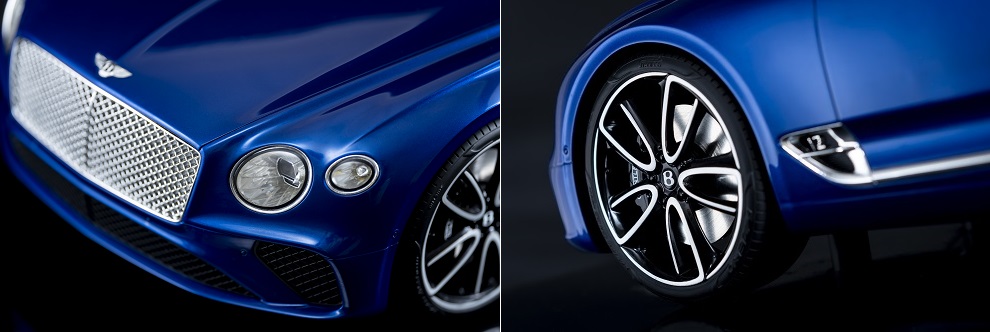
The Bentley Continental range was born in 2003 and with each new generation, the boundaries of technology and power continue to extend. The third generation, unveiled at the 2017 Frankfurt Motorshow, is currently one of the brand’s most popular models globally. It is this generation, with its sporty design and sleek silhouette that is the basis of a miniature collection created by the company.
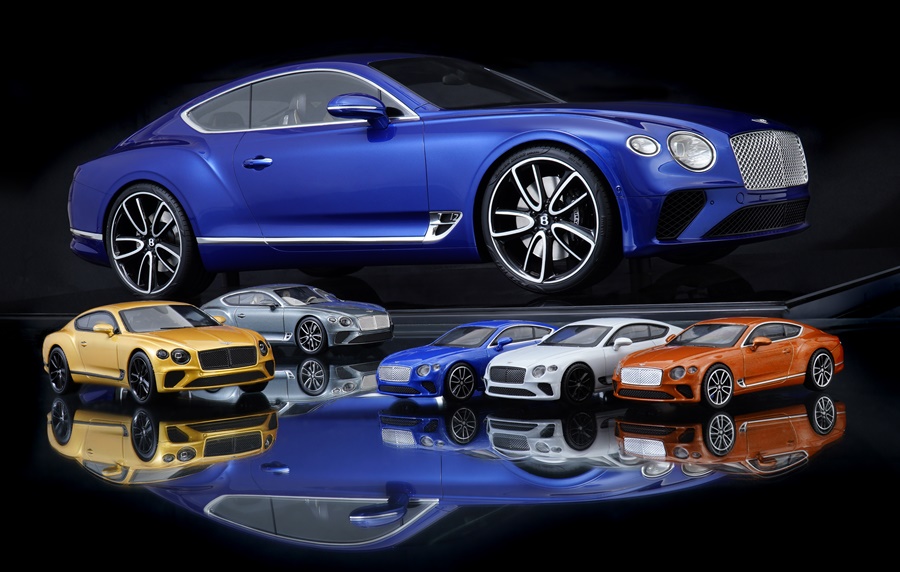
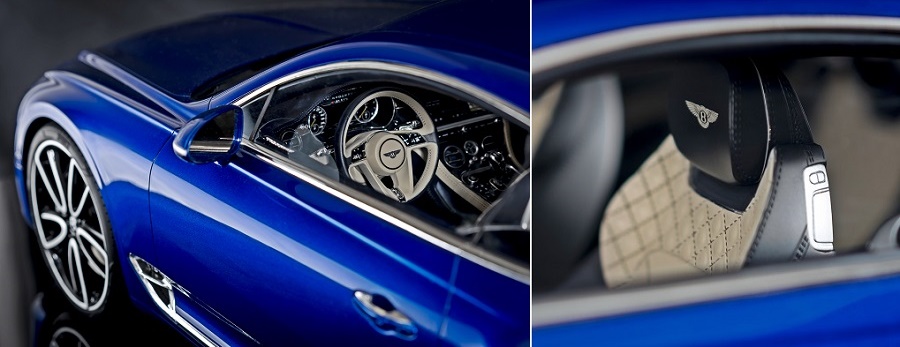
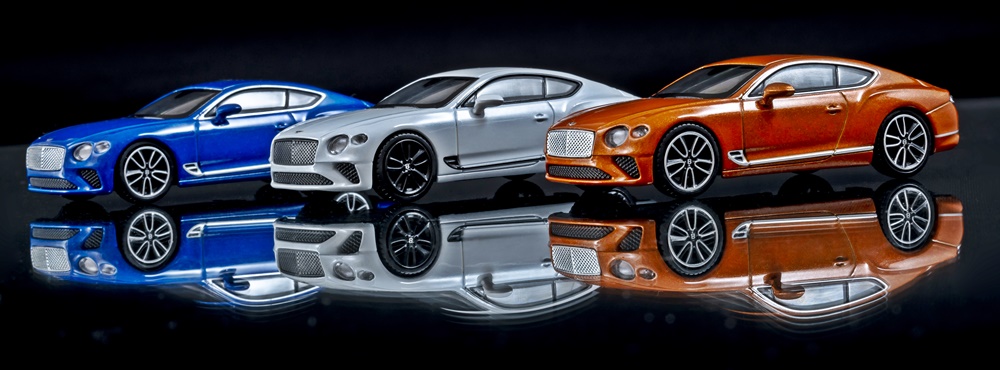
The collection of Continental GT model cars put a piece of Bentley history in the home or office, and would certainly be a perfect accompaniment to an owner’s full-size Continental GT, if he or she already owns one. The collection is available in a variety of scales – 1:8, 1:43 and 1:64 – and meticulous attention to detail and thousands of hours of work go into crafting the exquisite models.
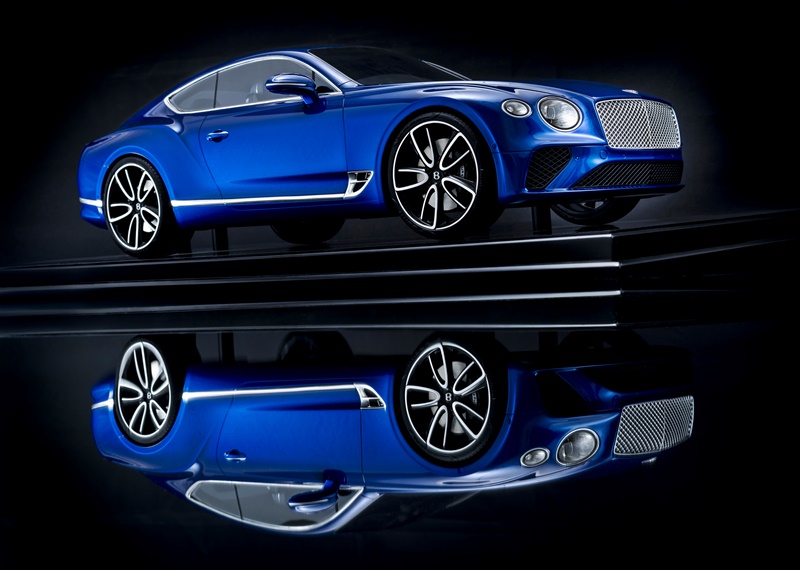
The 1:8 scale model, priced in the UK at £6,995 (RM38,700), is offered as a bespoke product, allowing customers to commission their own unique replica car in the same way a customer would personalise their Bentley. The intricately detailed scale model is made up of over 1,000 individual pieces, assembled by hand and takes over around 300 hours in total to build.
The bespoke options cover a variety of aspects available to customise including paint, mock veneers and seat details. Every detail selected is executed and installed to the same superlative quality that is guaranteed with each full-size Bentley.
Measuring 78 cm in length and 40 cm in width, the exacting details of a full-size car are mimicked in miniature throughout the carefully-crafted replica cabin. The tiny steering wheel features impeccably-copied cross-stitching, the iconic seat quilting and fluting is mirrored on the small yet detailed scale. The model car even mimics the lustrous wood veneers and plush carpets that characterise the original. All colours and finishes are precision-matched to Bentley’s authentic paints, leathers, woods and other materials.
The full list of options includes exterior paint colour, wheels and alloys, lower grille, brake calipers, number plate, left or right driver position, interior colour split, main hide colour, secondary hide colour, seat quilting, seat fluting, veneers, and carpets. The option for the iconic Blackline Specification is also available.
To ensure complete accuracy, each 1:8 model ordered is developed under the close supervision of the Bentley Design Studio from the moment of order to final delivery. The model is crafted in resin and placed on a varnished plinth. It is the largest of the Continental GT collection of miniature models.
For those who do not choose the 1:8 scale model, the 1:43 and smaller 1:64 die-cast models are also of high quality commensurate with the brand image. In the UK, they are priced at £85 and £12 (RM470 and RM66), respectively. Orders can be placed from Bentley Retailers or via shop.BentleyMotors.com.
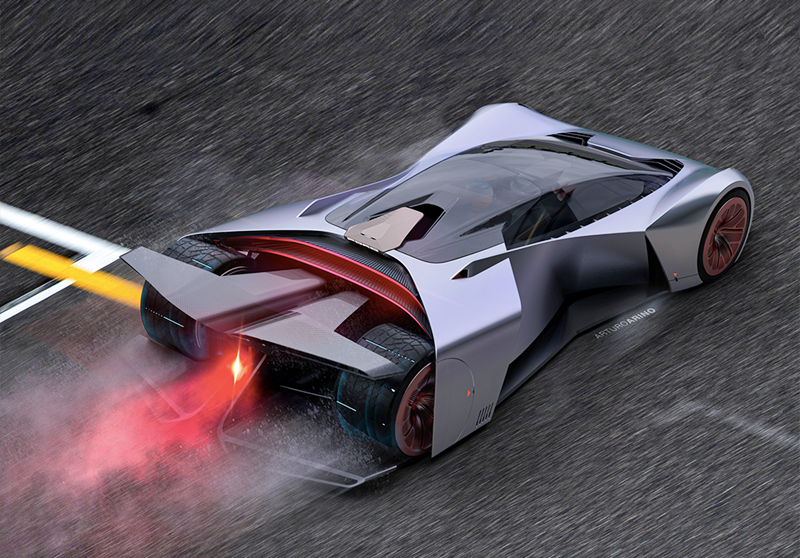
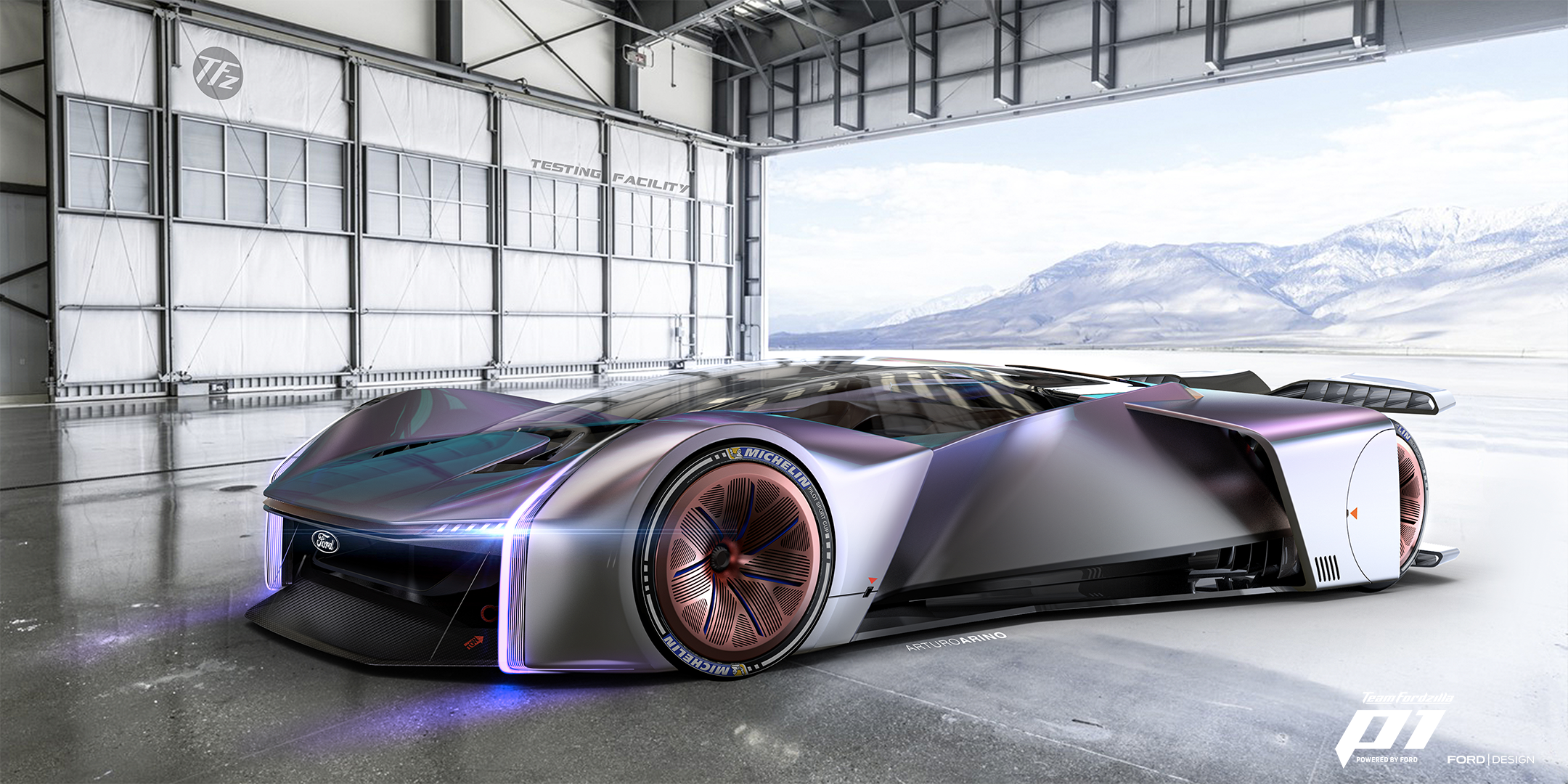
Ford and its Team Fordzilla esports team have unveiled a world-first at this year’s gamescom event which is described as ‘the ultimate virtual racing car’. Designed with collaboration between Ford designers and the gaming community, the car was developed under the codename ‘Project P1’.
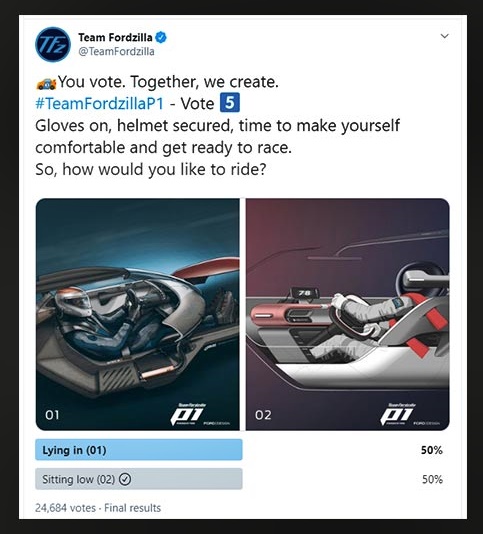
It was then created with fan votes on Twitter at different design stages. Gamers decided on elements including seating position, cockpit style and drivetrain before Ford designers worked up their interpretations of the brief.
Two designs were put forward for the final poll, with the car by Ford exterior designer Arturo Arino emerging victorious, gaining 83.8% of the votes. Close to 225,000 fans let their preferences be known throughout the polling process.
Inspired by the Ford GT
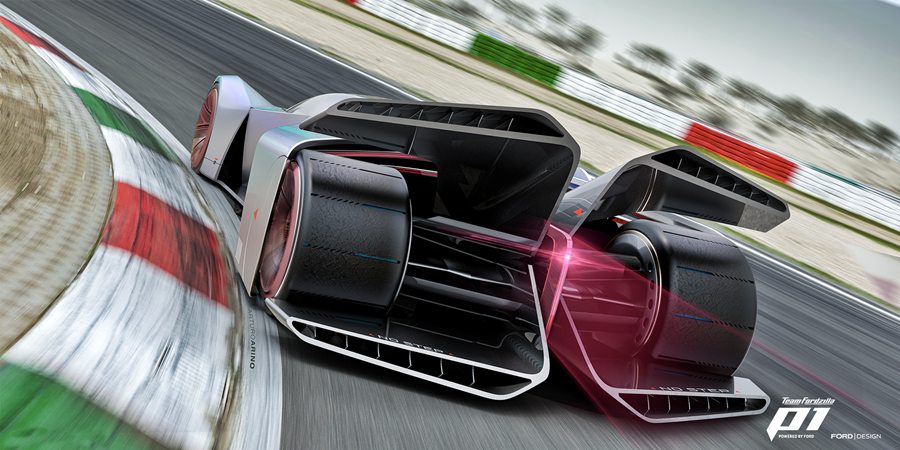
With inspiration from the Ford GT, Arino’s design employs unique touches like morphing technology on the body to offer the stability of a longtail racer on the high-speed straights of Le Mans, or a shorter body for tighter circuits like Monaco. For fans wondering when they may get to drive the vehicle in-game, Ford hinted that it is in advanced discussions with a major games developer to introduce it into a popular racing game in 2021.
“Project P1 took me to the beginning of it all. The reason why I became a car designer in the first place was to design something never seen before and something that pushes the boundaries. This vehicle will be visually stunning, and while it will push the gamer to the limits of focus and reflexes, it will also be hugely rewarding to drive,” explained Arino.
Ford also announced that it will build a scale model of the Team Fordzilla P1 concept before the end of the year, something it has already started to create at its design studios in Cologne, Germany. This is part of its continuing theme of exploring the parallels between the real-world and the virtual one, with learnings from design in the digital world being applied to concepts for reality.
Fordzilla Cup
The final of the inaugural Fordzilla Cup will take place at gamescom this year. Qualifiers and heats have been taking place all week and will culminate with the first-ever champion crowned this weekend. The winner will get a professional contract with Team Fordzilla and have the chance to compete on some of the largest stages in gaming.
The launch of www.teamfordzilla.com during gamescom will provide a permanent home for Ford’s official eSports team. Fans will be able to follow live feeds of races, download vehicle graphics for use in-game and keep up-to-date with the latest news.
Team Fordzilla
Team Fordzilla is Ford’s first ever esports team, inaugurated in 2019 with individual teams in France, Germany, Italy, Spain and the UK, consisting of hand-picked racers. Each team competes in national competitions with dedicated team captains, with the best drivers representing Team Fordzilla at a European level. Currently, over 40 drivers race under the Team Fordzilla banner.
“We showed again at gamescom this year that we’re serious about gaming, but what was really great is the continuing support we’re receiving from that gaming community. This really pushes us to keep innovating with projects like the Team Fordzilla P1 concept,” said Emmanuel Lubrani, Senior Manager Communications for Team Fordzilla at Ford Europe.
Visit www.sdacford.com.my to know more about Ford models you can buy and drive.
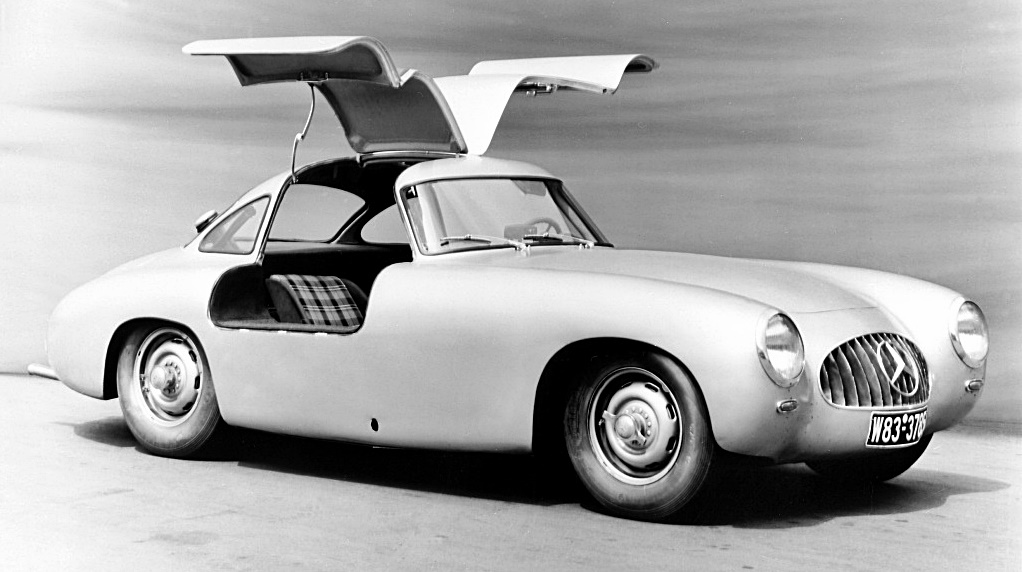
‘300 SL’ was the designation of the competition car from Mercedes-Benz with which the brand returned to international motorsports in 1952 for the first time after the Second World War. Although this car was not sold to the public, it did light the fuse for the development of the later SL-Class.
The development of the 300 SL began in 1950, when Mercedes-Benz began to think about a return to racing. The attempt to reactivate the 1939 W 154 Grand Prix racing car, however, met with failure in Argentina in 1951. So the engineers pressed forward the development of the new racing car, some of the components of which came from the 300 model.
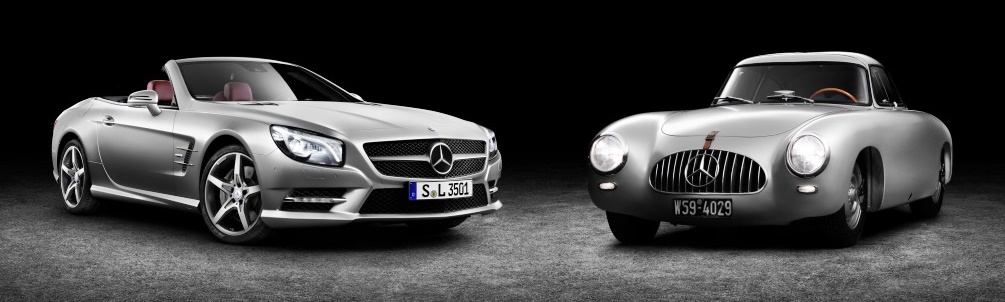
The 1952 300 SL with the current generation of the SL Roadster which was launched in 2012. Production has ceased and there will be about a year’s gap before the new generation appears in showrooms
SL means ‘Super Light’
In June 1951, the Board decided to resume participation in racing events from 1952 and gave approval for the construction of the 300 SL, the two letters meaning ‘Super-Light’. Its M 194 engine was derived from the 300 type unit, the M 186, with an overhead camshaft, large inlet valves, combustion chamber in engine block and pistons, a displacement of 3 litres and an output of 115 bhp. For racing, the engineers increased the engine’s output to around 170 bhp.
The sports engine differed from the one installed in the saloon and coupe not only in its output, but also in its installation position, slanted 50 degrees to the left, and in having a dry-sump lubrication system, which due to the omission of the oil sump, enabled a lower installation height.
Weight savings were hardly possible with the engine and the transmission of the W 194 that was in the process of being created. And this was also true of the heavy steel axles which had also been taken from the 300 model. That left only the frame and the exterior skin for any possible weight-savings.
Early use of the spaceframe
Another possibility for enhancing competitiveness was to create a body as aerodynamic as possible. This led to a previous idea of a lightweight tubular frame and the designers then carried the concept forward to its logical conclusion – a lightweight, extremely torsionally-rigid frame. This consisted of very thin tubes joined together to form triangles, whose tubular elements were only subjected to tensional and compressive forces.
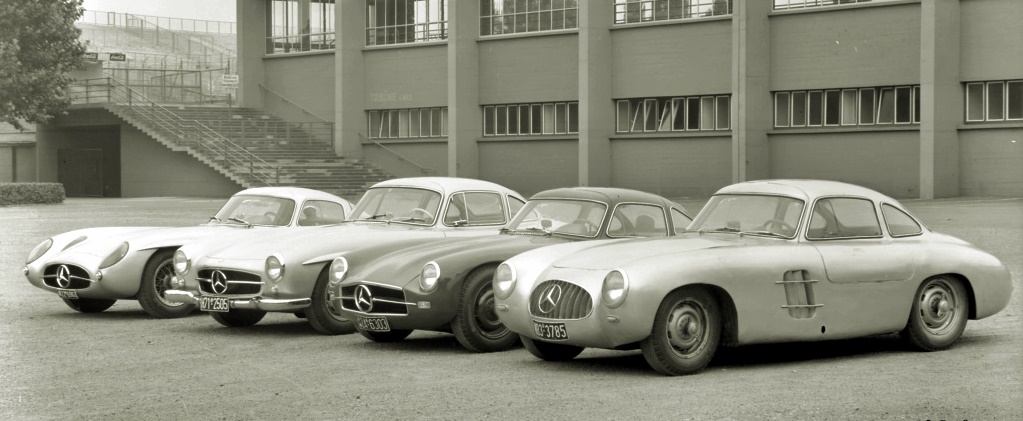
The racing prototype 300 SLR (W 196 S, 1955, extreme left) together with (from right) 300 SL (W 194, 1952), racing prototype 300 SL for the 1953 racing season, and 300 SL ‘Gullwing’ (W 198, 1954).
The entire frame weighed just 50 kgs and became the backbone of the W 194, as well as the basis for the production version of the 300 SL (W 198 I) and for the successful 1954/55 racing and motorsports car.
No effort was spared with the aluminium body. Thanks to the canted position of the engine and the aerodynamic profile, the car was very low, free of trim right down to the underbody, with an elegant low bonnet line, intuitively round-shaped, with recessed headlamps and its wheels entirely covered by the bodywork.
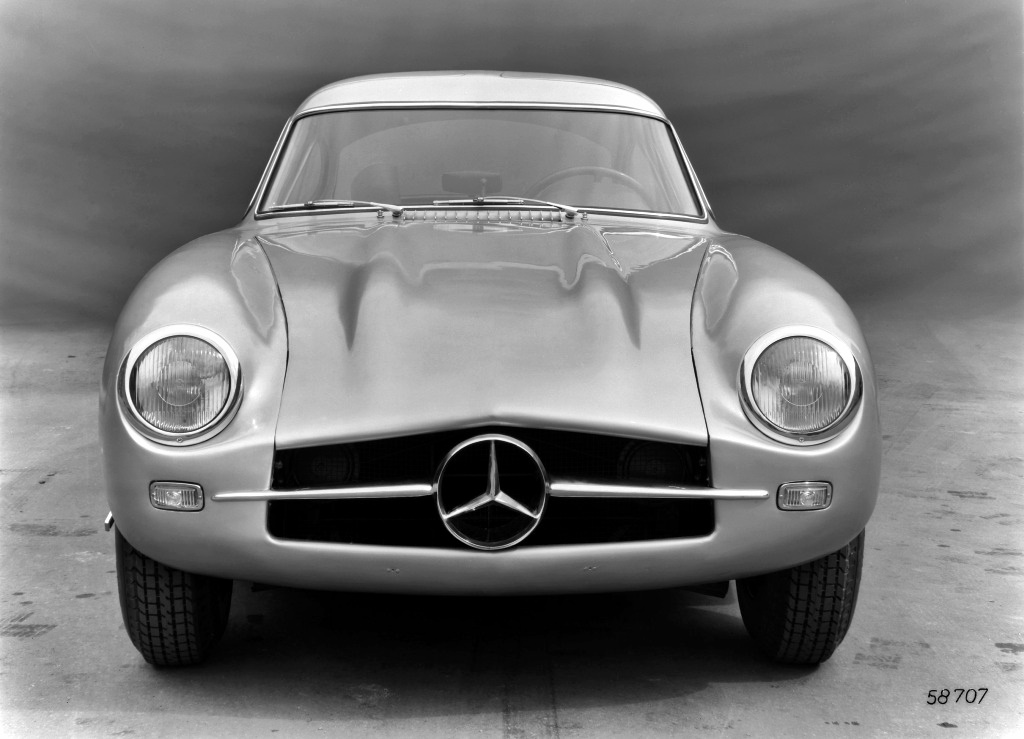
The classic Mercedes-Benz radiator shape was replaced by a flat racing car front end analogous to that of pre-war cars. The Mercedes star dominated the radiator grille prominently. The coupe greenhouse was made as narrow as possible, with a strongly raked windscreen, curving towards the A-pillars. The large rear window flowed over into the aerodynamic rear end.
The result was a relatively small frontal area: 1.8 square metres. A drag coefficient was measured on a 1:5 scale model and found to generate a Cd value of 0.25. That was even without taking into account the realistic airflow through the engine compartment.
Origin of the ‘gullwing’ term
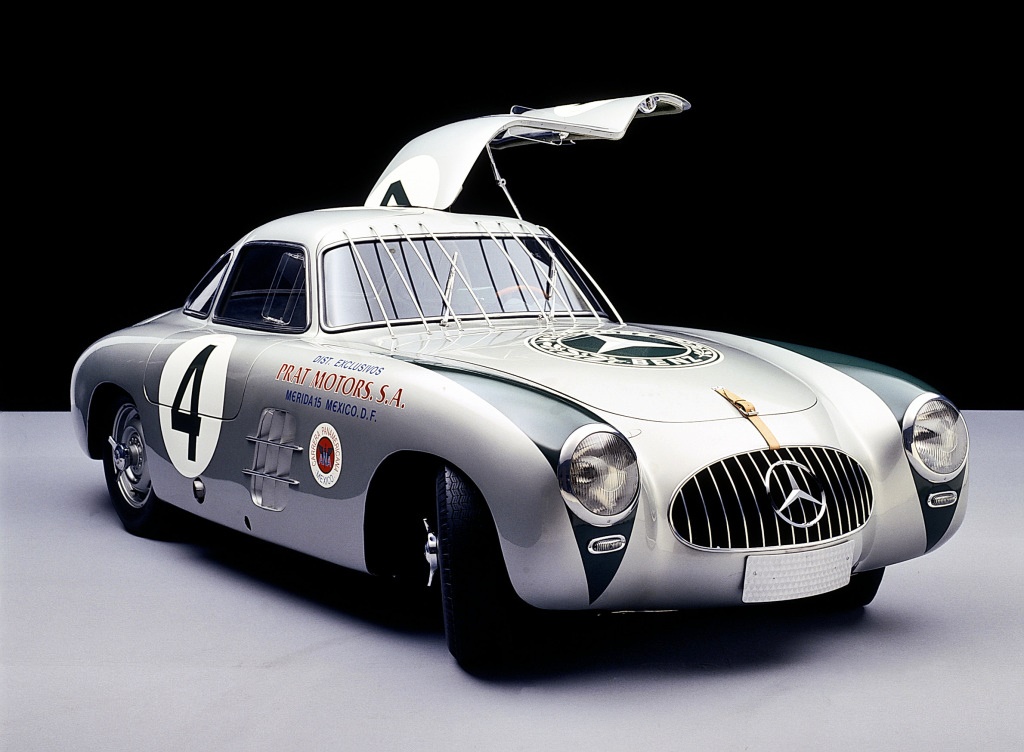
In order to lend a spaceframe the desired high rigidity, it has to be as wide as possible in the passenger cell sector. This requirement led to the spectacular and later so famous gullwing doors. In the first cars, the door opening began at the waistline. The doors, deeply cutting into the roof, opened upwards, creating an image reminiscent of outspread wings. This is how the term ‘gullwing’ originated (created by the North Americans).
In order to facilitate access over the high side sill, the bodywork designers had even originally intended to have an access step in the lower part of the vehicle body flank; however, this feature was never realised. Although the FIA regulations of the time did not specify the type and direction of opening doors, the stewards were still somewhat disagreeable when the car was presented to them for scrutineering before the Mille Miglia in May 1952. To avoid any future protests, after the race in Italy, the doors were extended down into the car’s sides, thereby assuming their final shape.
The interior was fully padded and lined, radiating a level of comfort unusual for racing cars. Speedometer and tachometer were accommodated under a common hood, and below that were the gauges for water temperature, fuel pressure, oil temperature and oil pressure. Even a stopwatch was installed. The bucket-type seats with high side sections were covered with tartan-style woollen fabric; the four-spoke steering wheel was removable to facilitate climbing in.
Ten W 194 cars were built for the 1952 season. After the Le Mans race, it was planned to enter the SL in a sportscar race on the Nurburgring. To shed as much weight from the competing cars, the engineers cut the roofs off three coupes. A fourth car had been set up as a roadster right from the start. To permit easy access, the section of the door extending into the side of the car was retained, and a small windscreen was mounted to deflect air and flying insects. This resulted in a weight advantage of 100 kgs over the coupe.
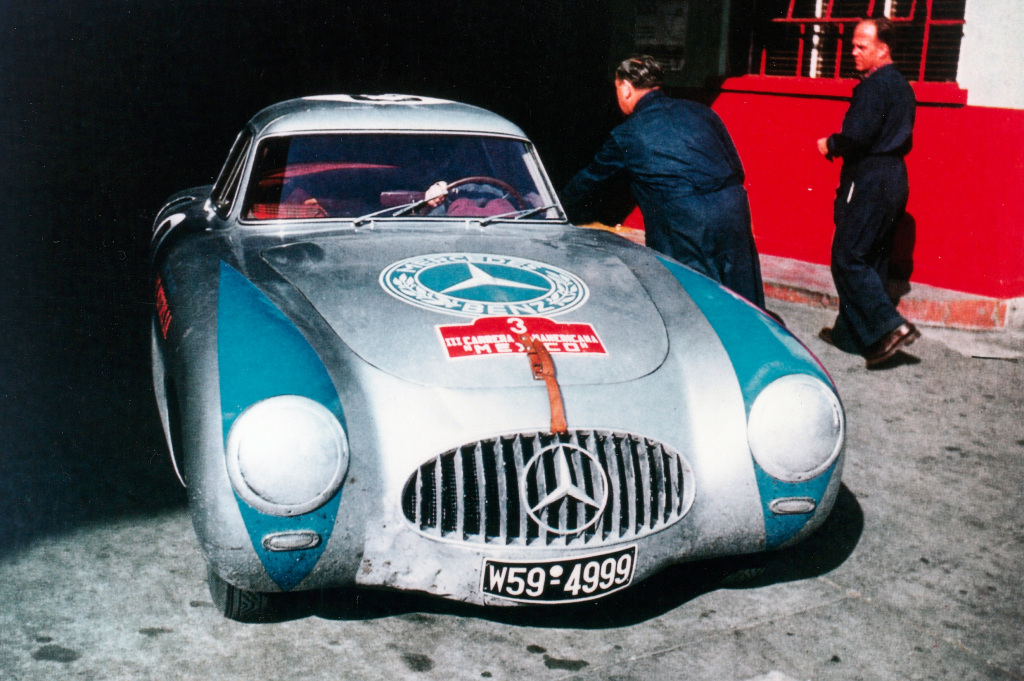
The car which won the 1952 Carrera Panamericana Mexico, a 3,100-km race through Mexico.
Multiple racing victories
The year 1952 was an extremely successful one for Mercedes-Benz racing cars with victories in various races in Europe. The last big adventure of the season was participation in the third Carrera Panamericana Mexico, a 3,100-km race through Mexico. Mercedes-Benz entered two coupes and two roadsters, all powered by engines with 180 bhp. At the end of the 5 days and 8 long stages, the team collected a legendary double victory for Mercedes-Benz.
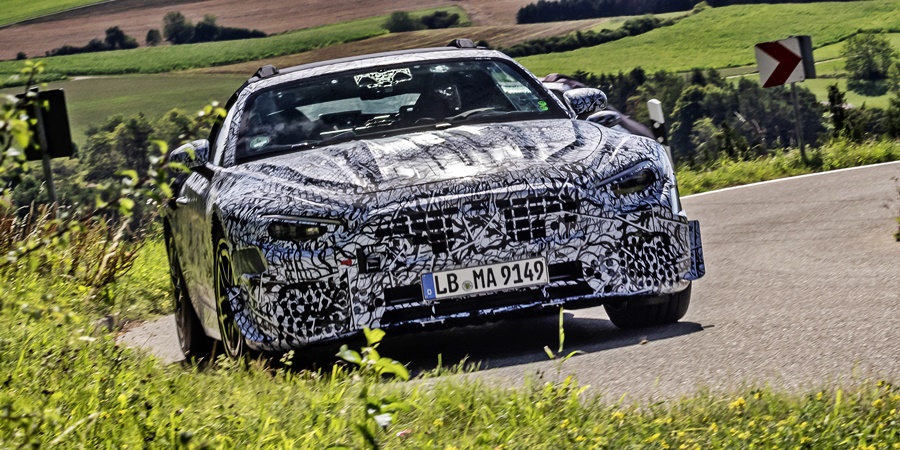
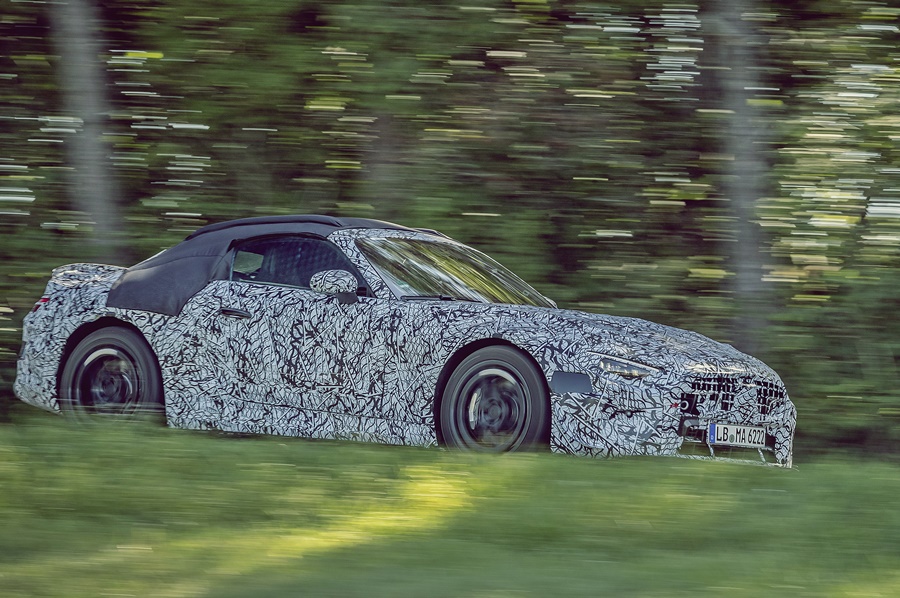
The next generation of the SL Roadster is going back to its roots, which lay in motorsport back in 1952. Mercedes-AMG, which has been developing the new model, is now conducting a scheduled phase of wide-ranging driving tests at the Group’s own test course as well as on public roads. It is expected to be launched during the second half of next year.
UPDATE (30/8/20): The price has been announced as starting from RM115,000.
With Malaysia being a righthand drive (RHD) market and this market segment having lower volumes than lefthand drive (LHD) markets globally, manufacturers tend to be reluctant to provide their full model range as the cost of developing and making RHD models may not be justified. This is the frustration that some companies, including Hyundai Sime-Darby Motors (HSDM), have faced over the years, more so in recent times.
You can book now
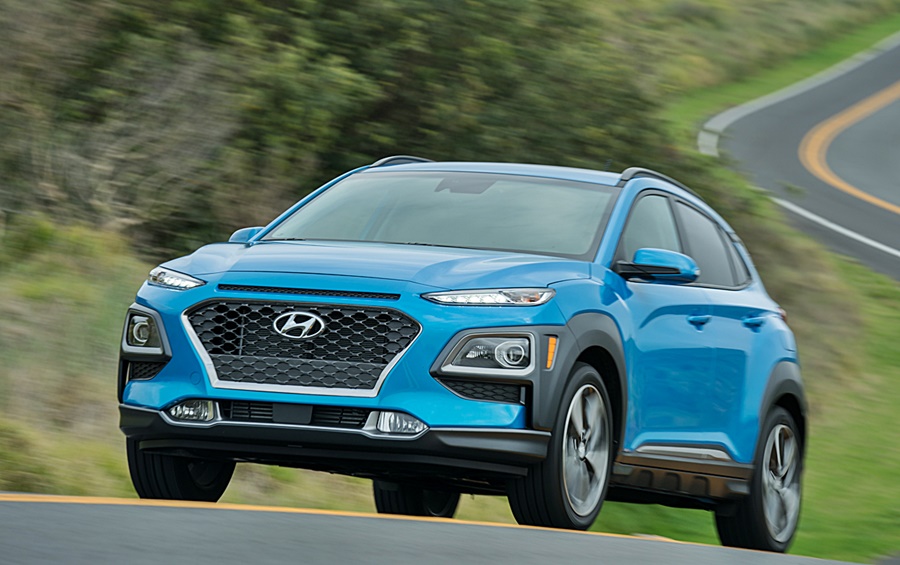
Nevertheless, HSDM will be getting the new Hyundai Kona, a compact SUV that has been making waves in other markets, with over 600,000 units sold worldwide since being launched in 2017. It will be available by the next quarter of this year and those who want to be early owners can place bookings at authorized Hyundai dealerships around the country.
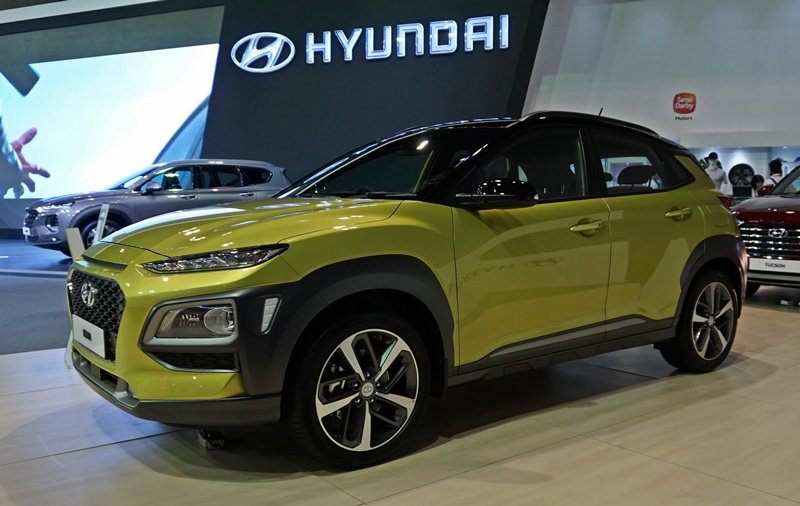
A Kona was among the Hyundai displays at the last KL International Motor Show.
The Kona will be imported from Korea as a Completely Built-Up (CBU) model from Korea so it will incur higher duties and it will also be given a sales tax exemption of 5% until the end of 2020. Pricing is not revealed other than that it will be ‘RM11X, XXX’ (on the website) but the booking fee is RM288 and you get an invitation to the launch event if you book early.
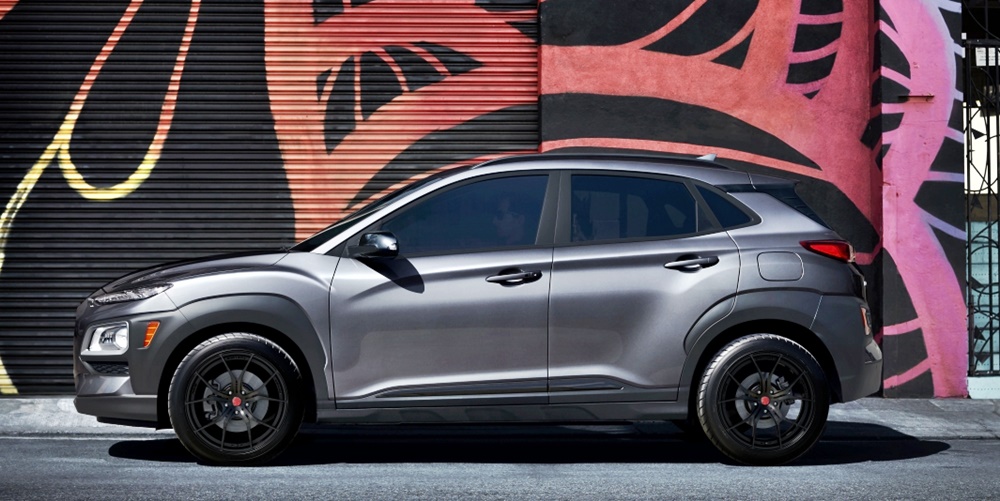
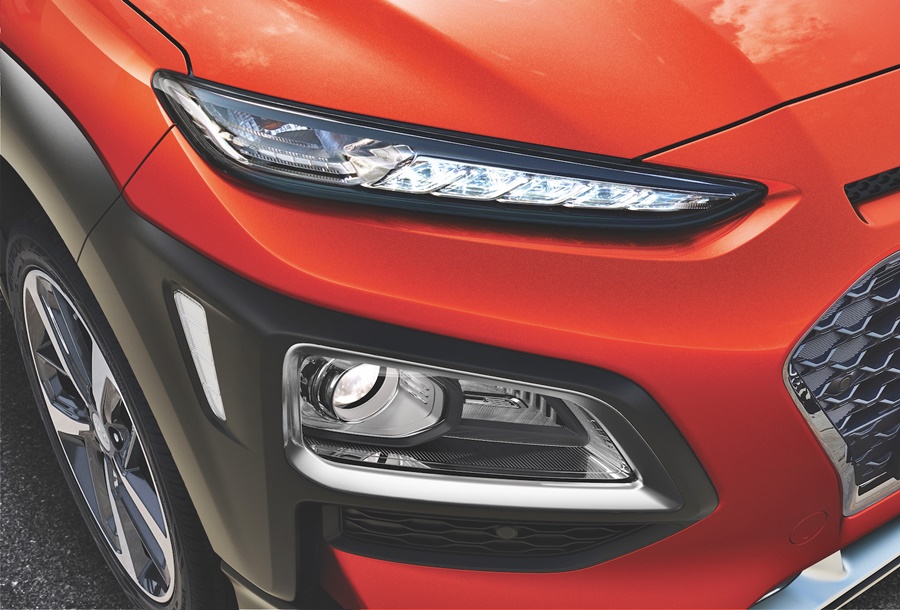
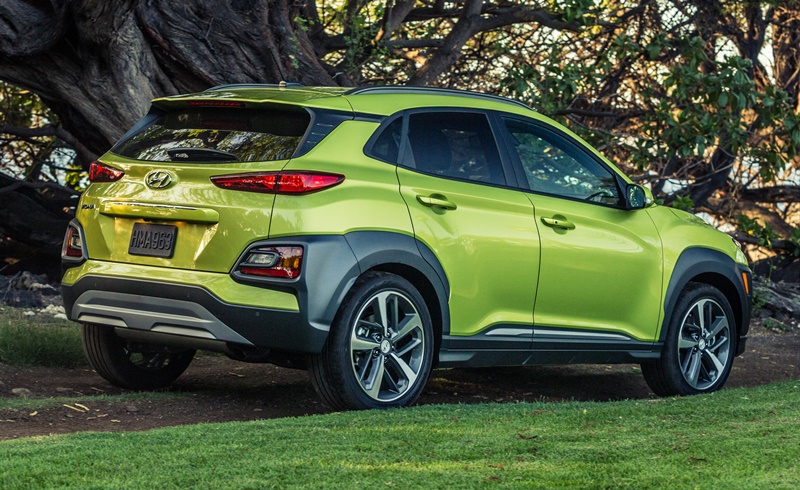
The Kona rides on an all-new platform and it is also HSDM’s first B-segment SUV. It incorporates the Korean carmaker’s new design language with an expressive and powerful front dominated by the cascading grille, a signature feature. Its ‘urban smart armour’ exterior styling feature a voluminous, aggressive body complemented by a low and wide stance which will look appropriate in urban as well as adventure-oriented environments.
1.6 or 2.0, or both?
The powertrain for the Malaysian model is not revealed yet although the 1-litre T-GDI engine is unlikely as companies (other than Perodua) face a challenge selling 1-litre cars to Malaysians. While there is a 2-litre unit, HSDM might not choose this as it will bump up the price so our best guess would be the 1.6-litre engine which is already used in other Hyundai models sold locally. However, the company is known to have different engines for different variants and might also do so for the Kona.
The Kona is available with either front-wheel drive or all-wheel drive but to keep the price attractive, HSDM is likely to opt for the FWD variant.
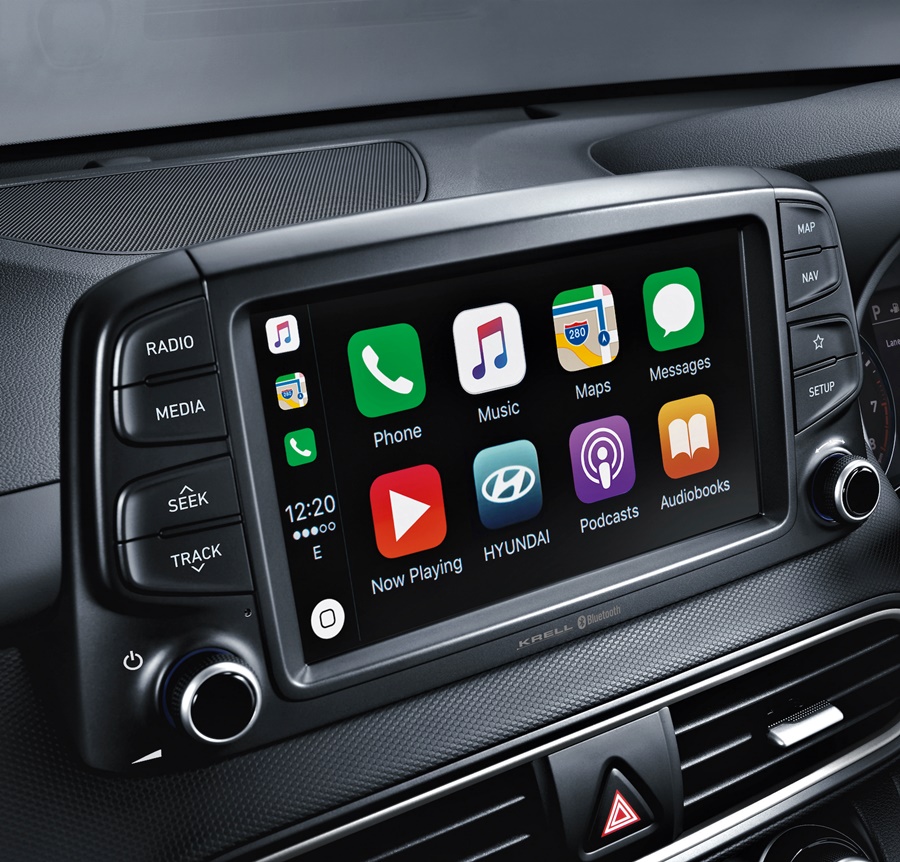
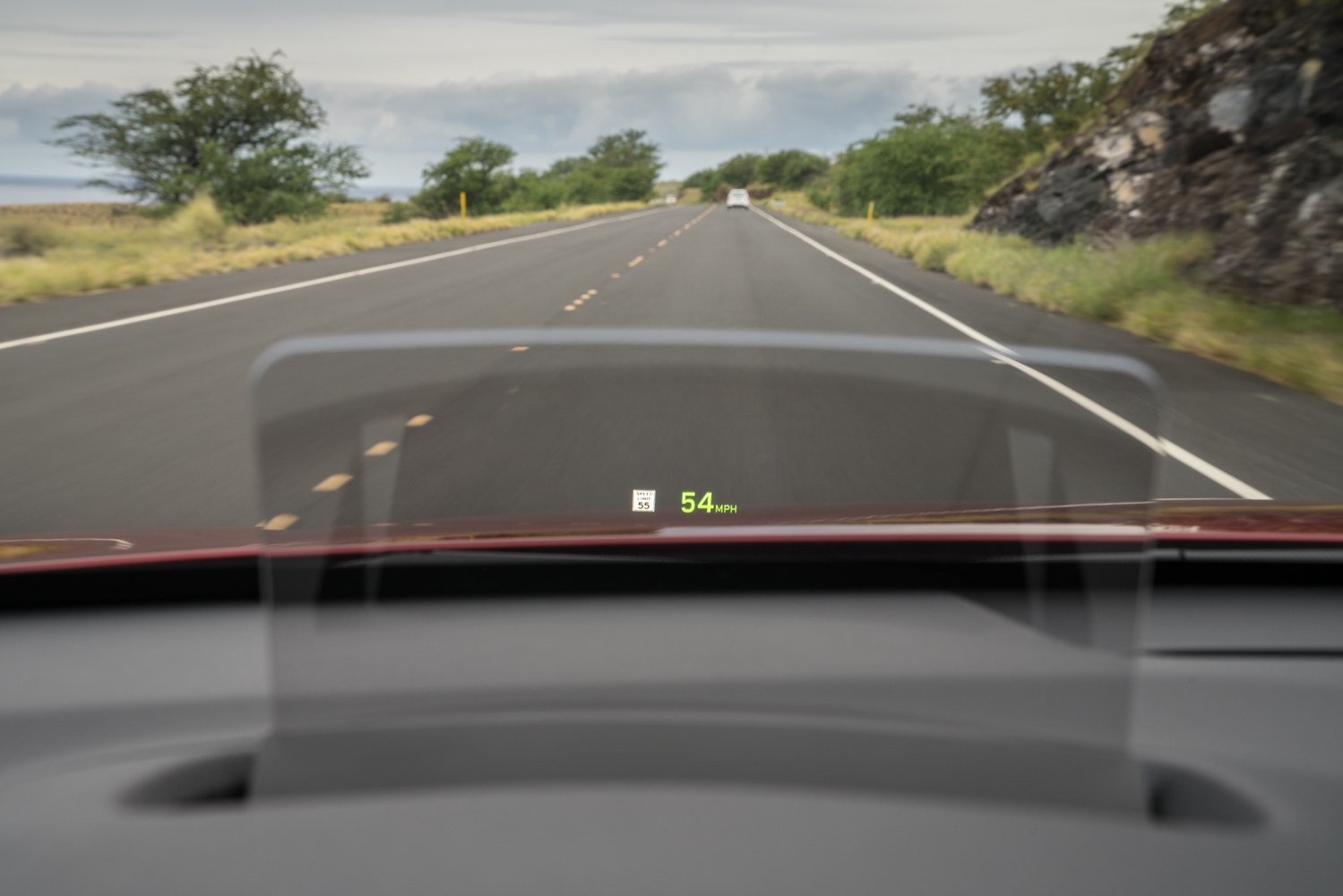
HSDM has, however, given an indication of the equipment list which looks pretty good. LED headlights and Daytime Running Lights will be standard and there will be a 7-inch infotainment touchscreen with Apple CarPlay/Android Auto capability. A wireless charging pad will be provided for compatible mobilephones and Hyundai’s Smart Sense driver assistance system will be complemented by a Head-up Display (using a lower-cost active pop-up display screen).
“We are excited about the launch of the Kona as it’s an entirely new product for us in this segment and we are reassured of a good response for the Kona. The Compact SUV is in great demand not only in Malaysia but globally as well,” said Low Yuan Lung, Managing Director of HSDM. “The SUV and Compact SUV market is growing exponentially so we see a great market potential for all our SUVs, which include the 7-seater Santa Fe, and 5-seater Tucson as well as this upcoming new model – Kona which is targeted at the younger generation.”