Piston.my

Latest News

The vehicle dashboard – that area below the windscreen at the front of the cabin – began with one side being dedicated to the driver (and associated with the ‘cockpit’ of an aircraft) and the other for the front passenger. It was generally like that for decades, the surface of the dashboard punctuated by various controls, switches and other ornamental decorations.

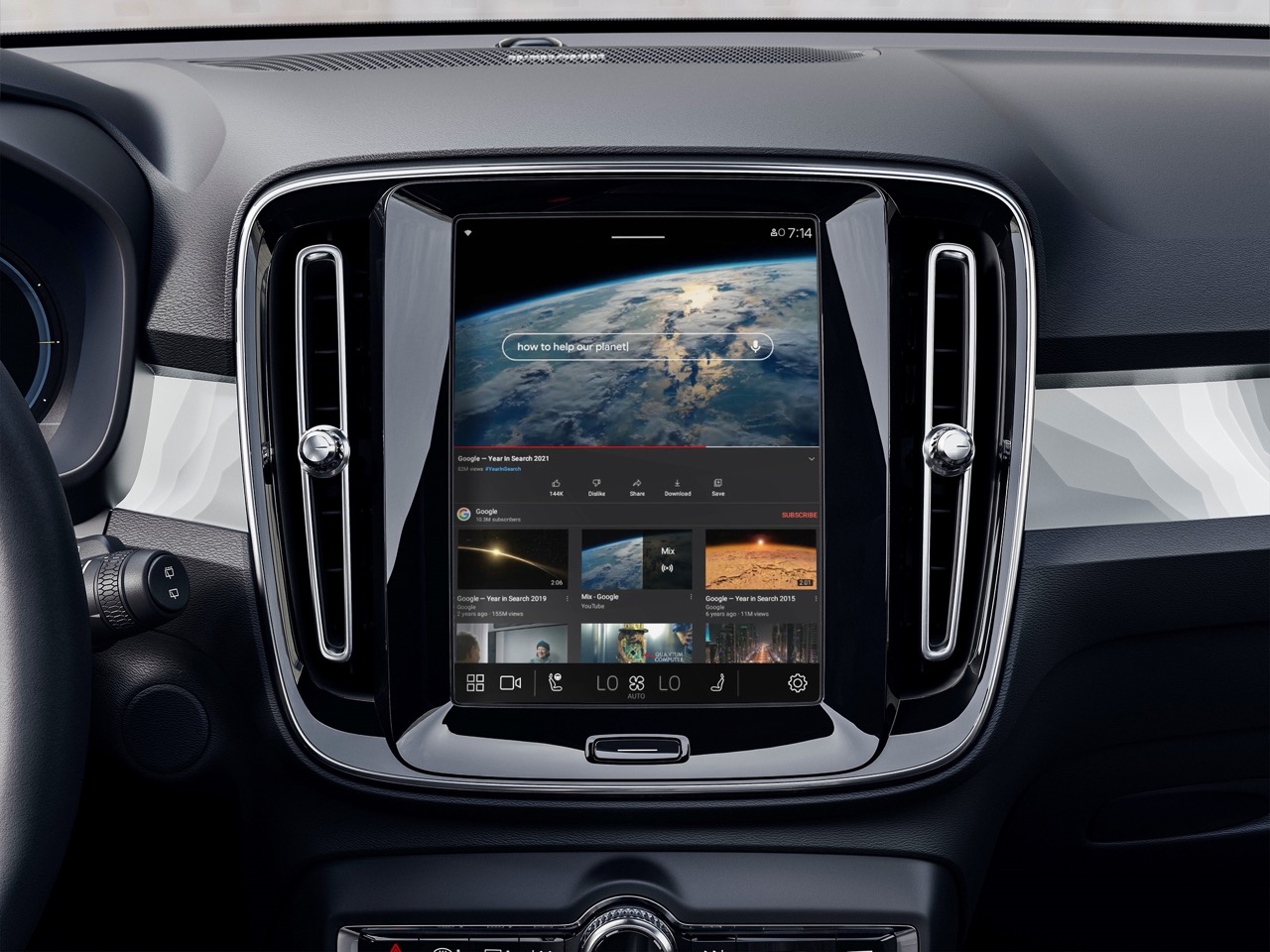
As more electronic systems were installed and more information could be presented on displays, the cockpit area widened. Then came infotainment, when more than just a radio or CD-player provided entertainment; as connectivity grew, the dashboard came the be used to house various systems which even passengers used and even wider displays appeared.

From pillar to pillar
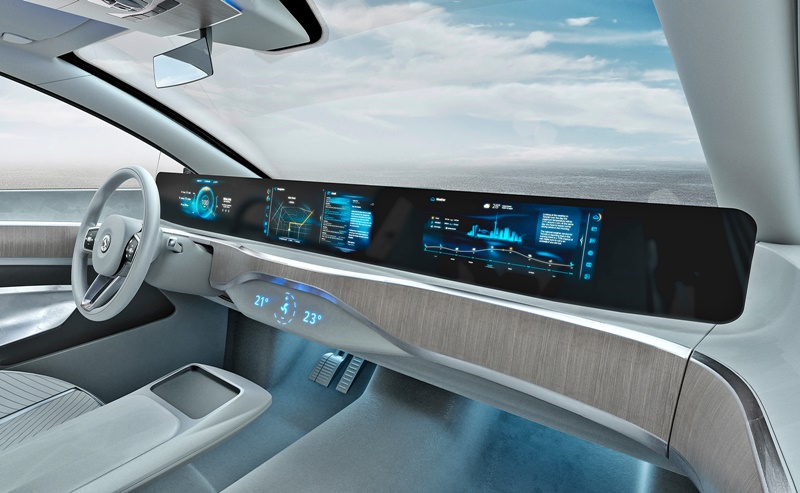
Now, as we have seen with some of the latest Mercedes-Benz models, huge displays extend the full width of the dashboard to provide all kinds of information for the driver and other occupants. Fifty years ago, such an idea may have been seen only in concept cars but are now becoming a reality in production models the public can buy.
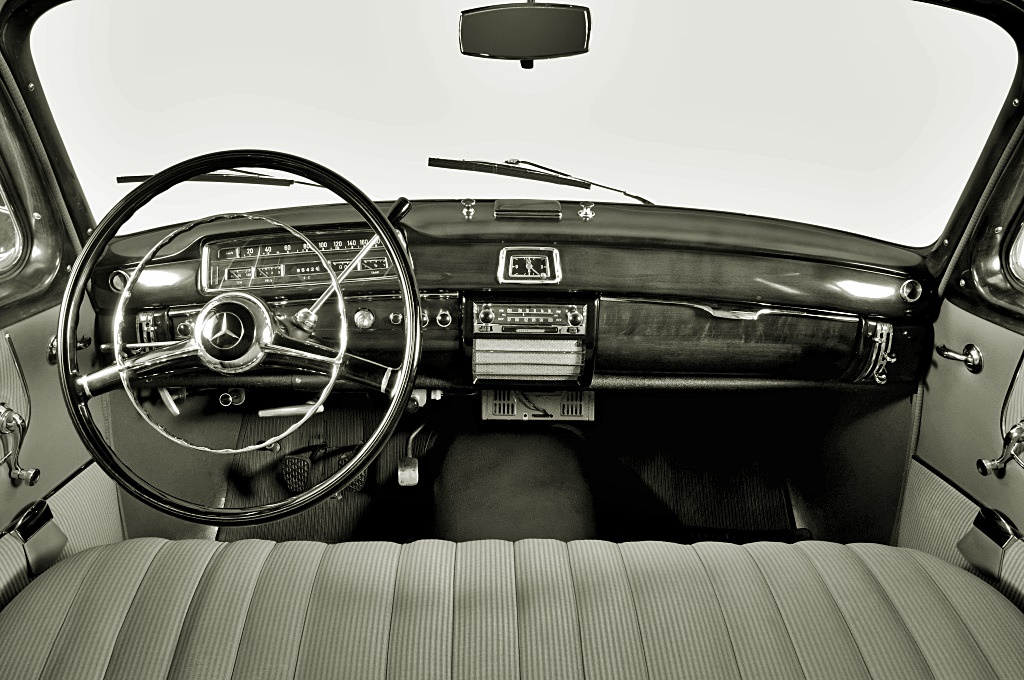
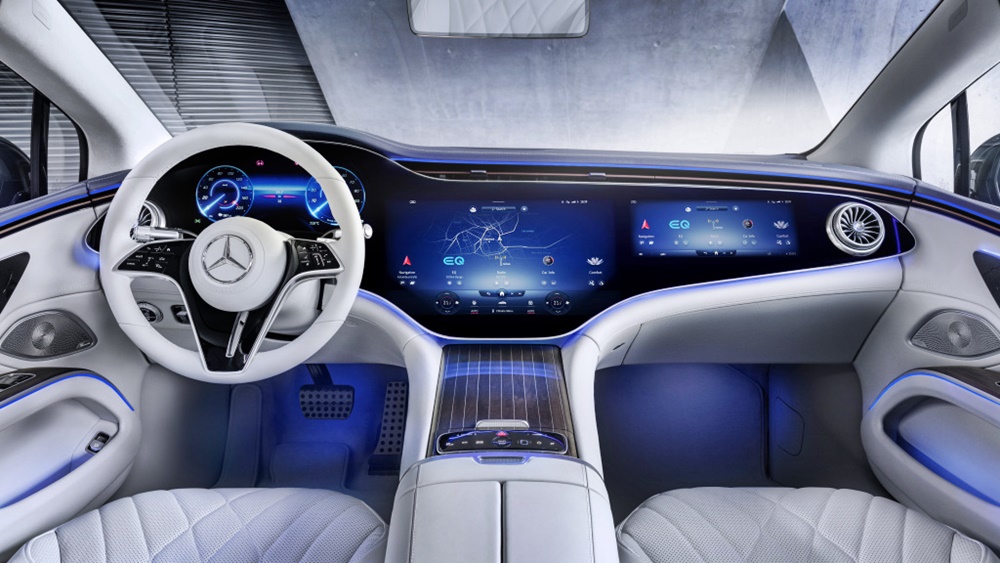
Dashboard of a Mercedes-Benz S-Class in the 1950s and dashboard in the latest Mercedes-EQ EQS (below).

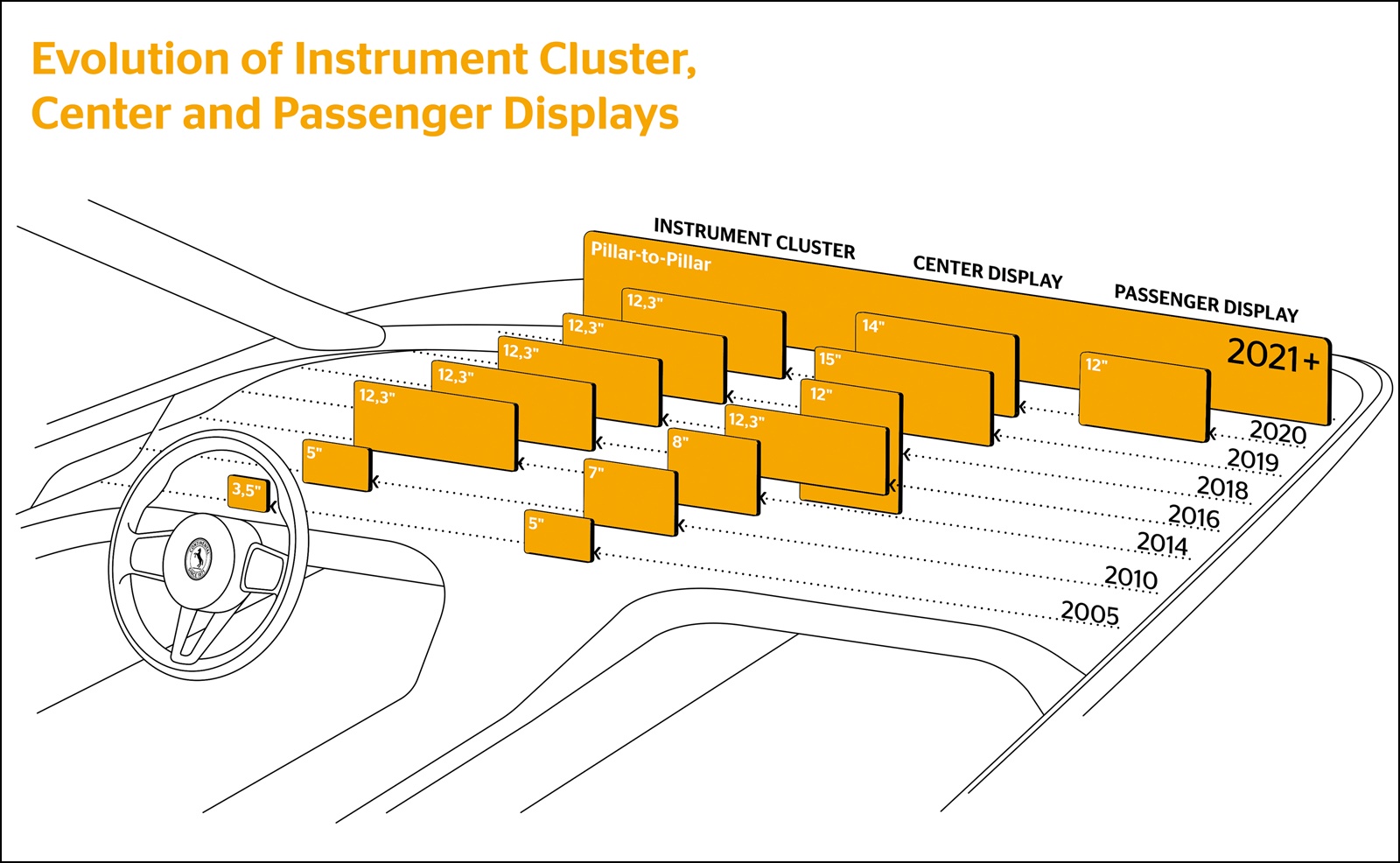
The concept won’t be limited to a few brands as Continental has developed a pillar-to-pillar display and it is available to any carmaker. In fact, one global vehicle manufacturer has already placed a major order with Continental and will have the super-wide display in a production model in 2024.

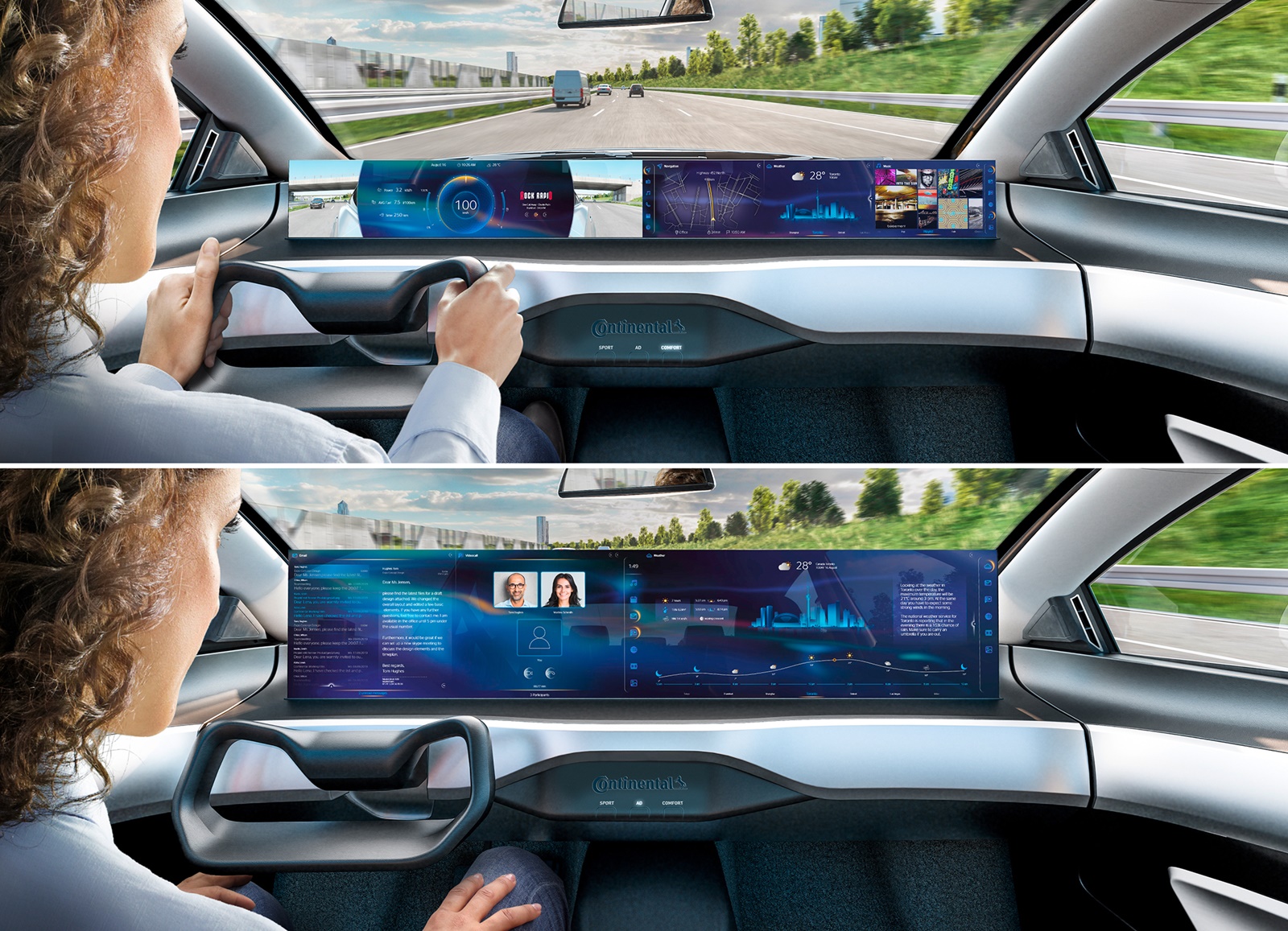
Continental’s display that extends across the entire width of the dashboard is an integrated display solution from one roof pillar to the other at the front, providing space for a growing number of vehicle functions, digital services, as well as communication and infotainment applications. The solution makes the display the central visual interface between the driver, front passenger and digital driving experience.

Milestone in evolution of the car
Its launch in a high-volume production model marks another milestone in the evolution of the car into a smart device as part of the internet of things (IoT). Whether it is navigation, warning signs, movies, news, social networks, office applications or booking apps to plan the route, the information will be shown and easily viewed. Continental adds that the content will be ‘fully immersive and offers drivers and passengers a completely new user experience’.
“A driving experience that is digital and safe is becoming the most distinctive feature of modern cars. The size of the displays and their intuitive operation play a central role here. In short, what used to be horsepower is now screen diagonals and user experience,” said Dr. Frank Rabe, Head of the Human Machine Interface business unit at Continental.

“With the user experience, we already create value today. Each year, we supply a total of around 120 million products for human-machine interaction, equipping one in four cars worldwide. With the increasing significance of automated driving, the way in which we spend our time in cars is becoming even more important. As a result, there is also a growing need for solutions and services for the in-vehicle user experience.”

From pointer instruments to digital displays
Speedometer, tachometer, fuel consumption gauge – the time of the classic instrument panel is over. In view of the multitude of new vehicle functions and digital services that are pushing into cars with increasing connectivity, traditional pointer instruments and centre consoles are now too rigid and inflexible. The switch to vehicles with electric powertrains also changes some of the running information that has to be shown.

An exclusive focus on the driver is also no longer appropriate for the wide range of communication and infotainment services now available for vehicle occupants. Therefore, displays have been getting bigger and bigger for years. This also poses design challenges which, over time, have resulted in different shapes: from flat displays to curved displays that fit seamlessly into the cockpit, into V, C, L or S-shaped displays, accommodating both the driver and the front passenger, so that they can be reached with minimum effort.
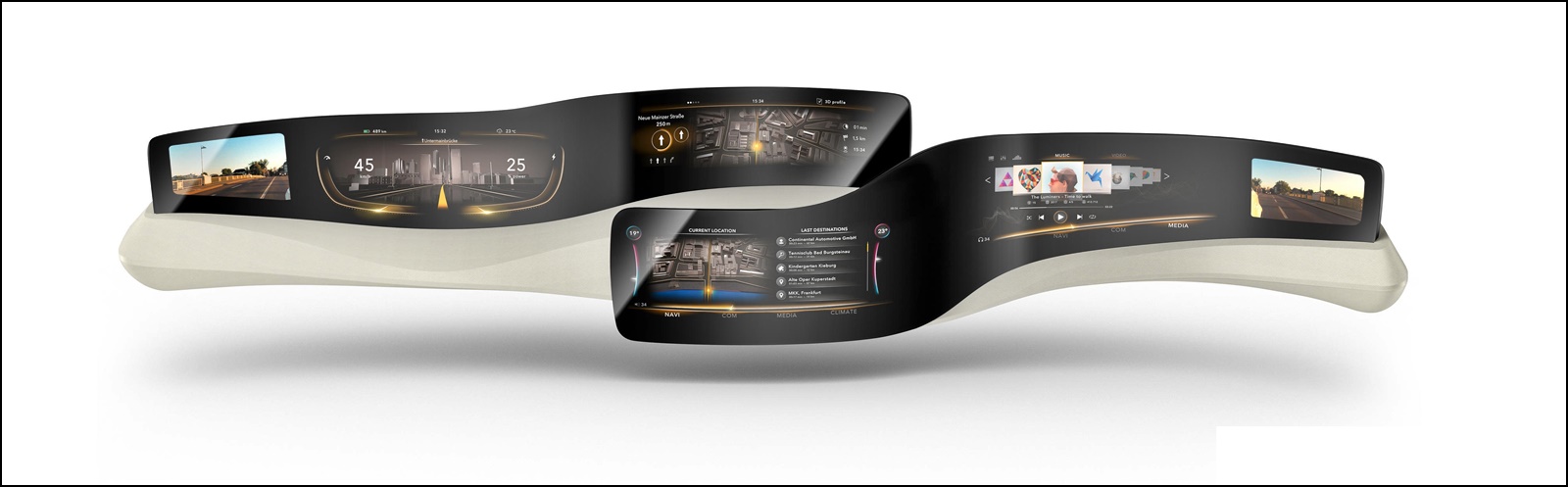
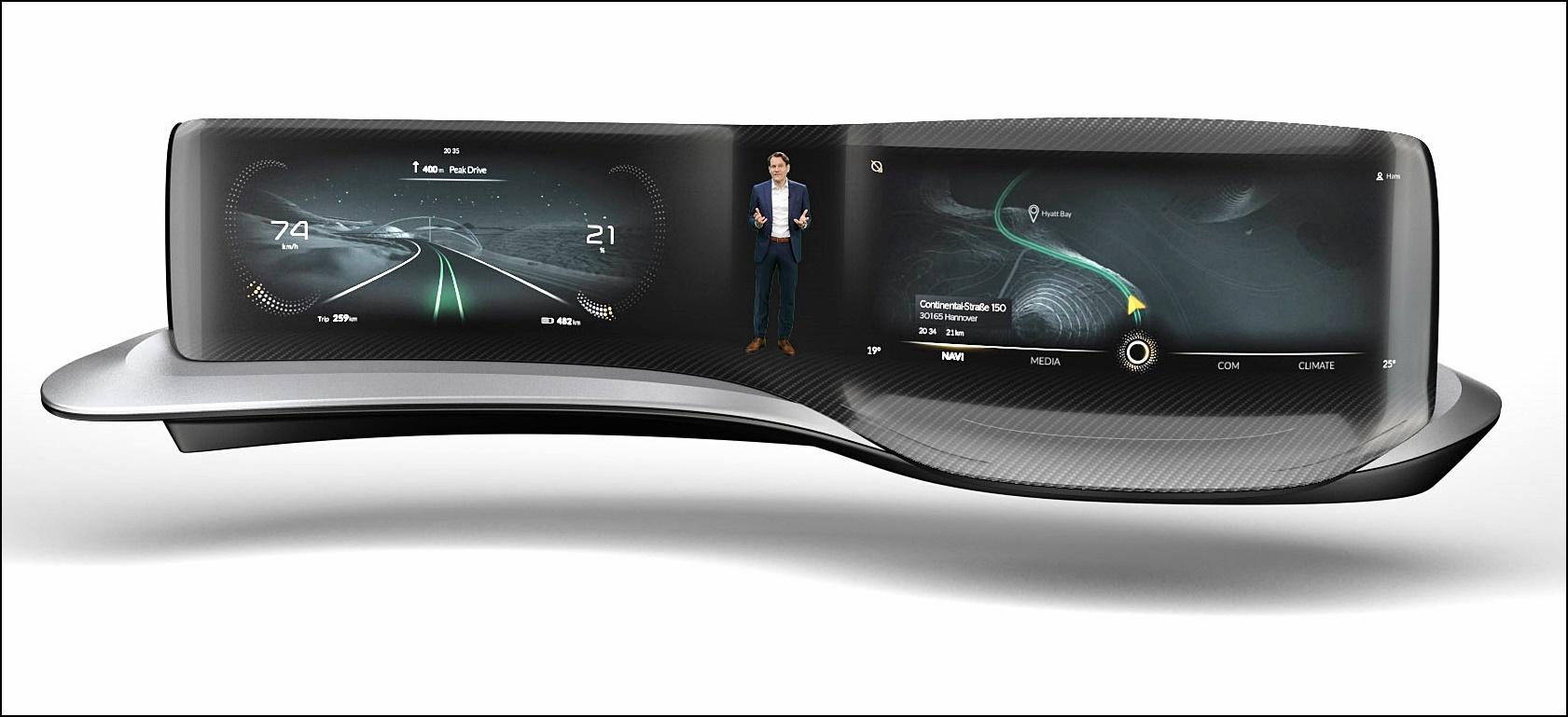
As the size increases, several displays are connected under one surface to form a single unit. Creating invisible transitions is not the only crucial aspect here. Sensors and cameras that record driver behaviour can be seamlessly integrated. Convex and concave shapes are also increasingly being used so that the user can perceive the operating elements intuitively.

Transforming vehicle electronics architecture
Whether it is 3D without special glasses or pillar-to-pillar displays, Continental has been a pioneer in this digital cockpit evolution. In addition to the further development of screen solutions, the company is also driving forward the transformation of the vehicle electronics architecture with concepts such as the high-performance computer for the cockpit. In view of the fact that a few high-performance computers will replace the previous large number of dedicated control units in the future, the pillar-to-pillar display is the next evolutionary step and an expression of the increasing convergence of the car to a mobile data centre.

Non-profit organisations (NGOs) carry out a lot of work which involves travelling to and in areas where the roads may be poor, or may not exist. Typically, they will bring various forms of aid, especially food for those who are victims of poverty or natural disasters. INSAF Malaysia is one such NGO which runs several programs to transport food items.

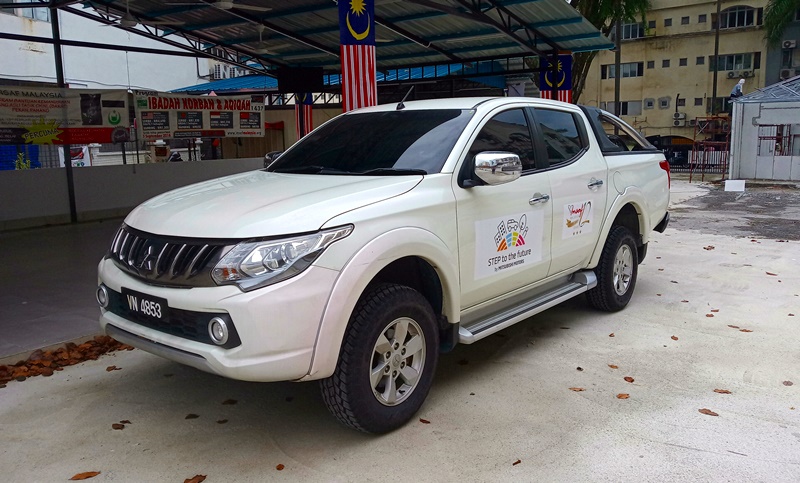
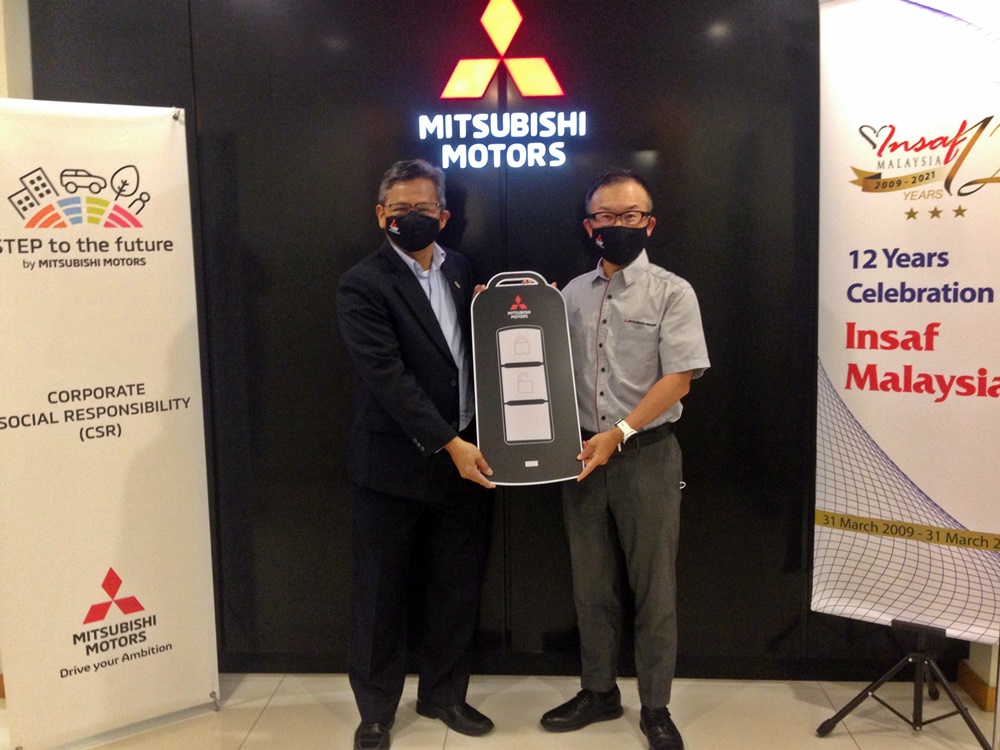
To help them with their mission, Mitsubishi Motors Malaysia recently contributed a Triton 4×4 pick-up truck to INSAF Malaysia. The pick-up truck, a popular model in the market, will be useful for the distribution of food bank, lunch box and rice bags to orphanages and welfare homes, as well as ‘Meals on Wheels’ where food is distributed to old folks who have been abandoned or live alone. The NGO also builds shelter homes for those hit by natural disasters and urgently need a roof above their heads.

Promoting sustainable economy, society and environment
“Our CSR vision for this year is ‘Inspiring Lives Today for a Greater Future’. While our missions are to implement CSR activities that provides aid to support underprivileged children, and to collaborate with NGOs in promoting a sustainable economy, society and environment. So when we found out that INSAF Malaysia’s humanitarian efforts is constantly striving for voluntarily action, we want to support their work by contributing a Triton pick-up truck in hopes that the NGO can go beyond the distance and to help more underprivileged families,” said Tomoyuki Shinnishi, CEO of Mitsubishi Motors Malaysia.

After receiving the Triton on behalf of INSAF Malaysia, its President and Founder, Ishak Bin Abdul Kadir, said: “We have been witnessing a dangerous trend from the number of people suffering from malnutrition and food insecurity, especially during this pandemic. Hunger is on the rise in Malaysia as we’ve seen lot of breadwinners lose their source of income which leads to the inability to put food on the table. We are doing all that we can to make sure children or families don’t go to bed hungry hence we are so glad to have companies like Mitsubishi Motors reach out to us to offer help. The contribution of the Triton pick-up truck is timely, practical and very much appreciated.”

Popular pick-up truck
The Triton provided is one of the six variants available, all imported from Thailand in CBU (completely built-up form). The model has been among the popular pick-up trucks in the Malaysian market for many years. Early last month, the Athlete version was introduced which takes over from the Adventure X as the flagship of the range. In Peninsular Malaysia, prices start from RM100,200 for the variants with 4×4 and RM79,890 with 4×2.

Visit www.mitsubishi-motors.com.my to know more about the Triton, and the locations of authorised dealerships.

Mitsubishi Triton Athlete takes over as flagship of range from Adventure X

StayAtHome

Visit www.bhpetrol.com.my for more information.

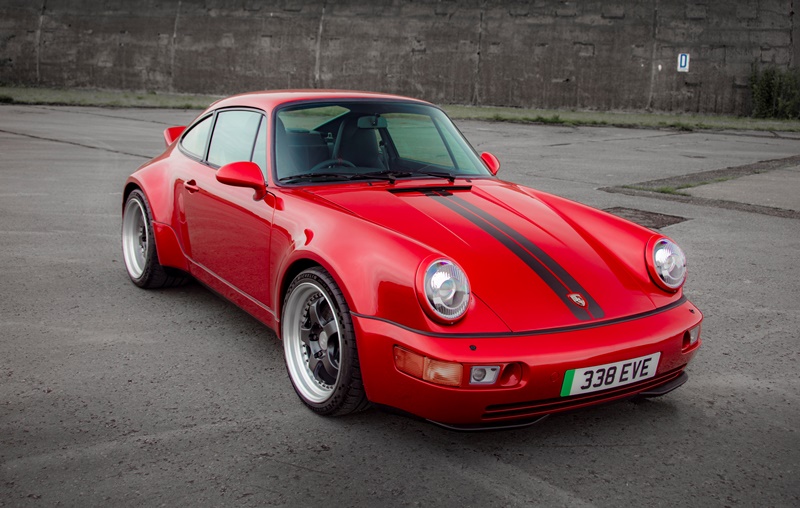
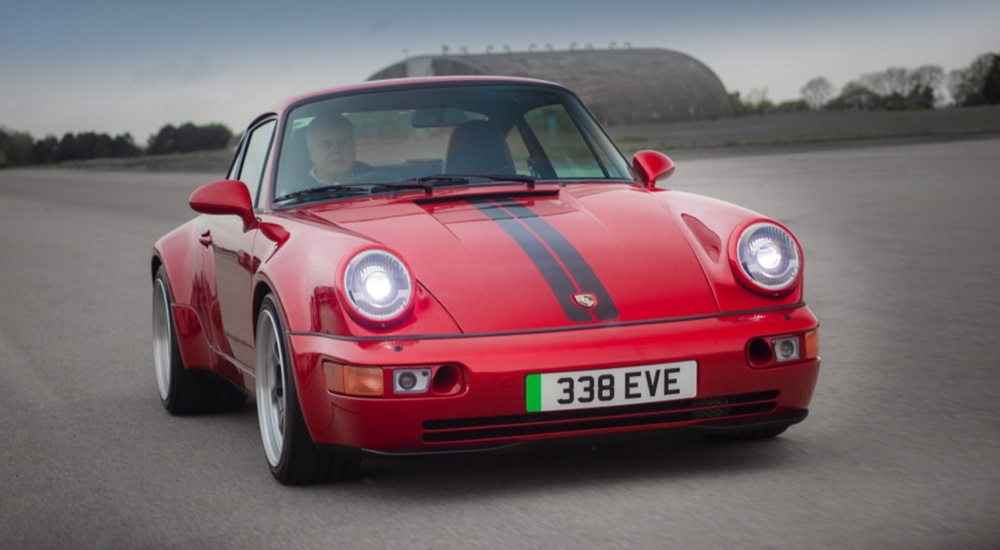
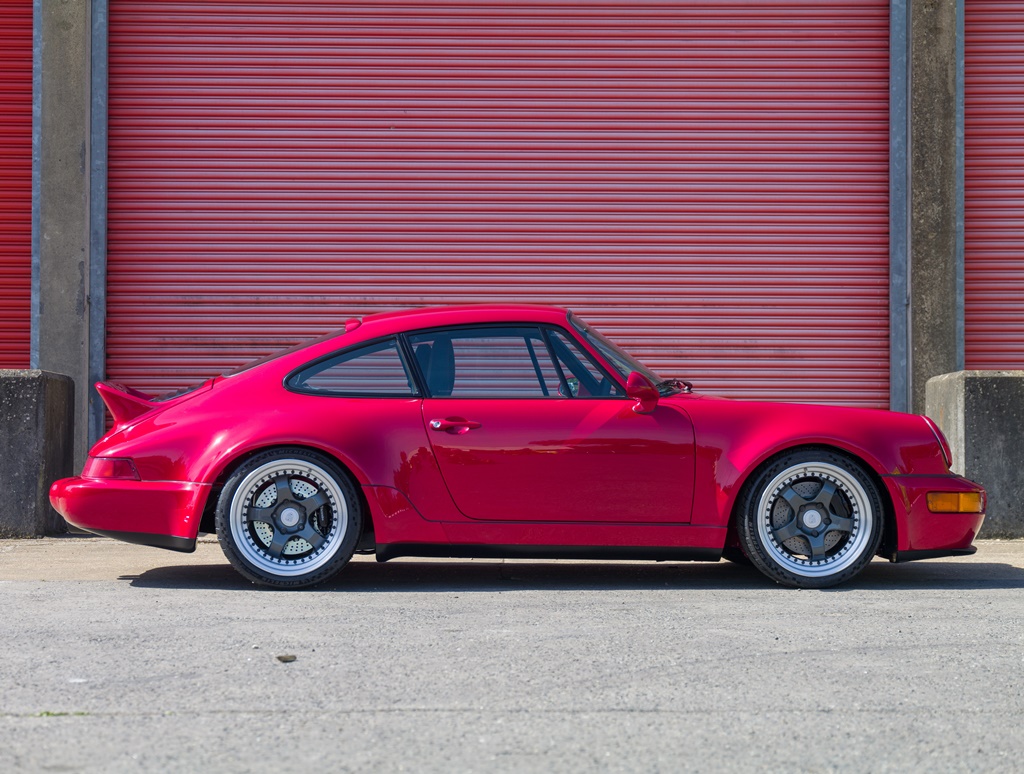
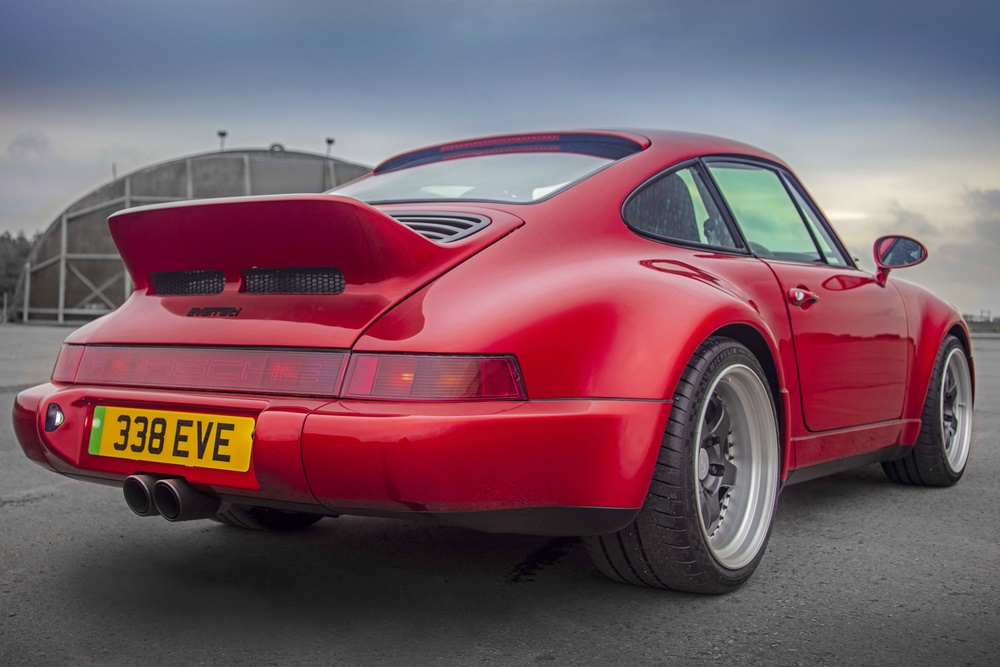
Everrati Automotive Limited, a British company specialising in converting iconic cars to run with electric powertrains, has unveiled its new flagship, the 500-bhp Signature. It is developed from a fully restored 1991 Porsche 911 964 and has been given widebody treatment with carbonfibre elements.
The Signature joins other Everrati electrified models such as the Mercedes-Benz SL Pagoda (its first conversion in 2019), along with 911 (964) Coupe and Targa models, a 911 (964) Gulf Signature Edition, and a Land Rover Series IIA.

Everrati Signature Widebody (2021)

Carbonfibre parts, including roof
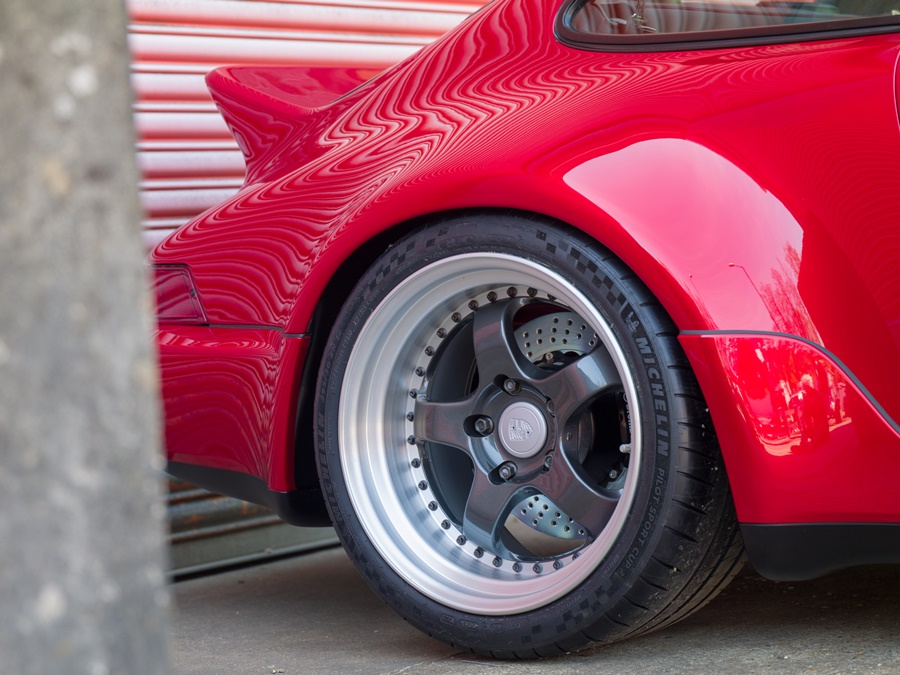
To create the wide body, Everrati replaced the steel front and rear wings and bonnet with custom produced carbonfibre parts. The same material is also used for the doors, although these are reinforced with high-strength steel to retain side impact protection.

A carbonfibre roof is offered, along with the choice of a steel item for customers who wish to retain a sunroof where fitted to their car. The front and rear bumpers are refitted with genuine Porsche widebody items, to which RS Cup air vents are added. Thanks to this high-tech and meticulous approach to weight saving, the Signature widebody weighs less than the original 911 (964) Coupe.
Everrati Signature Widebody (2021)

A key part of the meticulous, sympathetic restoration and re-engineering process is the integration of the car’s new, sustainable-focussed heart – the electric propulsion system. “We install a state-of-the-art EV powertrain, which has its power delivery optimised specifically for the Signature widebody and is coupled to a 53-kWh battery pack and battery management system,” explained Everrati Director of Engineering, Mike Kerr.
500 bhp and 500 Nm
Sending 500 bhp to the rear wheels, the Signature widebody has more than double the power output of an original 1990s Porsche 964. With 500 Nm available from almost standstill, the car can accelerate to 100 km/h in less than 4 seconds and depending on driving style, travel for 240+ kms on a full charge, it is claimed. Recharging the battery pack to full from 10% is said to be possible in less than an hour with a DC fast charger.

Everrati Signature Widebody (2021)

Everrati retains the car’s aluminium rear trailing suspension arms, refurbished to new, with all bushes and drop-links fully uprated. Customers are offered a choice of two suspension settings:  standard suspension with fully adjustable motorsport-grade coil-over spring/damper units, and a fully adjustable package with adaptive dampers that are fully programmable from within the cockpit via a touchscreen.

Brembo stopping power
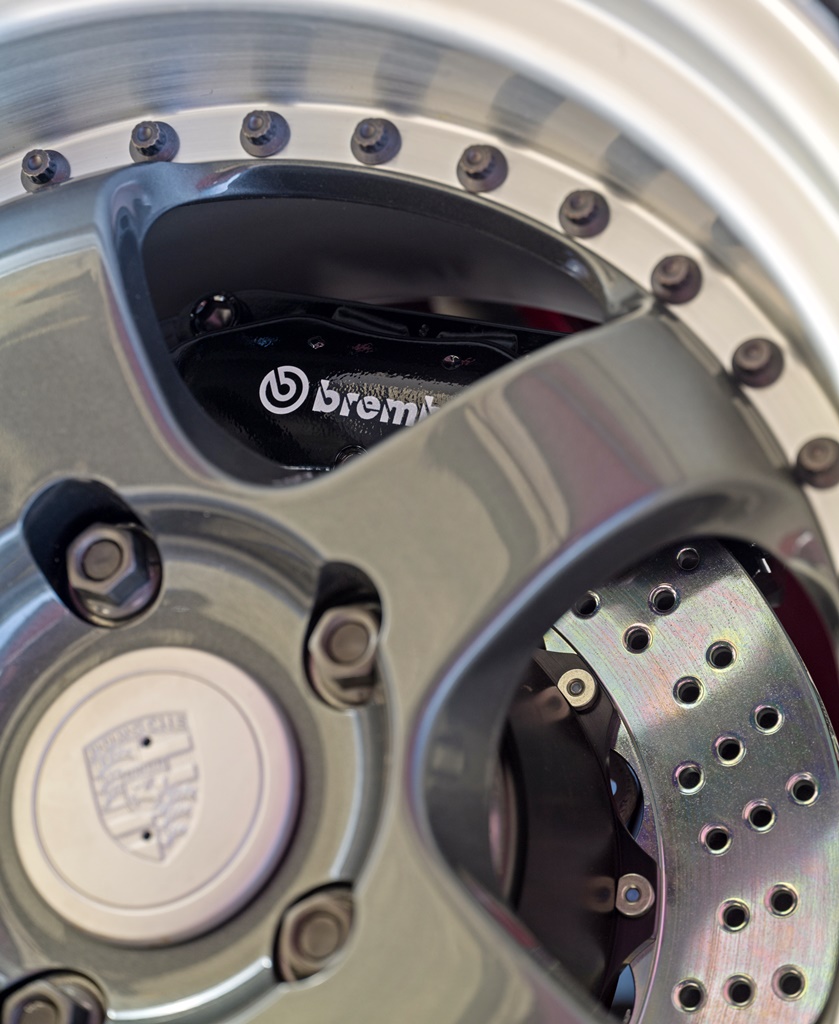
The EV powertrain provides regenerative braking when the driver lifts off the accelerator pedal, capturing energy that would be wasted. The driver can adjust the level of regenerative braking force available to enable one-pedal driving. The uprated mechanical braking system features fully renewed Brembo Porsche calipers with new drilled, ventilated discs all around. An optional, even more powerful braking system is available with larger Brembo calipers front and rear.

Everrati Signature Widebody (2021)

Customised and original
As for the interior, the cabin can be personalised to customers’ individual tastes in numerous ways, thanks to a wide range of optional materials and fittings. The original Porsche seats are fitted, which are significantly enhanced for comfort and replicate the look of the original RS Touring Seats, and optional Carbon RS seats provide an even more sporting ambience. The upholstery can be in leather, alcantara, or other materials and in a wide choice of colours and optional finishes and textures.

Everrati Signature Widebody (2021)

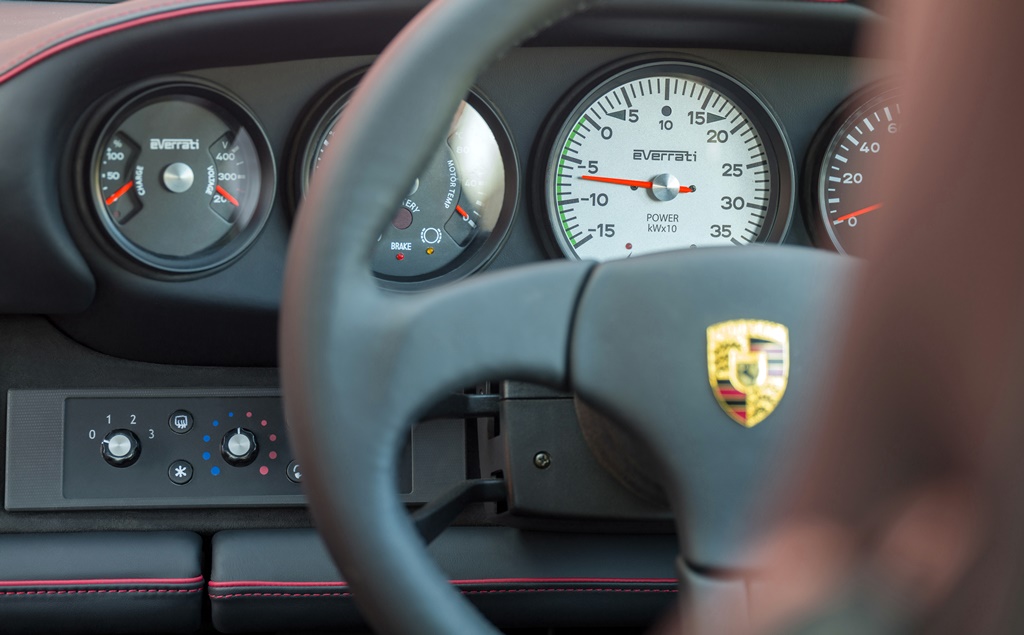
Customers can also have  custom-designed heating and air conditioning system and add a modern Porsche Classic Communications Management with full touchscreen navigation, DAB+, Bluetooth, and Apple Car Play. All of the car’s traditional gauges are replaced with Porsche-inspired EV gauges, and as with the internal combustion engine and transmission components, the original gauges can be retained for the customer on request.

Reversible engineering
“At Everrati, it is sacrosanct that all engineering is reversible, should current or future owners want to revert back to the car’s factory specification,” said Nick Williams, Everrati’s Founder and COO, who previously held senior roles with Daimler and the Volkswagen Group. “If customers wish, the car’s original internal combustion engine and transmission can be refurbished and placed in storage, or even incorporated into a piece of art, such as a glass gable or Perspex box. Whatever the customer can imagine, we will do our utmost to make it a reality.”

Everrati Signature Widebody (2021)

Over the coming months, the Signature widebody will continue to undergo its full development programme. For those who are interested in acquiring one, prices start at £250,000 (about RM1.47 million), based on a customer-supplied donor car.

Bringing modern connectivity to old Porsche models

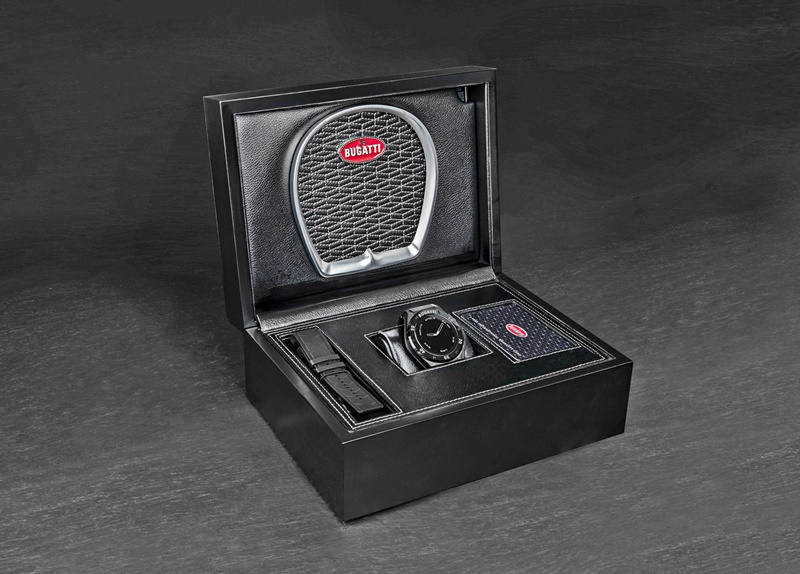
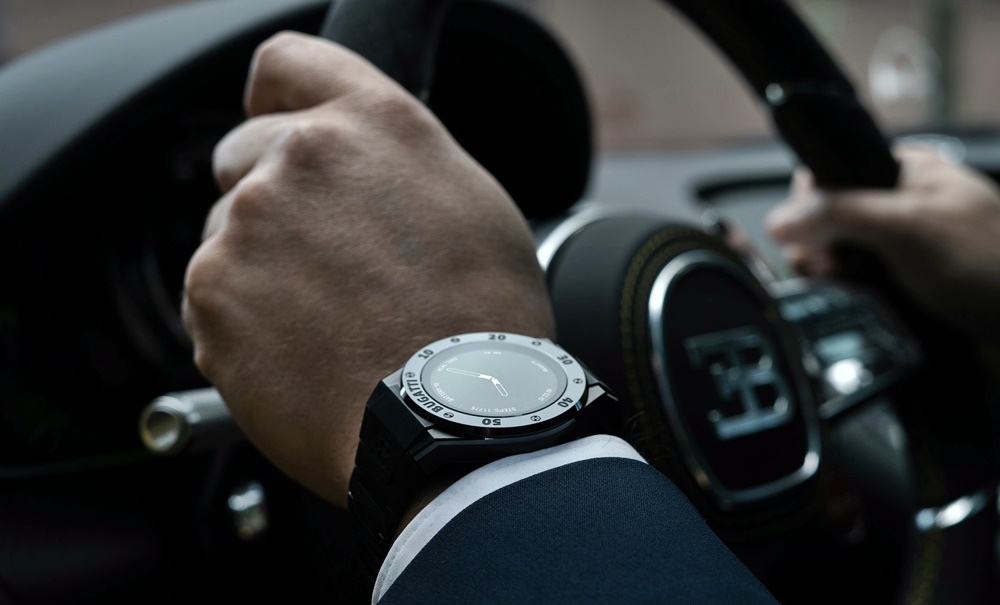
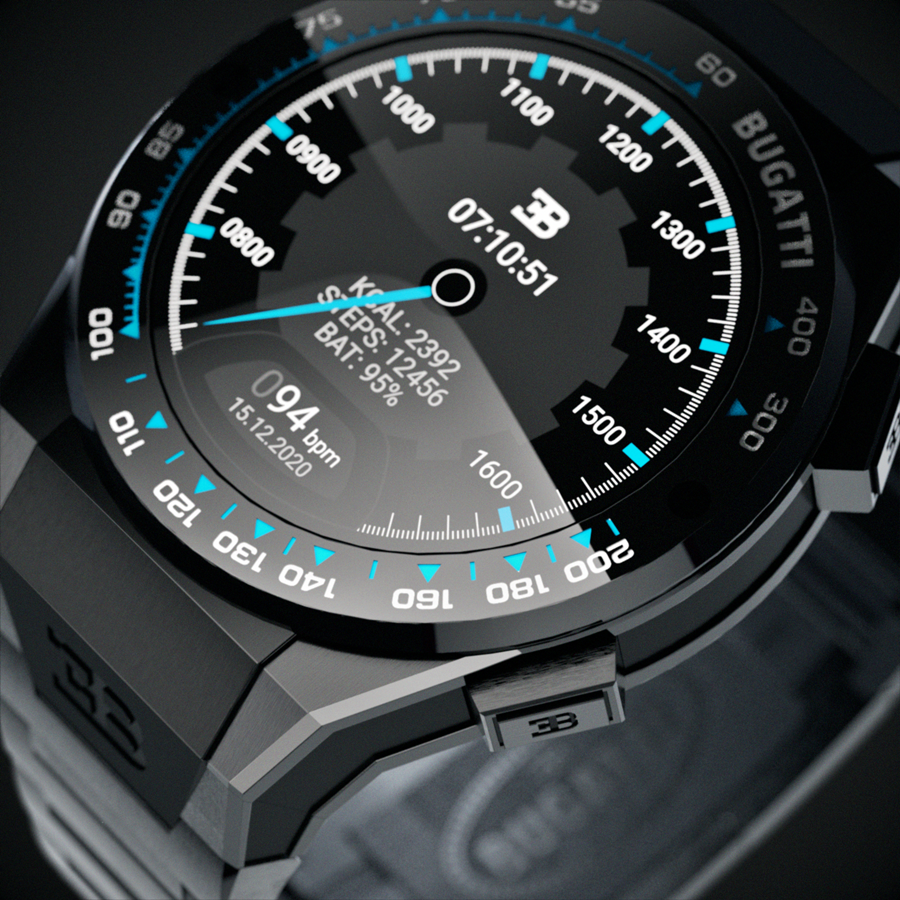
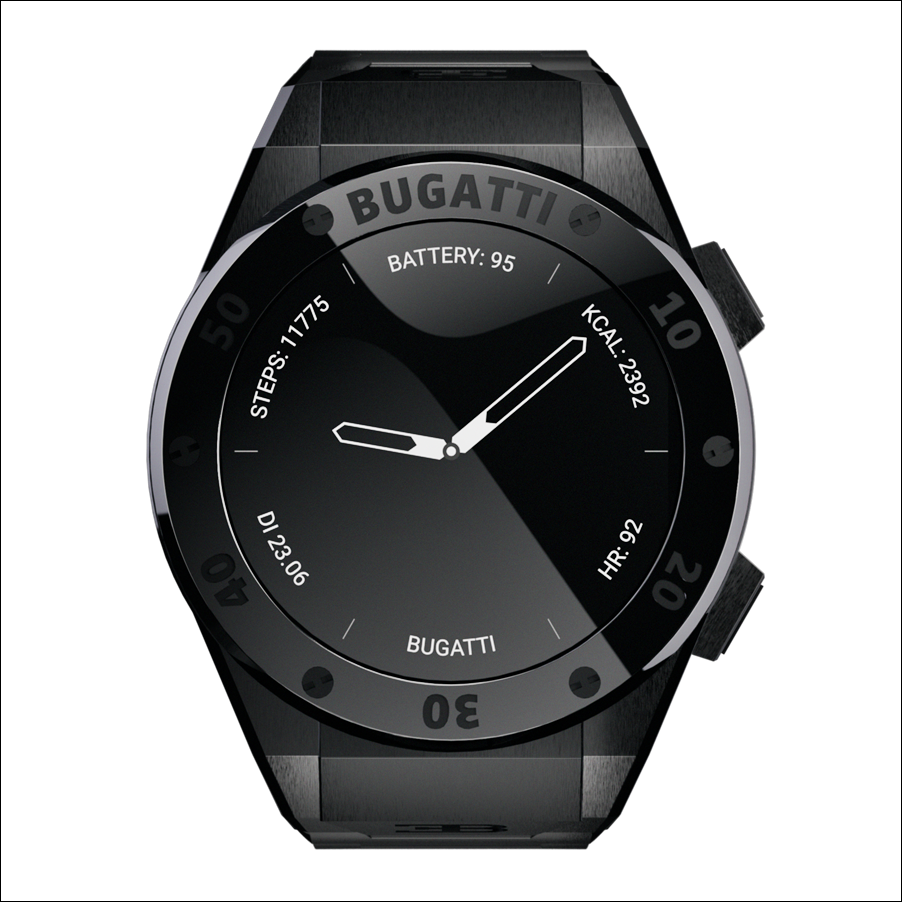
Even if you don’t own a Bugatti (and only a small number do), you can still own a smartwatch which matches their cars in technology, materials and design. Together with Austria’s VIITA Watches, a new range has been developed named in tribute to the French marque’s hypercars: the Bugatti Ceramique Edition One Pur Sport, Bugatti Ceramique Edition One Le Noire and Bugatti Ceramique Edition One Divo.

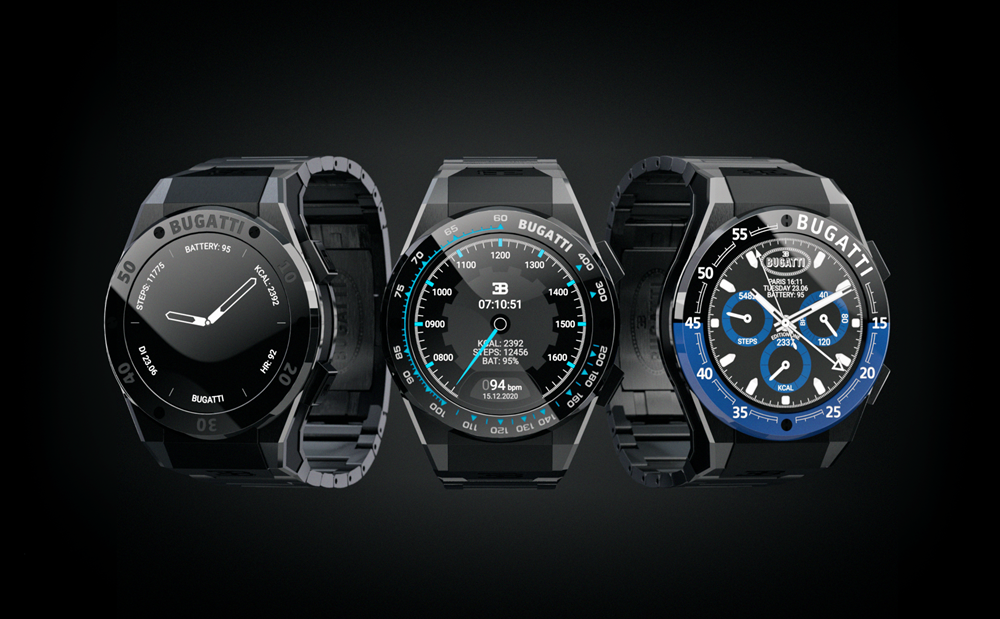
Each handmade smartwatch model offers an innumerable number of technical features, including 90 different sports, oxygen level in the blood, acceleration, and specifically for the Bugatti watch, a GPS tracking mode. To quickly adjust to new technologies and customer demands, VIITA has developed its own software.

Bugatti VIITA smartwatch

Bugatti VIITA smartwatch

Bugatti VIITA smartwatch

More than 1,000 parts
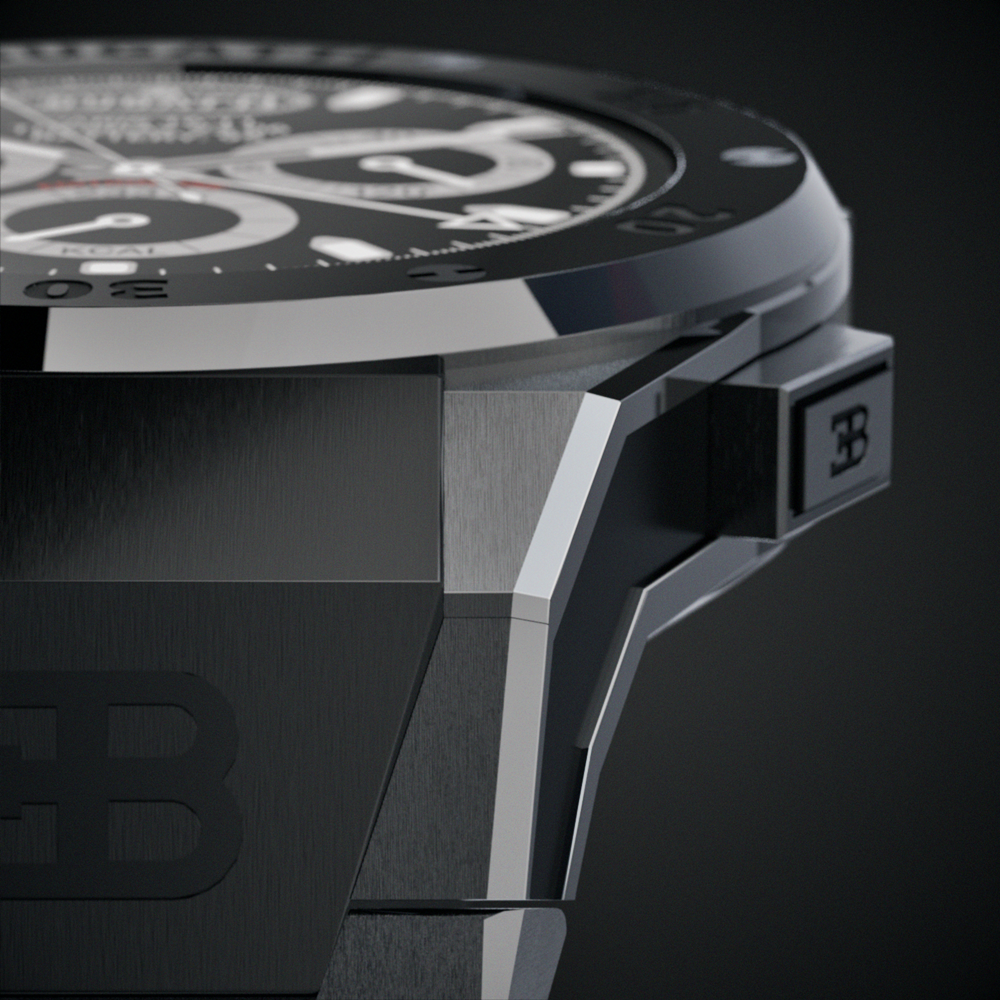
The team that developed the watches comprised watch experts as well as IT specialists who integrated more than 1,000 individual parts. Forming the backbone of every smartwatch is the high-strength and hypoallergenic cover, forged from lightweight titanium. The display is a high definition 390×390 pixel LED touchscreen with 16.7 million colours, within a scratch-resistant housing of sculpted sapphire glass.

The bezel – located at the most exposed point on a watch – is carefully sculpted and milled from scratch-resistant ceramic to the smallest of tolerances, made possible by an ultraprecise CNC process. The bezels for all three models are made of scratch-resistant ceramic, elaborately finished by hand in a production process lasting 20 days. With the special key supplied, the customer can replace a bezel within one minute.

Bugatti VIITA smartwatch

Bugatti VIITA smartwatch

All types of data
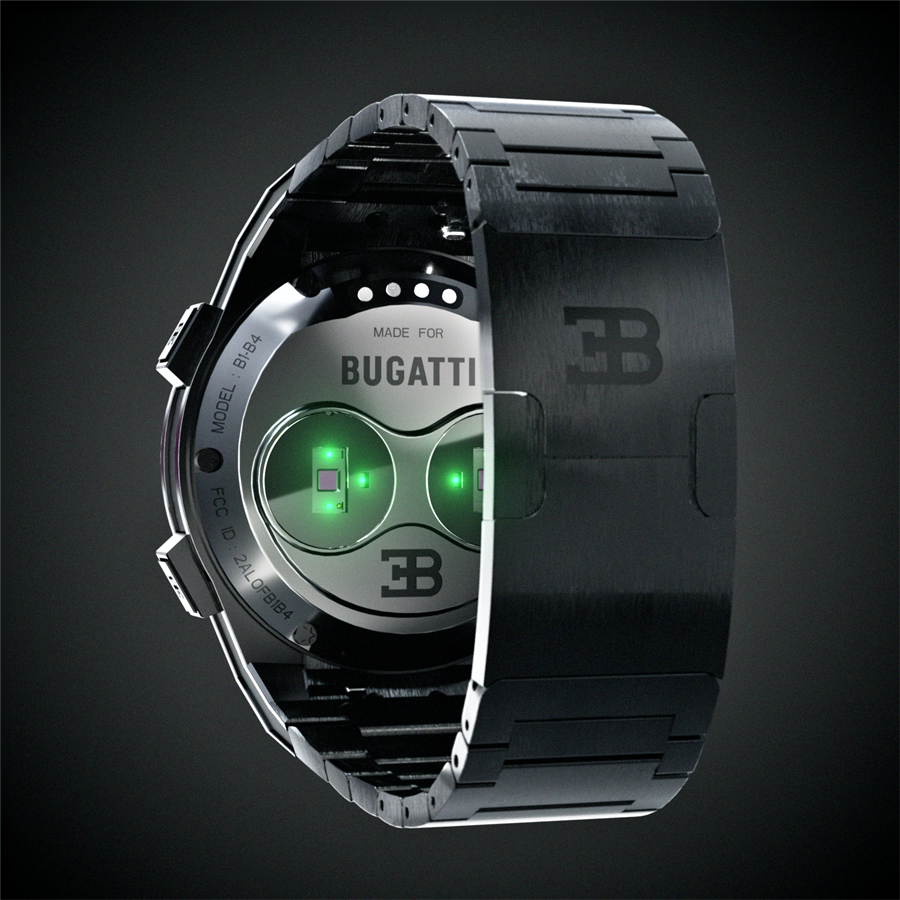
The watch measures and stores numerous types of electronic data, among them health data. A new dual-sensor measures both heart rate and heart rate variability to report individual health data. Cardiovascular recovery, training recommendations, biological age and stress level measurements are each generated and supported by VO2Max.

The GPS sensor has been especially developed for the watch and has an entirely new level of accuracy and resolution rate. Wearers taking it to the racetrack can have their lap times and acceleration values logged automatically by the GPS sensor. This feature is applied for the first time in the world in a smartwatch.

Battery life is claimed to be up to 14 days between charges, made possible by a custom-built 445mAh power cell. As a statement of the quality of the watch, a warranty of 5 years is given.

Bugatti VIITA smartwatch

There is the option of a tailored Bugatti rubber wrist strap or a bespoke titanium strap to complement the titanium theme of the case. It is also possible to customize the watches to reflect the owner’s personal style.

Priced from RM4,500
The watches will be available in the fourth quarter of this year and Bugatti is now accepting full prepaid pre-orders on Kickstarter. Depending on the model and spec, the cost would range from €899 to €999 (about RM4,500 – RM5,100).

A Bugatti engine on your wrist

StayAtHome

Fully autonomous cars are still many years away but the industry is slowly equipping some of the new models with the capability to operate autonomously, both to reduce driving fatigue as well as to improve motoring safety in general.

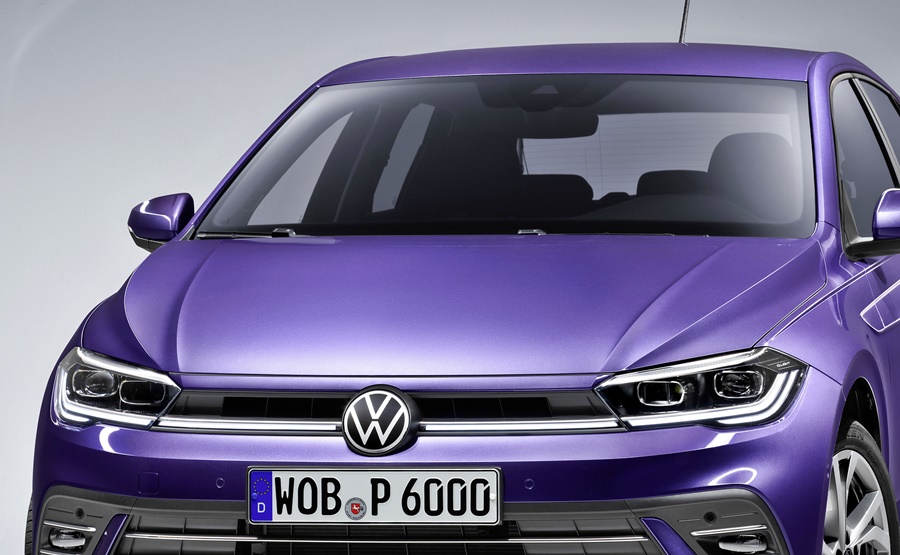
The upcoming Volkswagen Polo is one of the world’s first small cars that will be capable of partly automated driving. With the optional IQ.DRIVE Travel Assist, the hatchback will be able to steer, brake and accelerate automatically on request. This is made possible by. Volkswagen is consolidating its systems on the road to automated driving under the IQ.DRIVE umbrella brand.

2021 Volkswagen Polo

These technologies have up to now only been available in larger models such as the Golf, Tiguan, Passat, Arteon and Touareg. As a first in its class, the Polo now also permits partly automated driving across the entire speed range.

What is IQ.Drive Travel Assist?
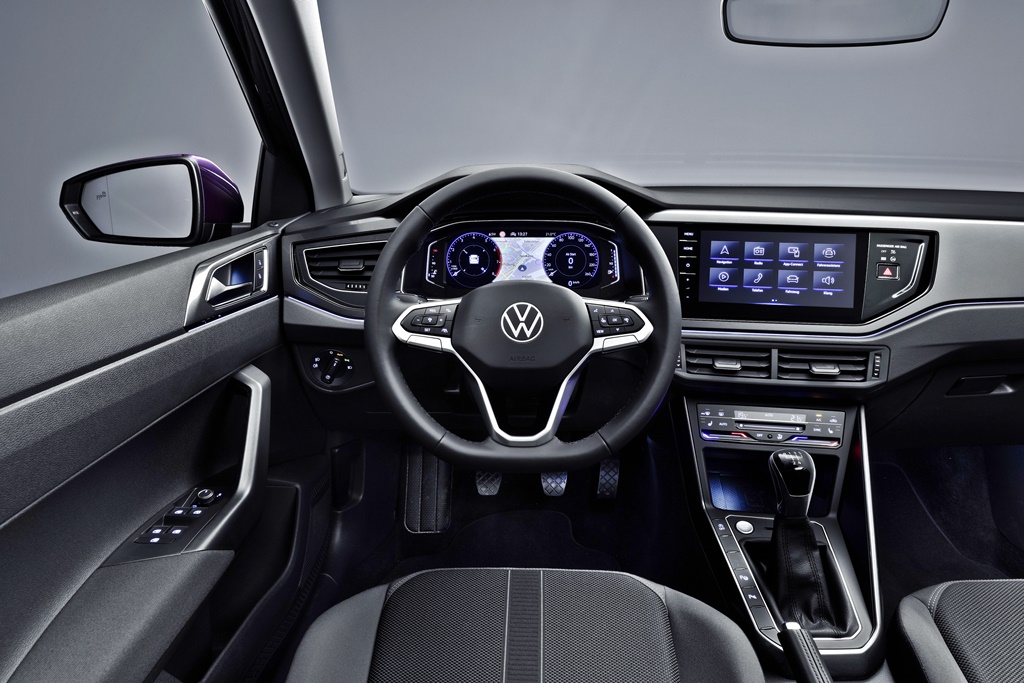
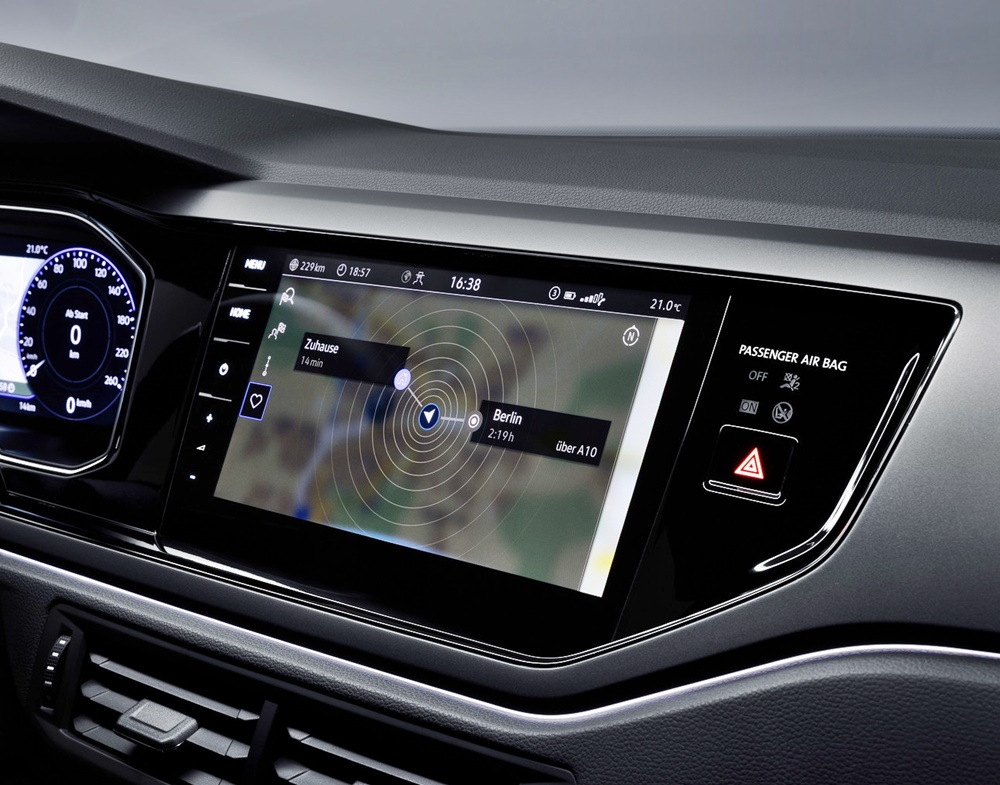
IQ.DRIVE Travel Assist is an extremely easy-to-use system, with operation not much different from current cars where activation can be done using buttons and switches on the steering wheel. In the case of the new Polo, the multifunction steering wheel has a separate button for the smart assist system.

2021 Volkswagen Polo

When activated, the car assumes partly automated lateral and longitudinal guidance. The system is based on the fusion of Adaptive Cruise Control (ACC) and adaptive lane guidance, combining for lateral and longitudinal guidance.

ACC is already common in many cars, maintaining a safe gap with any vehicle ahead even when a cruising speed has been set. The speed will be adjusted accordingly and the set speed will be resumed once there is no vehicle ahead, as monitored by a radar.

Additional autonomy
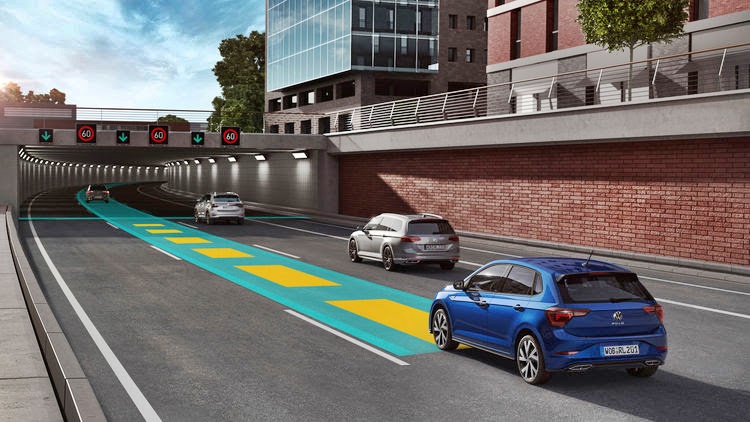
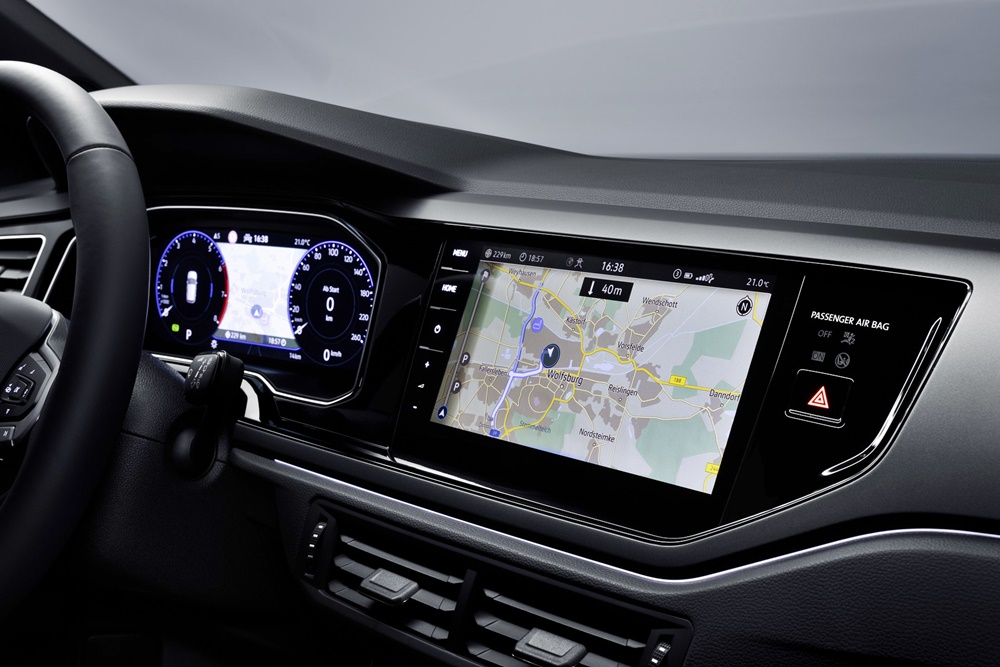
In the Polo, there is also a predictive – forward-looking – ACC system in combination with the navigation system and dual-clutch gearbox (DSG). Among other things, this will allow the vehicle to react to bends or town boundaries and reduce speed. Additionally, a camera-based Dynamic Road Sign Display helps the Polo computer to ‘know’ how fast it can travel legally.

The lane keeping system known as Lane Assist scans the area in front of the Polo using the same camera in the windscreen as the Dynamic Road Sign Display system. The camera detects the lane markings and steers correctively as soon as any unintentional movement out of the lane is detected.

2021 Volkswagen Polo

If IQ.DRIVE Travel Assist is active, the predictive ACC and adaptive lane guidance work together as described. In other words, the Polo brakes, accelerates and steers automatically within the system limits. However, the driver must keep their hands on the steering wheel, as they are always responsible for judging the traffic situation and controlling vehicle behaviour. The driver signals this preparedness via the capacitive surfaces of the steering wheel rim, which respond to touch.

With the manual 5-speed and 6-speed gearboxes, IQ.DRIVE Travel Assist can be used from a speed of 30 km/h to the maximum speed of 210 km/h. If the Polo is fitted with a 7-gear dual clutch gearbox (DSG), the assist system is available from the moment the car starts moving.

2021 Volkswagen Polo

With IQ.DRIVE Travel Assist and DSG, it is therefore possible to drive with assistance and thus more comfortably in stop-and-go traffic jam situations. Those who prefer to be more involved in their motoring can keep IQ.DRIVE Travel Assist switched off. However, partly automated assist systems relieve the strain on drivers, especially on long journeys.

The autonomous road ahead
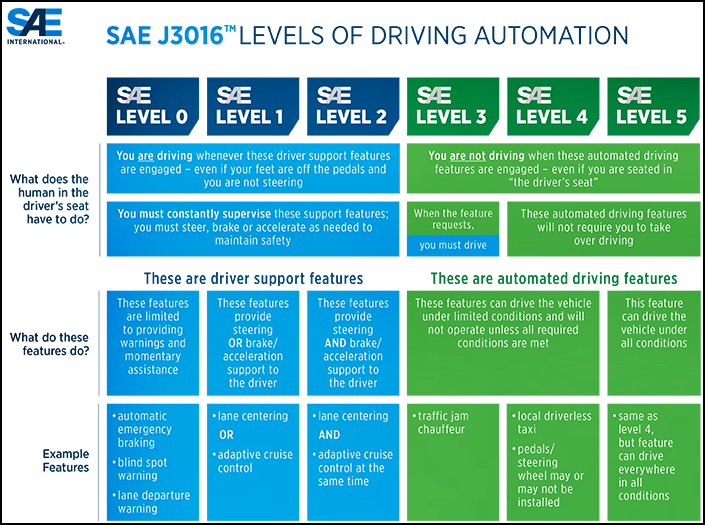
Based on the industry-accepted classifications that have 6 levels (from 0 to 5), IQ.DRIVE Travel Assist meets the requirements of Level 2 partly automated driving by taking over both lateral and longitudinal guidance at the same time. Taking into account the legal situation and with respect to safety, Level 2 is considered the most suitable at this time.

For safety reasons, the driver must still continuously monitor the system. Only when this is no longer necessary does the more highly automated Level 3 start and that will be a major leap forward. Still, in Level 3, the driver must be potentially prepared to take control when necessary. Over time, the higher levels will become available, reducing driver involvement to the point where only the destination just needs to be set and the car will operate by itself from start to finish.

Autonomous vehicles will not be suitable globally for some time as it will depend on local regulations as well as the ability of the road network to allow such vehicles to operate safely. Even now, autonomous vehicles are allowed to operate only on specific sections of highways in most countries.

Visit www.bhpetrol.com.my for more information.

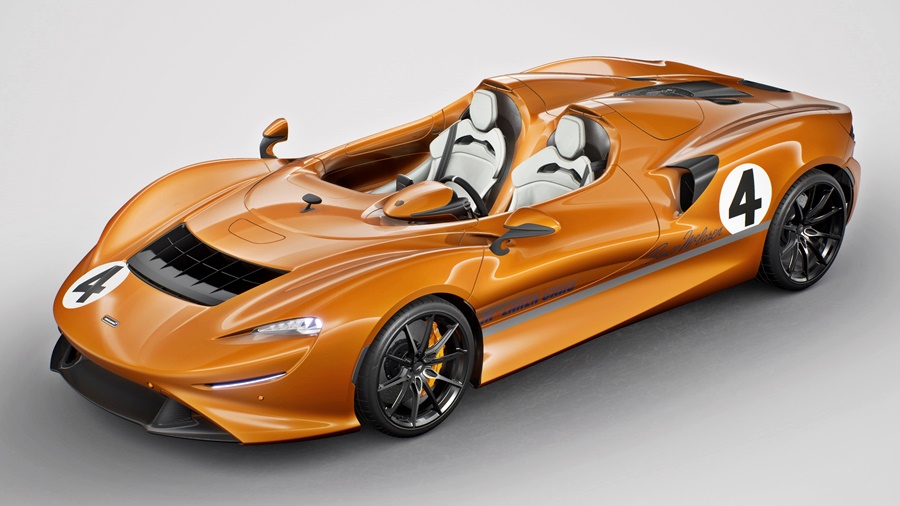
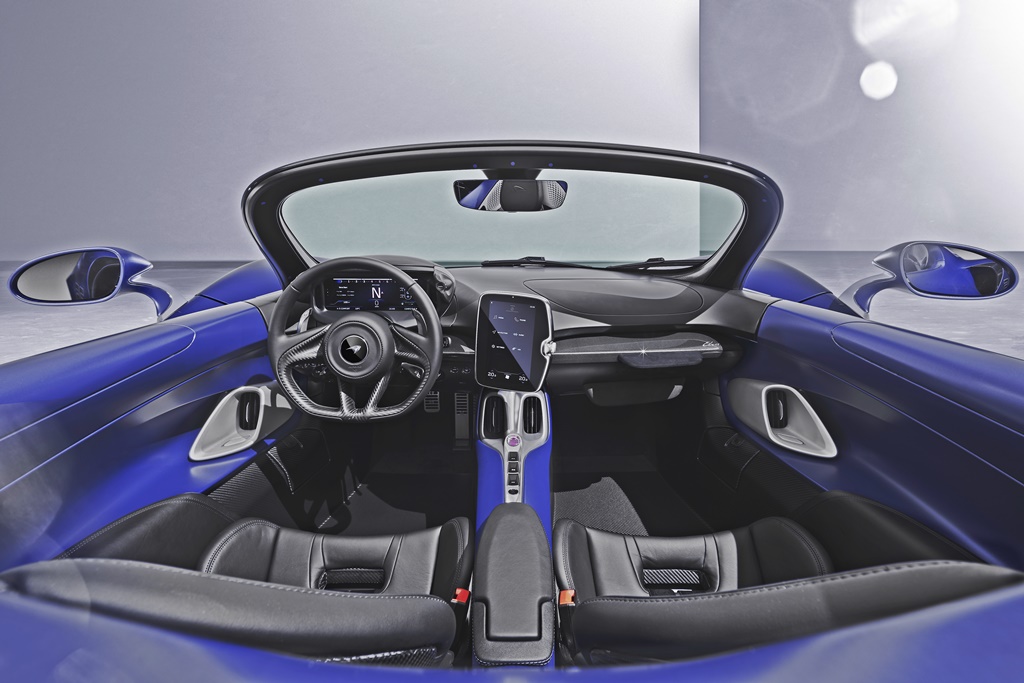
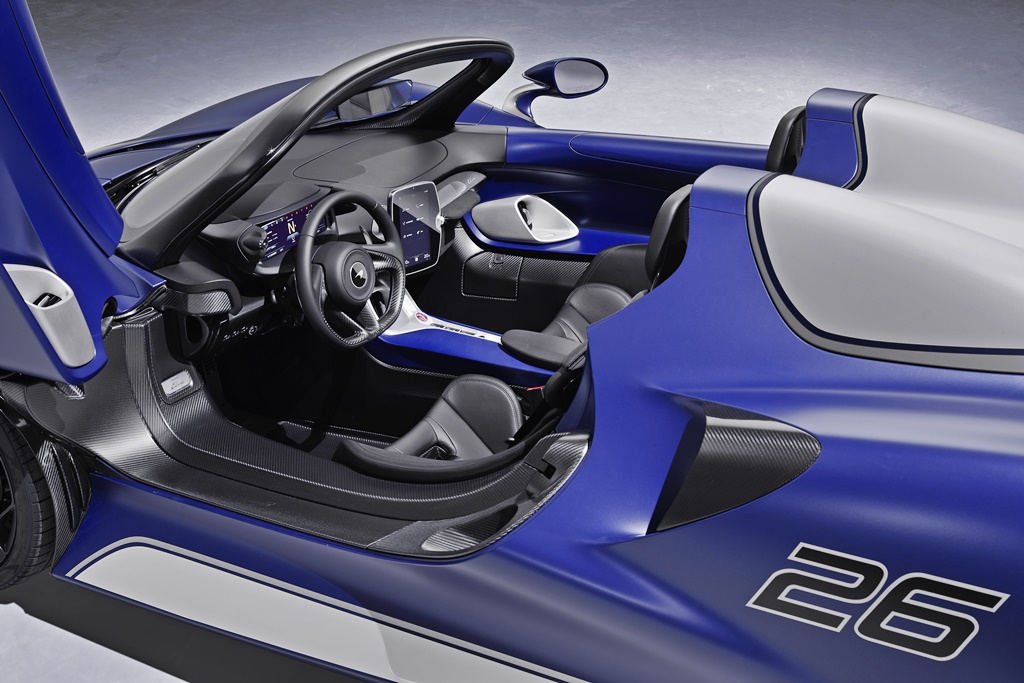
The McLaren Elva, one of the models in the Ultimate Series which consists of the F1, the P1, Senna, and the Speedtail, was originally designed without a windscreen, an open-top that would give an exhilarating experience like that of a motorcycle. Nevertheless, the engineers developed an Active Air Management System (AAMS) to provide a barrier of air so as to reduce the blast when travelling at high speeds.

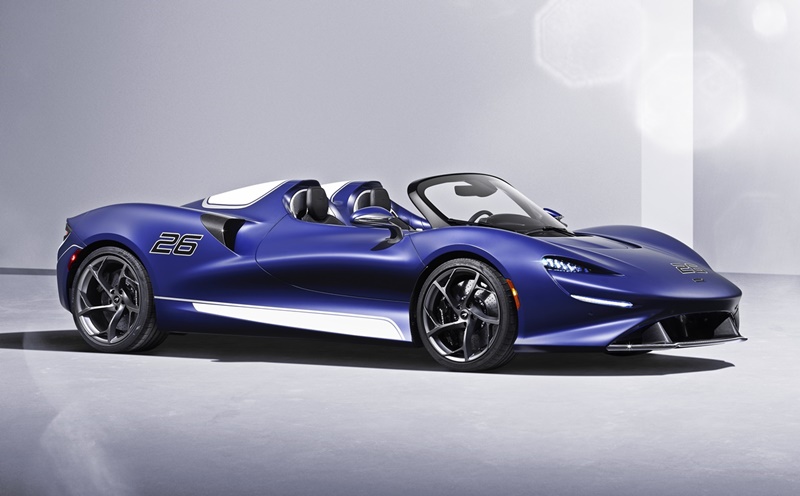
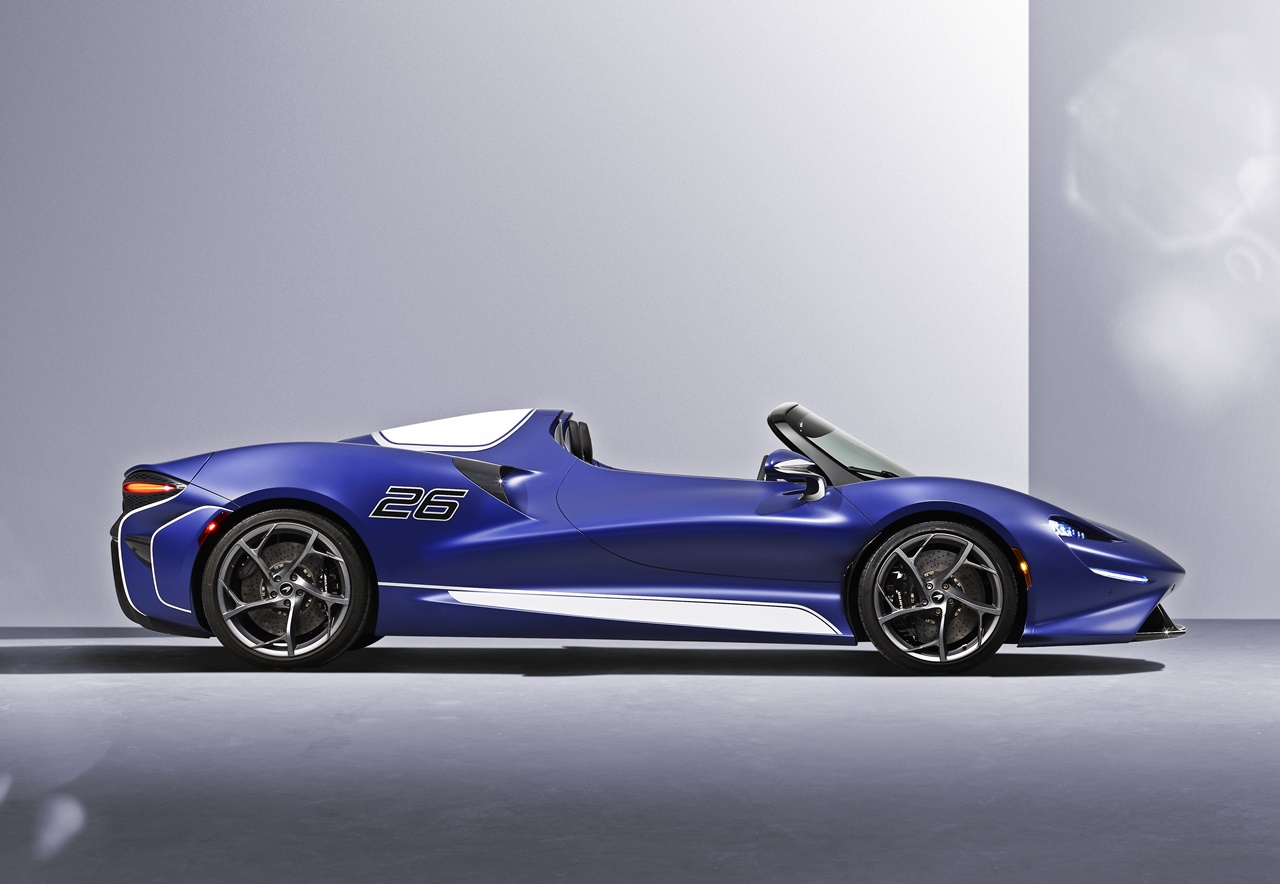
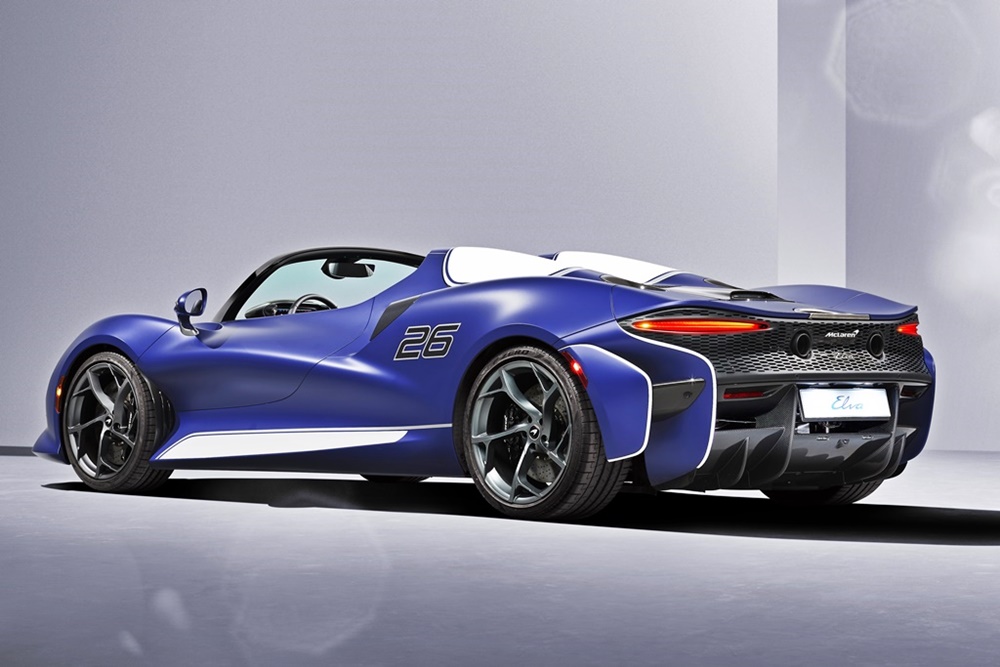
However, not all customers may appreciate the absence of the glass shield in front and in some states in the USA, regulations require it to be fitted. So McLaren is now adding a windscreen to the Elva (which means ‘she goes’ in French), a move which obviously adds weight to the car.

2021 McLaren Elva

20 kgs of extra weight
The original Elva is McLaren Automotive’s lightest-ever roadcar and keeping weight down has been one of the strong points of the brand. Installing a windscreen with the heavy glass adds extra weight which includes electronically synchronized rain-sensing wipers, washer jets and sun visors. To save weight, the frame is made of carbonfibre and the AAMS is also left out, resulting in a weight increase of just 20 kgs.

A separate engineering programme optimized aerodynamic and dynamic performance to ensure this variant has the same driving dynamics and performance of the original car. The vehicle stiffness is also said to be maintained.

2021 McLaren Elva
Customers will have the option of having a windscreen or no windscreen as the original car was designed (above).

Performance comparable to Senna
The acceleration of both versions, which have 804 bhp, twin-turbocharged 4.0-litre V8 engines, is comparable with that of a McLaren Senna. The claim is 2.8 seconds from 0 to 100 km/h for the fully open Elva as performance figures for the one with the windscreen are not available at this time since the first production unit has not been completed.

The Elva links McLaren’s heritage to its present and future with a name and style that recalls the McLaren-Elva racing cars of the 1960s. These were amongst the first sportscars designed and raced by Bruce McLaren and the company that he founded; today’s Elva was created to evoke the spirit of driving enjoyment symbolized by these cars.

They are available with heritage liveries like that of the Satin Casa Blue windscreen model prototype pictured. Customisation is, of course, available although the model will be among one of the rarest of McLarens. The initial plan was to make 399 units, but this number was reduced to 249 units and this year, the company has said that only 149 units will be available, with first deliveries starting at the end of this year.

2021 McLaren Elva

2021 McLaren Elva

“Super-lightweight and extremely powerful, the Elva delivers the ultimate connection between a driver, the road and the elements.  Created to celebrate the pure joy of driving, it’s one of the most distinctive – and exclusive – cars we have made. Roofless and without windows, whether you opt for the screenless model with its sophisticated AAMS technology that provides an invisible barrier of air, or the windshield version with an additional level of enclosure, this is a roadster that rewards owners with the most exhilarating of open-air driving experiences, delivered as only a McLaren can,” said Mike Flewitt, CEO of McLaren Automotive.

2021 McLaren Elva

This is the 800hp McLaren Elva – no roof, windscreen or windows!

Archive

Follow us on Facebook

Follow us on YouTube