Piston.my

Latest News

BHPetrol RON95 Euro4M

It all starts with a single line.

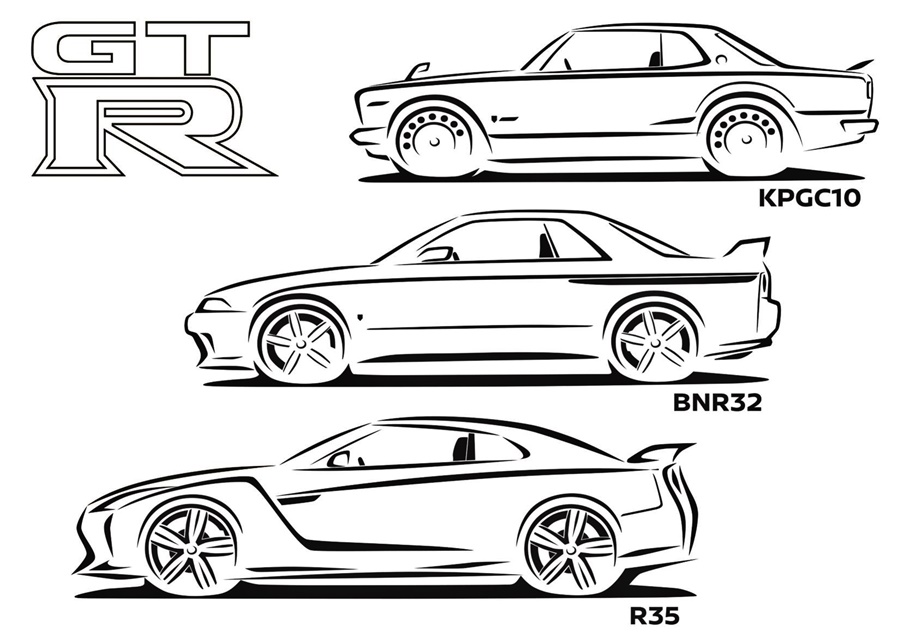
That is the message from Nissan’s global design team as it looks to connect a worldwide community of artists through the new #DrawDrawDraw social project. The carmaker is offering 23 newly created, downloadable colouring pages featuring Nissan’s classic and current models, futuristic concepts and even some ‘cult classic’ ones such as the Figaro and ChoiMobi.

Nissan designers from around the world created the pages over the last few weeks, a time during which many people have been staying home because of the global coronavirus pandemic.
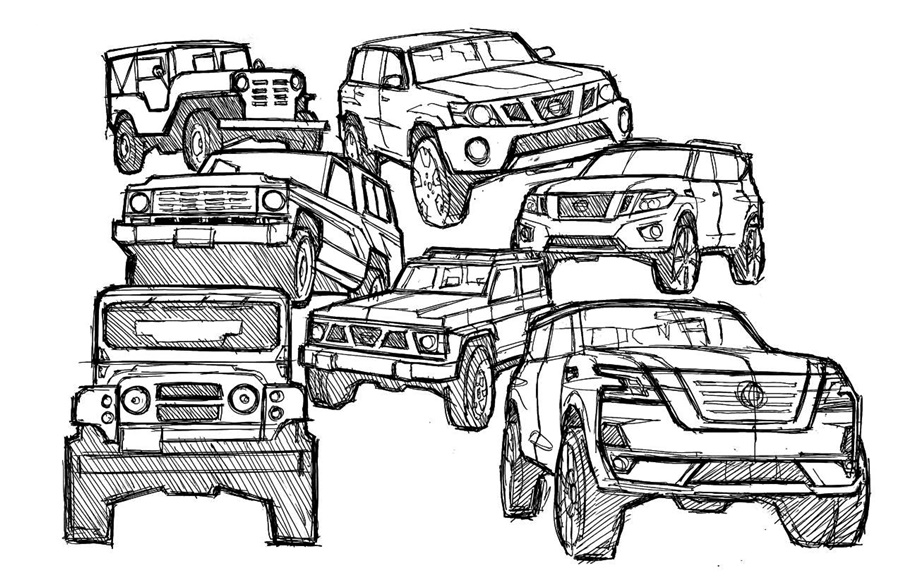
Nissan #drawdrawdraw

“To draw, draw, draw, in our world, is one of the best ways to close the gap between wonderful creative impulses in your head and making it a reality – especially as we face this global pandemic together,” said Alfonso Albaisa, Nissan’s Senior Vice-President for Global Design. “Our team of designers, worldwide, are using this time to breathe, to draw, to dream creatively. I know that some of their best work will come from the challenges that we’re facing now. So we thought: ‘Why not give everyone a chance to express themselves creatively and share it with those who will appreciate it?'”


Click here to download the sketches


Albaisa is launching this effort with a video from his home and, with input from his two young sons, showing what he is currently drawing and why. Designers from his team will post additional videos in coming weeks to talk about their design inspirations, what they are drawing, how they became car designers, and tips for those looking to break into the business.

“Our inspiration for this project came from Nissan designer Giovanny Arroba, the creative mind behind the recently unveiled Ariya Concept car,” said Albaisa. “Gio was asked for advice on becoming a car designer. He said, simply and beautifully: ‘Draw like crazy. Draw, draw, draw.'”
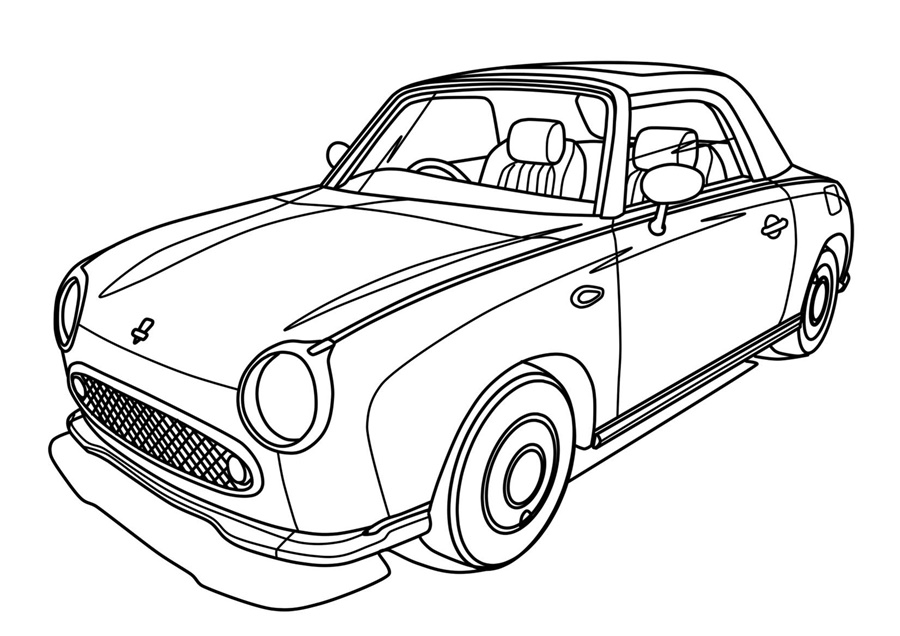
Nissan #drawdrawdraw

Nissan asks individuals to hashtag their drawings – from sidewalk art to napkin sketches to the downloaded colouring book pictures – with #drawdrawdraw. The drawings can be posted on their social media platforms.

“We’re looking forward to celebrating passion and creativity,” said Albaisa. “Don’t be surprised if you see a Nissan designer comment on your drawings and artwork!”


This Lego Nissan GT-R Nismo is what you’ll want in 2020

StayAtHome

PISTON.MY

Only 130 people in the whole world will get to own the Lotus Evija all-electric hypercar. With production of the 2,000 ps car set to start later in 2020 (now dependent on the lockdown situation in Britain), customers will soon be able to specify their personalisation requirements.

The exclusive nature of the Evija means every customer’s car will be unique. Requests for personalisation on every aspect – from striking exterior paint colour combinations to highly detailed interior trim – are all part of the enhanced ordering process.

Lotus Evija

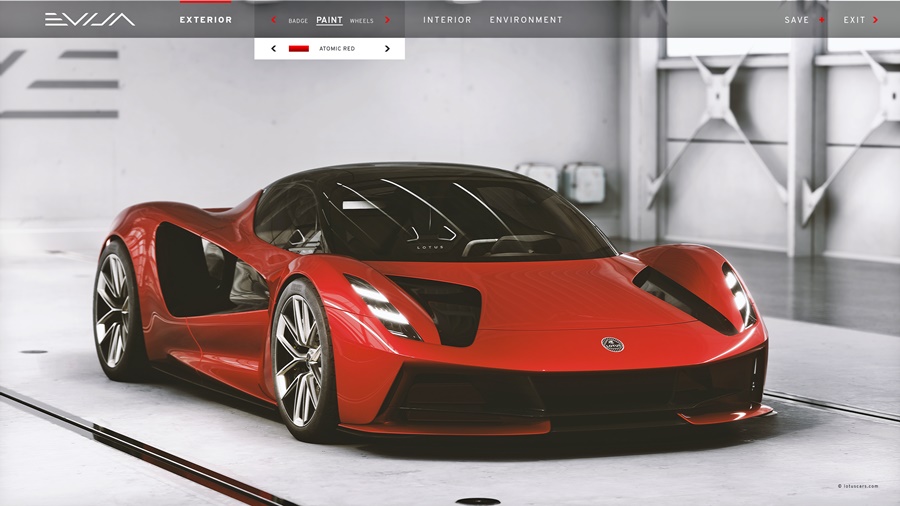
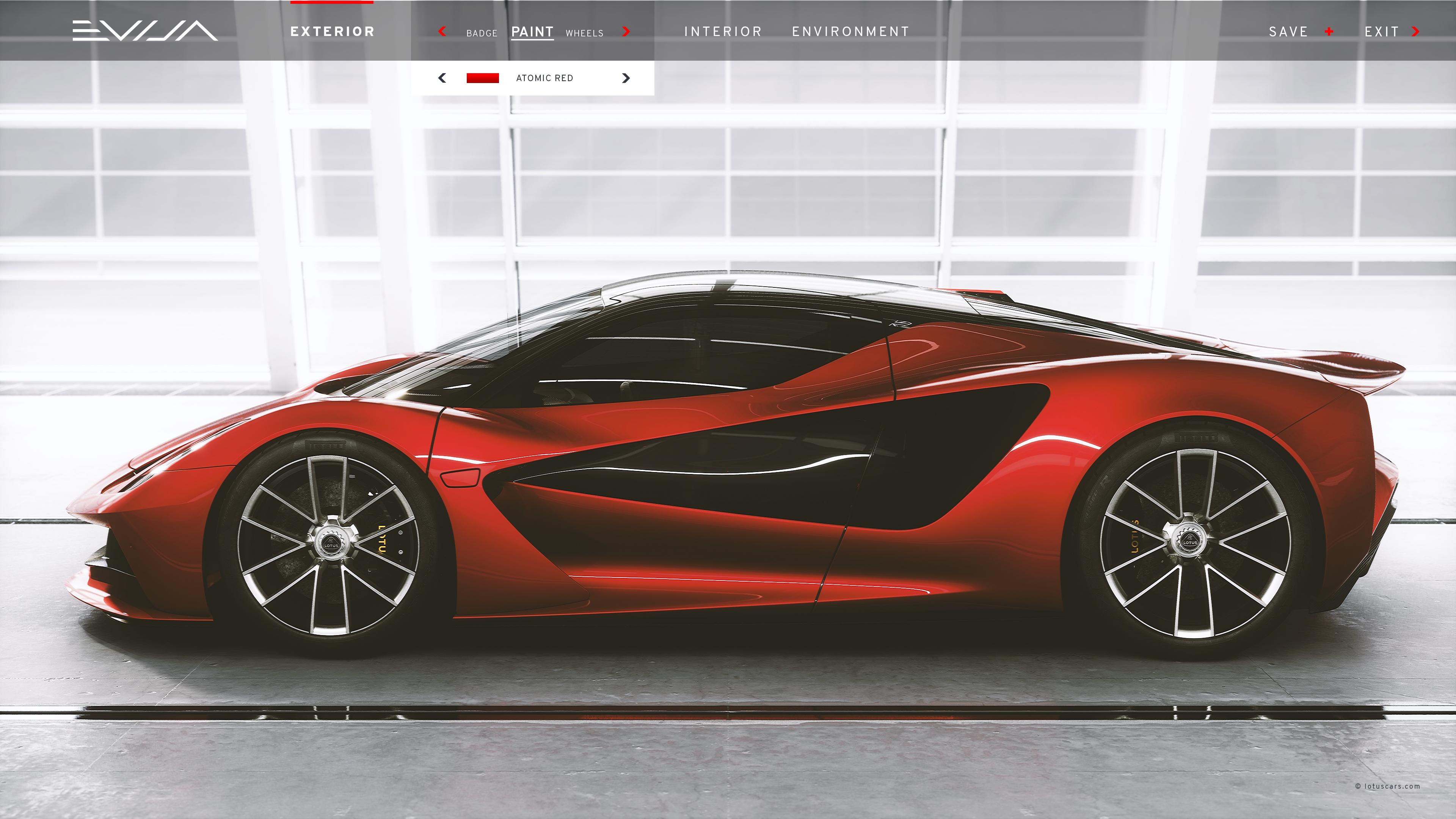
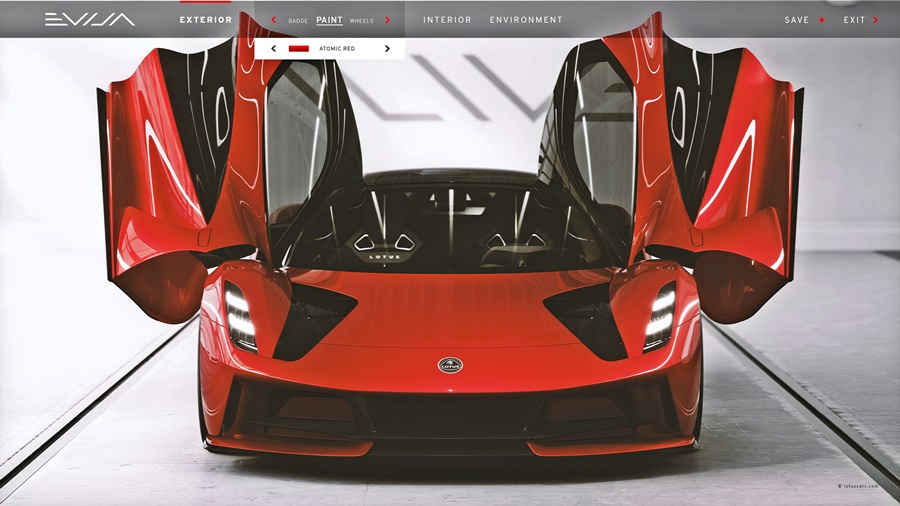
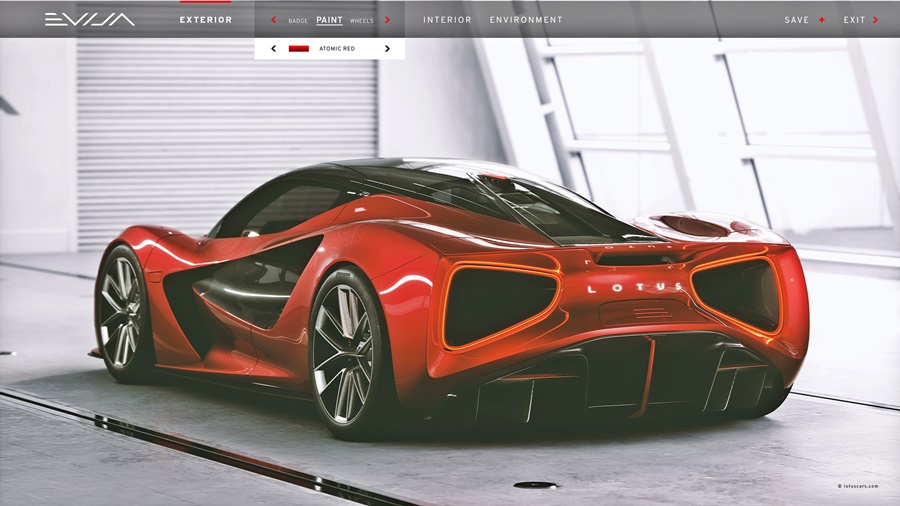
The starting point for every car’s specification is an all-new touchscreen configurator. Designed especially for Lotus, its ultra-powerful graphics processor creates stunning high-definition ‘photo-realistic’ images and animations. Developed using advanced gaming software, these allow the buyer to build and personalise their own car from the ground up and visualise it from every angle, inside and out.

Thanks to an advanced imaging technique known as ray-tracing, they can even place their Evija into multiple environments around the world to see how localised sunlight levels will affect their choices. The final element is the creation of a fully personalised ‘360-degree fly-through’ film exclusive to each customer.

Lotus Evija

Lotus Evija

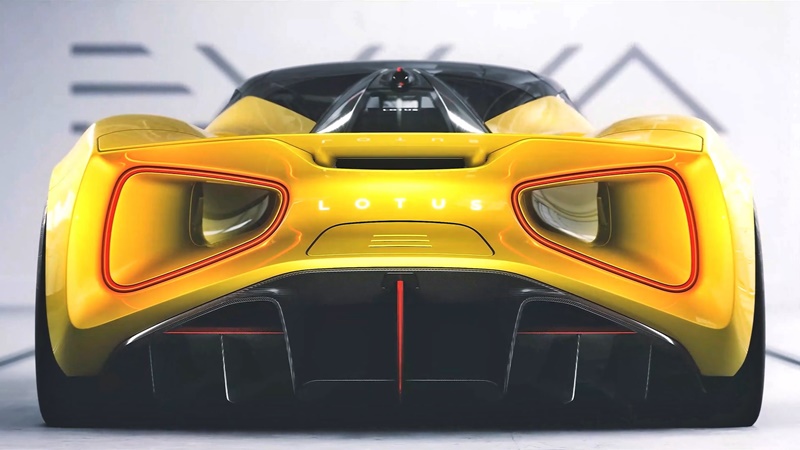
Lotus has released a series of all-new images of the Evija captured from the configurator. They show a car set inside the Lotus Design studios and finished in stunning Atomic Red with Carbon Black accent pack. They are accompanied by a new animation which additionally reveals the car in Solaris Yellow and Carbon Black.

The configurator is just one element of the Evija experience. At regular intervals during the purchase process, each customer will receive from Lotus a unique gift to reflect the exclusive and technical nature of the Evija. That will culminate in a beautiful handcrafted build book, packed with stunning imagery of the customer’s individual car during key moments of its assembly. The book will be presented to the customer with their Evija key as part of the handover celebrations.


Related article: Facts and figures of the world’s most powerful series production road car


Lotus Evija

“We know every customer journey will be unique and our highly experienced customer relations team is ready to support any requests. With state-of-the-art digital tools such as the new configurator, we can accommodate customer preferences and requirements from anywhere in the world at the touch of a button,” said Simon Clare, Executive Director for Global Marketing at Lotus.
BHPetrol RON95 Euro4M

Lotus Evija prototypes complete high-speed testing as electric hypercar debuts in China (w/VIDEO)

StayAtHome

PISTON.MY

The world is extensively connected today and wherever you are on the planet, you can almost easily connect to someone else in another location. In recent years, there’s also been another type of connectivity taking place in cars where development is underway for cars to be able to ‘talk’ to each other.

This is not only useful for improving driving safety today but also tomorrow when autonomous vehicles are moving around. By communicating their position, other vehicles can avoid them if they are not visible or have been immobilised due to an accident.

Goodyear Connected Tyre

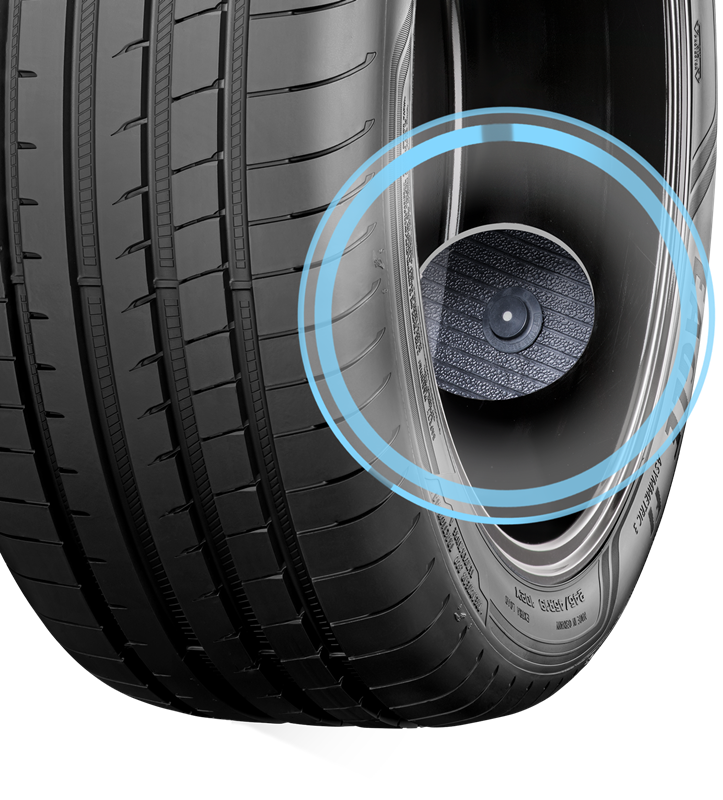
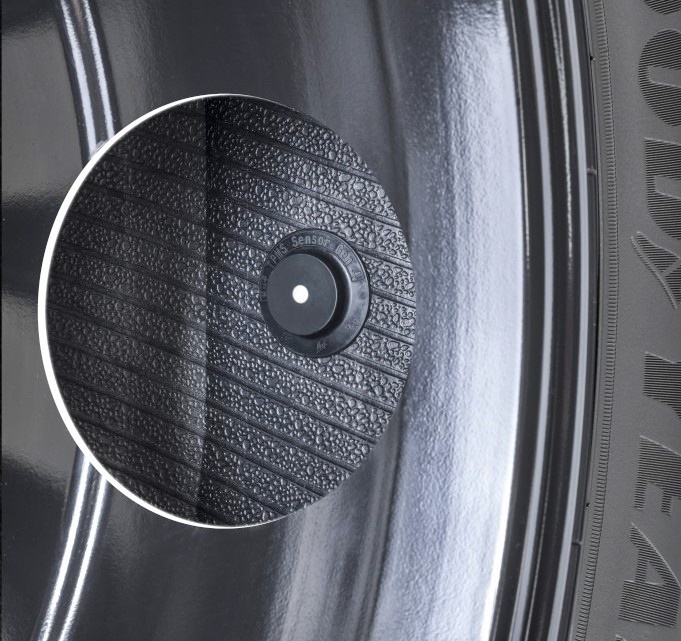
Now Goodyear is also working on connected tyres which can communicate with the vehicle. With sensors embedded in the tyres, the tyre and road condition can be relayed to the vehicle’s ‘brain’. initial studies have shown that such connected tyres can reduce stopping distance lost between a new and worn tyre by 30%.

With the evolution to electric and autonomous vehicles, connected tyres and the impact they can have on stopping distance, communication with the vehicle will only increase in importance. The connected and intelligent tyre system continuously measures and records tyre-derived information, which is paired with other vehicle data and connected to Goodyear’s cloud-based proprietary algorithms.

Goodyear has been conducting road tests and field trials and its test fleet has covered 4.8 million kilometres, collecting valuable data to refine and improve the concept. The intelligent tyres can measure tyre wear, load, inflation and temperature, along with road surface conditions, in real time, allowing the vehicle to adjust and respond to these measurements and optimise vehicle performance.

“Consider someone driving on a slick, curvy road in wet conditions. The driver adjusts his movements by slowing down, tapping the brakes or avoiding sudden steering,” said Chris Helsel, Goodyear’s Chief Technology Officer. “But what happens when nobody is behind the wheel? The tyre is the only part of the vehicle that touches the ground and it can communicate vital information to the vehicle, enhancing safety and performance.”

There’s no time-frame for the introduction of connected tyres but Goodyear is continuously testing them extensively with automakers, start-ups and other groups.

Goodyear reCharge tyre creates its own treads when needed (w/VIDEO)

Covid-19 hotline

PISTON.MY

BHPetrol RON95 Euro4M

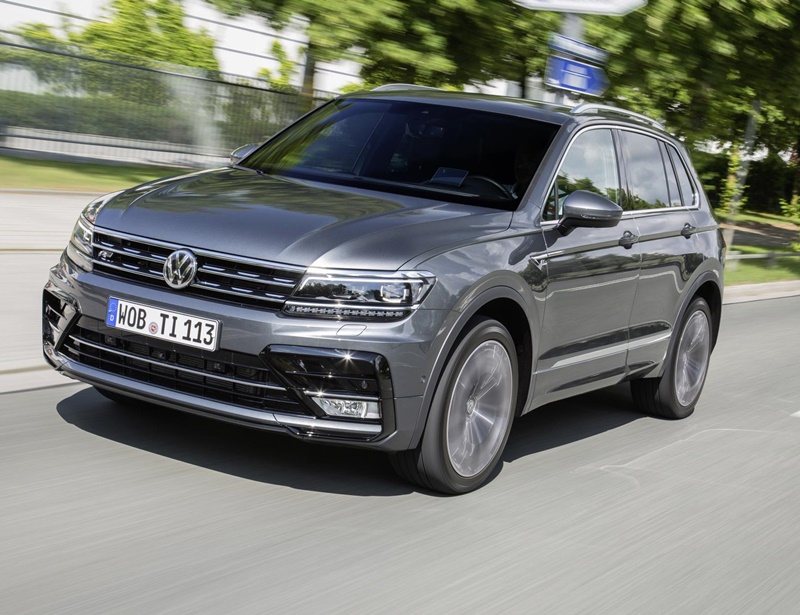
It took some 14 years for the original Volkswagen Beetle to reach a cumulative production volume of 500,000 units, becoming the German carmaker’s bestseller for many years. Today, the bestselling model in the Volkswagen Group is the Tiguan and it reached the first 500,000 units within 8 years after being launched.

Thereafter, as its popularity grew, the cumulative volume rose very quickly and 13 years after launch, it crossed the 6 million mark last month. In fact, just last year alone, total Tiguan production was 910,926 units. On average, a brand new unit left the production line every 35 seconds in one of the company’s Tiguan factories in 2019.

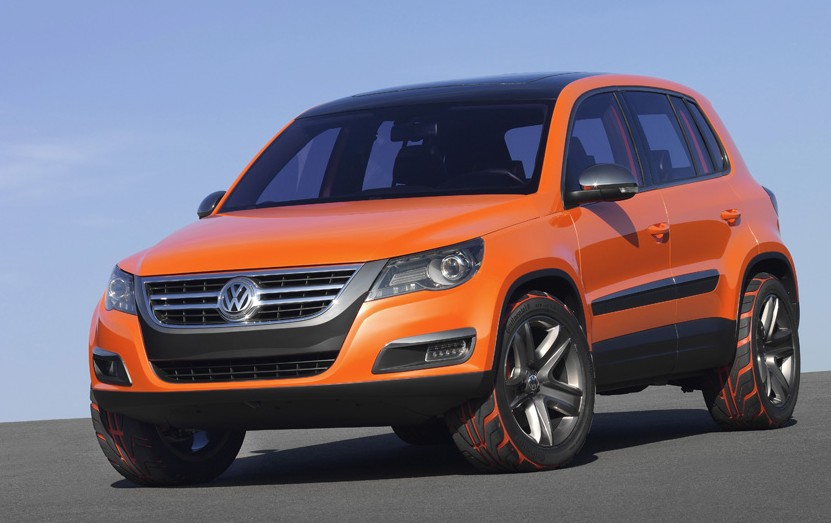
VW Concept Tiguan
Concept Tiguan displayed in 2006 was a preview of the Tiguan a year before it was launched.

Right timing for SUV boom
The Tiguan arrived in the market at the right time when the SUV boom was accelerating. Sold in 80% of countries in the world (including Malaysia), it is the most successful SUV on the market in Europe.

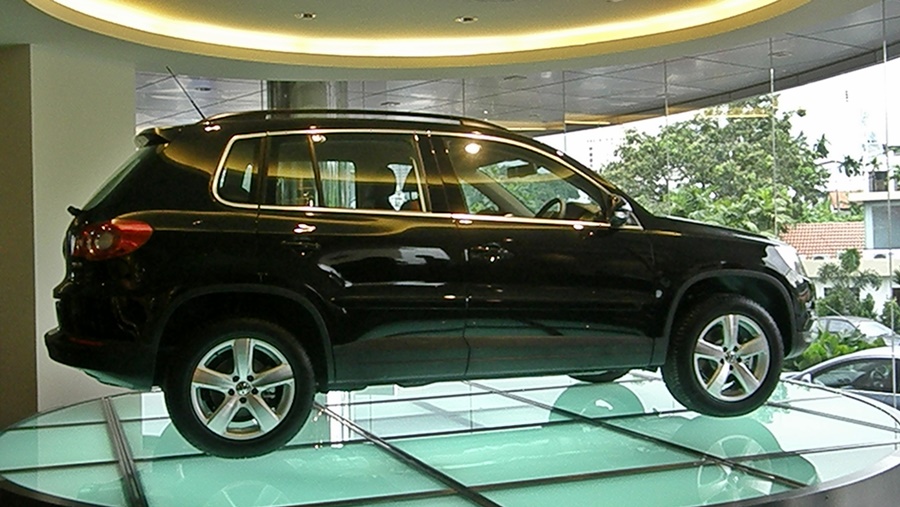
2008 VW Tiguan
The SUV arrived in Malaysia in 2008.

It was launched at the 2007 Frankfurt International Motor Show, a year after Volkswagen had previewed the compact new model at the Los Angeles Auto Show as the Concept Tiguan. With demand for SUVs growing – especially smaller SUVs – the Tiguan was a popular choice for many buyers.

The second generation
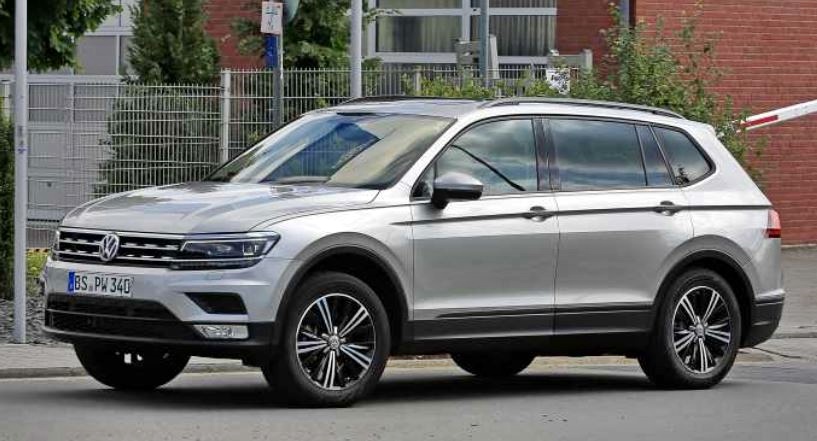
The second-generation arrived on the market in April 2016. Where the first generation had sat on the PQ46 platform of the Passat (B6), the new one adopted the Modular Transverse Toolkit (MQB). This more versatile platform allowed the designers to develop a more authentic and muscular SUV with a considerably roomier cabin owing to the longer wheelbase.

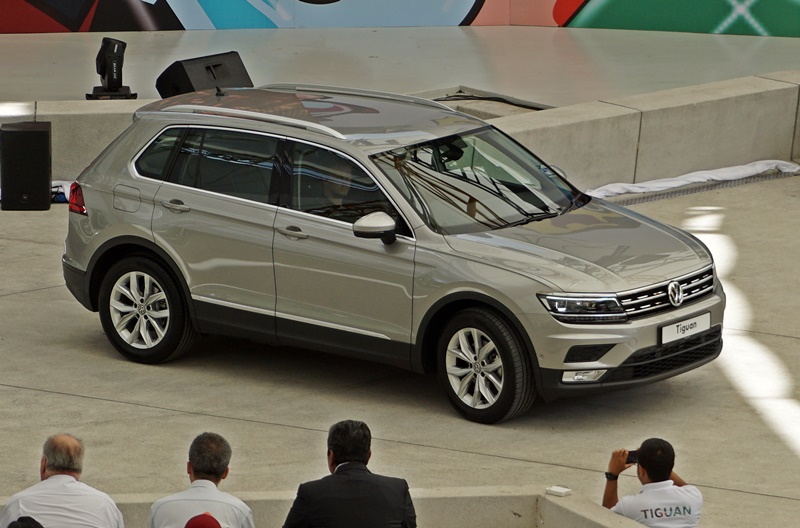
VW Tiguan 2
Launch of the second generation in Malaysia in 2017.

The model line was expanded in 2017 with the debut of a second Tiguan variant for some markets. It was an XL version with a wheelbase extended by 110 mm and could include a third row of seats.

This variant was sold in North America, Europe and China. Since being added to the line-up, the long-wheelbase Tiguan accounts for 55% of the sales. The powertrains are common to the standard model but in China, a plug-in hybrid powertrain was made available last year.

VW Tiguan XL
Long-wheelbase XL variant.

The Tiguan is currently manufactured at four Volkswagen plants spread across four time zones. The normal wheelbase (NWB) version is manufactured at Volkswagen’s main plant in Wolfsburg, Germany, for markets in Europe, Africa, Asia and Oceania. The plant in Russia produces the NWB vehicles for the Russian market and for neighbouring Central Asian countries. In Shanghai, Volkswagen manufactures the LWB Tiguan L for the Chinese market while the plant in Mexico supplies to North and South America and for markets in Europe, Africa, Asia and Oceania.

It is also assembled in Malaysia at the HICOM Automotive Manufacturers (Malaysia) complex in Pekan, Pahang.

REVIEW: 2019 Volkswagen Tiguan 1.4TSI Highline

StayAtHome

PISTON.MY

The lead-acid batteries in motor vehicles have been around for many decades and because they are made from elements that can be recycled, there is an established ‘business’ in collecting and recycling batteries. Even the guy who collects old newspapers will take them as the lead, plastics and even the sulphuric acid can also be recycled.

Lead-acid batteries are therefore considered as ‘closed-loop’ products which means that when their ‘first life’ is over, they can be recycled into other products. It is estimated that globally, 98% of such batteries are being recycled.

Honda battery pack recycling

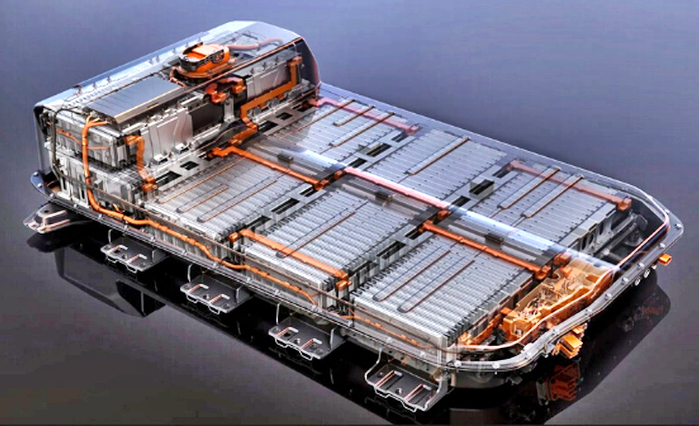
With the advent of hybrid and electric vehicles since the late 1990s, more powerful battery packs have appeared. These are needed to store electricity in large amounts and to power the electric motors. These have not continued with the lead-acid approach which would make the battery packs very heavy as they would have to be very big to store sufficient electricity.

Instead, the battery packs for battery-powered electric and hybrid vehicles use nickel-cadmium (NiCd), nickel–metal hydride (Ni-Mh), and more recently, lithium-ion or lithium-ion polymer. The technology is constantly advancing, and the battery packs are getting more compact while their storage capacity keeps growing, making possible longer travel ranges.

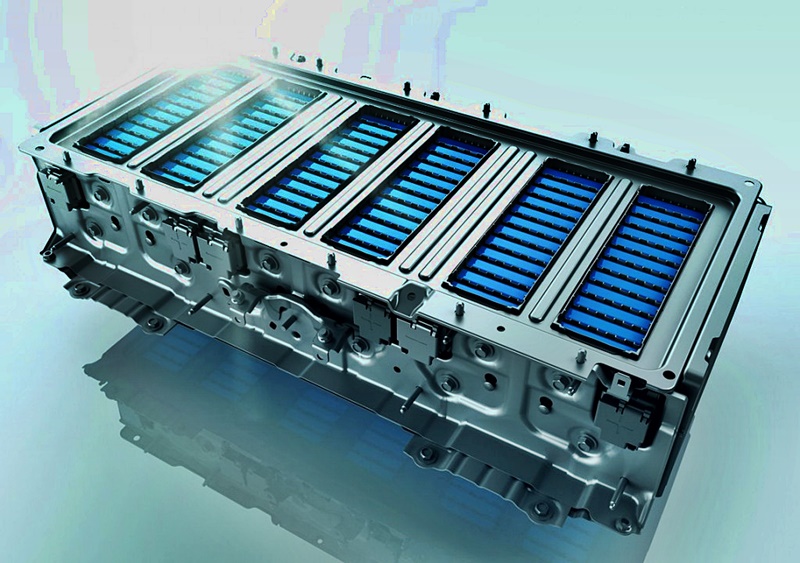
Honda Accord Hybrid battery pack
Battery pack used in an Accord Hybrid.

End-of-life disposal
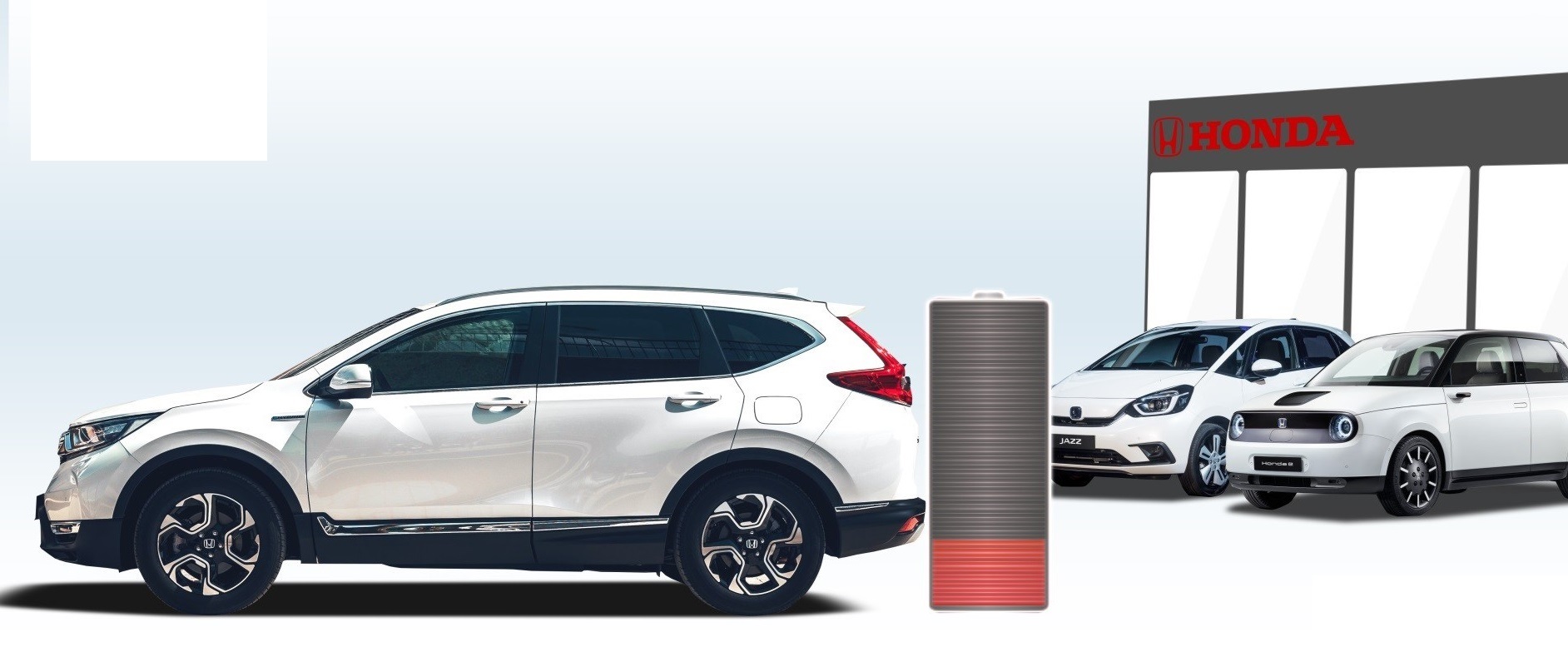
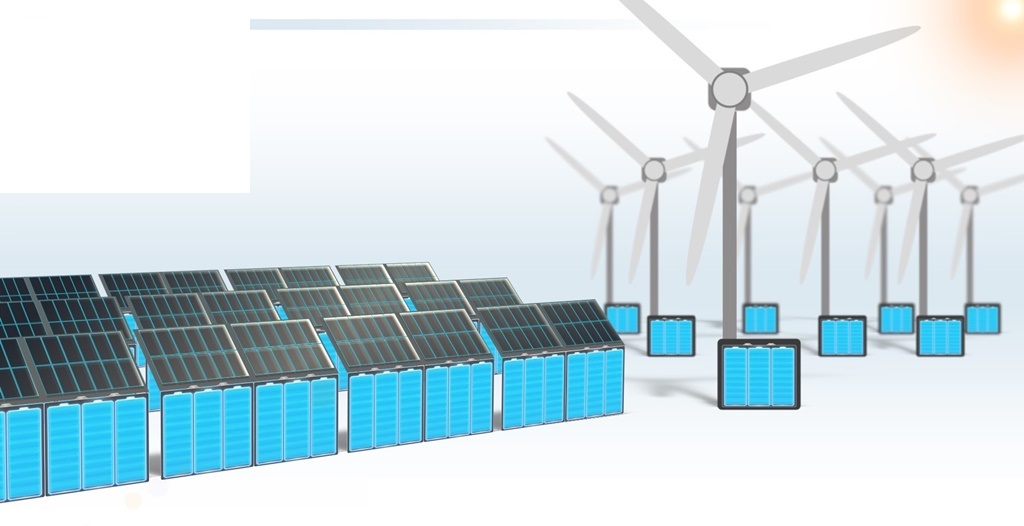
The manufacturers have been mindful of the fact that the battery packs have an end-of-life and unlike lead-acid batteries, their disposal is not so straightforward. Various solutions have been explored to keep them in service and Honda Motor Europe, together with SNAM (Societe Nouvelle d’Affinage des Metaux), is investigating the possibility of using batteries in a ’second life’ for the storage of renewable energy in industrial applications.

SNAM is a battery recycling company and is increasing its role in partnership with the carmaker to advance the sustainable usability of its end-of-life battery packs. The pan-European arrangement will see SNAM collect and recycle batteries from Honda’s increasing number of hybrid and electric vehicles and either potentially prepare them for ‘second-life’ renewable energy storage uses or extract valuable materials for recycling if they are not suitable for that purpose.

Honda battery pack recycling
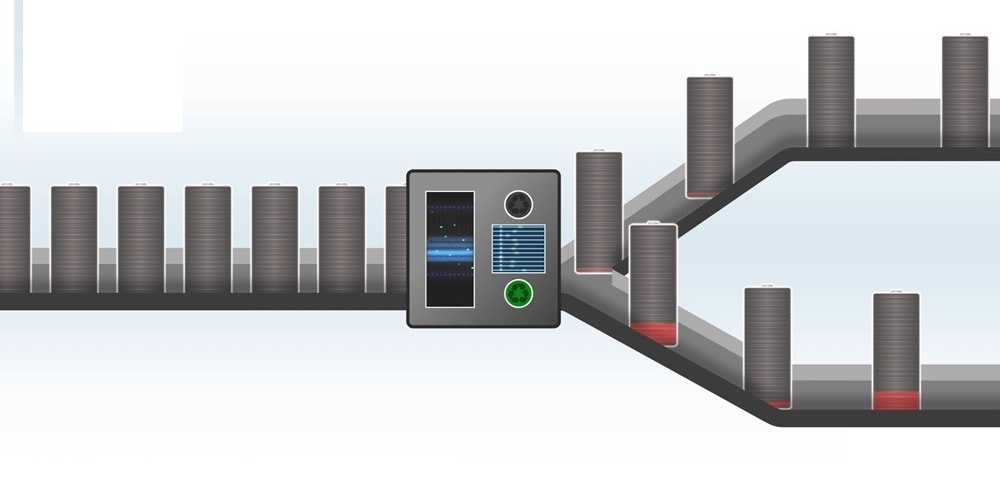
End-of-life battery packs can be divided in two types – those that can be reconditioned and continue to function as energy storage units or broken apart and their materials recycled (below).

Honda battery pack recycling

Honda and SNAM have worked together since 2013 to ensure the traceability of end-of-life batterie packs and dispose of them in accordance with European Union environmental standards. The expansion of this agreement will see SNAM collect lithium-ion and NiMH batteries from Honda’s dealer network and Authorised Treatment Facilities in 22 countries, before analysing how suitable they are for recycling and processing them accordingly.

Second life applications
“As demand for Honda’s expanding range of hybrid and electric cars continues to grow, so does the requirement to manage batteries in the most environmentally-friendly way possible. Recent market developments may allow us to make use of these batteries in a second life application for powering businesses or by using recent improved recycling techniques to recover useful raw materials which can be used as feedstock into the production of new batteries,” said Tom Gardner, Senior Vice-President at Honda Motor Europe.

Safe and low carbon transport is utilised for the collection of used batterie packs. On arrival, SNAM assesses which battery packs are valid for inclusion in a new energy storage device. These are then repurposed and made available by SNAM for domestic and industrial applications.

Honda battery pack recycling
One application for recycled battery packs.

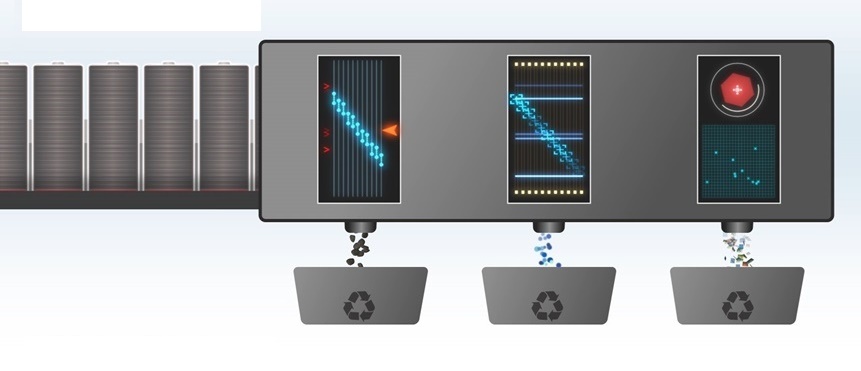
When battery cells are damaged and unsuitable for ‘second life’ applications, materials such as cobalt and lithium can be extracted using hydrometallurgy techniques involving the use of aqueous chemistry. These can be reused in the production of new batteries, colour pigments or as useful additives for mortar. Other commonly used materials including copper, metal and plastics are recycled and offered to the market for use in the production of a variety of applications.

BHPetrol RON95 Euro4M

Honda e starts Honda’s electrification strategy in Europe

COVID-19

PISTON.MY

180420-240420


Covid-19
Fighting COVID-19 is our joint responsibility. Protect yourself and others: make these 6 simple precautions your new habits.

PISTON.MY

Archive

Follow us on Facebook

Follow us on YouTube