Piston.my

Latest News

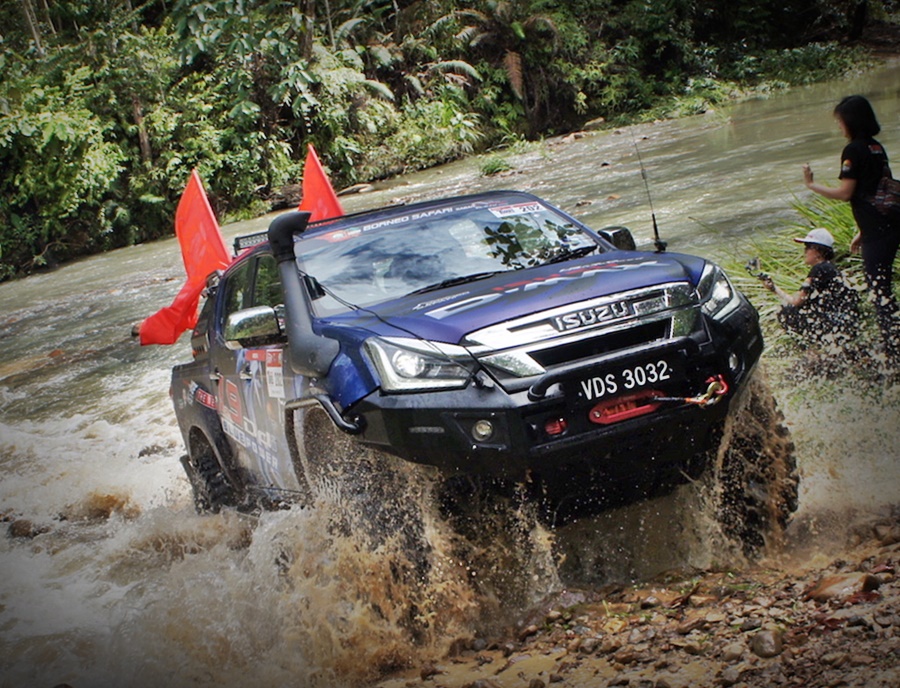
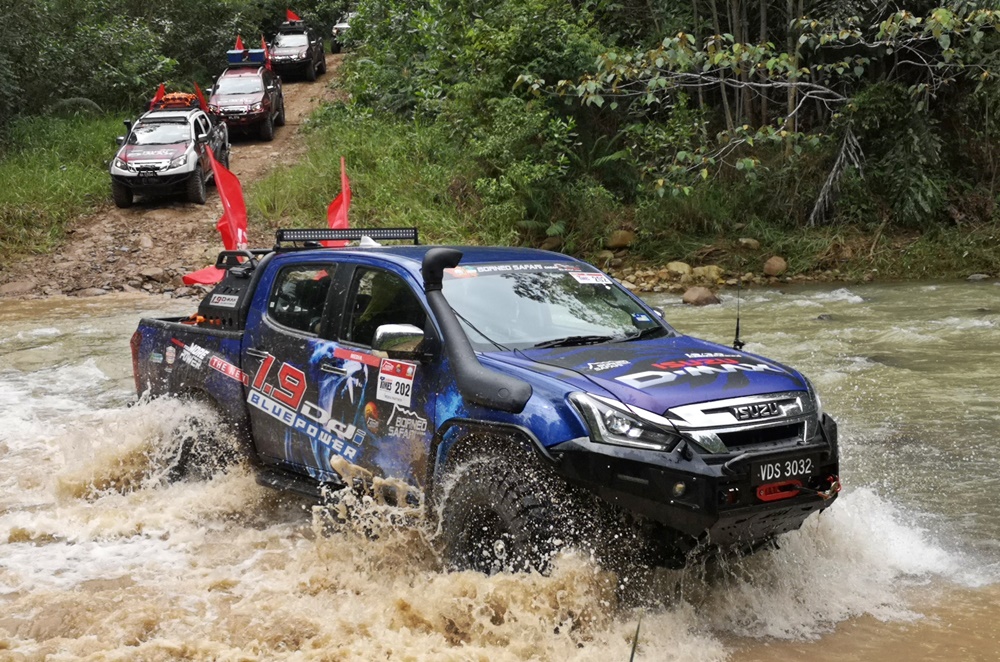
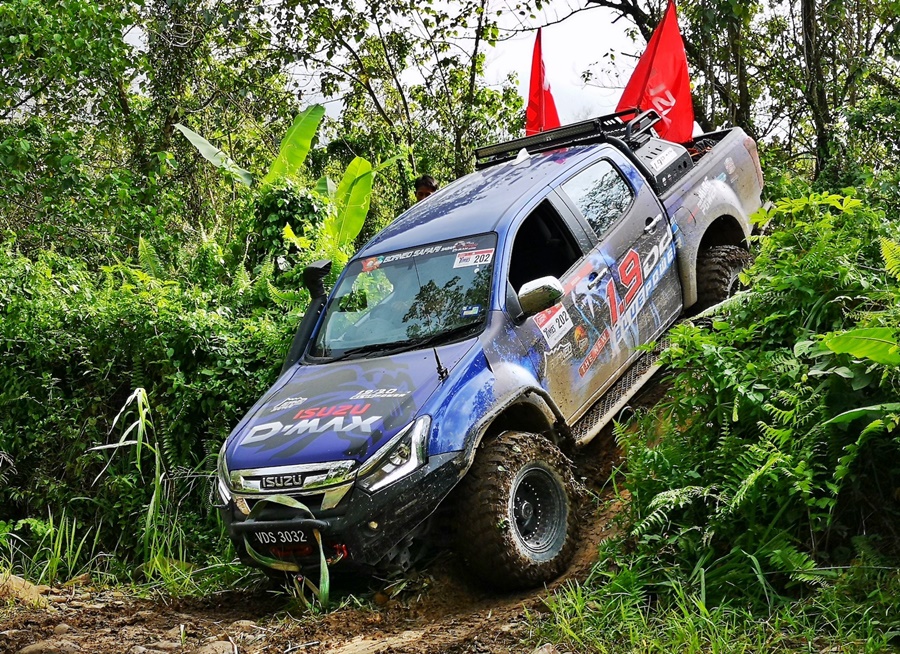
For the last 13 consecutive years, Isuzu Malaysia has been providing the Borneo Safari (which began in 1991) with vehicles for the media and officials to use. The vehicles have been D-MAX models and not used just to ferry people to the starting and finishing locations but have actually followed the participants deep into the jungle.

And each year, along with those that survived one of the toughest and most extreme events in the region, the D-MAX would also arrive at the finish line. This fact has helped build the solid reputation of the pick-up truck as one of the toughest and most capable off-road vehicles in the annual off-road challenge.

Isuzu D-MAX 2019 Borneo Safari

New Blue Power 1.9-litre powerplant
Until this year, the vehicles supplied had big turbodiesel engines, typical for most pick-up trucks. However, with the introduction of the advanced new Blue Power 1.9-litre engine in the latest D-MAX launched this year in Malaysia, the D-MAX entered was something entirely new,  powerplant-wise. And, in fact, the vehicle that was sent to Sabah was so new it had only clocked 200 kms after leaving the Isuzu Malaysia assembly plant in Pekan, Pahang.

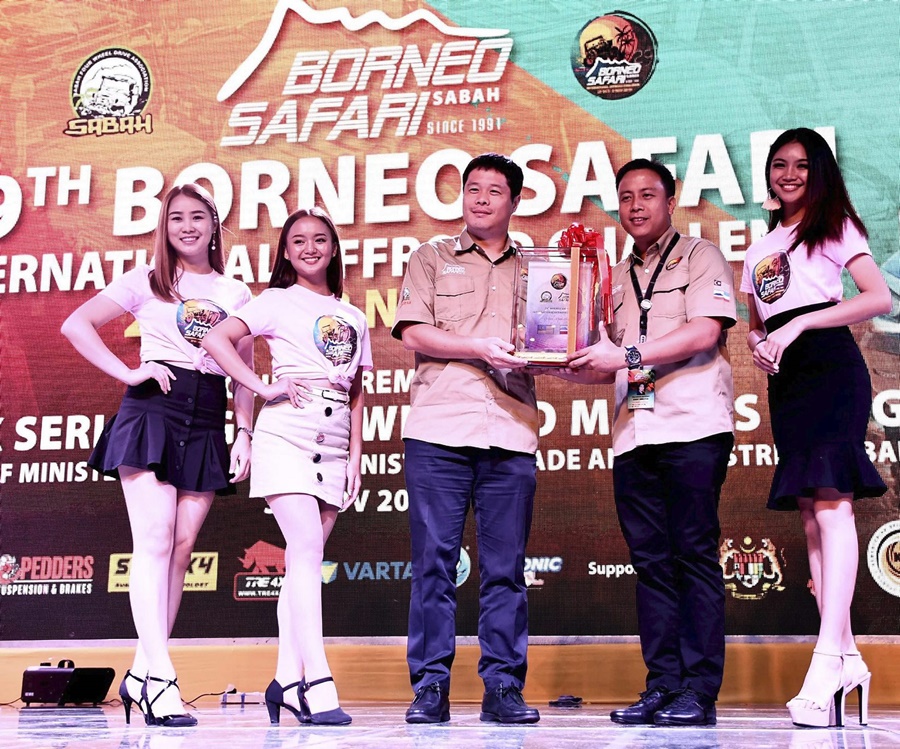
However, confident in its durability and capabilities, Isuzu Malaysia encouraged the media who used it to drive it as hard as necessary during the gruelling 7-day event. It impressed so much that the organiser gave a Special Award recognizing its remarkable off-roading capabilities.

Isuzu D-MAX 2019 Borneo Safari

2019 Borneo Safari
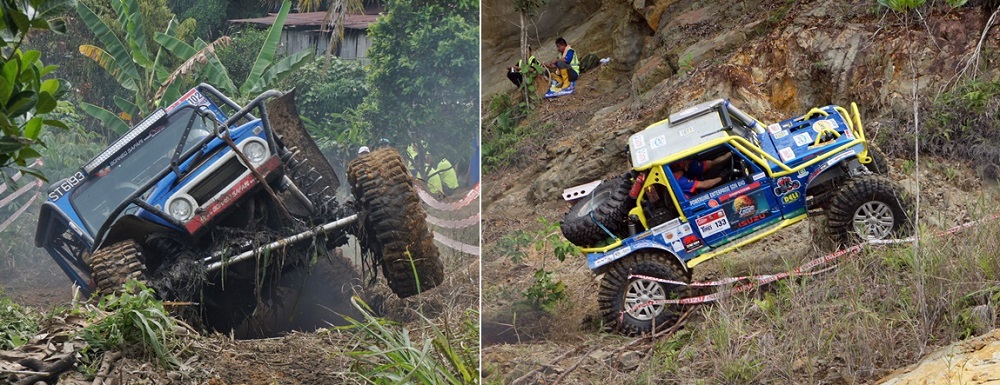
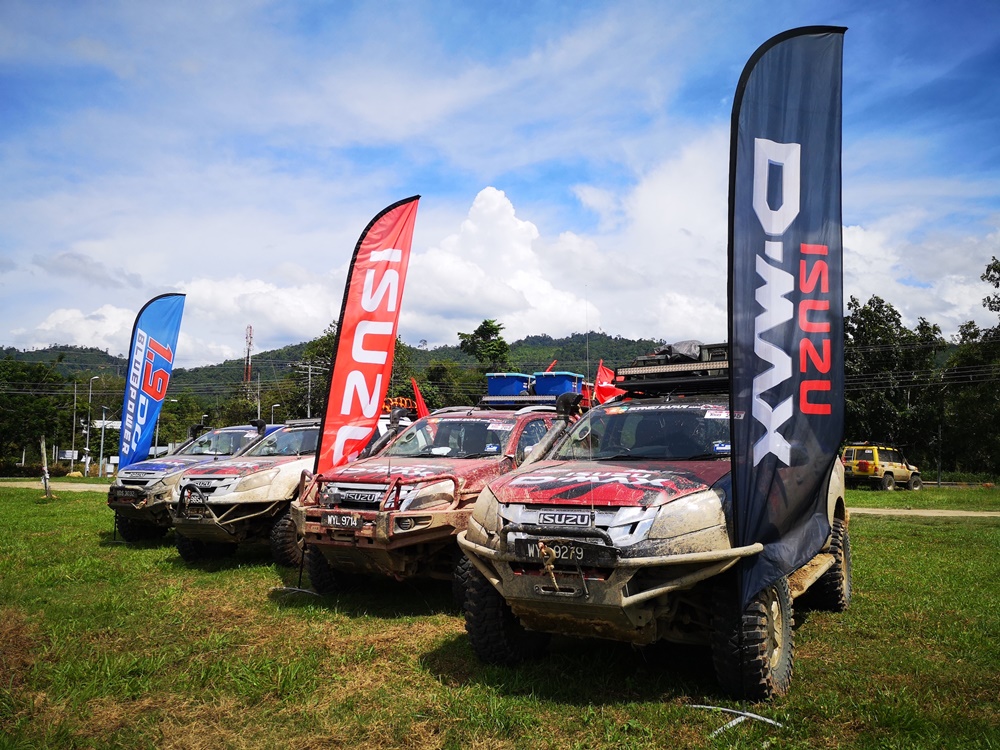
Two of the other vehicles with more ‘hardcore’ modifications made to tackle the 7-day event.
Isuzu D-MAX 2019 Borneo Safari
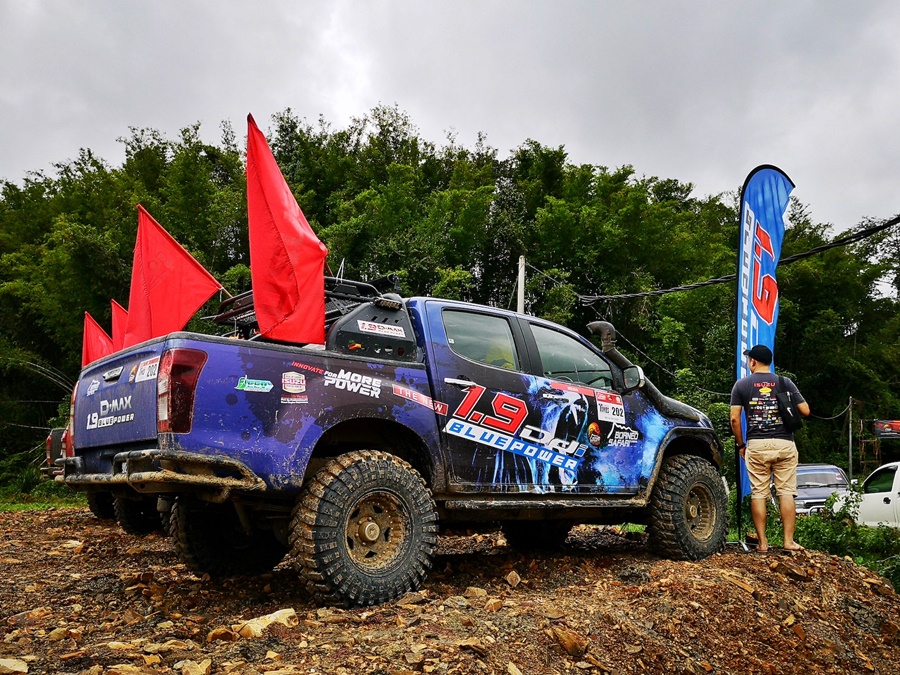
The D-MAX 1.9 was virtually standard except for necessary protective additions and in fact, it was not even fully run-in at the start of the event.

Virtually standard with 200 kms on the clock
Nicknamed the ‘Blue Monster’, the vehicle was virtually stock standard except for a few additions to make it more suited to the terrain including a body lift to fit the mud terrain tyres, long travel shock absorbers, snorkel, winch and heavy-duty guards to protect the vehicle from the extreme elements encountered along the way.

The ‘Blue Monster’ joined ‘Red Monster’, ‘White Monster’ and ‘Black Monster’ as part of Isuzu Malaysia’s commitment as the event’s Diamond Sponsor.

Isuzu D-MAX 2019 Borneo Safari

Isuzu D-MAX 2019 Borneo Safari

“Off-road enthusiasts understand that strong and balanced power delivery is vital when tackling extremes in the jungle. With its impressive power delivery perfectly matched to its new 6-speed gearbox, the new 1.9-litre Blue Power D-MAX simply showed its pedigree and dispelled any notion about the capability of its diminutive engine displacement,” said the Chief Operating Officer of Isuzu Malaysia, Masayuki Suzuki.

(more…)

Some of the most secret areas in a car company are those where future products are planned and new technologies developed. These are the R&D facilities where, in some cases, even the employees are subjected to security checks every day. At one company, they are allowed to bring in handphones but these must be very old models that have no cameras and recording capability.

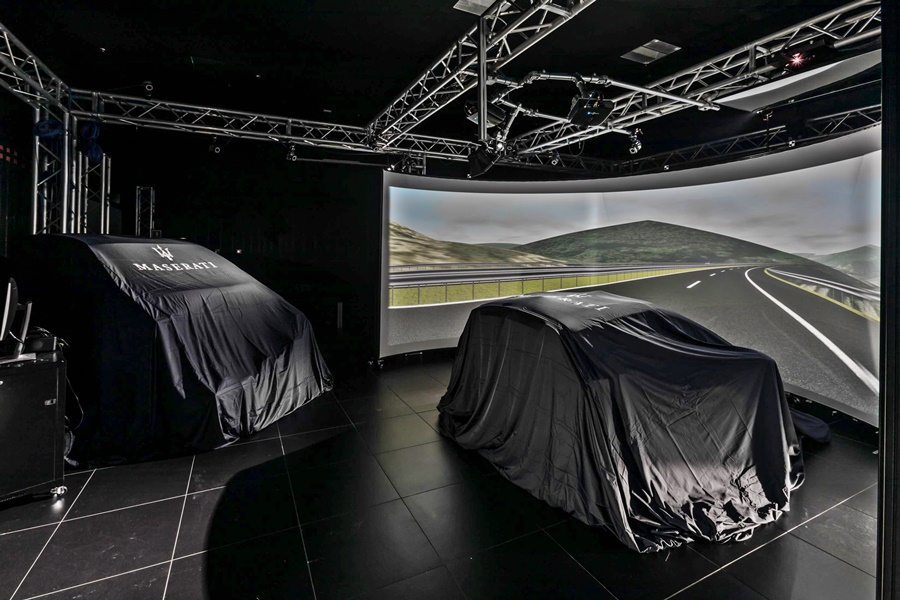
So it’s a surprise move that Maserati has opened the doors of its Innovation Lab which is usually off-limits. Of course, this look inside the Innovation Lab is not going to be on the list of tourist tours in Modena!
Maserati Innovation Lab

The brand’s engineering hub, inaugurated in September 2015 and located in Modena, Italy, has the fundamental role of driving research technology, development and planning. At this facility, the digital processes support the product development, applying the exclusive Maserati formula which, by means of an integrated approach, prioritizes the human factor right from the initial phases. Concern with customer needs has been scrupulously incorporated into the virtual simulation process thanks to an exclusive mix of hardware and software.

The Product Development hub (or Technical Department) employs more than 1,500 technicians (including those at other locations in Italy). The majority are engineers of some 17 different nationalities and it is a very young and dynamic workforce with an average age of around 37 years. Almost half of the employees are under 35 and 20% are under 30. The organization has grown considerably in recent years, attracting top graduates from the best Italian universities, including those that collaborate with Maserati.
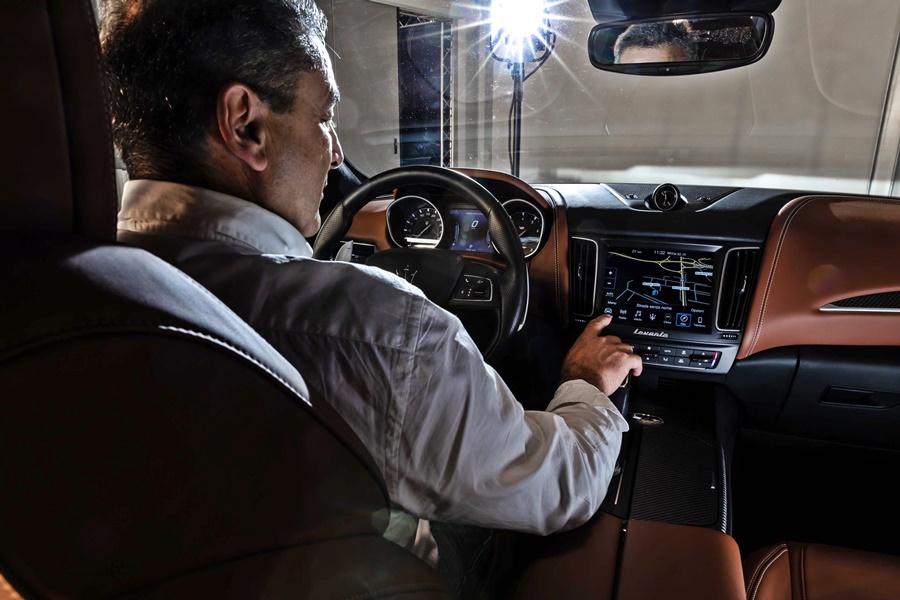
Maserati Innovation Lab

Static Simulator
The Static Simulator is the starting point for every experience in the Maserati realm of simulation. The system is composed of a cockpit, three projectors and high computational power. It is a simple system that helps engineers, from the very initial phase of the development process, obtain immediate feedback from the driver, and makes a major contribution to new model validation.

In particular, Maserati engineering ensures a driver-centred strategy even during virtual development, by creating a link between the Hardware In the Loop (HiL) methodology and the simulator. Using this approach, real subsystems such as steering and braking, ABS and ESC can be added in, to create tests that connect physical and simulated components to provide a test-bed for developing all the characteristics of a new vehicle.

Last, but not least, driver assist systems can be developed, trialled and validated in a safe environment by reproducing the complex scenarios which may arise anywhere in the world.
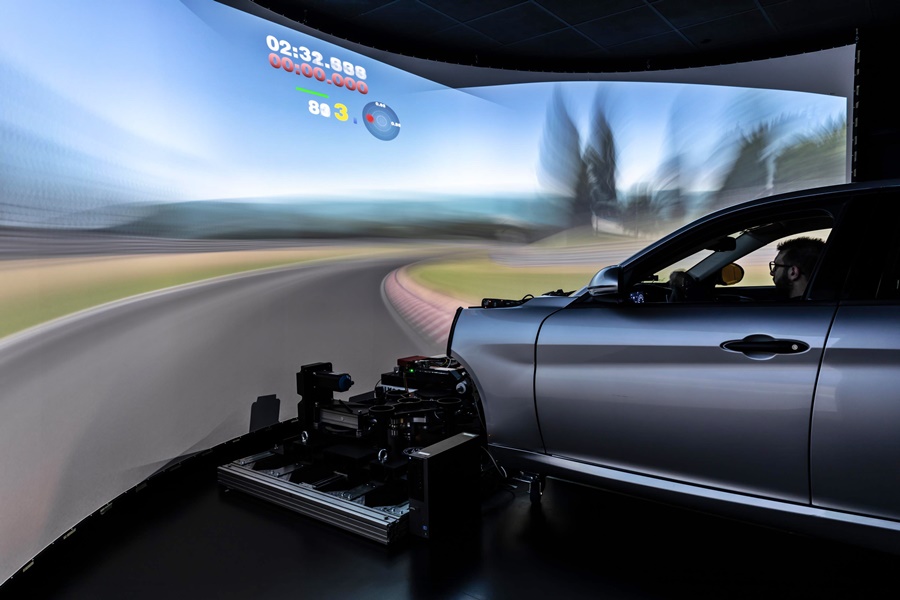
Maserati Innovation Lab

DiM (Driver-in-Motion) technology
The Dynamic Simulator featuring latest generation DiM (Driver-in-Motion) technology is the most modern and advanced found in Europe. It is extremely valuable in the development of all the new models. The Dynamic Simulator incorporates state-of-the-art technology and enables full exploitation of systems’ integration thanks to the evolution of proprietary control strategies, cutting development times and costs. It also helps to reduce the number of prototypes and ensures that the Virtual Sign-Off is very close to the final product.

With various directions of movement, this tool generates an effective driving experience in a virtual environment that emulates the driving dynamics of a car in the real world. Numerous environments can be programme with a wide variety of road surfaces or contexts, including the world’s top international racing circuits. The simulator makes it possible to test cars on various racetracks on the same day. Modifications to the vehicle can be made with a few simple clicks and this greatly simplifies the analysis of the data gathered.
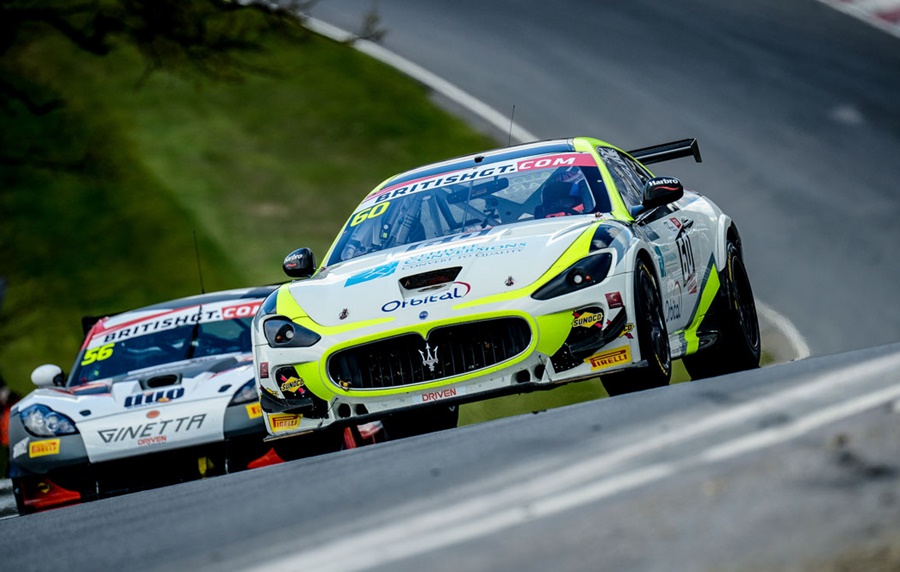
Maserati racing

The majority of simulators utilize six actuators in order to offer six “degrees of freedom”. The innovative dynamic simulator used at the Innovation Lab takes full advantage of 9 actuators, thanks to which it can utilize 3 degrees of freedom with the lower platform and 6 with the upper one. In this way, it can offer in total 9 degrees of freedom to accurately reproduce the driving characteristics of a car. All of this enables the engineers to precisely analyse the dynamics of the car, in addition to driving performance and comfort, all on the same moving platform.

Another particularly interesting characteristic is a very thin cushion of air which makes the entire platform float over the pavement, enabling dynamic, silent and continuous movement thanks to the electric actuators.
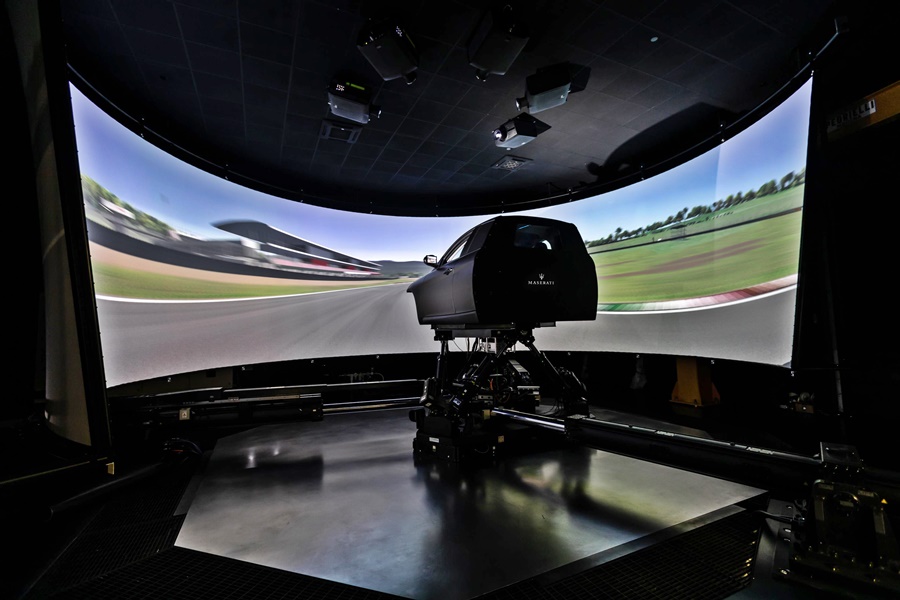
Maserati Innovation Lab

The Dynamic Simulator featuring latest generation DiM (Driver-in-Motion) technology offers tried and tested technology that makes it possible to achieve a 50% reduction in time-to-market for new cars, to carry out 90% of all development on the simulator and to reduce by 40% the use of physical prototypes.

Using the simulator makes it possible to study and emulate the electrified vehicles included in Maserati’s future plans even before physical tests become possible. Thus, the new opportunities offered by this different propulsion method can be analysed and explored in ways that keep the Maserati DNA absolutely intact.

The User eXperience development labs
These labs are fundamental in the design of the human-machine interfaces, one of the major challenges of the latest Maserati development projects. The rapid evolution of connectivity and the use of driver assist systems, combined with electrification, generate a vast number of scenarios for multisensorial interaction with the vehicle.
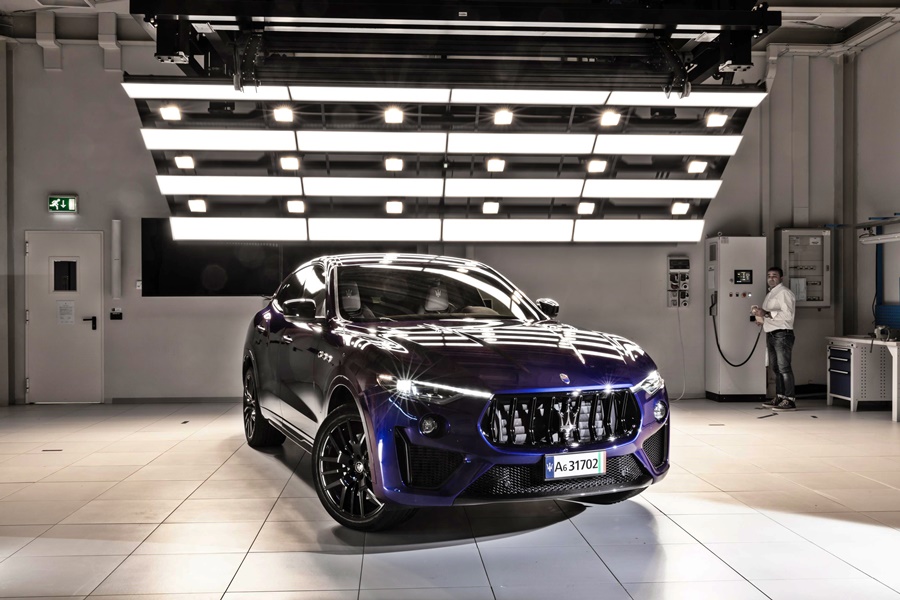
Maserati Innovation Lab

The Maserati driver simulator hub includes a lab dedicated to vehicle ergonomics, enabling accurate reproduction of driving posture, visibility and interactions with the on-board controls and displays, and where the vehicle under development can be driven in any scenario with the utmost realism.

The skylight simulator, for example, is designed to reproduce lighting conditions at all times of day, at any point in the year and at any latitude. Here there is an in-depth focus on reflection problems, to avoid disturbance at the wheel while still providing solutions with attractive shapes, materials, finishes and colours.

(more…)

Every car company wants to grow its sales volume, a measure of business success. However, selling more and more vehicles means that population increases and demand for aftersales support by owners also increases. Honda Malaysia, for example, has had an average increase of 30% from 2014 to 2018. Forward-thinking companies will plan for such growth and ensure that aftersales facilities are progressively increased to match the rise in vehicle numbers.

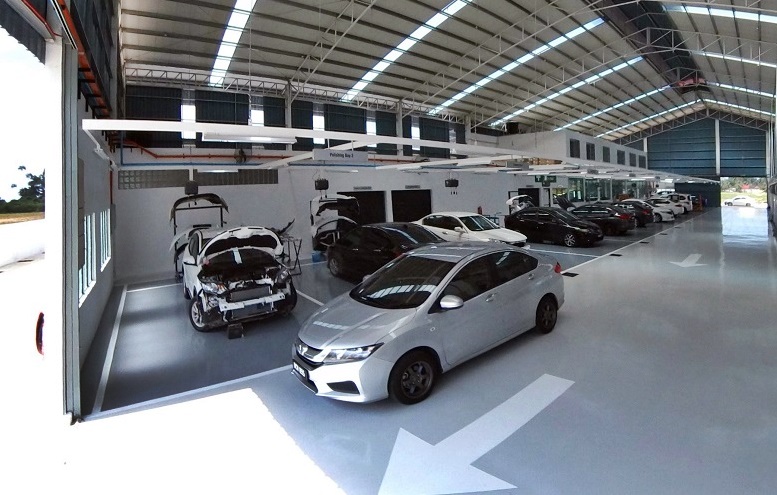
Besides establishing new 3S (sales, service and parts) dealerships around the country, Honda Malaysia also makes sure that many of them have Body & Paint (B&P) Centres. This year, the company opened six new B&P Centres, bringing the total number of such facilities to 28 nationwide. The expansion of B&P Centres is in line with the company’s direction to provide convenience to its customers by fulfilling their various needs in just one service centre.

Honda 4S centre

Increasing intakes at B&P centres
As of October 2019, authorised Honda dealerships around Malaysia recorded a combined total of over 36,000 B&P service intakes, a 40% increase from the BP service intakes in the same period last year. The rising number is attributed to customers understanding the need for professional and qualified restoration of bodywork, genuine parts as well as high quality paintwork for their vehicles to ensure continued long-term durability.

Honda Malaysia’s Managing Director and CEO, Toichi Ishiyama, that the company is striving to provide more aftersales convenience to customers by extending the B&P Centre footprint. “To date, we have 28 B&P Centres in operation. We believe the expansion of B&P Centres will help Honda Malaysia meet the increasing demand as well as offer high quality aftersales service and benefits to our customers such as skilled technicians and conducive environment. All our dealerships are also equipped with advance facilities and equipment to ensure that our customers’ vehicles are well taken care of,” he said.

Honda
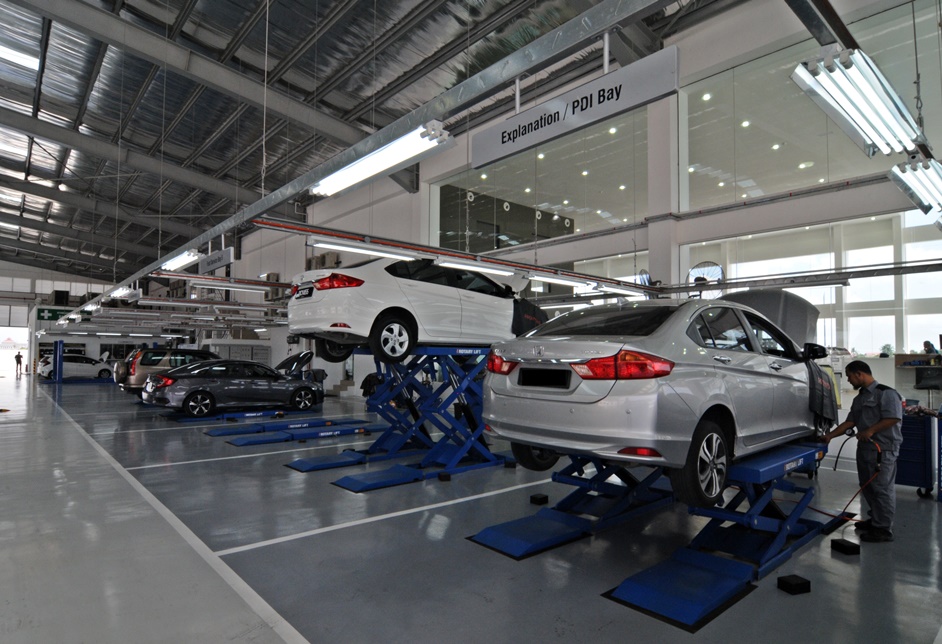
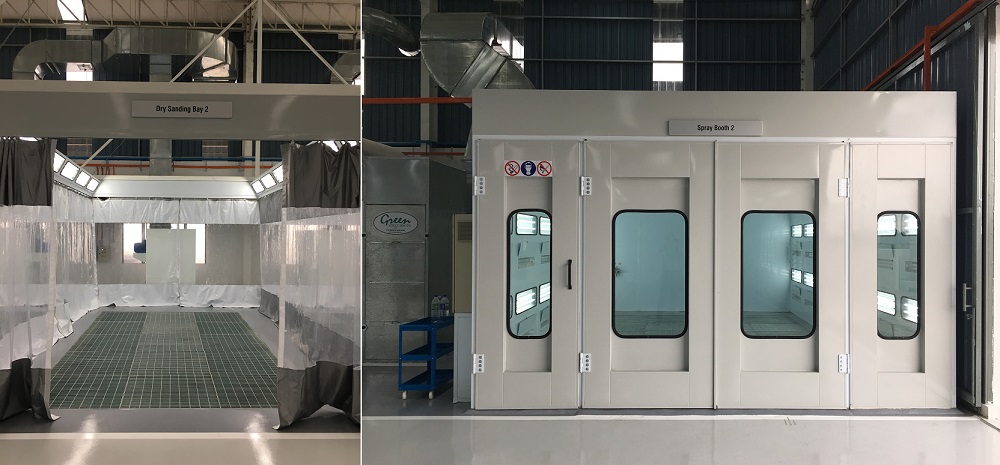
Professional and high-quality B&P facilities at an authorised Honda dealership to restore and refinish vehicles damaged during an accident.

Only genuine, quality products used
Honda Malaysia ensures that quality products and materials are used at the B&P Centres. This includes waterborne paint which is more environment-friendly, as well as genuine Honda parts that are certified by Honda Motor.

Additionally, all Honda B&P centres act as one-stop centres by providing comprehensive assistance to owners in terms of vehicle inspection, accident vehicle repairs, painting, quality checks after repair and many more service. More importantly, they provide assistance for making insurance claims which can be very welcome at a time when the owner may be distressed or unfamiliar with the procedures.

For more information on Honda Malaysia’s B&P Centres, visit www.honda.com.my.

(more…)
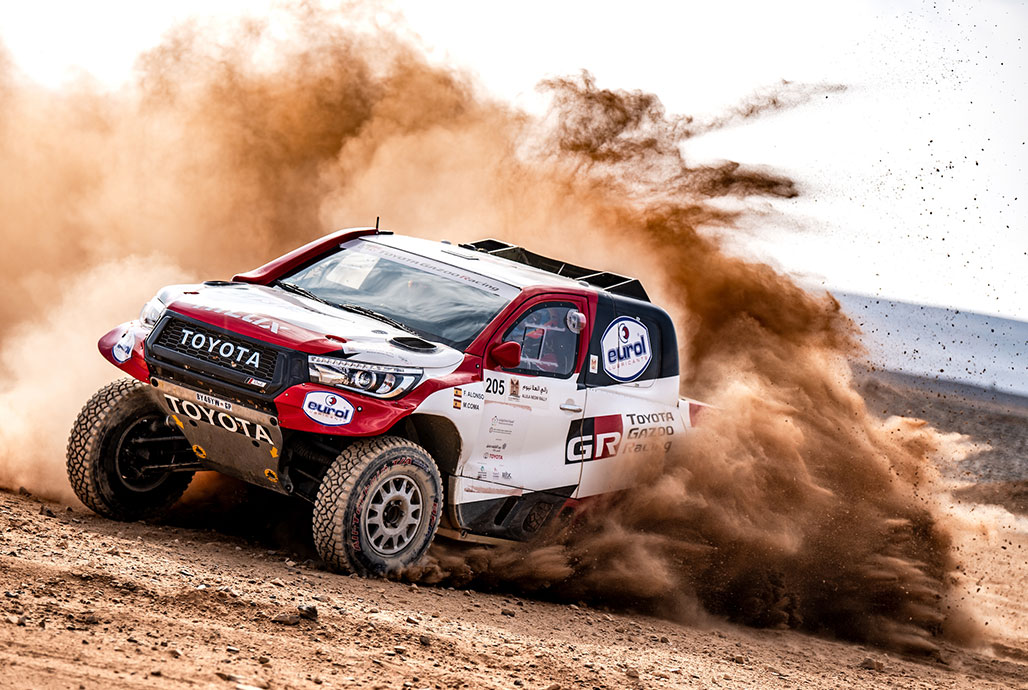
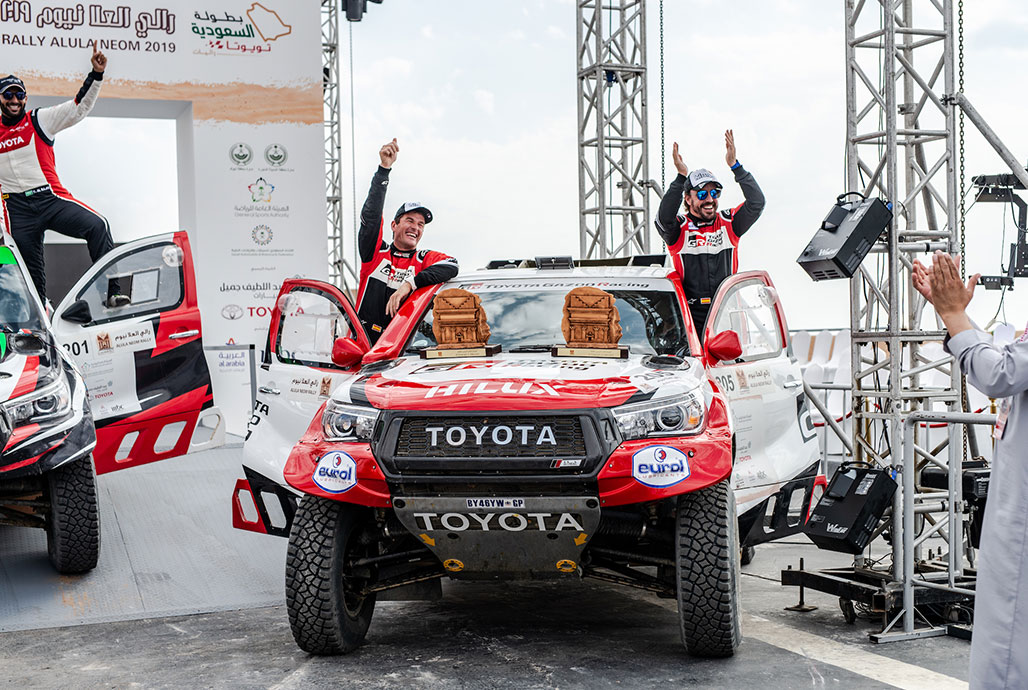
After joining TOYOTA GAZOO Racing, Fernando Alonso seems to be enjoying much better times than when he was racing in Formula 1. Recently, he achieved his first-ever rally raid podium with the team after a solid performance at the 2019 Al Ula-Neom Cross-Country Rally in Saudi Arabia.

In just their third rally raid competition together, Fernando and navigator, Marc Coma, took home the third-place trophy for the first time since the Spanish duo started their preparations towards the 2020 Dakar Rally just over 2 months ago.

TOYOTA GAZOO Racing Fernando Alonso

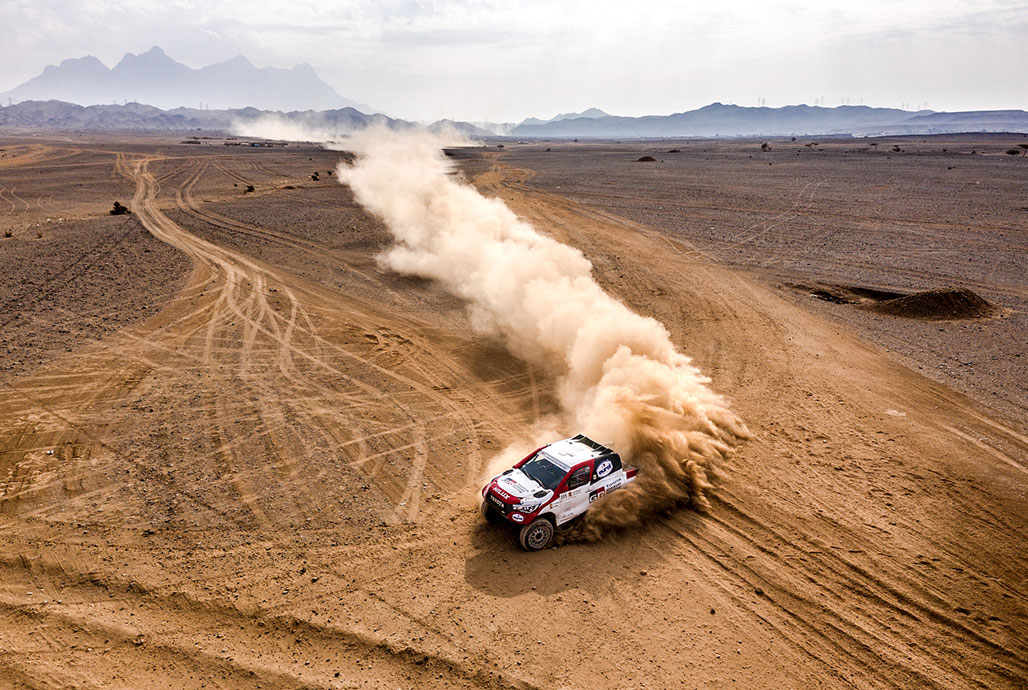
The first 2 of 4 stages took place near the northwestern city of Al Ula which featured two loops of approximately 220 kms each day on mixed terrain of open desert, sand and stone strewn sections, and rocky paths. For Fernando and Marc, this event represented a new challenge of competing on unfamiliar terrain against a field of local rally raid specialists who had more experience.

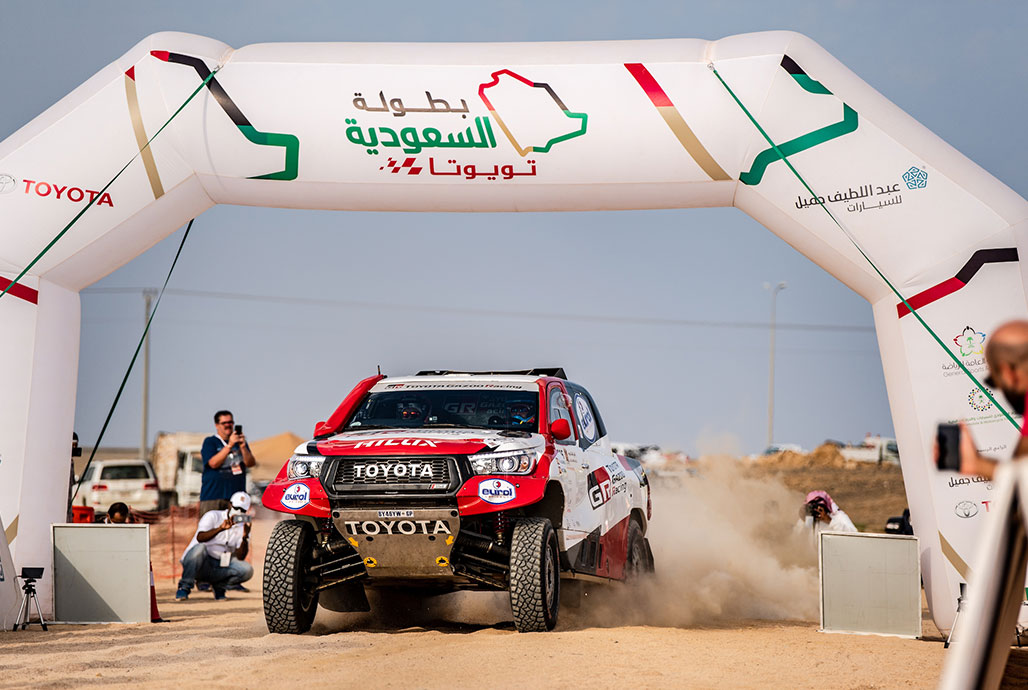
Nevertheless, the Spanish duo brought their Toyota Hilux home in fourth place after the first stage after negotiating through the dust kicked up by frontrunners, trailing the leader by just 7 minutes 24 seconds. As their Hilux was brand new – only 20 kms on the clock – when they arrived in Saudi Arabia, Fernando elected to take a zero-risk approach during the opening stage by not pushing the vehicle too hard.

After a largely clean run on a route similar to that of the previous day and as they pushed to reduce the overall gap, they picked up a puncture towards the closing part of the stage which was made up of rocky paths. The pair lost approximately 2 minutes 30 seconds to replace the flat tyre, which resulted in an additional 7 minutes 35 seconds of deficit to the leader while maintaining a solid fourth place overall.

TOYOTA GAZOO Racing Fernando Alonso

The final 2 stages of the event took place near the new city of Neom, on the coast of the Gulf of Aqaba and the Red Sea, approximately 460 kms northwest of Al Ula. This new and unfamiliar terrain and conditions included areas of tricky navigation which pushed competitors to their limits.

Despite the challenges, the duo showed strong pace over the course of the penultimate stage to bring their Hilux back home third-fastest overall and losing just 17 seconds to the leader after some 180 kms of high-speed driving.

They started the final day in third place overall following a late retirement overnight and securing the final podium spot with consistent pace throughout the day despite some time loss due to inaccurate road books and tricky navigation. Their split times showed excellent speed, a clear indication that they have already reached a highly competitive level in rally raid despite their relative lack of experience as they transition into new motorsport disciplines.

TOYOTA GAZOO Racing Fernando Alonso

The 2019 Al Ula-Neom Cross-Country Rally is the last of 3 rally raid competitions for Fernando and Marc in their intensive training programme to prepare for the 2020 Dakar Rally. The Spanish pairing first entered what turned out to be an eventful Lichtenburg 400 in South Africa before tackling the formidable Rally of Morocco. They persevered through a wide variety of challenges and learnt invaluable lessons along the way.

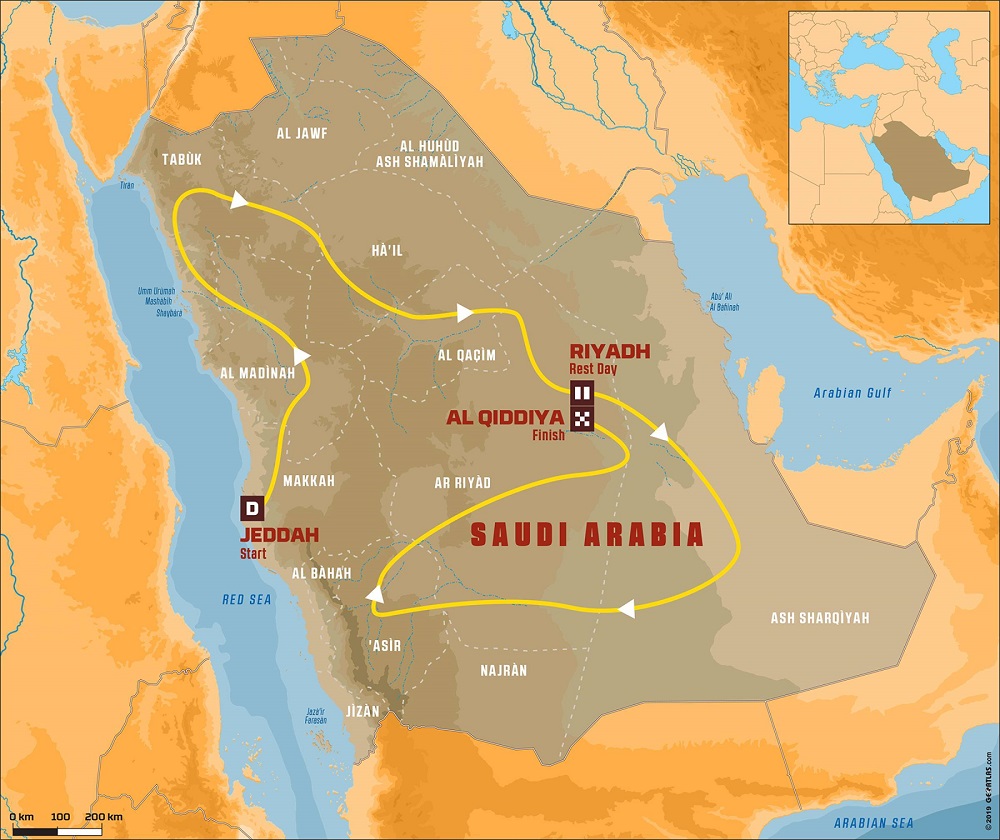
With under two months to go before the Dakar Rally, Fernando and Marc will continue private testing before joining their TOYOTA GAZOO Racing teammates in Saudi Arabia in January 2020 for the Dakar Rally. Yes, you read that right – the next edition of the Dakar Rally will be held in Saudi Arabia which will be the third region used for the legendary event that started in 1979 as the Paris-Dakar Rally. In 2009, security concerns forced the organisers to stop using the route down West Africa and the event shifted to South America, but still retaining the ‘Dakar’ name.

2020 Dakar Rally
The route of the 2020 Dakar Rally which will be held in Saudi Arabia for the first time since the legendary event began 40 years ago.

The Toyota Hilux is a global bestseller. To know more about the models available in Malaysia, visit www.toyota.com.my.

(more…)
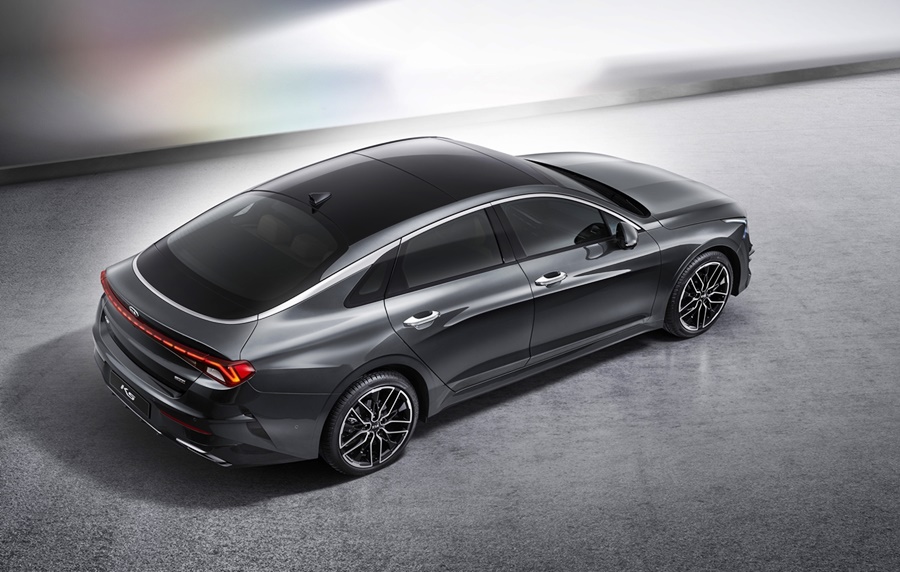
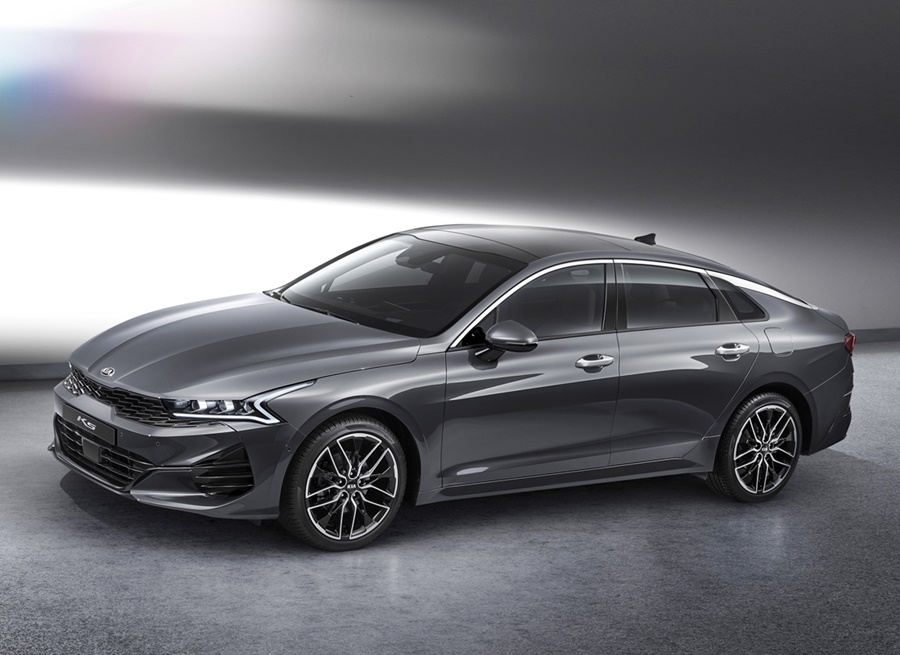
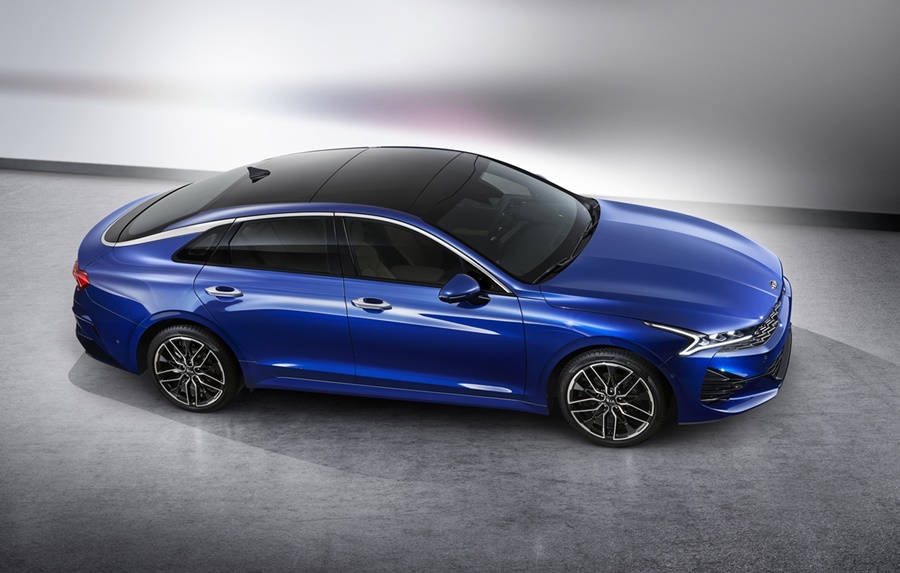
A new generation of the Kia K5 sedan is due for launch in Korea next month and as a prelude to the launch, the carmaker has released the first official pictures. They show the new model as having a sportier fastback profile with a new design direction for the brand.

2020 Kia K5

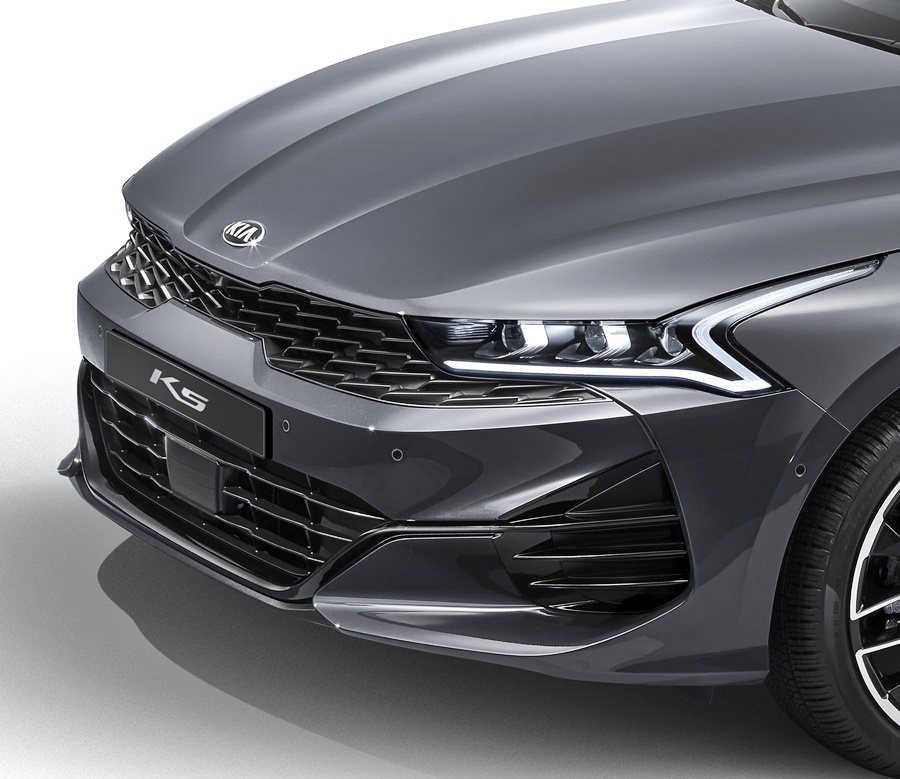
Like other Kia models over the past 12 years, the ‘Tiger Nose’ has been a permanent feature which has been presented in various interpretations. For the new K5, it is imposing and referred to as the ‘Tiger Nose Evolution’. It has a wide, three-dimensional design which integrates the grille and headlamps more organically than before. Above the grille is the deeply-contoured bonnet and characteristic lower bumper, emphasizing the smooth lines on the front of the car and enhancing the K5’s on-road presence.

2020 Kia K5

The texture of the grille is modelled on the texture of shark skin which has powerful and sporty image. The grille is made with a matrix of interlocking details to give the K5 a classy and dynamic look. The K5’s new front headlamps feature a distinctive ‘heartbeat’ daytime running light signature.

More muscular profile
The profile of the K5 displays a greater sense of muscularity than its predecessor, with the body narrowing slightly at the midpoint between wheelarches. A distinctive crease runs the length of the  body, while a dash of chrome above the car’s new frameless windows adds greater drama to its flowing, fastback roofline.

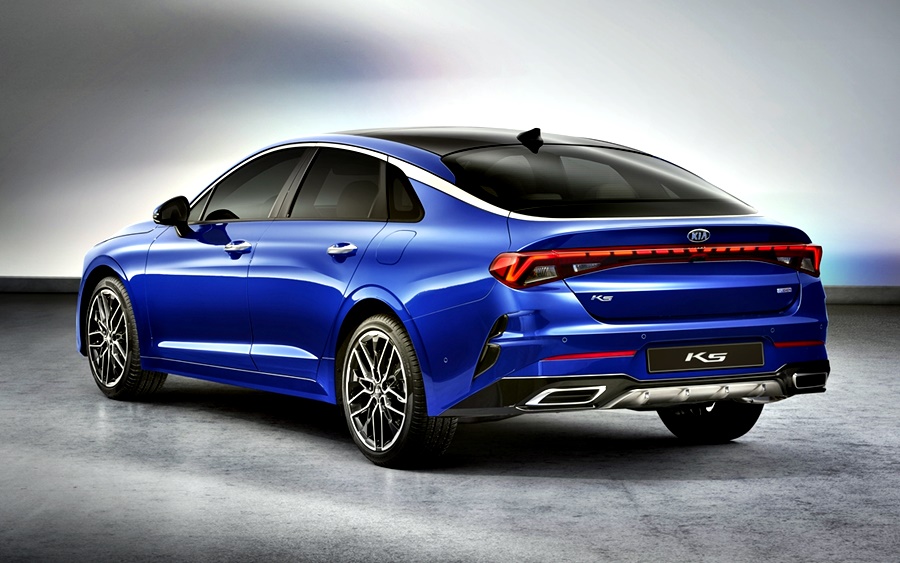
The rear has a new rear-combination lamp design which provides a sporty silhouette mirrored by the three-dimensional design of the subtle rear wing. The unique rear light signature mirrors the slender ‘heartbeat’ motif found at the front of the car, while the flash of chrome from the roofline loops around the base of the rear screen, unifying the side and rear profile.

2020 Kia K5

2020 Kia K5

Longer and wider
The new K5 is longer and wider, with overall length extended by 50 mm to 4905 mm and the width by 25 mm to 1860 mm. The wheelbase is longer too at 2850 mm while a 20-mm drop in the height nicely complements the sleeker style.

Malaysians know the K5 as the Optima, sold by Naza Kia Malaysia. However, it remains to be seen whether Kia will has developed a righthand drive (RHD) variant for markets where cars travel on the left side of the road. Korean manufacturers don’t necessarily see RHD market volumes as being substantial enough for them to cater to and prefer to focus on the huge lefthand drive markets like China and North America.

Visit www.kia.com to know more about Kia models available in Malaysia.

(more…)
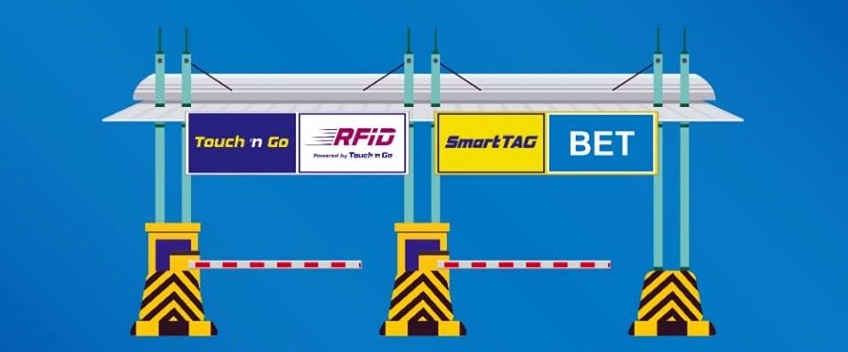
CIMB Group Holdings Berhad and PLUS Malaysia Berhad have announced that they have recently come to an agreement to provide additional payment options to users of PLUS expressways across the country. These enhanced toll payment services will be facilitated by Touch n’ Go Sdn Bhd (52% owned by CIMB) through the TnG RFID (Radio Frequency Identification) tag.

Apparently, this agreement resolves the dispute a year ago when PLUS began to introduce its own RFID tag for electronic toll payments. CIMB took legal action to stop PLUS from having its own toll collection system.

PLUS RFID

Starting with PLUS expressways, the recent agreement promises a seamless experience with more options for toll payment anchored on the concept of Open Payments and will give highway users the choice to link their TnG RFID tags to any of their bank accounts, credit cards, debit cards or the TnG e-wallet.

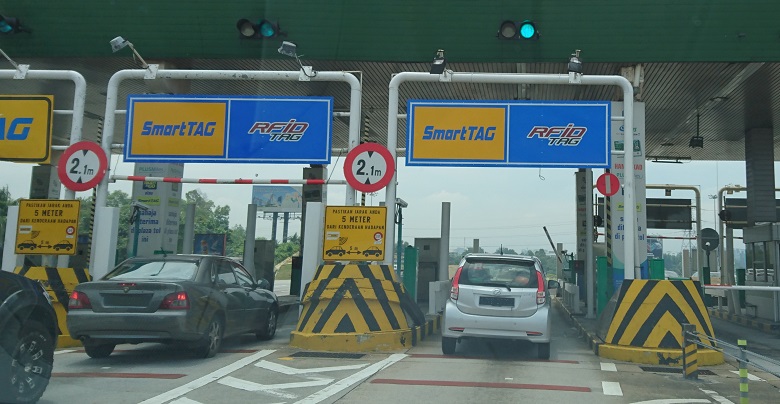
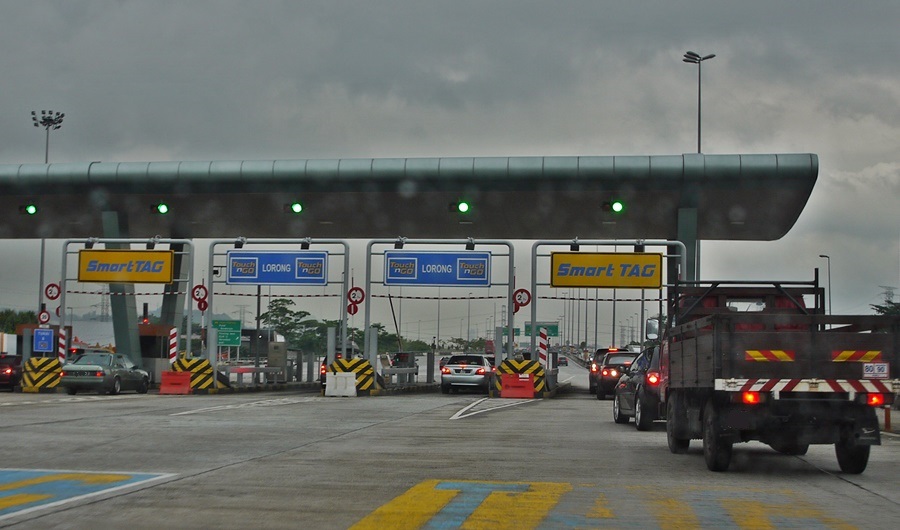
TnG RFID services will be available in 10 open system toll plazas at PLUS expressways by January 1, 2020, extending to for all 83 closed system toll plazas on PLUS expressways by April 1, 2020. RFID transactions will be real-time and highway users will receive immediate notification of their balance.

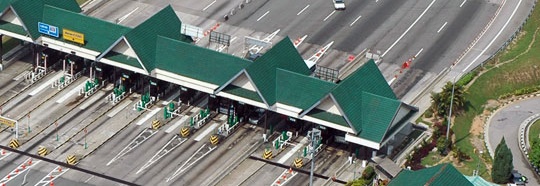
Toll plaza

Open system toll plazas are defined as a system where the toll fare is a fixed rate based on vehicle class. Closed system highways charge according to the vehicle class and distance travelled, with the toll to be paid when the vehicle exits the highway.

TnG RFID services have been available in pilot-mode at selected expressways nationwide since the beginning of 2019. Currently, there are over 700,000 RFID tags installed on and these tags are currently linked to the TnG e-wallet as a source of funds. The TnG RFID initiative is the first step of a masterplan aimed at reducing congestion on Malaysian expressways.

The scheme is being coordinated and devised in collaboration with the Ministry of Transport, Ministry of Works and Malaysian Highway Authority and there will be absolutely no disruption to the current card, SmartTAG or PayDirect services.

PLUS and TnG

It is the intent of CIMB and TnG to roll-out the Open Payments facility to all toll highway concessionaires across Malaysia in the future. Over time, this RFID-driven payment mode is expected to replace the TnG card that has been the defacto mode of payment for toll transactions across the country.

“It has been a key belief at PLUS that giving our customers more options to pay is an important aspect in enhancing their road journeys, so this is a key consideration when working with our partners. We are pleased that Open Payment options will soon be available to toll highway customers, in line with the needs of our customers who look forward to more convenience,” said Datuk Azman Ismail, Managing Director of PLUS.

“We are delighted that CIMB is aligned on this ambition to partner with us to lead in making it a seamless journey on our highways with the democratisation of toll payments where over time, other mode of payment can be considered, thus ensuring the toll industry is always relevant with market practices,” he added.

PLUS

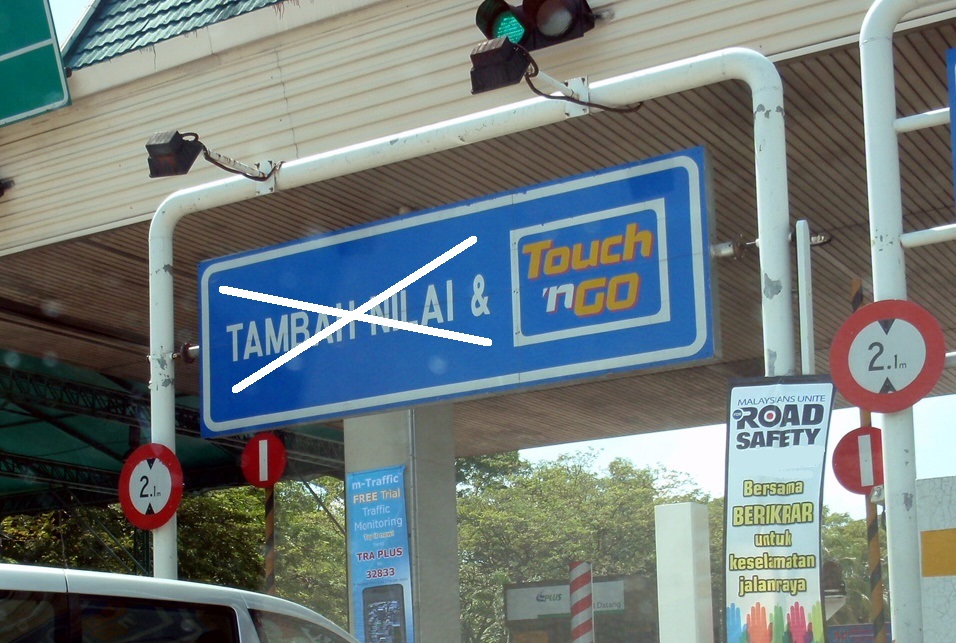
On the issue of reloading booths no longer being available at toll plazas, Datuk Azman said PLUS is aware of the unhappiness from some highway users and is working to resolve the issues but needs some time to do so. In the meantime, he urged motorists, for safety reasons, not to get out of their vehicles if they are unable to pass through because their TnG card has insufficient balance. “Press the intercom button and a PLUS customer service officer will come to assist you,” he advised.

(more…)
Archive

Follow us on Facebook

Follow us on YouTube