


Piston.my

Latest News

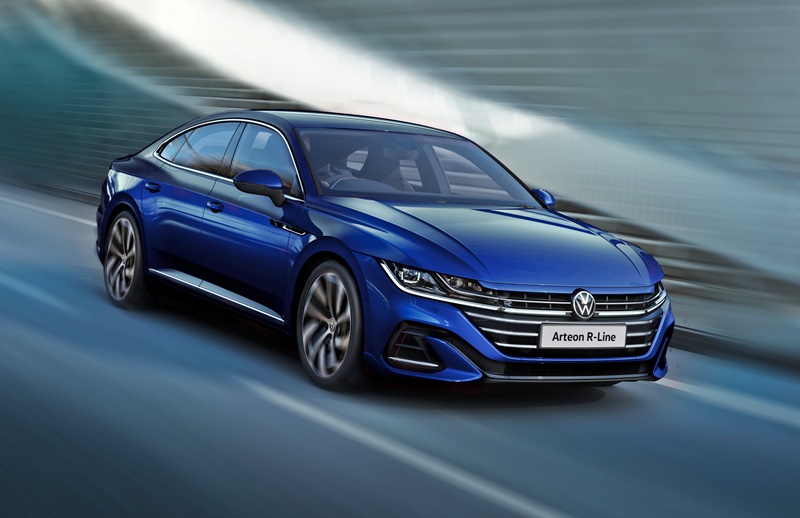
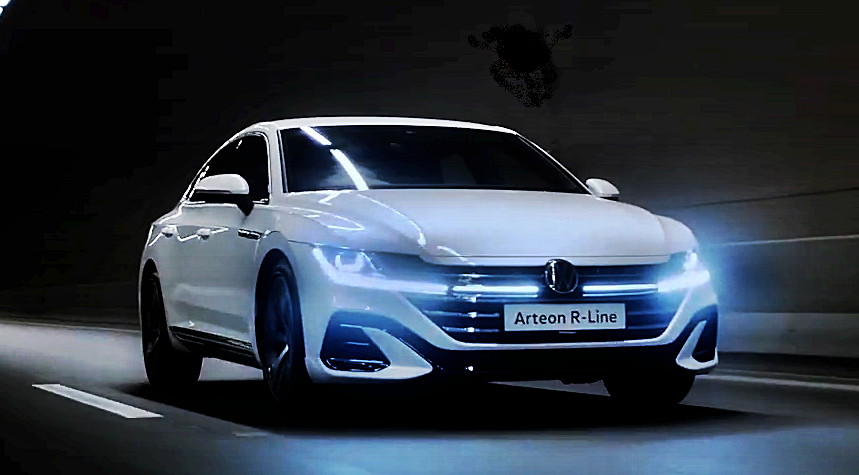
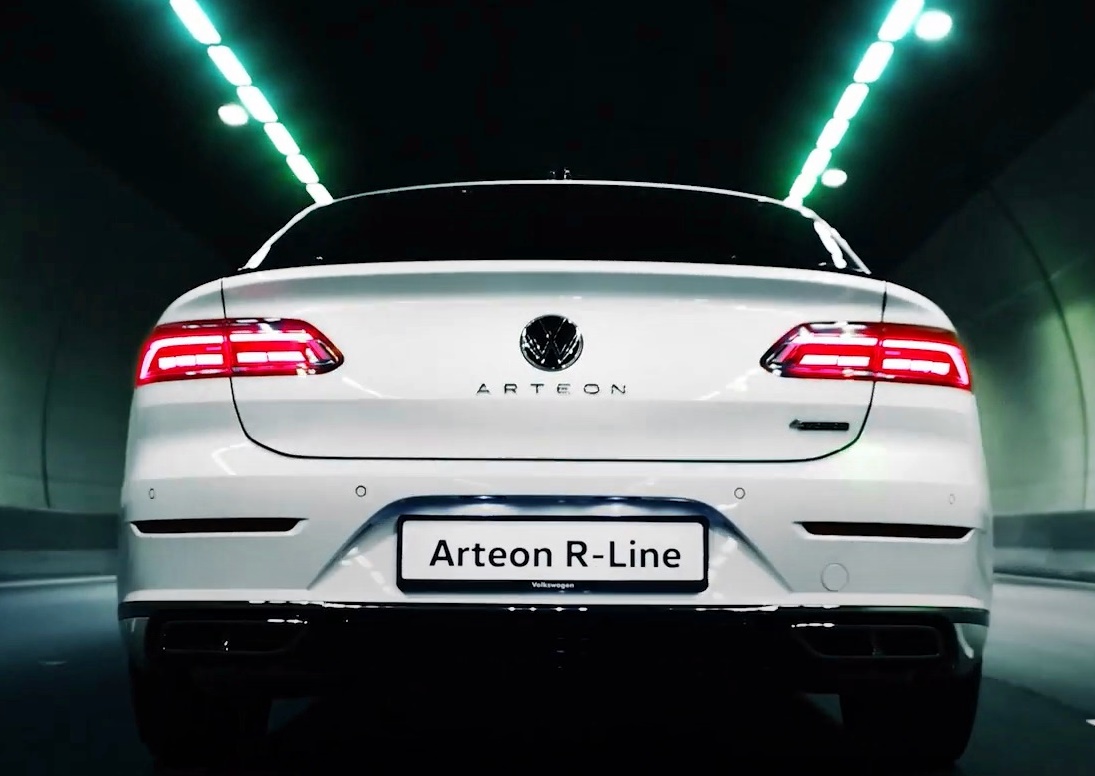
As with other car companies these days, Volkswagen Passenger Cars Malaysia (VPCM) has to use online media to launch its new products and today, it officially introduced the new Volkswagen Arteon R-Line 4MOTION. Assembled locally, the 4-door fastback is priced from RM247,671 without insurance and with full sales tax exempted (until the end of 2021).

Facelifted version
The Arteon, as flagship of the Volkswagen range in Malaysia, has been in the market since 2020 and the one launched today has the cosmetic changes of the updated model that made its global debut last June. Besides the exclusivity and sportiness that the R-Line package adds, the new model also comes very extensively equipped with high-tech and premium features as standard.
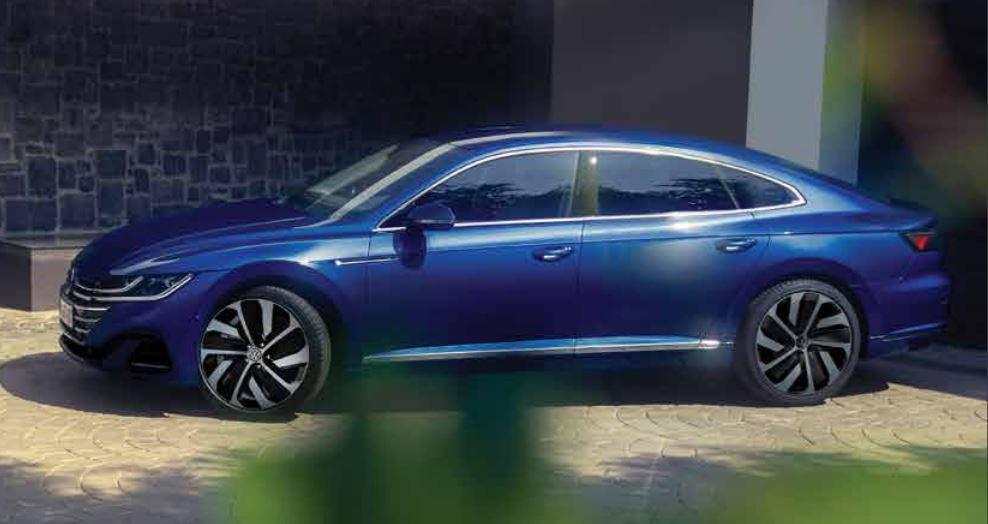
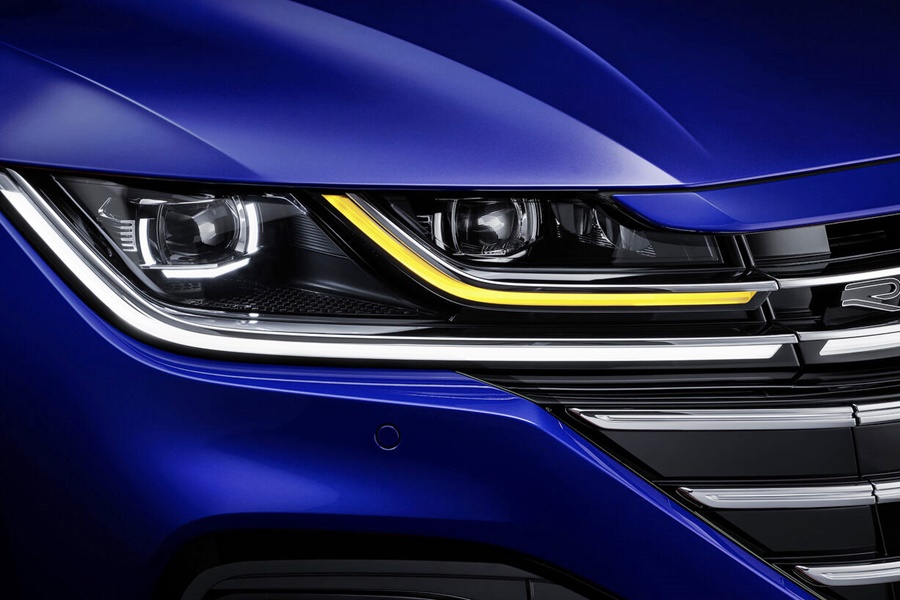
2021 Volkswagen Arteon R-Line 4MOTION

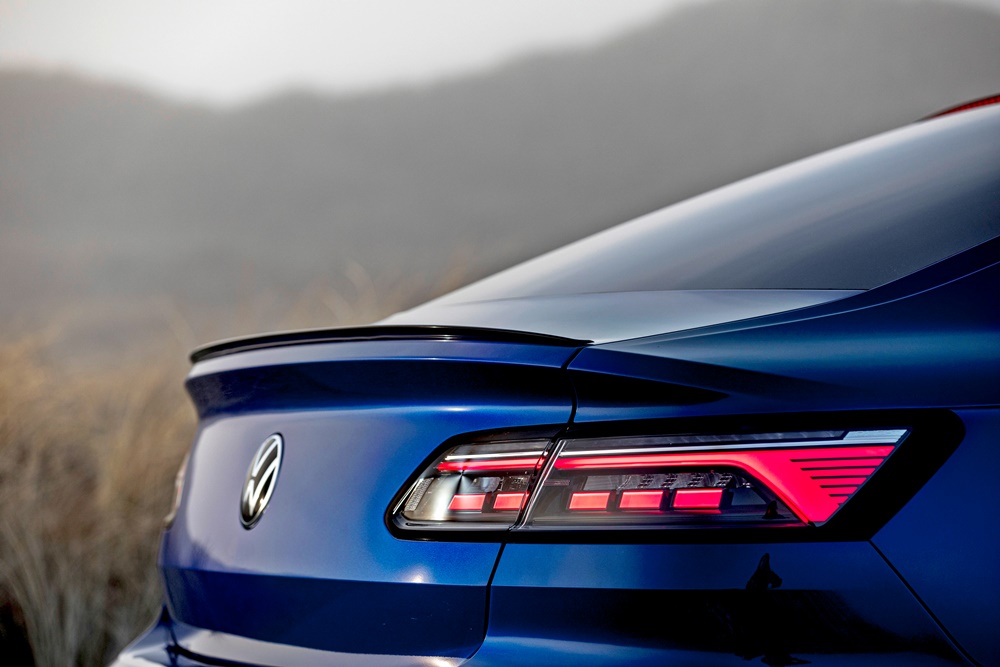
These include a full-LED headlight system with Dynamic Cornering Lights while the LED 3D rear taillights have sequential turn signals. The driver’s seat has 14-way adjustment while the luxurious ambience can be personalised with a selection of 30 colours (of adjustable intensity) for ambient illumination.

New, more powerful engine
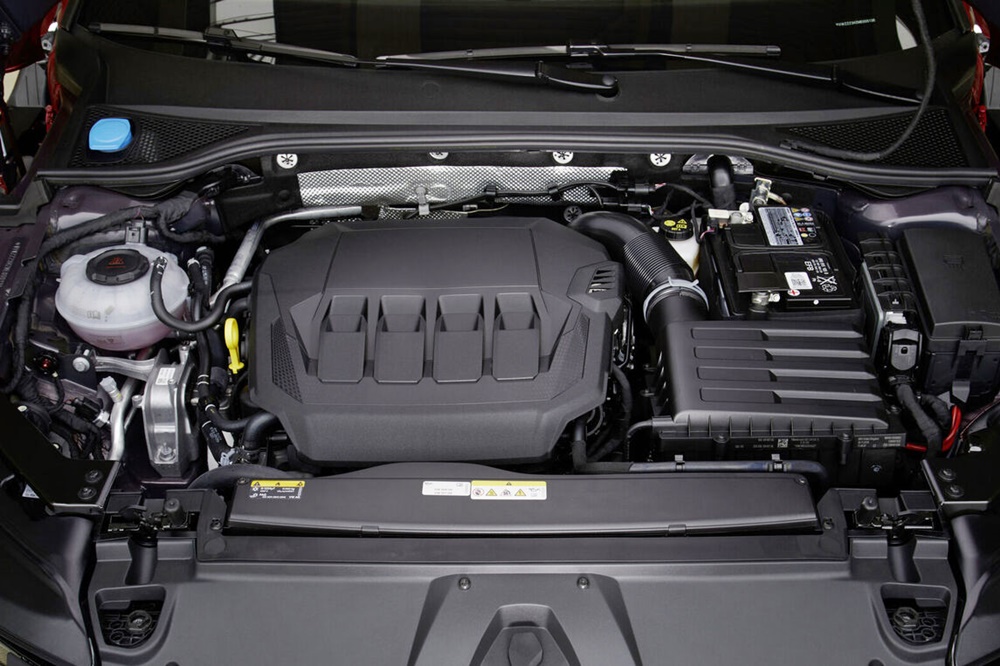
Under the bonnet, the powertrain is a new and more powerful one. While being similarly turbocharged and having a 2-litre displacement, the EA888 TSI engine in the latest Arteon produce 280 ps with 350 Nm of torque available between 1,700 and 5,600 rpm. These numbers are 70 ps and 30 Nm more than before and still flow through a 7-speed DSG wet dual-clutch transmission. The claimed acceleration time is 5.6 seconds from 0 to 100 km/h, with fuel consumption said to be up to 13.5 kms/litre.
All-wheel drive with 4MOTION
What’s significant for the new model is that the power goes to all four wheels, instead of just those at the front. The system enabling this is 4Motion, Volkswagen’s all-wheel drive (AWD) system. While many people may think that AWD is only good for off-road driving, it is actually useful on the road too.

With all 4 wheels powered, traction is improved and this will be appreciated on wet or slippery roads. Acceleration can also be improved and grip during cornering is also better. Of course, the Laws of Physics still apply so having 4MOTION doesn’t mean that you can drive around a corner faster than the capability of the tyres to grip the road.
AWD systems like 4MOTION have ‘intelligence’, sending power to whichever wheel needs it at any given moment. If it senses a wheel starting to spin, the system cuts the power going to that wheel and sends more power to whichever of the other wheels can best use it. Because it all happens automatically, the driver can focus on driving.

The 4MOTION system in the Arteon R-Line is one of two versions which Volkswagen developed. In Arteon application, because the engine is mounted transversely, an electro-hydraulic Haldex coupling is used whereas the other version for models like the Touareg SUV employ a mechanical Torsen centre differential to distribute power to the front and rear wheels. This is because of the engine being installed in a longitudinal orientation.
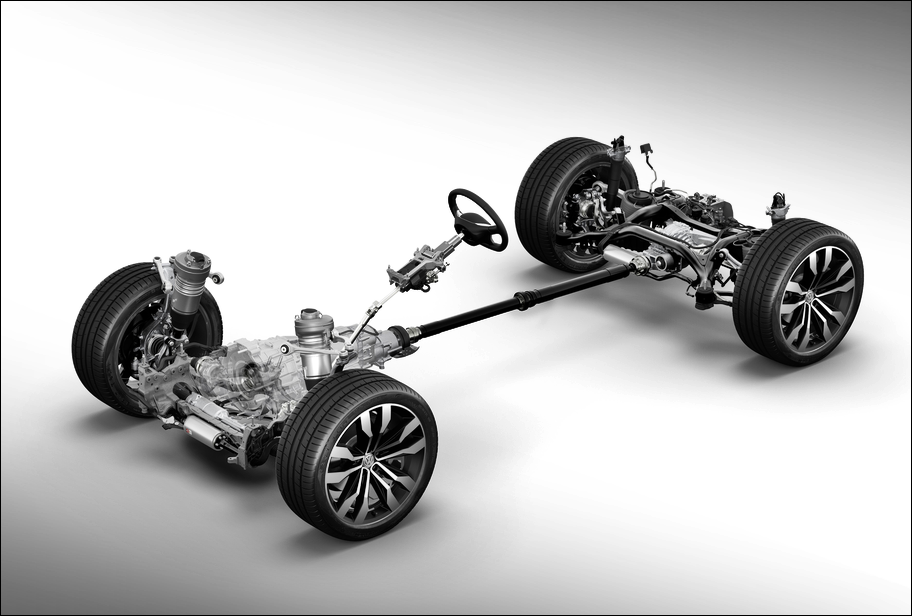
Power delivery is on an infinitely variable basis by a multi-plate clutch. Normally, power is mainly transmitted to the front axle, which saves energy. However, in the event of an impending loss of traction, the rear axle is activated in a fraction of a second. The distribution of power to all four wheels becomes active before wheelspin occurs, rather than being reactive. A loss of traction is therefore virtually excluded. However, should any wheel slip occur, power is immediately transmitted to the wheels where it is needed. An Electronic Different Lock also helps to improve traction and reduce understeer.
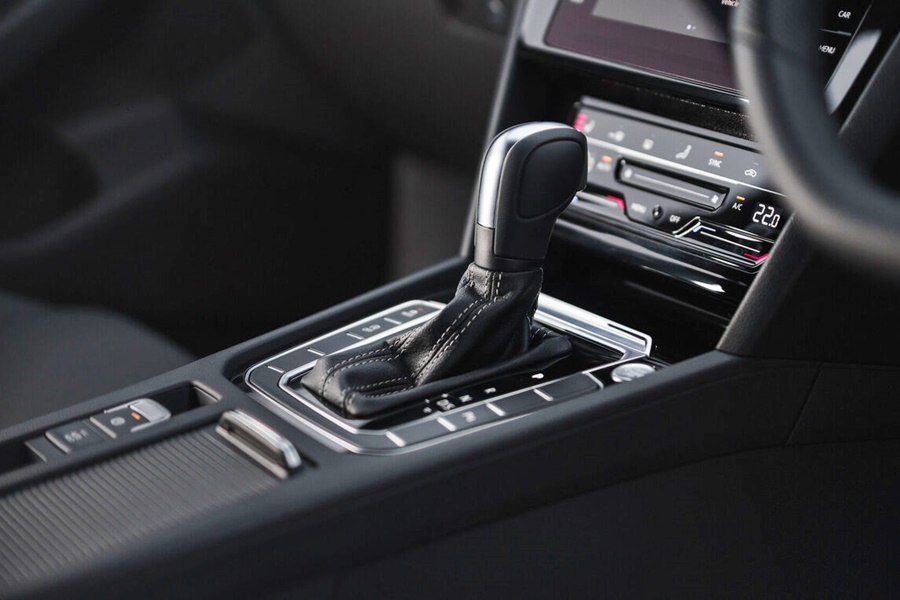
Dynamic Chassis Control, which is standard, has up to 15 selectable increments which are varied using the adaptive dampers. There are also 5 different driving modes (Eco, Comfort, Normal, Sport and Individual) so driving preferences can be personalized.

Extensive safety features but no AEB
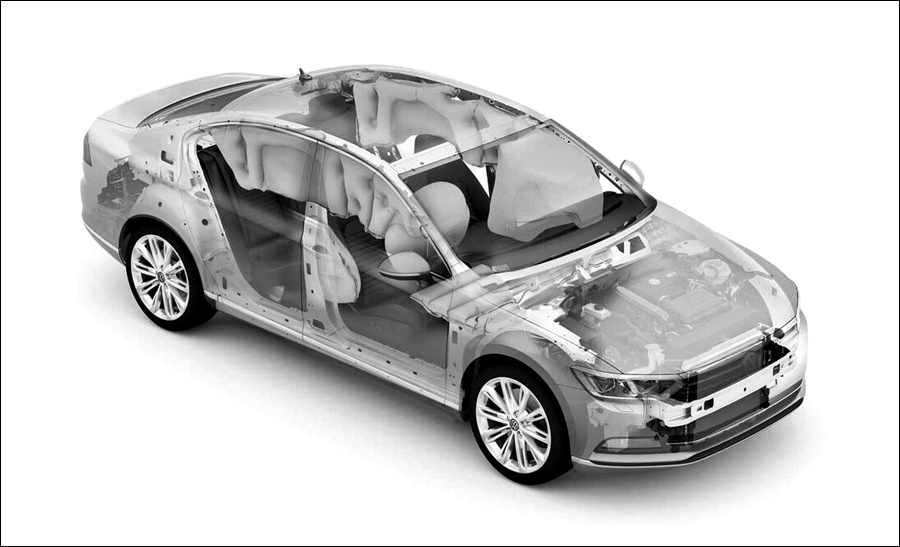
In the area of safety, Volkswagen has always made sure that its customers get the best possible protection and as the flagship model, the Arteon has an extensive list of safety systems to help the driver avoid accidents. These driver assistance systems include Lane Assist, Side Assist, Driver Alert, and Rear Cross Traffic Alert. There’s also a 360° Area View system which let’s the driver see all around the car not only for precise parking but also to spot hazards. The display is customisable to full or split views.
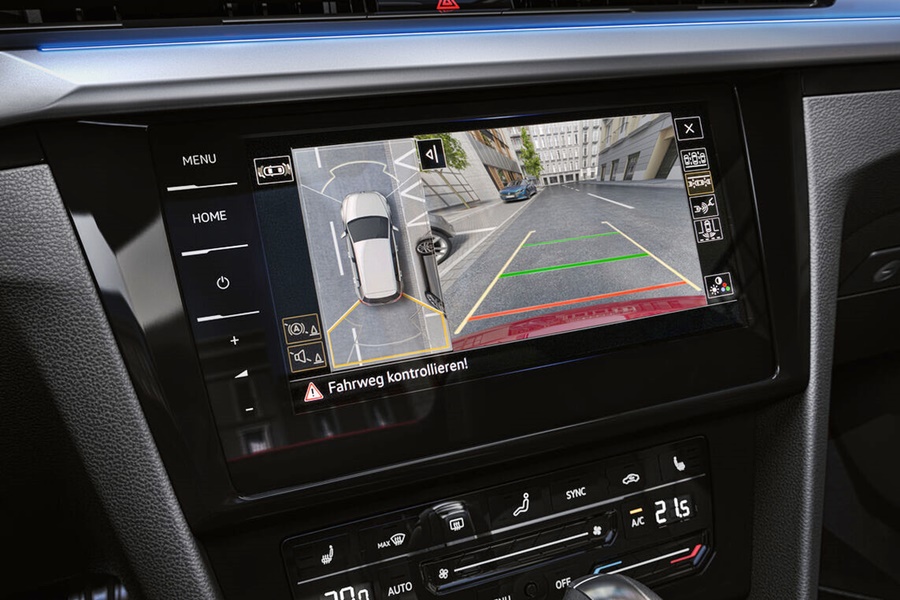
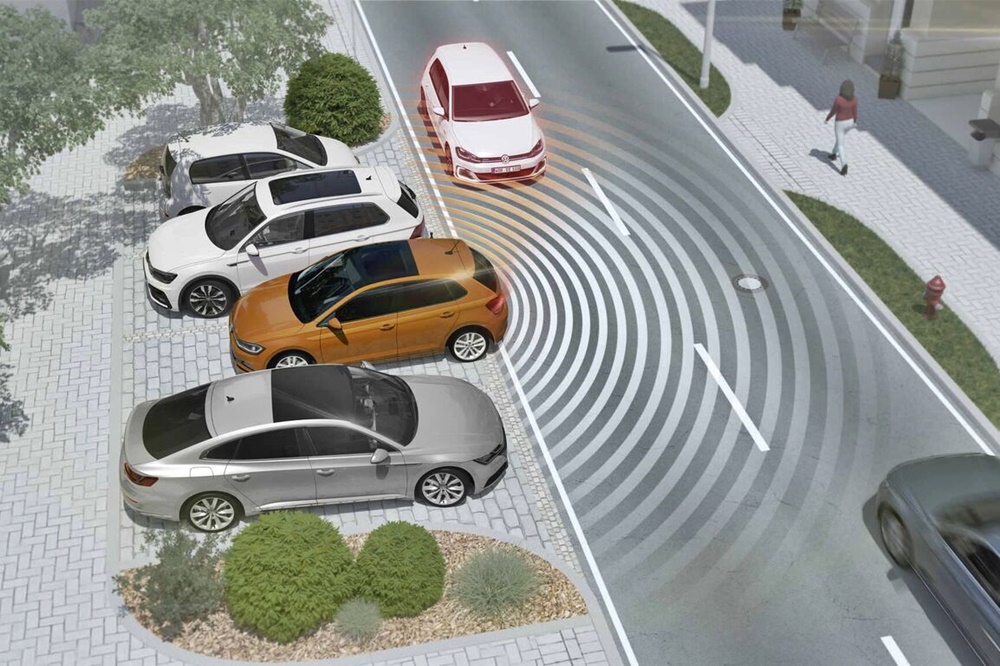
If an accident does occur, there’s a Post-Collision Braking System which prevents a second collision (if the car is propelled uncontrollably), and an Intelligent Crash Response System that activates to cut fuel supply, switch on hazard lights and unlock the doors to enable rescuers to get to the occupants.

The usual active safety systems like ABS with Brake Assist and Electronic Stability Control are also present but it is rather surprising to find Automatic Emergency Braking (AEB) not available. This system activates to automatically apply the brakes if the driver does not do so when a collision is likely to occur. According to VPCM’s Managing Director, Erik Winter, AEB is available for the Arteon but the system is still undergoing tests in Malaysian conditions so it is not being installed yet.
However, while AEB is not present for now, there is something called Maneuver Braking which is active from around 1.5 km/h up to 10 km/h. It is active during reversing as well as moving forward, so it is effective during parking and prevents bumping into a wall or another vehicle. The Maneuver Braking system is basically an extension of the Park Distance Control system which has been around for a long time.

Arteon drivers will also be alerted to reduced pressures in the tyres by the Tyre Pressure Monitoring System. Once the normal pressures are set, any significant change will be noticed so the driver will not drive too far on an under-inflated tyre and damage it.

Interior with R-Line silver trim
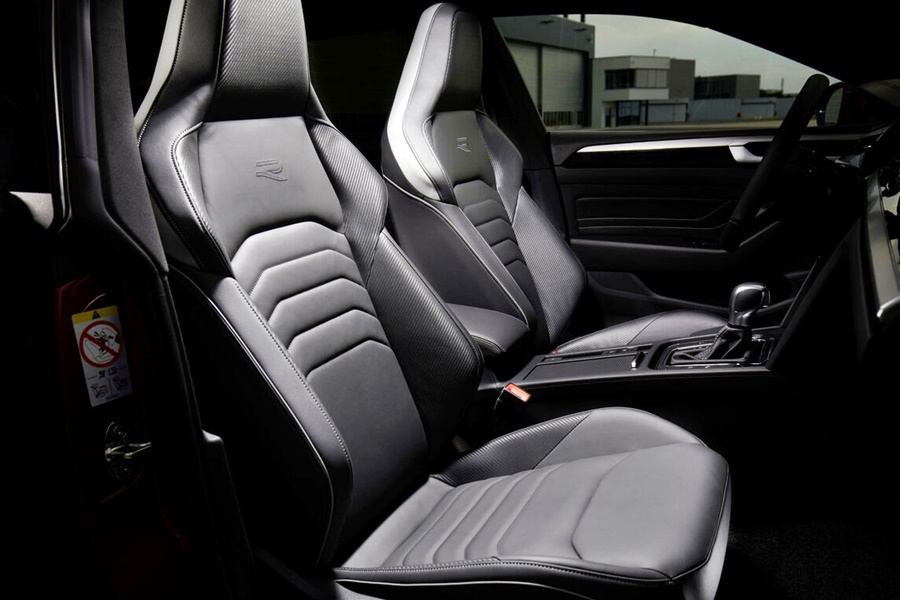
The spacious cabin of the Arteon with R-Line silver trim has EgoComfort seats which are handsomely sculpted and upholstered in Nappa Carbon leather. The seats are structured for comfort and reduced fatigue on long journeys and for the driver, there are up to 14 adjustment options as well as a massage function. The ambient lighting has a choice of 30 colours with adjustable intensity to match just about any mood.
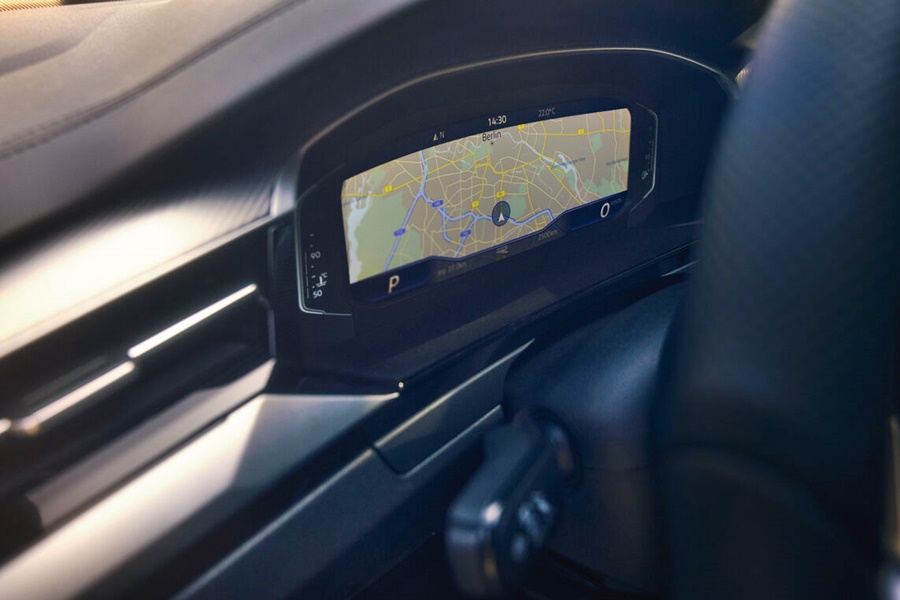
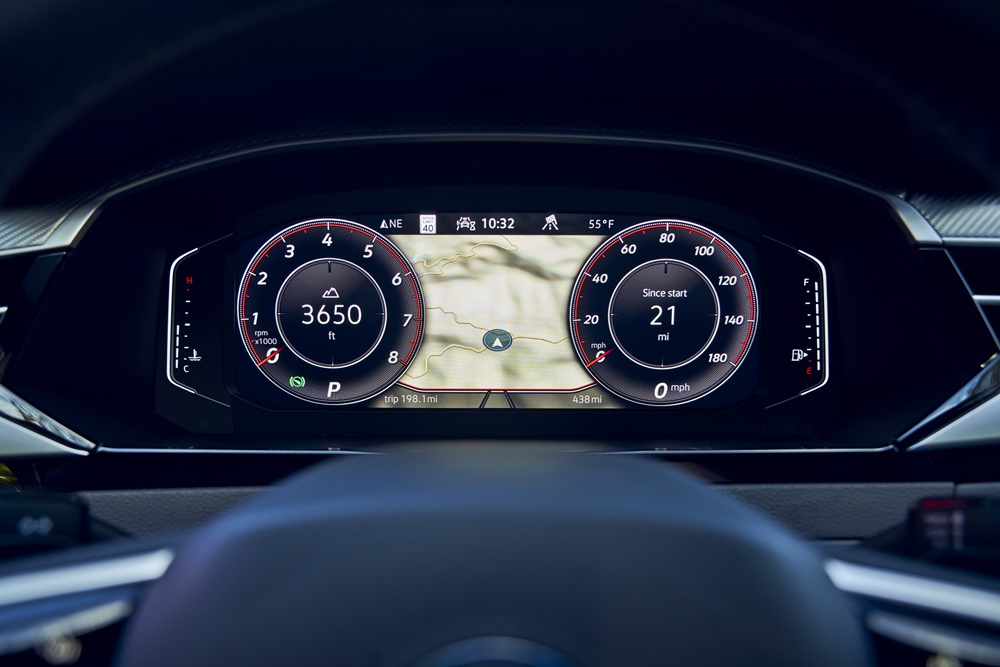
The high-resolution 11.7-inch Digital Cockpit not only shows the usual information like road and engine speeds but can also have a navigation map overlaid across the instrument panel. The display is customizable with 6 views for over 30 combinations, including 2D and 3D navigation.
The 9.2-inch Discover Pro infotainment system comes with voice and gesture control and supports wireless App-Connect to Apple Car Play and Android Auto. Besides using the touchscreen, the driver can also go handsfree and use voice commands or switches on the steering wheel.

Going with the flagship status of the model is the premium Harman Kardon sound system which has 12 speakers (11 speakers plus an additional centre one). The speaker grilles are crafted from ultra-thin 0.5 mm high-strength steel to support optimal acoustic performance. The 700W digital sound system employs a 16-channel digital amplifier with surround sound that can be enhanced by pre-determined acoustic settings – PURE, CHILL OUT, LIVE and ENERGY.
Trade-up offer
VPCM has a Trade-Up campaign for existing owners of the Touran, Cross Touran, Sharan, Passat CC and Passat (B7) who want to buy a new Volkswagen. With this campaign, owners will be able to enjoy an additional RM3,000 in trade-in value for all models currently on sale, including the all-new Arteon R-Line. While the present FMCO conditions do not allow for showroom visits, bookings for the new Arteon (as well as other models) can be made via the Volkswagen eShowroom which is always accessible from a smartphone or computer. For more information, visit www.volkswagen.com.my.


StayAtHome

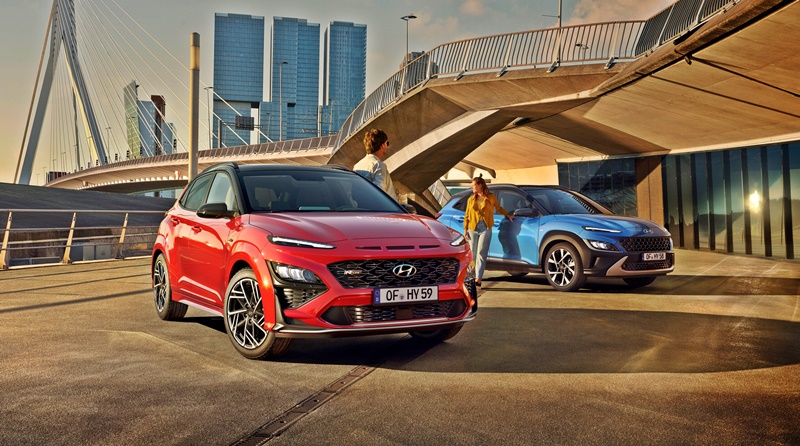
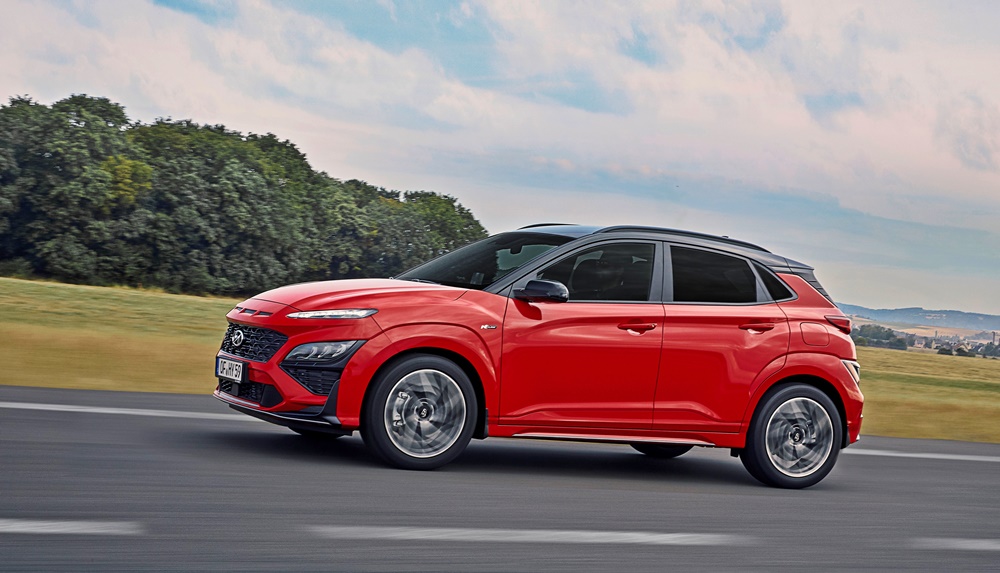
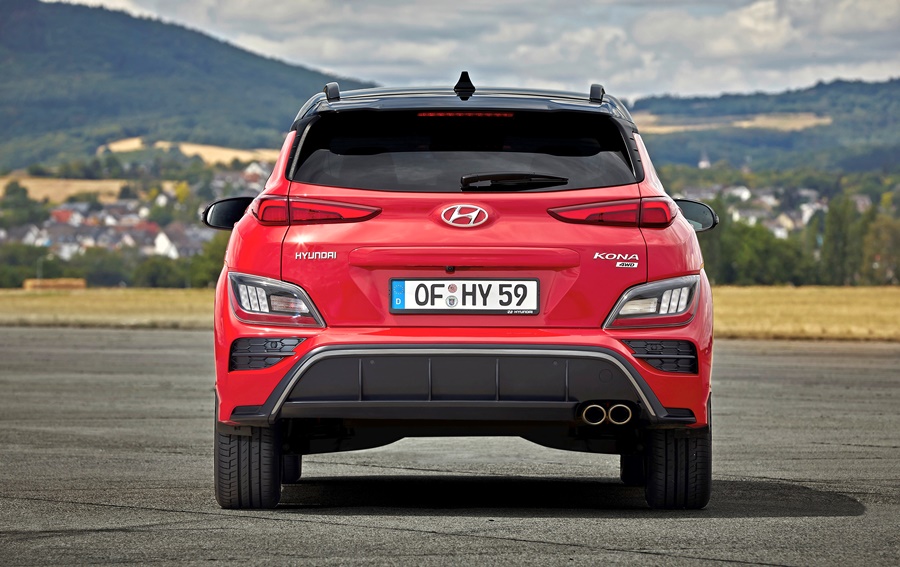
Hyundai Sime Darby Motors (HSDM) will soon have the first N Line model for Malaysia with the launch of the Kona 1.6 Turbo N Line. The SUV is a high-performance version with styling that sets it apart distinctly. With the high output, it will have the most powerful powertrain in the market’S SUV B-segment.

Sporty design elements boost both looks and aerodynamics. With more power, better handling agility and premium tyres, each vehicle makes driving an invigorating rush. Along with superior performance, the N Line maintains a balanced combination of technology, safety and comfort.

2021 Hyundai Kona N Line

Smartstream engine and transmission
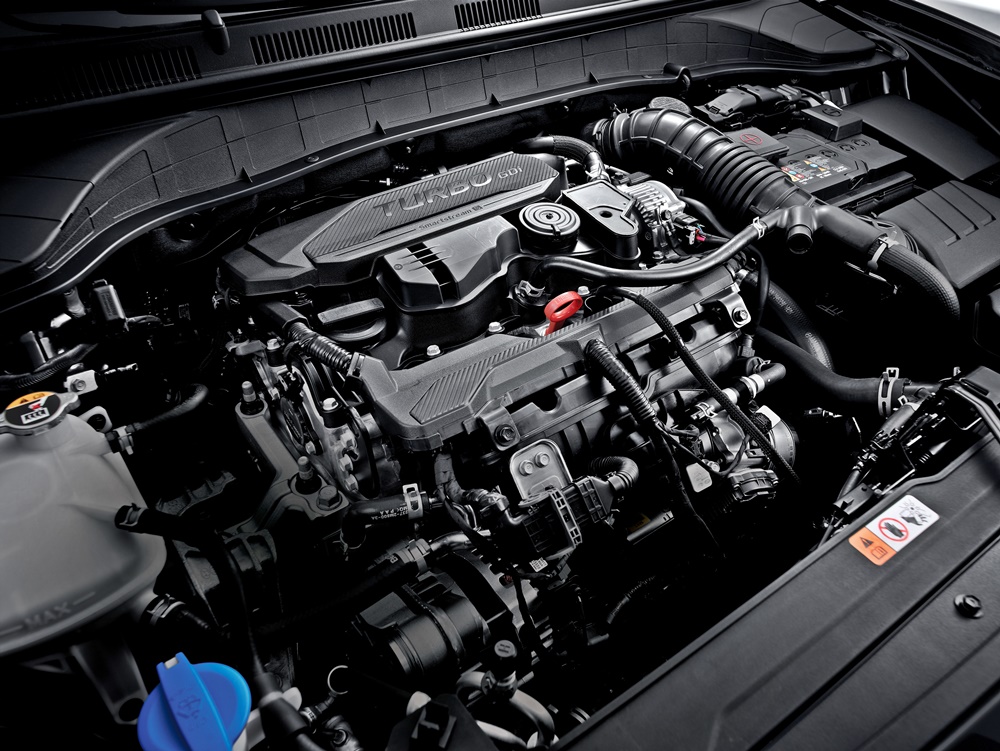
The powertrain is the Smartstream G1.6 T-GDi unit. This is a turbocharged inline 4-cylinder petrol engine paired with a Smartstream 7DCT (second generation of 7-speed Dual Clutch transmission).  Peak power output is 198 ps of power at 6,000 rpm and 265 Nm of torque from 1,600 to 4,500rpm. The Smartstream powertrain has been tuned to provide sharp response as well as operate efficiently.

2021 Hyundai Kona N Line

Motorsports-inspired looks
The N Line treatment for the Kona is associated with motorsports, especially rallies, with body-coloured claddings, and diamond-cut wheel design. The interior features a dedicated N Line colour package in one-tone black leather combined with suede as well as a ventilated and heated seat function for the driver and the front passenger. In addition, there is distinctive red stitching, metal pedals and a N logo on the gearshift knob, steering wheel and seats.

“With the introduction of the Kona N Line, we are confident that the Kona will lead the B-SUV segment, not only with its looks and but also with its performance. There has been keen interest among Malaysian motorists on our N and N Line brands, so we foresee good response, especially for the sportier Kona N Line,” said Low Yuan Lung, MD of Hyundai-Sime Darby Motors.

2021 Hyundai Kona N Line

Kona 1.6 Turbo as well
Besides the Kona N Line, HSDM will also be offering the Kona 1.6 Turbo which has a similar powertrain but without the N Line treatment.

Pricing has not been announced but bookings can now be made for those who want to be the first in town to own these new models.

The Story of N – Hyundai N (w/VIDEO)

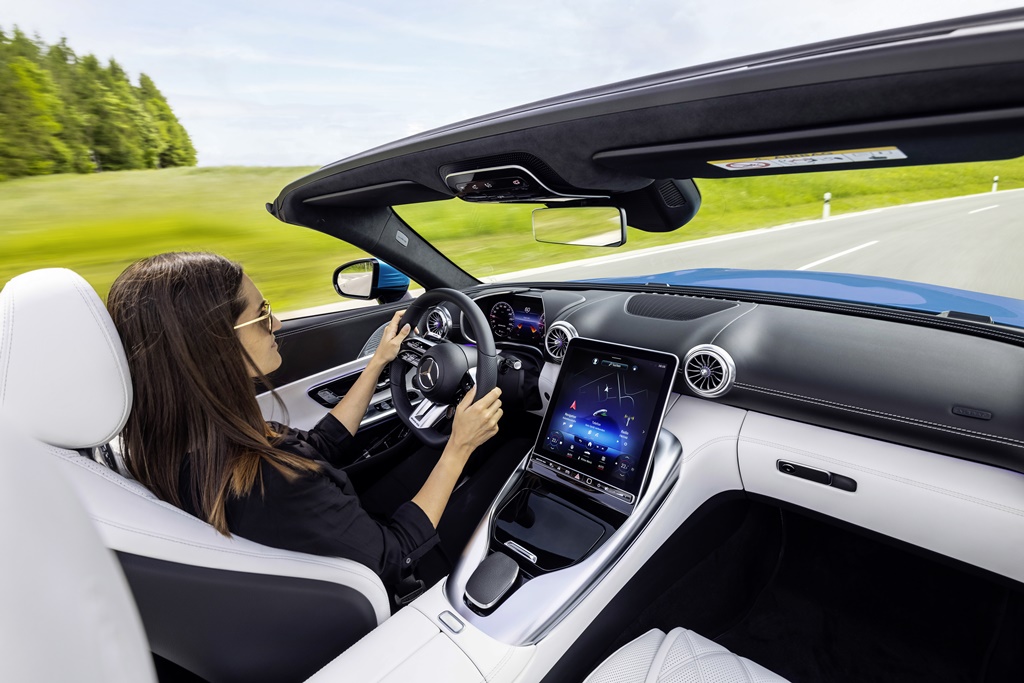
Final testing of the eighth generation of the SL model line of Mercedes-Benz is now being carried out and the new roadster, to be marketed under the Mercedes-AMG brand will be launched later this year. While full details of the new car are not being revealed, pre-production units must be on the assembly line and Mercedes-AMG can’t wait to show off the new interior.

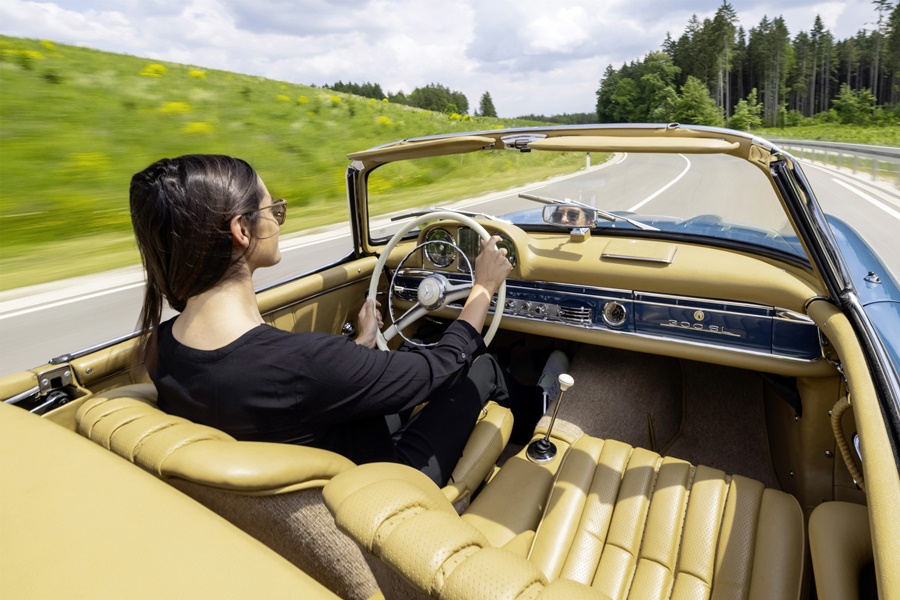
The first 300 SL Roadster, launched 69 years ago, had a minimalist and high-quality interior and the designers of its 21st century descendant have drawn inspiration from it. The interior design of the upcoming SL transforms the iconic tradition of the first Roadster into the modern era with a mix of analogue geometry and digital world – called ‘hyperanalogue’.

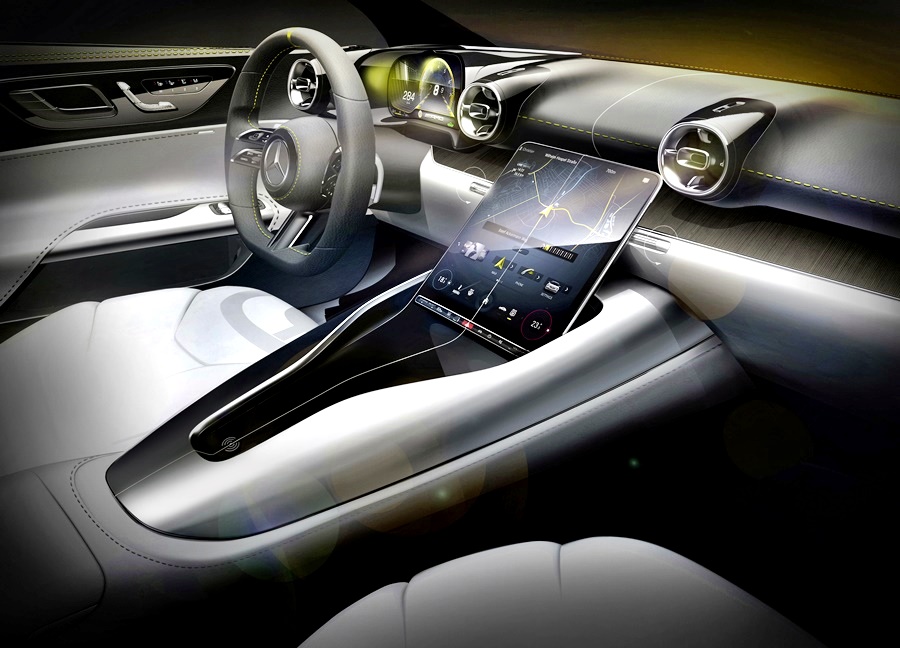
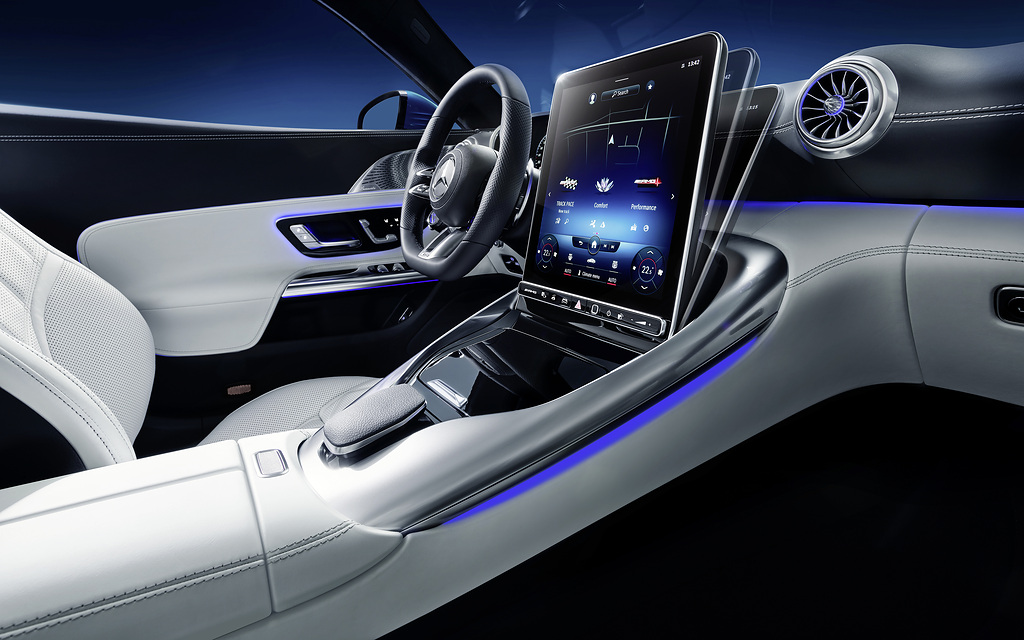
The cockpit design, right down to the adjustable central display in the centre console, is focused on the driver, as every genuine sportscar is. Its dimensional concept with 2+2 seats offers more function and space in the interior at the same time.

“The interior of the new Mercedes-AMG SL pampers driver and passengers with sophisticated luxury. The new SL combines the highest levels of comfort and quality in its interior, coupled with just the right amount of sportiness. The high-quality combination of analogue world and state-of-the-art digital equipment makes one thing clear: the new SL is the rebirth of an icon for the modern era,” said Philipp Schiemer, Chairman of the Board of Management at Mercedes-AMG GmbH.

Describing the new car as ‘the most iconic SL ever’, Gorden Wagener, Chief Design Officer of the Daimler Group, said it was a great opportunity and challenge for design because every designer wants to create icons.

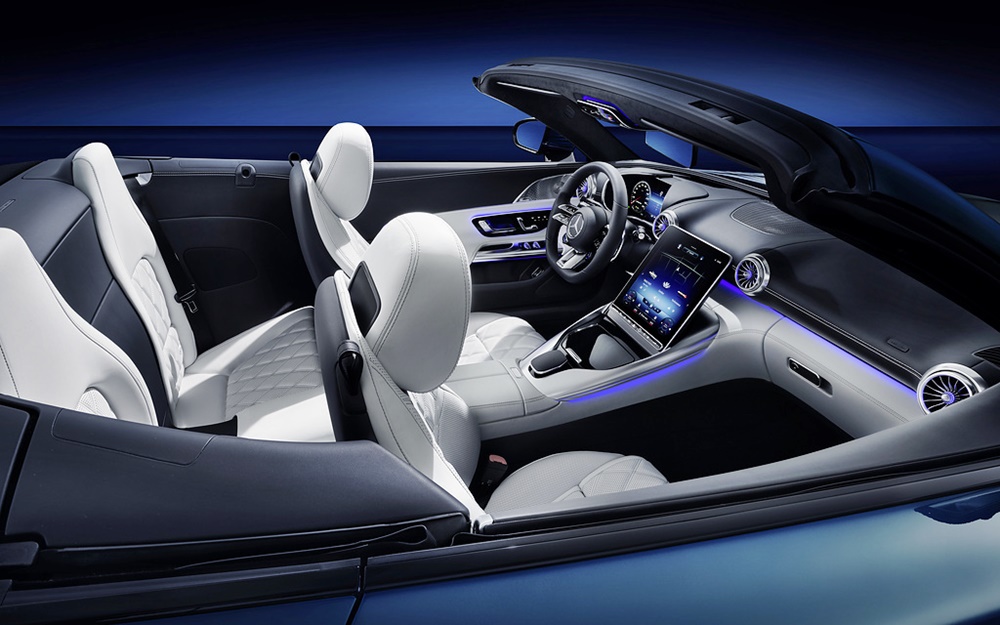
The new and sophisticated dimensional concept once again allows a 2+2 seating configuration for the first time since the R129 SL generation of 1989. The added versatility allows for either additional persons on board, or the second row of seats can be used as additional storage space to accommodate luggage.

Aviation-inspired instrument panel
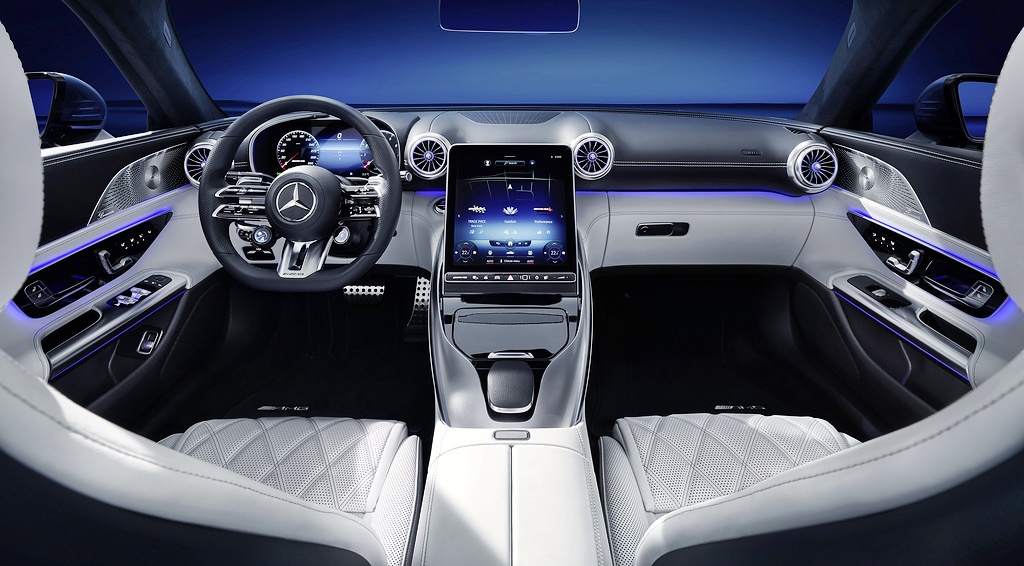
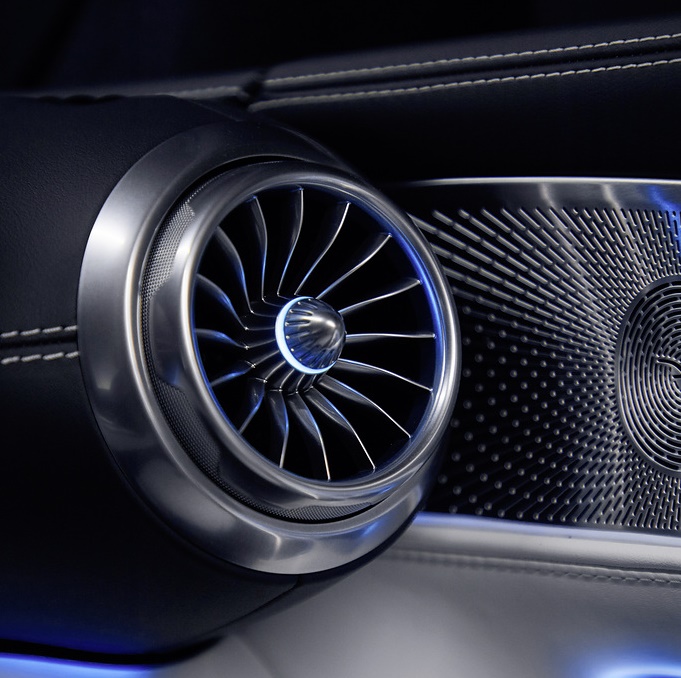
The symmetrical instrument panel is designed as a sculptural, powerful wing and structured into an upper and lower section. There are four galvanised turbine nozzles which merge into the instrument panel in the form of powerful power domes (with the frontal view resembling the face ‘Jar Jar Binks’, the character in ‘Star Wars’, observed one of our readers). The lower section of the instrument panel evolves fluidly from the centre console, seamlessly connecting the two elements.

Despite symmetry, the cockpit design creates a clear focus on the driver. The instrument panel’s high-resolution 12.3-inch LCD screen is not designed to be free-standing but is integrated into a high-tech visor. This prevents reflections caused by sunlight, a problem in some cars which can be irritating to the driver.

Adjustable touchscreen
The centre console dominates the space between the driver and front passenger. Rising sharply towards the front, it flows into the lower section of the instrument panel. The functional and visual centre of the centre console is the metallic panel that breaks through the leather surfaces at the front and rear.

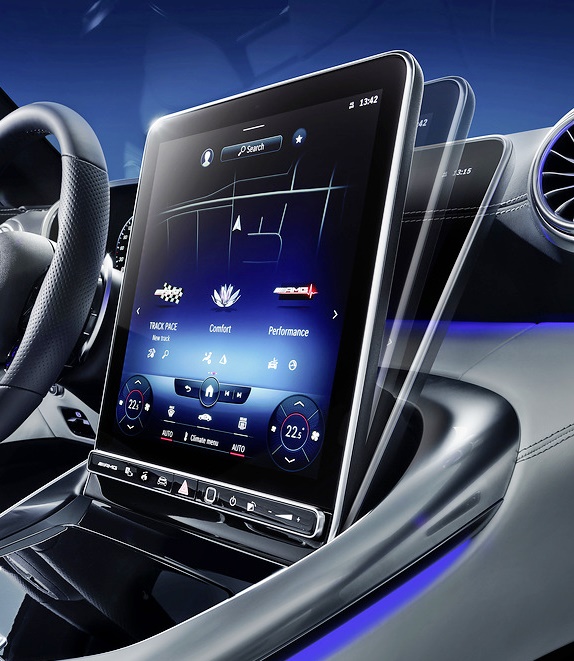
Featuring the NACA air intake signature, it carries on the genes of the AMG GT and GT 4-Door Coupe. This design element thus becomes a hallmark AMG stylistic element in the interior. The NACA air intake transitions almost seamlessly into the tablet-like 11.9-inch multimedia touchscreen in portrait format. To avoid reflections caused by sunlight when driving with the top down, this screen can be adjusted electrically into a more vertical position, when necessary. Its portrait format offers clear advantages, especially for navigation, as well as more space ergonomically.

Integrated door panel design
Similar to the centre console, the surfaces in the doors also radiate fluidly from the instrument panel. The result is a gradient accentuated with decorative topstitching that frames the entire interior and runs past the turbine nozzles at the sides. The centre of the door is designed as a sensual layered topography.

The pull handle is also designed in the same way as the centre console and is another eye-catching feature. The materiality and modelling of the surfaces are repeated in the doors, creating balance in the interior. High-quality Burmester loudspeakers in real metal, whose perforation pattern also stands out visually, are integrated into the doors.

Sculptural seat design
The avantgarde seat of the new SL has a sculptural design in a sporty way with layers and enveloping surfaces. This makes the seats appear lighter and less voluminous. The headrests are integrated into the backrest and contribute to the sporty proportions of the seat, completing the symbiosis of high-tech, performance and luxury.

Latest MBUX system
As with every Mercedes-Benz and Mercedes-AMG sold today, the car will have the intelligent system known as the Mercedes-Benz User Experience, or MBUX. It is a second-generation system and some functional content and the operating structure correspond to those of the S-Class. They have been extensively supplemented or replaced by AMG-specific content and views. This makes the new SL highly independent in terms of communication and information.

The interior has become even more digital and intelligent, as hardware and software have been extensively enhanced. Brilliant images on the LCD screens make it easy to control vehicle and comfort functions. The appearance of the instrument cluster can be personalised with different display styles and individually selectable main views. Customers can also order the car with a head-up display as well.

Final real-world testing of next-generation Mercedes-AMG SL now underway

In everyday driving, the brain has to be quick enough to analyse and get a driver to act correctly in any situation – millions of times on a journey. And that’s at a moderate speed too. For racing drivers, the demands are even greater as they travel at far higher speeds so they need quicker reactions and faster abilities to assess situations.

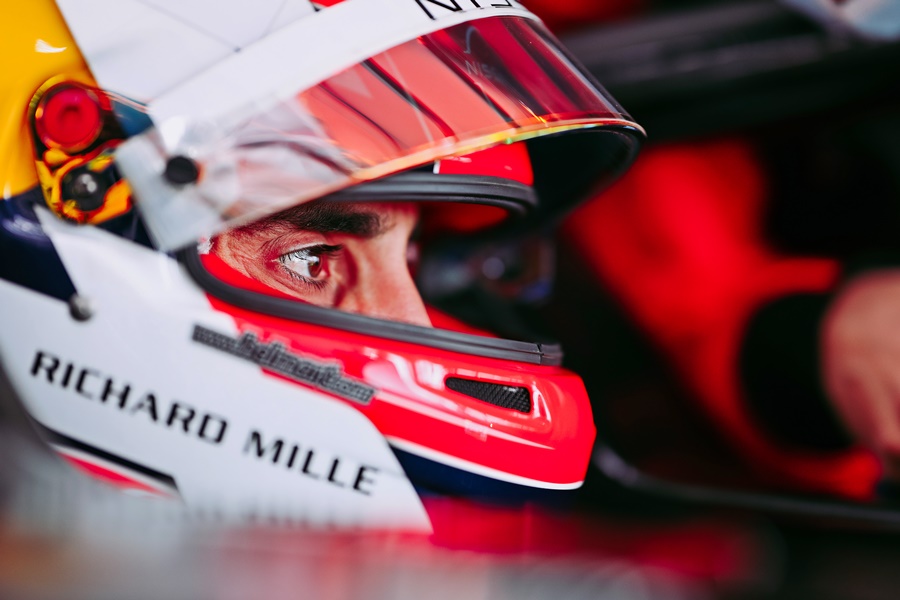
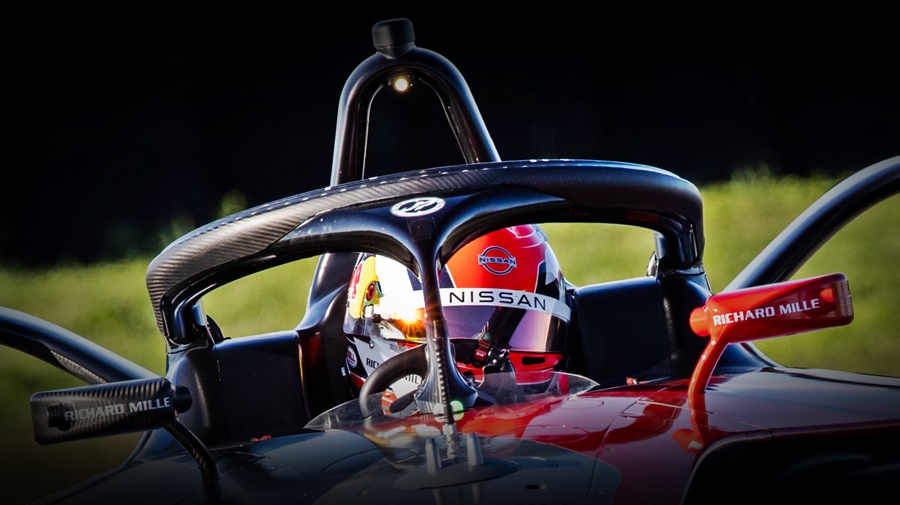
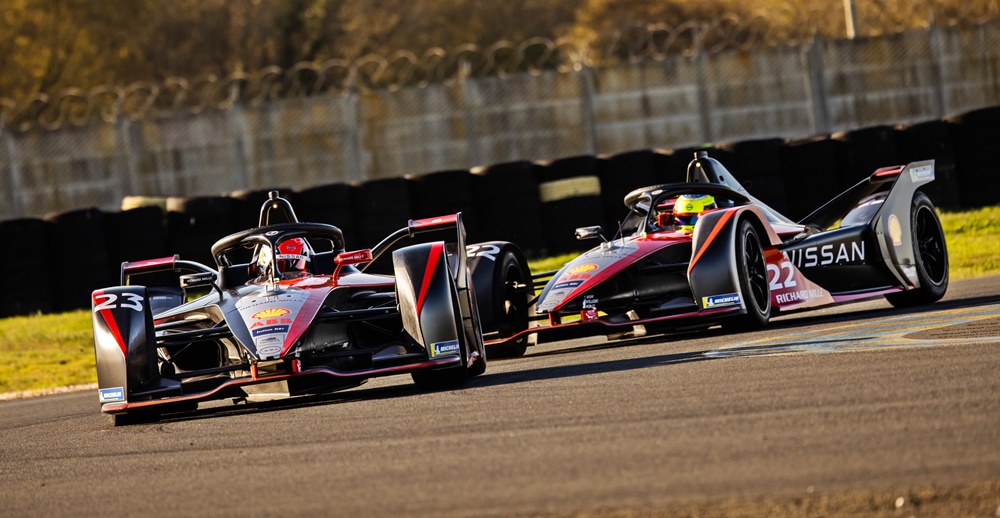
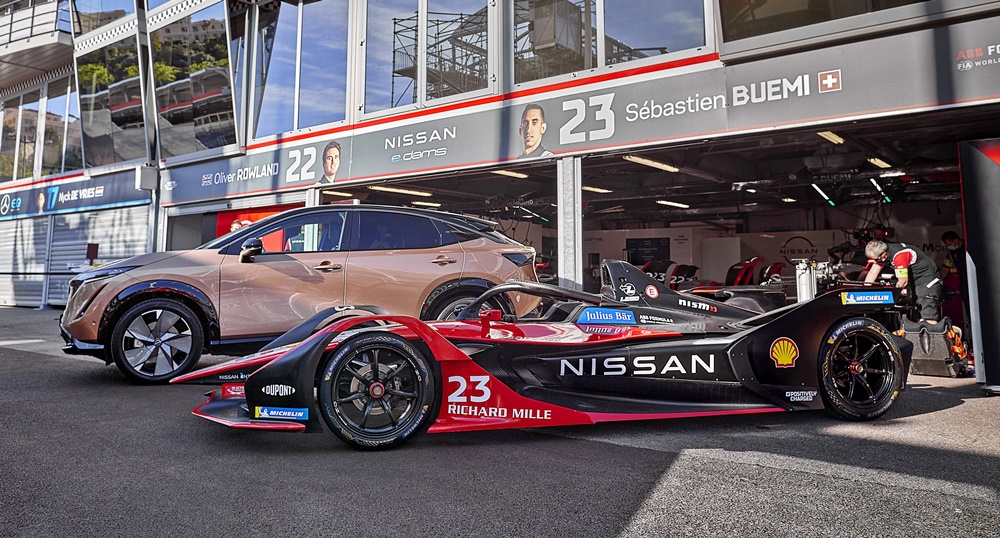
To help its Sebastien Buemi and Oliver Rowland, Nissan’s racing drivers in the all-electric Formula E series, the carmaker has developed an innovative program focused on brain function and anatomy research, training and development in the motorsport field.

Nissan Brain to Performance, as the program is called, uses advanced brain imaging and analysis to determine the anatomical specifics of high performance, professional drivers. The program aims to develop bespoke, optimized training to enhance the brain functions and anatomy related to driving and racing.

“At Nissan, we dare to do what others don’t. With this groundbreaking program, we aim to understand our racing drivers’ brain functions like never before and push the boundaries of on-track performance in Formula E,” said Tommaso Volpe, Nissan’s Global Motorsports Director. “What if, through advanced brain function analysis and training, we could help make our drivers perform better? Every tenth of a second counts in Formula E, so we’re excited to see how our cutting-edge Nissan research team can enhance the drivers’ already high-performing brain functionality.”

Better connection between people and vehicles
The program will be coordinated by Dr. Lucian Gheorghe, a leader in the field of brain analysis and training, and a driving force behind Nissan’s forward-looking research on how to better build the connection between people and Nissan vehicles. The immediate priority of the program is to enhance the performance of Nissan’s Formula E racers.

“Our brains are incredibly powerful. Without us realizing it, they perform a multitude of critical functions every second we drive our cars. Our highly trained and experienced Nissan Formula E drivers perform these functions under intense pressure and at great speed as they constantly search for faster lap times. Our new Nissan Brain to Performance program seeks to understand what it is about their brains’ electrical activity that enables them to do what they do,” said Dr. Gheorghe.

“If we can, we’d like to help them further improve their performance through bespoke brain training. In the future, could our cutting-edge research help improve the driving skills of the average driver, and inform the development of our road-going EVs? We hope so,” he explained.

The first stage of the new program will involve detailed analysis and testing of the Formula E racers’ brain functions, compared against a control group of ‘average’, non- racing drivers. All drivers will perform a range of tasks on state-of-the-art driving simulators while their brain activity is monitored and recorded. Based on the results, a bespoke driver training program involving electrical brain stimulation will be developed with the aim of improving driver performance.

Key research areas
To understanding how a Nissan Formula E drivers’ brain functions and anatomy differ in comparison to average drivers, the program establishes a spectrum of driver brain activity first. Attempts will be made to see if, through the use of electrical brain stimulation, a professional driver’s brain be enhanced to improve on-track performance.

The longer-term goal is related to future Nissan EV product development, with a focus on achieving the highest level of driver excitement and focus. An increased understanding of bio-electricity will further enhance the driving experience and intuitive nature of future EV operation.

Nissan gets experts from the creators of Pac-Man to help develop better in-car sounds

StayAtHome

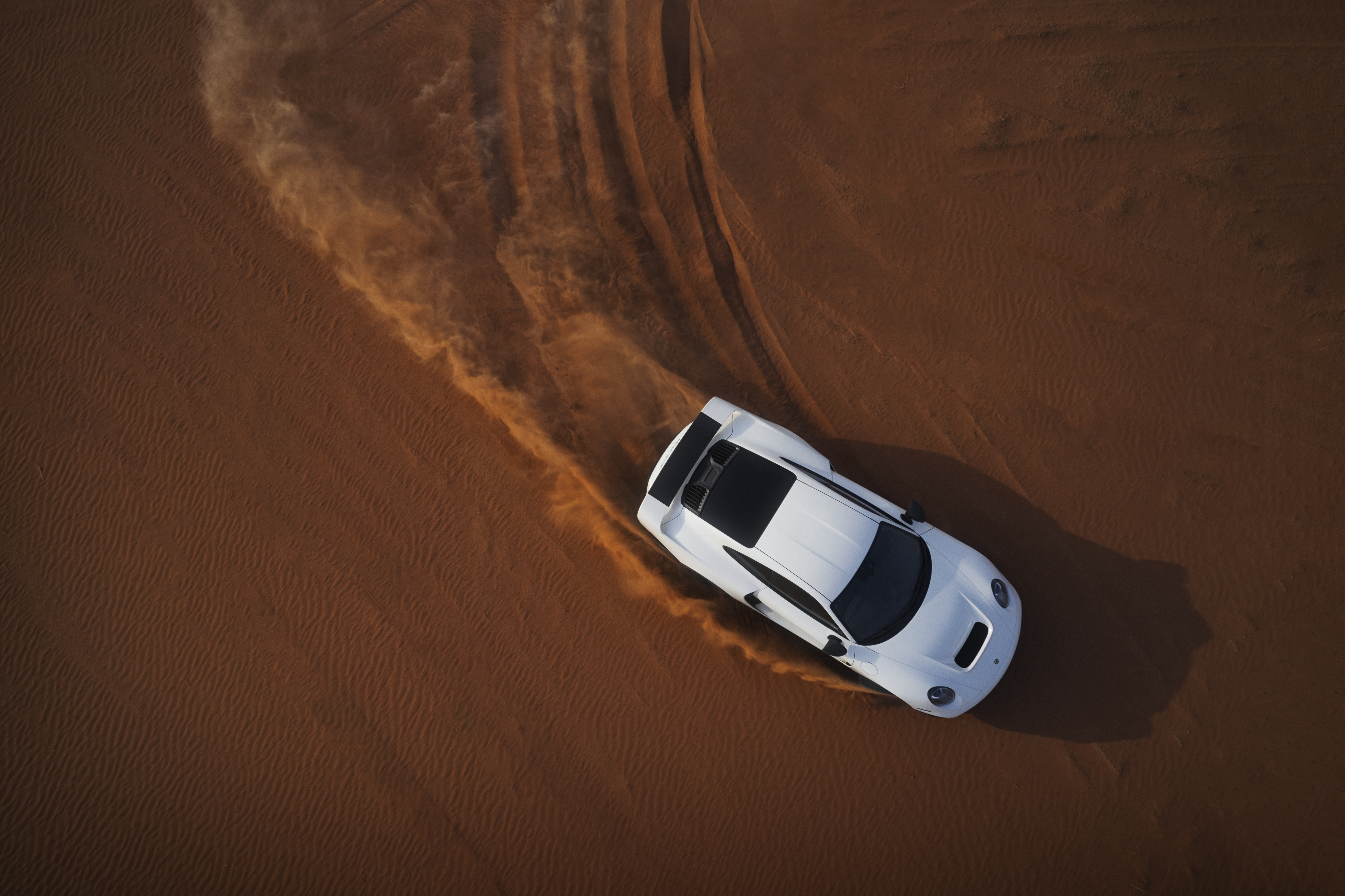
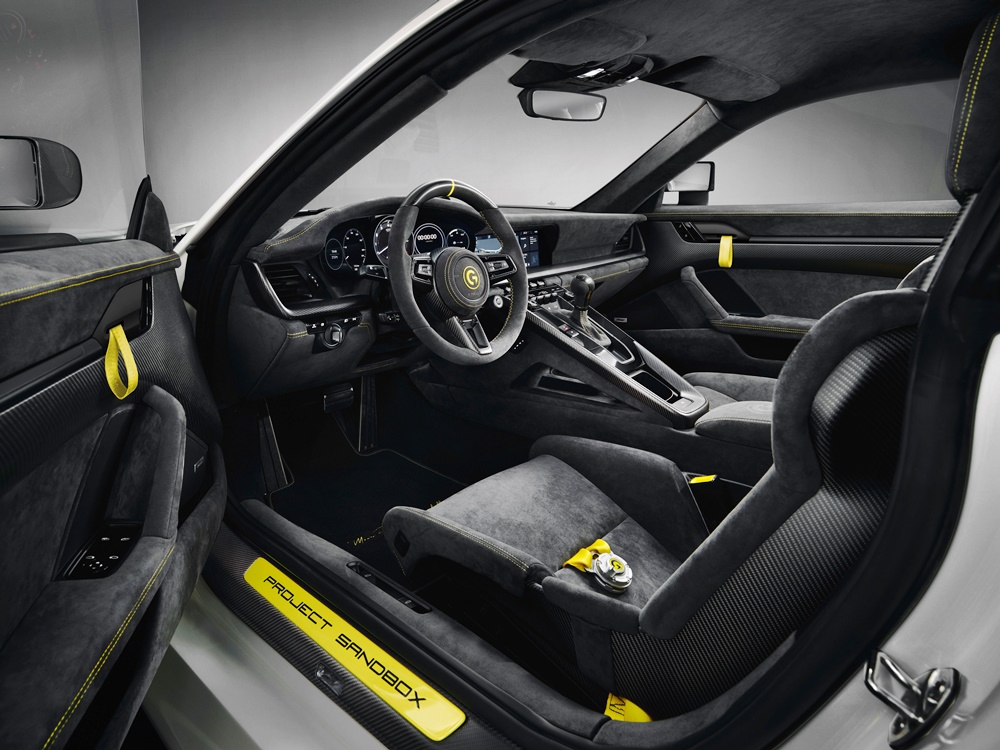
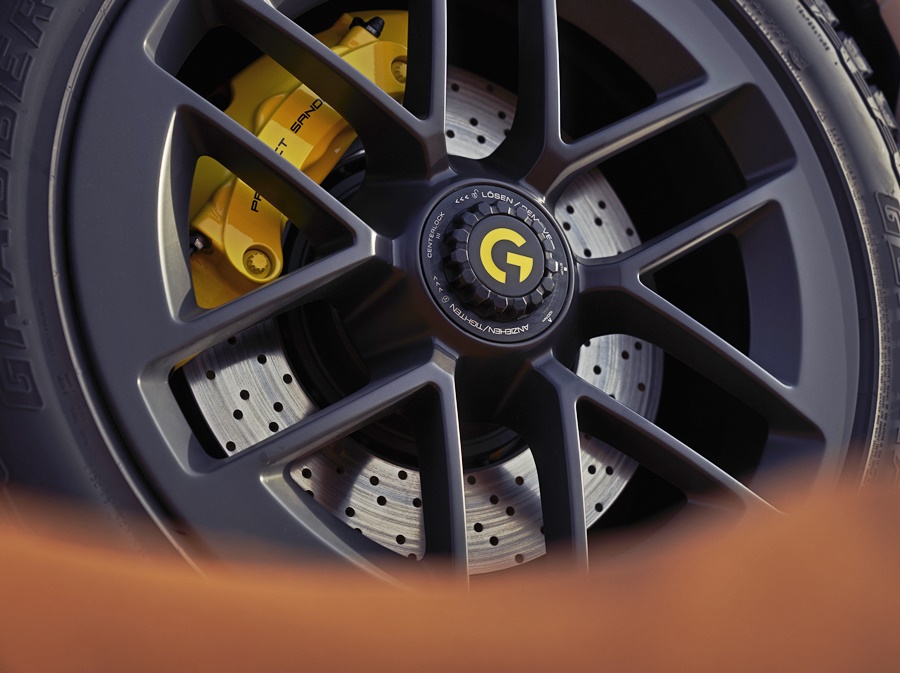
In May this year, Marc Philipp Gemballa – the son of the man who founded the Gemballa tuning company 30 years ago – announced that he was developing a new car of his own, codenamed ‘Project Sandbox’. It had nothing to do with the Gemballa company and is a venture by his own company.

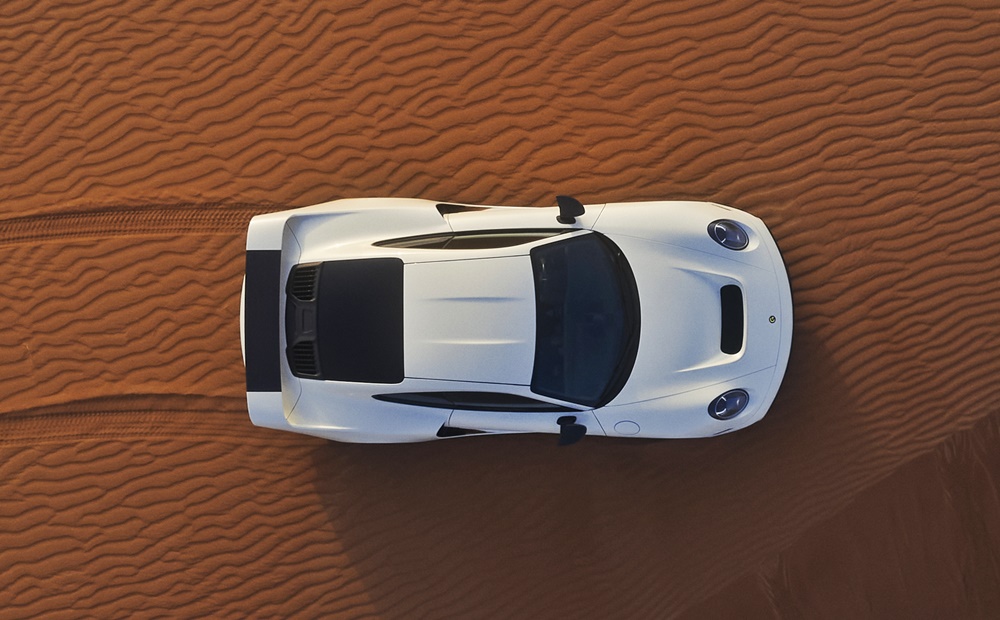
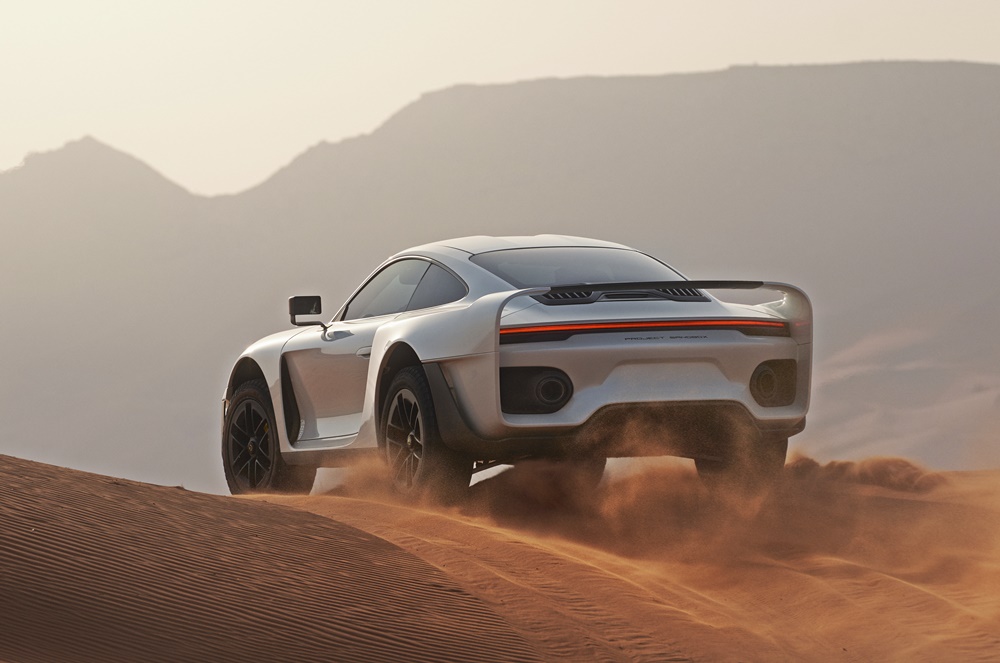
Based on the all-new Porsche 992 Turbo S, the sportscar is off-road capable and inspired by the legendary Porsche 959 rally era. Only 40 units will be produced and most of them already have customers waiting. The price for conversion starts at 495,000 euros (about RM2.455 million) ex-factory plus the cost of a 992 Turbo S.

‘Project Sandbox’ now has a name – MARSIEN – which is derived from the French word ‘Martian’ or ‘from Mars’. The choice of this name came about during the intense test phase in the Al Faya desert in the United Arab Emirates. The stunning red desert sand with sharp fossil rocks and mountain backdrops gave the 27-year old Gemballa and his team the feeling as if they were in an entirely different universe.

“Since it looked and felt like we were on Mars paired with the futuristic design and the vehicle’s off-road capabilities, we couldn’t think of a more fitting name for our first project,” he explained, and so the name was born.

A more unique supercar
Although he grew up in an environment where building the fastest and most powerful production car on the planet and setting the next world record on the Nurburgring was key, Gemballa believes the horsepower game is over. He observes that tuning is done by the carmakers themselves and that the market is constantly being flooded with an influx of new supercars.

The young entrepreneur realised, when aiming to build a successful company for the future, he could not offer just ‘another supercar’, and he needed to come up with something very special for his clients.

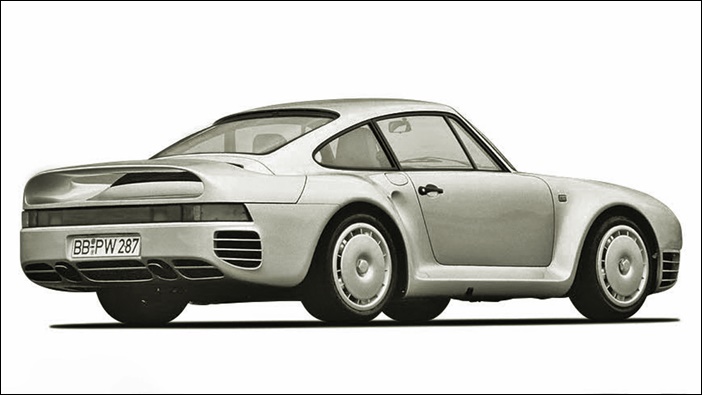
The legendary Porsche 959 from the original Paris-Dakar era.

Entirely new concept
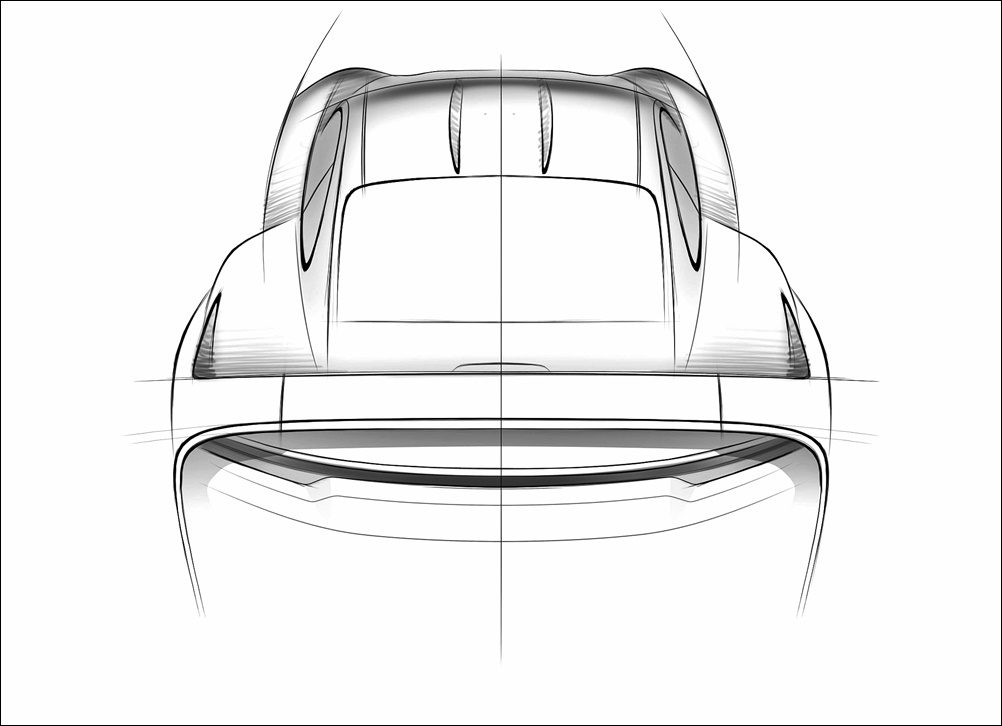
Drawing inspiration from the legendary Paris-Dakar rally era and more than two years of intense design and engineering development, Gemballa has come up with an ultra-modern, timeless looking supercar. It is a hybrid between a modern-day supercar with all its comfort and day-to-day practicality combined with off-road capabilities using the latest technologies.

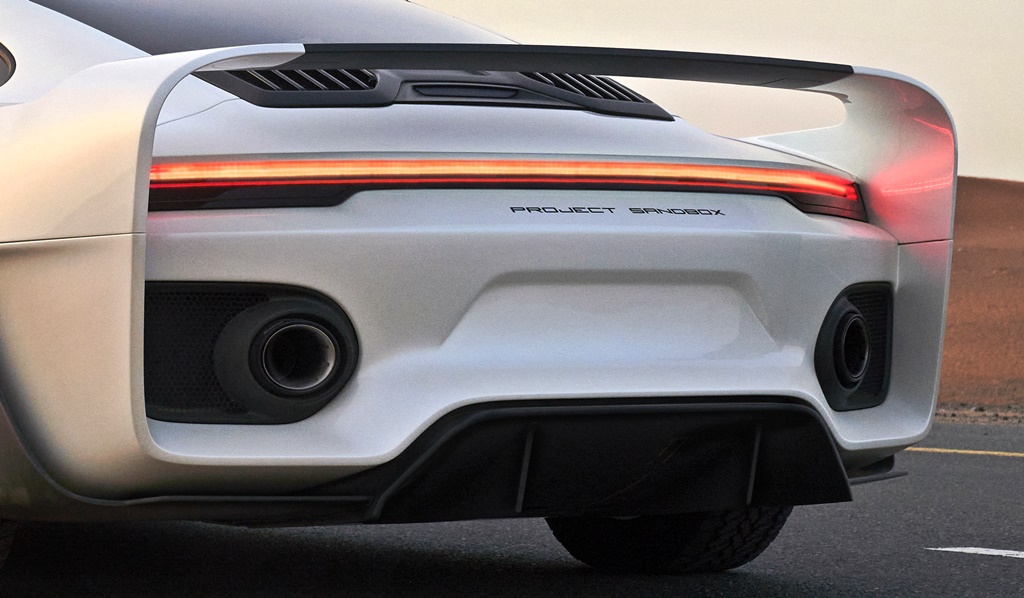
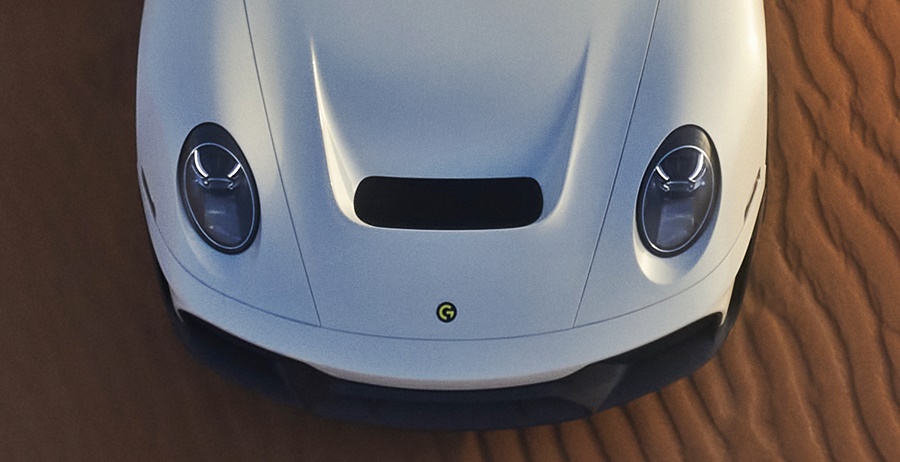
The all-new Porsche 992 Turbo S provided the perfect base to realise the young entrepreneur’s vision. With that model as the starting point, the MARSIEN features a full carbonfibre bodyshell. All exterior components are produced in pure carbonfibre, exclusively designed for performance, light weight and cooling. Each body panel is manufactured by a leading German carbonfibre specialist which also supplies leading supercar manufacturers as well as several leading Formula 1 teams.

The exterior paint is applied by a state-of-the-art and certified paint shop which will meet the most ‘daring’ customer colour requests. For the launch vehicle, there is an elaborate triple layer pearl white with special metallic flakes, along with additional protection through a ceramic coating. Customers also have the request for a fully exposed carbonfibre body.

Besides the full carbonfibre body, the exterior of the bodywork has functional design upgrades such as a completely bespoke taillight. Adopting the latest LED technology, the rear light has been developed together with light specialist GERG Lighthouse, enabling a completely holistic design appearance for the MARSIEN.

The shape has been the subject of intensive Computational Fluid Dynamics analysis in order to achieve the best possible aerodynamic efficiency. This area was the responsibility of engineering partner KLK, which has gained expertise in working with LMP1, Formula E, and Formula One racing teams for over 20 years.

Power by RUF
To offer a top-notch powertrain, Gemballa has teamed up with legendary Porsche engine specialist RUF Automobile for the engine development of the MARSIEN. Founded in 1981, RUF Automobile is known for its Porsche engine expertise, having already worked with Marc’s father to produce powerful powertrains for various cars in the 1980s. The engine upgrade ‘POWERED BY RUF’ enables the 6-cylinder boxer engine to deliver over 750 ps  and 930 Nm.

For those who need more power, there is second stage power upgrade by RUF Automobile taking the engine up to 830 ps with enhanced VTG turbochargers and a revised ECU mapping and transmission setting.

The Porsche PDK transmission is also used, and it has been revised and adapted to the new conditions so that the enormous power reserves arrive at all 4 wheels without loss. Extended driveshafts have been developed with reinforced Porsche Cayenne joints to reliably enable the enormous spring deflection and the engine’s high torque.

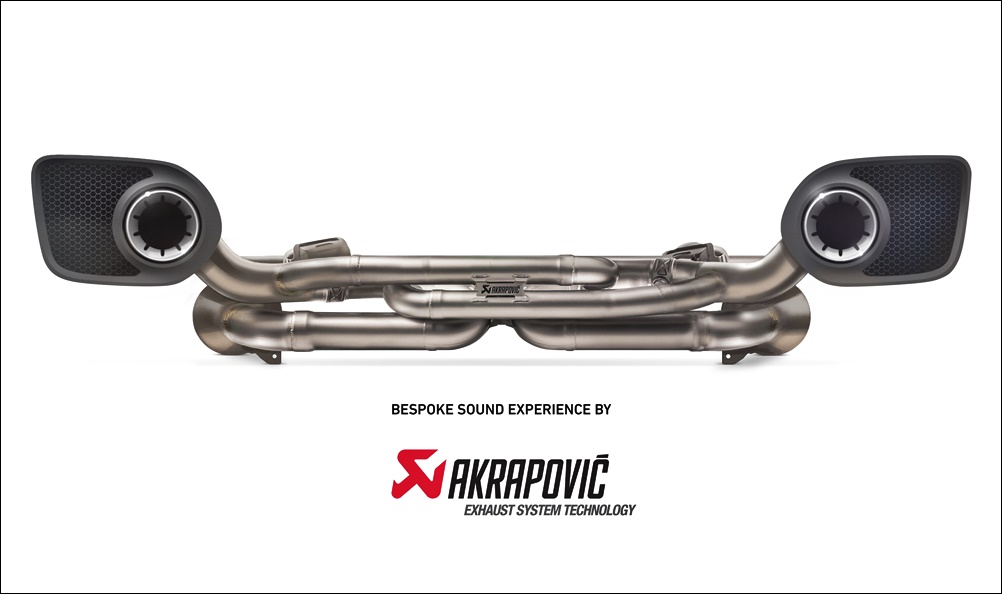
Akrapovic, the well known exhaust system manufacturer, has also developed an entirely new titanium system exclusively for the MARSIEN. This lightweight system focusses on a bespoke sound experience while also helping to enhance power output.

Cutting-edge chassis technology
The suspension and chassis have been developed by KW Automotive to be a bespoke system. Being also intended for off-road motoring, extensive changes to the chassis of the base vehicle have been required. These include a completely new double wishbone front suspension set-up equipped with KW Automotive’s solid piston damper technology. This has an intelligent active damper control as well as an adjustable ride height system that can create overall ground clearance of up to 250 mm at the touch of a button.

Drivers looking for the ultimate off-road experience and don’t mind limited road usability can fit an optional off-road package. This is equipped with Reiger Suspension rally specification off-road dampers further enhancing the suspension travel and increasing the ground clearance to a fixed off-road ride height.

The MARSIEN is currently undergoing a full road homologation process, which includes crash tests,  in order for it to be legally used on roads in target markets. The markets that Gemballa is looking at are in Europe, the Middle East, the USA, as well as other major global markets later on.

Archive

Follow us on Facebook

Follow us on YouTube