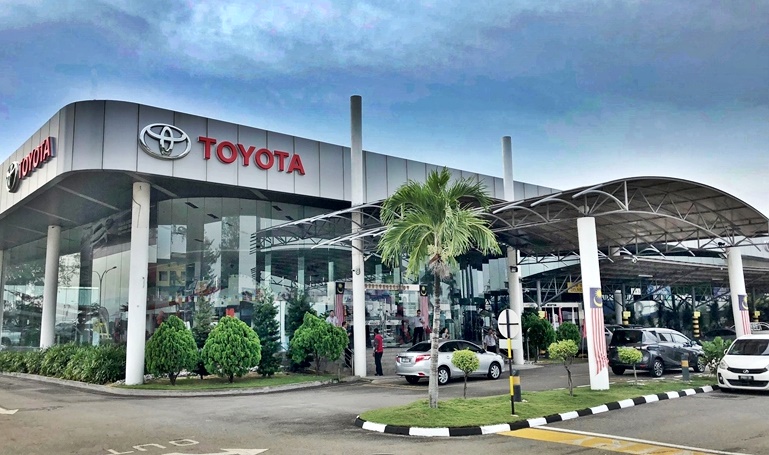
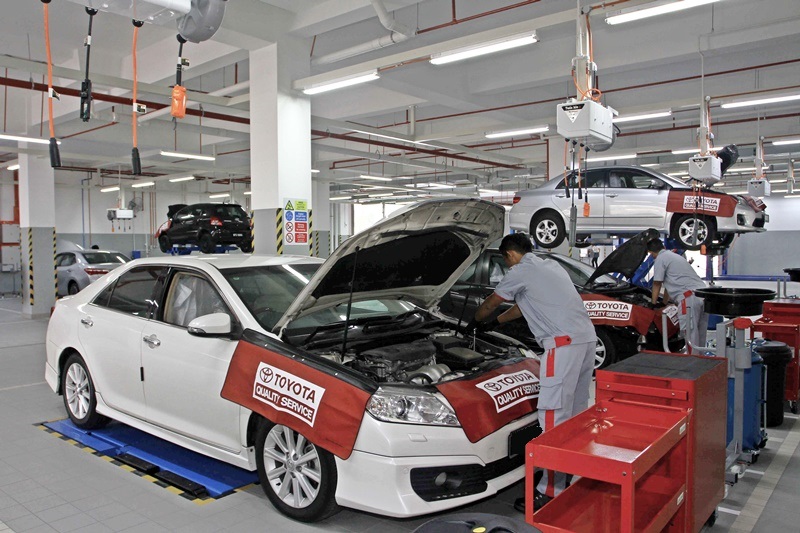
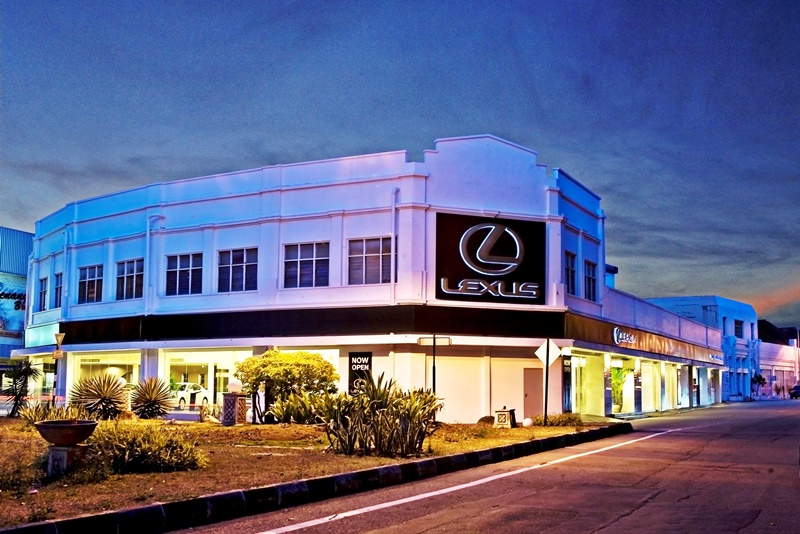
UMW Toyota Motor Sdn Bhd (UMWT) has announced that authorised Toyota and Lexus Sales & Service Outlets in its network that are located in areas observing the Conditional Movement Control Order (CMCO) will be open for business from today (May 4, 2020).
The opening of the Sales & Service Outlets will be based on approval and regulations by the respective state governments. This follows approval from the Ministry of International Trade & Industry (MITI).
All outlets have received guidelines for their daily operations which must be in accordance with the Standard Operating Procedures (SOP) issued by MITI. The SOP requires such measures as social distancing, sanitization of premises and contactless payments where possible.
Vehicle owners are advised to call in advance to check on the operating days and hours of their preferred Sales or Service Outlet as well as to secure an appointment before going there. Click here for contact details of the outlets.
“We will follow the SOP strictly at all our Sales & Service Outlets for our customers’ peace of mind as well as to also protect our staff. It is hoped that our customers will understand the requirements which are necessary in the public interest and safety,” said Ravindran K., President of UMW Toyota Motor.
With regards to those vehicles purchased from UMWT or their authorised dealers with existing warranties that are valid and expiring during the MCO period, there will be a 30-day extension calculated from the last day of the MCO (currently scheduled to be May 12, 2020).
To further reinforce the Movement Control Order (MCO) which came into effect on March 18 and will continue until May 12, 2020, Volvo Car Malaysia is pledging its support for social distancing – one of the vital measures to cut the transmission of the COVID-19 coronavirus.
Via an online pledge campaign – the Ramadan Safe Pledge – the company will reward Malaysians who pledge to maintain social distancing with RM10 GrabFood vouchers. The pledge posted by participants will be on Instagram.
The campaign, with its own microsite, starts today and will run till May 23, 2020 (from 10 am to 3 pm daily). For a period of 20 days, Volvo Car Malaysia will give out 10,000 vouchers worth RM100,000.
“It is undeniable that all of us are affected by COVID-19 and the implementation of the MCO means we have adopted a new norm in our daily lives. Onward from this, we want to do what we can to help ease the burden of Malaysians. This has resulted in the Ramadan Safe Pledge campaign that provides a platform for Malaysians to reinforce their ‘stay at home’ commitment. Each chosen pledge will be rewarded with a voucher. What goes beyond is the sense of affirmation in everyone to play their role in flattening the curve, while our healthcare professionals continue to protect and save lives,” said Nalin Jain, MD of Volvo Car Malaysia.
Mr. Jain added that the company hopes the 500 vouchers given out daily will enable as many individuals as possible to purchase necessities such as food and groceries, from the safety of their homes. “The ideology of safety is a fundamental driving force for Volvo, so this campaign truly echoes our ethos and enables us to humbly contribute to the community,” he said.
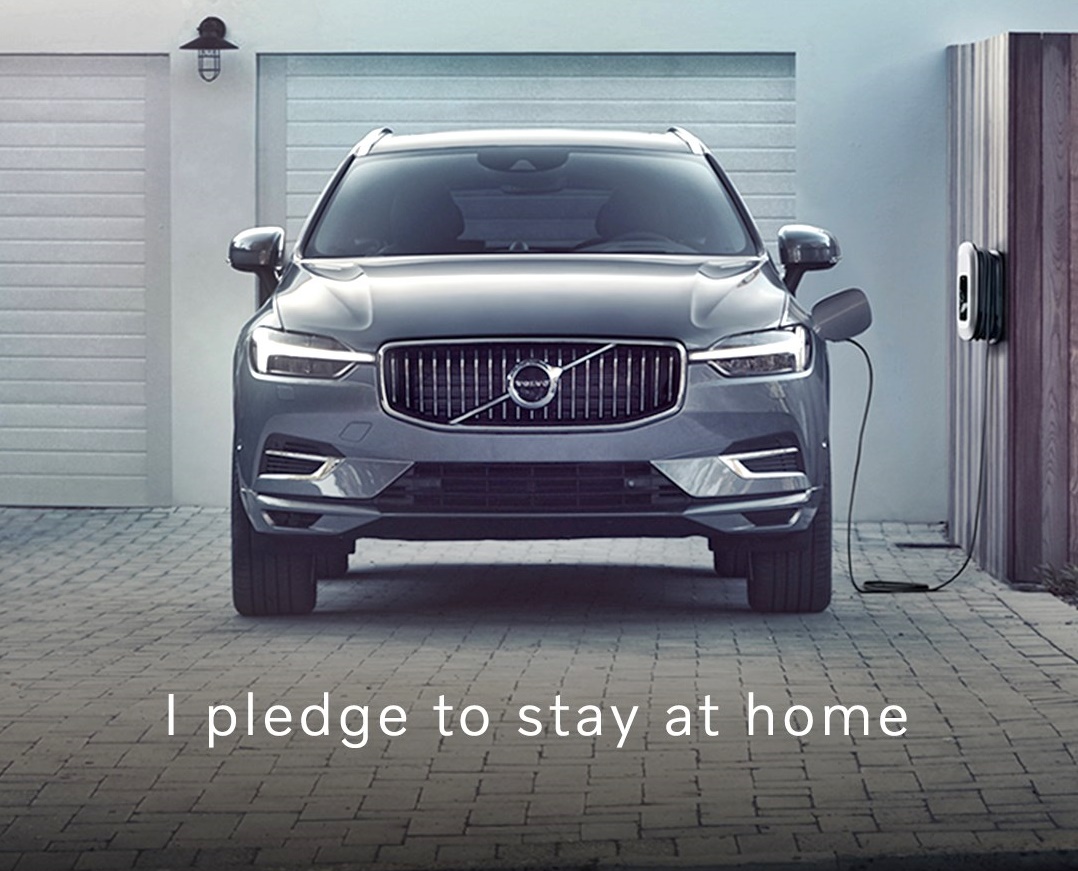
Three of the five pledge images that can be downloaded
The Pledge for Social Distancing
Participating in this campaign is simple and participants will need to demonstrate solidarity by reposting on Instagram, one of five different images found on the Volvo Ramadan Safe Pledge Campaign microsite. Alternatively, the pledge can be done directly through Volvo Car Malaysia’s Instagram page by clicking on the link in the bio or through its Instagram Stories. All postings will need to tag @VolvoCarMalaysia, accompanied by the hashtag #MYVolvoSafePledge.
The vouchers will be emailed directly to successful participants via the email address used to sign the pledge. Each voucher has a validity of 6 months and successful participants are selected daily, on a first-pledge-first-repost basis.
“Every little bit helps the people to do the right thing and as a responsible corporate citizen, we want to be able to give back in any way that we can. As a car brand that resonates with Malaysians and has brought many fond memories, we hope that through this campaign, we can help alleviate some of the challenges that may be experienced during this time because we are all in this together and a little help goes a long way. We also would like to take this opportunity to wish our Muslim brothers and sisters a blessed Ramadan,” Mr. Jain said.
After confirming that interstate travel will be permitted for those who wish to return to their homes in cities after being trapped since March 18, the police have now released the schedule of travel for the 4 days starting from May 7 as follow:
May 7 (Thursday): travel permitted from Kuala Lumpur to other states.
May 8 (Friday): travel permitted from the states of Perak, Johor and Kelantan.
May 9 (Saturday): travel permitted from Perlis, Kedah, Penang, Melaka and Pahang.
May 10 (Sunday): travel permitted from Selangor, Negeri Sembilan and Terengganu.
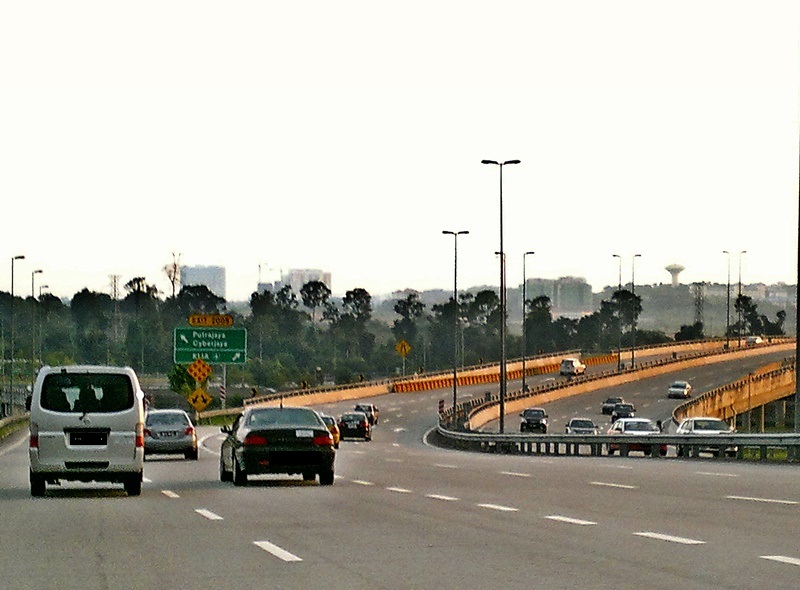
The scheduling has been done to avoid congestion on the roads. By staggering the movement of vehicles, traffic flow is expected to be smoother.
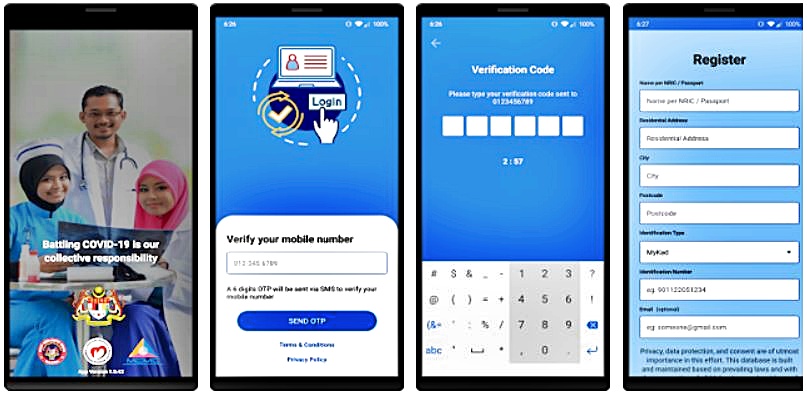
To date, over 500,000 applications for travel were submitted via the Gerak Malaysia mobile app as well as at police stations (for those who did not have access to the internet). Only those who are 16 years old or older can make the application.
No approval message to be issued
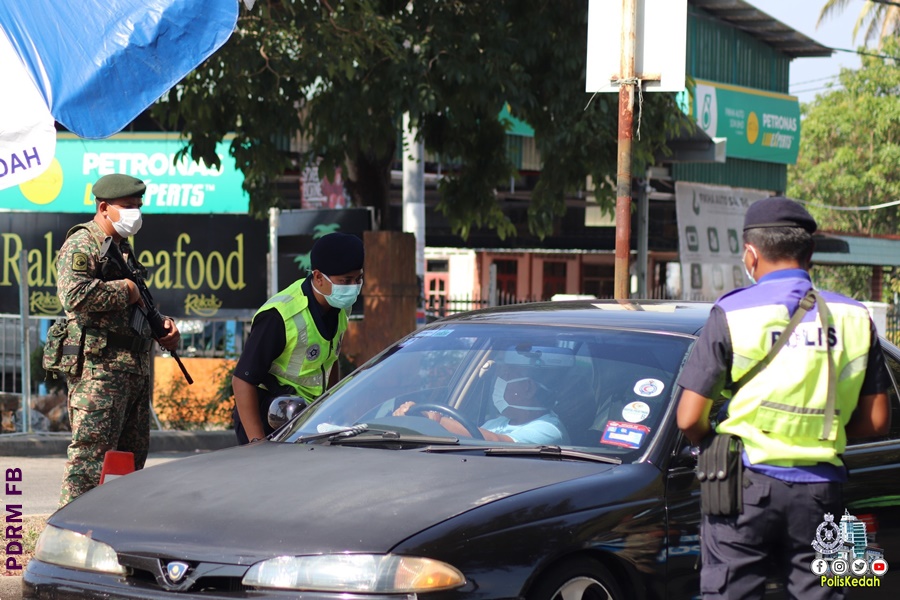
It was clarified that following the application, which must have all the details required provided, there will be no document or message to confirm approval. Travelers can proceed and should they be stopped at roadblocks along the way, the police will refer to the Gerak Malaysia database which should have their details.
The purpose of allowing interstate travel during the four days is to enable people to return to their homes if they have been stuck elsewhere. With businesses starting to resume operations, there will be many who need to report to their workplaces so they need to get home.
This exercise is not for those who have no approval so don’t try to sneak a drive out in the countryside. If you are stopped and cannot give a valid reason for being on the road, you will be charged for breaching the Movement Control Order (MCO). That can mean a RM1,000 fine and/or time in jail.
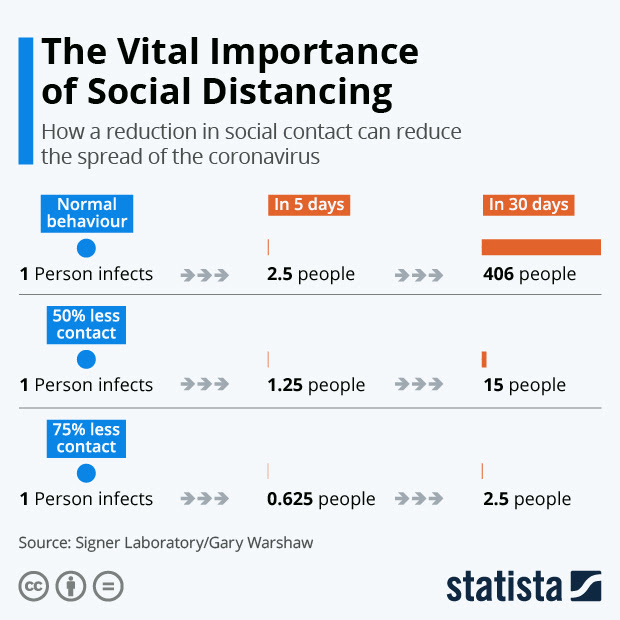
Observe social distancing
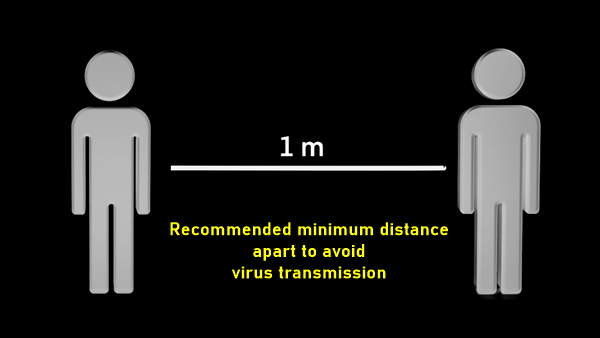
Travelers are advised not to gather in groups if they stop along the way and to practice social distancing. This means that they should be at least a metre apart. Unlike some other countries, there is no mandatory requirement in Malaysia to use a face mask when outside the home. However, it would be a good idea to use one and help prevent the spread of the COVID-19 virus.
Remember that besides the MCO, all other regulations related to motorists and motor vehicles are still in force! So be sure to observe the speed limits and do not drive along the emergency lanes. If your journey is a long one, take a break every few hours at a R&R so as not to lose concentration due to tiredness.
Although there are 9 days to go before the Movement Control Order (MCO) ends on May 12, the government is already easing restrictions which will make thing a bit easier for those who need to travel by car.
The ruling regaring to one-person-per-car has been amended again to allow up to 4 persons to be in a vehicle (from May 4), provided they are from the same household. It’s not clear if they must be related as family members as the statements seem to sometimes say ‘same house’ and sometimes ‘same family’. Anyway, that will be a welcome change for those with children who have no one to look after them at home.
Earlier, it was announced that the one-person-per-car rule will no longer be enforced and a maximum of two persons can sit in the same vehicle, provided they are from the same household. This made sense since they stay together so what’s the difference between being at the dining table at home and inside a car?
Furthermore, as some people pointed out, two persons are allowed in a Grab taxi which can be considered risky too as the passenger is travelling in a vehicle that others also travel in. Of course, Grab would also ensure that measures are taken by their drivers to practice hygiene safety.
There were also complaints from those with situations where a husband may send a wife to work. The authorities said that if that was the case, one person should travel by public transport or use other means of travel. This caused unhappiness as additional costs would be incurred at a time when many people are facing financial challenges, not to mention added risks to health using other means of transport.
With businesses allowed to resume operations, there will be people who will have to travel more than 10 kms to get to their workplace.
There is a 10-km limit from the home for travel but this was flexible if there were reasons why a person had to go further. For example, some people may have to go across the city for specialized medical treatment at a specific place.
The limit may no longer apply since most businesses are allowed to resume operations from tomorrow. This being the case, there will be many people who will be travelling long distances (eg from Kuala Lumpur to factories in Shah Alam, Selangor) to reach their workplaces and it would not be fair to penalize them.
The police say they will be reducing the number of roadblocks. They will be focusing on other security matters, especially at the borders and areas which are under Enhanced MCO.
Interstate travel, which remains forbidden, will be allowed from May 7 – 10 to allow those who have been trapped in other places to return to their homes which may be in other states. Only those who had earlier applied using the Gerak Malaysia mobile app and receive approval will be allowed to travel on the days specified by the police. Balik kampung journeys for the Hari Raya period are still not permitted.
Facilities at the R&Rs along the highways are still closed but the petrol stations will be open.
For those who will be travelling long distances on the highways, be sure to bring along essential items as facilities at the R&Rs are closed, except for toilets. Petrol stations will be operating and their convenience stores have essential items and can also process tollcard top-ups. It would be a good idea to bring along facemasks and hand sanitizers to use along the way.
There’s been a lot of rain lately so drive carefully and allow a wider gap from the vehicle ahead if the roads are wet. Many cars have Day Running Lights nowadays but there’s no harm if you want to switch on the headlamps to make your vehicle more visible, especially in heavy rain. Remember to take rest breaks along the way if your journey distance is quite long.
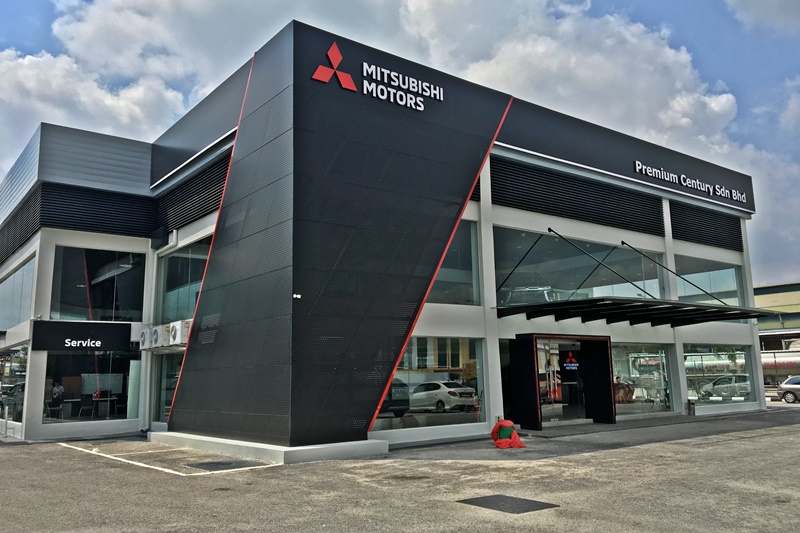
Selected authorised service centres in the Mitsubishi Motors Malaysia (MMM) network are now operating after receiving approval from the Ministry of International Trade and Industry (MITI) to re-open after being closed during the Movement Control Order period.
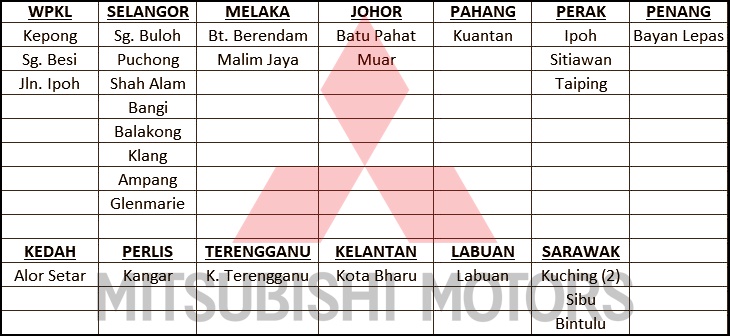
Other than Sabah, one or more service centres in every state is open, and more should resume operations in due course. The list of locations below shows those now operating:
Listing as at May 3, 2020. For updates on service centre openings, click here.
Safety measures for customers and staff
To comply with the strict Standard Operating Procedures set by MITI, the service centres will have the following safety measures for the safety of customers and staff:
» Appointment basis only, no walk-in customers are allowed
» Contactless car acceptance
» Pick-up and drop-off only; customers are not allowed to wait at the premises
» Temperature checks and the use of facemasks for all customers and staffs
» Hand sanitizers available at the entrance of the service centres
» Vehicles sanitized before return to owners
MMM also assures owners that all warranty matters will continue to be honoured even if scheduled servicing and inspection has been missed due to the period of the Movement Control Order.
For emergency assistance and enquiries, customers and owners may call 1-800-88-2166 / 03-21610246.
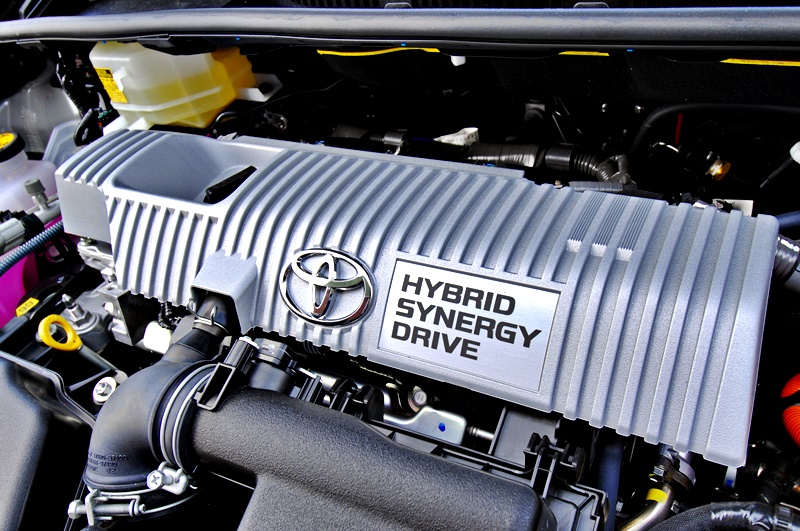
During the 1990s, Toyota launched two models that created new market segments almost overnight. The first was the RAV4, which started the small passenger-car based SUV trend but the second was of great significance. It was the Prius, the pioneer of mass-produced hybrid vehicles.
Today, many carmakers have models with hybrid powertrains too and of the many millions on the roads all over the world, over 15 million have been made by Toyota.
Toyota’s decision to develop hybrid electric vehicles started over 25 years ago when Takeshi Uchiyamada (the company’s Chairman today) led a team to develop a car for the 21st century. Concern for the environment was growing, with momentum coming from the Kyoto Protocol to address climate change, which many nations committed to.
“When we launched Prius, no one even knew what a hybrid was but thanks to early adopters, hybrids have ridden a wave of success into the mainstream,” said Mr. Uchiyamada.
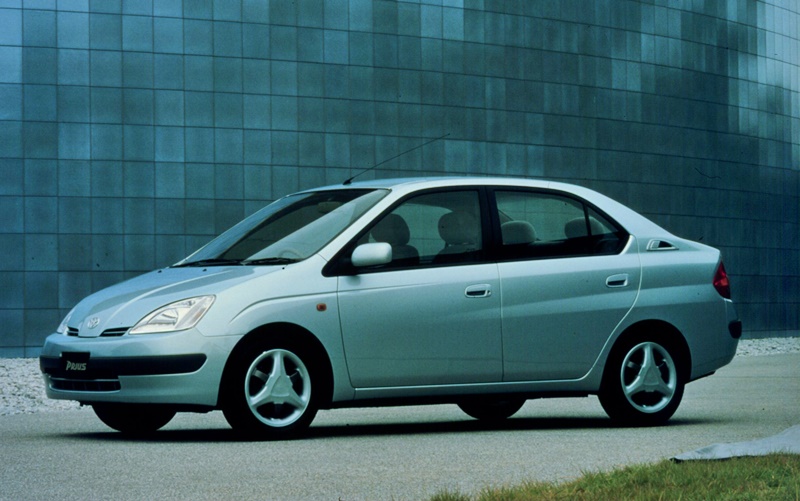
First generation of the Prius
Toyota focussed on reducing greenhouse gas emissions (specifically carbon dioxide) and other harmful pollutants. With more than 15 million hybrids already in use, Toyota believes that it has made a significant contribution to the environment by reducing carbon dioxide emissions by more than 120 million tonnes worldwide to date (compared to sales of equivalent vehicles with internal combustion petrol engines alone).
The first generation of the Prius was launched in 1997 and in the years that followed, more Toyota (as well as Lexus) models gained hybrid powertrains. There are at least 44 models available globally today.
More than a numerical milestone, the continued and increasing use of hybrid powertrains demonstrates the staying power of the technology. It is a mainstream solution to reduce environmental pollution and also consumption of fossil fuel. This achievement builds on the belief that widespread adoption of more environmentally-friendly vehicles can make a significant positive impact worldwide.
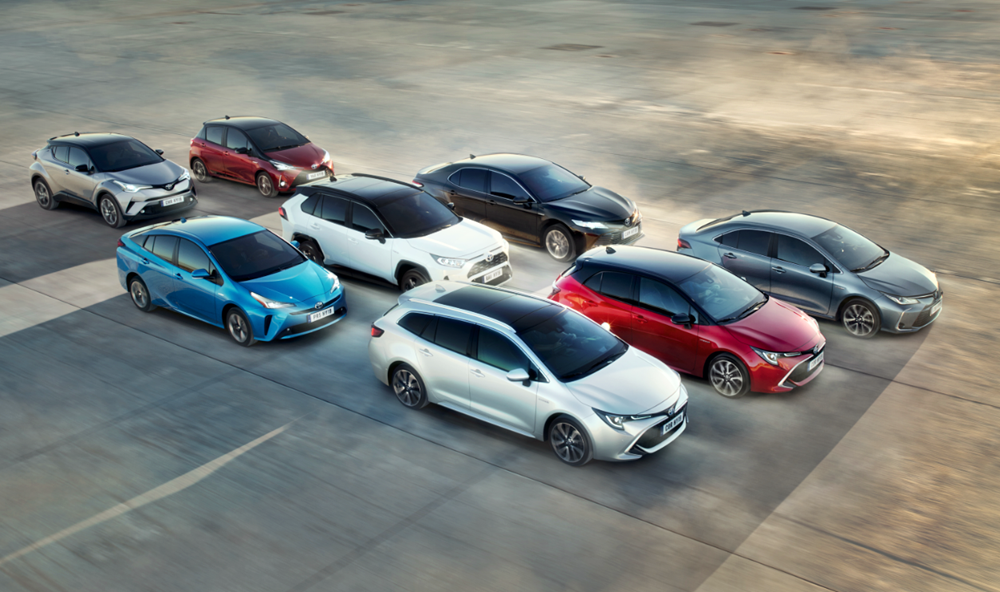
Some of the Toyota hybrid models available today.
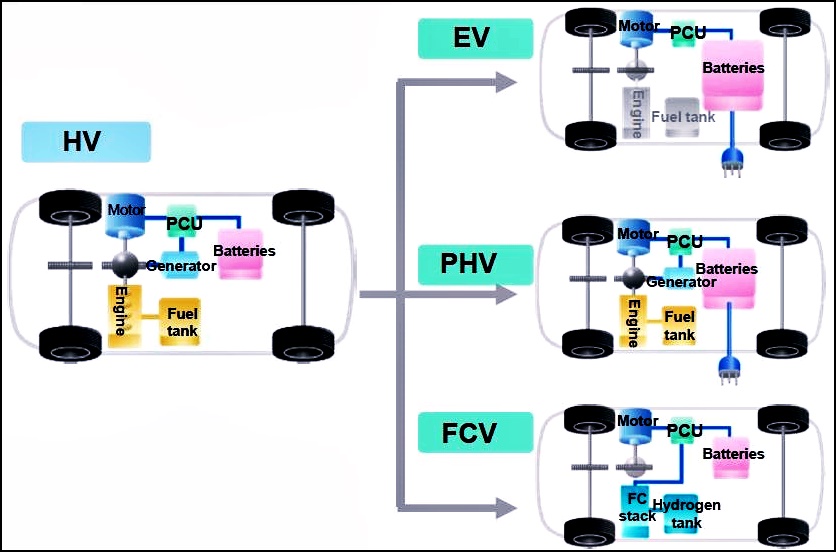
Hybrid leads to BEV and FCEV
While Toyota believes that hybrid vehicles are an essential part of the future overall mix of electrified vehicles, two decades of electrification experience also feed into the company’s multi-powertrain strategy. The company does not see a ‘one winner takes all’ scenario but a future where the different electrified technologies – hybrids and plug-in hybrids, fuel cell (FCEV) and battery electric (BEV) vehicles – all play a part.
Hybrid technology is the core technology which can be used in the development of electric vehicles (EVs), plug-in hybrid vehicles (PHV) fuel cell vehicles. (FCVs)
As a result of its long hybrid electric vehicle experience, the company has deep transferable expertise in the core electrification technologies which are common across all form of electrified powertrains. Over two decades of continuous development of electric motors, batteries and power control units has taught Toyota how to manage and reuse energy efficiently, providing a range of electrified options for customers.
Toyota hybrid models in Malaysia
UMW Toyota Motor (UMWT) began selling the Prius when it started its third generation in 2009. Due to the heave taxes on CBU (completely built-up) vehicles, the earlier generations were unable to be attractively priced. However, in 2009, the government provided full import and excise duty exemption of hybrid and electric vehicles which made them more affordable.
The move was to demonstrate Malaysia’s commitment to reducing its carbon footprint as well as to help the carmakers introduce hybrid technology to motorists in the country. It was hoped that some companies would then assemble their hybrid models locally.
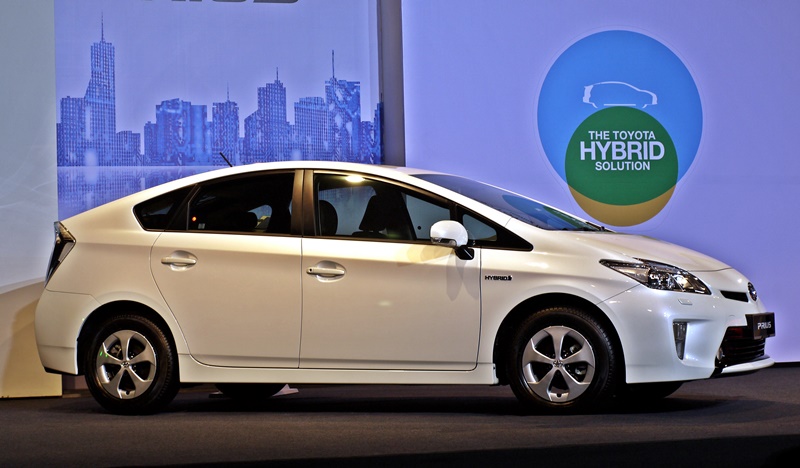
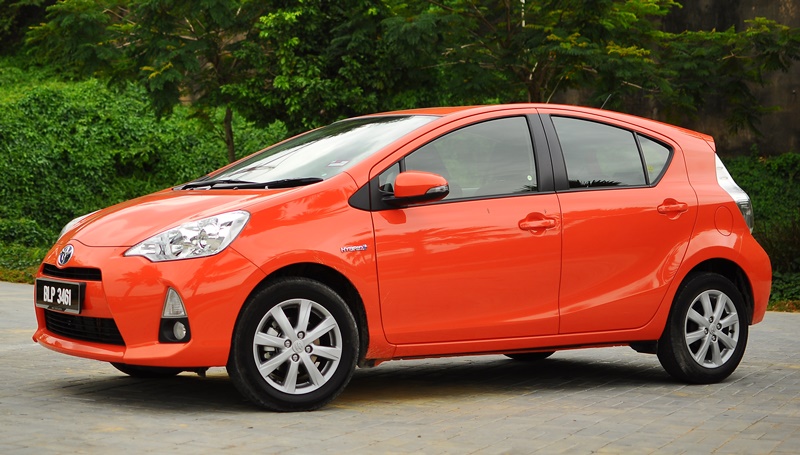
Third generation of the Prius and Prius c (below) were sold in Malaysia.
A 4-year period of duty-exemption was given, during which time sales of such vehicles was quite high as their prices were attractive. Besides the Prius, UMWT also imported the smaller Prius c.
Following the withdrawal of the duty-free exemption, the price of the Prius jumped from RM139,900 to RM216,400 while the Prius c which entered the market at RM97,000 rose to around RM153,000. Not surprisingly, sales declined very quickly and imports of the Prius and Prius c ceased. However, Lexus Malaysia continued to offer hybrid variants for its CT, RX and LS models for customers who appreciated the advanced technology.