
Piston.my

motorsports

BHPetrol RON95 Euro4M

On many occasions  in its 100-year history, Mazda has demonstrated the superiority of its engineering capabilities in the highly competitive world of motorsports. By demonstrating its products in the public eye, putting them to the test against rival manufacturers on the circuits and in rallies, Mazda validated its technology.

When industrialist Jujiro Matsuda took charge of Toyo Cork Kogyo Company in 1921 and transformed the business first into a machine tool producer, he spotted an opportunity to promote his company. Motorcycle racing was popular in Japan in the late 1920s but most of the bikes were imported or assembled from imported parts.
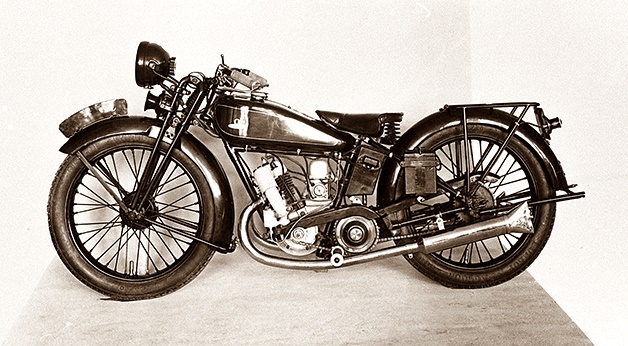
Prototype of the 250 cc motorcycle racer developed by Toyo Kogyo in 1929.

Beating the best on the first try
Toyo Kogyo, as Mazda was then known, wanted to build a domestic Japanese bike and began development of a prototype in 1929. A 250 cc 2-stroke prototype motorbike was revealed in October 1930 and to everyone’s surprise, it won its first race beating a British-made Ariel, which was one of the most-respected and fastest bikes of that period.

Toyo Kogyo went on to produce 30 more motorcycles in 1930 but then Matsuda decided to instead focus attention on the practical Go 3-wheeler that would help grow the business. This would set the company on the road to success in automobiles rather than motorbikes. So Mazda’s flirtation with motorbikes remains a small snippet in its history, but nevertheless one that started with victory in motorsport.

Entering the international arena
The approach of using motorsport to promote the company and its products was revisited three decades later as Mazda began selling cars across the globe. When Mazda introduced the Cosmo Sport which had the revolutionary rotary engine, it headed to Europe and entered the car in international motorsport in 1968.
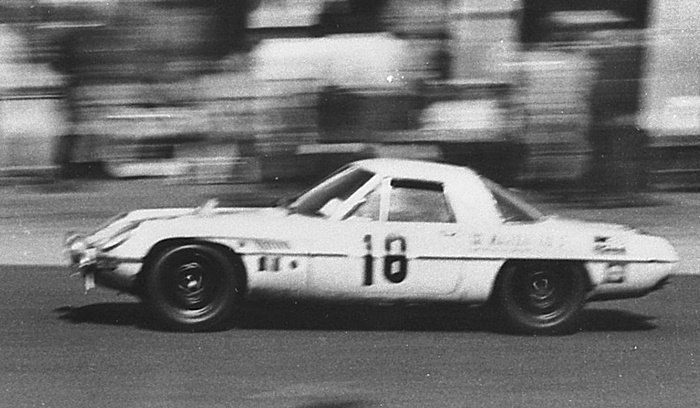
The Cosmo Sport in the 1968 Marathon de la Route – an 84-hour race around the legendary 28-km Nurburgring circuit – where it finished fourth on its first outing.

The event chosen was the gruelling Marathon de la Route – an 84-hour race around the legendary 28-km Nurburgring circuit. The aim was to test and demonstrated the endurance and reliability of the rotary engine. While one car crashed and retired, the remaining Cosmo finished fourth, beaten only by a pair of Porsche 911s and a Lancia Fulvia – considered at the time to be two of the finest sportscars in Europe. Motorsports enthusiasts began to watch the Japanese company from then on.
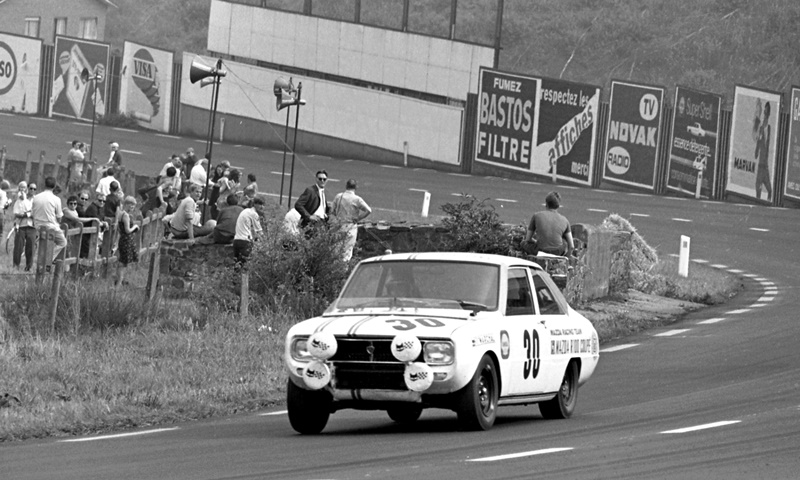
A R100 Coupe at Spa in 1969.

Proving speed and reliability
After success in the Marathon de la Route, Mazda entered the 1969 Spa 24-Hour race with three Mazda R100 coupes. The R100’s twin-rotor engine produced 200 bhp at 9,000 rpm, and the unsilenced noise of the rotary engine left European fans in no doubt about the unique engine under the bonnet. Held on the ultra-fast original 14-km Spa Francorchamps circuit, this race tragically claimed the life of Mazda driver Leon Dernier.

Against competition from BMW, Lancia, NSU, Gordini, Mini, Alfa Romeo and Porsche, the remaining Mazdas finished fifth and sixth, behind four Porsche 911s. The little rotary powered coupes had proved their speed and reliability in one of Europe’s toughest races, while repeating the success of the Cosmo the year before in the 1969 Marathon de la Route when a R100 finished fifth.
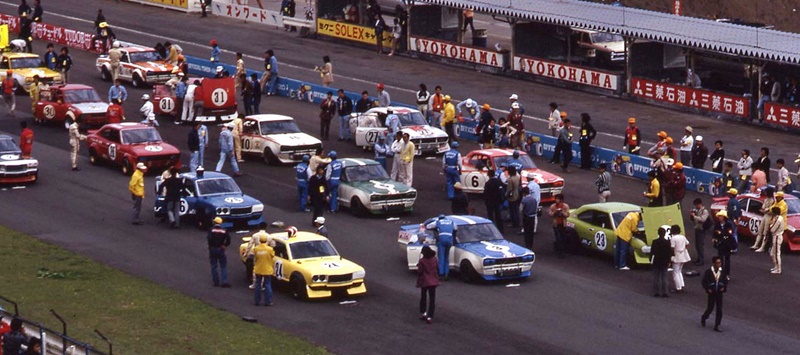
Mazdas were also popular in races in Japan, with the RX-3 taking on the Datsun Skyline.

Back home in Japan, Mazda also went racing – taking on the Datsun Skyline in domestic racing with the new RX-3 coupe. In the 1972 Fuji Grand Prix for touring cars, the RX-3s took a historic 1-2-3 finish as the battle for supremacy with Nissan reached a new level of intensity. The RX-3 also became a popular and successful race car around the world.

The car that really put Mazda amongst the sportscar greats was the RX-7, also rotary-powered. This  iconic Mazda model appeared in races and rallies in numerous specifications in the hands of both factory and private entrants.

The RX-7 was used for Mazda’s first factory entry at the Le Mans 24 Hours, but it was overall victory at the 1981 Spa 24 Hours – the first for a Japanese brand – that really put the RX-7 on the map. Alongside winning the British Touring Car Championship in 1980 and 1981, these victories for the British TWR team firmly established the RX-7 in the UK.
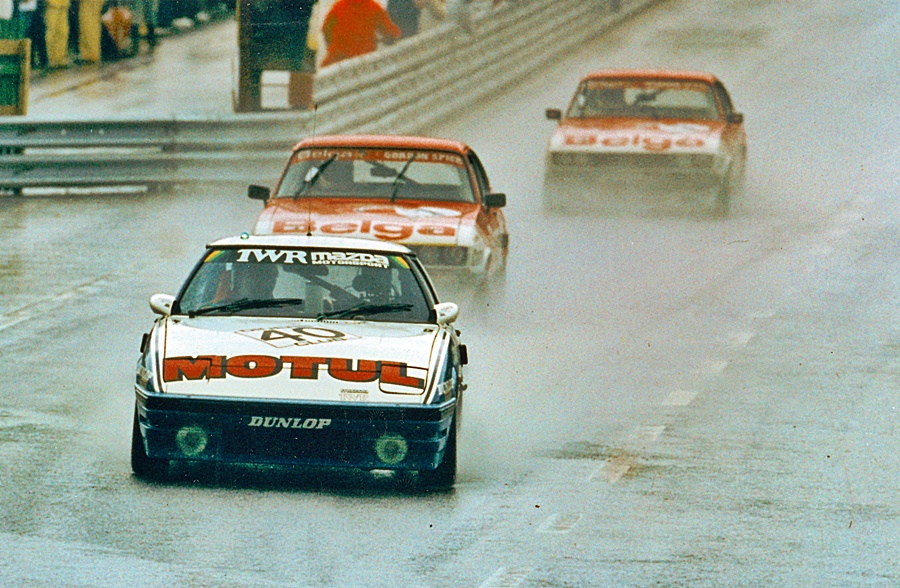
RX-7 at Spa 24 Hours in 1981.
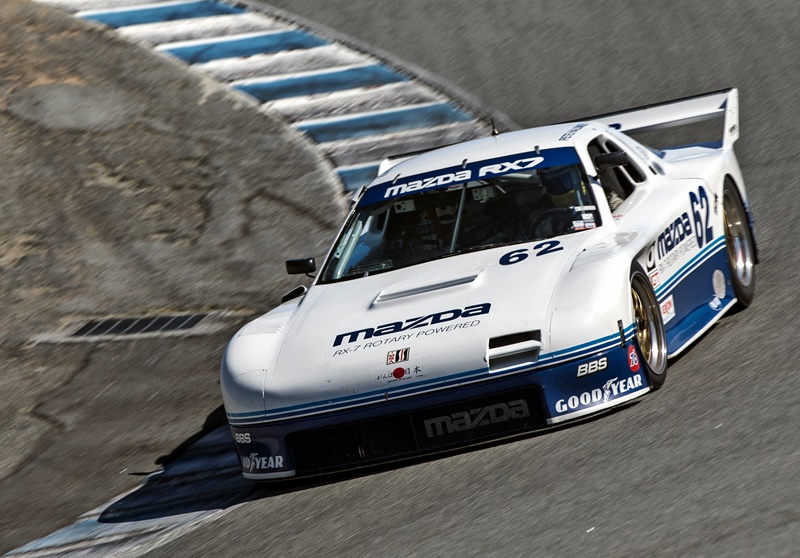
RX-7 in IMSA race in America.

The RX-7 also made its mark on the other side of the Atlantic where it enjoyed consistent success. Competing in the GTU class for cars with engines smaller than 2.5-litres, it won the 24 Hours of Daytona at its first attempt in 1979. It then took the GTU championship for seven years on the trot. And while the class structures might have changed, the RX-7’s success remains undiminished: it has won more IMSA races than any other model in history.

Mazda in rallies
The RX-7’s rallying achievements are less well known. On February 1, 1984, the RX-7 was homologated for the Group B category of rallying. The Group B RX-7 programme was created by Mazda Rally Team Europe, an operation set up by German rally driver Achim Warmbold and based in Belgium. Unlike other Group B cars which were 4-wheel drive, the RX-7 had only rear-wheel drive.
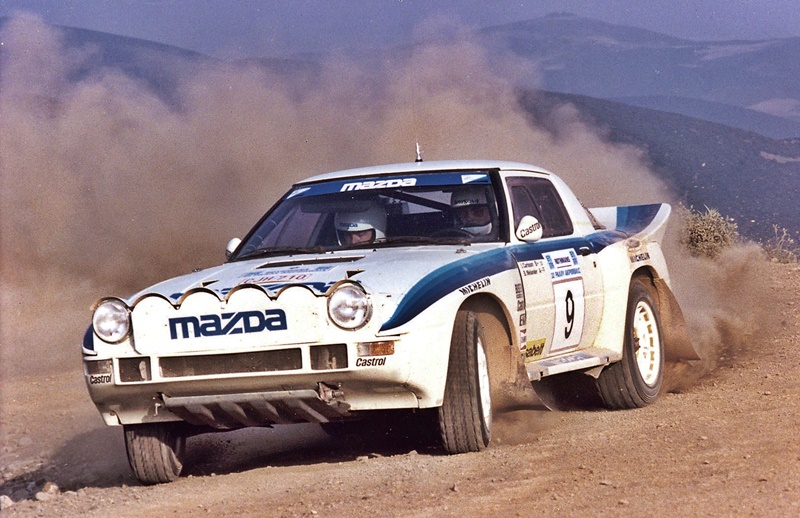
While the Audi Quattro, Lancia Delta and Peugeot 205T16 were the well known Group B rallycars of the 1980s, Mazda also had a RX-7 developed as a Group B rallycar. Unlike most of its rivals, the Mazda had only rear-wheel drive.

Nonetheless it recorded some successes, winning the 1984 Polish round of the European Rally Championship. Possibly a more notable success was its third place in the 1985 Acropolis Rally, a round of the World Rally Championship. The RX-7 was remembered fondly by spectators for its flame-spitting rotary engine and the spectacular sideways driving due to its rear-wheel drive set-up.

Historic victory at Le Mans
For all the brand fame achieved by the motorsport activities, it’s Mazda’s association with the 24 Hours of Le Mans that stands above all else in the company’s motorsports history. The first time Mazda’s name appeared in the event was in 1970 when a Mazda 10A rotary engine powered a Chevron of the Belgian outfit Team Levi’s International.
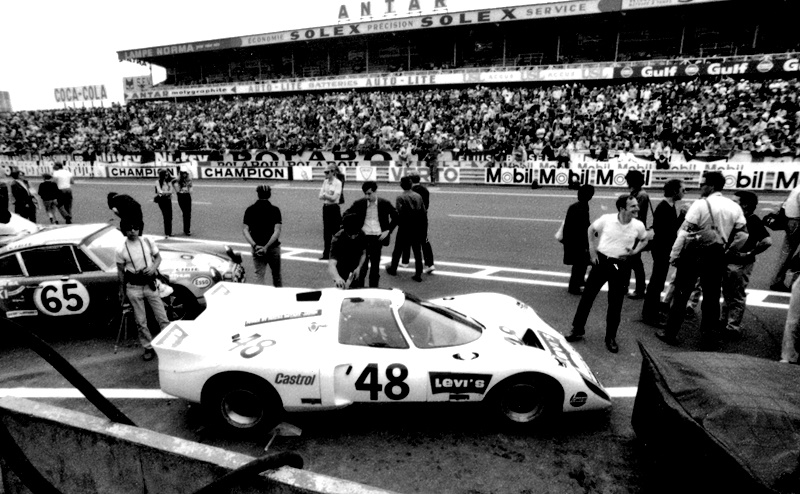
The first time Mazda’s name appeared at Le Mans was in 1970 when its rotary engine powered a Chevron.

During the 1970s, Mazdas would also appear in other Le Mans events, with the RX-7 making its debut in 1979. In 1981, a pair of RX-7s were entered under the Mazdaspeed name, each having powerful 300-bhp twin rotor 13B engines.

1983 saw the factory Mazdaspeed team move into the prototype ranks with the 717C. Built for the 1983 Group C regulations and entered in the smaller Group C Junior class, the 717C was powered by a twin-rotor engine and had an aluminium monocoque chassis. Its low drag bodywork and enveloped rear wheels were designed to ensure the highest possible speed along the famous Mulsanne straight and the slippery 717C had a drag coefficient of just 0.27 Cd.

However, with very little downforce and a short wheelbase, driving the Mazda was a challenge for the drivers. Its speed and endurance brought a 12th place finish overall and the Group C Junior win for Japanese drivers Takashi Yorino, Yojiro Terada and Yoshimi Katayama. The only other finisher in the Group C Junior class was the second 717C, which said something about the reliability of the engineering.

In 1983, Mazdaspeed entered the renamed Group C2 class with a pair of Mazda 727Cs, an evolution of the previous year’s winning 717C with a twin-rotor 13B engine. A pair of sleek Lola T-616s entered by an American team also entered and these were powered by the same 13B rotary engine as the factory cars.
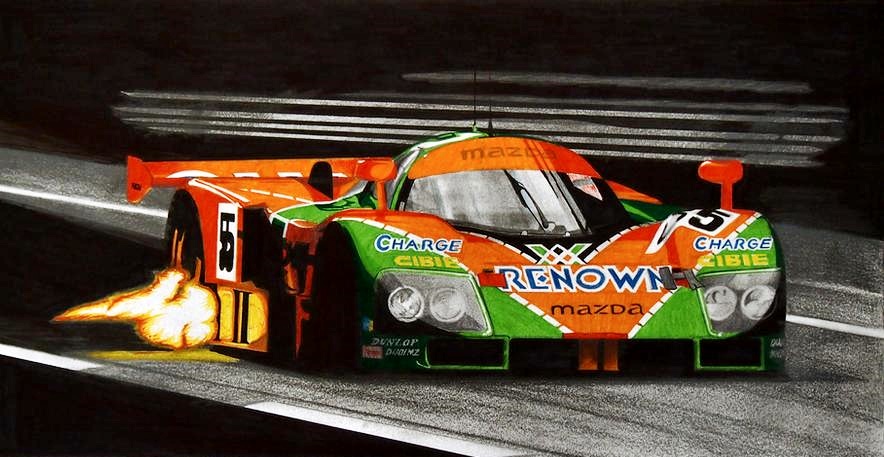
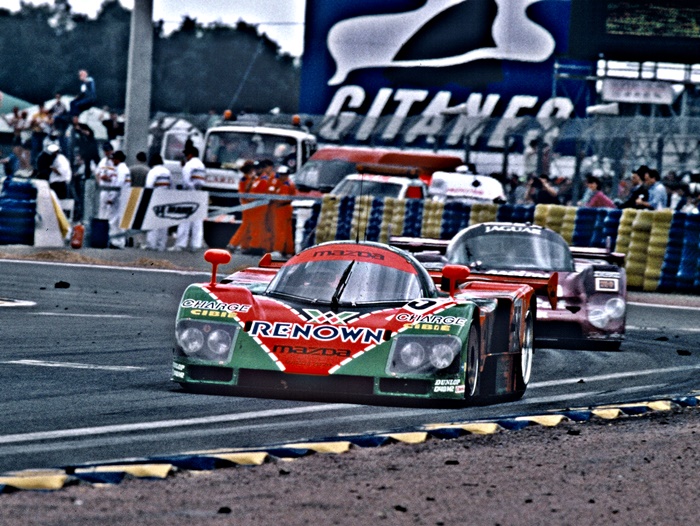
The 787B which won Le Mans in 1991, making Mazda the first Japanese manufacturer to win the legendary endurance race.

Mazda’s tally of class victories at Le Mans continued during the late 1980s and in 1991 came overall victory – the first for a Japanese brand at Le Mans. The car that did it was the 787B; it wasn’t just the powerful rotary engine but the racing car also had carbon brakes and a carbon clutch, and it was the first Mazda racer to feature telemetry.
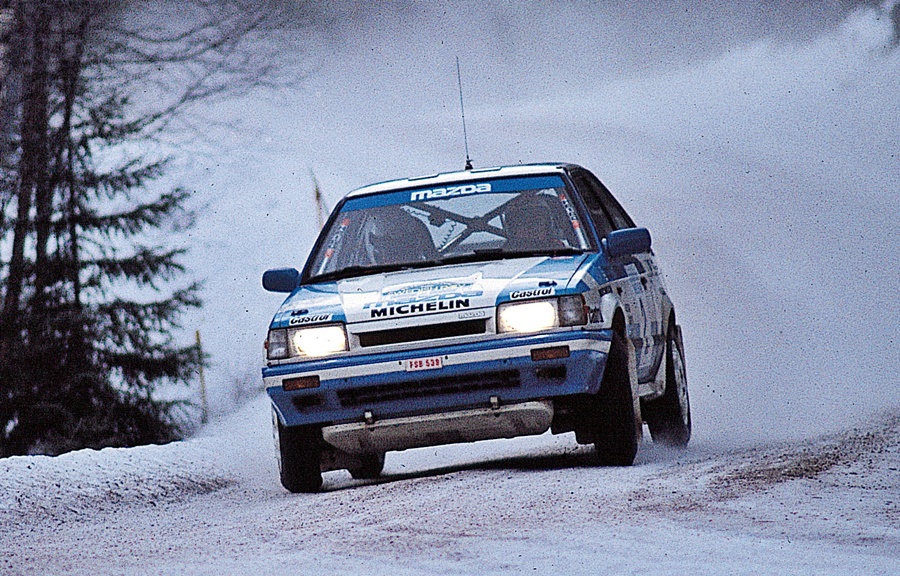
Group A 323 with all-wheel drive in 1989, after the Group B cars were banned.

However, it wasn’t just success at Le Mans that marked Mazda out in the 1980s and 1990s, with rallying changing to Group A regulations, Mazda took on contenders from Lancia, Toyota and Ford with the Mazda 323 AWD. Although its 1.6-litre engine produced just 250 bhp, the 323’s small size and nimble handling was advantageous, particularly on ice rallies.

Mazda in Malaysian motorsport
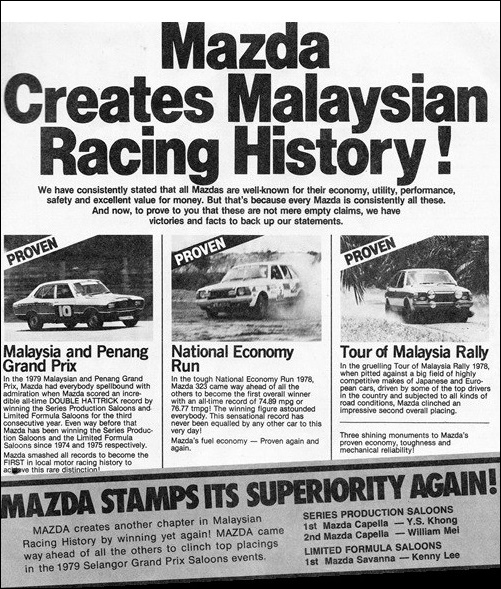
In Malaysia, Mazda was also a notable name in motorsports in the 1970s. The local distributor, Asia Motors, had prepared some models with rotary engines such as the Capella RX-2 to challenge the Alfa Romeos. In Series Production races, they won several times and also made a strong impression in other classes with the Savanna RX-3. The company also installed the rotary engine in the original 323 (with rear-wheel drive) to enter rallies.
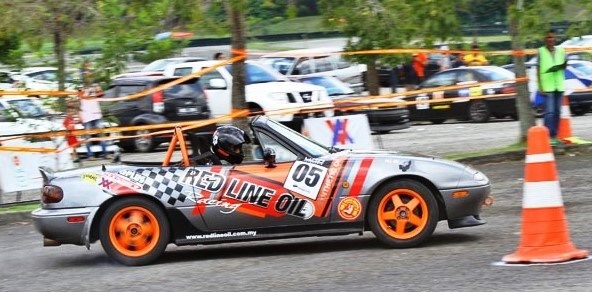
Models like the MX-5 continue to be popular choices for motorsport events, like the long-running GRA championship in Malaysia.

While Mazda Corporation stepped away from global motorsport at the start of the 1990s, success continued in the USA and today, Mazda Motorsports North America continues to compete at the highest level with a two-car factory supported effort in the 2020 IMSA Sportscar Championship with the RT24-P prototype.
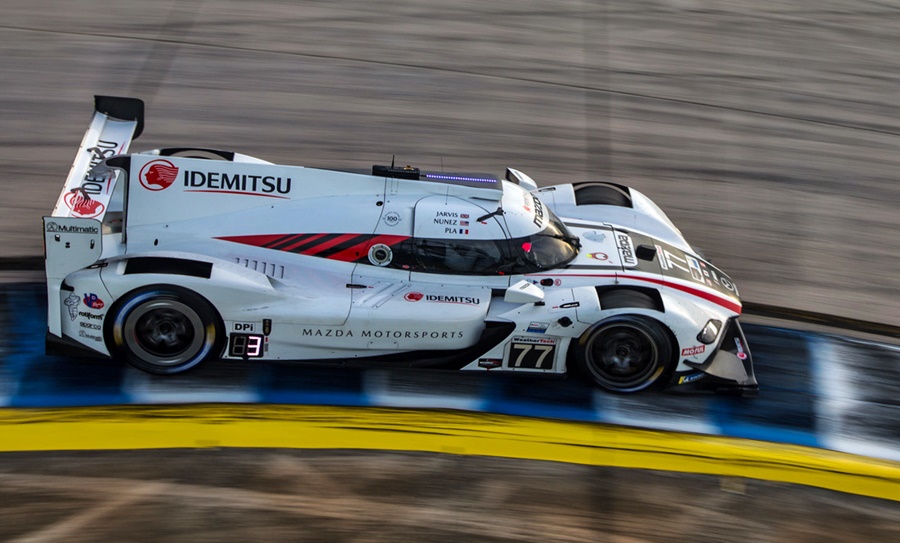
The RT-24P currently entered in the 2020 IMSA Sportscar Championship

Unusual, little known Mazda vehicles you may never have heard of

BHPetrol RON95 Euro4M

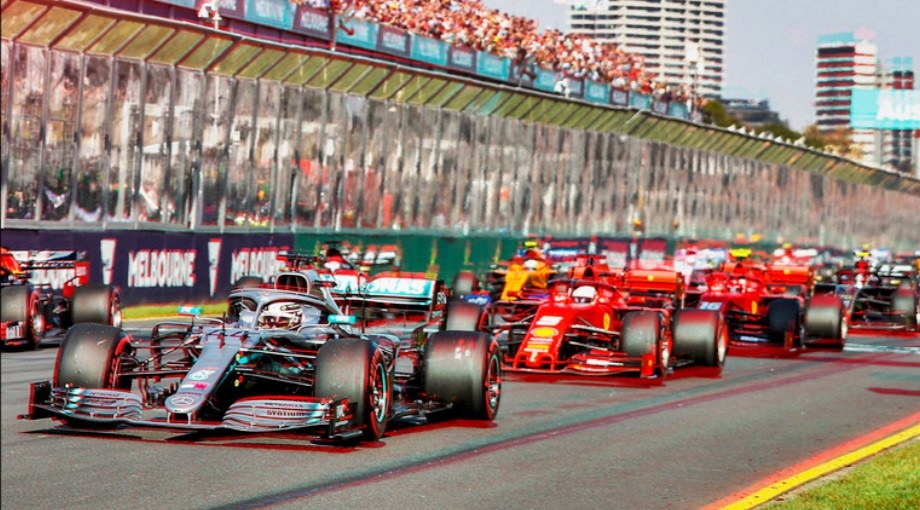
When Formula One returns to racing this weekend in Austria, it will do so in a world that has changed profoundly since the teams last gathered in Melbourne in early March for what was to have been the opening round of the 2020 championship (it was cancelled).

The COVID-19 pandemic and various tough actions taken by almost all countries saw movements restricted, and all motorsports were suspended. While that impacted racing teams, the manufacturers they represent as well as the sponsors greatly, there has also been another development which has become an almost global social issue.

Discrimination is not acceptable
In the past five weeks, the Black Lives Matter (BLM) movement has shone a searching light on how much we need new measures and actions in the fight against racism. In sports especially, discrimination of any form is not acceptable. The Mercedes-AMG Petronas F1 Team has spent the past weeks listening to the perspectives of its team members, to learn and to reflect on the team as it is today and how they want it to be in the future.

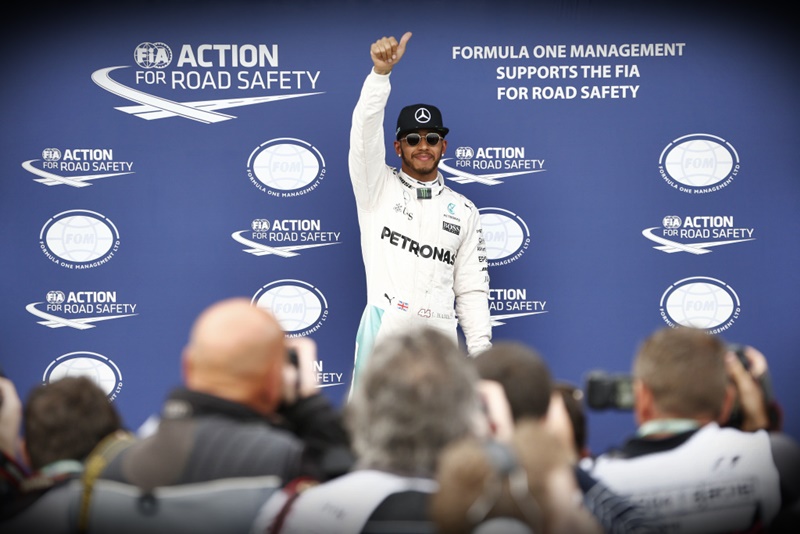
“It’s so important that we seize this moment and use it to educate ourselves whether you are an individual, brand or company to make real meaningful changes when it comes to ensuring equality and inclusivity. I have personally experienced racism in my life and seen my family and friends experience racism, and I am speaking from the heart when I appeal for change,” said Lewis Hamilton, who is the first and still the only black driver in F1. “When I spoke to Toto [Wolff] about my hopes for what we could achieve as a team, I said it was so important that we stand united.”

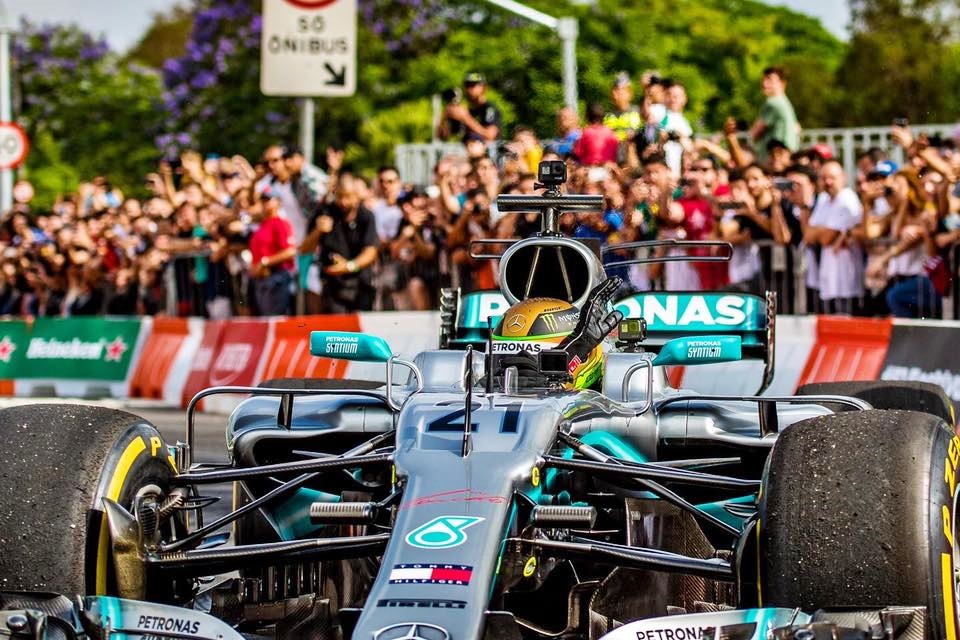
Lewis Hamilton
Lewis Hamilton is the first and still the only black driver in F1. He says he has personally experienced racism so this initiative by his team matters a lot to him personally.

Looking inwards at itself, the team could see that there is a lack of diversity: just 3% of its workforce identify as belonging to minority ethnic groups and only 12% are women. “ This lack of diversity shows that we need to find new approaches to attract talent from many areas of society we do not currently reach. We know that our team will be stronger if we can attract talents from the broadest possible pool and we are committed to achieving this through positive action,” said Toto Wolff, Team Principal & CEO of the Mercedes-AMG Petronas F1 Team.

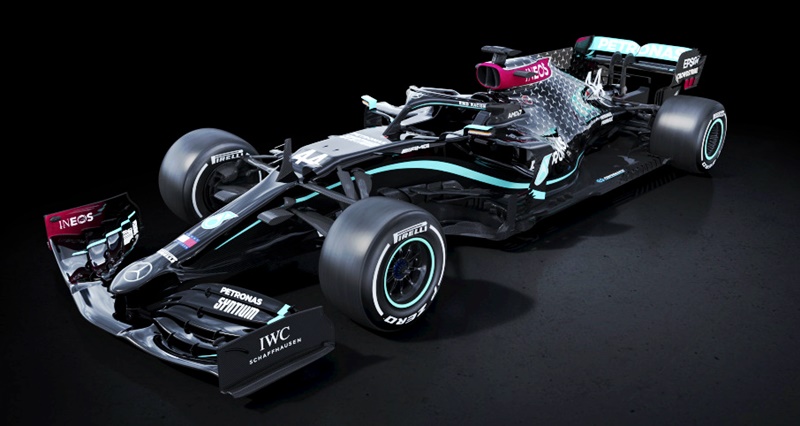
For the 2020 season, the team has therefore chosen to race in an all-black base livery as a public pledge to improve the diversity of the team. It is a clear statement of the team’s stand against racism and all forms of discrimination. The call to ‘End Racism’ will feature on the halo of both cars, and the united F1 initiative #WeRaceAsOne will be featured on the mirrors of the W11 racing car.

Mercedes-AMG PETRONAS F1 Racing Team W11
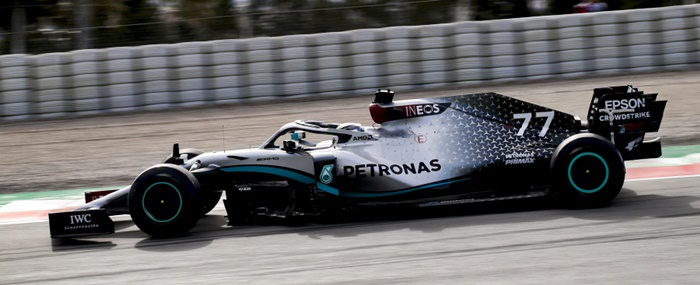
The racing cars will be predominantly in black, a change from the light colour sheme they started off with at the beginning of the year (below).

Mercedes-AMG PETRONAS F1 Racing Team

Diversity and Inclusion programme
“Before the end of this season, we will announce a Diversity and Inclusion programme that will include but not be limited to: continuing to listen to and raise the awareness of our team members; forensic analysis of our recruitment and development processes; collaboration with the sport’s key stakeholders to improve accessibility to our sport; and targeted education initiatives to encourage and support talented people from under-represented backgrounds who aspire to reach F1,” Wolff explained.

“We know that it will take time to build the right strategy, and consistent effort and investment year on year, and decade on decade, to make a measurable difference; our commitment to doing this is irreversible,” he declared.

At the highest levels of Daimler AG, which funds the team, there is also full support for its actions being taken. Markus Schaefer, Member of the Board of Management Daimler AG, Responsible for Group Research and Non-Executive Chairman of the Mercedes-AMG Petronas F1 Team said: “In recent weeks, events around the world have reinforced the importance of continuing to fight against racism and all forms of discrimination. At Mercedes, we know that the strength of our organisation lies in the diversity of our people, and we are proud to be able to use one of our most prominent global platforms to signal our commitment to this fundamental principle of our society and our business.”
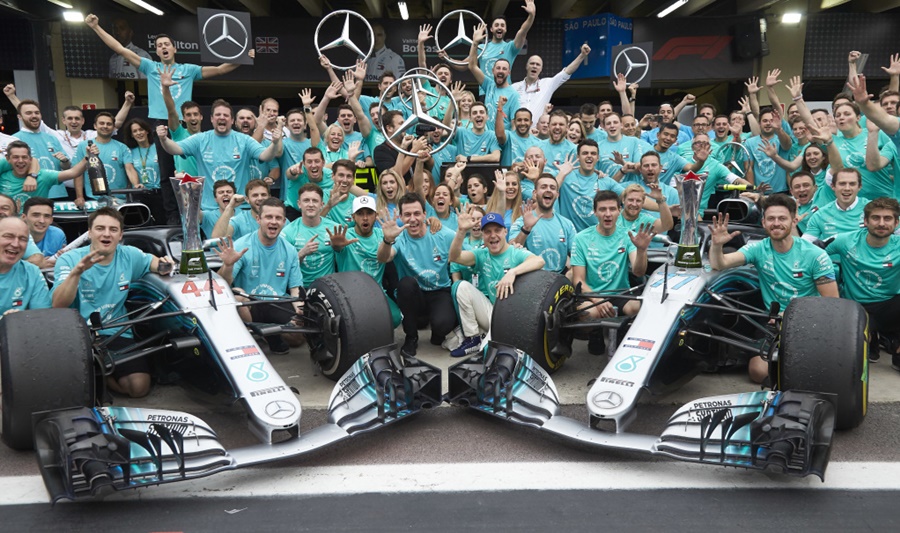
Mercedes-AMG PETRONAS F1 Team
Just 3% of the team’s workforce identify as belonging to minority ethnic groups and only 12% are women. That’s going to change.

Speaking up for respect and equality
Expanding on the subject, Wolff said: “Racism and discrimination have no place in our society, our sport or our team: this is a core belief at Mercedes. But having the right beliefs and the right mindset isn’t enough if we remain silent. We wish to use our voice and our global platform to speak up for respect and equality, and the Silver Arrow will race in black for the entire 2020 season to show our commitment to greater diversity within our team and our sport.”

“We will not shy away from our weaknesses in this area, nor from the progress we must still make; our livery is our public pledge to take positive action. We intend to find and attract the very best talents from the broadest possible range of backgrounds, and to create credible pathways for them to reach our sport, in order to build a stronger and more diverse team in the future. I would also like to use this opportunity to thank our parent company Mercedes-Benz and our family of team partners who have supported and encouraged this initiative,” he said.

Mercedes-AMG PETRONAS F1 Team
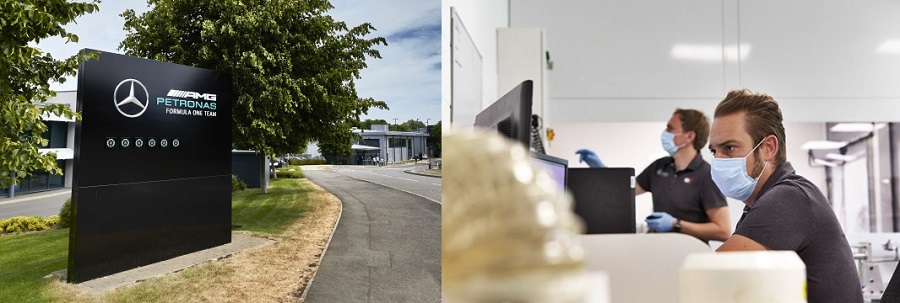
The Mercedes-AMG PETRONAS F1 Team, which is based in England, will strive to have more diversity in its workforce.

Drivers will use their high profile
At the heart of the team’s commitment to fighting racism and discrimination are its high-profile drivers, and most prominently 6-time world champion Hamilton. He recently announced the formation of the Hamilton Commission, a research partnership with the Royal Academy of Engineering dedicated to exploring how motorsport can be used to engage more young people from black backgrounds with STEM subjects and ultimately employ them at Mercedes teams or in other engineering sectors. He and his partner, Valtteri Bottas, will race in black overalls for the 2020 season, with helmet designs adapted as well.

“I would like to say a huge thank you to Toto and the Mercedes Board for taking the time to listen, to talk, and to really understand my experiences and passion, and for making this important statement that we are willing to change and improve as a business. We want to build a legacy that goes beyond sport, and if we can be the leaders and can start building more diversity within our own business, it will send such a strong message and give others the confidence to begin a dialogue about how they can implement change,” he said.

BHPetrol RON95 Euro4M

COVID-19, the coronavirus, is not only doing nasty things to humans but because of what it does, all kinds of activities around the world are disrupted, including motorsports. The first hit was in mid-February when the organisers of the 2020 Chinese F1 Grand Prix asked to cancel their event scheduled on April 19 – with the hope that it could be run later in the year. The epidemic was getting to other countries and the FIA, motorsports governing body, said it would ‘review the situation for other motorsport events globally in accordance with the changing COVID-19 environment and advisories from the World Health Organisation’.

Liberty Media, which has the commercial rights to F1, was quick to announce that the opening round in Australia as well as the following two rounds in Bahrain and Vietnam would go ahead. That, of course, was before the situation in Italy got really bad to the point that a nationwide lockdown was imposed.

Still, the 10 teams were asked to go to Australia for the race which was to be this weekend, in spite of the fact that Australia was raising its barriers, especially for people from Italy. Tests were required and one McLaren team member showed positive results after being seen to have symptoms on arrival. This led to the team withdrawing from the race and the other teams beginning to question the decision to go ahead – especially after the WHO had declared that the situation was officially a ‘pandemic’. 8 teams withdrew from the race which forced its cancellation although it couldn’t have run as the state government had also asked for the event not to be run in view of the large crowds.

F1
Withdrawal of 8 teams as well as a directive from the state government forced cancellation of the opening F1 round in Australia.

The ‘domino’ effect starts
The cancellation of the race was announced just prior to practices being held, and one could say that the ‘dominos’ started to fall, greatly dictated by stronger actions of governments after the WHO finally declared the pandemic. The organisation had been refraining from declaring the pandemic for a while but decided it must do so in order to get more governments to be much more serious.

Bahrain had earlier announced that its event, the second F1 round of 2020, would be a ‘closed’ event, meaning no spectators would be at the circuit. It would be broadcast live on the usual TV and internet channels only. The third round in Vietnam was a question mark but thought to be possible to continue.

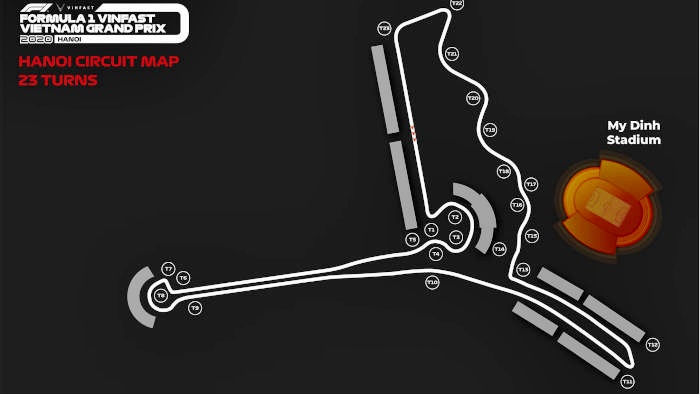
Hanoi Circuit
It’s unfortunate for Vietnam that the very first F1 race to be held there cannot start,

All events to be postponed or cancelled
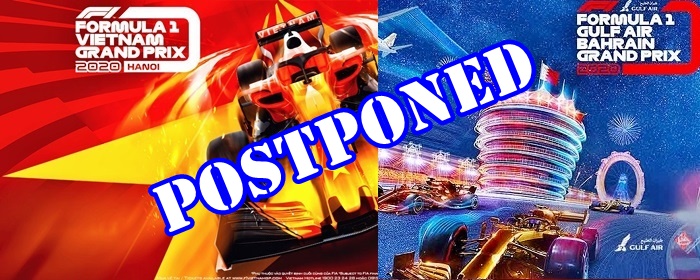
Now, with governments tightening things and preventing events with large crowds so as to reduce the spread of infection, it appears that all motorsports events are cancelled or postponed. “The organiser of the Vietnam Grand Prix 2020 officially announces the delay of F1 Hanoi race due to complicated development of COVID-19,” said the statement from the Vietnam Grand Prix Company.

Bahrain also announced that its event would be postponed as well, and the FIA says that the F1 championship will resume at the end of May in Europe, possibly with the rounds in Monaco or Azerbaijan. Considering how the pandemic has shifted its epicentre from China to Italy, it seems like wishful thinking but the organisation will be constantly reviewing the situation.

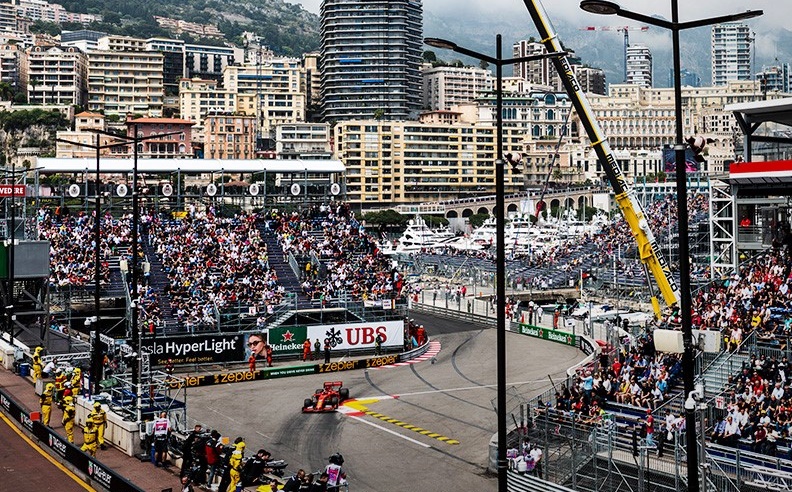
Monaco GP
The FIA has now announced that the 2020 F1 championship will resume at the end of May, possibly at the Monaco GP or the Azerbaijan GP scheduled in early June.

“Protecting people first,” emphasised Jean Todt, FIA’s President. ”Together with Formula 1, the Bahrain Motor Federation, the Vietnamese Motorsports Association, and the local promoters, postponing both the Bahrain and Vietnam Grands Prix, as with the Australian Grand Prix, was the only possible decision given all of the information currently available to us. We continue to rely on the input and advice from the World Health Organisation and governments and will work with them throughout this unpredictable period to safeguard the fans, competitors and all of the motor sport community.”

F1
As with other championship sports events, F1 draws very big crowds which, at this time, mean a high risk of infection and spread of the virus.

No exception in Malaysia too
In Malaysia, the government has declared that all public gatherings – international meetings, conferences, sports events, social and religious events – are to be postponed or cancelled until April 30, 2020. Some organisers had already turned their events into closed events as a precaution and now would have to abide by the government’s directive to cancel or postpone. It will be messy for everyone concerned, not just the teams. Sponsors have committed money, some of which would already have been paid and owners of venues would also have to start discussions about rentals and related matters.

It’s hard to say when this situation will change, let alone end. And even if we can see a glimmer of ‘light at the end of the tunnel’, can we be sure it is not a train coming at you?

PISTON.MY


It’s a Sunday night and you’re out with friends at your friendly neighbourhood mamak stall and on the screen is a Formula 1 race. You then think to yourself: “It’s just a matter of driving fast. Anyone can do it.” Think again.

Like other intense sports, motorsports requires its athletes to undergo constant training and be in peak physical form in order to excel. Typically, a driver in a race will have to be able to cope with g-forces higher than those experienced in everyday driving when taking corners in excess of 100 km/h. He or she must be able to feel oversteering or understeering due to tyre grip and the setup of the car’s suspension. In addition to being fit, a race car driver will need to have an in-depth understanding of the intricacies of a car.

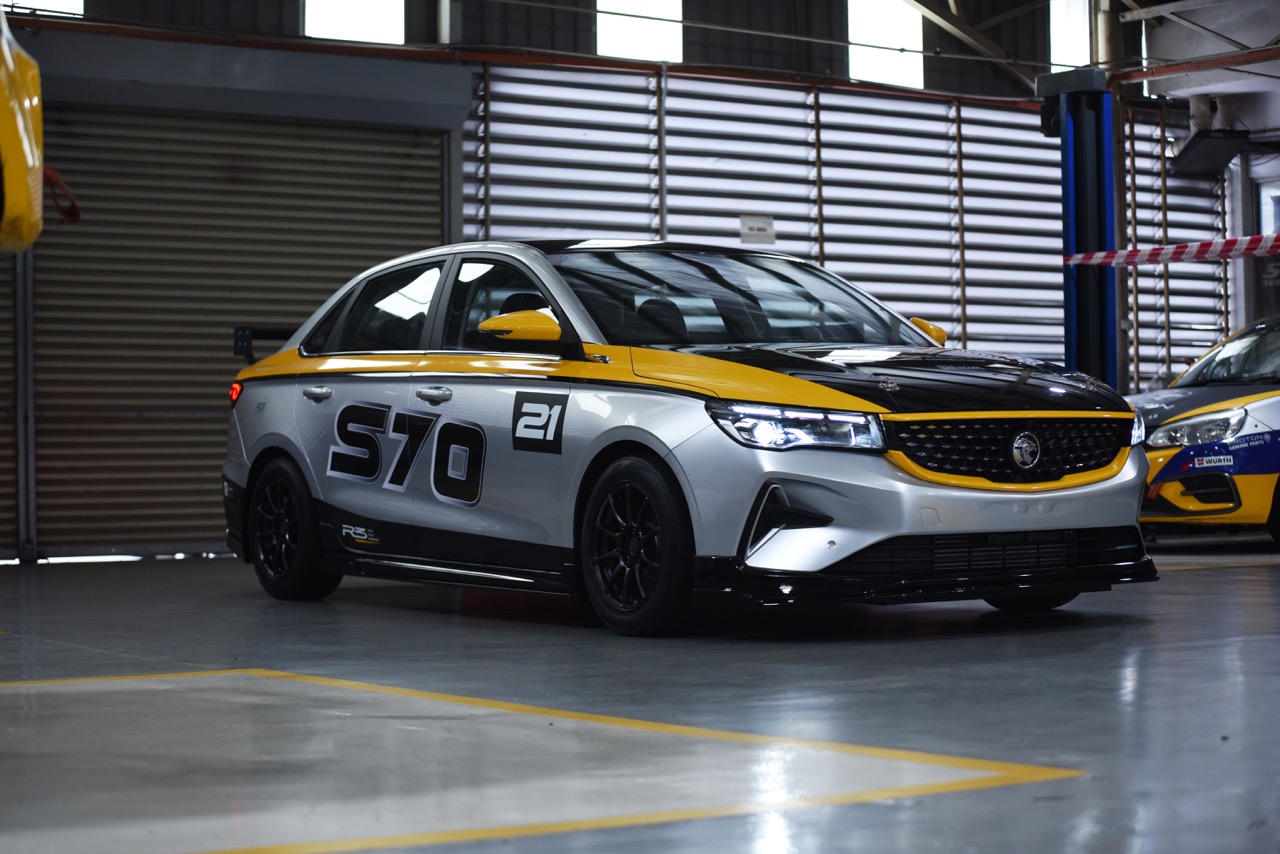
Proton R3

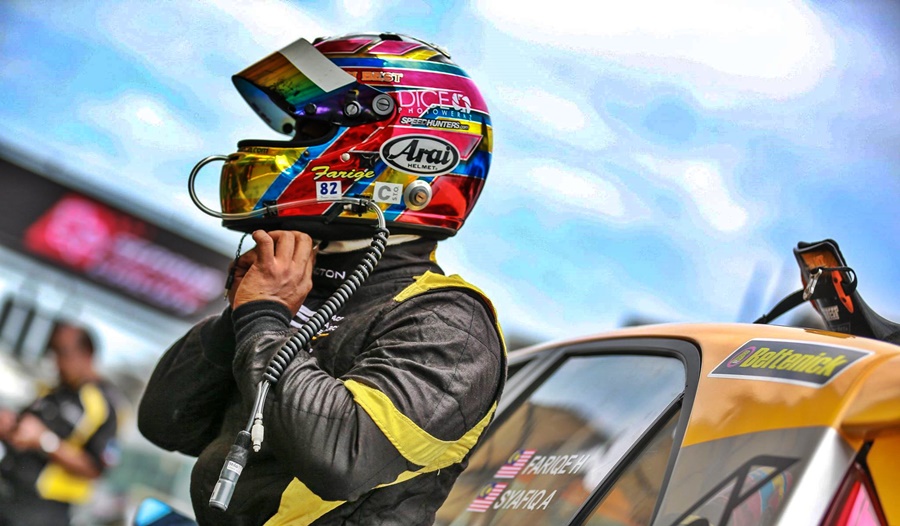
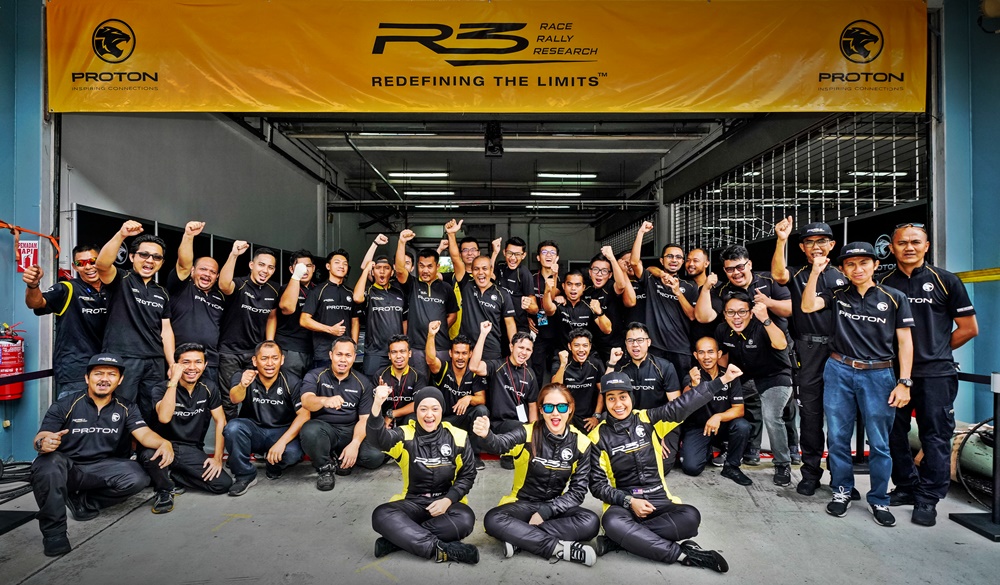
For Proton R3’s Mitchell Cheah, Fariqe Hairuman, Syafiq Ali, Admi Shahrul, Nurul Husna, Faye Kusairi and Leona Chin, racing came naturally – but only after they began preparing for the race several weeks beforehand. ‘Weekend racers’ may just go to the track and drive fast but for those who are serious about racing, there’s a strict exercise regime and they must follow a healthy and balanced diet. Trips to the mamak stall are definitely out of the question (at least until after the racing season is over).

One of the drivers (we won’t tell who) even spends some time playing Call of Duty in the name of improving hand-eye coordination. Those who spend time on Playstation4’s racing simulators also gain ‘experience’ that can be useful when they race in the real world. So yes, it’s easy to drive a car, but challenging to race in one.

Teamwork is imperative for success
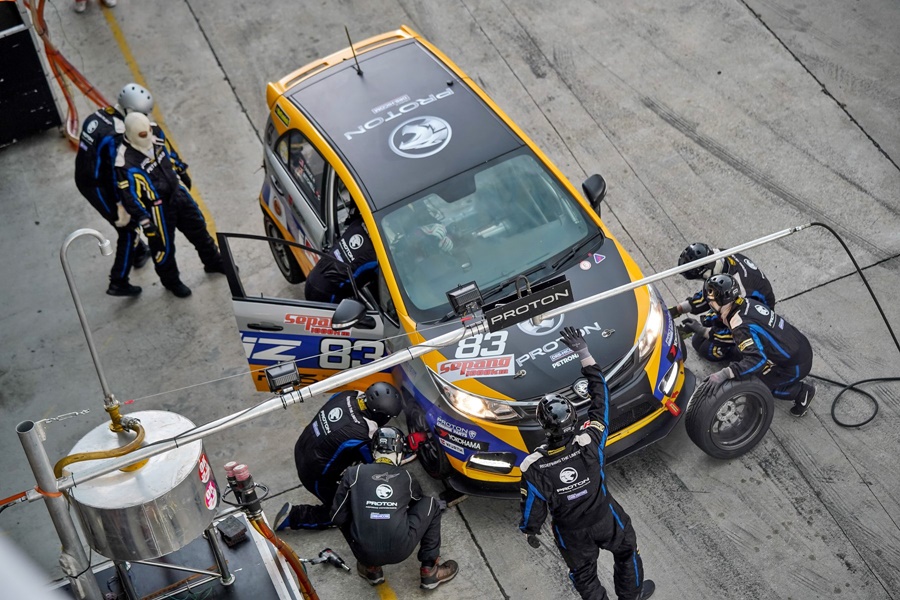
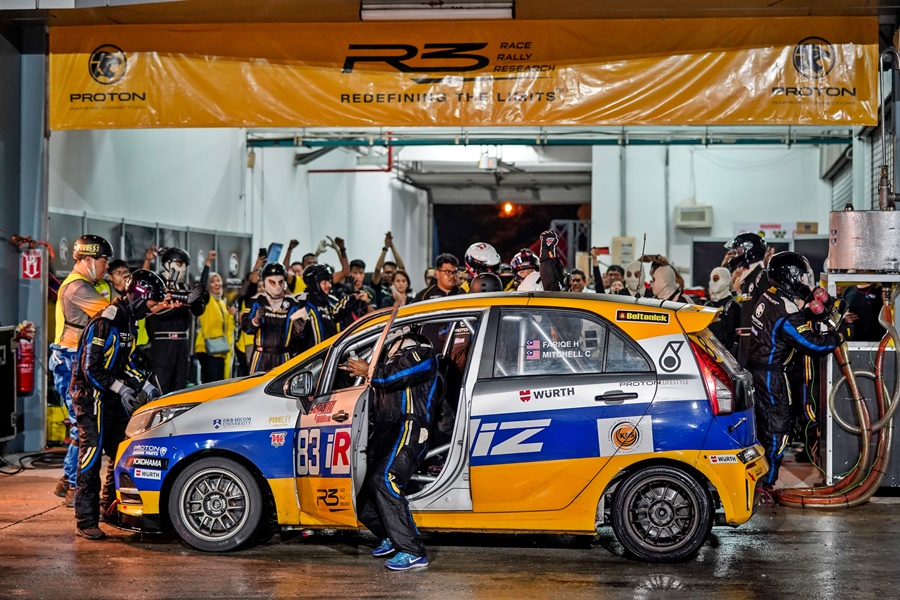
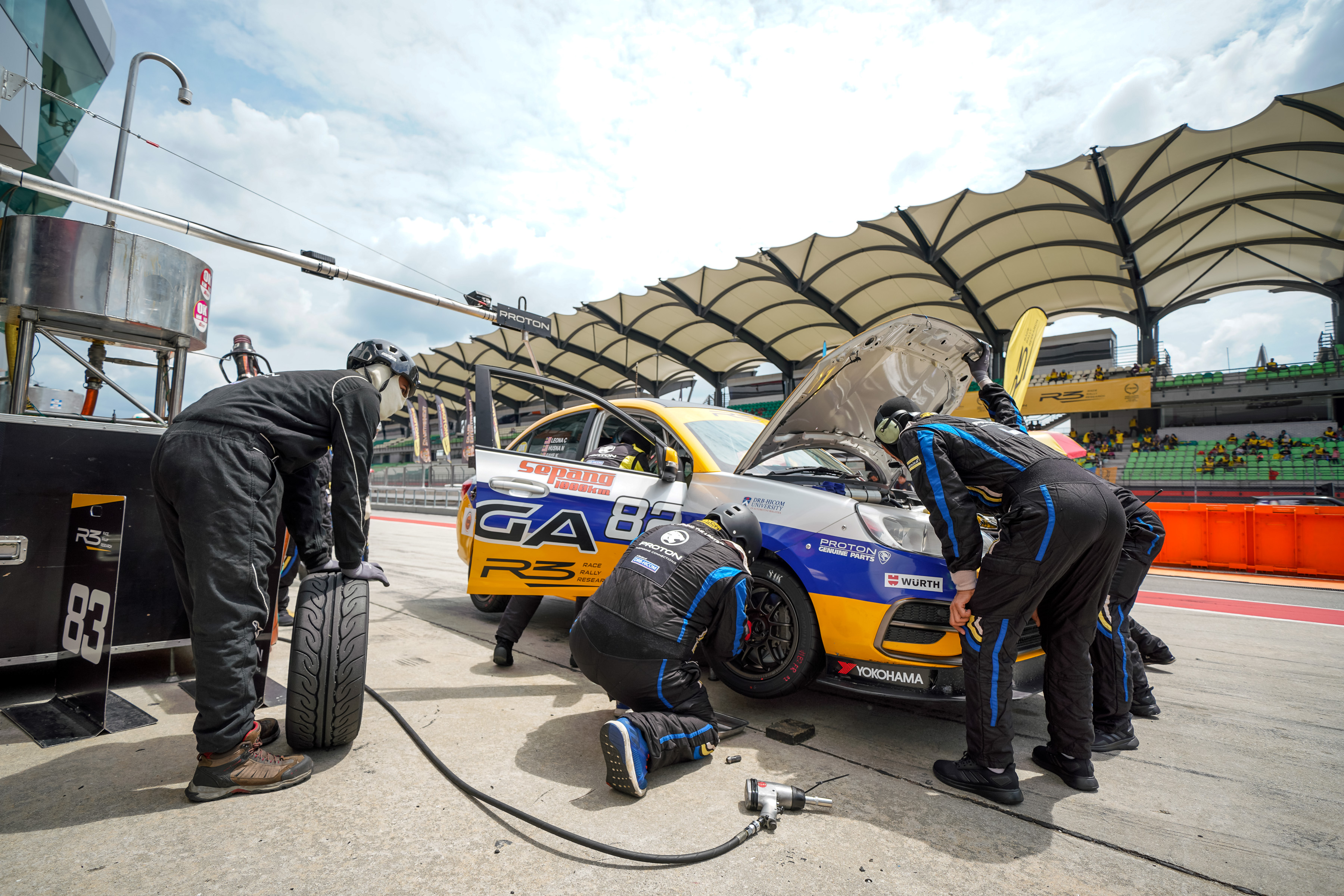
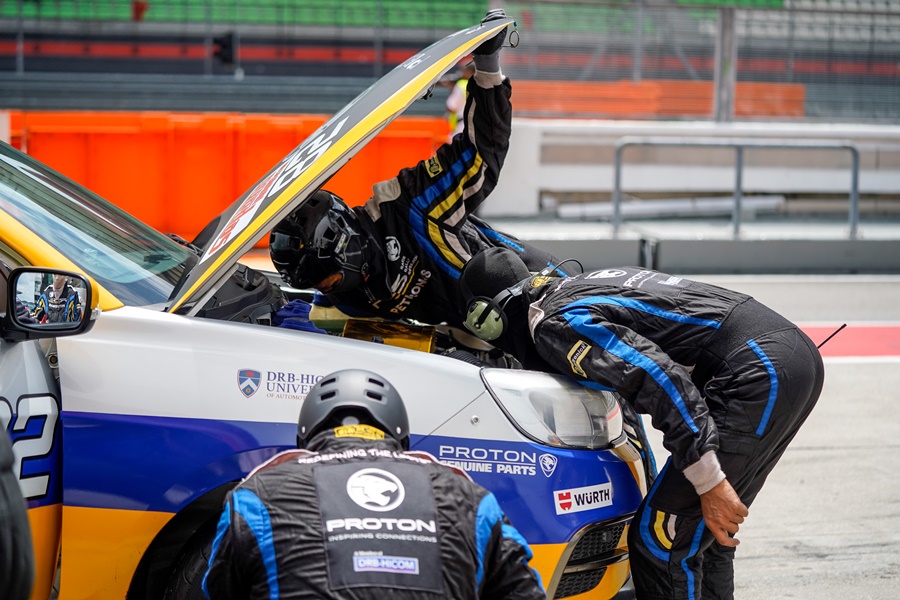
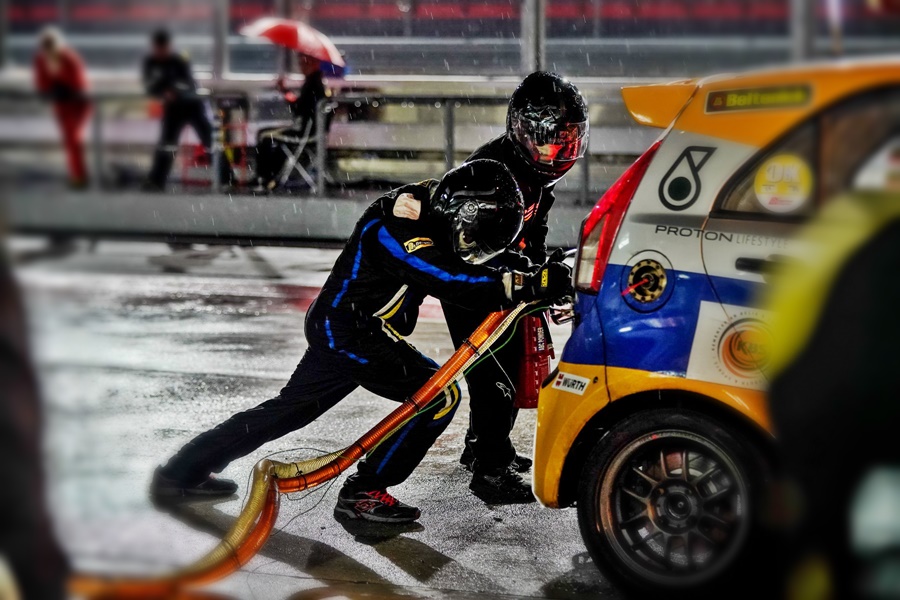
Another crucial aspect about competitive motorsports is the fact that it isn’t a one-man show. Teamwork is imperative for success – engineers are required to analyse and make quick adjustments to the car; engine and tyre specialists have their self-explanatory roles; a pit crew must be quick and precise at refuelling and replacing tyres; a crew chief, who oversees the technical crew; and a team manager who keeps administrative duties in check.

Proton R3

Proton R3

Typically, a racing team begins preparations several days before the actual race day. The driver(s) will have to work closely with the rest of the crew to ensure that their cars are set up for the circuit – tuning to the suspension is critical as every track has its own characteristics.

You wouldn’t want to use a soft suspension set-up for a track with lots of corners, unless you enjoy being in a boat that’s constantly bobbing up and down. There’s also the fact that the engine and drivetrain have to be tuned properly to ensure the car is able to provide a good compromise between acceleration and top speed.

Proton R3

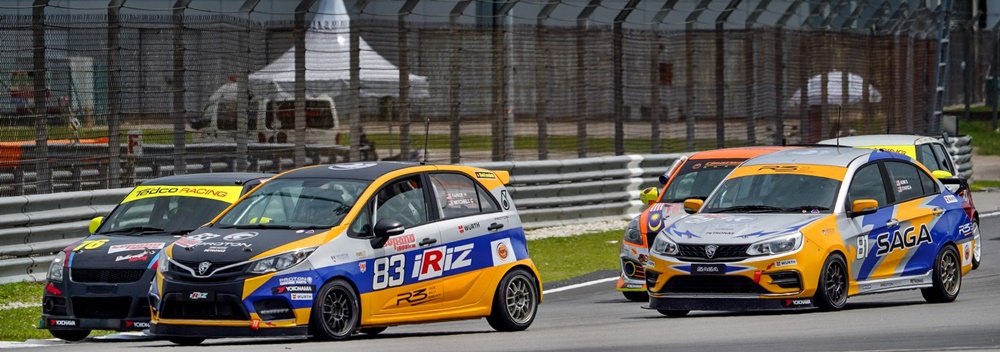
While a car’s set-up is important, there’s only so much that can be done to boost the reliability of the car itself. For the Proton R3 drivers this year, the availability of the improved 2019 Saga and 2019 Iriz made a difference and both achieved significant success in the annual Sepang 1,000km (S1K) race.

This is no easy feat because these cars are driven at an average speed of 110 km/h. Other than the brief moments they are in for pit stops, they are constantly pushed hard and this year, that was for 9 hours and over 181 laps. The strain placed on the cars and drivers is therefore intense and both must be in top form.

Proton R3

Proton R3

A successful endeavour
Both the Proton R3 drivers and cars rose to the occasion and dominated the S1K. The 2019 Iriz that was driven by Mitchell and Fariqe captured first place while the 2019 Saga that was driven by Syafiq and Admi came in second.

Also impressive was the all-ladies team which managed to blitz past the competition from 26th on the grid, to seventh overall, ahead of all the other lady drivers. When interviewed, all Proton’s racers attributed the success to the handling and reliability of their Malaysian-made and engineered cars.

Proton R3

All said and done, participating in motorsports events like the S1K takes dedication, discipline and a strong level of focus from the entire team. While many are able to drive well on the roads, participating in a race like the S1K requires more than just good driving skills.

Proton R3 wins Sepang 1000km again – that’s 3 years in a row!

PISTON.MY


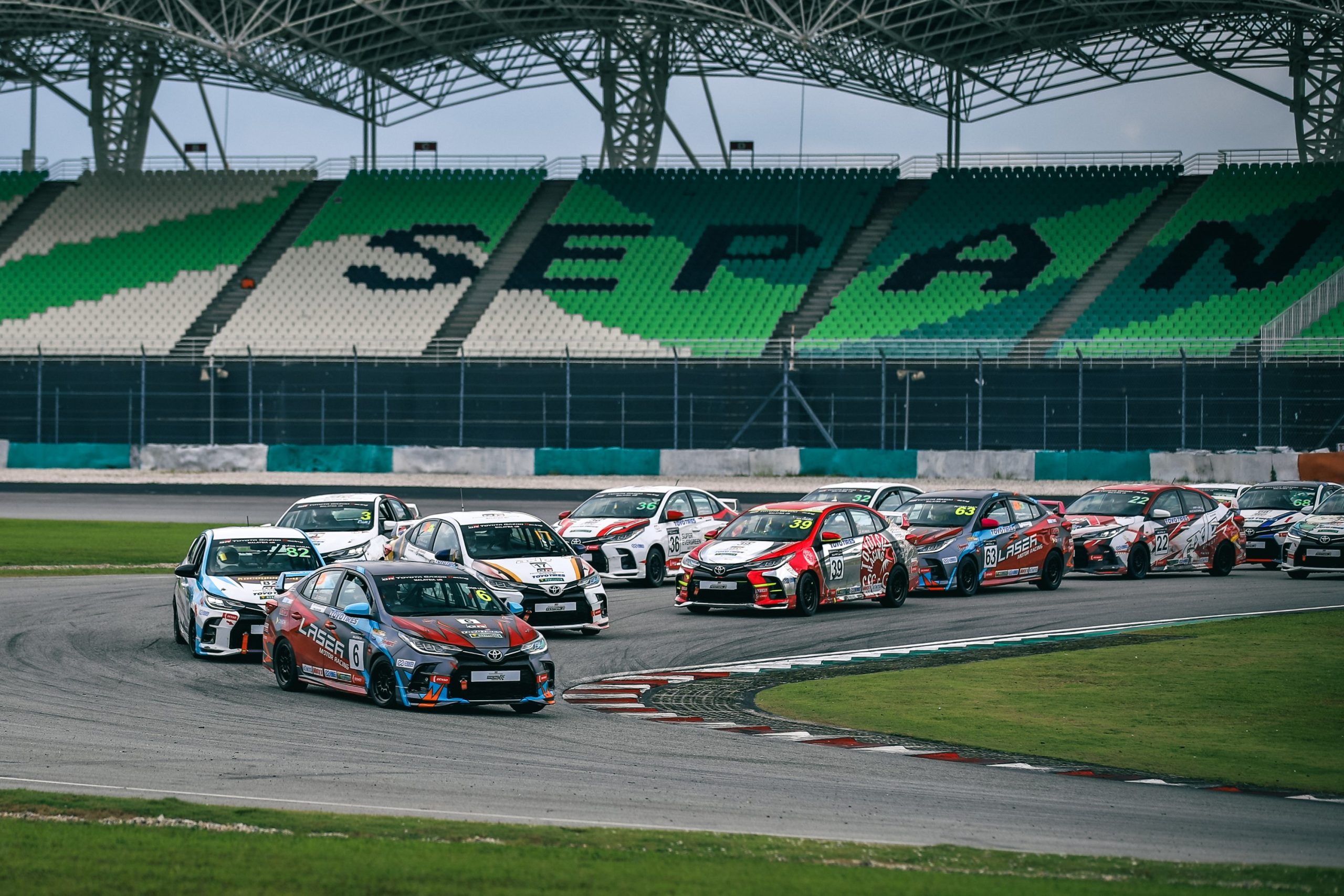
Whoever says the racers in Toyota Gazoo aren’t trying hard needs to watch this! Hammer and tongs, no quarter asked or given, bumper to bumper racing that can lead to carnage!

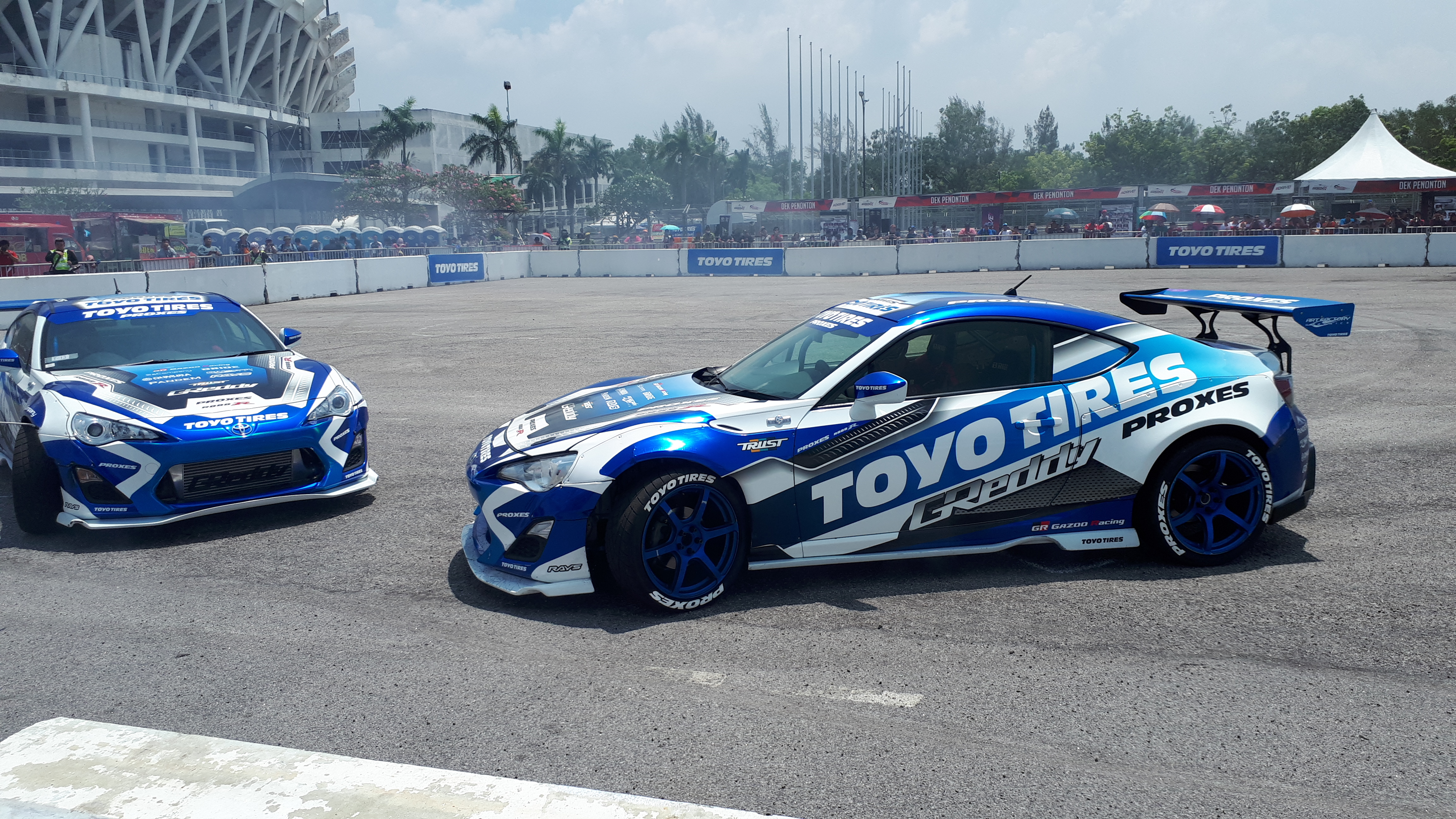
In the meantime earlier on, the Toyo Tyres Drift Team put on a splendid show too!

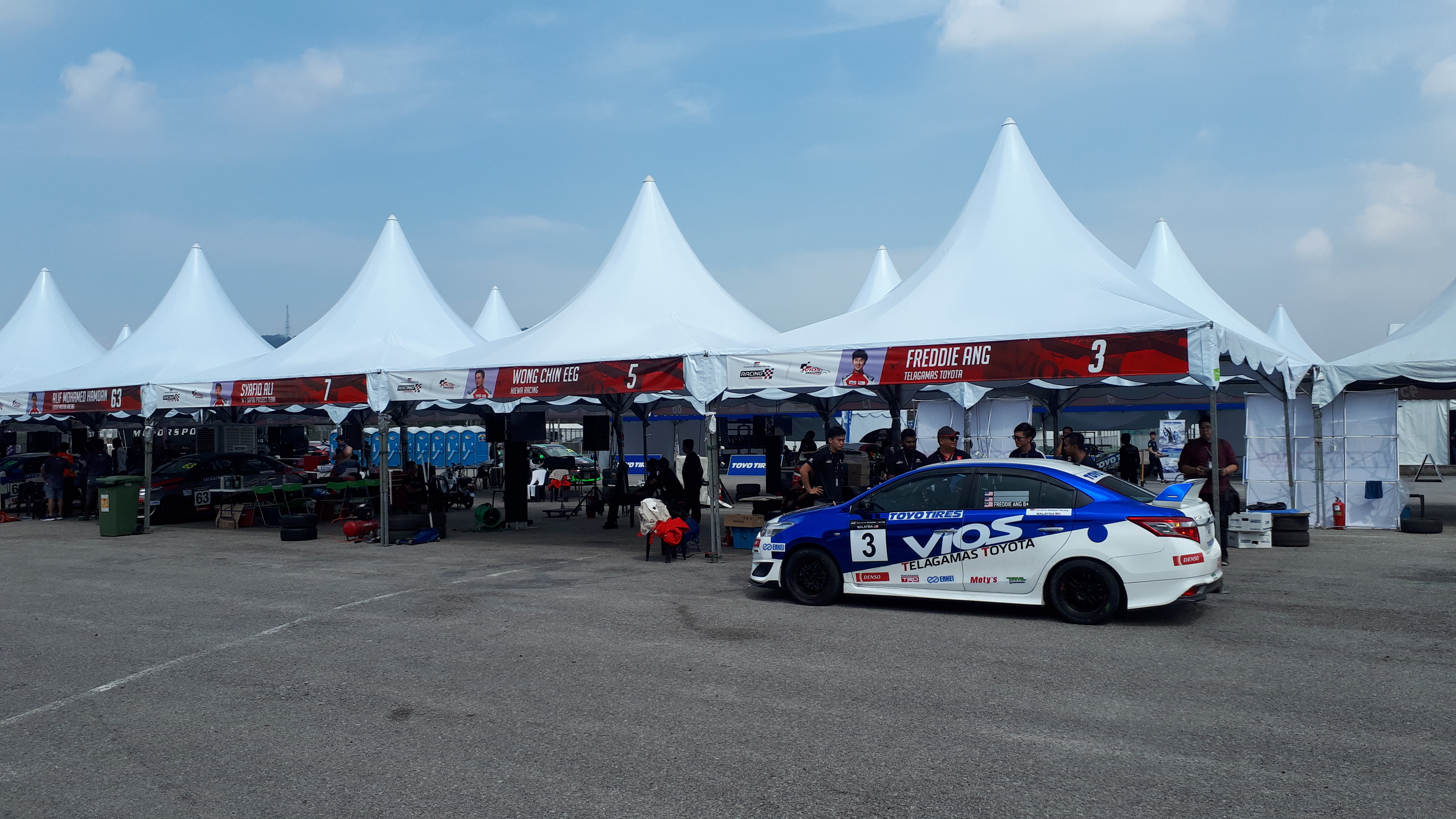
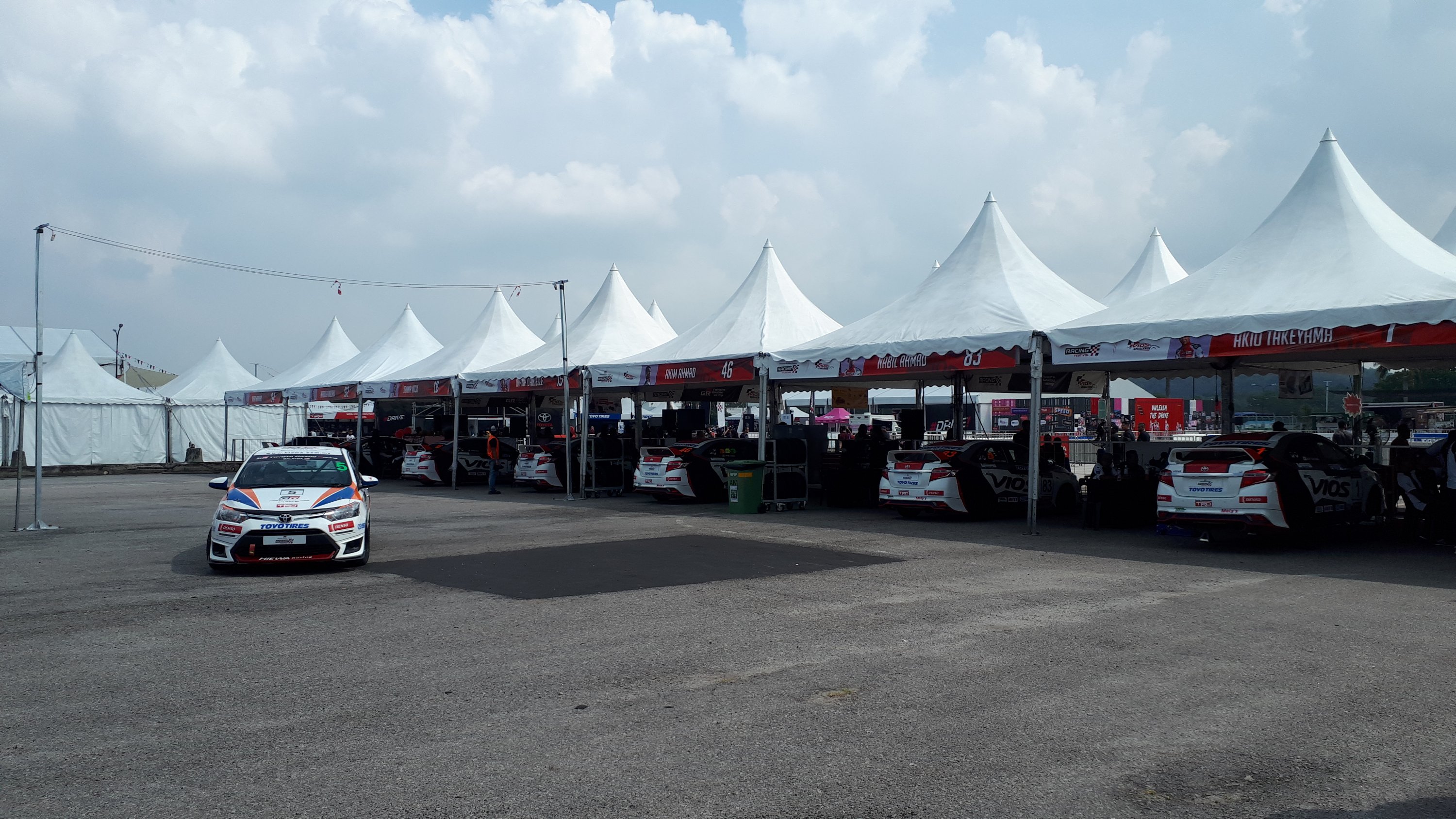
Here’s a quick walkabout on-site at TGR 2019, do head on over to experience it for yourselves!

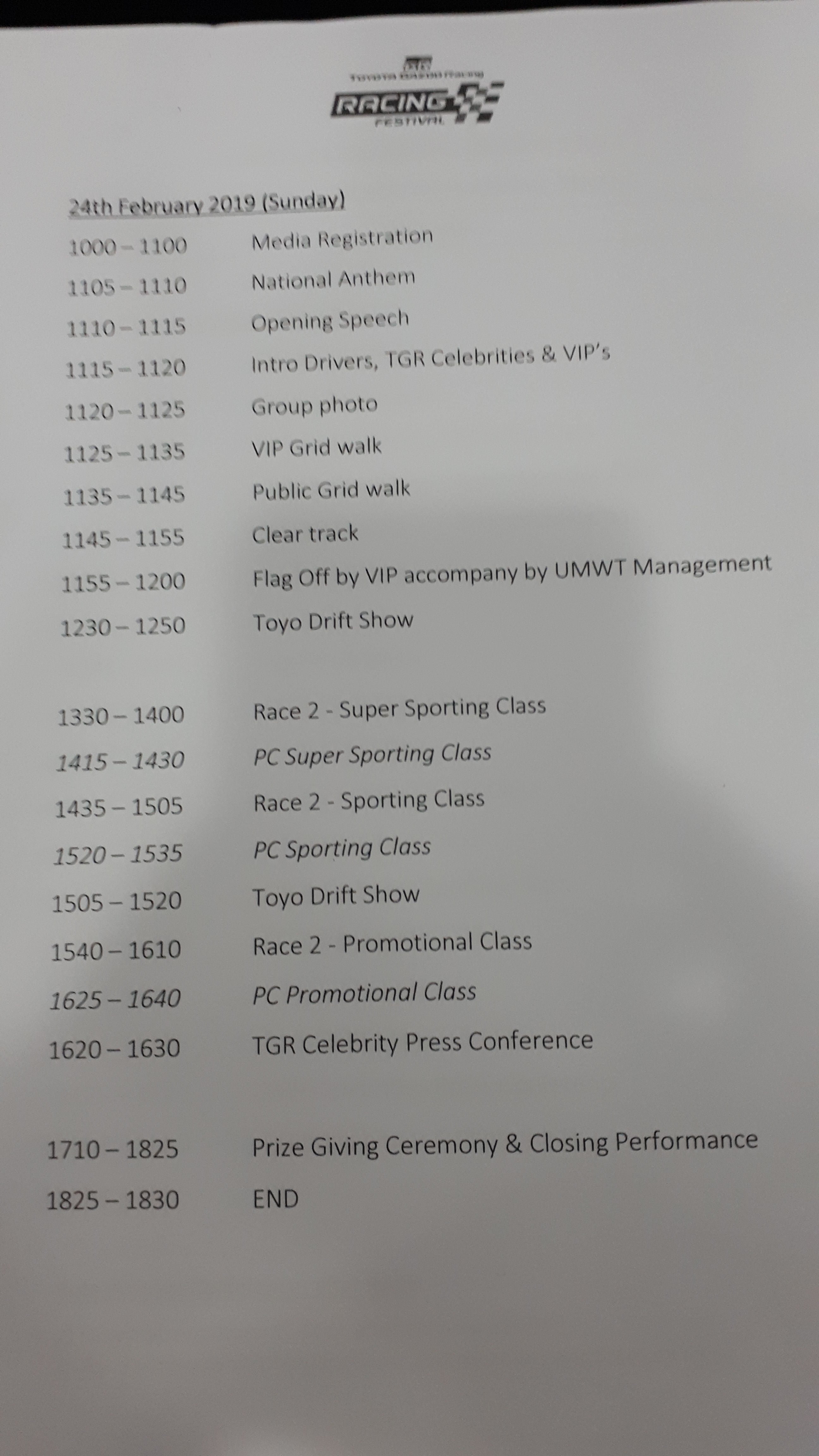
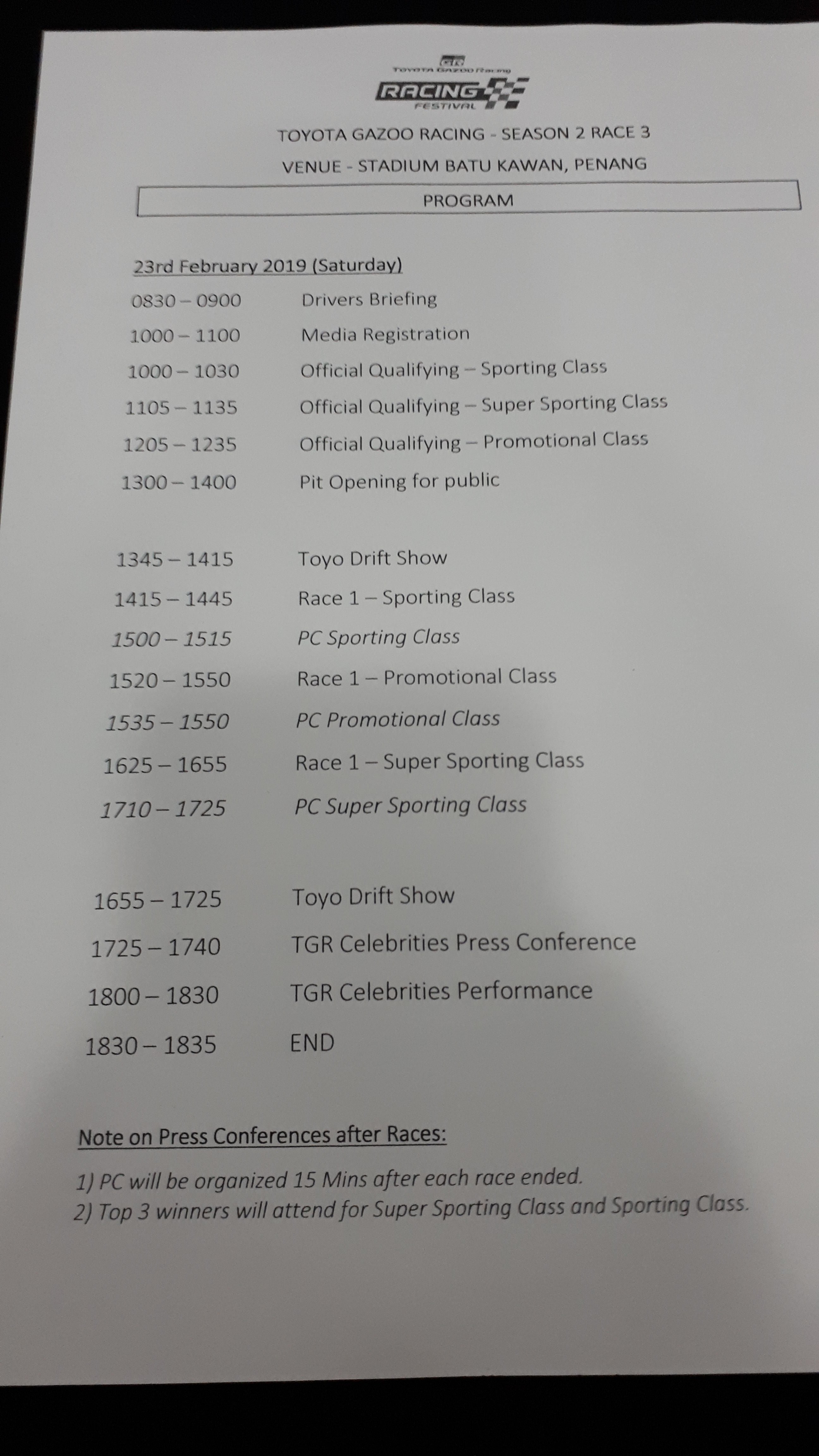
Weekend programme appended below:

We’re here folks! Season 2, Race 3 of the on-going Toyota Gazoo Racing Series is at Batu Kawan Stadium, and here’s the first footage of this weekend!

Swing by if you’re in the area, and stay tuned for more to come!

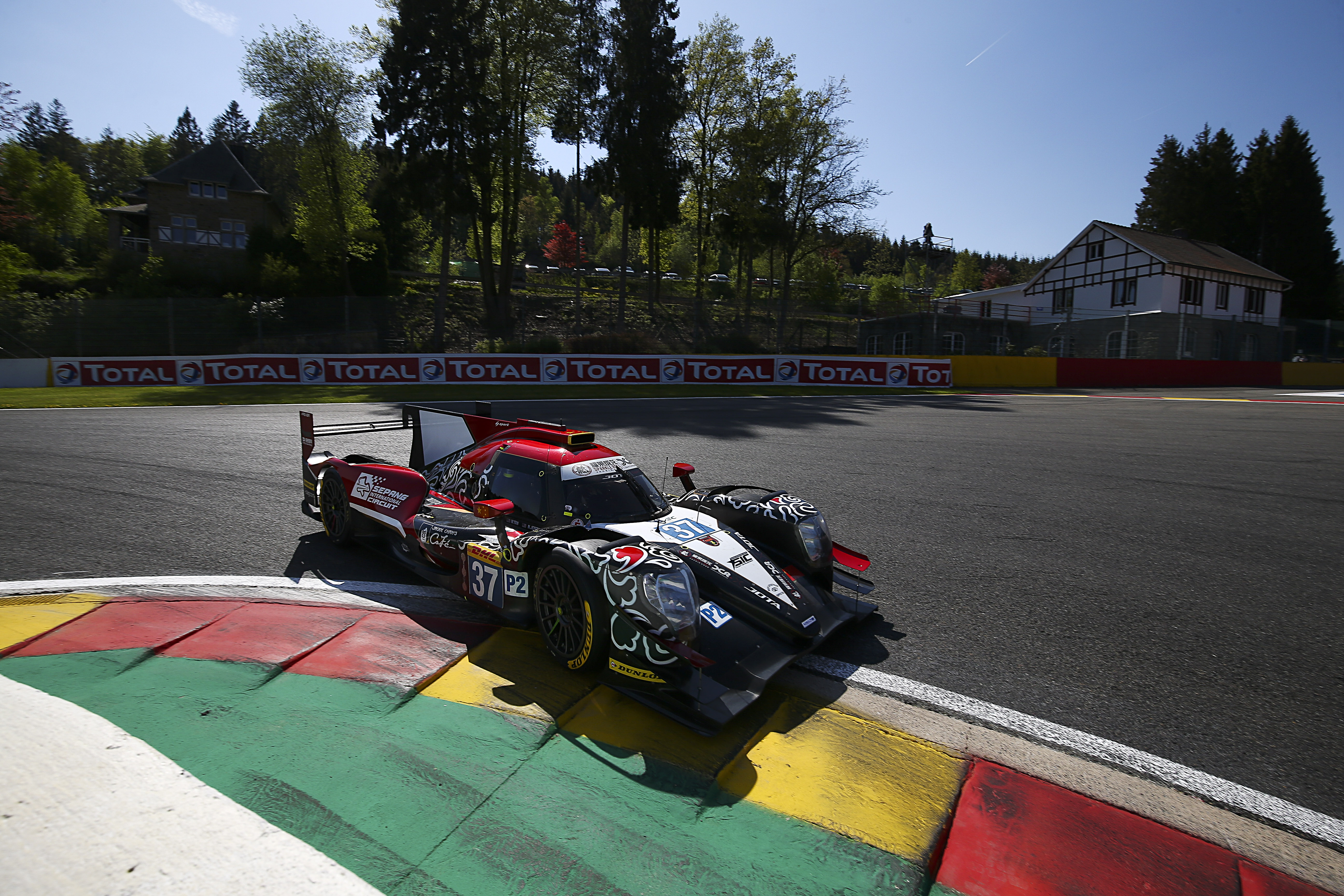
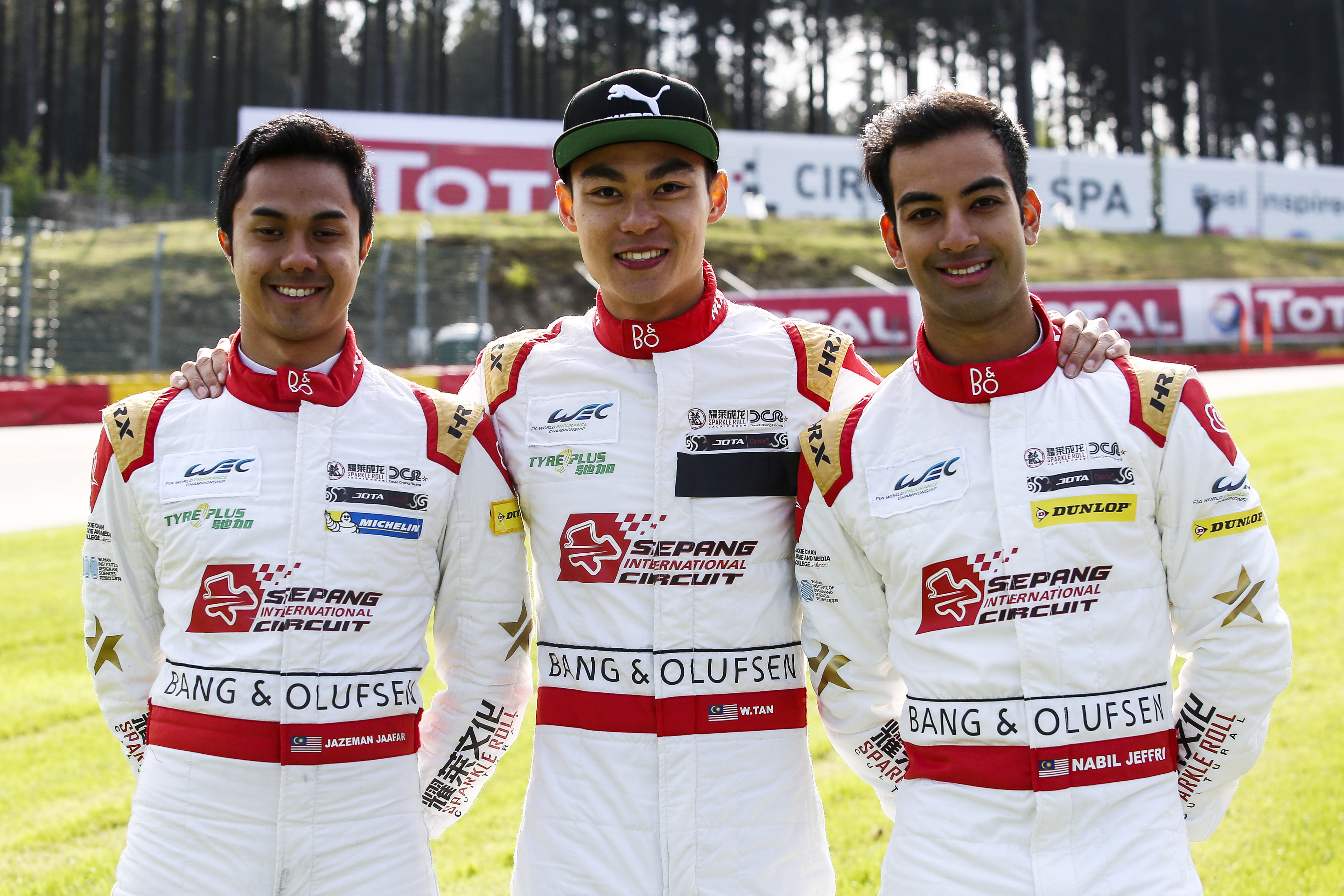
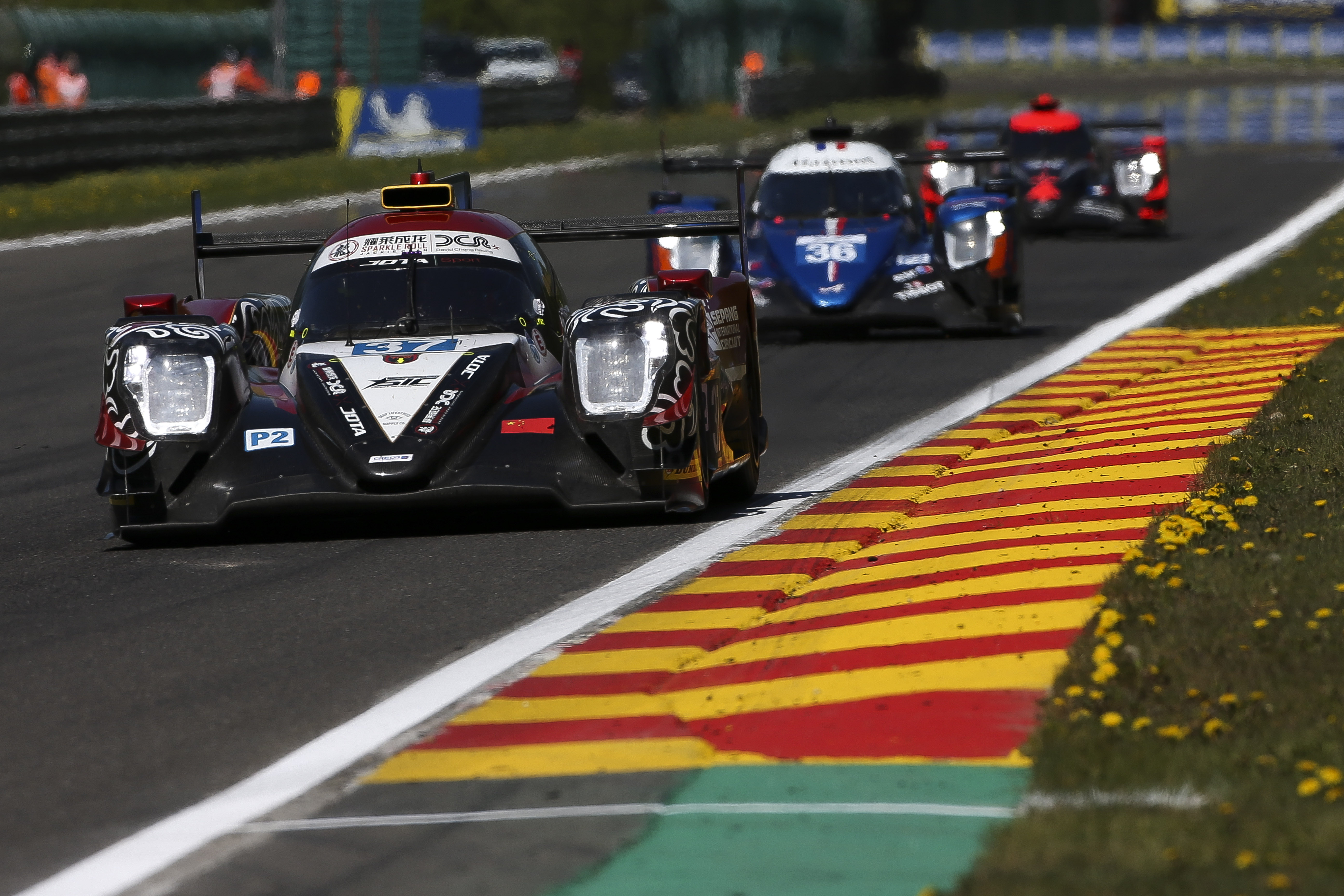
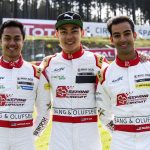
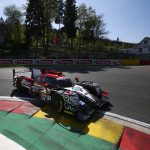
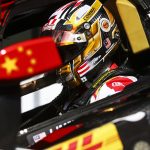
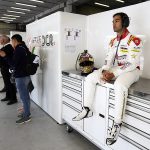
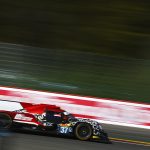
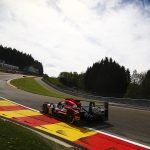
The 6-Hours of Spa Francorchamps on May 5 for the season opener of the FIA WEC 2018/19 Super Season saw our all-Malaysian team finishing the race at a remarkable P4, despite set backs. Racing under the Jackie Chan DC Racing x Jota Team, Nabil Jeffri, Weiron Tan and Jazeman Jaafar (below, right to left) were running a strong P2 in their FortuneCat#37 car until the last 65 minutes, when they pitted in for the final driver switch.

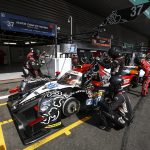
During this pit-stop, an unrelated crash occurred in Sector 1, forcing the untimely deployment of the safety car and automatically turning the pit-exit lights red. The team were very close to an almost certain podium debut, if not for the unlucky final pit in; well as they say, “that’s racing”.

However, the team’s successful climb back to a strong P4 finish scored them valuable World Championship points in the first leg of the FIA WEC 2018/19 Super Season.

 RACE RESULT 
MAY 5, 7.30PM
Finished #P4

 QUALIFYING RESULT 
MAY 4, 9.25PM
2:03:023 (#P4)

 FP3 RESULT 
MAY 4, 4.40PM
2:03:544 (#P6)

 FP2 RESULT 
MAY 3, 10.45PM
2:03:306 (#P2)

 FP1 RESULT 
MAY 3, 6.00PM
2:04:134 (#P4)

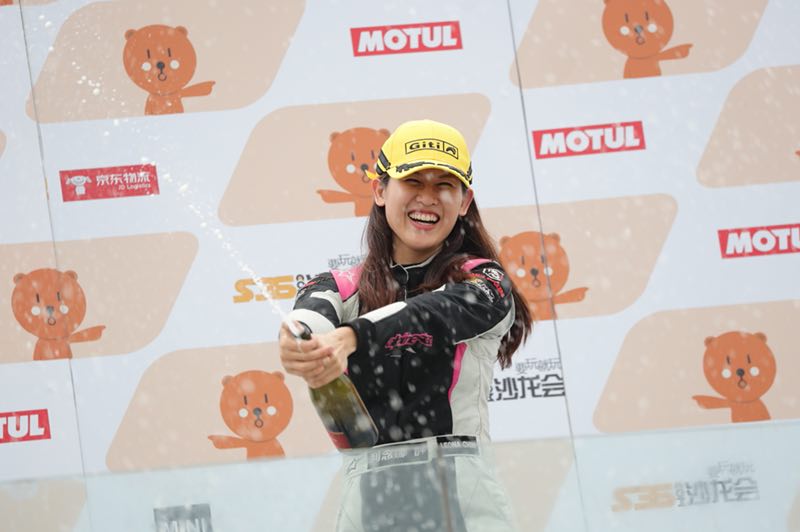
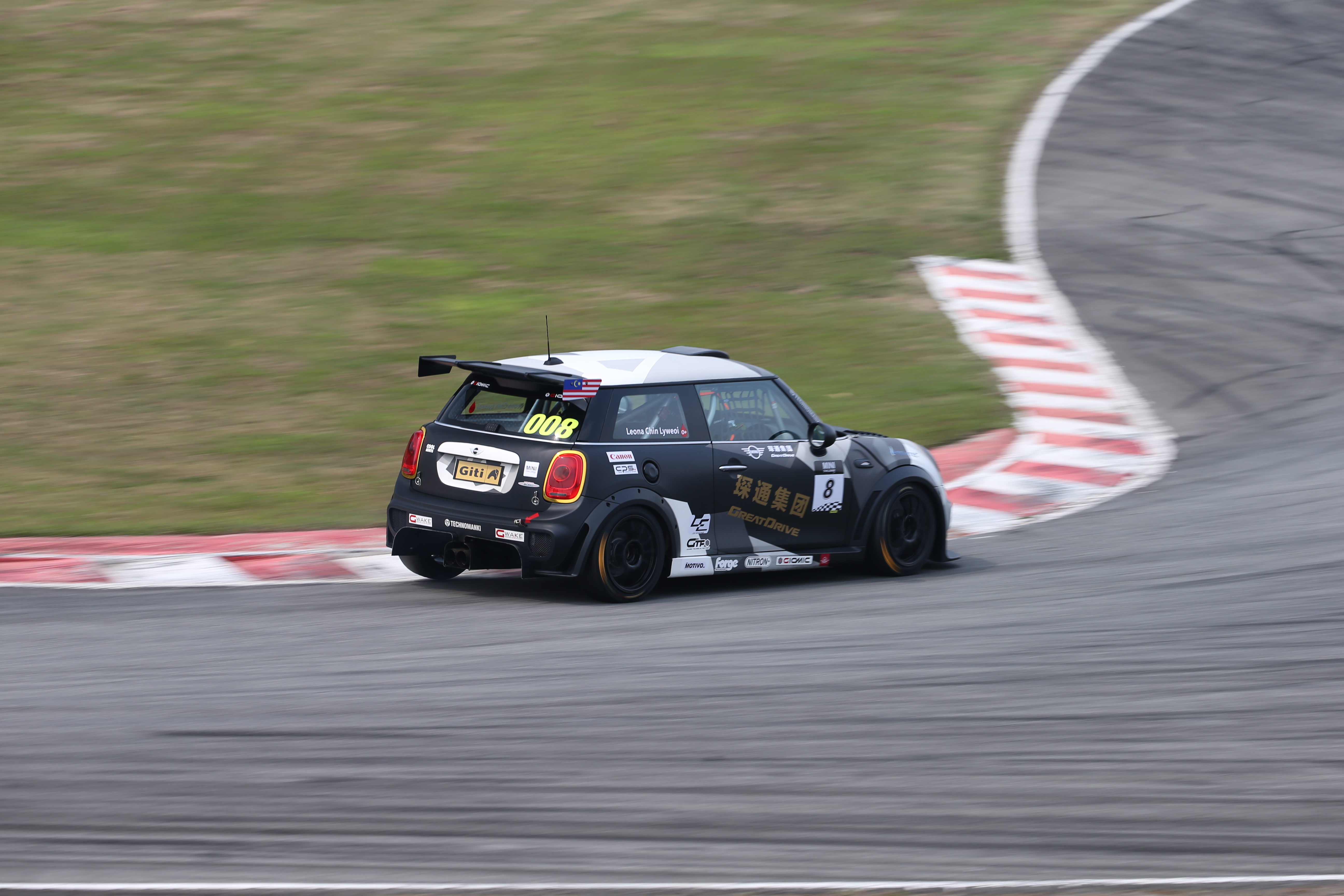
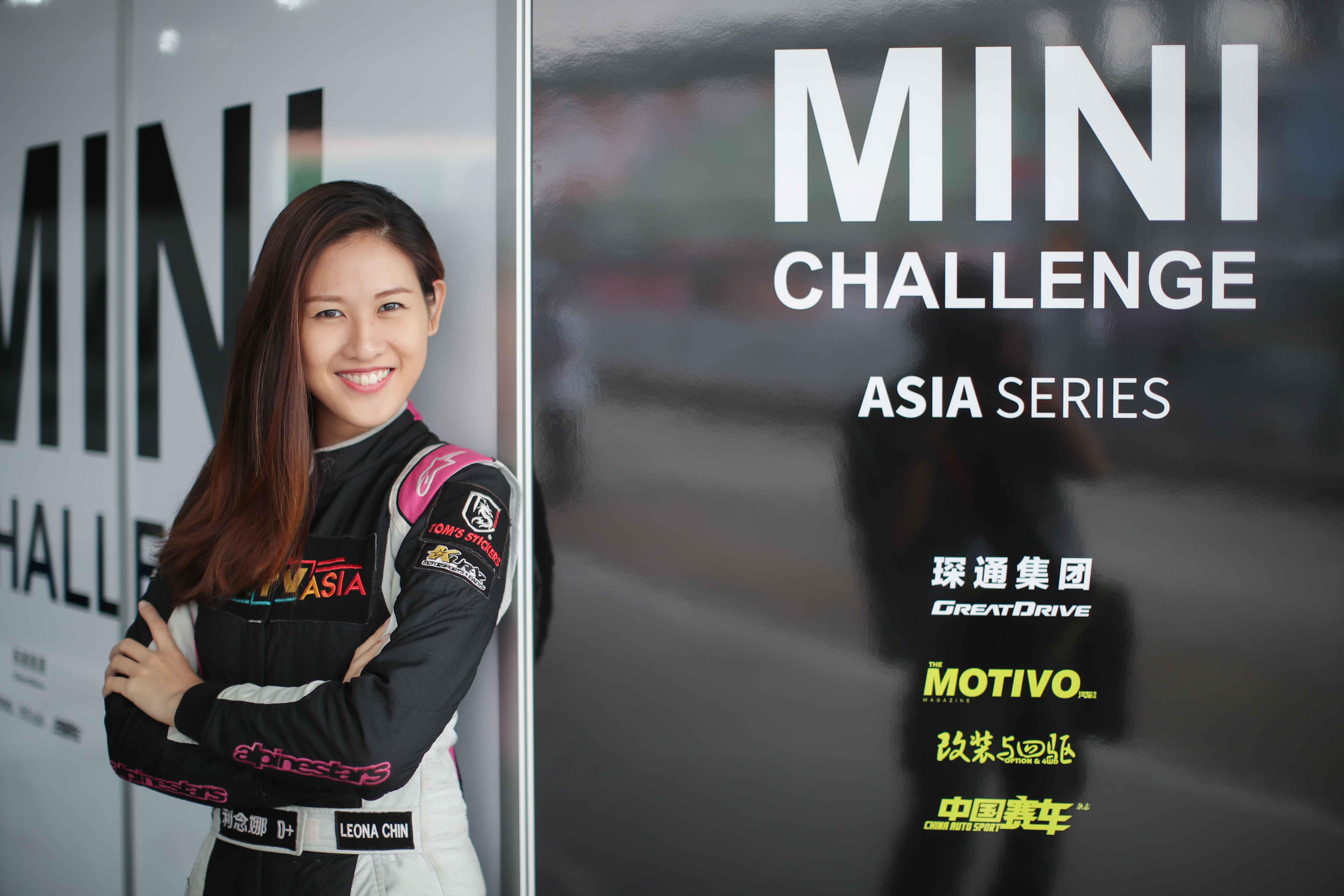
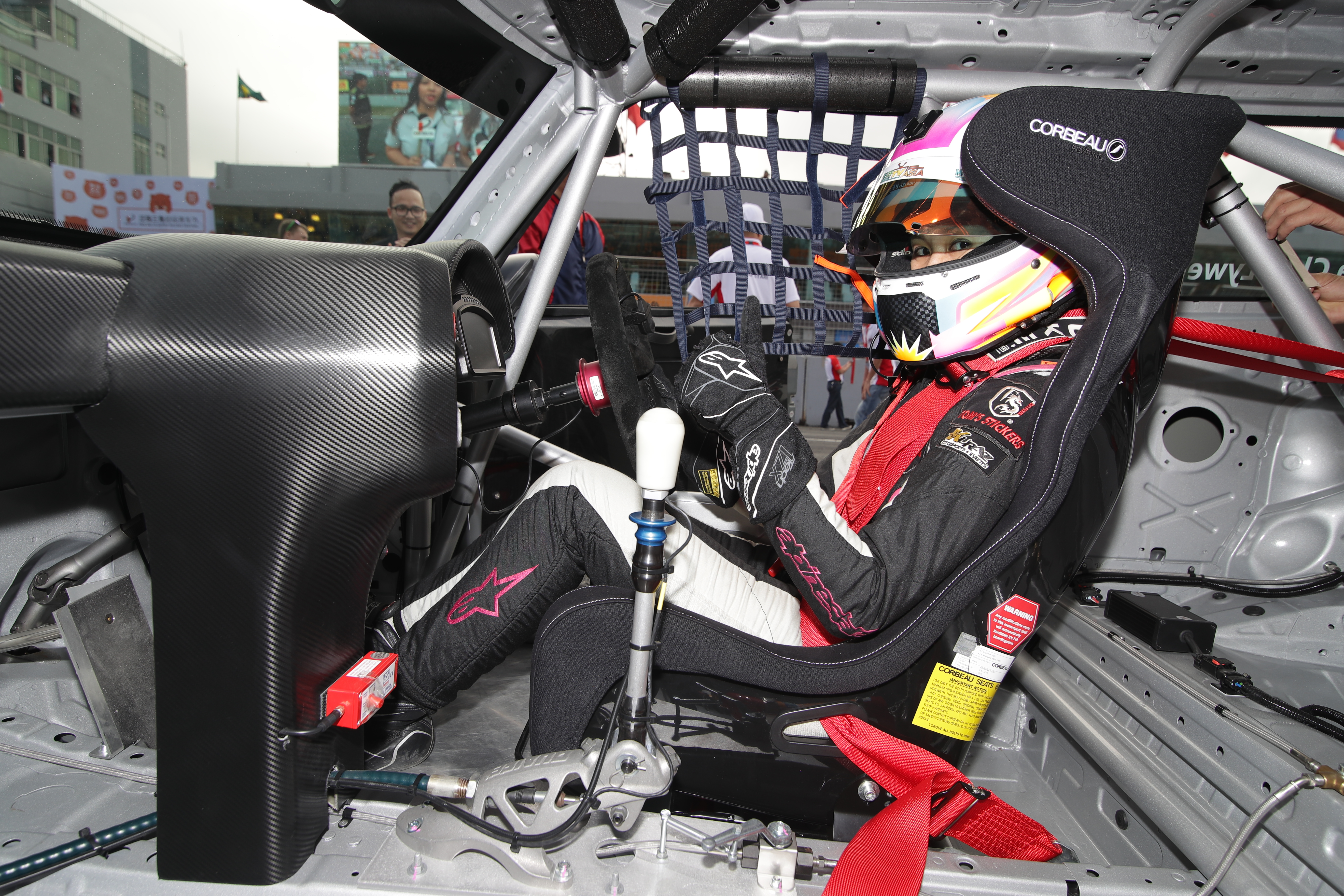
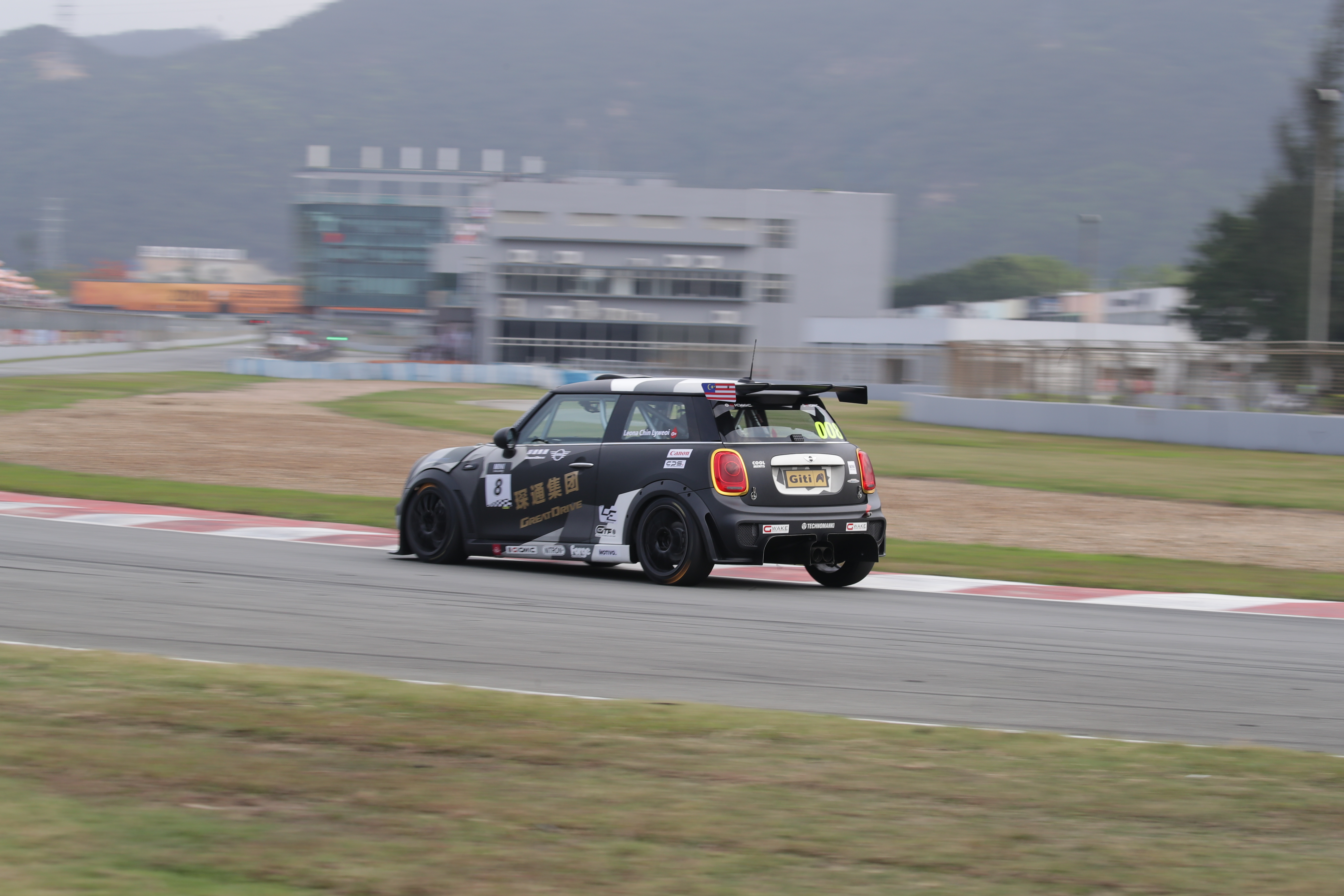
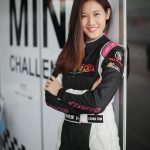
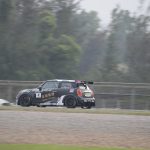
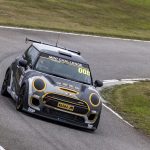
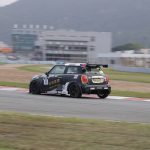
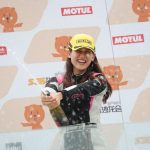
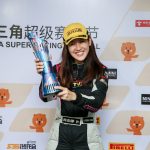
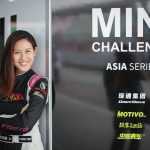
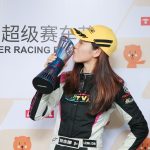
2018 is starting well for local racer-gal Leona Chin. Following her placing as second overall in the Renault Clio Cup China Series in 2016 and a 1 year hiatus, she’s back at it again in the newly-launched MINI Challenge Asia Series. This one-make race featuring the MINI F56 JCW – a 255hp, sequential gearbox equipped race car based on the road-going F56 JCW.

The MINI Challenge Asia Series sees the world-renowned MINI one-make race series making it’s way to Asia, with the hopes that it will eventually grow in scale to match that of the series 17 years history in the UK.

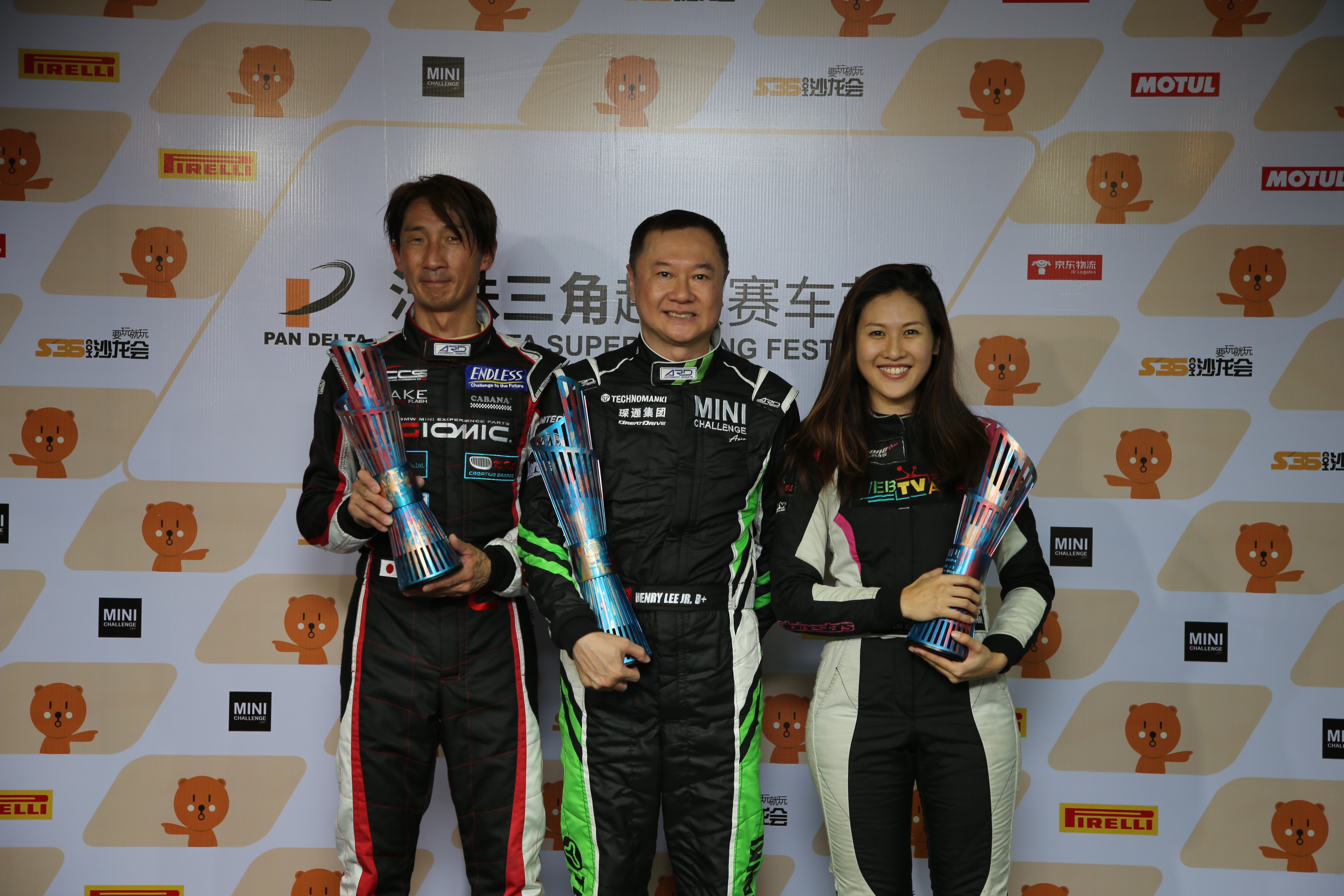
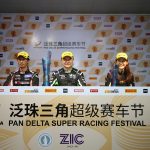
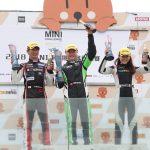
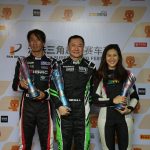
Over the course of the weekend, Leona proved she could tangle with some of the best drivers in the region. Two notable opponents were Nobuhiro Murata, a Japan Super GT driver, and Nattanid ‘Kat’ Leewatanavalagul, current best female driver from Thailand. For this round, Leona is racing under Team GreatDrive – a well-established Hong Kong based automobile importer.

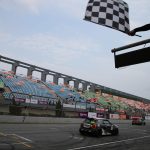
The first leg of the series was held at Zhuhai International Circuit – a track that Leona is familiar with herself given her past racing experience in China. During free practice Leona managed to clock a time just 1 second off the top spot. The field was separated by 16 seconds, with the top 5 drivers placing within 7 seconds of each other. Murata did not manage to finish qualifying as he went off the track during his session.

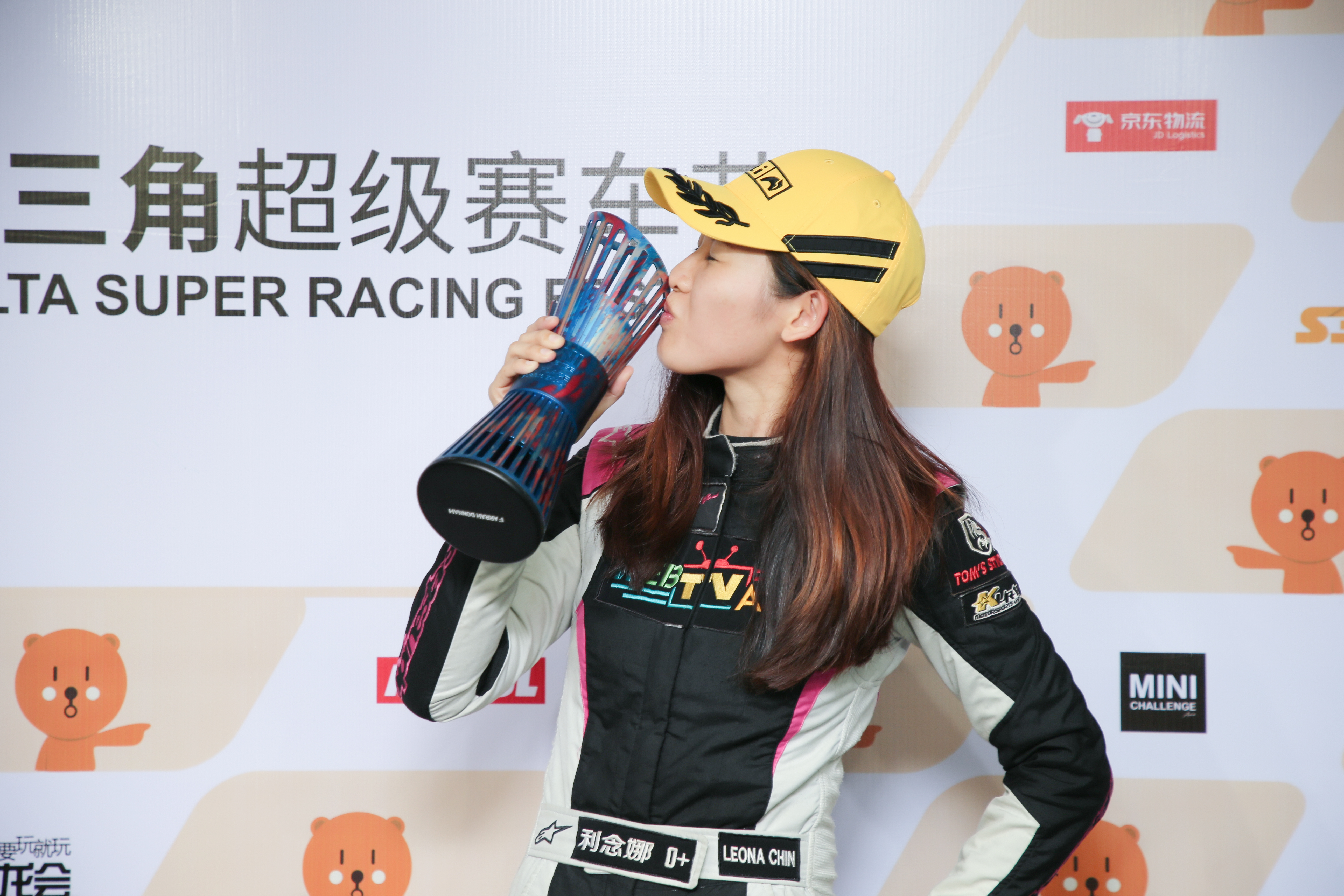
When it came time to race, Leona’s competitor pulled slightly ahead during Race 1, she finished the race with a 4th place standing, just half a second behind Takaya Tsubobayashi. For Race 2 the positions were shuffled once again., and Leona took the opportunity to overtake Tsubobayashi for a 3rd place finish, just 1 second behind Nobuhiro Murata. During the race she also managed to set a fastest lap time of 1:54.188, roughly half a second quicker than Henry Lee Jr. who took victory over the weekend.

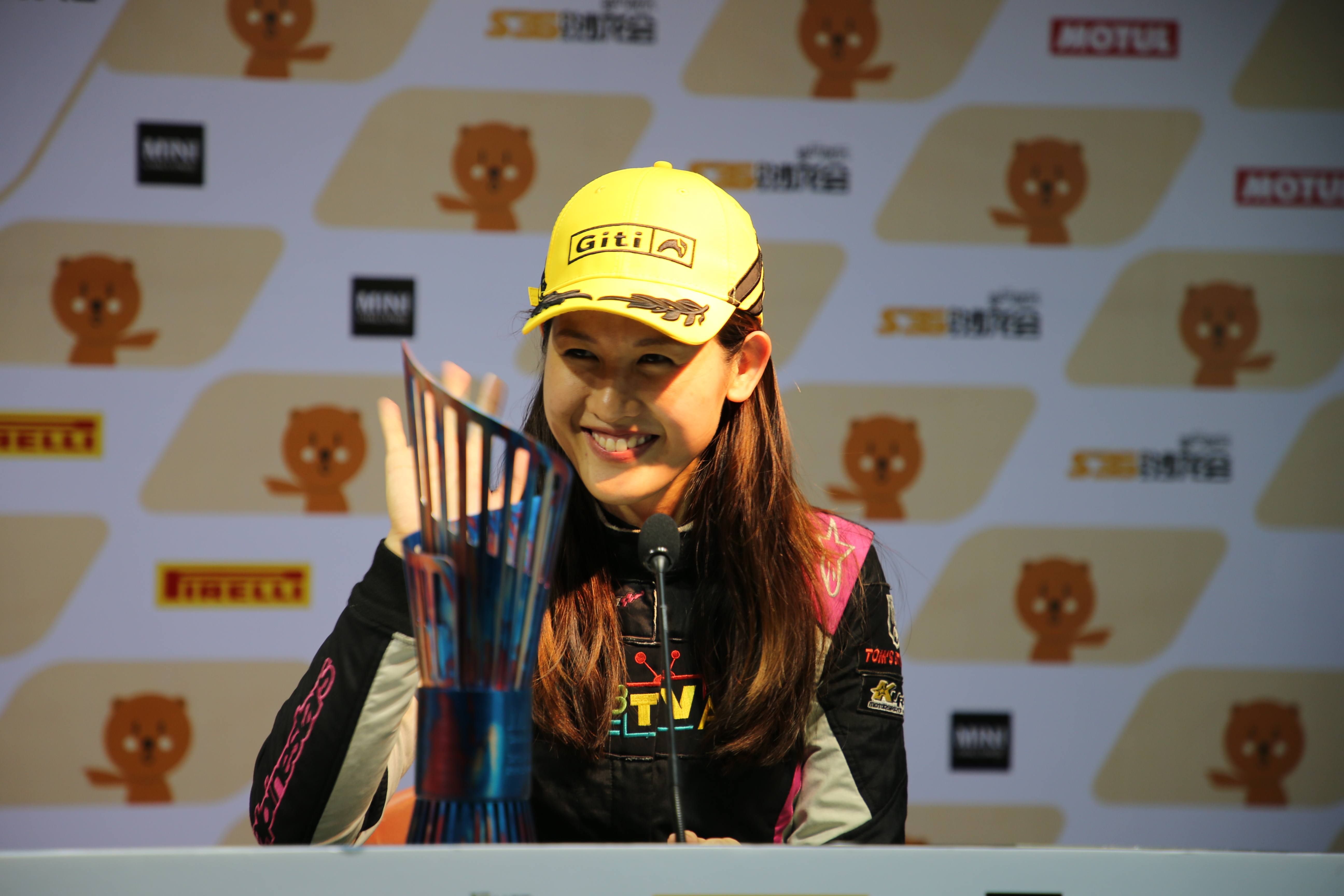
Following the end of Race 1 and 2, Leona felt positive about the outcome and the coming races. “I would like to thank GreatDrive for giving me the opportunity to compete in this round of MINI Challenge Asia Series. The car performed well during both races, really easy to drive and light on its feet.” she said. “It’s a nice step up from the Clio cup car I raced 2 years ago. I’m looking forward to the next round on the 16th and 17th June, which also be at Zhuhai International Circuit.”

Leona Chin has been involved in cars and motorsports since her teenage years. She has had experience in various levels of motorsports, competing both within Malaysia and overseas as well, along with off-track exploits such as Gymkhana, Autocross, Rallying and – most notably of all – drifting.

She currently has roles both as a driver and a manager for teams in various series, and is continuously honing her skills and looking for new challenges.


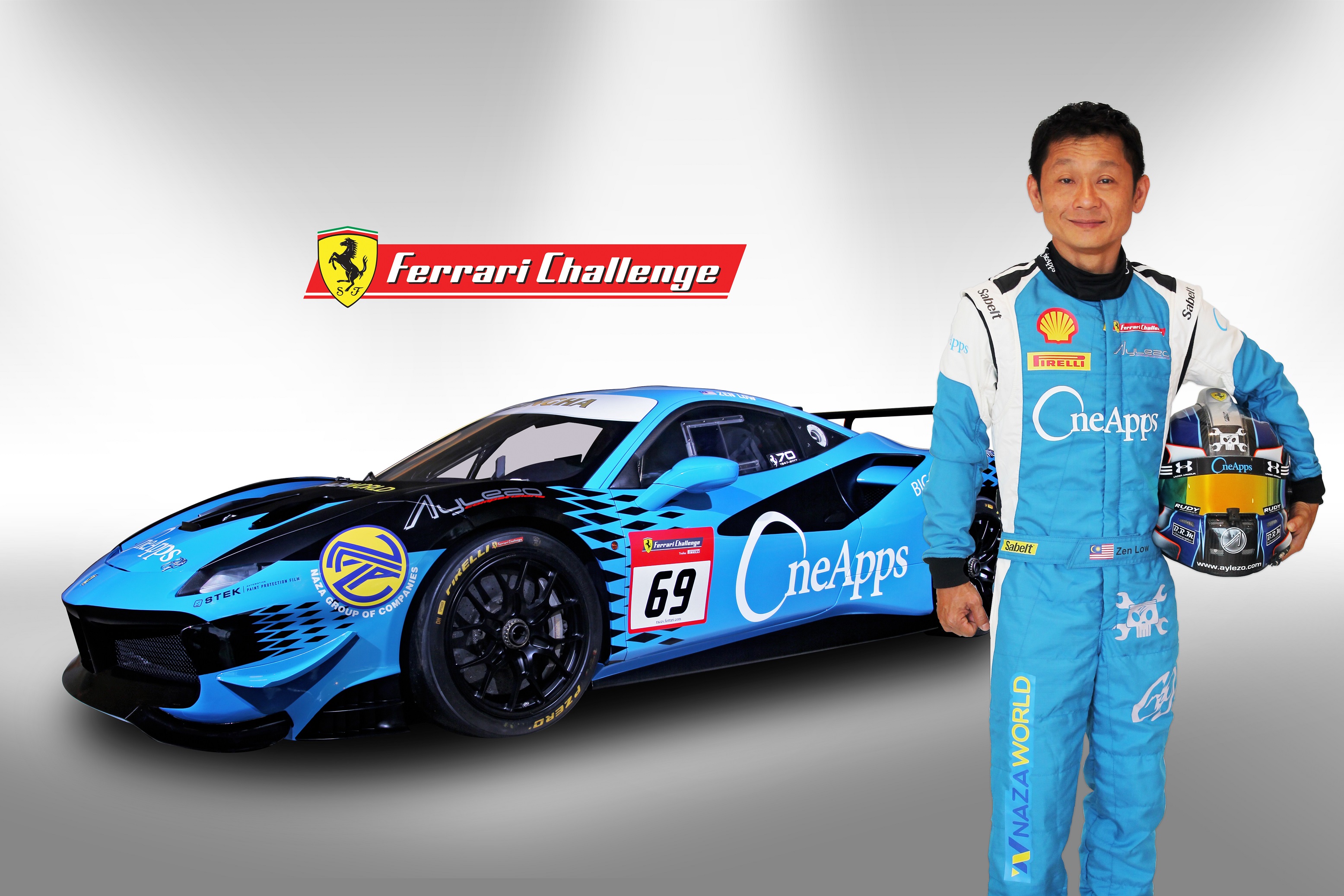
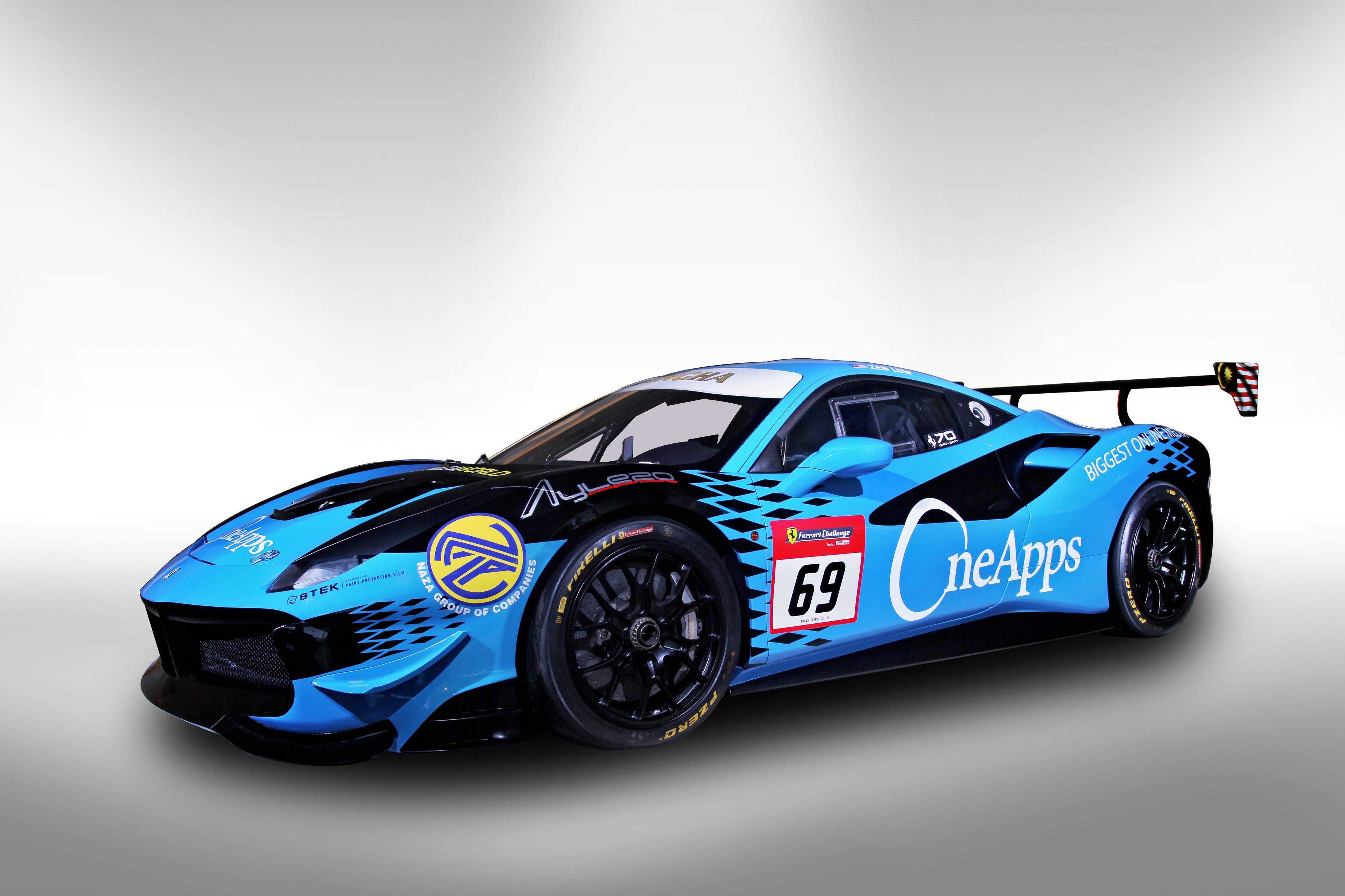
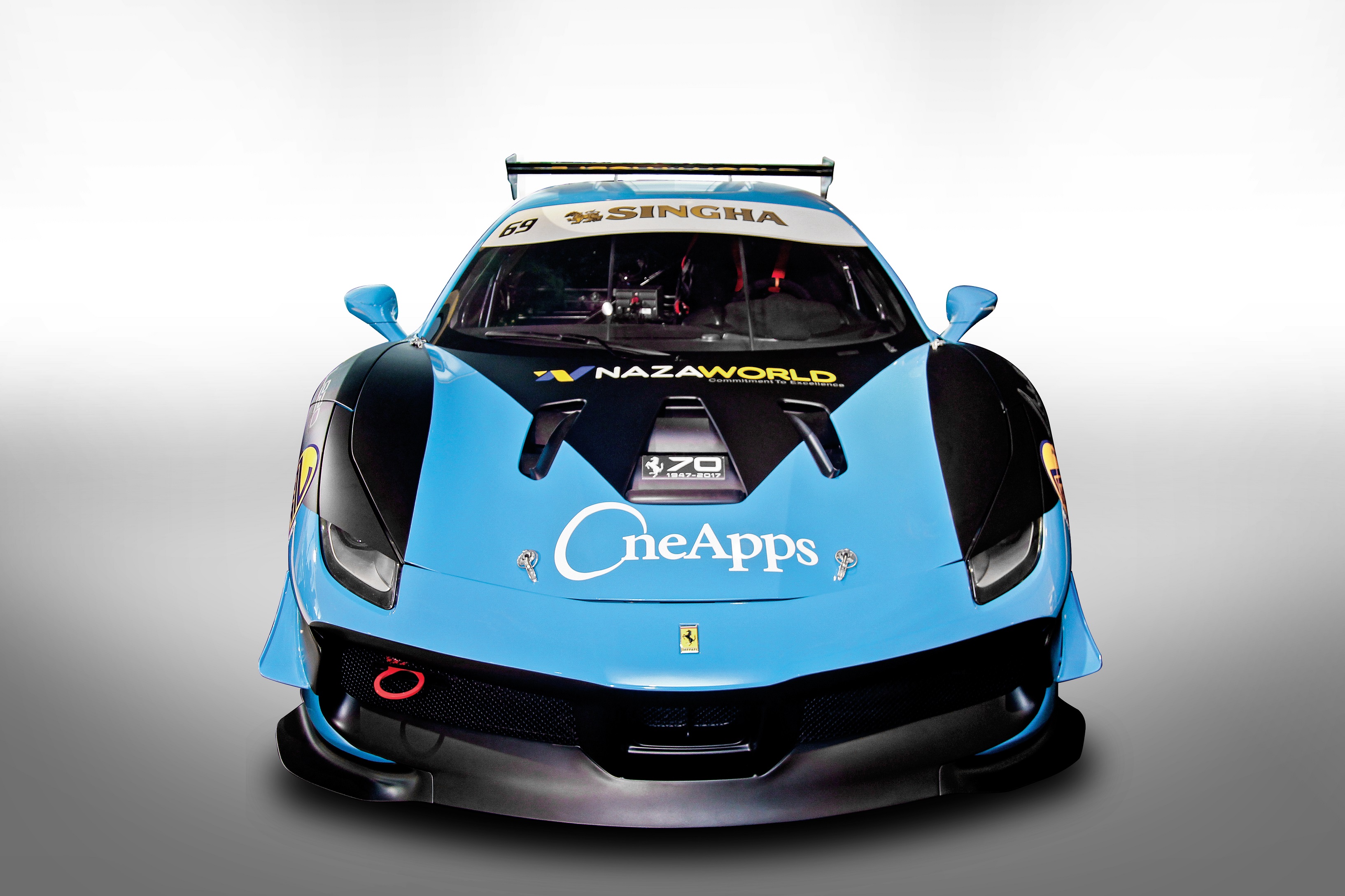
Seasoned race car driver, Zen Low, is geared up to improve on his 2017 third-place finish for the coming 2018 Ferrari Challenge Trofeo Pirelli APAC season. Malaysia’s first driver to compete at the wheel of the 488 Challenge in the one-make series was re-appointed to race for team OneApps NAZA Aylezo this year. Brimming with confidence, he is all set for the 2018 Series, which kicks off in Melbourne over this weekend of March 22-25 in conjunction with the 2018 Formula 1 season opener.

Zen Low made his stellar debut last year, doing Malaysia proud with eight podium finishes out of a total of 13 races. His performance earned him a total of 163 points and an impressive third place overall in the top tier Trofeo Pirelli category.

Remarking on Zen’s return in the new season, Datuk Wira SM Faisal Tan Sri SM Nasimuddin, NAZA World Group Executive Chairman, said, “It was such a thrill to see Zen Low do so well in his first season. With his wealth of experience and devotion to his craft, he is certainly one of Malaysia’s top drivers and we have much to look forward to as we support him in the coming season.”

“After getting a taste of the competition and gaining experience in last year’s season, I’m even more motivated this time round. Passion, strength and determination form the recipe for success and I’m ready to top that podium,” said Zen Low.

Zen Low is racing for the entire 2018 season and is once again competing in the Trofeo Pirelli category under the race number of 69 and team name OneApps NAZA Aylezo. Zen has an established career as one of the most passionate and successful race drivers in Asia. An adroit businessman with a keen interest and natural talent for racing, he founded Aylezo Motorsport in 2009. Over the years, Zen has participated in multiple motorsport events both locally and regionally, including competitions such as the Merdeka Millenium Endurance Race (2009 & 2010), the Gulf 12 Hours 2012, Asian Le Mans Series (2013 & 2016), Lamborghini Blancpain Super Trofeo (2013, 2014 & 2016), GT Asia 2015, Sepang 12 Hours (2015 & 2016) and Bathurst 12 Hours 2017.

This season, the Ferrari 488 Challenge makes a glorious return to the track. As the first model in this competition to be equipped with a turbo engine, the Ferrari 488 Challenge is the most powerful car in the history of one-make series. Derived from the Ferrari 488 GTB, the V8 3.9-litre engine – winner of the International Engine of the Year Award in 2016, delivers a forceful 670hp.

Ferrari Challenge was established as a one-make series in 1993, bringing together complete track novices and drivers with prior competition experience. The series spans three regions: North America, Europe and Asia-Pacific. The Ferrari Challenge uses a multi-class format; drivers are grouped under Trofeo Pirelli, Coppa Shell, Coppa Shell AM, Ladies’ Cup and Gentlemen’s Cup. Events are FIA approved, ensuring an exceptionally high standard of organization and safety for all involved.
The 2018 competition will flag off in Melbourne (22-25 March) and travel on to Hampton Downs, New Zealand (12-15 April), Shanghai, China (24-27 May), Fuji, Japan (28 June-1 July) and Suzuka, Japan (23-25 August) before making its way to Singapore (14-16 September). Finally, the Ferrari Challenge will finish off in Monza (1-4 November) for the Finali Mondiali.

More exciting information about Ferrari Malaysia may be obtained at http://www.facebook.com/ferrarimalaysia.nazaitalia. Follow @ferrari.malaysia on Instagram for the latest updates and offerings of Ferrari and NAZA Italia.
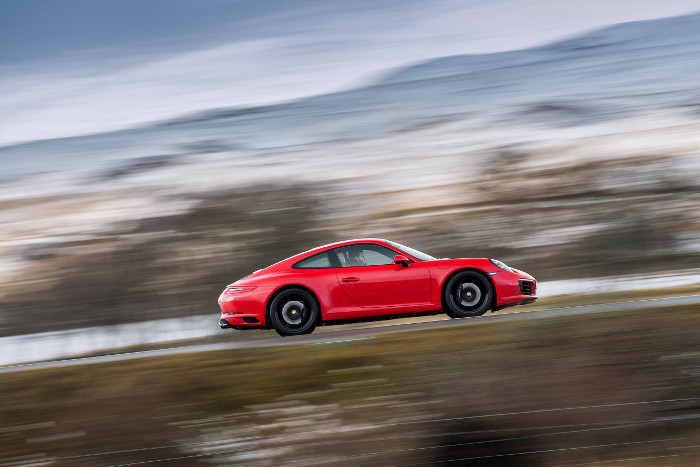
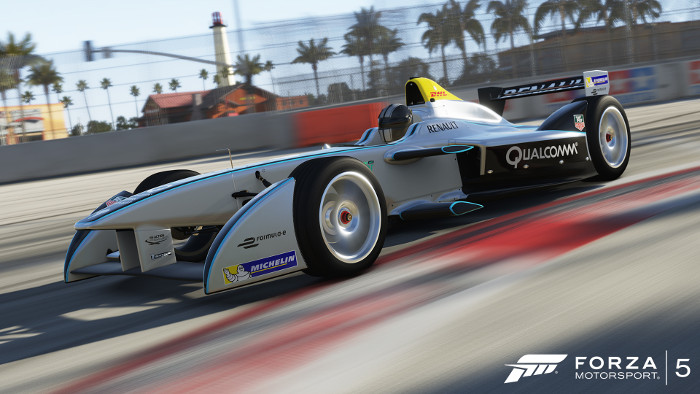
Porsche is starting to take the virtual world more seriously as its marketing tool. The sportscar maker has signed a six year deal with Microsoft at the New York International Motorshow, which will see both companies collaborating in projects that cover racing games and electronic gaming competitions. As such, in future games from Microsoft’s Forza franchise, Porsche vehicles will receive more prominence than if ever did before. This will especially be evident in the gaming series Forza Motorsport and Forza Horizon.

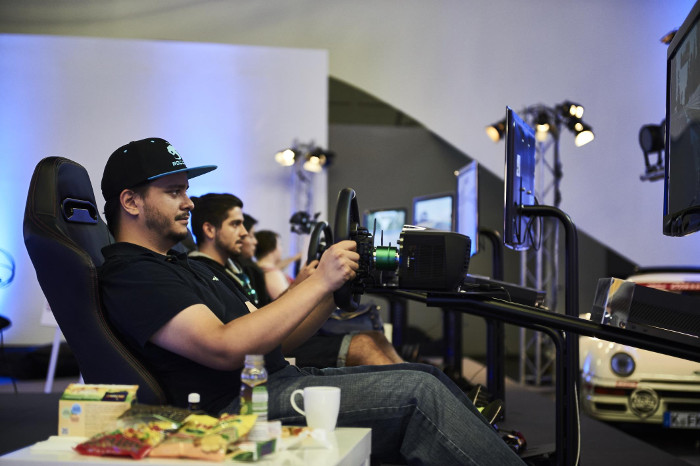
This partnership will allow Porsche to delve deeper into the eSports arena, which are competitions designed for gamers to compete against each other in their preferred gaming genre. This is especially true with Forza Racing Championship (ForzaRC), which is the leading eSport racing series backed by the world’s largest racing community.

ForzaRC, Porsche’s prime focus for now, is based on the current Xbox racing game Forza Motorsport 6 which already includes more than 20 Porsche vehicles since 2016. For 2017, ForzaRC will feature a motorsport championship too, where gamers from around the world can compete on the world stage. If you are interested, registration opened on 12th April 2017 at http://www.forzarc.gfinity.net/ and qualification will take place online beginning May 1st.

“By having Microsoft as our partner, we have the opportunity to take the pleasure of driving a Porsche and making it an experience in the virtual world”, says Detlev von Platen, Member of the Executive Board responsible for Sales and Marketing at Porsche AG. “Racing games and eSports connect the real and virtual worlds and enable us to gain further access to the young target group. It means that they can develop a passion for Porsche even before buying their first sports car.”
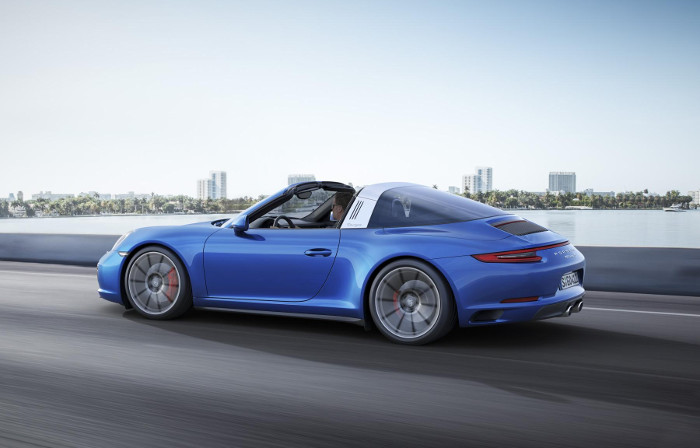
As icing on the cake for the newly signed partnership, a new Porsche package can now be downloaded for Forza Horizon 3. It contains a total of seven current and historical Porsche vehicles,that are the 550A Spyder, 718 RS 60 Spyder from 1960, 911 Carrera RS 2.7 from 1973, 911 GT2 (type 993), Cayman GT4 and the 911 GT3 RS as well as the new Panamera Turbo.

So, if you own an Xbox, are into the Forza franchise and a die hard Porsche fan, you should be very happy with this partnership. You can expect to see a number of interesting projects from both companies in the near future.

Archive

Follow us on Facebook

Follow us on YouTube