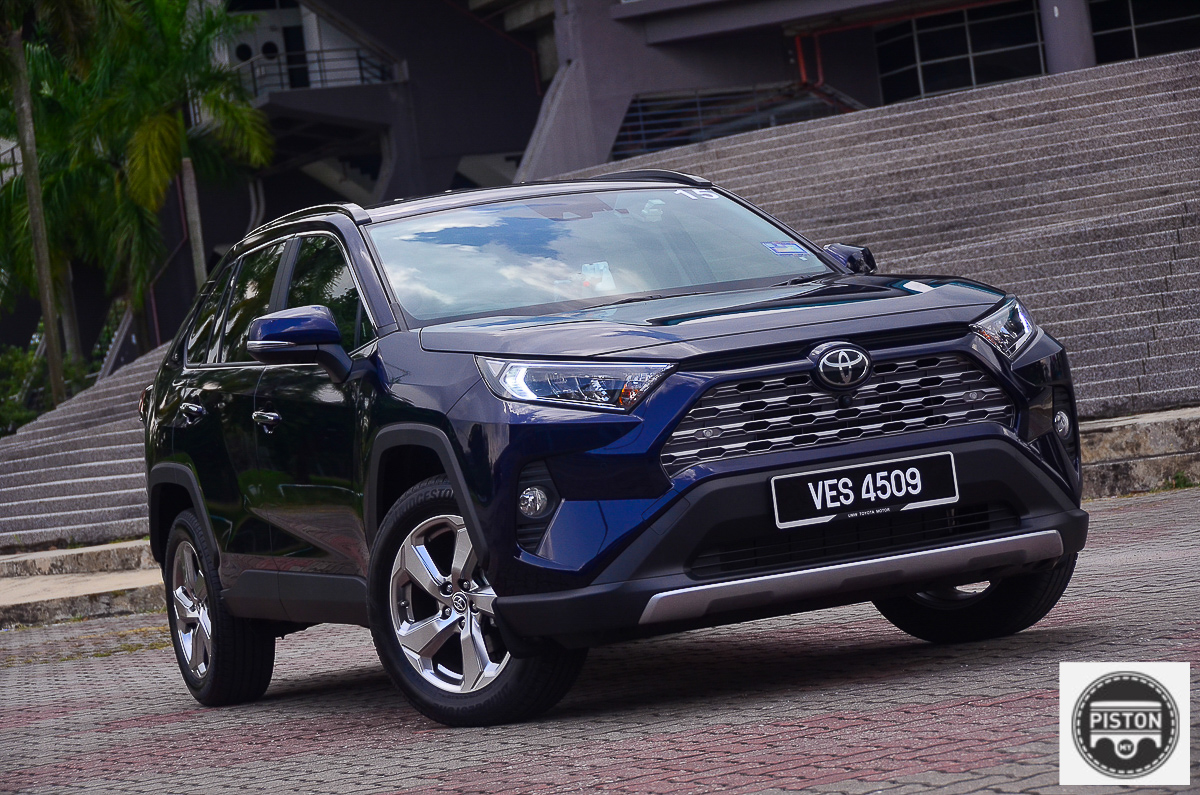
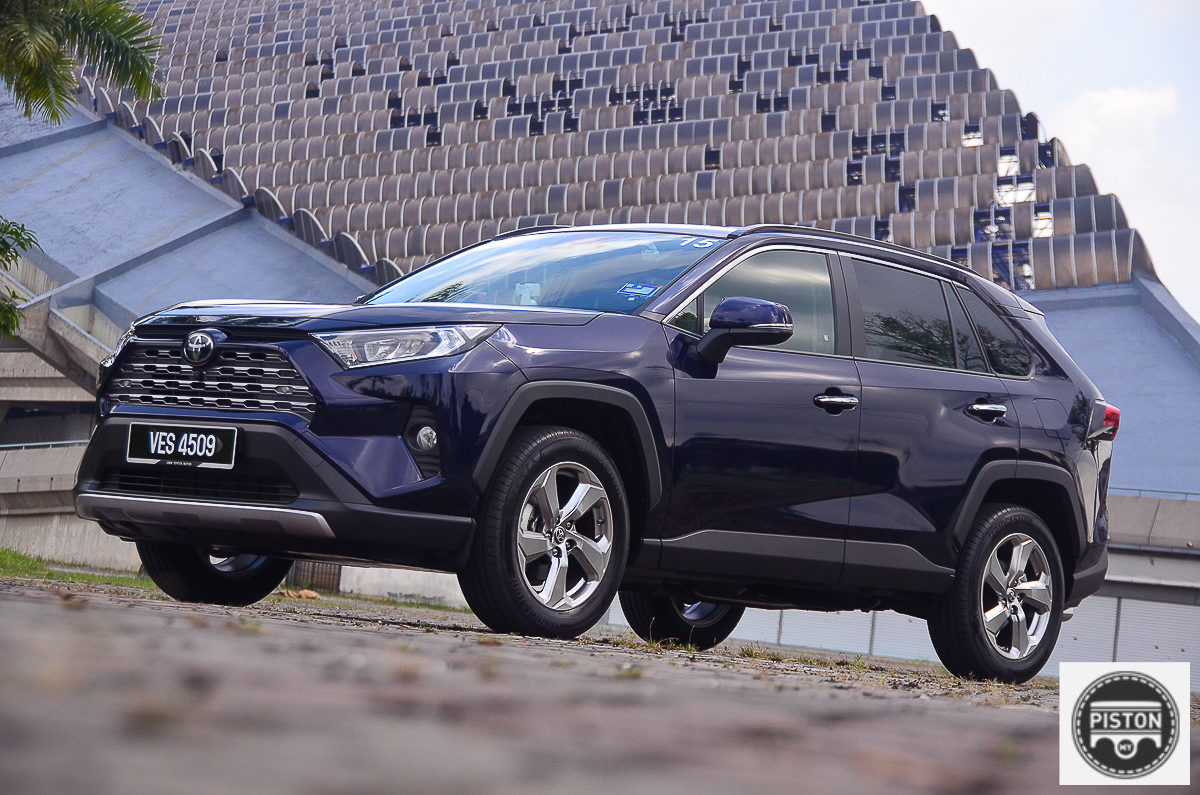
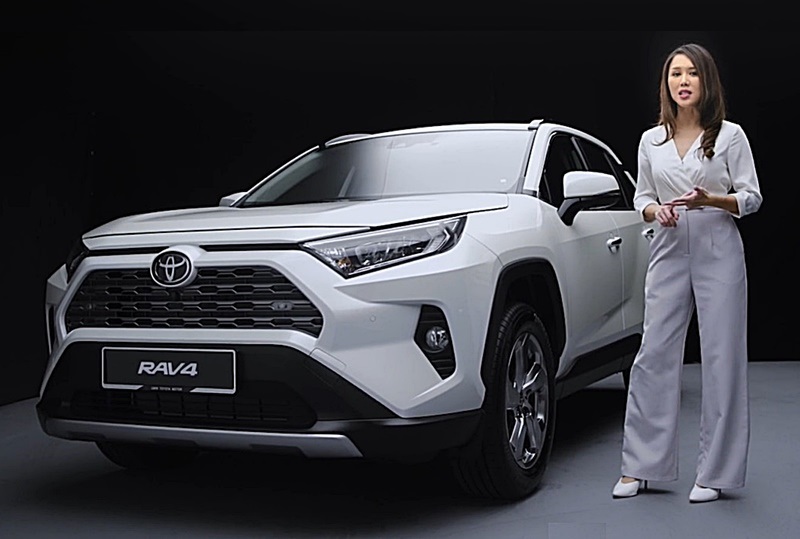
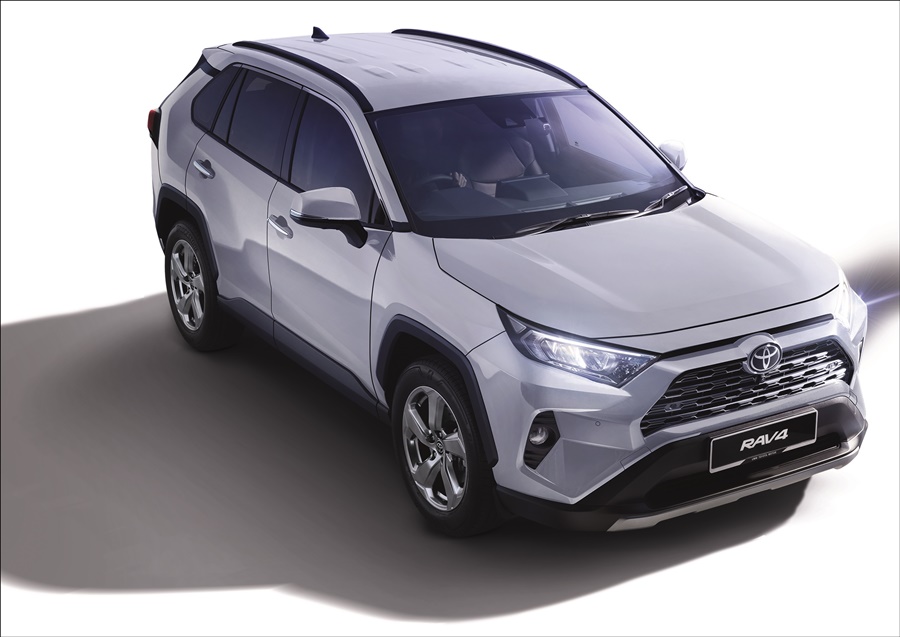
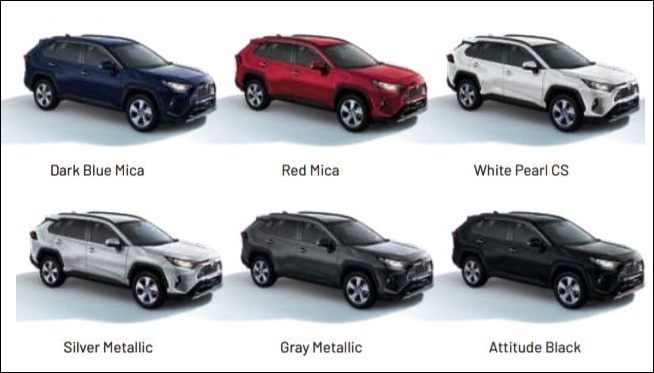
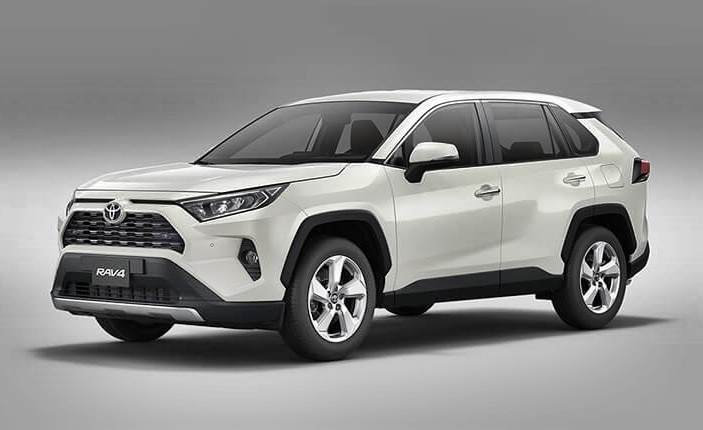
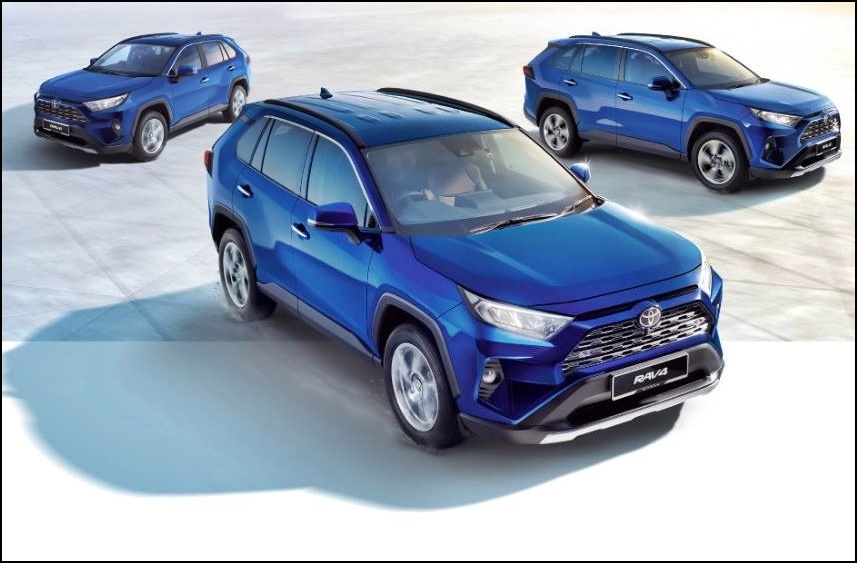
UMW Toyota Motor has just unveiled their latest model for the Malaysian market, the 2020 Toyota RAV4. The fifth-generation model has seen a lot of excitement built up in the past few weeks prior to the launch and now, the Toyota RAV4 is bigger and better than ever before.
We were given the opportunity to test out the 2.5-litre variant yesterday during a very well-organised media drive (with social distancing and hygiene being their number one priority due to the COVID-19 pandemic) and we had a few hours of fun driving around in the SUV. (more…)
The Toyota RAV4 is a historically significant model in Toyota’s line-up. Introduced in 1994, it came at a time when motorists were beginning to appreciate SUVs and created a new segment in the car market almost overnight.
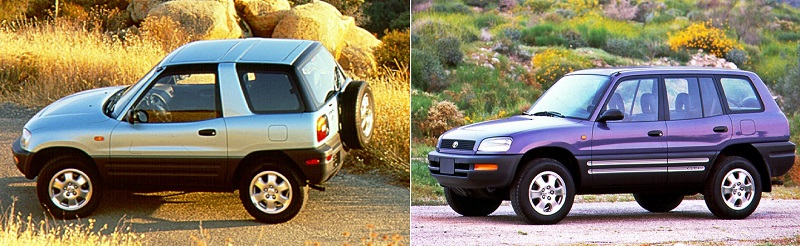
While the earlier SUVs (which were also rather big) were traditionally based on chassis-on-frame construction, Toyota designed the RAV4 with a monocoque bodyshell – the same as a passenger car. So it handled like a car and was also almost as comfortable; for many making the switch to the RAV4, the transition was easy as it felt like a passenger car when driven.
First generation of the RAV4 which created a new market segment almost overnight from the mid-1990s.
The RAV4 set off an ‘explosion’ in the SUV segment and in the years that followed, virtually every manufacturer would introduce a SUV (if it didn’t have one) or expand its SUV range. Demand kept growing and even the luxury segment began to have SUVs.
In 2019, the RAV4 was the world’s best-selling SUV and to date, over 10 million units have been sold worldwide. Now comes the fifth generation of the model which got off to a good start by being voted Japan’s Car of the Year 2019-2020.
The all-new RAV4 imported by UMW Toyota Motor is available in two variants with 2.0-litre and 2.5-litre engines, priced at RM196,436 and RM219,664.50 (Peninsular Malaysia price, excluding insurance premium). The vehicles are imported as Completely Built-Up (CBU) units from Japan and come with a 5-year/unlimited mileage warranty. [Click here for price list]
The prices are higher than the popular rivals in the local market but bear in mind that the RAV4 is imported as CBU from Japan whereas competitors in the same class such as the Honda CR-V and Mazda CX-5 are assembled locally with lower tax imposed on them (apart from getting incentives from the government for investments in local assembly). And the strength of the ringgit (or lack of it) these days also has an impact on pricing.
Evolving with trends
Over the years, the RAV4 has grown in size from the original design. The latest generation, with an overall length of 4600 mm, it is 445 mm longer than the first generation, while the overall width of 1855 mm is 160 mm wider. The wheelbase of 2690 mm is 280 mm longer. This moved the RAV4 up a notch is size categorisation and Toyota filled its place with the more compact C-HR.
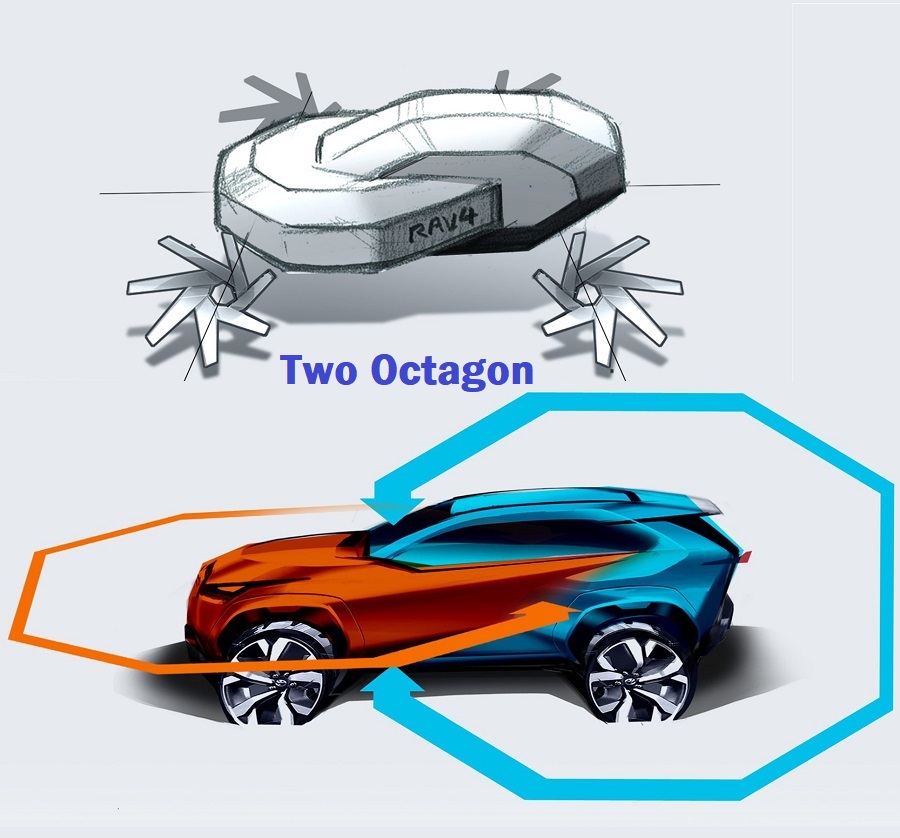
The styling also evolved with trends although even the first generation was stylish in its own way. The latest fifth generation has an octagonal theme giving a chiseled appearance with a front end that is bolder.
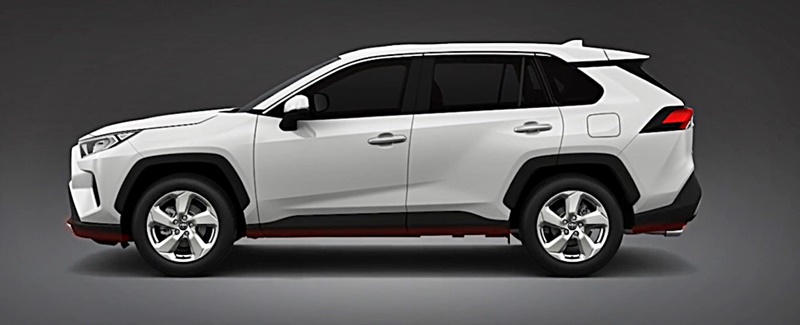
The door mirrors have been repositioned from the window panel to the door panel, increasing forward visibility around the A-pillars and contributing to a general increase in all-round visibility for better situational awareness.
Concept sketch for the new RAV4 shows how the octagonal theme was adopted, giving the model a chiselled appearance.
The RAV4 rides on 18-inch alloy wheels, wrapped with 225/60R18 dual-purpose tyres. Unlike the earlier RAV4s, the spare wheel is no longer on the rear door – which used to be a must for the SUV image. These days, apart from a few models, the spare wheel is carried on board and in the case of the RAV4, it’s a space-saver type for emergency use only. Thankfully, it isn’t hung under the vehicle like the traditional SUVs.
Joining the TNGA era
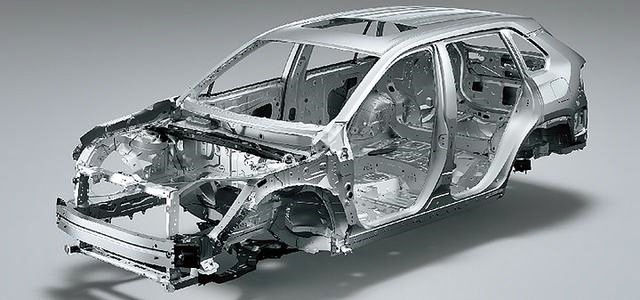
While the original RAV4 departed from traditional SUV construction by having a unitary monocoque structure, the latest model has TNGA, which stands for Toyota New Global Architecture. This is the brand new platform developed for use in a wide range of new Toyota models.
The TNGA structure is also monocoque and is 57% more rigid. With the adoption of a ring structure, the torsional rigidity of the body has increased. Contributing to the rigidity is the reinforcement in many areas, strengthening the structure. This enhances agility while also providing a smoother, quieter ride.
Adopting the TNGA platform allowed the engineers to position the powertrain lower down which means a lower centre of gravity for better stability. Using high-strength hot-stamped steel and aluminium have also reduced weight in the upper body, again helping to shift the centre of gravity downwards. A new saddle-style fuel tank distributes weight of the fuel evenly side-to-side.
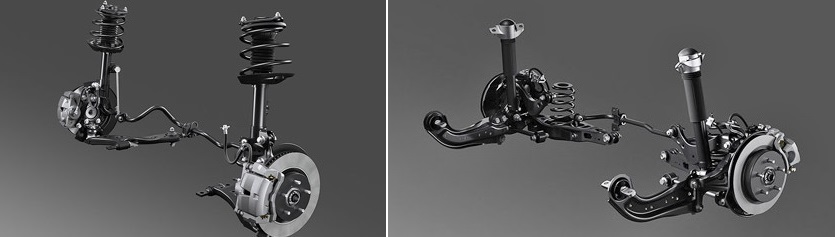
The suspension consists of MacPherson struts at the front and trailing wishbones, a straightforward layout which is clearly oriented towards on-road driving rather than off-road motoring. Handling and comfort were the priorities and a select group of takumi (highly trained master craftsmen) helped to refine the ride comfort, focusing on tuning details.
A new steering system is installed in the RAV4. The new parallel-type electric power steering system is rack-mounted rather than column-mounted, unlike the previous model. The new design helps enhance turning response and gives a natural feel that can help reduce fatigue on long drives.
The engineers also gave a lot of attention to reducing noise levels in the cabin, this aspect being important to the perception of quality. The reinforcements in the structure help, along with low noise features like integrating the floor silencer and expanding the surface area of damping materials.
Practical interior with car ambience
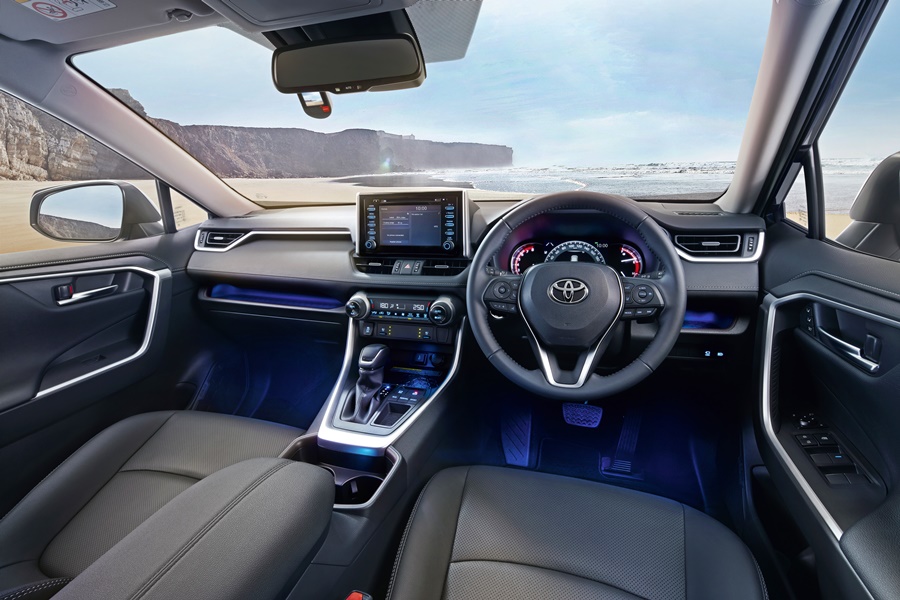
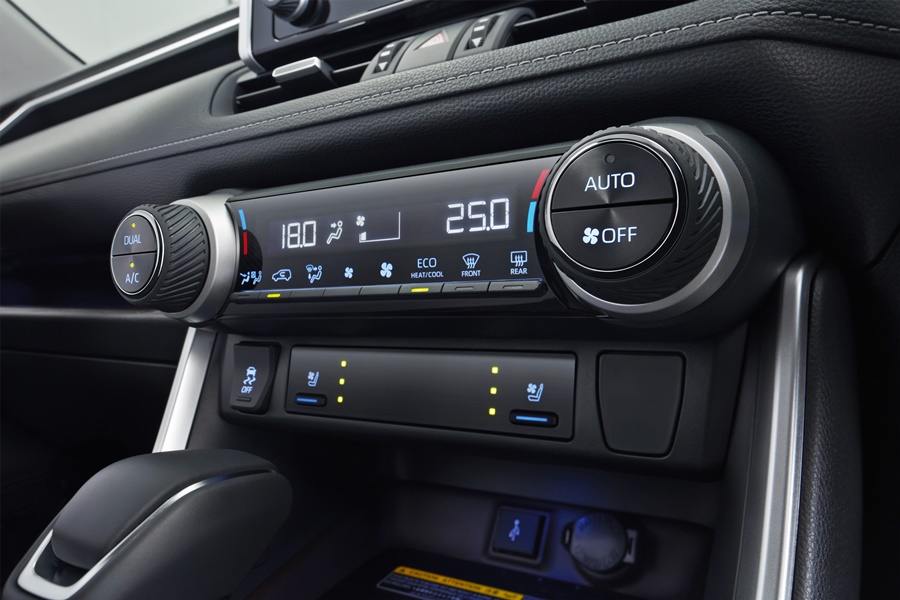
With the new platform, the interior designers took the opportunity to do a complete redesign of the cabin. As with earlier RAV4s, the interior concept focusses on practicality but blends in modern passenger car ambience with many convenience features.
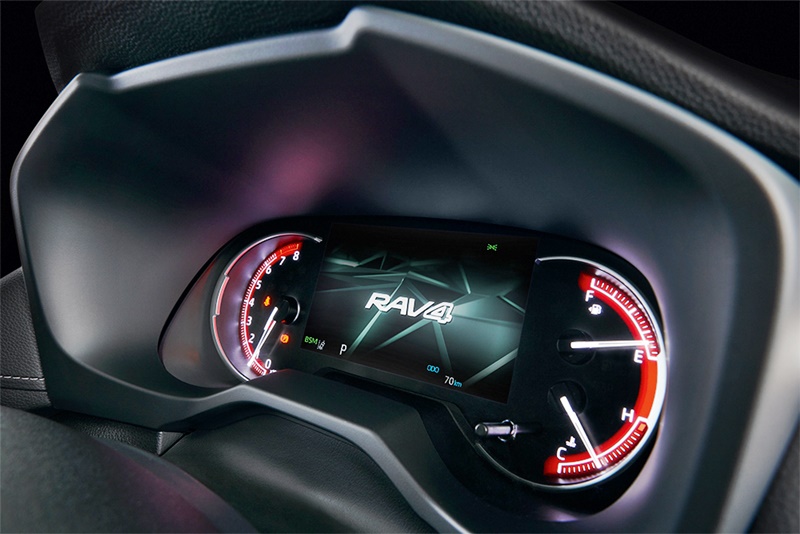
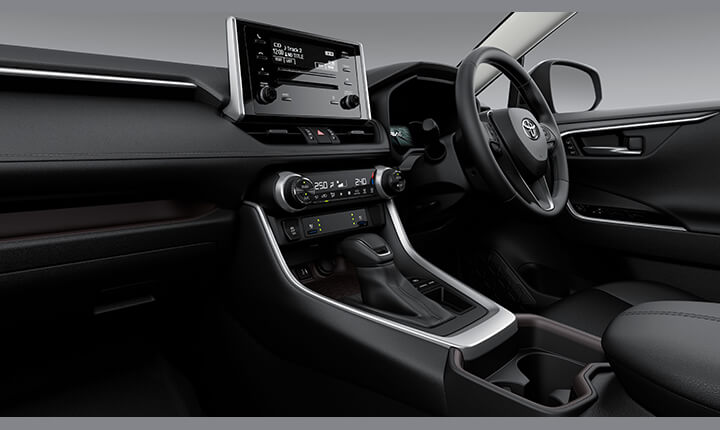
The new dashboard layout incorporates a slimmed-down instrument panel which is installed low, giving the driver better visibility. Bright and clear Optitron meters (originally developed for the Lexus luxury models) are used on the instrument panel. The TFT Combination Meter can be switched between analog and digital displays.
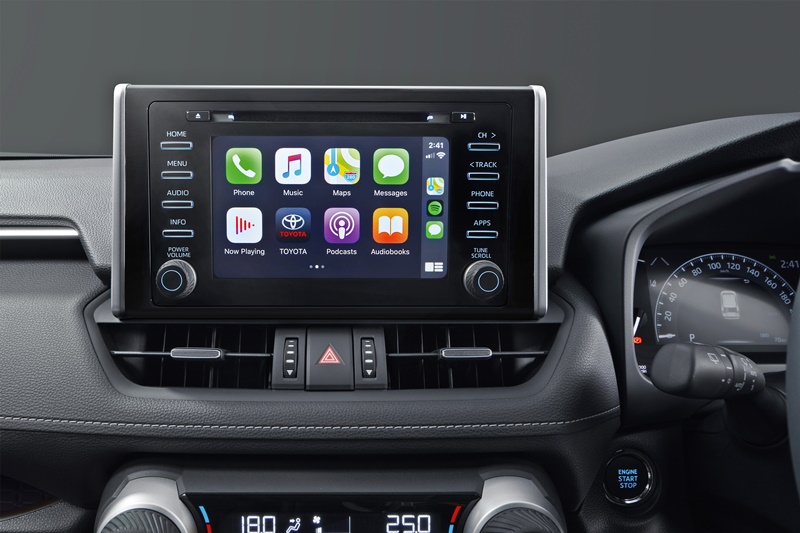
Infotainment is right up to date with a 7-inch display and a range of connectivity options such as Mirrorlink, Miracast, AUX and Bluetooth. AppleCarPlay and Android Auto are also available so occupants can connect their compatible smartphone and access apps from the dashboard. There’s also voice command which enables management of certain features or handsfree telephony.
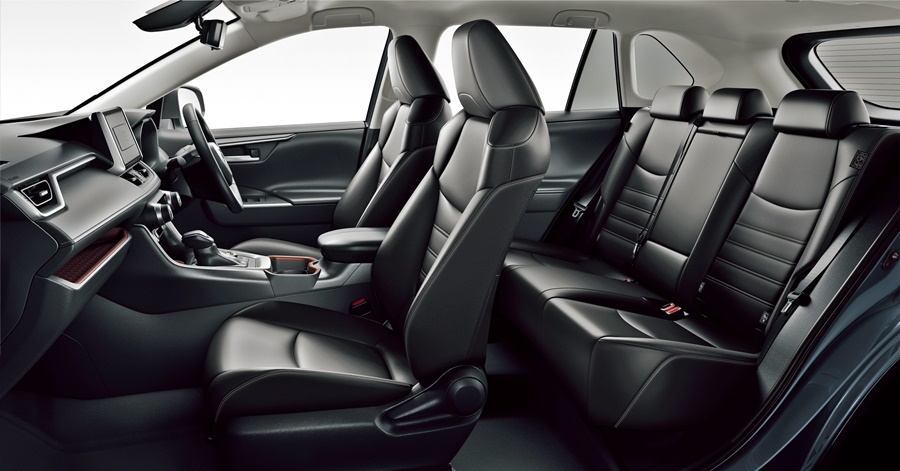
Seating comfort is improved with thicker cushions and enlarged lumbar support pads and there’s also a Seat Ventilation System installed – something which you usually find on luxury models.
Large cargo space with auto-opening door
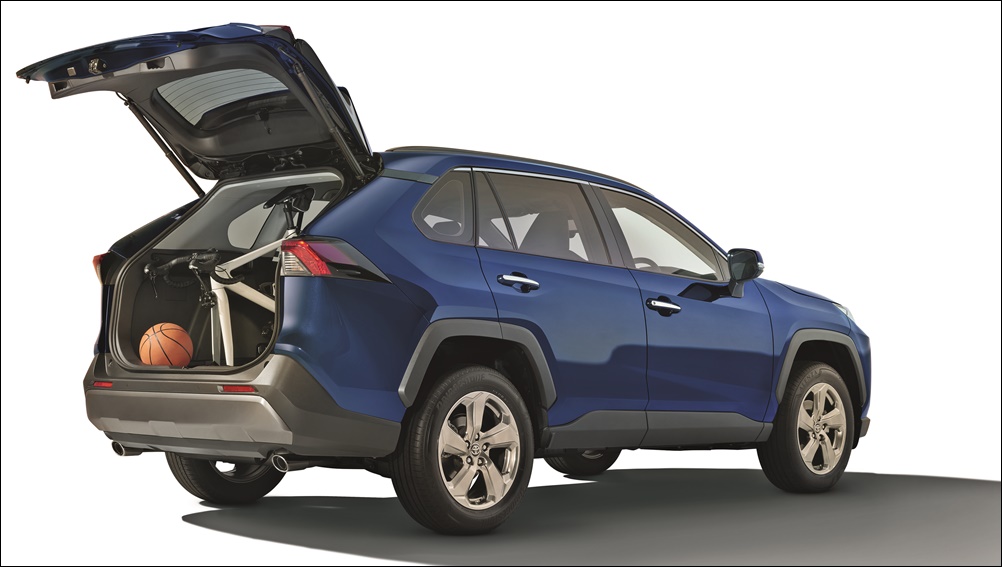
The RAV4 is a 5-seater with two rows of seats, and the back row can be folded flat to increase the cargo floor length for more cargo volume. The cargo area is large enough to even accommodate a 62-inch bicycle with the front wheels having to be removed.
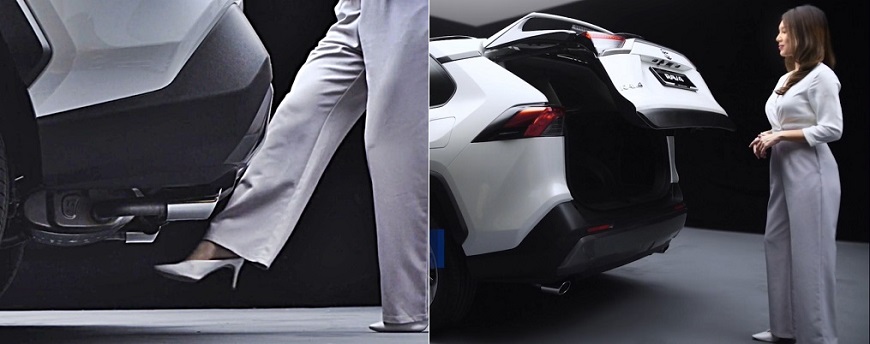
Where the earliest RAV4s had side-hinged rear doors, the door for latest one is top-hinged. There are pros and cons to this as a top-hinged door requires extra space behind the vehicle to open whereas you can open a side-hinged door a bit to put things in. But what will be greatly appreciate is not just powered operation for opening and closing but also a handsfree operation. Placing a foot under the rear bumper will unlatch the door and it raises automatically – a great feature to have when both your hands are full.
Feedback from owners of earlier generations told the new RAV4 development team that many owners have outdoor activities. This led them to come up with useful features to support such activities. For example, the inside handle of the rear door can be used for clothes hangers or camping lights. The wide and long ceiling can be used as a storage area with a nylon strap strung across the passenger grips. Numerous hooks are available to secure irregular-sized luggage as well.
A new engine family
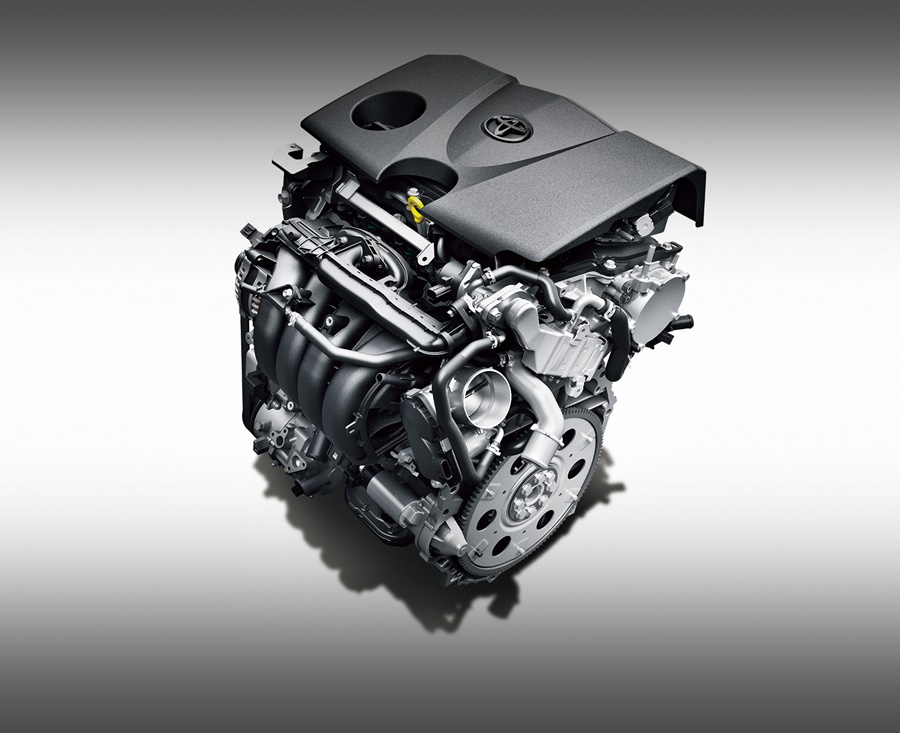
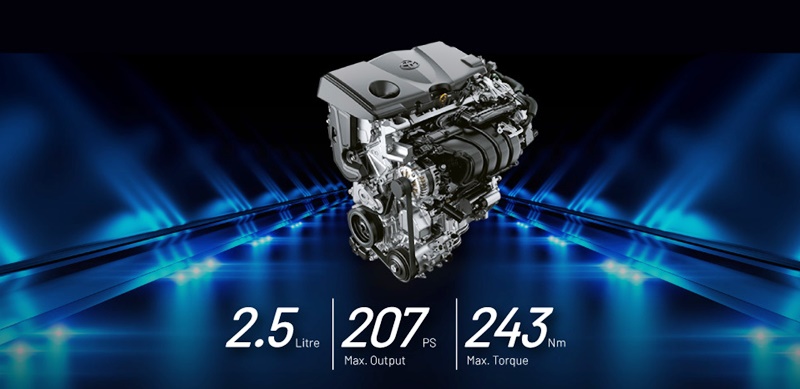
With this new generation, the RAV4 gets an entirely new powertrain with Dynamic Force engines. Lighter and more powerful, these 4-cylinder petrol engines have a combination of a very high compression ratio (13:1), advanced D4-S fuel injection (combining direct and secondary port injectors), high-speed combustion technologies, VVT-iE intelligent variable valve-timing (both sides), and ultra-low internal friction. The thermal efficiencies are as high as 40%, double the average of most internal combustion engines.
The 2.5-litre version produces up to 207 ps/243 Nm of torque while the 2.0-litre engine produces up to 173 ps/207 Nm. The bigger engine is mated to an 8-speed automatic transmission (Direct Shift 8-AT) but for the 2-litre unit, there’s a CVT with Sequential Shiftmatic.
For both transmissions, the driver can choose from Eco, Normal and Sport modes to suit driving preference or conditions. Selection of the preferred mode is done by pressing switches on the centre console. Paddle shifters are also provided (both variants), allowing the driver to make manual selections without removing the hands from the steering wheel.
Both variants have front-wheel drive rather than 4-wheel drive. When the RAV4 was first introduced, SUVs all had 4-wheel drive although there were also 2-wheel drive variants available, especially for the flatter regions of the US market. But as time went on, manufacturers found that the new generation of SUV buyers didn’t seem to care much for 4WD. Omitting 4WD meant weight reduction, with cost savings which could be used to provide more features. Those who had to have 4WD could still get it in more expensive variants but the majority were satisfied with 2WD.
Integrated active safety systems
Like most of the latest Toyota models, active safety systems are no longer independent elements but integrated to work together to help the driver avoid accidents and maintain better control of the vehicle. Besides the now-standard provision of systems such as ABS, Traction Control and Vehicle Stability Control, Toyota has developed an integrated package known as Toyota Safety Sense (TSS) which is used in the RAV4 and many of the Toyota’s latest models.
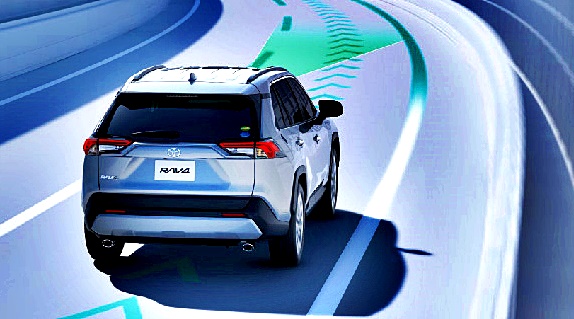
TSS consists of four driver-assistance systems – Pre-Collision System, Lane Departure Alert with Lane Tracing Assist, Dynamic Radar Cruise Control at All Speeds (DRCC), and Automatic High Beam (AHB). Lane Tracing Assist operates using the camera and radar to recognize lane markers or the preceding vehicle’s driving path. It estimates the vehicle’s position in the lane and then implements steering assist to remain in the lane, even on roads with curves.
Lane Tracing Assist guides the RAV4 along curves.
DRCC is a more advanced form of cruise control which can vary the cruising speed depending on conditions, while AHB detects the headlights of an oncoming vehicle or tail lights of a vehicle ahead and automatically switches to low beams.
Other safety features and systems in the RAV4 include Blind Spot Monitor with Rear Cross Traffic Alert both of which alert the driver when other vehicles are in the blind spot during changing lanes and reversing.
Besides the camera used for the TSS, there are also six other cameras around the vehicle. The first two are the Driving Video Recorders (DVR) mounted in the front and rear positions inside the cabin and the other four cameras are tiny one installed around the body for 360-degree coverage. The driver can view the surrounding areas next to the vehicle while parking, a great benefit in narrow or tight parking spaces.
Apart from the engine immobilizer and alarm system, UMWT also installs a Vehicle Telematics System (VTS) in the RAV4. This system uses GPS/GSM for tracking so if the vehicle is stolen, its location can be identified quickly and the authorities informed to recover the vehicle. The service provider for the VTS can also provide emergency assistance from its 24-hour command centre.
Visit www.toyota.com.my to find out more about the new RAV4 and where to view it.
For those who are starting their journey into the working world after graduation, having personal transport might be something they have been looking forward to. To help graduates acquire a new car,
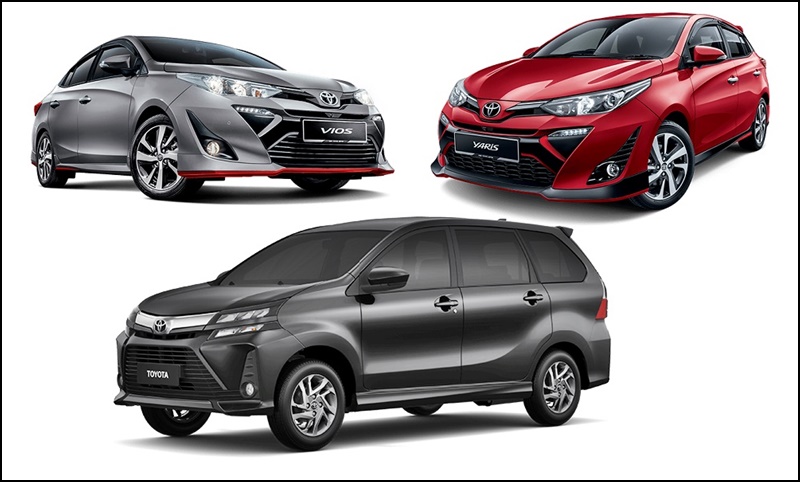
UMW Toyota Motor Sdn Bhd (UMWT), in collaboration with Maybank Islamic Berhad, has a special financing package just for graduates who wish to purchase a new Toyota Vios, Yaris or Avanza.
The Murabahah Vehicle Term Financing-i (MVTF-i), in accordance with the Murabahah principles, will provide an additional financing option to the graduates besides the Islamic Hire-Purchase (HP) financing in accordance with Al Ijarah Thumma Al-Bai (AITAB). This financing package is only available in Peninsular Malaysia.
Murabahah financing also follows Islamic financing principles and the combined amount financed can be up to 100% with takaful contribution of Takaful bundling and other costs (legal costs, stamp duty, etc).
“At UMW Toyota Motor, we are always looking for the best ways to work with our business partners for our customers to own a brand new Toyota vehicle. With this new financing package, graduates will be able to acquire a Toyota Vios, Yaris or Avanza as the financing package helps to make the downpayment more affordable. The support we offer will also make the ownership experience enjoyable for many years to come,” said Ravindran K., President of UMW Toyota Motor.
The financing is available to graduates (degree-holders) who are aged between 21 and 30 years old and are currently employed. They should be earning at least RM3,000 a month and have been employed for a minimum of 6 months. For those with less than 6 months of employment, their parents can act as guarantors (subject to Terms & Conditions).
Should their income be less than RM3,000 but more than RM2,000, it is still possible to apply for the financing package provided their parents (as guarantors) have a household income of RM5,000 or more.
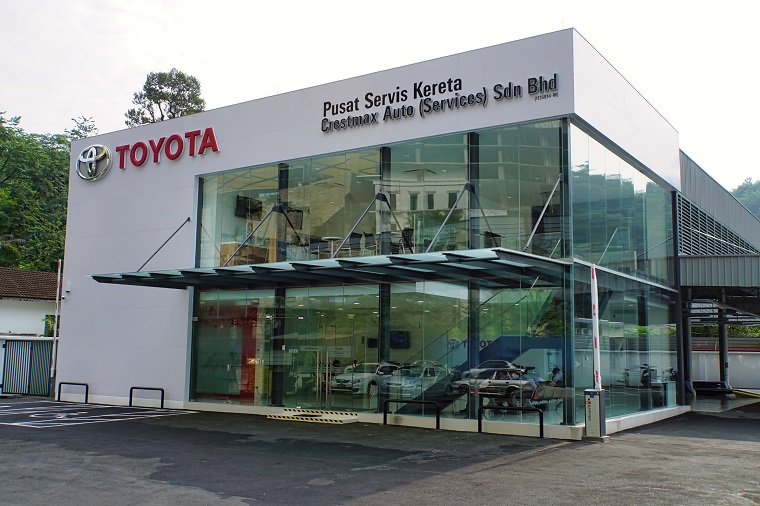
Full aftersales support is available from the network of authorised Toyota service centres nationwide.
The Toyota Vios, Yaris and Avanza are among the best-selling models in the non-national segment in the Malaysian market. With their compact size, ease of driving, economical performance from 1.5-litre engines, and low cost of maintenance, they would be ideal for those who are just starting out in the working world.
Features such as the Blind Spot Monitor (BSM) with Rear Cross Traffic Alert (RCTA) and of course standard items like airbags and ABS ensure that safety aspects are covered.
For peace of mind, the Manufacturer’s Warranty is 5 years and as there is no limit on mileage travelled, this means that warranty coverage is for the full period of time. Additionally, if insurance coverage is purchased from UMW Toyota Motor’s authorized dealers, owners receive free membership to 24SEVEN Road Assist breakdown and emergency service assistance available 24 hours a day, 7 days a week.
Authorized Toyota dealers nationwide can provide more information or visit the Toyota Malaysia website at Toyota.com.my.
Click here for other news and articles about Toyota.
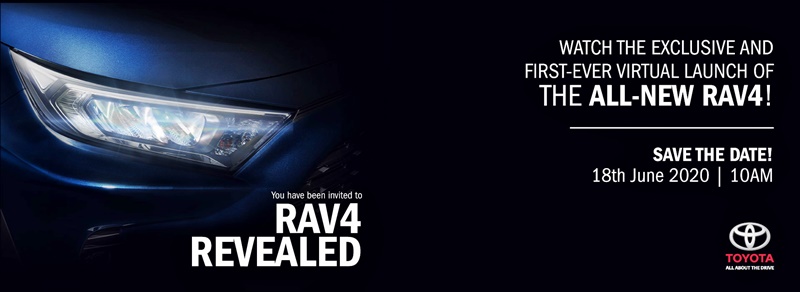
The Toyota RAV4, which was the bestselling SUV in 2019 and ‘Car of the Year’ in Japan, will soon be in showrooms in Malaysia. Following a teaser campaign to let the Malaysian market know of its launch to take place online on June 18 at 10 am, UMW Toyota Motor (UMWT) is now accepting orders from ‘early bird’ customers.
Two variants imported from Japan
Two variants will be available, with 2.5-litre and 2.0-litre petrol engines, and pricing is RM223,880 and RM203,880, respectively. However, these prices still include Sales Tax which will be exempted from June 15 until the end of the year as part of the government’s economic recovery initiative for the auto industry.
Being a completely built-up (CBU) import from Japan, 50% of the 10% Sales Tax can be exempted which will therefore be 5%. UMWT estimates that after the tax deduction, the price will be RM215,700 for the RAV4 2.5 and RM196,500 for the 2.0-litre variant (without insurance premium included).
This is the fifth generation of the model which created a new market segment when it was first launched in the mid-1990s. Cumulative figures for the SUV passed 10 million at the end of February this year.
One of the two Dynamic Force Engines available for the new RAV4.
TNGA and Dynamic Force Engine
The new RAV4 sits on Toyota’s New Global Architecture (TNGA) platform like many of the latest models. It also comes with a Dynamic Force Engine which is the latest Toyota engine family and features advanced technology for high efficiency and performance.
Besides moving towards a more premium image, the RAV4 also comes with Toyota Safety Sense, a suite of safety systems which help the driver to avoid accidents and make motoring safer. These include Pre-Collision System, Lane Departure Alert with Steering Assist, Lane Tracing Assist, and Dynamic Radar Cruise Control for All Speeds as well as Automatic High Beam.
Customers can expect a comprehensive list of convenience features which will include a Kick Sensor Powered Back Door. This feature enables opening of the rear door by just positioning one foot under the rear bumper and the door will automatically open.
More information on the new Toyota RAV4 can also be found at toyota.com.my.
Hari Raya Aidilfitri is here again but for this year, the celebrations will be somewhat different due to the continuation of the Movement Control Order (MCO). UMW Toyota Motor understands that many will be disappointed that they are unable to celebrate together with their loved ones in their hometowns.
To lift the spirits of Malaysians, the company prepared three videos, each with its own unique approach and theme, which was shared on its various social media channels.
“Drawing on Toyota’s own past experiences of difficult and challenging times, I believe that the human spirit is resilient and we will come out stronger. In the short term, things may be tough but at the end, there will be greater strength and confidence from having endured the challenges,” said Akio Takeyama, Deputy Chairman of UMW Toyota Motor.
In the first video posted, Malaysians were invited by the company to submit captures of themselves, observing Ramadan in their own way, while adhering to the MCO requirements to stay at home. These homemade videos were then strung together into a more complete film depicting real-life scenarios and experiences of Ramadan being observed under the unique circumstances.
For the Raya videos, there are two different themes. The first one shows a family coming to terms with the current situation, and accepting that it is a necessary sacrifice to make. For the second Raya video, which was shared on May 25, Toyota GAZOO Racing’s celebrity racers sing a Raya classic, “Senandung Hari Raya Untukmu”, to add sparkle to the celebratory mood, even while observing the MCO.
The first Raya video was produced by working with a real family who actually shot the scenes themselves. The father operated the camera and lighting with the family members as the talent, and their house as the main location.
Adhering to the MCO Standard Operating Procedures, production of all three videos had minimal crew present and even the director gave guidance via video calls. Social distancing was observed during filming with the exception of the family scenes since they depicted people living in the same house.
“The ultimate message of the videos is to stay strong and to continue our journey in the face of hardship. Similarly, Toyota is staying resilient by adapting to the current situation. With its e-showroom, virtual test drives, augmented reality app, and more, Toyota is making sure the public can still get its products and services while caring for the public’s safety,” said Ravindran K. President of UMW Toyota Motor.
“We realise this year’s festival will be different and while many are unable to be together, we hope that Malaysians will still be able to celebrate in a meaningful way at home. On behalf of UMW Toyota Motor, we wish all our Toyota owners, customers and business associates Selamat Hari Raya Aidilfitri!” he said. “And to all Malaysians, Selamat Hari Raya Aidilfitri and may you find peace and happiness.”
Click here for other news and articles about Toyota.
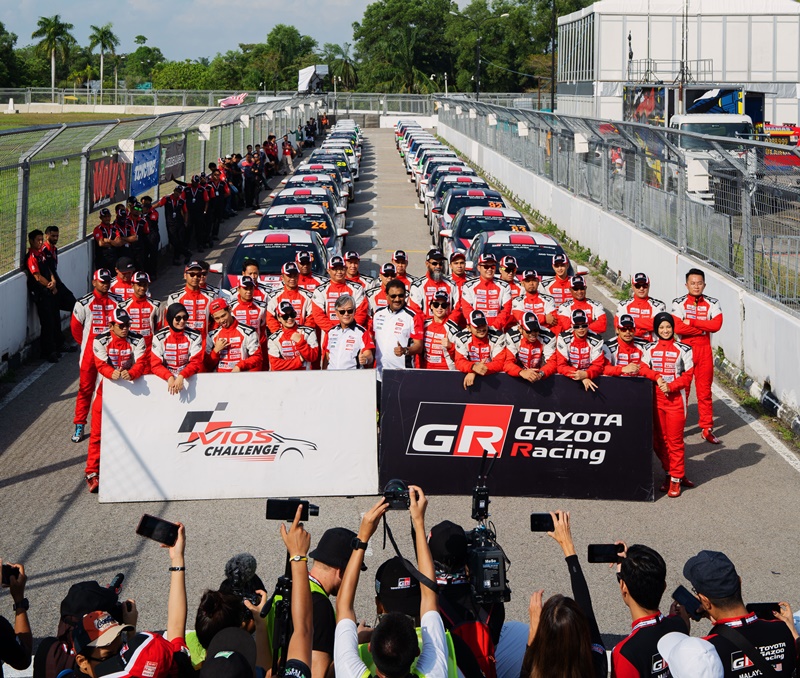
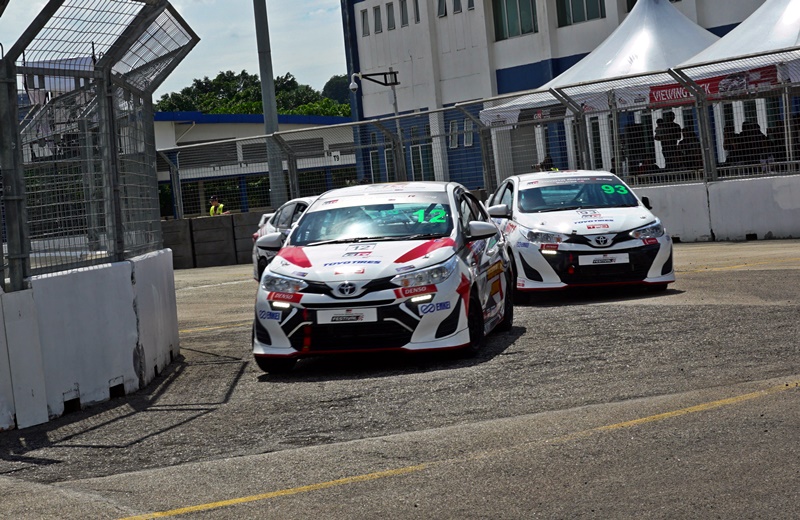
The COVID-19 pandemic and Movement Control Order (MCO) in Malaysia brought many activities to a standstill and this including the Toyota Gazoo Racing Festival and Toyota Vios Challenge which had been scheduled for the weekend of April 17 – 19 at the Sepang International Circuit. As the government indicated that public activities and gatherings should not be held till at least the end of the year, the organizers, UMW Toyota Motor have had no choice but to conclude the season after three of the four rounds were run.
Season 3 champions
With this decision, the three champions of Season 3 are Tengku Djan Ley Tengku Mahaleel as overall champion of the Super Sporting class for professional drivers; Hayden Haikal takes the crown for winning the Sporting class for amateur drivers; and musician and TV personality Shawn Lee topped the list of celebrity racers in the Promotional class.
This is Tengku Djan’s second title after being champion in the first season of the Toyota Vios Challenge. He took a break from racing to assume responsibility as Team Manager in Season 2. Driving for Team 23 Motors, Tengku Djan finished the third season 11 points ahead of runner-up Mark Darwin of Laser Motor Racing, with Telagamas Toyota’s Freddie Ang a further 14 points behind.
“The season has been nothing short of intense from start to finish. Competing in a one-make series where you are essentially limited to only your driving skills, there’s only so much you can do in the company of so many experienced and talented elite drivers on the grid and I am fortunate enough to have finished every race consistently in the points,” said Tengku Djan, who won two of the season’s six races.
Tengku Djan Ley
He added: “The Toyota Vios Challenge has been an incredibly rewarding series for drivers as much as it is a tough proving ground because not only are you driving on a street circuit which requires you to be extremely precise, but everyone competes on a level playing field by driving identical race machines. It builds character, confidence, accelerates a driver’s learning curve and teaches drivers to become more technical and tactical by making minute changes to the car’s set-up with the hope of gaining some advantage.”
16-year-old Hayden Haikal, the youngest ever individual to win a race in the Toyota Vios Challenge, joined the series in Season 2 and at 15 then, was the youngest rookie driver to compete in the series as he transitioned from karting to saloon car racing. Not only was the teenager forced into a steep learning curve (having to learn how to manually change gears and to assimilate himself with the dynamics of a saloon car), but he unexpectedly improved and excelled with every race. Hayden’s track record in Season 3 included two race victories for S&D Motorsports, allowing him to end his campaign ahead of another teenage driver, Bradley Benedict Anthony (Dream Chaser team) who was 12 points behind.
Looking back on his two seasons, he added that his participation in the series was timely given his move from karting and that the Toyota Vios Challenge not only provided a level playing field for first time racers, but was also cost effective. “In the end, the series addressed what mattered most to my parents and I and that was to enhance my racing skills and it wasn’t about how much money one can afford to spend on the cars we compete in,” said Hayden.
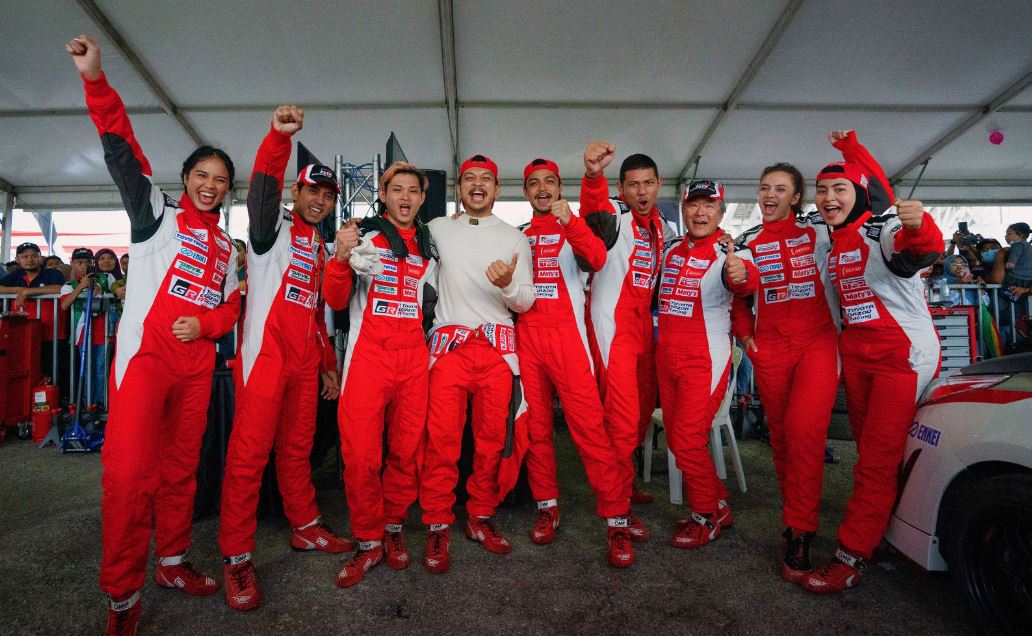
The celebrity racers in Season 3 included Akio Takeyama (third from right), Chief Motorsports Officer of Toyota GAZOO Racing Malaysia and also Deputy Chairman of UMW Toyota Motor.
Meanwhile, also claiming his second overall championship win in the Promotional class, Shawn Lee clearly demonstrated a more composed and confident drive throughout the season. Lee had been crowned Promotional class champion in season 1 and was promoted to race the following season in the more competitive Sporting class. Returning to the Promotional class in Season 3, he drove to three race wins and clearly emerged as the most dominant driver on the grid. Finishing second overall was actor Shukri Yahaya, 15 points adrift, while in third was TV personality Nabil Ahmad.
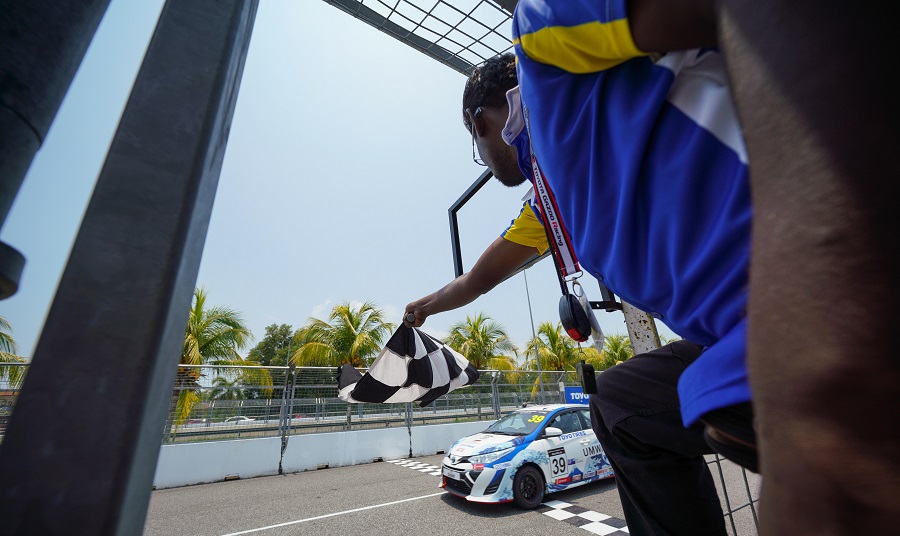
Season 3 of the street racing series had started off in Kuala Terengganu last September before moving to Bandar Malaysia (the old TUDM airbase in Kuala Lumpur) in November, and Batu Kawan in Penang in February this year.
“It is certainly not the most ideal way to conclude what has traditionally been a closely-contested championship. Like the previous two seasons, the Toyota Vios Challenge is unique in that as a one-make series, emphasis has always been on a level playing field, driving skills and experience which ultimately resulted in no clear winner emerging until the very last race. Season 3 had again demonstrated this spirit of competition, but inevitably the final race must yield to an even greater agenda which is to place national interest and public safety ahead of all other matters,” said Akio Takeyama, Chief Motorsports Officer of Toyota Gazoo Racing Malaysia.
Mr. Takeyama, who is also Deputy Chairman of UMW Toyota Motor, said the final results were made after careful deliberation in adherence to and consistent with all provisions underlined by the technical and sporting regulations of the championship, and in discussion with the Motorsports Association of Malaysia (MAM), Malaysia’s governing body for motorsports. The decision was also consistent with the best practices of other international motorsports events.
Looking ahead
Moving forward, Mr. Takeyama revealed that the company is currently in the advanced stages of preparing for an even more exciting fourth season of the Toyota Gazoo Racing Festival and Toyota Vios Challenge.
“Season 4 will be an entirely different experience, offering racers, teams and participating dealers not only an enhanced racing format but also prize and reward structure. Without revealing too much too soon, I would also like to announce that the Toyota Gazoo Racing spirit will extend beyond the Toyota Vios Challenge and provide racers with additional racing programs to compete in. Another element we are closely looking into is talent development and expansion of TGR e-Racing.”
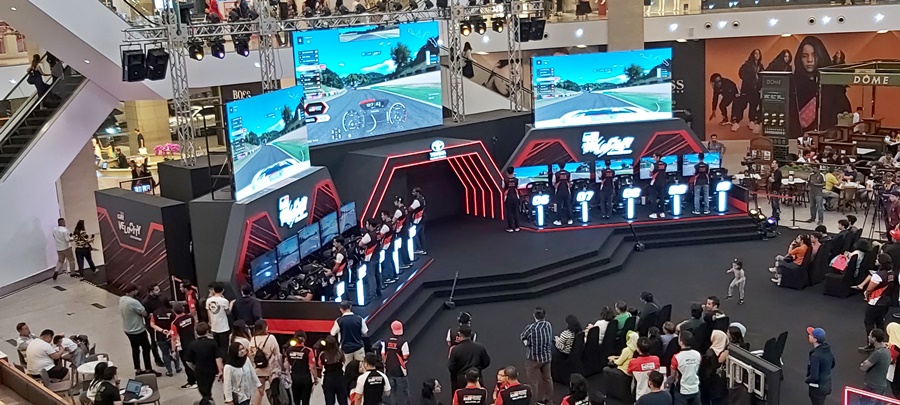
The TGR program of activities in Malaysia will give more attention to eSports.
Summing up the season, President of UMW Toyota Motor, Ravindran K. said that the Toyota Gazoo Racing Festival and Toyota Vios Challenge has grown from strength to strength to fulfill the company’s three key objectives: to bring motorsports and Toyota’s racing spirit to the masses; to elevate Malaysian motorsports by introducing the concept of racing on street circuits; and successfully demonstrating the performance, reliability and durability of its vehicle to perform under extreme conditions.
“It has been a monumental task, but one that has been well worth the effort and an initiative we intend on pursuing further. I would like to convey our highest appreciation to all the participating teams, drivers, dealers, fans, spectators, sponsors and officials who have been instrumental in making this Series a success,” said Mr. Ravindran.
“Our decision to venture into motorsports was with the intent of injecting greater excitement into Malaysian motor-racing and in three season, we have not only successfully established a one-make series offering a greater level playing field and is much more affordable and accessible to the masses, but also contributed to the development of new, young and talented drivers.”
Virtually all industries and businesses in Malaysia suspended operations on May 18 as the Movement Control Order (MCO) started, a measure to stop the spread of the COVID-19 coronavirus.With the situation improving, the government is allowing resumption of operations of most industries.
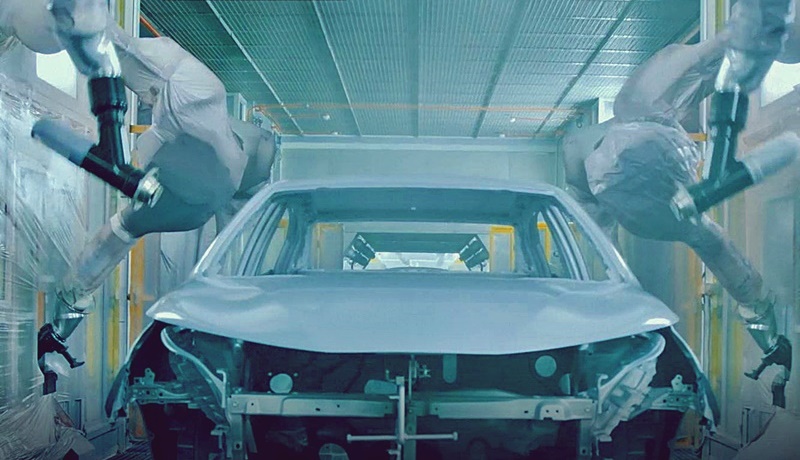
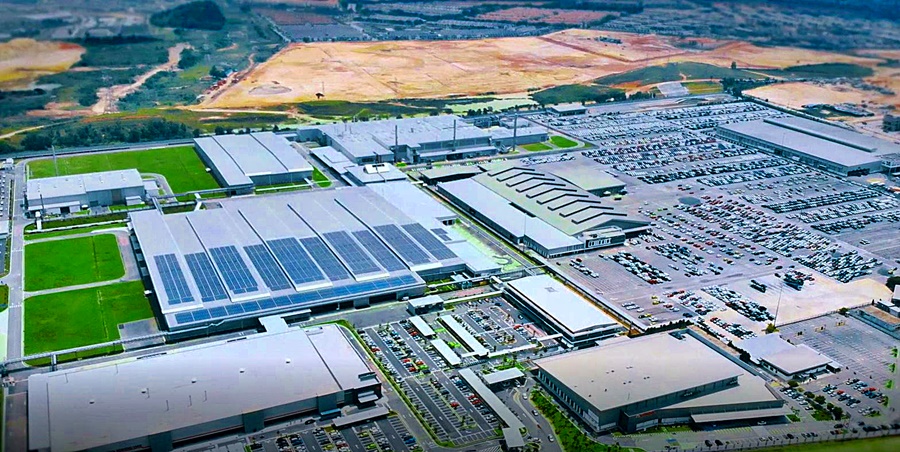
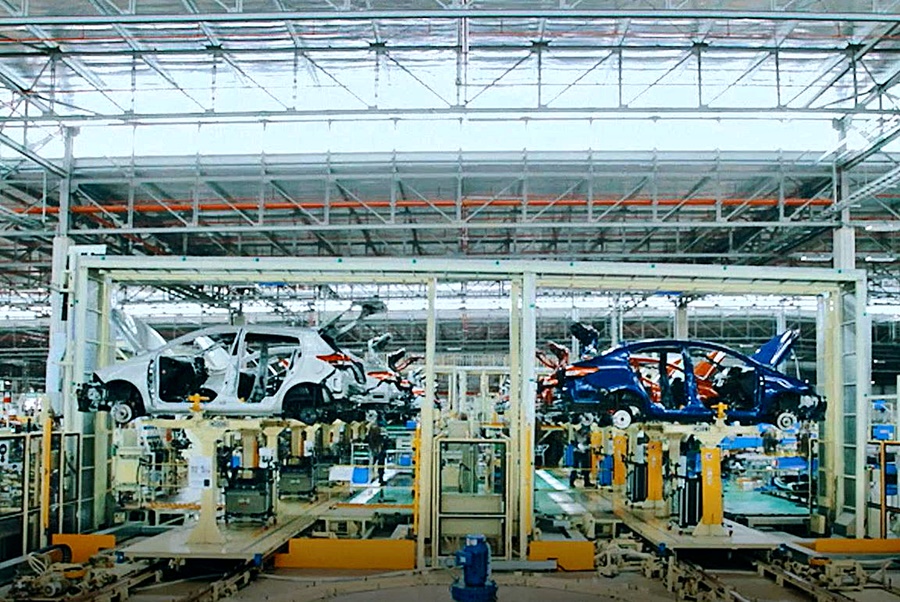
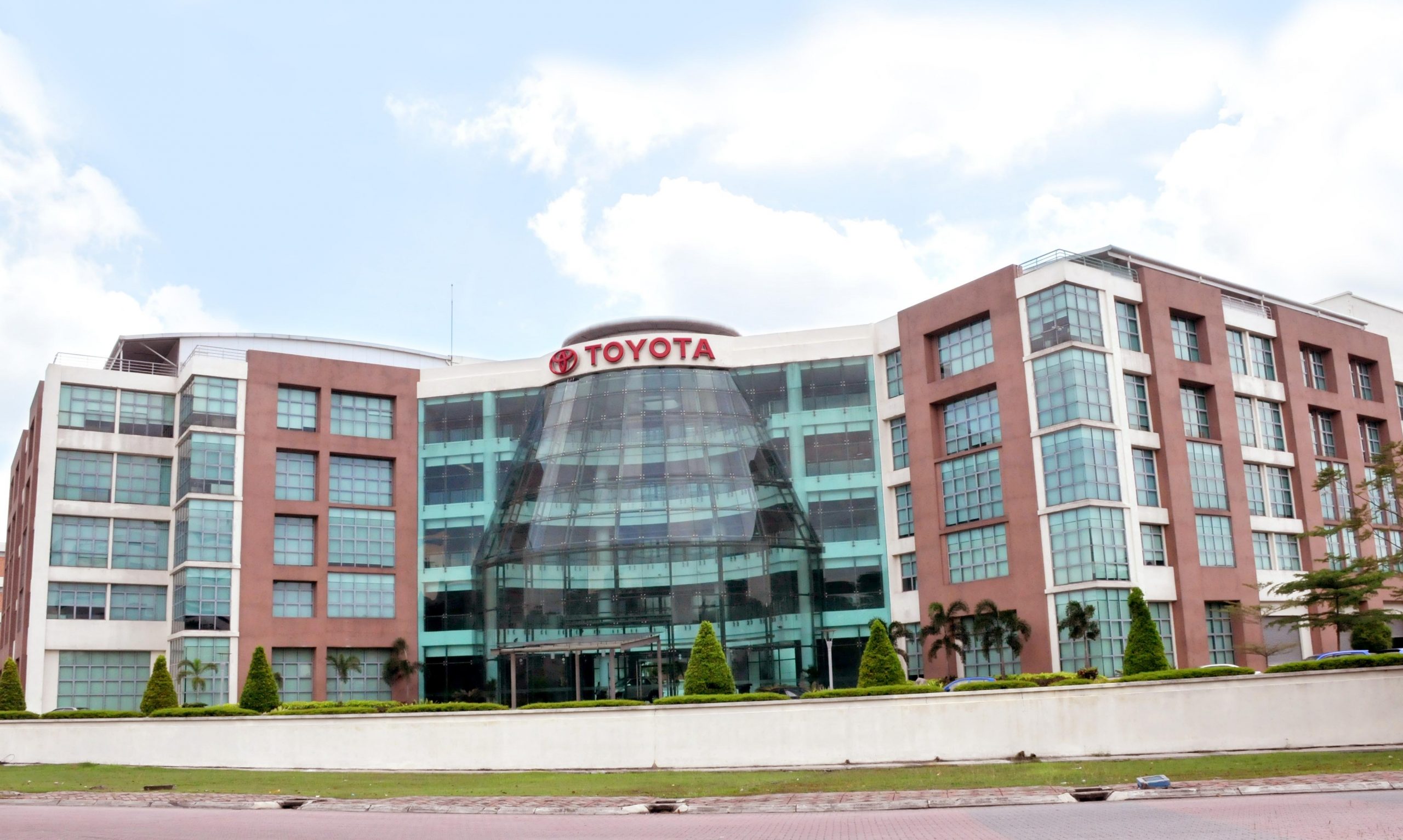
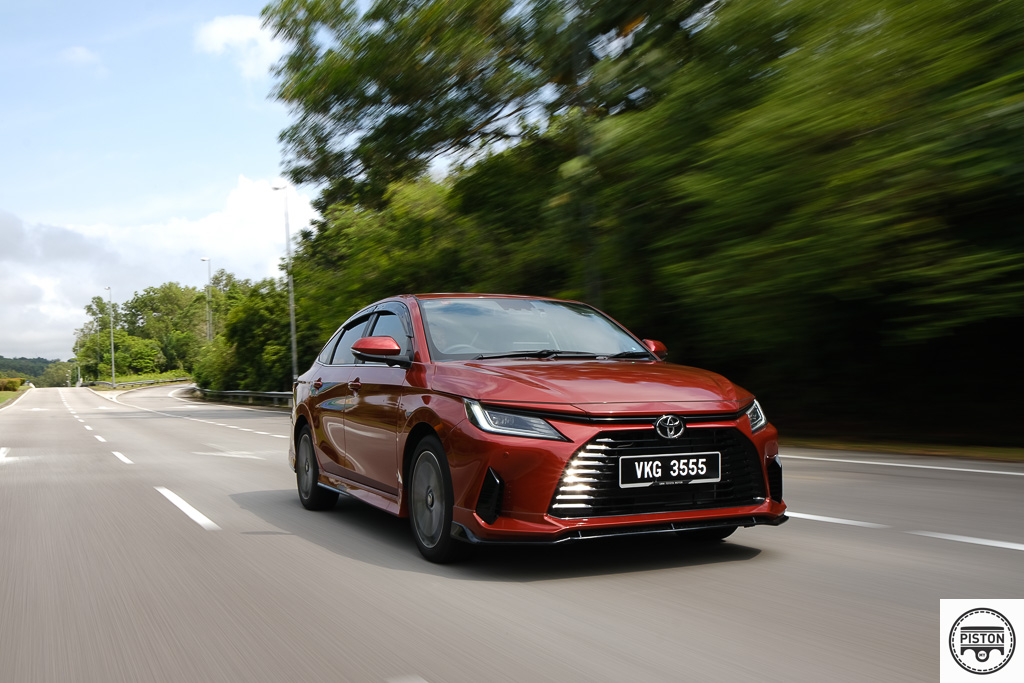
Assembly Services Sdn Bhd (ASSB), UMW Toyota Motor’s subsidiary involved in manufacturing Toyota vehicles, is among those that has resumed its assembly operations. It has two assembly plants in Selangor and the newer one at the Bukit Raja Industrial Park commences today. This plant assembles the popular Vios and Yaris models and has been in operation since January 2019. The second plant in Shah Alam, among the oldest in Malaysia, will commence operations on June 9, 2020.
The ASSB plant in Bukit Raja, Selangor which assembles the Yaris and Vios models.
“We are grateful to the Selangor State Government for its decision to implement the CMCO with customised details and understand that it is in the best interest of the state and people,” said Ravindran K., President of UMW Toyota Motor. “With the resumption of operations, we hope to help in boosting the economy and add momentum to the automotive industry and business moving forward.”
As with all companies allowed to resume their operations at full capacity, there are strict Standard Operating Procedures (SOPs) which must be followed. ASSB will fully adhere to these SOPs for the protection and health of the approximately 2,000 employees working at its facilities.
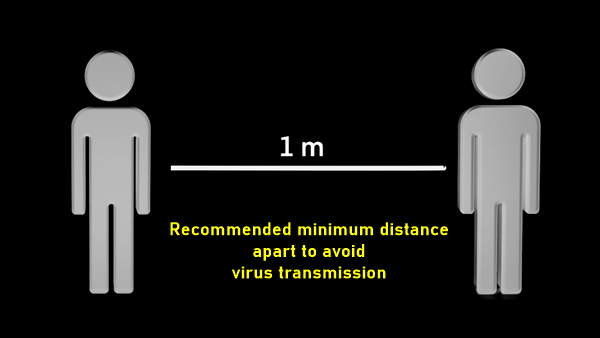
The SOPs include establishing distances of 1 metre or more between workers; regular temperature checks; provision and use of hand sanitizers and face masks; and sanitization of various areas around the plant three times daily. Where necessary, working hours and work flows are adjusted to create a safe environment.
“Toyota Motor Corporation is also very serious about providing safe and healthy conditions for all employees. As a member of the global Toyota family, ASSB can therefore draw on healthcare advice and best practices from TMC regarding additional measures that can be taken here in Selangor,” added Akio Takeyama, Deputy Chairman of UMW Toyota Motor.
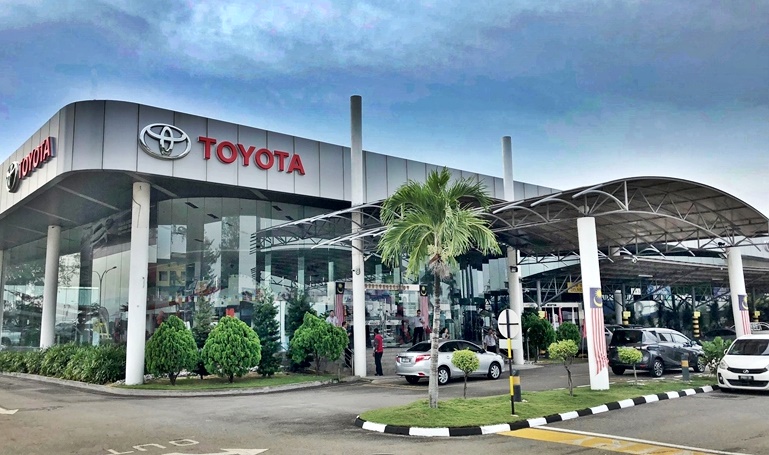
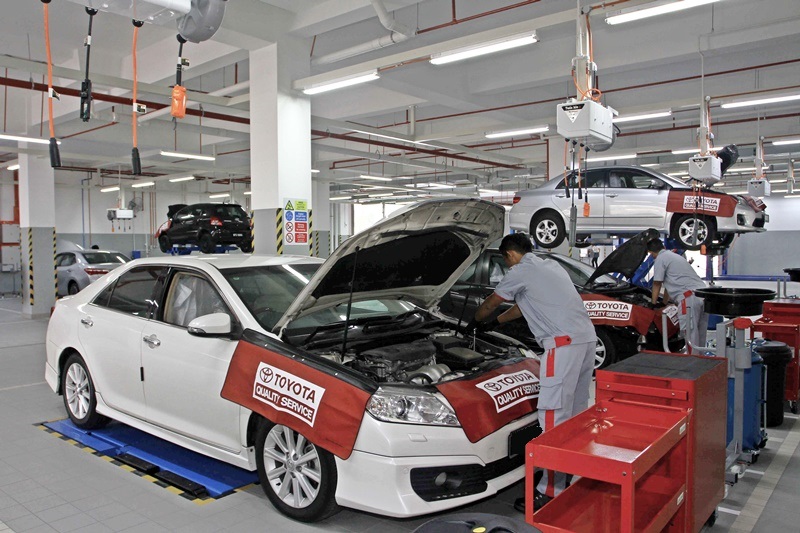
UMW Toyota Motor Sdn Bhd (UMWT) has announced that authorised Toyota and Lexus Sales & Service Outlets in its network that are located in areas observing the Conditional Movement Control Order (CMCO) will be open for business from today (May 4, 2020).
The opening of the Sales & Service Outlets will be based on approval and regulations by the respective state governments. This follows approval from the Ministry of International Trade & Industry (MITI).
All outlets have received guidelines for their daily operations which must be in accordance with the Standard Operating Procedures (SOP) issued by MITI. The SOP requires such measures as social distancing, sanitization of premises and contactless payments where possible.
Vehicle owners are advised to call in advance to check on the operating days and hours of their preferred Sales or Service Outlet as well as to secure an appointment before going there. Click here for contact details of the outlets.
“We will follow the SOP strictly at all our Sales & Service Outlets for our customers’ peace of mind as well as to also protect our staff. It is hoped that our customers will understand the requirements which are necessary in the public interest and safety,” said Ravindran K., President of UMW Toyota Motor.
With regards to those vehicles purchased from UMWT or their authorised dealers with existing warranties that are valid and expiring during the MCO period, there will be a 30-day extension calculated from the last day of the MCO (currently scheduled to be May 12, 2020).
While the general public have been staying home to do their part in helping to stop the spread of the COVID-19, companies in the corporate sector have been offering their design, engineering and manufacturing facilities to help produce much needed equipment for the frontliners in hospitals.
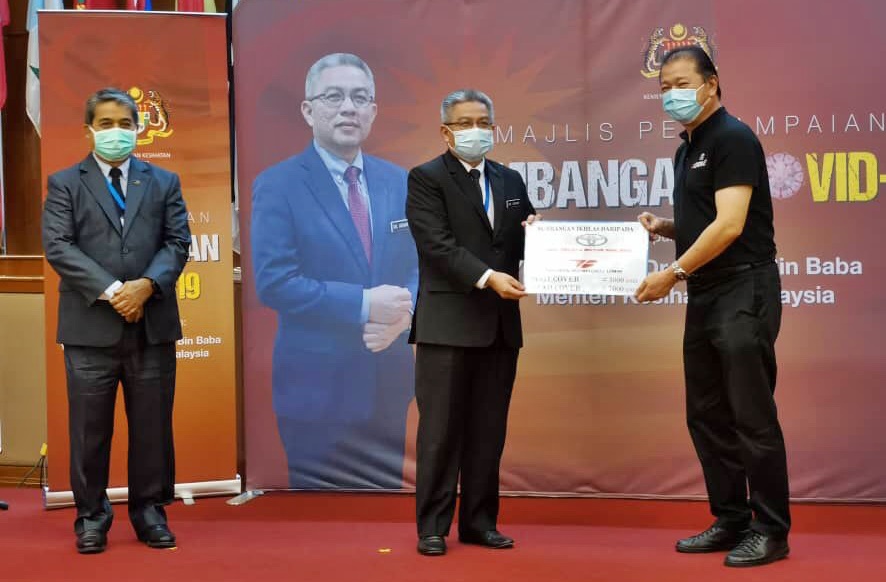
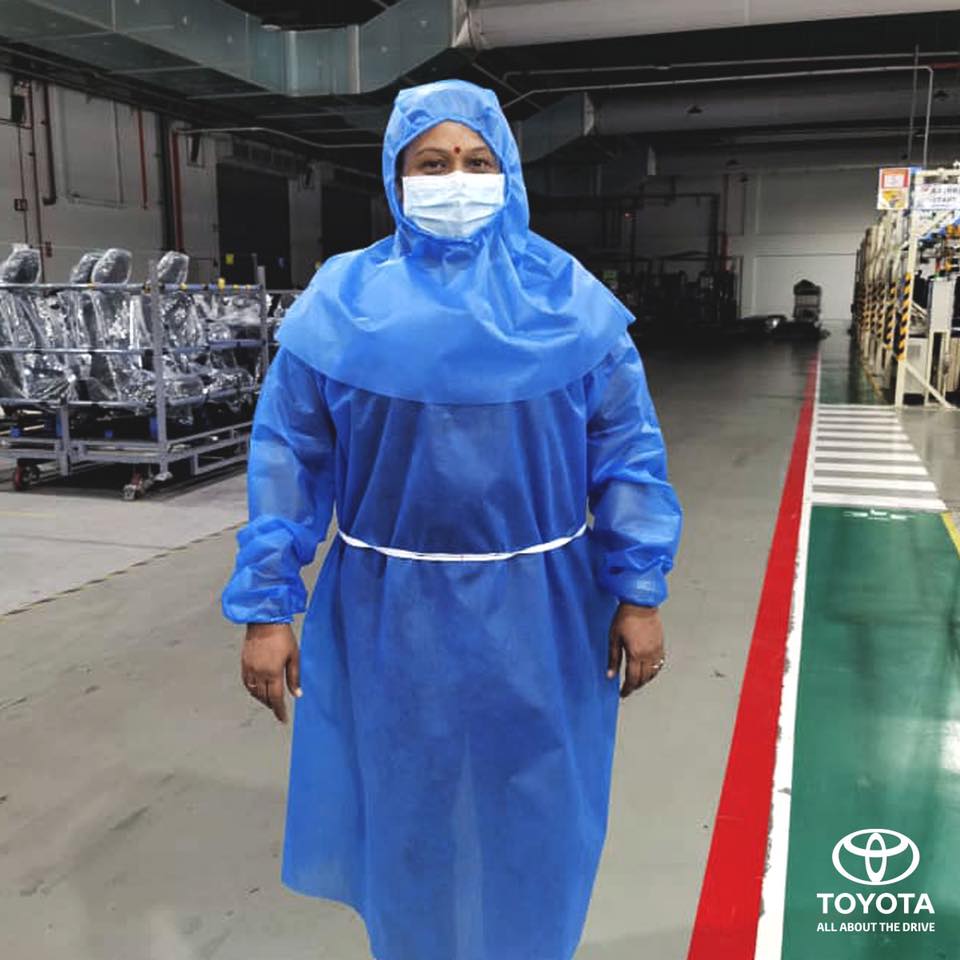
UMW Toyota Motor is one of the companies supporting by producing the much-needed Personal Protective Equipment (PPE) at its subsidiary, Toyota Boshoku UMW Sdn. Bhd (TBU). This equipment, which protects the healthcare personnel from being infected while they attend to patients, is required in the thousands as it is constantly replaced.
“This is the time when we want to demonstrate good corporate citizenship by assisting in whatever way we can to help our frontliners in their vital duties. We have the facilities that can make the PPE so we can support the Health Ministry replenish its stocks more quickly – at no cost,” said Ravindran K., President of UMW Toyota Motor.
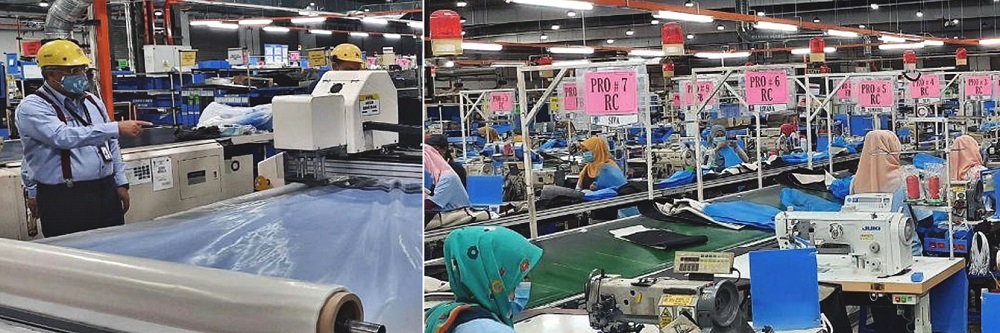
TBU, which produces seat sets, door trims, headlinings, package trays for use in many models assembled locally, has the facilities to produce various PPE items easily. The facilities include automatic layout cutting machines and industrial sewing machines, with 75 workers who are skilled at sewing the seat covers.
1,500 pieces of PPE daily
Templates were made from sample units of Boot Covers, Tudungs and Gowns and uploaded to the Automatic Layout Cutting Machine. The final design is approved by the Health Ministry. TBU expects to be able to produce up to 1,500 pieces daily and has already delivered 10,000 pieces in the first batch for use by the Health Ministry.
“Toyota Motor Corporation has been actively supporting the efforts in many countries to overcome this global pandemic. The support varies according to needs and in Malaysia, we understand that PPE is vital for the frontliners so together with Toyota Boshoku Corporation, we are focusing on assisting in all the ways that we can,” said Akio Takeyama, Deputy Chairman of UMW Toyota Motor.