Piston.my

Latest News

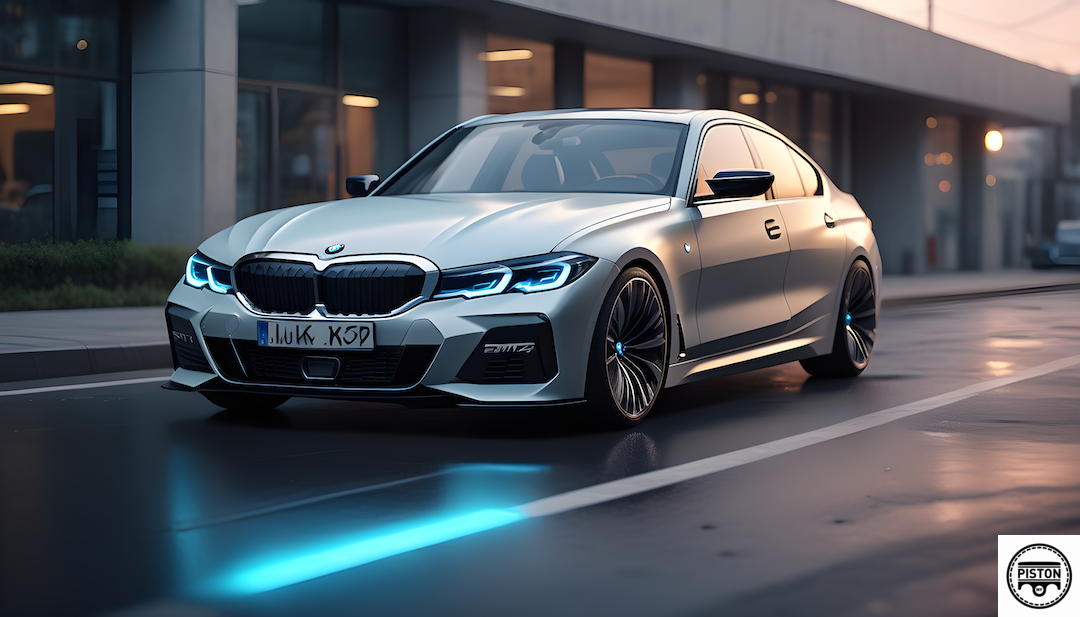
BMW is taking a significant step in its electric vehicle (EV) lineup, and recent trademark applications suggest that the nomenclature for its forthcoming EVs will maintain simplicity. Notably, the electric 5 Series will adopt the straightforward moniker of the i5. Now, BMW is gearing up for the release of an electric M3, with a trademark application filed for the name “iM3” in Germany.
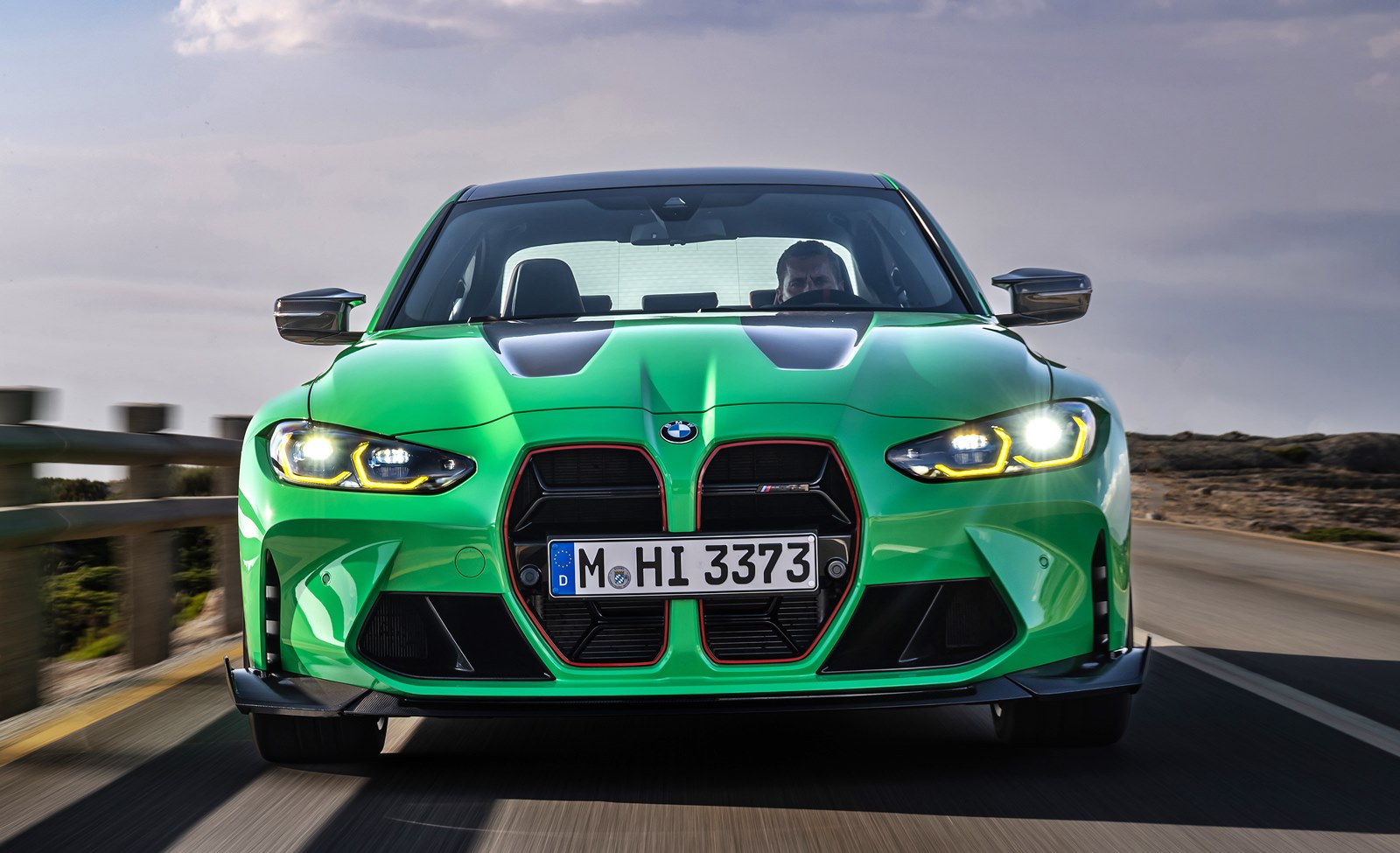
2023 BMW M3 CS5

While BMW had the option to follow its high-performance SUV naming convention, such as using “i3 M,” it appears the company is leaning towards the iM3 designation. Despite the potential pronunciation quirk in English, where it sounds like “I am three,” BMW has a history of unique nomenclature, evident in models like the i8.
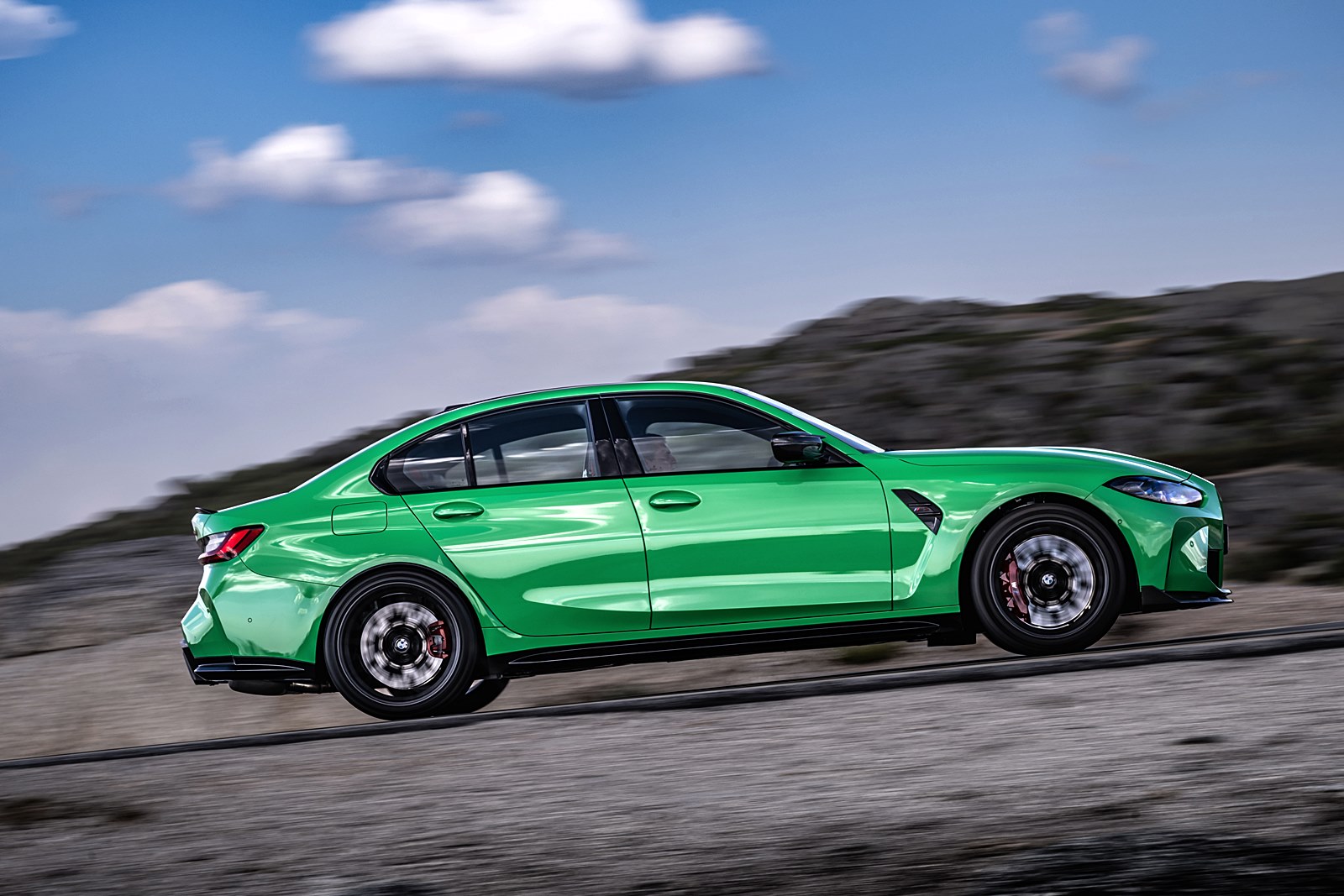
BMW’s M division has been vocal about its commitment to electrification. It’s important to note that while the i4 M50 exists in the lineup, it falls under the M Performance category, not a full-fledged M Car.

Last summer, BMW disclosed its development of a four-motor powertrain, currently undergoing testing in the i4 M50. This advanced powertrain is expected to find its way into the upcoming electric M3, likely built on BMW’s new Neue Klasse platform.
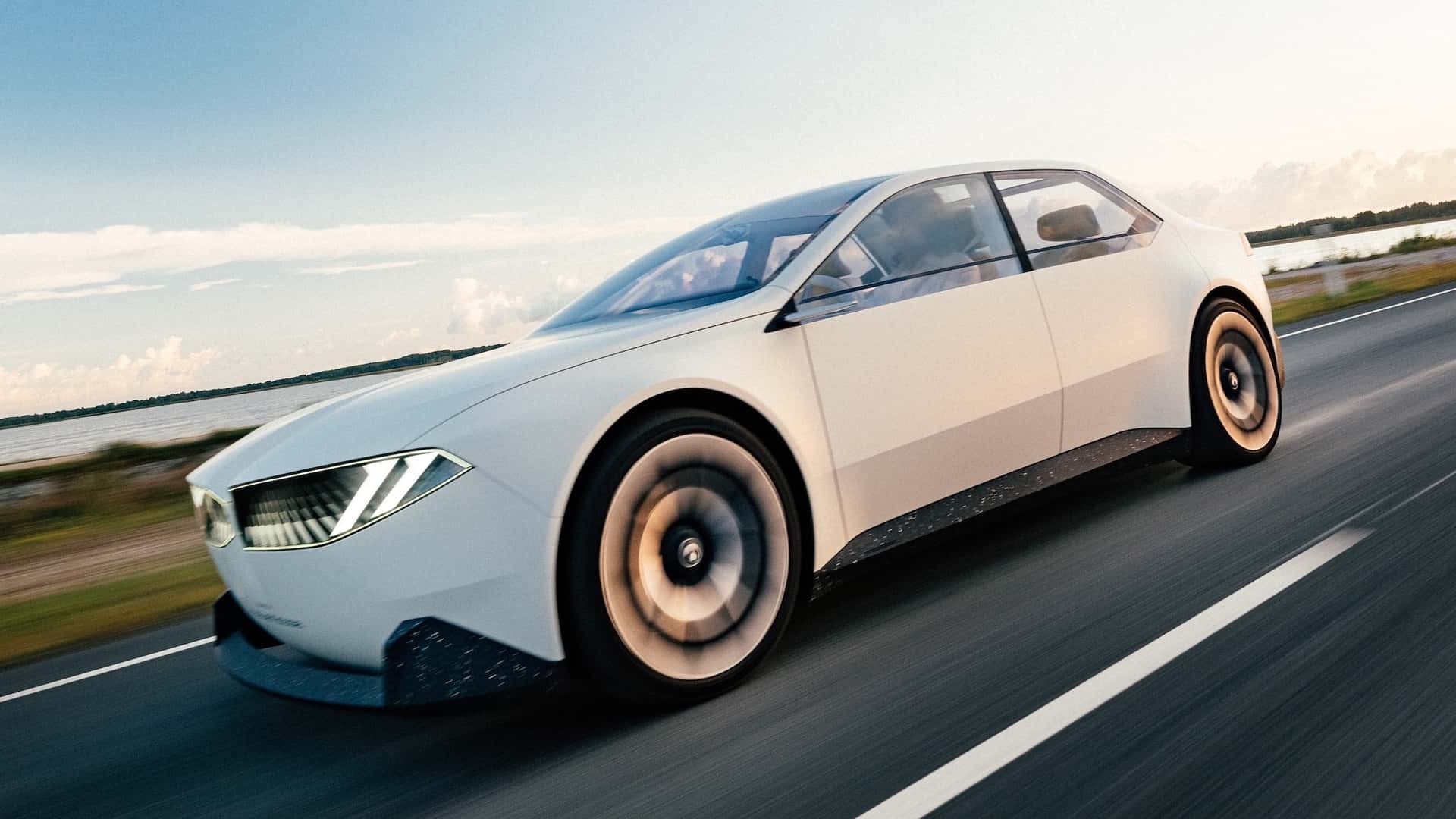
BMW Vision Neue Klasse

As of now, BMW has not provided a specific timeline for the release of the electric M3 or the introduction of a new electric 3 Series. Expectations suggest a wait of at least a couple of years. However, if the recent trademark is any indication, the electric M3 might don the distinctive iM3 moniker when it finally hits the market.
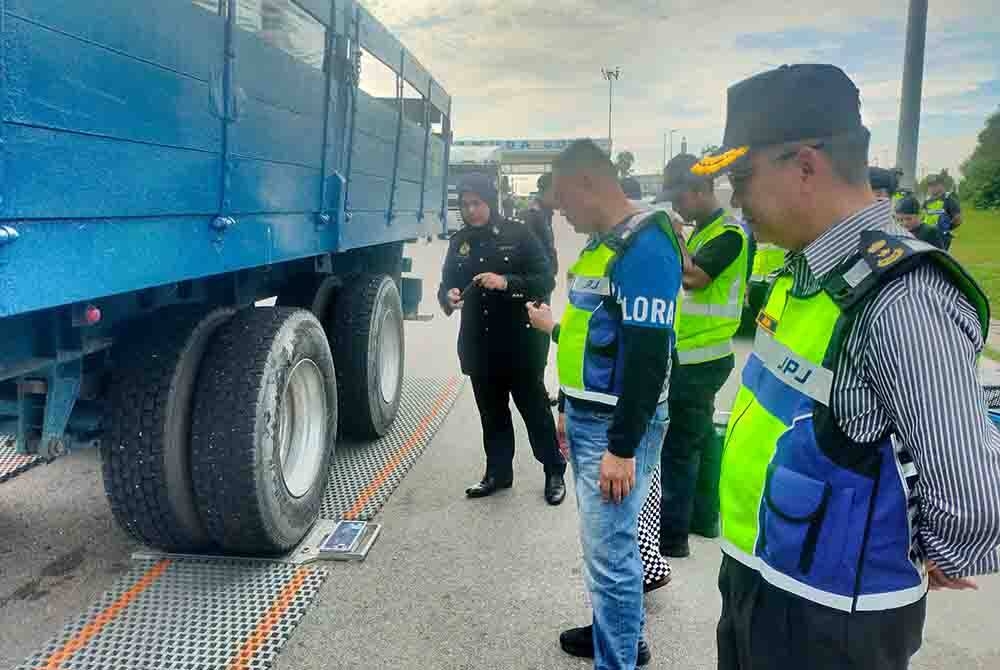
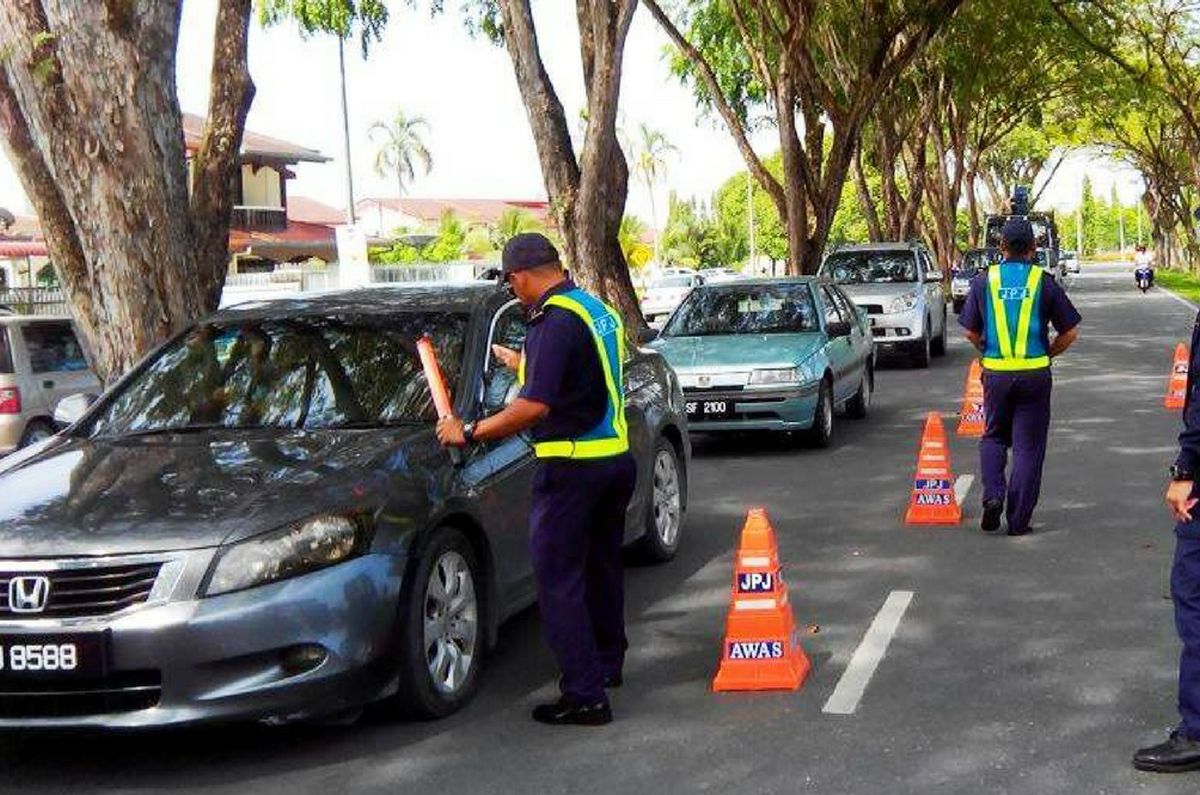
The Department of Road Transport (JPJ) in Selangor, under the direction of Azrin Borhan, recently executed a successful undercover operation as part of the Integrated Compliance Operation. Utilising four unmarked vehicles, the operation specifically targeted lorries engaging in traffic offenses. A total of 22 lorries were apprehended during the operation, with a notable case involving a lorry carrying a ‘pilling’ load that exceeded the permitted limit by a significant 79.25%.

Azrin Borhan highlighted the significance of the operation’s success, commending the efforts of the undercover team from JPJ. Their surveillance activities played a crucial role in identifying and subsequently informing the operational members, leading to the apprehension of multiple commercial vehicles involved in traffic violations.

(more…)

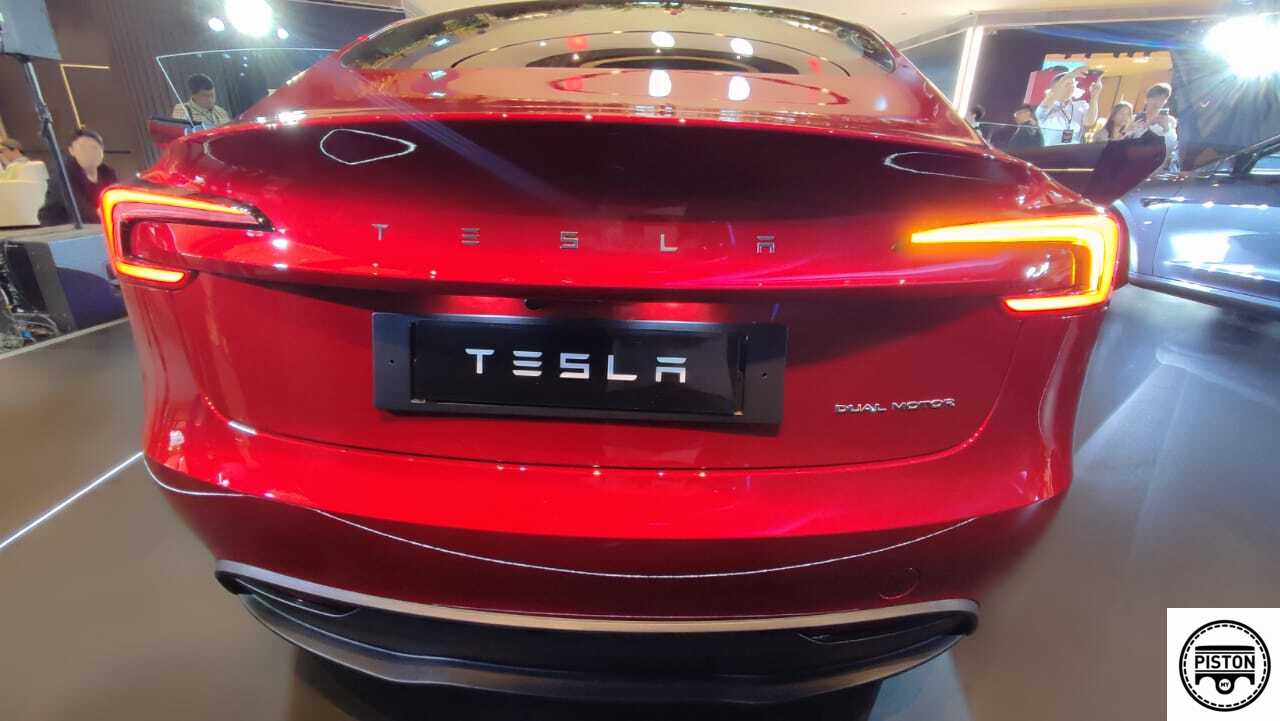
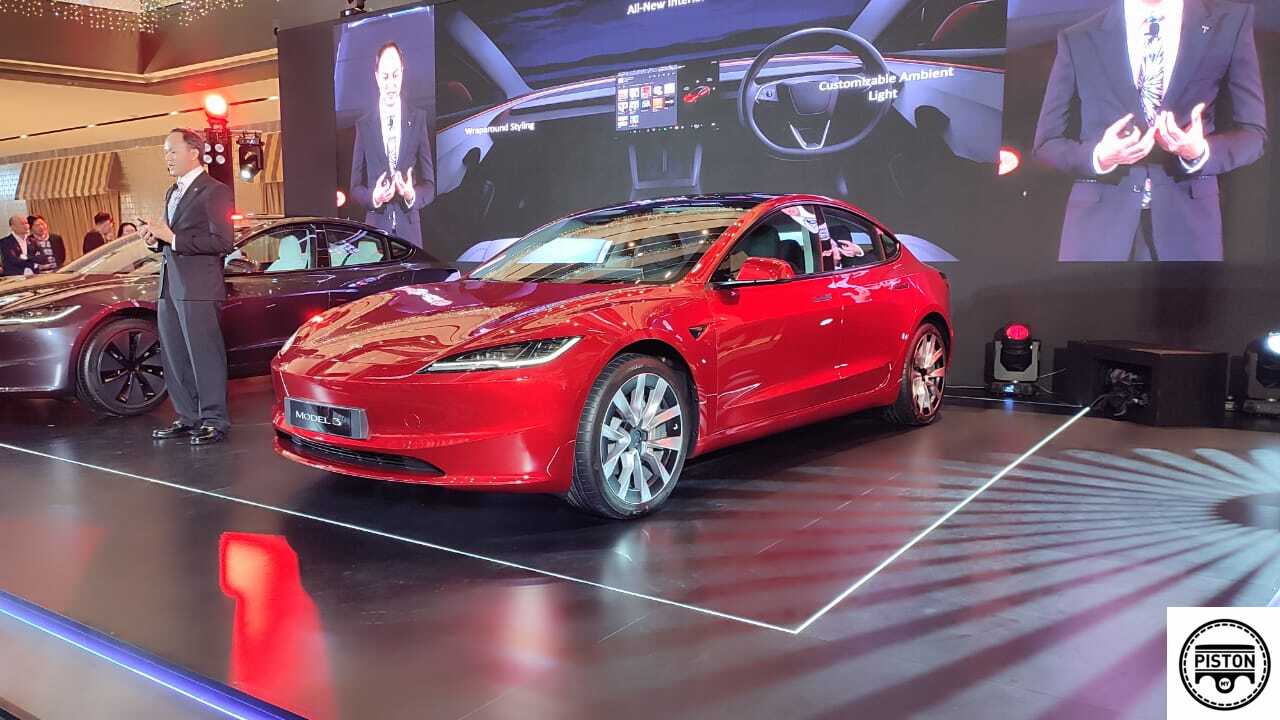
Tesla has initiated the delivery of its electric sedan, the Model 3, in Malaysia. The deliveries took place at Tesla’s Cyberjaya centre, marking a crucial step in Tesla’s mission to accelerate the adoption of sustainable energy in the country. Customers received the Model 3 Rear-Wheel Drive and Long Range variants at the Cyberjaya facility.

The Model 3 comes with refined exterior styling, optimised for maximum aerodynamics, and a redesigned interior. These updates promise improved range, a quieter ride, and additional features without compromising the thrilling performance that characterises Tesla models.

One of the notable features of the Model 3 is its V3 Supercharging capability, allowing the car to charge up to 282km in just 15 minutes. This feature enhances the charging experience for Tesla owners, providing efficient and quick recharging.

(more…)

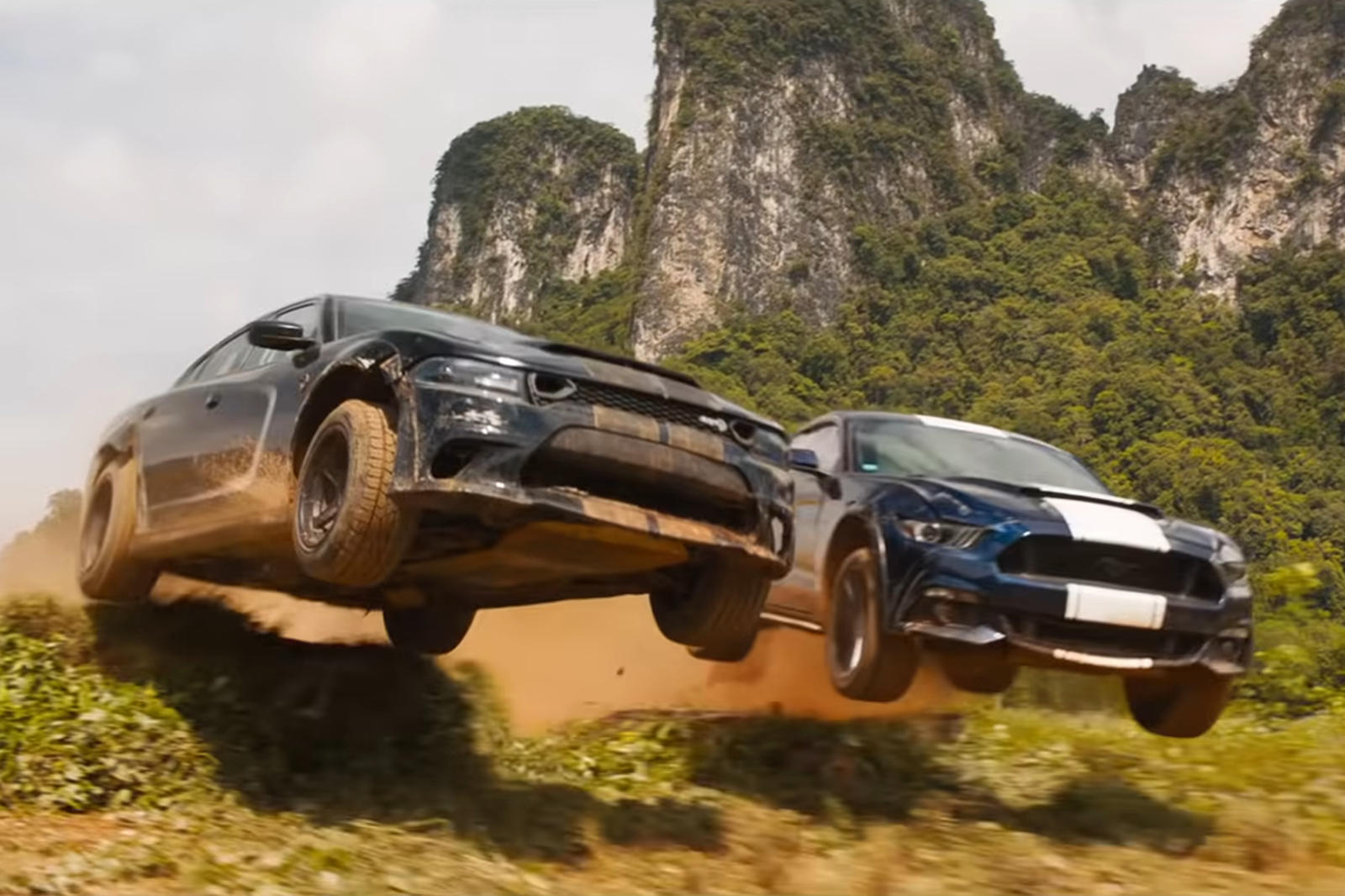
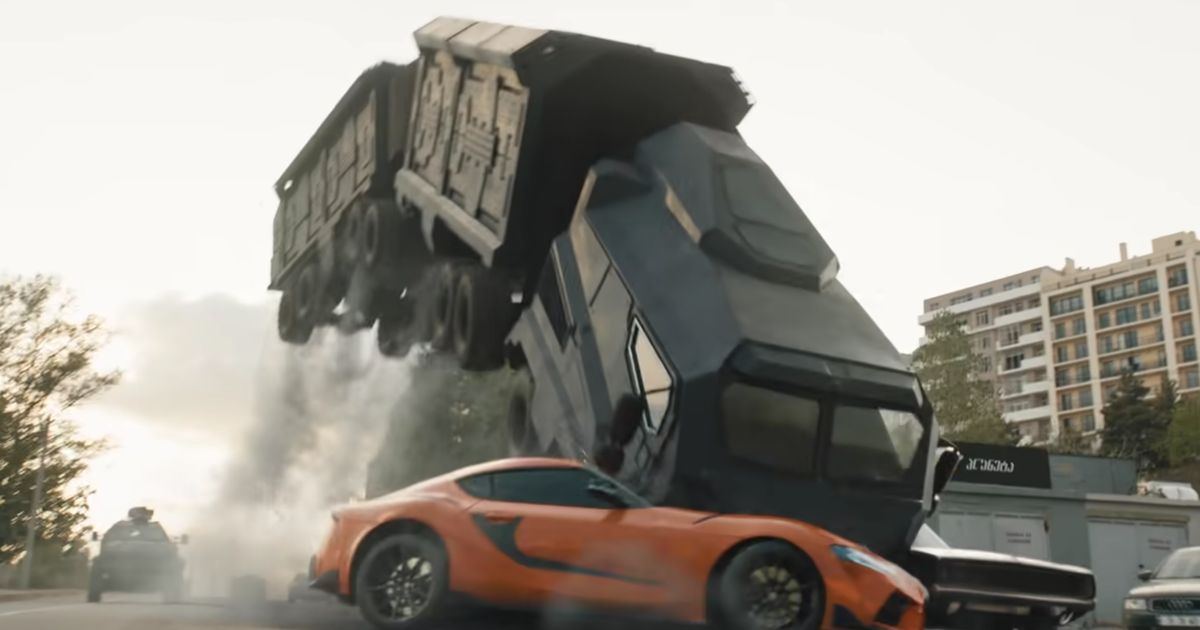
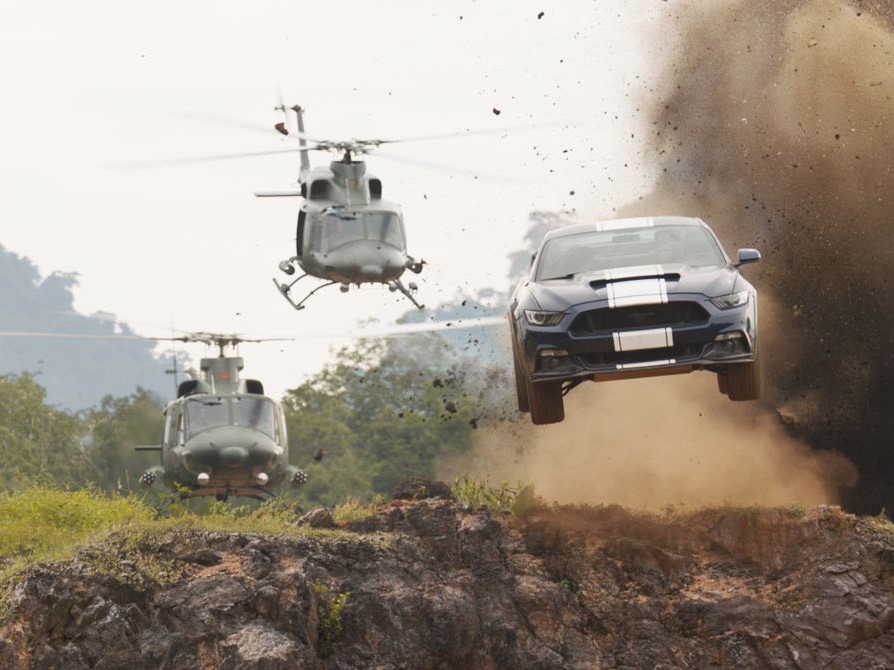
The Fast Saga filmmakers, FF9 Pictures, have been fined $1 million (RM4,647,500) following a stunt gone awry, resulting in stuntman Joe Watts suffering brain damage and a broken skull during the filming at Warner Brothers’ studios in Leavesden, Hertfordshire, in July 2019.

Details of the Incident:

During a staged fight scene on a balcony, Joe Watts, a seasoned stuntman, fell 25ft head-first onto the concrete ground when his safety line detached as he was thrown over the shoulder of another performer. The incident occurred due to changes in the stunt routine, with the safety line failing to secure Watts during the second take, leading to life-changing injuries.

Health and Safety Failings:

FF9 Pictures, a subsidiary of Universal Pictures, admitted to health and safety failings in Luton Magistrates’ Court. The court heard that the safety line, which had worked during the first take, was not properly checked between takes. The judge criticised the decision to alter the stunt “at the last minute” and noted that Watts was “fortunate to be alive.” The matting on the set was not adjusted despite changes in the routine from rehearsals.

Legal Consequences:

The Health and Safety Executive (HSE) brought the prosecution against FF9 Pictures, stating that the company had “no system for double checking that the link had been properly engaged and tightened.” The absence of proper crash matting to mitigate the consequences of an unintended fall following changes to the set and stunt sequence was also highlighted.

Sentencing and Industry Impact:

District judge Talwinder Buttar handed the $1 million fine to FF9 Pictures, emphasising the seriousness of the health and safety failings. The judge’s remarks highlighted the astonishing oversight in failing to adjust the matting despite changes in the routine. The incident highlights the importance of rigorous safety protocols in filmmaking, particularly during high-risk stunt sequences.

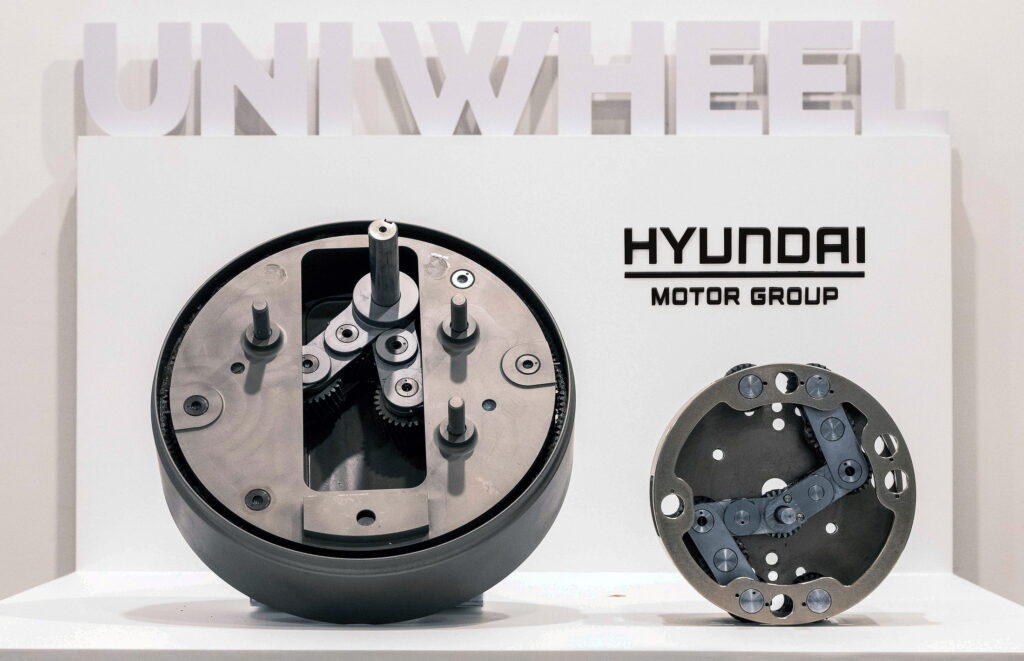
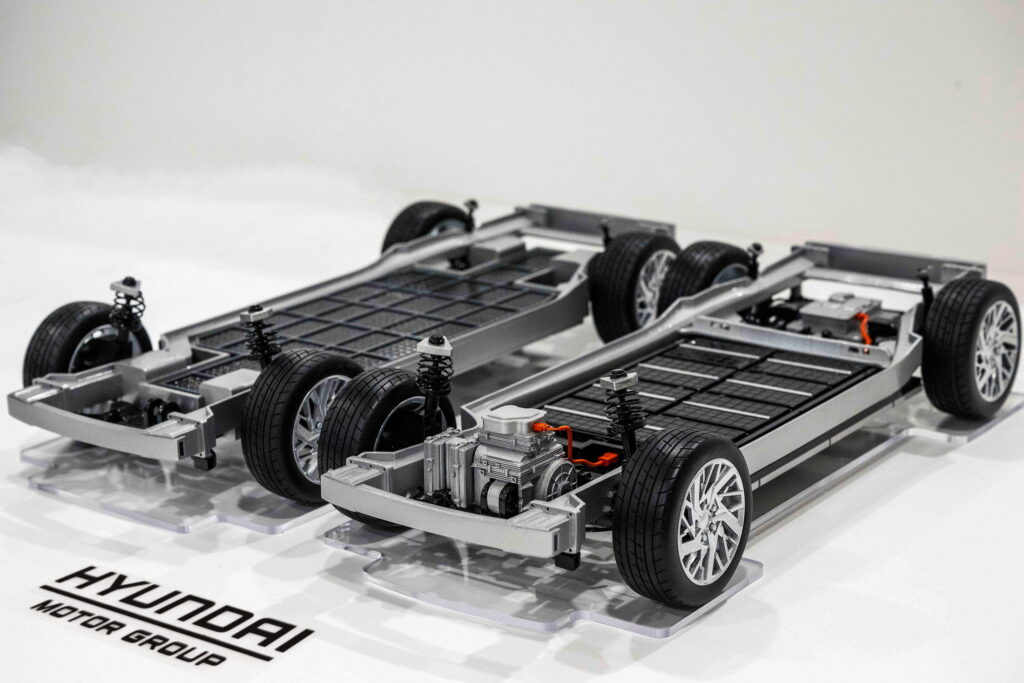
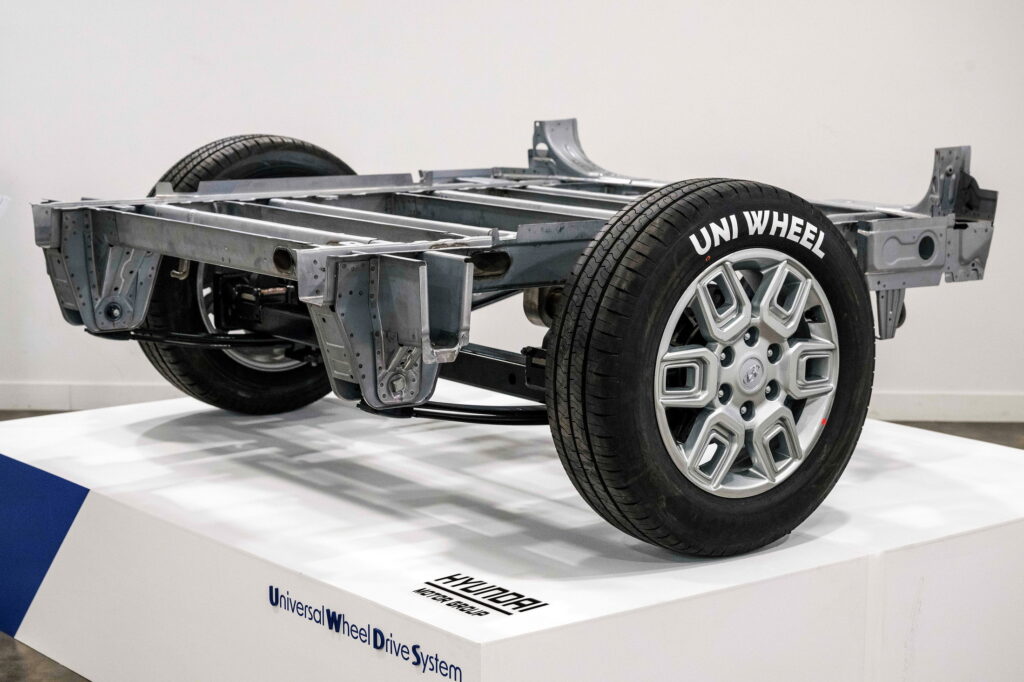
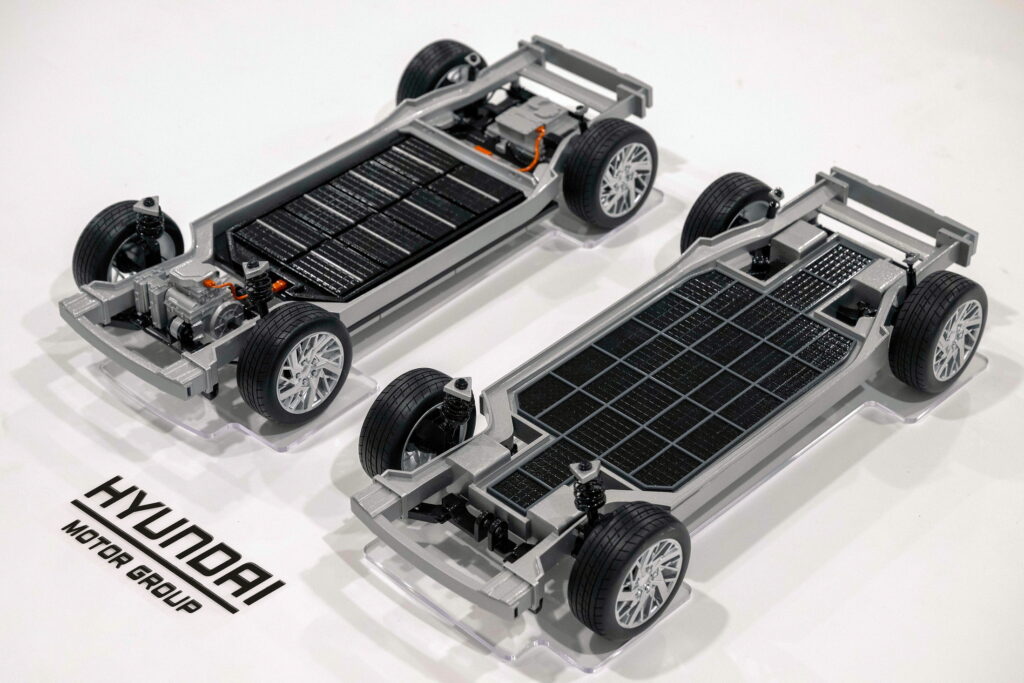
In a major breakthrough, Hyundai has introduced the Uni Wheel technology, a transformative approach to electric vehicle (EV) motor design. This innovation is poised to significantly reduce the size of electric motors, creating more spacious interiors for passengers and cargo.

Uni Wheel Technology Overview

The Uni Wheel, building on in-hub motor concepts, repositions specific drive components required by electric cars inside the wheel. While the power unit remains external to the wheel, the reduction gear is ingeniously relocated into the wheel hub, resulting in a notably smaller motor size. This pioneering design allows Hyundai to adopt a configuration featuring one small motor per wheel, departing from the conventional approach of a larger drive unit for the entire axle.

Key Features and Advantages:

  • Independent Wheel Power: The use of a small motor per wheel enables independent power distribution, enhancing both performance and safety by allowing each wheel to respond autonomously to diverse road conditions.
  • Gear Arrangement: Internal relocation of gears facilitates efficient power transmission without the necessity of a CV joint. This unique gear arrangement allows unrestricted movement within the hub, eliminating efficiency losses associated with operating at angles and boosting power delivery and driving range.
  • Versatile Ride Height Control: Uni Wheel technology provides engineers with unprecedented flexibility in controlling the vehicle’s ride height. The absence of a fixed CV joint allows dynamic adjustments, enabling the vehicle to lower for aerodynamic highway driving or raise for increased ground clearance without compromising performance.
  • Scalability: Uni Wheel technology is adaptable, accommodating wheel sizes ranging from four inches for personal mobility devices to 25 inches for larger vehicles such as cars and SUVs.

Future Applications and Production Timeline

Hyundai envisions the Uni Wheel technology being applicable to a diverse range of vehicles, from compact personal mobility devices to larger cars and SUVs. The company has conducted durability tests, indicating positive performance results. While the production timeline remains undisclosed, Hyundai has filed patents for the Uni Wheel in key markets, including Korea, Europe, and the United States.

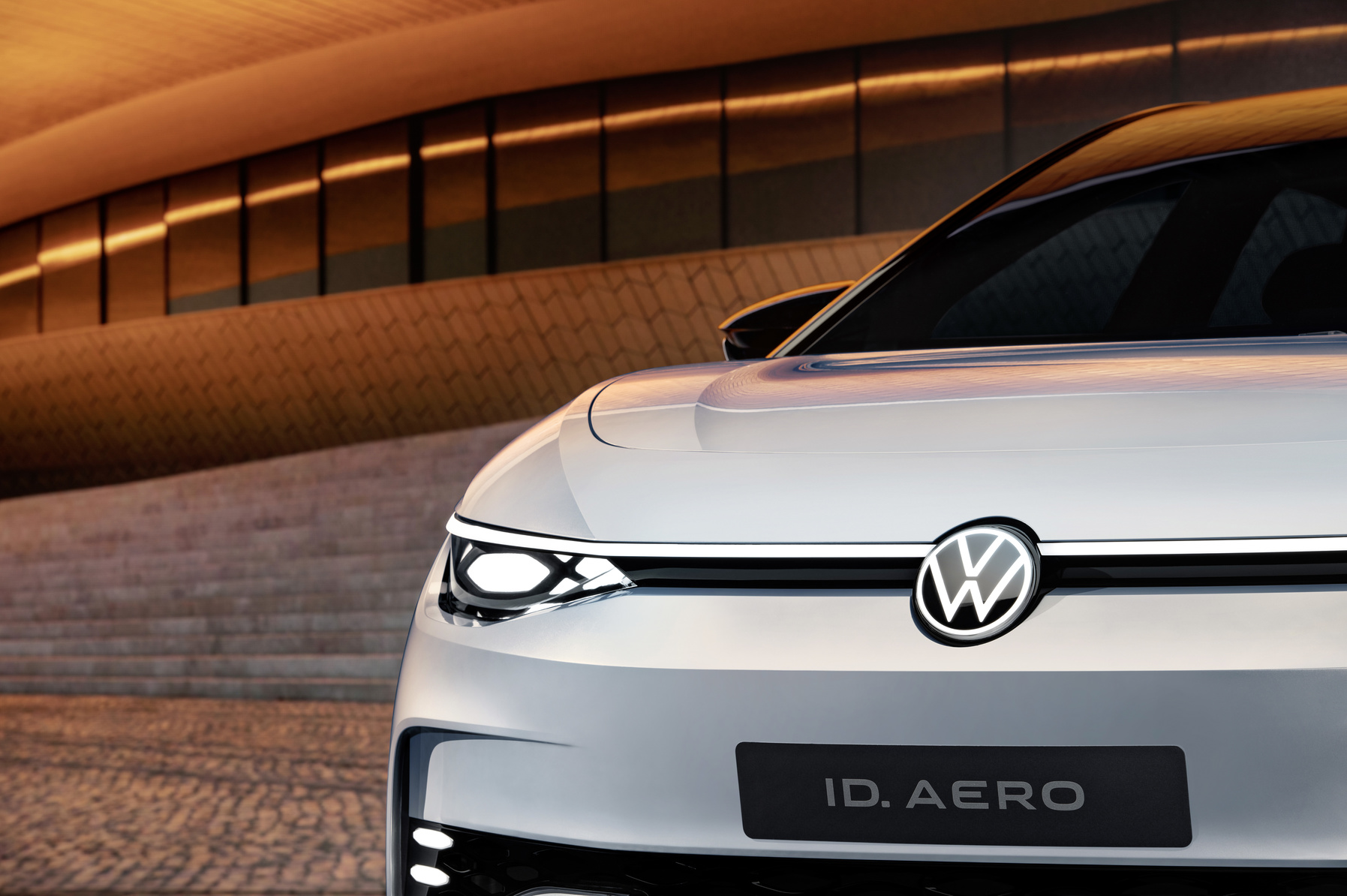
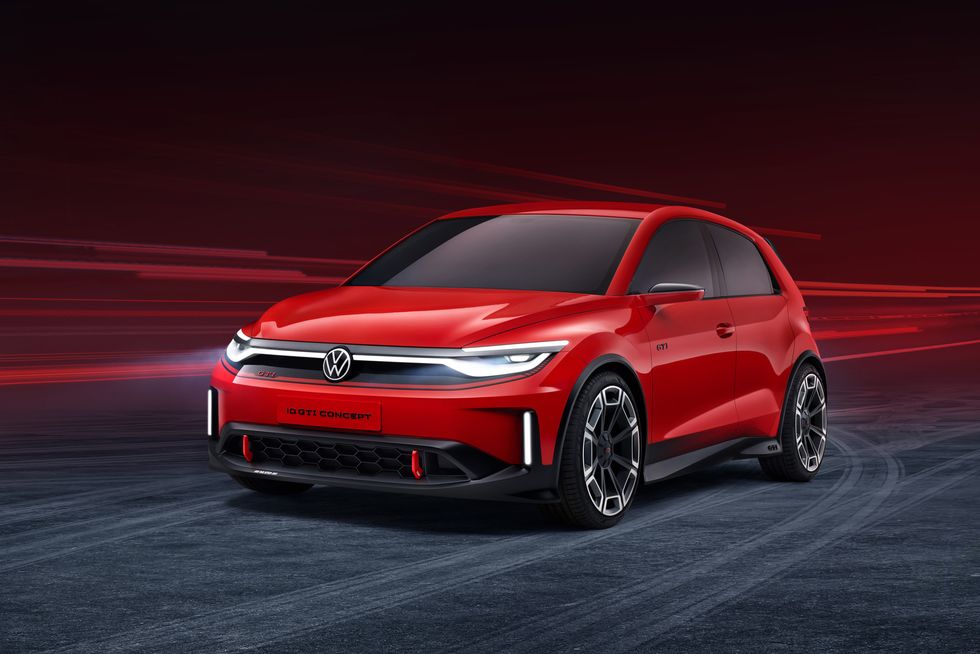
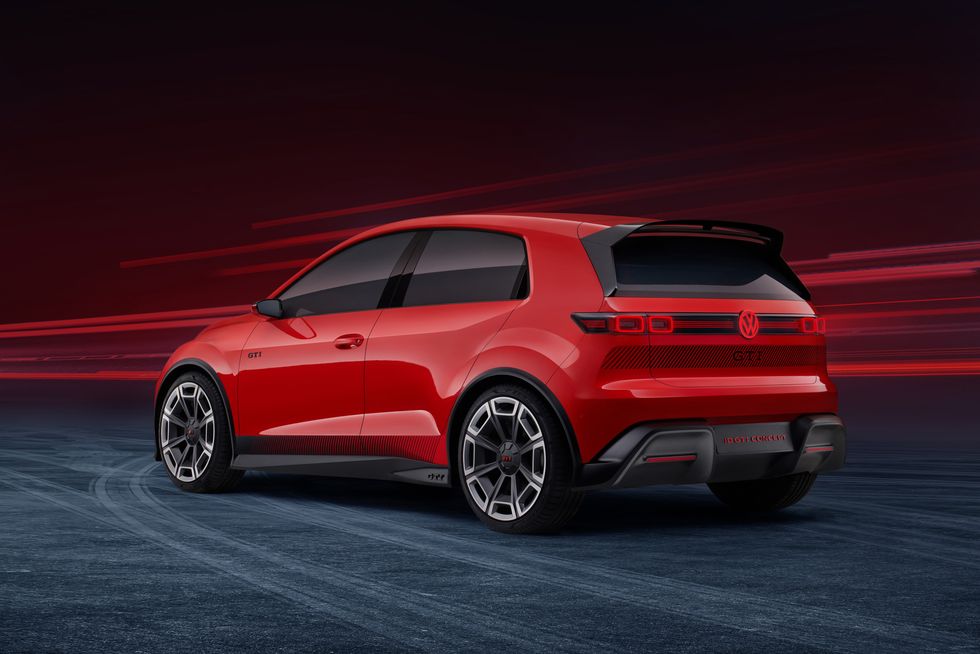
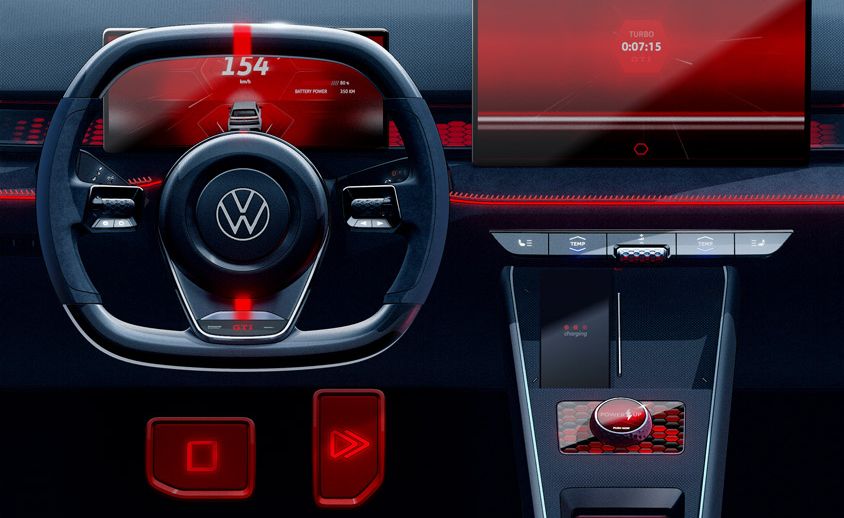
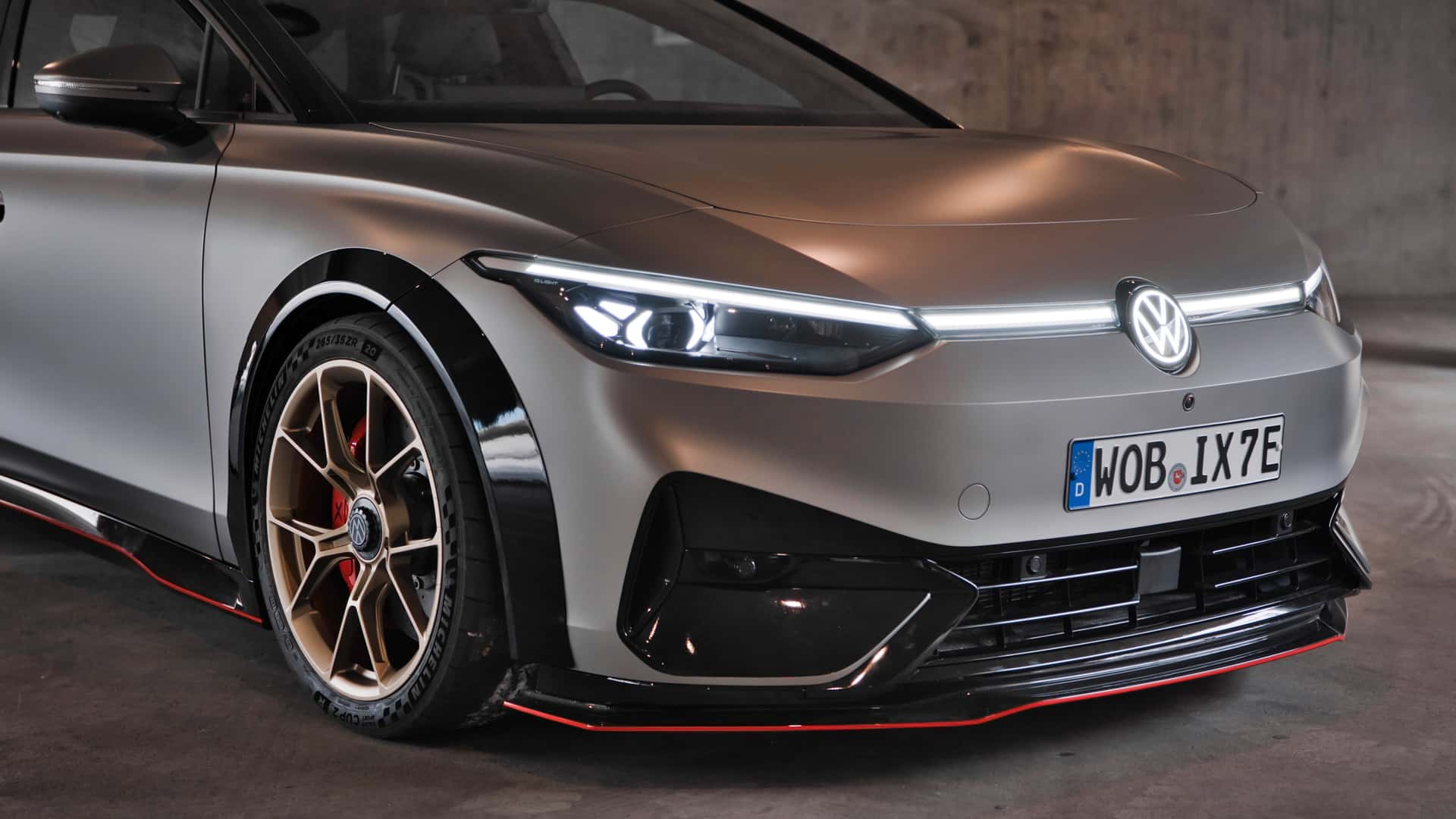
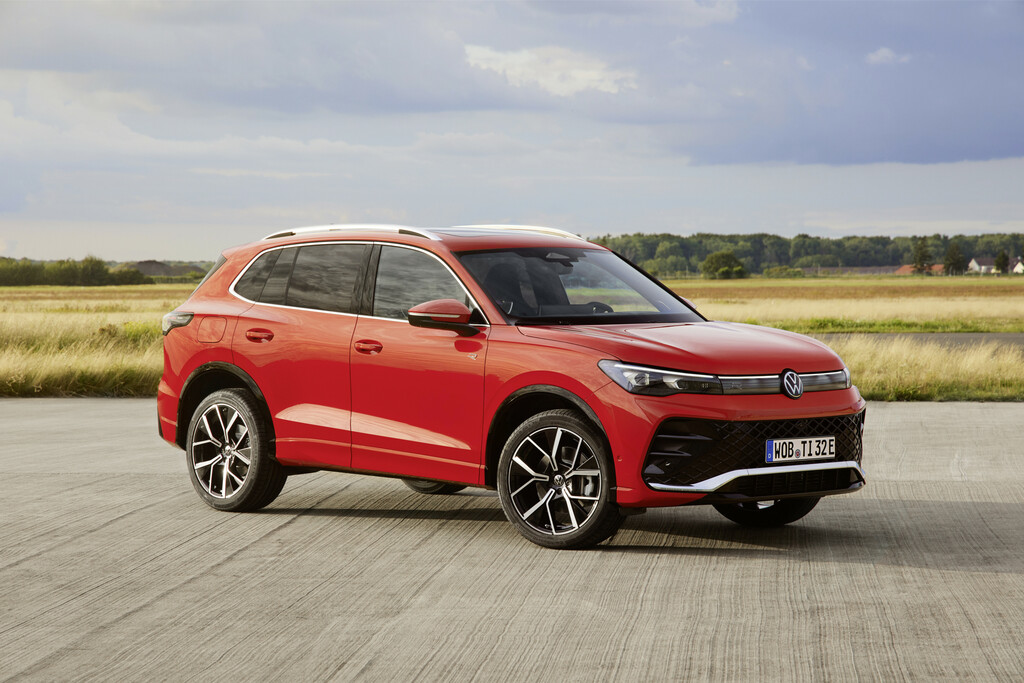
Volkswagen, facing challenges in a competitive automotive landscape, has informed its employees to brace for potential job cuts as the company aims to save €10 billion. The move is part of the automaker’s strategy to address inefficiencies, high costs, and regain competitiveness in a rapidly changing industry.

Company Struggles and Cost-Cutting Measures

Volkswagen is currently grappling with a decline in market share in China, the need to navigate the competitive landscape posed by Tesla, and a temporary production pause for its electric vehicles in Europe due to sluggish demand. Thomas Schaefer, CEO of the VW brand, candidly stated at a recent staff meeting that the company is “no longer competitive” in its current state, citing high costs and inefficiencies within the organization.

During the meeting at the Wolfsburg headquarters, Schaefer emphasized the need for change, stating, “With many of our pre-existing structures, processes, and high costs, we are no longer competitive as the Volkswagen brand.” Gunnar Kilian, a board member for human resources, acknowledged the possibility of job reductions, with some employees considering partial or early retirement. However, he emphasized that the majority of the targeted €10 billion in savings would come from measures beyond job cuts, details of which will be revealed later.

Addressing Inefficiencies and Duplications

Kilian urged the company to be “brave and honest enough to throw things overboard that are being duplicated within the company or are simply ballast we don’t need for good results.” The company aims to streamline its operations, eliminate redundancies, and optimise processes to achieve cost savings and enhance overall efficiency.

This announcement follows earlier warnings from Schaefer in June, where he alerted VW managers about rising costs, stating, “the roof is on fire” and emphasising the need to address cost challenges across various areas within the company.

Volkswagen’s cost-cutting strategy reflects the broader challenges faced by traditional automakers as they navigate an industry undergoing significant transformation, including the rise of electric vehicles and changing consumer preferences.

Archive

Follow us on Facebook

Follow us on YouTube