In Hyundai Motor Group’s 2023 Ideas Festival, a bronze prize-winning concept called “H-SOS” has raised concerns about privacy and potential surveillance.
The concept envisions a future where cars equipped with external microphones are always listening for signs of distress, such as screams or explosions.
If detected, the car would activate lights, hazards, and horn, recording the surroundings via cameras and alerting police with the vehicle’s location and video footage.
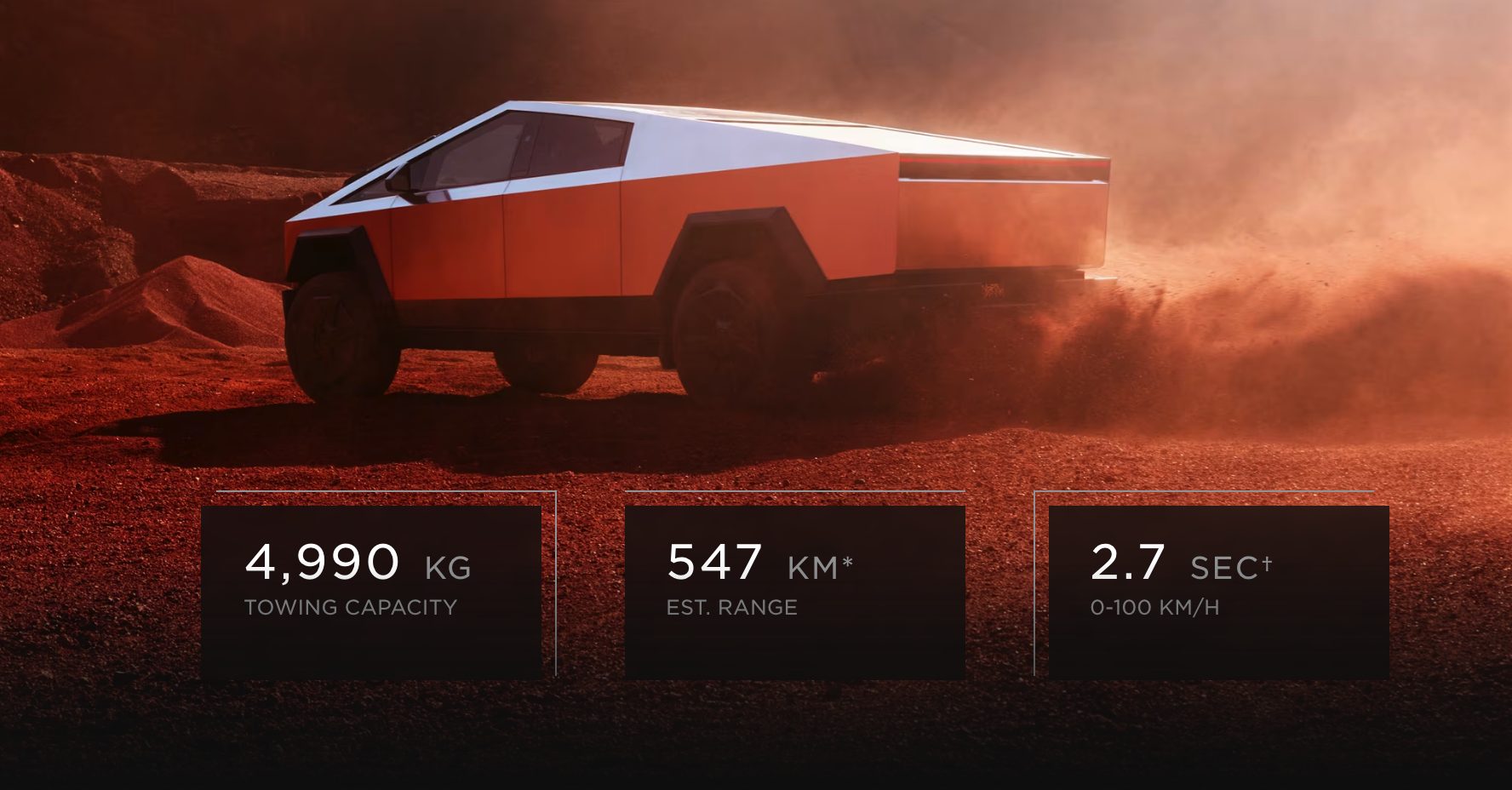
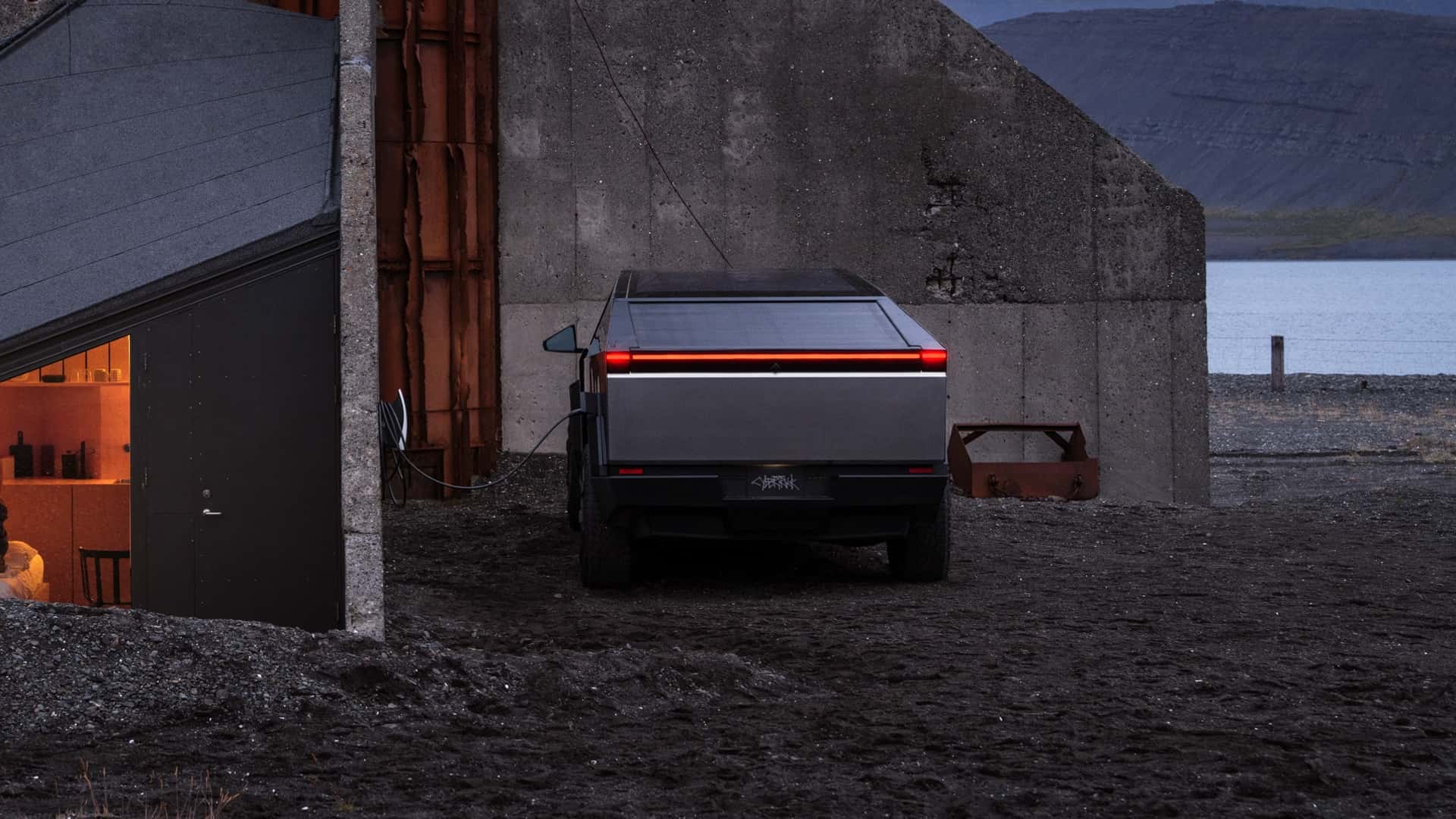
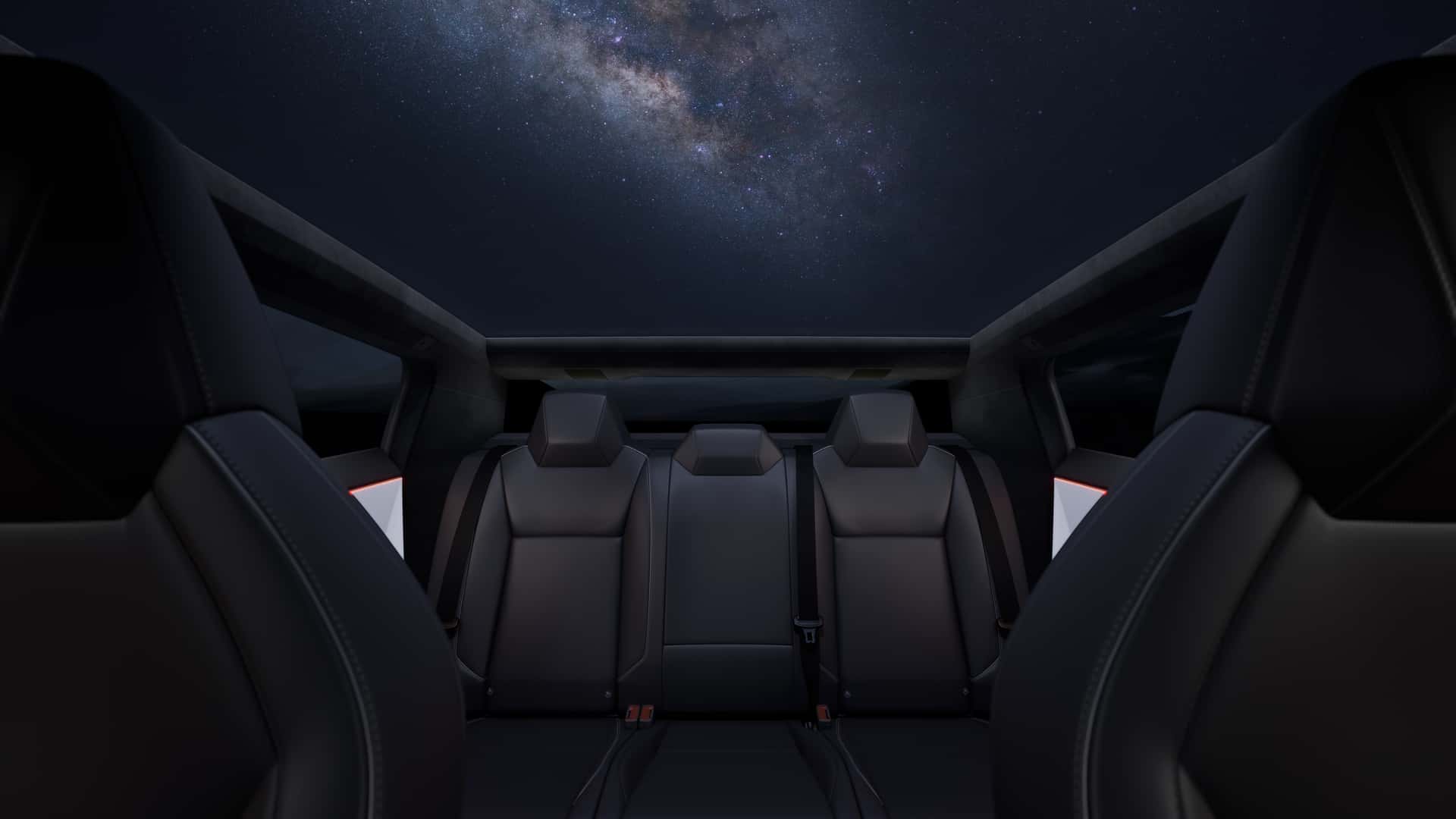
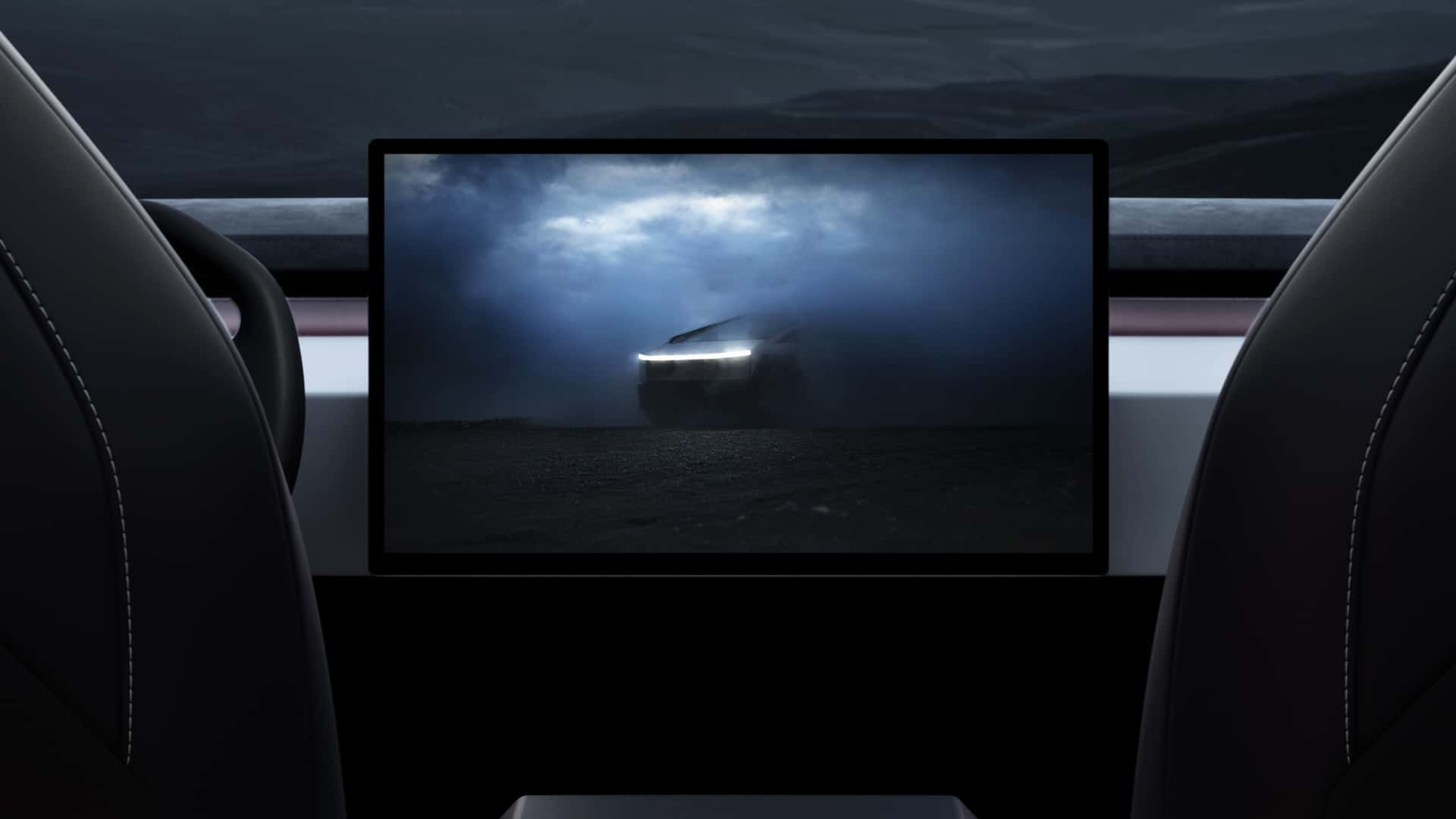
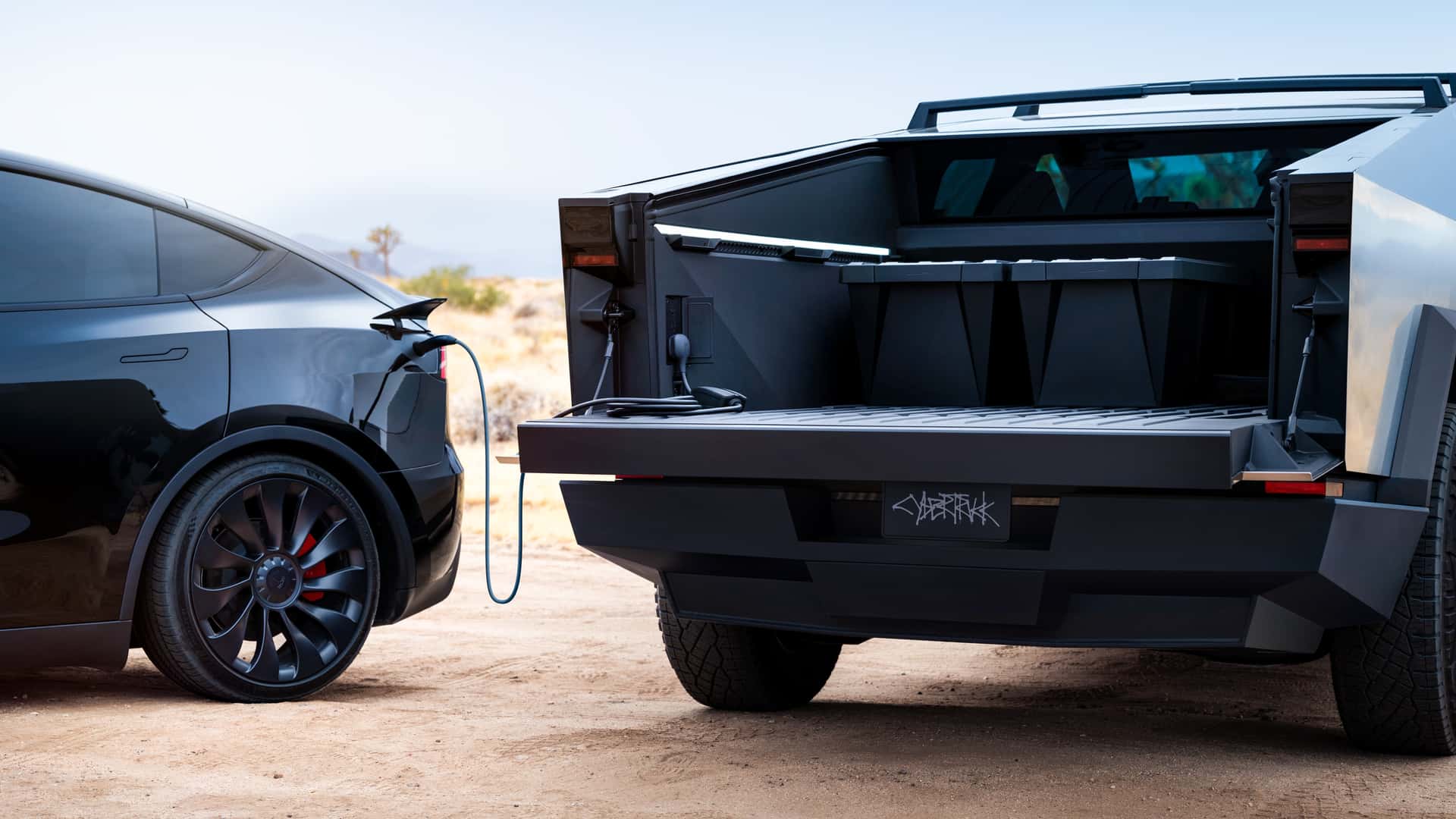
As the Tesla Cybertruck deliveries have started, specs and range information have finally been revealed. There will be two options available; the tri-motor Cyberbeast which produces 845hp with a range of 514km and the dual-motor option that puts out 600hp and boasts a range of 547km.
There are talks about a single-motor variant in the development with an estimated range of 402km. For the time being, there is no information available about the powertrain.
Facing a backdrop of softened EV demand and increasing competition, the Cybertruck is a crucial player in sustaining Tesla’s sales. However, it is not expected to reach the same volume as Models 3 and Y, both available in Malaysia.
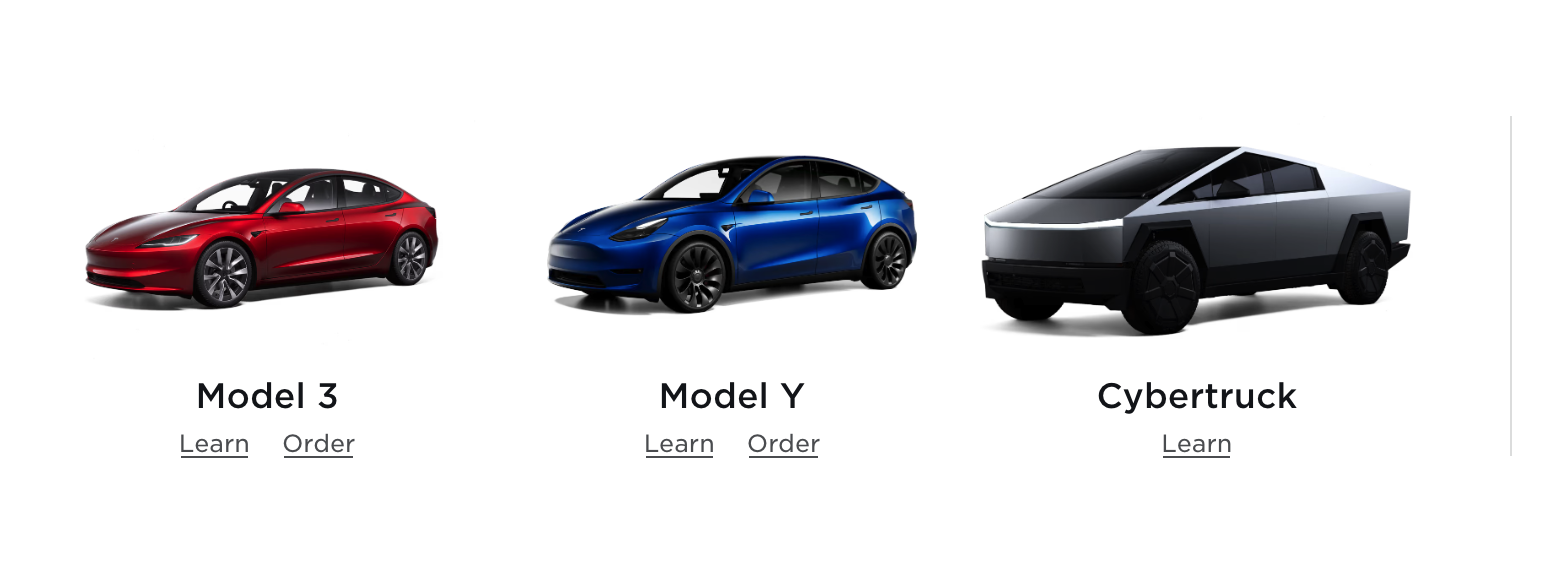
Speaking of which, we came across an interesting find on the official website of Tesla Malaysia. The Cybertruck has been added to the list, joining the Model 3 and Y.
During the production time of the Cybertruck, Elon Musk had stated that the company was facing difficulties and that Tesla had “dug it’s own grave” by undertaking such a task. Back in May, Tesla had axed the production of the Model S and X in Australia due to the halt in production of right-hand-drive variants. With this, we knew that Tesla had no intentions of expanding some models globally.
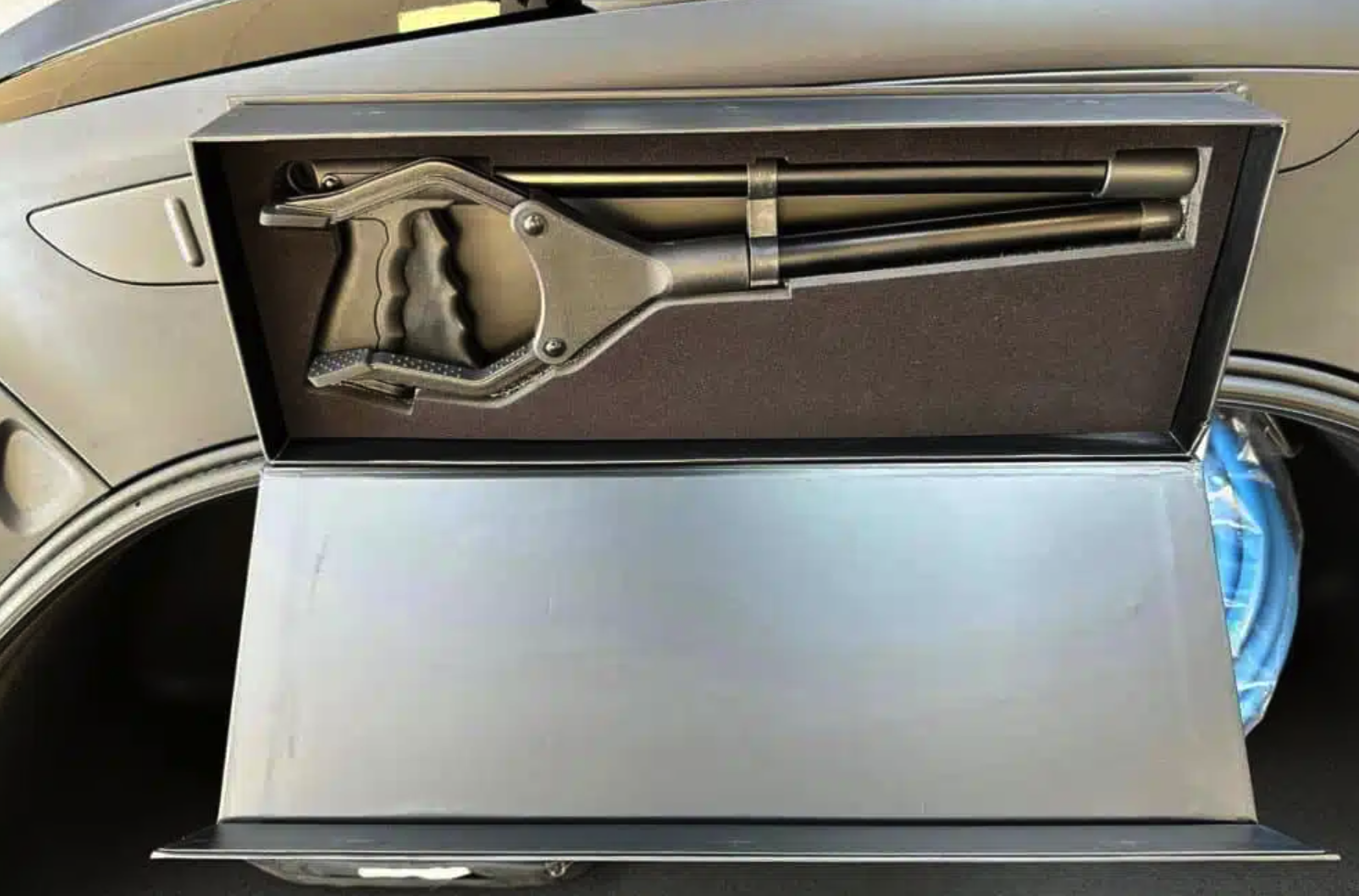
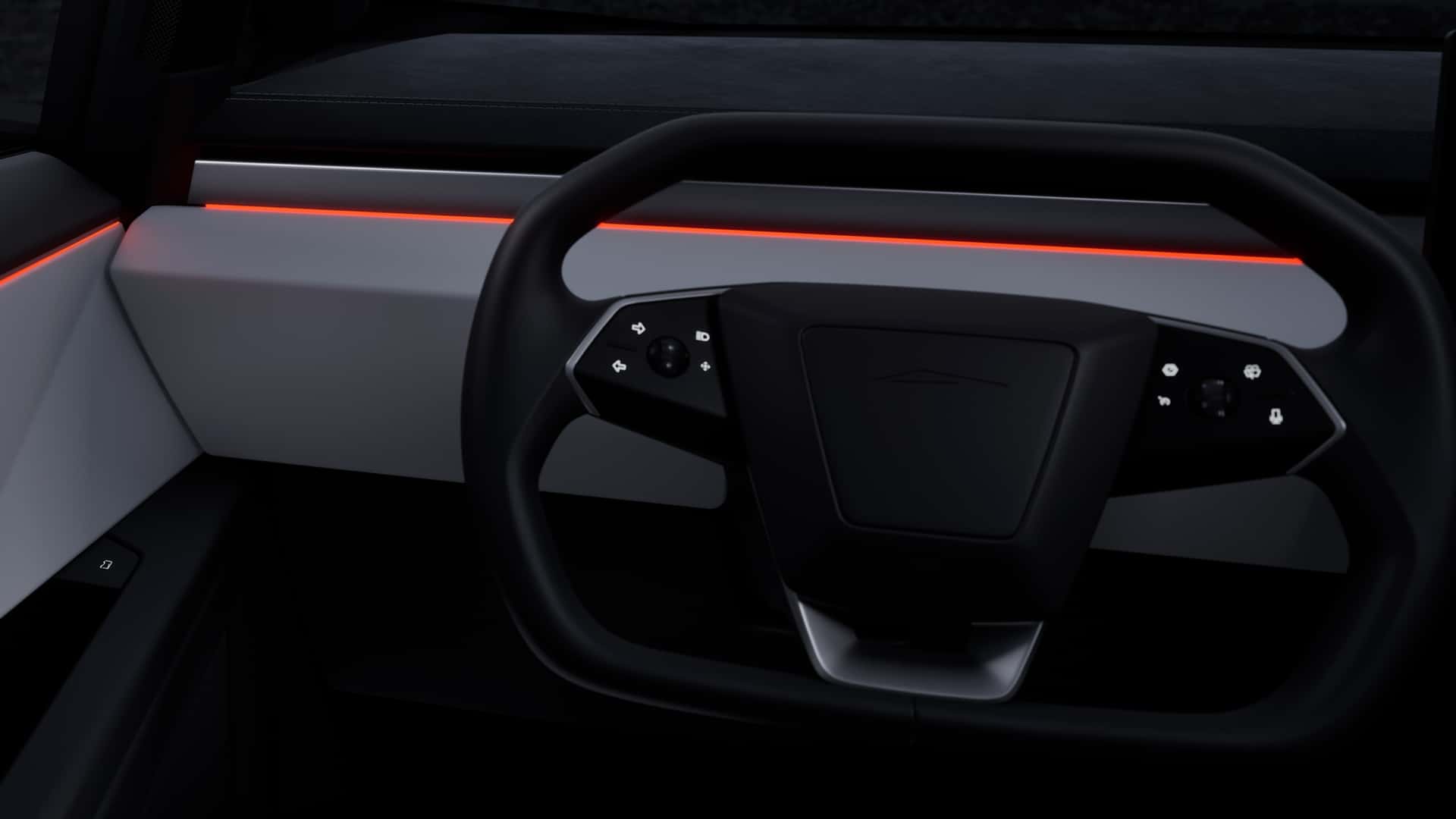
So would it be right-hand-drive when it eventually arrives here in Malaysia? Well, according to a post dated back in July, Musk had a “solution” for Tesla drivers in right-hand-drive countries. We had a good laugh at this solution. The EV giant had introduced something called “The Reacher”. Yes, it is what you think it is. Imagine driving on the left side of the car and using this tool to pay for tolls and collecting your drive-thru meals. Not very bright now is it?
The Reacher
Just like in Australia, the Malaysian Tesla page does not provide a “Order Now” option but rather a “Get Updates” option. In the US, the Cybertruck is priced at $60,990, which if we do a conversion will be RM284,7620. Before the unnecessary add-ons, the price of the Model 3 here starts from RM189,000 while in the US it is around $40,000. So we can expect the price of the Cybertruck to be around RM290k to RM320K.
We have our doubts that the Cybertruck would actually make it’s way onto our shores. Until then, we will just have to wait and see and keep tabs on any issues that the US buyers are facing with their Cybertrucks or if Tesla has any plans to make a right-hand-drive variant.
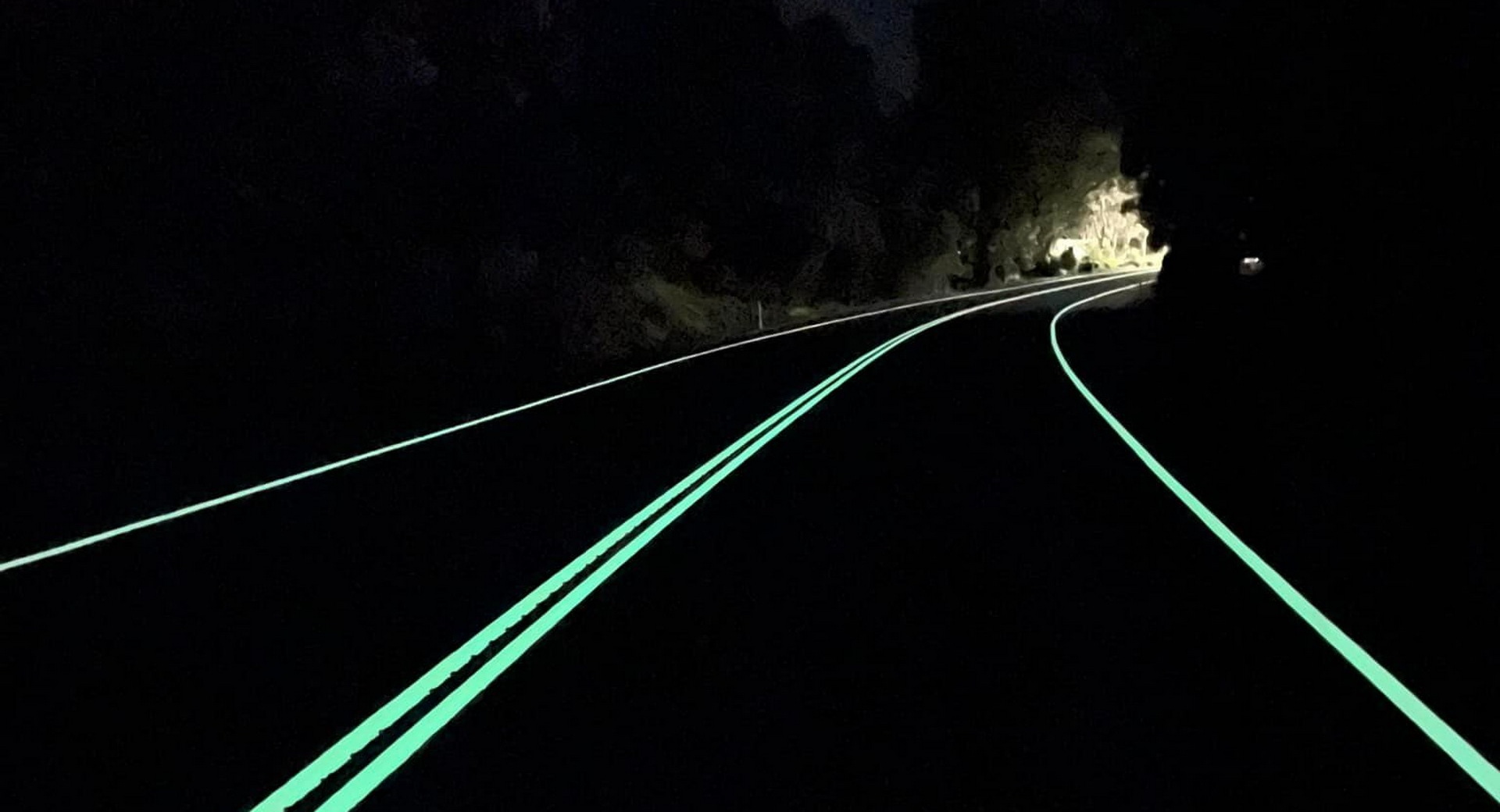
The Johor Public Works Department (JKR) is set to embark on a transformative journey by upgrading roads with glow-in-the-dark markings, bringing a futuristic touch to road safety. State executive council member Mohamad Fazli Mohamad Salleh revealed that JKR will meticulously list and assess roads earmarked for this innovative upgrade before the year concludes.
The initiative is backed by the state government’s commitment, as reflected in the 2024 Johor Budget, allocating RM1 million for the integration of light reflection technology into road markings. Mohamad Fazli emphasized that the identified roads would undergo the application of glow-in-the-dark technology in the coming year.
“JKR will assess which roads are suitable for using the glow-in-the-dark technology before the end of this year. The department will look at roads, especially in areas with improper wiring or no electrical poles, as well as those with dangerous and sharp road bends and roads connecting towns,” stated Mohamad Fazli during a press conference held after the launch of the Sungai Masai Bridge Project in Jalan Masai Lama.
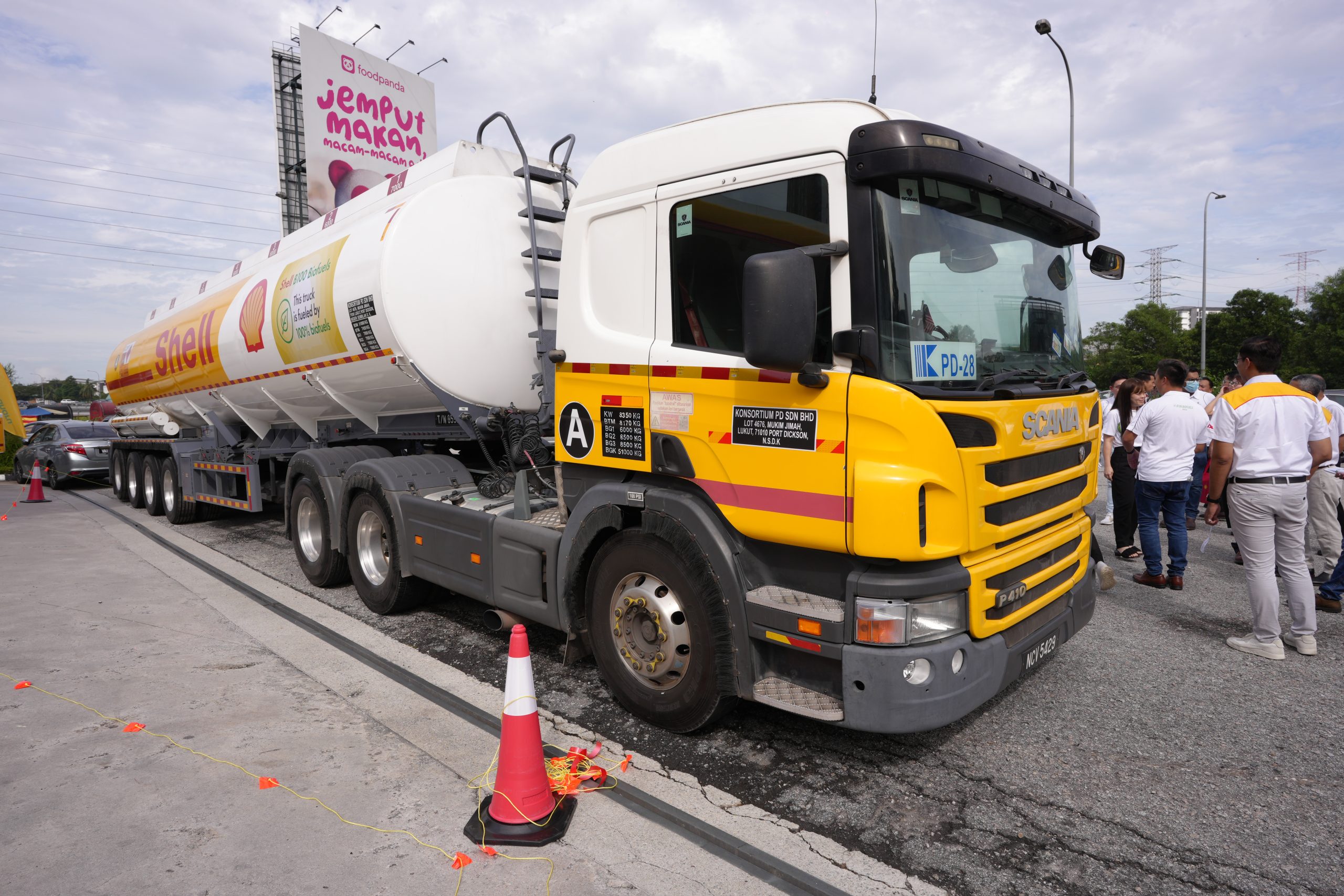
Shell Malaysia Trading Sdn. Bhd. marked a significant milestone by launching the pilot test of the first pair of Scania road tankers, operated by Konsortium Port Dickson Sdn Bhd (KPD), designed to operate using B100 Biodiesel.
In collaboration with Scania and Konsortium Port Dickson Sdn Bhd (KPD), Shell Malaysia aims to pilot test these road tankers as part of an initiative to reduce carbon emissions. Supported by the Malaysian Palm Oil Board (MPOB) and the Ministry of Plantation Industries and Commodities (MPIC), the venture aligns with efforts to drive sustainability in the transportation sector.
One of the highlights is the significance of renewable fuels in lowering carbon emissions from vehicles with internal combustion engines, providing an alternative pathway for companies to achieve their Environmental, Social, and Governance (ESG) goals. Scania has been a pioneer in preparing its vehicles for biodiesel use, and since 2019, all Scania diesel vehicles sold in Malaysia are FAME-prepared up to B100.
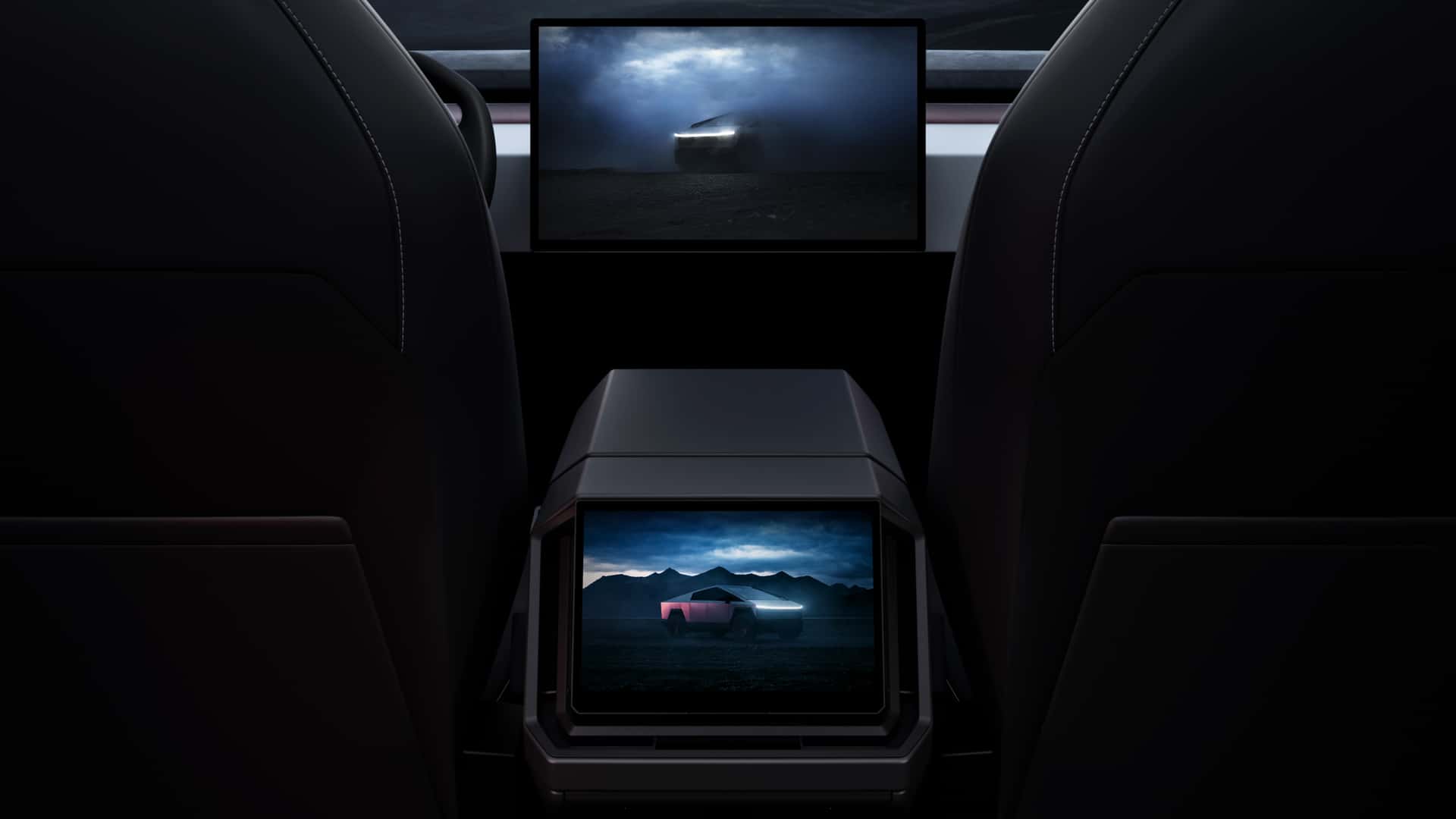
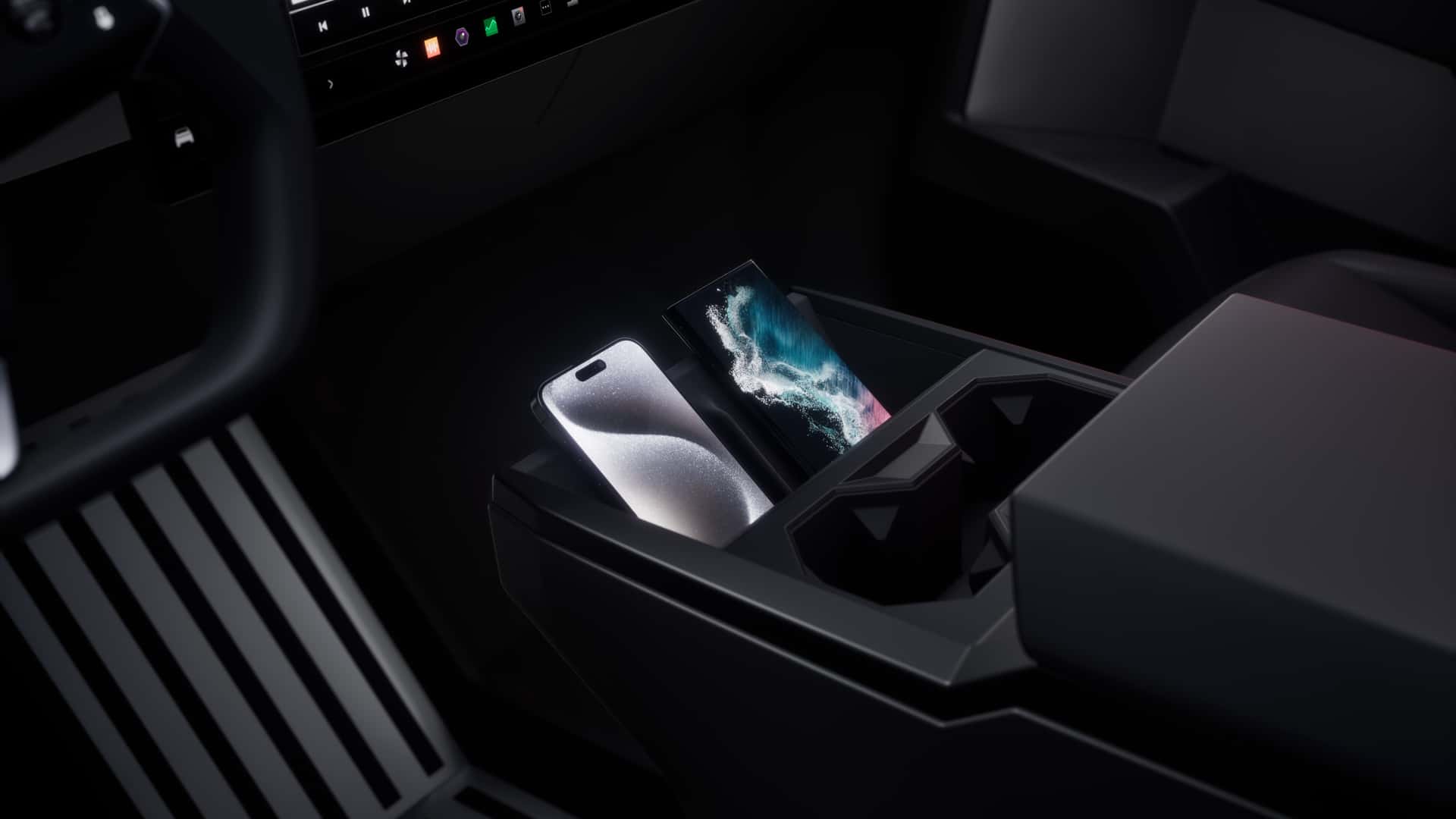
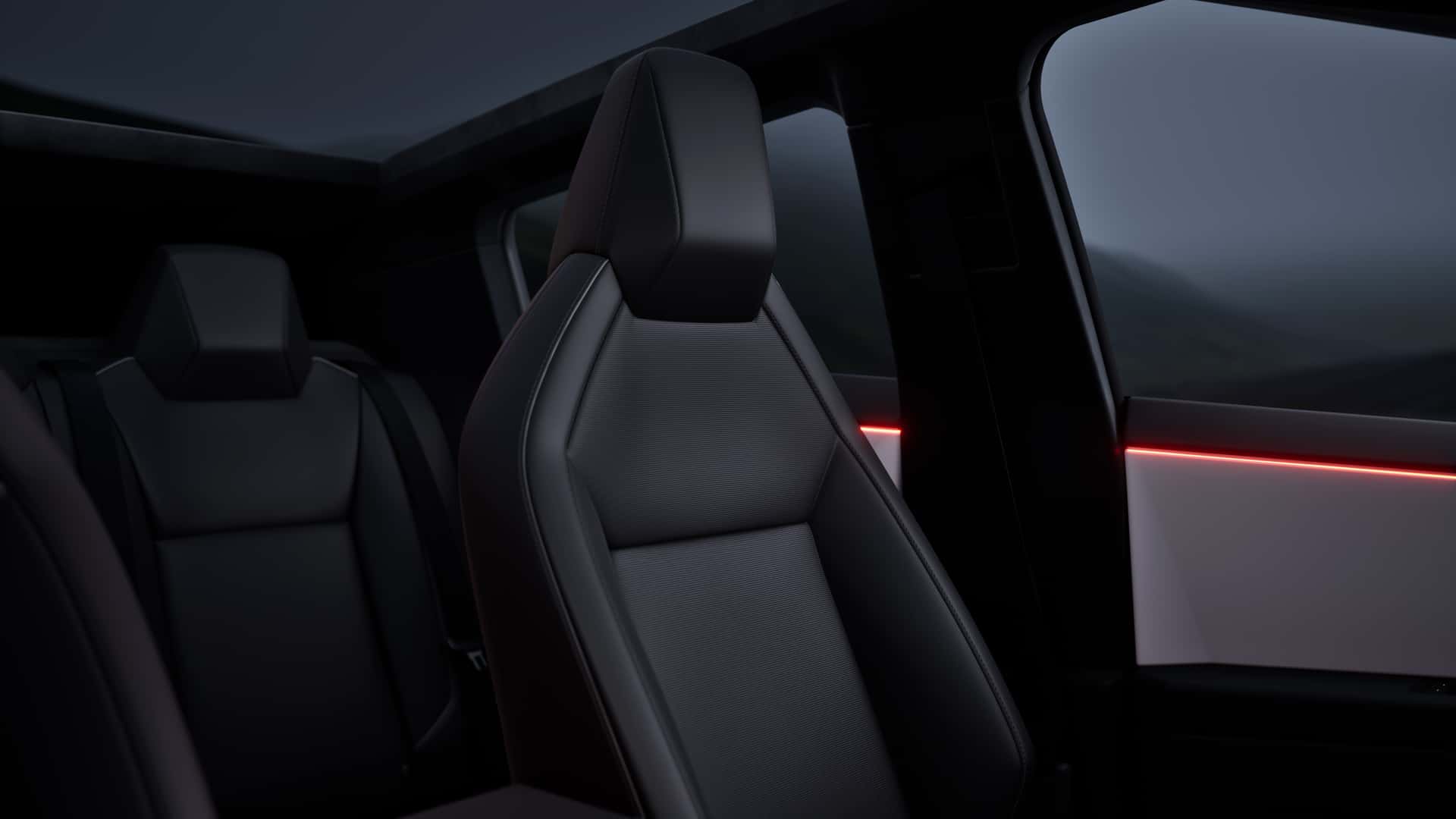
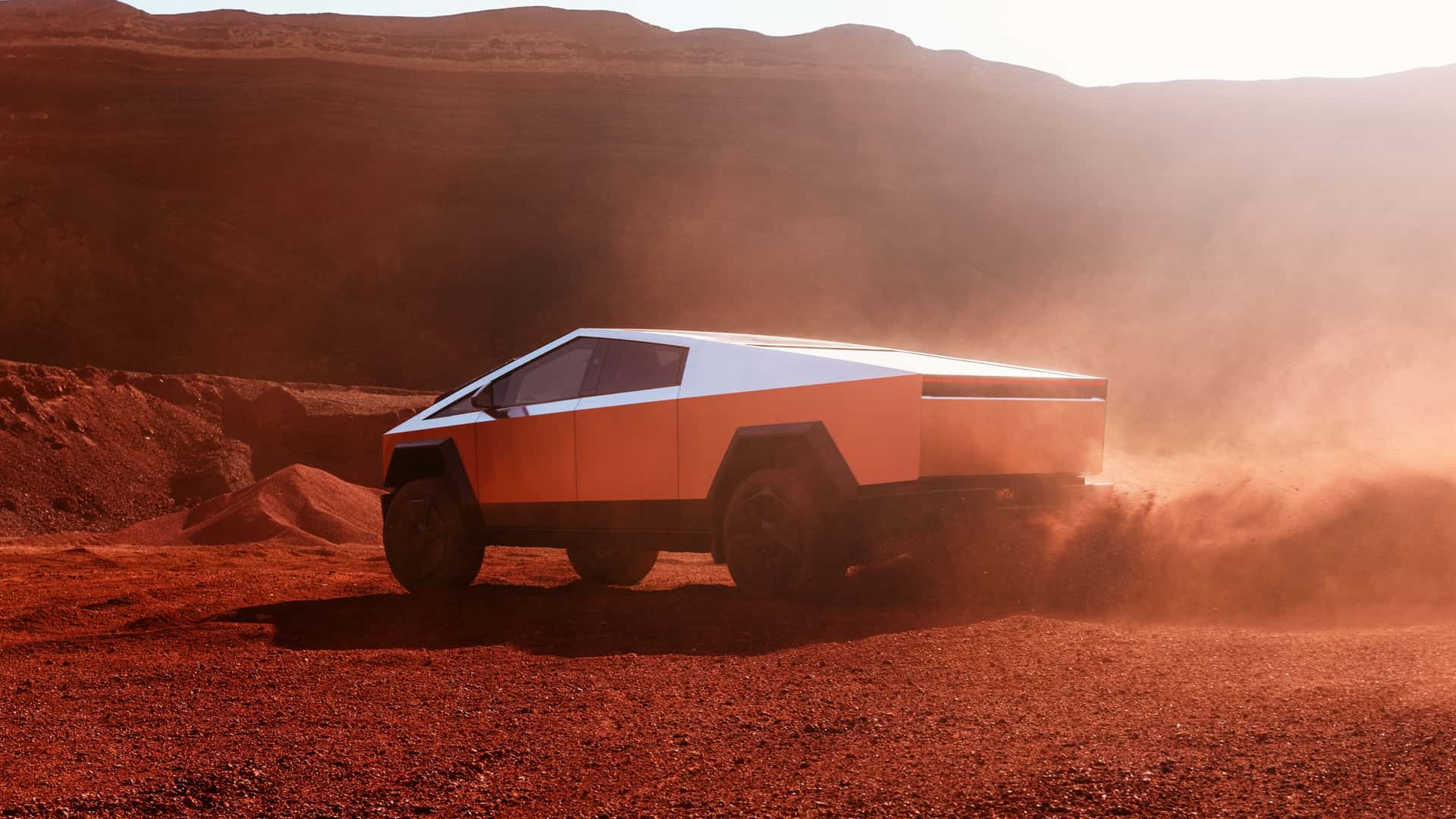
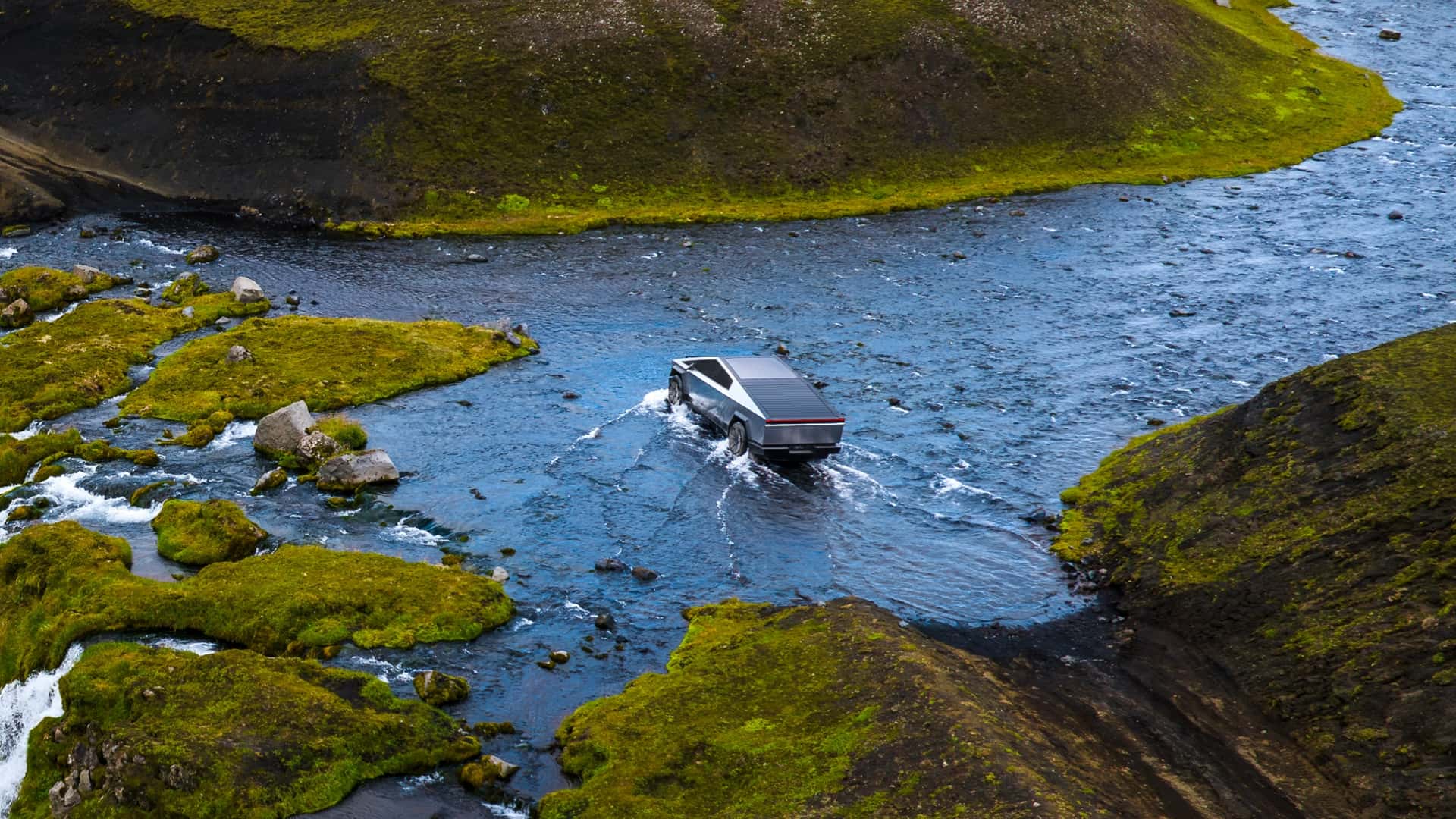
After multiple delays and heightened anticipation, Tesla is finally poised to commence deliveries of its long-awaited Cybertruck electric pickup. Despite CEO Elon Musk acknowledging production challenges for what he described as a “radical” product, the company is pushing forward with the delivery of its groundbreaking electric truck.
The Cybertruck, Tesla’s first new model in nearly four years, holds substantial importance for the company’s reputation as an innovator in the electric vehicle (EV) space. Facing a backdrop of softened EV demand and increasing competition, the Cybertruck is a crucial player in sustaining Tesla’s sales, although it is not expected to reach the same volume as the Models 3 and Y.
Elon Musk recently admitted to challenges surrounding the Cybertruck, cautioning that it would take between a year to 18 months before the vehicle becomes a significant contributor to the company’s cash flow. The starting price for the Cybertruck is $60,990 (RM284,7620), exceeding Musk’s 2019 estimate by over 50%, potentially appealing to select affluent buyers initially.
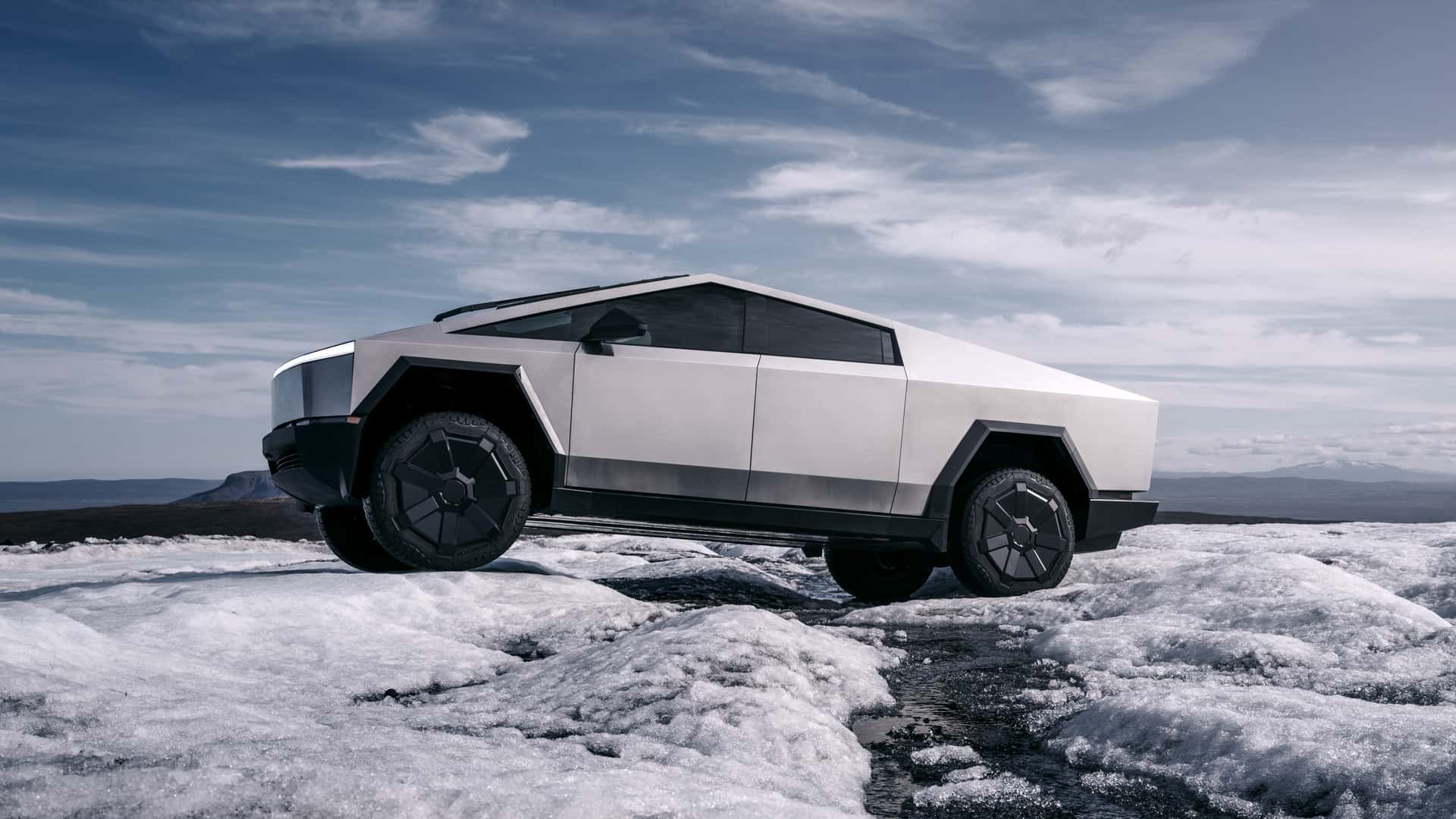
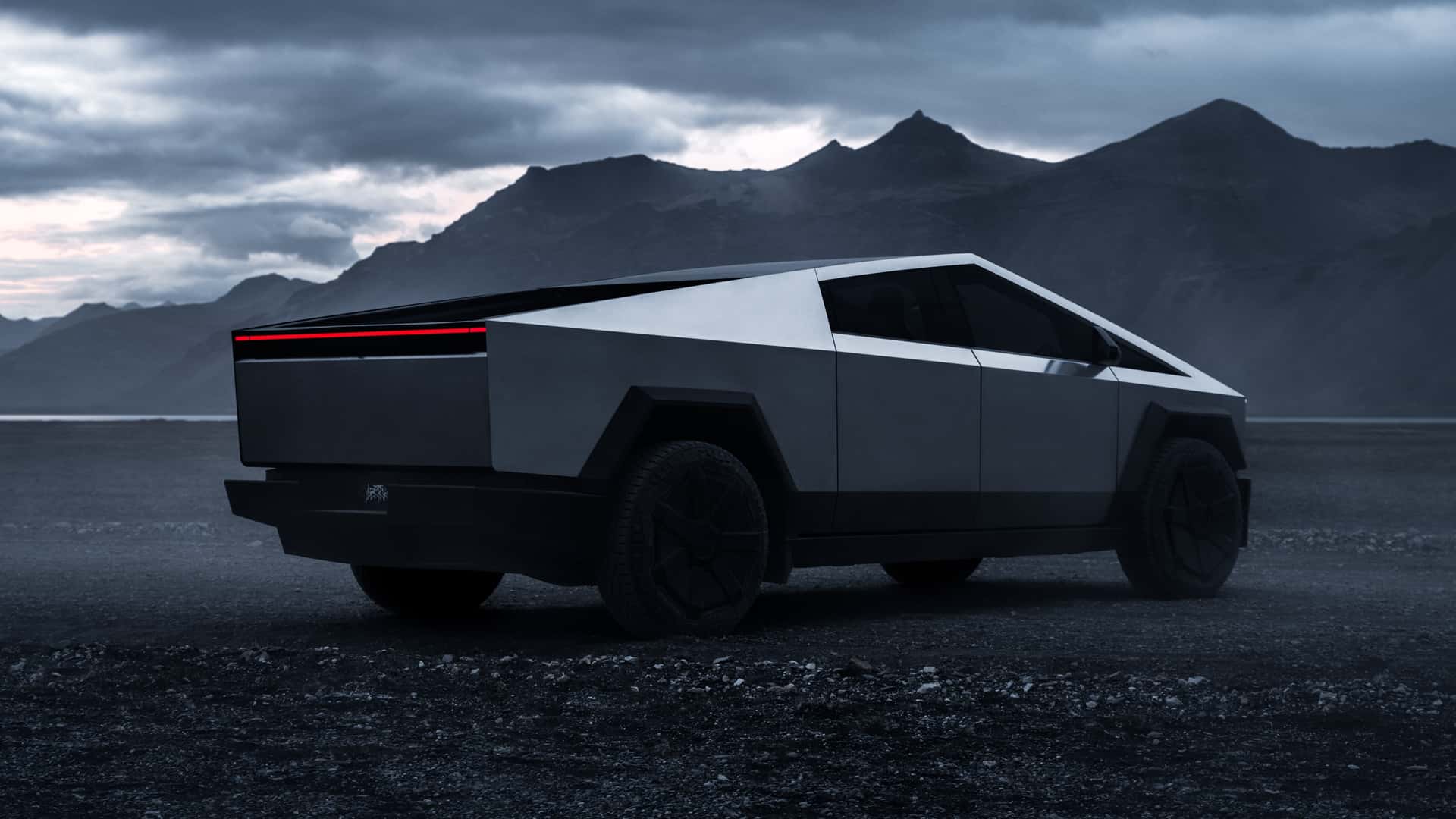
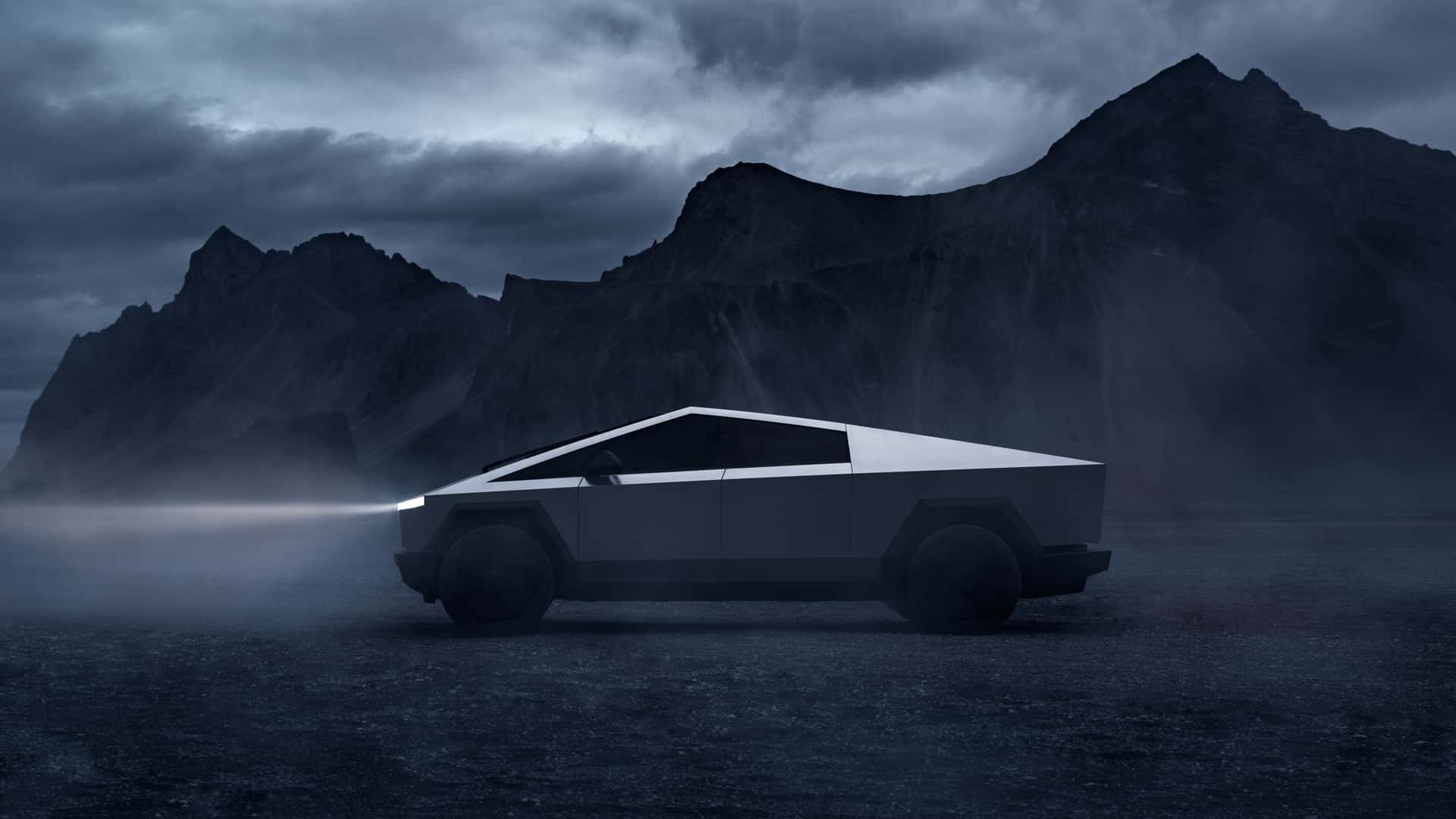
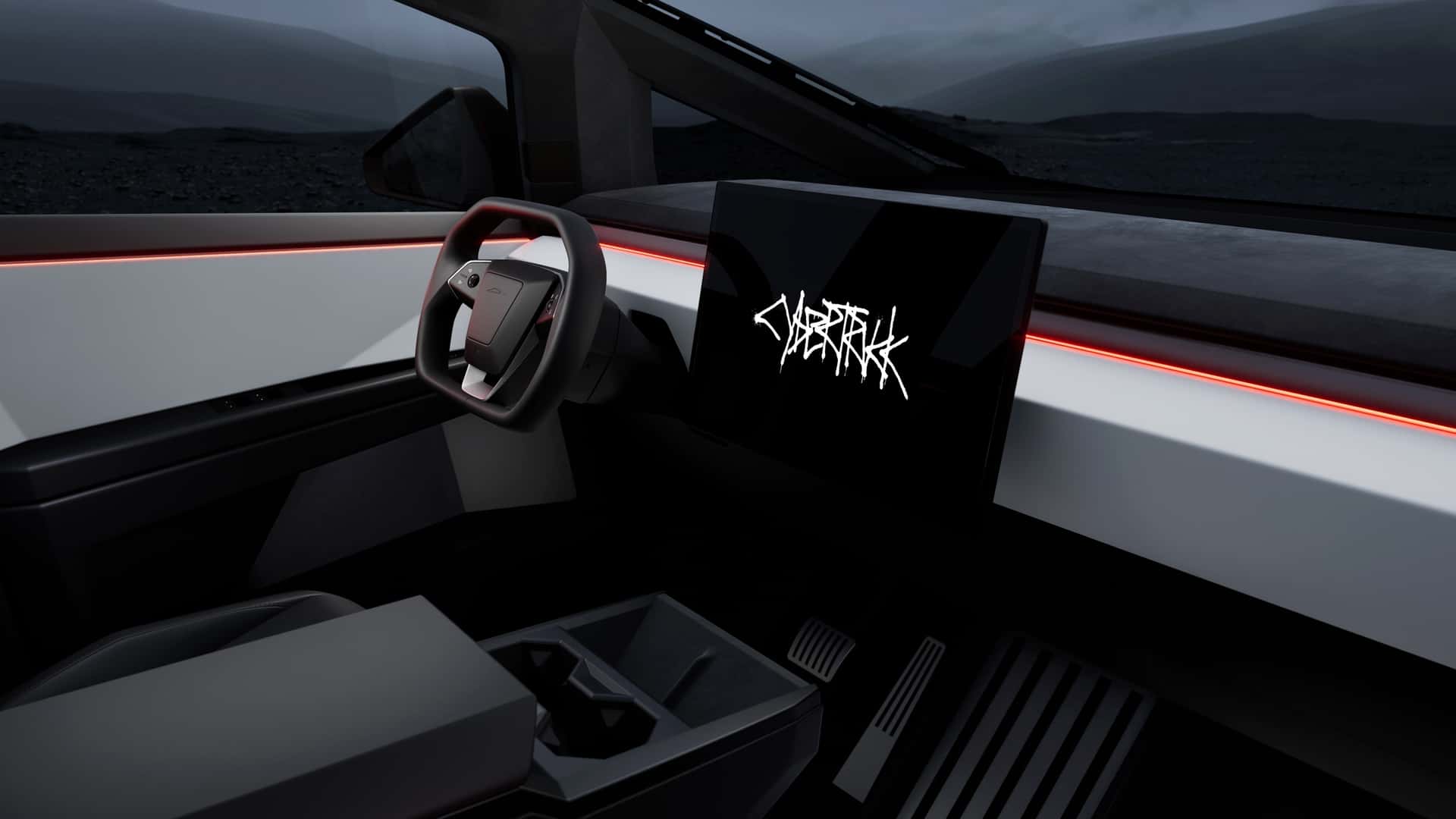
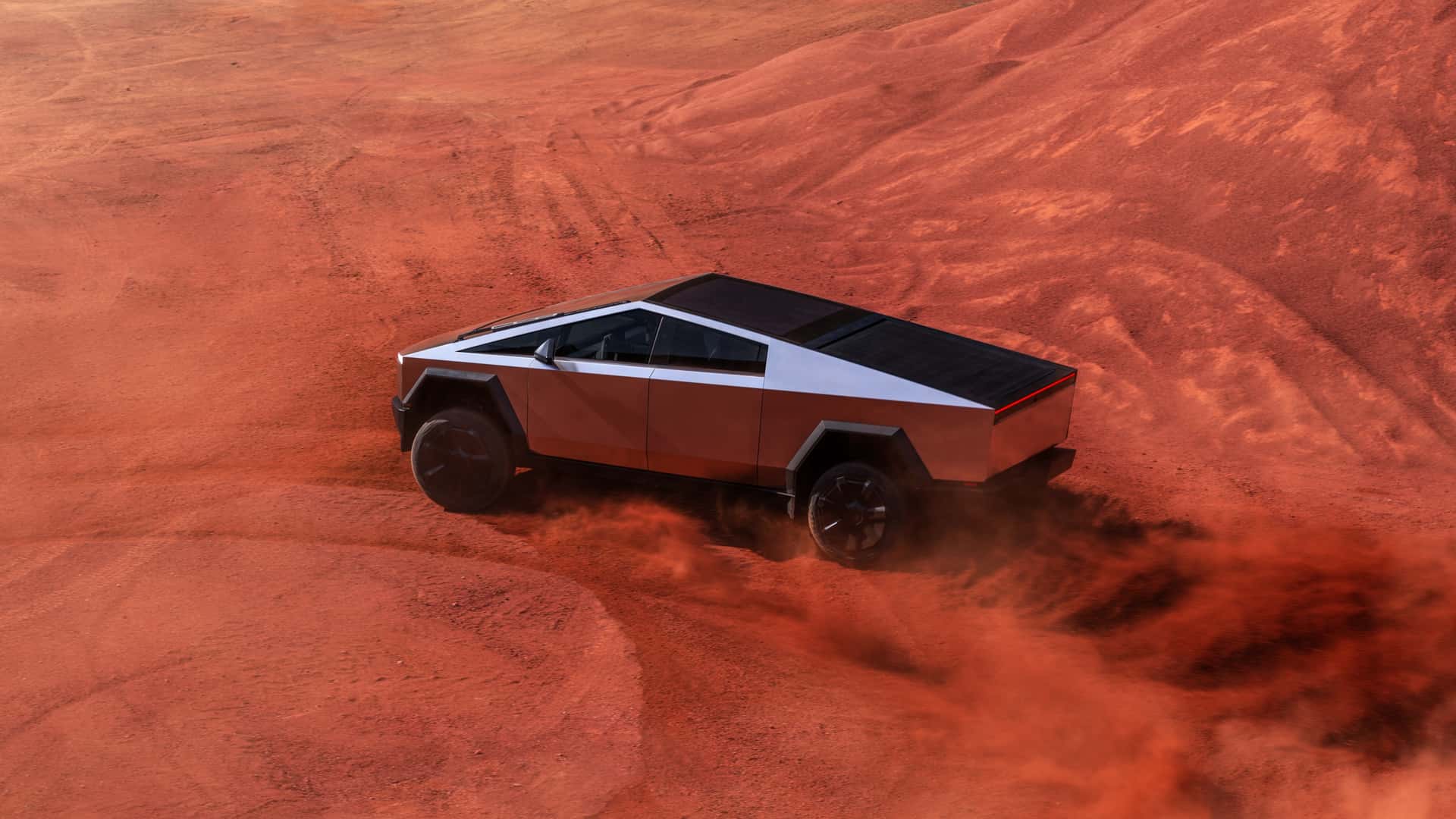
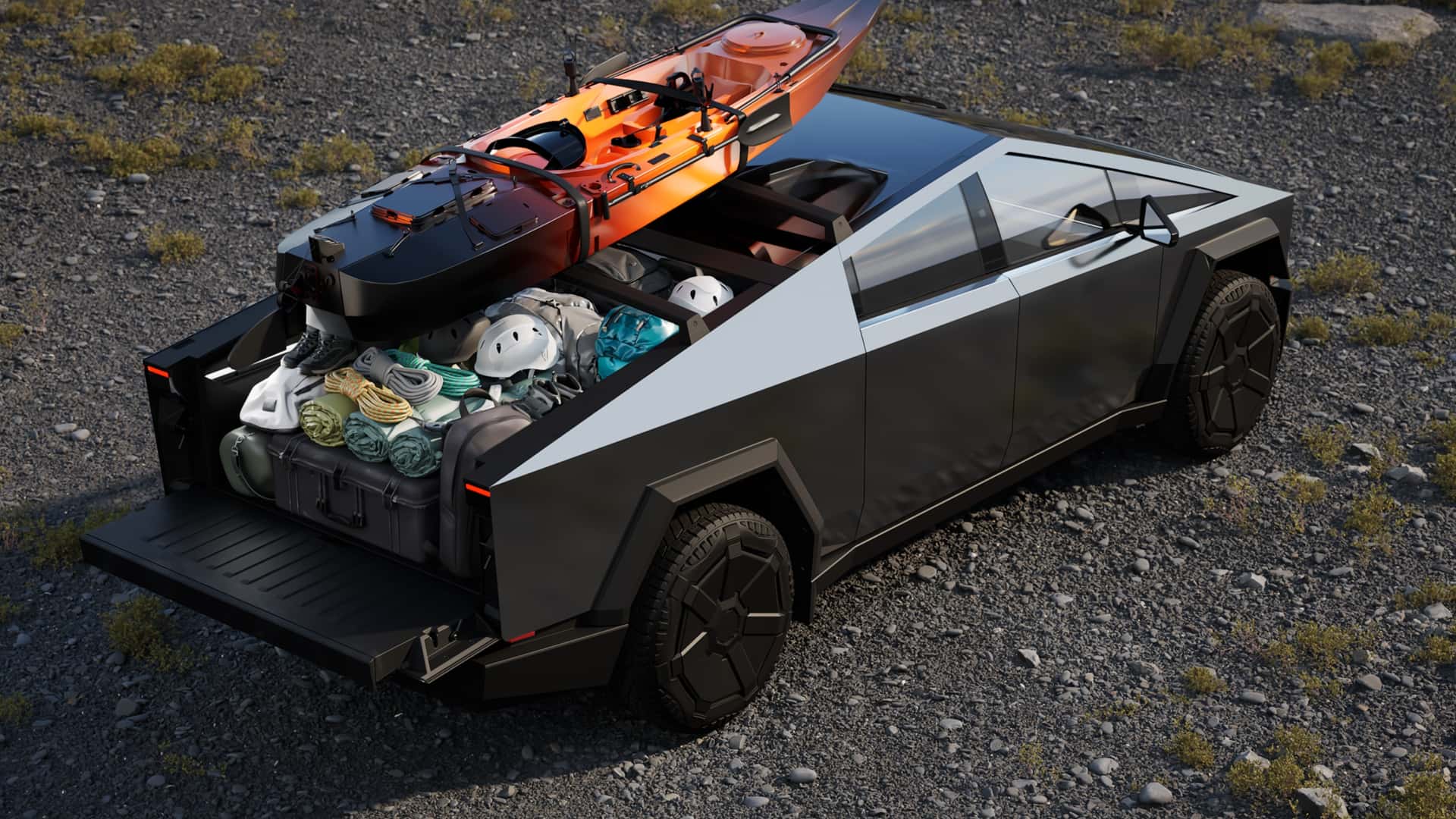
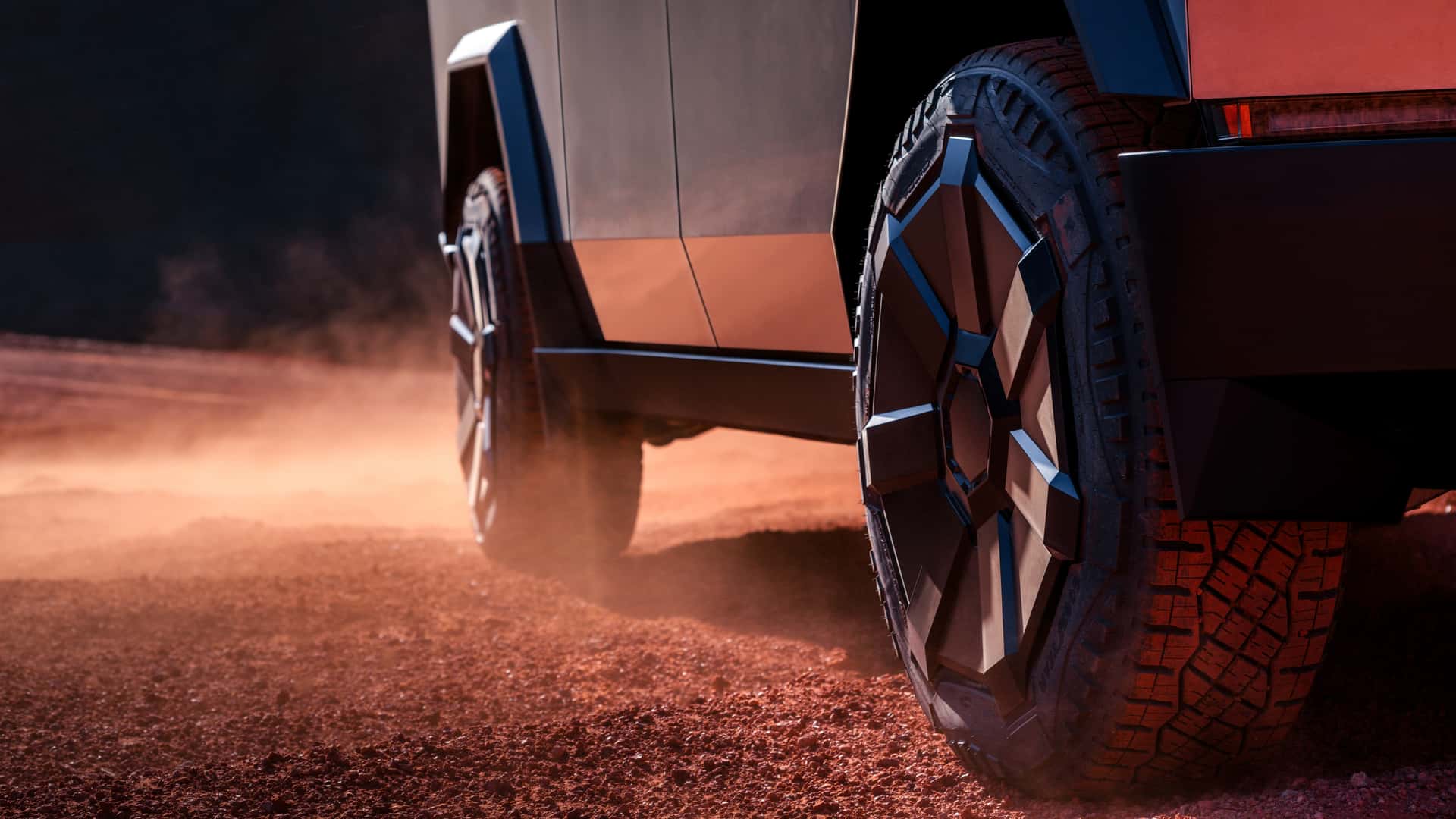
Designed with a shiny stainless steel exterior featuring flat planes and minimal curves, the Cybertruck draws inspiration from the 1977 James Bond movie “The Spy Who Loved Me,” particularly a car-turned-submarine. The production debut in Tesla’s Austin, Texas factory revealed some key specifications for the Cybertruck:
Powertrain
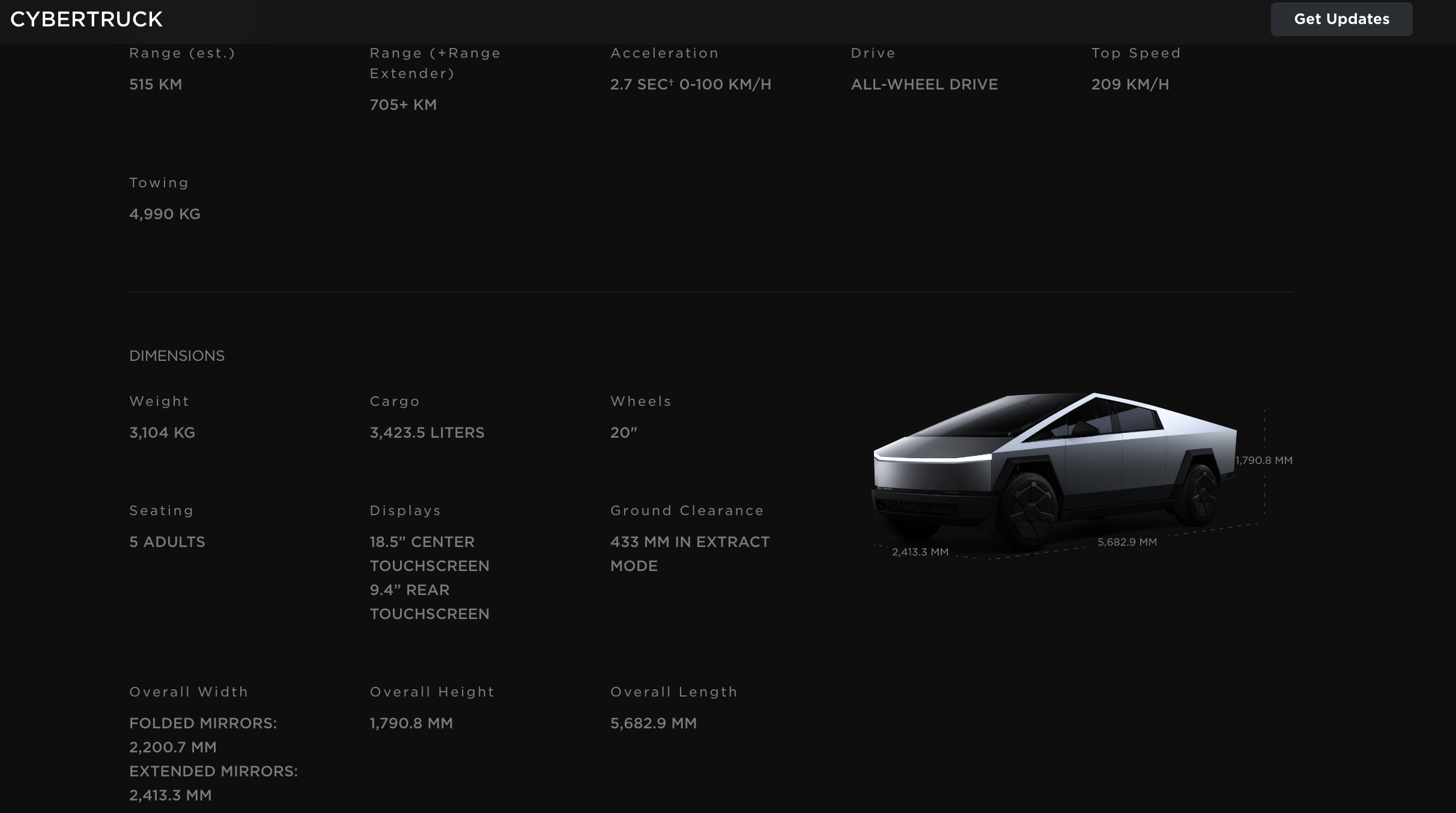
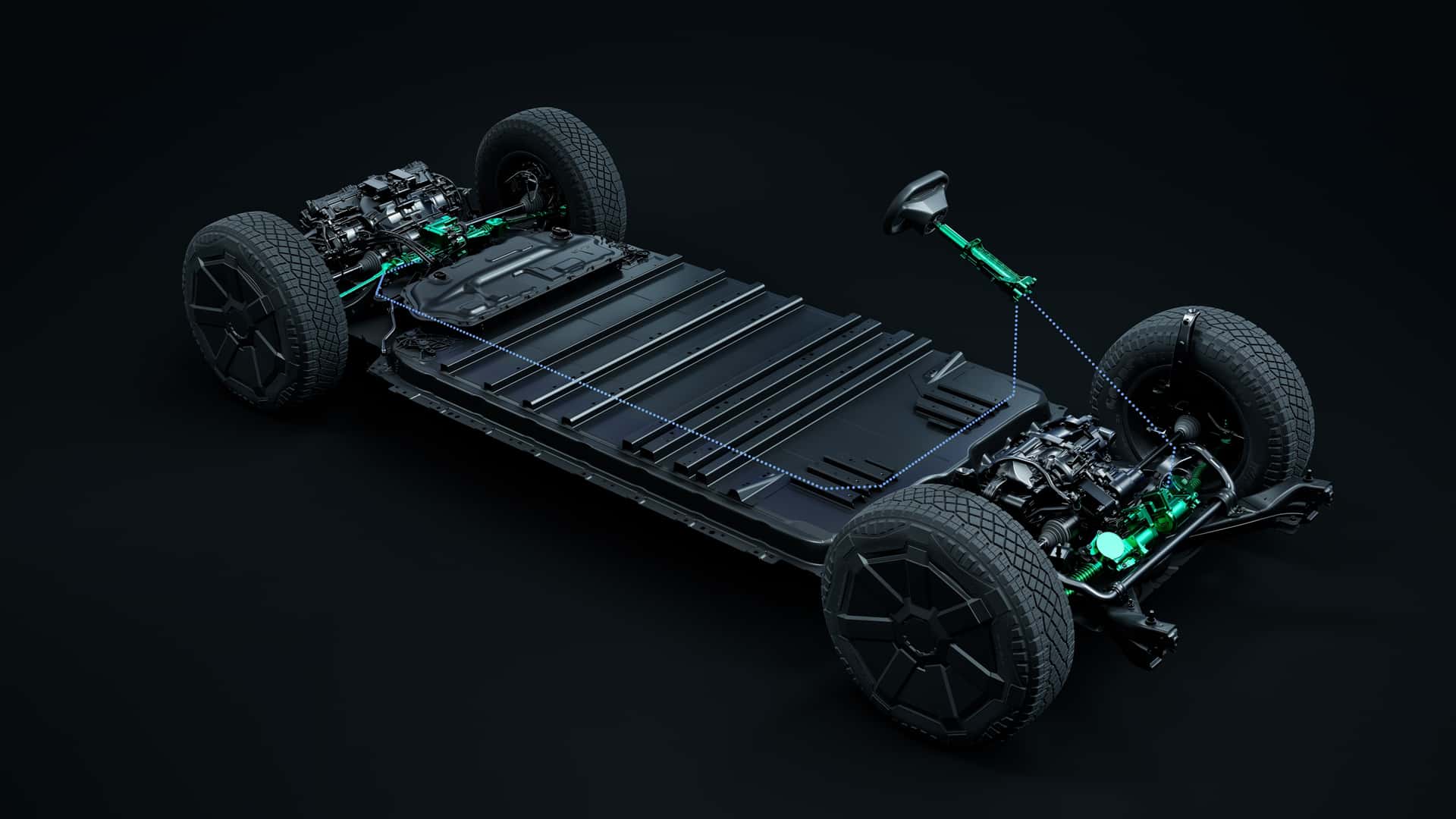
The optional tri-motor powertrain in the “Cyberbeast” trim delivers a whopping 845hp, while the dual-motor AWD truck generates 600hp. The single-motor Cybertruck is scheduled for 2025, and power ratings for this variant are currently unavailable. The Cybertruck boasts a 0-100km/h time of 2.6 seconds and a quarter-mile time of less than 11 seconds. The 600hp dual-motor truck achieves 100km/h in 4.1 seconds, and the single-motor truck, with power figures yet to be revealed, is listed with a 100km/h time of 6.5 seconds. Elon Musk also disclosed the Cybertruck’s curb weight of 3,084kg during the debut event.
Range
Estimated ranges have been updated since 2019. The dual-motor version currently boasts the longest range at 547km, followed closely by the Cyberbeast at 514km despite its substantial power increase. The single-motor truck is estimated to have a range of 402km.
The Cybertruck has garnered immense interest, with over a million reservation holders who have placed $100 (RM467) deposits. Paul Waatti, an analyst at consultancy AutoPacific, notes that Tesla’s products have historically appealed to more affluent early adopters, and the Cybertruck is expected to follow this trend. Despite potentially having a smaller audience compared to SUVs, Waatti anticipates that the Cybertruck will perform surprisingly well in the market.
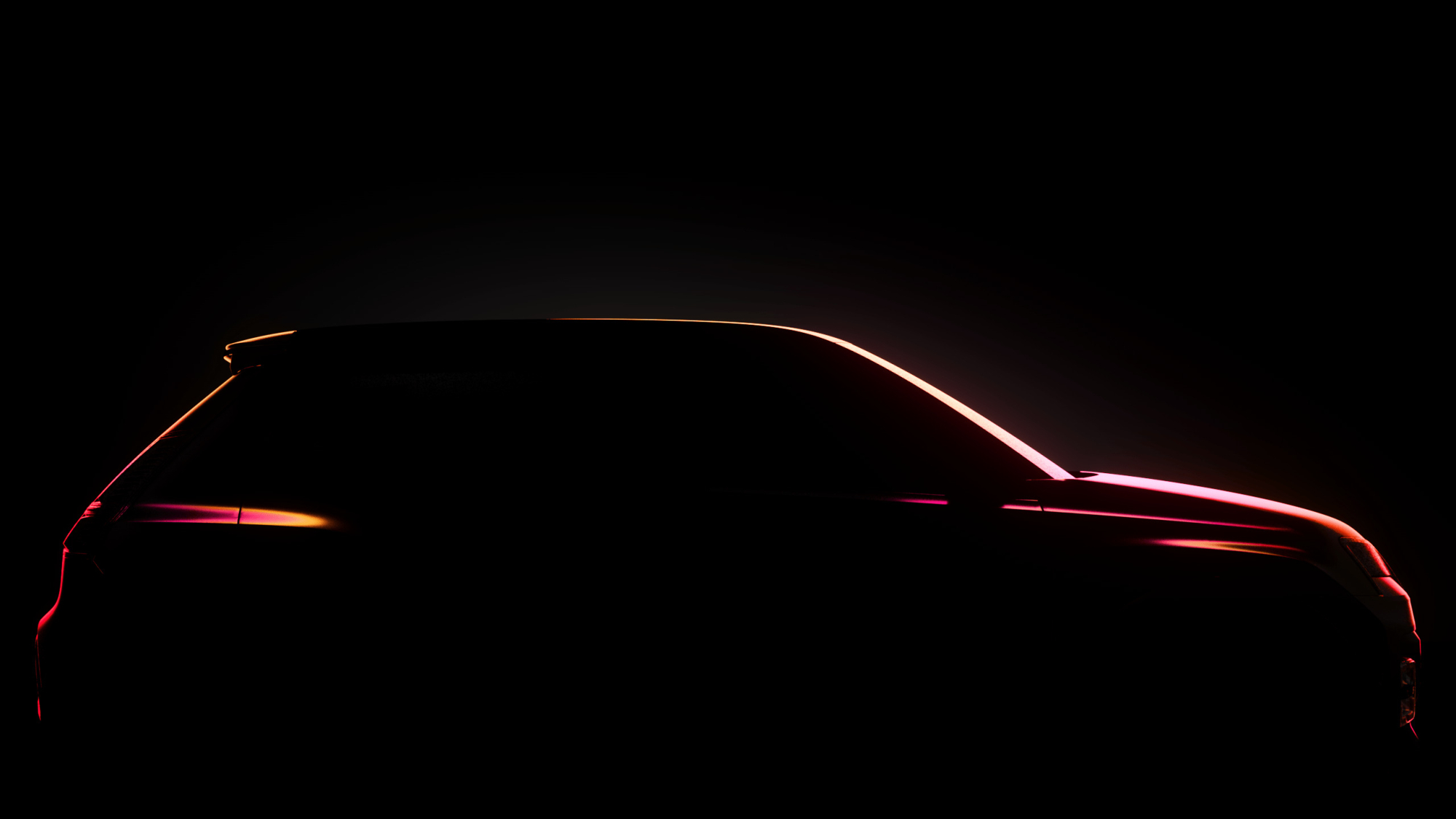
Renault is set to launch the highly anticipated Renault 5 E-Tech electric in 2024, offering a contemporary, electric reinterpretation of the iconic Renault 5. Ahead of the official reveal, Renault is providing a sneak peek into the exterior design, paying homage to its predecessor while embracing the future of electric mobility.
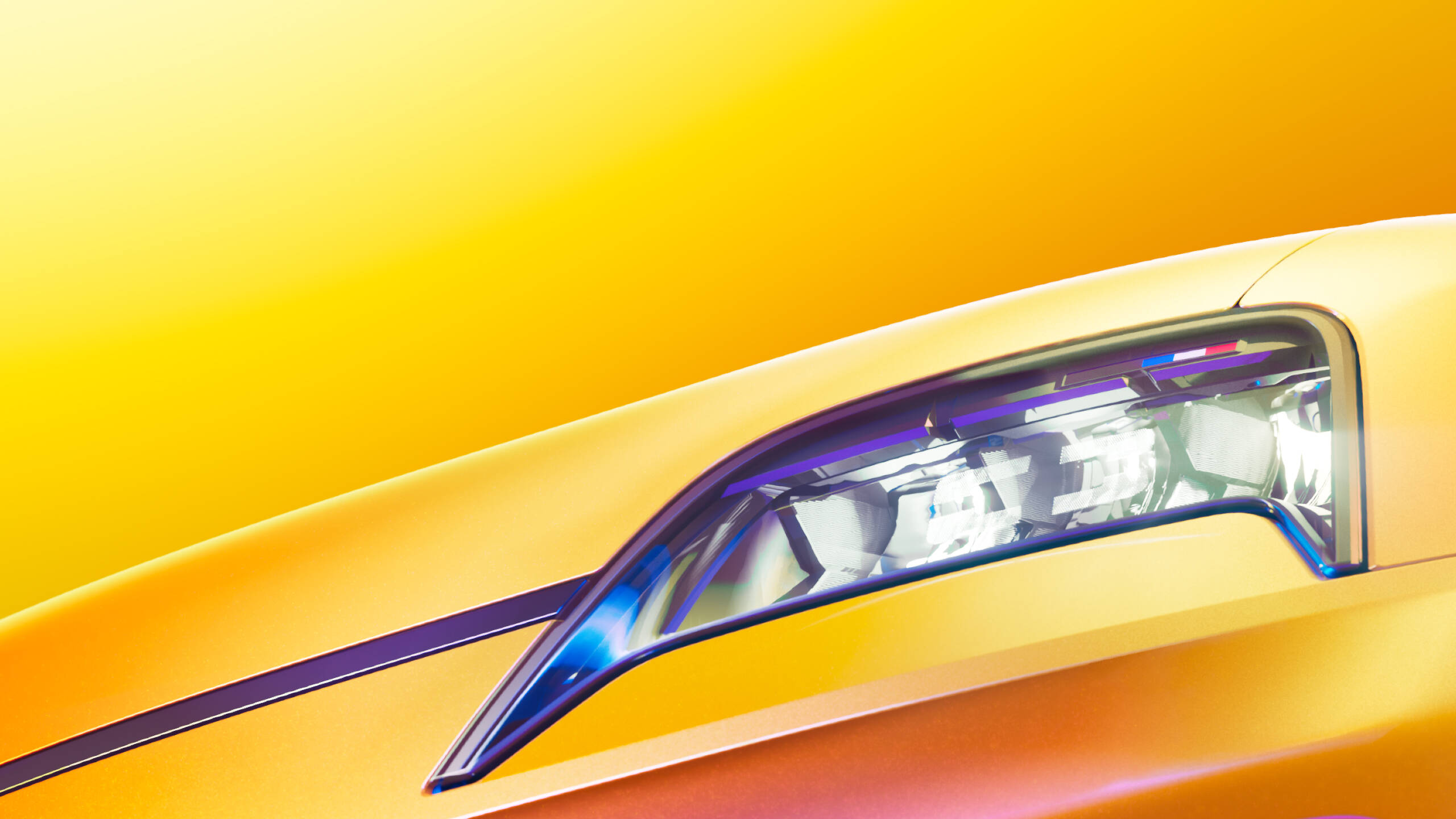
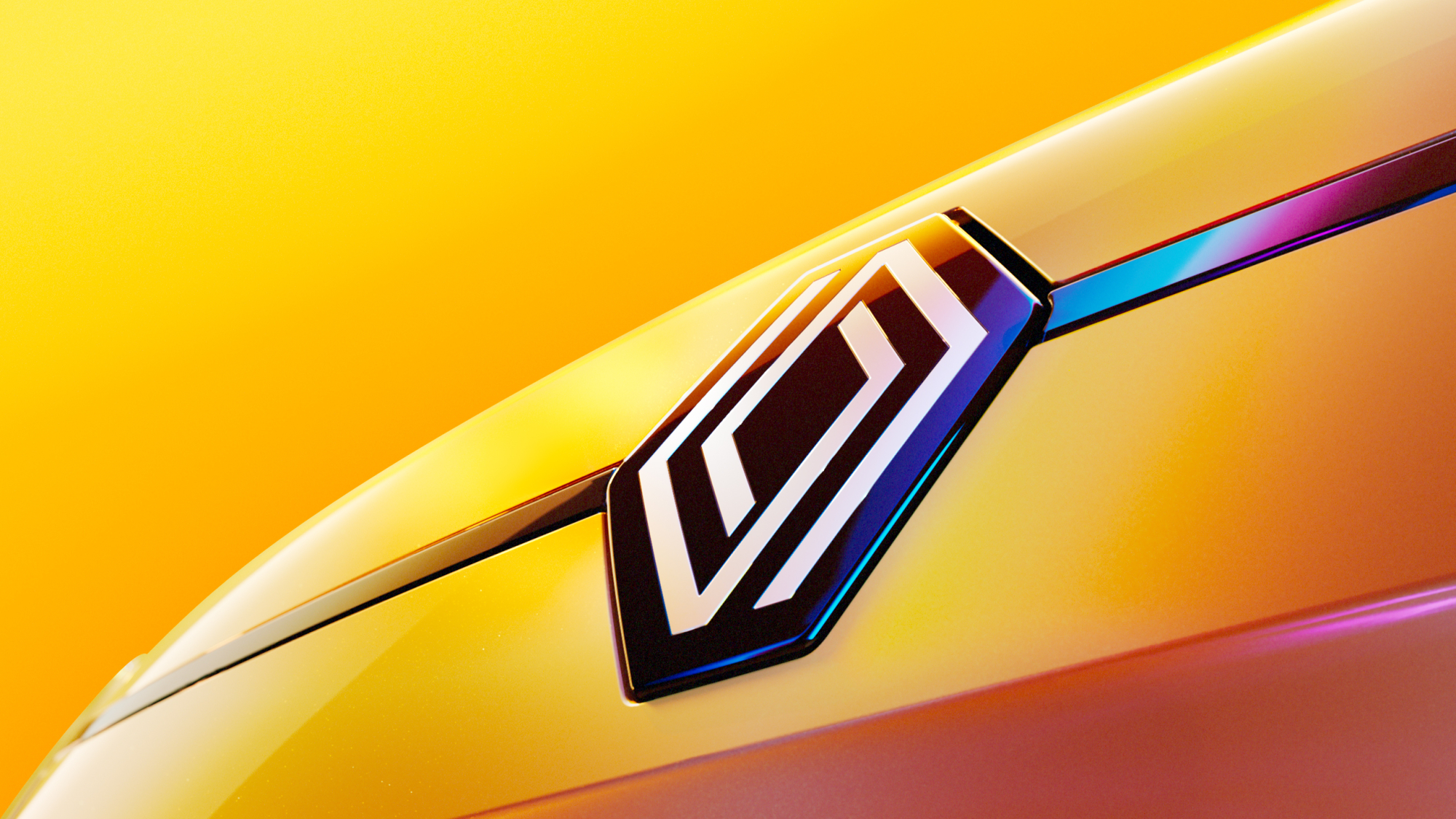
Key design features include the distinctive headlights, which play a pivotal role in making the front end instantly recognisable. The headlights not only mirror the shape of the classic model but also incorporate a central mark resembling the pupil of the human eye, evoking the 1972 advert featuring “The Adventures of Supercar” and giving the modern R5 a human-like expression.
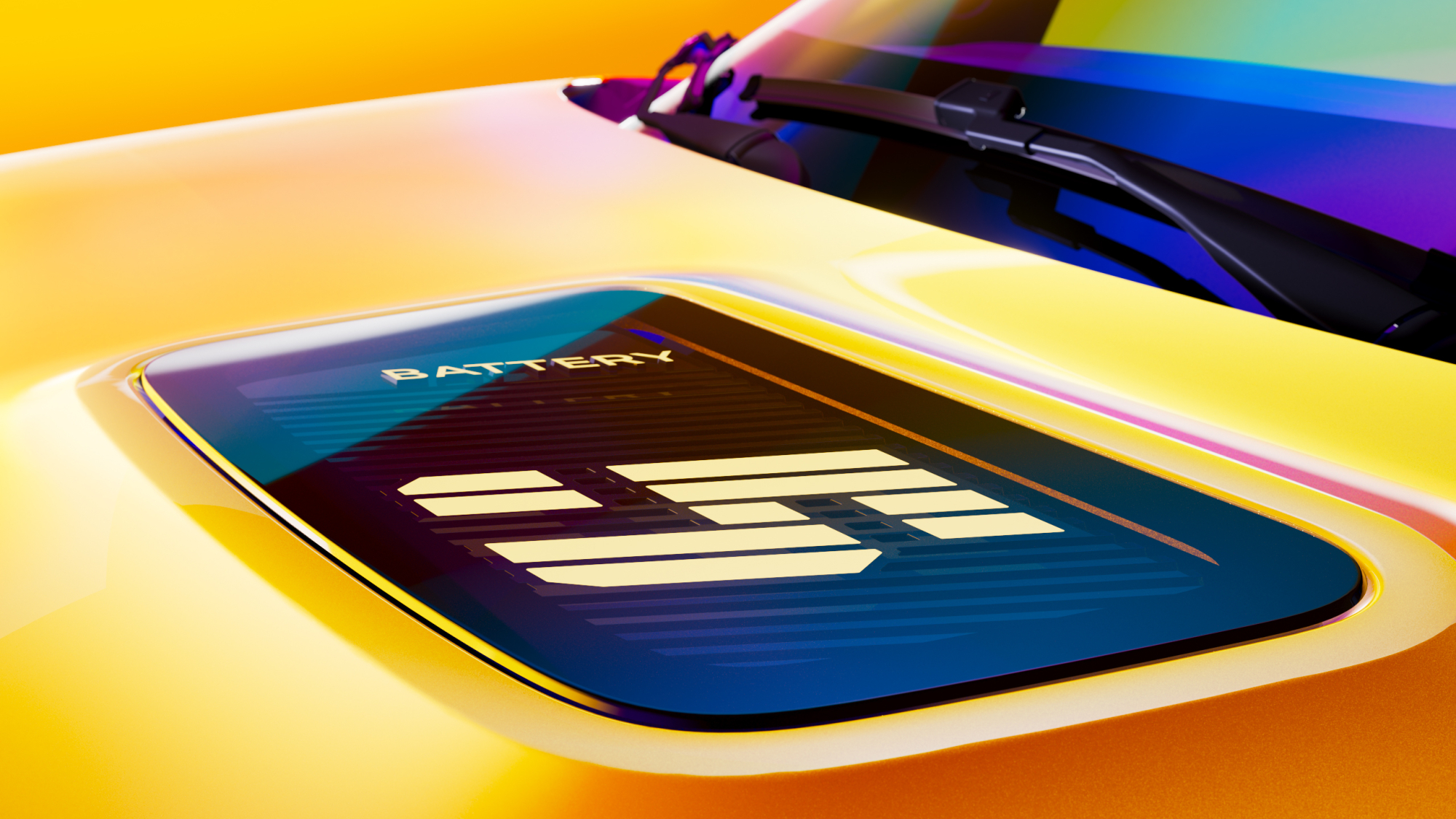
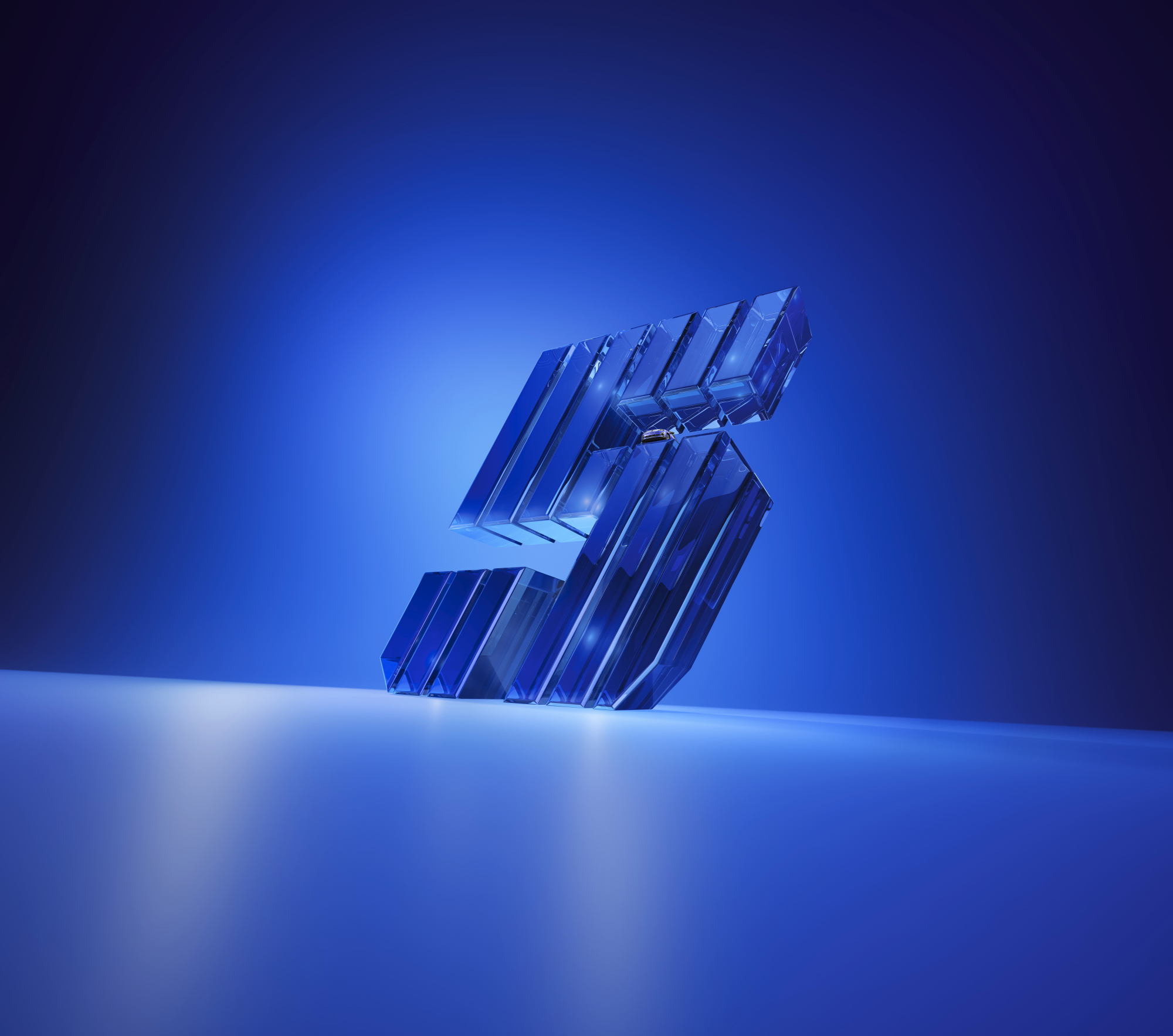
In a departure from the historic model, the air intake on the bonnet has been replaced by a charge indicator light forming the iconic number “5” when the vehicle is fully charged. This high-tech feature serves as both a functional charge indicator and a playful nod to the model’s heritage.
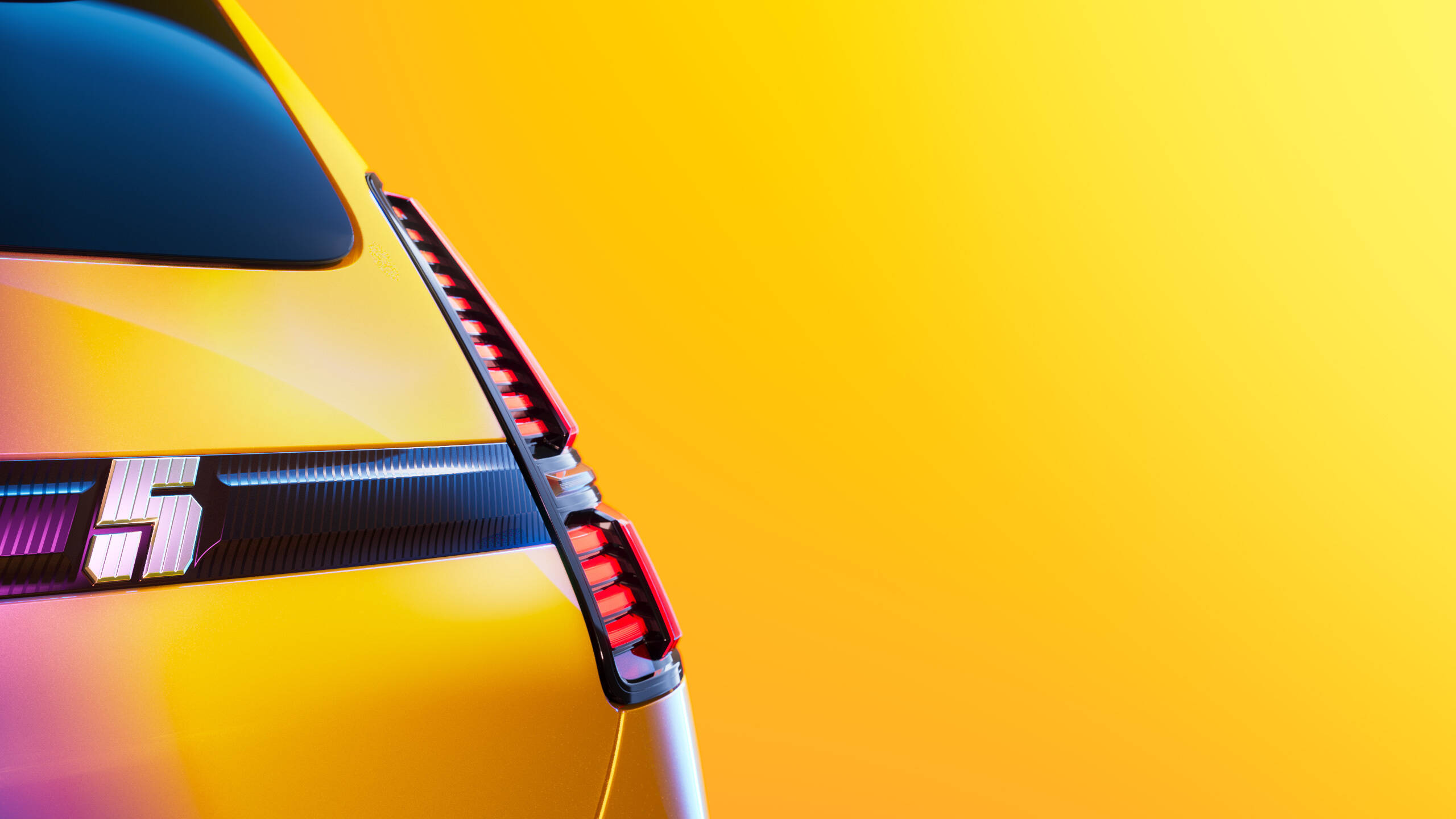
The wheel arches contribute to a broader stance, reminiscent of the R5 Turbo, creating a unique and instantly recognizable personality. The vertical rear lights, extending the side panel, not only enhance the car’s aerodynamics but also add to its visual appeal.
Measuring just 3.92m in length, the Renault 5 E-Tech electric is designed as an ideal city car with a 52kWh battery offering a range of up to 400km (WLTP). The vehicle will be available with a second 40kWh battery option at a later date. Built on the new AmpR Small platform (formerly CMF-B EV), the car boasts a multi-link rear suspension, providing stability and roadholding.
Inside, users will experience reno, Renault’s next-generation humanised co-driver, offering a fully immersive digital experience. Equipped with a bidirectional onboard charger, the Renault 5 E-Tech electric will be the first production vehicle featuring Vehicle-to-Grid (V2G) technology. This innovative feature, supported by Mobilise, allows the car to supply energy to the grid, potentially saving drivers money on charging and reducing overall electricity bills. The V2G technology is set to launch in France and Germany in 2024, followed by the UK in 2025.
With an entry-level price of around €25,000 (RM126,884), comparable to B-segment hybrids, the Renault 5 E-Tech electric is poised to make a significant impact in the electric vehicle market. The official unveiling is scheduled for February 26 at the Geneva International Motor Show.
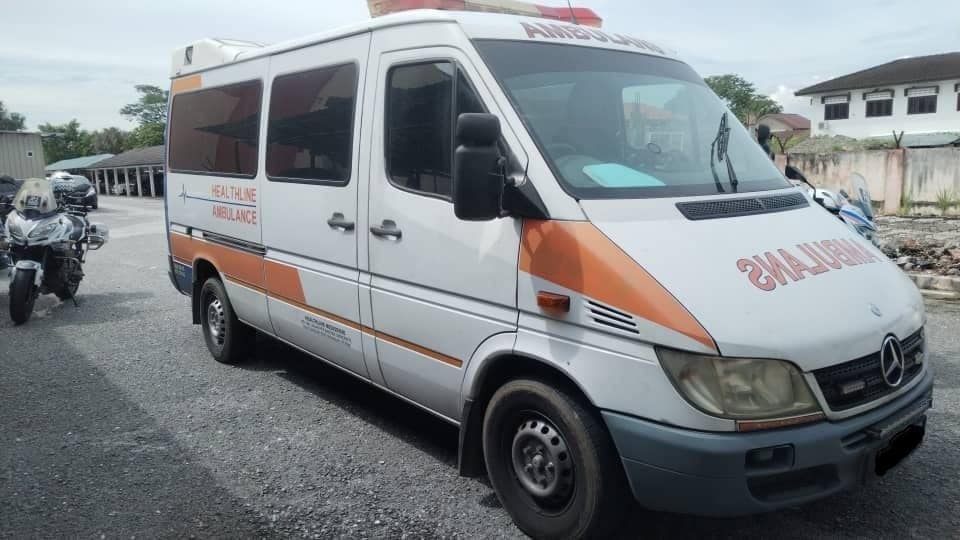
In a startling revelation, officers from the Road Transport Department (JPJ) in Perak seized an ambulance after discovering that its road tax had expired a staggering 13 years ago. The incident unfolded when officers from the Motorcycle Enforcement Unit (UPB) pulled over the ambulance during their patrol along Jalan Tun Abdul Razak, Ipoh, as detailed in a Facebook post by Perak JPJ.
Using the Smart Management Enforcement Device (SMED) for checks, officers revealed that both the license and road tax for the ambulance had expired on March 5, 2010. The gravity of the situation was further highlighted as the ambulance was in the midst of transporting a patient to Sultanah Bayrun Hospital (HRPB) when it was stopped.
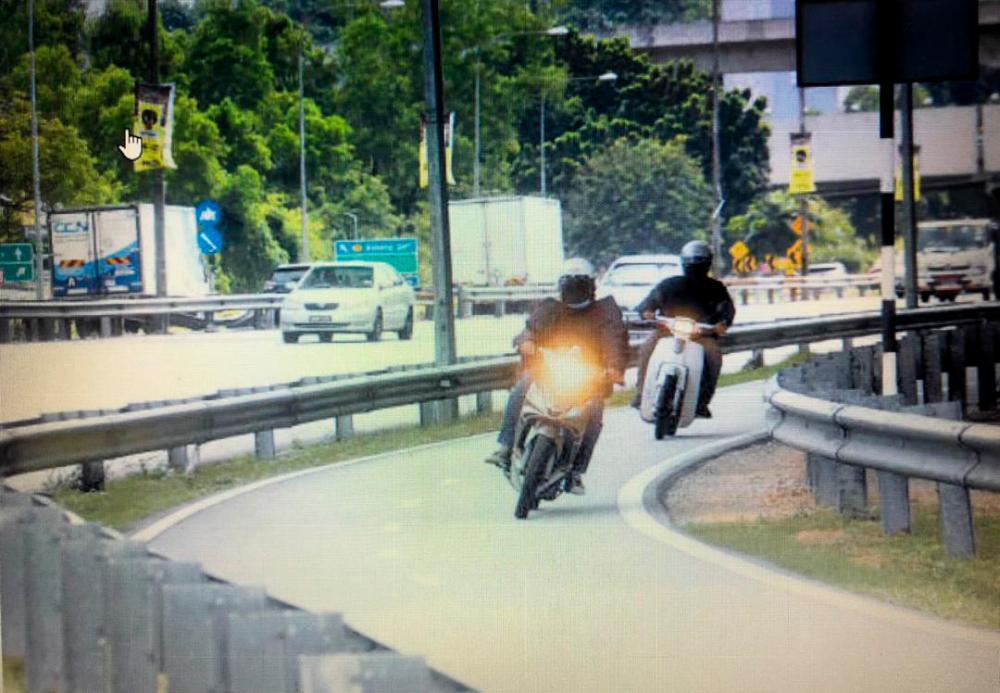
The Road Transport Department (JPJ) is set to intensify its advocacy program, emphasising the significance of valid licenses for motorists and motorcyclists, particularly among school students. Datuk Rospiagus Taha, the director-general of JPJ, announced plans to encourage 23,000 individuals aged 16 to 35, including students riding motorcycles without a license, to obtain their driving licenses within the next six months.
While JPJ acknowledges the challenges faced by students who rely on motorcycles for commuting to school, legal action will not be taken during this advocacy phase. Instead, the focus is on educating and creating awareness. Taha stated, “We will not take legal action because we are in the advocacy phase and at the same time, we also understand the constraints facing students who need to ride motorcycles to get to school.”
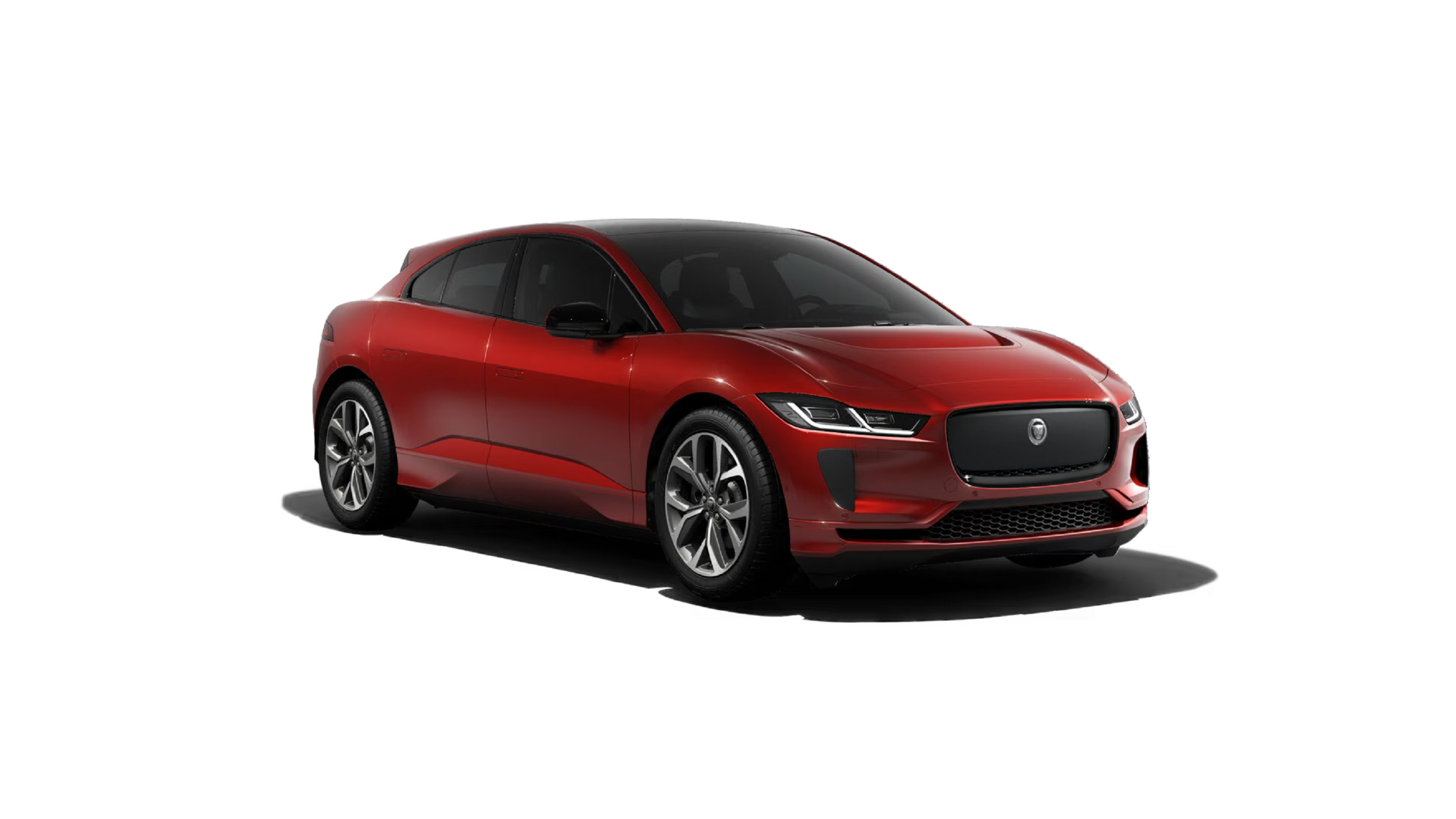
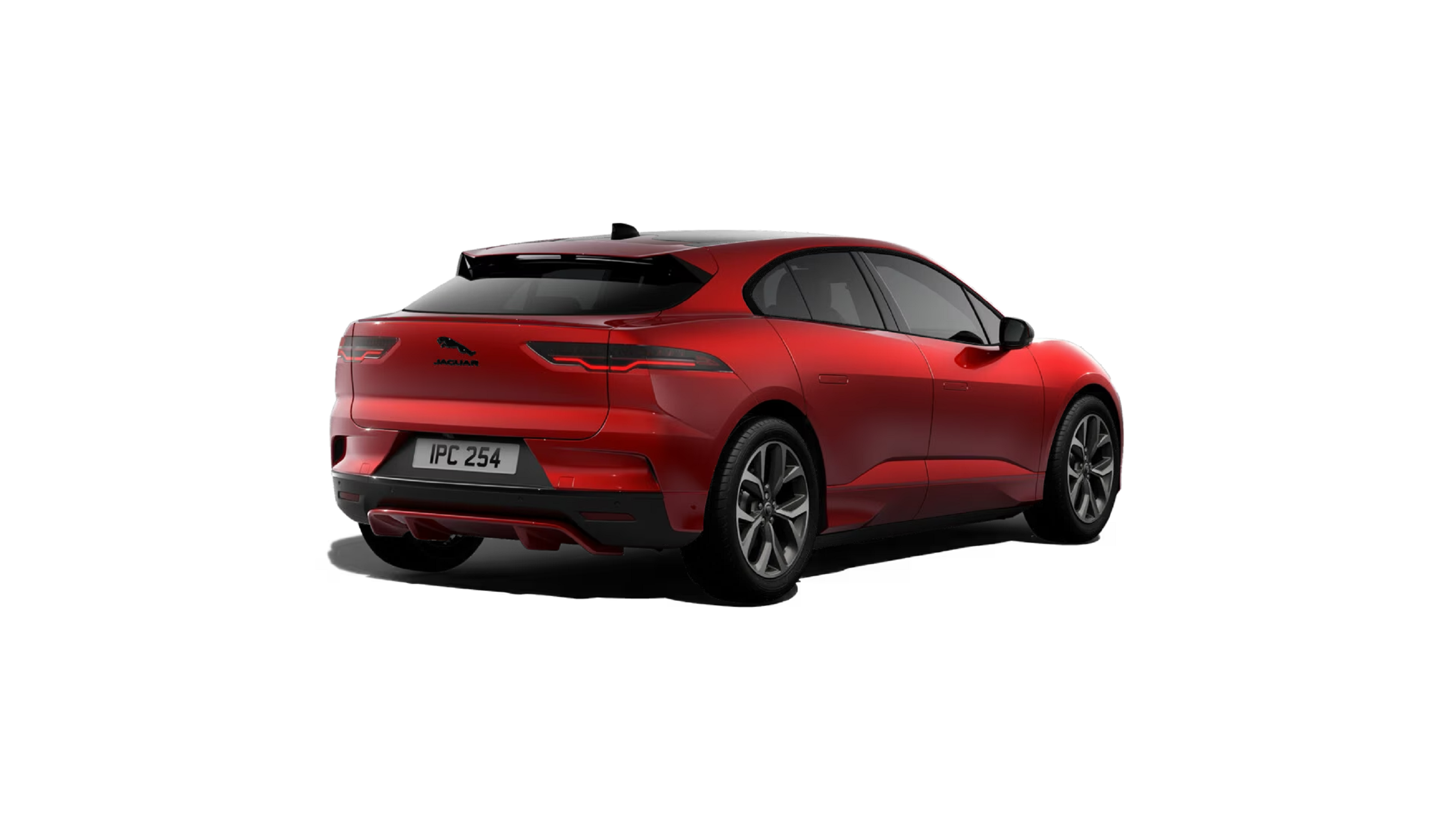
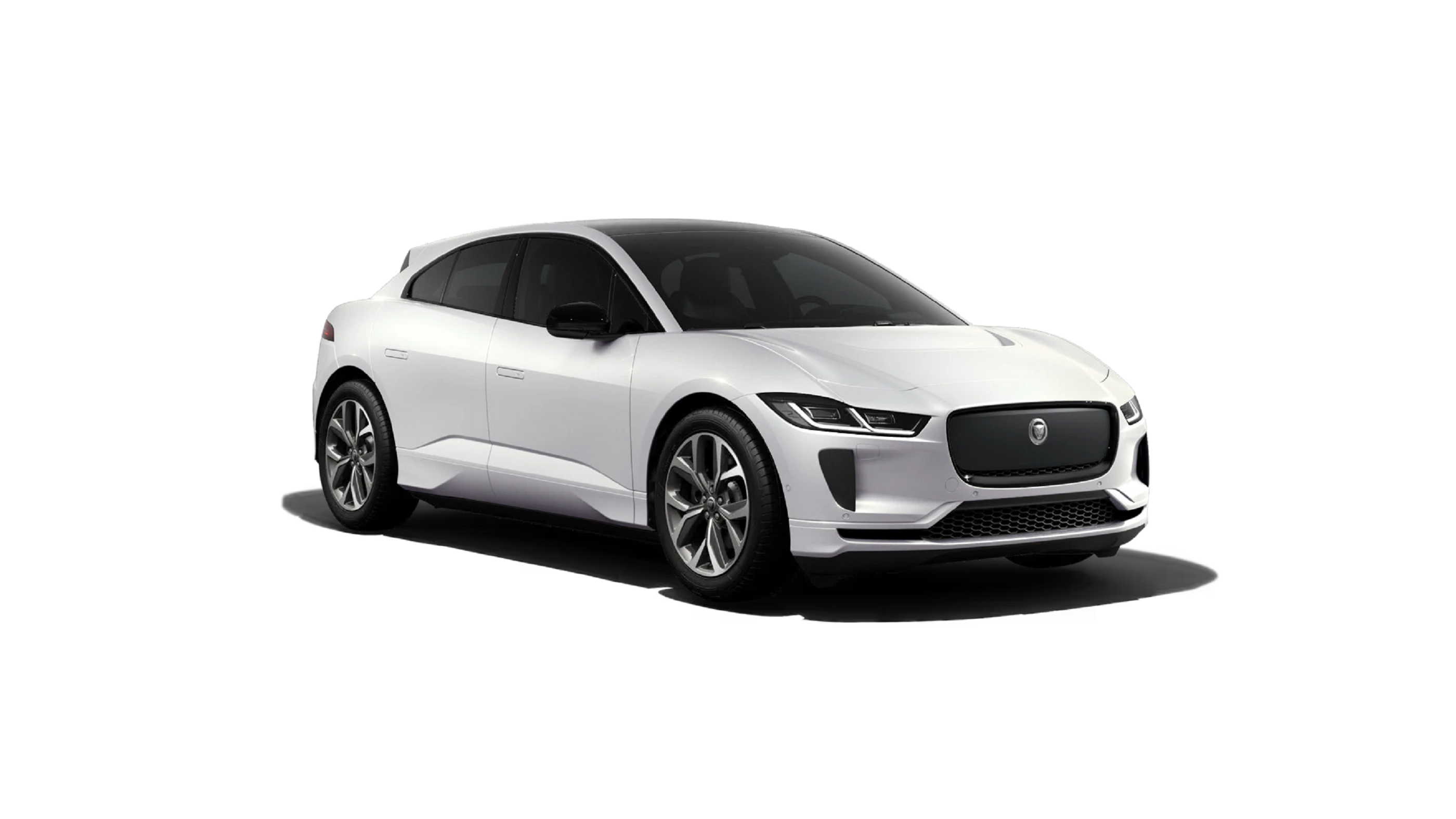
Building on the success of the Jaguar I-PACE launch earlier this year by Jaguar Land Rover Malaysia, the award-winning electric vehicle is now offering customers the chance to elevate the aesthetics of their I-PACE with the introduction of the “I-PACE Stealth” Pack. This specially curated pack aims to enhance the distinctive design and dynamic appearance of the Jaguar I-PACE.
Both existing owners and new customers have the opportunity to purchase the “Stealth” Pack, subtly amplifying the comprehensive blend of performance, agility, technology, and everyday usability that defines Jaguar, coupled with the unique electrified driving experience of the I-PACE.
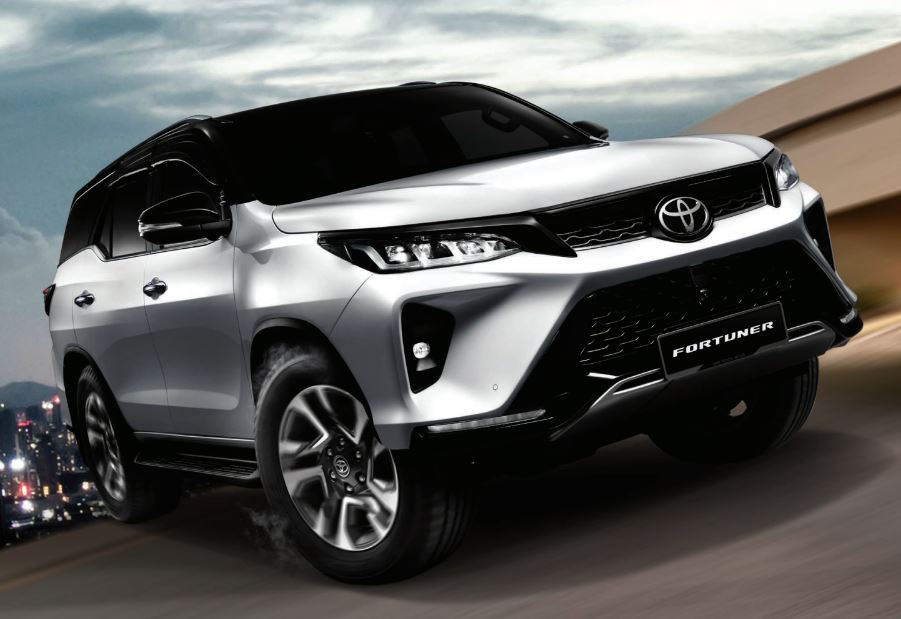
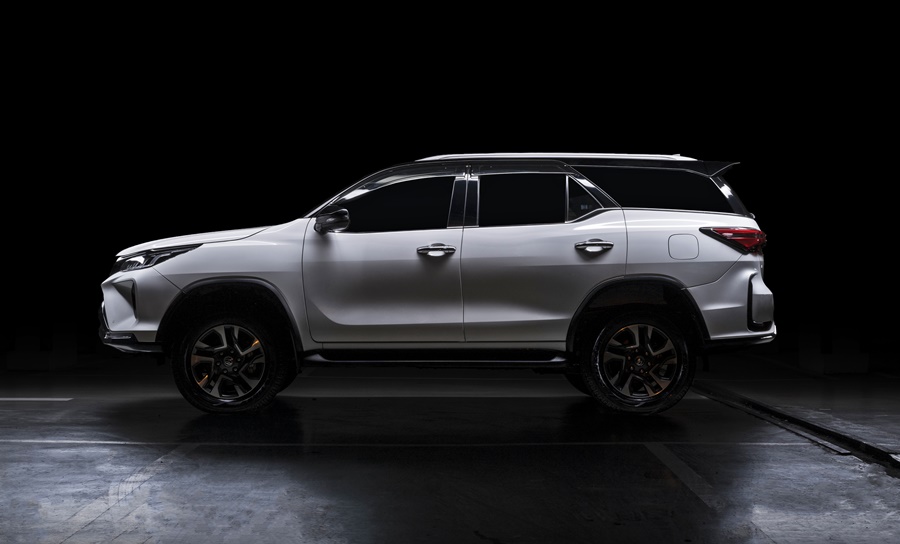
In a testament to its renowned reliability and commitment to innovation, Toyota has recently unveiled its latest technological marvel—a groundbreaking 48V hybrid system designed for its turbo diesel-engined cars. Initially debuting in the Toyota Hilux pickup and Land Cruiser Prado SUV, the all-new 48V mild hybrid system is poised to revolutionise the driving experience. Speculations are rife that this innovative system may also find its way into the powertrain of the next-generation Toyota Fortuner.
Toyota has taken to its official Toyota Global YouTube channel to share a comprehensive video, offering insights into the components, functionality, and the myriad benefits of this cutting-edge 48V hybrid system.
The video begins by shedding light on the system’s composition, featuring a conventional diesel engine seamlessly integrated with various components to form a cohesive unit. The 48V hybrid system is touted for its three primary advantages: delivering smoother stop-and-start experiences, enhancing fuel efficiency for diesel-powered vehicles, and maintaining exceptional water-crossing performance, bolstered by the added benefits of hybrid technology.