


Piston.my

English

In recent years, you’ve probably been come across many reports about motorists being ‘saved’ by video evidence from a dashcam or digital video recorder (DVR). Where before there might have been a dispute between the parties involved as to who was responsible for the accident, a recording from a DVR would almost immediately end any argument. And the use of DVRs has broadened to not only recording accidents but also the reckless driving behaviour of others which can help police taken action against.

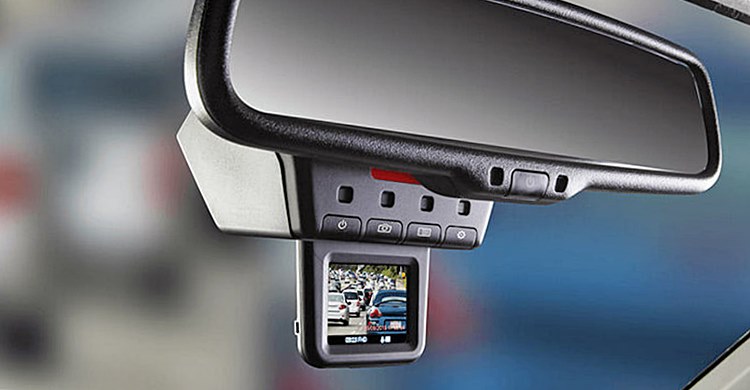
The value of DVRs, which have been available for many years now, has been recognized even by car companies who offer them as standard or optional items in new cars nowadays. Hyundai Sime Darby Motors was probably the first one to do so in Malaysia with the 7th generation Hyundai Sonata it launched in 2015. The DVR was installed neatly with a connection to the power supply so it was like part of the car’s systems.
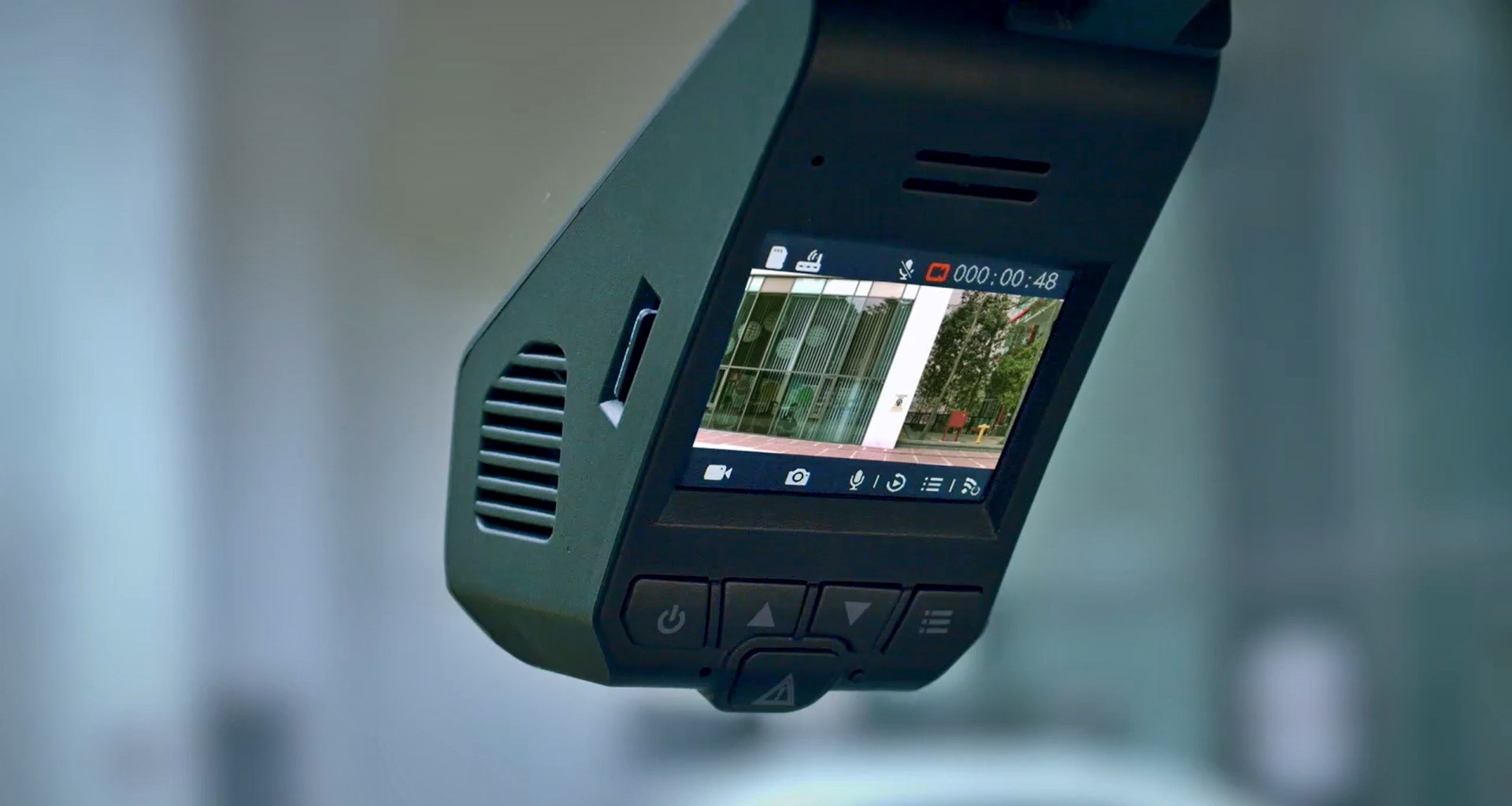
Today, many other companies also offer DVRs, and some even offer units that are mounted at the rear to supplement the forward-facing one. These units are usually tested for reliability and durability by the distributors and installed by them so they give a warranty as well.

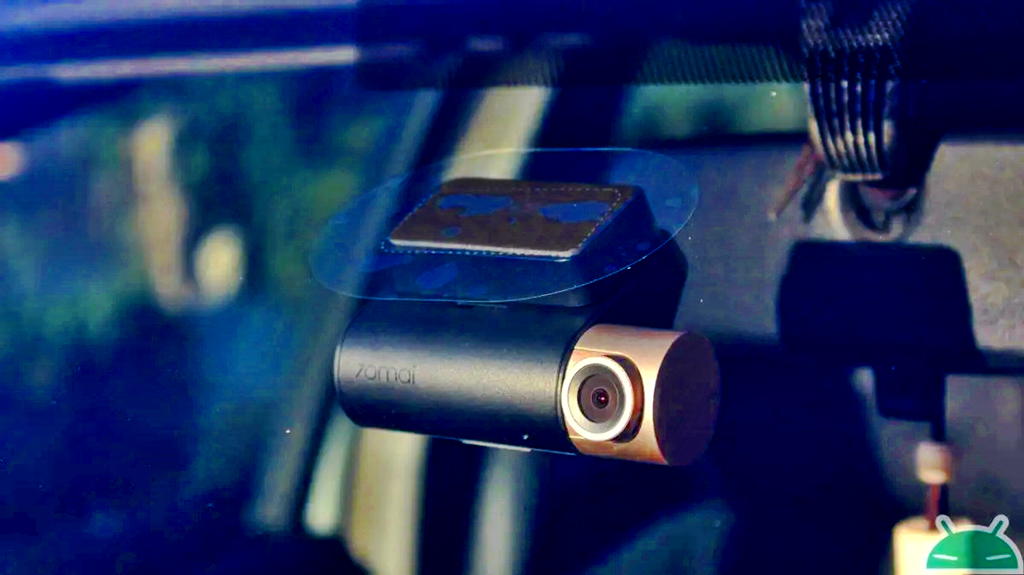
But anyone can also install a DVR in their vehicle and they do not need a specialist as it is easily mounted on the windscreen and a cable connected to a USB port or 12V socket (which used to be for cigarette lighters) provides power. Like GPS route navigation units, prices of DVRs have come down quickly over the years. You can now get a simple unit for around RM100 and for more money, you can get high-tech features and higher quality.
The other features are secondary and in the newer units, even the lower priced ones have them since the features are all programmed together. Some of these features are impact sensors, collision warning, still image capture and so on. But for most people, all that is expected would be the ability to record and that is what every DVR does – though the quality varies.

The more you pay, the better the quality will be and what is important is the image quality. There’s no point having a recording which is not sharp and while you might see the other car hitting you, its numberplate might not be clear enough. The minimum resolution would be what is known as 1080P Full HD and the higher the resolution, the more clarity there can be if small areas need to be enlarged.

There are units which can capture at higher resolutions of 4K and they have very good image sensors (the ones made by Sony are regarded as the best). These can record video with a lot of sharpness but it will also mean that the capacity of memory card to store the video will need to be larger as the file sizes will be much bigger.
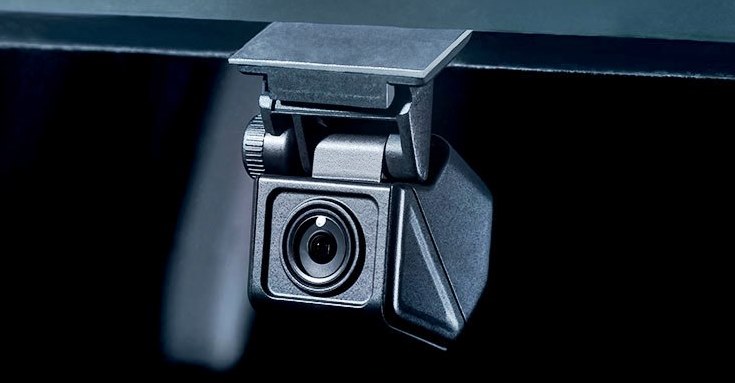
Motorists can also have DVRs facing rearwards to record the view behind, as well as facing into the cabin.

The video recordings are stored on memory cards, the popular size being microSD which is the same as what you probably have in your mobilephone. These come in various capacities and while you would need to put in a new SD card when the one in your phone is full, the recordings in the DVR are looped so when it is full, the oldest one will be over-written by a new one. This is usually fine in most cases if the card has a large storage capacity and depending on how much you use the DVR, it might even be good for a few days of recordings.

How many recordings can be stored depends on the file size and besides the image quality being a factor, this can be fixed by selecting the duration (3 minutes, 5 minutes, etc). A 64GB card can store 480 1-minute recordings if taken at 30 fps and 1080P but if at 4K/30 fps, then it can only store up to 144 1-minute recordings before the first one will be over-written.

The reason for not having a continuous recording of your journey is to make locating a specific section easier. The time stamp is shown so you can locate a specific spot on your journey to review when you wish to do so. It’s also easier when you want to download a specific section (to pass to the police or insurance company as evidence). The card can be removed and with an adapter, inserted into a computer for access.
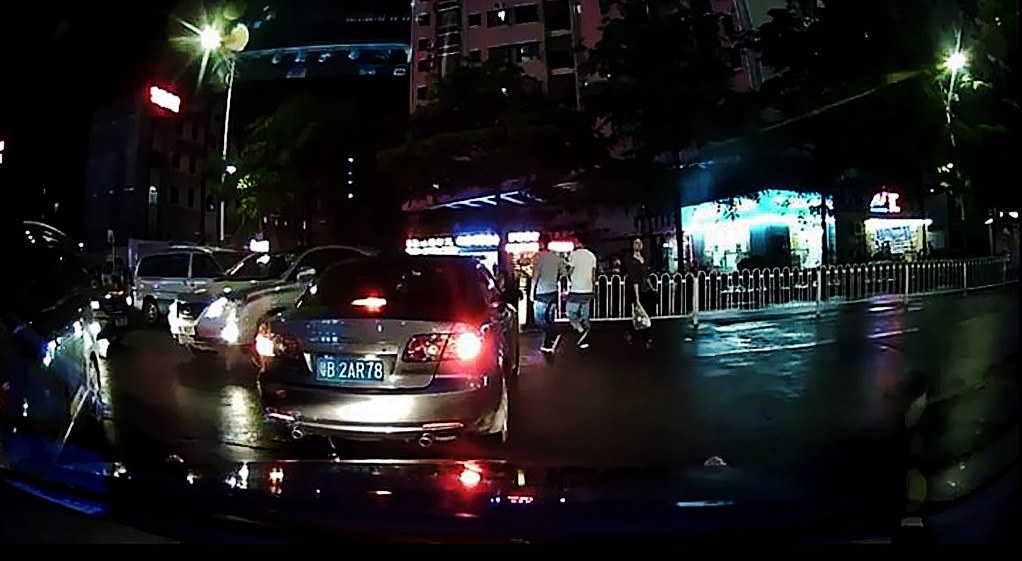
Unless you never drive at night, you will also need the DVR to have night vision capability. All DVRs can record at night but the quality will vary greatly, and this is usually related to the price. The very expensive units may have special software to enhance the image in low light conditions but generally, the cameras have a wide dynamic range which adjusts exposure to maintain clarity and sufficient contrast to make out details.

The frame rate per second (commonly referred to as ‘fps’) also helps in image quality. The more frames per second means the better the details. High-quality DVRs can take videos at up to 60 fps which is pretty good and down to 30 fps, you can still get smooth playback. The cheaper units might record at 20 fps or slower and this can make playback jerky with poor image quality.
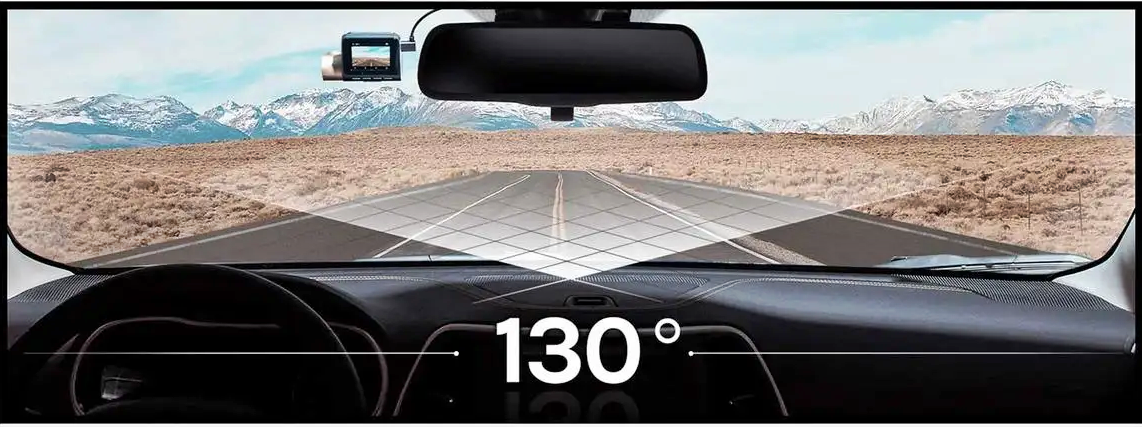
The field of view – that’s the area covered from left to right – should be as wide as possible.  Currently, the range is between 130 degrees and 160 degrees; the wider it can be, the better so that accidents that may happen on the side (like being rammed by someone who didn’t stop at a red light) can be more clearly seen.

Some DVRs may have ADAS (Advanced Driver Assistance System) features like those provided in Honda SENSING and Toyota Safety Sense. These may detect lane departure, give distance warnings or even alert the driver when the car in front moves off. However, they may not be as accurate as the advanced systems developed by the carmakers.
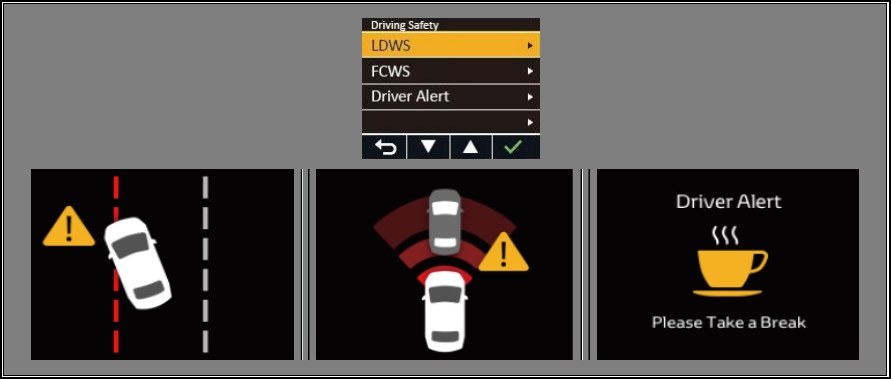
Three of the ADAS features in a Honda DVR.

There are also some units which can keep recording even while the car is parked. The value of this is questionable since the camera is only facing forward but if there are additional cameras, then someone attempting to break in could be recorded. To save power and storage space, some DVRs will only record if there is motion detected.

In the past few years, there have also been dual front-mounted cameras (besides rear-facing cameras). These have one camera recording the view forward and the other recording the view inside the cabin. Not everyone may like or need such a feature and it is more appreciate by taxi drivers who will have strangers in the car and need to have a record for their own protection.

The more expensive DVRs may also have GPS receivers which can include the car’s precise location along with the other information embedded in the recording. With special software, it will be possible to retrace a route on digital maps and even see the speeds the car was running at.
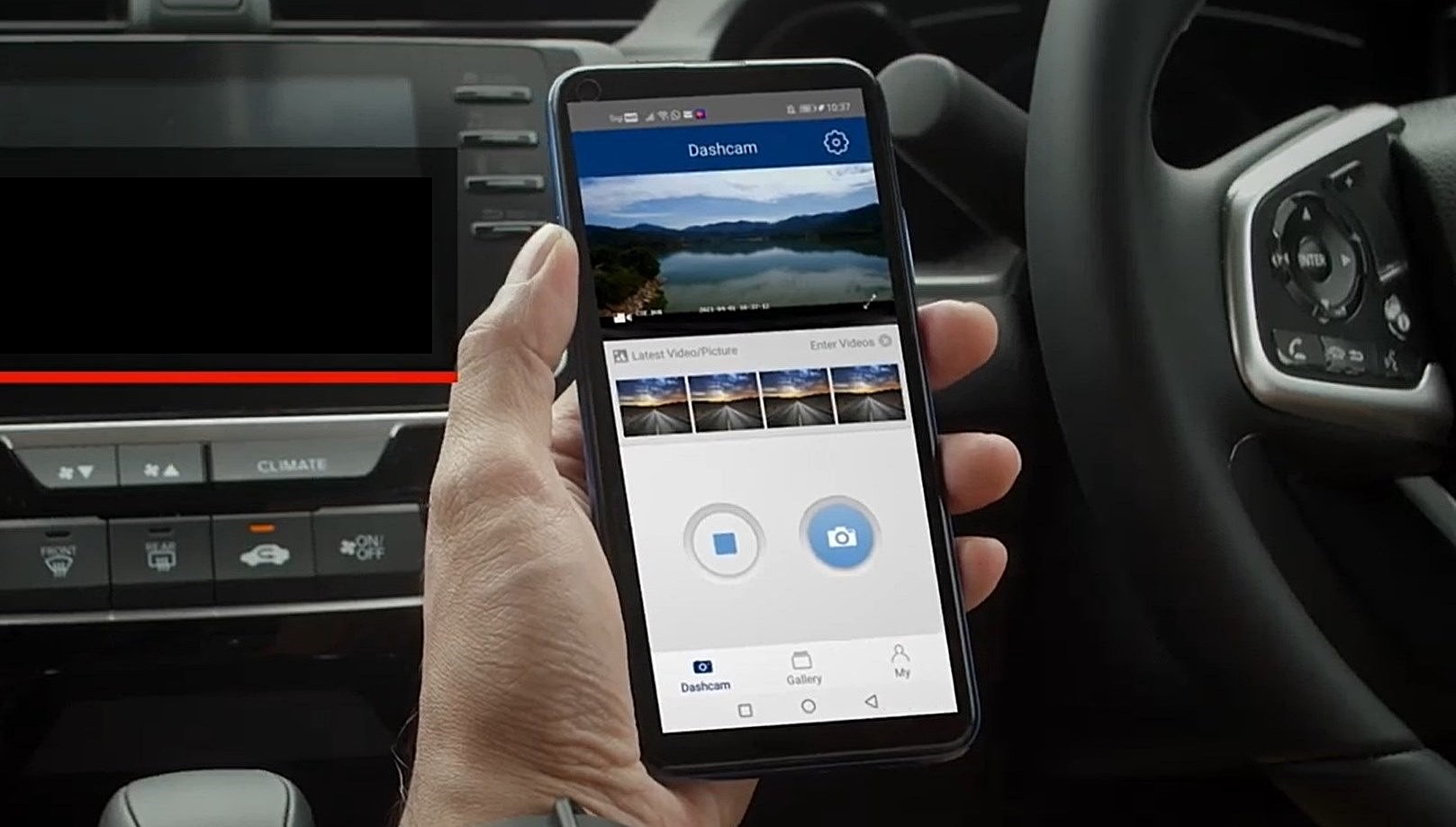
Some DVRs can connect a mobilephone or tablet via wifi or bluetooth and with an app, it is possible to manage the DVR settings easily or transfer files.

Virtually all DVRs have the ability to also record sound and some people may like it while others would rather not have any record of what is said on a journey. It is usually possible to switch off audio recording if not required. Some units might also accept simple voice commands like ‘TAKE PICTURE’ to record a still image.

Almost all DVRs have a feature to lock files so that they cannot be tampered with. This would be important after an accident has occurred and the driver can either manually lock the file or the impact will activate a lock on a specific file so that the evidence is safely preserved.
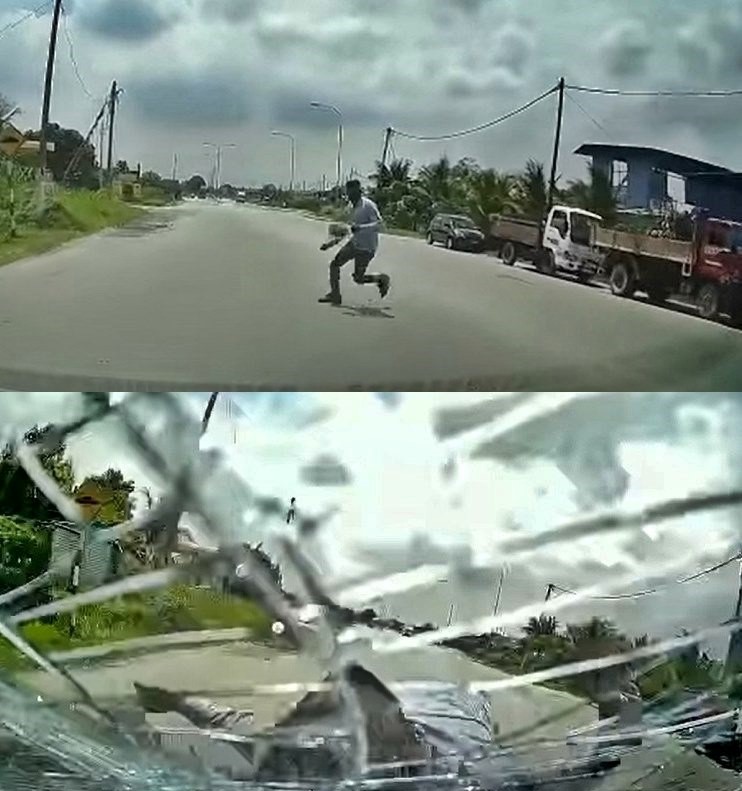
Thanks to having a DVR, the driver of this car had proof that the man had purposely run in front of his car and then jumped on it to make it look as if the driver had been at fault (to try to claim compensation). Click here to read more about this incident in Klang.

Installing a DVR is like buying insurance – you hope that you do not need it but if you have an accident, then you might be very glad you spent the money to put one in the car. Besides recording accidents, DVRs are also useful to record videos of roadtrips where you may have gone through a nice area. Or if you are in the right place at the right time, your DVR might catch other vehicles having accidents or even a meteor shooting across the sky ahead!

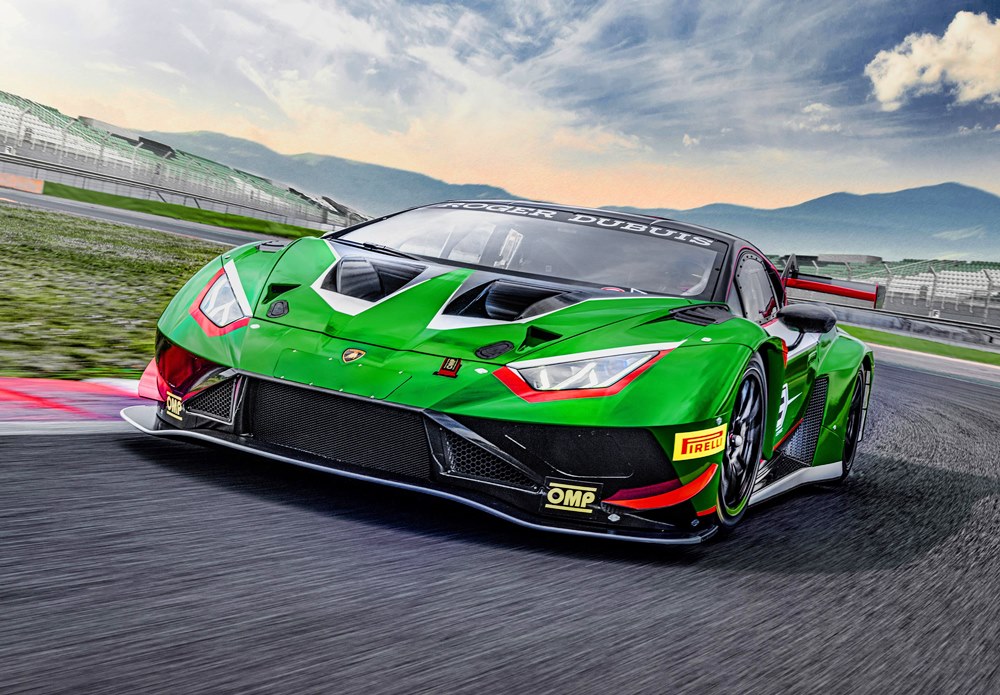
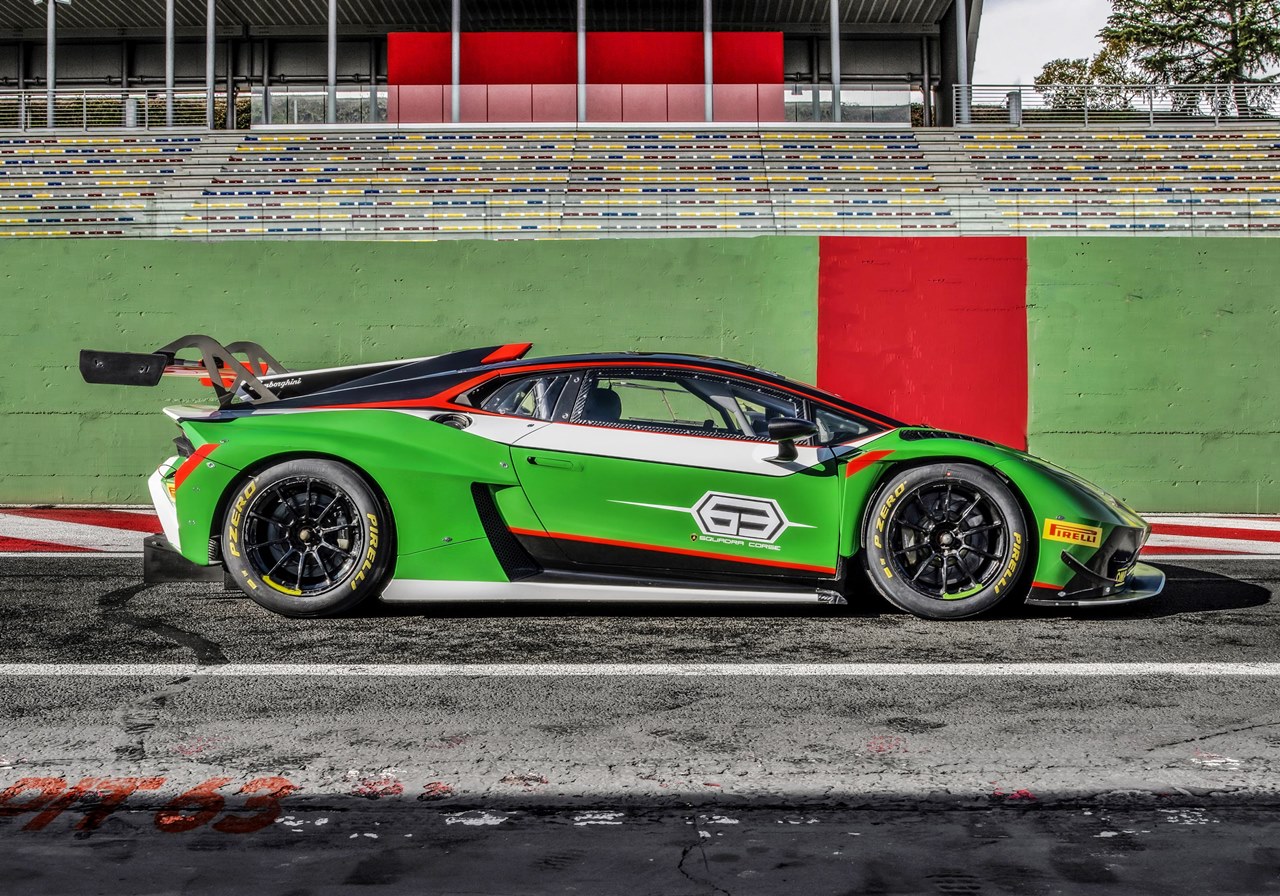
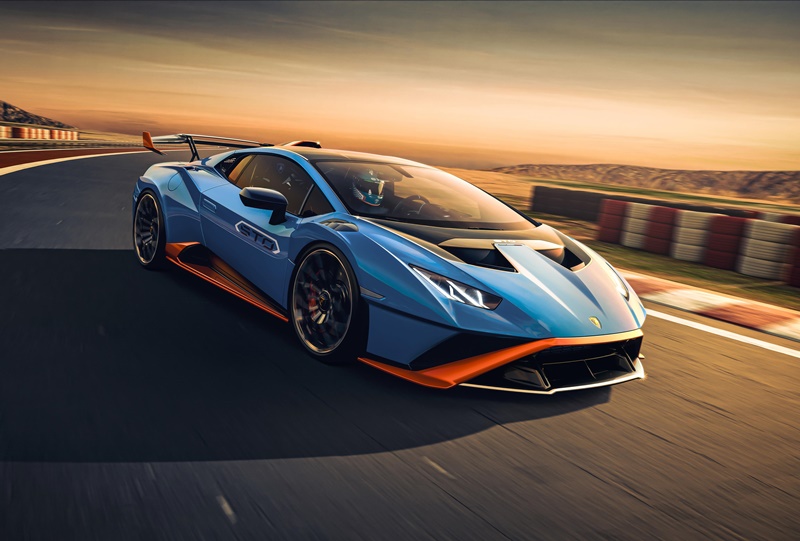
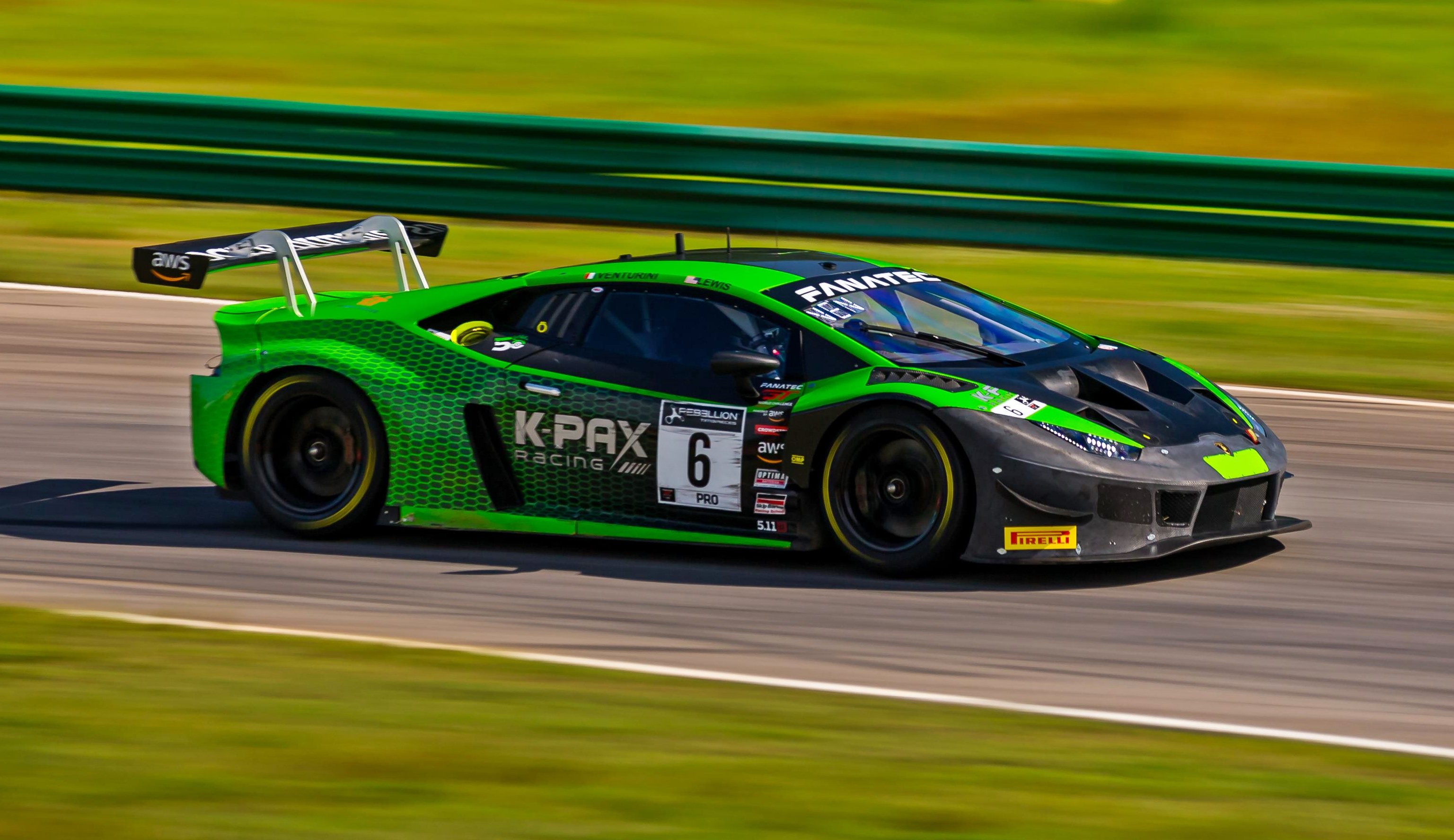
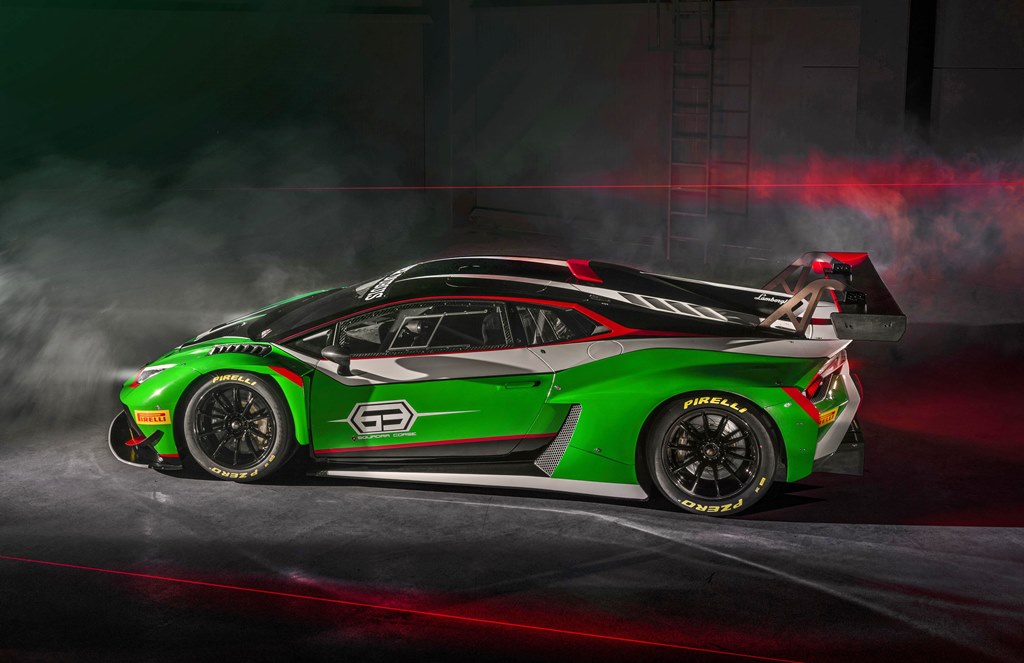
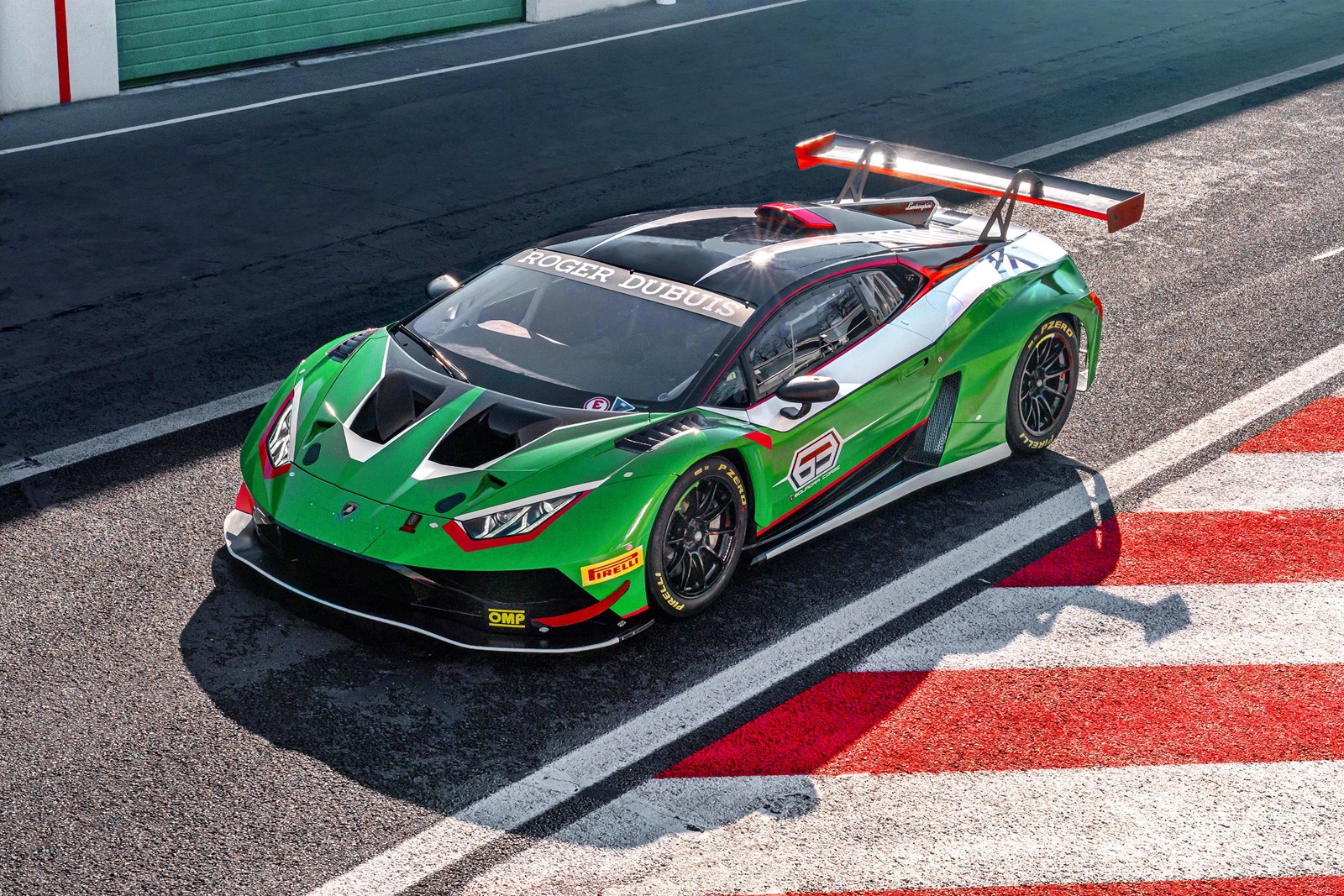
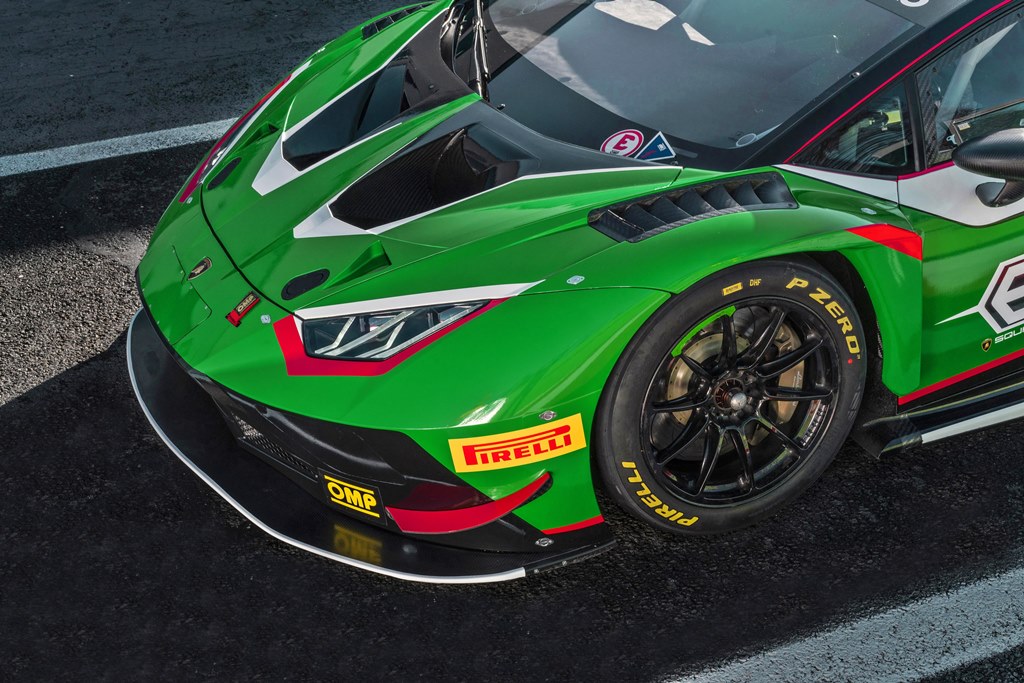
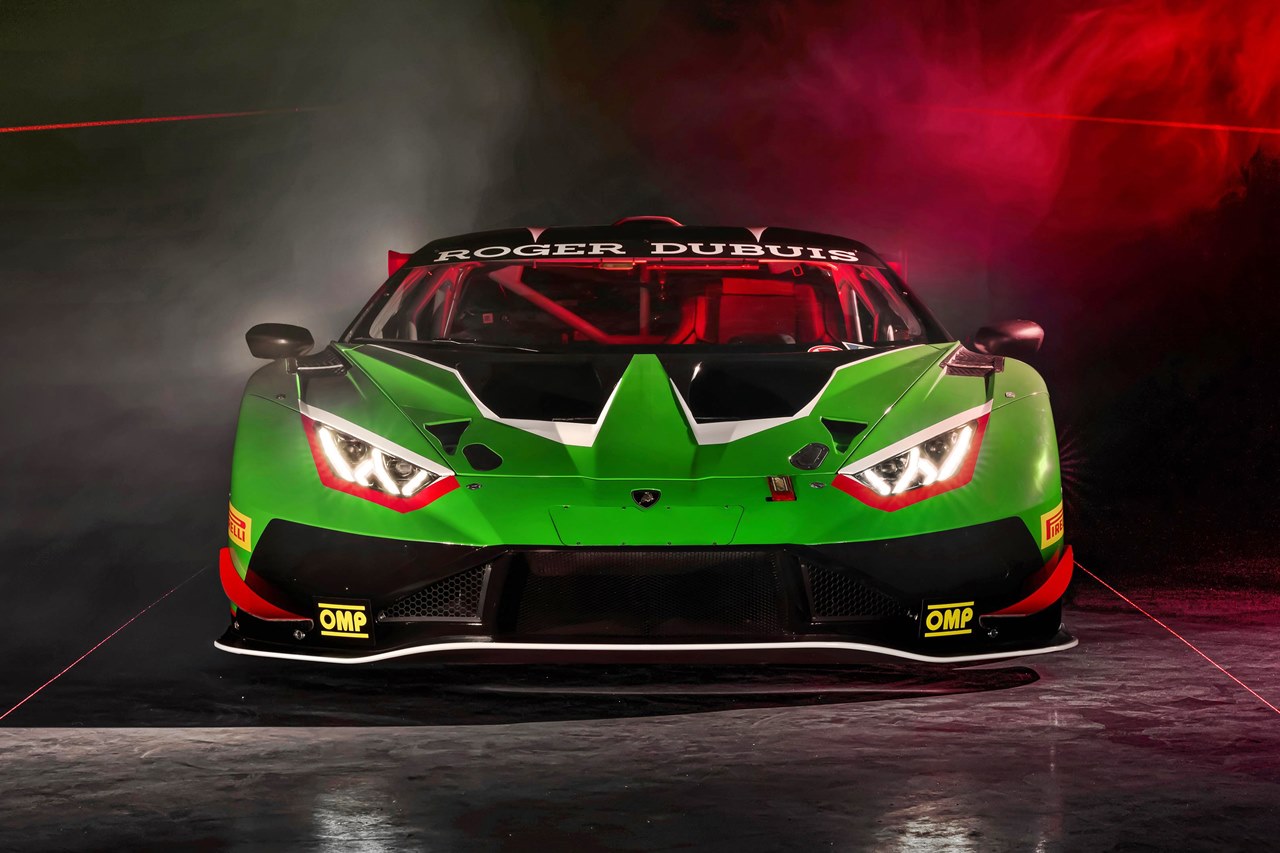
With the new FIA technical regulations coming into force this year, Lamborghini Squadra Corse has developed a new Huracan GT3 EVO2 which is an entirely new project. Compared to the Huracan GT3 EVO, which was homologated in 2019 and based on the Huracan EVO road car, the GT3 EVO2 is based on the Huracan STO and features all-new aerodynamic solutions and intake system.

It shares key design elements and rear-wheel drive only with the Huracan STO, and also the naturally aspirated V10 engine which, in the road version, delivers 640 bhp.

2022 Lamborghini Huracan GT3 EVO2

2021 Lamborghini Huracan STO
Huracan STO
Huracan GT3 EVO

The two strong design elements – the hexagonal airscoop design and the rear fin – are derived from Huracan STO, contributing to a more efficient intake system and better car balance. The airscoop is connected to a snorkel, replacing the side air intakes, which optimally channels the airflow directly into the engine, resulting in greater responsiveness to the driver’s demands.

2022 Lamborghini Huracan GT3 EVO2

2022 Lamborghini Huracan GT3 EVO2

The introduction of 10 electronically actuated throttle bodies increases the efficiency of the V10 with titanium valves; the entire system, designed in-house by Lamborghini Squadra Corse, is fixed to the engine by just 4 screws, a solution introduced for the first time on the Essenza SCV12, to facilitate maintenance work.

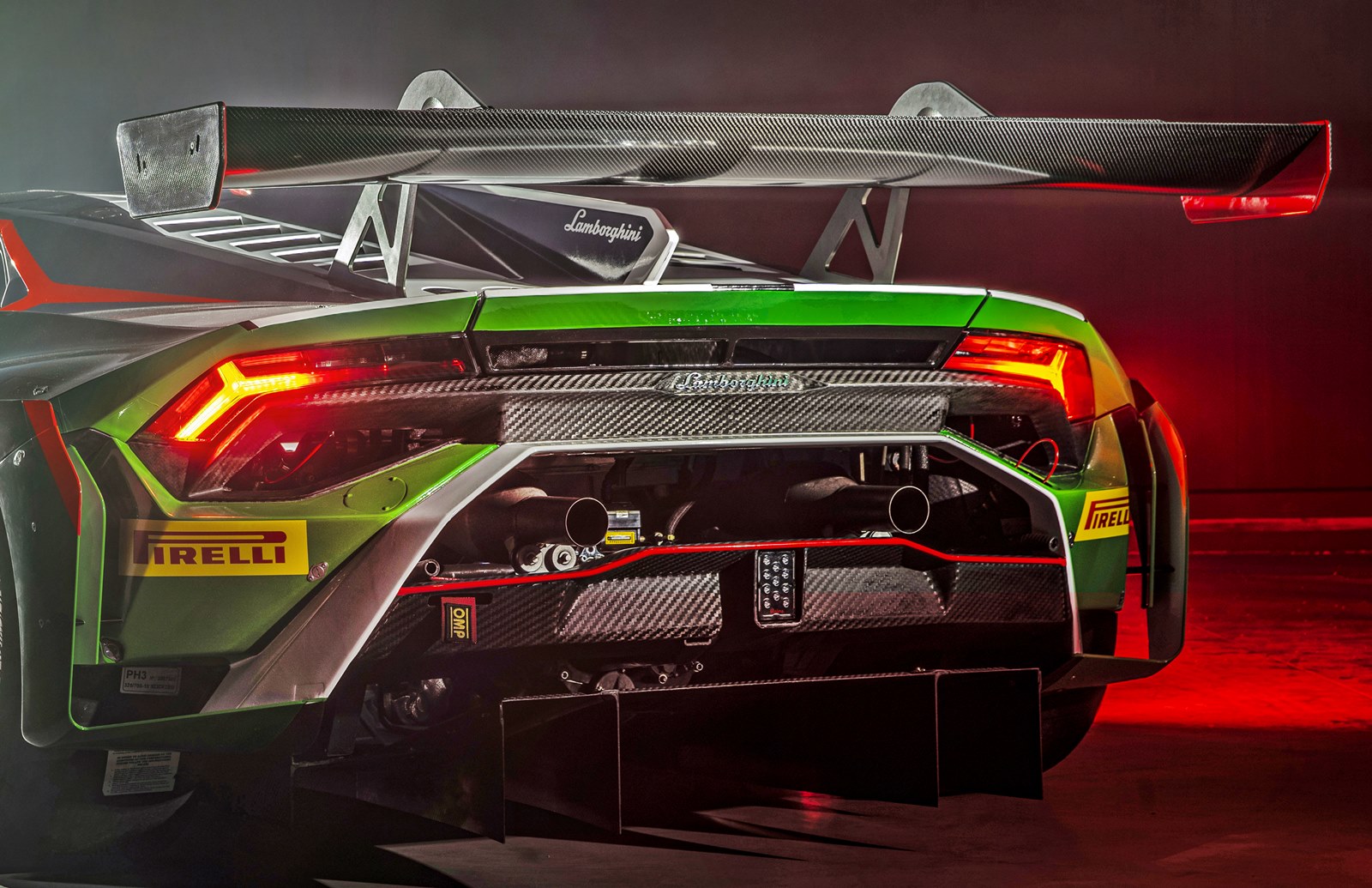
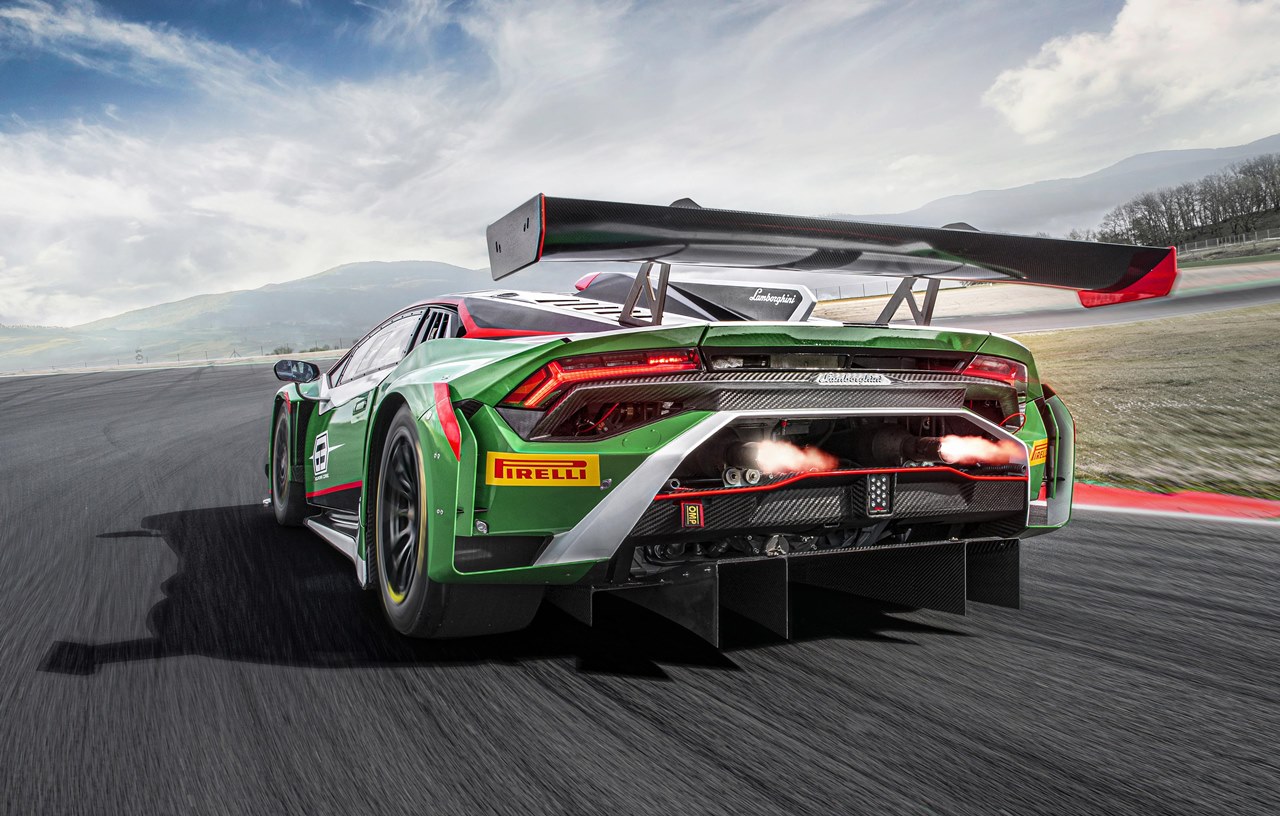
The fully carbonfibre bodywork has a muscular design created in collaboration with Lamborghini’s Centro Stile. The new splitters, diffuser and underbody enhance aerodynamic efficiency. The carbonfibre floor, coated with high-strength Zylon fibre, together with the new diffuser, provides greater downforce than the current generation GT3 EVO.

2022 Lamborghini Huracan GT3 EVO2

Other innovations include the rear wing, which is mounted on aluminium alloy pillars inspired by those of the STO. The new supports allow for greater precision in adjusting the wing compared to those of the EVO model.

The redesigned roll cage, with the introduction of two rear pillars, and the new carbon-Kevlar honeycomb side panels, already tested on the Essenza SCV12, increases safety in the event of impact on the doors in compliance with the FIA 2022 regulations. The plexiglas side windows are now fixed to the carbonfibre door panel by means of a ring of screws for greater structural rigidity and reliability.

2022 Lamborghini Huracan GT3 EVO2

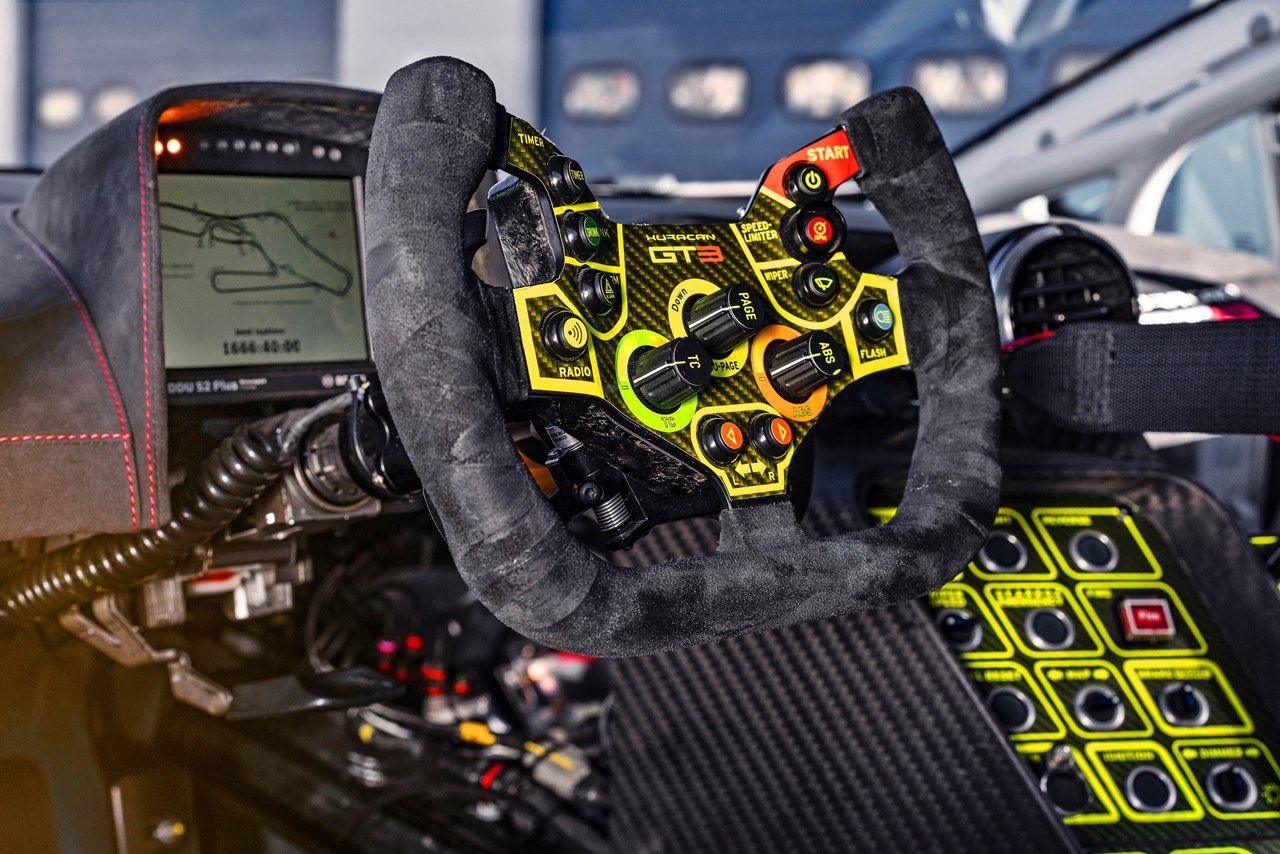
Stopping power has also been optimised as the brake system has been updated with new calipers and pads designed by Squadra Corse for both endurance and sprint races. These solutions, combined with dedicated traction control and ABS, have been developed to make the car easy to control in low-grip conditions. The car is delivered to customers equipped with PZero tyres (325/680-18 at the front; 325/705-18 at the rear) from Pirelli.

2022 Lamborghini Huracan GT3 EVO2

2022 Lamborghini Huracan GT3 EVO2

“The new Huracan GT3 EVO2 is not simply an evolution of the current car. It’s a new project that reinforces the technological transfer between Lamborghini’s motorsport division and the company and inherits two difficult tasks: to prove as successful as the previous generations of Huracan GT3, which have won more than 40 international titles in 6 seasons, and to match its commercial success by helping to reach the target of 500 Huracán racing cars since 2015,” said Giorgio Sanna, Lamborghini Head of Motorsport.

The first customers will get their cars from the second half of 2022, with the track debut to be at the 2023 Daytona 24 Hours. Those who are running the previous Huracan GT3 EVO model can upgrade it to the GT3 EVO2 specifications via an evolution kit.

2022 Lamborghini Huracan GT3 EVO2

Lamborghini Huracan deliveries pass 20,000 mark after 8 years

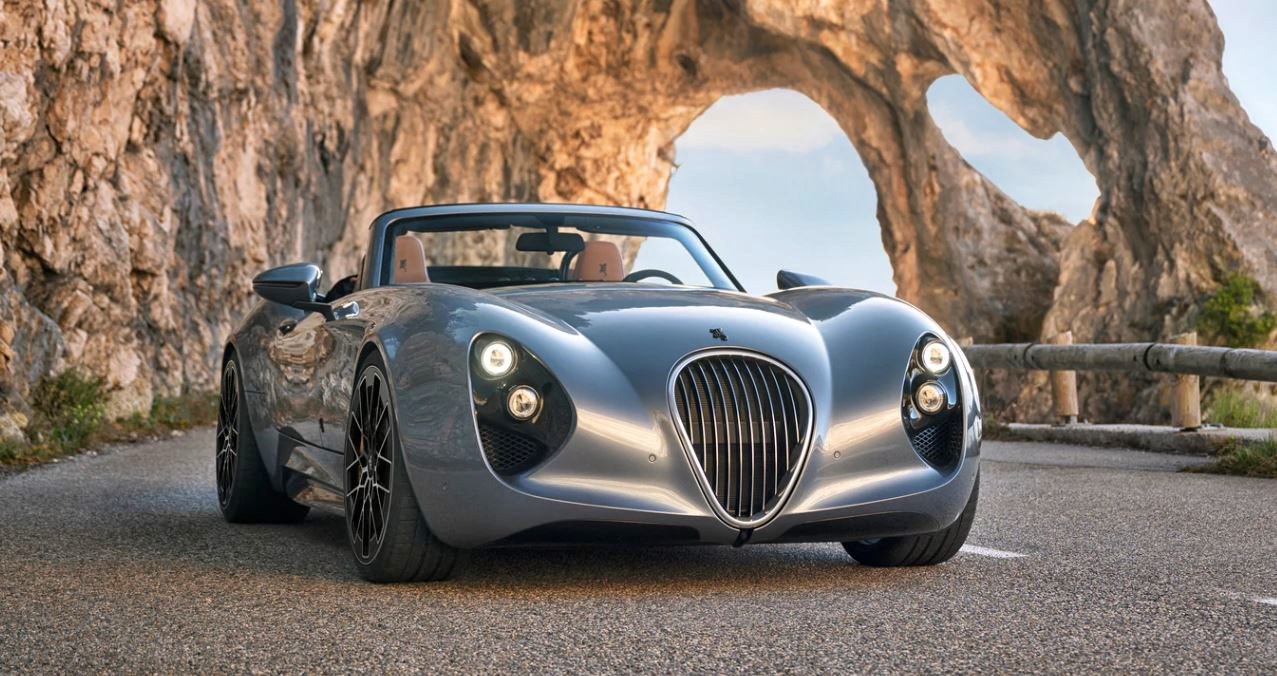
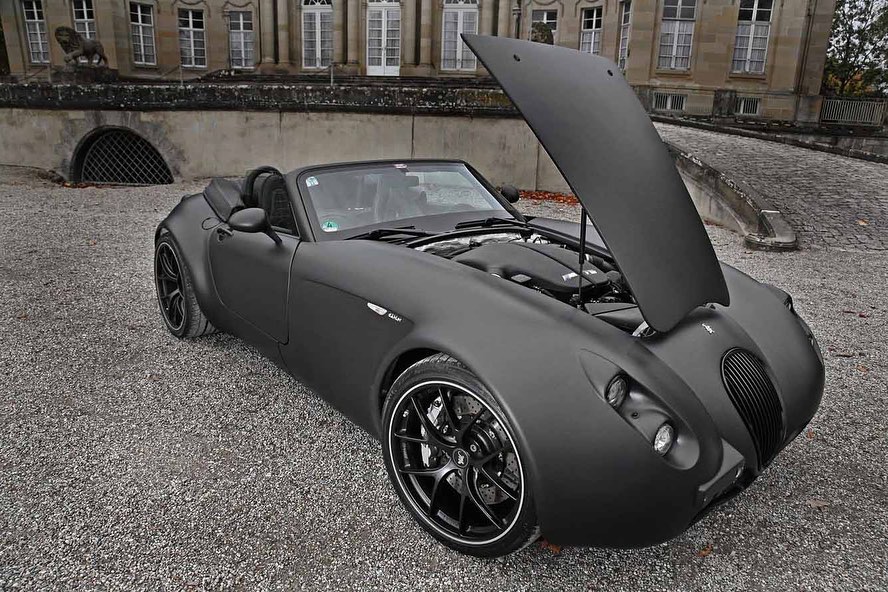
Wiesmann, a German carmaker founded by two brothers, has been in existence since 1988 although it may not be as well known as other specialist carmakers. Until it ran into financial problems and ceased operations in 2014, it had a steady business making and selling retro-styled sportscars with BMW M V8 and V10 engines.

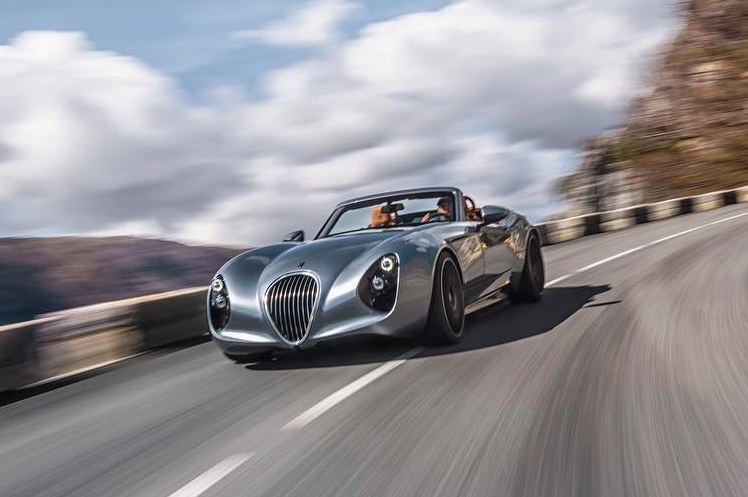
It came out of dormancy in 2016 after being qcquired by Contex Global, a technology company, and has since been developing new models. One of them, codenamed ‘Project Thunderball’, is an electrically-powered convertible sportscar with rear-wheel drive. Development appears to have been completed and a fully engineered car built for preliminary presentation to the world.

2022 Wiesmann Thunderball EV

With the promise of being ‘the world’s most exciting electric sports car’, the Thunderball (we don’t know if that will be its name in the market) has two electric motors at the rear end. These have a combined output of 494 kW (671 ps) and 1,100 Nm, which should take the 1,700-kg roadster from standstill to 100 km/h in a claimed 2.9 seconds.

The 83 kWh lithium-ion battery pack, which comes from another sportscar company, Roding Automobile, will have 800V technology and can be charged at levels of up to 300 kW. A 500-km range on a full charge is targeted.

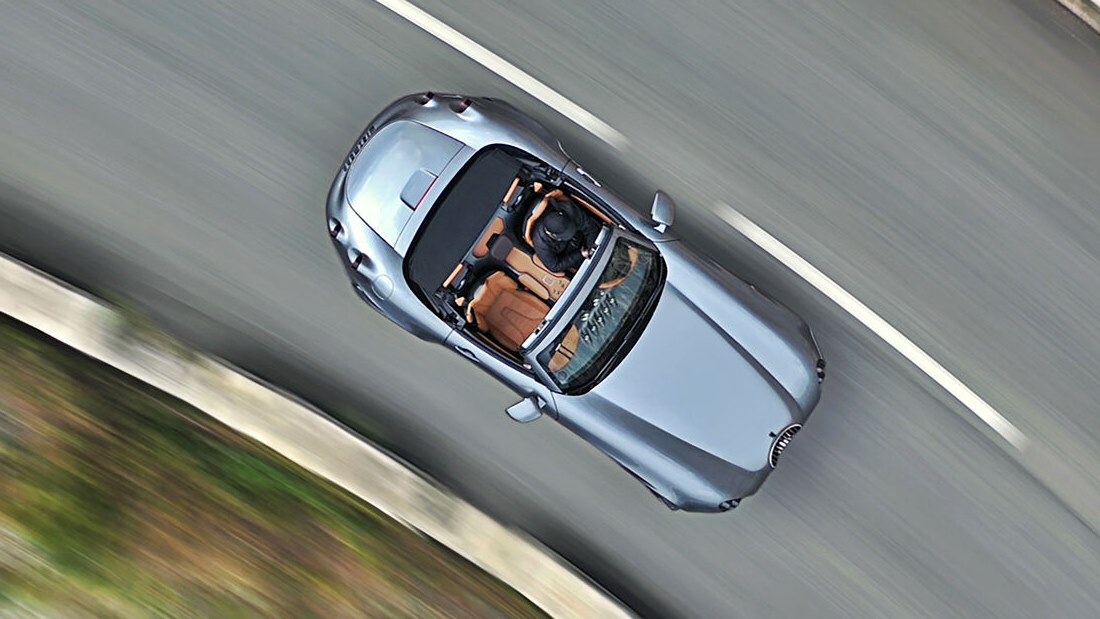
2022 Wiesmann Thunderball EV

GT MF5, produced in 2009, had BMW V8 and V10 engines. Only 65 units were available.

Having many years of experience developing sportscars, Wiesmann intends to maintain the driving dynamics that its customers have enjoyed in its combustion-engined models. One approach is the way it has programmed the regenerative braking system to give the sort of feel which has been lost in most electric vehicles today. The Thunderball’s system will have 5 levels of braking and stronger braking forces that drivers can manage when heading into turns.

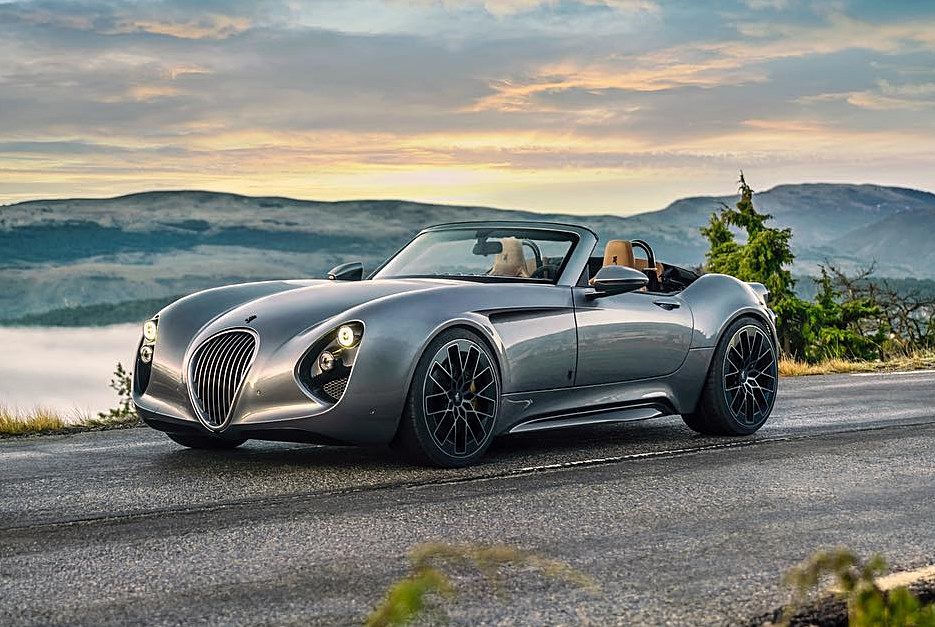
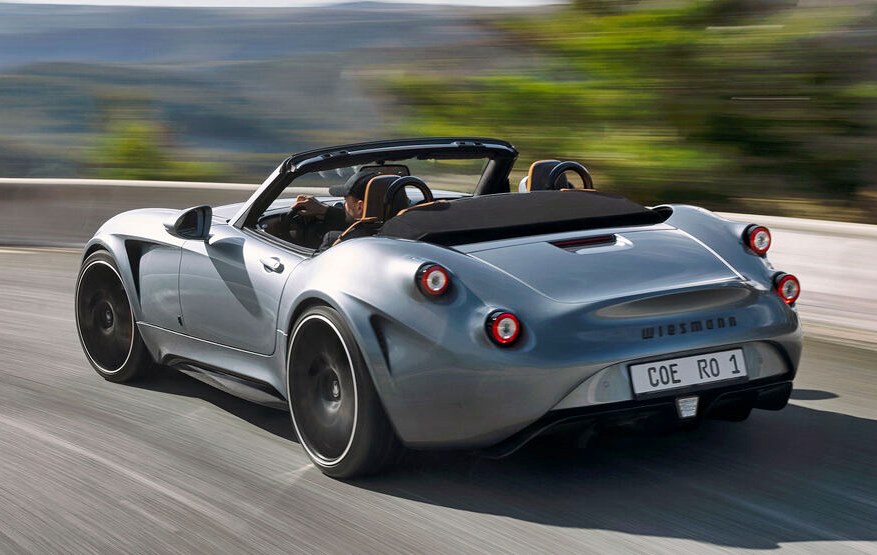
The styling will still have some retro undertones although there are also elements of modernity which reflect the new era of powertrains (and also the company). Besides the signature grille shape that was last seen on the company’s MF5 model, the new car will also retain the long-nose profile reminiscent of British sportscars.

2022 Wiesmann Thunderball EV

2022 Wiesmann Thunderball EV

2022 Wiesmann Thunderball EV

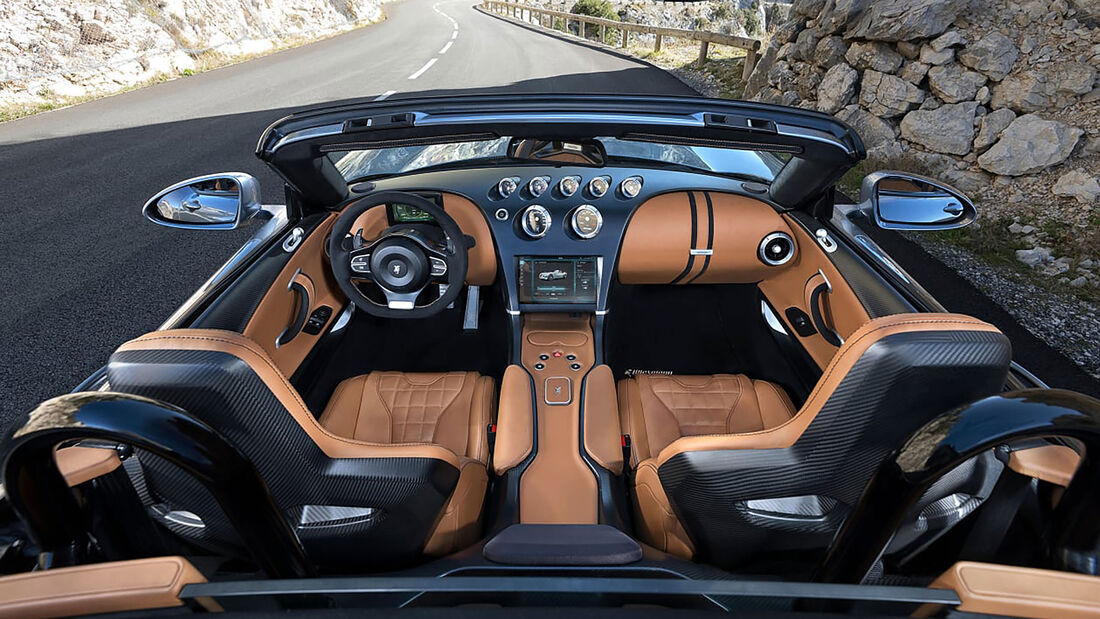
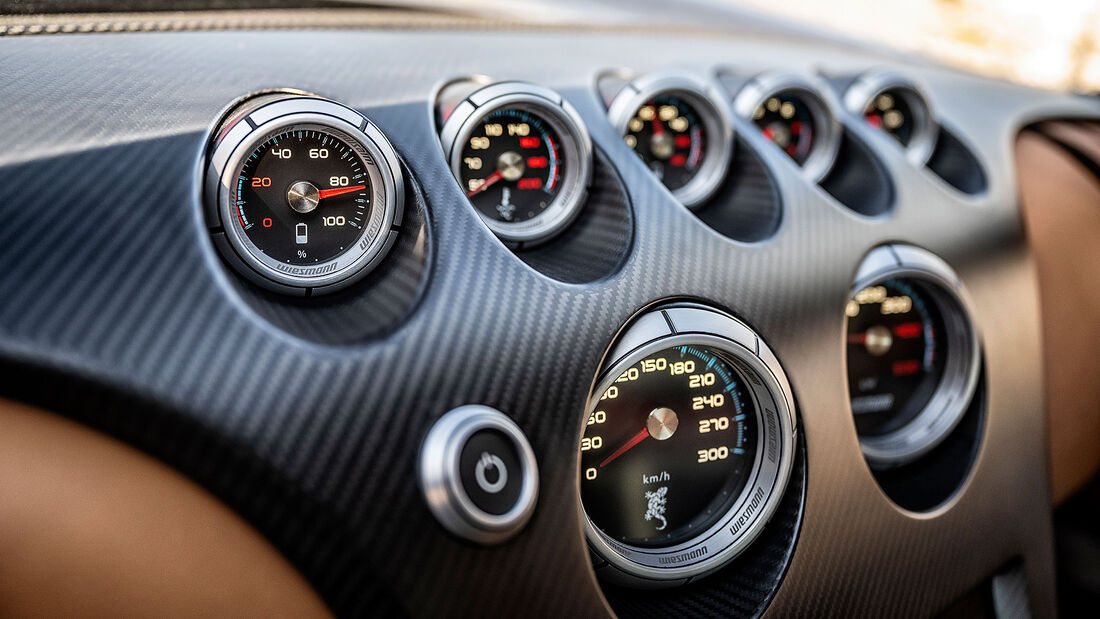
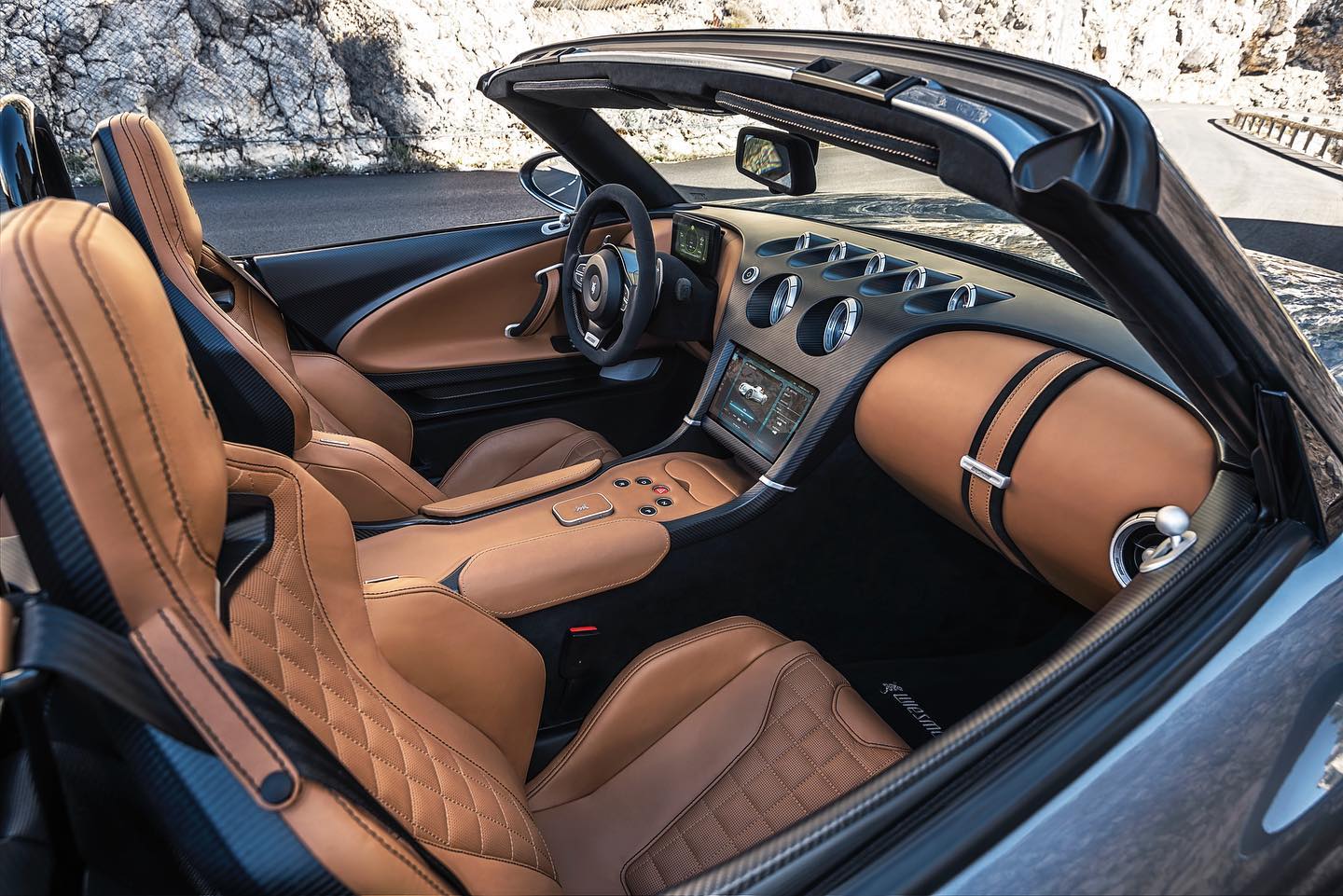
The interior, like the exterior, has a blend of retro and modern themes. Modern materials like carbonfibre will be used for the dashboard which will incorporate a large display screen and no less than 7 analogue meters. The sports seats will also have carbonfibre shells to keep weight low.

Wiesmann will build the Thunderball at its own factory in Germany and has indicated a starting price of €300,000 (about RM1.37 million).

2022 Wiesmann Thunderball EV

Jaguar XK European by Thornley Kelham – an automotive icon reimagined

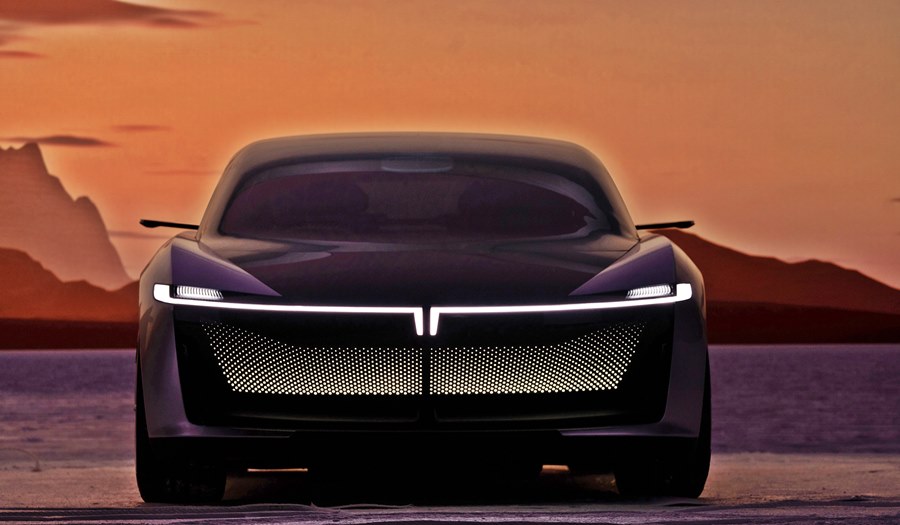
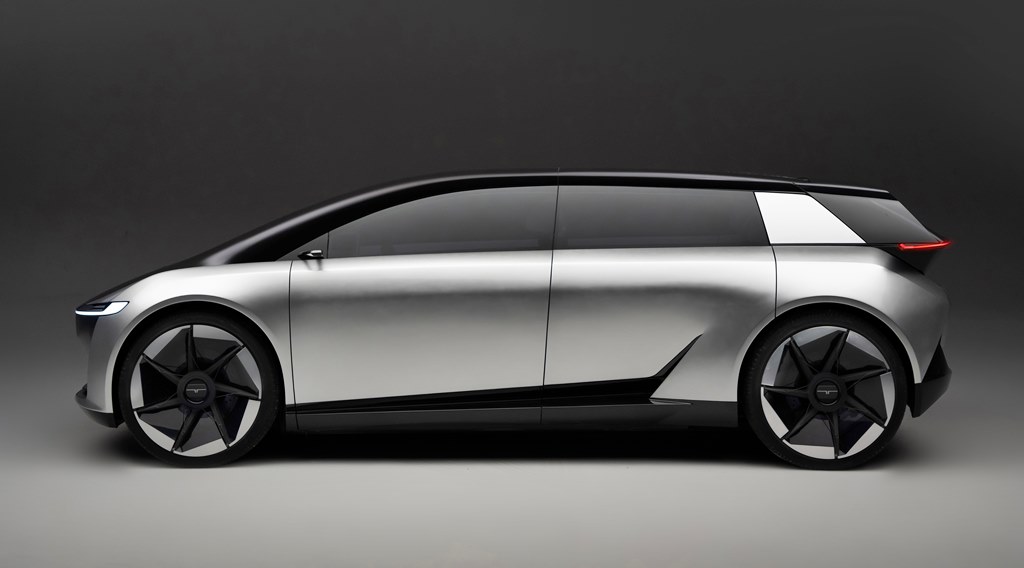
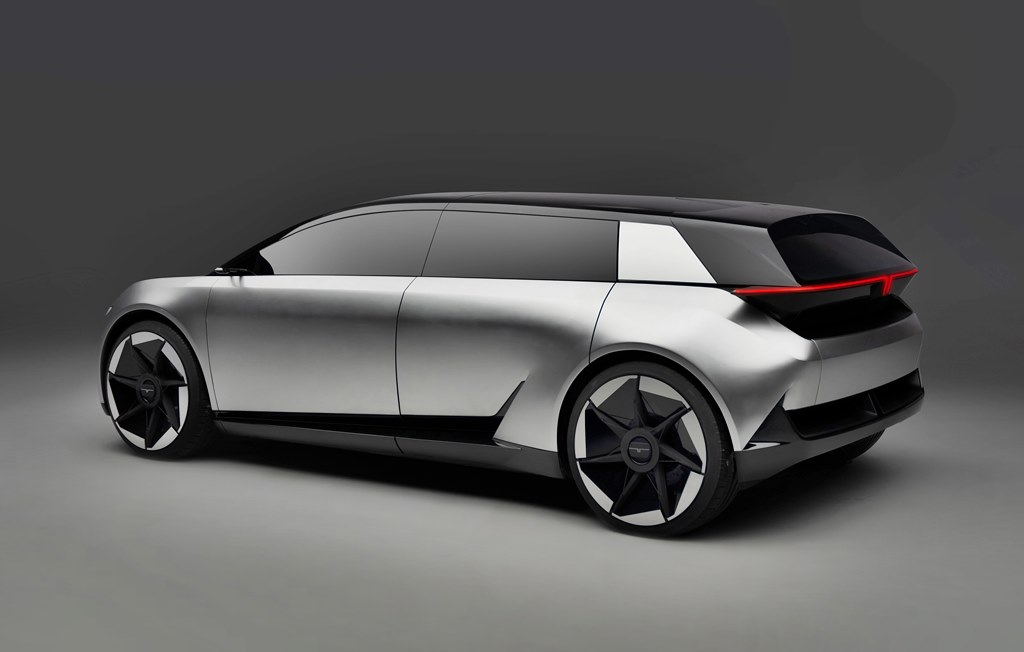
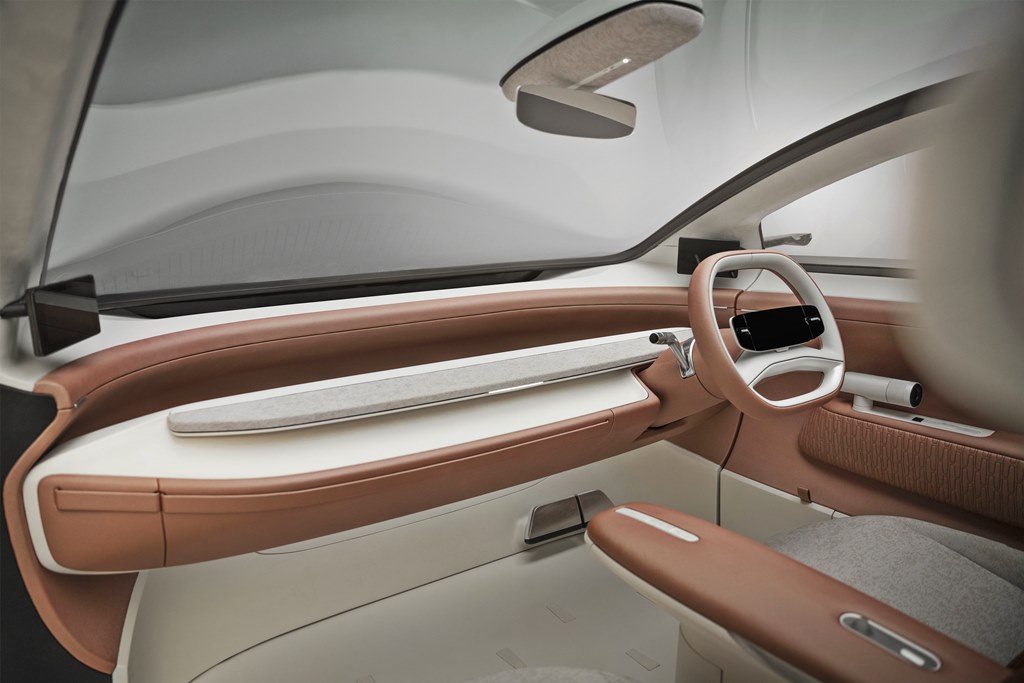
Following the presentation of the CURVV concept early in April, Tata Motors recently unveiled a second concept car which will be the basis of a new battery-electric vehicle (BEV) that will enter the market in 2025. The new concept car is called the AVINYA, the name being derived from the Sanskrit language to stand for ‘Innovation’.

“While making the AVINYA Concept a reality, the central idea was to offer a mobility solution like no other – a state of the art software on wheels that is well designed, sustainable and reduces the planet’s carbon footprint,” said N Chandrasekaran, Chairman, Tata Sons and Tata Motors. “Green Mobility is at the nucleus of Tata Passenger Electric Mobility (TPEM), and the AVINYA Concept is the perfect reflection of what the company stands for – a creation that will not only accelerate the adoption of EVs but also lead this movement.”

2022 Tata AVINYA Concept EV

Expanding on Mr. Chandrasekaran’s statement, Shailesh Chandra, Managing Director, Tata Motors Passenger Vehicles Ltd., and Tata Passenger Electric Mobility Ltd., said: “It is indeed a matter of pride for us at TPEM to present the AVINYA Concept to the world, a vision pivotal in signalling a ‘New Paradigm’. Holding on to its values of Simplicity, Timelessness, Effortlessness and Grace, the AVINYA is not only a concept but is our new identity, an identity which is here to challenge the status quo. It gives me an intense sense of optimism to present a new typology of vehicles that will introduce the automobile industry to options beyond mobility – a tranquil space which will offer you a complete sensory experience while on the move.”

The AVINYA Concept is the first model built on the GEN 3 architecture developed for BEVs. This global platform offers high structural safety and has the next level of waterproofing and dust protection which may be a necessity in India and some other markets.

2022 Tata AVINYA Concept EV

This architecture is built with the use of next-gen lightweight materials, efficient electronic componentry and proprietary energy management strategies and algorithms for efficiency management.

With this architecture, Tata Motors plans to produce a range of globally competitive EVs. These will have new age technology, software and Artificial Intelligence working in the background. To help in widening adoption of BEVs, Tata Motors aims to make the model fairly accessible to a majority of customers of fast-growing, high-volume segments of today.

2022 Tata AVINYA Concept EV

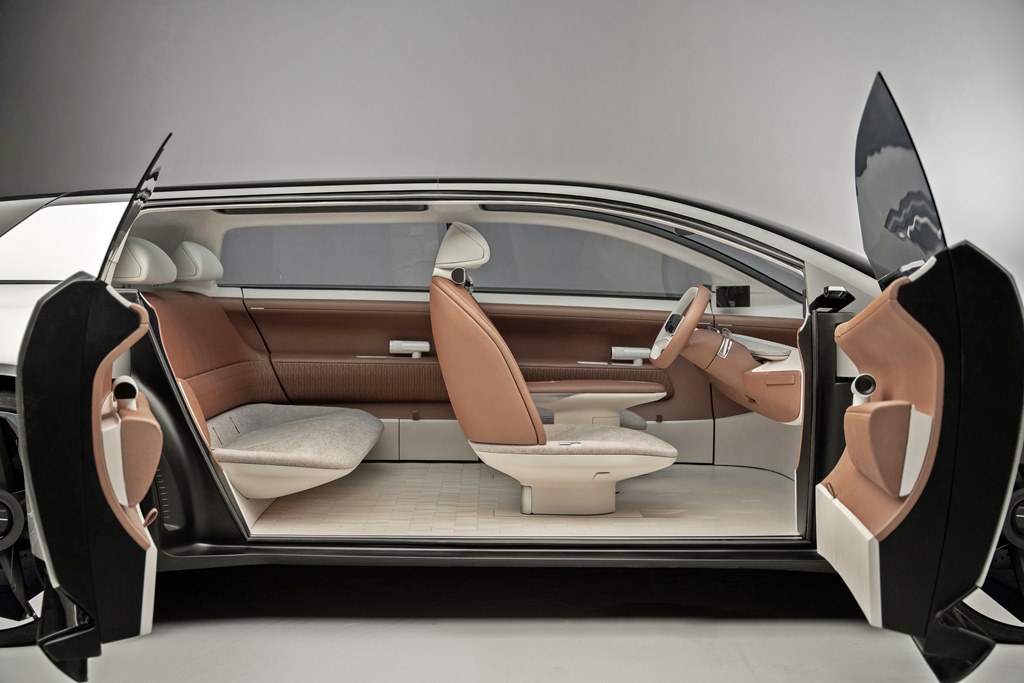
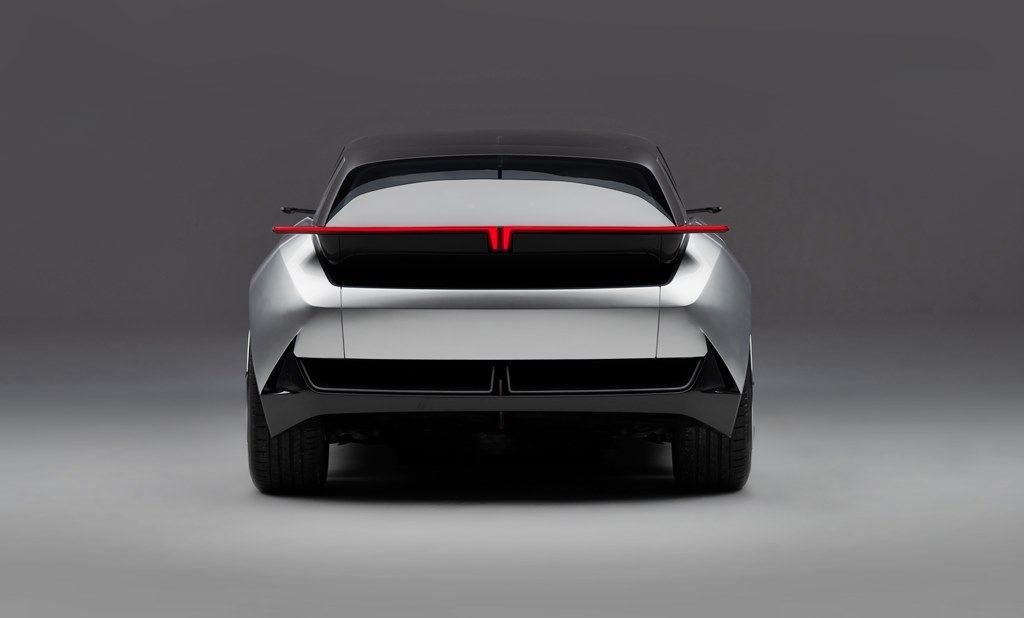
The catamaran design served as inspiration for the AVINYA Concept, conceived as a premium hatchback with the versatility of an SUV and the roominess and functionality of an MPV. A significant highlight on the front and the rear of the vehicle is the new identity. Each side has ‘Butterfly’ doors, hinged at the front and at the rear. When both are open, a wide opening is available for entry and exit.

Such a concept is usually shown in concept cars but does not always continue in the production models. There are some models that do have it, like those from Rolls-Royce and as we have seen recently, the new Mazda MX-30.

The AVINYA Concept also has a skydome to further enhance the overall sense of space by letting in natural light from above. Sustainable materials are used, communicating the ethos of the product and as a finishing touch, there is an aroma diffuser.

2022 Tata AVINYA Concept EV

2022 Tata AVINYA Concept EV

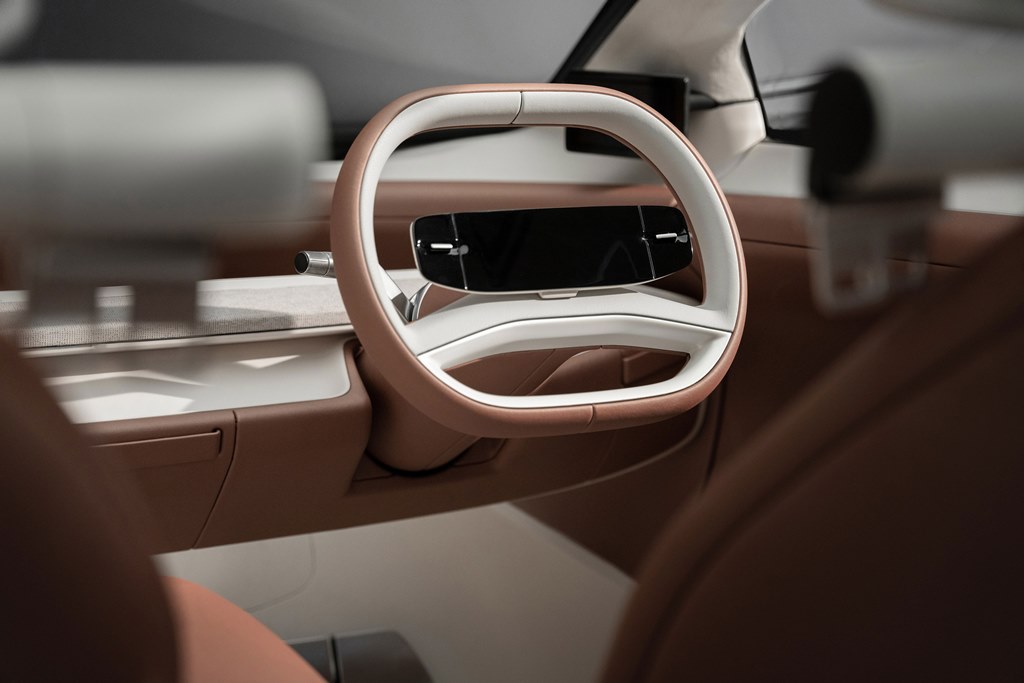
Tata Motors’ designers have made an interesting departure from the trend of having more display screens (and larger ones too) around the cabin. They believe that less screen time is the way to go, and have minimised this aspect. This will eliminate distractions inside the car and create a stress-free environment for the mind and soul, they feel.

2022 Tata AVINYA Concept EV

Tata Motors does not say much about the powertrain but intends to provide a battery pack with ultra fast-charge capability that will give a 500-km range in under 30 minutes. Other subsidiaries in the Tata Group will develop the batteries and EV technologies, giving the company an advantage in what will become a competitive segment of the global auto market.

Tata CURVV concept SUV previews next-generation electric model from carmaker

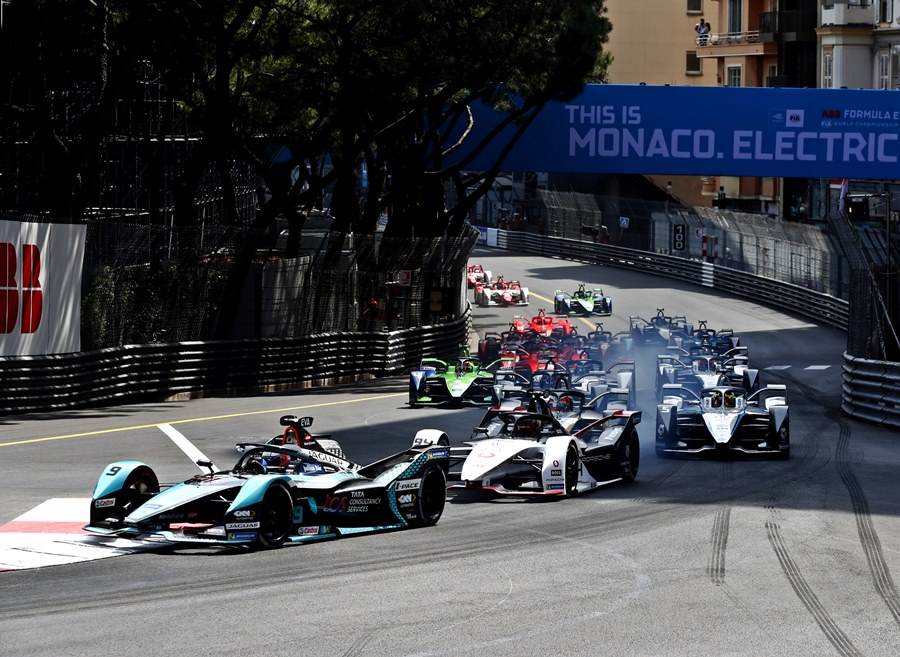
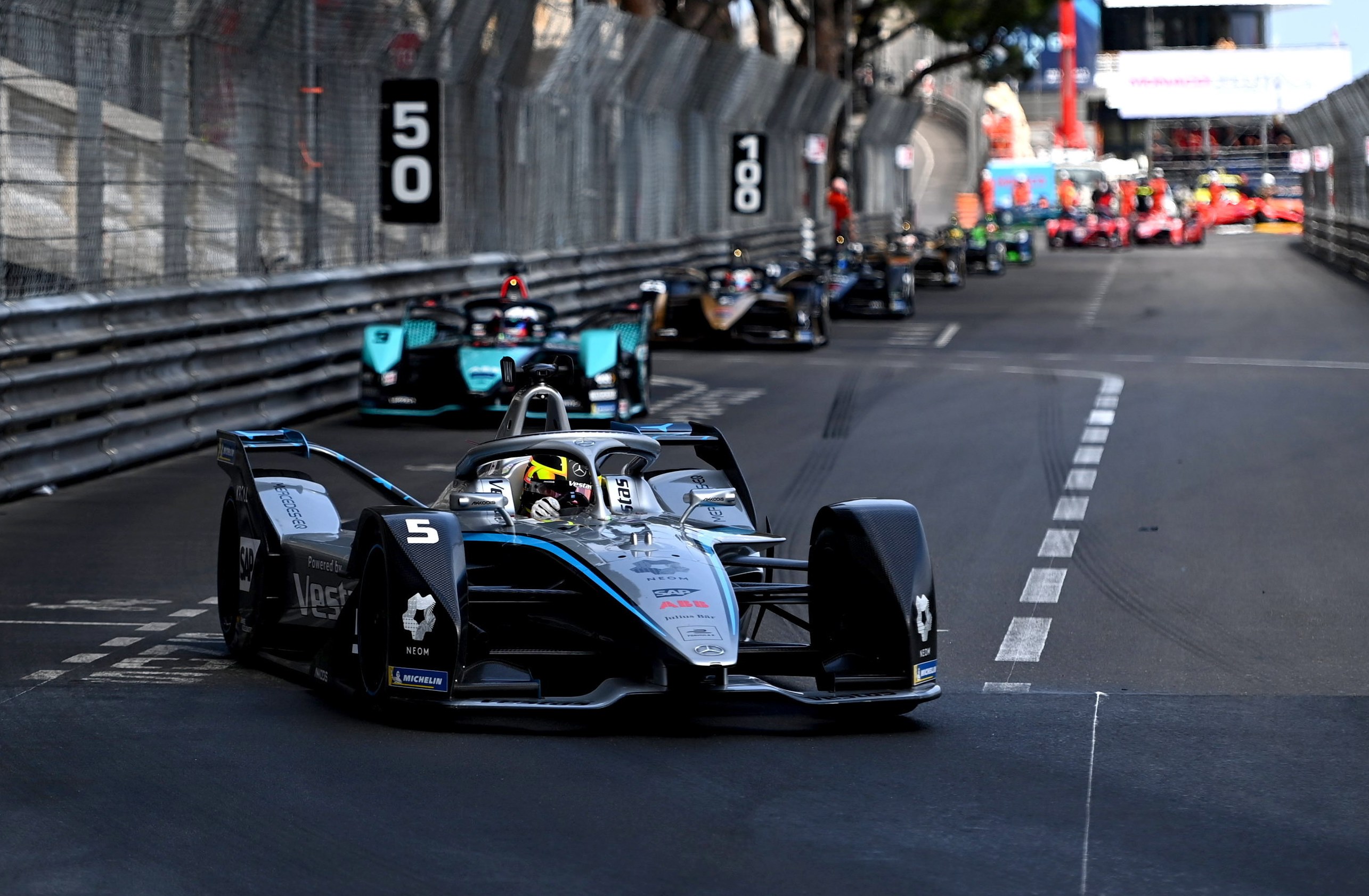
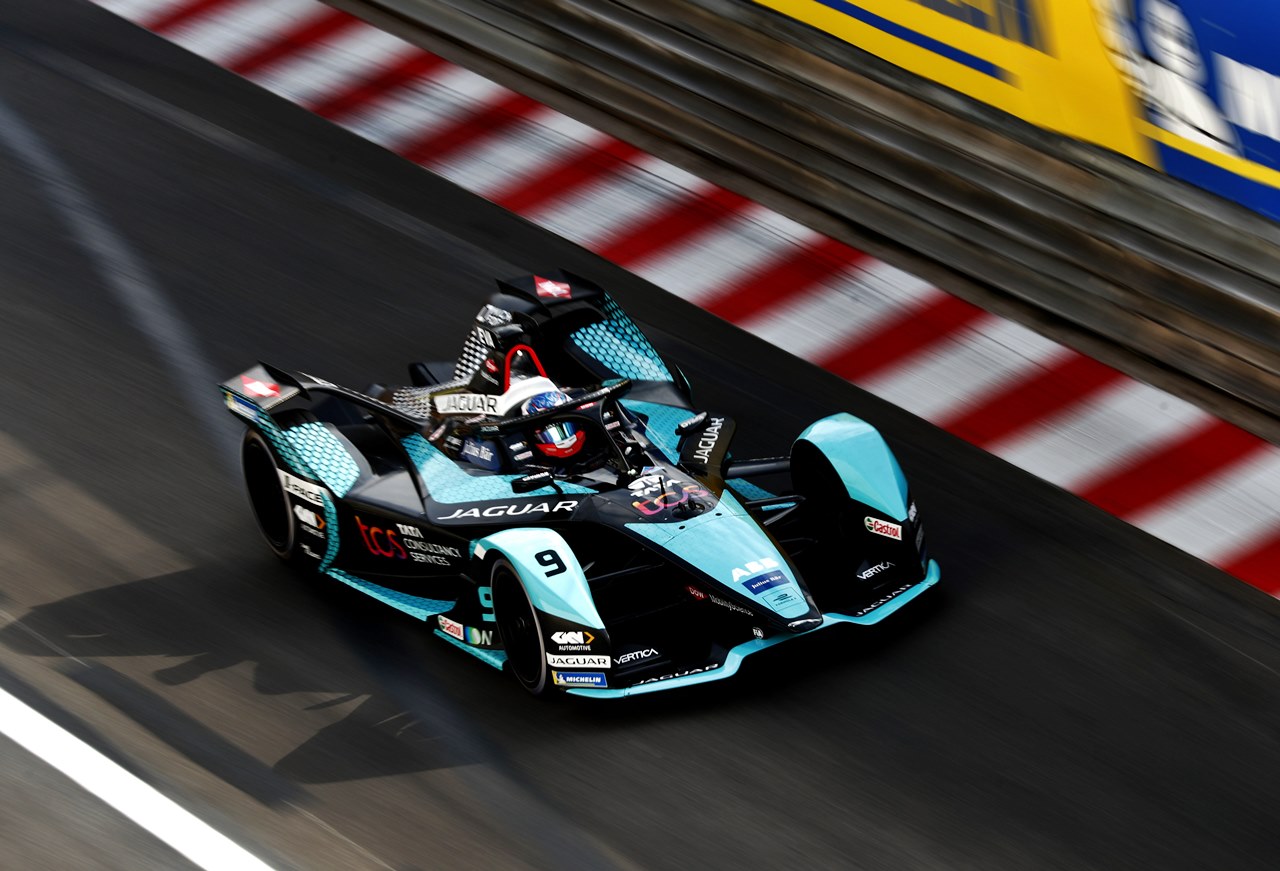
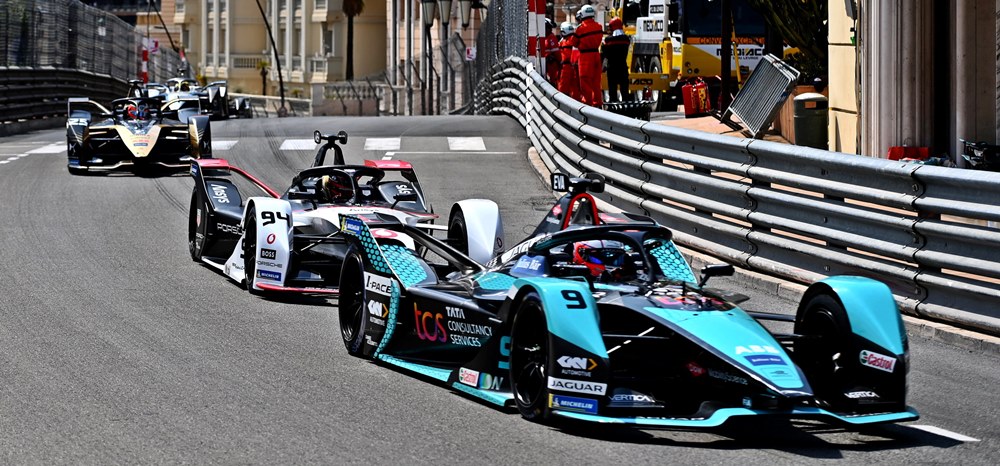
The championship lead in Season 8 of Formula E again changed after Round 6 as Mercedes-EQ Formula E Team’s Stoffel Vandoorne claimed victory in Monte Carlo. Running a tactical drive around the famous street circuit, he beat polesitter Mitch Evans (Jaguar TCS Racing) and DS TECHEETAH’s Jean-Eric Vergne.

Evans had been close to a win in Monaco last year, before DS TECHEETAH’s Antonio Felix da Costa snatched it from him seconds from the end. This year, he had been looking forward to finally scoring the win, but it was evident that he couldn’t quite capitalise on the searing pace that saw him fly to pole position. Anyway, 18 points and second spot after a Rome win-double sees the Jaguar driver’s hot-streak continue.

Having started fourth, Vandoorne managed to get to the front after then-leader Pascal Wehrlein (TAG Heuer Porsche Formula E Team) retired from the lead with technical issues on Lap 16. The disappointed Porsche team was uncertain why their car turned completely off and shut down on the downhill section out of Mirabeau.

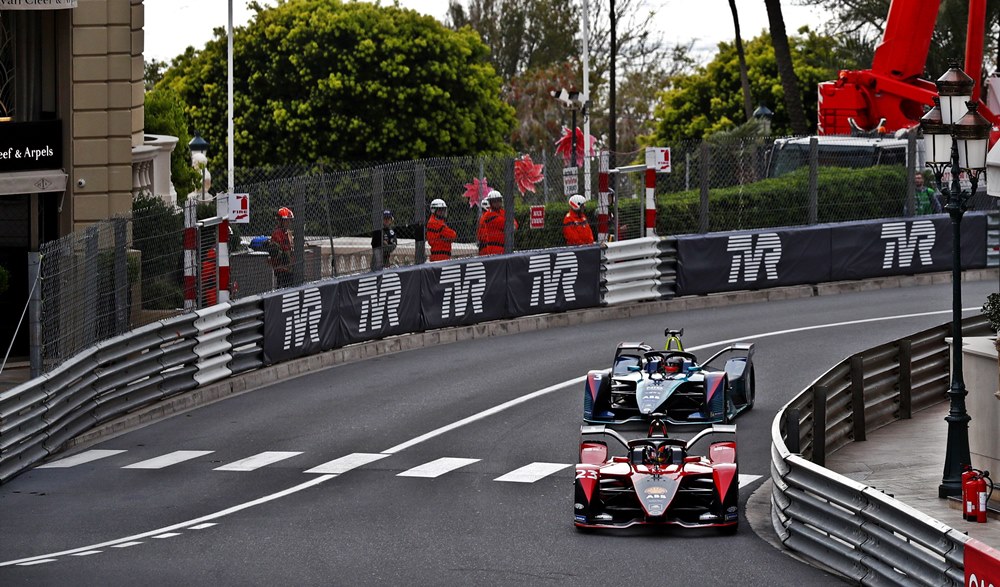
With Wehrlein’s car recovered, the racing got back underway until shortly after, a collision with Mahindra Racing’s Oliver Rowland saw Andre Lotterer hit the wall into Sainte Devote (Turn 1), ending his race early. Having secured the lead, Vandoorne stayed in control to emerge in a strong position after a full course yellow and Safety Car. He made good on both restarts to take the chequered flag first with race pace and energy in-hand.

Porsche Taycan EV is used as Safety Car for the series this year.

Vergne had sparred for the race distance with those ahead and fending off the late attentions of Envision Racing’s Robin Frijns who finished fourth, the Dutchman extending his consistent run of form. That made it a joint-high of three podiums for Vergne and he remains the only driver to score points in every race this season.

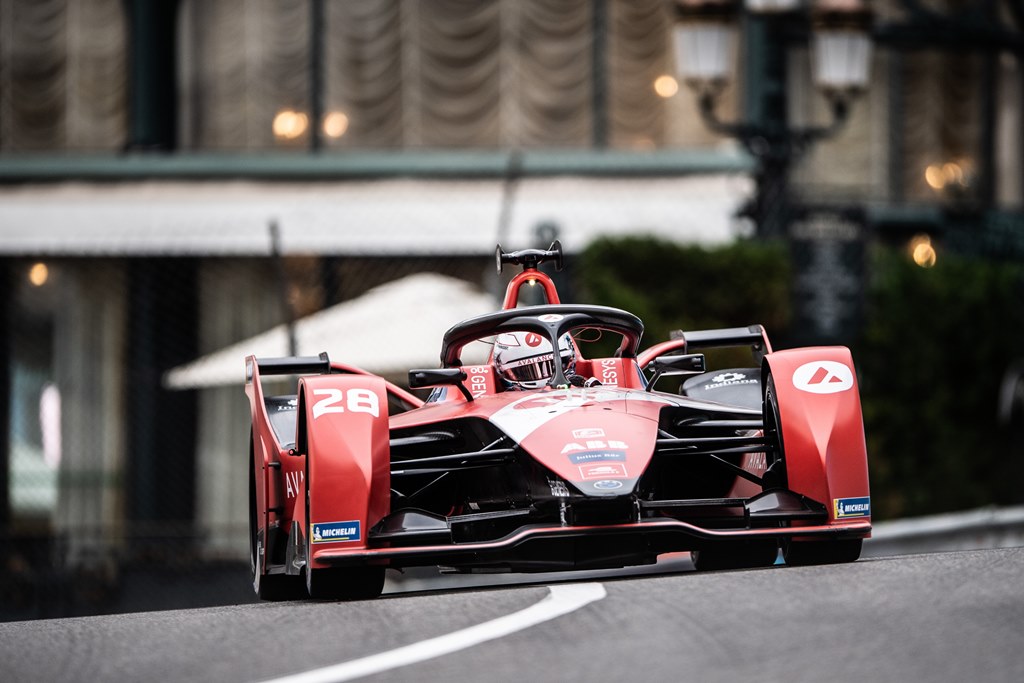
Antonio Felix da Costa made it two DS TECHEETAHs in the top five finishers, with Lucas di Grassi taking sixth for ROKiT Venturi Racing, Unfortunately, Edoardo Mortara retired late on having run much of the race alongside his teammate in the points.

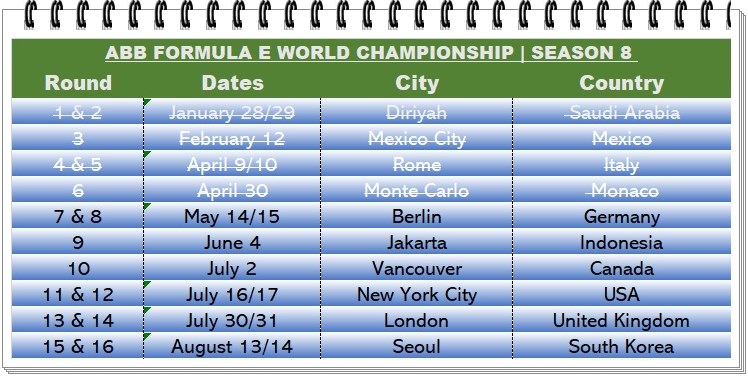
The series will next be in Berlin for two rounds on May 14/15, at which time the championship will be at its halfway point. After Berlin will be a round in Indonesia, which will host a Formula E round for the first time at a purpose-built circuit in northern Jakarta.

Formula E Gen3 racing car unveiled, to be used from Season 9 in 2023

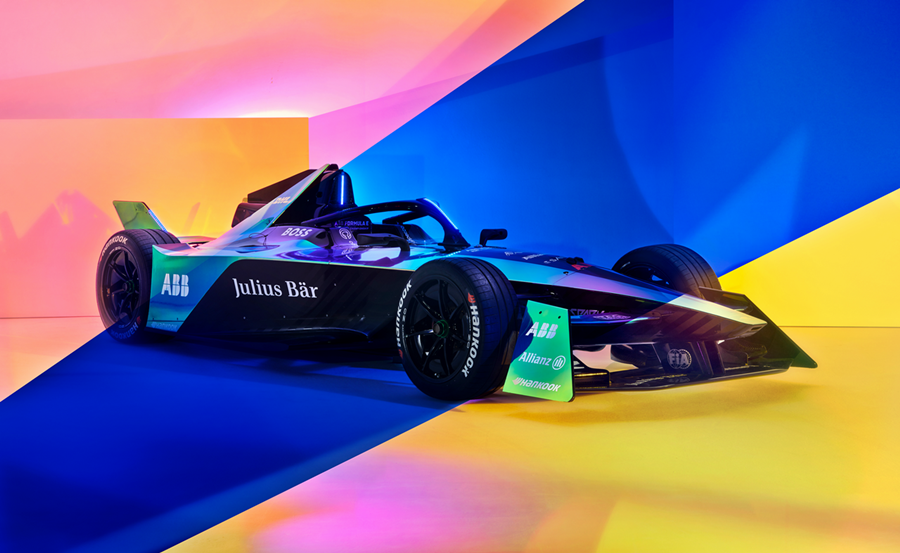
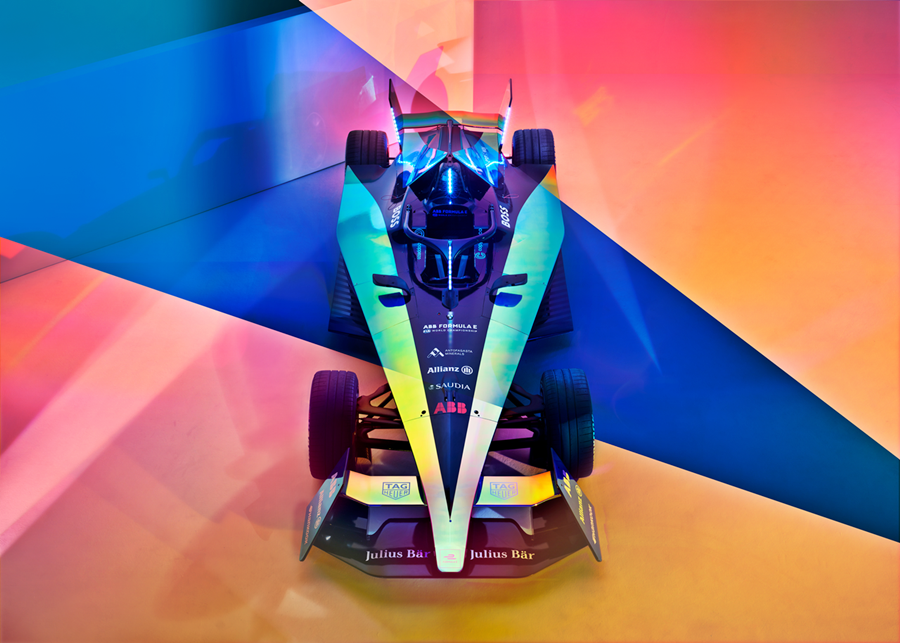
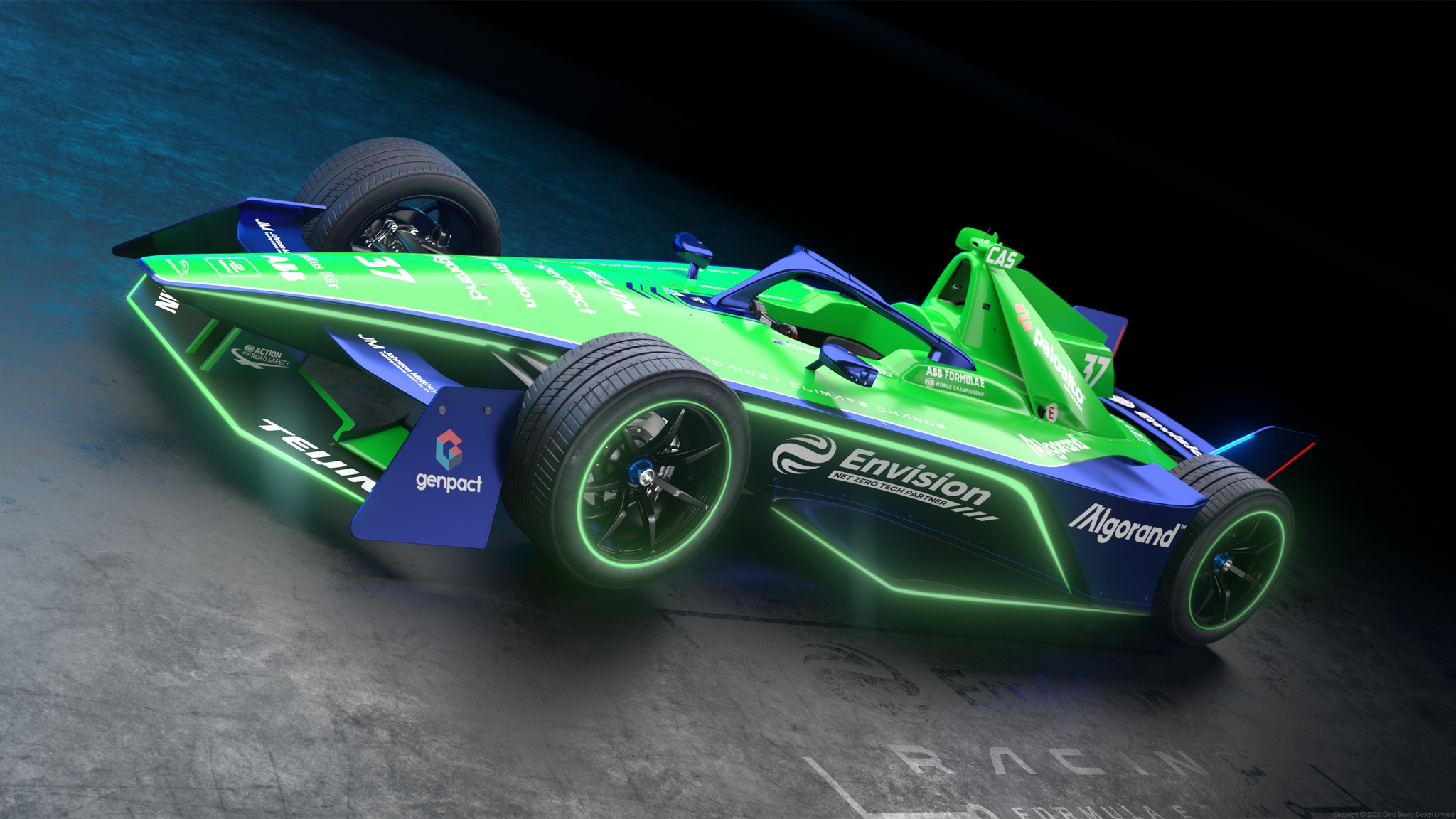
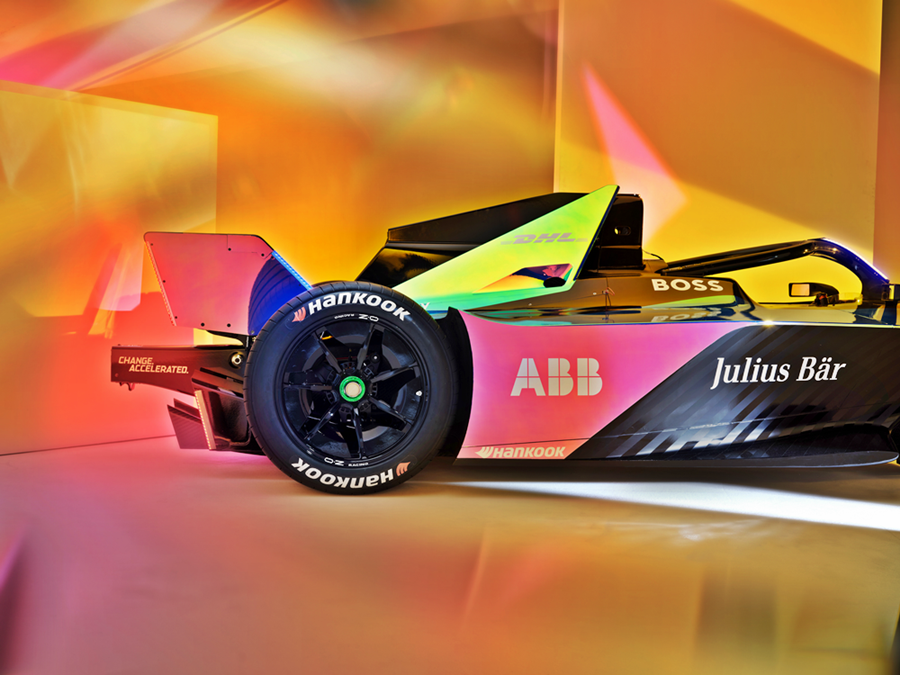
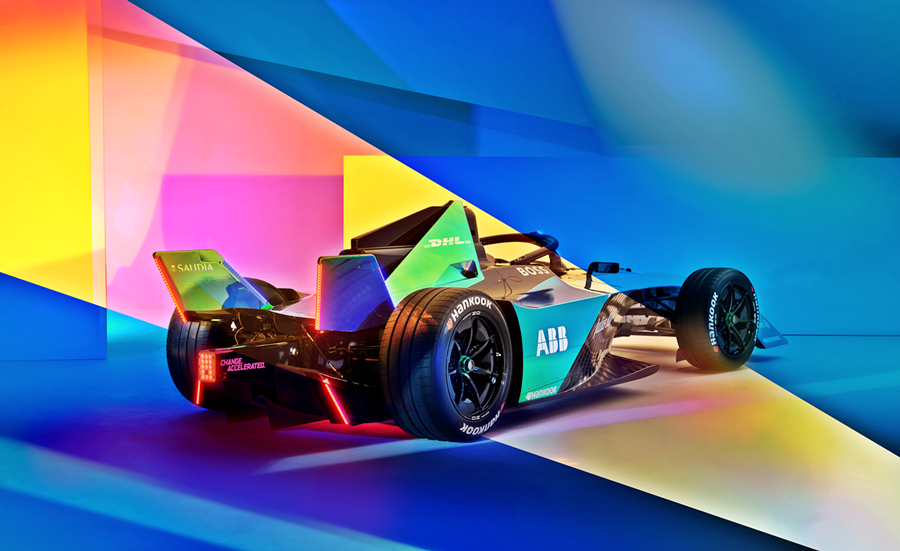
Season 9 of the ABB FIA Formula E World Championship, which will run in 2023, will see all-new racing cars being used in the fully electric single-seater series. Referred to as Gen3, signifying them as third generation designs, the cars are designed and optimised specifically for street racing.

Developed by engineers and sustainability experts at the FIA and Formula E, the Gen3 is intended to show the world that high performance and sustainability can co-exist without compromise. At the same time, cutting-edge technologies (especially for electric vehicles), that are developed for the racing cars will eventually transfer to road-going production models.

While aerodynamic development programs have been central to driving incremental improvement in motorsport for decades, the Gen3 propels software engineering forwards as a new battleground for motorsport innovation and competition. Performance upgrades to the Gen3 will be delivered as software updates directly to the advanced operating system built into each car.

With a disruptive design inspired by the aerodynamic form of a fighter jet, this will be the fastest Formula E car yet, capable of over 322 km/h. Yet it will also be the most efficient formula racing car ever: more than 40% of the energy used within a race will be produced by regenerative braking. The powerful electric motors will have around 95% power efficiency as it generates up to 350 kW (equivalent to 470 ps), compared to approximately 40% for an internal combustion engine.

This will also be the first-ever formula car with both front and rear powertrains. A new front powertrain adds 250 kW to the 350kW at the rear, more than doubling the regenerative capability of the current Gen2 to a total of 600 kW. There is ultra-high speed charging capability of 600 kW for additional energy during a race, almost double the power of the most advanced commercial chargers in the world. There will be no rear hydraulic brakes with the addition of the front powertrain and its regenerative capability.

Linen and recycled carbonfibre will be used in bodywork construction for the first time in a formula car featuring recycled carbonfibre from retired Gen2 cars and reducing the overall amount of virgin carbonfibre used. This will reduce the carbon footprint of the production of the Gen3 bodywork more than 10%. All waste carbonfibre will be reused for new applications through adoption of an innovative process from the aviation industry.

Natural rubber and recycled fibres will make up 26% of new Gen3 tyres and all tyres will be fully recycled after racing. Only sustainably-sourced minerals will be used and battery cells will be reused and recycled at end of life.

The carbon footprint of the Gen3 has been measured from the design phase to inform all reduction measures taken to reduce environmental impact, while all unavoidable emissions will be offset as part of Formula E’s net zero carbon commitment.

Seven automakers have registered with the FIA to race the new Gen3 in Season 9. They are DS Automobiles, Jaguar, Mahindra, Maserati, NIO, Nissan and Porsche.

“Both technologically and environmentally, Gen3 sets new standards in the sport. The FIA and Formula E development teams have done a superb job, and I thank them for their hard work on this project. I am delighted to see so many leading manufacturers already signed up to the championship’s next era and await Gen3’s competitive debut in Season 9 with great anticipation,” said Mohammed Ben Sulayem, President of the FIA.

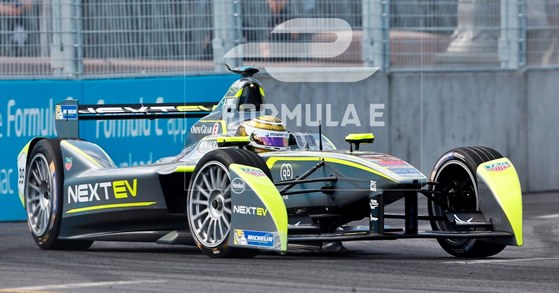
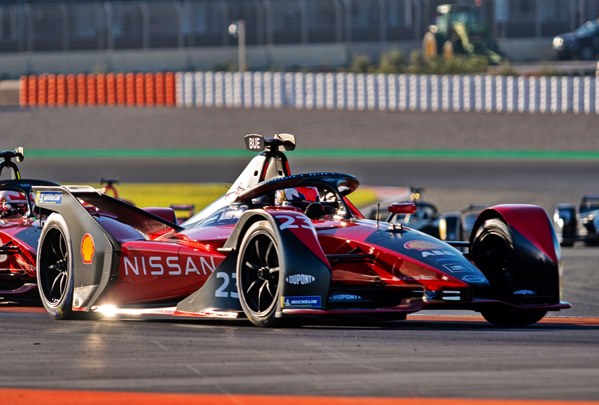
Formula E Gen1 racing car (above) and Gen2 (below), which is currently used in the final season this year.
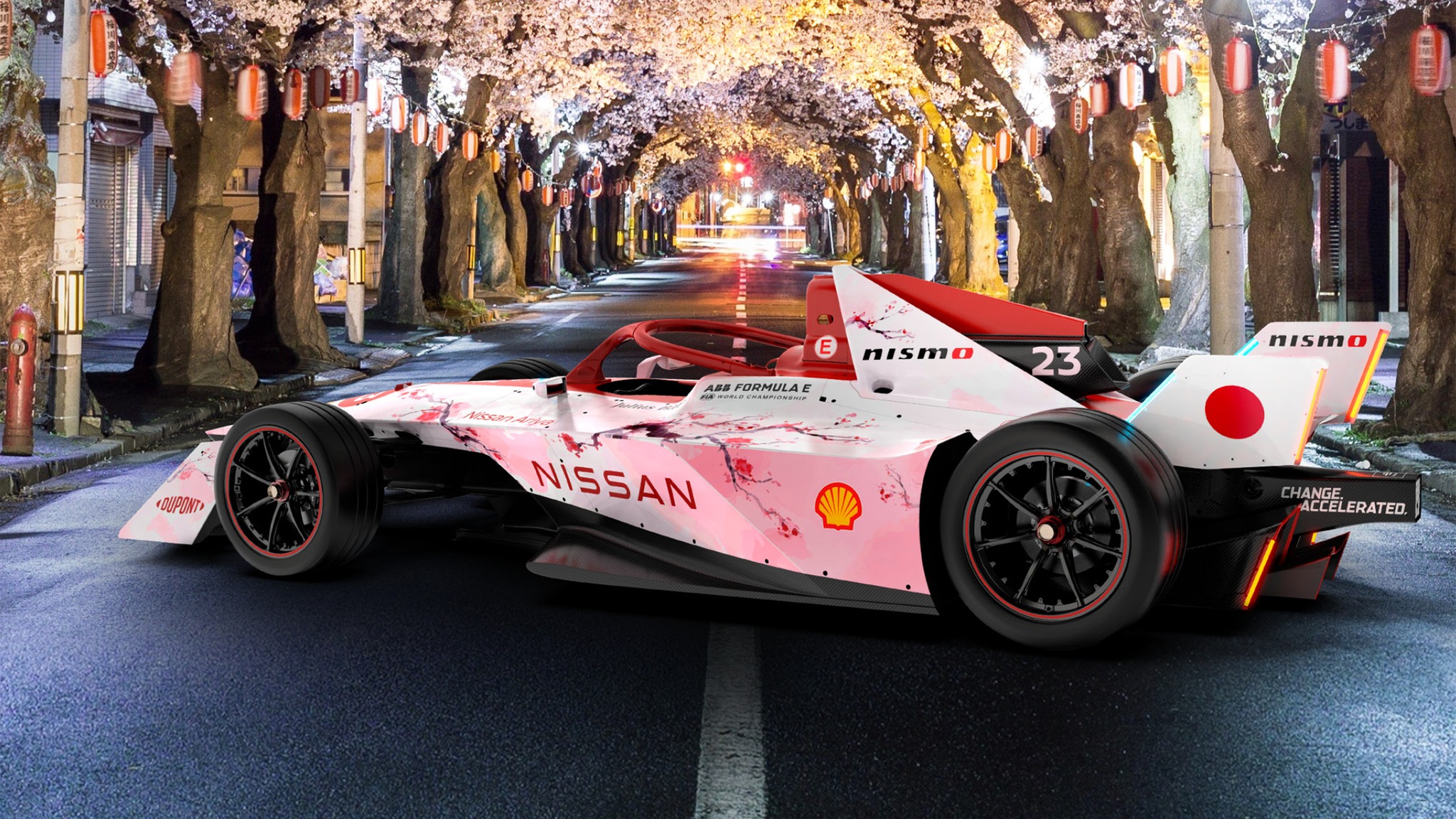
|Photographer: Wiebke Langebeck|Event: Preseason Testing|Circuit: Circuit Ricardo Tormo|Location: Valencia|Series: FIA Formula E|Season: 2021-2022|Country: Spain|Keyword: season 8|Keyword: season eight|Keyword: S8|Keyword: motorsport|Keyword: electric racing|Keyword: single seater|Keyword: open wheel|Keyword: 2021|Driver: Sebastien Buemi|Team: Nissan e.dams|Number: 23|Car: Nissan IM03|Car: Spark SRT05e|

Nissan takes over French e.dams Formula E team

Even with the highways being so congested and traffic moving bumper to bumper in many sections, there are still motorists who can exceed the speed limits. Perhaps they let off the frustration of having been stuck in the long jam when they finally can start going faster.

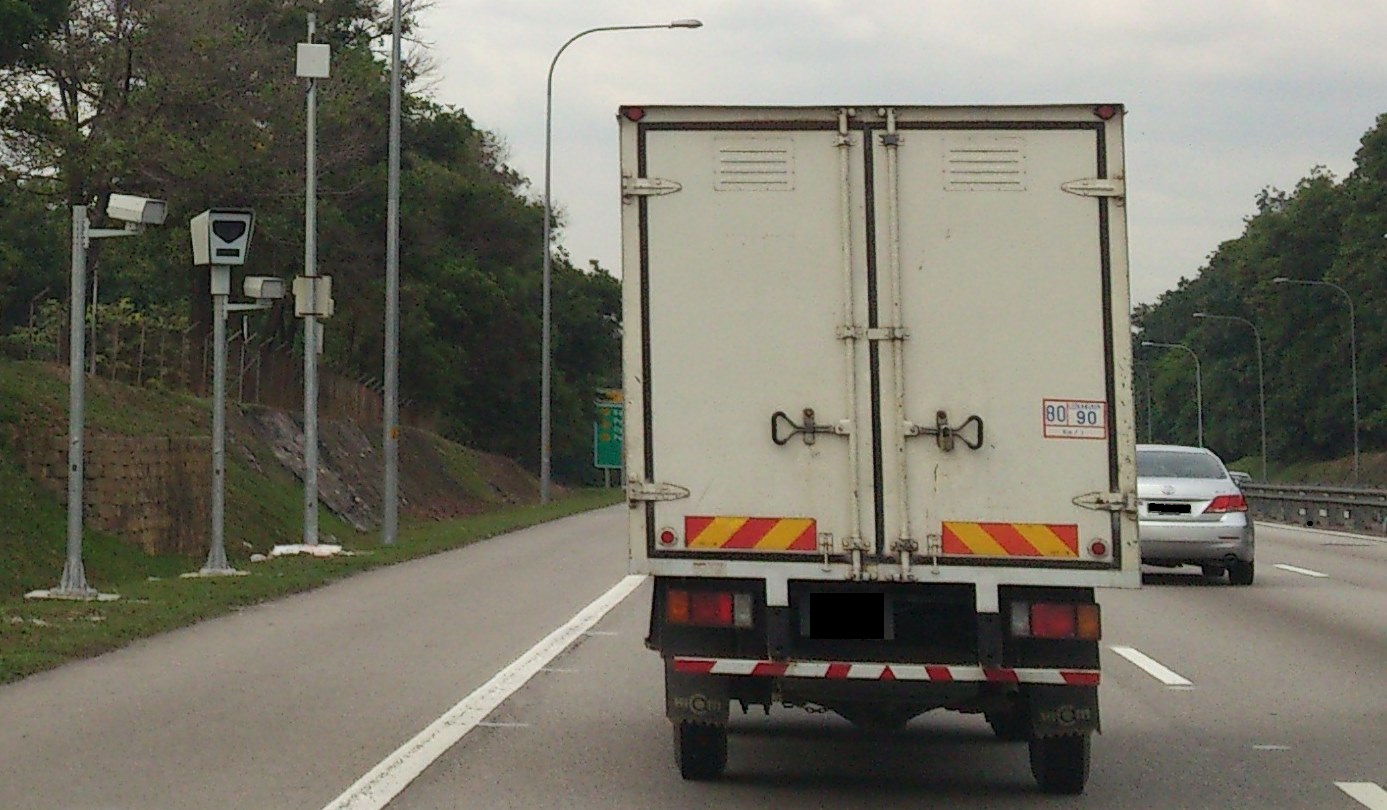
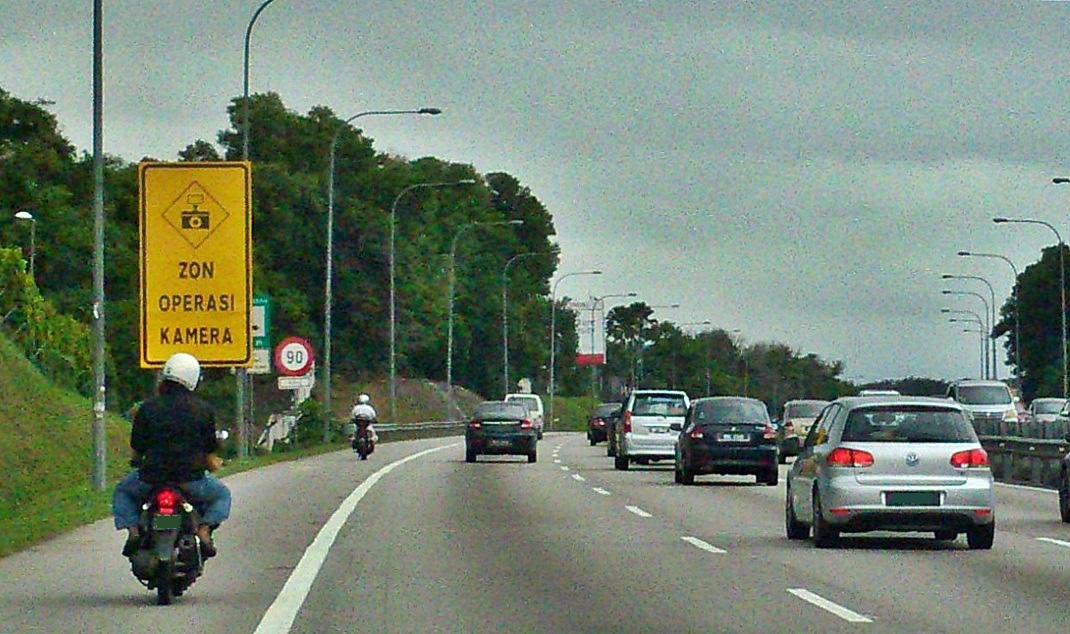
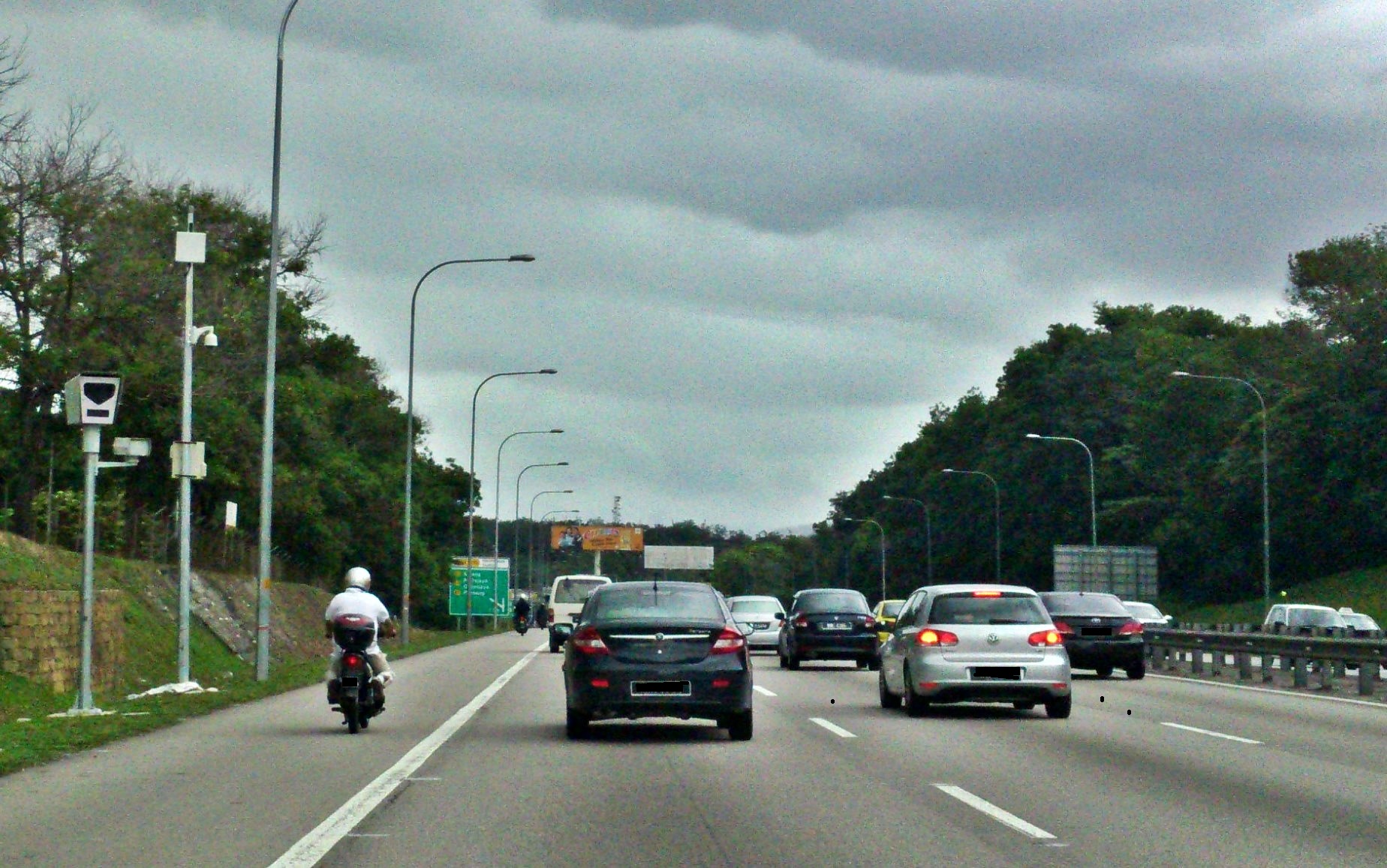
According to the JPJ, over 5,000 vehicles were caught by the 29 AWAS (Automated Awareness Safety System) cameras that are installed along highways last Friday. The locations of the cameras are known to regular travellers but even for those who are not familiar, there are big yellow warning signs (at least three) before the camera location to alert motorists.

There are usually a few signboards positioned before the AWAS cameras so motorists should be aware of them ahead.

The JPJ also said that of the 236,671 vehicles which passed through traffic lights on the same day, 966 were caught by the 16 AWAS cameras when they continued through while the red light was showing.

5 offences cannot be compounded
Normally, these two offences are compoundable, meaning the motorists admit they broke the law and they pay a pre-determined fine. However, as a deterrent, the two offences – along with three others – cannot be compounded while Op Bersepadu is on between April 29 and May 8, 2022. Offenders will be required to go to court to have their cases heard and then charged accordingly. Apart from the fine, it can be inconvenient too as the court may be in another town.

Besides exceeding speed limits and not stopping at red lights, the other offences are driving on the emergency lane, using a mobile phone while driving and changing lanes recklessly.

Police also have Op Selamat
Besides some 2,200 personnel from JPJ being deployed during the Op Bersepadu period, around 3,000 police personnel will also be on duty nationwide during the PDRM’s Op Selamat 18/2022 which will be on before and after the Hari Raya holidays.

Although the police had earlier said they will detain motorists (and take them to a police station) with outstanding summonses and warrants of arrest, this will not be the case. According to Bukit Aman Traffic Investigation and Enforcement Department (JSPT) Director, Datuk Mat Kasim Karim, no action will be taken ‘as the police want to ensure road-users return home to their families safely’.

You won’t smile if you’re caught on their camera!
The world’s first automobile, built by Karl Benz, was able to travel at a maximum speed of 16 km/h. That would certainly have been very fast in 1886 when he first drove it along rough tracks in Mannheim, Germany. But before long, the challenge of building ‘the fastest car’ was taken up by many and Land Speed Records began to be listed.

The first person on the list was Frenchman Count Gaston de Chasseloup-Laubat who took an electrically-powered Jeantaud Duc to a speed of 63.13 km/h. As an indication of how fast technological advances were taking place, just one month later, Belgian Camille Jenatzy reached 66 km/h in a GCA Dogcart. No, it was not powered by dogs but by electricity as well, like the car it beat.

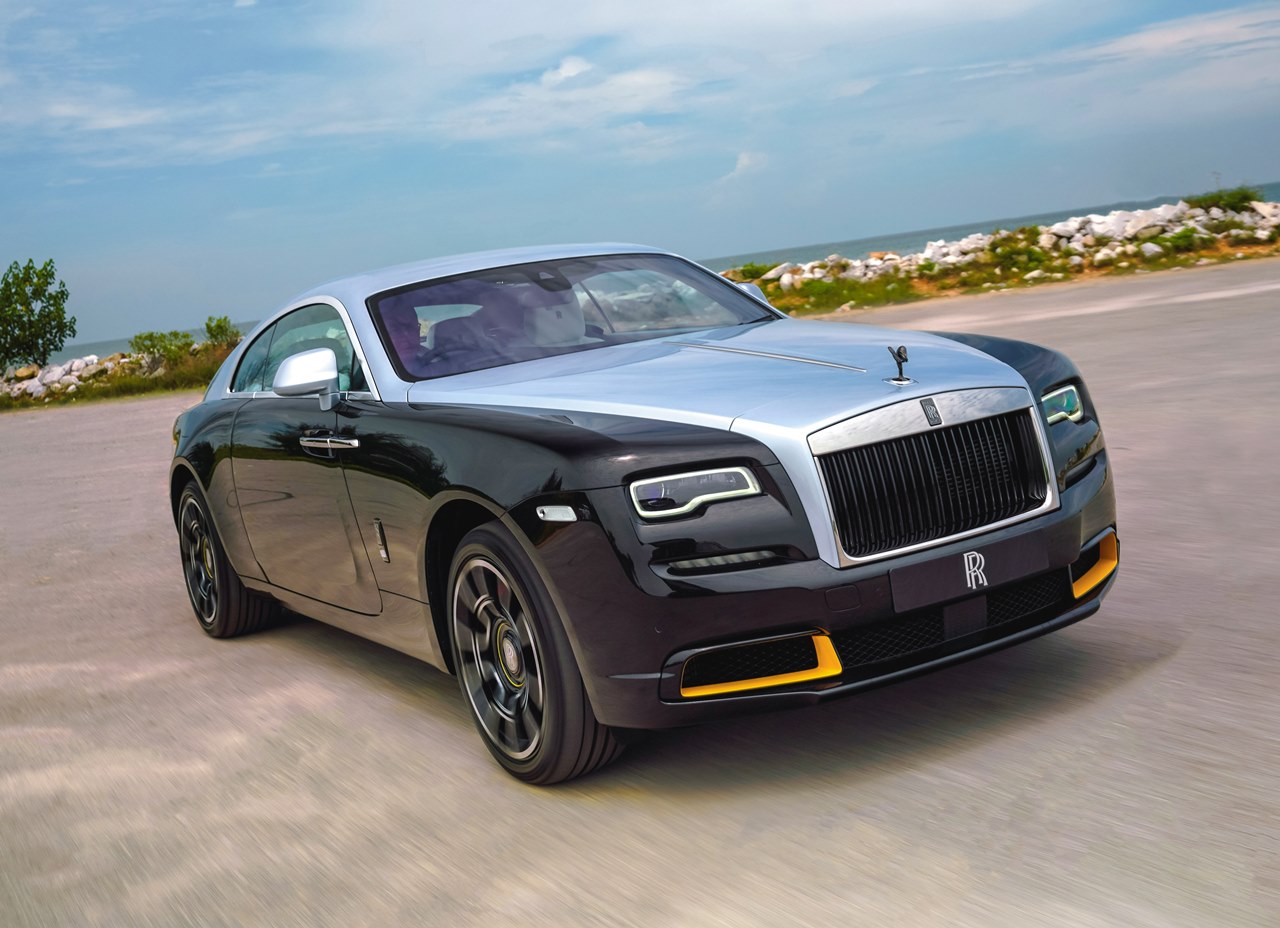
2022 Rolls-Royce Wraith Black Badge Landspeed Collection

By 1909, the fastest speed achieved was around 200km/h, a speed so fast that there were people who believed it would be impossible to survive because you’d simply not to be able to breathe! The challenge of going faster and faster did not diminish and in the 1920s, the British asserted dominance.

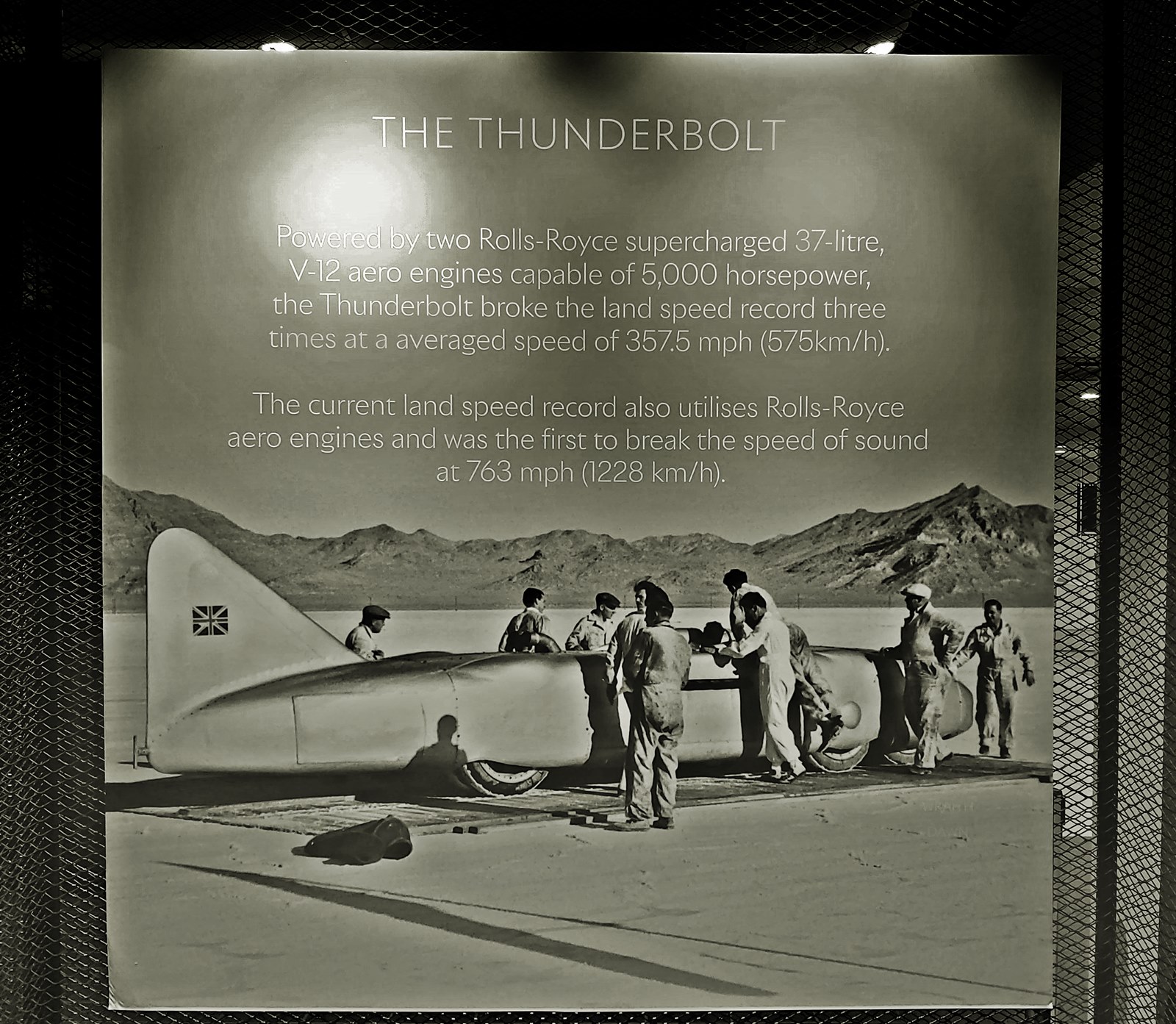
Among those who pushed cars to the limits was a mechanical engineer by the name of George Eyston. In the late 1920s, he was seriously engaged in developing and running cars that broke records. His car, called the Thunderbolt, established 3 new land speed records between 1937 and 1939. The records were set on the wide expanse of the Bonnevile Salt Flats in the American state of Utah where such events have been held for decades.

2022 Rolls-Royce Wraith Black Badge Landspeed Collection
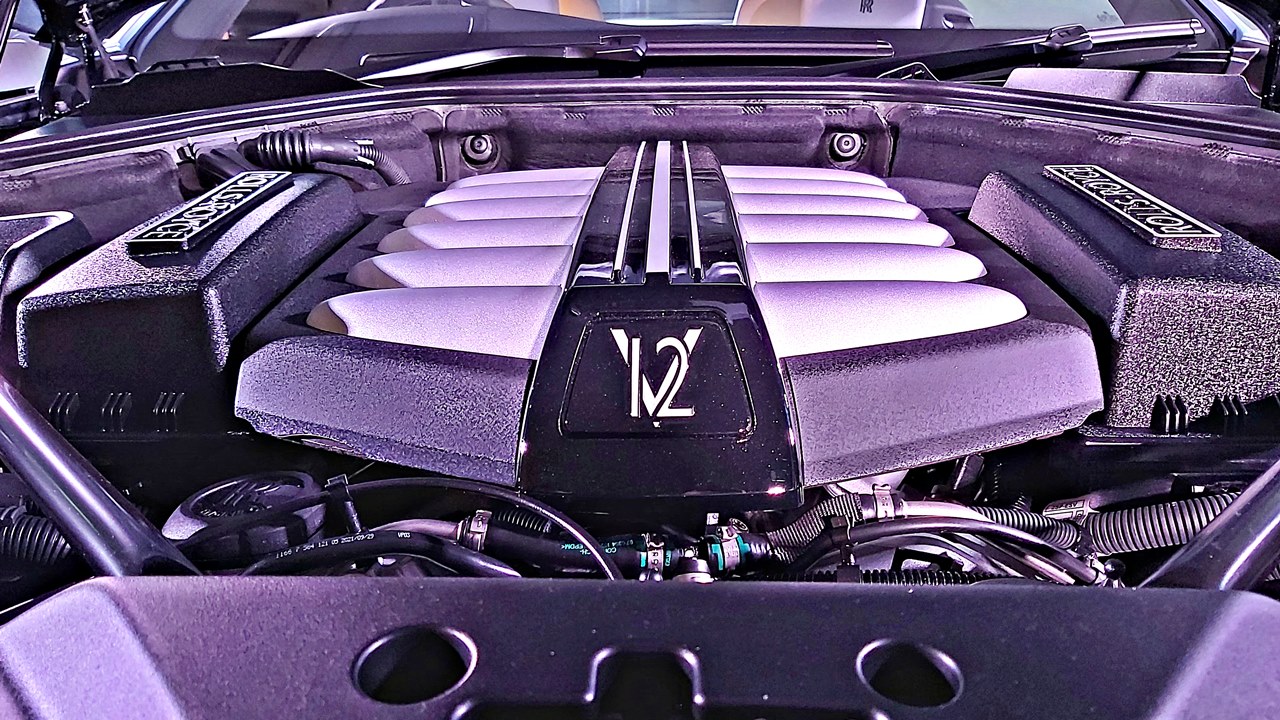
While the Thunderbolt was powered by two 37-litre, V12 Rolls-Royce aero engines, the Wraith uses a 6.6-litre V12 with an output of 632 ps and 870 Nm of torque.

His projectile-shaped machine had 3 axles, 8 wheels and weighed 7 tonnes (and that was even with the body being made from aluminium). The Thunderbolt was powered by a pair of Rolls-Royce R supercharged 37-litre, V-12 aero engines, each producing well over 2,000 horsepower. Less than 20 of these engines were ever made; so rare were they that the Thunderbolt’s engines had actually been used earlier in the Schneider Trophy-winning Supermarine S6.B seaplane that would lay the foundations for the legendary Spitfire fighter aircraft of World War II.

Inspiration for the Landspeed Collection
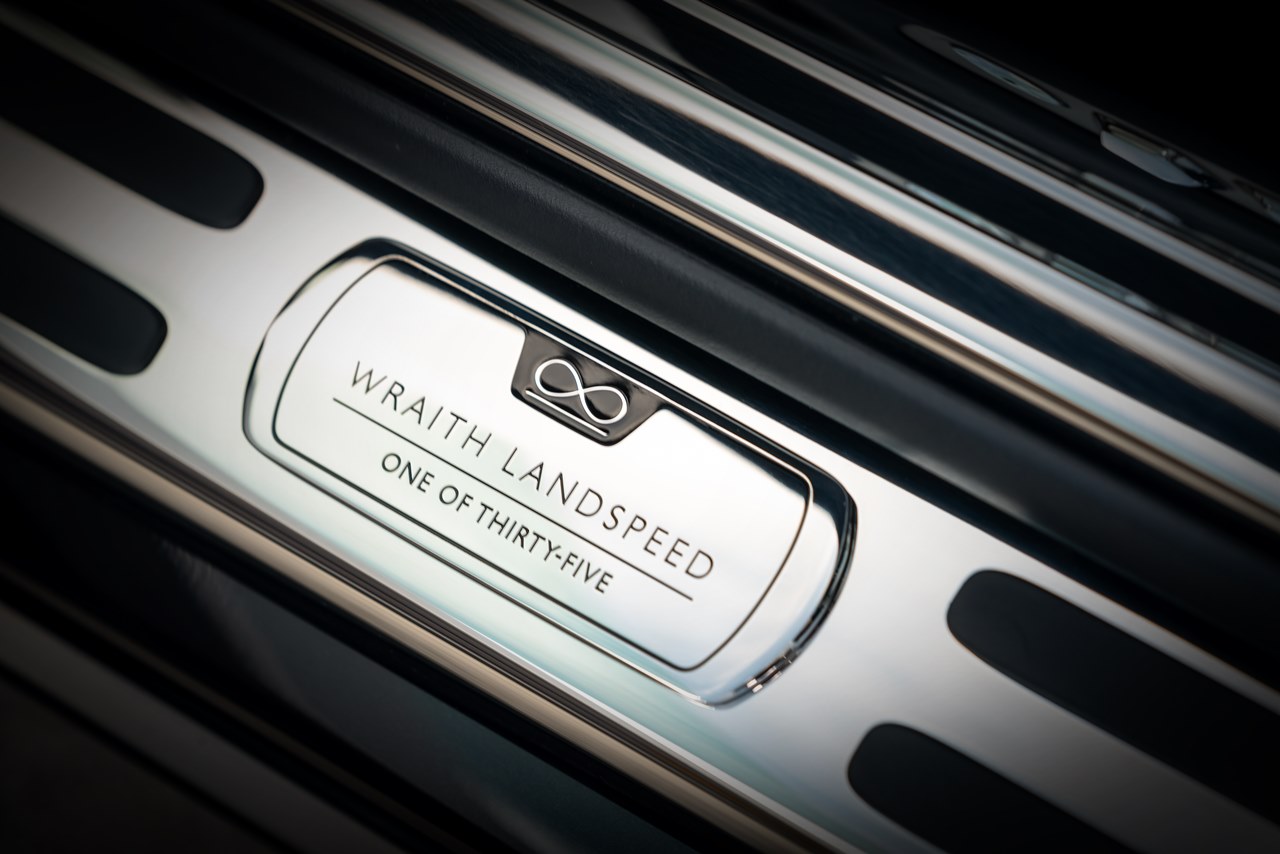
The story of Eyston’s dauntless, fearless, pioneering spirit and his Thunderbolt served as inspiration for the Rolls-Royce Land Speed Collection, a series specially designed and built by the company’s Bespoke division. The two cars are Black Badge versions of the Wraith and Dawn and of the 35 units of the Wraith available, one was acquired by a customer in Malaysia.

2022 Rolls-Royce Wraith Black Badge Landspeed Collection

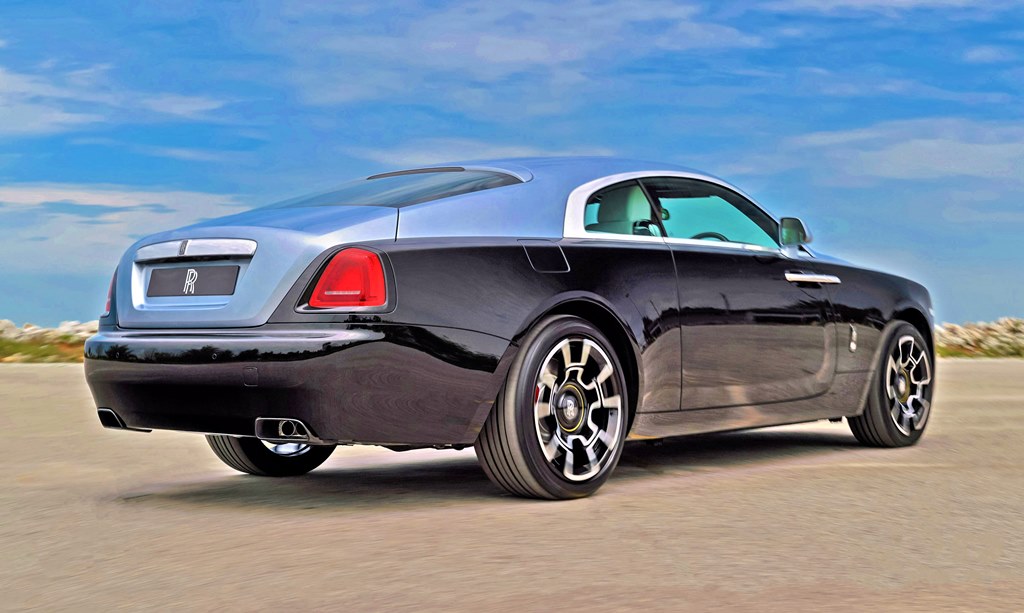
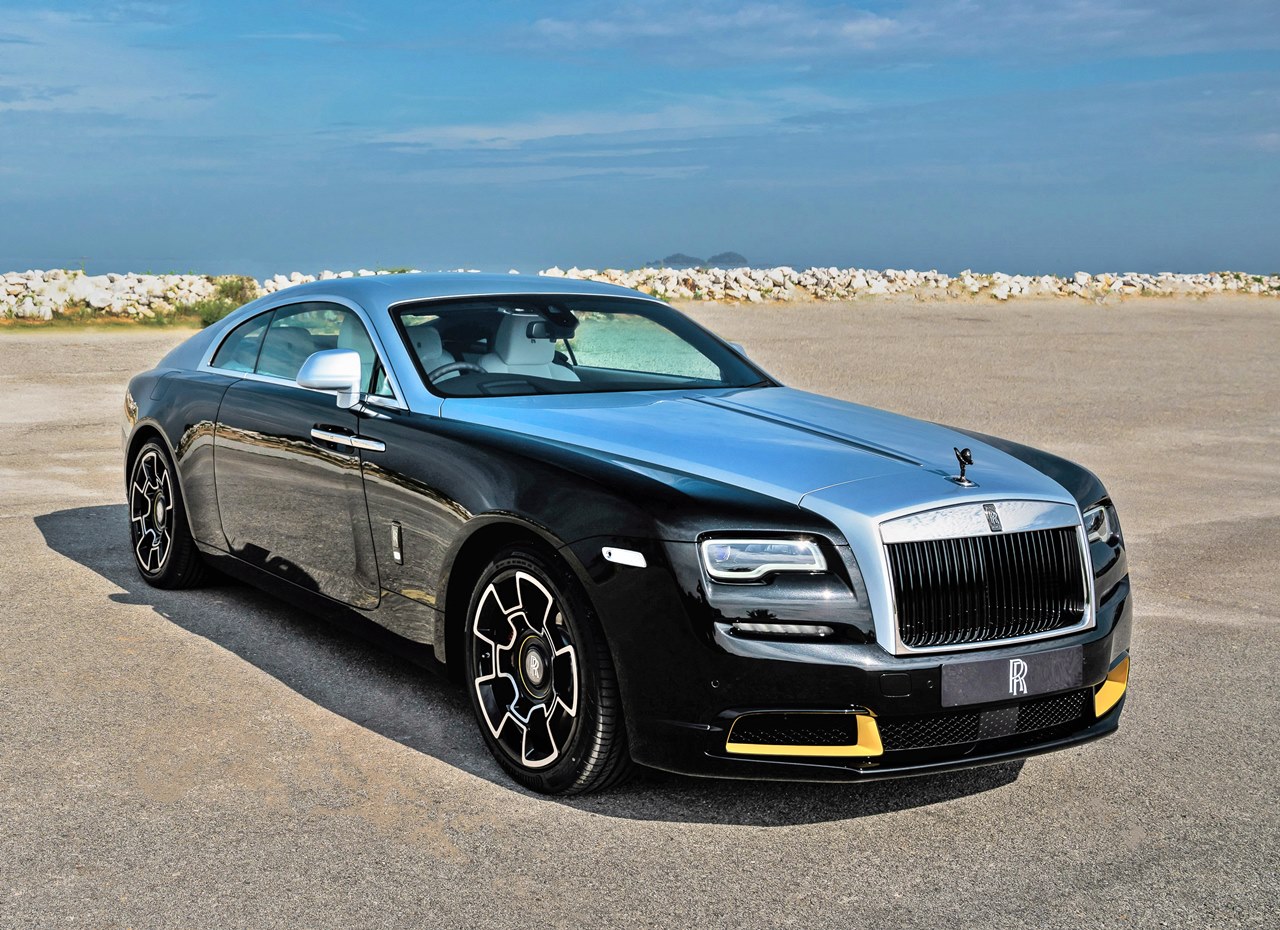
The Wraith Landspeed is presented in a specially created two-tone finish which marries Black Diamond Metallic with a new Bespoke colour, Bonneville Blue. This specially developed hue bears particular significance to the Collection, with a colour that transitions under sunlight from light blue to silver, illustrating the reflections of both the vast sky over Bonneville and the crisp salt flats on the Thunderbolt’s aluminium body.

However, Anas Zawawi Khalid, Director, Rolls-Royce Motor Cars Kuala Lumpur, suggested a change in the colour scheme which the customer agreed to. Instead of the light coloured flanks and dark bonnet, there is a reversal of the colours with Bonneville Blue on the bonnet instead. To add to the unique difference, the grille is also in chrome instead of black, which is the usual colour for Black Badge versions.

2022 Rolls-Royce Wraith Black Badge Landspeed Collection

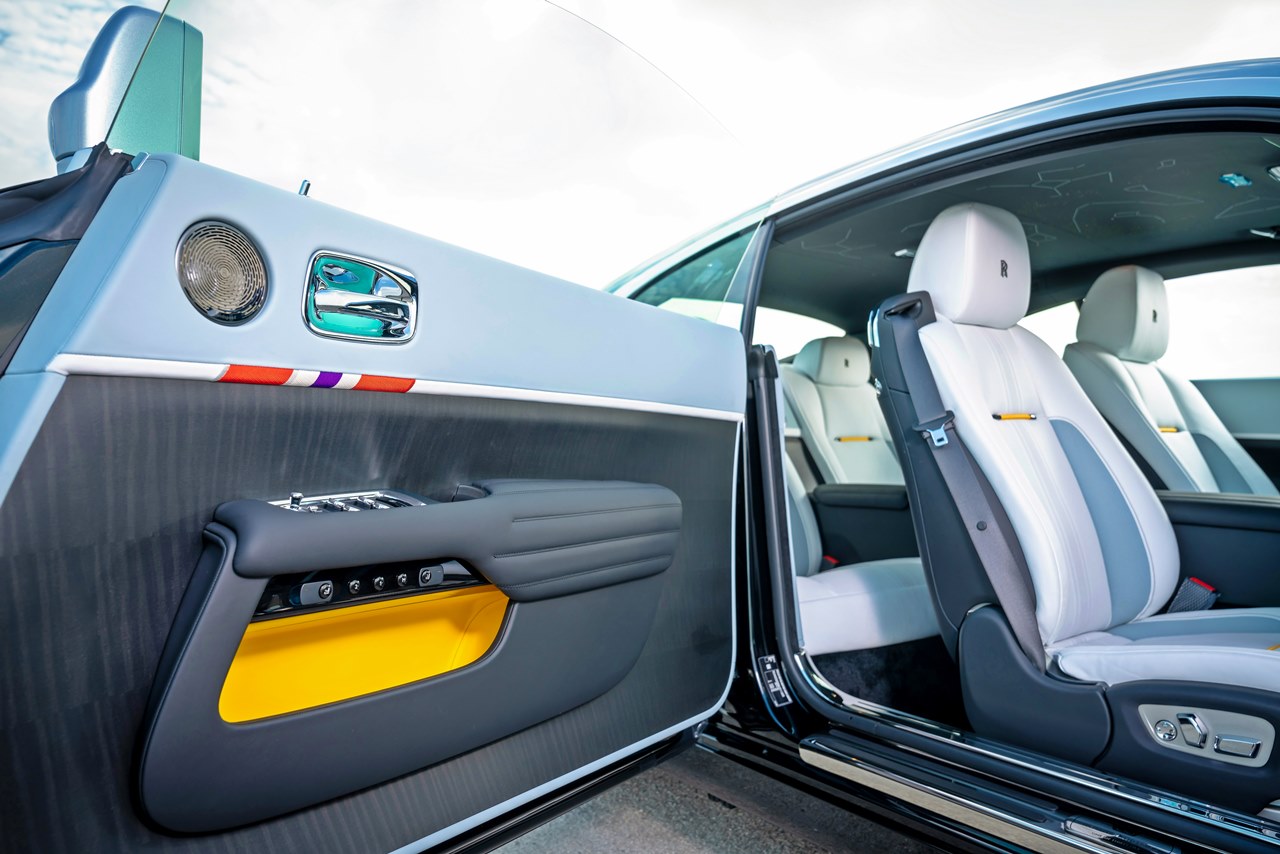
To associate the Wraith with the Thunderbolt, the Bespoke team of skilled craftsmen and craftswomen read everything they could about the record-breaking events that took place on the desert-like salt flats in the 1930s. In particular, they learnt about how, while rocketing over the ground, Eyston had to hold the car on a very precise course – to deviate even slightly would be disastrous at the extreme speeds. To help him guide the car, his team painted darkened track lines on the salt surface for Eyston to follow – effectively his sole means of keeping the Thunderbolt straight at over 560 km/h.

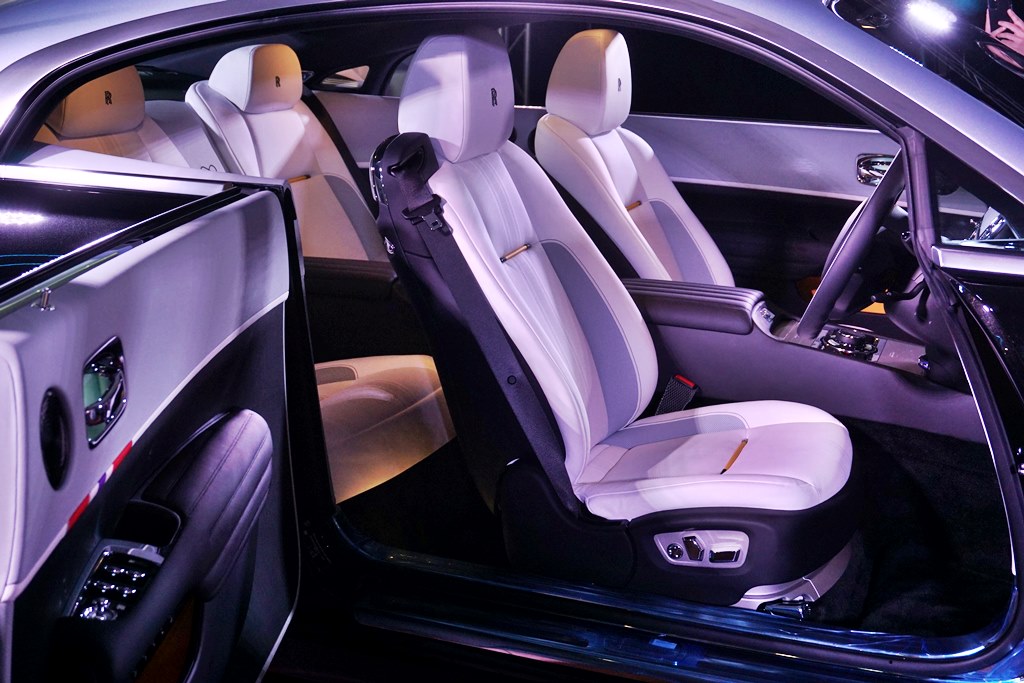
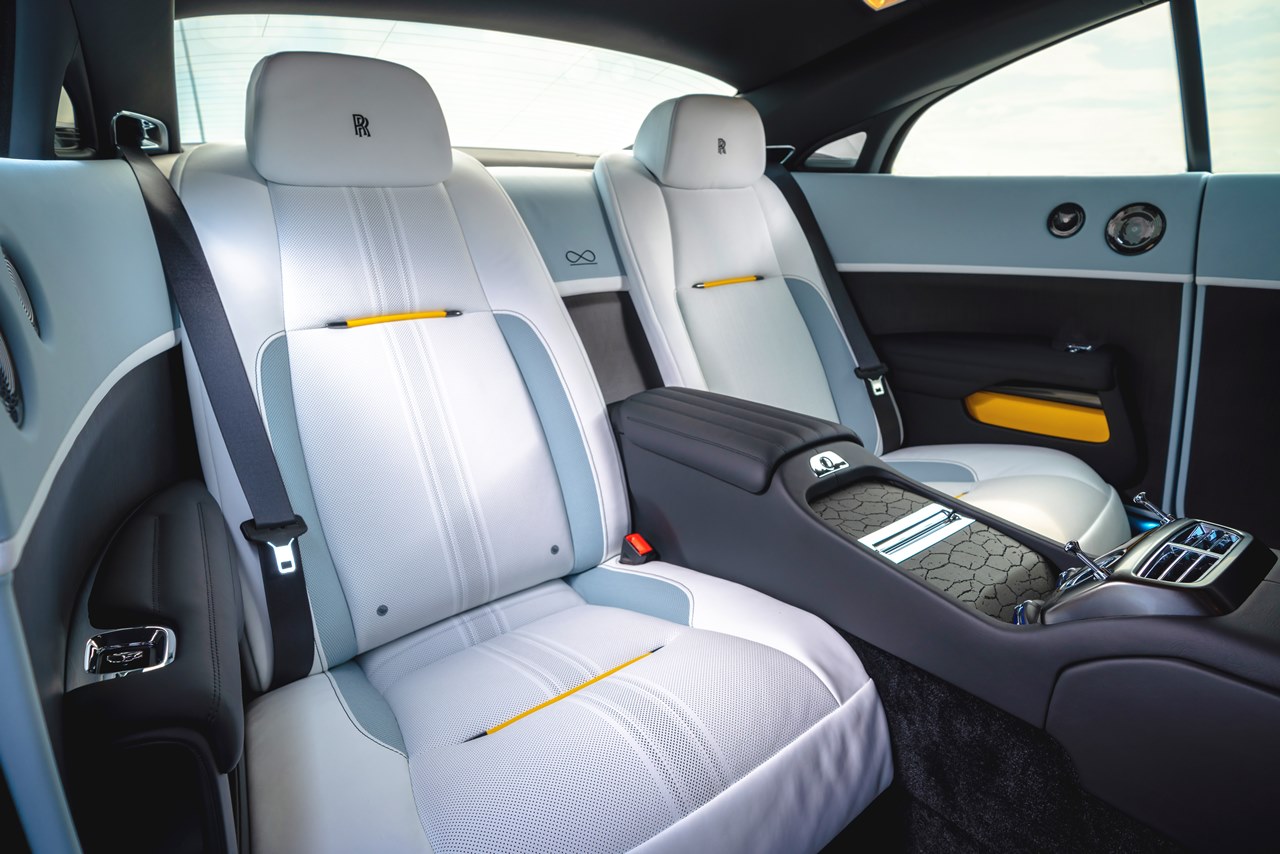
This simple yet ingenious idea is recalled in the Wraith by perforated line in the upper-centre of the steering wheel, which continues through the centreline of the driver’s seat and can also be seen on the rear right seat. It is subtle and is only evident when the left seats are compared to the right ones.

2022 Rolls-Royce Wraith Black Badge Landspeed Collection

A cracking dashboard?
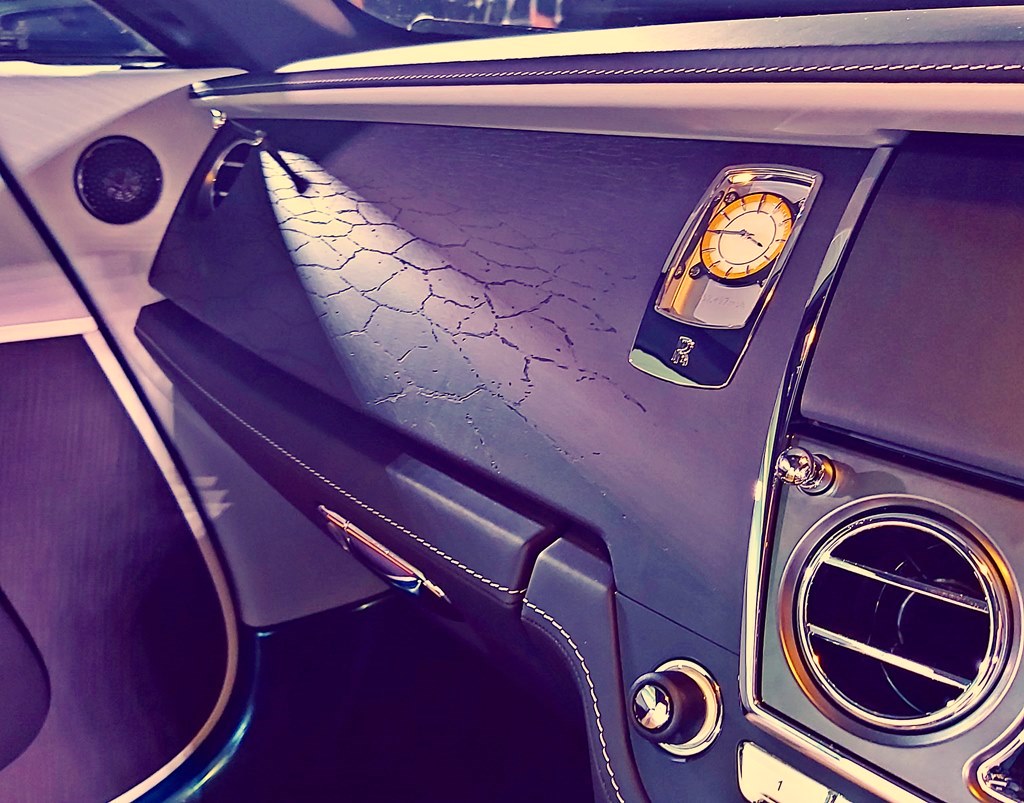
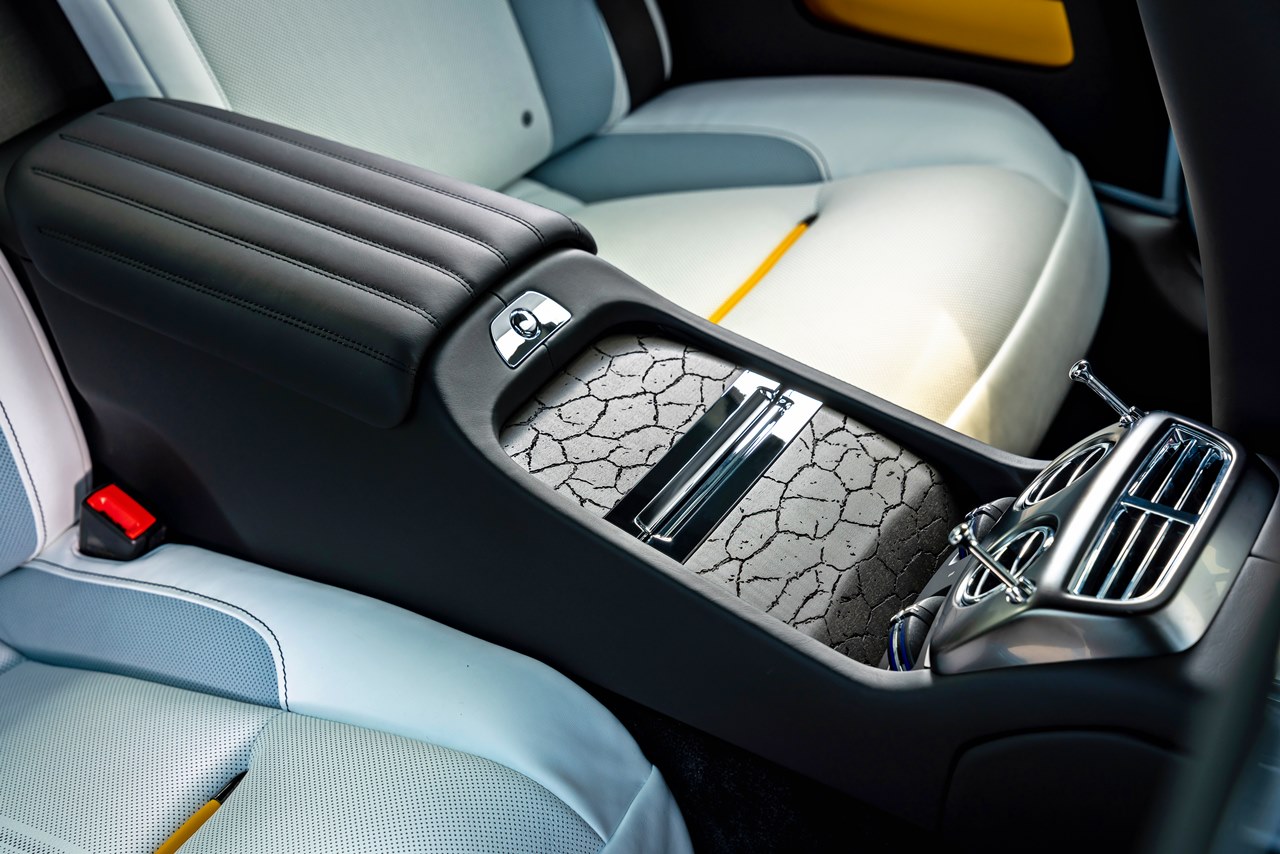
Then there’s the fascia to the right of the classic analogue clock. At a glance, it seems like the surface is cracking… which would be shocking to see on a Rolls-Royce! But it is not actually a defect in the material: the ‘cracks’ are reproductions of those on the surface of the dry and dusty salt flats. The tiny fissures form a distinctive texture that was digitally retraced from the surface itself, onto the wooden veneer of the fascia (and console lids as well).

2022 Rolls-Royce Wraith Black Badge Landspeed Collection

2022 Rolls-Royce Wraith Black Badge Landspeed Collection

Records commemorated for all time
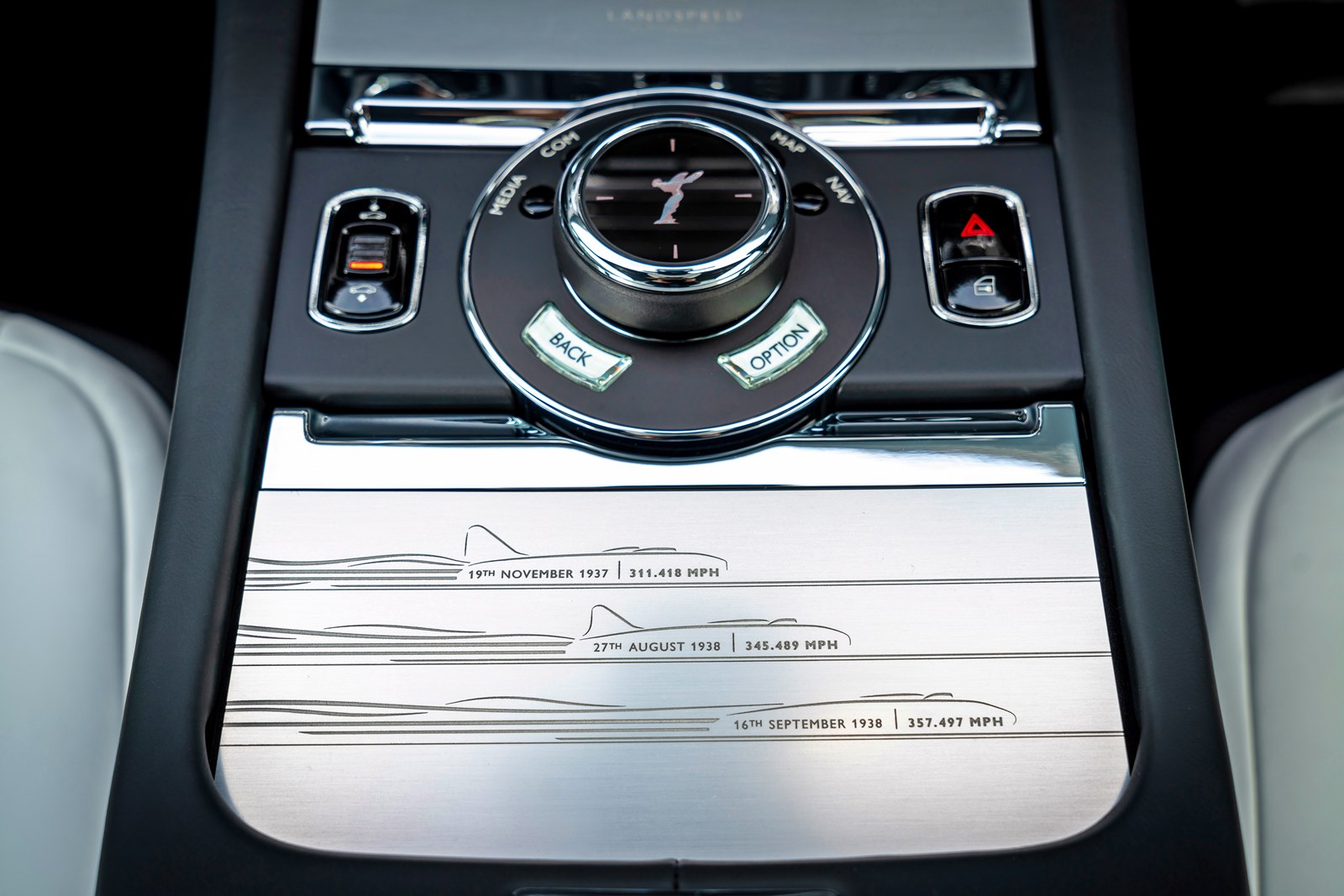
The interior references continue with the Thunderbolt’s unique silhouette, and the records it achieved, depicted on the polished, anodized aluminium surface of the Landspeed Collection’s front tunnel.

According to the record books, Eyston’s third and final land-speed record of 575.57 km/h stood for 341 days. In the Landspeed Collection Cars, it is commemorated for all time, engraved into the housing of the clock alongside the name ‘Bonneville’, in homage to where the record was set. Based on the instrument dials from the Thunderbolt, with yellow and black details, the black-tipped hands of the clock are inspired by the arrows painted on the original car’s exterior.

2022 Rolls-Royce Wraith Black Badge Landspeed Collection

Recreating the night sky
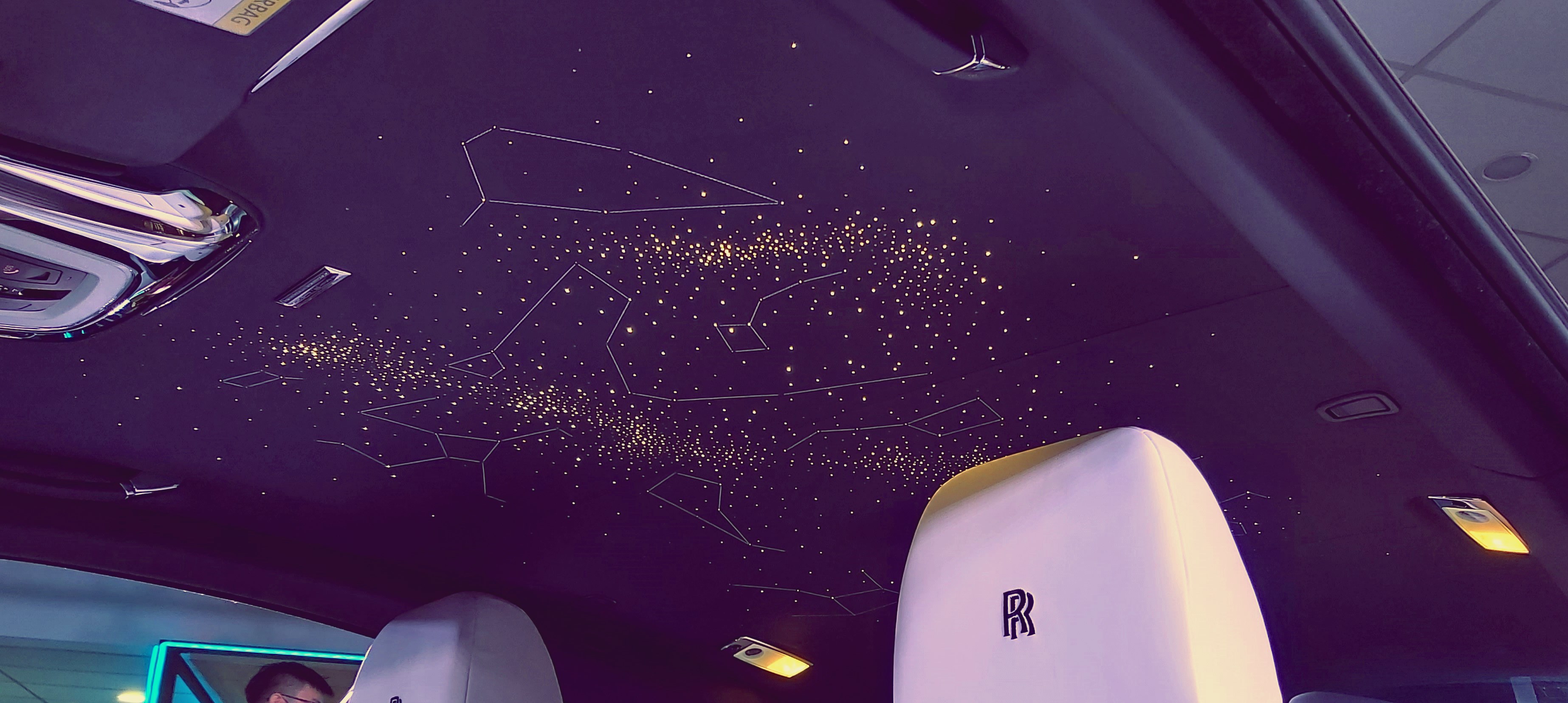
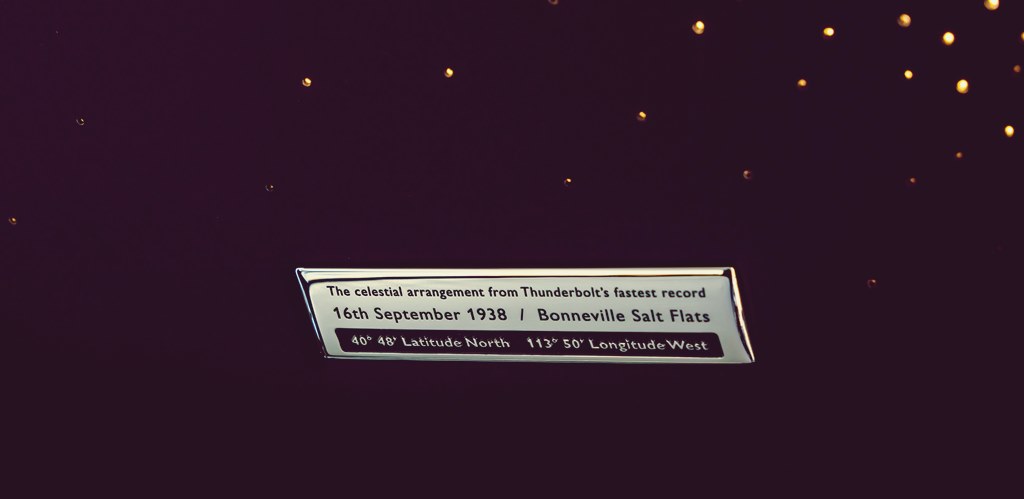
The Bonneville Salt Flats are so vast, open – and with no artificial light – that they are an ideal place to look at the stars in the exceptionally dark night skies. In the Wraith Landspeed, the Starlight Headliner on the ceiling perfectly recreates the skies as they appeared over the Flats on September 16, 1938, the date on which Eyston and his Thunderbolt set their record. The constellations are precisely marked using 2,117 individually placed fibreoptic ‘stars’, the largest number of stars in a Rolls-Royce Wraith Starlight Headliner ever featured.

2022 Rolls-Royce Wraith Black Badge Landspeed Collection

2022 Rolls-Royce Wraith Black Badge Landspeed Collection

2022 Rolls-Royce Wraith Black Badge Landspeed Collection

Paying tribute to the man himself, Eyston’s military honours are marked with a subtle detail in the driver’s door, made in the same Grosgrain weave silk and colours to match the original medal ribbons. The armrests on both the passenger side and below the ribbon detail are specially padded to give them the comfortable ‘club armchair’ quality that Eyston favoured in his driving seats, much to the amusement of his fellow racers.

The Thunderbolt was originally left unpainted, which caused an unexpected problem. During the first record attempts, the photo-electric timing equipment was unable to detect the polished aluminium body against the searing white of the Salt Flats’ surface, making accurate timing impossible. Eyston’s brilliantly simple solution was to paint a large black arrow with a yellow circle on the side, to heighten visibility when travelling at great speed. Hence, the yellow inserts around the inlets on either side below the front bumper.

2022 Rolls-Royce Wraith Black Badge Landspeed Collection

“As with many of the cars I bring to Malaysia, I try to make them unique. Not only do we have some of the most discerning customers here who appreciate true luxury, I also believe in the mantra: “Rolls-Royce is Bespoke, Bespoke is Rolls-Royce.”  The Wraith Landspeed is Bespoke Luxury of the finest order, craftsmanship and an unwavering dedication to achieving the very highest levels of excellence,” declared Encik Anas Zawawi Khalid.

Black Badge Ghost by Rolls-Royce for those who refuse to adhere to established conventions


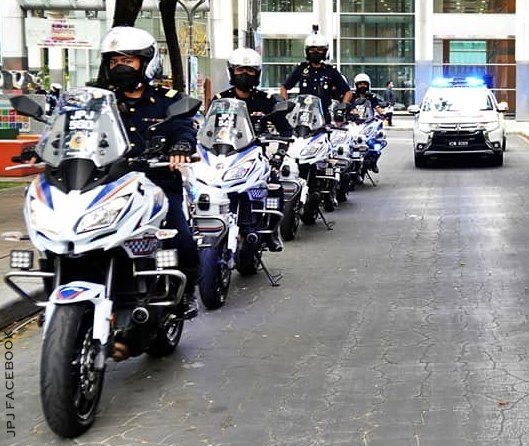
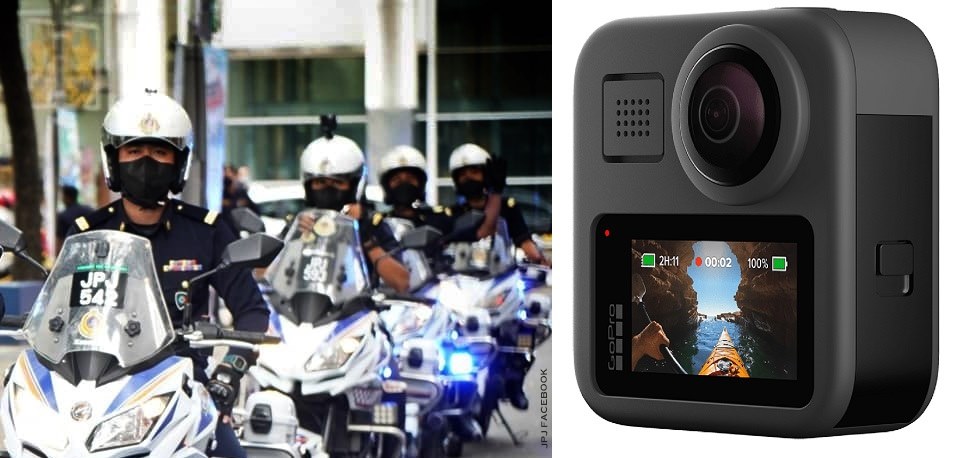
Law enforcement authorities use various devices to capture evidence of motorists breaking laws and during the coming Hari Raya holidays, the JPJ (Road Transport Department) has over 120 cameras which will be used to catch offenders. And these cameras will not be in fixed locations as they will be on mobile patrol motorcycles which can be anywhere.

The JPJ officers will have GoPro Max 360 cameras mounted on their helmets as they patrol areas identified as hotspots. They will be looking out for 9 specific offences which are found to be the causes of fatal accidents on the road. These include not wearing a seatbelt or crash helmet, overtaking on double lines, not stopping at red traffic lights, using a mobilephone while driving, overtaking on the left side, using the emergency lane on highways, and overloading (although heavy commercial vehicles are banned on certain days).

The camera-equipped officers are involved in Op Musim Perayaan Hari Raya Aidilfitri 2022 which will be on until May 9. Video footage collected will be used as evidence for charging motorists with offences, but the JPJ will first summon them for questioning. As mentioned by the Transport Minister earlier, certain summonses will not be compoundable even if the offenders admit guilt and want to just pay the fine. They will have to go to court to have their case heard, which can be an inconvenience.

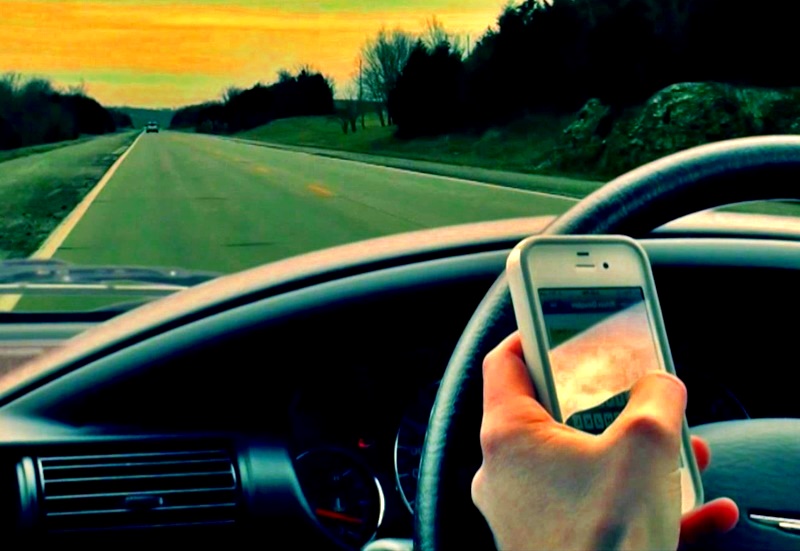
Using a mobilephone while driving is a serious offence. If found guilty, there can be fines of up to RM1,000 or up to 3 months in jail. Get caught for the same offence a second-time and the fine can go up to RM2,000 with jail time of up to 6 months as well. The offence is non-compoundable and must be heard in court.

Meanwhile, the police have changed their mind about detaining motorists who are found to have outstanding summonses or warrants of arrest. The Deputy IGP had earlier said that the police would use the iCOPS devices to run checks on motorists who are stopped. Those with warrants of arrest and outstanding summonses will be immediately detained on the road and taken to the nearest police station for the process of bail documentation and would then be asked to attend court for further action,” he said.

Then a few days later, Bukit Aman Traffic Investigation and Enforcement Department (JSPT) Director, Datuk Mat Kasim Karim, said that no action would be taken during Op Selamat ‘as the police want to ensure road-users return home to their families safely’.

“We would like to stress that detaining or arresting a person is not the aim of JSPT during Op Selamat this time,” he said. “The police have many ways of detaining an offender, but the timing has to be appropriate.”

Anyway, regardless of whether or not action will be taken on the spot or later, the important thing is not to commit any offences. Everyone needs to do their part to ensure road safety so observe speed limits and other laws.

Have a safe journey and remember that being late is better than not arriving at all.

Selamat Hari Raya Aidilfitri!

Toll charges waived/discounted for 4 days during Hari Raya period

Archive

Follow us on Facebook

Follow us on YouTube