Piston.my

English

‘vRS’ is to Skoda what GTI would be to Volkswagen, the designation for high-performance versions of the various models of the Czech carmaker. The vRS story began in 2001 with the Octavia getting a 178 bhp 1.8-litre turbocharged engine, the most powerful road-legal Skoda ever offered when it was launched. It had credible performance and from that model, Skoda engineers began to always develop an extra-hot version of each model range deserving of the vRS badge.

Actually, Skoda had initially wanted to use ‘RS’ as the designation, the two letters referring to ‘Rally Sport’ which the carmaker had participated in since the 1960s. However, in the UK, they had a problem as Ford felt its RS models were already well established and did not want another manufacturer confusing customers. So rather than fight over the matter, Skoda decided to add a ‘v’ (for ‘victory’) to the RS and thus the ‘vRS’ badge was born. However, in many markets, the badge is more distinctly shown as ‘RS’ and the model also referred to as ‘RS’.
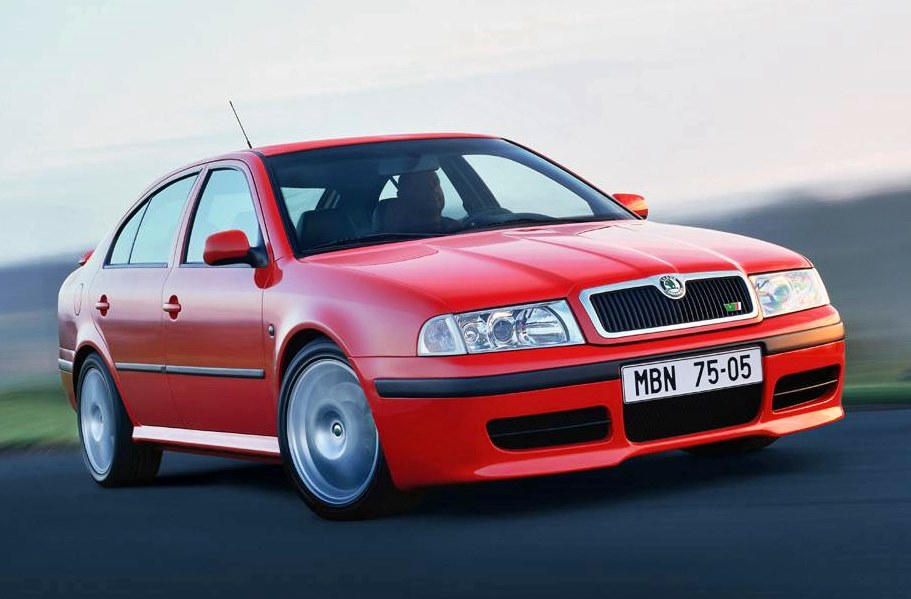
Octavia was first model to have the vRS badge in 2001.

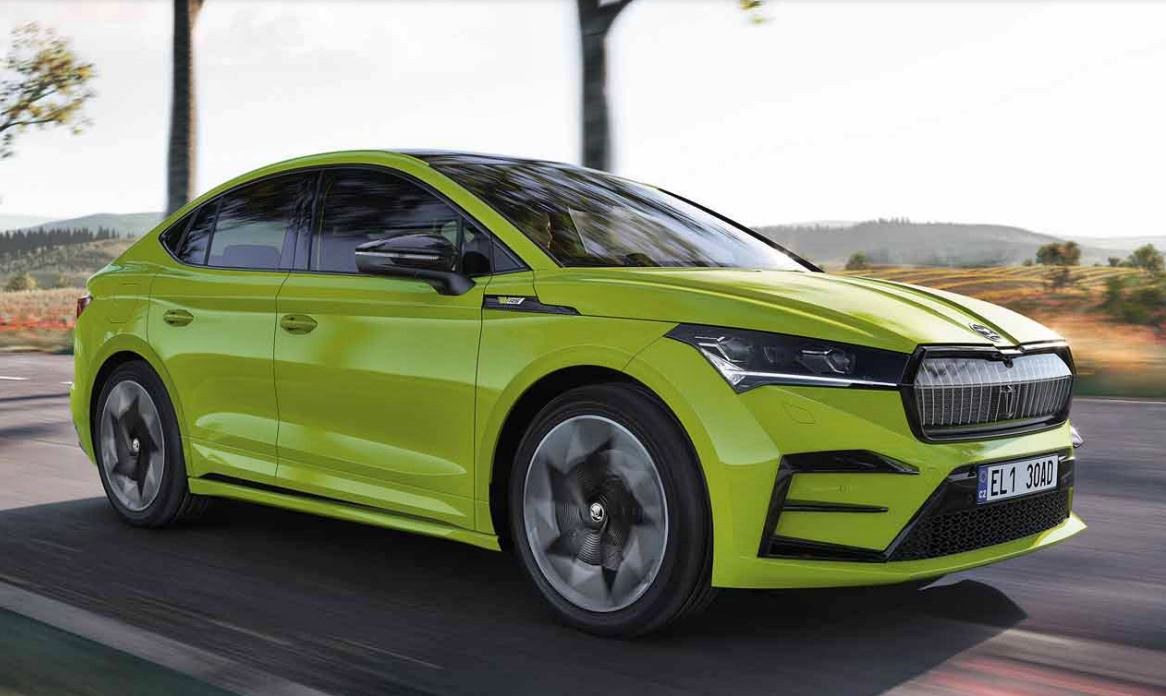
Over the years, impression vRS models have appeared in showrooms, with the first performance SUV from the brand being the Kodiaq vRS in 2019, and it had a 235-bhp twin-turbo diesel engine. This July, Skoda will launch its first all-electric model to have the vRS badge – the ENYAQ Coupe iV vRS.

Like the ENYAQ iV SUV, the new ENYAQ Coupe iV vRS also use the Volkswagen Group’s MEB modular platform developed specially for battery electric vehicles (BEVs). The ENYAQ iV models are the first modern-day Skoda vehicles with a rear motor and rear-wheel drive/dual-motor and all-wheel drive.

2022 Skoda ENYAQ Coupe iV VRS

The ENYAQ Coupé iV vRS is powered by an 82 kWh lithium-ion battery pack providing electricity to the electric motors at the front and rear axles. The system output is 299 ps with maximum torque rated at 460 Nm and available virtually from standstill. This will give a claimed 0 to 100 km/h time of 6.5 seconds and a top speed of almost 180 km/h.

A range of almost 500 kms is claimed on a fully charged battery pack. The system is able to accept rapid charging at levels up to 135 kW, which will enable an 80% charge to be achieved within 36 minutes (depending on charging level). On a standard 7.2 kW home wallbox, however, the time to fully recharge will be around 13 hours if the battery pack is completely empty.
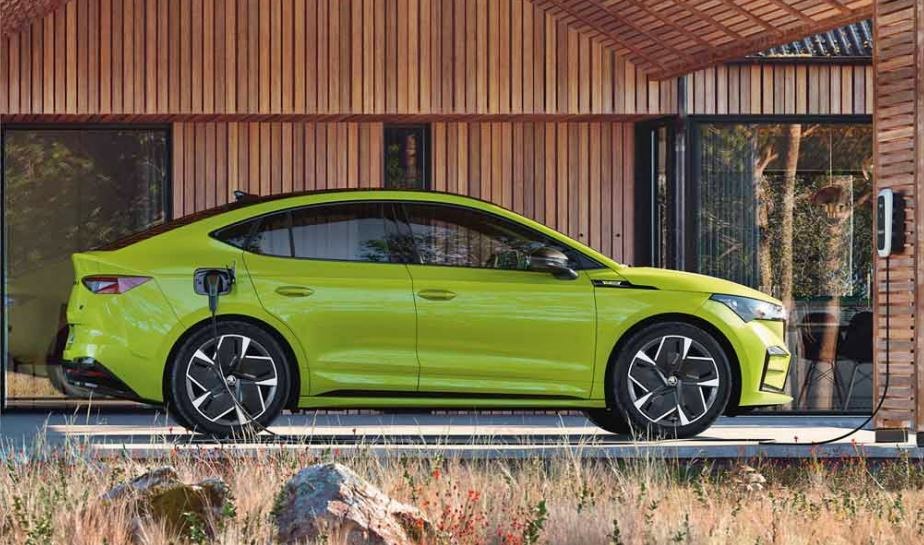
2022 Skoda ENYAQ Coupe iV VRS

As would be expected with the vRS badge on it, the ENYAQ Coupe iV has a sporty appearance with gloss black surrounds for the grille, window trim and rear diffuser. Badges, tailgate lettering and the air curtain trim on the front apron are also finished in black, while the rear bumper adds a full-length red reflector – a design feature shared will all other vRS models.

Specific to the vRS version are black 20-inch Taurus wheels as standard with 21-inch Vision wheels with an anthracite finish available as an option. Both feature aerodynamically optimized plastic Aero trims. Full LED matrix headlights and Crystal Face (illuminated by 131 LEDs) complete the vRS model’s exterior design package.
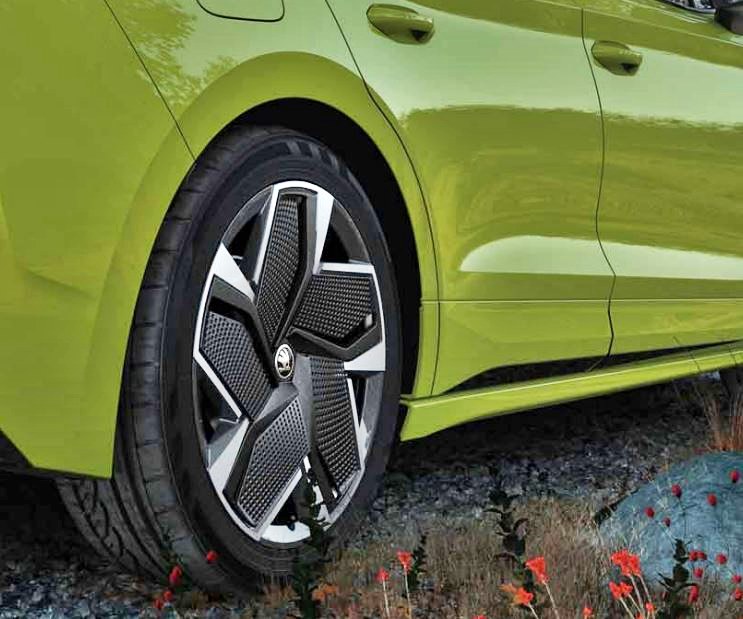
2022 Skoda ENYAQ Coupe iV VRS

Inside, the ENYAQ Coupe iV vRS is fitted with a model-specific Design Selection exclusively reserved for the sporting flagship of the range. In addition to black perforated leather sports seats with integrated headrests, grey piping and contrast stitching, the vRS also gets a leather multifunction sports steering wheel. The dashboard is upholstered in a leather-look material to match the seats and is edged with contrast stitching.
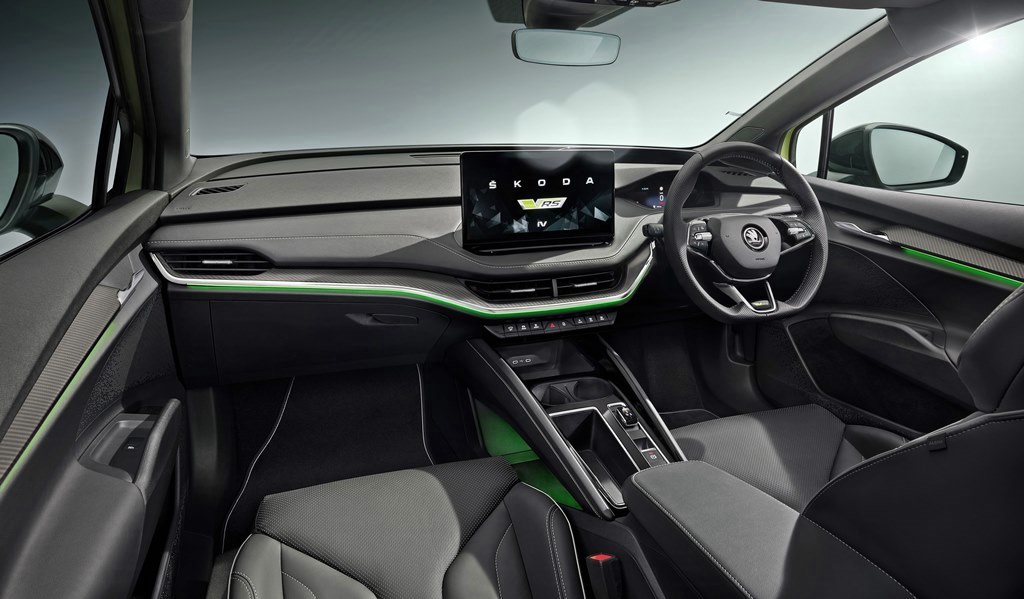
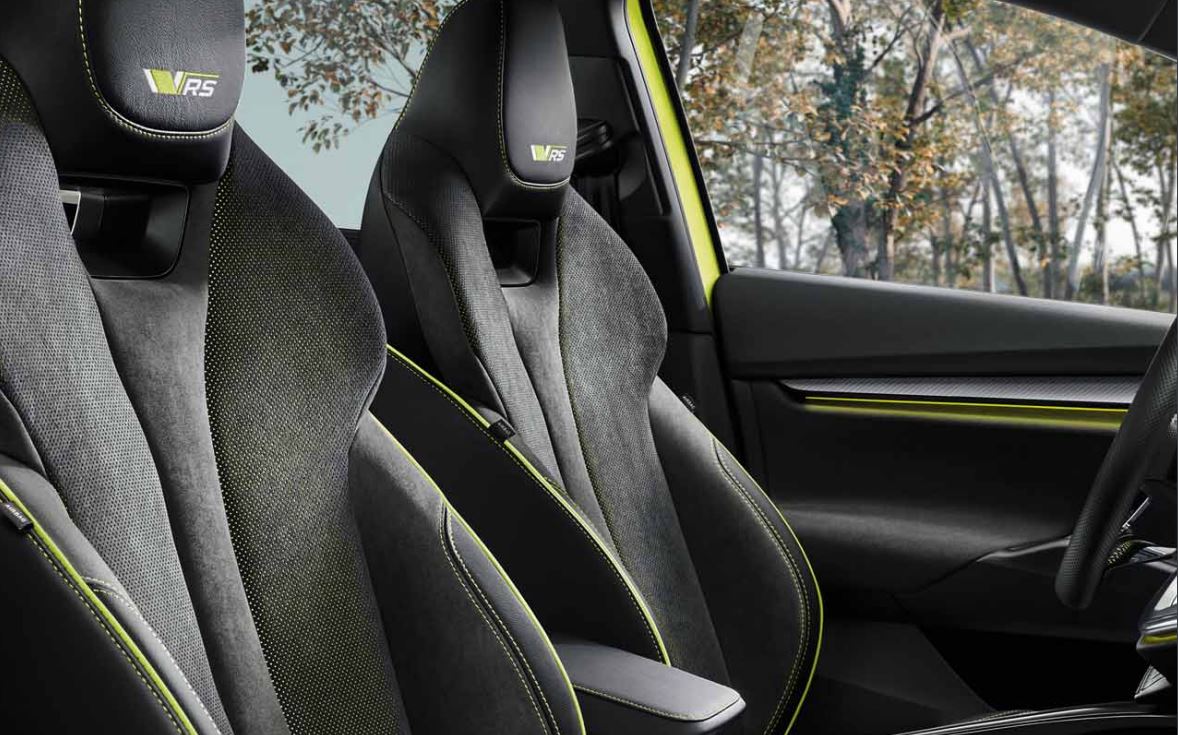
2022 Skoda ENYAQ Coupe iV VRS

2022 Skoda ENYAQ Coupe iV VRS

Standard equipment includes carbonfibre effect inserts on the dashboard and door trim and aluminium pedals, plus LED ambient lighting and an electrically operated boot with virtual pedal. To further enhance the responsive driving experience, Dynamic Steering is standard, complementing the sports chassis that is 15 mm lower at the front and 10 mm at the rear.
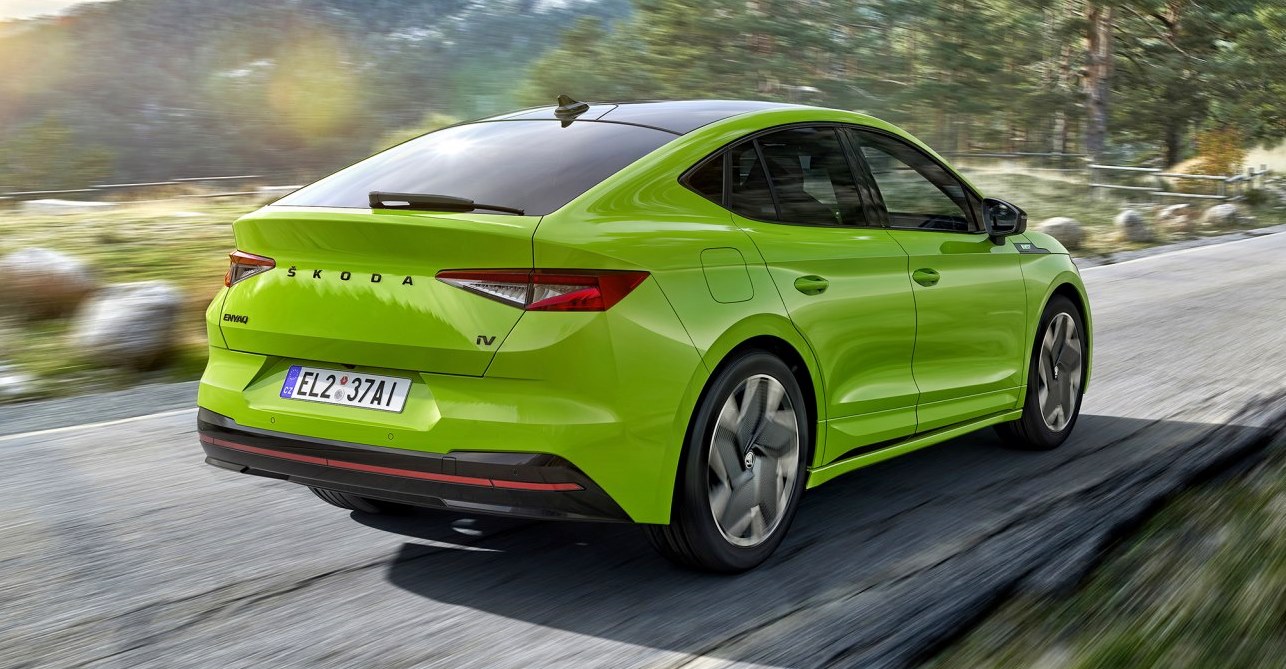
2022 Skoda ENYAQ Coupe iV VRS

Mercedes-AMG, a part of the Mercedes-Benz Group, is celebrating its 55th anniversary this year. The company’s products have been associated with high performance, exclusivity and superlative driving dynamics and these would generally be passenger cars. However, to start off its anniversary, the company has created a special edition that is not a passenger car but a SUV. Perhaps it reflects the fact that the SUV segment is the hottest today.
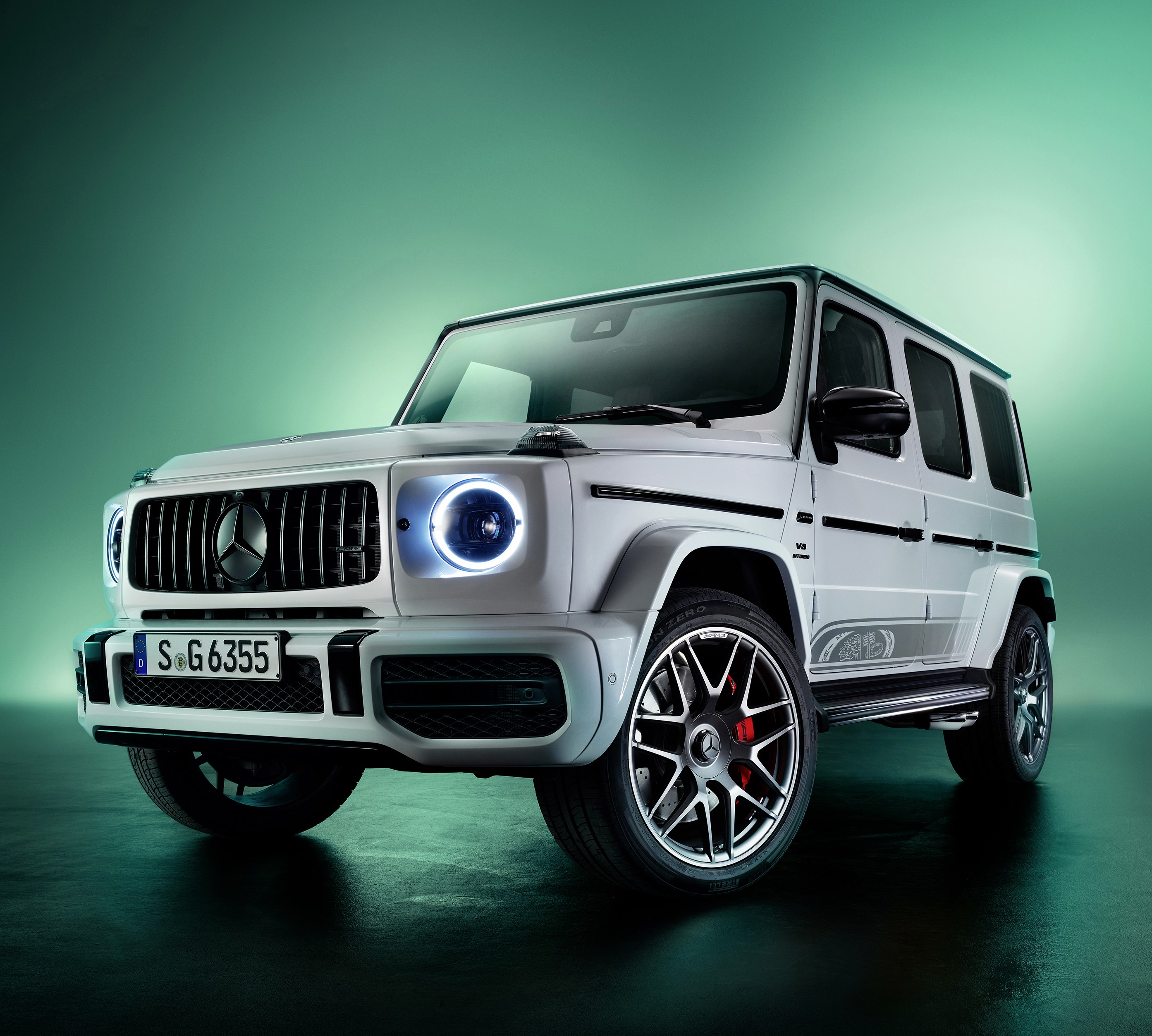
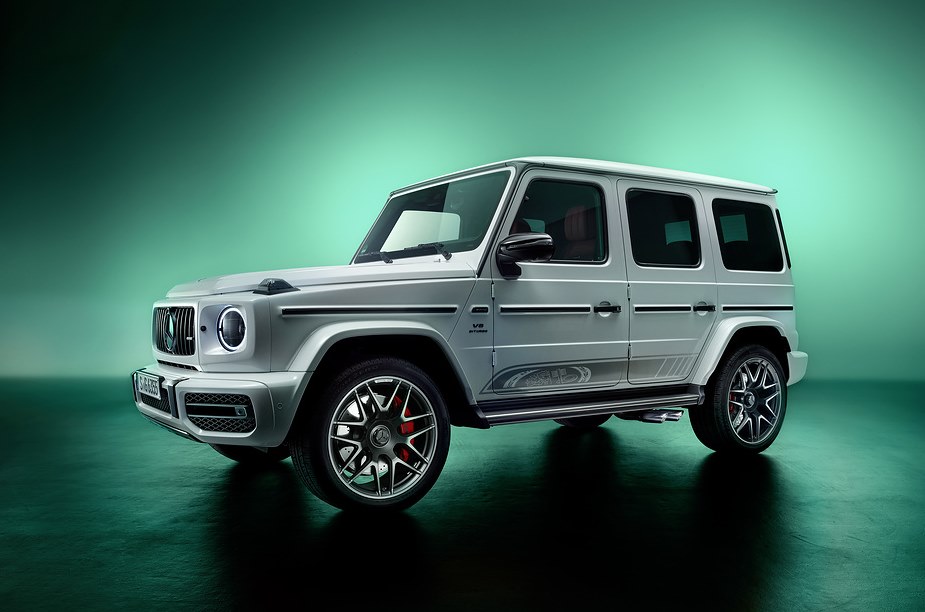
The special edition is the G 63 ‘Edition 55’ which has received specific equipment and features for exclusivity. The G‑Class has enjoyed a unique position in the AMG portfolio for over 2 decades and is its ‘king of off-road performance’.

2022 Mercedes-AMG G 63 “Edition 55” – exklusives Sondermodell zum Jubiläum „55 Jahre AMG“Mercedes-AMG G 63 Edition 55

Introduced in 1999
The first production model of an AMG variant of the G‑Class was introduced in 1999 to mark the 20th anniversary of the off-road legend. The G 55 AMG marked the beginning of a new, highly successful chapter in G‑Class history. In 2002, the G 63 AMG set new standards. It was the first time a 12-cylinder engine had been used in the G‑Class. This was followed in 2004 by the G 55 AMG with a V8 supercharged engine, and in 2012 with the G 65 AMG that has a 1,000 Nm V12 engine. The current Mercedes‑AMG G 63 continues the success story.

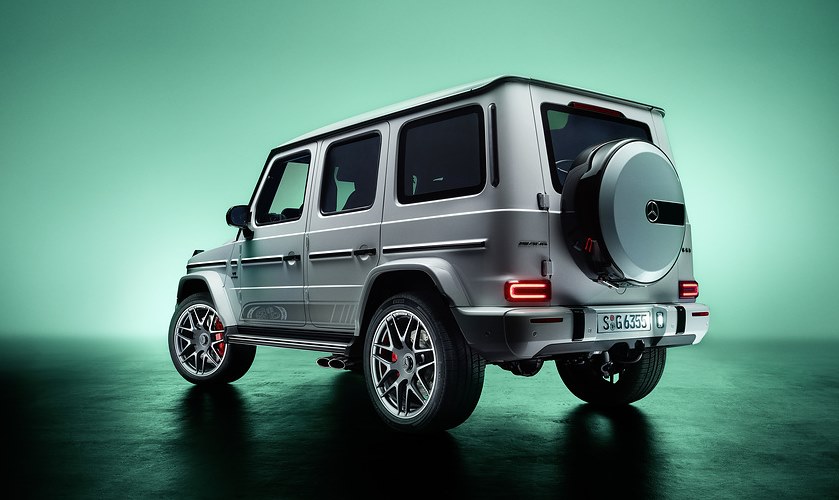
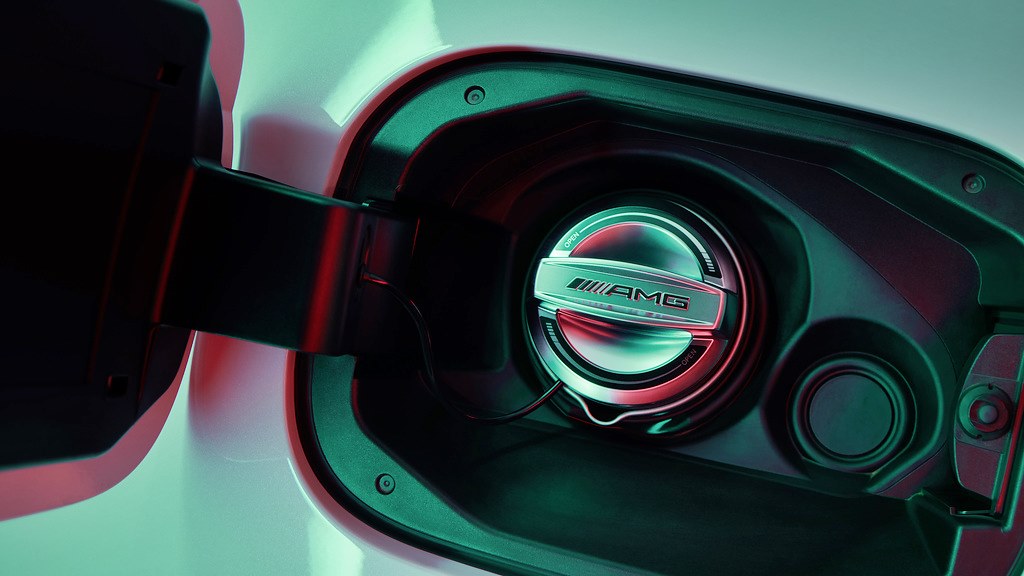
The Edition 55 is available in obsidian black metallic or G manufaktur opalite white bright paint. The colours on both sides of the vehicle are coordinated with the AMG emblem and the suggested AMG rhombus. Distinctive contrasts are provided by the 22‑inch AMG forged wheels in a cross-spoke design with a matt tantalum grey paint finish and a high-sheen rim flange, as well as the AMG Night Package and the AMG Night package II. The fuel filler cap in silver chrome with AMG lettering also bears witness to great attention to detail.

2022 Mercedes-AMG G 63 “Edition 55” – exklusives Sondermodell zum Jubiläum „55 Jahre AMG“Mercedes-AMG G 63 Edition 55

2022 Mercedes-AMG G 63 “Edition 55” – exklusives Sondermodell zum Jubiläum „55 Jahre AMG“Mercedes-AMG G 63 Edition 55

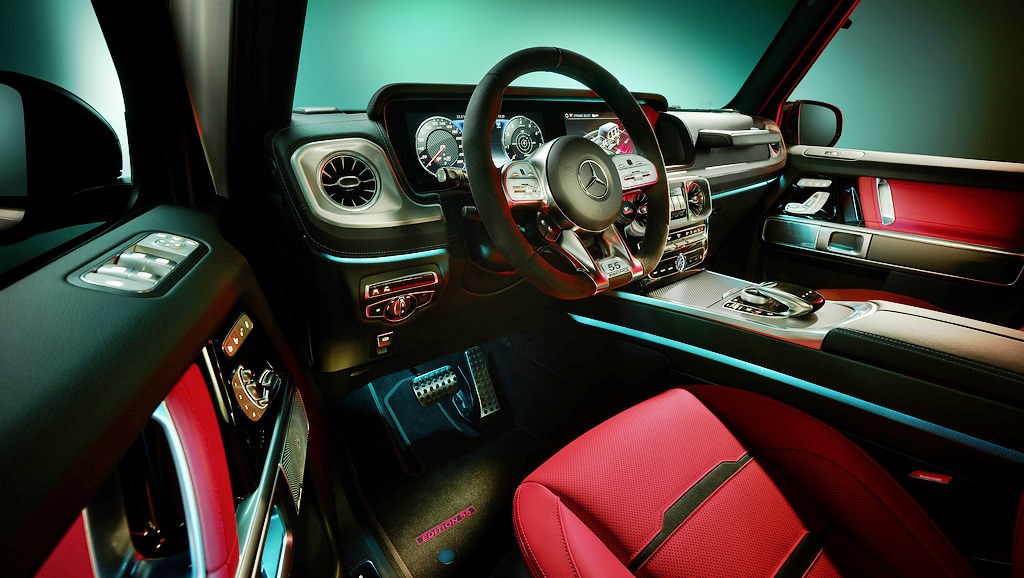
The interior is characterised by the contrast of black and red. Stainless steel doorsill trims with red illuminated AMG lettering welcome the occupants who step onto black AMG floor mats made of high-quality velour. The mats feature red contrasting stitching and ‘Edition 55’ lettering woven in red.

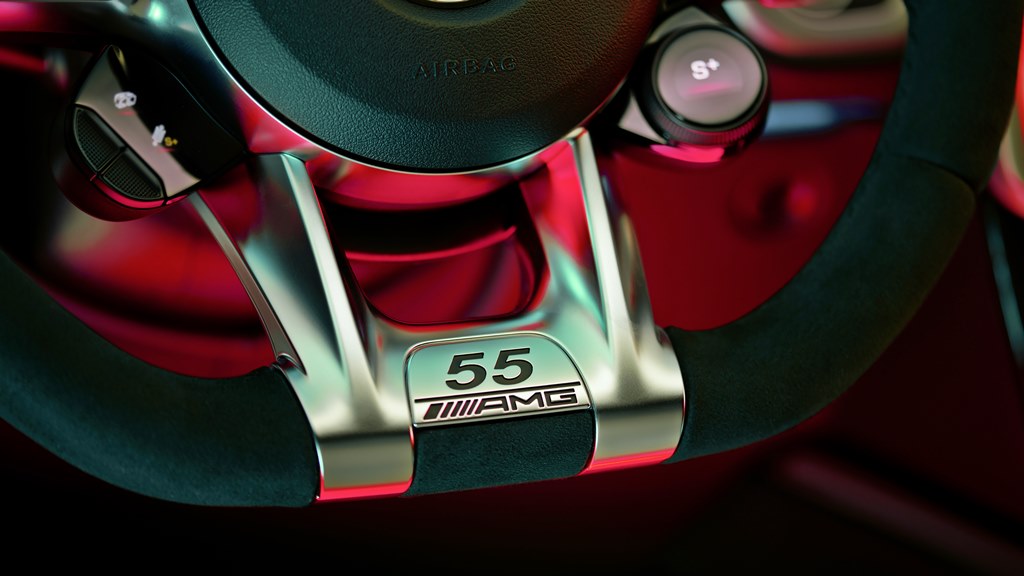
The AMG Performance steering wheel in DINAMICA microfibre also commemorates the anniversary with the ‘AMG’ and ‘55’ badges, making the special model an exclusive collector’s item. Also exclusive are the AMG seats with a specific design and upholstered in 2-tone nappa leather in classic red/black. The exclusive ambience of the interior is rounded off by the AMG trim elements in matt carbonfibre.

2022 Mercedes-AMG G 63 “Edition 55” – exklusives Sondermodell zum Jubiläum „55 Jahre AMG“Mercedes-AMG G 63 Edition 55

The scope of delivery includes a customised AMG Indoor Car Cover. With its breathable outer skin made of tear-resistant synthetic fibre fabric and antistatic inner fabric made of flannel, it protects the vehicle in the garage from dust and scratches.

2022 Mercedes-AMG G 63 “Edition 55” – exklusives Sondermodell zum Jubiläum „55 Jahre AMG“Mercedes-AMG G 63 Edition 55

The AMG story
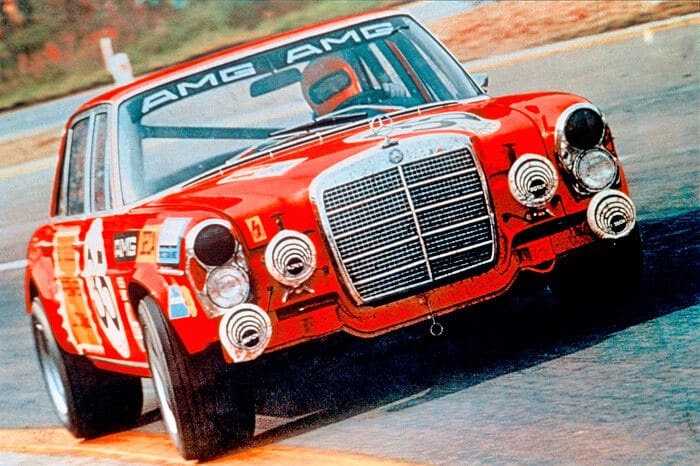
AMG was founded by two men – Hans Werner Aufrecht and Erhard Melcher – in 1967. Both men were engine tuners and car customisers, and they turned Mercedes-Benz models into high-performance machines. Their fame took a big leap when they developed a Mercedes-Benz 300SEL for racing. With its 6.8-litre engine, it created history when it finished second at the 1071 24 Hours of Spa, beating much lighter rivals.

Their specialisation in Mercedes-Benz cars brought them closer to the carmaker and in time, their work was recognised as being of such high quality that Mercedes-Benz allowed its dealerships to sell AMG models, the first being the 225 bhp 190 E AMG in the late 1980s.

The race-winning 300SEL developed by AMG (nicknamed ‘Red Pig’) which made the company more famous.

Just a few years into the decade of the 1990s, Daimler-Benz brought AMG into its group with a controlling stake. This saw the birth of the Mercedes-AMG brand as a high-performance sub-brand while AMG became the unit that looked after everything to do with high-performance products, including motorsports. Eventually, most models would have AMG Line versions which had additional sporty equipment designed by the subsidiary

From a two-man start-up in 1967 to a state-of-the-art development site including its own engine manufacturing facility today, Mercedes-AMG continues to build on its position as a highly successful performance and sportscar brand through numerous successes in motorsport and the development of unique road cars.

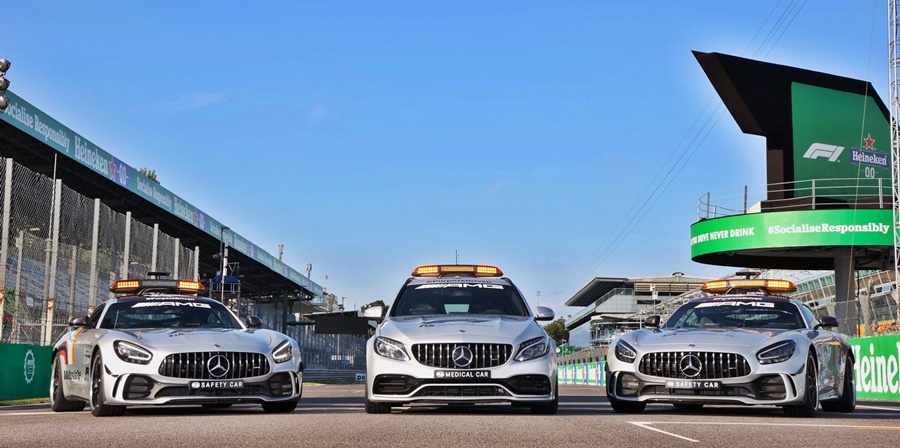
Since 1996, Mercedes-AMG has supplied the Official F1 Safety Car and Medical Car.
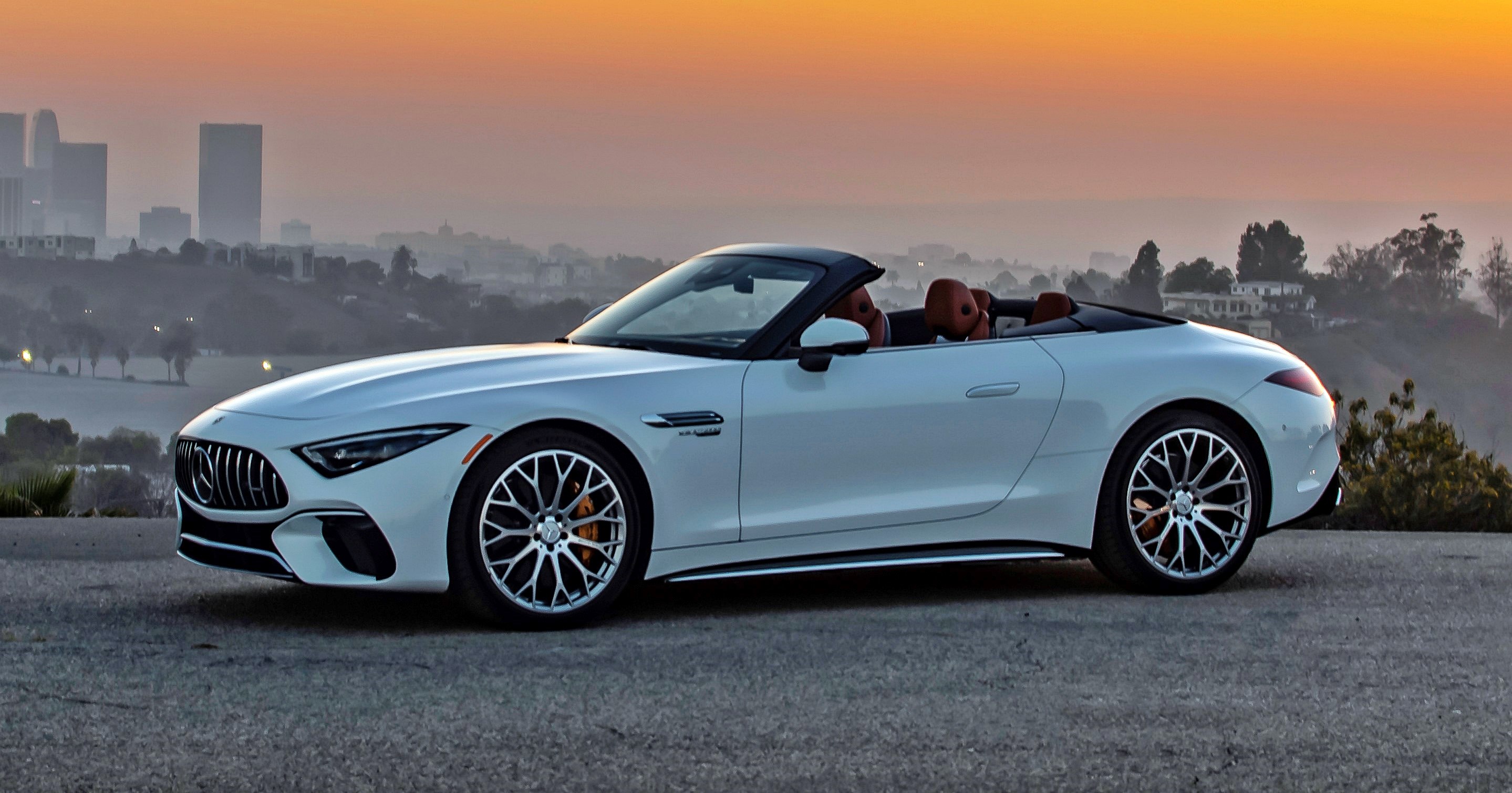
The latest Mercedes-AMG SL.

The current Mercedes‑AMG portfolio comprises more than 50 models with a power range from 306 ps to 843 ps, and includes its first performance hybrid –  GT 63 S E PERFORMANCE. Apart from models derived from the Mercedes-Benz range, Mercedes-AMG has also independently developed sportscars such as the GT 4‑Door model and the new SL.

Moving into the era of electrification, Mercedes‑AMG will offer E PERFORMANCE – performance hybrids with an independent drive layout and technology from Formula 1. The portfolio includes all-electric AMG derivatives based on the Mercedes-Benz Group’s own EVA2 platform. In the near future, completely independent battery-electric AMG models will also follow, which will be based on the new electrical architecture (AMG.EA) which has been developed completely in-house.

10 things about AMG you may not have known

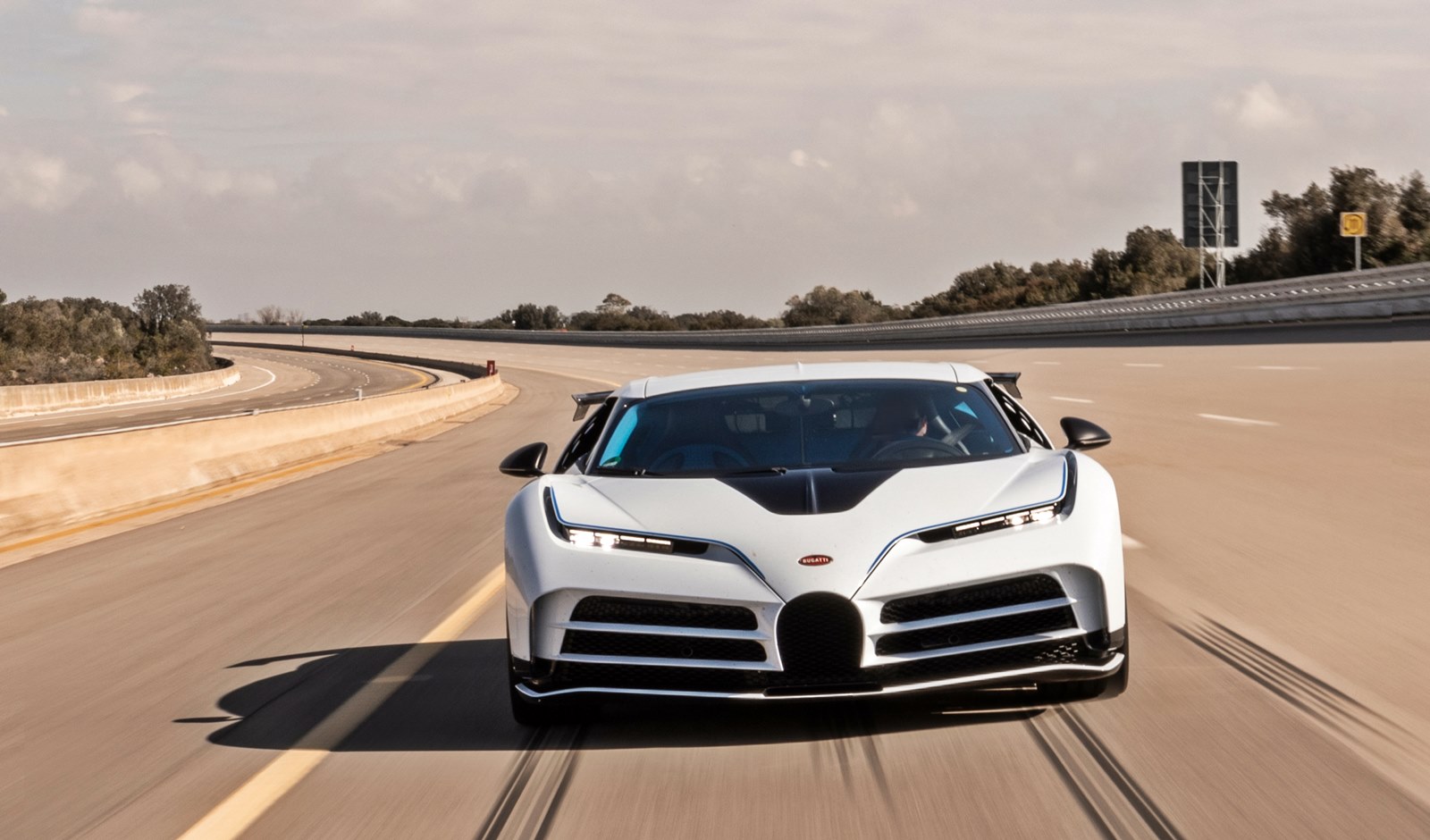
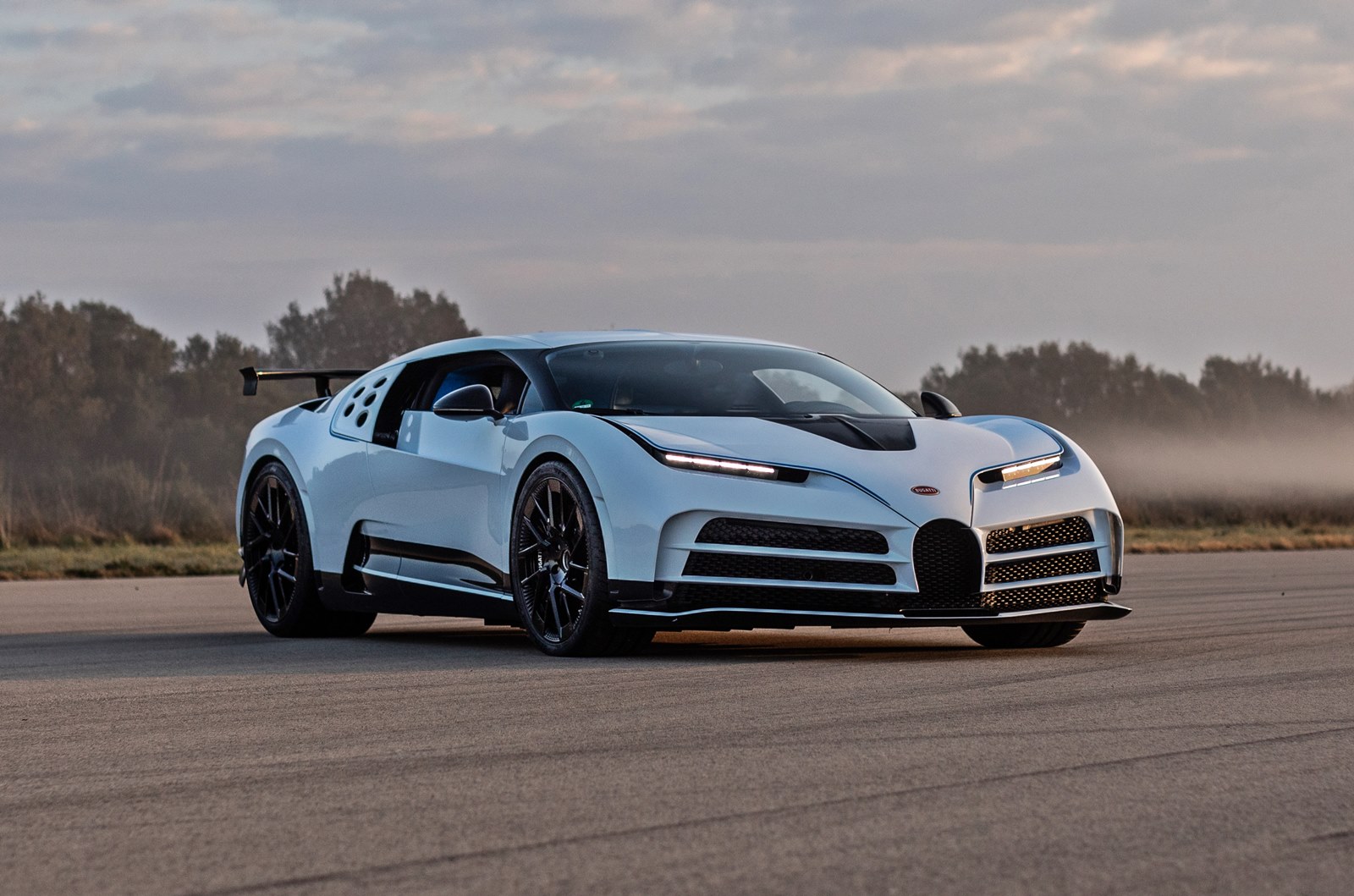
Bugatti will build only 10 units of the Centodieci, the most exclusive model from the French brand. And even though it is a small number, the cost and time for engineering, development and testing has been no less than for any other model. In fact, if one were to use the 10-unit production run as a basis, it is probably the most expensive model in development cost.

2022 Bugatti Centodieci at Nardo

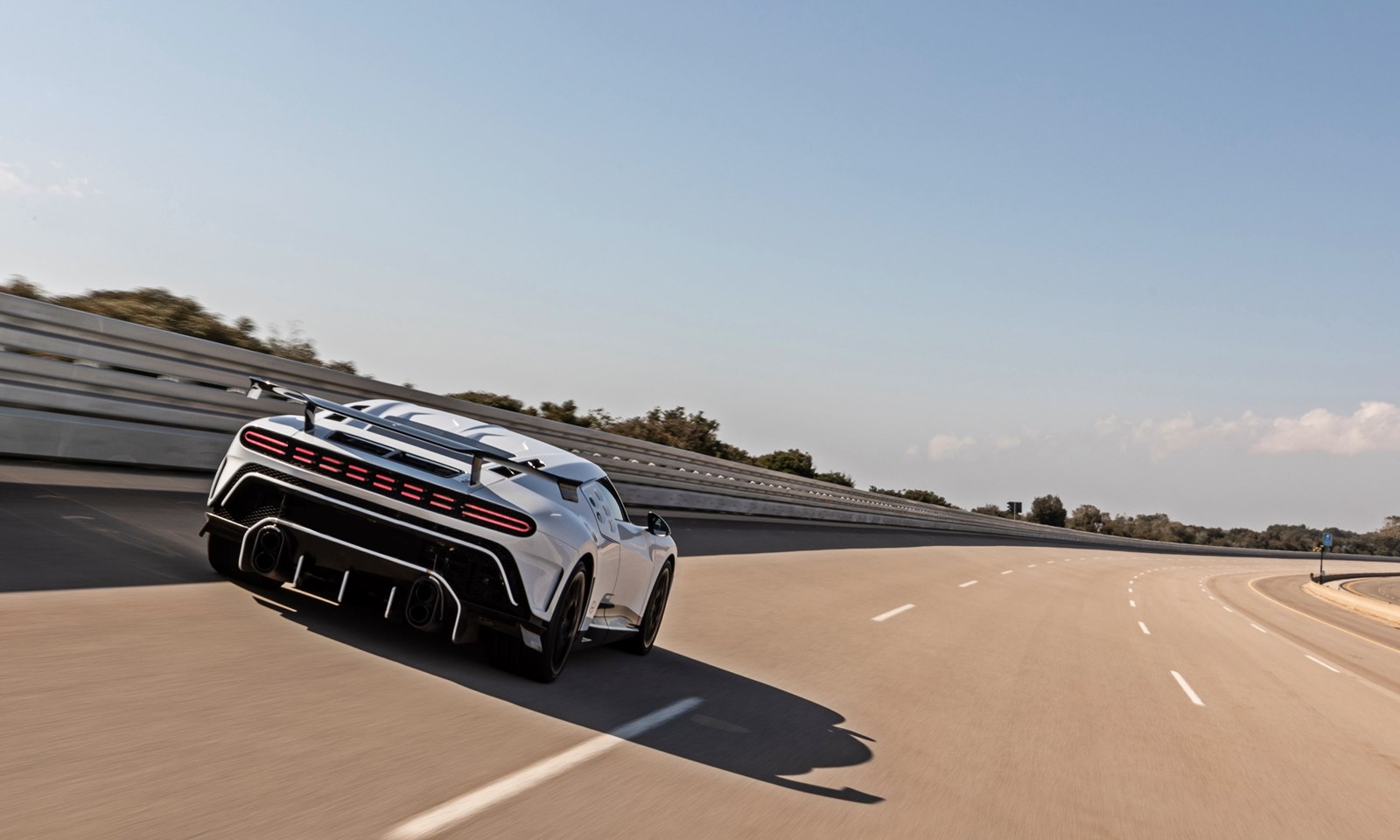
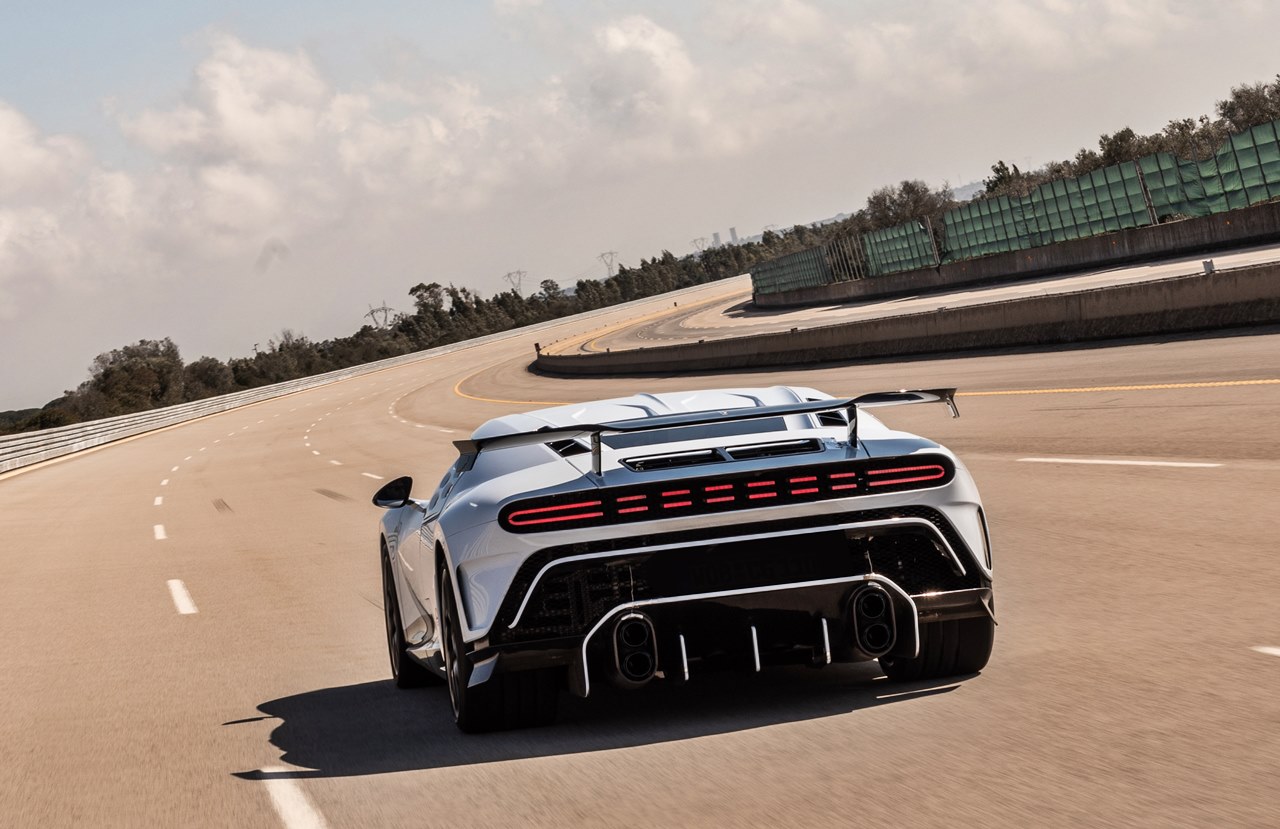
Over the course of many months, Bugatti test drivers and engineers have carried out all types of testing on various roads and tracks and in various conditions to collect technical data on performance and reliability. To date, the production-based prototype of the Centodieci has completed over 50,000 test kilometres in total following final endurance testing.

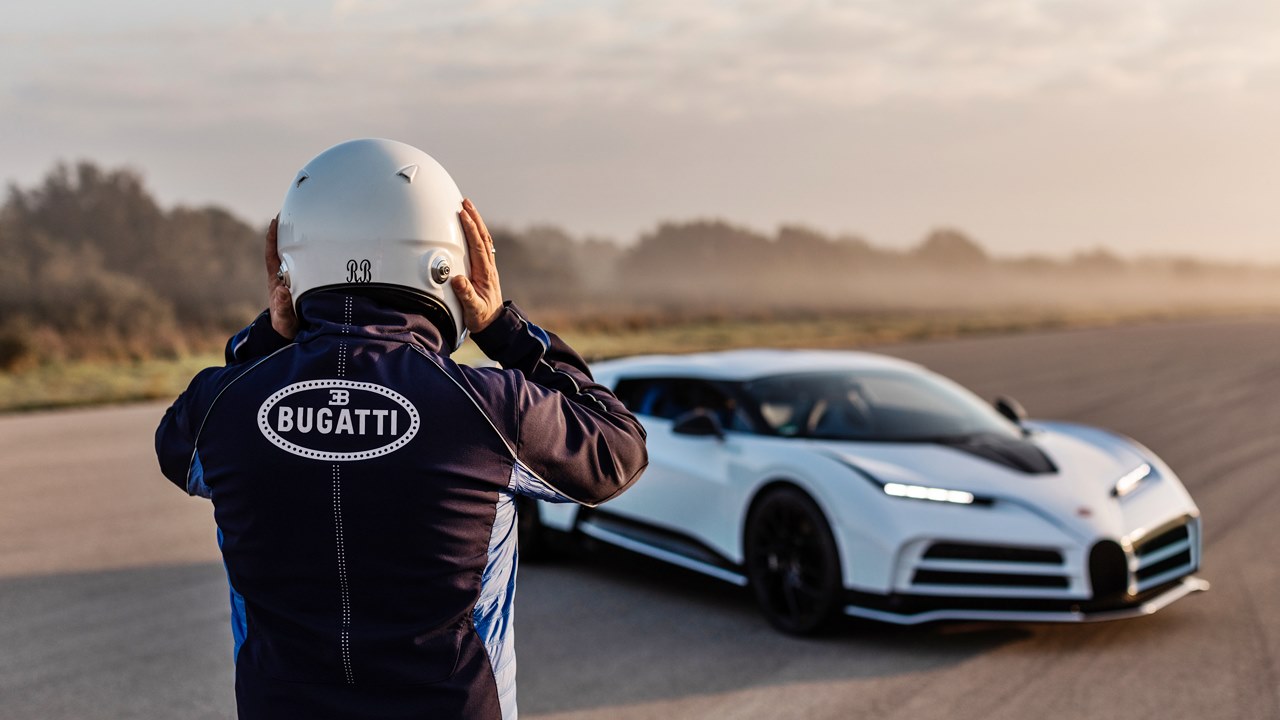
The white prototype has been run virtually non-stop with 3 drivers taking turns. It may sound like a fun job being able to drive fast for long periods (and no worries about speed-traps!), but it is a serious one. Endurance testing requires drivers to have a high level of technical knowledge, maximum concentration, and sensitivity. During driving, they must examine all functions of the hypercar, registering and logging every minor issue. They drive day and night on different track profiles and across every speed range, from stop-and-go pace to top speed.

2022 Bugatti Centodieci at Nardo

Even after hours going round and round the same high-speed track at Nardo in Italy, they must be able to pick up the slightest of unusual noises, movements, and irregularities. Everything is inspected one final time: driving on different surfaces – both wet and dry – testing every little steering movement, braking, acceleration, cornering load, and functionality of the driver assistance systems.

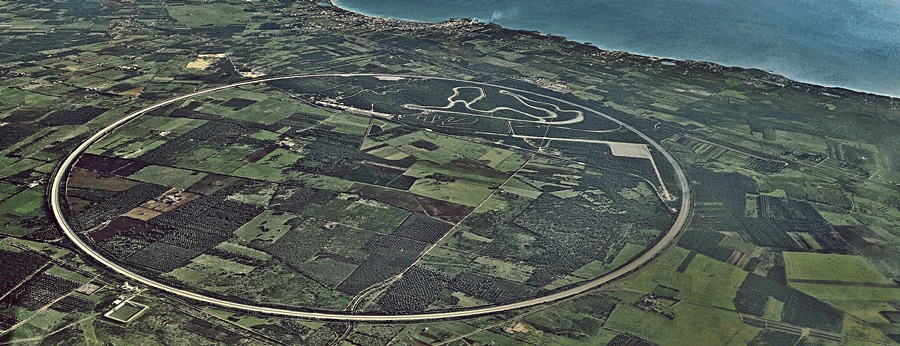
The Nardo Technical Centre in Italy.

“With its high-speed circuit and handling course, the Nardo test centre provides the ideal conditions for intensive endurance tests,” said Steffen Leicht, the man responsible for endurance testing at Bugatti. The 12.6-km circular track with a diameter of 4 kms is considered the fastest automotive circuit in the world – ideal for the 380 km/h Centodieci.

It also has a 6.2-km handling course on the inner section that enables drivers to check performance and dynamic behaviour at the highest load levels and with longitudinal and transverse dynamics. In total, the facility has 70 kms of roads with different surfaces, enabling extensive testing and inspection of all vehicle components.

2022 Bugatti Centodieci at Nardo

During endurance testing, the Centodieci covered up to 1,200 kms each day, interrupted only by technical checks, refuelling, and driver changes. Throughout the entire time, Bugatti’s engineers analyze the engine and vehicle data and make adjustments where necessary. “We assess every element on the vehicle one last time, paying particular attention to functionality and durability before the first Centodieci cars go into production,” explained Carl Heilenkotter, project manager responsible for one-off and few-off projects at Bugatti.

“All components must interact perfectly with one another and be capable of withstanding any kind of overloading. They must also harmonize in a stable and safe manner even when subjected to the most severe handling situations,” he explained.

The testing that is carried out is no different from what Bugatti has been doing for more than 100 years to ensure the highest quality for its cars. However, new technologies have enabled the engineers to carry out testing in more sophisticated ways today and to go well beyond the legal and expected requirements.

2022 Bugatti Centodieci at Nardo

“The Centodieci is deliberately driven to its limits in order to guarantee reliable handling at the highest level, even in extreme situations. Even though most cars never enter this range, it is nonetheless tested. This is the philosophy of the brand and that is why we put such a huge amount of effort into all this testing. Bugatti is committed to the highest quality standards, durability, and customer satisfaction,” said Heilenkotter. “The endurance tests in Nardo represent the final act of the extensive trials.”
As soon as the final assessment has been completed, the first of the highly exclusive vehicles – each with a starting price of 8 million euros (about RM37.17 million) – can go into production. All the 10 hypercars – which have 8-litre 16-cylinder 1,600 ps engines – will be completed in the coming months and their owners will receive them later this year.
FEATURE – The German engine that was born on a Japanese bullet-train

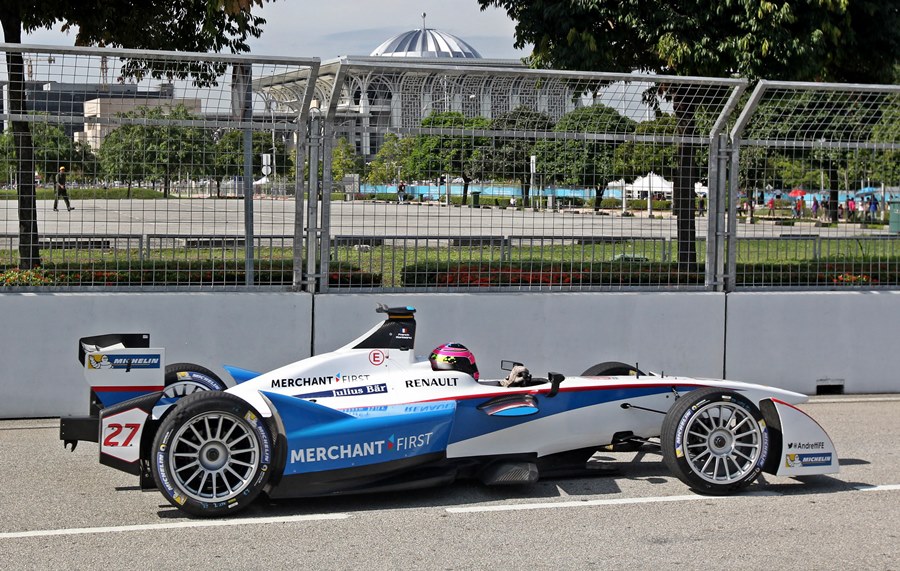
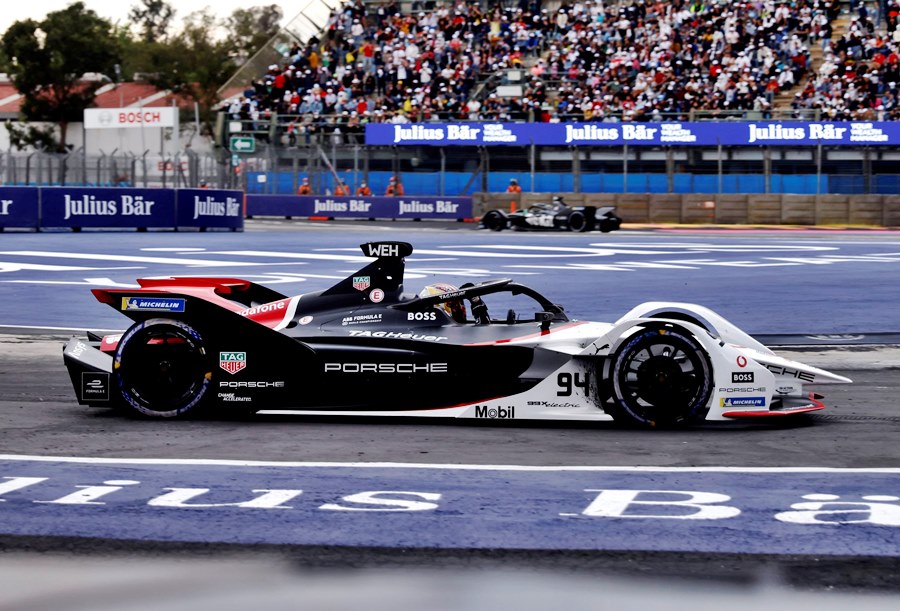
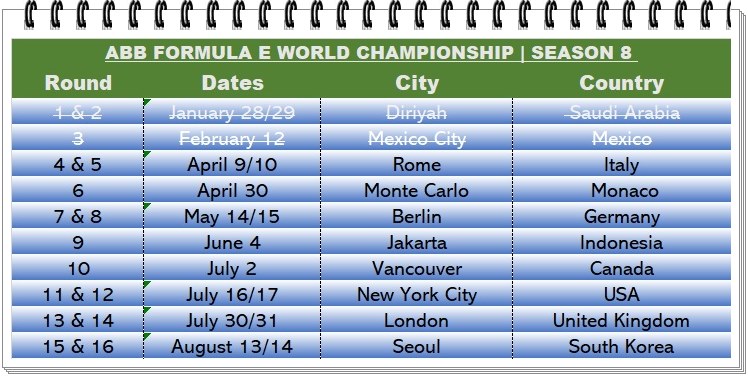
Just as this year’s Formula 1 season sees major changes in technical regulations (including change in tyre sizes) that have required the teams to redesign their cars, Formula E – the all-electric single seater series that has been upgraded to World Championship status – will also see a similar change in 2023 which will be Season 9.

While the first season saw all the teams being supplied the same car (Spark-Renault SRT_01E), subsequent seasons allowed each team to further develop the electric motor, gearbox and suspension. The chassis for the Gen2 racing cars was maintained as a single type, produced by Spark Racing Technology, so that costs would be kept low.

A Gen1 Formula E racing car at Putrajaya in 2014, the only time a Formula E round has been held in Malaysia.
Evo version of the Gen2 racing car in Mexico this year.

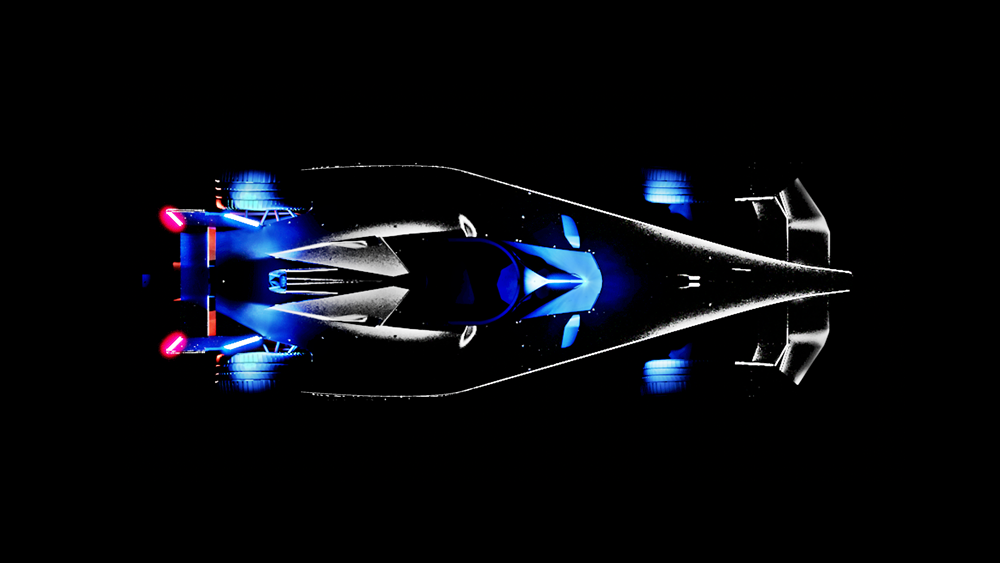
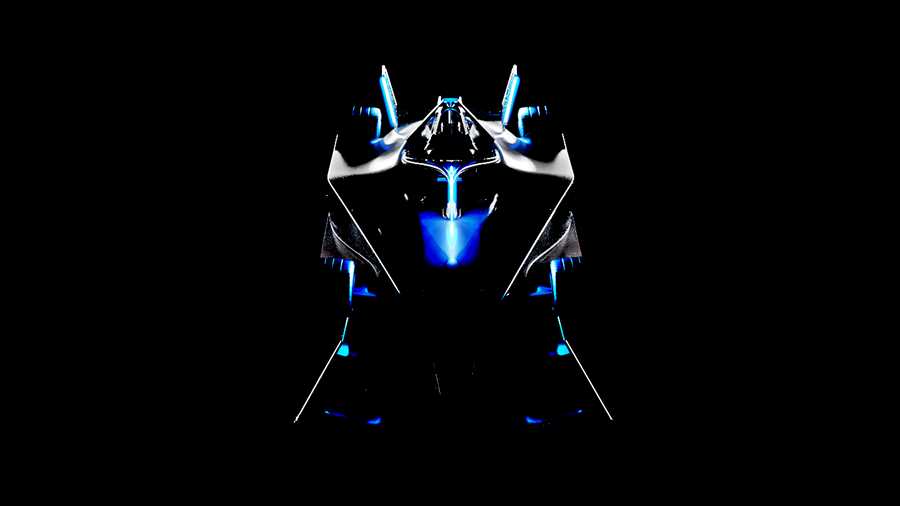
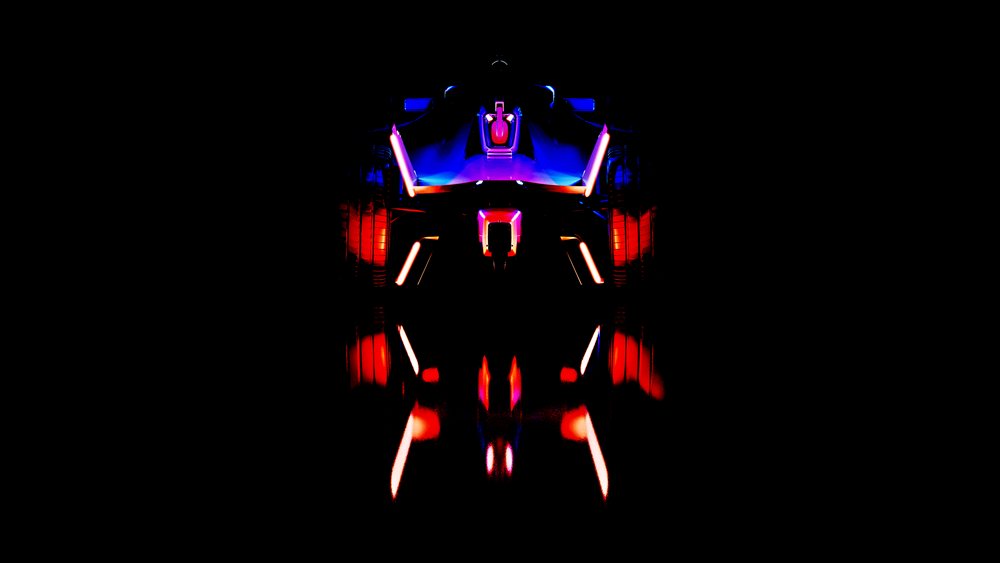
The Gen2 cars run their final season this year, after which will come the new Gen 3 cars. The organisers will unveil the new car at the Yacht Club de Monaco on April 28 prior to the 2022 Monaco E-Prix.

The teams will be able to take a close look at the racing car while fans around the world will be able to watch via championship’s digital channels. While the world will see the Gen3 race car for the first time, Formula E has its sights further into the future of the series. In Monaco, Formula E and the FIA will host a roundtable event bringing together leaders from manufacturers across the automotive sector. This summit will focus on the potential innovations and technology roadmaps for the Gen4 era as Formula E affirms its position as the pinnacle of electric mobility development and racing.

“Formula E’s Gen3 race car represents a leap forward for motorsport and electric mobility,” said Jamie Reigle, CEO of Formula E. “Designed to demonstrate that high performance, efficiency and sustainability can be packaged together without compromise, the Gen3 car is our most powerful, lightest, and fastest racing car to date. We look forward to finally taking the covers off the Gen3 in Monaco, a location steeped in motor racing history, and seeing the car light up city streets around the world next season.”

The Gen3 car will show the impressive progress in EV development achieved in the championship. Formula E has worked closely with the FIA and industry-leading engineers and experts in sustainability to ensure the Gen3 will also set the benchmark for sustainability in high performance racing cars. The car is the first Formula car aligned to Life Cycle Thinking, with a designed second life for tyres, broken parts and battery cells. Additionally, the Gen3 will be net-zero carbon – reinforcing Formula E’s status as the first sports series to be net-zero carbon from inception.

Overview of technical details

Formula E has now provided this overview of the new racing car’s technical details:

An electric motor delivering up to 350 kw of power (equivalent to 470 bhp), giving a top speed of 320 km/h, with a power-to-weight ratio that is twice as efficient as an equivalent 470 bhp internal combustion engine.

At least 40% of the energy used within a race will be produced by regenerative braking during the race.

The first Formula car with both front and rear powertrains. The new front powertrain adds 250 kW to the 350 kW at the rear, more than doubling the regenerative capability of the current Gen2 to a total of 600 kW.

The first Formula car that will not feature rear hydraulic brakes due to the addition of the front powertrain and its regenerative capability.

Lighter and smaller than the Gen2, it will be faster and more agile.

“The arrival of the Gen3 is the latest momentous step of an incredible journey for the championship,” said Alejandro Agag, Formula E Founder & Chairman. “We have come a long way – as electric vehicles have – in less than a decade. And we are not stopping as we bring together industry leaders to imagine the possibilities of the future of all-electric single-seater motorsport.”


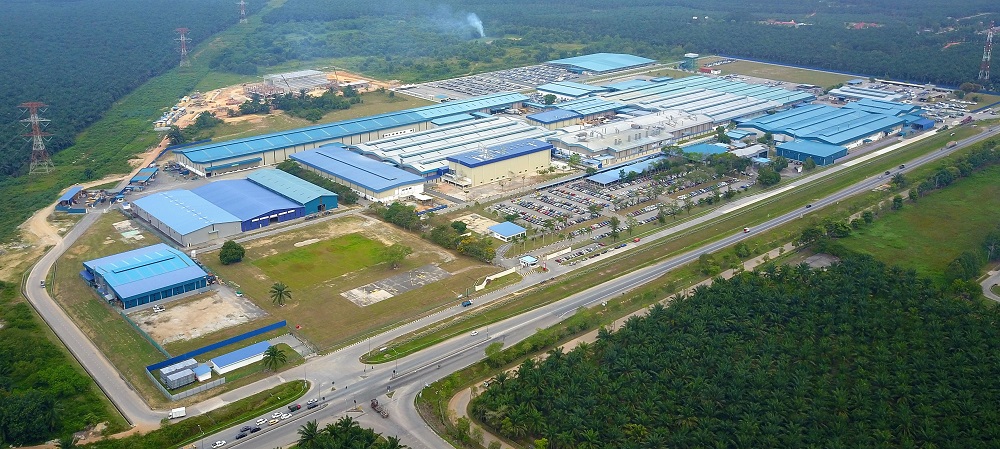
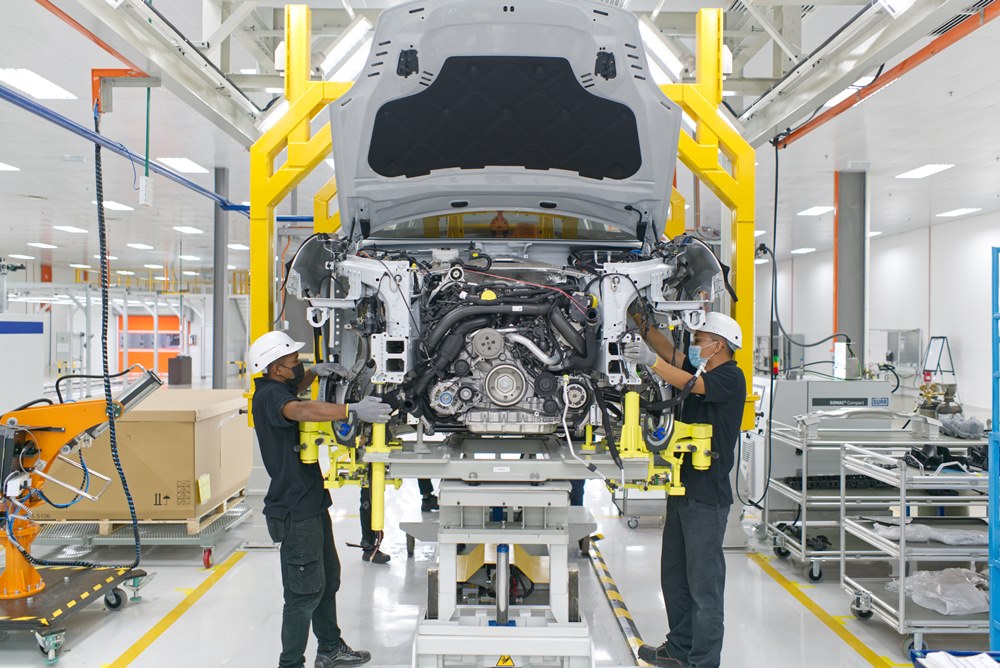
As reported in August last year, Porsche will assemble its vehicles in Malaysia, the first time that the sportscar maker is carrying out such activity outside Germany. It has not built a new factory in Malaysia but is using the existing Inokom Corporation complex for its facility.

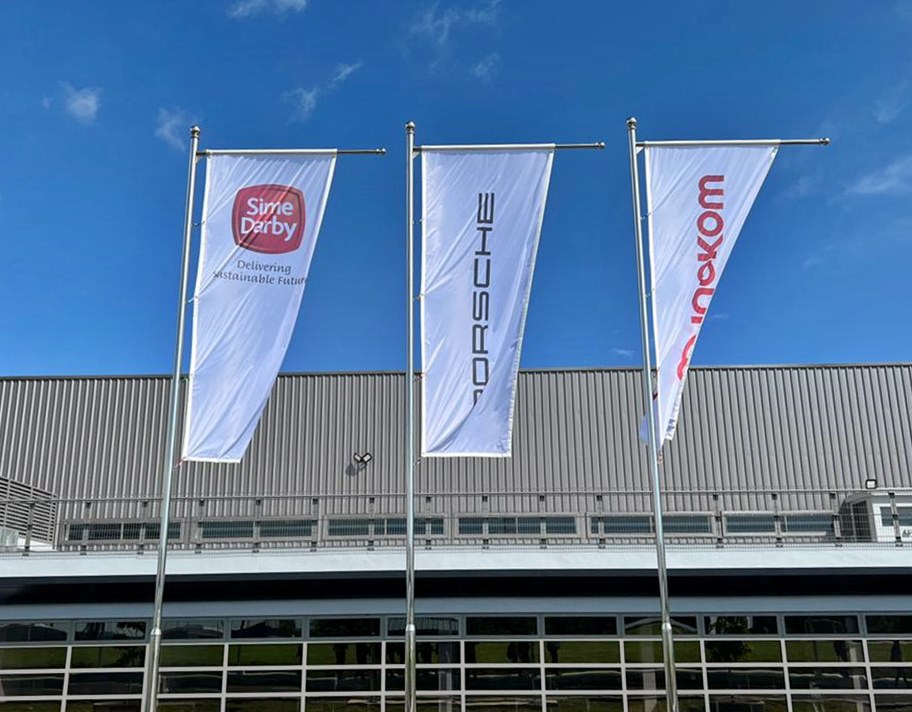
The official launch of the facility, which took place today, is an event of great significance and is the result of close collaboration with Sime Darby, which represents Porsche with its Sime Darby Auto Performance unit. It also owns the Inokom factory, located on a 200-acre site in Kulim, Kedah which began operations in 1997. The factory first assembled Renault and Hyundai vehicles and under Sime Darby ownership, products from BMW, MINI, Hyundai and Mazda are also assembled at the complex today.

Porsche assembly at Inokom in Malaysia 2022

The Inokom factory in Kulim, Kedah, is the first site outside Europe to manufacture Porsches.
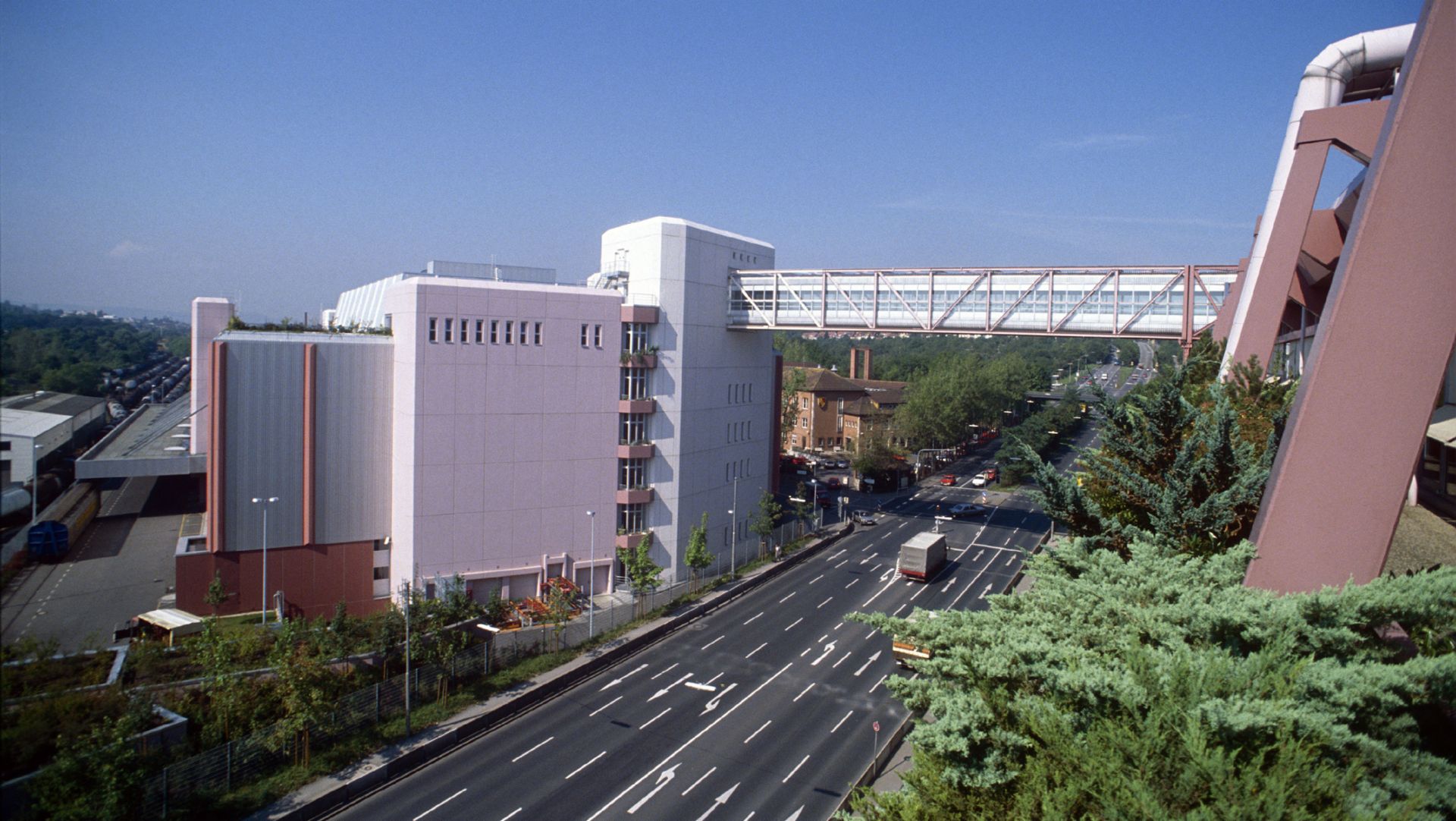
Porsche Zuffenhausen, Germany
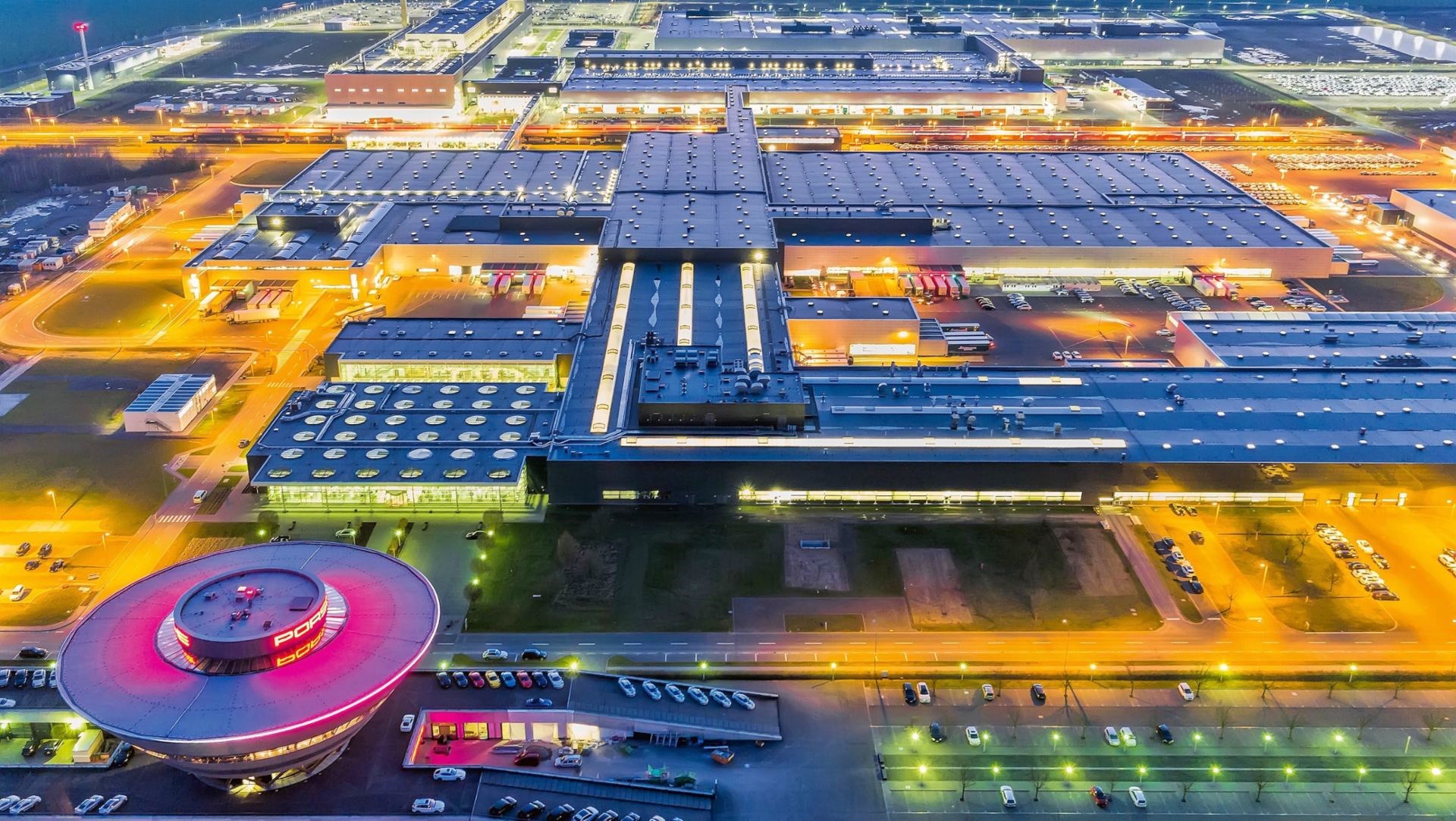
Porsche Leipzig, Germany.

“We are very honoured by Porsche’s continued trust in Sime Darby, as we deliver a product consistent with Porsche’s highest standards for quality, performance and driving experience. The facility, which is 100% staffed by highly skilled Malaysians, not only supports the growth of our businesses across the automotive value chain in Malaysia; but also creates a pipeline of jobs to empower the local community,” said Sime Darby Berhad Group CEO, Dato’ Jeffri Salim Davidson.

“The new assembly site in Malaysia meets specific market needs and operates alongside Porsche’s established network of production sites in Europe. In particular, it meets comprehensive quality standards set forth by Porsche when assembling Porsche sportscars,” said Albrecht Reimold, Member of the Executive Board for Production and Logistics at Porsche. “Additionally, the facility was built alongside our production philosophy: smart, lean and green.”

Porsche assembly at Inokom in Malaysia 2022

Porsche assembly at Inokom in Malaysia 2022

With this in mind, Porsche has designed its local assembly facility to meet high sustainability standards: on the roof, solar panels provide all the power needed for operations, while rainwater harvesting technologies ensure wastewater is kept to a minimum.

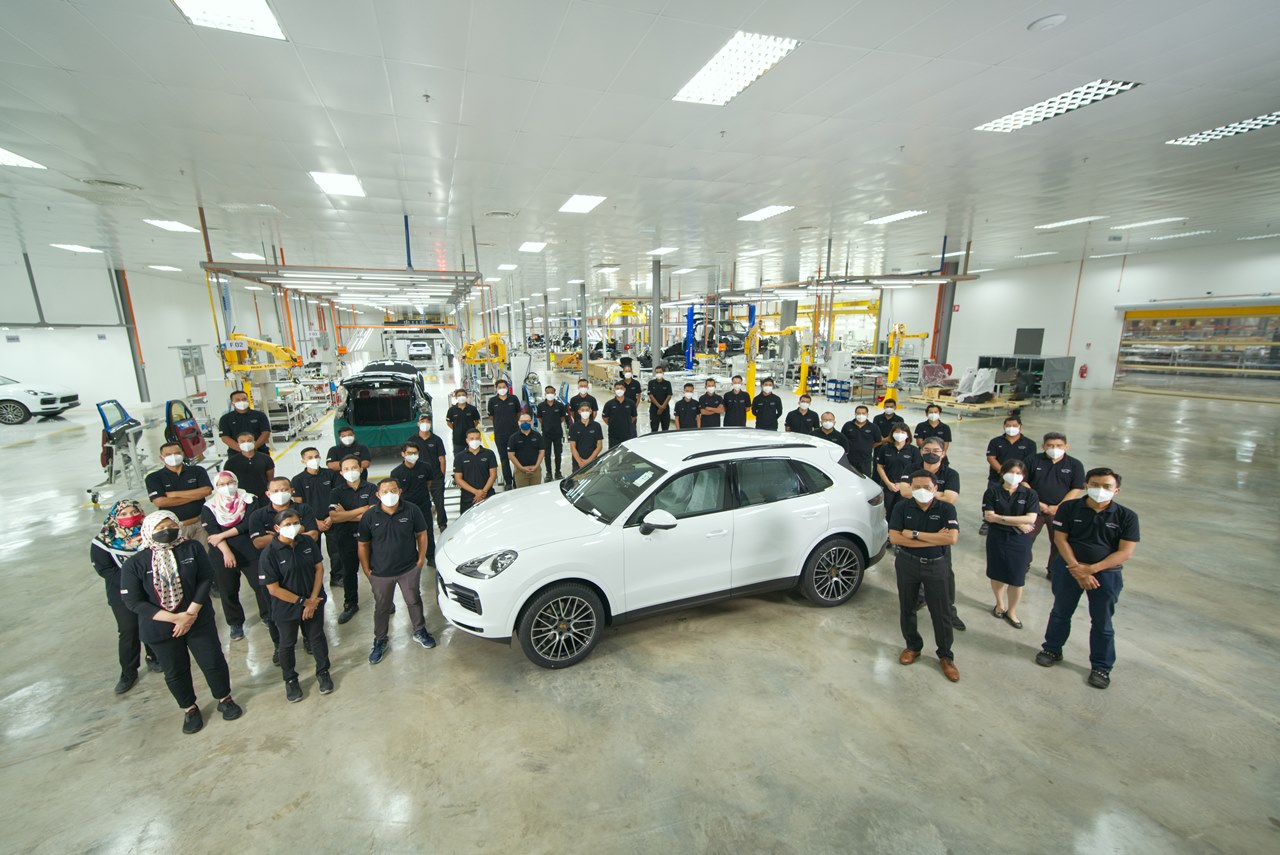
The Sime Darby local assembly facility has a team of highly skilled and 100% Malaysian talent, all of whom have received comprehensive training from Porsche. The assembly is further supported by a network of local suppliers and service providers in the area, empowering the future of the local community with job opportunities, upskilling prospects, and potential for further expansion.

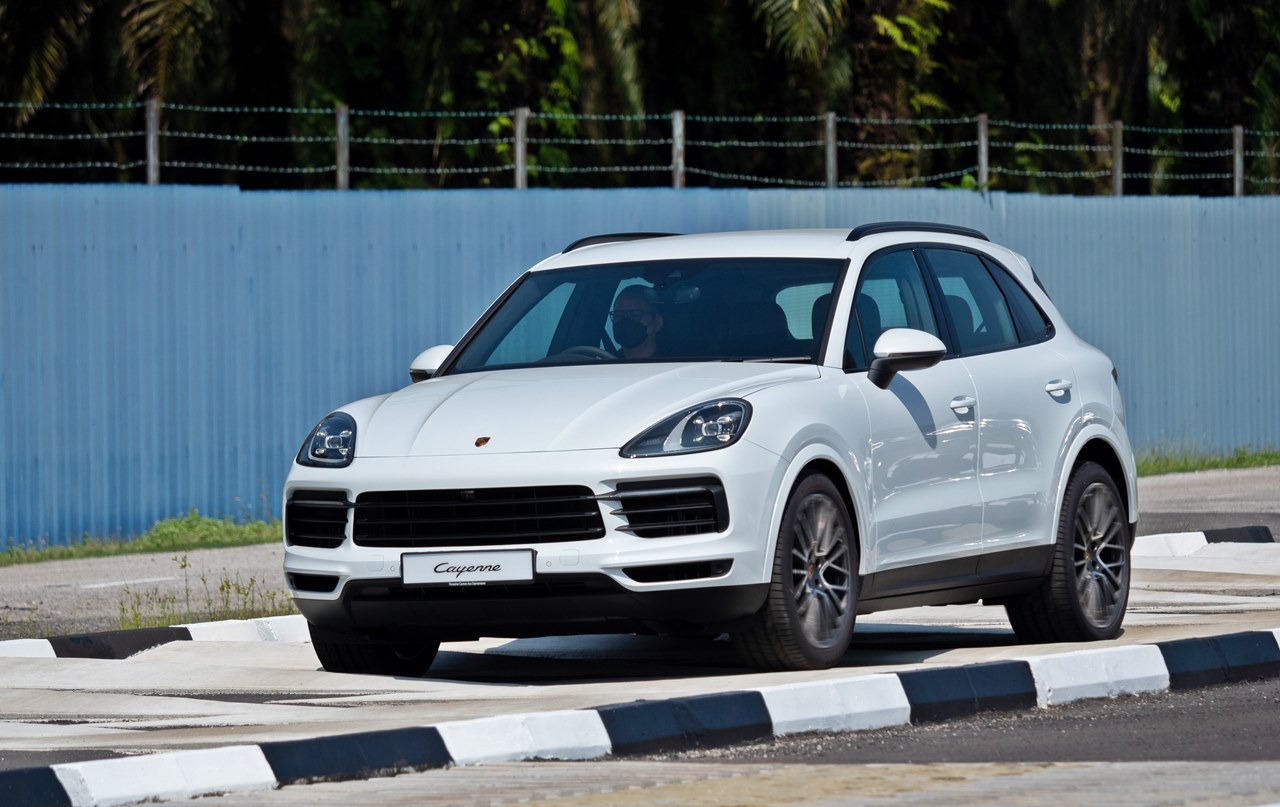
Porsche will start with the Cayenne, a popular SUV model which is now in its third generation. The units assembled at Inokom will be for sale only in Malaysia although it is likely that the carmaker will be looking at exports later on. After all, with AFTA (the ASEAN Free Trade Agreement) allowing duty-free exchange of vehicles within ASEAN countries, it will be advantageous as prices can be more attractive and competitive. However, to qualify for this benefit, at least 40% of the vehicle’s content must be sourced from within ASEAN so that may require a bit more time to reach.

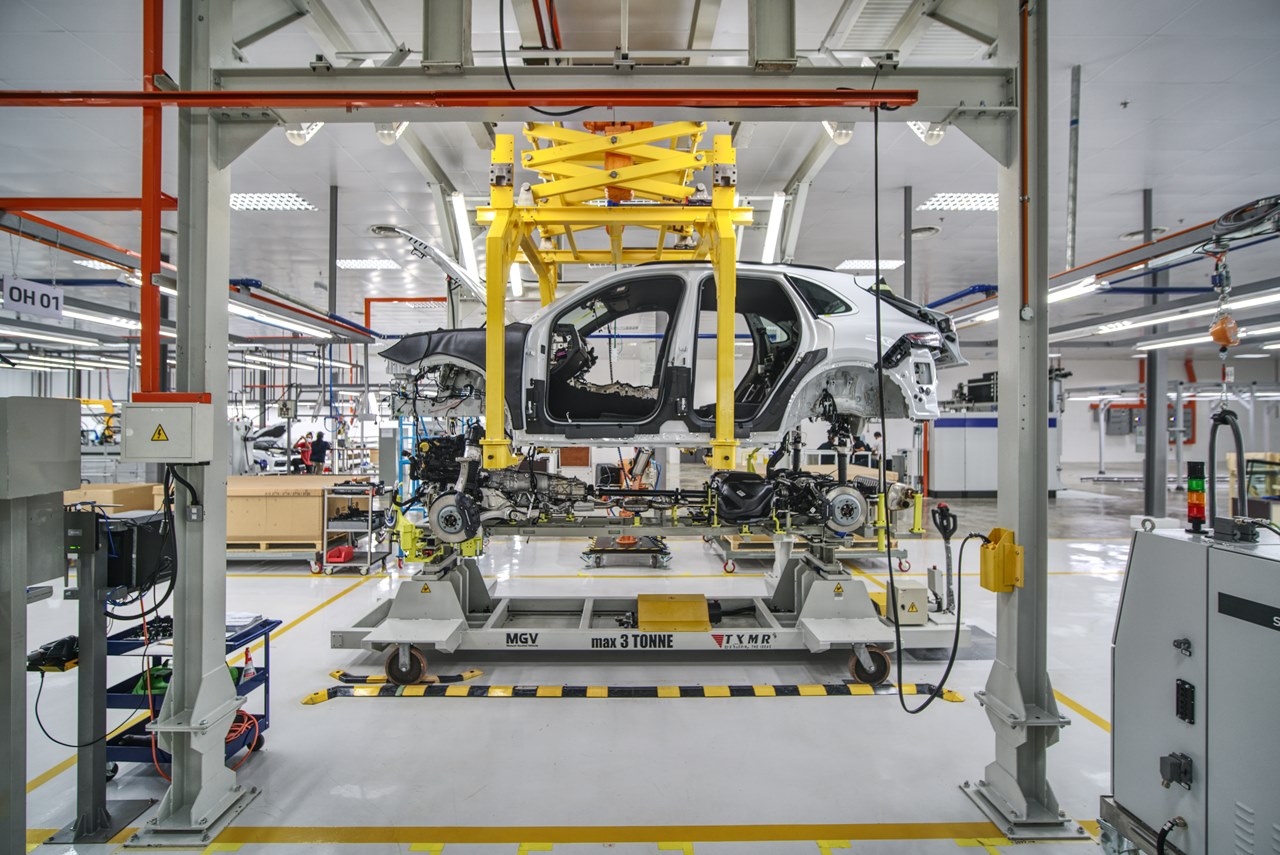
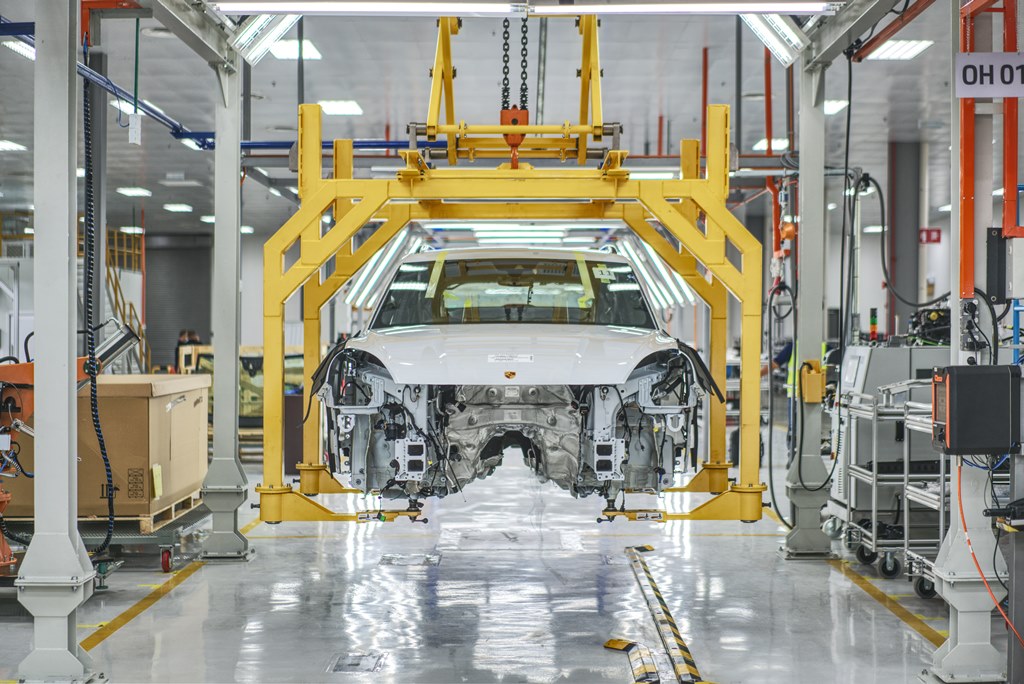
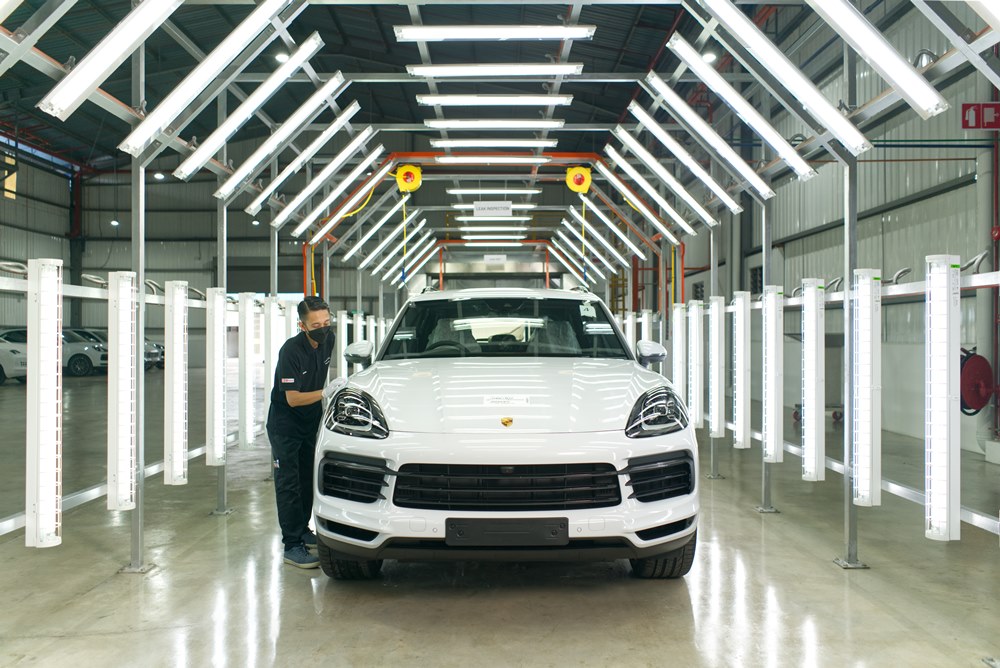
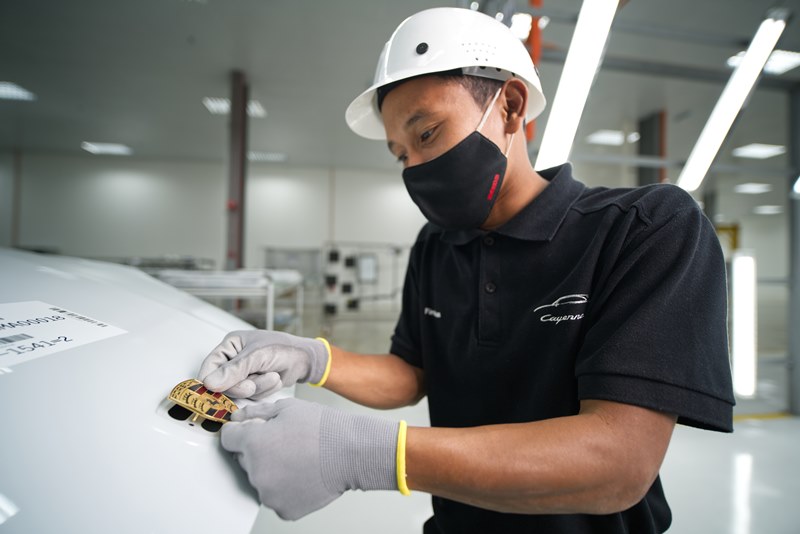
One of the first locally-assembled Cayennes undergoing final checks.

While it may seem that local assembly is simply a matter of picking a model and putting it into a box in disassembled form for assembly in another country, the process is actually more extensive. It has to be engineered for local assembly, taking into account the level of automation at the facility and capabilities of the workforce. In as far as being suitable for local conditions, that would already be done as Porsche has been selling the Cayenne locally since it was first introduced in the early 2000s.

For Porsche too, this is something new and the company probably has to create some new departments to handle the processes for assembly in Malaysia. Preparation of the completely knocked down (CKD) packs with all the parts is a specialised activity and something Porsche has never had to do before. Of course, it will probably be able to draw on the knowledge and experience from other members in the Volkswagen Group which have been assembling in other countries for decades.

The locally assembled model comes with an elevated and enhanced standard equipment range specified exclusively for the Malaysian market, with a specially curated Porsche Exclusive Manufaktur option package and a special Porsche Design timepiece available for further personalisation.

Porsche assembly at Inokom in Malaysia 2022

Porsche assembly at Inokom in Malaysia 2022

Another initiative by Porsche in Malaysia is helping to establish a recharging network for electric vehicles. Porsche Asia Pacific and Shell have collaborated to set up high-performance charging (HPC) stations along the North-South Expressway. This is a first in Southeast Asia and Shell’s first cross-country EV infrastructure in the region, enabling EV owners to drive from Singapore up the west coast of Peninsular Malaysia to Penang and on to Thailand. Additionally, HPCs are already in place at authorized Porsche dealerships in the country.

For more information on Porsche products and services in Malaysia, visit www.porsche.com.my.

First High-Performance Charging Station of Shell and Porsche Asia Pacific collaboration opens in Johor

Demands to address climate change by becoming carbon-neutral are strong and carmakers, whose products are identified as contributors to climate change because of their exhaust emissions, need to do their part. Electrification is the quickest solution that allows vehicles as we know them to still be used without causing more pollution.

Ferrari, like other sportscar makers, can’t avoid the electrification trend of the auto industry. In fact, over 10 years ago, it was already examining hybrid technology and developing such powertrains. And with Formula 1 moving into the hybrid era, development accelerated as the company has long been a participant in the sport.

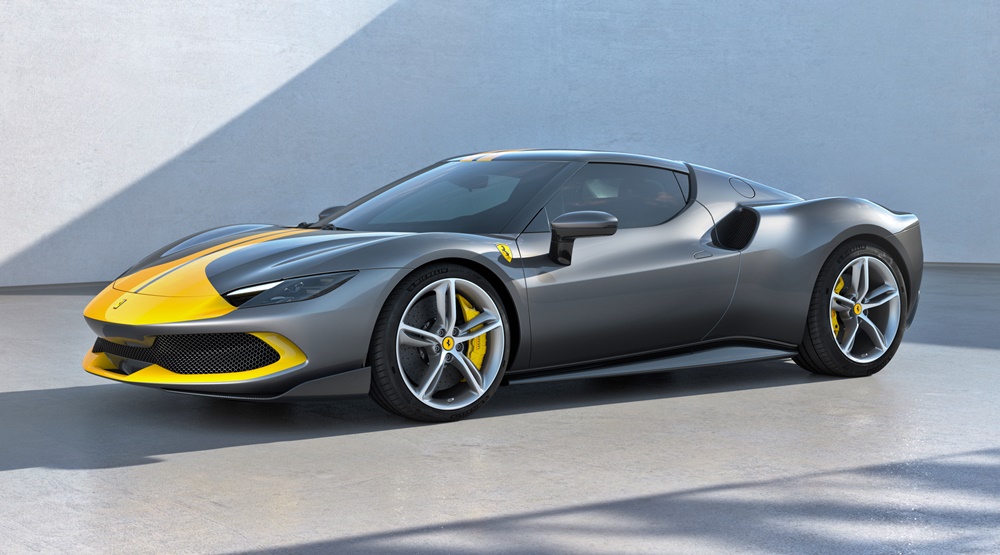
2022 Ferrari 296 GTB hybrid

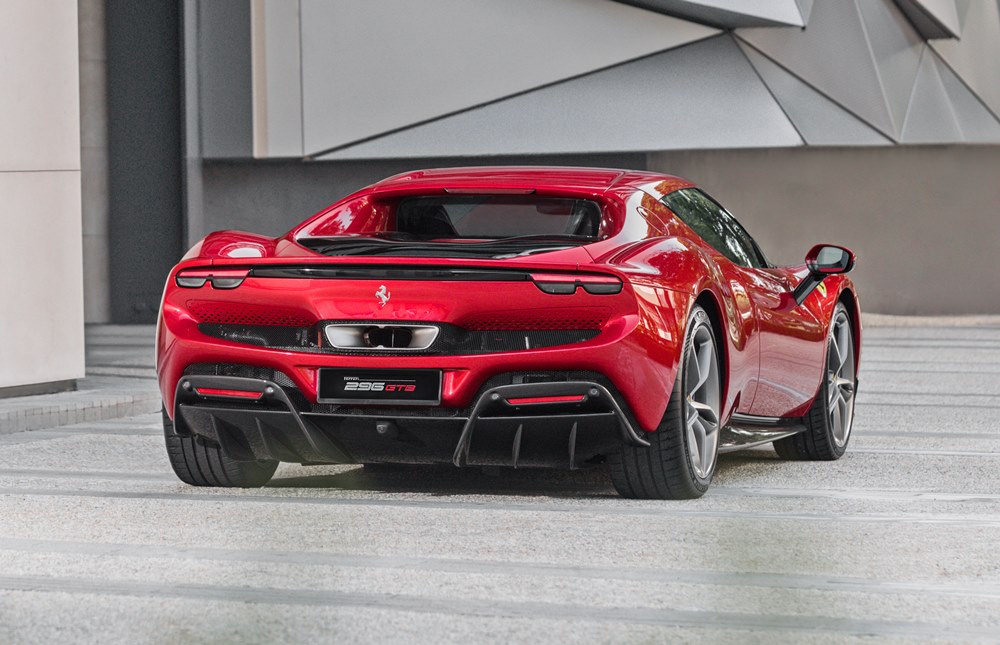
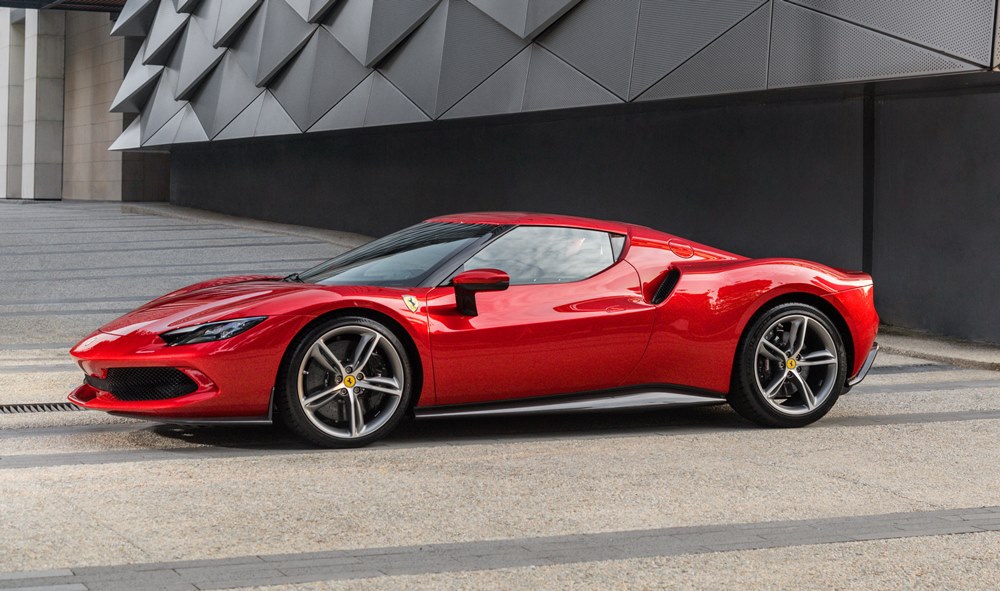
Thus far, the company has already put a few hybrid models into the market – like the LaFerrari and SF90 Stradale – and with the 296 GTB, which was launched in the middle of last year, represents an evolution of their mid-rear-engined two-seater Berlinetta with a hybrid engine.

This model is the latest offering from Naza Italia in Malaysia which has priced it from RM1,228,000 (excluding all duties and insurance). As with other new Ferraris officially sold by the importer, there’s a 7-year maintenance programme included. Service intervals are at 20,000 kms or once a year, with no mileage limits.

2022 Ferrari 296 GTB hybrid

All-new hybrid V6 powertrain
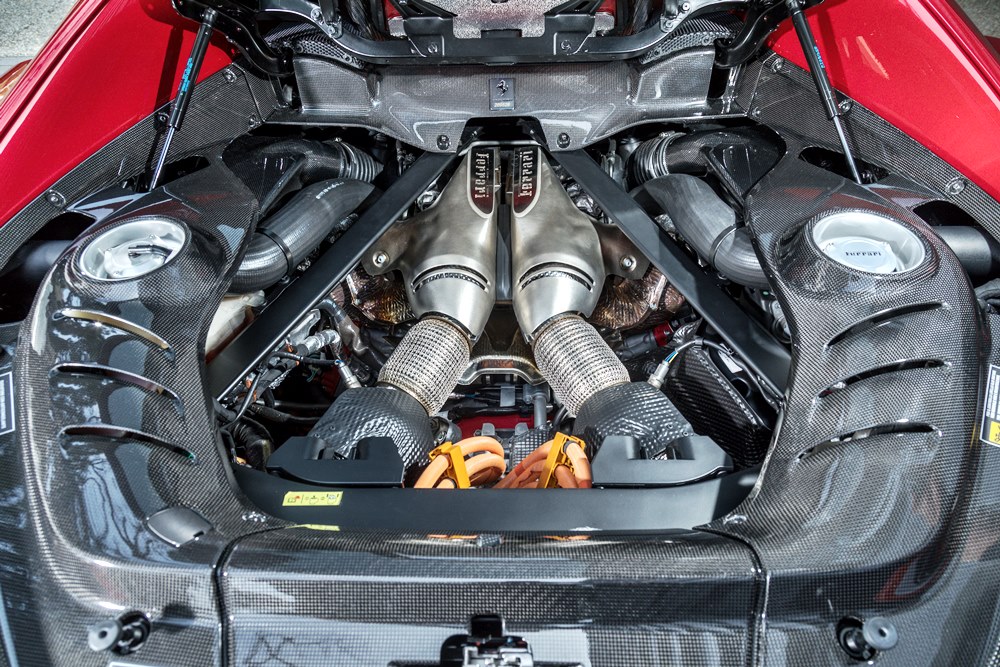
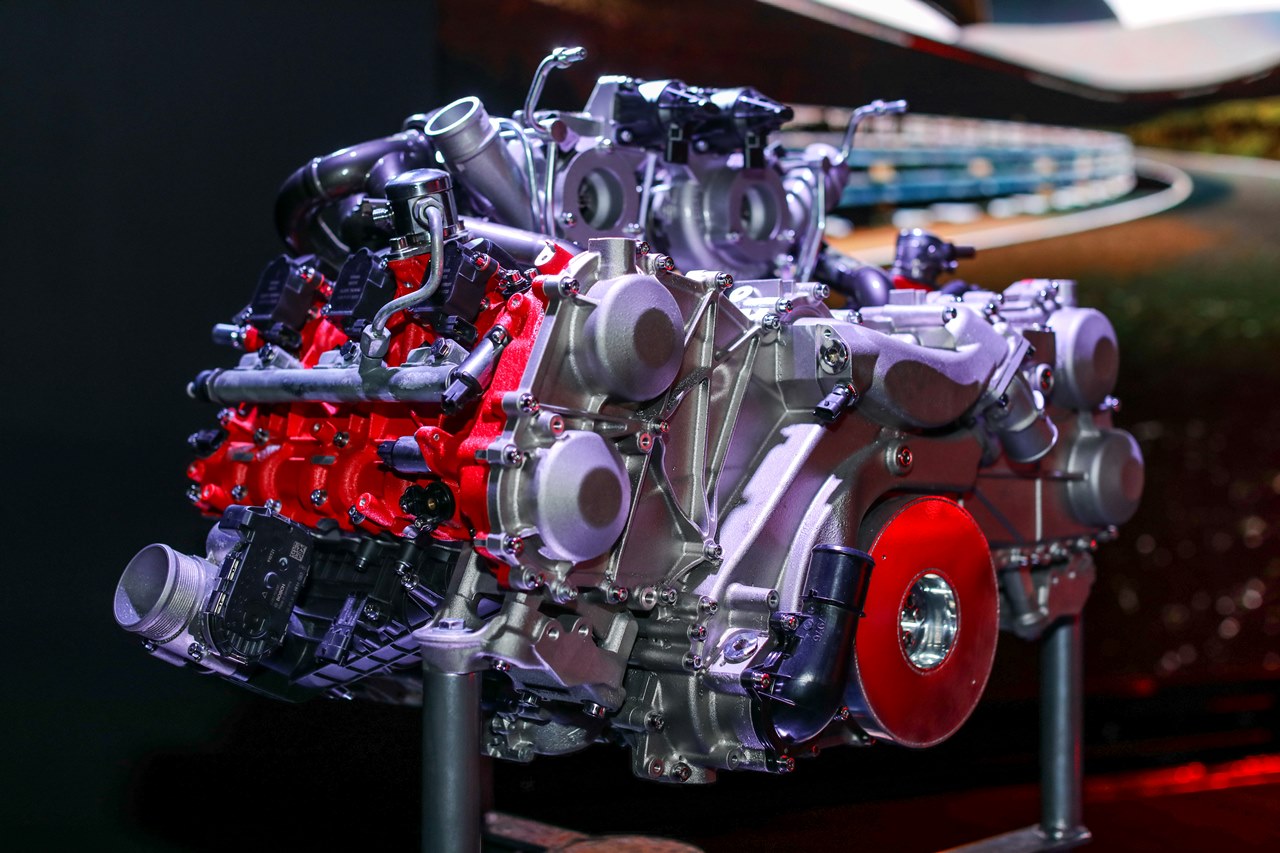
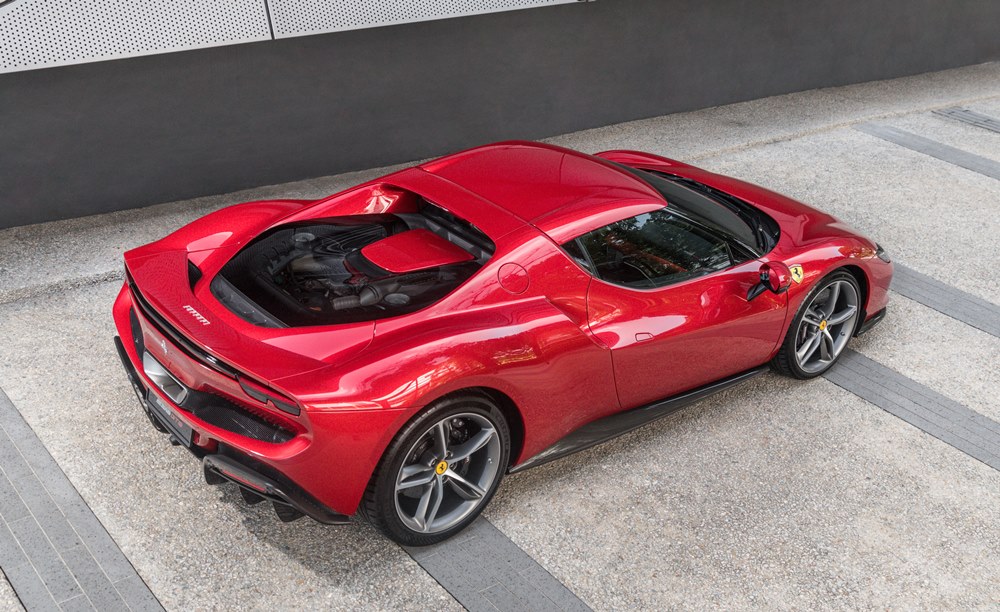
The hybrid powertrain of the 296 GTB incorporates a 120° V6 (553 ps output) coupled with one electric motor that adds 122 kW (166 ps), giving a total system output of 830 ps. Having a displacement of 2992 cc, it’s the first 6-cylinder engine installed on a Ferrari roadcar although the brand has had V6 engines going as far back as 1957 but only for its racing cars (its Formula 1 racers have had V6 hybrid architecture since 2014). Needless to say, technologies developed for the hybrid racing cars has been used for the 296 GTB powertrain.

2022 Ferrari 296 GTB hybrid

2022 Ferrari 296 GTB hybrid

The hybrid powertrain is a plug-in (PHEV) type which allows for external recharging and a high-capacity 7.45 kWh lithium-ion battery pack. Running on just electric power, Ferrari claims that a range of up to 25 kms is possible.

The new V6, which has an 8-speed DCT, is of an entirely new development and engineered specifically for the car. It’s the first Ferrari to feature the IHI turbos installed inside the vee of the engine. Aside from bringing significant advantages in terms of packaging, lowering the centre of gravity and reducing engine mass. It sets a new specific power output record for a production car and the maximum power output puts it at the top of the rear-wheel drive sportscar segment.

Aerodynamic innovations
Besides the powertrain, the 296 GTB also has aerodynamic innovations that include, for the first time, an active device is being used not to manage drag but to generate extra downforce. The LaFerrari-inspired active spoiler integrated into the rear bumper allows the 296 GTB to generate a high level of rear downforce when required – up to 360 kgs at 250 km/h in high- downforce configuration with the Assetto Fiorano package.

2022 Ferrari 296 GTB hybrid

The Aero calipers for the brake system have ventilation ducts integrated into their castings. This brake cooling concept requires a dedicated duct to correctly channel cool air coming in through the air intakes on the front bumper through the wheelarches. In the case of the 296 GTB, the intake has been integrated into the headlight design.

From a chassis perspective, the car’s wheelbase is 50 mm shorter than previous Ferrari berlinettas, giving positive implications to the dynamics. Because of the added weight of the hybrid system, much attention was paid to lowering weight for an optimum balance and various solutions were used. It helped that the V6 is 30 kgs lighter than the V8s used in other berlinettas and along with use of lightweight materials, the resultant dry weight is 1,470 kgs.

Evolved from SF90 Stradale
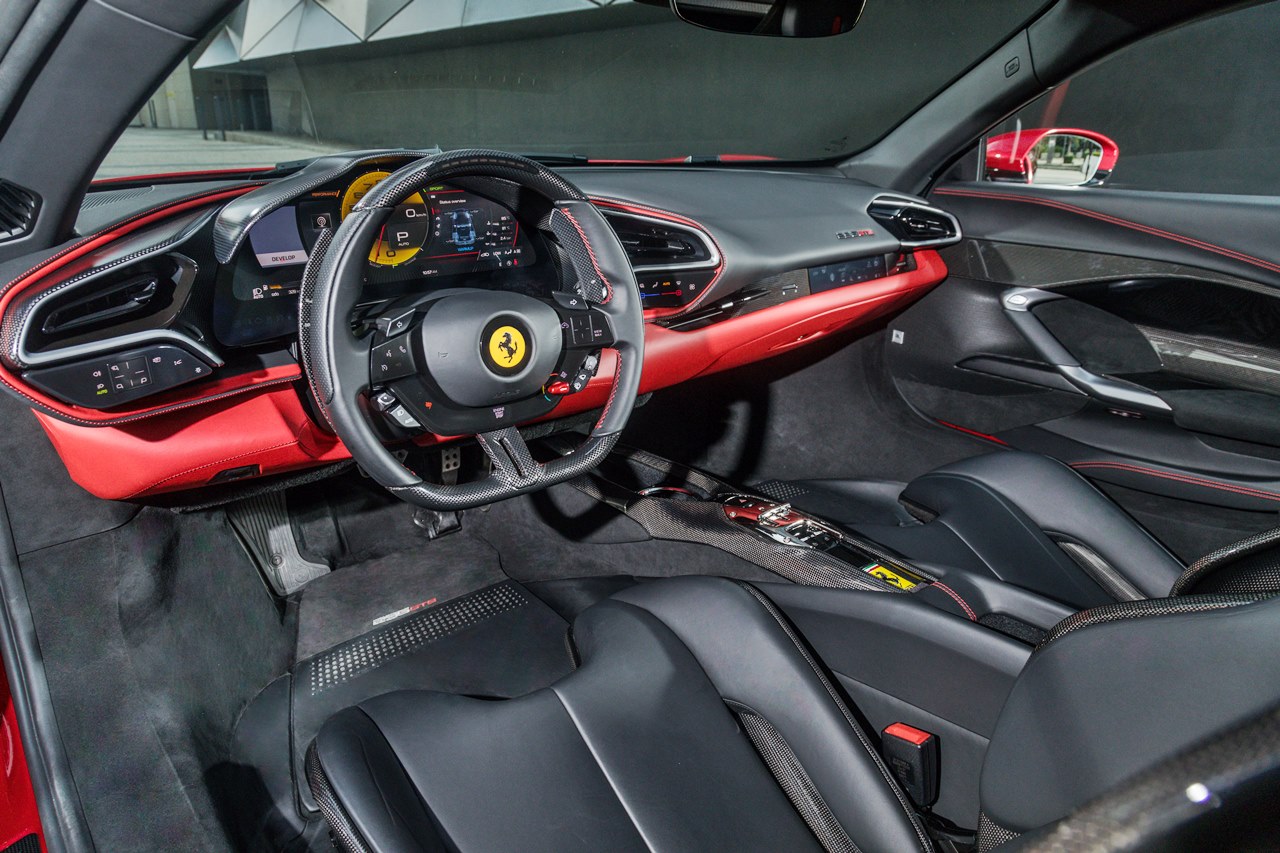
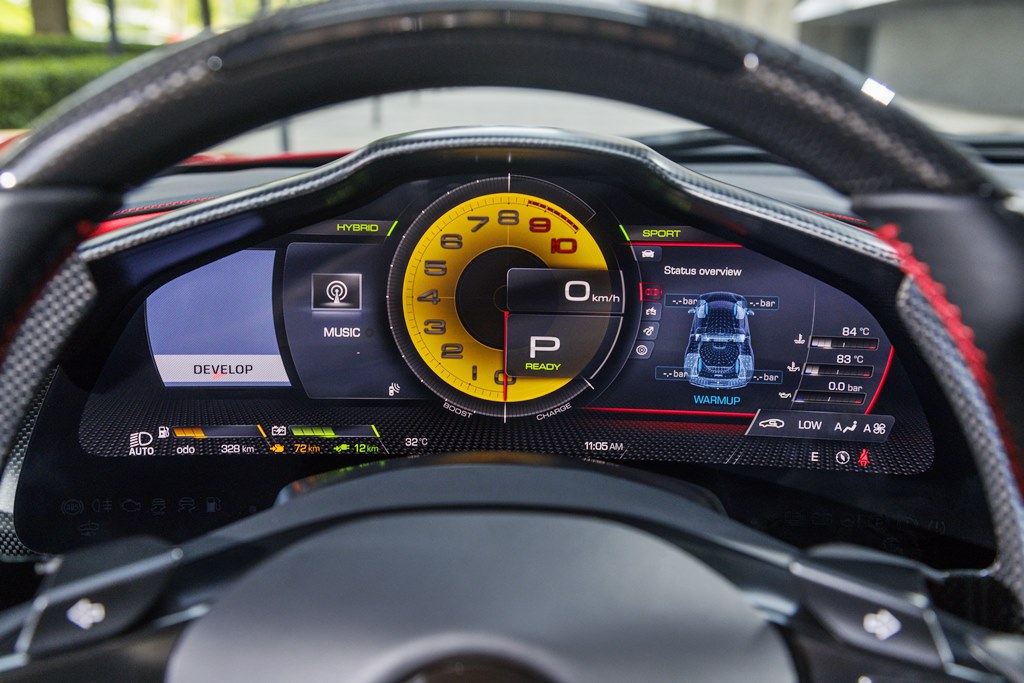
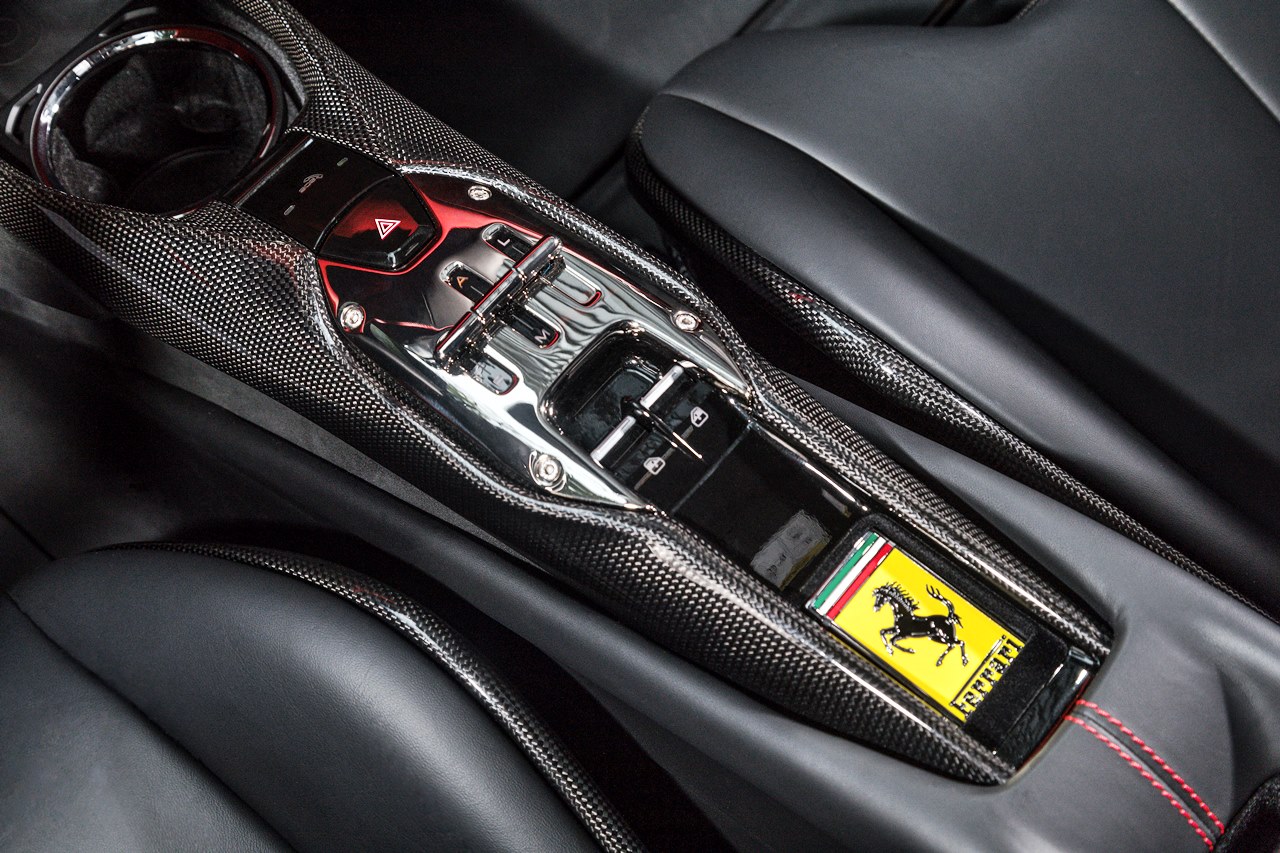
As with the newer Ferraris, the cabin shows greater ‘digitisation’ and uses the new concept of an entirely digital interface which was first adopted by the SF90 Stradale. It shows a clear break with the past and presents new technology in a sophisticated way. However, the cleaner layout also allowed the designers to create a pure, minimalistic environment for the occupants.

2022 Ferrari 296 GTB hybrid

2022 Ferrari 296 GTB hybrid

2022 Ferrari 296 GTB hybrid

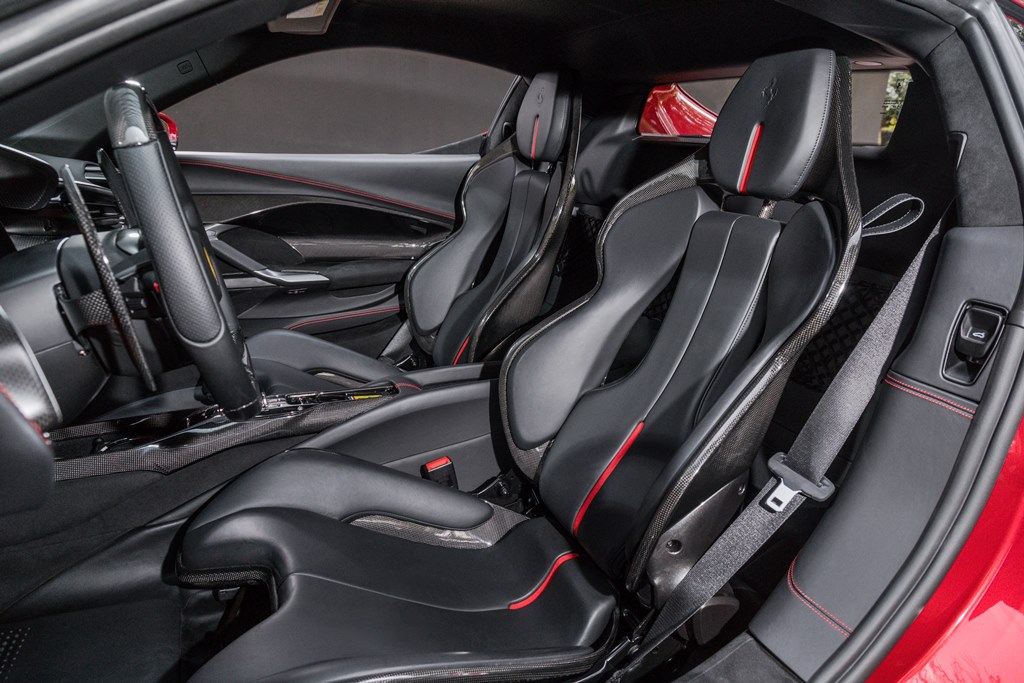
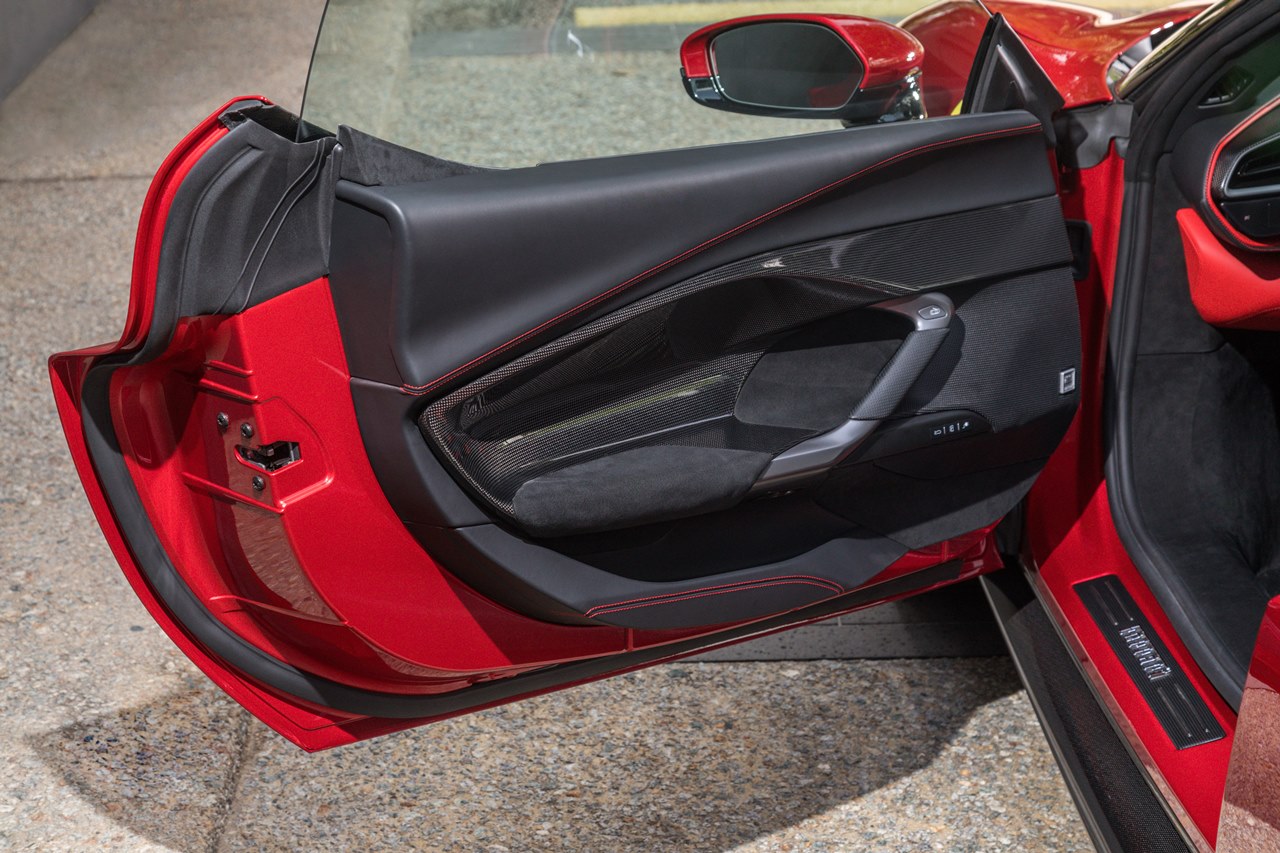
Exclusive Italian leather trim to the seats and trim is further enhanced by the noble technical materials used on the functional components. The sculptural door panels are seamless continuations of the dashboard in terms of both materials and colour. Incidentally, when the engine shuts down, the instruments also go black, enhancing the minimalist look of the cabin.

2022 Ferrari 296 GTB hybrid

2022 Ferrari 296 GTB hybrid

For customers who want to experience the full performance of the car, the Assetto Fiorano package is available and provides significant weight reduction and aero content. It includes special GT racing-derived adjustable Multimatic shock absorbers, high downforce carbonfibre appendages on the front bumper, a Lexan rear screen, and more extensive use of lightweight materials such as carbonfibre for both cabin and exterior.

Assetto Fiorano package
The Assetto Fiorano package (shown on the car below) involves much more than simply replacing elements. Some components require the standard basic structure to be redesigned, including the door panel, resulting in an overall weight-saving of 12+ kgs. This is therefore something that is specified when ordering the car so the necessary items are added at the factory during assembly.

2021 Ferrari 296 GTB
Ferrari 296 GTB with Assetto Fiorano package.

Click here for other news and articles about Ferrari.

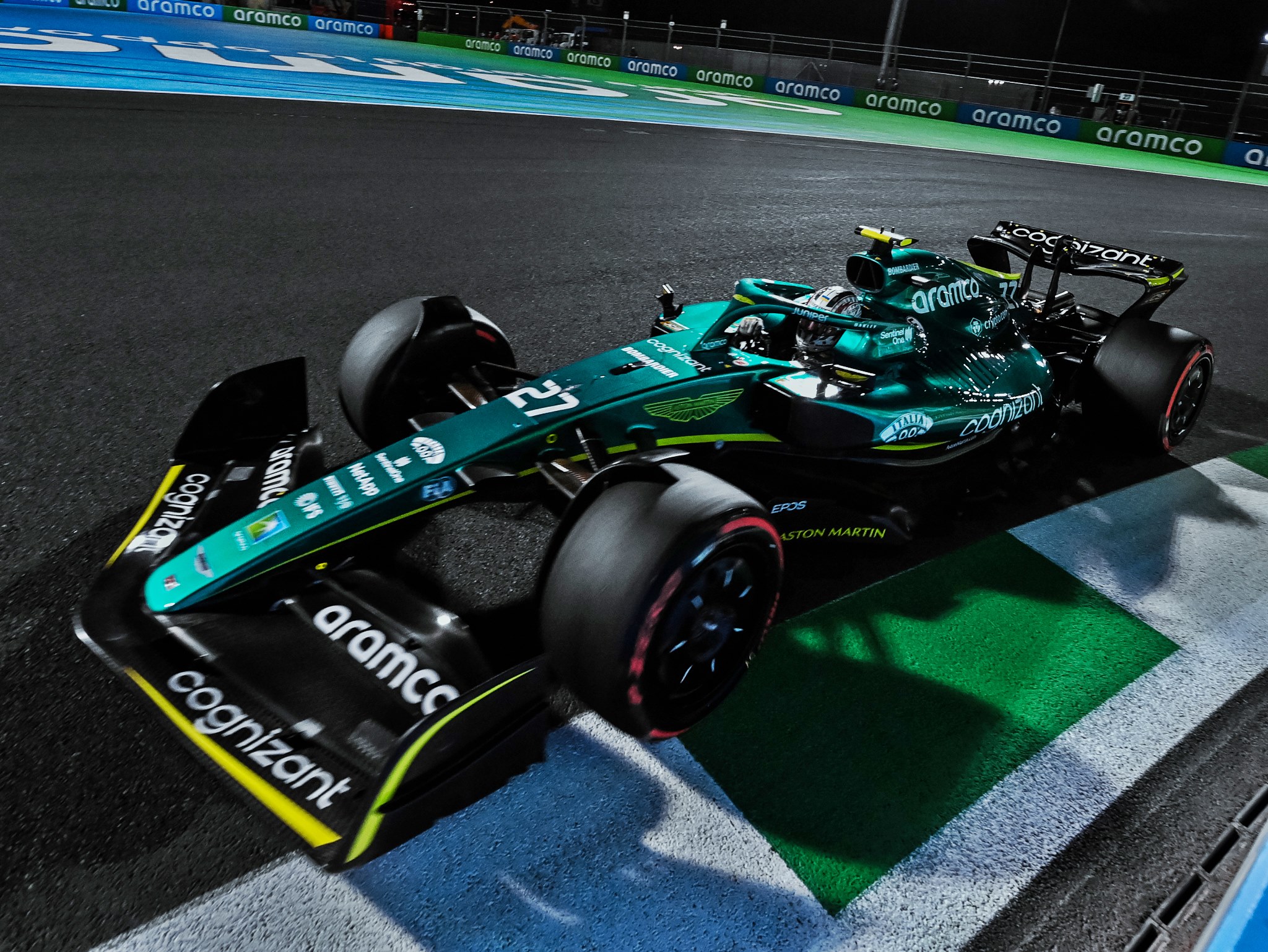
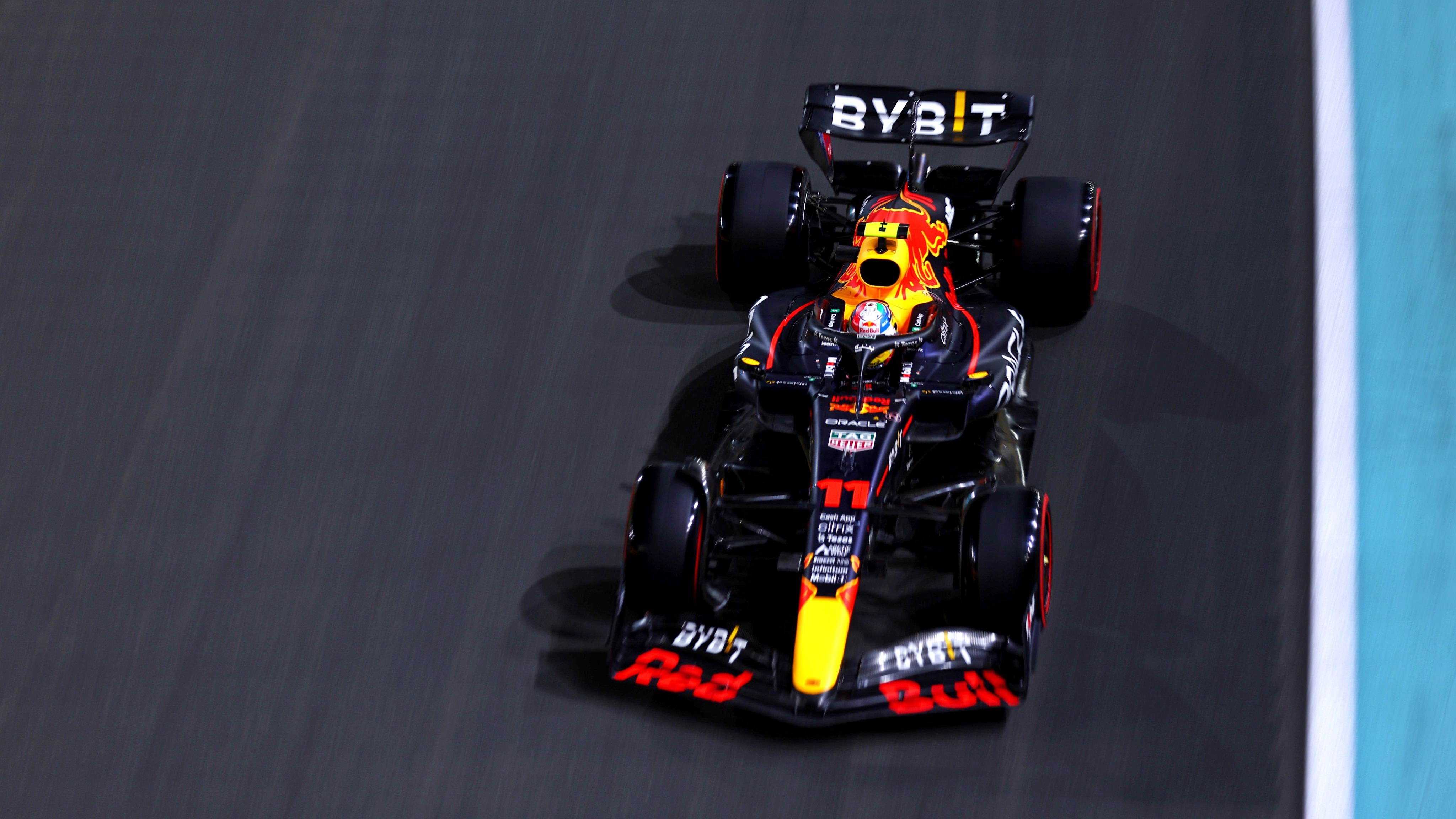
The second round of the 2022 Formula 1 World Championship has not been smooth running since the weekend began. First there was the missile attack on an oil depot just 11 kms away from the Corniche Circuit and although many drivers were reluctant to continue through the weekend, they were convinced to do so after assurances from the Saudi  Arabian authorities that they would be safe. The Houthis were also said to have assured that they would suspend attacks for 3 days, perhaps understanding a bit about global perception if anything were to happen to F1 participants, even accidentally.

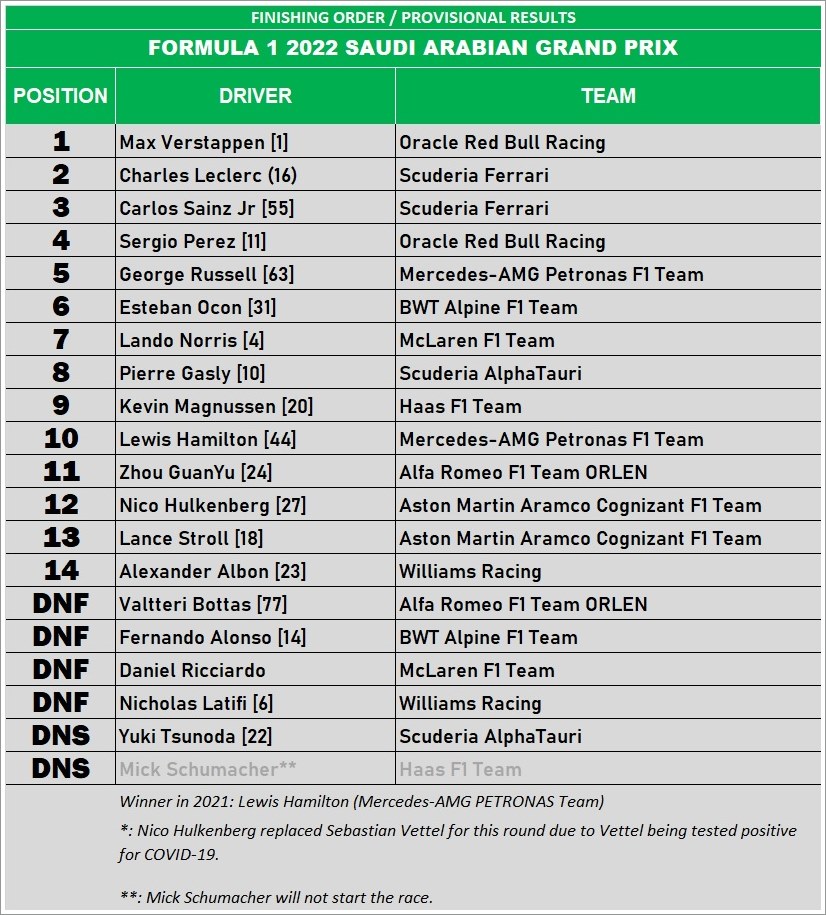
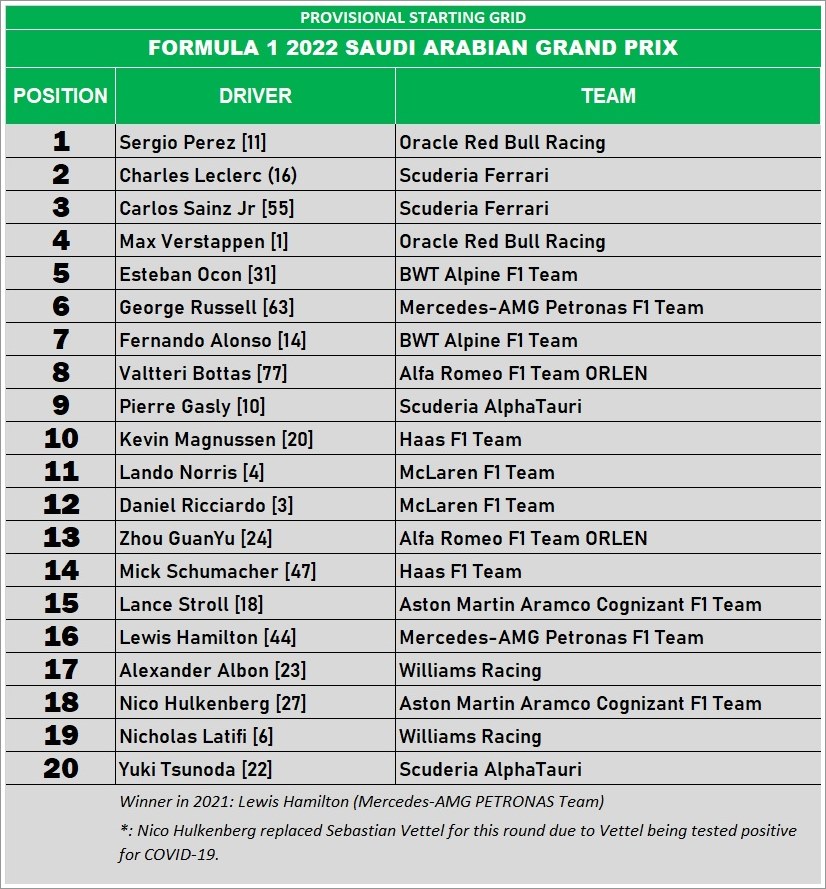
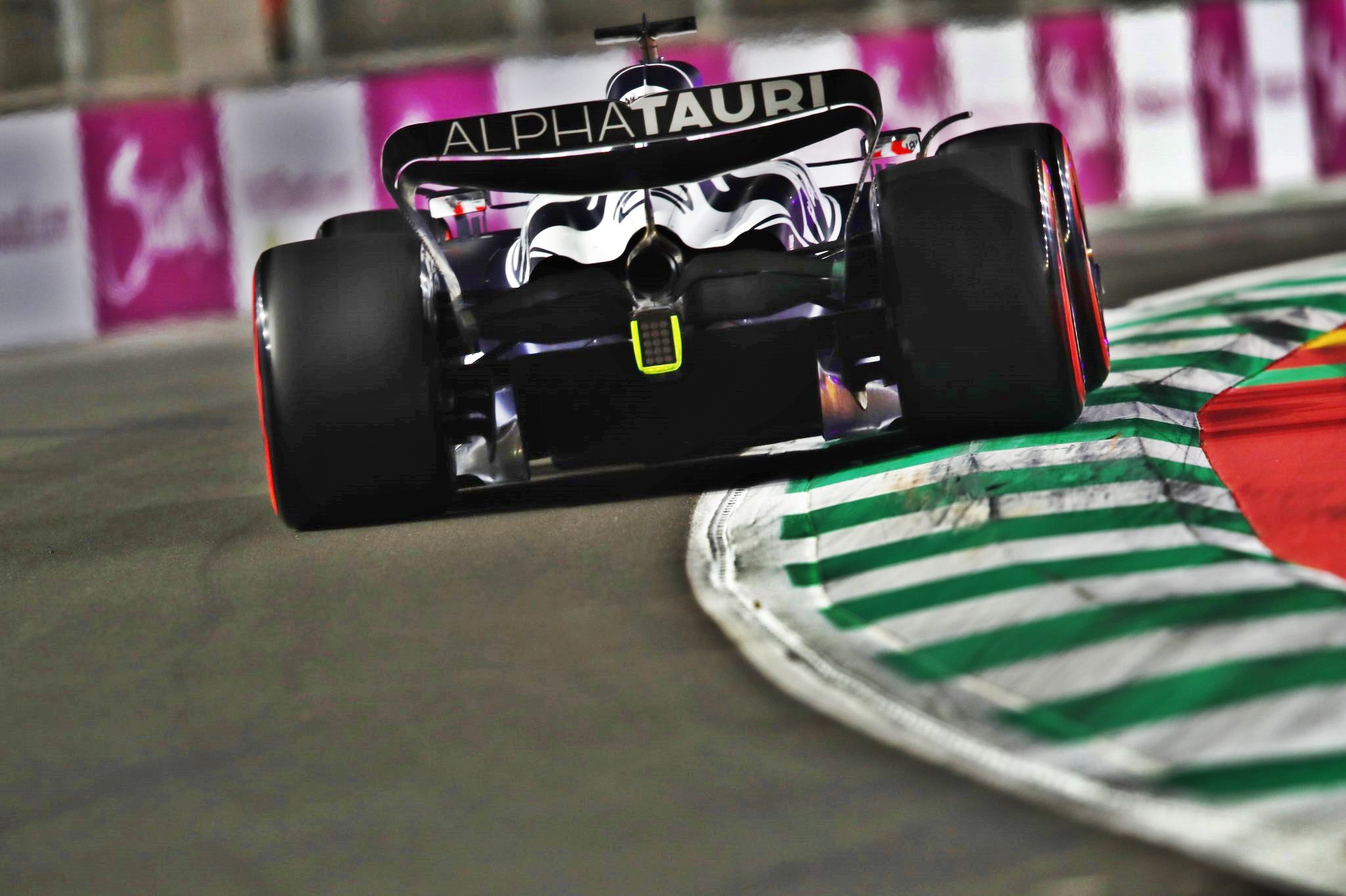
Then there was the nasty accident when Haas F1’s Mick Schumacher hit a wall and had to be hospitalized. Fortunately, he’s okay but he can’t race. And then for Scuderia AlphaTauri’s Yuki Tsunoda (already placed last on the grid as he did not qualify), his race ended before it even started as his car lost power while he was driving it to the start.

[Click here for revised starting grid positions]

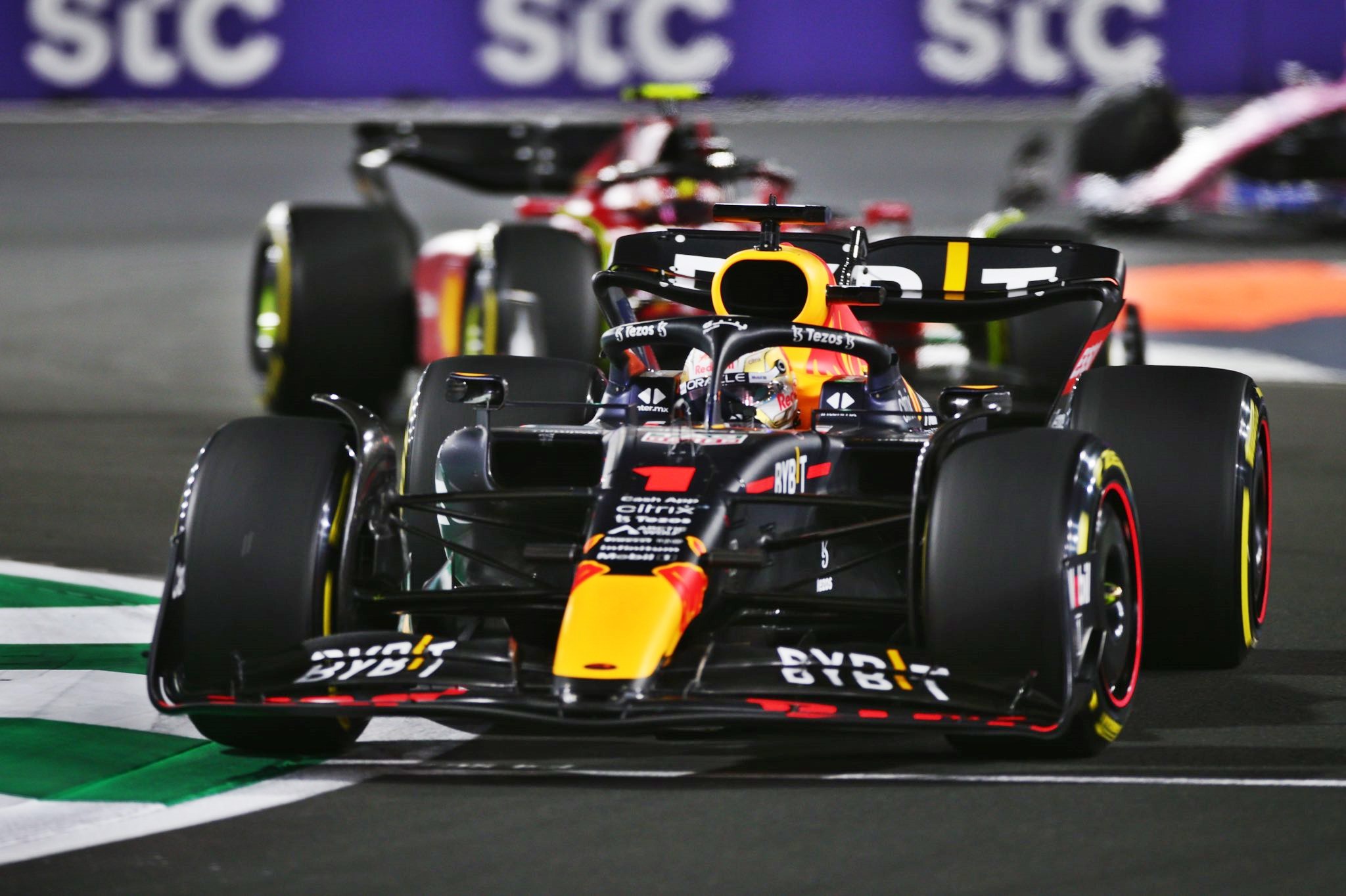
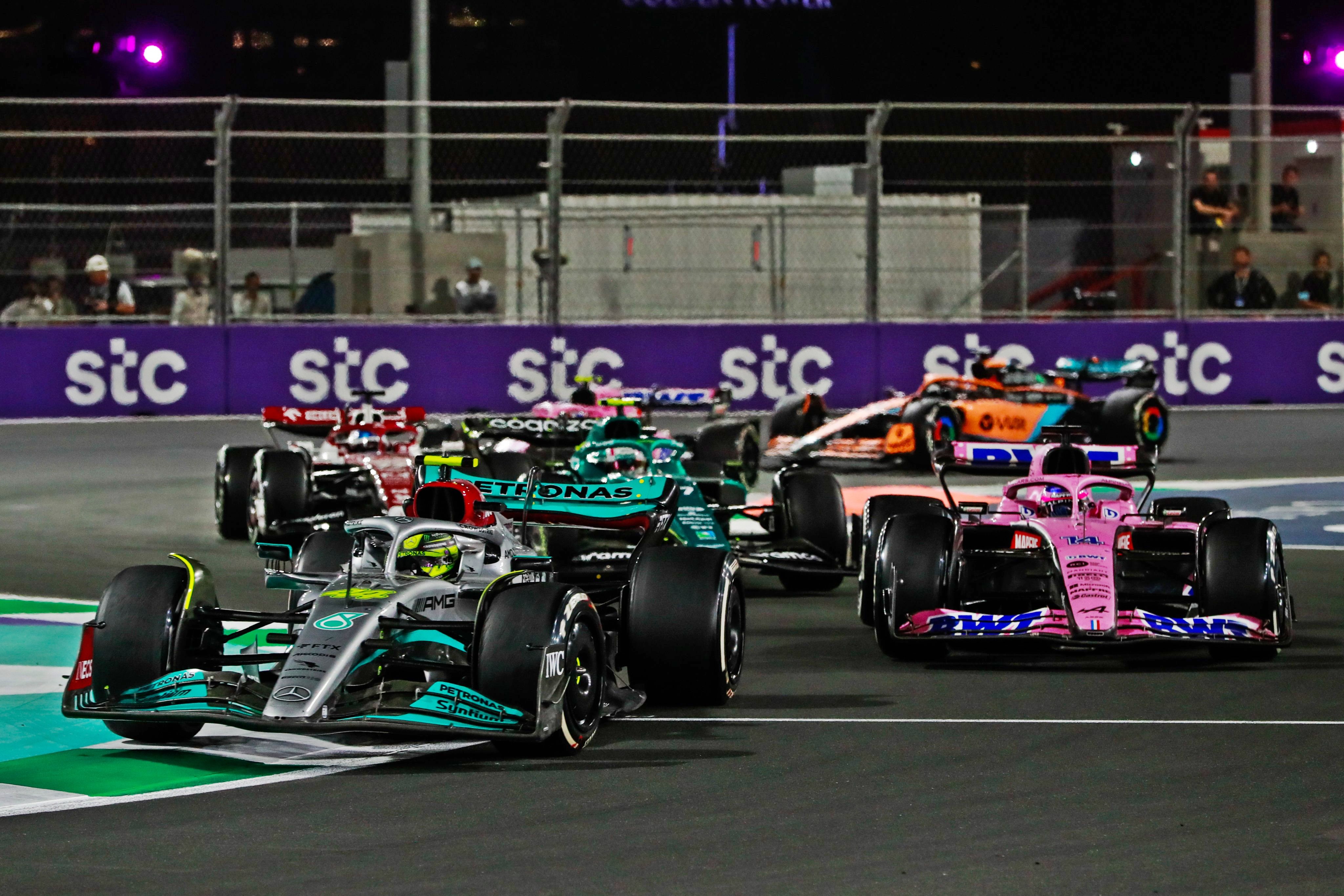
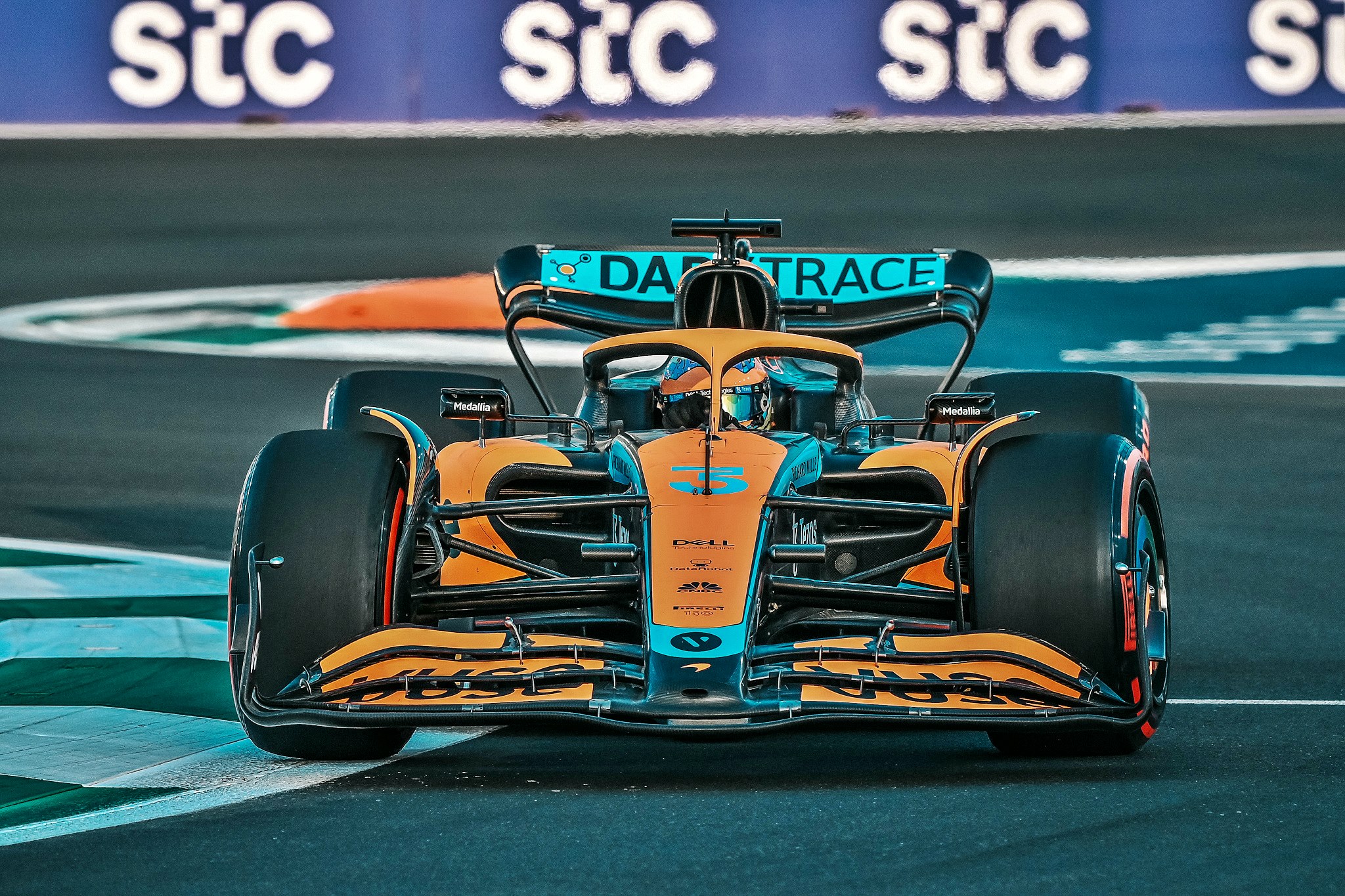
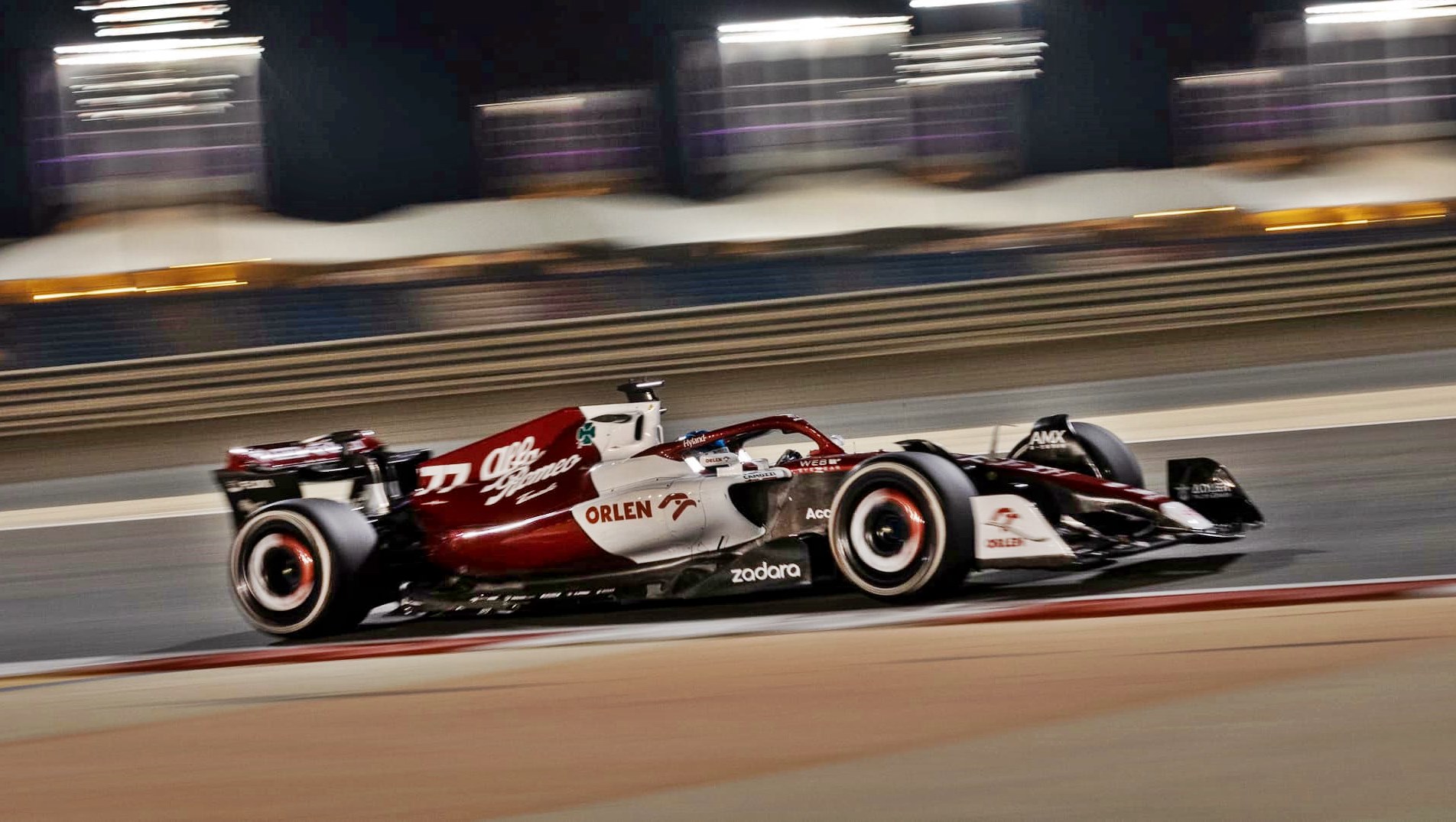
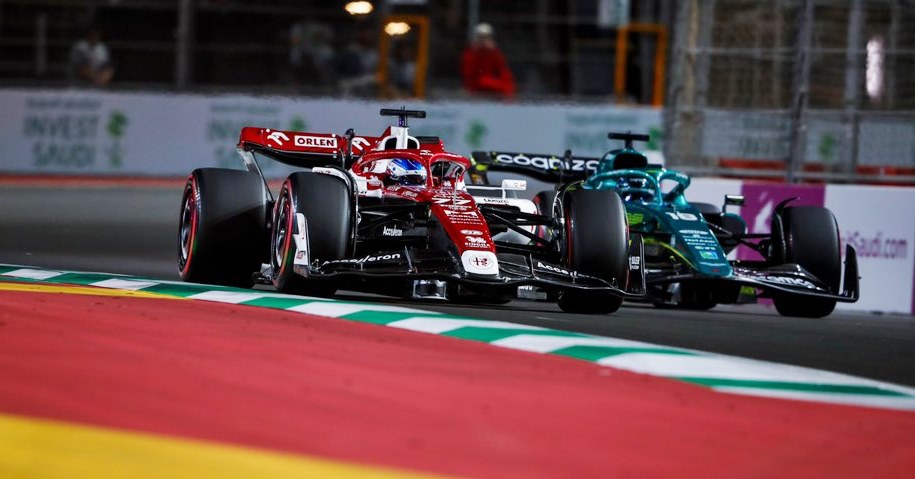
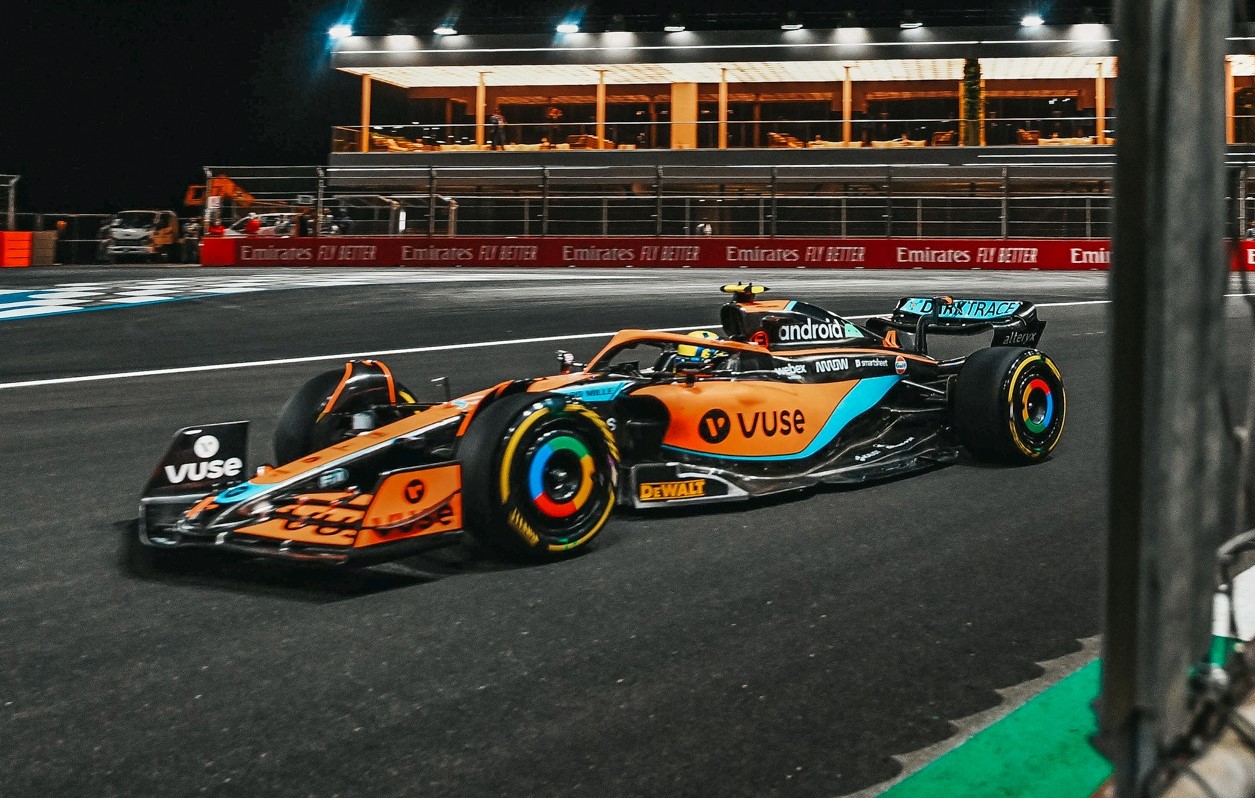
When the race got underway, Sergio Perez got off the a good start as his Red Bull team mate Max Verstappen raced past Ferrari’s Carlos Sainz leaving the grid. Many were watching Lewis Hamilton who had been in 16th place after qualifying, and then repositioned two places up after McLaren’s Daniel Ricciardo was given grid penalities. Hamilton had also made a good start and moved 2 places up in the early stages of the opening lap. Alfa Romeo’s Zhou, however, seemed to slip backwards a place or two at the start, bumping into Ricciardo as well.

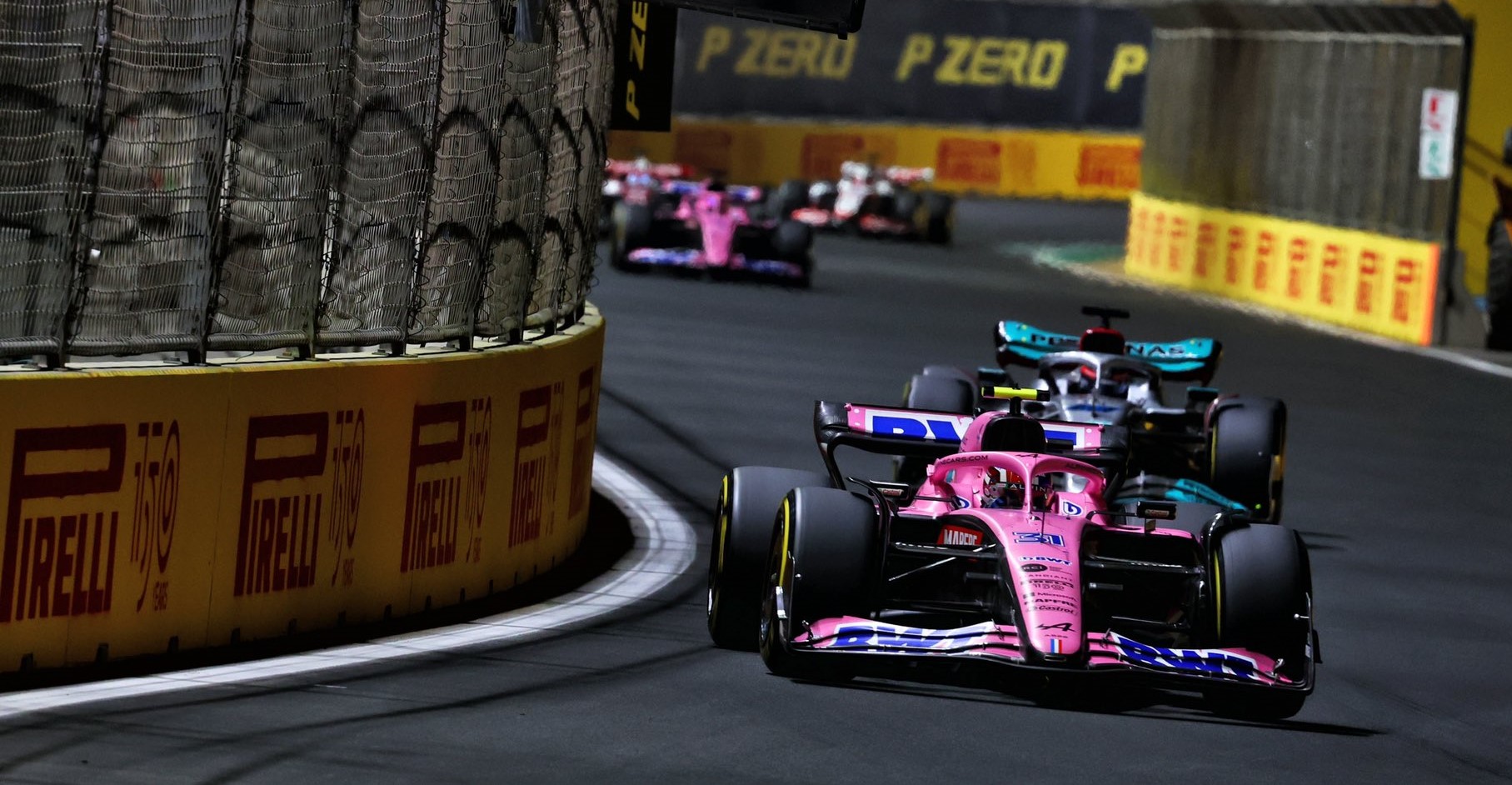
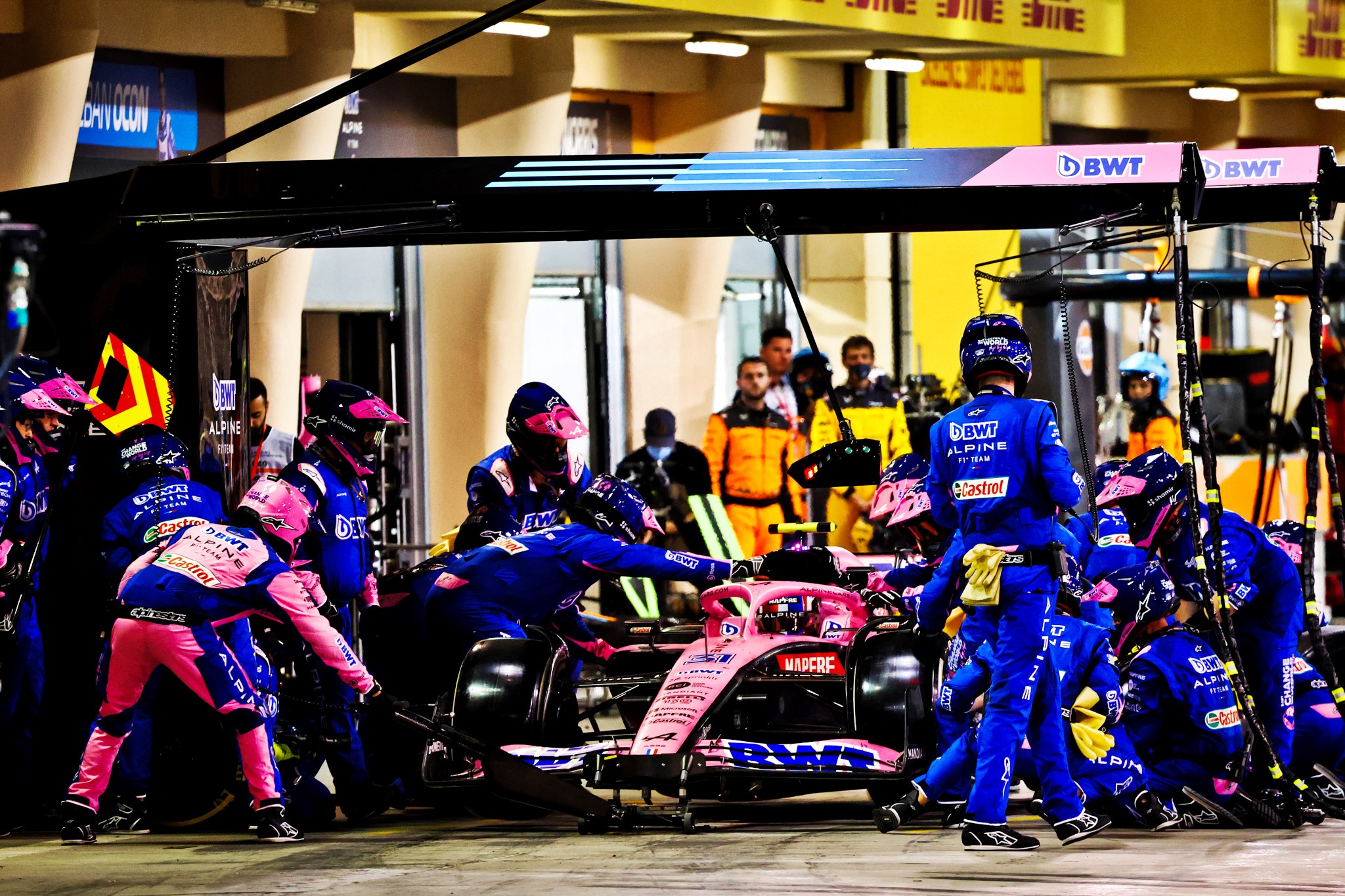
On lap 5, the two BWT Alpine drivers began fighting each other to move into sixth place. Fernando Alonso had attempted to get past his team mate who was unwilling to let him through. Alfa Romeo’s Valtteri Bottas was closing in and watching the tussle and looking to take advantage of it to get past but Ocon held him back too. That little battle between Ocon and Alonso can’t have pleased the team boss.

The Alpine battle was helpful for Mercedes-AMG’s George Russell who had moved one position up from starting sixth. He was about 12 seconds back from the next car (Sainz) and could concentrate on steadily moving closer with a 10-second gap behind him on lap 12. By then, his team mate Hamilton had moved into 11th place.

Zhou had managed to get up to 13th but on lap 13, he had overtaken Williams’ Alexander Albon whose rear tyres were gone. The pass was done off the track and the Stewards spotted it and gave him a 5-second penalty for that.

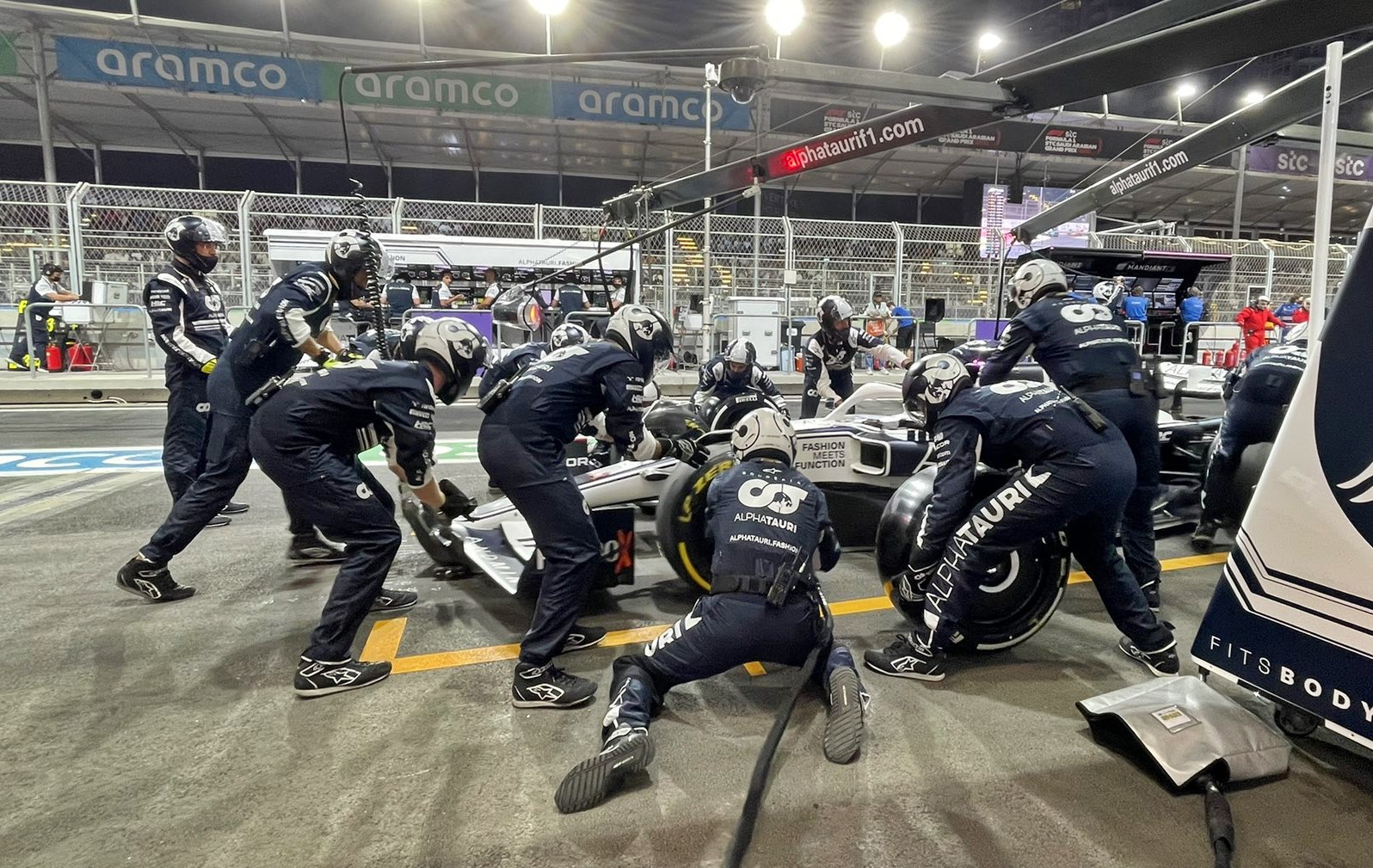
Lap 16 saw the first accident as Williams’ Nicholas Latifi went into the barriers near the final corner. This brought out the Virtual Safety Car (VSC) and many drivers took the chance to head to the pits for a tyre-change. Perez too came in, which let Leclerc take over the lead as the VSC was replaced by a real Safety Car to manage the flow while the damaged racing car was removed. At least 3 cars (Hamilton among them) did not come in and they had all started on Hard tyres.

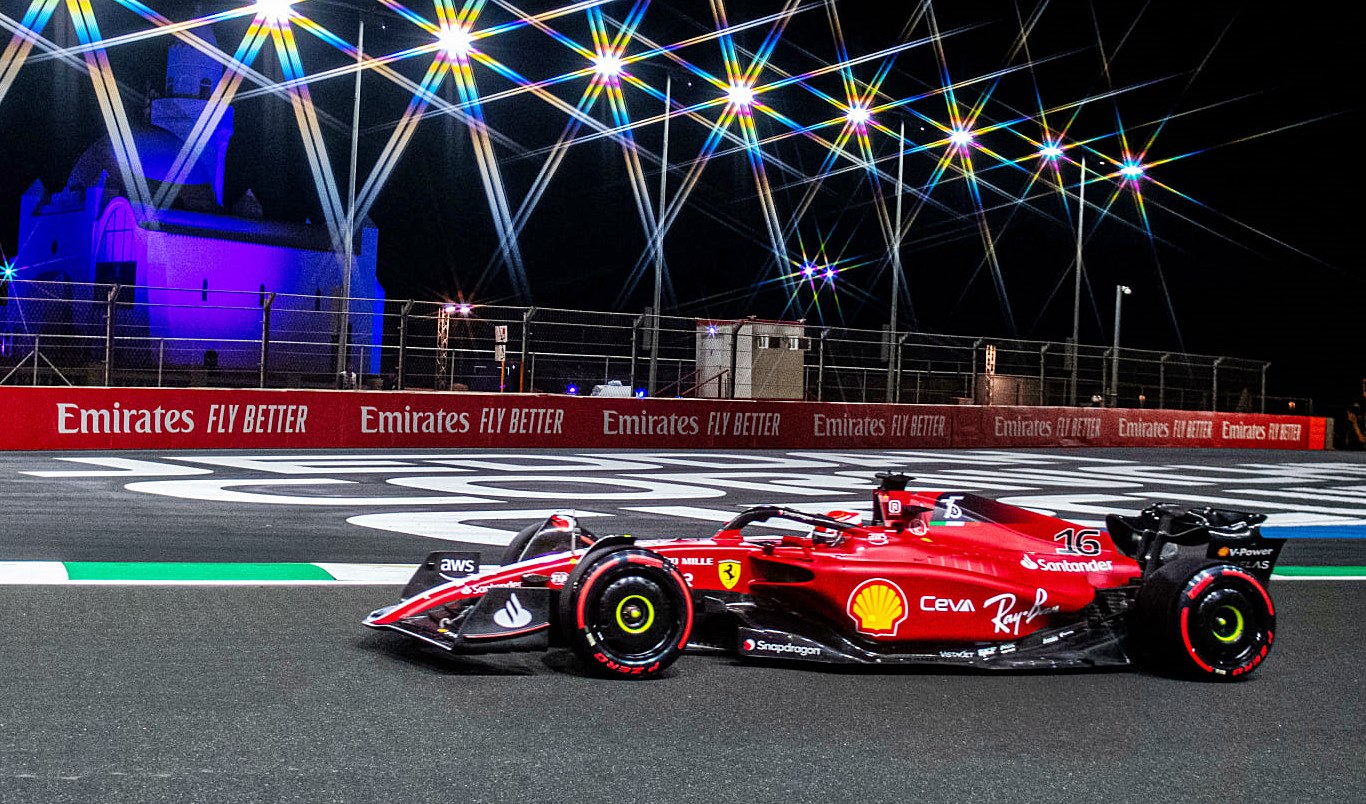
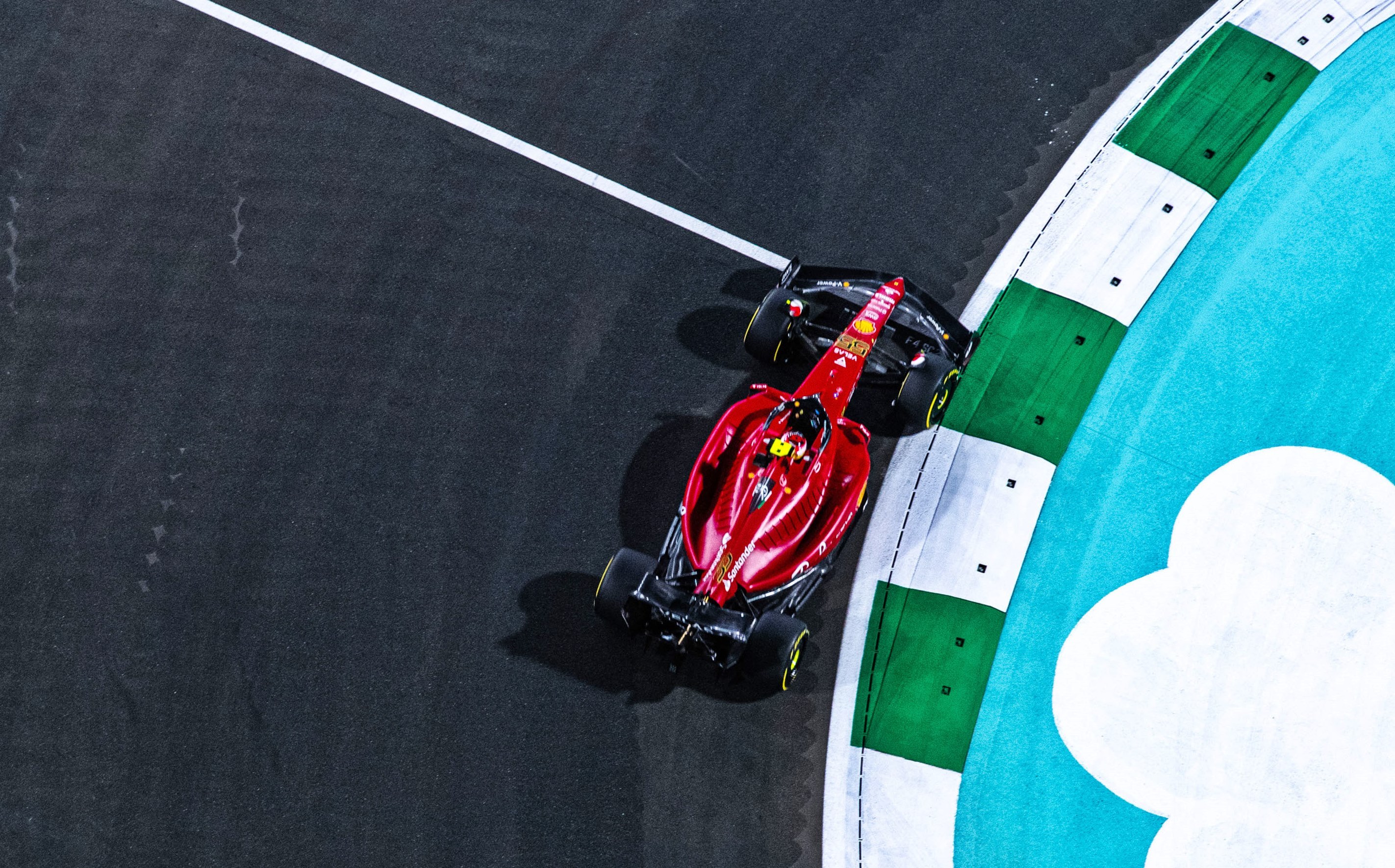
The Safety Car left the track on lap 20 and racing resumed with Leclerc in the lead and Verstappen almost in his slipstream. A frustrated Perez was third, also not far from the front and although he tried, he was unable to stop Sainz from getting past as well and instead watch out for Russell coming up. Incidentally, both Ferraris had switched to Hard tyres when they came in.

Magnussen didn’t give up trying even after Hamilton had passed him and interestingly, both cars were still on their starting Hard tyres after more than 30 laps as they had not gone in during the Safety Car period for a change. Aston Martin’s Nico Hulkenberg, running in 14th, was the only other driver who was still running on starting tyres.

As lap 37 started, Alonso’s car seem to drop back with a noticeable reduction in speed. After having made it past Magnussen, he very quickly slipped back down the field and then radioed that the Alpine had no power. He tried to roll back to the pits but could not and parked so the VSC came out.

Then Ricciardo also reported that his McLaren had lost power and he had to stop right at the pit entrance, blocking it to Hamilton who was planning to come in. Bottas had come in earlier and not departed so he too retired. The VSC was kept active for another few laps as efforts were made to clear the Alpine.

9 laps remained when the VSC went off and Hamilton rushed into the pits to get Medium tyres. When he rejoined, he was just behind Magnussen who was in 11th.

On lap 43, Verstappen went into attack mode and swept past Leclerc, but the Ferrari driver did not give up easily and fought back to regain the lead. Behind, the other Red Bull with the Mexican in it was also duelling with Sainz. Much drama as the race was in its final laps.

There was last-minute drama as Albon and Aston Martin’s Lance Stroll came into contact and the yellow flags came out. But it was a close fight as the leaders exchanged positions and Verstappen seemed to hold the lead better. And then it was over – Verstappen got across the finish line half a second ahead to win the 2022 Saudi Arabian Grand Prix.

Most of today’s motor vehicles are powered by engines which run on fossil fuels – petrol, diesel, natural gas – and apart from causing pollution from the exhaust gases that are by-products of combustion, there is also the problem of diminishing fuel supplies. The fuels come from deep underground and were formed millions of years ago from dead plants, dinosaurs and other living creatures. So there is a specific quantity of these fuels underground and while there are varying predictions on how long they will last, the fact is they will eventually be finished.

The auto industry has understood this for a long time and has searched for alternative fuels to use, preferably those which can be renewable. At this time, some approaches using electricity and hydrogen are already in use in hybrid and fuel cell vehicles and while they are not necessarily the answers, they are helping to slow down the rate of consumption of fossil fuels so that new technologies can be developed that do not need such fuels.

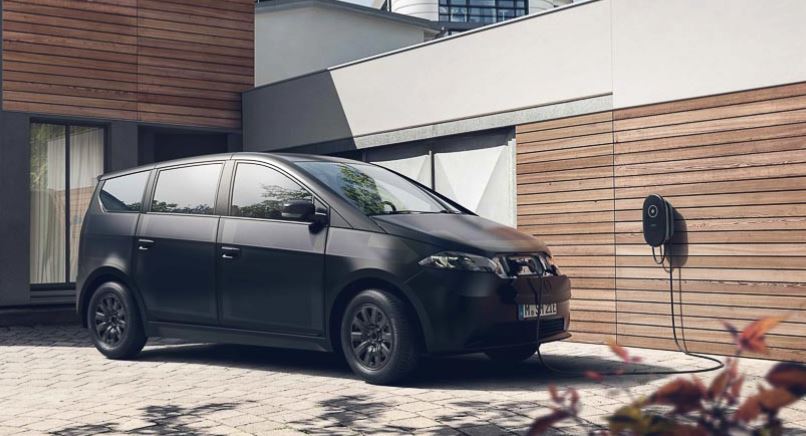
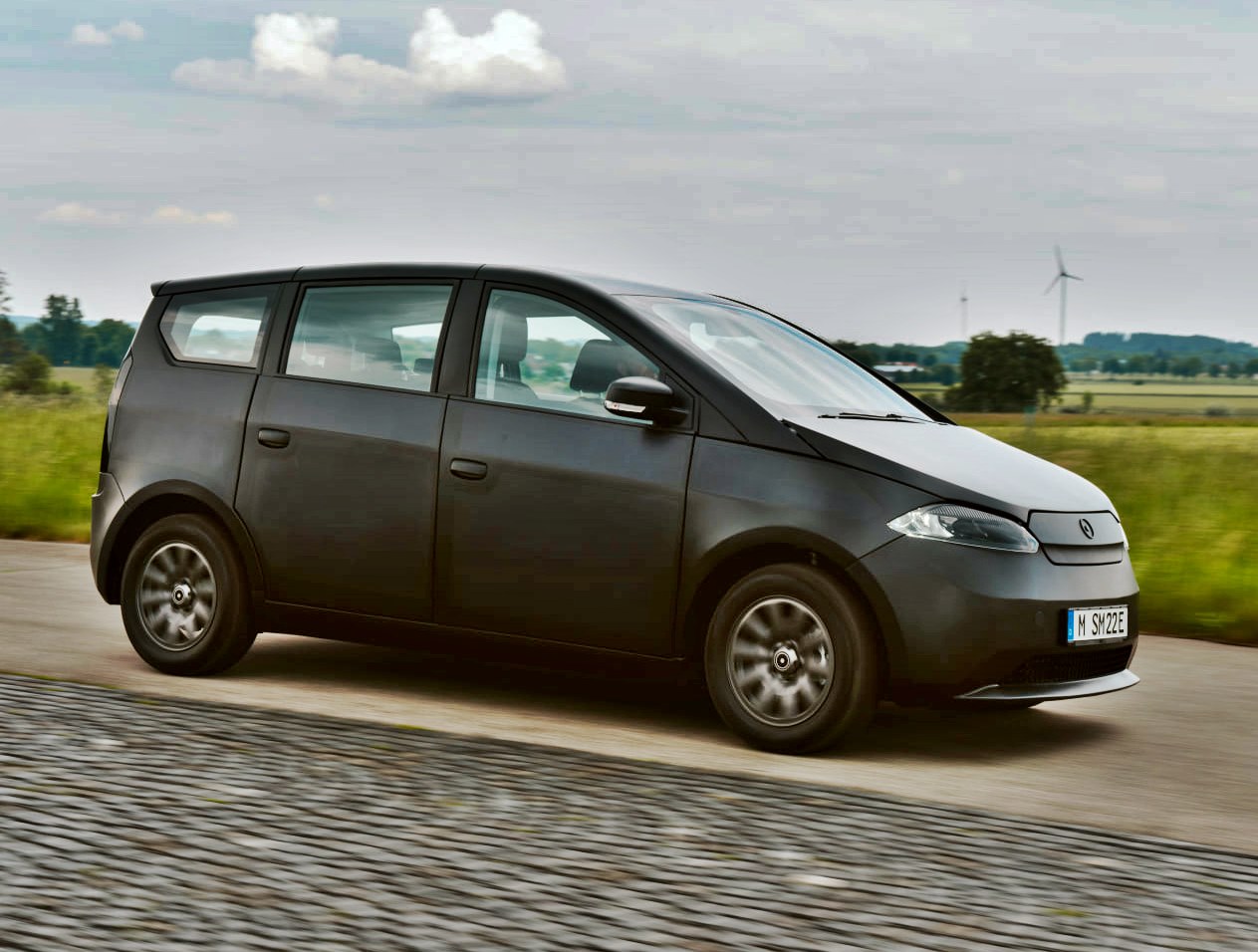
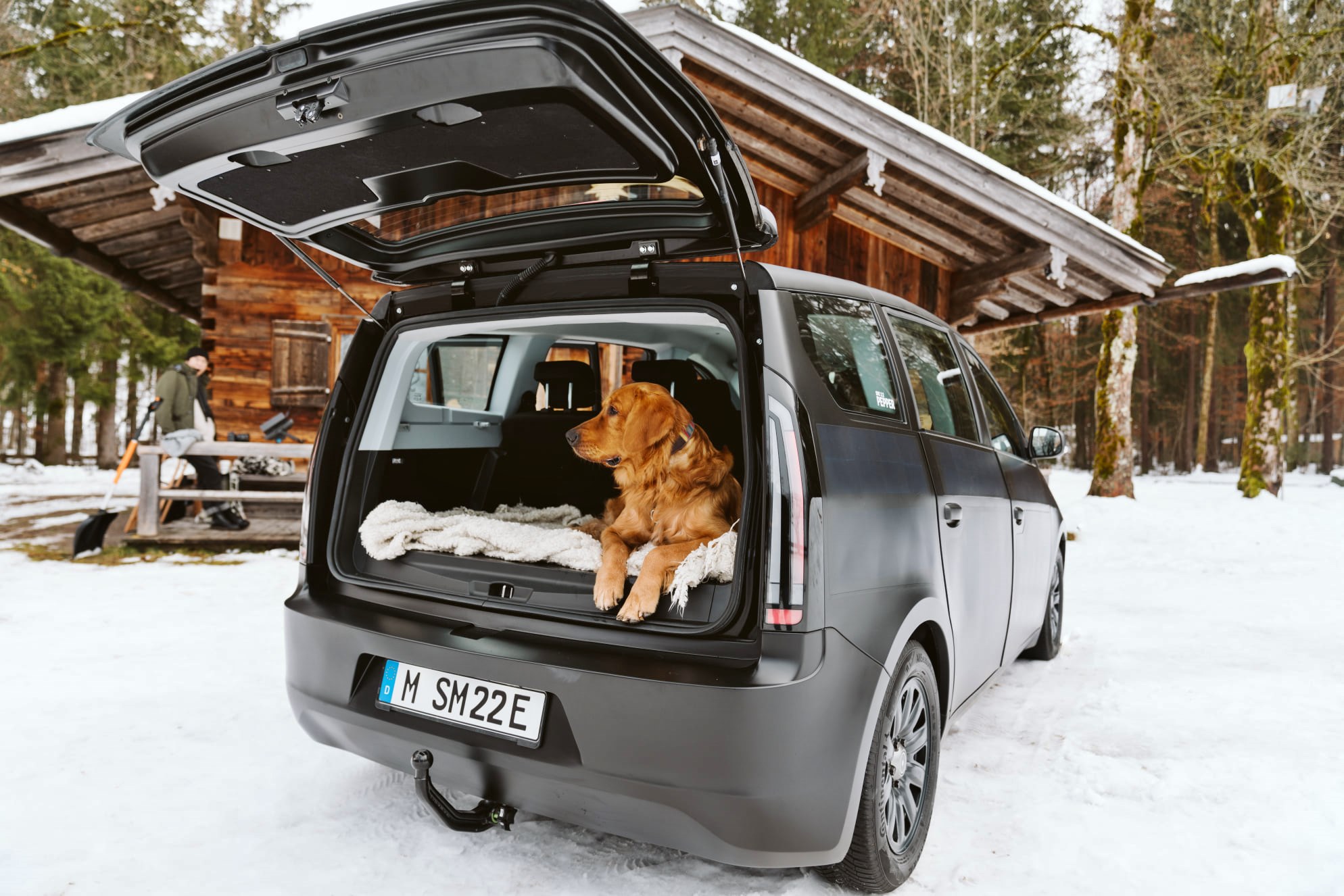
2023 Sono Motors Sion Solar Energy Vehicle

Sunshine has energy too and technologies have already been developed to collect sunshine and convert to electricity which can be used for various purposes, like water heaters in the home or powering machinery at factories. It used to also be a dream to be able to use solar energy to power cars but the technology has been slow to advance, and it takes a huge amount of conversion to generate enough electricity for such a purpose as propulsion.

Nevertheless, the technology has reached a stage today where it is possible to at least use sunshine for cars though not necessarily directly powering the electric motors. The electricity that is converted from sunshine can go into a storage battery which then provides electricity for the motors to run. There are a number of manufacturers which have already developed prototypes and some are on the verge of commercializing them for sale to the public.

2023 Sono Motors Sion Solar Energy Vehicle

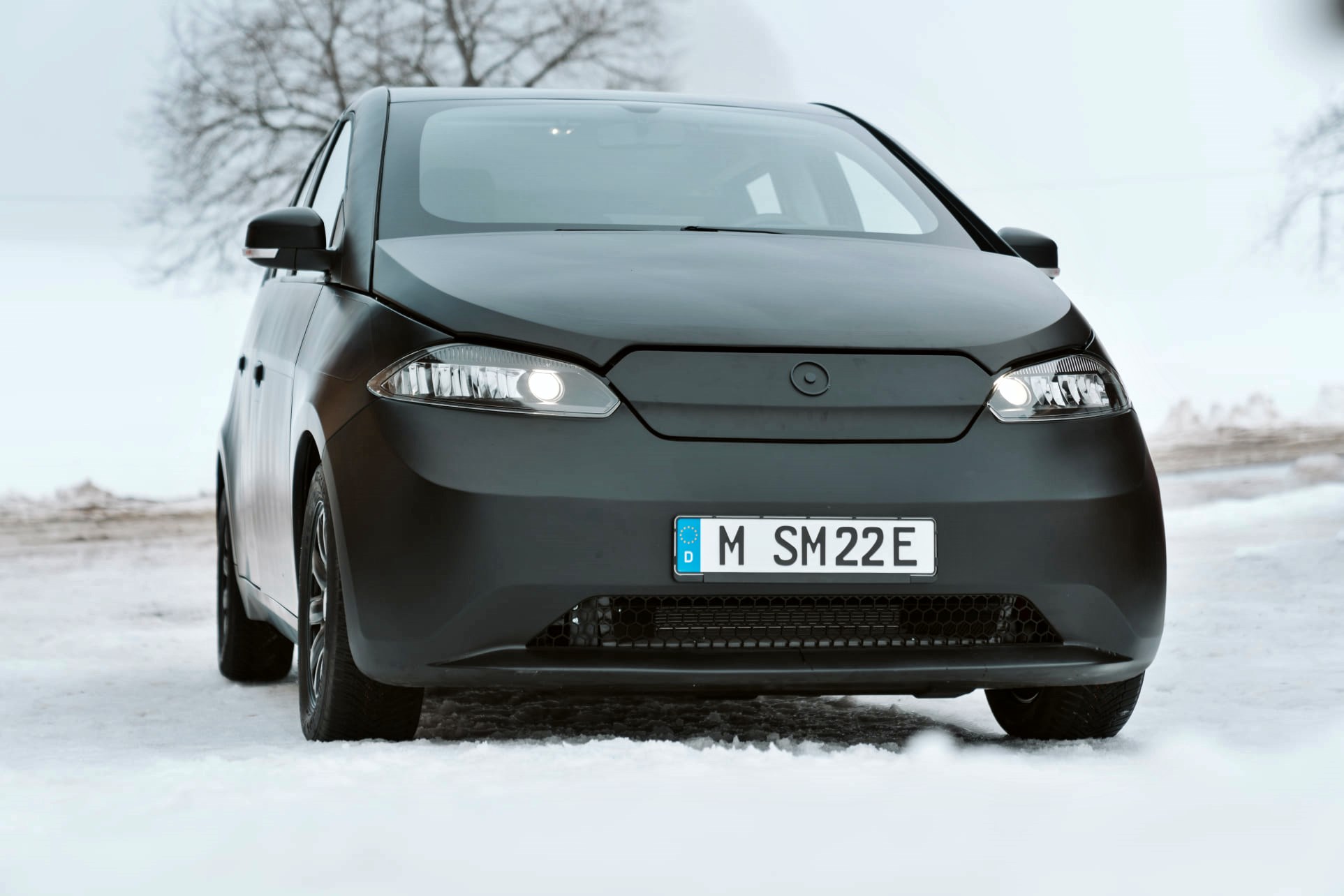
Sono Motors, based in Germany, is one of the companies with a solar energy vehicle (SEV) almost ready to be delivered to customers. In fact, its SEV known as Sion has entered the validation stage this month with over 30 units to undergo real-world testing in Europe and the USA. The company plans to start producing 43,000 cars a year and the total production volume is expected to be 257,000 units over a 7-year period. The former SAAB factory in Sweden will be used as the production facility.

The Sion has been a dream of the Sono Motors founders for at least 10 years, but they only started crowdfunding to implement a project in 2016 and 2017 where they collected over 2 million euros (about RM9.25 million). By January 2021, they presented their first prototype of the Sion with the design that will be used for the production model.

2023 Sono Motors Sion Solar Energy Vehicle

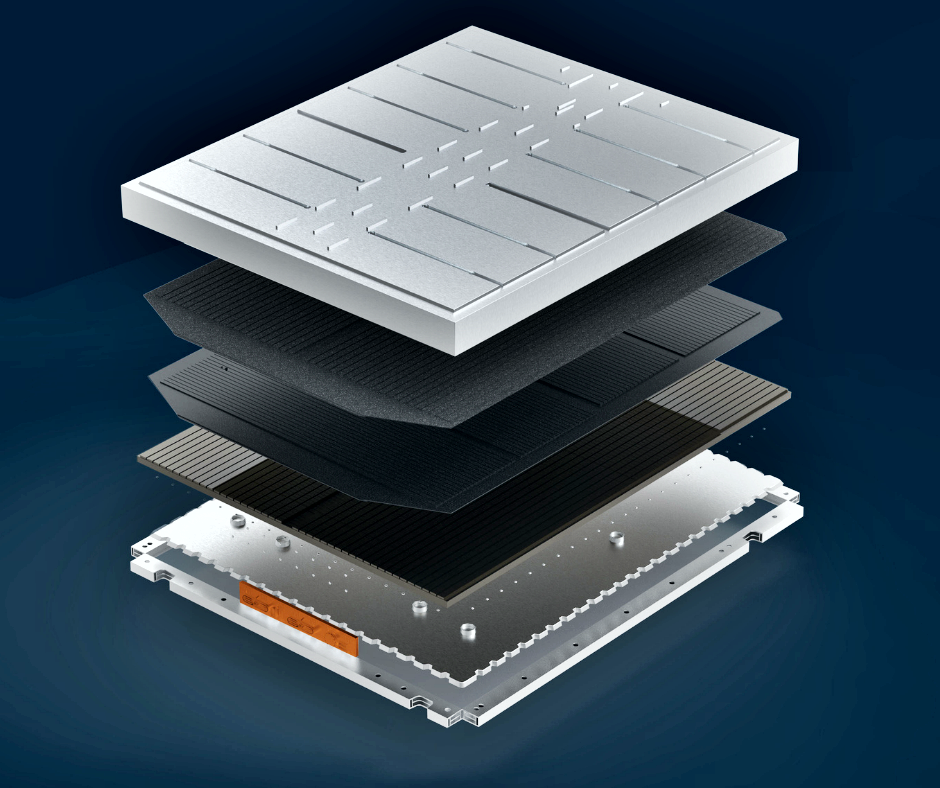
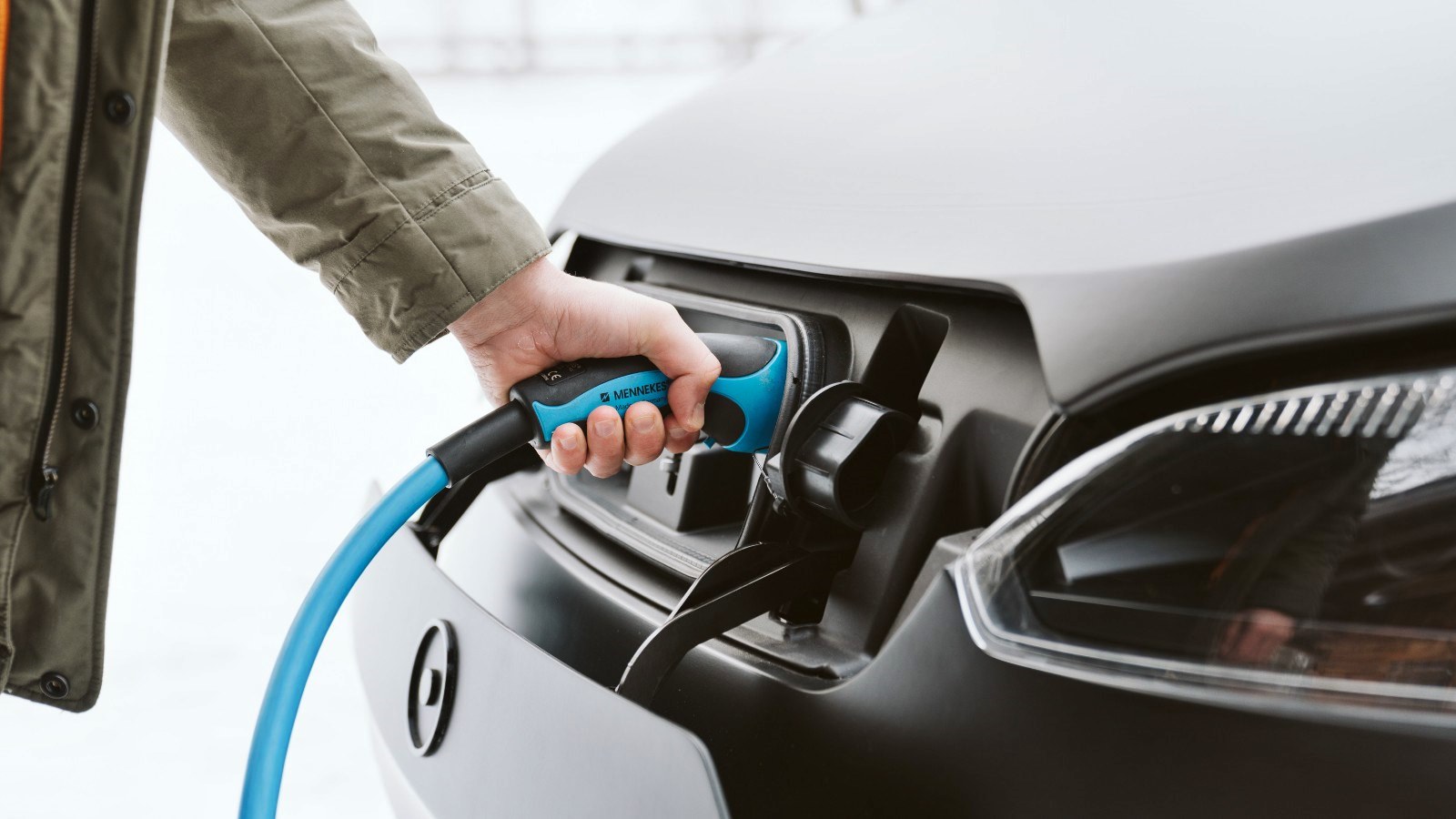
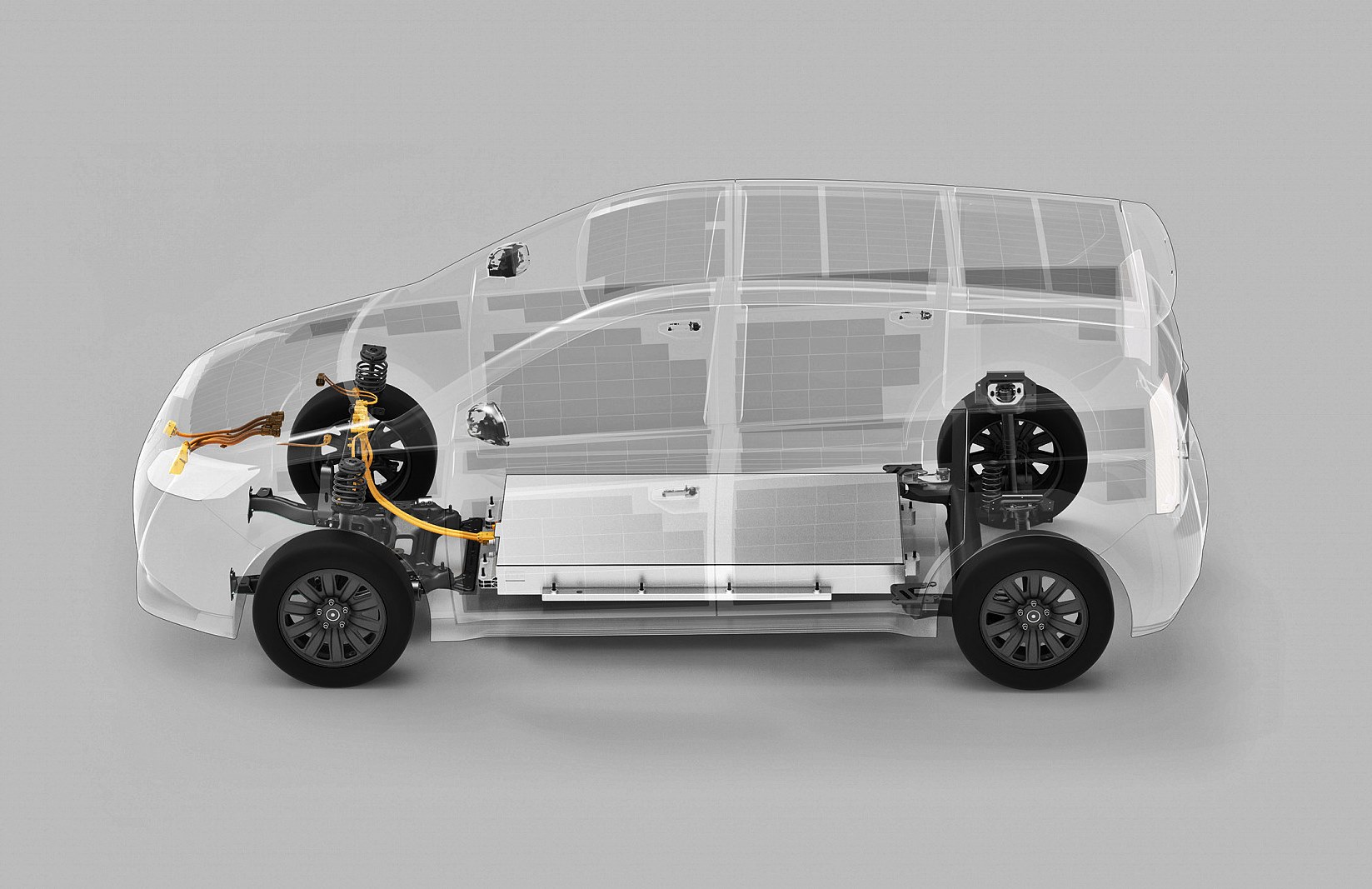
While the design is fairly conventional, key to the technical aspect (as with any electric vehicle) is the battery pack to power the 120 kW electric motor. Sono Motors has opted for a more powerful 54 kWh battery for the Sion which is a lithium iron phosphate type (pictured above) considered to be one of the safest on the market, and also does not use cobalt, nickel and manganese. It is expected to have a lifespan of up to 3,000 cycles, or up to 900,000 kms. The battery can be recharged quickly at outlets of up to 75 kW.

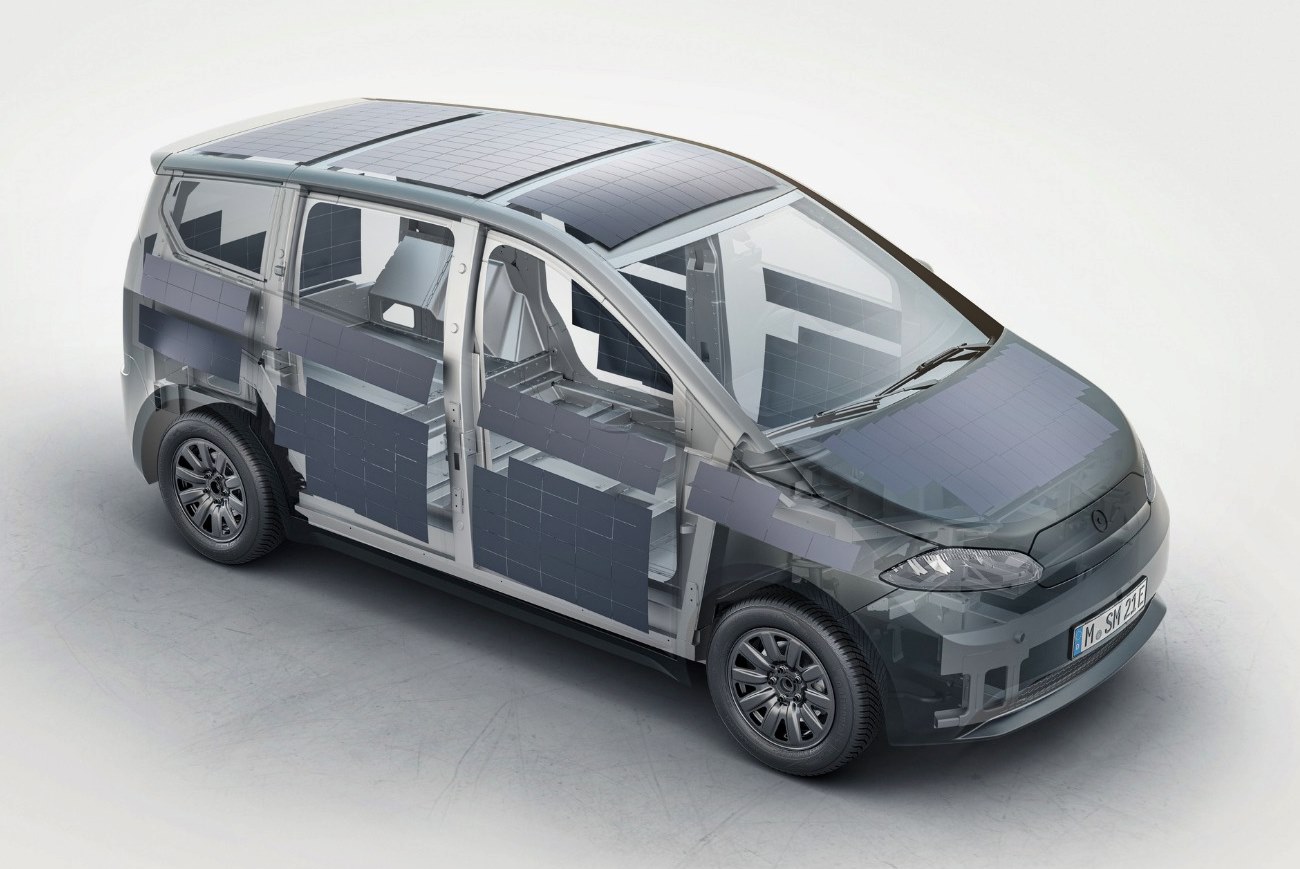
A total range of up to 305 kms is claimed, with additional range provided by the solar panels which is a weekly average of 112 kms (245 kms per week at peak). There are 248 solar cells on the roof which can generate peak power of up to 1.2 kW.

“The growing EV market is generating enormous demand for longer-lasting, more sustainable batteries. This enhanced battery enables Sion drivers to extend the time between charges, whilst reducing the charging time itself. This effectively optimizes the Sion to deliver easy and affordable sustainable mobility for everyone,” said Markus Volmer, Chief Technology Officer at Sono Motors.

2023 Sono Motors Sion Solar Energy Vehicle

2023 Sono Motors Sion Solar Energy Vehicle

The company has also developed its own wall charging station or Wallbox which will be affordably priced. Being bi-directional, it can be used for home charging of the Sion as well as for supplying electricity from the car for use in the home or even to transfer to the local power grid. The Sion is thus a mobile powerplant that can not only reduce costs for home-owners but can also provide power during emergencies when supply is cut.

2023 Sono Motors Sion Solar Energy Vehicle

Older motorists will recall the days when they used to carry out simple maintenance tasks themselves. Today, however, there is less to do and most of the time, maintenance is done at service centres. Sono Motors intends to bring back the ‘DIY culture’ with the Sion to keep running and repair costs as low as possible. Standard replacement parts can be changed by the owner but for work involving high-voltage parts (which can have some risk), owners will be advised to send their car to authorized service centres.

2023 Sono Motors Sion Solar Energy Vehicle

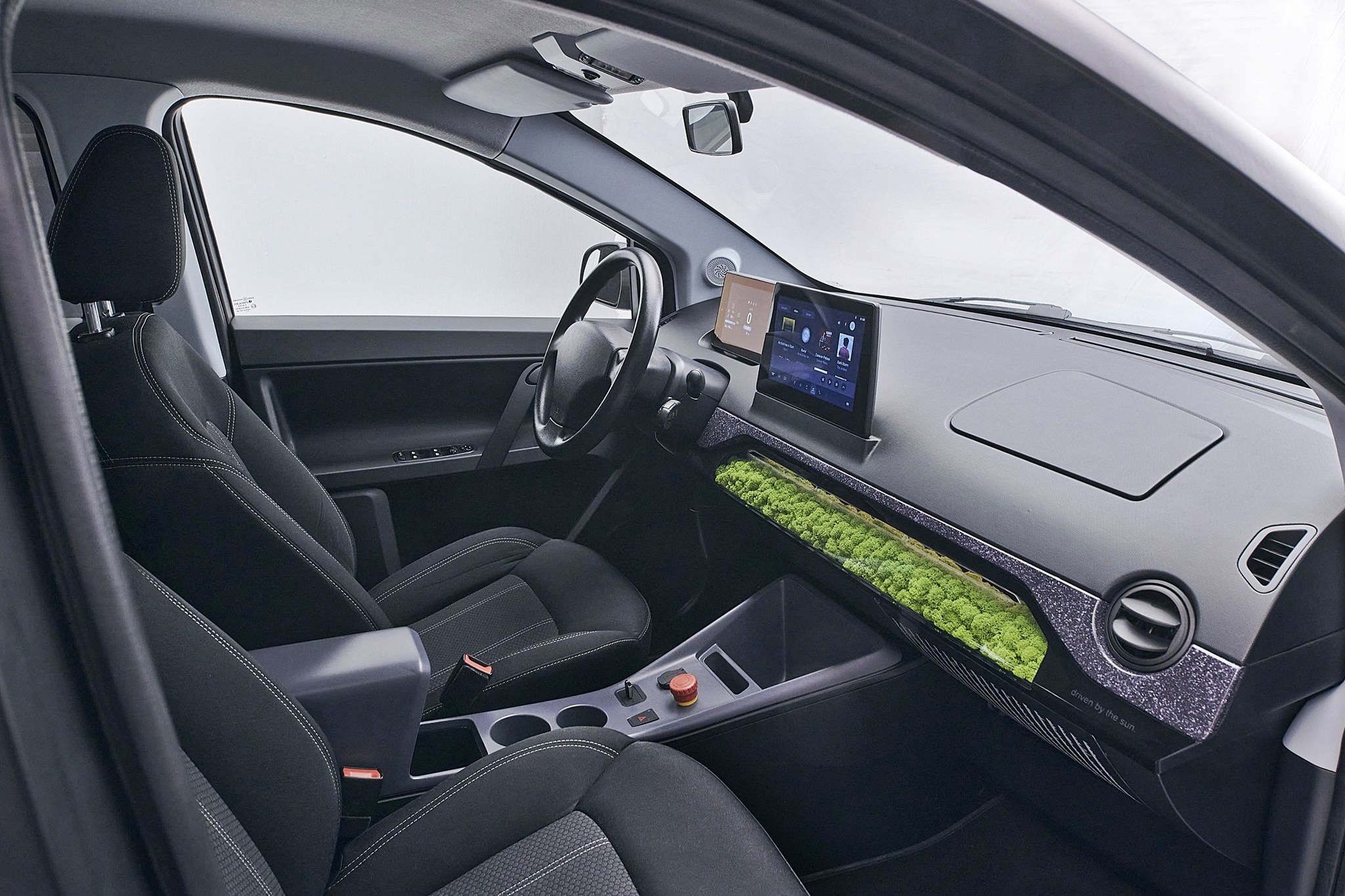
The interior has a simple functional layout like any of today’s hatchbacks. Two tablet-style displays provide information on the car’s operation as well as the infotainment system. A unique design feature on the dashboard is the insertion of Icelandic moss, said to offer certain health benefits. The owner can connect to the car via Apple Carplay or Android Auto, and the Sono app allows remote control of the air-conditioning system or to check the battery status.

If everything goes according to plan, the first customers will get their cars sometime in 2023. To date, the company says over 15,000 orders have been received (along with downpayments) for the car which is to be priced from 28,500 euros (about RM132,000).

2023 Sono Motors Sion Solar Energy Vehicle

Free sunshine helps Proton save up to RM5.85 million on electricity costs

Race starts in Jeddah at 8 pm/1 am (Monday) in Malaysia

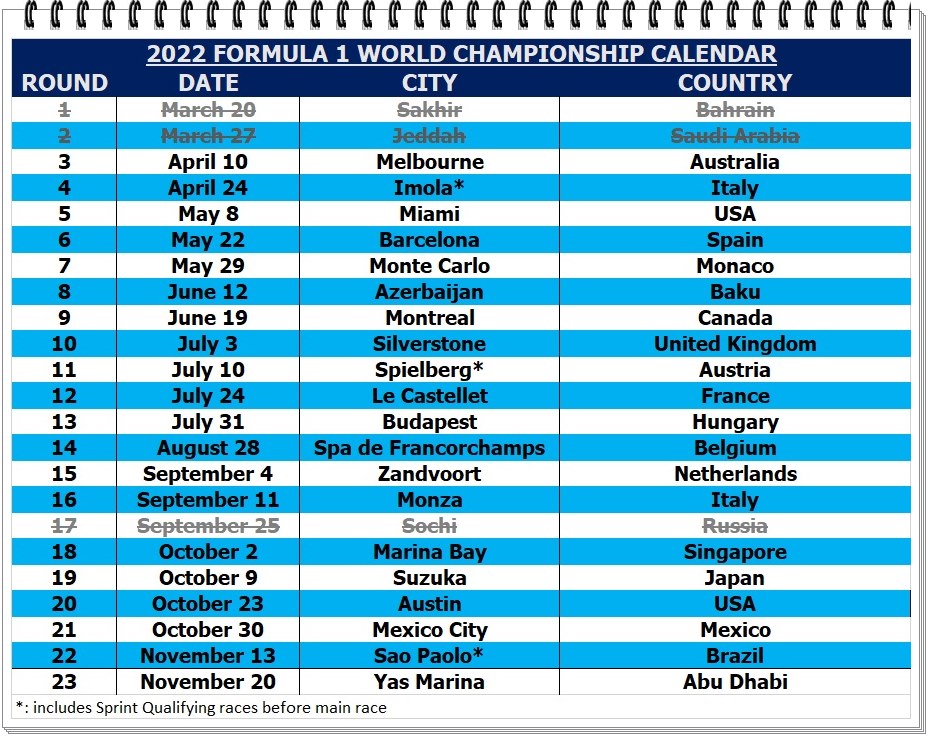
While the COVID-19 pandemic of 2020 caused cancellations and rescheduling of the rounds of Formula 1 World Championship, there have been many other times when certain rounds have not been run in the past. However, they were not due to conflicts or political issues in the host country, with the exception of the 2011 Bahrain Grand Prix which was cancelled when anti-government protests (inspired by the ‘Arab Spring’) led to concerns about security for the F1 participants.

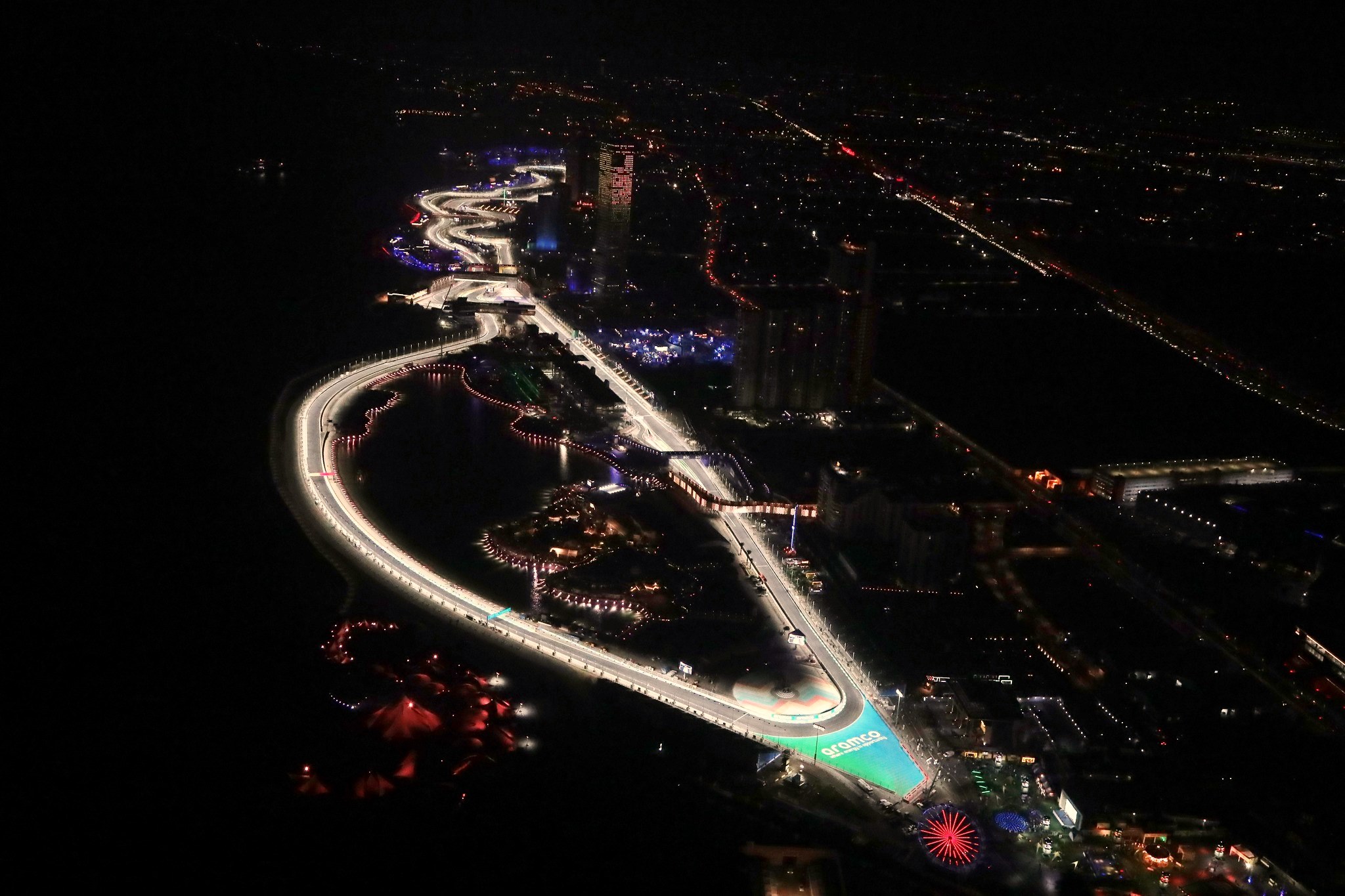
This year, the conflict in Ukraine has seen the termination – not just cancellation – of the Russian Grand Prix in Sochi by Formula 1 as a response to the invasion of Ukraine. Yesterday, the second round of the 2022 championship in Jeddah, Saudi Arabia, was also the subject of security and safety concerns after an Aramco oil storage facility just 11 kms from the circuit was attacked by Yemen’s Houthis. However, after much discussion with government agencies and the teams, it was announced that the race would go on as there were sufficient assurances of protection.

“We have received total assurance that the country’s safety is first,” said Formula One CEO, Stefano Domenicali. “So they have in place all the systems to protect this area, the city, the places where we are going. So we feel confident and we have to trust the local authority in that respect.”

“The attacks had targeted economic infrastructure and not civilians. We have the assurance from a high level that this is a secure place, the whole thing will be secure and let’s go on racing,” added FIA President, Mohammed Ben Sulayem.

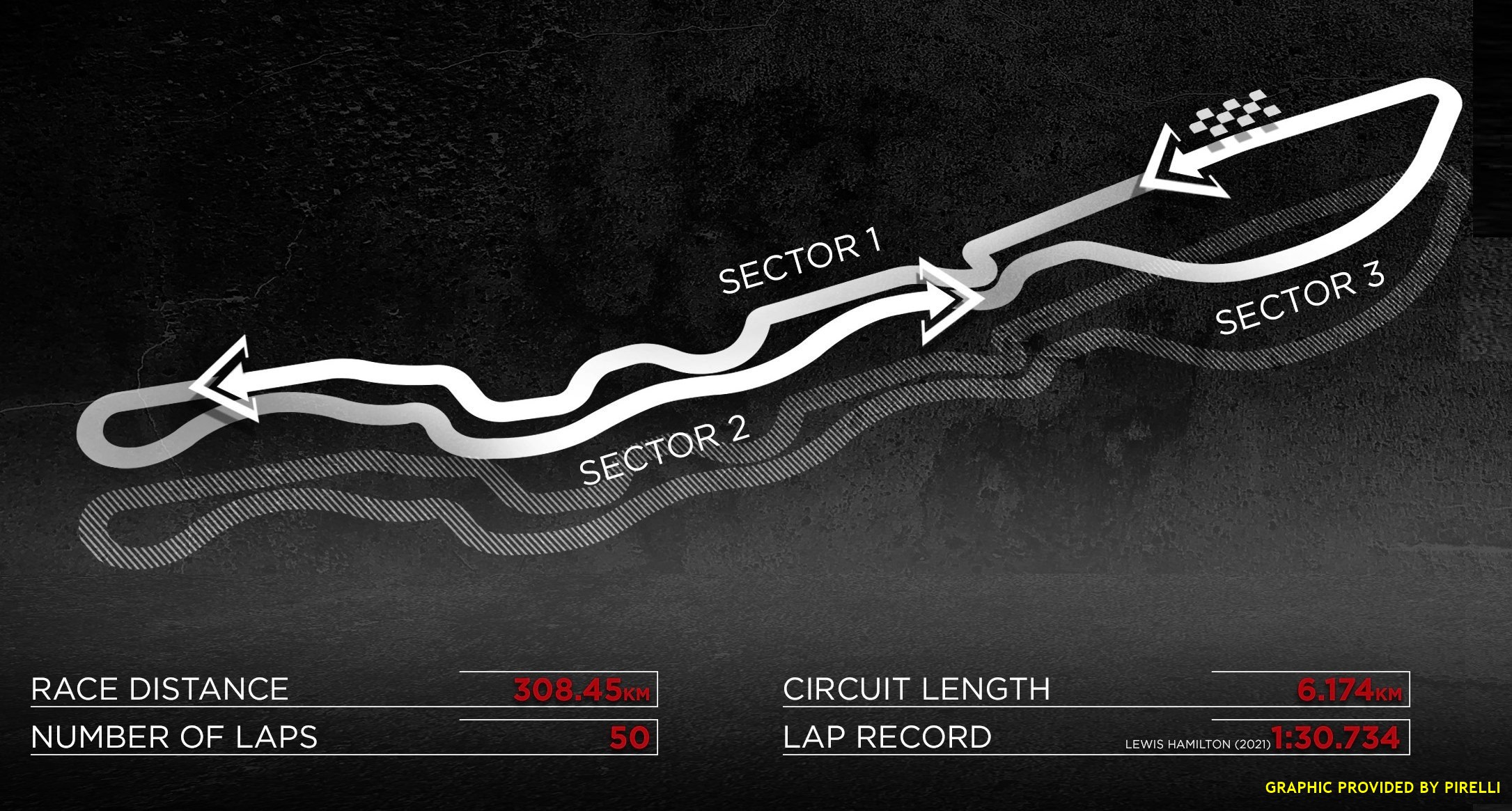
This second round of the 2022 championship is the Saudi Arabian Grand Prix and it is the second time the event is being run at Jeddah where the 6.174-km long Corniche Street Circuit has been created. Like the Bahrain round last weekend, this 50-lap race will be run after sunset with over 600 lights providing illumination (connected by 200,000 metres of cable and fibreoptic lines).

Very fast circuit
The young circuit has proven to be one of F1’s fastest circuits (and it also has the most corners this year). At an average speed of 253.9 km/h, Lewis Hamilton’s pole lap last year is second on the current calendar, behind Monza. It trails the Italian track, Silverstone (pre-2010 layout) and the Osterreichring in the all-time list.

A number of revisions have been made, mainly at improving the sight-lines for the drivers. This has been done by moving the barriers further back. The track at the final Turn 27 has been widened to 12 metres, and that could mean a quicker lap time than last year.

However, as will be the case at every track this year, the redesigned cars for 2022 will require understanding of the new demands. With the walls close and the stakes high, judgment and precision will be key factors for victory.

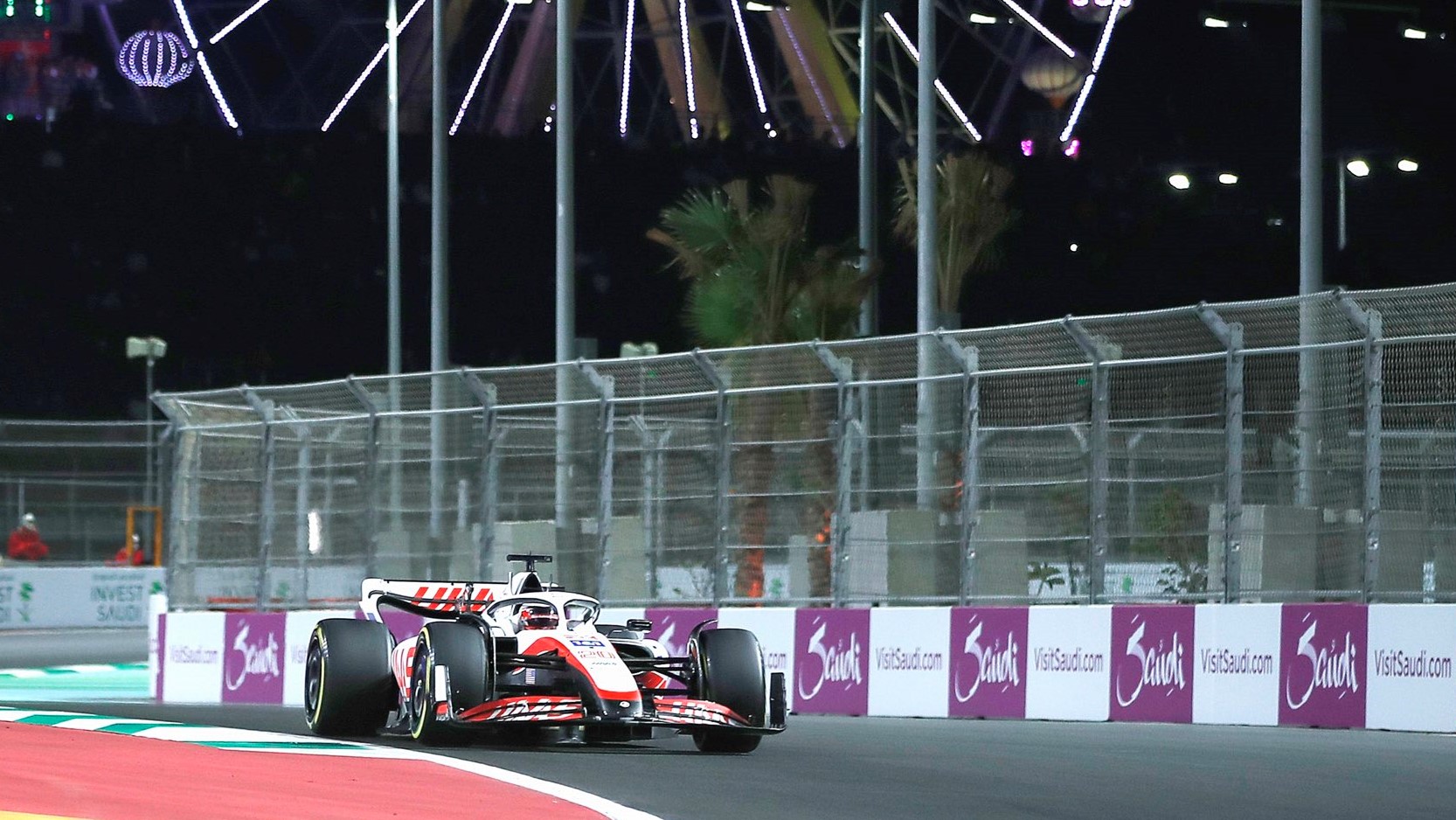
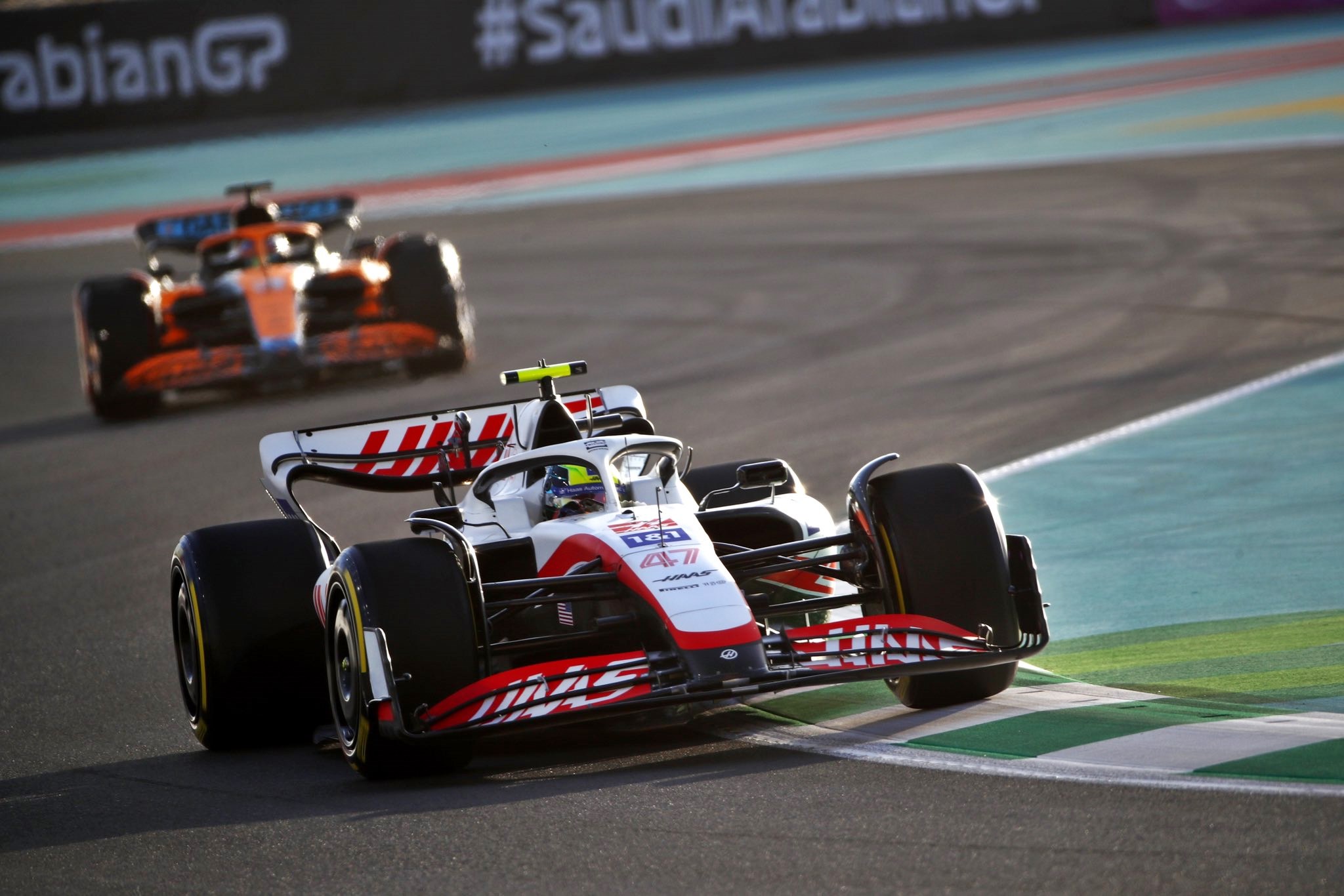
Haas F1’s Mick Schumacher was going flat out in the second qualifying session and crashed into the wall at Turn 12. He was conscious when extracted from the car and taken to hospital.
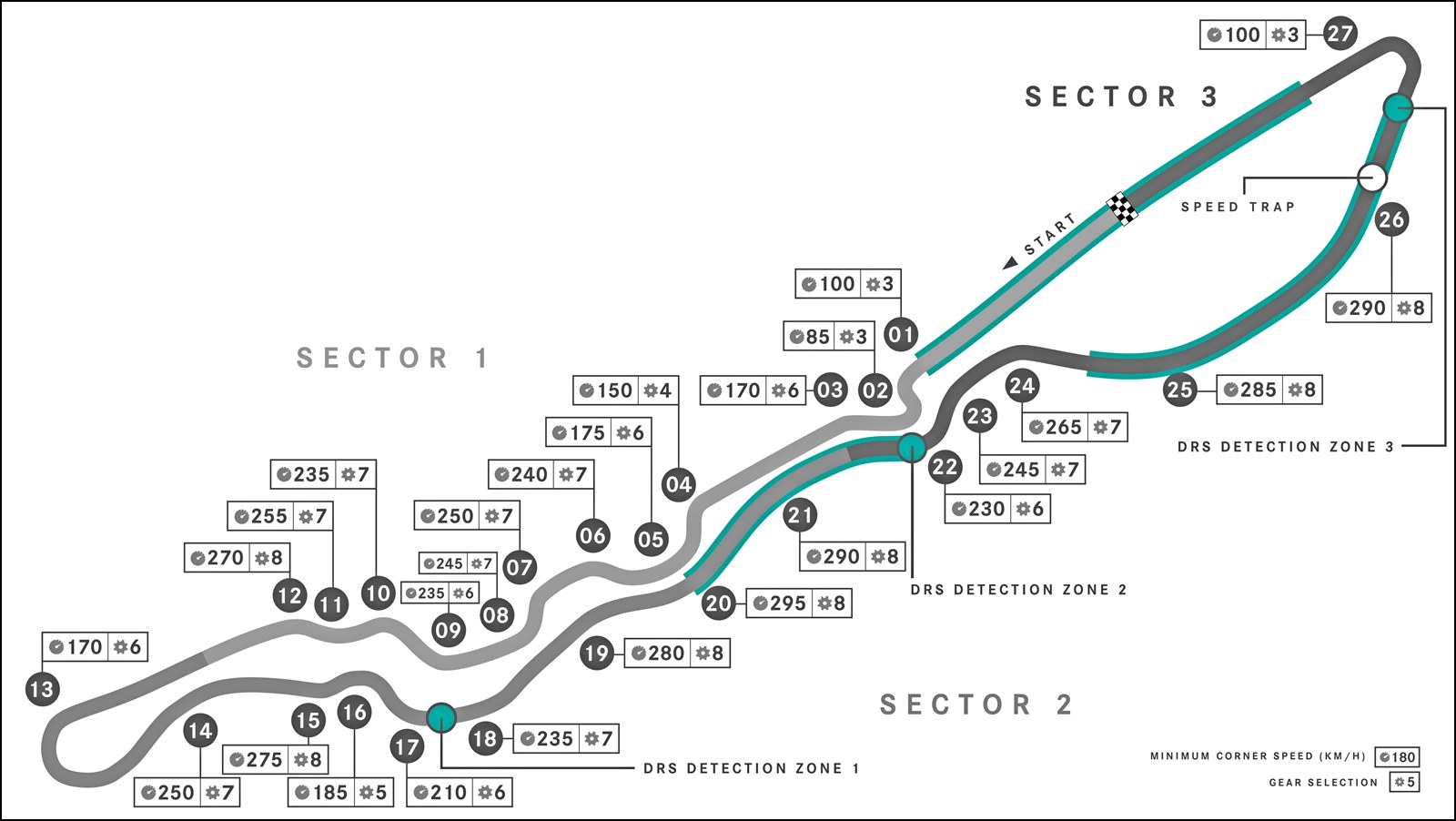
Cornering speeds and gears used by the Mercedes-AMG W13 racing cars for the 27 corners of the circuit.

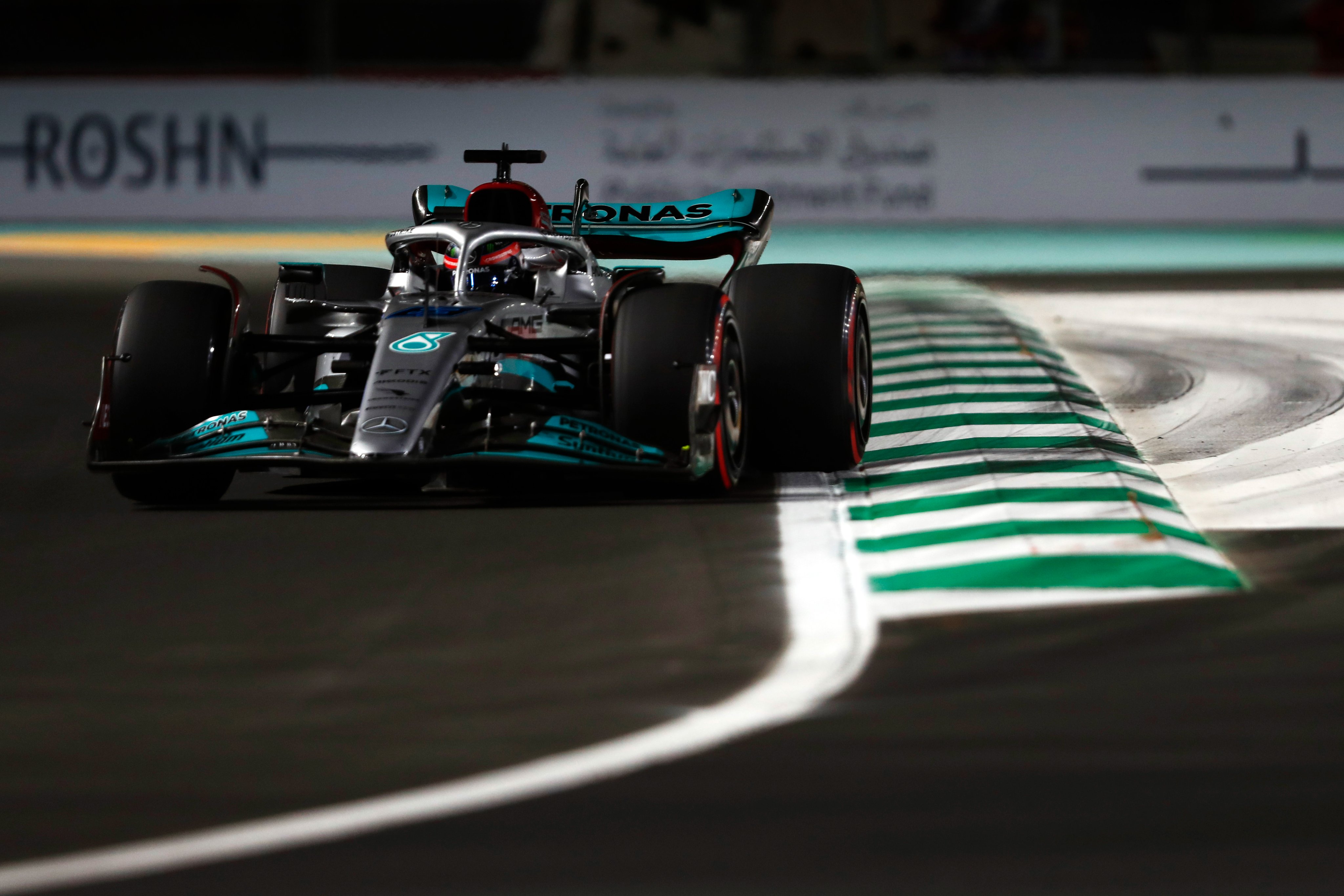
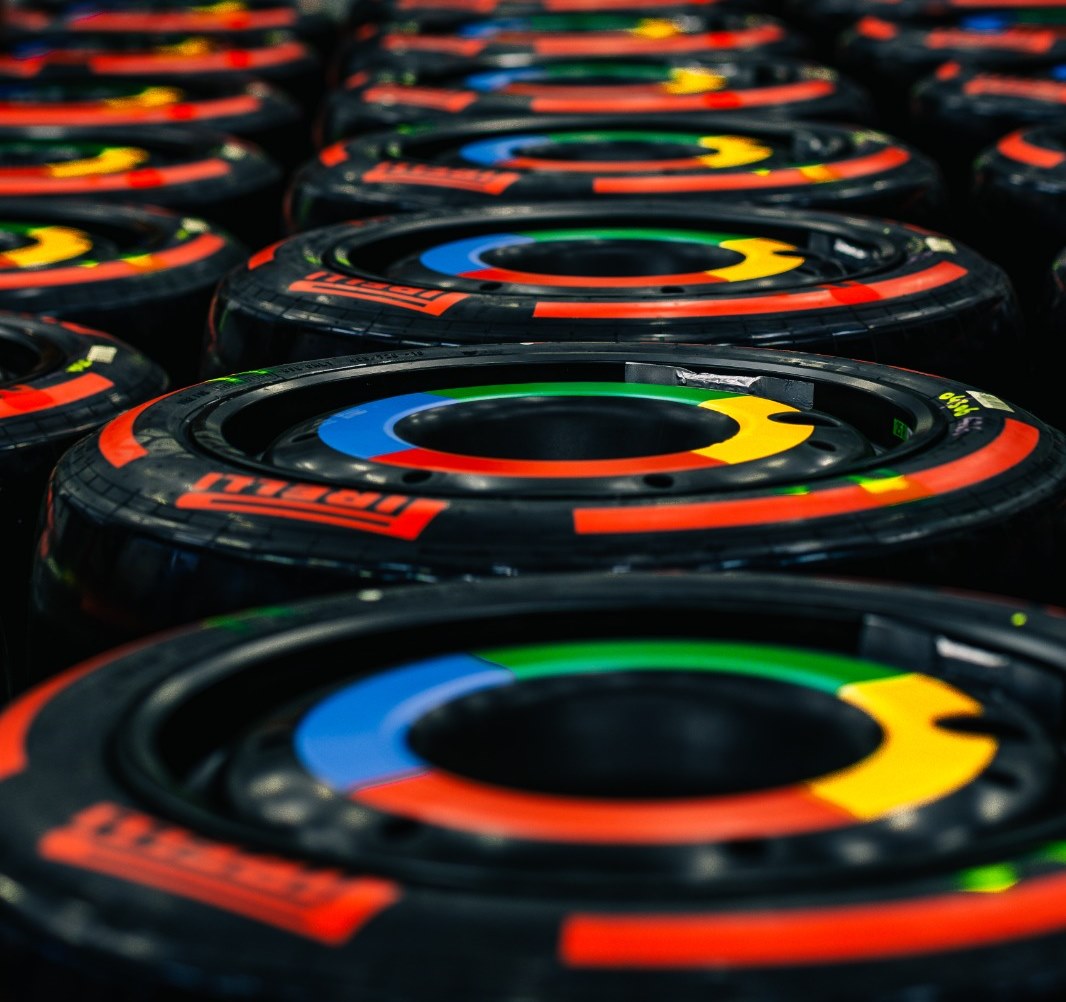
“The Jeddah circuit marks a completely different challenge compared to the opening Grand Prix in Bahrain due to the diverse track characteristics, both in terms of layout and asphalt. Drivers will also use a softer range of compounds this weekend to cope with the specific demands of the track, which is nearly as quick as Monza. The teams have no experience of these tyres and cars on the circuit, and conditions could be somewhat different from last time in Saudi Arabia just 4 months ago – with the race now being held at a different time of year and a few track modifications in store,” said Pirelli’s Motorsport Director, Mario Isola.

Brembo supplies all teams
The Brembo Group is supplying all the teams with its calipers, the first time since 1975. All 20 cars will have new nickel-plated and machined from billet 6-piston calipers, the maximum number allowed by the regulations. Five of the teams will also use by-wore units to manage rear braking, allowing balancing of braking forces between front and rear wheels.

Brembo engineers have also worked with each team to customize many of the brake systems because each racing car is set up differently. Some teams opt for lighter and less rigid calipers, while others choose stiffer, heavier set-ups; so the weight/stiffness ratio has to be optimized for each brake caliper. In-wheel sensors keep the team’s engineers informed of the disc and caliper temperatures at all times so they and the drivers can regulate and optimize braking performance.

Some of the new regulations have affected brake disc design. Until 2021, discs could be pierced with up to 1,480 holes of 2.5 mm diameter. This year, the requirements allow for between 1,000 and 1,100 holes at the front and around 900 at the back, compared with 1,050 holes previously. The updated rules also impose a new minimum diameter of 3 mm. This means that while disc thickness stays the same, there will be fewer and larger holes, reducing cooling ability.

Perforated brake pads have also been banned this season, so Brembo is offering teams a choice of two alternative configurations. In terms of weight, the 2022 braking system is around 700 gms heavier per wheel, adding almost 3 kgs to the total weight of cars compared to last season.

Changing dominance?
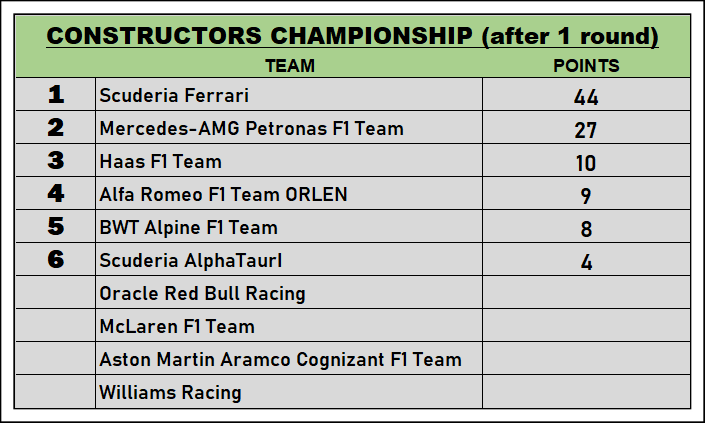
The new era of F1 has already lived up to expectations that the dominance of Mercedes-AMG and Red Bull Racing can be challenged by others, and Ferrari’s victory in the first round showed this. While the reigning champions Mercedes-AMG will be looking to do better than third (and not from the misfortune of others), Red Bull Racing has revealed that the sudden power failures to both its cars in the closing laps was because of a fault in fuel delivery which they do not expect to happen again.

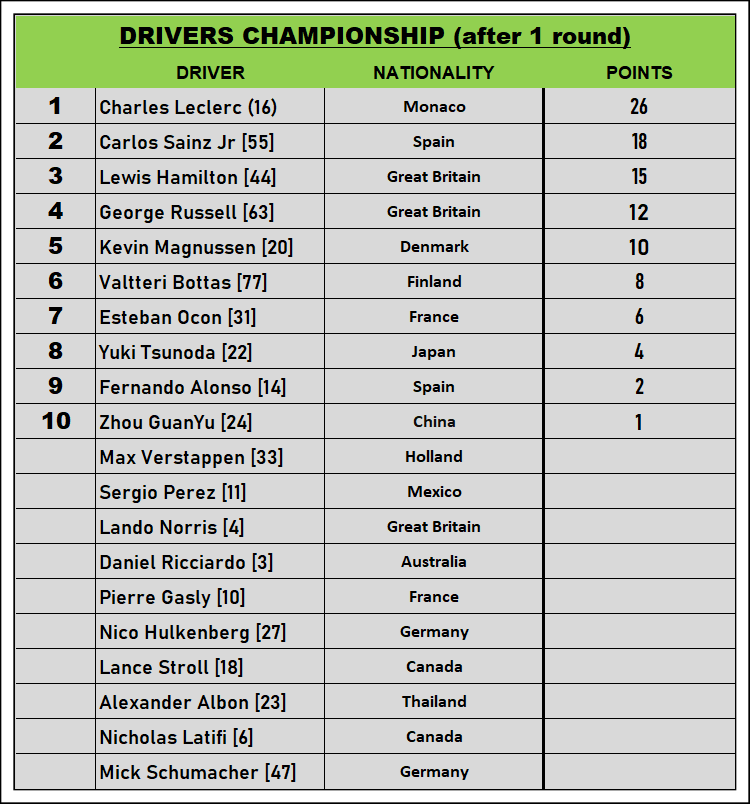
Haas F1 had a surprising performance without Nikita Mazepin around (not that he contributed any points last year) as Kevin Magnussen finished fifth, and Mick Schumacher was just one position short of the top 10 finishers. George Russell also did well in his first official drive with the Mercedes-AMG team (second if you include the stand-in drive last year), while the tenth placing by newcomer Zhou GuanYu was commendable for his very first F1 race.

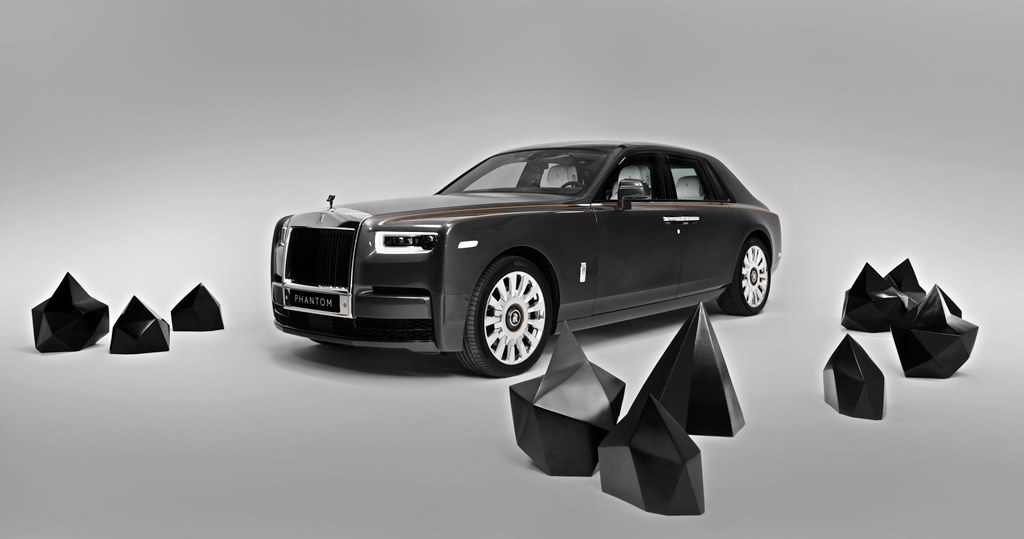
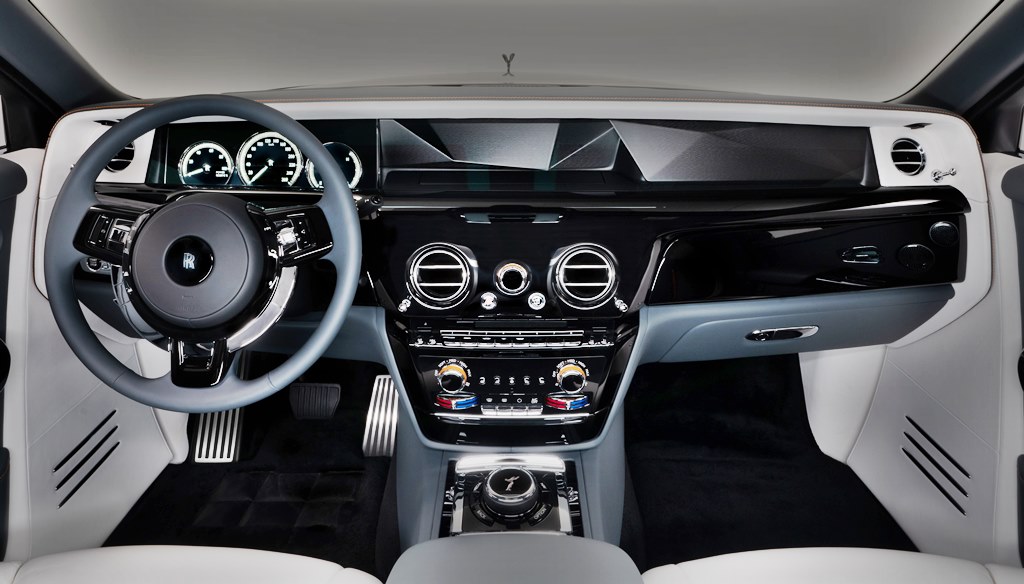
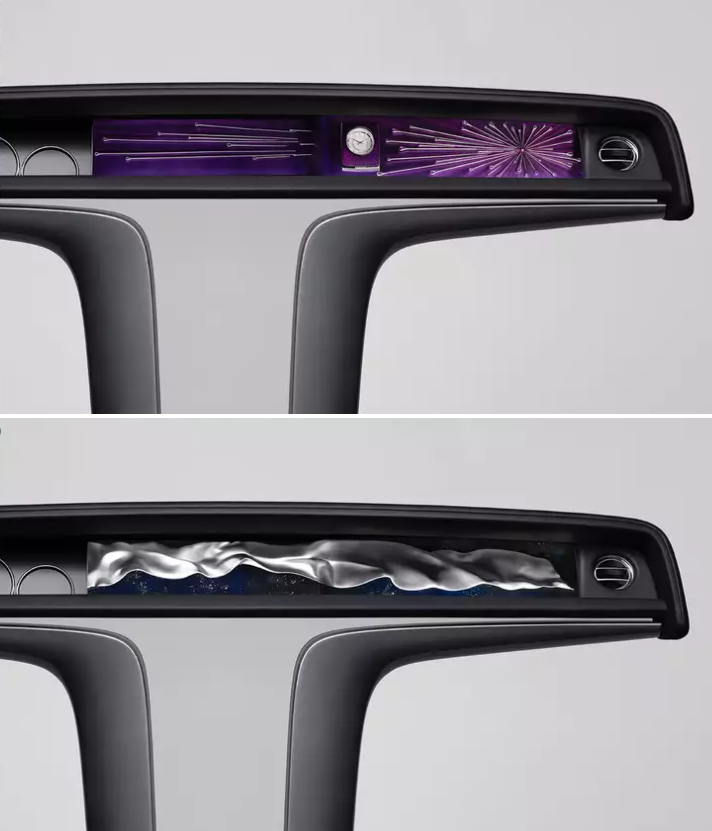
Unique to the latest Rolls-Royce Phantom is an area of the dashboard called The Gallery. It is a glass enclosure running almost the entire width of fascia and it has been incorporated to house bespoke artistic creations inside the limousine. The owners of the Phantom can insert whatever they wish as part of the personalization of their limousine and Rolls-Royce dealerships also come up with some creative ideas for their customers.

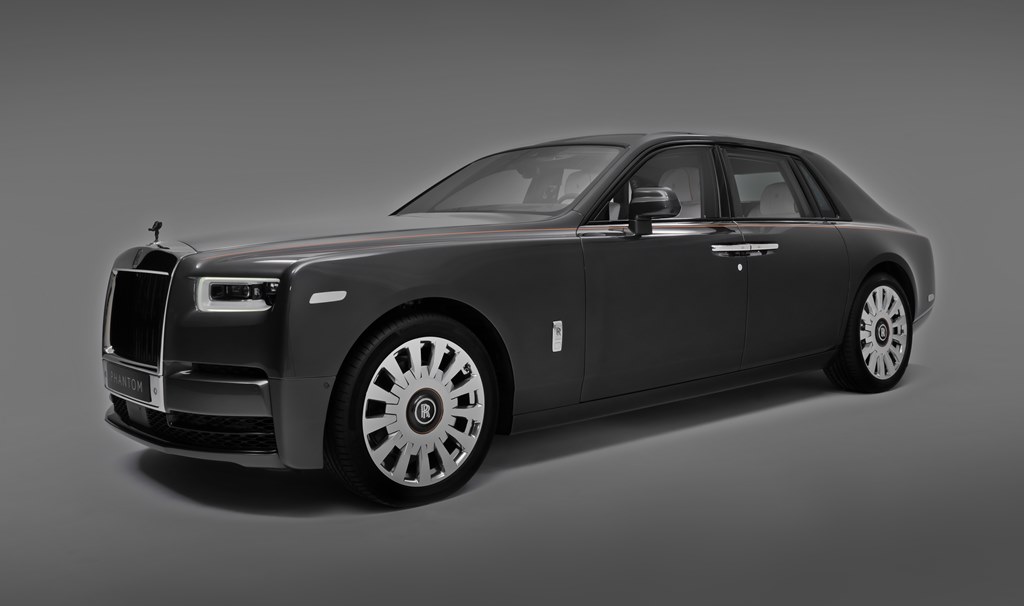
Rolls-Royce Motor Cars Dubai is one of them and it has commissioned the Carbon Veil for the Phantom Gallery. The work of art was designed by the Rolls‑Royce Bespoke Collective in England and realized by artist and sculptor Alastair Gibson, who combined knowledge and expertise gained in Formula 1 to create his carbonfibre masterpieces.

Rolls-Royce Phantom 2022

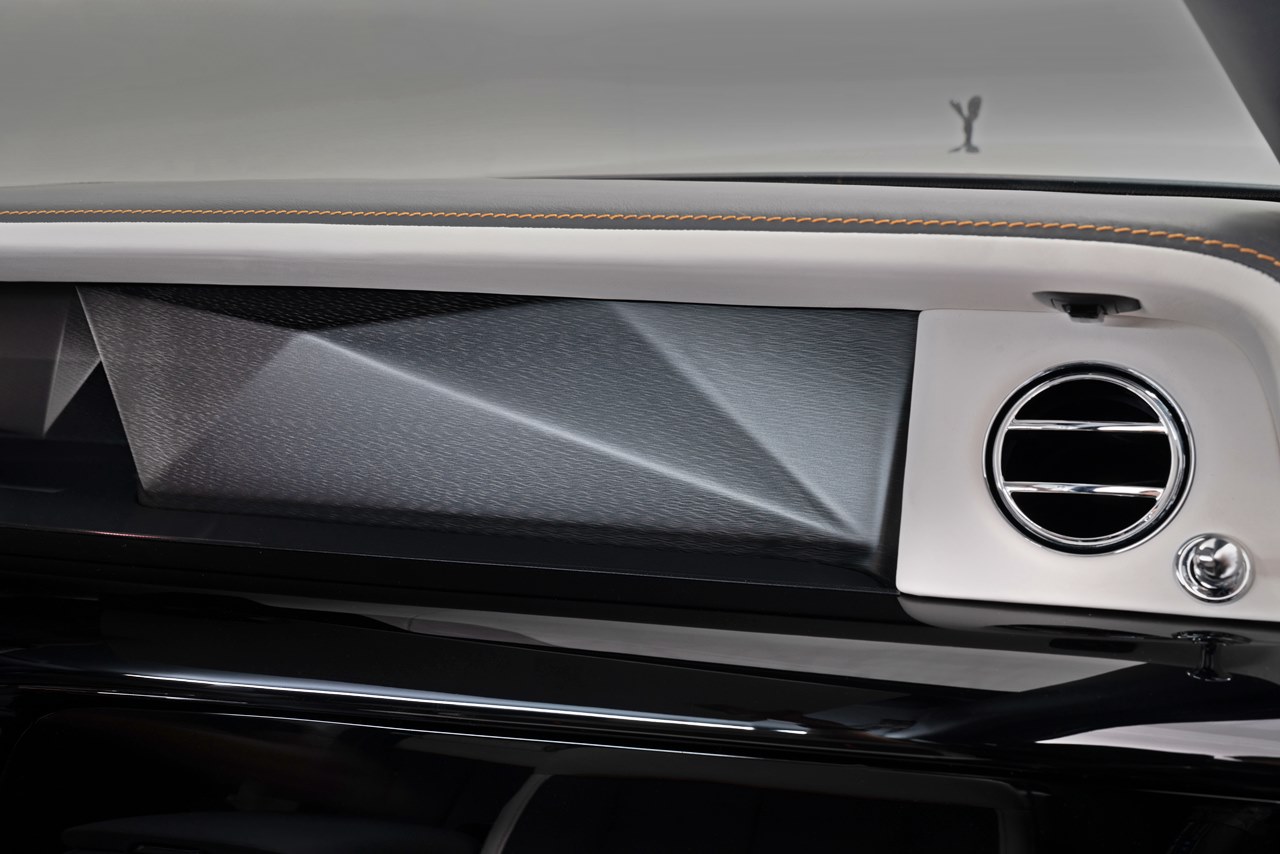
The Carbon Veil took 2 years to create and unlike most automotive applications where just 3 or 4 layers of carbonfibre are used, no fewer than 150 sheets were permeated with resin and compressed to form a single, solid billet for the Carbon Veil. The construction technique is genuinely ground-breaking, with the result being ultra-stylish, contemporary and beautiful.

“It required a huge amount of experimentation to produce the Carbon Veil Gallery. The main challenge in creating the shape was ensuring that the weave of the carbonfibre remained horizontal and parallel throughout. It had to be perfect – because this is a Rolls‑Royce,” said Gibson.

Rolls-Royce Phantom 2022

As an original work of art, the Carbon Veil introduces a highly contemporary note to the Phantom’s interior. Its sharp, angular surfaces and the distinctive woven surface are synonymous with innovation, technology and performance. Depending on the customer’s preference, the carbonfibre is finished in either clear or matte lacquer which brings out the weave pattern and protects it from harmful ultraviolet rays. The whole piece is sealed under a single pane of glass.

The Gallery is a space protected behind glass. This space affords the opportunity to introduce sharp and aggressive forms, which are unprecedented for the interior of a motor vehicle. The design of the faceted milled carbonfibre sculpture was originally inspired by the angular, aggressive, stealthy shapes of the 118 WallyPower (a luxury yacht said to cost £14 million).

Rolls-Royce Phantom 2022

Each Phantom Gallery is individually assembled in the Clean Room at the factory. Completed in 2020, this medical-grade facility provides a 100% sterile environment where Bespoke items and other delicate components can be produced entirely free of dust and particles.

Two other examples of The Gallery.

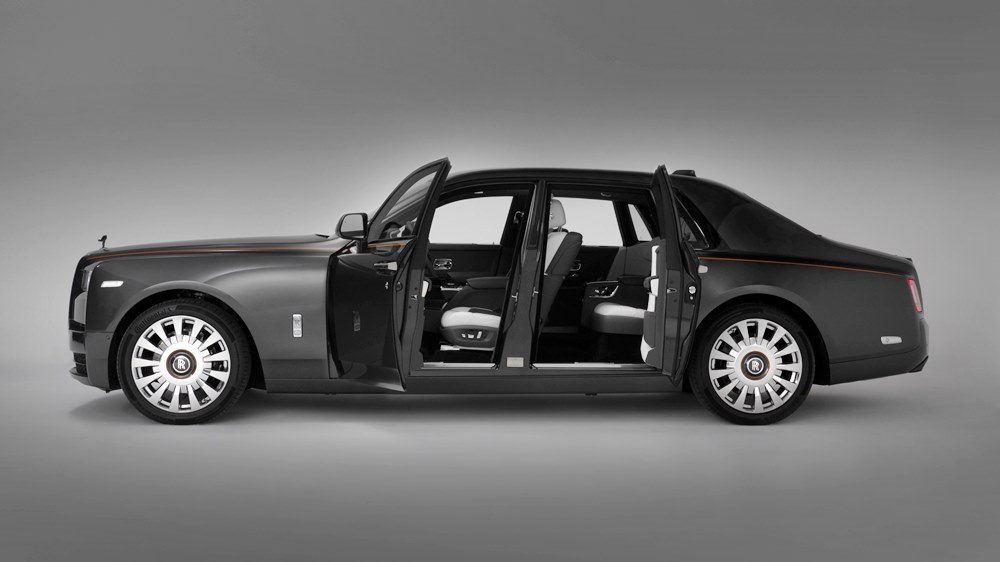
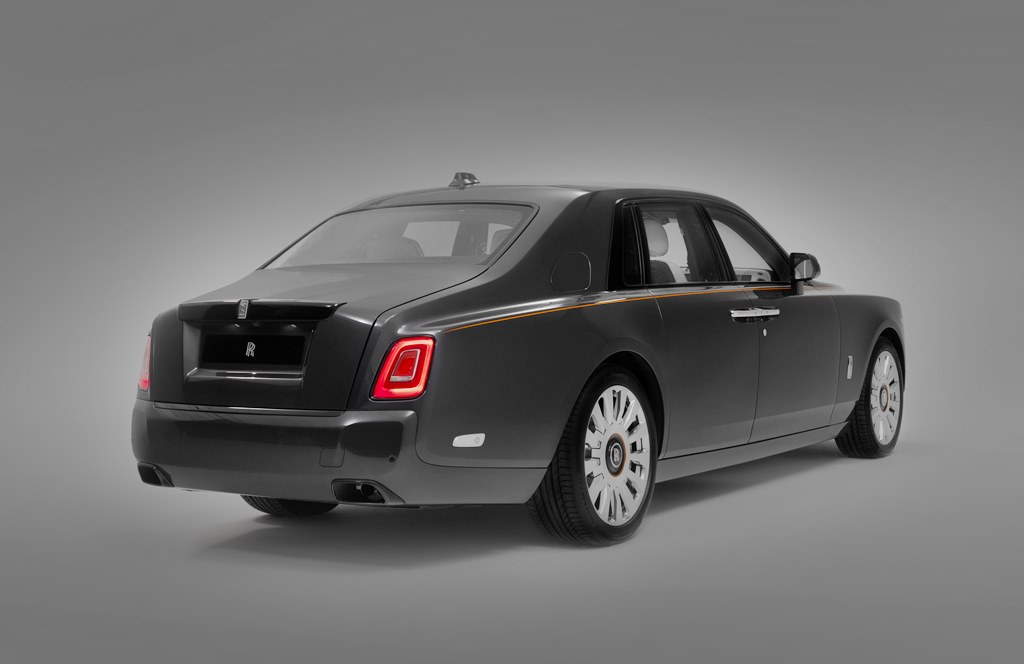
The gunmetal exterior of the car is bolstered with an iced finish with gunmetal contrast bonnet, while the coachline and waftline are accented in a vivid mandarin orange. At the helm of the bonnet proudly stands the retracting Spirit of Ecstasy crafted from carbonfibre.

Rolls-Royce Phantom 2022

Within the interior, the anthracite brightwork provides moments of contrast, along with the colour-keyed rotary controls and leather detailing. The dark tones and light leather flourishes beautifully accent the Veil Gallery upon the Phantom’s fascia. The flawless Black Pack elements on the exterior include an alluring black trim on the windows, the grille and the exhausts.

The very attitude and nature of The Gallery has been extended to the other Bespoke details on both the exterior and interior of the Phantom it resides within. With a highly contemporaneous edge, the limousine exemplifies the spectrum of Bespoke potential, with the Phantom itself as a canvas quite like no other.

Rolls-Royce Phantom 2022

Archive

Follow us on Facebook

Follow us on YouTube