

Piston.my

English

Before SUVs appeared, the stationwagon was the ideal multi-purpose vehicle to haul a lot of stuff. Sedan-like but stretched a bit to have a big boot space, it was as low as a sedan and just as comfortable. Volvo, which had been making stationwagons since 1953 when it introduced the Duett, became a leader in the stationwagon segment in the 1980s, especially in Europe where its models were popular.

The Duett had been conceived as a vehicle which could be used for work as well as for family use, so it was the original dual-purpose vehicle (a term which came into use in the early 1980s when the first 4x4s like the Mitsubishi Pajero and Isuzu Trooper were introduced). The success of the Duett encouraged the Swedish carmaker to continue making such cars and in the years that followed, it would always have a stationwagon variant of the prevailing model series. Malaysian motorists will remember the police using Volvo stationwagons in the 1970s and then the 850 stationwagon in the 1990s for highway patrol work.


2022 Volvo V60 Recharge T8 PHEV

And although in the 21st century, it has been selling more SUVs than sedans and stationwagons, the company has assured stationwagon fans that it will continue to offer such models in future. These will be alternatives to the SUV and crossover ranges and will eventually be fully electric. They are currently designated as S and V models although these may change as the future models will have more aerodynamic forms. Volvo had originally wanted to designate its stationwagons as ‘F’ – for ‘Family’ – when it launched the first V40. However, Ferrari sent a note of protest and said that a ‘F40’ would mislead people into thinking of the sportscar made by the Italian carmaker which had the designation. So Volvo switched to ‘V’, which it said meant ‘Versatility’.

In the US market, which has been a huge consumer of Volvo stationwagons for decades, some of the models are no longer being sold (which led to the rumour of Volvo stopping stationwagons altogether). However, the company will still sell some versions of the current models and in Malaysia, the latest V60 Recharge T8 has just gone on sale with a price of RM287,474 for the Inscription version (the only one available).

2022 Volvo V60 Recharge T8 PHEV

This is an electrified PHEV model with a plug-in hybrid Drive-E powertrain. There is a turbocharger and supercharger which boost output to 320 bhp/400 Nm, to which is added the output of an electric motor that can generate up to 407 ps/640 Nm. A lot of power to all 4 wheels which provides effortless cruising even when the 519-litre boot is fully loaded.

As a PHEV, the V60 Recharge T8’s battery pack can be recharged from an external power source rather than just being recharged while on the move. The time for recharging varies depending on the type of charging used. If from a normal household power socket, each hour of charging can provide  7 to 14 kms but if using DC fast-charging 150 kW station, then in 10 minutes, the battery pack can ‘fill up’ for up to 100 kms of range at a 150 kW station. Shell recently started operations of a DC fast-charging station at its station near Tangkak in Johor and will establish a network of 12 stations along the North-South Expressway.

https://www.piston.my/2022/01/13/first-high-performance-charging-station-of-shell-and-porsche-asia-pacific-collaboration-opens-in-johor/

With a fully charged battery pack, it can travel a claimed 49 kms on just electric power but in normal driving, the system will be continuously varying the use of the two power sources for optimum efficiency. Unlike a fully electric powertrain which will come to a standstill if the battery pack is empty, a PHEV like the V60 Recharge T8 will still be able to run using its petrol engine.

As for the design, the V60 Recharge T8 maintains the sleek form which has been around since the days when Peter Horbury, the company’s former design head, declared that ‘we kept the toys and threw out the box’ as he introduced the C70 coupe in 1996. Thereafter, Volvo stationwagons no longer looked like boxes on wheels and had a streamlined profile that added elegance.

2022 Volvo V60 Recharge T8 PHEV

2022 Volvo V60 Recharge T8 PHEV

The interior too is what you would expect of a Volvo with their Scandinavian ambience and focus on functionality. These days, the emphasis is on using sustainable materials and ensuring that the cabin air is as clean as possible. And although the environment is like that of a premium sedan, there is still the versatility of a SUV with rear seats that fold down and extend the length of the boot.

“The addition of the Volvo V60 Recharge T8 as a PHEV brings Volvo another step forward in our electrification strategy. We are one step closer to realising our aspirations in having a fully electric line-up by 2030 as we move further into a more sustainable future,” said Charles Frump, Managing Director of Volvo Car Malaysia.

2022 Volvo V60 Recharge T8 PHEV

Geely Holding and Volvo Cars to form joint-venture company producing powertrains

A few car companies have CEOs or Presidents who are ‘car guys’ and who even go racing sometimes but none probably is as passionate about motorsports as Akio Toyoda, President of Toyota Motor Corporation. Since becoming President in 2009, the grandson of the company’s founder has been transforming the world’s leading automaker to meet the challenges of the 21st century.

Perhaps having started driving in the era of the Japanese auto industry when there were affordable sportscars, Toyoda also came to be a car enthusiast, notwithstanding the fact that his family owned the No.1 carmaker in Japan. And being of the younger generation, he had greater exposure out of Japan where he also had a chance to go racing (although he wanted to be a taxi driver at one time), which he enjoyed greatly to the extent that he created a nickname to use when racing – ‘Morizo Kinoshita’ – in the 2009 Nurburgring 24 -Hour race. Perhaps he wanted to avoid undue attention, being who he is, or maybe he didn’t want his parents to know…

Besides racing and being directly involved in product development, especially of the high-performance GR models, Akio Toyoda has also tried to attract more of the younger generation to have an interest in cars.

When he became President, Toyoda started off promising that Toyota would make cars ‘Fun to Drive, Again’, reviving a tagline used in the 1980s. He gave TOYOTA GAZOO Racing (TGR) greater responsibility to not only manage Toyota and Lexus motorsports activities but also to develop products for the new GR high-performance brand.

2022 Toyota GRMN Yaris

Since then, enthusiasts around the world have been treated to a number of impressive sportscars and TOYOTA GAZOO Racing itself has also risen in prominence. Notable models like the GR Supra and GR Yaris have made big news wherever they have been launched and today, at the at Tokyo Auto Salon 2022, TGR has unveiled another mouth-watering hot hatch – the GRMN Yaris.

2022 Toyota GRMN Yaris

The ‘MN’ in ‘GRMN’ stands for ‘Meister of Nurburgring’, which is a way of paying tribute to TGR’s test drivers who have developed the products on the legendary German circuit. These would include Hiromu Naruse, the company’s chief test driver and head of GAZOO Racing who died in a crash in Germany in 2010. Naruse was Toyoda’s mentor in racing and whom Toyoda was asked to replace as ‘Master Driver’ of Toyota and Lexus.

2020 Toyota GR Yaris
The GR Yaris has been sold in Malaysia as well and like in other countries, the limited number of units found customers very quickly.

Since its launch in September 2020, the GR Yaris has been involved in various motorsports such as the Super Taikyu Series where the Toyota President himself (65 years old this year) got behind the wheel as Morizo and participated with ROOKIE Racing, and the Japanese Rally Championship, where it won the season championship.

Having been closely involved in the development of the GR Yaris, Toyoda wanted to ‘deliver cars to customers that evolve quickly and can be tailored to individuals in the field of motorsports’. Using lessons learned from motorsports activities, the body rigidity of the GR Yaris has been enhanced. The number of spot welds has increased compared to the GR Yaris, and body rigidity has been further enhanced by applying longer structural adhesive.

2022 Toyota GRMN Yaris

2022 Toyota GRMN Yaris

2022 Toyota GRMN Yaris

2022 Toyota GRMN Yaris

The GRMN Yaris is also wider by 10 mm, this increase said to be for improving aerodynamics, while the height has been lowered by 10 mm for a lower centre of gravity. In addition to the lightweight high-rigidity carbonfibre (twill weave CFRP) used for the bonnet, roof, and rear spoiler, removing the rear seats to make it a two-person car has achieved weight reduction of approximately 20 kgs.

2022 Toyota GRMN Yaris

The engineers also installed a mechanical LSD, a close-ratio gear transmission, and a low final gear set, which has been improved through repeated ‘breaking and fixing’. Issues under extreme use conditions were identified through driver feedback and quickly resolved. Thus the GR Yaris has evolved into a car that can be driven faster, with improved braking force, grip, cornering and following performance to give the driver more confidence pushing it hard.

Power to all 4 wheels will still come from the 1.6-litre turbocharged 3-cylinder unit already used in the GR Yaris but with higher output. As it is, the G16E-GTS engine produces 261 bhp/360 Nm, making it the world’s most powerful 3-cylinder engine and the lightest and smallest 1.6-litre turbo unit currently in production.

Only 500 units of the GRMN Yaris will be available with sales in mid-2022, only at GR Garages around Japan. Customers will be able to specify a Circuit or Rally package to suit their requirements. Each customer will get a Personalisation program that provides individually tailored customization conducted by analyzing driving data. Steering control, engine control, and drive distribution, hardware including shock absorber damping force, spring rate and aerodynamic components will then be optimized for the best performance with the specific driver.

Expecting the 500 units to be snapped up quickly, TGR is having a lottery for those who are interesting in booking the GRMN Yaris. The basic GRMN Yaris will cost 7,317,000 yen (about RM269,000) while the Circuit package will add another 1,150,000 yen (about RM42,300) and the Rally package will cost an extra 1,061,764 yen (about RM39,000).

2022 Toyota GRMN Yaris

The story behind TOYOTA GAZOO Racing and why it was created

Going into its second year in the Malaysian market, the Volkswagen Passat R-Line has received upgrades as well as a boost in performance. The new model is priced from RM211,916.88 (without insurance) and being assembled locally in Pekan, Pahang, customers can buy it without having to pay sales tax (until June 30, 2022).

The 2.0TSI turbocharged engine has its output now raised to 220 ps/350 Nm, all of which goes to the front wheels through a 6-speed wet-clutch DSG transmission. Dynamic Chassis Control enhances the driving experience, allowing the drive to personalise the handling character of the car.

2022 Volkswagen Passat R-Line

2022 Volkswagen Passat R-Line

Besides the engine improvement, the other change is to the audio system which is now a premium system from Harman Kardon. It comes with no less than 12 high-performance speakers and 700W amplifier to provide an immersive sound experience for every occupant in the cabin. There is also a haptic-touch air conditioner control that is simple and intuitive to use.

2022 Volkswagen Passat R-Line

There are 5 colours choices – Scale Silver, Aquamarine Blue, Manganese Grey, Deep Black and Oryx White – for the latest Passat R-Line. Sharp-eyed Volkswagen fans will spot the new brand logo on the grille and rear end. It is the second model with this new logo.

2022 Volkswagen Passat R-Line

“The Passat is built on a successful combination of class and performance, which makes it the sedan of choice for the sophisticated both globally and locally. We have retained the unique features of the Passat R-Line but fine-tuned its performance so that it becomes an ideal partner for the discerning driver,” said Erik Winter, Managing Director of Volkswagen Passenger Cars Malaysia.

Each new Passat comes with 3 years of free scheduled maintenance, a 5-year unlimited mileage warranty, and complimentary roadside assistance for the first 5 years. To locate an authorised Volkswagen showroom in Malaysia to view the range of models available, visit www.volkswagen.com.my.

Review: Volkswagen Passat R-Line – Very Nearly Perfect!

Although 2021 saw businesses being disrupted, with an extended lockdown in the middle of the year, many car companies were able to continue their planning, thanks to online meetings with their principals overseas. If such a situation had occurred in the 1980s, perhaps a lot of projects would have to be suspended and delayed.

Now that things are returning to normal (although there is also the ‘new normal’), it is apparent that in companies like Honda Malaysia, a lot of planning was done during 2021 and while launches were probably delayed, now the new models are being rushed into the market. And even before the excitement of the launch of the City Hatchback has died down, the all-new 11th generation of the Civic Sedan has been officially launched today – less than 12 months after its global debut in America.

The Civic would be the longest locally-assembled Honda model, having been assembled since the first generation in the mid-1970s. It was assembled at the Oriental Assemblers plant in Johor then, and then when Honda Malaysia built its own factory in Melaka in the early 2000s, assembly of all Honda models was transferred there.

2022 Honda Civic 11th generation

For the new generation, Honda Malaysia has three variants – the Civic RS, Civic 1.5V and Civic 1.5E. This time round, there is only the proven turbocharged VTEC Earth Dreams engine offered. This means all the variants get the same output of 182 ps with 240 Nm of torque, which is more powerful than a conventional 2.4-litre engine. Power delivery to the front wheels is via a CVT.

According to Maduko Chujo, Managing Director & CEO of Honda Malaysia, the company is also looking at the possibility of offering a hybrid powertrain with the Civic later on. Such a version exists for the new Civic Hatchback in some markets and so it could be also used in the sedan. Or Honda Malaysia might add the Hatchback to its range, a bigger brother to the new City Hatchback. But we’ll probably know if and when this is going to happen by seeing what appears in the Thai market which usually gets new products before Malaysia.

2022 Honda Civic 11th generation

The new styling retains some elements of the previous generation but also has a refreshed character with a low-slung look to the profile. The use of Laser Brazing technology (for the first time at the plant), gives a smooth and clean roofline that makes the car look sleeker.

Compared to the tenth generation, the frontal appearance looks less aggressive with a ‘thin and light’ appearance. It would appear that the EXCITING H!!! DESIGN philosophy which was adopted in 2013 is evolving to something new. The Solid Wing Face that has been in the frontal character is no longer evident and a simpler form is being introduced, which also has some elements used in the new HR-V.

2022 Honda Civic 11th generation

2022 Honda Civic 11th generation

Likewise, at the rear, the distinctive ‘claw’ lighting signature that identified the 10th generation from far away is also gone. The new LED rear combi units wrap around the corners and taper towards the centre.

As with other models, there is the option of adding Modulo accessories for a sportier look or more functionality. There are 5 different packages ranging from RM1,241 to RM7,089. These can be specified at the time of purchases so they can be included in the total cost of the car for calculation of the H-P loan.

The overall size is almost the same as before with the only 2-digit increases being in the length (+30 mm) and wheelbase (+33 mm). Usually, extending the wheelbase would improve rear space and comfort, which Honda says is the case.

The first Civic was half the weight and almost a metre shorter than its 11th generation successor launched 50 years later.

Comparing to the first generation model which was launched in 1972, it’s amazing how the size of the car has changed. The overall length of the first generation, which was a hatchback, was almost 1 metre shorter – around 3.5 metres versus the 2022 model’s 4.7 metres. In 50 years, it has widened to 1.8 metres, 300 mm more, and not surprisingly, being a much bigger car, the latest generation weighs around 1,350 kgs whereas the original was about half that weight!

[Click here for our first driving impressions]

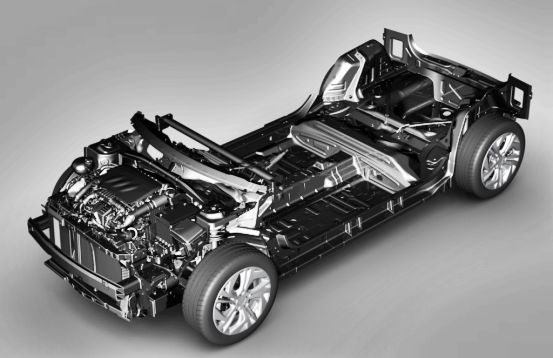
The chassis of the new Civic has been further stiffened, not only for better resistance to collisions but also to improve handling and ride comfort. Compared to the tenth generation, there’s an 8% increase in torsional rigidity and 13% increase in bending rigidity. Over 10 generations, the Civic has been continuously moving upwards in its image and with this elevation towards a more premium product, Noise, Vibration and Harshness (NVH) levels have had to be reduced. In the latest models, NVH is lower as a result of the application of insulators, floor undercover and spray foam in the chassis areas.

2022 Honda Civic 11th generation

For the new interior, the designers looked at the early Civics, particularly the first one. Those who remember that first generation will see some styling elements in the dashboard of the latest Civic. Some good ideas are still good and so the original design approach of ‘Man-Maximum, Machine-Minimum’ (or ‘M/M’) was used.

While the shelf-like design of the original dashboard has not been revived, the narrow Honeycomb Mesh Panel that runs across two-thirds of the fascia (and also on the right side of the steering column) is in some ways reminiscent of the first generation design. The metal panel serves both form and function, creating a dramatic visual dividing line between the audio, information displays and climate controls, while the intricate flow-through design conceals the air vents for an uncluttered look.

2022 Honda Civic 11th generation

The interior designers obviously did a lot of studies on the control knobs and switchgear and have chosen the right types for different adjustments. While touch and slide controls are cool and futuristic, they are not necessarily practical. The fan speed and temperature adjustments, for example, are far easier to make with rotary knobs. To adjust them by touching a panel means you have to be precise about where you touch and you also have to look, which isn’t good for safety. With rotary knobs, you don’t have to look and for changing modes, pushbuttons are provided.

2022 Honda Civic 11th generation

On the top of the dashboard sits a 9-inch HD display panel (7 inches for Civic 1.5E) for the infotainment system. Manufacturers now no longer need to worry about providing navigation software, thanks to the connectivity provided by Apple CarPlay and Android Auto which enables compatible smartphones to send popular apps to the display screen from which they can also be operated. Thus issues like updating maps are irrelevant as apps like Waze and Google Maps will do that and for music, there’s Spotify to call on. And even here, the designers have wisely chosen to provide a rotary knob for adjusting the volume, rather than a touch slider on the screen.

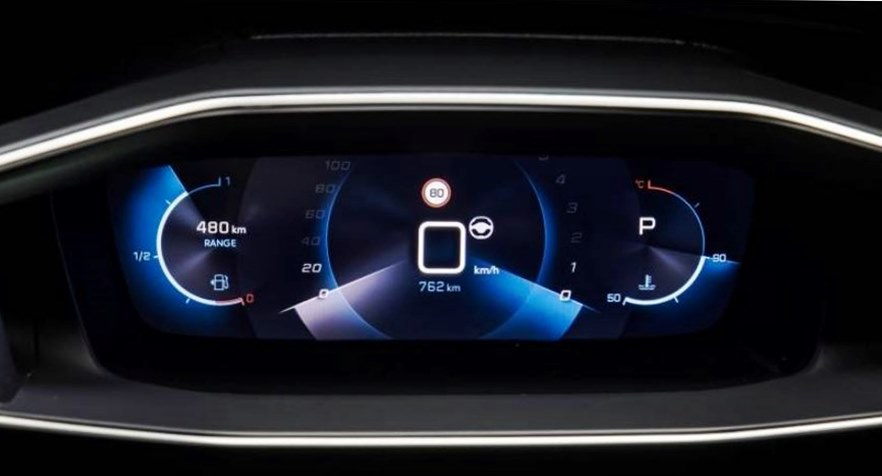
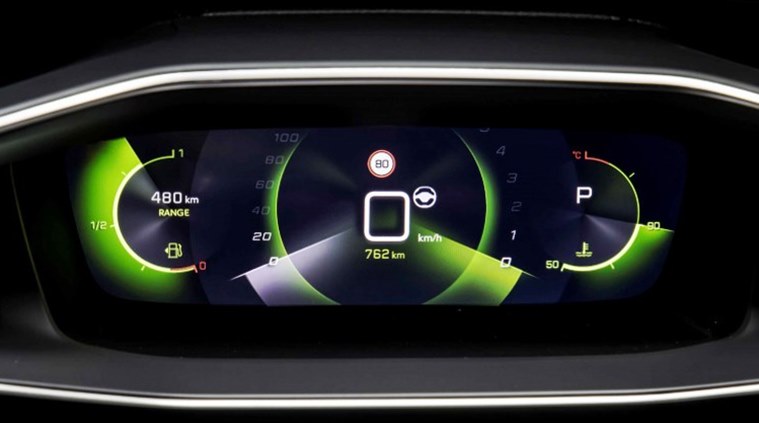
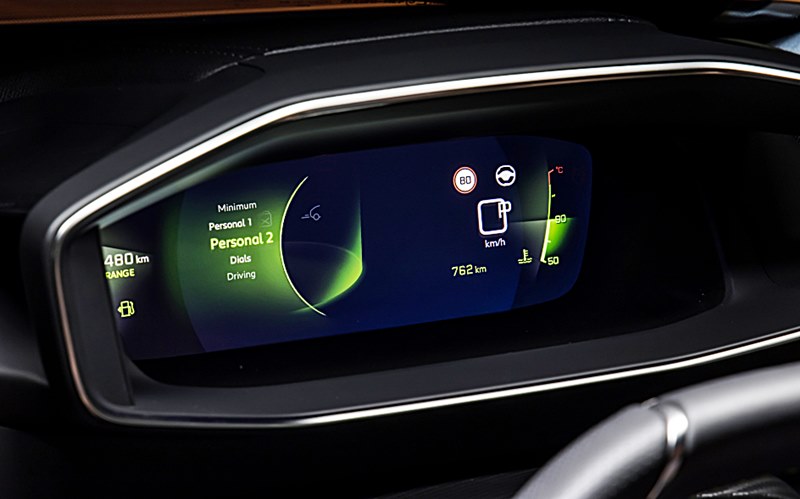
Over in the driver’s area, the instrument panel uses a 7-inch TFT display which is clear and sharp in all lighting conditions. As before, there are steering wheel mounted switches for making adjustments and calls without taking the hands off the steering wheel or looking away from the road ahead. With the Civic RS and 1.5V, paddle shifters are also provided for manually changing CVT ‘gears’.

2022 Honda Civic 11th generation

The driver can choose from 3 driving modes to suit personal preference or driving conditions.

Seats look like, well, seats and unless you study the construction in detail, you won’t see any difference. However, there are improvements in the seat design to give better support and reduce tiredness on long drives. The seat frame has been designed so that the body posture is better and for the drivers in the RS and 1.5V, 8-way power adjustments make it easy to get the ideal position.

For convenience, there is Remote Start available (1.5V and RS) which allows starting the engine from a distance so that the air-conditioner can start running to cool down the interior. The doors will also automatic lock after you have left the car and walked 2 metres away or after 30 seconds.

Like other manufacturers, Honda also has its own suite of active safety systems where a number of different systems work together to help the driver avoid an accident or if it cannot be avoided, to reduce the damaging or injurious effects. In the 10th generation Civic, these systems integrated as Honda SENSING captured data for analysis using a single-lens camera and a millimetre-wave radar which scanned the road ahead.

For the 11th generation, the radar is no longer used and instead, there is a new camera system with a wider field of view (100 degrees, double the width of the previous camera). Where the radar was used to measure the distance to a vehicle ahead, this function can now be done by the camera. Honda engineers are confident that the camera system is better than the previous camera/radar system, even in bad weather conditions. Of course, the driver always needs to be aware that the camera’s view can be obscured in very heavy rain so in such situations, care should be taken rather than rely on Honda SENSING.

The system has automatic emergency braking capability, adaptive cruise control which works right to standstill (and resumes automatically), automatic headlight adjustment between high and low beams, lane and road departure detection and warning as well as keeping the car within its lane. Newly added to Honda SENSING is a feature that alerts the driver when the stopped car ahead moves off. How useful this feature is remains to be seen although it might help in congested conditions where drivers will be reminded to move on when the car ahead has departed from its spot.

With the RS and 1.5V, there is also the Honda LaneWATCH system which is a blindspot monitoring system for the left side of the car. This uses a camera mounted on the door mirror which provides an image along the side of the car. The image is shown on the centre display panel whenever the left signal is activated and the driver can know if there is another car or motorcycle coming up along the side. It’s a noteworthy feature as it reduces the amount of turning the head has to do, compared to having to look for a flashing icon on the mirror (as with other systems).

Honda LaneWATCH system provides a view along the left side of the car.

The new Civic is also set up for Honda CONNECT, the third model in Malaysia to have this telematics technology. Using a smartphone, the owner can view information on the vehicle as well as use remote and security applications. The system also has vehicle tracking which is useful if it is stolen as support services will be able to locate it and inform relevant authorities to recover it.

The new Civic is now in all authorized Honda showrooms nationwide for viewing or test-drives. To locate a showroom in Malaysia, visit www.honda.com.my.

2022 Honda Civic 11th generation

New Honda Civic gets top safety rating from ASEAN NCAP (w/VIDEO)

‘Range anxiety’ is a concern of those who drive battery electric vehicles (BEVs), which run only on electricity. Unlike vehicles with conventional petrol or diesel engines that can be refuelled at the thousands of stations around the country, a BEV requires a charging station to ‘refuel’ its battery pack with electricity. At this time, the network of charging stations is still being developed so there are not many (around 500) and most are in urban areas, especially in the Klang Valley.

Thus, for the owner of a BEV, going long-distance is something which sounds risky as you might run out of electricity in the battery pack and get stranded somewhere remote. Fortunately, battery technology is advancing all the time and battery capacities are increasing while BEV technologies are also increasing the distance that can be travelled. But still, range anxiety will be at the back of the motorist’s mind until such time when the network of charging station is visibly extensive and people know they are not far from a station.

Shell, together with Porsche Asia Pacific, have collaborated to set up a high-performance charging (HPC) infrastructure EV network along the North-South Expressway. This is a first in Southeast Asia and Shell’s first cross-country EV infrastructure in the region, enabling BEV owners to drive from Singapore up the west coast of Peninsular Malaysia to Penang and on to Thailand.

The establishment of this network is timely as the government is also promoting the use of BEVs. By allowing them to be imported and sold duty-free (and also exempting them from roadtax), it is hoped that adoption of BEVs will be faster. This means that the charging station infrastructure will need to grow quickly and this Shell/Porsche Asia Pacific initiative will contribute towards it.

The HPC network will have a total of 12 charging stations at 6 Shell stations along the North-South Expressway, two stations located in each of the states of Johor, Negri Sembilan and Perak. Porsche owners passing through Selangor will also be able to use the charging station at Porsche Malaysia’s showrooms at Sime Darby Auto Performance (SDAP) in Sime Darby Motors City in Ara Damansara and Sg. Besi (Kuala Lumpur). After Perak, they can use a charging station at a SDAP showroom in Penang.

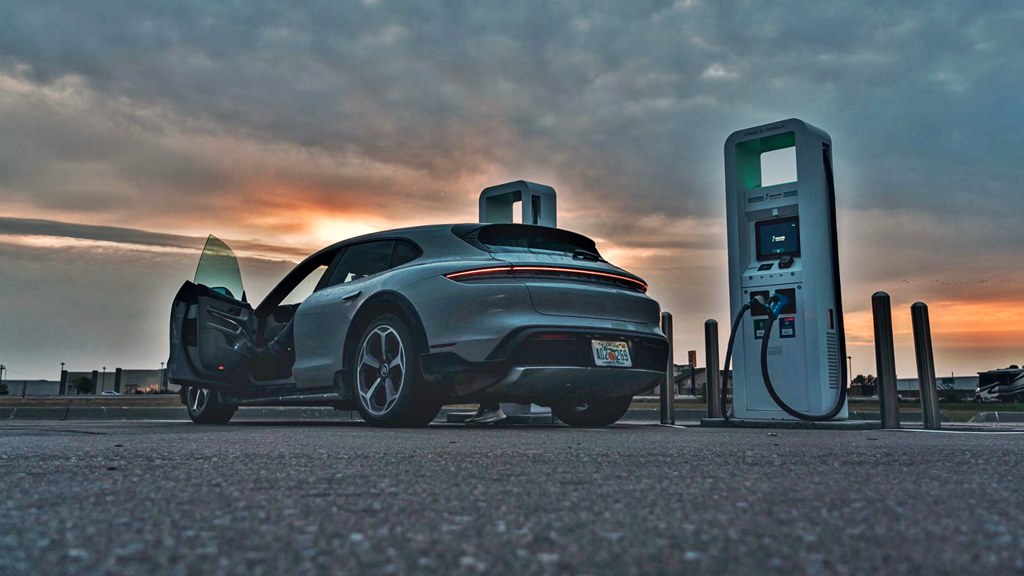
The first HPC station located a Shell station near Tangkak, Johor, began operations today and will be followed by 12 stations at 6 Shell stations strategically located along the North-South Expressway. All the charging stations will have 180kW high-performance chargers which are capable of charging BEVs at super-fast speeds. This helps partially address the issue of long recharging times and in the case of the Porsche Taycan, a completely empty battery pack can be recharged to 80% capacity in around 30 minutes. This will provide a range of up to 390 kms although, like a combustion engine vehicle, the distance depends on driving conditions.
While HPC and its short recharging time is great, not all BEVs might be able to use it if they are not designed for DC rapid-charging systems. The newer models in the market will be designed with this capability but some of the older ones might not. Then there is also the issue of different charging connectors as the industry has not yet come to a common type. It would be nice if all BEVs had the same common connector like all computers have USB ports that are identical.

Although, for now, there may be places where BEV owners can just plug in their vehicle’s cable and get electricity without paying, it is still energy that has a cost and recharging will be just like refuelling petrol or diesel. With Shell’s Recharge HPC network, there is the option of a pay-per-use service or an exclusive membership plan by making reservations via an online booking app (ParkEasy).

The charges (shown in the chart below) start from RM20 or RM12 for every 5 minutes in the first 25 minutes of charging, depending on whether it is a pay-per-use service or with a subscription which costs RM835 a year. Those who buy a Taycan get a complimentary 3-year subscription with special benefits but still have to pay for their electricity at a rate of RM10 for 5 minutes during the first 25 minutes. There’s also a RM4 fee for each charging session.
How long a vehicle is recharged depends on the owner’s preference although it is unlikely that recharging will be from zero. Quite likely, the battery pack will be ‘topped up’ along the way to keep its capacity maximised. In this case, the charging time might not be long so the cost will not be high. Anyway, there are the Shell SELECT stores at the stations where drinks and snacks are available while waiting.

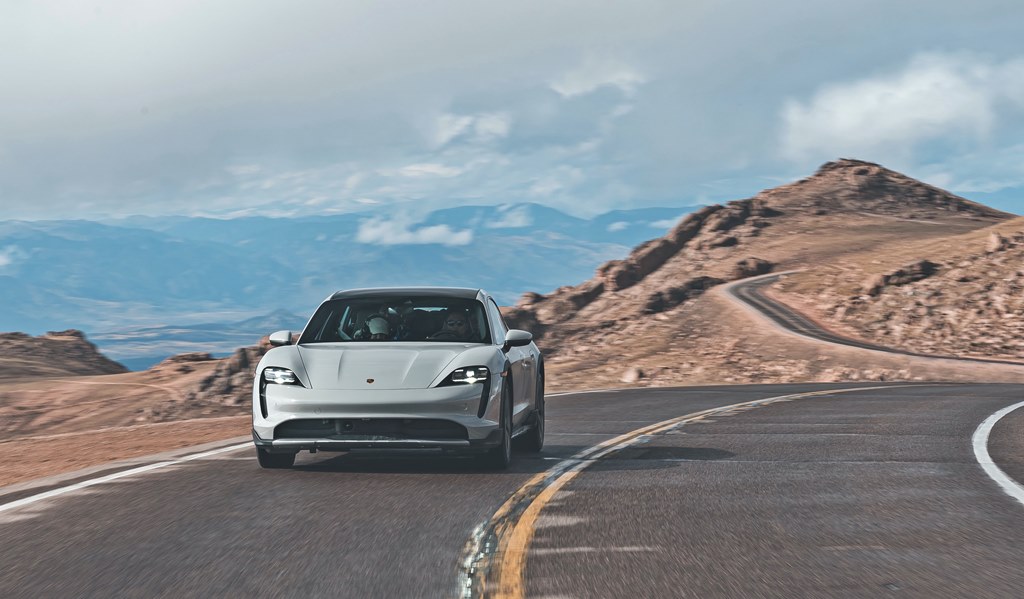
2020 Porsche Taycan
Those who purchase a Taycan (which is now available tax-free in Malaysia) will get a 3-year complimentary subscription to use the Shell Recharge HPC network at special rates as well as enjoy additional privileges.

Porsche Taycan Driven by Karamjit Singh – Behind The Scenes Story

Every little bit helps and although the cost of repairing flood-damaged vehicles will run into the tens of thousands of ringgit, the RM1,000 Keluarga Malaysia Automotive Discount Voucher initiative arranged by the government for affected vehicle owners will still save RM1,000. The ‘voucher’ is basically a discount given so no application is needed and vehicle owners just need to state they are using the ‘voucher’ when their vehicles are being repaired.

There is a condition though – to be entitled to the assistance, the vehicle must be repaired only at authorized service centres of 19 car companies, which have a combined total of over 1,000 outlets around the country. The RM1,000 discount will be available only up to March 31, 2022.

The companies participating in the relief program handle most of the brands in the market, They are: Perodua; Proton; Edaran Tan Chong Motor/Tan Chong Auto Expres Servis (Nissan); Honda Malaysia; UMW Toyota Motor; Mitsubishi Motors Malaysia; Sime Darby Motor Group (Ford, Hyundai and others); Volkswagen Passenger Cars Malaysia; Bermaz Motor (Mazda), Dinamikjaya Motors (Kia); Berjaya Auto Alliance (Peugeot); Mercedes-Benz Malaysia; TC Euro Cars (Renault); BMW Group Malaysia (including MINI); TC Subaru; and Volvo Car Malaysia.

Besides this RM1,000 individual companies are also offering discounts for labour and selected parts, towing services and other forms of assistance to ease the financial burden of those affected by the floods. Perodua, for example, is offering up to 50% discount on selected parts as well as covering towing service charges up to a maximum of RM300 to the nearest Perodua service outlets (terms and conditions apply). Those who are covered by Perodua Total Protect Plus (PTPP) can obtain the towing services free of charge.

“Over 1,987 Perodua vehicles have been towed to Perodua’s 200 service centres located across Malaysia for evaluation and so far, 323 units have been repaired,” said Perodua President & CEO,  Dato’ Zainal Abidin Ahmad

“In fact, we have dedicated a flood repair hub in Shah Alam just to repair and restore Perodua vehicles that were damaged due to the recent flood. Our immediate goal is to repair the flood damaged vehicles as quickly as possible as we understand that our customers truly need their Perodua vehicle for their day-to-day needs,” he added.

Government and private sectors offer various forms of assistance to ease burden for flood-affected victims


BHPetrol RON95 Euro4M

In 2016, the 10th generation of the Honda Civic won the North American Car of the Year title and in 2022, its successor has again been picked by the jury of automotive journalists. This is the third time for the model which is the most popular compact car in America, with the first time being in 2006 with the 8th generation. Add the Accord in 2018, and the Ridgeline which was picked as the North American Truck of the Year in 2017, and Honda has collected five titles to date.

The North American Car, Utility and Truck of the Year awards honour excellence in innovation, design, safety features, performance, technology, driver satisfaction and value. Initiated in 1994, they are judged by 50 professional automotive journalists from the USA and Canada who work for independent magazines, television, radio, newspapers and industry websites.
“The Honda Civic has long set the standard by which other compact cars are measured and this all-new Civic raised that bar in every conceivable way,” said Michael Kistemaker, Assistant Vice-President of Honda national sales, American Honda Motor Co., Inc. “We’re especially proud for the Civic development team in Japan and our production associates at our plants in Greensburg, Indiana and Alliston, Ontario where the 2022 Civic Sedan, Hatchback and Si are built.”

Redesigned from the ground-up, the all-new Honda Civic has a more rigid body structure, an advanced and enhanced chassis wrapped in a more sophisticated, sleek and sporty design with top class interior space and comfort. The drivetrain options include a high-torque VTEC Turbo engine and a host of new standard safety, driver-assistive and connected-car technologies.
Interior of US version of new Civic.

Last October, the 11th generation Civic was also recognized by WardsAuto in the categories for Wards 10 Best Interiors and Wards 10 Best User Experience for 2021. Inspired by the classic human-centered designs of early Honda vehicles, the brand’s new interior design direction – applied in the new Civic – helps enhance the driving experience by eliminating complexity and advancing the user experience through thoughtful and pleasing design elements.
The design philosophy features a renewed focus on Honda’s classic “Man Maximum/Machine Minimum” (M/M) approach that maximizes cabin space, while minimizing space required for mechanical components. Inside, the M/M approach results in a very simple, clean and modern take on classic Civic values. By evoking the uncluttered cabin design of early generations of the model, the new model’s interior has exceptional visibility, intuitive ergonomics, generous passenger volume and driver-focused technology.
Right model, right time
The Civic, in its first generation, was one of the models that boosted the popularity of Japanese cars in America when it appeared in the early 1970s. It arrived at a time when the country was going through an energy and air quality crisis, and besides its compact size, the innovative fuel-efficient CVCC engine was also able to meet the newly-introduced exhaust emission standards without the need for a catalytic converter.

Form then on, Honda (already the leader in the motorcycle market) became increasingly popular in what was then the world’s largest car market. To date, Honda has produced nearly 11 million Civics in North America (more than 5 million in the USA), representing nearly 30% of the brand’s vehicle production in the region.

Coming to Malaysia this week
The 11th generation Civic will also be launched in Malaysia tomorrow (Thursday, January 13) and the locally-assembled line-up will include a RS version with a 182 ps/240 Nm VTEC 1.5-litre turbocharged 4-cylinder engine. For more information, visit www.honda.com.my or authorized Honda showrooms in Malaysia.

New Honda Civic Driven in Malaysia: What’s It Like and Should You Buy It?

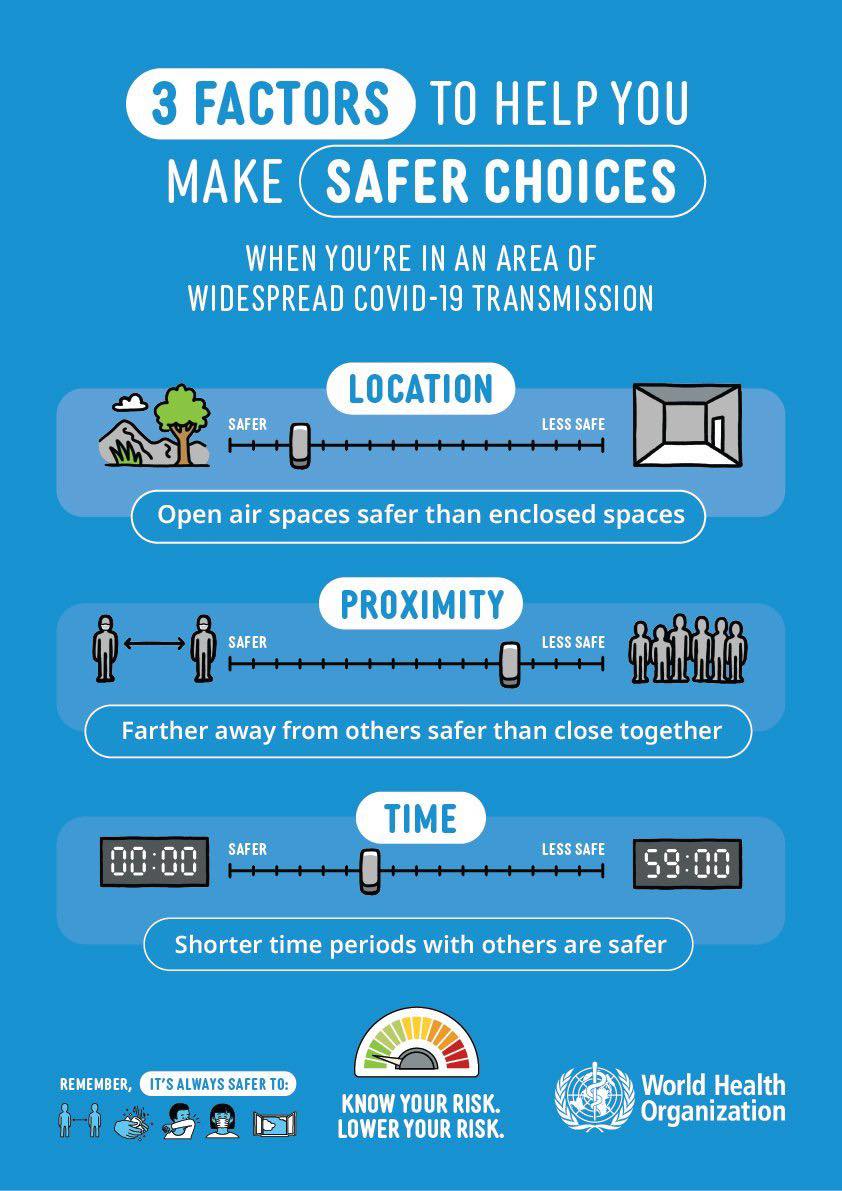
Vaccination does not make you immune to COVID-19 infection. You can still get infected, and although you may not show symptoms, you could spread the coronavirus to others. Do not stop taking protective measures such as wearing a facemask, washing hands frequently and social distancing.

Toyota hybrids aren’t new in Malaysia and although the early ones were not sold here, there was a short period about 10 years ago when UMW Toyota Motor imported the third generation of the Prius (the first mass-produced hybrid car in the world) as well as the smaller Prius c and also the Lexus CT200h. During that period, the government had allowed hybrids and EVs to be sold duty-free, so they were priced attractively. After the government stopped the duty exemption, the prices went up again due to high import duties as well as the higher cost of hybrids, and demand for hybrids fell.

Now, as there is an increasing need to address climate change, especially global warming, carmakers like Toyota are using various approaches to ensure that ‘no customer is left behind‘. Toyota recognises that different countries and different regions may be at different stages of development with regards to the infrastructure to support electrified vehicles. In the more advanced regions like Europe, Japan and North America as well as China, the network of recharging stations is extensive so owners of electric vehicles can easily find a place to recharge their vehicle.

In Malaysia, while the government has just started to give support to promoting fully electric vehicles, the infrastructure is not yet developed enough. There are only around 400 recharging stations in the country at this time and most are are the bigger cities and towns. In view of this, UMW Toyota Motor has taken the position that hybrids are a better approach for now as they do not require the infrastructure since they are self-charging. And besides, there are around 3,700 petrol stations all over the country so refuelling is easy enough.

Owners of hybrid vehicles can travel as far as those with vehicles using petrol or diesel combustion engines, and have no fear of running out of ‘fuel’ in the battery pack. The hybrid system thus offers the benefits of electric drive without the issues of recharging and ‘range anxiety’ where the motorist has to worry if he or she can find a place to recharge – not to mention the fact that recharging is not as fast as refuelling petrol.

To increase the usage of hybrids, UMW Toyota Motor has therefore decided to assemble some models in Malaysia at its own plant. The first of these is the Corolla Cross Hybrid which will be launched this week with a price of around RM137,000. It is the first Toyota hybrid model assembled in Malaysia and also the first model with the Toyota New Global Architecture (TNGA) that is assembled locally. Besides the 5-year/unlimited mileage warranty, there is also a separate warranty on the battery pack that is 8 years long (with the option of extending to 10 years). Unlike other battery warranties, the warranty for the Corolla Cross Hybrid covers a few additional hybrid-related components as well. So those who have had concerns about the high cost of replacement if there is a problem can have peace of mind.

We’ve driven the Corolla Cross Hybrid from the Klang Valley to Ipoh and then Penang and back and we have first impressions to share with you in this video.

To know more about the Corolla Cross Hybrid, visit www.toyota.com.my.

5,586 cars in a whole year might not sound like a particularly big number but for Rolls-Royce Motor Cars, it’s a number that has never been recorded in the company’s 117-year history. While being at the topmost segment of the market does mean that the number of customers is significantly smaller, it also shows that demand for Rolls-Royce cars has grown in an unprecedented way globally.

2021 was another year of the COVID-19 pandemic and businesses worldwide were impacted, the auto industry not escaping as well. Yet Rolls-Royce was able to deliver 49% more cars than in 2020, with all-time record sales in most regions, including Greater China, the Americas and Asia-Pacific, and in multiple countries worldwide.

2021 Rolls-Royce Black Badge Ghost

The phenomenal year was due to have an extremely strong product portfolio, supported by the continuing record demand for Bespoke personalisation. It was also the first full year of availability of the Ghost, with the launch of the Black Badge Ghost (pictured above).

The growth was, in fact, driven principally by the Ghost, with demand surging further when the launch of Black Badge Ghost in October. This, together with the continuing demand for the Cullinan SUV and the marque’s pinnacle product, the Phantom, saw order books are full well into the third quarter of 2022. The company’s Provenance (pre-owned) programme also enjoyed exceptional sales results in 2021, achieving an all-time record.

Rolls-Royce Cullinan

Not surprisingly, almost all customers make use of Bespoke services which remained at record levels. During the year, Rolls-Royce  revealed individual examples such as the Phantom Oribe co-created with Hermes, alongside the Phantom Tempus, and Black Badge Wraith and Black Badge Dawn Landspeed Collection cars. The company signalled its commitment to leading a new contemporary coachbuilding movement with Rolls‑Royce Coachbuild becoming a permanent fixture in its future portfolio and, with it, the unveiling of its latest coachbuilt masterpiece, the Boat Tail (shown below).

2021 Rolls-Royce Boat Tail

Just as Rolls-Royce eventually added an SUV to its range, it will also have a fully electric car in the market as soon as the fourth quarter of 2023. That’s just about 22 months away and as with the Cullinan, the first all-electric Rolls-Royce – the be known as the Spectre – is undergoing the most punishing testing protocol ever conceived for a model of the marque. Prototypes will clock a total of 2.5 million kilometres in all four corners of the world, simulating more than 400 years of use for a Rolls‑Royce.

One of the very few official images of the first all-electric Rolls-Royce, available from the fourth quarter of 2023.

Reflecting on the results, CEO Torsten Muller-Otvos said: “This has been a truly historic year for Rolls-Royce Motor Cars. In the past 12 months, we have recorded our highest-ever annual sales, launched the latest addition to our Black Badge family, stunned the world with our coachbuilding capabilities and made huge strides into our all-electric future.”

“While preparations are made for the marque’s all-electric future, Rolls-Royce continues to meet the surge in demand for its current portfolio through a flexible manufacturing process and the dedication of the over 2,000 people who work at the Home of Rolls-Royce in Goodwood, West Sussex and around the world. The Rolls-Royce factory at Goodwood is currently running at near-maximum capacity, on a two-shift pattern to fulfil orders from clients around the world,” he added.

Leading every Rolls-Royce for 110 years – the Spirit of Ecstasy

Archive

Follow us on Facebook

Follow us on YouTube