Piston.my

English

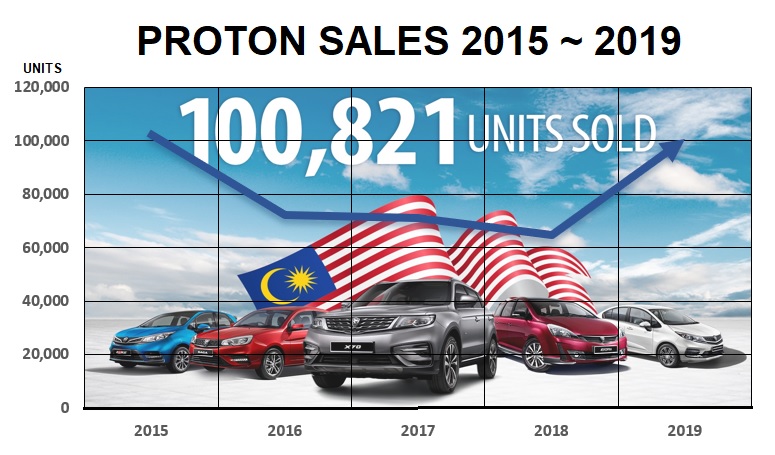
Since 2015, the total annual sales of Proton vehicles have been below 100,000 units but 2019 saw it cross the 100,000 mark again to record a total sales volume of 100,821 units (including exports). The achievement was helped by a boost in December which were the highest for the whole of 2019 – 11,117 units which was 112% over the corresponding month in 2018 and also the first time the carmaker has sold more than 11,000 cars in a month since July 2014.

While the December sales number is equivalent to a 20.5% share of the anticipated Total Industry Volume (TIV) for the month (pending release of official data by the Malaysian Automotive Association), the final number represents an increase of 55.7% over 2018’s TIV. Proton believes it achieved the strongest sales growth among the top 5 brands in Malaysia in 2019, with overall market share estimated to be at 16.7%.
Proton sales 2015 ~ 2019
NB: 2019 sales include exports.

Proton X70

Segment leaders
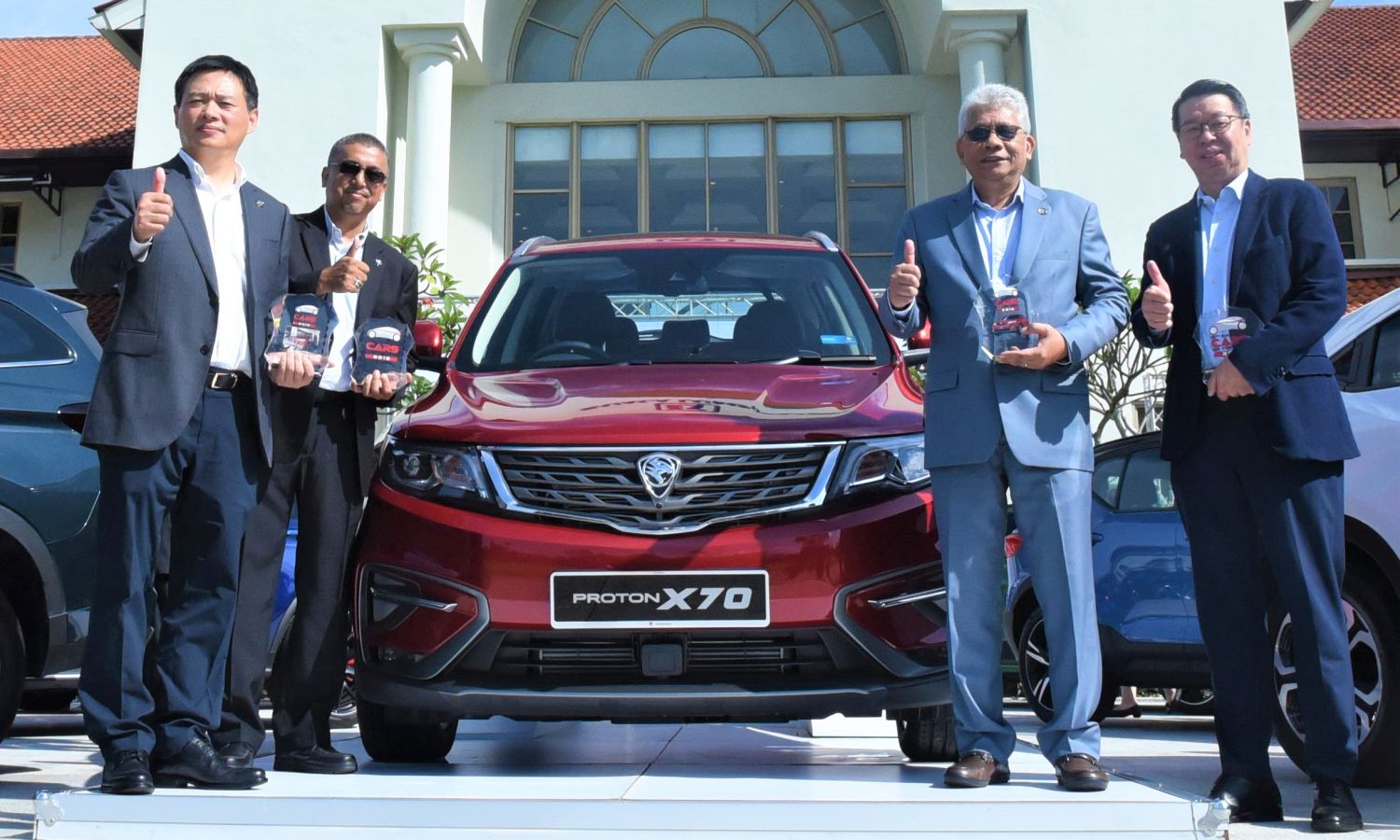
According to a statement by the company this afternoon, Proton’s sales growth was powered by the X70 SUV, along with double-digit percentage increases in sales for the 4 updated models it launched in 2019. The X70 began its first full year of sales strongly and was the fastest-selling SUV in its class. It maintained its position at the head of its segment for the entire year and ended 2019 with a total of 26,331 units sold, which Proton says makes it the leader within its segment.

Meanwhile, sales of the Saga continued on an upward trajectory after appearing in showrooms on August 6. In December, 3,892 units of the youngest model in Proton’s current range – and also the brand’s oldest nameplate – were registered nationwide, a number which Proton says makes it the most popular A-segment sedan. Total sales for 2019 closed at 38,144 units, equivalent to a 36% increase in volume.
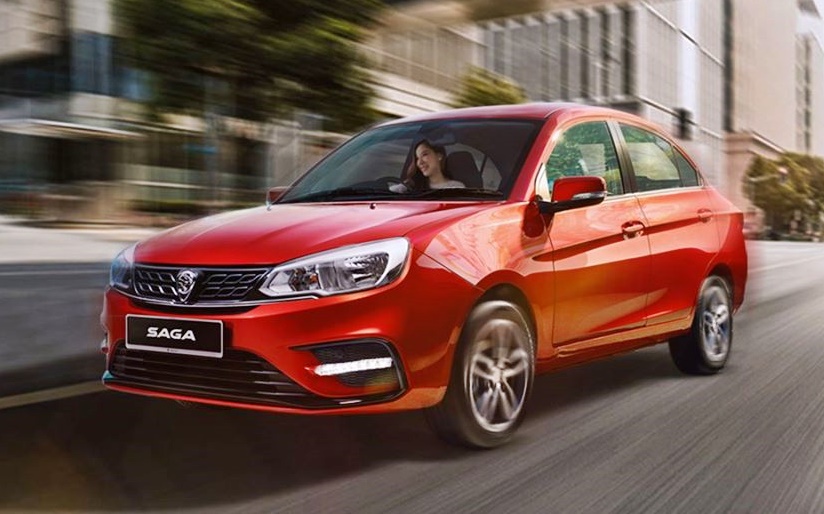
2019 Proton Saga

Unfortunately, comparisons of official data will not be possible for another 12 months since the powerful Competition Commission will not allow the transparency of data being published that allows the public to verify such information.

The Persona ended the month with 3,384 units sold, the highest for the model since March 2012 and presumed to be the leader in its segment. Despite a few low months before the improved 2019 model was released, the total sales volume still grew by 29% to 21,876 units for the year.
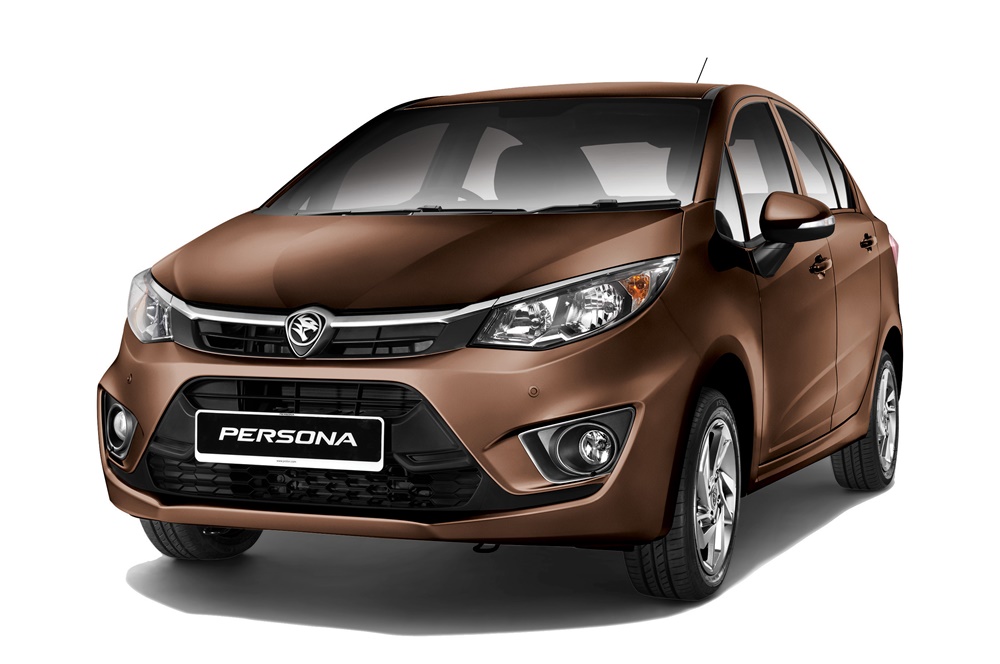
Proton Persona

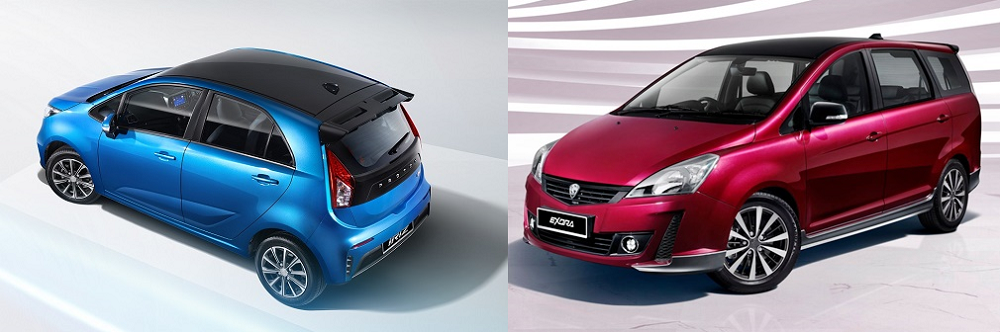
Proton Iriz and Exora
Sales for the Iriz (left) nearly doubled during 2019 and grew by 97% following the launch of the updated 2019 model in April. The Exora, which has been around for over 10 years, soldiers on and remains a popular choice for those requiring an affordable 7-seater MPV.

Major contributions by X70 and Saga
“The Proton X70 and the Proton Saga are two major ingredients to Proton’s sales success this year. We are humbled by the popularity of the Proton X70 and would like to say a big ‘Thank You’ to all our customers for their support, despite it being a brand new market segment for the company. As for the Saga, with over 41,000 bookings and counting, it remains as our core product and is a popular choice regardless of a buyer’s age, status and purchasing power, making it a car for all Malaysians,” Dr Li Chunrong, Chief Executive Officer of Proton said.

“While sales of the Persona were very strong following the launch of the updated model, the numbers posted in December show many are becoming increasingly aware of the outstanding features, practicality and value we offer in our family sedan. Proton is confident of maintaining these numbers in 2020, so the company has at least three sales leaders in their respective segments,” he added.
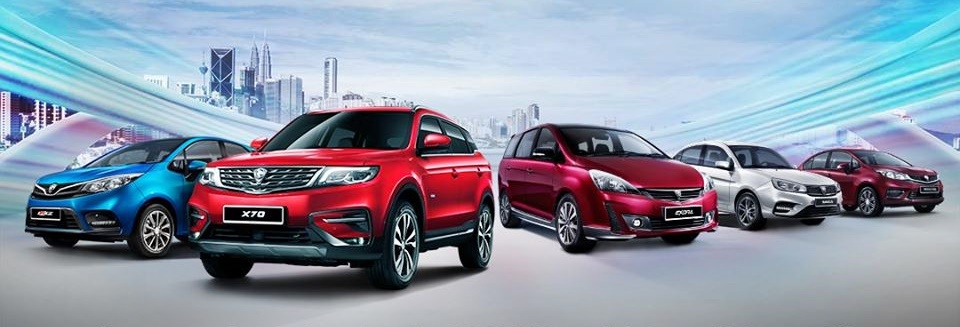

Proton range 2019

Proton to explore e-commerce platforms to expand reach

PISTON.MY

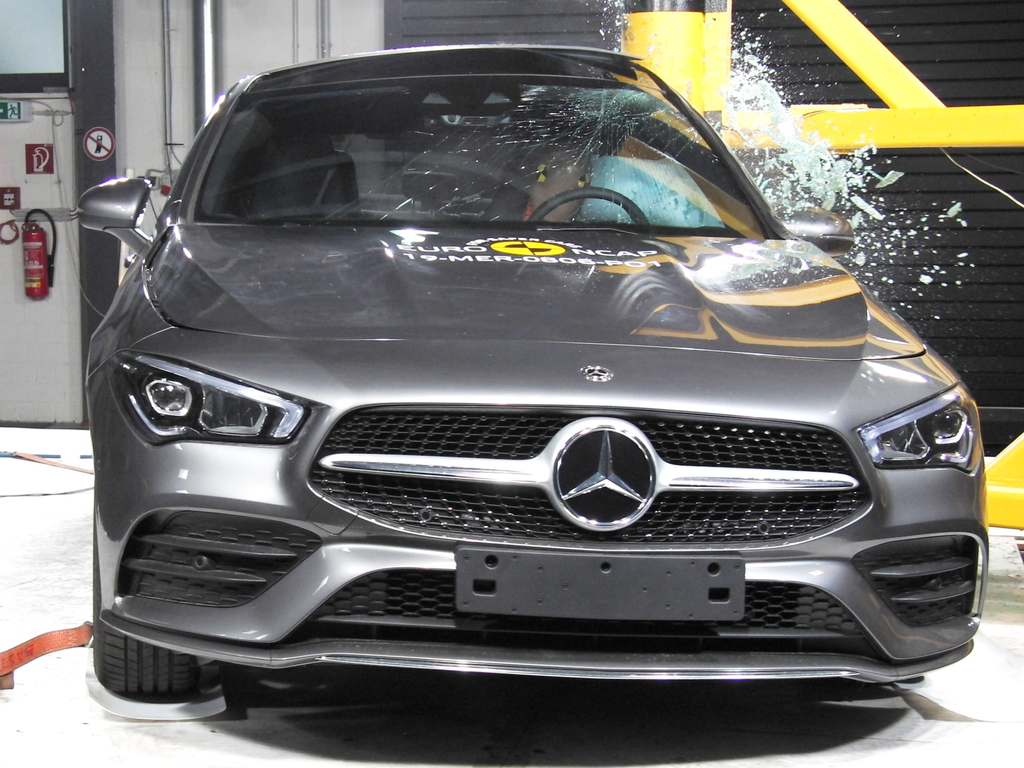
The top performing vehicles tested by ANCAP, Australasia’s independent vehicle safety authority, in 2019 were the Mercedes-Benz CLA-Class, Tesla Model X and Tesla Model 3. The Mercedes-Benz achieved an overall weighted score of 90.2%, a 5-star rating, and performed exceptionally well in the areas of Child Occupant Protection (92%) and Vulnerable Road User Protection (91%) where it achieved the highest scores of all vehicles rated during the year.

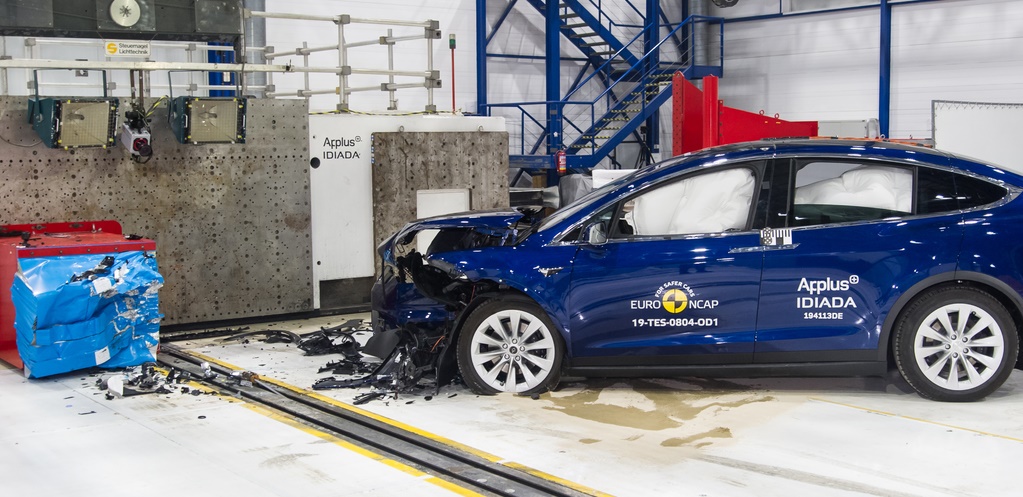
Following a close second for the year was the Tesla Model X, a large SUV, with an overall score of 89.6%. The Model X received a record-equalling high score of 98% for Adult Occupant Protection, with full points awarded for the protection of the driver in all four of the full-scale crash tests – frontal offset, full-width, side impact, and oblique pole.

Tesla
Tesla Model X after frontal collision test

Rounding out the Top 3 for 2019 was the Tesla Model 3 with an overall score of 89.4%. Both the Model 3 and Model X achieved the highest Safety Assist scores recorded to date at 94% – well ahead of all others rated in 2019.

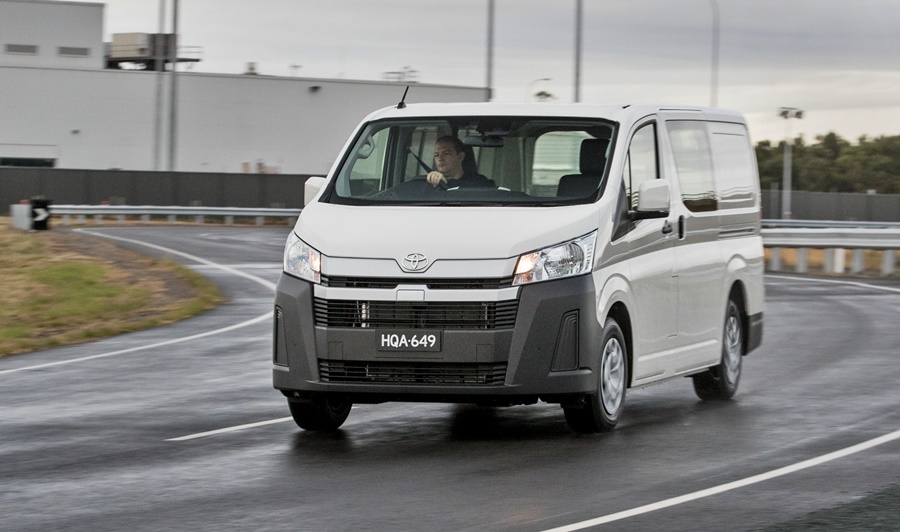
Worthy of a notable mention is the latest Toyota Hiace – the first commercial van to be assessed and perform exceptionally well against the stringent 2019 criteria. It achieved scores of 94% for Adult Occupant Protection, 88% for Child Occupant Protection, 84% for Vulnerable Road User Protection and 77% for Safety Assist.

2019 Toyota Hiace
The latest Toyota Hiace sold in the Australian market.

Of the 40 ANCAP safety ratings issued throughout 2019, 33 (83%) achieved the market-driven 5-star result which is the maximum score. It should be noted that all the vehicles tested by ANCAP were models sold in the Australian market with specifications and features that meet legal and safety requirements there. They may not be the same as models sold in other countries.

Top performers by vehicle category:
LIGHT CAR: Audi A1 (86.6%)
SMALL CAR: Mazda 3 (88.4%)
MEDIUM CAR: Mercedes-Benz CLA (90.2%)
LARGE CAR: Audi A7 (86.0%)
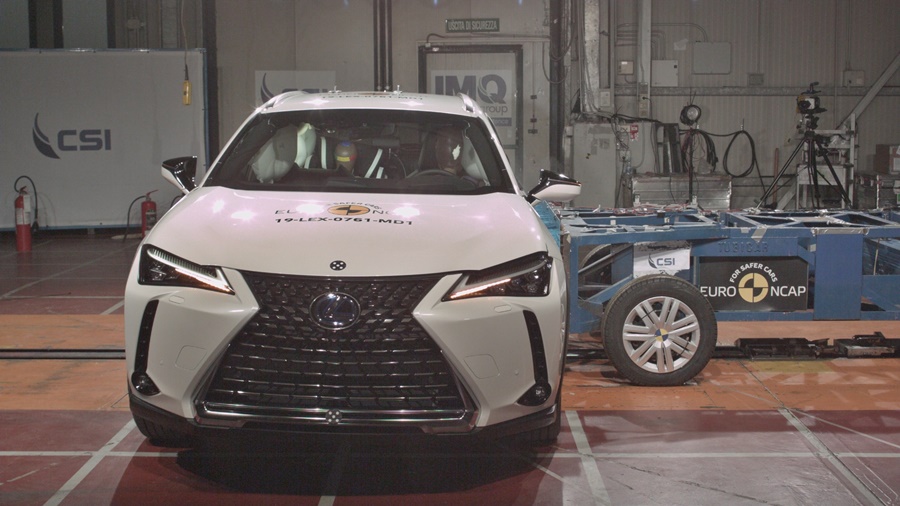
SMALL SUV: Lexus UX (89.0%)
MEDIUM SUV: Toyota RAV4 (88.6%)
LARGE SUV: Tesla Model X (89.6%)
UTILITY: Toyota Hilux (89.0%)
VAN: Toyota HiAce (87.4%)
PEOPLE-MOVER: Toyota Granvia (87.8%)

Lexus UX
Lexus UX in side crash test

ANCAP is among the New Car Assessment Programs (NCAPs), or test programs established around the world to promote safer vehicle choices for consumers. Other test programs are located in, and cover the markets of Europe, the USA, Japan, Korea, China, Latin America, India, with ASEAN NCAP focussing on models sold in South East Asia.

ASEAN NCAP’s efforts recognised at 2019 Prince Michael International Road Safety Awards

PISTON.MY

Even beyond the realms of Porsche, Jacky Ickx is one of the greatest sportscar drivers to have ever lived. But to the close-knit community of engineers and racers who worked with him in the carmaker’s facility in Weissach, Germany, for the best part of a decade, he is a true icon.

To celebrate the Belgian maestro’s 75th birthday, and his invaluable contribution to Porsche’s sporting success through the 1970s and 1980s, the decision was taken to create a limited edition 911 in Ickx’s honour. The initiative for this came from the Belgian Porsche importer ‘D’ieteren’.

The Belgian Legend Edition is strictly limited to just 75 units, one for each year since Ickx’s birth, and will only be available in Belgium.

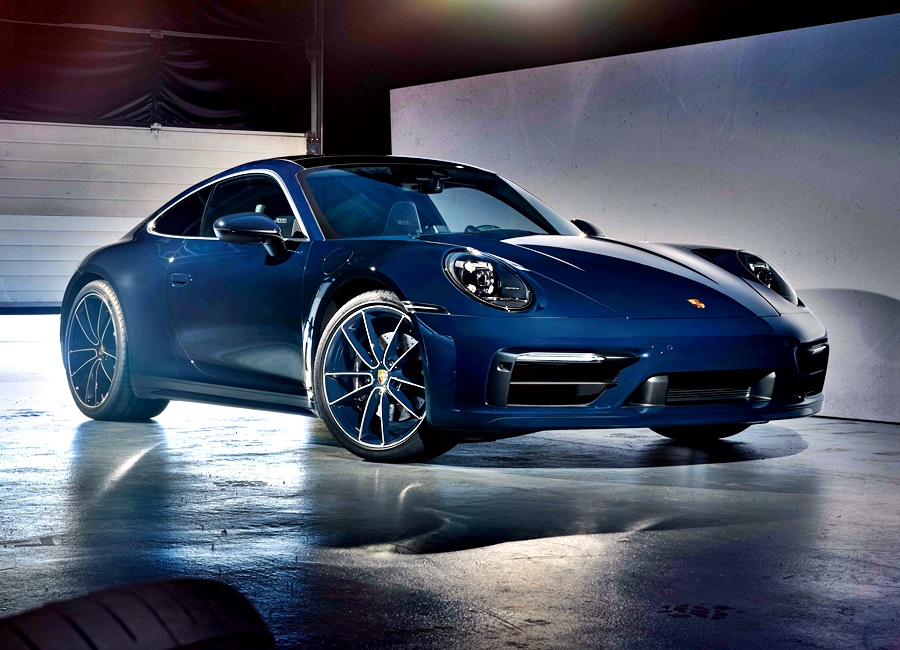
2020 Porsche Belgian Legend Edition 992

First special edition of the new 992
The idea took shape in 2018 with the arrival of the all-new 992. This would be the first special edition of the new model, turning to the talents of Porsche Exclusive Manufaktur to produce a unique creation that paid fitting homage to one of sportscar racing’s greatest talents. Experts from Style Porsche and the Belgian Porsche importer D’Ieteren also played a role in designing the latest Legend Edition.

2020 Porsche Belgian Legend Edition 992
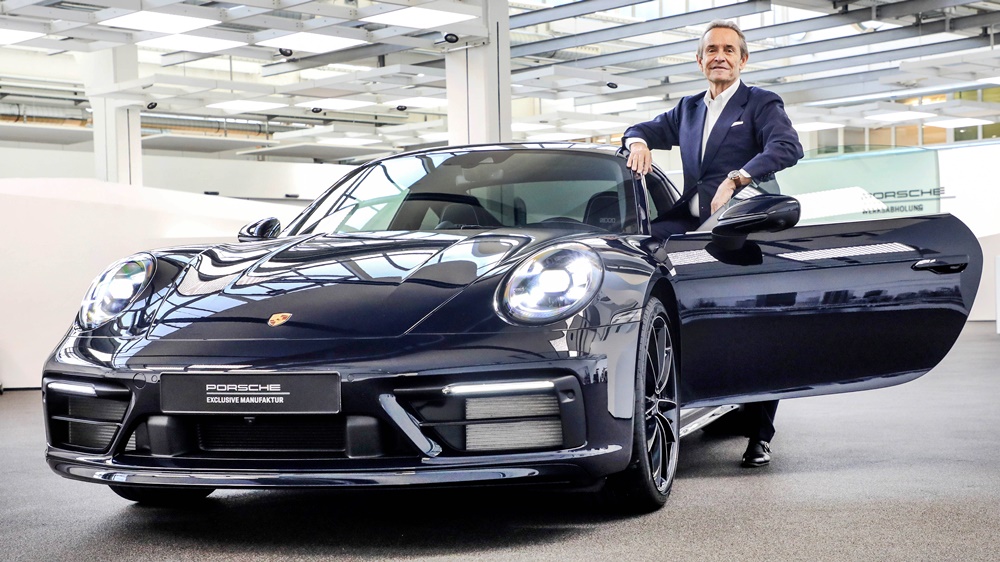
Jacky Ickx, one of sportscar racing’s greatest talents, and the 2020 Porsche Belgian Legend Edition created to honour him.

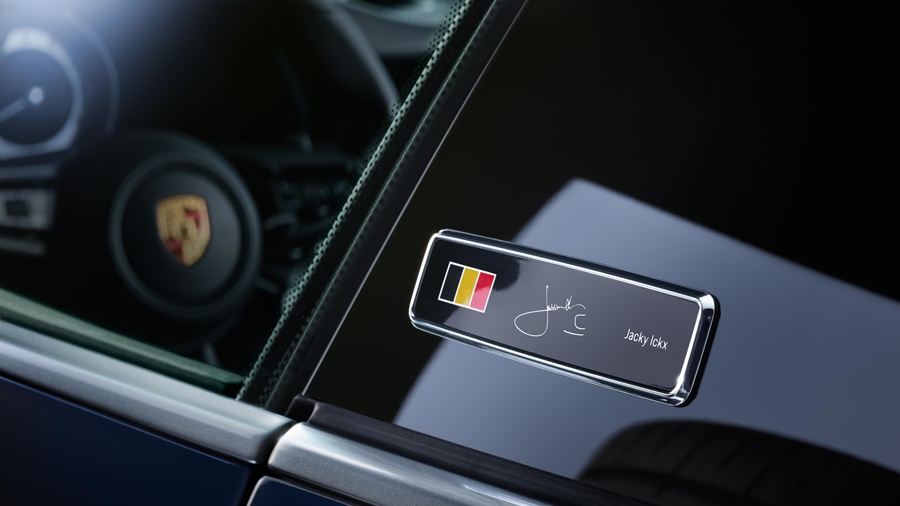
The decision was made to base the design around Ickx’s trademark blue and white helmet. The car, a 911 Carrera 4S, was therefore finished in a bespoke ‘X Blue’, making this the first 992 to receive Porsche’s coveted Paint To Sample. A badge showing the Belgian flag and Jacky Ickx’s signature on the driver-side B-pillar takes the driver designation already famous in the world of motorsport.

This unique colour has also made its way onto the 20/21-inch Carrera Classic wheels. Offset by subtle white accents, they provide another reference to Ickx’s helmet, which traditionally features a fine white line around the visor. This detail required the use of advanced laser engraving by Porsche Exclusive Manufaktur.

2020 Porsche Belgian Legend Edition 992

Unique interior features
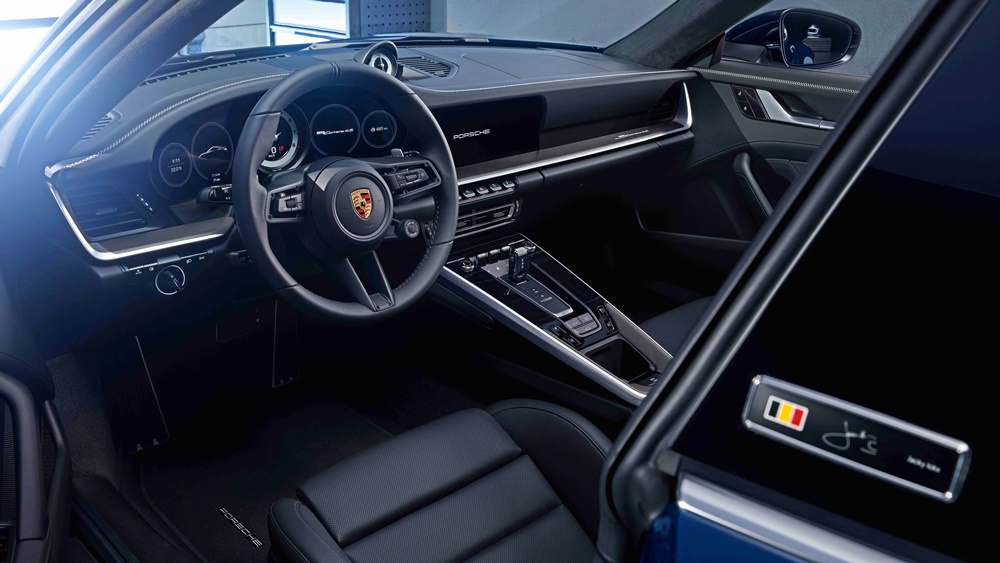
The cabin is trimmed in black leather with Pebble Grey cross stitching on the dashboard, door panel and rear trim, all of which was painstakingly finished by hand. The ‘X’ shape of the stitching was chosen as another subtle reference to the man of the moment.

2020 Porsche Belgian Legend Edition 992

2020 Porsche Belgian Legend Edition 992

Other unique interior features include Pebble Grey piping on the 18-way Sports seats and ‘911’ lettering on the headrests, something that is not available on standard Carrera 4S models. The seat backs are also finished in leather – another unique detail of this new Legend Edition.

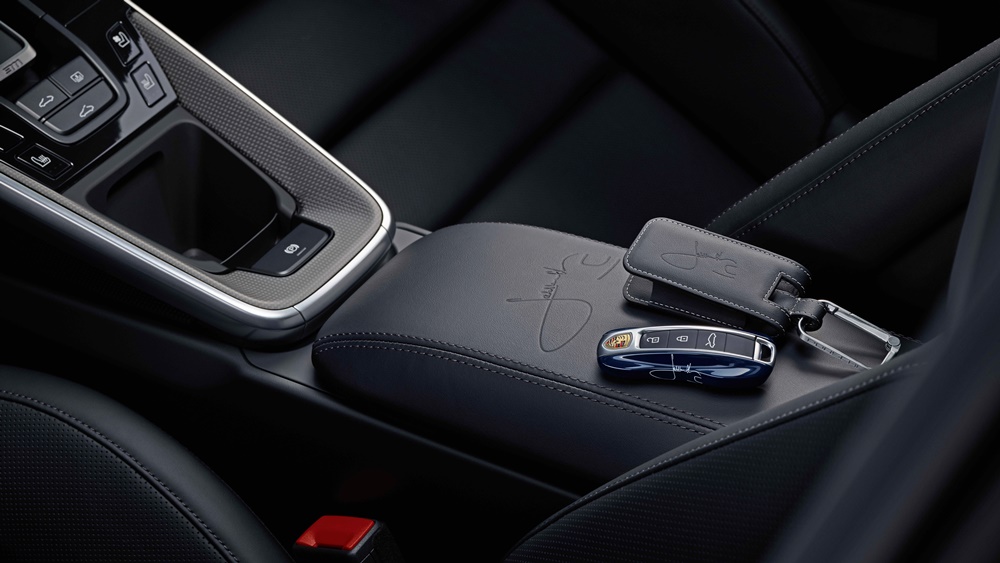
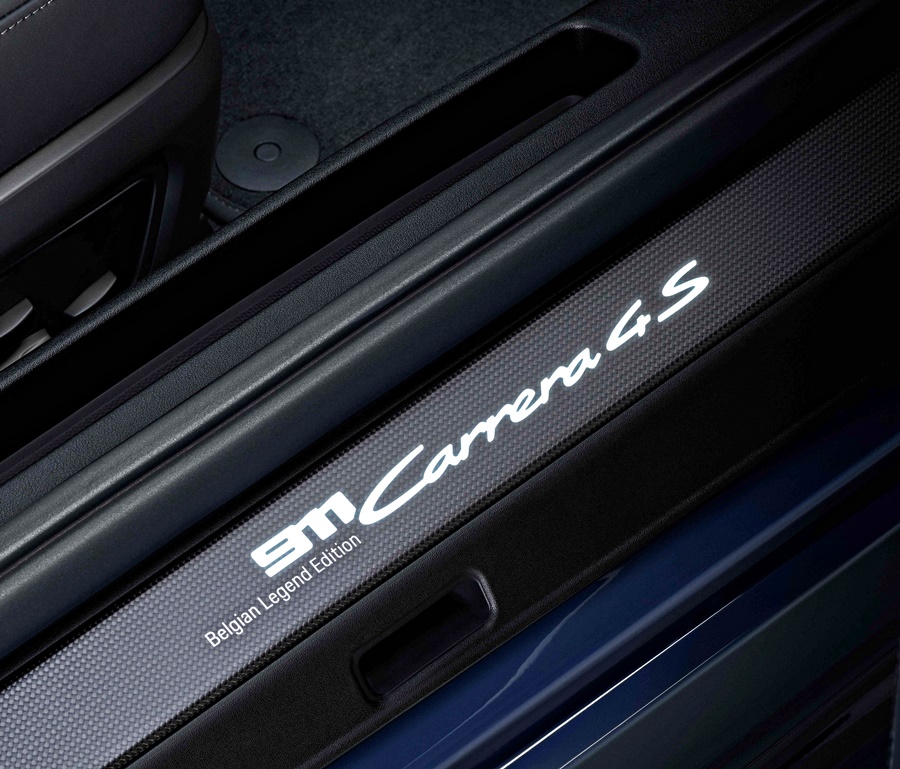
Special design elements include a leather central armrest embossed with Ickx’s autograph and the ‘Belgian Legend Edition’ moniker on the car’s carbon door sill guards. Leaving no stone unturned, even the colour-matched key fob features the 6-time Le Mans winner’s signature.

Visit www.porsche.com.my for information on new and pre-owned models available in Malaysia.

PISTON.MY

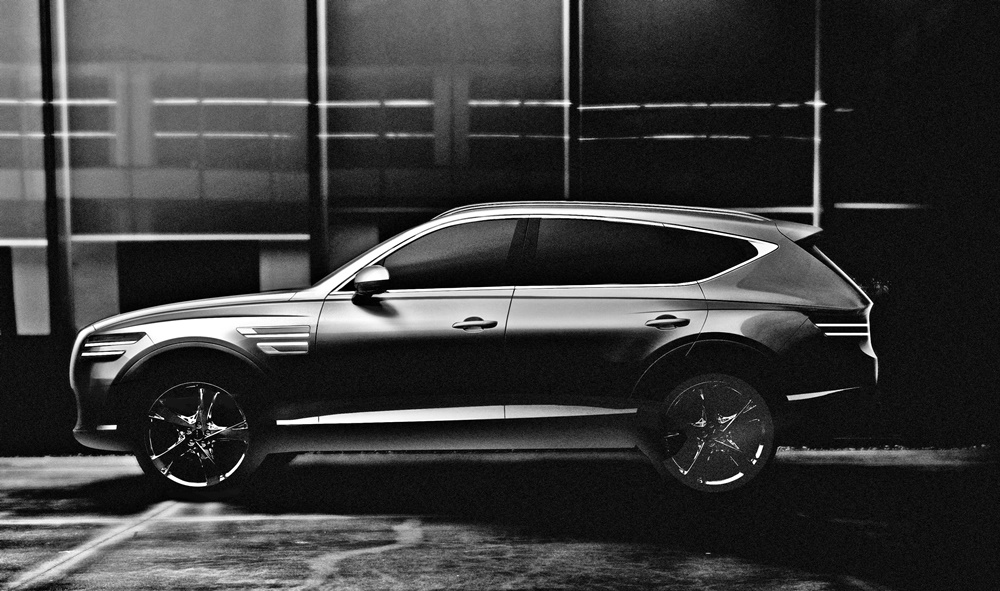
Genesis, Hyundai Motor’s luxury division, used the first day of the new year to share the first official images of the GV80, its first SUV. It will become the fourth model in the Genesis line-up, joining the G70, G80 and G90 sedans. Sales will commence in South Korea this month and progressive launched will take place in other markets during 2020.

Like its sedan siblings, the 3-row GV80 will have a rear-wheel drive platform unique to the Genesis brand; all-wheel drive will be optional. The ‘V’ in the GV80 designation will appear on SUV models, denoting ‘versatility’.

“Over the last 4 years, Genesis has established itself as a respected luxury brand with superior vehicle quality and a line-up of class-leading sedans with charismatic and discriminating style,” said William Lee, Executive Vice-President and Global Head of the Genesis Brand. “With the launch of GV80, Genesis will elevate expectations for excellence within the luxury SUV market.”

2020 Genesis GV80

2020 Genesis GV80

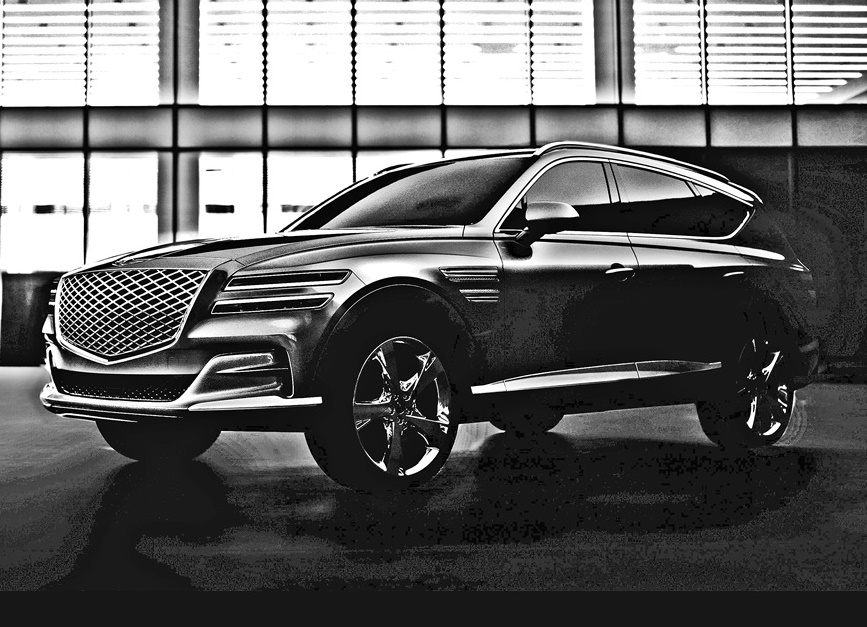
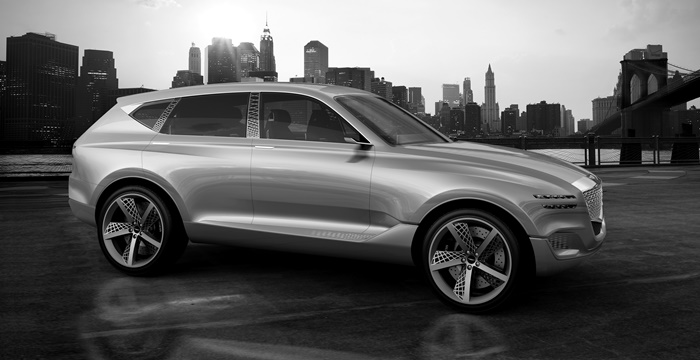
The first images of long-rumoured GV80 provide a complete picture of the first SUV created by Genesis Design. The interior and exterior styling are based on the GV80 Concept displayed at the 2017 New York Auto Show, which was a collaboration between Genesis Design studios located in South Korea, the USA and Germany.

2017 Genesis GV80 Concept
The GV80 Concept displayed at the 2017 New York Auto Show.

“GV80 allows us to expand our definition of Athletic Elegance design language to a new typology, while retaining sublime proportionality and sophistication of form,” said Luc Donckerwolke, Executive Vice-President, Chief Design Officer of Hyundai Motor Group.

Signature Genesis design elements
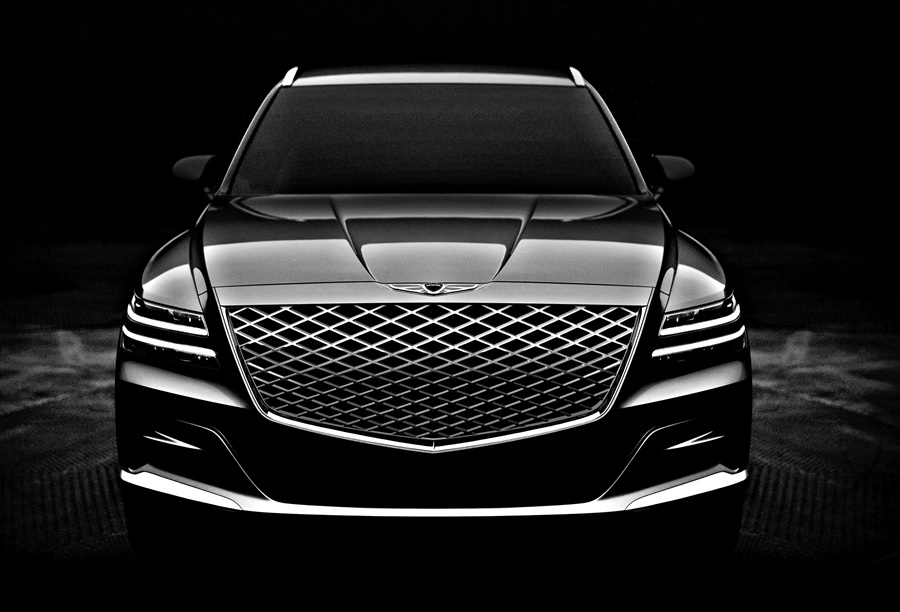
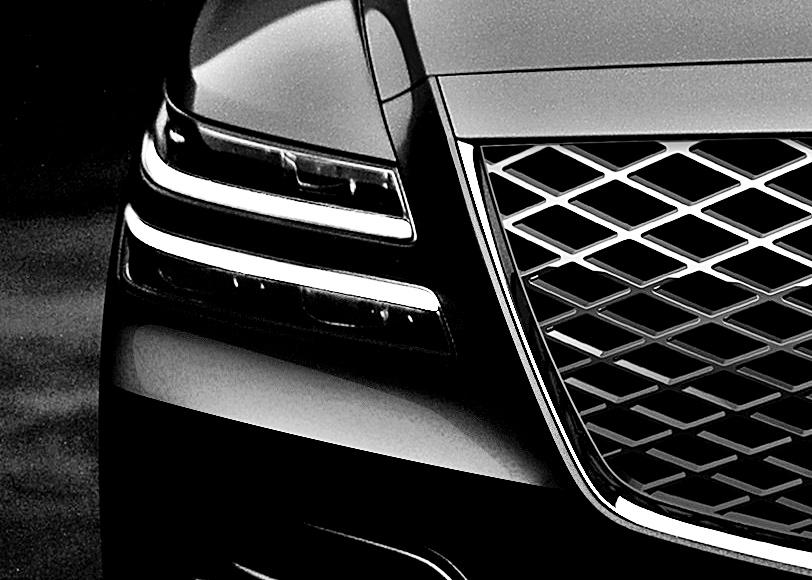
Signature Genesis design elements are immediately visible on the GV80. Surrounded by the high-tech Quad Lamps, the Crest Grille emphasizes gravitas consistent with the positioning of model. The Parabolic Line runs smoothly along the side with precise execution, accentuated by ‘power lines’ above each wheel emphasizing stance and presence.

2020 Genesis GV80

“The Quad Lamp, our design signature, introduces an unmistakable visual impression completely unique to Genesis,” explained Sang Yup Lee, Senior Vice-President, Head of Genesis Design. He added that the G-Matrix pattern that appears in light fixtures throughout the exterior, as well the design of the wheels, is inspired by beautiful orchids seen when diamonds are illuminated by light.

South Korean architectural aesthetic interior
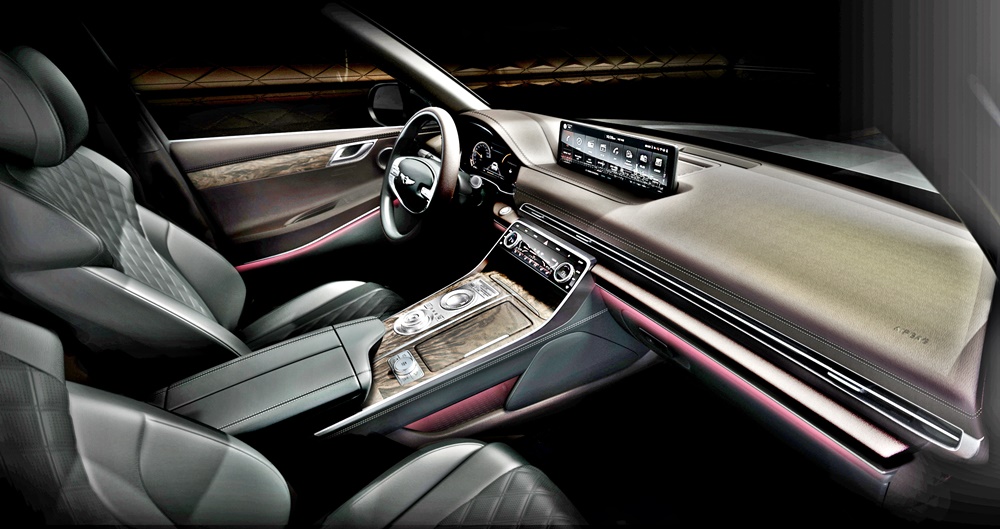
The interior focuses on the beauty of open space, characteristic of the elegant South Korean architectural aesthetic. Minimalism is in the details, with a commanding driving position surrounded by high mounted control surfaces. The slim air vents stretch across the front to highlight the width of the cabin featuring minimal physical buttons with the new touch screen climate control. The centre console is equipped with a jewel-like, rotating electronic gear selector, providing an exquisite balance of simplicity and glamour.

2020 Genesis GV80

The Genesis name was originally used for a flagship Hyundai model between 2007 and 2016. It was then used as the name for a division which would focus on luxury models, just as Toyota has Lexus and Nissan has Infiniti. As the company has indicated that South Korea, the Middle East, USA, China, and Europe are its target markets, it would unlikely have right-hand drive variants.

The carmaker recruited a number of experienced designers from European companies who work with Peter Schreyer, a company President responsible for design management of all brands in the group.

Genesis recognized for its designs

PISTON.MY

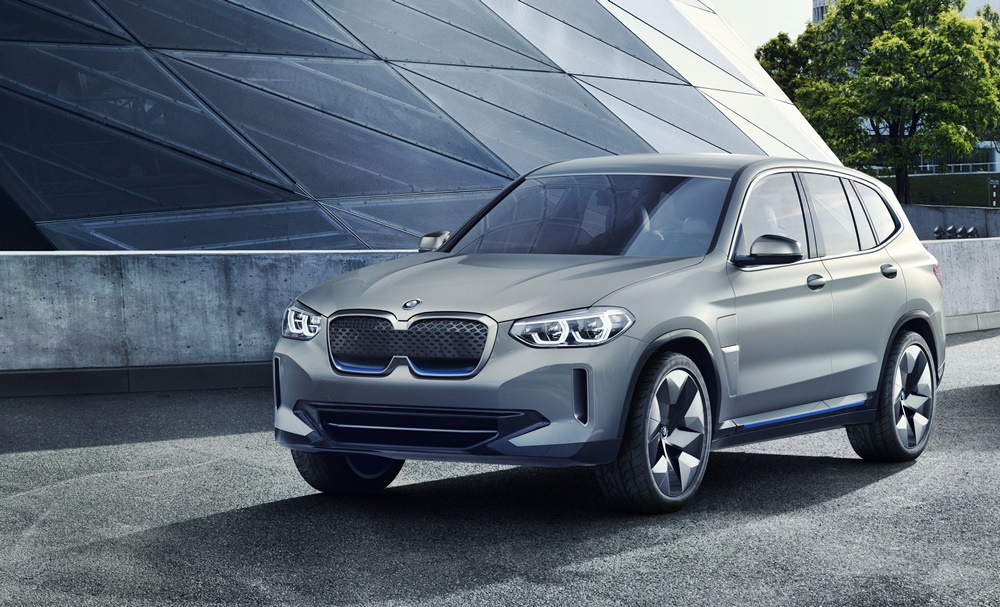
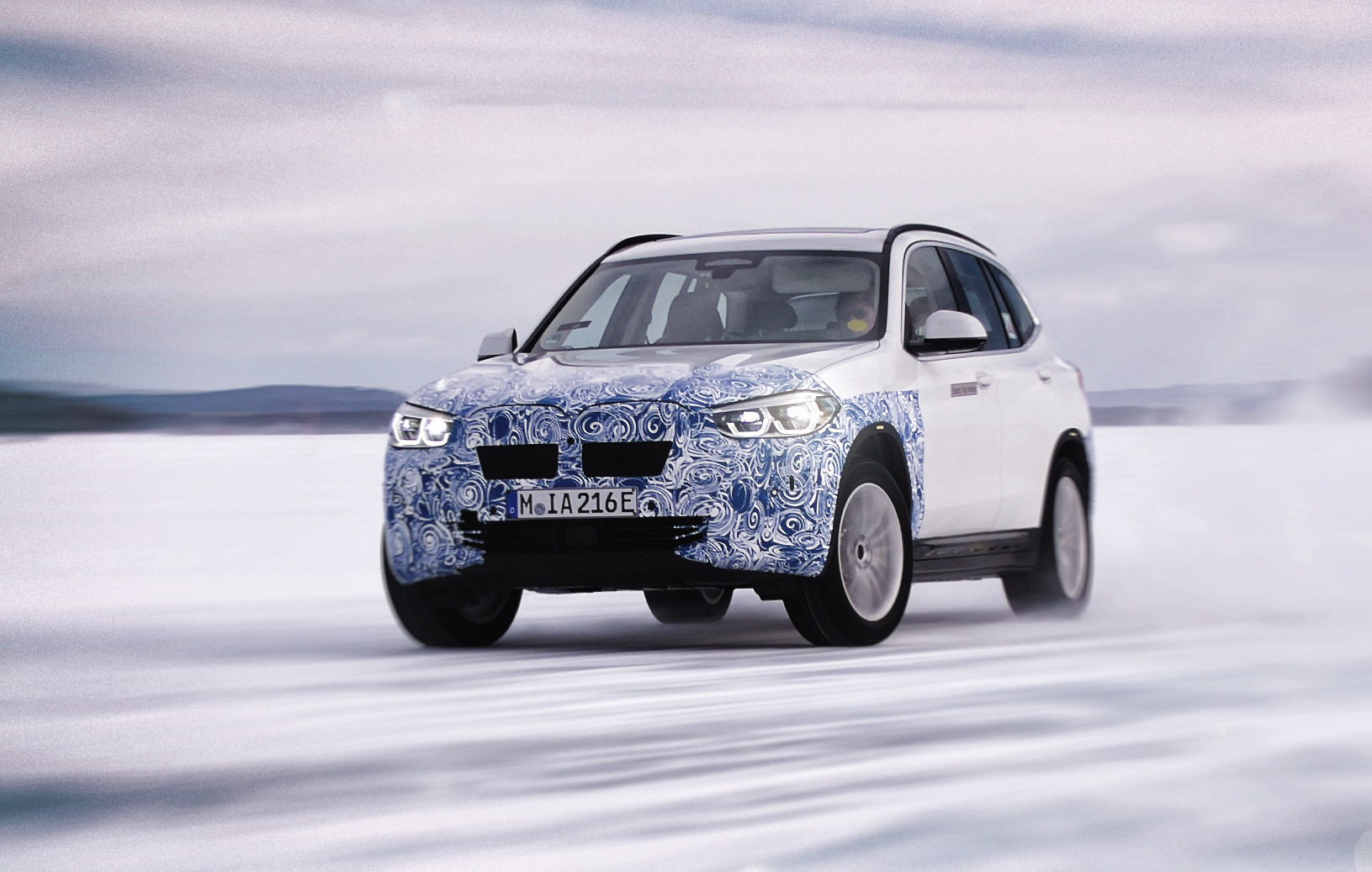
In 202, BMW’s first purely electric Sports Activity Vehicle (SAV) – the iX3 – introduces BMW eDrive technology of the fifth generation and, starting in 2021, the technology will also be available in the i4 and the iNEXT. Production of the iX3 will commence in 2020 for the world market by the joint-venture company, BMW Brilliance Automotive, in China.

The iX3 is a further milestone in the consistent realisation of the BMW Group’s electrification strategy. In 2020, the new SAV will become the brand’s first model available both with conventional petrol and diesel engines as well as plug-in hybrid and purely electric drive. With this ‘power of choice’ offer, the company is taking into account the various different requirements and needs of their customers worldwide as well as maximum effectiveness in the reduction of carbon dioxide emissions.

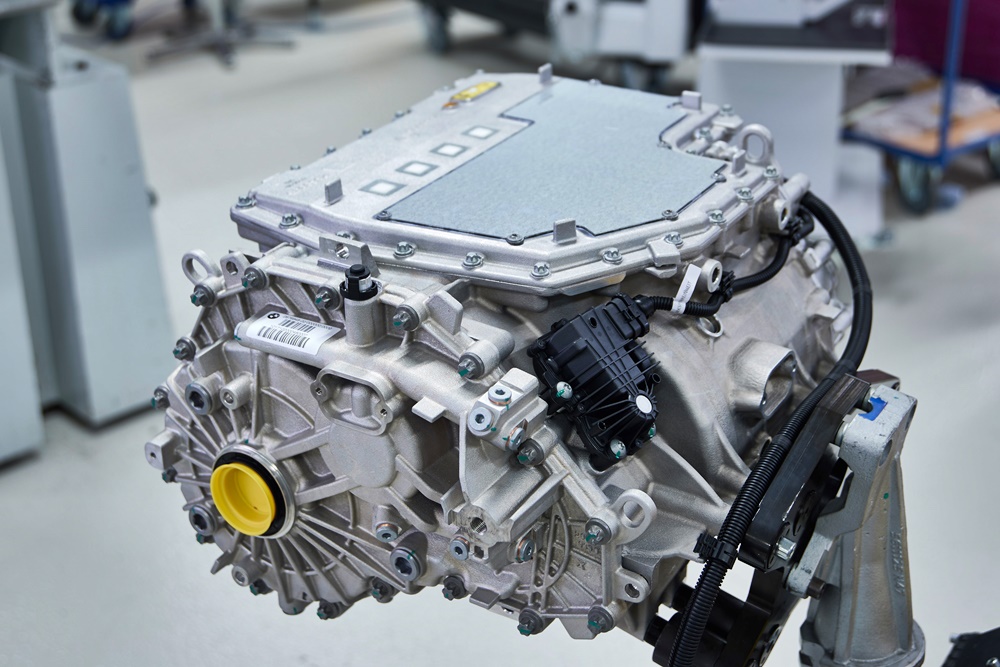
BMW eDrive
The core of BMW’s 5th generation eDrive technology.

The fifth-generation BMW eDrive technology is the result of consistent development work within the framework of BMW EfficientDynamics and the experience gained by the BMW Group in the field of electric mobility spanning more than 10 years. All powertrain components were developed solely by the BMW Group.

Moreover, the electric motor and the high-voltage batteries are produced in corporately owned manufacturing facilities. In this way, the BMW Group ensures it has a decisive influence on the product properties and the quality of each component. Furthermore, the drive unit and the high-voltage battery unit are flexibly scalable in terms of power and energy content and can thus be used in various different vehicle concepts and segments.

EfficientDynamics at its best
In the iX3, EfficientDynamics reaches a new level. The new technology comprises a drive unit in which electric motor, system electronics and transmission are brought together into a central housing. As a result, the required installation space of the drive technology and its weight are considerably reduced. The ratio between motor output and weight of the drive system improves around 30% compared to the previous generation.

BMW
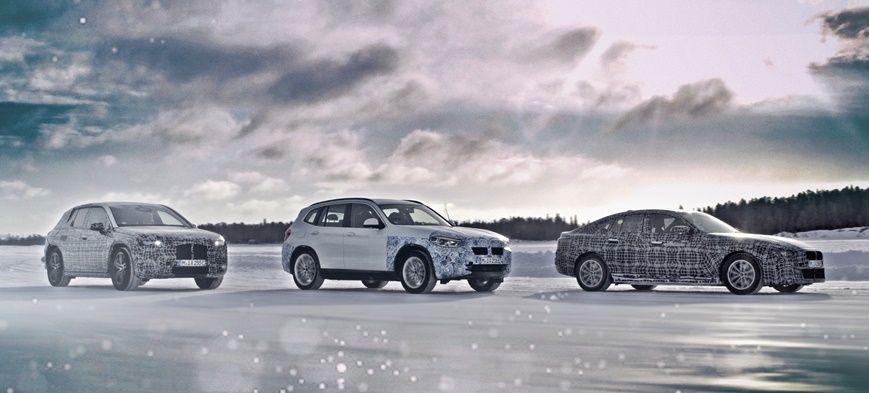
The iX3 will be the first model with 5th generation eDrive technology, followed by the i4 and the iNEXT in 2021.

The electric motor installed in the iX3 delivers a maximum power output of 210 kW/286 hp. The torque of 400 Nm allows for high initial acceleration and keeps a high level even at the upper motor speeds because of exclusive BMW design measures. A further special feature of the electric motor being deployed in the iX3 for the first time is a construction method that eliminates the need for rare earth materials.

The electric motor transfers power to the rear wheels. This enables a further increase in drive system efficiency. Moreover, the range of the BMW iX3 benefits from the drive design conveying the traditional BMW rear-wheel drive experience.

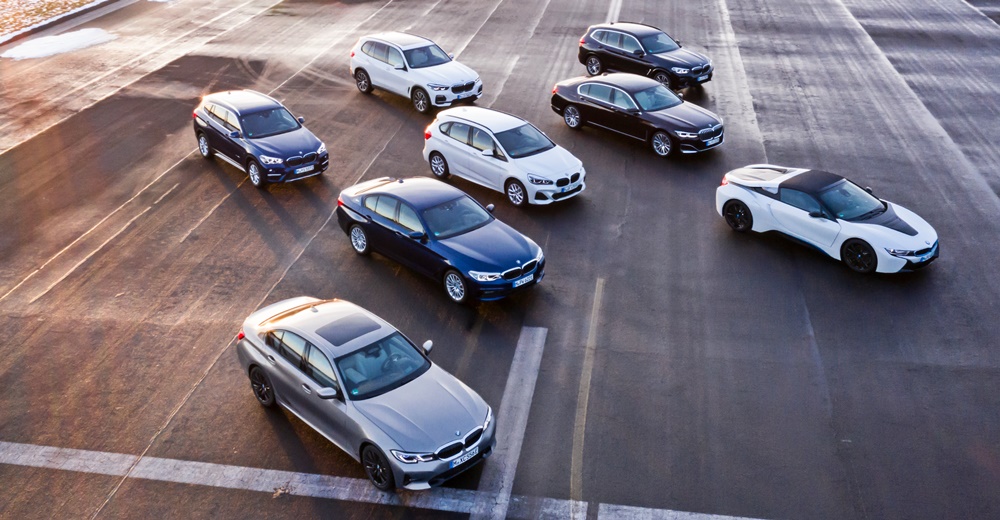
BMW electrified models
BMW’s electrified models in 2019

Batteries with significant higher energy density
The high-voltage battery unit is based on the latest evolution in NMC-811 technology in BMW typical prismatic design. The BMW Group has outstanding development capabilities in this field. This know-how flows into precise specifications with regard to the use of materials and battery design, according to which the battery cells are produced. Consistent R&D work not only raises energy density but also constantly improves all battery cell characteristics, in particular also durability and safety.

BMW eDrive

Greater range because of high efficiency
With a net energy content of 74 kWh, the high-voltage battery pack achieves a range of more than 440 kms in the legislative WLTP test cycle. Within its segment, the iX3 boasts not only a unique low power consumption of less than 20 kWh/100 kms (accordingly to the WLTP test cycle) but also stands for a novel ratio between battery size and range.

Thanks to the favourable efficiency rating of the drive components and the high energy density of the high-voltage battery unit, the iX3 achieves a range that is only possible for common electric vehicles with larger and thus heavier batteries.

BMW reveals details of all-electric i4 sedan to go on sale in 2021

PISTON.MY

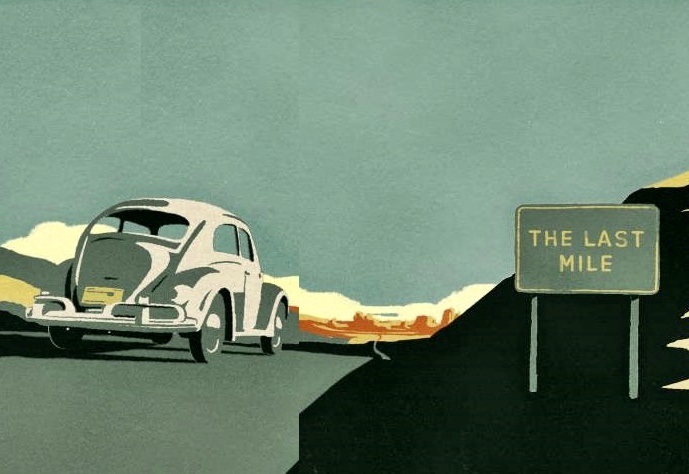
A year after officially announcing the end of its production, Volkswagen has produced a final tribute to the iconic Beetle. Taking the celebration of life to the world stage, the ‘People’s Car” is honoured in an animated short film entitled ‘The Last Mile’. It will debut during ‘Dick Clark’s New Year’s Rockin’ Eve with Ryan Seacrest 2020’ on an American TV station.

The animated film details the story of a boy whose major life events—from childhood to elderly age—are shaped and influenced by the presence of a Beetle. Fans of the classic-bodied car may recognize details of past advertising campaigns as well as pop culture references such as cameos from Kevin Bacon’s character in ‘Footloose’ and artist Andy Warhol.

Final tribute to VW Beetle

A rendition of ‘Let it Be’, the 1970 Beatles song, performed by the Pro Musica Youth Chorus serves as the soundtrack throughout the animation. The film ends with a not-so-subtle wink and nod to Volkswagen’s electrified future.

“The Beetle is easily one of the most recognizable cars in the history of automobiles,” said Saad Chehab, Senior Vice-President, VW brand Marketing. “Honouring it properly required a medium with just as much versatility and universal appeal as the car itself. While we chose the classic Beetle as the star of the animation, additional campaign components in Times Square honour the latter two generations of cars and their place and presence in American culture. We are proud of our past but our eye is on the future – hence our choice of New Year’s Eve to hint at our upcoming long-range EV and the 2020 Atlas Cross Sport.”

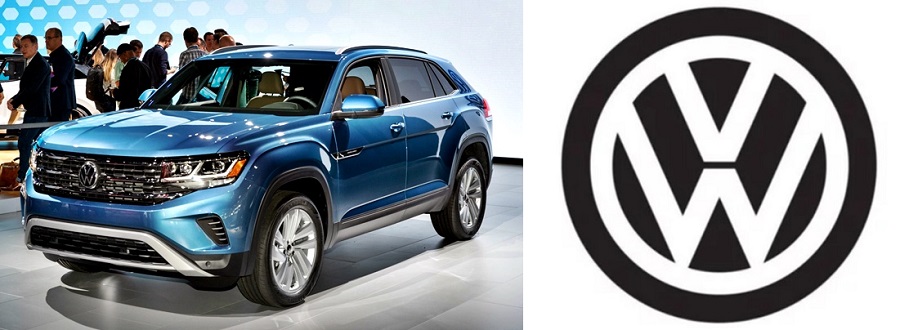
VW Atlas Sport and new logo (1)
The Atlas Sport SUV and the new Volkswagen brand logo.

Complementing the film’s debut during New Year’s Eve festivities in the USA, Volkswagen will adorn New York City’s Times Square with a celebration of films, messages, and hints at its future brand design, including the more modern Volkswagen logo. Utilizing multiple billboards and digital spaces, the future of the brand’s Drive Bigger messaging and images of the 2020 Atlas Cross Sport will be on full display as the clock ticks down to 2020.

Volkswagen unveils a new logo and brand design for new era

PISTON.MY

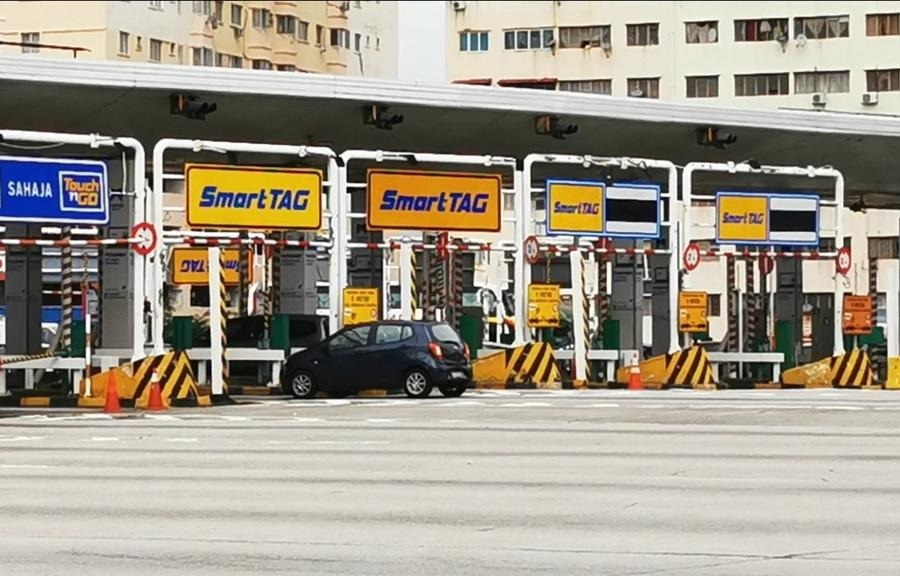
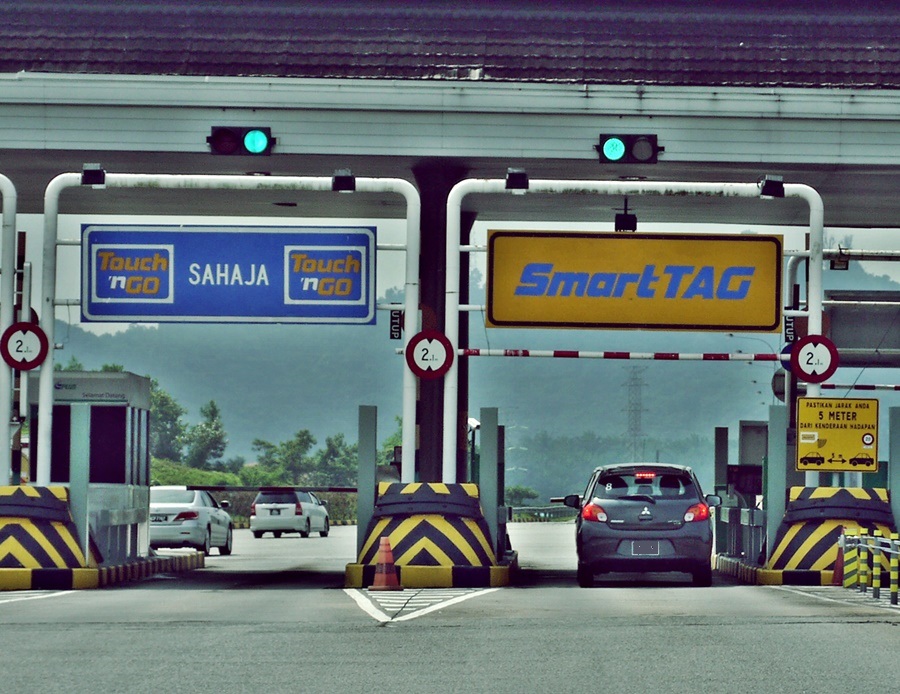
PLUS is ready to accept toll payments using Touch ‘n Go’s RFID (Radio Frequency Identification) system from this Wednesday, January 1, 2020. However, the electronic transaction will only be available at its toll plazas which have an Open System. These are for highways where a fixed rate is paid instead of the Closed System which charges by the distance travelled.

Only Class 1 privately-registered vehicles (light vehicles with 2 axles and 3 or 4 wheels except taxis) will be able to use their RFID tag at these toll plazas on PLUS-operated highways:

  1. Jitra (North-South Expressway)
  2. Lunas (Butterworth-Kulim Expressway)
  3. Kubang Semang (Butterworth-Kulim Expressway)
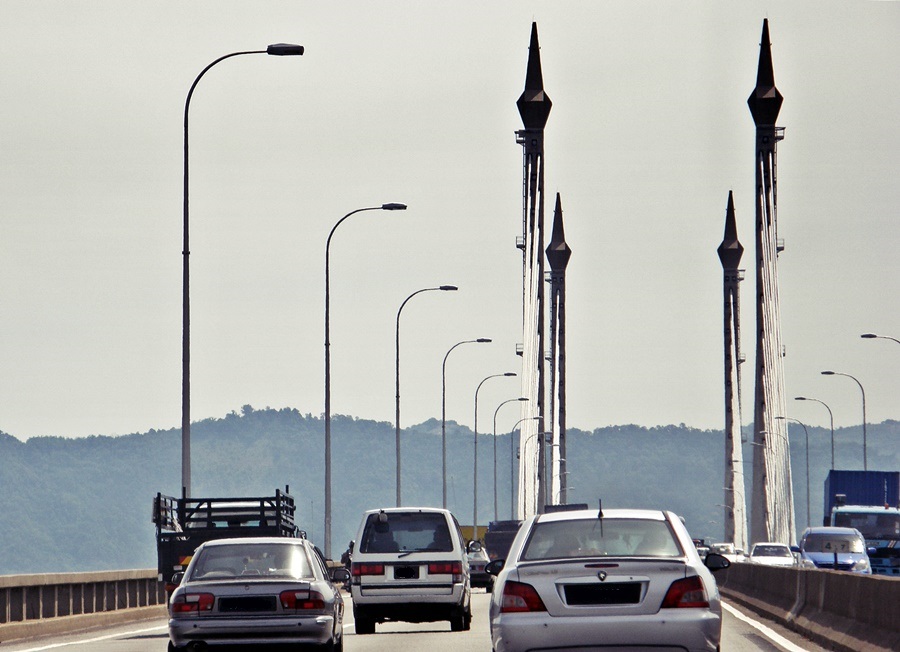
  4. Penang Bridge
  5. Mambau (Seremban-Port Dickson Highway)
  6. Lukut (Seremban-Port Dickson Highway)
  7. Kempas (North-South Expressway)
  8. Perling (Linkedua highway)
  9. Lima Kedai (Linkedua highway)
  10. Tanjung Kupang (Linkedua highway)
Penang Bridge
Toll payment by RFID tags can also be made at the Penang Bridge from Wednesday.

“The Touch ‘n Go RFID system, which uses an RFID-fitted sticker connected to the Touch ‘n Go eWallet, is the latest payment option that is currently being offered. It enables highway customers to perform online top-ups, eliminating the need to top-up at the designated reload centres,” said PLUS Chief Operating Officer, Zakaria Ahmad Zabidi.

Existing payment options still available
He added that more payment options are being developed via debit and credit cards as well as other eWallets. “Soon highway customers will have the option to switch to more payment modes when these features become available in the very near future,” said Encik Zakaria while giving assurance that the existing toll payment modes via Touch ‘n Go card or SmartTAG are still available on PLUS highways.

Toll plaza

Toll transactions using the RFID tag can be done at the remaining 83 toll plazas with the Closed System from April 1, 2020.

He also clarified that the current RFID system at the Sultan Iskandar Building Toll Plaza (JB Causeway) can only be used for Vehicle Entry Permit (VEP) payments for Singapore-registered vehicles.

Whichever payment mode is used, highway travellers are reminded to ensure that the balance in their TnG tollcard or eWallet is sufficient to cover the toll charges. Besides the PLUS website, Waze also now provides information on the amount of toll that will be incurred on a chosen or recommended route.

Malaysian motorists can now find out toll charges on Waze

PISTON.MY

The Petrol Subsidy Program (PSP) due to commence in January 2020 has been postponed. Apparently, according to the Domestic Trade and Consumer Affairs Minister, Datuk Seri Saifuddin Nasution Ismail, the decision to postpone had been made 12 days ago during a Cabinet meeting.

The reason given in a statement issued this afternoon by the ministry is to allow ‘fine-tuning of the implementation process’ by the Ministry of Finance. A new date of implementing the PSP has not been announced but in the meantime, more explanation and clarification will be made so as to ensure people fully understand the PSP.

The minister added that the postponement would also benefit eligible motorists who are registering for the PSP. As is well known in Malaysian culture, doing things at the last moment is a common bad habit and the Finance Ministry hopes this will make things less hectic for them to handle.

The postponement does not have any immediate effect for those who are entitled to receive subsidies since the mechanism would provide subsidies only once every 4 months. Eligible motorcycle and car owners in Peninsular Malaysia will receive RM12 a month and RM30 a month, respectively.

PSP
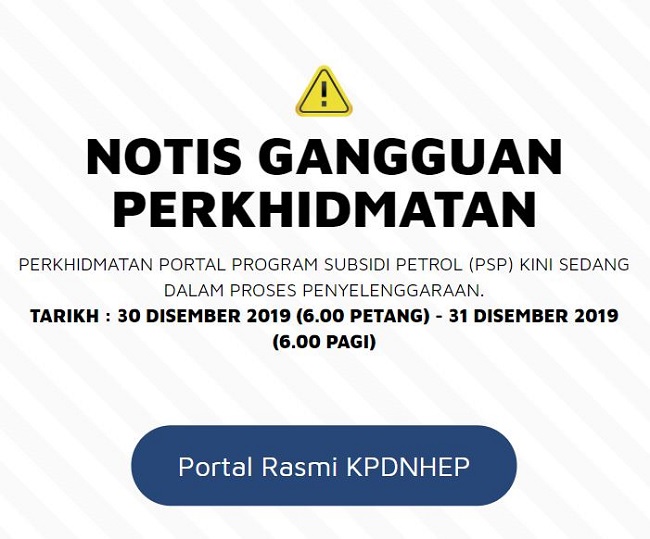
The dedicated site for registering for the PSP seems to be offline until tomorrow.

Meanwhile, all motorists purchasing RON95 fuel (to be upgraded to the Euro4M standard from this Wednesday) and diesel will continue to enjoy subsidies to maintain the retail prices at RM2.08 and RM2.18 a litre, respectively. Hopefully, the postponement also means that the plan to raise the petrol price by 1 sen each week until it reaches levels determined the Automatic Pricing Mechanism (based on factors that include global oil prices) will also be postponed.

The price of RON97 petrol, which is not subsidized, has been be determined by the Automatic Pricing Mechanism (APM) each week. RON100 petrol, available only from Petron, is not under any price control. The last price shown on its website was RM3.10 a litre.

First details of targeted fuel subsidies revealed, starting January 2020

PISTON.MY

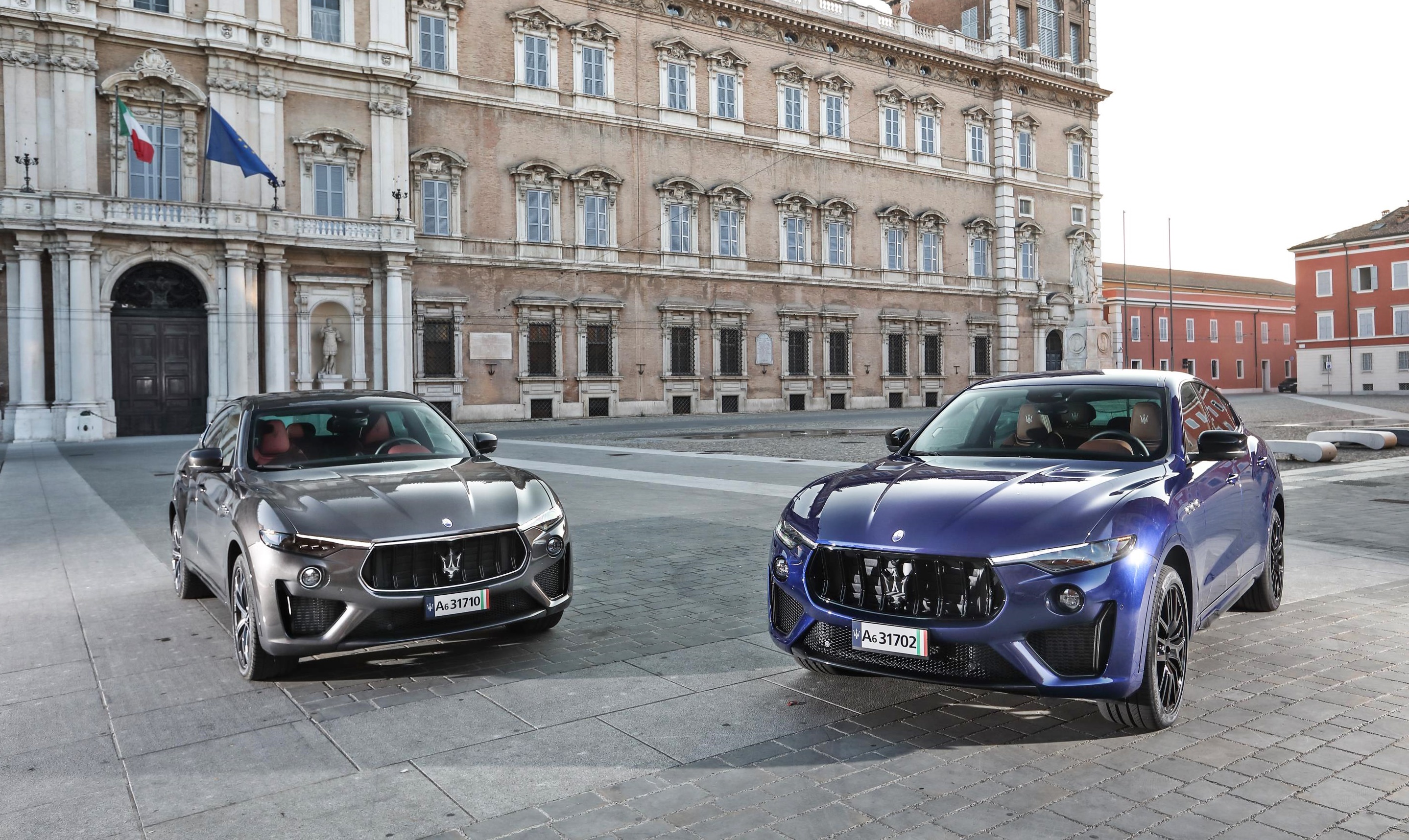
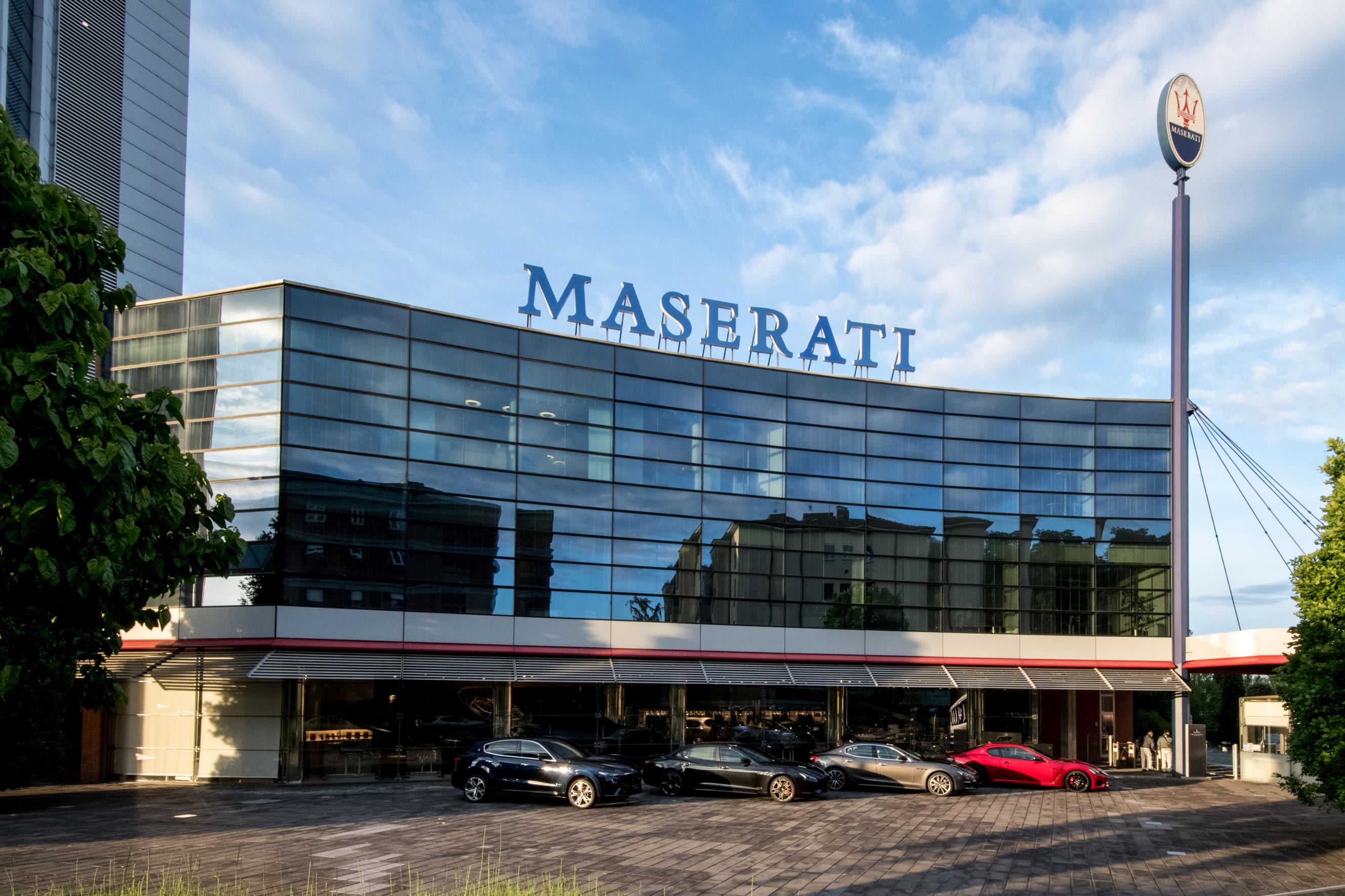
Although the recent developments concerning the merger of Fiat Chrysler Automobiles (FCA) and Groupe PSA have had fans of the Italian brands (under FCA) worried about their future, it’s still ‘business as usual’ for those brands until such time the new management looks at the enlarged single entity. That could take a while and where Maserati is concerned, it will continue its modernisation work at the Modena plant in Italy.

There are also plans a big event in May 2020 when it will be celebrating its roots and its more than a century of history.  The business was founded in Bologna in December 1914 and its mechanical workshop began activities in the middle of the same month. The Maserati brothers were passionate about mechanical engineering and loved speed, quite happy to get behind the wheel of a racing car themselves, despite their many technical and commercial commitments.

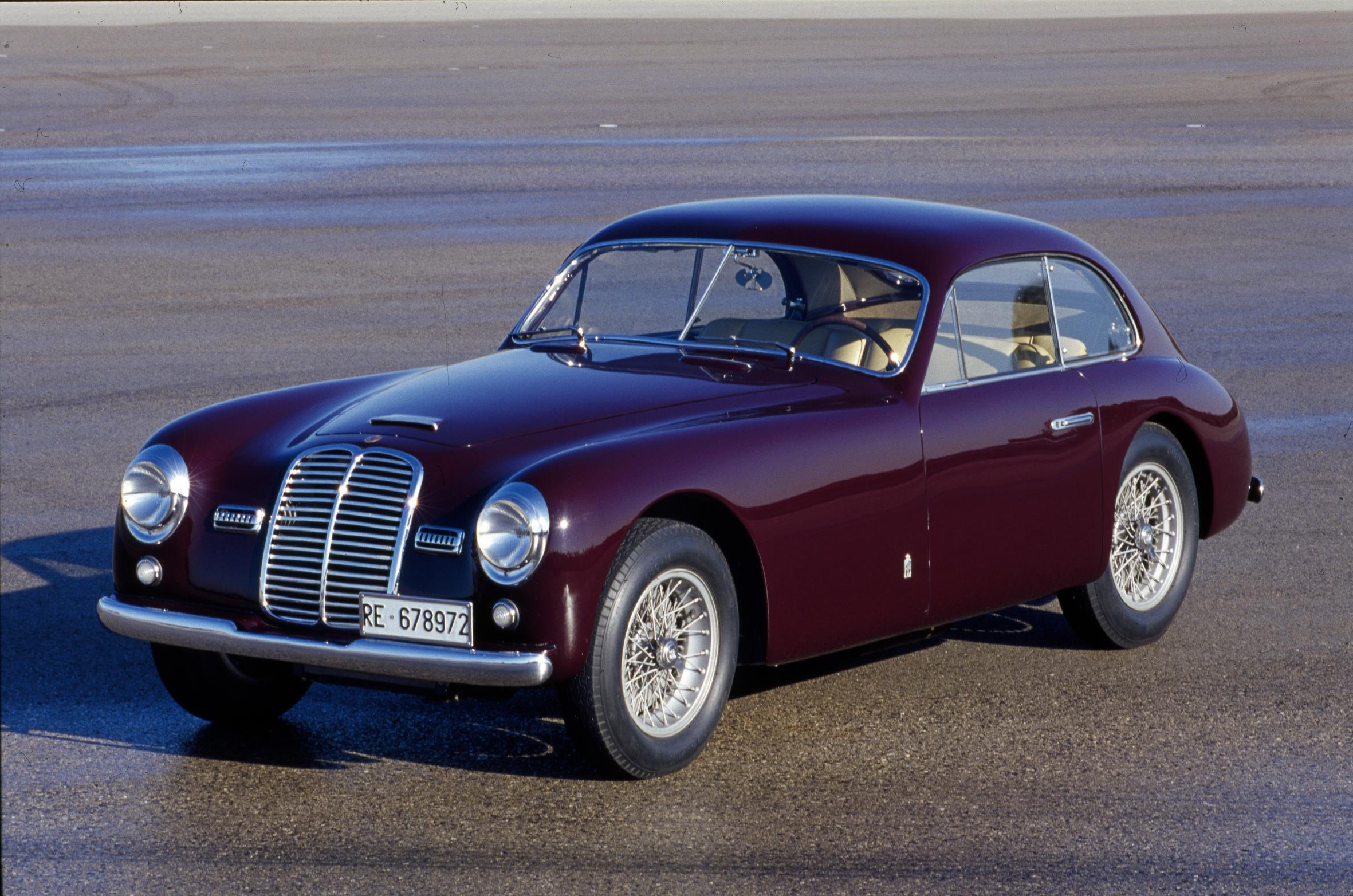
Maserati Tipo A6
Maserati Tipo A6

Another brother, Mario, contributed by creating the famous Trident logo (inspired by the Fountain of Neptune in the centre of Bologna) and their brother Bindo joined Officine Maserati in 1932, after Alfieri’s death.

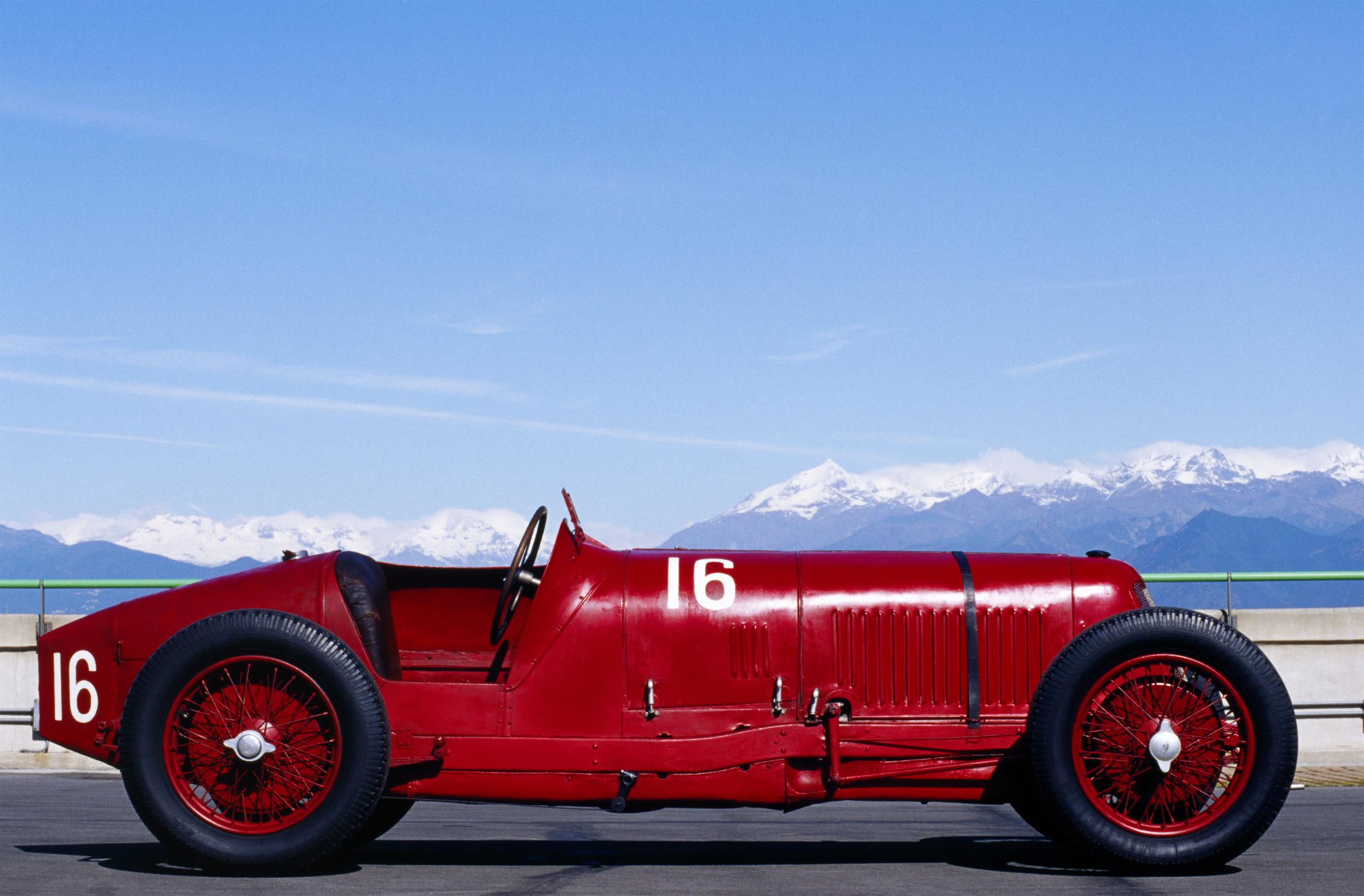
Maserati Tipo 26
Maserati Tipo 26

The first car to bear the Trident logo was built in 1926. It was the Tipo 26 (pictured above), a racing car which debuted at the Targa Florio that same year, winning first place in the class up to 1.5 L, with Alfieri Maserati at the wheel. This was the first in a long series of successes, including two consecutive editions of the Indianapolis 500 (1939 and 1940), four consecutive victories in the Targa Florio (1937, 1938, 1939 and 1940), nine F1 wins and the 1957 F1 World Championship with Juan Manuel Fangio.

More recently, Maserati returned to its winning ways with the MC12, the car which, between 2005 and 2010, won 6 FIA GT international championships, the highest-level racing category for production-derived GT cars.

Maserati remained in Bologna until 1939. In late September 1939, following the acquisition of the Brand by the Orsi family, operations began for the transfer of the company to Modena, where the Orsi family’s businesses were based, to build new cars, invest in research and innovation and become Modena’s most globally famous brand. The production site where the plant is still located, officially opened its doors on January 1, 1940.

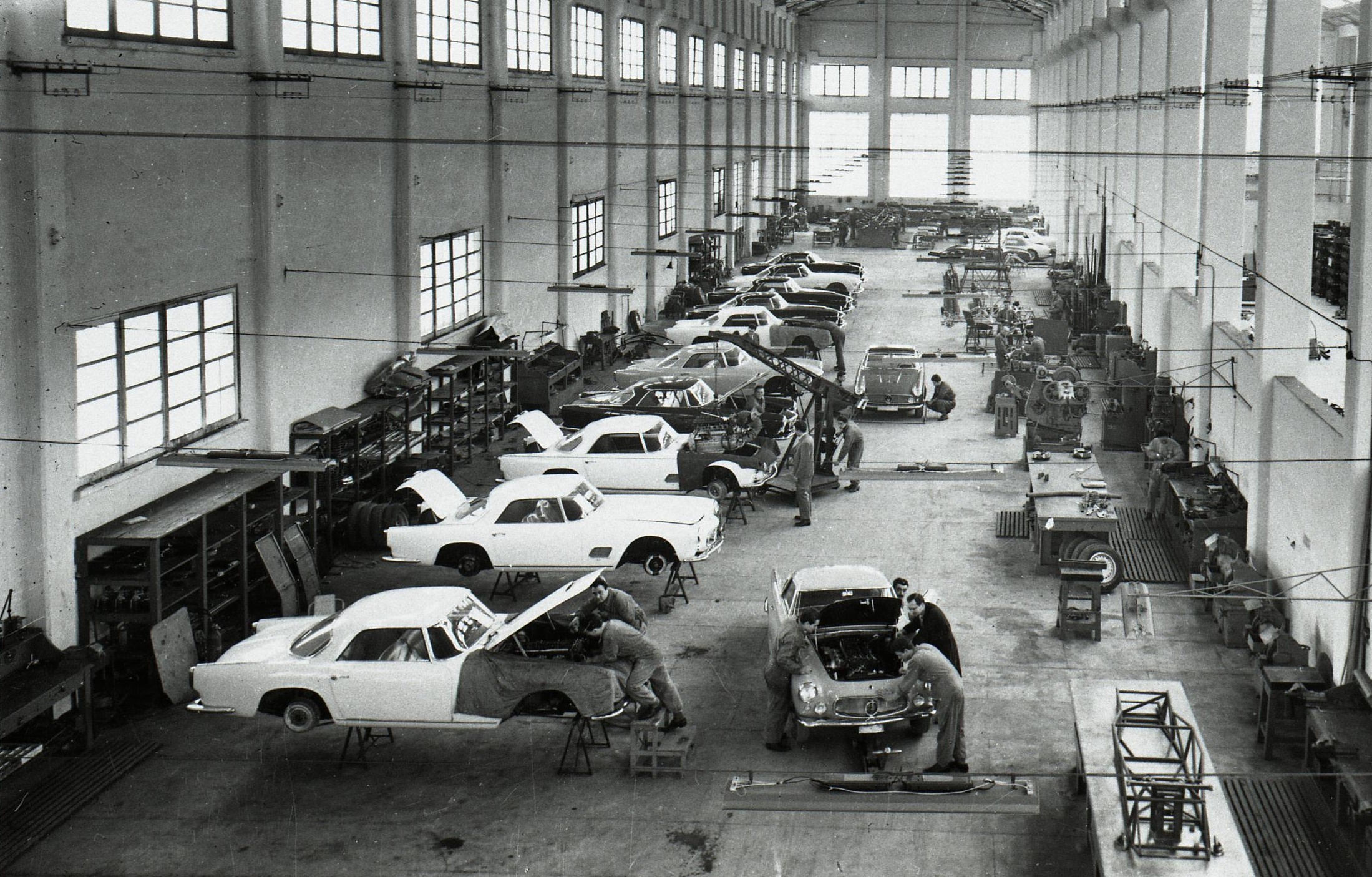
Maserati Modena plant
The Maserati plant in Modena in 1958.

The year 1947 marked the end of one era and the start of a new one. The Maserati brothers’ collaboration with the company ended while the brand launched its first road car, the A6 1500. In 1963, Maserati started another new phase of its history: with the launch of the Quattroporte, it created a completely new, previously non-existent market segment, that of high-performance luxury sedans.

After the brief period under the ownership of Citroen (1967-1975), during which the French owners introduced the first modern industrial processes, in the following De Tomaso period (1976-1993), the Modena plant created and sold a model destined to be one of the brand’s best-known, best-selling cars: the Biturbo.

The acquisition by Fiat in 1993 was the start of yet another major new chapter and which led to Maserati coming under the control of Ferrari in September 1997. These were years of major transformations as well as the birth of the 3200 GT (1998), followed by the Spyder (2001), a car which marked the important return to the US market. In 2005, Maserati was separated from Ferrari and returned to the control of the Fiat Group.

2007 was a very successful year, with the debut at the Detroit Motor Show of the Quattroporte (5th generation) with automatic transmission, enabling an important step forward, especially in markets such as the USA, Japan and the Middle East. The same year saw the presentation at the Geneva International Motor Show of the GranTurismo, another milestone in Maserati’s history.

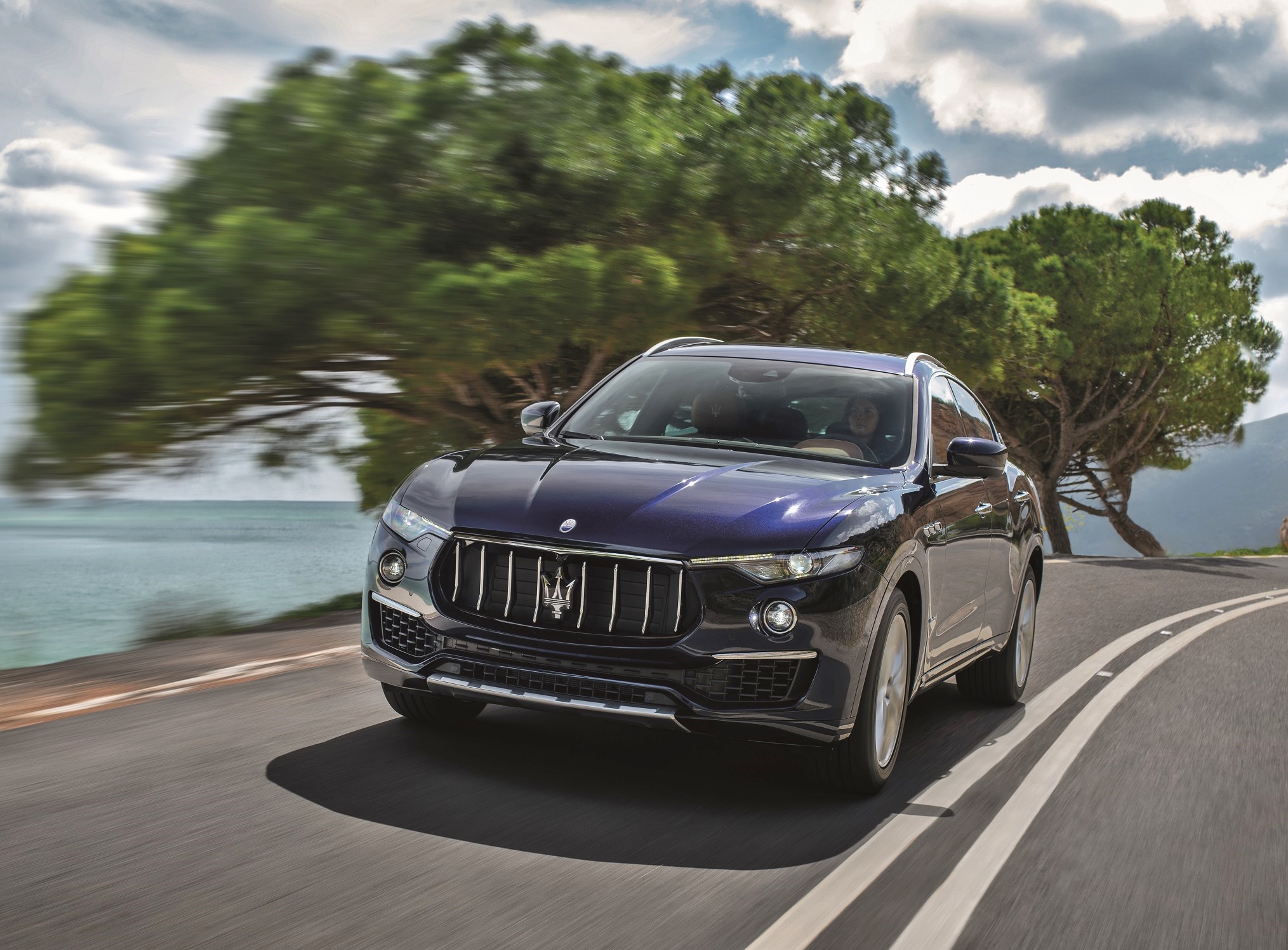
First SUV - the Levante
First SUV – the Levante

In 2009, it was the turn of the GranCabrio, followed by other new products that significantly renewed the range: the new Quattroporte (now in 6th generation and presented at the 2013 Detroit Motor Show), the Ghibli (Shanghai Motor Show in 2013) and the Levante (2016 Geneva International Motor Show), the first SUV for the Brand.

Maserati Headquarters

After over a century of history, the Modena plant is producing cars sold in more than 70 markets, all which stand out for their luxury, elegance, style, performance and quality. These characteristics have made Maserati a true Italian icon at the global level. With the strength of over a century of history, Maserati is now ready to start a new era in May 2020.

Maserati allows the world to look inside its top secret Innovation Lab

PISTON.MY

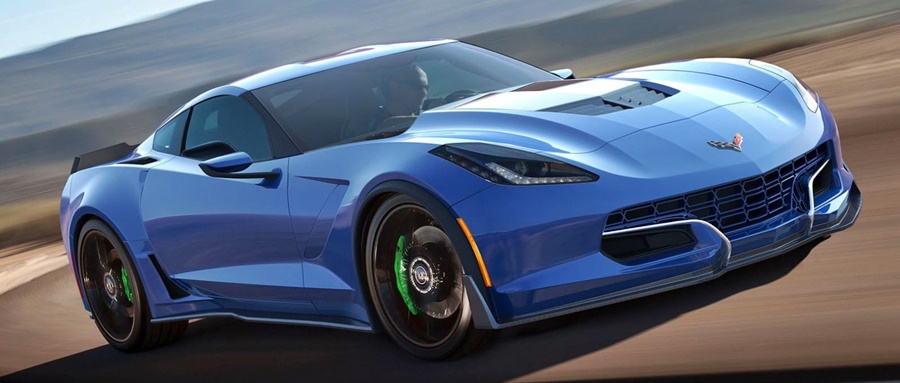
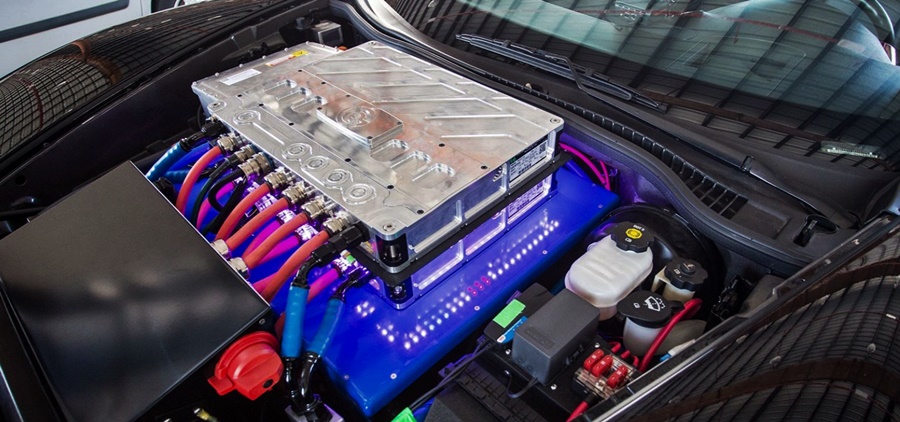
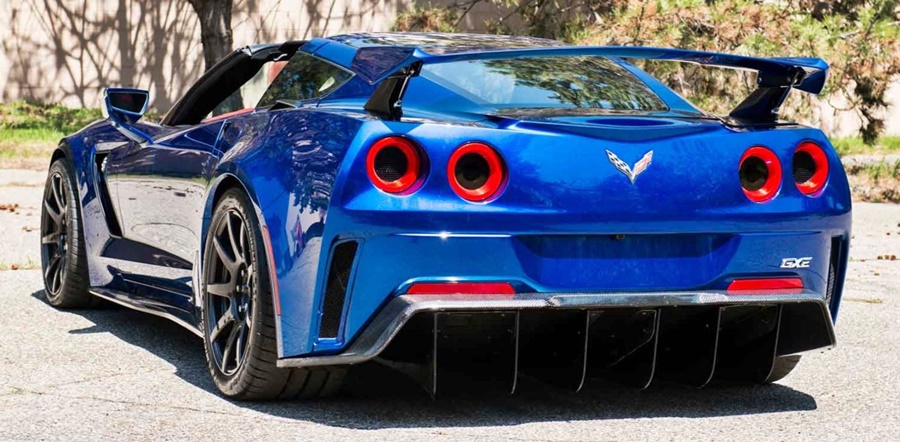
When US-based Genovation Cars talked about developing an all-electric supercar model which would be adapted from the Chevy Corvette Z06 and be powered by two electric motors instead of a 7-litre V8, it set ambitious goals: 700 bhp with 815 Nm of torque and a range of 240 kms.

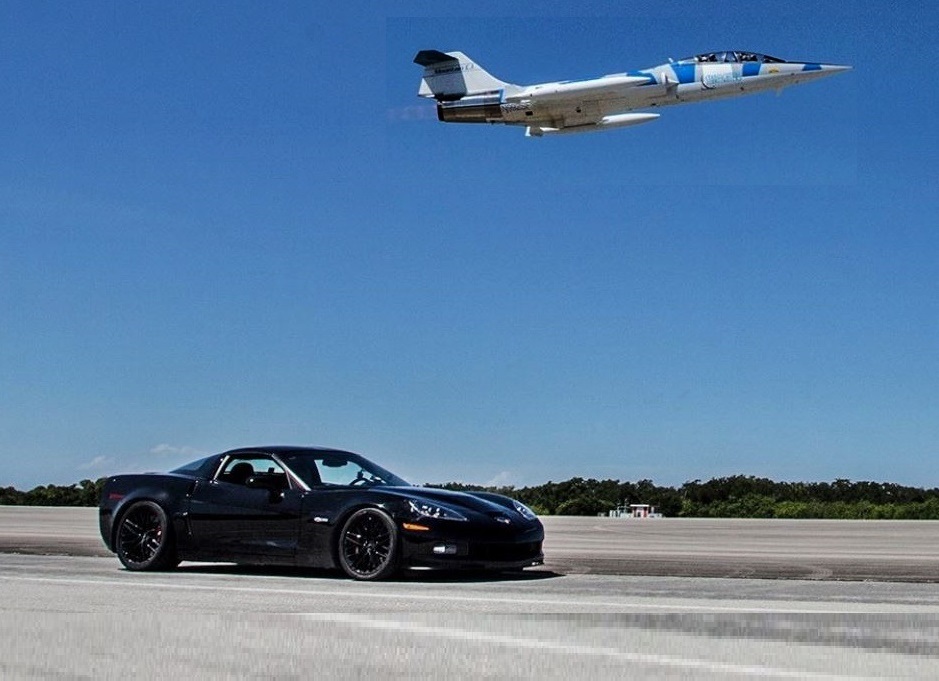
Since rolling out the first prototype known as the Genovation Extreme Electric (or GXE for short), the company has been setting new records with the car which actually manages to deliver up to 800 bhp and a range of 280 kms. Some are significant world records, including an entry in the Guinness Book of World Records for a street-legal electric car with a speed of 190.48 mph (306.7 km/h) for the standing mile.

New speed record
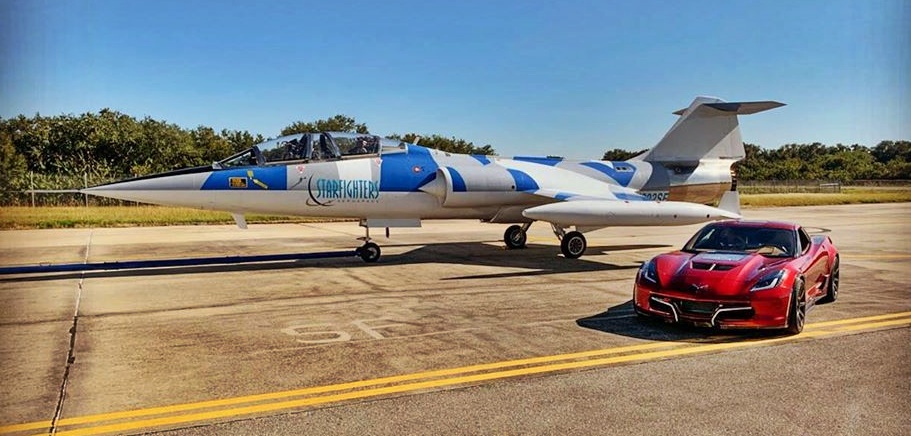
The performance continues to improve and this month, the GXE broke its previous top speed record set in September 2019. The new world record of 211.8 mph (341 km/h), witnessed and certified by the International Mile Racing Association (IMRA) was achieved during Straight Line Aerodynamic Testing at the Johnny Bohmer Proving Grounds at the Kennedy Space Centre in Florida.

2019 Genovation GXE

“During this December test, we broke our previous speed record that was set in September of this same year. That earlier record run was hampered by strong crosswinds, so we were confident that under better weather conditions, we could improve upon that result,” said Andrew Saul, CEO of Genovation Cars, Inc.

“We are thrilled to be the only electric car manufacturer to not only test our vehicle’s record-breaking capabilities, but to validate and achieve this milestone not once, not twice, but three times. Based on the early analysis of the data generated from the new record, we’re confident that we can gain efficiencies which will result in further top-end speeds,” Saul said, adding that the GXE continues to be the fastest street-legal all-electric supercar in the world.

2019 Genovation GXE

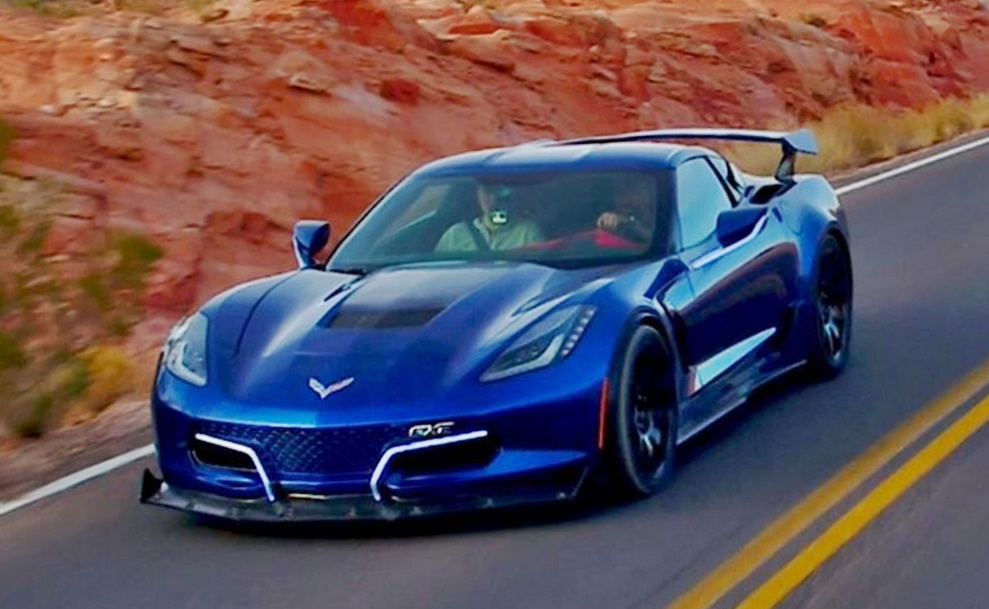
Although the exterior is adapted from a Corvette, the rest of the GXE was designed from the ground up to have a low centre of gravity and near 50/50 weight distribution, making it a true driver’s car.

Customers can order the supercar with either a 7-speed manual – an all-electric supercar category exclusive – or an 8-speed paddle-shift automatic transmission.

Genovation GXE

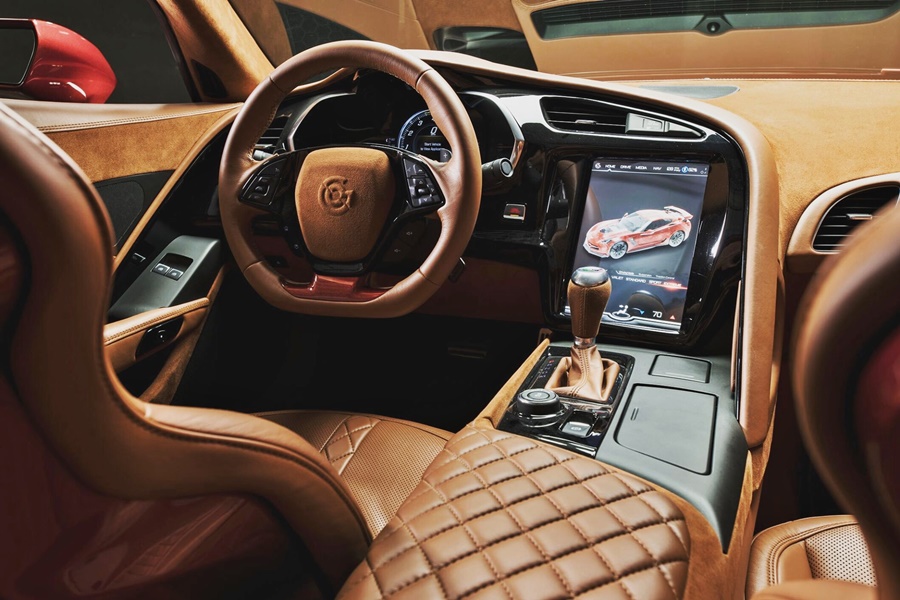
The GXE also comes equipped with a programmable active suspension, carbon ceramic Brembo brakes, state-of-the-art carbonfibre wheels, an ultra-high fidelity 10-speaker JBL stereo, a 10.4-inch custom high definition centre console touchscreen and bespoke exterior and interior.

2019 Genovation GXE

Philosophy of sustainability
“One of our primary objectives is to reduce the use of petrochemicals and energy used to make our cars. Some of the sustainable parts we intend to use are commercially available off the shelf. These include seats made with soy-based foam. Where traditional tyres usually require up to 19 litres of oil for production, we plan to utilize tyres made from natural rubber infused with small amounts of orange peel oil, a by-product of the beverage industry,” said Saul.

“The batteries we plan to use have the most stable lithium-battery chemistry on the market and are 100% non-toxic. They can be reused for stationary back-up power before eventually being recycled,” he added.
2019 Genovation GXE

Other areas where Genovation is exploring sustainability are more experimental. Testing on some materials has already been conducted and all potential options will be explored in a carefully conducted and scientific manner.

“We are studying the possibility of using composite materials made from natural, non-toxic and renewable products, such as soy-based resins rather than petrochemical resins and natural fibres made from basalt (derived from volcanic rock), jute, bamboo and burlap for trim pieces and body panels. Customers will have the option to order seat fabric made from wool,” Saul explained.
2019 Genovation GXE

The GXE will be produced in a limited-edition run of 75 units, with initial customer deliveries scheduled in 2020. Although the price mentioned early during the development was US$330,000, the company is now setting a pricetag of US$750,000 (equivalent to RM3.095 million).
PISTON.MY

Archive

Follow us on Facebook

Follow us on YouTube