Piston.my

English

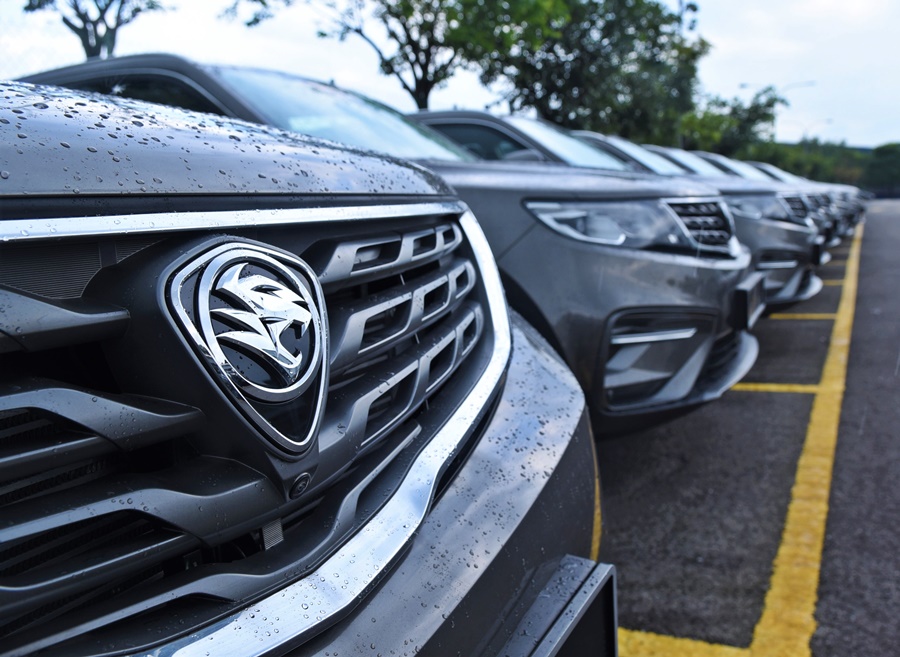
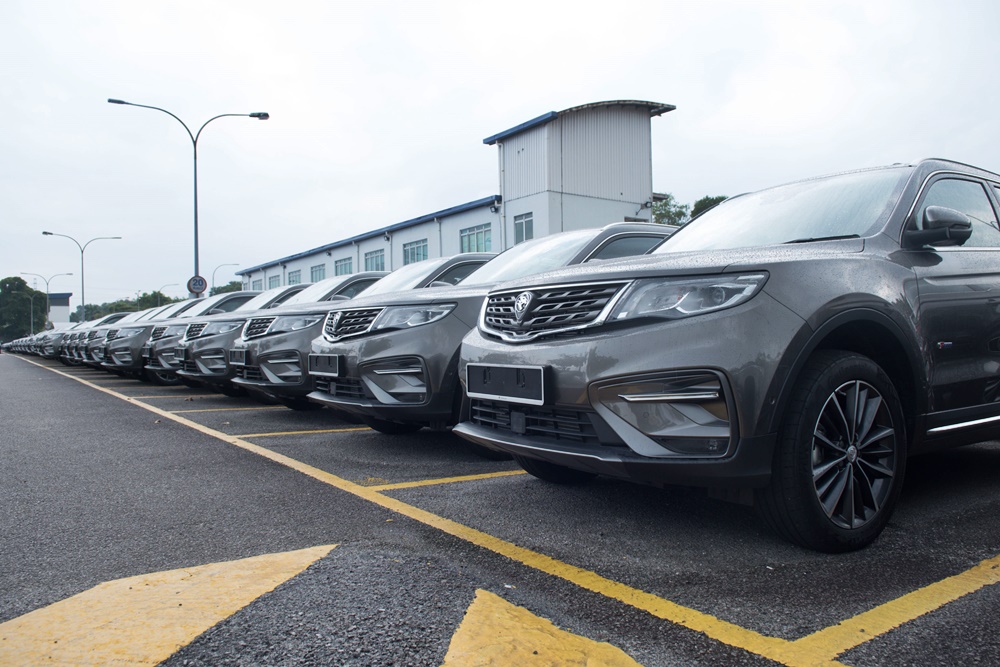
With over 500 confirmed orders – and over 400 having already been delivered – the Proton X70 is set to become one of the official vehicles for Public Sector Super Scale (JUSA) officers. The decision by the Malaysian government and SPANCO (the fleet management service provider for the government) to order the SUV for its fleet is an important achievement for Proton.

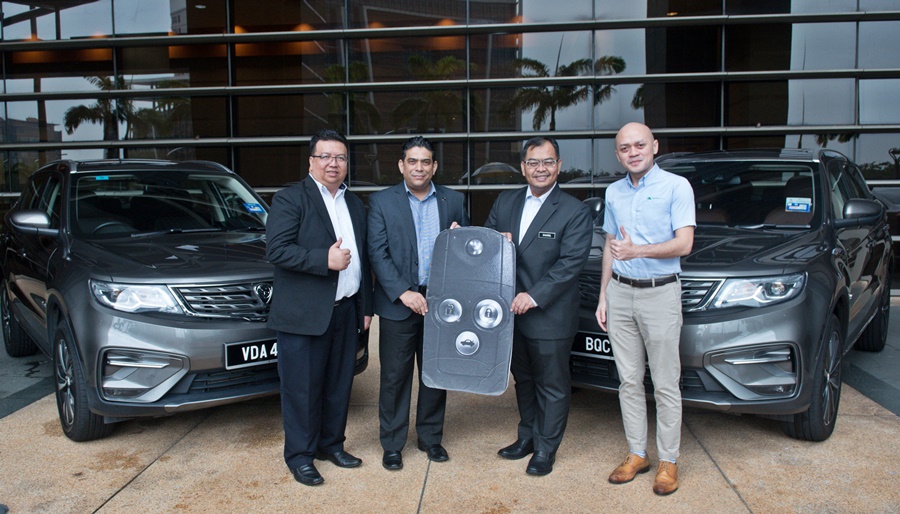
The X70’s role as an official government vehicle was strengthened recently when a unit of the SUV was delivered to the Ministry of Finance for Dato’ Shahrol Anuwar Sarman, Statutory Bodies Division Secretary for the Strategic Management Division.

Proton X70
From left: Fazli Hisham Shukor, Director of Proton Corporate Sales, and Hazrin Fazail Haroon, Director of Proton Group Engineering at the handover of the X70 to Dato’ Shahrol Anuwar Sarman, Statutory Bodies Division Secretary for the Strategic Management Division of Ministry of Finance, accompanied by Shaheeran Jalalludin, Operations Head of SPANCO.

While the delivery was of a single unit of the X70, the significance of the event is expected to have far wider consequences. “The Proton X70 has been an invaluable contributor to PROTON’s success in 2019 so we are proud it now plays a formal role for the public services sector. This proves its suitability for a number of tasks including representing various ministries at local and international level events. We are also therefore expecting to receive more orders for the Proton X70 from various government departments in 2020,” said Dr. Li Chunrong, Chief Executive Officer of Proton.

Earlier in December, it was announced a fleet of Proton X70s would be used to support the year-long Asia-Pacific Economic Cooperation (APEC) 2020 forum. This should provide good exposure for the model as well as Proton at a major international event.

Proton X70

“Proton will continue to work closely with service providers such as SPANCO to ensure we can support the need for official vehicles by public sector agencies and government departments. As a Malaysian automotive brand, we want to continue to show our support for the country and play a role in nation building,” Dr. Li said.

First Made-in-Malaysia Proton X70 officially rolls out at Tg. Malim factory

PISTON.MY

On January 1, 2020, the new law on compulsory usage of child restraint systems (CRS) comes into effect. This complements an earlier law requiring all occupants in the vehicle to use the seatbelts and now, small children who cannot use such restraint systems must be placed in childseats.

There are grumbles about the cost of getting childseats, especially for those with many children – not uncommon in Malaysia. The government is looking into solutions for such cases but stands by its position that the law will still be implemented even though it may be an unpopular move. The benefits in reducing deaths is significant enough that the government is willing to ‘take the heat’.

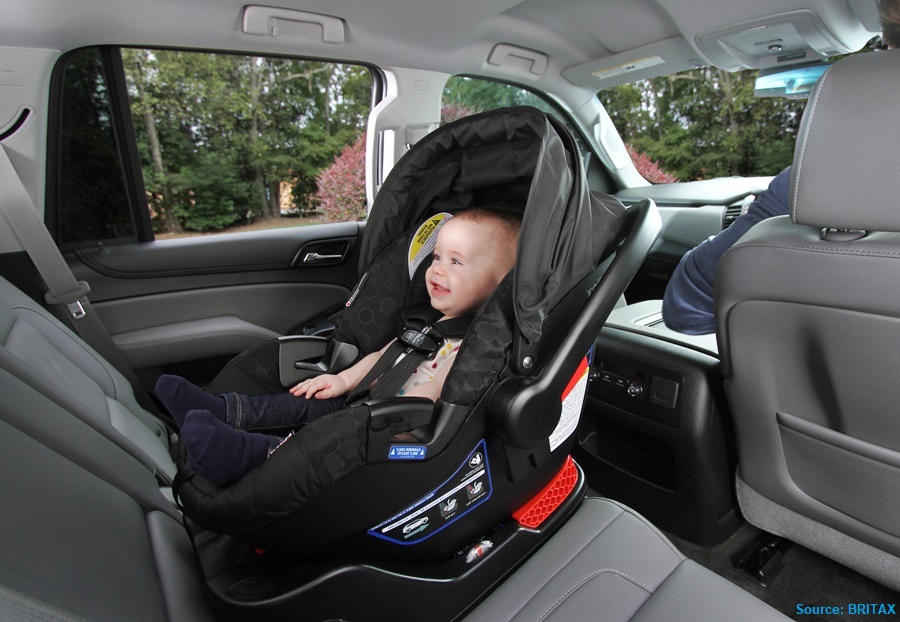
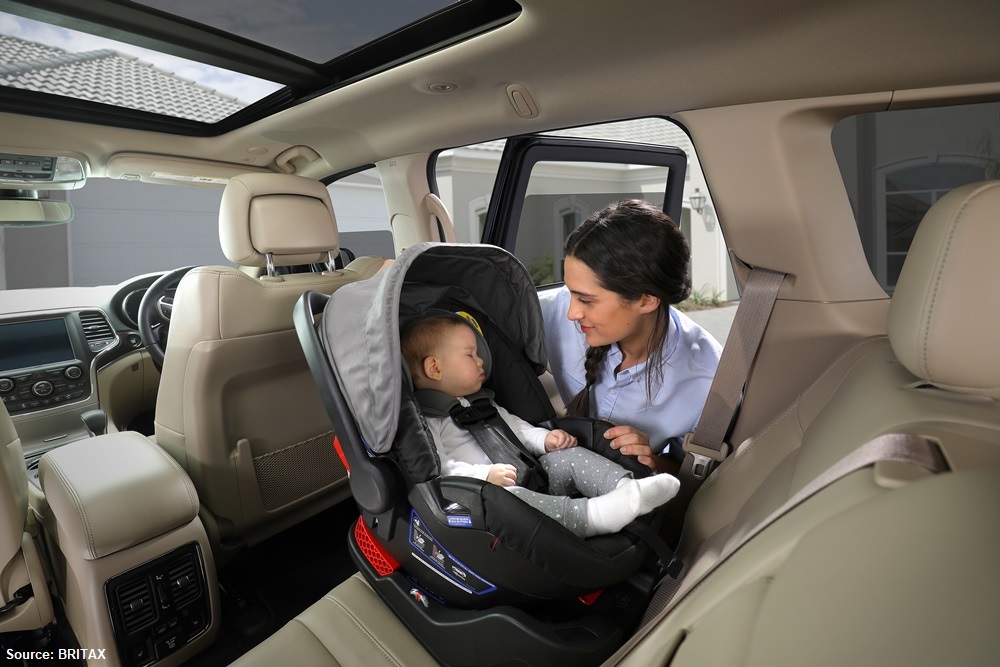
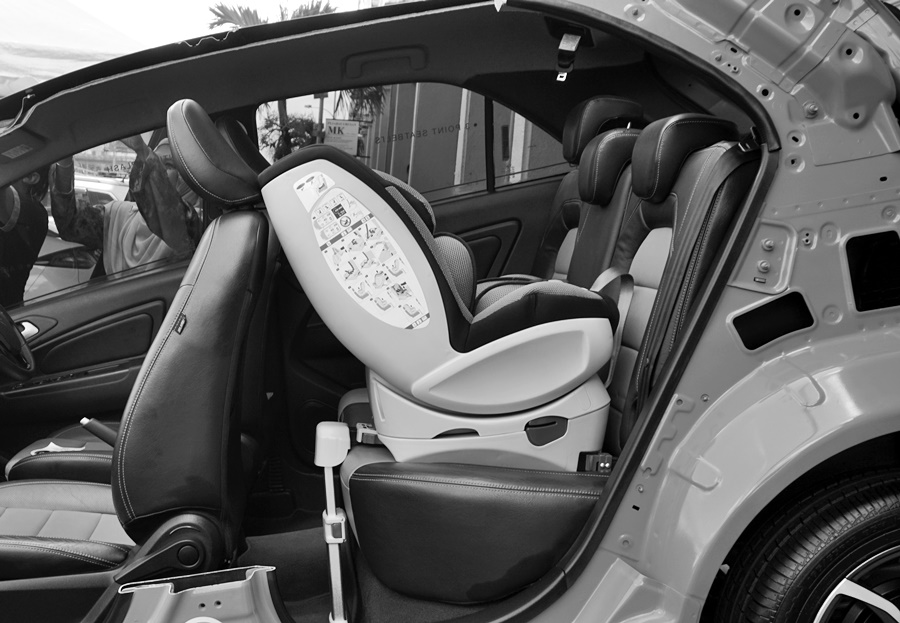
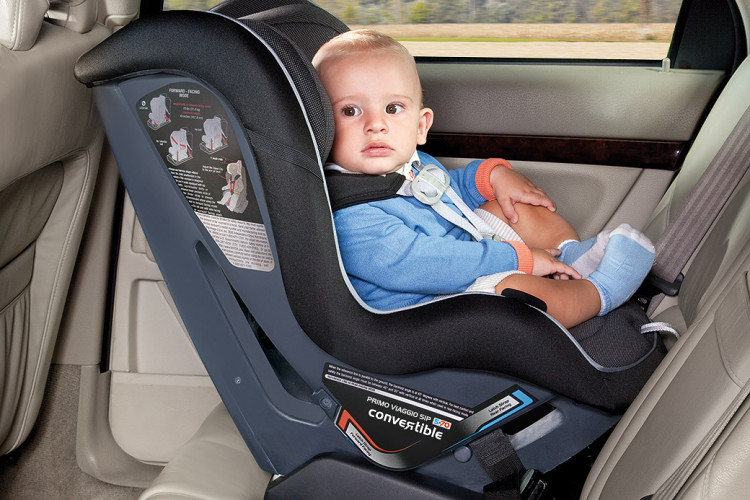
Installation of childseats should be in the rear; placing them at the front passenger’s seat should be only be done if really necessary. And apart from ensuring that they are installed securely (the ISOFIX points in most modern vehicles ensure this), having them facing rearwards is better.

Childseats

Fact: small children highly vulnerable in car accidents
To understand why the rearward-facing position is better, we need to look back at the history of childseats. For a long time, it had been observed by automobile safety researchers that small children were highly vulnerable in car accidents. Although 3-point seatbelts were available, they were not suitable because of the smaller size of children.

In 1964, using the same idea that protected astronauts from the effects of the tremendous g-forces experienced during a rocket’s lift-off into space, Professor Bertil Aldman in Sweden designed a rearward-facing childseat.

Childseat

The purpose of this seat was to distribute the forces of a frontal collision over a large part of the child’s body, ie the entire back, neck and head, and also to provide support to the spine during the course of an accident.

The way the seat was constructed and installed was particularly important for small children as a conventional forward-facing restraint system would not provide sufficient support to the child’s unproportionally large head and a neck that was still fairly weak compared to an adult’s.

ISOFIX

ISOFIX
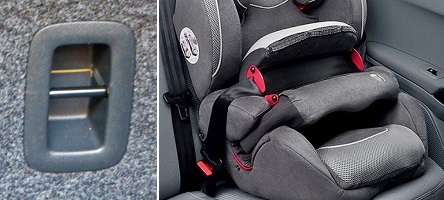
ISOFIX points (left) are usually found in the rear seats and enable the childseats to be easily and securely installed.

Strict regulations
By the end of the 1960s, the first rearward-facing child seat became available and was intended for children between 9 months and 4 years old. In 1973, new regulations were introduced in Sweden pertaining to the approval of CRS and were so stringent that only those with a rearward-facing design could be approved by the authorities.

Researchers at Volvo began compiling data on the way children (of up to 4 years old) were restrained in cars and there was some evidence of benefits. However, up till the end of the 1970s, awareness of the value of CRS was still not great so statistics were insufficient.

The 1980s, however, seen a rapid rise in childseat usage and virtually all small children travelling in cars in Sweden were properly restrained. Part of the reason for the increased usage by parents was also due to the campaigns to make people aware of the importance of restraint systems for adults and children, something which the authorities in Malaysia have been carrying out.

Improper usage of childseats
Studies have shown that there are two major ways that parents have misused CRS, both of which are dangerous. The child may not be restrained properly or be in a seat that is not the right type for his or her age or worse, the child seat is not mounted correctly, or the child is not restrained in the seat at all.

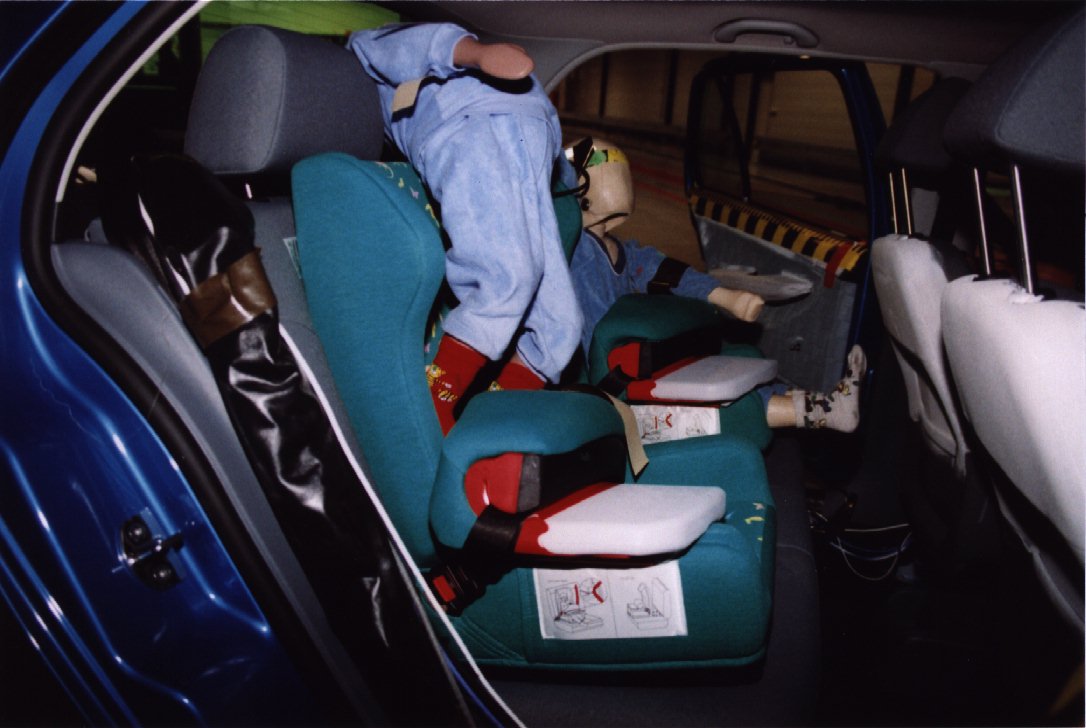
If a child is not restrained properly in a child seat, the forces during an accident can send him or her flyting around the cabin and sustain serious injuries. In an extreme situation – and there have been cases reported – the child may even be ejected through the window.

A correctly-used child seat can help to reduce the risk of fatal injuries by approximately 70% but for a partially-misused child seat (eg wrong size), the reduction is approximately 40% only.

From Volvo’s own investigations of thousands of accidents involving its own vehicles with children in them, the most common type of misuse was found to be that the seat was not fitted according to the instructions. In two cases, the child seat was wrongly fitted facing forward and one of these two cases saw the child sustaining fatal head injuries when the roof intruded into the compartment where the child was seated (but it is not clear whether the child was restrained or not).

Various other studies at the time did not provide reliable conclusions regarding the difference in outcomes between rearward-facing childseats but there was a feeling that they were more ‘positive’ than the corresponding number of forward-facing seats. Over time, as more data was collected, it was increasingly obvious that children in rearward-facing childseats have had the lowest risk of injury (from slight to serious injuries).

An examination of the types of injuries sustained showed that only 5% those in rearward-facing child seats had head injuries whereas 18% of the unrestrained children suffered such injuries. In every case, the highest percentage of injuries was experienced by children without any form of restraint. They are also likely to have injuries to their limbs.

Booster seats
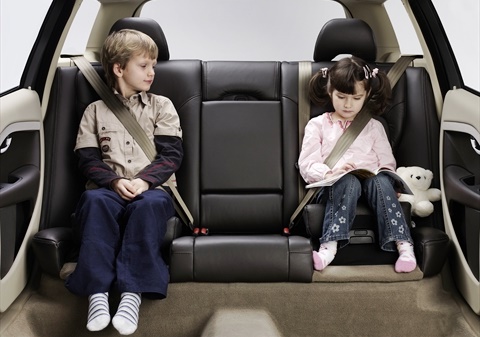
When the children get bigger and taller, they require booster seats that raise their body so it will put them in the correct position to use the seatbelts.

It is interesting to note, however, that those on the booster cushion/seat had relatively high rates of neck and chest injuries, which suggests that the wrong positioning of the seatbelt could have been the cause.

How do the children feel?
In promoting the use of rearward-facing child seats, it is also important to understand how the little users feel. However, the studies undertaken have shown adult attitudes which might not accurately reflect the real experiences of the children.

In one study, observations were made regarding how adults and children travelled. It showed that 66% of all children — but only 25% of all adults — preferred to sit with their backs against the direction of travel. Adults seemed to have a resistance towards travelling backwards so there is a possibility that they may have a misconception regarding the experience of the child.

BMW childseat

Various studies suggest that the greatest problem in connection with the use of the childseat is that the child does not like it preventing him or her from moving around, especially during long trips. This is not peculiar to rearward-facing seats as a similar problem, with the same magnitude, would also be the case with forward-facing seats. To overcome this, it is suggested that the child be allowed to see and communicate with others in the car; if the driver is alone, the seat can be installed in the front seat where the child can see another person.

Rearward-facing or forward-facing, investigations of many accidents all over the world have shown the importance of proper CRS in preventing a child from being ejected from the car if it should roll over or tumble down the side of a slope.

Child car seat: No summonses for first six months of 2020

PISTON.MY

While housewives may be able to limit their driving as their pregnancy progresses, there are many women who will still be driving to work daily. During this journey to parenthood (if it’s the first time), mothers-to-be need to continuously make in-vehicle adjustments to ensure optimal positioning and safety while driving.

To help engineers better understand the needs of expectant mothers, Ford Motor Company designed an ‘empathy belly’ – or pregnancy suit. This maternity suit adds an extra 13.6 kgs of weight (the average weight gained during pregnancy) and simulates the bulkiness and discomfort of the third trimester of pregnancy, helping engineers design vehicles that enable expectant mothers – and a broad range of drivers – to make necessary adjustments that support safe driving.

Based on insights gained from wearing the empathy belly, here are top tips from Ford to further help women drivers on the road to motherhood.

Expectant mothers in cars

Seatbelt safety
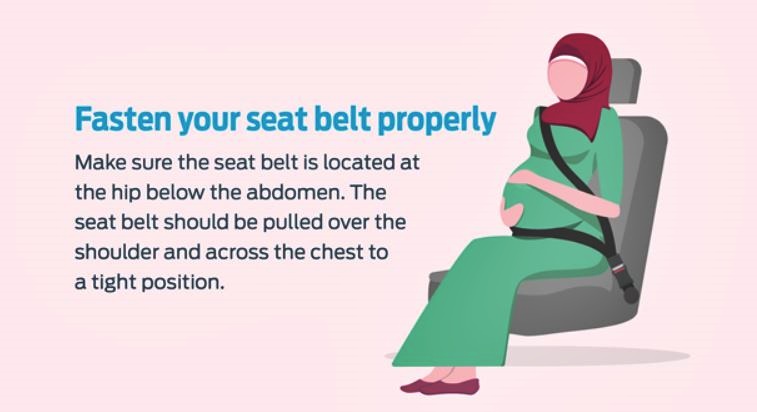
Ensure the seatbelt has a snug fit. Pull the seatbelt over the shoulder, between the breasts and to the side of the belly. The lap portion of the belt should be located at the hip, and below – not across – the abdomen, making sure it lies as flat as possible under the curve of the belly. Never put the shoulder belt behind or under the arm, as this can cause serious injury in the event of an accident.

Make proper vehicle adjustments
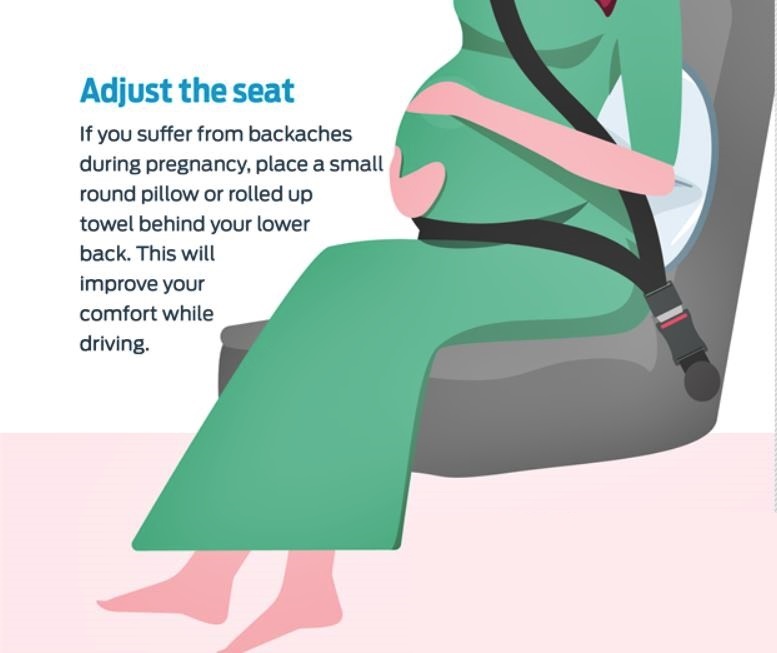
Move the seat back to a comfortable distance from the pedals, ideally sitting about 25 cm away from the steering wheel, to protect the abdomen if the airbag deploys in a frontal collision. If the car’s steering wheel is adjustable, point the centre of the steering wheel away from the belly and toward the chest. After changing the seat position, be sure to adjust the rearview and outside mirrors. Should backaches occur, place a small round pillow or rolled towel behind the lower back to improve comfort while driving.

Expectant mothers in cars

From snack attacks…to nausea
Food cravings (and ‘morning’ sickness) can happen at any time of day. Be sure to pack plenty of water and favourite snacks to satisfy those cravings. Keep extra ‘nausea bags’ in the purse and glovebox. And always avoid distracted driving – pull over to a safe place when hunger or sickness strikes.

Expectant mothers in cars

Have a rest… or avoid driving
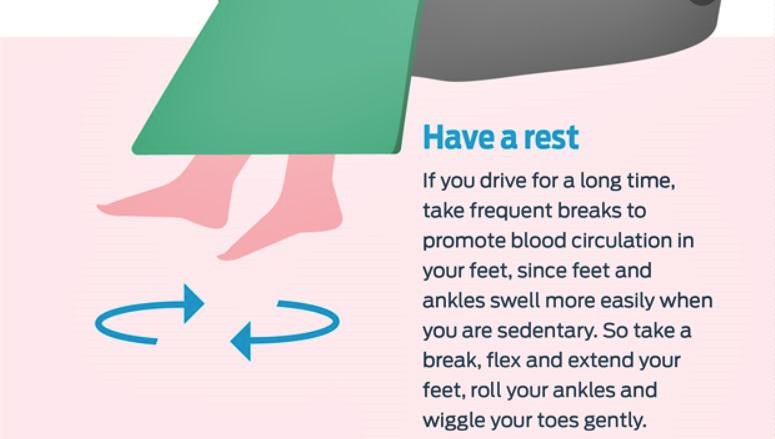
The ‘pregnant brain’ endures more strain than usual, so map out trips in advance (use Waze to see how long the journey might take). Avoid driving long distances if possible, and take frequent breaks to promote blood circulation in the feet, since feet and ankles swell more easily when sitting for extended periods of time. So take a break, and stretch and move the legs, feet and toes.

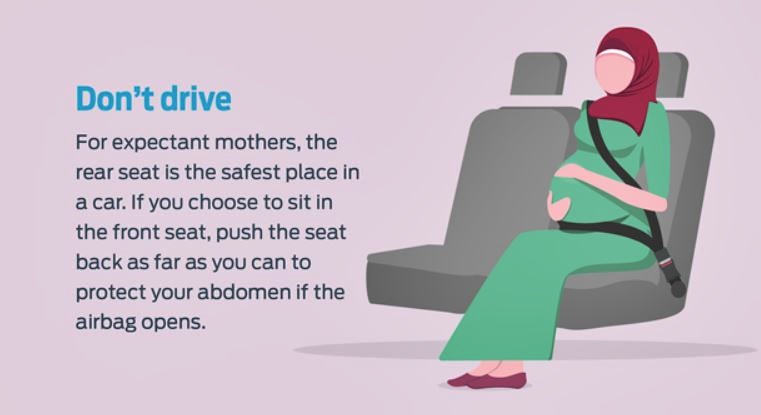
Better still – avoid driving when possible. For expectant mothers, the middle rear seat is the safest place in a car (as long as it offers a shoulder and lap belt). But if seated in the front passenger seat, push it back as far as possible to protect the abdomen if the airbag deploys.

Expectant mothers in cars

Shop for a childseat
Once the baby has arrived, a childseat will be necessary and an infant seat will be the type to use during the first 2 years. After that, depending on the speed of growth, a bigger seat will be needed. Unless really necessary, the childseat should be installed at the back instead of the front passenger’s seat. A small wide-angle ‘baby mirror’ can be installed on the ceiling so the driver can watch the back without having to turn around frequently.

Child car seat: No summonses for first six months of 2020

PISTON.MY


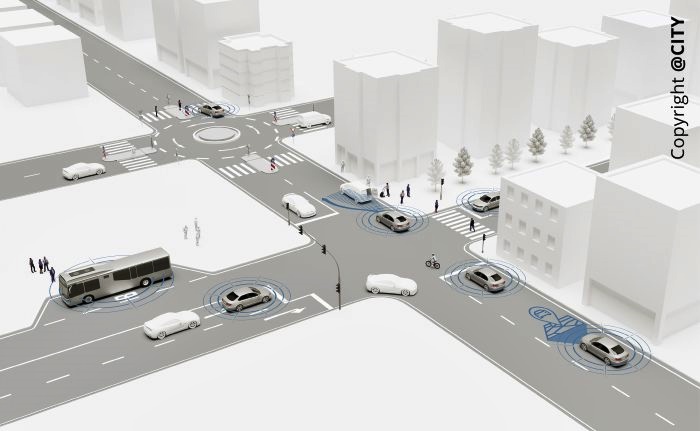
The age of autonomous cars – vehicles that can operate without human control – is coming. It’s not charging at us but with the amount of investment and R&D going into such technology, there will come a time when the companies are ready to sell autonomous vehicles. The introduction won’t be global, just as electric vehicles are not sold everywhere even though they have reached commercialisation.

While autonomous technologies have improved substantially, they still ultimately view the drivers around them as obstacles made up of ones and zeros, rather than human beings with specific intentions, motivations, and personalities. For all their fancy sensors and intricate data-crunching abilities, even the most cutting-edge cars lack something that (almost) every teenager with a ‘P’ licence has: social awareness.

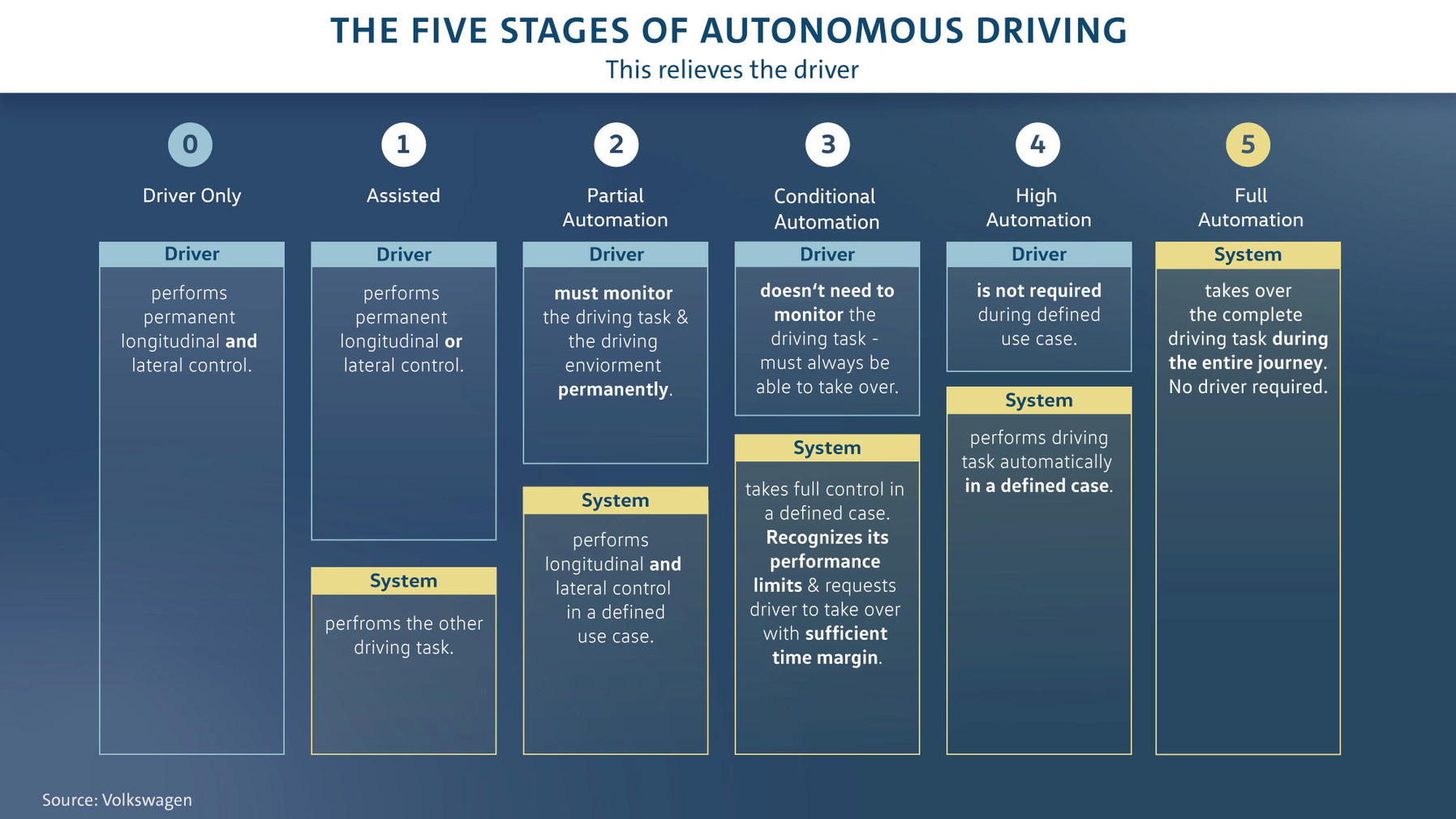
Autonomous levels

A team led by researchers at the Computer Science and Artificial Intelligence Laboratory (CSAIL) of the Massachusetts Institute of Technology (MIT) has been exploring whether self-driving cars can be programmed to classify the social personalities of other drivers. This could help them better predict what different cars will do — and, therefore, be able to drive more safely among them.

In a new paper, the scientists integrated tools from social psychology to classify driving behaviour with respect to how selfish or selfless a particular driver is. Specifically, they used something called social value orientation (SVO), which represents the degree to which someone is selfish (‘egoistic’) versus altruistic or cooperative (‘prosocial’). The system then estimates drivers’ SVOs to create real-time driving trajectories for self-driving cars.

Autonomous vehicles

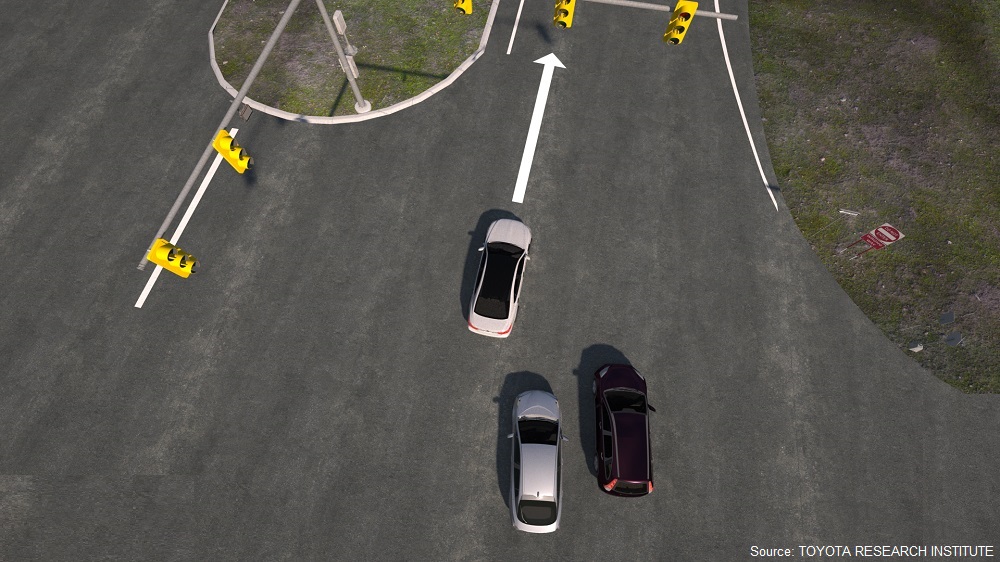
Testing their algorithm on the tasks of merging lanes and making unprotected turns to the left (on US roads where vehicles travel on the right), the team showed that they could better predict the behaviour of other cars by a factor of 25%. For example, in the left-turn simulations, their car knew to wait when the approaching car had a more egoistic driver, and to then make the turn when the other car was more ‘prosocial’.

While not yet robust enough to be implemented on real roads, the system could have some intriguing use cases, and not just for the cars that drive themselves. Say you’re a human driving along and a car suddenly enters your blind spot — the system could give you a warning in the rear-view mirror that the car has an aggressive driver, allowing you to adjust accordingly. It could also allow self-driving cars to actually learn to exhibit more human-like behaviour that will be easier for human drivers to understand.

Autonomous vehicles
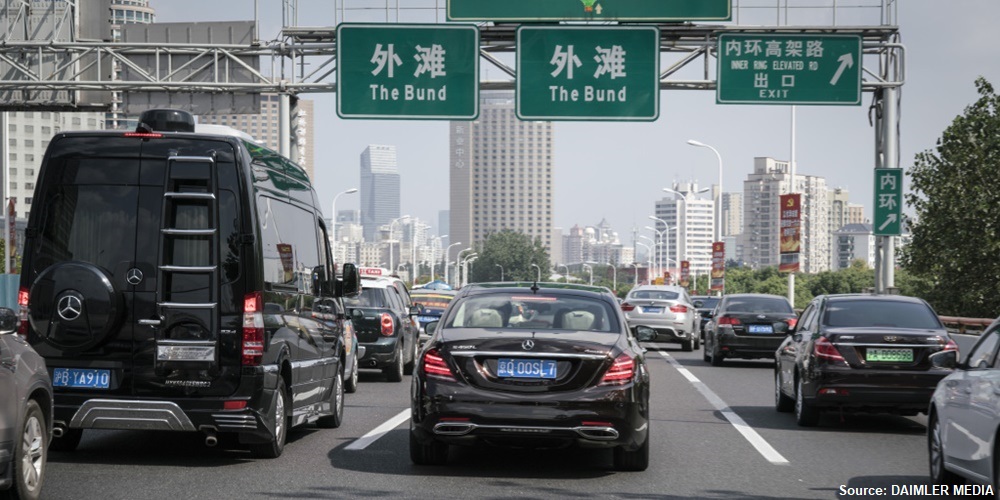
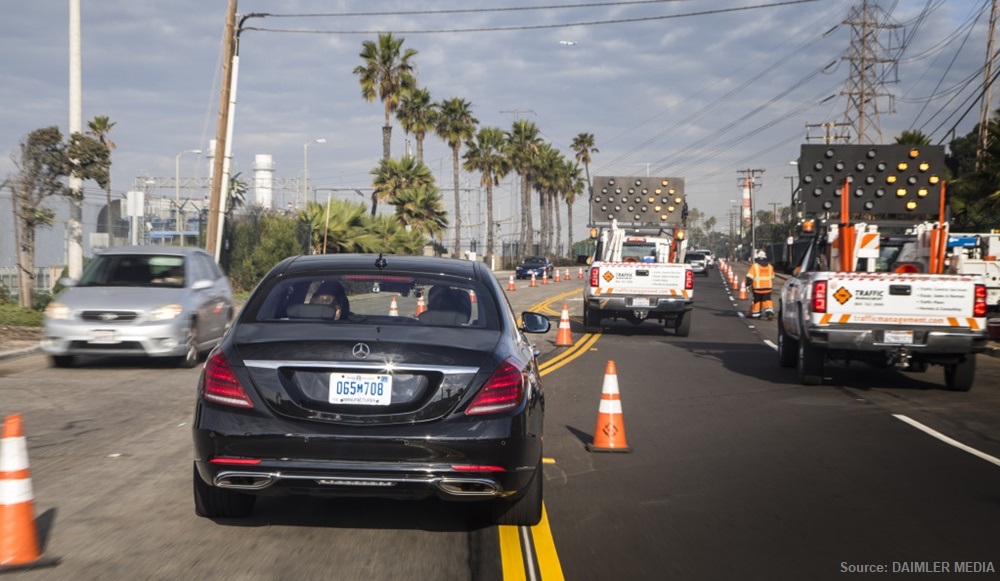
Mercedes-Benz researchers have taken prototype autonomous vehicles through various cities around the world to collect data on driving conditions and drivers so as to improve the ‘intelligence’ of the cars.

“Working with and around humans means figuring out their intentions to better understand their behaviour,” said graduate student Wilko Schwarting, who was lead author on the new paper published in the Proceedings of the National Academy of Sciences. “People’s tendencies to be collaborative or competitive often spills over into how they behave as drivers. In this paper, we sought to understand if this was something we could actually quantify.”

Schwarting’s co-authors included MIT professors Sertac Karaman and Daniela Rus, as well as research scientist Alyssa Pierson and former CSAIL postdoc Javier Alonso-Mora.

A central issue with today’s self-driving cars is that they’re programmed to assume that all humans act the same way. This means that, among other things, they’re quite conservative in their decision-making at 4-way stops and other intersections. While this caution reduces the chance of fatal accidents, it also creates bottlenecks that can be frustrating for other drivers, not to mention hard for them to understand. This may be why the majority of traffic incidents have involved getting rear-ended by impatient drivers.

Autonomous driving

“Creating more human-like behaviour in autonomous vehicles (AVs) is fundamental for the safety of passengers and surrounding vehicles, since behaving in a predictable manner enables humans to understand and appropriately respond to the AV’s actions,” said Schwarting.

To try to expand the car’s social awareness, the CSAIL team combined methods from social psychology with game theory, a theoretical framework for conceiving social situations among competing players. The team modeled road scenarios where each driver tried to maximize their own utility and analyzed their ‘best responses’ given the decisions of all other agents.

Based on that small snippet of motion from other cars, the team’s algorithm could then predict the surrounding cars’ behaviour as cooperative, altruistic, or egoistic — grouping the first two as ‘prosocial’. People’s scores for these qualities rest on a continuum with respect to how much a person demonstrates care for themselves versus care for others.

TOYOTA

In the merging and left-turn scenarios, the two outcome options were to either let somebody merge into your lane (‘prosocial’) or not (‘egoistic’). The team’s results showed that, not surprisingly, merging cars are deemed more competitive than non-merging cars.

The system was trained to try to better understand when it’s appropriate to exhibit different behaviours. For example, even the most deferential of human drivers knows that certain types of actions — like making a lane-change in heavy traffic — require a moment of being more assertive and decisive.

“By modeling driving personalities and incorporating the models mathematically using the SVO in the decision-making module of a robot car, this work opens the door to safer and more seamless road-sharing between human-driven and robot-driven cars,” said Rus.

Malaysian motorcyclists
In the context of Malaysian traffic conditions, such advanced intelligent technology may well be valuable in addressing the unpredictability of the many motorcyclists which ride between cars. Of course, it will require extremely quick processing for the autonomous car to respond and react in time to avoid a collision.

The research was supported by the Toyota Research Institute for the MIT team. The Netherlands Organization for Scientific Research provided support for the specific participation of Mora.

Hyundai begins testing Level 4 Autonomous Driving in Europe

PISTON.MY

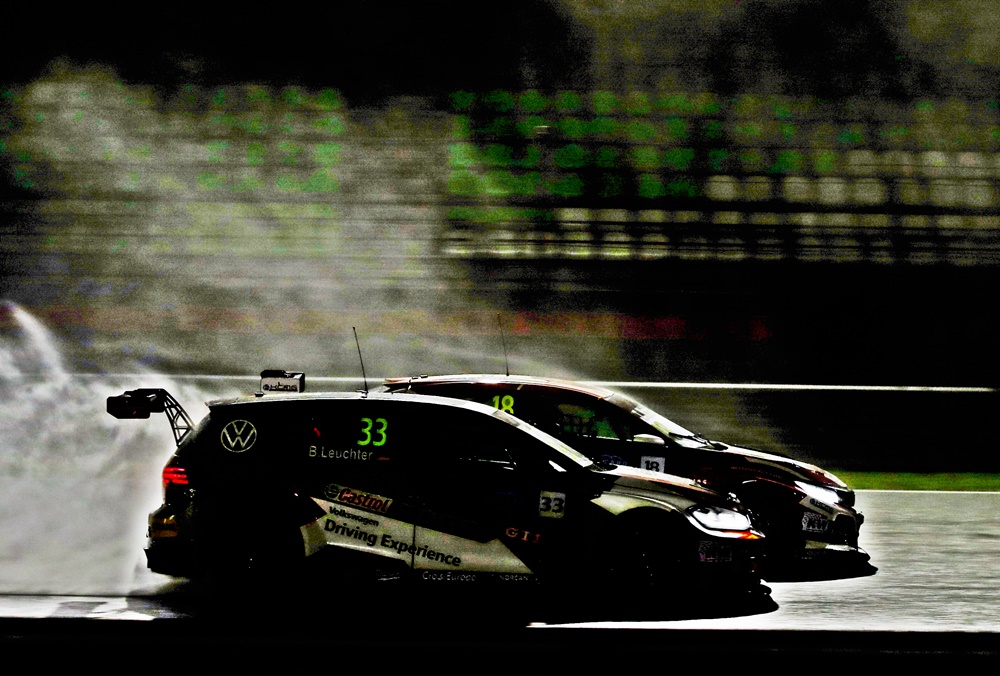
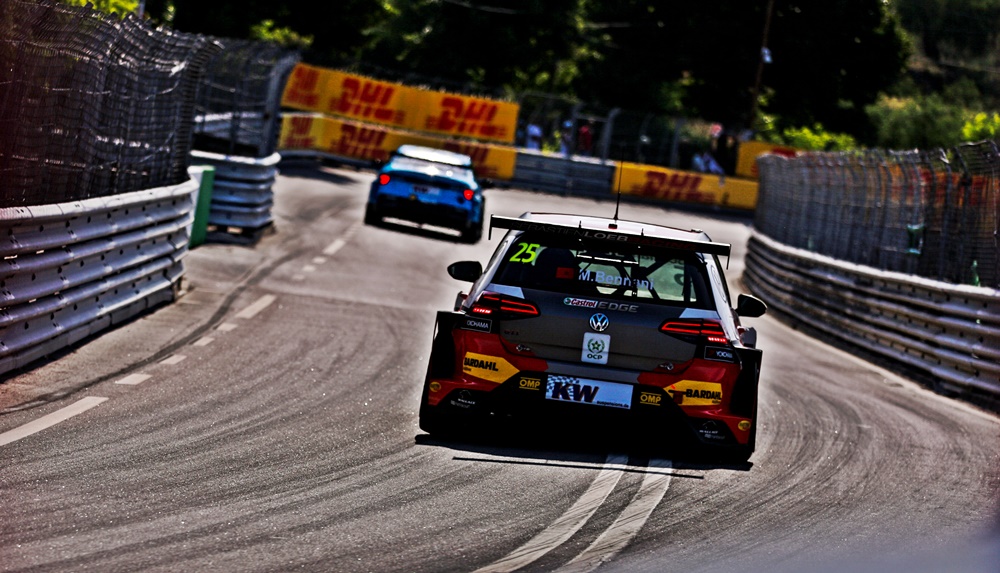
Following the announcement of Pirelli as the sole tyre-supplier for the World Rally Championship (WRC) from 2021, the FIA has also announced that Goodyear’s tender for supplying tyres to the WTCR – FIA World Touring Car Cup has been accepted. The tyremaker will be the official tyre supplier for the series over the next 3 years, covering the 2020-2022 seasons.

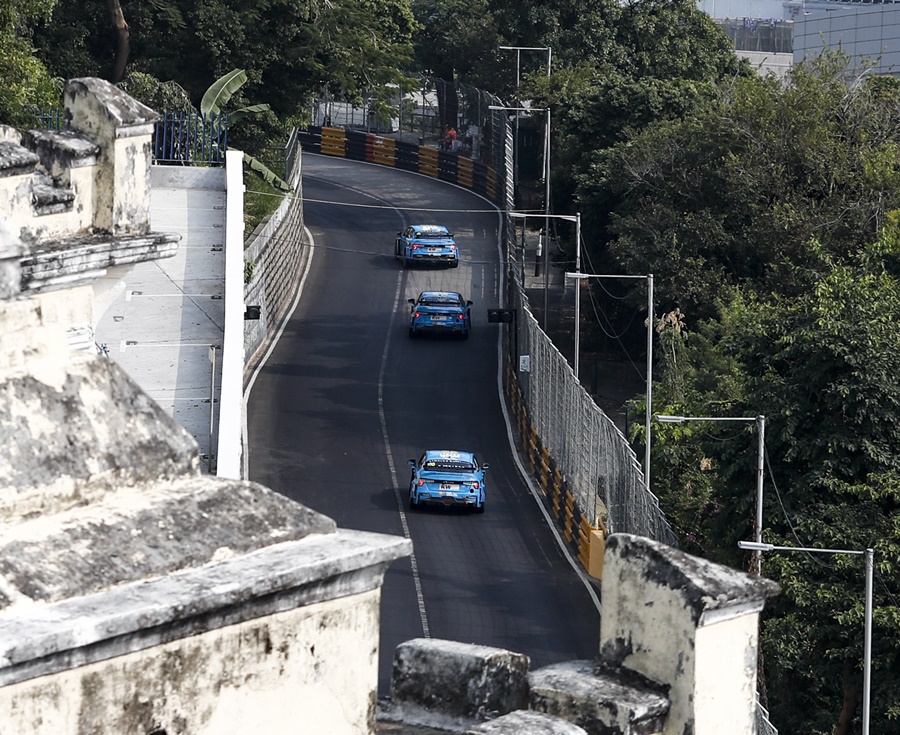
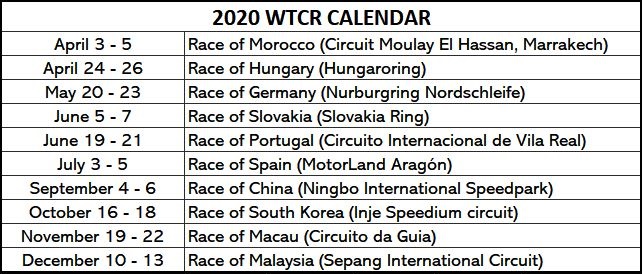
The 2020 WTCR season has 10 races on three continents including races in Morocco, Hungary, Germany, Slovakia, Portugal, Spain, China, South Korea and Macau, with Malaysia hosting the finale. The events are triple-header races, resulting in a 30-round highly competitive race calendar.

2020 WTCR

WTCR NURBURGING 2019

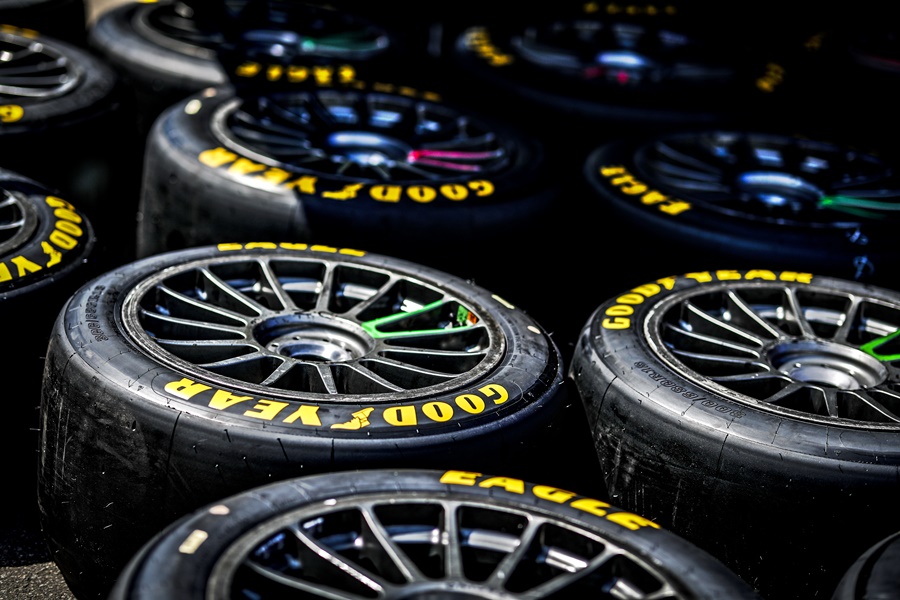
Eagle F1 SuperSport racing tyres
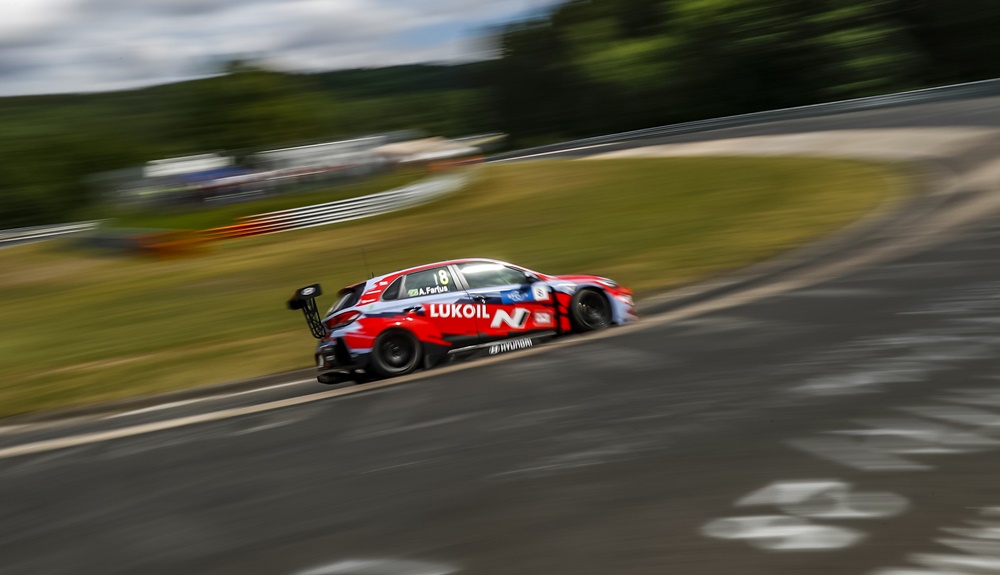
Goodyear will supply its latest generation of Eagle F1 SuperSport racing tyres in both slick and wet specifications, beginning with the 2020 WTCR season opener in Marrakech in April.

The WTCR – FIA World Touring Car Cup is promoted by Discovery-owned Eurosport Events and administered by the FIA. Its high appeal to spectators is because the cars are racing versions of high-performance production models from brands such as Alfa Romeo, Audi, Cupra, Honda, Hyundai and Lynk & Co.

WTCR MALAYSIA - 2019

“Goodyear has a long and successful history in motorsport and we are very proud it has chosen the WTCR as an international racing flagship. Discovery and Goodyear will be very active together all year long to reconnect that iconic brand into the racing community with quality content and a full range of very creative activations. We have no doubt that Goodyear will be a first-class partner on the technical and marketing fronts of WTCR,” said François Ribeiro, Head of Eurosport Events, the WTCR promoter.

WTCR PORTUGAL 2019

Long history in top-level motorsport
Goodyear has a long history in top-level motorsport, winning 368 Formula One GPs, more than any other tyre manufacturer. The FIA WTCR contract rekindles memories of Goodyear’s race-winning heritage in the European Touring Car Championship, a forerunner of WTCR, in the 1970s and 1980s. In recent years, Goodyear has been the sole supplier of tyres to NASCAR and announced its comeback into global motorsport earlier this year, supplying tyres to the FIA World Endurance Championship and European Le Mans Series.

Goodyear tyres

“We are excited to be joining Eurosport and the FIA by becoming the official tyre supplier for the FIA WTCR. This complements our recent comeback into global motorsport through the FIA World Endurance Championship. It allows Goodyear to connect with fans in a wide range of countries, and also prove the performance of our Goodyear Eagle F1 SuperSport range of racing tyres,” said Mike Rytokoski, Vice-President & Chief Marketing Officer, Goodyear Consumer Europe.

Goodyear Eagle F1 range in Malaysia widens with more choices

PISTON.MY

As the electric car era approaches, it’s not just new types of vehicles that are needed but also supporting services, especially to recharge the battery packs. Unlike the petrol station network which is the product of many decades and has global coverage, battery recharging points and stations are only just beginning to be set up.

For companies that invest in recharging stations, there is a need to ensure sufficient demand and usage so as to get returns on their investment. That time is coming as the population of EVs (and also plug-in hybrids) rises and more vehicles need to be recharged daily.

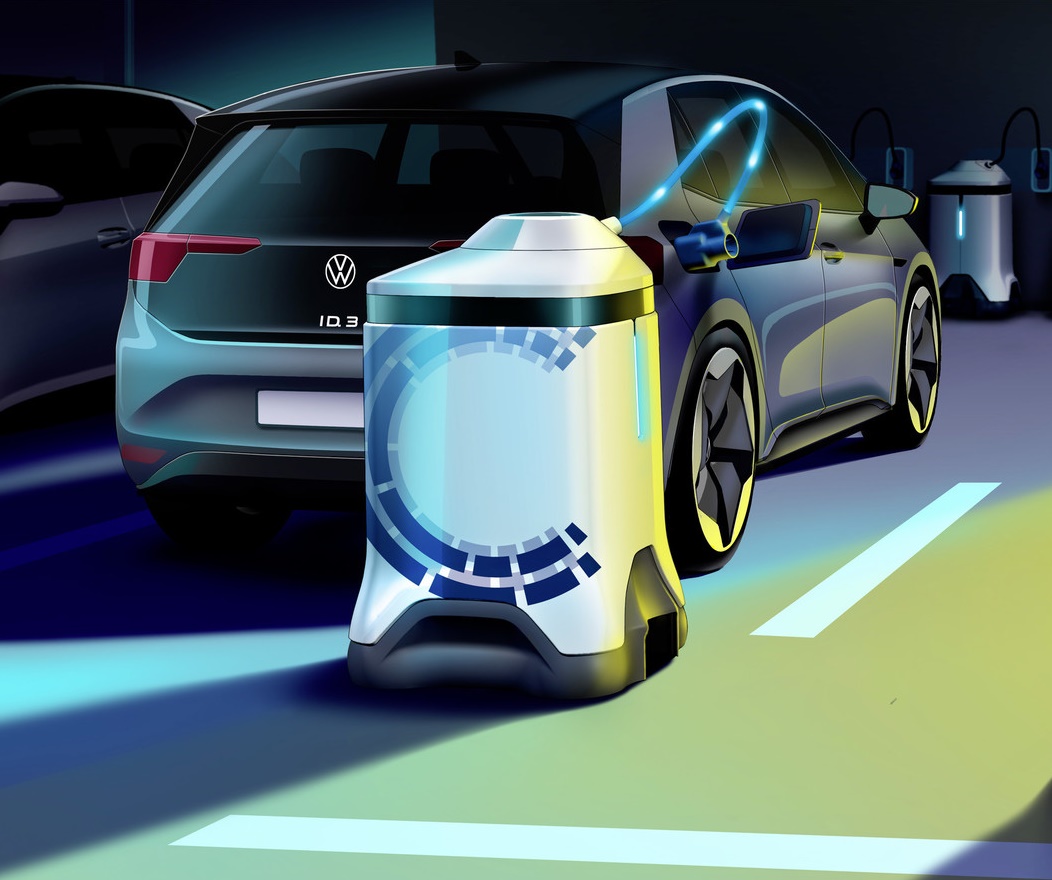
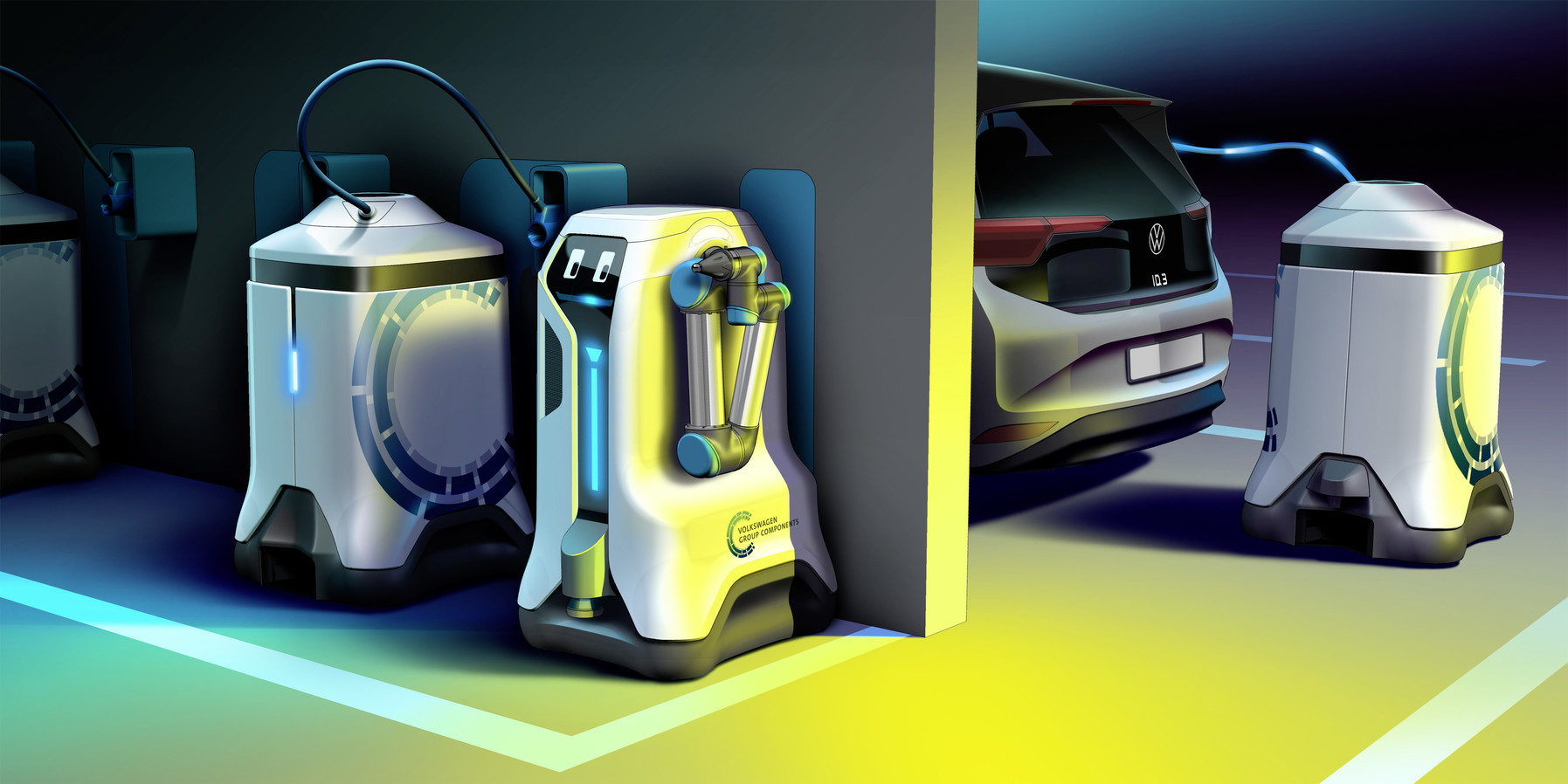
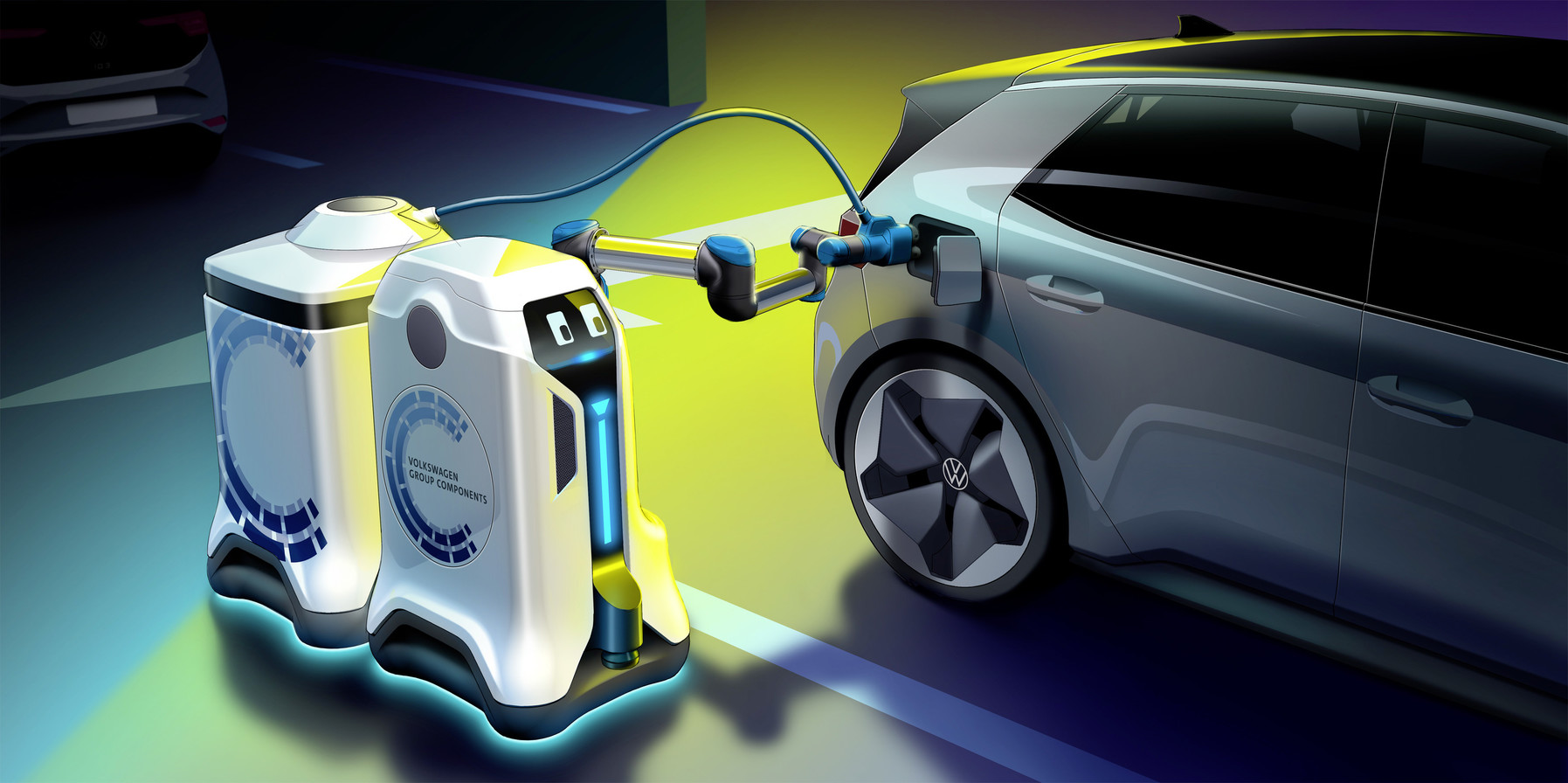
Volkswagen is also exploring other approaches and has provided a glimpse into the future in which the search for charging stations becomes unnecessary. Instead, mobile charging robots will take over this task, going to the vehicle completely autonomously. After it is started via app or V2X communication, the mobile robot drives itself to the vehicle that needs charging and communicates with it.

Everything done autonomously
From opening the charging socket flap to connecting the plug to decoupling, the entire charging process occurs without any human interaction. The robot brings a trailer in the form of a mobile energy storage device to the vehicle and connects it. It then uses this energy storage device to charge the battery of the electric vehicle. The mobile energy storage device stays with the vehicle during the whole charging process. The robot, in the meantime, charges other electric vehicles. Once the charging service is complete, the robot collects the energy storage device and brings it back to the charging station.

“The mobile charging robot will spark a revolution when it comes to charging in different parking facilities, such as multistorey car parks, parking spaces and underground car parks because we bring the charging infrastructure to the car and not the other way around. With this, we are making almost every car park electric, without any complex individual infrastructural measures,” explained Mark Moller, Head of Development at Volkswagen Group Components. “It’s a visionary prototype, which can be made into reality quite quickly, if the general conditions are right,” he added.

Volkswagen Group Components is researching different approaches to the assembly of charging infrastructure and has already developed several successful products. The flexible quick charging station and DC wall boxes are already part of a future charging family. Customer-oriented, intelligent and flexible approaches to charging are at the centre of the research. Other innovative products such as the charging robot are currently being developed.

Volkswagen

Autonomous, compact and flexible
The prototype consists of a compact, self-driving robot as well as flexible and agile energy storage devices, also known as ‘battery wagons’. When fully charged, these are equipped with an energy content of around 25 kWh each. A charging robot can move several battery wagons at the same time. With its integrated charging electronics, the energy storage device allows for DC quick charging with up to 50 kW on the vehicle.

The robot, which can move autonomously, is fitted with cameras, laser scanners and ultrasonic sensors. The combination of these systems not only allows the robot to carry out the charging process completely autonomously but also to move around freely in the parking area, recognising possible obstacles and to react to them appropriately. Depending on the size of the parking area or the underground carpark, several charging robots can be employed simultaneously so that several vehicles can be attended to.

Volkswagen

The mobile charging robot can be put to use in various ways. It isn’t just a robot arm that connects a car to a fixed charging station. Instead, drivers have the choice to park in any available space, independent of whether a charging station is free or not. The robot brings the charging station in the form of a mobile energy storage device directly to the vehicle.

For operators of different parking facilities this is a quick and easy solution to electrify every parking space. “This approach has an enormous economic potential,” said Moller. “The constructional work as well as the costs for the assembly of the charging infrastructure can be reduced considerably through the use of the robots.”

The compact design of the charging robot is perfectly suited for use in restricted parking areas without charging infrastructures, such as underground carparks. Even the well-known problem of a charging station being blocked by another vehicle will no longer exist with this concept.

VW ID.Charger
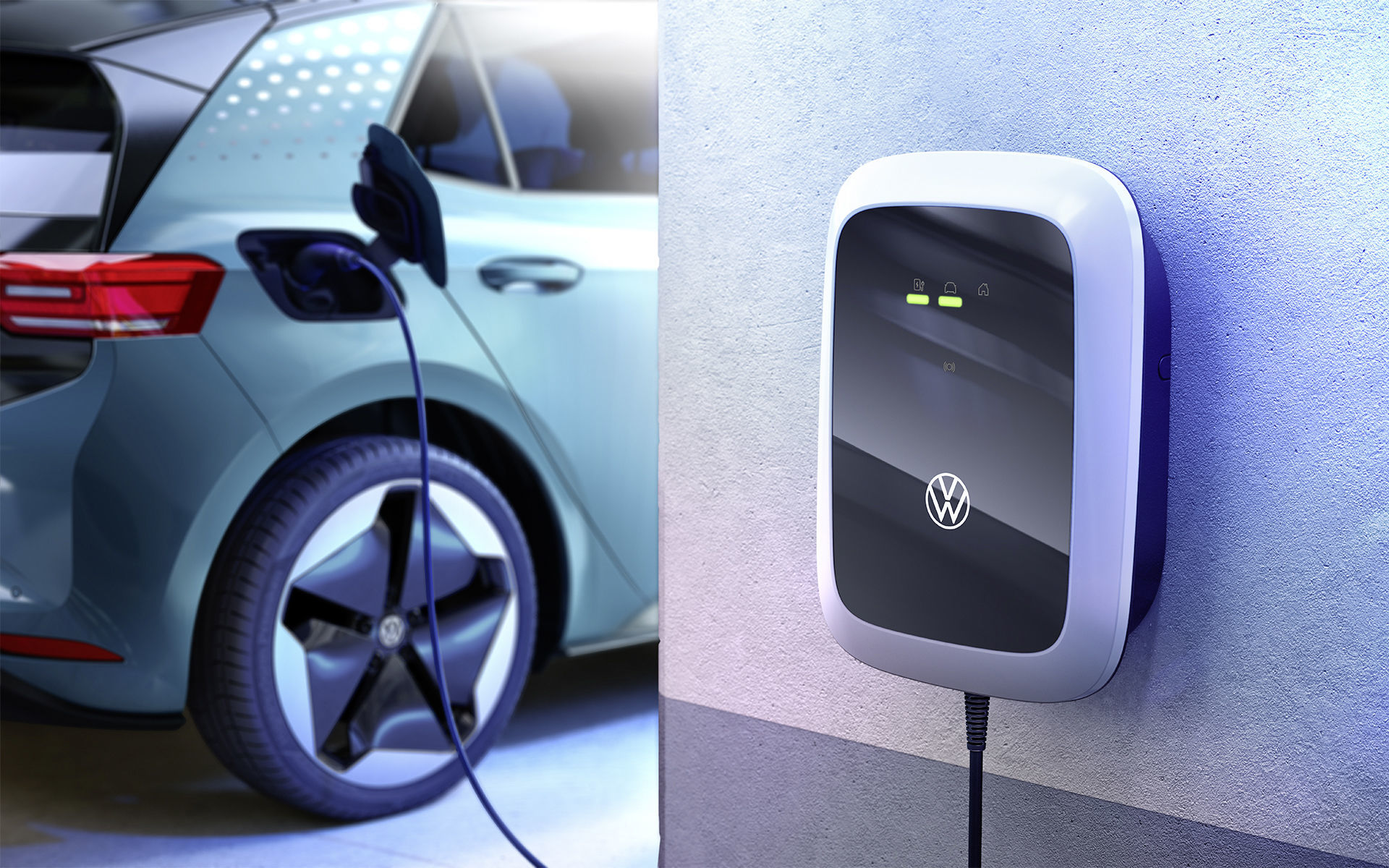
Owners can also install the ID. Charger, a unit developed by Volkswagen, in their homes.

36,000 places to recharge by 2025
The project is among Volkswagen’s initiatives to establish a charging infrastructure at many levels. Together with its dealers, the company aims to install a total of 36,000 charging points throughout Europe by 2025. A large proportion of these will be in public areas.

Volkswagen is also launching its own wallbox for home charging called the ID. Charger. And as a co-founder of the IONITY joint venture, Volkswagen participates in installing 400 fast-charging parks on major European highways. Medium-term, charging an EV is to become as easy as charging a smartphone.

Volkswagen owners can get more with VIP

PISTON.MY

A Rolls-Royce draws attention not only by its prestigious presence but also by the wealth of details around the car. Every model has been meticulously crafted and the most familiar elements have always been the Spirit of Ecstasy, Pantheon Grille and ‘Double R’ monogram. Unless the windows are heavily tinted (or the curtains drawn), passers-by can also admire the opulence which the occupants enjoy from the many luxurious appointments.

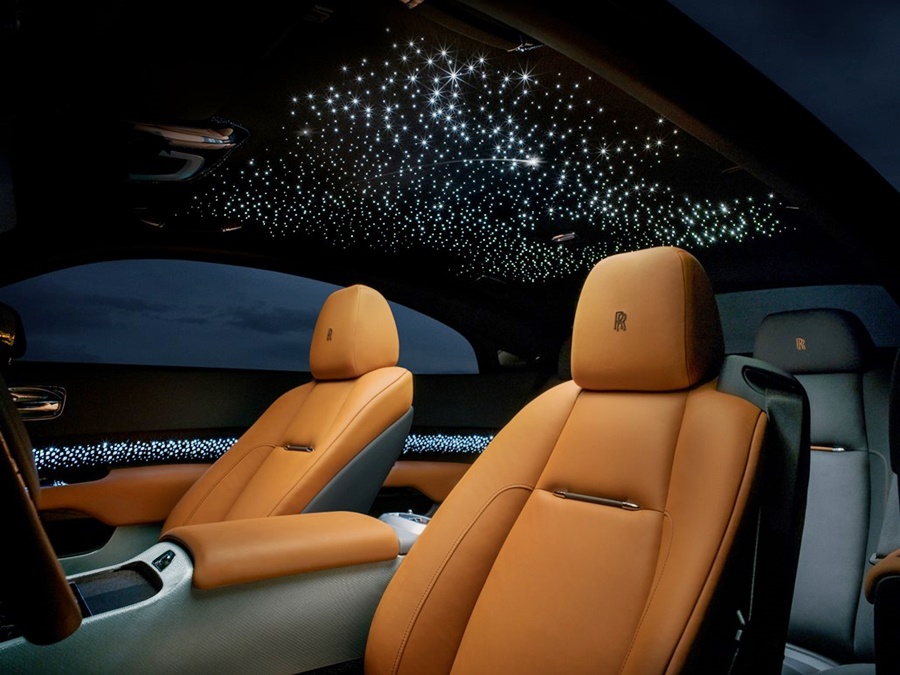
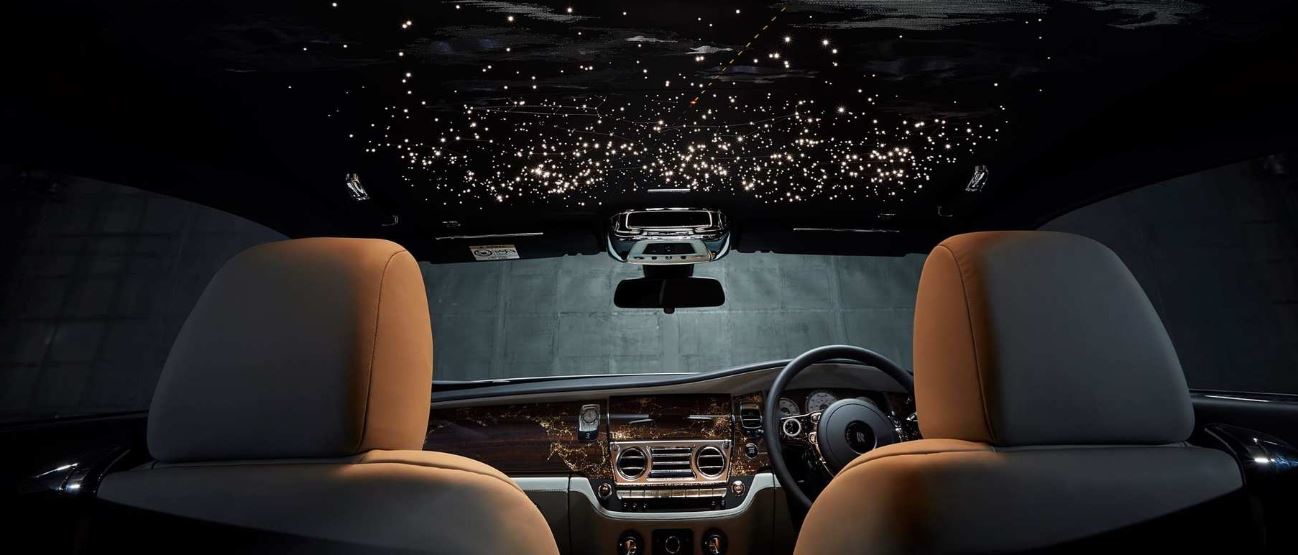
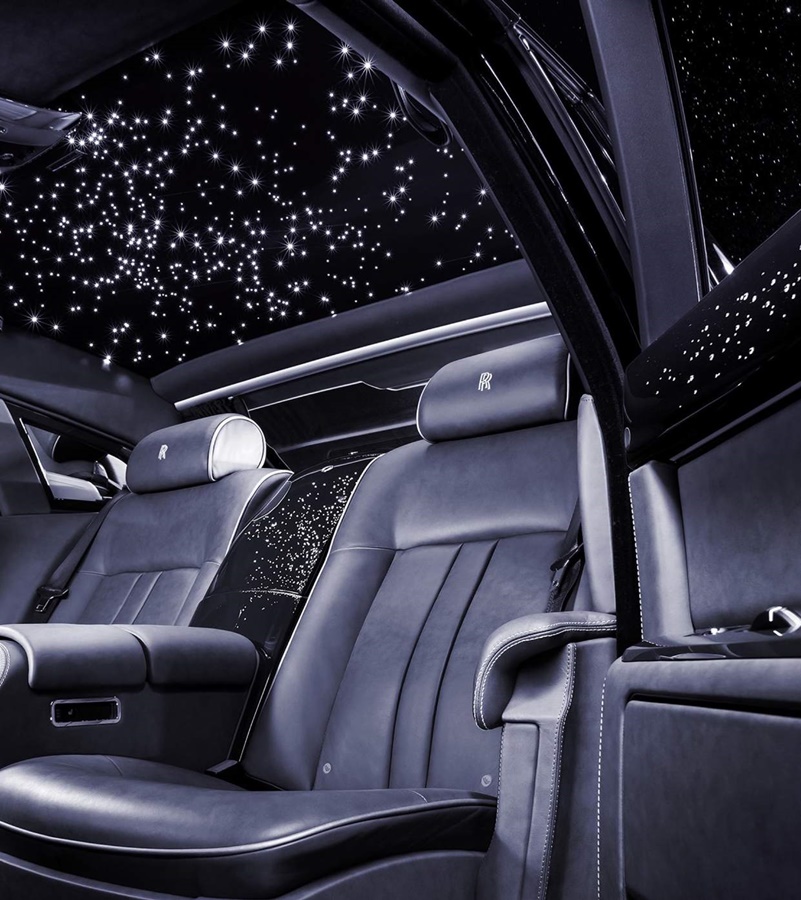
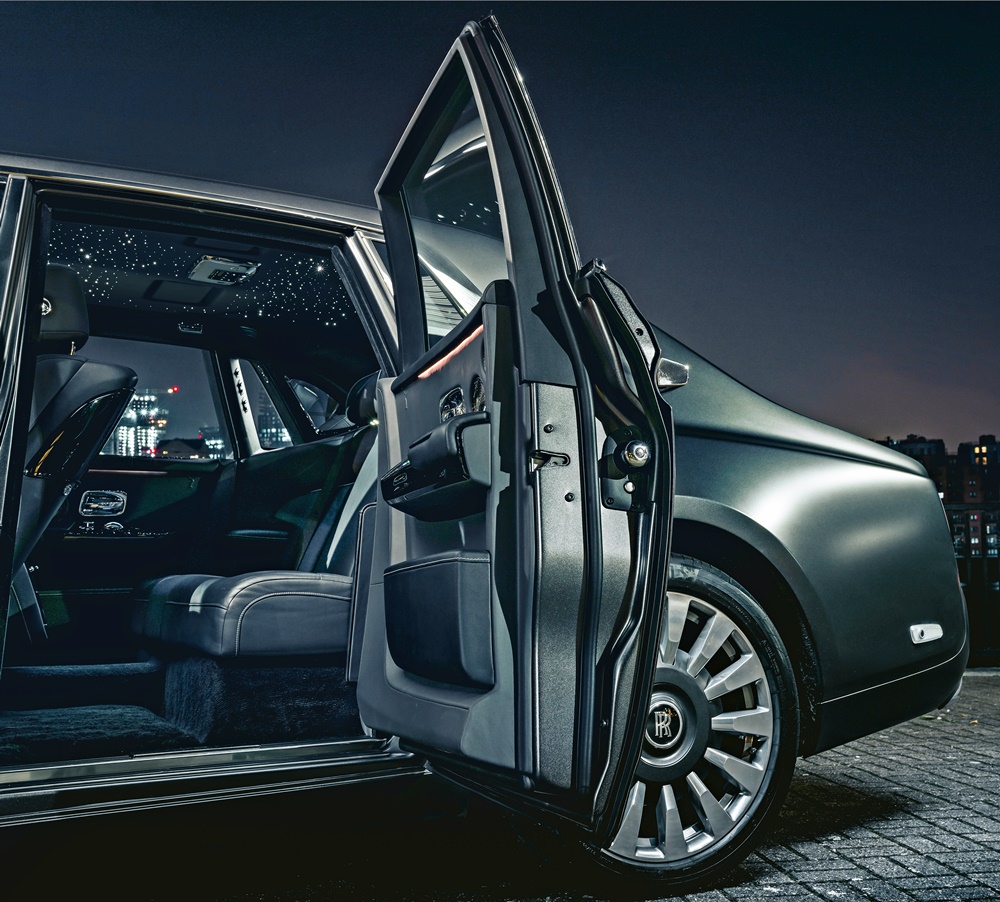
However, one feature which is not readily visible (especially in the daytime) to those on the outside but is spectacular in presentation is the Starlight Headliner. Now a part of Rolls-Royce iconography, the Starlight Headliner, in the spirit of the marque’s dedication to fulfilling the wishes of its patrons, began as a Bespoke request.

Rolls-Royce Starlight Headliner

Rolls-Royce Starlight Headliner

This came from a Rolls-Royce client who was suffering from photophobia (an extreme sensitivity to light) and was only able to enjoy reading his daily newspaper under the starlight on his rural ranch. He therefore requested that they develop a similar ambience within his Rolls-Royce.

As virtually nothing is impossible to the specialists at the Bespoke division (and it has been proven on many occasions), the Bespoke Collective of designers, engineers and craftspeople came up with a way to replicate stars on the ceiling of the cabin. They embedded no less than 800 stars, creating a star-filled night sky which gave just the right level of illumination the client needed, allowing him to read while travelling.

The client took delivery of his Phantom in 2006 and gave Rolls-Royce permission not only to publicise the Starlight Headliner but also offer the same feature to other customers. Thus was born the option of the Starlight Headliner which has been refined over the past 13 years. It can extend to the entire length of the roof and the intensity of light emitted by each star varied to better reflect the night sky.

The design for the Starlight Headliner is unique to each customer.

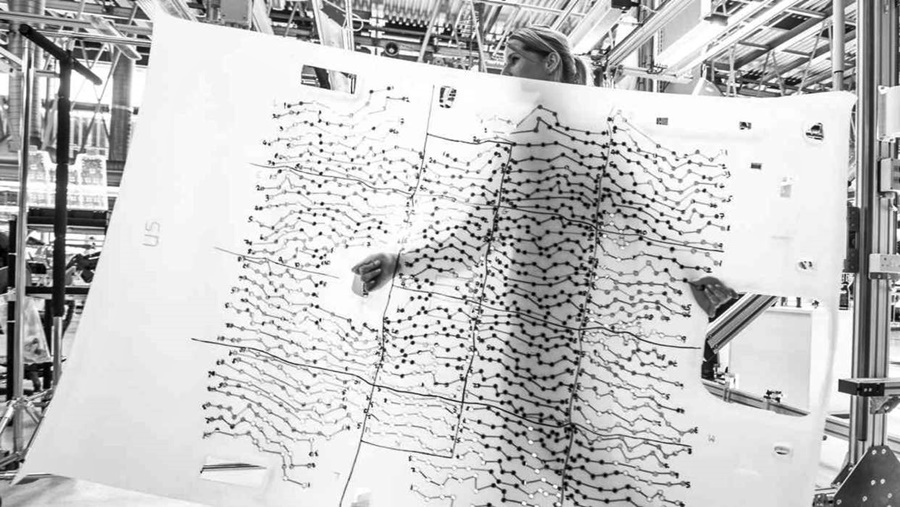
The constellation of each Starlight Headliner is completely unique to the customer. One customer requested that the lights be configured to represent the Ursa Major and Minor constellations while another customer wanted the Rolls-Royce monogram to illuminate separately from the rest of the stars. Some may like to have their loved one’s constellation twinkling from above. Whatever the customer wants, the Bespoke Collective will make sure he or she will have it.

Typically, it takes nine hours to craft, but a personalized pattern needs its own template, which can take more than 17 hours to complete. Two Rolls-Royce craftspeople marry their skills to create this extraordinary feature. It’s the perfect alliance of traditional craftsmanship and modern-day technology.

Rolls-Royce Starlight Headliner

Rolls-Royce Starlight Headliner

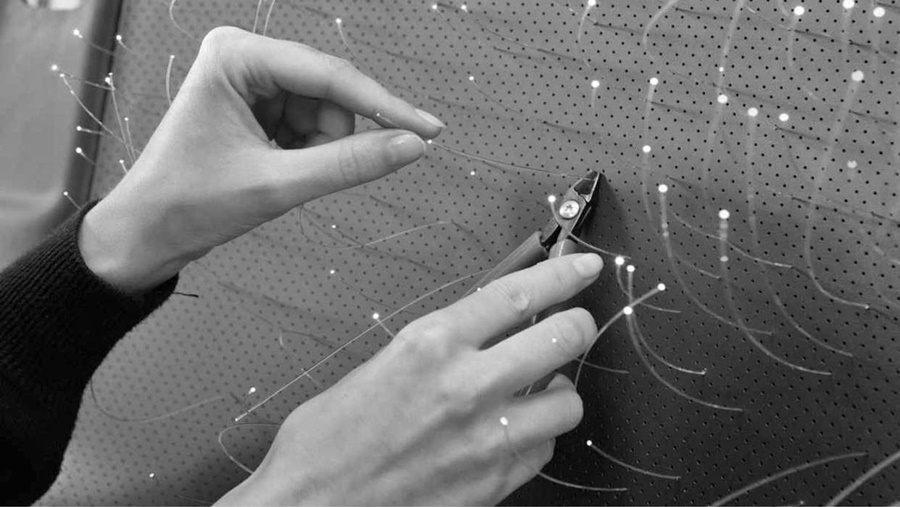
The Starlight Headliner’s unique effect is achieved by fitting delicate fiberoptic strands at varying depths and at different angles – to cause light to escape in multiple directions and at different intensities. First, the leather is perforated with 1,400 to 1,600 holes, each carefully counted. Fibreoptic threads, which are hand-trimmed at different angles to achieve a twinkling effect, are set into these holes by hand. The craftsperson then ensures that the fibres are perfectly seated on the visible leather surface, ready to shine.

Rolls-Royce Starlight Headliner

Customers can order the Starlight Headliner as an option for their Rolls-Royce and the additional cost depends on the requirements and the model. For a Phantom, Rolls-Royce Motor Cars KL says that the price would start from RM65,000.

Creating a rose garden within a Rolls-Royce Phantom

PISTON.MY

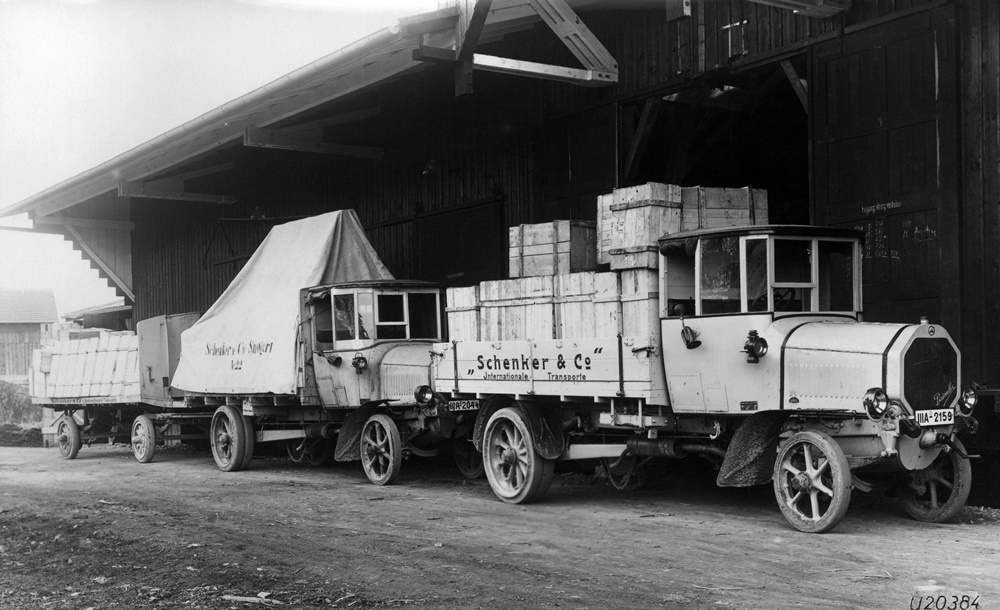
Beginnings are sometimes difficult and where the truck is concerned, its earliest years saw a great deal of resistance. In fact, it did not attract even a single buyer in Germany. Whereas the high society had welcomed the car with open arms as an enrichment of their personal freedom, the truck came up against severe scepticism in industry: capital goods had to earn money but the idea of sending goods by motorized vehicles seemed less efficient and not as fast as by railway.

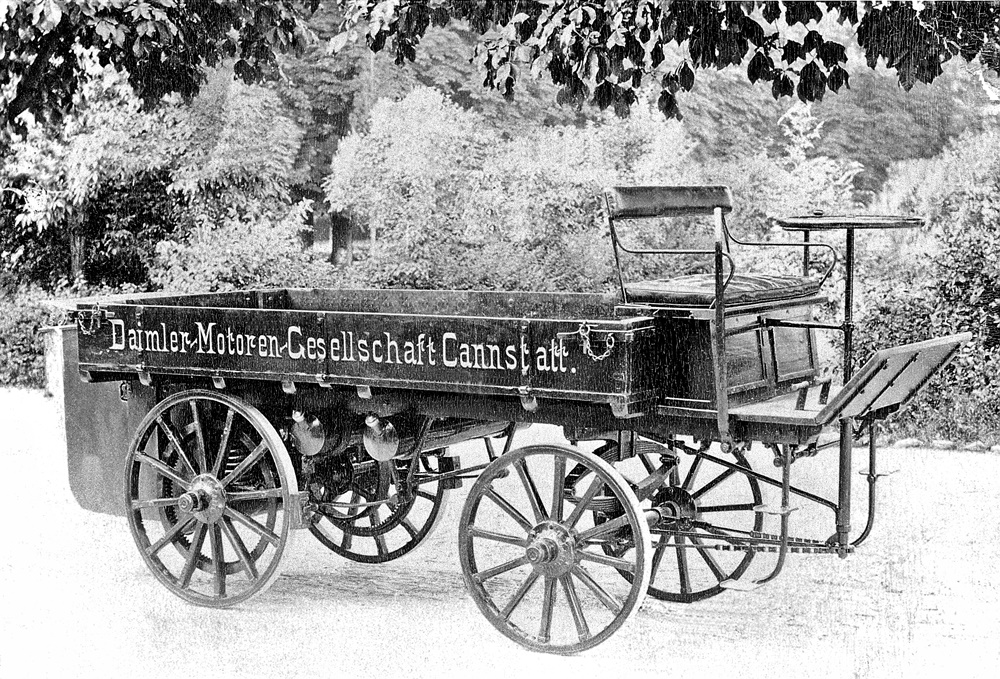
The truck was a creation of Gottlieb Daimler, who sought to find more applications for his engine. He came up with the motorcycle, the motorized handcar, a motorized fire-fighting pump, and – eventually and almost inevitably – with the truck. Back in 1896, he set up the first truck on iron-clad wooden wheels – a type of carriage without a drawbar but with an engine instead.

Strictly speaking, it was a converted horse-drawn cart whose chassis featured transversely mounted, fully elliptic leafsprings at the front and coil springs at the rear. This complex suspension was important not only because of the poor road conditions at the time but also because of the engine’s distinctive sensitivity to vibrations.
Daimler truck history

The rear-mounted 4-hp 2-cylinder engine called ‘Phoenix’ had a displacement of 1.06 litres. It had been adopted from the passenger car and its features included glow-tube ignition and spray-nozzle carburettor. Gottlieb Daimler promoted ‘the compactness and elegance of the design, the noiseless and jerk-free operation and the odourless exhaust gases’ as the major advantages of the Phoenix engines. They could run on petrol, coal gas and lamp fuel.

Belts transmitted the power produced by the engine, which was installed in an upright position underneath the rear end, to a shaft – with pinions at both ends – mounted transversely to the vehicle’s longitudinal axis. Each of these pinions meshed with the internal teeth of a ring gear which was firmly connected with the wheel to be driven.

Interest in England
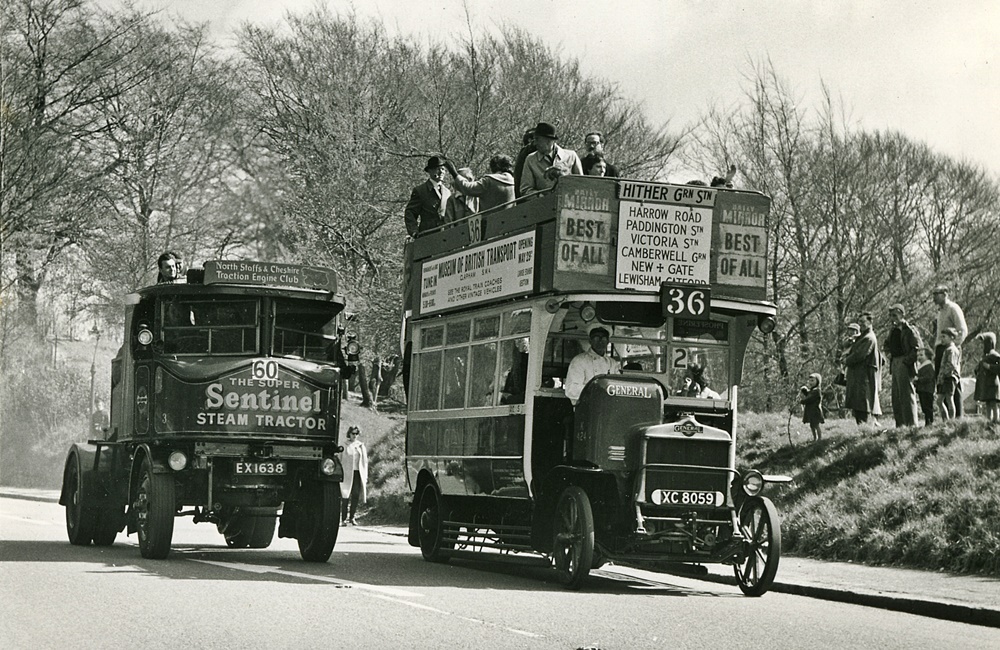
While there was lack of interest in Germany, a buyer was found in the mother country of industrialization – England. In that country, steam-powered vehicles had long since managed the transition from rail to road. At the same time, however, England was a country in which coke and coal were particularly cheap – which is why a vehicle with a petrol engine was hardly considered. And it was only after 1901 that his truck proved to be superior to the steam-powered truck, customary on the island at the time, in a comparative test in Liverpool.
Daimler truck history

It goes without saying that the engineering needed time to mature. Nevertheless, Daimler rapidly advanced into the 5-ton payload category. The output of the first truck range launched soon after-wards ranged from 4 to 10 hp, payload capacity from 1,500 to 5,000 kgs. Shortly after the world’s first truck had been supplied to England, Daimler presented a range comprising as many as 4 models from September 1896.

In the same year, Daimler and Wilhelm Maybach moved the 6-hp 2-cylinder Phoenix engine, previously mounted at the rear in the style of an underfloor engine, to underneath the driver’s seat, and the 4-speed belt transmission equally moved to the front.

More improvements from 1897
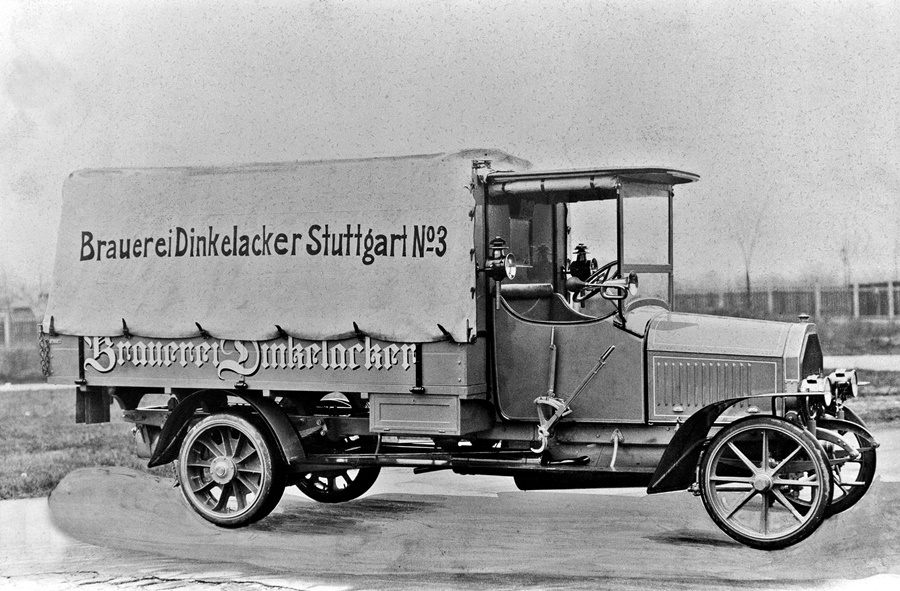
However, this solution still left a lot to be desired, especially as the belt transmission, which had proved itself in passenger cars, was suitable for heavyweights only to a limited extent. Therefore, as early as 1897, just one year later, the truck was finally given a face that clearly distinguished it from the car and paved the way towards ever greater output and payload.
Daimler truck history

The engine found its traditional place right at the front, ahead of the steered axle, and transmitted its output via a 4-speed gearbox and a full-length longitudinal shaft and pinions to the rear wheels which continued to be iron-clad.

Not only the powertrain was improved but also the engine, which was enlarged to 2.2 litres. A completely new design principle was adopted for the radiator: the tubular radiator represented a significant improvement of the cooling system, an indispensable precondition for a higher power output.

Promoting the truck across Europe
As the 20th century approached, Daimler stepped up promoting his trucks. With his 5-tonner, he went to Paris to show it off alongside a 4-hp belt-driven car. Yet there were many who were not convinced of the value of a truck with a combustion engine. It was generally assumed in Europe that combustion engines were right for passenger cars, but for commercial vehicles, the powerplants should be steam engines or electric motors.
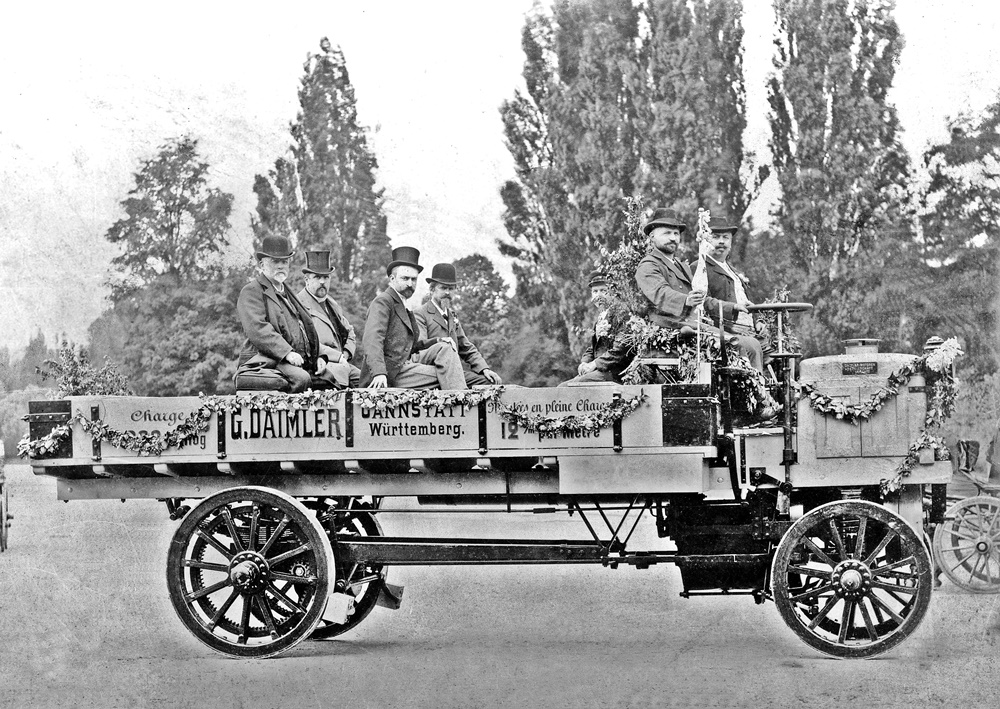
Daimler truck history

People were reluctant also because petrol had to be bought at the chemist’s shop but. Few people understood the engineering which was far from being able to cope with all the hardships the roads had in store for vehicles at the time. The buyer of Karl Benz’s first bus, for instance, returned the vehicle to him because of the difficulties negotiating the ruts carved by heavy-duty horse-drawn carts into the roads.

Another general problem was the fact that the spoked wooden wheels customary at the time could even catch fire under certain circumstances! The conventional combination of journal and bushing was susceptible to crushing at the edges, leading to burn marks on the hollow hub. To make things worse, iron wheels provided poor traction, while there was little to prevent solid-rubber tyres from melting or crumbling under the impact of heat. And through to the 1920s, pneumatic tyres were suitable only for light loads.

Nevertheless, things got better for the truck as the industrial revolution gathered momentum and demand for distribution was rising. As the 20th century started, truck engineering had sufficiently advanced to be considered a viable proposition. Transport operators engaged in heavy-duty distribution began to discover the advantages of the new engineering for themselves. Brickworks and breweries were among the first branches of industry, which bought trucks in large numbers.
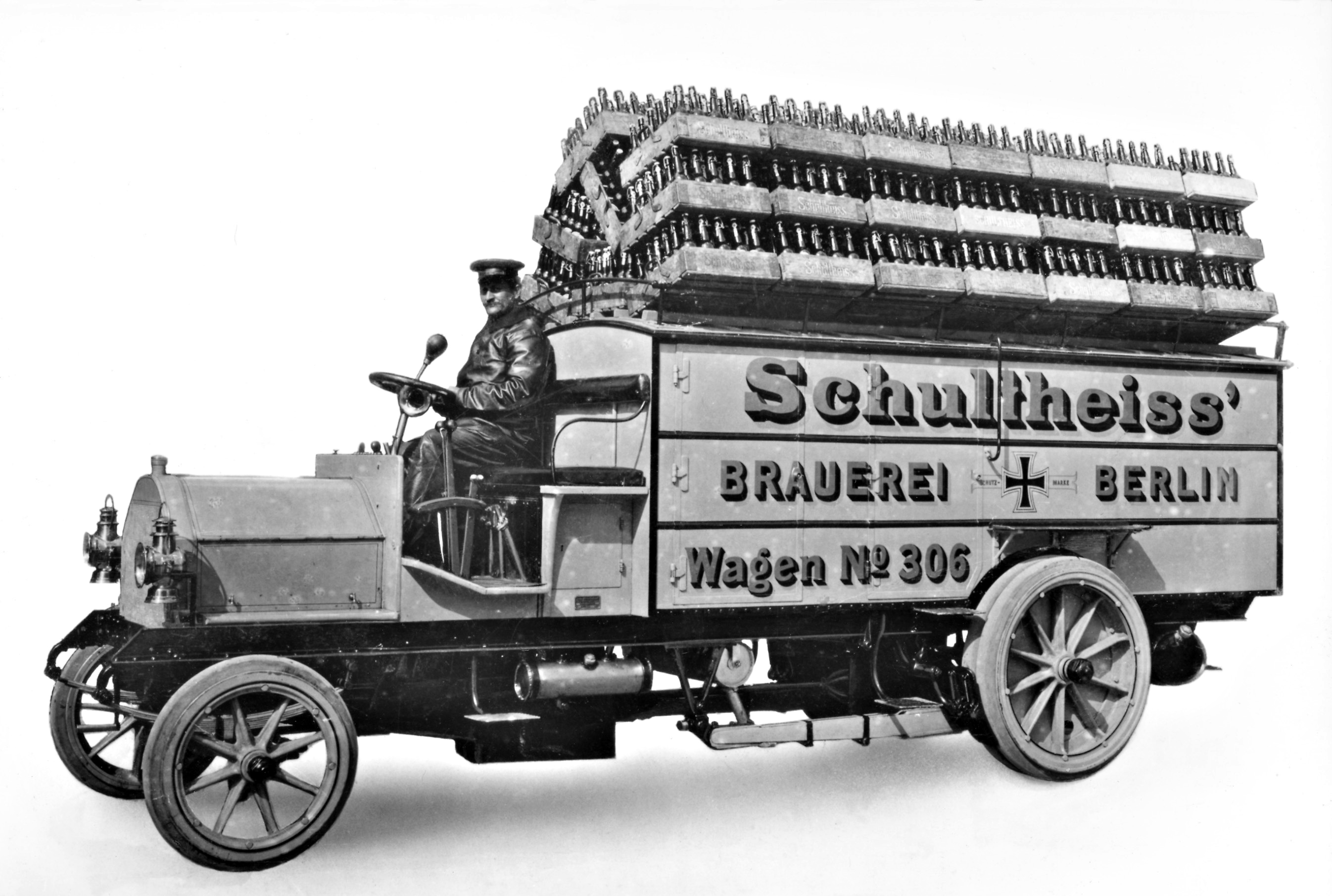
Daimler truck history

Gaining momentum in the 20th century
However, long-distance transport remained the domain of the railways for a long time to come. The distribution of labour at a time when the truck was still in its infancy was like this: while the railways linked the industrial centres with each other, traditional horse-drawn carts and trucks distributed goods to smaller towns and villages.

The onset of the first World War did create demand for trucks by the military although when the war ended, so too did demand for some time. Nevertheless, by the 1930s, truck engineering had matured and advanced greatly that it was able to be a viable alternative for delivery over the long distances that had been handle by the railway services.

Birth of sub-segments
During the 20th century, as the truck segment began to grow, sub-segments appeared in different markets. There were large trucks, medium-sized trucks and small trucks, the vehicle type typically defined by having a large cargo space behind. Huge trucks were designed for mining operations while smaller trucks – referred to as pick-up trucks – were useful for business operators to carry small loads.
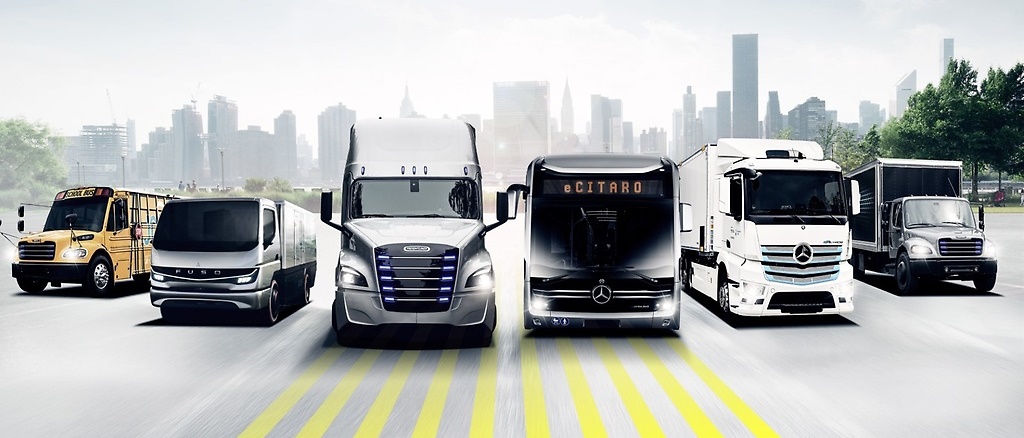
Daimler truck range in 2019

Not surprisingly, Daimler Truck AG, with its 120-year history, has consistently set standards for the entire transportation industry – in terms of safety, fuel efficiency and driver and passenger comfort. It is today one of the world’s largest commercial vehicle manufacturers. Its portfolio has 7 vehicle brands to serve various segments.


PISTON.MY

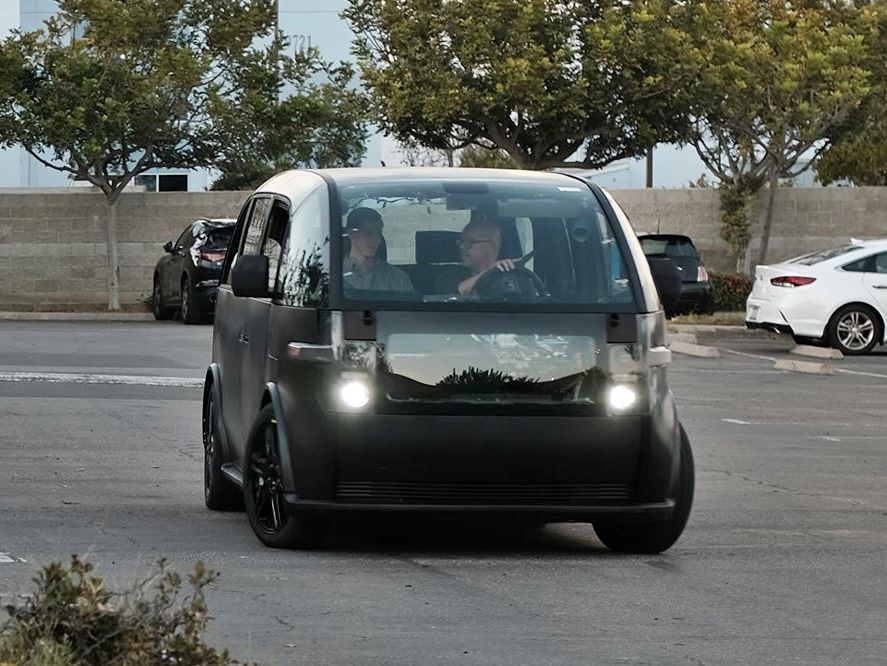
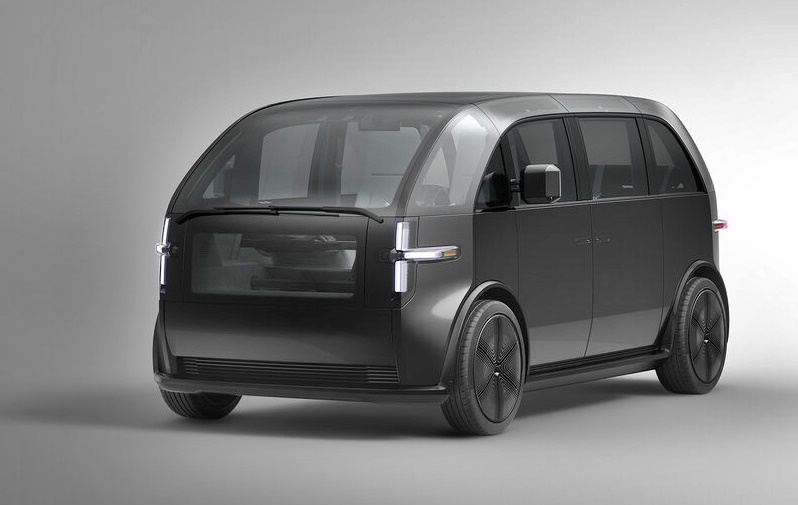
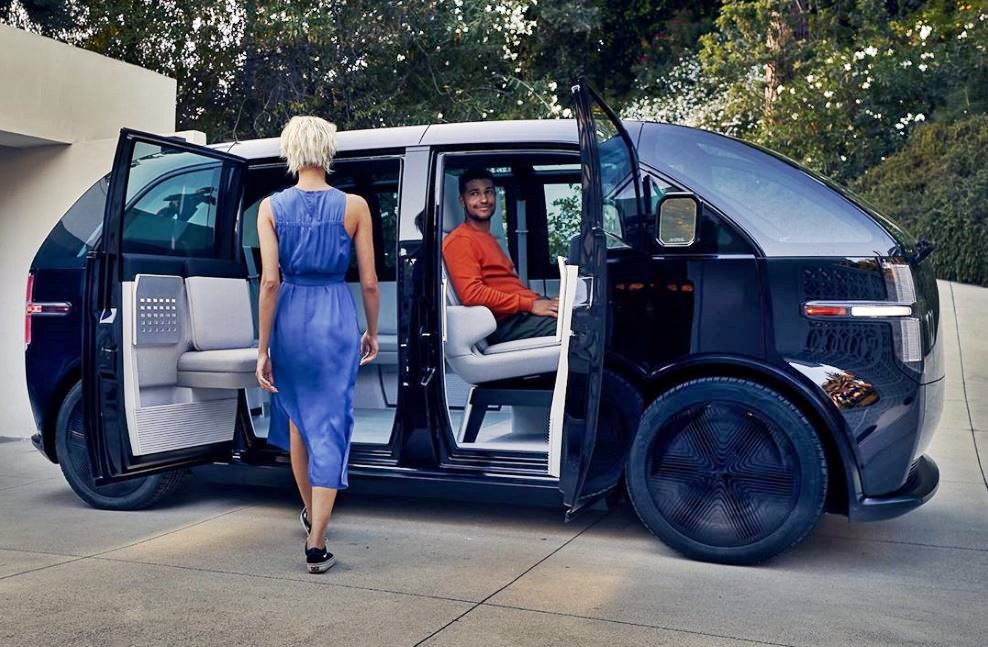
Canoo, a Los Angeles-based company, aims to carve its own presence in the coming era in which transportation is becoming increasingly electric, shared and autonomous. It will do this by challenging traditional automotive shape and functionality and capitalizes on EV (electric vehicle) architecture in a way that provides significantly more interior space.

Canoo

“We believe that the potential of EV architecture can enable a post-SUV era that addresses the ever-growing desire for space and value,” said Ulrich Kranz, In Charge at Canoo. “We promised a truly different approach for EVs, and our canoo proves that we can deliver on that vision. In my 30 years’ experience, I have never seen so many quality achievements in such a short time. We are on track for our launch date in 2021.”

The canoo is the result of a completely re-engineered vehicle design, eliminating wasted space throughout the vehicle and providing exceptional utility to the user. By capitalizing on EV architecture, the canoo eliminates compartmentalization and comes across as an urban loft on wheels.

Canoo

As spacious as a large SUV
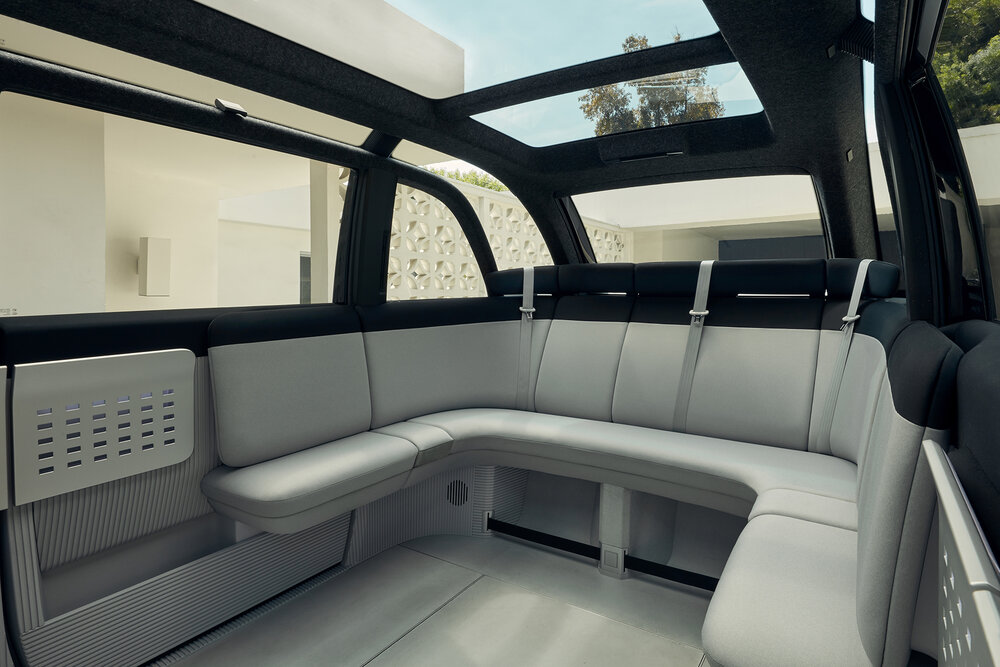
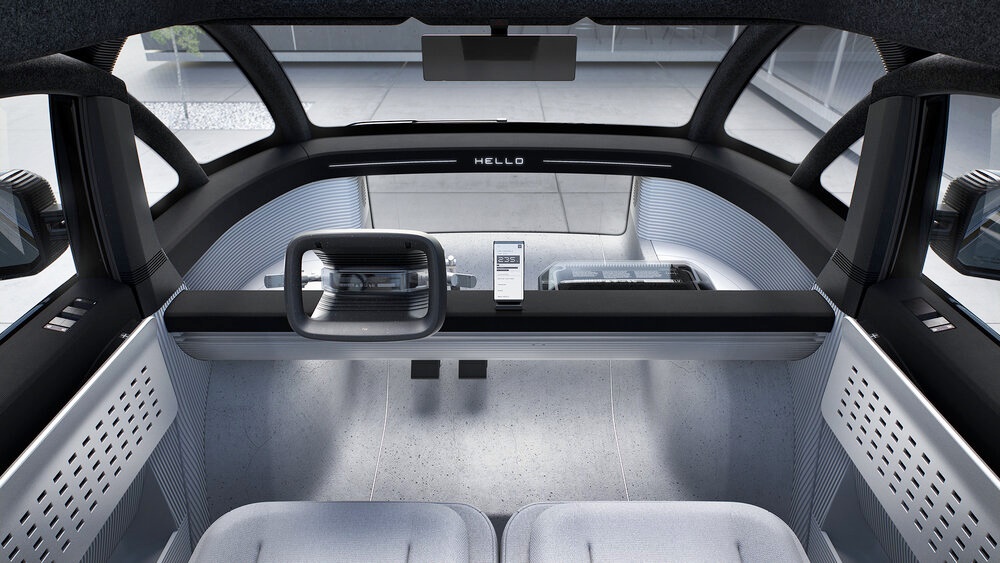
With the interior space of a large SUV and the exterior footprint of a compact car, the canoo offers enough space for 7 people. All seating is designed to feel more like furniture than traditional car seats. For example – the rear seats are more like a sofa to lounge on than a cramped and segmented backseat, and the front takes inspiration from mid-century modern chairs.
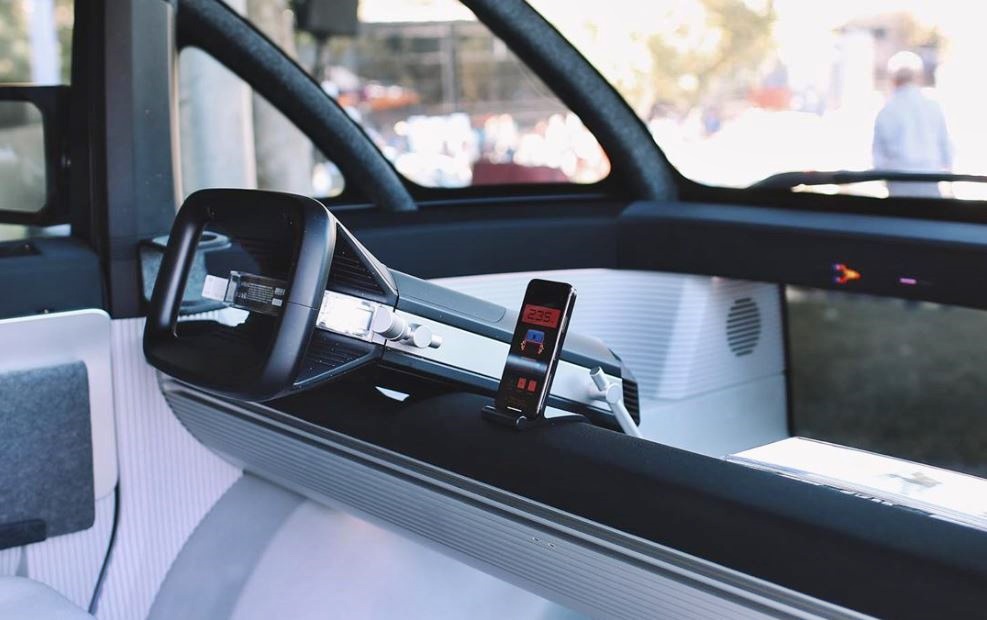
A minimalist approach for the user interface provides an experience comparable to a connected home. The occupants bring their own devices, which are naturally personalized, intuitive and secure. Therefore, the non-driving features such as navigation, music or heating can be controlled via phone or tablet to be consistent with the user’s daily connected life.
Canoo

Proprietary ‘skateboard’ architecture
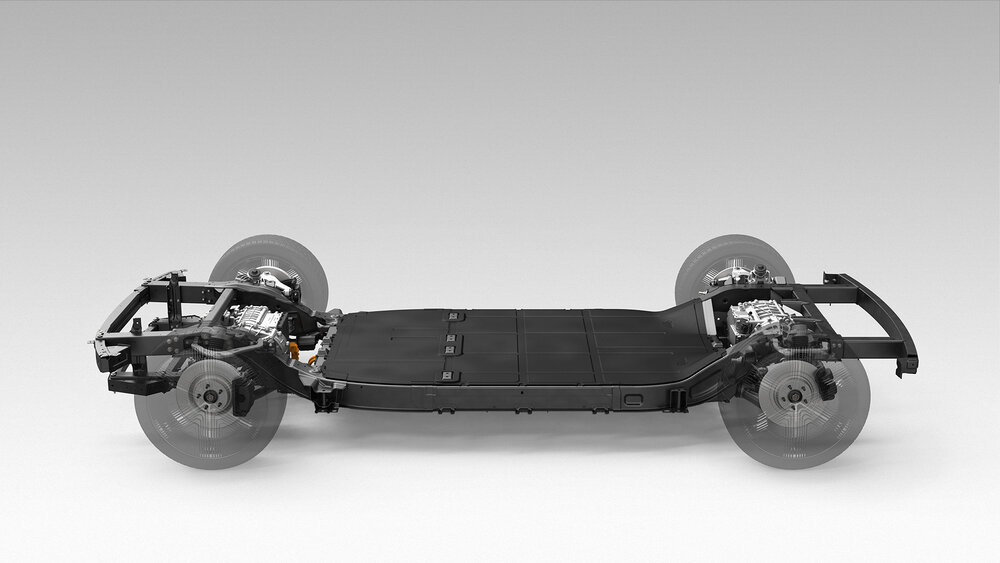
Canoo has developed a proprietary ‘skateboard’ architecture, directly housing the batteries and electric drivetrain. All of Canoo’s vehicles will share the same underpinning and different cabins or ‘top hats’ can be married on top to create unique vehicles. Leveraging the same fixed and flat skateboard allows for reduced R&D costs, efficient production and a better use of interior space.

The vehicle and skateboard are designed for an overall 5-star safety rating. The skateboard houses the most critical components of the vehicle with a strong emphasis on functional integration; the premise that all components should fulfil as many functions as possible. This helps reduce the total number of parts, skateboard size and weight.

While traditional suspension systems intrude into the passenger compartment, reducing the ability to maximize interior space, Canoo has a composite transverse leafspring suspension that creates a completely flat skateboard, enabling maximum passenger space.

Whereas other companies need a cabin to be secured to a skateboard for it to drive, Canoo’s skateboard is a self-contained unit which means it can drive on its own with any cabin placed on top. The skateboard is also set up in a way that it could support a dual, front or rear motor configuration.

Canoo

Canoo

Multi-function battery pack
The canoo has a claimed range of up to 400 kms (EPA rating) and can reach an 80% charge in less than 30 minutes. The battery pack is fastened directly to the skateboard structure and avoids the redundant structure and space taken up by a separate battery enclosure. The pack provides torsional rigidity to the skateboard and to the overall vehicle.

The parts inside the battery module also serve multiple purposes in order to reduce the number of parts and to eliminate redundancies. For example, cold plates serve to cool the batteries, hold the batteries and increase the stiffness of the skateboard. The skateboard architecture also allows for future models to leverage the same battery pack.

Canoo

Subscription concept offered
Canoo believes that there is a better solution than traditional car ownership. Currently, consumers are forced to go to a dealership and deal with insurance, maintenance and repairs. And the vehicle’s value drops immediately as the owner drives off a dealer’s lot.

Instead, Canoo will free its customers from the burden of ownership by offering a hassle-free and commitment-free EV subscription for one monthly, affordable price and with no set end date. The subscription may include services such as registration, maintenance, insurance management and charging—all from a single app.

PISTON.MY

Archive

Follow us on Facebook

Follow us on YouTube